Content Chemistry experiments - video Physics experiments - video Home Page - Chemistry and Chemists

Chemistry and Chemists № 1 2026

Journal of Chemists-Enthusiasts
Donate to the journal Chemistry and ChemistsDonate to the journal Chemistry and Chemists


Electrospinning - pt.20, 21


Chemist


Having noticed a mistake in the text, allocate it and press Ctrl-Enter


My first attempt to electrospin polymethyl methacrylate was unsuccessful. The New Year was just a few days away, and I wanted to achieve a positive result before the end of the year. So I returned to polystyrene and ethyl acetate. This solvent allowed me to obtain electrospun polystyrene, but I encountered a problem with incomplete evaporation of the ethyl acetate during the process. Splashes of the solution landed on the collector, gluing and dissolving the already formed fiber layer. To solve this problem, I planned to reduce the solution flow rate and use a heater. First, the polystyrene foam needed to be dissolved.

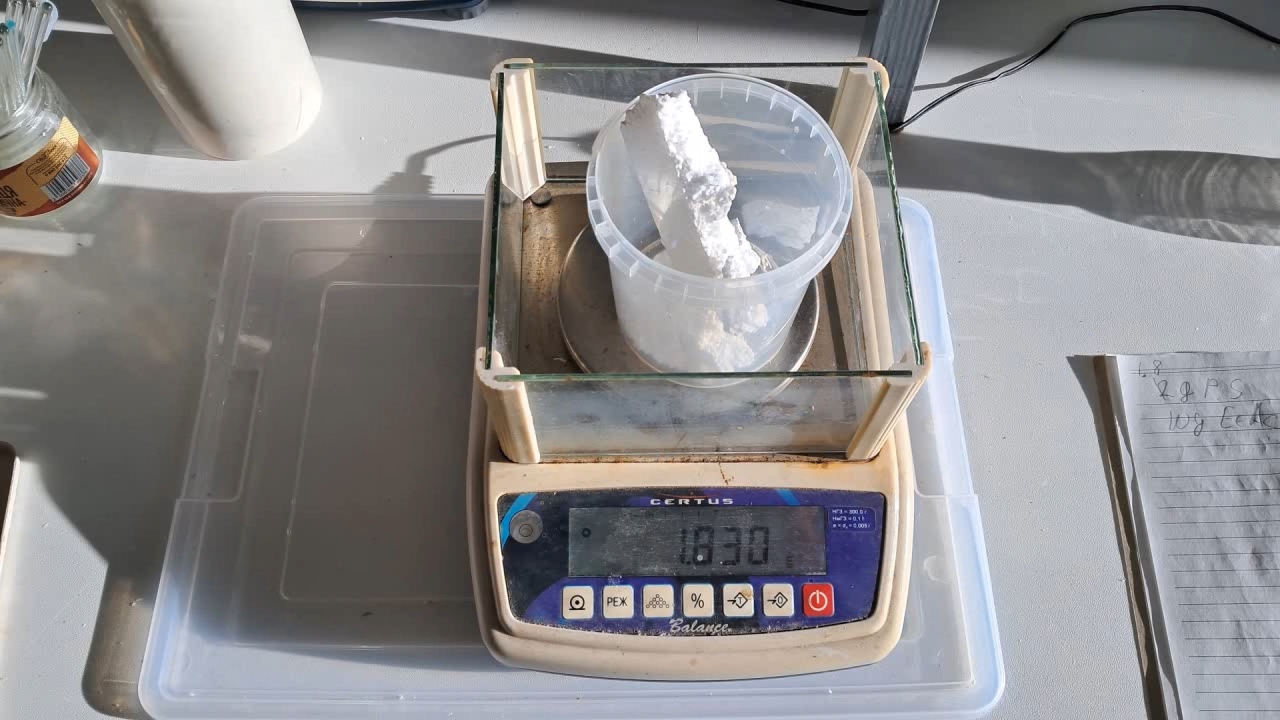
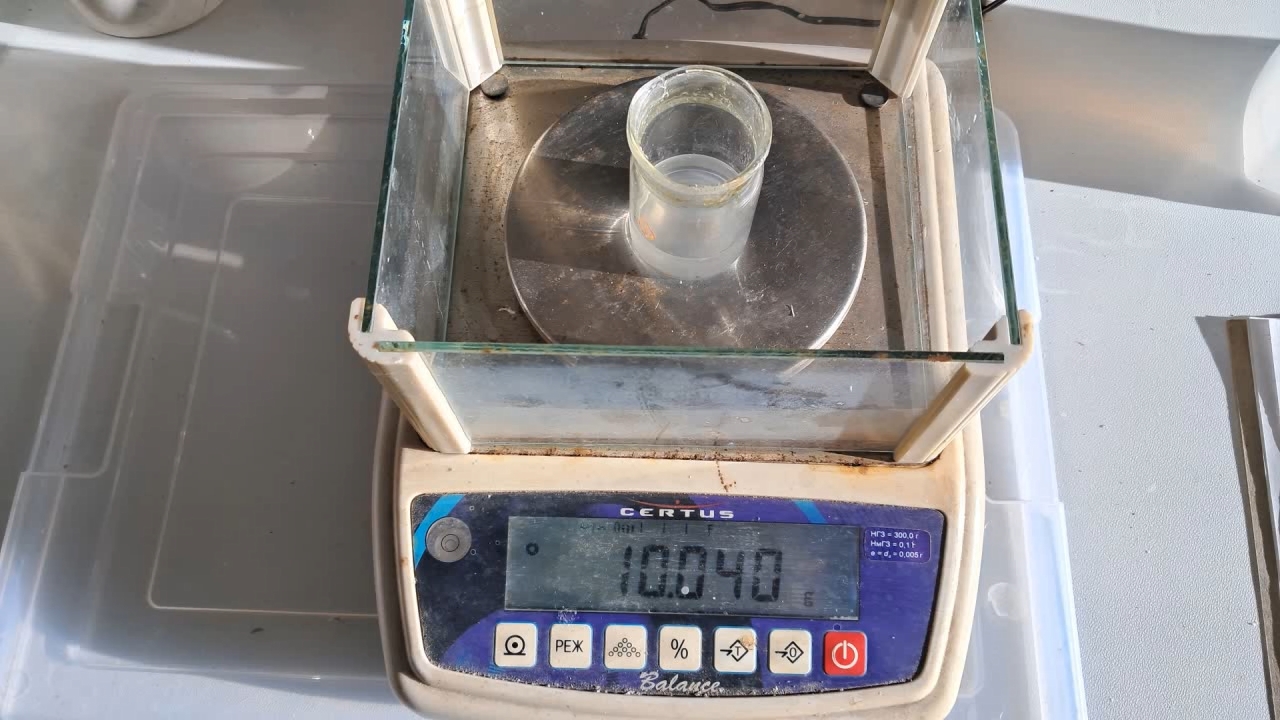
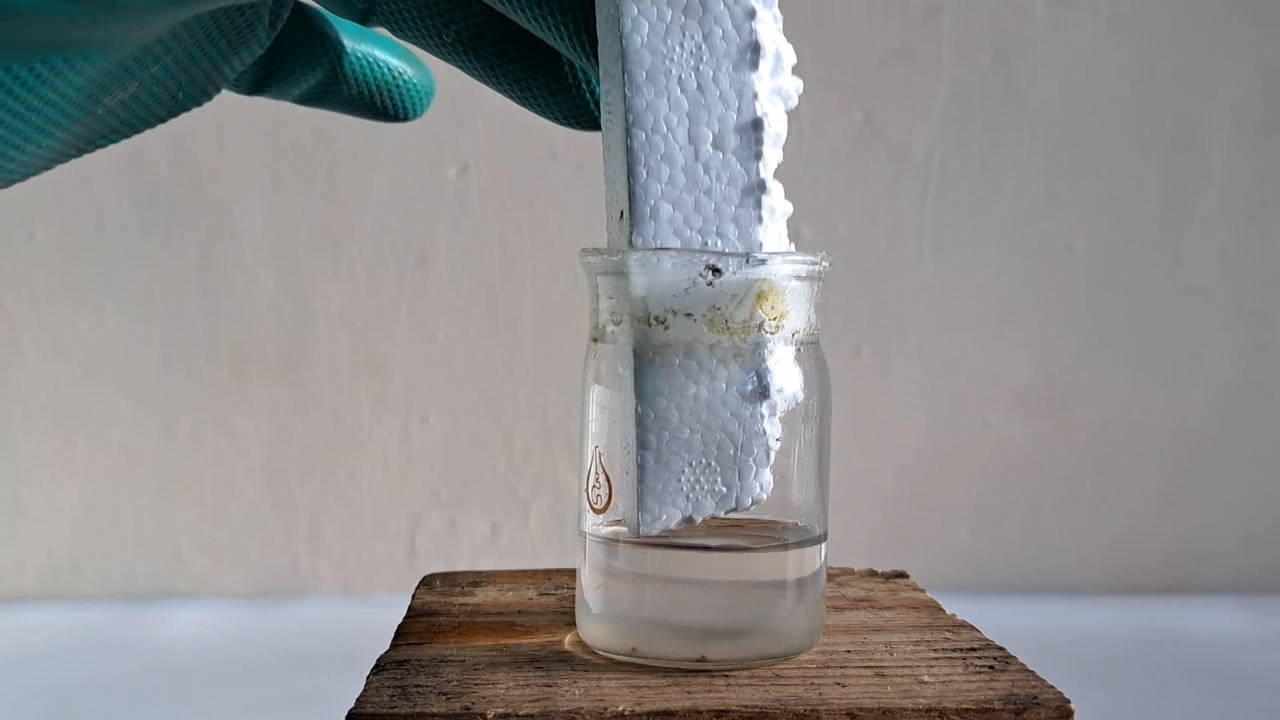
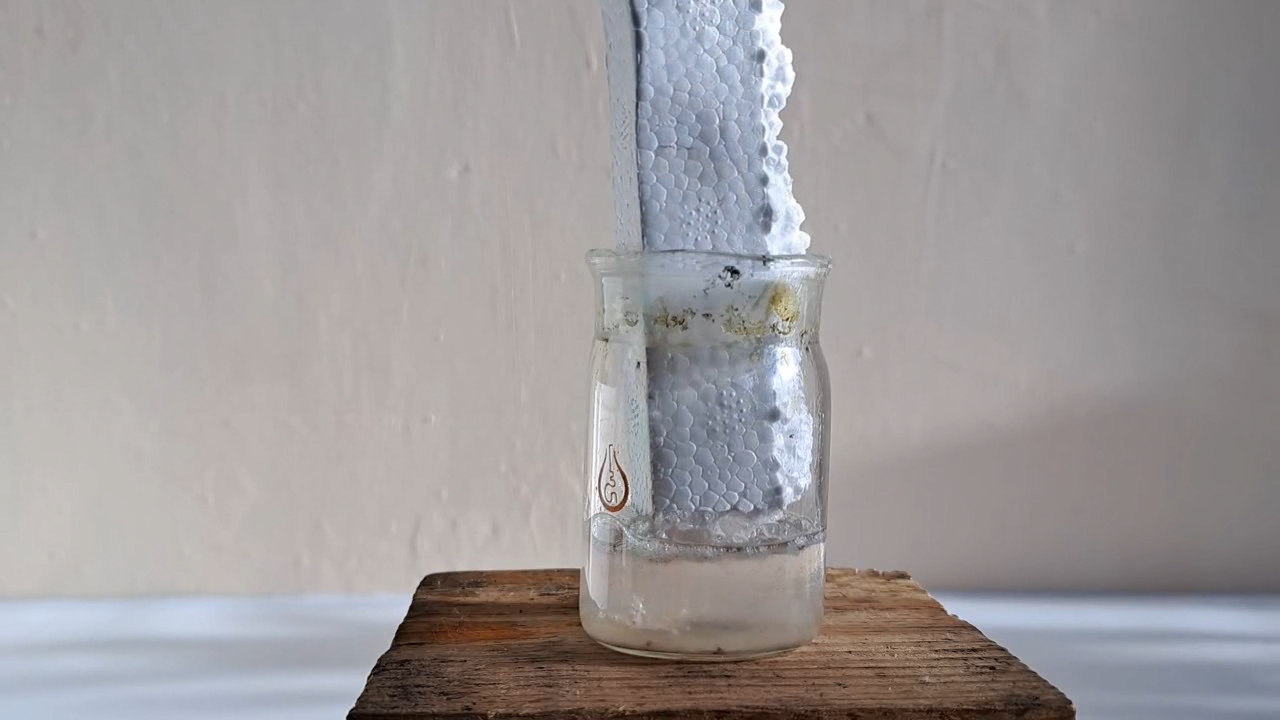
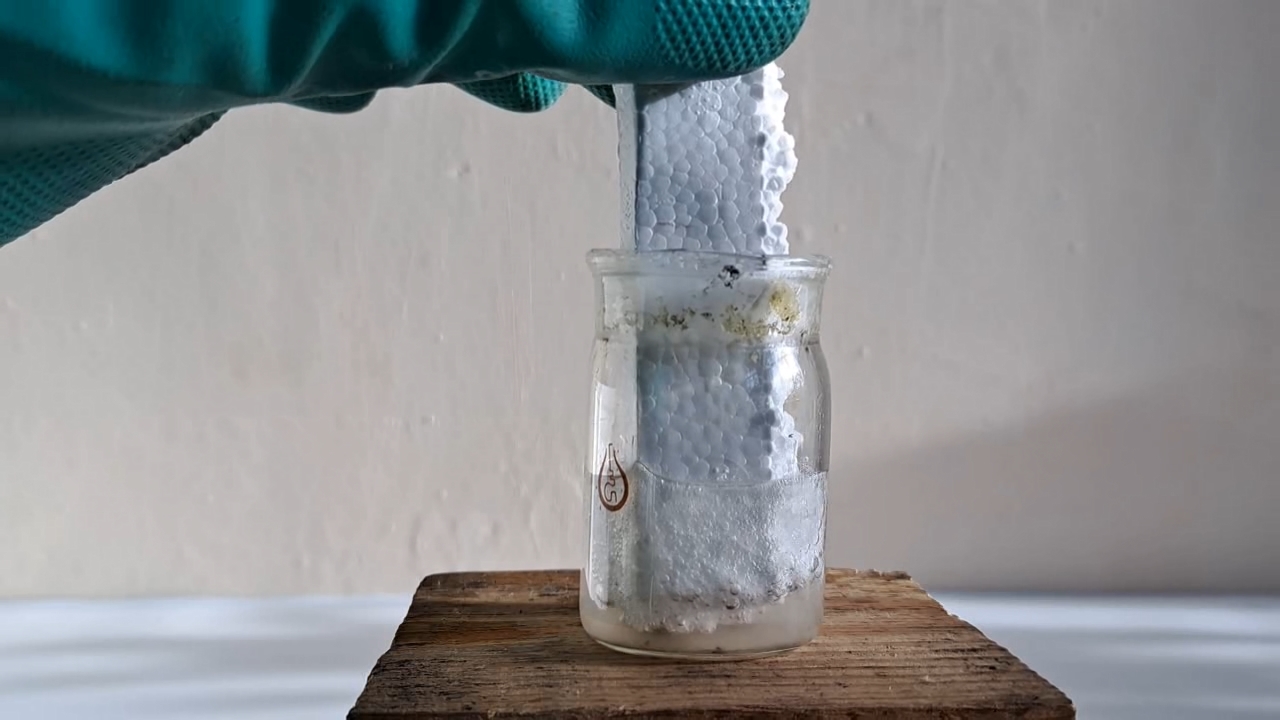
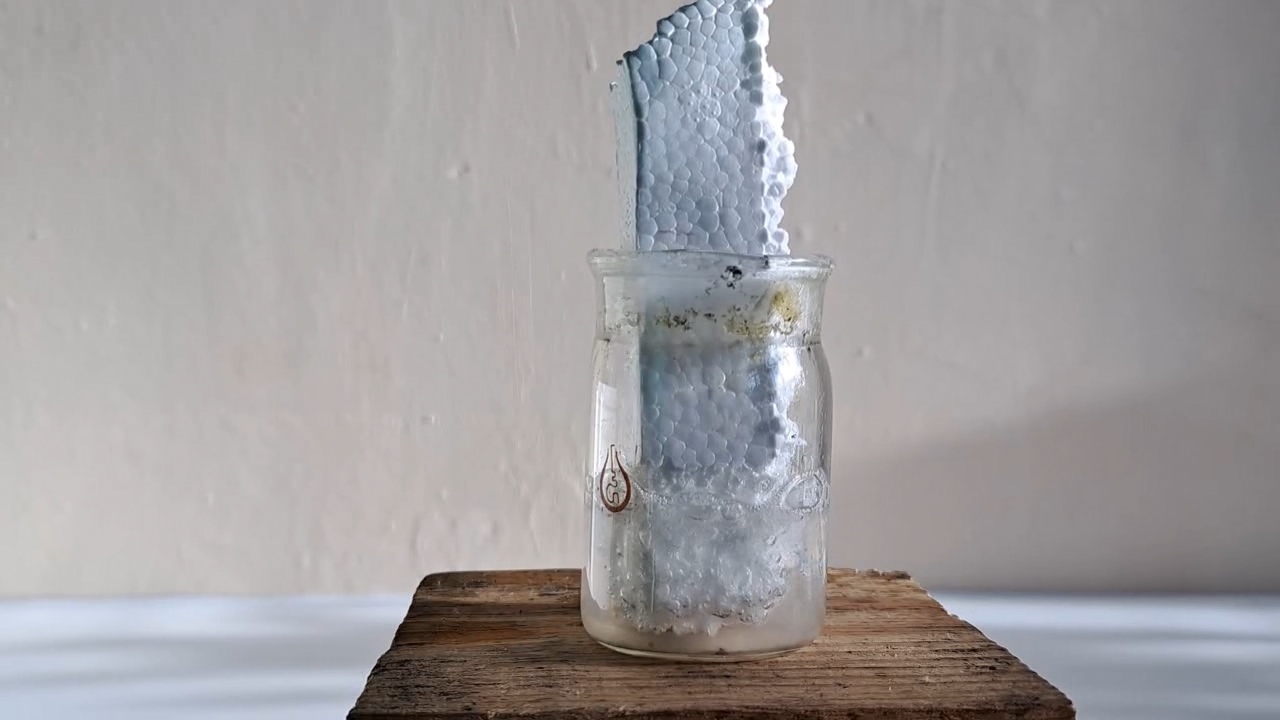
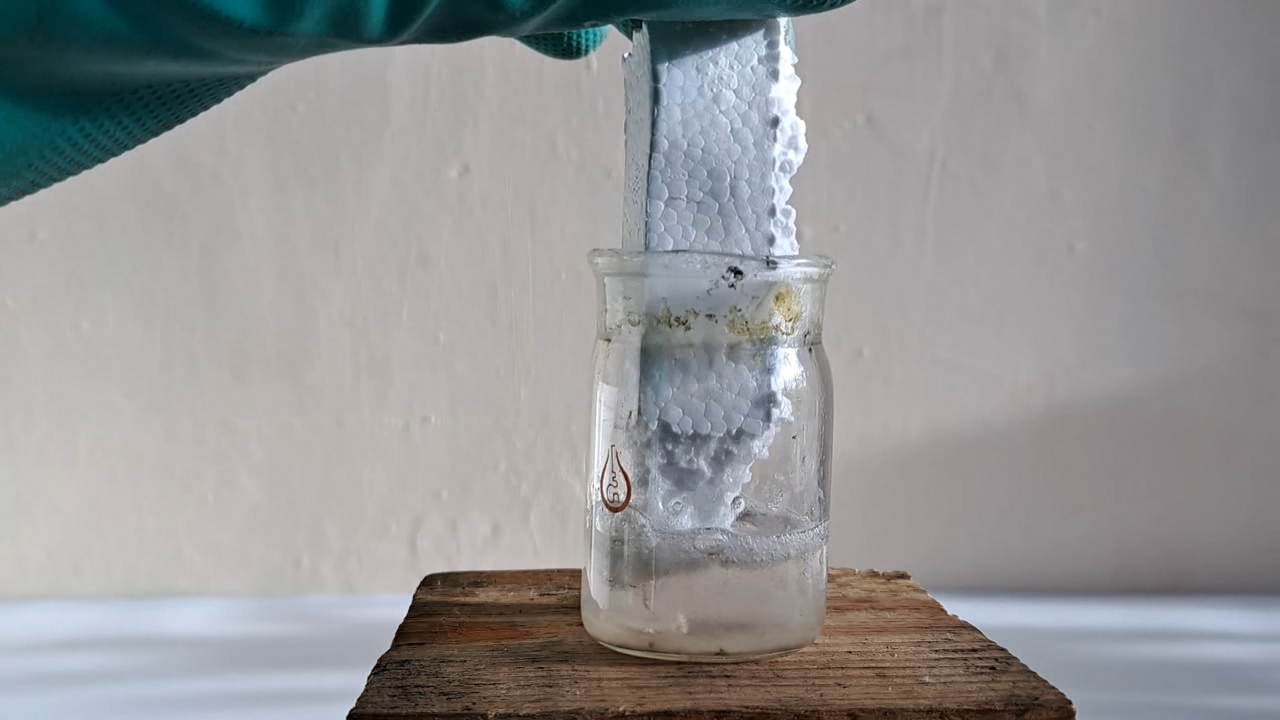
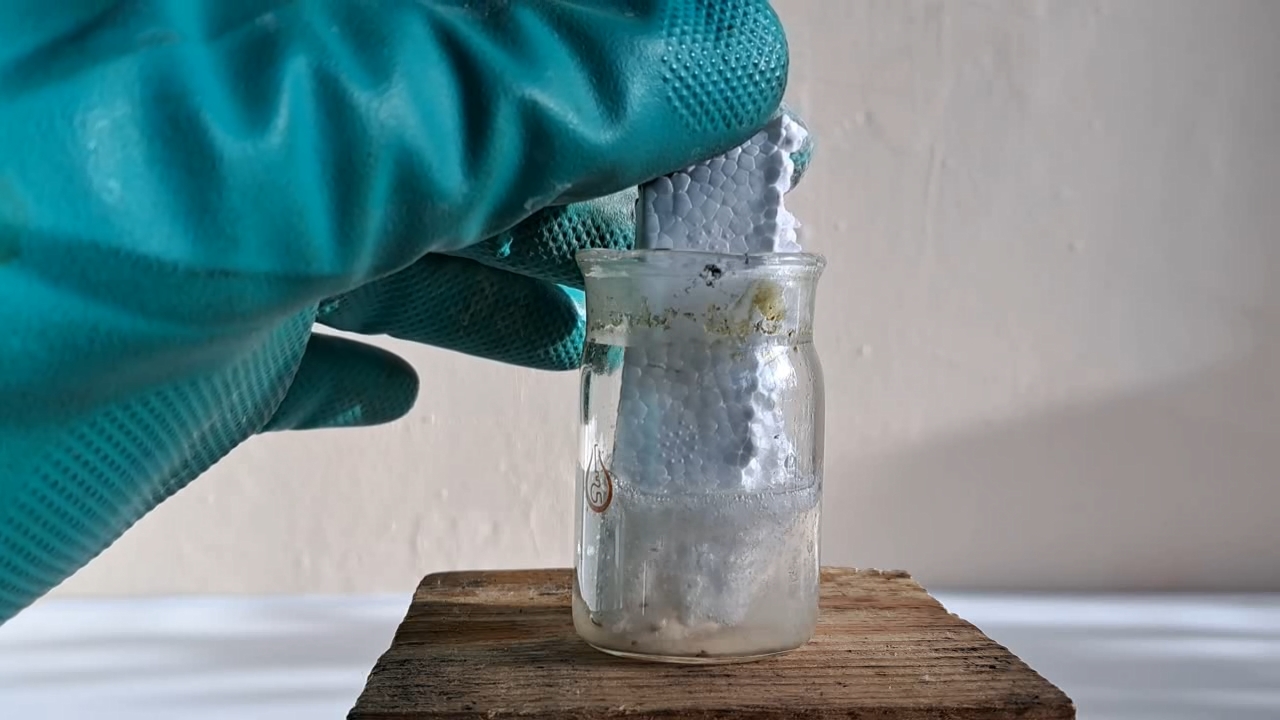
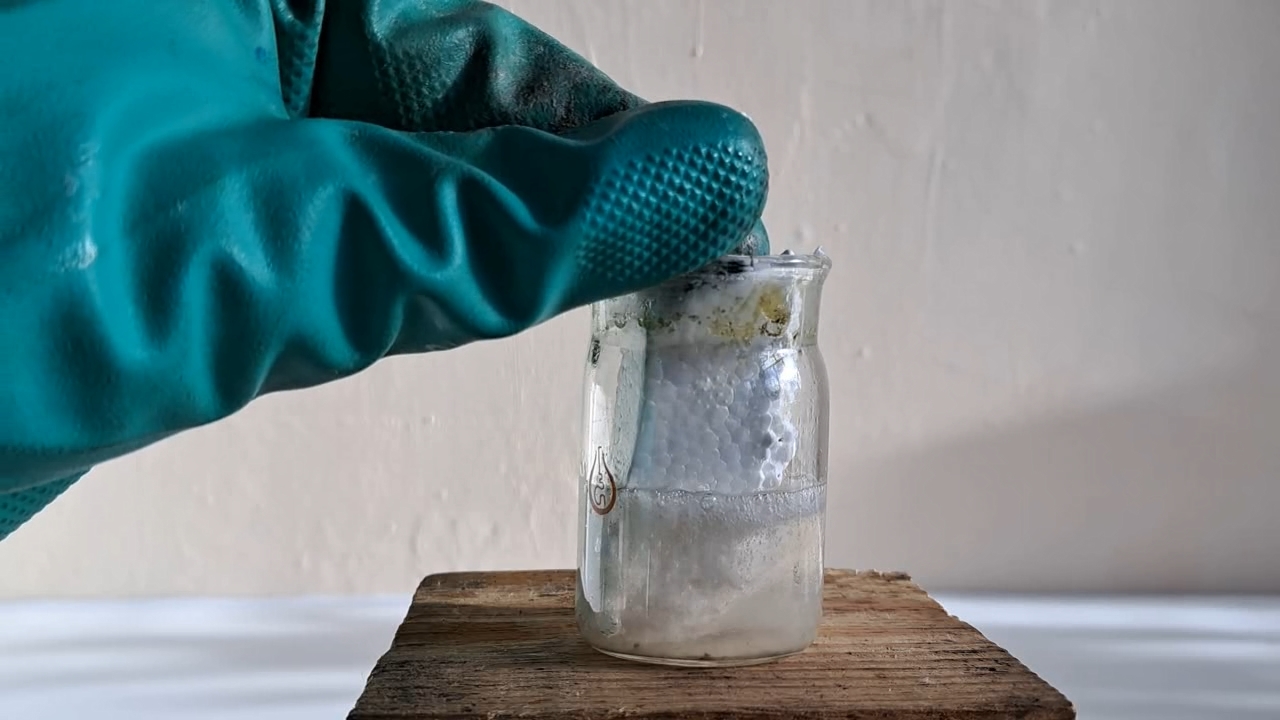
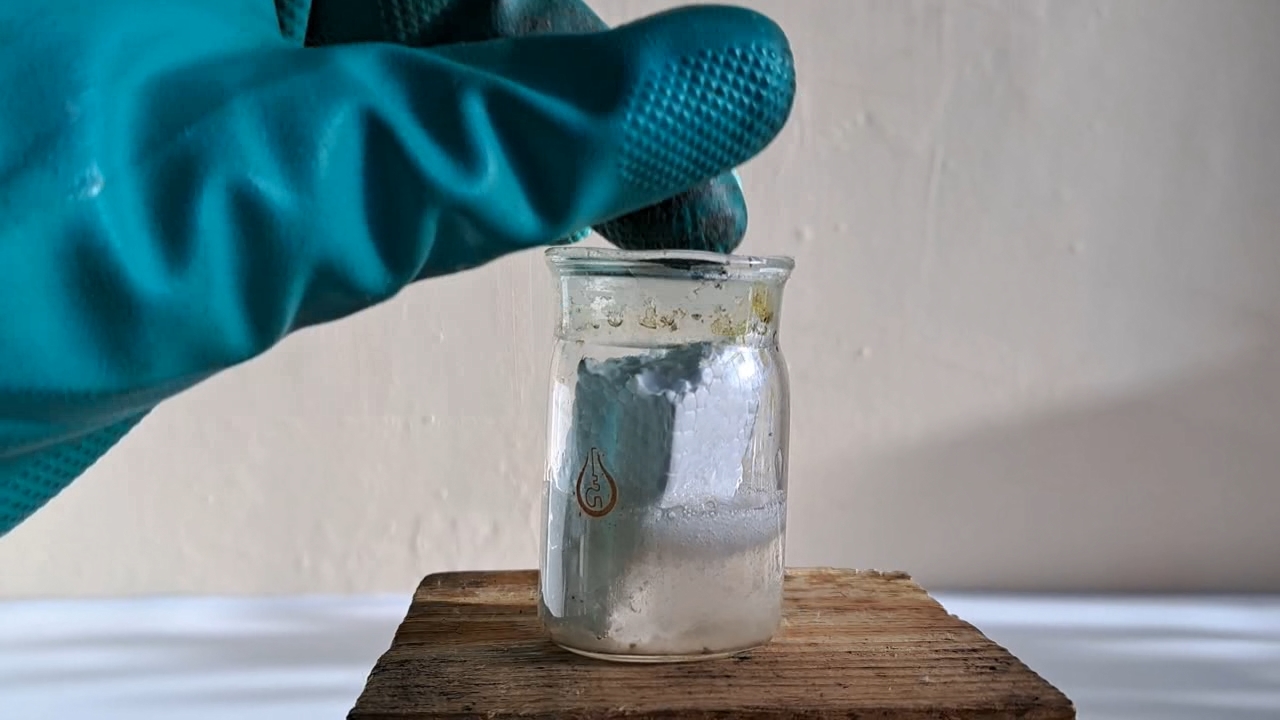
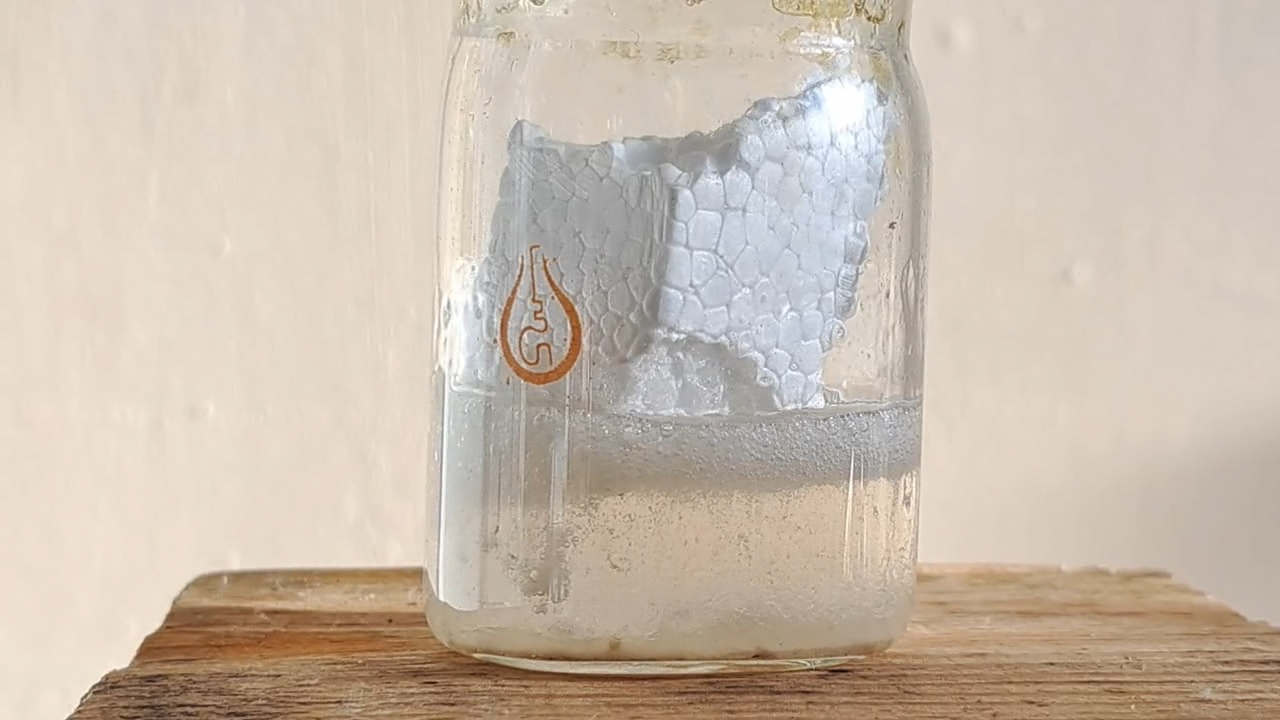
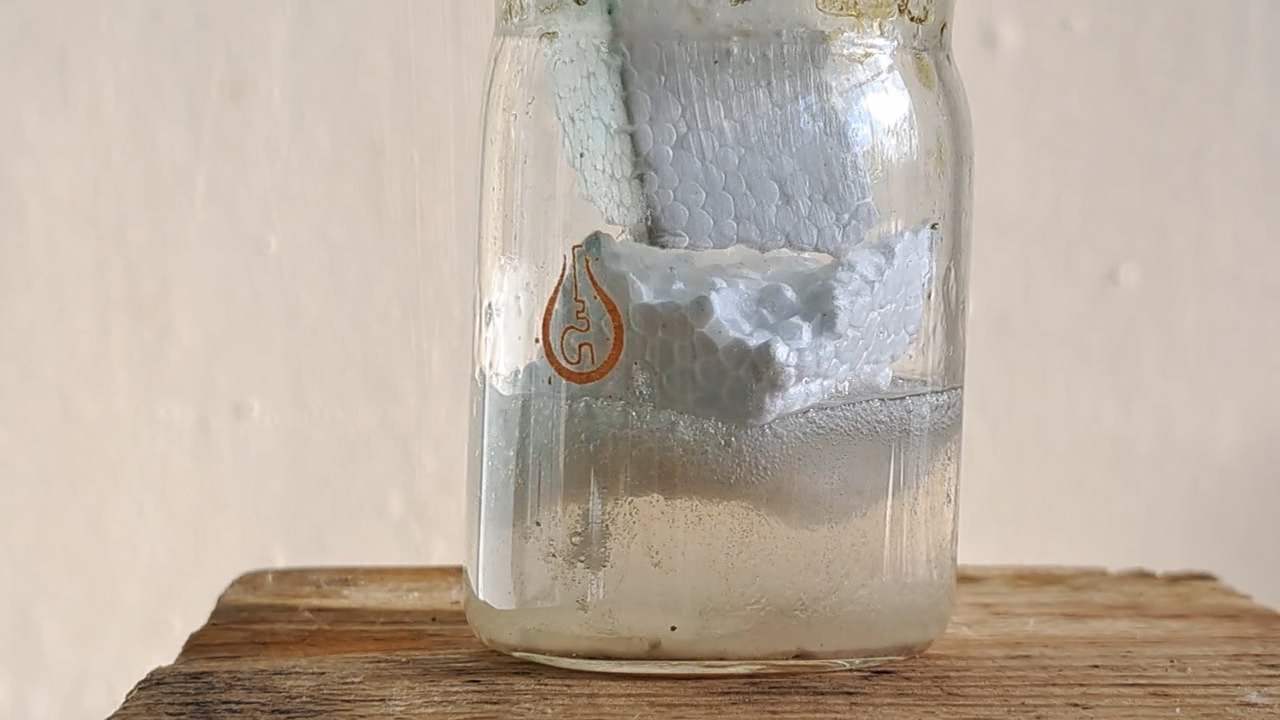
I weighed 1.830 g of expanded polystyrene and 10.050 g of ethyl acetate. I used large, long pieces of expanded polystyrene-they were easier to dissolve, especially if I needed to simultaneously film the process.

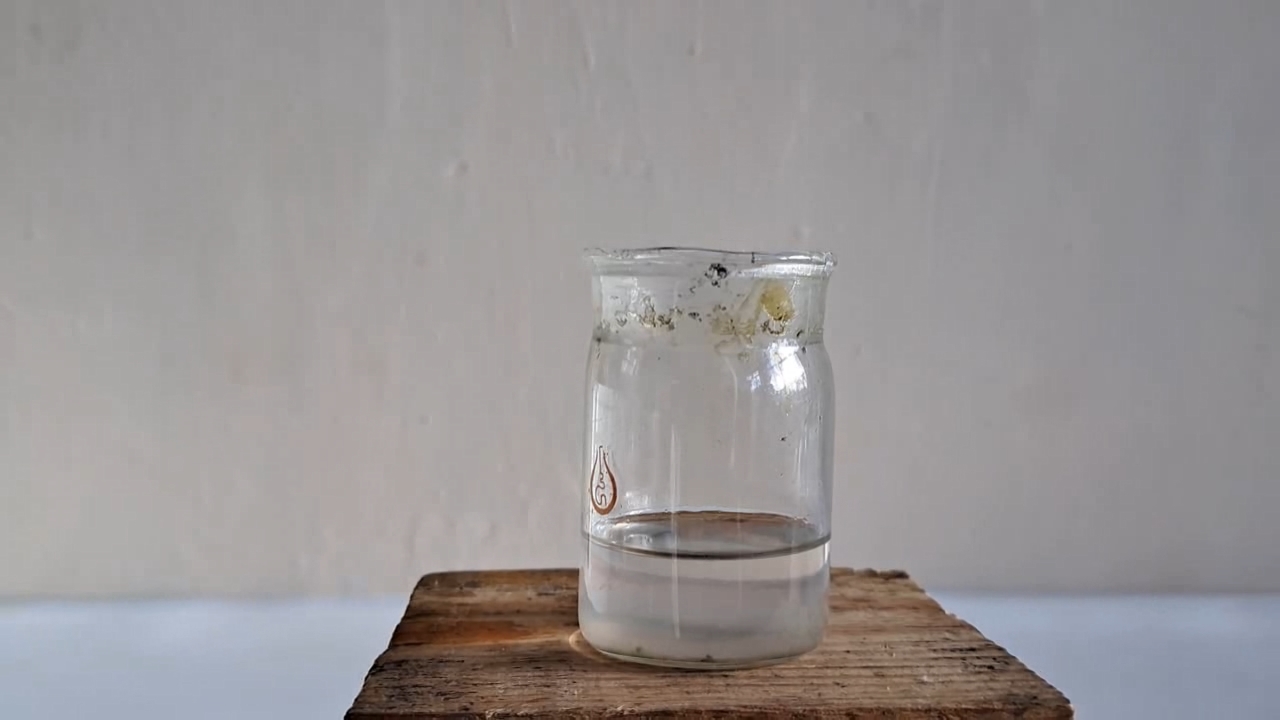
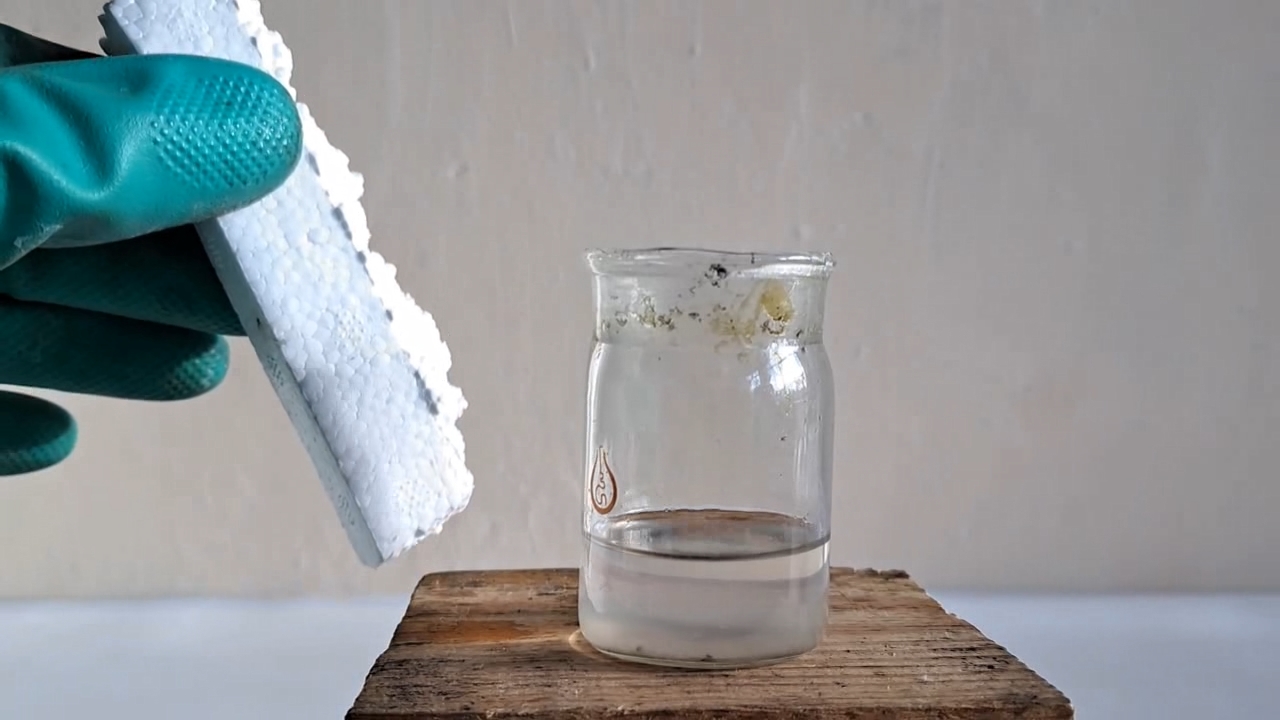
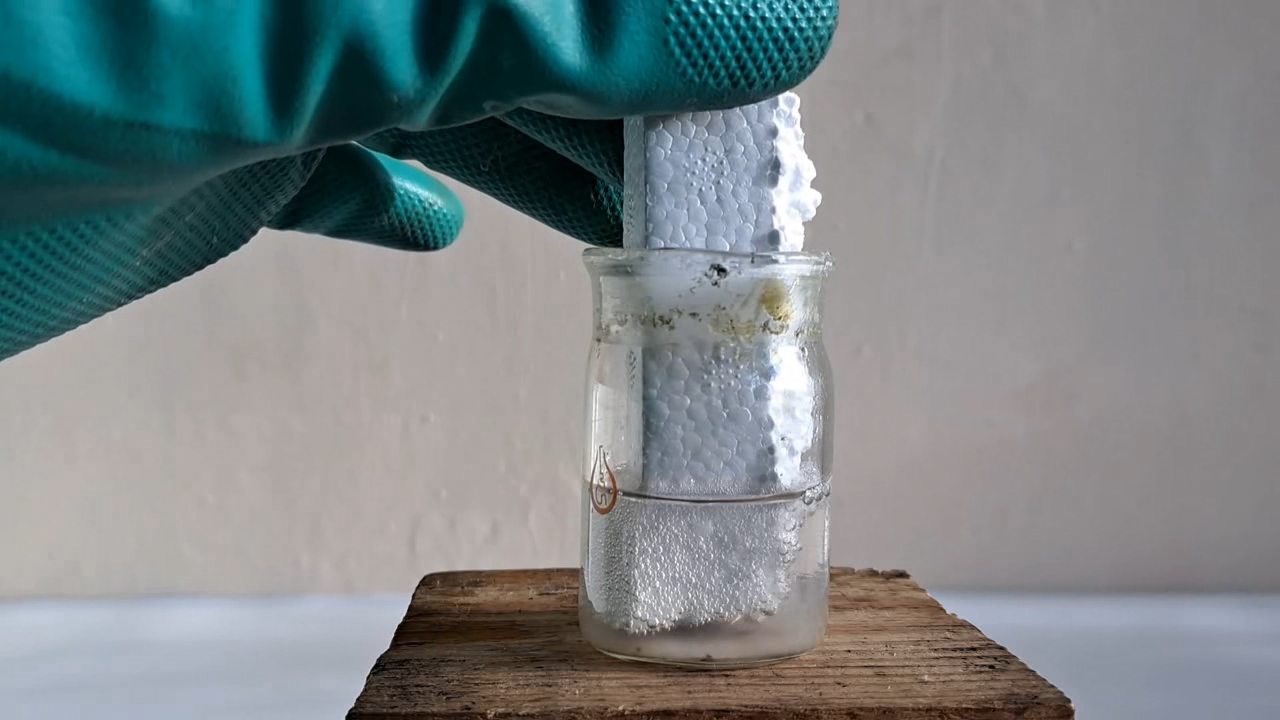
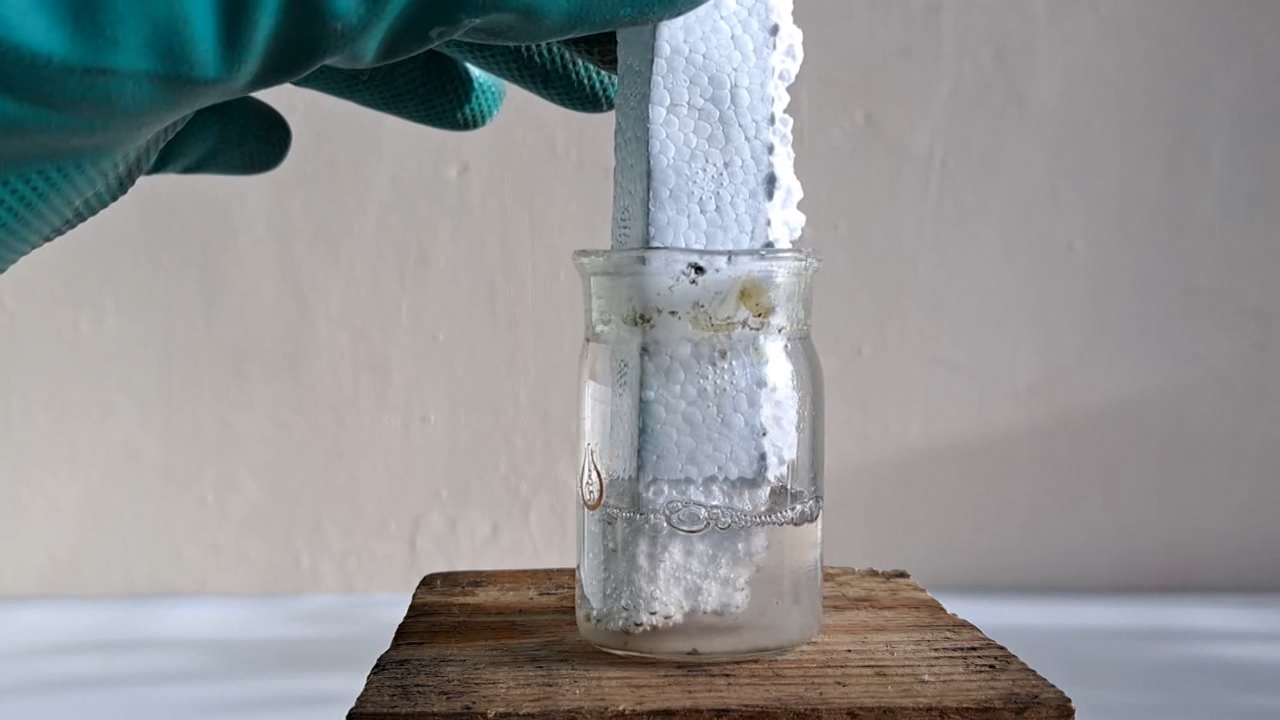
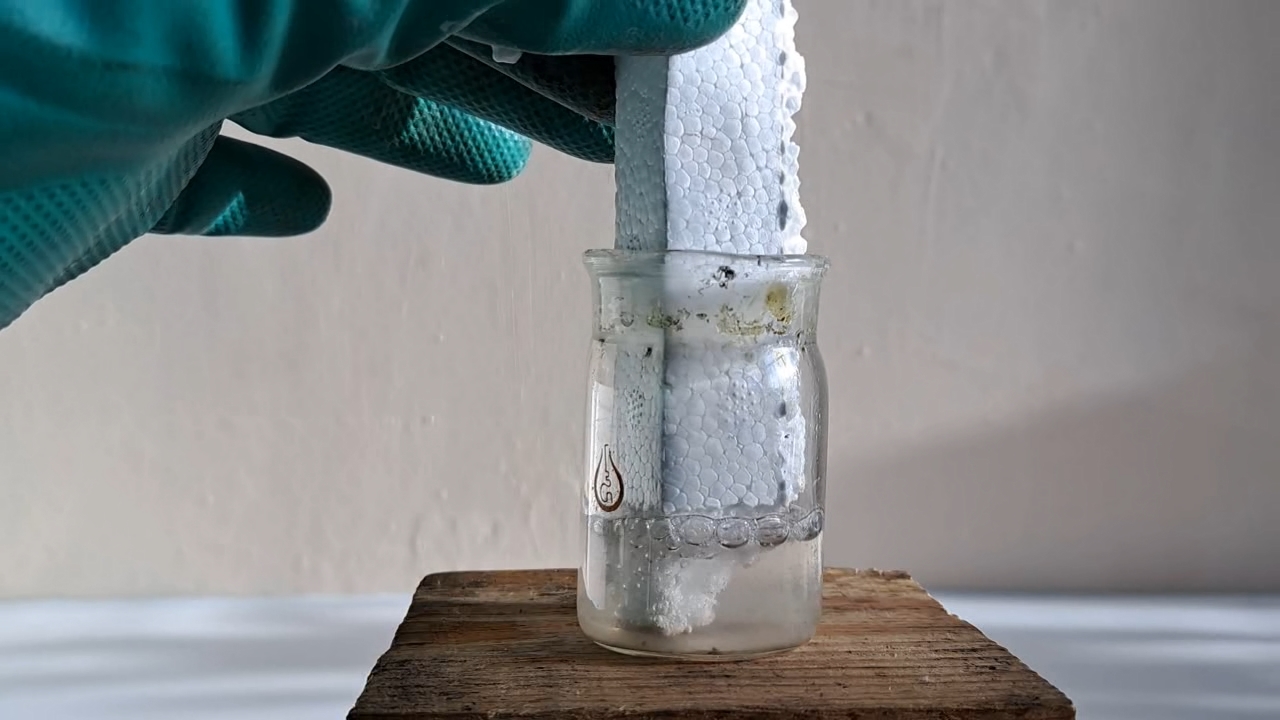
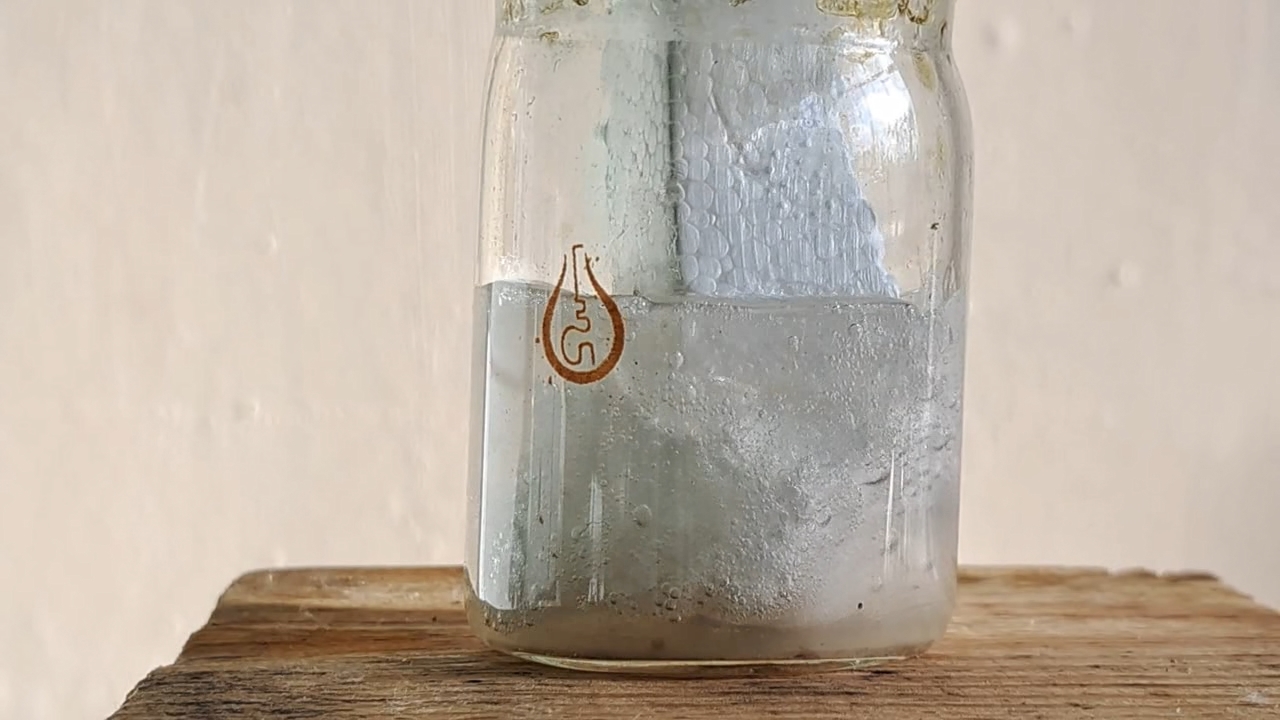
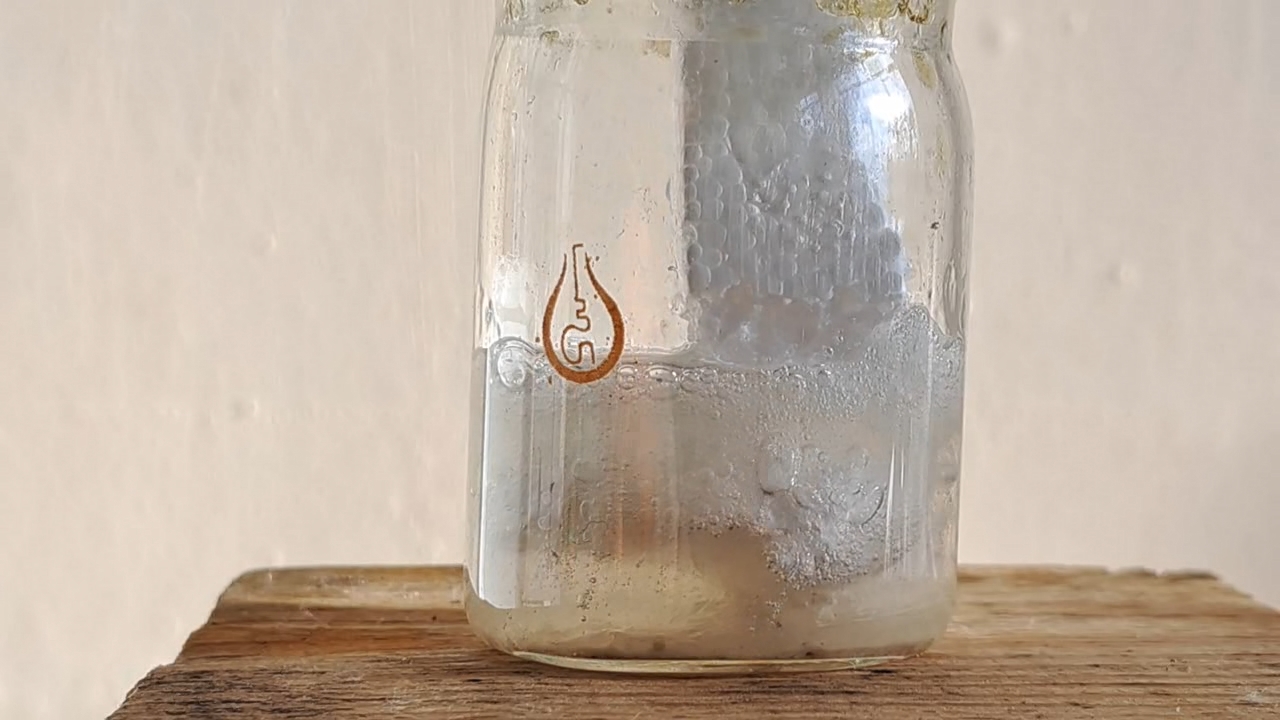
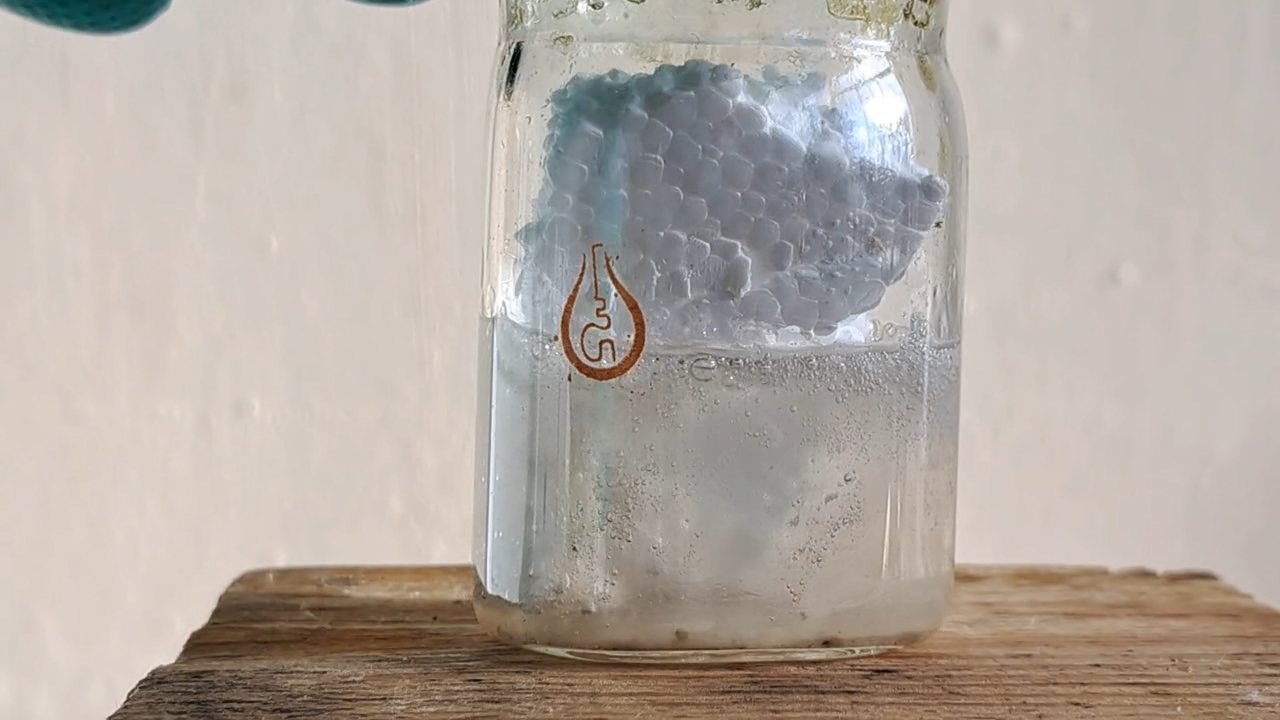
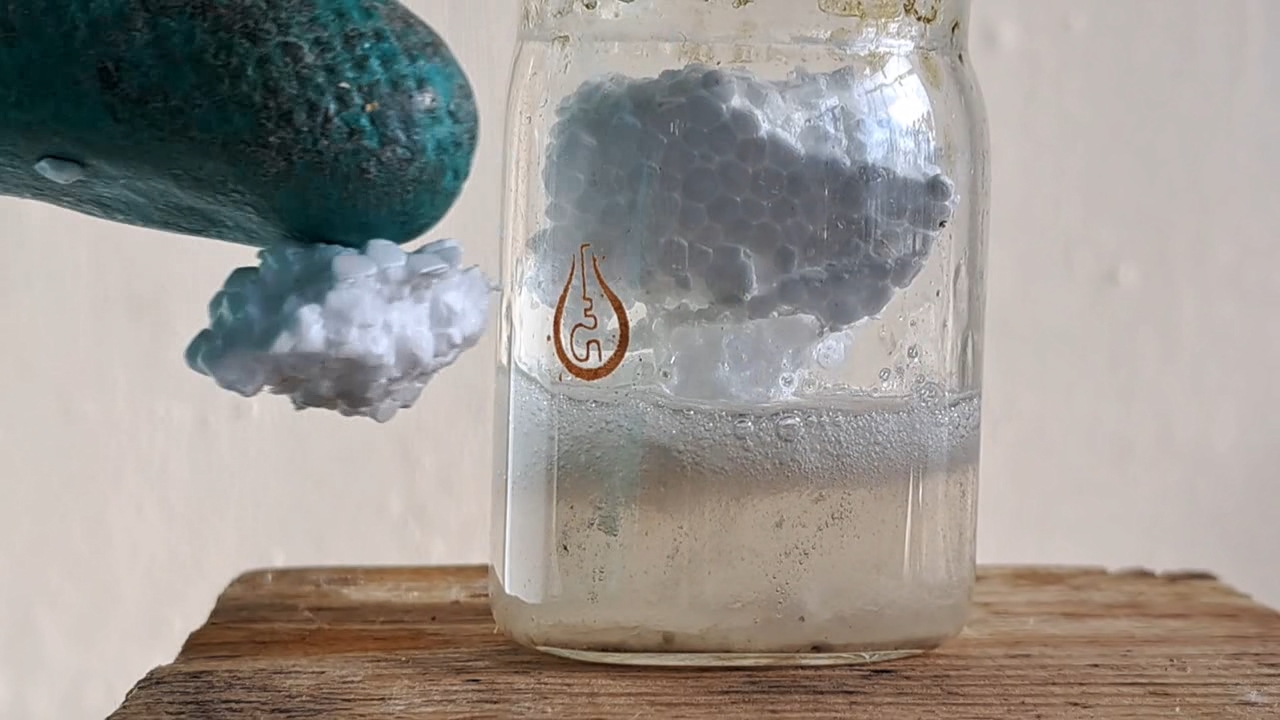
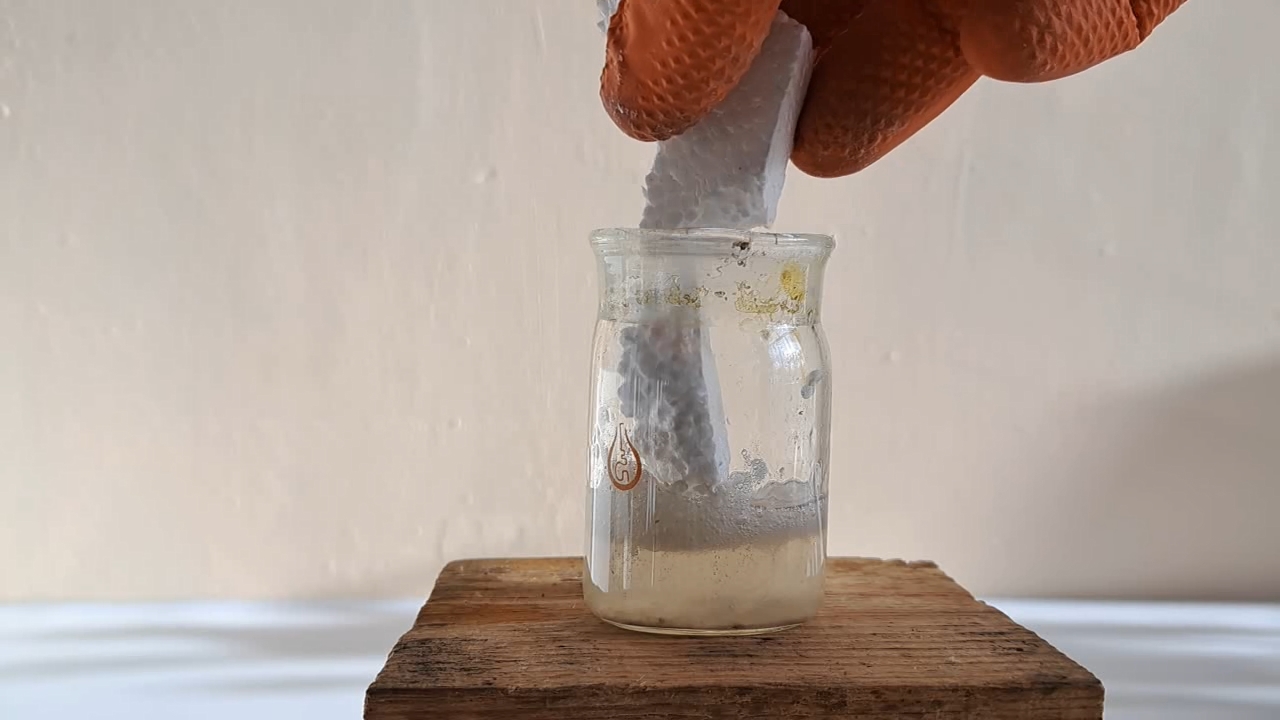
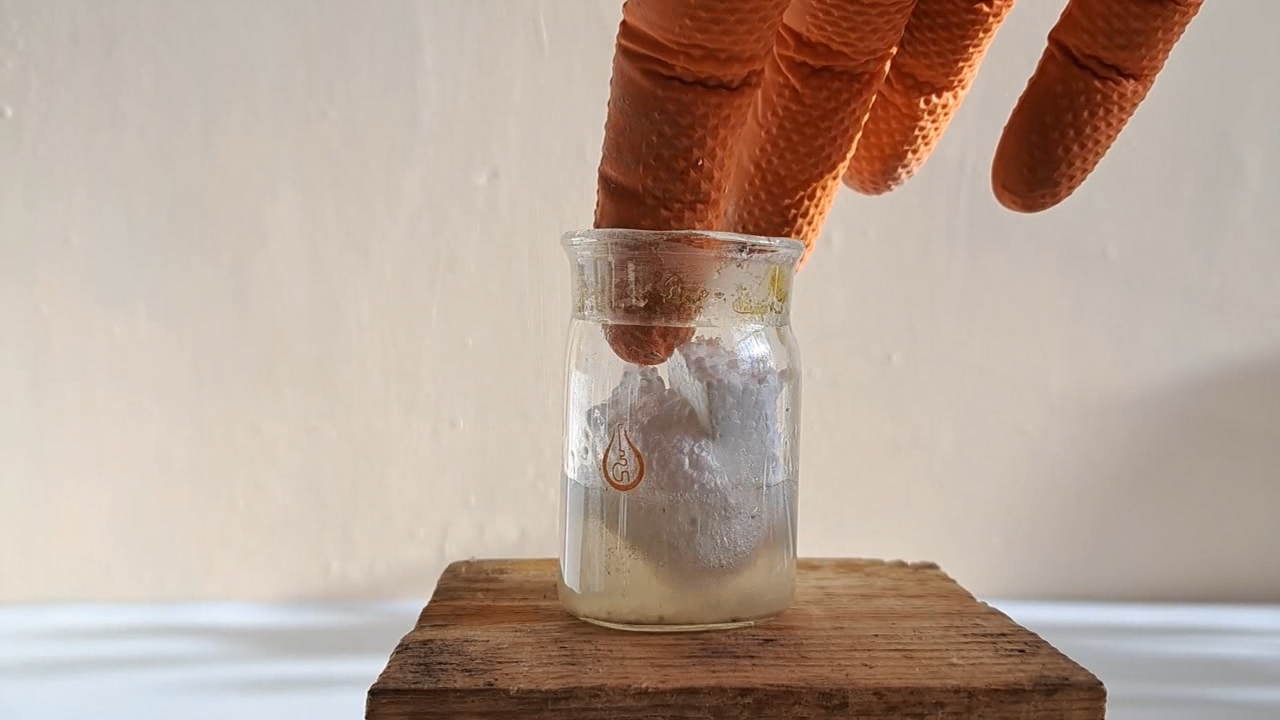
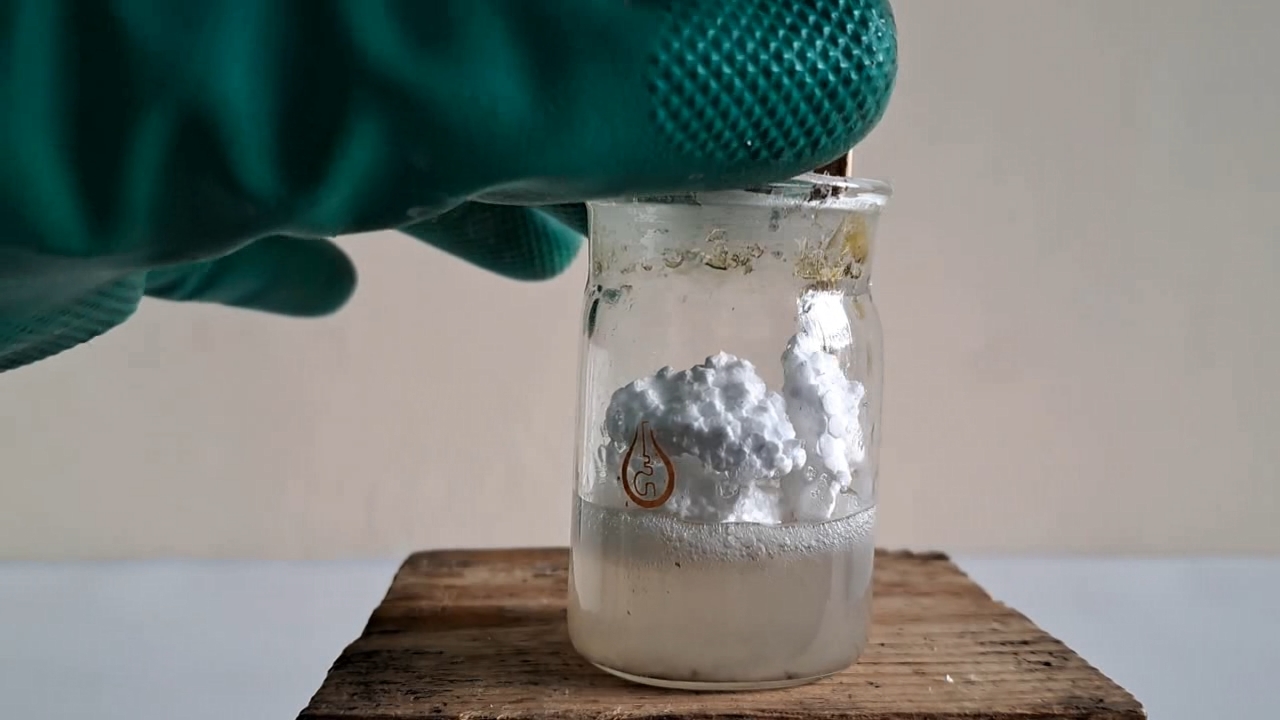
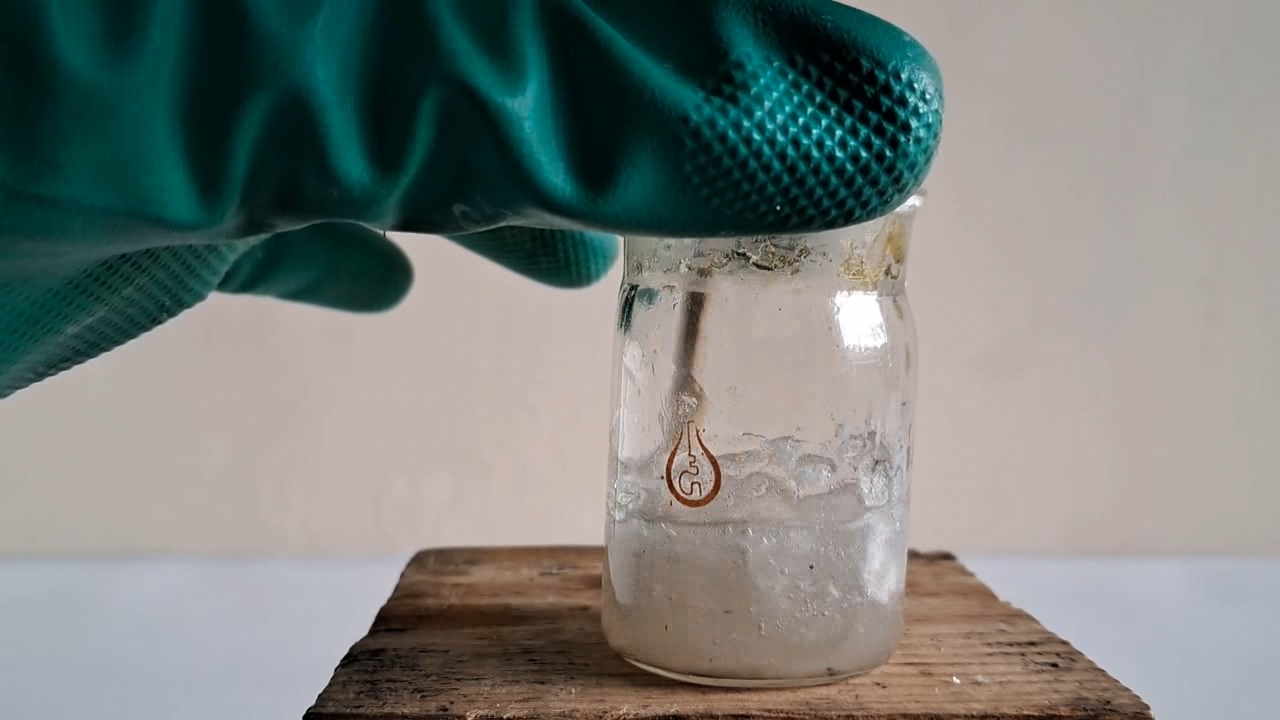
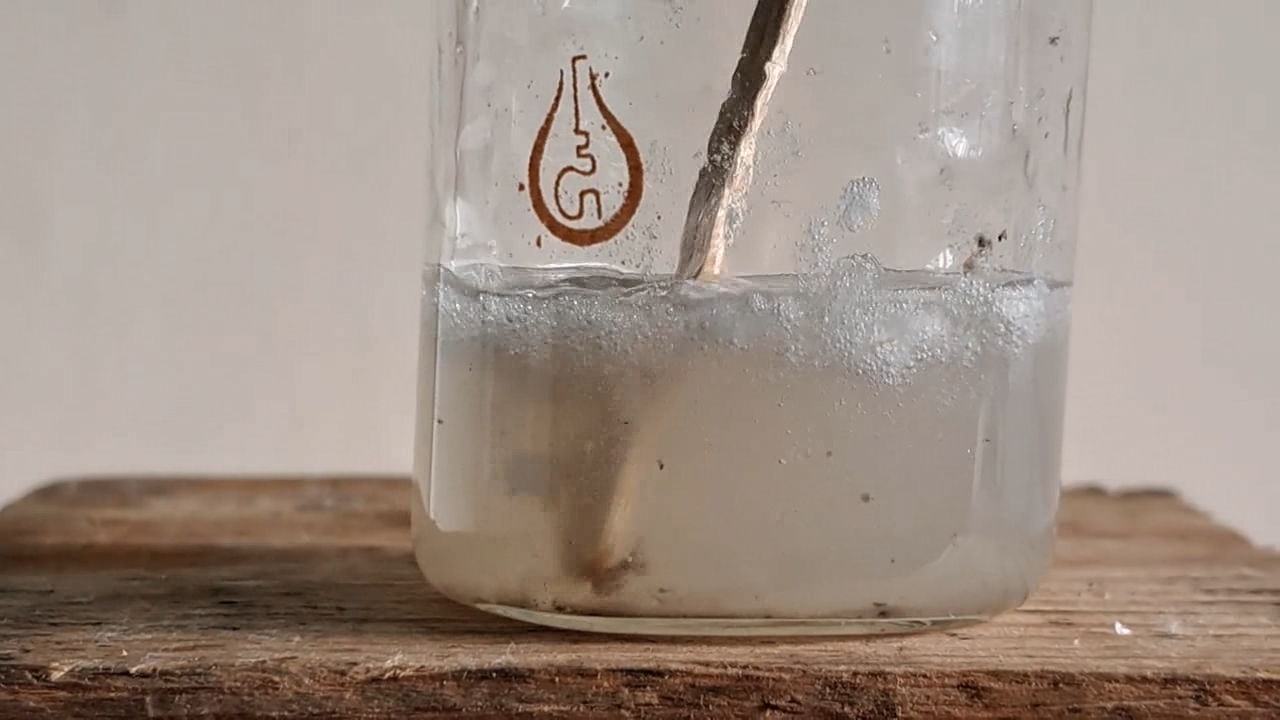
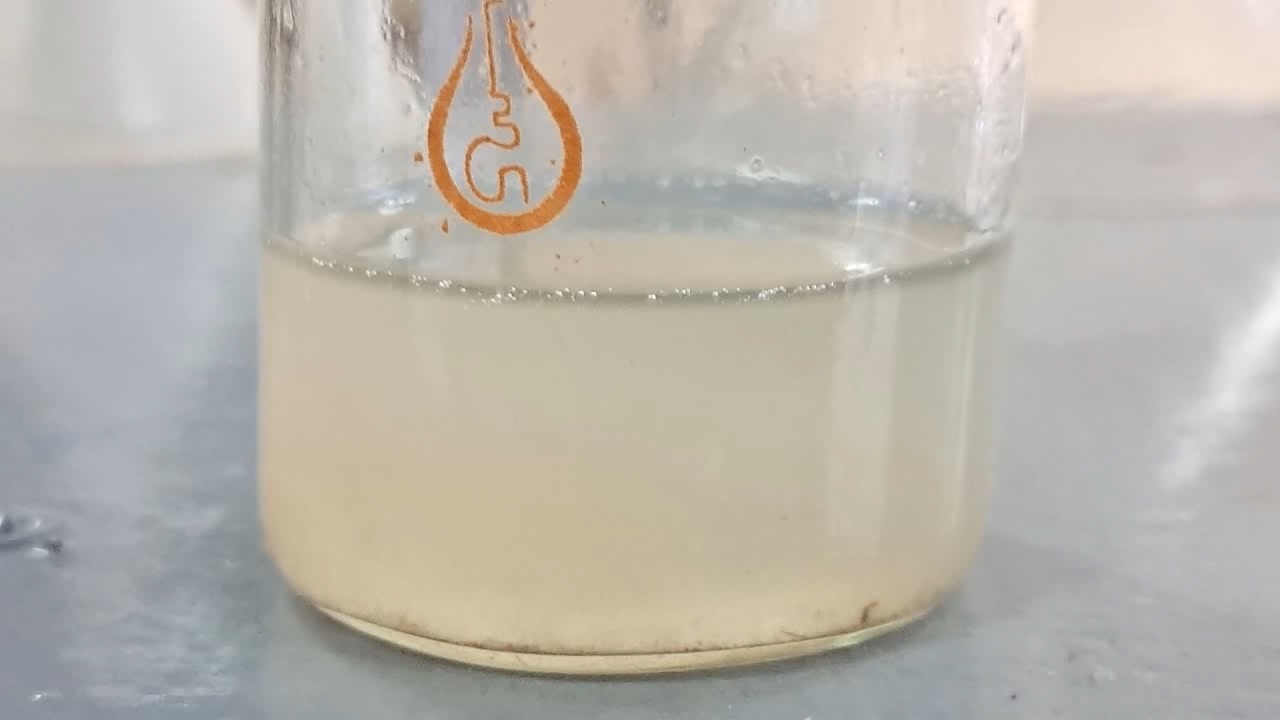
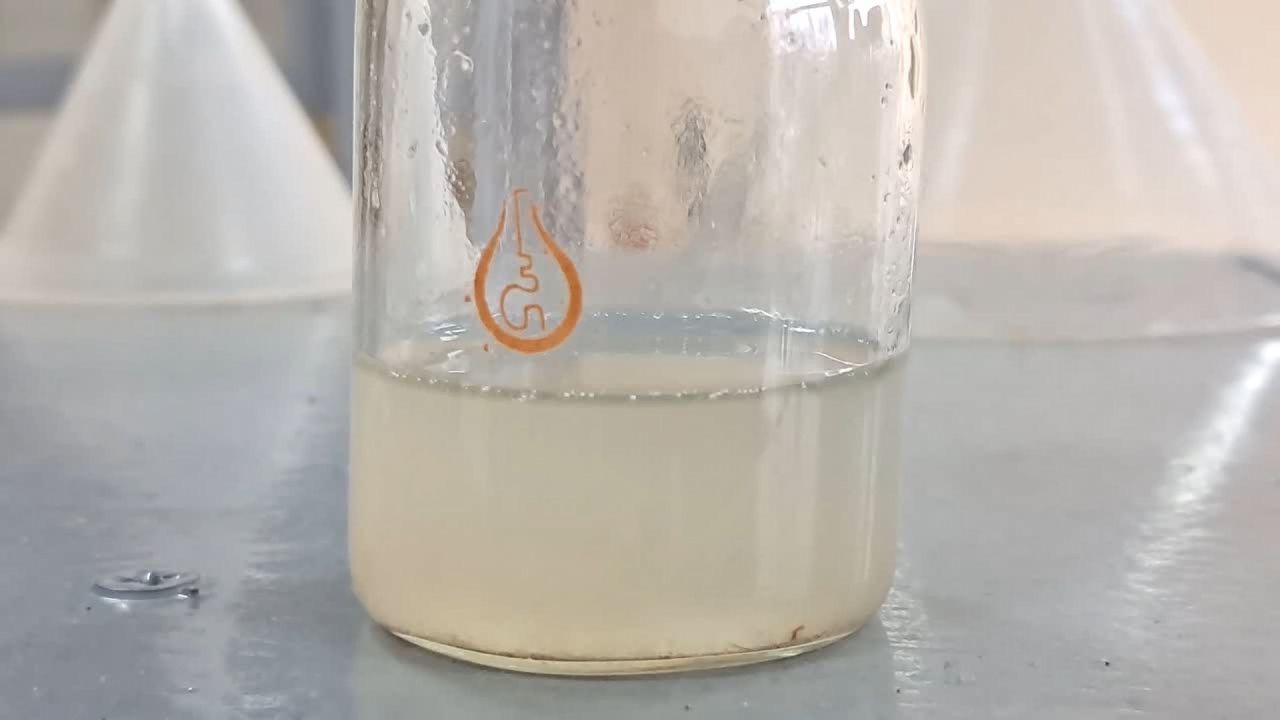
I dipped the piece of polystyrene into the solvent. The material quickly "melted" upon contact with the liquid, releasing gas. I continued the process. I gradually dissolved all the polystyrene, creating a cloudy solution.

By the way, when I broke up pieces of expanded polystyrene with my hands, the polymer became highly electrified, causing the pieces to stick to my gloves and refuse to fall into the solvent. The gloves were dry at the time. When I tried to place the crushed pieces into the bucket containing the expanded polystyrene, some of the pieces flew out of the bucket due to electrostatic repulsion. Despite their relatively large size, the pieces were lightweight. A similar effect was observed every time I prepared the expanded polystyrene solution. Electrospun polystyrene also becomes highly electrified, sticking to various surfaces, making it difficult to work with. Unfortunately, I haven't yet captured this phenomenon on video, as it's difficult to multitask.


Растворение вспененного полистирола в этилацетате - Часть 20
Первая попытка провести электроспиннинг полиметилметакрилата оказалась неудачной. До наступления нового года оставалось несколько дней, и мне хотелось получить положительный результат еще в нынешнем году. Поэтому я вернулся к полистиролу и этилацетату. Данный растворитель позволил получить электроспиннинговый полистирол, однако возникла проблема неполного испарения этилацетата в процессе. Брызги раствора попадали на коллектор, склеивая и растворяя уже сформированный слой волокон. Чтобы решить эту проблему, я планировал уменьшить скорость подачи раствора и использовать обогреватель. Для начала пенополистирол было необходимо растворить.

Взвесил 1.830 г пенополистирола и 10.050 г этилацетата. Пенополистирол использовал в виде больших длинных кусков - их удобнее растворять, особенно, если одновременно необходимо снять видео процесса.

Опустил кусок полистирола в растворитель. Материал быстро "таял" от соприкосновения с жидкостью, выделяя газ. Продолжил процедуру. Постепенно растворил весь полистирол, получил мутный раствор.

Кстати, когда я ломал куски пенополистирола руками, полимер сильно электризовался, в результате куски полистирола прилипали к рукавицам и не хотели падать в растворитель. Поверхность рукавиц при этом была сухая. При попытке поместить измельченные кусочки в ведерко, в котором находился пенополистирол, некоторые куски вылетали из ведерка вверх за счет сил электростатического отталкивания. Несмотря на значительные размеры, кусочки пенополистирола были легкими. Подобный эффект наблюдался каждый раз, когда я готовил раствор пенополистирола. Электроспиннинговый полистирол также хорошо электризуется, прилипая к различным поверхностям, что усложняло работу с ним. К сожалению, я до сих пор не снял данное явление на видео, поскольку трудно выполнять несколько задач одновременно.


Download the Video (84 Mb, .avi )

Dissolving Expanded Polystyrene in Ethyl Acetate

Dissolving Expanded Polystyrene in Ethyl Acetate

Dissolving Expanded Polystyrene in Ethyl Acetate

Dissolving Expanded Polystyrene in Ethyl Acetate

Dissolving Expanded Polystyrene in Ethyl Acetate

Dissolving Expanded Polystyrene in Ethyl Acetate

Dissolving Expanded Polystyrene in Ethyl Acetate

Dissolving Expanded Polystyrene in Ethyl Acetate

Dissolving Expanded Polystyrene in Ethyl Acetate

Dissolving Expanded Polystyrene in Ethyl Acetate

Dissolving Expanded Polystyrene in Ethyl Acetate

Dissolving Expanded Polystyrene in Ethyl Acetate

Dissolving Expanded Polystyrene in Ethyl Acetate

Dissolving Expanded Polystyrene in Ethyl Acetate

Dissolving Expanded Polystyrene in Ethyl Acetate

Dissolving Expanded Polystyrene in Ethyl Acetate

Dissolving Expanded Polystyrene in Ethyl Acetate

Dissolving Expanded Polystyrene in Ethyl Acetate

Dissolving Expanded Polystyrene in Ethyl Acetate

Dissolving Expanded Polystyrene in Ethyl Acetate

Dissolving Expanded Polystyrene in Ethyl Acetate

Dissolving Expanded Polystyrene in Ethyl Acetate

Dissolving Expanded Polystyrene in Ethyl Acetate

Dissolving Expanded Polystyrene in Ethyl Acetate

Dissolving Expanded Polystyrene in Ethyl Acetate

Dissolving Expanded Polystyrene in Ethyl Acetate

Dissolving Expanded Polystyrene in Ethyl Acetate

Dissolving Expanded Polystyrene in Ethyl Acetate


Having noticed a mistake in the text, allocate it and press Ctrl-Enter


It was sunny and unusually frosty outside. The sun's rays brightly illuminated the laboratory. The room was heated, so in winter the temperature there was usually around 12°C. However, on this day, thanks to direct sunlight, the temperature in the lab reached a whopping 20°C.

There was also another, unheated laboratory whose windows were not exposed to direct sunlight. At the time of these events, the temperature there had dropped to 2°C, and after a couple of weeks of severe frost, it fell to -4°C. This low temperature in the lab had interesting, though not entirely pleasant, consequences, which I will discuss later.

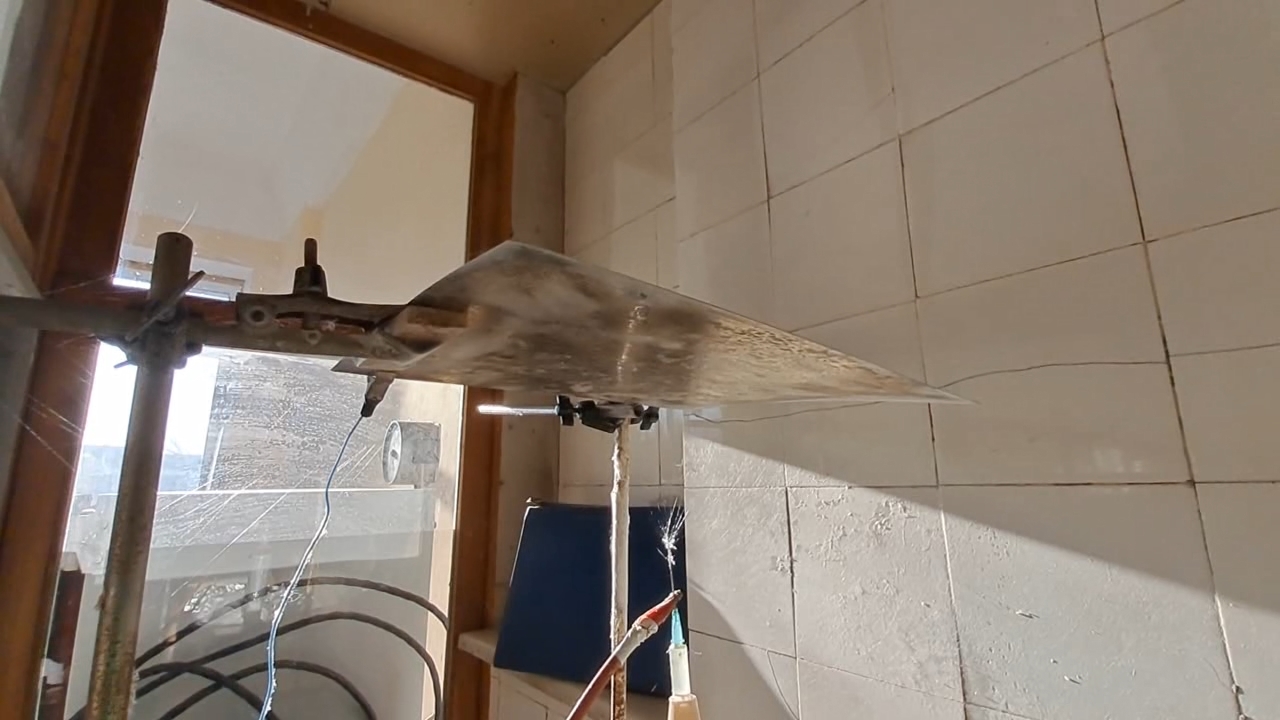
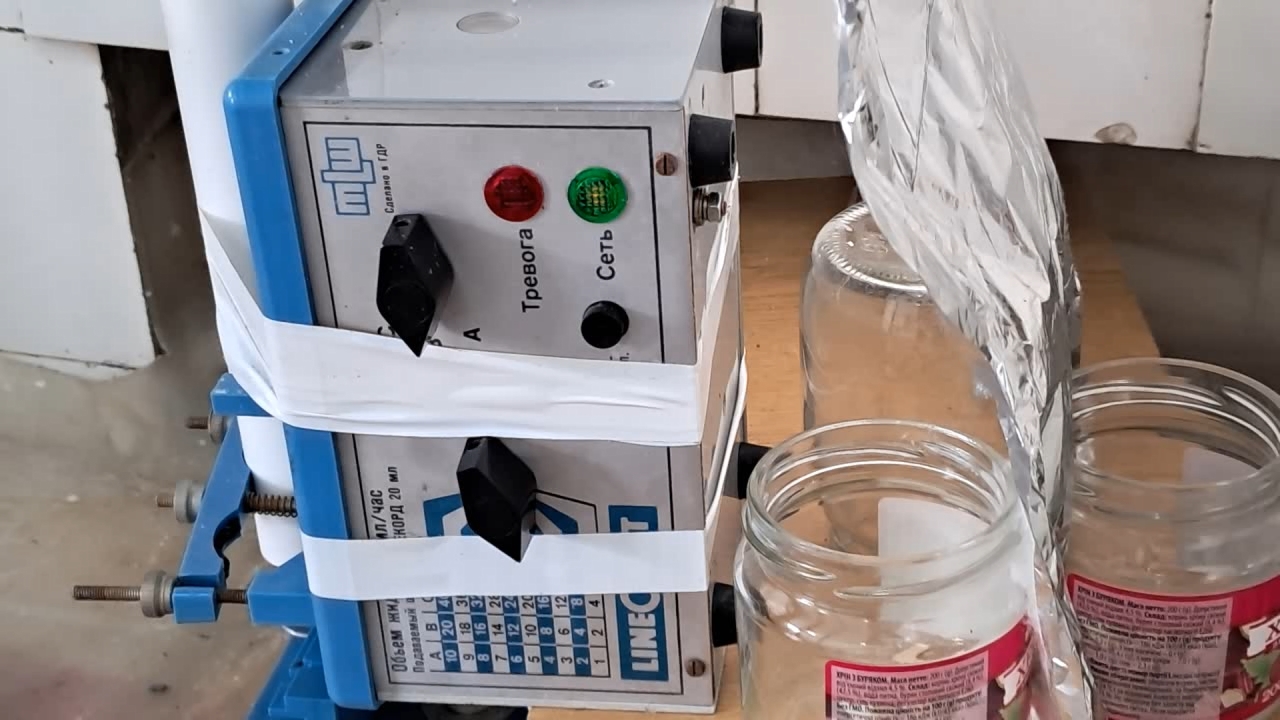
Naturally, I conducted the electrospinning experiments in the warm laboratory. I hoped that an air temperature of 20°C would enhance the evaporation of ethyl acetate and eliminate the problem of solution splashing onto the collector surface. Of course, I did not rely on hope alone and also used a heater to further promote solvent evaporation.

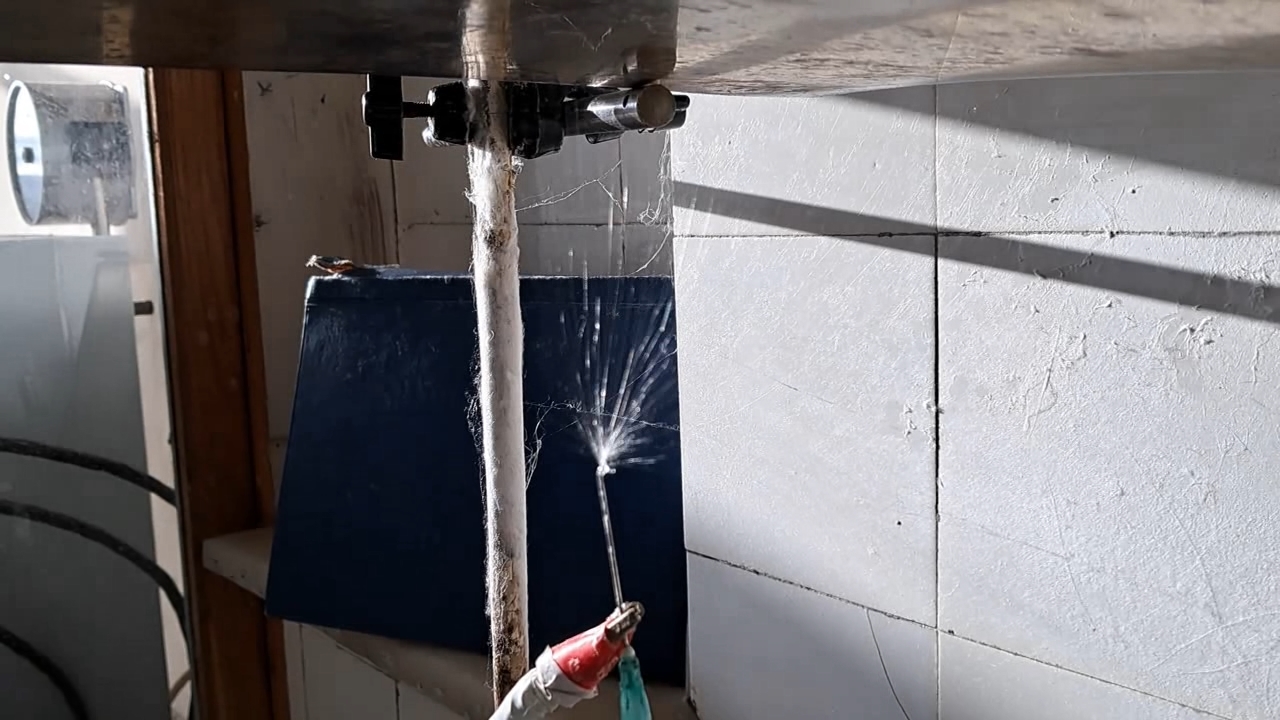
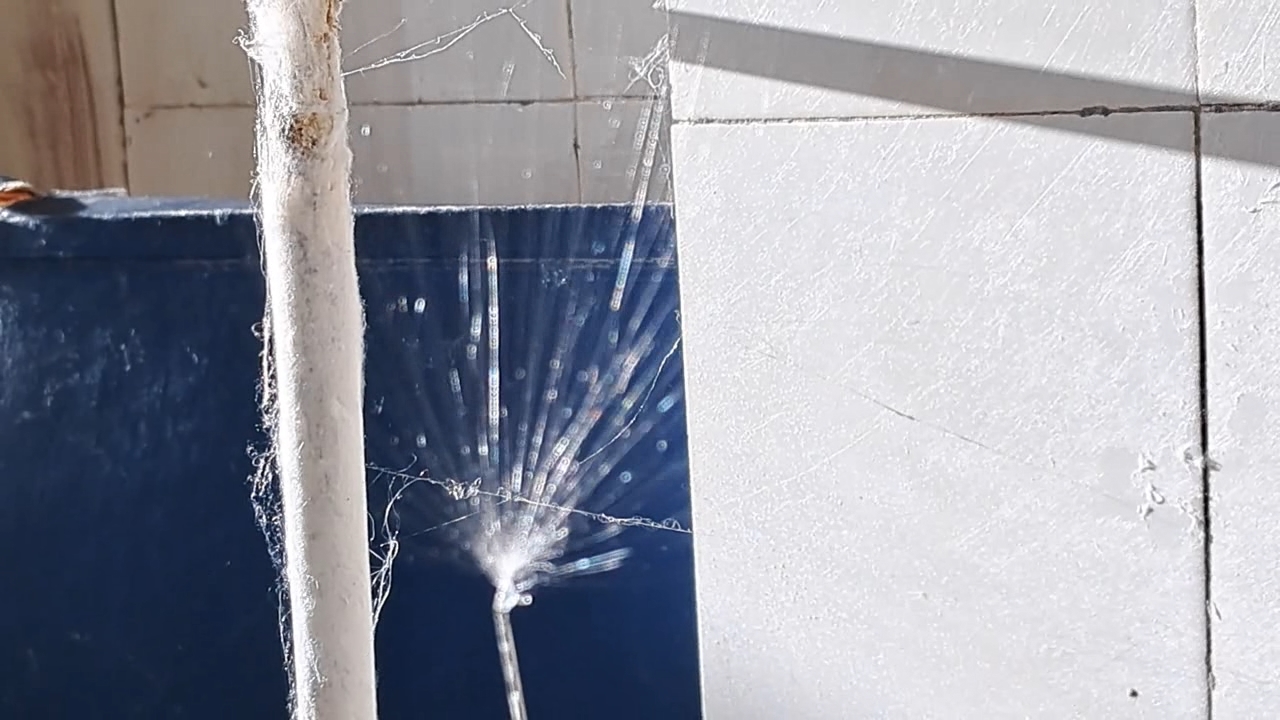
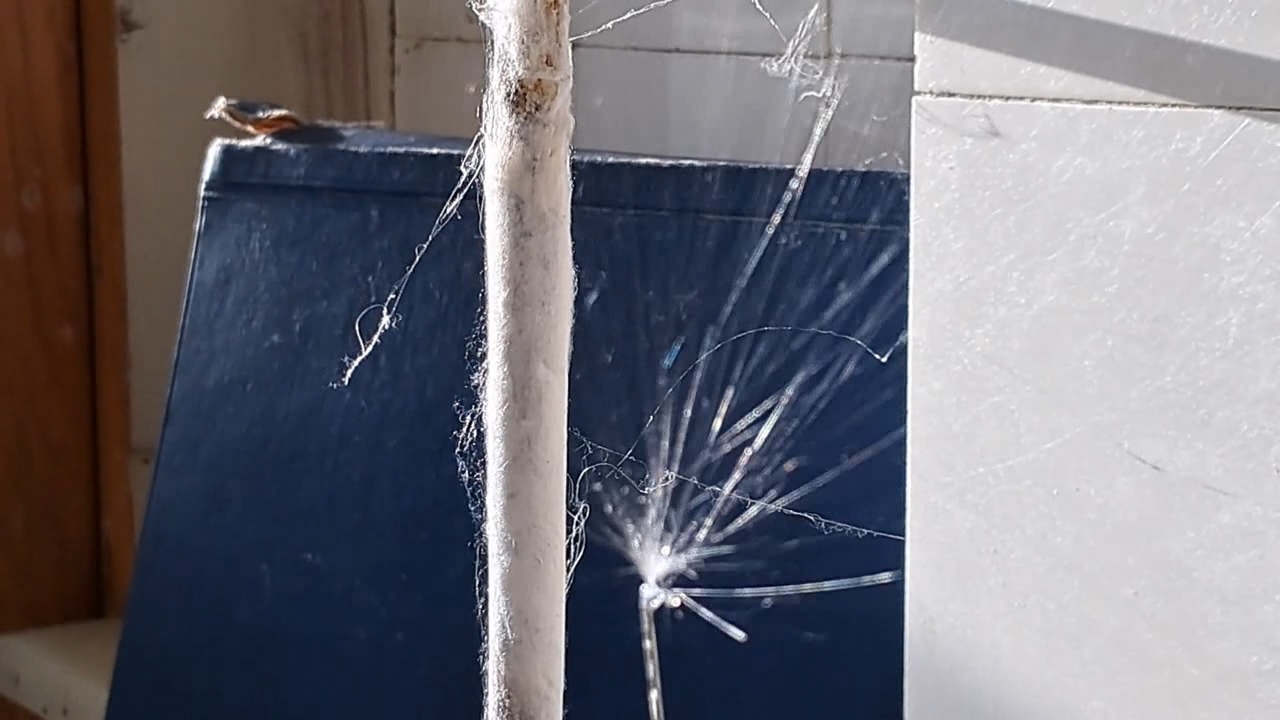
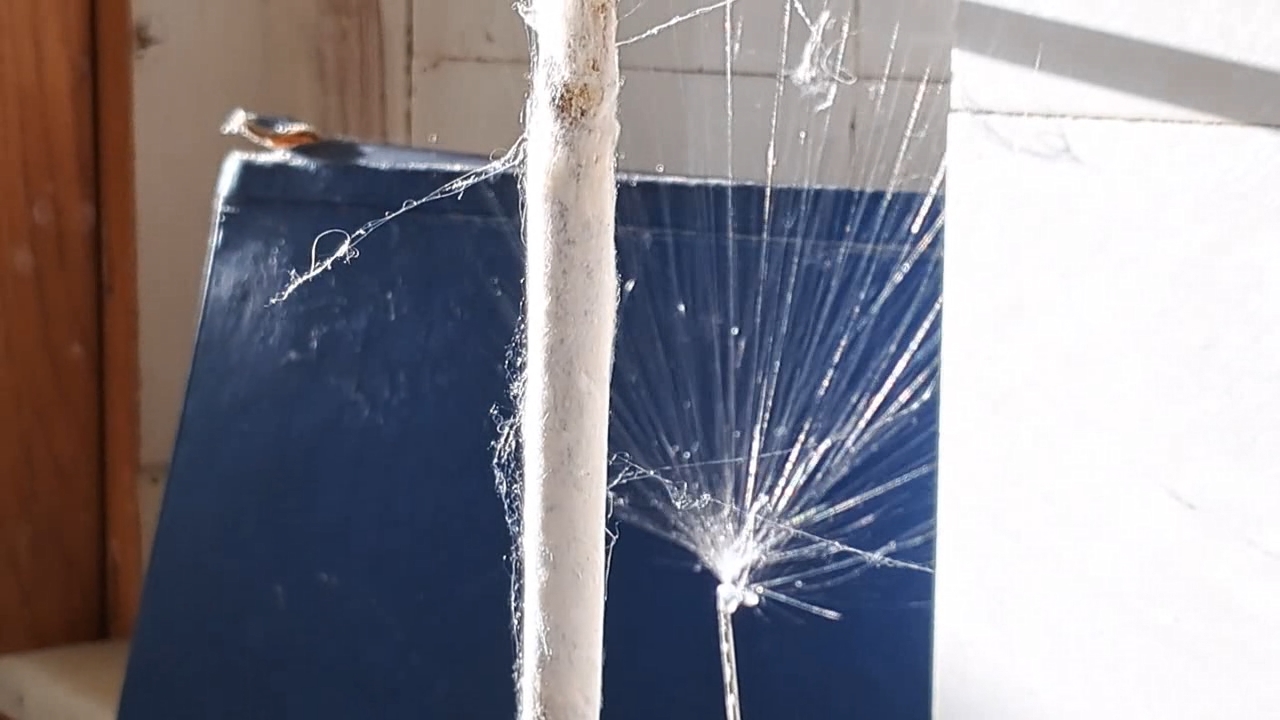
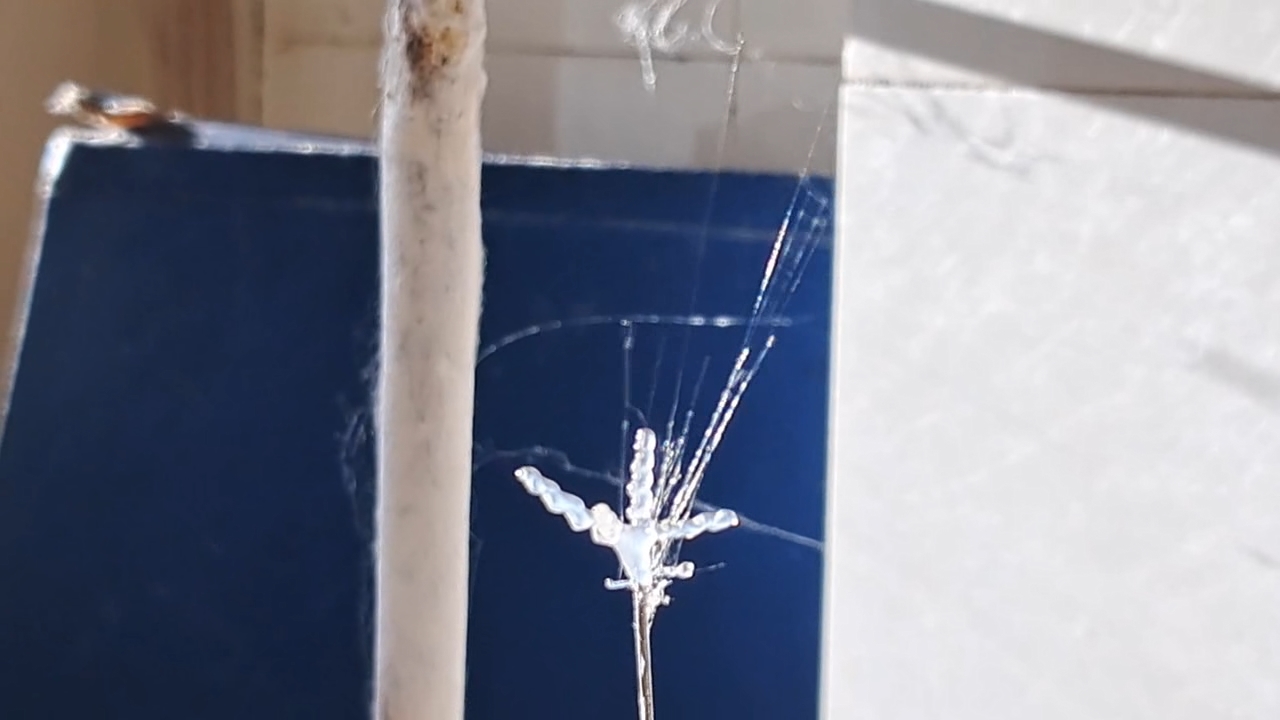
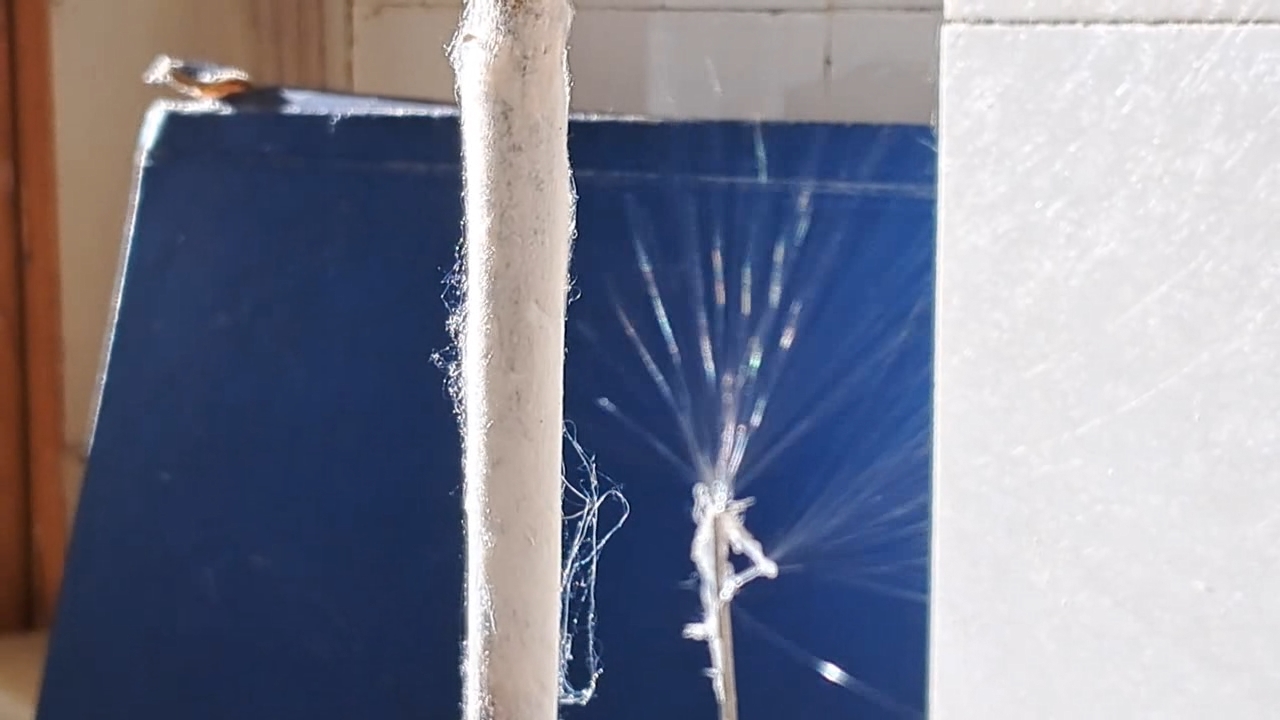
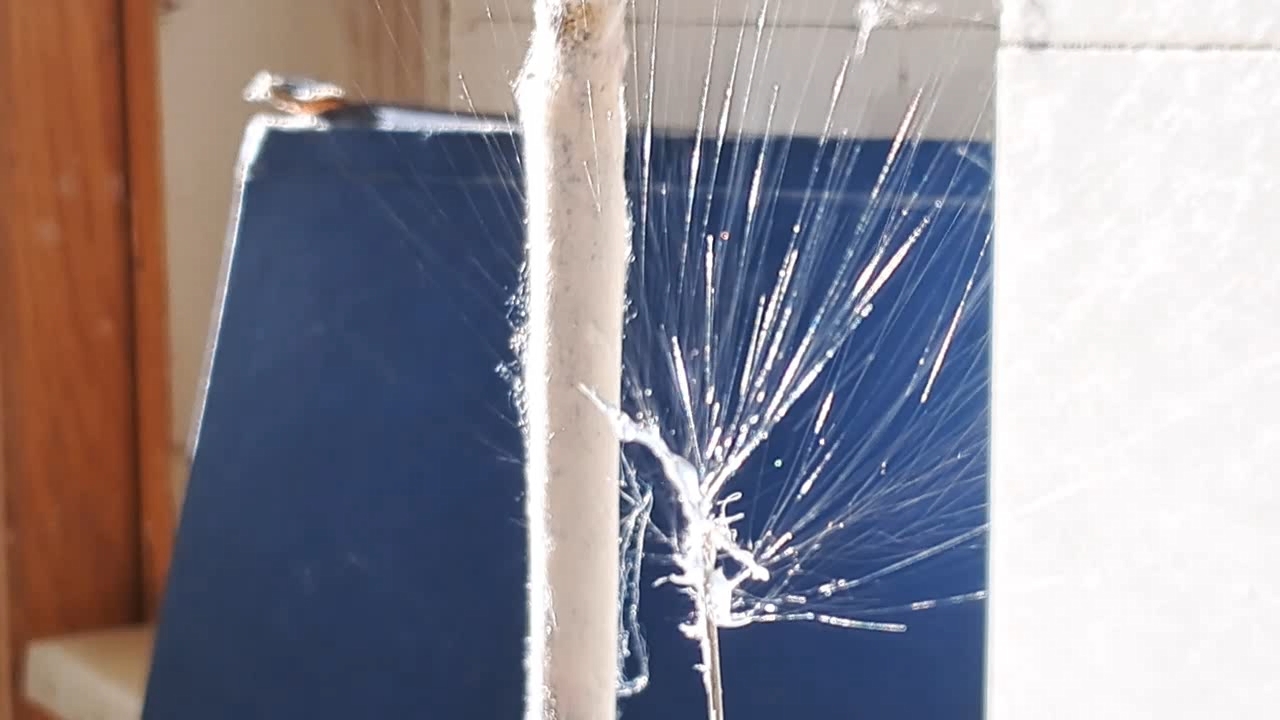
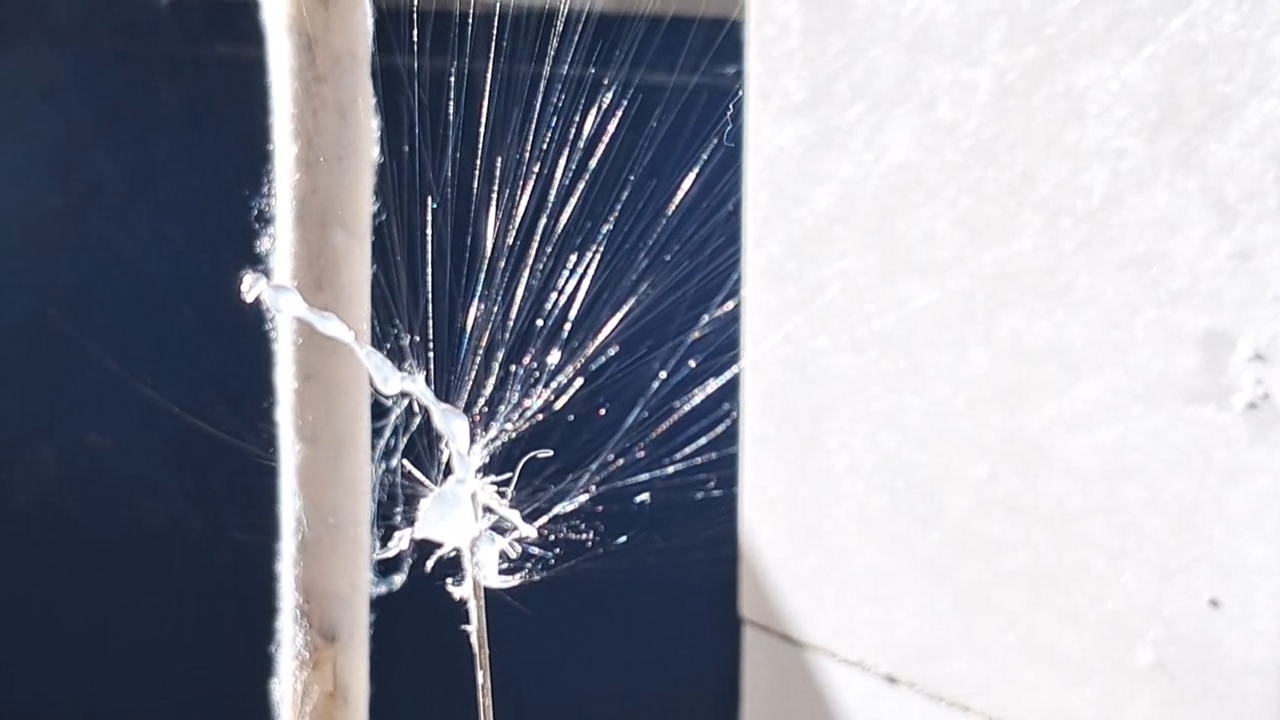
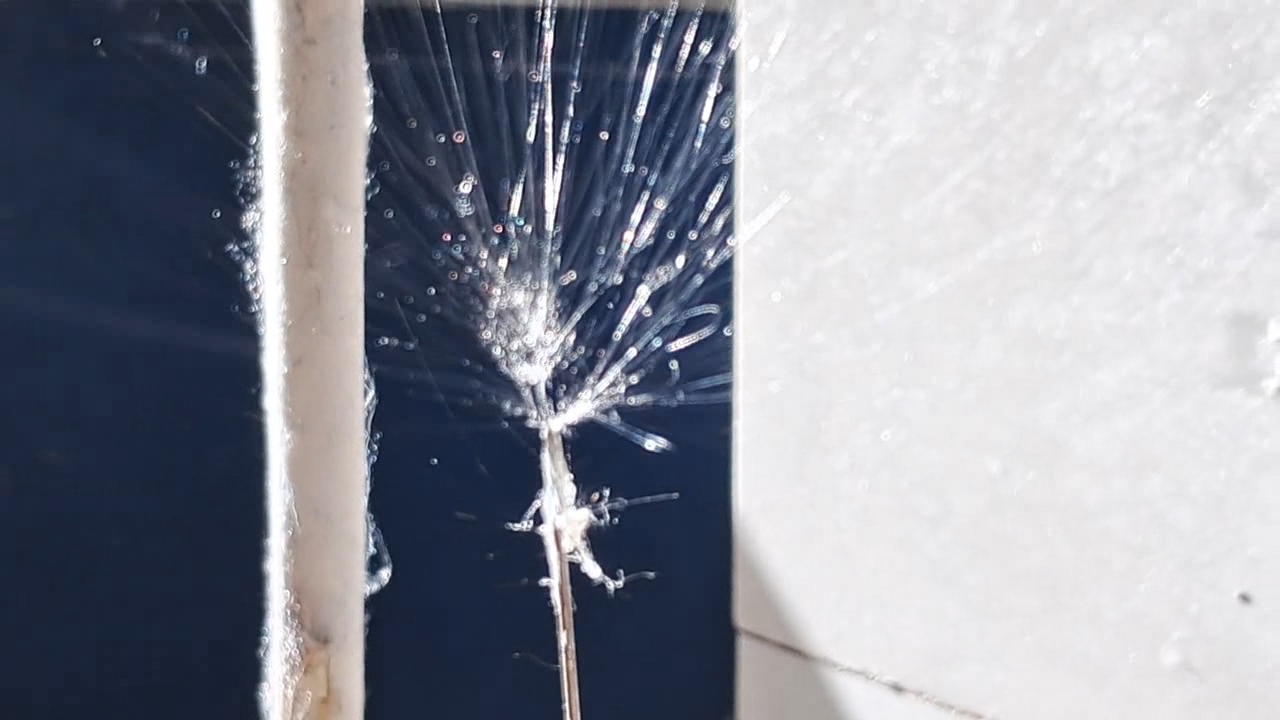
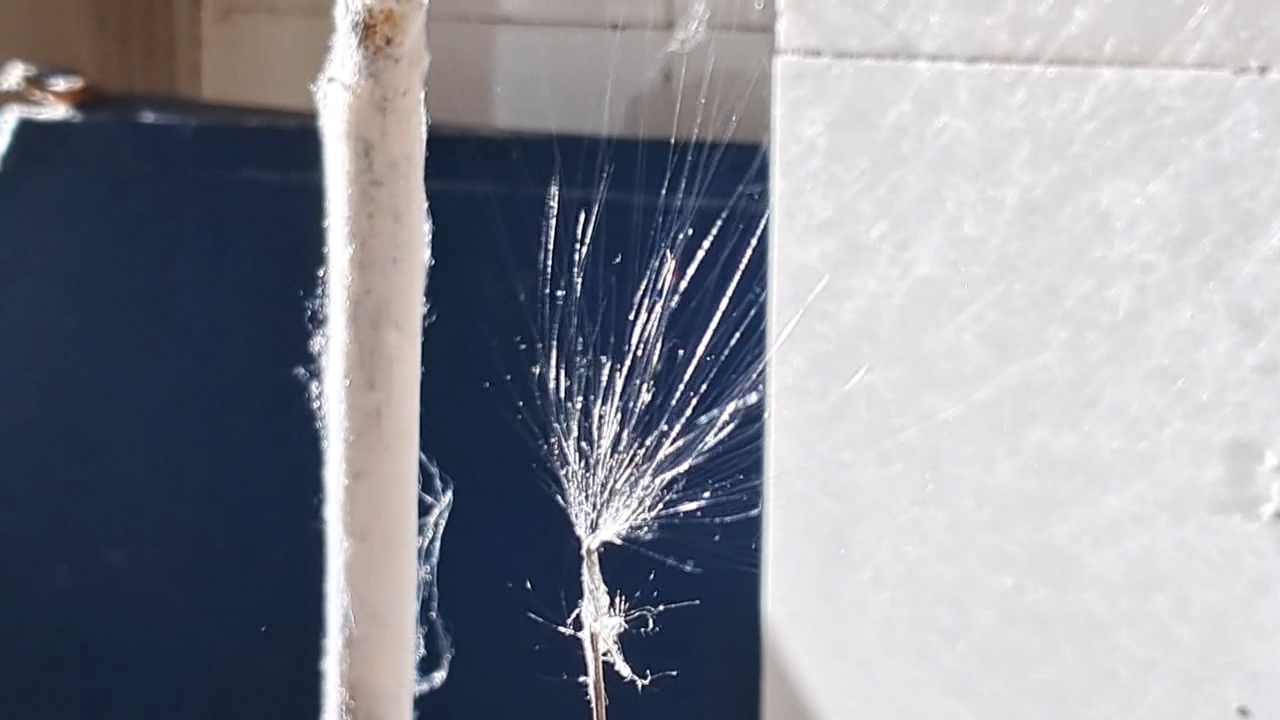
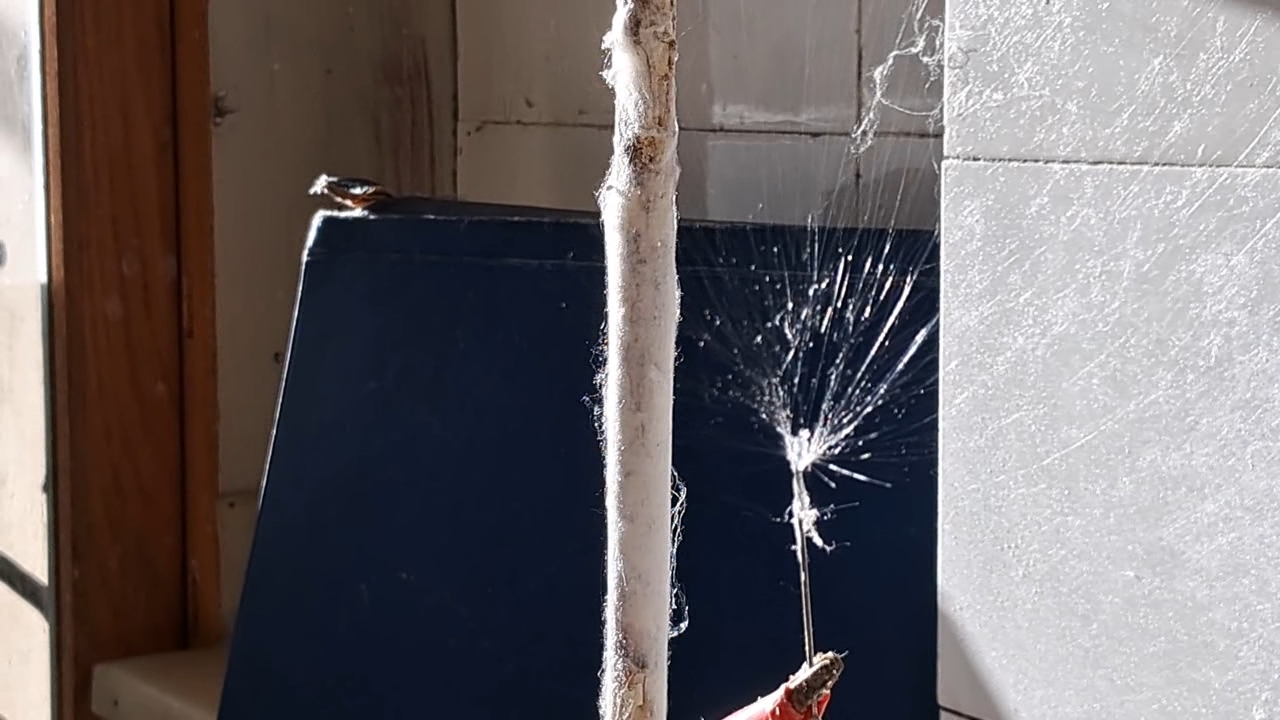
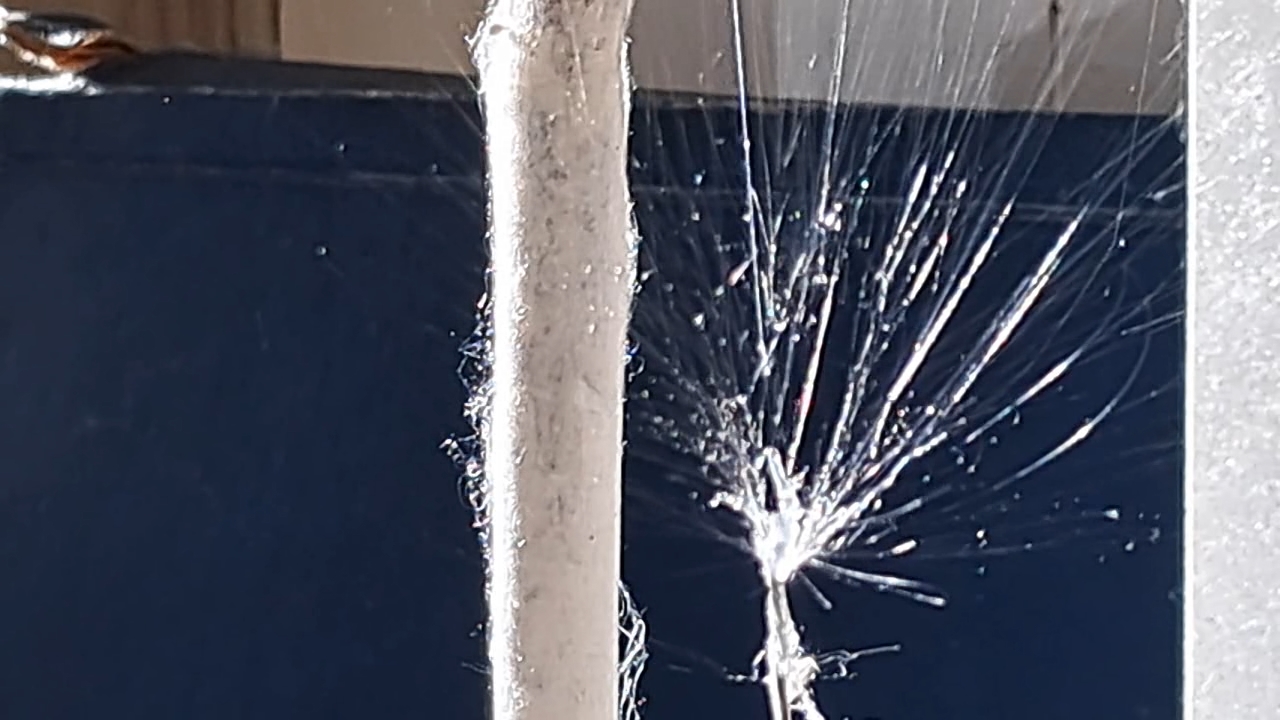
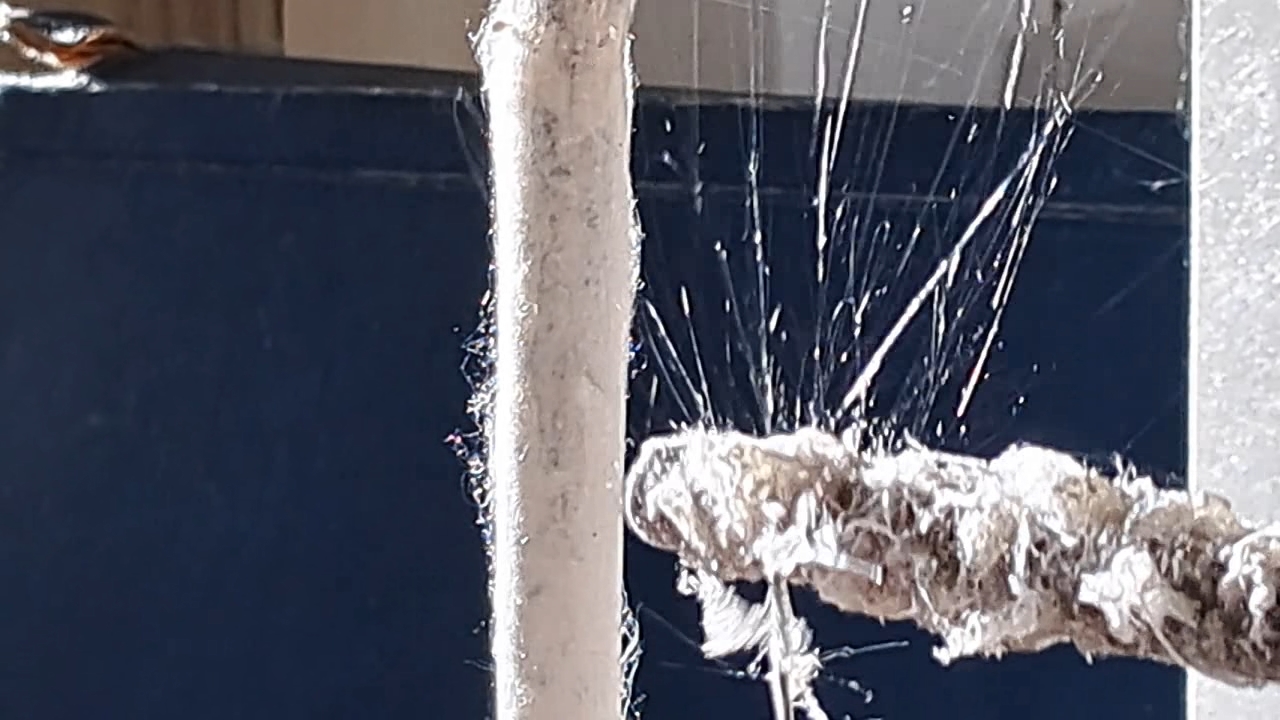
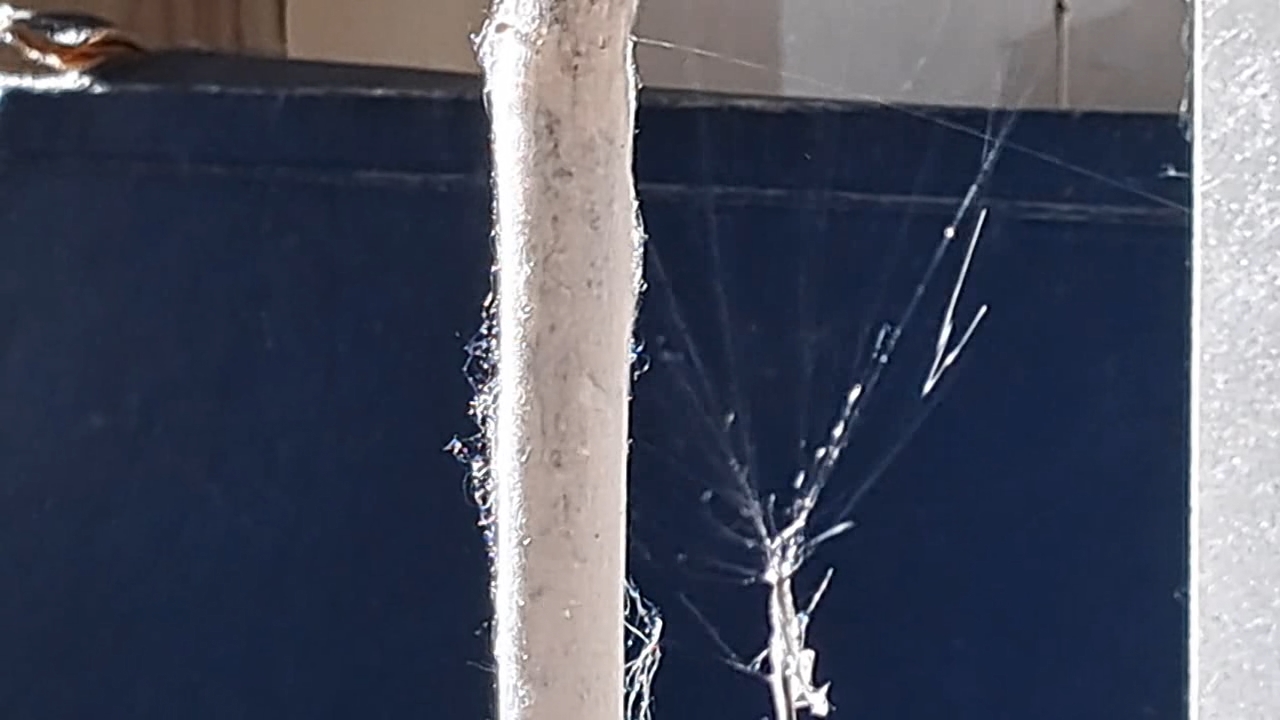
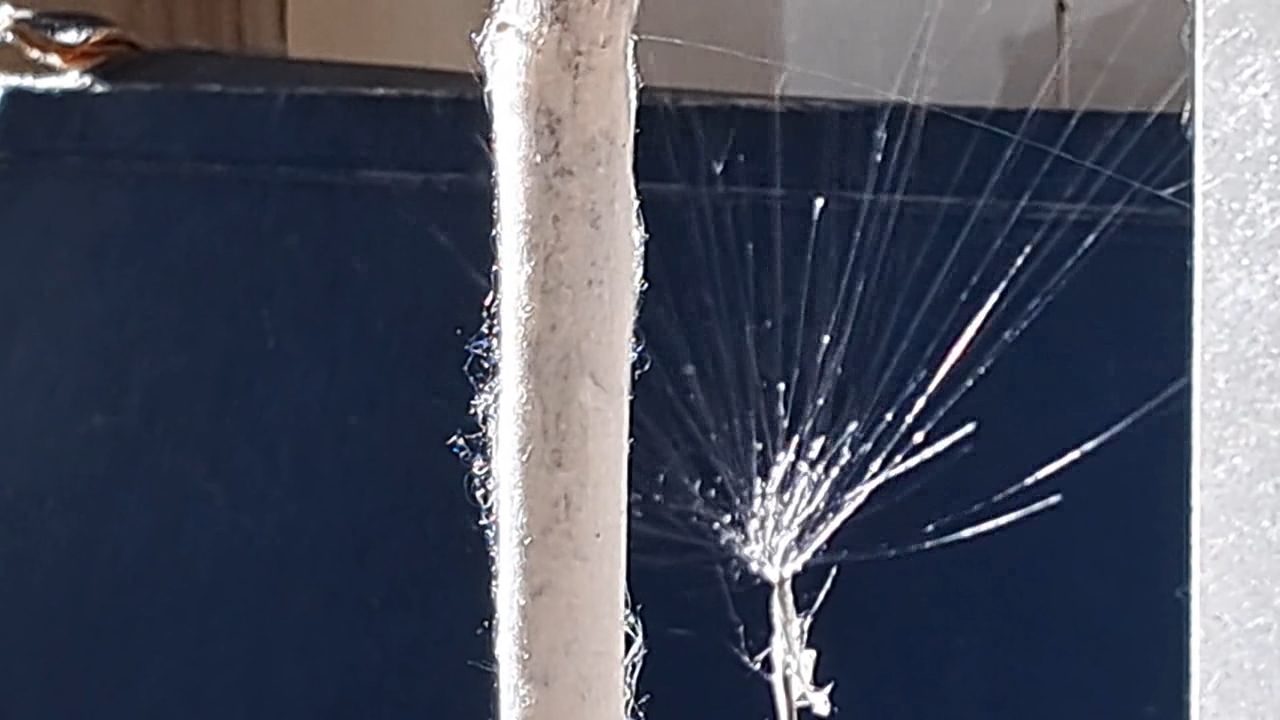
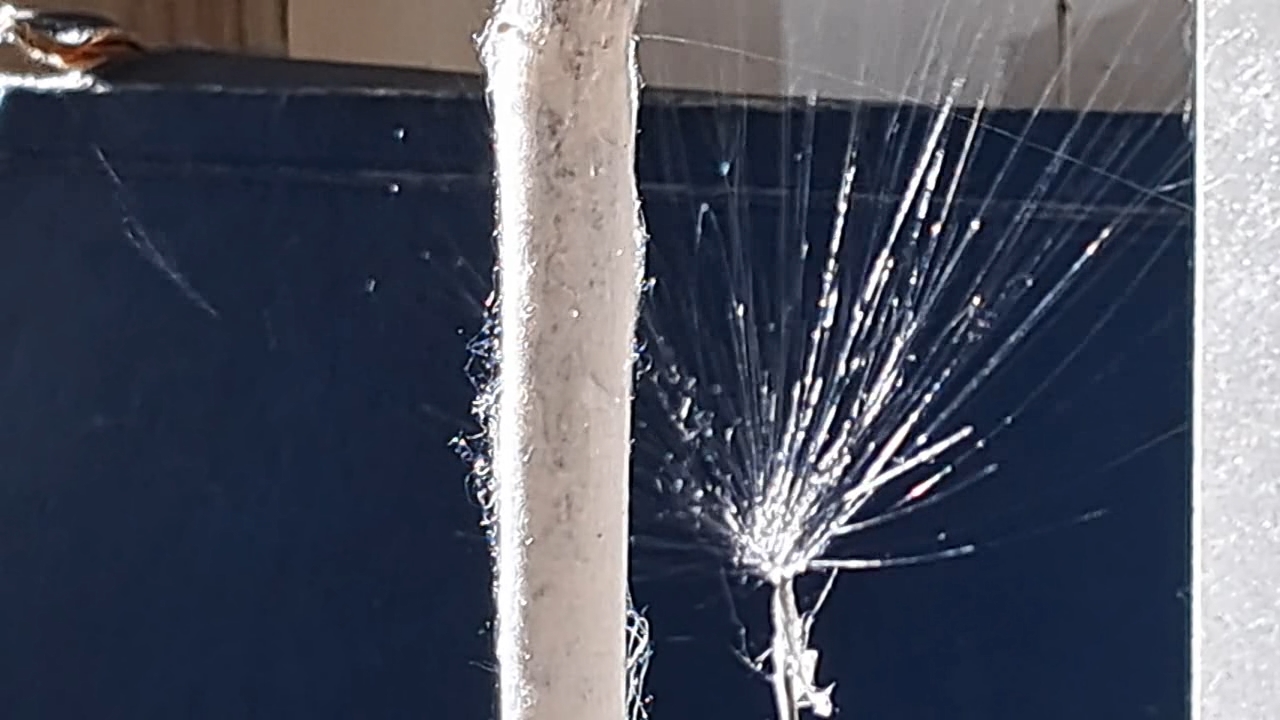
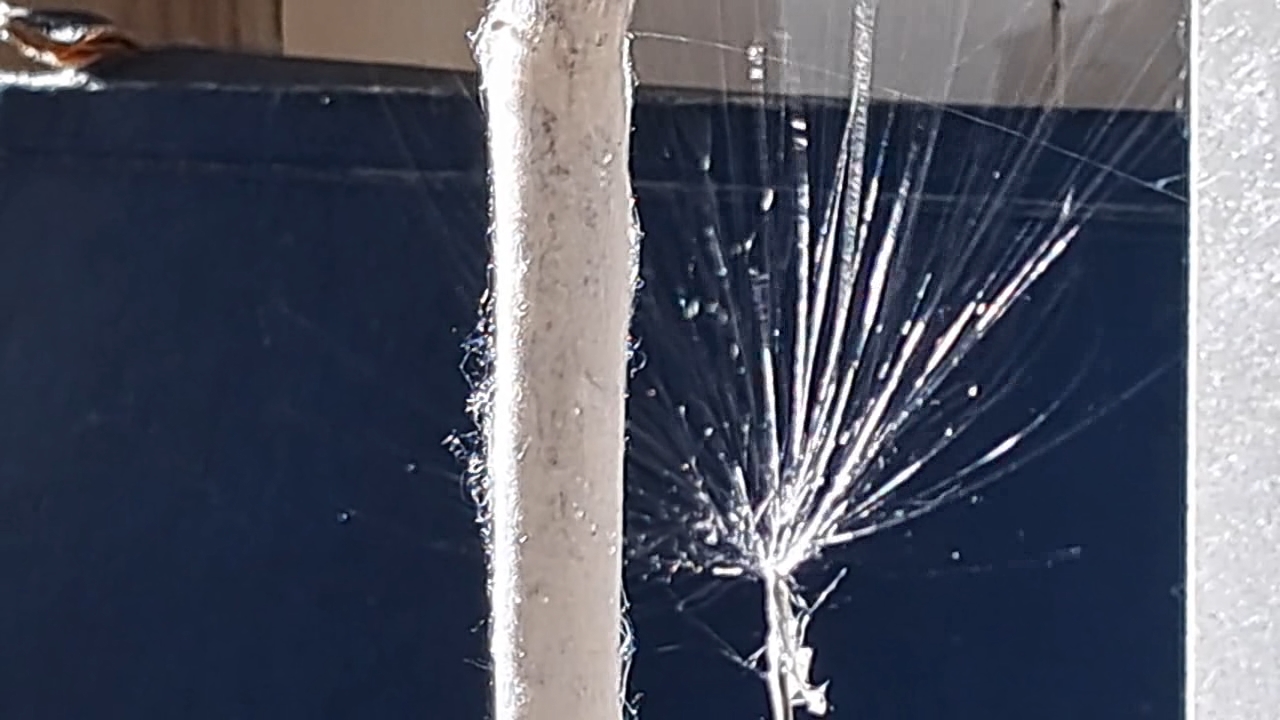
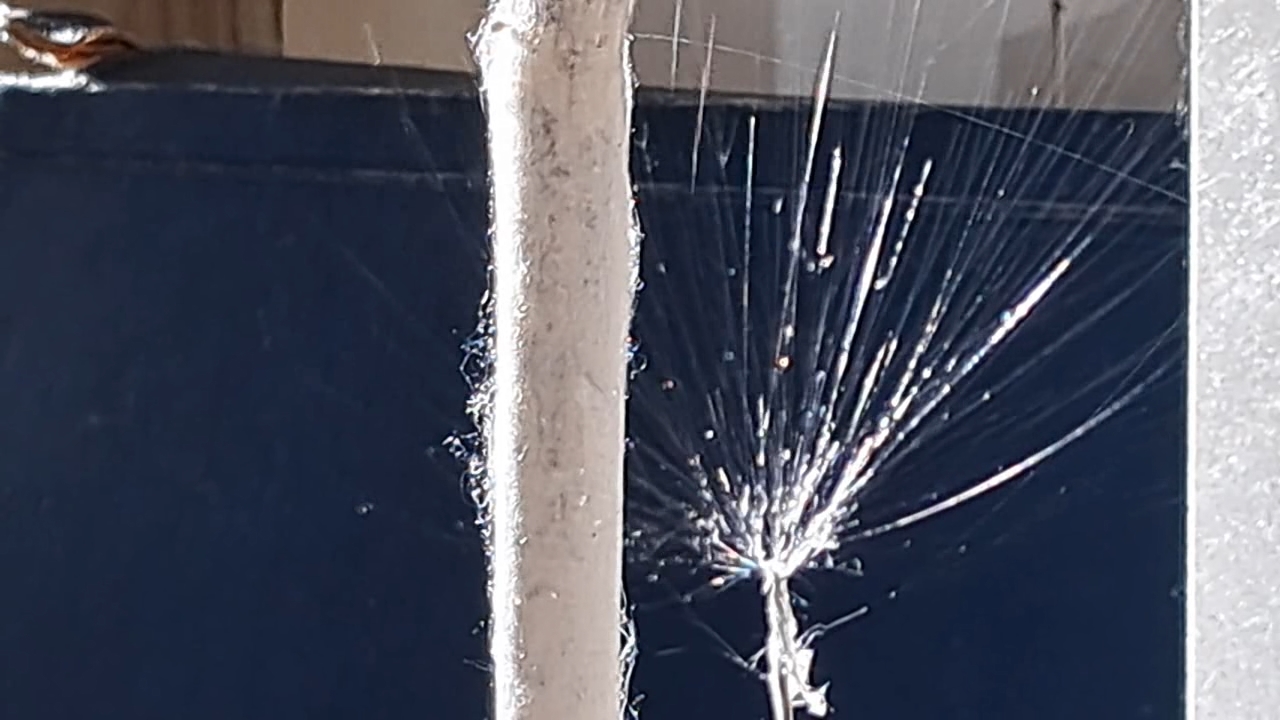
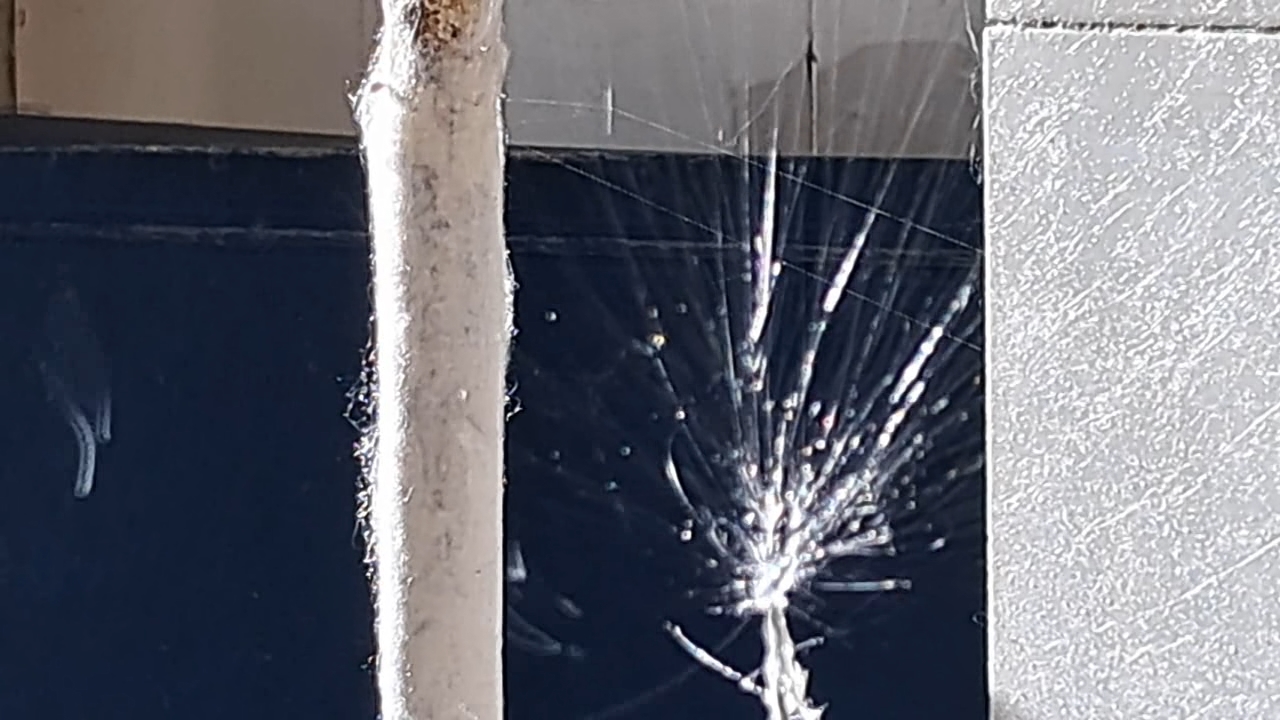
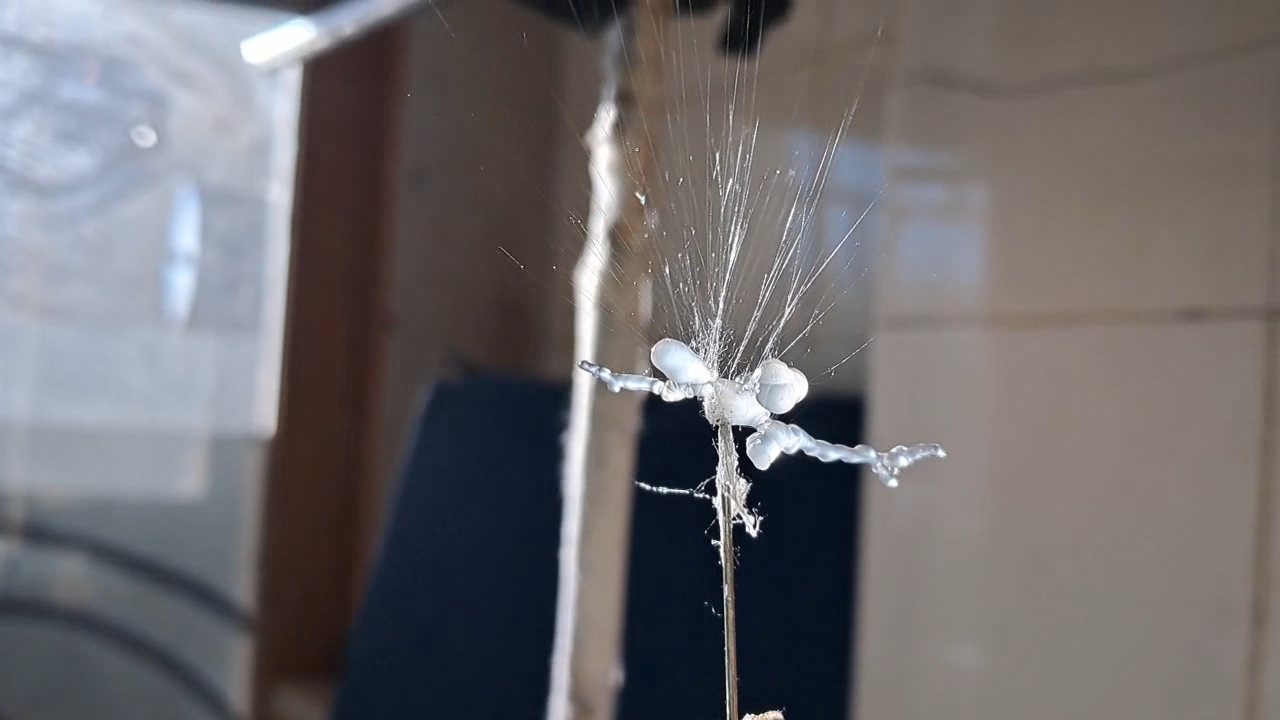
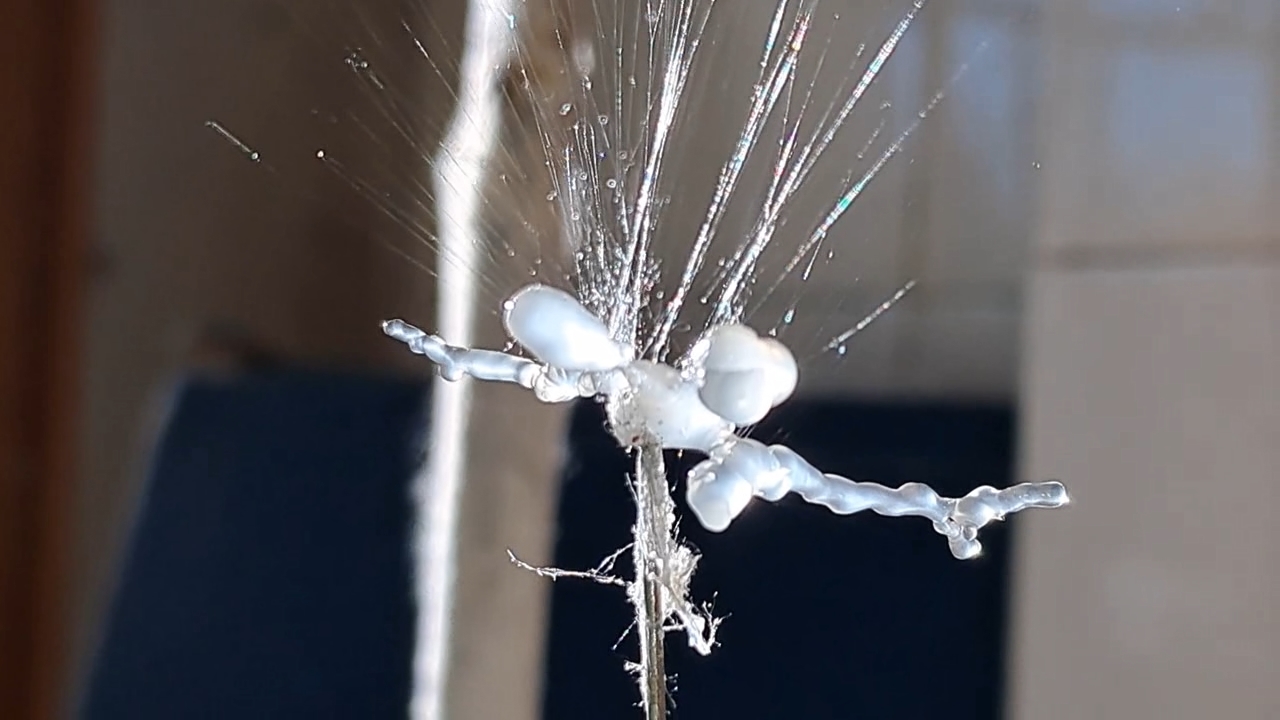
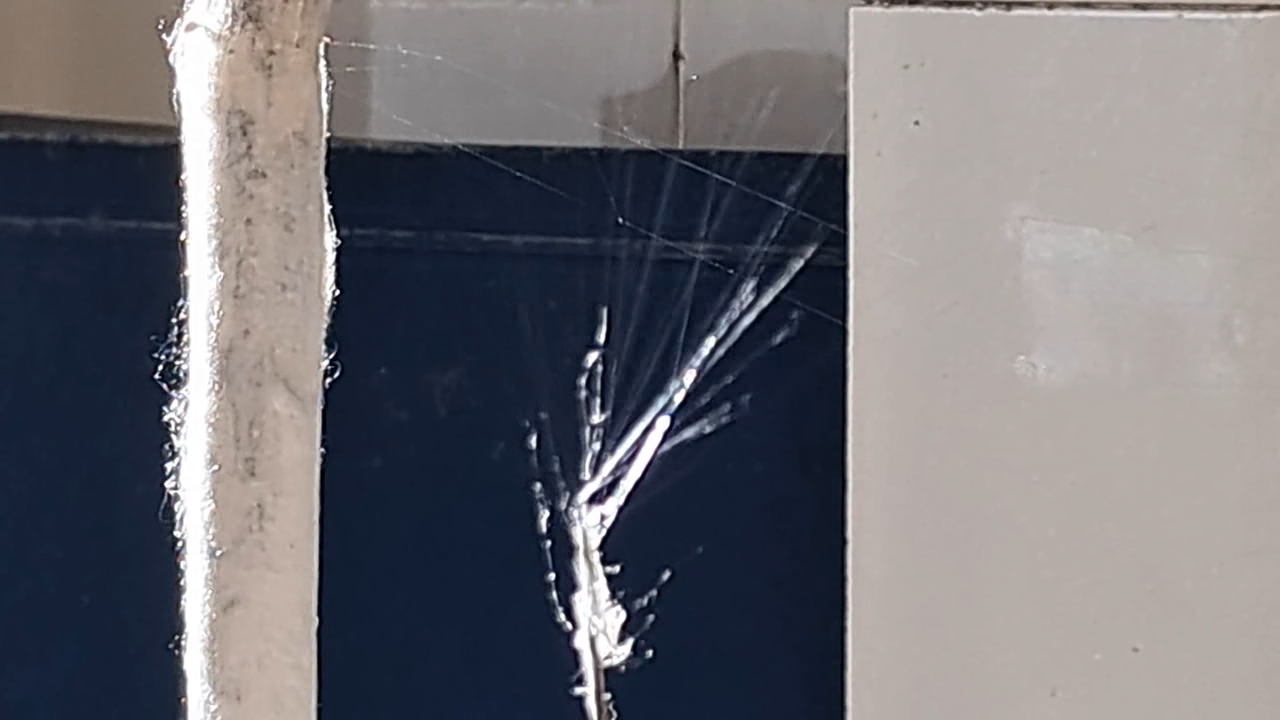
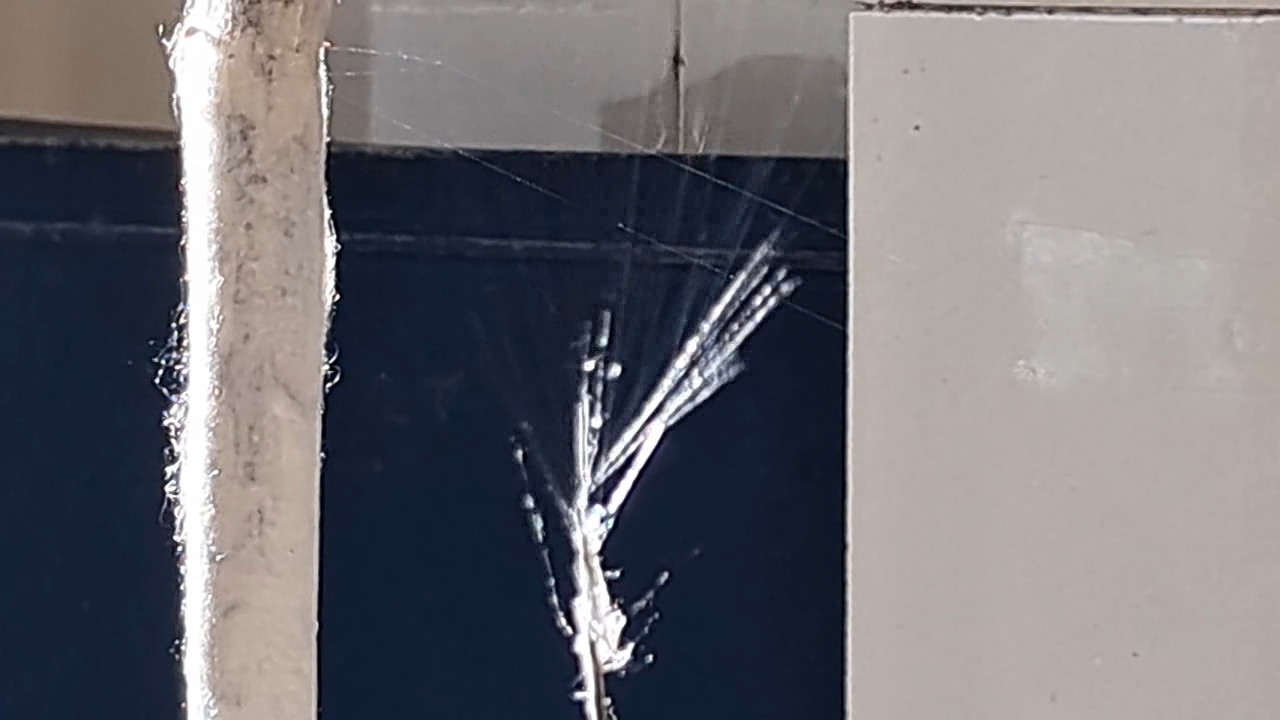
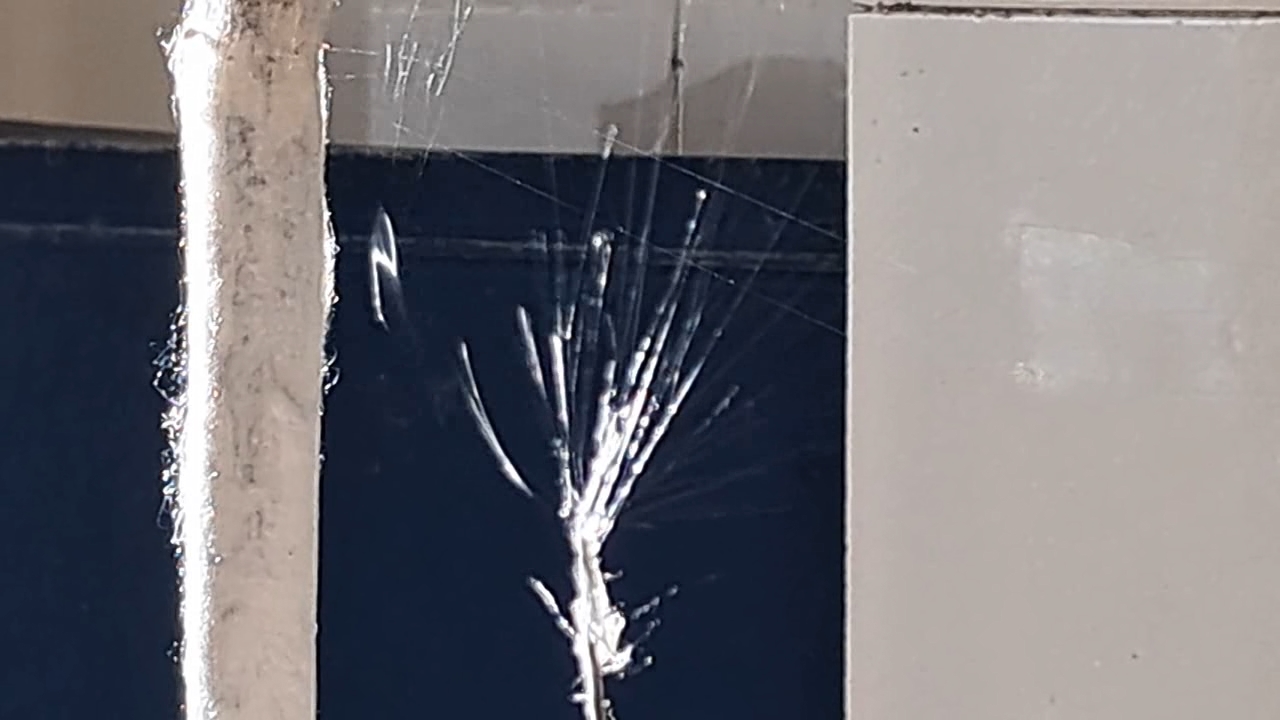
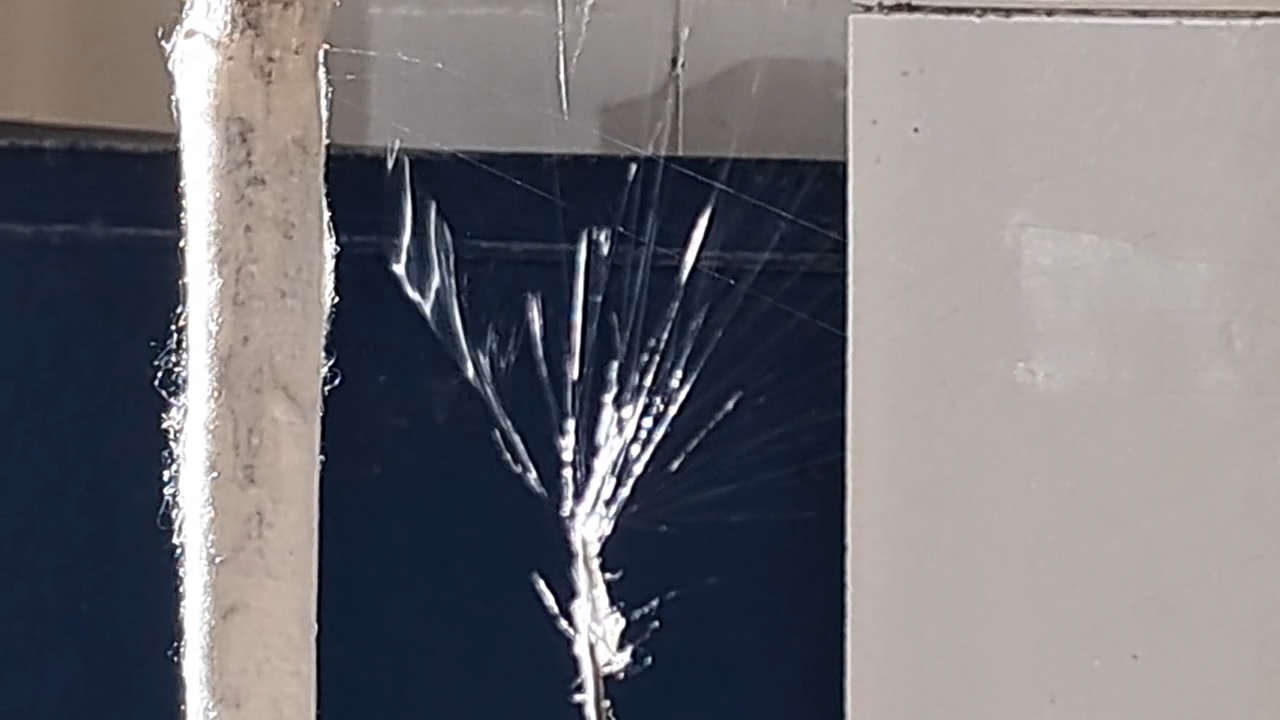
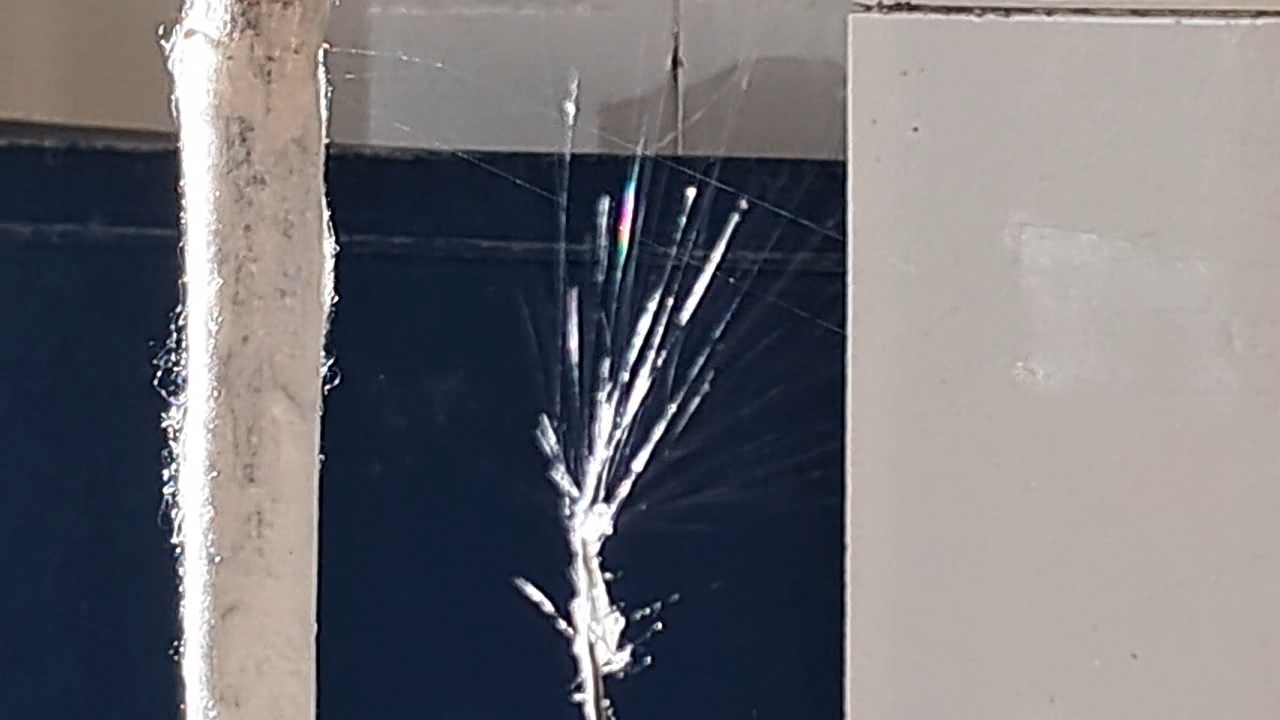
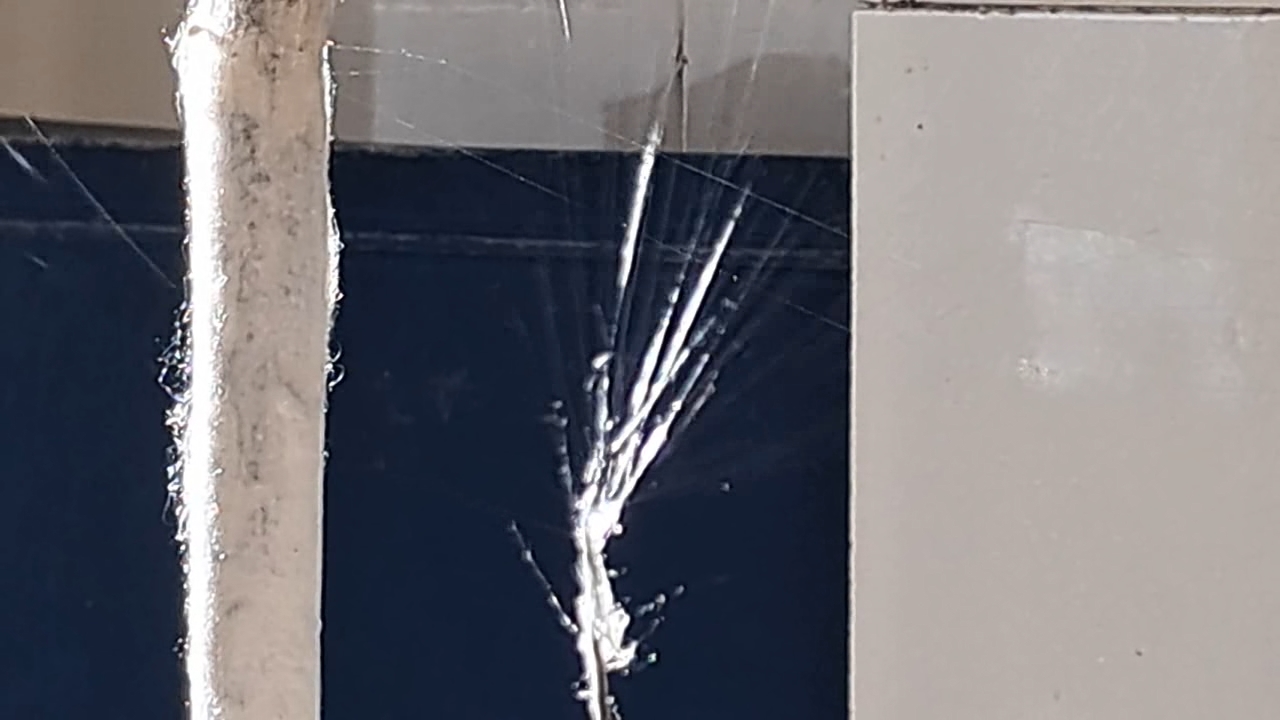
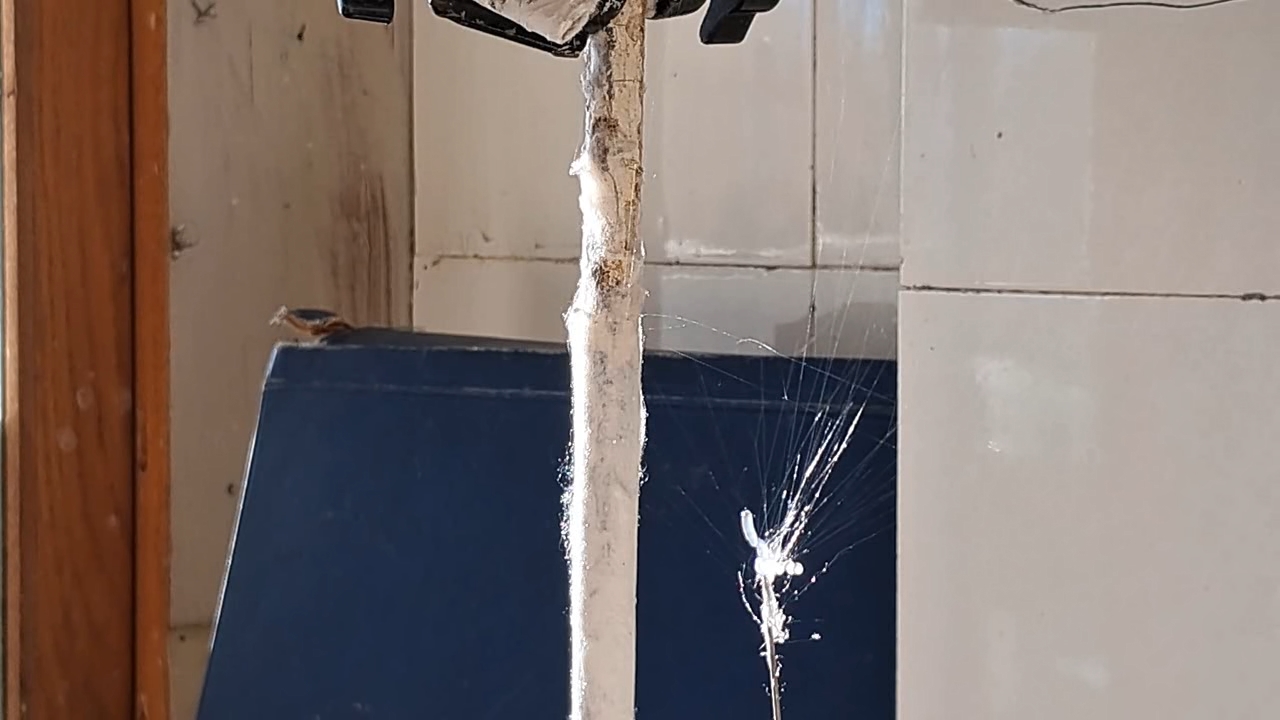
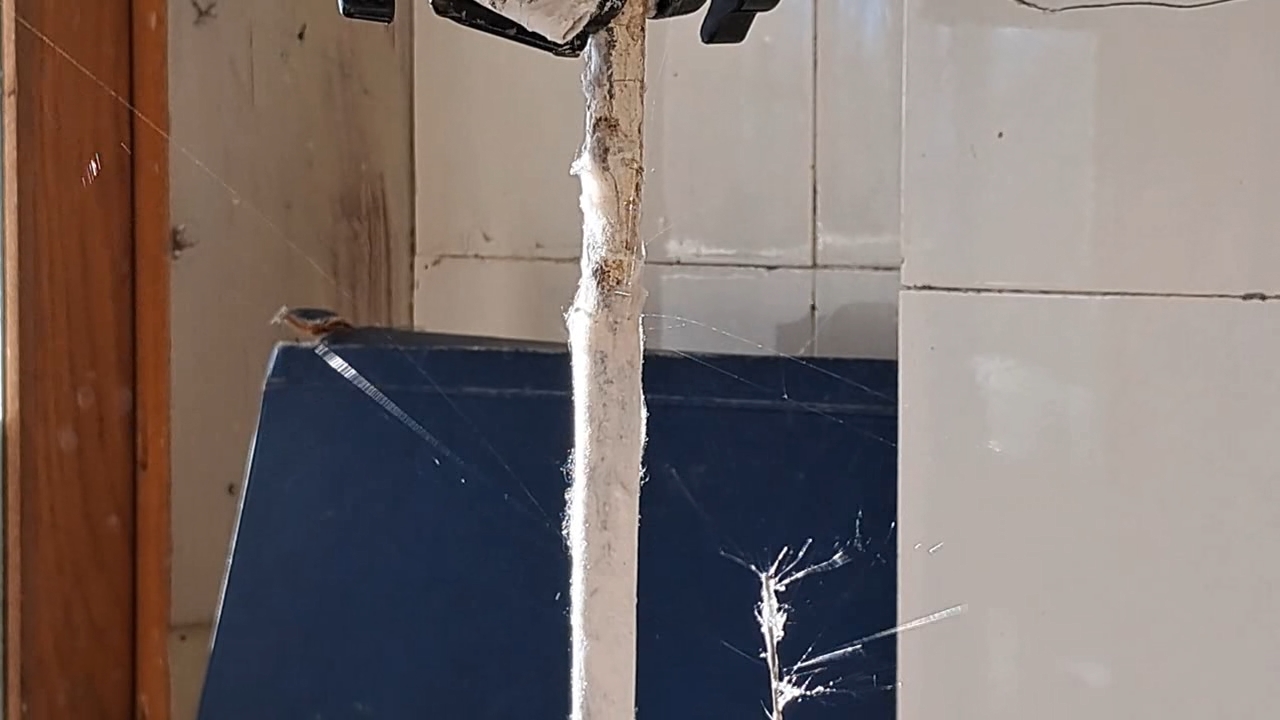
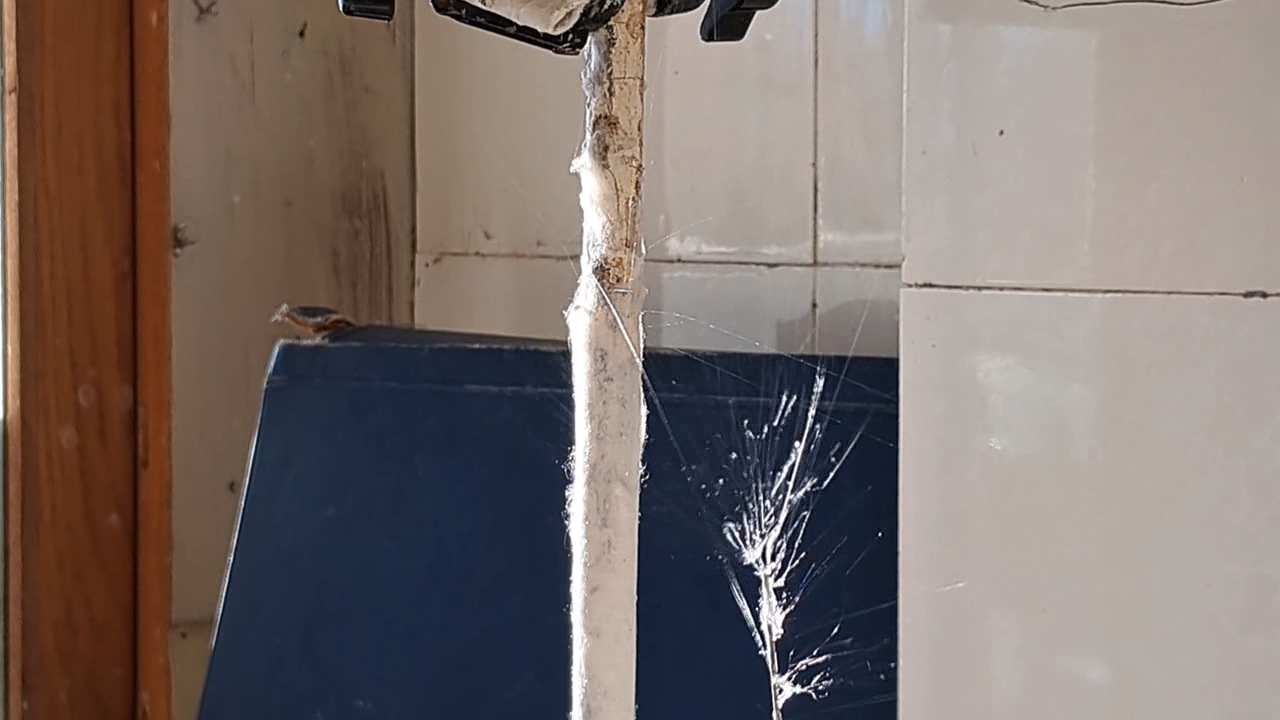
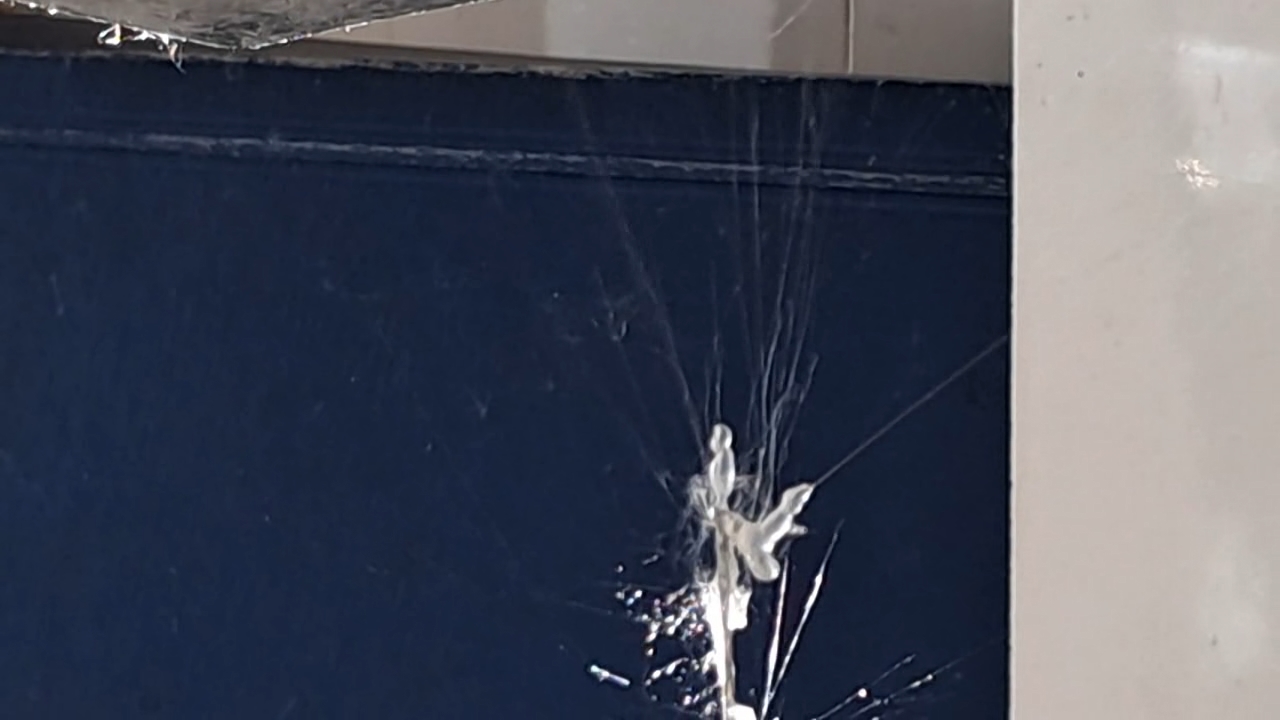
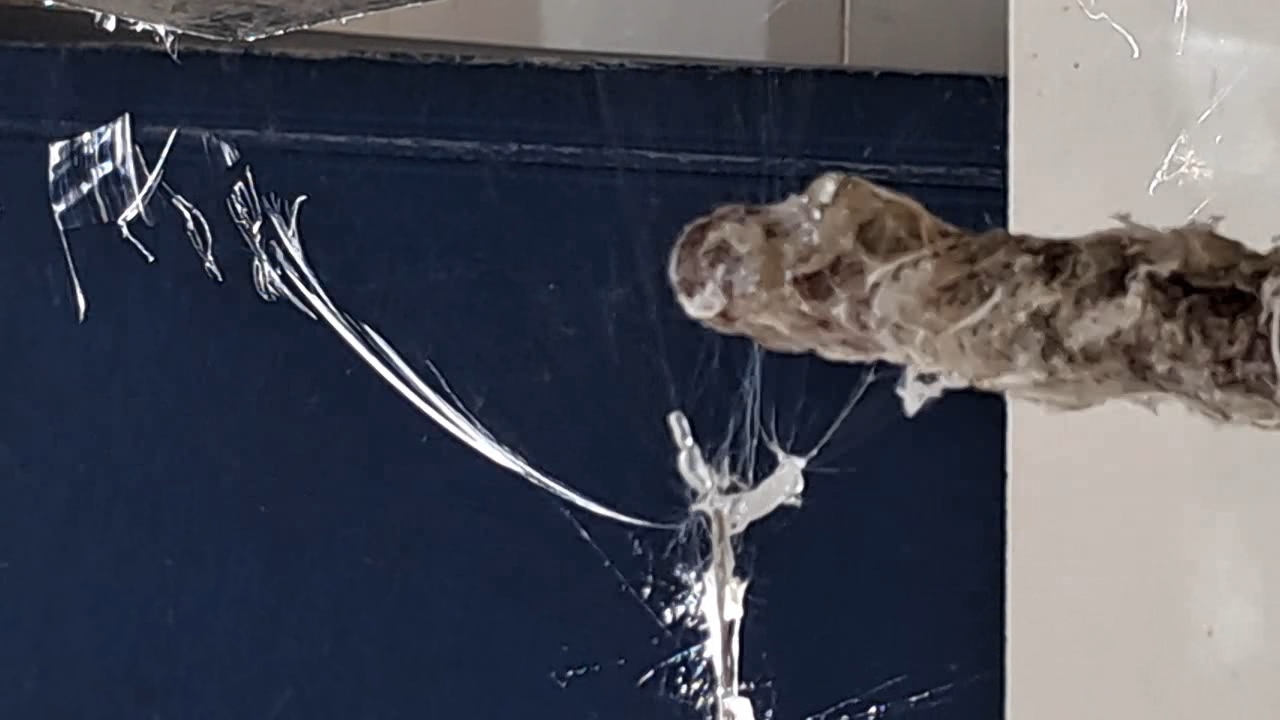
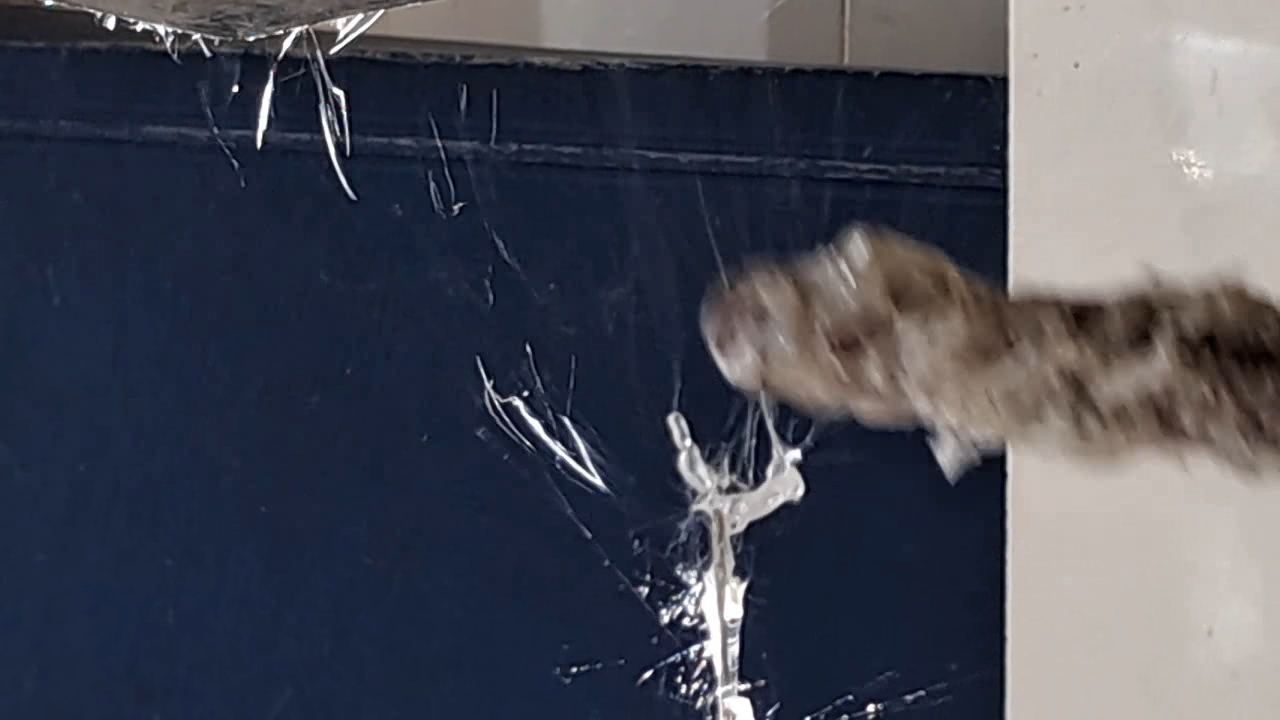
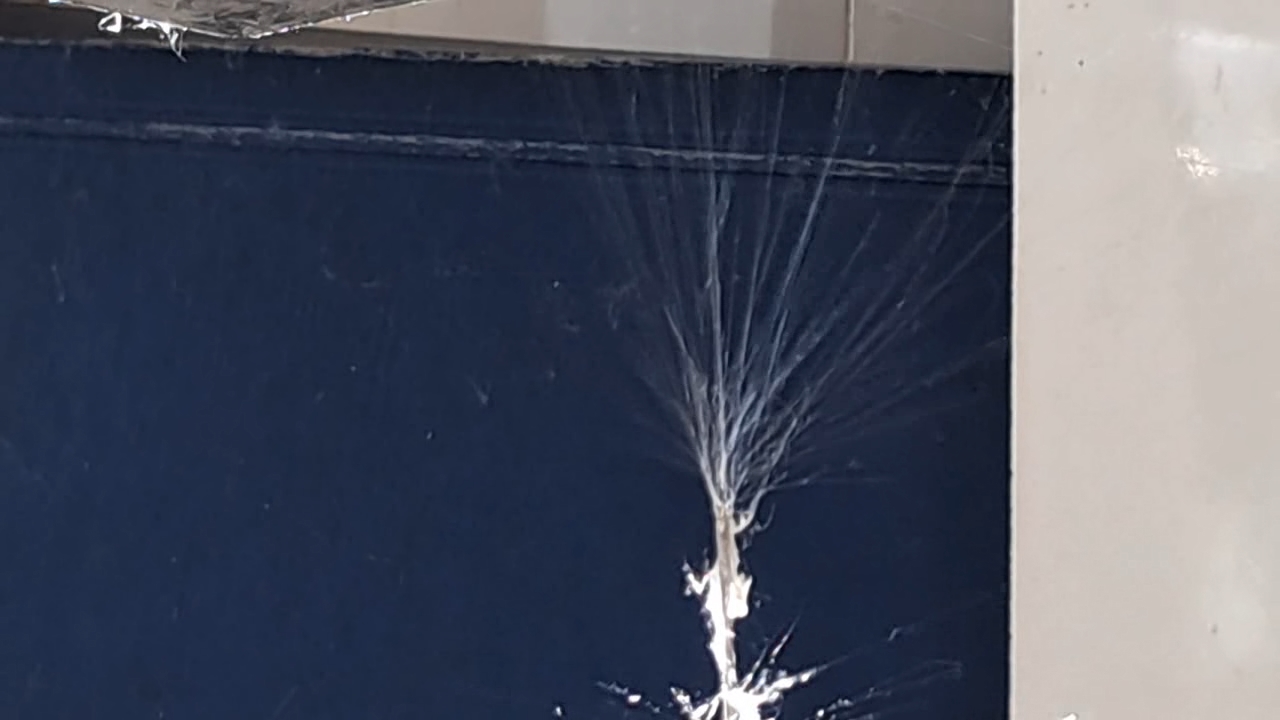
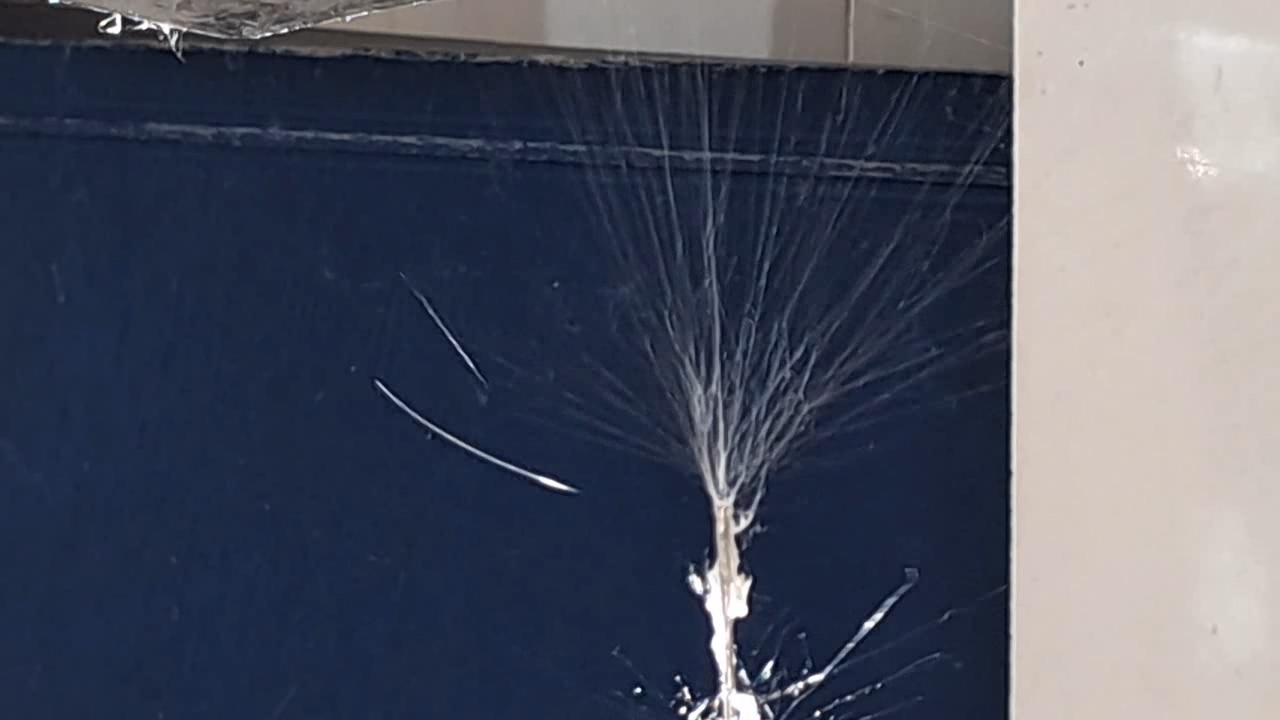
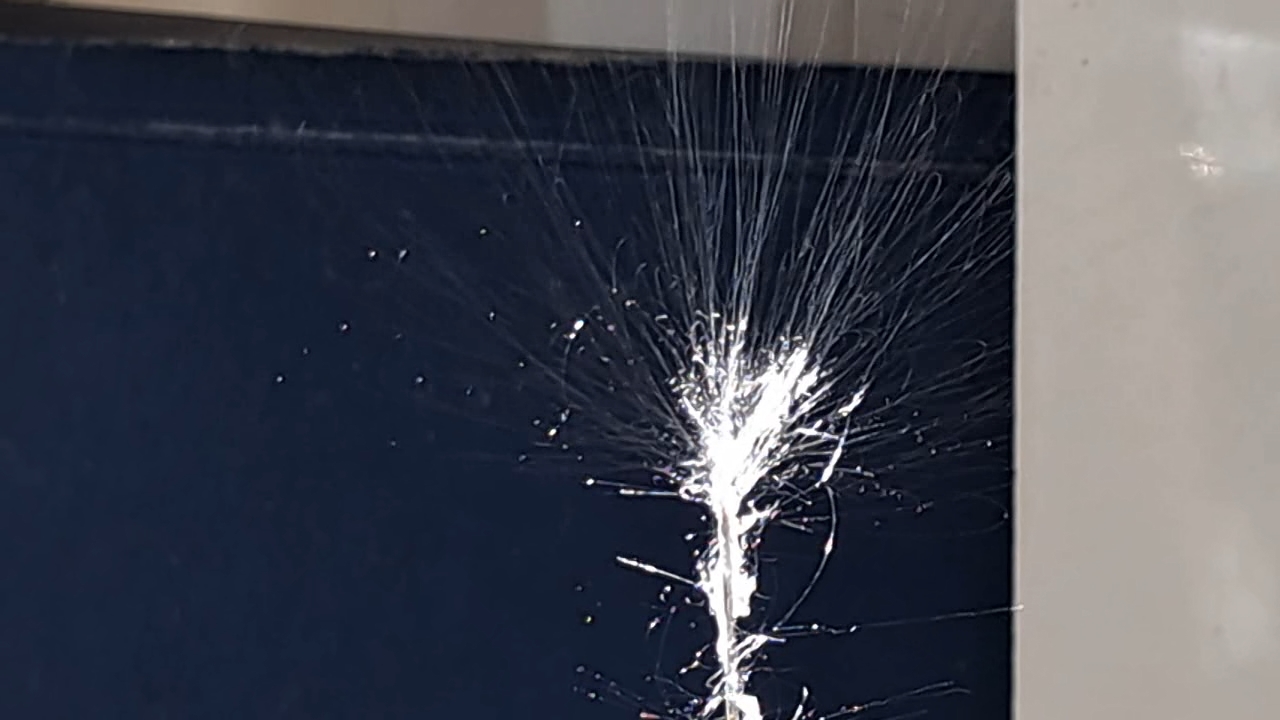
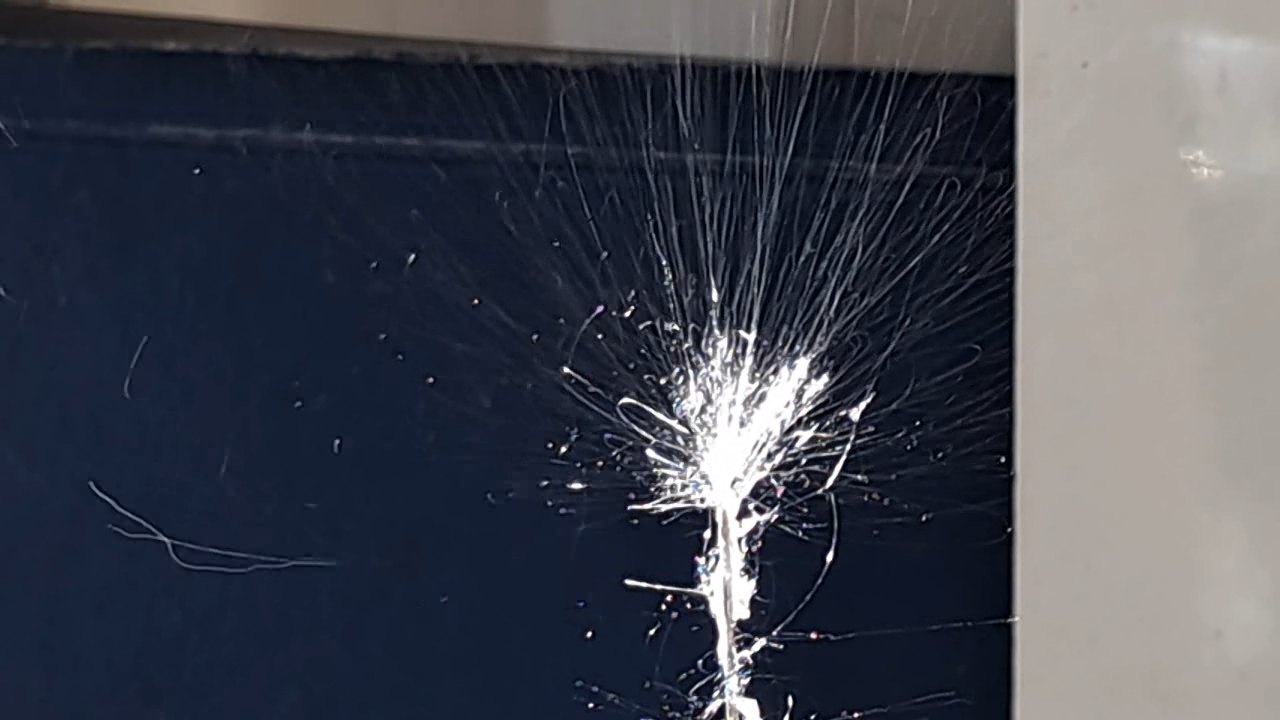
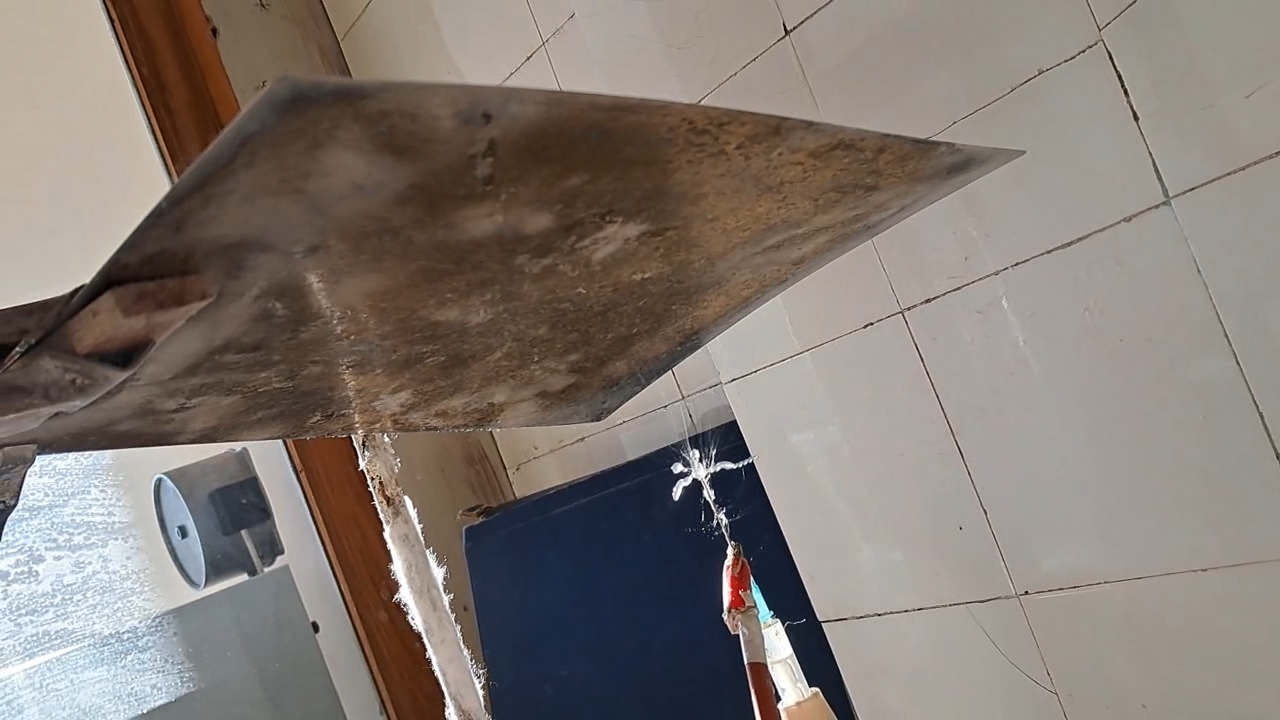
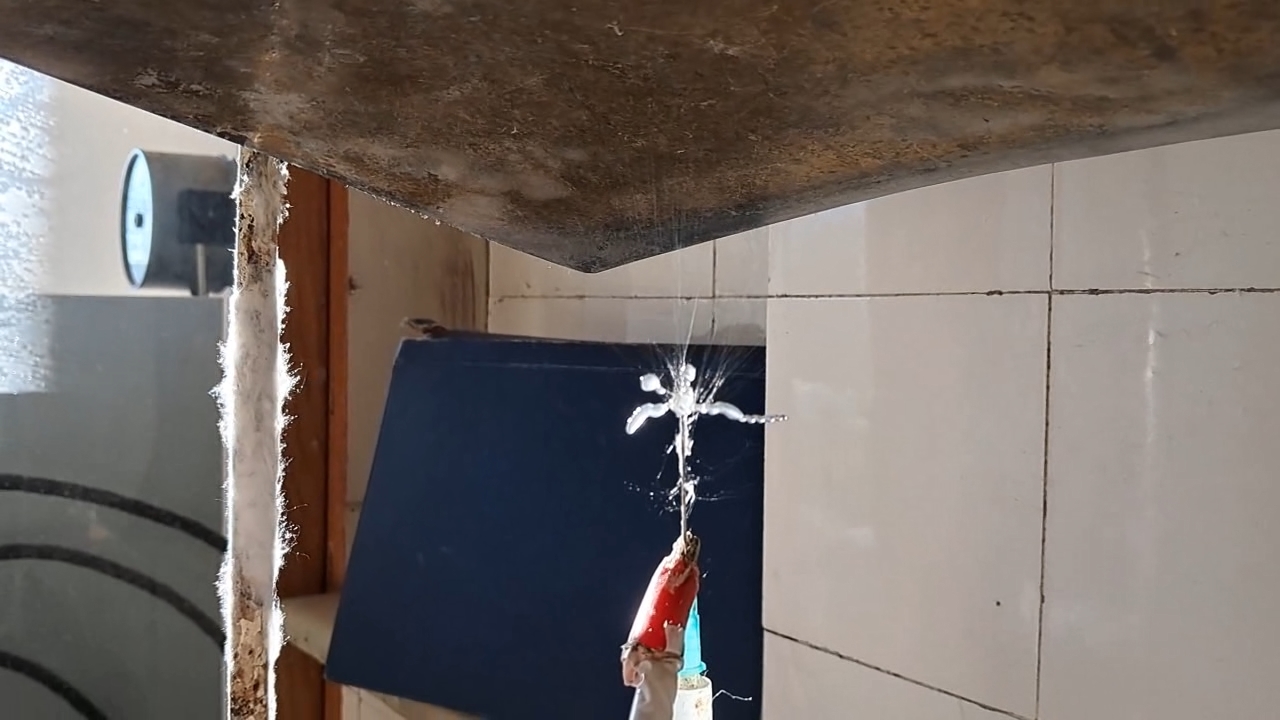
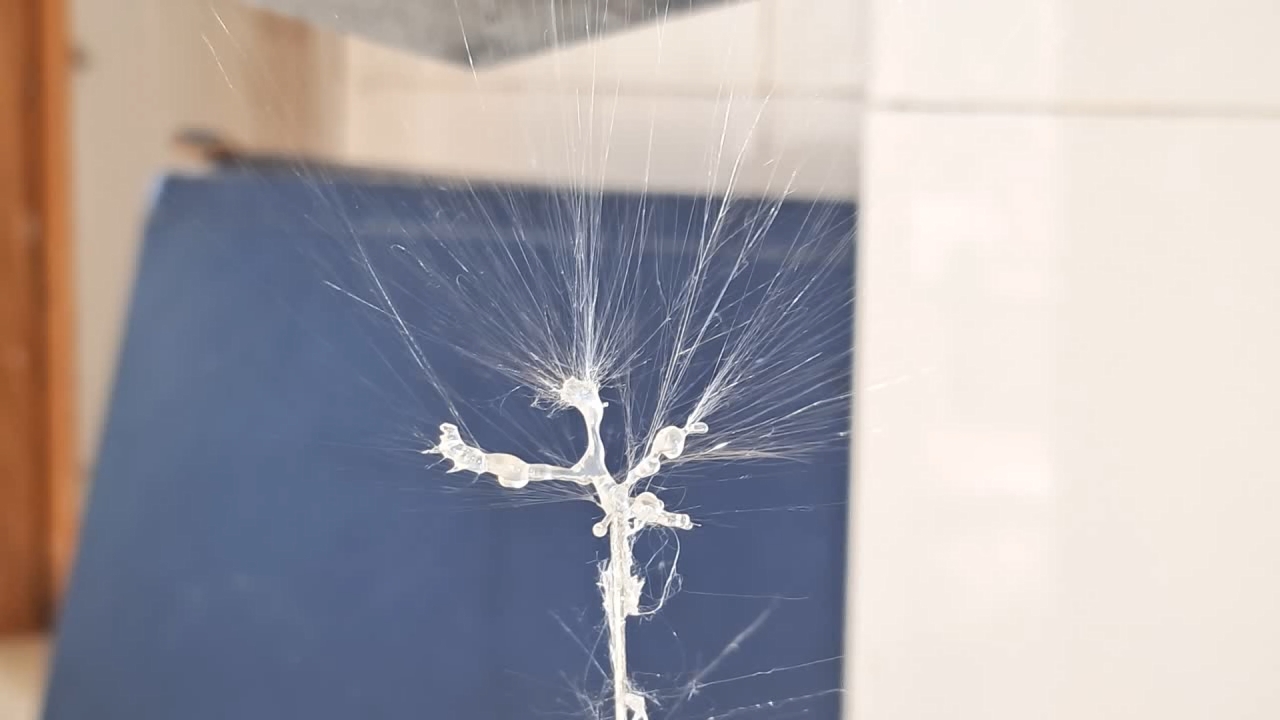
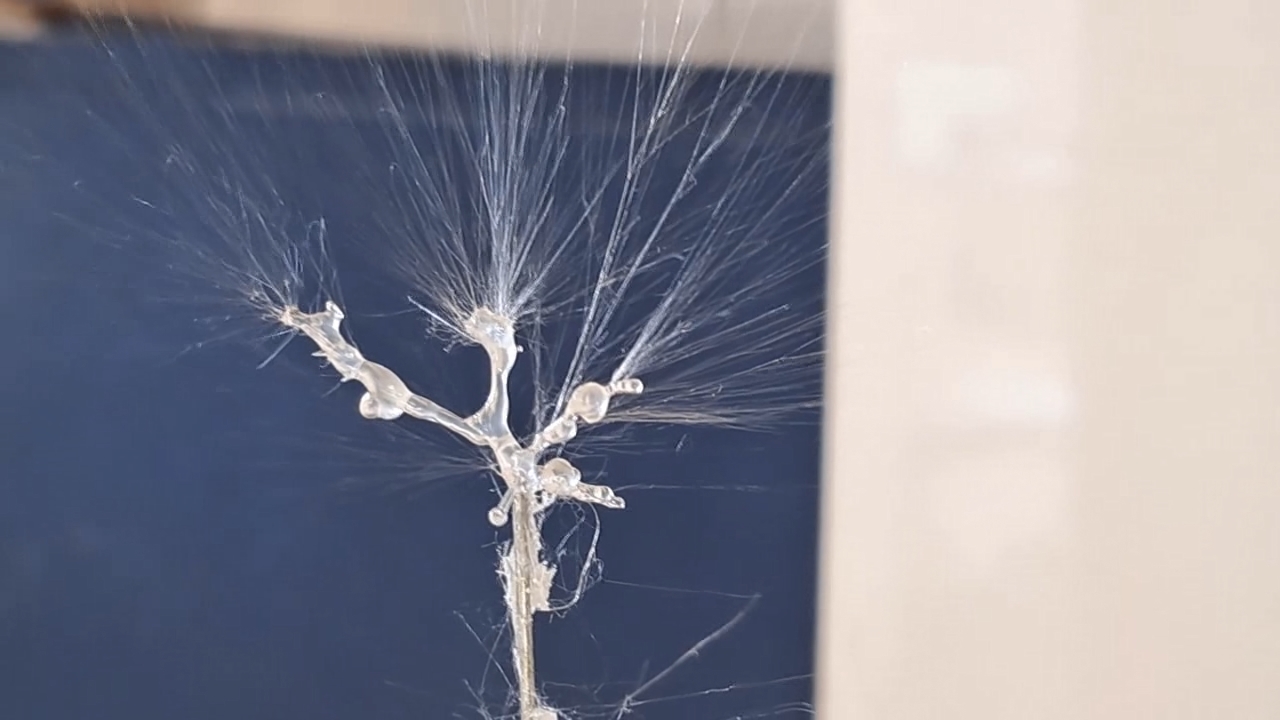
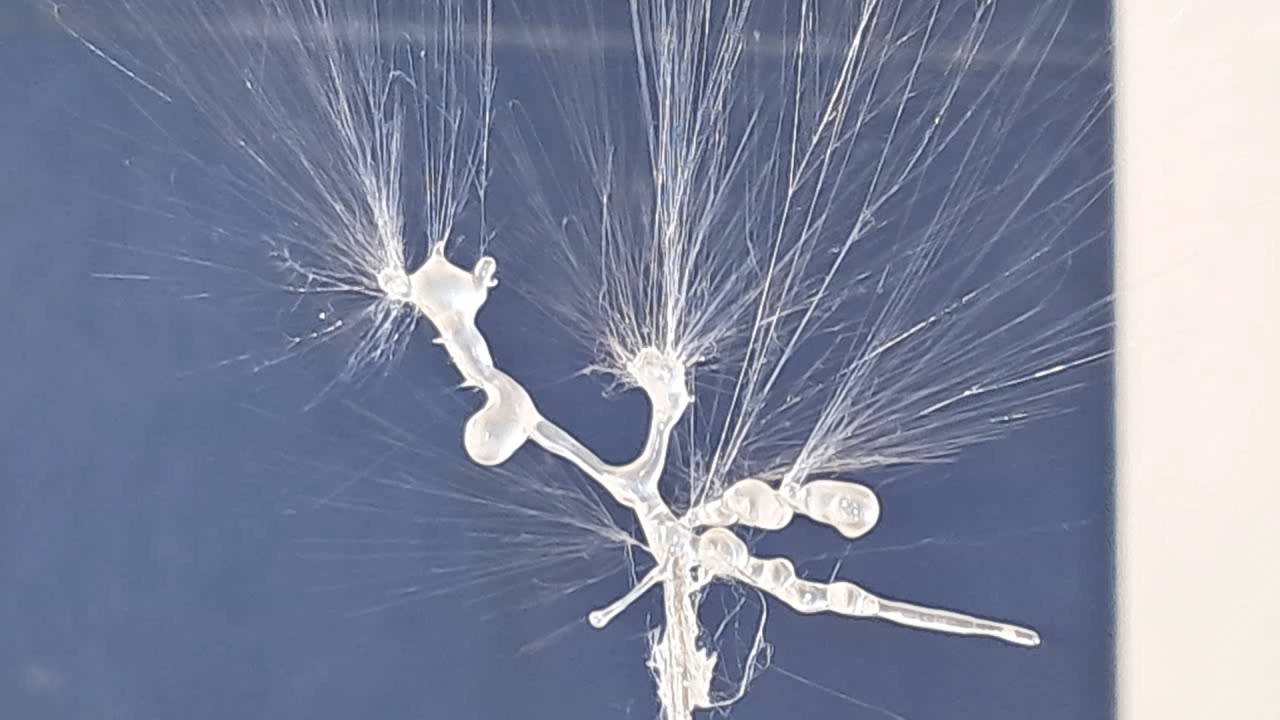
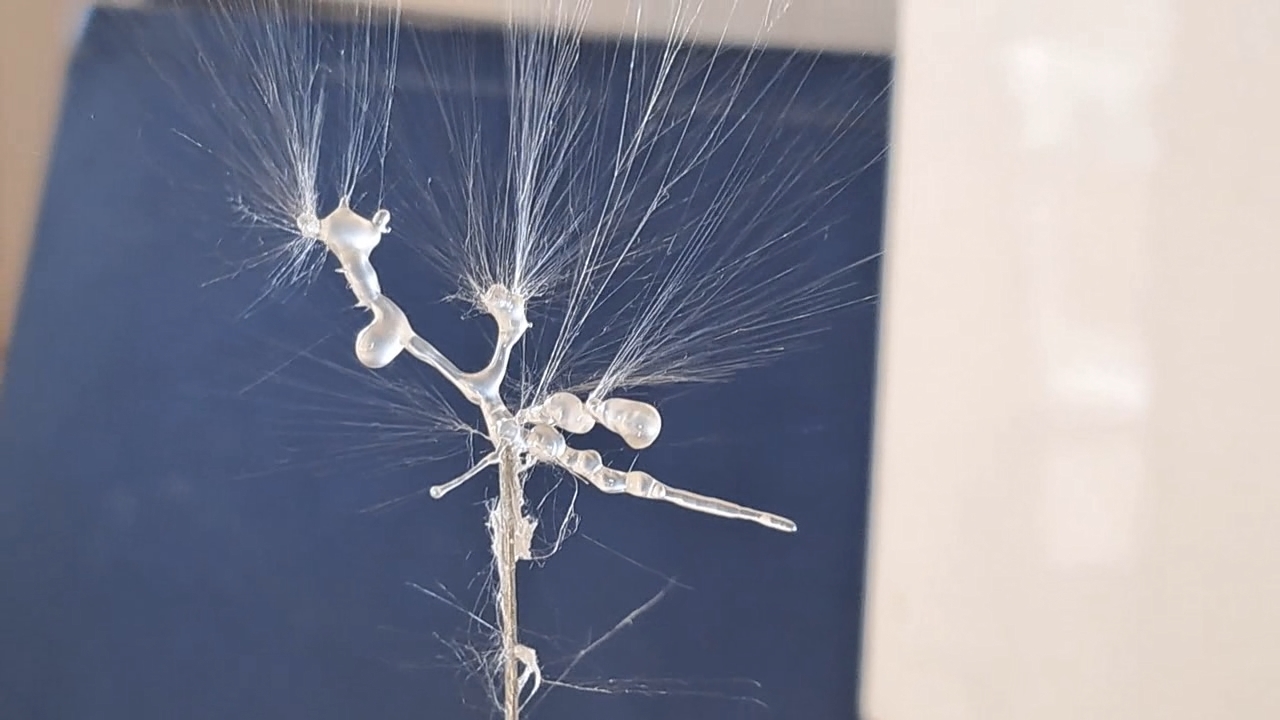
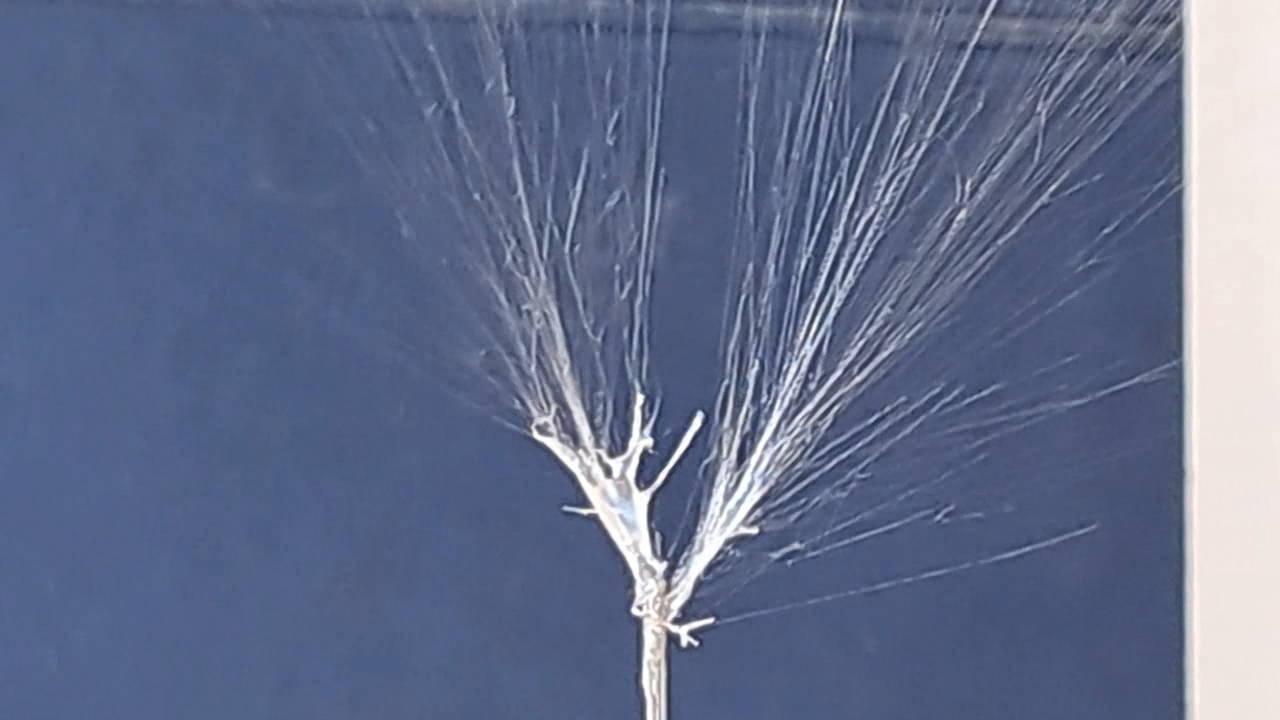
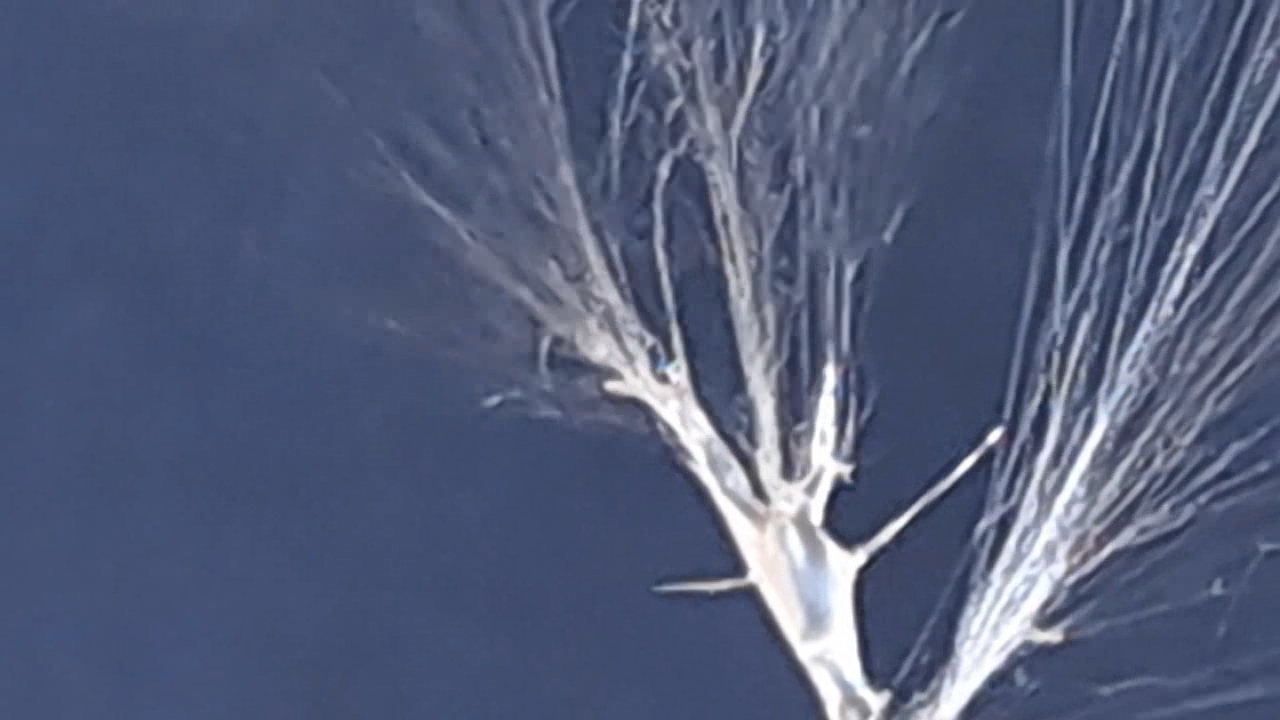
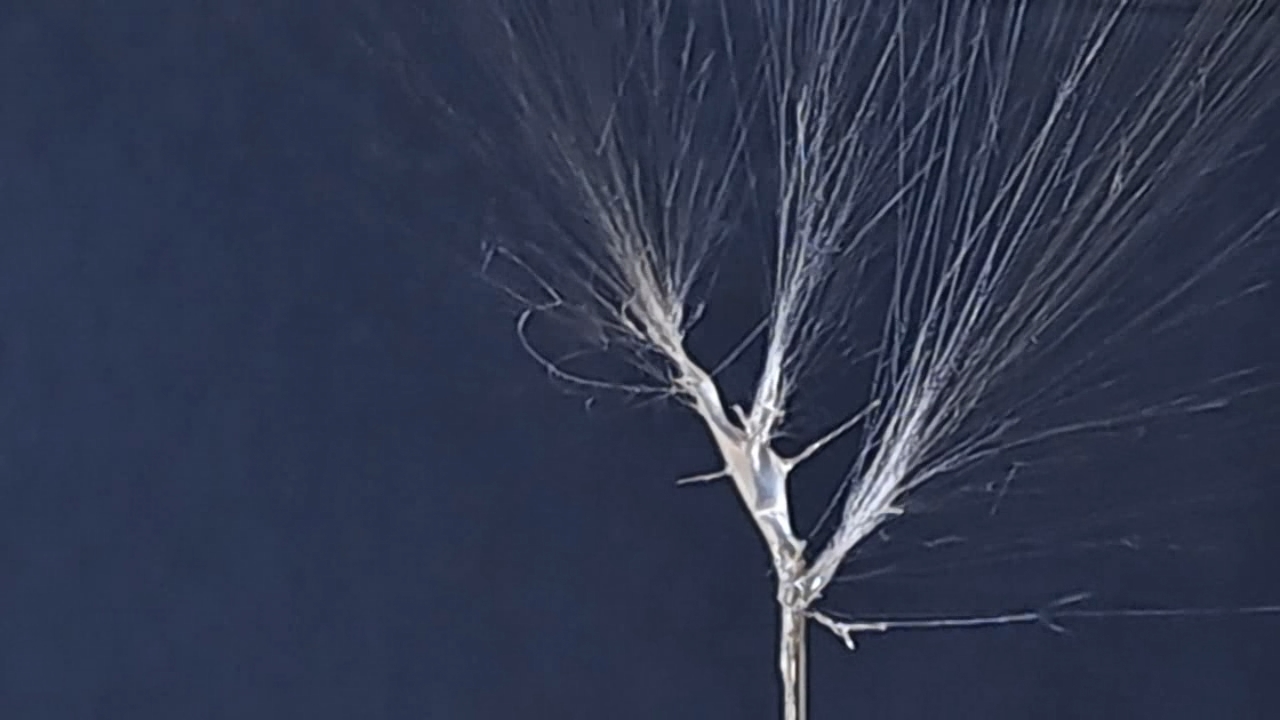
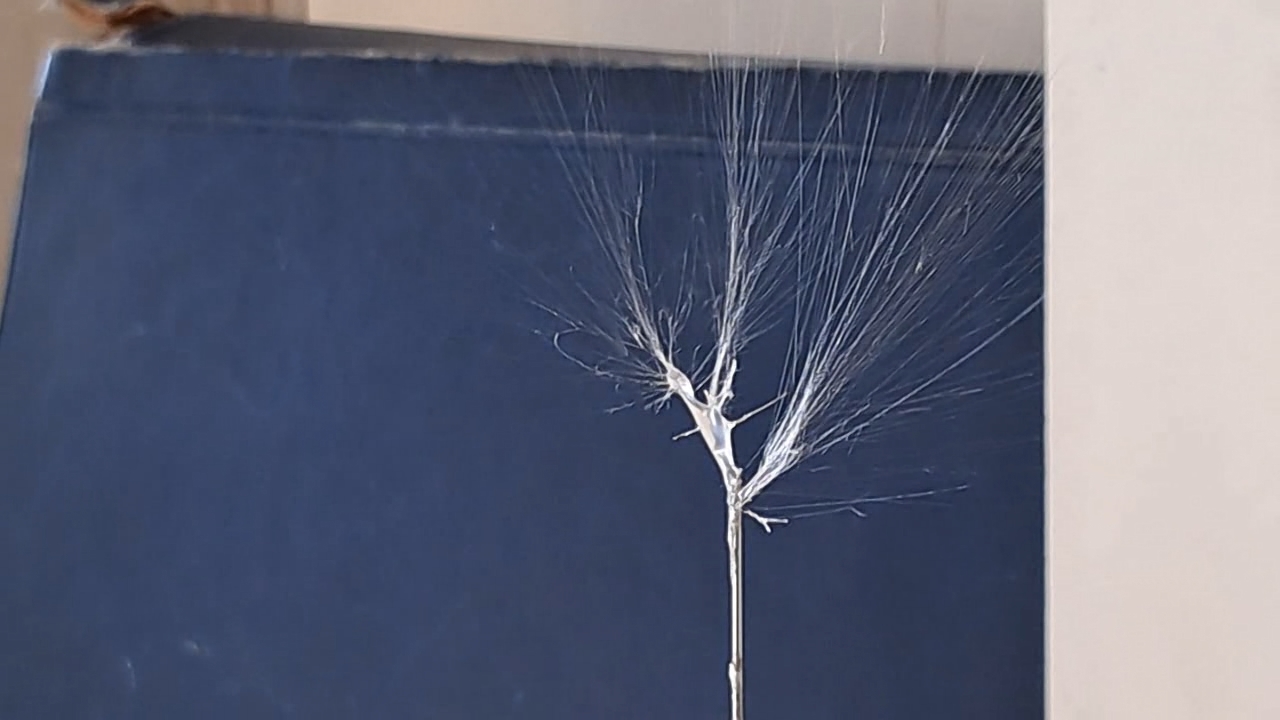
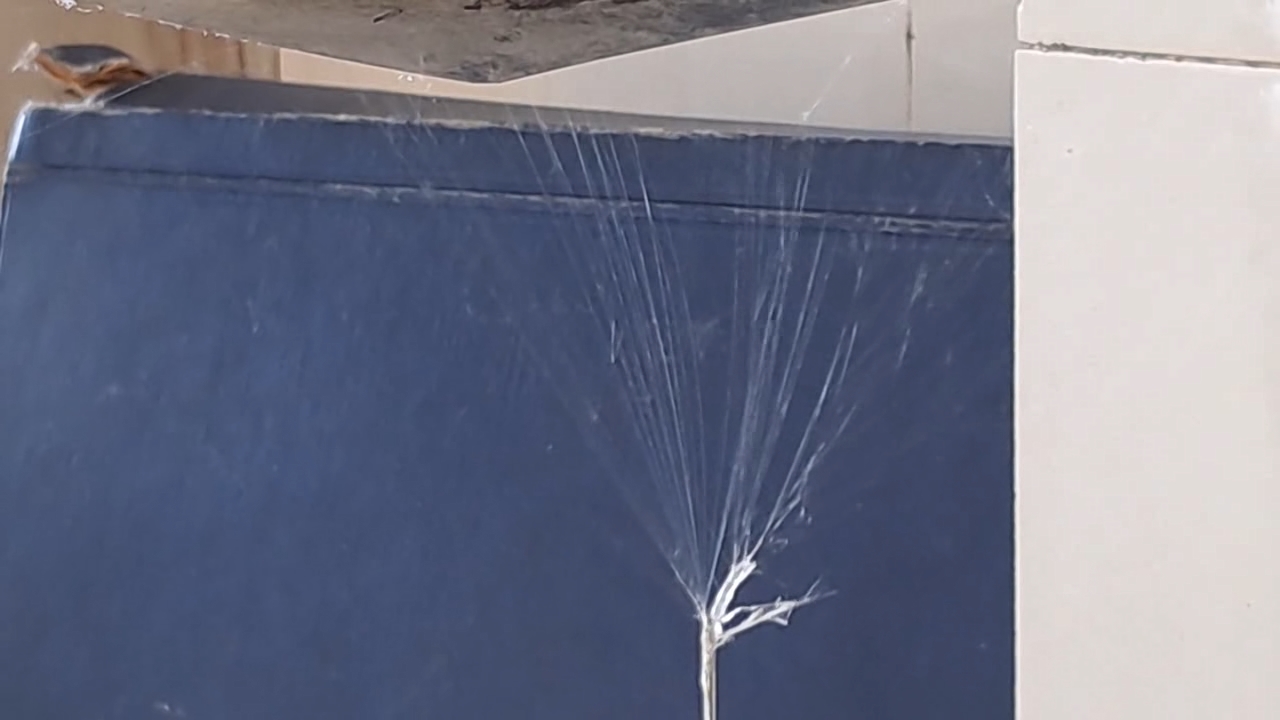
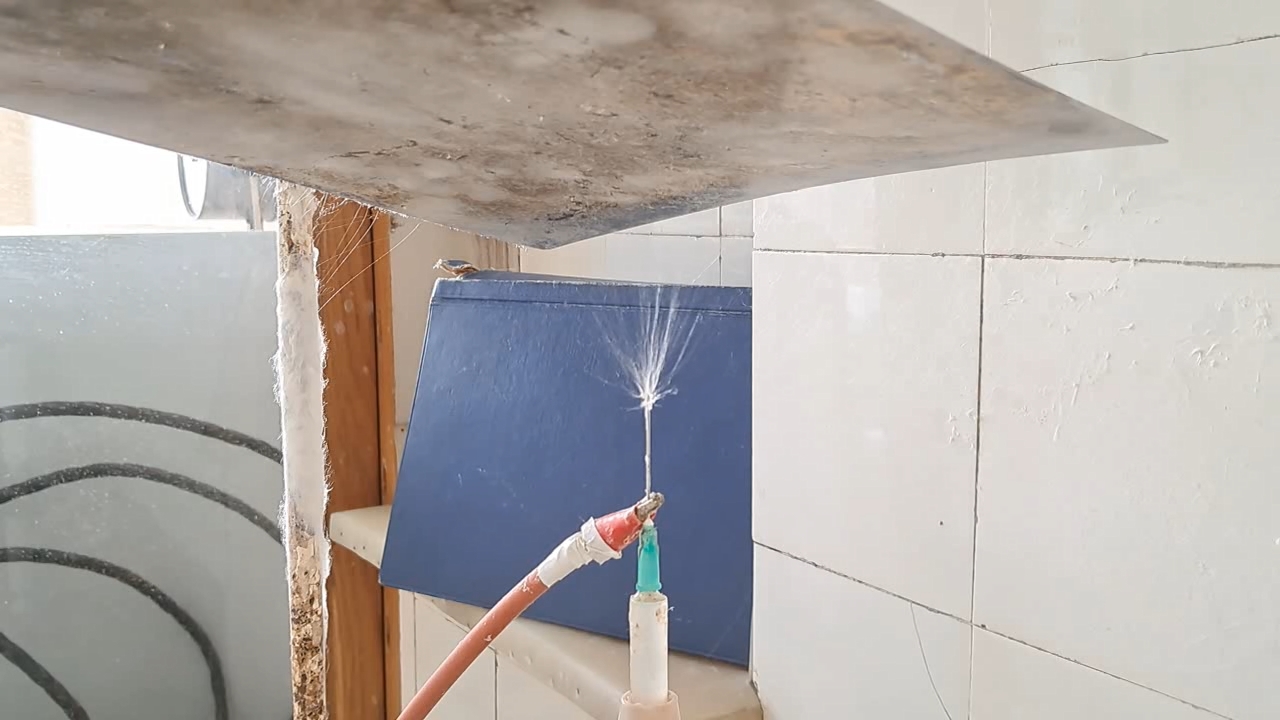
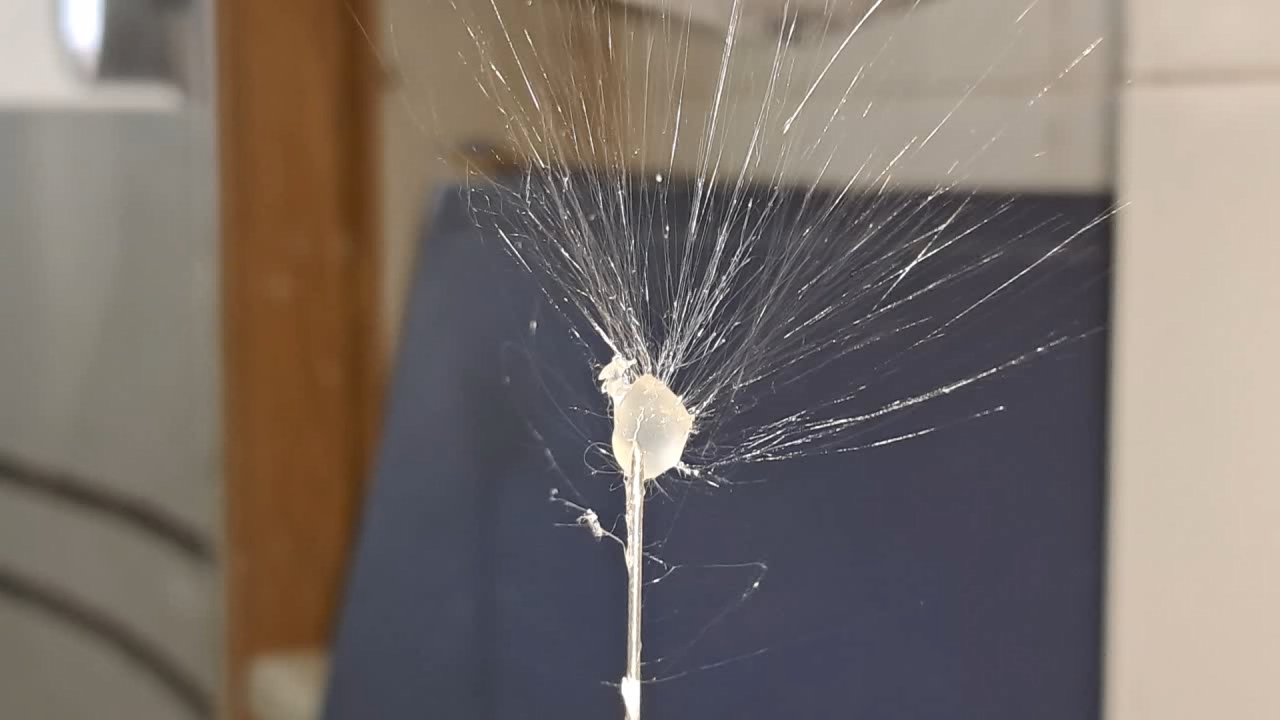
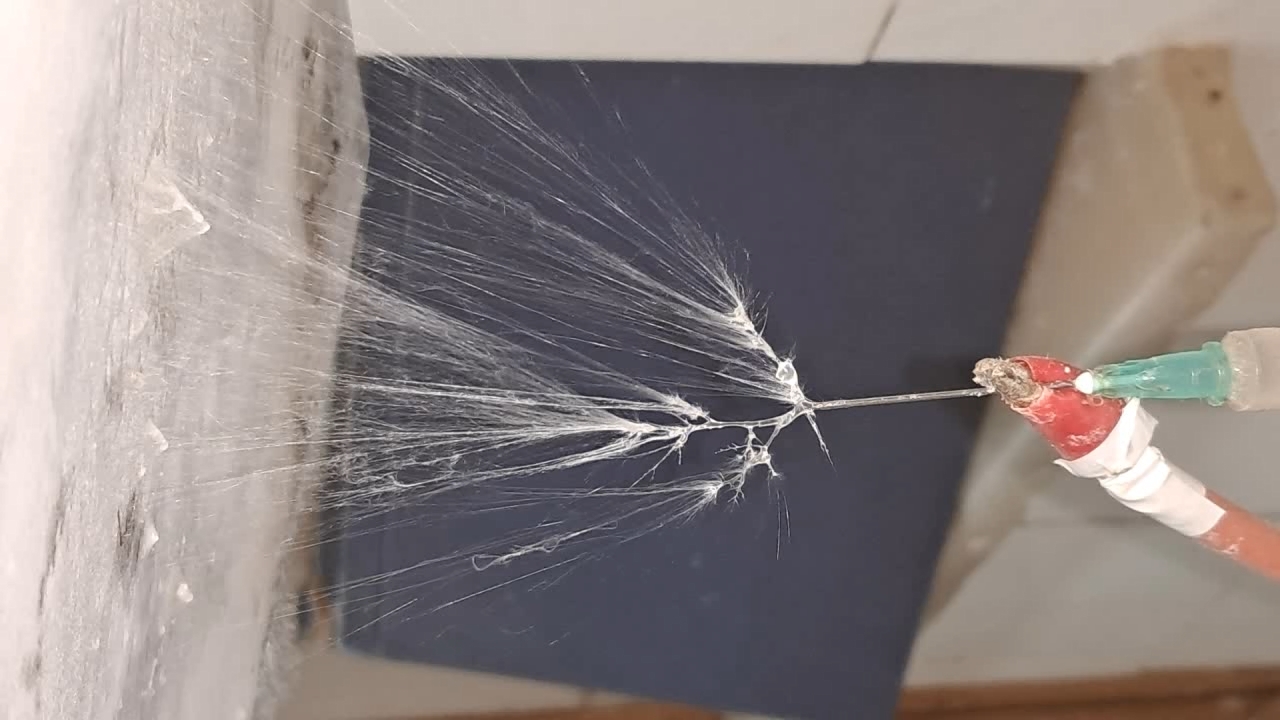
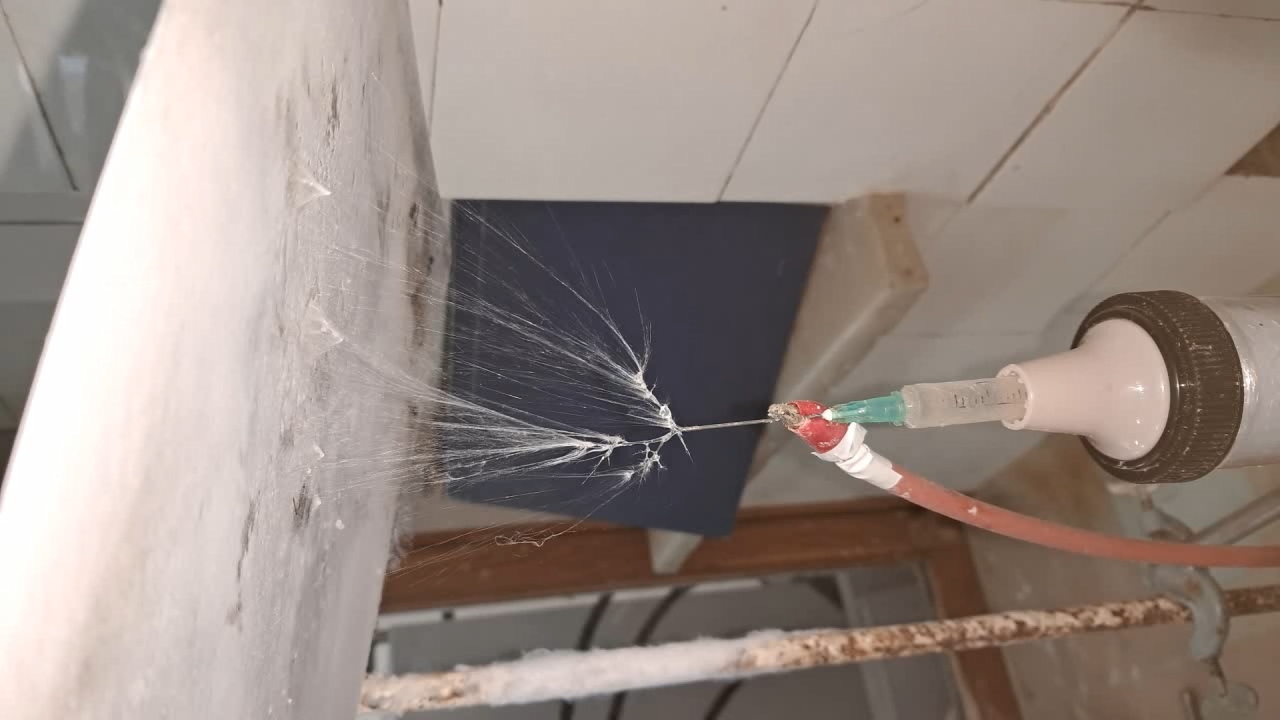
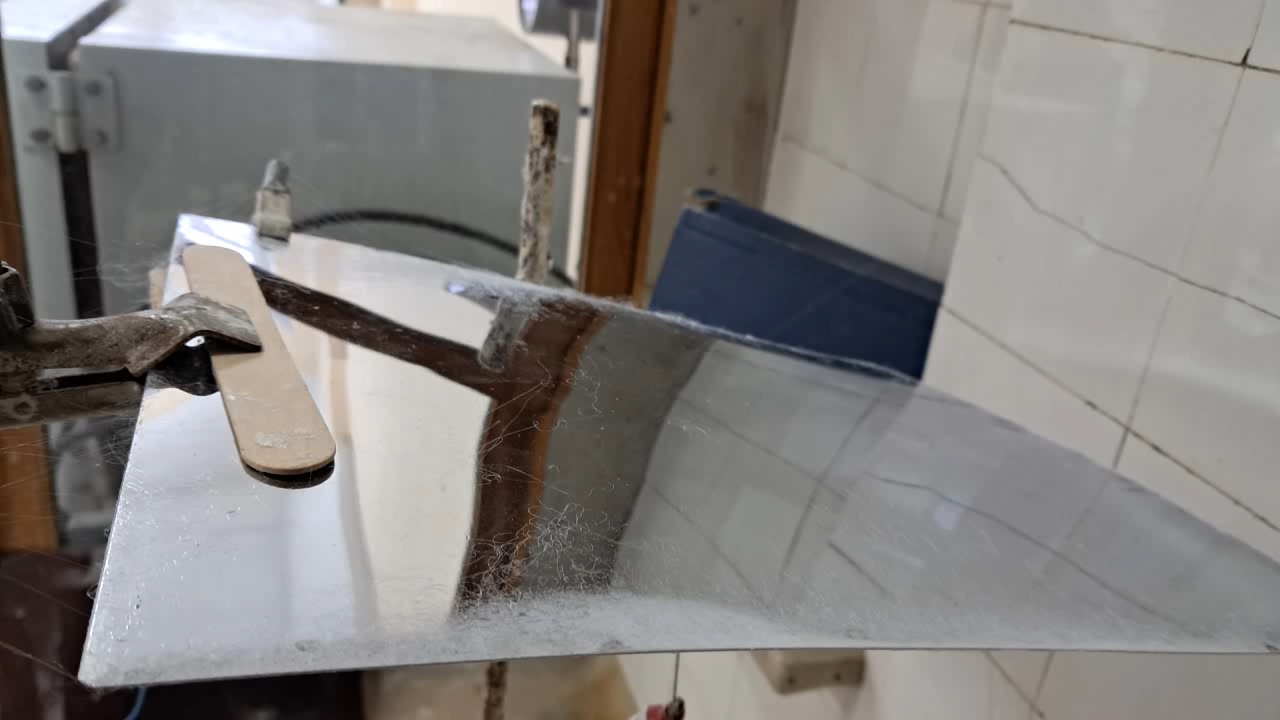
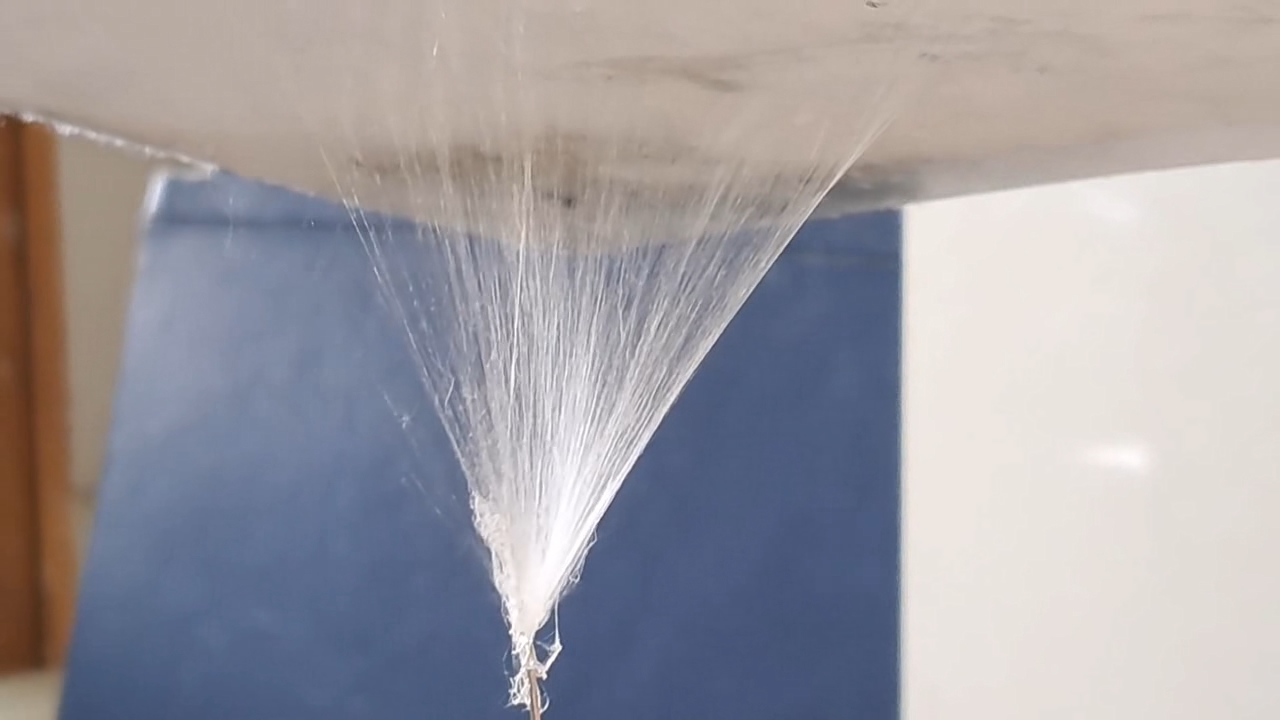
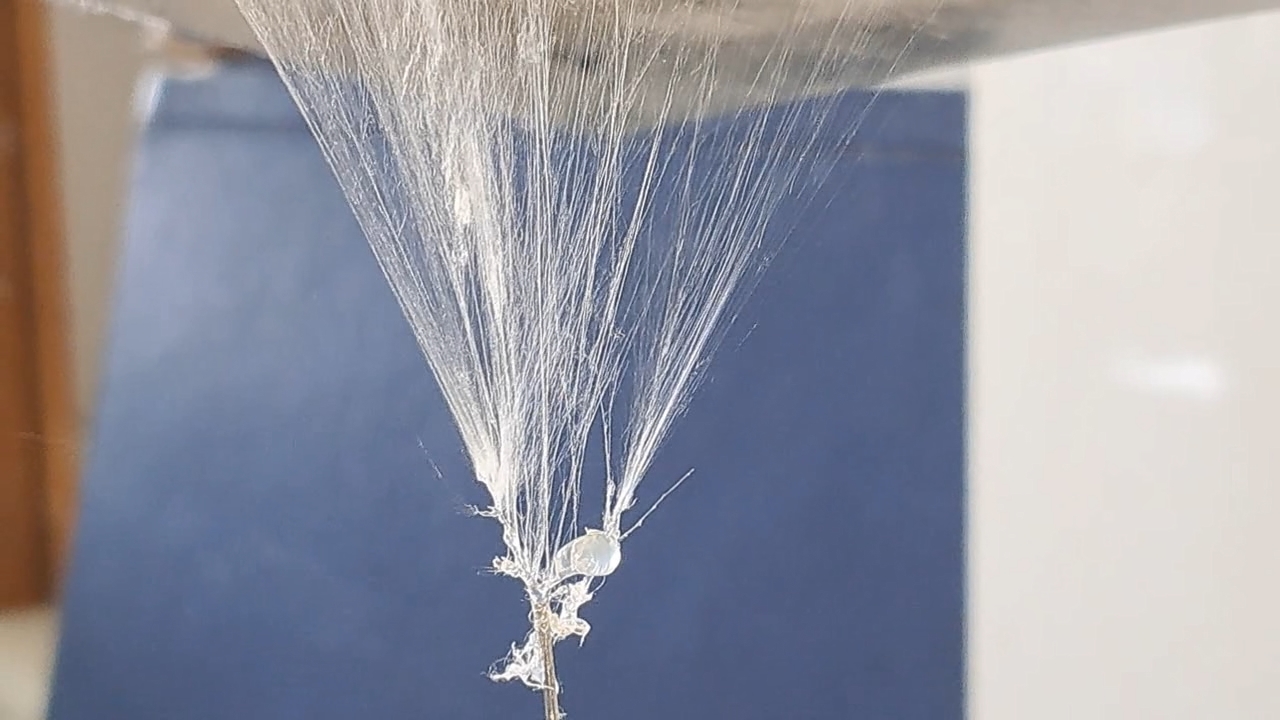
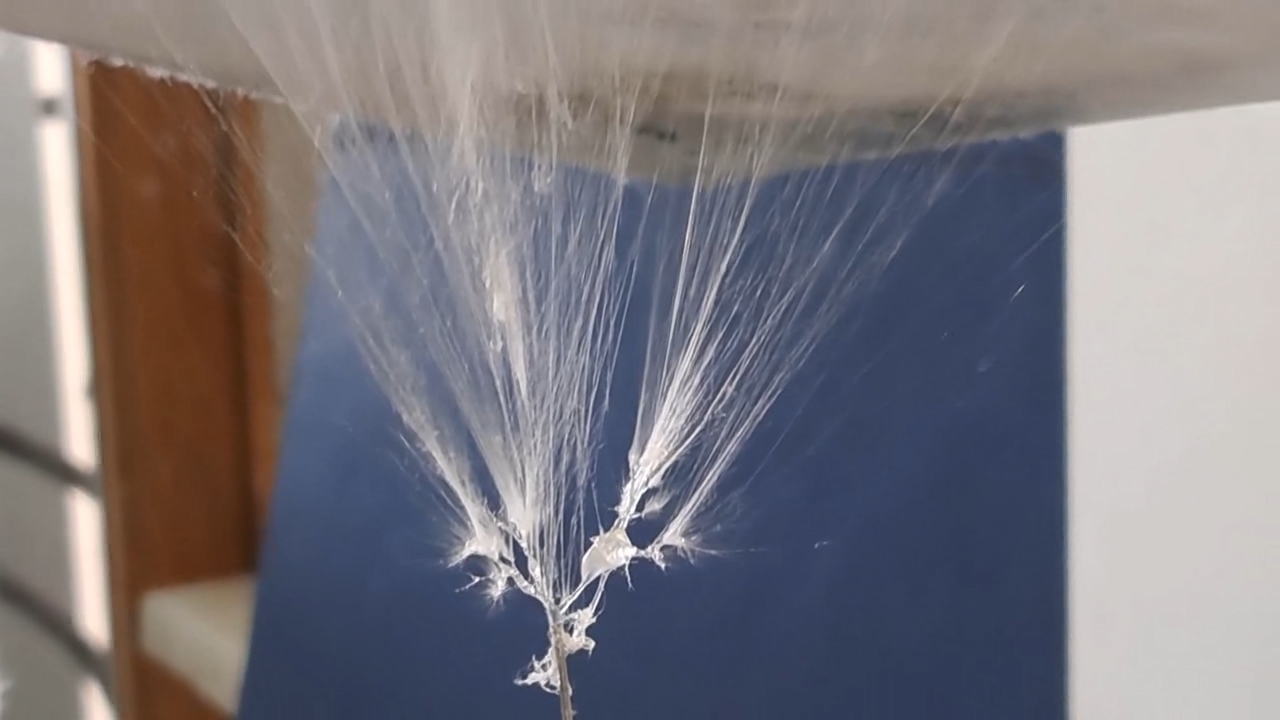
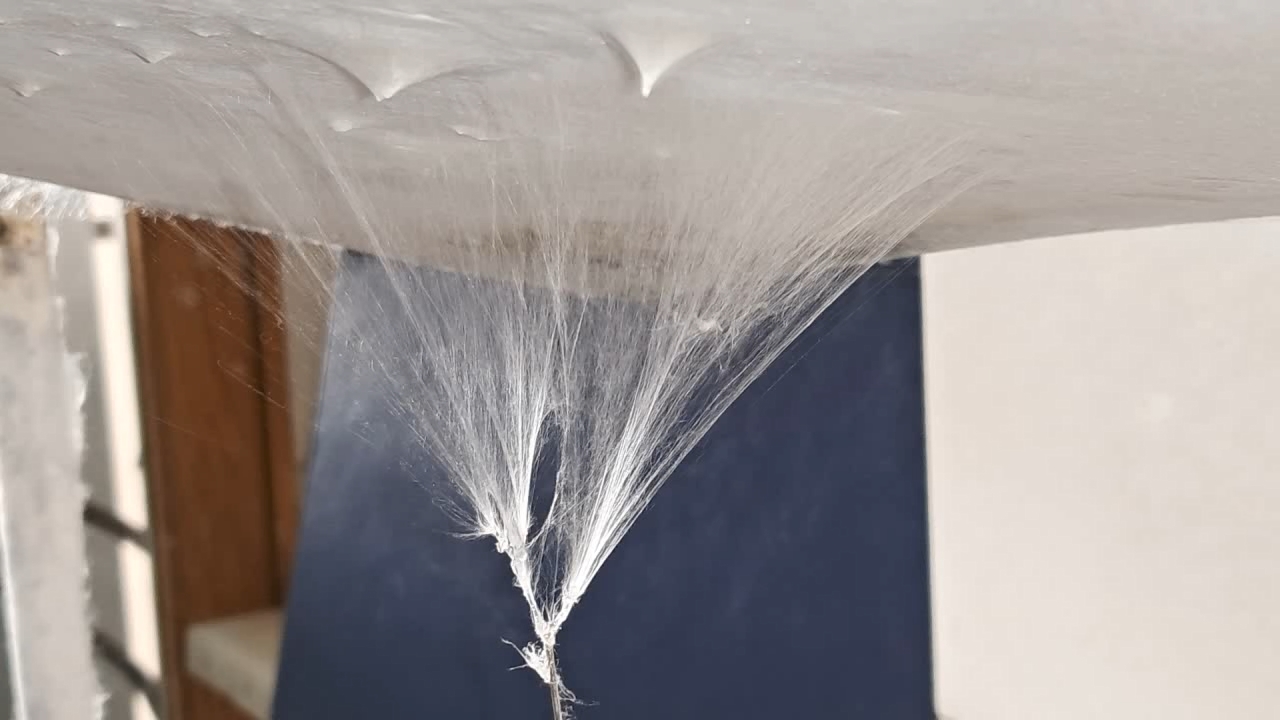
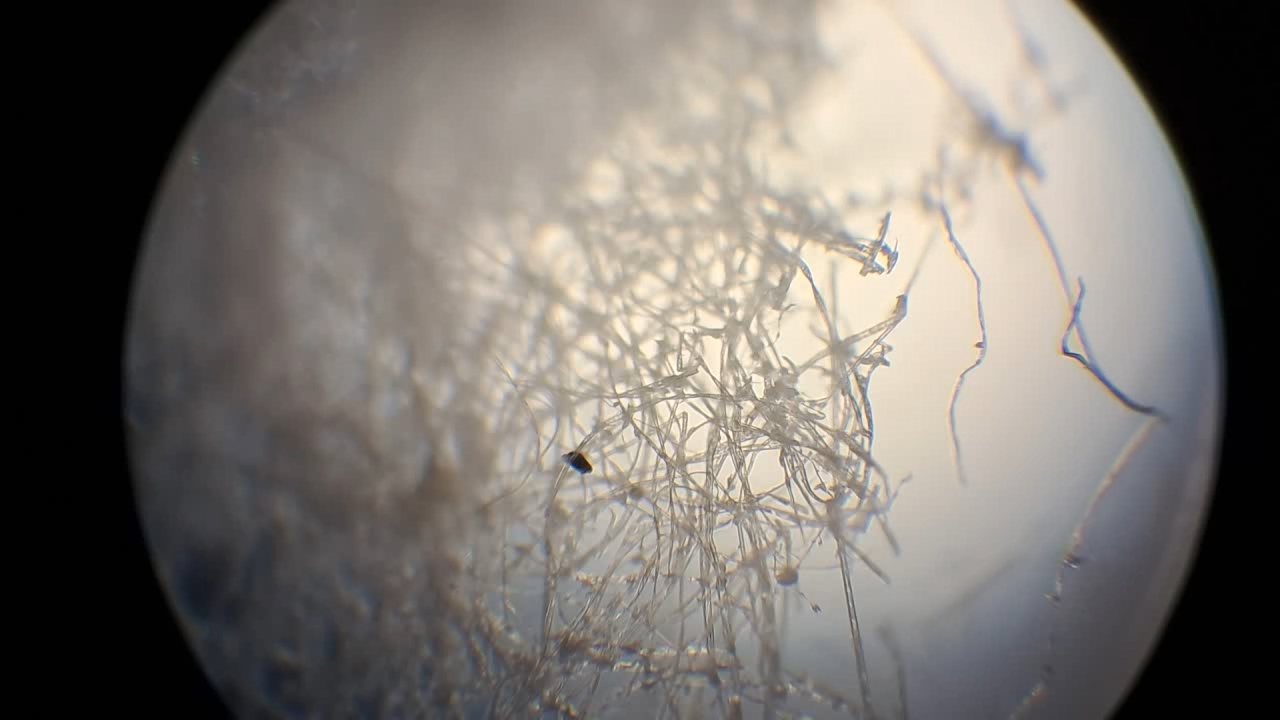
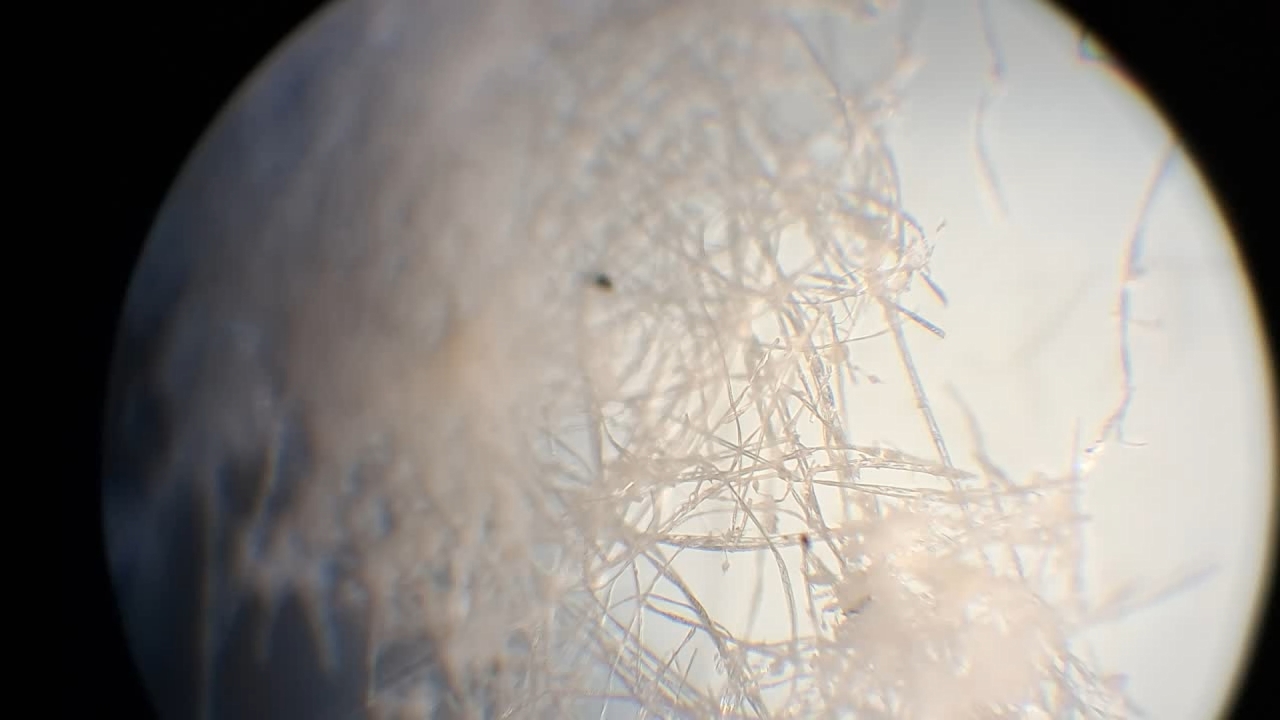
The bright sunlight made the polystyrene fibers clearly visible. The dynamics of fiber formation and movement became noticeable - something that was impossible to observe under standard lighting. In particular, it was on this occasion that I first noticed that some fibers detached from the needle but did not adhere to the collector or other surrounding surfaces; instead, they were simply carried away by the air flow.

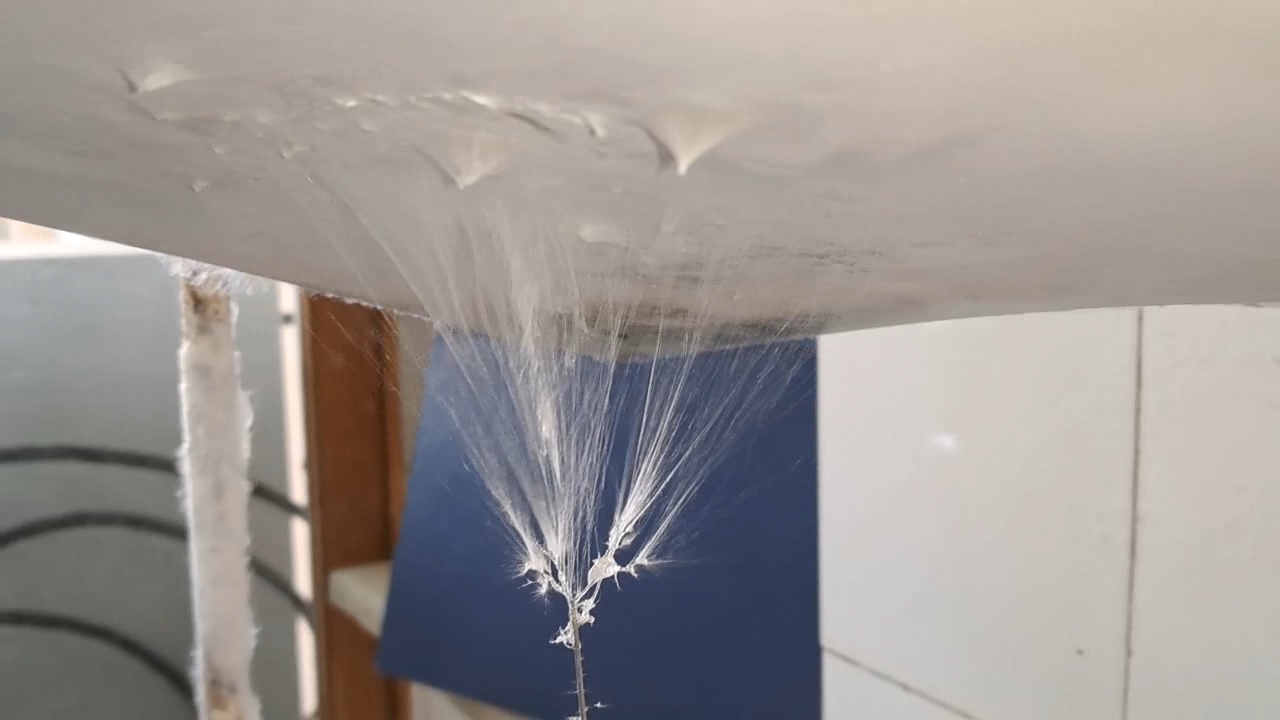
The polymer fibers resembled iridescent glass threads or a spider's web in the sunlight - the electrospinning process looked especially beautiful that day. At times, it felt unreal, as if I were watching an AI-generated video rather than observing a real experiment. However, focusing the camera under these conditions proved difficult, so the resulting video was less impressive. If I had had a good high-speed camera, I probably would have been able to capture truly spectacular footage. On the other hand, I would still prefer to buy a high-voltage power supply rather than a camera.

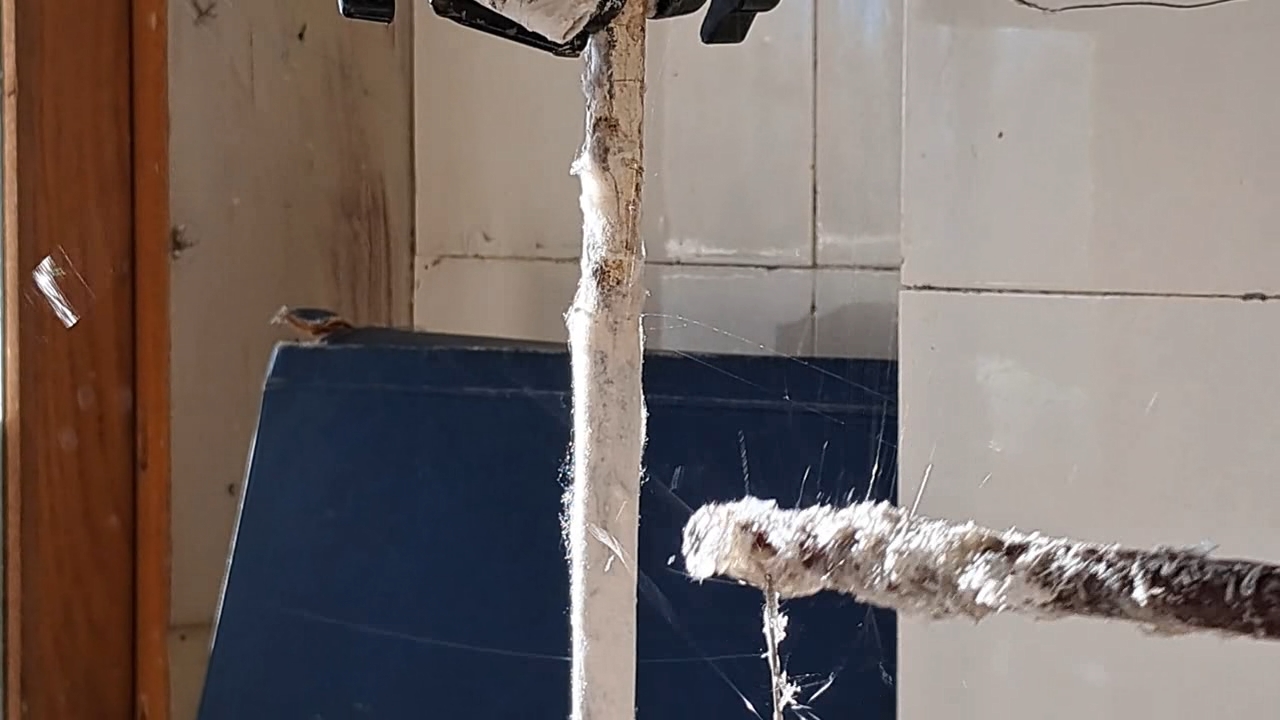
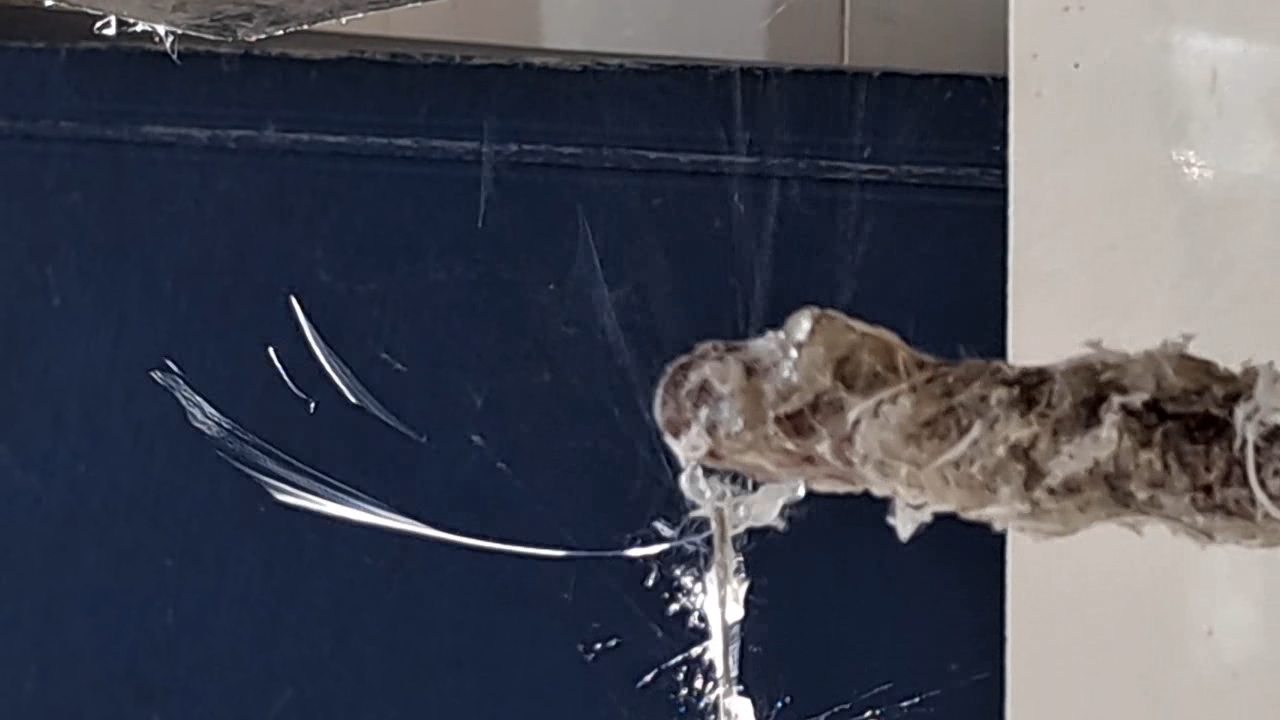
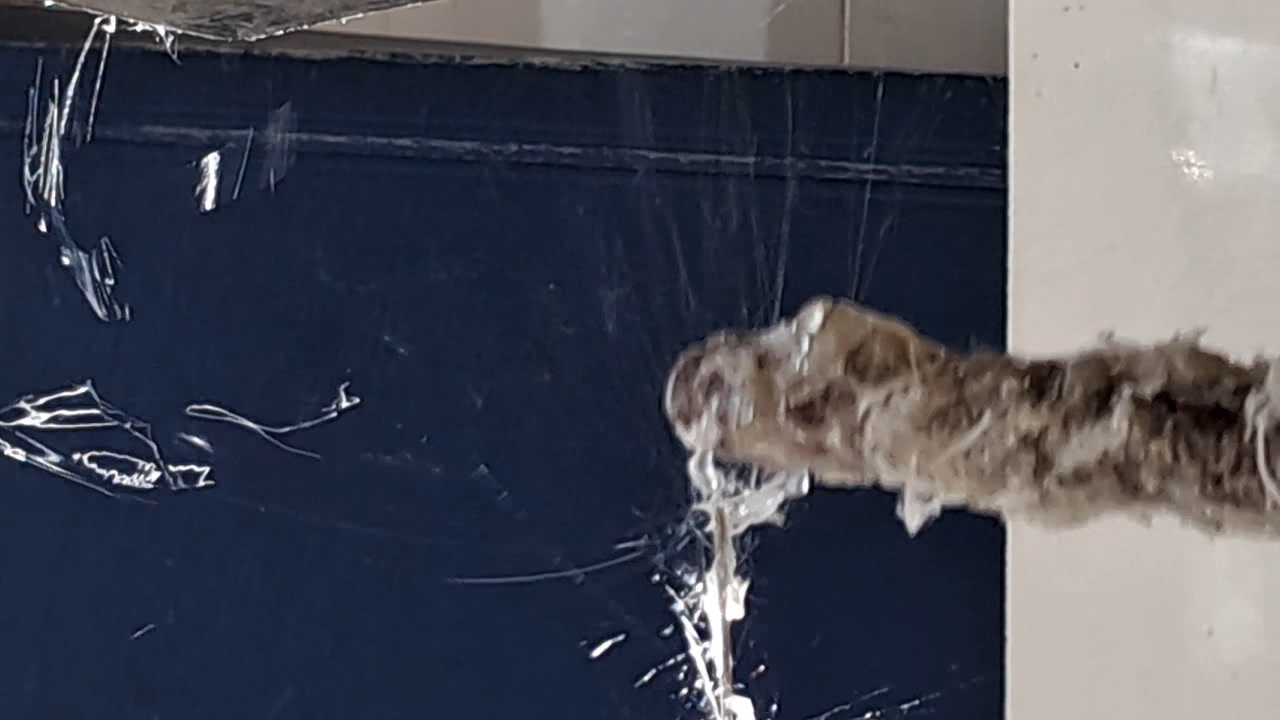
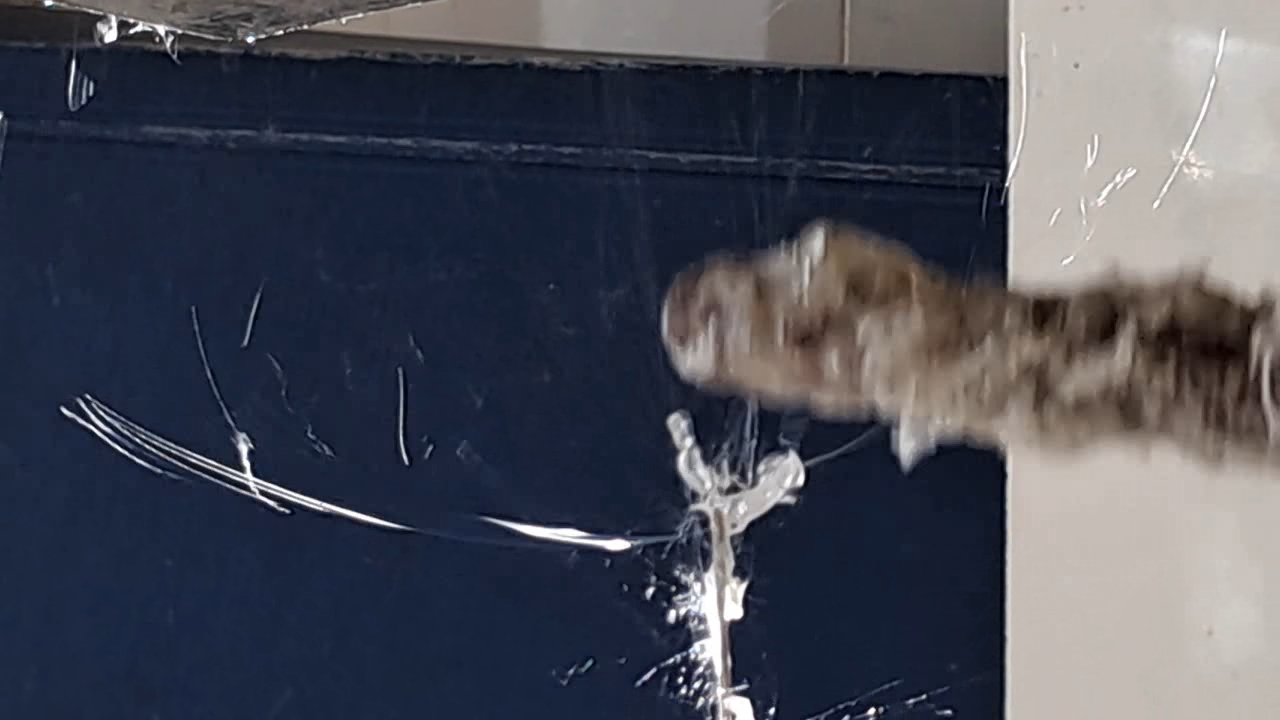
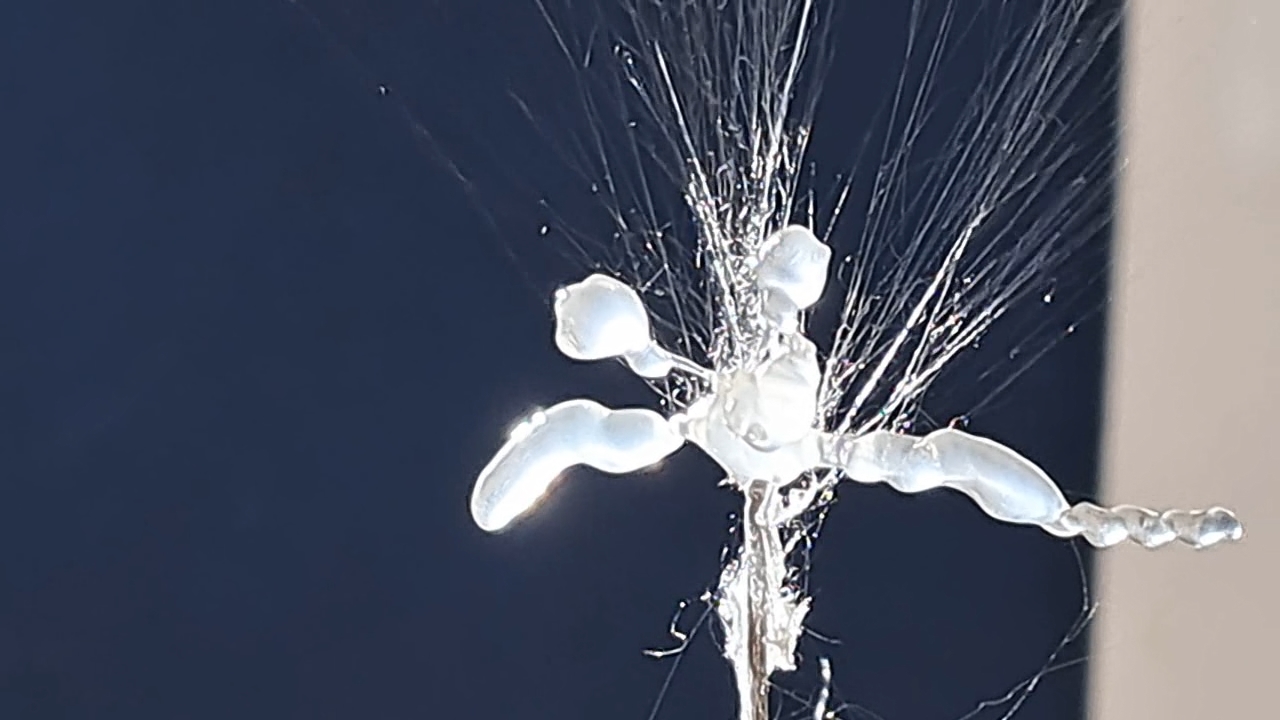
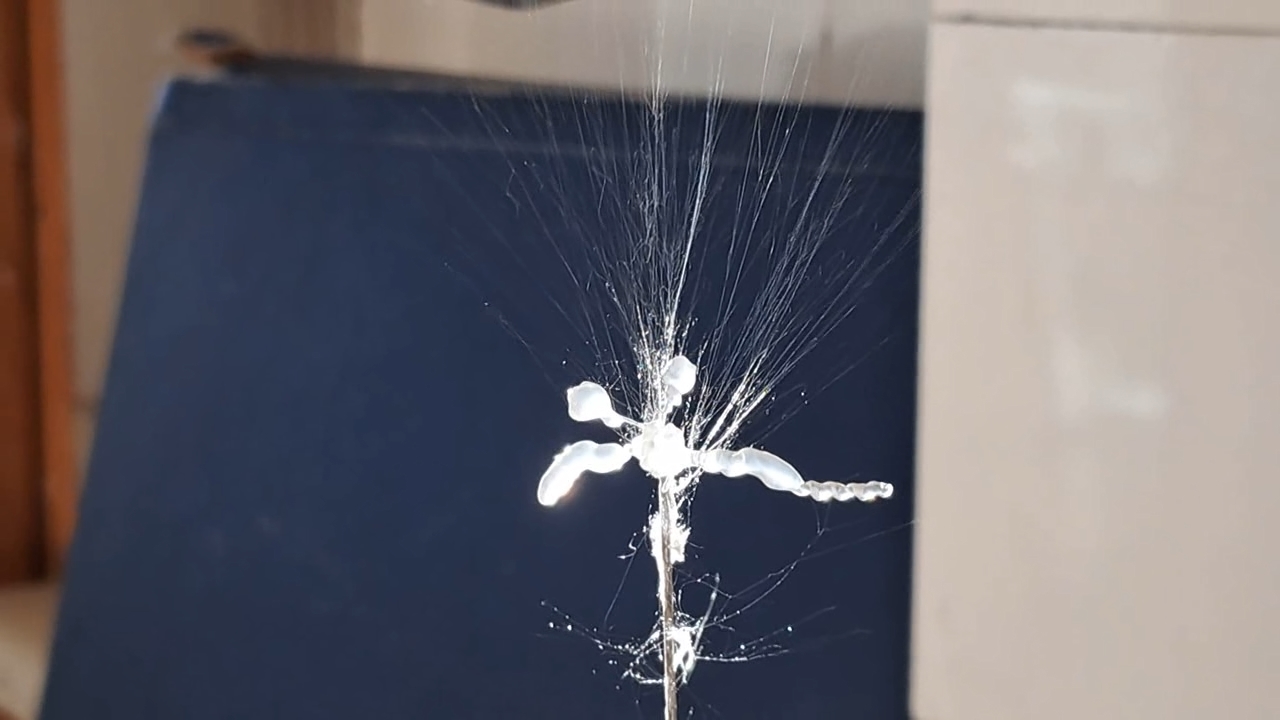
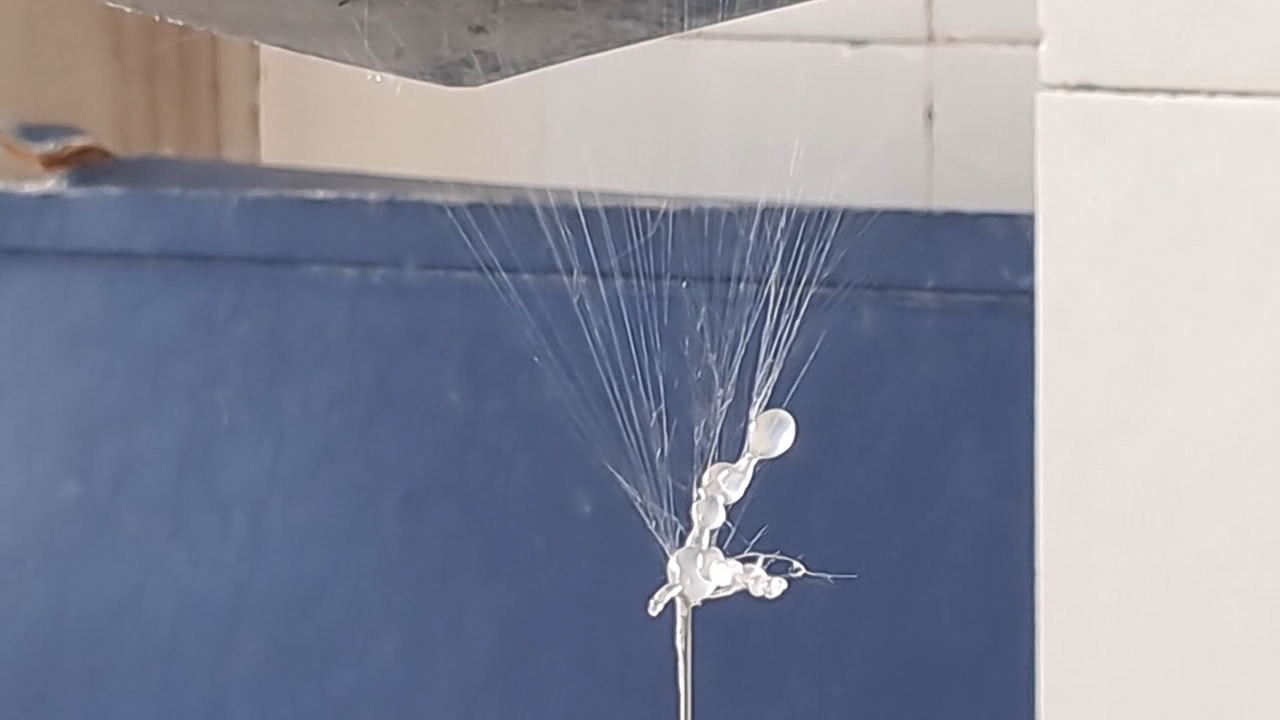
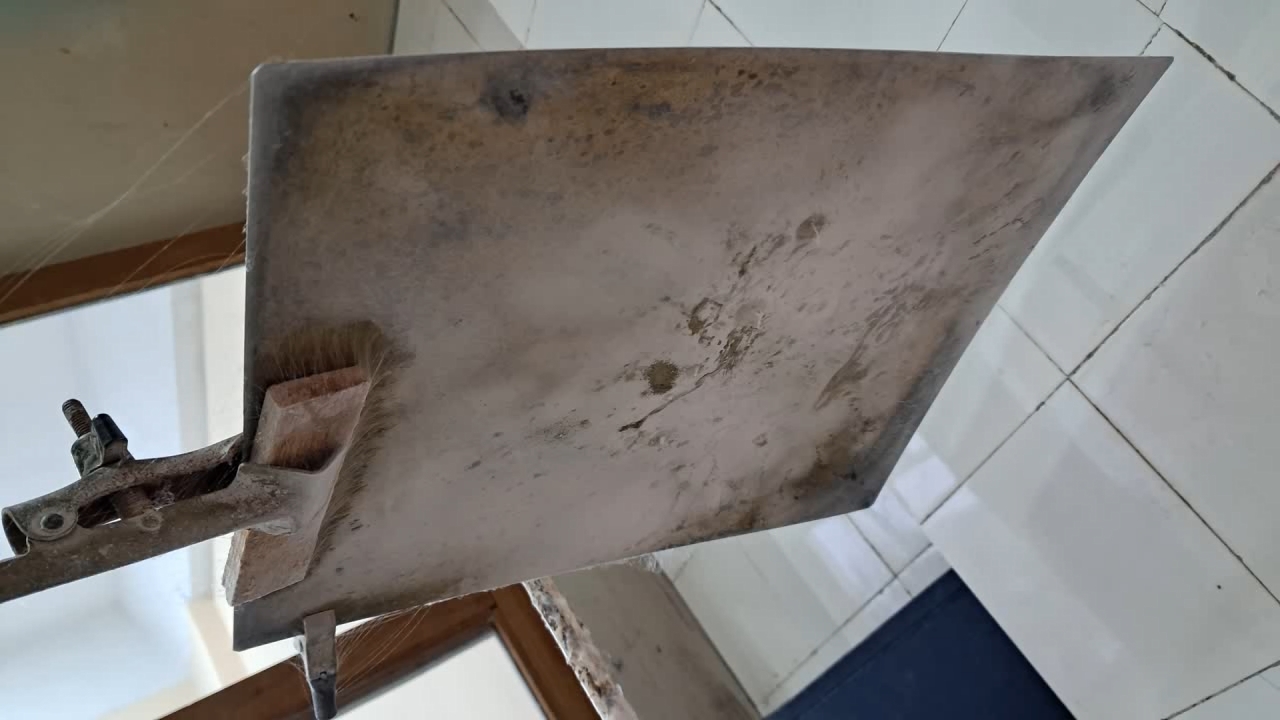
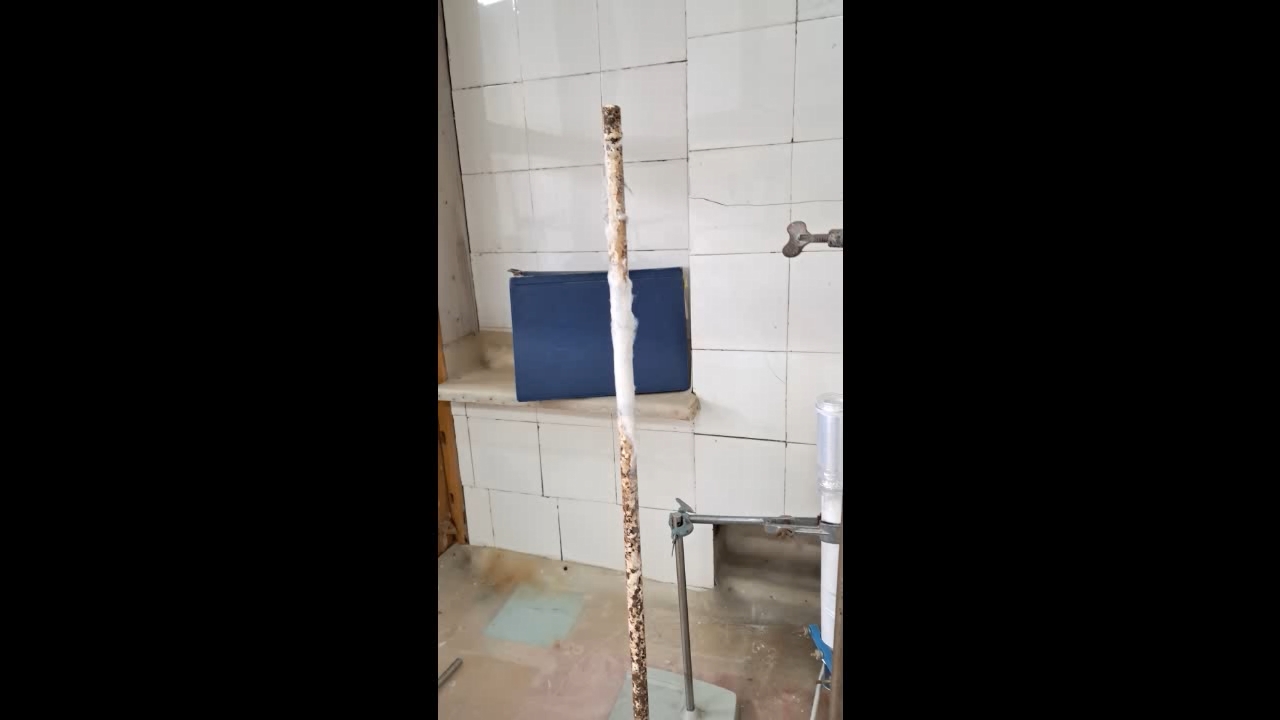
As in previous experiments, "beards" and semi-liquid droplets formed and adhered to the needle. These had to be periodically removed using a long plastic stick, which stimulated the formation of new fibers. Unfortunately, it was at this point that splashes often formed and reached the collector.

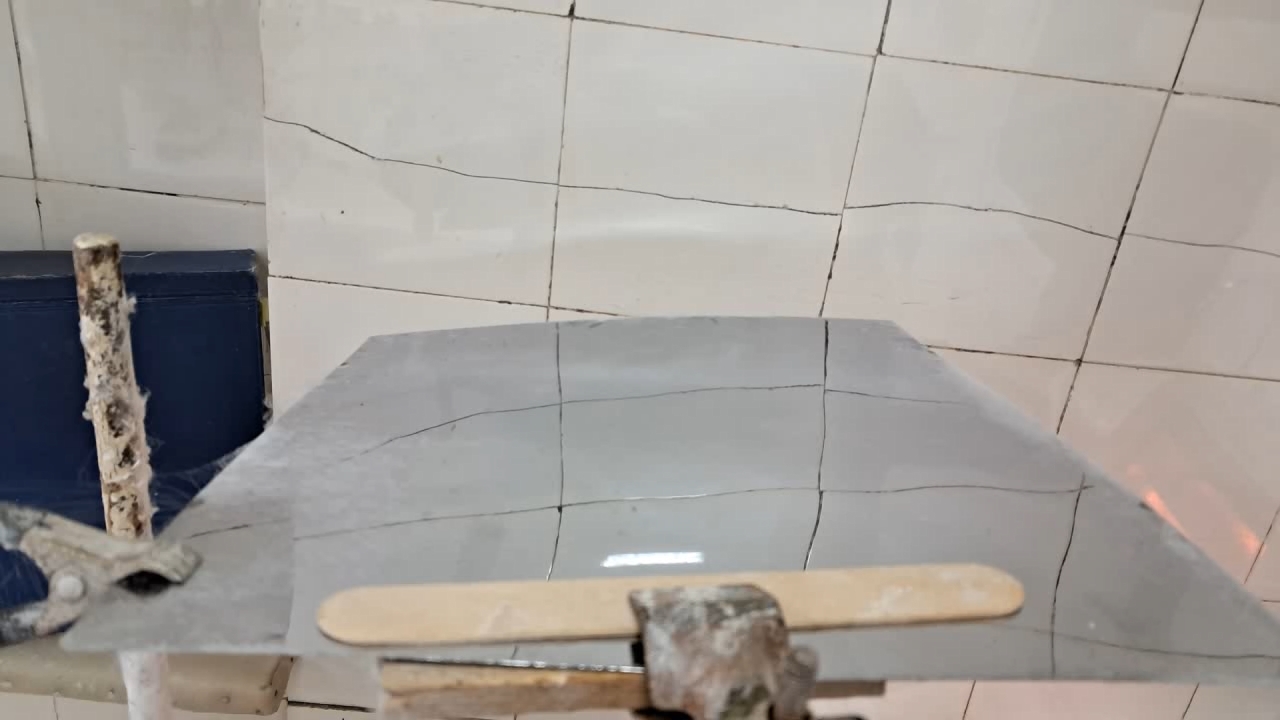
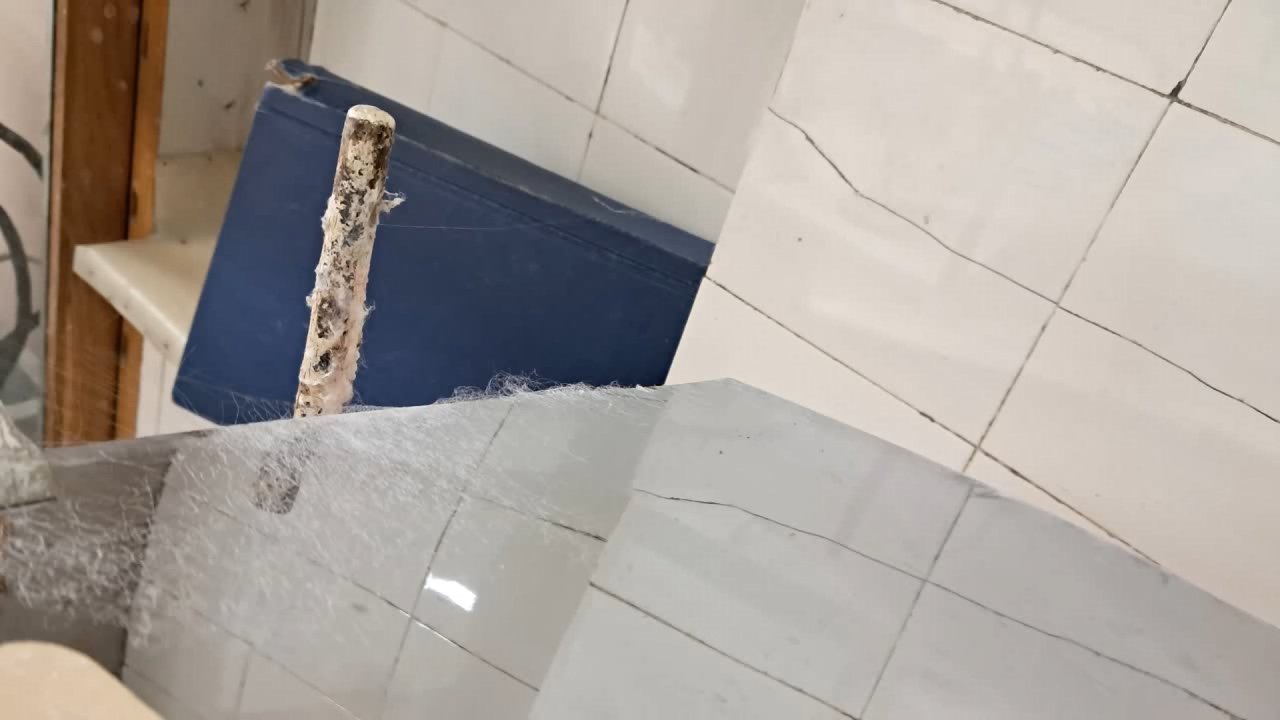
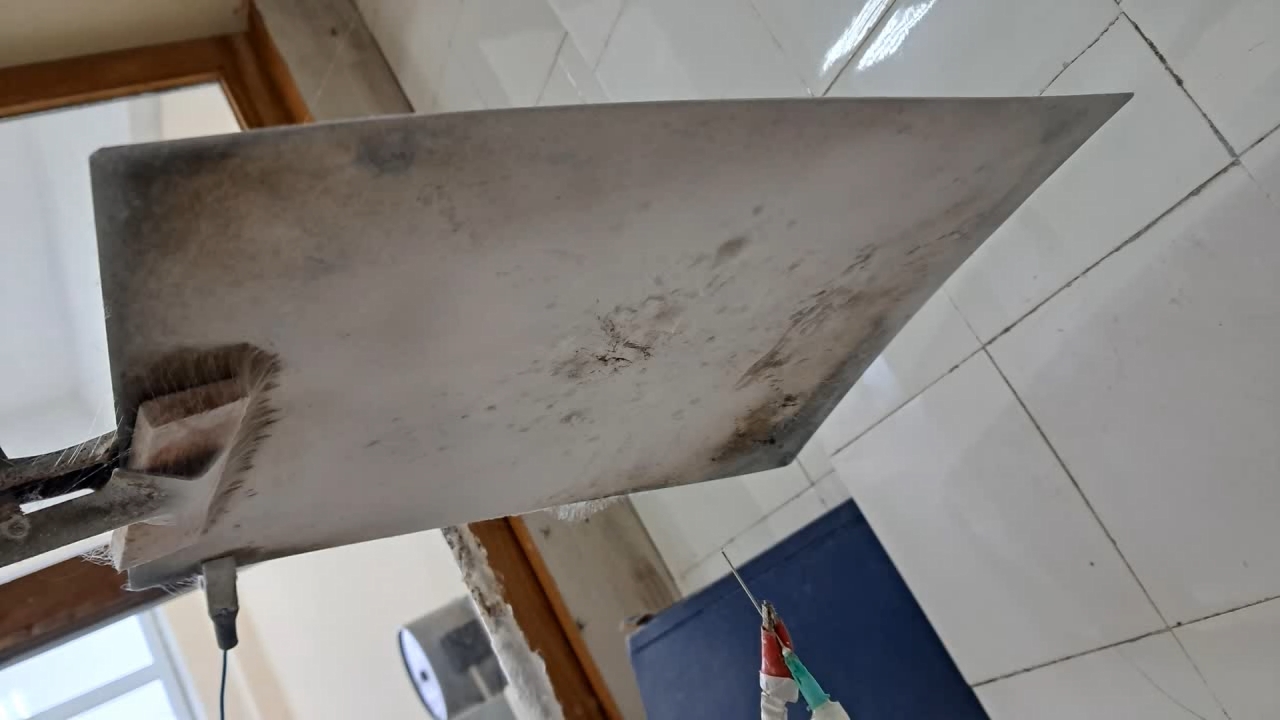
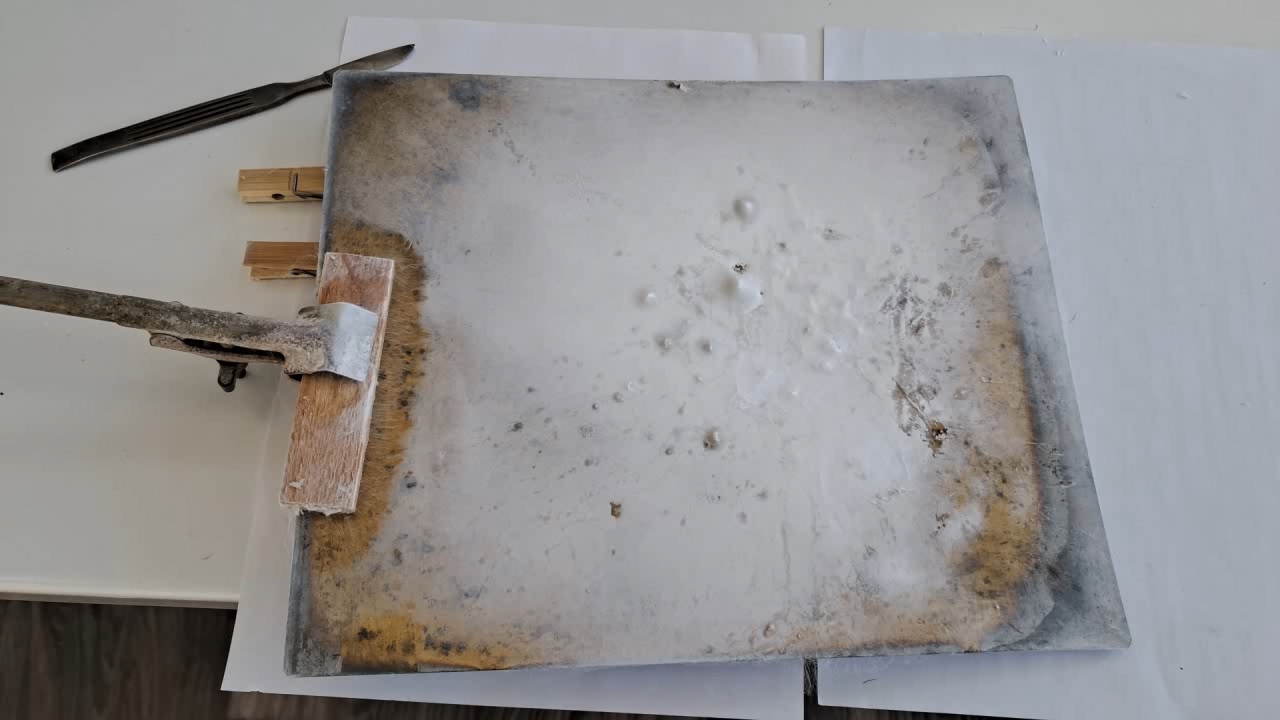
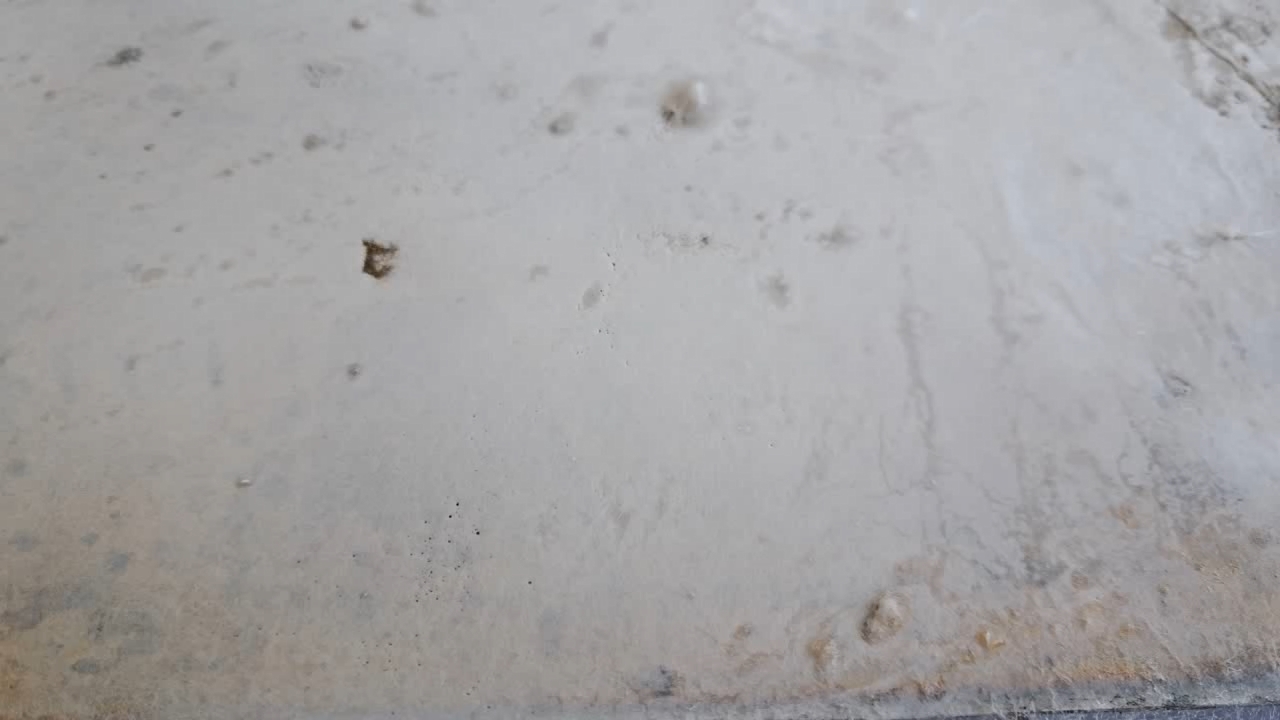
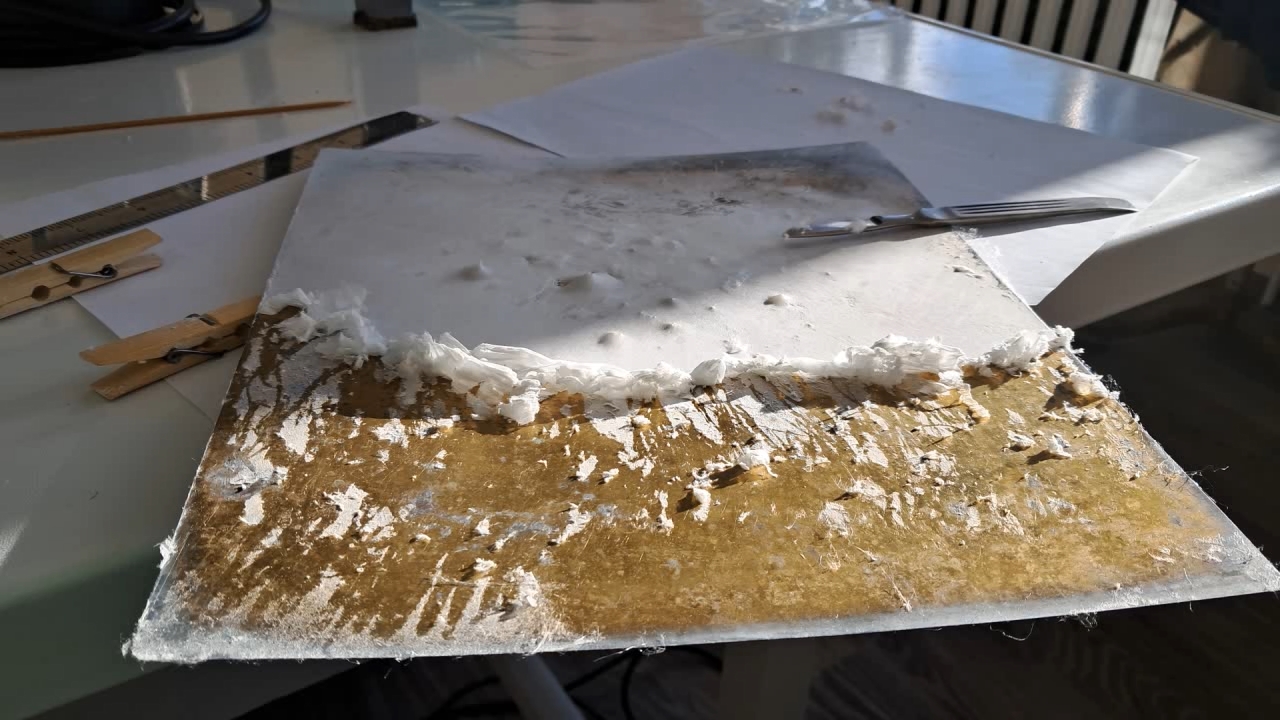
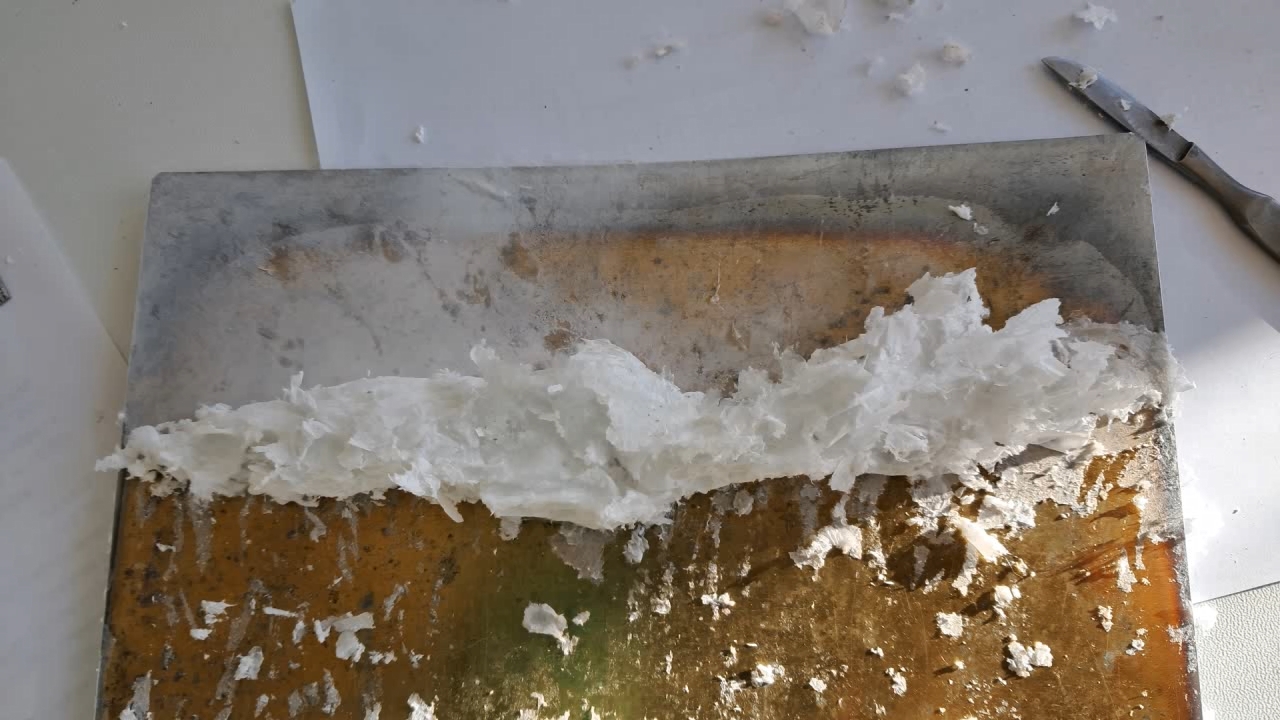
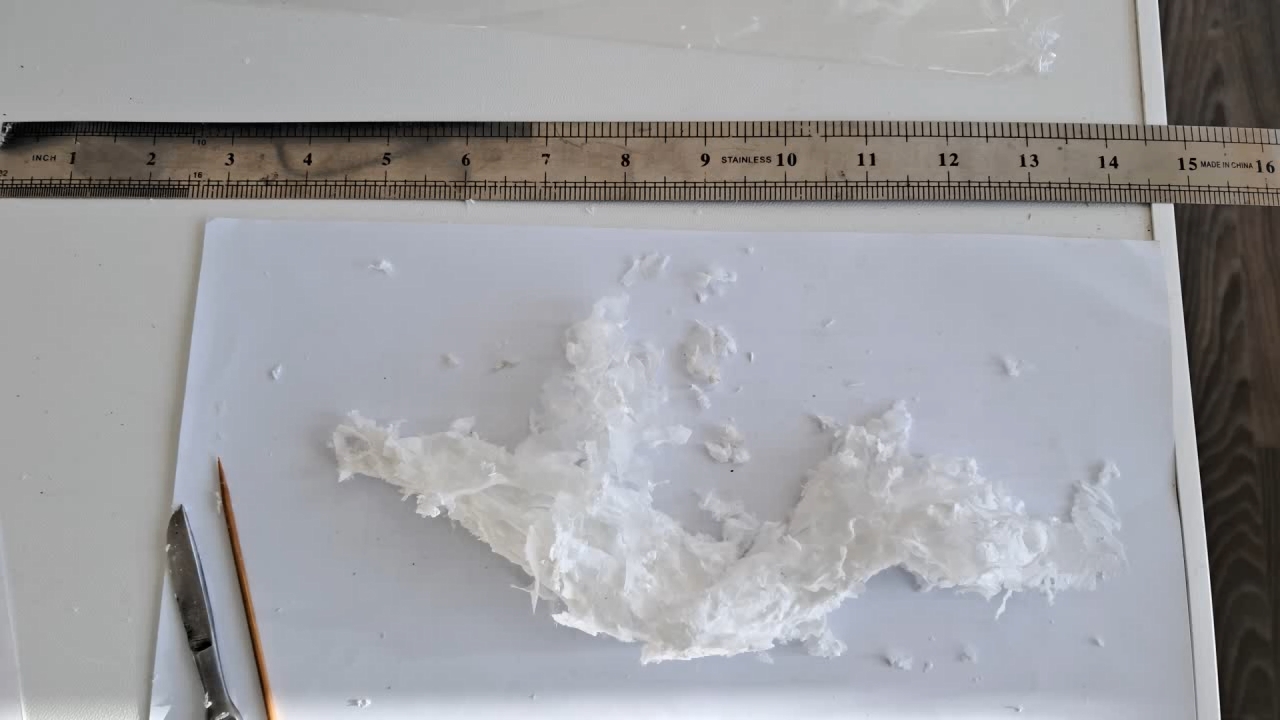
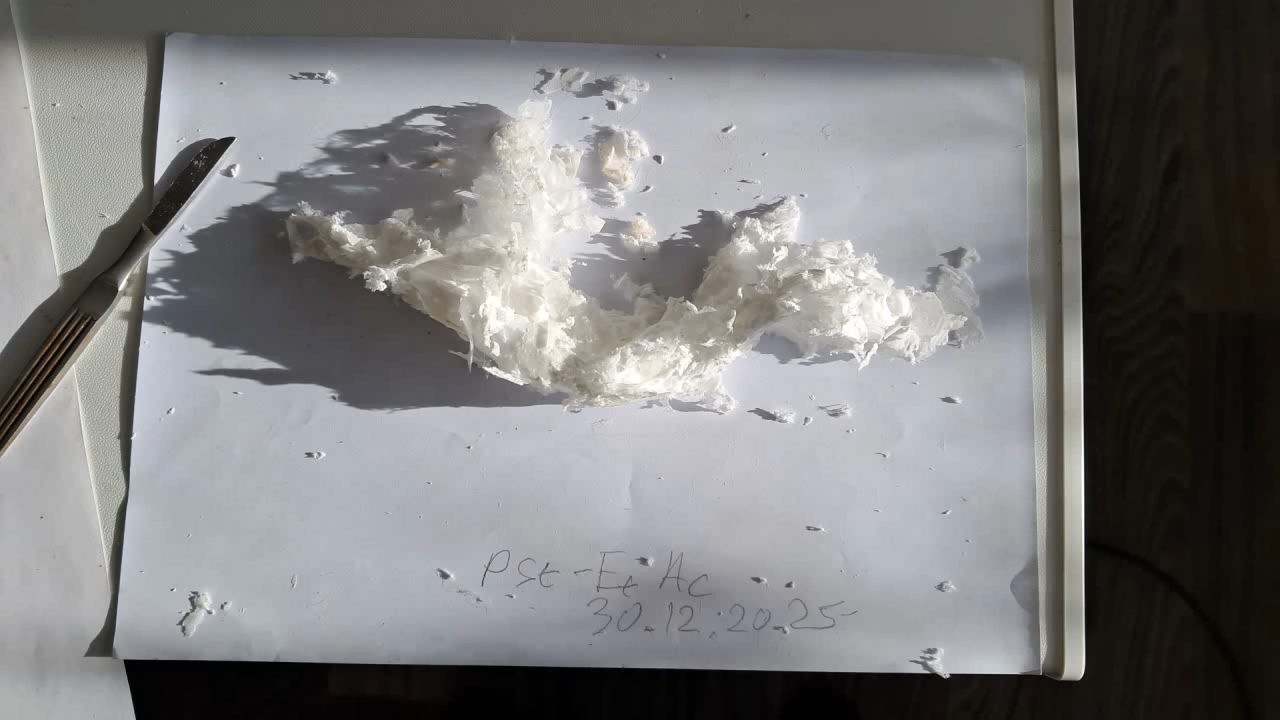
Compared with previous experiments, I was unable to reduce the formation of splashes. In turn, these splashes caused defects in the resulting electrospun polystyrene when they reached the collector. Therefore, ethyl acetate is poorly suited for electrospinning polystyrene, at least under the experimental conditions described here.


Электроспиннинг: раствор полистирола в этилацетате - Часть 21
На улице стояла солнечная и необычно морозная погода. Лучи солнца ярко освещали лабораторию. Комната отапливалась, поэтому зимой температура здесь обычно составляла около 12°С. Однако, в этот день температура в лаборатории достигла целых плюс 20°С - благодаря прямому солнечному свету.

Была также другая - не отапливаемая - лаборатория, в окна которой не попадали прямые солнечные лучи. На момент описанных событий, температура здесь упала до плюс 2°С, а через пару недель сильных морозов она опустилась до минус 4°С. Такая низкая температура в лаборатории вызвала интересные, хоть не совсем приятные последствия, но об этом я расскажу чуть позже.

Естественно, эксперименты по электроспиннингу я проводил в теплой лаборатории. Я надеялся, что температура воздуха в 20°С усилит испарение этилацетата и устранит проблему попадания брызг раствора на поверхность коллектора. Разумеется, одними надеждами я не ограничился и использовал обогреватель для усиления испарения растворителя.

Яркие солнечные лучи делали волокна полистирола хорошо видимыми. Было заметно динамику процесса образования и движения волокон, которую при стандартном освещении не удавалось наблюдать. В частности, именно в этот раз я впервые обратил внимание, что некоторые волокна отрывались от иглы, но не приставали к коллектору или другим окружающим поверхностям - волокна просто уносил поток воздуха.

Волокна полимера были похожи на радужные стеклянные нити или на паутину в лучах солнца - в этот день процесс электроспиннинга выглядел особенно красиво. Иногда возникало чувство нереальности происходящего, словно я смотрел AI-сгенерированное видео, а не наблюдал за реальным процессом. Однако, сфокусировать камеру в таких условиях оказалось непросто, поэтому видео эксперимента получилось не столь эффектным. Если б в моем распоряжении была хорошая высокоскоростная камера, вероятно, удалось бы снять по-настоящему эффектный ролик. С другой стороны, я бы лучше купил высоковольтный блок питания, а не камеру.

Как и в прошлых экспериментах, образовывались "бороды" и полужидкие капли, которые приставали к игле. Их приходилось время от времени удалять, пользуясь длинной пластмассовой палочкой, это действие активизировало образование новых волокон. К сожалению, именно в этот момент часто образовывались брызги, достигающие коллектора.

По сравнению с прошлыми экспериментами, уменьшить образование брызг не удалось. В свою очередь, брызги, достигая коллектора, вызвали образование дефектов в полученном электроспиннинговом полистироле. Таким образом, этилацетат плохо подходит для электроспиннинга полистирола, по крайней мере, в условиях данных экспериментов.


Download the Video (426 Mb, .avi )

Electrospinning: Solution of Polystyrene in Ethyl Acetate

Electrospinning: Solution of Polystyrene in Ethyl Acetate

Electrospinning: Solution of Polystyrene in Ethyl Acetate

Electrospinning: Solution of Polystyrene in Ethyl Acetate

Electrospinning: Solution of Polystyrene in Ethyl Acetate

Electrospinning: Solution of Polystyrene in Ethyl Acetate

Electrospinning: Solution of Polystyrene in Ethyl Acetate

Electrospinning: Solution of Polystyrene in Ethyl Acetate

Electrospinning: Solution of Polystyrene in Ethyl Acetate

Electrospinning: Solution of Polystyrene in Ethyl Acetate

Electrospinning: Solution of Polystyrene in Ethyl Acetate

Electrospinning: Solution of Polystyrene in Ethyl Acetate

Electrospinning: Solution of Polystyrene in Ethyl Acetate

Electrospinning: Solution of Polystyrene in Ethyl Acetate

Electrospinning: Solution of Polystyrene in Ethyl Acetate

Electrospinning: Solution of Polystyrene in Ethyl Acetate

Electrospinning: Solution of Polystyrene in Ethyl Acetate

Electrospinning: Solution of Polystyrene in Ethyl Acetate

Electrospinning: Solution of Polystyrene in Ethyl Acetate

Electrospinning: Solution of Polystyrene in Ethyl Acetate

Electrospinning: Solution of Polystyrene in Ethyl Acetate

Electrospinning: Solution of Polystyrene in Ethyl Acetate

Electrospinning: Solution of Polystyrene in Ethyl Acetate

Electrospinning: Solution of Polystyrene in Ethyl Acetate

Electrospinning: Solution of Polystyrene in Ethyl Acetate

Electrospinning: Solution of Polystyrene in Ethyl Acetate

Electrospinning: Solution of Polystyrene in Ethyl Acetate

Electrospinning: Solution of Polystyrene in Ethyl Acetate

Electrospinning: Solution of Polystyrene in Ethyl Acetate

Electrospinning: Solution of Polystyrene in Ethyl Acetate

Electrospinning: Solution of Polystyrene in Ethyl Acetate

Electrospinning: Solution of Polystyrene in Ethyl Acetate

Electrospinning: Solution of Polystyrene in Ethyl Acetate

Electrospinning: Solution of Polystyrene in Ethyl Acetate

Electrospinning: Solution of Polystyrene in Ethyl Acetate

Electrospinning: Solution of Polystyrene in Ethyl Acetate

Electrospinning: Solution of Polystyrene in Ethyl Acetate

Electrospinning: Solution of Polystyrene in Ethyl Acetate

Electrospinning: Solution of Polystyrene in Ethyl Acetate

Electrospinning: Solution of Polystyrene in Ethyl Acetate

Electrospinning: Solution of Polystyrene in Ethyl Acetate

Electrospinning: Solution of Polystyrene in Ethyl Acetate

Electrospinning: Solution of Polystyrene in Ethyl Acetate

Electrospinning: Solution of Polystyrene in Ethyl Acetate

Electrospinning: Solution of Polystyrene in Ethyl Acetate

Electrospinning: Solution of Polystyrene in Ethyl Acetate

Electrospinning: Solution of Polystyrene in Ethyl Acetate

Electrospinning: Solution of Polystyrene in Ethyl Acetate

Electrospinning: Solution of Polystyrene in Ethyl Acetate

Electrospinning: Solution of Polystyrene in Ethyl Acetate

Electrospinning: Solution of Polystyrene in Ethyl Acetate

Electrospinning: Solution of Polystyrene in Ethyl Acetate

Electrospinning: Solution of Polystyrene in Ethyl Acetate

Electrospinning: Solution of Polystyrene in Ethyl Acetate

Electrospinning: Solution of Polystyrene in Ethyl Acetate

Electrospinning: Solution of Polystyrene in Ethyl Acetate

Electrospinning: Solution of Polystyrene in Ethyl Acetate

Electrospinning: Solution of Polystyrene in Ethyl Acetate

Electrospinning: Solution of Polystyrene in Ethyl Acetate

Electrospinning: Solution of Polystyrene in Ethyl Acetate

Electrospinning: Solution of Polystyrene in Ethyl Acetate

Electrospinning: Solution of Polystyrene in Ethyl Acetate

Electrospinning: Solution of Polystyrene in Ethyl Acetate

Electrospinning: Solution of Polystyrene in Ethyl Acetate

Electrospinning: Solution of Polystyrene in Ethyl Acetate

Electrospinning: Solution of Polystyrene in Ethyl Acetate

Electrospinning: Solution of Polystyrene in Ethyl Acetate

Electrospinning: Solution of Polystyrene in Ethyl Acetate

Electrospinning: Solution of Polystyrene in Ethyl Acetate

Electrospinning: Solution of Polystyrene in Ethyl Acetate

Electrospinning: Solution of Polystyrene in Ethyl Acetate

Electrospinning: Solution of Polystyrene in Ethyl Acetate

Electrospinning: Solution of Polystyrene in Ethyl Acetate

Electrospinning: Solution of Polystyrene in Ethyl Acetate

Electrospinning: Solution of Polystyrene in Ethyl Acetate

Electrospinning: Solution of Polystyrene in Ethyl Acetate

Electrospinning: Solution of Polystyrene in Ethyl Acetate

Electrospinning: Solution of Polystyrene in Ethyl Acetate

Electrospinning: Solution of Polystyrene in Ethyl Acetate

Electrospinning: Solution of Polystyrene in Ethyl Acetate

Electrospinning: Solution of Polystyrene in Ethyl Acetate

Electrospinning: Solution of Polystyrene in Ethyl Acetate


[ Electric Arc, Electrical Discharges, Experiments with Electricity (Part 2) ] [ Polymers, Monomers, Natural Polymers, Plastics, Natural products ]

Electrospinning - Discussion on the forum
Experiments with Polymers and Monomers (including natural ones) - Discussion on the forum
[Submit a Comment / Error Message - Отправить Комментарий / Сообщение об ошибке]