Chemistry and Chemists № 1 2026
Journal of Chemists-Enthusiasts
| Content | Chemistry experiments - video | Physics experiments - video | Home Page - Chemistry and Chemists |
|
Chemistry and Chemists № 1 2026 Journal of Chemists-Enthusiasts |
Electrospinning - pt.24, 25 Chemist |
|
Having noticed a mistake in the text, allocate it and press Ctrl-Enter
New Year's Day in the Laboratory. Dissolving Polystyrene in Dimethylformamide - Part 24
When you don't know how to solve an experimental problem, you need time to think. Often, ideas appear on their own, without any apparent effort. Sometimes you don't even realize how a new and promising idea came to you. It's good to have colleagues you can consult. So, on New Year's Day, I decided to visit the chemist I had worked with: we could discuss the problem, and perhaps he would suggest something. Even if no new ideas emerged, we would simply sit together and talk. I didn't tell him about my visit, confident that he would stay home for the holiday. What could possibly go wrong?
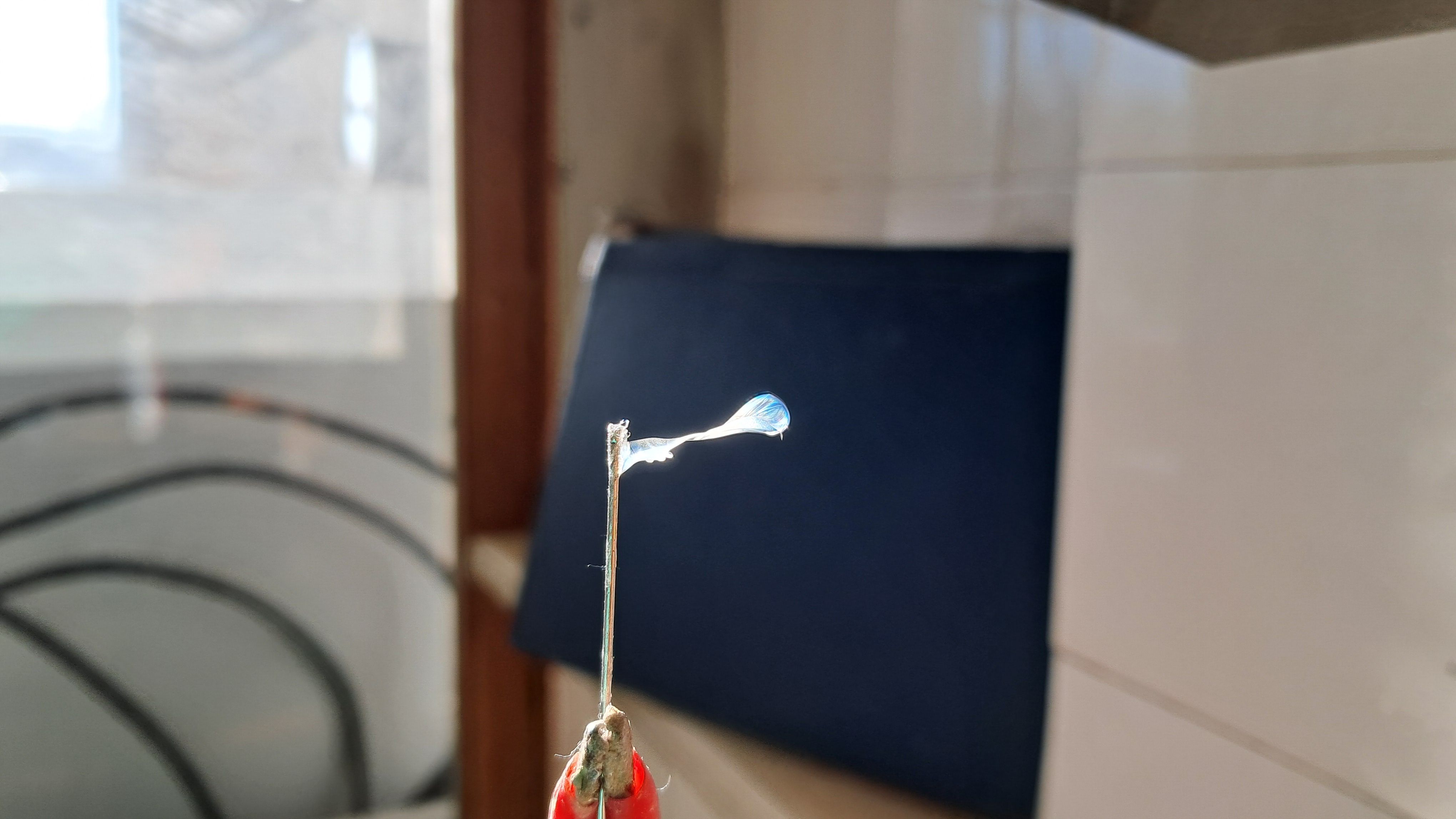
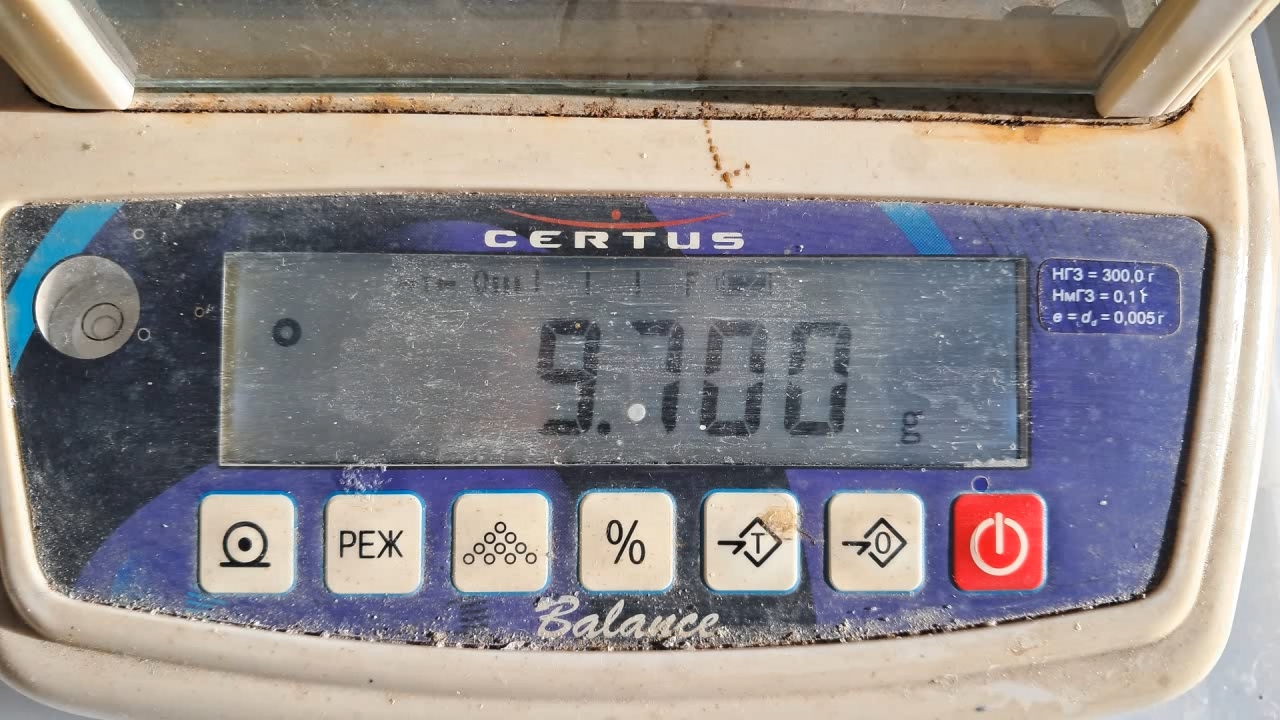
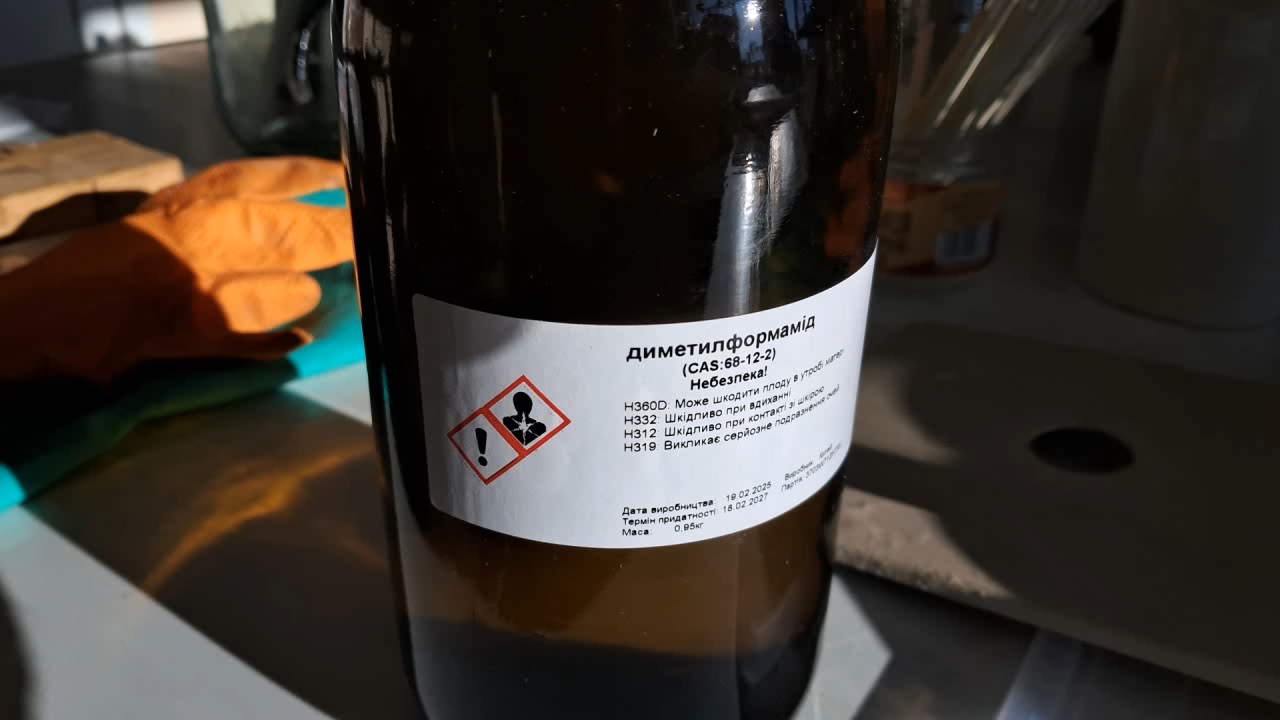
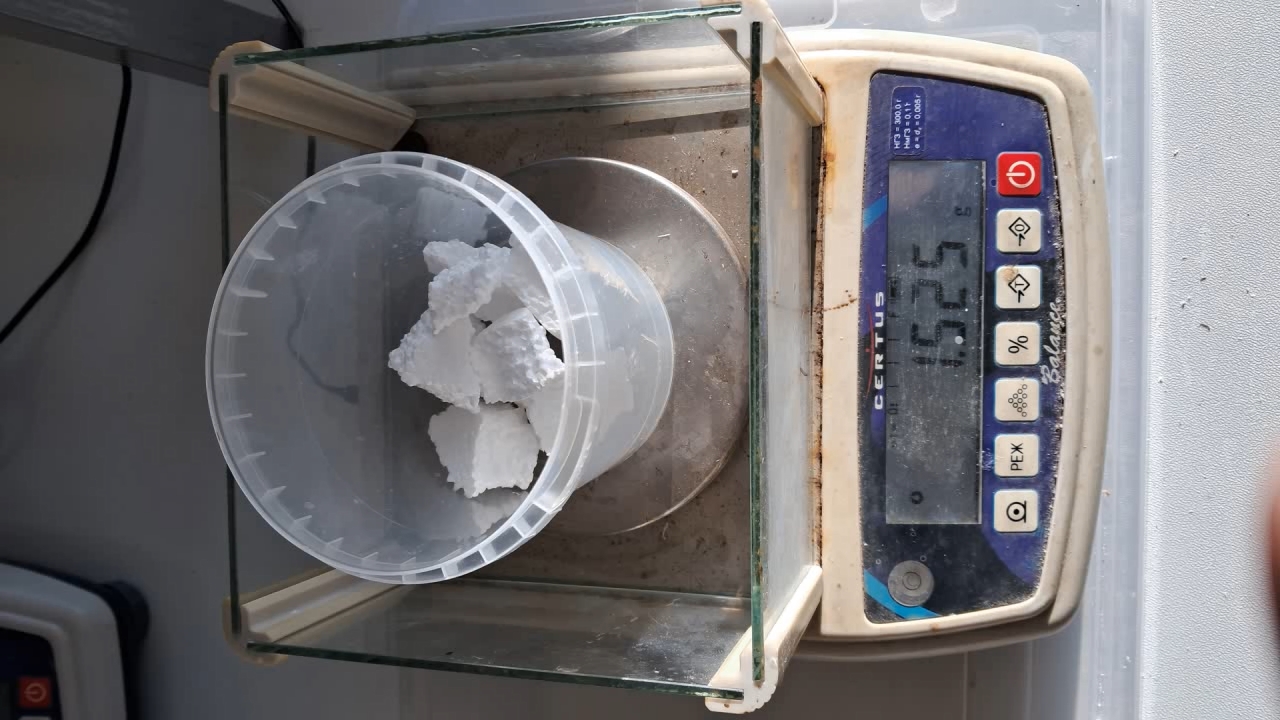
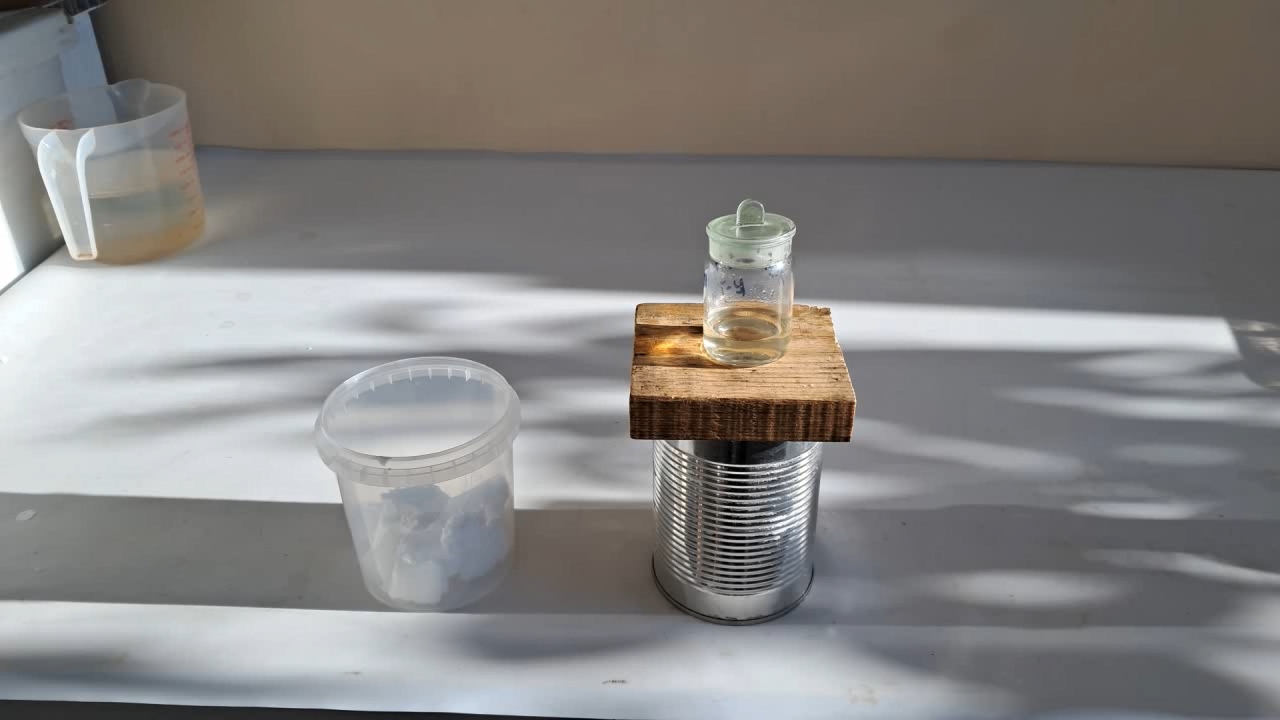
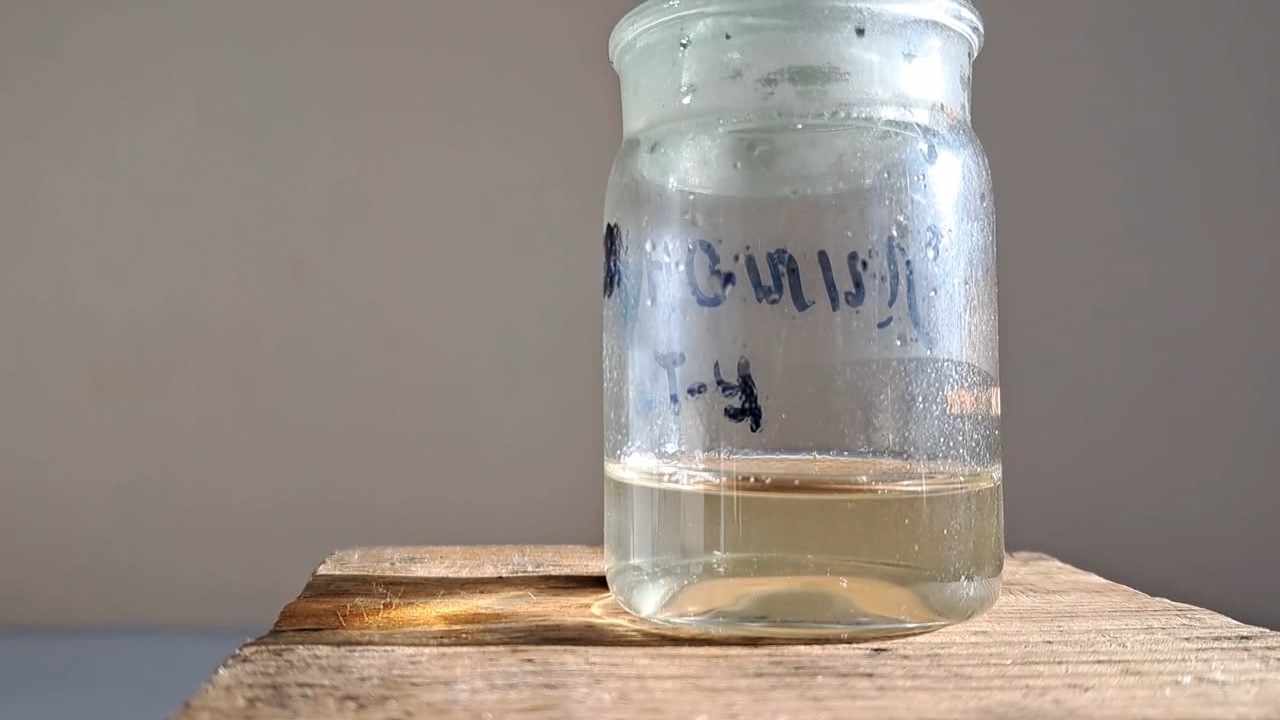
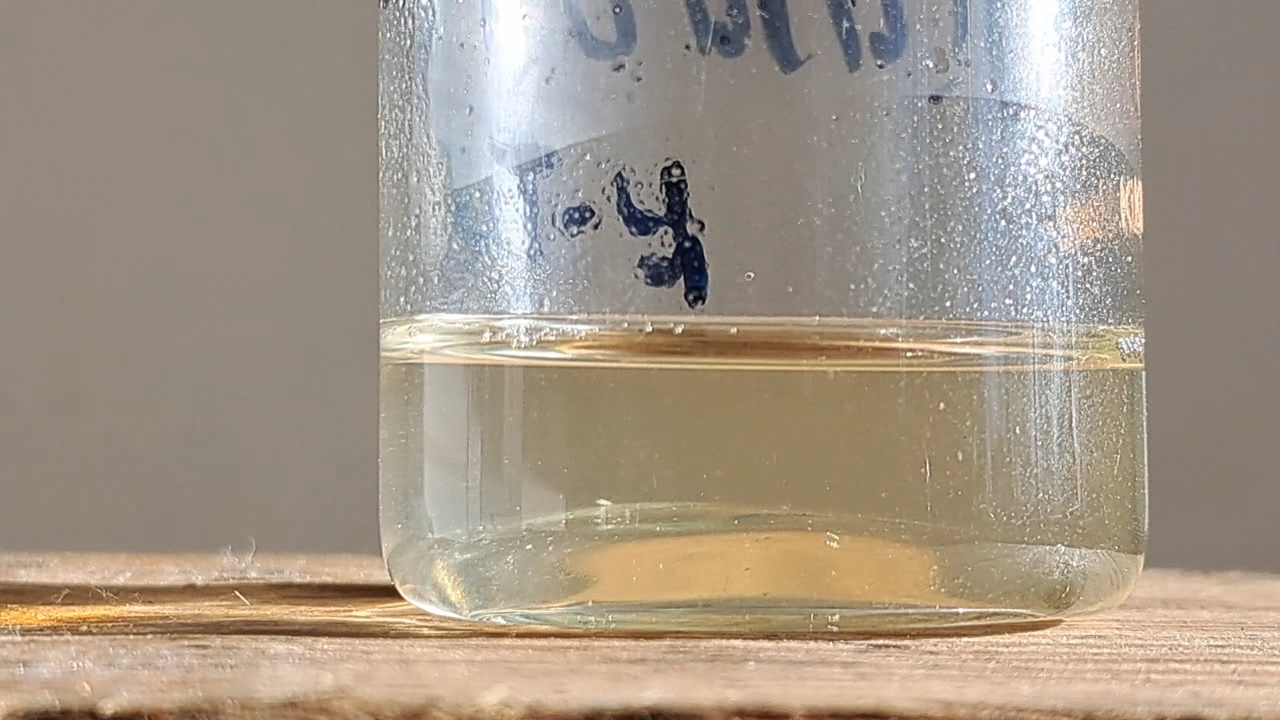
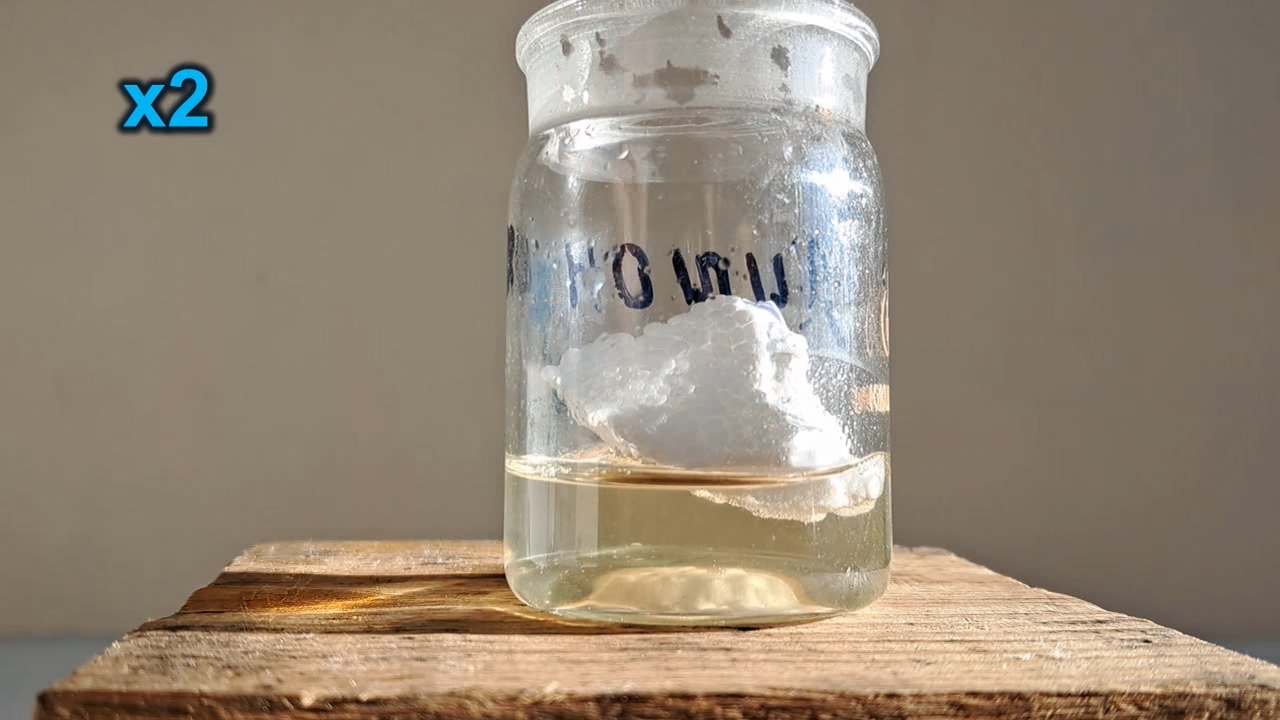
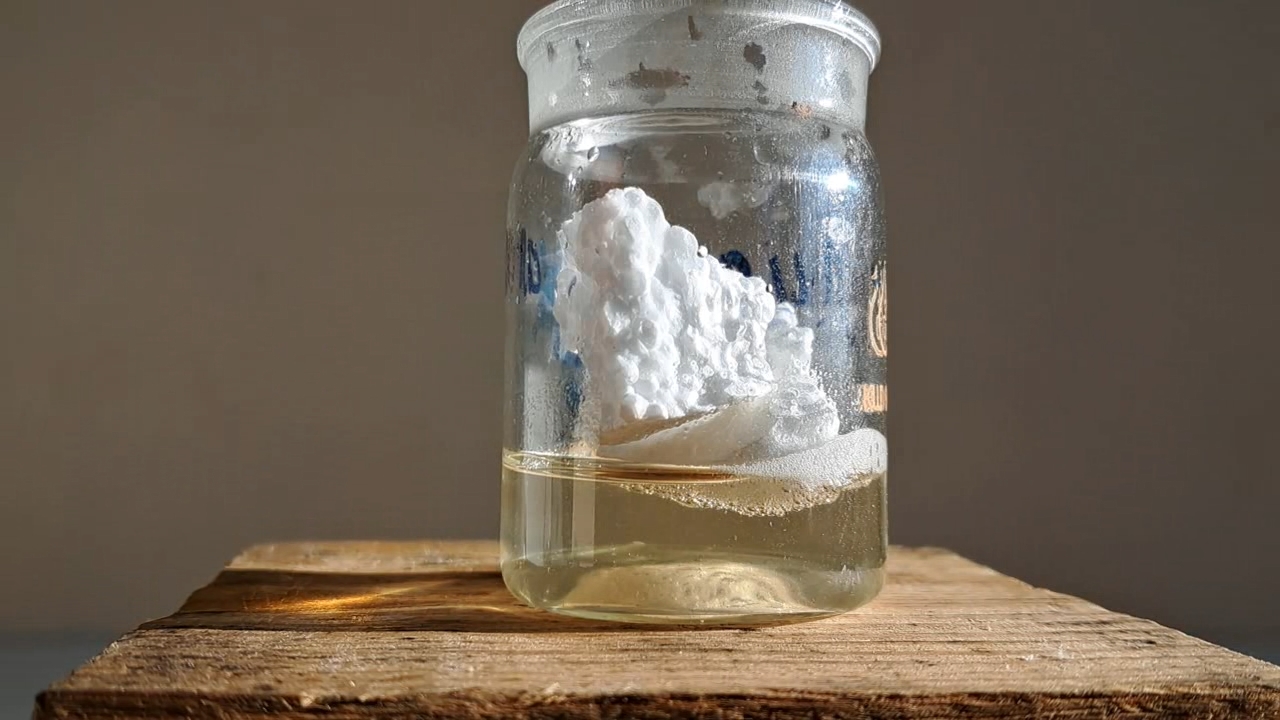
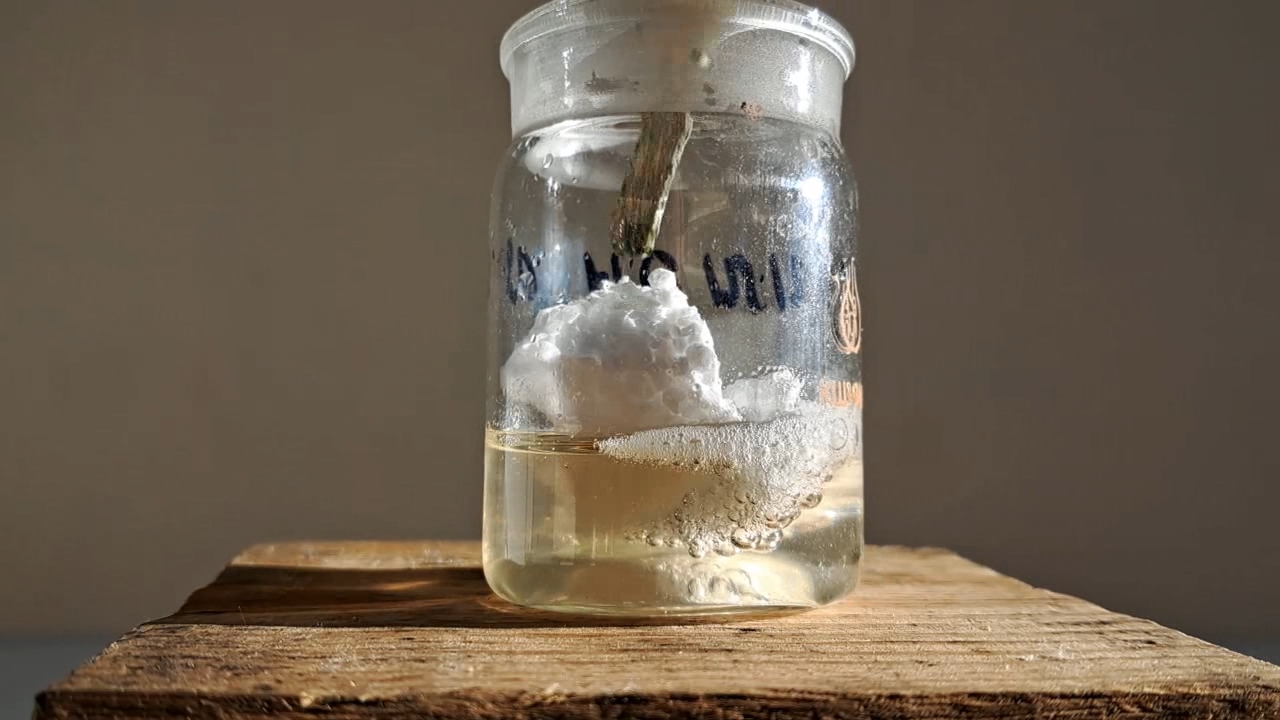
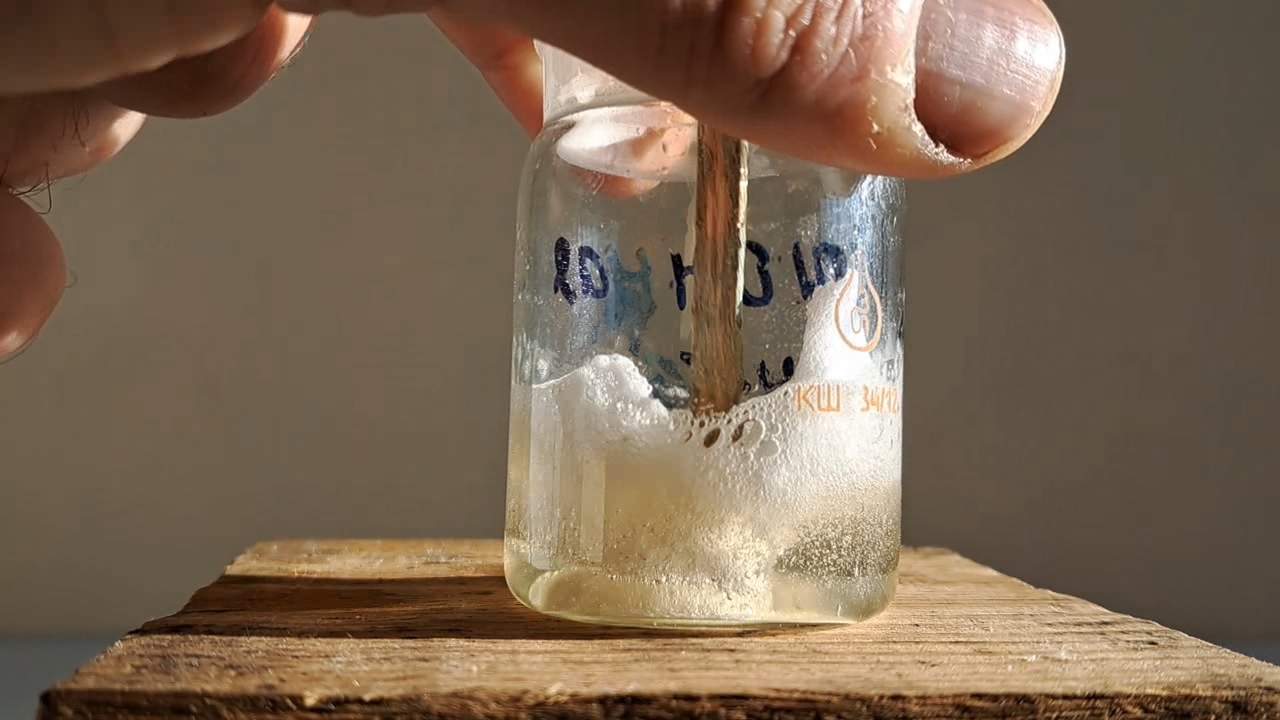
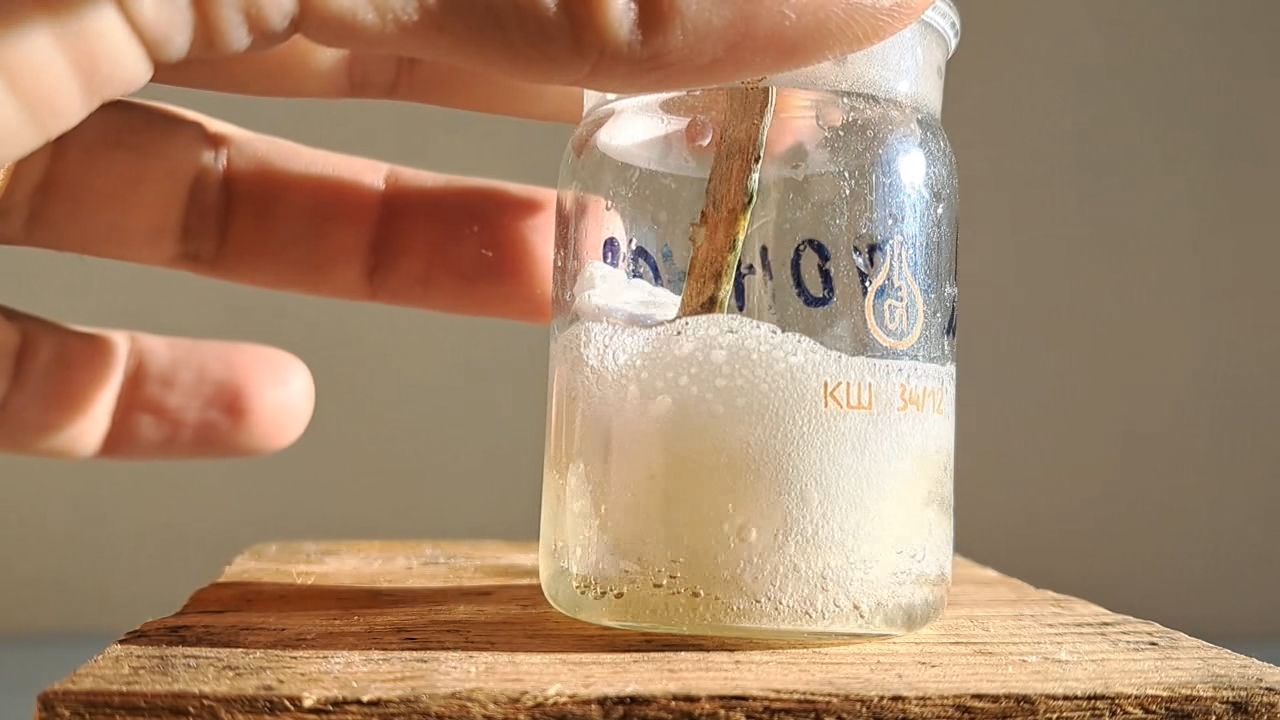
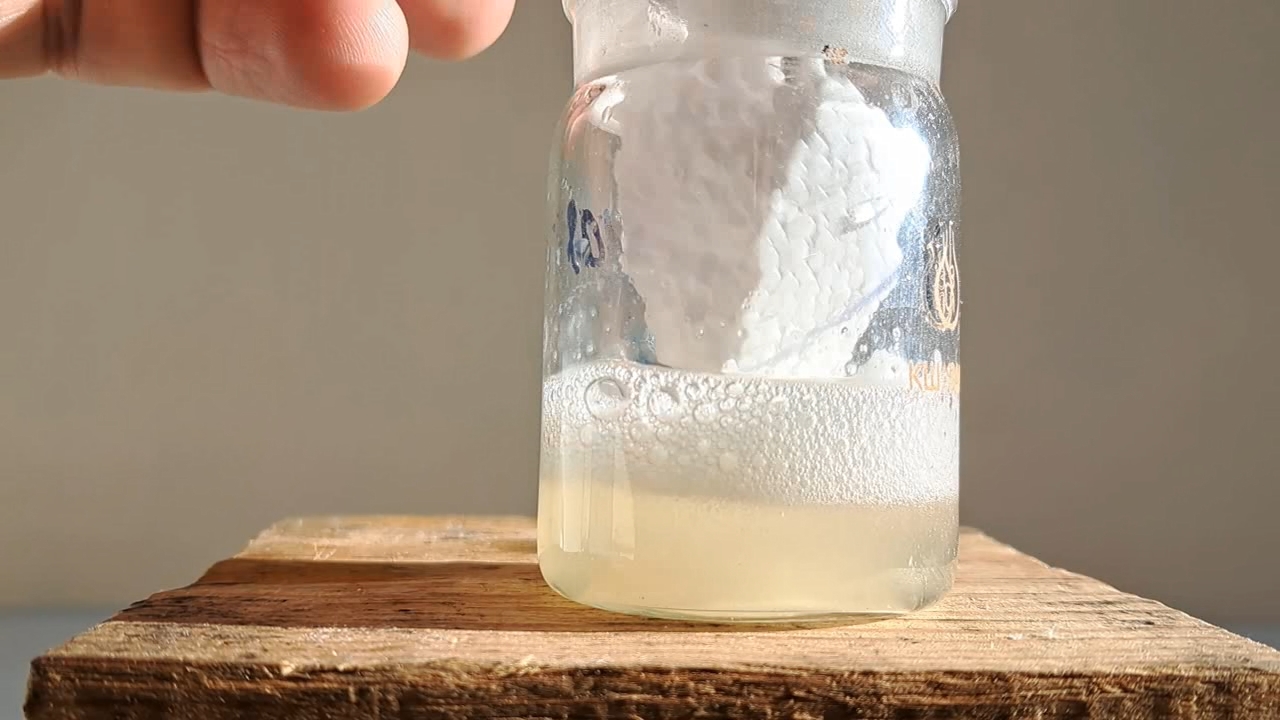
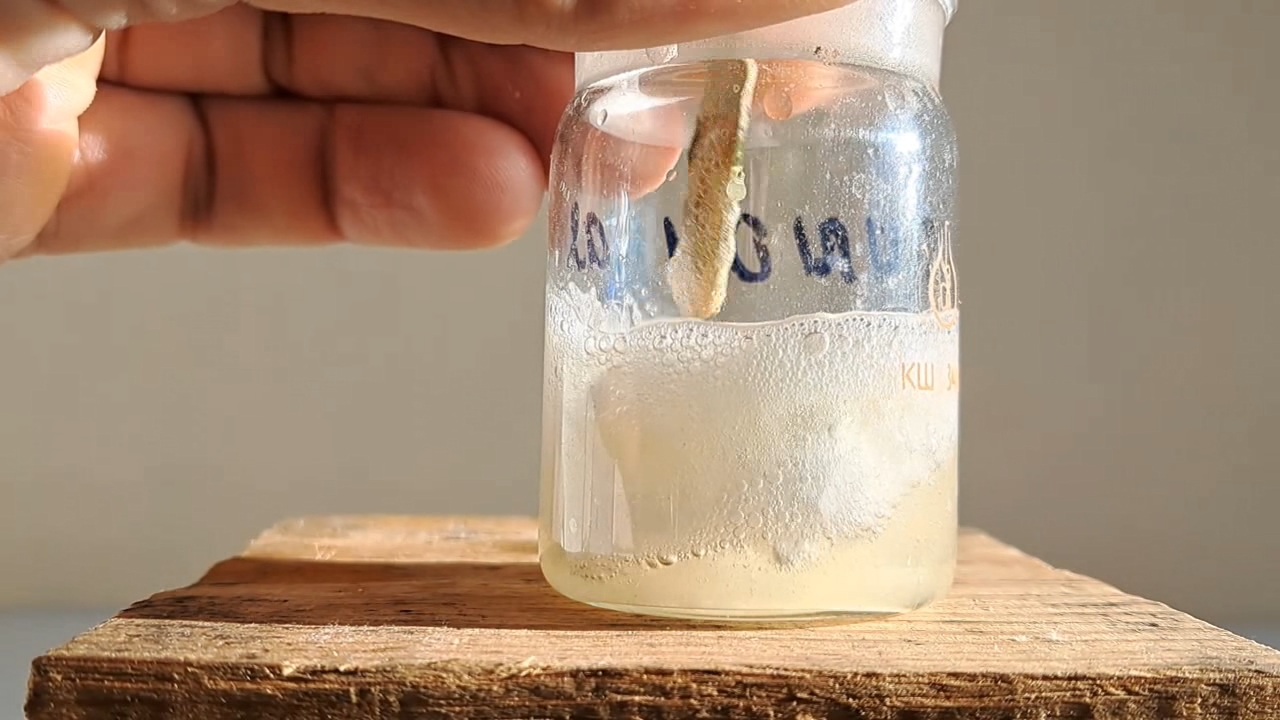
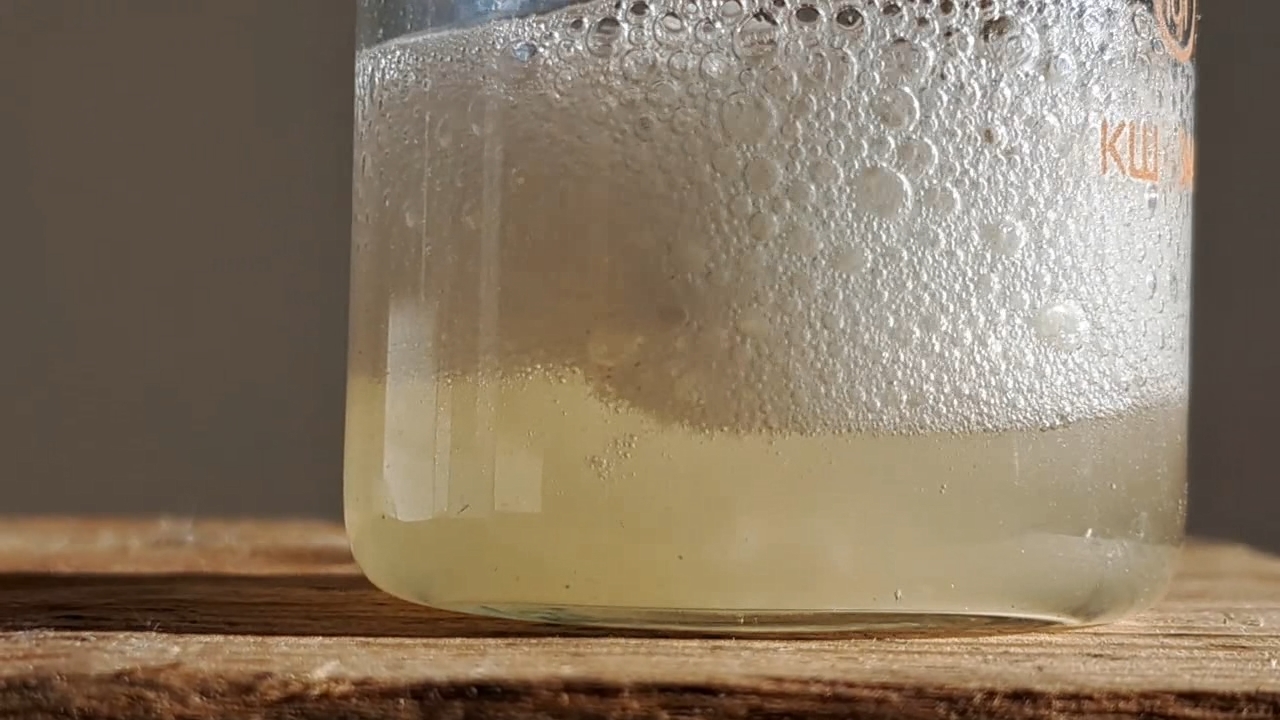
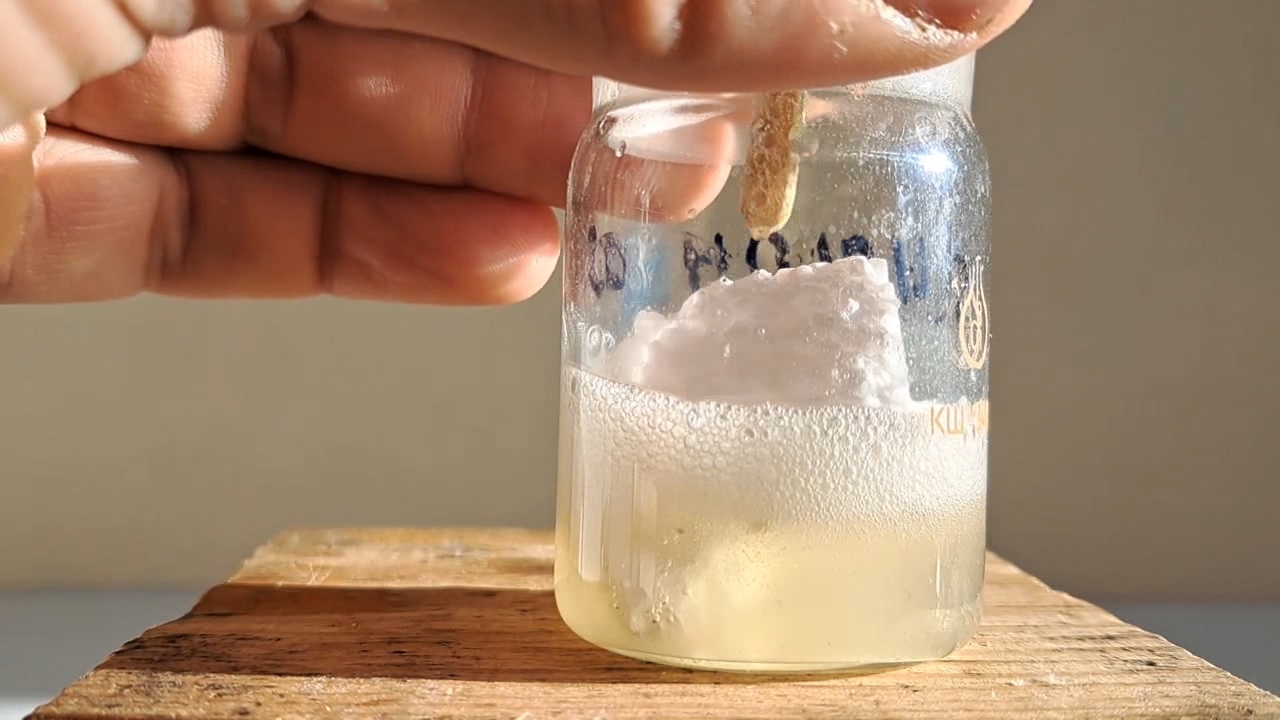
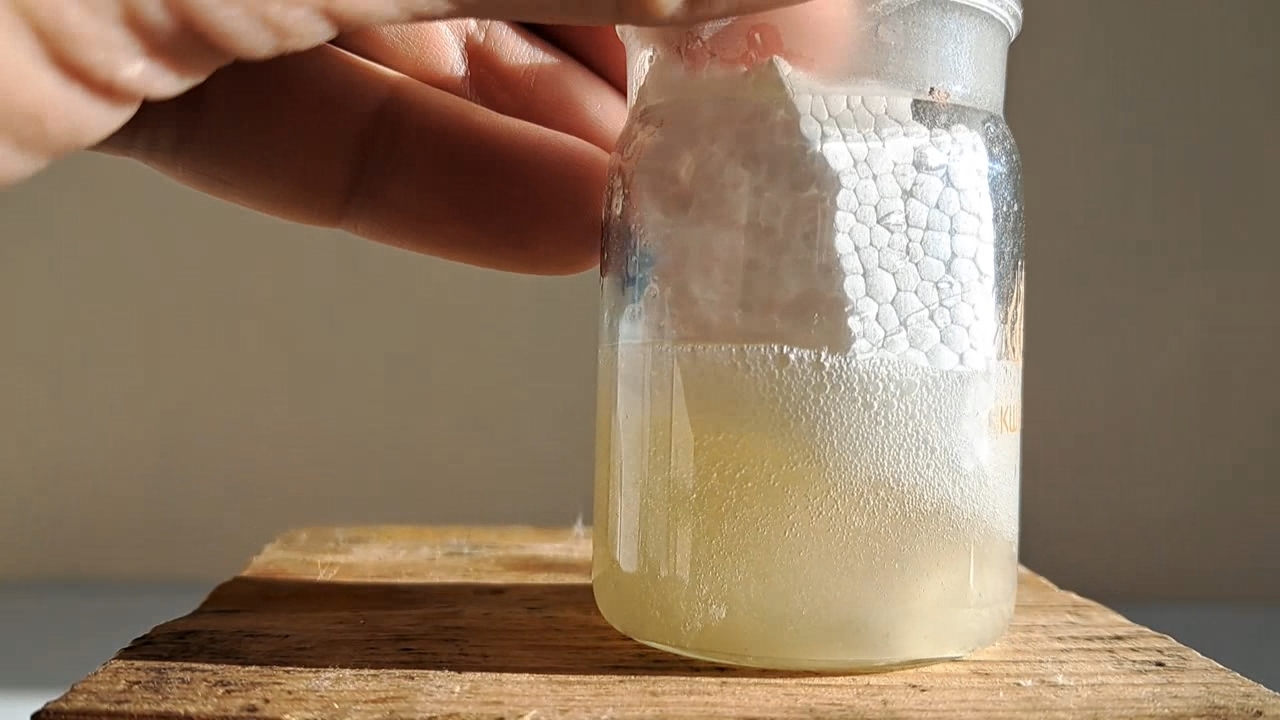
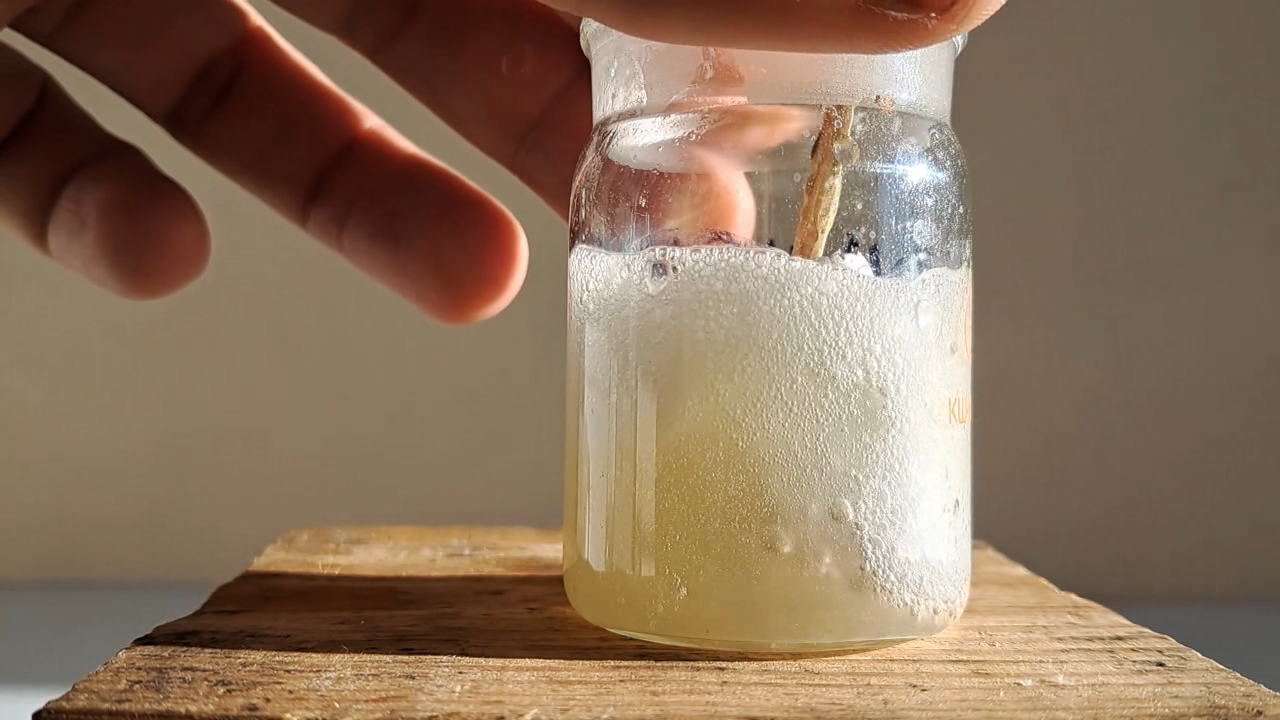
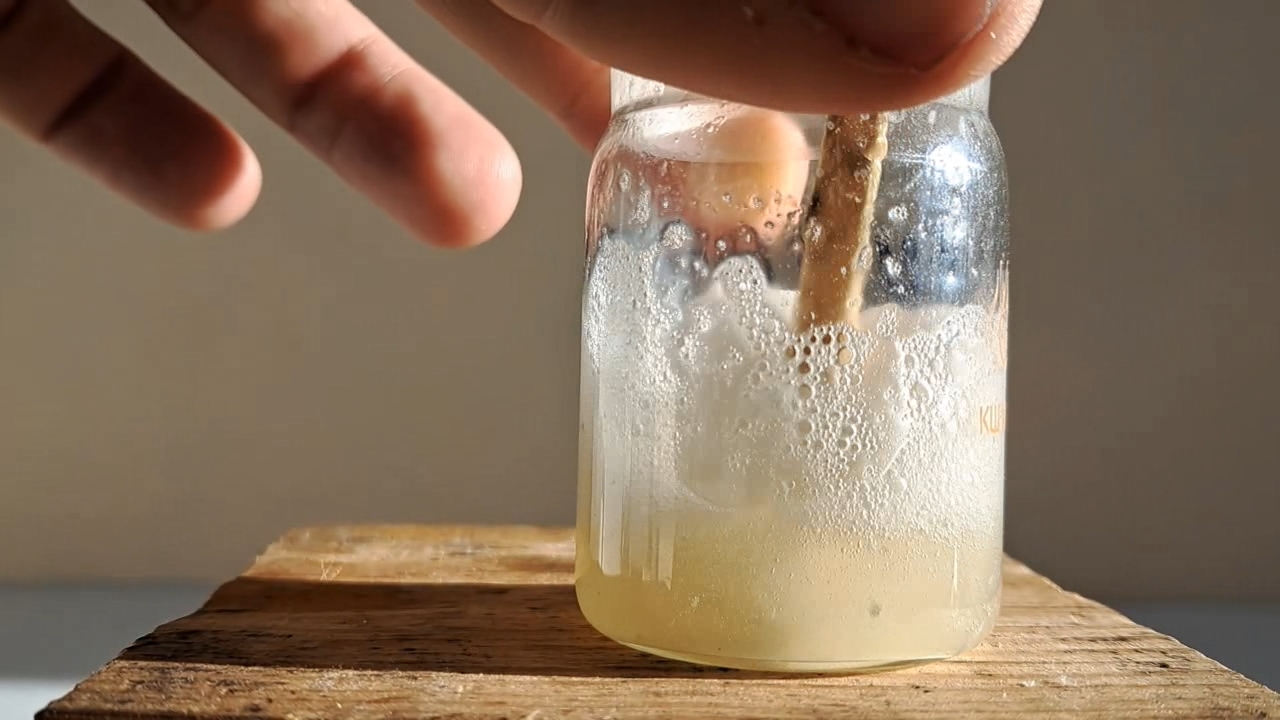
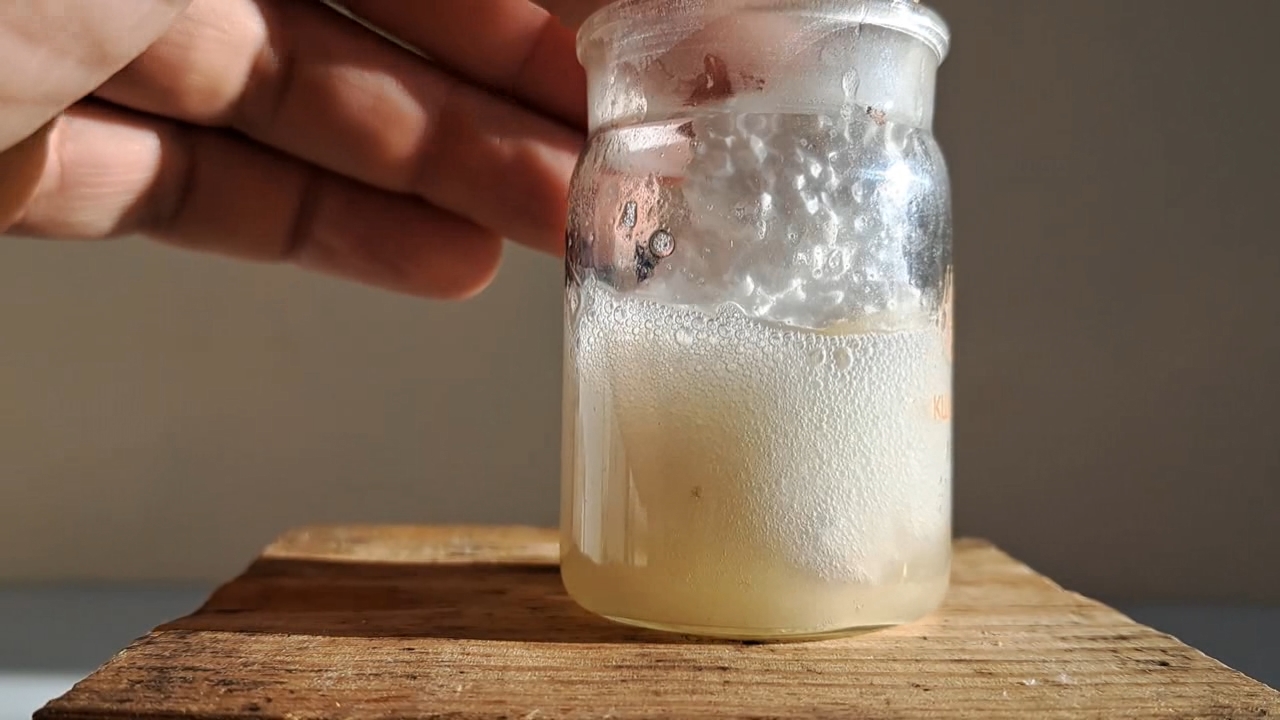
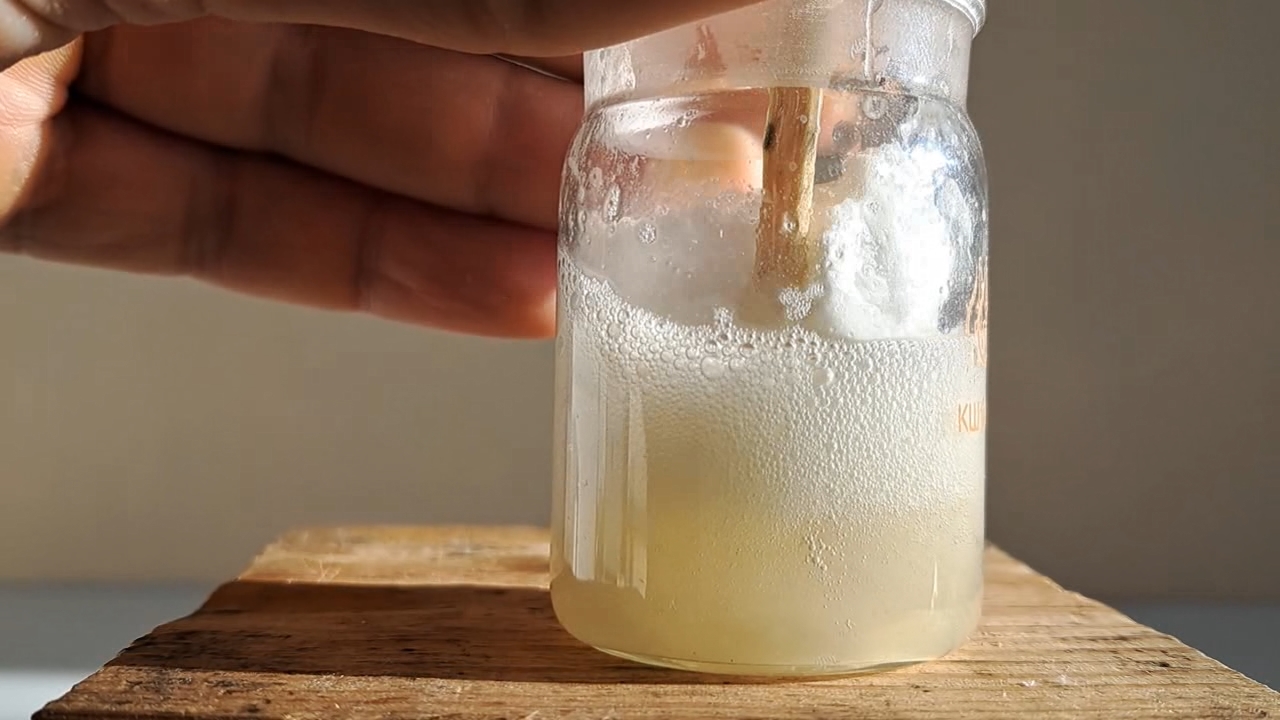
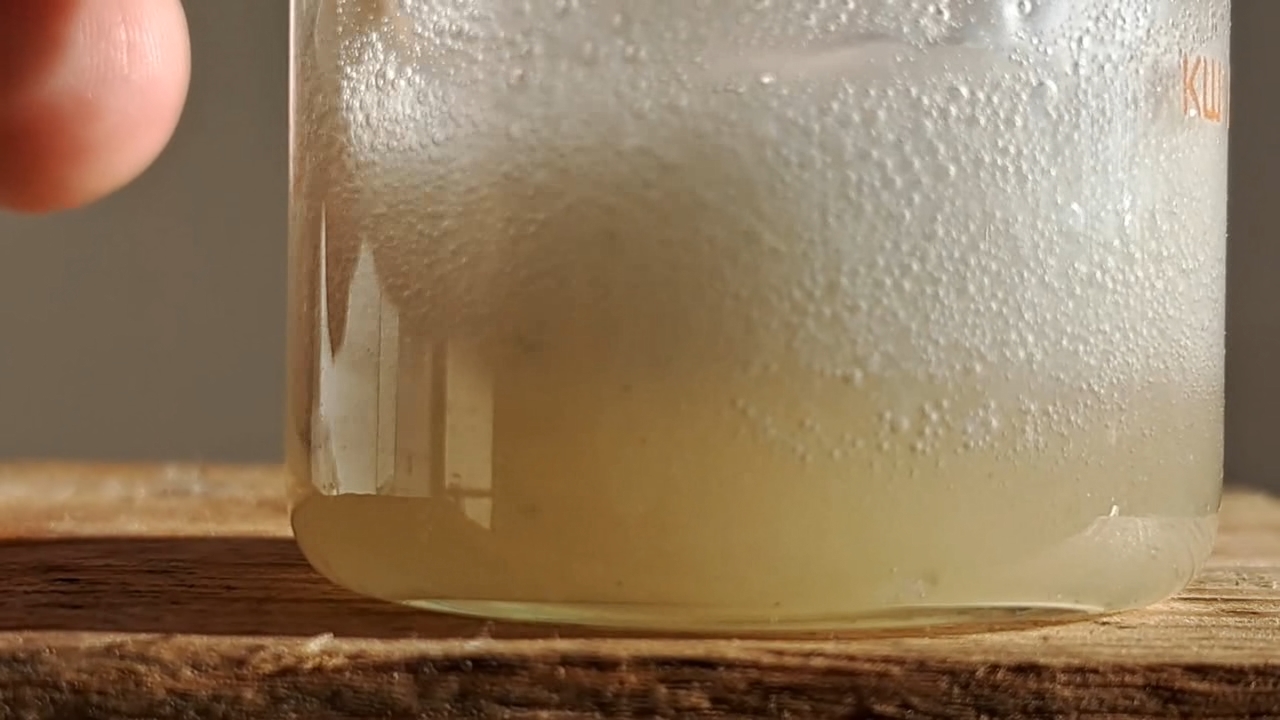
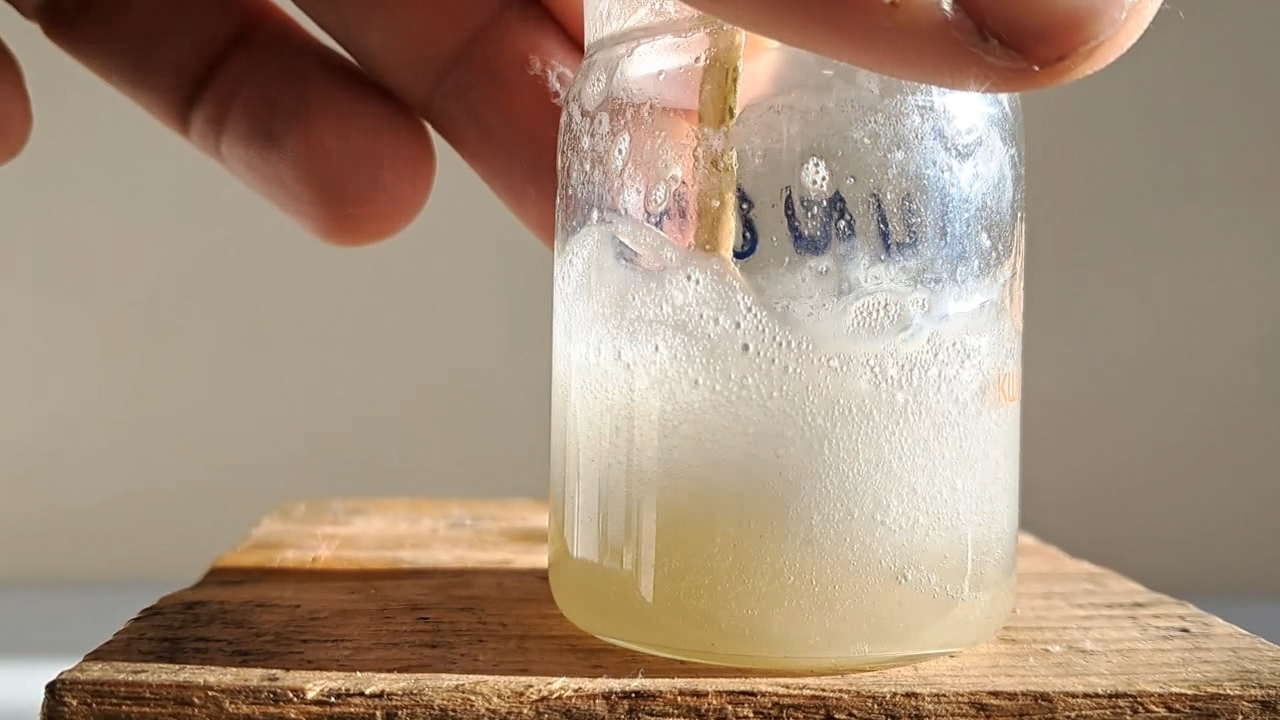
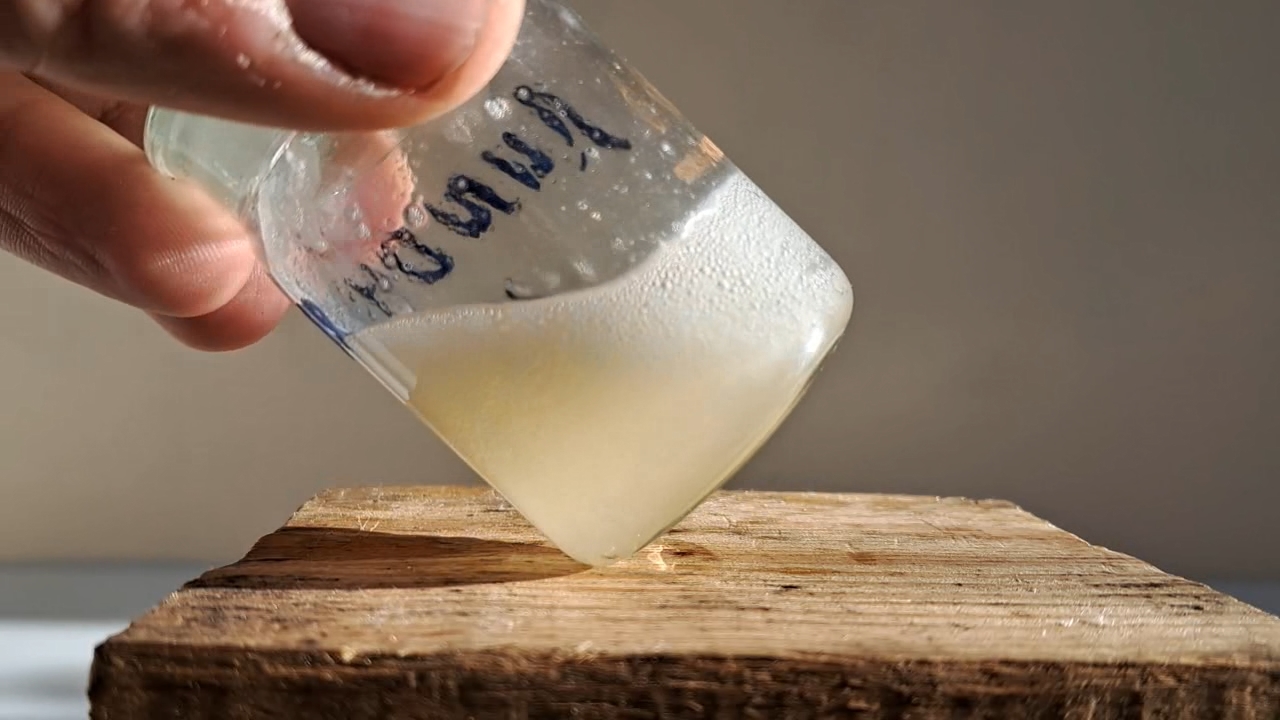
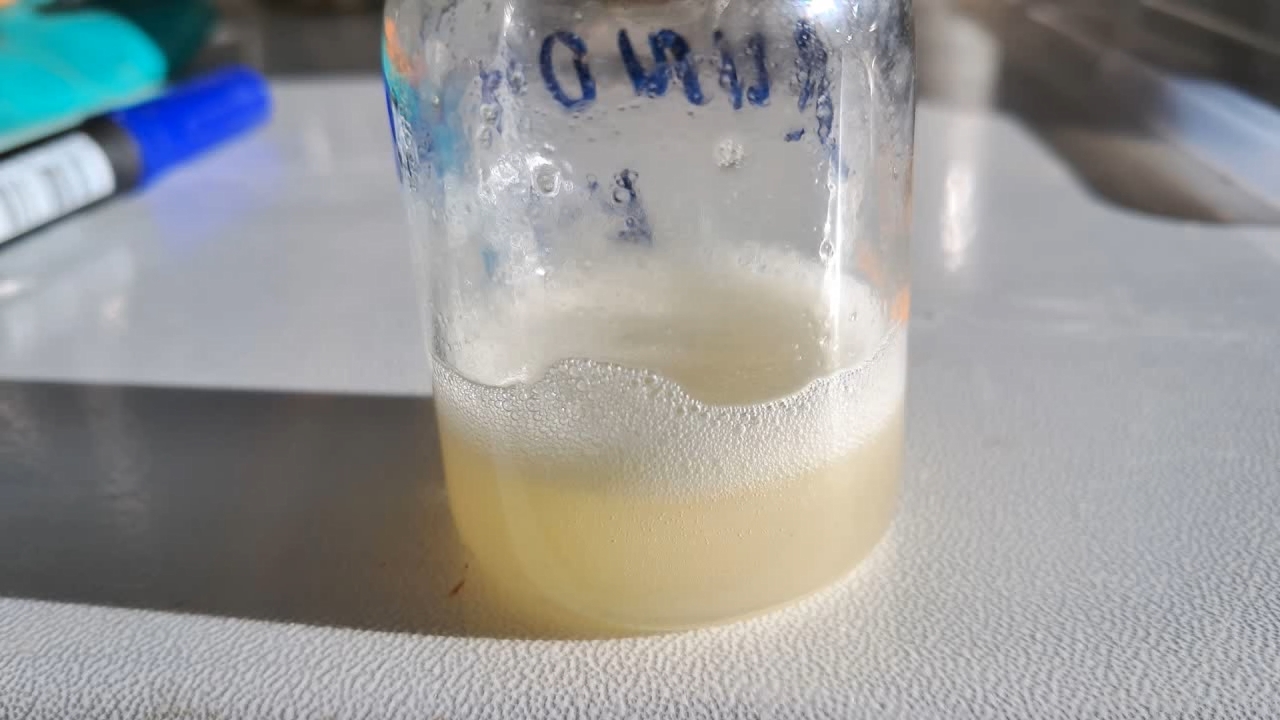
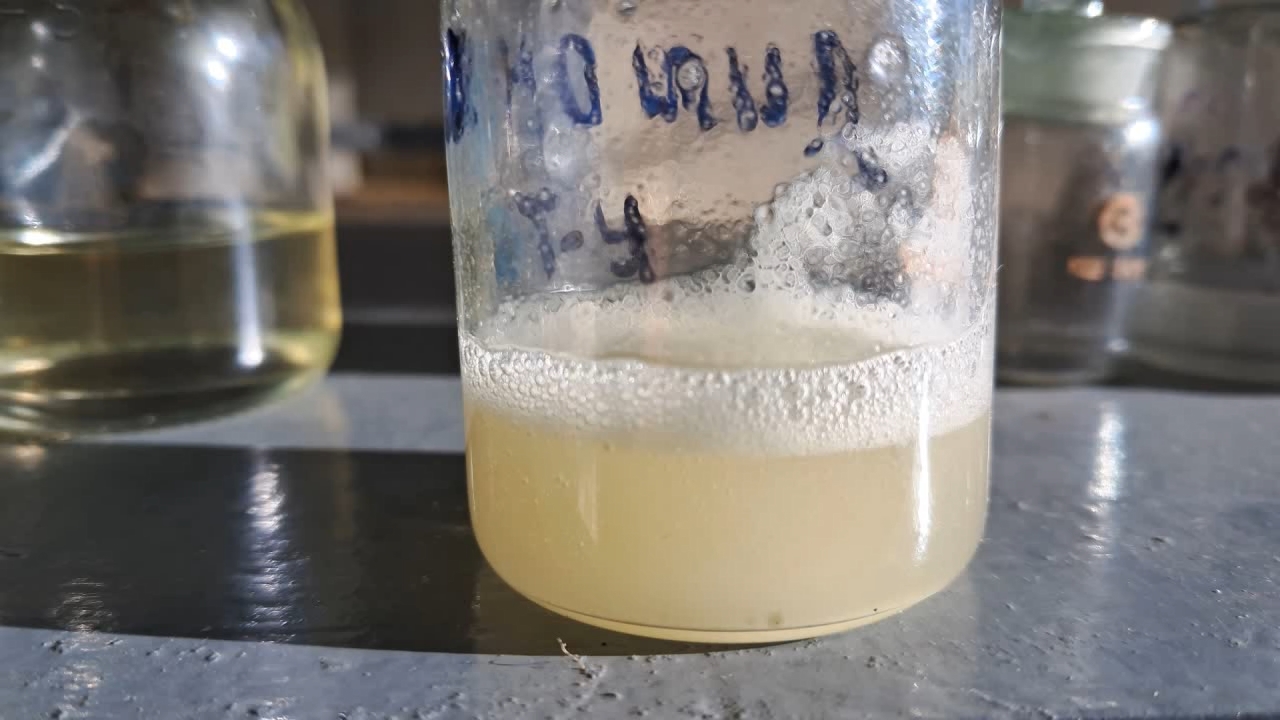
День Нового года в лаборатории. Растворение полистирола в диметилформамиде - Часть 24 I entered the building; the power was out - the elevators weren't working. I started climbing the stairs to his apartment on the 16th floor. About halfway up, I ran into… my colleague, who was coming down. "Hi, where are you going?" "To work." "It's New Year's!" "There's no power, and there won't be for many hours - there's no point in staying home. At work, according to the schedule, the power should be on until evening." As I write these lines, power outage schedules no longer exist. The bombings have severely damaged the power grid. Electricity can go out at any time, and it's impossible to predict when it will return. At the time of these events, however, the schedules were still in place, although they weren't always followed. I hesitated, wondering whether to join my colleague and go to work or go up to his apartment and spend the holiday with his family and cat. His family includes two other chemists, but they weren't familiar with the details of our experiments. Should I go to the institute on New Year's Day? Clearly, no one would be there except the security guard - he would be surprised. But the main thing that held me back was that I had completed my current experiments, and the most recent ones had been unsuccessful. I had no idea what I would do in the laboratory. After some thought, I joined my colleague, although I was quite annoyed with him. We went to work. It was sunny outside, but bitterly cold. On the way, I was thinking about which experiment to begin. I had recently prepared PMMA solutions in tetrahydrofuran and in the "Acetone+" solvent. Both solutions turned out to be too viscous and unsuitable for electrospinning. I could try electrospinning one of them, although a negative result was almost guaranteed. Another option was to dissolve expanded polystyrene in dimethylformamide (DMF) and then attempt electrospinning. According to reference data, polystyrene dissolves well in DMF. The idea of using this solution for electrospinning had been on my mind for a long time. However, DMF has a very high boiling point - the highest of all the solvents I had used up to that point. When I electrospun polyvinylidene difluoride, the DMF did not evaporate completely, resulting in a viscous, slime-like mass rather than fibers. I hadn't obtained any positive results with DMF before. Electrospinning polystyrene with other solvents had worked reasonably well, so there seemed to be little point in setting up an experiment that was almost certain to fail. We arrived at the institute. There wasn't a single footprint in the snow near the entrance - none of the employees had come in. The security guard was very surprised but didn't complain, since New Year's Day was officially a working day. I went to the laboratory. In the end, I decided to try electrospinning the PMMA solution in the "Acetone+" solvent. I drew the solution into a syringe, secured it in the setup, turned on the high voltage and the syringe pump - and nothing happened. No aerosol formed, and no fibers appeared. The electrostatic force couldn't even detach a semi-solidified drop of solution from the needle. This outcome had been obvious even before the experiment began. I then decided to dissolve expanded polystyrene in dimethylformamide. I was fairly certain that electrospinning this solution would also be unsuccessful. Still, I comforted myself with the thought that the dissolution process could at least be filmed and described in a popular science article. I weighed 9.700 g of DMF and 1.525 g of expanded polystyrene and added the polymer pieces to the solvent. Gas was released, and the dissolution process was noticeably slower than with all the solvents I had used previously: "Acetone+," ethyl acetate, dichloromethane, and tetrahydrofuran. I had to stir the contents of the bottle more frequently. A relatively large amount of foam formed. Most importantly, the polystyrene did dissolve. As with the other solvents, the last pieces dissolved rather slowly. The result was a yellowish, turbid solution with a polymer concentration of 13.58%. To my surprise, the viscosity of the solution was quite low. |
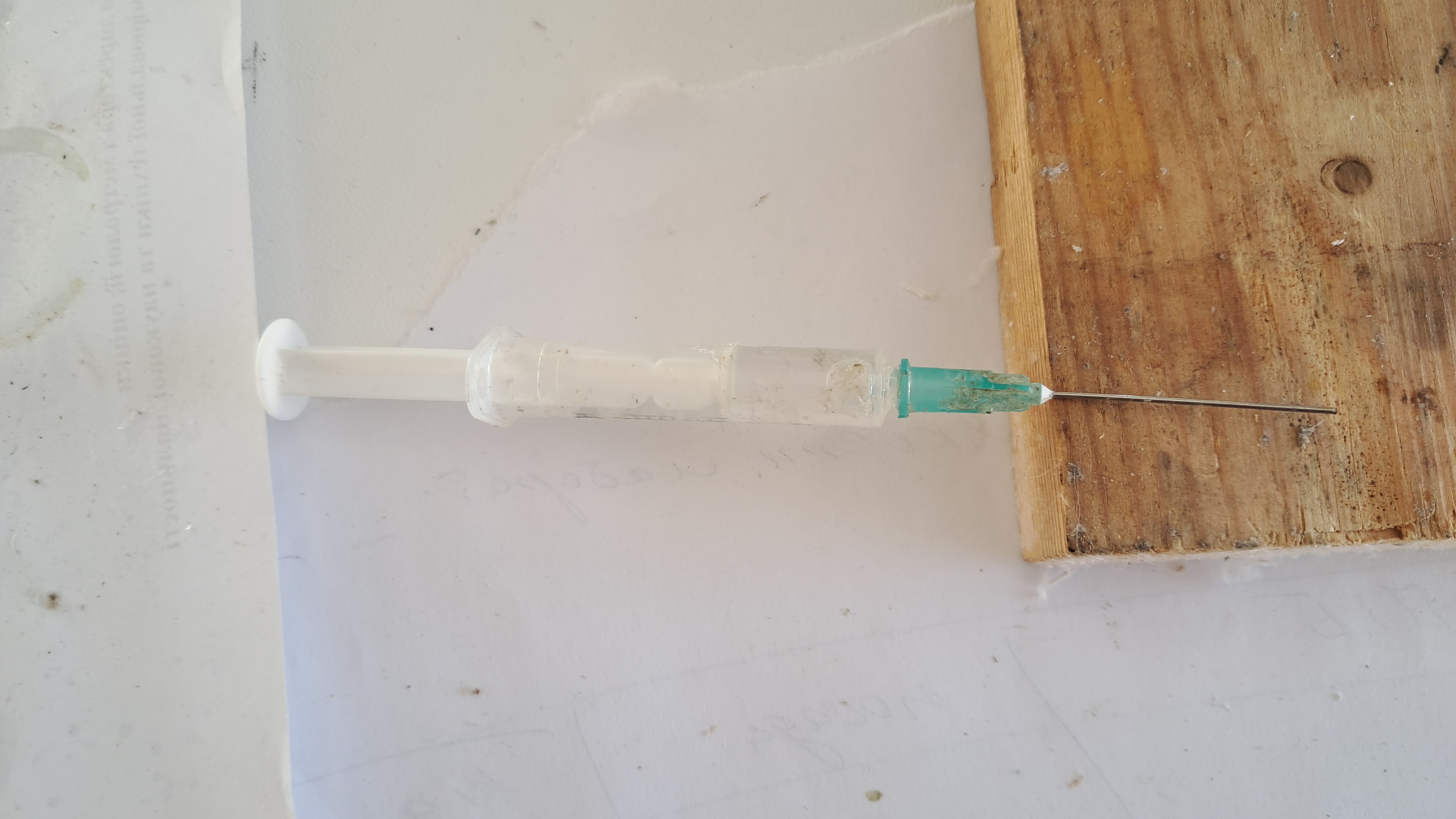
Electrospinning of the solution of polymethyl methacrylate (PMMA) in surrogate acetone |
|
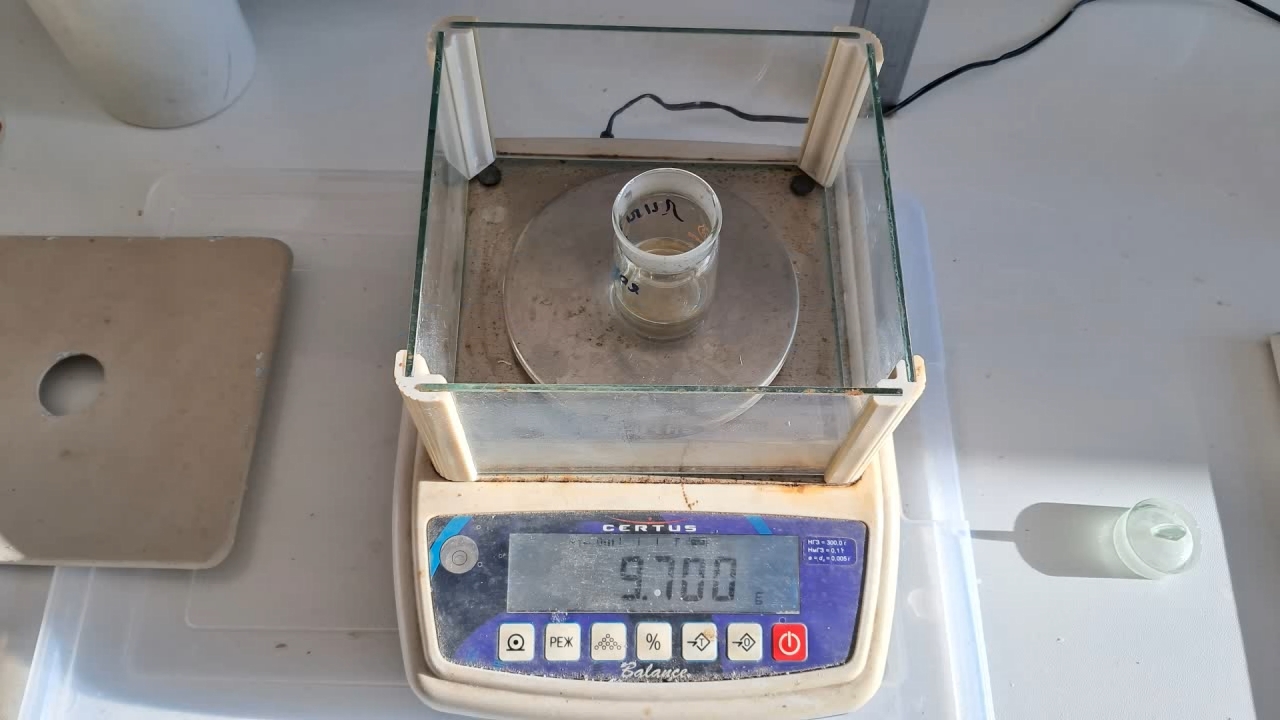
New Year's Day in the Laboratory. Dissolving Polystyrene in Dimethylformamide |
|
|
|
|
|
|
|
|
|
|
|
|
|
|
|
|
|
|
|
|
|
|
|
|
|
|
Having noticed a mistake in the text, allocate it and press Ctrl-Enter
Happy New Year! Electrospinning: Solution of Polystyrene in Dimethylformamide - Part 25
Another attempt to electrospin PMMA had failed. The next planned option was to use the recently prepared solution of polystyrene in dimethylformamide. I anticipated a negative result, since dimethylformamide has a significantly higher boiling point than ethyl acetate or any other solvent I had previously used for electrospinning polystyrene. Of course, I still hoped for a positive outcome - otherwise, there would have been little point in conducting the experiment - but this hope was not supported by logic or prior experience. The main argument in favor of success was that the experiment was carried out on New Year's Day.
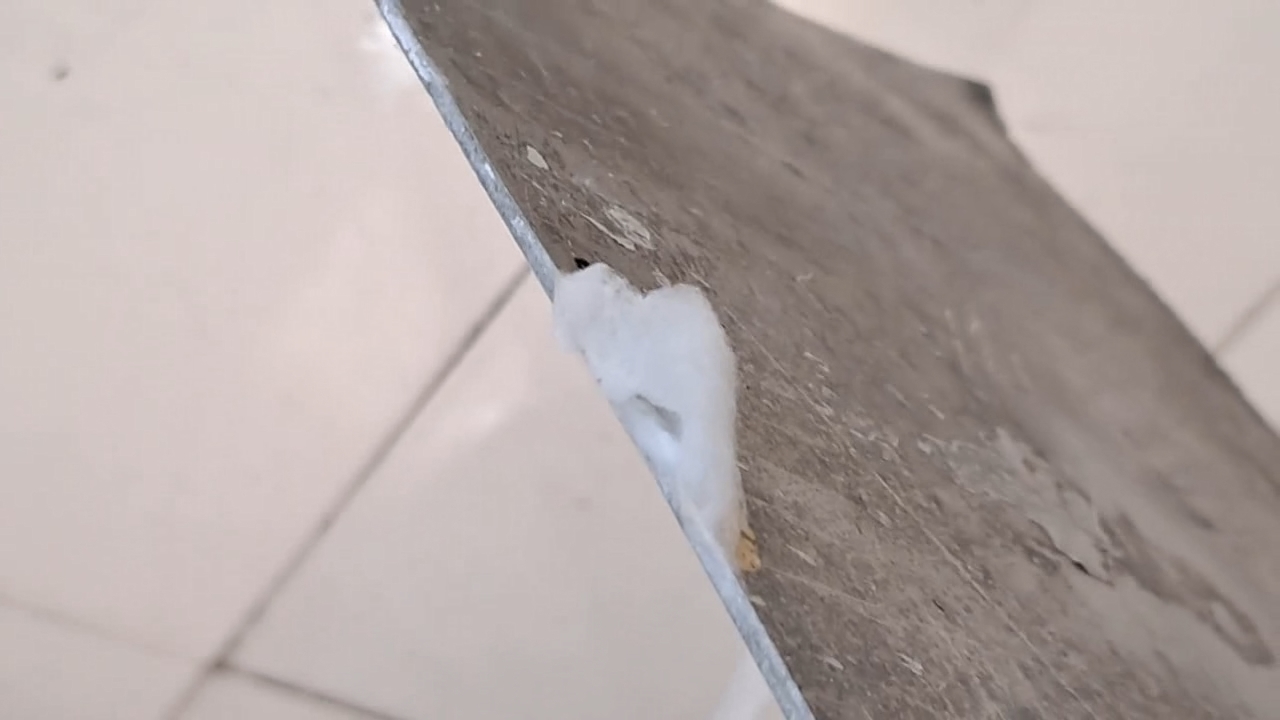
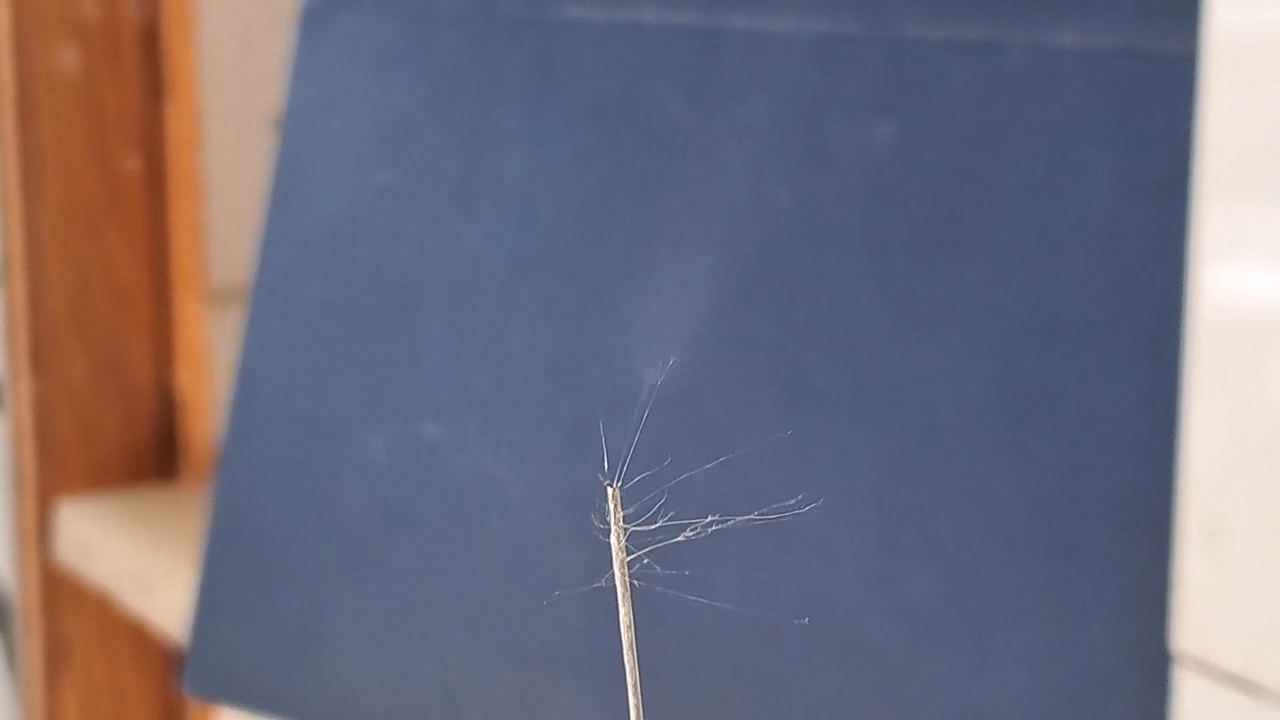
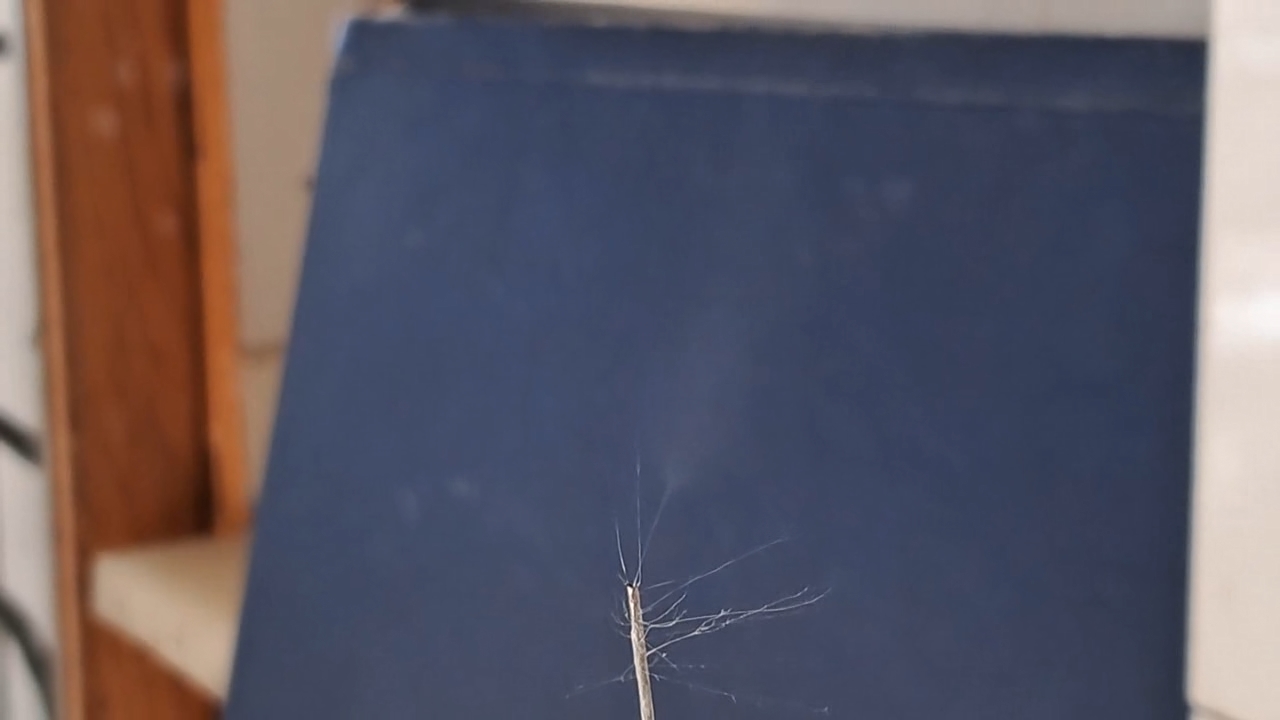
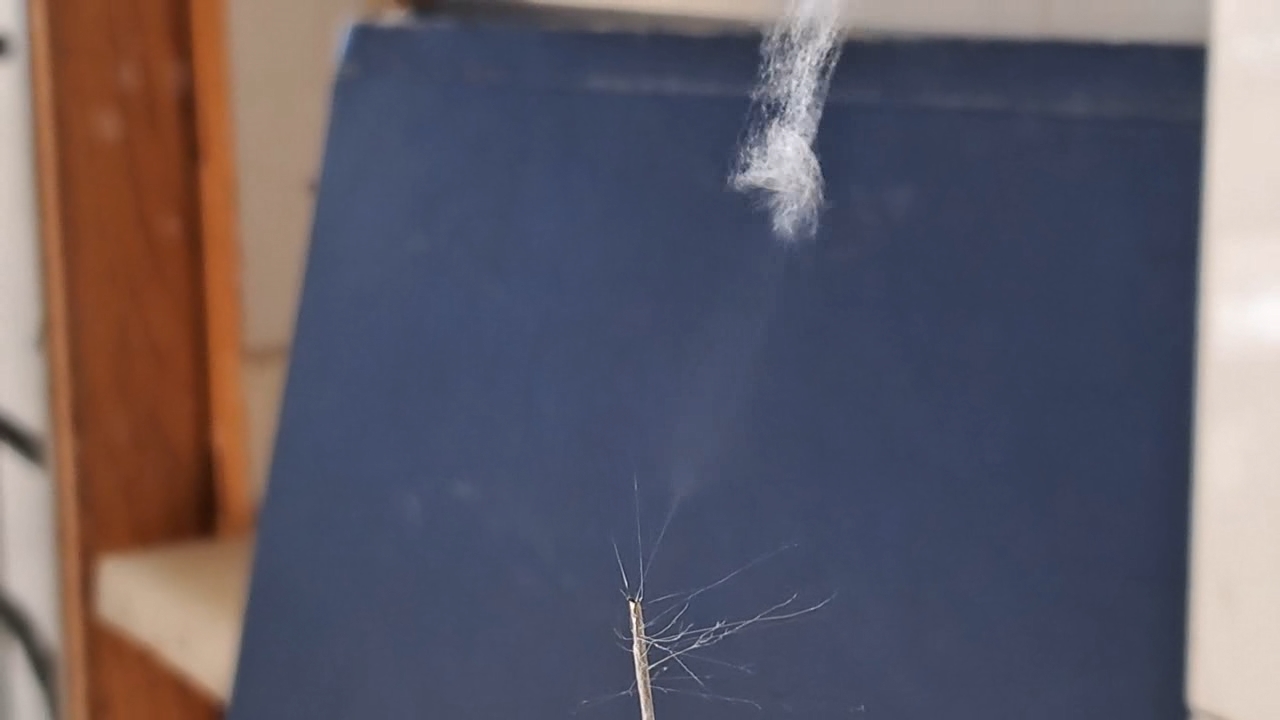
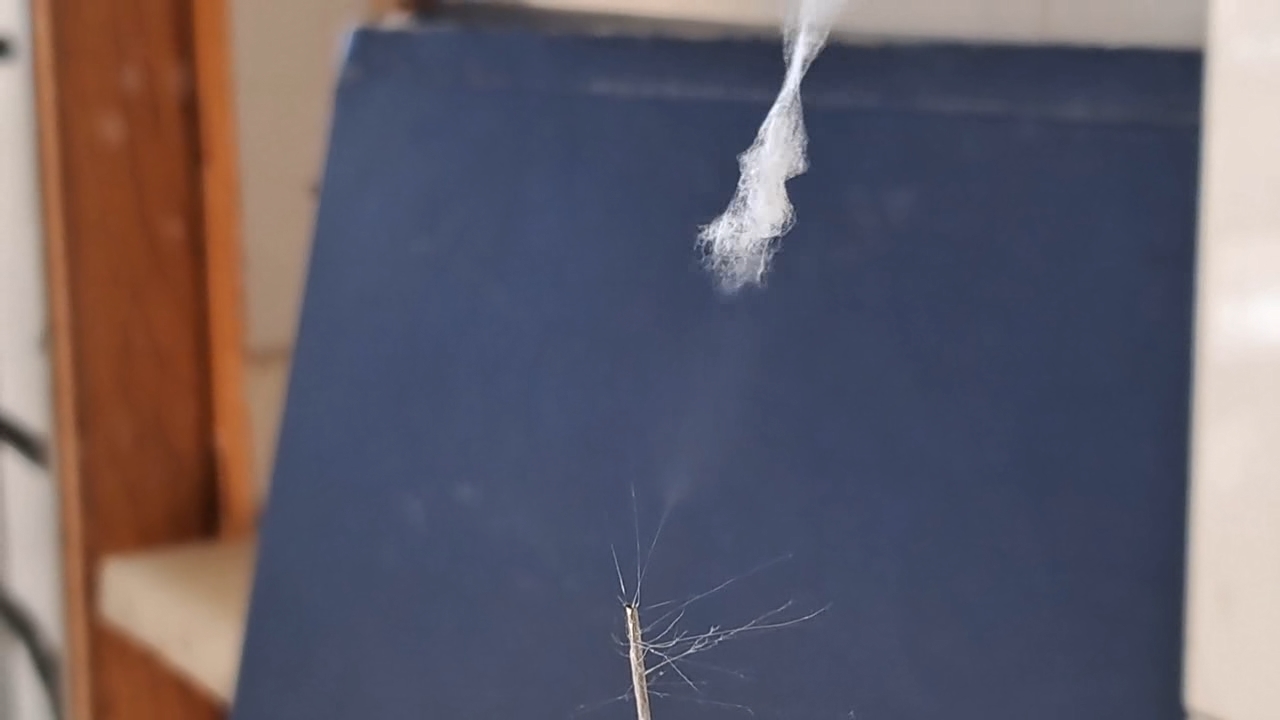
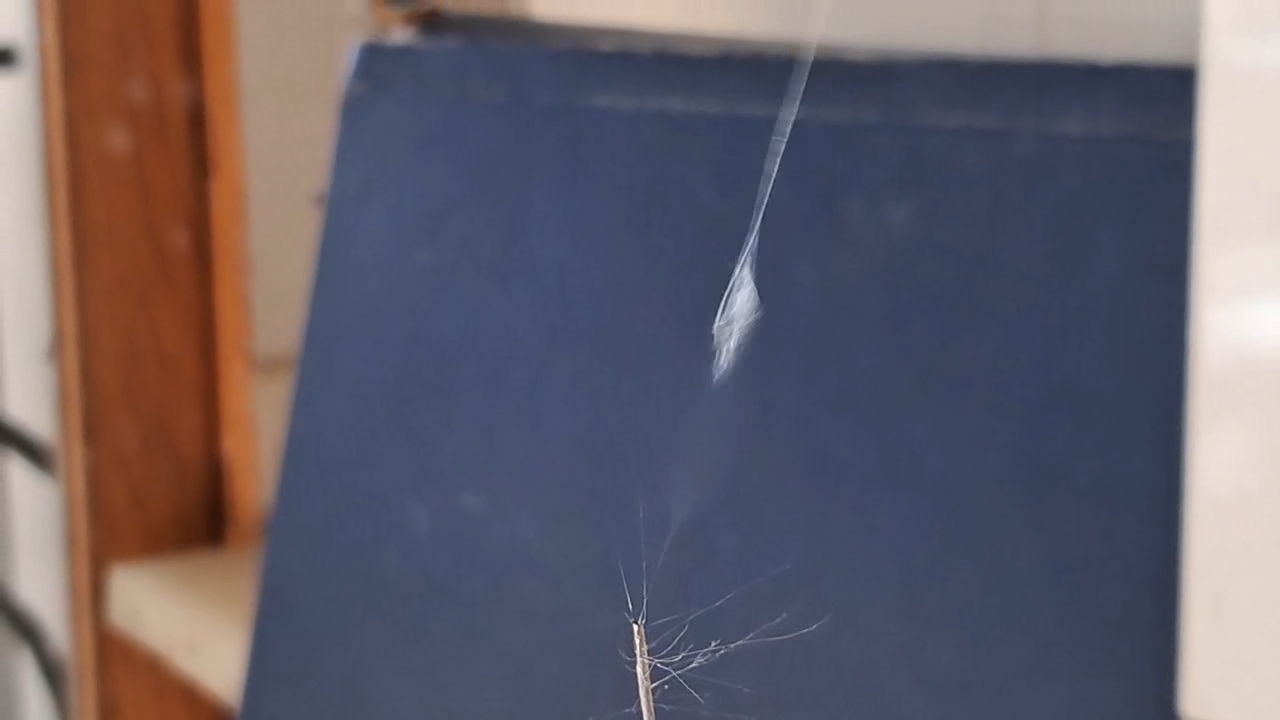
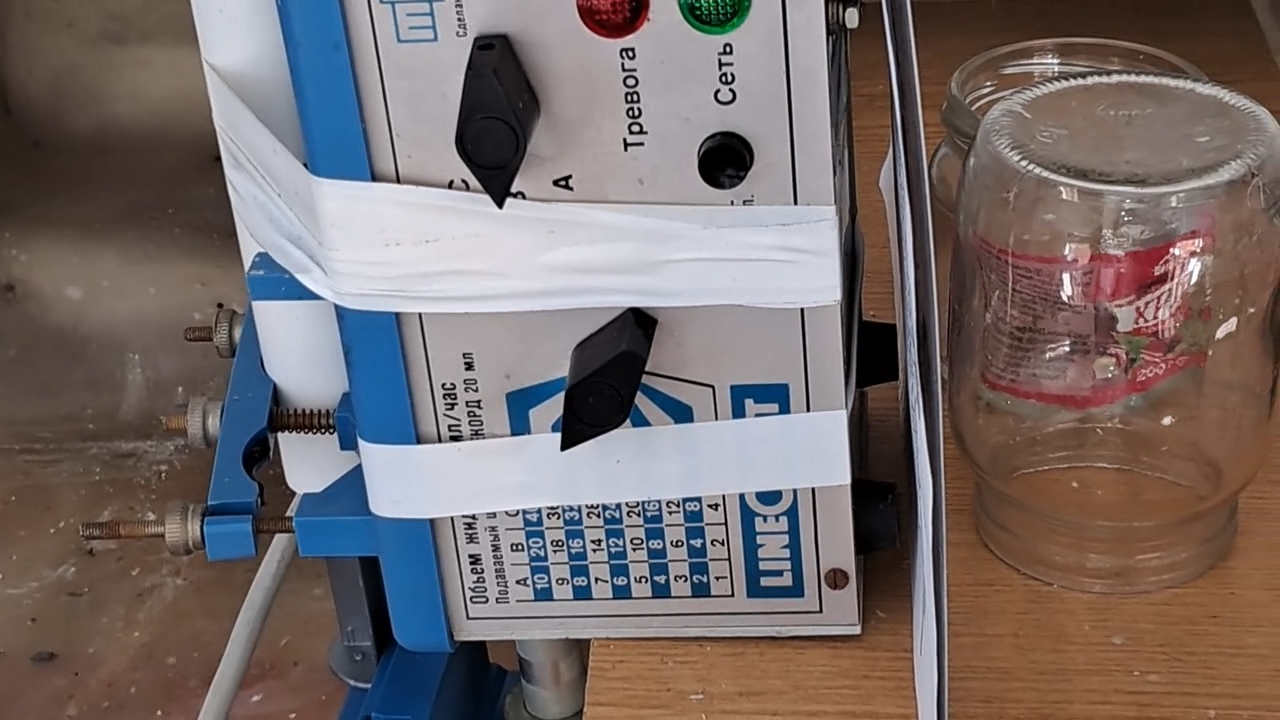
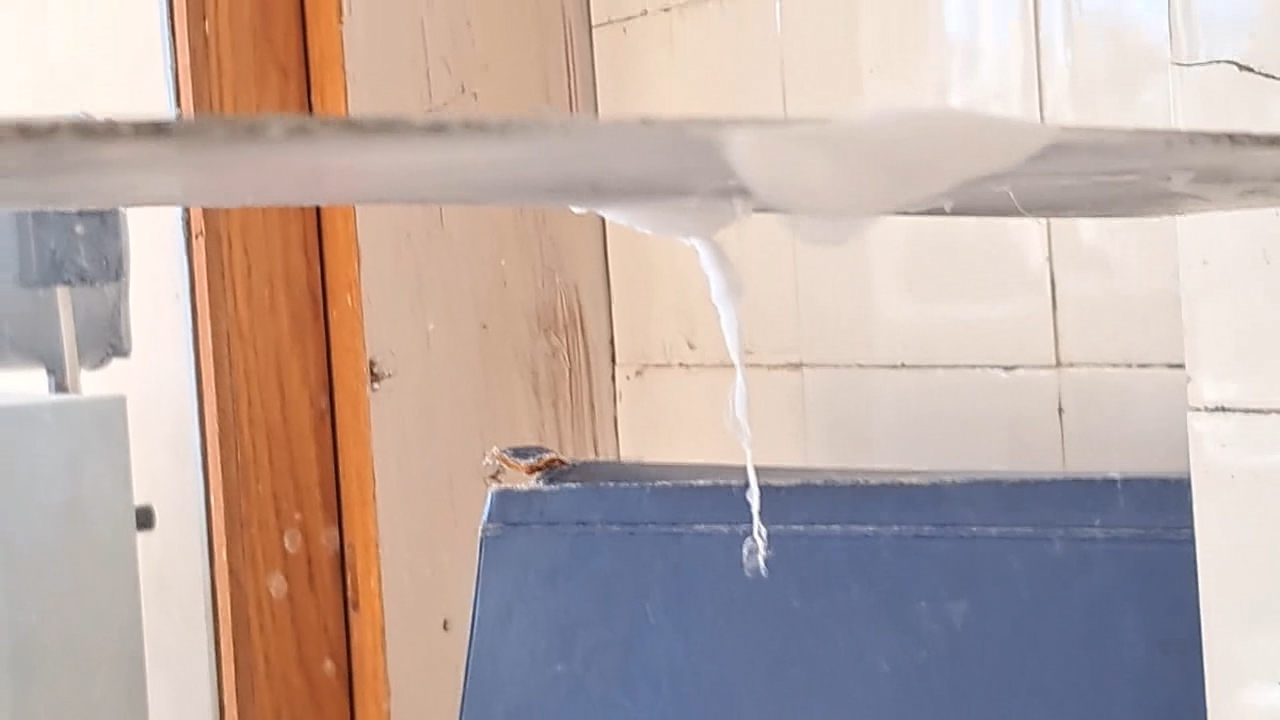
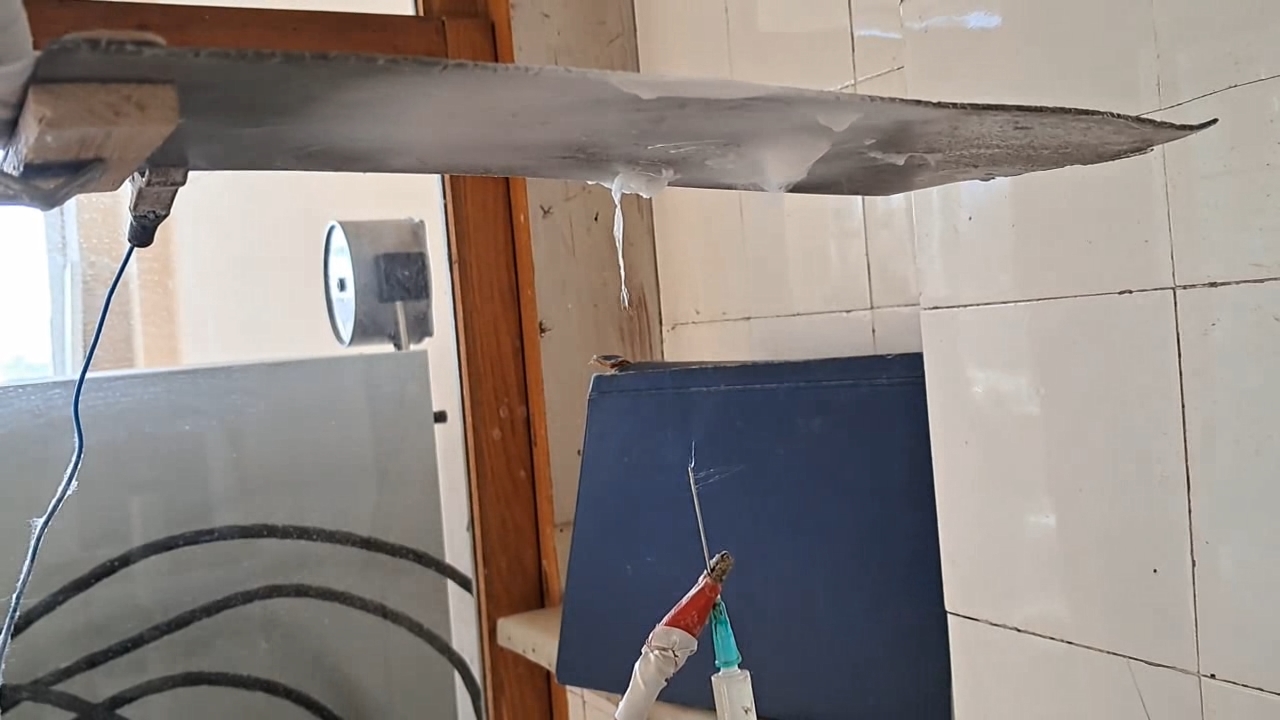
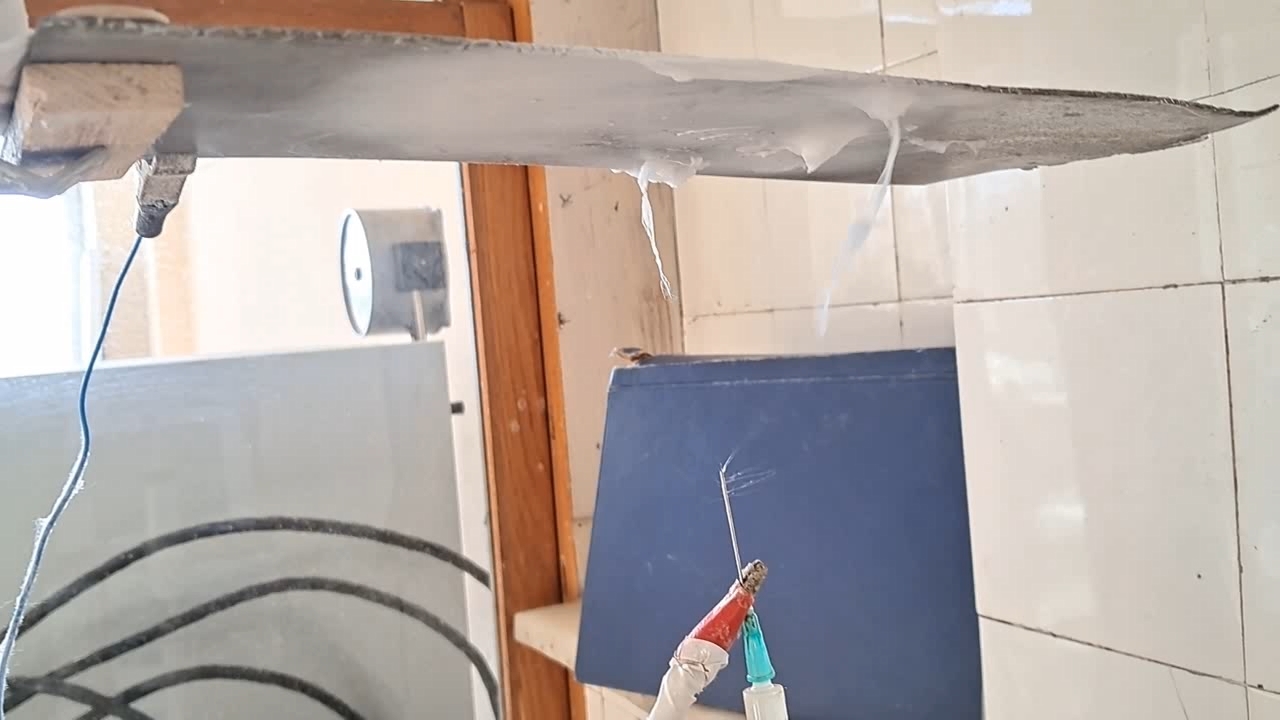
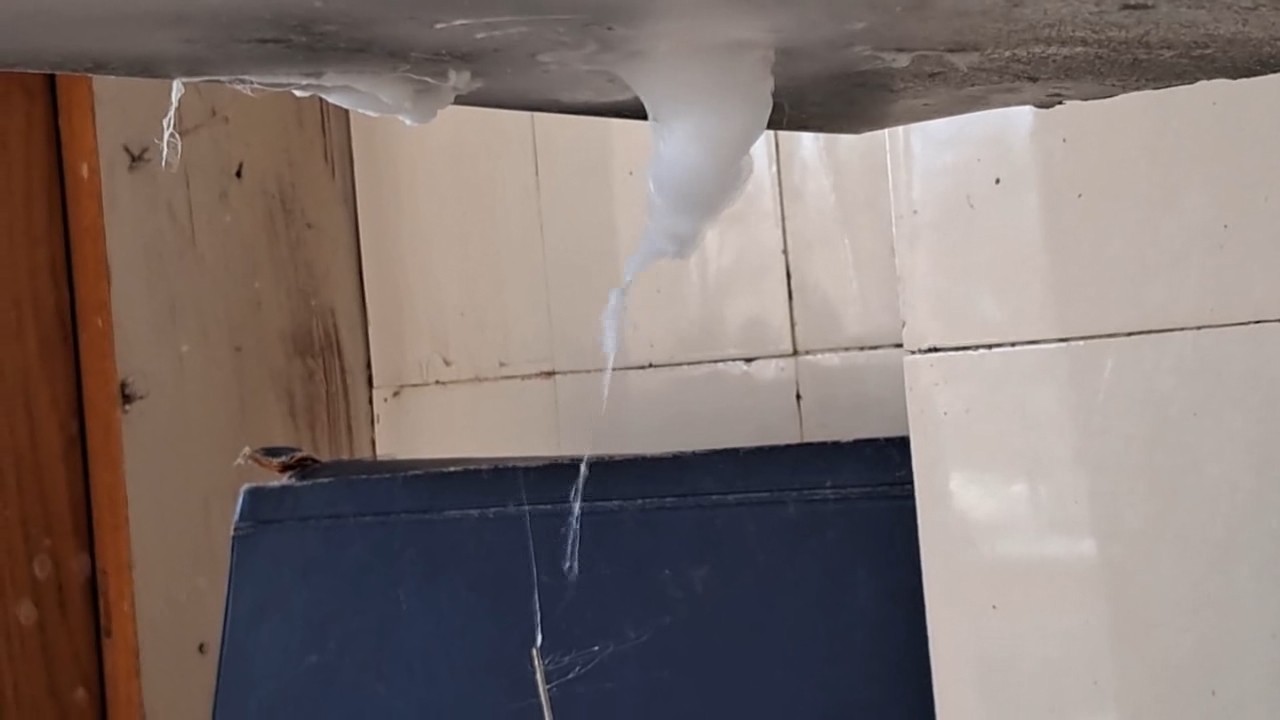
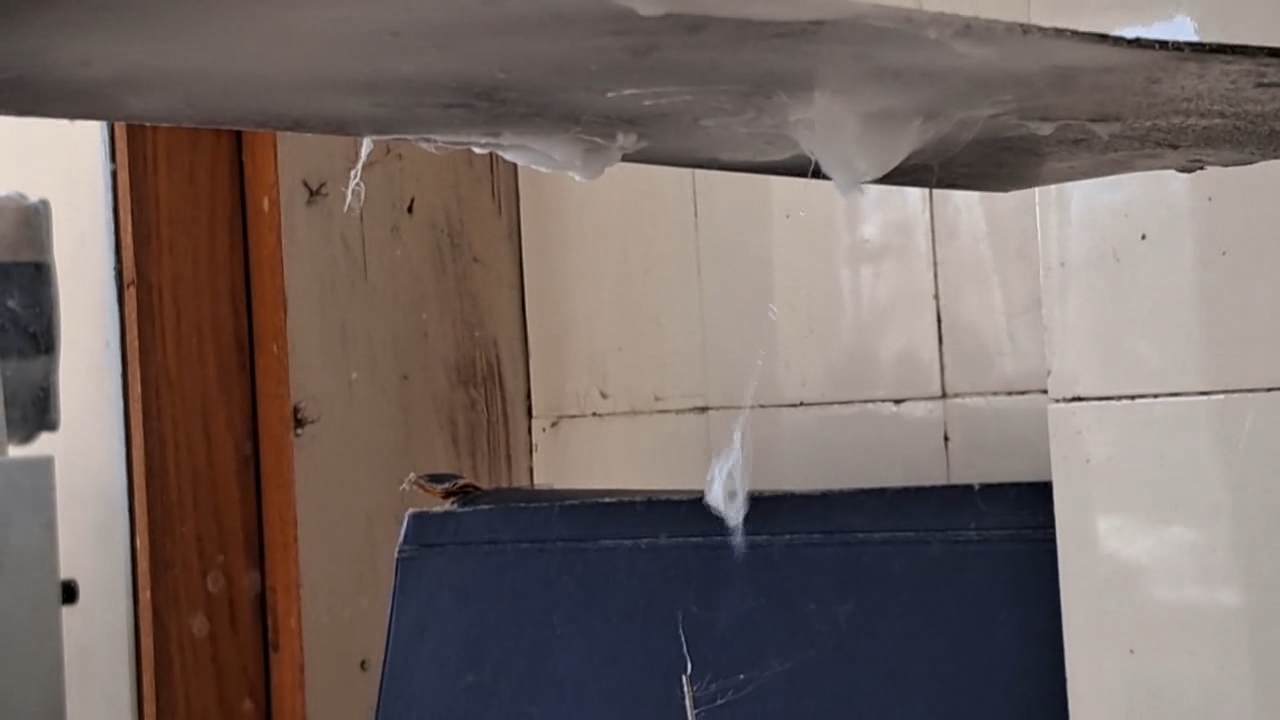
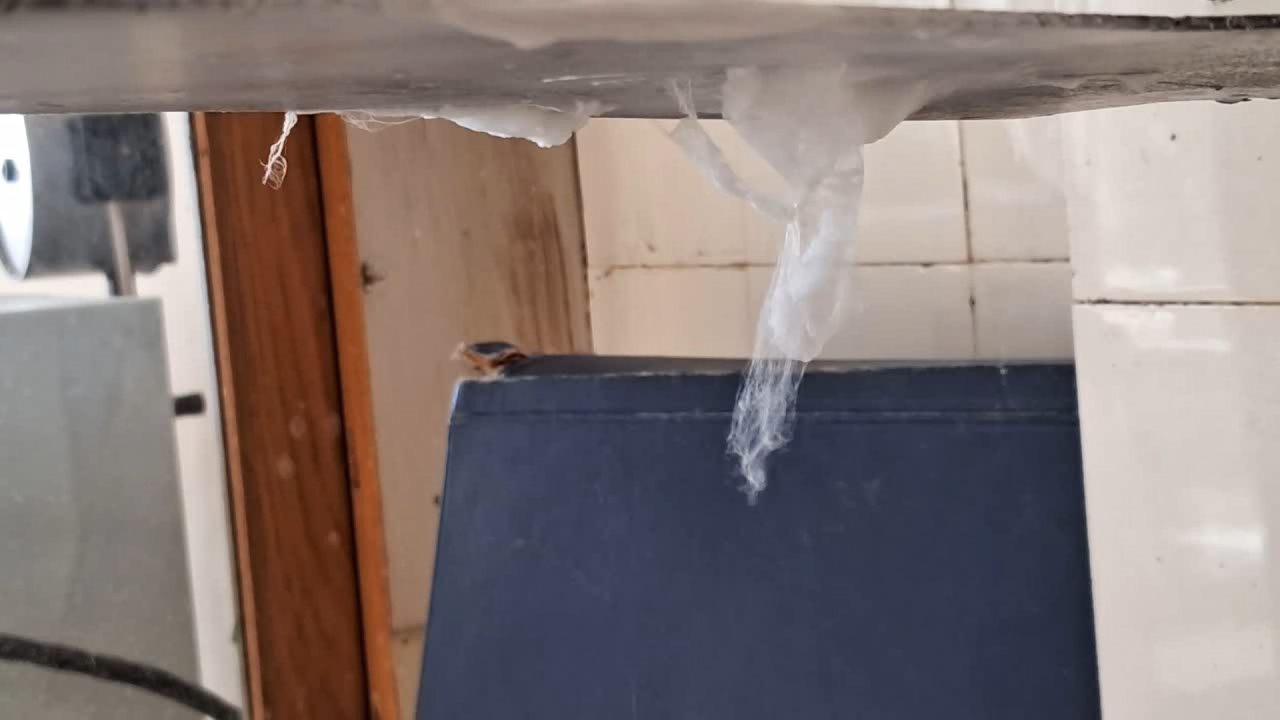
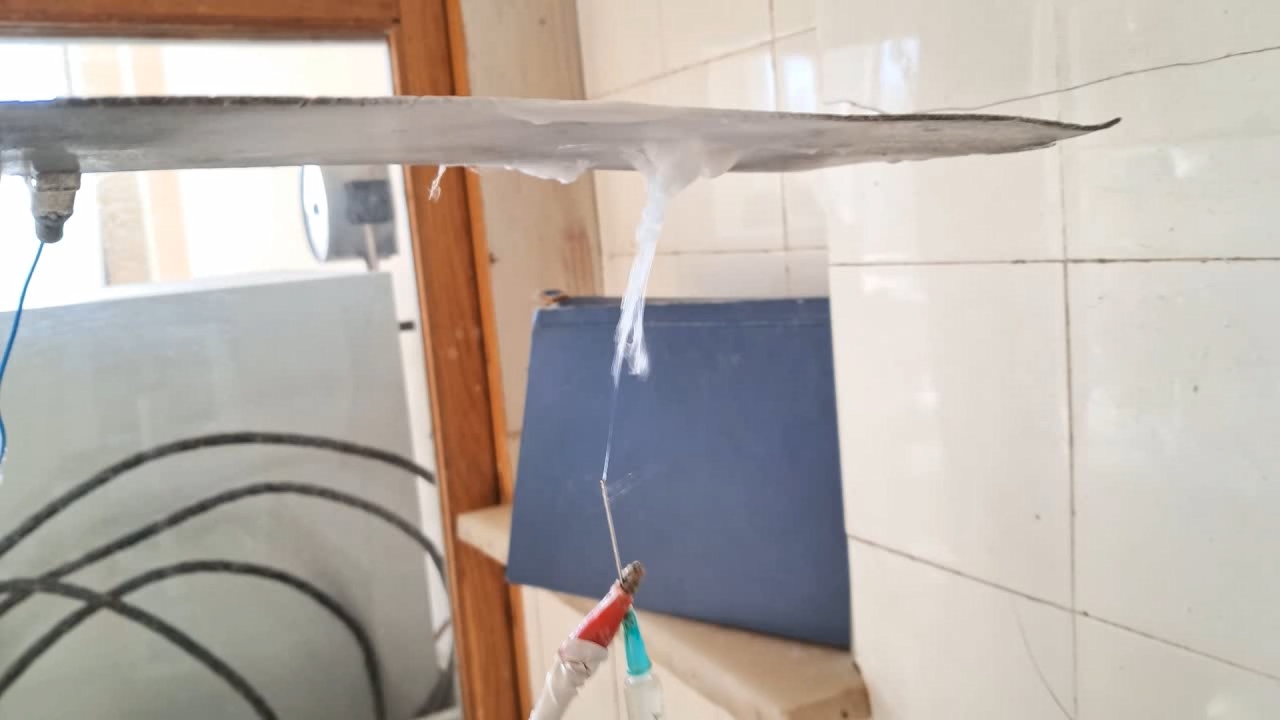
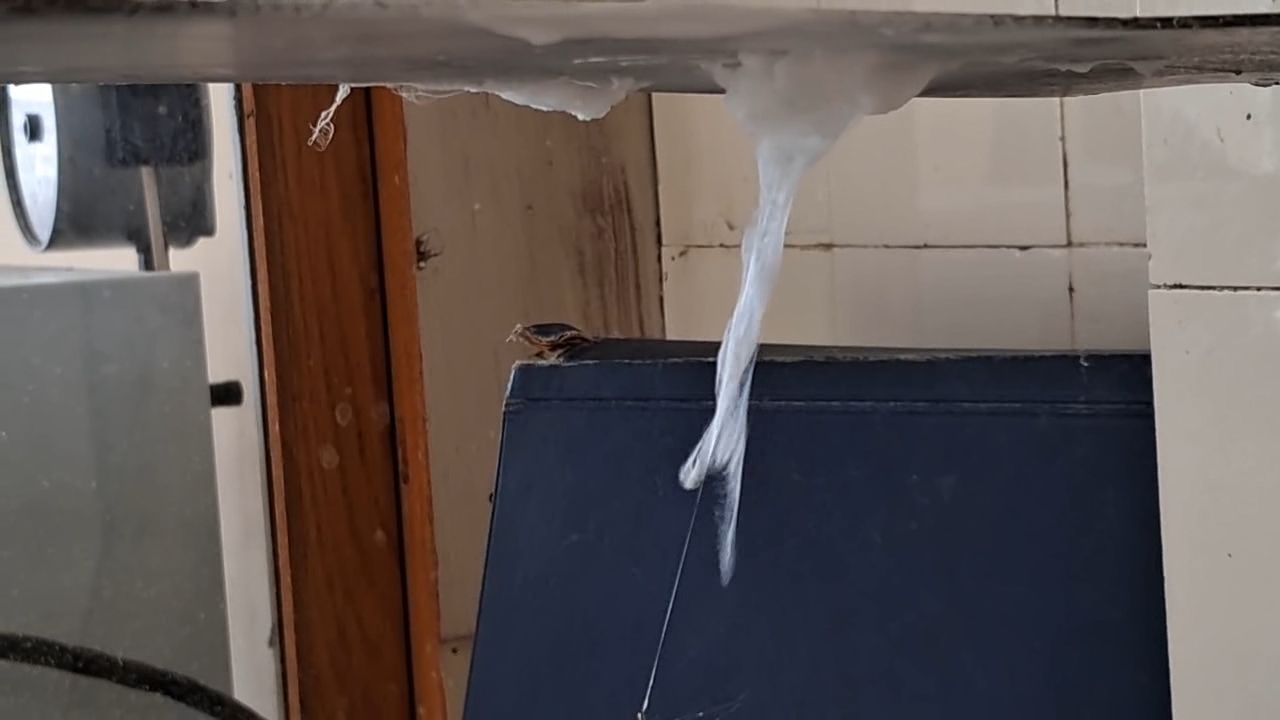
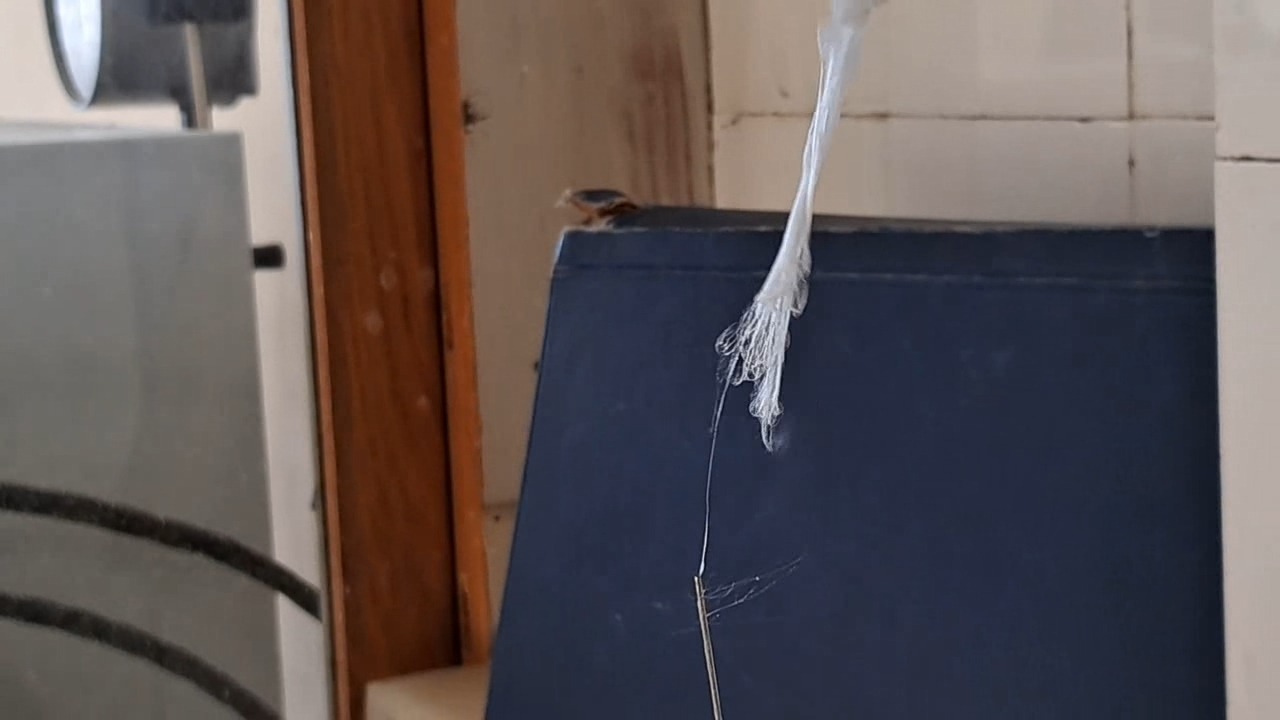
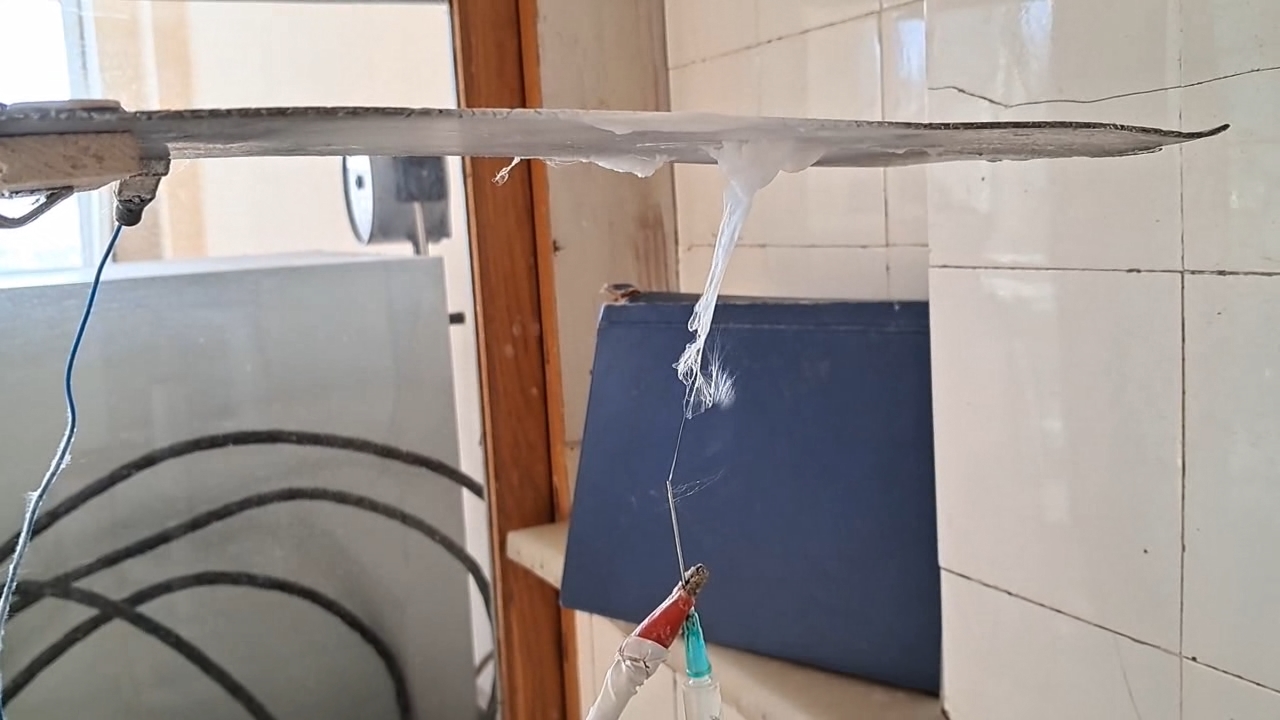
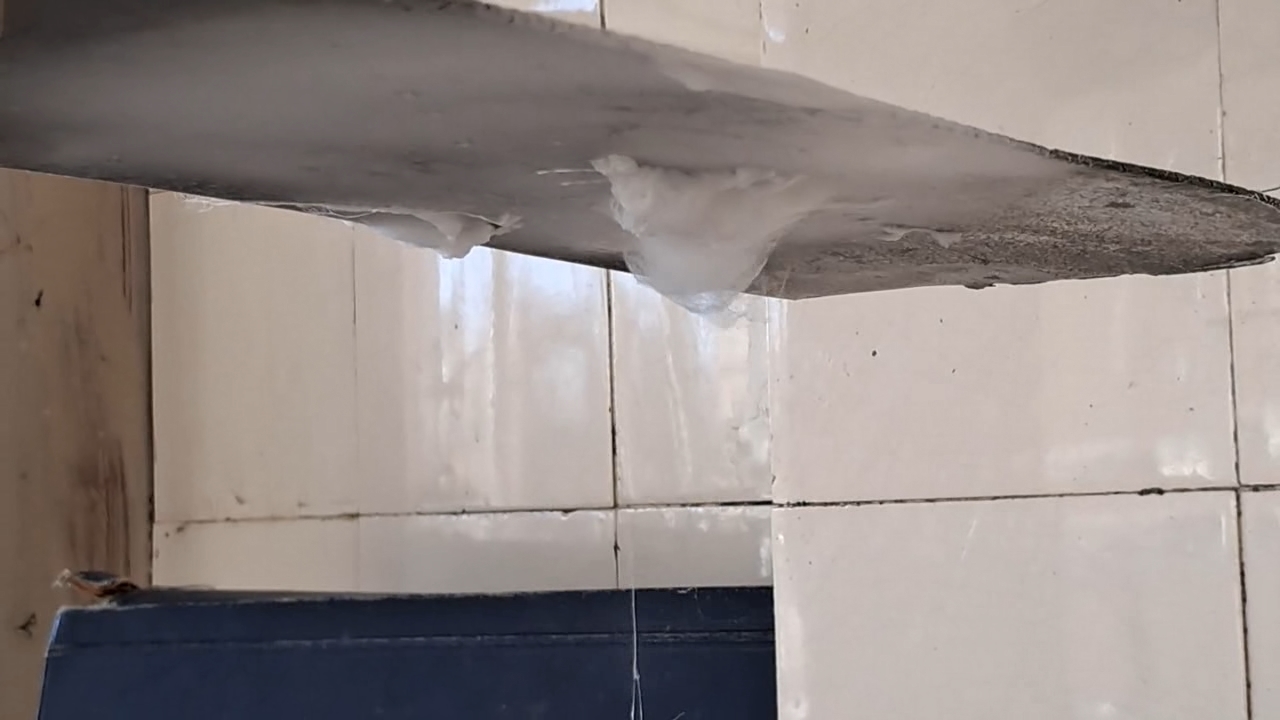
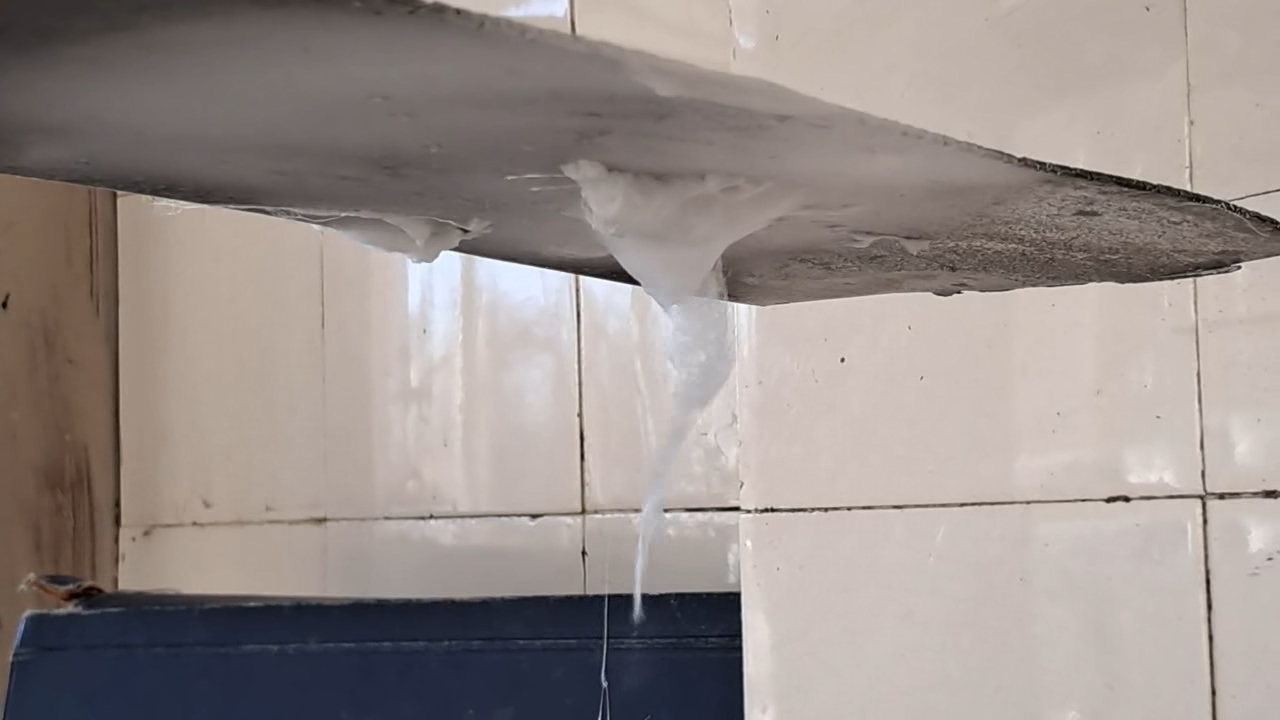
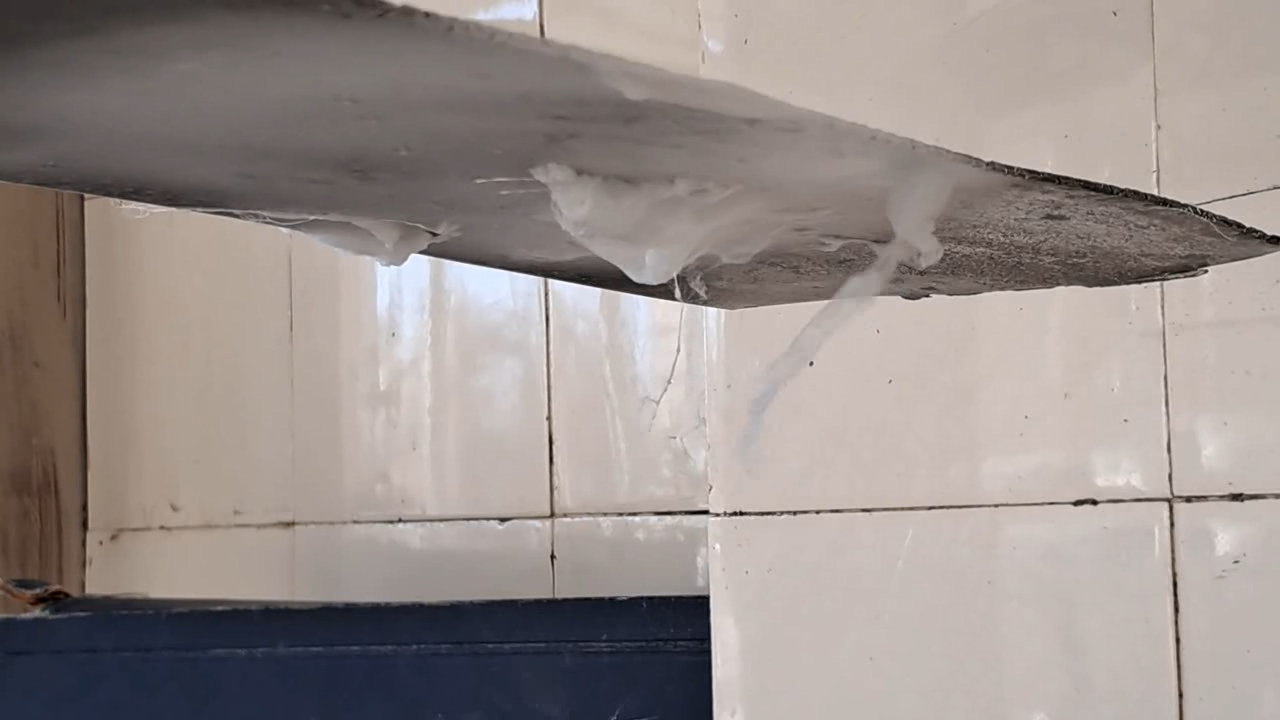
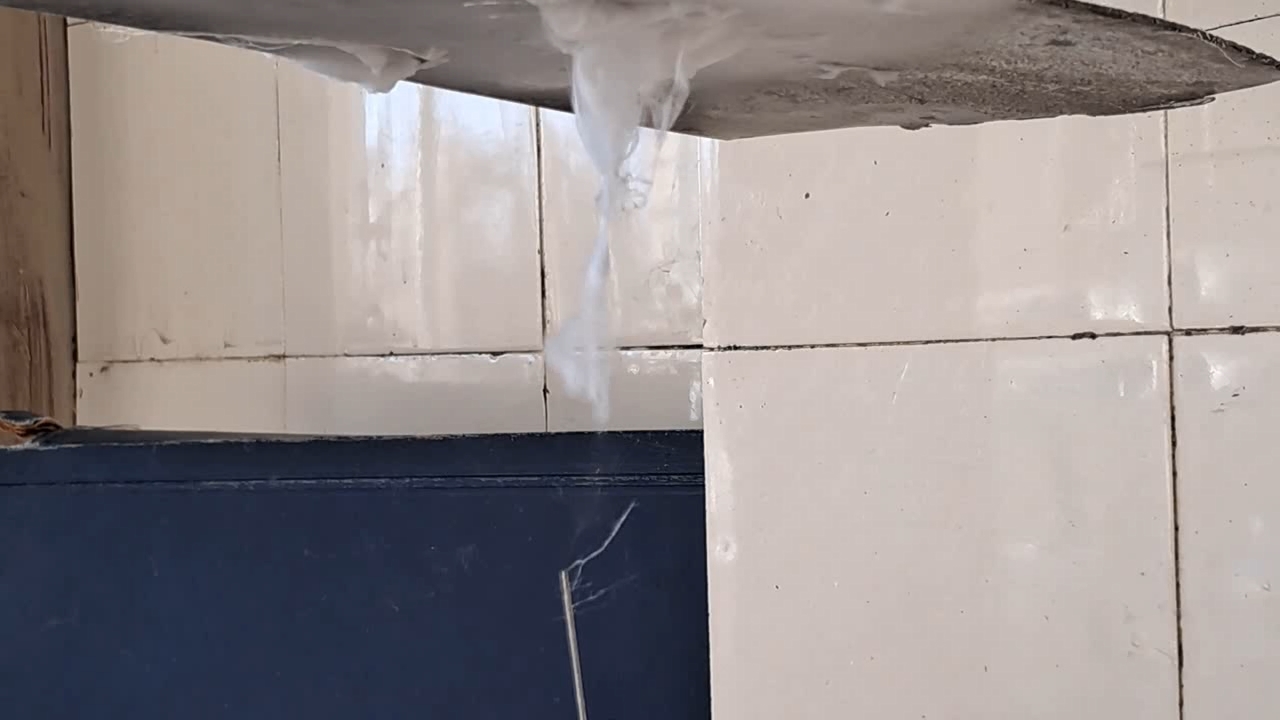
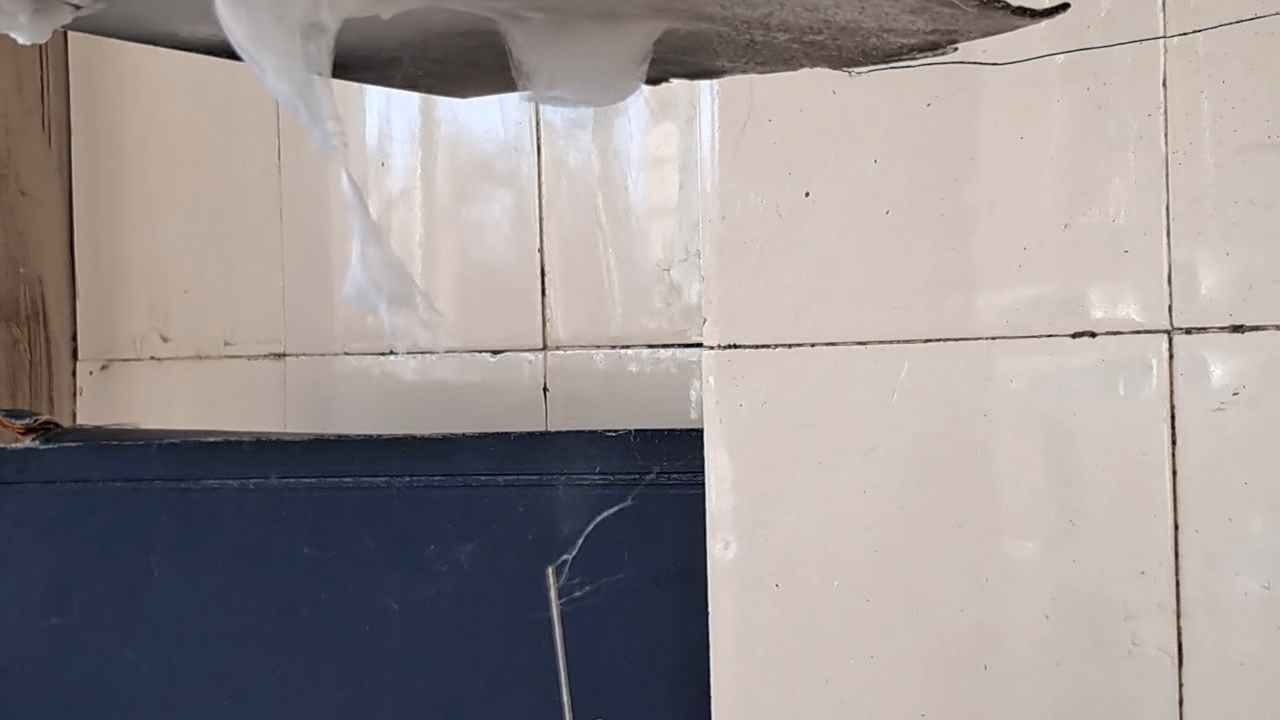
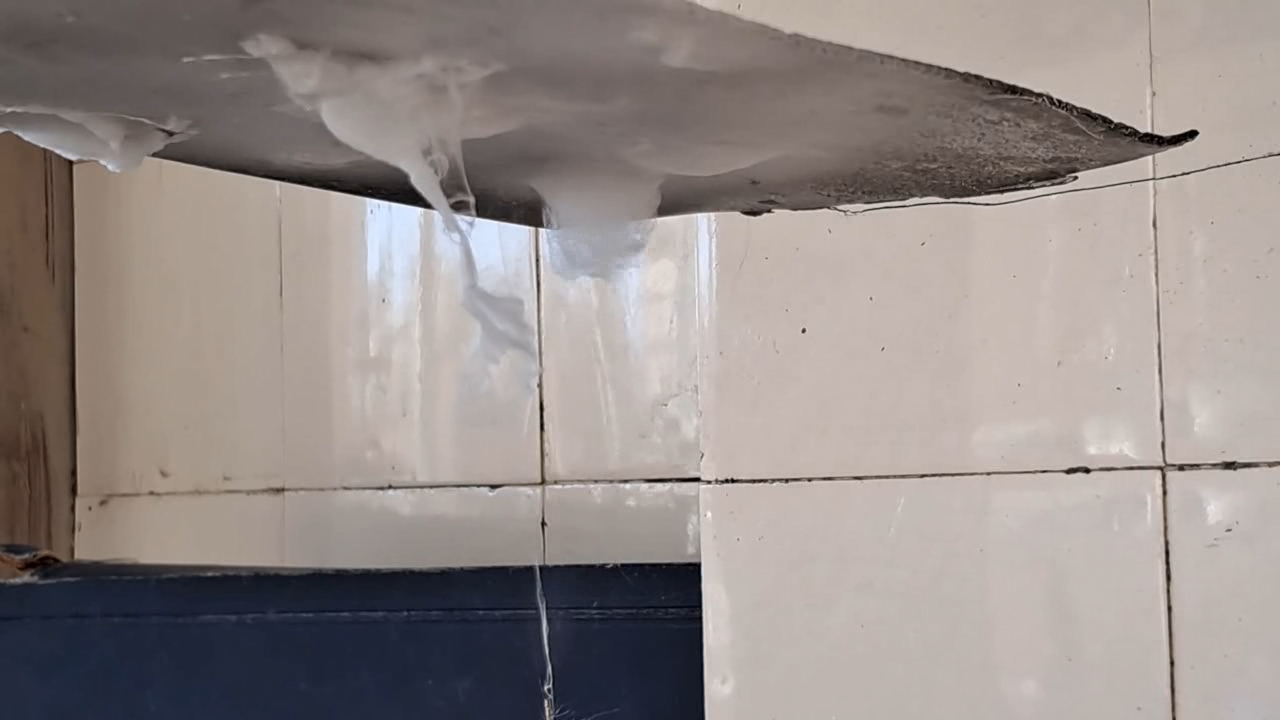
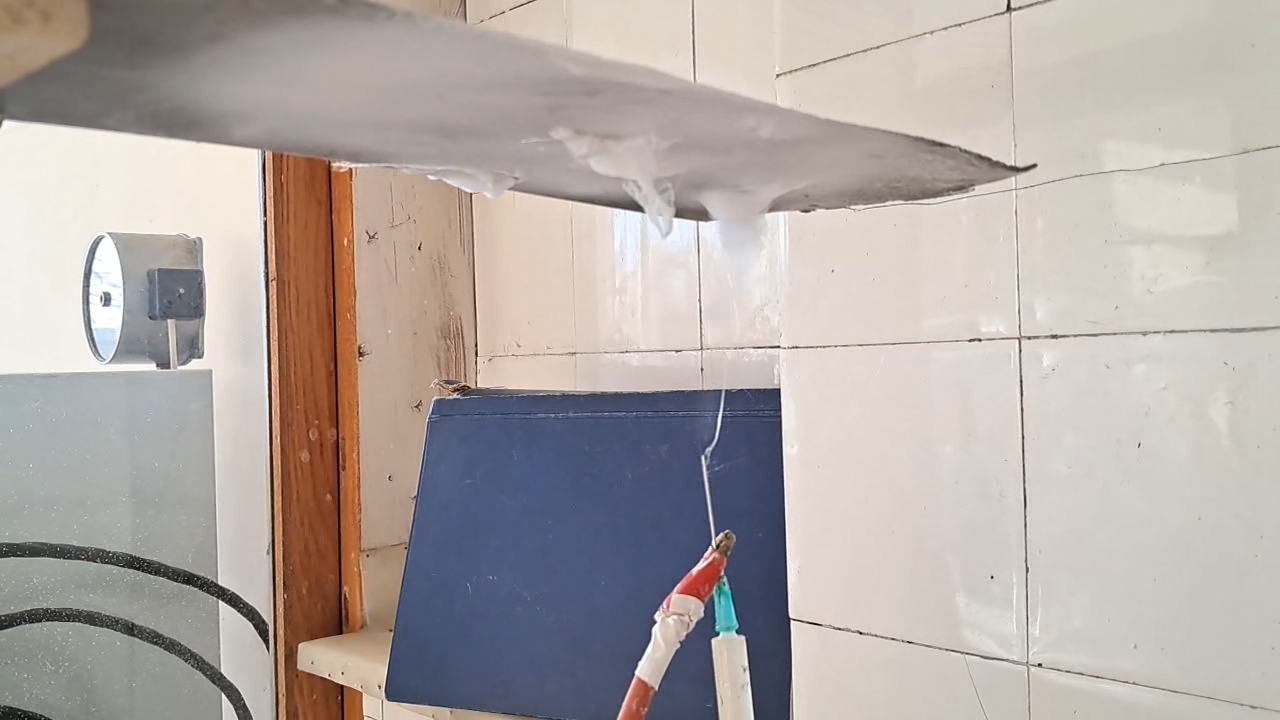
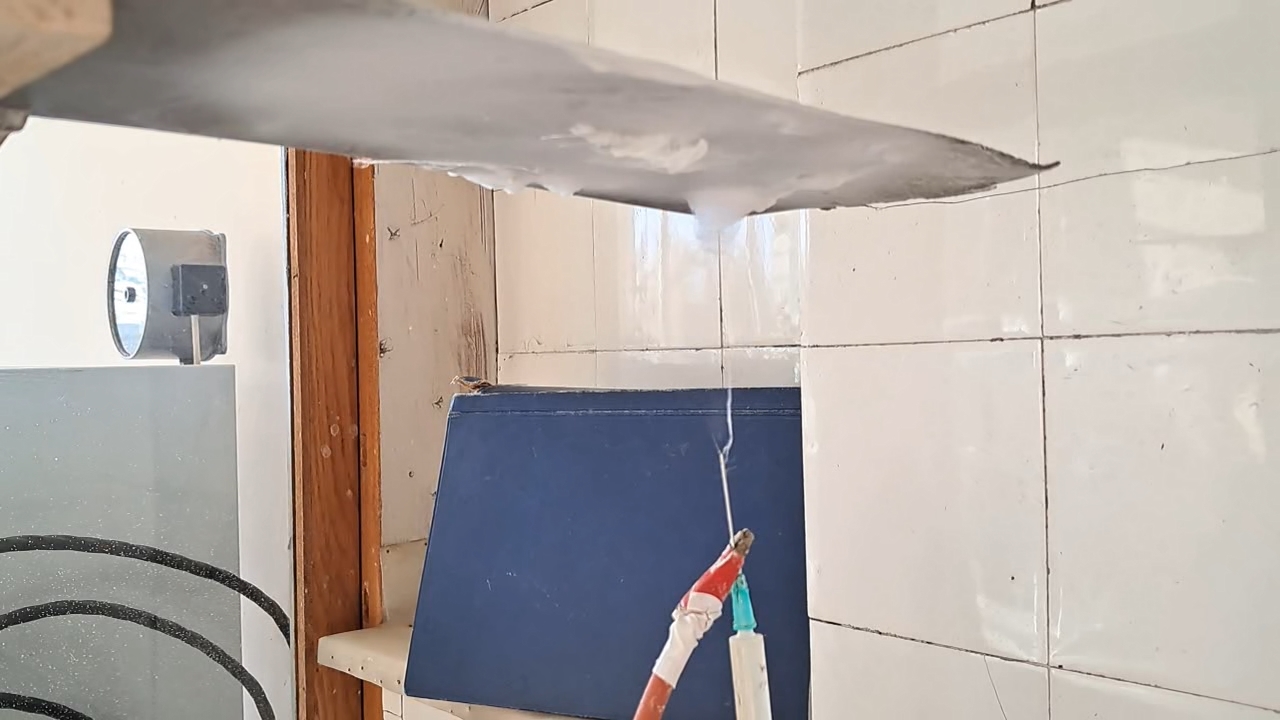
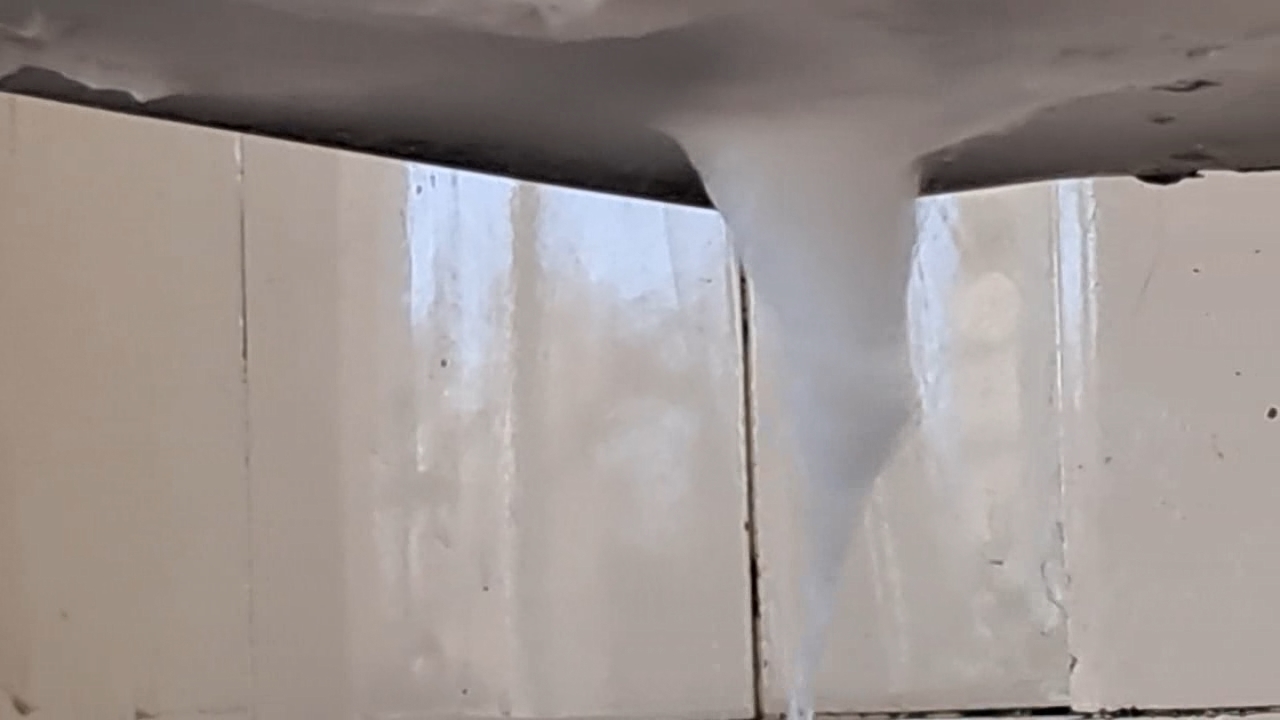
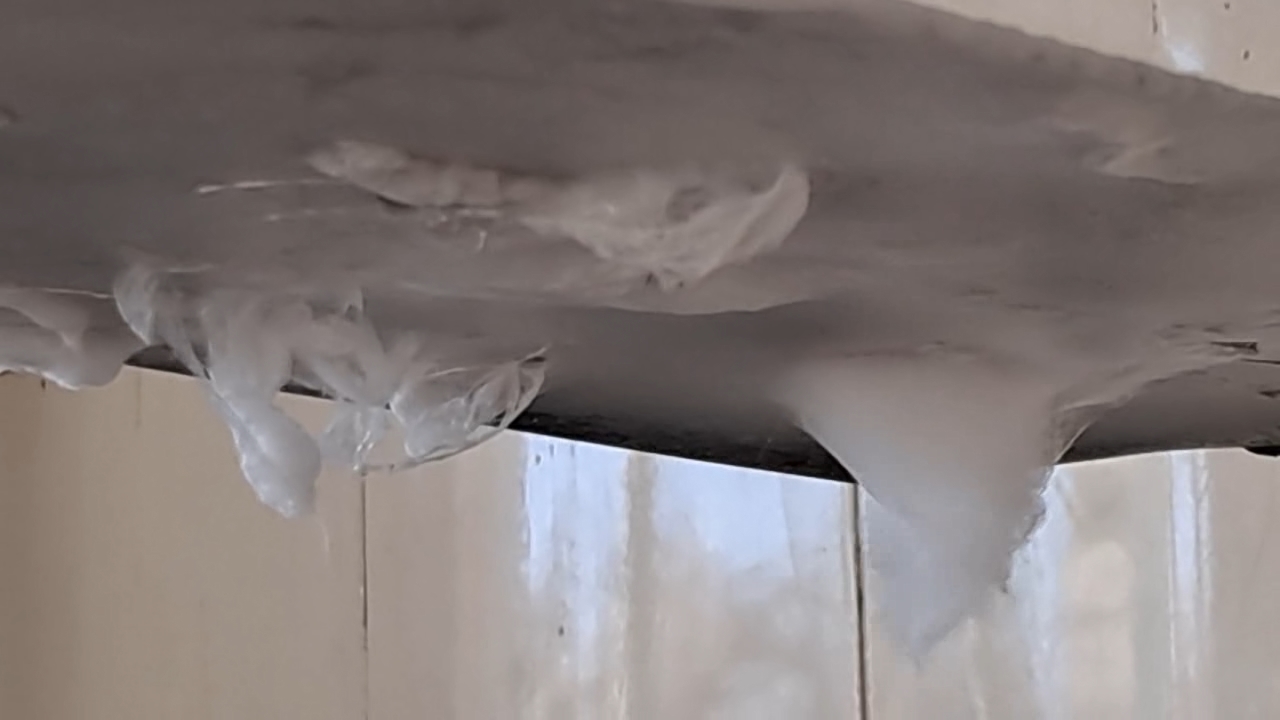
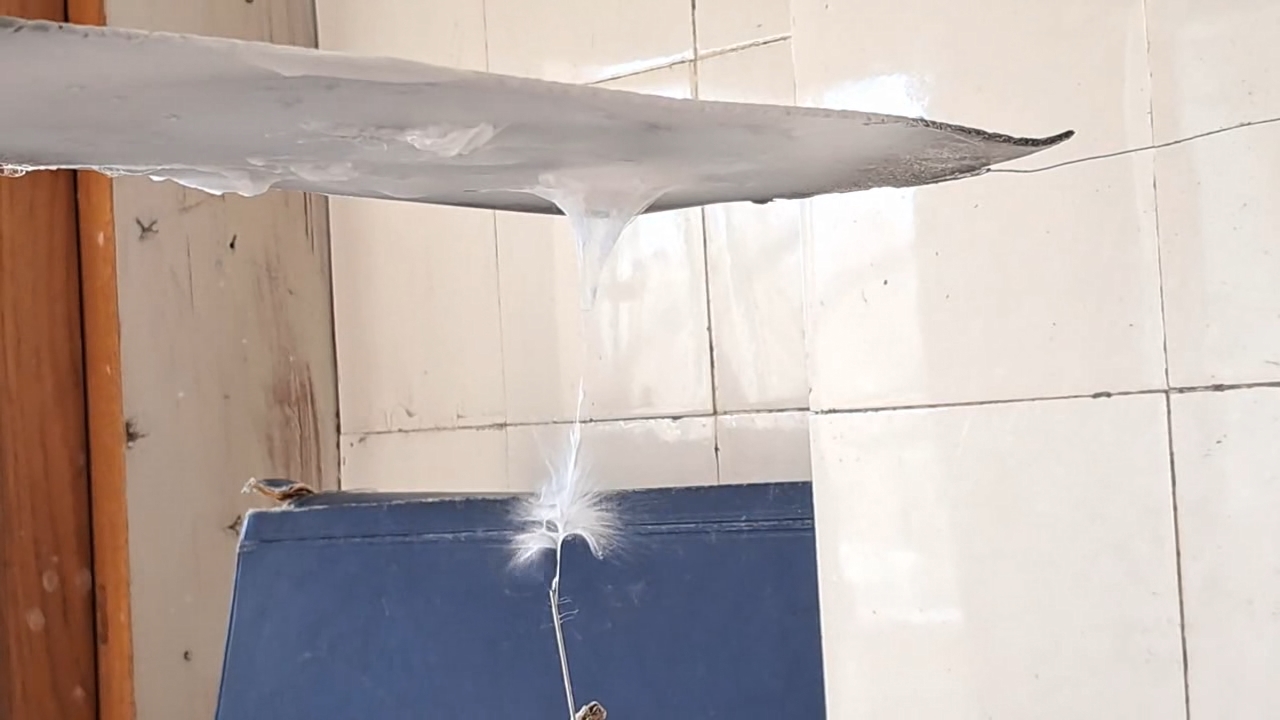
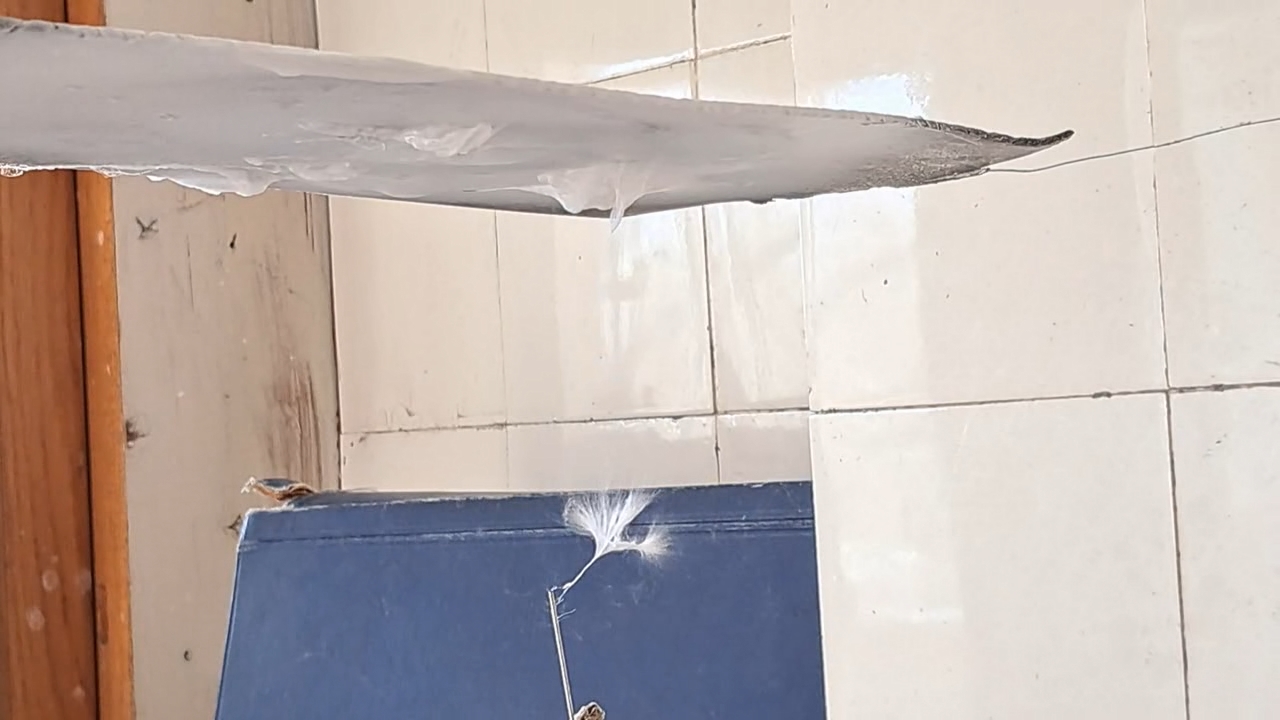
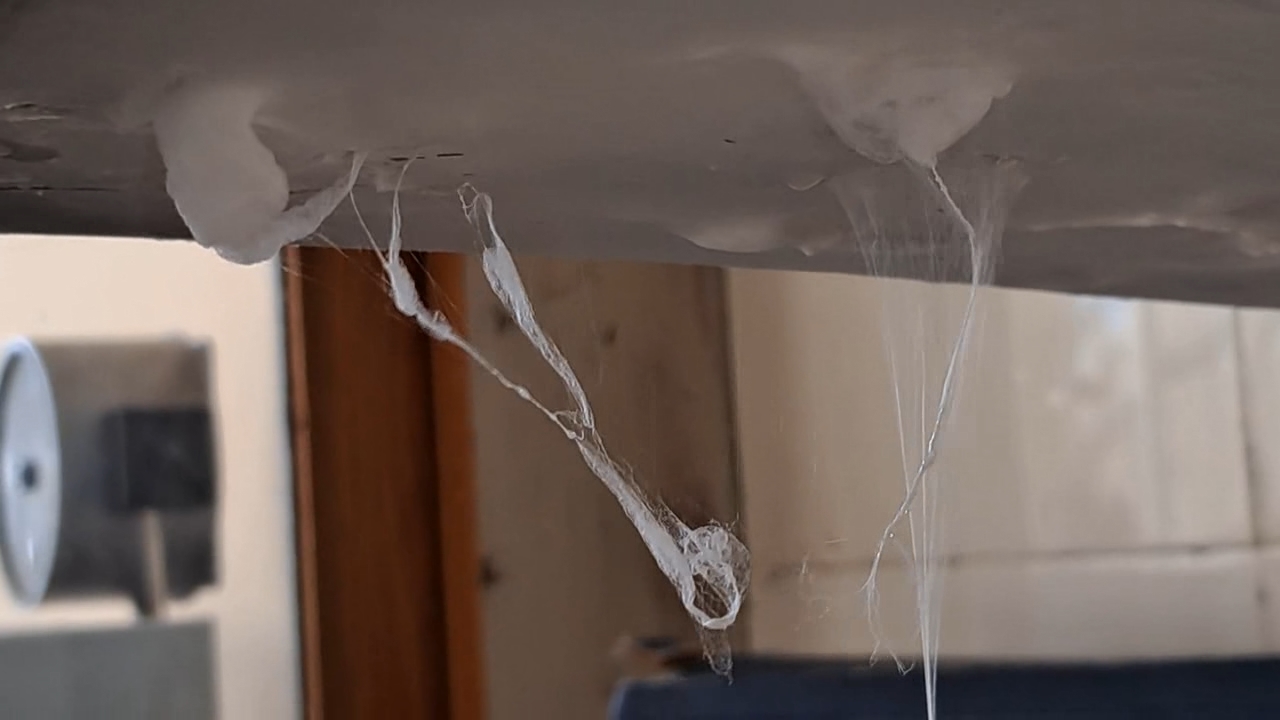
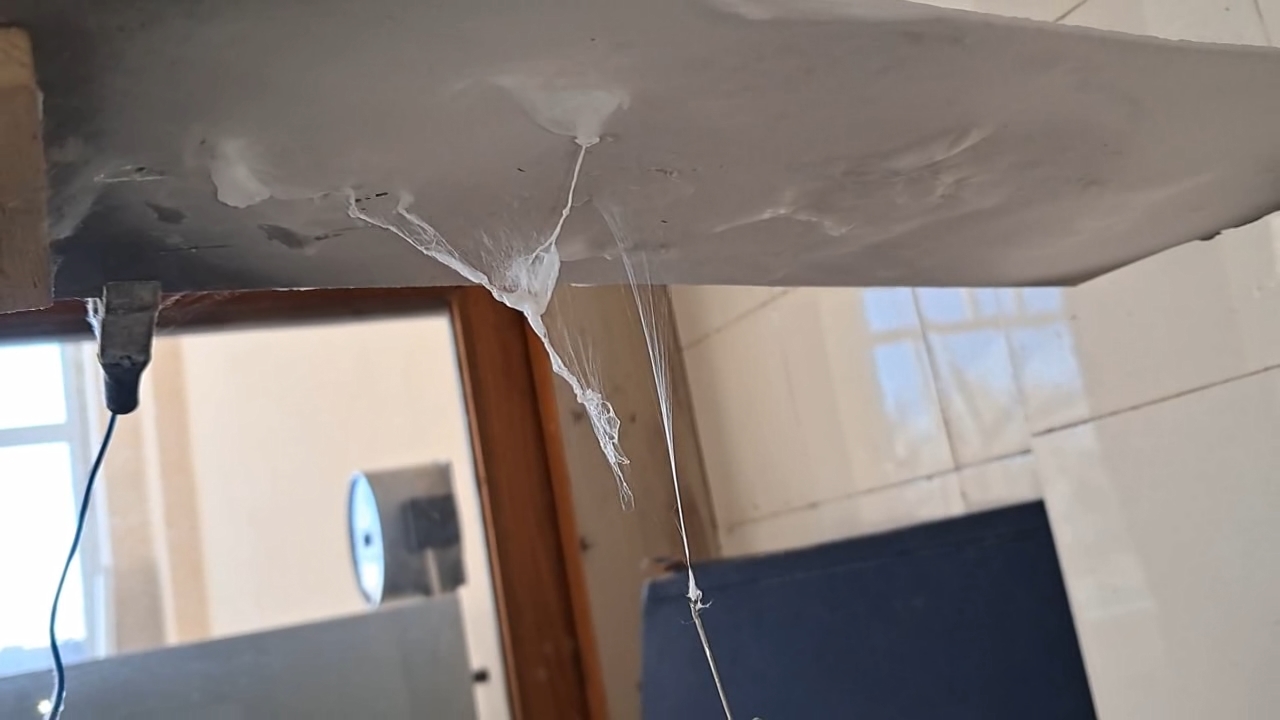
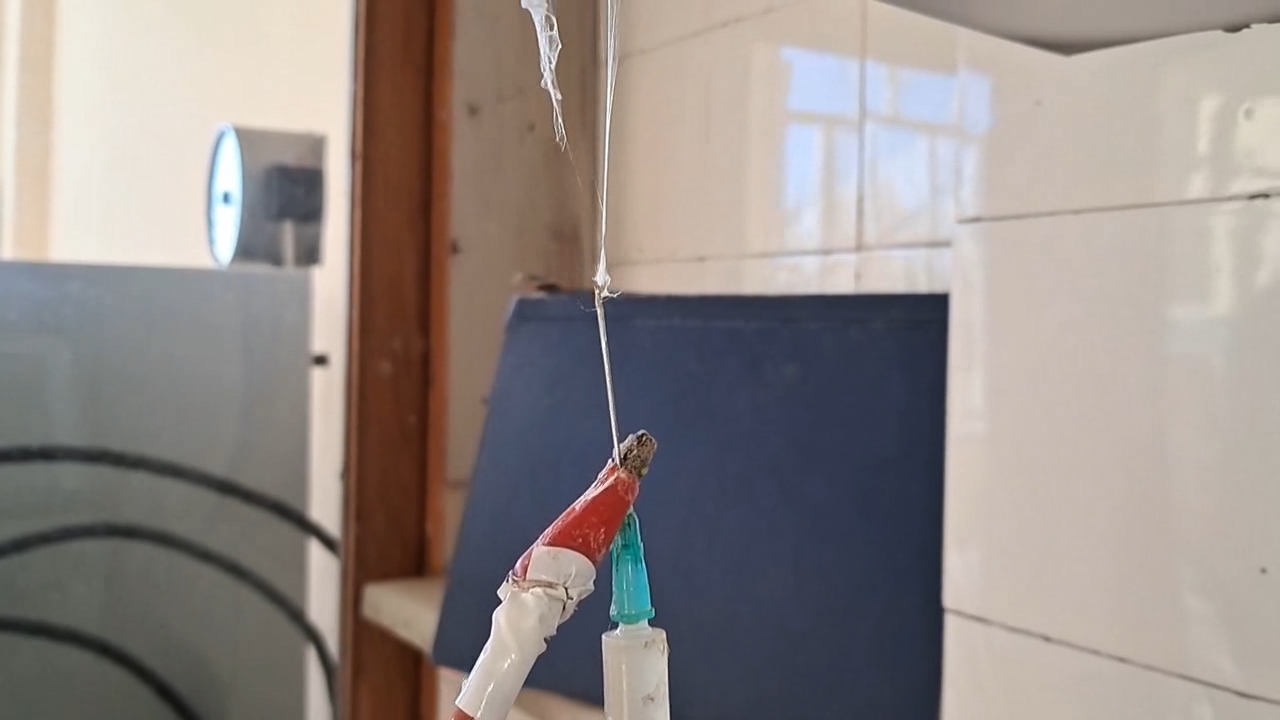
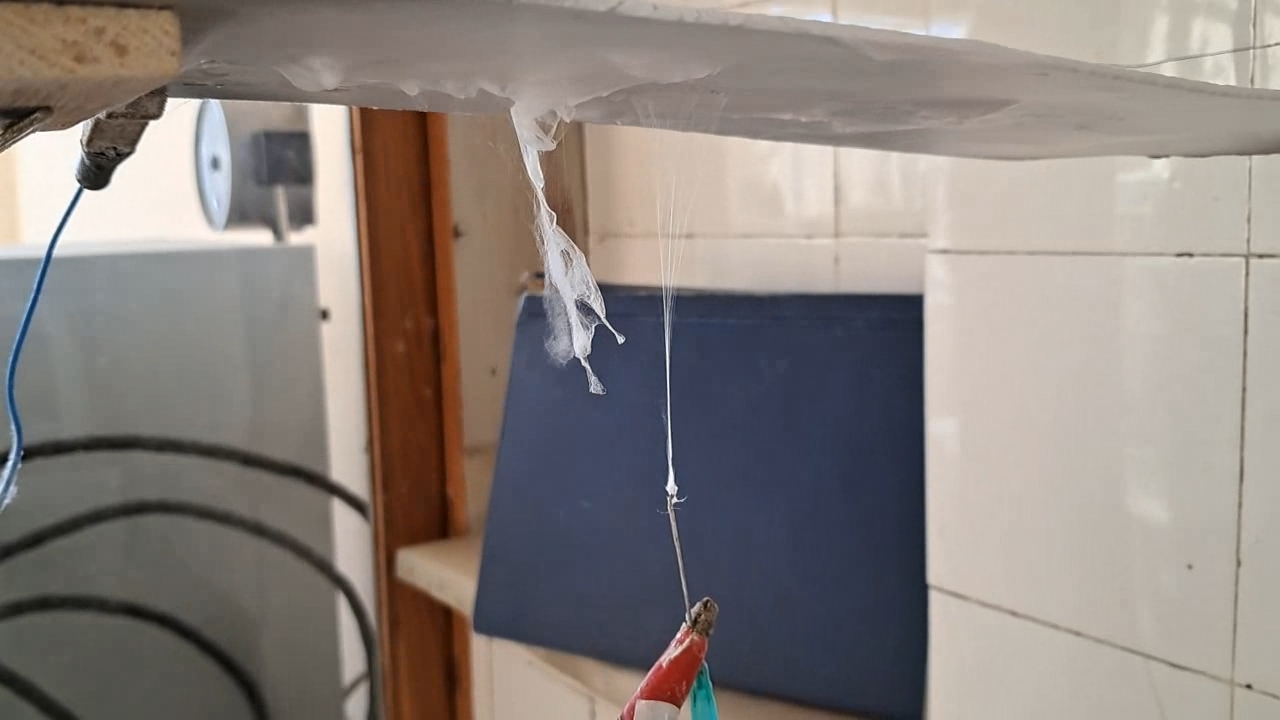
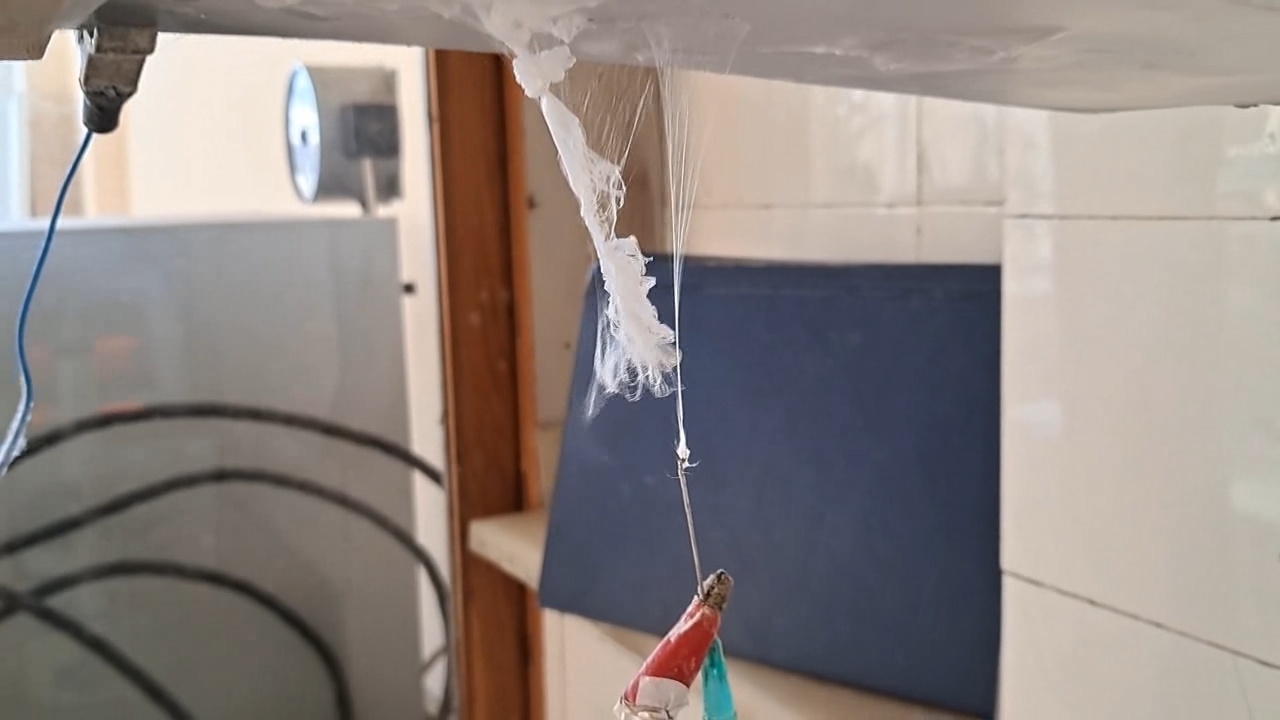
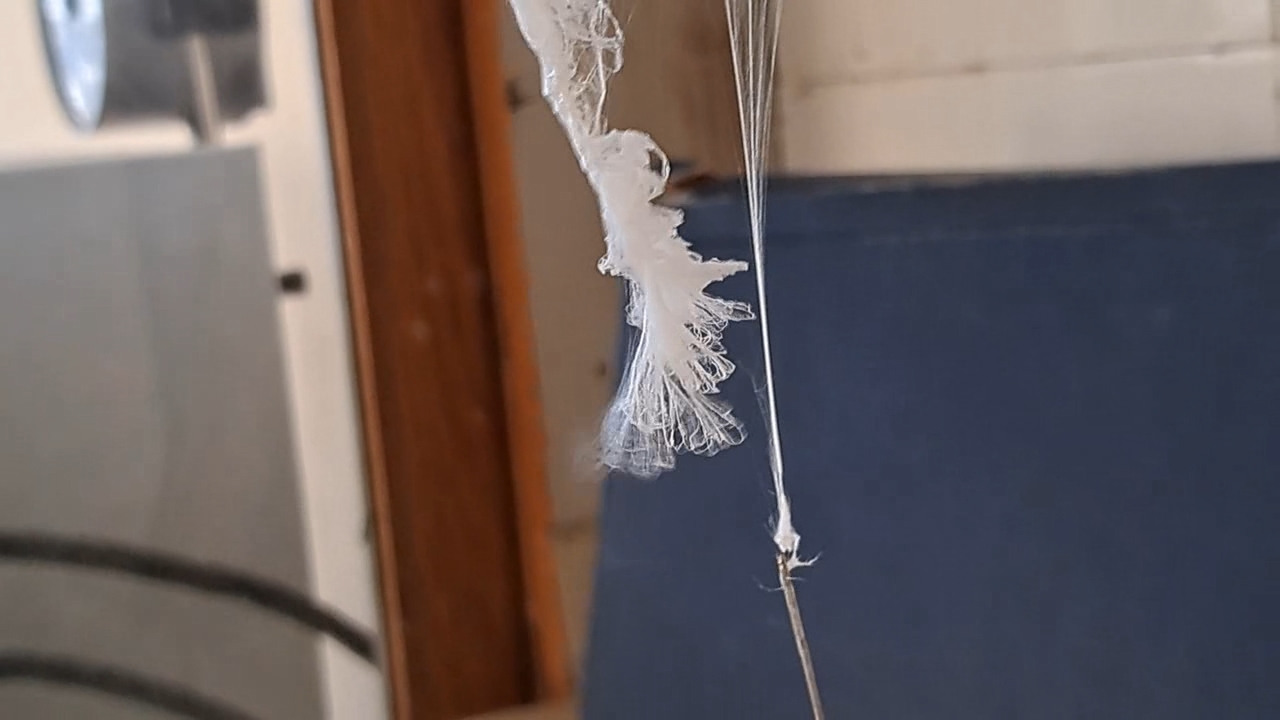
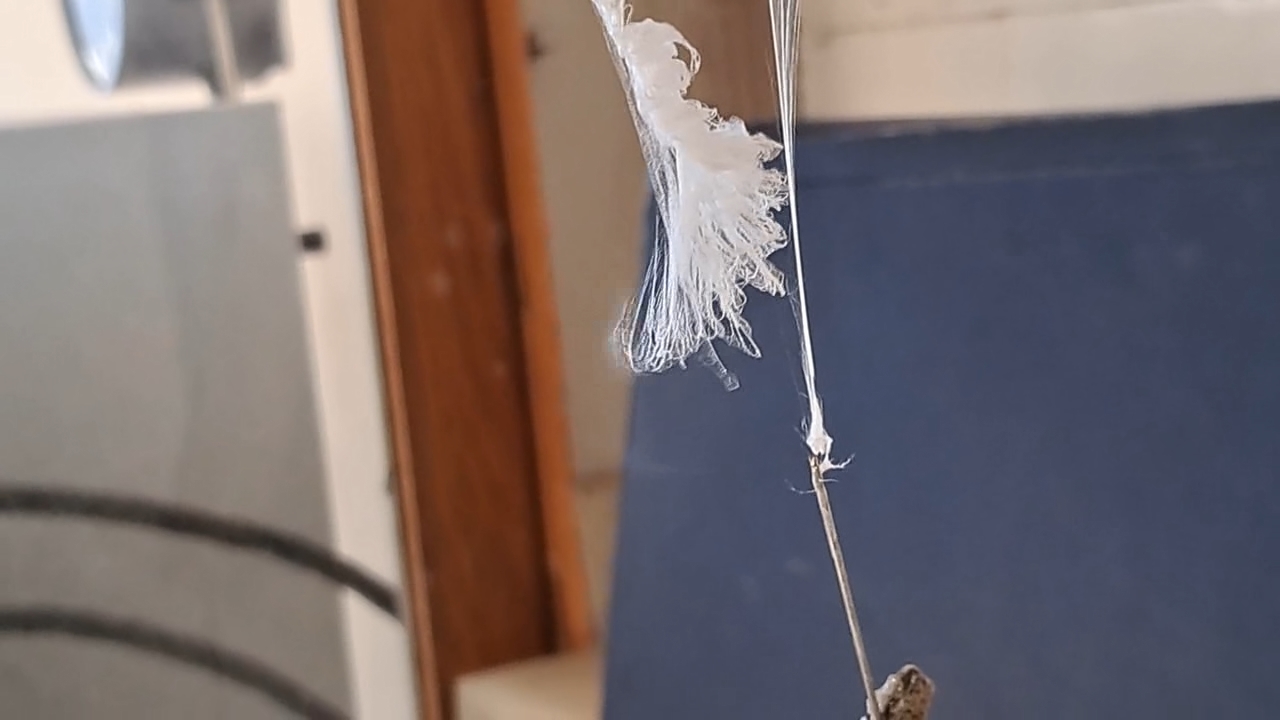
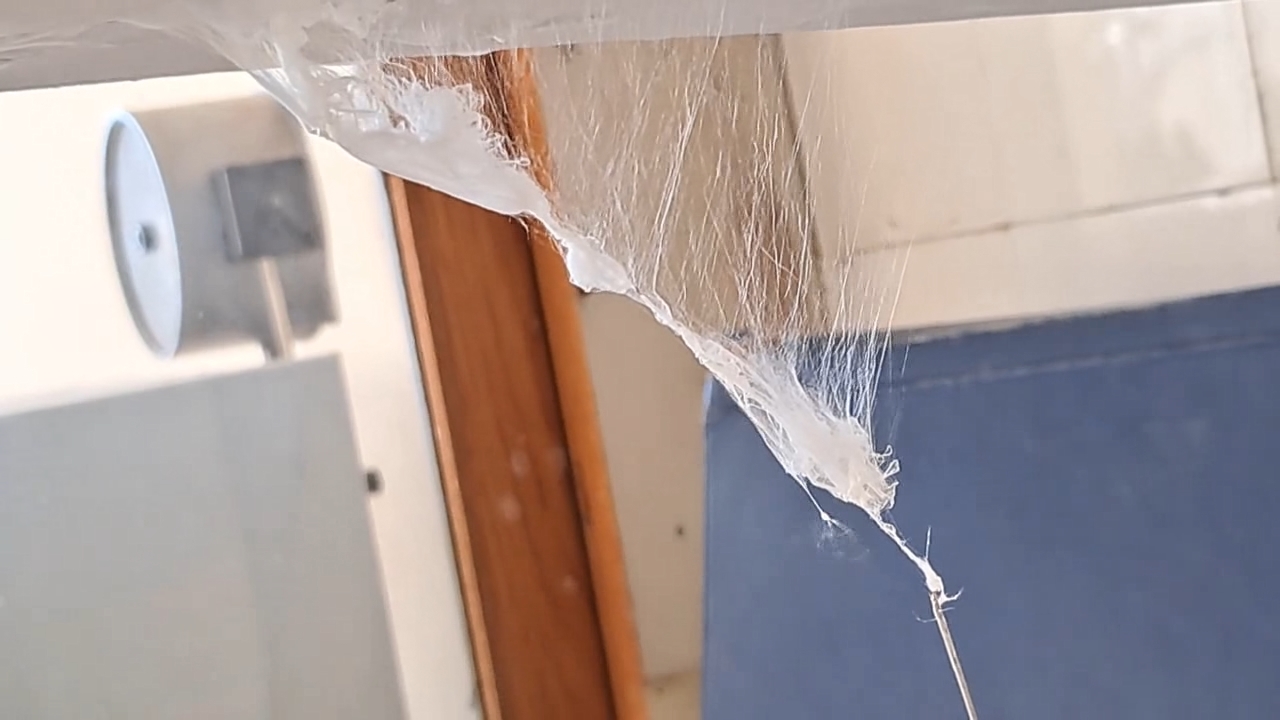
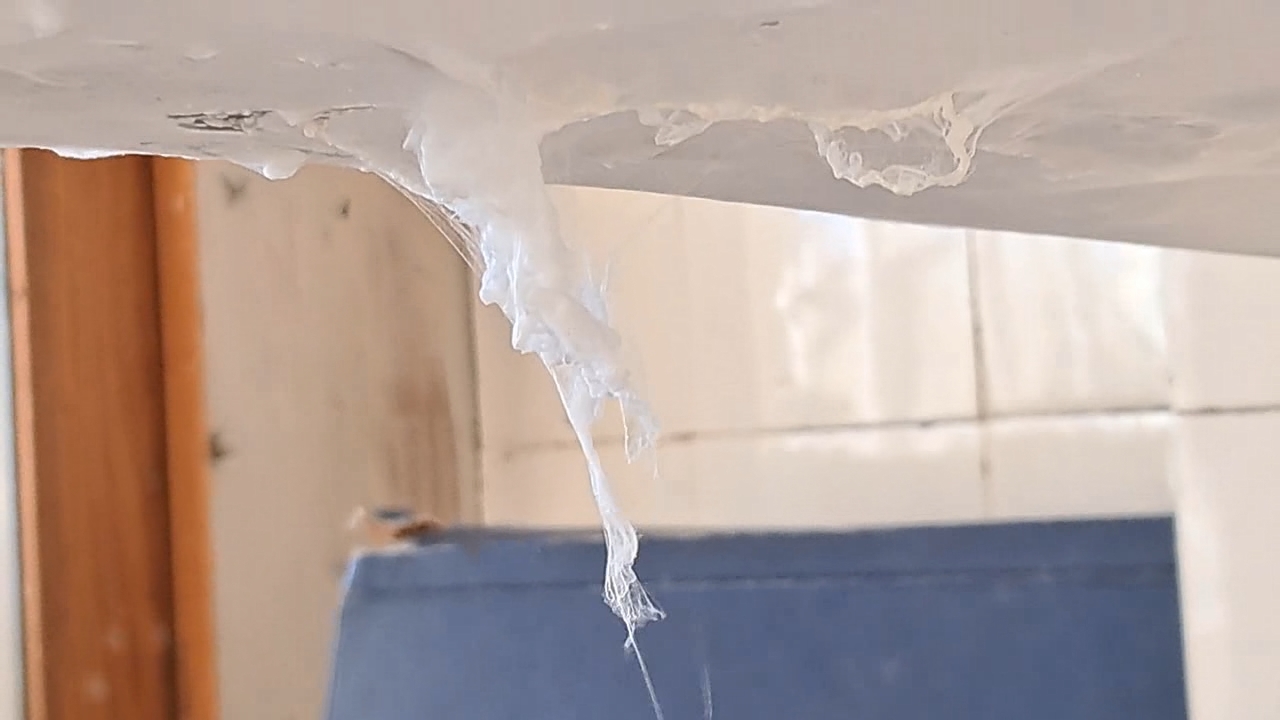
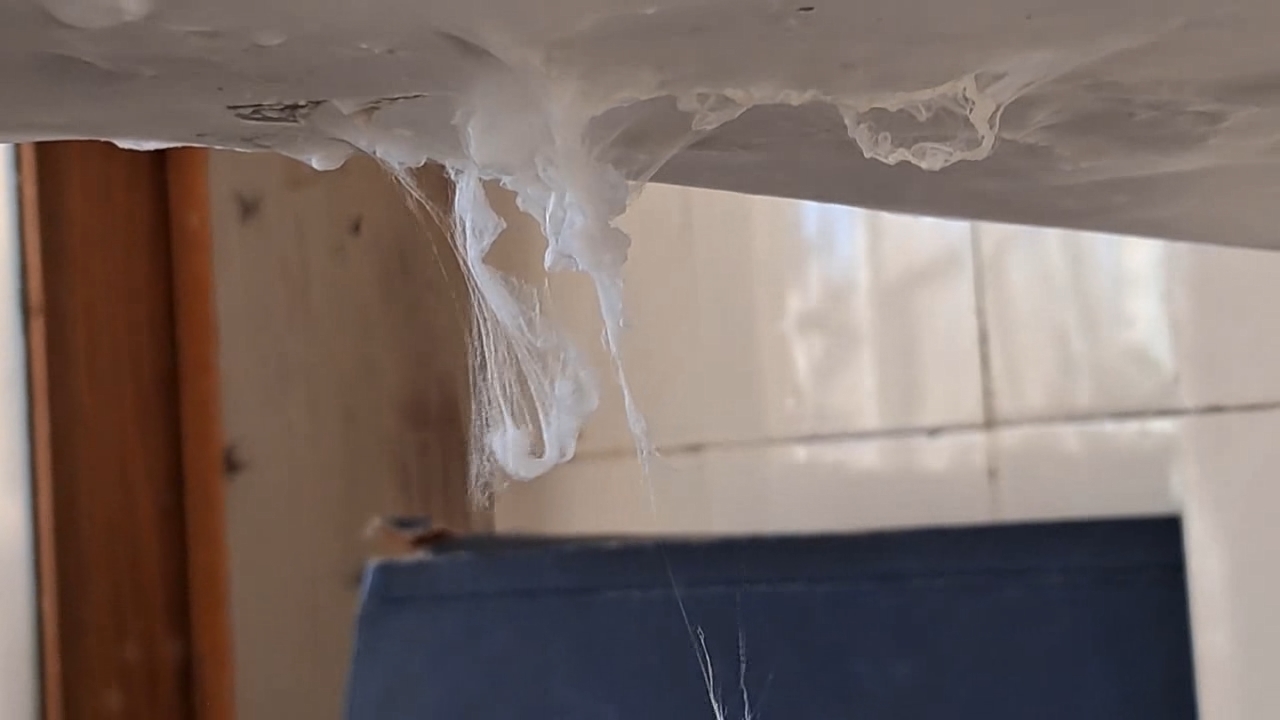
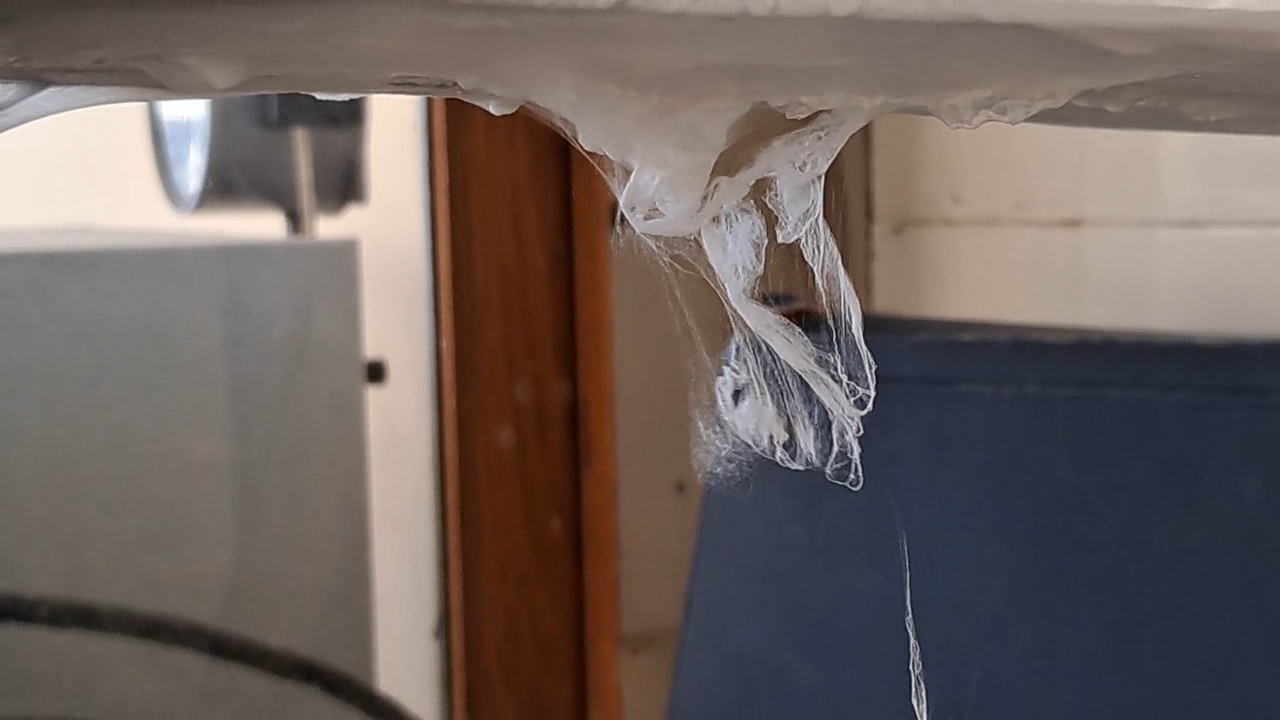
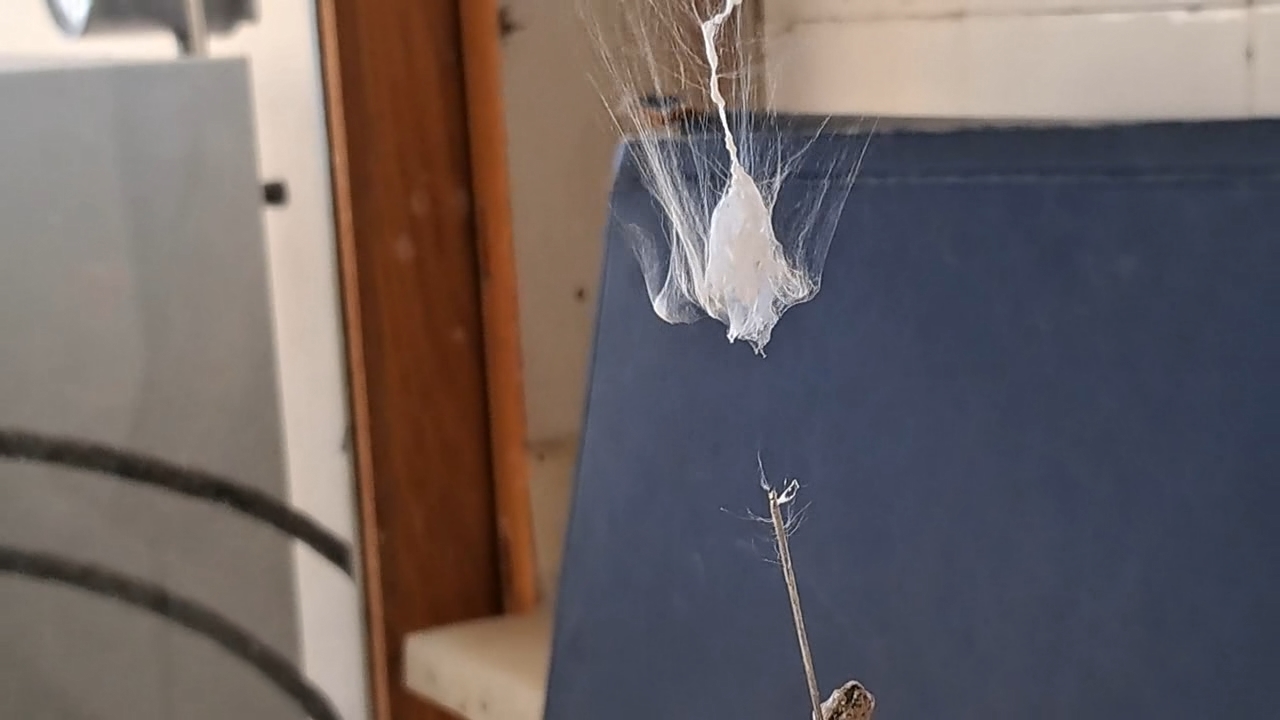
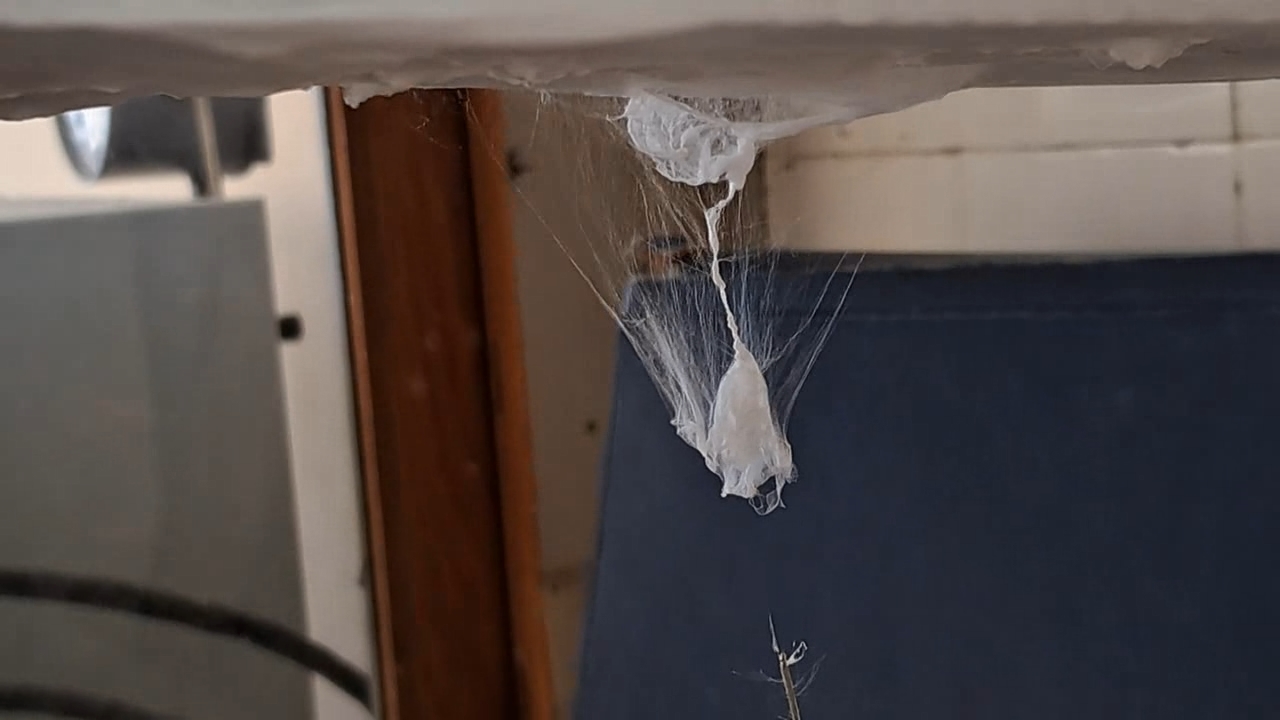
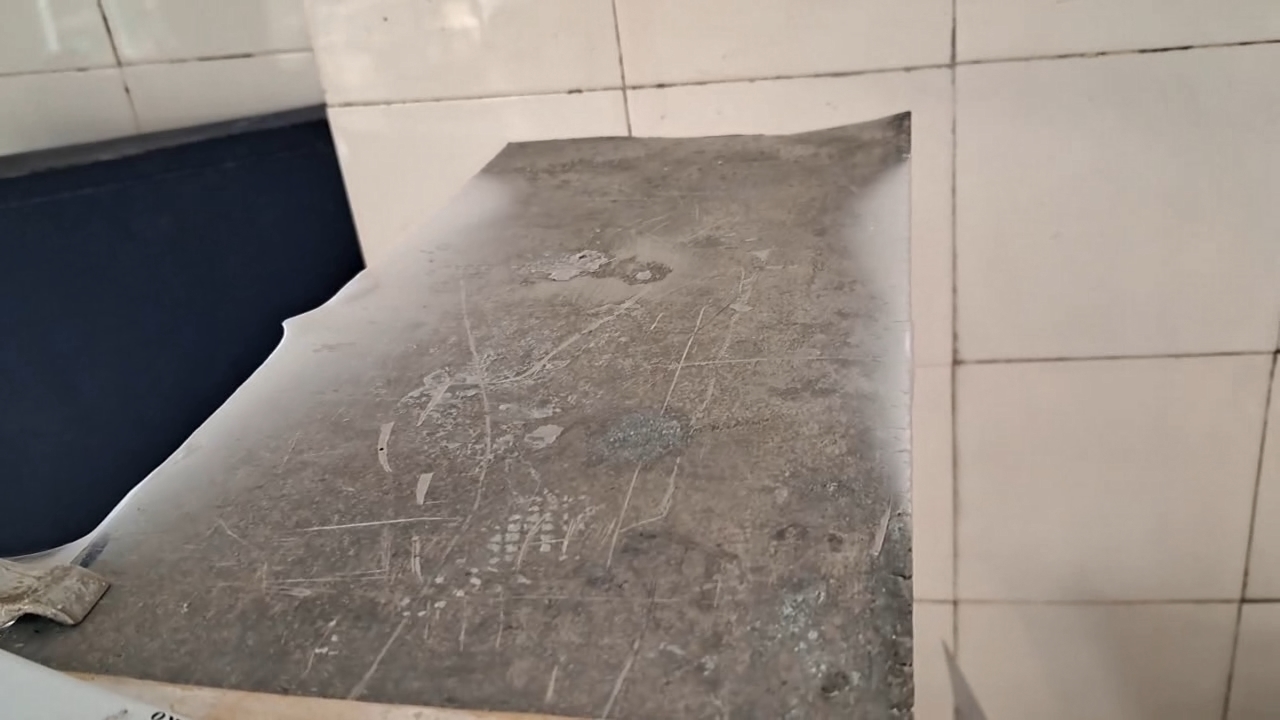
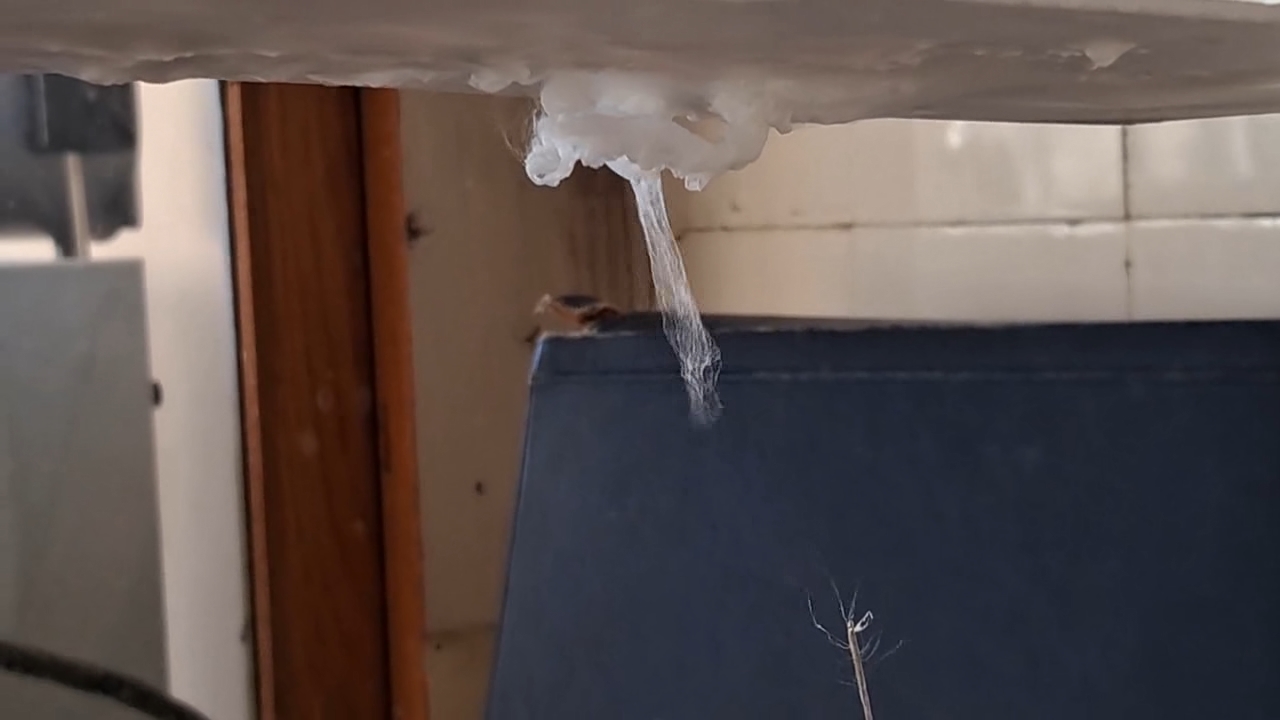
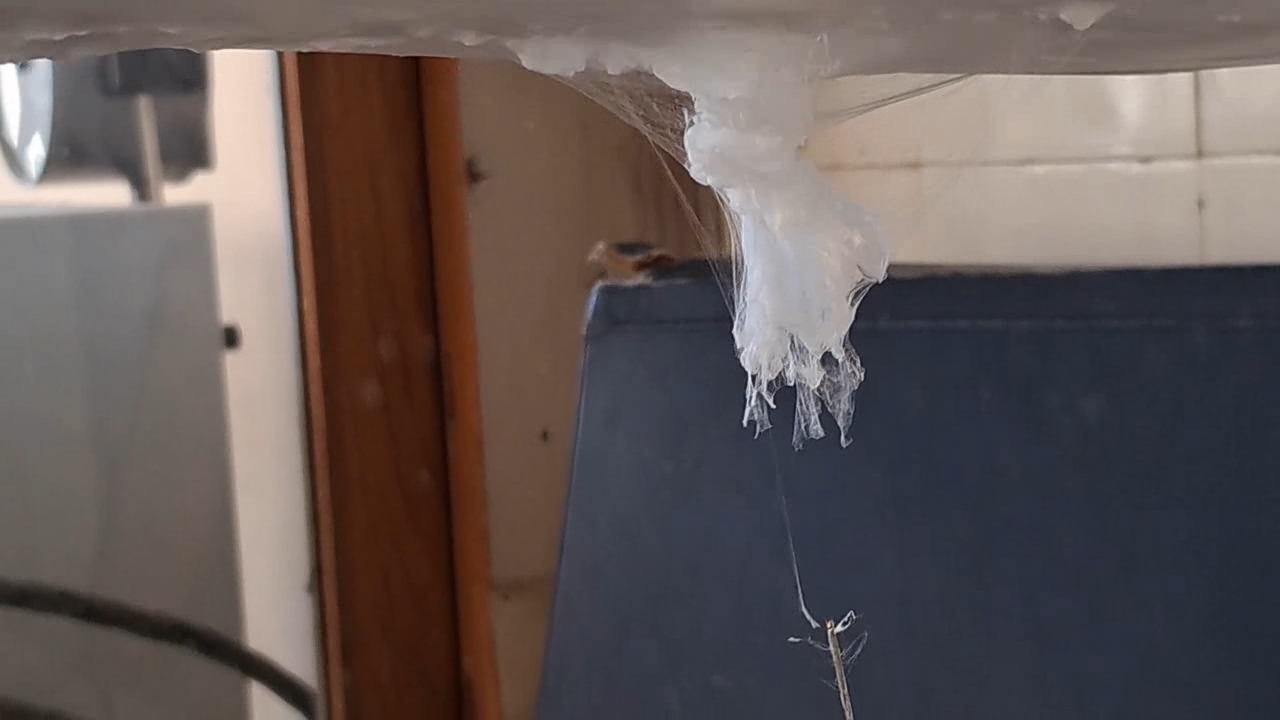
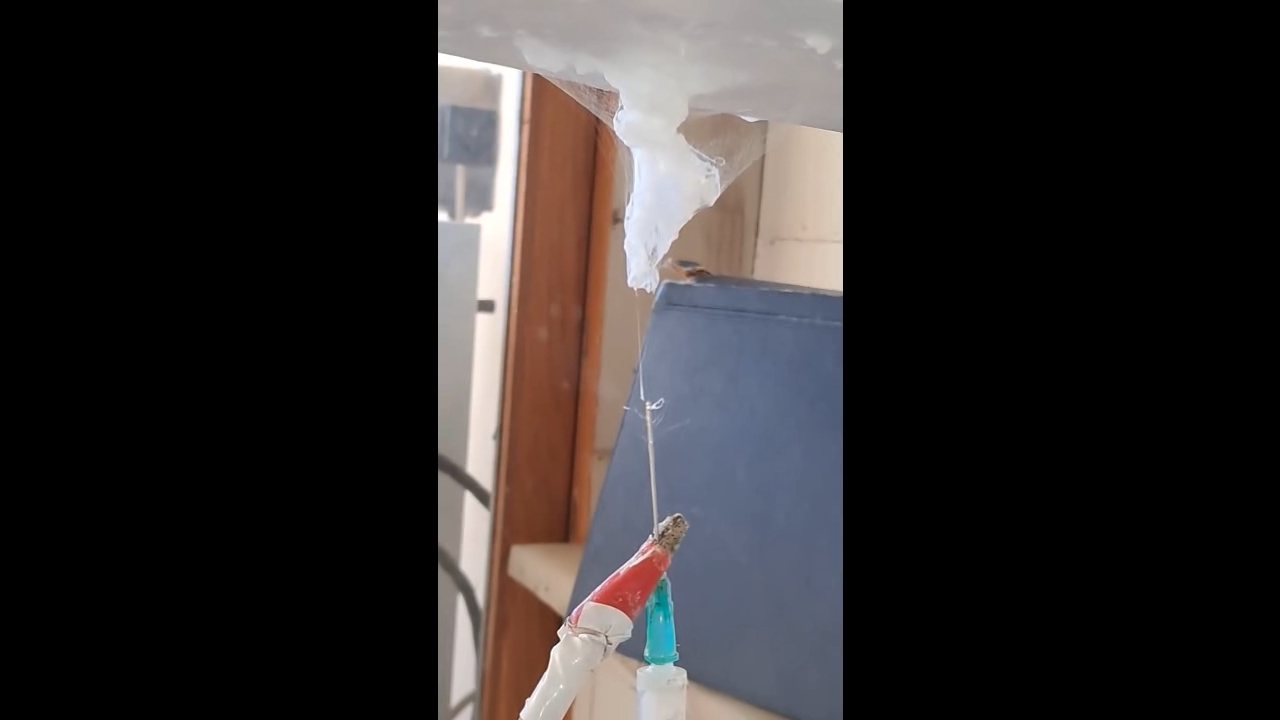
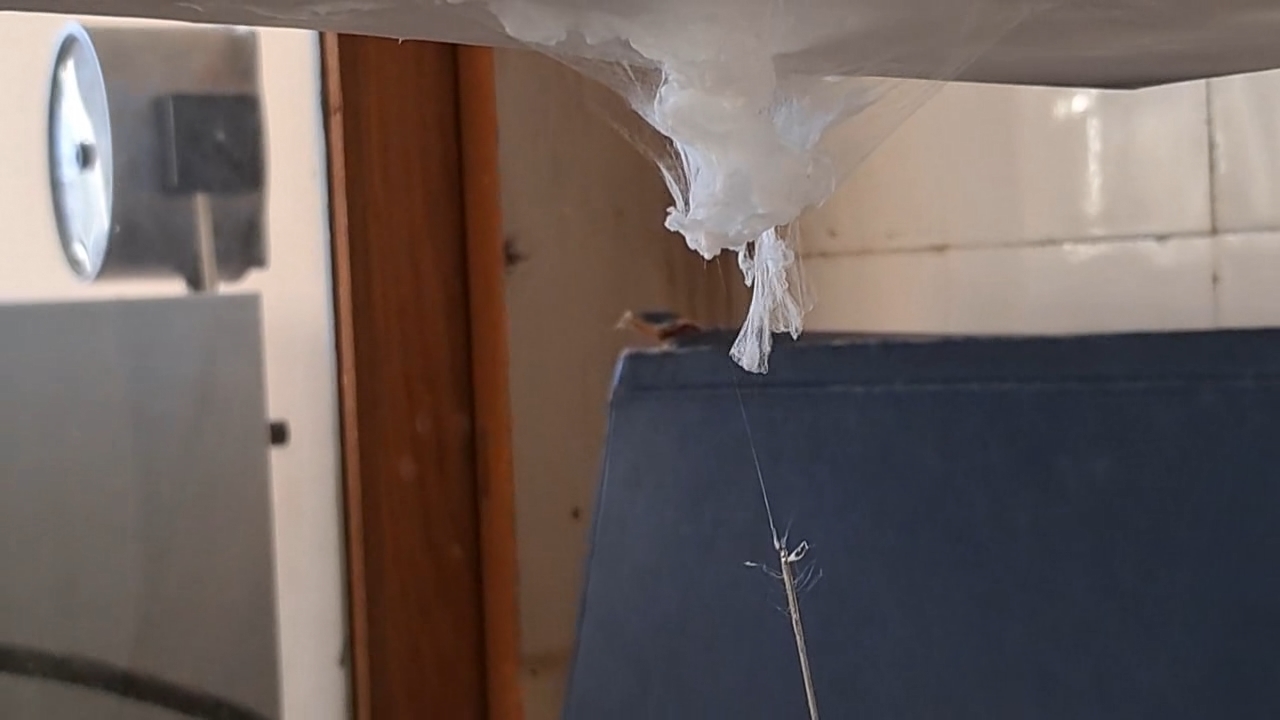
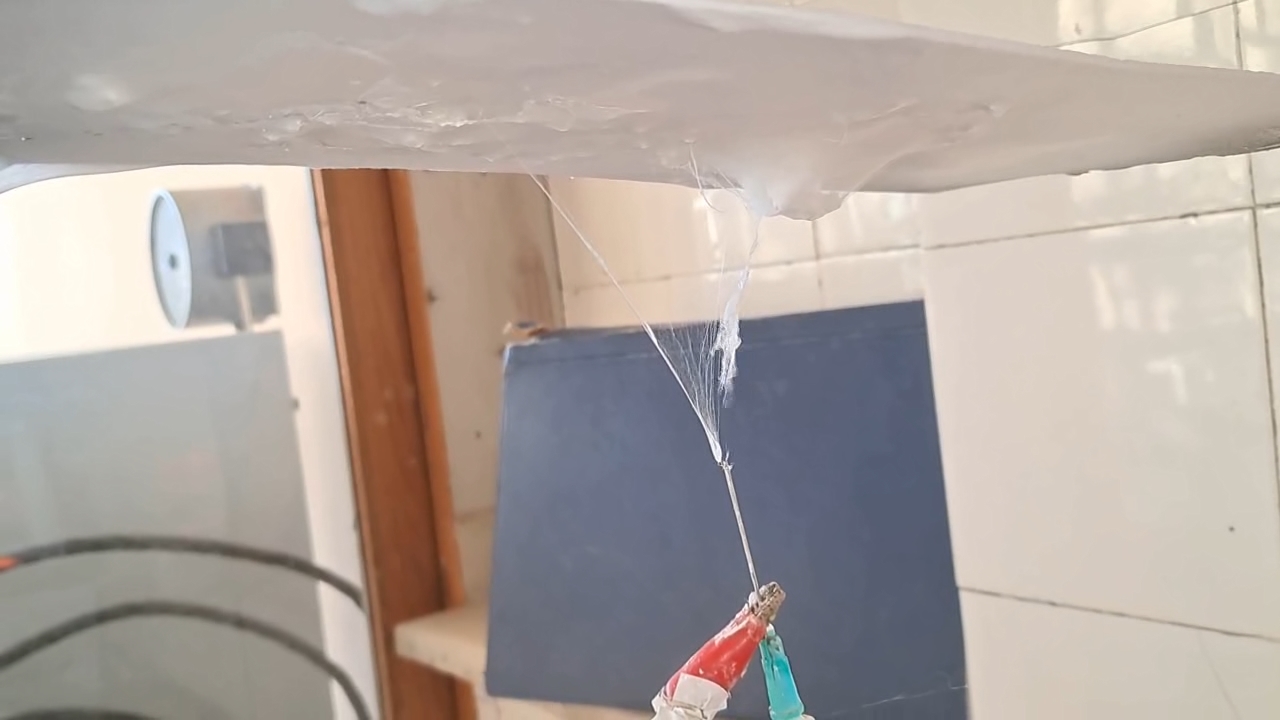
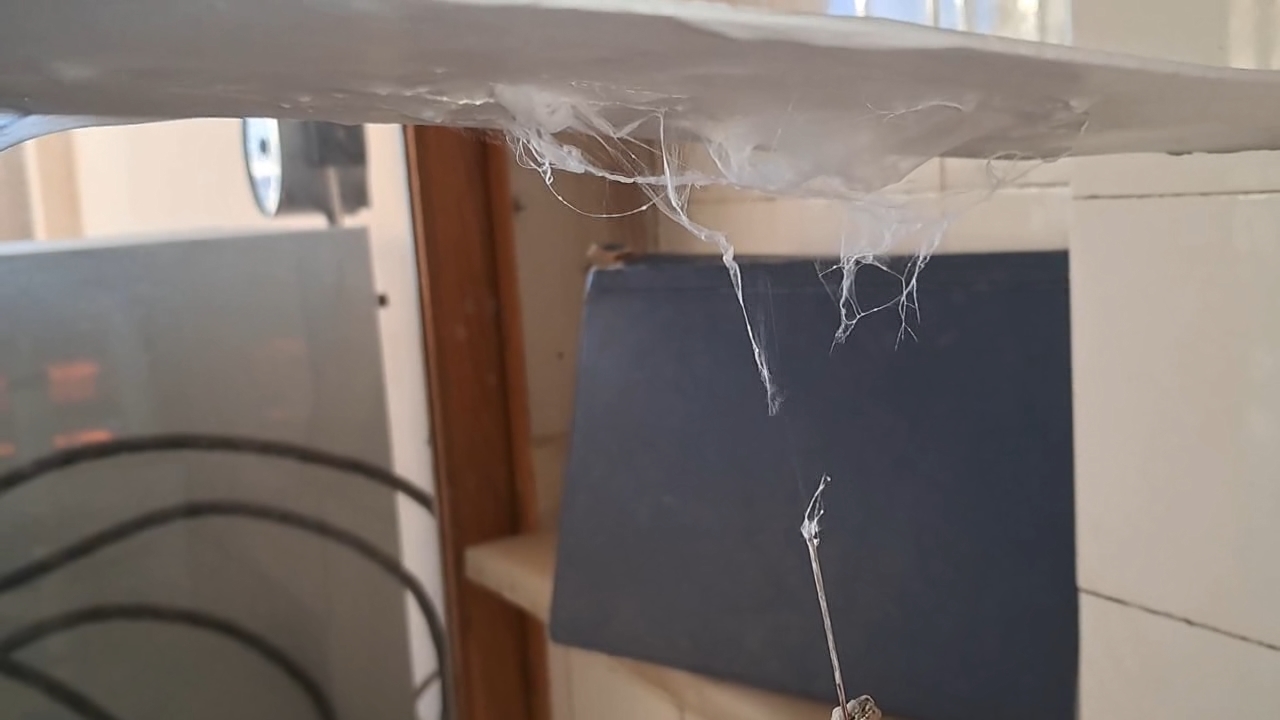
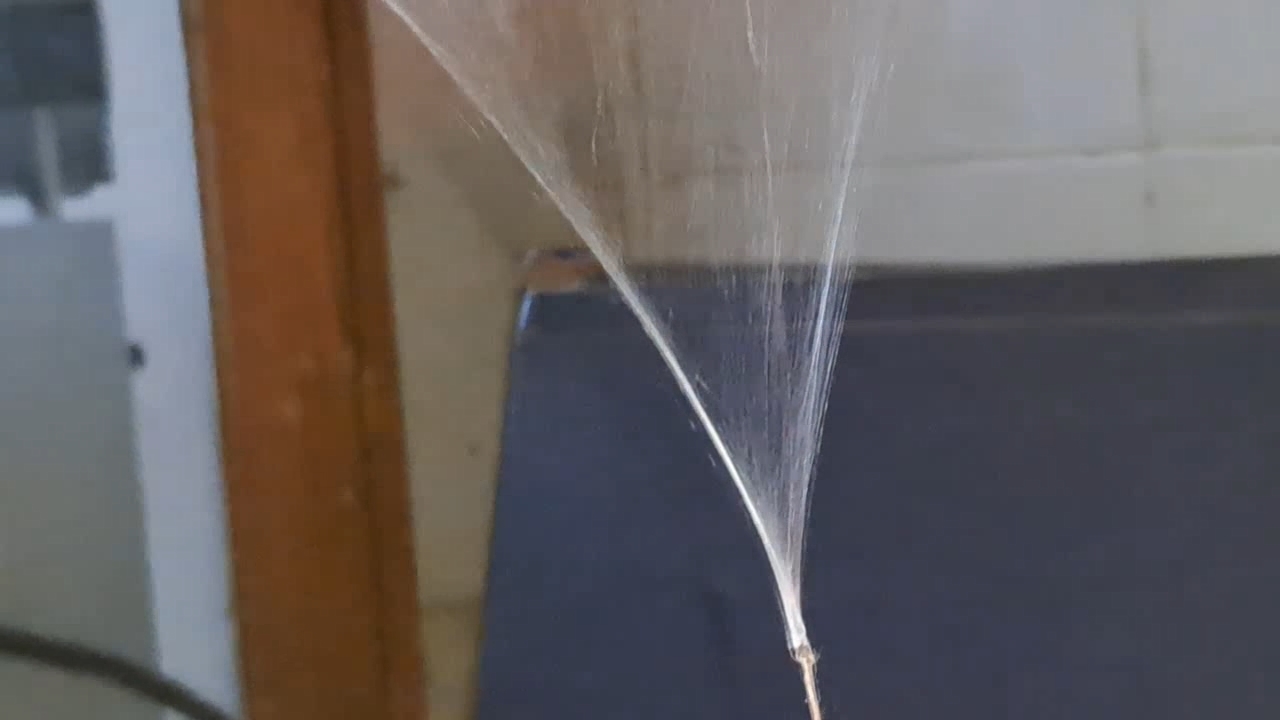
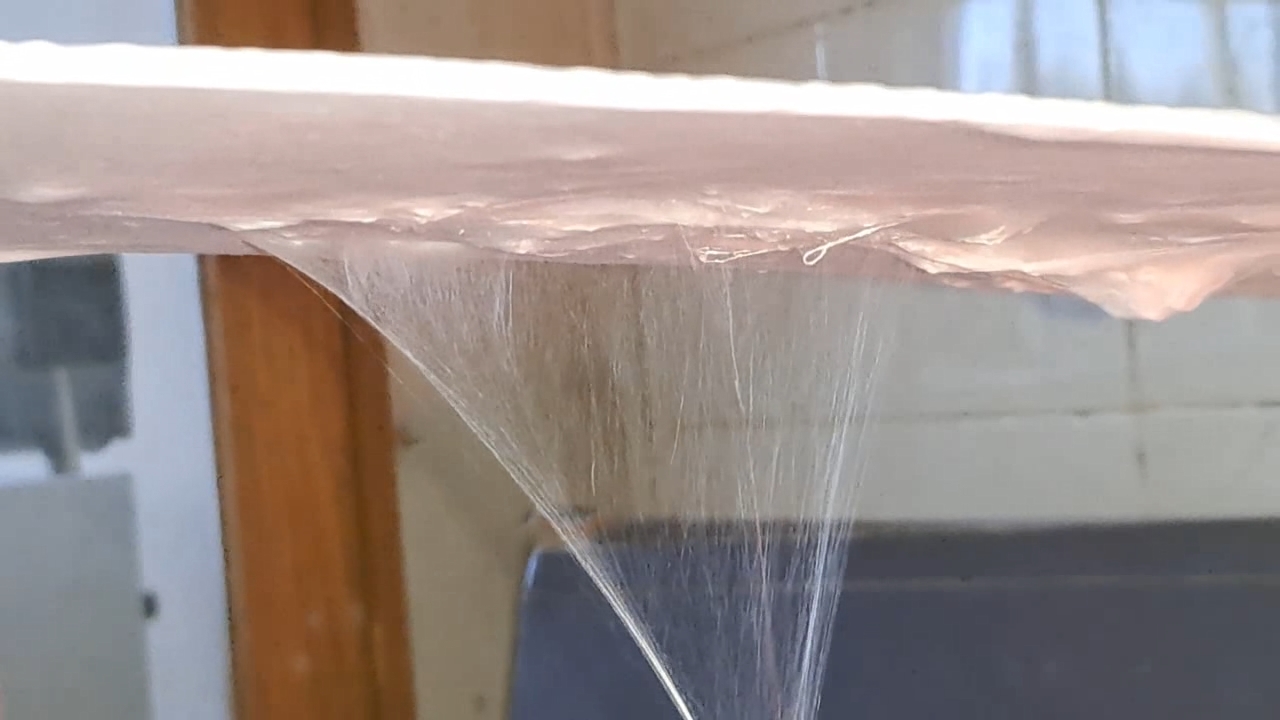
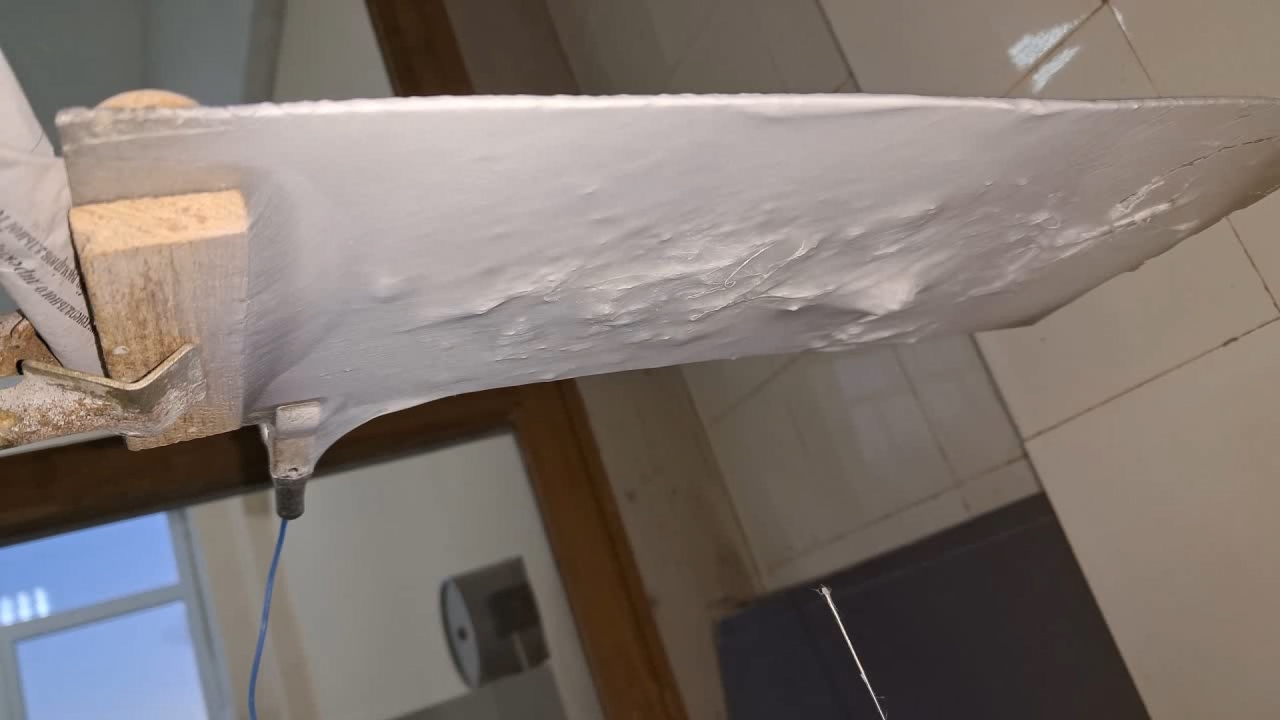
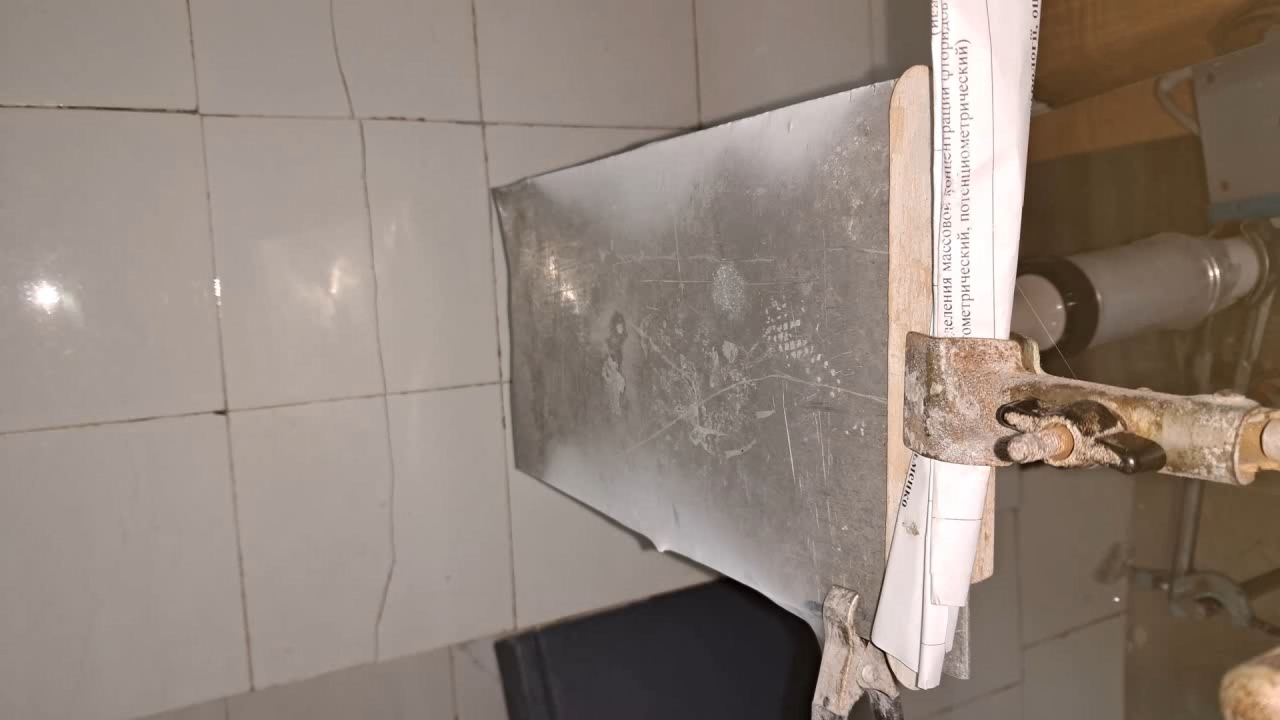
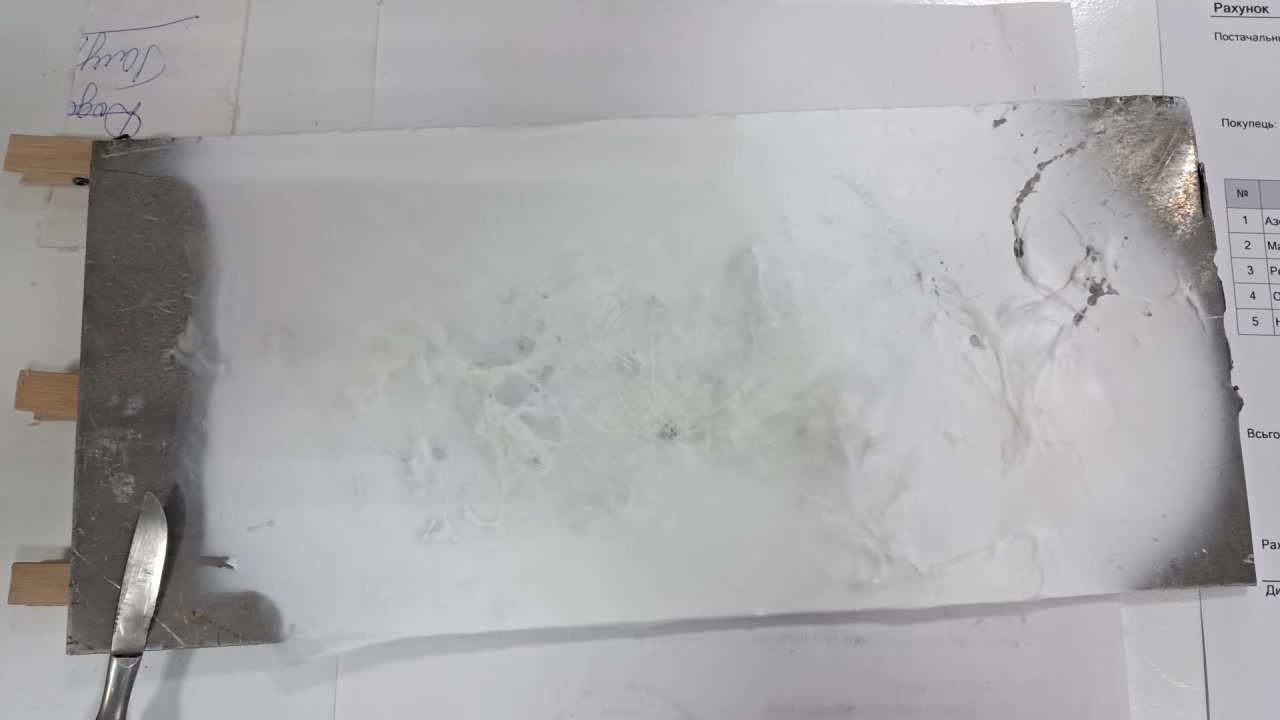
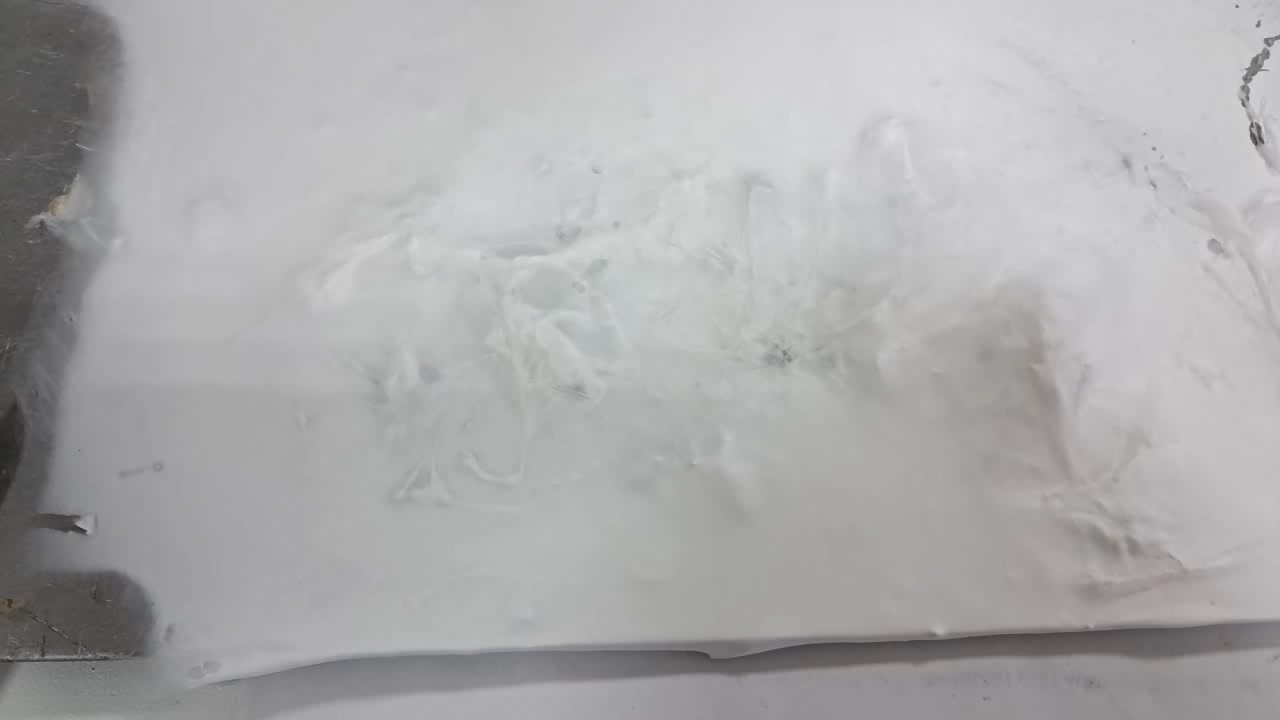
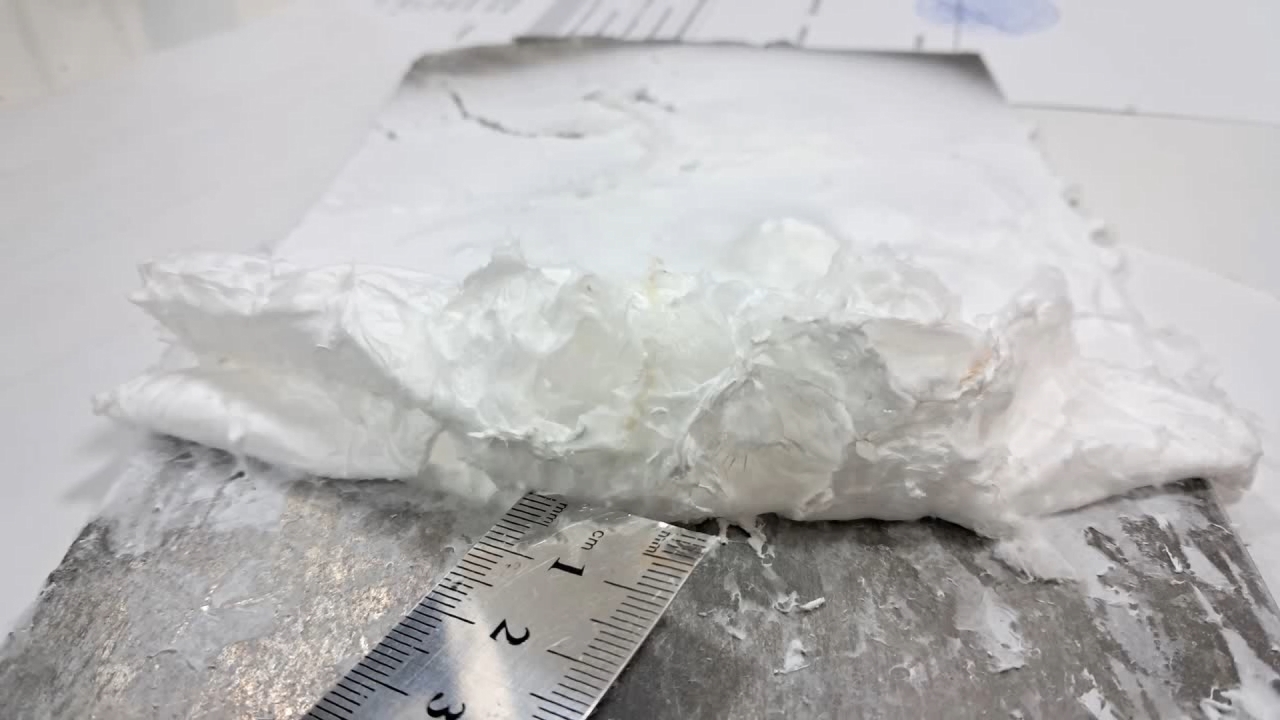
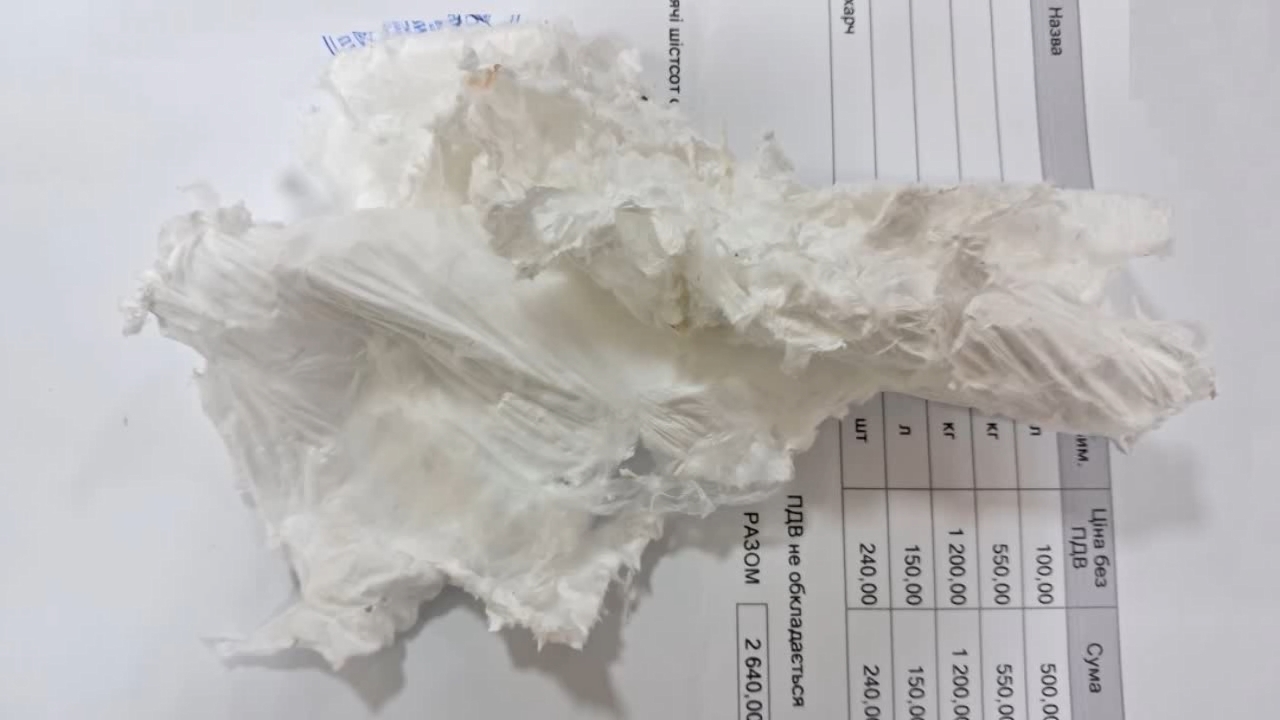
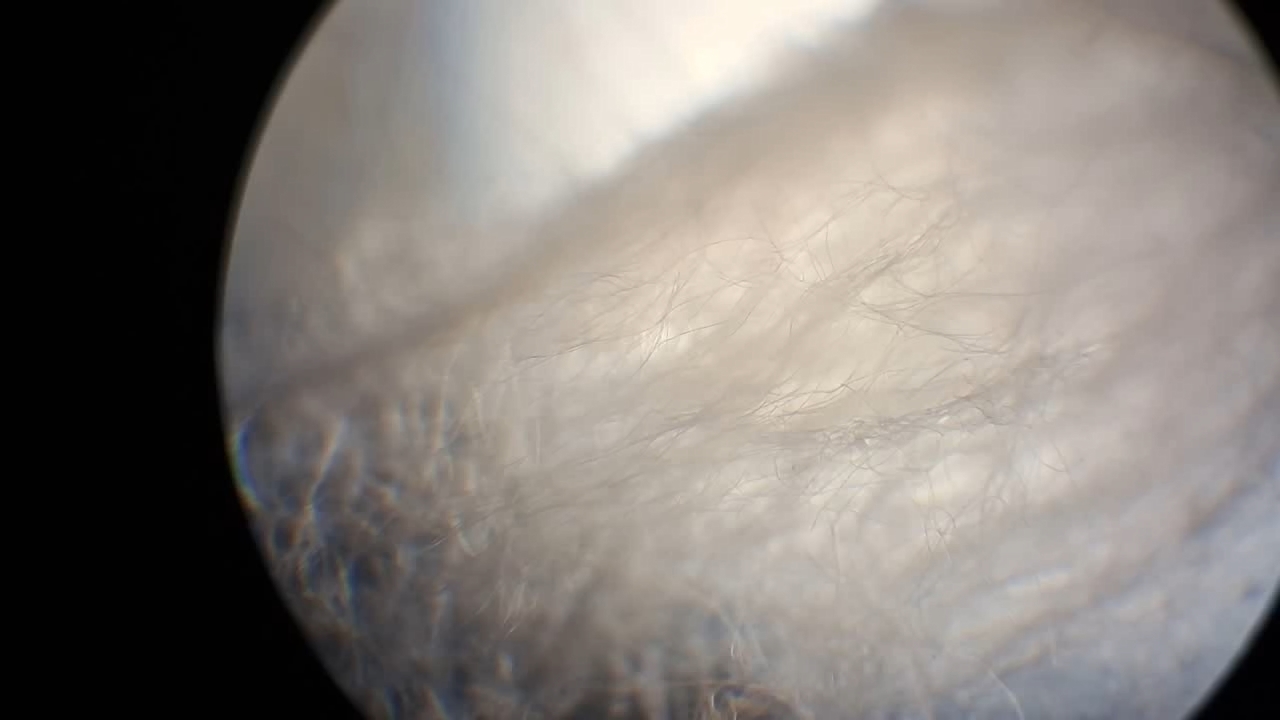
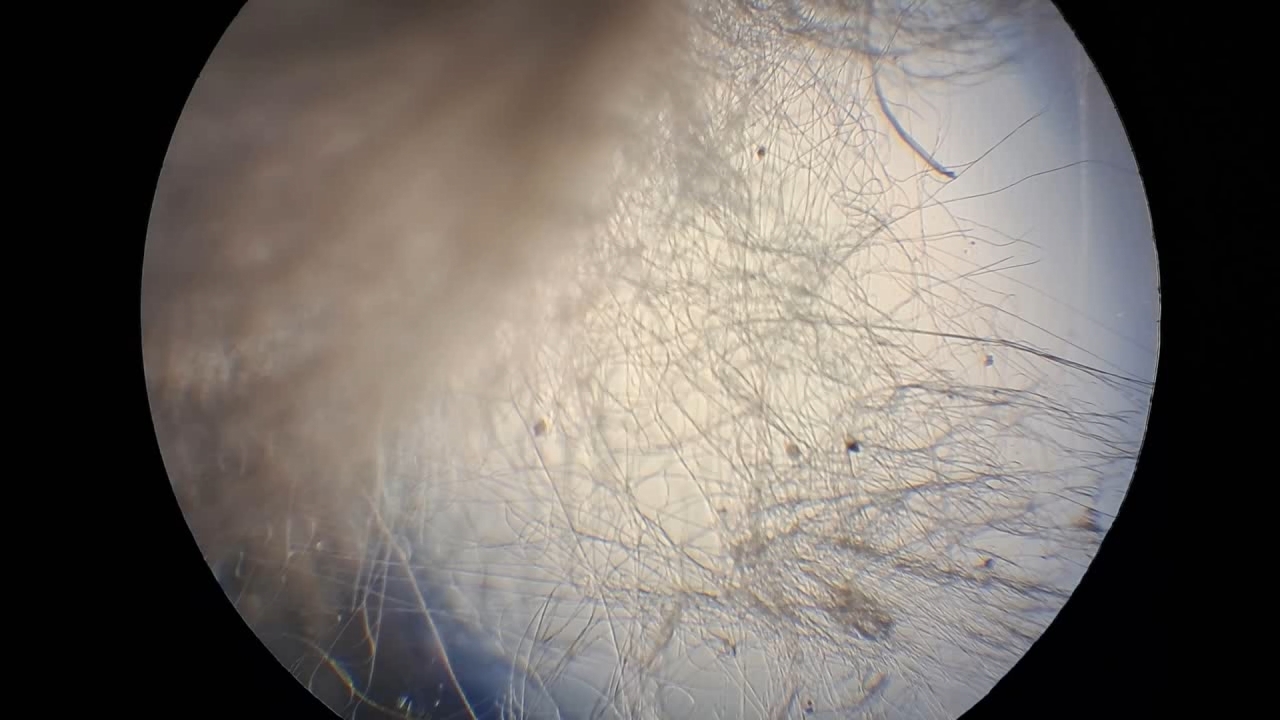
С Новым Годом! Электроспиннинг: раствор полистирола в диметилформамиде - Часть 25 I started the setup and focused my attention on the needle. Almost immediately, faint cone-shaped streams emanating from the tip became visible. These could have been microscopic polystyrene fibers or an aerosol of the solution. As numerous videos available online show, this is what a normal electrospinning process often looks like. However, during earlier experiments with a PVDF solution in DMF, I had observed a similar cone without obtaining any fibers. I looked at the collector: a thin, discontinuous deposit of polystyrene had formed. Visually, it was impossible to determine whether this deposit consisted of fibers or aerosol particles. In previous experiments, the formation of a fibrous layer had required a considerable amount of time, so I continued observing the process to see if fibers were forming. However, no… At the edge of the collector, I noticed a white clump resembling cotton wool. This "cotton wool" was unmistakably fibrous. At first, I assumed it was a remnant of electrospun polystyrene from earlier experiments that had remained on the electrode. I removed it - but a few seconds later, another, even larger clump of "cotton wool" appeared in exactly the same place. What I observed next is difficult to describe. I have never tried LSD, psilocybin, or similar substances, but I imagine that people who have used them might experience something comparable. I witnessed an astonishing phenomenon: "cotton wool" forming seemingly out of thin air - or more precisely, forming in the air. Nearly invisible jets of solution solidified on their way to the collector, producing white polystyrene threads that intertwined into a cotton-like structure. Visually, it appeared as though "columns of cotton wool" were growing in midair. The upper ends of these columns adhered to the collector, while their lower parts extended downward toward the needle tip. The process also resembled the growth of thunderclouds, whose edges expand "before your very eyes" as new fragments form continuously. I had never seen anything like this before - neither in my own experiments nor in videos recorded by other researchers. I had set the solution feed rate relatively high, and the solvent had an excessively high boiling point. However, almost no signs of incomplete DMF evaporation were observed during electrospinning - this was no less surprising than the appearance of the "cotton wool columns" themselves. To an outside observer, the position of the syringe pump control knob might seem insignificant, but for me, the realization that the feed rate was high while solution splashing was minimal was profoundly striking. At certain moments, the cotton-like columns were drawn toward the collector and vanished, only for new ones to form elsewhere. Sometimes, the electrospinning process resembled miniature tornadoes rather than columns. At other times, the jets emerging from the needle produced neither columns nor tornadoes but instead deposited a continuous fibrous layer onto the collector. By this point, there was no doubt: these were genuine fibers. For the first time in my life, I was witnessing true electrospinning. As a result, the collector became coated with a white material that now resembled fabric rather than cotton wool. I separated it from the electrode surface using a metal ruler. Microscopic examination revealed that the material consisted of fibers with a relatively large diameter, comparable to electrospun polystyrene obtained from solutions in ethyl acetate. One possible explanation for this unexpected success is the relatively high electrical conductivity of dimethylformamide compared to many other organic solvents. Increased conductivity facilitates the formation of a stable Taylor cone and promotes fiber elongation as the jet travels toward the collector. I returned home exhausted but happy. To my surprise, there was electricity at home, despite a scheduled outage. That is how the first day of the New Year passed - full of unexpected and amazing events. |

Electrospinning: Solution of Polystyrene in Dimethylformamide |
|
|
|
|
|
|
|
|
|
|
|
|
|
|
|
|
|
|
|
|
|
|
|
|
|
|
|
|
|
|
|
|
|
|
|
|
|
|
|
|
|
|
|
|
|
|
|
|
|
|
|
|
|
|
|
|
|
|
|
