Content Chemistry experiments - video Physics experiments - video Home Page - Chemistry and Chemists

Chemistry and Chemists № 1 2026

Journal of Chemists-Enthusiasts
Donate to the journal Chemistry and ChemistsDonate to the journal Chemistry and Chemists


Electrospinning - pt.33, 34


Chemist


Having noticed a mistake in the text, allocate it and press Ctrl-Enter


There are many reasons why, during polymer electrospinning, an aerosol forms instead of fibers. One of them is insufficient solution viscosity. Solution viscosity typically increases with increasing polymer concentration. Therefore, I needed to prepare a PVC solution in THF or DMF at a higher concentration than in the previous experiment.

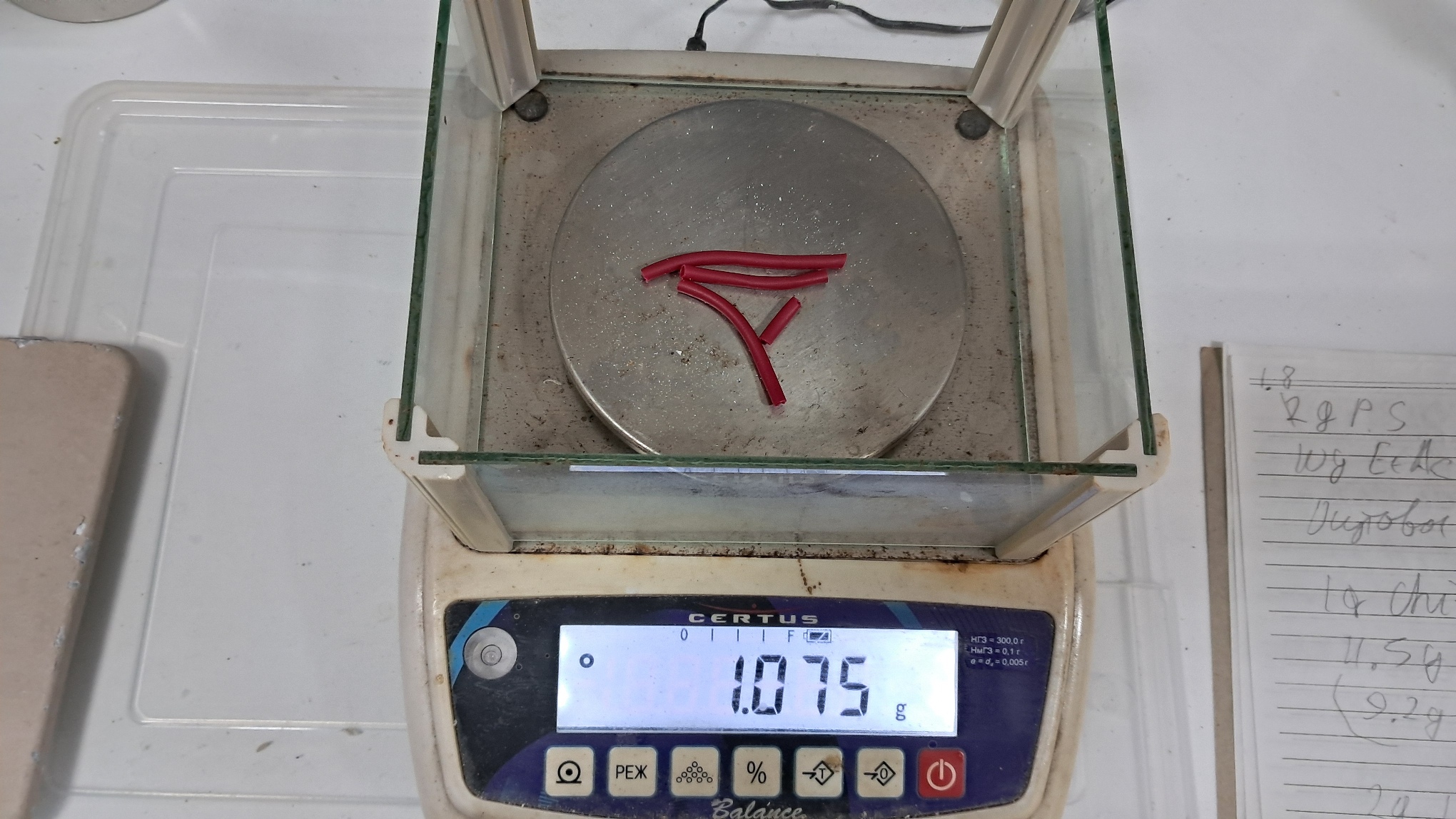
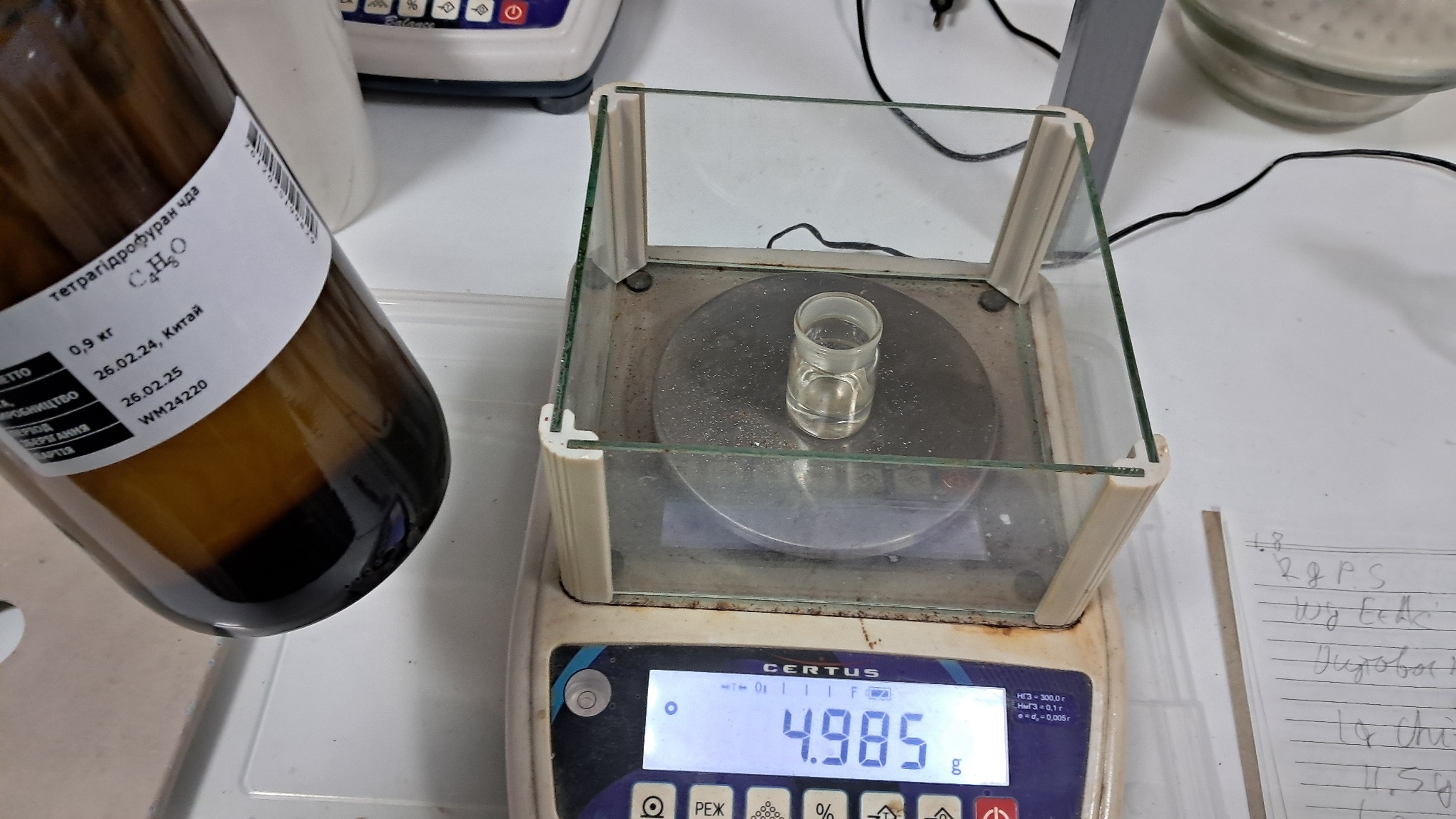
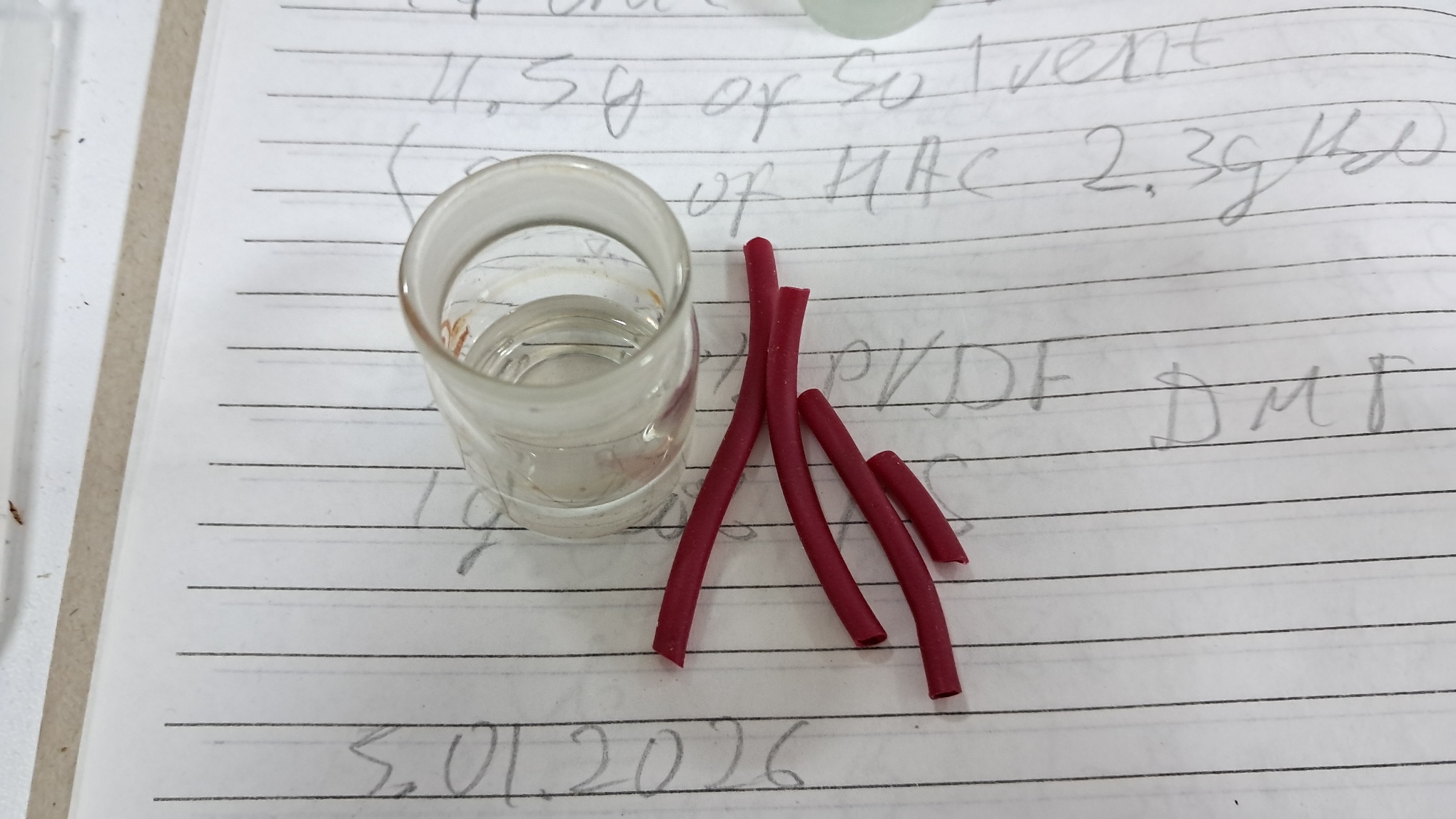
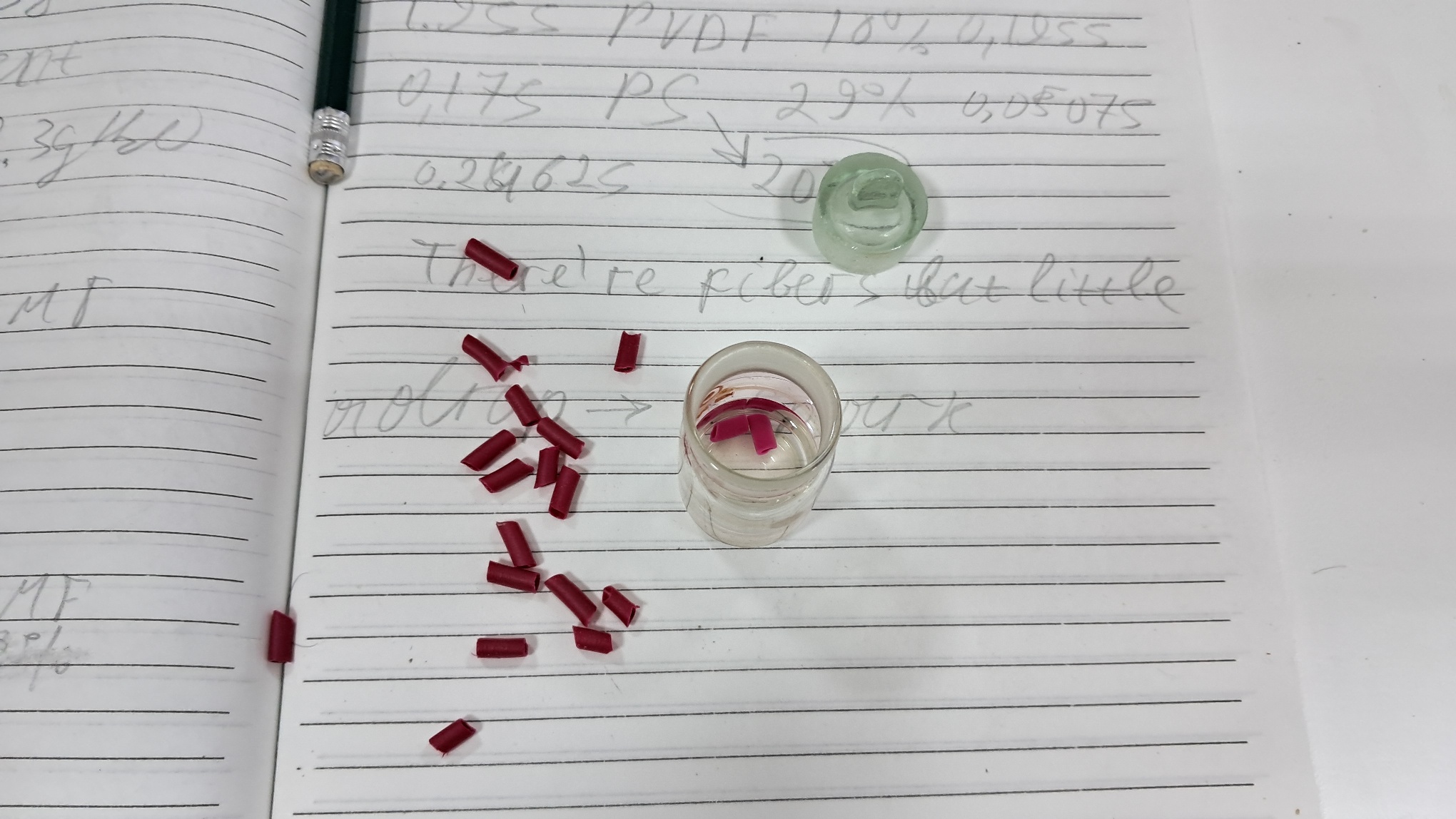
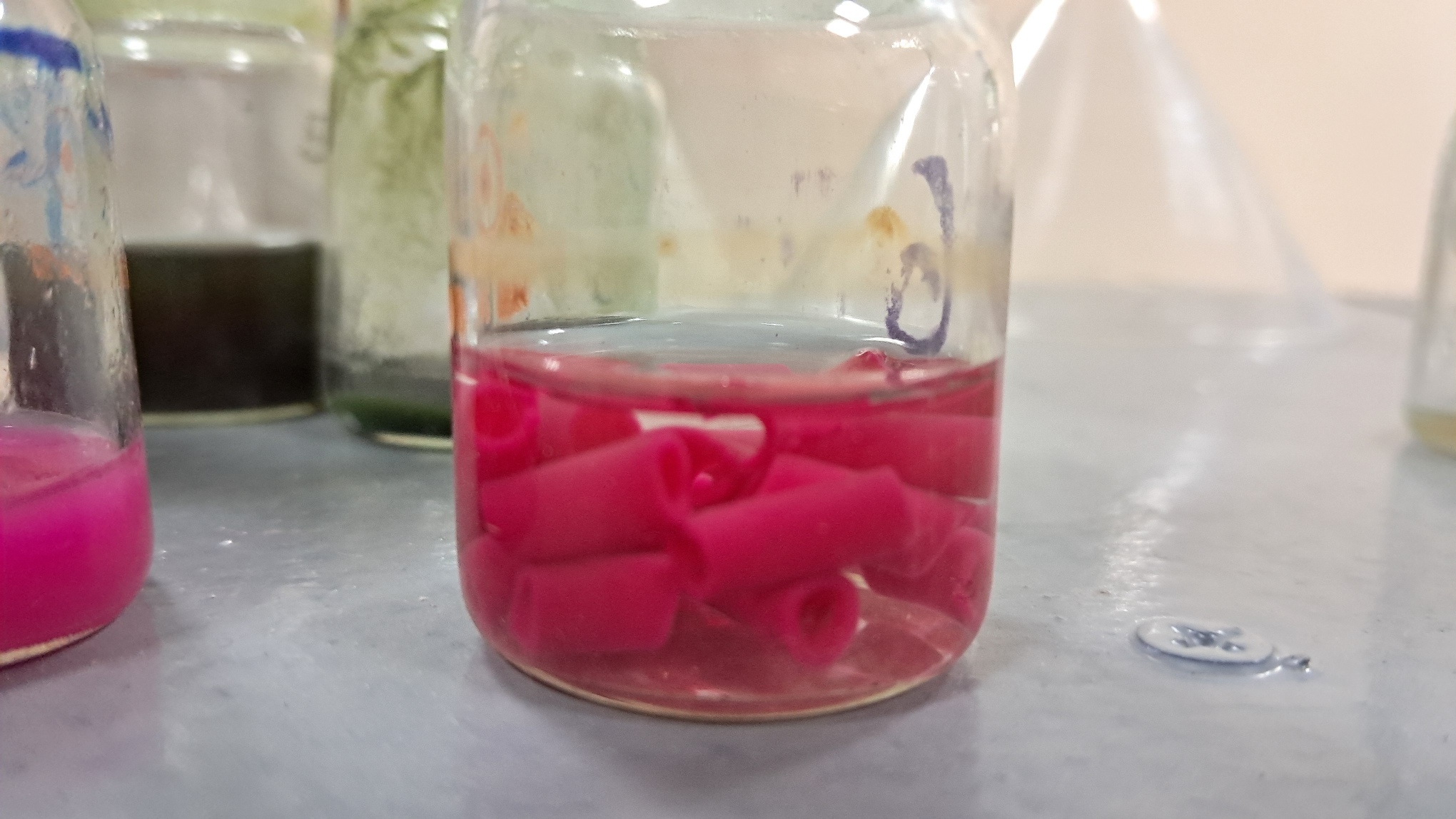
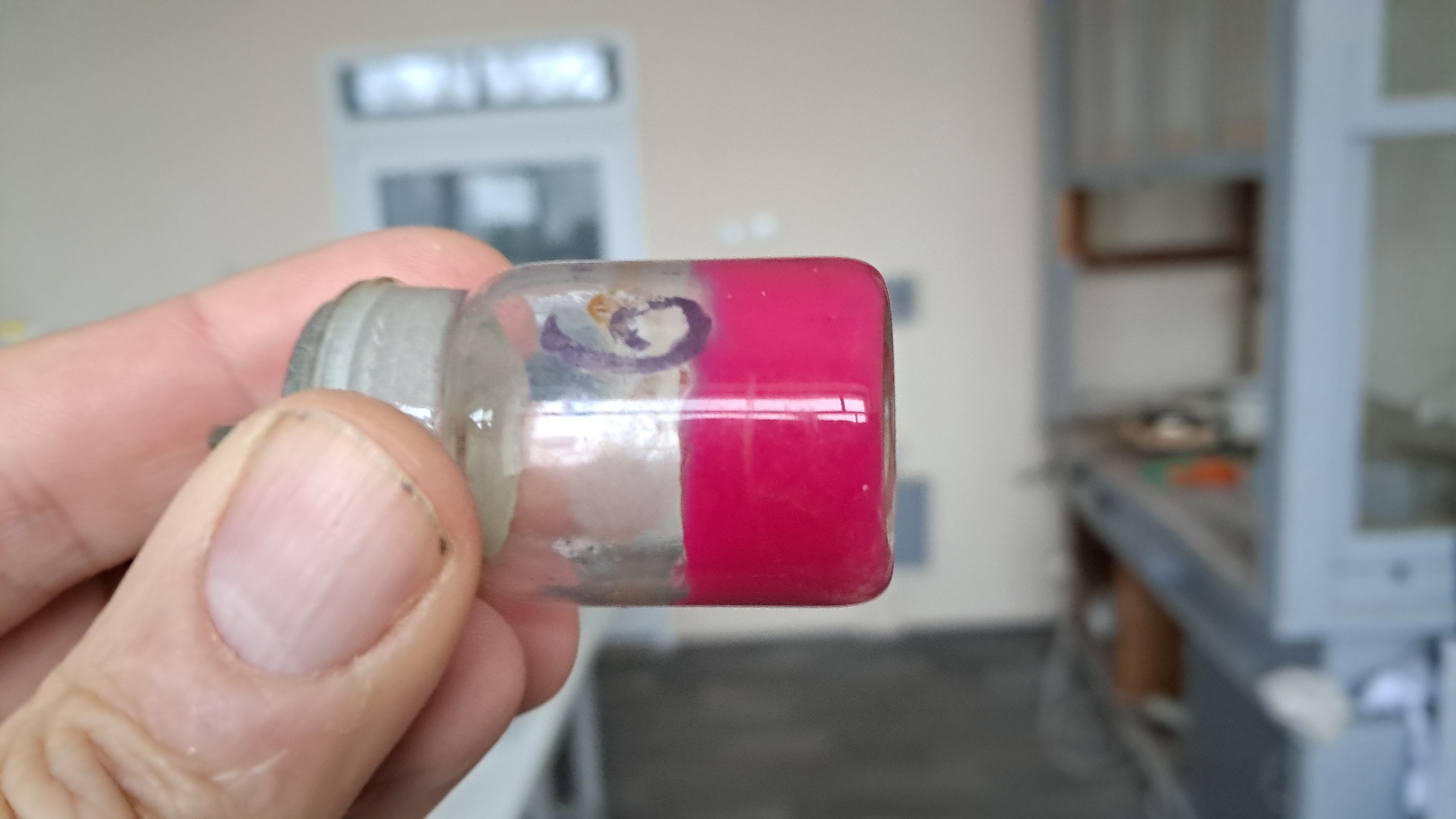
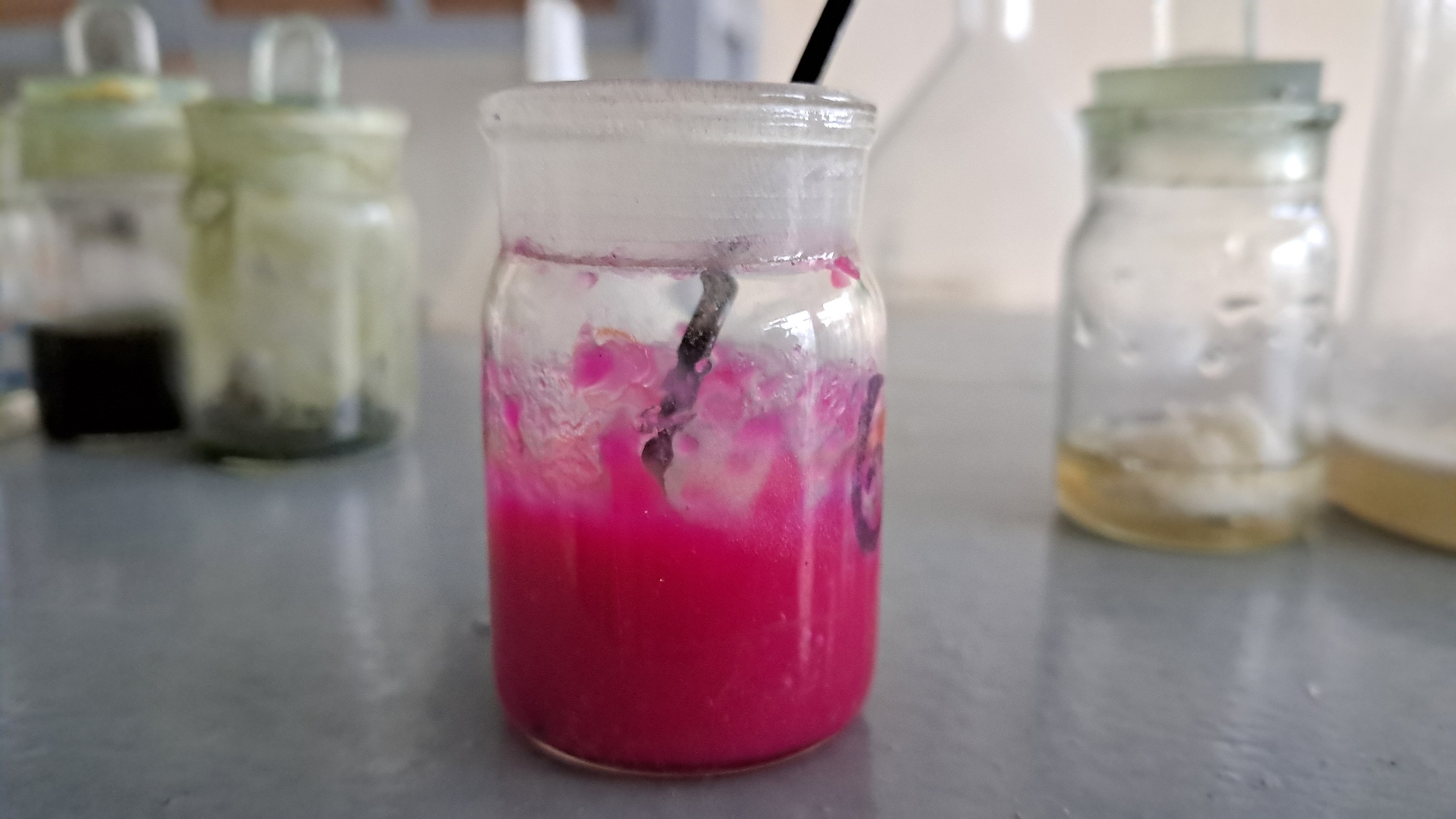
I weighed 4.985 g of THF and 1.075 g of PVC insulation, cut the insulation into pieces, and added them to the solvent. I stirred the mixture periodically. By the next day, a crimson, highly viscous liquid had formed in the bottle. An attempt at electrospinning yielded negative results. Not even an aerosol formed - the electrostatic forces could not overcome the surface tension of such a viscous solution.

I could have added a small amount of THF to reduce the viscosity. However, I decided to increase the chances of a positive result by mixing this solution with a 28.9% polystyrene solution in DMF. Since a solution of polystyrene in DMF or THF readily forms fibers during electrospinning, I assumed that its mixture with a PVC solution would also produce fibers.

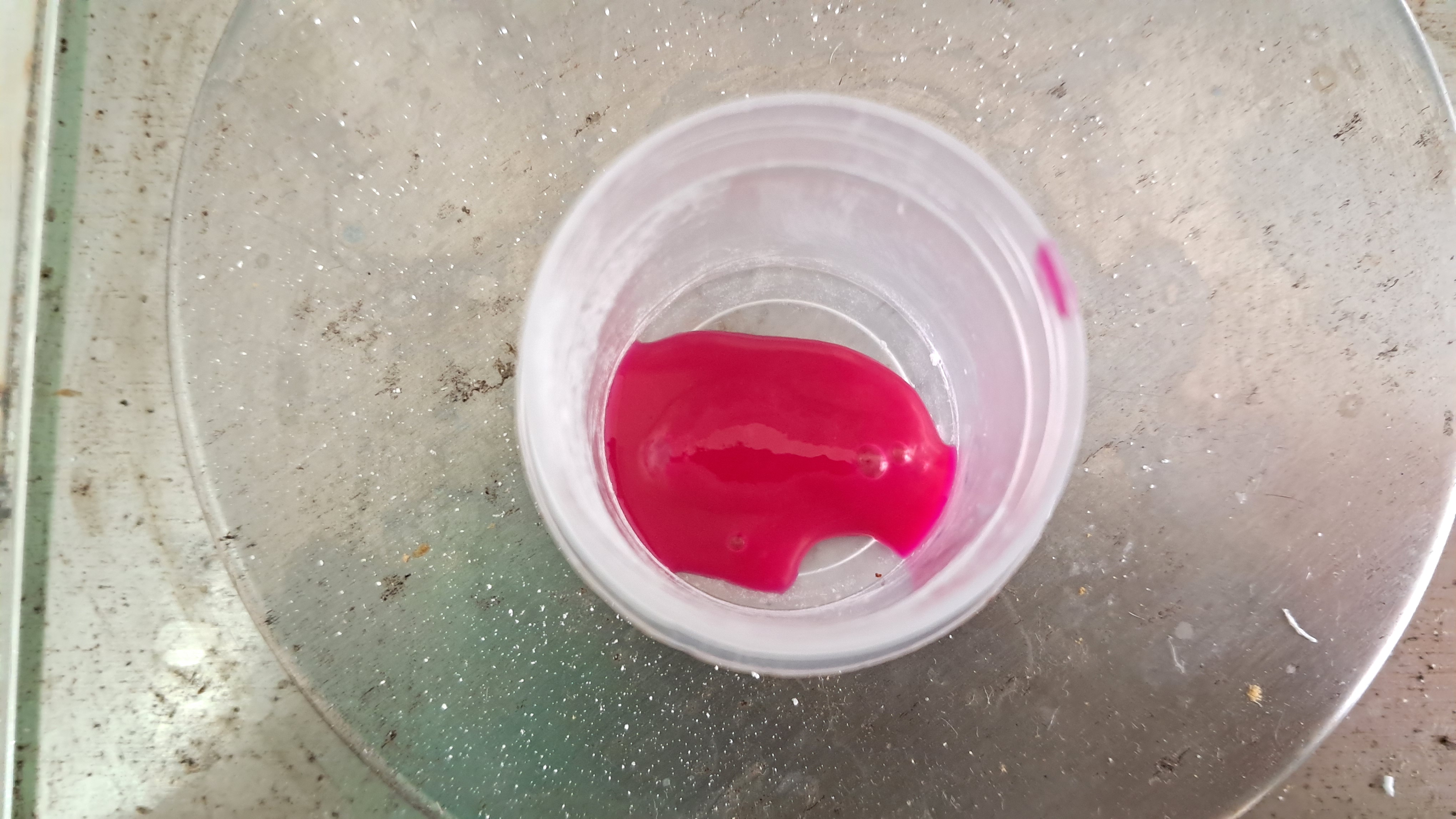
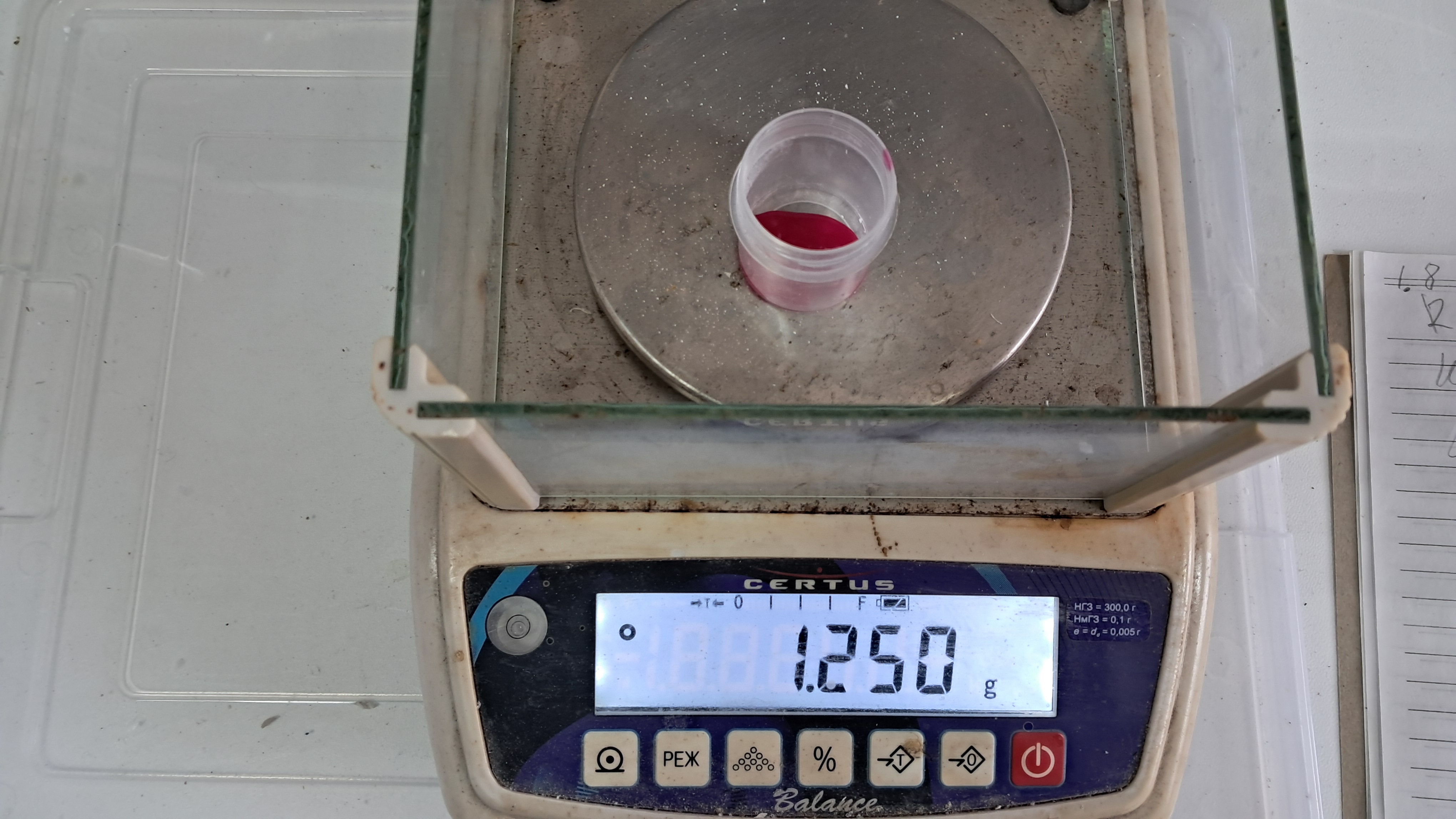
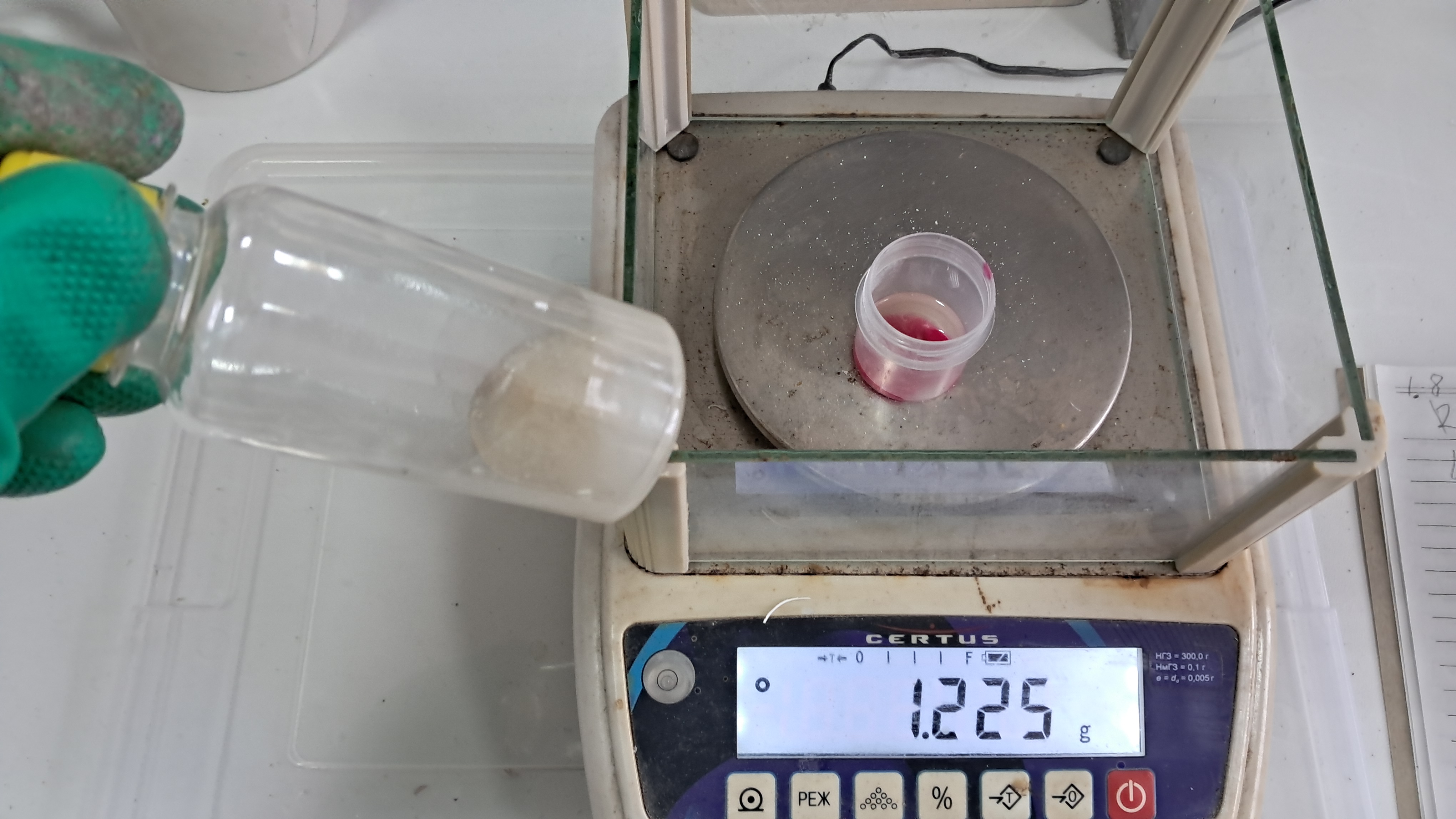
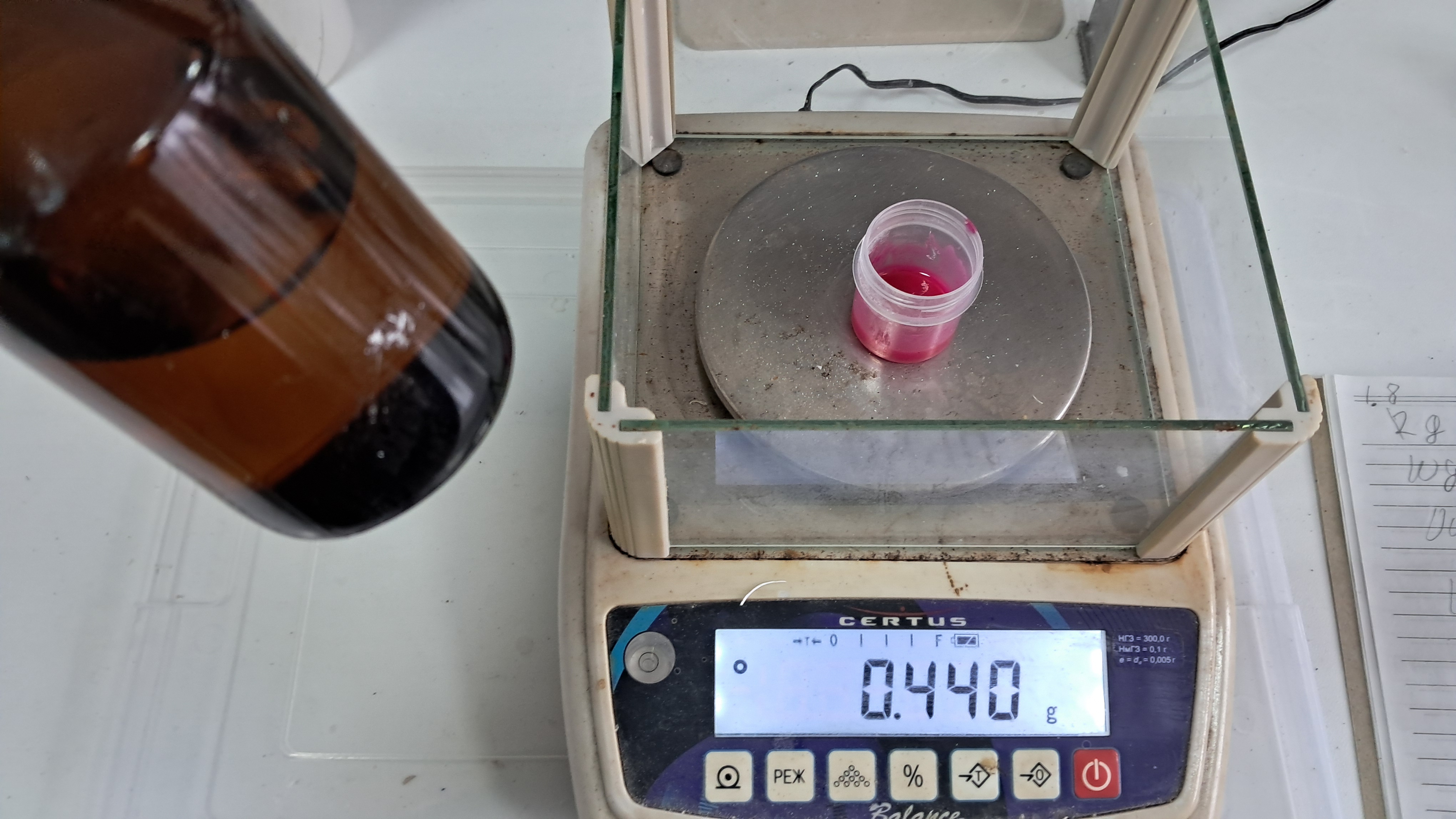
I mixed 1.250 g of the PVC solution with 1.225 g of the polystyrene solution. The mixture was highly viscous, so I added 0.440 g of DMF and stirred the components thoroughly.

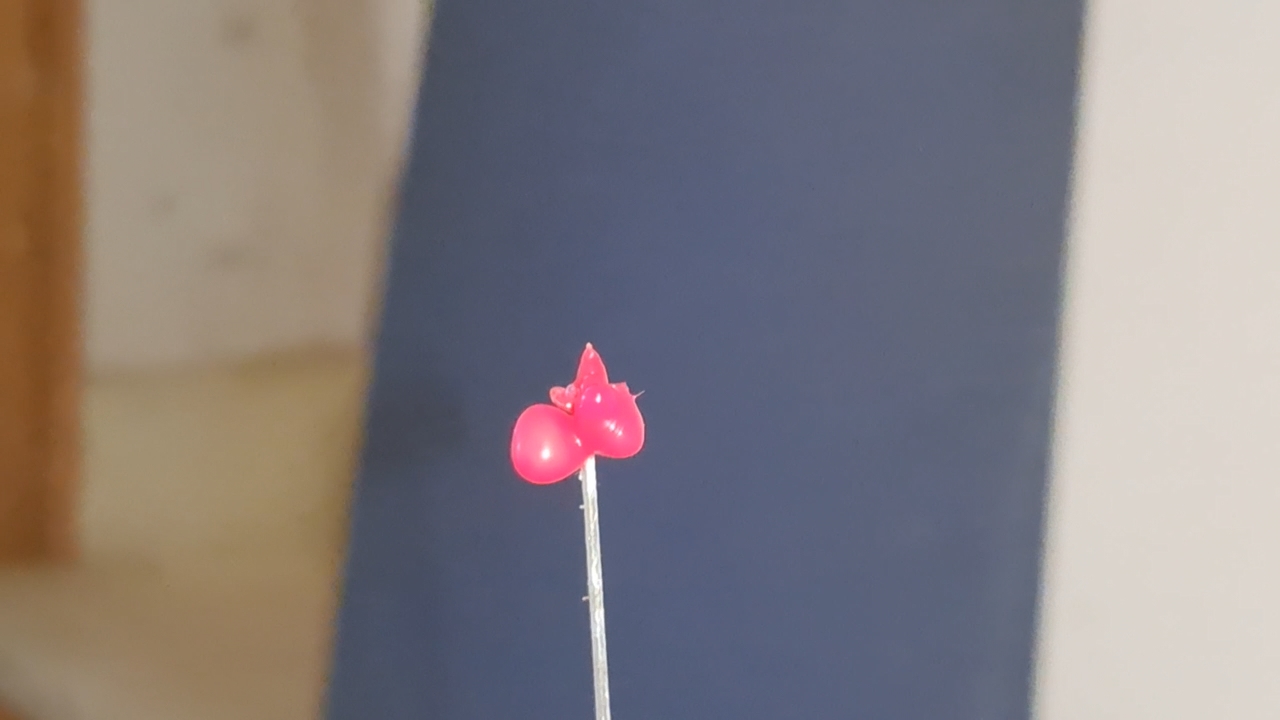
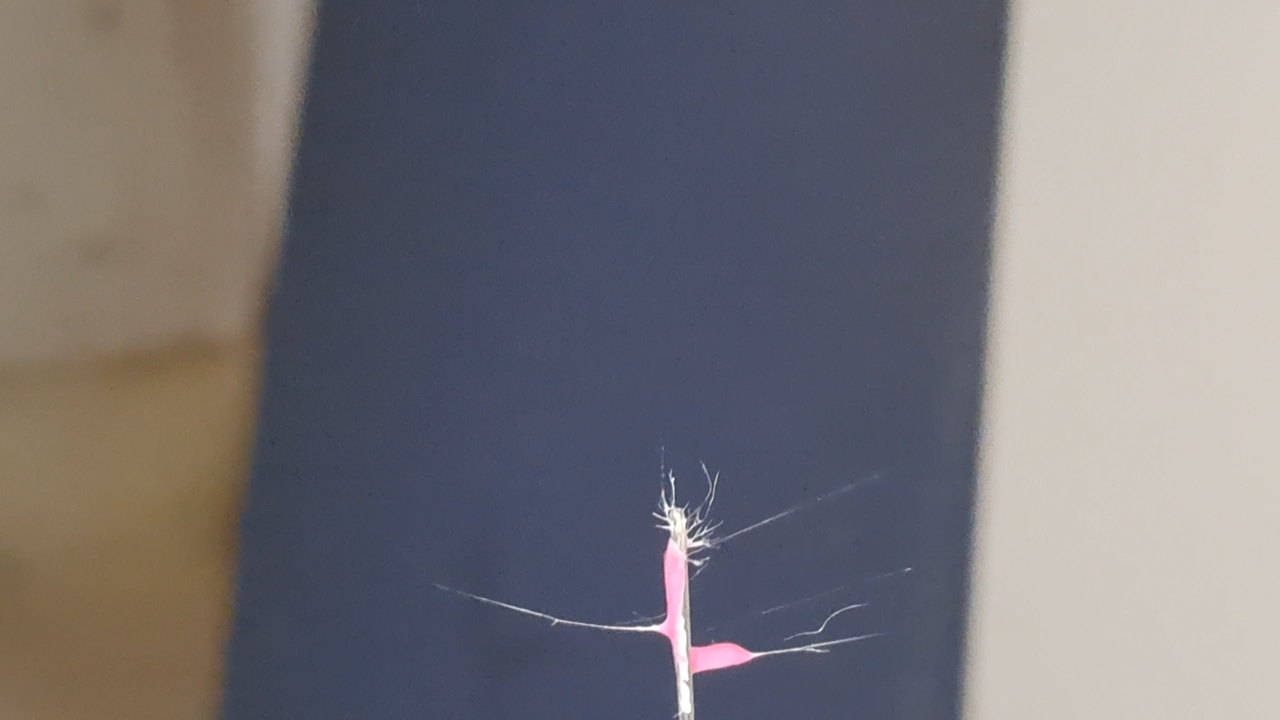
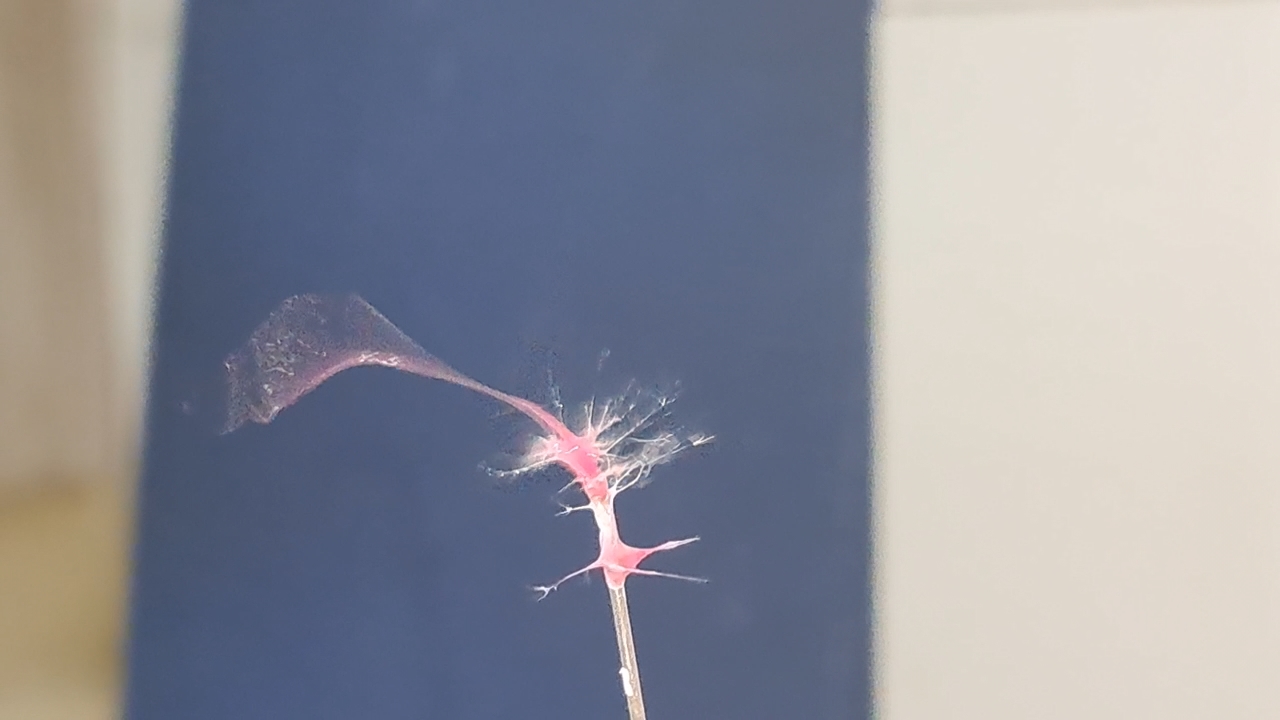
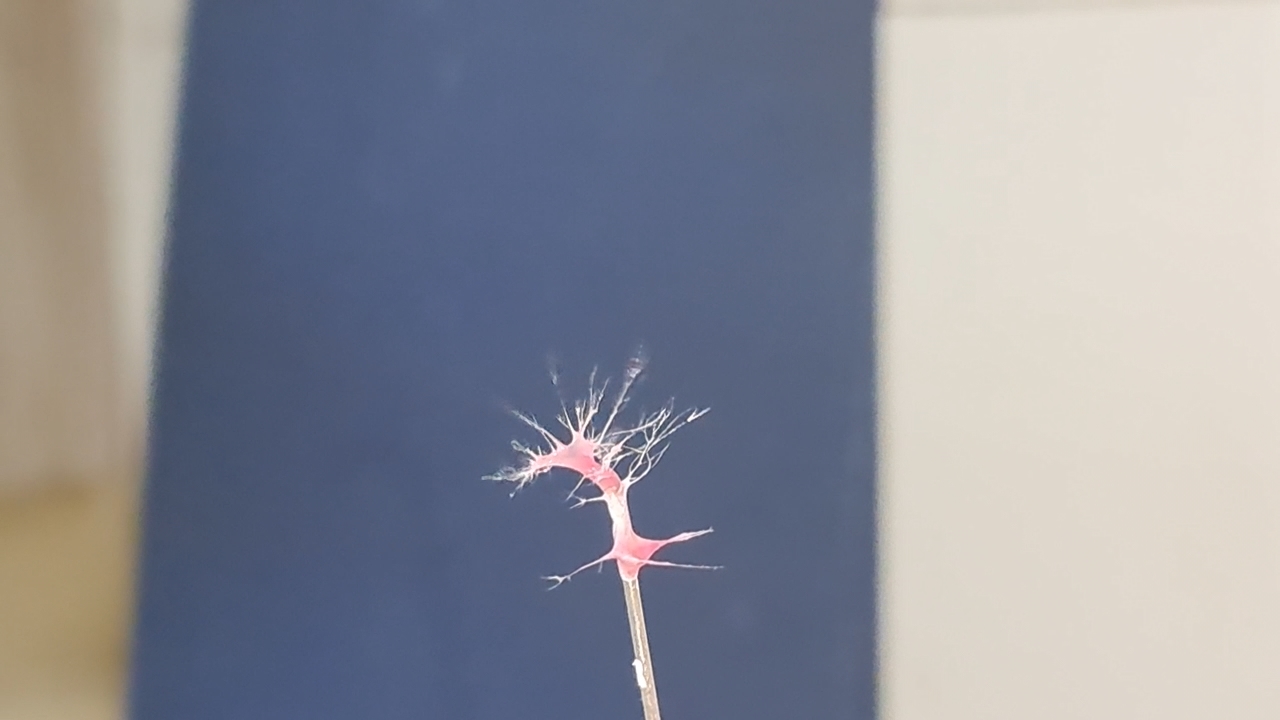
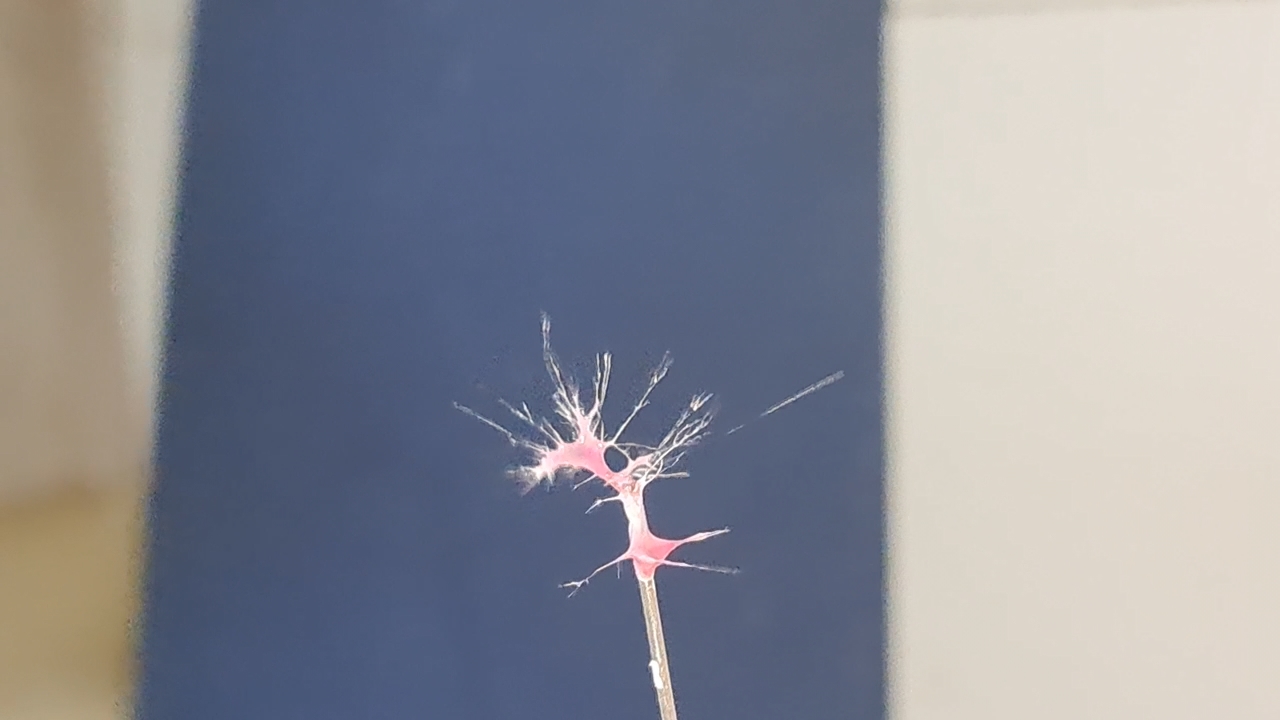
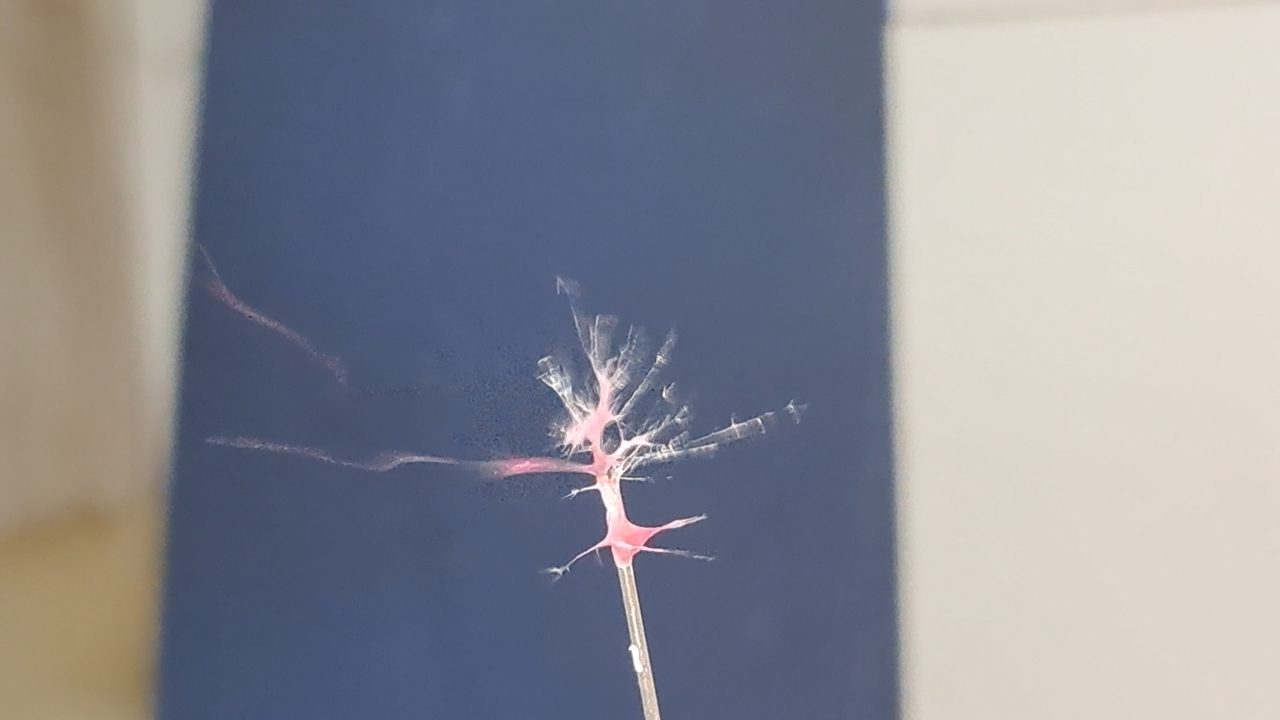
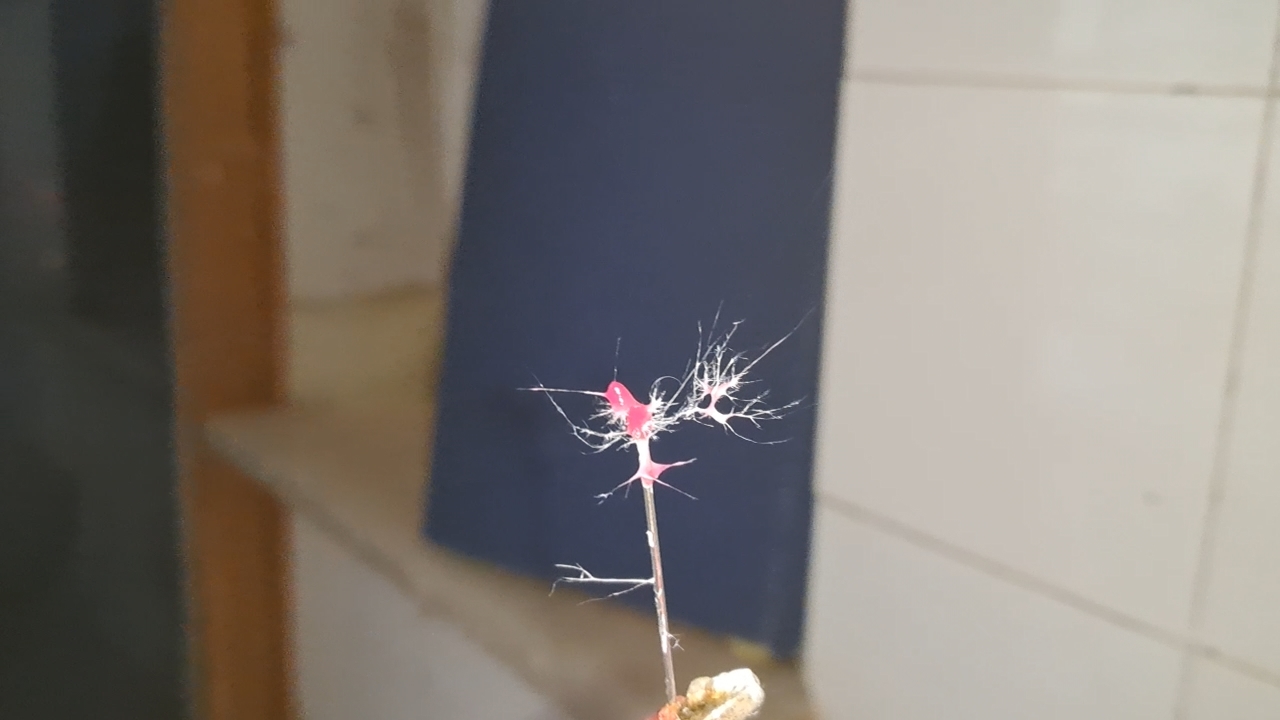
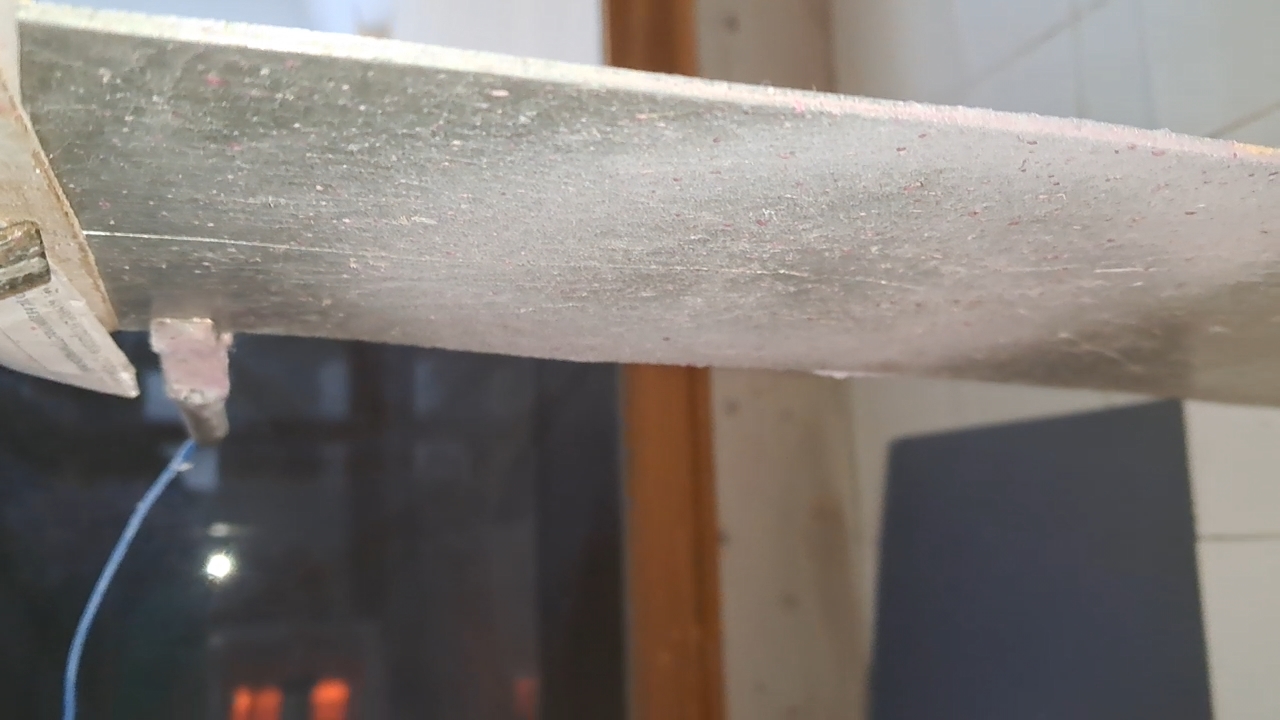
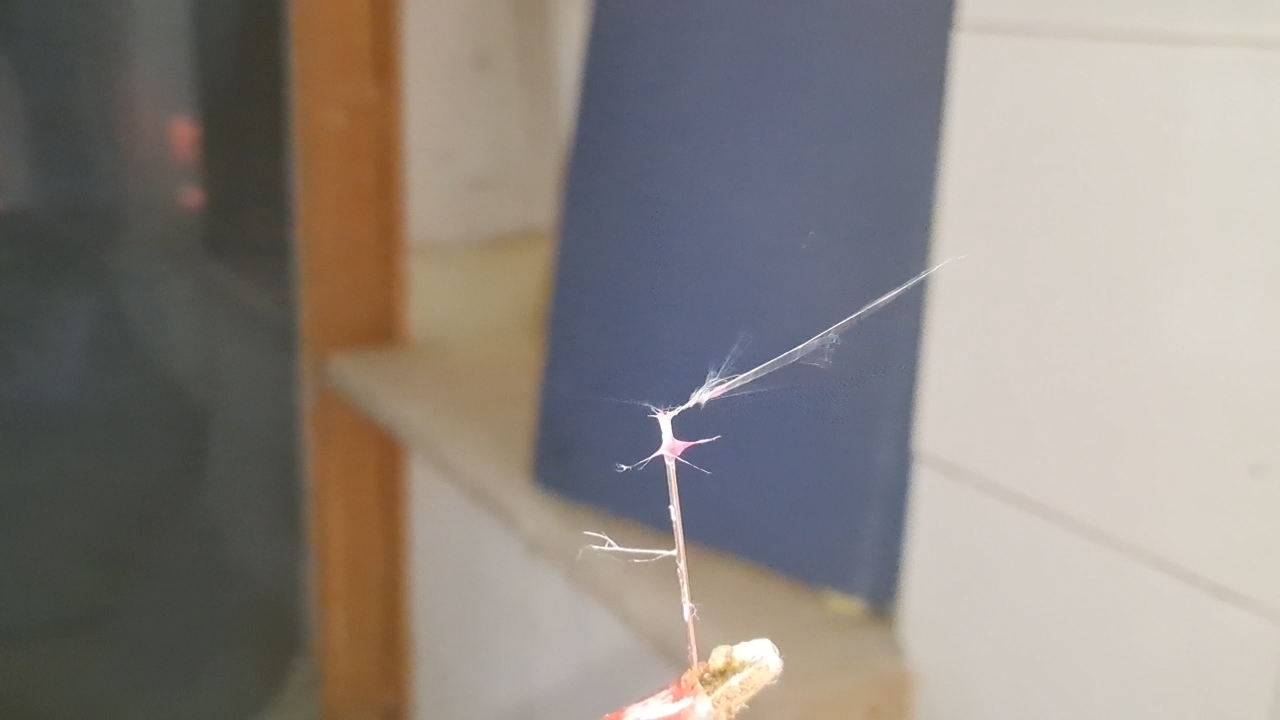
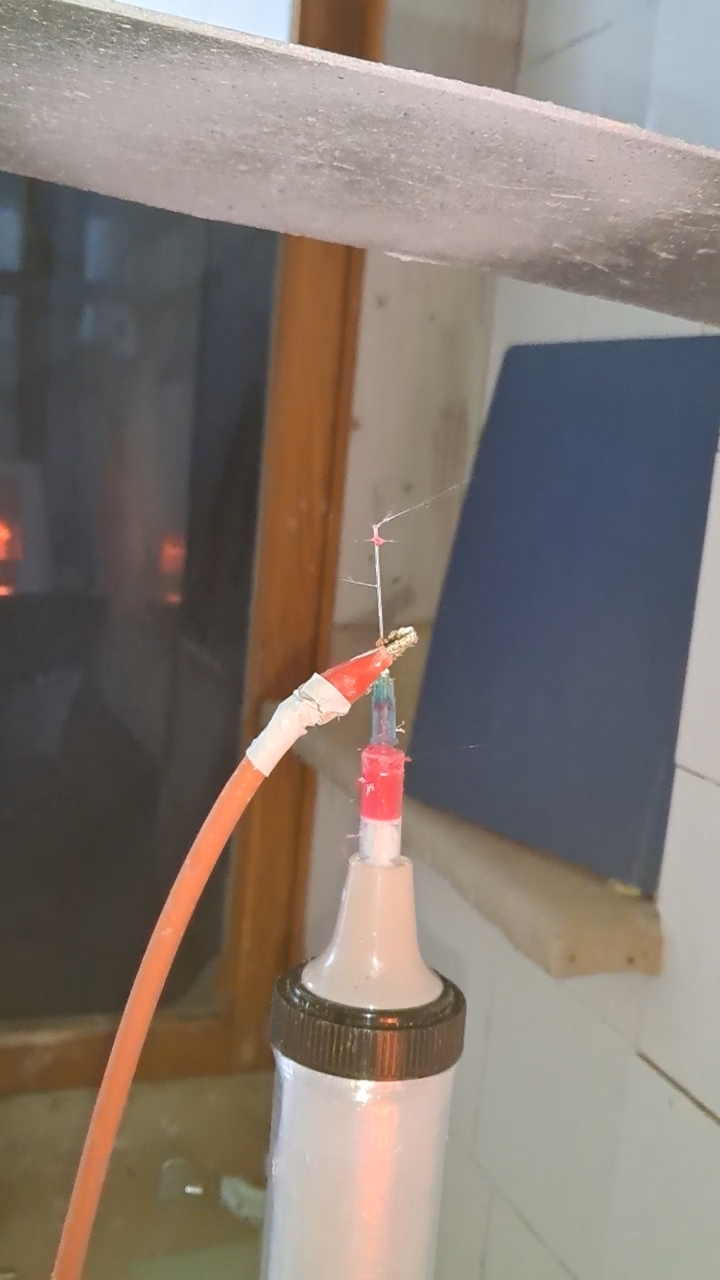
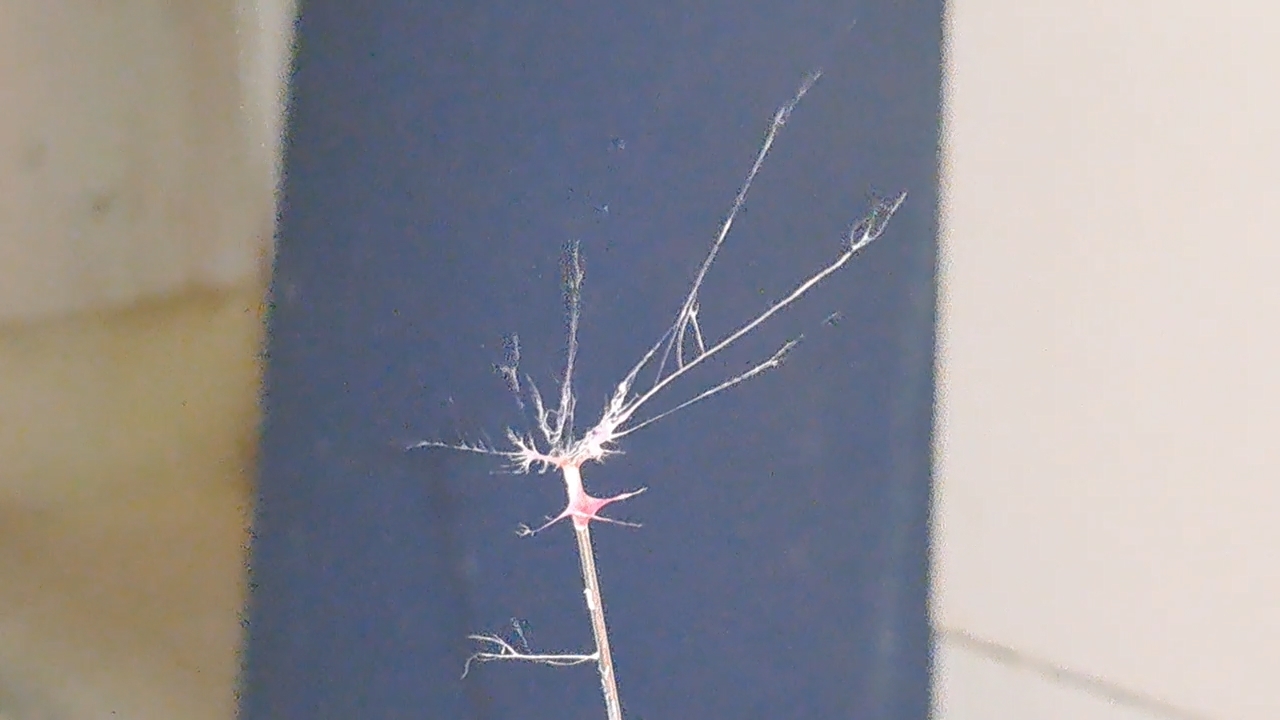
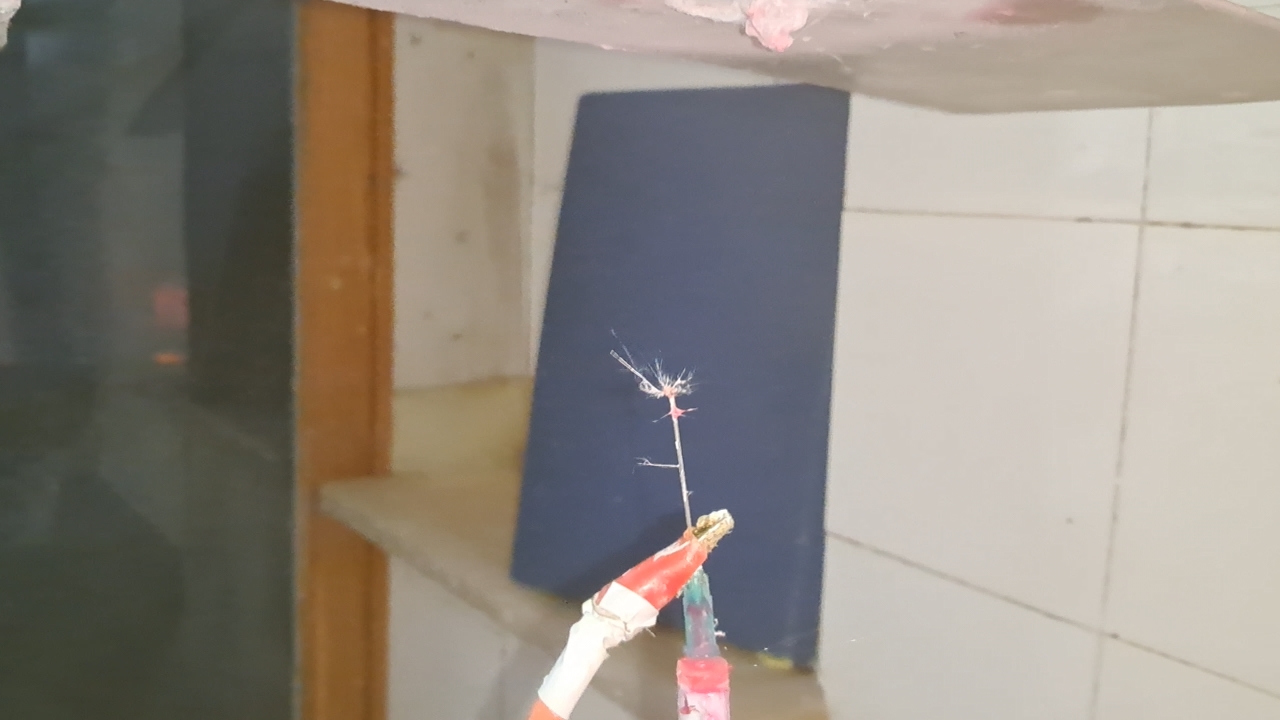
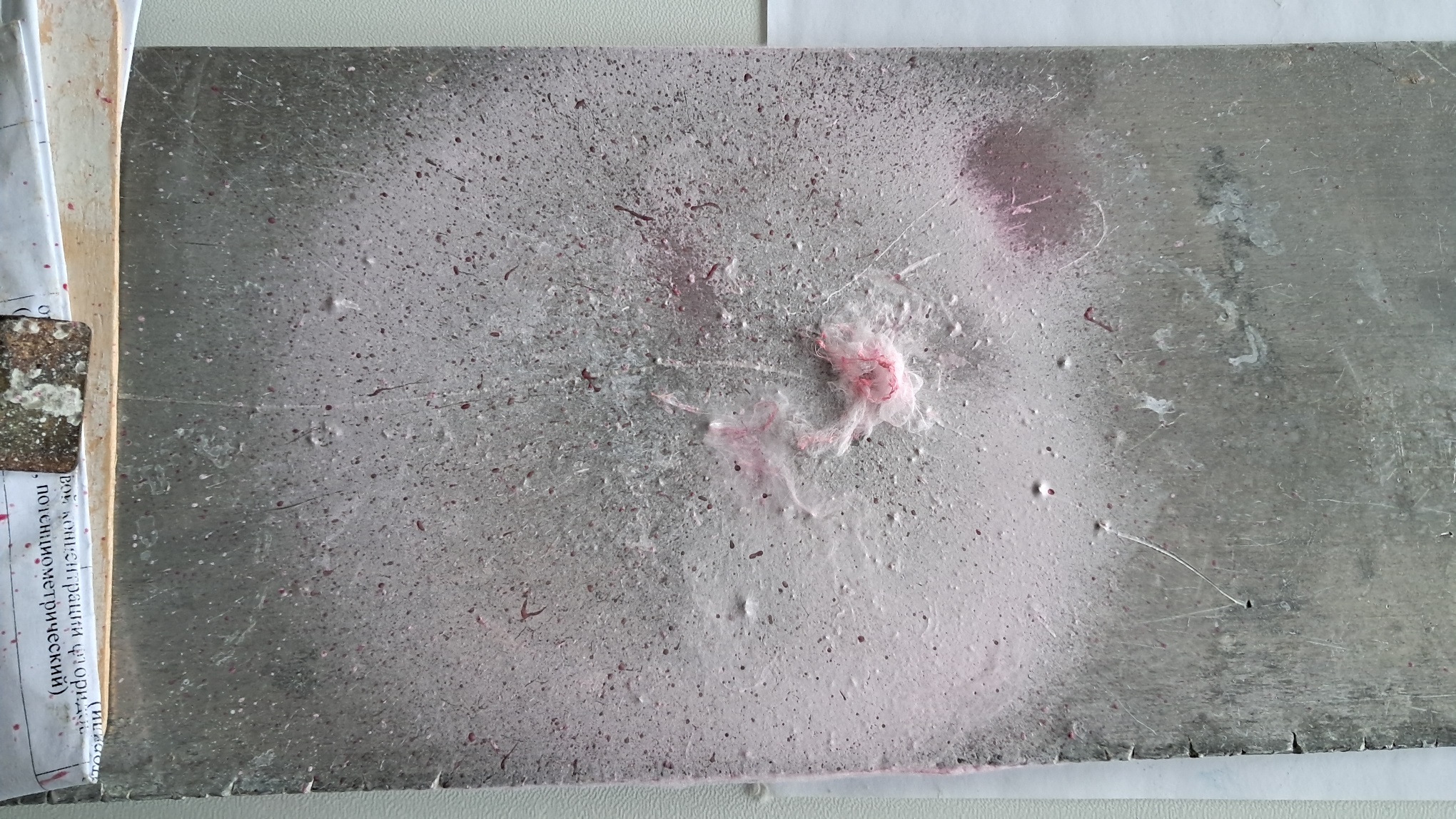
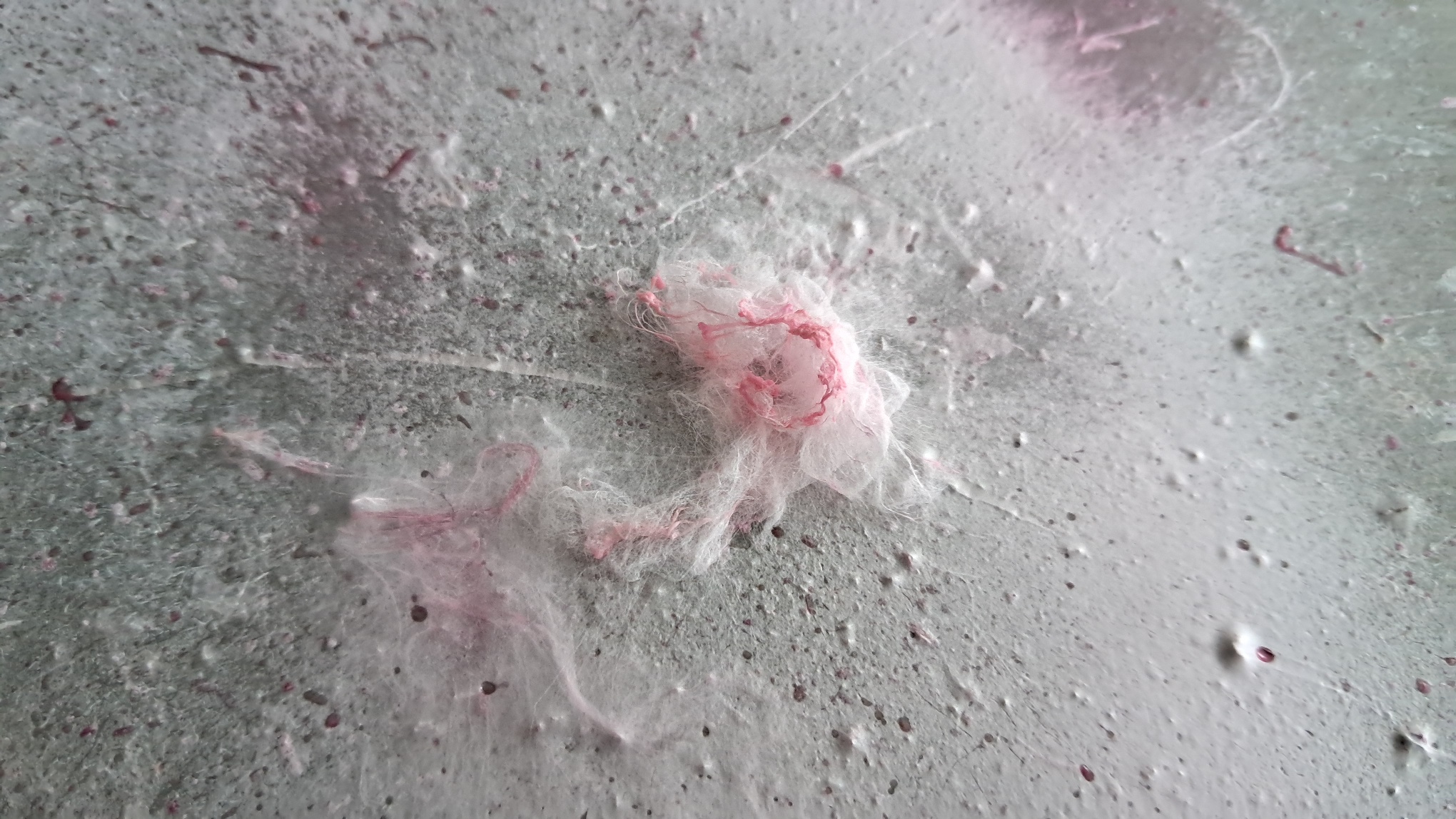
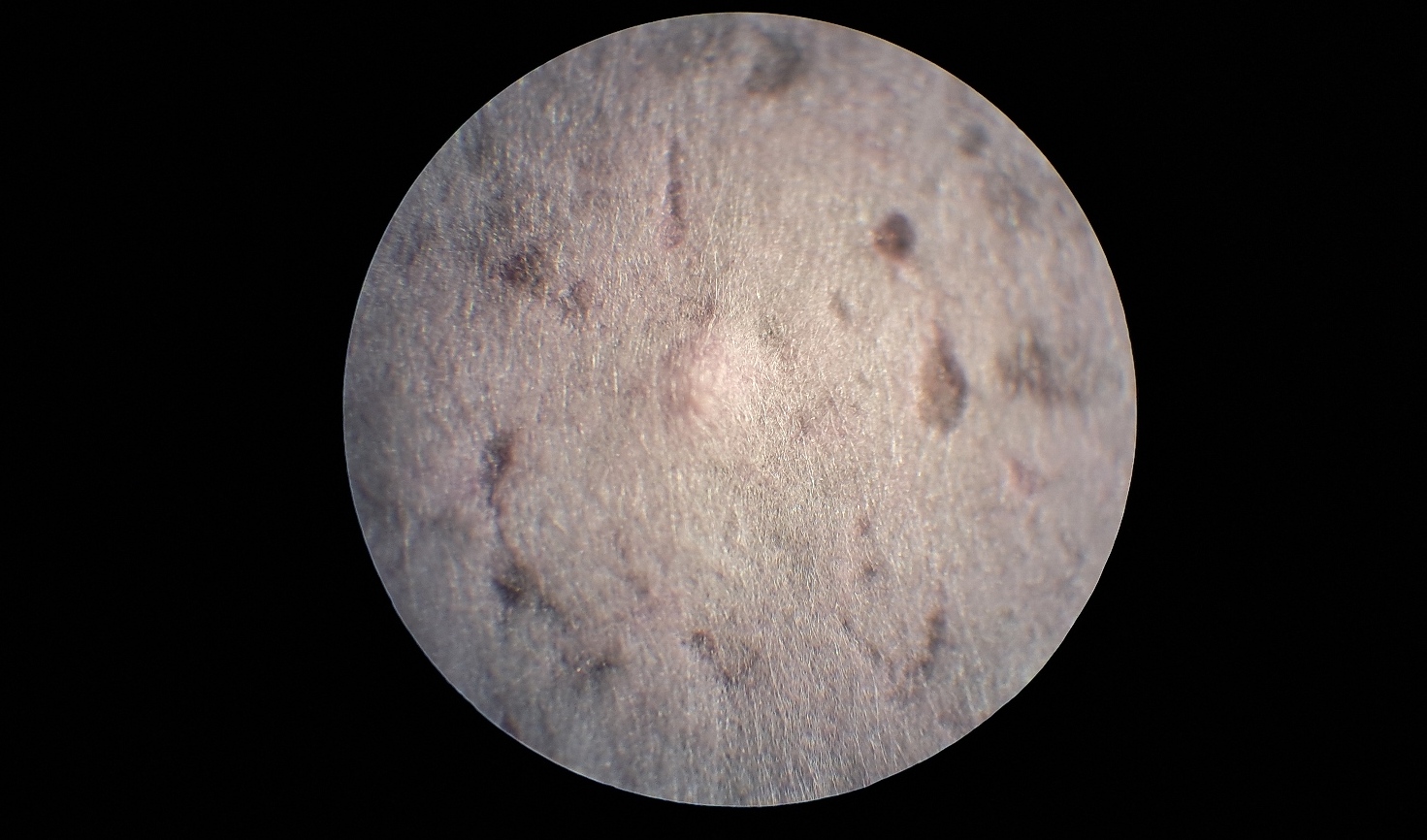
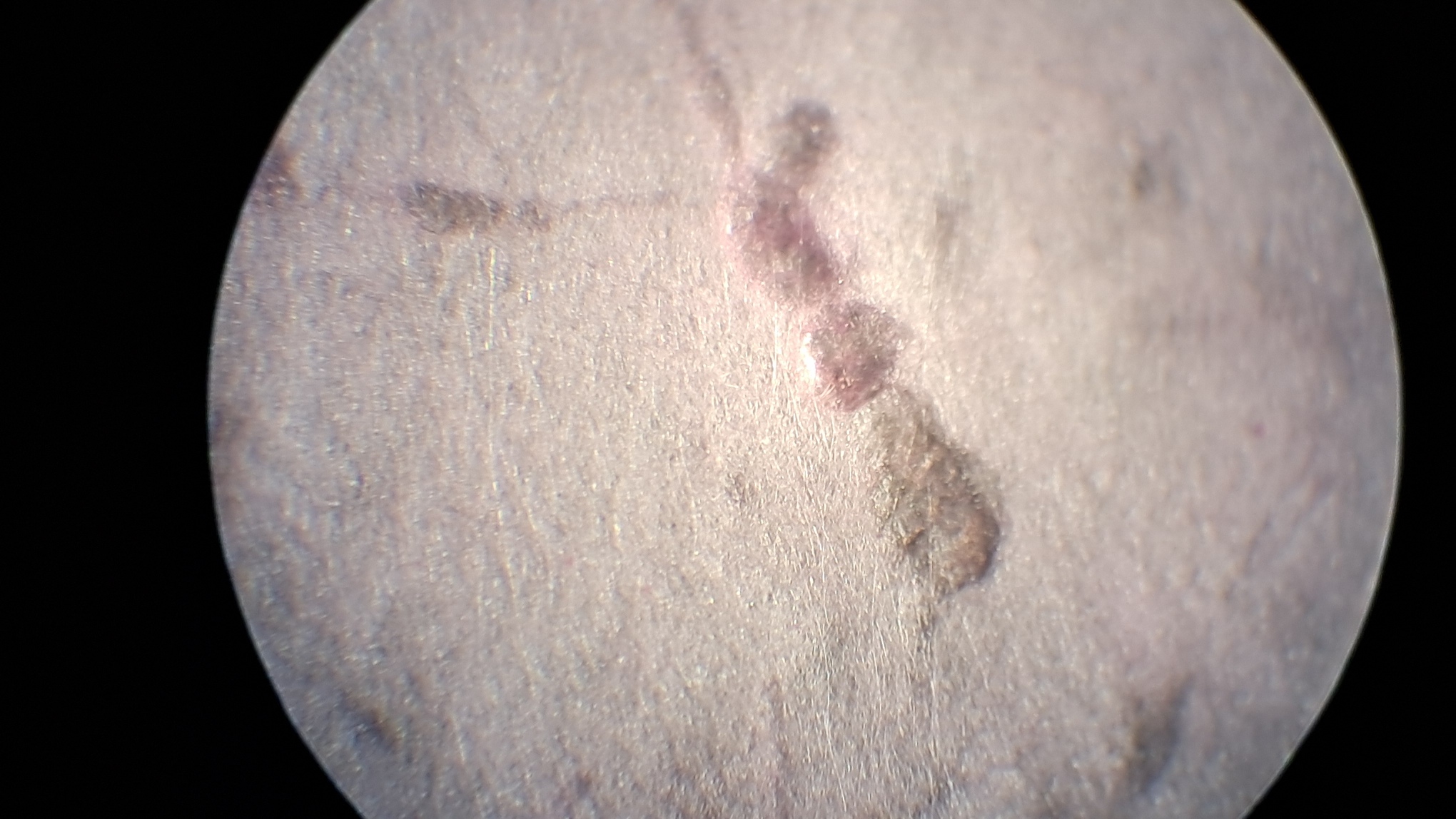
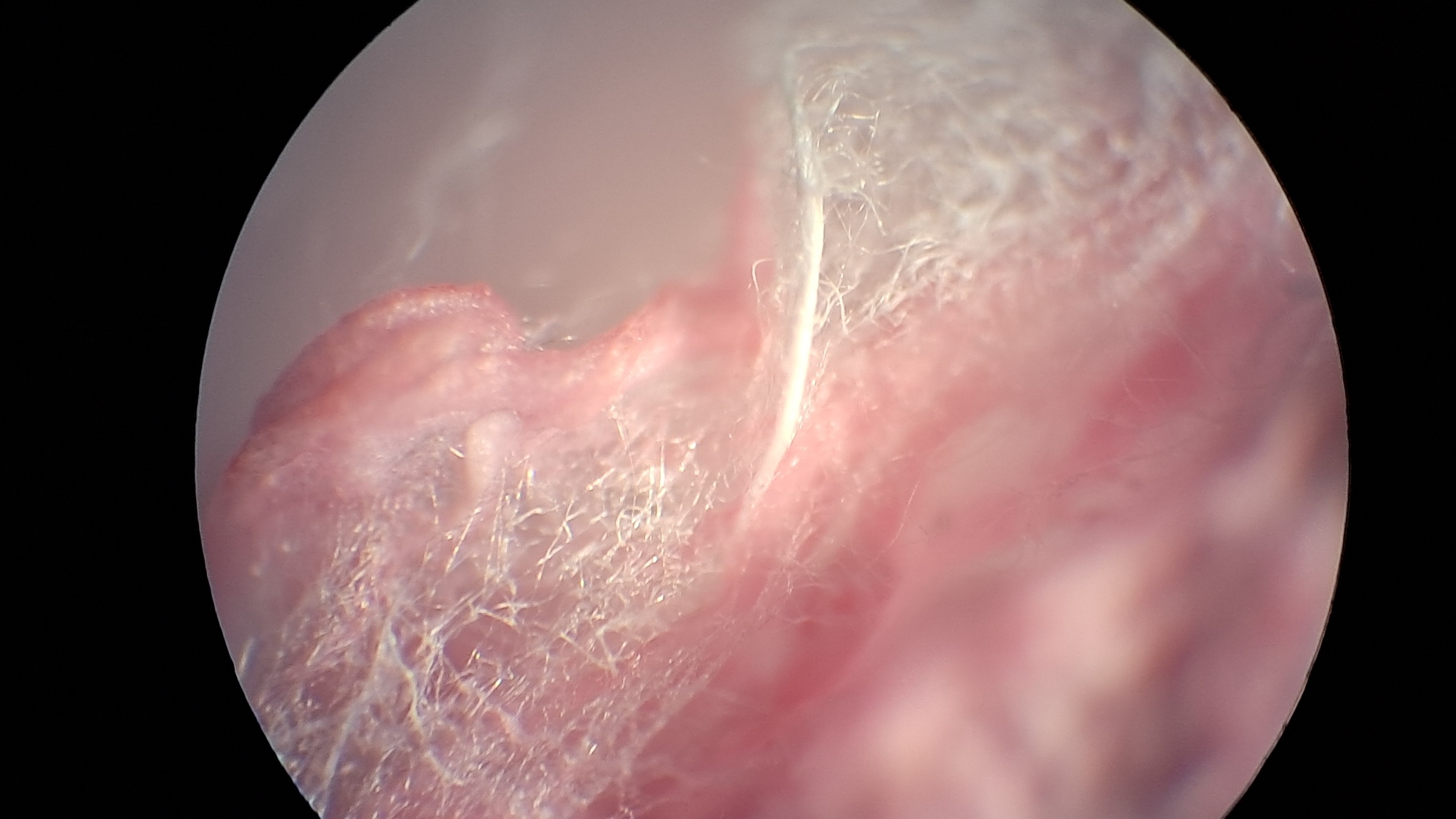
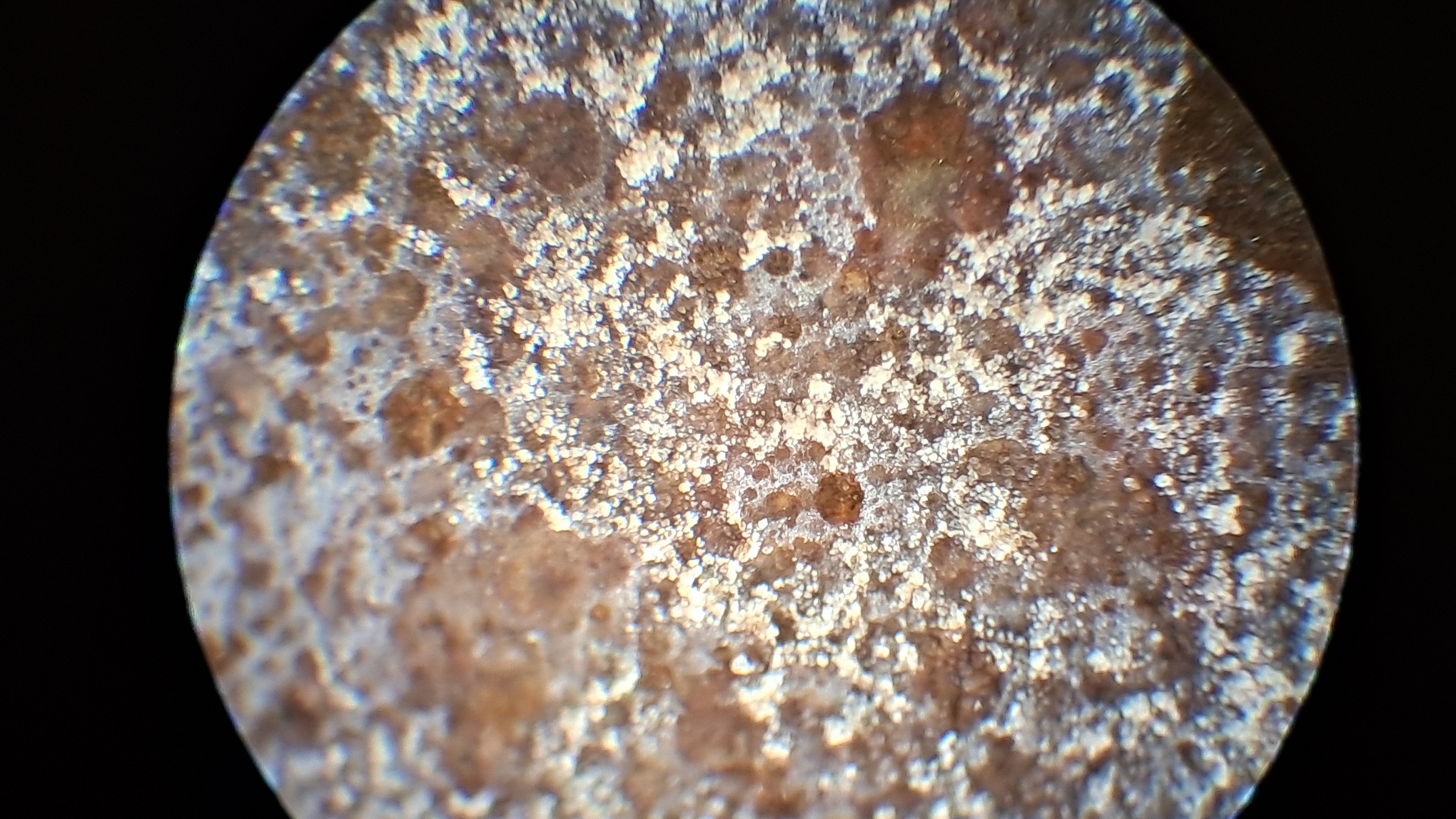
I began electrospinning. This time, the electrostatic forces ejected streams from the tip of the needle. The collector became coated with a layer of fibrous material. However, the material was unevenly colored: pink in some areas and white in others. Microscopic examination revealed that the material consisted of white fibers and irregularly shaped red particles. It was logical to assume that these particles were PVC.

When I told my physicist colleague about the results of the experiment, he replied,

"It didn't even completely dissolve!"

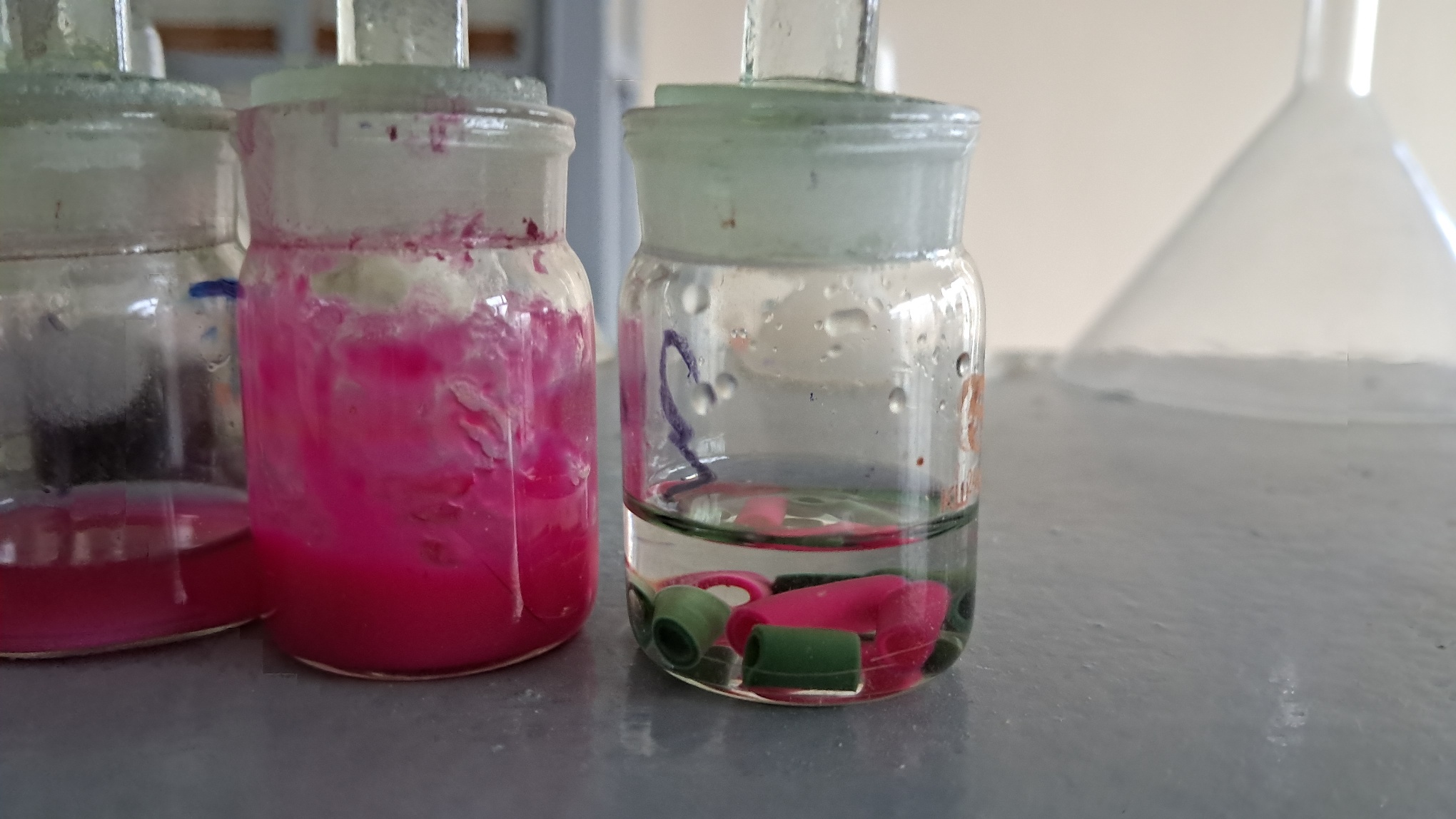
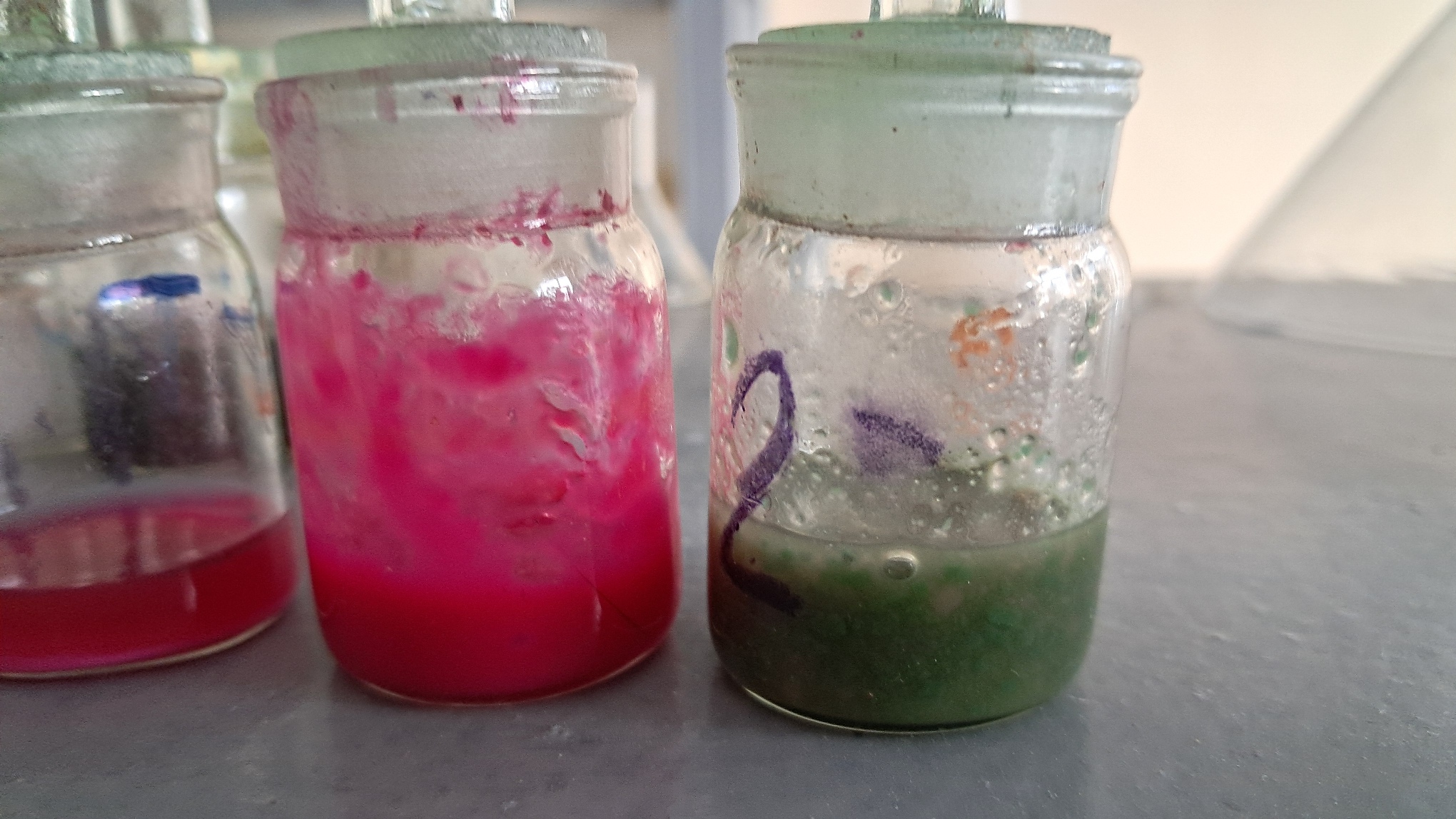
He meant that the PVC had not fully dissolved in THF; part of the polymer had merely swollen and broken down into small particles, forming a suspension. These particles were what had landed on the collector. The bright crimson dye contained in the insulation had prevented me from noticing the presence of solid polymer particles in the solution.

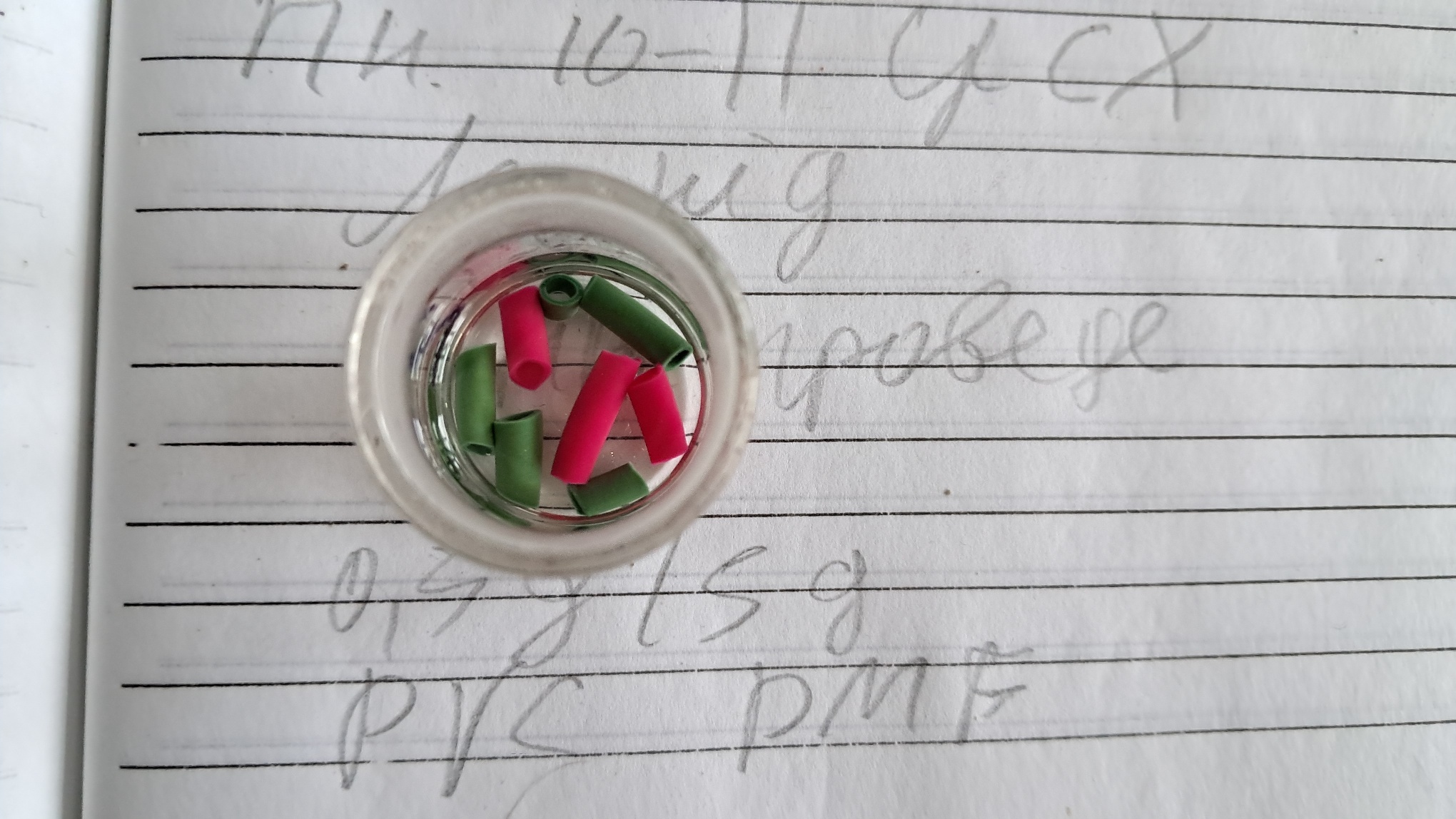
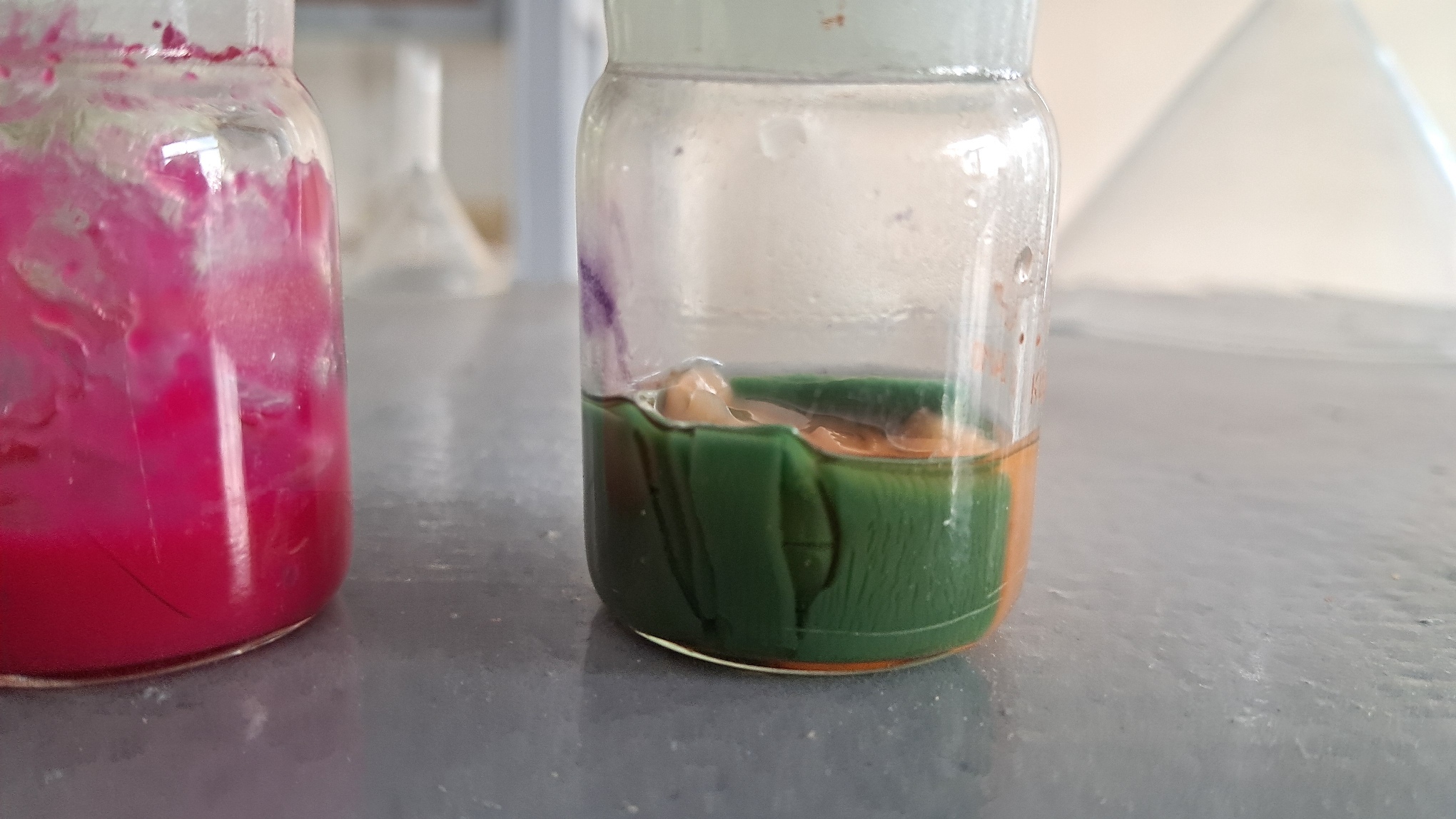
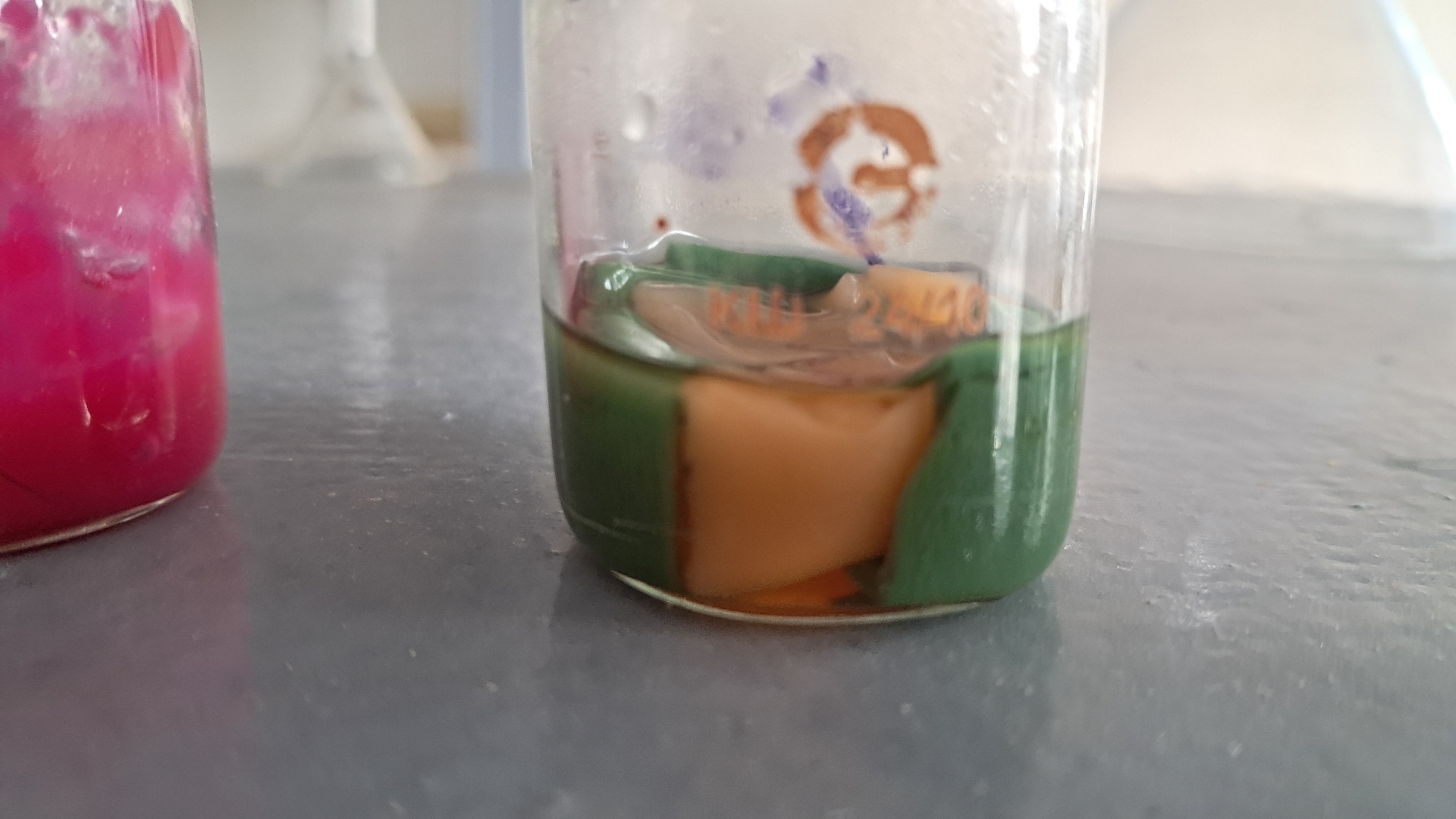
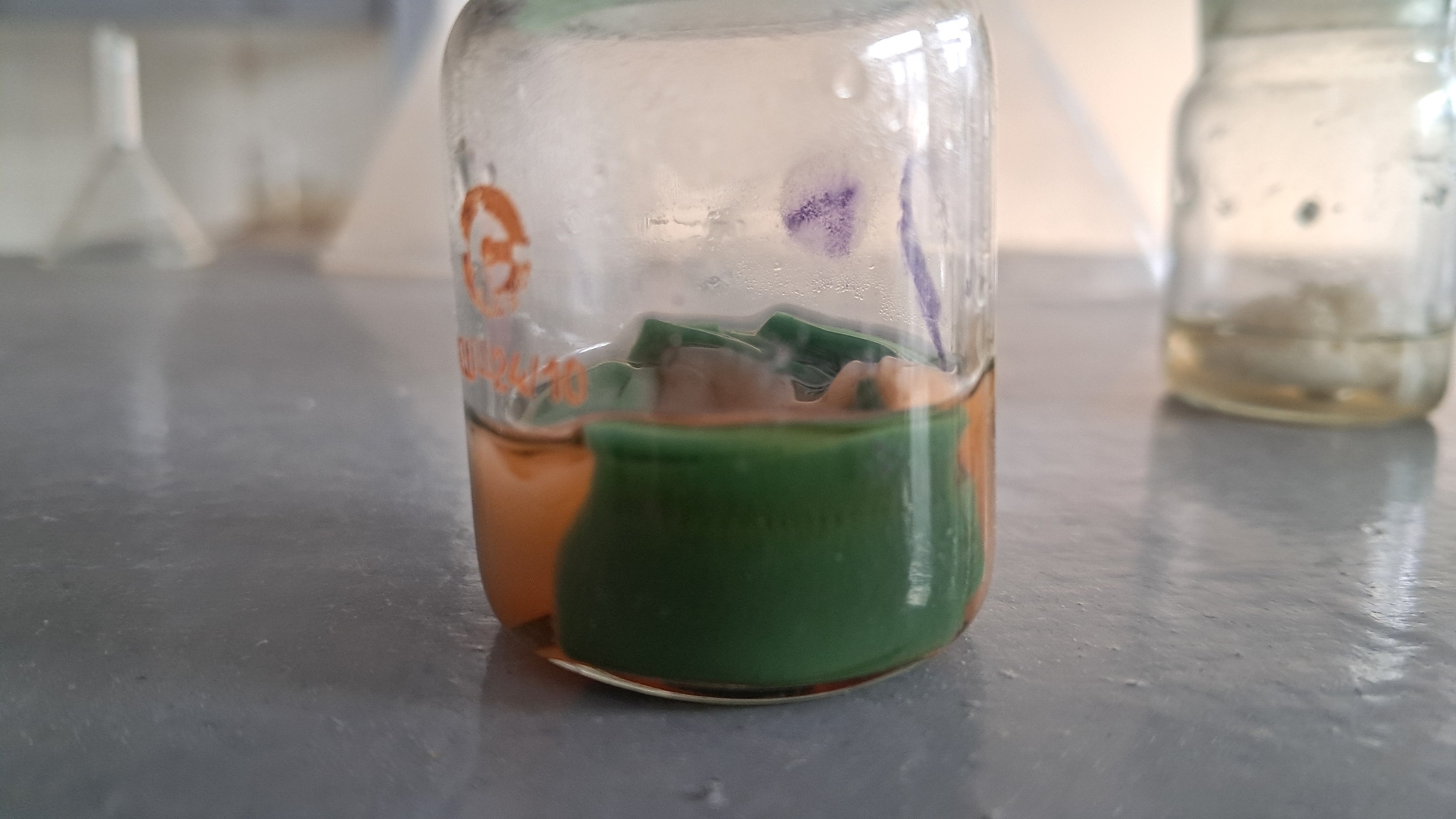
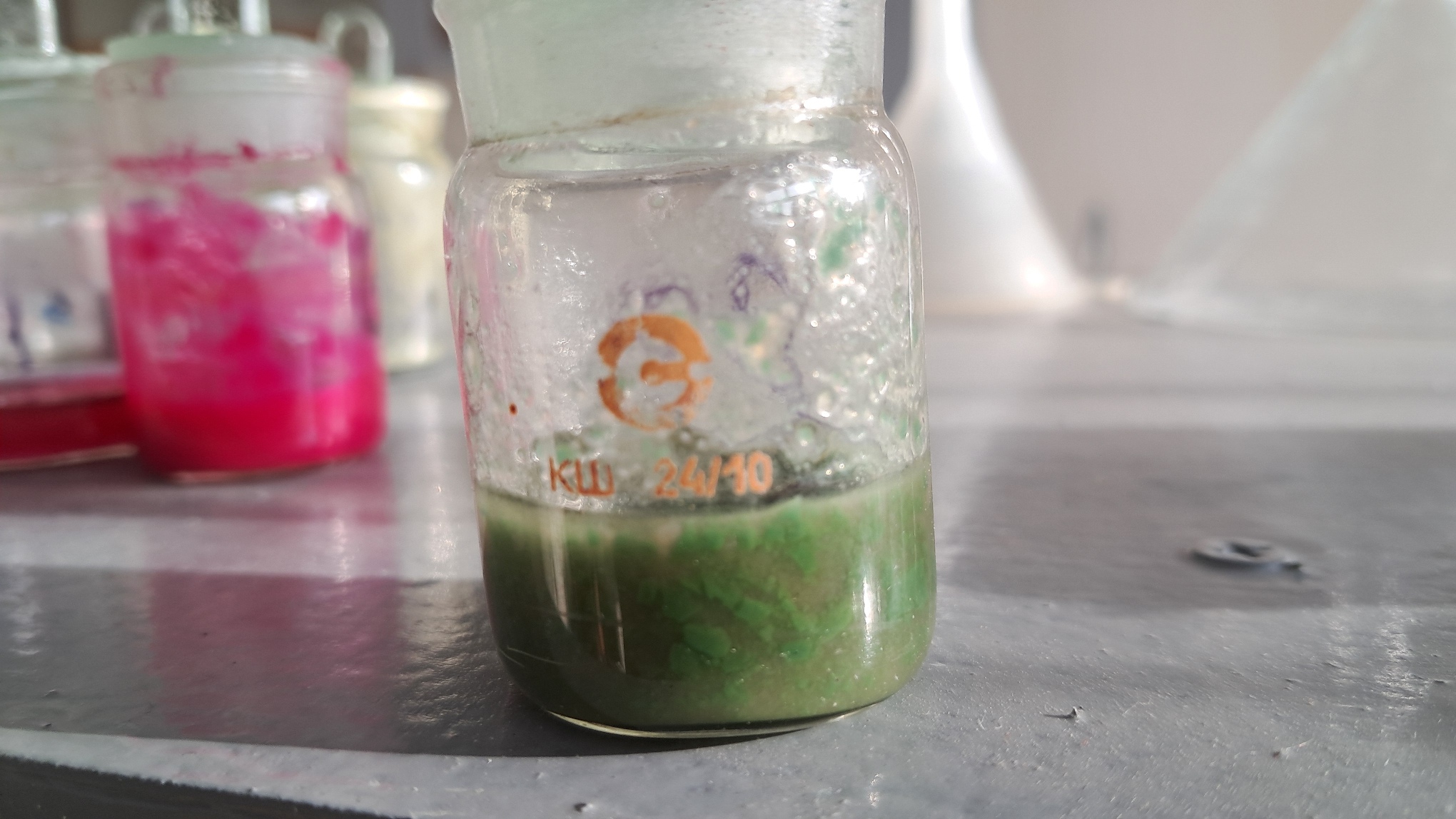
At the same time, I prepared a solution of the same polymer in DMF. The concentrations of the two solutions were approximately equal. When I carefully examined the PVC solution in DMF, I discovered small green PVC particles - again, some of the polymer had not dissolved but had swollen and formed a suspension. The insulation used to prepare this solution was predominantly dull green, which did not interfere with visual observation.

After these results, I stopped working with PVC, although my colleague later brought me some film, claiming it was pure PVC. He also gave me an adhesive that was a ready-made PVC solution.


Электроспиннинг: поливинилхлорид и полистирол - Часть 33
Существует много причин, по которым в ходе электроспиннинга полимера вместо волокон образуется аэрозоль, одна из них - недостаточная вязкость раствора. Вязкость раствора обычно возрастает при увеличении концентрации полимера. Следовательно, мне необходимо приготовить раствор PVC в THF или DMF с более высокой концентрацией, чем было в прошлом эксперименте.

Взвесил 4.985 г THF и 1.075 г PVC изоляции, порезал изоляцию на кусочки и добавил в растворитель. Периодически перемешивал вещества. К следующему дню в бутылочке образовалась малиновая, очень вязкая жидкость. Попытка провести электроспиннинг дала отрицательный результат. Не образовывалось даже аэрозоля - электростатические силы не могли преодолеть силу поверхностного натяжения такого вязкого раствора.

Можно было добавить в раствор немного THF, чтобы уменьшить вязкость. Однако, я решил увеличить шансы на положительный результат, смешав данный раствор с 28.9% раствором полистирола в DMF. Раствор полистирола в DMF или THF хорошо образует волокна при электроспиннинге, поэтому его смесь с раствором PVC также должна образовать волокна.

Смешал 1.250 г раствора PVC и 1.225 г раствора полистирола. Вязкость смеси оказалась высокой, поэтому добавил 0.440 г DMF, перемешал вещества.

Начал электроспиннинг. В этот раз электростатическая сила вырывала струи из кончика иглы. Коллектор покрылся слоем волокнистого материала. Однако, материал имел неравномерную окраску: местами он был розовый, местами белый. Исследование под микроскопом показало, что материал состоял из белых волокон и красных частиц неправильной формы. Логично предположить, что эти частицы представляли собой PVC.

Когда я рассказал про результат эксперимента моему коллеге-физику, он ответил:

- Даже не полностью растворился!

Он имел в виду, что PVC неполностью растворился в THF, часть полимера набухла и распалась на мелкие частички, которые образовали суспензию. Именно эти частицы попали на коллектор. Заметить наличие твердых частиц полимера в растворе помешал яркий малиновый краситель, содержащийся в изоляции.

Одновременно с раствором PVC в THF я приготовил раствор этого же полимера в DMF. Концентрации растворов были примерно одинаковы. Когда я внимательно изучил раствор PVC в DMF, то обнаружил в нем окрашенные в зеленый цвет мелкие частицы PVC - часть полимера не растворилась, но набухла и образовала суспензию. Изоляция, которую я использовал для приготовления этого раствора, преимущественно была окрашена в неяркий зеленый цвет, который не мешал наблюдению.

После таких результатов я прекратил работы с поливинилхлоридом, хотя коллега принес мне пленку, утверждая, что она состоит из чистого PVC, также он дал мне клей, который представлял собой уже готовый раствор PVC.


Electrospinning: Polyvinyl Chloride and Polystyrene
Dissolving Polyvinyl Chloride in THF

Electrospinning: Polyvinyl Chloride and Polystyrene

Electrospinning: Polyvinyl Chloride and Polystyrene

Electrospinning: Polyvinyl Chloride and Polystyrene

Electrospinning: Polyvinyl Chloride and Polystyrene

Electrospinning: Polyvinyl Chloride and Polystyrene

Electrospinning: Polyvinyl Chloride and Polystyrene

Electrospinning: Polyvinyl Chloride and Polystyrene

Electrospinning: Polyvinyl Chloride and Polystyrene

Electrospinning: Polyvinyl Chloride and Polystyrene
Electrospinning

Electrospinning: Polyvinyl Chloride and Polystyrene
1.250 g of the PVC solution were mixed with 1.225 g of the polystyrene solution and 0.440 g of DMF

Electrospinning: Polyvinyl Chloride and Polystyrene

Electrospinning: Polyvinyl Chloride and Polystyrene

Electrospinning: Polyvinyl Chloride and Polystyrene

Electrospinning: Polyvinyl Chloride and Polystyrene
Electrospinning

Electrospinning: Polyvinyl Chloride and Polystyrene

Electrospinning: Polyvinyl Chloride and Polystyrene

Electrospinning: Polyvinyl Chloride and Polystyrene

Electrospinning: Polyvinyl Chloride and Polystyrene

Electrospinning: Polyvinyl Chloride and Polystyrene

Electrospinning: Polyvinyl Chloride and Polystyrene

Electrospinning: Polyvinyl Chloride and Polystyrene

Electrospinning: Polyvinyl Chloride and Polystyrene

Electrospinning: Polyvinyl Chloride and Polystyrene

Electrospinning: Polyvinyl Chloride and Polystyrene

Electrospinning: Polyvinyl Chloride and Polystyrene

Electrospinning: Polyvinyl Chloride and Polystyrene

Electrospinning: Polyvinyl Chloride and Polystyrene

Electrospinning: Polyvinyl Chloride and Polystyrene

Electrospinning: Polyvinyl Chloride and Polystyrene

Electrospinning: Polyvinyl Chloride and Polystyrene

Electrospinning: Polyvinyl Chloride and Polystyrene
Dissolving Polyvinyl Chloride in DMF

Electrospinning: Polyvinyl Chloride and Polystyrene

Electrospinning: Polyvinyl Chloride and Polystyrene

Electrospinning: Polyvinyl Chloride and Polystyrene

Electrospinning: Polyvinyl Chloride and Polystyrene

Electrospinning: Polyvinyl Chloride and Polystyrene

Electrospinning: Polyvinyl Chloride and Polystyrene


Having noticed a mistake in the text, allocate it and press Ctrl-Enter


Let us briefly summarize the previous experiments. Electrospinning with polystyrene (PS) was successful; positive results were obtained with several solvents, with dimethylformamide (DMF) yielding the best performance. My experiments with a solution of polyvinylidene difluoride (PVDF) in DMF were unsuccessful, although my physicist colleague had previously succeeded in producing fibers from this polymer. The probable reason is that he used a different computer monitor as a high-voltage source. That monitor is no longer available, so this hypothesis is difficult to verify. However, experiments with mixtures of polystyrene and PVDF solutions in DMF were successful. Polyvinyl chloride (PVC) was a complete failure - I did not obtain a single positive result. With polymethyl methacrylate (PMMA), there are still no positive results, although the ideas remain. And I also failed to produce nitrocellulose fibers.

I had long planned to use chitosan for electrospinning. My physicist colleague told me that such fibers have good biocompatibility and could potentially be used in medicine. Moreover, many years ago, he and another colleague attempted to produce chitosan fibers from an acetic acid solution. For a long time, they were unsuccessful, until his colleague realized that the syringe containing the solution needed to be heated in a water bath. The syringe was secured in the setup, and electrospinning was started. While the solution remained hot, chitosan fibers formed.

I conducted a literature search. It turned out that chitosan is not inherently prone to fiber formation during electrospinning. To overcome this limitation, researchers have employed various modifications of the method. For example, coaxial electrospinning has been used, with one needle delivering the chitosan solution and the other simultaneously injecting a polymer solution more prone to fiber formation. I also found a paper describing the electrospinning of chitosan from acetic acid using the classical single-needle method.

Chitosan does not dissolve in water; it only swells. It is soluble in strong mineral acids, but the polymer rapidly degrades in such media. A suitable solvent for chitosan is a mixture of acetic acid and water. The difficulty is that both water and acetic acid have relatively high boiling points. Moreover, solvent volatility depends not only on boiling point but also on the heat of vaporization, which for water is among the highest of common liquids.

My chemist colleague suggested dissolving chitosan in ethyl acetate. He claimed to have read that a mixture containing ethyl acetate had been used for electrospinning chitosan. However, he could not provide a reference, and my own literature search yielded no confirmation. Nevertheless, he insisted on trying.

Although I already had chitosan, he mentioned that he had purchased a special type of "water-soluble chitosan." When I asked for clarification, he explained that such materials are typically modified with functional groups to improve water solubility.

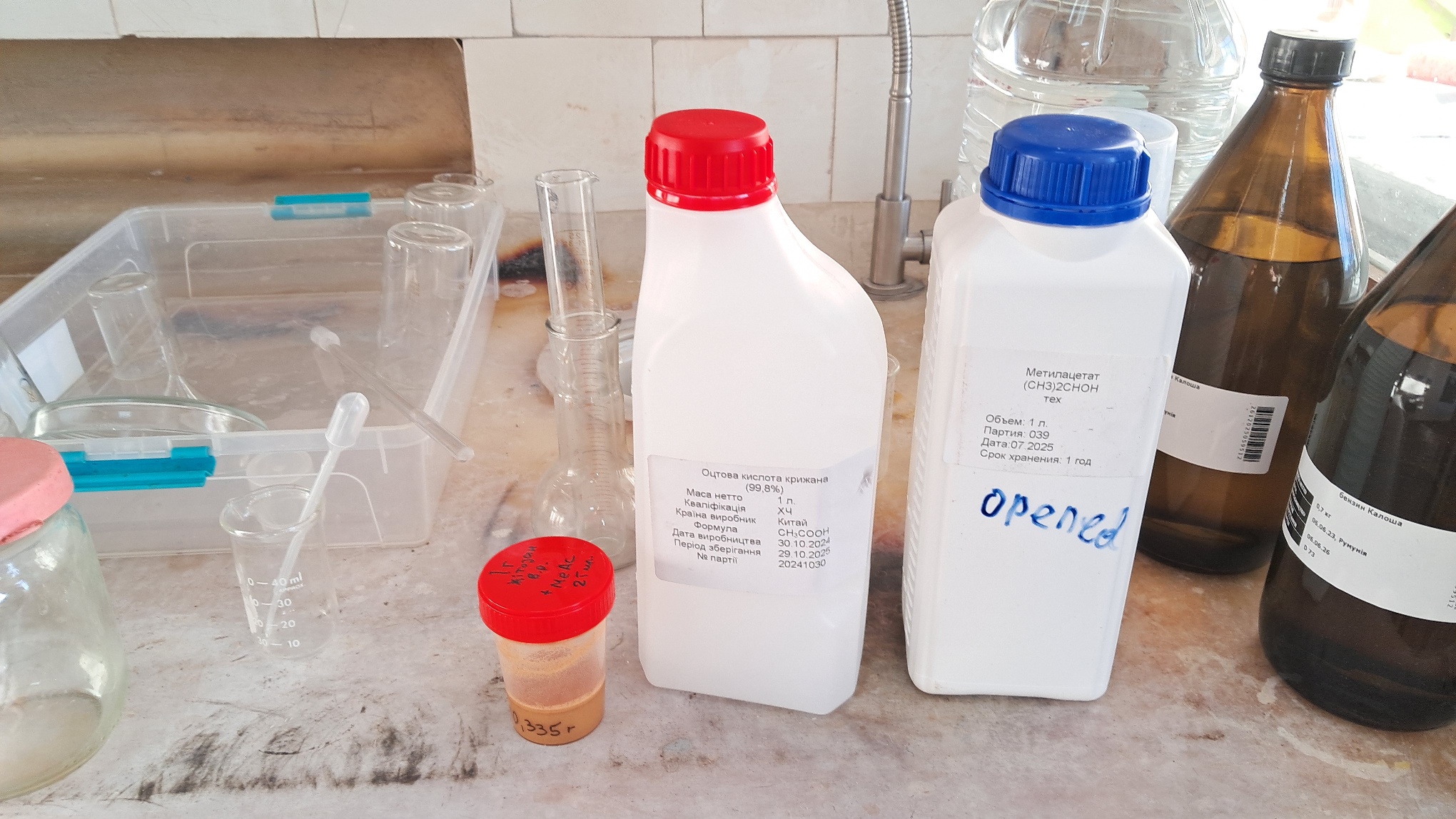
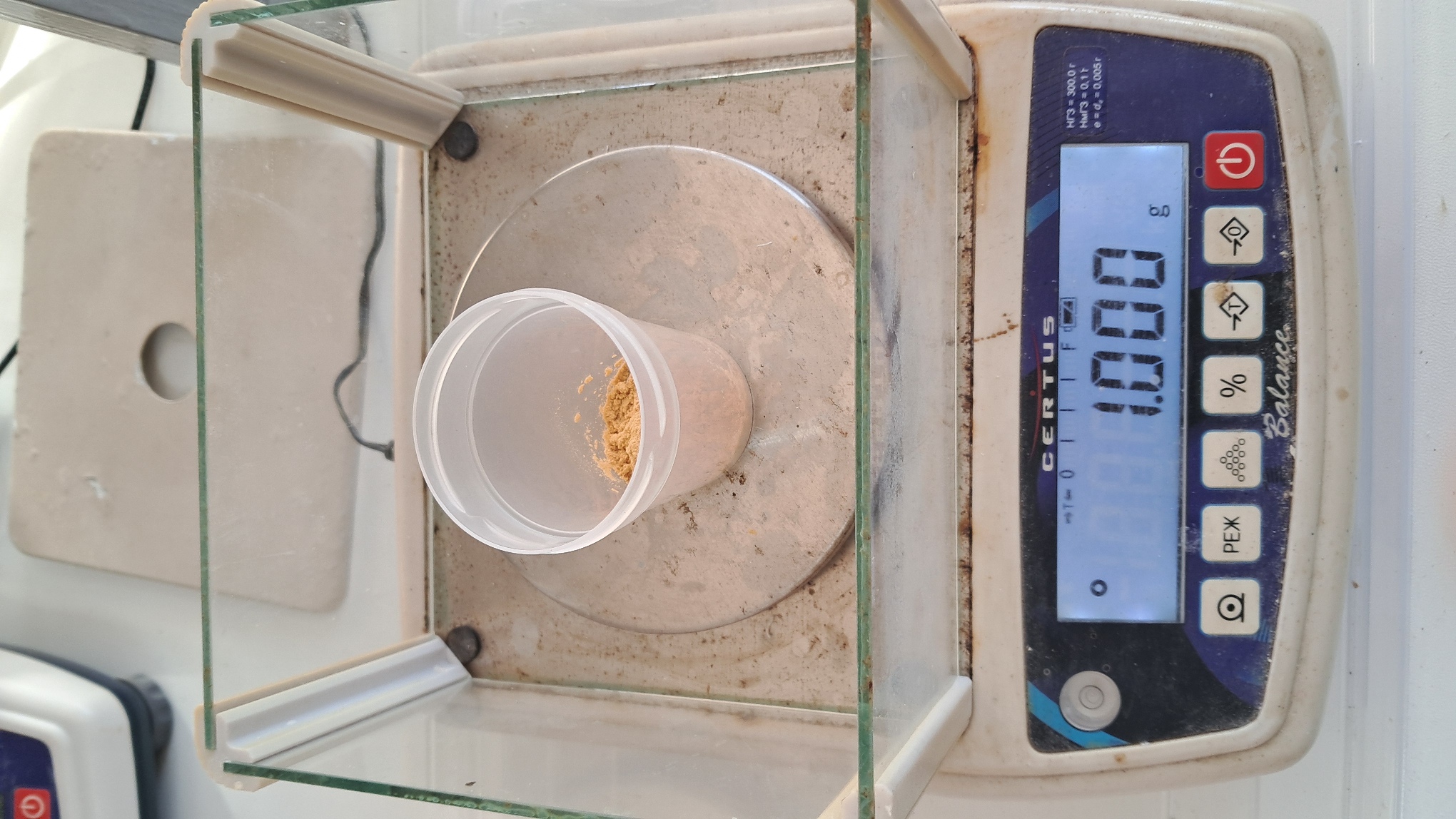
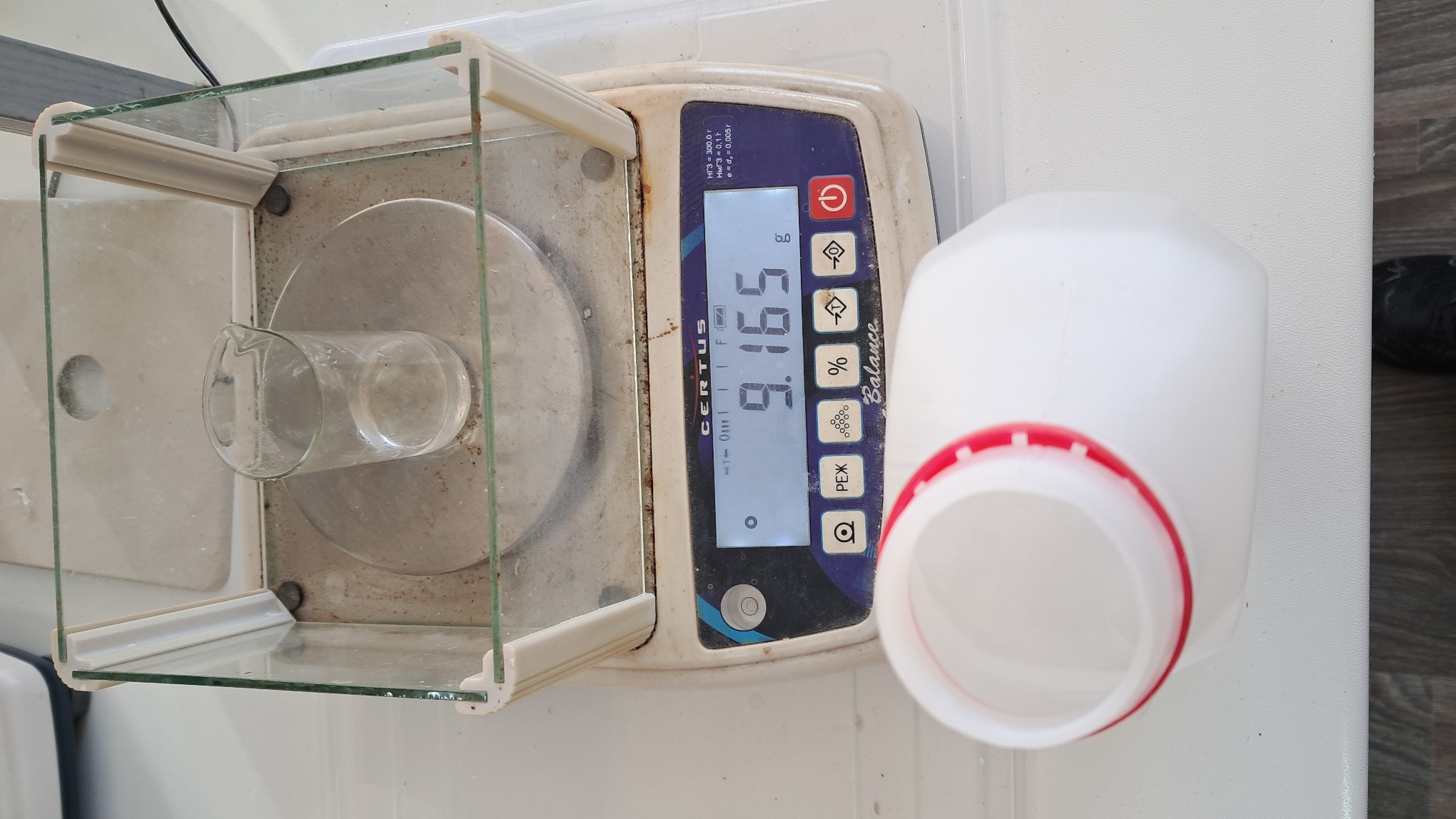
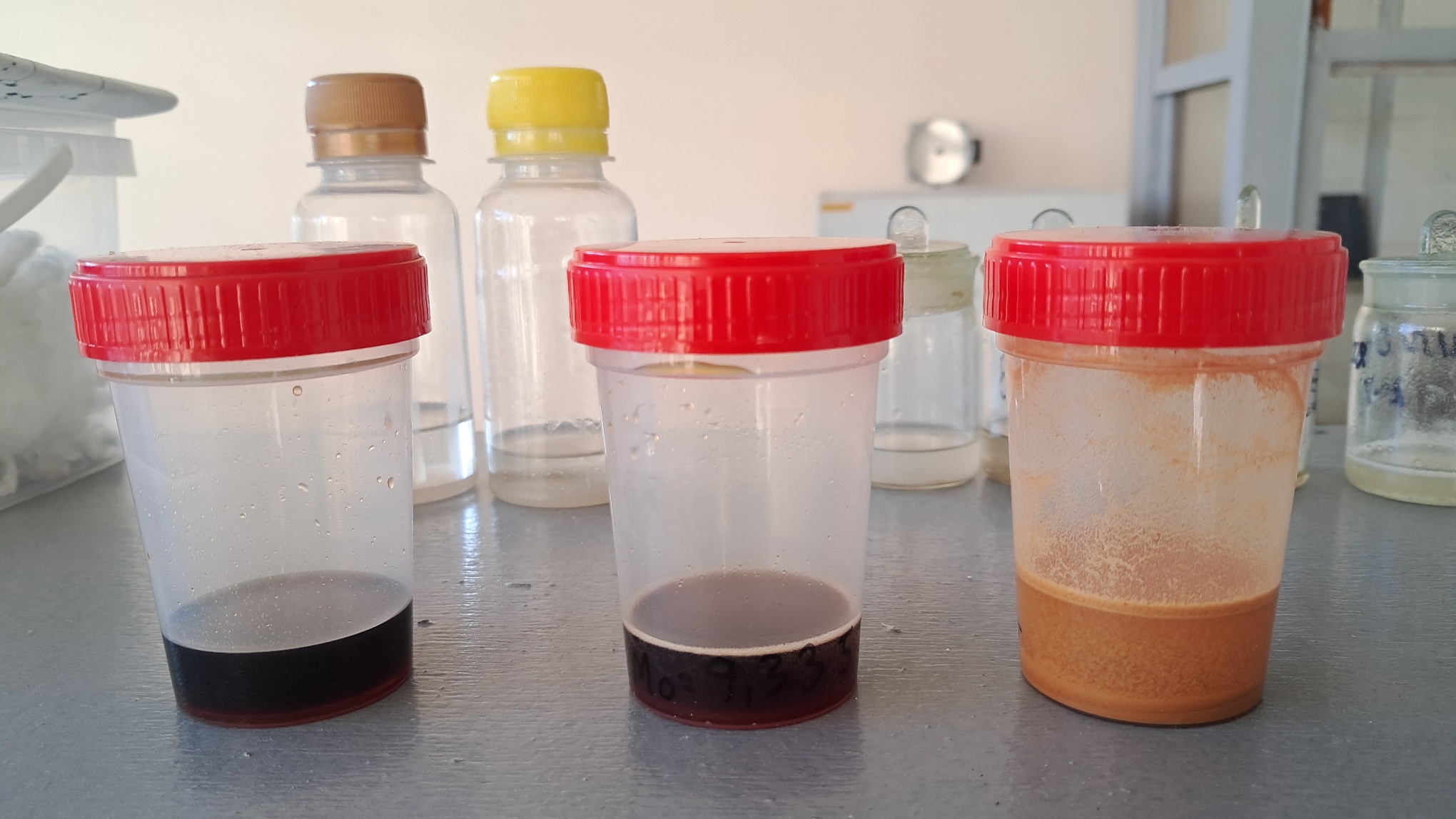
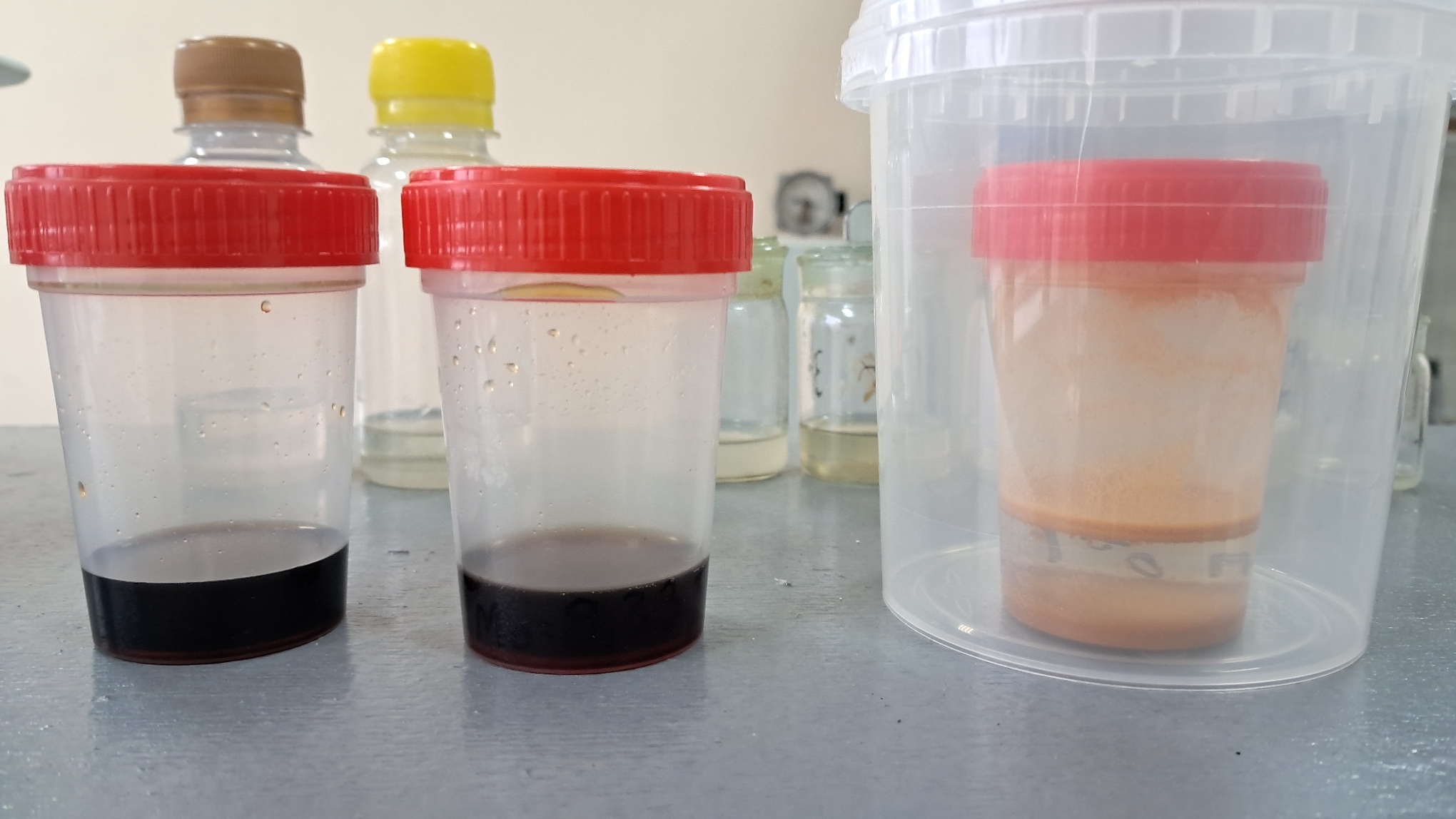
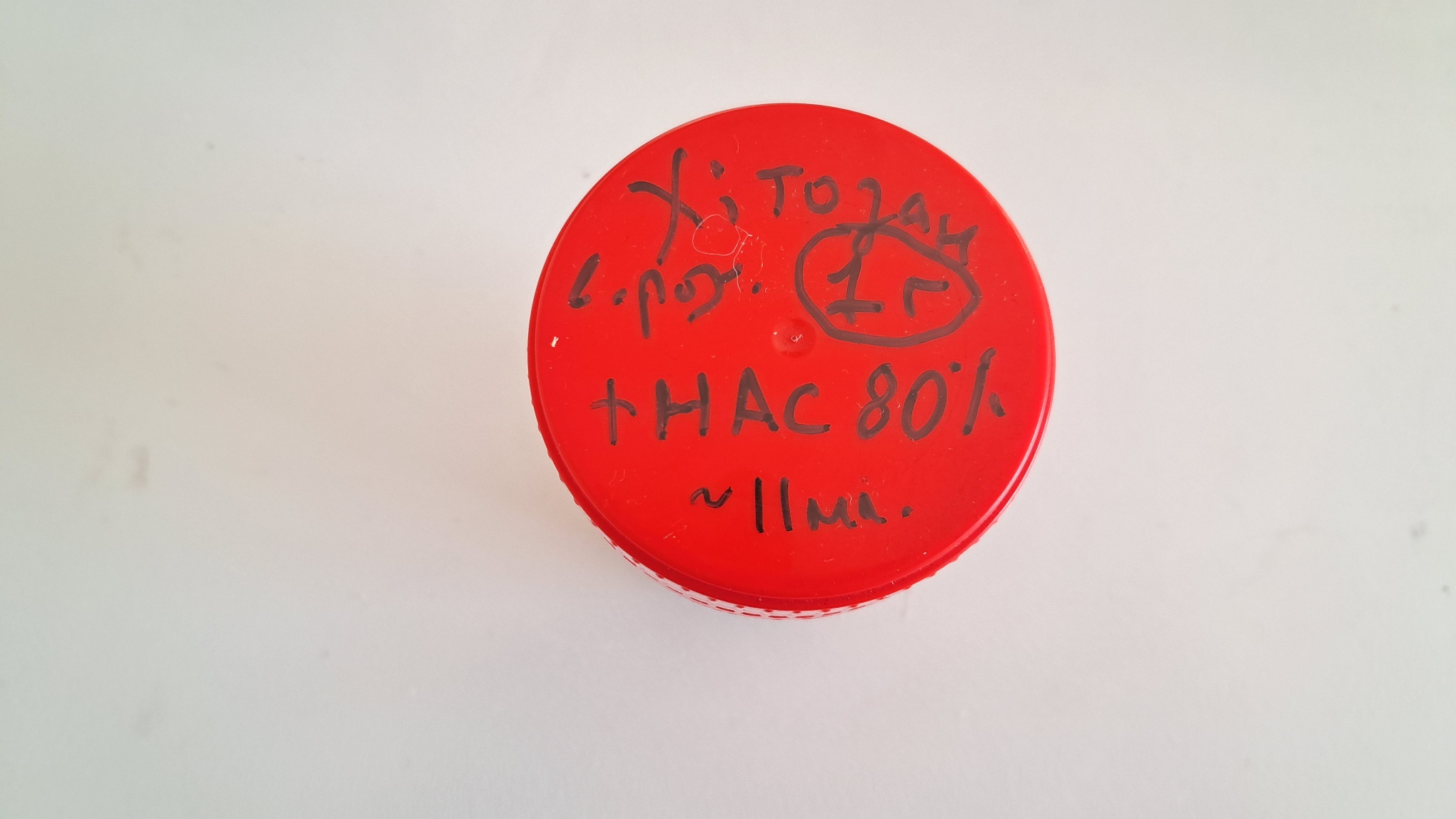
Upon learning that I had methyl acetate, he decided to use it instead of ethyl acetate. He weighed out 1 g of the soluble chitosan and added approximately 10 g of methyl acetate. I was skeptical, but I did not interfere - especially since he had not been very active in the laboratory recently. He often promised to begin a new experiment or assist me with experiments, but rarely followed through. This was one of those rare occasions when he did.

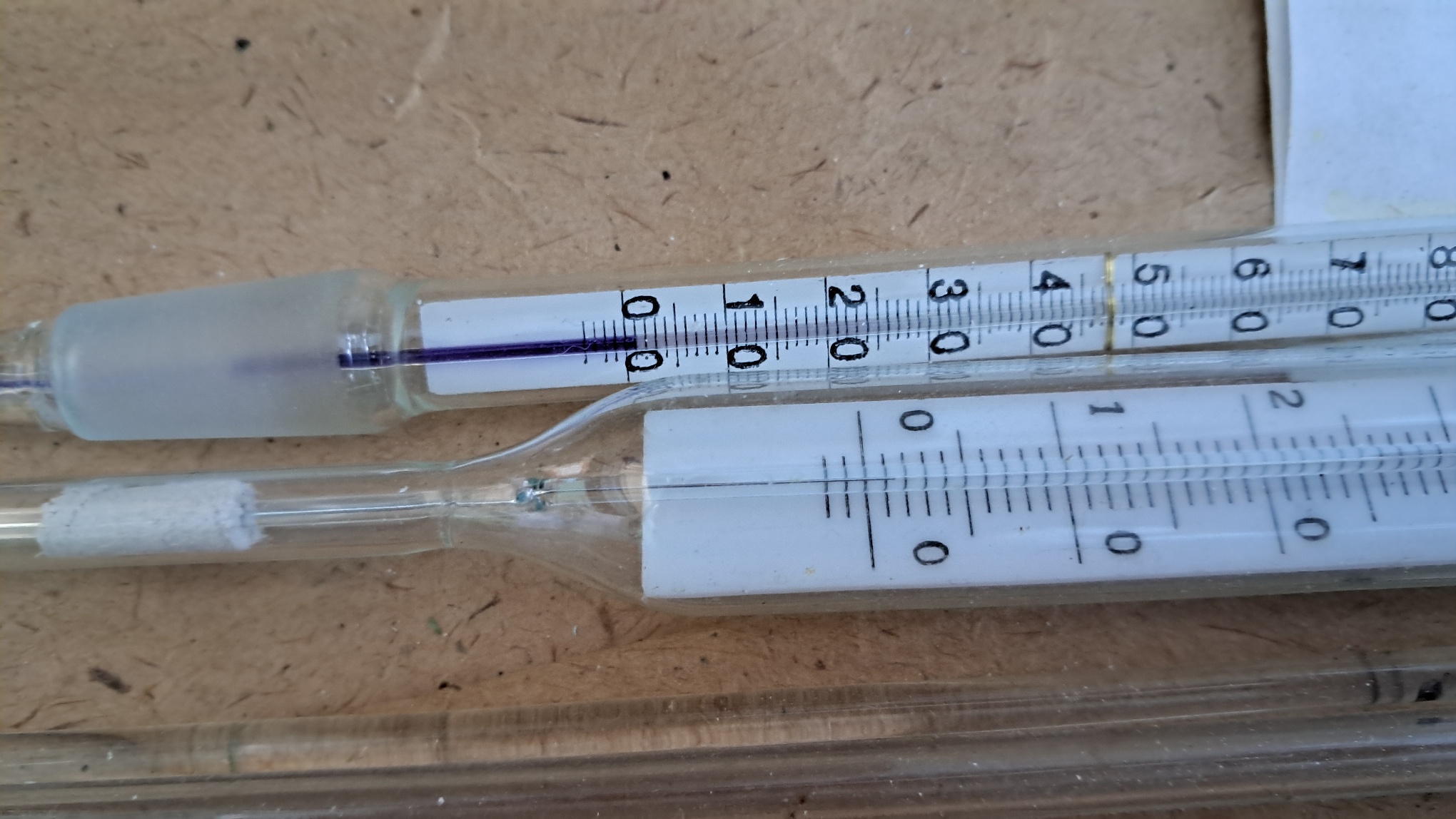
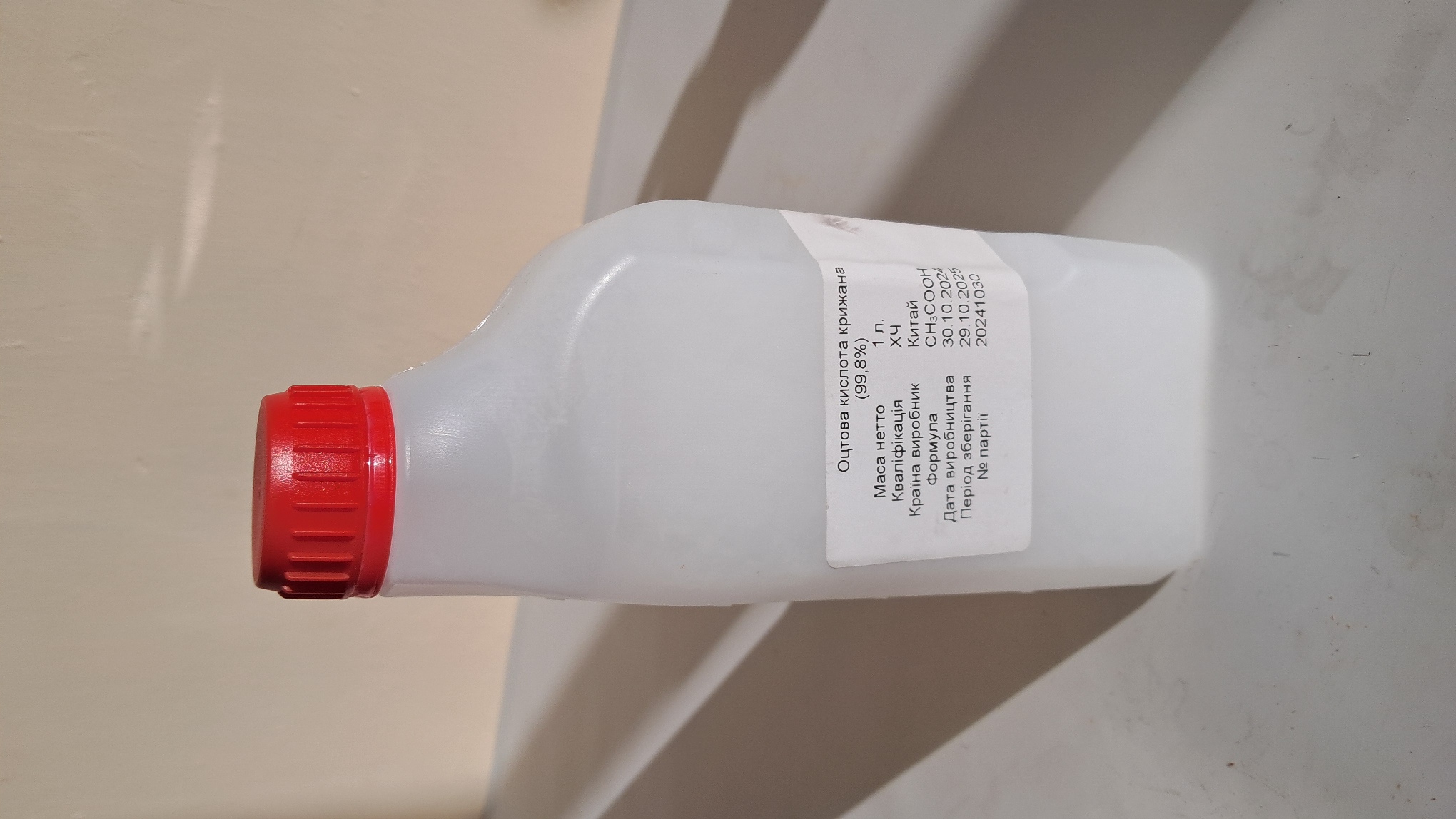
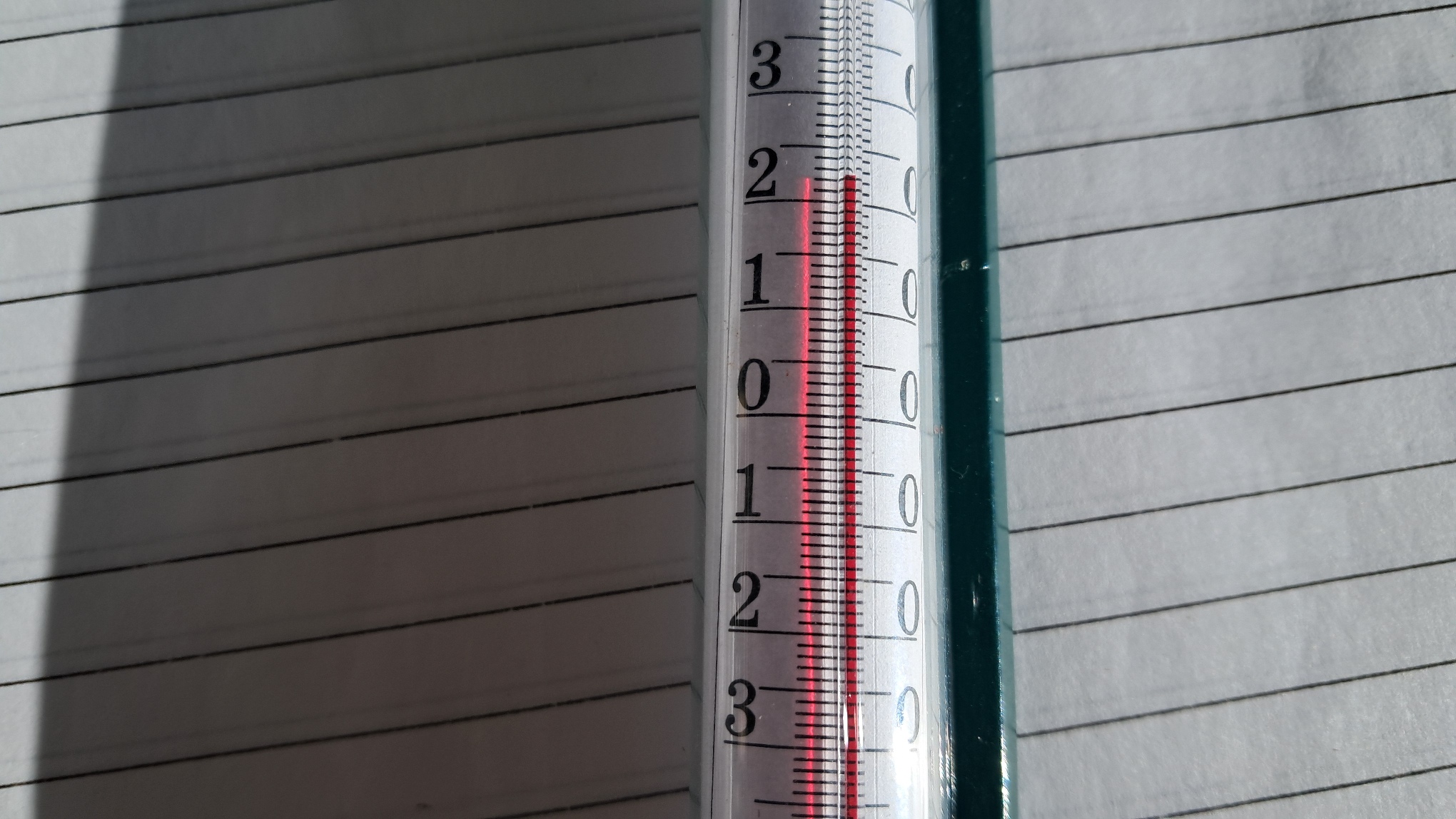
The chitosan, of course, did not dissolve in methyl acetate. He then asked for glacial acetic acid. I had some, but it was stored in another, unheated laboratory. At that time, the temperature there had dropped to 1°C. The freezing point of acetic acid is approximately 16.6°C. I knew what to expect...

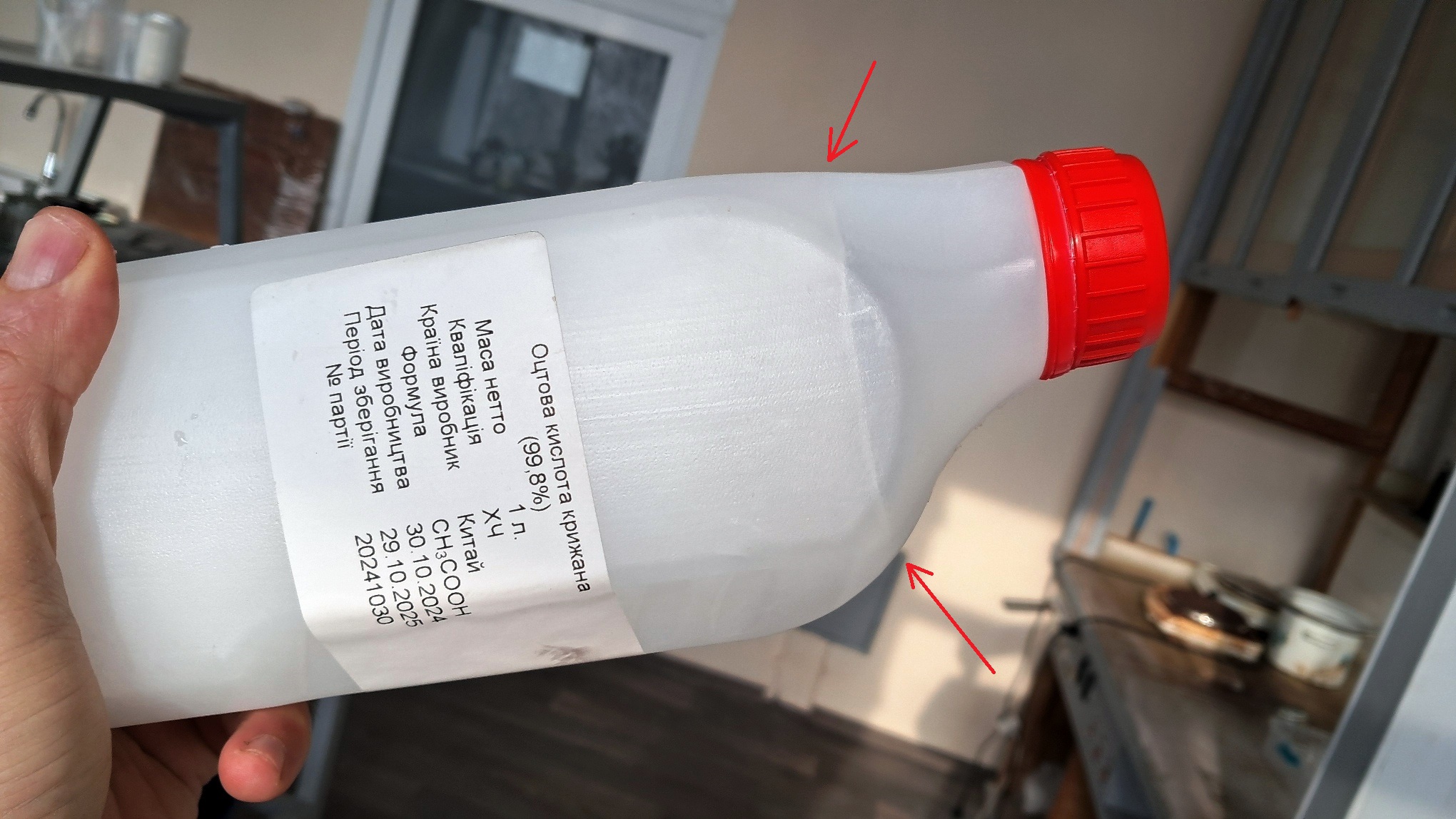
When I opened the cabinet, the acetic acid was still liquid - acetic acid is known for its ability to supercool without crystallizing. However, as soon as I carefully lifted the bottle, the liquid began to crystallize, turning into a white mass resembling ice. I did not even have time to touch the stopper. It is no coincidence that pure acetic acid is called "glacial."

The freezing of the supercooled liquid was impressive, but it created a practical problem: how could I pour out the acid if it had solidified? Fortunately, a small portion remained liquid, and that was what my colleague used.

A supercooled liquid exists in a metastable state, so once crystallization begins, solidification proceeds rapidly - literally before one's eyes. However, rapid freezing does not necessarily mean complete freezing. As supercooled acetic acid crystallizes, latent heat of crystallization is released, raising its temperature. Once the temperature reaches the freezing point, further solidification slows dramatically. Continued crystallization occurs only if the ambient temperature remains below the freezing point. That day, it was 20°C in my laboratory.

Unfortunately, after adding acetic acid to the methyl acetate, the chitosan still did not dissolve. My colleague left the beaker, saying, "Let the mixture stand - perhaps the chitosan will dissolve." I knew he had already lost interest and would soon forget about it, but I did not say so.

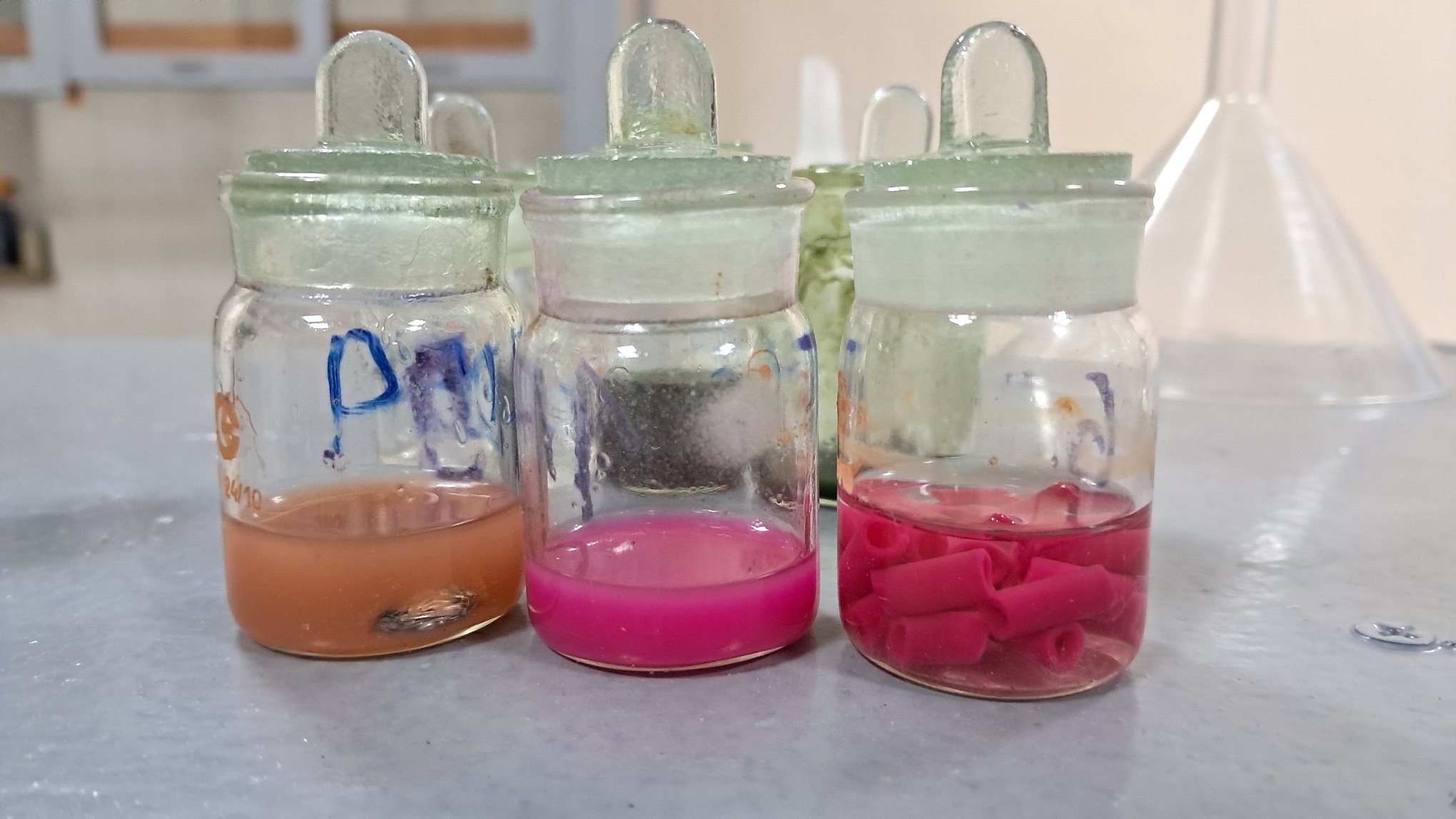
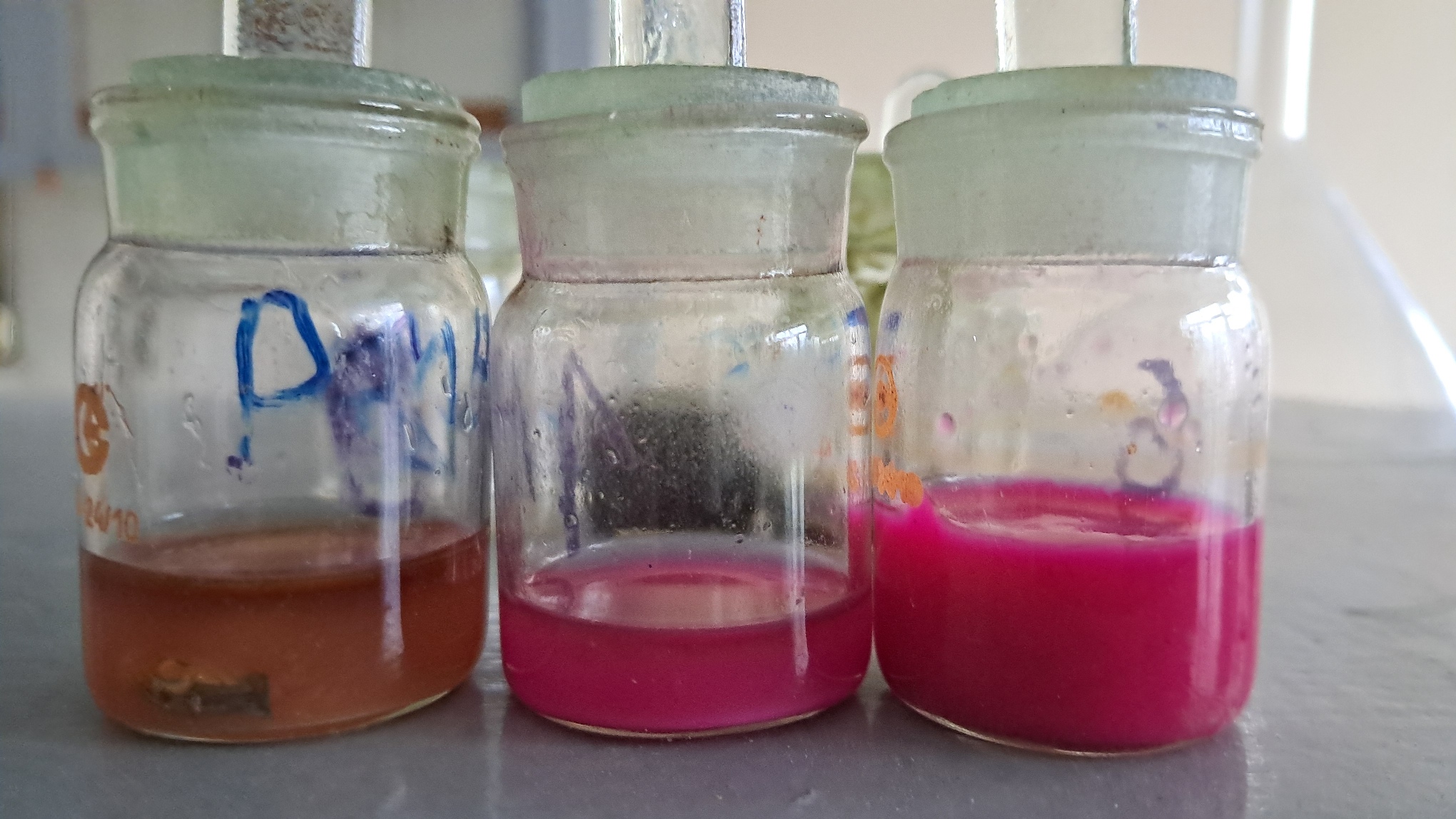
In a second beaker, he added 1 g of chitosan to 10 g of water. The polymer dissolved completely, forming a dark brown solution.

In a third beaker, I added 1 g of chitosan to approximately 10 g of acetic acid and 2 g of water. A brown, mobile solution formed. This was the solution I used for electrospinning. It quickly became apparent that an aerosol, rather than fibers, was forming. Microscopic examination of the collector confirmed this. The solution's viscosity was too low.

I intended to increase the chitosan concentration, but first I searched the literature to understand how chitosan is rendered water-soluble. In some cases, functional groups are introduced into the polymer chain to enhance solubility. However, more commonly, chitosan is treated with hydrogen peroxide, which reduces the molecular weight by breaking long macromolecules into shorter fragments. Such material is unsuitable for our purposes, since shorter polymer chains are less prone to fiber formation than long macromolecules.

When my colleague purchased "water-soluble chitosan," he apparently did not consider the mechanism underlying its solubility. The attractive name may have been more compelling than its practical relevance.

Fortunately, many years earlier, this same colleague had given me a jar of unmodified chitosan. I brought it to the laboratory to continue experiments with this material.

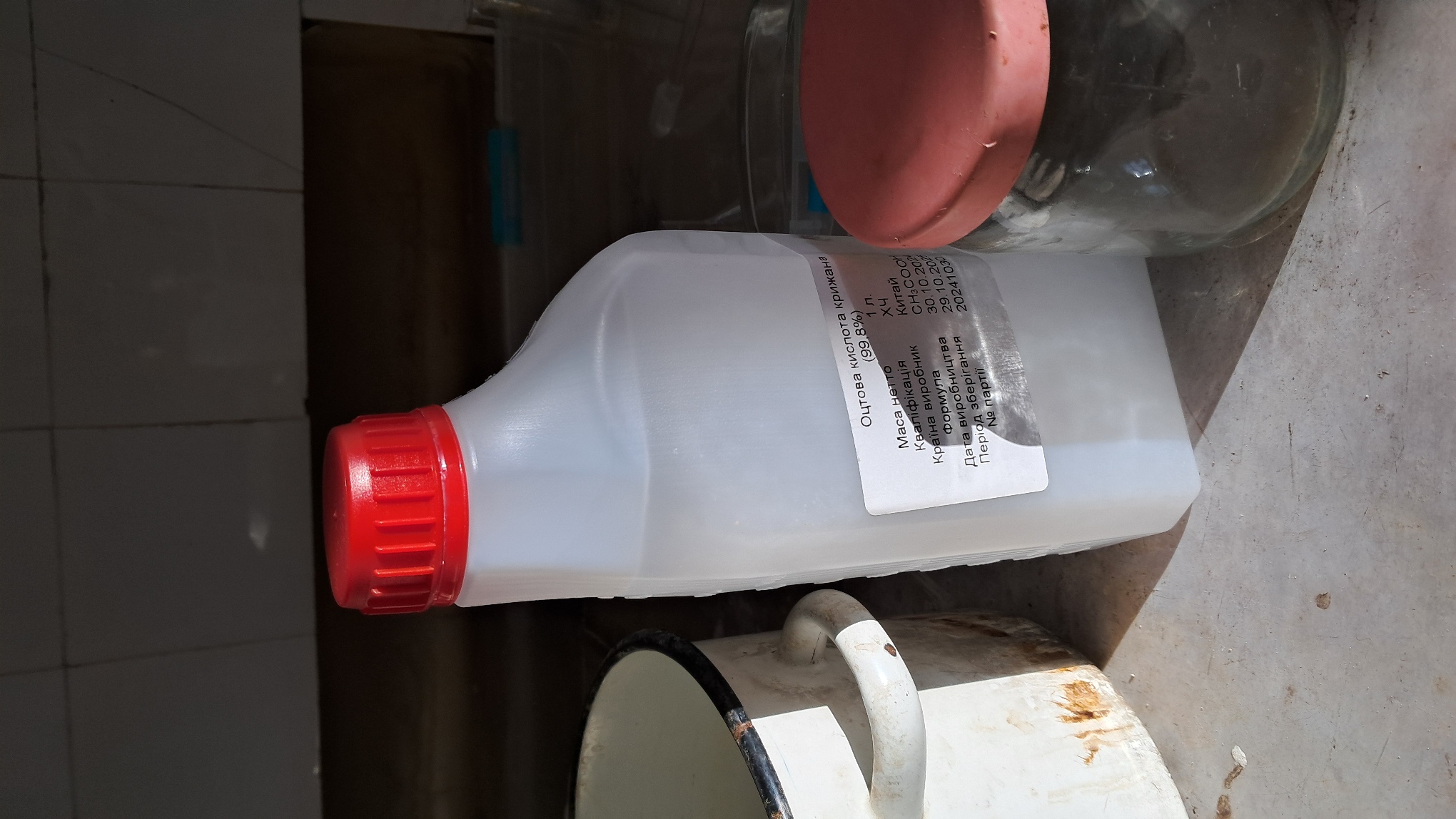
Over the following days, the laboratory temperature dropped to 10°C, and the acetic acid in the bottle solidified completely. I brought another bottle containing 70% acetic acid.


Электроспиннинг: хитозан - Часть 34
Подведем небольшие итоги прошлых экспериментов. С полистиролом (PS) электроспиннинг был успешным, причем положительные результаты были получены с разными растворителями. Лучшие результаты дал диметилформамид (DMF). С раствором поливиниленфторида (PVDF) в DMF мои эксперименты оказались неудачными, хотя коллега-физик в прошлом успешно получил волокна данного полимера. Вероятная причина состоит в том, что коллега использовал в качестве источника высокого напряжения другой компьютерный монитор. Этот монитор не сохранился, поэтому проверить данное предположение затруднительно. Зато эксперименты со смесями растворов полистирола и PVDF в DMF оказались успешными. С поливинилхлоридом (PVC) был полный провал - я не получил ни одного положительного результата. С полиметилметакрилатом (PMMA) положительных результатов тоже пока нет, но идеи остались. Ах, да - волокна нитроцеллюлозы также получить не удалось.

Среди веществ для электроспиннинга я давно планировал использовать хитозан. Коллега-физик рассказал, что такие волокна обладают хорошей биологической совместимостью и могут быть использованы в медицине. Более того, много лет назад он вместе со своей коллегой пытался получить волокна хитозана из раствора в уксусной кислоте. У них долго не получалось, потом коллега догадалась нагреть шприц с раствором на водяной бане. Шприц закрепили в установке и начали электроспиннинг. Пока раствор в шприце не остыл, образовывались волокна хитозана.

Я почитал литературу. Оказывается, хитозан не склонен образовывать волокна в процессе электроспиннинга. Чтобы решить эту проблему, исследователи использовали различные модификации метода. Например, применяли две иглы, расположенные коаксиально. По одной из них подавался раствор хитозана, а по другой одновременно подавался раствор полимера, склонного к образованию волокон в процессе электроспиннинга. Также я нашел статью, в которой описан электроспиннинг раствора хитозана в уксусной кислоте, проведенный "классическим" методом с одной иглой.

Хитозан не растворяется в воде, а только набухает. Он растворим в растворах сильных минеральных кислот, но полимер в таком растворе быстро разрушается. Хорошим растворителем для хитозана является смесь уксусной кислоты и воды. Проблема в том, что и вода, и уксусная кислота имеют сравнительно высокие температуры кипения. Кроме того, летучесть жидкостей зависит не только от их температуры кипения, но и от теплоты парообразования, которая для воды она из самых высоких среди всех распространенных жидкостей.

Мой коллега-химик предложил растворить хитозан в этилацетате. Он утверждал, что где-то и когда-то читал, что для электроспиннинга хитозана использовали смесь, содержащую этилацетат. Ссылку на статью он найти не смог, мой поиск по ключевым словам также не дал результатов. Тем не менее, коллега настаивал на этой идее.

Хитозан у меня был, но коллега сказал, что он купил особенный "хитозан, растворимый в воде". На мой вопрос он уточнил, что такой хитозан обычно модифицируют разными функциональными группами, благодаря чему он приобретает способность растворяться в воде.

Узнав, что у меня есть метилацетат, коллега решил использовать данный растворитель вместо этилацетата. Он взвесил 1 г растворимого хитозана и добавил около 10 г метилацетата. Я скептически относился к этой идее, но не мешал коллеге работать, тем более, что в последнее время он редко работал в лаборатории. Коллега часто обещал начать новый эксперимент или помочь с экспериментами мне, но свои обещания он выполнял редко. Это был именно тот редкий случай.

Хитозан, разумеется, не растворился в метилацетате. Тогда коллега попросил у меня ледяную уксусную кислоту. Кислота у меня была, но находилась она в другой лаборатории, которая не отапливается. В то время температура воздуха там опустилась до 1°С. А температура замерзания уксусной кислоты составляет примерно 16.6°C. Я понимал, что это означает...

Когда я открыл дверцу шкафа с реактивами, оказалось, что уксусная кислота осталась жидкой, - уксусная кислота известна своей способностью переохлаждаться, не замерзая. Когда я осторожно взял бутылку с кислотой в руку, жидкость внутри сразу же начала кристаллизоваться, превращаясь в белую массу, похожую на лед. Я даже не успел прикоснуться к пробке. Не случайно чистую уксусную кислоту называют "ледяная".

Замерзание переохлажденной жидкости выглядело эффектно, однако, как набрать из бутылки кислоту, если она затвердела? Хорошая новость была в том, что небольшая часть уксусной кислоты осталась жидкой - ее и использовал коллега.

Переохлажденная жидкость находится в метастабильном состоянии, поэтому после начала кристаллизации она замерзает быстро - буквально на глазах. Но быстрое замерзание не обязательно означает полное замерзание. При переходе переохлажденной уксусной кислоты в твердое состояние выделяется скрытое тепло кристаллизации, в результате чего ее температура повышается. Когда температура кислоты достигает точки замерзания, переход жидкости в твердое состояние резко замедляется. Дальнейшая кристаллизация кислоты продолжается только при условии, что температура внешней среды ниже температуры замерзания кислоты. В тот день в моей лаборатории было +20°С.

Плохая новость состояла в том, что после добавления уксусной кислоты в метилацетат хитозан все равно не растворился. Коллега оставил стакан со словами: "Пусть вещества постоят, а вдруг хитозан растворится". Я понимал, что коллега уже потерял интерес к работе и скоро он забудет про хитозан, но говорить этого вслух я не стал.

Во втором стакане он додавил 1 г хитозана к 10 г воды. Полимер полностью растворился, образовав темно-коричневый раствор.

В третьем стакане я добавил 1 г хитозана к примерно 10 г уксусной кислоты и 2 г воды. Образовался коричневый подвижный раствор. Именно этот раствор я и использовал для электроспиннинга. В самом начале процесса стало заметно, что образуется аэрозоль, а не волокна. Исследование поверхности коллектора под микроскопом подтвердило это предположение. Вязкость раствора была слишком низкой.

Я намеревался увеличить концентрацию хитозана, но перед этим занялся литературным поиском с целью найти информацию о том, какими методами обрабатывают хитозан, чтобы он приобрел способность растворяться в воде. Оказалось, что в некоторых случаях хитозан действительно модифицируют, вводя в его молекулу функциональные группы, которые обеспечивают его растворимость в воде. Однако, чаще хитозан просто обрабатывают перекисью водорода, которая расщепляет большие макромолекулы на меньшие фрагменты. Разумеется, такое вещество неприемлемо для наших экспериментов, поскольку короткие молекулы полимера менее склонны к образованию волокон, чем длинные макромолекулы.

Когда коллега покупал "водорастворимый хитозан", он не задумался, за счет чего была достигнута его растворимость в воде. Похоже, что ему понравилось красивое название, а практическое применение данного вещества его интересовало мало.

К счастью, много лет назад этот же коллега подарил мне баночку с "обычным" хитозаном, я принес ее в лабораторию, чтобы продолжить эксперименты уже с этим веществом.

В следующие дни температура в лаборатории опустилась до +10°С и кислота в бутылке затвердела полностью. Я принес другую бутылку с 70% уксусной кислотой.


Electrospinning: Chitosan
The unheated laboratory

Electrospinning: Chitosan
When I opened the cabinet, the acetic acid was still liquid - acetic acid is known for its ability to supercool without crystallizing. However, as soon as I carefully lifted the bottle, the liquid began to crystallize, turning into a white mass resembling ice.

Electrospinning: Chitosan
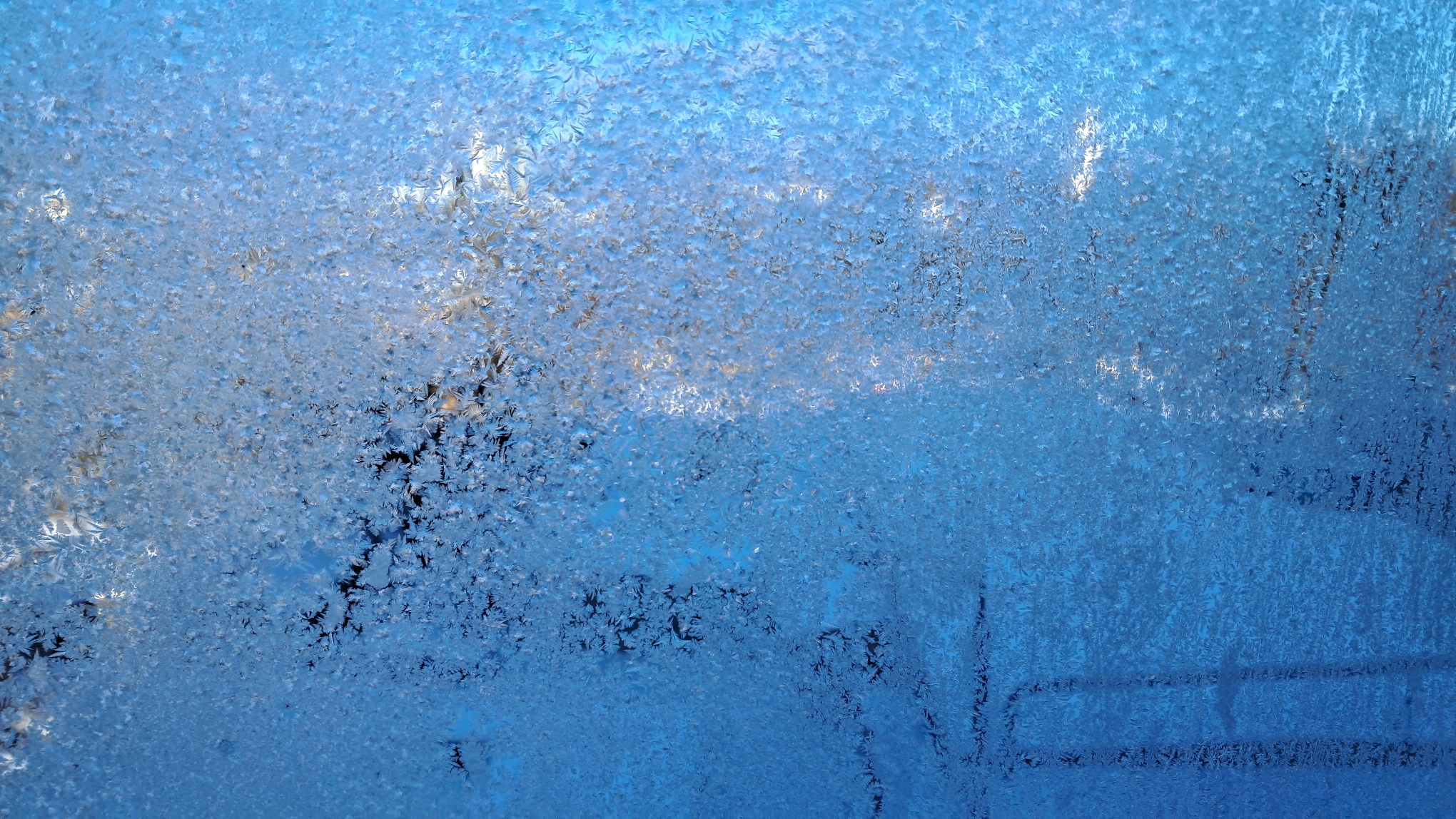
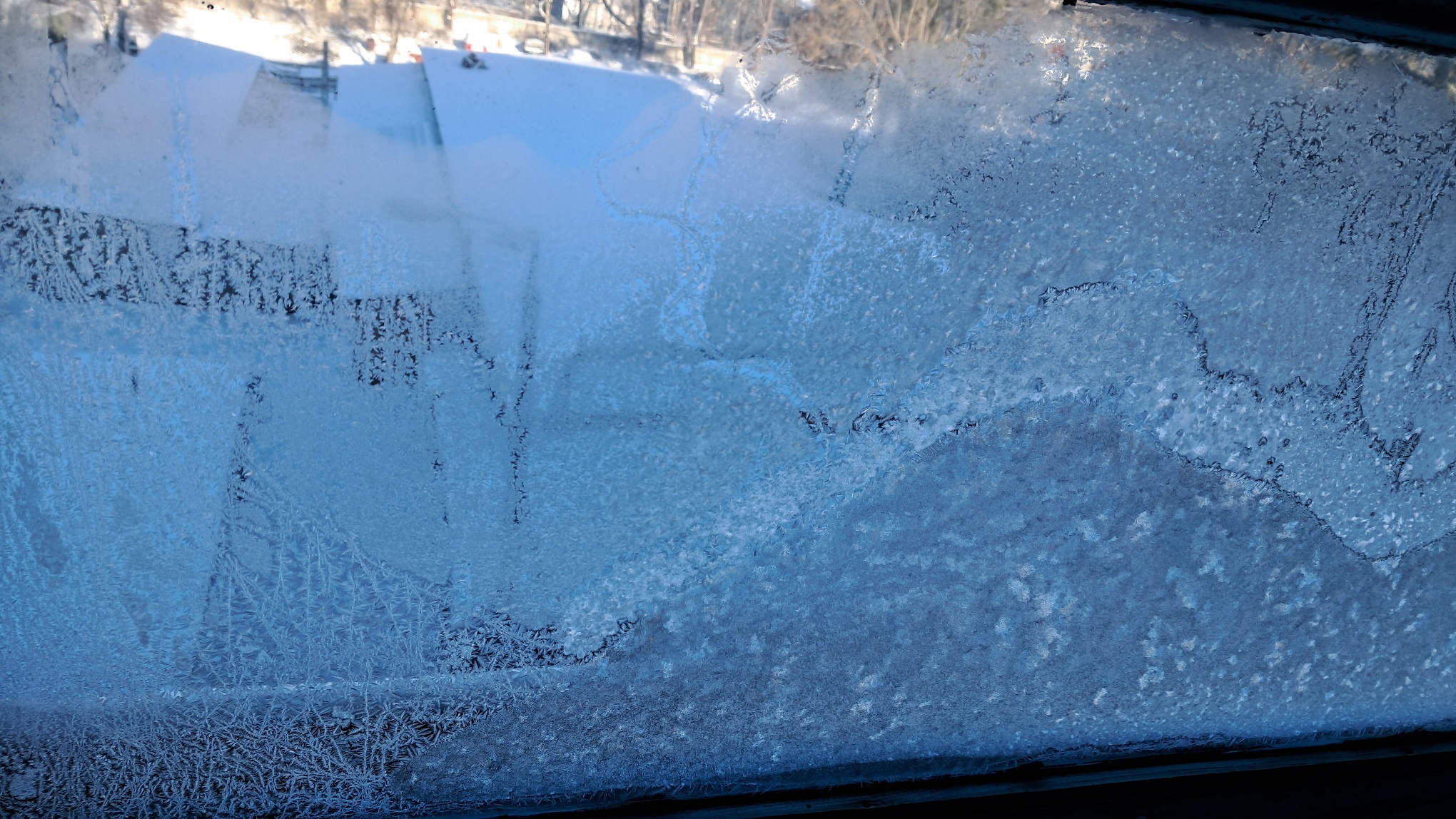
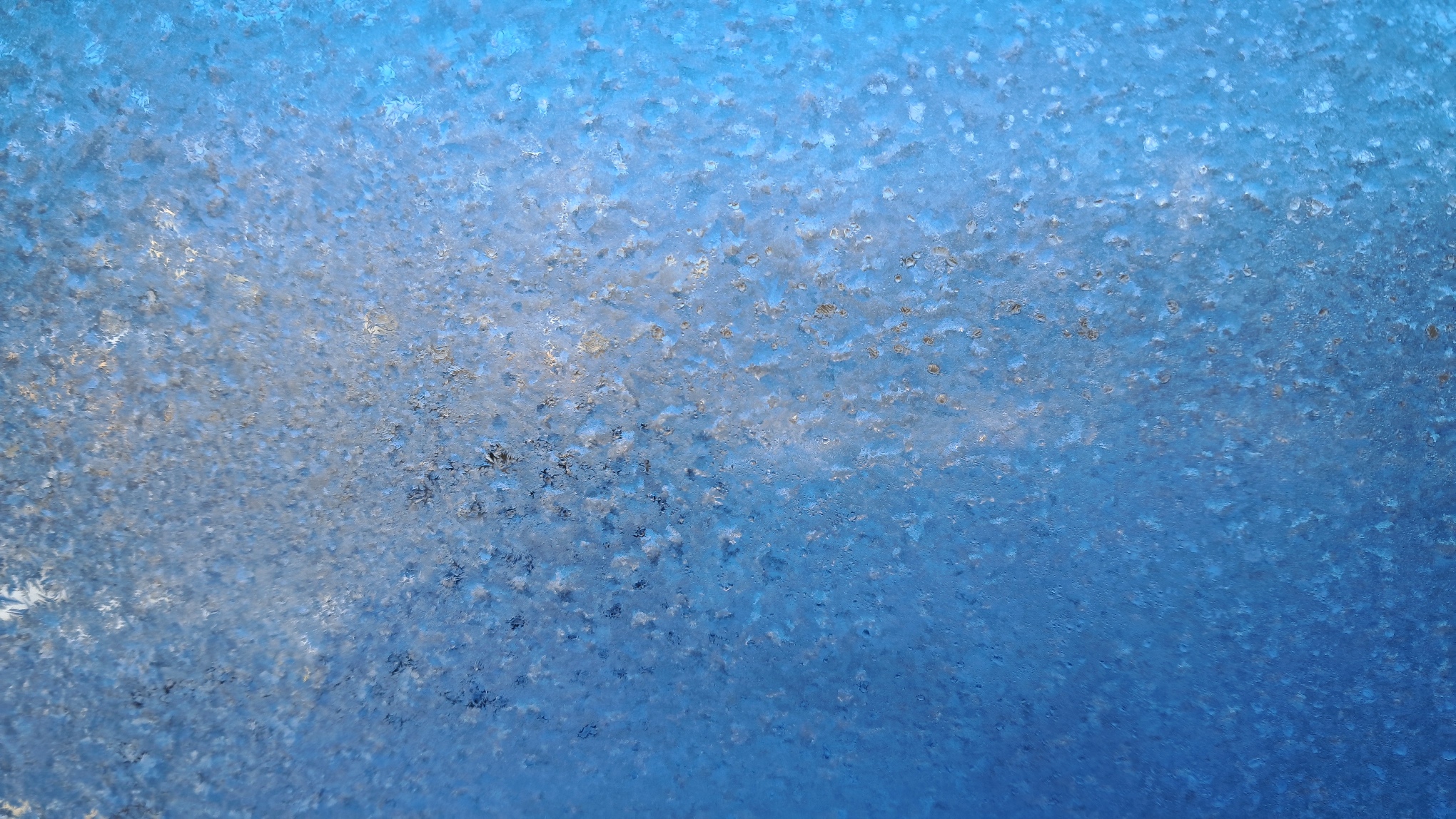
The laboratory windows (interior side)

Electrospinning: Chitosan

Electrospinning: Chitosan

Electrospinning: Chitosan

Electrospinning: Chitosan
A small portion of the acetic acid remained liquid

Electrospinning: Chitosan
The other laboratory

Electrospinning: Chitosan
Chitosan, acetic acid, and methyl acetate

Electrospinning: Chitosan
Chitosan

Electrospinning: Chitosan
Water

Electrospinning: Chitosan
Acetic acid

Electrospinning: Chitosan
Chitosan in: acetic acid/water, water, and methyl acetate/acetic acid

Electrospinning: Chitosan

Electrospinning: Chitosan

Electrospinning: Chitosan
Electrospinning

Electrospinning: Chitosan

Electrospinning: Chitosan

Electrospinning: Chitosan
Over the following days, the laboratory temperature dropped to 10°C, and the acetic acid in the bottle solidified completely.


[ Electric Arc, Electrical Discharges, Experiments with Electricity (Part 2) ] [ Polymers, Monomers, Natural Polymers, Plastics, Natural products ]

Electrospinning - Discussion on the forum
Experiments with Polymers and Monomers (including natural ones) - Discussion on the forum
[Submit a Comment / Error Message - Отправить Комментарий / Сообщение об ошибке]