Chemistry and Chemists № 1 2026
Journal of Chemists-Enthusiasts
| Content | Chemistry experiments - video | Physics experiments - video | Home Page - Chemistry and Chemists |
|
Chemistry and Chemists № 1 2026 Journal of Chemists-Enthusiasts |
Electrospinning - pt.35, 36 Chemist |
|
Having noticed a mistake in the text, allocate it and press Ctrl-Enter
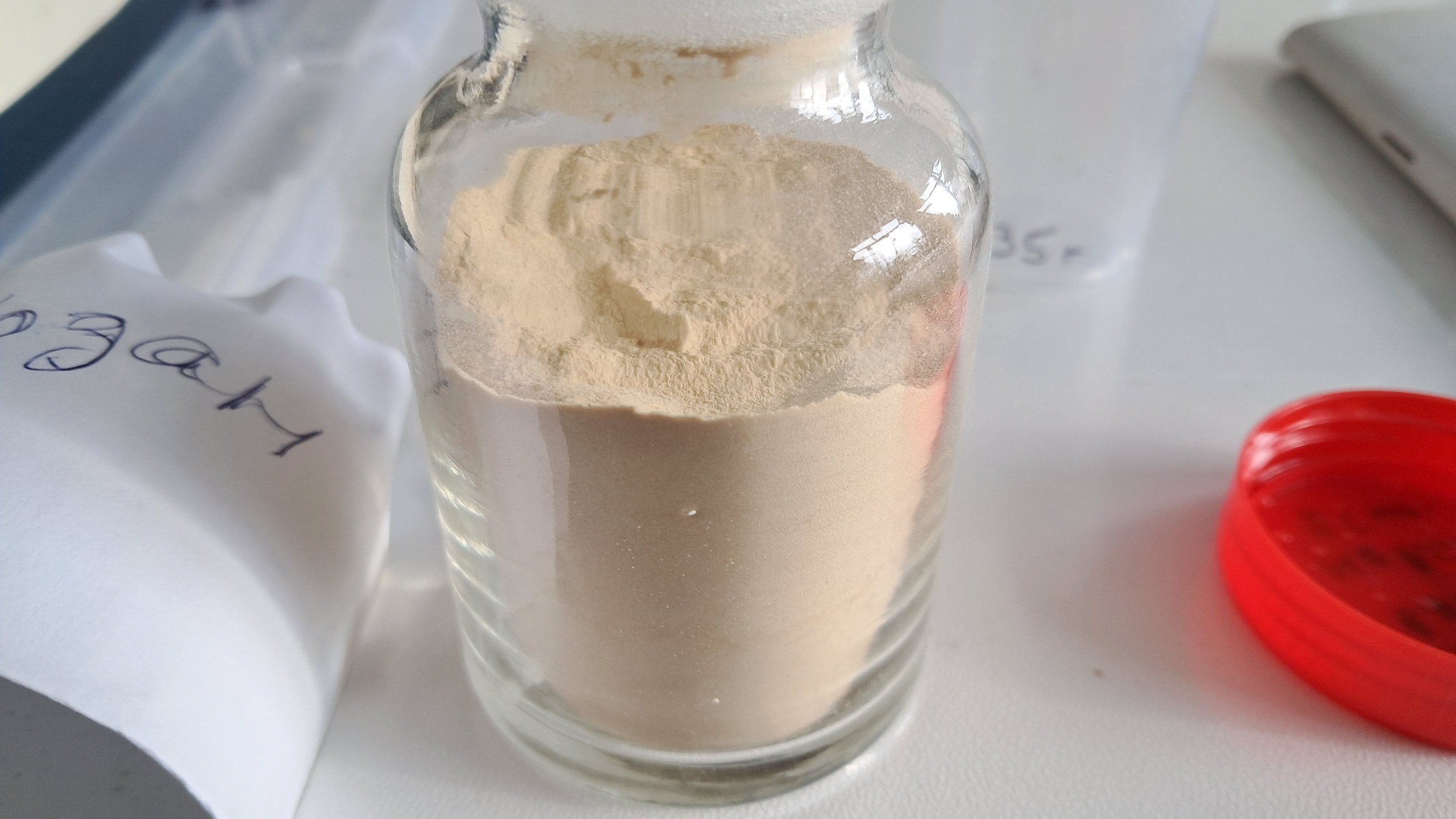
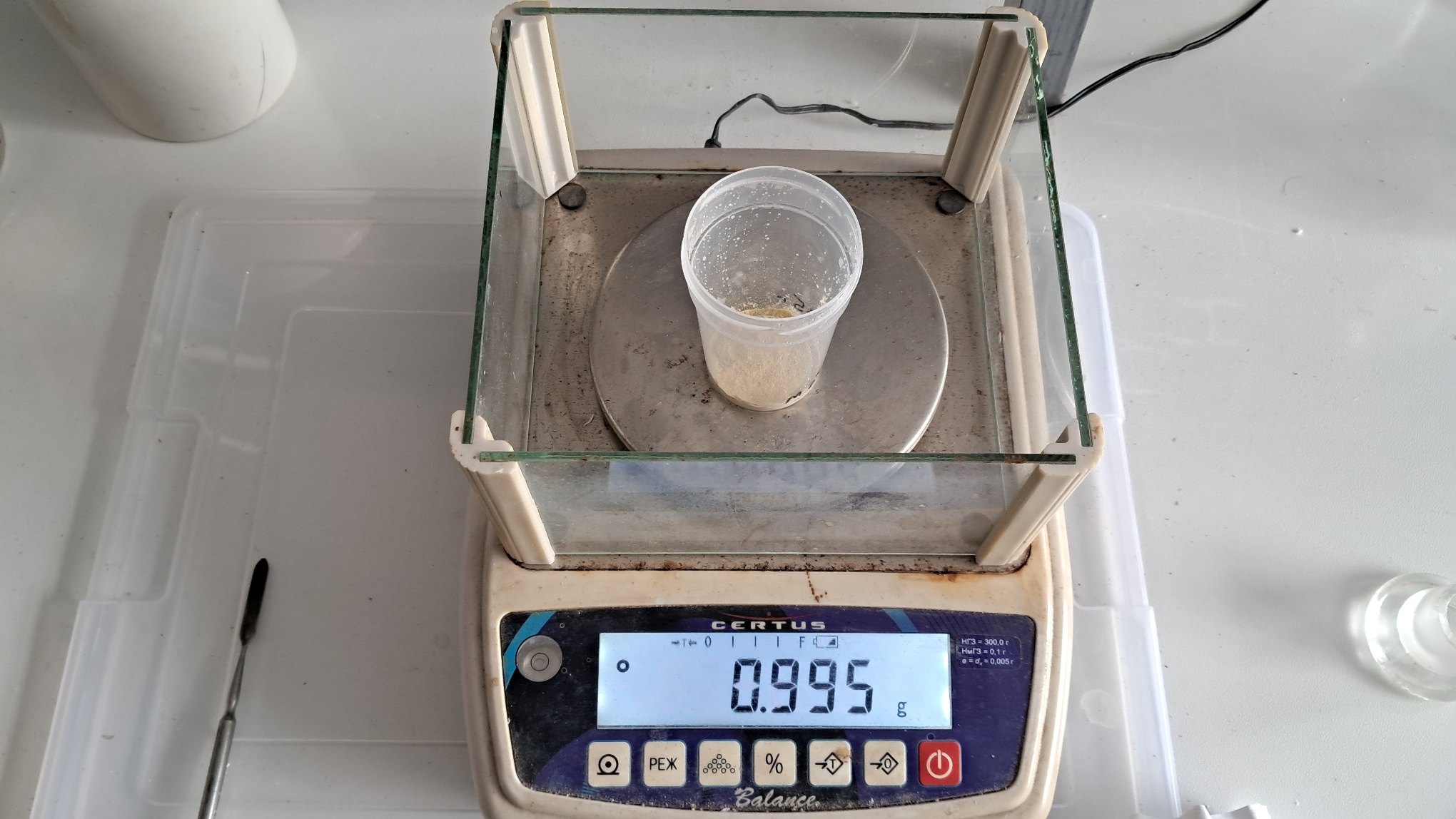
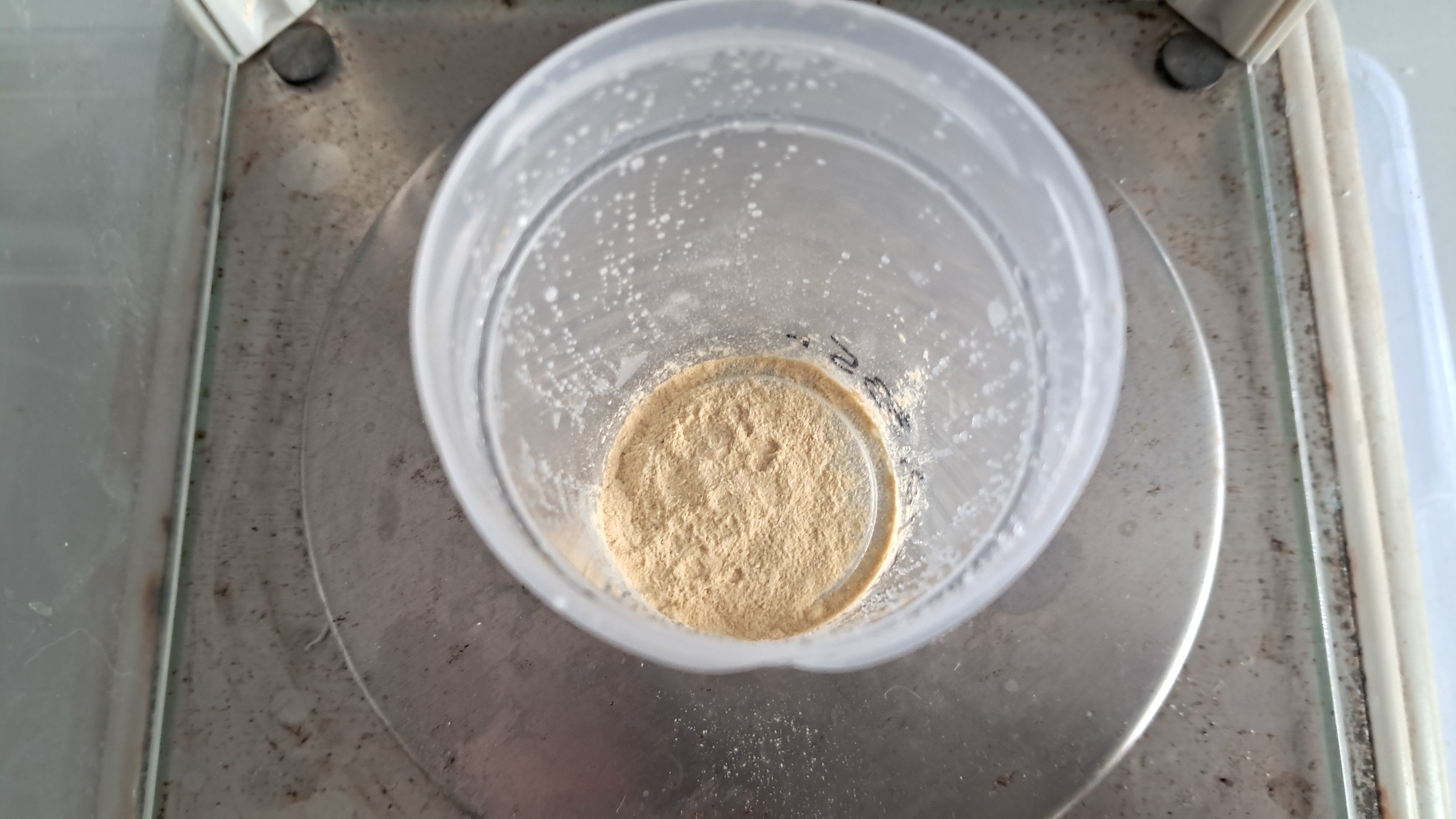
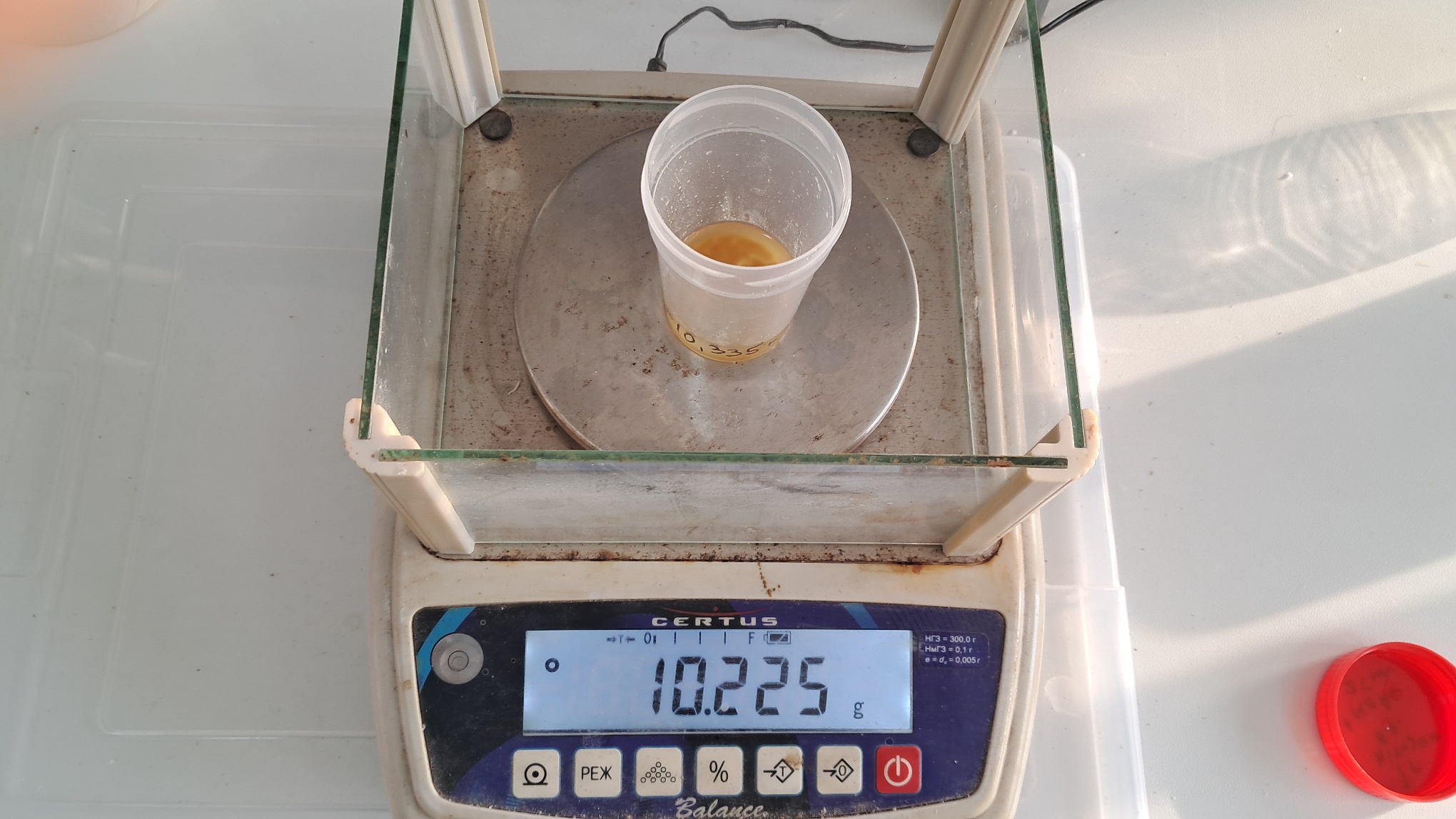
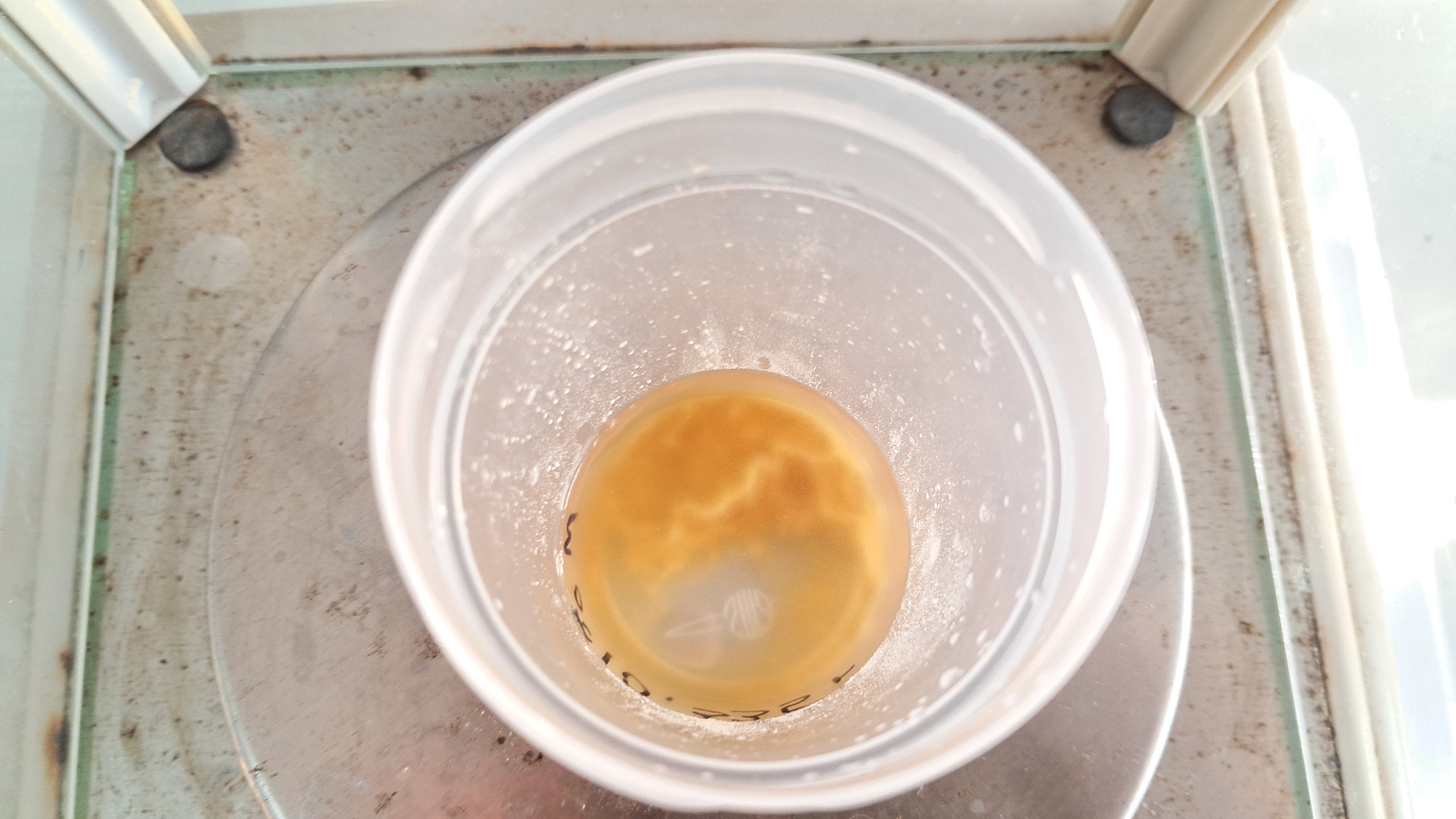
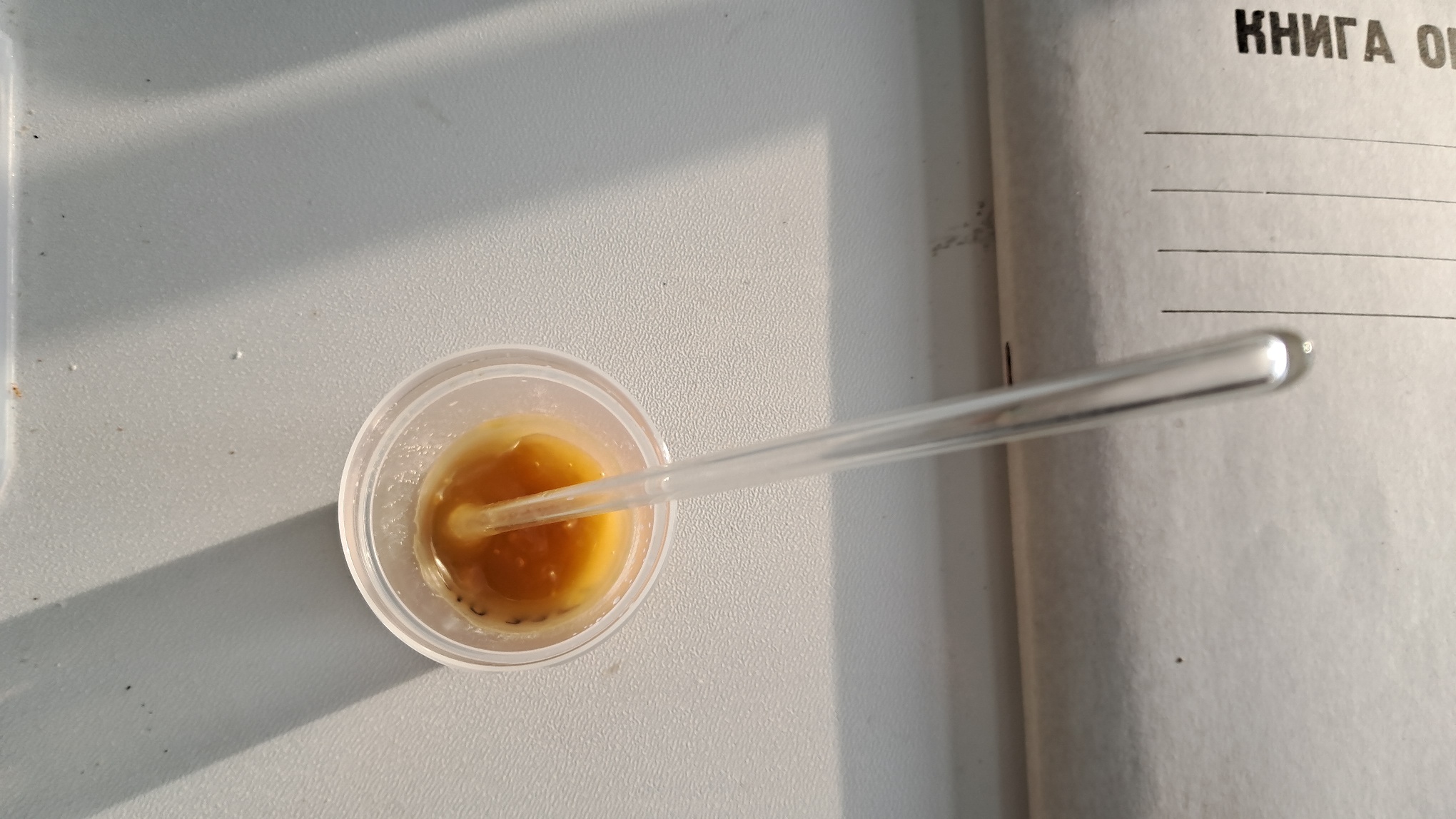
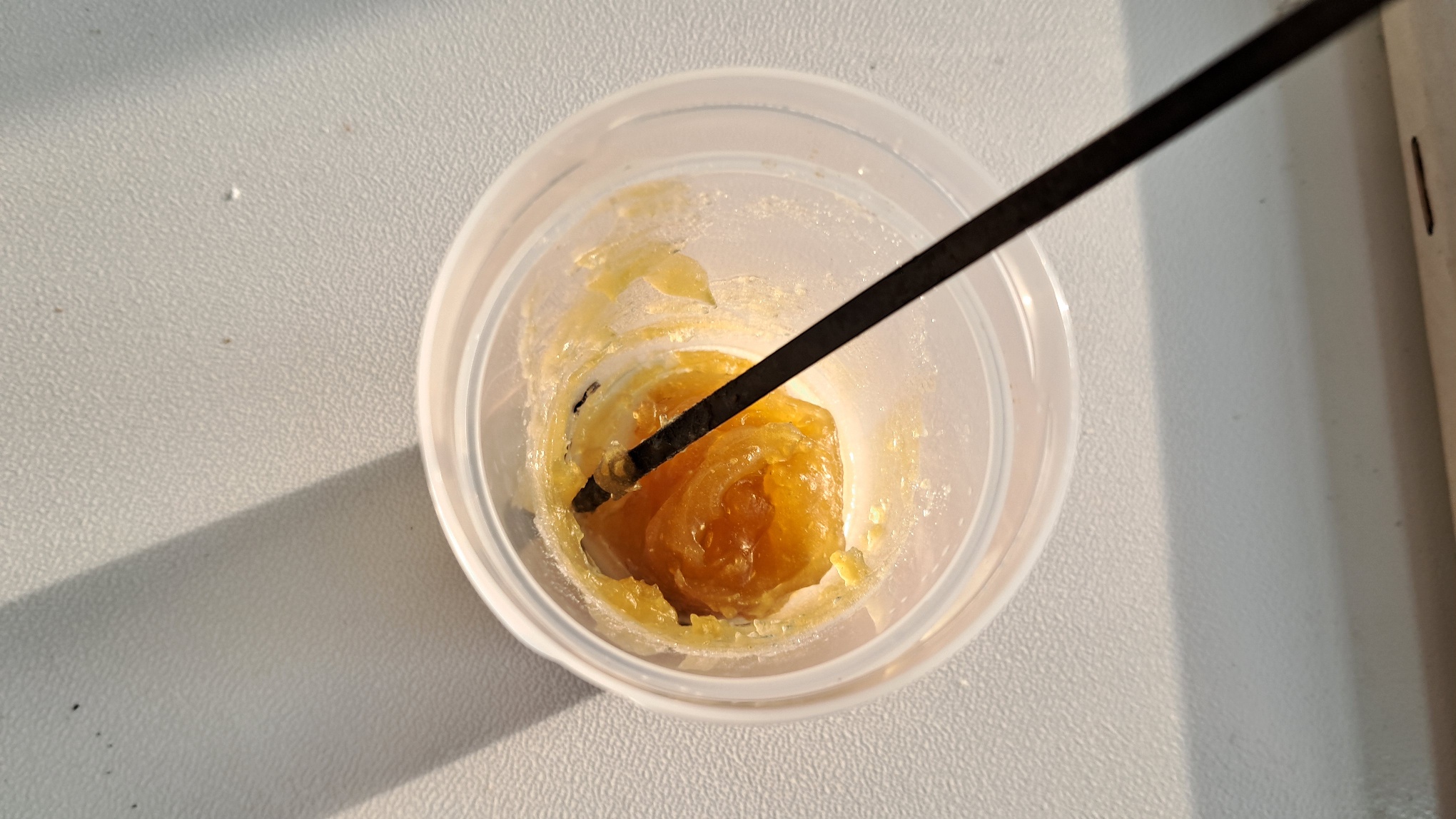
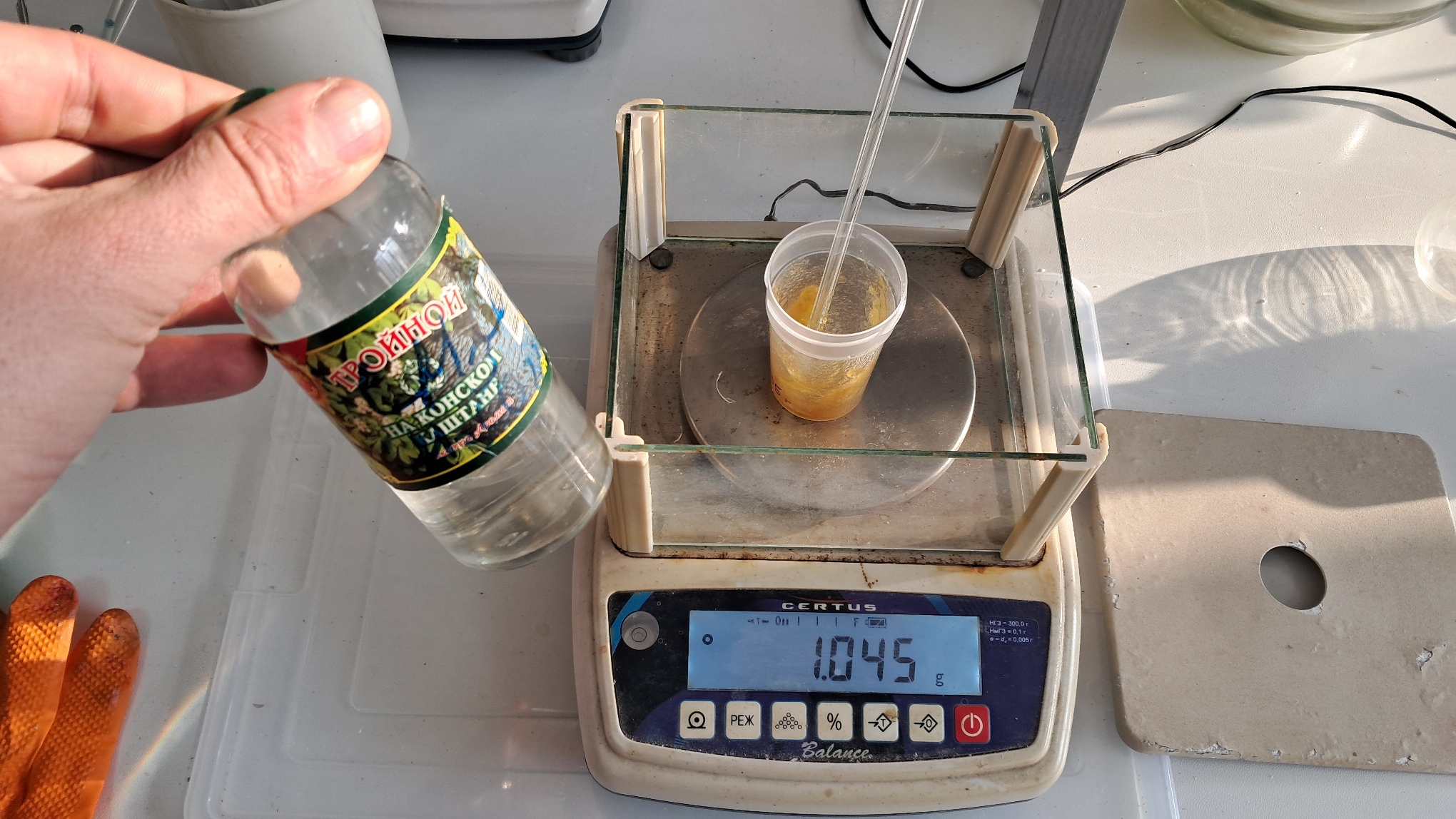
I weighed approximately 1 g of unmodified chitosan and about 10 g of a 70% acetic acid solution and mixed the components. A semi-liquid, viscous, brown mass formed. The viscosity of the mixture was too high for electrospinning. I repeatedly added small portions of acetic acid or water and stirred until the viscosity became acceptable.
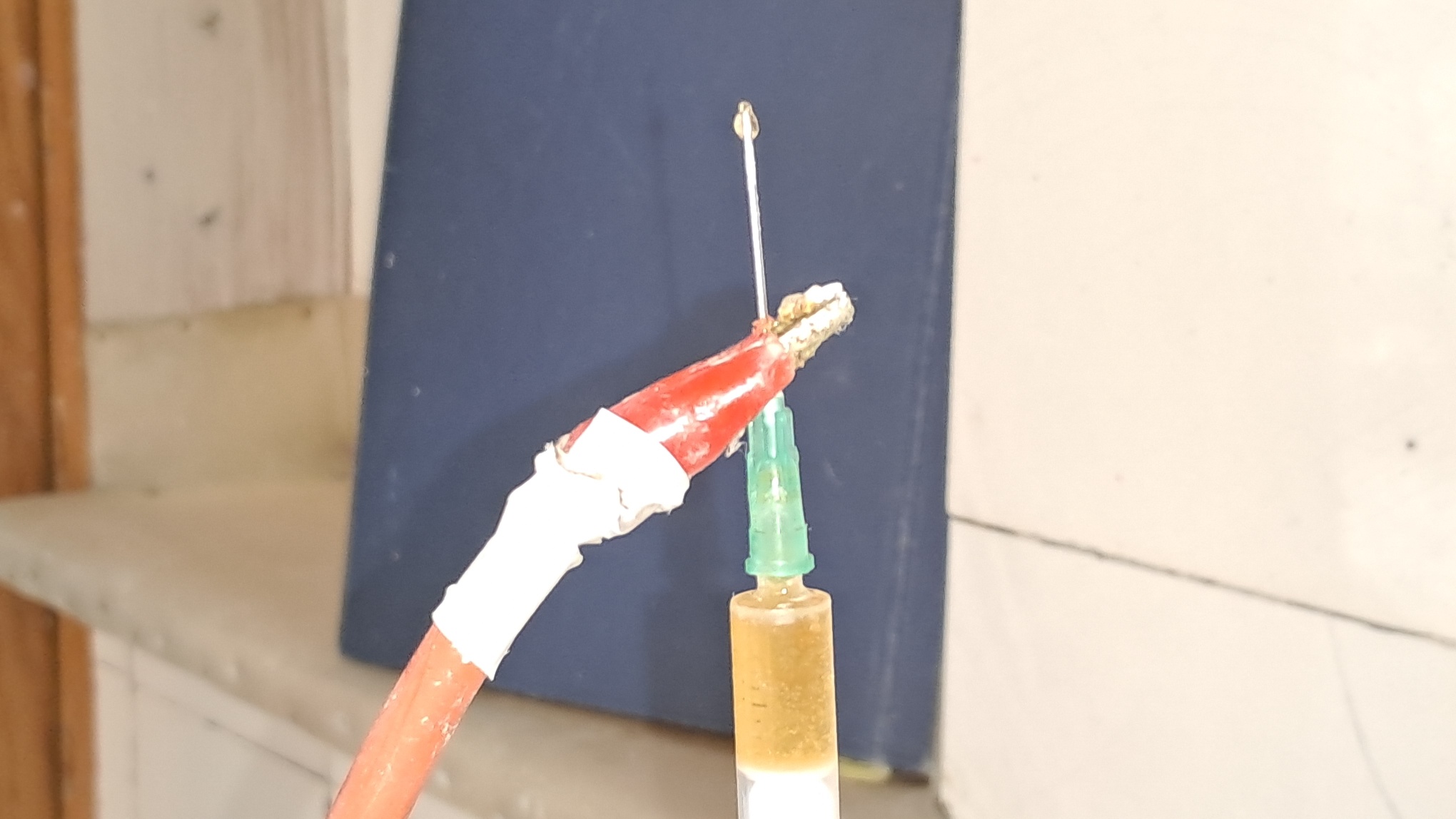
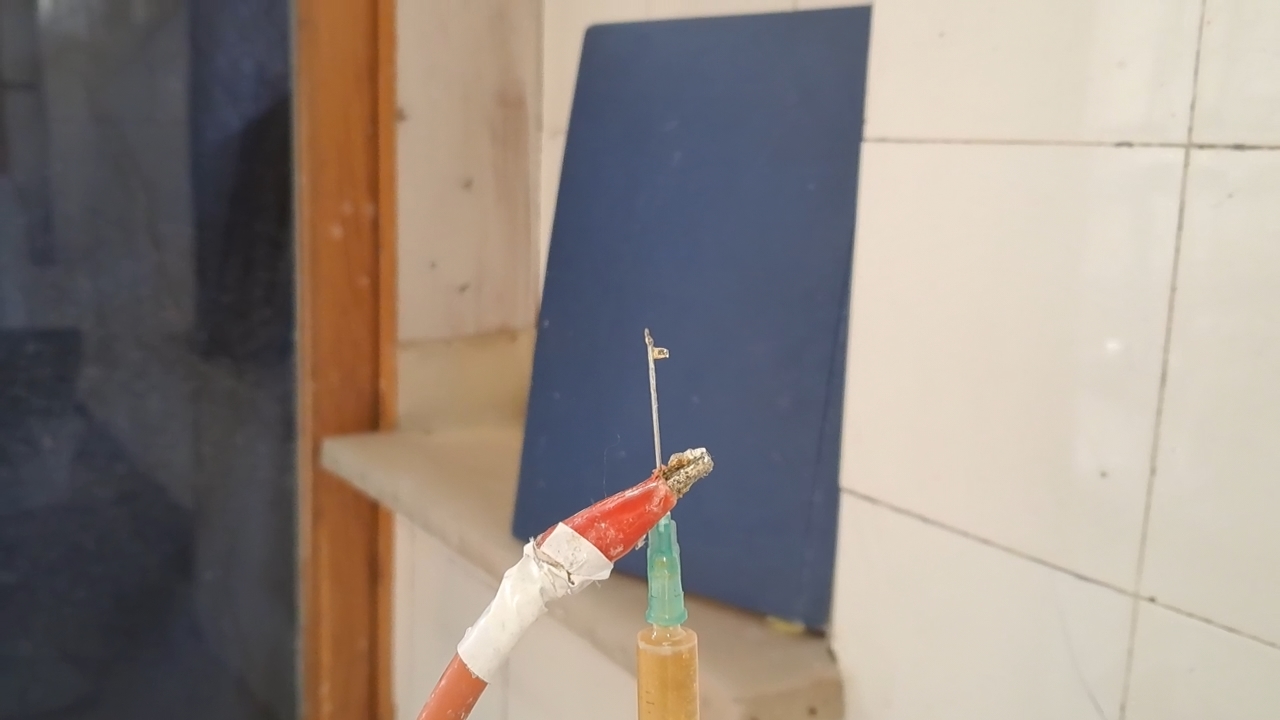
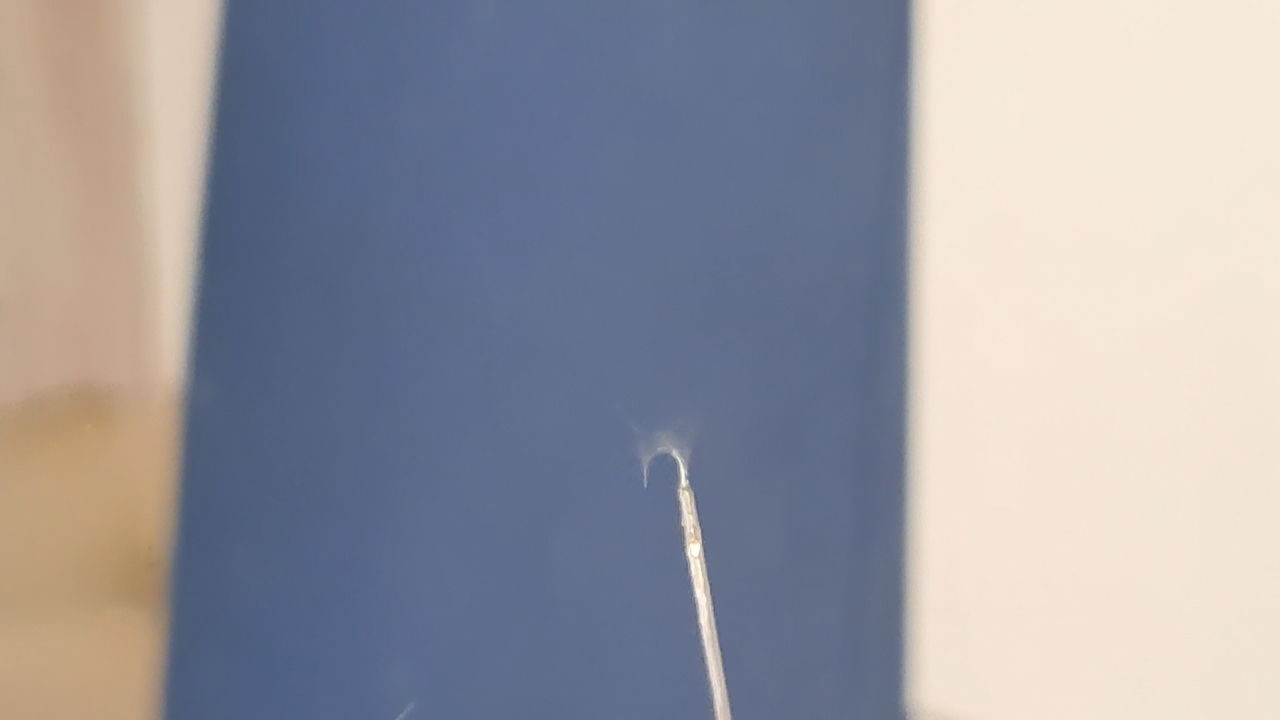
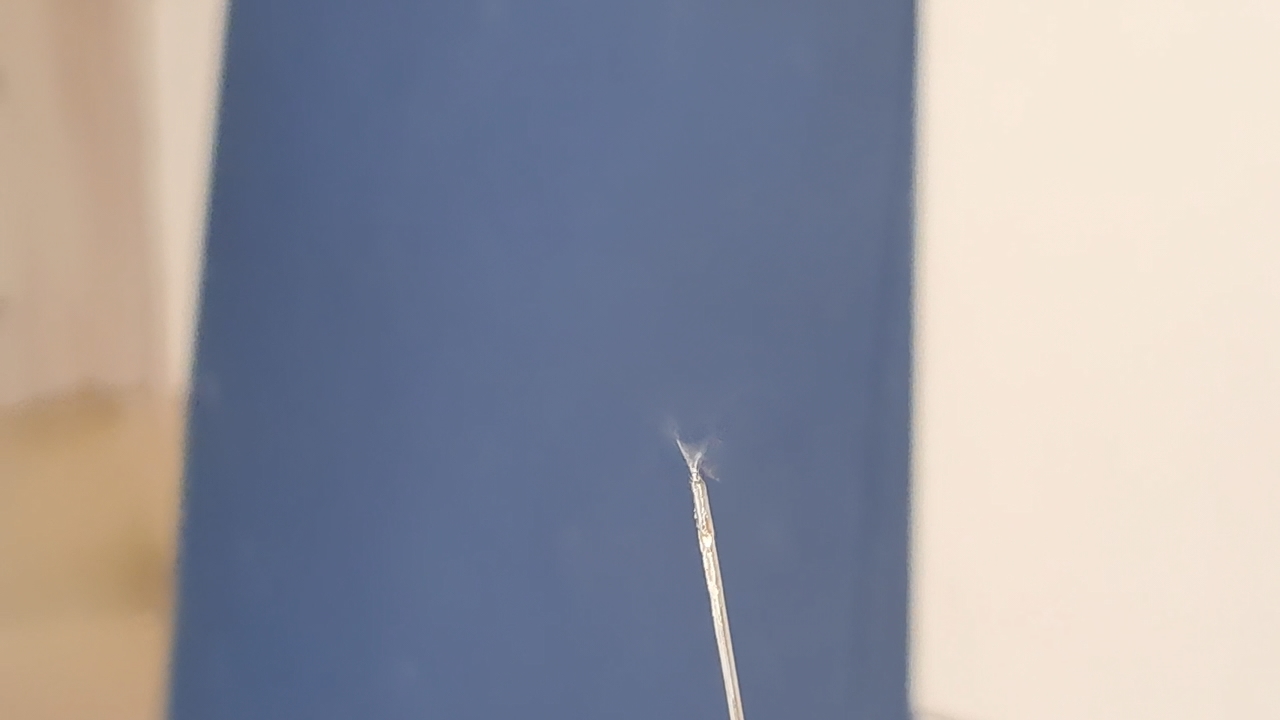
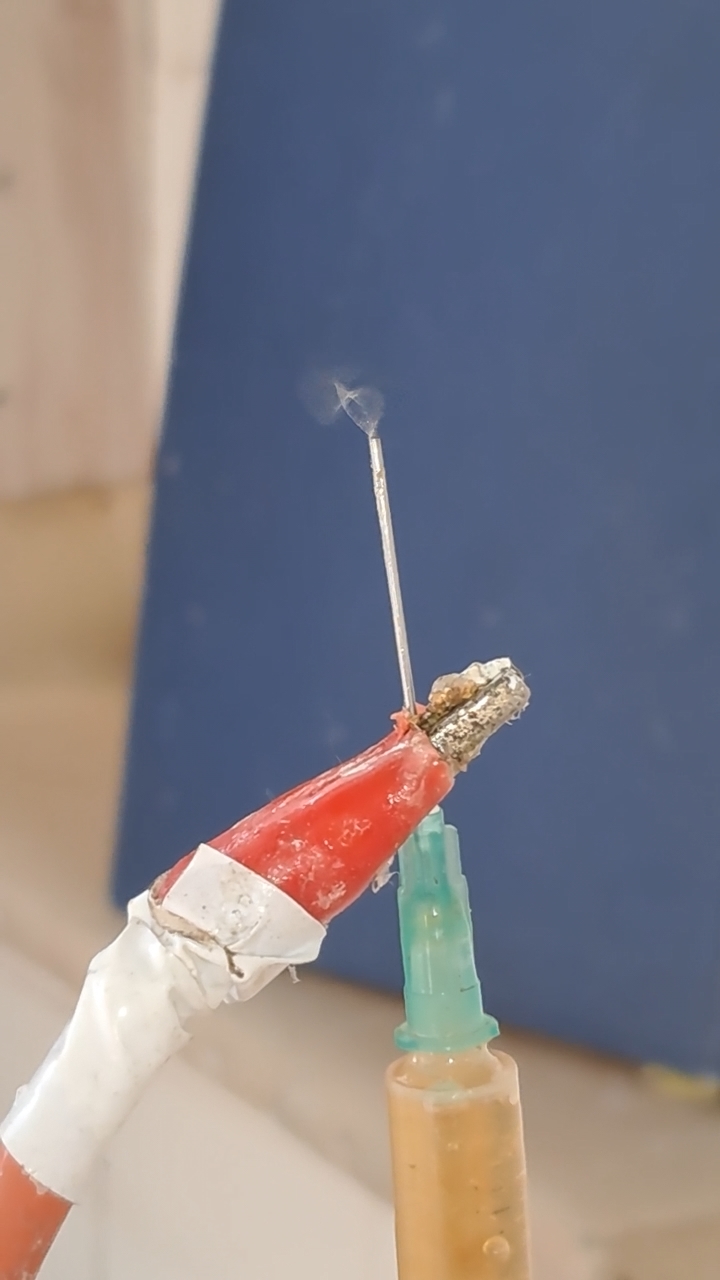
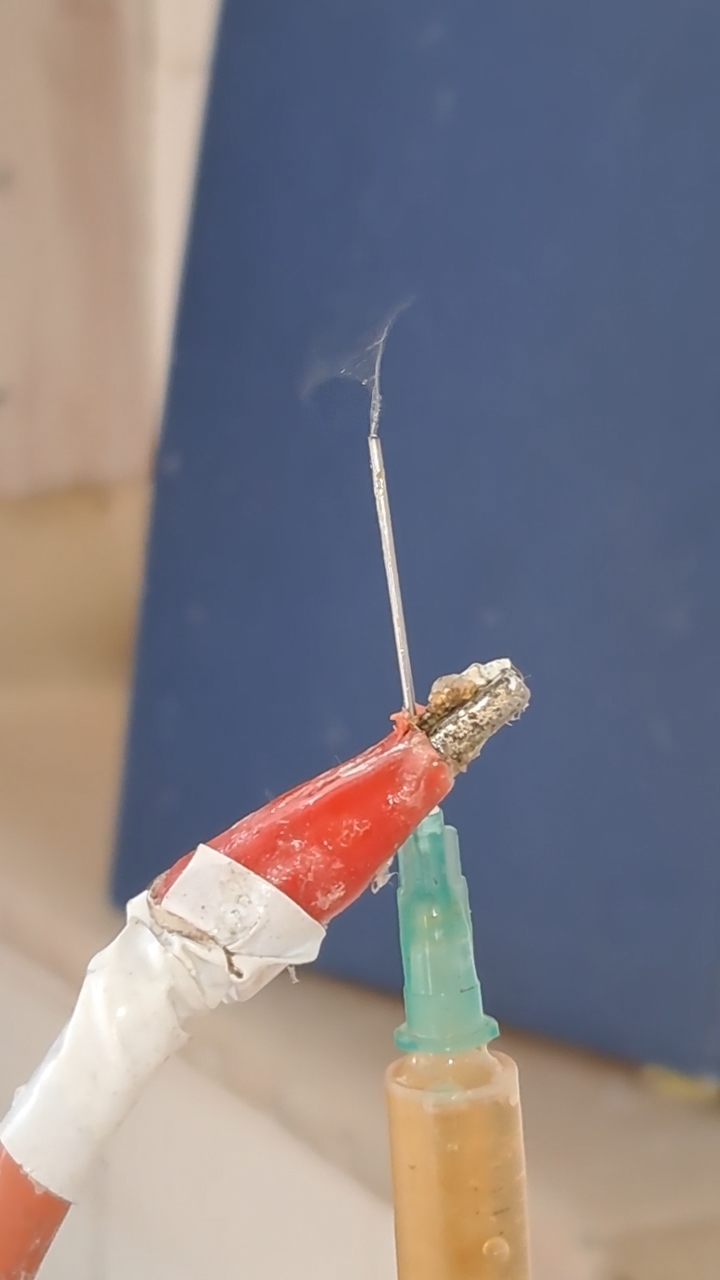
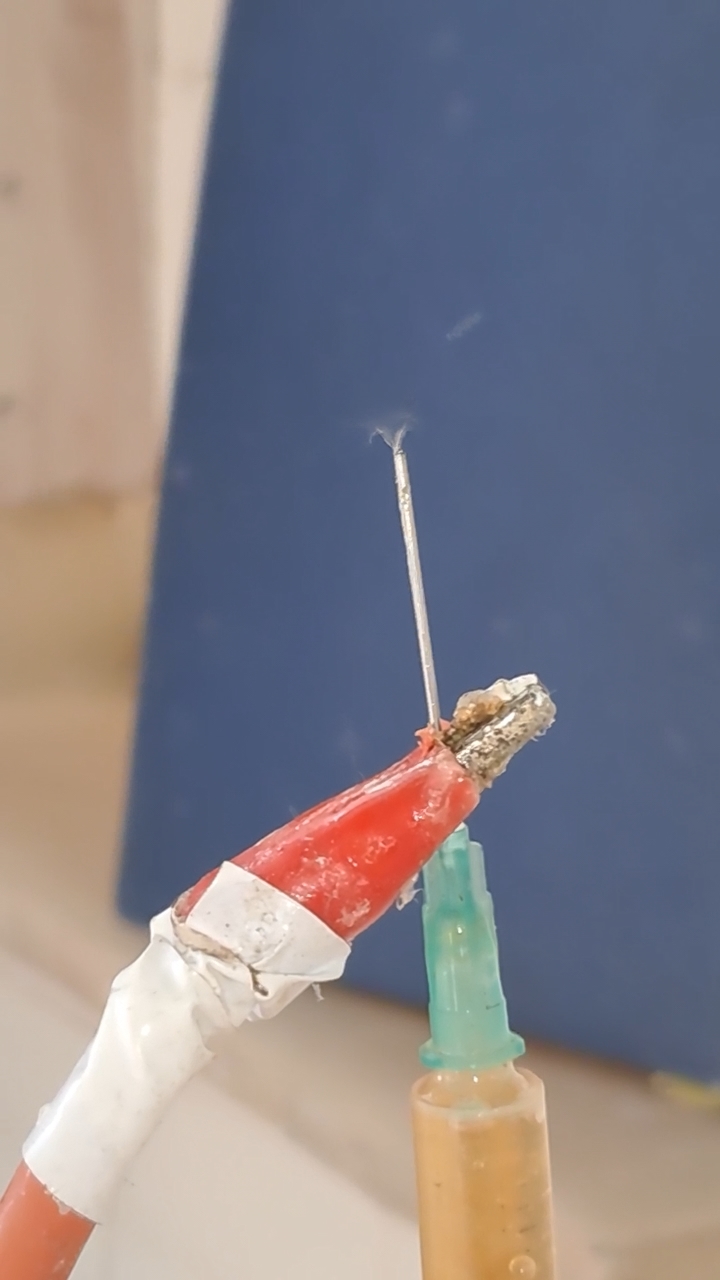
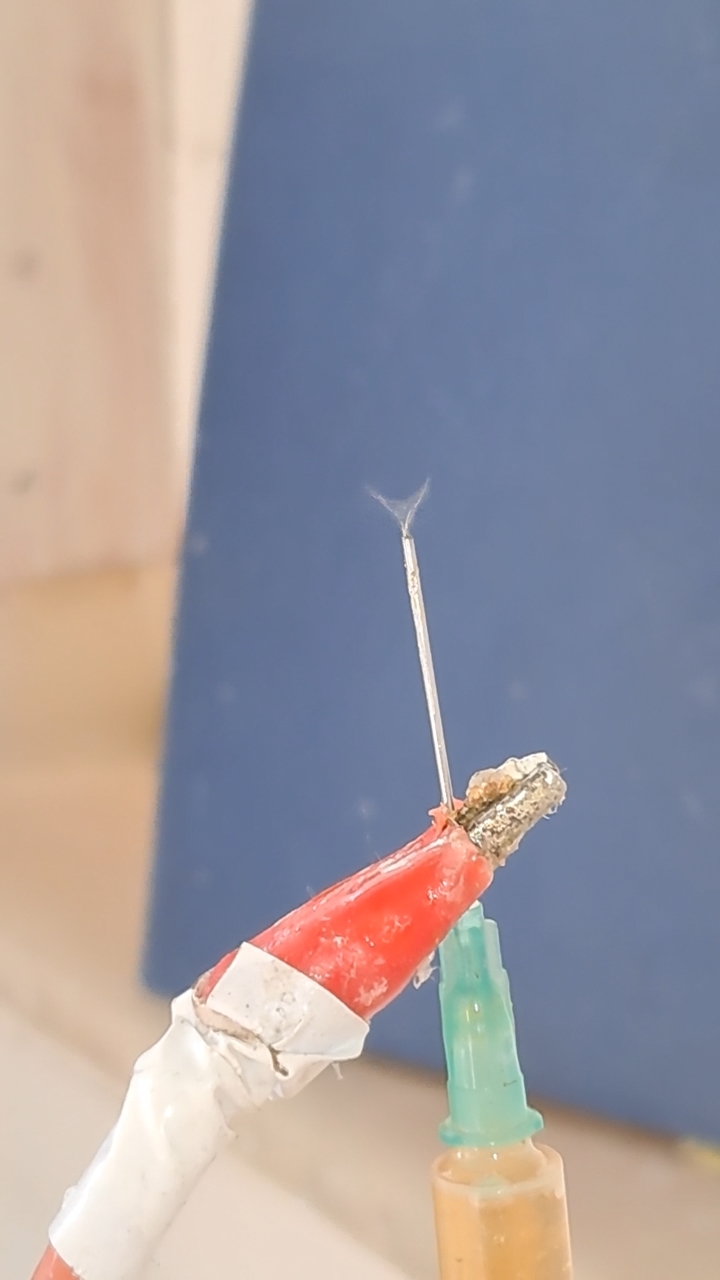
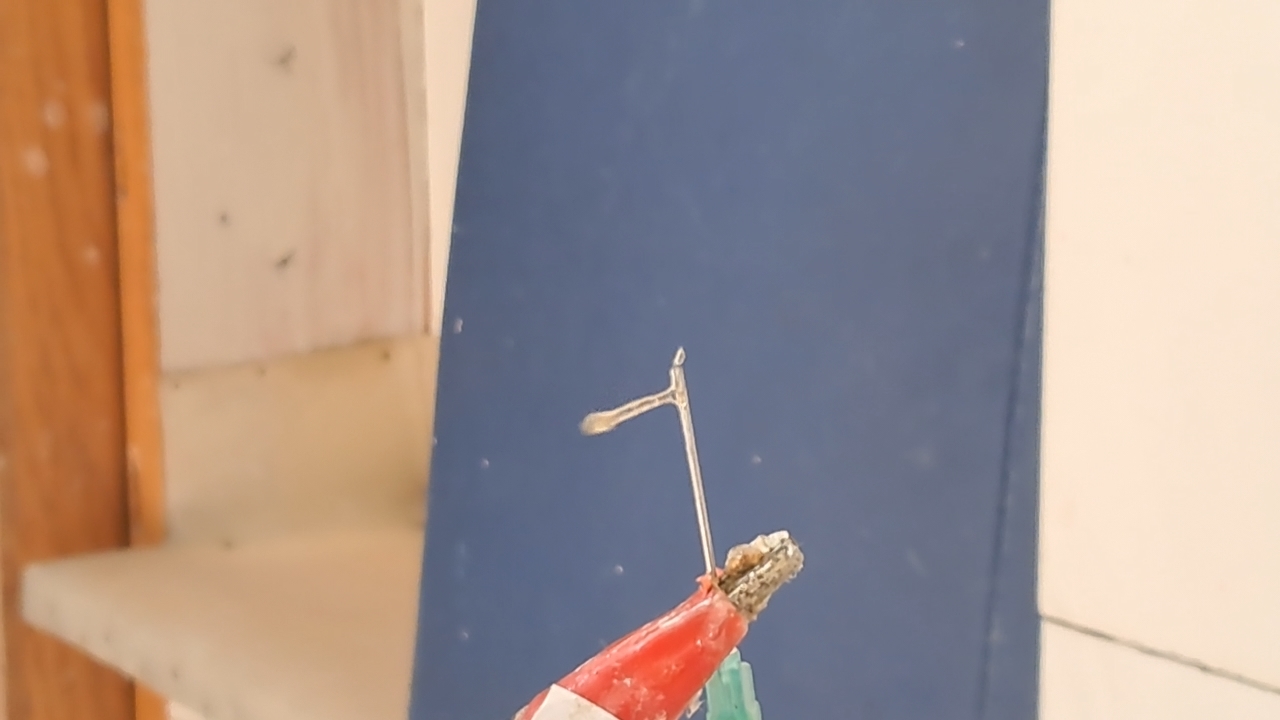
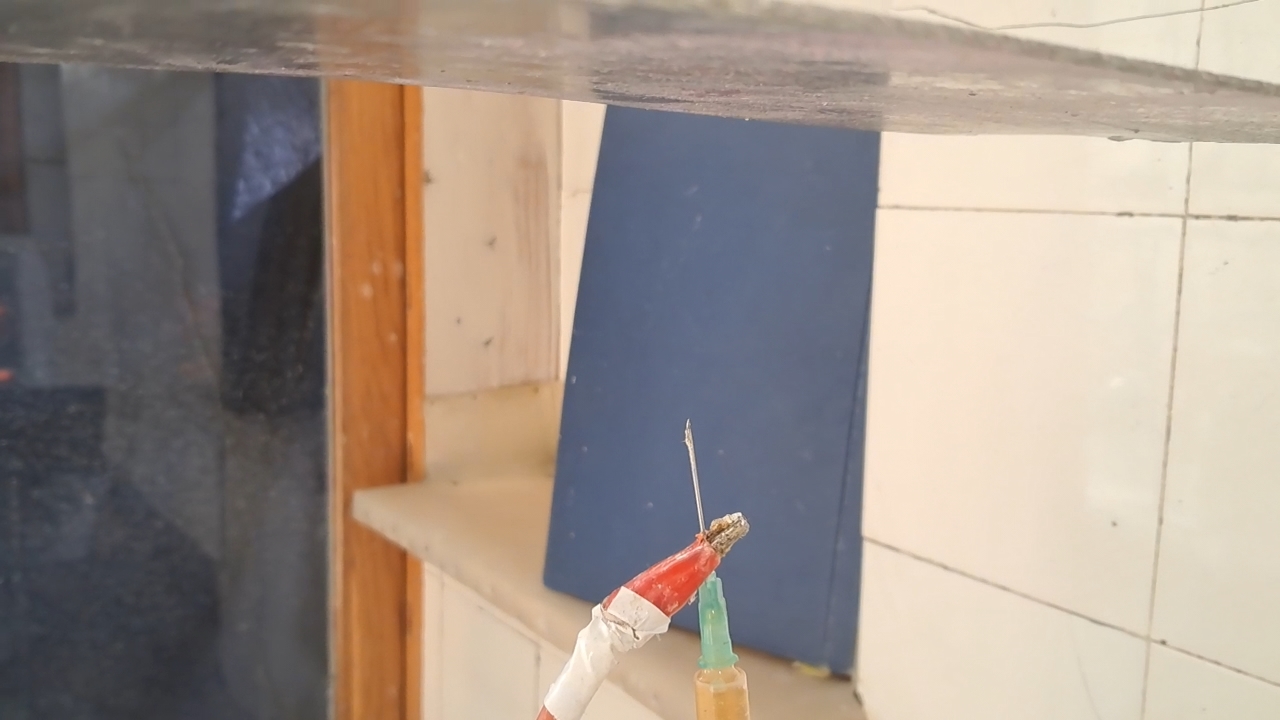
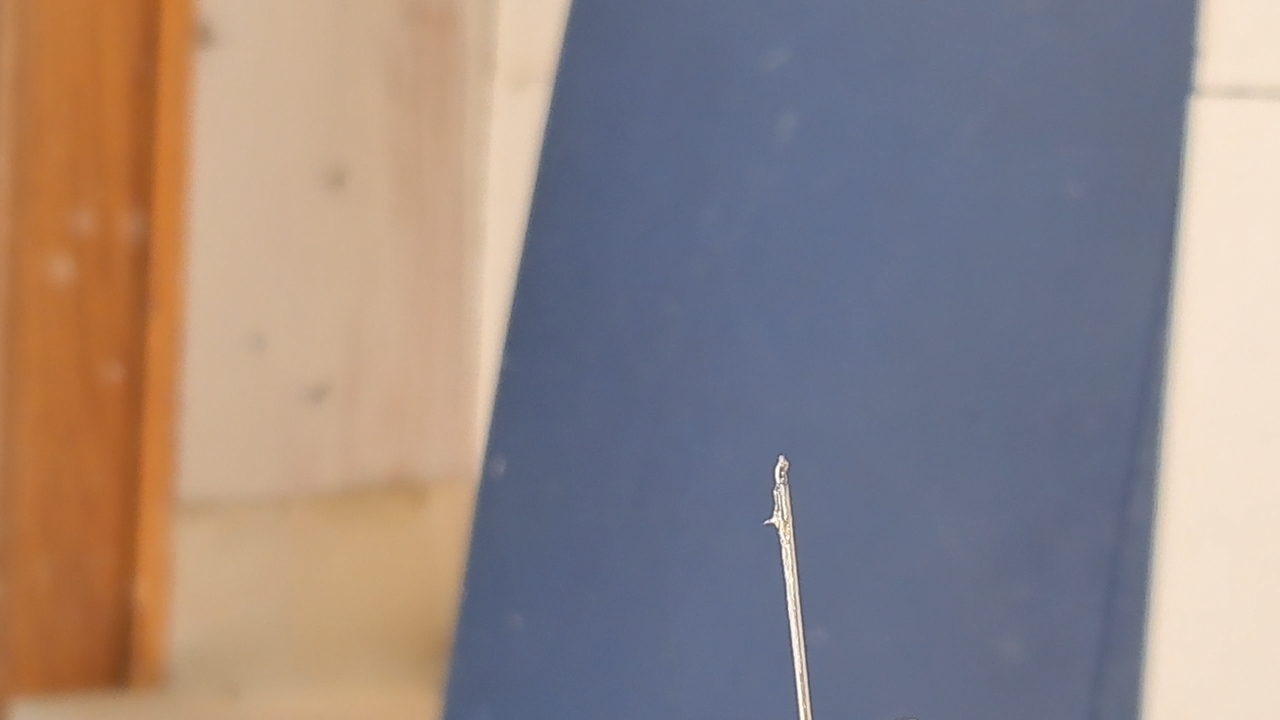
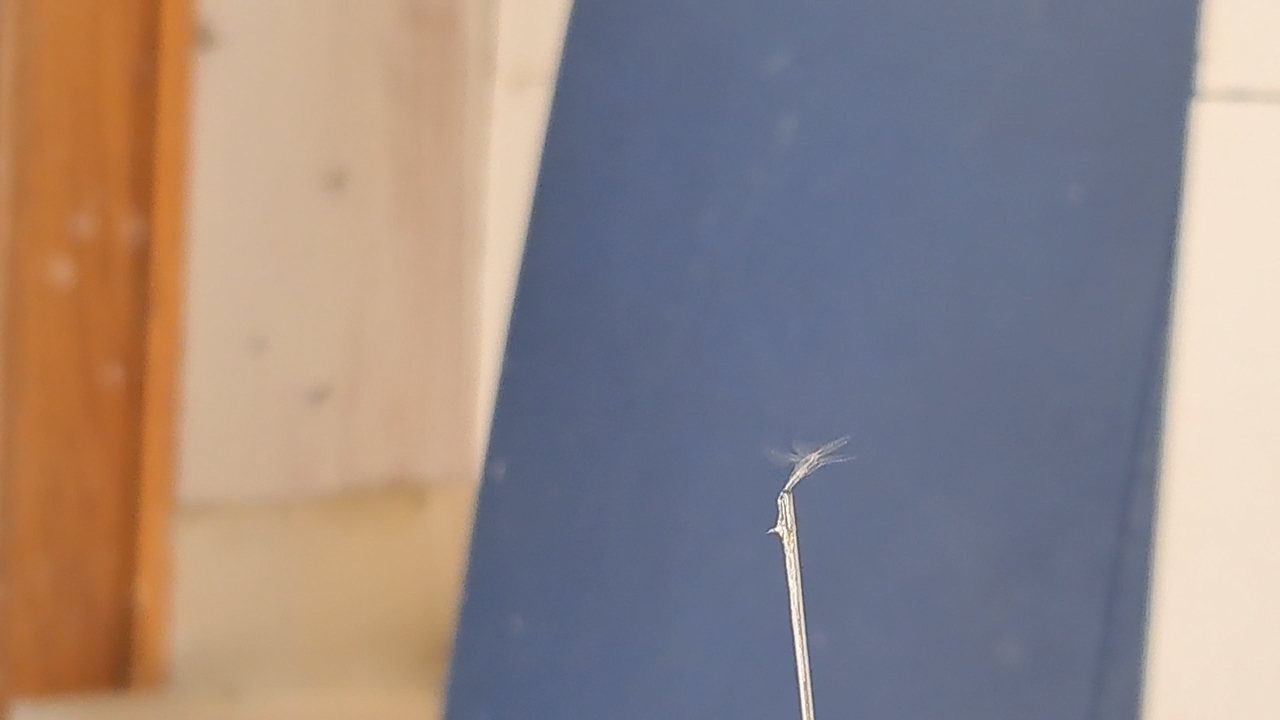
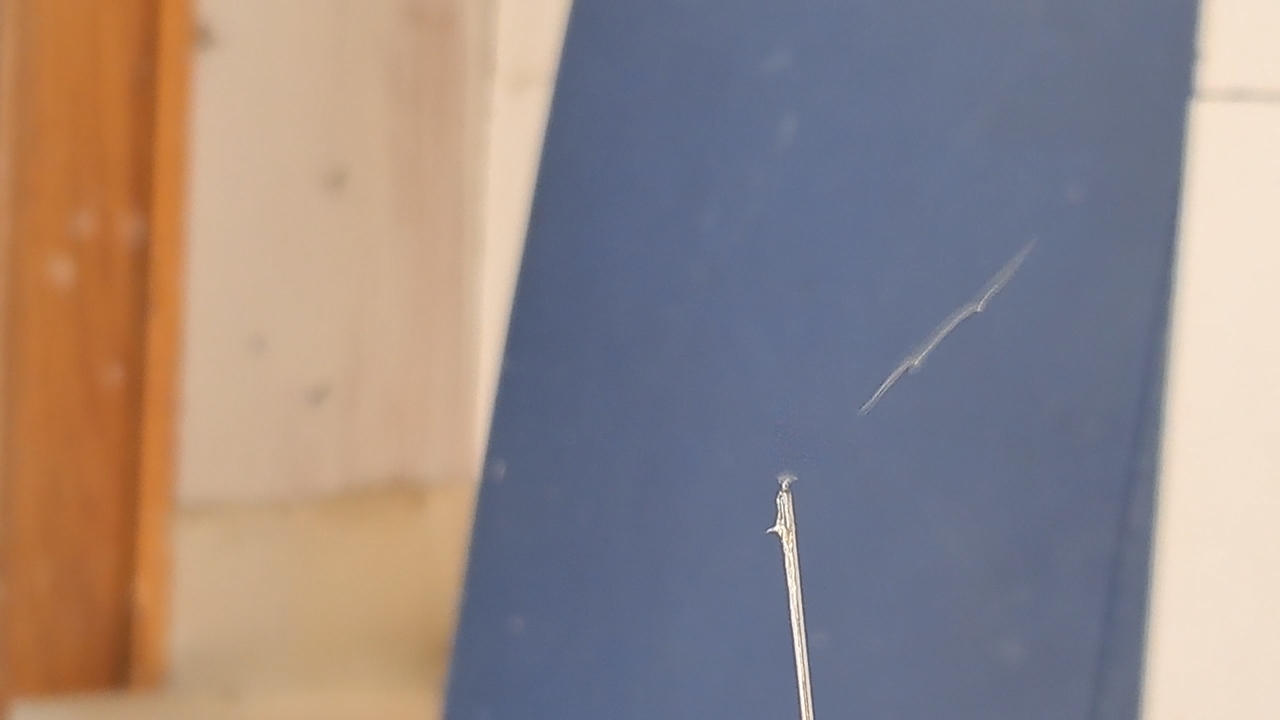
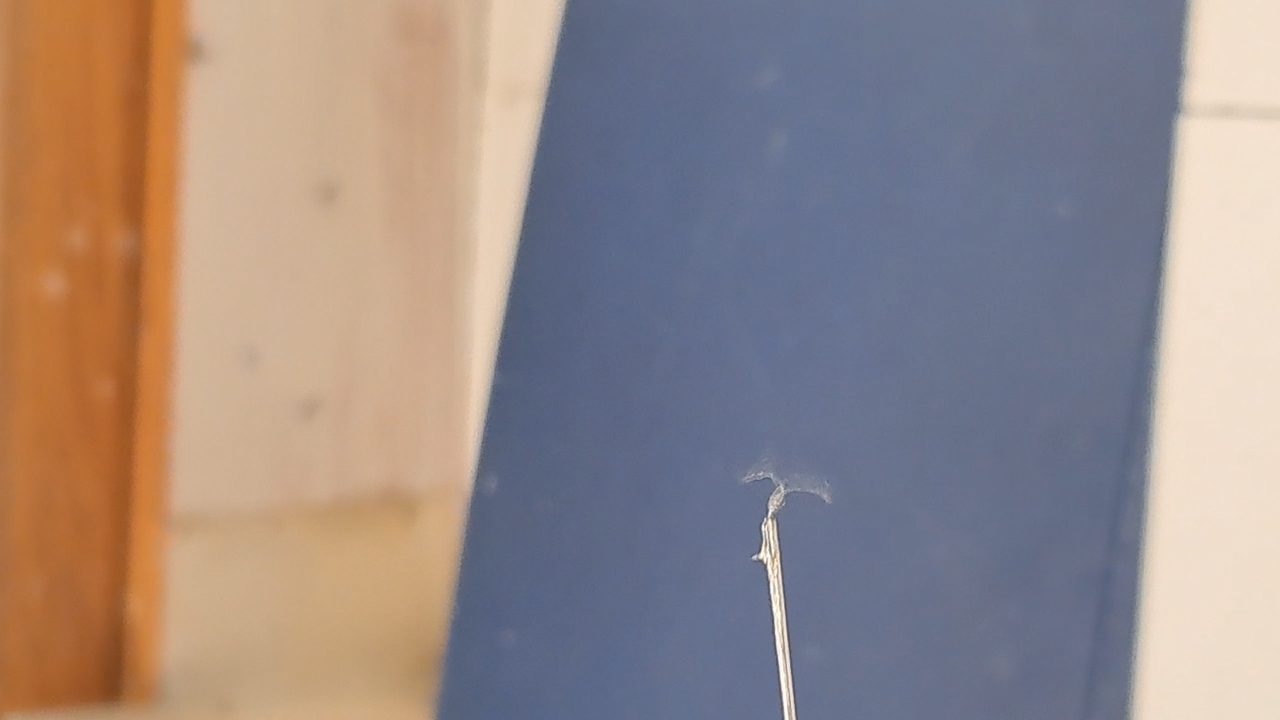
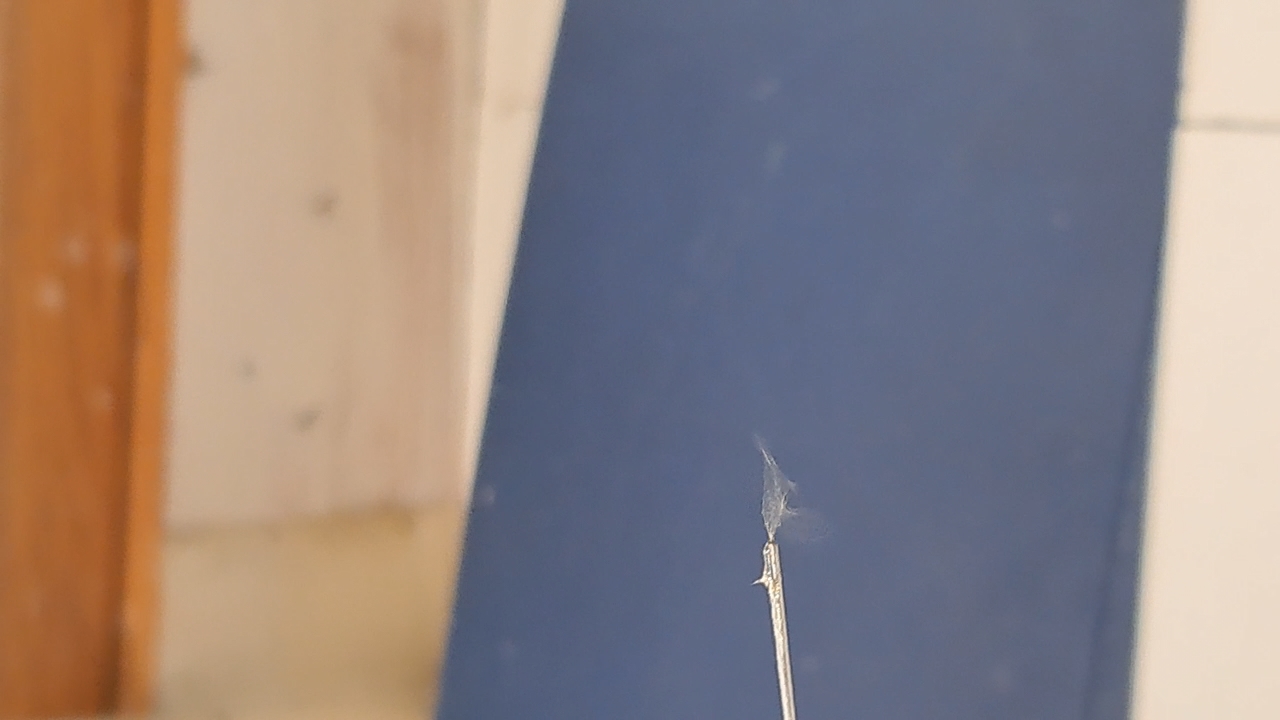
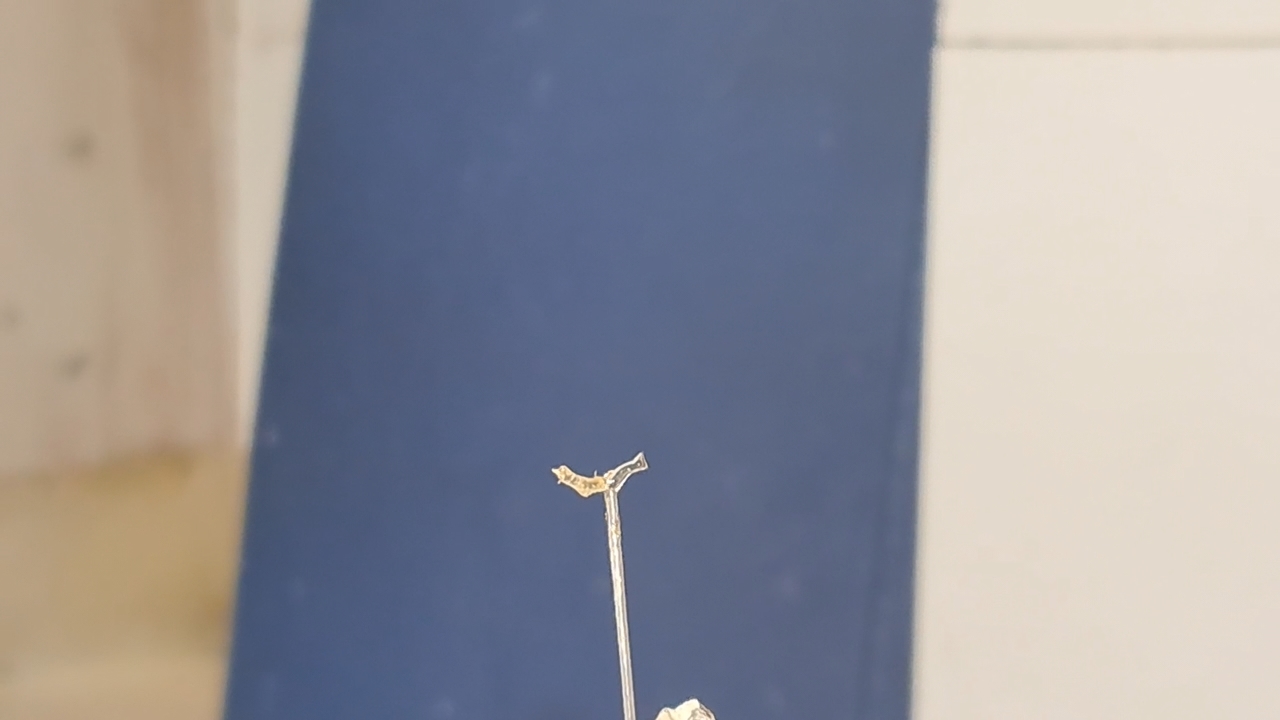
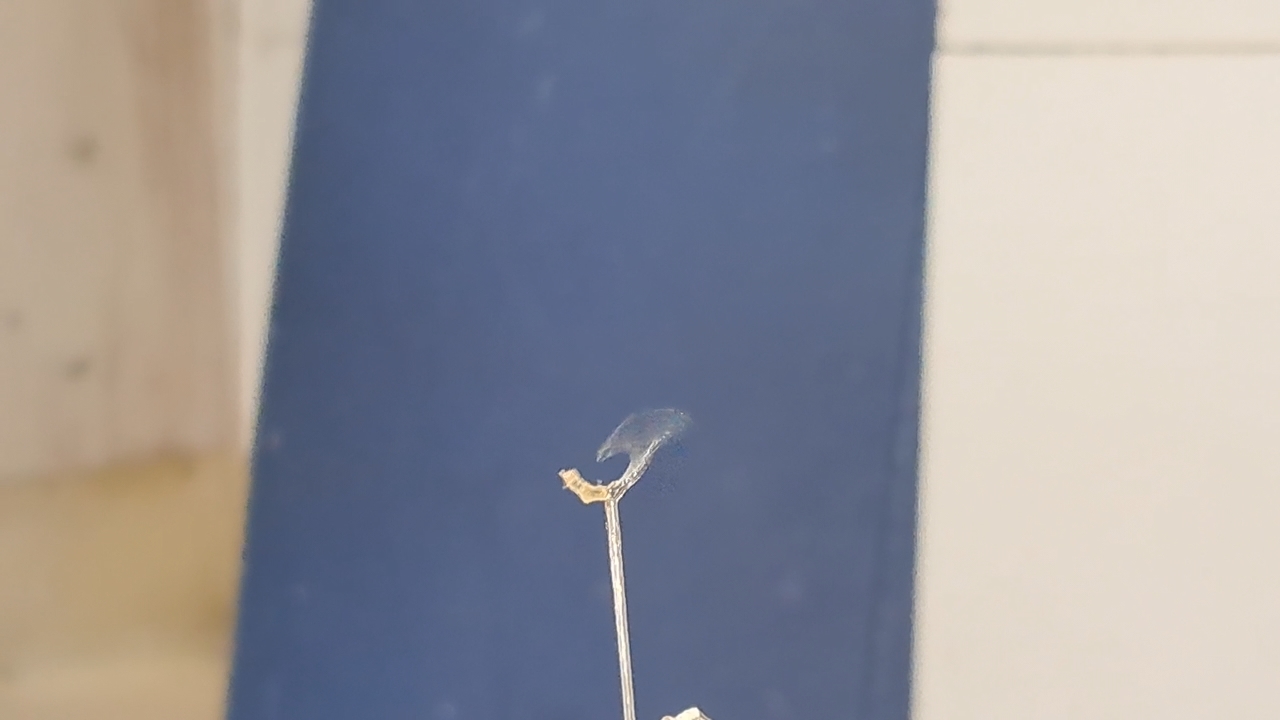
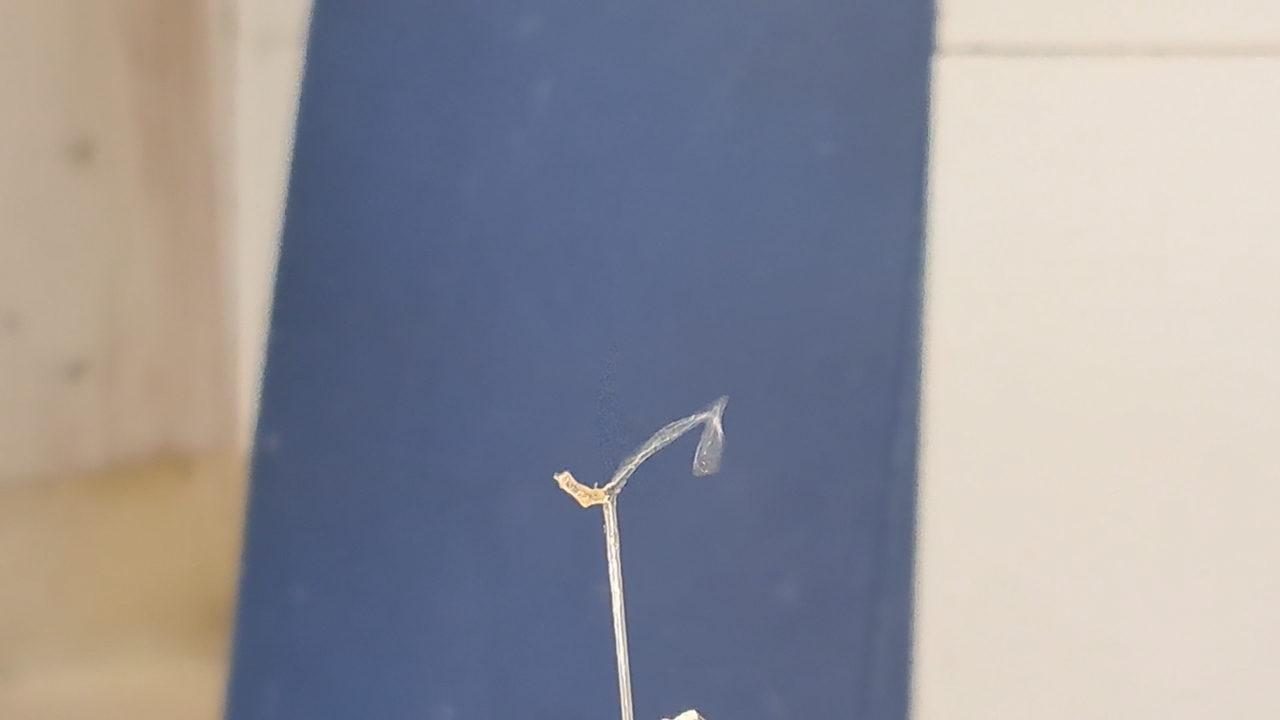
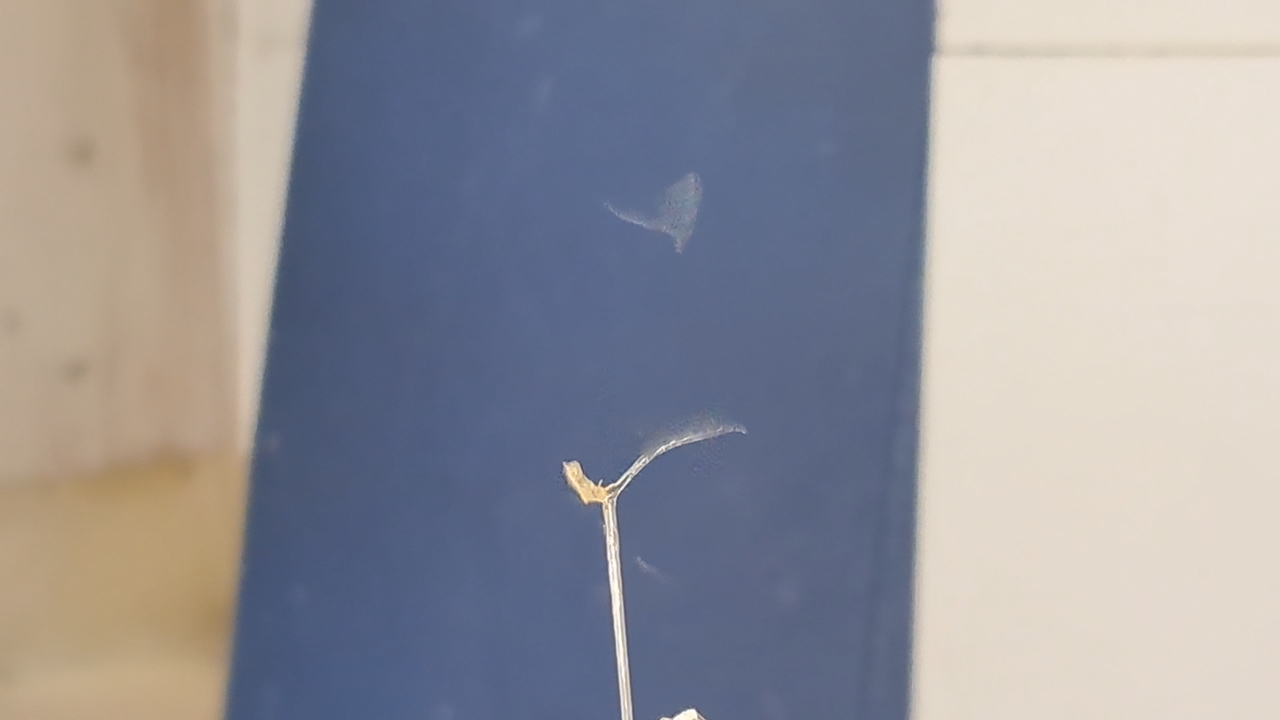
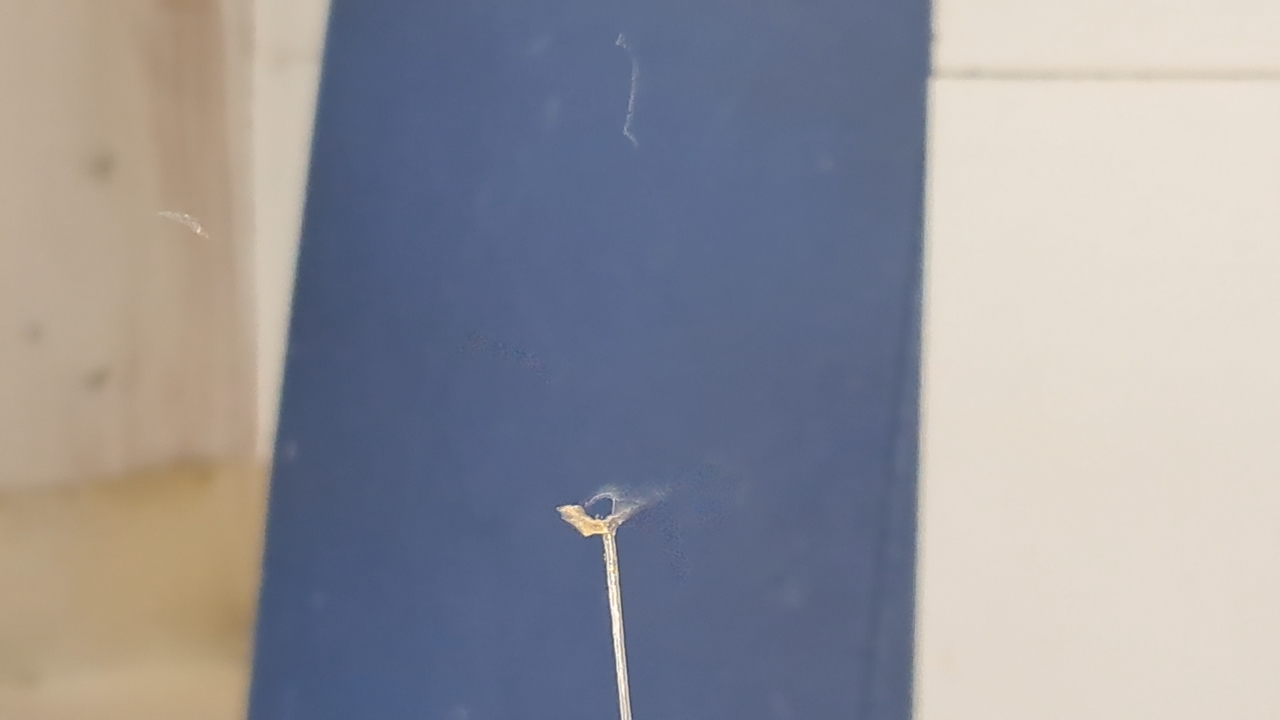
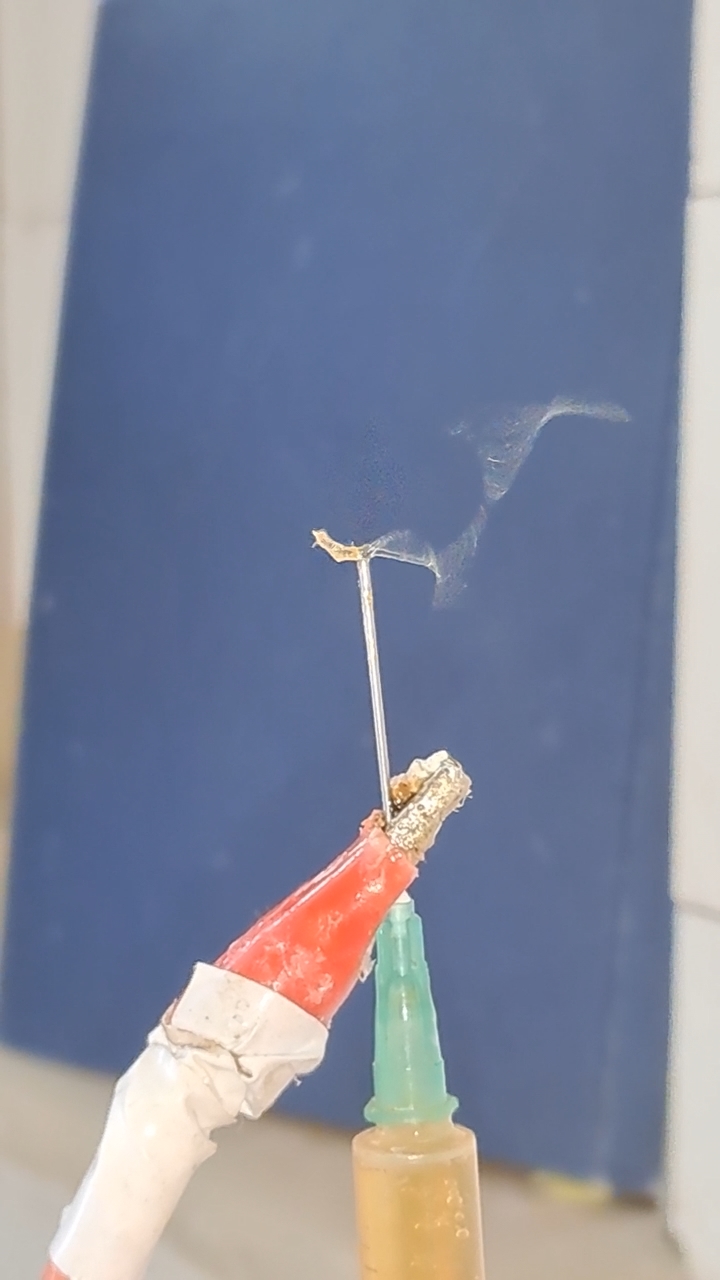
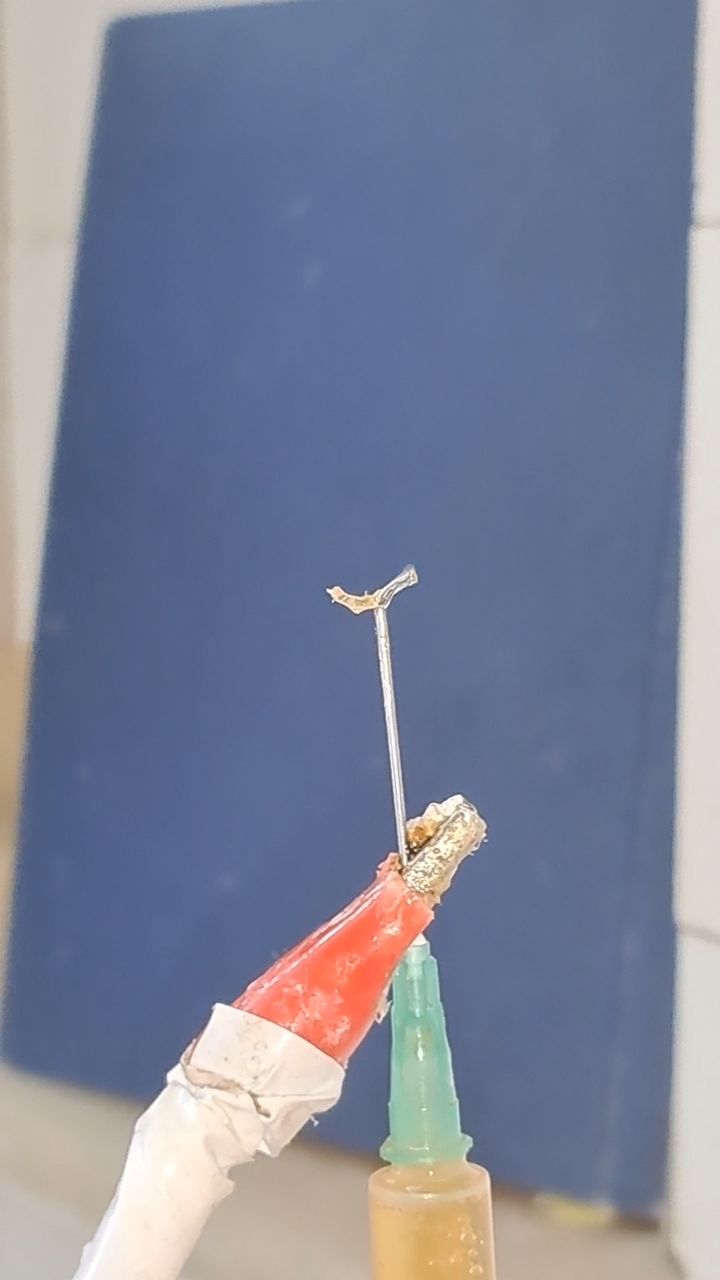
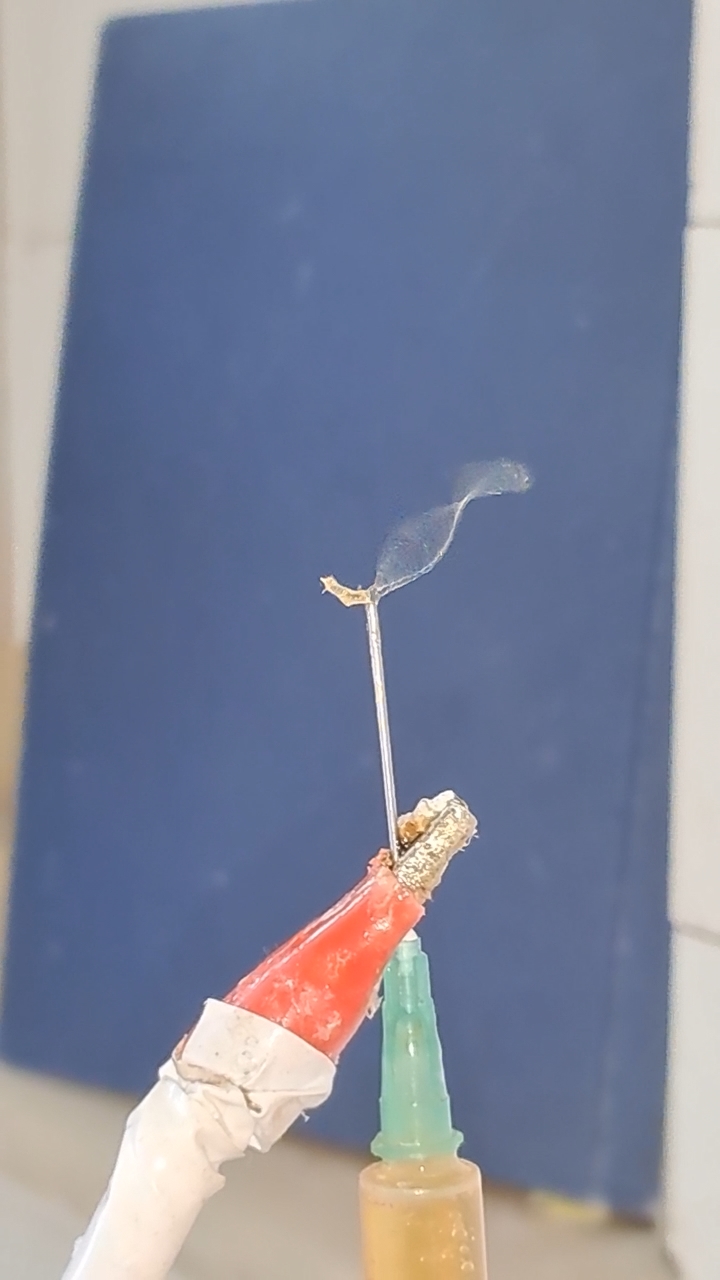
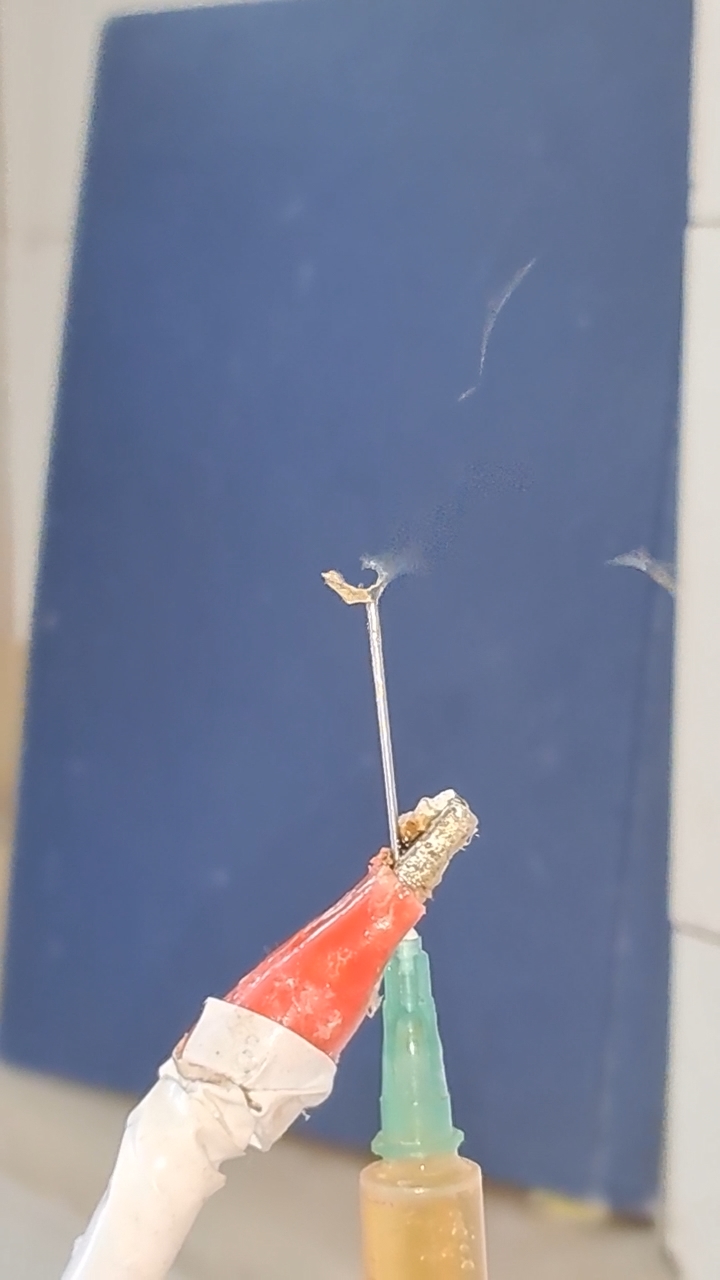
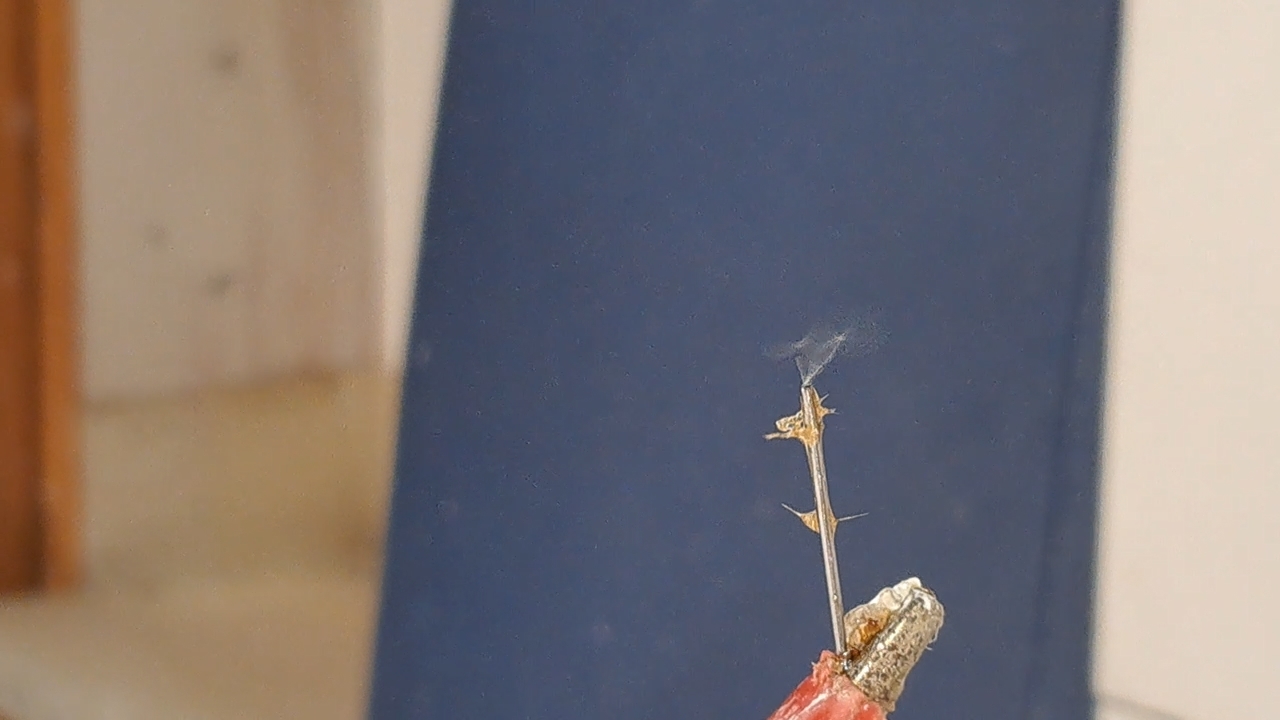
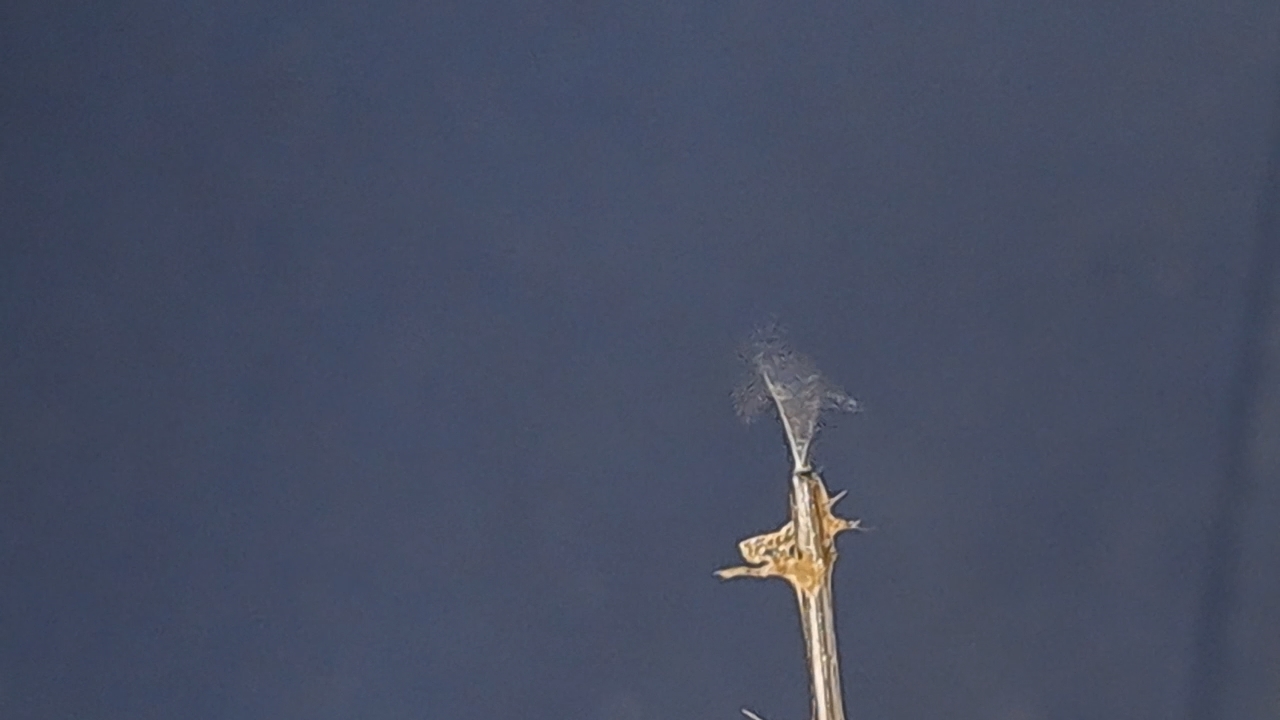
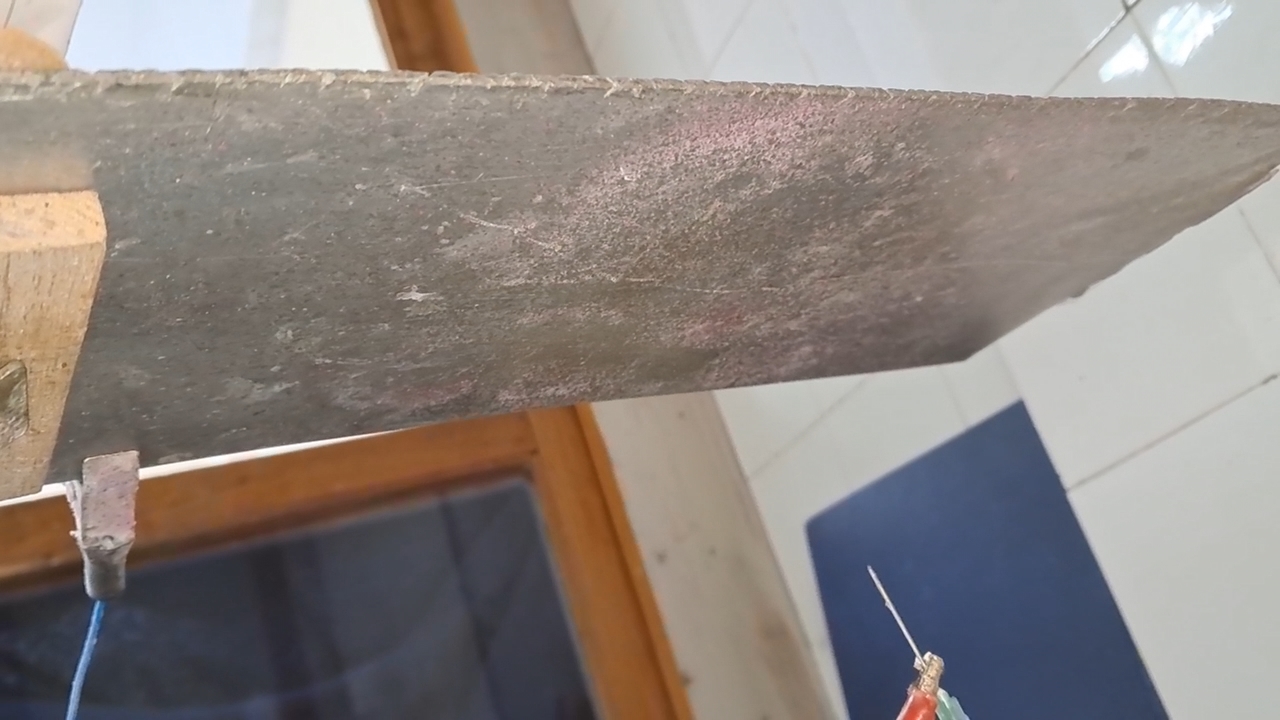
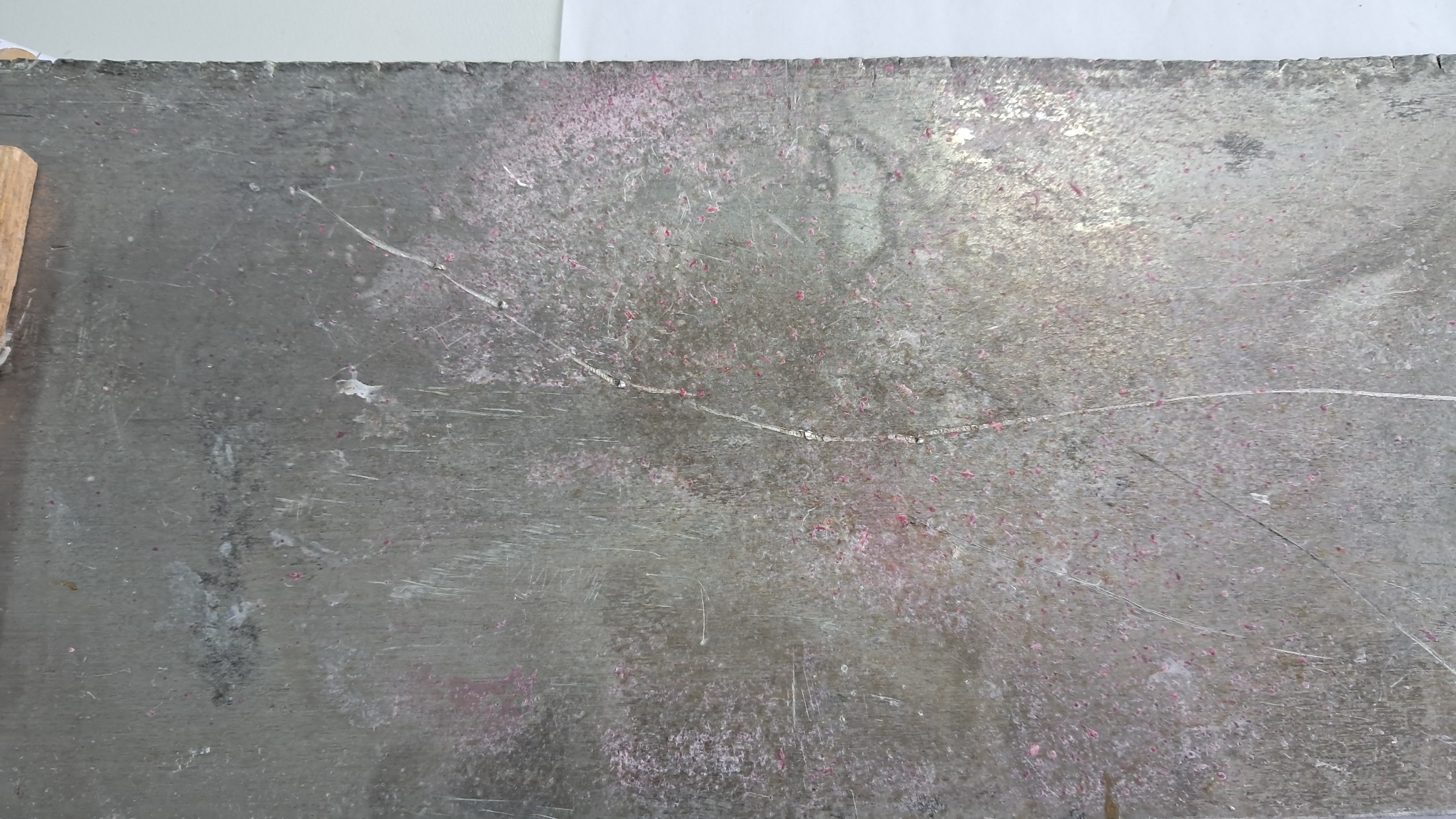
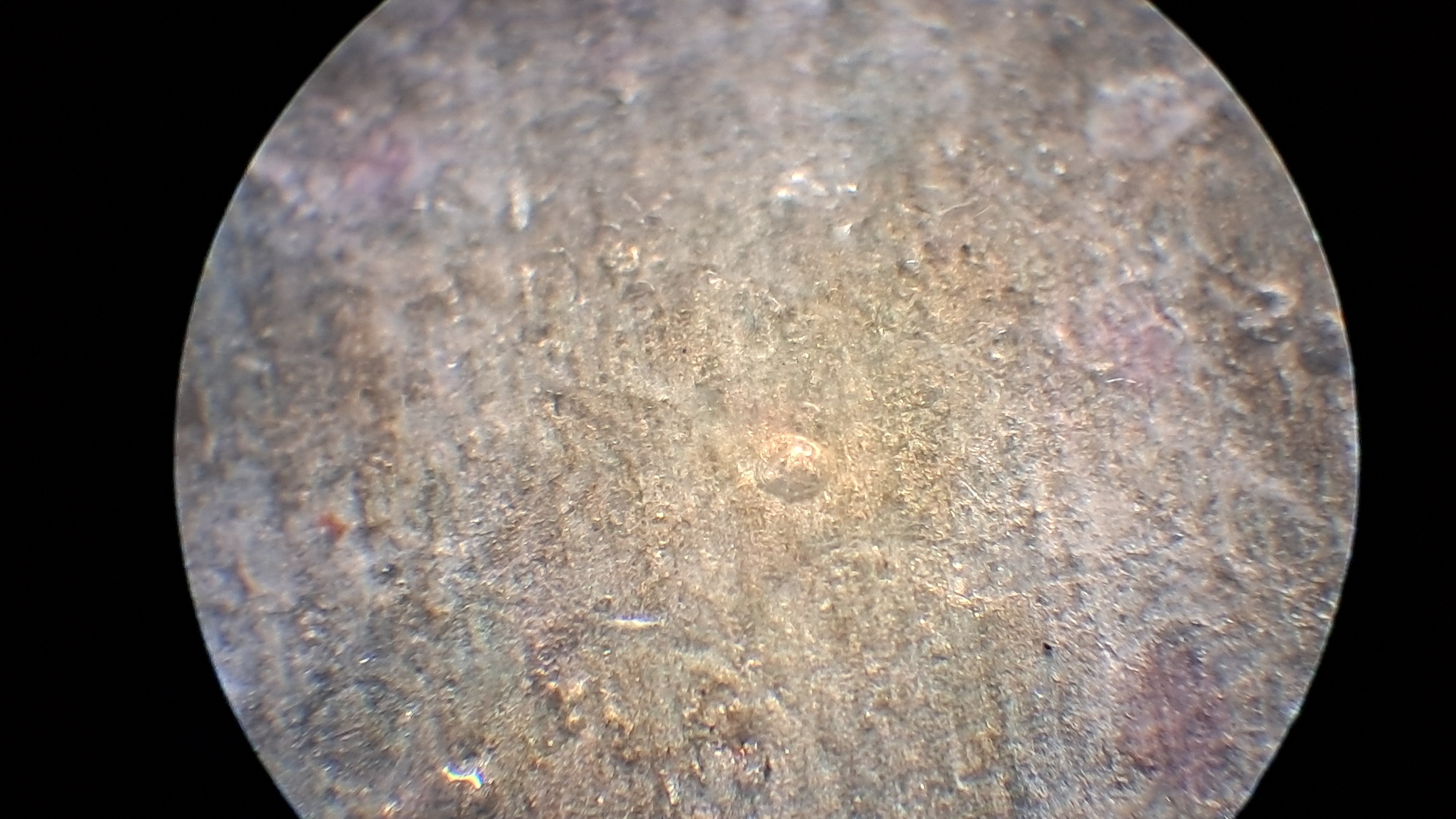
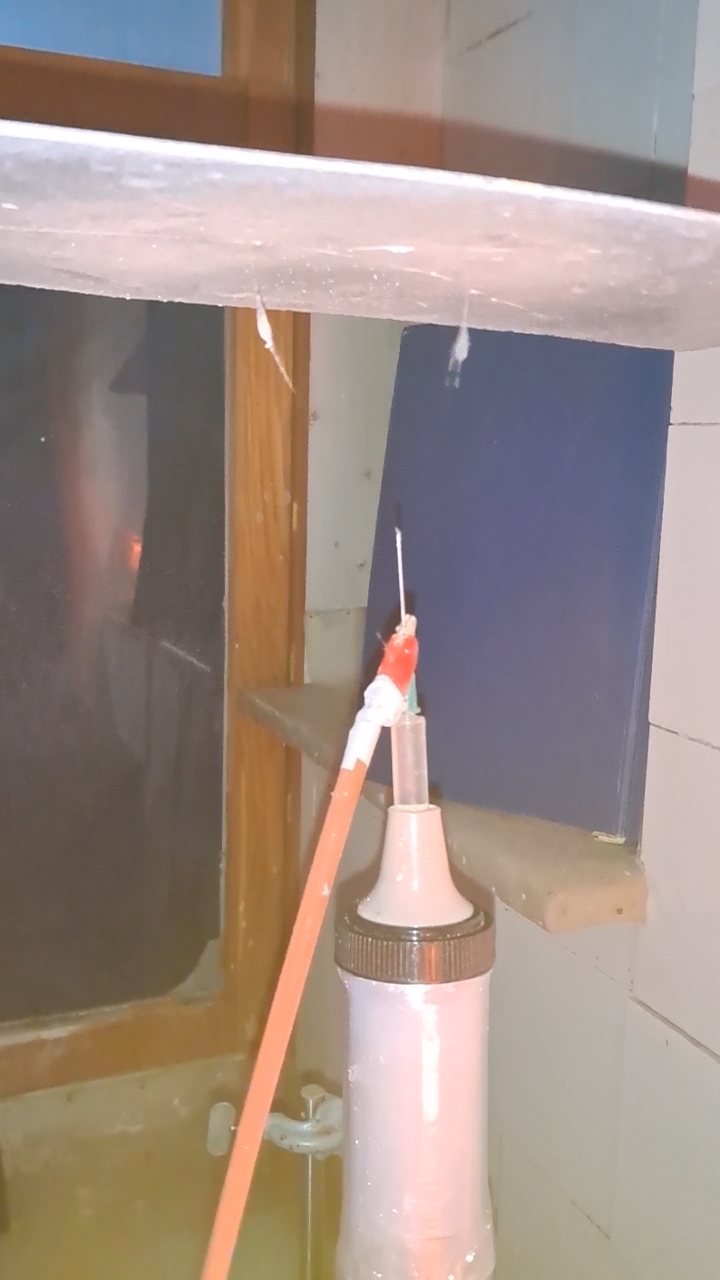
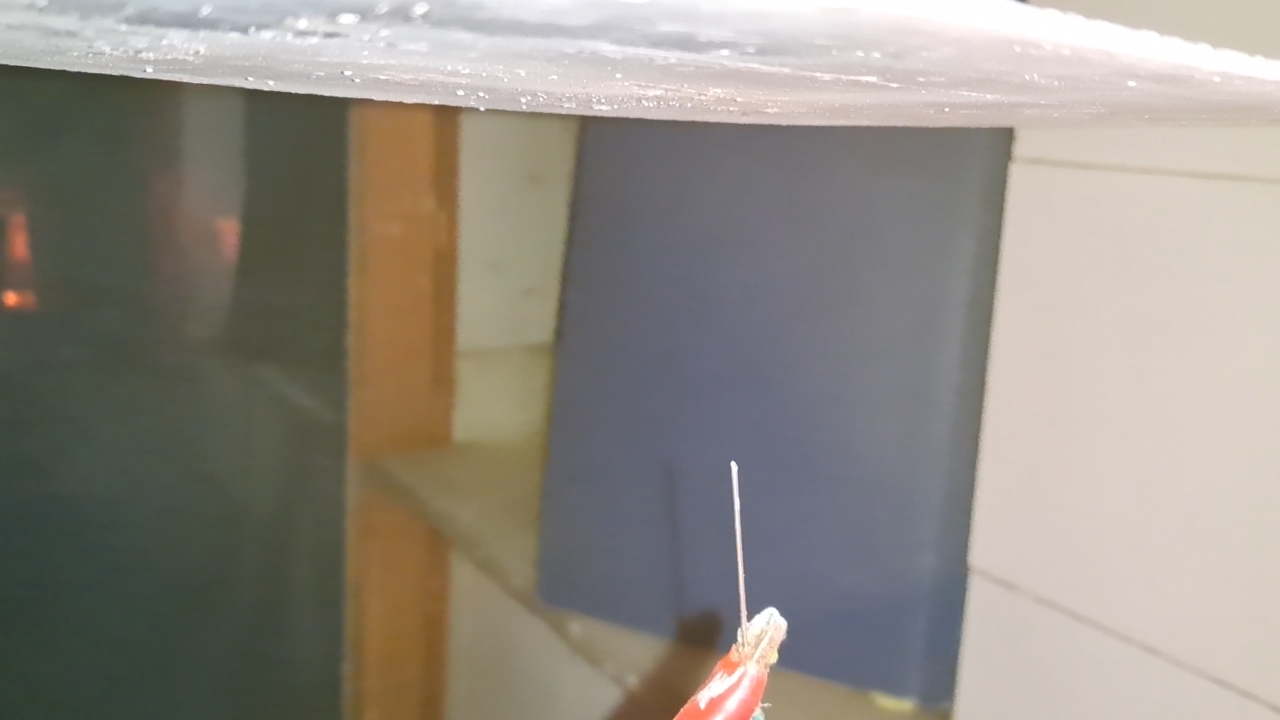
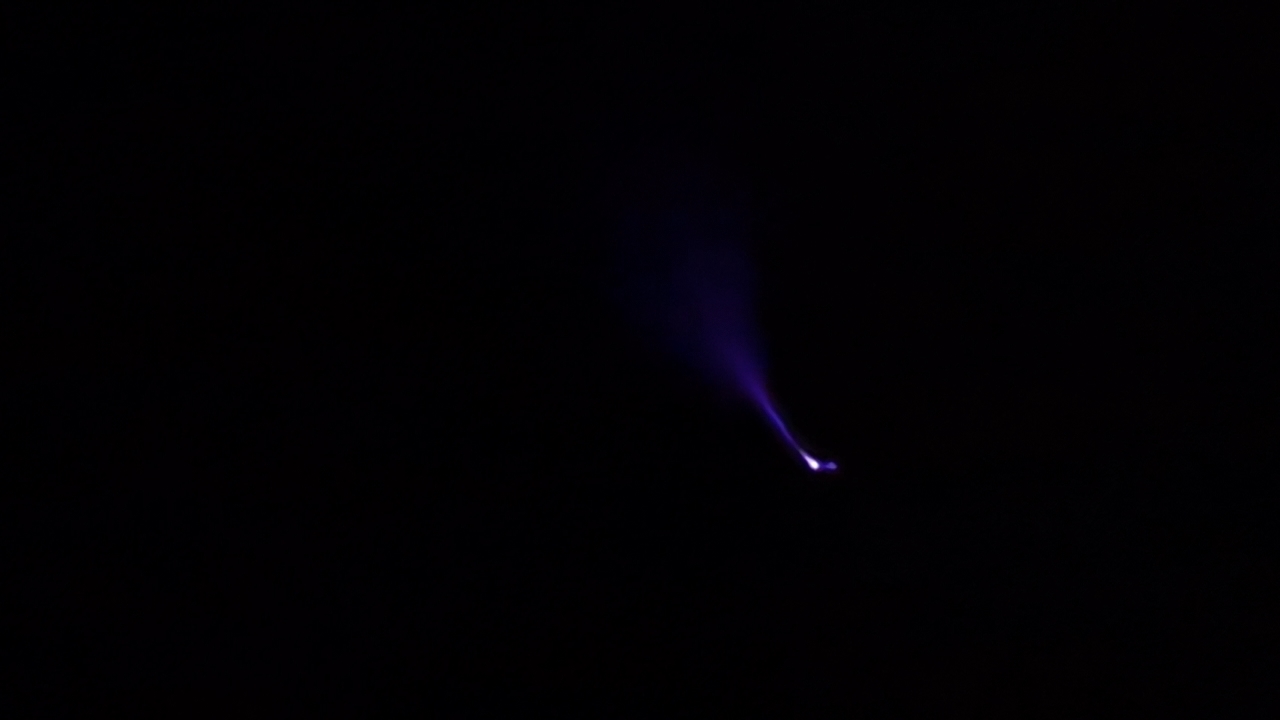
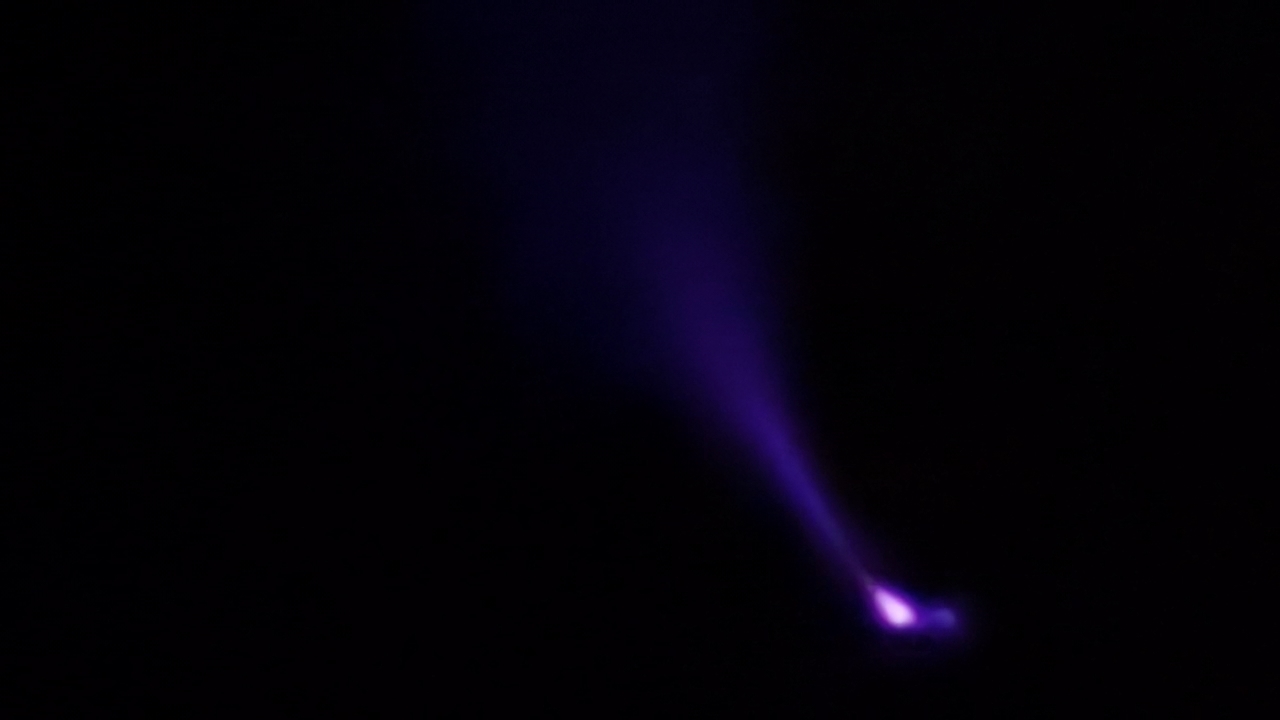
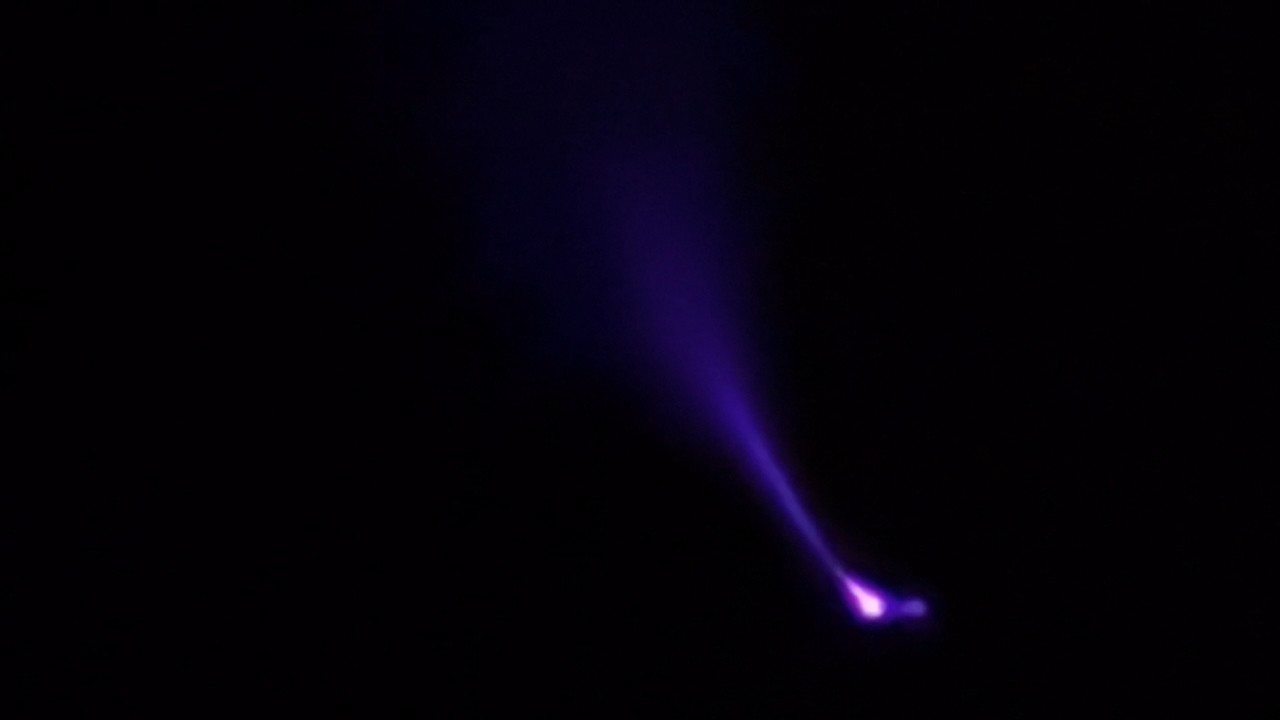
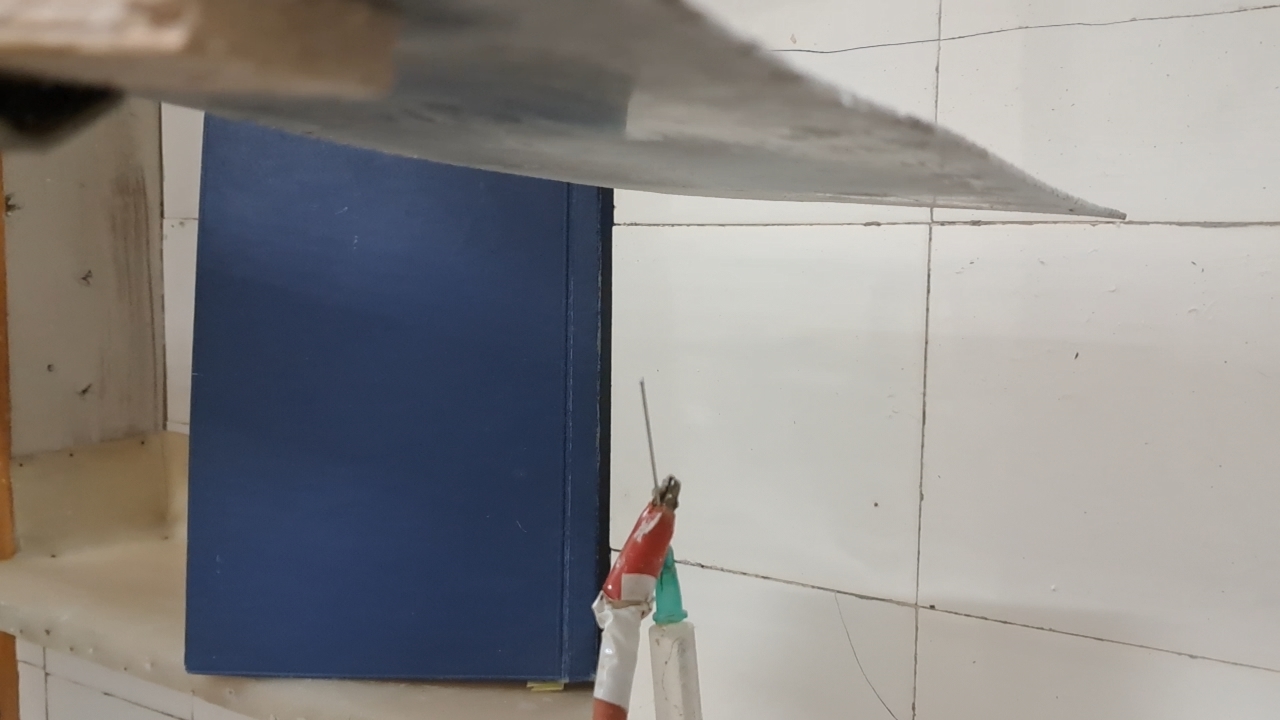
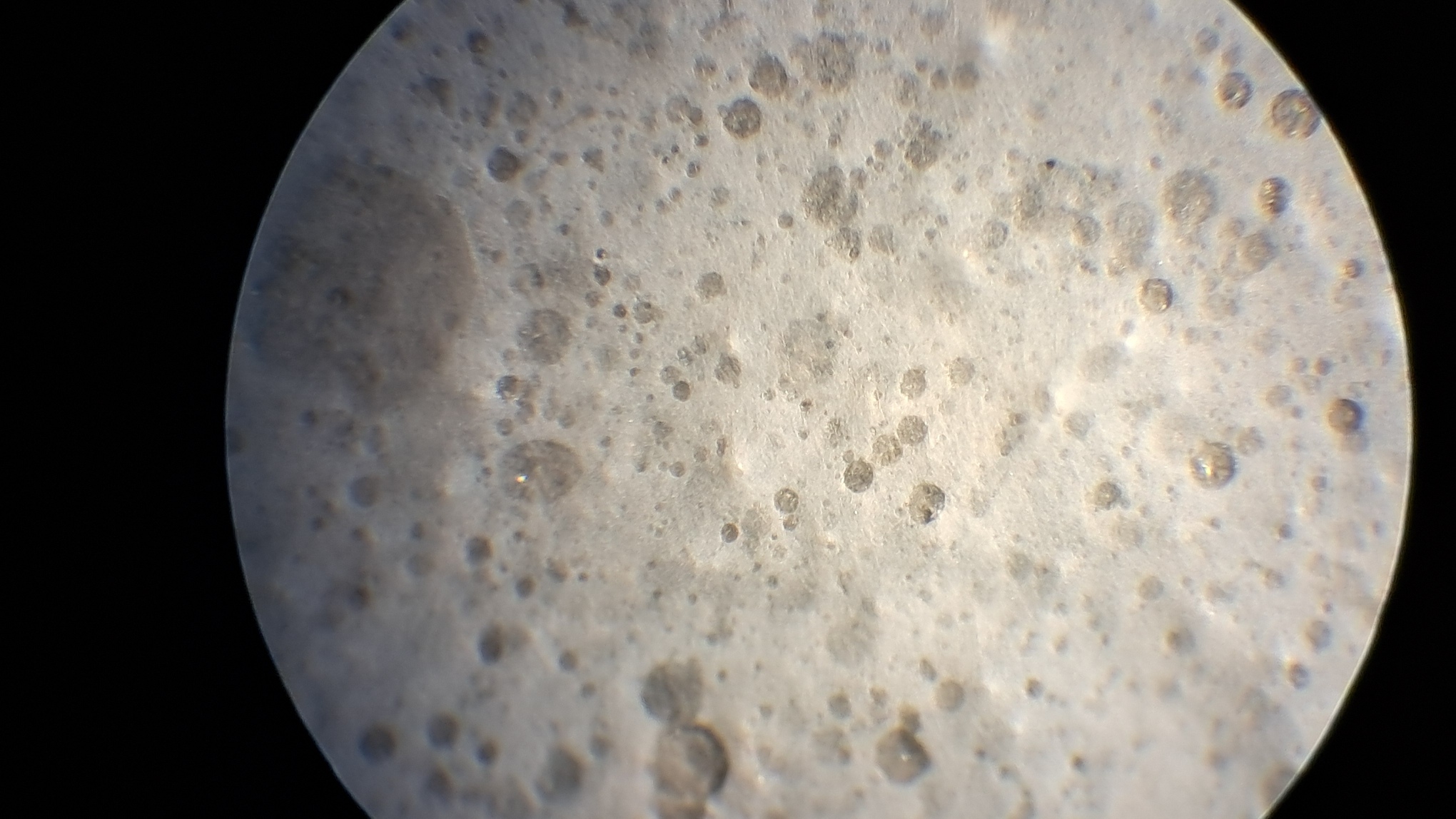
I drew the chitosan solution into a syringe and began electrospinning. Jets of solution were ejected from the tip of the needle, but instead of forming fibers, they broke up into irregular droplets. The needle was essentially "spitting" semi-liquid droplets that not only landed on the collector but also scattered in all directions. I felt a strong burning sensation on my face. Only later did I realize that droplets of the solution containing 70% acetic acid had landed on my skin. Fortunately, none entered my eyes, as acetic acid can cause severe burns. I was not wearing protective goggles because I had not expected the high-voltage needle to eject large droplets rather than produce microscopic fibers. I stopped the process several times, diluted the chitosan solution, and resumed electrospinning. The result remained the same - the jets disintegrated into shapeless droplets. No fibers formed. The solution that reached the collector did not evaporate completely and formed a wet spot. I examined the collector surface under a microscope. As expected, no chitosan fibers were observed. The only explanation I can offer for this negative result is insufficient voltage from the computer monitor transformer. I called my physicist colleague; he agreed with my conclusion and promised to build a voltage multiplier once he recovered. Unfortunately, I do not have the qualifications to construct high-voltage equipment myself. Therefore, the only way to continue this research was to search for polymers or polymer compositions capable of forming fibers using the existing electrospinning setup. |
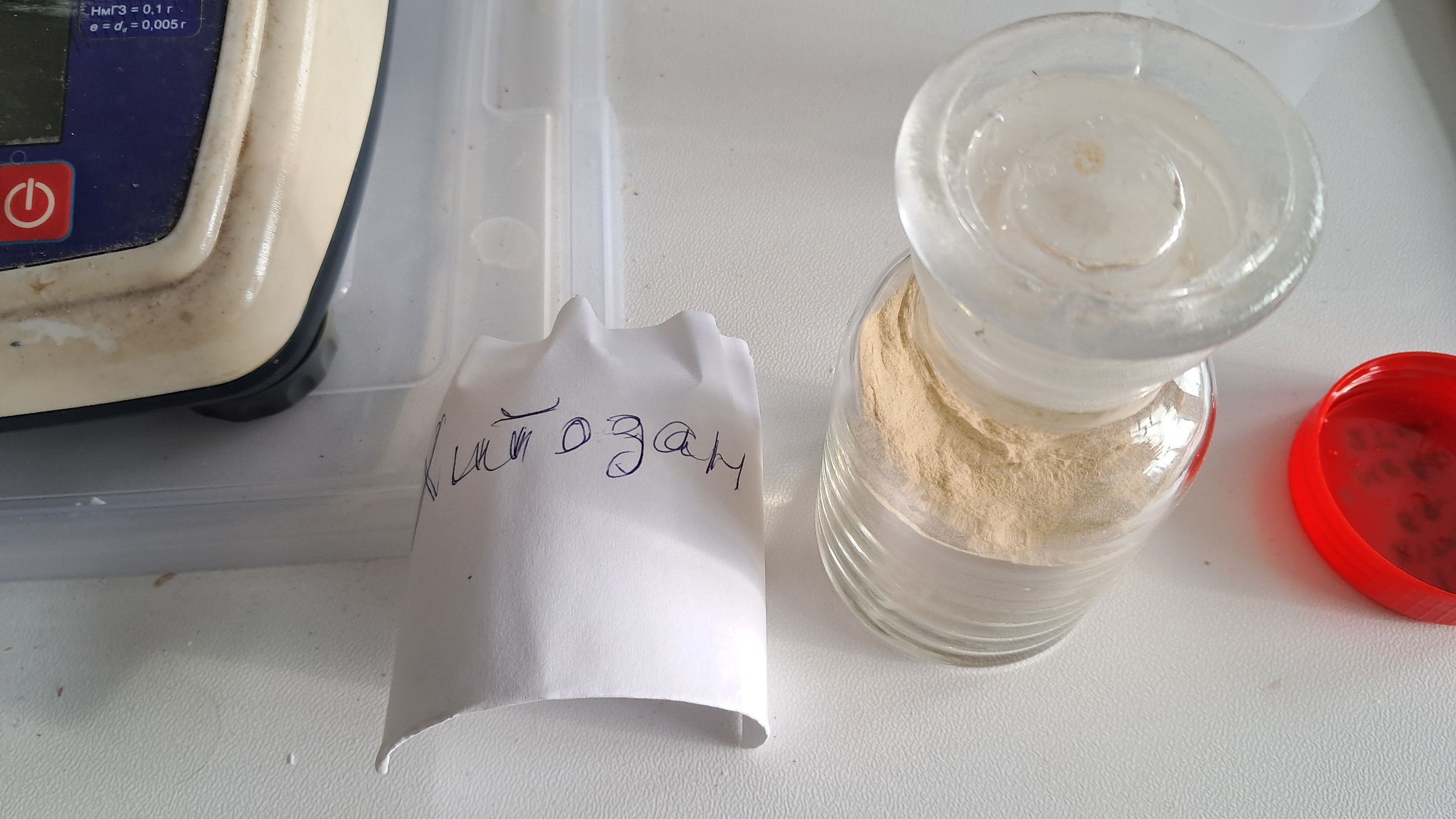
Electrospinning: Chitosan |
|
|
|
|
|
|
|
|
|
|
|
|
|
|
|
|
|
|
|
|
|
|
|
|
|
|
|
|
|
|
|
|
|
|

|
|
|
|
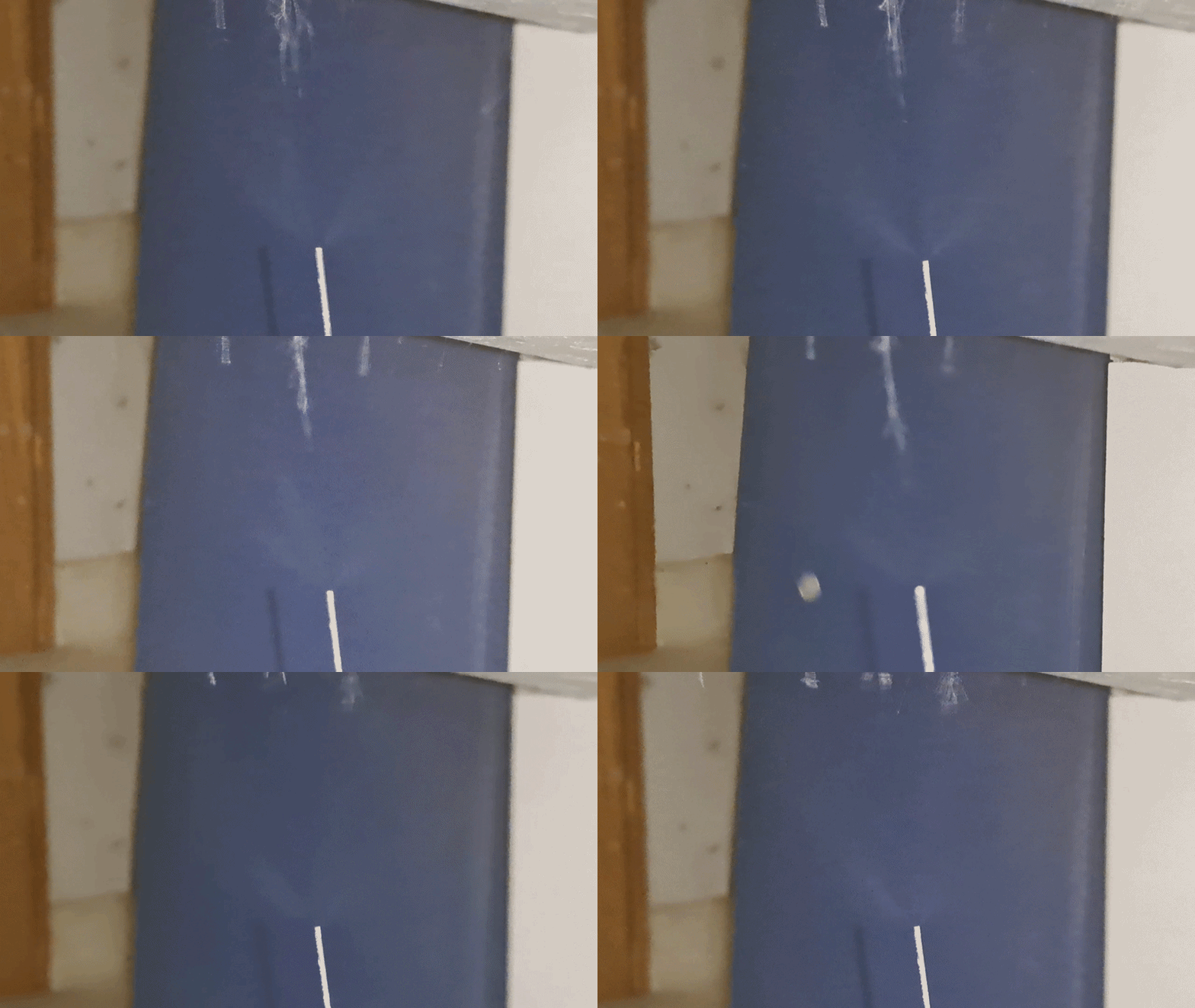
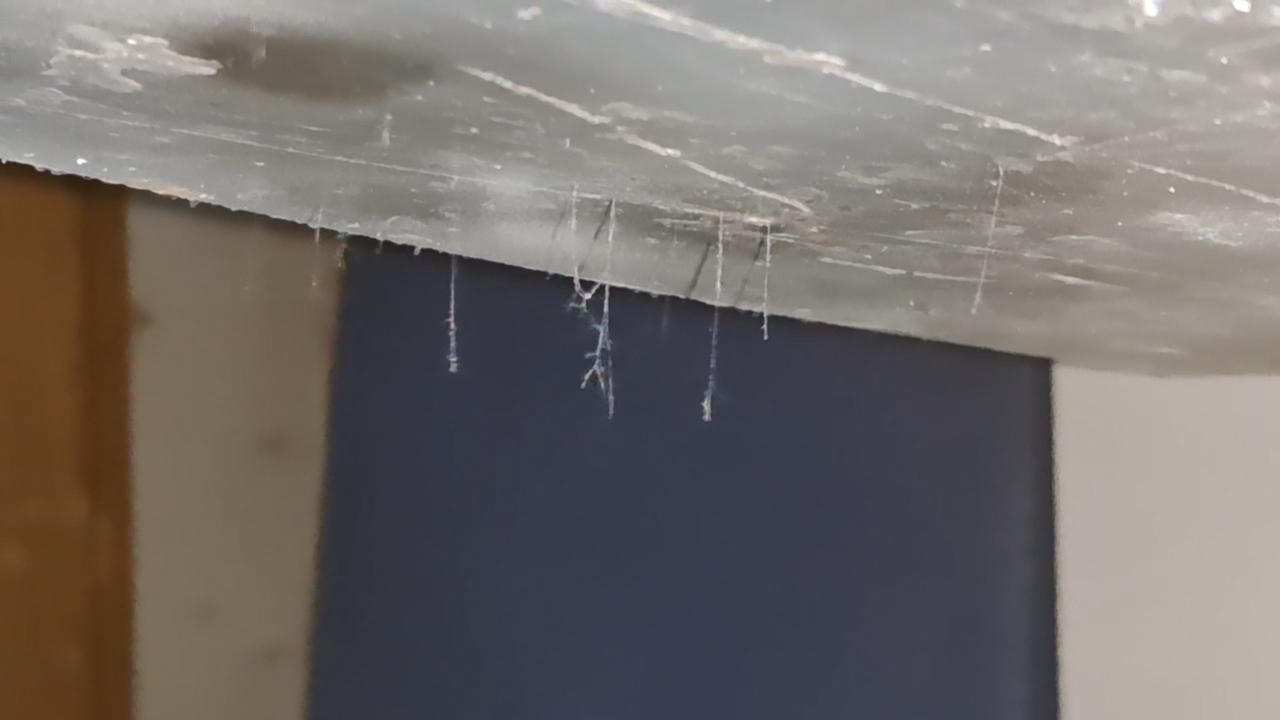
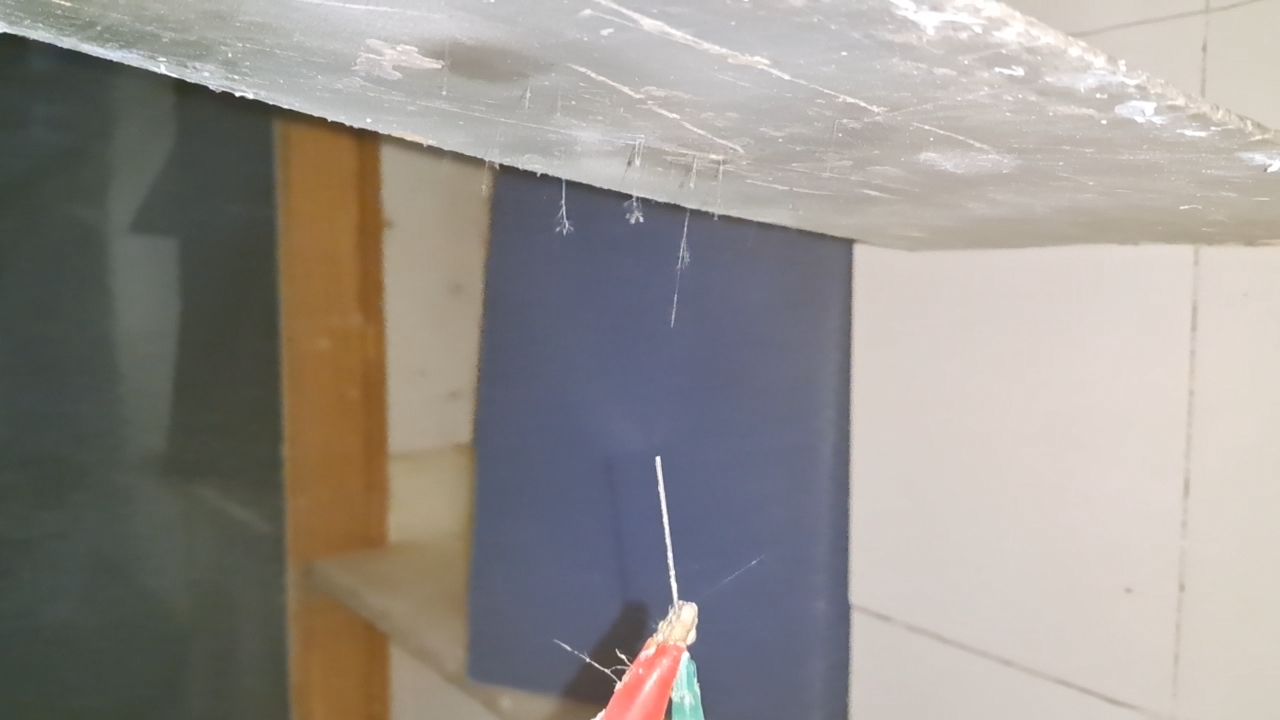
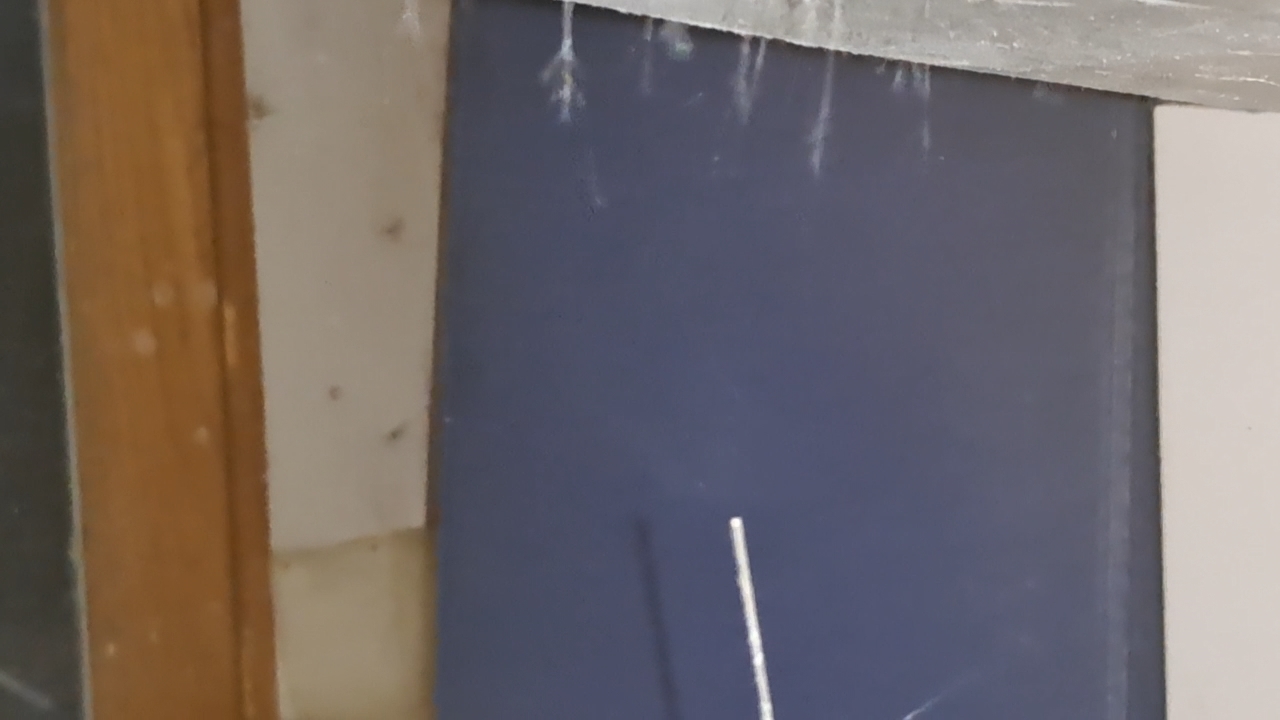
Electrospinning: Polyvinyl Alcohol |
|
|
|
|
|
|
|
|
|
|
|
|
|
|
|
|
|
|
|
|
|
|
|
|
|
|
