Chemistry and Chemists № 1 2026
Journal of Chemists-Enthusiasts
| Content | Chemistry experiments - video | Physics experiments - video | Home Page - Chemistry and Chemists |
|
Chemistry and Chemists № 1 2026 Journal of Chemists-Enthusiasts |
Electrospinning - pt.9, 10, 11 Chemist |
|
Having noticed a mistake in the text, allocate it and press Ctrl-Enter
Dissolving Expanded Polystyrene in Hexane: What Could Go Wrong? - Part 9
Electrospun polystyrene was successfully produced using two solvents: an acetone substitute sold under the brand name "Acetone+" and ethyl acetate. In the first case, fiber production proceeded smoothly, but the exact composition of the solvent was unknown, and there were concerns that it might vary significantly from batch to batch. In the second case, the solvent was a pure compound, but a problem arose during electrospinning: a large amount of polystyrene solution in ethyl acetate was splashed onto the collector.
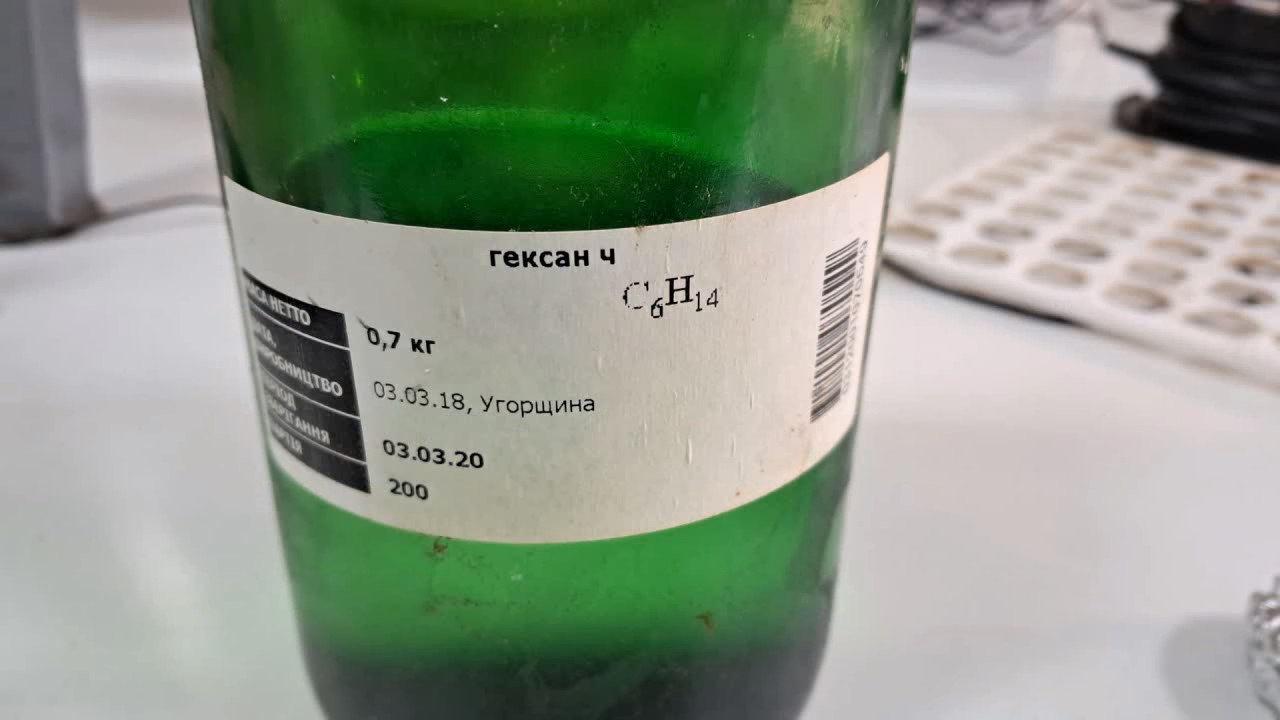
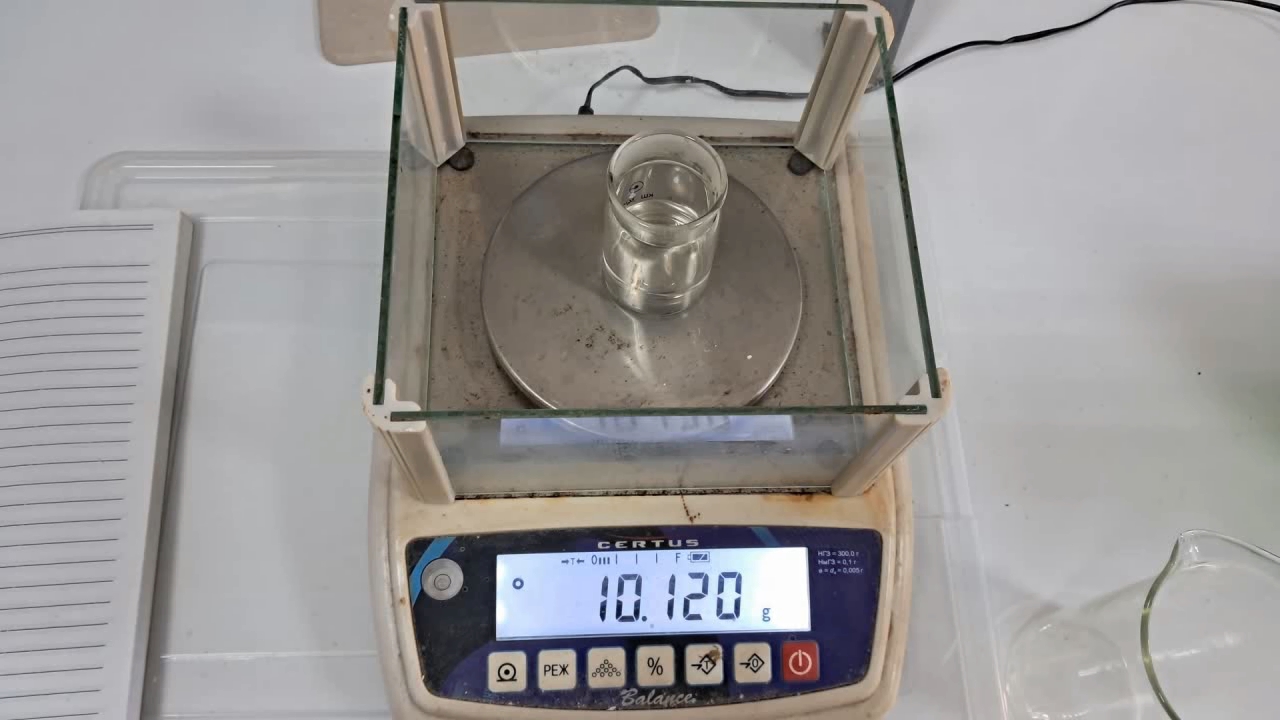
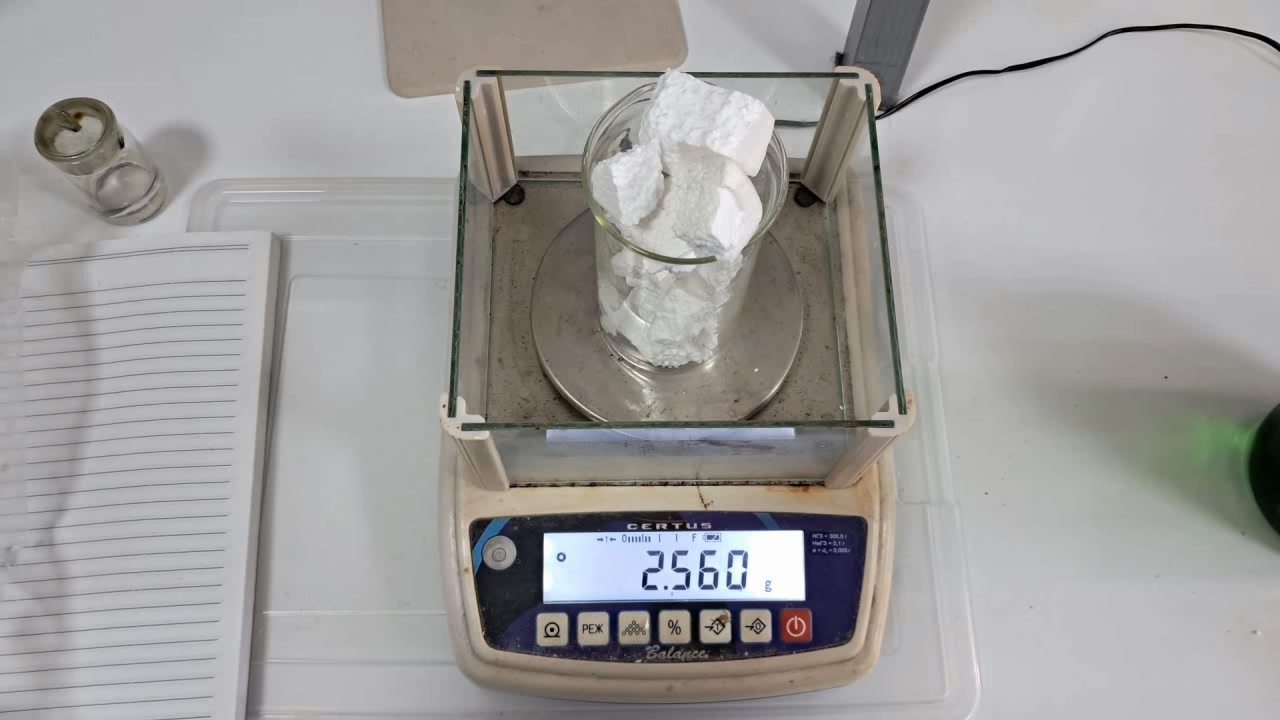
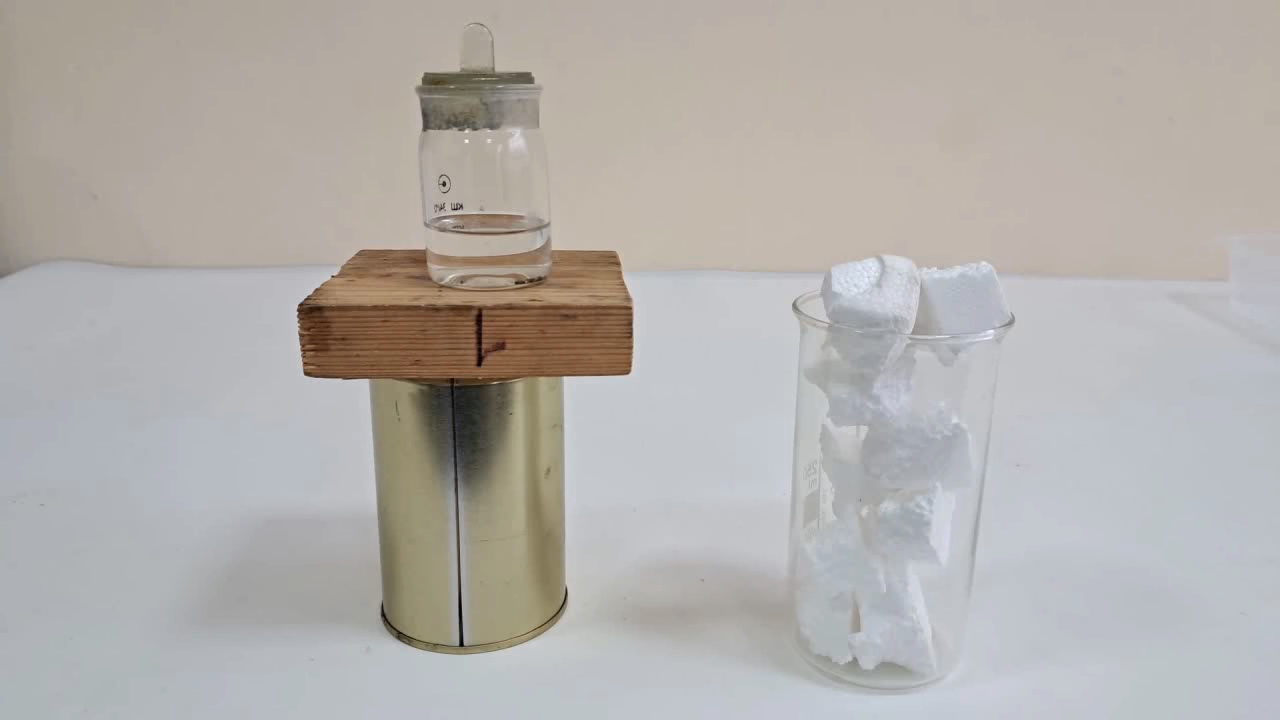
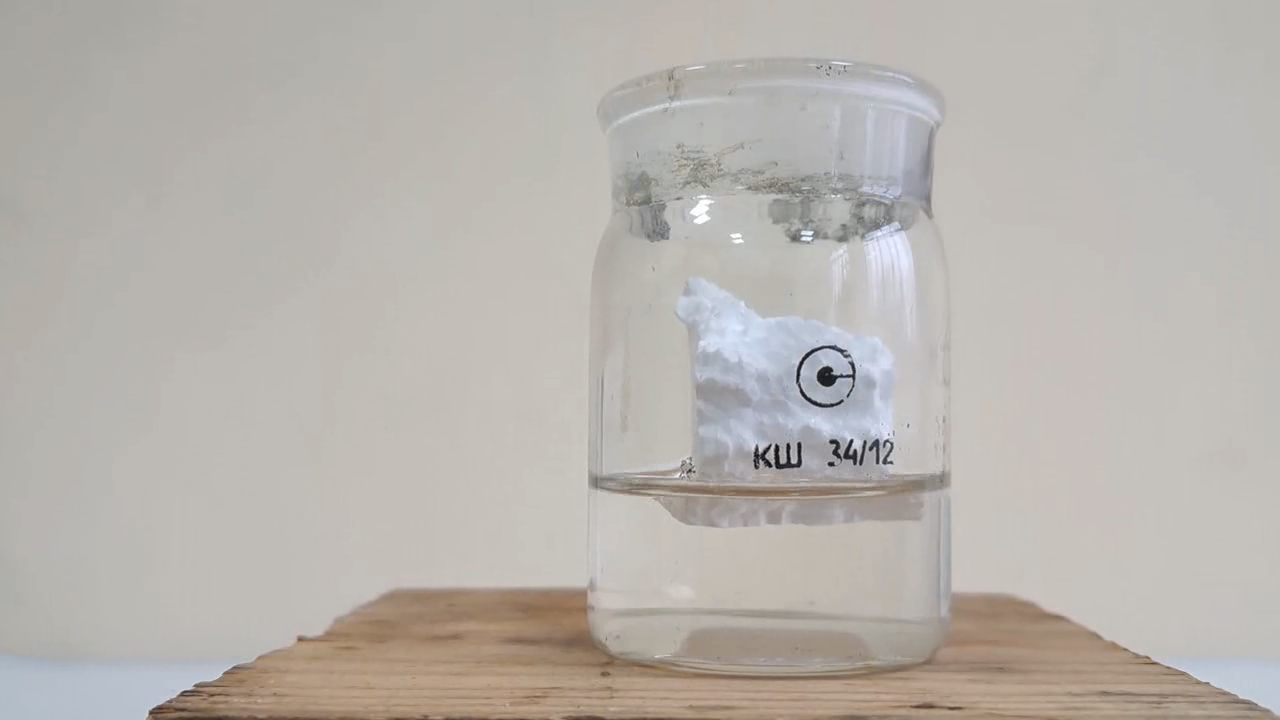
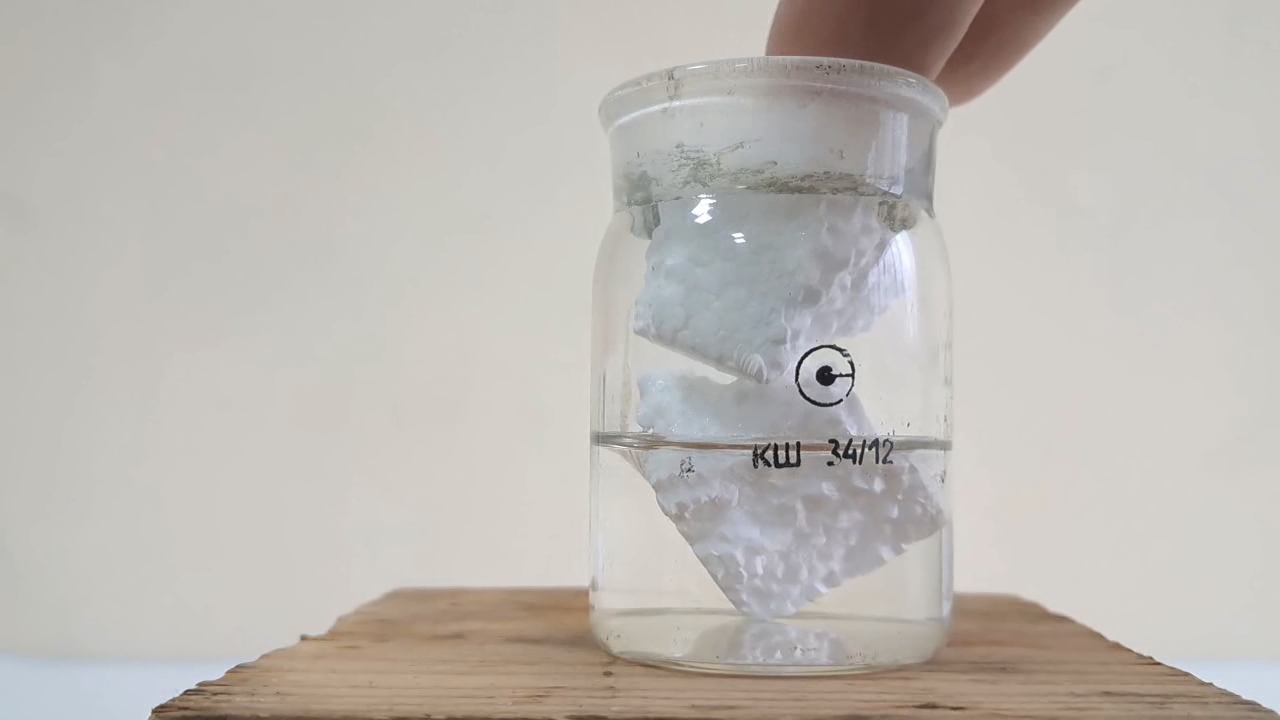
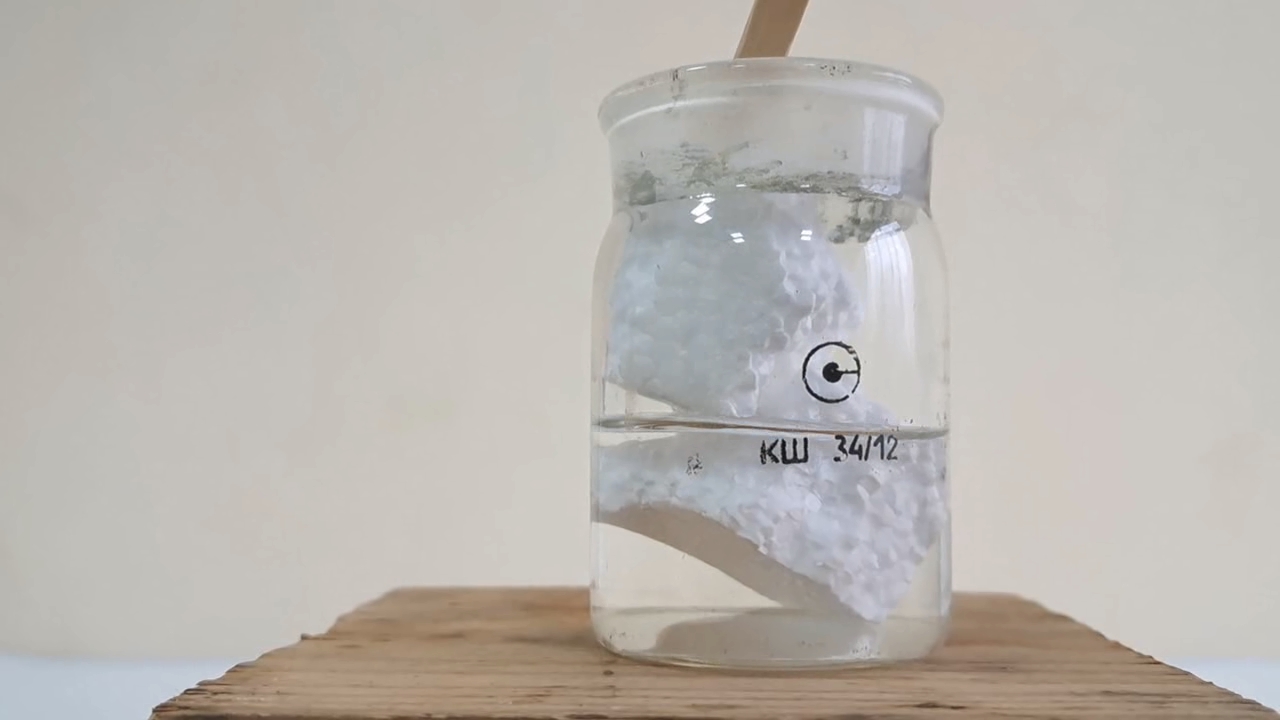
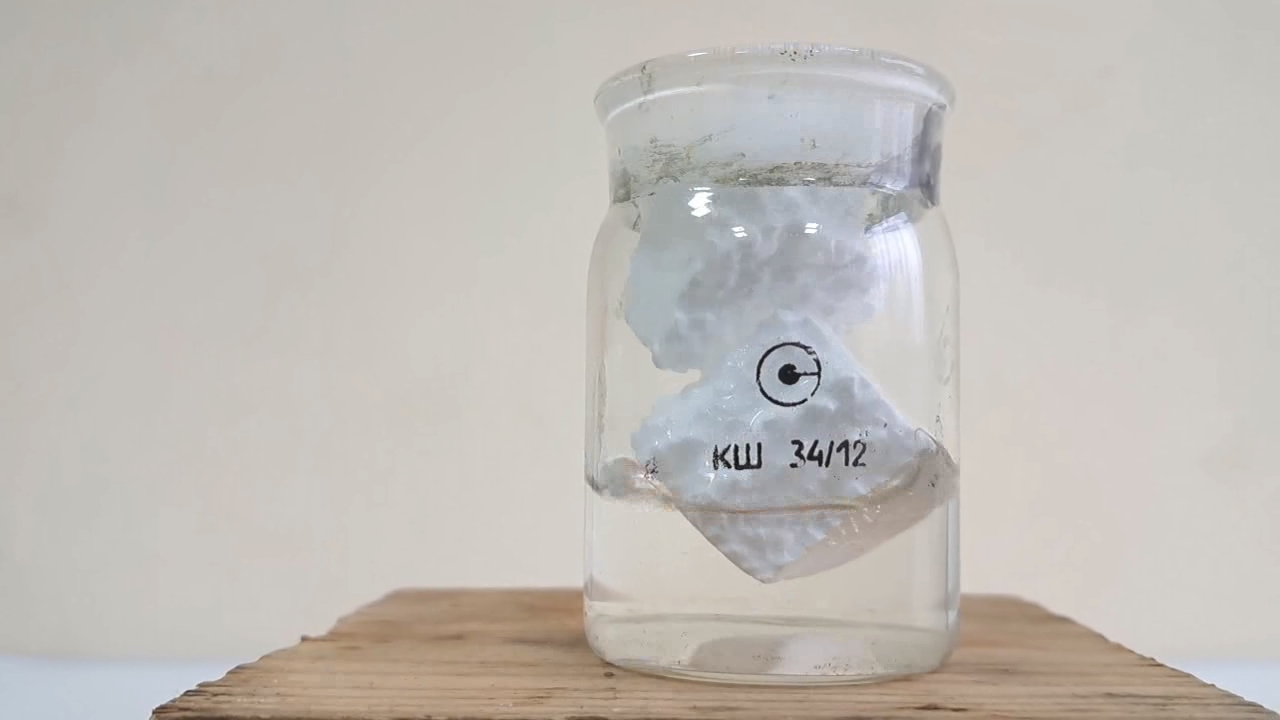
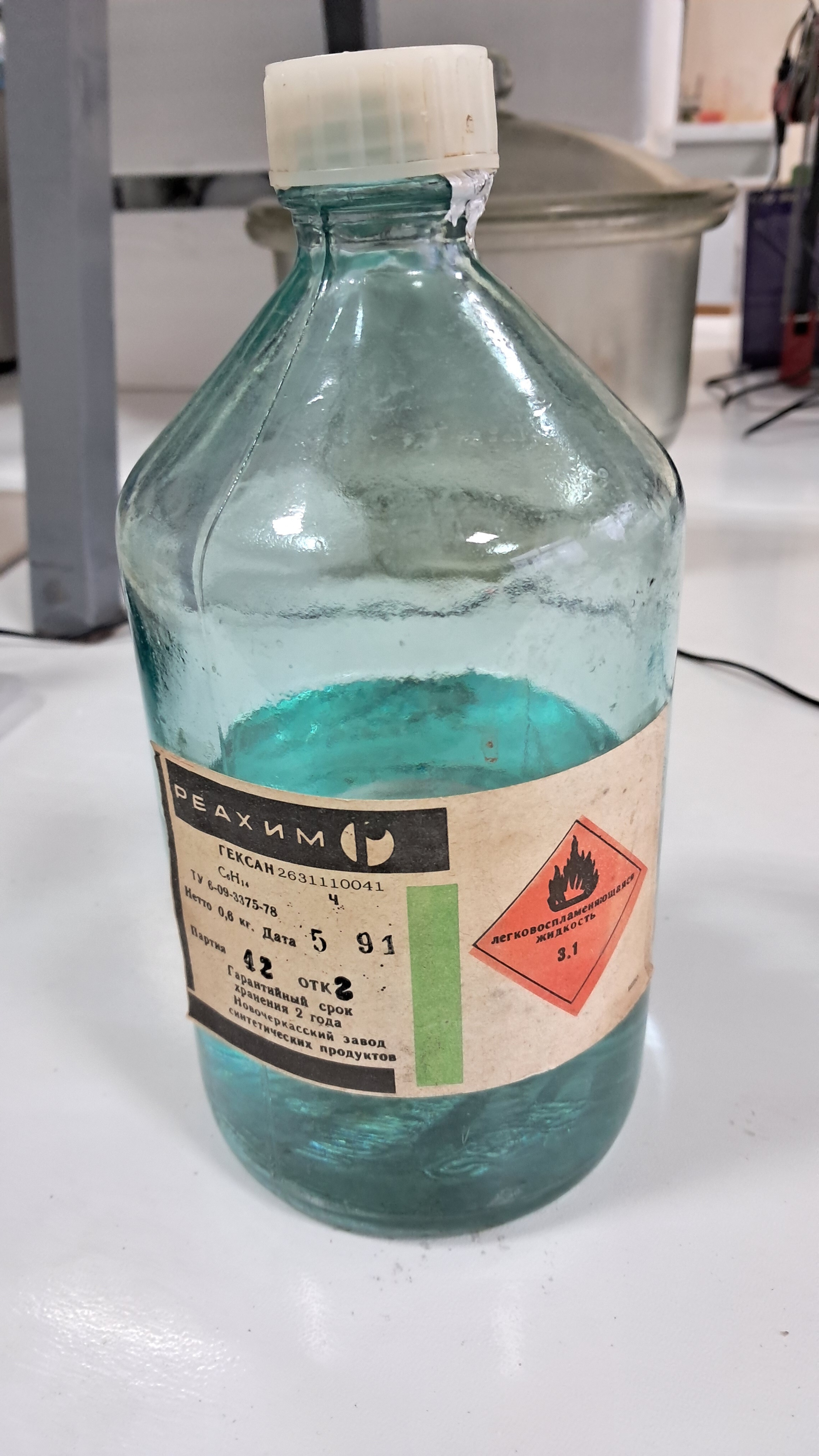
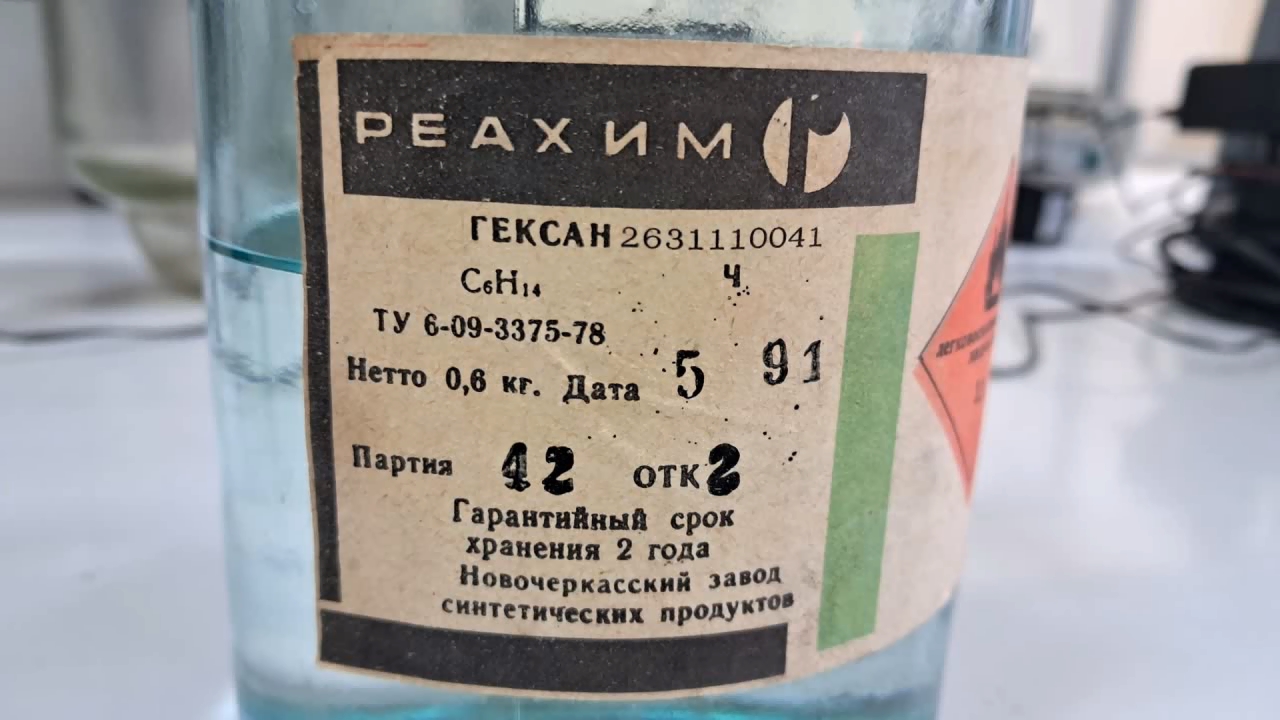
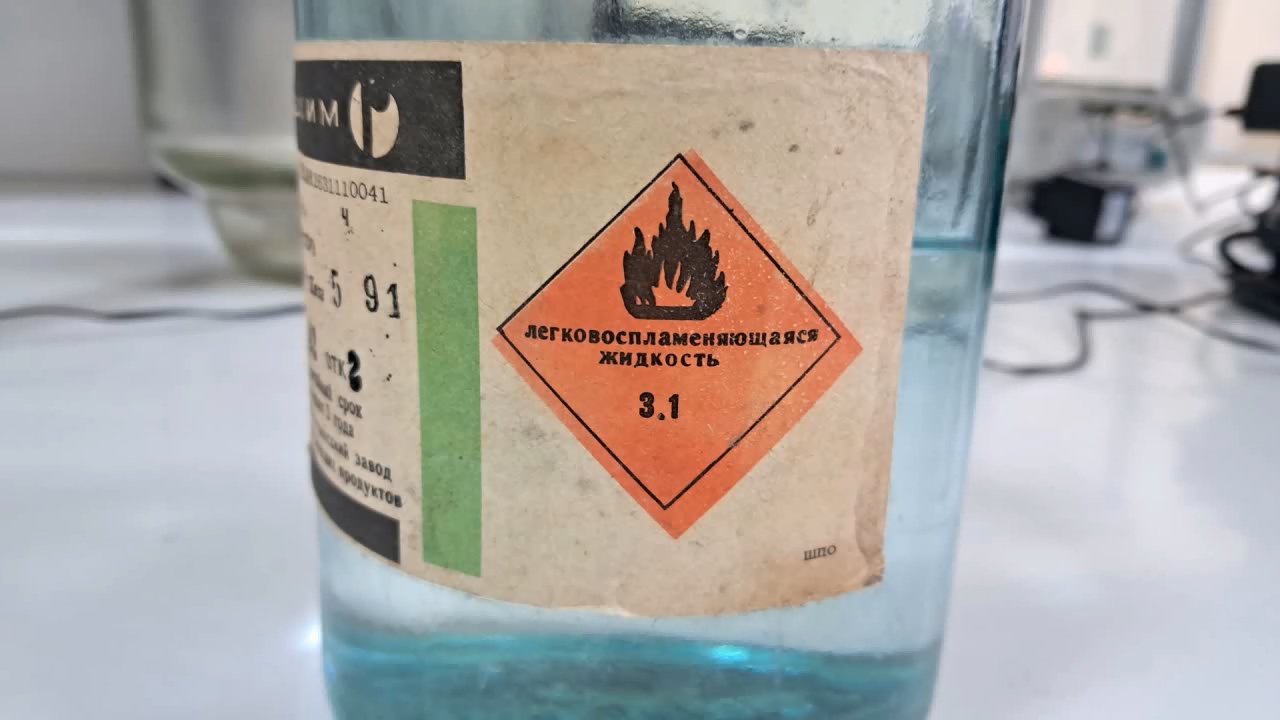
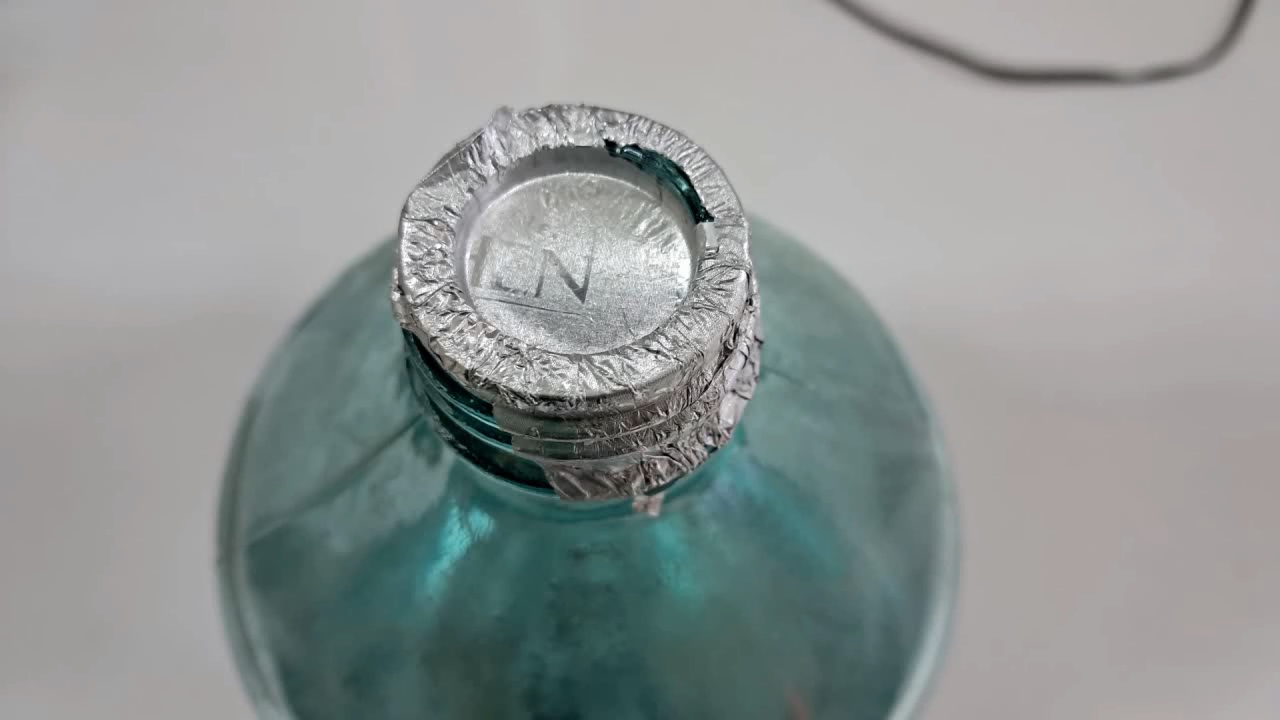
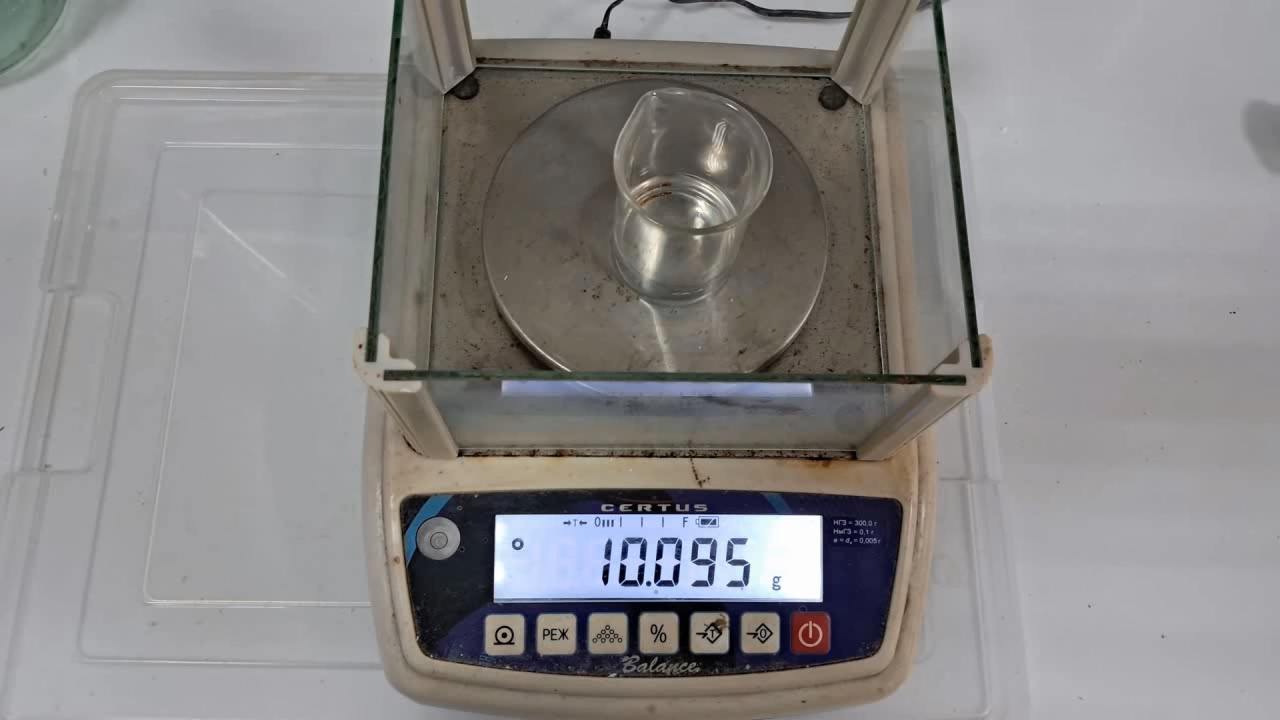
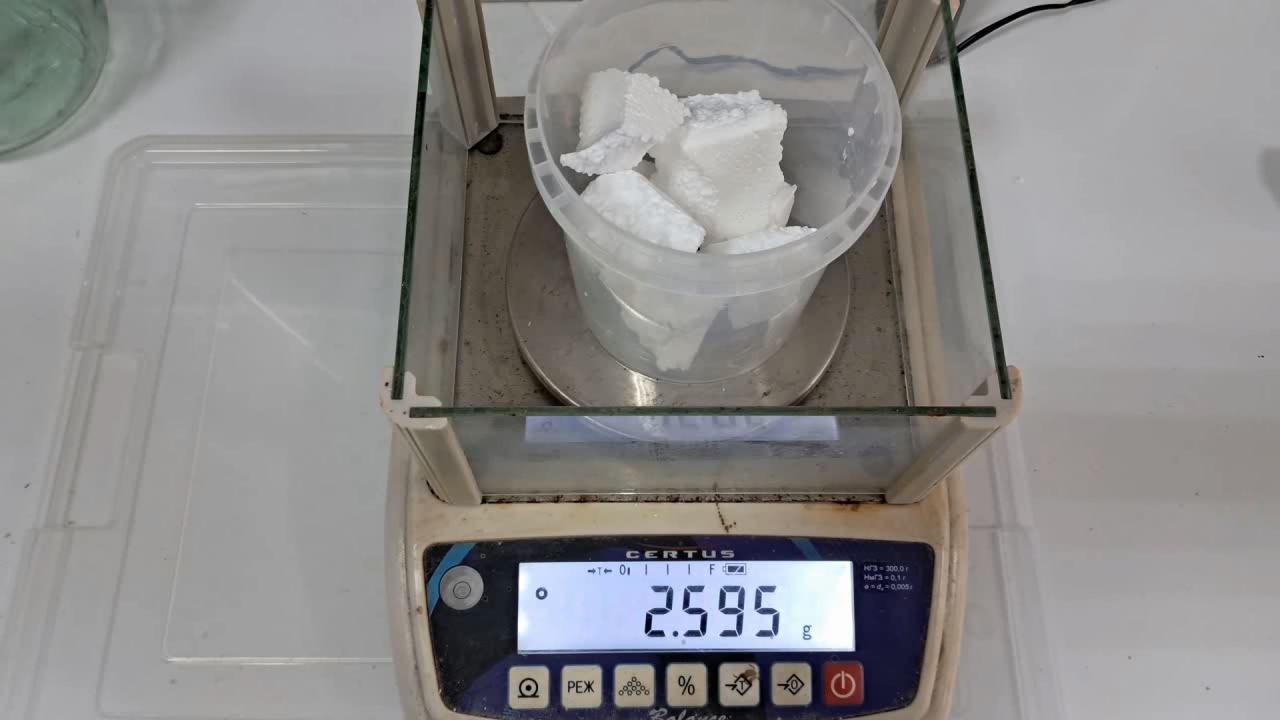
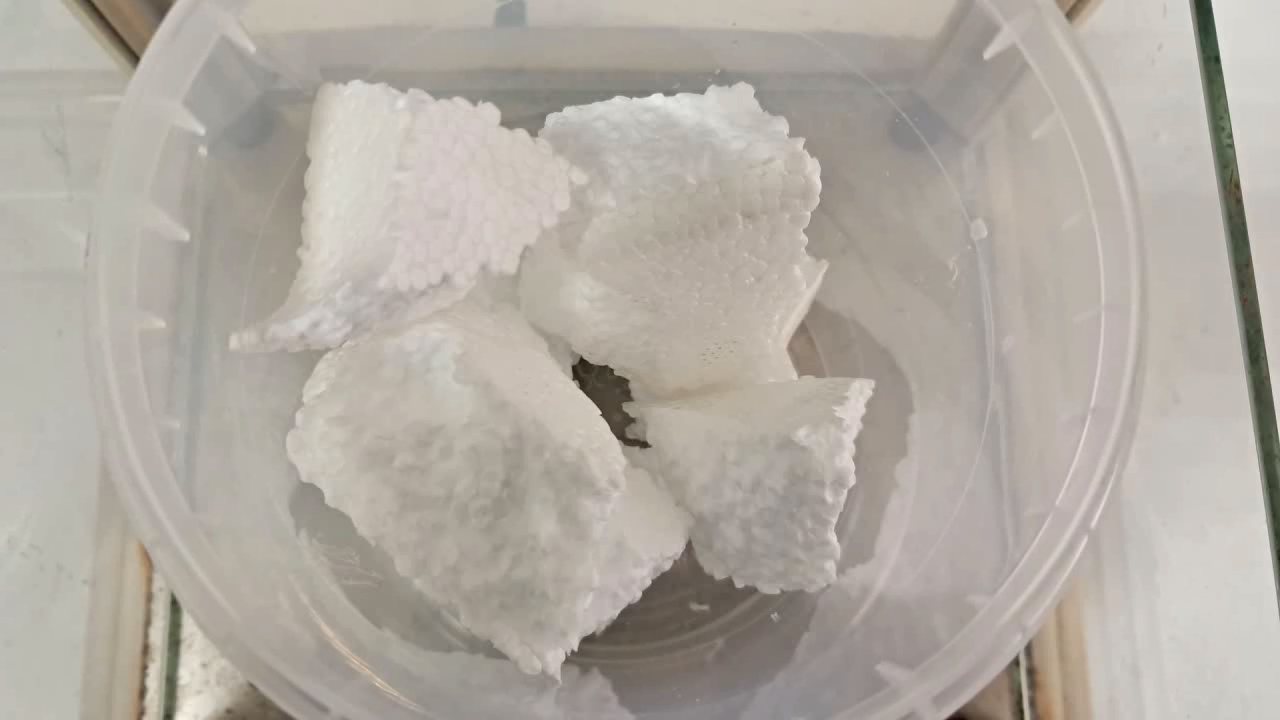
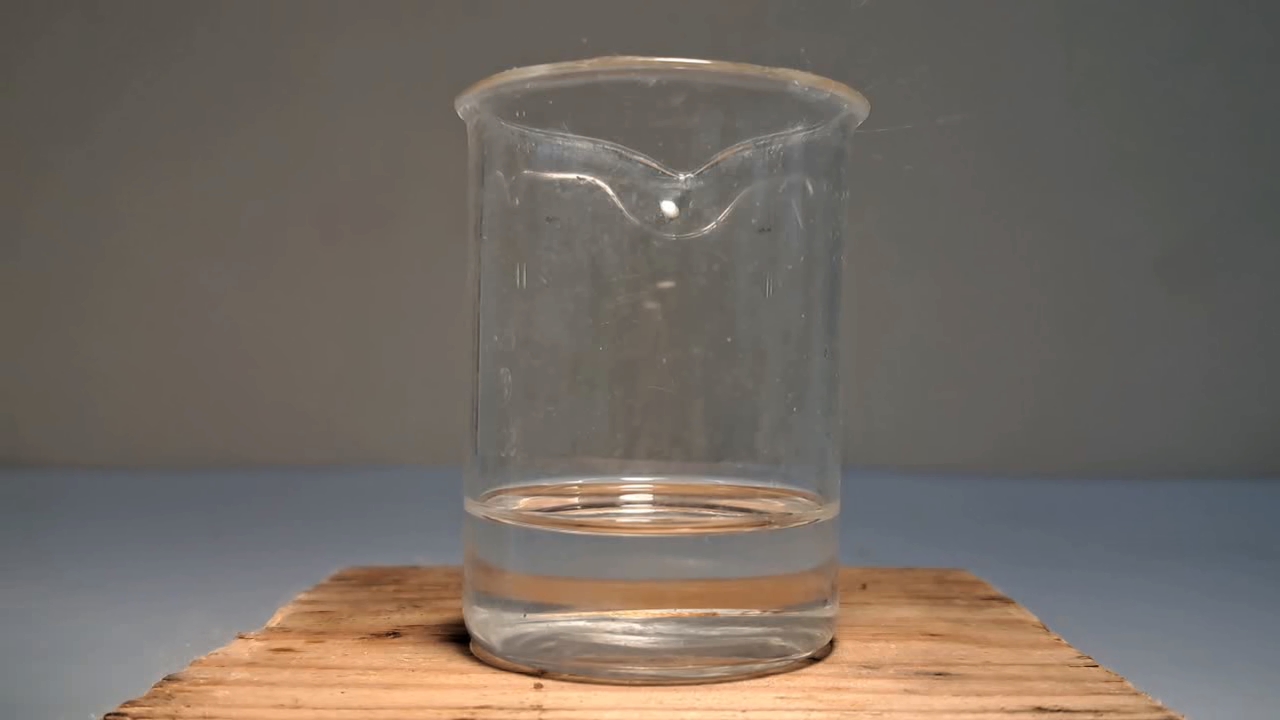
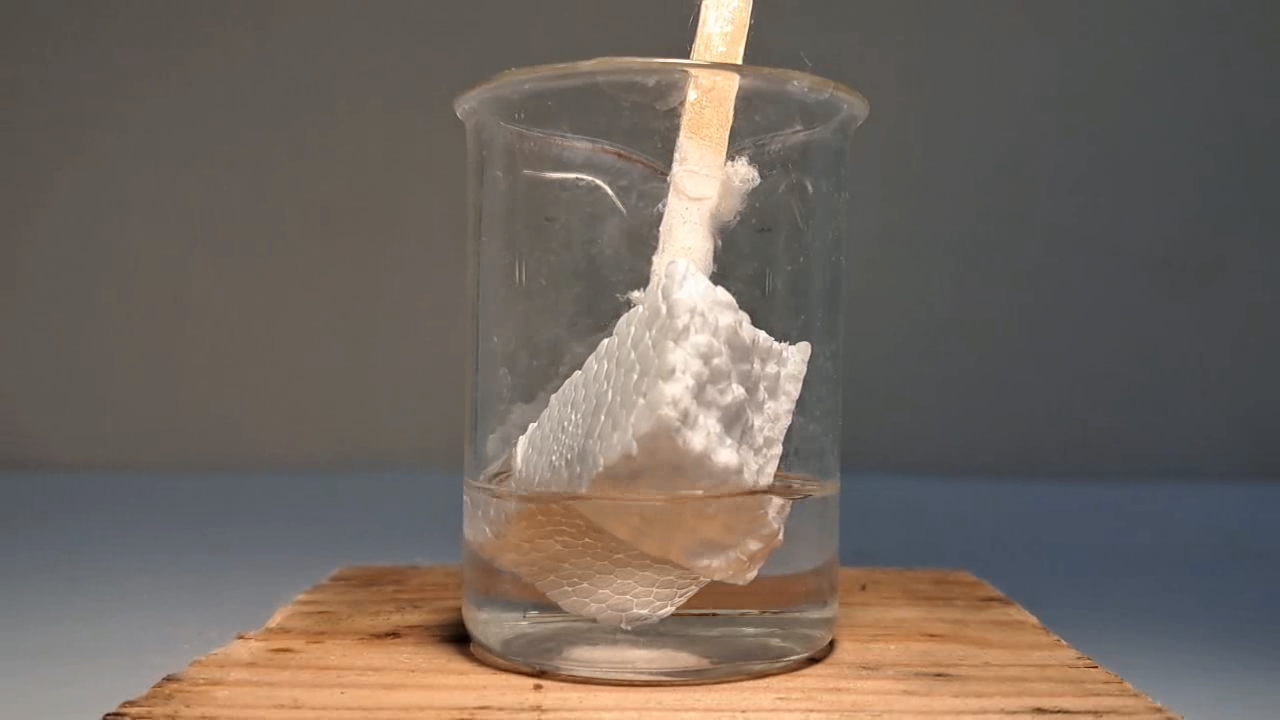
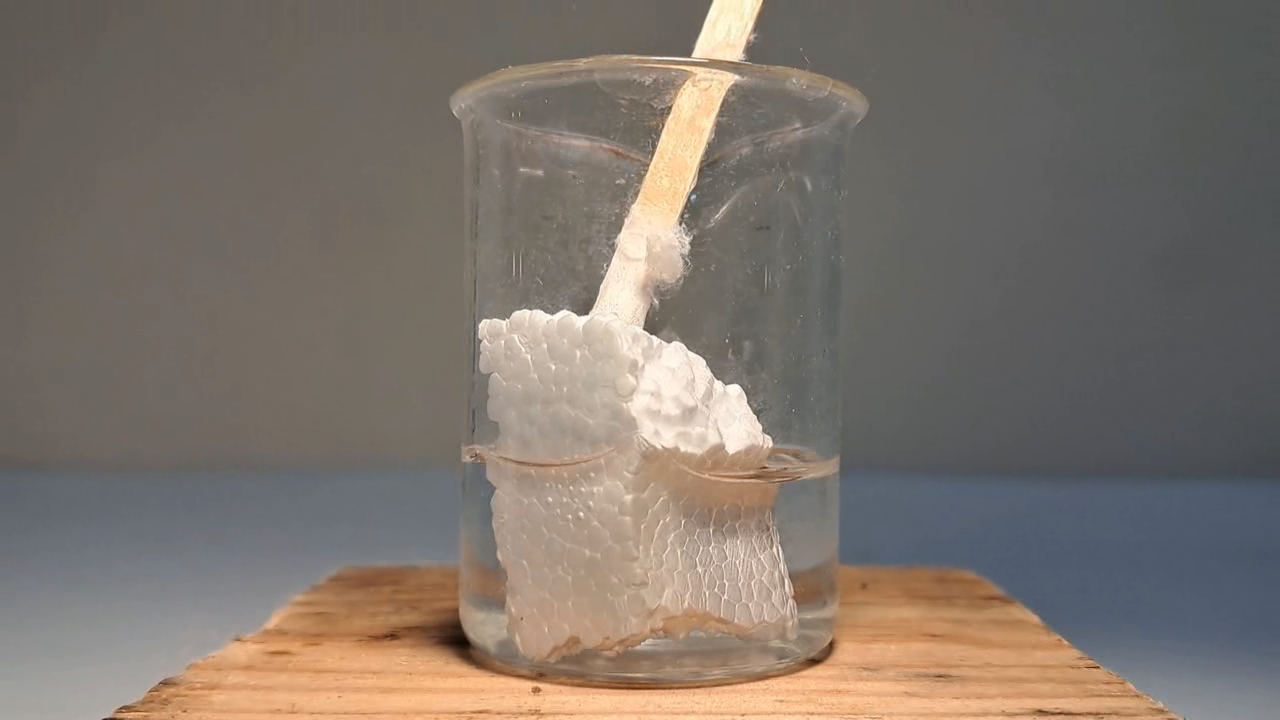
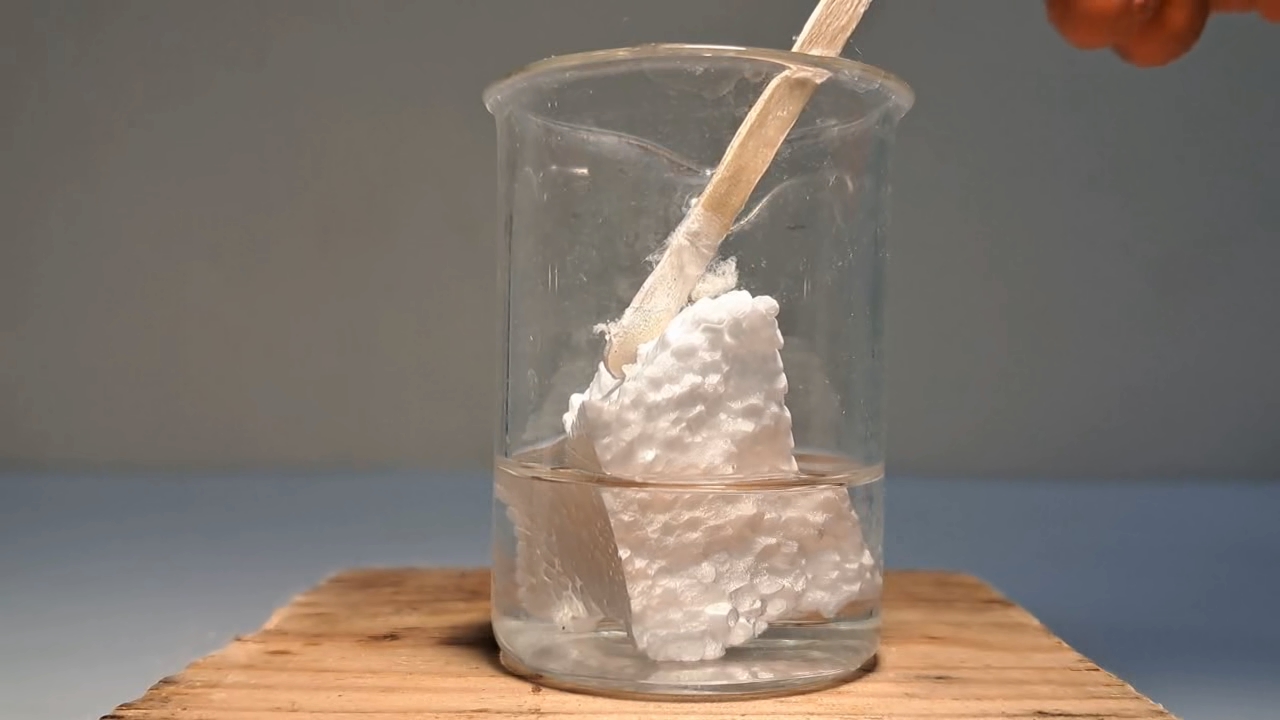
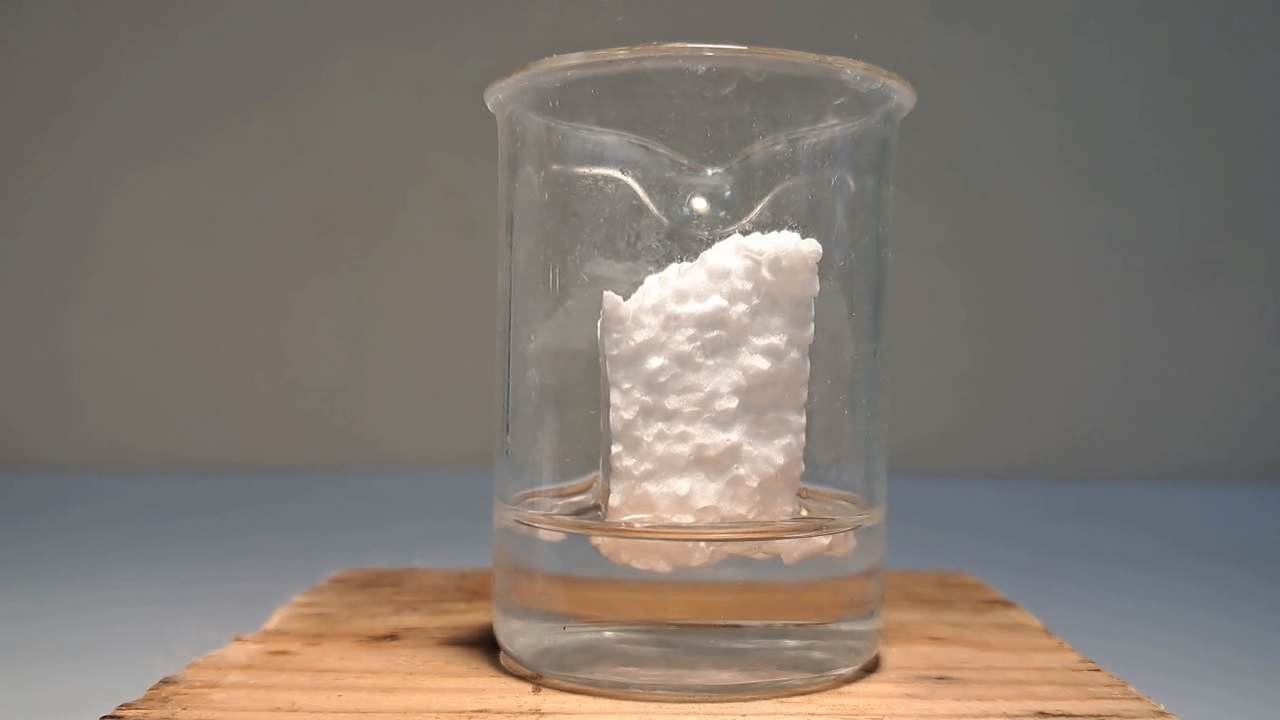
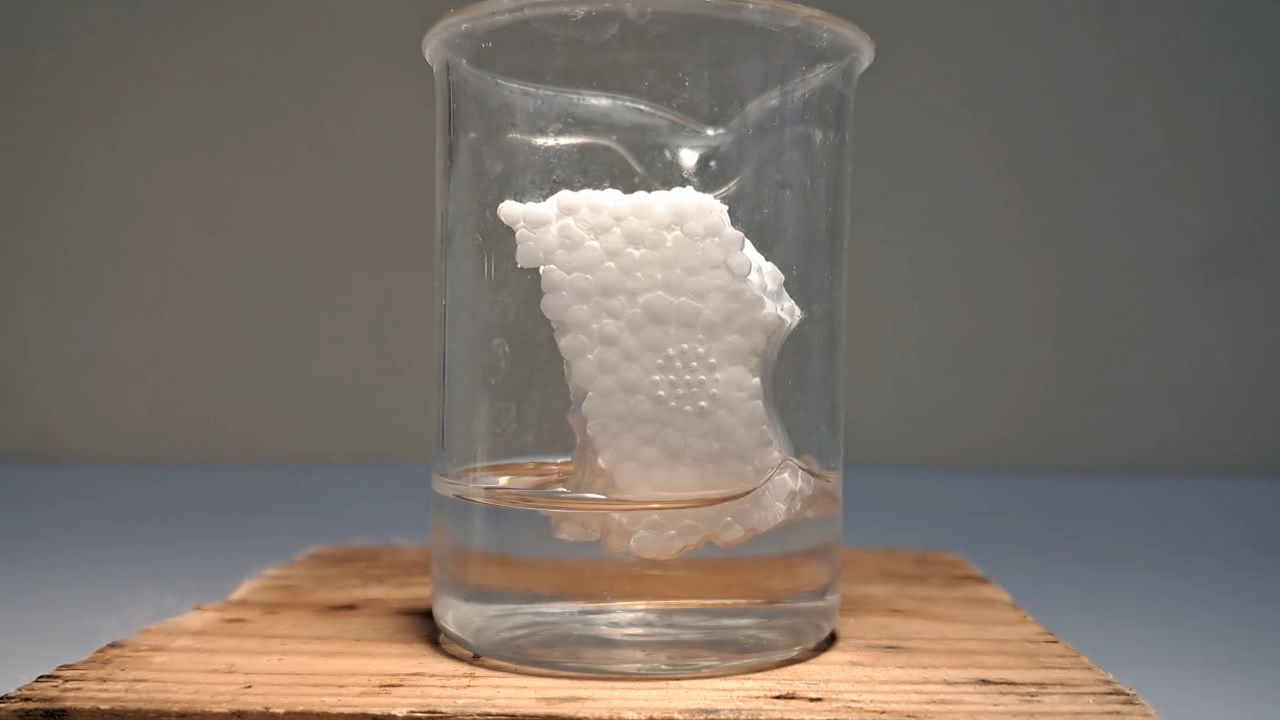
Растворение вспененного полистирола в гексане: что может пойти не так? - Часть 9 It therefore seemed logical to use a different solvent for polystyrene - one with a lower boiling point than ethyl acetate. I recalled that many years ago I had dissolved expanded polystyrene in acetone and hexane [1]. Given the difficulty of purchasing acetone, I decided to try hexane. A quick check revealed that I did not have this solvent in the lab, so I would need to obtain it. Then another thought occurred to me: hexane has a boiling point of 69 °C. Petroleum ether would be an even better solvent choice. Despite its name, petroleum ether is not an ether but a petroleum distillate whose boiling point can vary widely. However, I easily found a product on sale with a boiling range of 40-60 °C. I decided to consult the chemist colleague. He said that purchasing petroleum ether would take time, but that he already had hexane. So he simply gave me a bottle of it. I weighed out 10.120 g of hexane and 2.560 g of expanded polystyrene (polystyrene foam), aiming to prepare an approximately 20 % solution of polystyrene in hexane. Incidentally, the solvent was 24 years old - I had just graduated from high school in the year it was produced. I dropped a piece of expanded polystyrene into a weighing bottle containing hexane, expecting a vigorous release of gas and the rapid disappearance of the polymer, as I had observed many years earlier. However, nothing happened. I added another piece of polystyrene foam and pressed it with my finger, but no polymer dissolved - it was as if I had dipped the expanded polystyrene into water. This result was puzzling. In my earlier experiments, expanded polystyrene had dissolved quickly in both hexane and acetone. Pouring one of these solvents onto a large piece of expanded polystyrene had produced a wide, deep "crater" in it. My first thought was that the bottle did not actually contain hexane. The liquid had a typical hydrocarbon odor, but it did not dissolve polystyrene, which is itself a hydrocarbon. Perhaps it was not hexane, but isoamyl alcohol? I had worked extensively with isoamyl alcohol in the past. This substance is used in the analysis of fat content in dairy products. Isoamyl alcohol is also a major component of fusel oils, which are formed as byproducts of ethanol production and are present in low-quality alcoholic beverages, causing significant harm to consumers' health. I remembered that isoamyl alcohol has a sharp, unpleasant odor, but since I had last worked with it many years ago, I could not confidently identify it by smell alone. Unlike hexane and other hydrocarbons, isoamyl alcohol is partially soluble in water. I pipetted a small amount of the suspect liquid into a beaker of water. It appeared that the first drops dissolved, while subsequent ones formed a surface layer of organic liquid. At first, the incomplete dissolution puzzled me. Then I remembered that butyl and isoamyl alcohols have limited solubility in water; in particular, the solubility of isoamyl alcohol is only about 25-28 g/L. To summarize: the liquid had a hydrocarbon-like odor, was poorly soluble in water, and did not dissolve polystyrene. I therefore concluded that the bottle contained isoamyl alcohol - or a similar alcohol - rather than hexane. I went to my colleague and asked: "Do you have isoamyl alcohol?" "No." "You already do!" I explained my observations. My colleague was upset and promised to find another bottle of hexane. A little later, I suddenly remembered that I had hexane at home - in the kitchen. Why would I keep hexane in the kitchen? There was a period when I was unemployed and had no access to a laboratory, but I still wanted to make chemistry videos. I had to perform and film experiments in the kitchen, just as I had done during my school years. One of those experiments was particularly spectacular - and dangerous. I decided to test what would happen if I took a 220 V incandescent lamp, carefully removed the glass bulb without breaking the electrical connection, immersed the filament in hexane, and then turned on the power. Hexane is highly flammable, and the filament of an incandescent lamp reaches a very high temperature, so many people would expect a violent flash and an uncontrollable kitchen fire. However, I predicted a different outcome. Early incandescent lamps were vacuum lamps; later, bulbs were filled with rarefied argon or mixtures of xenon and krypton to reduce tungsten evaporation and extend lamp life (or to allow higher filament temperatures at the same lifetime). I planned to immerse the filament in hexane. Liquids have much higher thermal conductivity than gases, so a filament immersed in hexane would not heat up significantly. Moreover, the hexane near the filament would not ignite, because it would not be exposed to air. I poured hexane into a small beaker, immersed the filament, and turned on the power. No visible changes occurred. I did not even observe boiling near the filament. Then, without turning off the power, I deliberately raised the filament above the surface of the hexane. Upon exposure to air, the filament quickly heated up and ignited the hexane - exactly as I had expected. Unfortunately, I accidentally knocked over the beaker of burning hexane, spilling it across the chair on which it stood. An uncontrolled fire did occur. I calmly unplugged the lamp and covered the flames with a kitchen towel, extinguishing the fire. When I returned home, I found a bottle containing a small amount of hexane. The next day, I brought it to the lab and repeated the experiment with expanded polystyrene. The result was the same as before: there was no sign of dissolution. The expanded polystyrene showed no visible change, and no trapped gas was released. I distinctly remembered using hexane from this very bottle in earlier experiments, where it had readily dissolved expanded polystyrene and produced large "craters." I then compared the odor of the liquid from my colleague's bottle with that of the hexane I had brought from home. The smells were identical, confirming that the first bottle did indeed contain hexane and not isoamyl alcohol. How, then, could I explain the apparent partial dissolution of the first drops in water? Most likely, the initial drops of hexane spread across the water surface, forming a thin film that I failed to notice. A narrow test tube would have been more suitable than a beaker for this test. At that point, my colleague arrived with two additional bottles of hexane from different batches. I explained my findings and apologized for questioning the authenticity of his solvent. He replied that polystyrene is poorly soluble in linear hydrocarbons such as hexane, but highly soluble in cyclic hydrocarbons - particularly aromatic hydrocarbons like toluene. Unfortunately, we did not have any toluene. Purchasing it is problematic, as in our country it is subject to the same strict restrictions as acetone. I checked a reference book and found that toluene's boiling point is 110.6 °C - too high for my purposes. Even if it had been available, it would not have been suitable. Later, the physicist colleague confirmed from personal experience that toluene evaporates rather slowly. What other solvent could I use instead of ethyl acetate? I had a small amount of benzene, but since it is a known carcinogen, I was reluctant to use it. The chemist colleague suggested dissolving the expanded polystyrene in dichloroethane or methylene chloride - both of which he had. I replied that I did not have a "spare liver": such organochlorine solvents are well known for their harmful effects on health. Thus, the question of which solvent to use for dissolving polystyrene remained open. Another question also remained unanswered. Why had hexane from the same bottle dissolved expanded polystyrene many years ago, but failed to do so in my current experiments? The properties of polymers depend strongly on their molecular weight, which is determined by the degree of polymerization - the average number of monomer units in a macromolecule. In general, the higher the molecular weight of a polymer, the lower its solubility in organic solvents. The polystyrene I used many years ago likely had a lower degree of polymerization than the material used for electrospinning. In addition, the spatial structure of the polymer is important. A styrene molecule, when polymerizing, forms bonds with two neighboring styrene units. Through any two geometric points, only one straight line can be drawn; accordingly, polystyrene molecules have a linear structure, similar to polyethylene, polypropylene, or polyacrylamide. These chains can bend, twist, and coil into three-dimensional conformations, but there are no chemical bonds between adjacent macromolecules. Some monomers, such as the styrene analogue divinylbenzene, can form not two, but three or more chemical bonds with other molecules. As a result, copolymerization of styrene with divinylbenzene leads to the formation of cross-links between macromolecules. Linear chains become interconnected into a three-dimensional network. If the number of cross-links is sufficiently high, the polymer loses its ability to dissolve. __________________________________________________ 1 The article: Expanded Polystyrene and Organic Solvents / Пенопласт и органические растворители [link]. |
|
Растворение вспененного полистирола в гексане: что может пойти не так? - Часть 9
Электроспиннинговый полистирол удалось успешно получить, используя два растворителя: заменитель ацетона, который продается под маркой "Ацетон +", и этилацетат. В первом случае процесс получения волокон протекал хорошо, однако точный состав растворителя был неизвестен, и существовали опасения, что он может существенно меняться от партии к партии. Во втором случае растворитель представлял собой индивидуальное вещество, однако, в процессе электроспиннинга возникла проблема - на коллектор попадало много брызг раствора полистирола в этилацетате.
Было логично использовать для полистирола другой растворитель с более низкой температурой кипения, чем этилацетат. Я вспомнил, что много лет назад растворял пенополистирол (пенопласт) в ацетоне и гексане [1]. Учитывая труднодоступность ацетона, я решил использовать гексан. Поиск показал, что у меня в лаборатории нет данного растворителя - придется его покупать. Потом я подумал: гексан имеет температуру кипения 69°C. Лучше использовать в качестве растворителя для полистирола не гексан, а петролейный эфир. Несмотря на название, петролейный эфир является не простым эфиром, а продуктом перегонки нефти, точка кипения которого может сильно варьироваться. Однако, я без труда нашел в продаже продукт с точкой кипения в интервале 40-60°C. Решил проконсультироваться у коллеги-химика. Он сказал, что покупка петролейного эфира займет время, зато у него есть гексан. Поэтому он просто дал мне бутылку с гексаном. Взвесил 10.120 г гексана и 2.560 г пенополистирола, намериваясь получить приблизительно 20% раствор полистирола в гексане. Растворитель, кстати был 24 летней давности; в год его производства я как раз закончил школу. Опустил кусок пенополистирола в бюкс с гексаном, ожидая бурного выделения газа и быстрого исчезновения вспененного полистирола, как это я наблюдал много лет назад. Однако, ничего не произошло. Добавил еще один кусок пенополистирола, надавил сверху пальцем, однако, растворения полимера не наблюдалось, словно я опустил пенополистирол в воду... Но ведь в моих прошлых экспериментах пенополистирол быстро растворялся в гексане и ацетоне! Я лил один из этих растворителей на большой кусок пенополистирола, в результате в нем образовывался широкий и глубокий "кратер". Первой моей мыслью было, что в бутылке находился НЕ гексан. Растворитель имел запах, типичный для углеводородов, но в нем не растворялся полистирол, который также является углеводородом. Возможно, это был не гексан, а изоамиловый спирт? В прошлом я много работал с изоамиловым спиртом. Данное вещество используется для анализа содержания жиров в молочных продуктах. Также изоамиловый спирт является одним из основных компонентов сивушных масел, которые образуются в качестве побочного продукта производства этилового спирта и присутствуют в некачественных алкогольных напитках, принося большой вред здоровью людей, которые их употребляют. Я помнил, что изоамиловый спирт имеет резкий, неприятный запах, но я работал с данным веществом много лет назад, поэтому не мог с уверенностью распознать изоамиловый спирт по запаху. В отличие от гексана и других углеводородов, изоамиловый спирт растворяется в воде. Набрал в пипетку небольшое количество жидкости из бюкса с вероятным изоамиловым спиртом и добавил ее в стакан с водой. Мне показалось, что первые капли жидкости растворились в воде, а следующие образовали верхний слой органической жидкости. То, что исследуемая жидкость не полностью растворилась в воде, сначала меня смутило. Потом я вспомнил, что бутиловый и изоамиловый спирт растворяются в воде ограничено. В частности, растворимость изоамилового спирта составляет 25-28 g/L. Подытожим: жидкость имела углеводородный запах, плохо растворялась в воде и не растворяла полистирол. Значит, в бутылке был не гексан, а изоамиловый спирт (или другой аналогичный спирт). Пошел к коллеге-химику. Спросил: "У тебя есть изоамиловый спирт?" "Нет." "Уже - есть!" Рассказал ему про свои результаты. Коллега расстроился и пообещал найти другую бутылку гексана. Чуть позже я вспомнил, что гексан был у меня дома... на кухне. Зачем я хранил гексан на кухне? Был период, когда я был без работы и не имел доступа к лаборатории, но хотел снимать химические видео. Эксперименты приходилось ставить и снимать на кухне - прямо, как в школьные годы. В частности, с гексаном я провел эффектный, хотя и опасный эксперимент. Решил проверить, что произойдет, если взять лампу накаливания, рассчитанную на напряжение 220 В, аккуратно удались с лампы колбу, не нарушив электрический контакт, погрузить спираль накаливания в гексан и включить электрический ток. Гексан - легковоспламеняющаяся жидкость, а спираль лампы накаливания нагревается до высокой температуры, поэтому многие люди ожидали бы сильной вспышки, которая могла перейти в неконтролируемый пожар на кухне. Однако, я прогнозировал другой результат. Первые лампы накаливания были вакуумными - их спираль находилась в вакууме, позже колбы ламп стали заполнять разреженным аргоном или смесью ксенона и криптона, чтобы уменьшить испарение вольфрама и продлить срок жизни лампы (или увеличить температуру спирали при одинаковом сроке жизни лампы). Я планировал погрузить спираль накаливания лампы в гексан. Жидкости имеют значительно большую теплопроводность, чем газы. Поэтому спираль, погруженная в гексан, не будет сильно нагреваться. Кроме того, разогрев гексана возле спирали не вызовет его вспышки, поскольку в этом месте гексан не контактирует с воздухом. Налил в небольшой стакан гексан, погрузил в него спираль лампы накаливания, включил ток. Никаких видимых изменений не произошло. Не наблюдалось даже кипения жидкости возле спирали. Тогда я сознательно поднял спираль выше поверхности гексана, не выключив ток. Попав на воздух, спираль вскоре раскалилась и подожгла гексан - как я и ожидал. Однако, я случайно перекинул стакан с горящим гексаном, жидкость растеклась по стулу, на котором находился стакан. Неконтролируемое горение таки произошло. Я спокойно выключил электричество (выдернул вилку из розетки) и накрыл пламя кухонным полотенцем - горение прекратилось. Вернувшись домой, нашел бутылку с небольшим количеством гексана. На следующий день принес ее в лабораторию и повторил попытку растворить пенополистирол. Результат был таким же, как и в прошлый раз - признаки растворения полистирола в гексане отсутствовали! Пенополистирол внешне не изменялся, газ, заключенный в материале, не выделялся. Точно помнил, что для экспериментов с пенополистиролом много лет назад я использовал гексан именно из ЭТОЙ бутылки. При попадании растворителя на пенополистирол в нем образовался большой "кратер". Теперь этот же гексан совсем не растворял пенополистирол. Сравнил запах жидкости из бутылки, которую мне дал коллега, и запах гексана, который я принес с дома. Запахи были идентичны, значит, в первой бутылке был не изоамиловый спирт, а гексан. А как объяснить, что небольшие количества жидкости из первой бутылки растворились в воде? По-видимому, первые капли гексана растеклись по поверхности воды тонким слоем, который я не смог рассмотреть. Вместо стакана для данного теста следовало использовать узкую пробирку. В этот момент пришел коллега, принес еще две бутылки гексана из разных партий. Я рассказал ему о своих результатах и извинился, что я усомнился в подлинности его гексана. Коллега ответил, что полистирол плохо растворяется в линейных углеводородах (вроде гексана), зато он хорошо растворяется в циклических углеводородах, в частности, в ароматических углеводородах, например, в толуоле. Толуола, к сожалению, у нас не было, а купить данное вещество проблематично, поскольку в нашей стране толуол находиться под такими же строгими ограничениями, как и ацетон. Посмотрел справочник, температура кипения толуола оказалась слишком высокой, 110.6°C. Толуол не подходил, даже, если бы данный растворитель был легкодоступным. Позже коллега-физик по собственному опыту подтвердил, что толуол испаряется сравнительно тяжело. Чем еще можно заменить этилацетат? У меня было небольшое количество бензола, однако данное вещество является известным канцерогеном, поэтому использовать его я не спешил. Коллега-химик предложил использовать для растворения пенополистирола дихлорэтан или хлористый метилен - данные растворители у него были. Однако, я ответил, что у меня нету "запасной печени" - такие хлорорганические растворители известны своим разрушительным действием на здоровье. Вопрос, в чем растворить полистирол, остался открытым. Без ответа остался еще один вопрос. Почему гексан, взятый из одной и той же бутылки, растворил пенополистирол в эксперименте, проведенном много лет назад, но совершенно не растворил пенополистирол в моем нынешнем эксперименте? Свойства полимеров зависят от их молекулярной массы, которая определяется степенью полимеризации - средним количеством молекул мономера, объединившихся в одну макромолекулу. Обычно, чем больше молекулярная масса полимера, тем ниже его растворимость в органических растворителях. Вероятно, полистирол, который я растворил много лет назад, имел более низкую степень полимеризации, чем полистирол, который был использован для электроспиннинга. Кроме того, имеет значение пространственная структура полимера. Молекула стирола, объединяясь в полимерную цепь, образует связи с двумя другими молекулами стирола. Через две геометрические точки можно провести прямую, причем, только одну. Следовательно, молекула полимера - полистирола - имеет линейную структуру, аналогично полиэтилену, полипропилену или полиакриламиду. Такие линии могут изгибаться, закручиваться, сворачиваться в клубки, образуя трехмерные структуры, однако химических связей между соседними макромолекулами нет. Некоторые мономеры, например аналог стирола дивинилбензол, могут образовывать с другими молекулами не две, а три или более химические связи. В результате добавка дивинилбензола к стиролу с последующей полимеризацией приводит к образованию поперечных связей между разными макромолекулами. Происходит "сшивка" макромолекул. Линейные молекулы объединяются в трехмерную пространственную структуру. Если количество поперечных связей достаточно, такой полимер теряет способность растворяться. |
Dissolving Expanded Polystyrene in Hexane: What Could Go Wrong? |
|
|
|
|
|
|
|
|
|
|
|
|
|
|
|
|
|
|
|
|
|
Having noticed a mistake in the text, allocate it and press Ctrl-Enter
Methyl Acetate, Acetone, Surrogate Acetone, and Expanded Polystyrene - Part 10
While pondering the choice of solvent for polystyrene electrospinning, I recalled a colleague's comment. He noted that methyl acetate is often used as a substitute for acetone and is not subject to restrictions. Therefore, the solvent sold under the name "Acetone+" was most likely methyl acetate, marketed under a different name. However, the experiment did not confirm this assumption, since methyl acetate completely dissolves in aqueous alkali due to ester hydrolysis, whereas "Acetone+" did not exhibit this behavior.
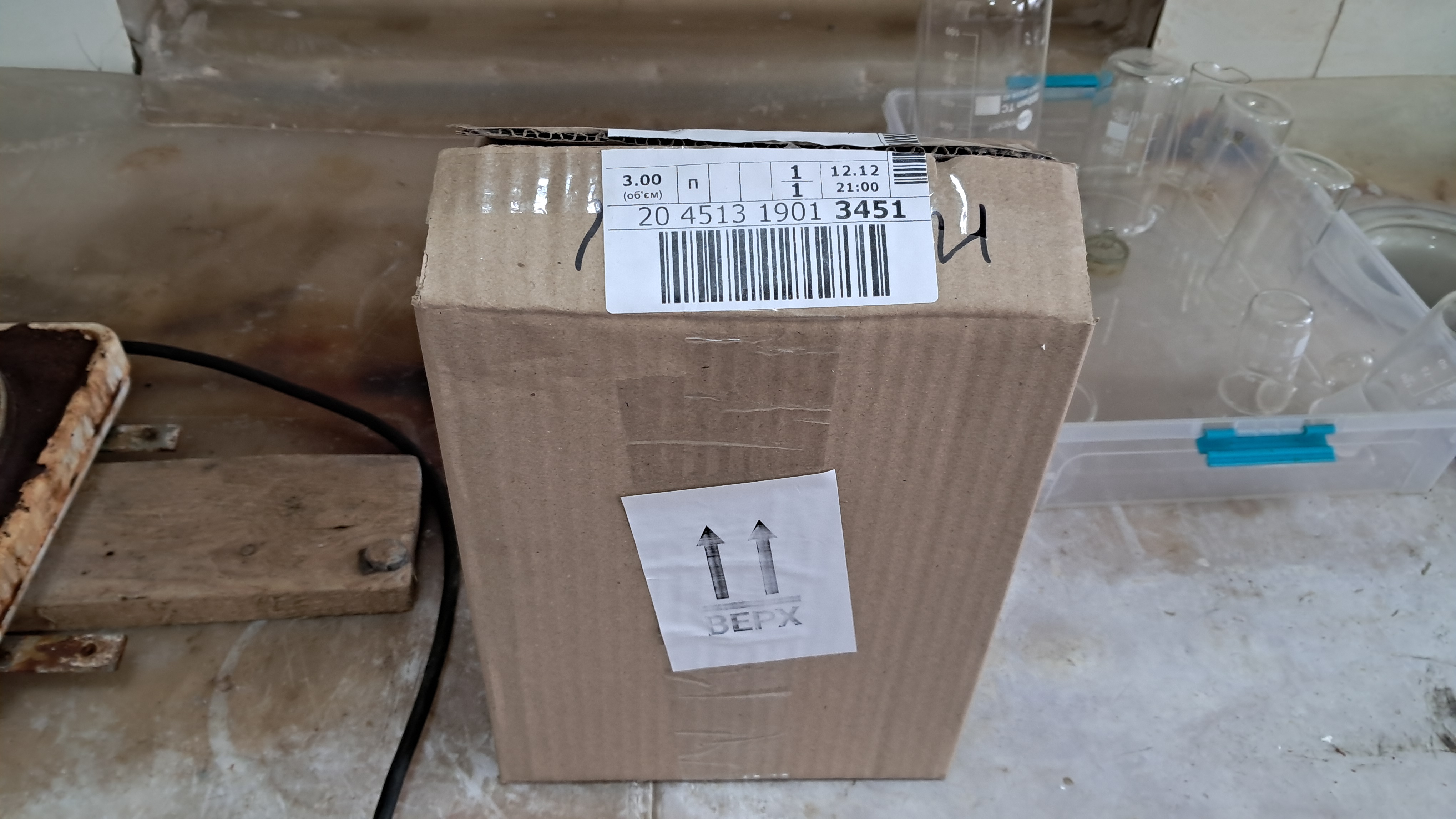
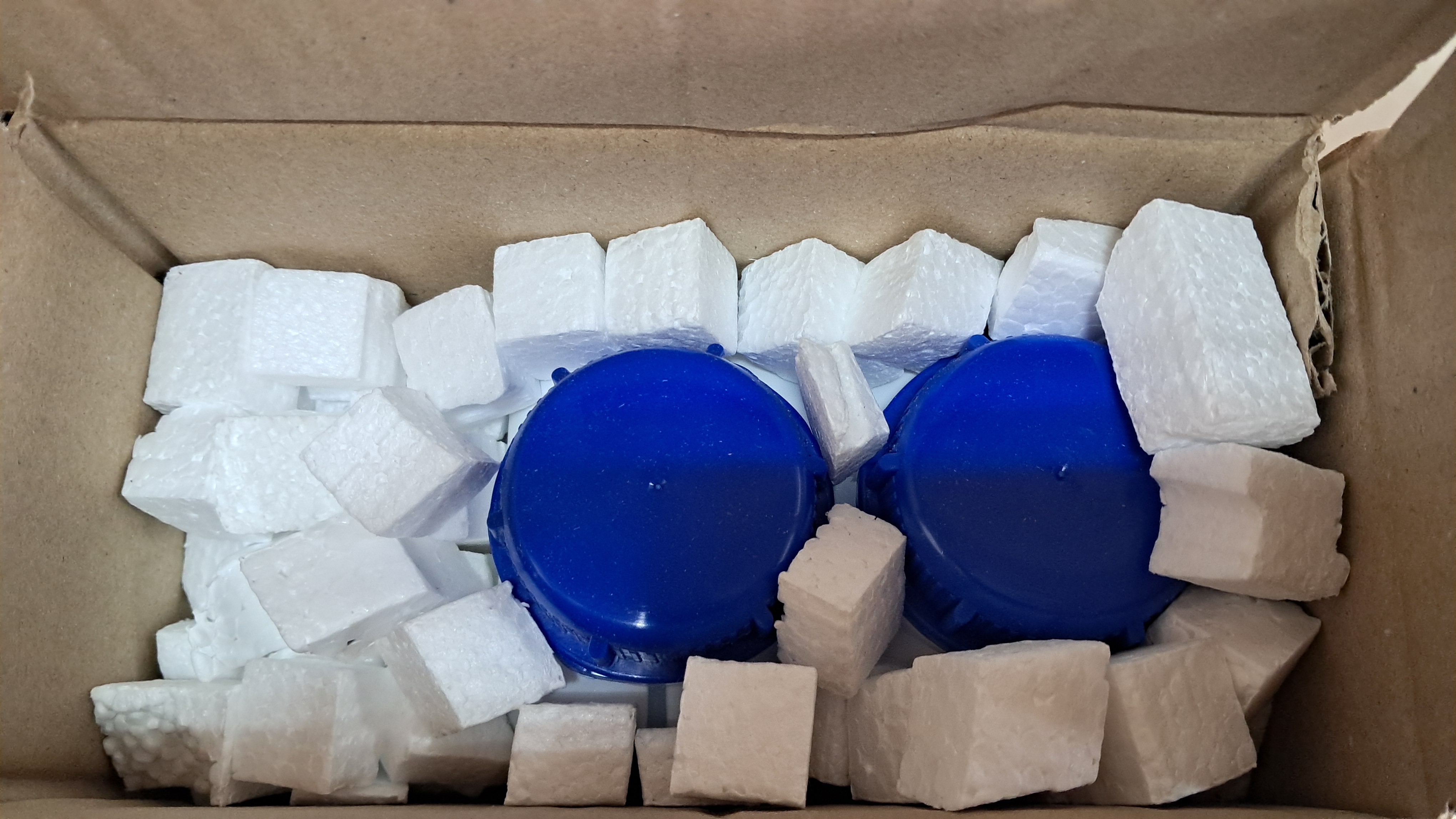
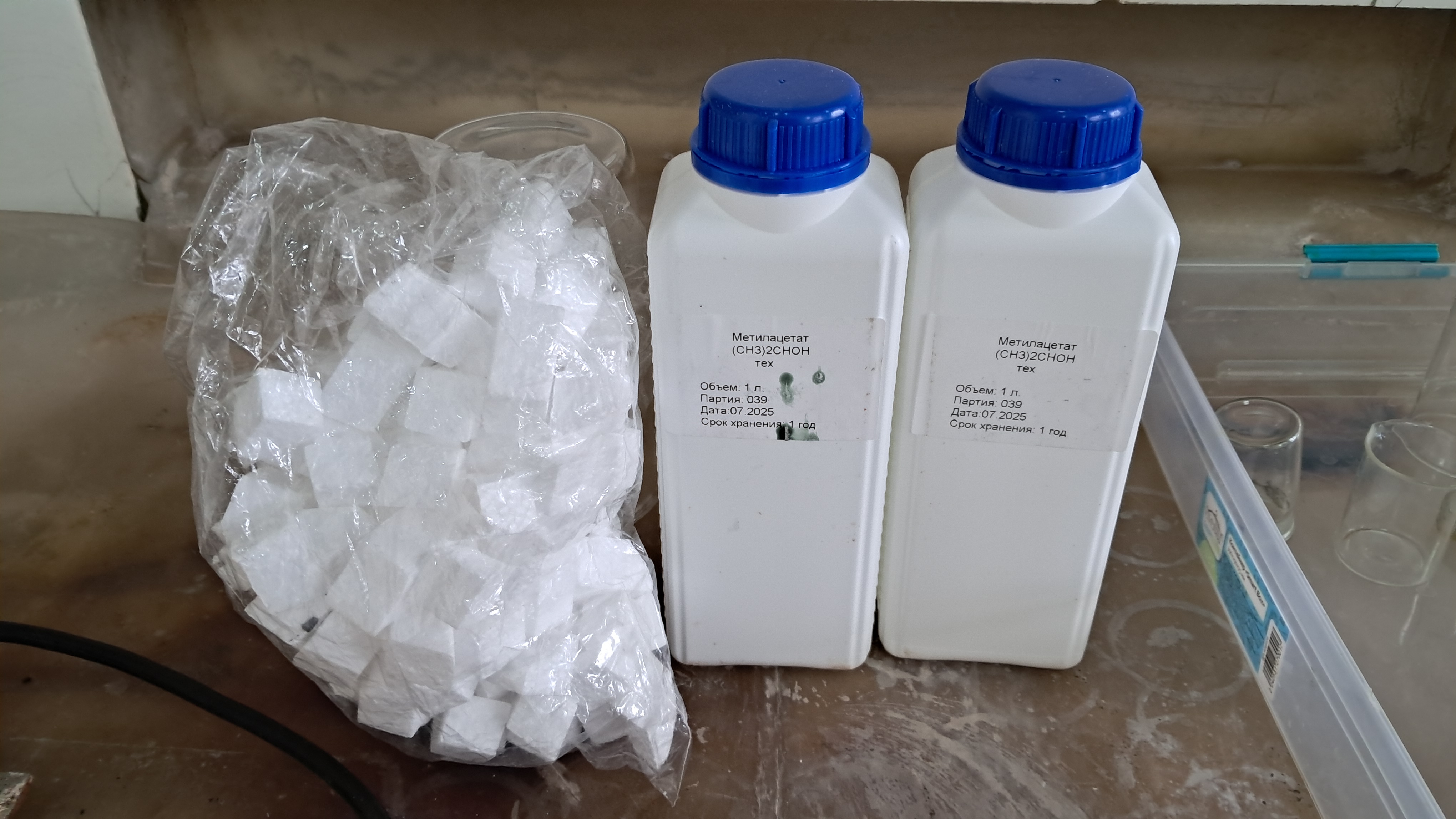
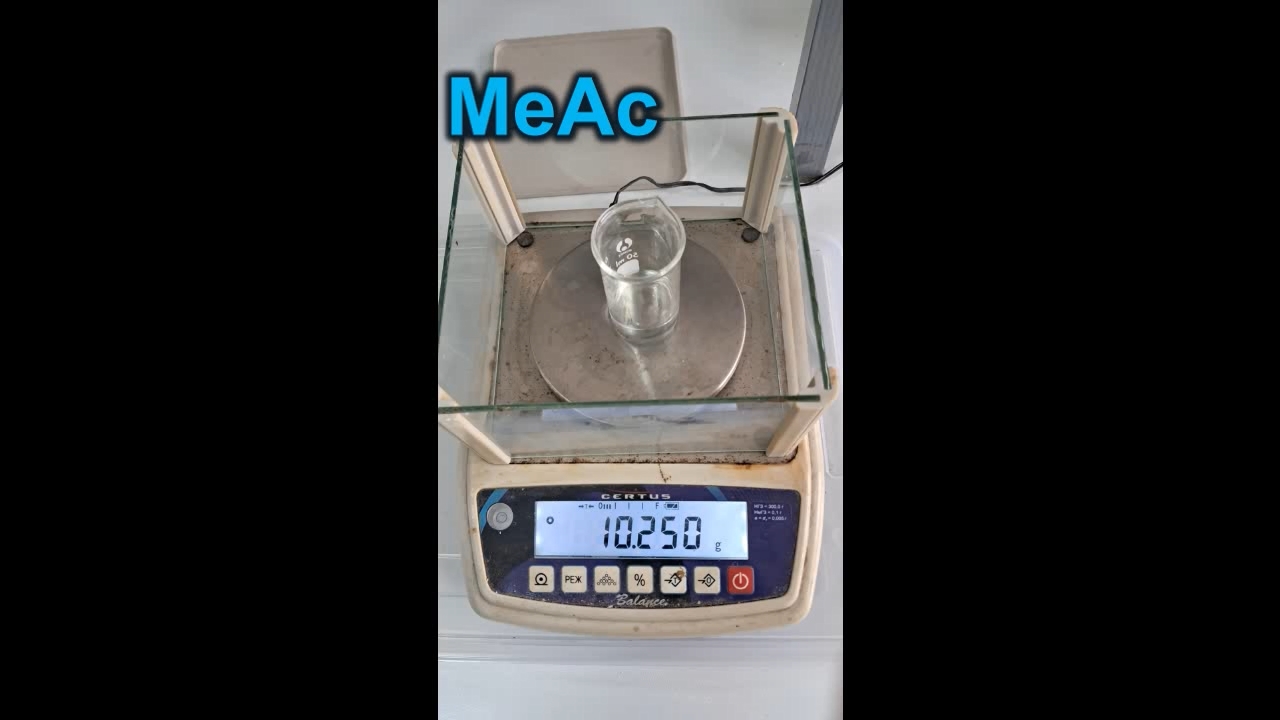
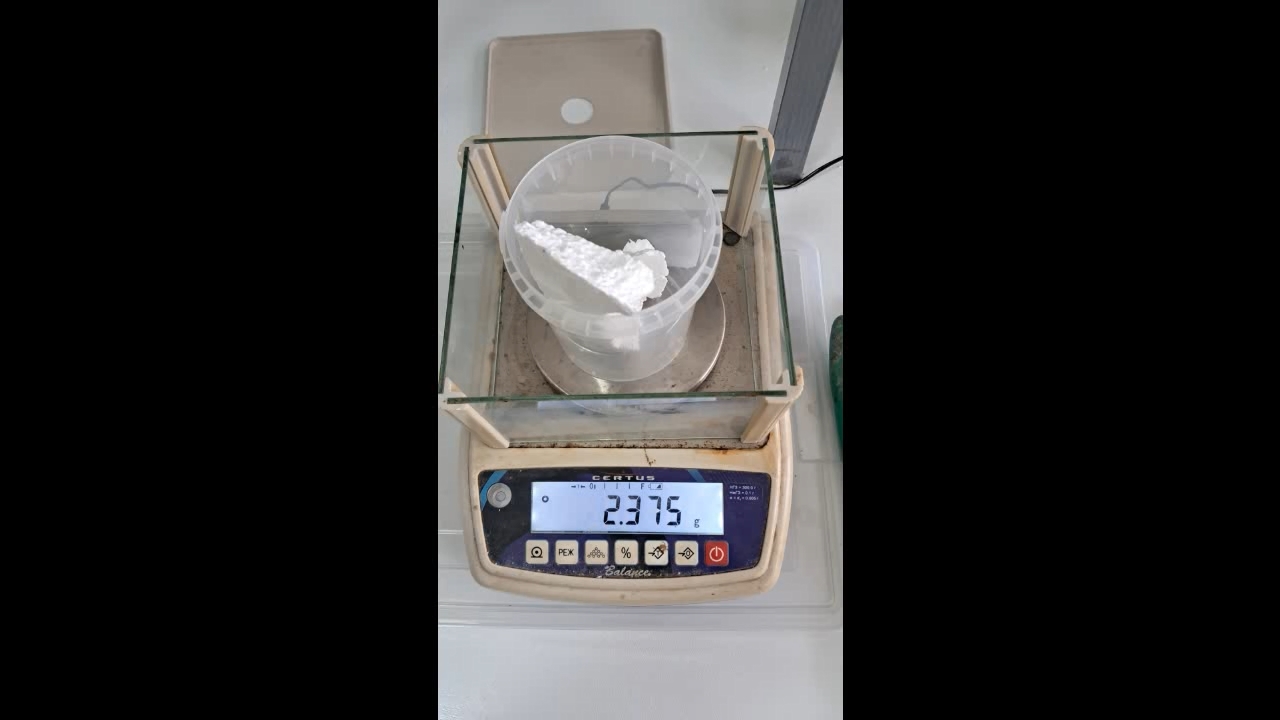
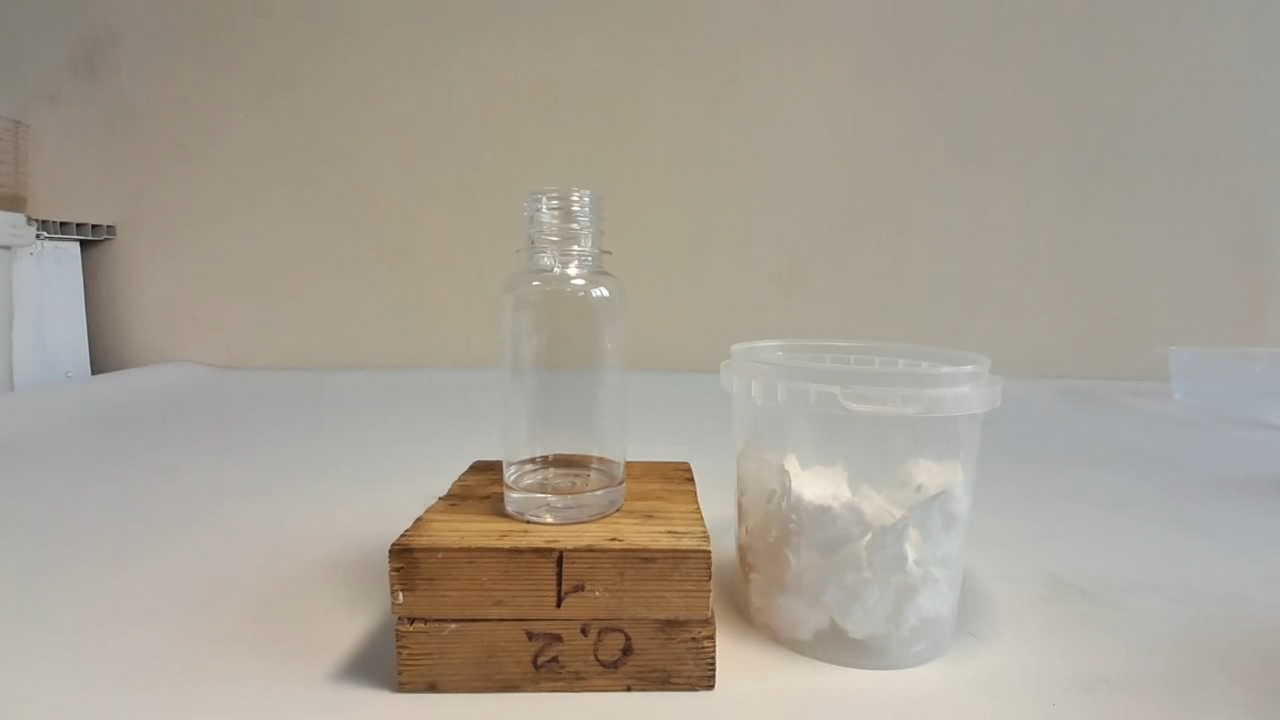
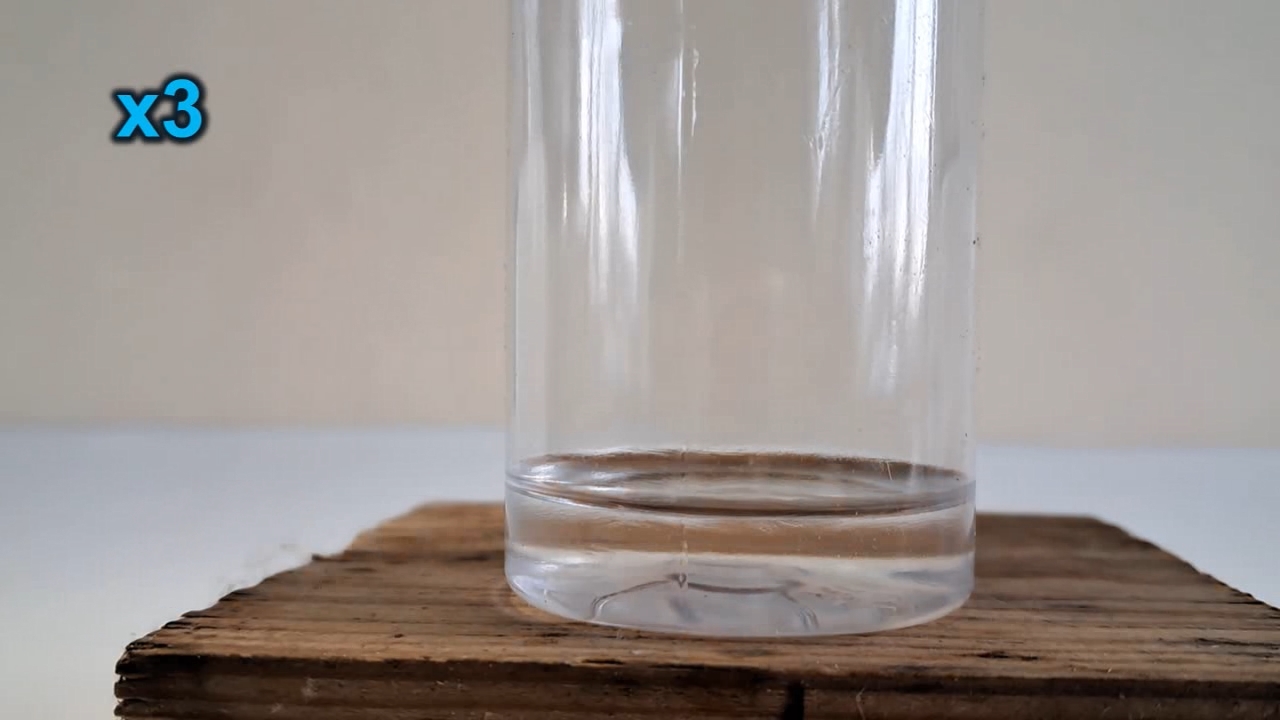
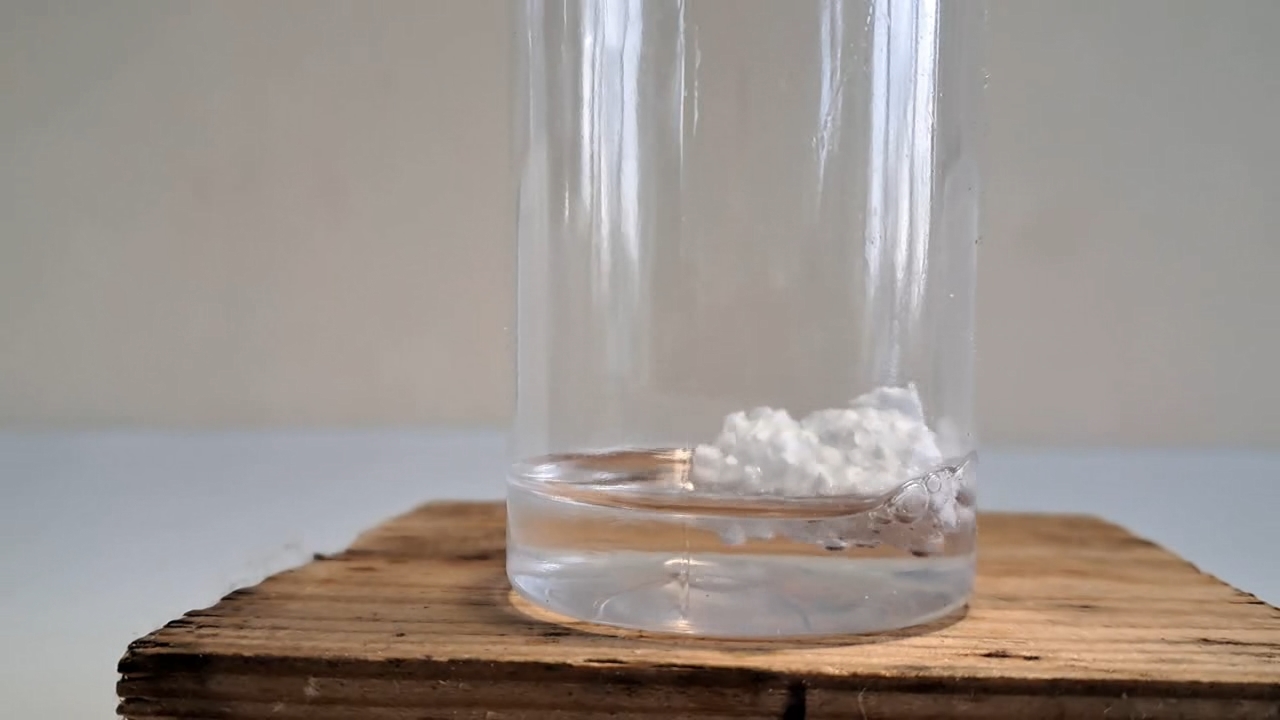
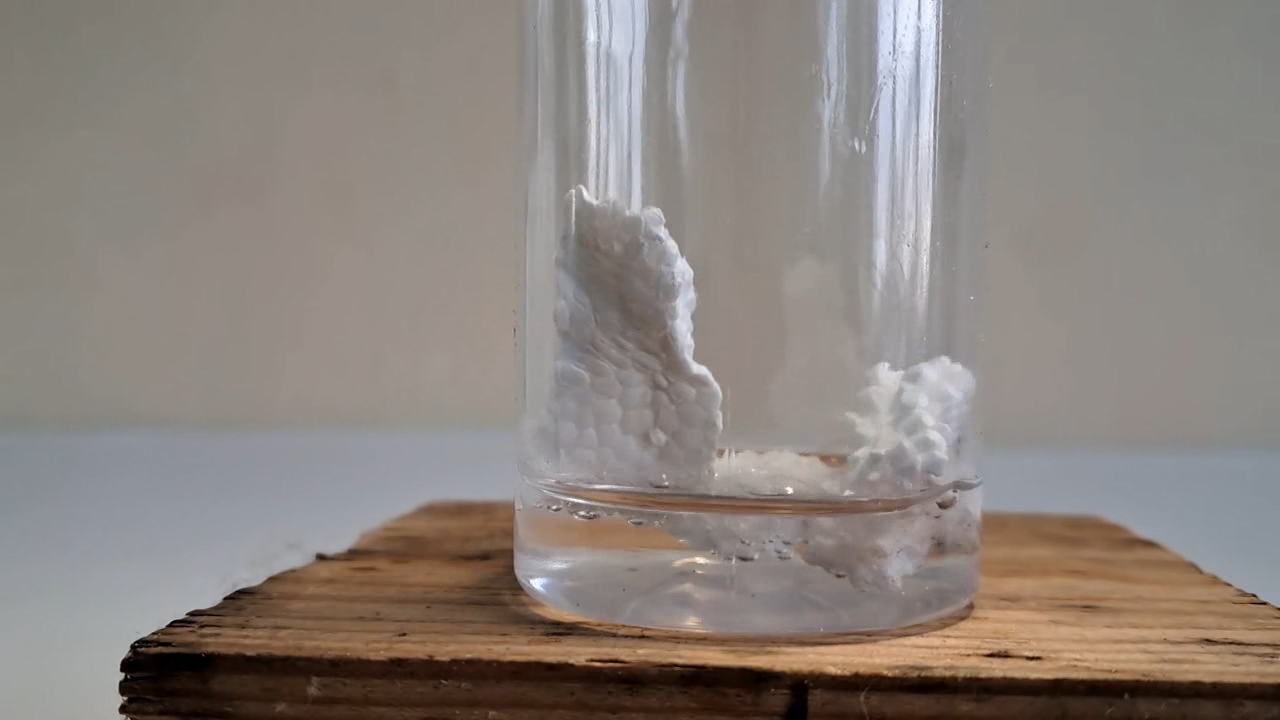
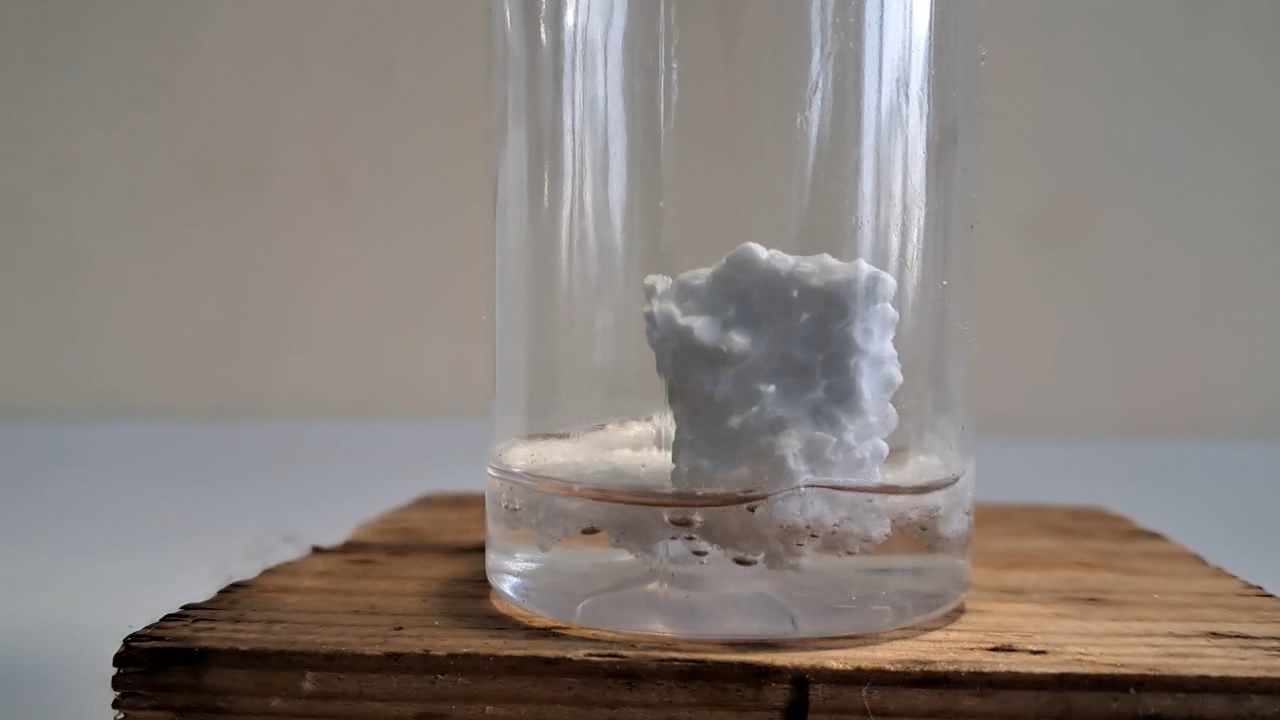
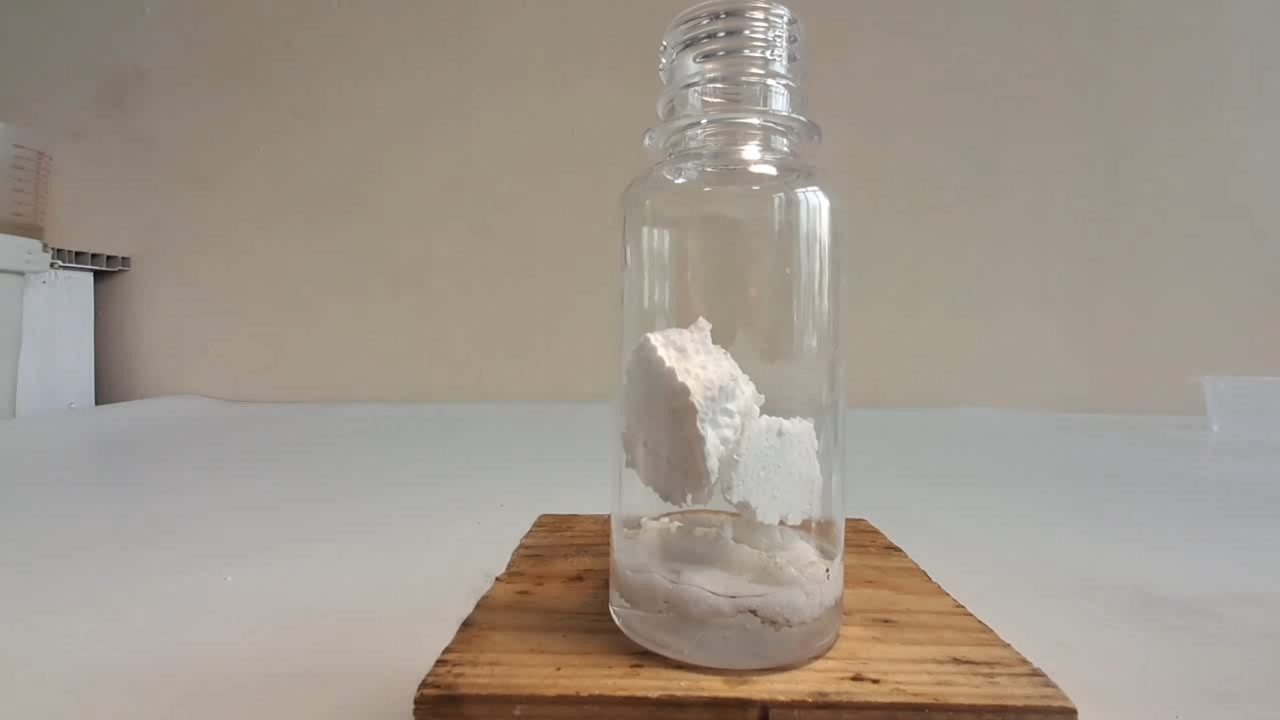
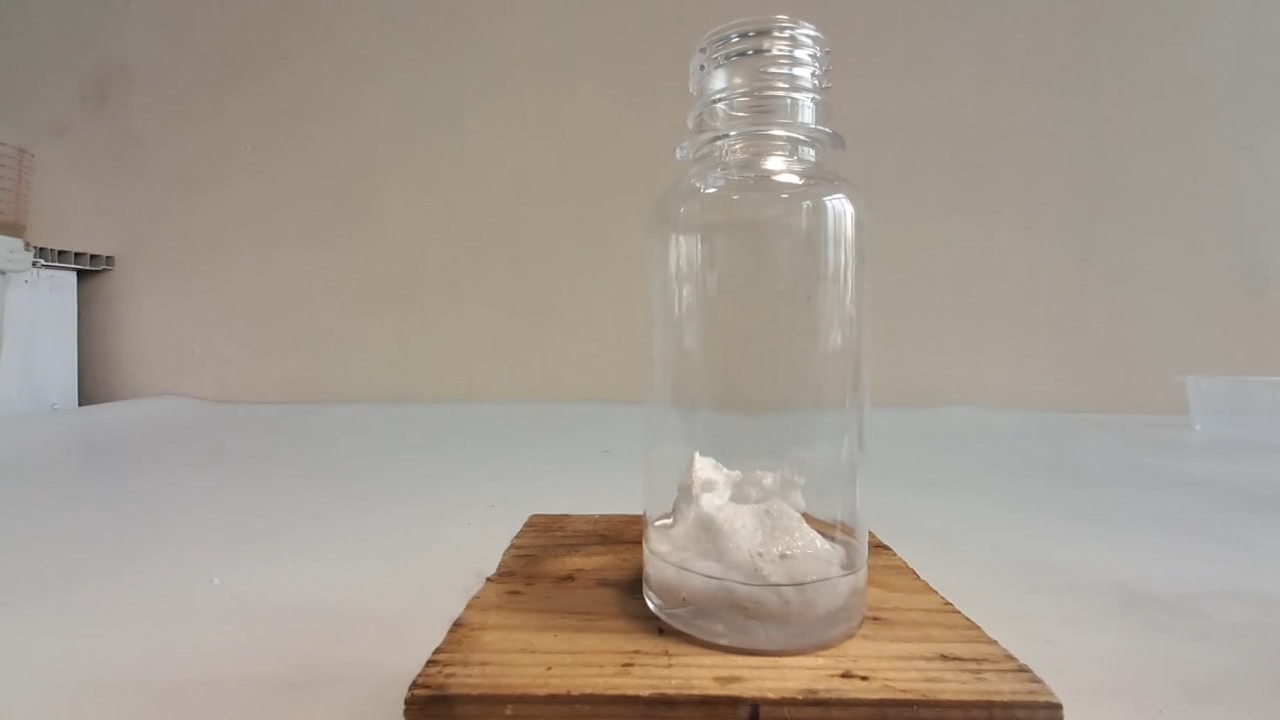
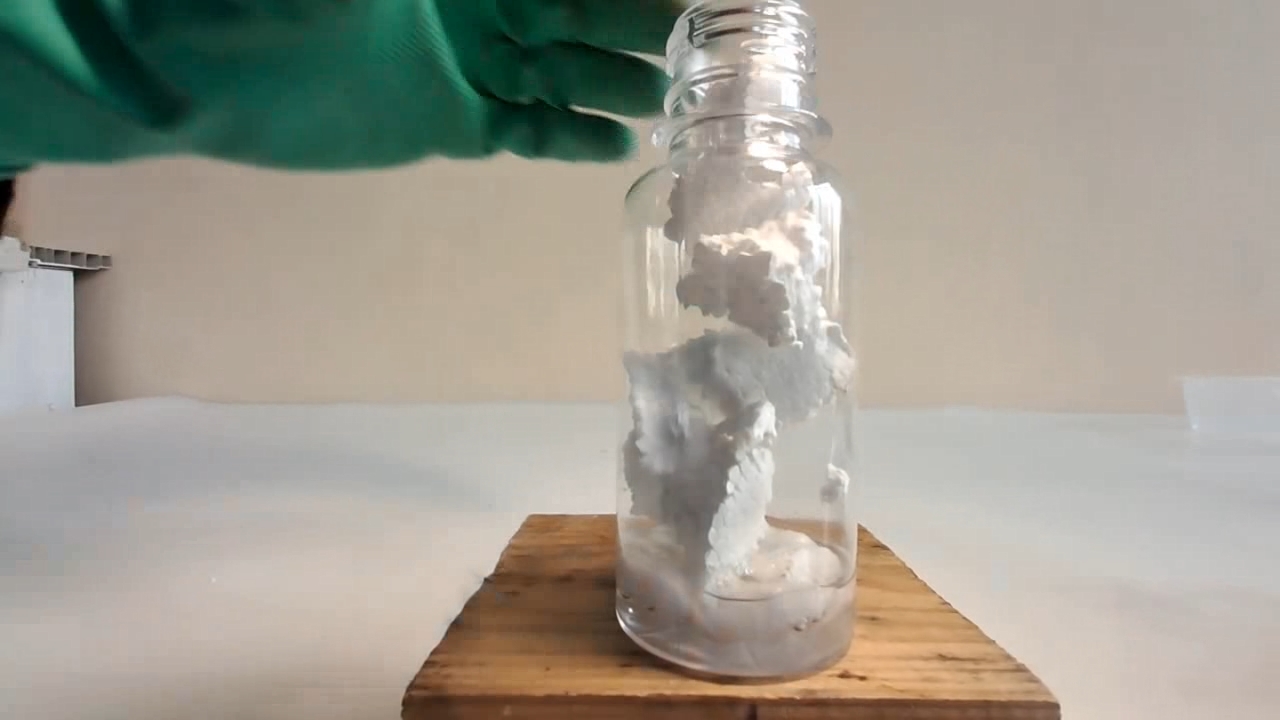
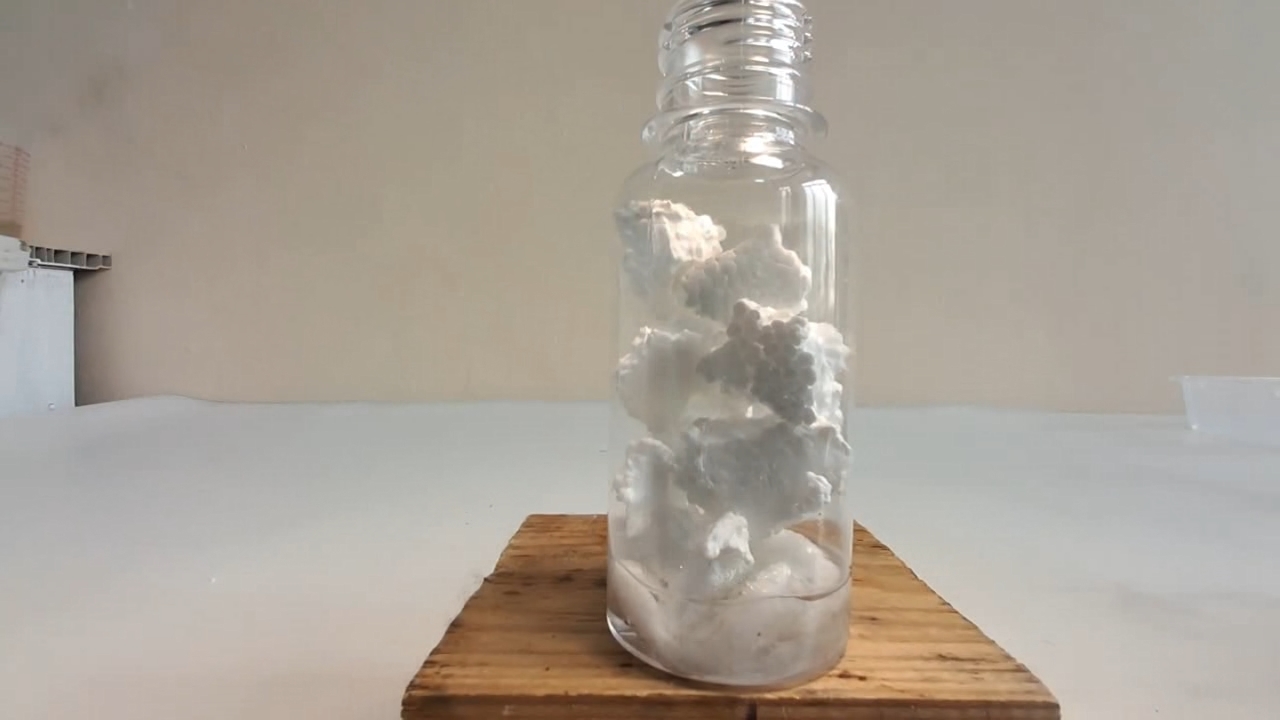
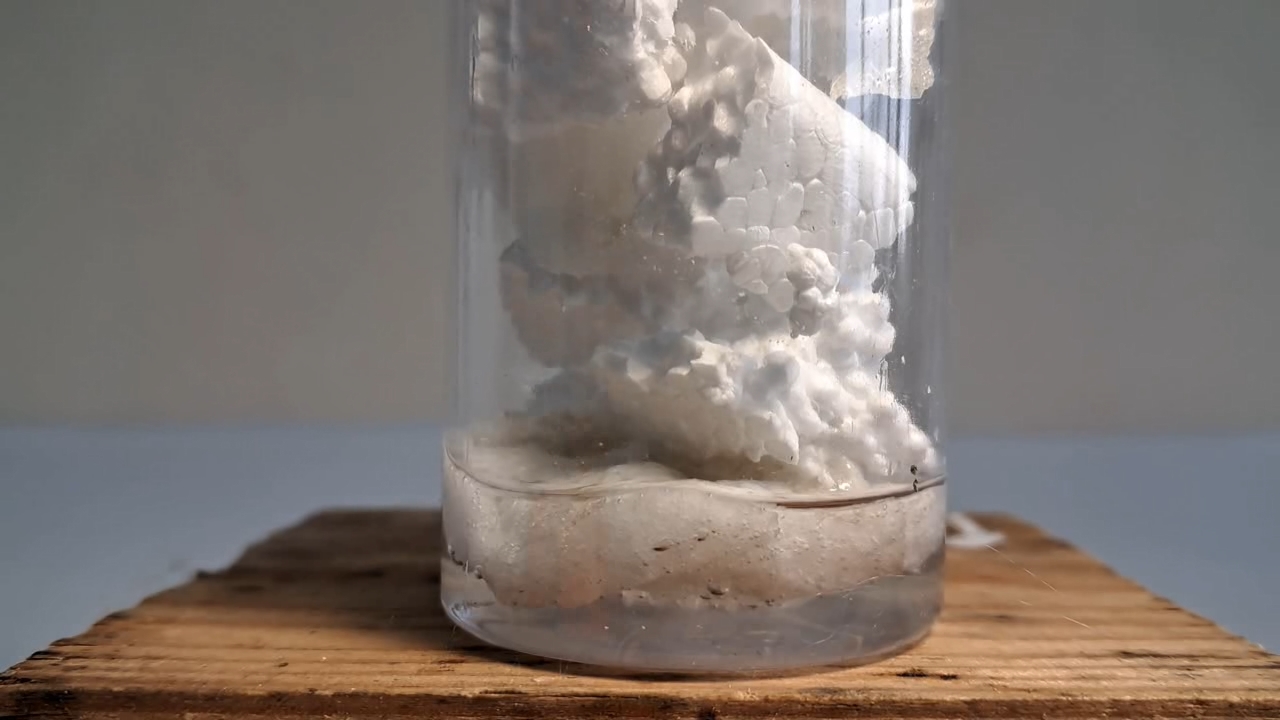
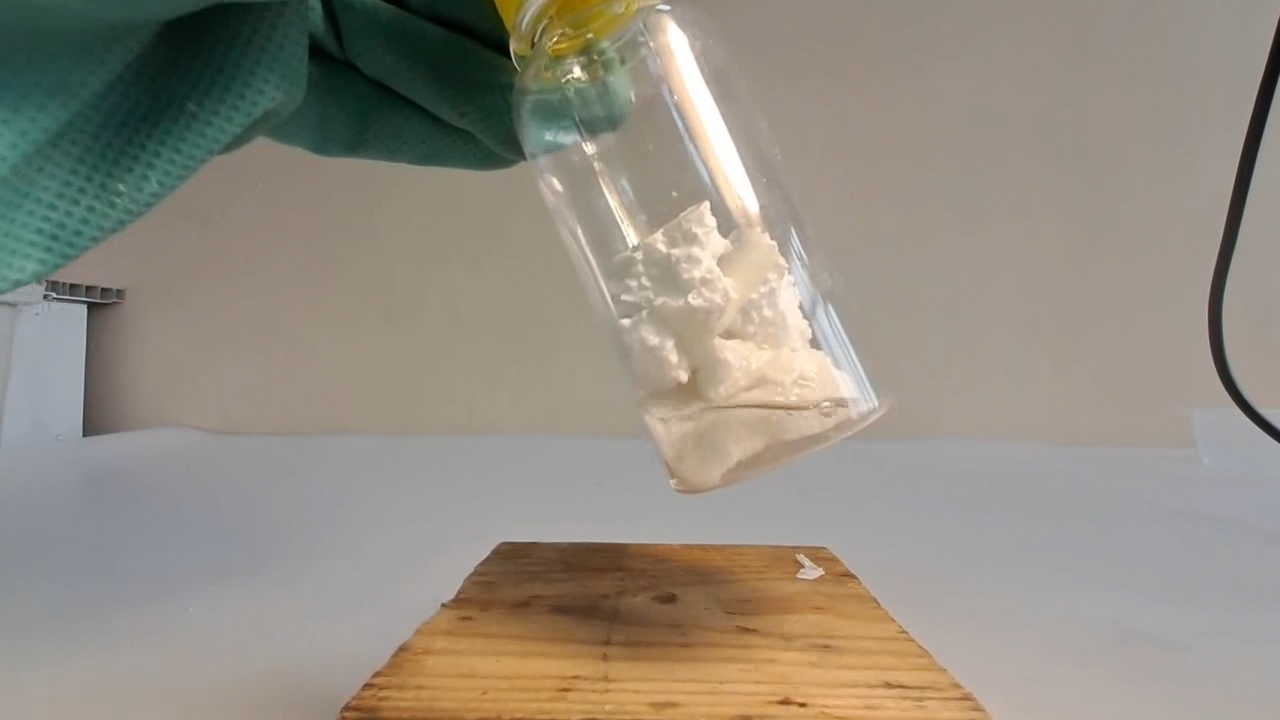
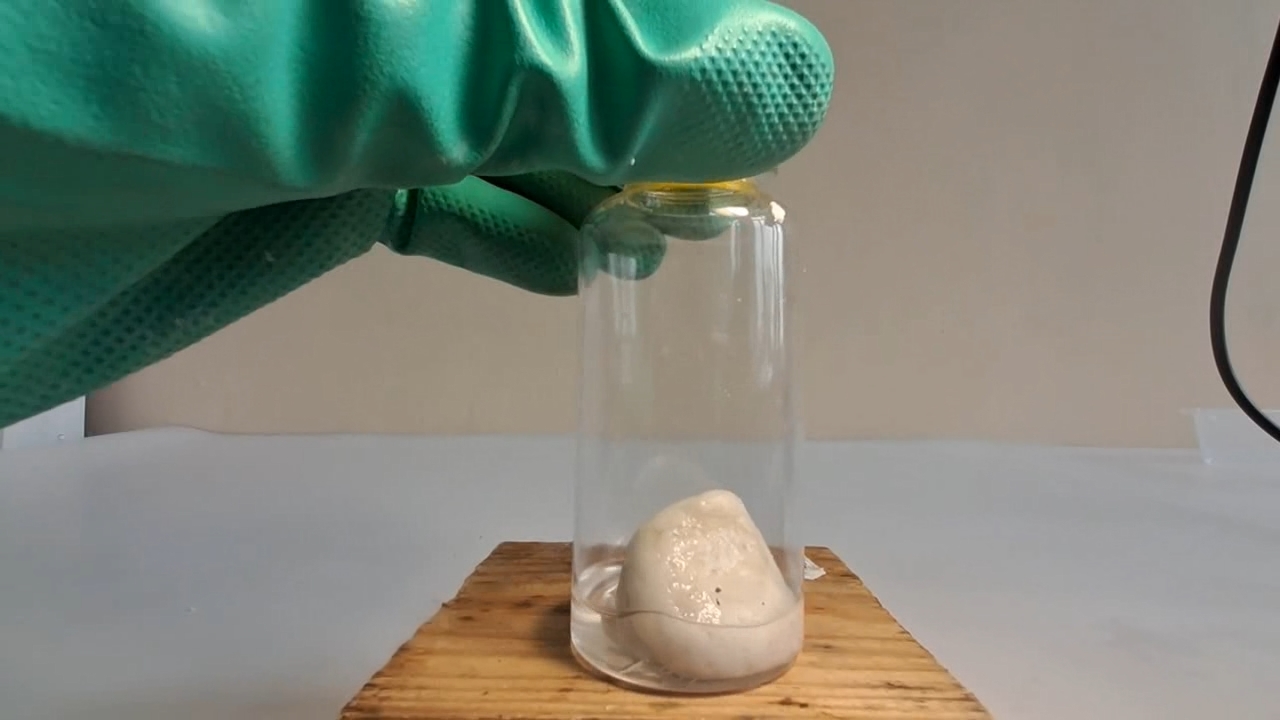
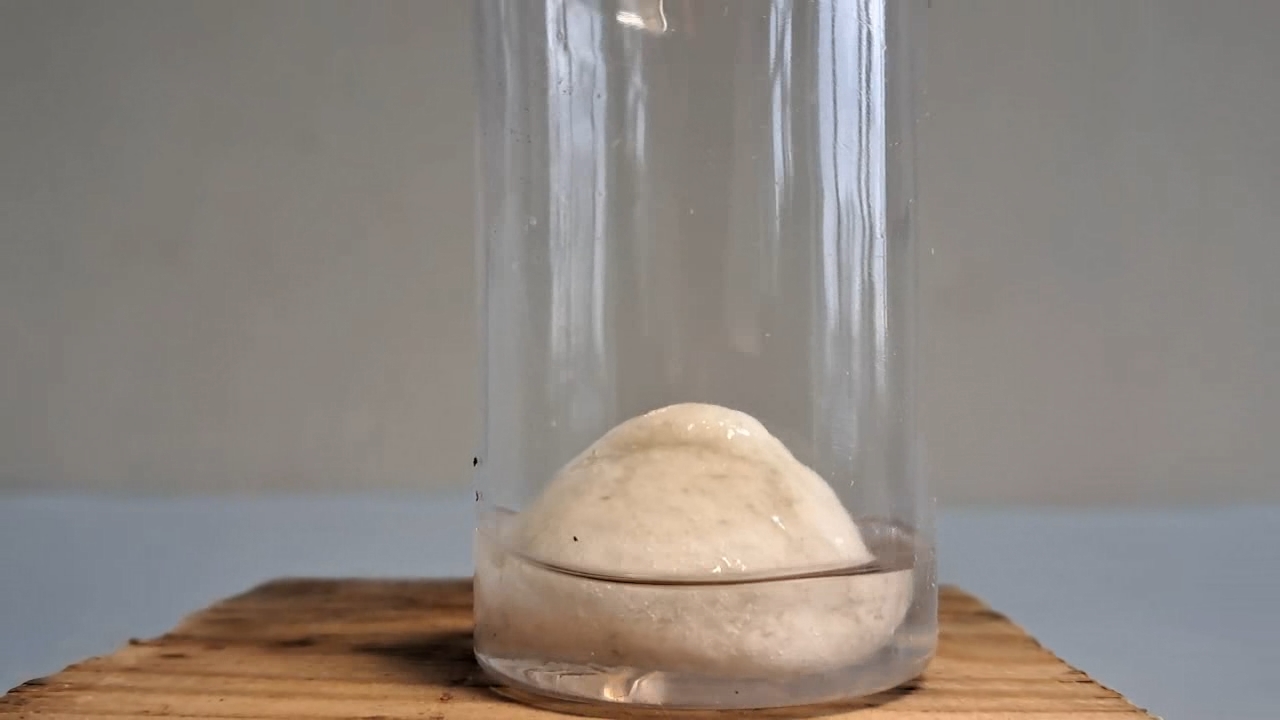
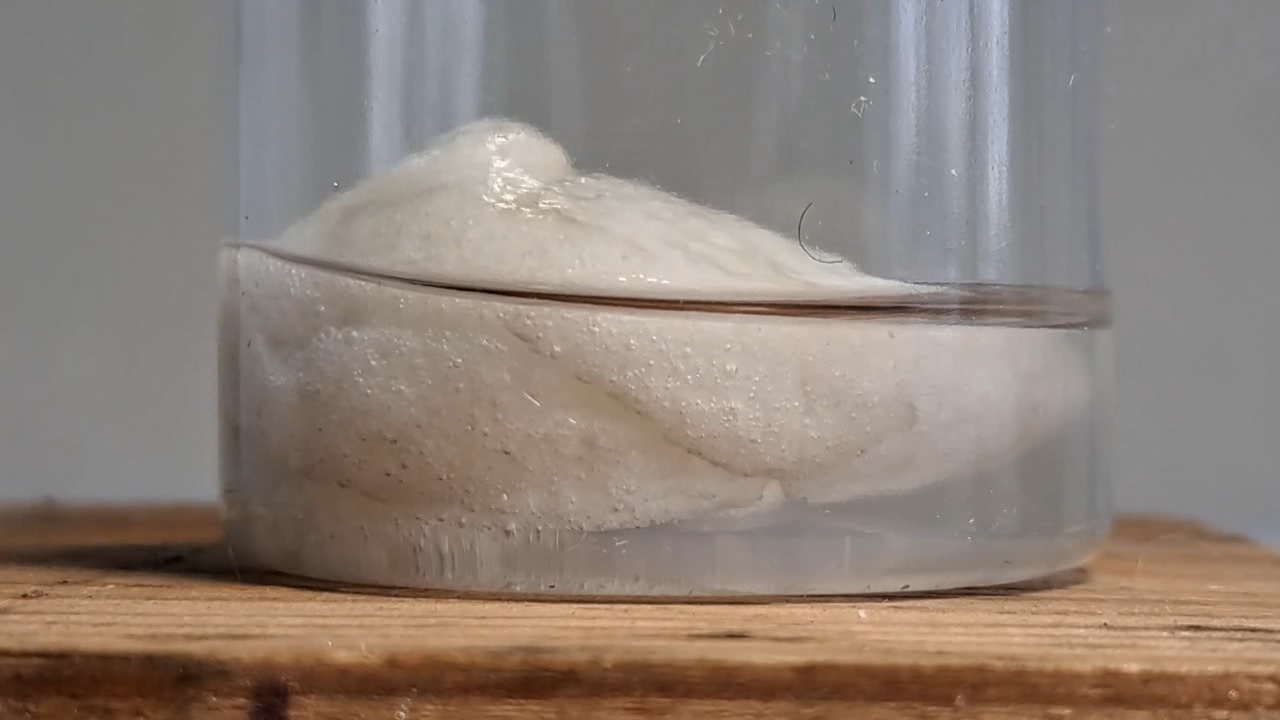
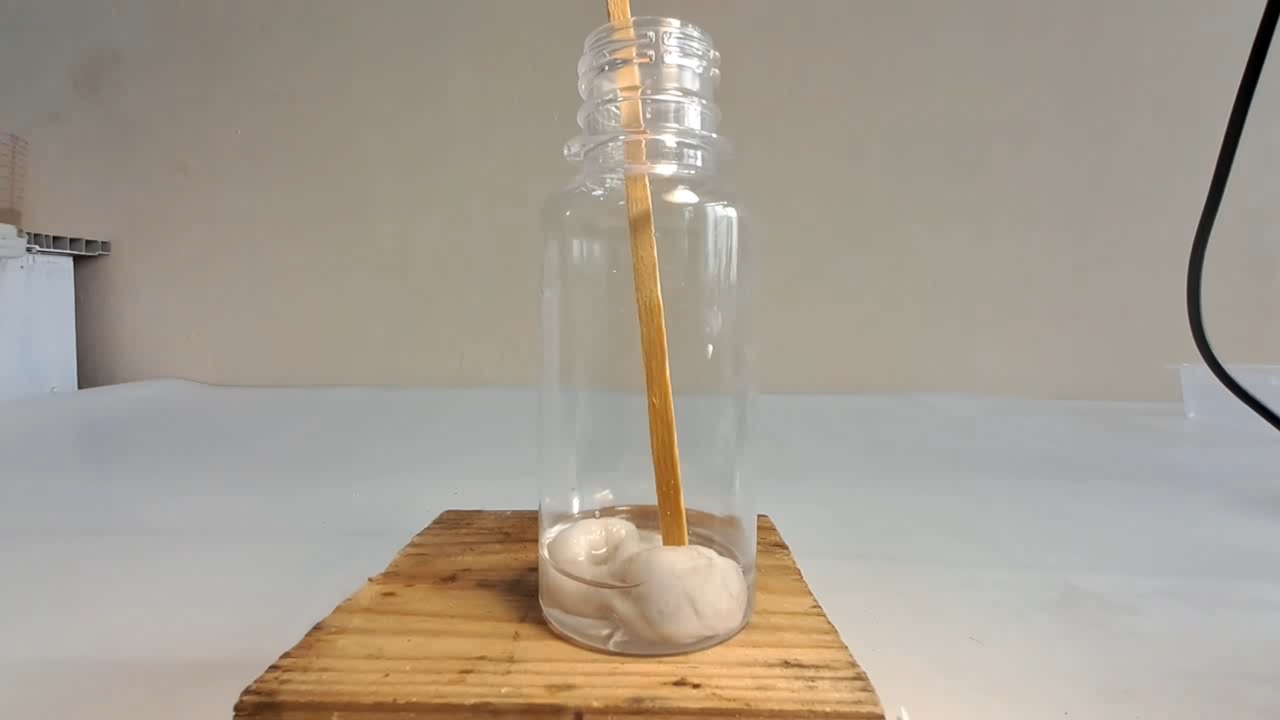
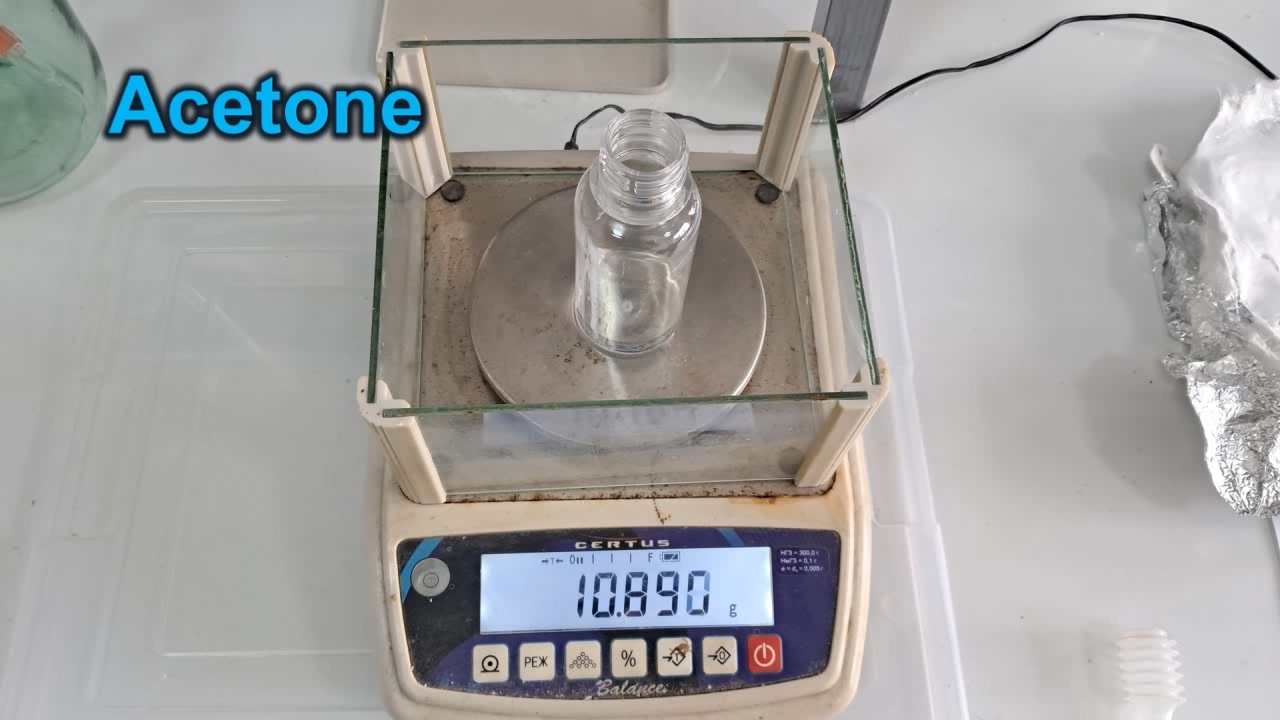
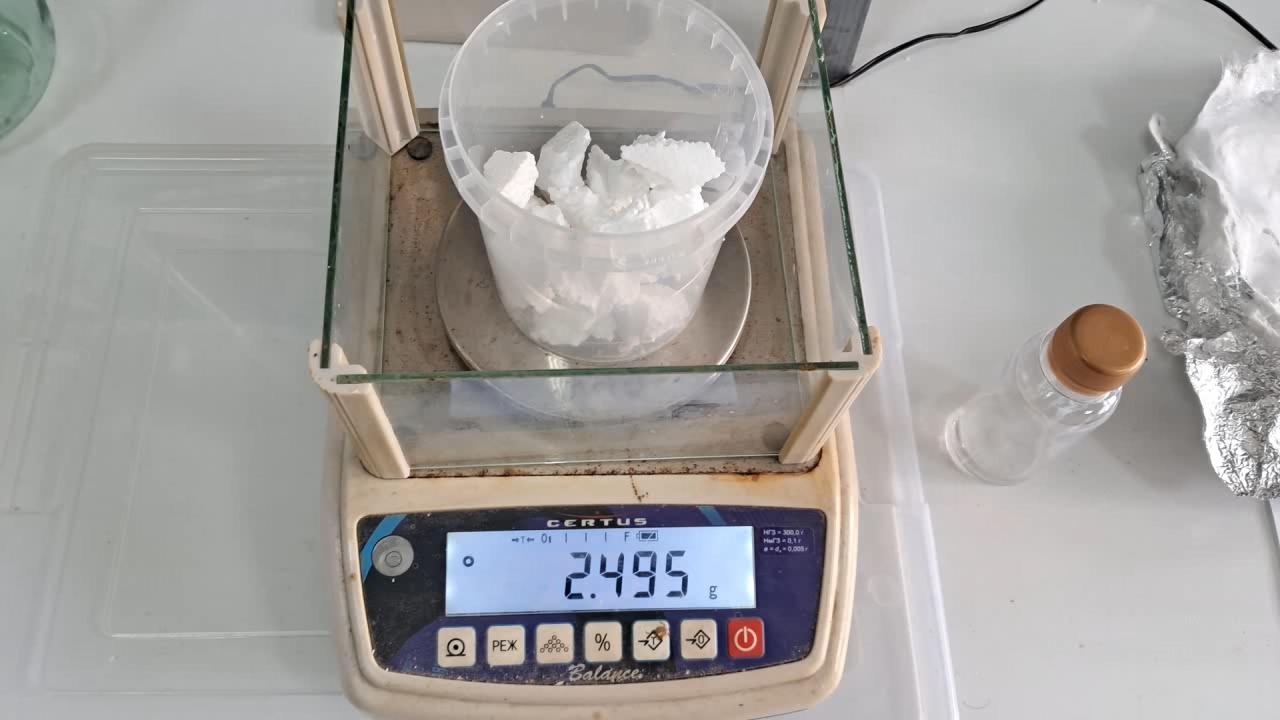
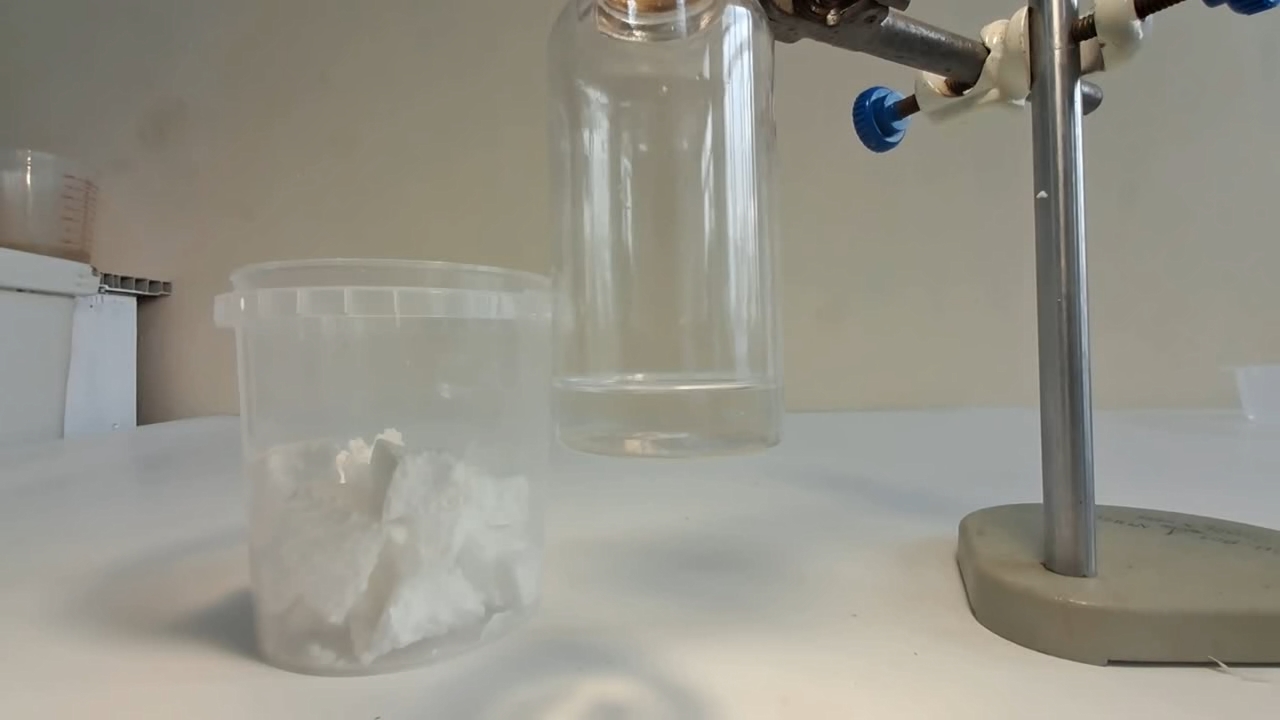
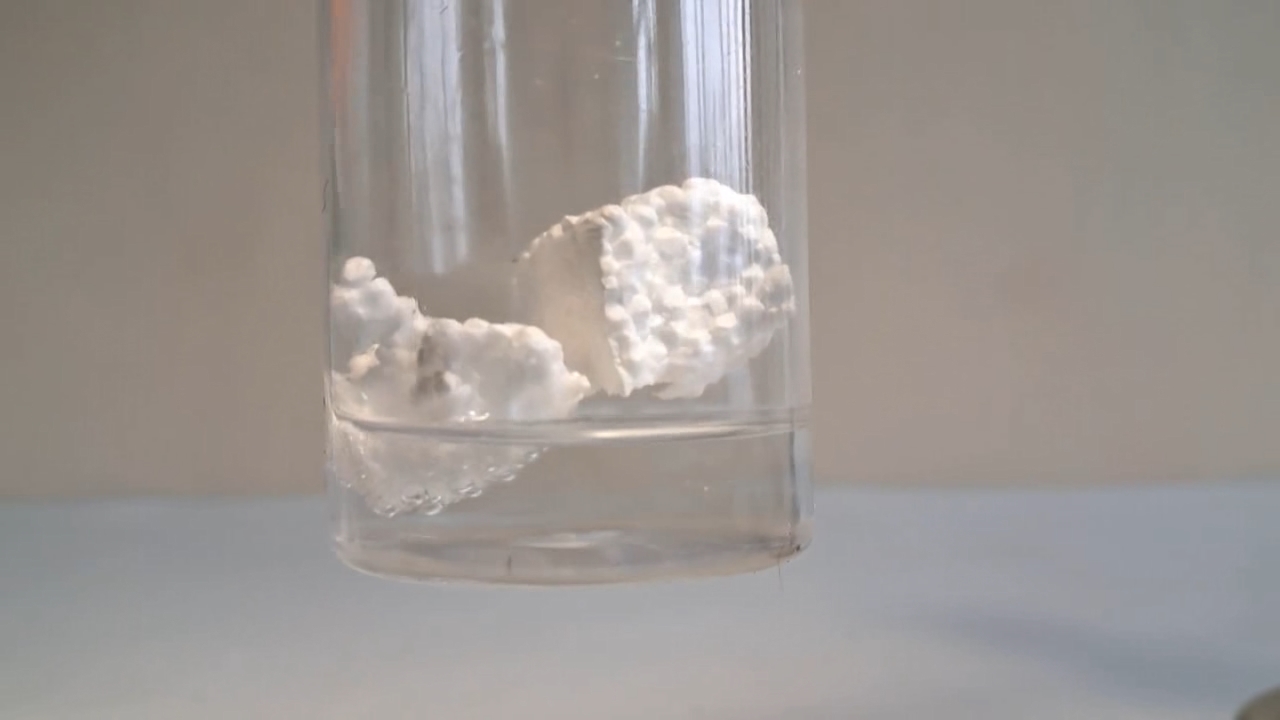
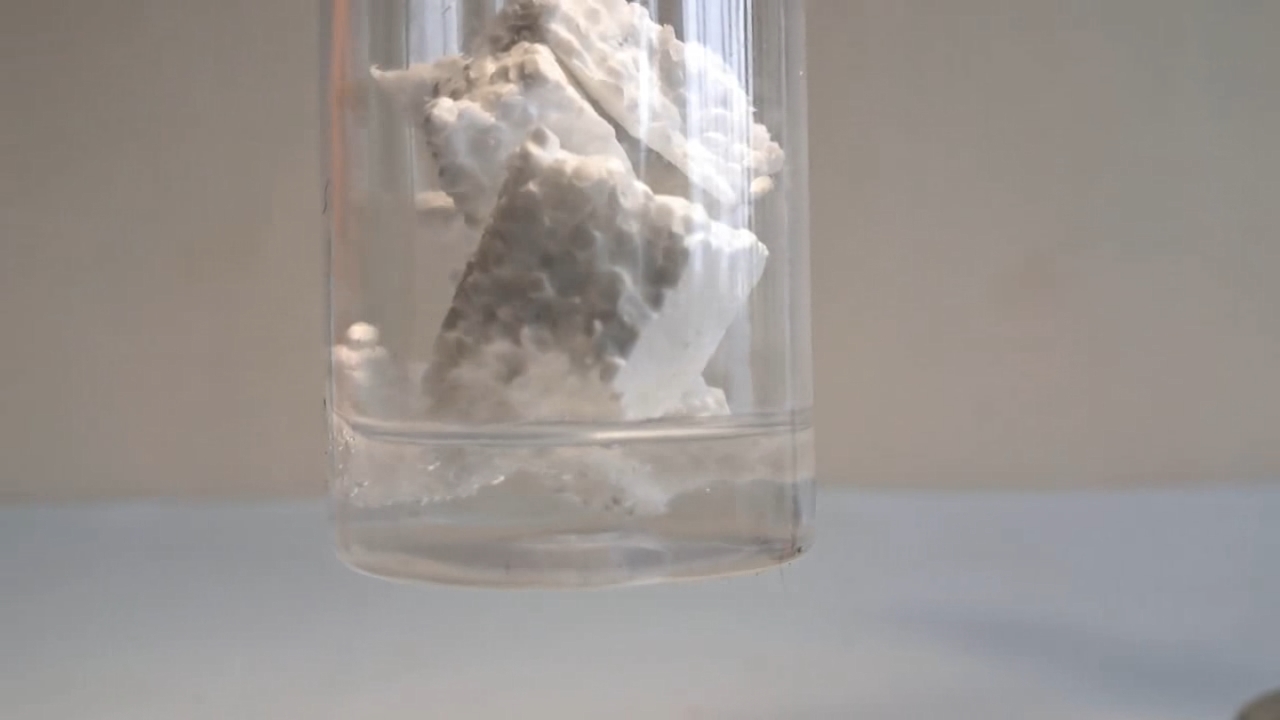
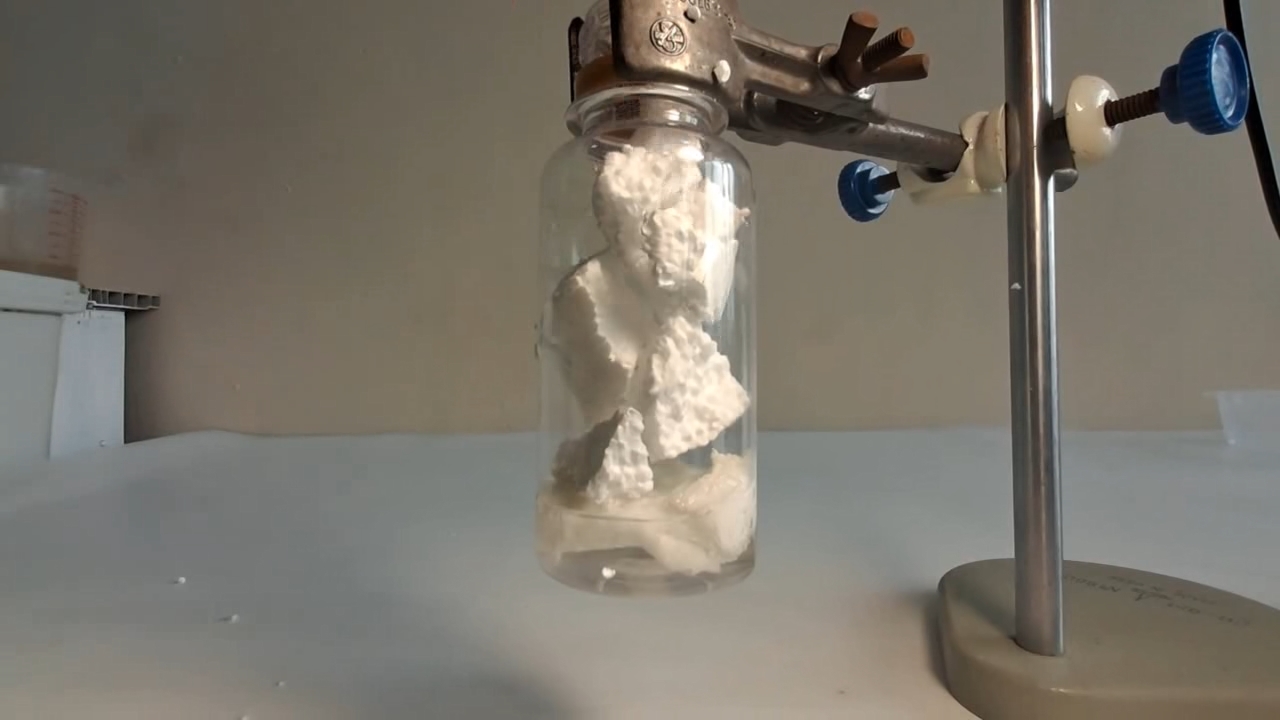
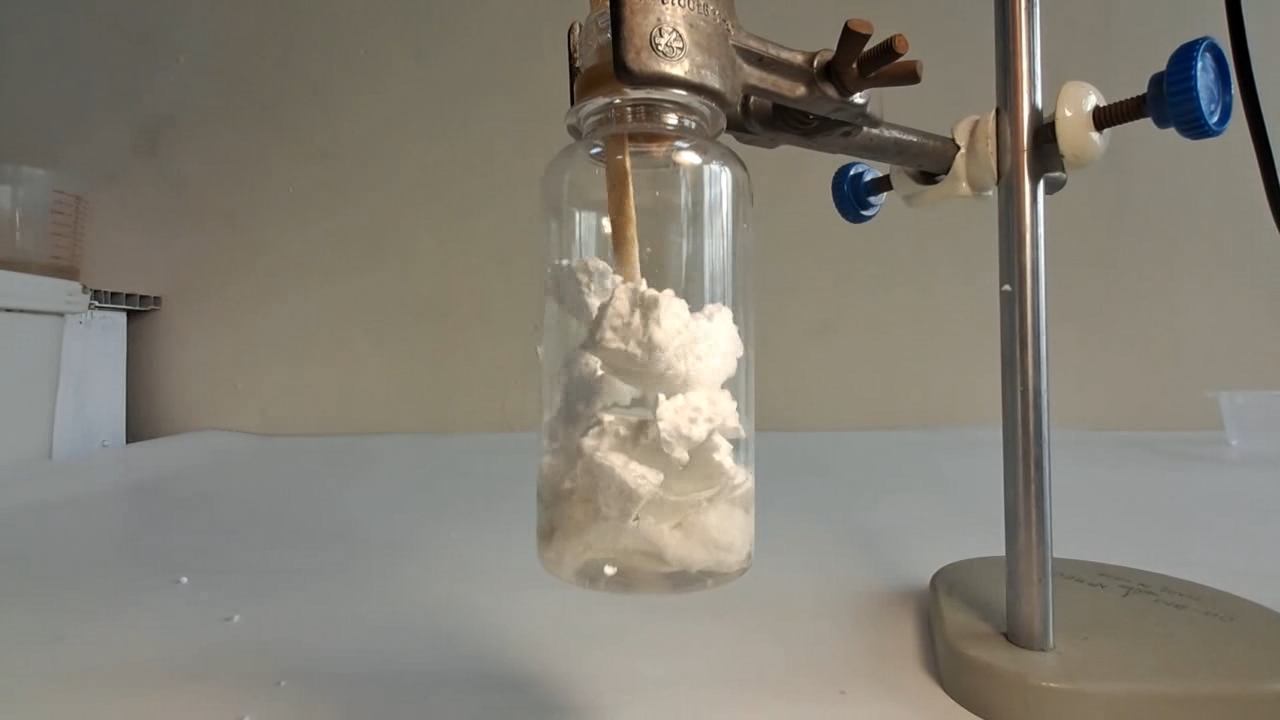
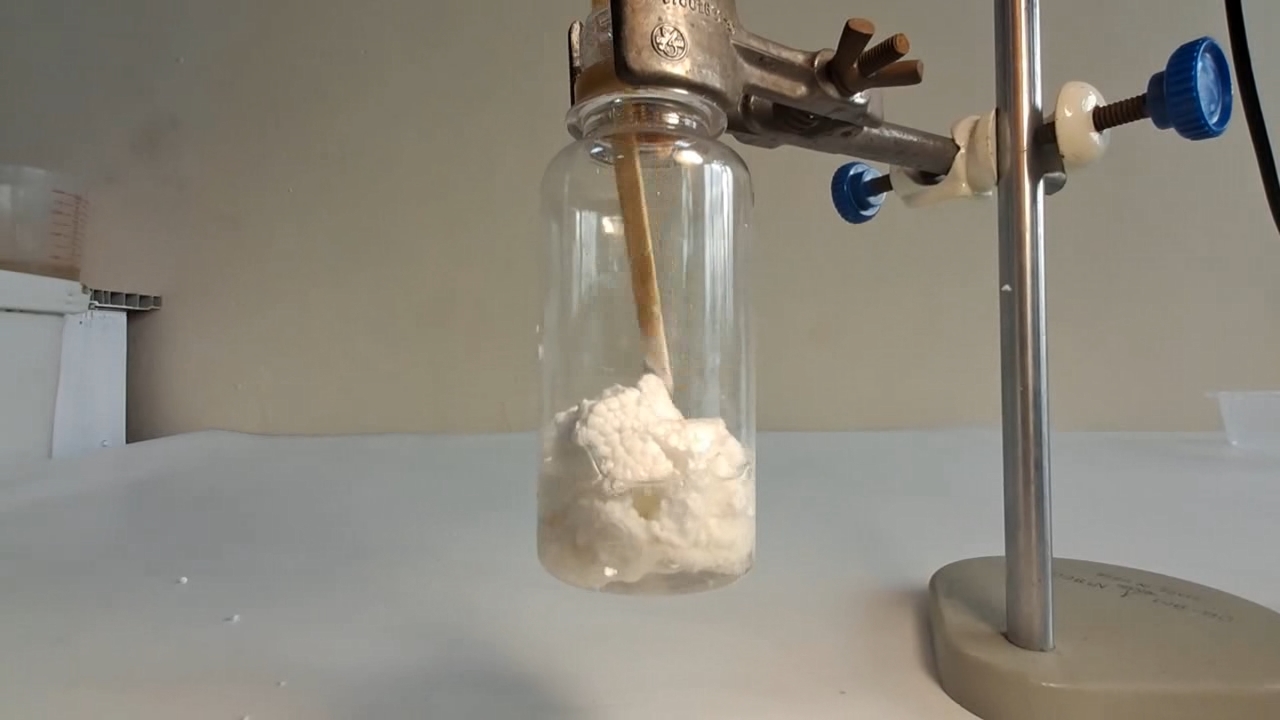
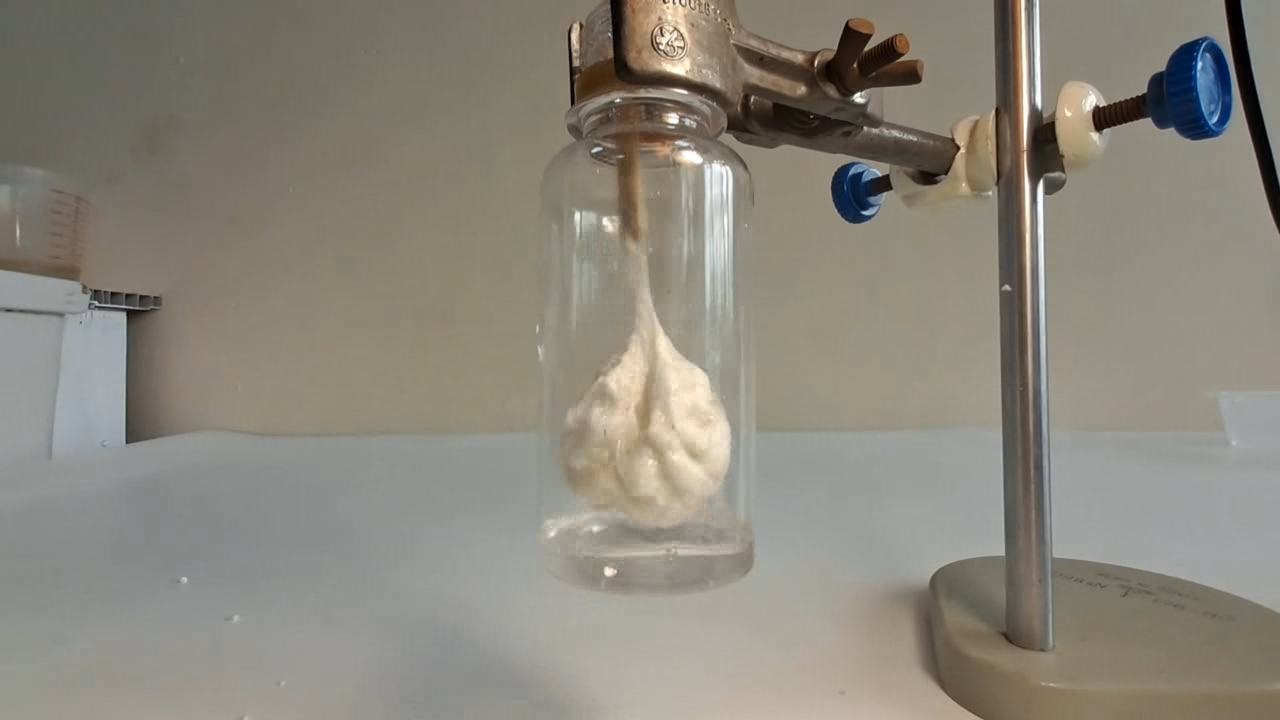
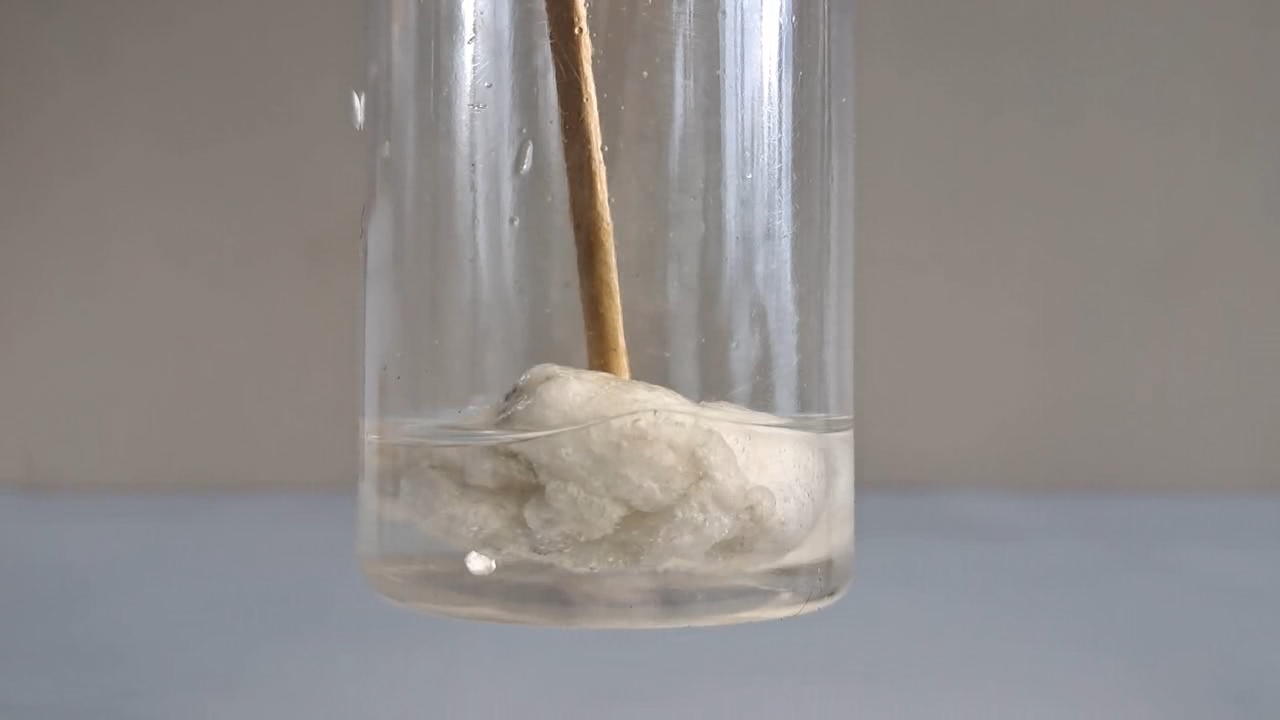
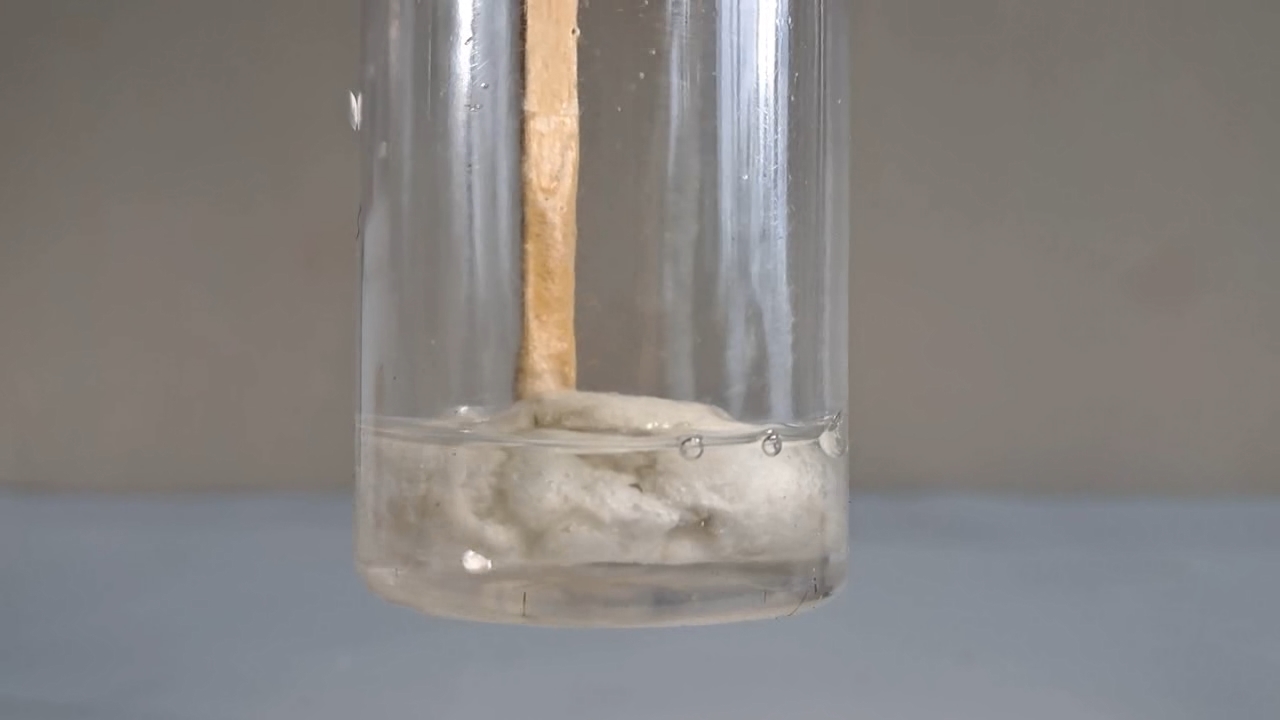
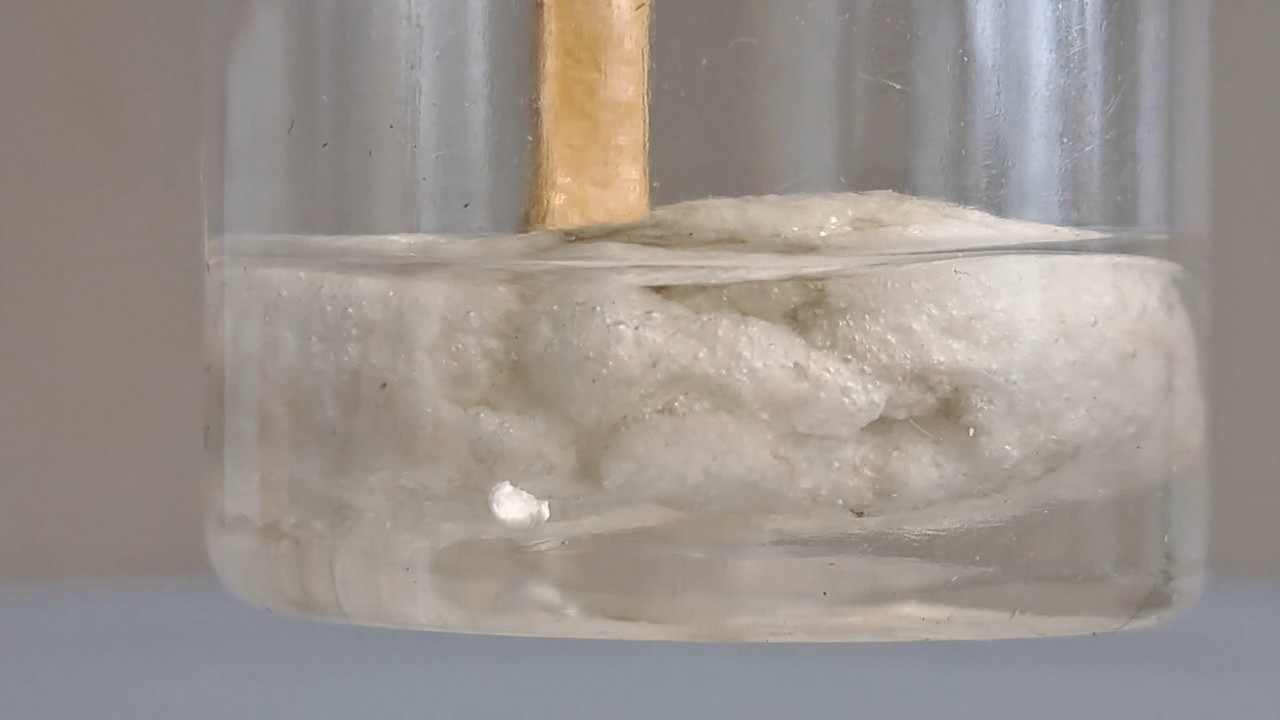
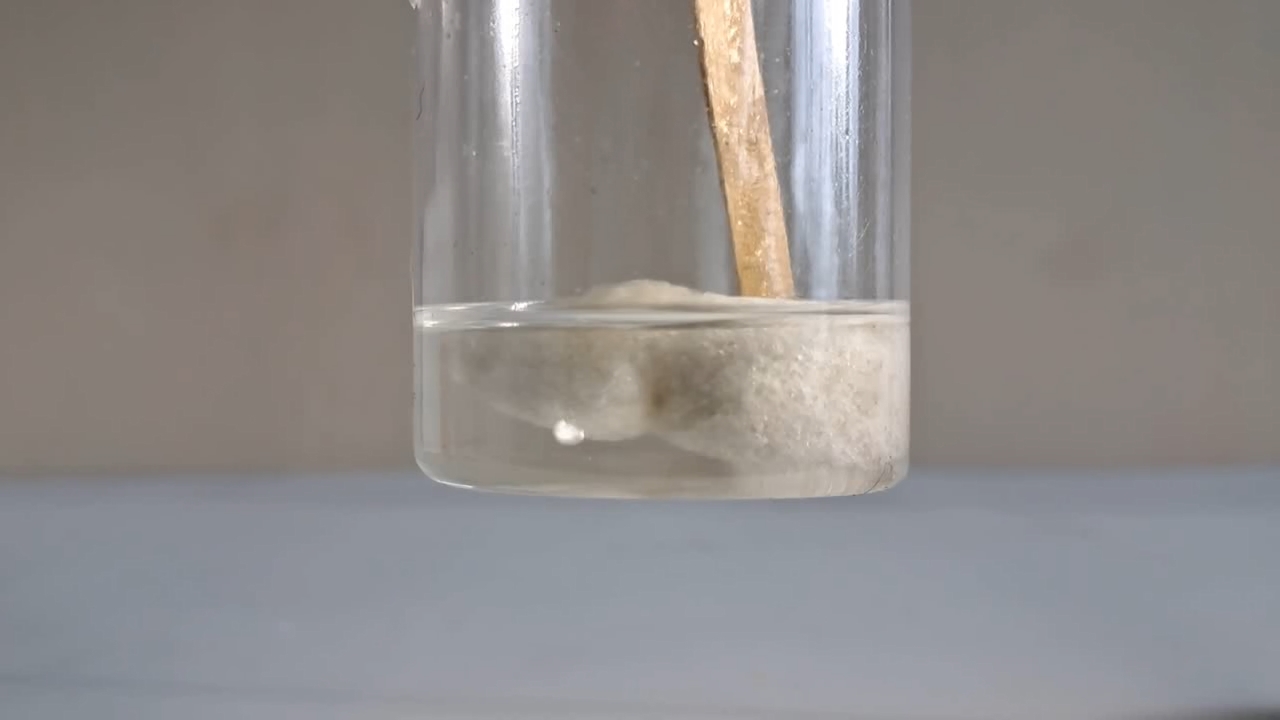
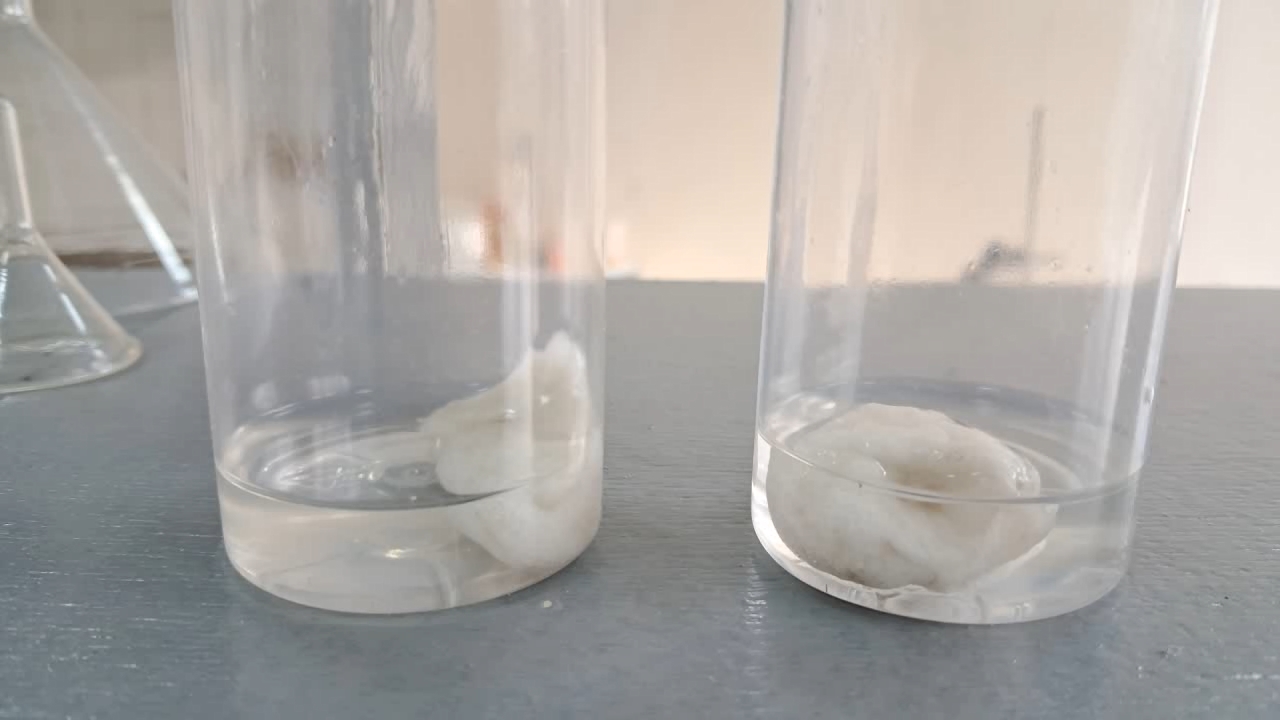
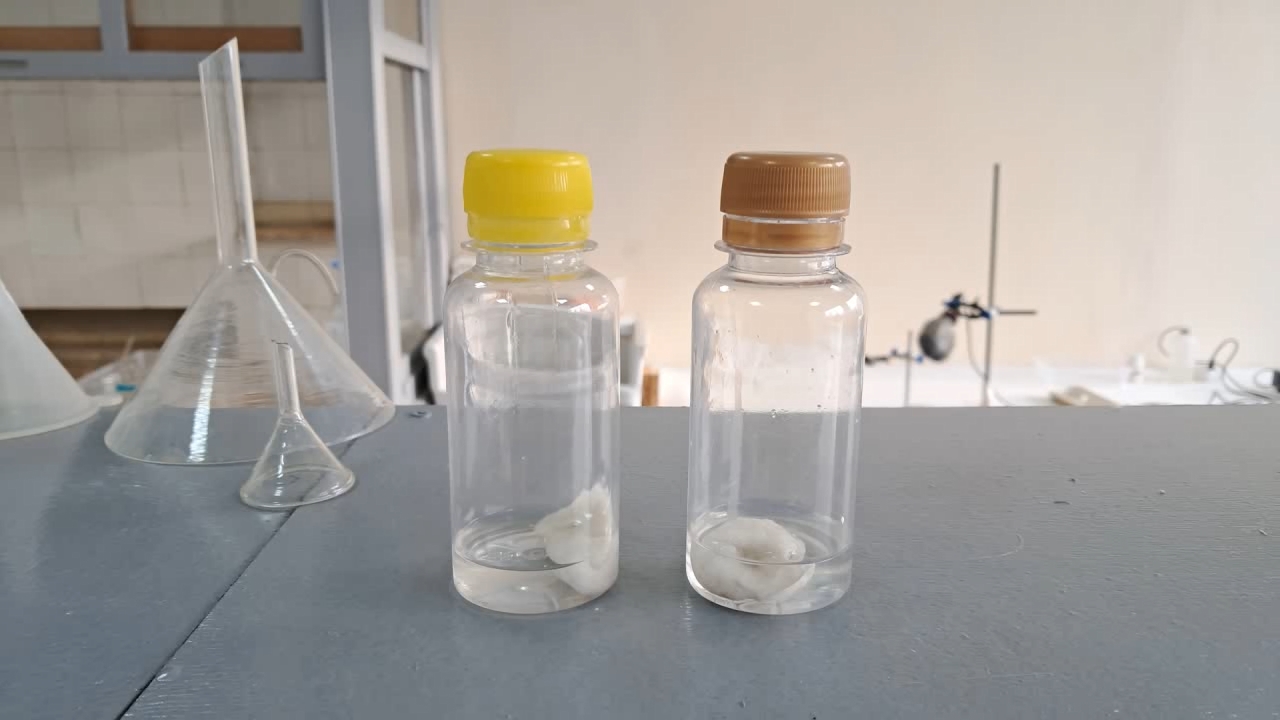
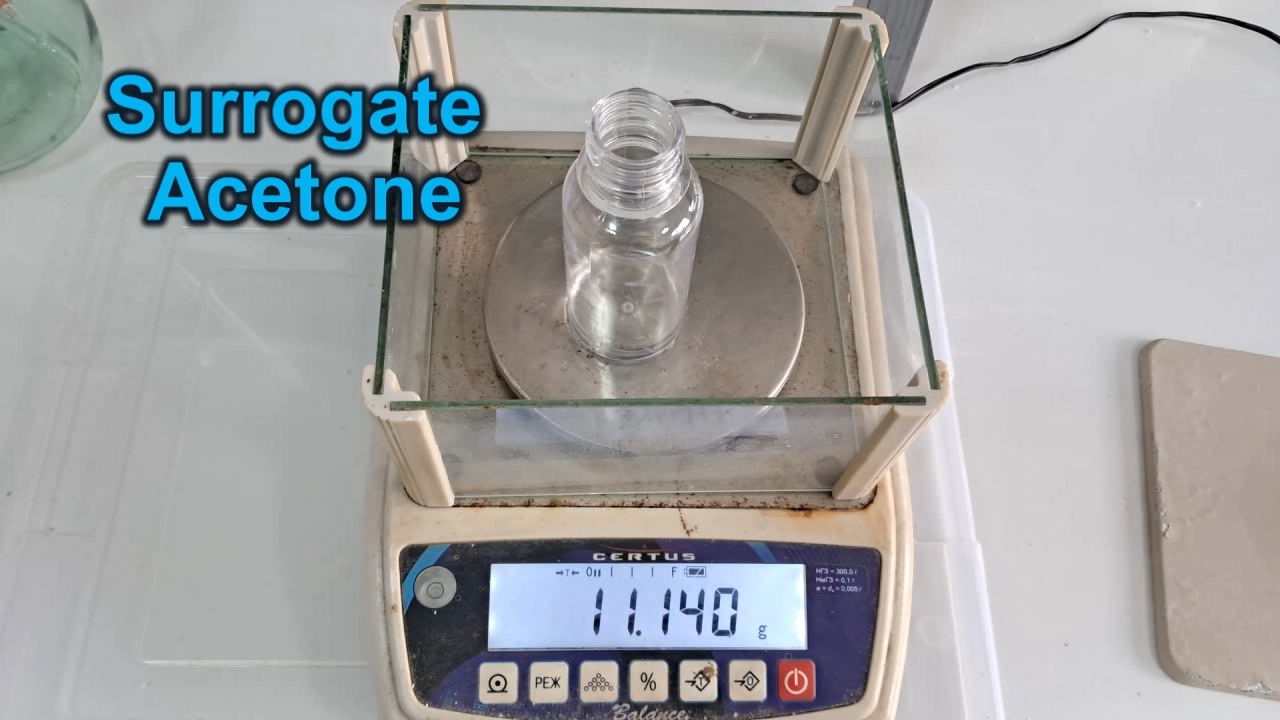
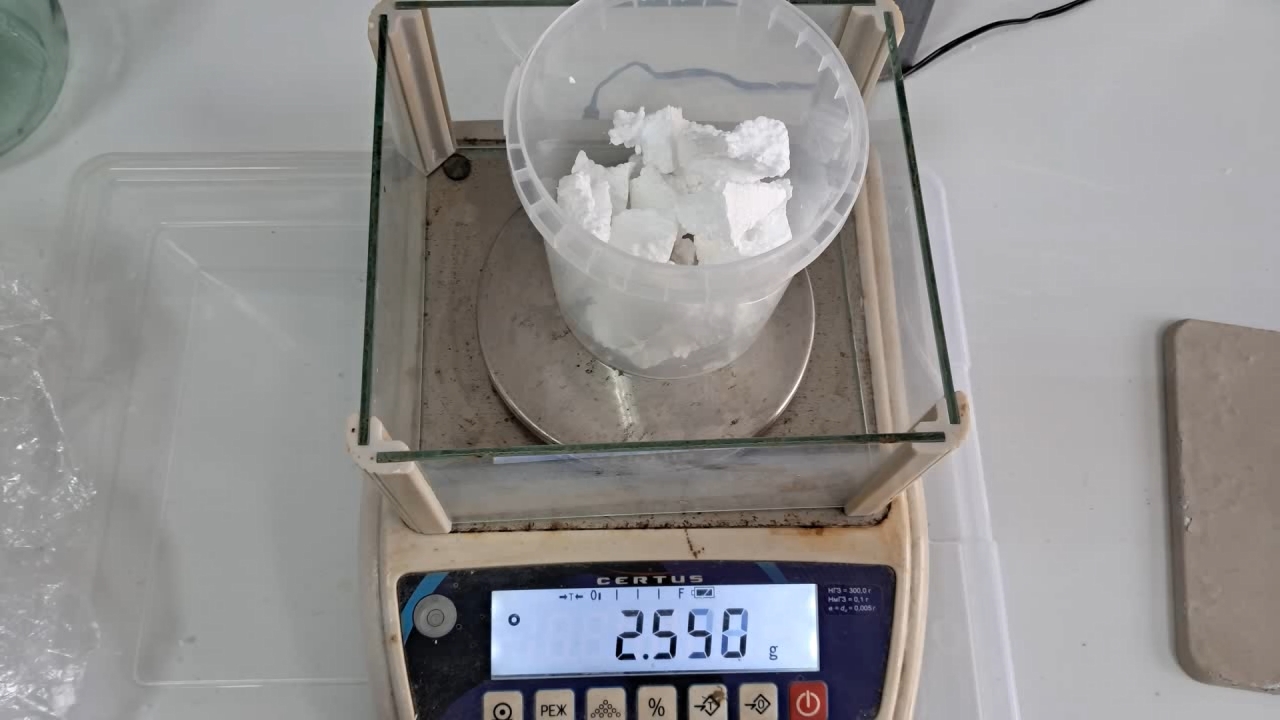
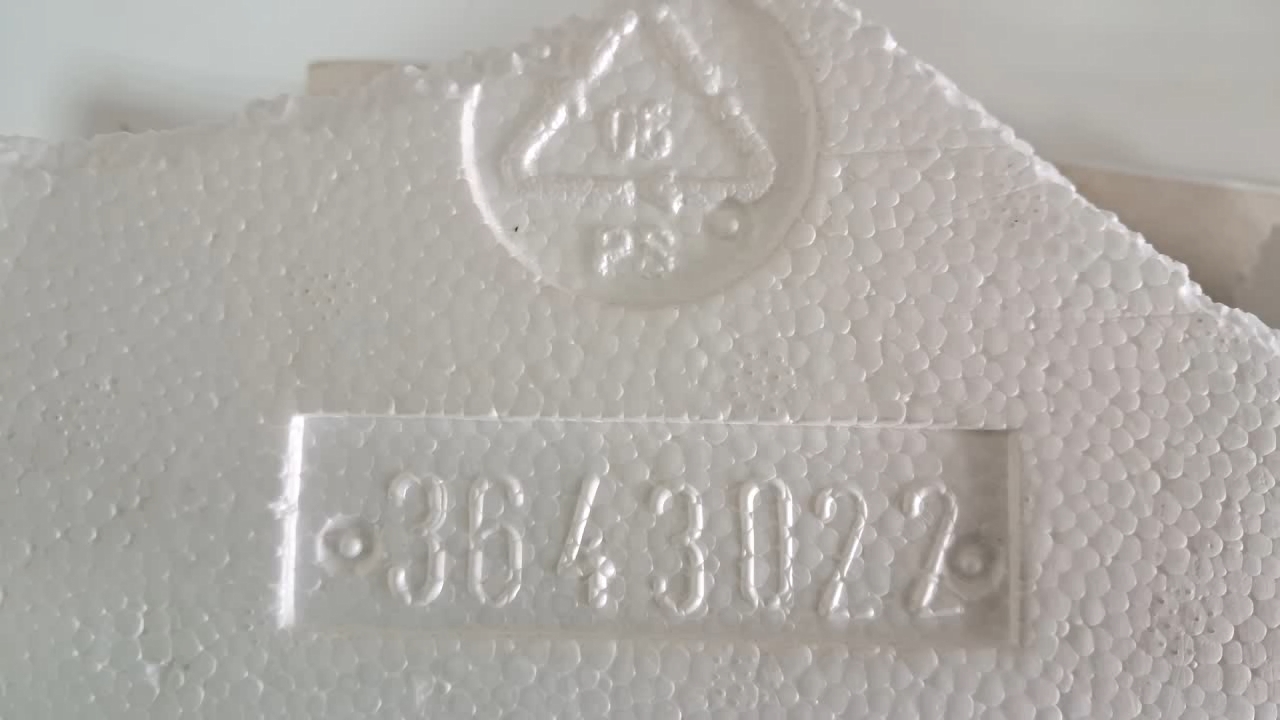
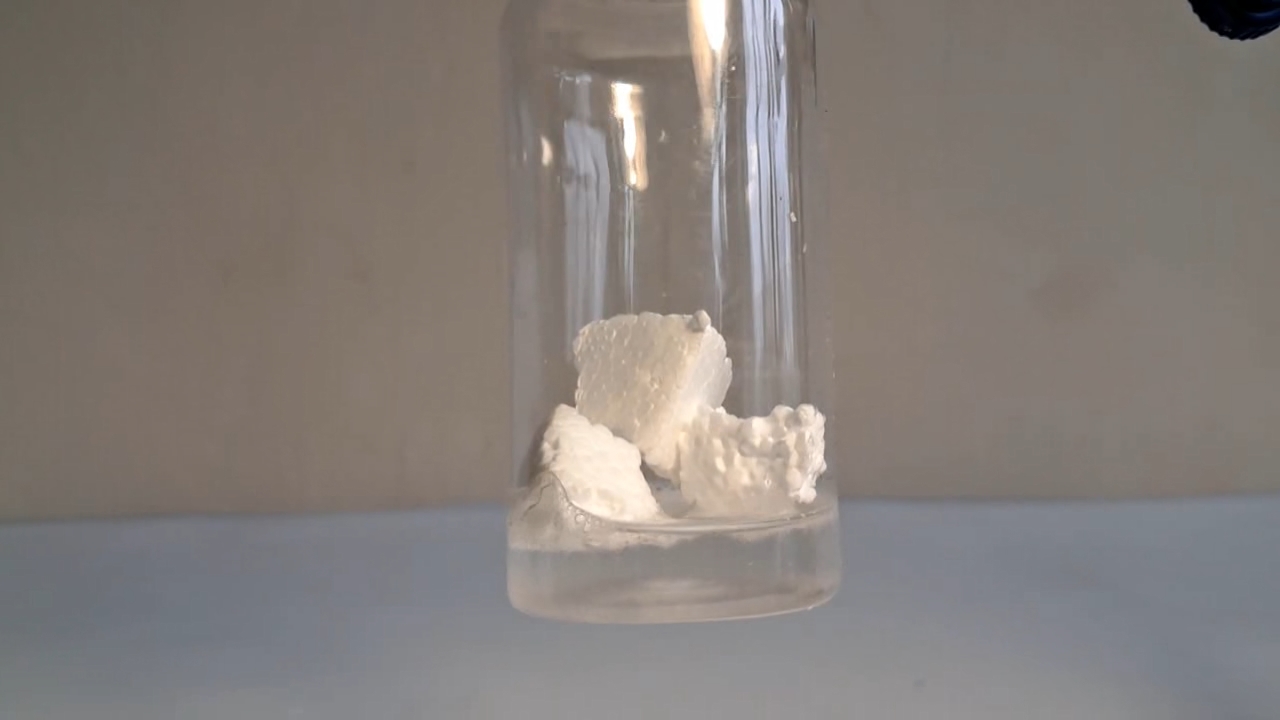
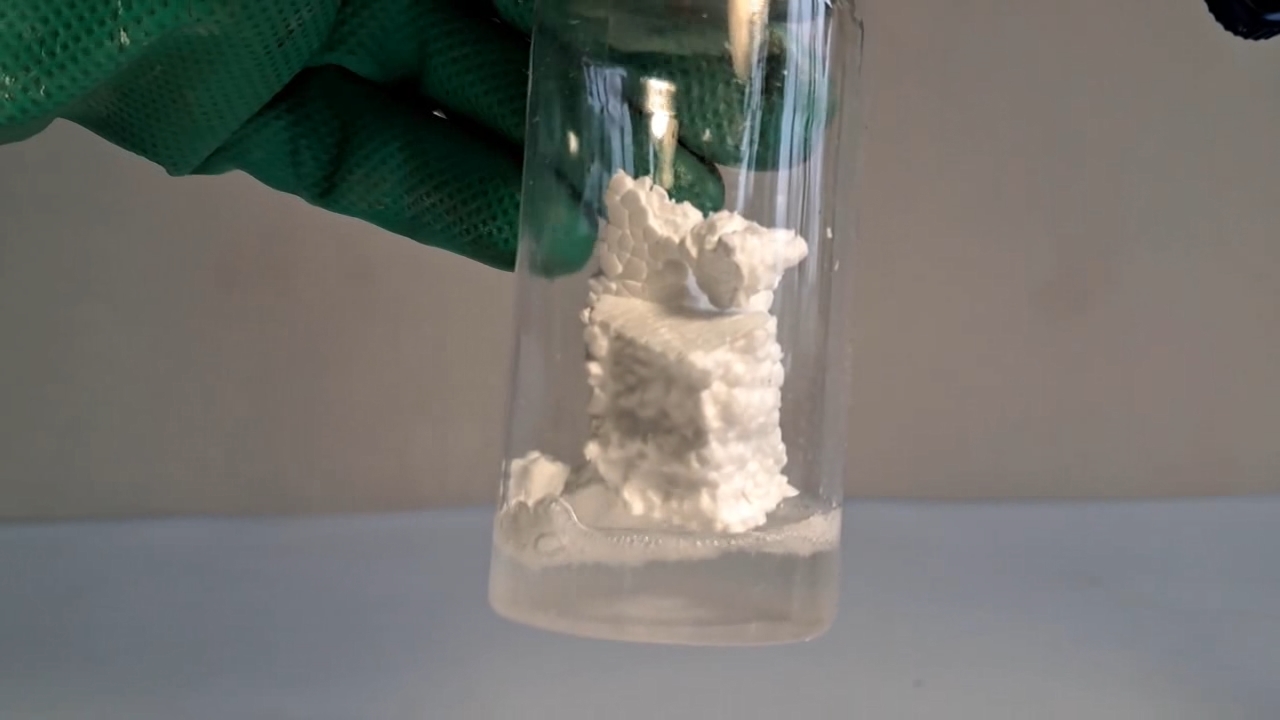
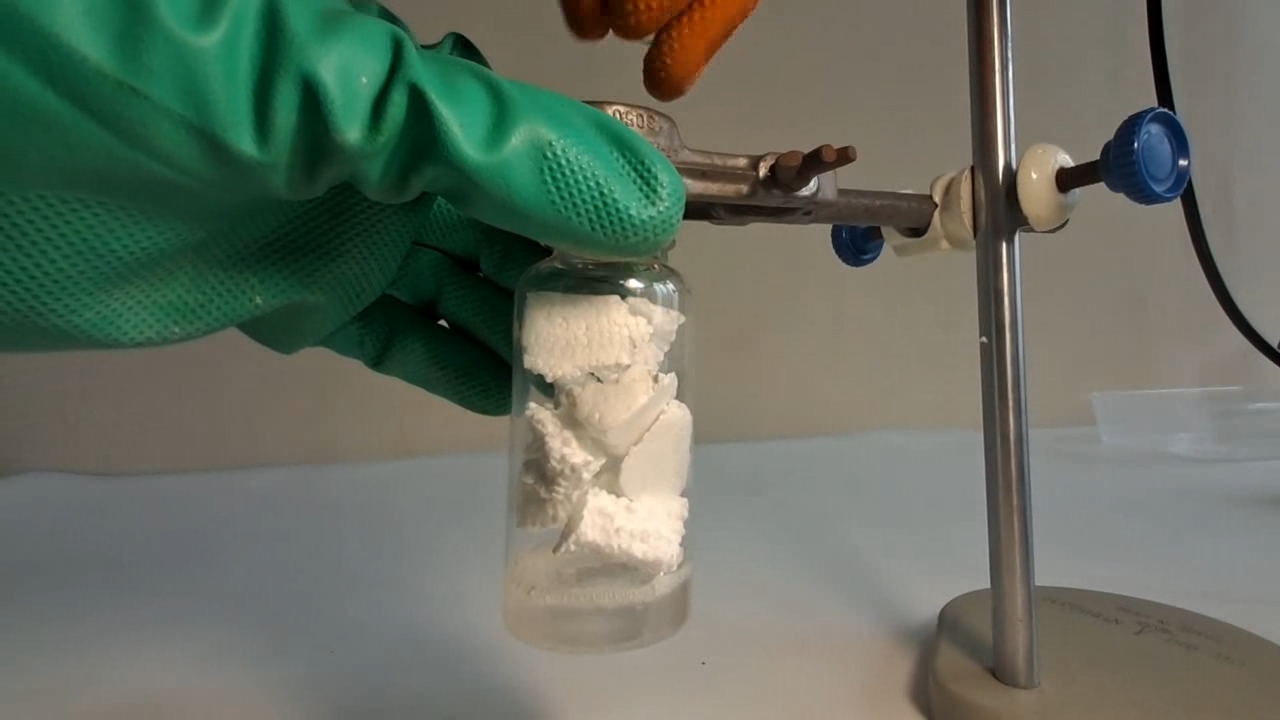
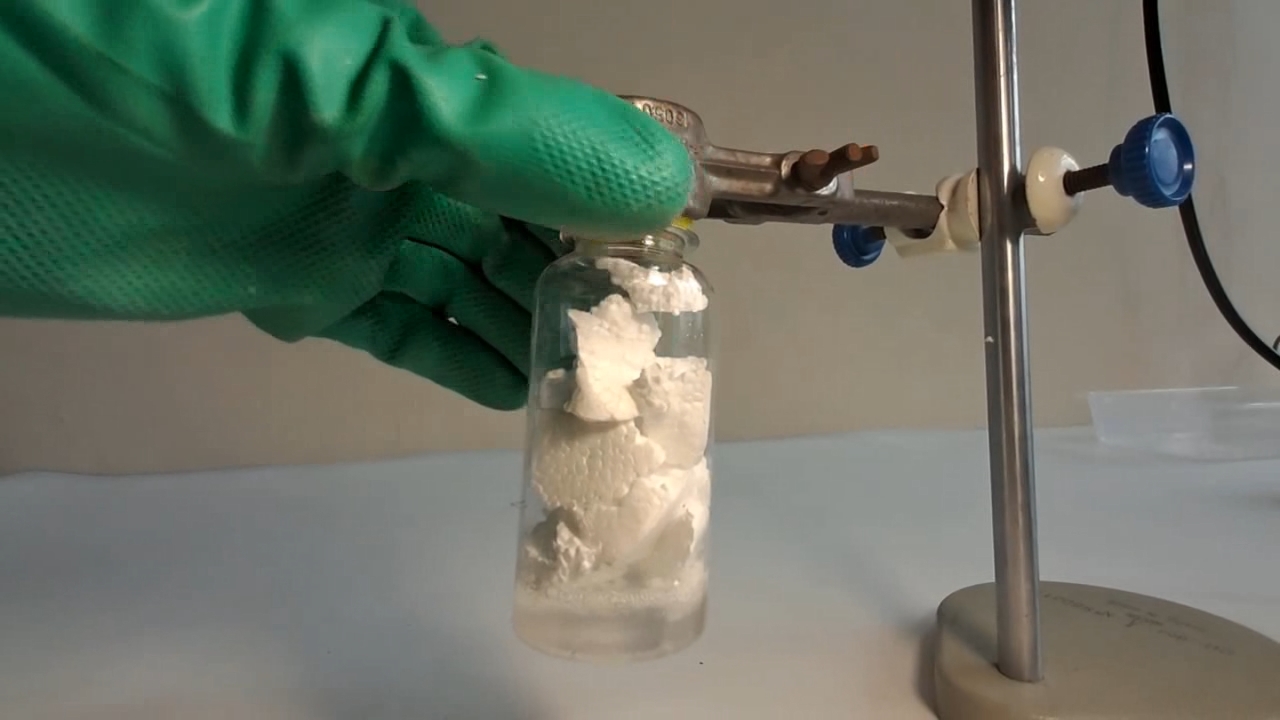
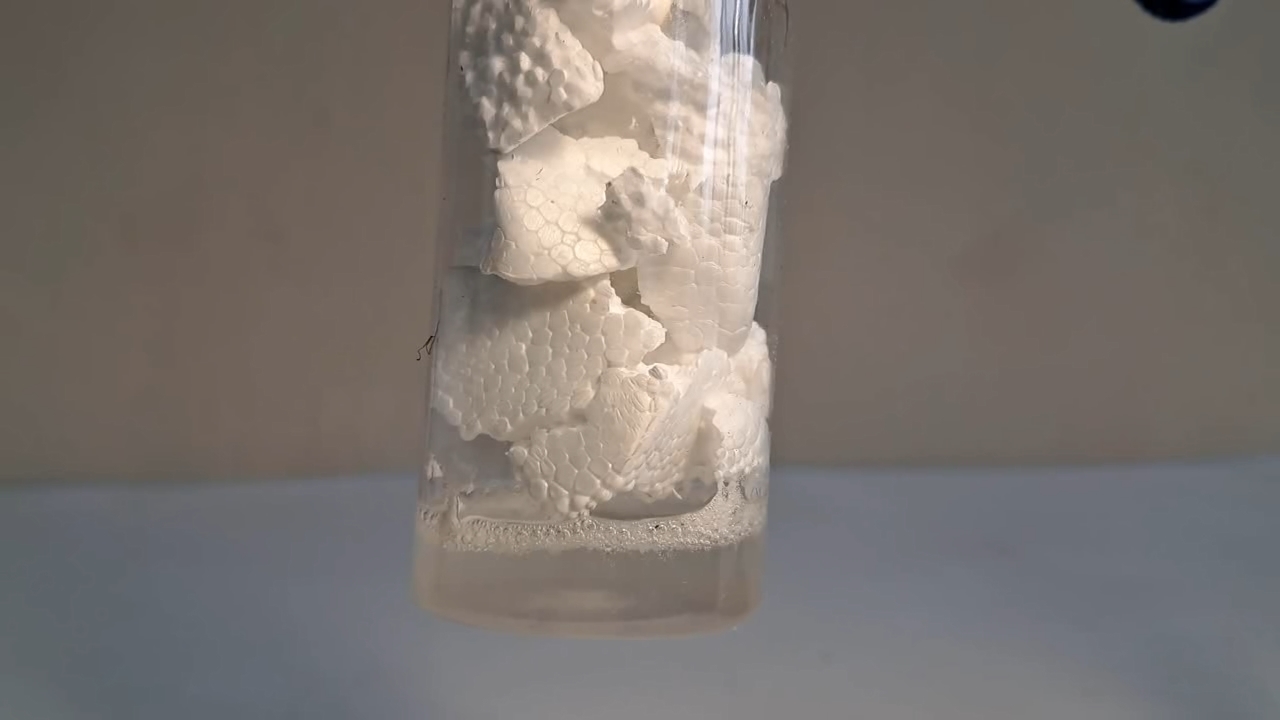
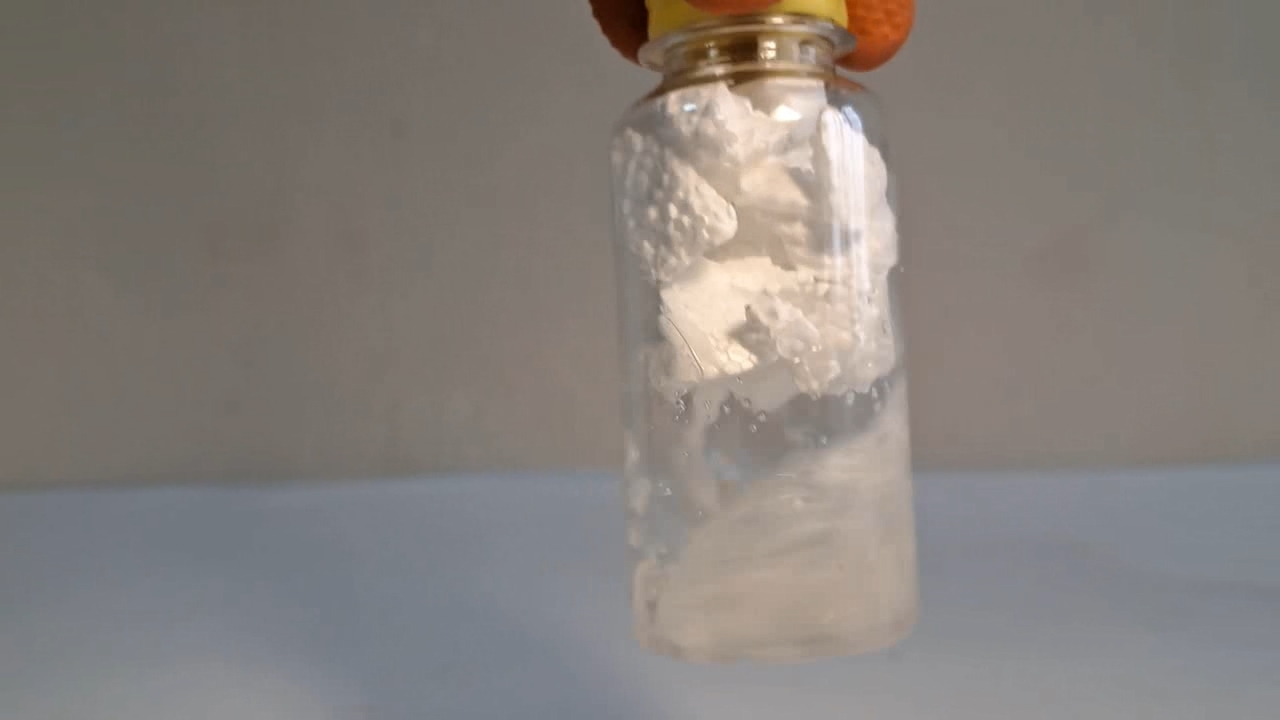
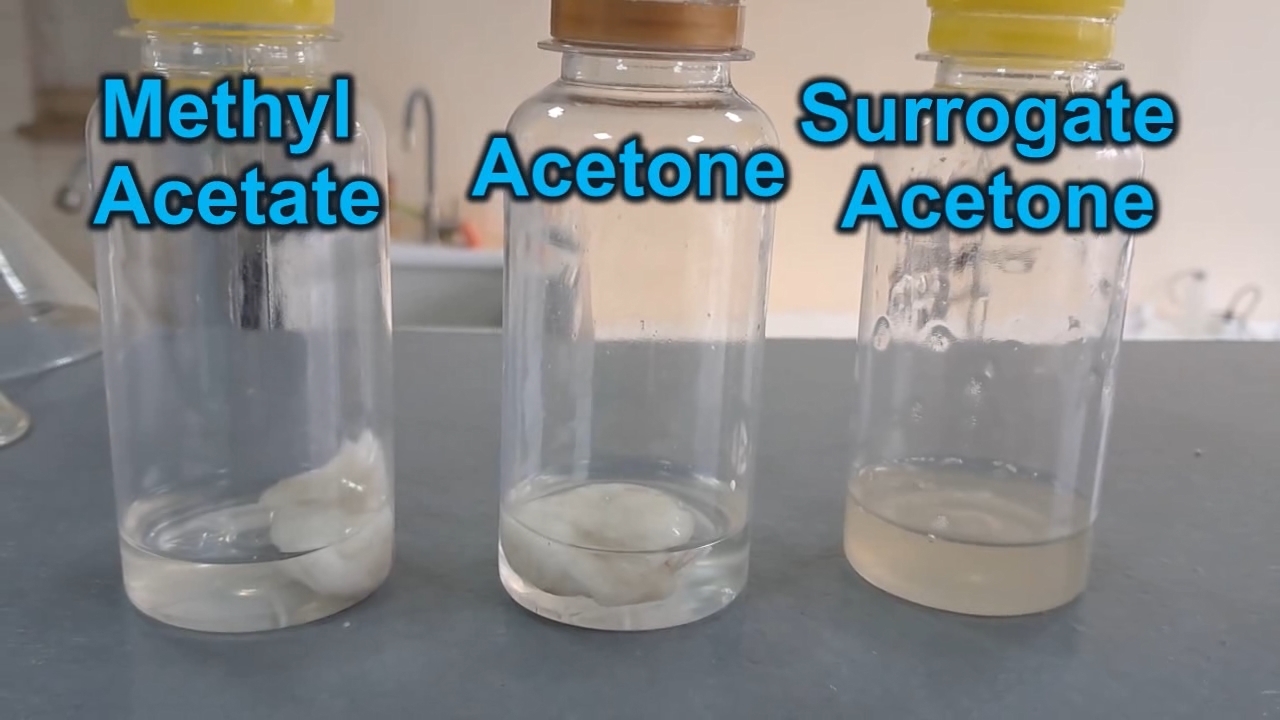
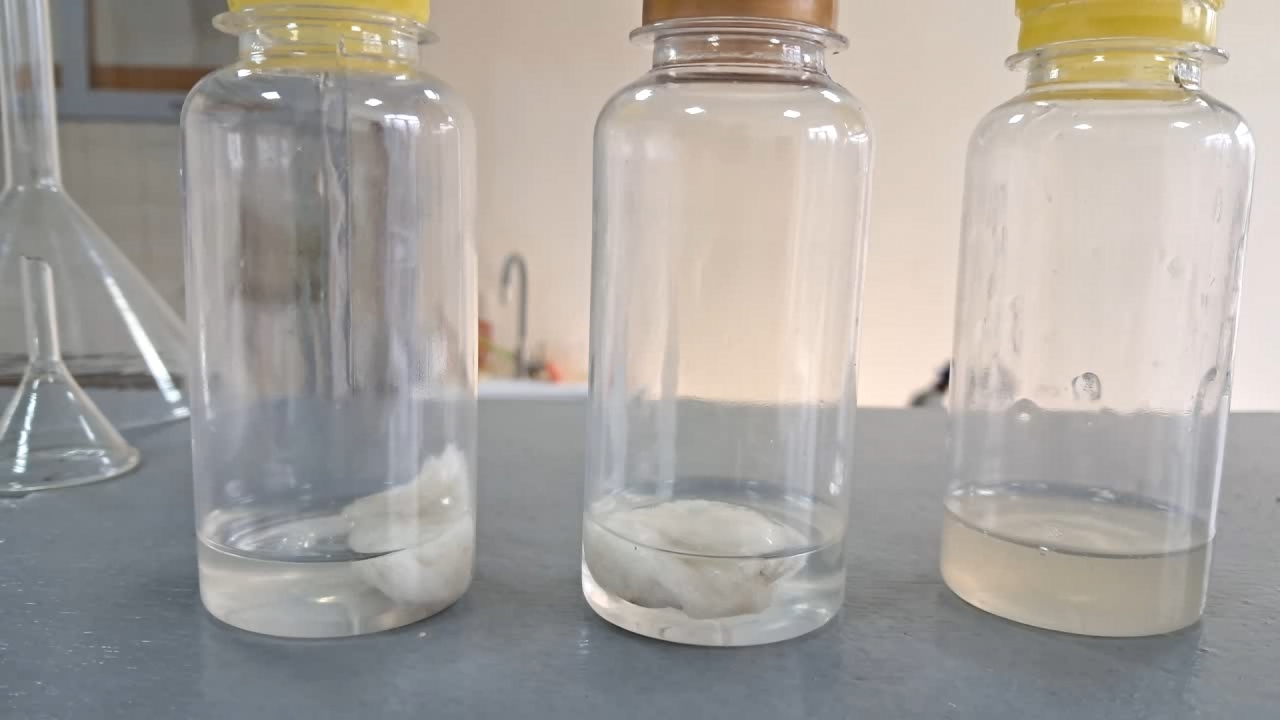
Метилацетат, ацетон, сурогатный ацетон и пенополистирол - Часть 10 Nevertheless, methyl acetate has a lower boiling point (57°C) than ethyl acetate. Expanded polystyrene dissolves well in ethyl acetate, which suggested that it should also dissolve well in methyl acetate. In addition, methyl acetate evaporates more readily than ethyl acetate. Therefore, replacing ethyl acetate with methyl acetate should, in principle, solve the problem of solution "splashes" reaching the collector before evaporating. These splashes dissolve the already formed fibers. Neither our lab nor my colleagues had any methyl acetate, so I ordered the reagent and continued working on other experiments in the meantime. A few days later, I received the box containing the methyl acetate. When I opened it, I found two bottles inside. The space between the bottles and the walls of the box was filled with cubes of expanded polystyrene to protect them from impact. It looked like an invitation to dissolve these cubes in methyl acetate! Fortunately, I resisted the temptation and instead used the same expanded polystyrene sample I had worked with earlier. I weighed 10.250 g of methyl acetate and 2.375 g of expanded polystyrene. I added pieces of the polystyrene to the bottle containing the solvent. Gas was released, and the volume of the pieces sharply decreased - the material "shrank." I expected the polystyrene to dissolve over time, as it had in ethyl acetate. However, the polymer did not dissolve. Instead, the expanded polystyrene turned into a white, viscous mass resembling unvulcanized rubber. Stirring with a wooden stick and letting the mixture stand for a long time did not help. Unlike ethyl acetate, methyl acetate did not dissolve this polystyrene sample. It was a good thing that I used the same expanded polystyrene for all my experiments rather than the cubes from the box. This allowed me to conclude with certainty that the lack of dissolution was due to differences between ethyl acetate and methyl acetate, not differences between polystyrene samples. Thus, methyl acetate turned out to be unsuitable for electrospinning. Next, I asked a colleague for some real acetone to dissolve the expanded polystyrene. I was certain that acetone dissolves polystyrene foam - I had observed this many years ago. I weighed 10.895 g of acetone and 2.495 g of expanded polystyrene and added the latter to the solvent. Imagine my surprise - and then horror - when I discovered that acetone did not dissolve the polystyrene, either immediately or after a long time. As before, gas was released, the material dramatically decreased in volume, and turned into a white, sticky mass. The expanded polystyrene did not dissolve in either methyl acetate or acetone. Instead of dissolving, the polymer swelled. Yet many years ago, I had dissolved expanded polystyrene not only in acetone but even in hexane. Worse still, I had written a popular science article about this experiment - with photos and videos! Had I really published incorrect data, and no one noticed the error all these years? I must admit, I was terrified. Expanded polystyrene and acetone frightened me more than the rockets and Shahed drones that regularly fall on our heads. Dissolving expanded polystyrene in acetone is one of the most spectacular chemistry demonstrations and has been described many times. I consulted various sources, including [2]. It turned out that this experiment is recommended as a demonstration in front of an audience but is not advised as a routine student exercise. Typically, it is performed by a teacher or an advanced student. Why is that? A small volume of acetone causes a large volume of expanded polystyrene to "disappear," which makes a strong impression on viewers. The effect is especially striking in a large aquarium. However, reusing the aquarium afterward is problematic, since the polystyrene does not actually dissolve but turns into a viscous, sticky mass that adheres to the walls, as well as to the hands and clothing of unwary students. Acetone molecules penetrate between the polystyrene macromolecules, forcing them apart. As a result, the air trapped within the foam is released, leading to a dramatic reduction in volume. However, complete dissolution of the polymer does not occur; instead, the polystyrene swells in the solvent. Appreciate the irony. Typically, the term swelling implies a significant increase in the volume of a solid material as liquid molecules penetrate between its molecules or fill its pores. Examples include the swelling of plastics in organic solvents, wood or plant seeds in water, or even a bruised hand. In the case of expanded polystyrene and acetone, the polymer also swells. However, since polystyrene foam consists primarily of air rather than solid polymer, the release of air leads to a sharp decrease in volume, even as the polymer itself swells. When I reread my old article, I noticed that although I had written about dissolving polystyrene, I had titled it "Polystyrene and Organic Solvents," and in the photo captions I used the phrase "Acetone/hexane breaks down expanded polystyrene" rather than "Acetone/hexane dissolves expanded polystyrene." In other words, at the time I was more interested in the visual effect - the dramatic reduction in volume - than in the physical essence of the process (swelling versus dissolution). As far as I remember, the polystyrene sample I used then did fully dissolve in acetone rather than merely swelling. That material also differed mechanically from the polystyrene I was working with now - it crumbled easily under slight impact. Unfortunately, videos showing complete dissolution were not preserved, as they were less visually impressive than the dramatic "disappearance" of a large volume of polystyrene foam upon the addition of a small amount of acetone. For comparison, I added 2.550 g of expanded polystyrene to 11.140 g of the "Acetone+" substitute. In this case, the polymer completely dissolved, forming a cloudy solution. Another irony: the surrogate solvent turned out to be better suited to our experiment than the original one. When I shared my literature findings with the chemist colleague, it turned out that he had already consulted his reference books. Unlike me, he prefers paper sources. What he found was this: the solubility of polystyrene in acetone depends on its degree of polymerization. Up to a certain molecular weight, polystyrene dissolves in acetone; beyond that point, it no longer dissolves and only swells. The behavior of methyl acetate was even more intriguing. Methyl acetate can dissolve polystyrene, but there exists an upper critical dissolution temperature, above which the polymer precipitates from the solution. For high-molecular-weight polystyrene, two critical temperatures exist - an upper and a lower one. Cooling below the lower limit or heating above the upper limit causes the polymer to precipitate. Practical conclusion: methyl acetate and acetone were unsuitable for dissolving our polystyrene sample. __________________________________________________ 2 'Dissolving' polystyrene in acetone [link]. |
|
Метилацетат, ацетон, сурогатный ацетон и пенополистирол - Часть 10
Размышляя над выбором растворителя для электроспиннинга полистирола, я вспомнил слова коллеги. Он отметил, что метилацетат используют в качестве заменителя ацетона, который не попадает под ограничения. Следовательно, растворитель "Ацетон +", скорее всего, представляет собой метилацетат, который продают под этим названием из соображений маркетинга. Эксперимент не подтвердил данное предположение, поскольку метилацетат полностью растворяется в водном растворе щелочи за счет гидролиза сложного эфира, в то время как "Ацетон +" таким свойством не обладал.
Зато метилацетат имеет более низкую температуру кипения (57°C), чем этилацетат. Пенополистирол хорошо растворяется в этилацетате, значит, данный полимер должен хорошо растворяться и в метилацетате. Метилацетат лучше испаряется, чем этилацетат. Следовательно, замена этилацетата на метилацетат должна решить проблему "брызг" раствора, которые попадают на коллектор, не испаряясь, и растворяют уже образовавшиеся волокна. Метилацетата не была ни в нашей лаборатории, ни у коллег, поэтому я заказал реактив, а пока занялся другими экспериментами. Ящик с метилацетатом получил через несколько дней. Открыл его и обнаружил внутри две бутылки. Пространство между стенками ящика и бутылками было заполнено кубиками пенополистирола для защиты от ударов. Это выглядело, словно, приглашение растворить кубики в метилацетате! Хорошо, что я не воспользовался "приглашением", использовав вместо этих кубиков образец пенополистирола, с которым я экспериментировал ранее. Взвесил 10.250 г метилацетата и 2.375 г пенополистирола. В бутылочку с метилацетатом стал добавлять куски пенополистирола. Выделялся газ, объем кусков резко уменьшился - материал "съеживался". Я ожидал, что полистирол со временем растворится, как это происходило в случае этилацетата. Однако, растворения полимера не произошло! Пенополистирол превратился в белую вязкую массу, которая напоминала каучук. Перемешивание деревянной палочкой и длительная выдержка не помогли. В отличие от этилацетата, метилацетат не растворил данный образец полистирола. Хорошо, что я использовал для экспериментов один и тот же пенопласт, не соблазнившись кубиками пенополистирола, которые были в ящике с бутылками! Сейчас я точно знал, что полистирол не растворился из-за различия в свойствах этилацетата и метилацетата, а не из-за различия в свойствах двух разных образцов пенополистирола. Таким образом, метилацетат для электроспиннинга не подошел. Попросил у коллеги немного настоящего ацетона, чтобы растворить в нем пенополистирол. Ацетон точно растворяет пенополистирол - в этом я убедился много лет назад. Взвесил 10.895 г ацетона и 2.495 г пенополистирола. Добавил пенополистирол в ацетон. Представьте себе мое удивление, а затем - ужас, когда оказалось, что ацетон тоже не растворил полистирол - ни сразу, ни через длительное время! При добавлении пенополистирола выделился газ, материал сильно уменьшился в объеме и превратился в белую, липкую массу. Пенополистирол не растворился, ни в метилацетате, ни в ацетоне. Вместо растворения произошло набухание полимера. Но ведь много лет назад я растворял пенополистирол не только в ацетоне, но даже в гексане. Хуже того, я написал об этом научно-популярную статью - с фото и видео! Неужели я опубликовал ошибочные данные, а никто за все эти годы не заметил ошибку? Повторюсь, я был в ужасе. Пенополистирол и ацетон напугали меня сильнее, чем ракеты и шахеды, которые регулярно падают на наши головы. Растворение пенополистирола в ацетоне - одна из самых зрелищных химических демонстраций, которая была многократно описана. Посмотрел разные источники, в частности [2]. Оказалось, что данный эксперимент рекомендуют показывать перед аудиторией, однако, не рекомендуют поручать его выполнение каждому желающему ученику или студенту. Обычно данную демонстрацию осуществляет преподаватель или один продвинутый студент. В чем причина? Небольшой объем ацетона вызывает "исчезновение" большого объема пенополистирола, что производит большое впечатление на аудиторию. Особенно эффектно выполнять данный эксперимент в большом аквариуме. Однако, повторно использовать аквариум потом будет проблематично, поскольку полистирол не растворяется, а превращается в вязкую липкую массу, которая пристает к стенкам аквариума, равно как к рукам и одежде неосторожных студентов. Молекулы ацетона внедряются между макромолекулами полистирола, раздвигая последние. В результате заключенный в материале воздух высвобождается наружу, вызывая резкое уменьшение объема. Однако, полного растворения полистирола не наблюдается, вместо этого полимер набухает в растворителе. Оцените иронию. Обычно термин "набухание" подразумевает значительное увеличение объема твердого материала. Молекулы жидкости внедряются между молекулами твердого тела или заполняют поры. В качестве примера можно привести набухание пластмасс в органических растворителях, набухание древесины или семян растений в воде и даже набухание ушибленной руки. В случае пенополистирола и ацетона, полистирол также набухает, увеличиваясь в объеме. Однако, пенополистирол состоит преимущественно не из твердого полимера, а из воздуха, который занимает подавляющую часть объема пенополистирола. При добавлении ацетона воздух высвобождается, вызывая резкое уменьшение объема твердого тела, а сам полистирол при этом набухает! Когда я перечитал собственную статью, то обнаружил, что, хотя я и писал про растворение полистирола, но саму статью озаглавил "Пенополистирол и органические растворители", а в подписях к фотографиям использовал описание "Ацетон/гексан разрушает пенополистирол", а не "Ацетон/гексан растворяет пенополистирол". Другими словами, тогда меня больше интересовал визуальный эффект - резкое уменьшение объема материала, а не физическая суть процесса (растворение или набухание полимера). Насколько я помню, использованный тогда образец пенополистирола растворялся в ацетоне полностью, а не только набухал. От пенополистирола, с которым я работал сейчас, те образца отличались даже по механическим свойствам - они легко крошились от минимального воздействия. К сожалению, видео полного растворения пенополистирола не сохранилось, поскольку эти ролики выглядели не так эффектно, как "исчезновение" большого объема пенополистирола в результате добавления небольшого количества ацетона. Для сравнения к 11.140 г заменителя "Ацетон +" добавил 2.550 г пенополистирола. Полимер полностью растворился, образовав мутный раствор. Еще одна ирония состоит в том, что для нашего эксперимента суррогат оказался лучше, чем оригинальный растворитель. Когда рассказал про результаты литературного поиска коллеге-химику, оказалось, что он уже успел посмотреть свои книги. В отличие от меня, коллега предпочитает пользоваться бумажной литературой. Что он нашел: растворимость полистирола в ацетоне зависит от степени полимеризации. До определенного значения степени полимеризации полистирол растворяется в ацетоне, а при увеличении молекулярно массы, он не растворяется, а только набухает. С метилацетатом оказалось еще интереснее. Метилацетат растворяет полистирол, но существует верхняя критическая температура растворения, выше которой полистирол осаждается из раствора. А для полистирола с высокой молекулярной массой существуют две критические температуры: верхняя и нижняя. При охлаждении до нижнего предела или нагревании до верхнего полимер осаждается из раствора. Практический вывод: метилацетат и ацетон оказались непригодными для растворения нашего образца полистирола. |
Methyl Acetate, Acetone, Surrogate Acetone, and Expanded Polystyrene |
|
|
|
|
|
|
|
|
|
|
|
|
|
|
|
|
|
|
|
|
|
|
|
|
|
|
|
|
|
|
|
|
|
|
|
|
|
|
|
|
|
|
|
|
|
|
|
|
|
|
|
|
|
Having noticed a mistake in the text, allocate it and press Ctrl-Enter
Dissolving Polystyrene in Mixed Solvents. Methyl Acetate Precipitates Polystyrene from Solution in Ethyl Acetate - Part 11
Methyl acetate and acetone proved unsuitable for dissolving polystyrene, preventing the use of their advantages - primarily ease of evaporation and a precisely known chemical composition. The polystyrene sample did not dissolve in these liquids, but only swelled. At the same time, polystyrene readily dissolved in ethyl acetate, a solvent with a well-defined composition. Unfortunately, ethyl acetate often failed to evaporate completely during electrospinning.
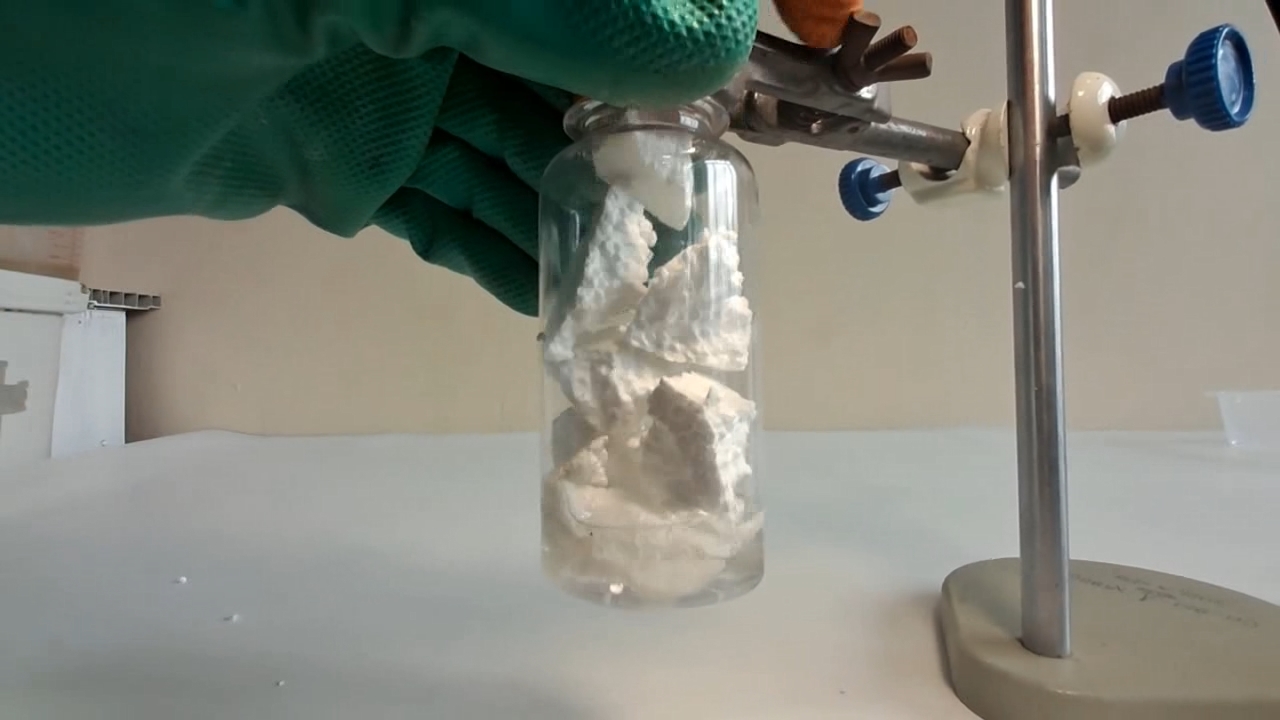
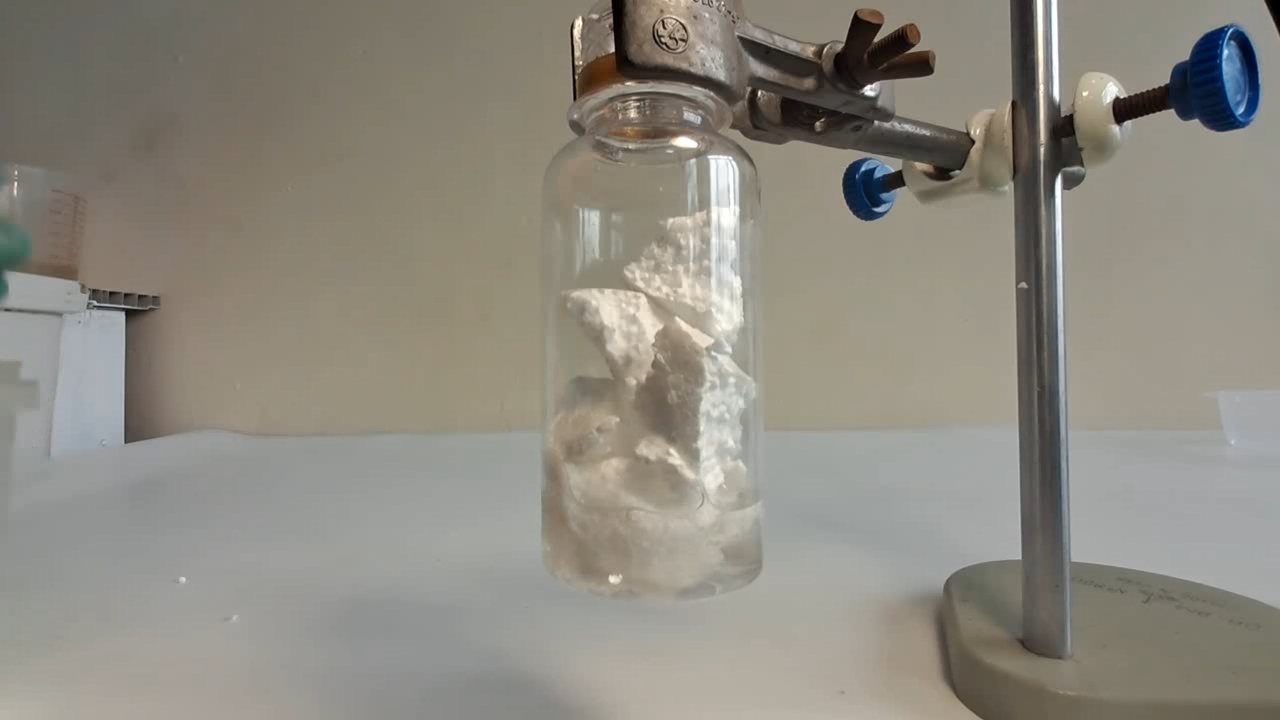
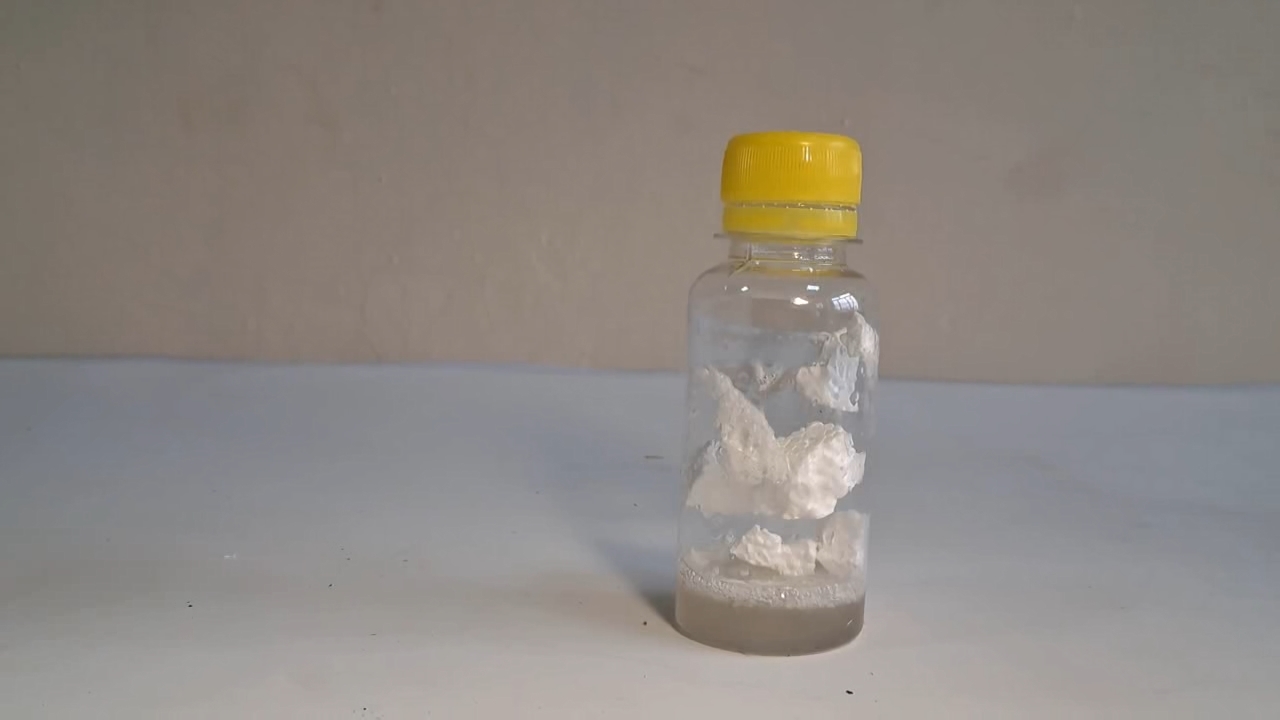
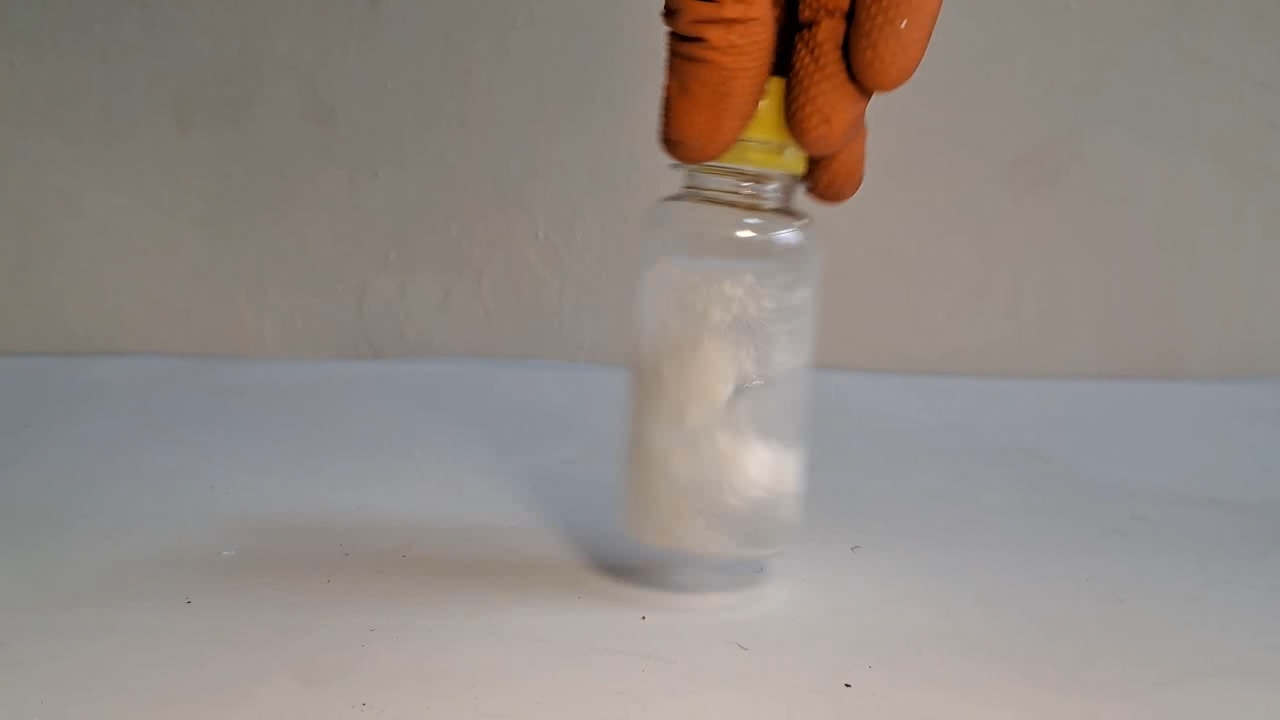
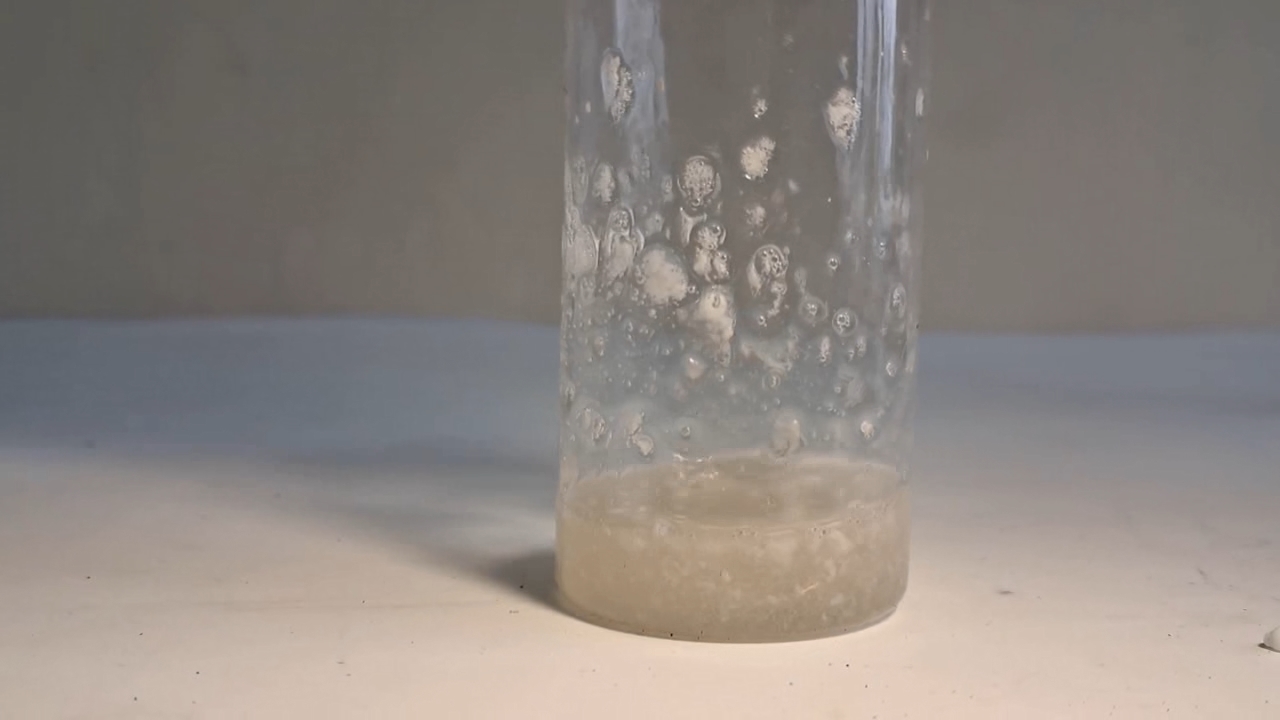
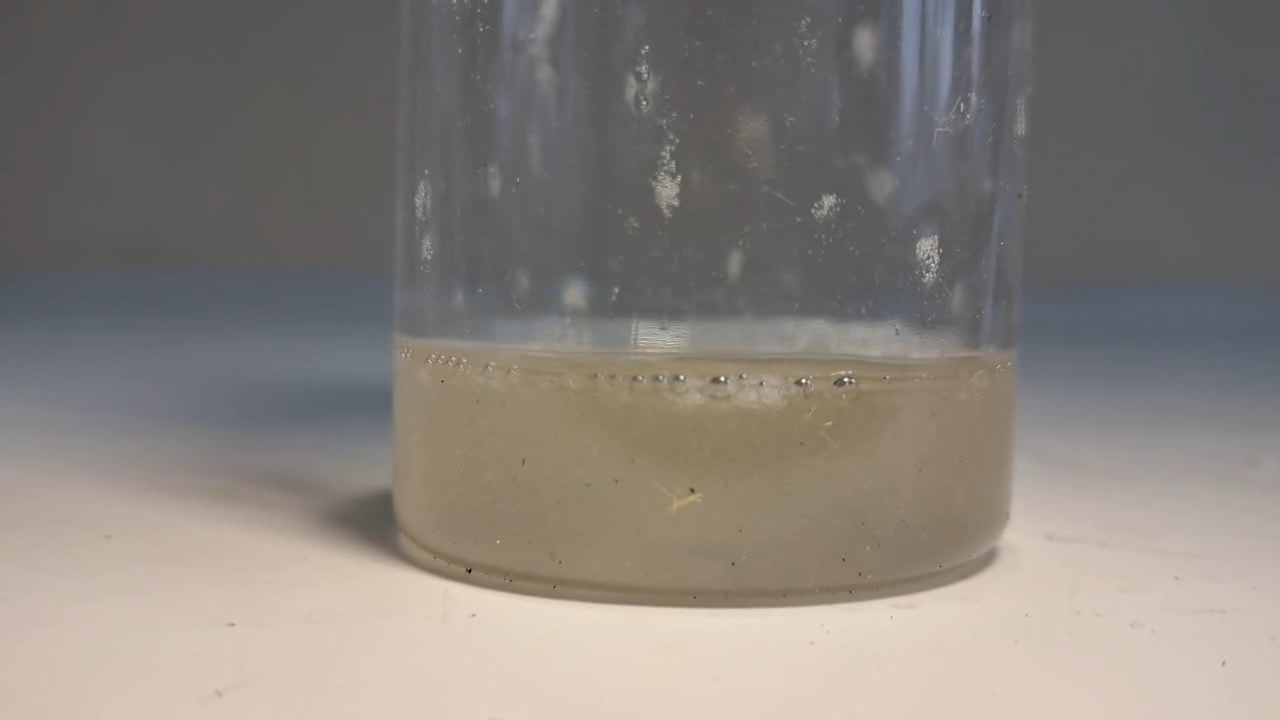
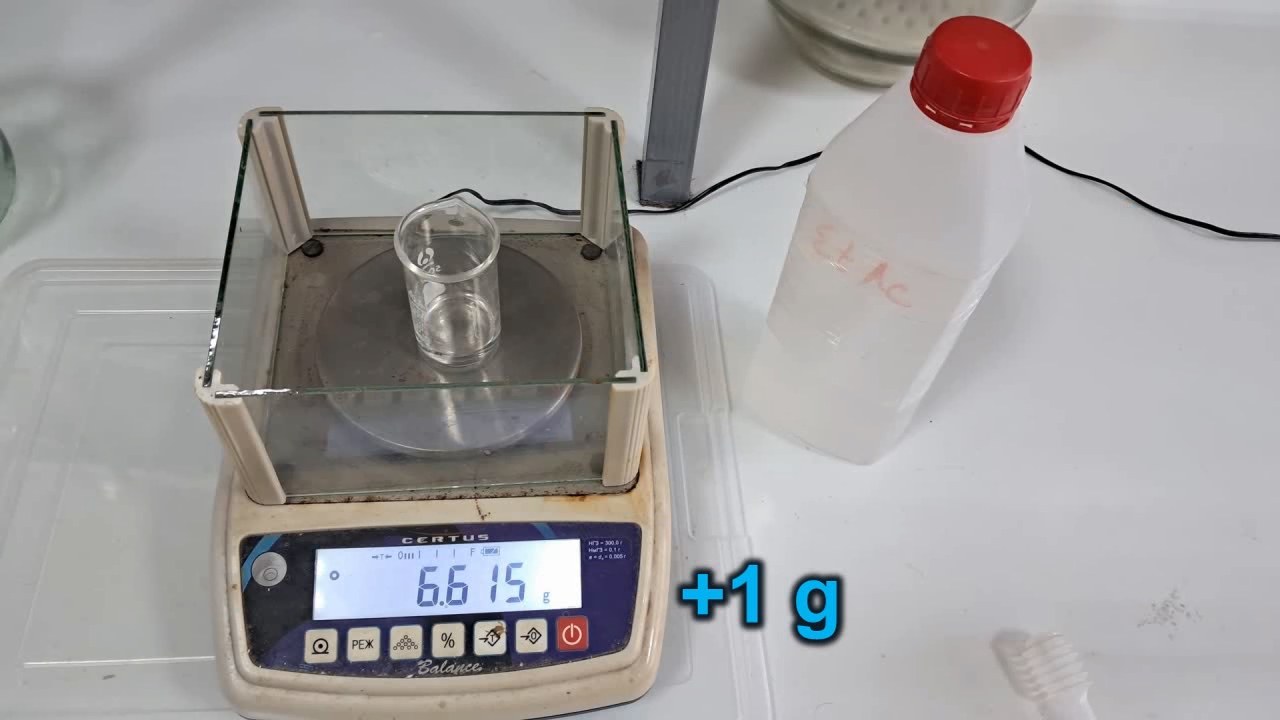
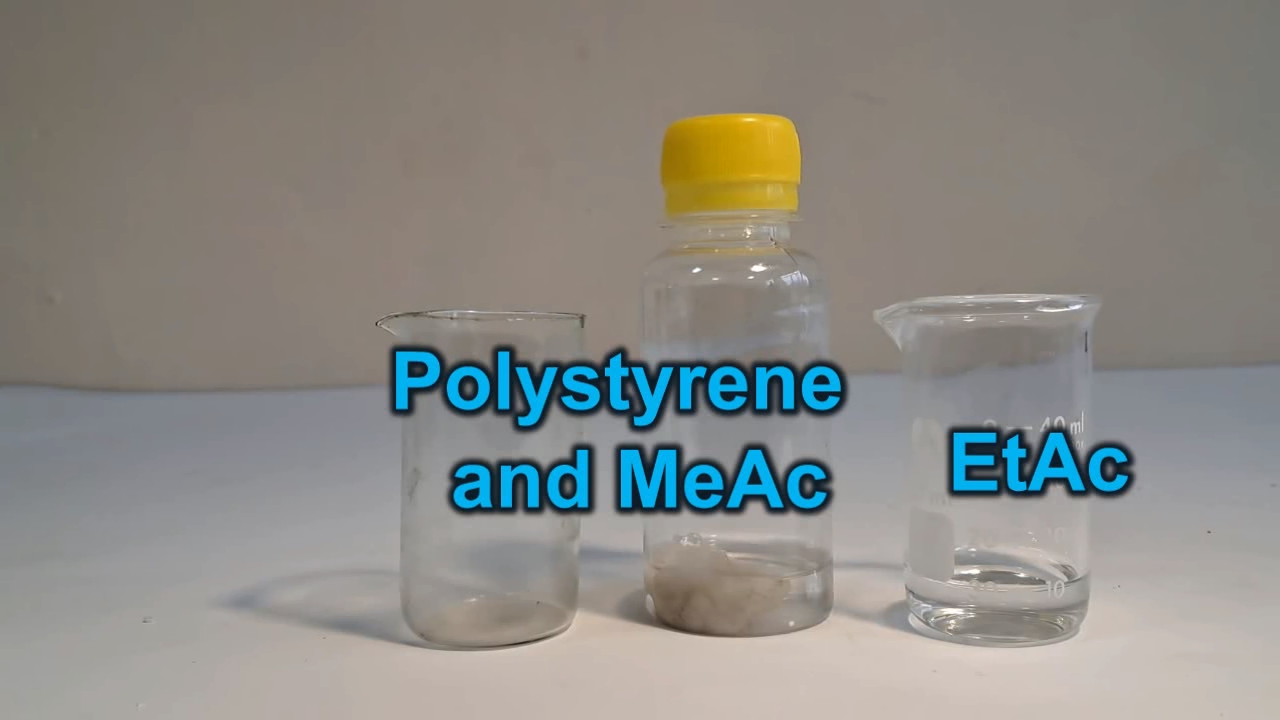
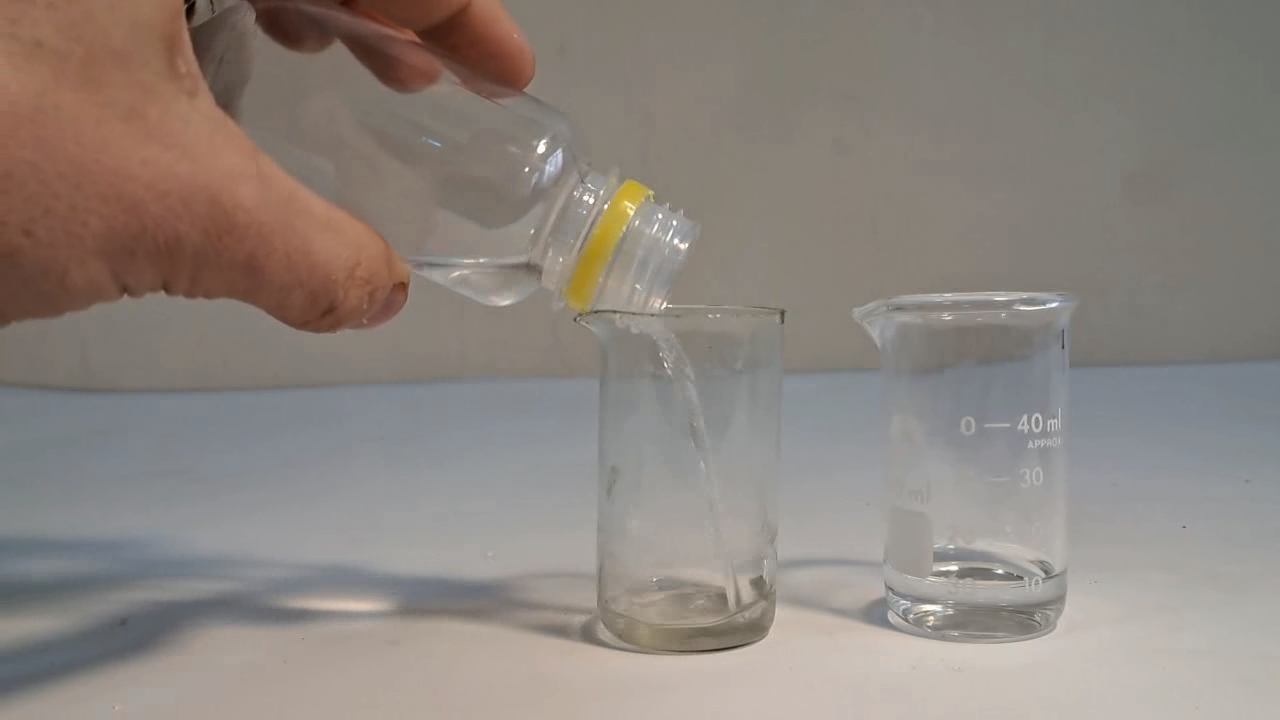
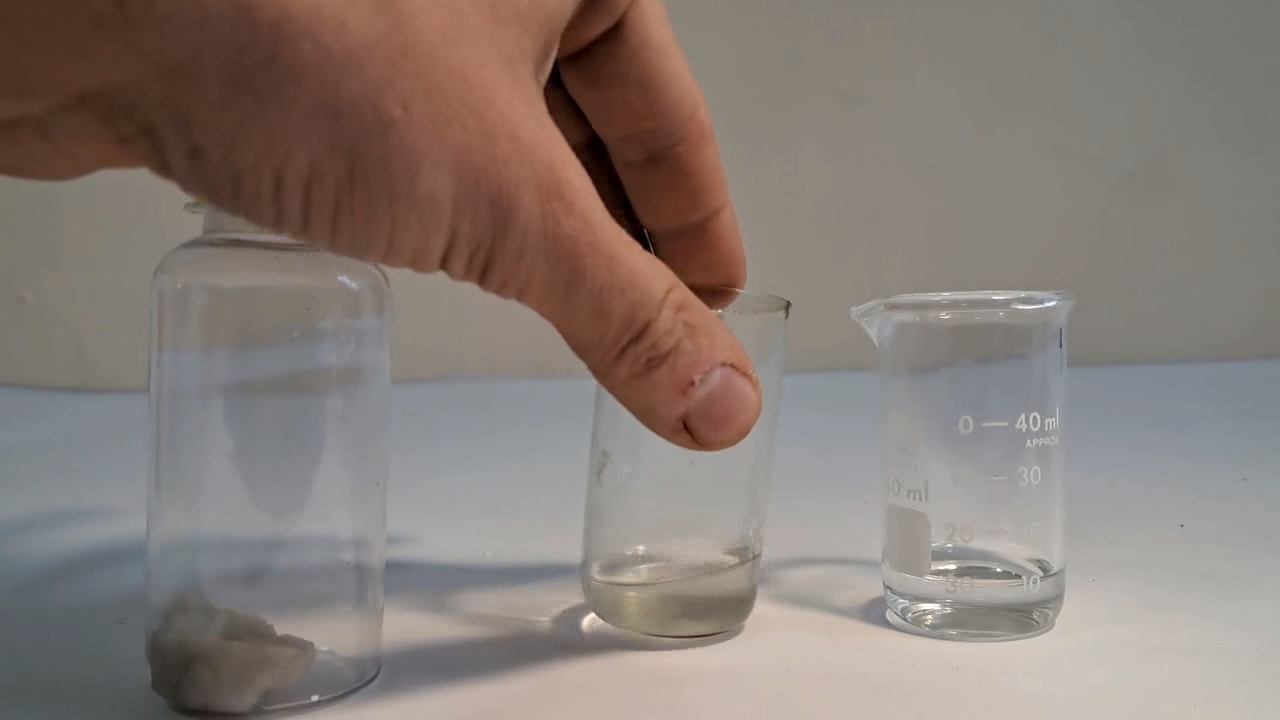
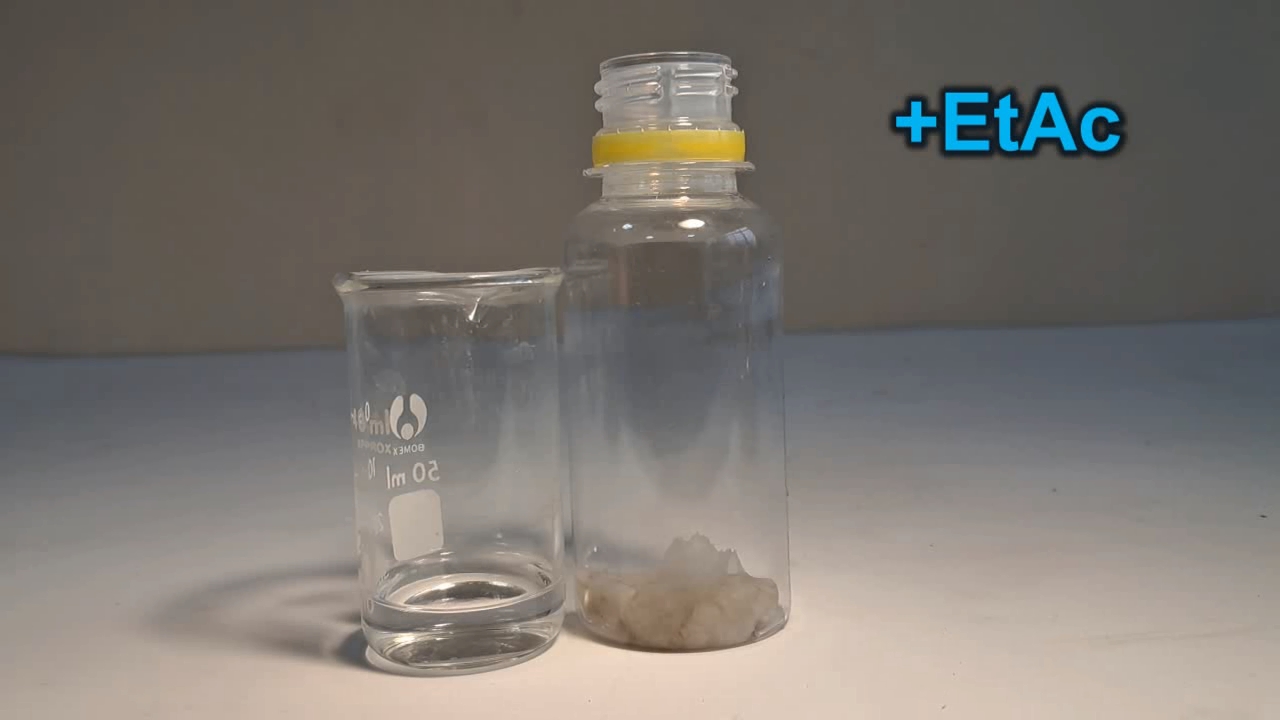
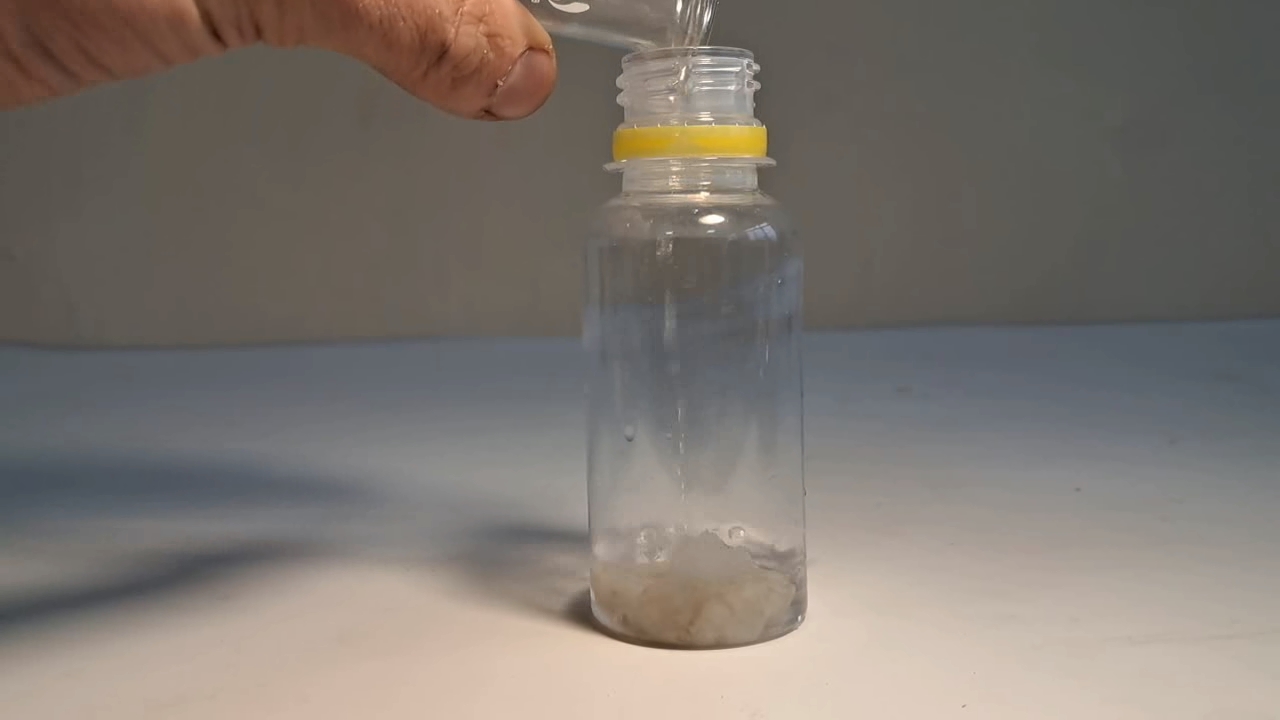
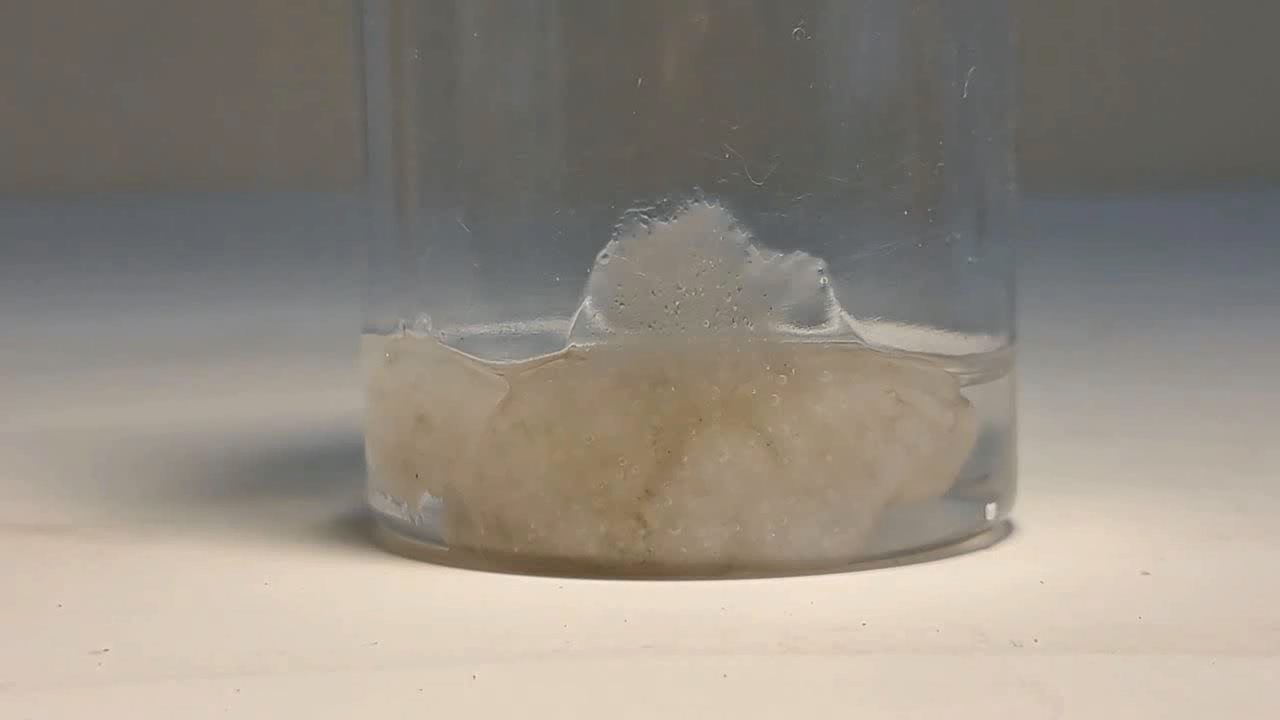
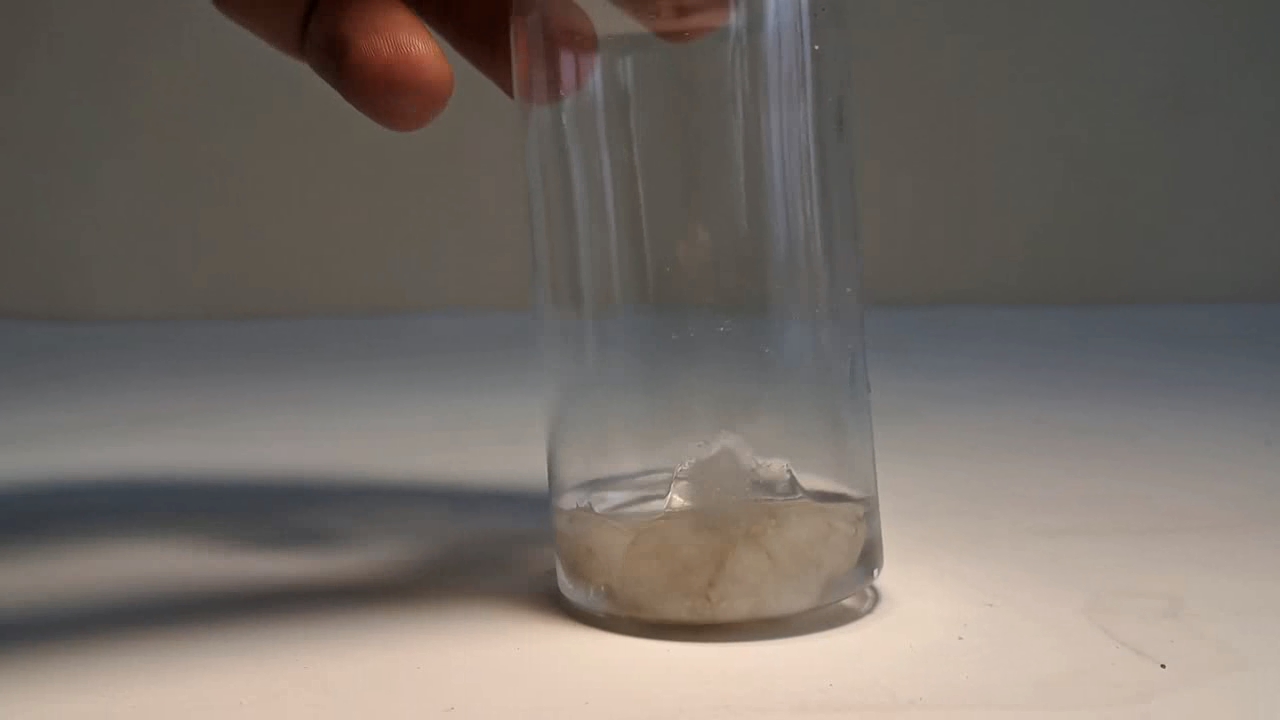
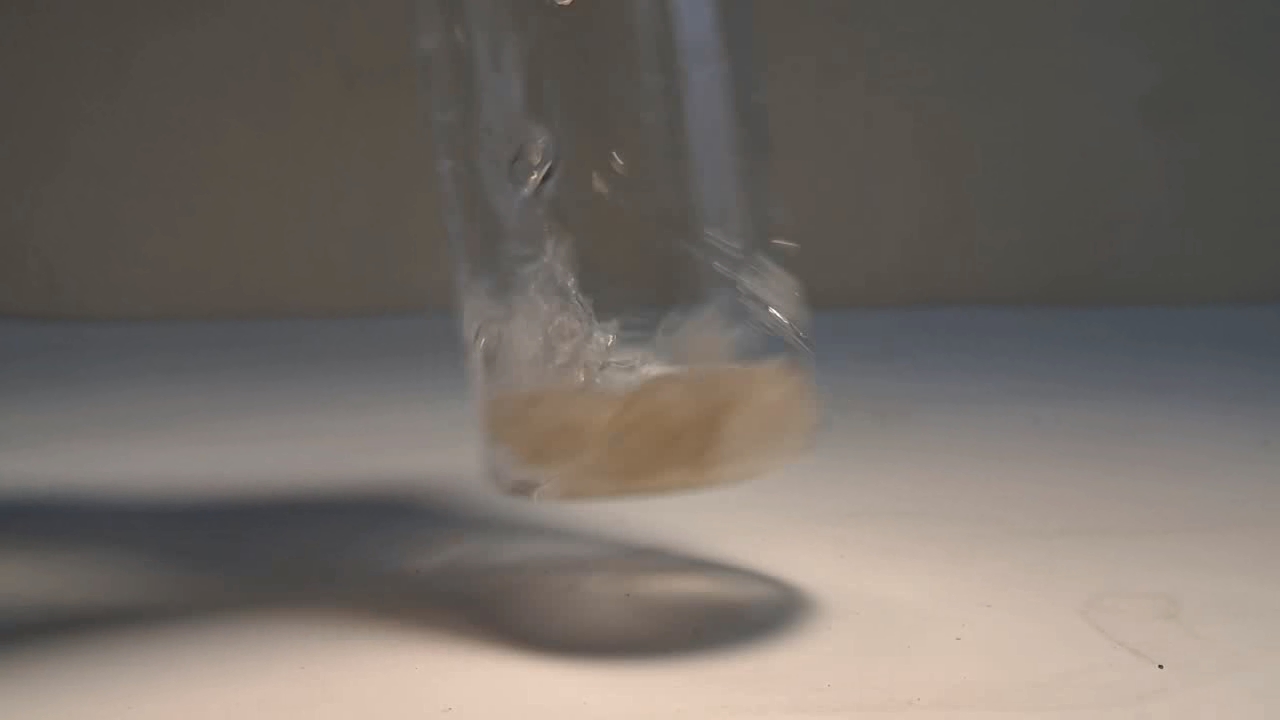
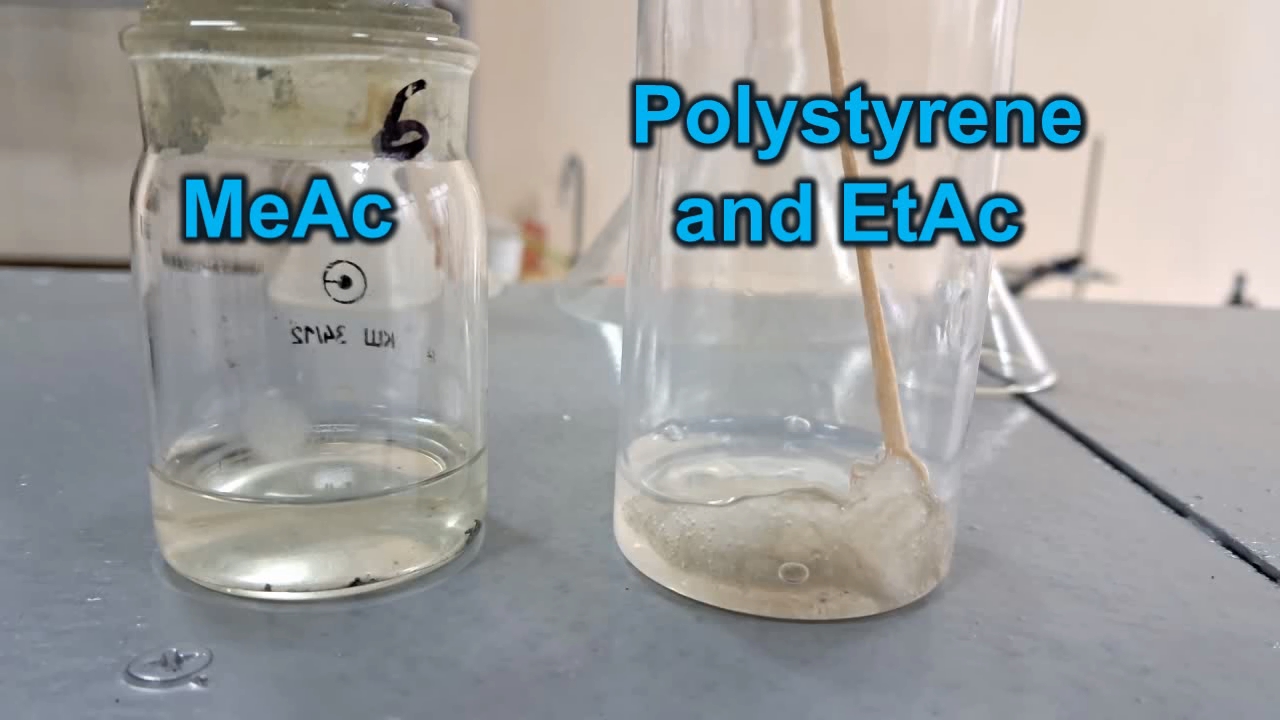
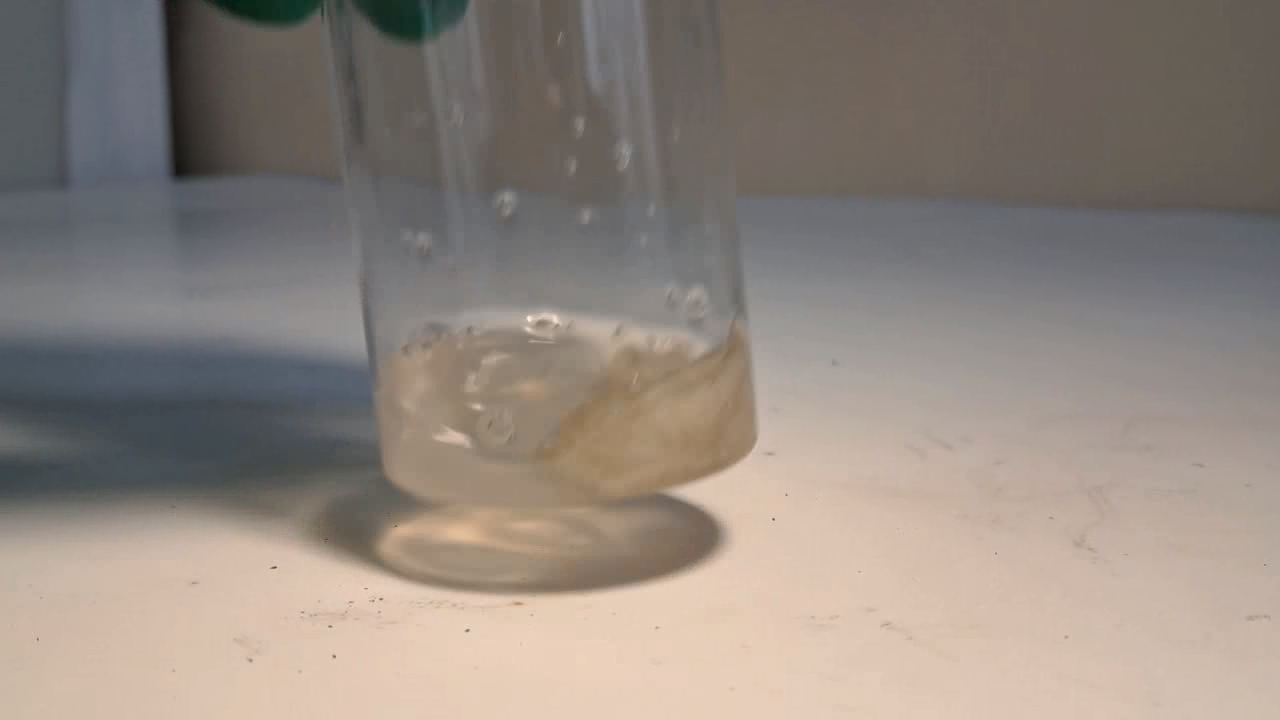
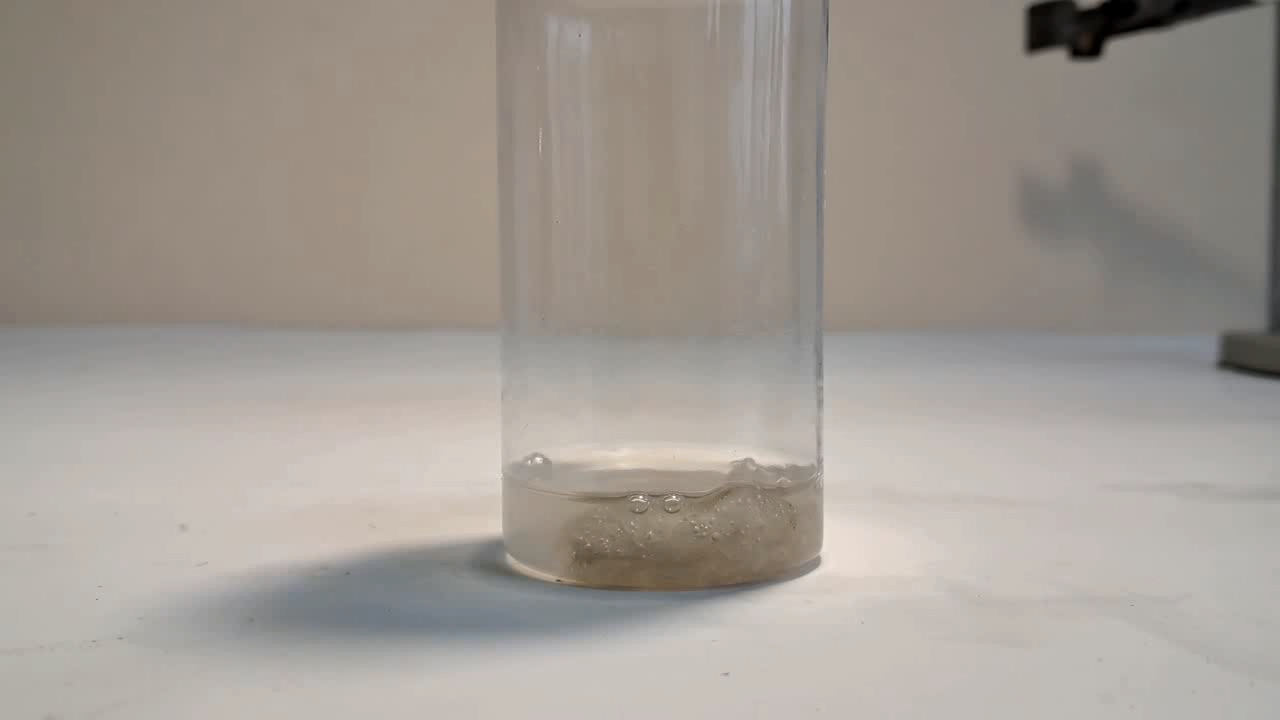
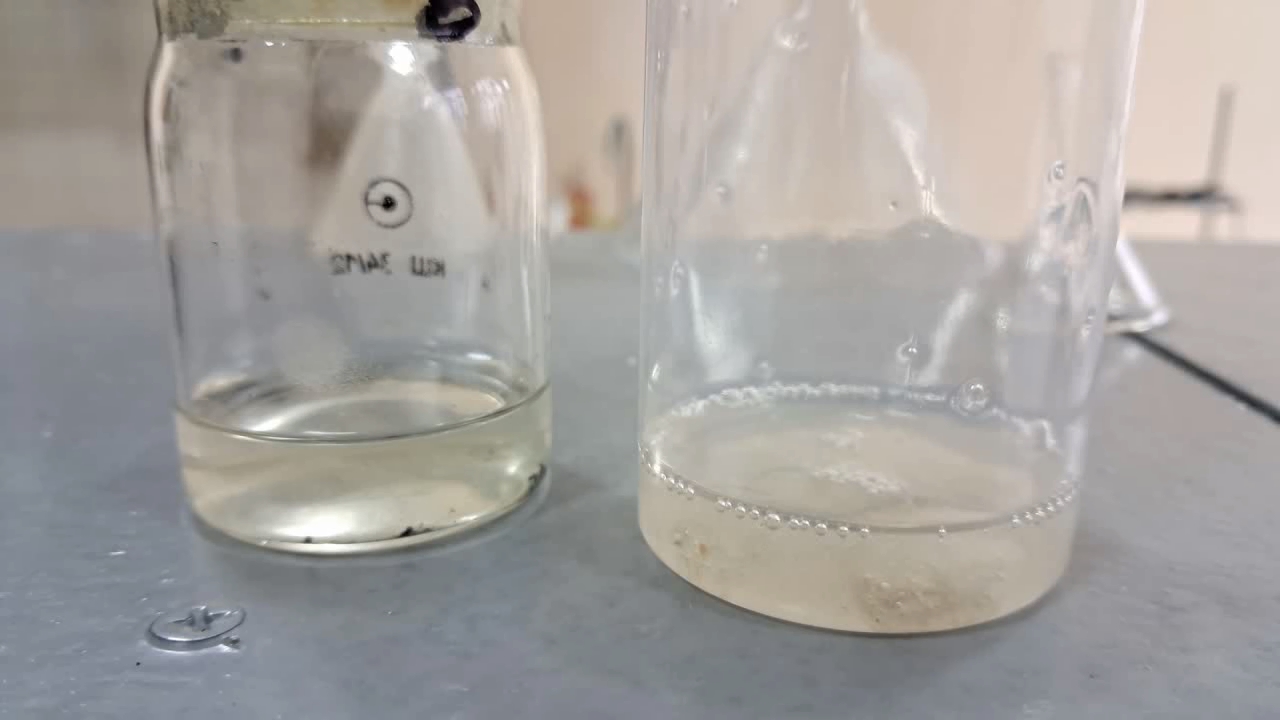
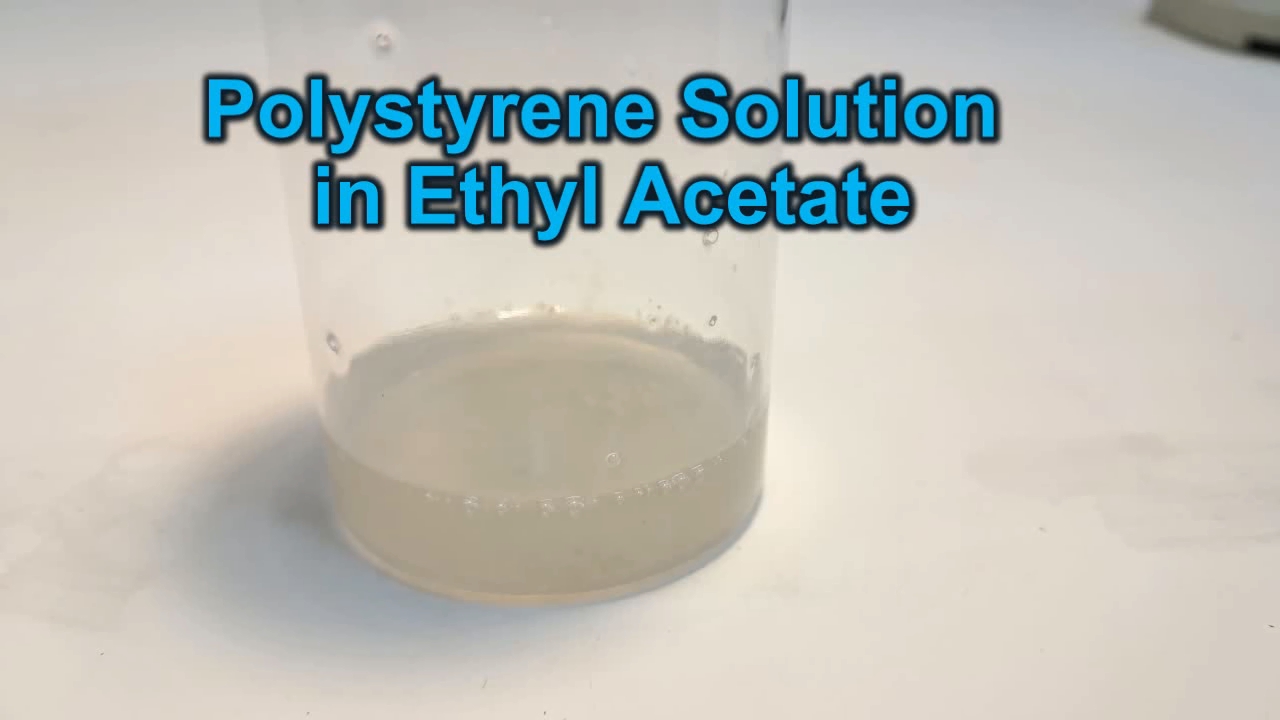
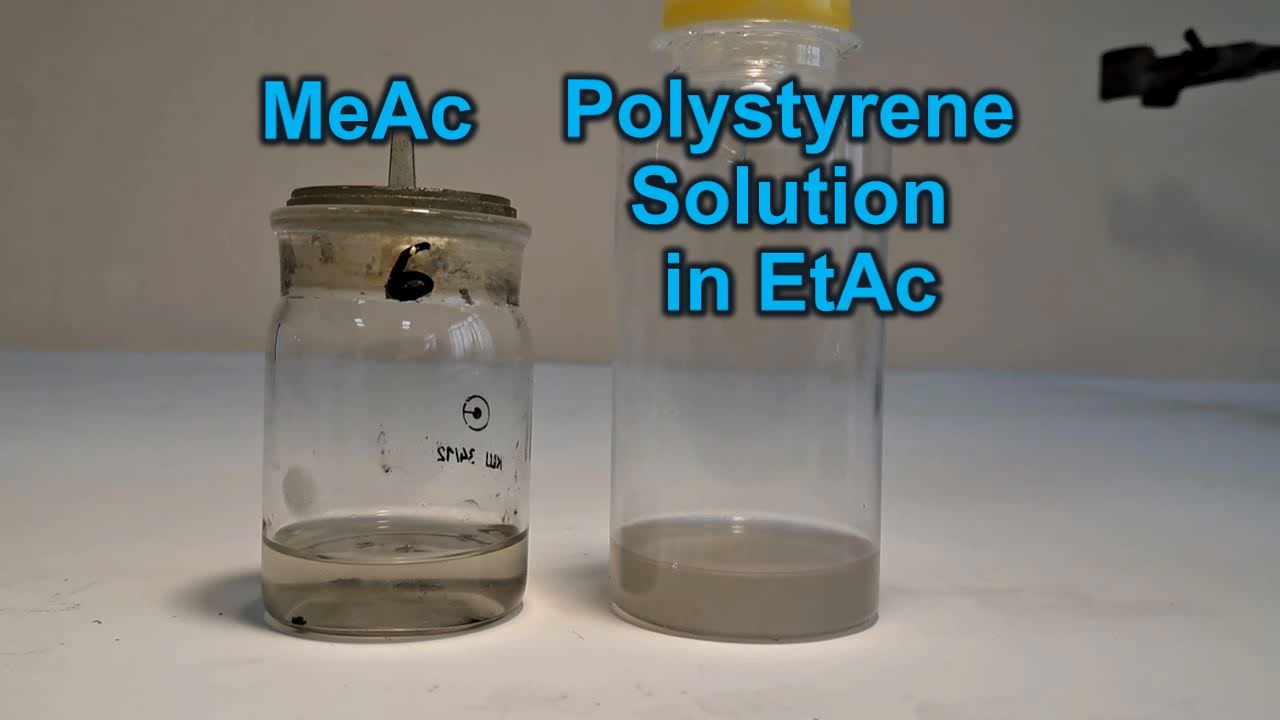
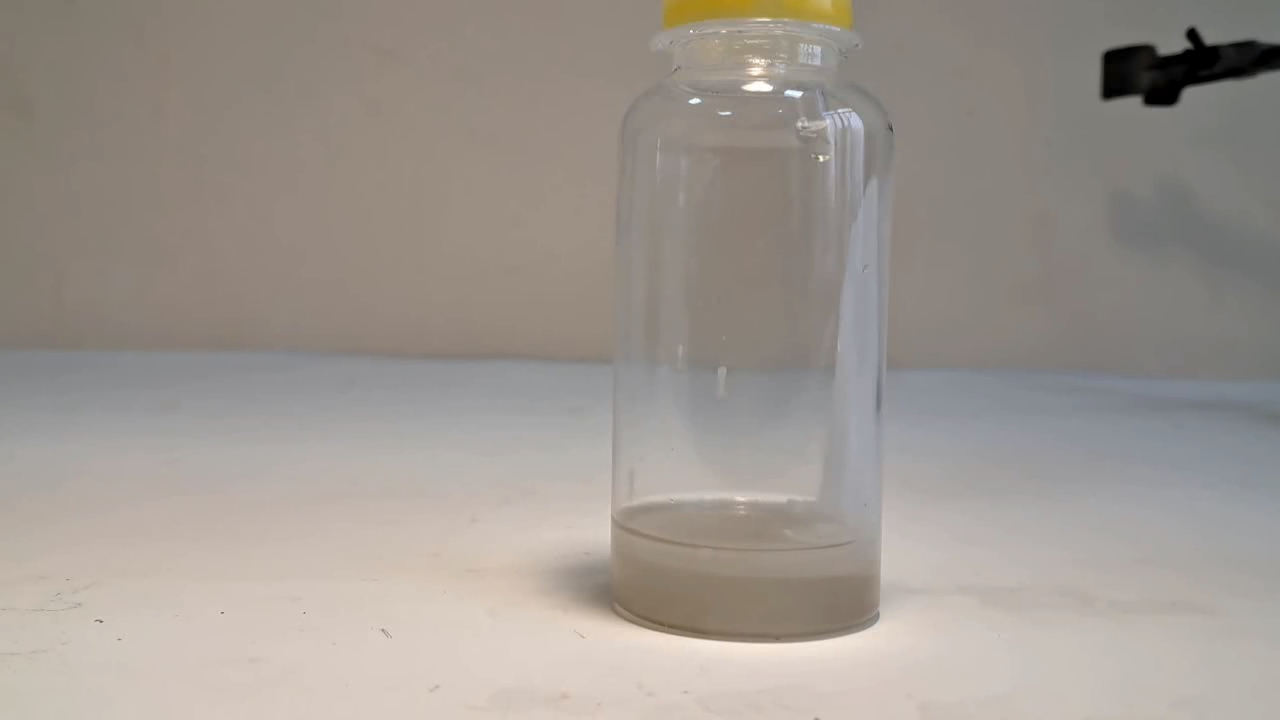
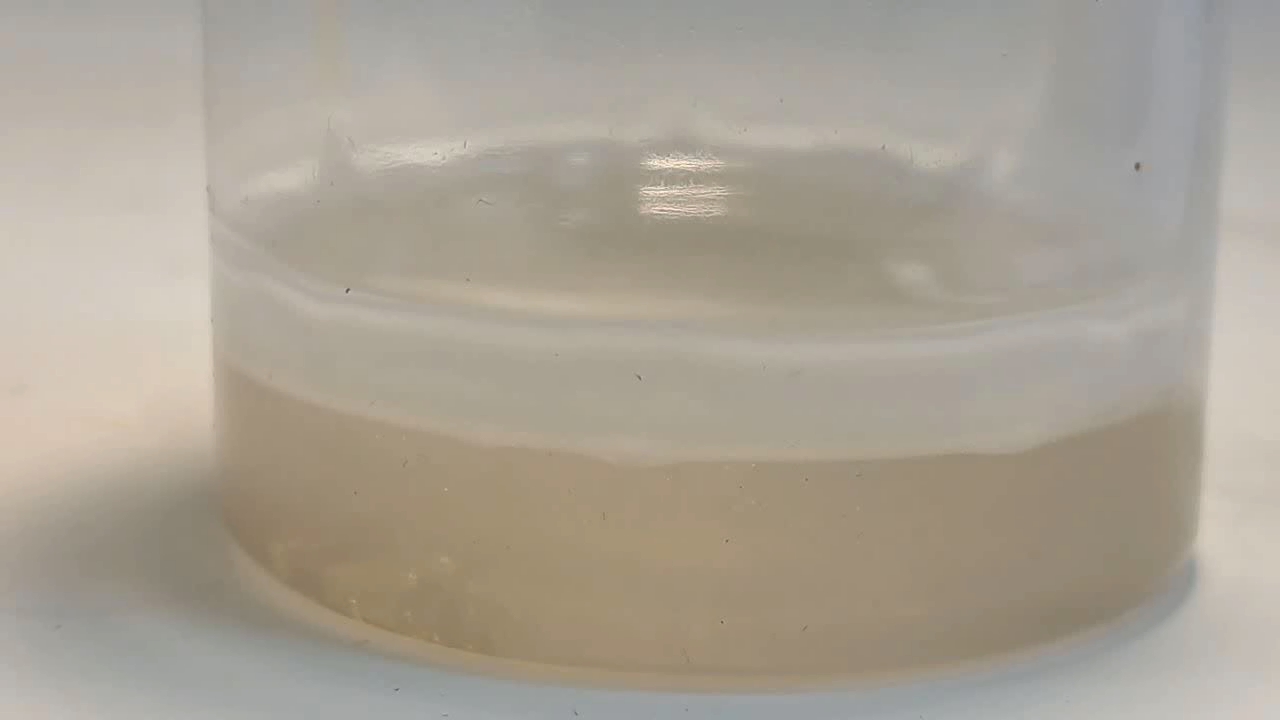
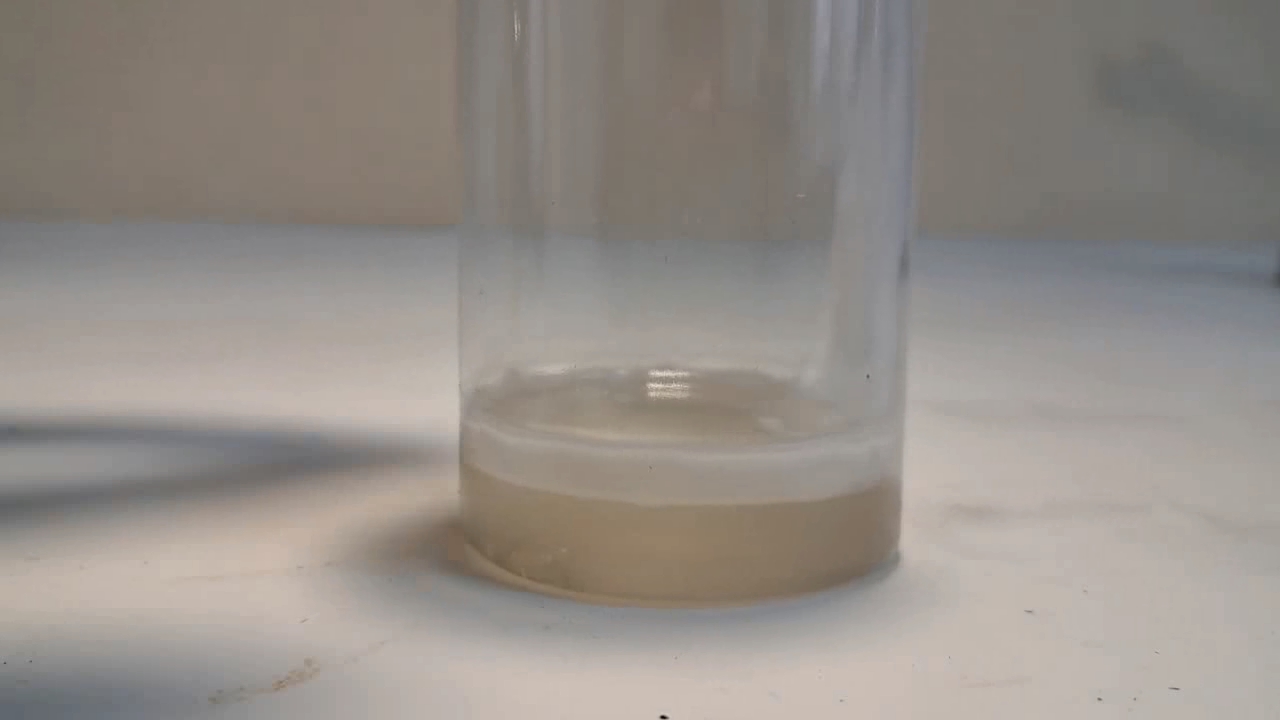
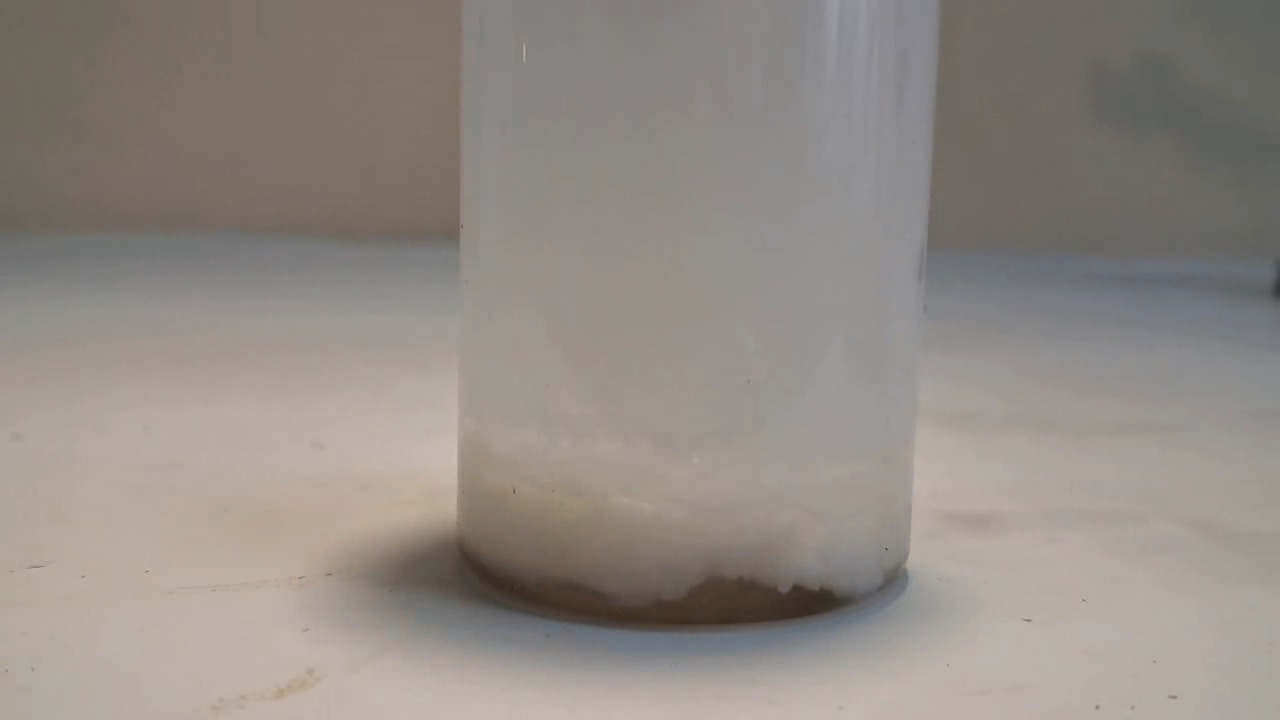
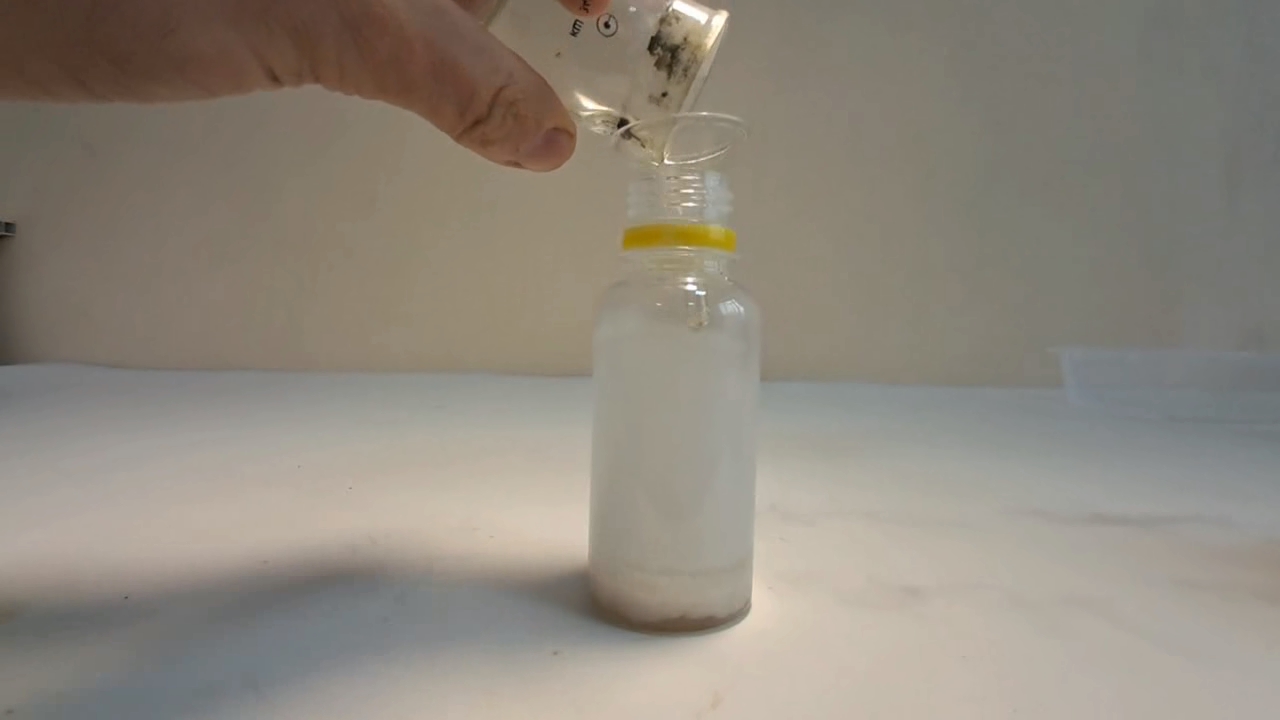
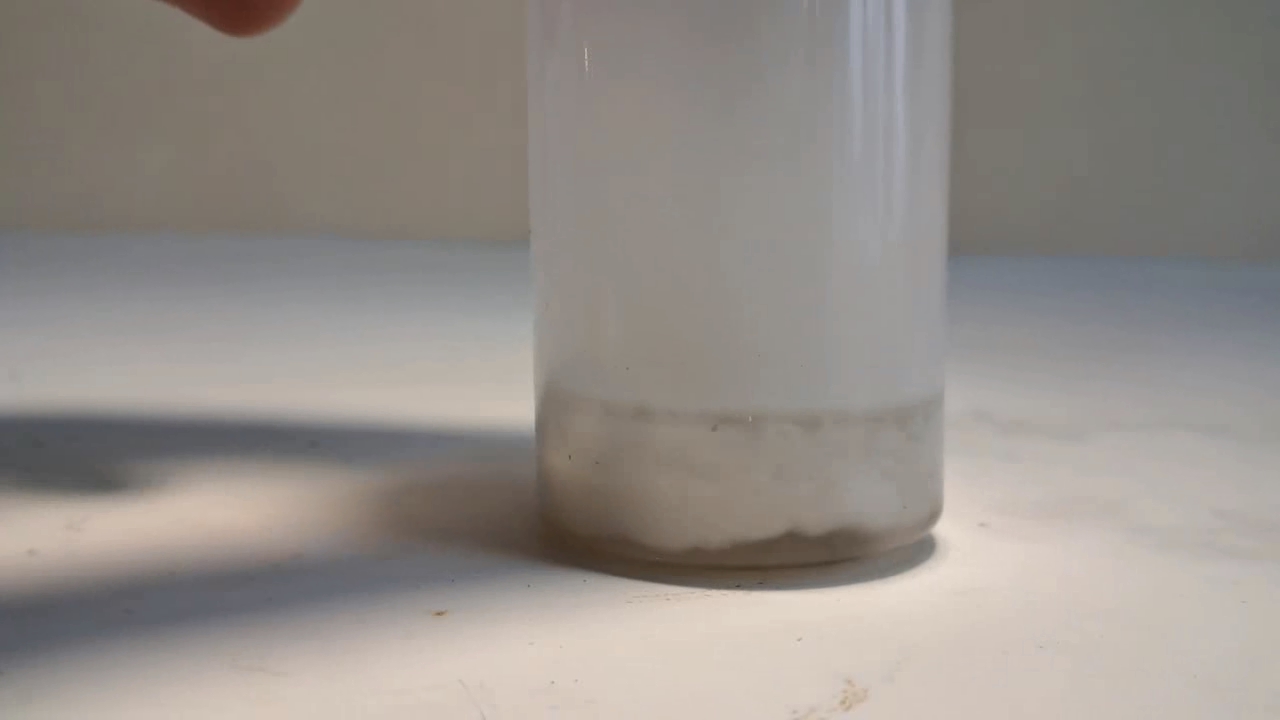
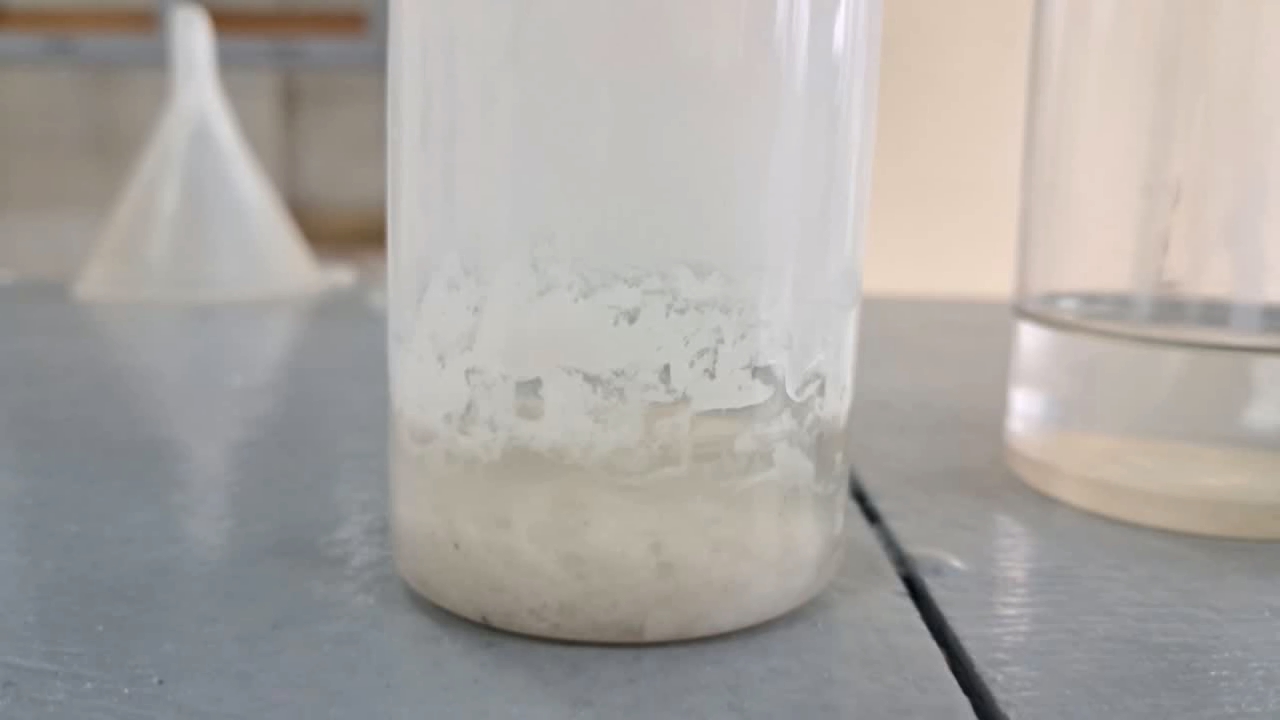
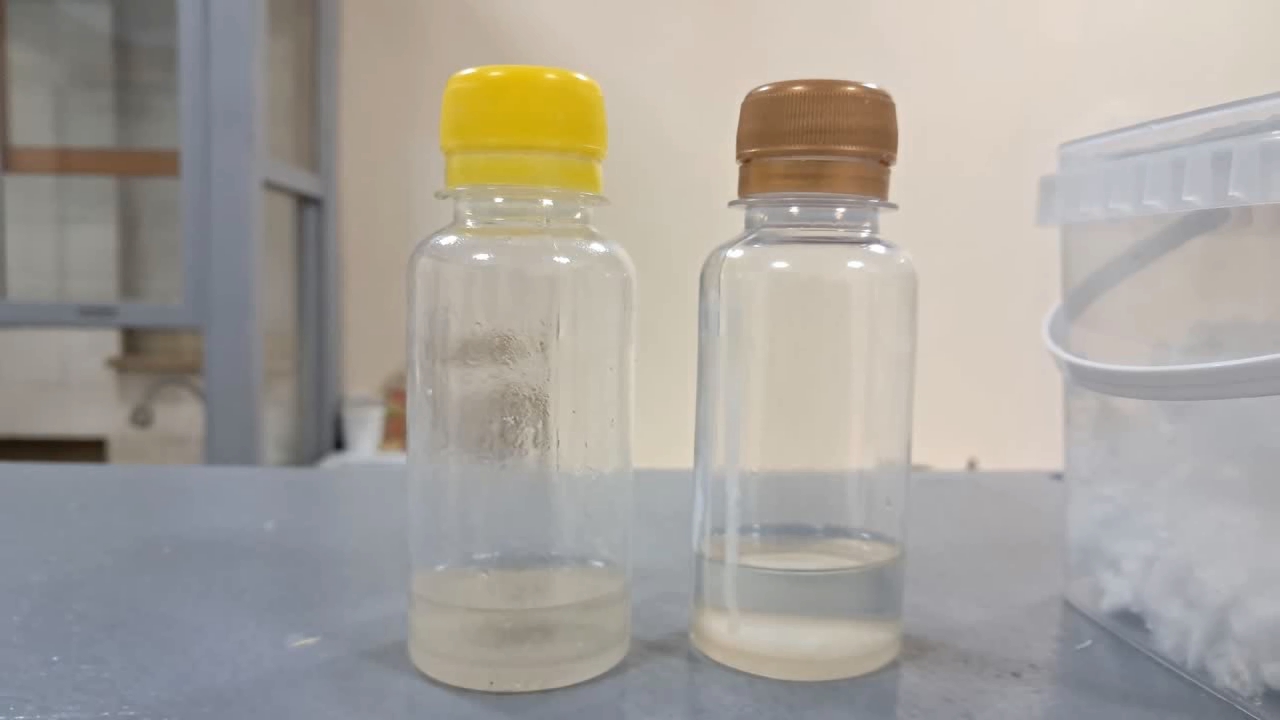
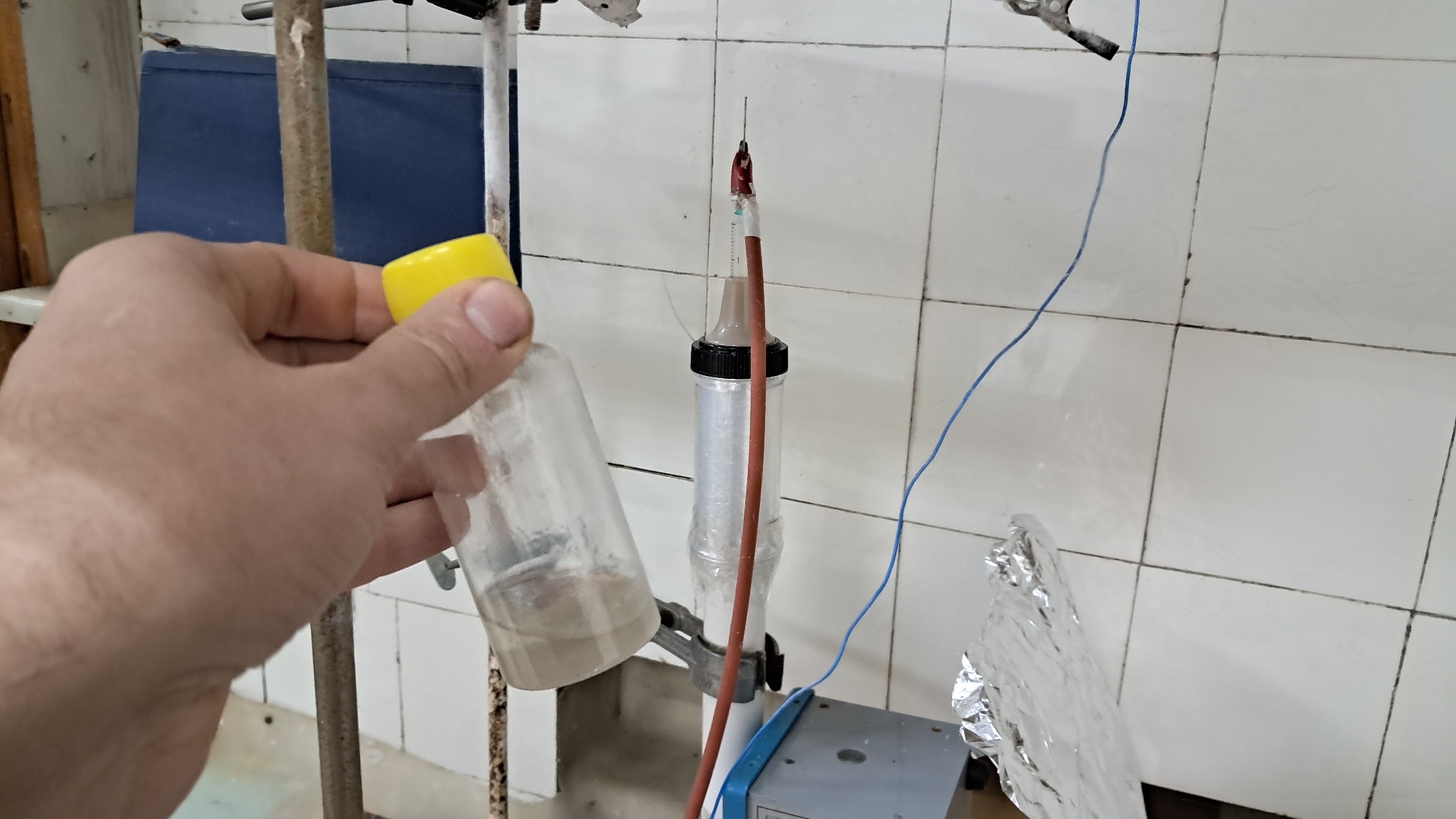
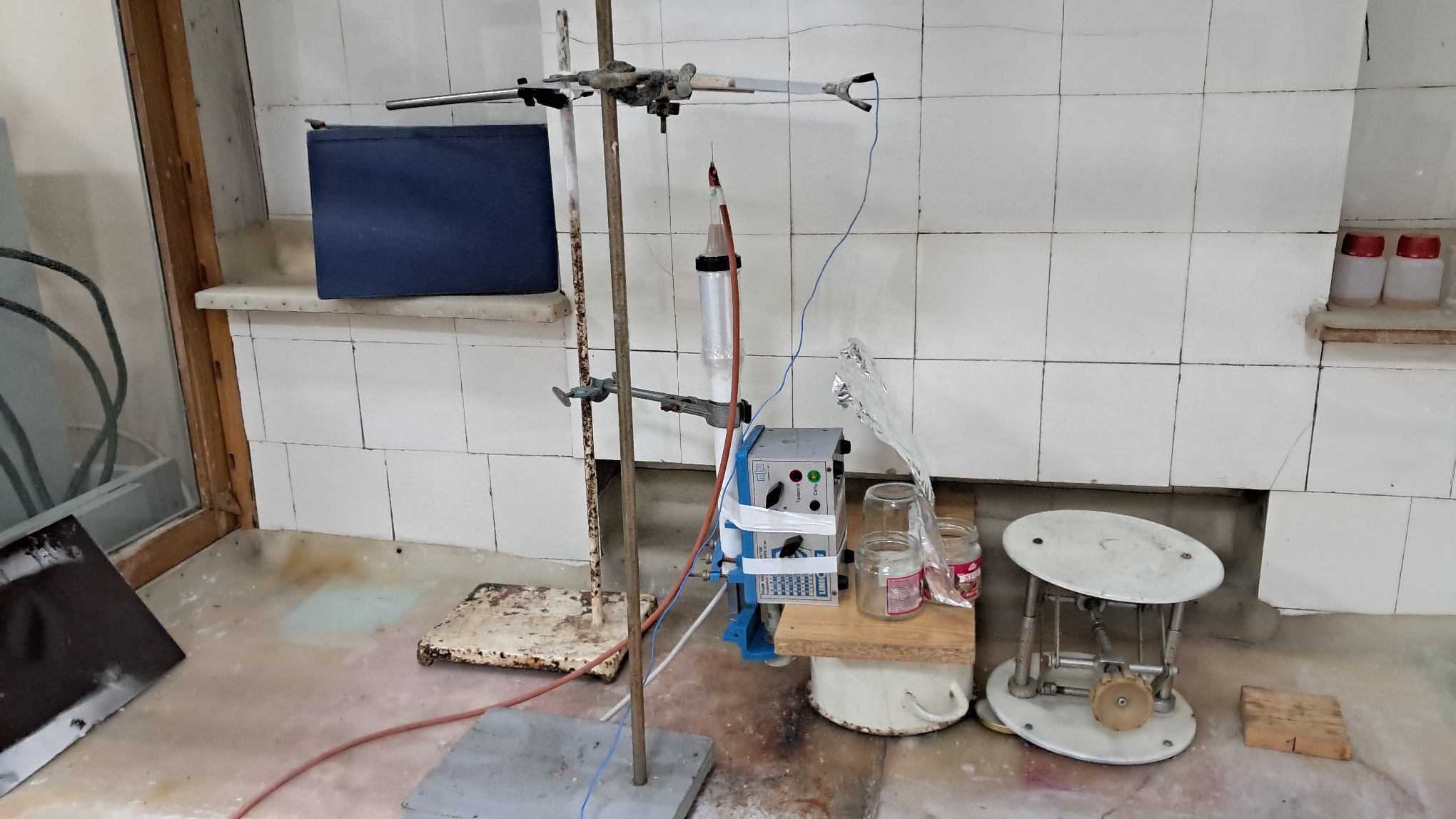
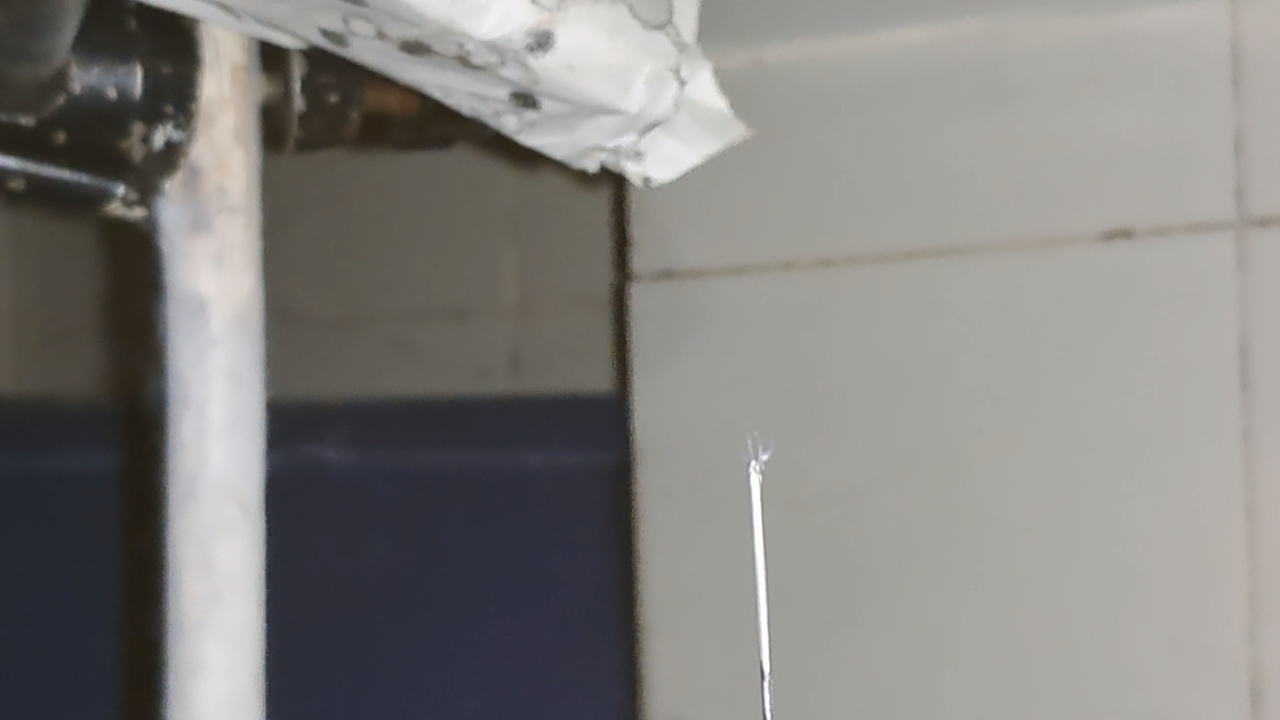
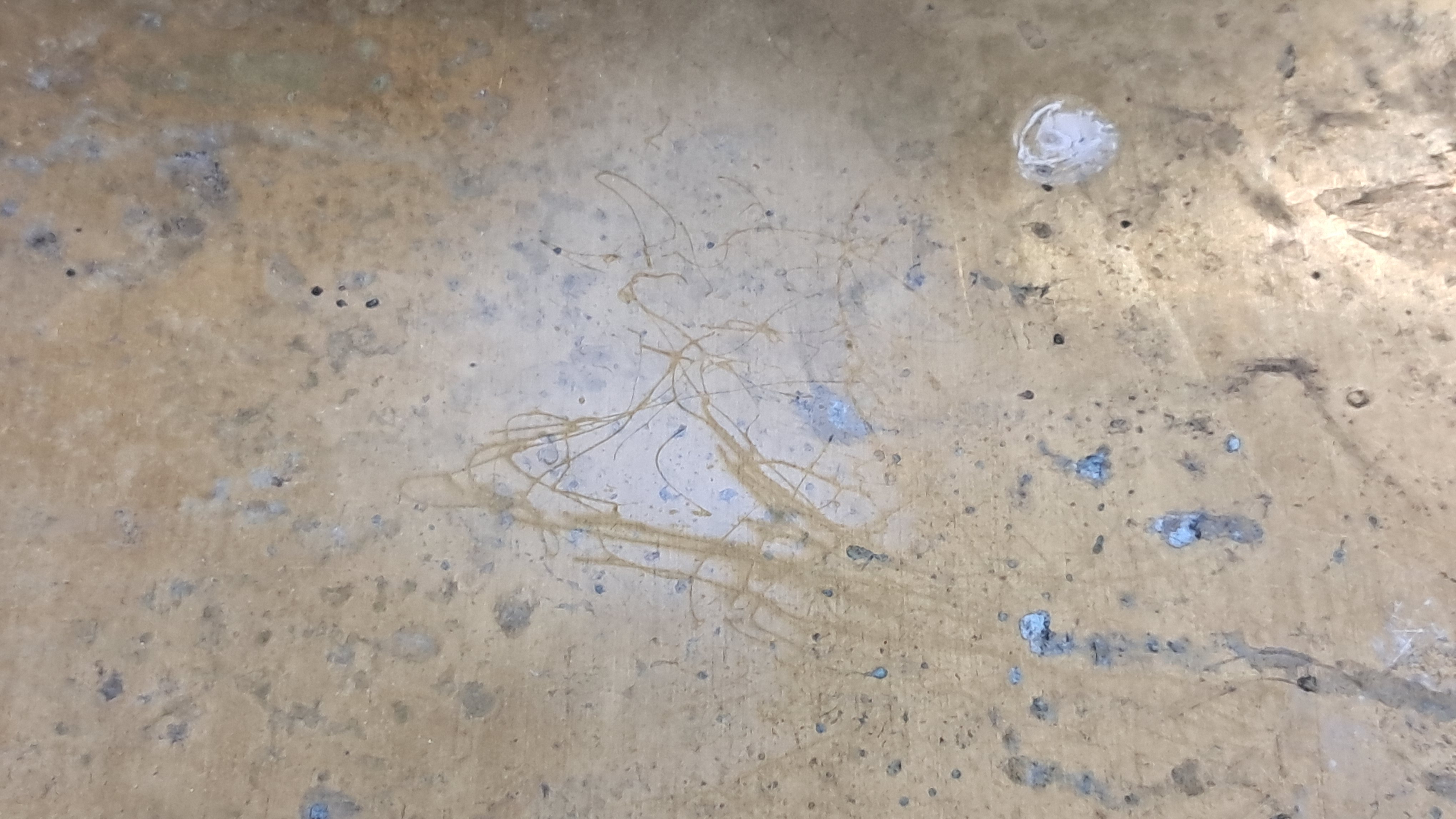
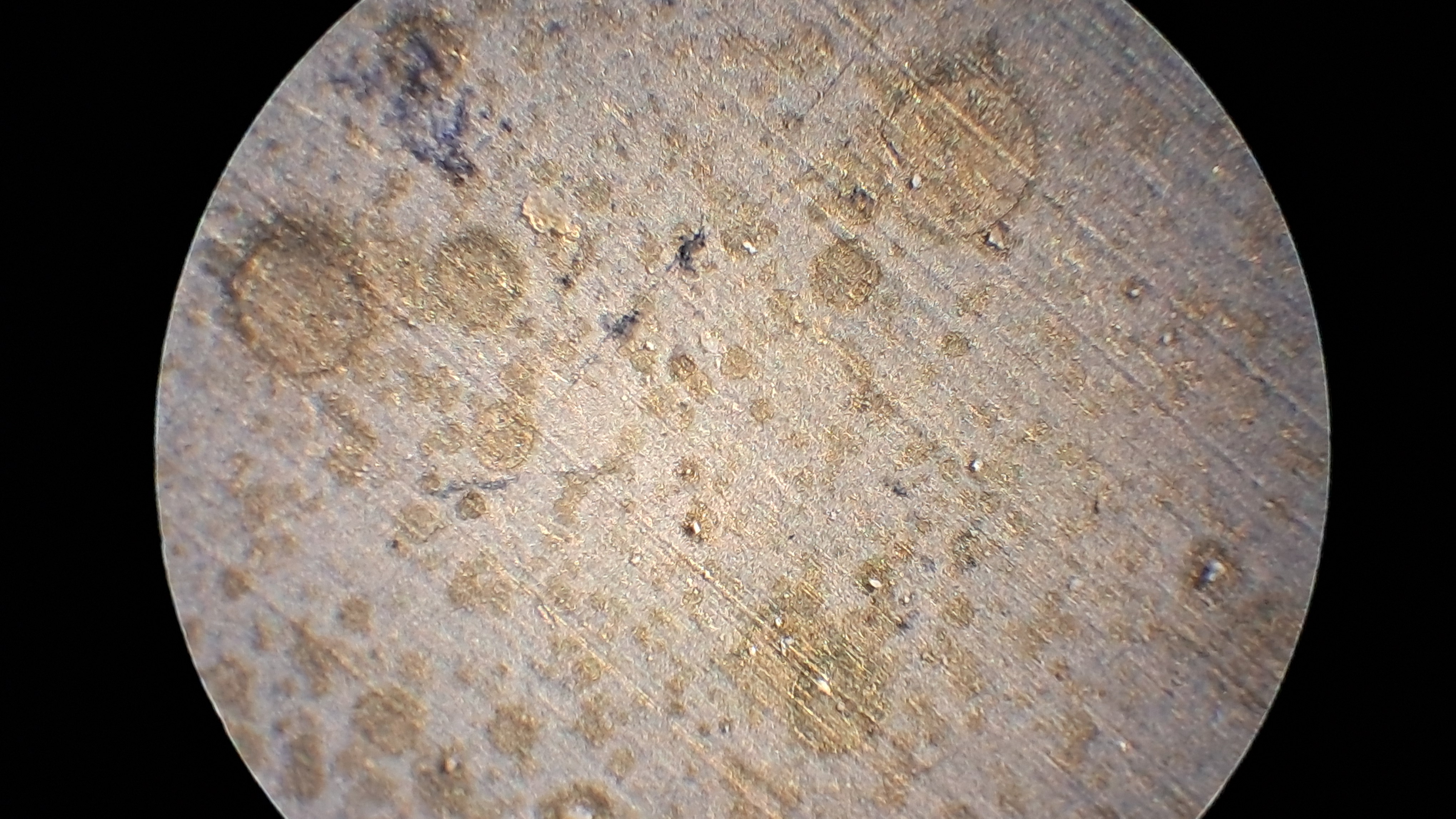
Растворение полистирола в смешанных растворителях. Метилацетат осаждает полистирол из раствора в этилацетате - Часть 11 The idea therefore arose to combine the advantages of these solvents by using mixtures. Specifically, adding ethyl acetate to methyl acetate or acetone should allow the mixture to dissolve polystyrene, while the mixed solvent should evaporate more readily during electrospinning than pure ethyl acetate. After the previous experiment, three bottles remained on the table. The first contained polystyrene (2.375 g) swollen in methyl acetate (10.250 g), the second contained polystyrene (2.495 g) swollen in acetone (10.895 g), and the third contained a solution of polystyrene in the "Acetone+" solvent. I added 11.080 g of ethyl acetate to the bottle containing polystyrene and acetone, capped it, shook it, and left it overnight. It turned out that the polystyrene dissolved only partially, forming a compact, translucent layer at the bottom of the bottle. For the bottle containing polystyrene and methyl acetate, I used a more visual approach. I poured the liquid from the bottle into a beaker and then added ethyl acetate to the swollen polystyrene in portions, stirring the contents. It took about 7.5 g of ethyl acetate and several hours to form a viscous polystyrene solution. I then returned some of the methyl acetate that had previously been drained from the swollen polystyrene back into the same bottle. The top layer of methyl acetate immediately turned white and cloudy, indicating the transition of polystyrene from the dissolved state to the solid phase. I shook the bottle, and a white polystyrene precipitate formed. After adding the remaining methyl acetate and shaking again, a voluminous, viscous polymer precipitate formed in the bottle. Overnight, the precipitate compacted, forming a translucent layer of polystyrene at the bottom. Thus, the addition of methyl acetate caused polystyrene to precipitate from its solution in ethyl acetate. However, a small amount of polymer remained dissolved - after drying, the liquid left behind a white film of polystyrene. The exact polymer concentration in the solution was not critical; what mattered was whether the solution was suitable for the electrospinning process. Therefore, instead of performing a gravimetric analysis to determine the polystyrene concentration, I used the solution directly for electrospinning. The video showed jets of liquid emerging from the needle, visually reminiscent of my unsuccessful experiments with a PVDF solution in DMF. A small white deposit formed on the collector. Microscopic examination of this material revealed the presence of small, solidified aerosol droplets and a complete absence of fibers. The polymer concentration was too low, and consequently, the solution viscosity was insufficient. As a result, the jets emerging from the needle did not form fibers but instead disintegrated into small droplets. To obtain fibers, the polystyrene concentration must be increased by using solvents other than methyl acetate and acetone. P.S. Unfortunately, the video is of poor quality. I will try to re-shoot it when possible. |
Methyl Acetate Precipitates Polystyrene from Solution in Ethyl Acetate |
|
|
|
|
|
|
|
|
|
|
|
|
|
|
|
|
|
|
|
|
|
|
Electrospinning |
|
|
|
|
