Content Chemistry experiments - video Physics experiments - video Home Page - Chemistry and Chemists

Chemistry and Chemists № 1 2026

Journal of Chemists-Enthusiasts
Donate to the journal Chemistry and ChemistsDonate to the journal Chemistry and Chemists


Electrospinning - pt.18, 19


Chemist


Having noticed a mistake in the text, allocate it and press Ctrl-Enter


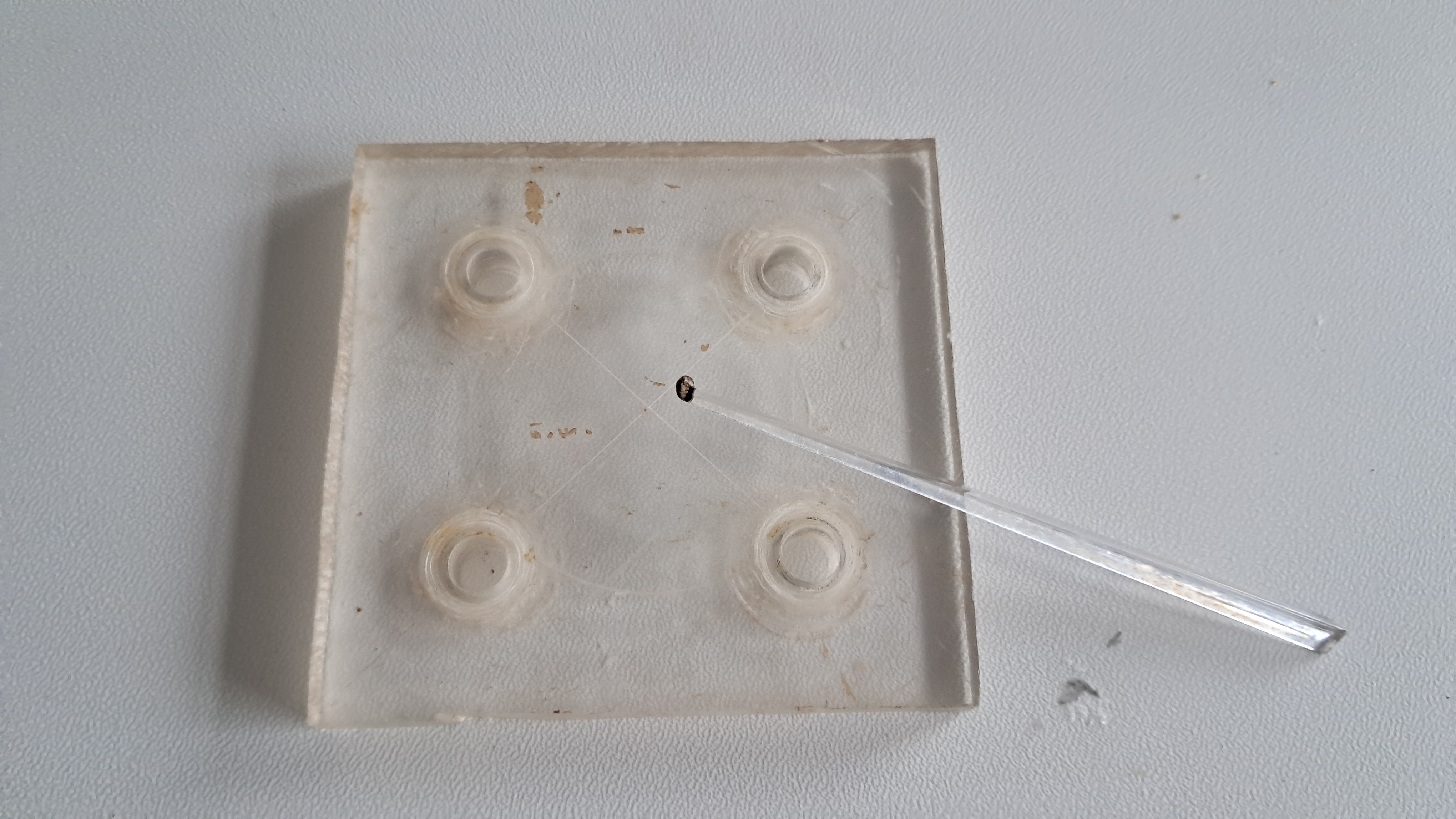
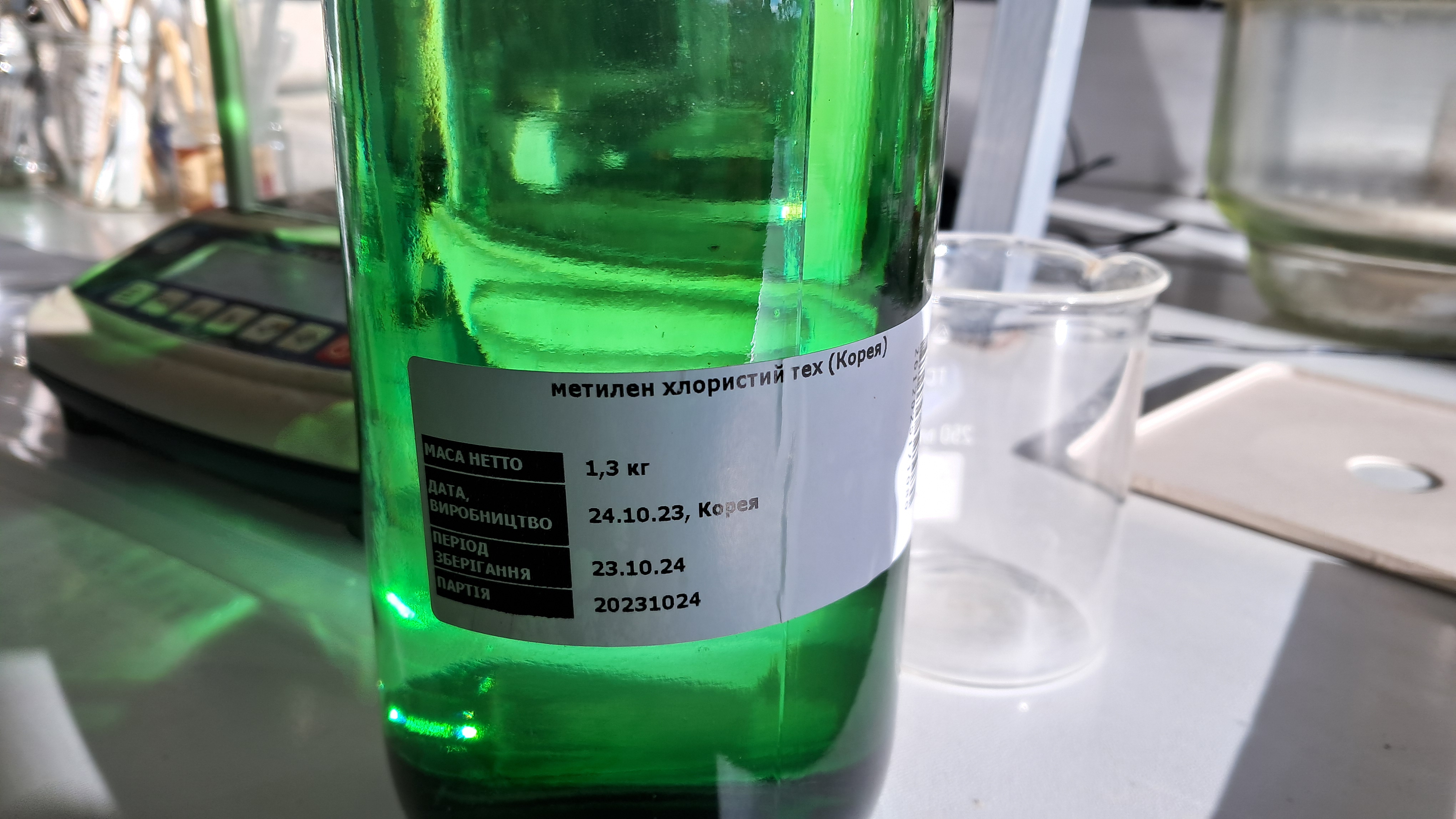
In response to my question, the chemist colleague recommended using organochlorine solvents - methylene chloride, chloroform, or dichloroethane - to dissolve polymethyl methacrylate (PMMA). I chose methylene chloride because it has the lowest boiling point. He also provided me with several PMMA samples. These included a plexiglass plate from his electrodialysis unit, several transparent rods, and a plastic Petri dish.

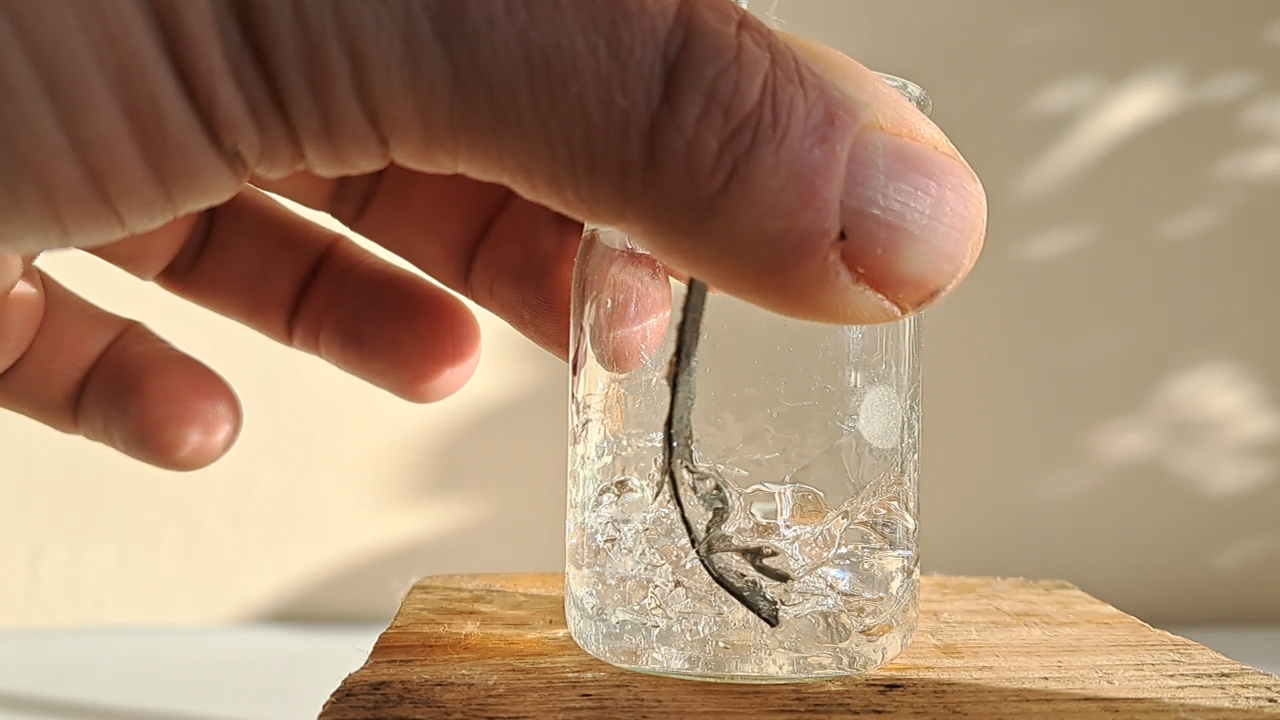
I did not believe the Petri dish was made of PMMA, recalling the story with the DVD boxes (see Part 16). It was tempting to use the transparent rods to prepare the solution, since the plate was thick and durable and difficult to break into pieces. However, I had doubts - the rods looked more like polystyrene than polymethyl methacrylate. To test this hypothesis, I placed one of the rods in a flame. The plastic melted and burned with a yellow, smoky flame, emitting an odor similar to burning polystyrene. From childhood, I remembered that burning PMMA smells completely different. In the literature, this odor is often described as "the smell of rotten vegetables."

I had to go to another laboratory to break off pieces of the PMMA plate with a hammer. It was winter, and the room was unheated - the temperature was only a few degrees above freezing. When I entered the lab, I was horrified: it was cold and damp. How had I ever worked in this room before? I hammered off several pieces of the plate, which should have been sufficient for my experiments.

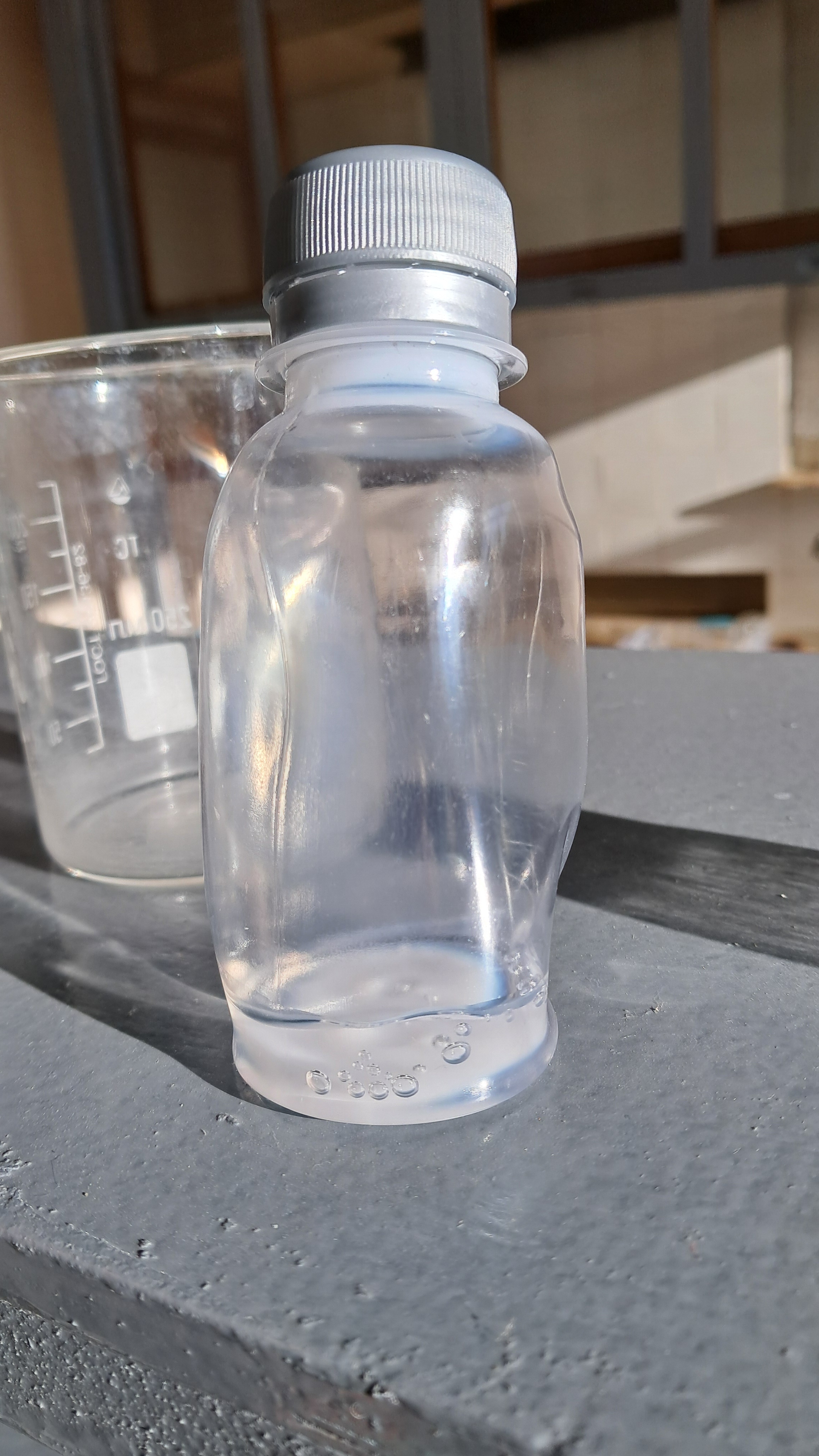
I had no glass containers or bottles available, so I had to carry out the dissolution in a PET bottle, even though I knew this plastic might be unstable in methylene chloride.

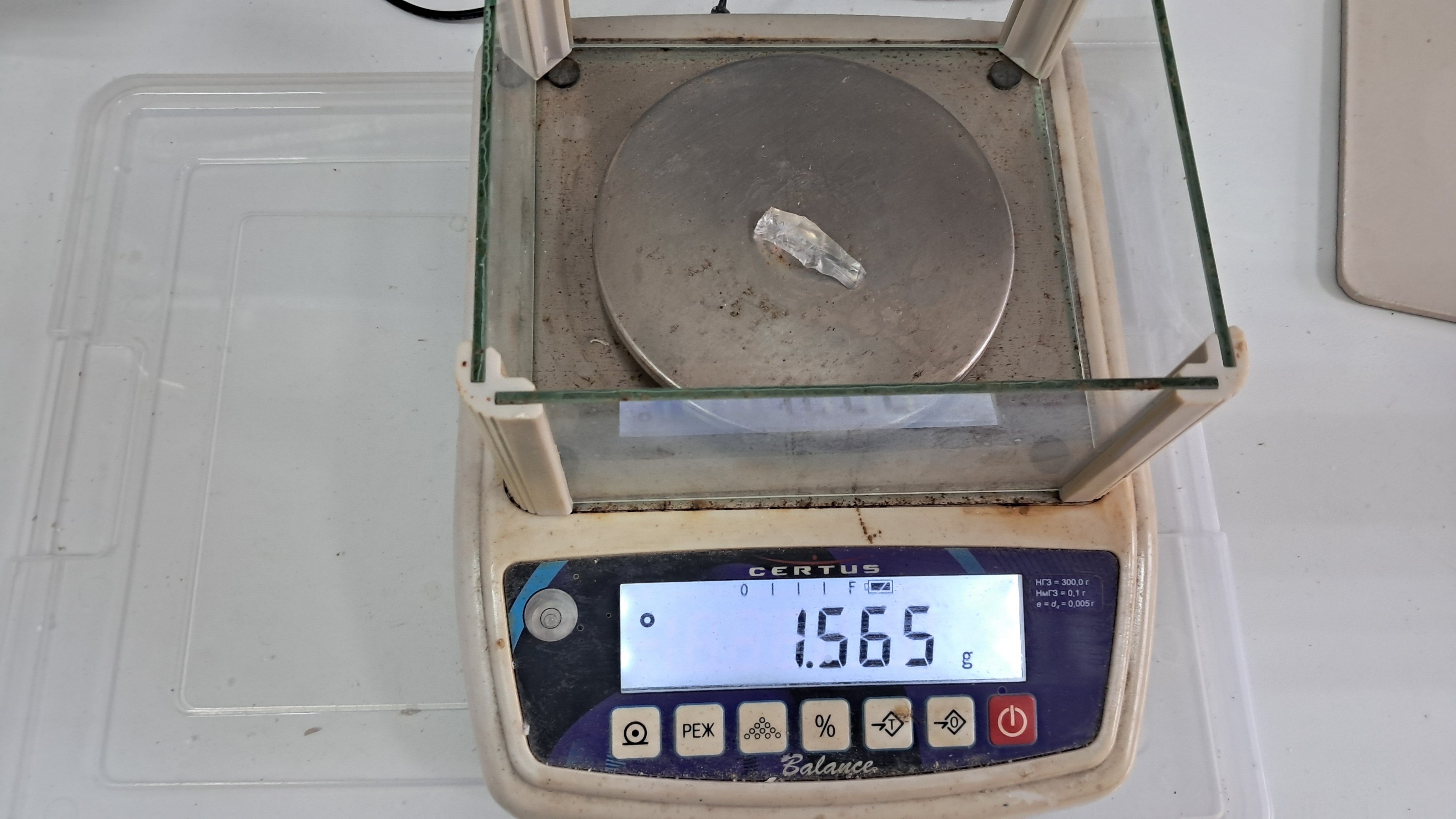
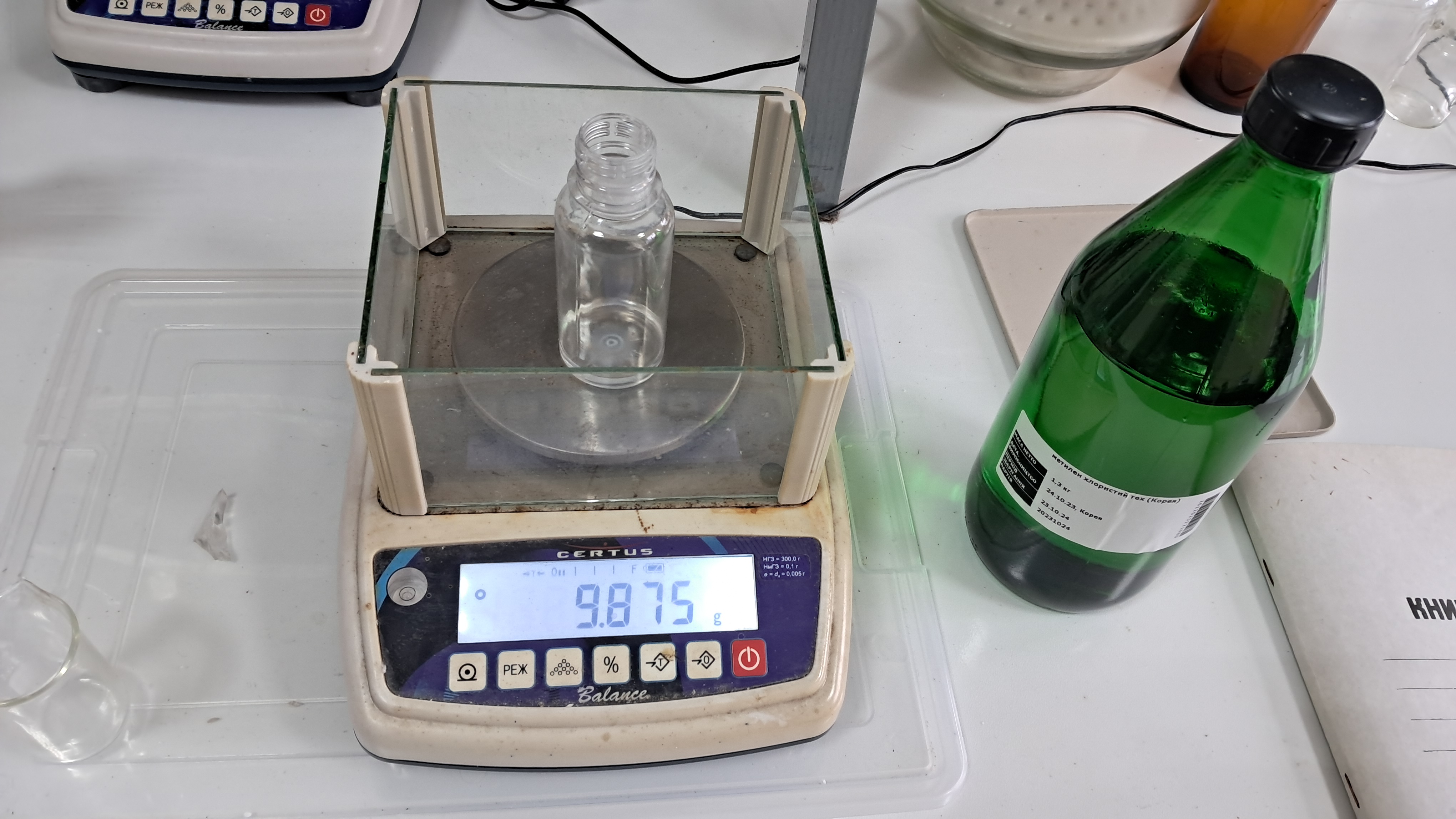
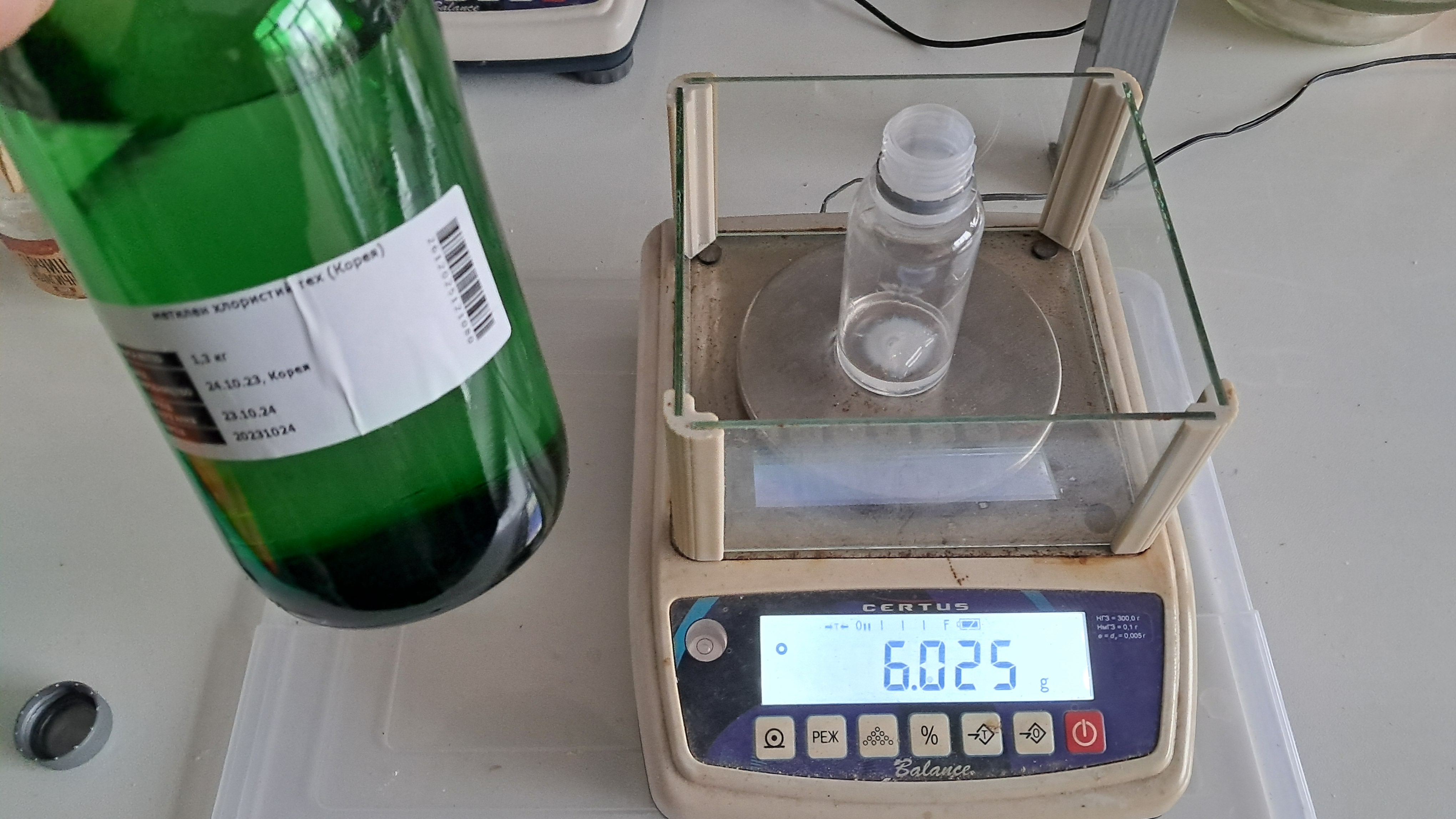
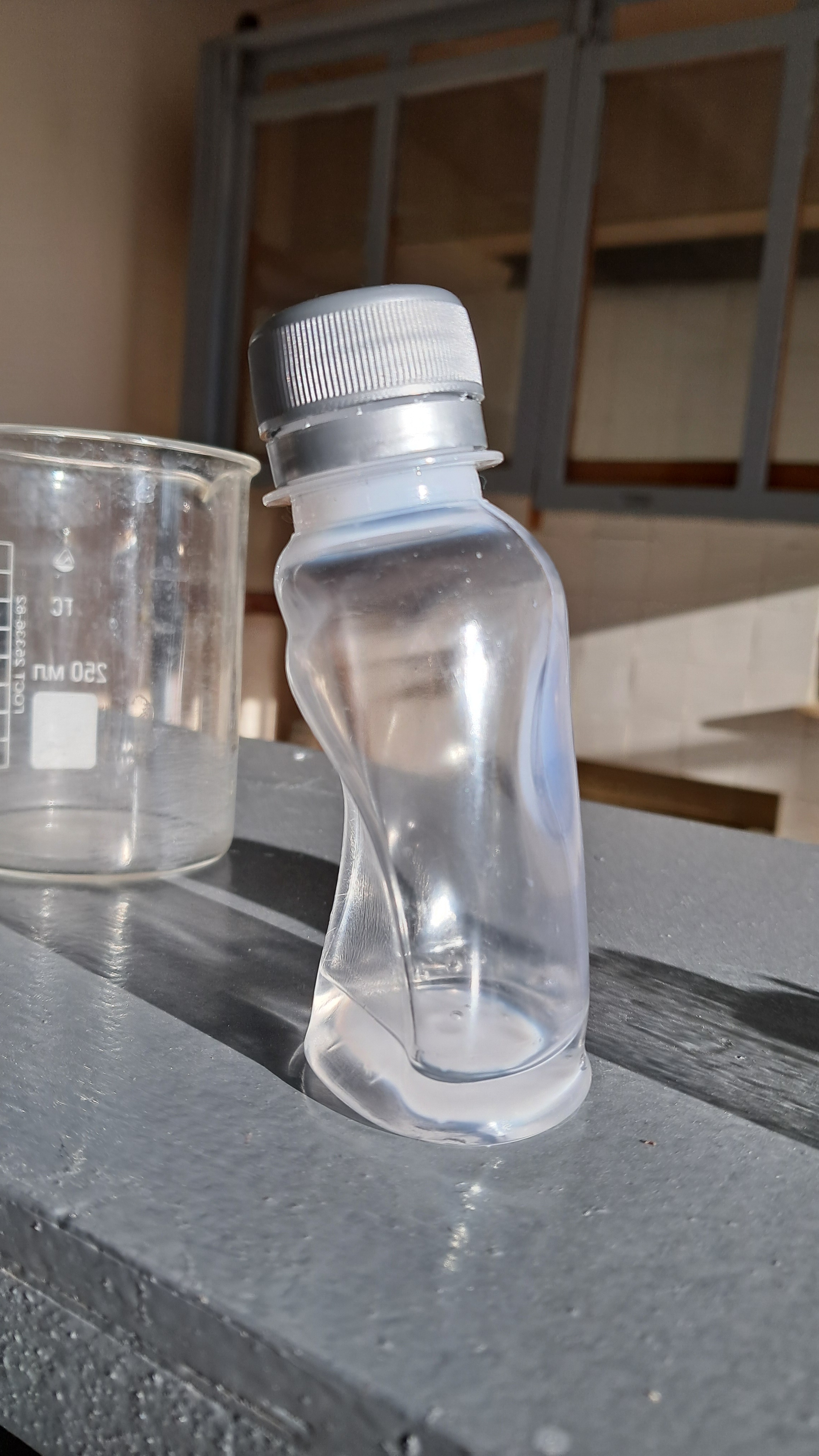
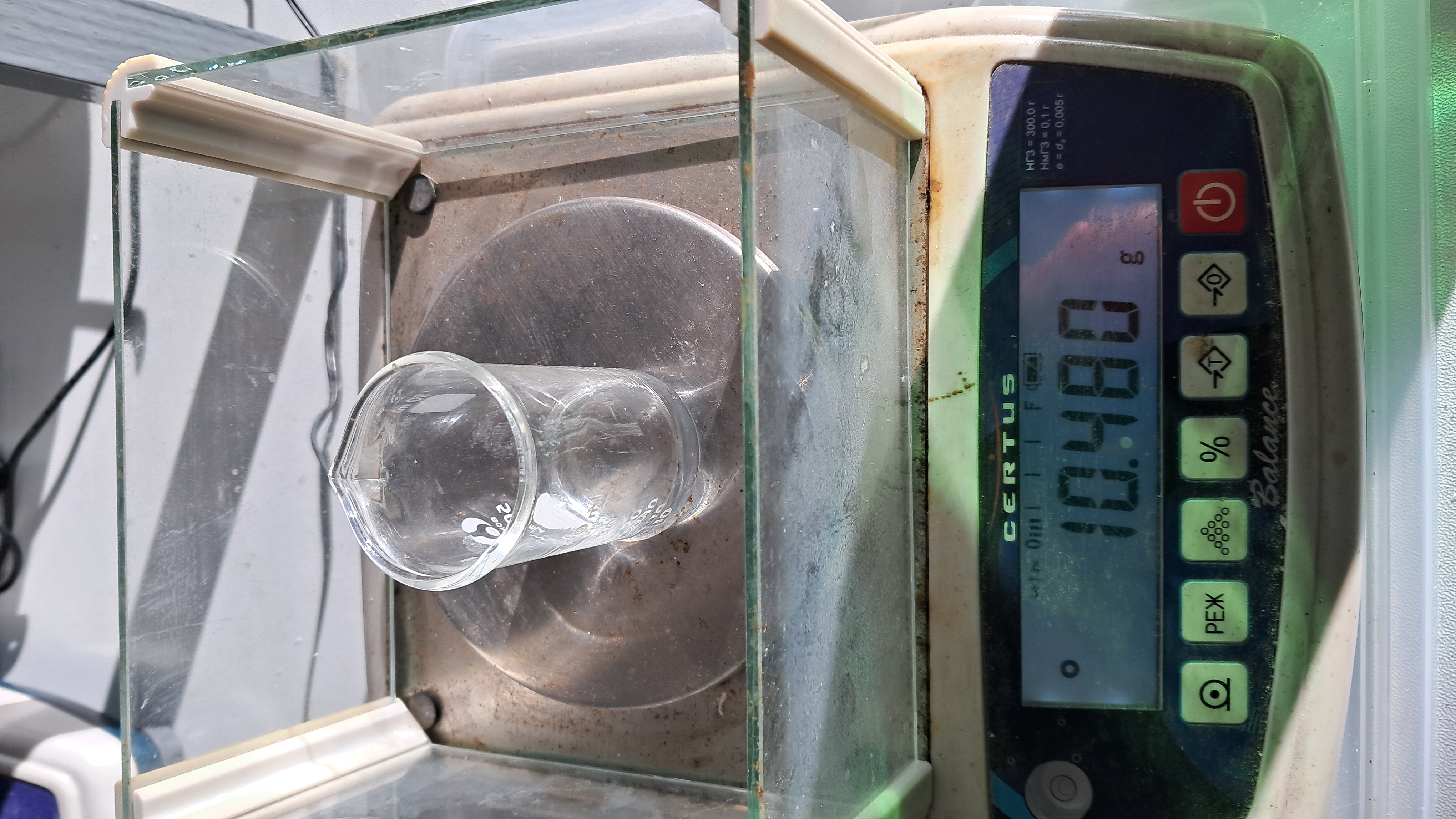
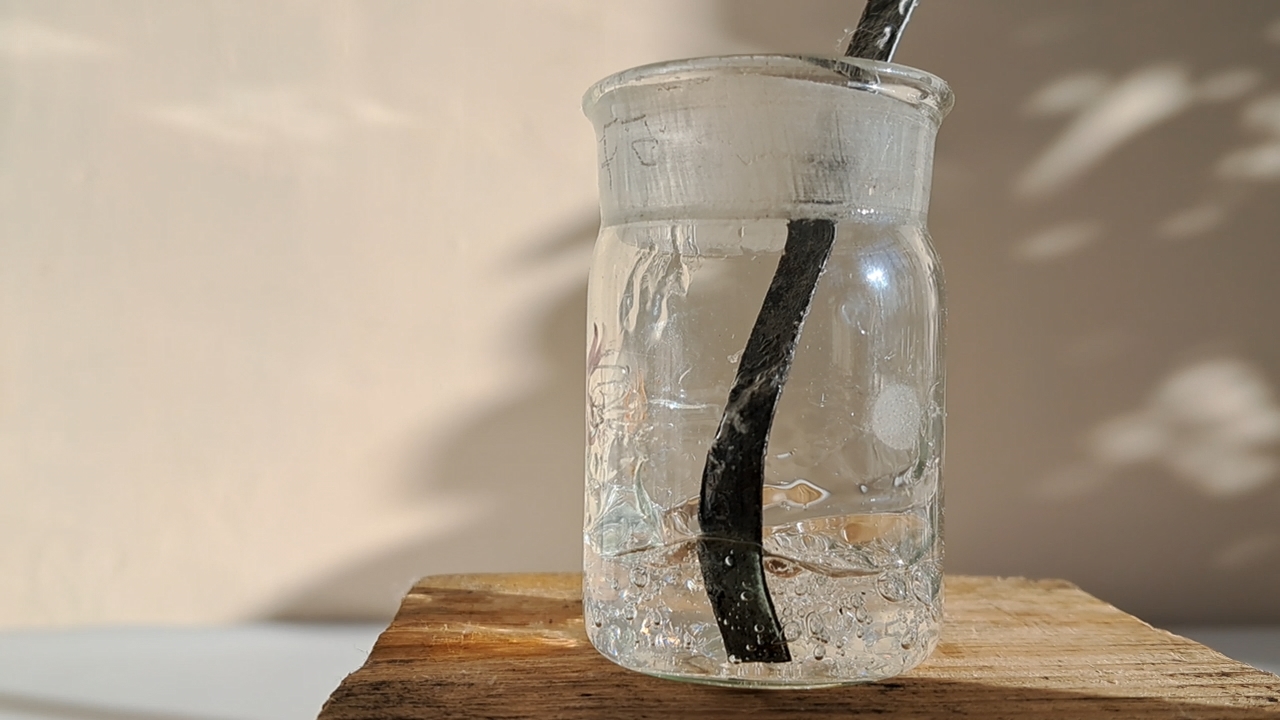
I placed 1.565 g of polymethyl methacrylate and 9.875 g of dichloromethane into the bottle and screwed the cap on tightly. The bottle began to turn white in places and wrinkle, and the PMMA started to swell. After some consideration, I added another 6.025 g of dichloromethane.

The next day was Christmas Eve (called "Holy Evening" in our language), but during wartime, holidays are officially considered working days in our country. In practice, no one at the institute forces employees to come in on holidays - it is voluntary. I came because I wanted to continue the experiments. I did not arrive in the morning, but at 1:00 p.m., when the power supply was scheduled to resume.

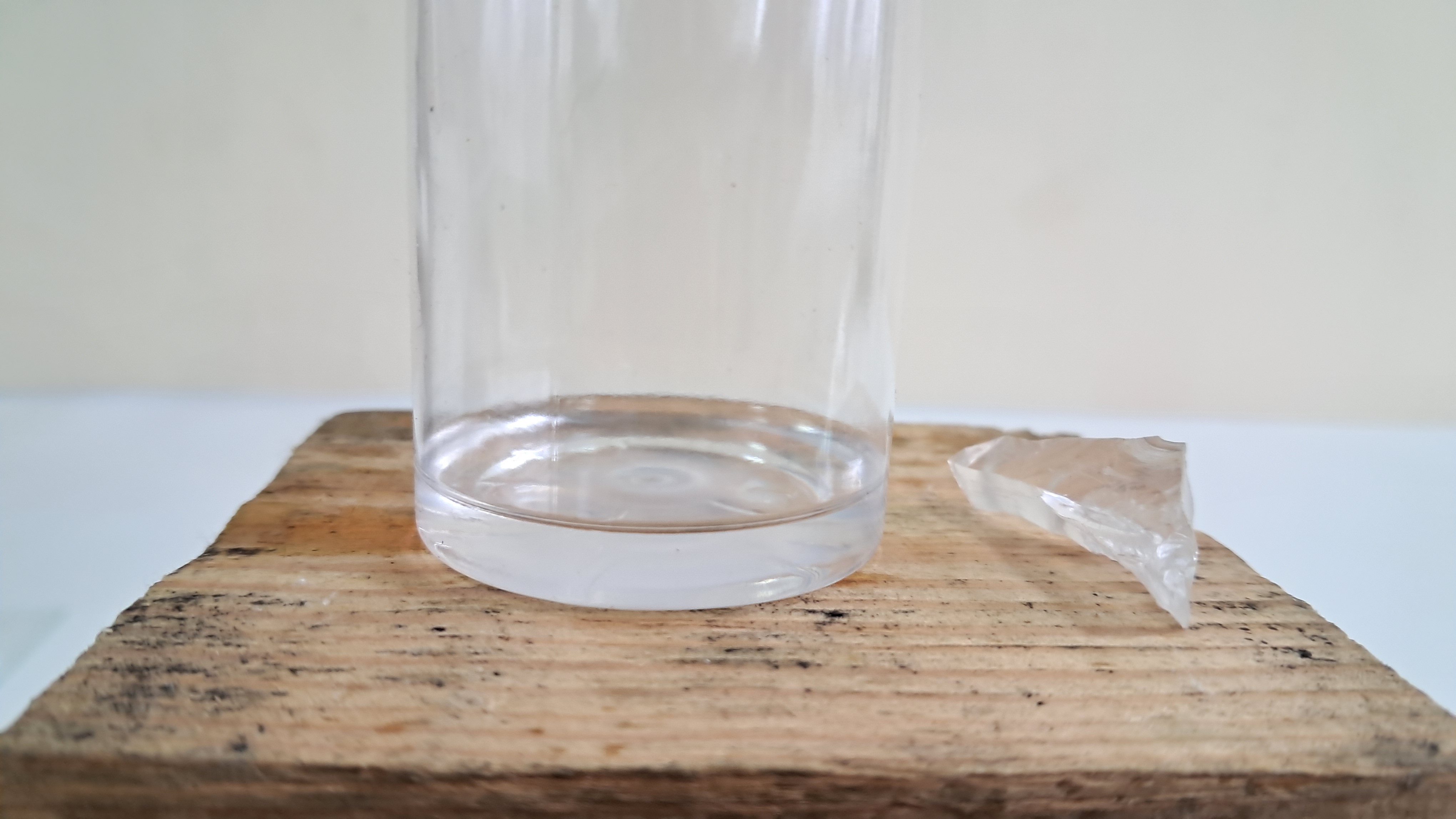
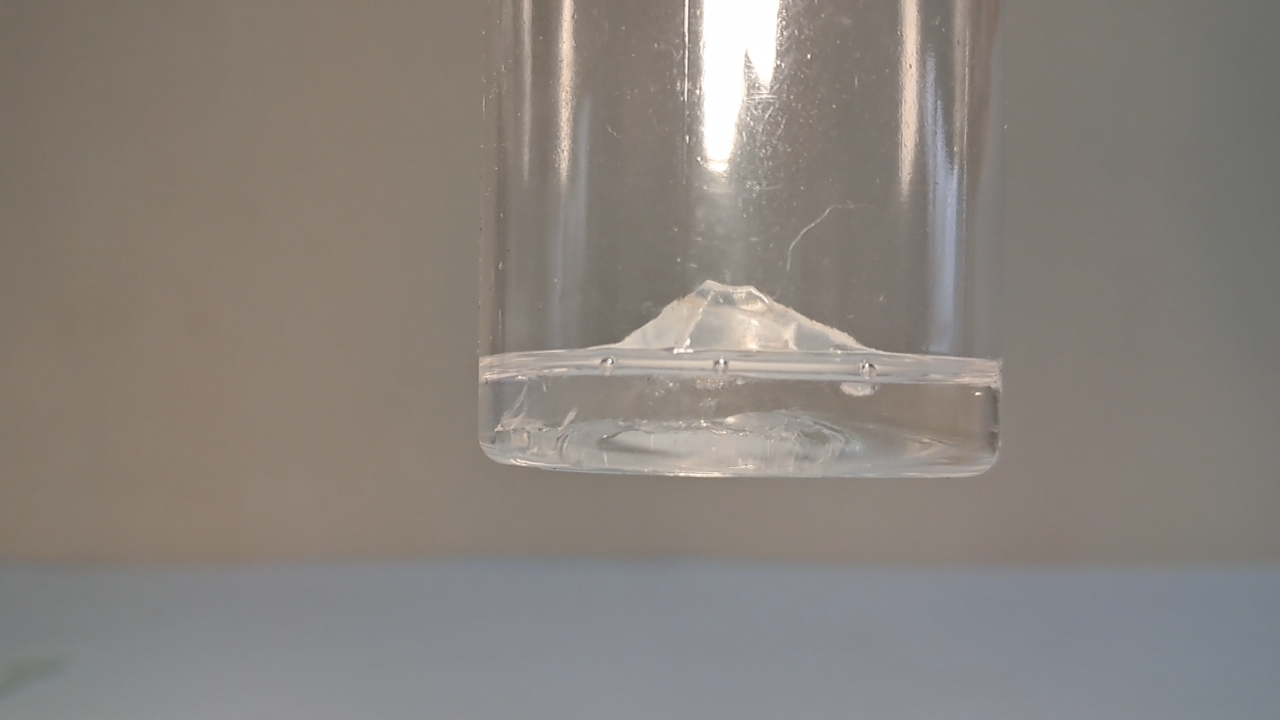
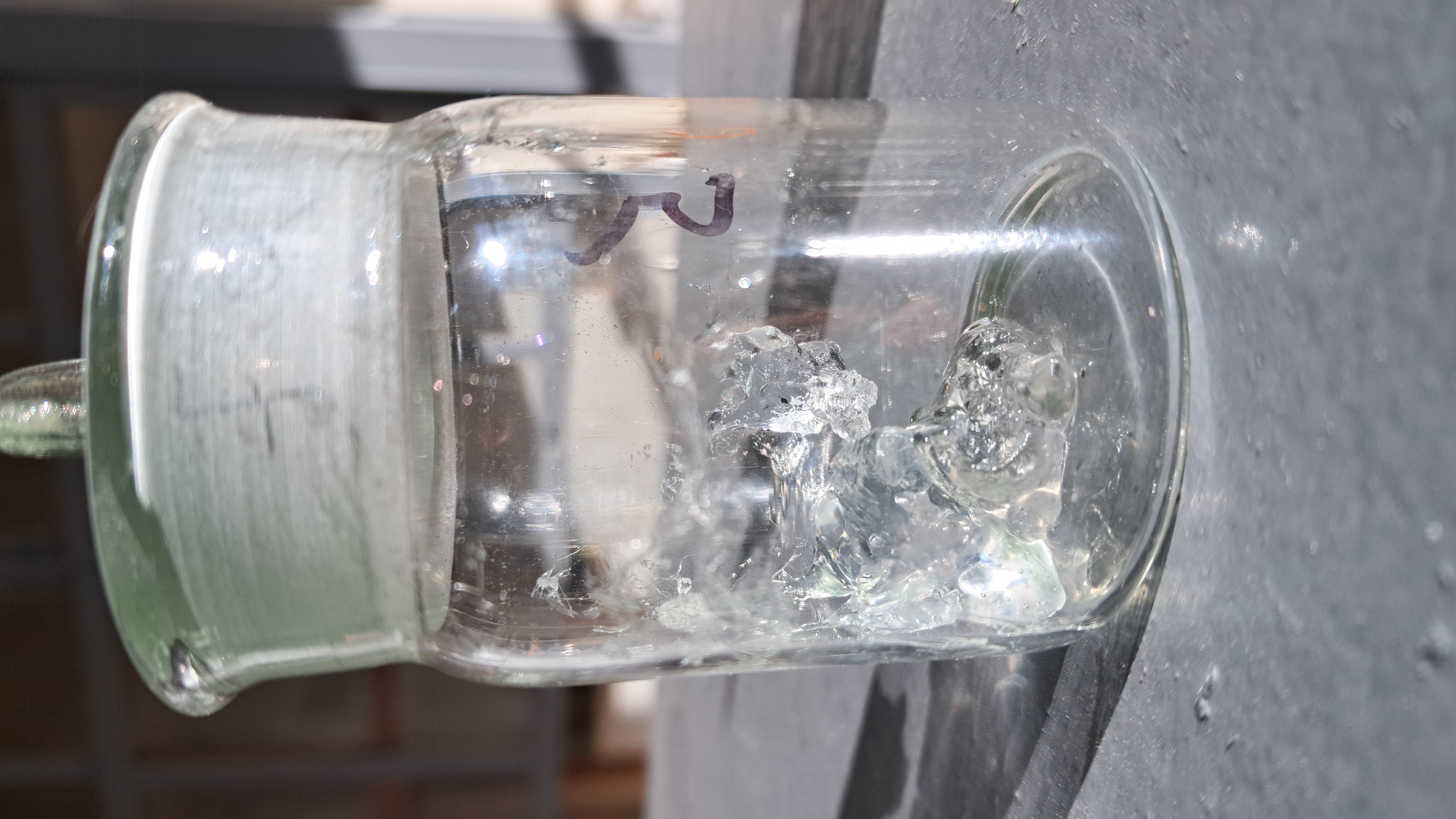
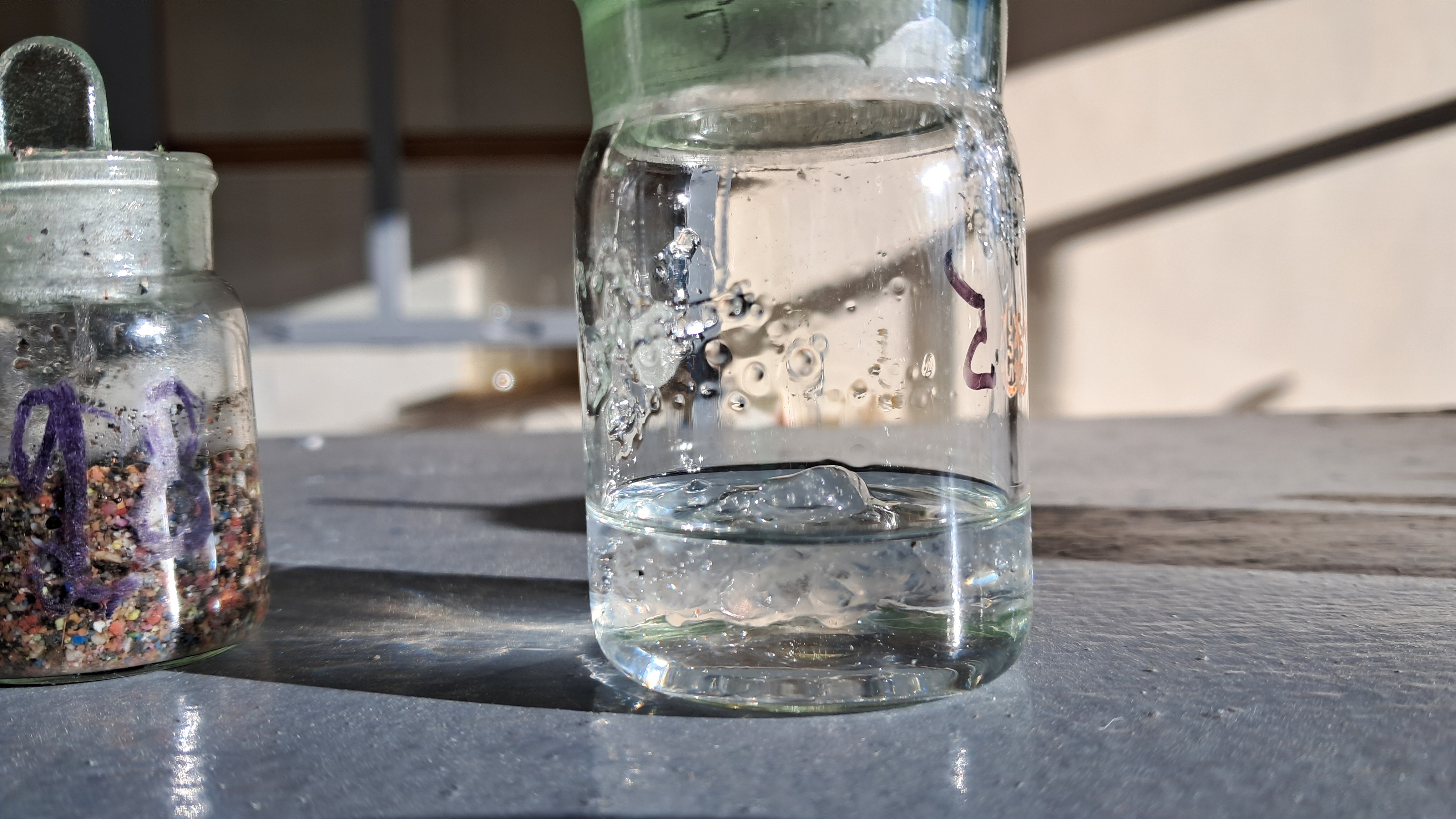
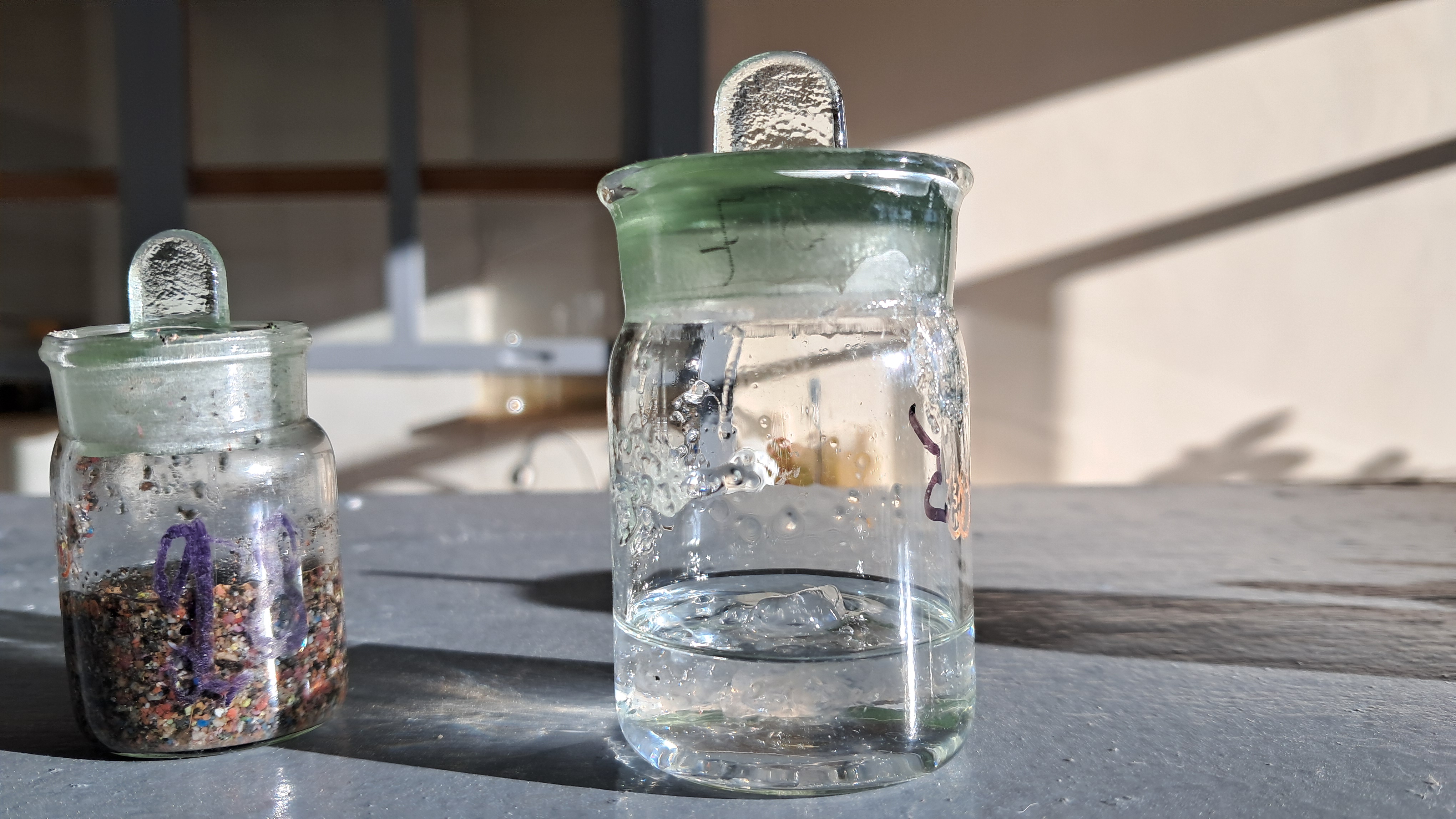
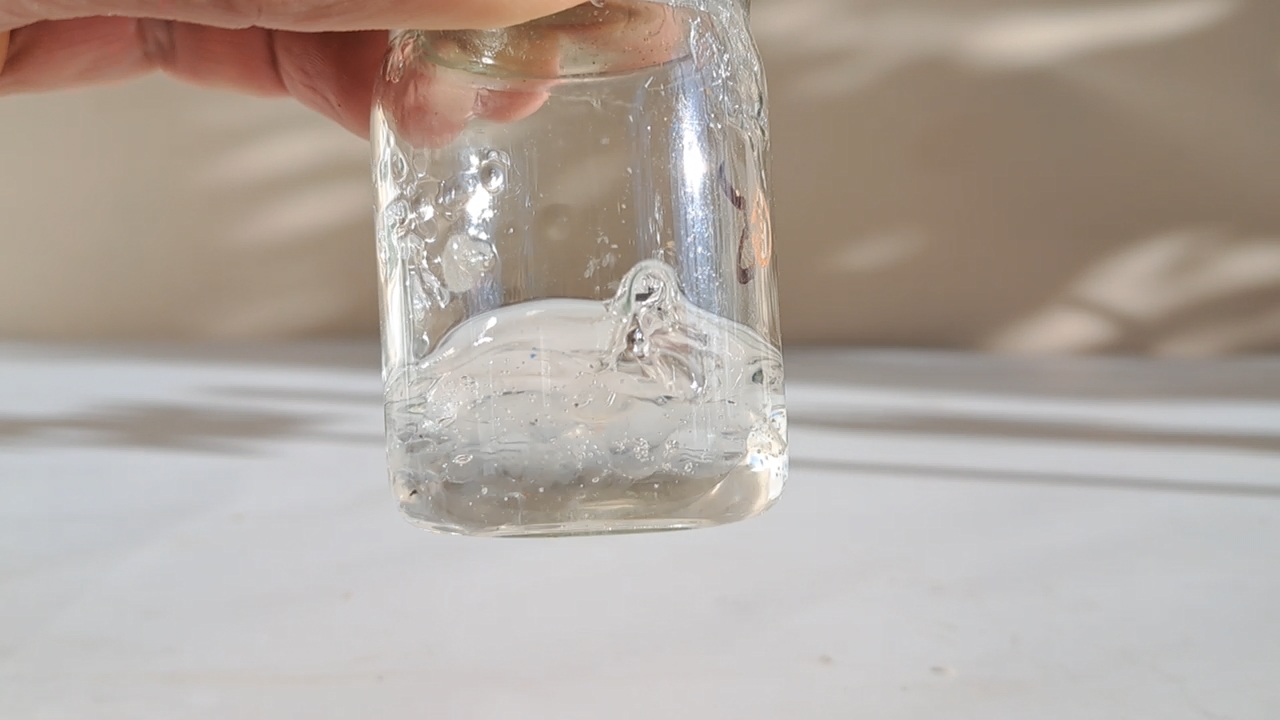
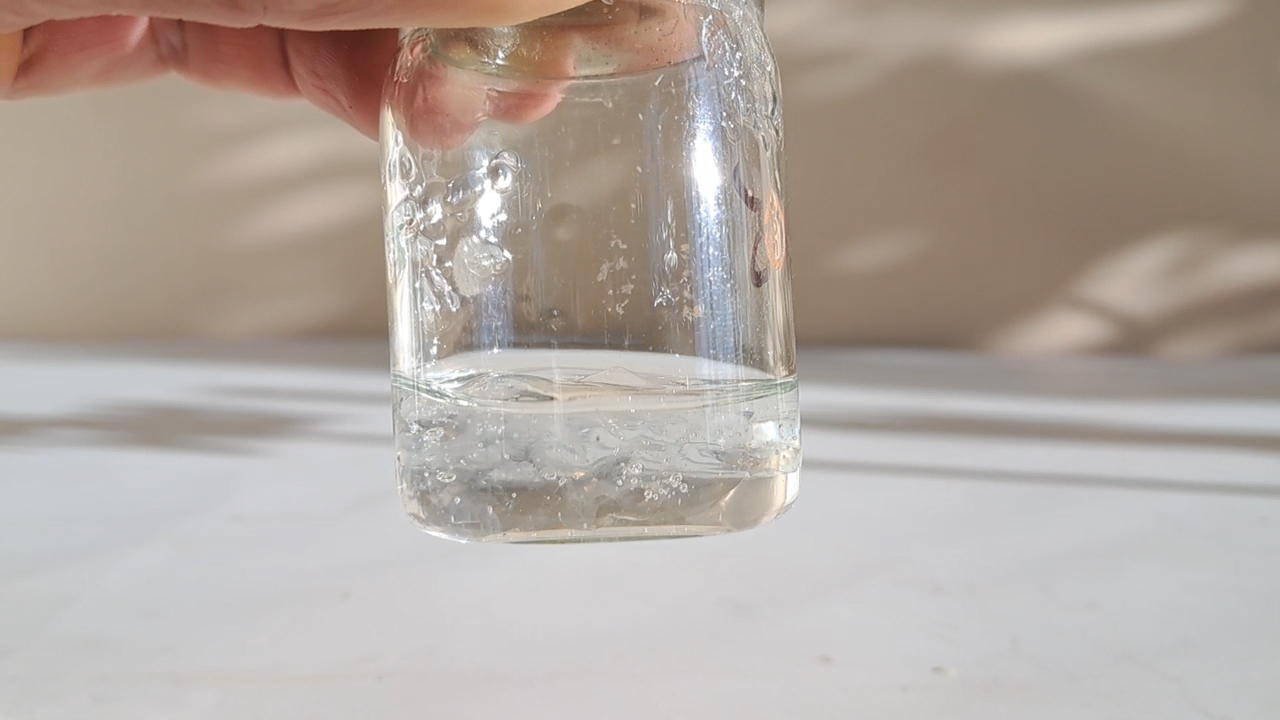
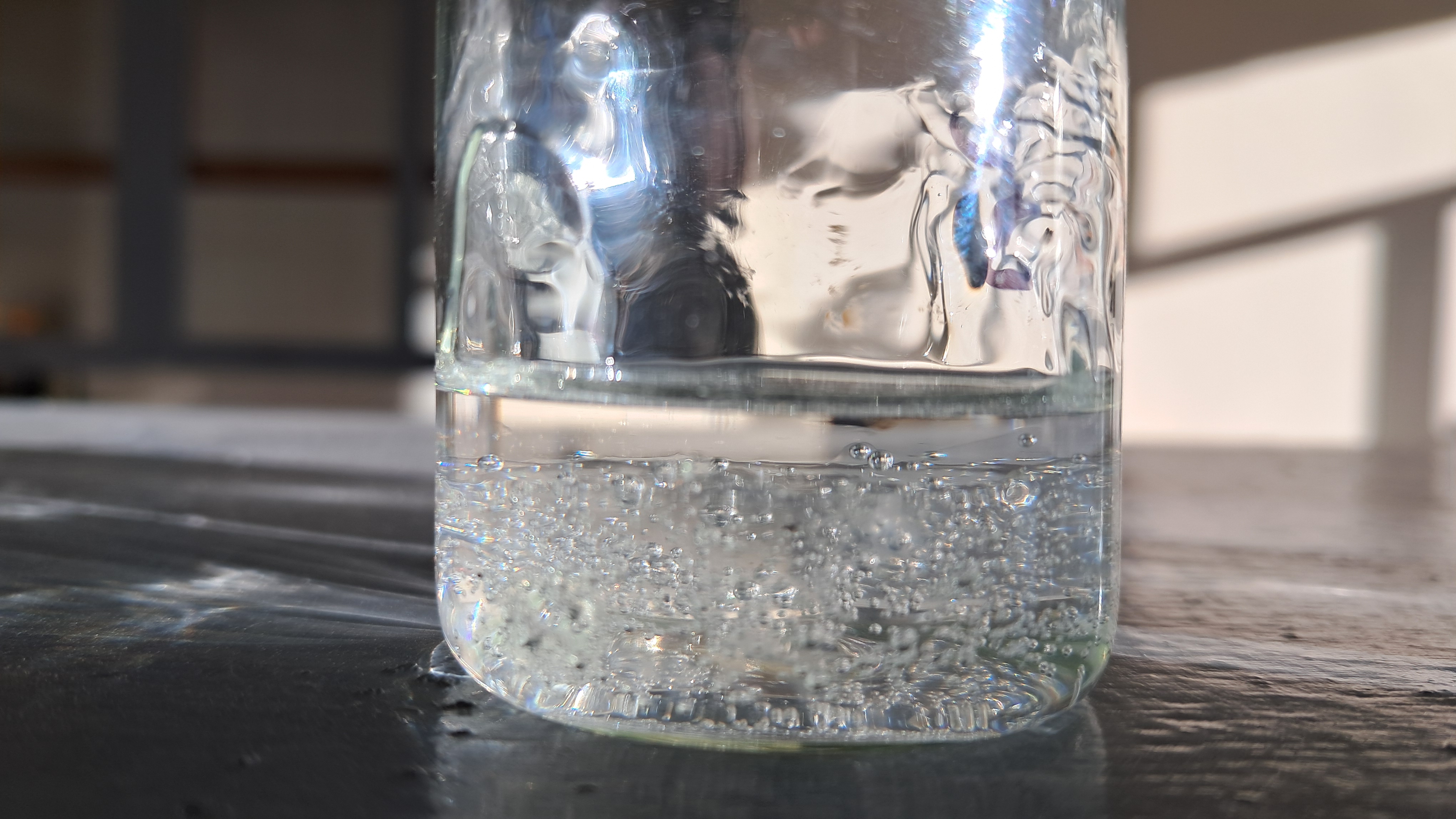
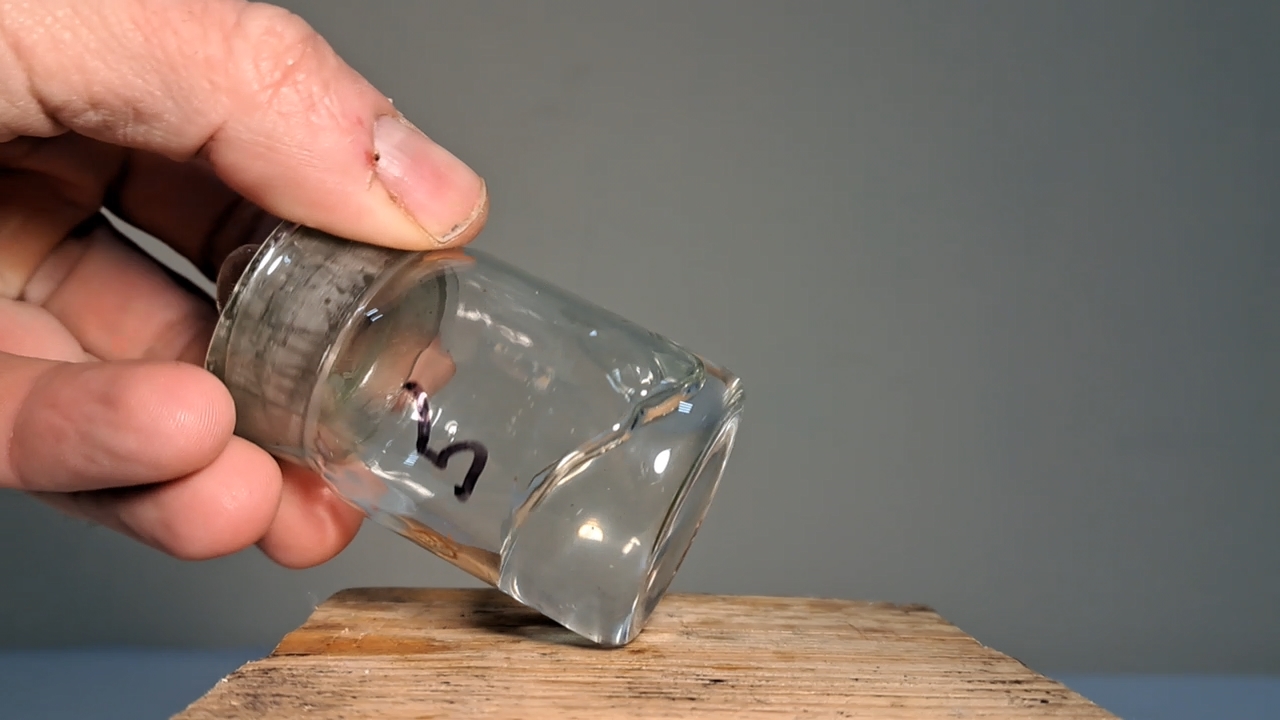
When I arrived, I discovered that the walls of the PET bottle had wrinkled significantly, and the polymethyl methacrylate and dichloromethane had formed a transparent gel that did not flow. I had hoped that a flowing solution would form, which I could use for electrospinning once the power was restored.

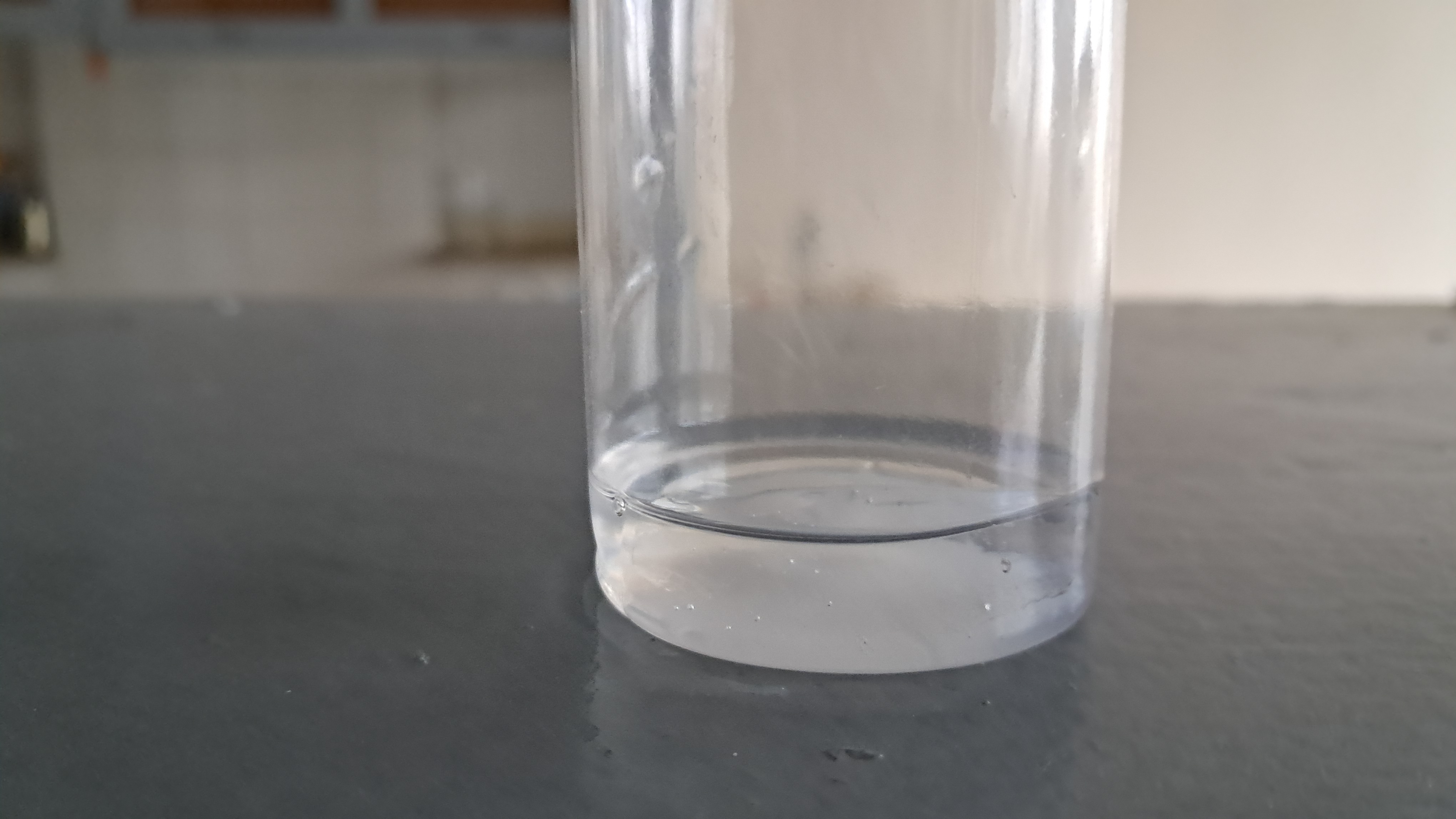
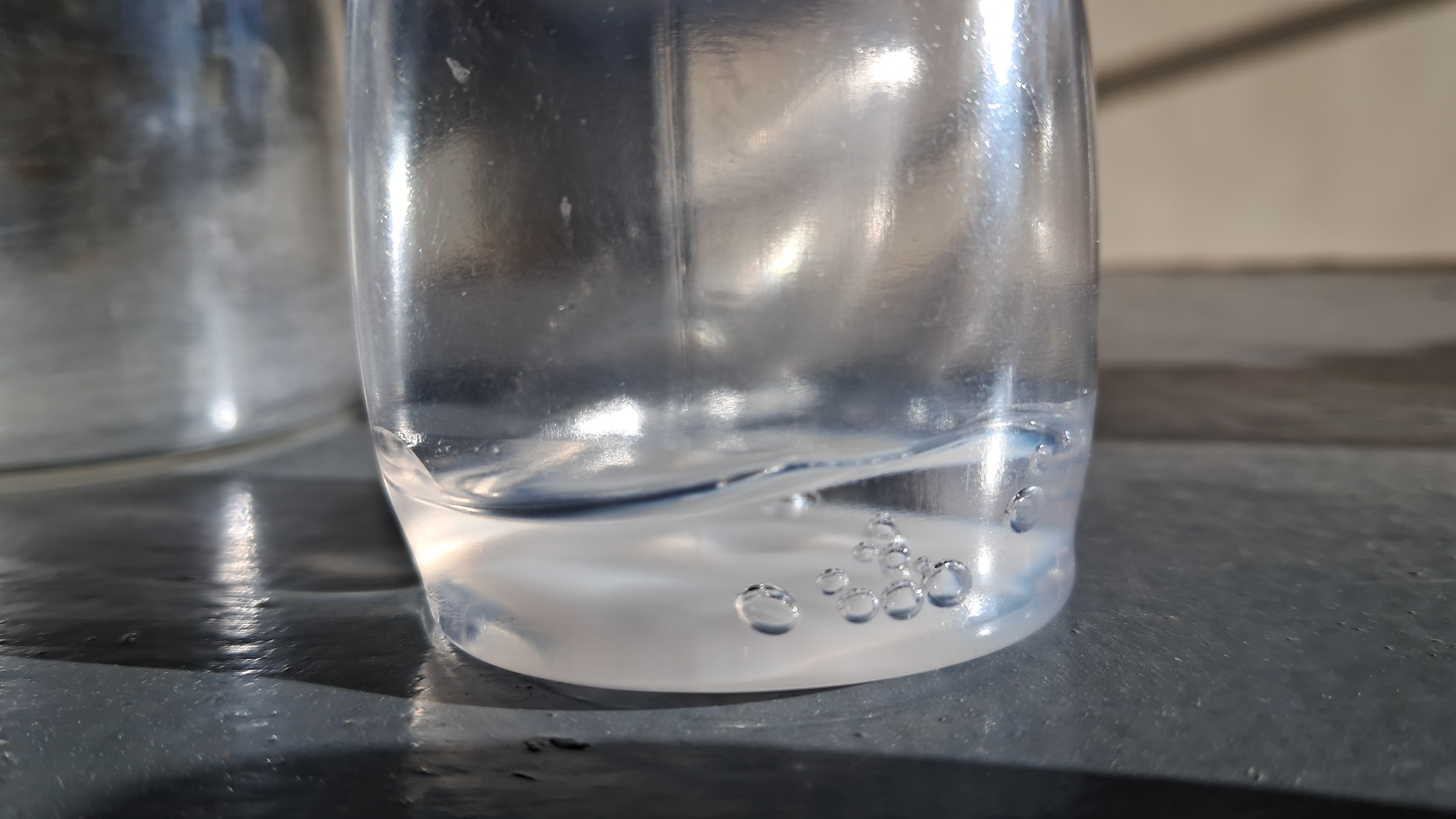
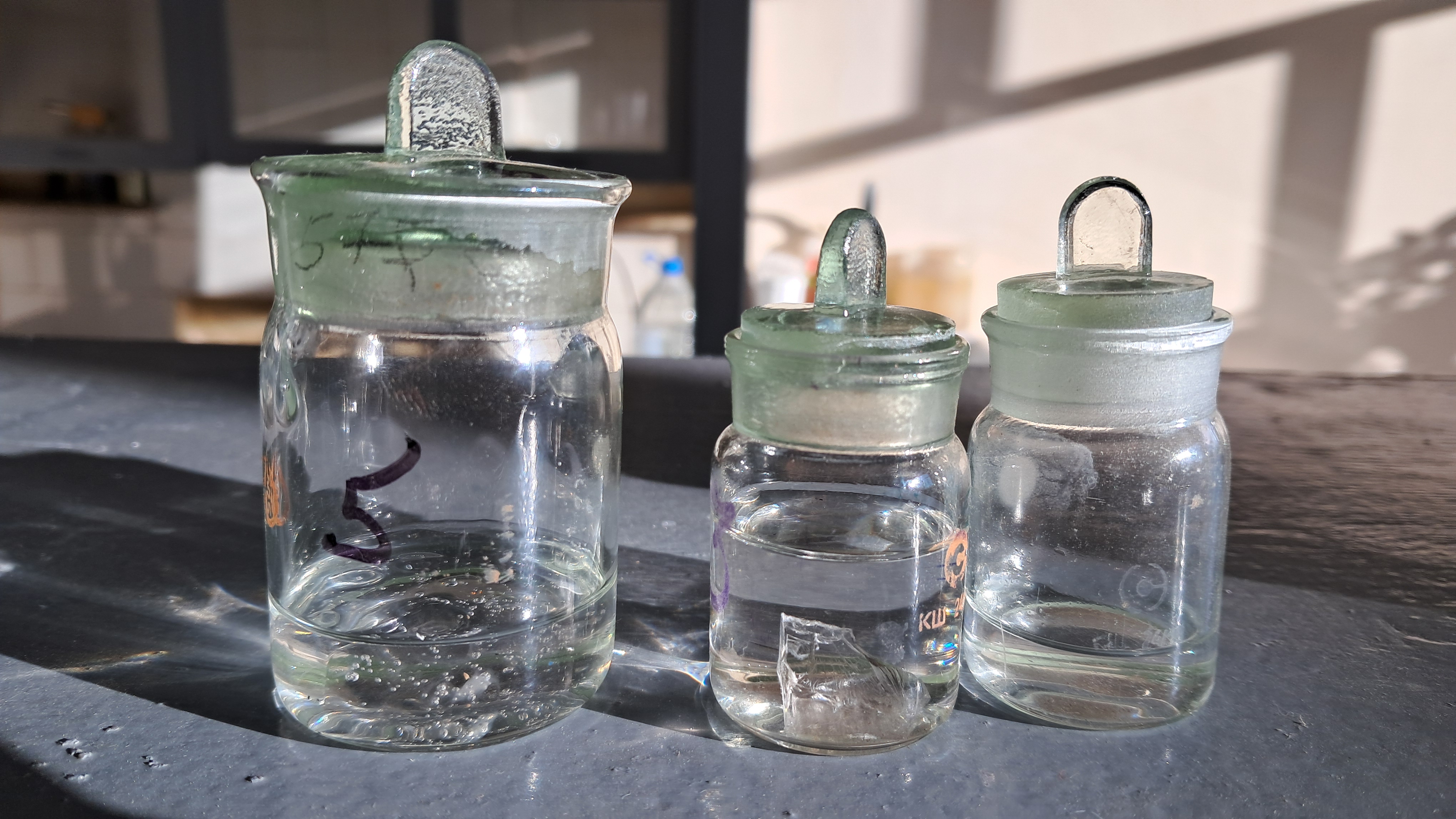
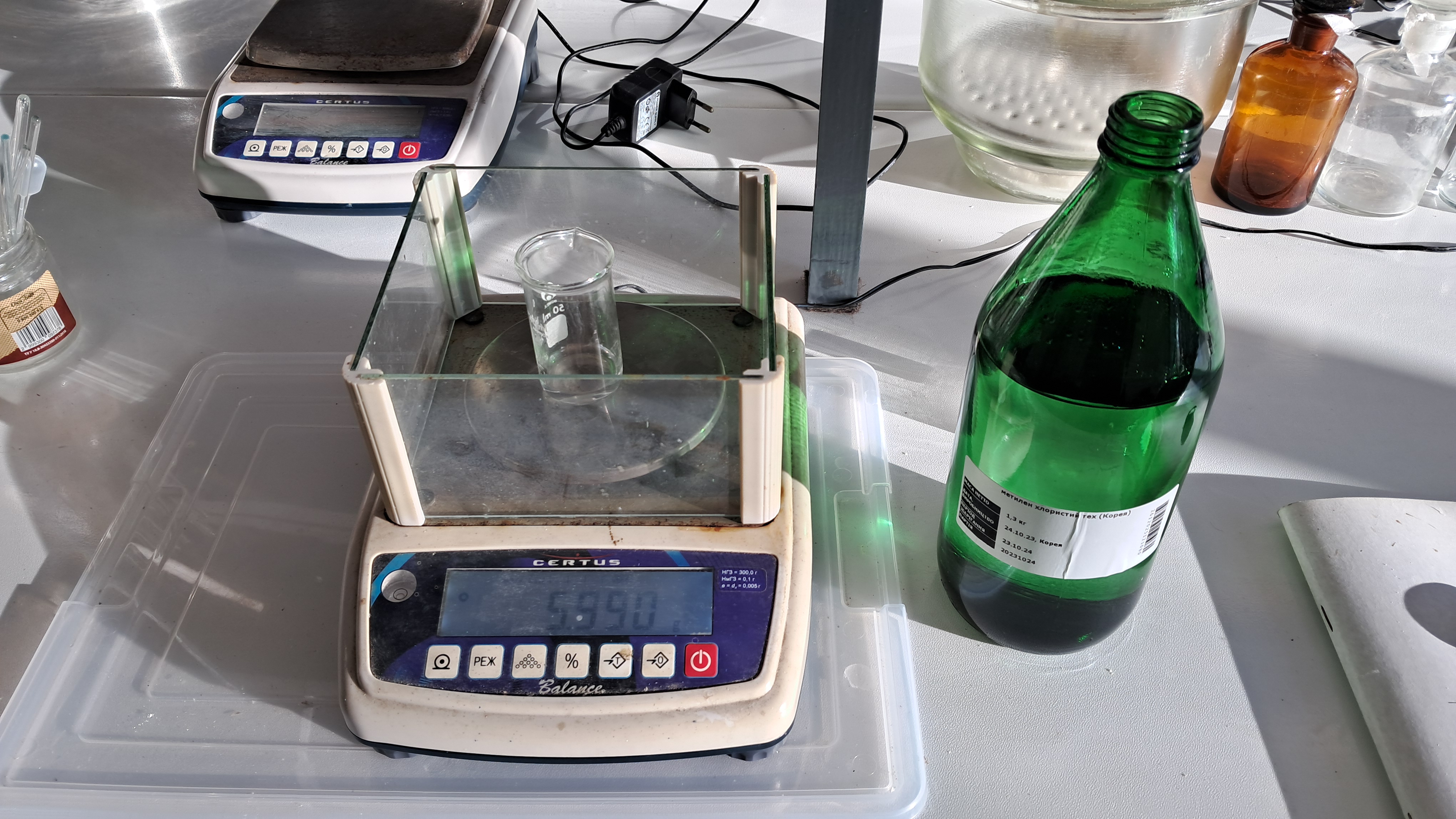
I quickly emptied a glass weighing bottle that had previously contained a polystyrene solution and transferred the gel into it. I added 12.830 g of methylene chloride and stirred the contents. The gel dissolved slowly, so I added another 5.990 g of the solvent.

Half an hour had passed since the power was supposed to return, but it still had not been supplied. I checked the provider's schedule and found that the restoration had been postponed until 4:00 p.m. Meanwhile, power had returned at my home, so I went there, intending to come back to the lab once electricity was restored. That evening, the weather became noticeably colder - temperatures of -10°C and below are rare here. When I returned, power had finally been restored at the institute.

By that time, a viscous solution had formed in the weighing bottle containing the polymer and solvent. The viscosity was clearly too high for electrospinning, but the solution had already been diluted substantially - the PMMA concentration was only 4.3% (1.565 g PMMA in 34.720 g dichloromethane). I decided to draw the solution into a syringe, hoping it could be forced through the needle by pressing the plunger. The solution was difficult to expel: its viscosity was still too high for the electrospinning process.

Under normal circumstances, I would have abandoned the experiment and simply gone home. But since I was already in the lab on Christmas Eve, I decided to proceed despite the viscosity problem. The prospect of returning home without completing the experiment was not appealing - especially given that my home would soon be without power again.


Растворение полиметилметакрилата (PMMA) в метиленхлориде - Часть 18
Отвечая на мой вопрос, коллега-химик порекомендовал использовать для растворения полиметилметакрилата (PMMA) хлорорганические растворители - хлористый метилен, хлороформ и дихлорэтан. Я выбрал хлористый метилен из-за самой низкой температуры кипения. Еще он дал мне образцы полиметилметакрилата. Образцы полиметилметакрилата были трех видов: пластинка из органического стекла от его установки электродиализа, несколько прозрачных стержней и пластиковая чашка Петри. Что чашка Петри была сделана из PMMA, я не поверил, помня историю с коробками от DVD-дисков (см. часть 16). Соблазнительно было использовать для приготовления раствора прозрачные стержни, поскольку пластинка была толстой и прочной - ее трудно было разбить на куски. Однако, я опять засомневался - было похоже, что материал стержней - полистирол, а не полиметилметакрилат. Чтобы проверить предположение, внес один из стержней в пламя. Пластик расплавился и загорелся желтым коптящим пламенем, выделяя запах, похожий на запах горящего полистирола. Еще с детства помнил, что горящий PMMA пахнет совсем не так. В литературе этот запах характеризуют как "запах гнилых овощей".

Пришлось идти в другую лабораторию, чтобы отбить кусочки от PMMA пластинки молотком. Была зима, помещение не отапливалось - температура была всего на несколько градусов выше нуля. Зашел в лабораторию и ужаснулся: было холодно и сыро... Как я мог раньше в этом помещении работать! Отбил от пластинки несколько кусков, этого должно было хватить для моих экспериментов.

Свободных стеклянных бюксов или бутылок не оказалось, поэтому пришлось провести процесс растворения в PET бутылке, хотя я понимал, что данный пластик может быть неустойчив к действию хлористого метилена.

Поместил бутылку 1.565 г полиметилметакрилата и 9.875 г дихлорметана, плотно закрутил крышку. Бутылка местами стала белой и начала сморщиваться, а PMMA начал набухать. Подумав, я добавил еще 6.025 г дихлорметана.

На следующий день был рождественский сочельник (на нашем языке он называется "Святой вечер"), но во время войны у нас в стране праздничные дни являются рабочими. На практике никто в институте не заставляет сотрудников приходить на работу в праздники - это дело добровольное. Я пришел, потому что хотел продолжить эксперименты. Пришел не с утра, а в 13-00, поскольку именно в это время согласно графику должны были включить электричество.

Придя, обнаружил, что стенки PET бутылки сильно сморщились, а полиметилметакрилат и дихлорметан образовали прозрачный гель, который не обладал текучестью. А я рассчитывал, что образуется текучий раствор, который я использую для электроспиннинга, как только включат подачу электричества.

Срочно освободил стеклянный бюкс от раствора полистирола и перенес гель в этот бюкс. Дополнительно добавил 12.830 г хлористого метилена, перемешал содержимое бюкса. Гель не спешил растворяться, поэтому я добавил еще 5.990 г растворителя.

Прошло уже полчаса после того, как должны были включить электричество, но его все не было. Проверил график провайдера, оказалось, что восстановление подачи электричества перенесли на 16-00. Зато у меня дома как раз включили электричество, поэтому поехал домой с намерением вернуться в лабораторию, когда будет электричество. Вечером резко похолодало: температура -10°С и ниже у нас наблюдается нечасто. Приехал - в институте электричество было.

В бюксе с полимером и растворителем образовался вязкий раствор. Вязкость раствора была слишком высокой, чтобы использовать его для электроспиннинга, однако я уже сильно его разбавил - концентрация PMMA составляла лишь 4.3% (1.565 г PMMA и 34.720 г дихлорметана). Поэтому я решил набрать раствор в шприц, надеясь, что раствор будет поступать сквозь иглу при надавливании на поршень шприца. Раствор выдавливался с трудом. Вязкость жидкости была слишком высокой для электроспиннинга.

При других обстоятельствах я бы не стал начинать эксперимент, а просто вернулся домой. Но, раз я пришел в лабораторию на рождественский сочельник, значит, следовало начать работу, несмотря на проблему с вязкостью раствора. Перспектива вернуться домой, не проведя эксперимента, не радовала, тем более, что в это время у меня дома должно было отсутствовать электричество.


Dissolving Polymethyl Methacrylate (PMMA) in Methylene Chloride
Polymethyl methacrylate and polystyrene

Dissolving Polymethyl Methacrylate (PMMA) in Methylene Chloride

Dissolving Polymethyl Methacrylate (PMMA) in Methylene Chloride

Dissolving Polymethyl Methacrylate (PMMA) in Methylene Chloride

Dissolving Polymethyl Methacrylate (PMMA) in Methylene Chloride

Dissolving Polymethyl Methacrylate (PMMA) in Methylene Chloride

Dissolving Polymethyl Methacrylate (PMMA) in Methylene Chloride

Dissolving Polymethyl Methacrylate (PMMA) in Methylene Chloride

Dissolving Polymethyl Methacrylate (PMMA) in Methylene Chloride

Dissolving Polymethyl Methacrylate (PMMA) in Methylene Chloride

Dissolving Polymethyl Methacrylate (PMMA) in Methylene Chloride

Dissolving Polymethyl Methacrylate (PMMA) in Methylene Chloride

Dissolving Polymethyl Methacrylate (PMMA) in Methylene Chloride

Dissolving Polymethyl Methacrylate (PMMA) in Methylene Chloride

Dissolving Polymethyl Methacrylate (PMMA) in Methylene Chloride

Dissolving Polymethyl Methacrylate (PMMA) in Methylene Chloride

Dissolving Polymethyl Methacrylate (PMMA) in Methylene Chloride

Dissolving Polymethyl Methacrylate (PMMA) in Methylene Chloride

Dissolving Polymethyl Methacrylate (PMMA) in Methylene Chloride

Dissolving Polymethyl Methacrylate (PMMA) in Methylene Chloride

Dissolving Polymethyl Methacrylate (PMMA) in Methylene Chloride

Dissolving Polymethyl Methacrylate (PMMA) in Methylene Chloride

Dissolving Polymethyl Methacrylate (PMMA) in Methylene Chloride


Having noticed a mistake in the text, allocate it and press Ctrl-Enter


Previous experiments had yielded two types of results: negative ones, in which an aerosol formed, and positive ones, in which fibers formed and covered the collector with a continuous layer. This experiment showed that reality is richer than such a binary classification.

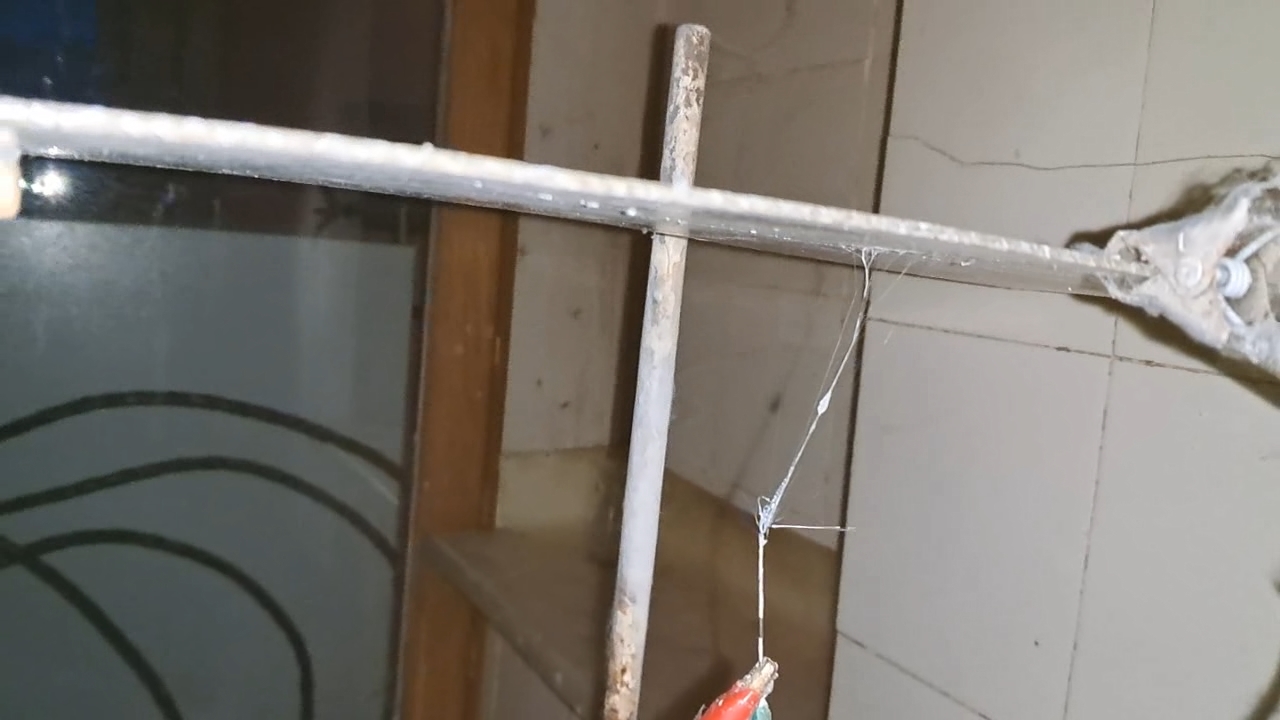
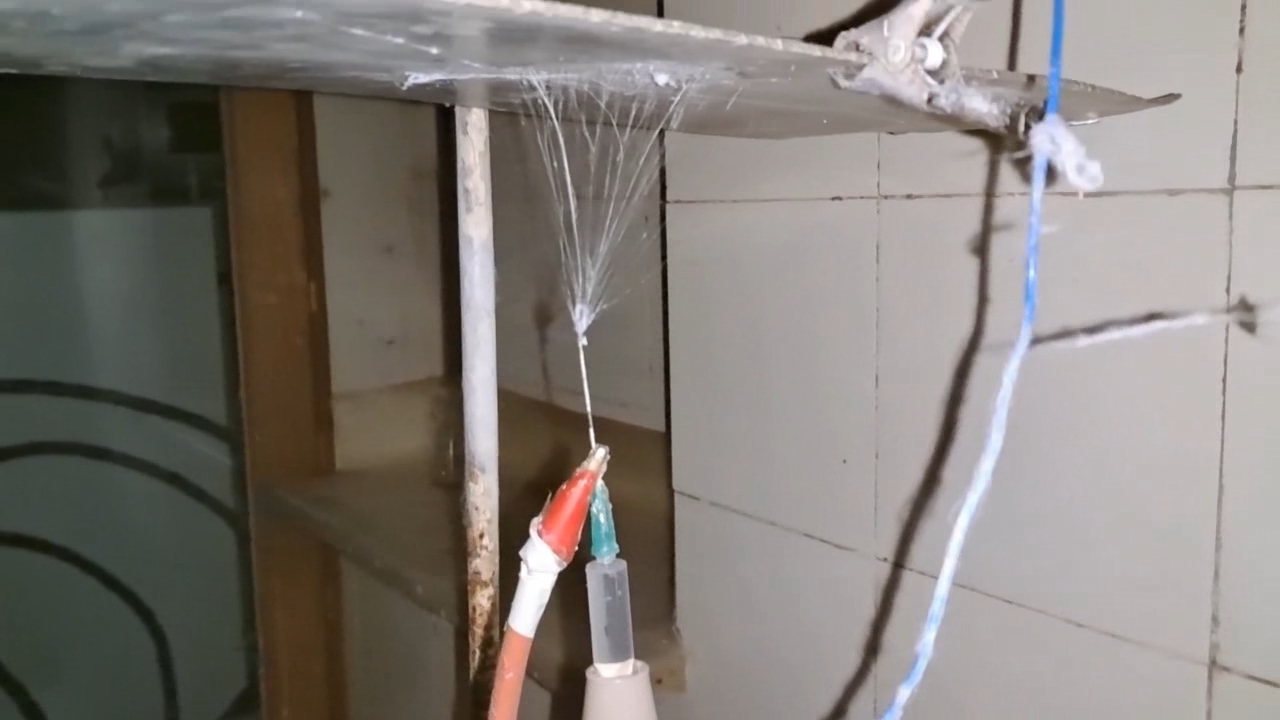
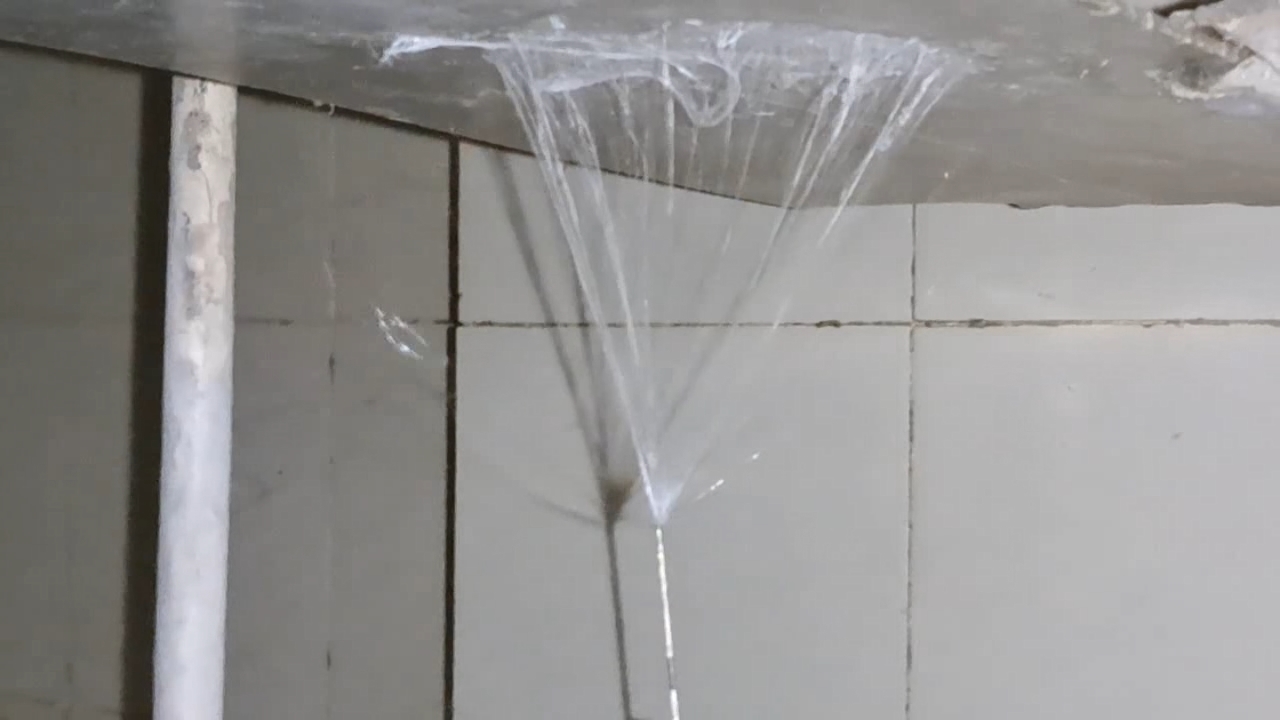
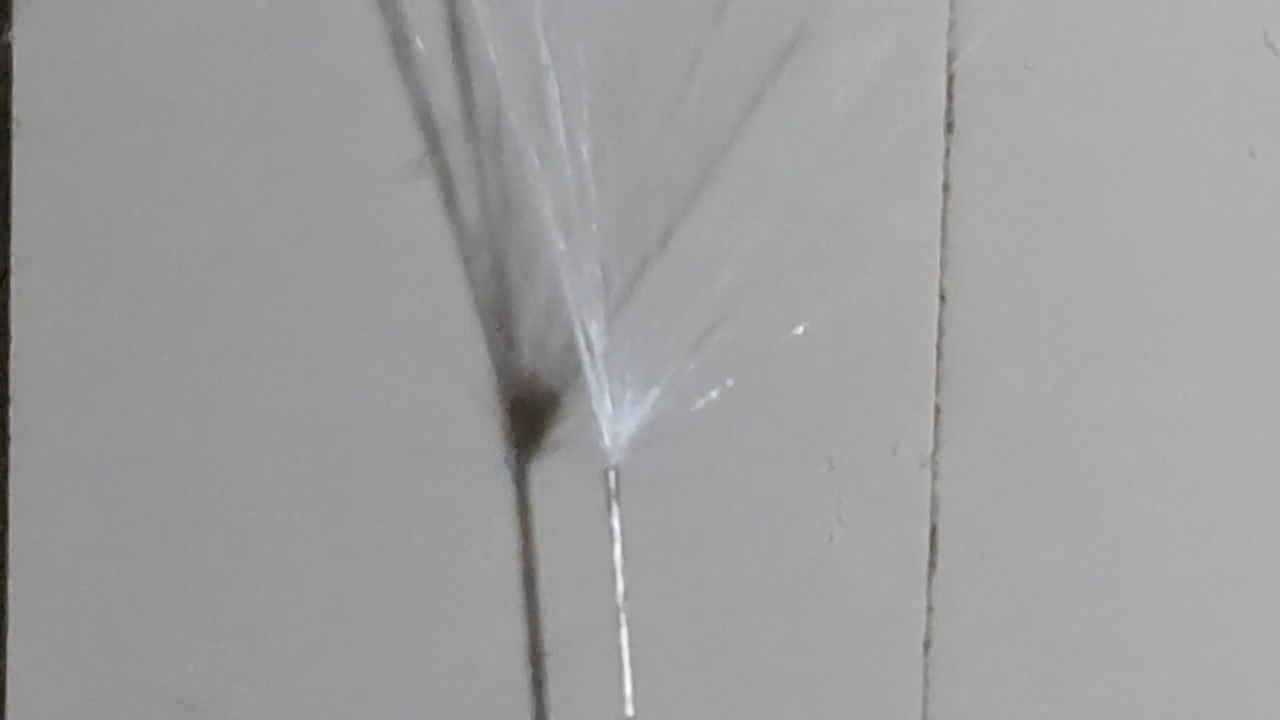
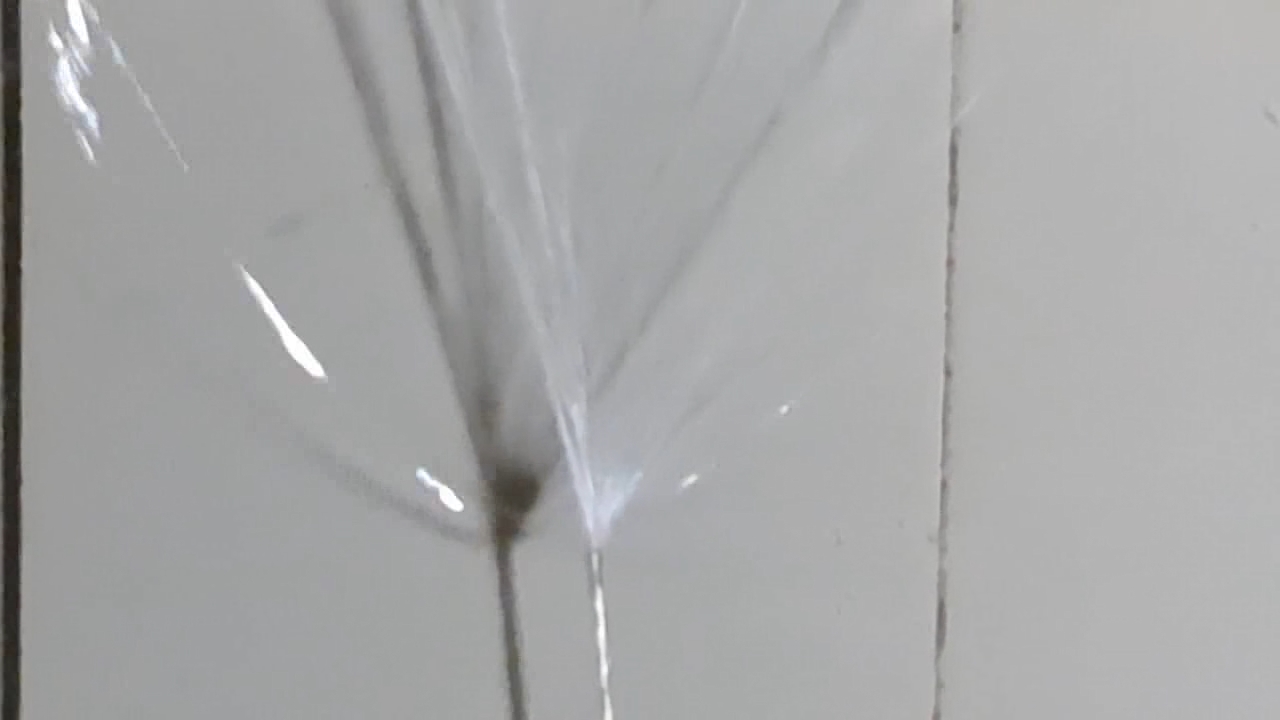
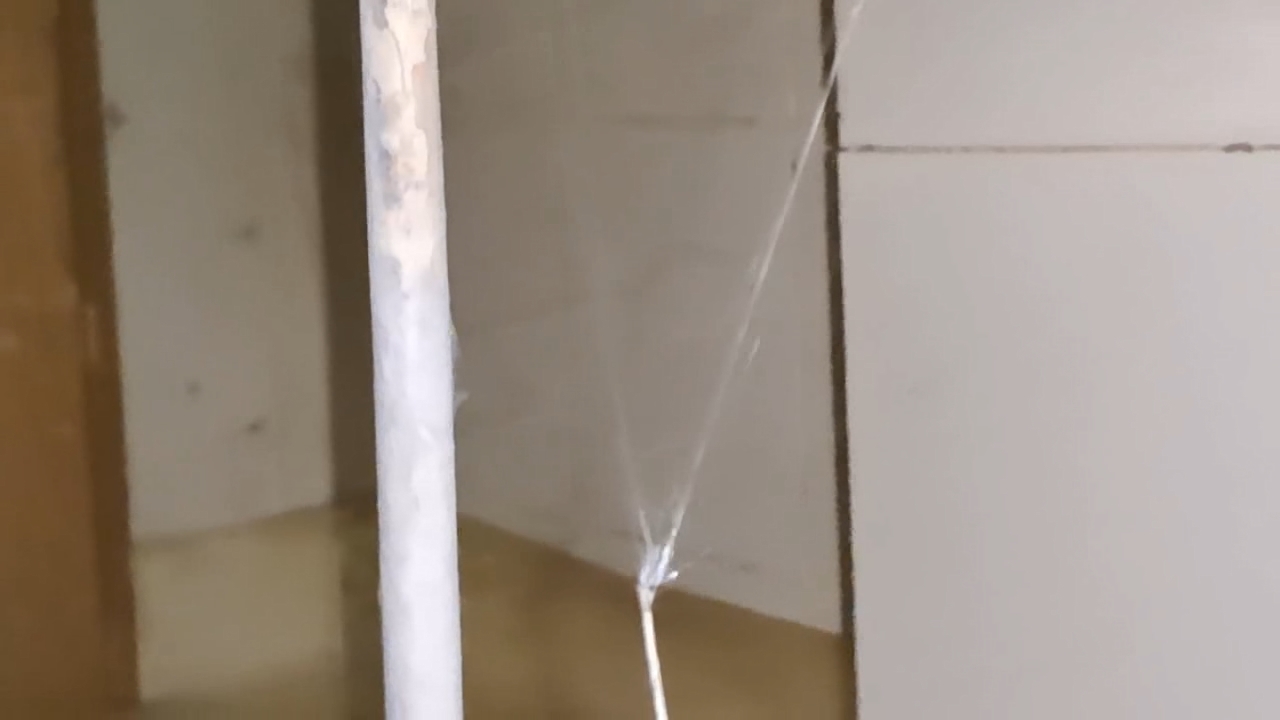
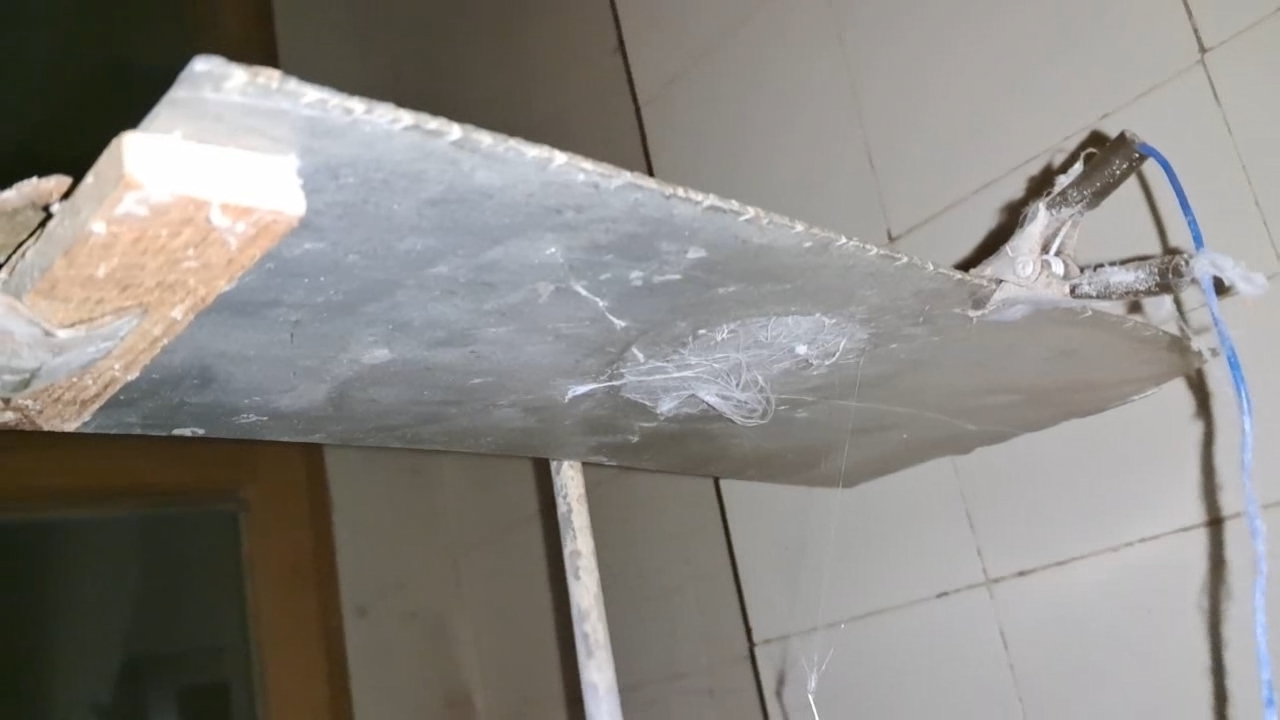
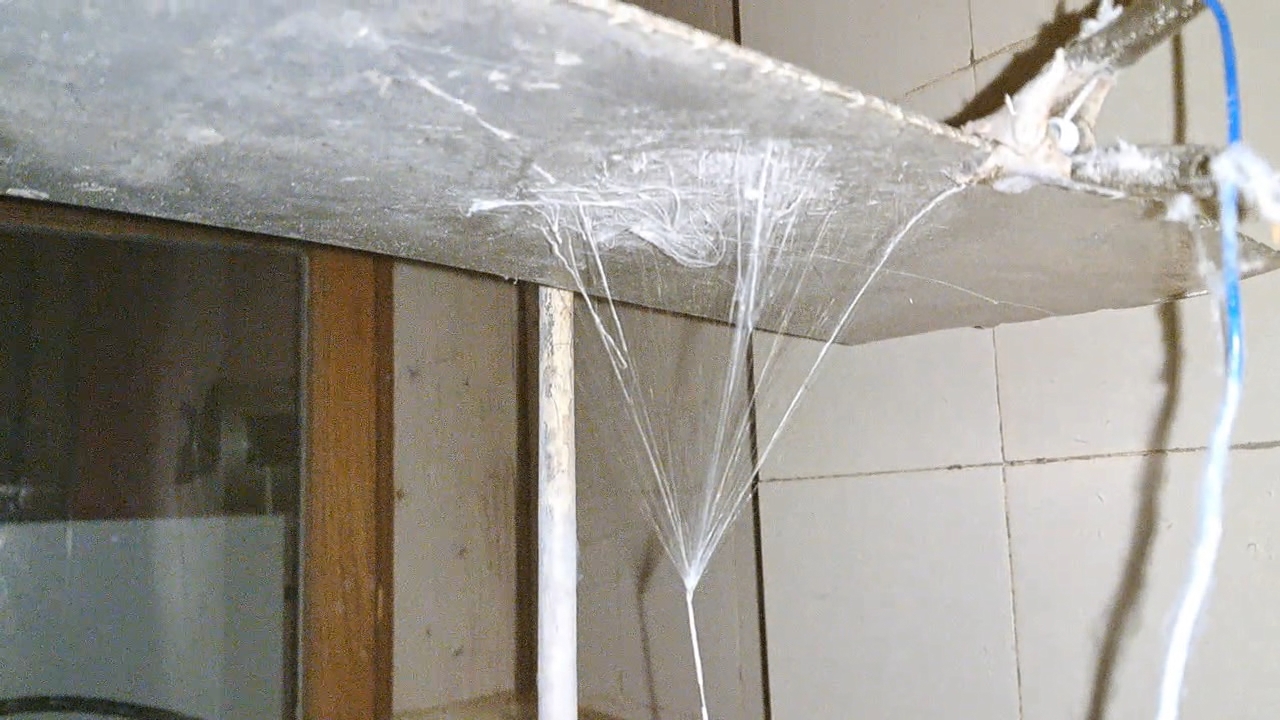
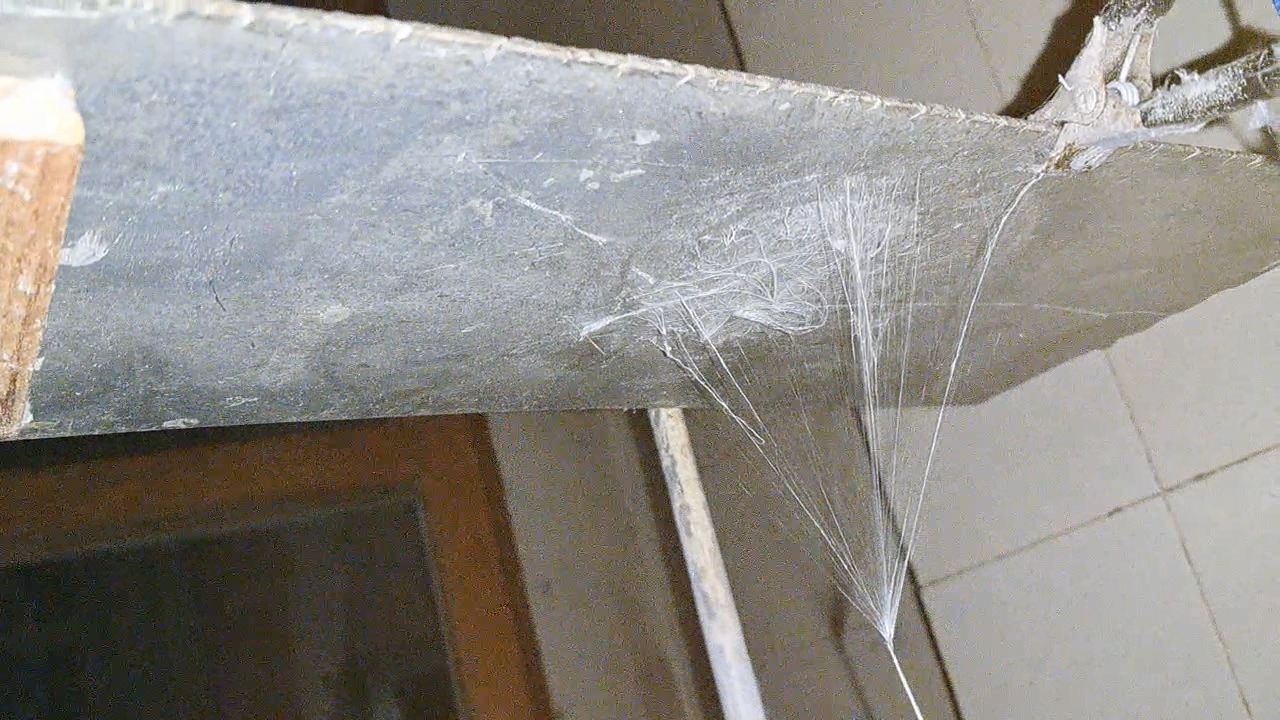
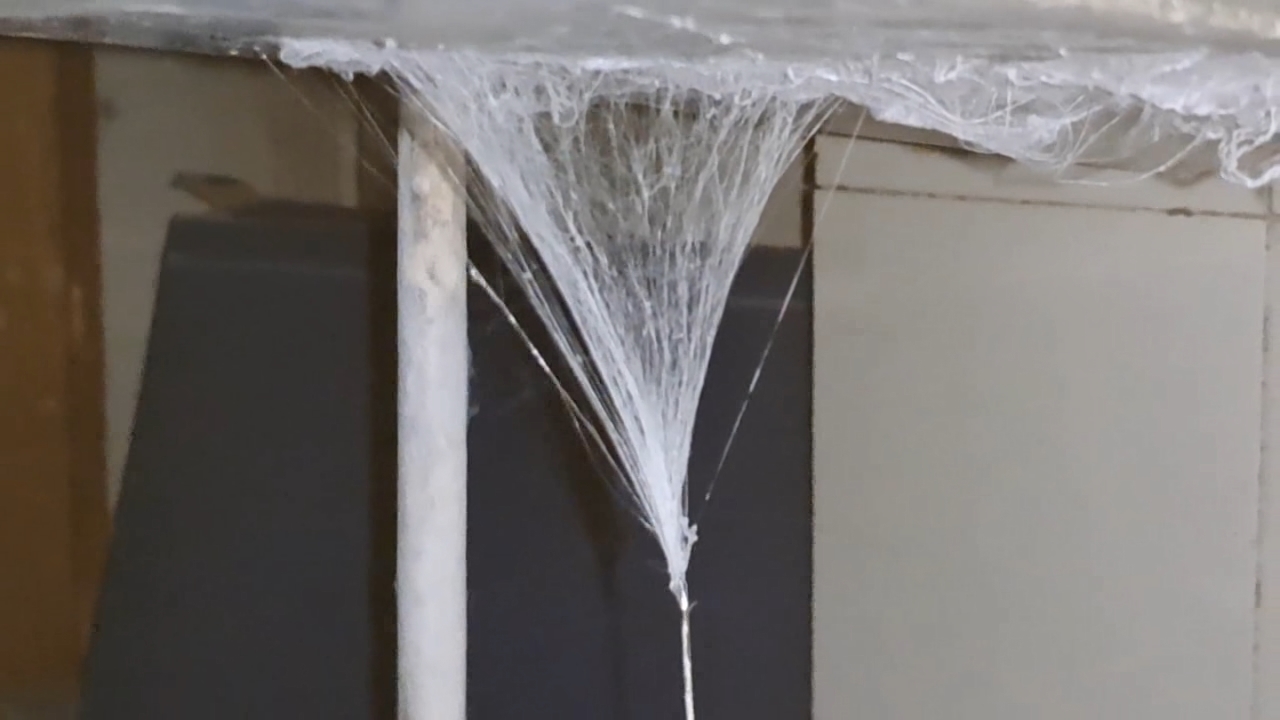
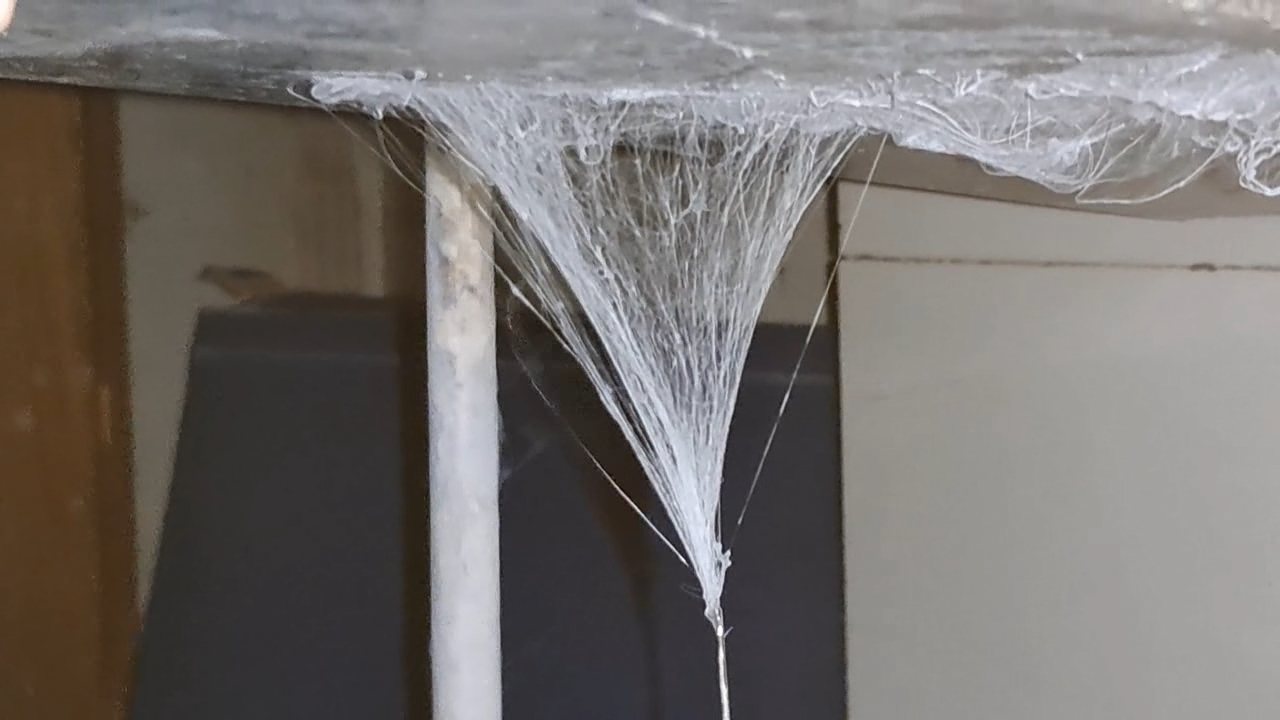
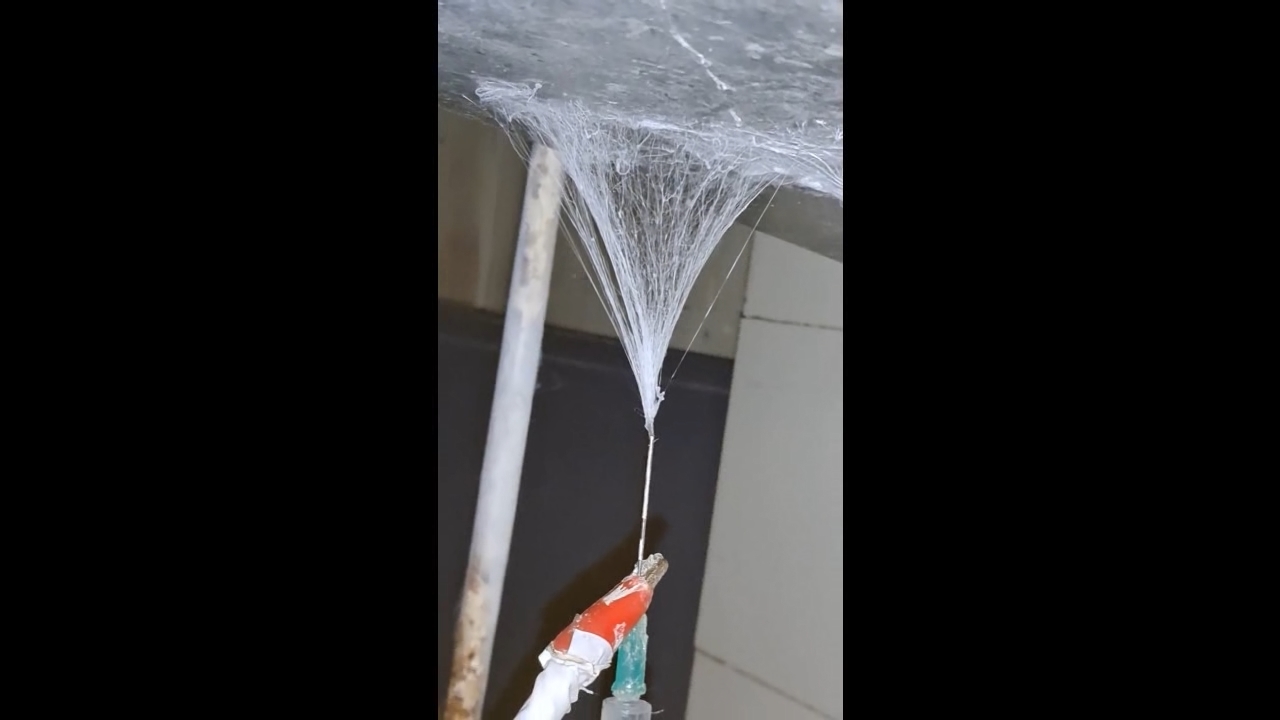
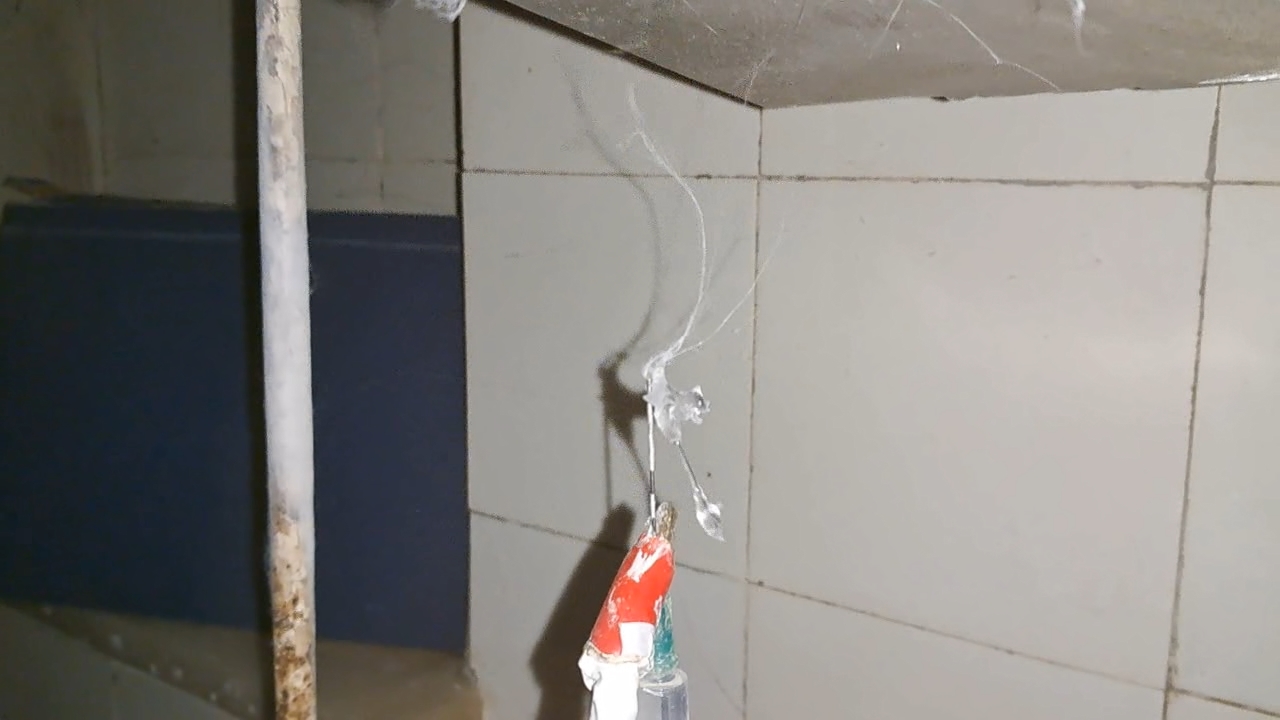
The experiment began much like the successful experiments with polystyrene. Shiny polymethyl methacrylate fibers shot out of the needle and rushed toward the collector. Soon, a "beard" of fibers formed, connecting the needle and the collector. It was already evening, and darkness had fallen. I turned off the lights in the room and filmed using my phone's flashlight, since daylight often interfered with the footage. The fibers shooting out of the needle glittered in the flashlight beam, making them clearly visible.

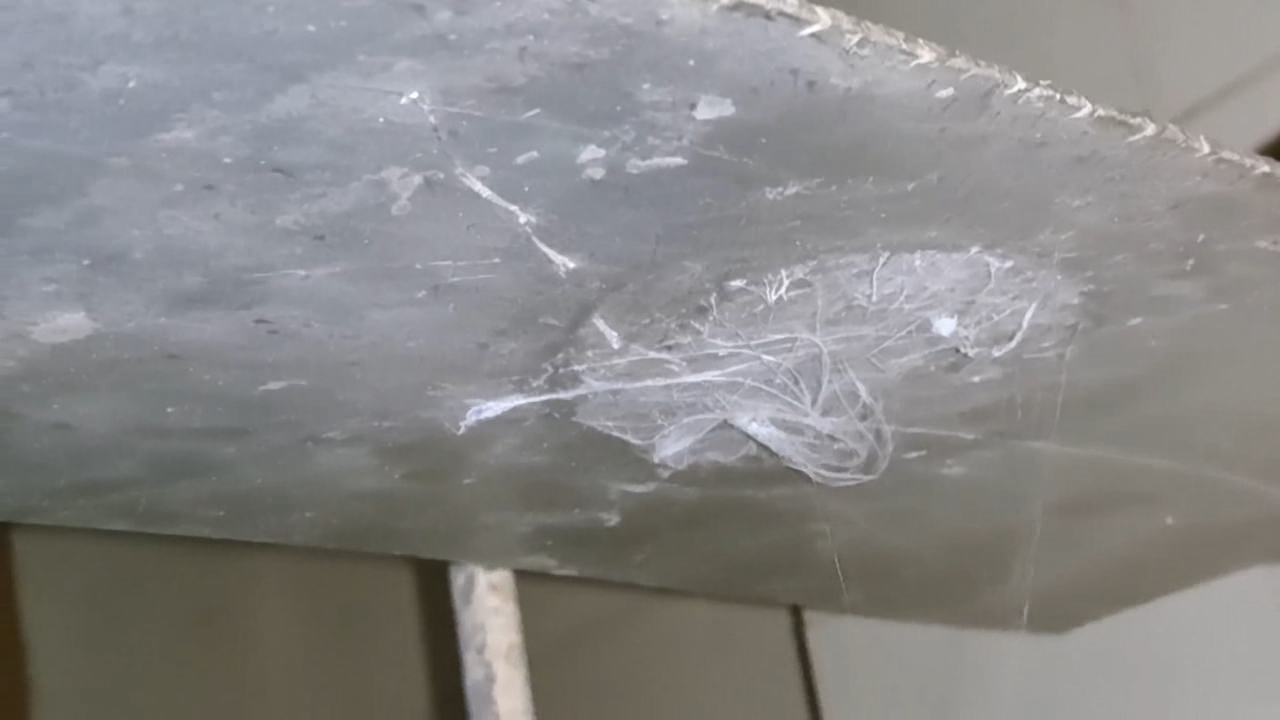
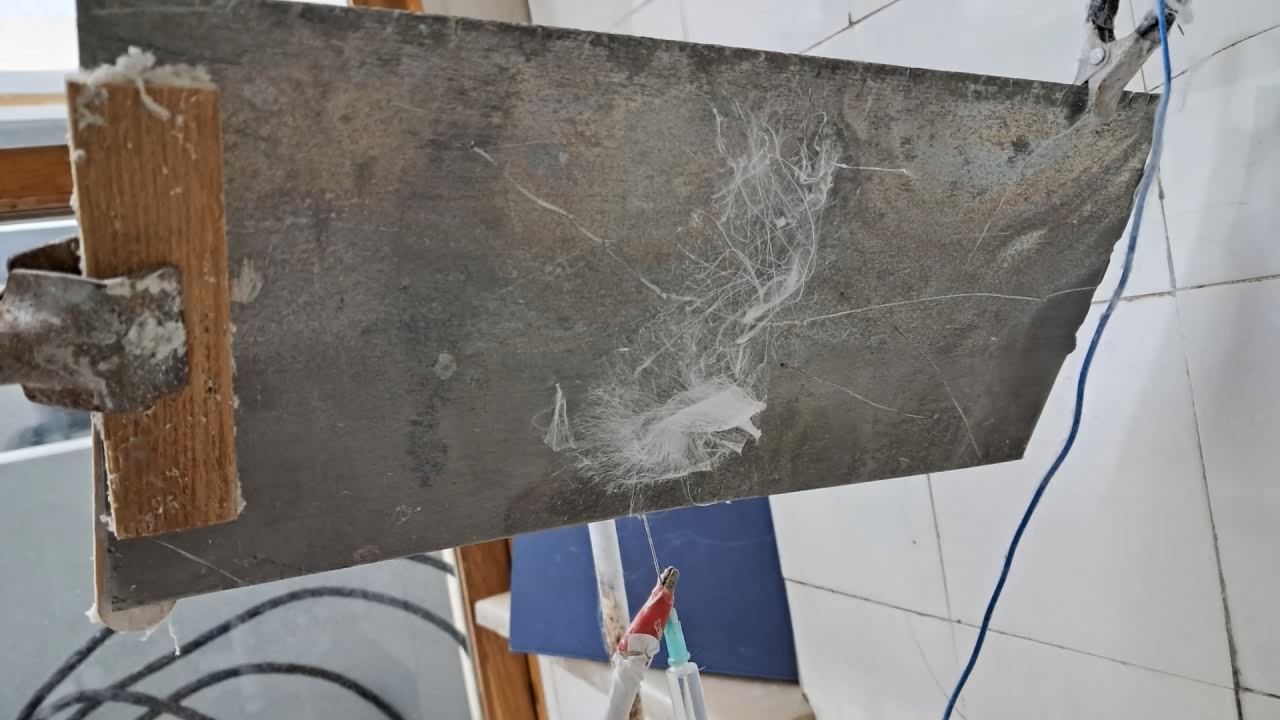
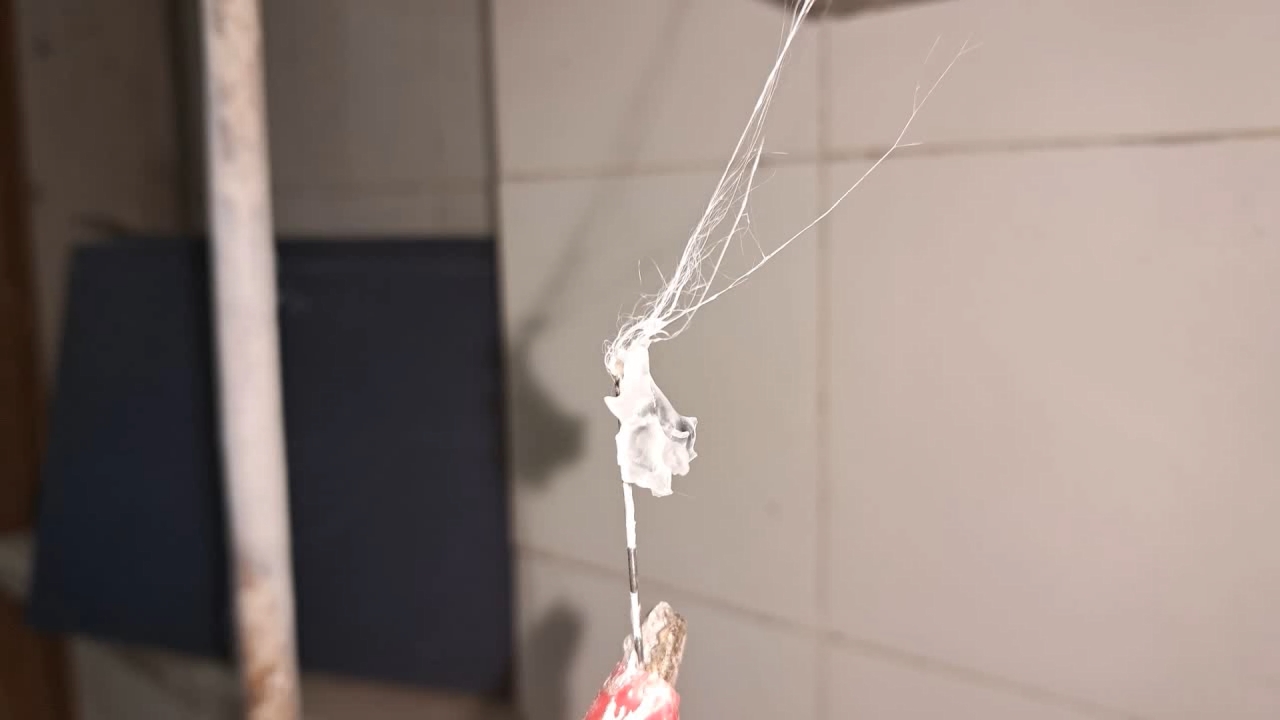
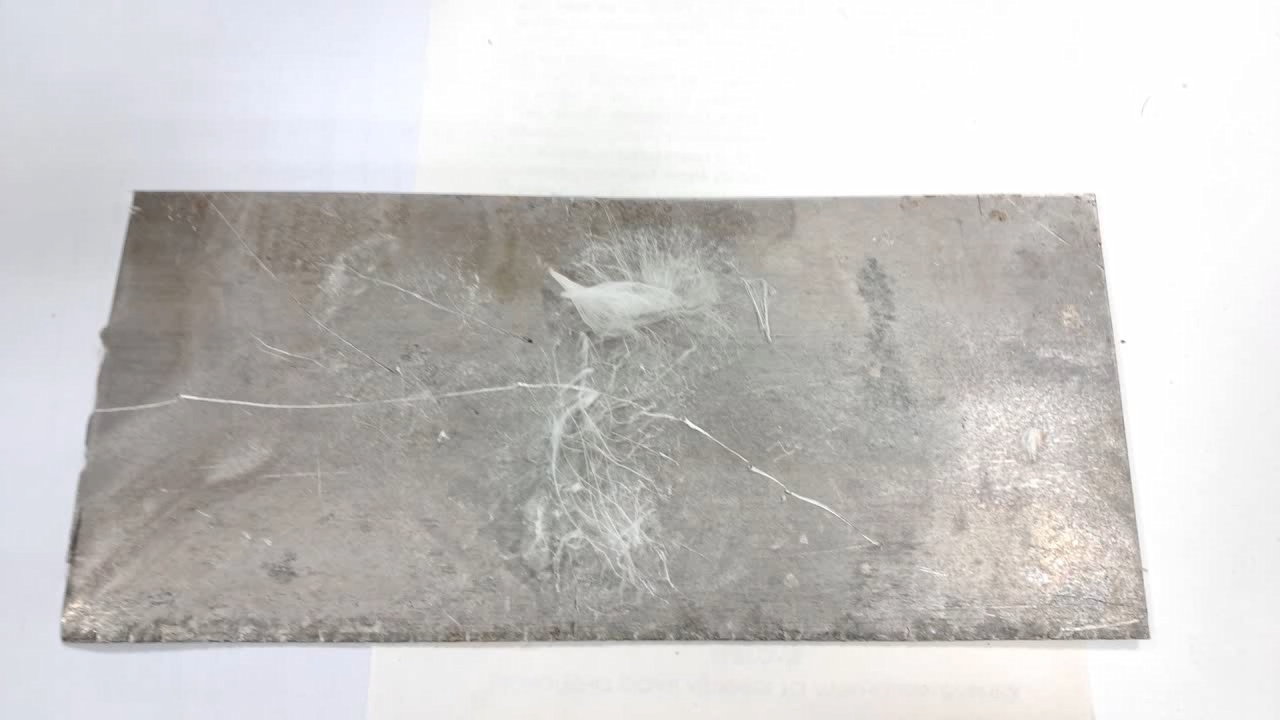
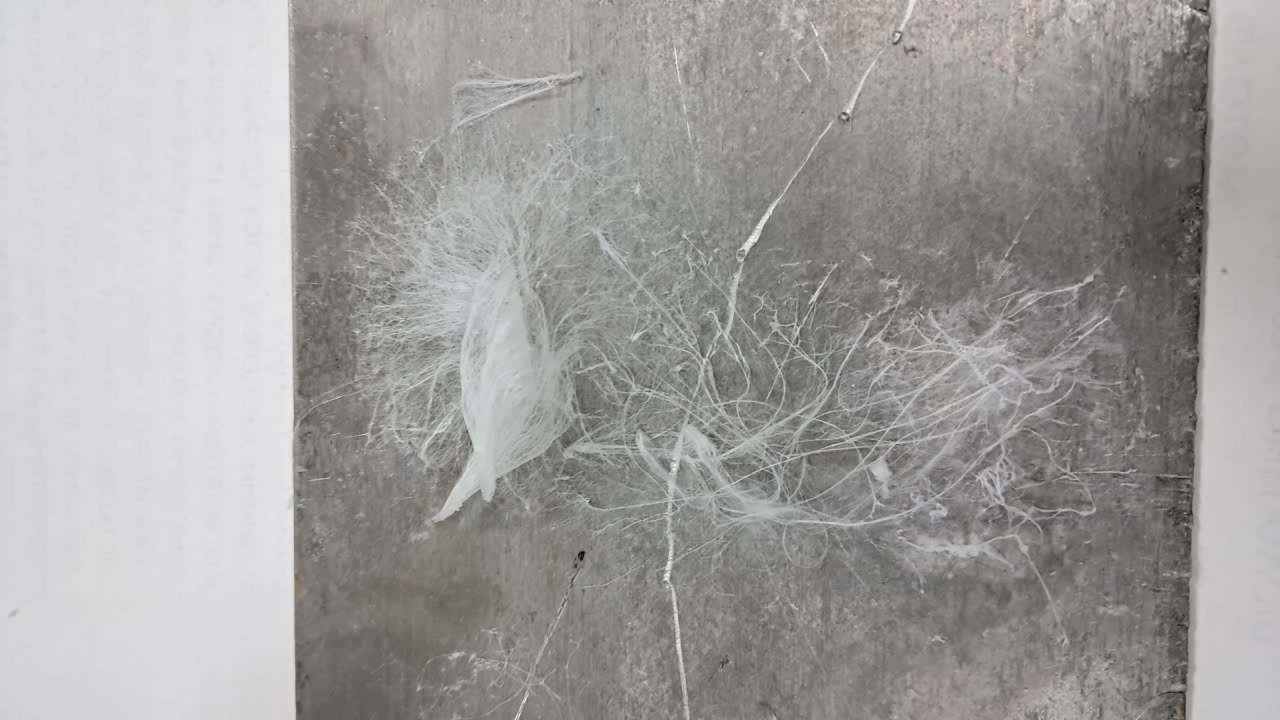
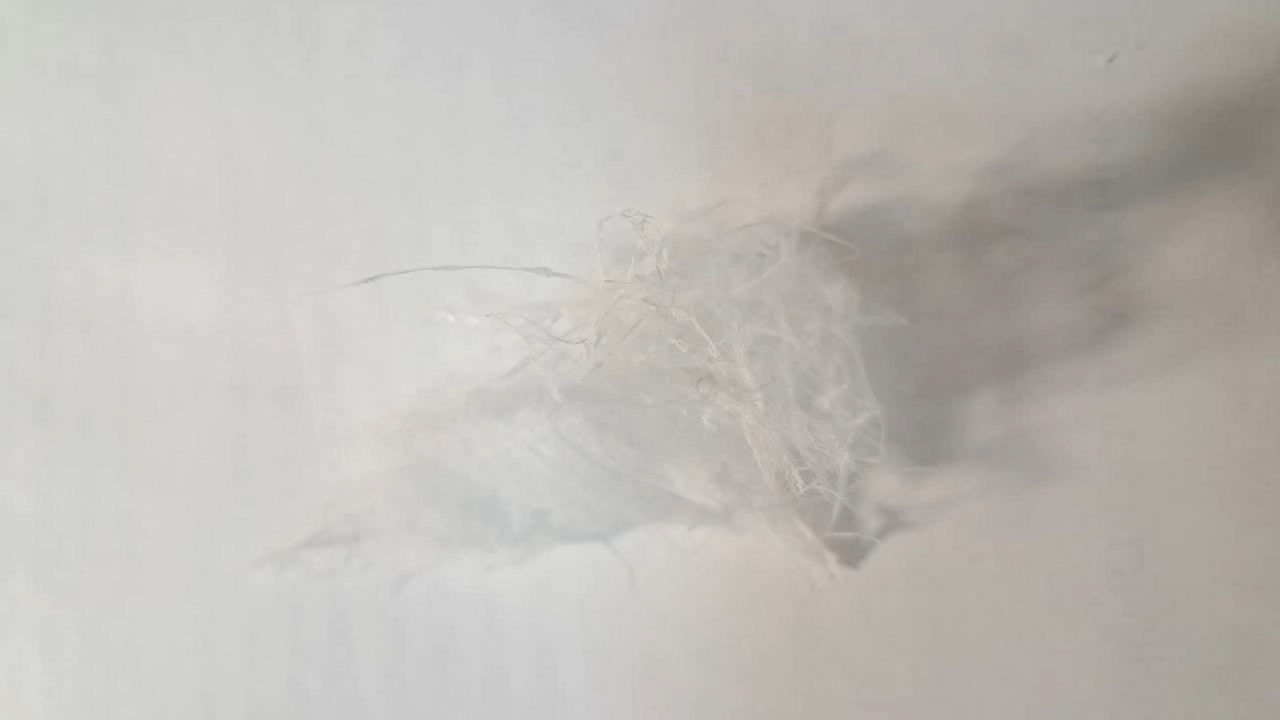
A successful experiment? Not quite. Fibers did form, but a continuous layer of electrospun polymethyl methacrylate did not appear on the collector. Instead, "beards" of fibers developed, and small clumps accumulated on the collector - but nothing more. The experiment ultimately produced only a small clump of white, cotton-like material.

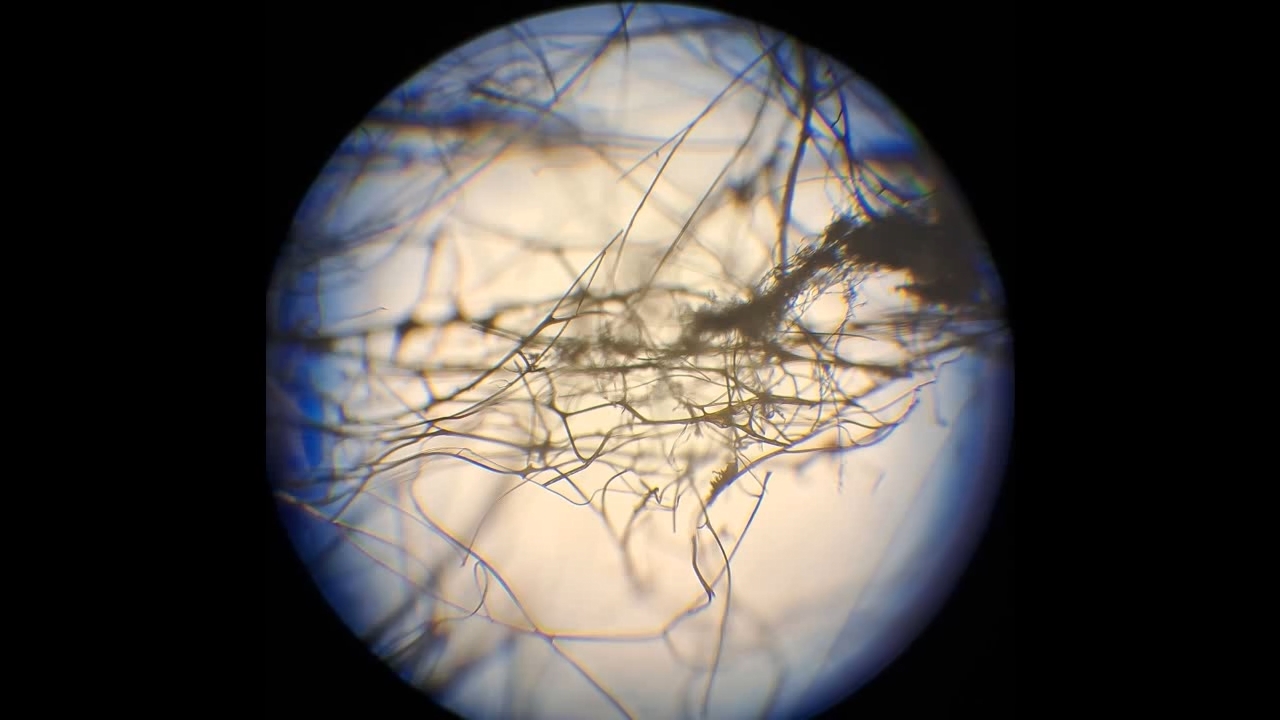
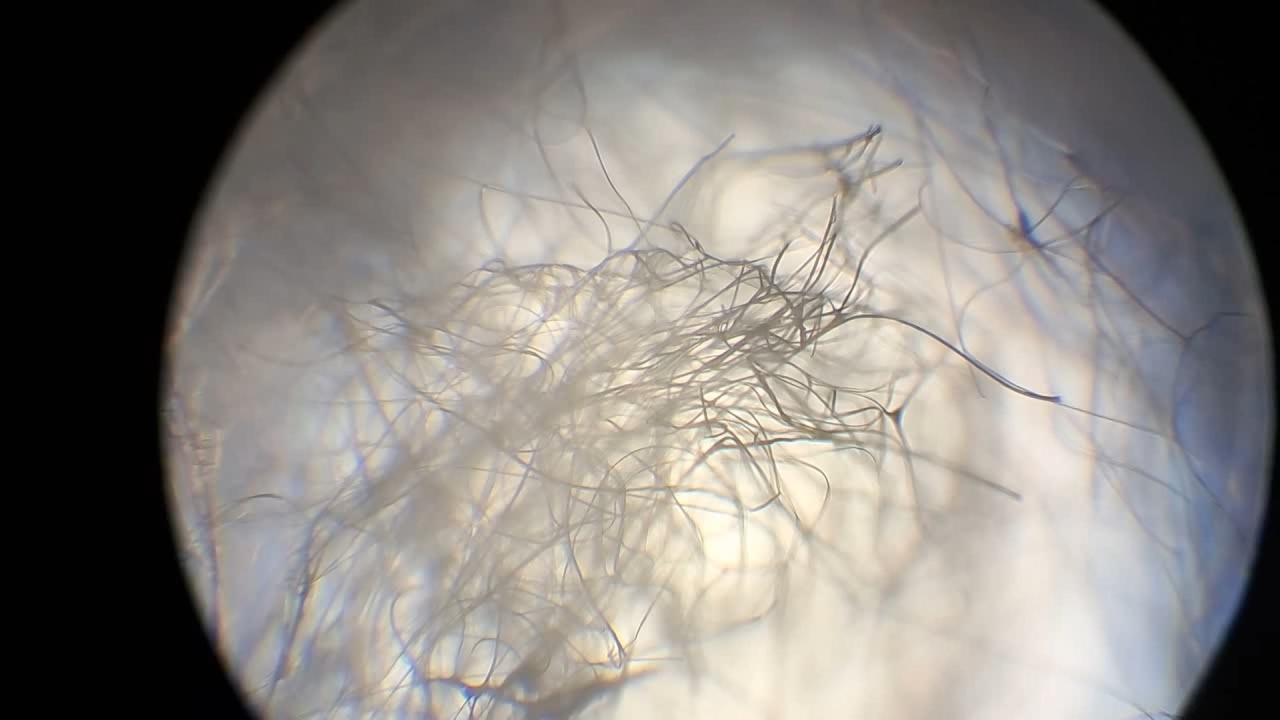
Microscopic examination revealed that the fibers had a large diameter. Even without a microscope, however, it was obvious that the fibers were too thick. When a colleague squeezed the lump a few days later, remarking, "They should be elastic," the fibers turned out to be brittle.

The polymer concentration in the solution was low, while the fiber diameter was large; under these conditions, it is unsurprising that the total amount of material obtained was small.

Polymethyl methacrylate fibers were produced, but this result had no practical value.

I returned home late, expecting the power to be out at that hour. However, electricity remained on throughout the evening and most of the night - there were deviations from the power schedule in both directions.

The next day was Christmas. I went back to the lab and diluted the working solution, reducing the polymethyl methacrylate concentration by half. The fibers obtained were just as thick as before. They again failed to form a continuous layer on the collector, and their quantity was significantly smaller than in the previous experiment.

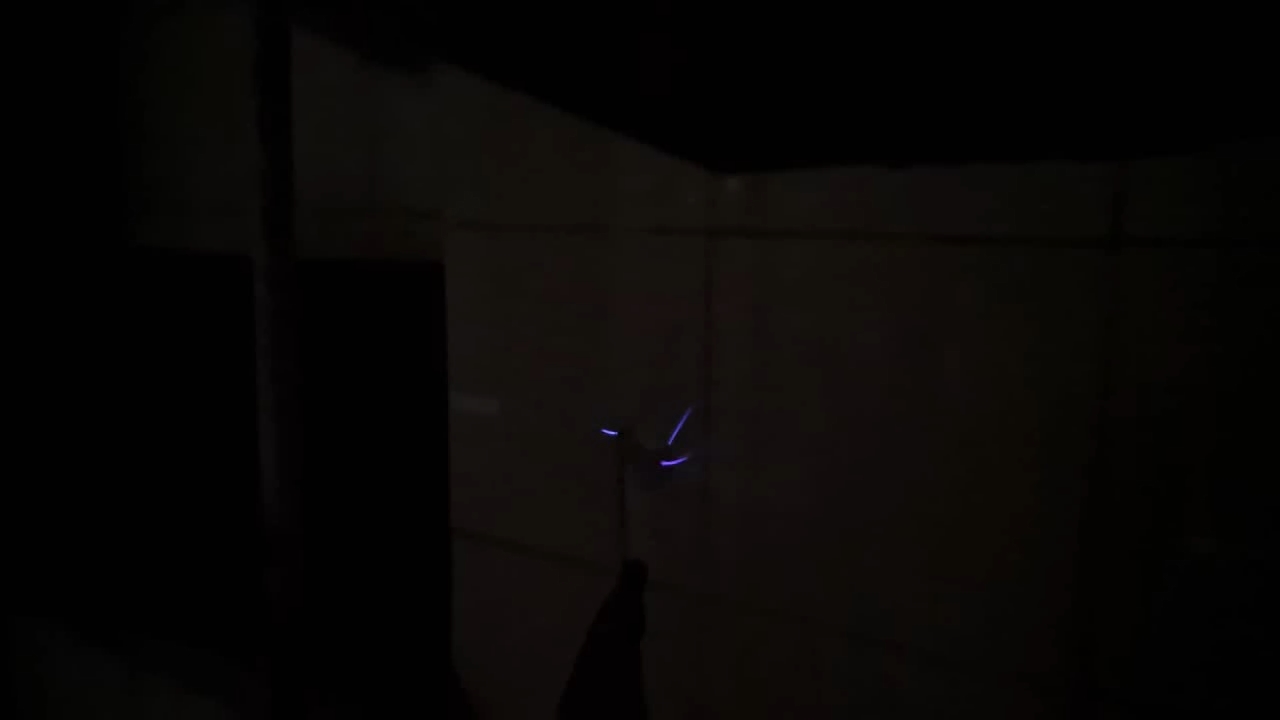
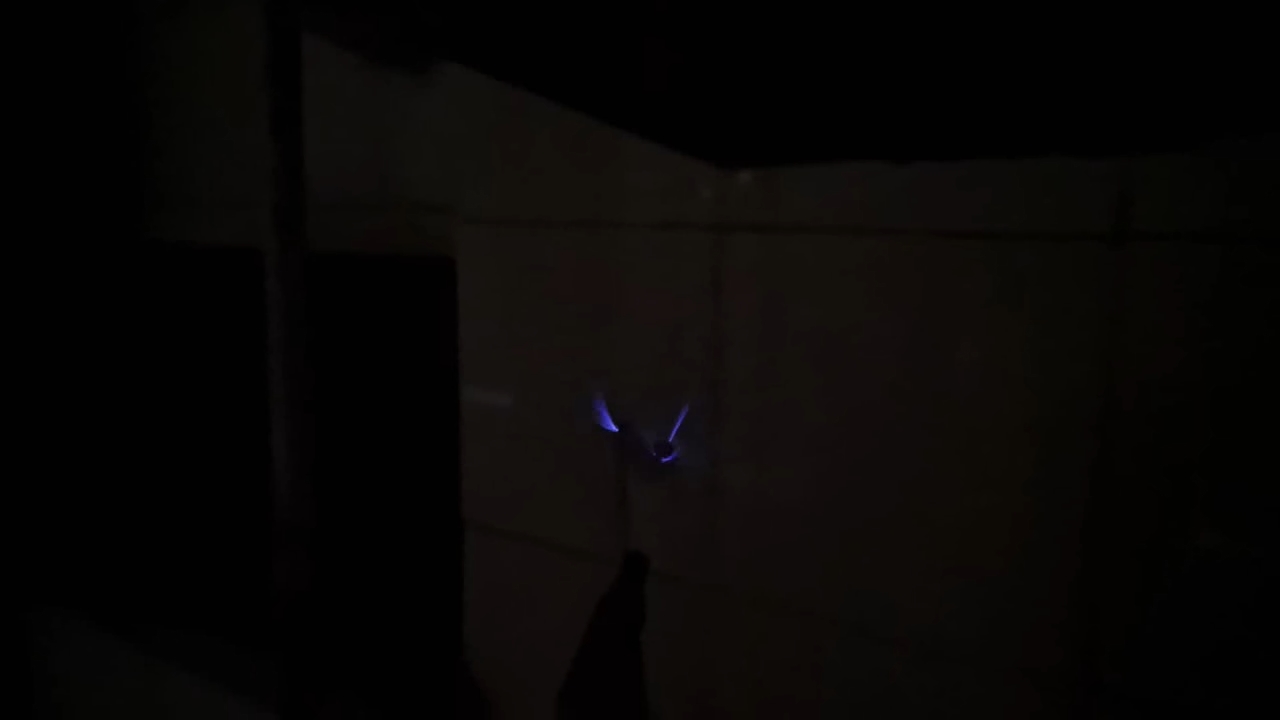
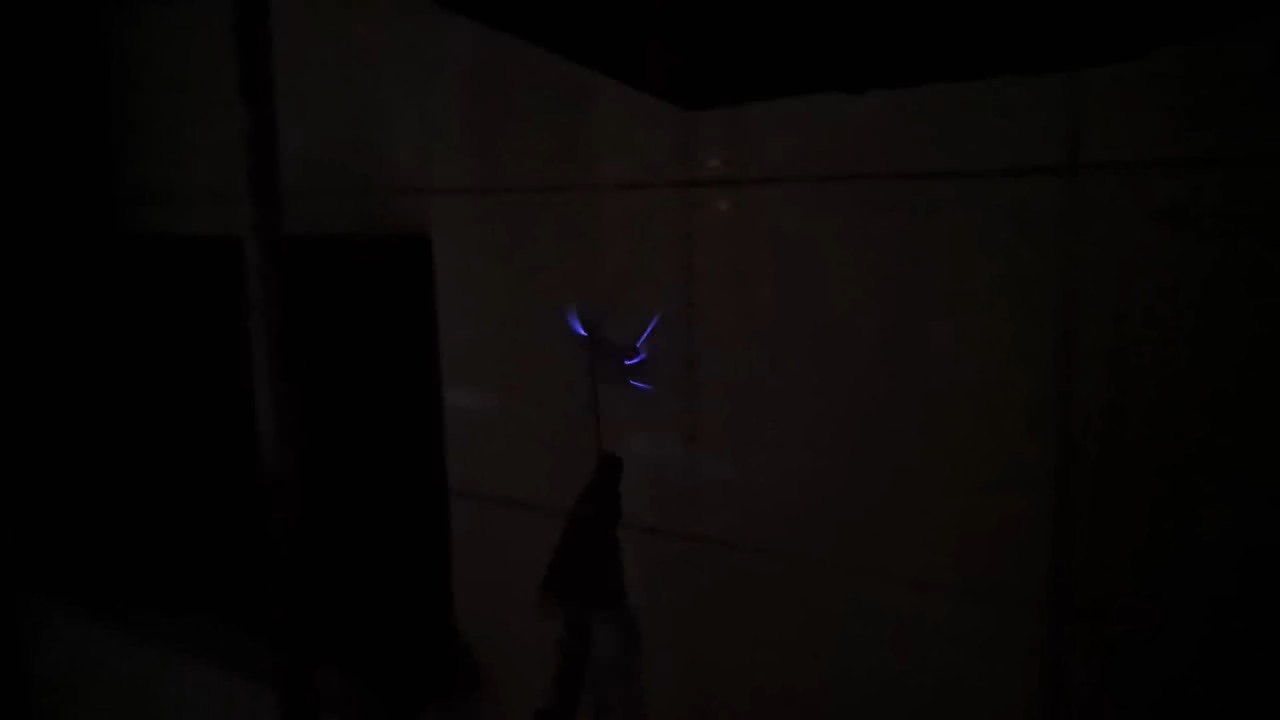
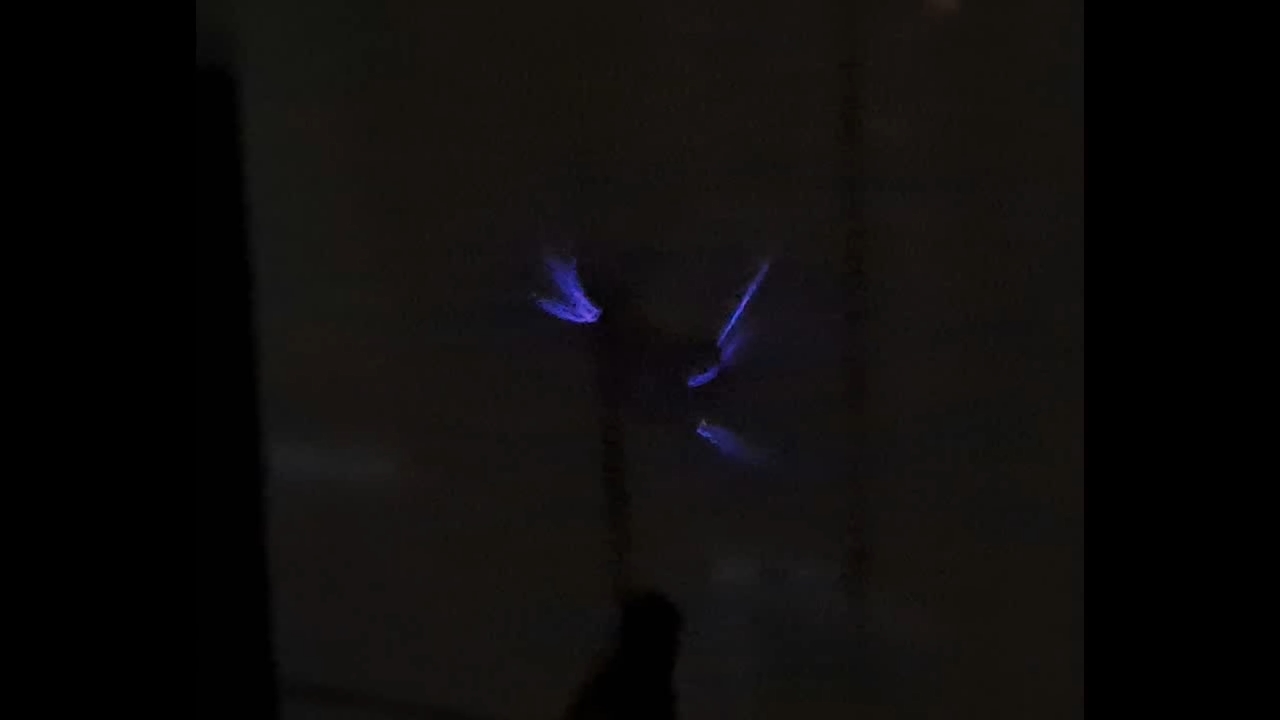
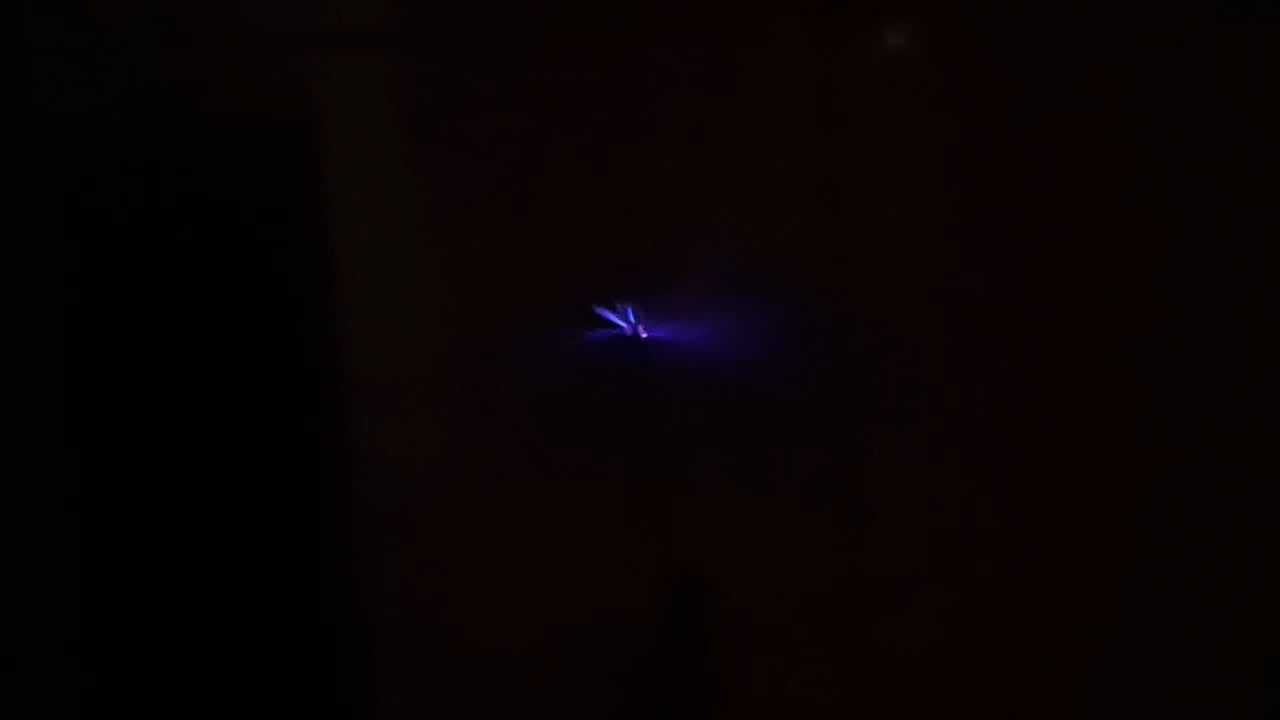
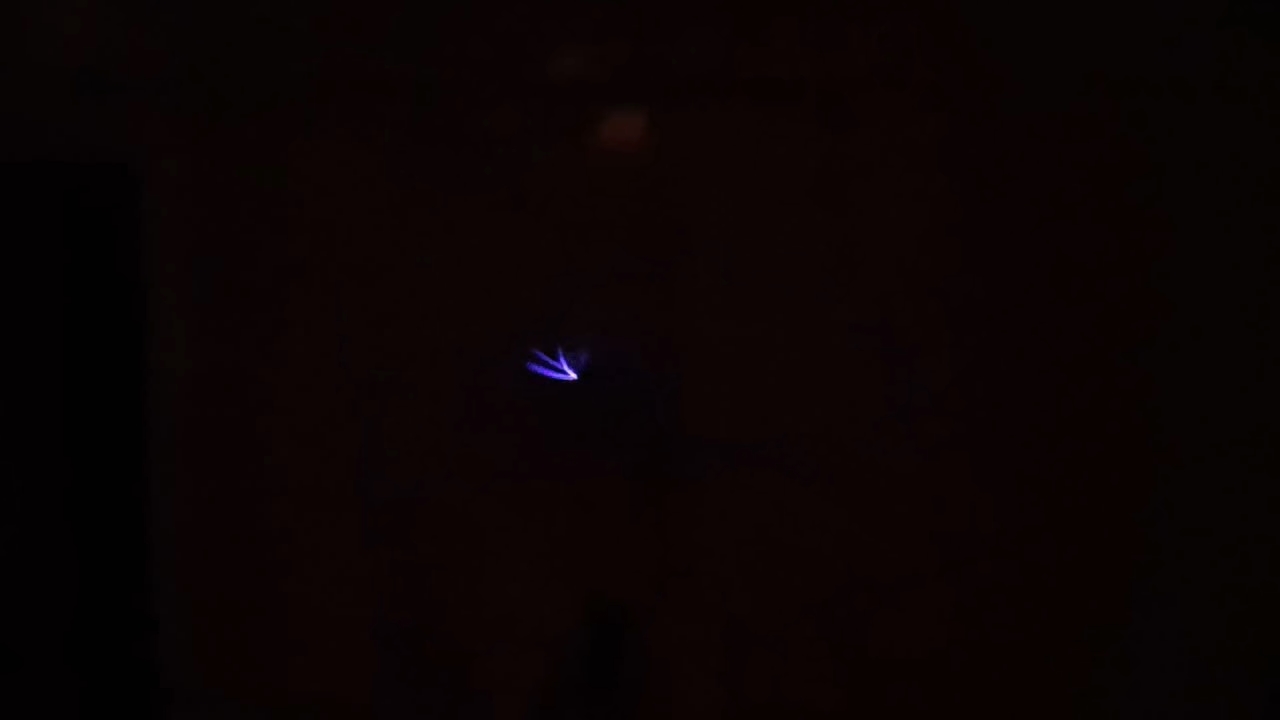
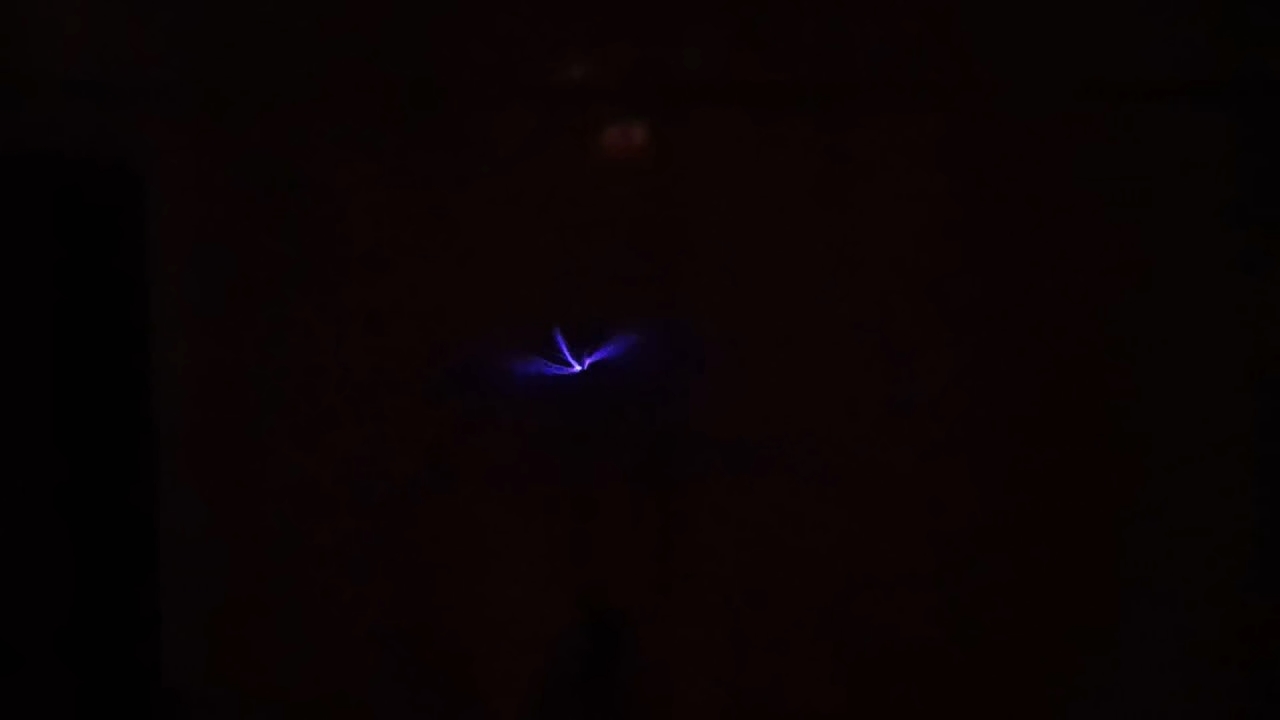
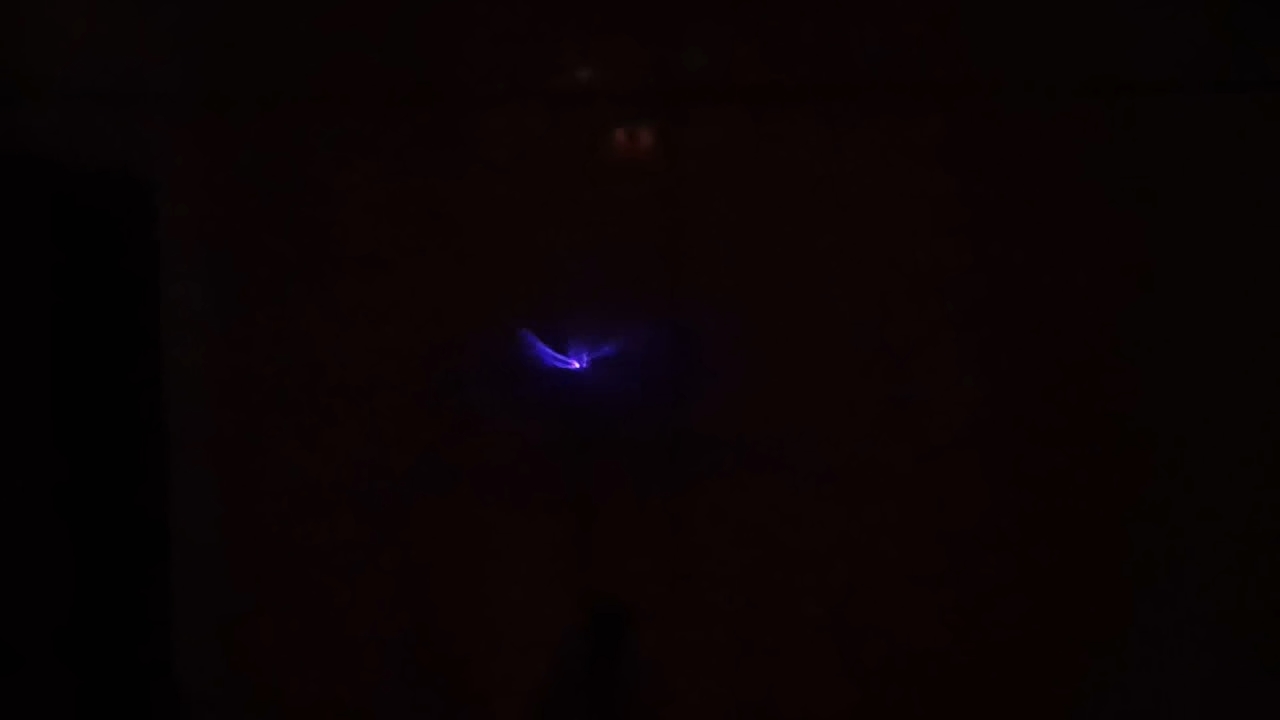
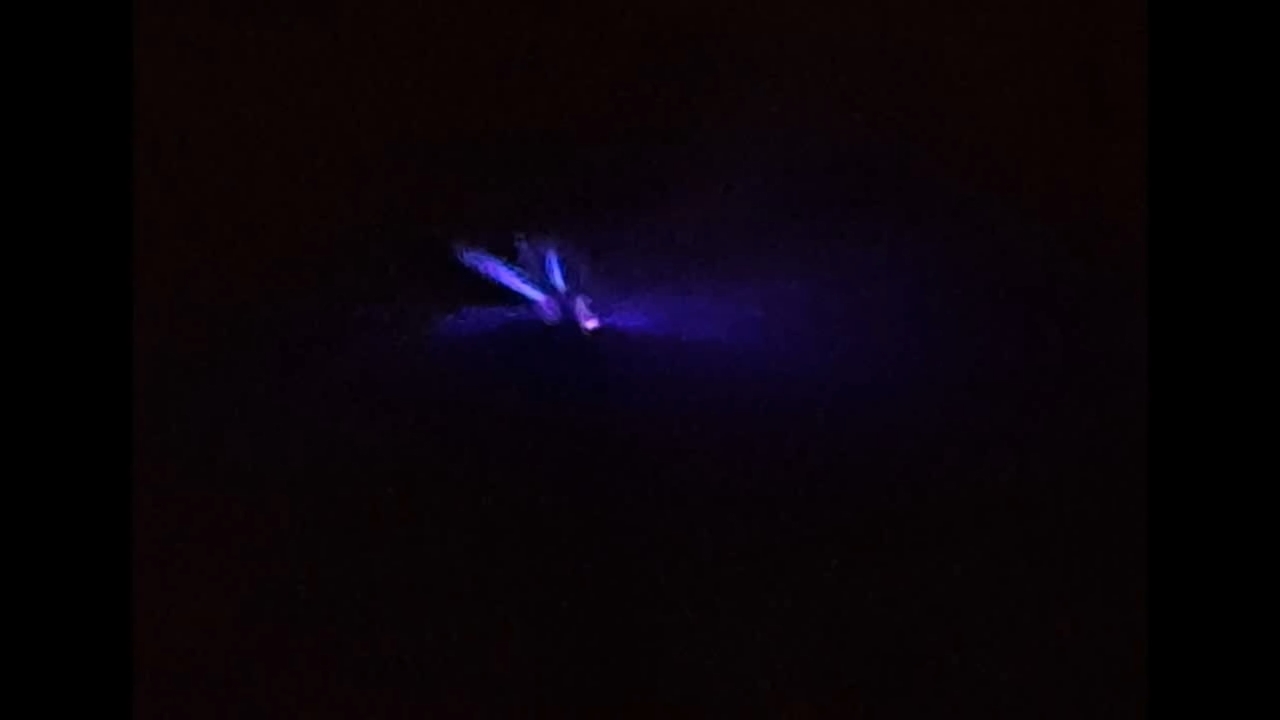
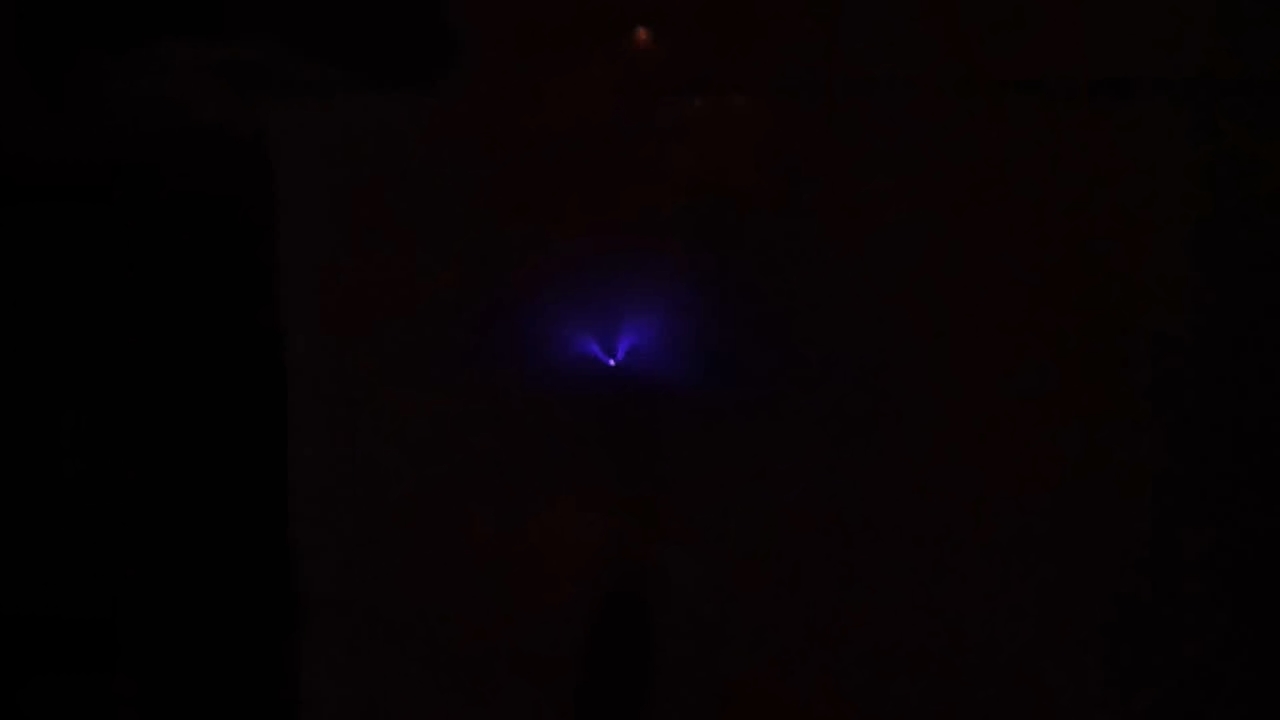
While filming in the dark, I turned off my smartphone's flashlight and noticed a glow on the screen: "purple flames" emanating from the tip of the needle. At first, I thought the light was invisible to the naked eye. Looking more closely, I realized that the glow was visible, though faint and lacking detail - and only if one knew where and when to look. It was a corona discharge, accompanied by a hissing sound and the characteristic smell of ozone. Previously, I had noticed corona discharge only moments before a spark jumped between the electrodes. It turned out that corona discharge was occurring continuously during electrospinning; it was simply invisible in a well-lit room. It was likely that not only the needle tip but also the forming polymer fibers were glowing.

Merry Christmas!


Электроспиннинг: раствор полиметилметакрилата (PMMA) в метиленхлориде - Часть 19
Прошлые эксперименты давали два типа результатов: отрицательный, когда образовывался аэрозоль, и положительный, когда образовывались волокна, которые покрывали коллектор сплошным слоем. Данные эксперимент показал, что реальность богаче бинарного принципа.

Эксперимент начался, как успешные эксперименты с полистиролом. Из иглы выстреливали блестящие волокна полиметилметакрилата, которые устремлялись к коллектору. Вскоре образовалась "борода" из волокон, которые соединяли иглу и коллектор. Был уже вечер, и успело стемнеть, я выключил свет в комнате, чтобы снимать видео, используя фонарик телефона. Дневной свет часто мешал съемке. Волокна, которые выстреливали из иглы, блестели в свете фонарика, а поэтому были хорошо заметны.

Успешный эксперимент? Оказалось, что не совсем. Волокна образовывались, но слой электроспиннингового полиметилметакрилата не сформировался на коллекторе. Образовывались "бороды" из волокон, были небольшое комки волокон на коллекторе, но не более. В результате эксперимента был получен небольшой комок белого материала, напоминающего вату.

Исследование под микроскопом показало, что волокна имели большой диаметр. Впрочем, было видно и без микроскопа, что волокна слишком толстые. Когда коллега через несколько дней сжал этот комок со словами: "Они должны быть эластичными", волокна оказались хрупкими.

Концентрация полимера в растворе была низкой, а диаметр волокон оказался большим, не удивительно, что объем материала был небольшим.

Волокна полиметилметакрилата получить удалось, но такой результат не представляет ценности.

Возвращался домой поздно, зная, что в это время дома должно было отсутствовать электричество. Однако электричество было весь вечер и почти всю ночь: отклонения от графика подачи случались в обе стороны.

На следующий день было Рождество. Я пришел в лабораторию и разбавил рабочий раствор, уменьшив концентрацию полиметилметакрилата в два раза. В результате волокна получились такими же толстыми, они также не образовали сплошного слоя на коллекторе, а количество волокон значительно уменьшилось по сравнению с прошлым экспериментом.

Зато, когда снимал видео в темноте, я выключил фонарик смартфона и увидел на экране свечение: от кончика иглы исходили "фиолетовые языки пламени". Сначала я решил, что свечение незаметно невооруженным глазом. Присмотрелся внимательнее: невооруженным глазом свечение можно было увидеть, но без деталей и только, если вы знаете, куда и когда смотреть. Это был коронарный разряд. Он сопровождался шипящими звуками и запахом озона. До этого я замечал коронарный разряд только за мгновения до момента, когда между электродами проскочит искра. Оказалось, что коронарный разряд во время электроспиннинга происходил постоянно, он был просто невидим в освещенной комнате. Вероятно, светился не только кончик иглы, но и волокна полимеров в процессе их формирования.

Счастливого Рождества!


Download the Video (226 Mb, .avi )

Electrospinning: Solution of Polymethyl Methacrylate (PMMA) in Methylene Chloride

Electrospinning: Solution of Polymethyl Methacrylate (PMMA) in Methylene Chloride

Electrospinning: Solution of Polymethyl Methacrylate (PMMA) in Methylene Chloride

Electrospinning: Solution of Polymethyl Methacrylate (PMMA) in Methylene Chloride

Electrospinning: Solution of Polymethyl Methacrylate (PMMA) in Methylene Chloride

Electrospinning: Solution of Polymethyl Methacrylate (PMMA) in Methylene Chloride

Electrospinning: Solution of Polymethyl Methacrylate (PMMA) in Methylene Chloride

Electrospinning: Solution of Polymethyl Methacrylate (PMMA) in Methylene Chloride

Electrospinning: Solution of Polymethyl Methacrylate (PMMA) in Methylene Chloride

Electrospinning: Solution of Polymethyl Methacrylate (PMMA) in Methylene Chloride

Electrospinning: Solution of Polymethyl Methacrylate (PMMA) in Methylene Chloride

Electrospinning: Solution of Polymethyl Methacrylate (PMMA) in Methylene Chloride

Electrospinning: Solution of Polymethyl Methacrylate (PMMA) in Methylene Chloride

Electrospinning: Solution of Polymethyl Methacrylate (PMMA) in Methylene Chloride

Electrospinning: Solution of Polymethyl Methacrylate (PMMA) in Methylene Chloride

Electrospinning: Solution of Polymethyl Methacrylate (PMMA) in Methylene Chloride

Electrospinning: Solution of Polymethyl Methacrylate (PMMA) in Methylene Chloride

Electrospinning: Solution of Polymethyl Methacrylate (PMMA) in Methylene Chloride

Electrospinning: Solution of Polymethyl Methacrylate (PMMA) in Methylene Chloride

Electrospinning: Solution of Polymethyl Methacrylate (PMMA) in Methylene Chloride

Electrospinning: Solution of Polymethyl Methacrylate (PMMA) in Methylene Chloride

Electrospinning: Solution of Polymethyl Methacrylate (PMMA) in Methylene Chloride

Electrospinning: Solution of Polymethyl Methacrylate (PMMA) in Methylene Chloride

Electrospinning: Solution of Polymethyl Methacrylate (PMMA) in Methylene Chloride

Electrospinning: Solution of Polymethyl Methacrylate (PMMA) in Methylene Chloride

Electrospinning: Solution of Polymethyl Methacrylate (PMMA) in Methylene Chloride

Electrospinning: Solution of Polymethyl Methacrylate (PMMA) in Methylene Chloride

Electrospinning: Solution of Polymethyl Methacrylate (PMMA) in Methylene Chloride

Electrospinning: Solution of Polymethyl Methacrylate (PMMA) in Methylene Chloride

Electrospinning: Solution of Polymethyl Methacrylate (PMMA) in Methylene Chloride

Electrospinning: Solution of Polymethyl Methacrylate (PMMA) in Methylene Chloride

Electrospinning: Solution of Polymethyl Methacrylate (PMMA) in Methylene Chloride

Electrospinning: Solution of Polymethyl Methacrylate (PMMA) in Methylene Chloride

Electrospinning: Solution of Polymethyl Methacrylate (PMMA) in Methylene Chloride

Electrospinning: Solution of Polymethyl Methacrylate (PMMA) in Methylene Chloride

Electrospinning: Solution of Polymethyl Methacrylate (PMMA) in Methylene Chloride

Electrospinning: Solution of Polymethyl Methacrylate (PMMA) in Methylene Chloride

Electrospinning: Solution of Polymethyl Methacrylate (PMMA) in Methylene Chloride


Комментарии
К1 Из доступных полимеров полистирол растворяется во многих растворителях. Приклеивать пенопласт можно клеем серии БФ. Растворителем клея служит смесь этанола с диэтиловым эфиром.

Отсюда следует, что полистирол не растворим в этой смеси.

Из других полимеров в ацетоне растворим перхлорвинил, но растворимость не велика, в основном набухает.

Перхлорвинил - это "хлориновая ткань" и фильтры некоторых респираторов и масок. Этот вид фильтрующего материала разработан под руководством Петрянова-Соколова - "фильтр Петрянова", волокна довольно мелкие.

При прохождении воздуха через фильтр волокна электризуются и пыль притягивается электростатикой - ИМХО.


[ Electric Arc, Electrical Discharges, Experiments with Electricity (Part 2) ] [ Polymers, Monomers, Natural Polymers, Plastics, Natural products ]

Electrospinning - Discussion on the forum
Experiments with Polymers and Monomers (including natural ones) - Discussion on the forum
[Submit a Comment / Error Message - Отправить Комментарий / Сообщение об ошибке]