Content Chemistry experiments - video Physics experiments - video Home Page - Chemistry and Chemists

Chemistry and Chemists № 1 2026

Journal of Chemists-Enthusiasts
Donate to the journal Chemistry and ChemistsDonate to the journal Chemistry and Chemists


Freezing Supercooled Water - pt.1, 2


Chemist


Having noticed a mistake in the text, allocate it and press Ctrl-Enter


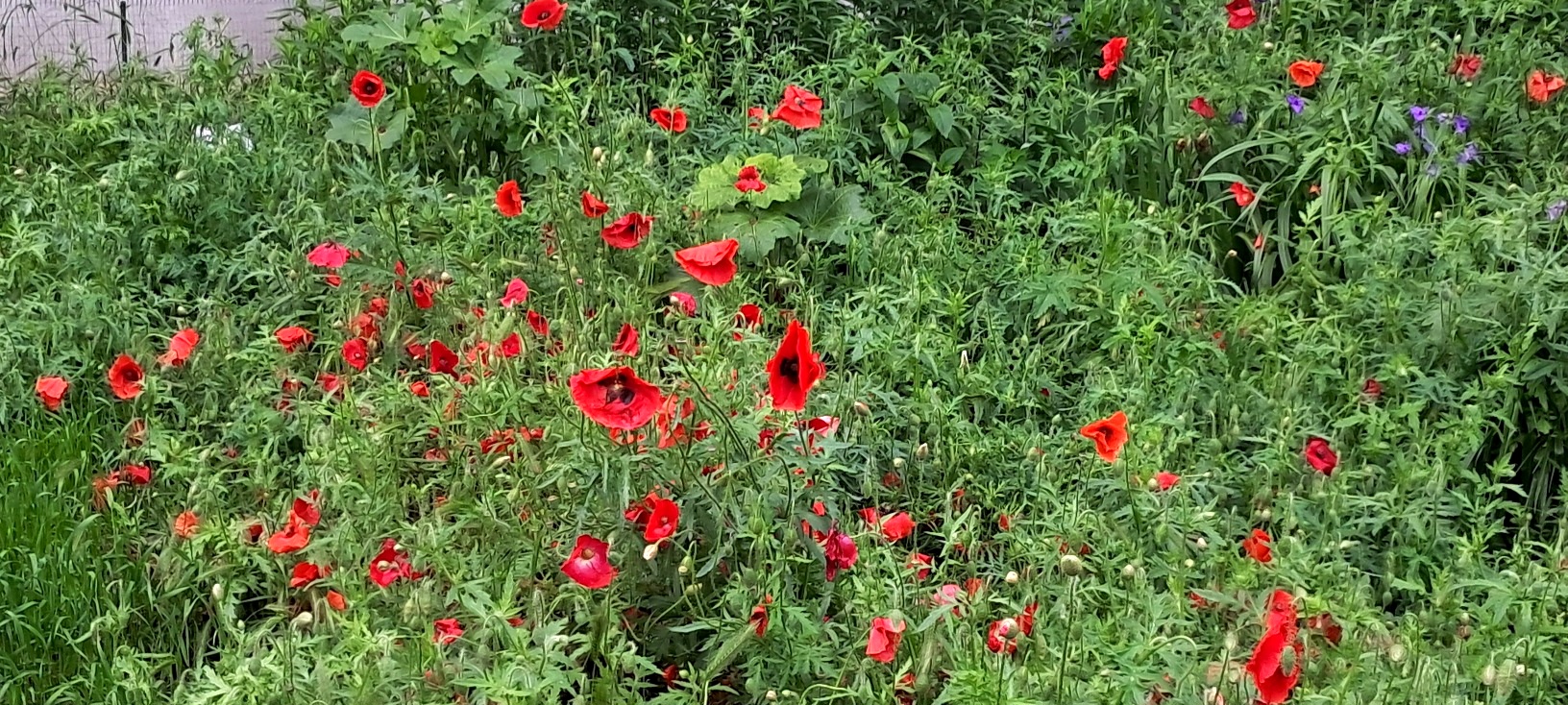
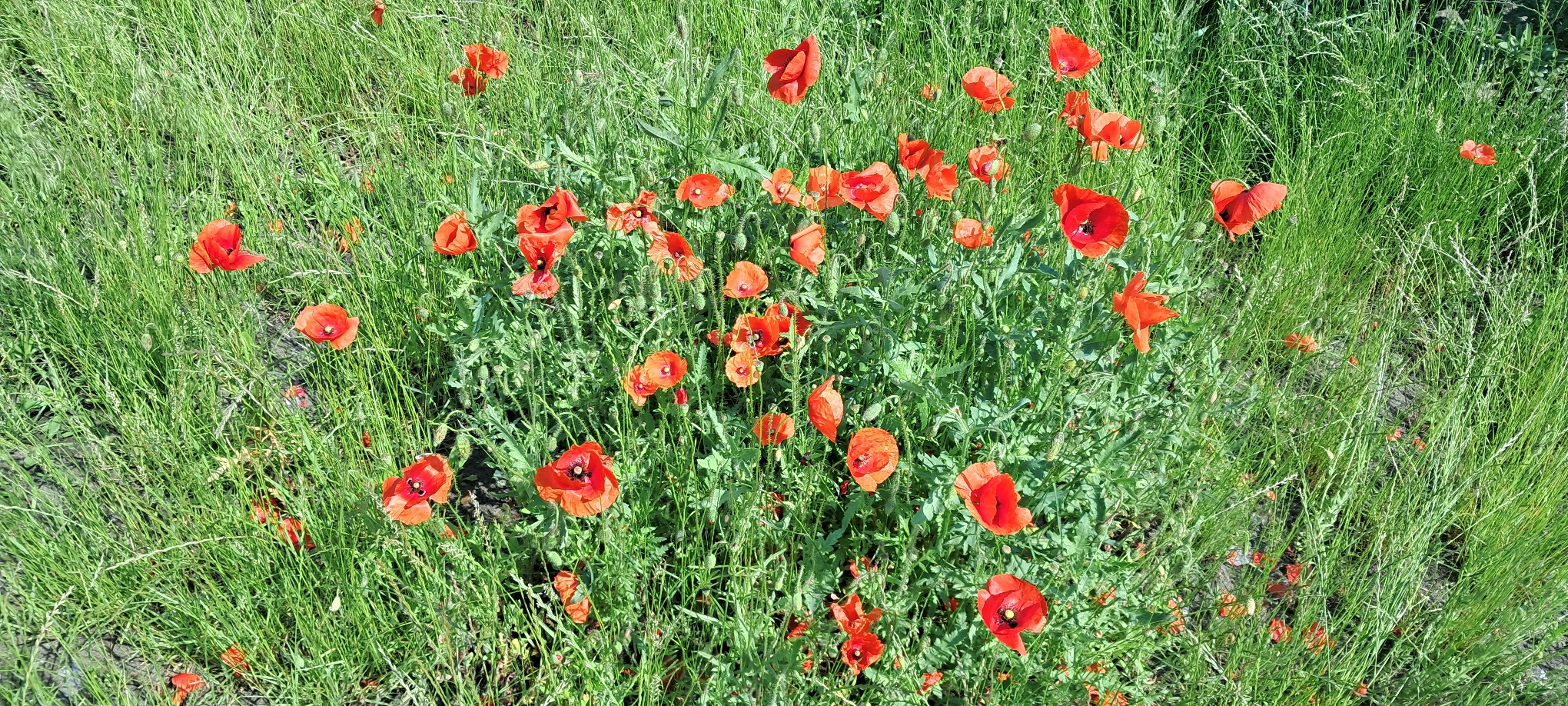
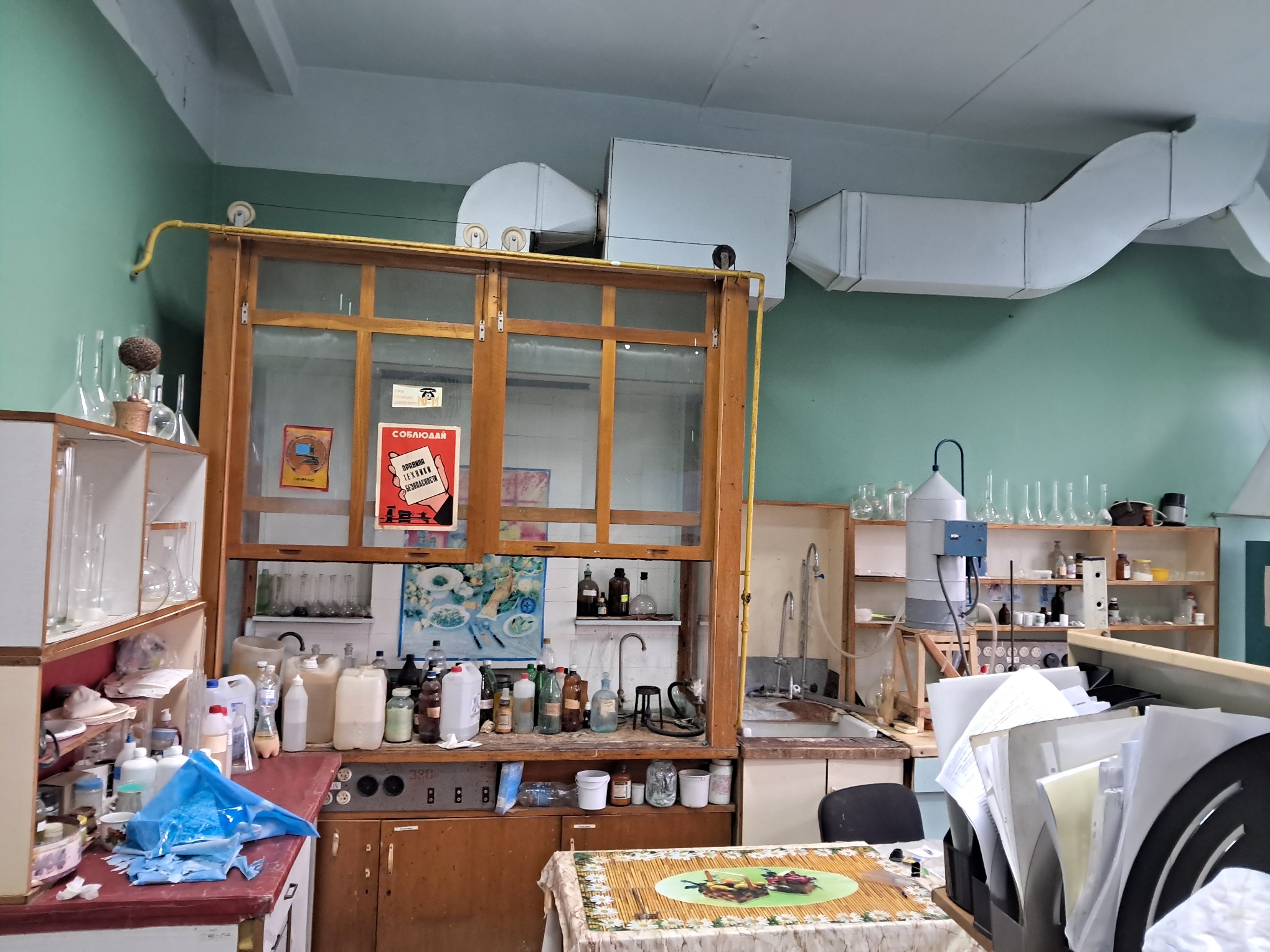
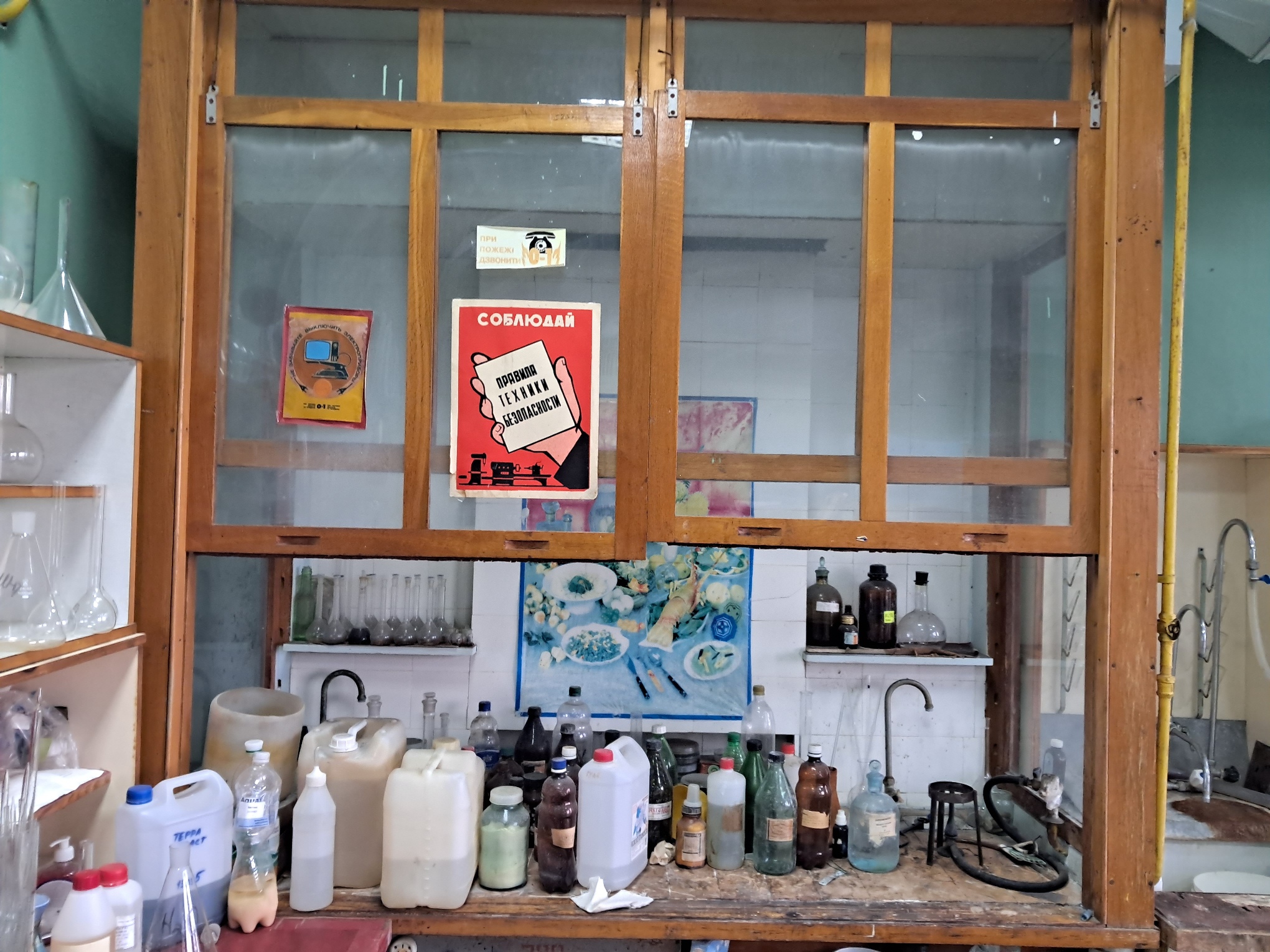
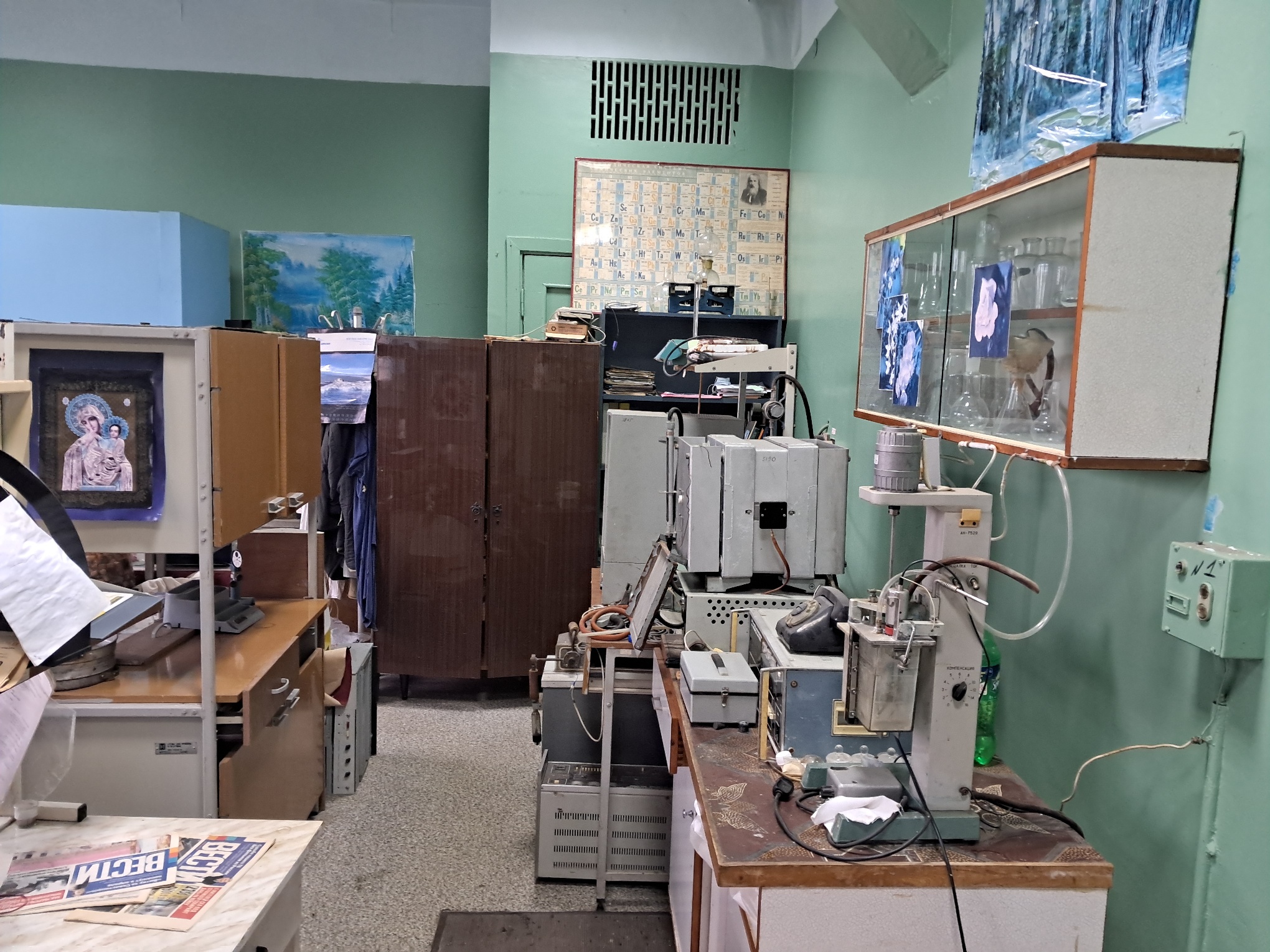
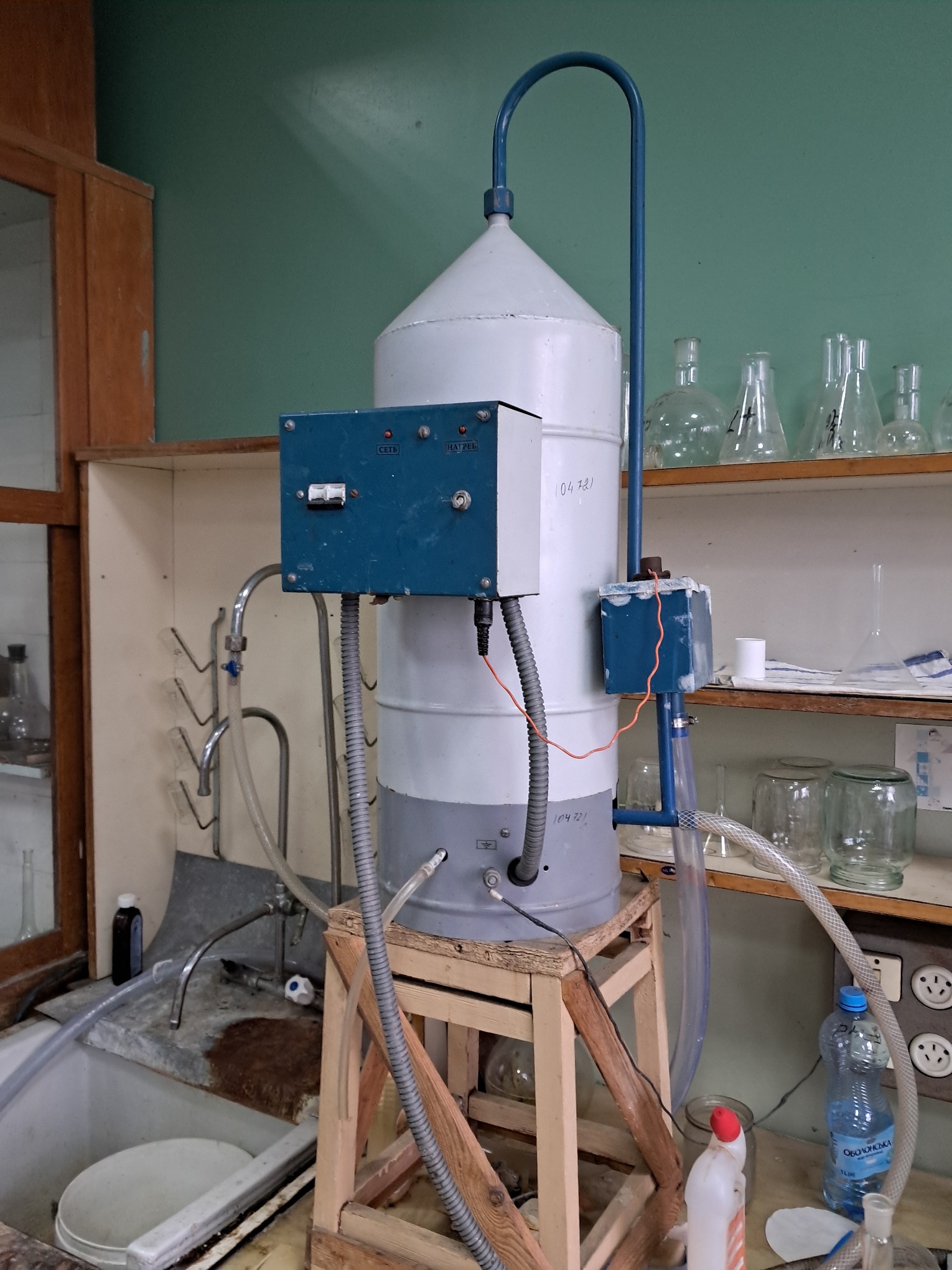
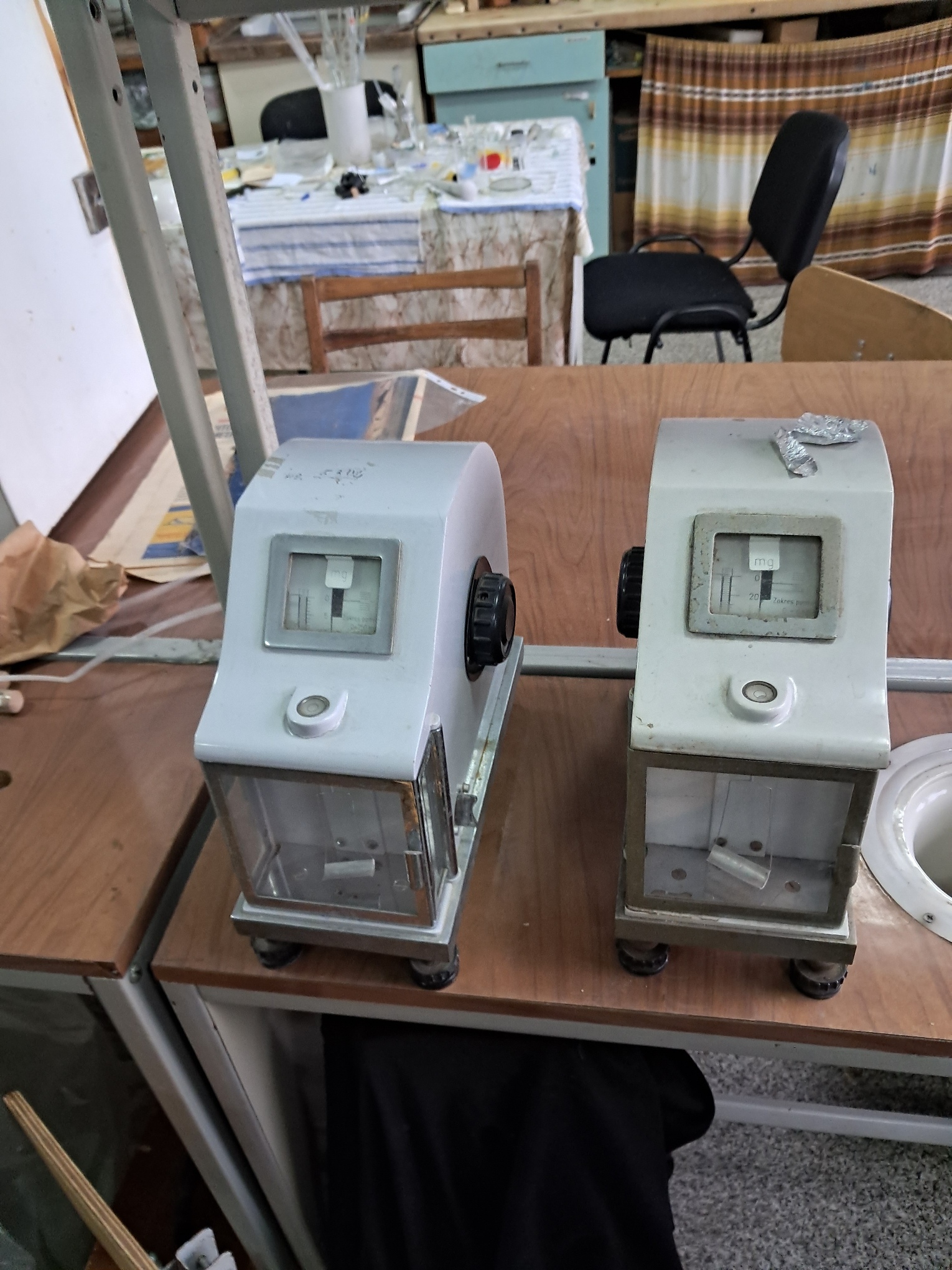
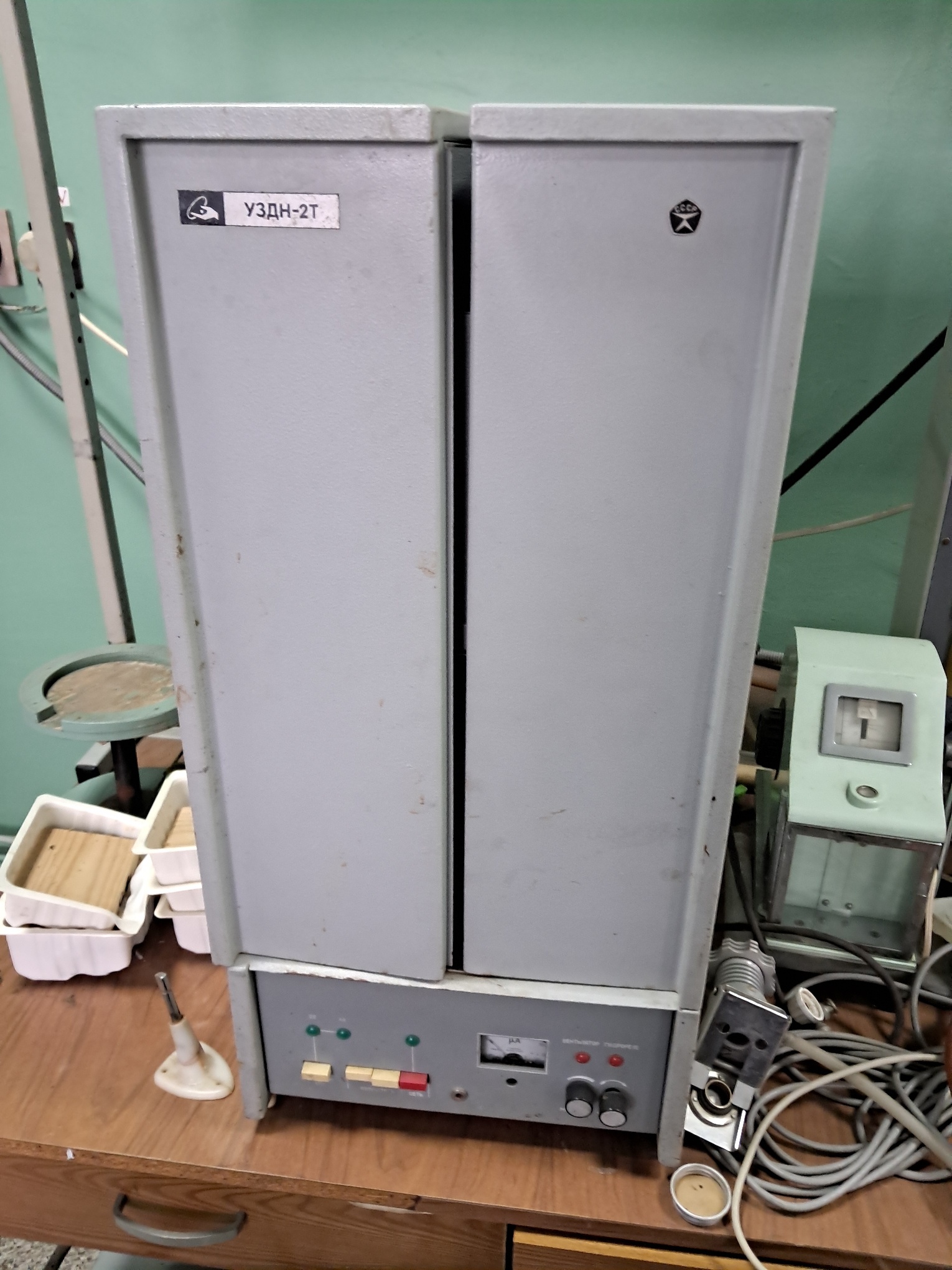
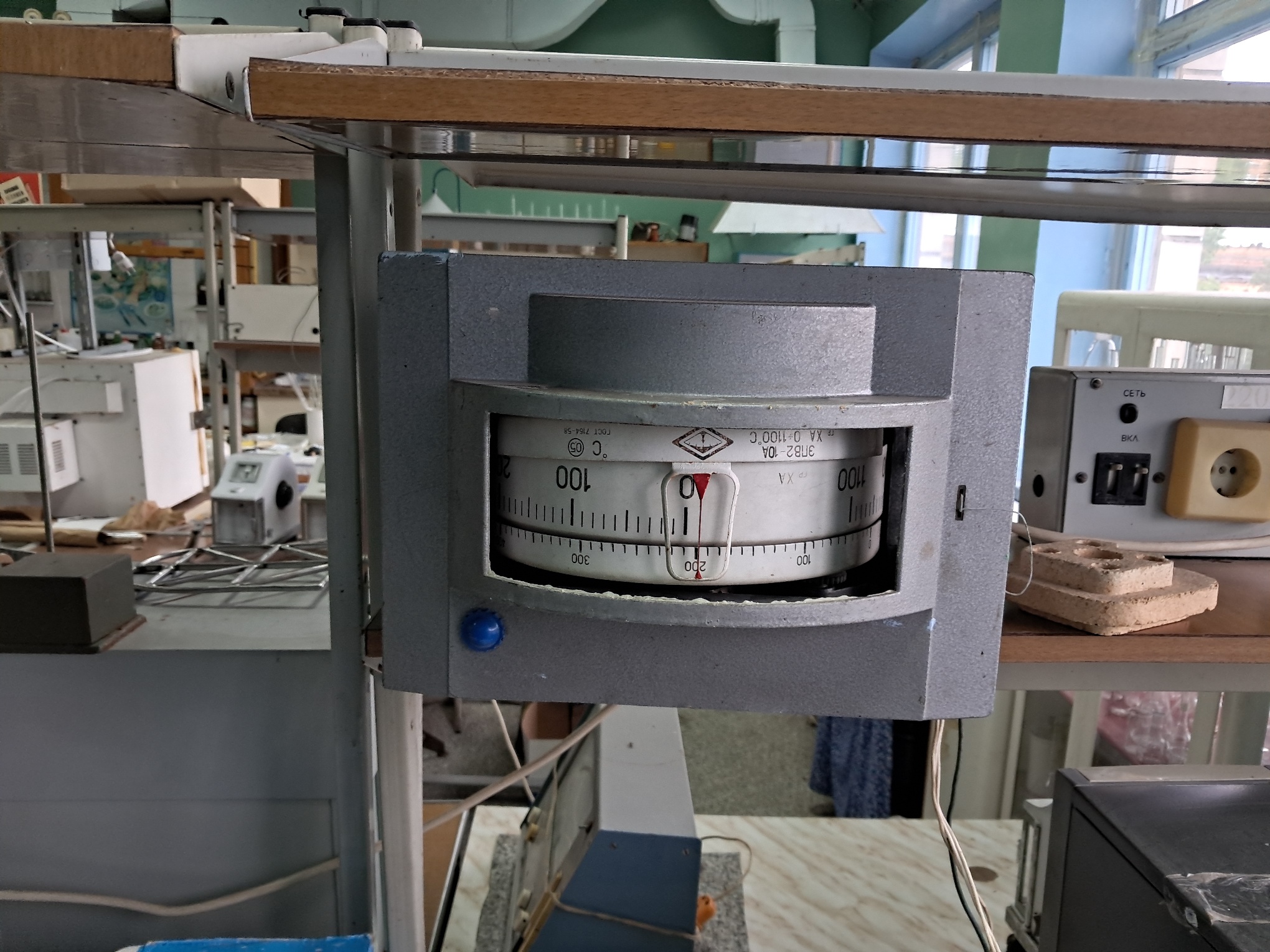
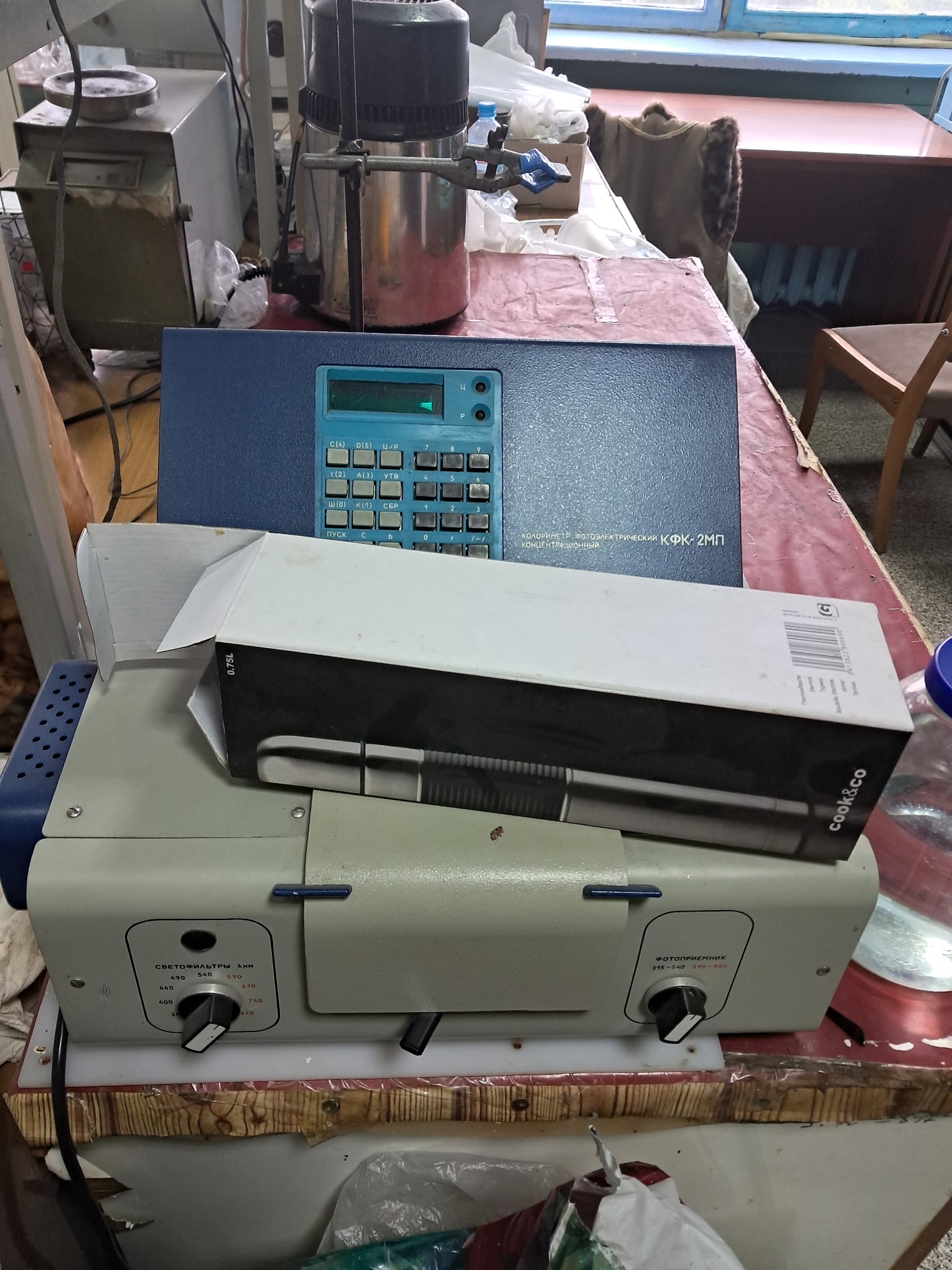
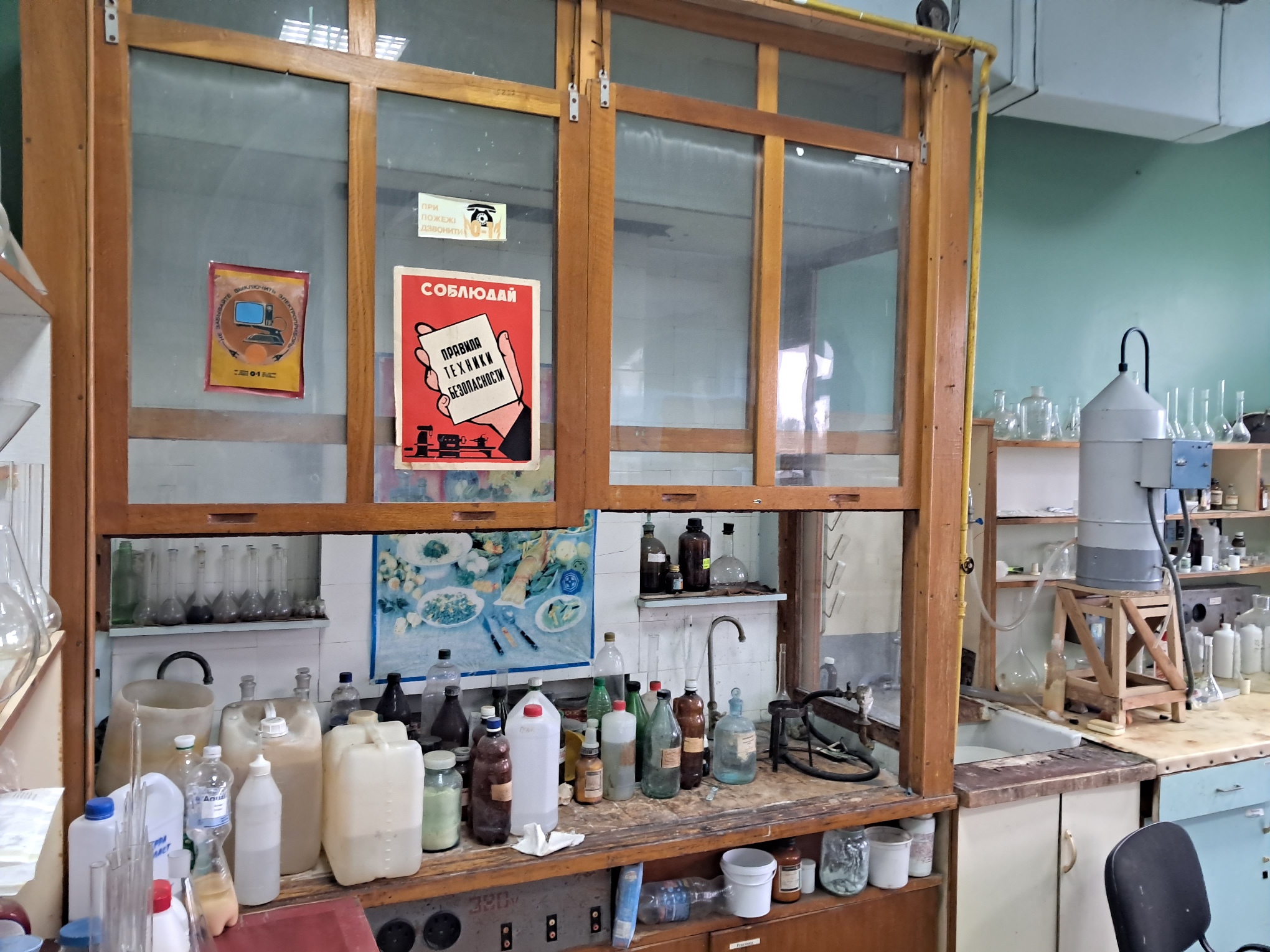
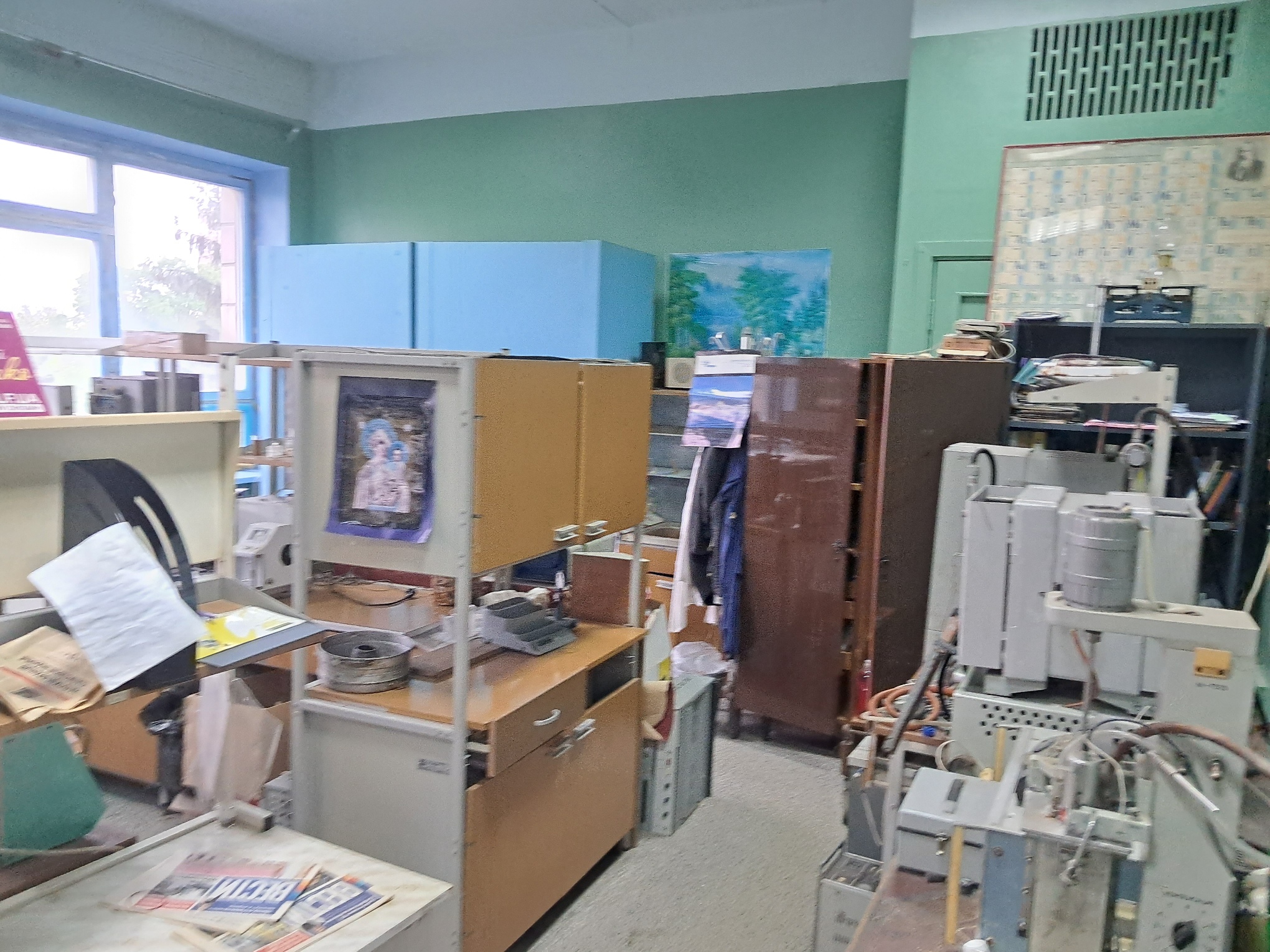
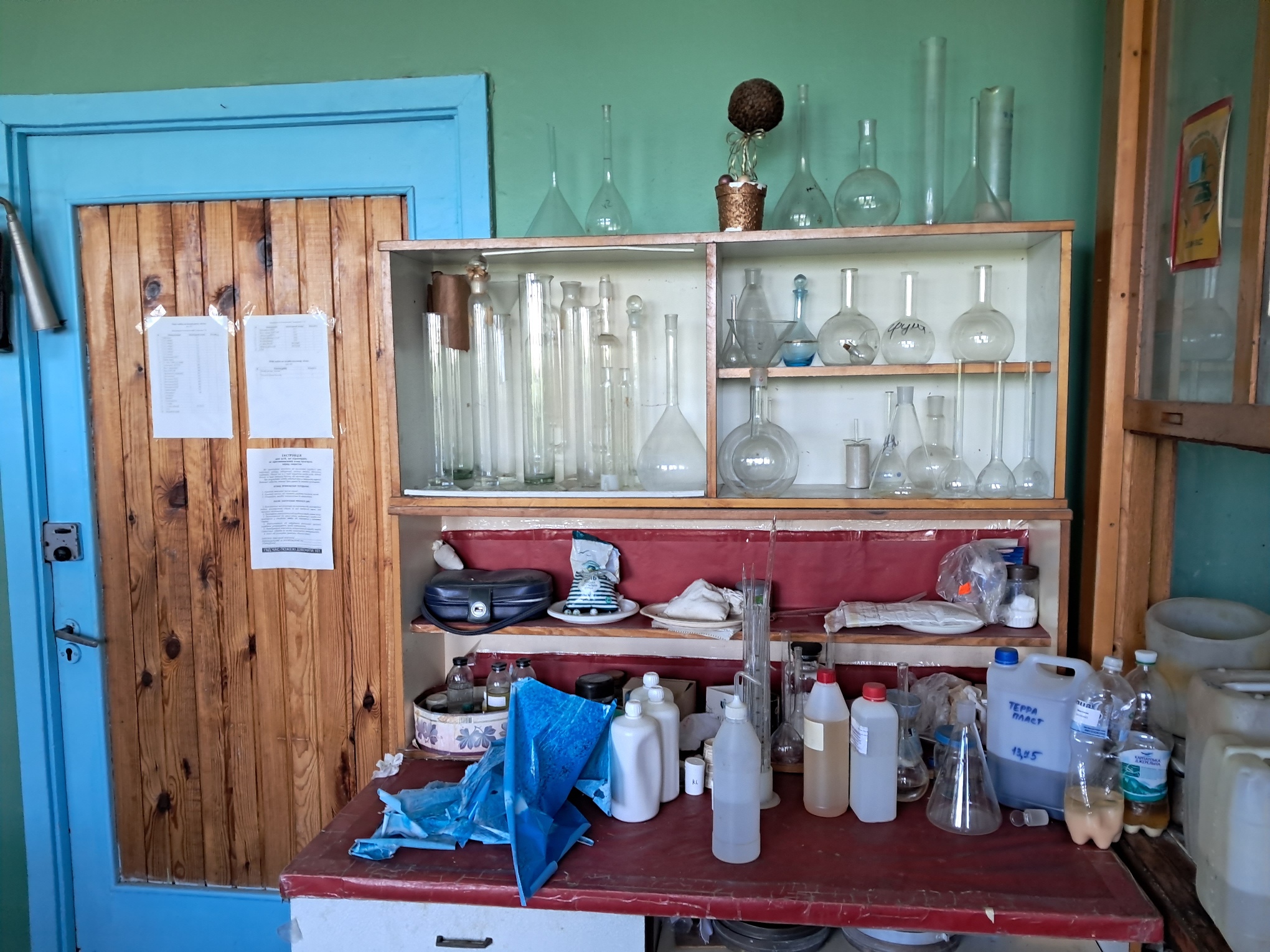
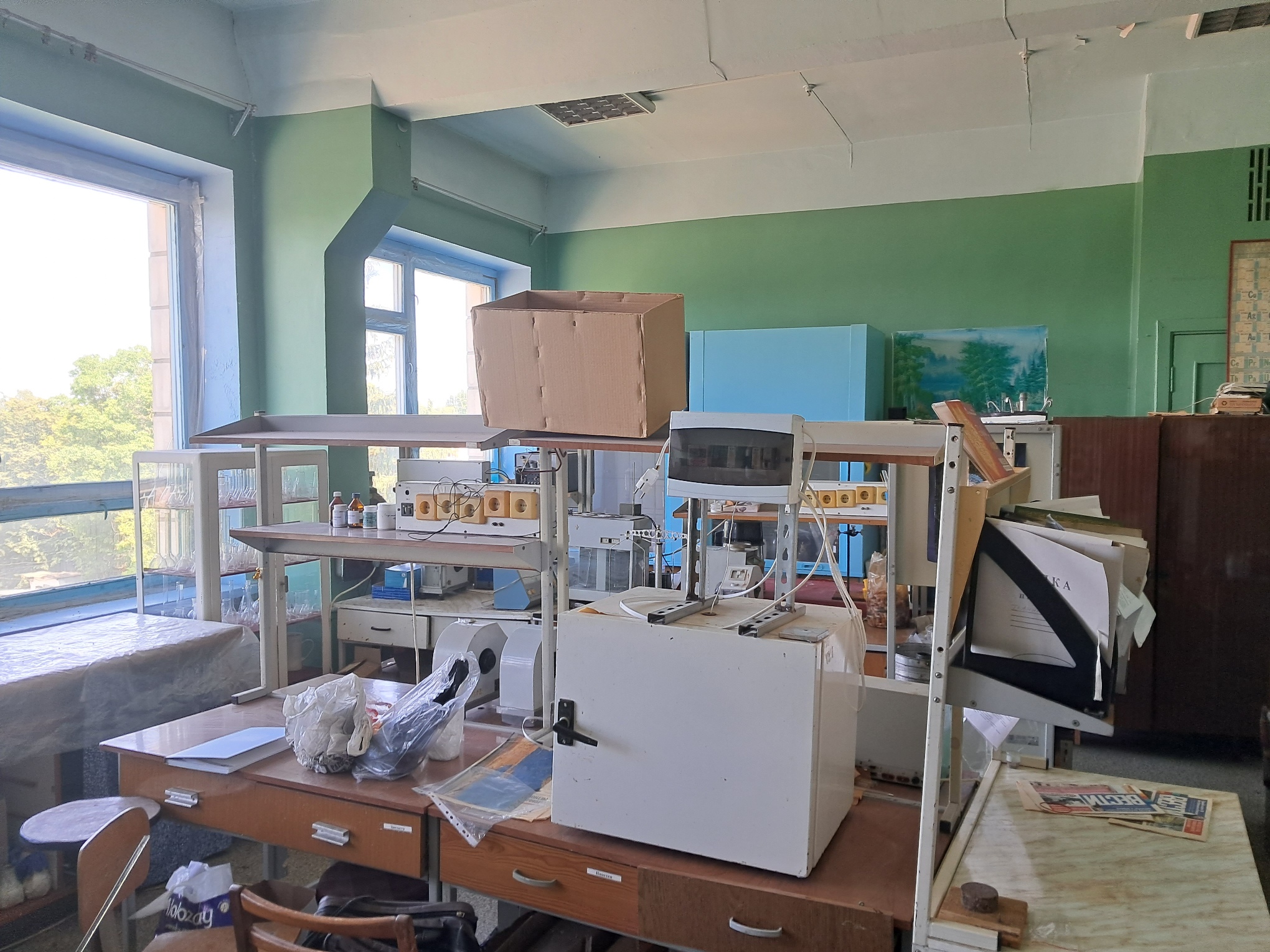
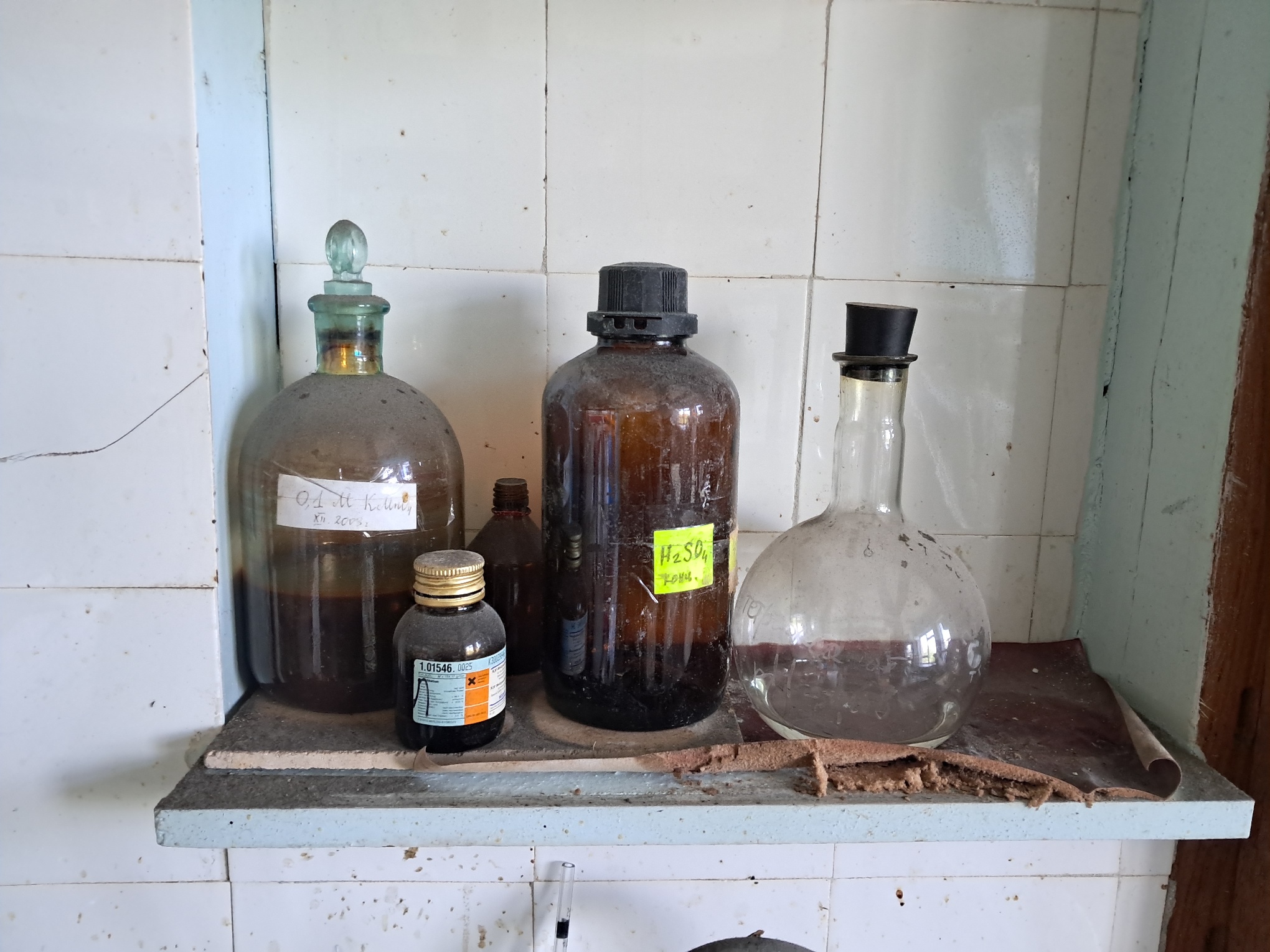
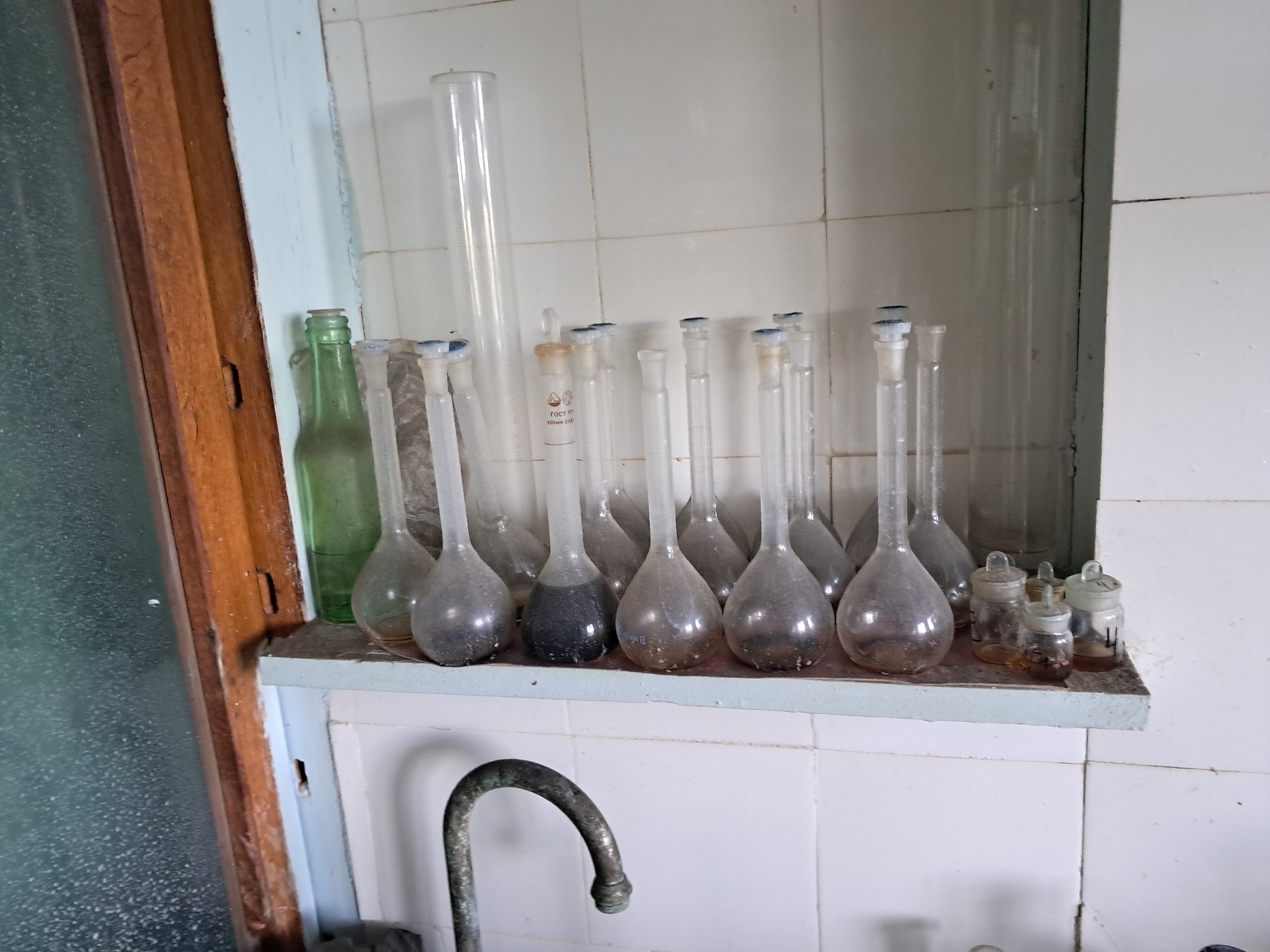
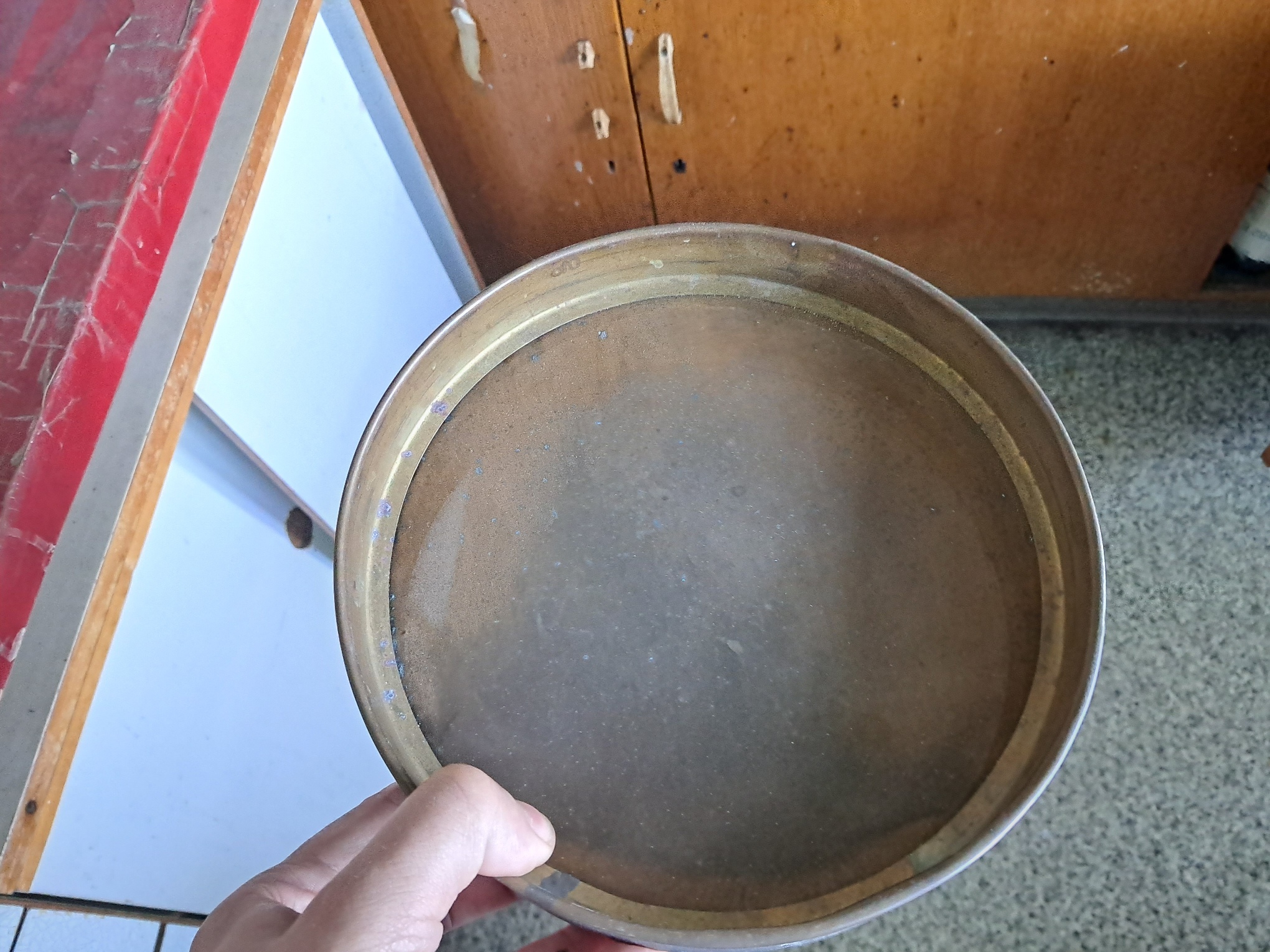
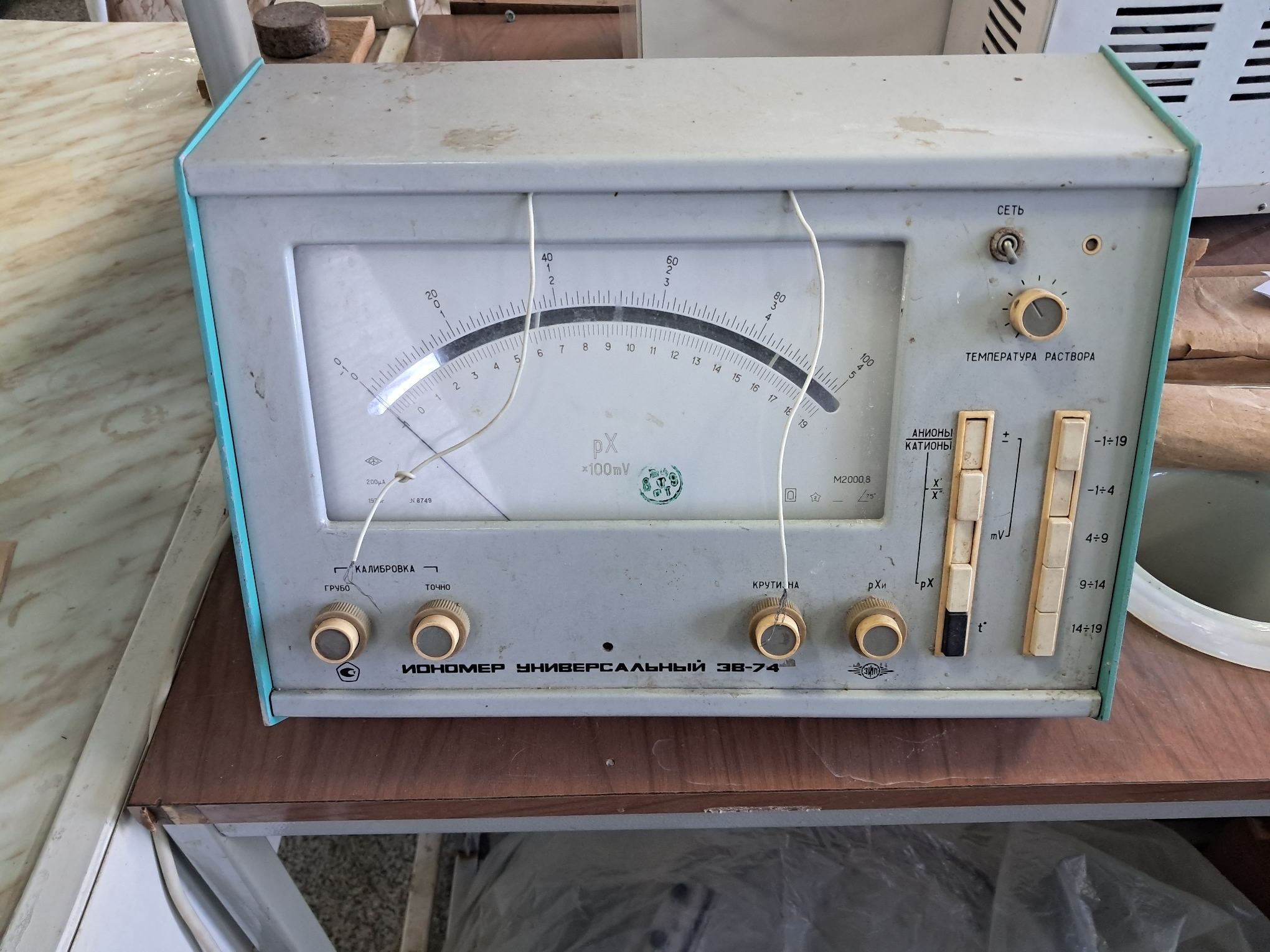
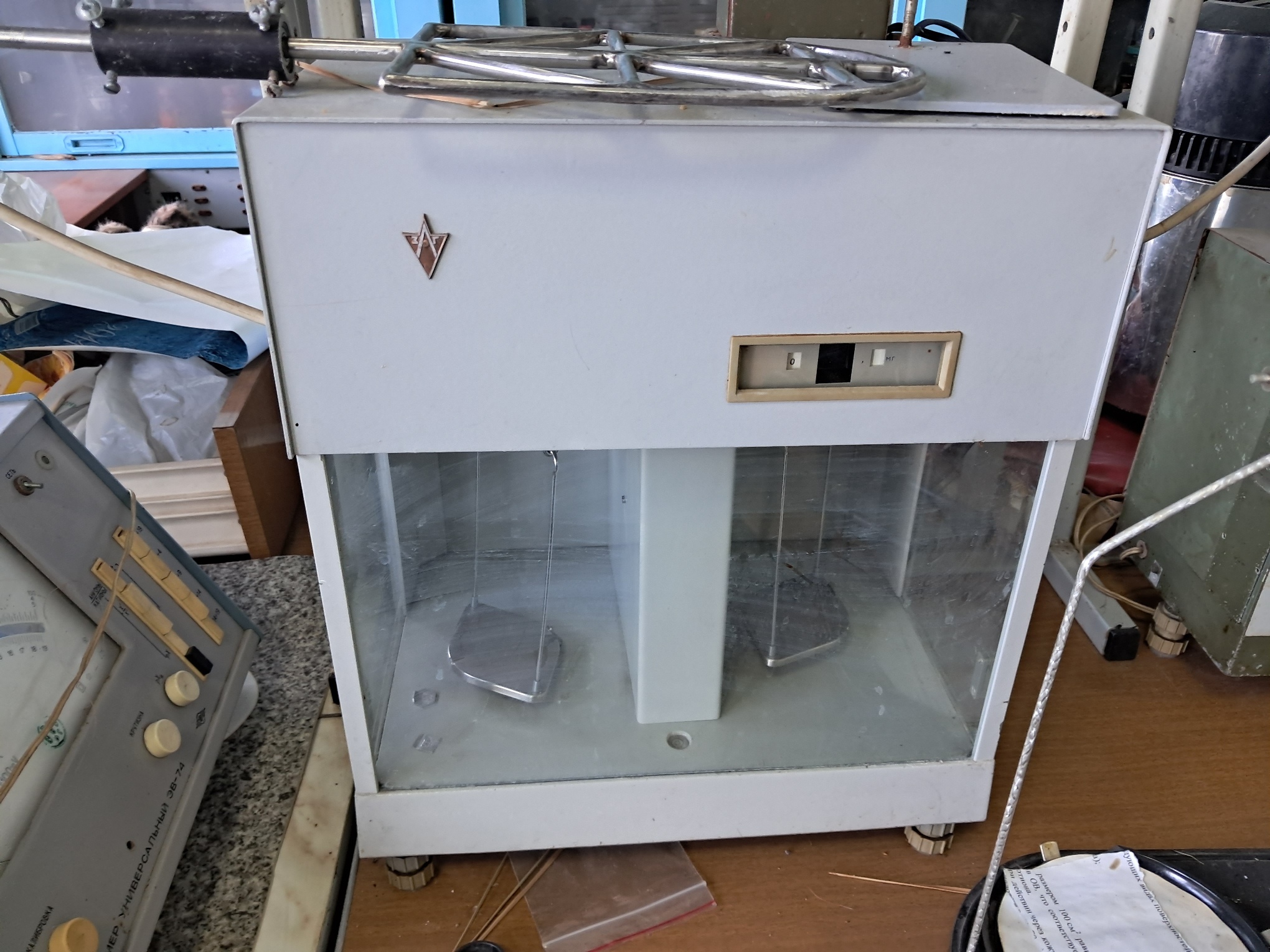
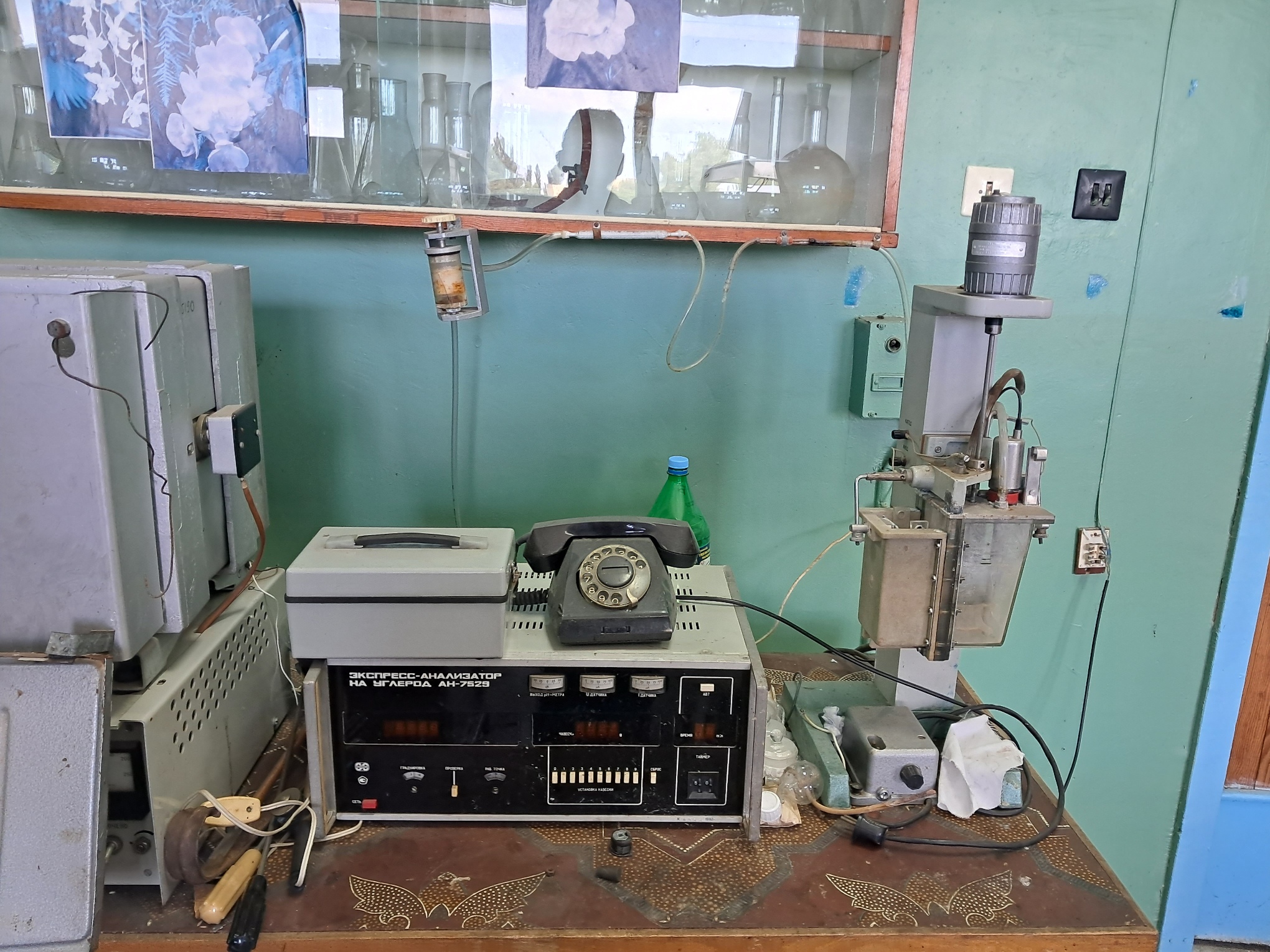
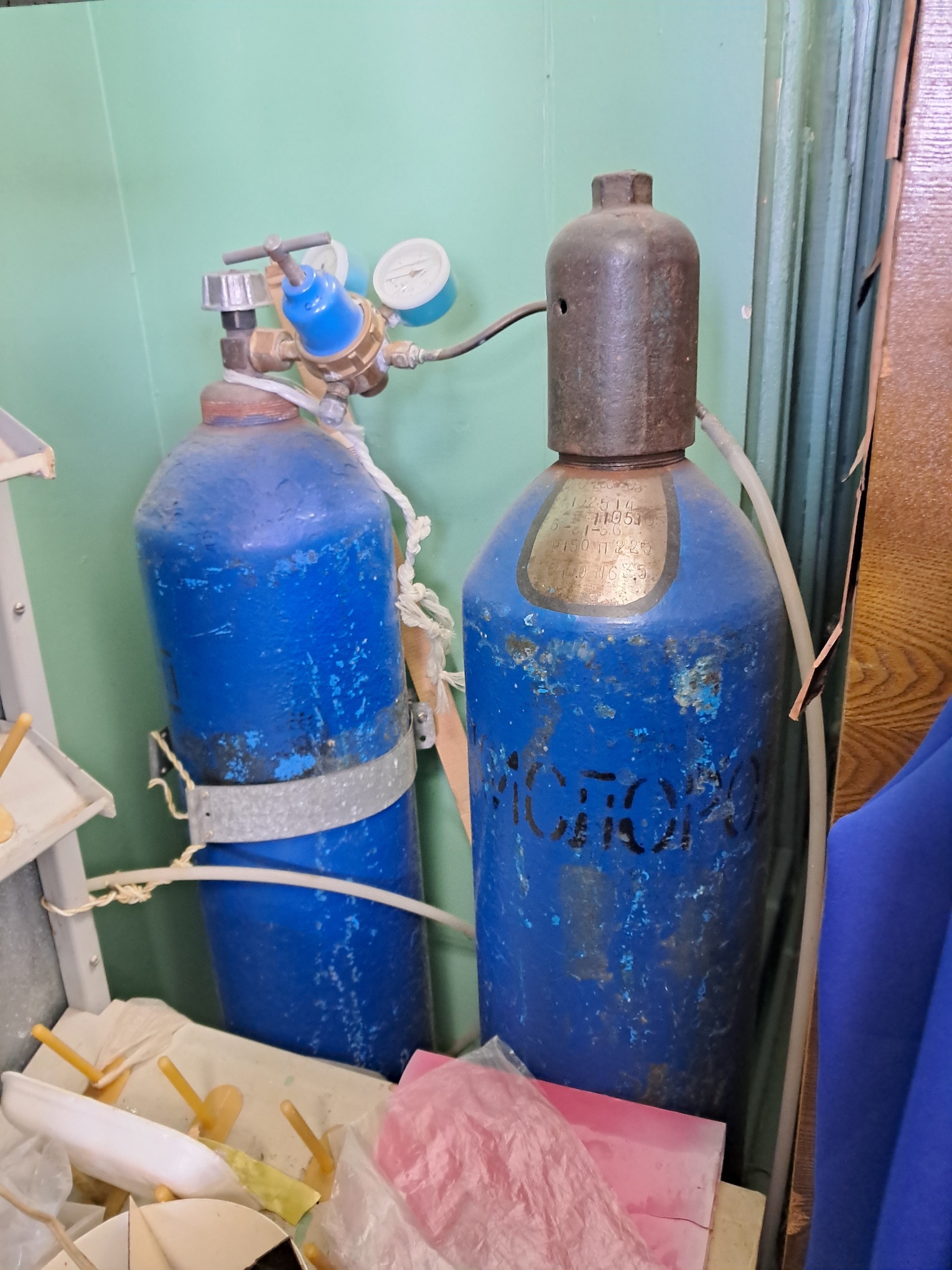
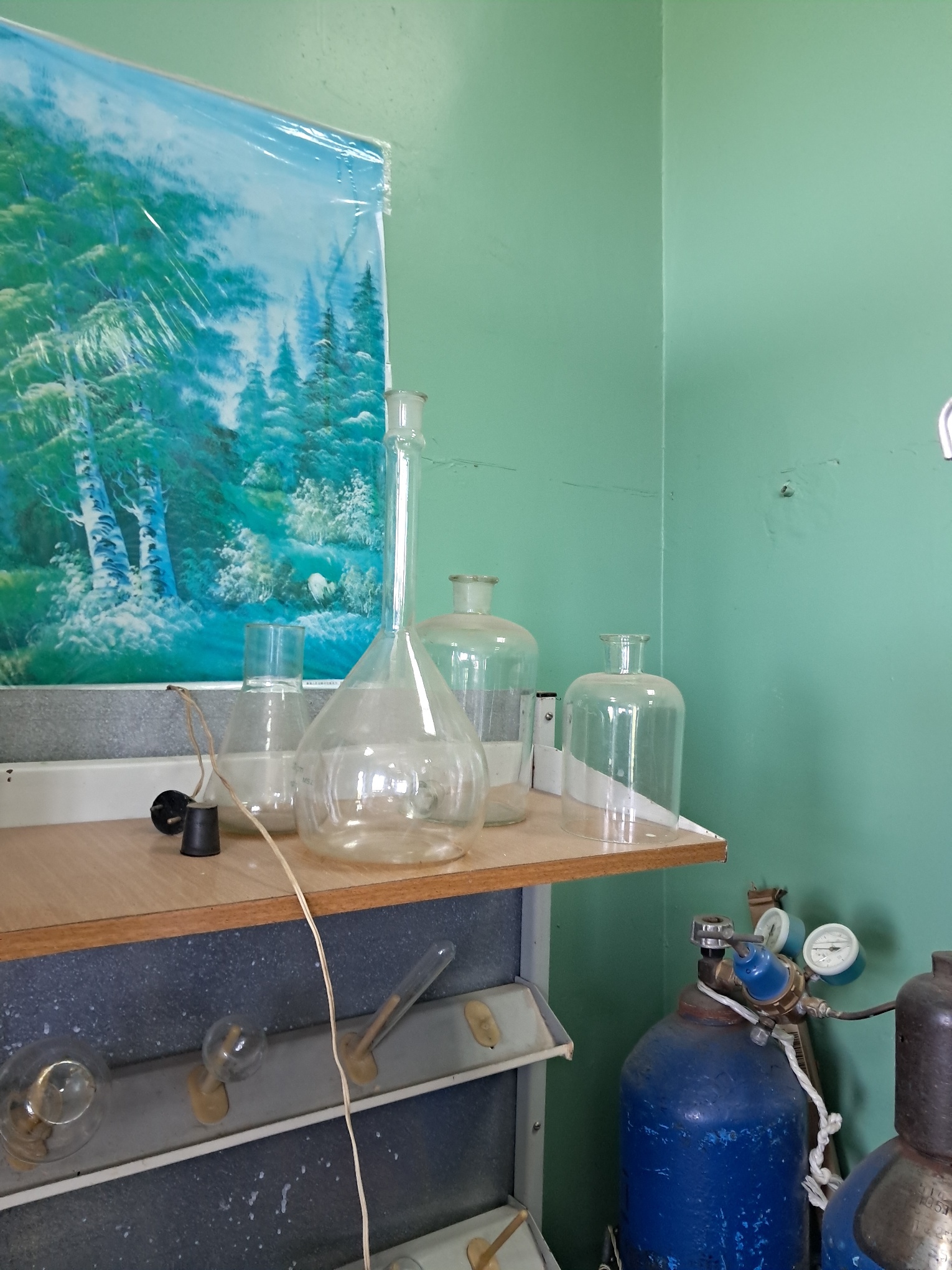
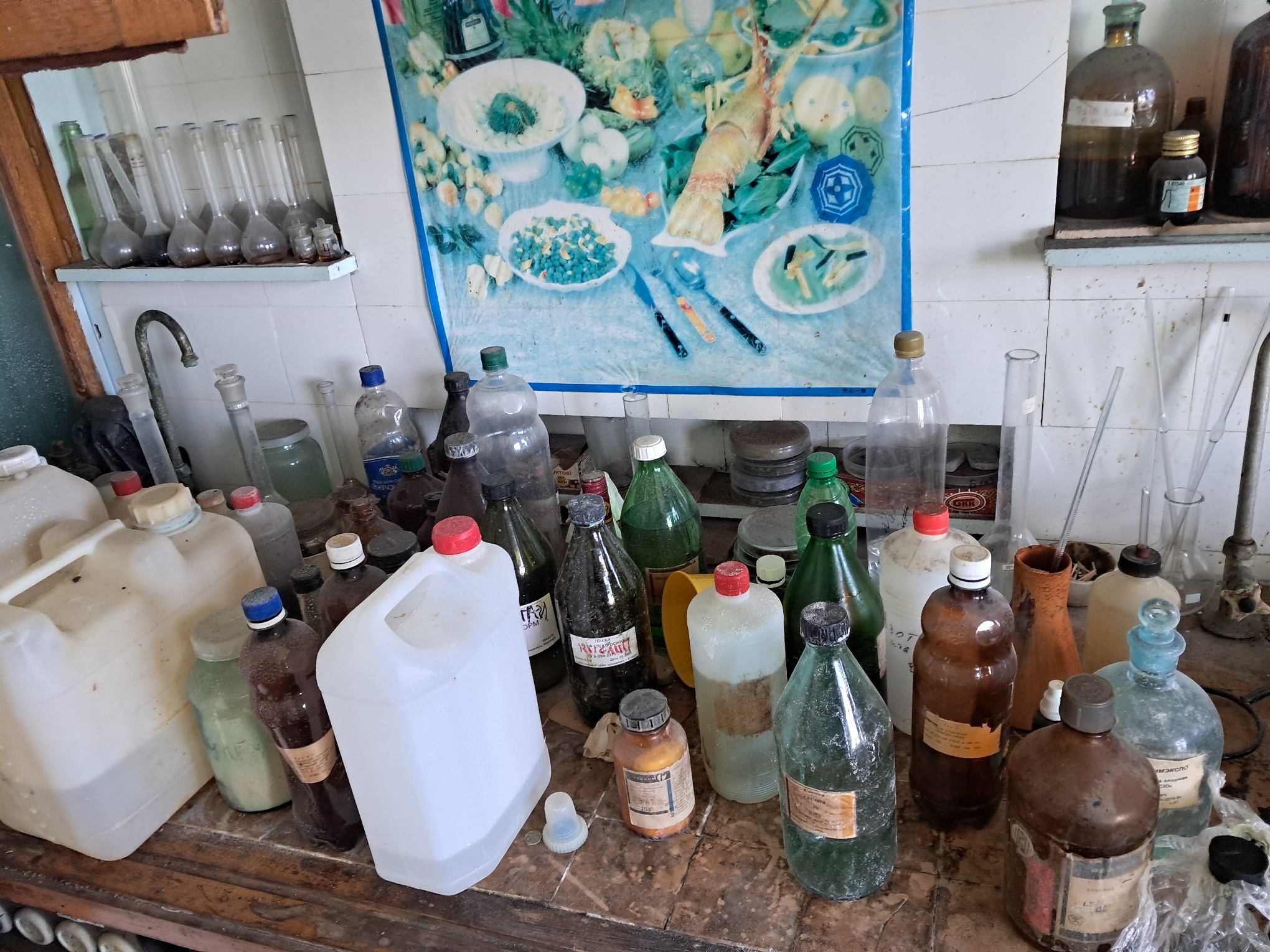
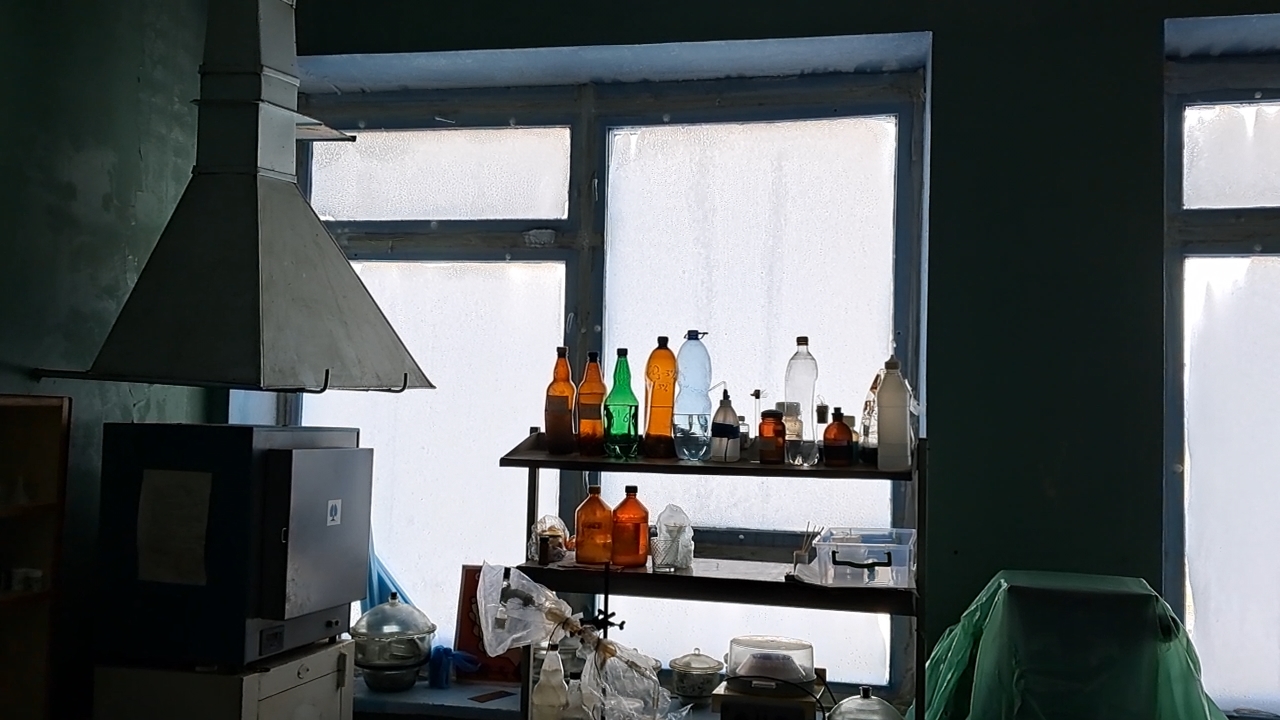
It was May - warm and sunny, with poppies blooming in the flowerbeds. I began working again at the institute where I had worked many years earlier. One of my colleagues had remained there all that time. The director showed us the laboratory: a large, old room crammed with equipment, much of it outdated and nonfunctional.

The director praised the laboratory at length - unlike many institute directors, ours is friendly. I noticed that the room was located in an unheated wing of the building. It is pleasant in spring and summer, but it would be cold in late autumn and winter. Anticipating my question, the director explained that a new laboratory was being prepared for my colleague and me - the renovation was already in full swing. The new space was located in the heated part of the building.

Time passed, the client stopped allocating funds, and the renovation was left unfinished. The institute's maintenance clerk, a former army colonel, took charge of the situation. Instead of suspending the renovation, he decided to create an external imitation of a laboratory. The space renovated under his supervision may have looked like a laboratory to him, but it was entirely unsuitable for chemists.

Naturally, I refused to work there and remained in the unheated room. It was perfectly acceptable until mid-November. Then the outside temperature began to drop, and the laboratory grew colder as well. My department colleagues warned me that in previous winters the walls in the adjacent room had been covered with frost - something similar could be expected here.

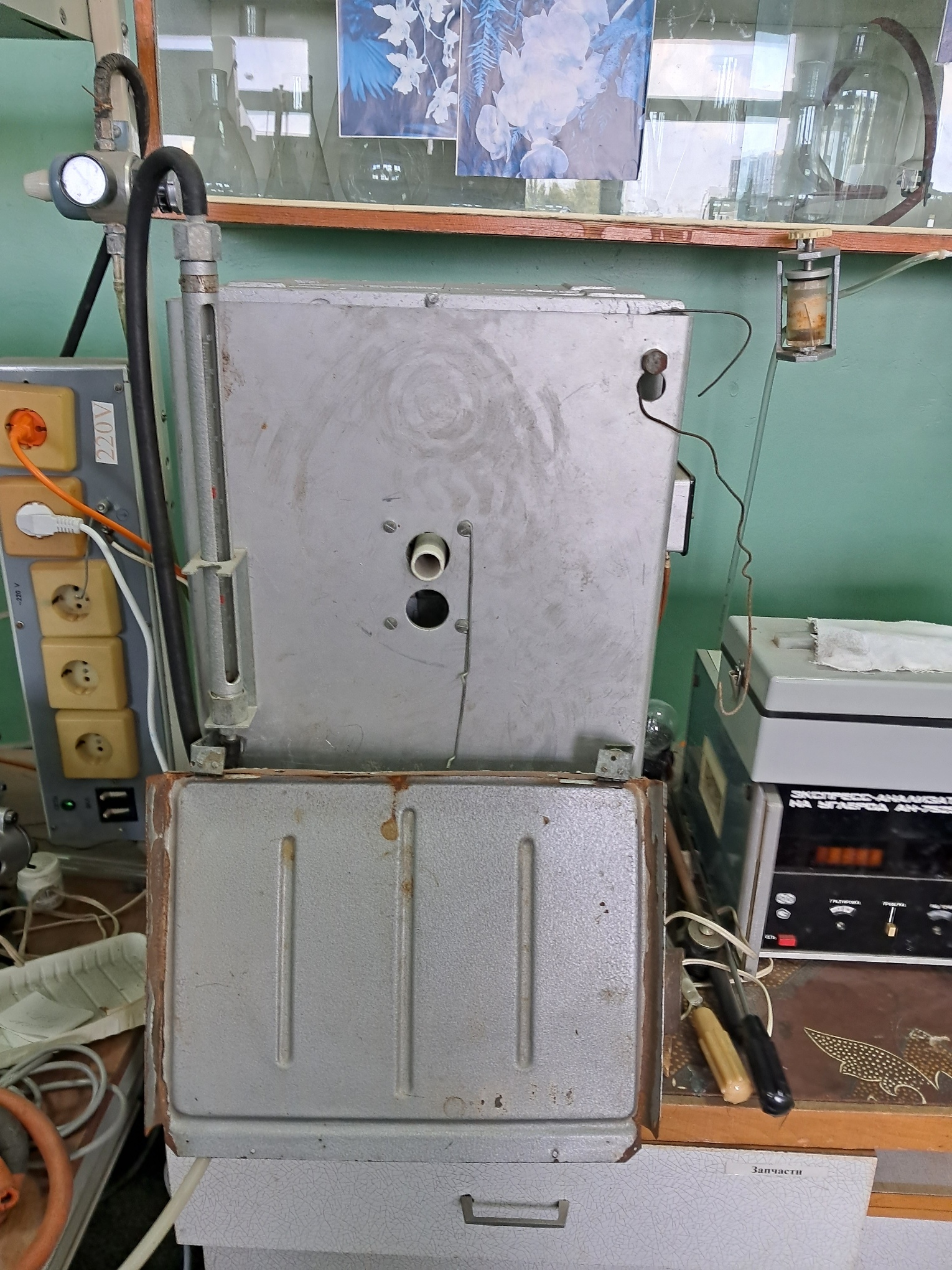
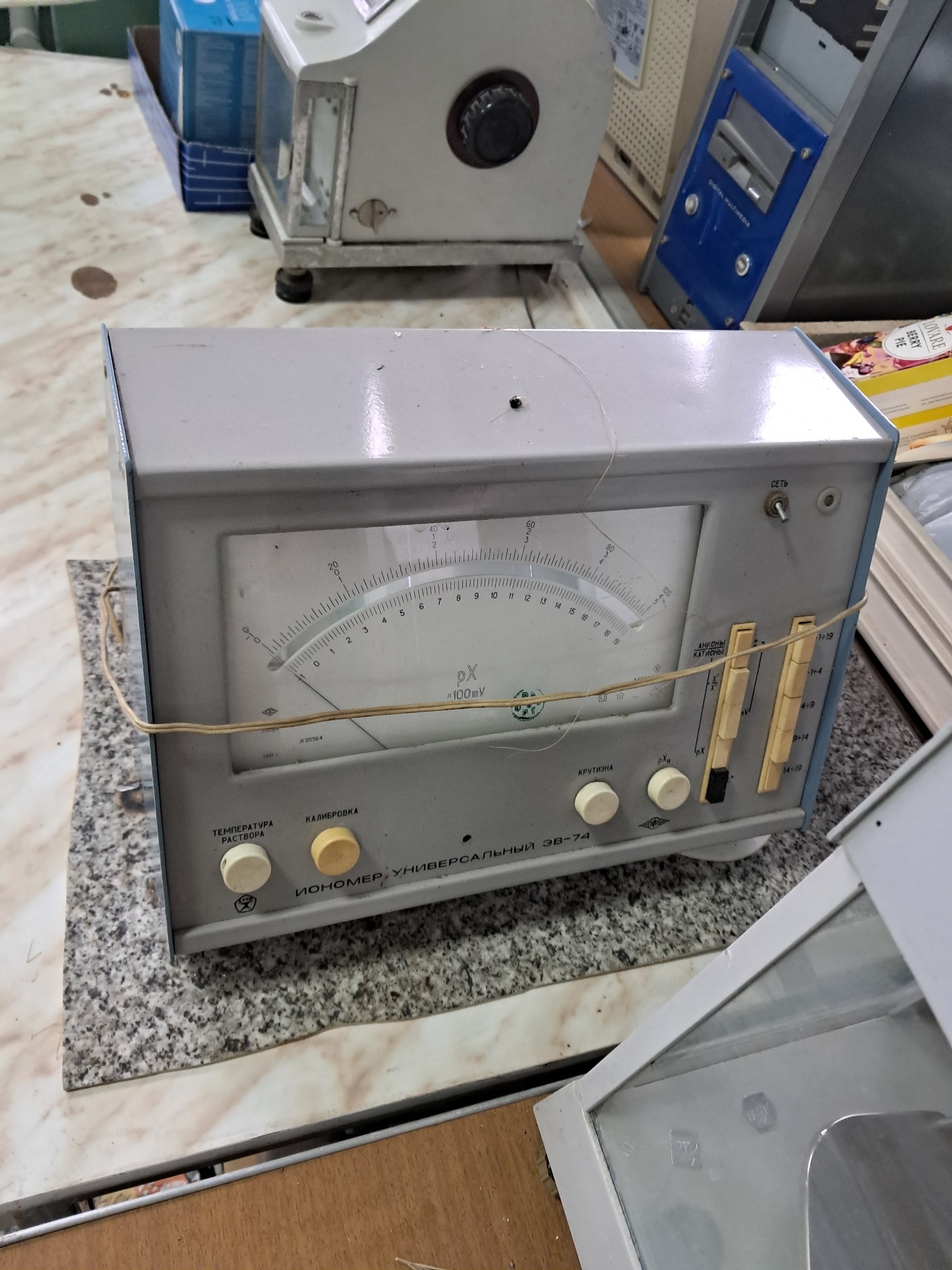
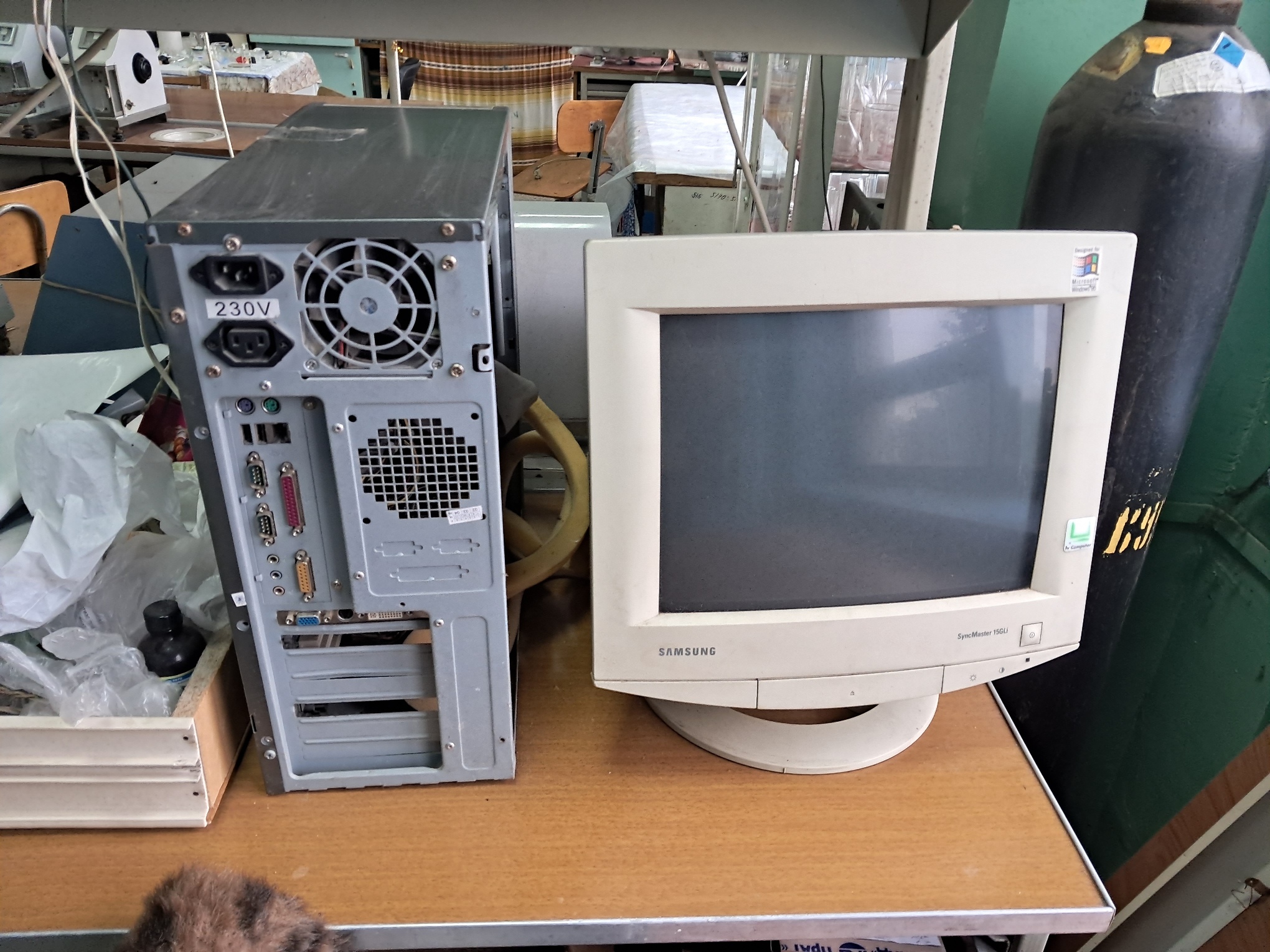
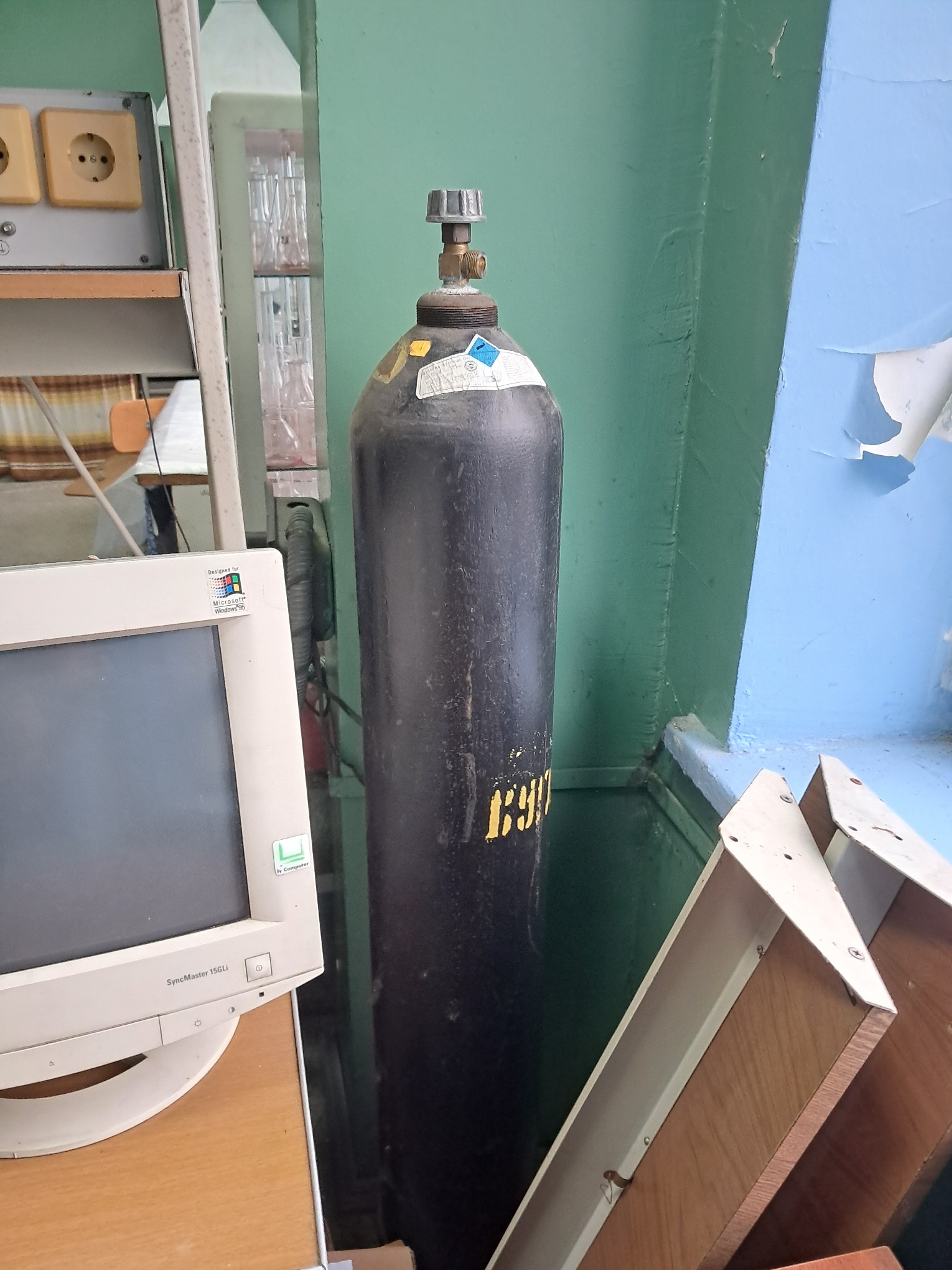
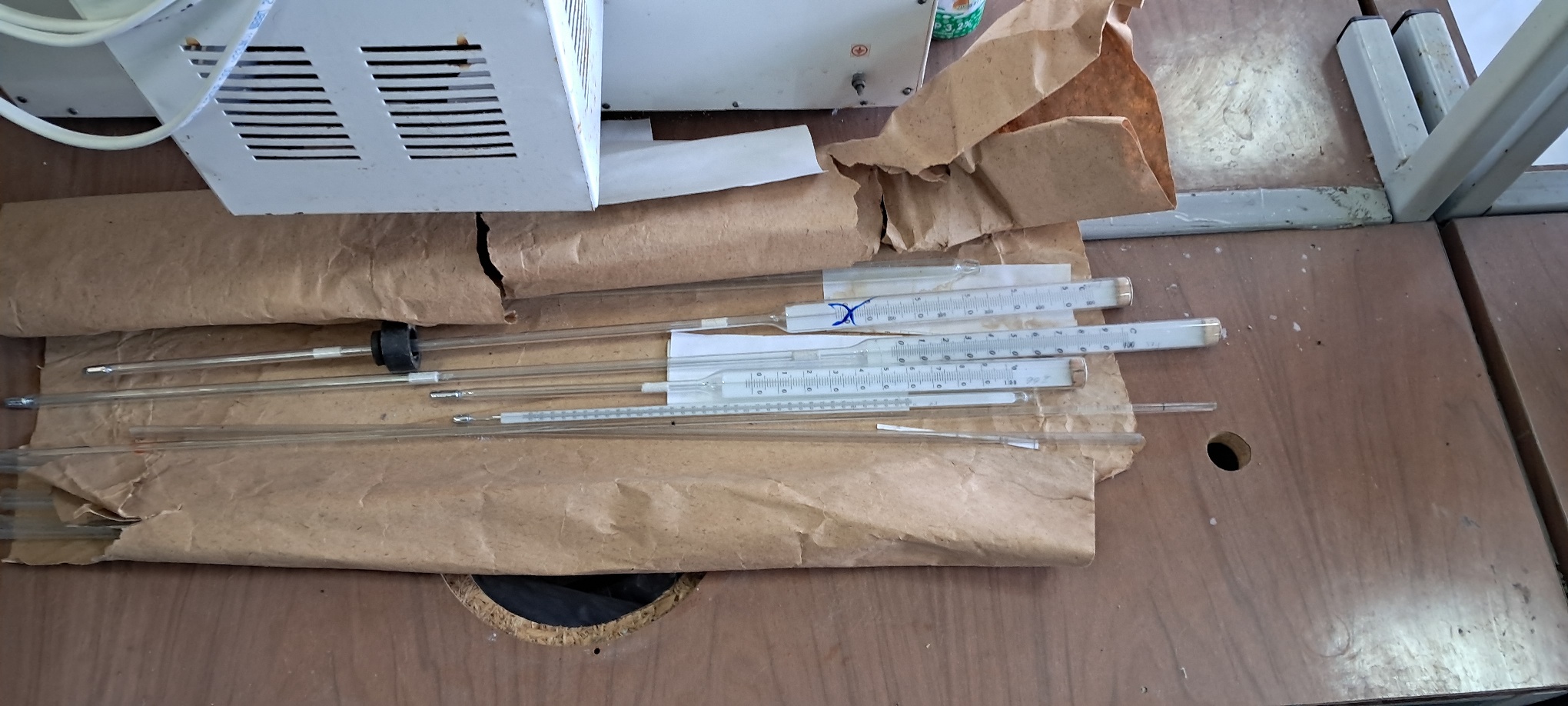
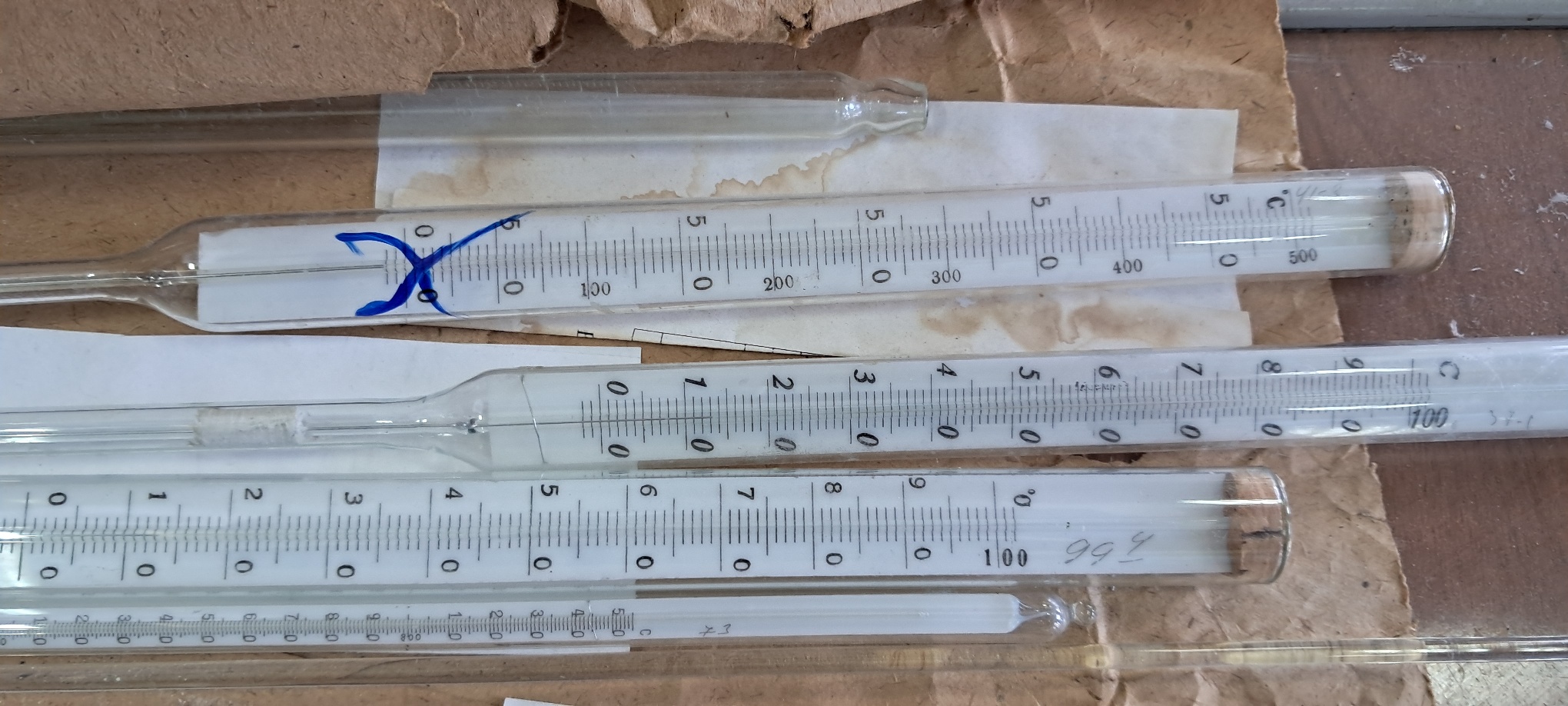
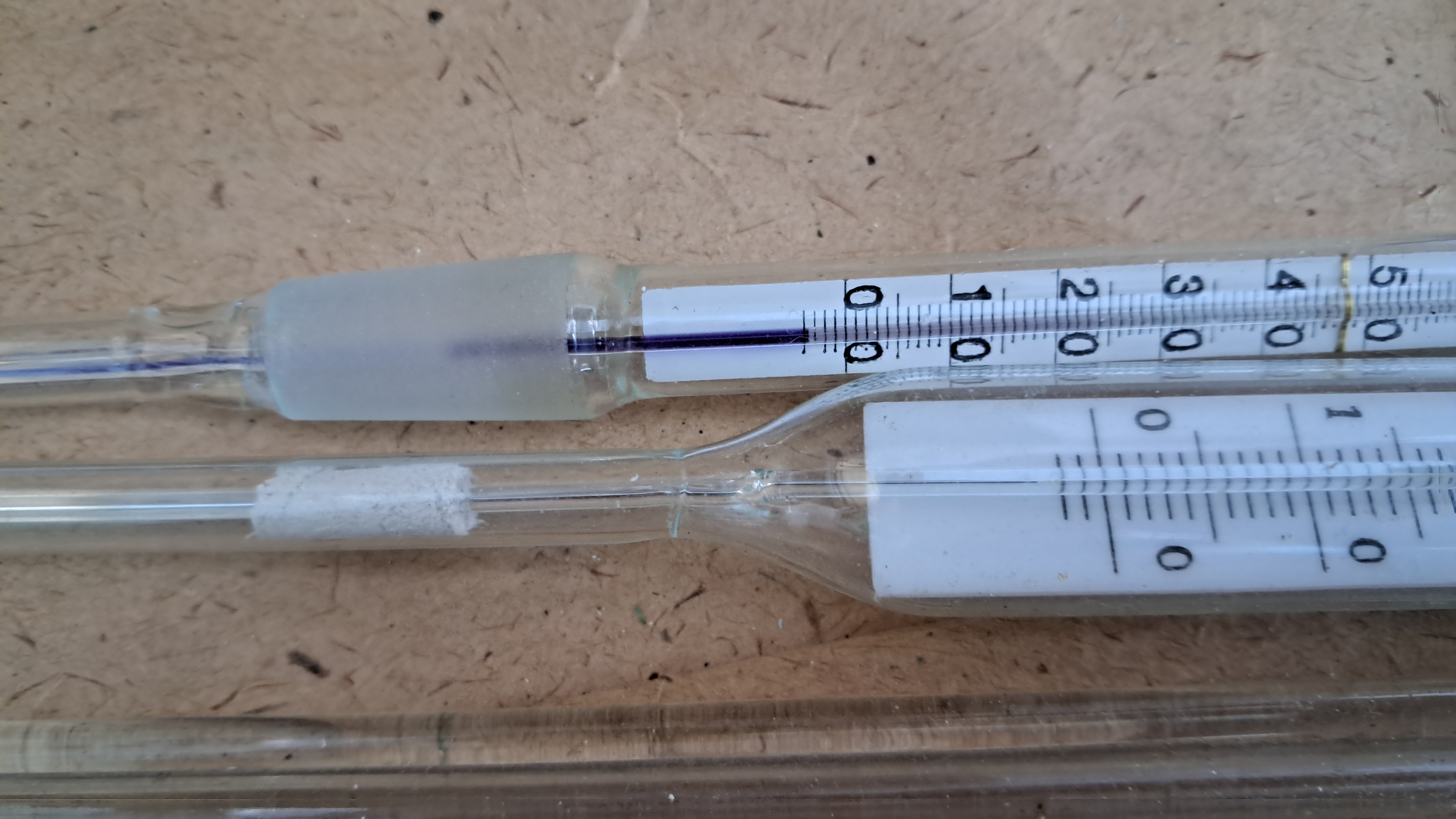
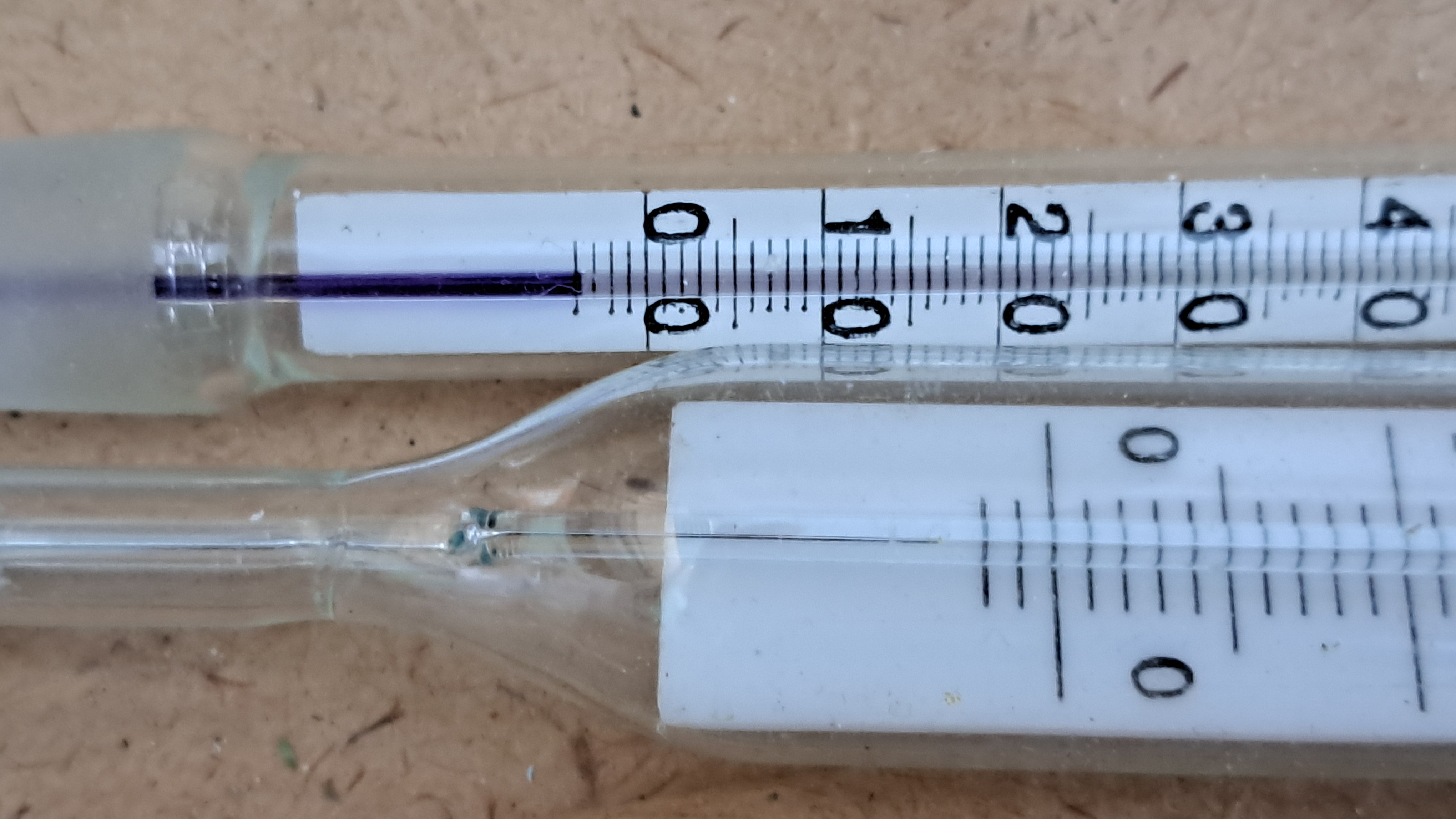
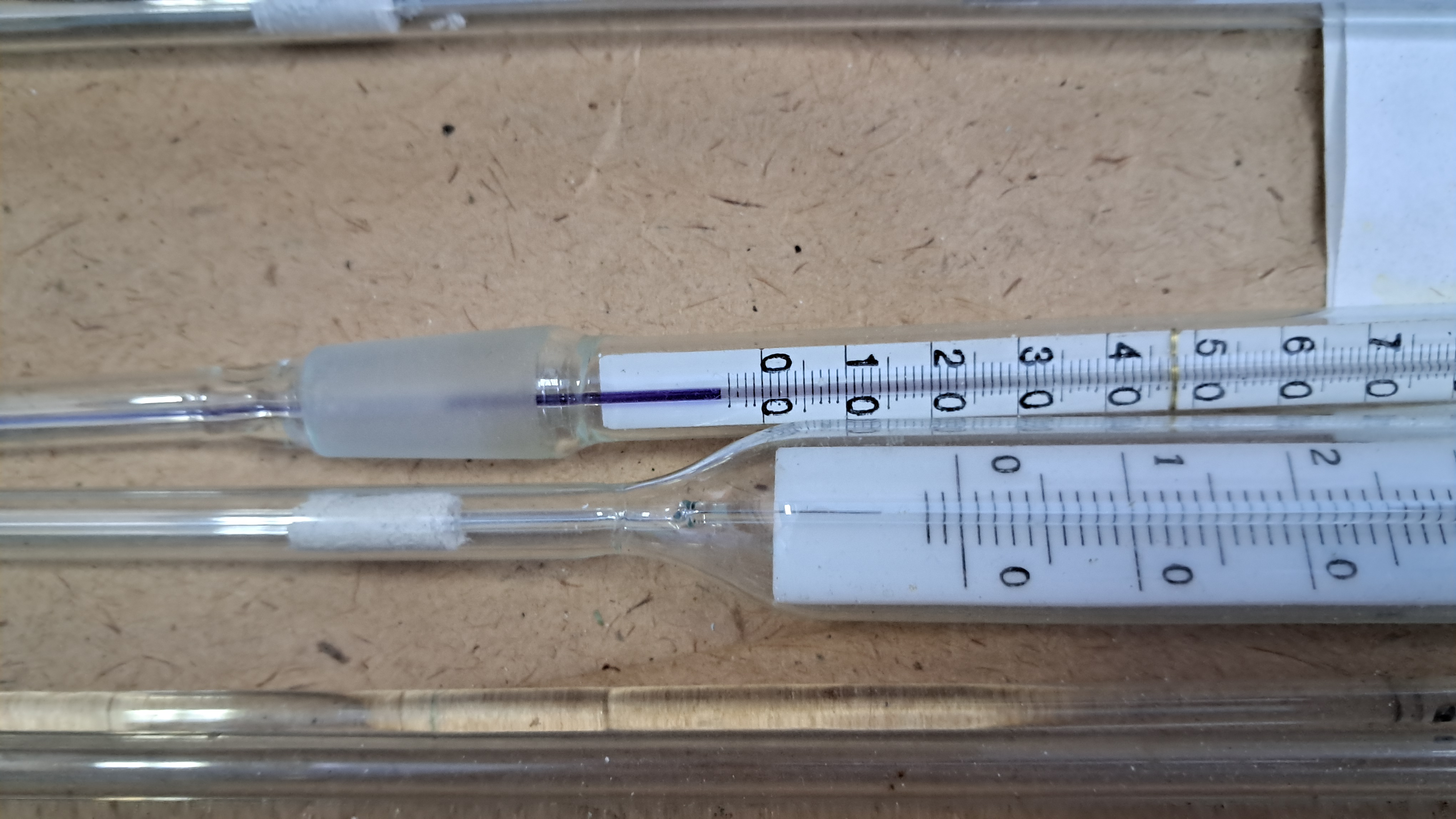
My colleague had a heated room and promised to clear a desk for me. Technically, it was a laboratory, but in reality he had turned it into a large storage area, filling it with haphazardly stacked items: books, glassware, reagents, unfinished equipment, metal sheets, thermometers, pipes, dried plants in bags, old computers and monitors, and even cathode-ray tubes from old televisions.

The temperature in my laboratory dropped to 4°C. By that time, it was snowing and freezing outside. The window opposite my desk turned out to be very leaky - a steady draft blew through it. I dressed warmly, but working there was still uncomfortable: it was cold and damp. On the other hand, no one forced me to come to work - I could have stayed home and still received my salary.

Meanwhile, my colleague never cleared the desk as he had promised. It was psychologically difficult for him to part with the haphazardly stacked items. And I, for my part, did not want to move into his room. Although I am a rather unpretentious person, I still refused to work in an environment where my workspace was cluttered with a multitude of other people's belongings. Apparently, my colleague did not understand this and wondered why I refused to relocate.

The situation was eventually resolved when a mutual friend - also a chemist - learned about it and had a firm conversation with my colleague. After that, he immediately cleared the desk, came to me, and said everything was ready.

For the last two months of winter, I worked on the computer in my colleague's room. I used my own laboratory only for a few hours at a time, and not every day. For most of the winter, the temperature in my room remained at 4°C, dropping to 2°C during severe frosts. When the outside temperature rose to 10°C during a midwinter thaw, the laboratory warmed to 8°C. It was strange to realize that in winter the air outside was warmer than inside the laboratory - should I have opened the windows to warm it up?

I noticed that working at 8°C was relatively comfortable, provided I wore warm clothing. When the temperature fell back to 4°C, work became difficult and unpleasant. I was afraid of catching a cold - I did not - but working in such conditions caused physical fatigue and impaired coordination, something I had not expected.

I recall one incident when I was pouring a solution containing a precipitate onto a filter. The substance was dangerous. Suddenly my body jerked, as if I had been shocked by electricity, and I spilled a considerable amount of the liquid. I cleaned it up, and only a few minutes later did I realize that the cause had been muscle tremors from the cold.

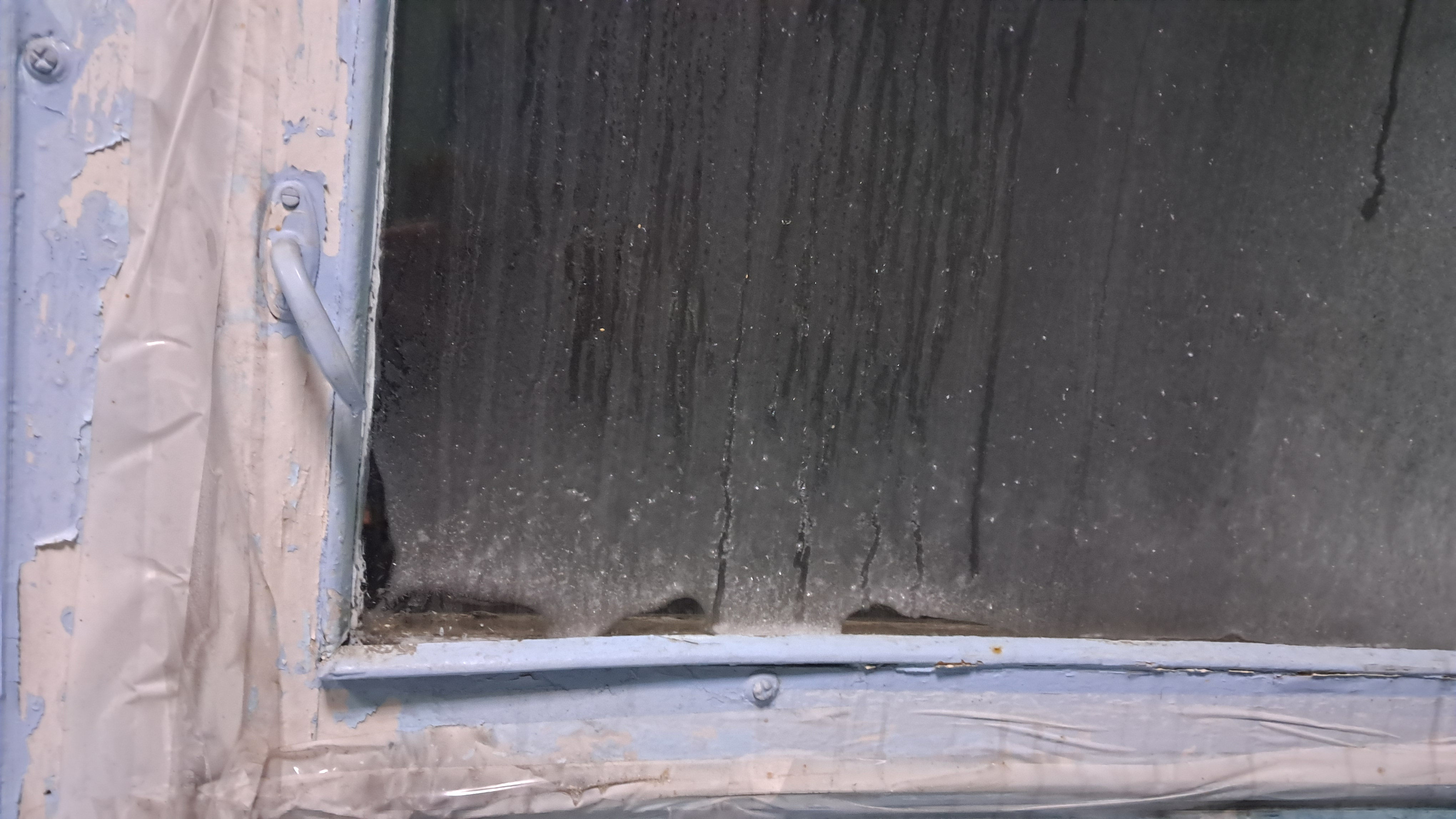
After that incident, I stopped working in my laboratory until spring. In early March, the weather suddenly warmed, and, to my colleague's surprise, I returned to my room. During the spring, summer, and first two months of autumn, I carried out many interesting experiments. At the same time, I kept in mind that winter would come again. I insulated the window opposite my desk, sealing the cracks in the glass with aquarium sealant and taping the gaps between the frames with paper, sacrificing aesthetics for practicality. It looked unattractive, but at least it prevented cold air from entering the room.

I also decided to use the unfinished but heated laboratory as an office - placing a desk there to work on the computer. Later, I realized that some experimental work could also be done in that space. When my own laboratory grew cold again, I moved into the new, unfinished room, intending to return in the spring.


Замерзание переохлажденной воды
Старая химическая лаборатория - Часть 1
Был май месяц, стояла теплая солнечная погода, на клумбах цвели маки. Я поступил на работу в институт, где когда-то работал много лет назад. Один из моих коллег проработал там все это время. Директор показал нам лабораторию: большая, старая комната, забитая оборудованием, большая часть из которого была старой и не работала.

Директор долго расхваливал лабораторию - в отличие от многих других директоров институтов, наш директор общается с людьми доброжелательно. Я же обратил внимание, что комната расположена в неотапливаемом крыле корпуса. Весной и летом здесь хорошо, но в конце осени и зимой будет холодно. Предвидев мой вопрос, директор сказал, что для нас с коллегой они сейчас делают новую лабораторию - ремонт помещения идет полным ходом. Новая лаборатория расположена в отапливаемой части здания.

Время шло, заказчик перестал выделять деньги, а ремонт лаборатории был не закончен. Завхоз института, бывший армейский полковник, вместо того, чтобы остановит ремонт, решил сделать внешнюю имитацию лаборатории. Для завхоза отремонтированное под его руководством помещение, возможно, и напоминало лабораторию, но для химиков оно решительно не подходило.

Разумеется, я отказался там работать, оставшись в неотапливаемой лаборатории. До средины ноября работать там было вполне нормально. Потом на улице стало холодать, что вызвало снижение температуры и в самой лаборатории. Сотрудники нашего отдела меня предупредили, что в прошлые зимы в соседней комнате стены покрылись инеем - нечто подобное следовало ожидать и здесь.

У коллеги была отапливаемая комната, в которой он пообещал освободить для меня письменный стол. Формально его комната была лабораторией, но реально он превратил ее в большую кладовку, заполнив беспорядочно сложенными вещами: книгами, химической посудой, реактивами, некомплектными частями оборудования, листами металла, термометрами, трубами, сушеными растениями в кульках, старыми компьютерами, мониторами и даже катодными трубками от старых телевизоров...

Температура в моей лаборатории опустилась до 4°С, на улице к этому времени шел снег и был мороз. Окно напротив моего стола оказалось очень негерметичным - его продувал ветер с улицы. Я тепло одевался, но работать в моей лаборатории все равно было некомфортно - было холодно и сыро. С другой стороны, приходить на работу никто не заставлял - можно было оставаться дома, получая зарплату.

Тем временем, коллега так и не освободил для меня обещанный письменный стол: для него было психологически трудно убрать оттуда беспорядочно сложенные вещи. А я, в свою очередь, не хотел перебираться в его комнату. Будучи человеком очень неприхотливым, я все равно отказывался работать в условиях, когда рабочее место было загромождено множеством чужих вещей. Видимо, коллега этого не понимал, гадая, почему я не хочу работать в его комнате.

Дело закончилось тем, что наша общая знакомая (тоже химик) узнала про эту ситуацию и провела с моим коллегой серьезный разговор, после которой он сразу же освободил стол, пришел ко мне и сказал, что все готово.

Последние два месяца зимы я работал за компьютером в комнате моего коллеги, в своей лаборатории я работал лишь по несколько часов и то не каждый день. Большую часть зимы температура в моей лаборатории была 4°С, опускаясь во время сильных морозов до 2°С. Когда на улице потеплело до 10°С среди зимы, температура в лаборатории поднялась до 8°С. Было необычно осознавать, что зимой температура на улице была выше, чем в лаборатории - хоть окна открывай, чтобы согреться!

Обратил внимание, что при температуре 8°С работать было комфортно. Разумеется, во время работы нужно было носить теплую одежду. Когда температура снова опускалась до 4°С, работать становилось трудно и неприятно. Я боялся простудиться - не простудился, но работа в холодных условиях приводила к физической усталости и нарушению координации движений - этого я не ожидал.

Запомнился случай, когда я переливал раствор с осадком на фильтр. Вещество было опасным. Неожиданно мое тело передернуло, словно от удара электрическим током, и я разлил значительную порцию жидкости с осадком. Вытер разлитое вещество, и лишь через несколько минут осознал, что причиной инцидента был тремор мышц от холода.

После этого случая я прекратил работу в моей лаборатории аж до весны. В начале марта резко потеплело, и, к удивлению коллеги, я вернулся в свою лабораторию. За весну, лето и первые два месяца осени я успел выполнить немало интересных экспериментов, однако, при этом не забывал, что опять настанет зима и вернуться холода. В частности, я утеплил окно напротив моего рабочего стола. Трещины в стекле я замазал аквариумным герметиком, а щели между рамами заклеил бумагой, пожертвовав эстетичным видом, - получилось некрасиво, зато холодный воздух с улицы больше не попадал в комнату.

Кроме того, решил использовать недоделанную, но отапливаемую лабораторию в качестве кабинета - поставить там письменный стол и работать за компьютером. Позже я осознал, что в этом помещении можно выполнять и некоторые лабораторные работы. Когда в моей лаборатории стало холодно, я перебрался в новую - недоделанную - лабораторию, рассчитывая весной вернуться назад.


Red poppies
Red poppies

Red poppies

Old Chemical Laboratory

Old Chemical Laboratory

Old Chemical Laboratory

Old Chemical Laboratory

Old Chemical Laboratory

Old Chemical Laboratory

Old Chemical Laboratory

Old Chemical Laboratory

Old Chemical Laboratory

Old Chemical Laboratory

Old Chemical Laboratory

Old Chemical Laboratory

Old Chemical Laboratory

Old Chemical Laboratory

Old Chemical Laboratory

Old Chemical Laboratory

Old Chemical Laboratory

Old Chemical Laboratory

Old Chemical Laboratory

Old Chemical Laboratory

Old Chemical Laboratory

Old Chemical Laboratory

Old Chemical Laboratory

Old Chemical Laboratory

Old Chemical Laboratory

Old Chemical Laboratory

Old Chemical Laboratory

Old Chemical Laboratory

Old Chemical Laboratory

Old Chemical Laboratory

Old Chemical Laboratory

Old Chemical Laboratory

Old Chemical Laboratory

Old Chemical Laboratory

Old Chemical Laboratory

Old Chemical Laboratory

Old Chemical Laboratory

Old Chemical Laboratory

Old Chemical Laboratory

Old Chemical Laboratory

Old Chemical Laboratory

Old Chemical Laboratory

Old Chemical Laboratory

Old Chemical Laboratory

Old Chemical Laboratory

Old Chemical Laboratory

Old Chemical Laboratory

Old Chemical Laboratory

Old Chemical Laboratory


Having noticed a mistake in the text, allocate it and press Ctrl-Enter


It was the second half of autumn, and I was absorbed in electrospinning experiments. After an initial failure with polyvinylidene fluoride (PVDF), I succeeded in producing electrospun polystyrene. Naturally, I carried out all this work in the new, unfinished laboratory. I returned to the unheated lab only to collect the necessary items - glassware, equipment, and reagents. Even if I had wanted to work in the cold laboratory, such conditions were unsuitable for electrospinning.

The beginning of winter turned out to be warm. "Warm weather" in our winter means temperatures around 0°C or slightly above. When I was a child, winters were predominantly cold. From November to March or April, there were steady frosts - temperatures well below zero - interrupted only by occasional short thaws. Since then, the climate has changed significantly, and most winters are now relatively mild. Last winter was warm, and the beginning of this one was warm as well.

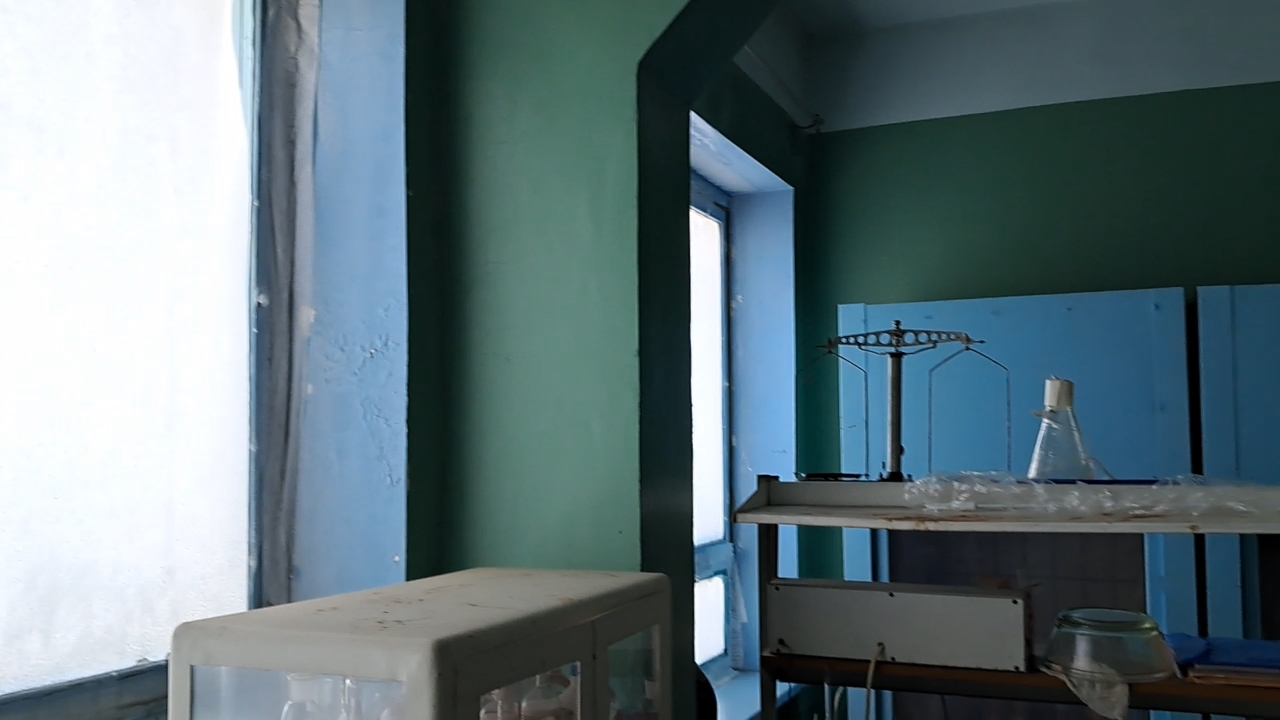
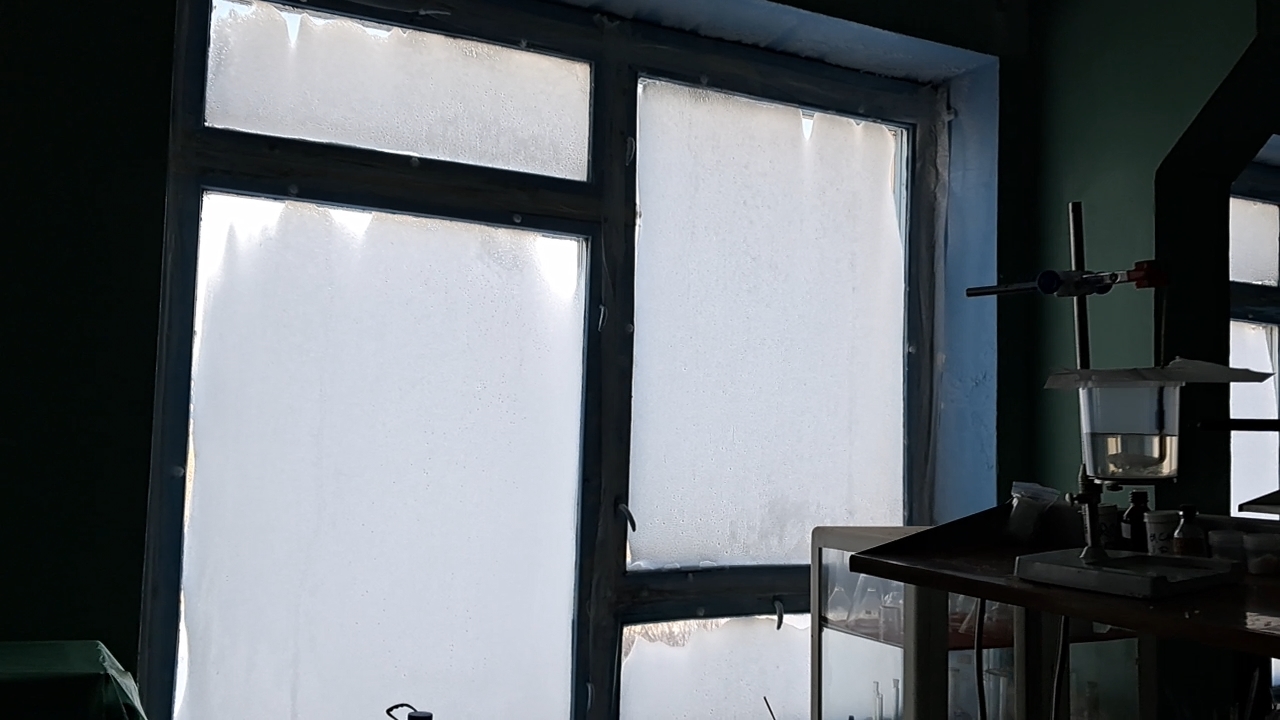
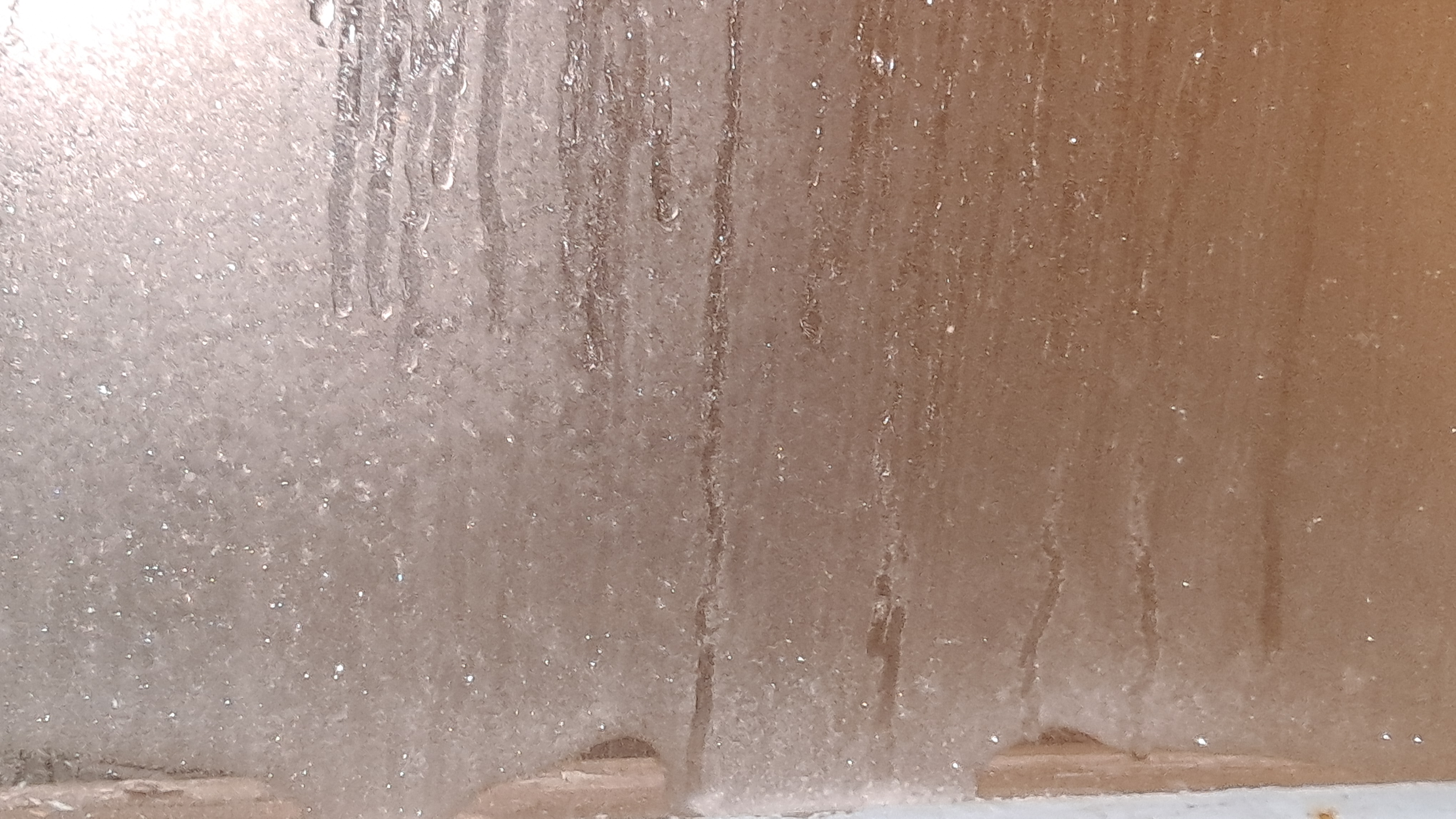
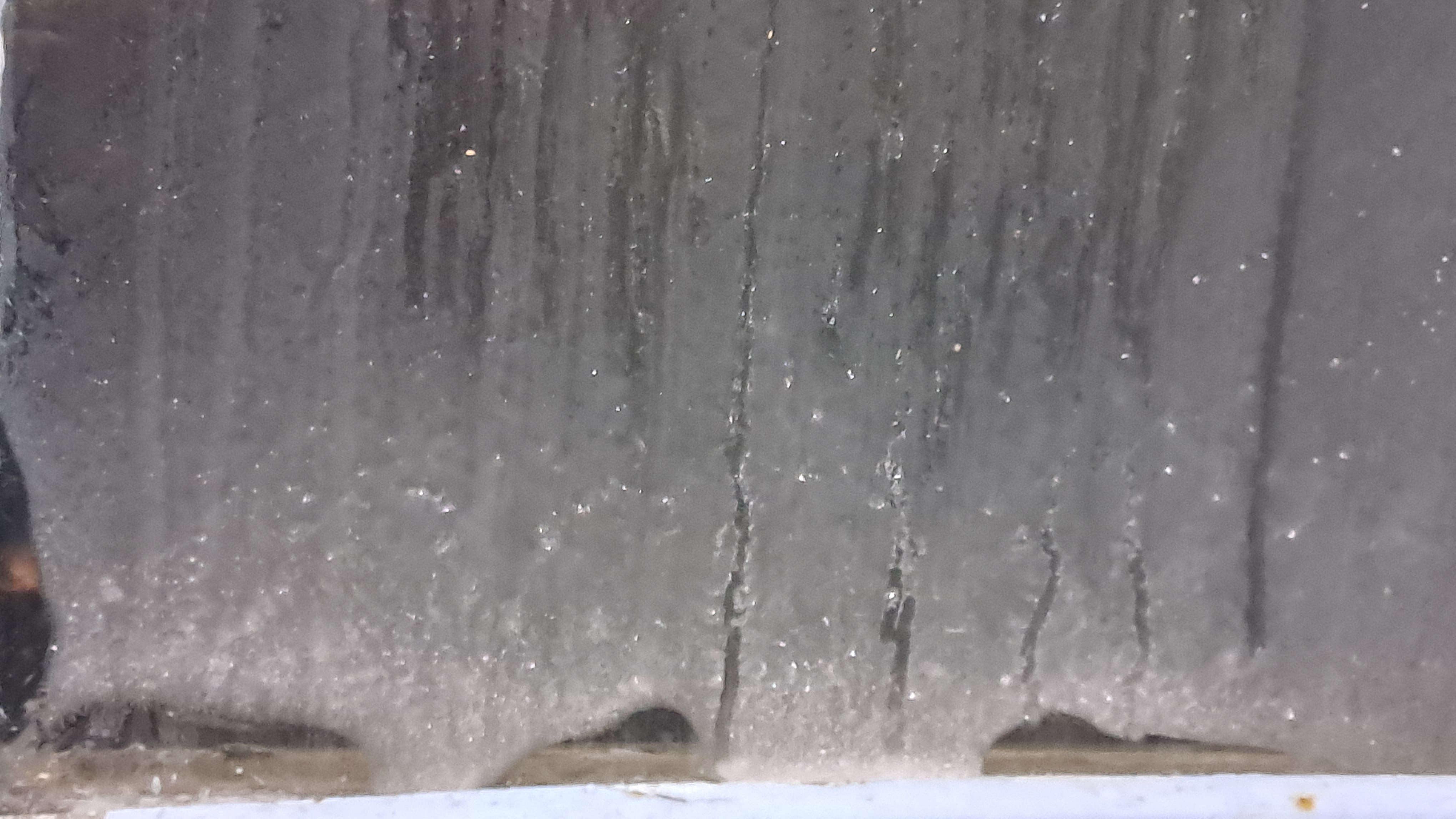
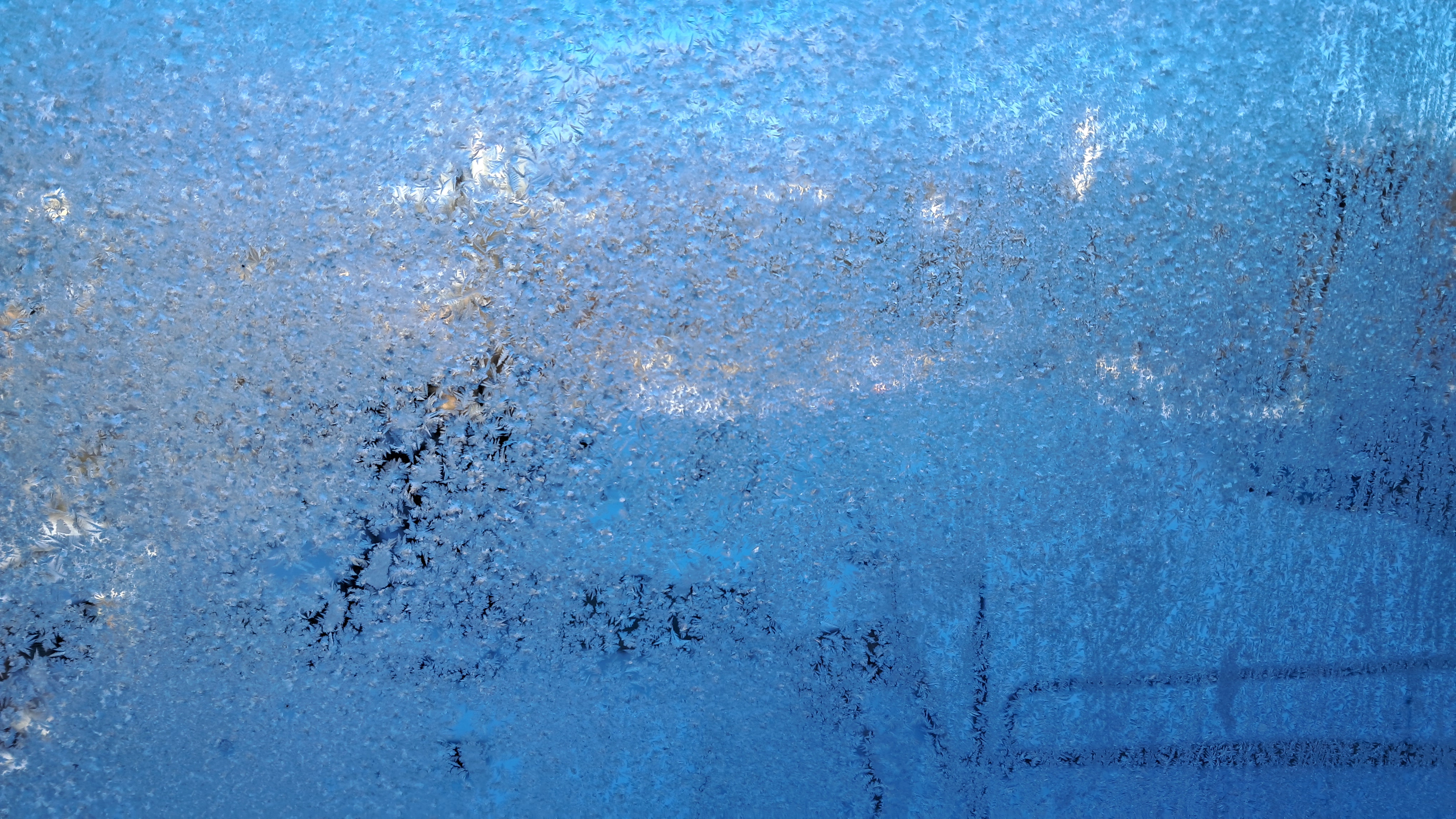
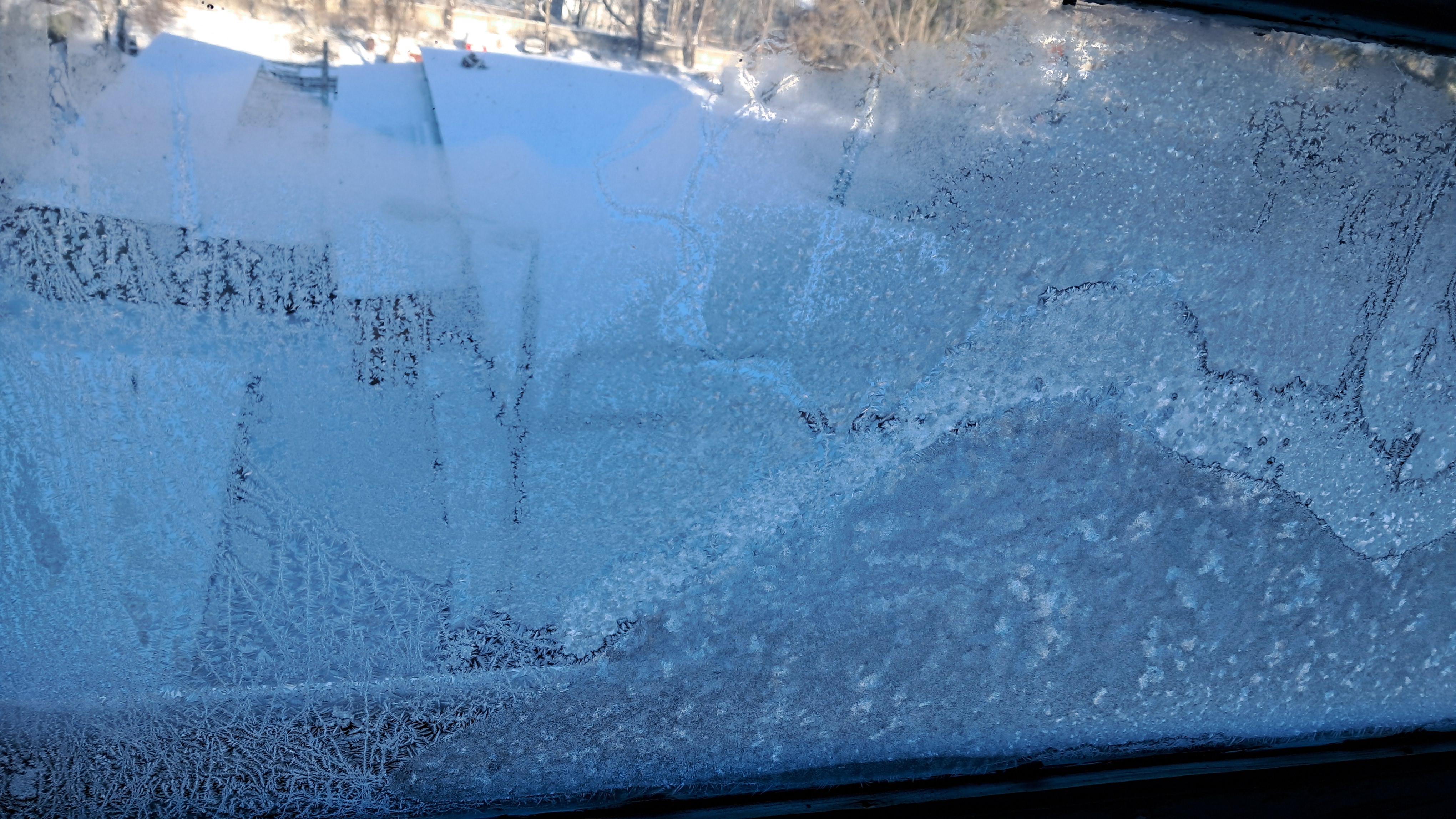
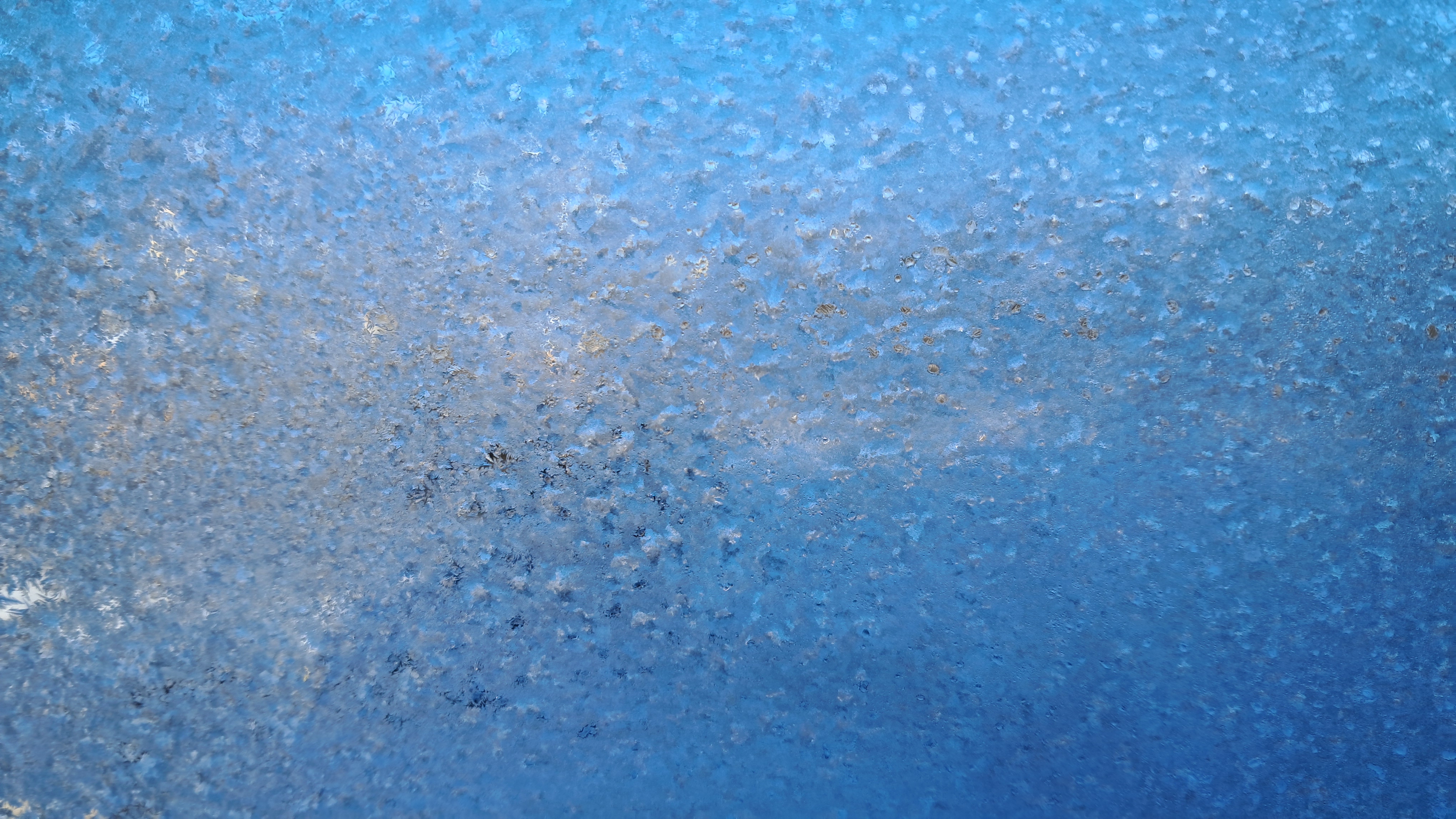
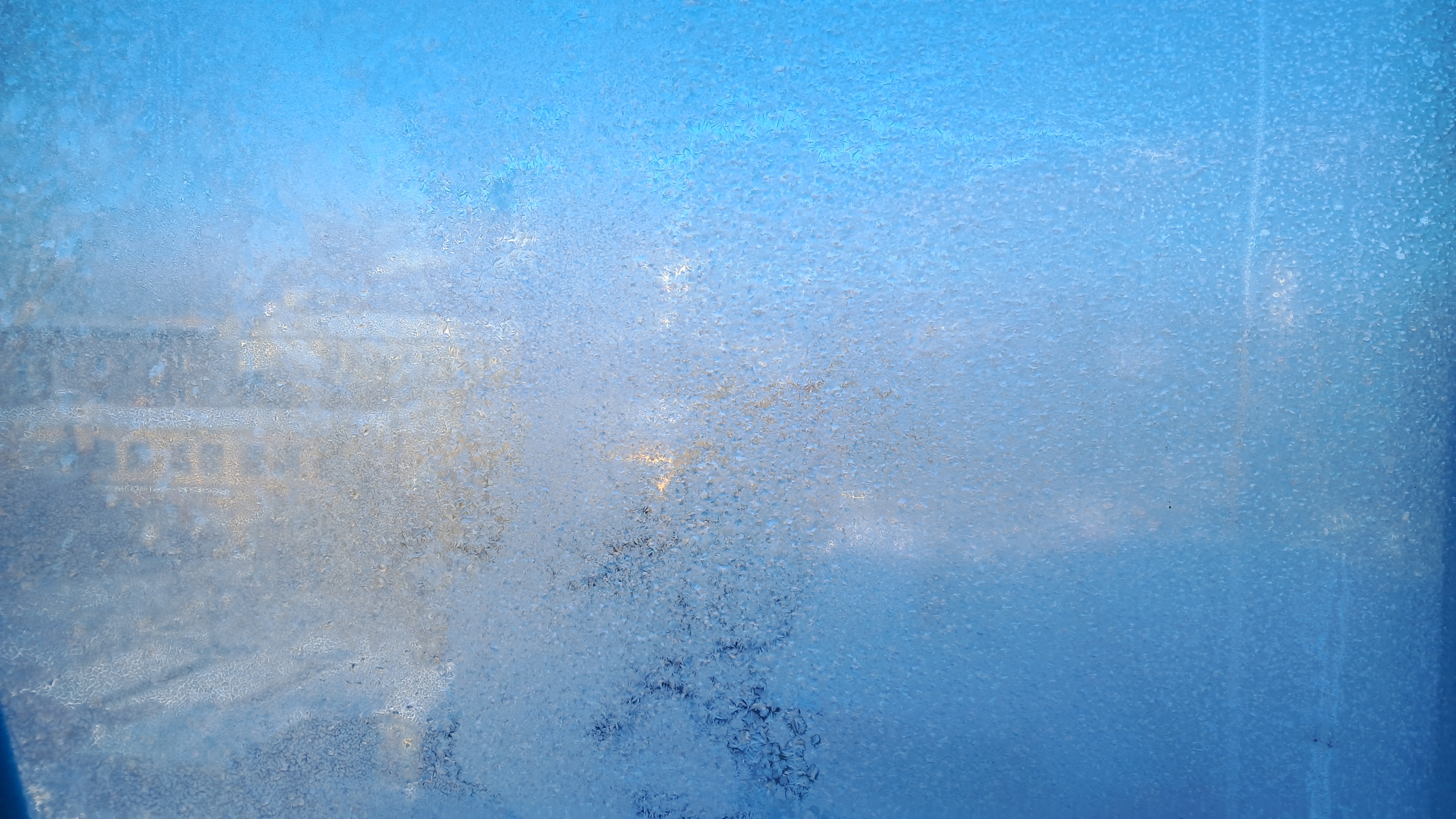
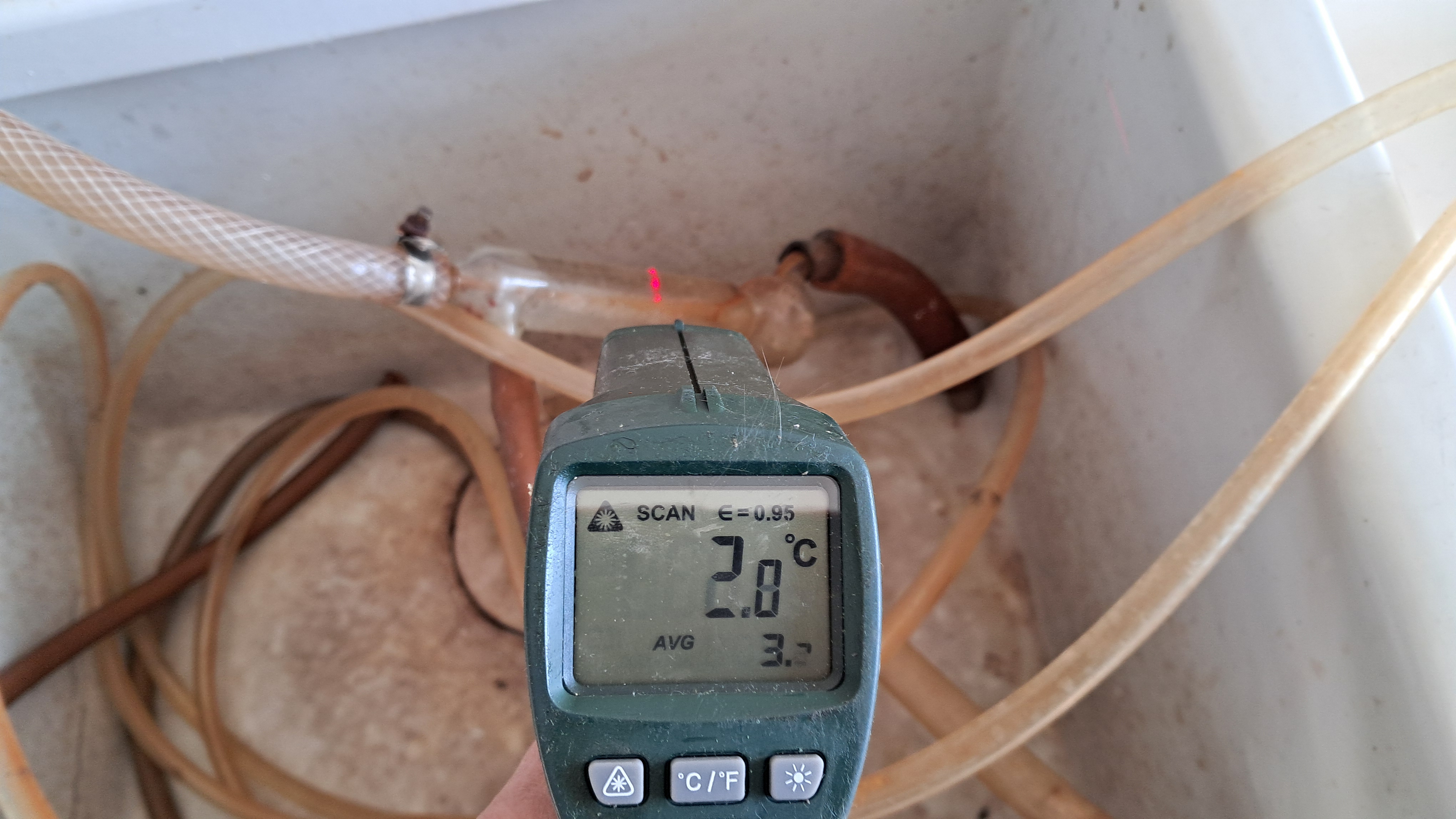
Of course, even during a mild winter, the temperature in the laboratory dropped to 3-4°C. I paid little attention to this, since the same temperature had prevailed the previous year. Then severe frosts arrived, with the outside temperature dropping to -10°C to -15°C, and the laboratory cooling to 2°C. The windows became covered with frost on the inside, and soon the walls and ceiling began to frost over as well. The previous winter had also brought severe frosts, but they had not lasted long.

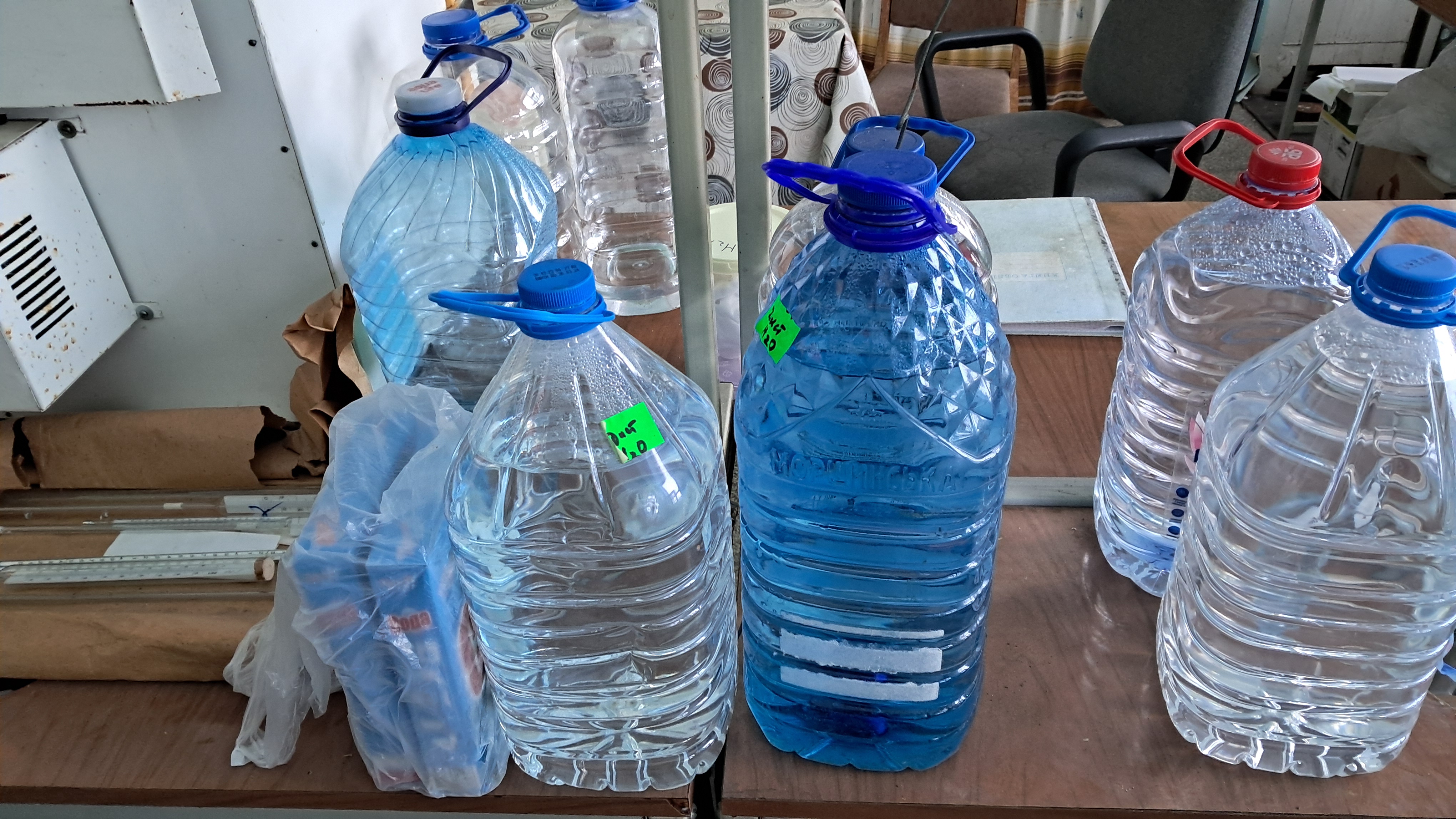
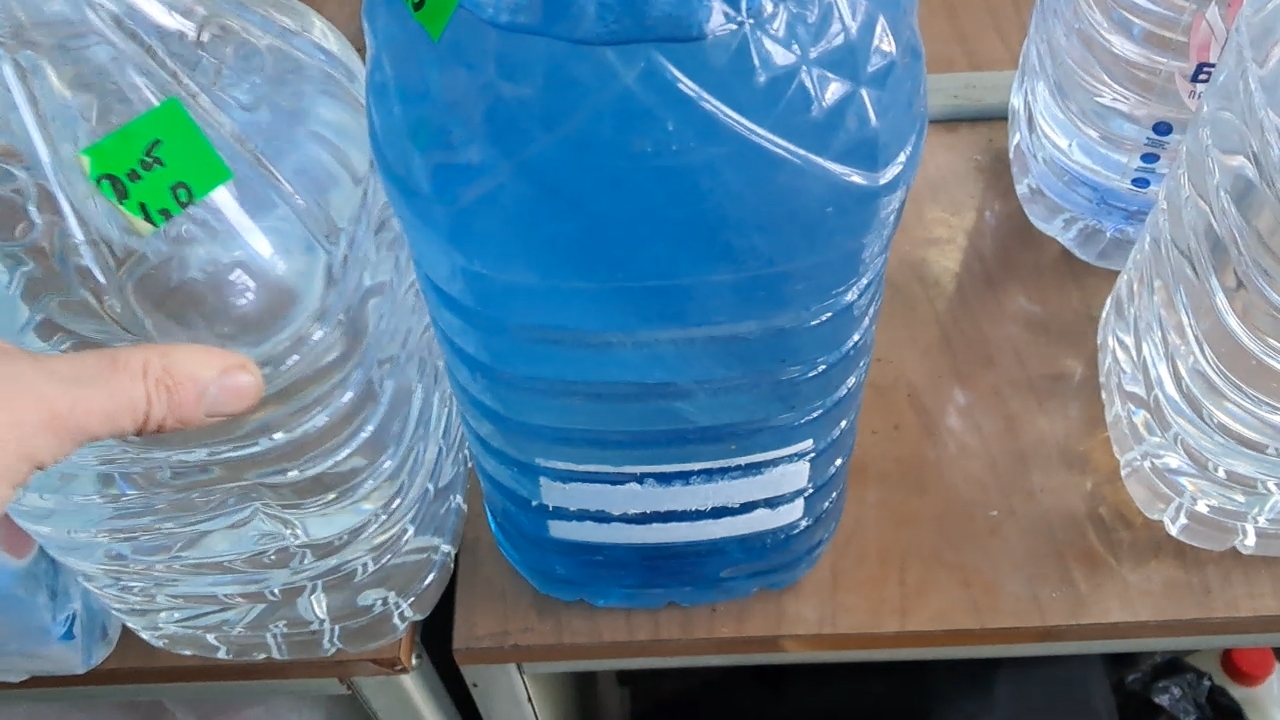
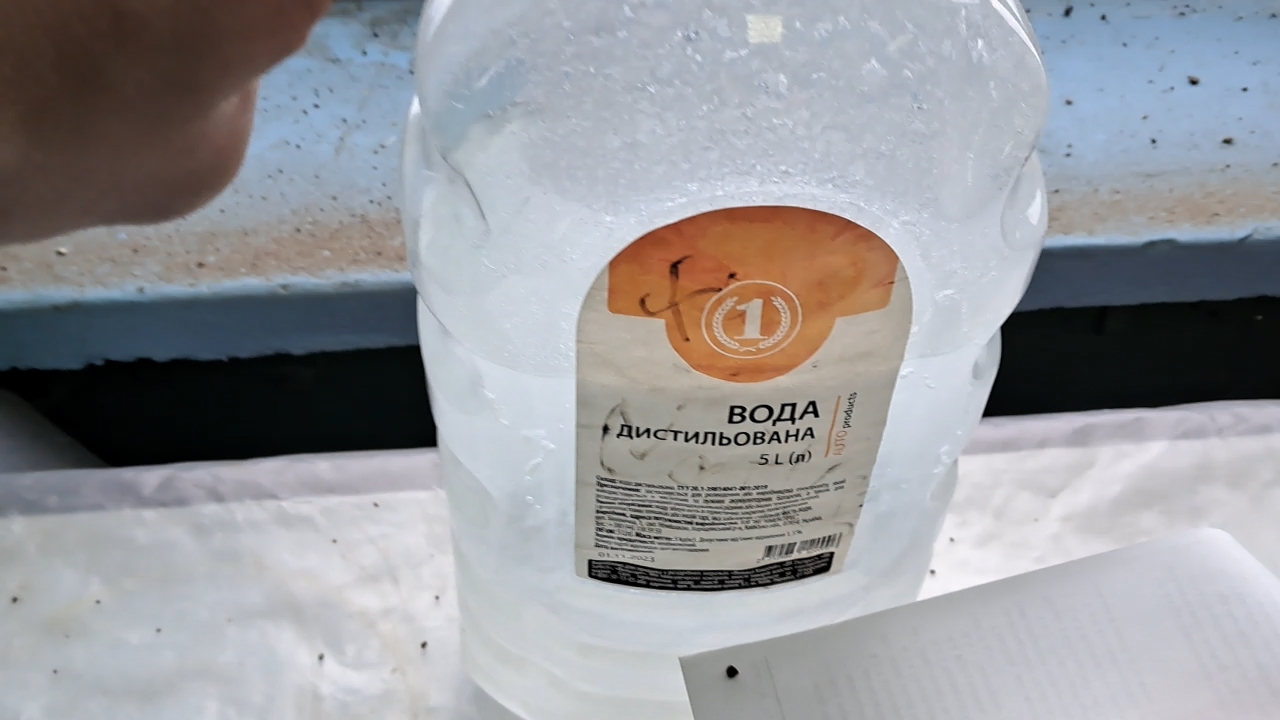
This time, however, the frosts were not only prolonged but also intensified. There were even periods when it was colder in my city of Kyiv (latitude 50.54° N) than at the North Pole. As a result, the temperature in the laboratory dropped well below freezing - to -4°C or -5°C. There were six bottles of distilled water in the lab, yet none of them had frozen.

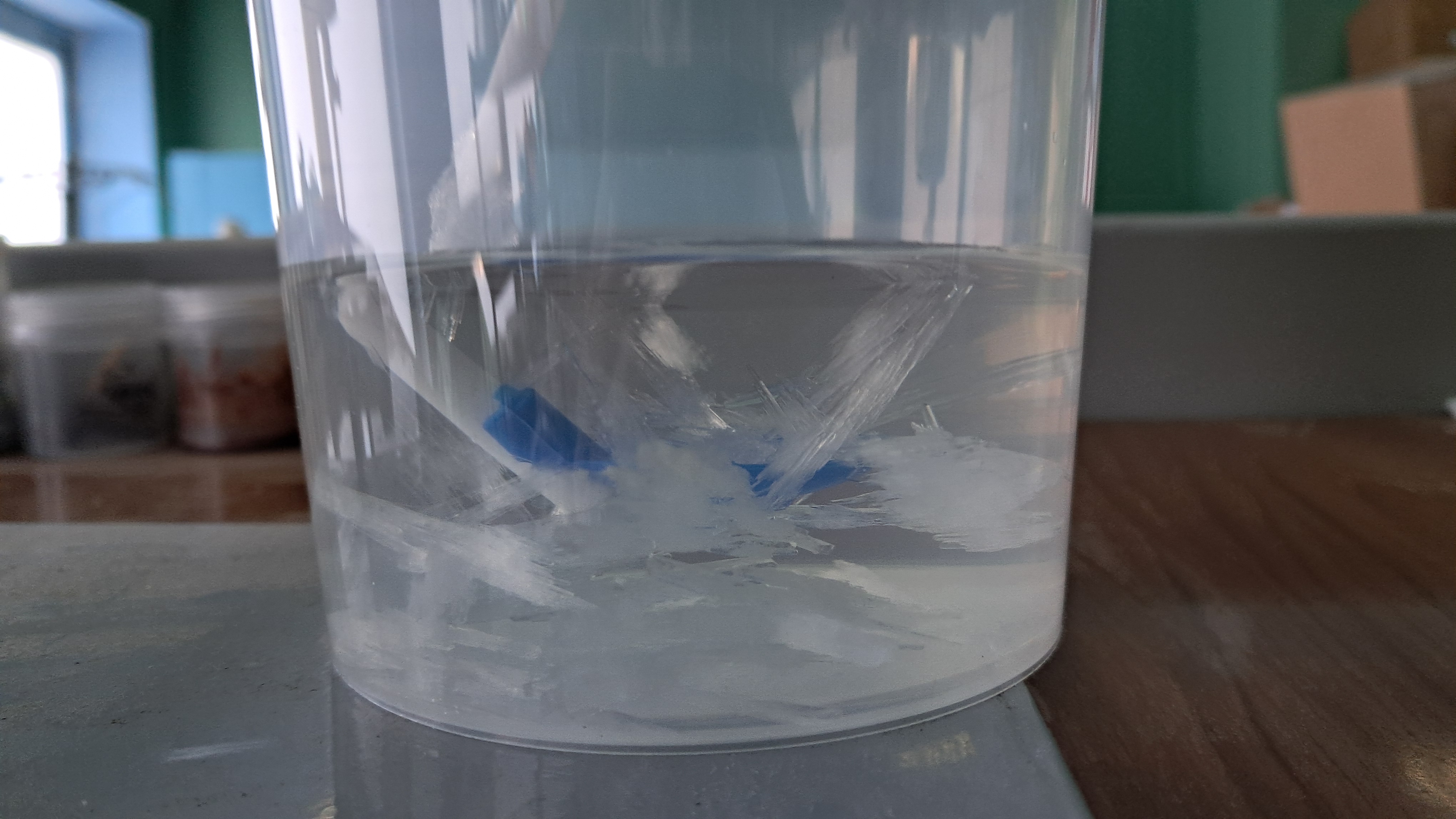
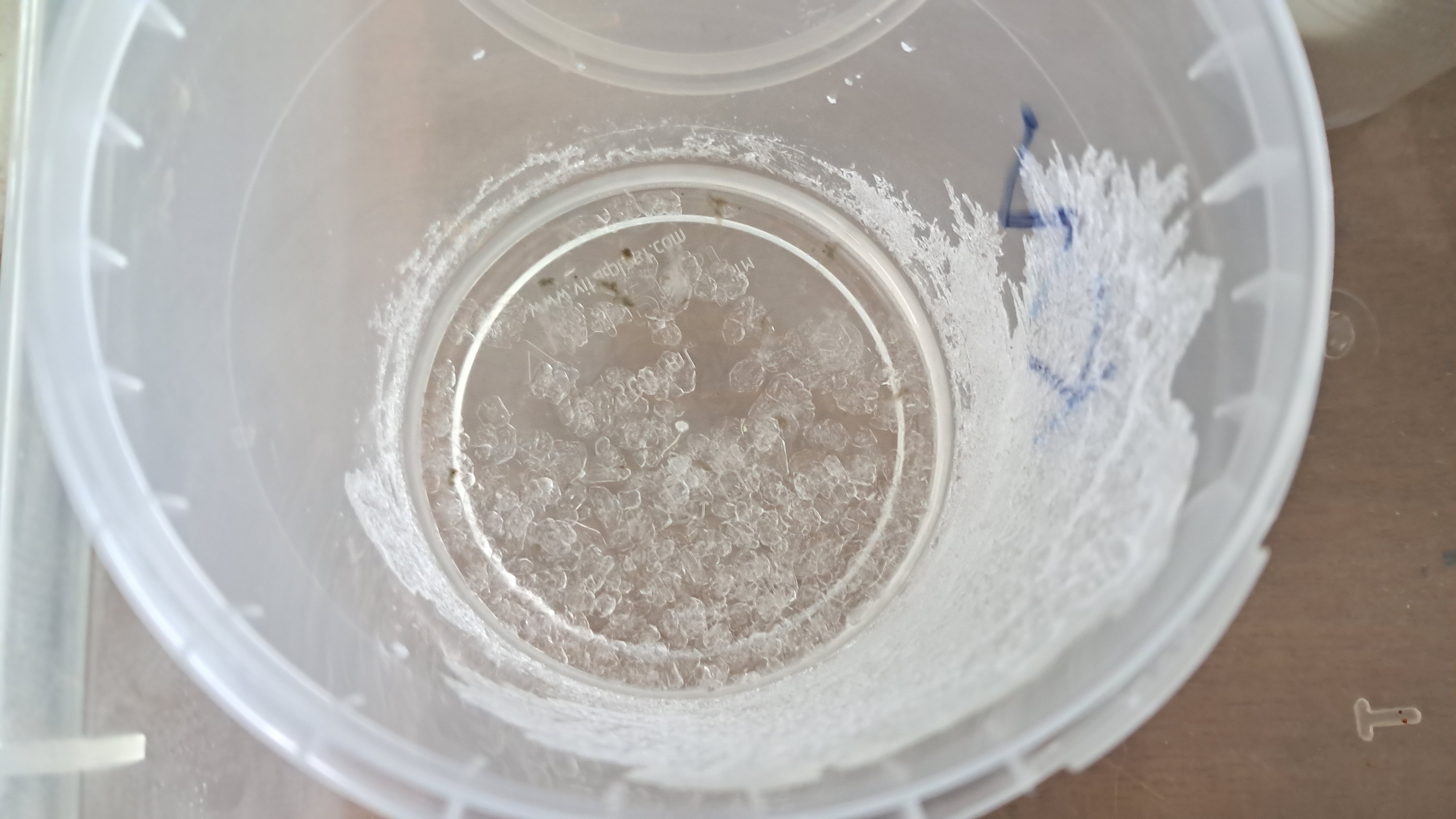
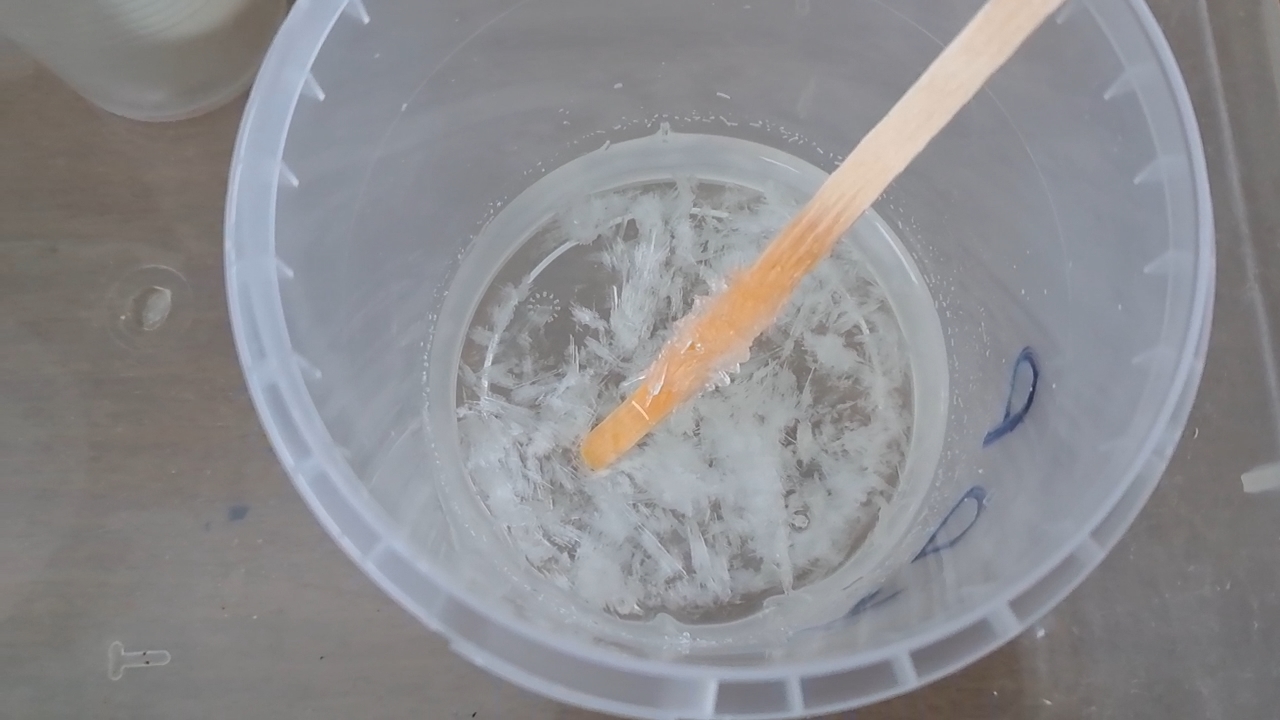
In two beakers, I was growing crystals of potassium dihydrogen phosphate and potassium nitrate. A single seed crystal had been added to each saturated solution, and the beakers were covered with filter paper. The solutions evaporated slowly, and the seeds grew. In such experiments, it is best to maintain a constant temperature. However, the laboratory was unheated. Lowering the solution temperature from 20°C in autumn to -4°C in winter led to the uncontrolled formation and growth of numerous large crystals. The large needle-like crystals of potassium dihydrogen phosphate were particularly striking. In other beakers, I grew polycrystals of the same substances, but with a small amount of radioactive cesium added. In those cases, crystallization proceeded less rapidly.

I continued electrospinning in the heated laboratory and gave little thought to what was happening in the cold room. I entered it only when I needed to retrieve something unavailable in the heated lab.

At some point, the "low-temperature idyll" ended and the harsh reality began. I went into the cold laboratory to crush a piece of PMMA with a hammer. It was cold and damp - I could hardly understand how I had managed to work there the previous winter.

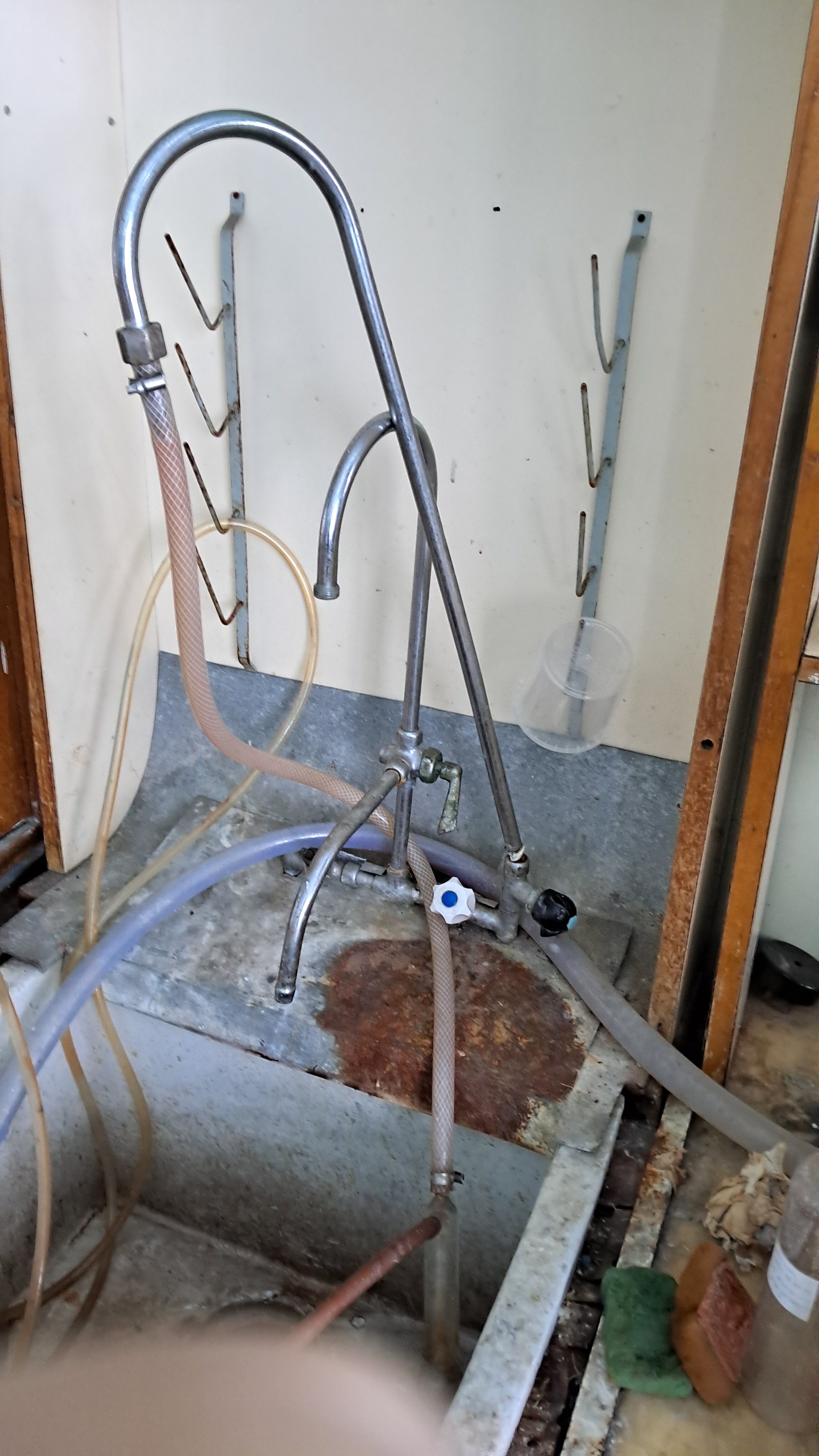
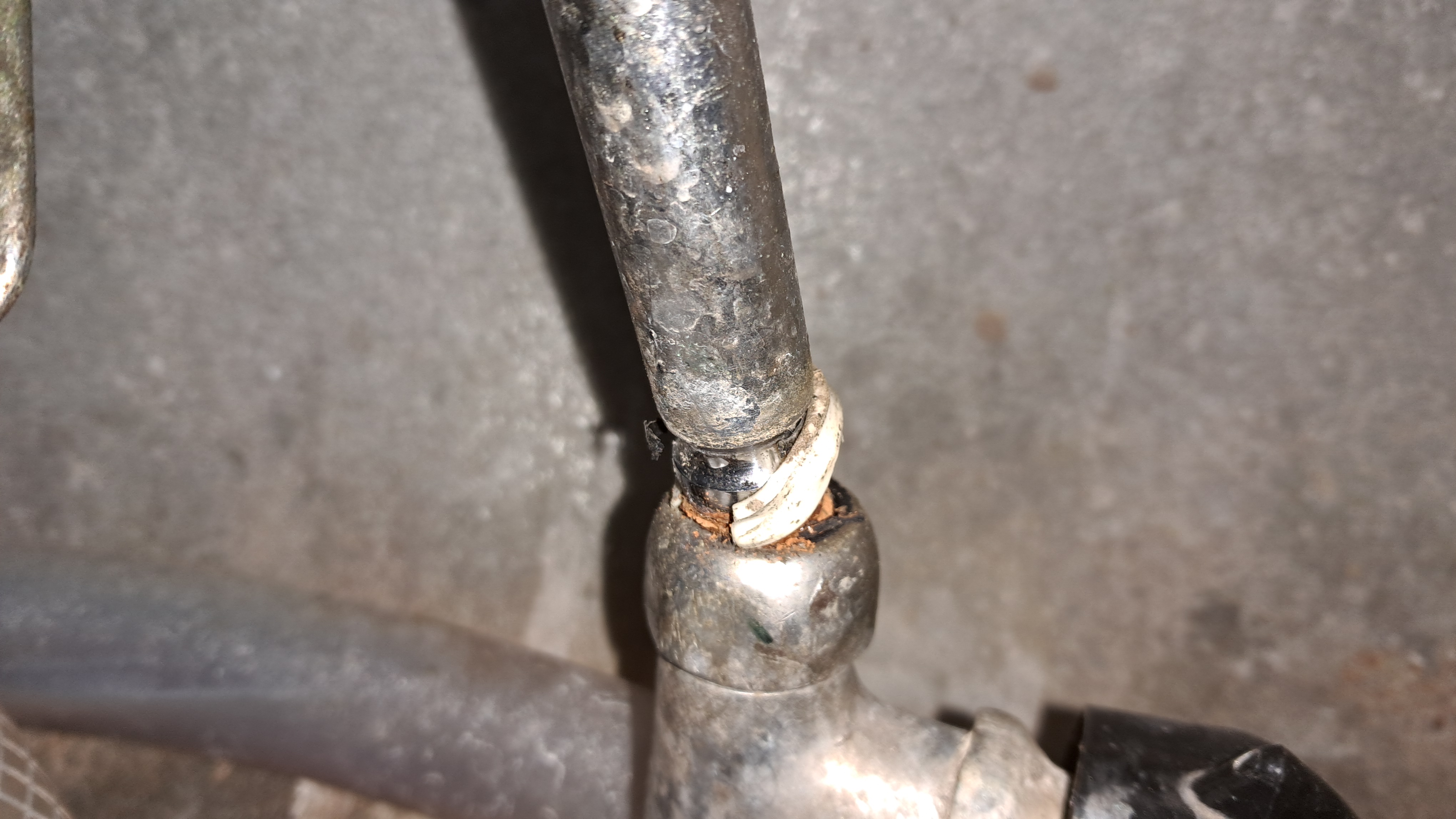
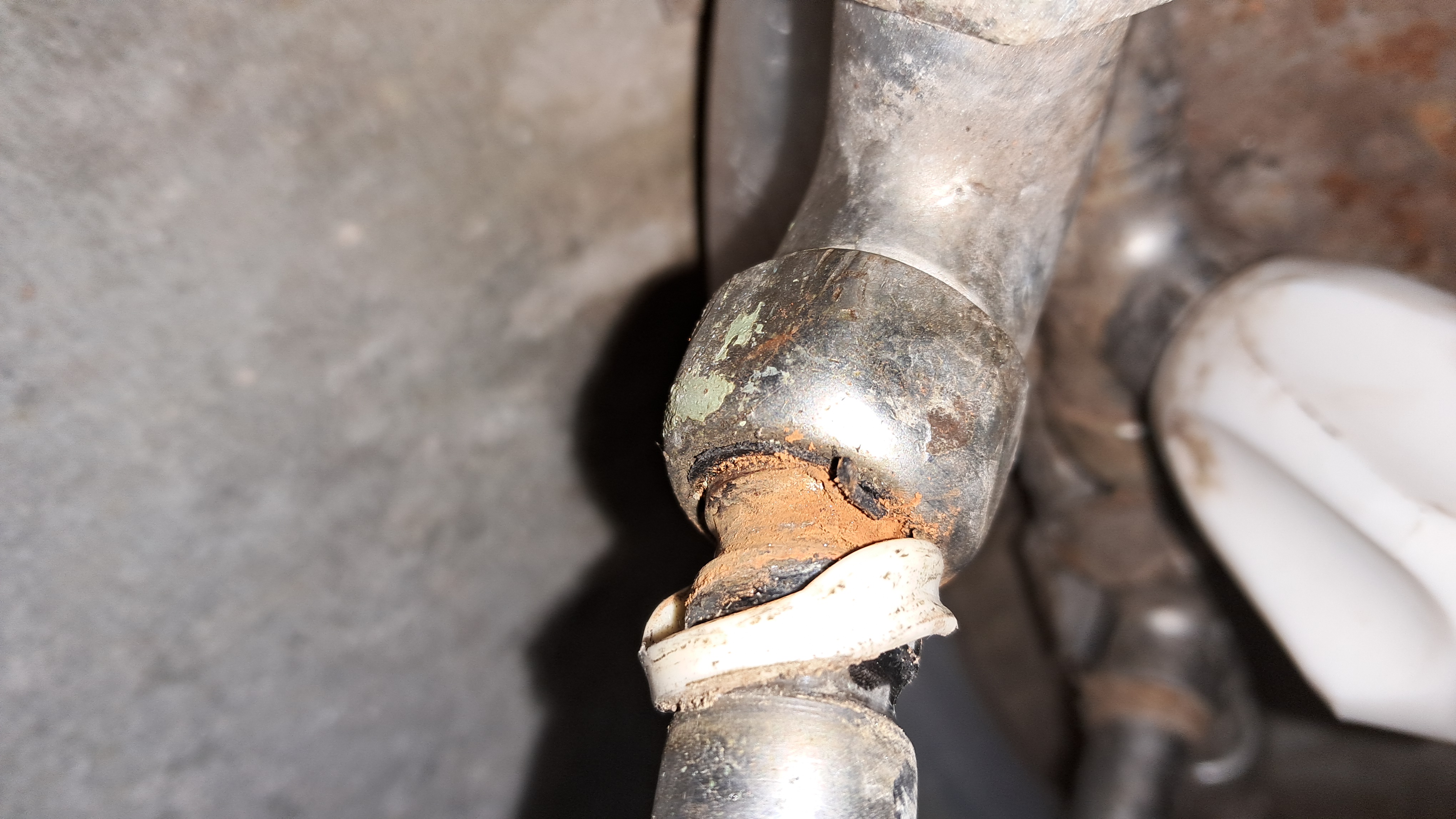
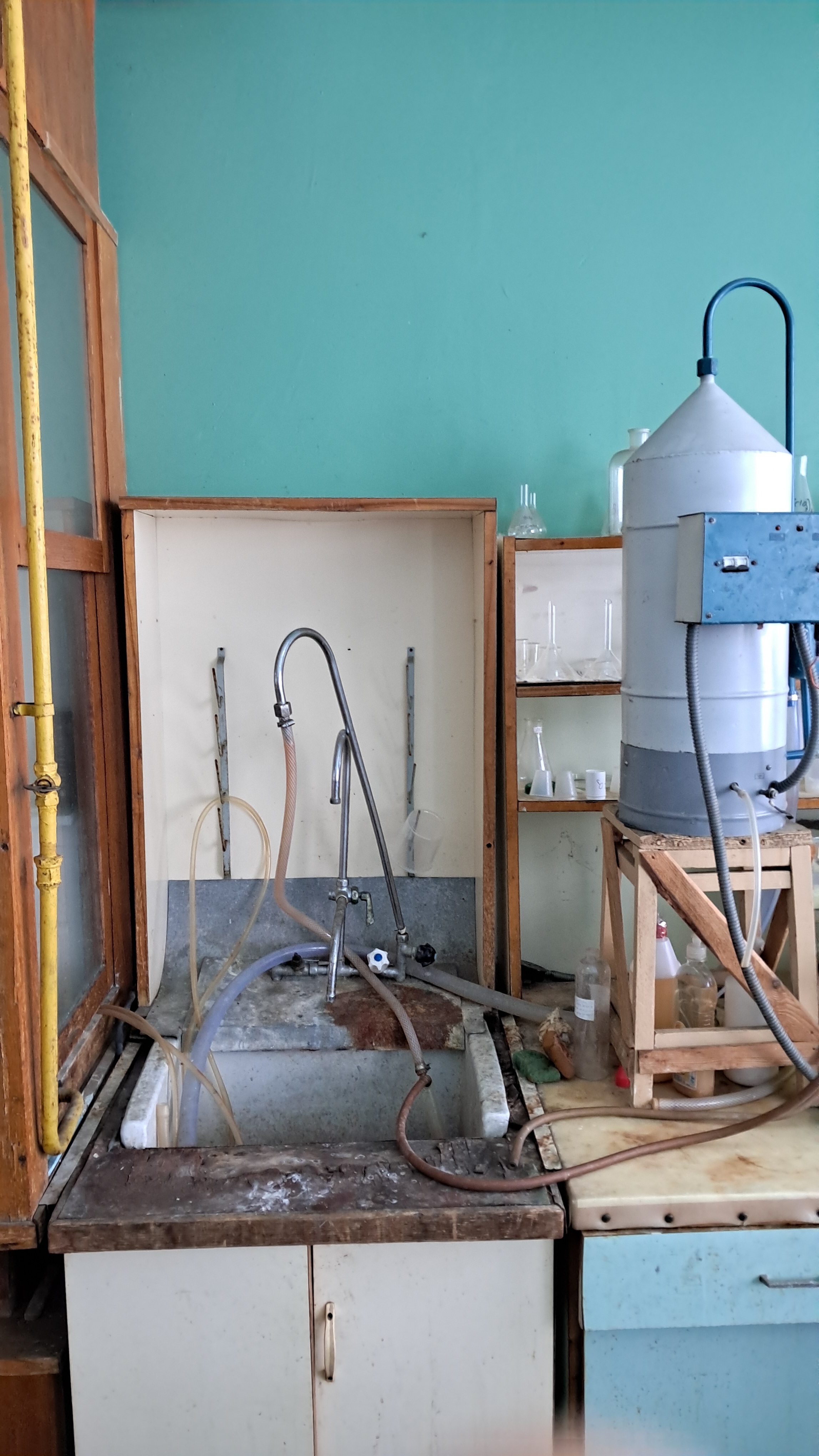
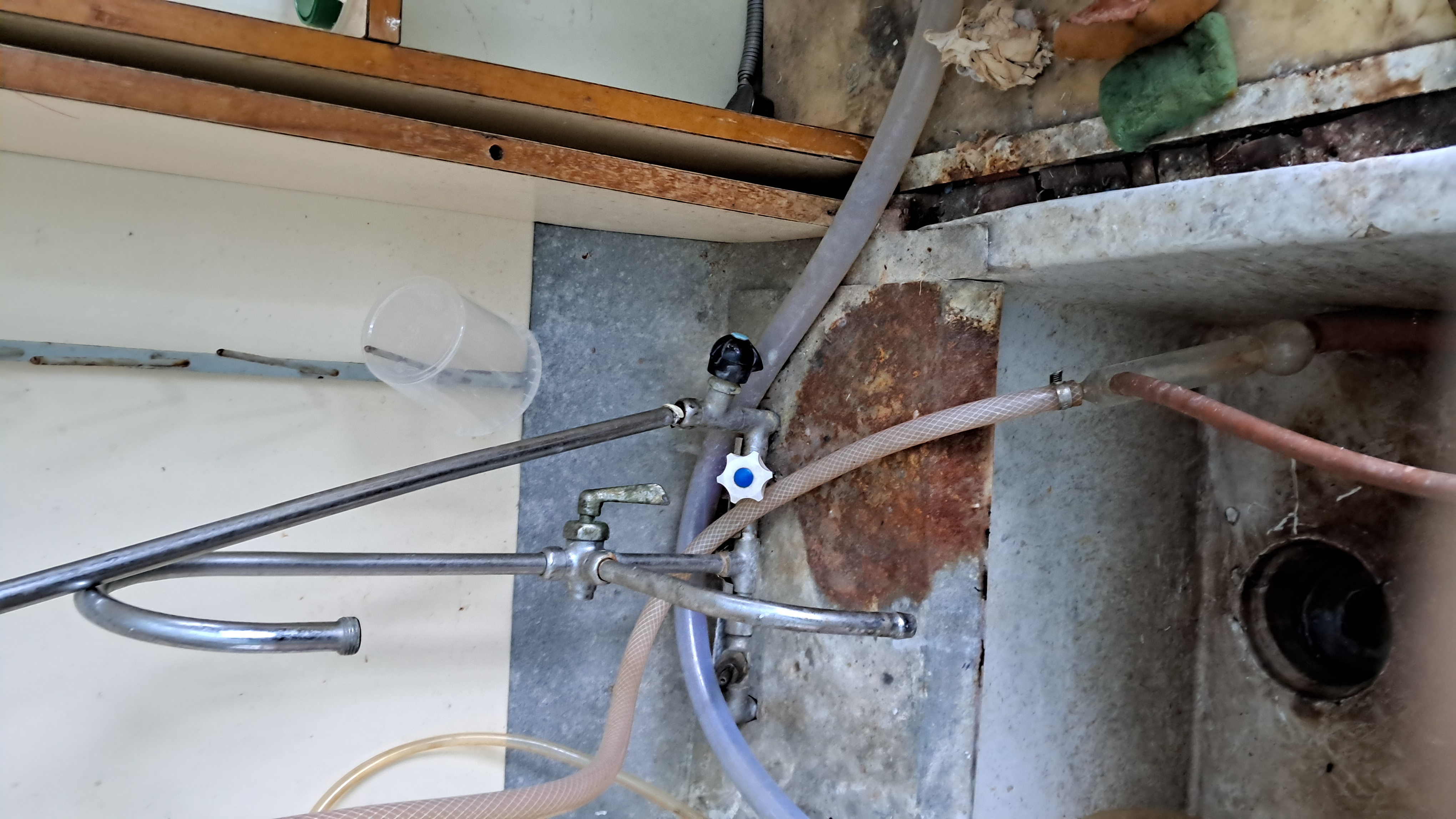
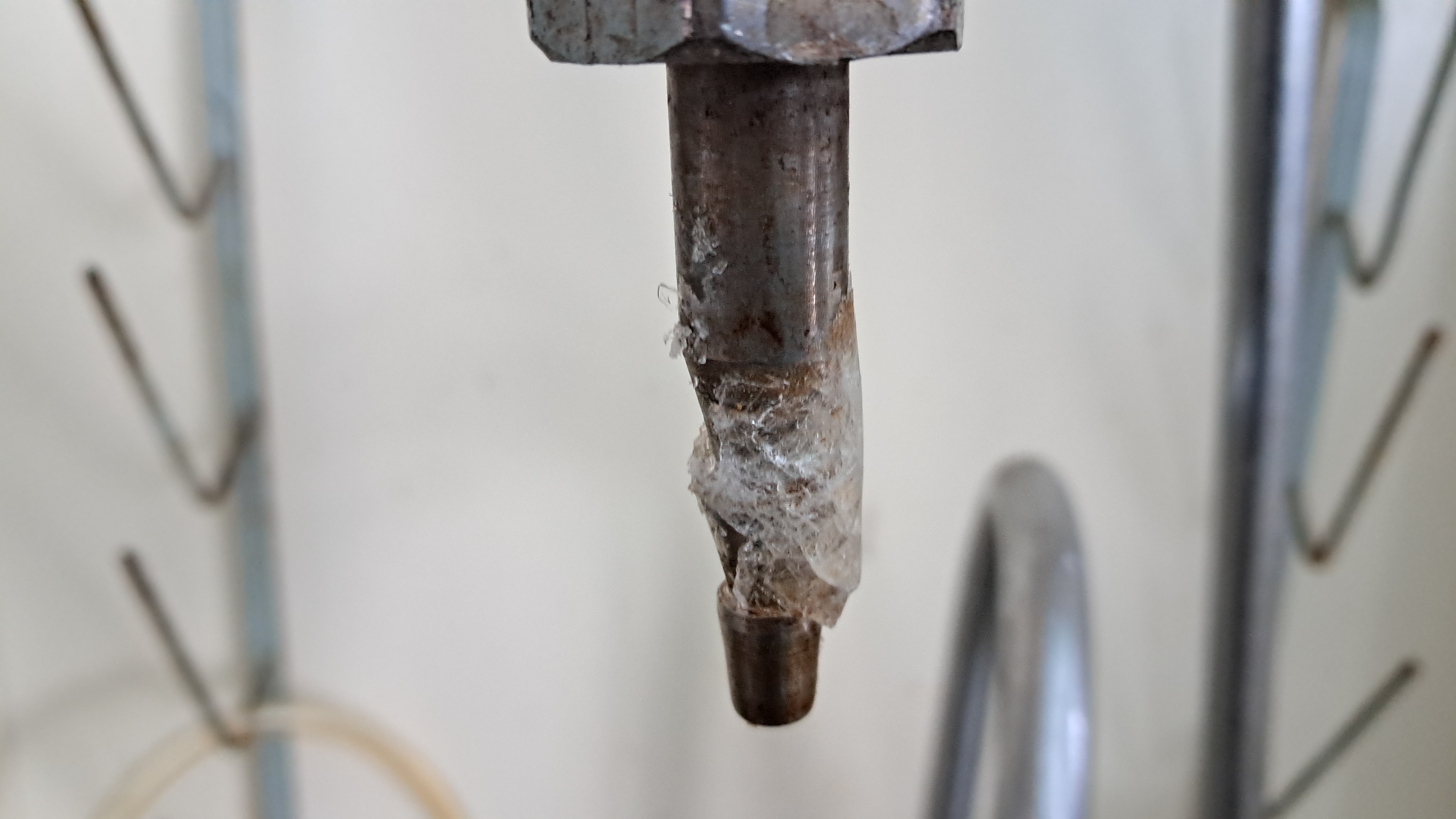
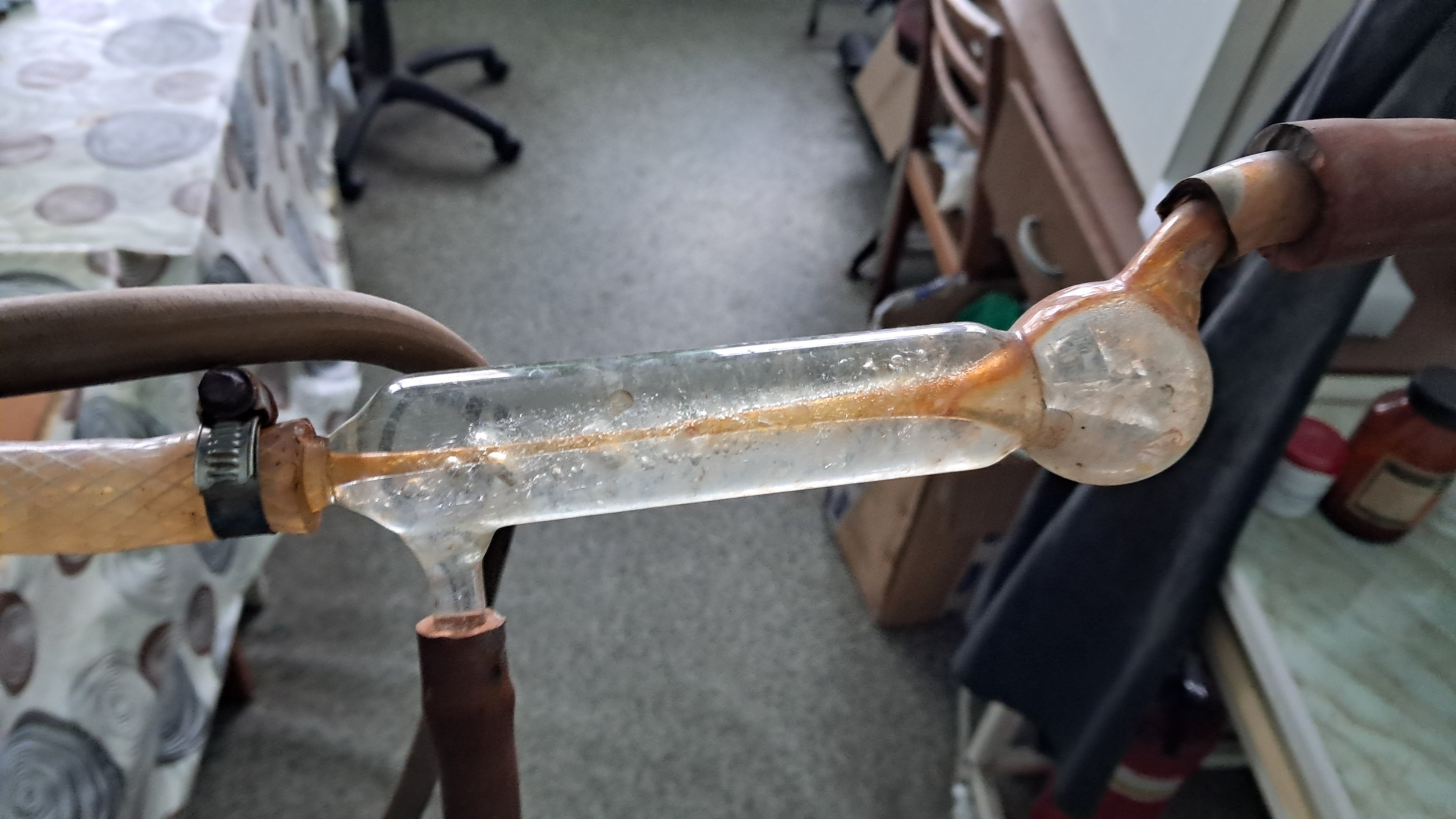
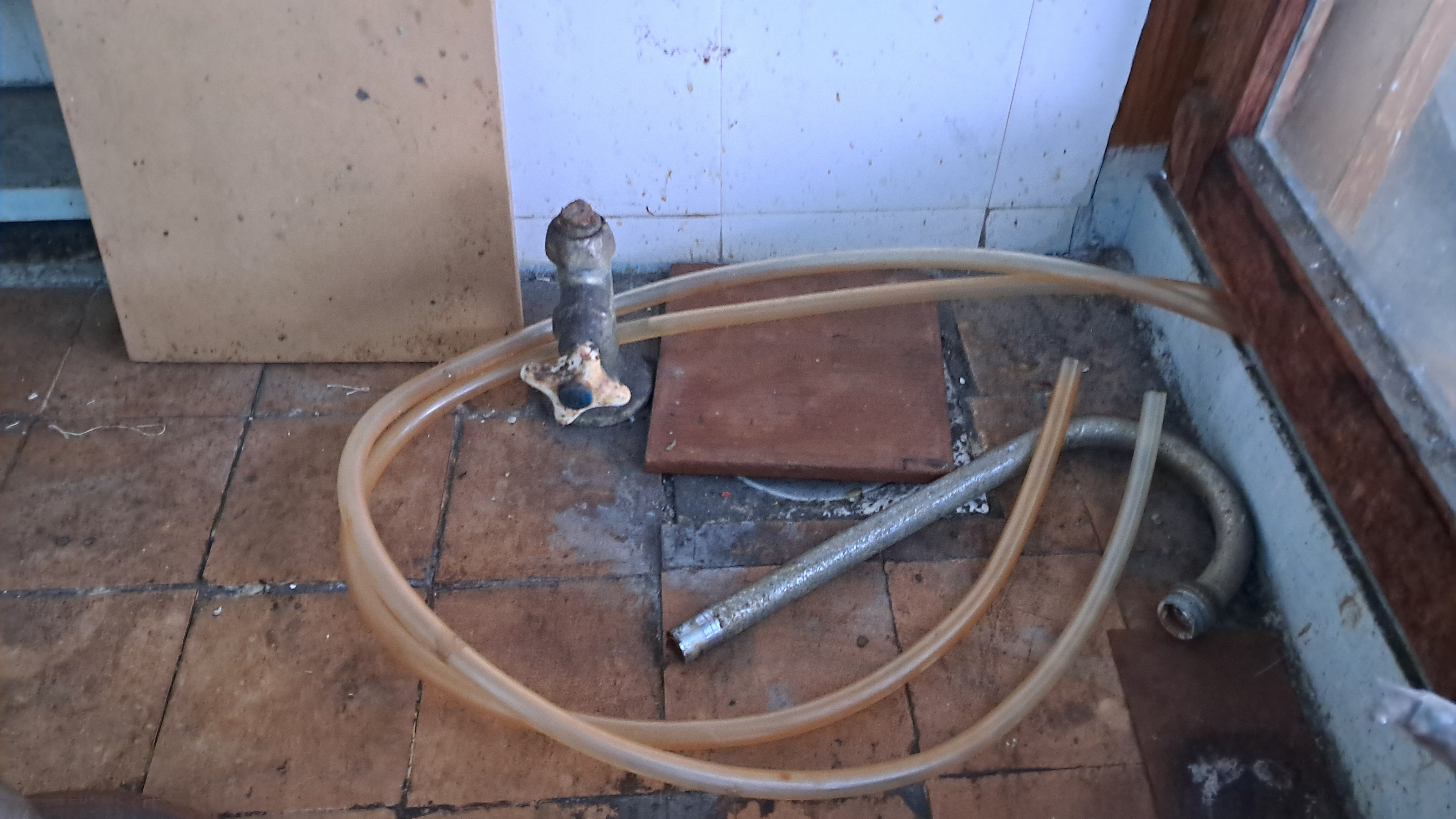
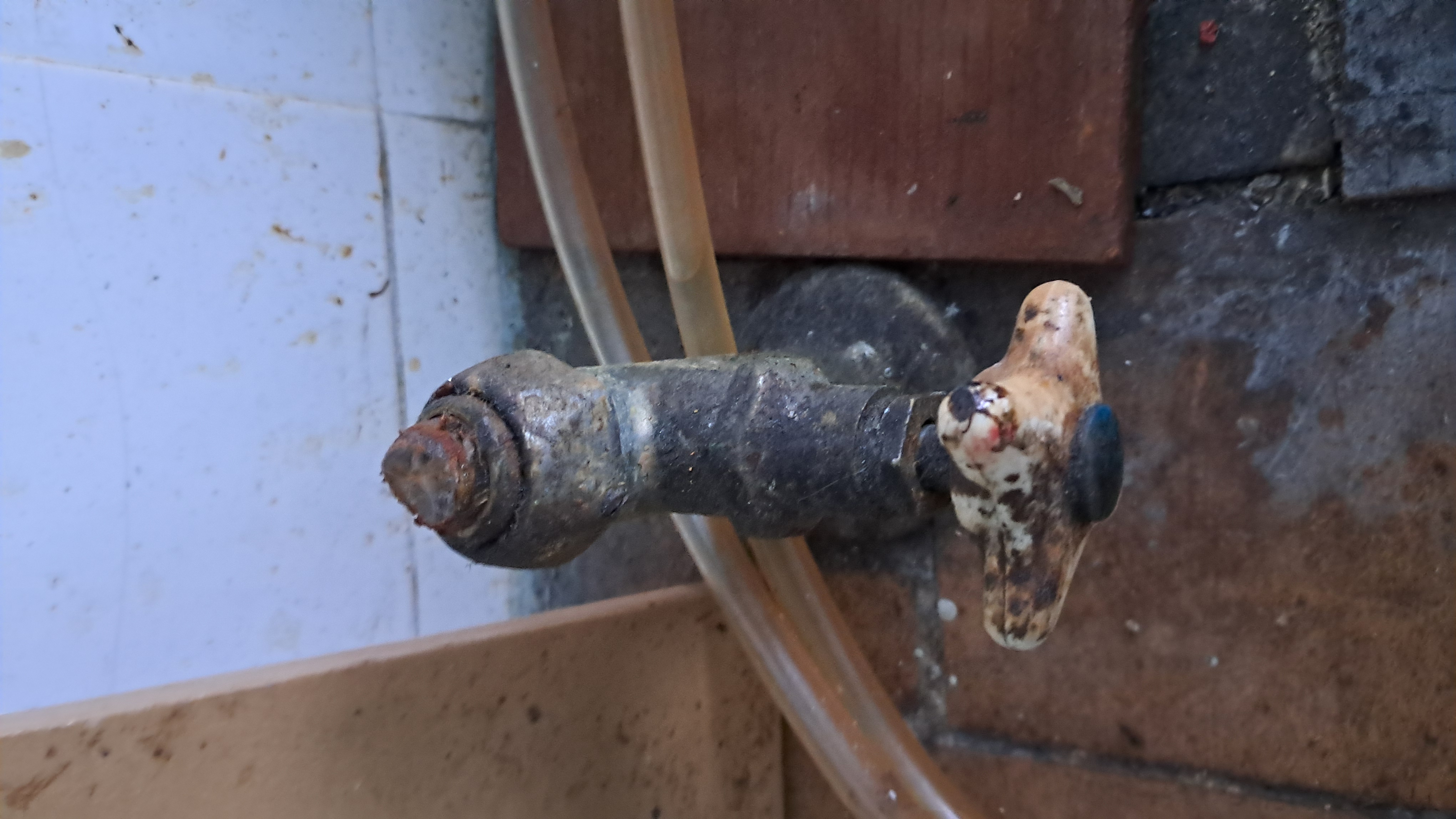
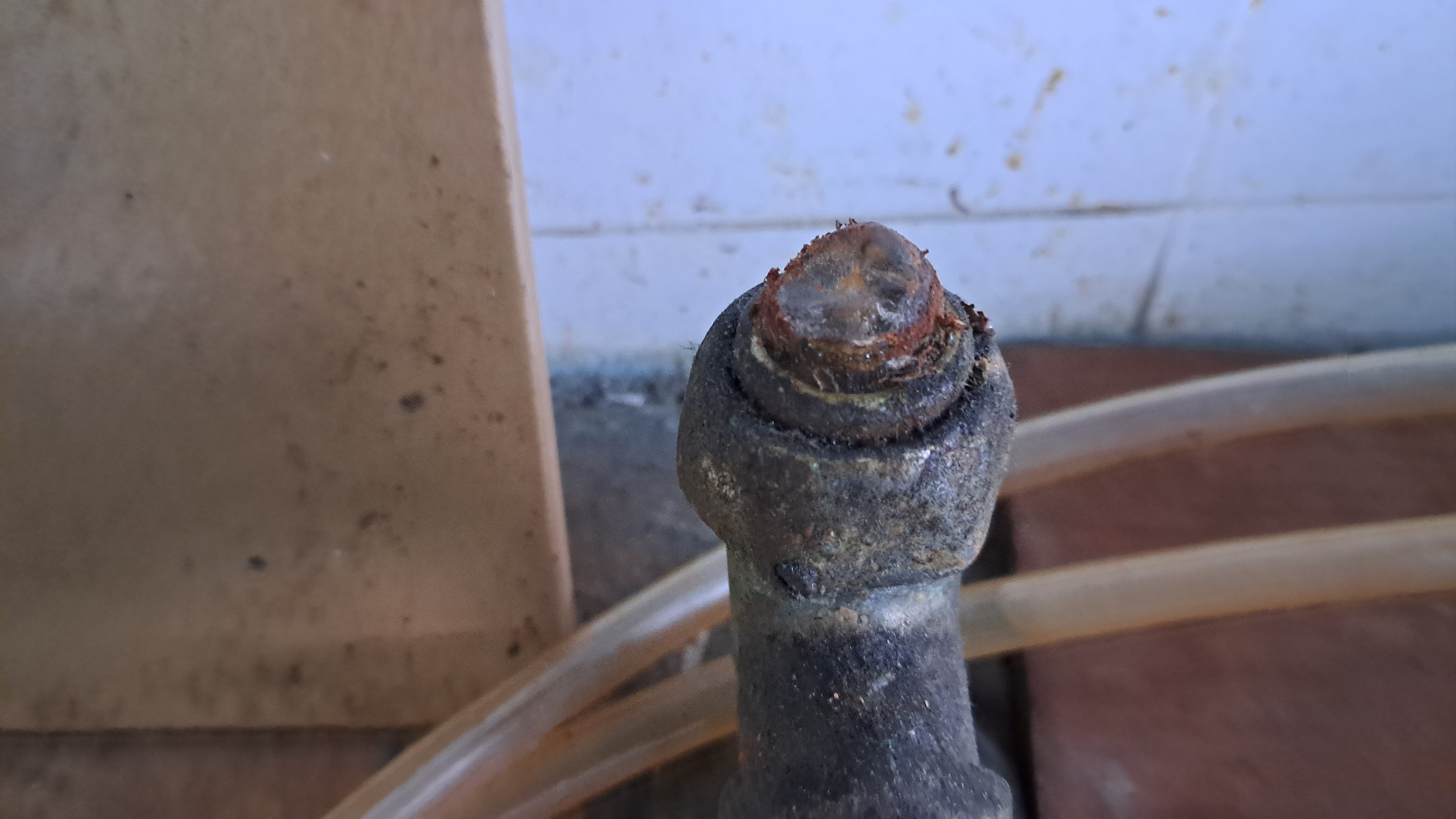
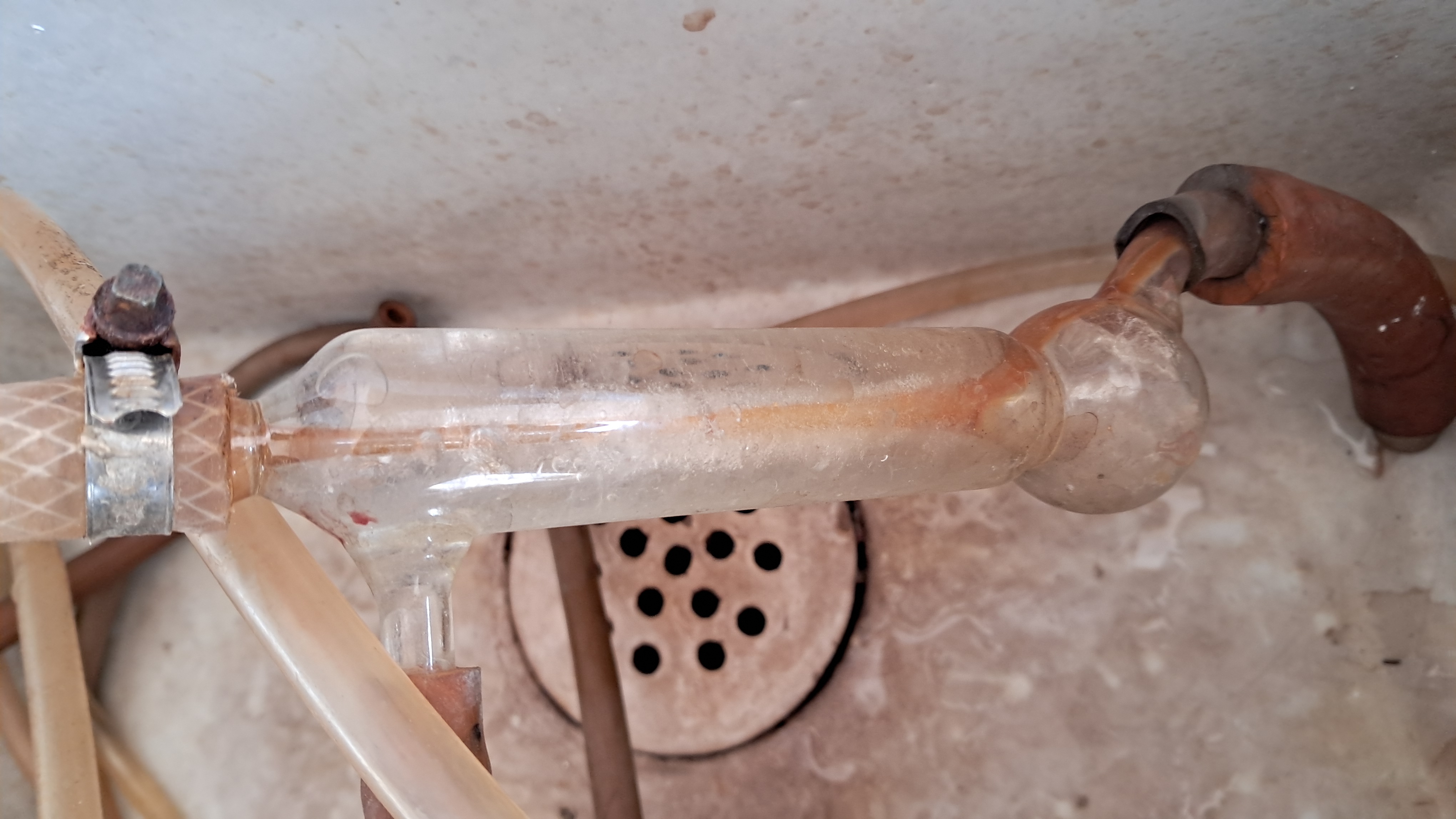
After finishing the task, I suddenly noticed that the swivel gooseneck spout of the faucet - to which the water-jet pump was attached - was sharply bent, as if the pipe were made of soft rubber rather than steel. I immediately understood the cause: water had remained inside the pipe, frozen, expanded, and ruptured it. Inspection confirmed my suspicion. I tried turning the faucet handle, but it would not move - the water inside the faucet had frozen solid.

A few days later, I discovered that the gooseneck spout of another faucet, in the fume hood, had been severed as if cut with a knife. It was lying next to the faucet, and the pipe was filled with ice.

To prevent such accidents, the water supply to the unheated part of the institute should have been shut off in advance, and any remaining water completely drained from the pipes, including the faucets. The person responsible for this was the retired colonel I mentioned in the first part. Once, he reprimanded me for not wiping my feet at the entrance - I immediately reminded him about the damaged pipes. In response, he helplessly threw up his hands:

"What could I have done?"

Apparently, he had not been taught in the army how to maintain a plumbing system properly. That is understandable, since the army has a different mission - to defend the country. Unfortunately, the practice of assigning retired officers en masse to positions unrelated to their previous experience has continued for many years.

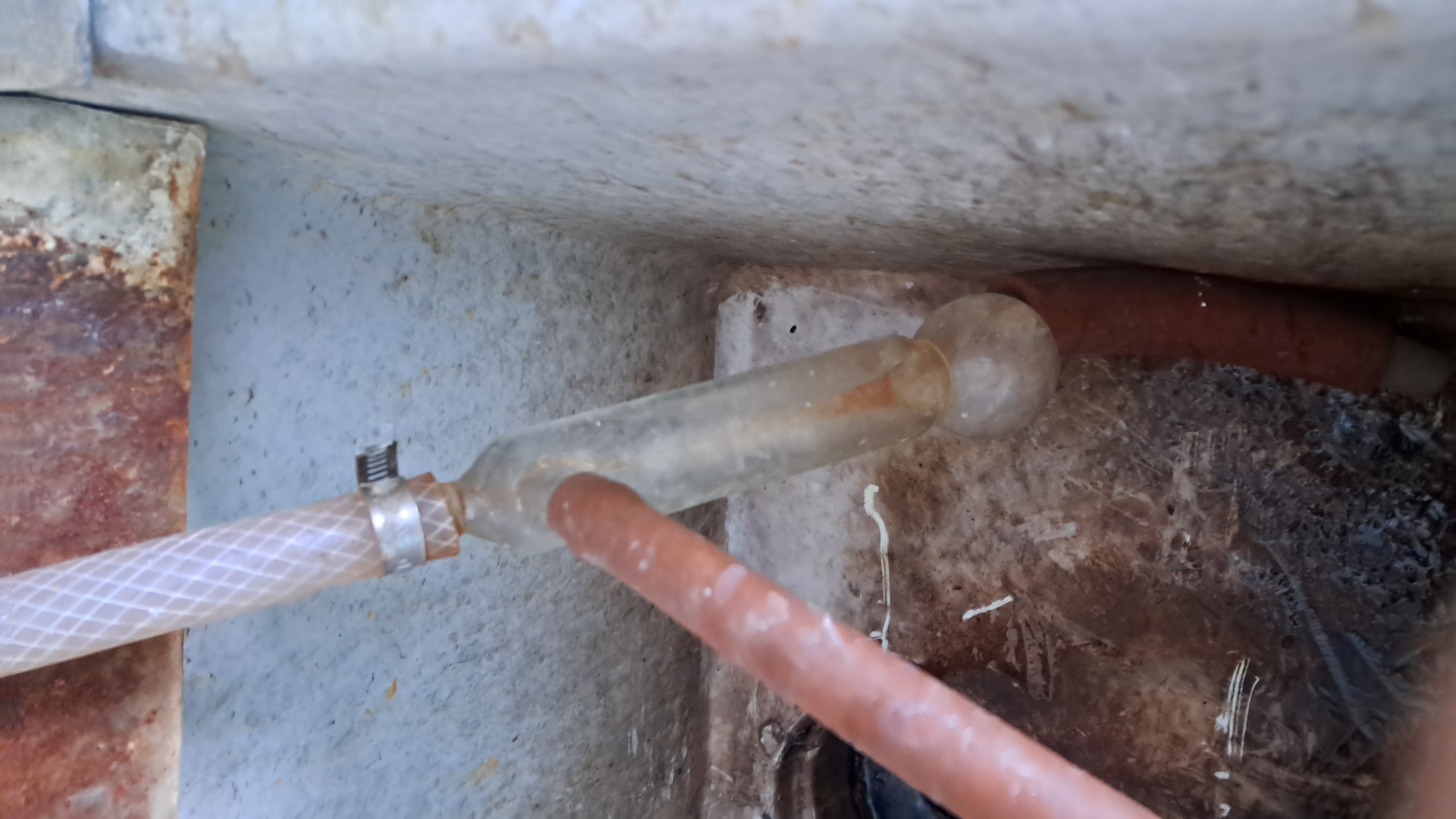
Let us return to the laboratory. I immediately went to the institute's plumber and described the situation. At that time, there was no water in the system because of an accident outside the institute - the underground water supply had frozen. However, once the water was restored and the weather warmed, the laboratory would flood. The ice would melt, and water would leak from the damaged pipes, flooding the rooms below and, of course, my own laboratory. The plumber assured me that the water supply was shut off and that he would restore it only in my presence.

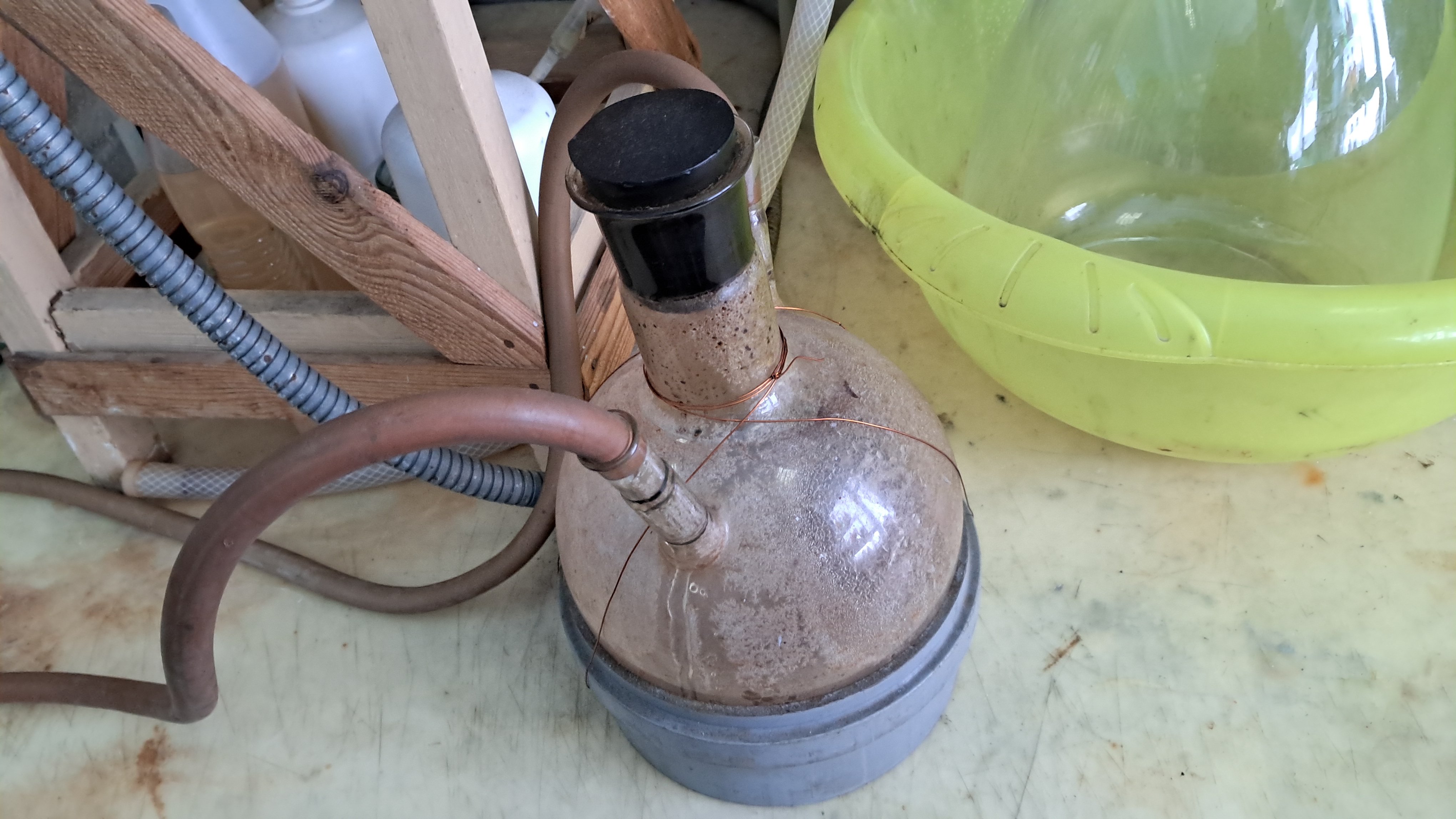
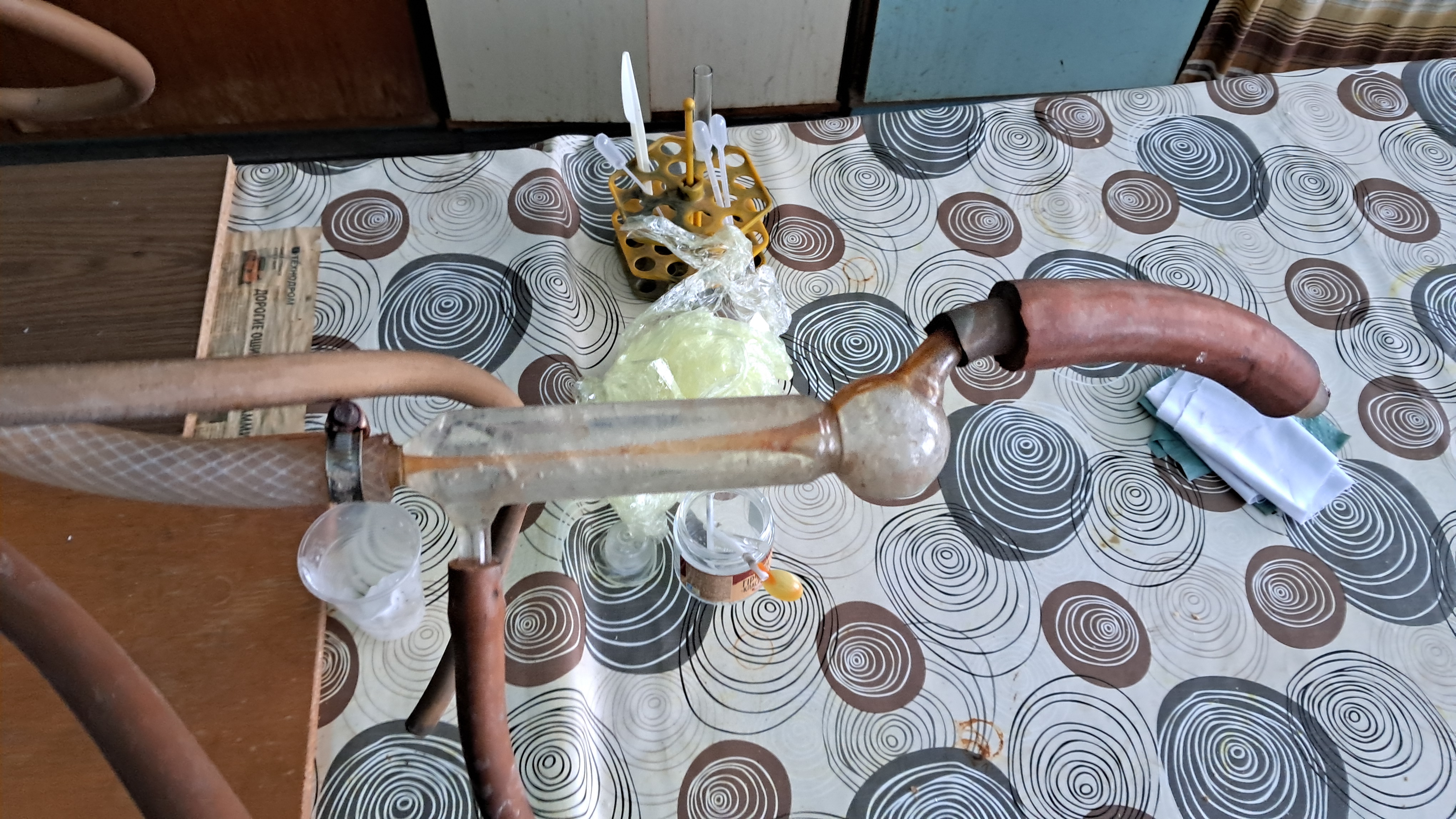
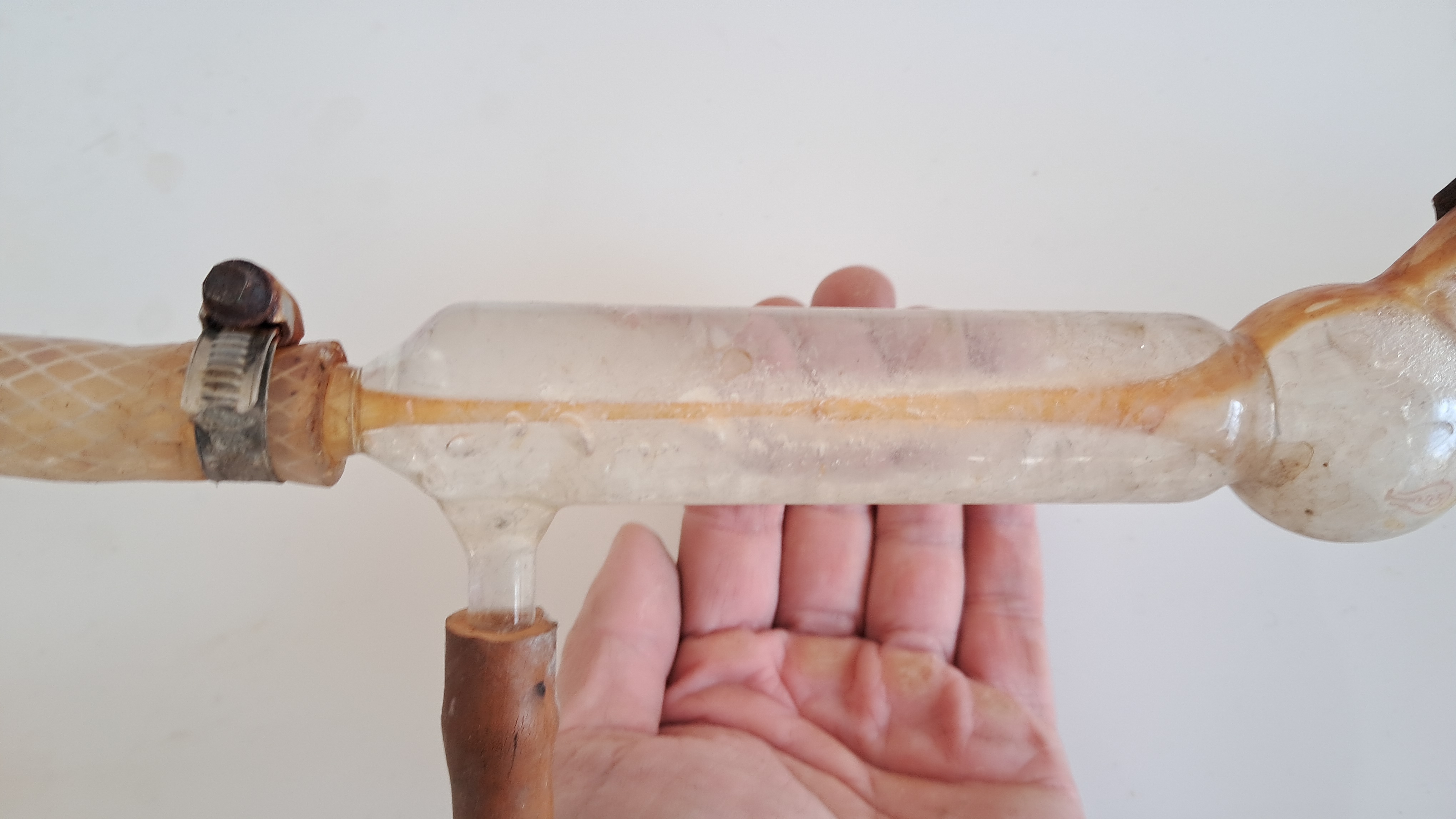
A glass water-jet pump filled with water had been connected to the damaged pipe. Naturally, the water inside the pump had frozen. I disconnected the pump and brought it into a warm room to melt the ice. Miraculously, the pump remained intact - the expanding ice had not shattered the glass.

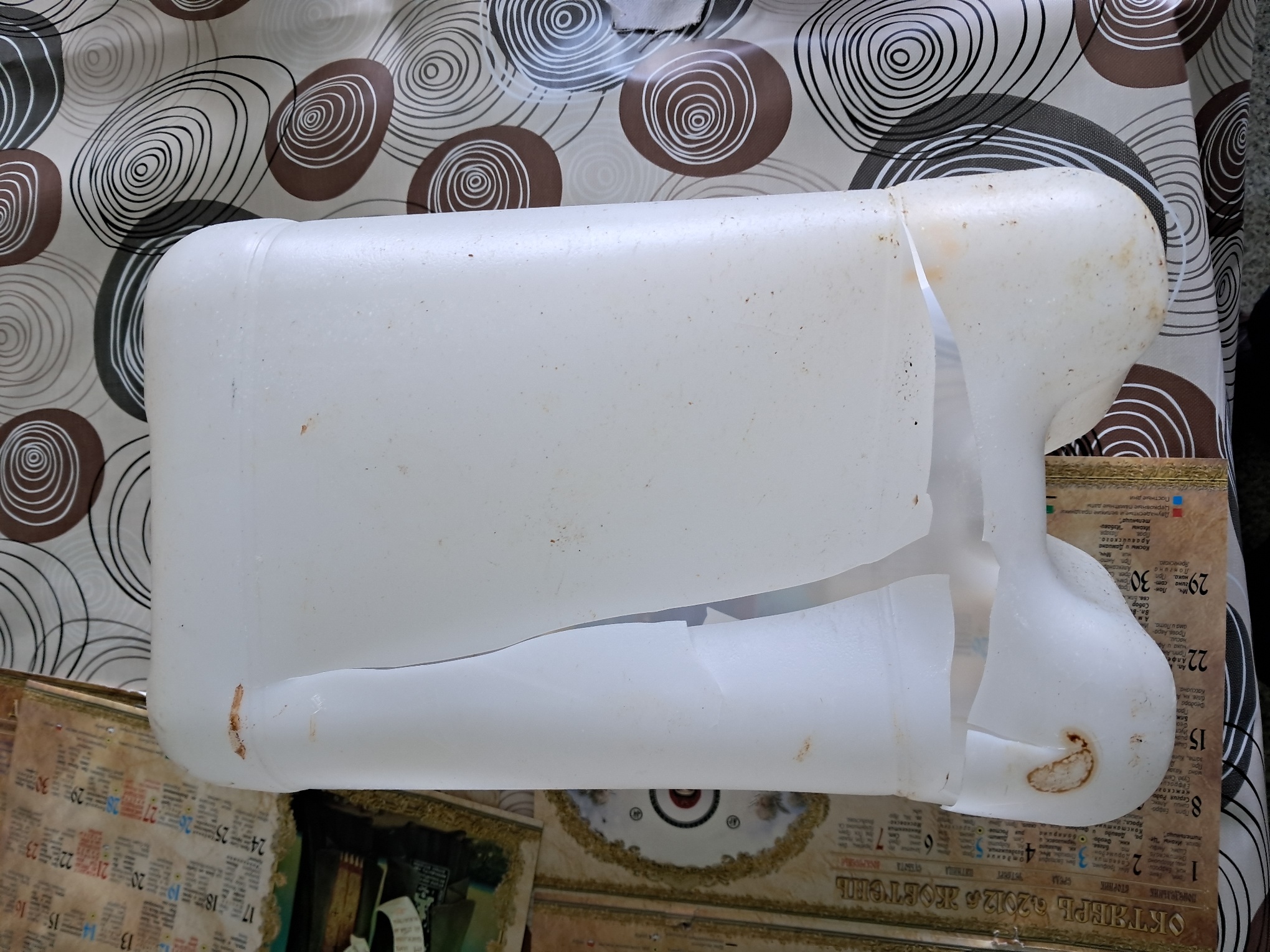
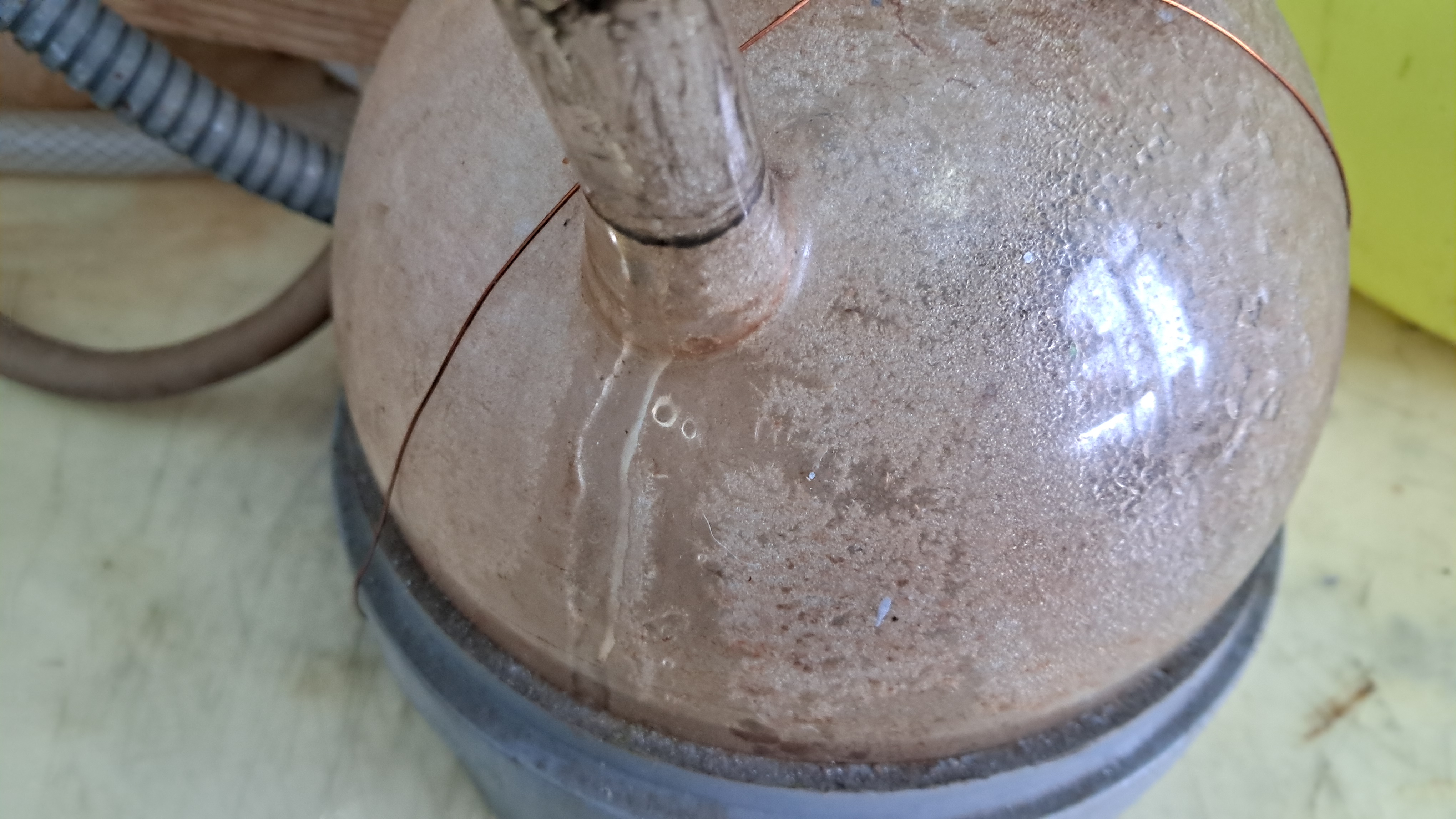
A trap - a 2.5-liter three-necked flask - was connected to the pump. Due to an oversight, water from the pump had leaked into it. I remembered this and feared that the frozen water had ruptured the flask. The water had indeed frozen, but since it was present in only a small amount - about one liter - the flask survived.

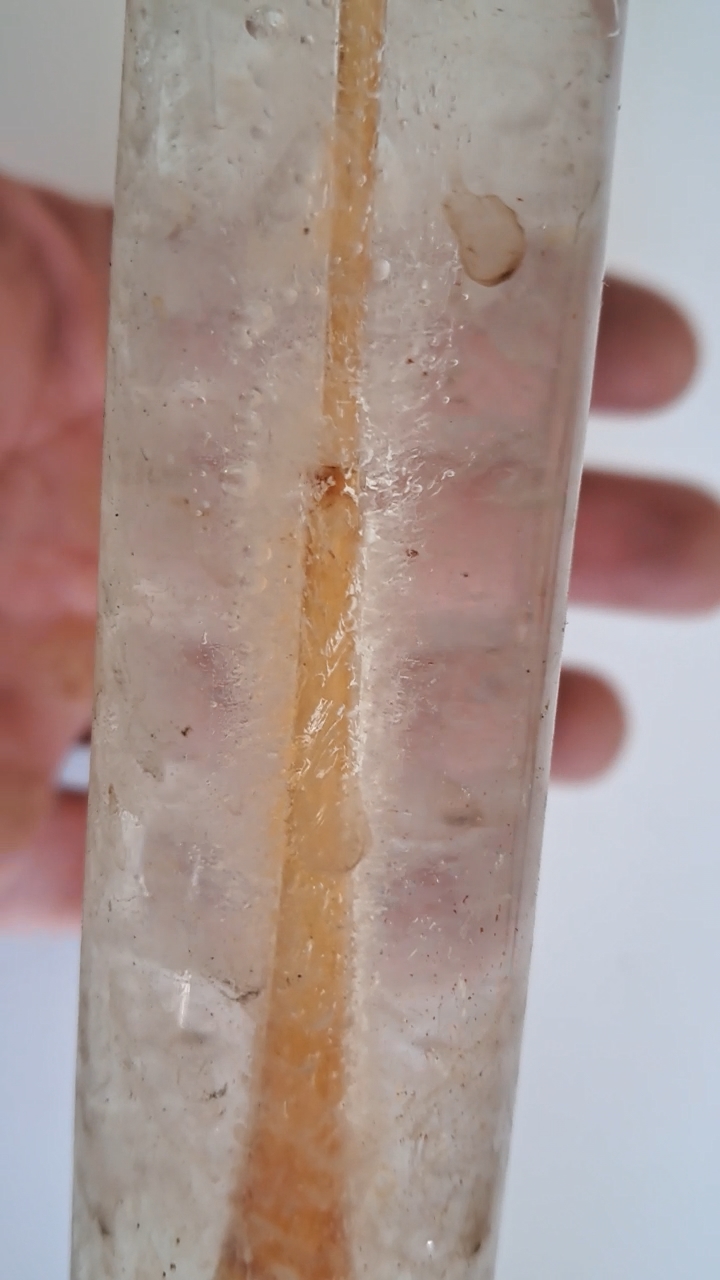
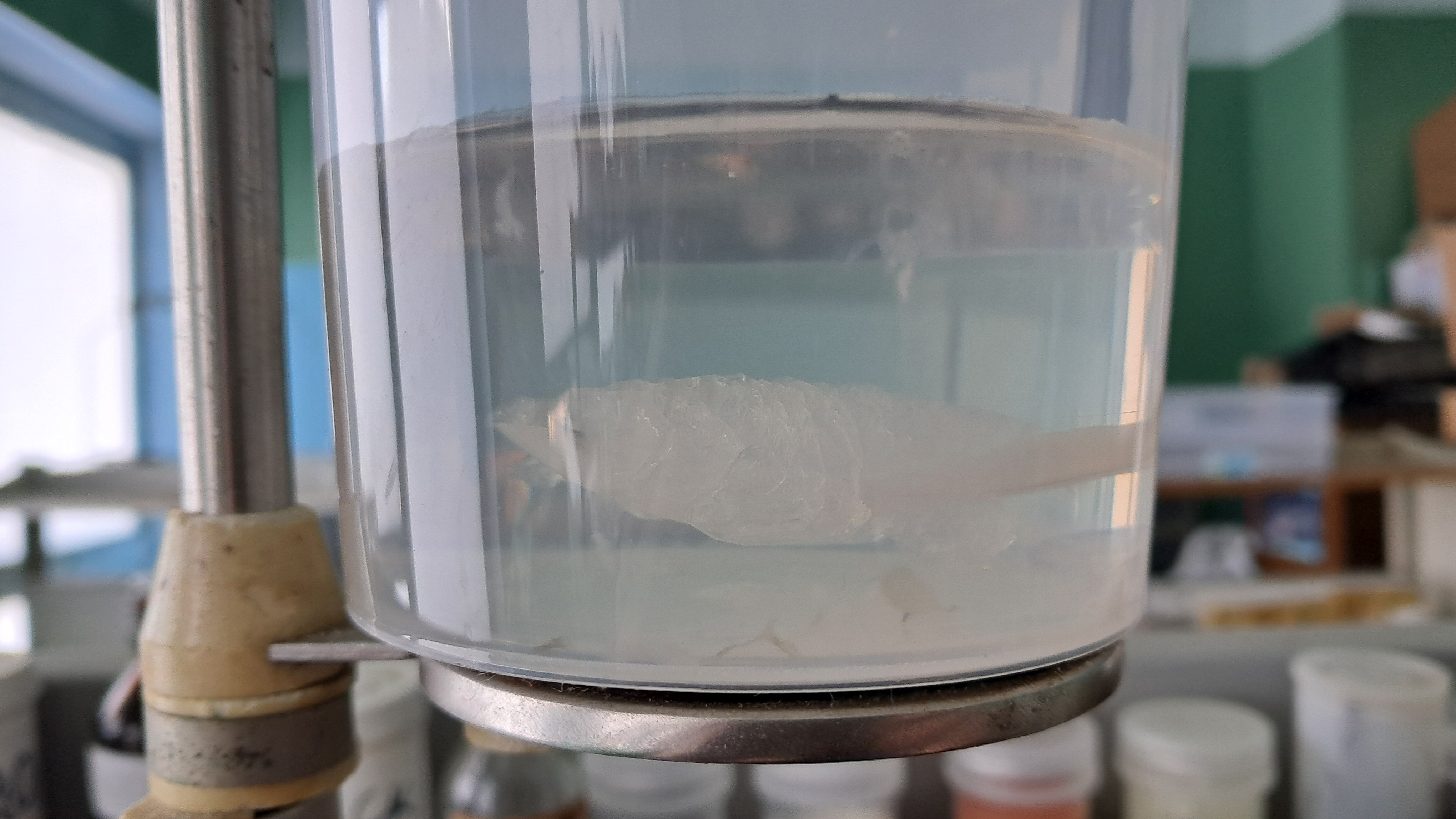
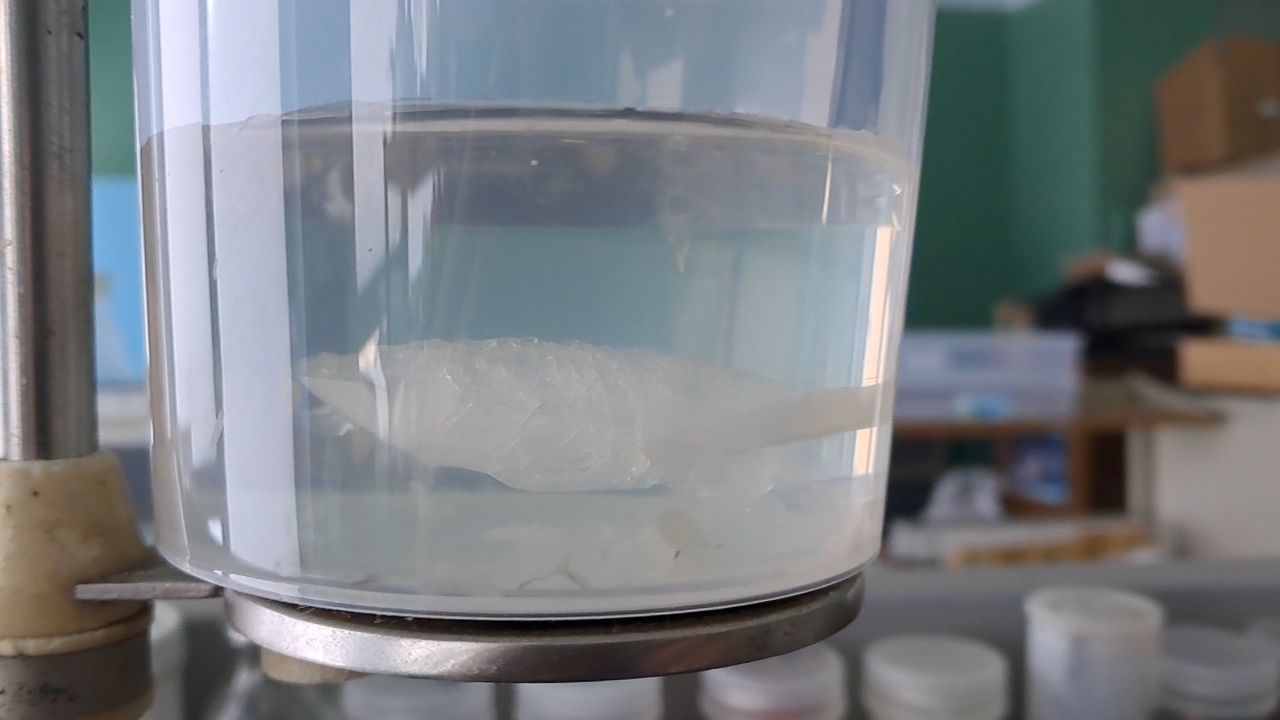
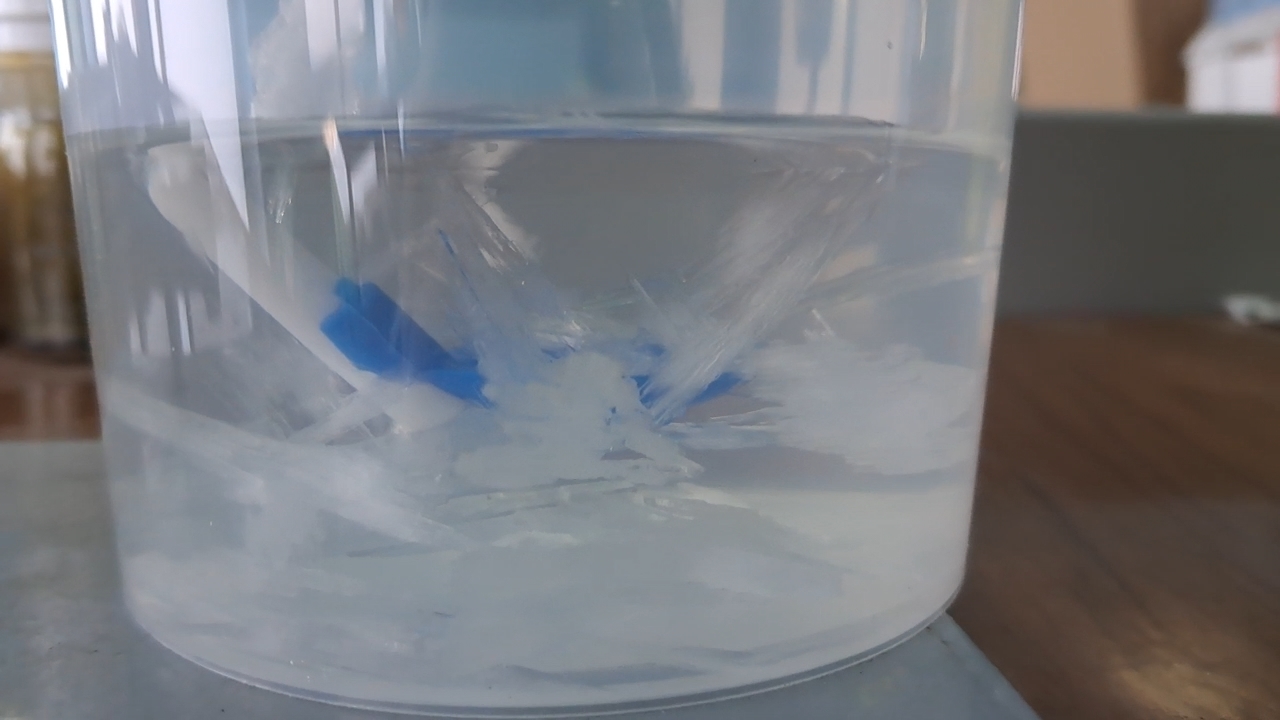
The saturated solutions of potassium nitrate and potassium dihydrogen phosphate remained liquid, but a bottle of saturated sodium bicarbonate solution froze. One bottle of distilled water froze as well. The water in the other five bottles remained liquid. I recalled stories from colleagues who had left water or soft drinks in cold rooms where the temperature was below 0°C. Despite the subzero conditions, the liquid remained unfrozen for a long time. Yet as soon as the bottle was opened - or even simply handled - the water froze instantly.

In the absence of crystallization centers and mechanical disturbance, water can remain liquid for a long time even below its normal freezing point. This phenomenon is known as supercooling. Among readily available substances, glacial acetic acid is particularly prone to supercooling. Molten phenol and gallium can also be easily supercooled. Glycerol is especially prone to supercooling - inducing it to crystallize is a real challenge. When cooled, glycerol gradually thickens and forms a glass without crystallizing. In fact, any glass is essentially a supercooled liquid with extremely high viscosity.

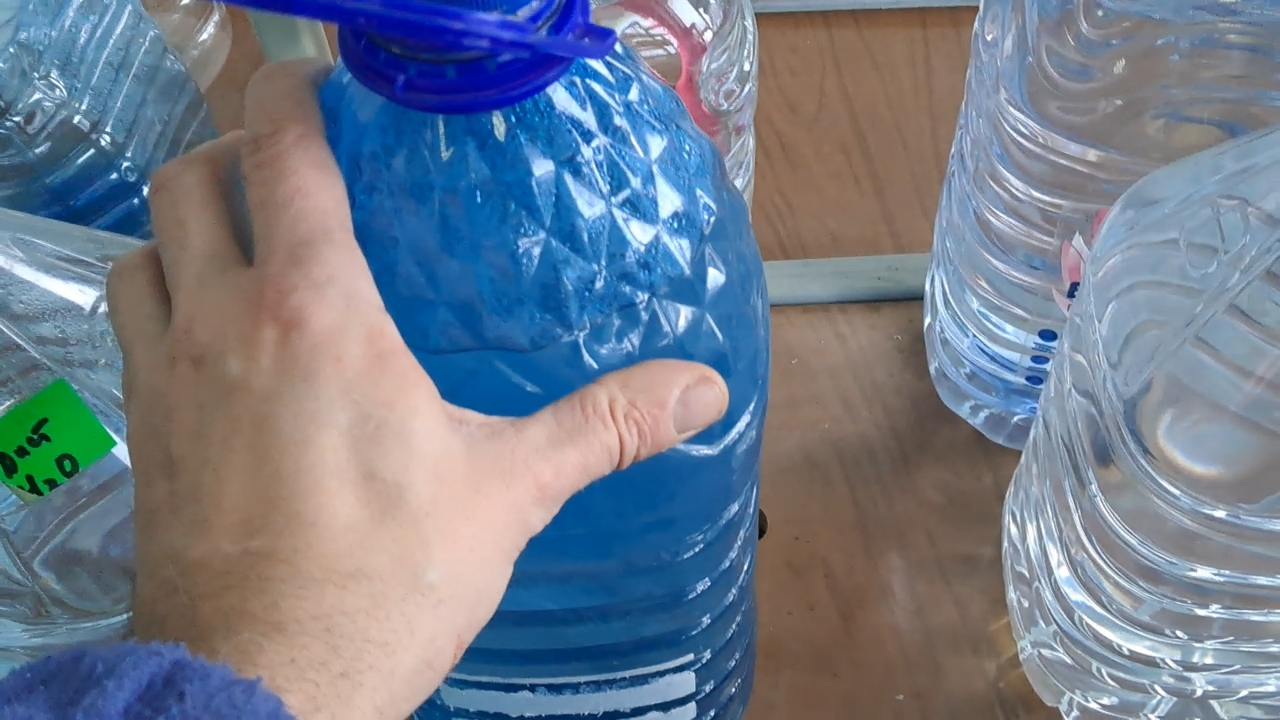
I have observed the crystallization of supercooled acetic acid many times, but I had never witnessed supercooled water freezing in person - only on video. I assumed that the water in the four unfrozen bottles was supercooled. I started recording the experiment and then vigorously shook one of the bottles, but the water remained liquid.


"Замерзшая" химическая лаборатория - Часть 2
Была вторая половина осени, я увлекся экспериментами по электроспиннингу. После первоначальной неудачи с поливиниленфторидом (PVDF), я смог получить электроспиннинговый полистирол. Разумеется, все эти работы я проводил в новой лаборатории, которая была "недоделана". В не отапливаемую лабораторию я возвращался только чтобы забрать нужные для работы вещи - посуду, оборудование и реактивы. Даже, если бы я захотел работать в холодном помещении, для проведения электроспиннинга такие условия были неприемлемы.

Начало зимы оказалось теплым. "Теплой погодой" во время зимы у нас считают температуру около нуля Цельсия и выше. Во времена моего раннего детства зимы были преимущественно холодными. С ноября по март-апрель стояли морозы - температура падала значительно ниже нуля Цельсия, хотя иногда бывали короткие оттепели. С тех пор климат значительно изменился, поэтому большинство зим у нас теперь теплые. Теплой была и прошлая зима, теплым было и начало нынешней.

Разумеется, даже во время теплой зимы температура в лаборатории упала до 3...4°С. Я не придавал этому факту значения, поскольку такая же температура в помещении была год назад. Потом ударили сильные морозы, температура на улице опустилась до -10...15°С, а в лаборатории похолодало до 2°С. Окна лаборатории покрылись изнутри инеем, потом инеем начали покрываться стены и потолок. Прошлую зиму тоже случались сильные морозы, но продолжались они недолго.

В этот раз, однако, морозы были не только длительными, но все усилились. Были даже периоды, когда в моем городе Киеве (широта 50.54° N) было холоднее, чем на Северном полюсе. В результате температура в лаборатории упала значительно ниже нуля - до -4...5°С. В лаборатории стояло шесть бутылок с дистиллированной водой, он они пока не замерзли.

В двух стаканах я выращивал кристаллы дигидрофосфата калия и нитрата калия. В насыщенные растворы было помещено по одной затравке, стаканы были накрыты фильтровальной бумагой. Раствор медленно испарялся, затравки росли. Во время таких экспериментов температуру желательно поддерживать постоянной. Однако, лаборатория не отапливалась. Уменьшение температуры растворов от 20°С осенью до -4°С зимой вызвало не контролированное образование и рост множества больших кристаллов данных веществ. Особенно эффектно выглядели большие игольчатые кристаллы дигидрофосфата. В других стаканах я выращивал поликристаллы этих же веществ, но с добавкой небольшого количества радиоактивного цезия. Здесь кристаллизация не была такой резкой.

Я занимался электроспиннингом в отапливаемой лаборатории и не думал о том, что происходит в холодной комнате. Туда я заходил только, если нужно было взять какую-то вещь, которой не было в отапливаемой лаборатории.

В один прекрасный момент "низкотемпературная идиллия" закончилась - началась жесткая реальность. Я пришел в холодную лабораторию, чтобы измельчить молотком кусок PMMA. Было холодно и сыро - я не мог понять, как я смог здесь работать прошлую зиму.

Закончив измельчение полимера, я неожиданно заметил, что "гусак" (gooseneck spout) крана, к которому был прикреплен водоструйный насос, сильно наклонился - словно труба была сделана не из стали, а из мягкой резины. Я сразу понял причину - в трубе осталась вода, которая замерзла, расширилась и разорвала стальную трубу. Осмотр подтвердил мое предположение. Попробовал повернуть кран - не получилось: внутри крана замерла вода.

Через несколько дней обнаружил, что гусак другого крана, который находился под вытяжкой, срезало, словно ножом. Он лежал рядом с краном, а внутри трубы был лед.

Чтобы таких аварий не случалось, воду в неотапливаемой части института следовало заранее перекрыть, а остатки воды полностью слить из труб, включая смесители кранов. Ответственным за это как раз был тот отставной полковник, о котором я упомянул в первой части. Как-то он мне сдала замечание за не вытертые у входа ноги - я сразу же ему вспомнил про поврежденные трубы. В ответ полковник беспомощно развел руками:

- А что я мог сделать?

В армии его, видимо, не учили, как следует обслуживать водопровод. И это логично, поскольку у армии другая задача - защищать страну. К сожалению, практика, когда отставных офицеров массово назначали на должности, которые не имеют отношения к их прошлой работе и полученным там навыкам, была у нас много лет.

Вернемся в лабораторию. Сразу же пошел к институтскому сантехнику и описал ситуацию. В то время в системе не было воды из-за аварии за переделами института - замерзла вода в подземном водопроводе. Однако, когда воду включат, и на улице потеплеет - в лаборатории будет потоп. Лед растает и из поврежденных труб потечет вода, затапливая лаборатории, расположенные ниже. А в первую очередь - затопит саму мою лабораторию. Сантехник заверил меня, что вода перекрыта, и он включит ее только в моем присутствии.

К поврежденному патрубку был присоединен стеклянный водоструйный насос, заполненный водой. Разумеется, вода внутри насоса замерзла. Отсоединил насос, отнес его в теплую комнату, чтобы лед растаял. Каким-то чудом оказалось, что насос остался целым - лед не разрушил стеклянный корпус.

К насосу была подключена ловушка - 2.5 литровая трехгорлая колба. По недосмотру в нее натекла из насоса вода - я вспомнил про это и испугался, что вода замерзла и разорвала колбу. Вода действительно замерзла, но ее было мало, примерно литр, поэтому колба уцелела.

Насыщенные растворы нитрата калия и дигидрофосфата калия оставались жидкими, зато бутылка с насыщенным раствором гидрокарбоната натрия замерзла. Одна из бутылок с дистиллированной водой замерзла. Вода в пяти остальных бутылках осталась жидкой. Я помнил рассказы коллег, которые оставляли воду или безалкогольные напитки в холодных помещениях, температура в которых была ниже нуля по Цельсию. Несмотря на отрицательную температуру, вода длительное время оставалась жидкой. Но стоило открыть бутылку или просто взять ее в руки, и вода моментально замерзала.

При отсутствии центров кристаллизации и вибраций вода может долго оставаться в жидком состоянии, даже если ее температура опускается ниже нуля. Данное явление называется переохлаждение. Среди легкодоступных жидкостей переохлажденное состояние характерно для ледяной уксусной кислоты. Легко переохлаждаются расплавленные фенол и галлий. Глицерин особенно склонен к переохлаждению, поэтому вызвать его кристаллизацию - настоящая проблема. При охлаждении глицерин постепенно густеет и переходит в стеклообразное состояние, при этом не кристаллизуясь. Любое стекло - фактически переохлажденная жидкость, которая имеет очень высокую вязкость.

Я много раз наблюдал кристаллизацию переохлажденной уксусной кислоты, но, ни разу непосредственно не видел замерзание переохлажденной воды (только на видео). Я предположил, что в четырех незамерзших бутылках дистиллята вода была переохлажденной. Включил съемку видео, сильно встряхнул одну из бутылок, но вода так и осталась жидкой.


''Frozen'' Chemical Laboratory

''Frozen'' Chemical Laboratory

''Frozen'' Chemical Laboratory

''Frozen'' Chemical Laboratory

''Frozen'' Chemical Laboratory

''Frozen'' Chemical Laboratory

''Frozen'' Chemical Laboratory

''Frozen'' Chemical Laboratory

''Frozen'' Chemical Laboratory

''Frozen'' Chemical Laboratory

''Frozen'' Chemical Laboratory

''Frozen'' Chemical Laboratory

''Frozen'' Chemical Laboratory

''Frozen'' Chemical Laboratory

''Frozen'' Chemical Laboratory

''Frozen'' Chemical Laboratory

''Frozen'' Chemical Laboratory

''Frozen'' Chemical Laboratory

''Frozen'' Chemical Laboratory

''Frozen'' Chemical Laboratory

''Frozen'' Chemical Laboratory

''Frozen'' Chemical Laboratory

''Frozen'' Chemical Laboratory

''Frozen'' Chemical Laboratory

''Frozen'' Chemical Laboratory

''Frozen'' Chemical Laboratory

''Frozen'' Chemical Laboratory

''Frozen'' Chemical Laboratory

''Frozen'' Chemical Laboratory

''Frozen'' Chemical Laboratory

''Frozen'' Chemical Laboratory

''Frozen'' Chemical Laboratory

''Frozen'' Chemical Laboratory

''Frozen'' Chemical Laboratory

''Frozen'' Chemical Laboratory
Potassium nitrate

''Frozen'' Chemical Laboratory

''Frozen'' Chemical Laboratory
Potassium dihydrogen phosphate

''Frozen'' Chemical Laboratory

''Frozen'' Chemical Laboratory
Potassium nitrate + 137Cs

''Frozen'' Chemical Laboratory
Potassium dihydrogen phosphate + 137Cs

''Frozen'' Chemical Laboratory
The frozen bottle

''Frozen'' Chemical Laboratory
I vigorously shook one of the bottles of distilled water, but the water remained liquid

''Frozen'' Chemical Laboratory
The sodium bicarbonate saturated solution

''Frozen'' Chemical Laboratory
Unfreezing...

''Frozen'' Chemical Laboratory


[ Experiments with Ice and Dry Ice. Supercooled Liquids ]
[ Life of Chemists ]

Supercooled and superheated liquids - Discussion on the forum
Adventures of Chemists / Life of Chemists - Discussion on the forum
[Submit a Comment / Error Message - Отправить Комментарий / Сообщение об ошибке]