Content Chemistry experiments - video Physics experiments - video Home Page - Chemistry and Chemists

Chemistry and Chemists № 1 2026

Journal of Chemists-Enthusiasts
Donate to the journal Chemistry and ChemistsDonate to the journal Chemistry and Chemists


Freezing of Supercooled Water - pt.5, 6


Chemist


Having noticed a mistake in the text, allocate it and press Ctrl-Enter


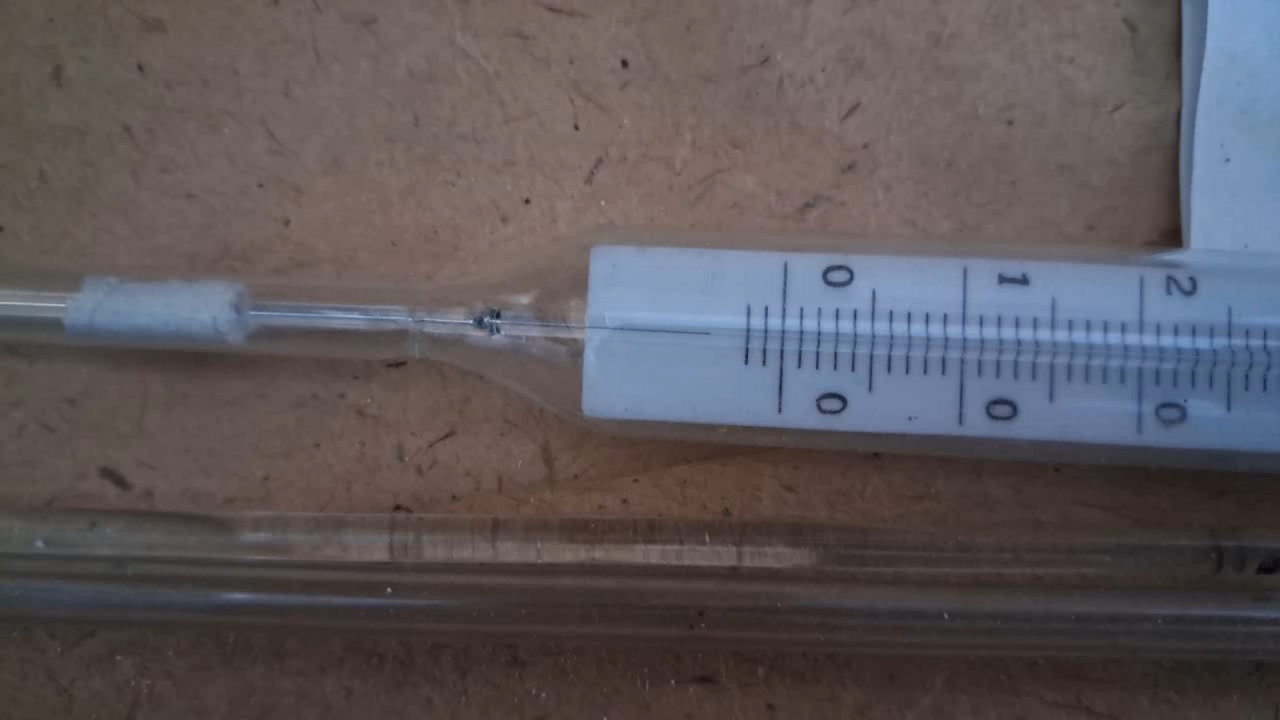
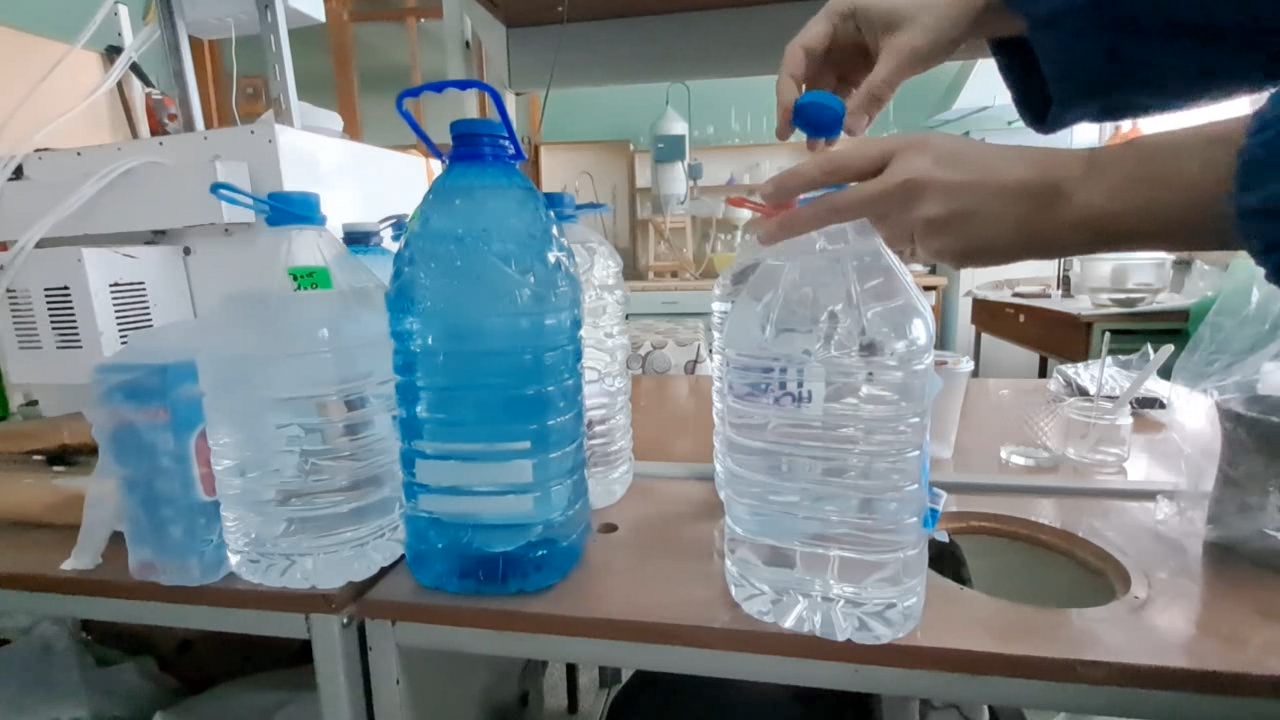
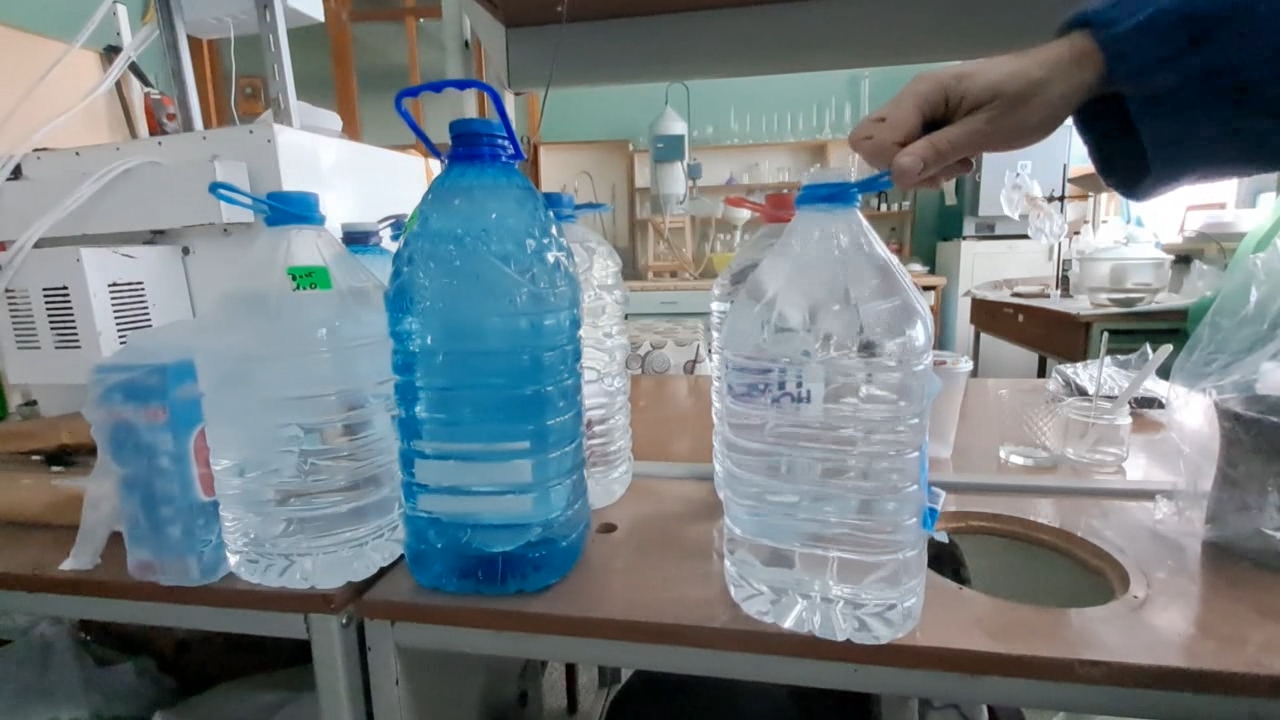
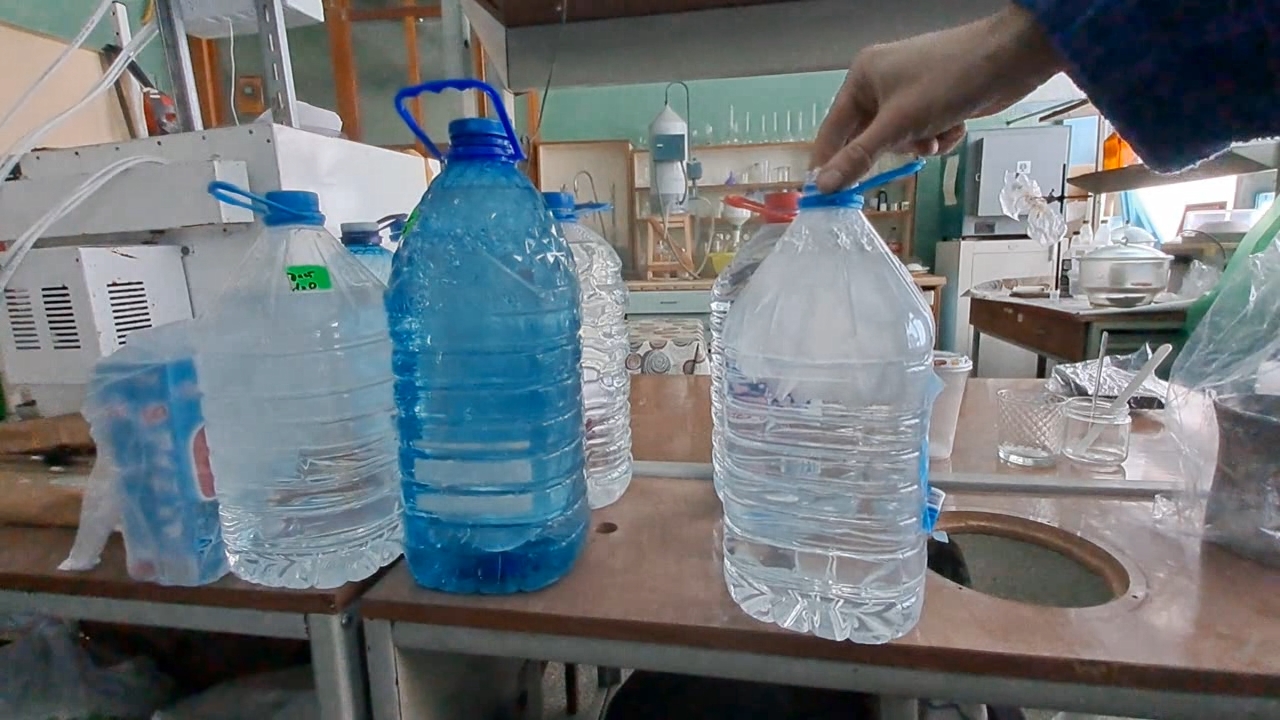
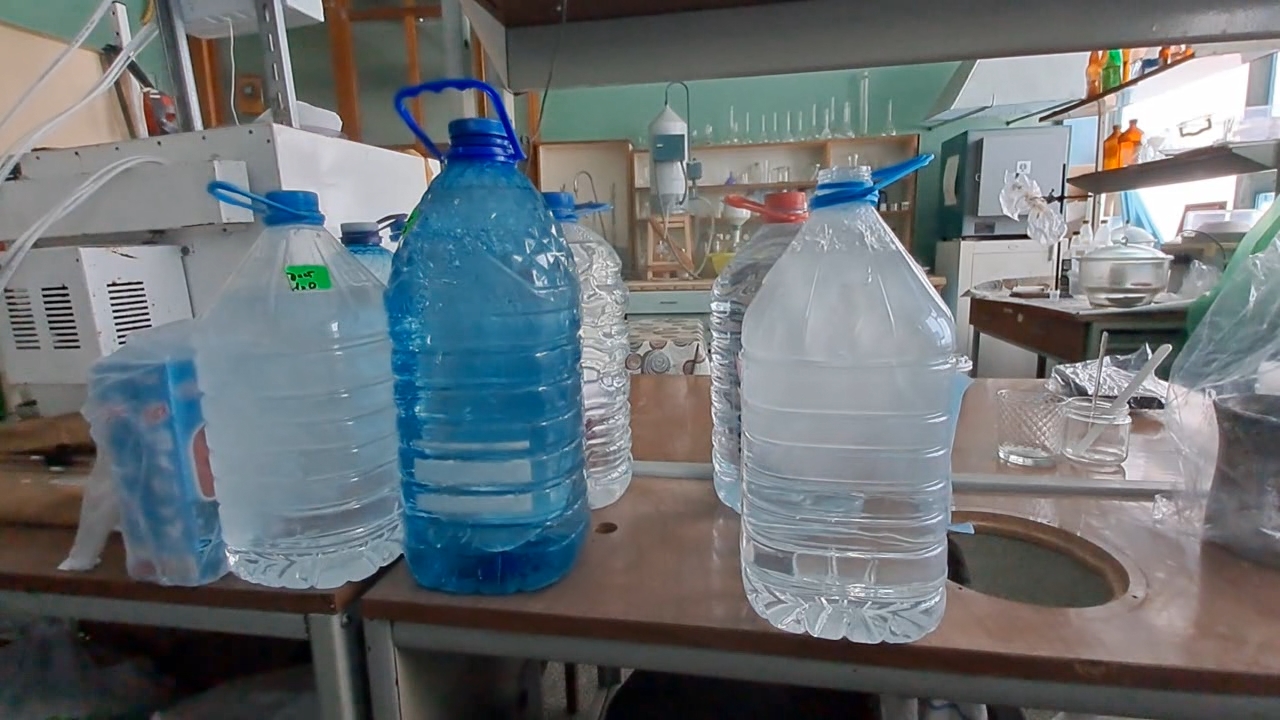
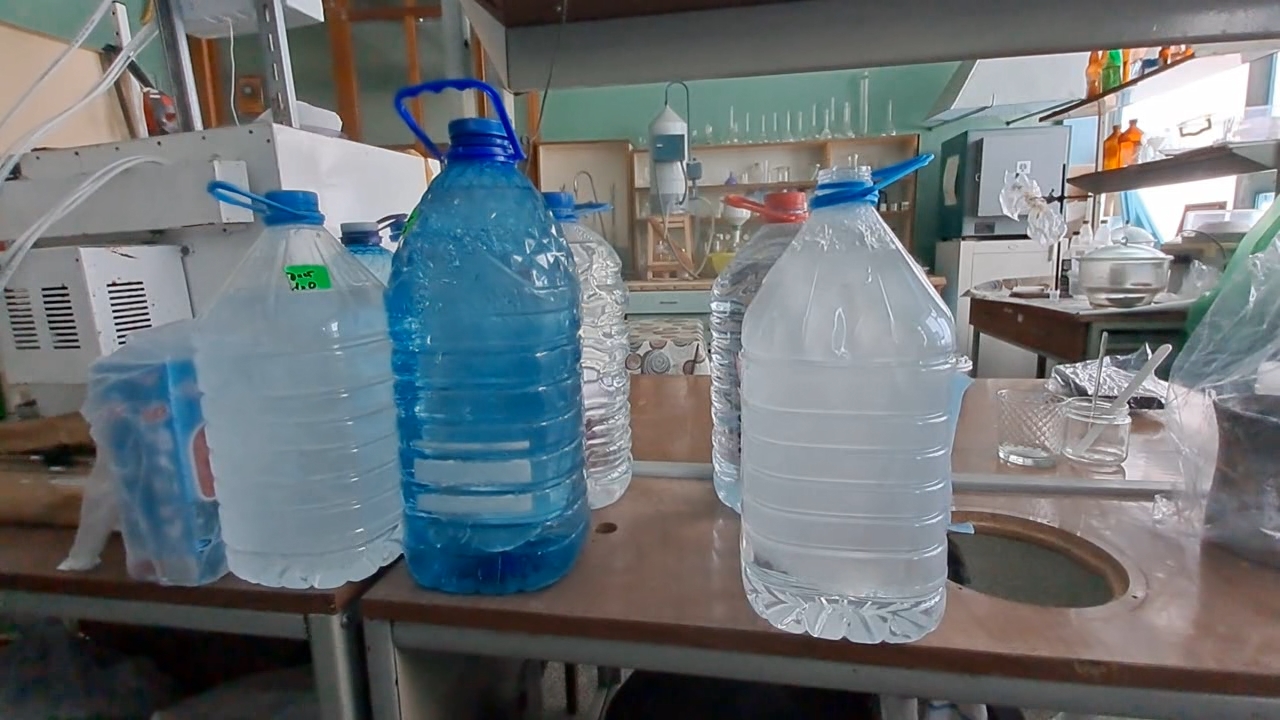
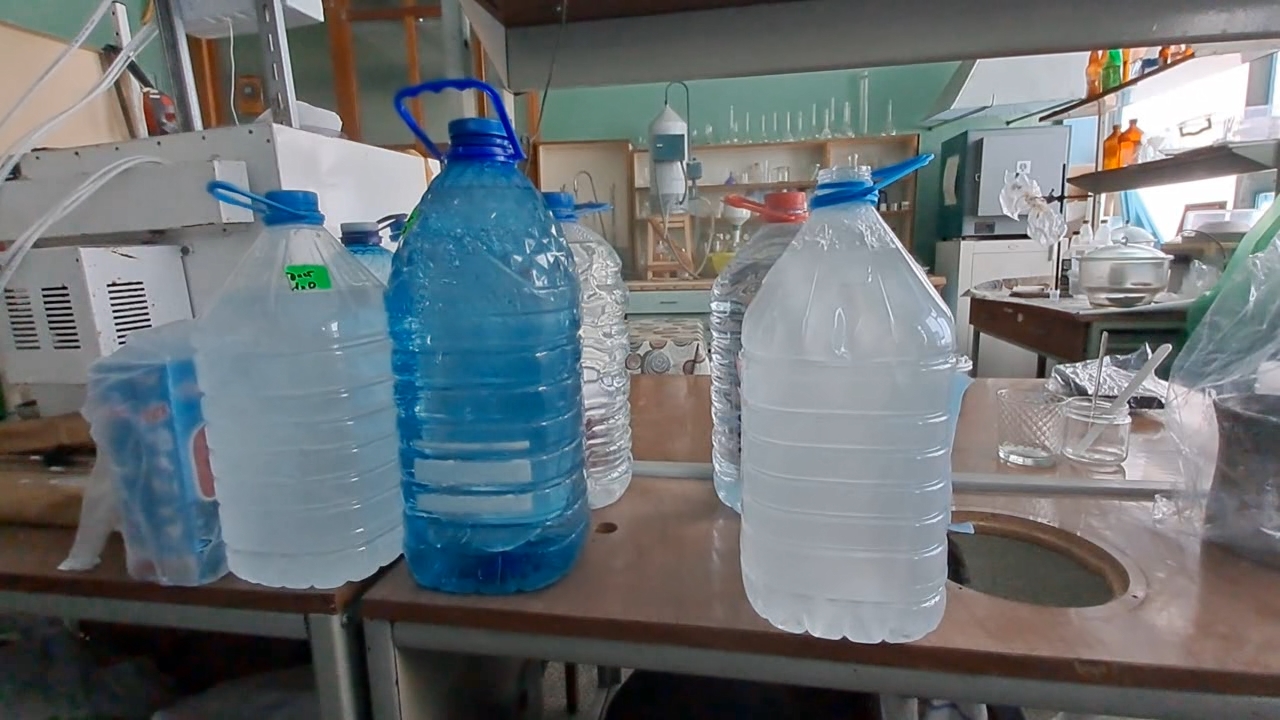
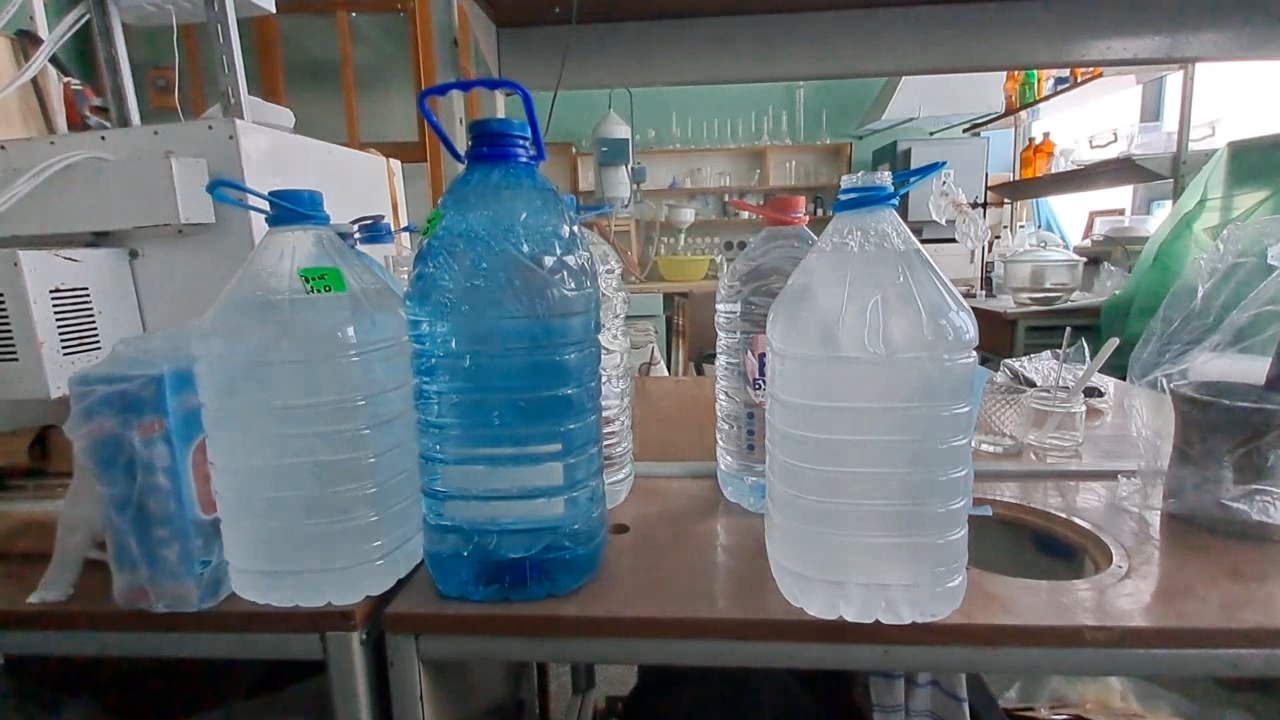
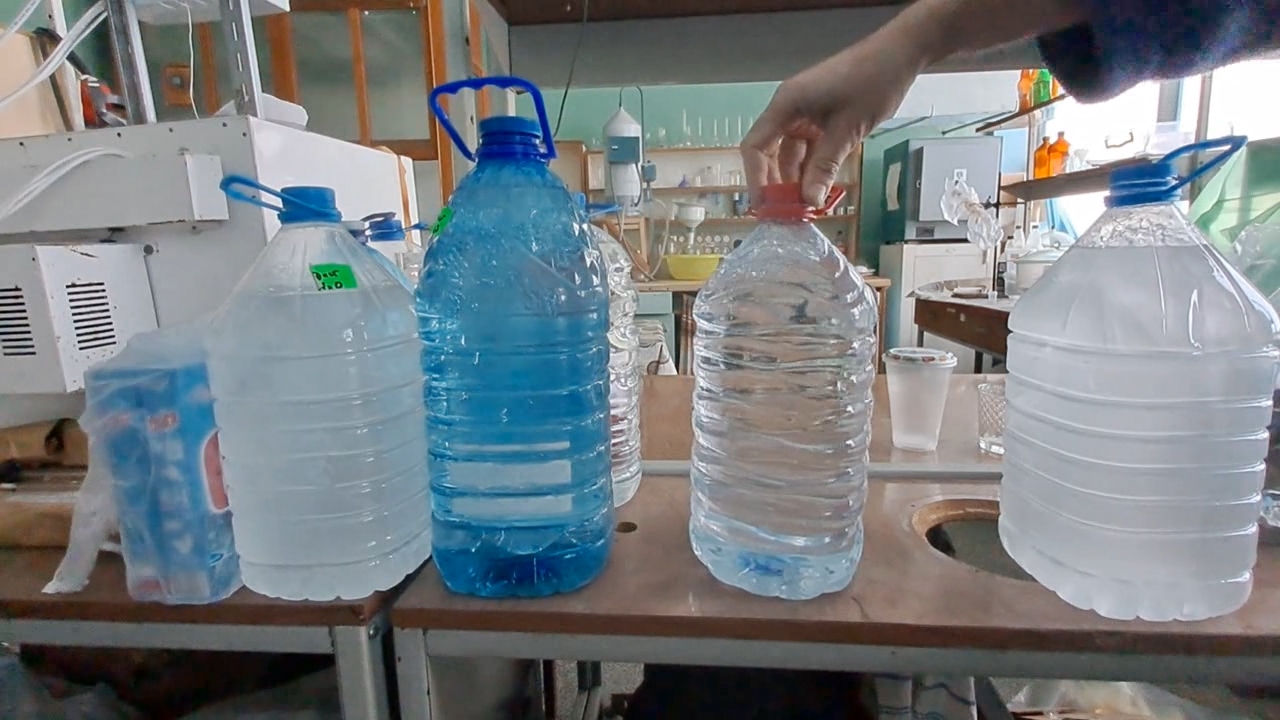
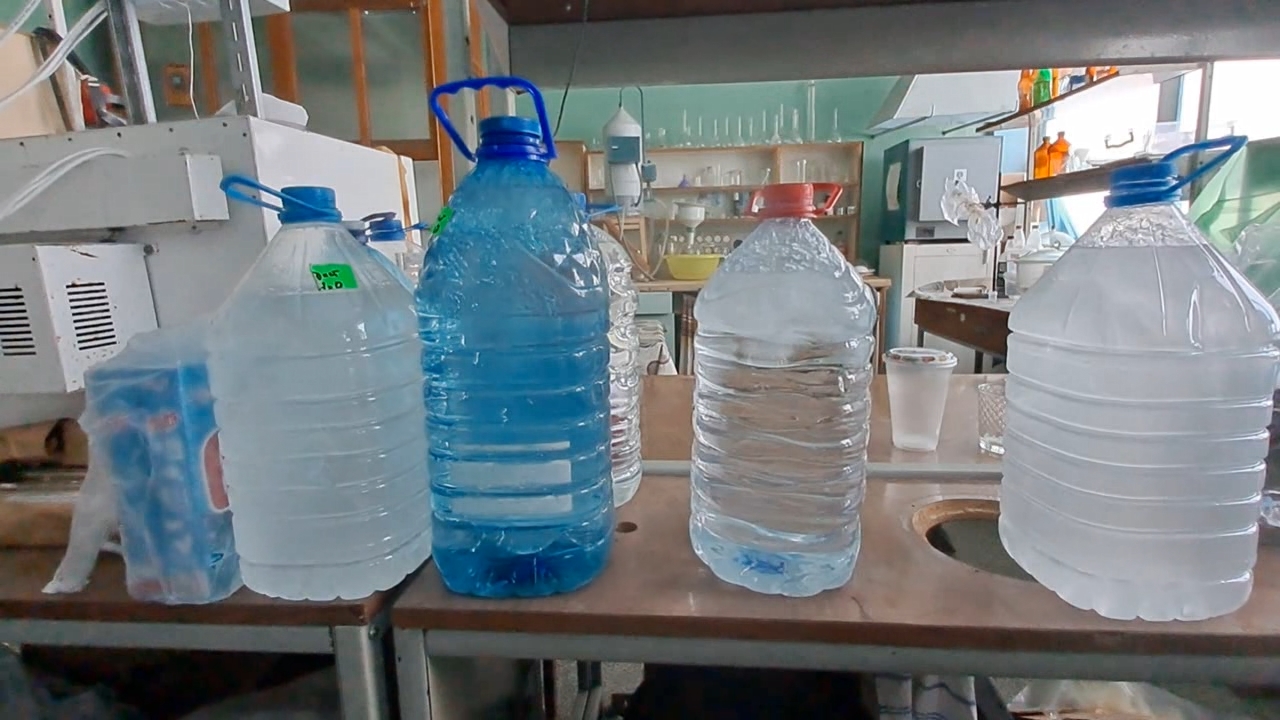
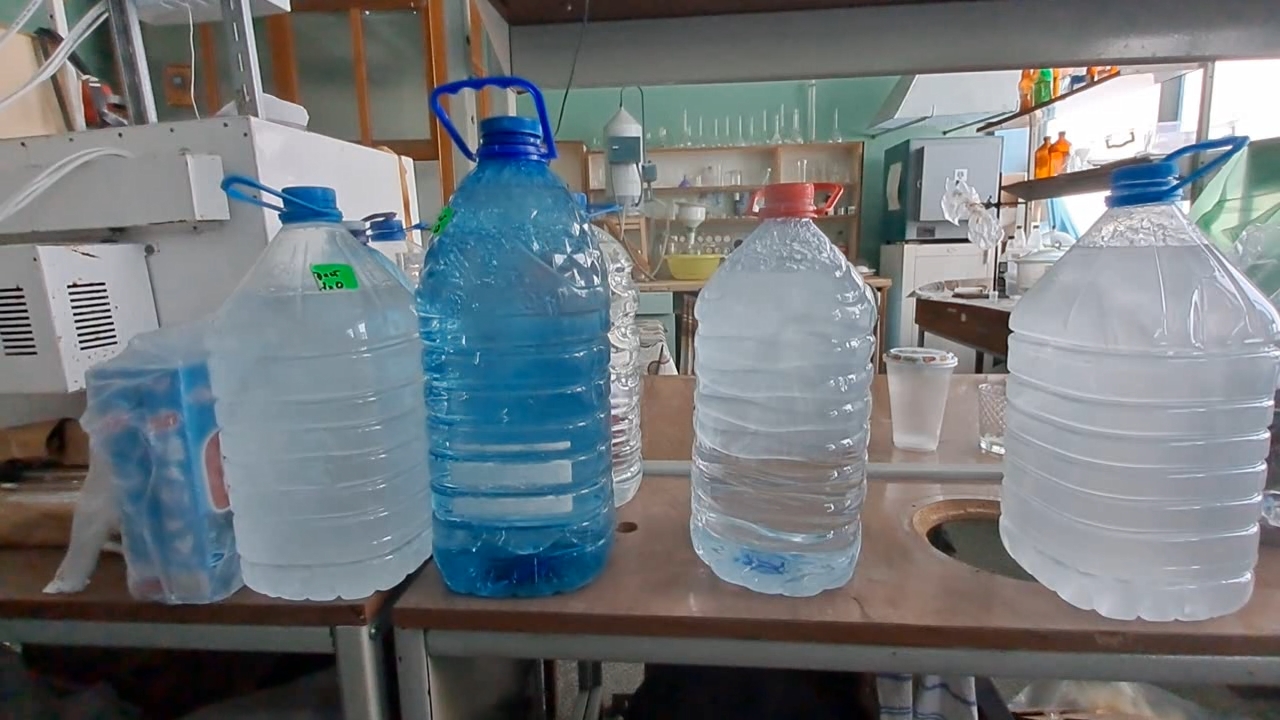
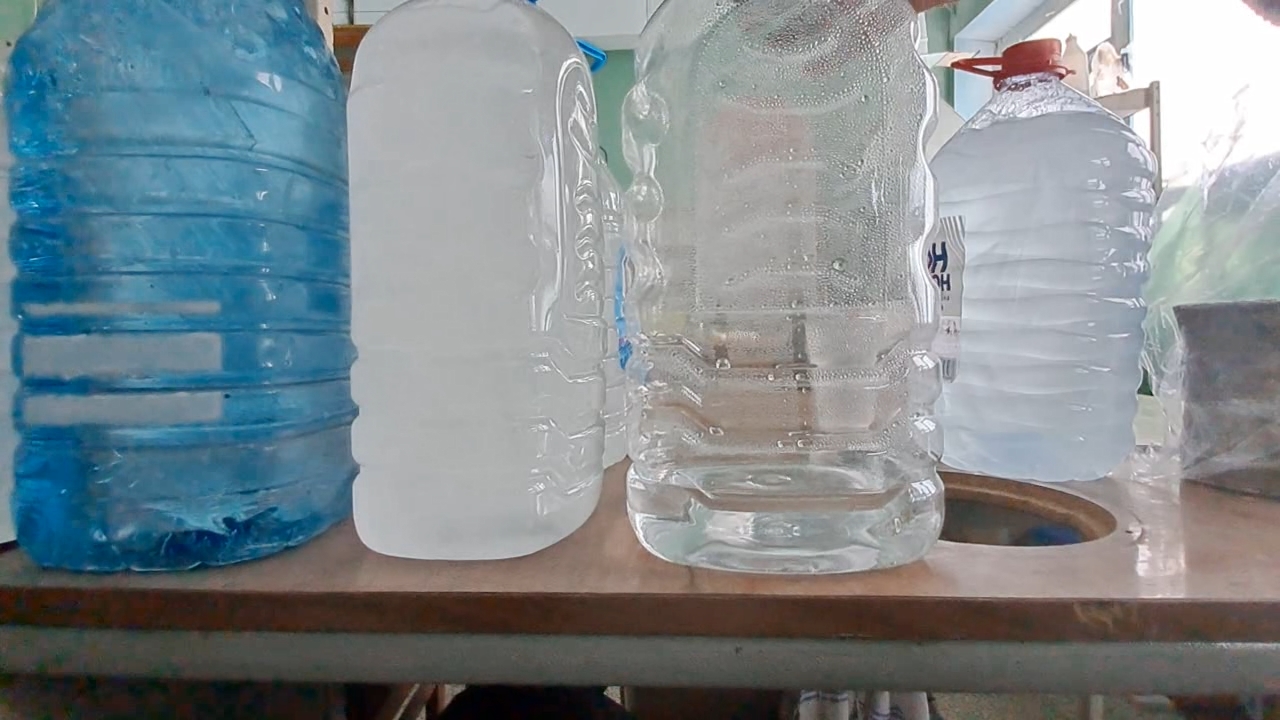
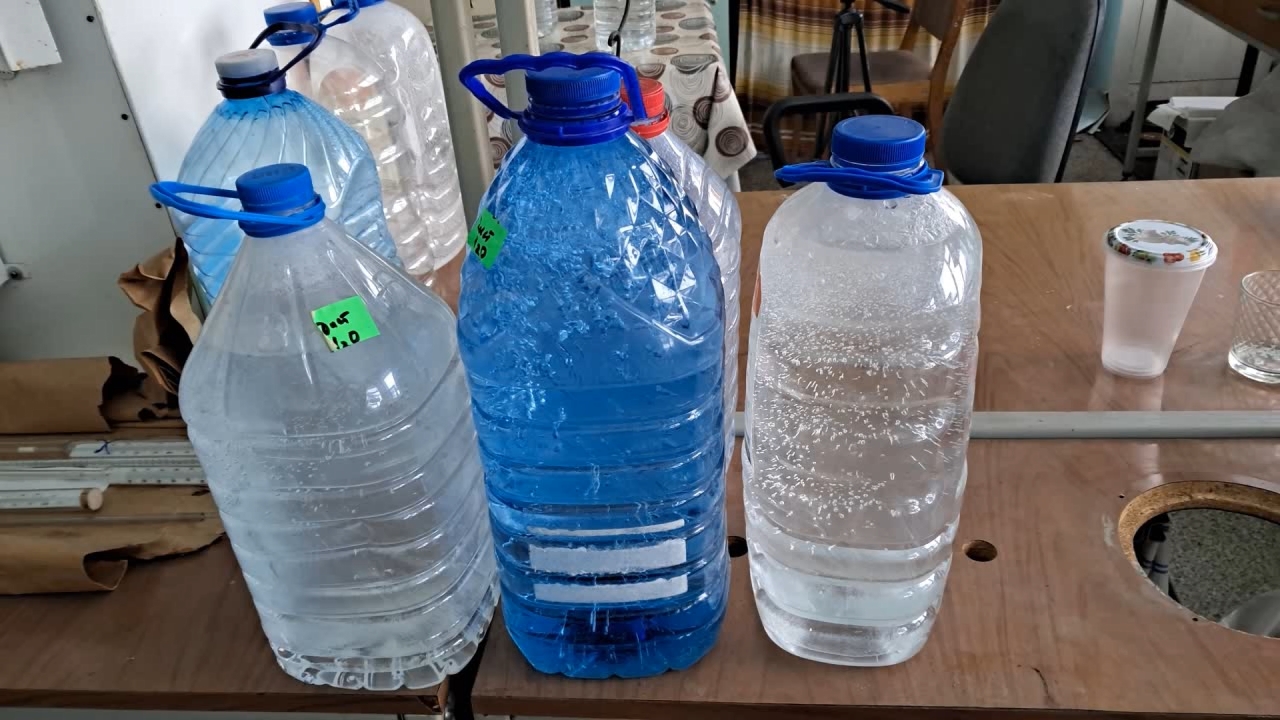
I went to the unheated laboratory and immediately checked the thermometer. The temperature was -5°C. I secured my smartphone to a tripod and started recording.

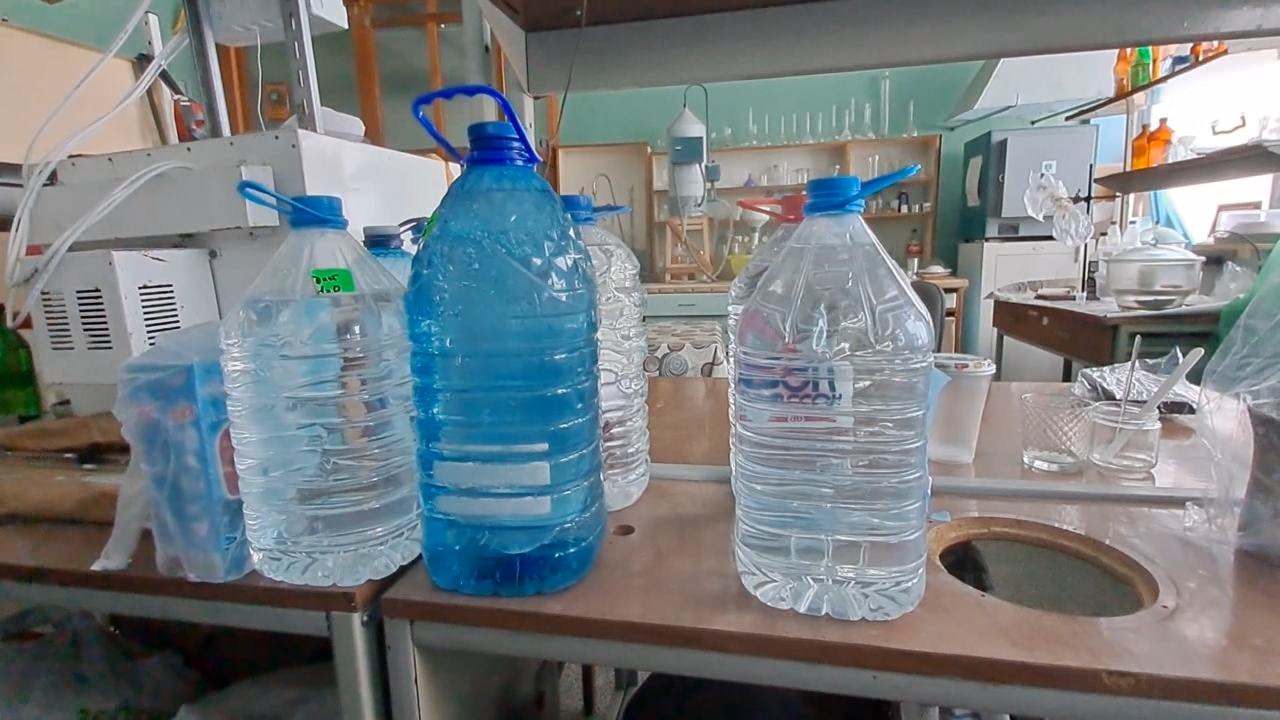
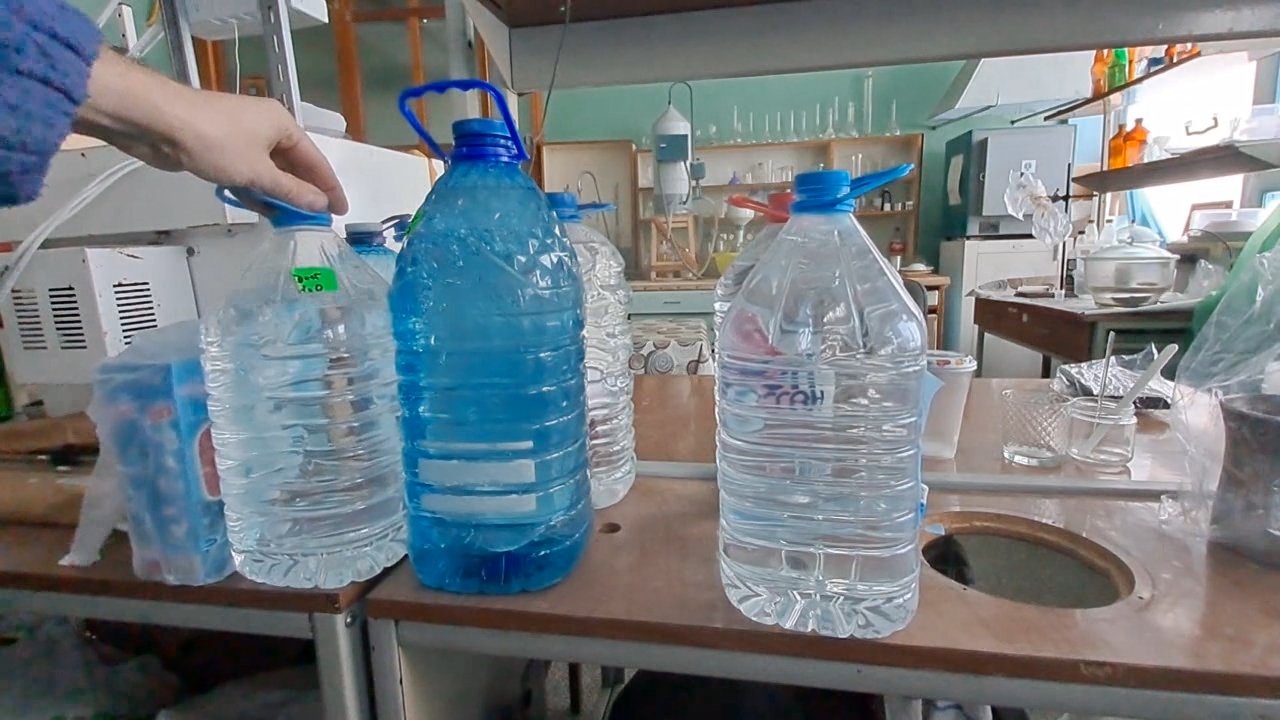
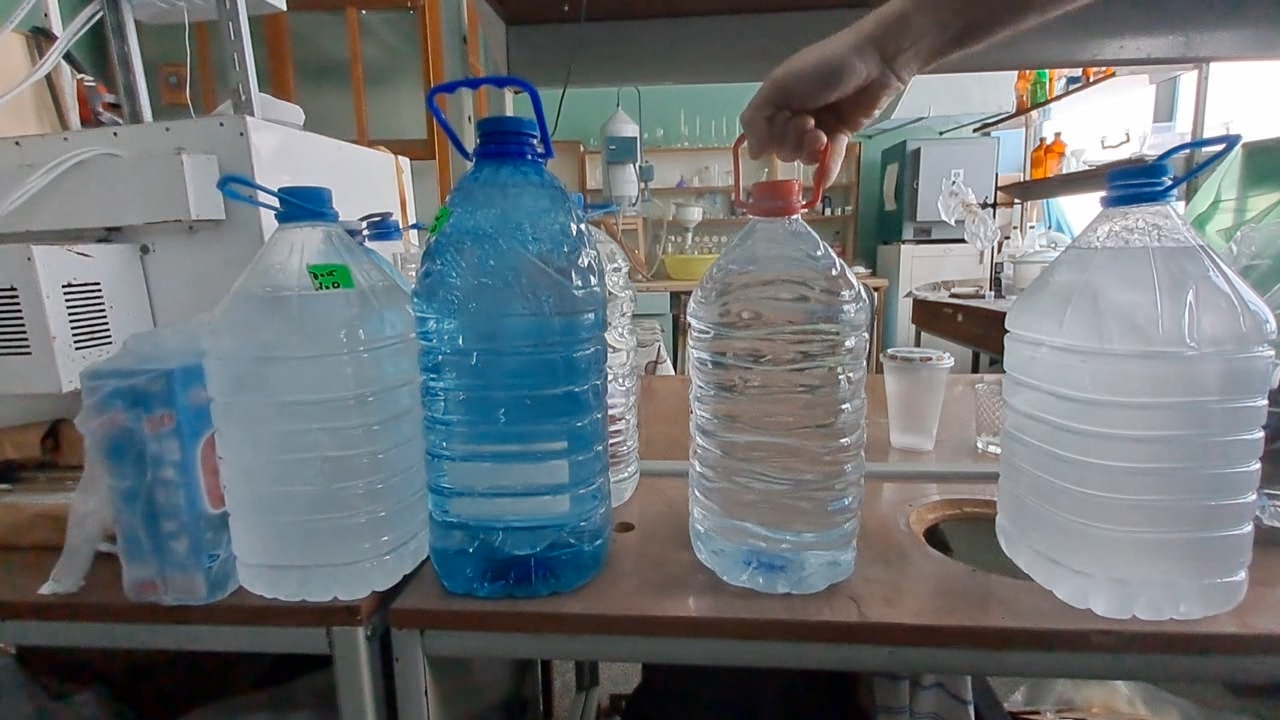
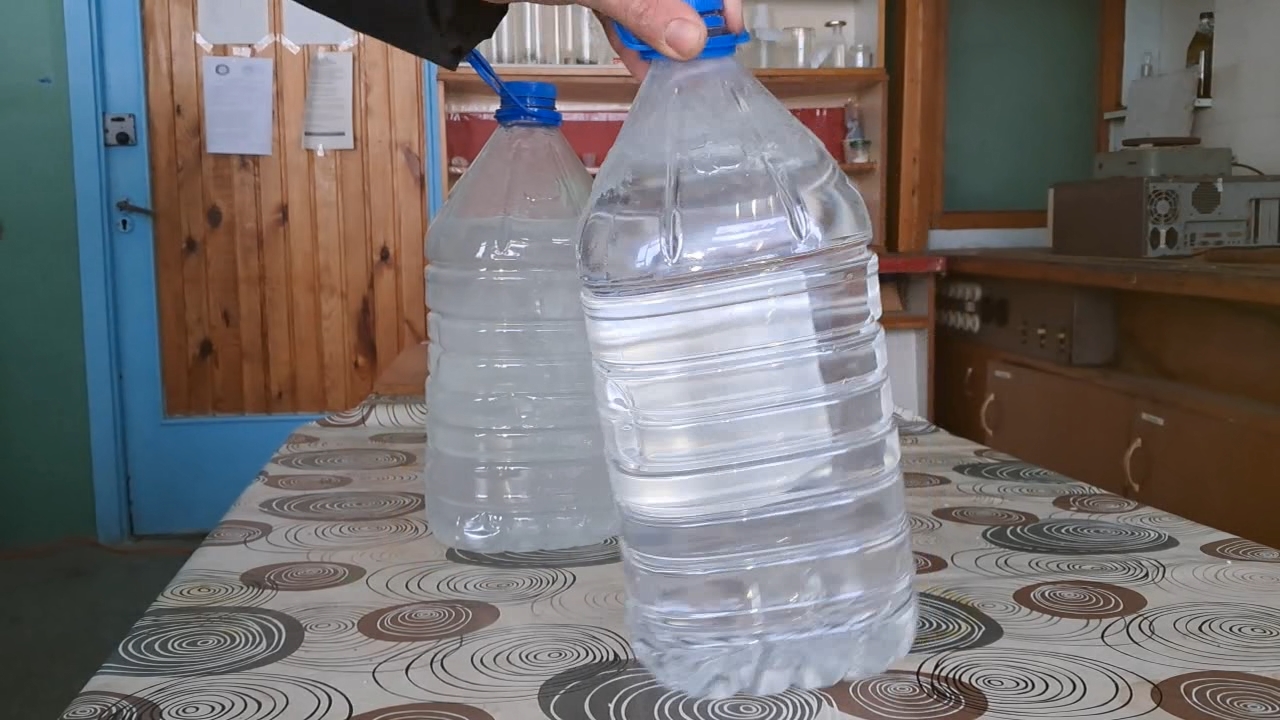
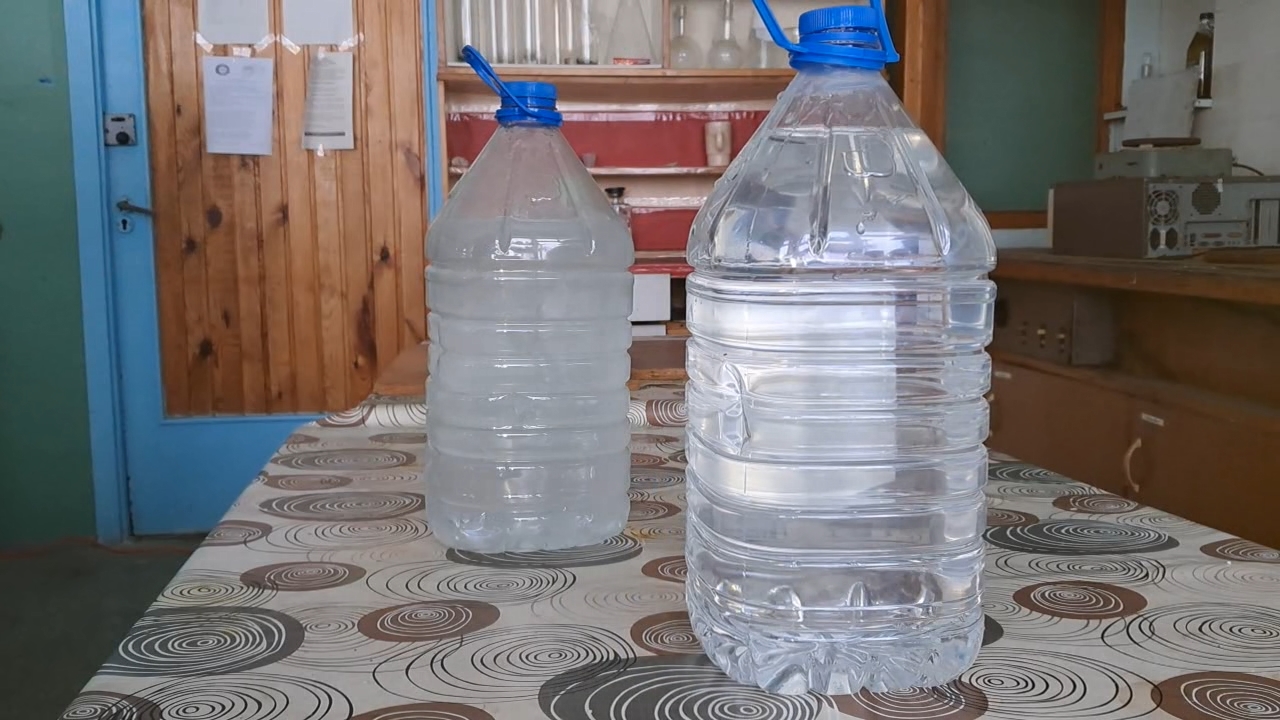
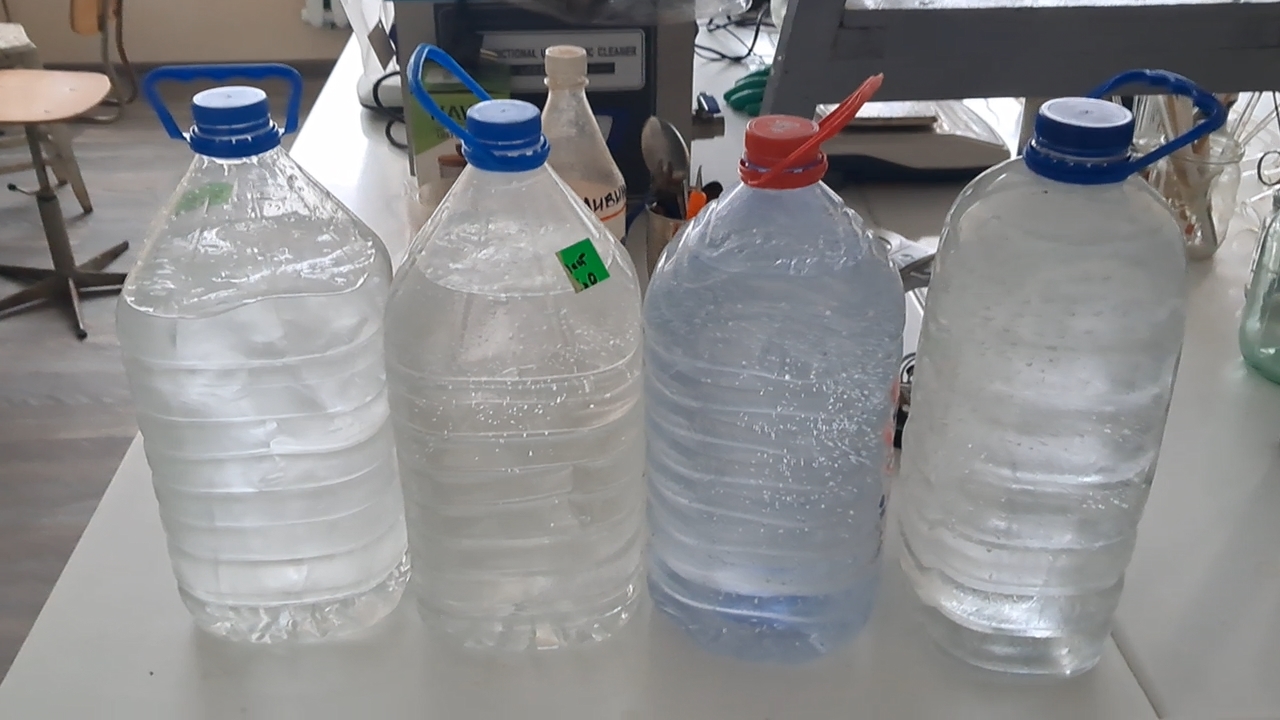
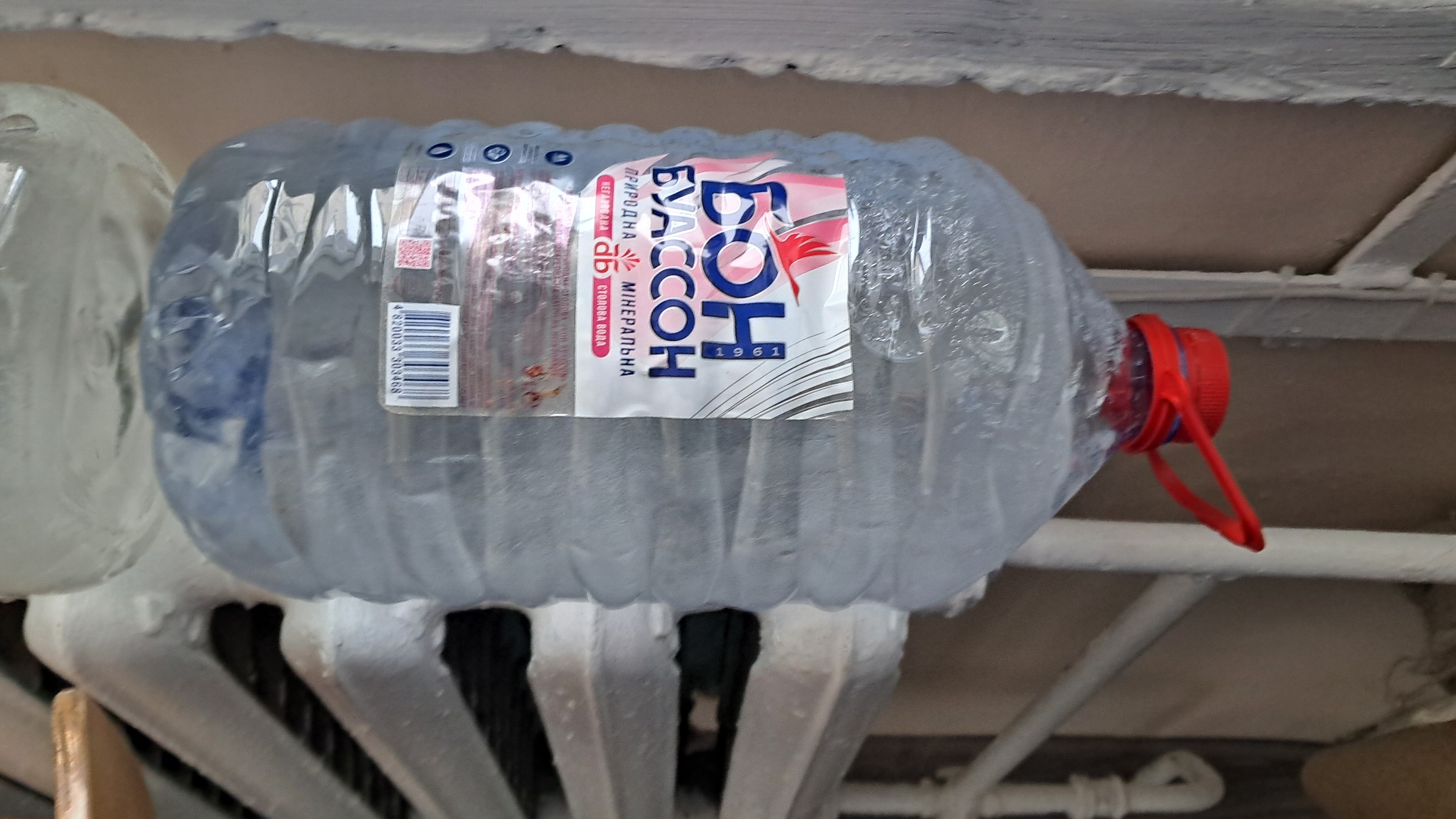
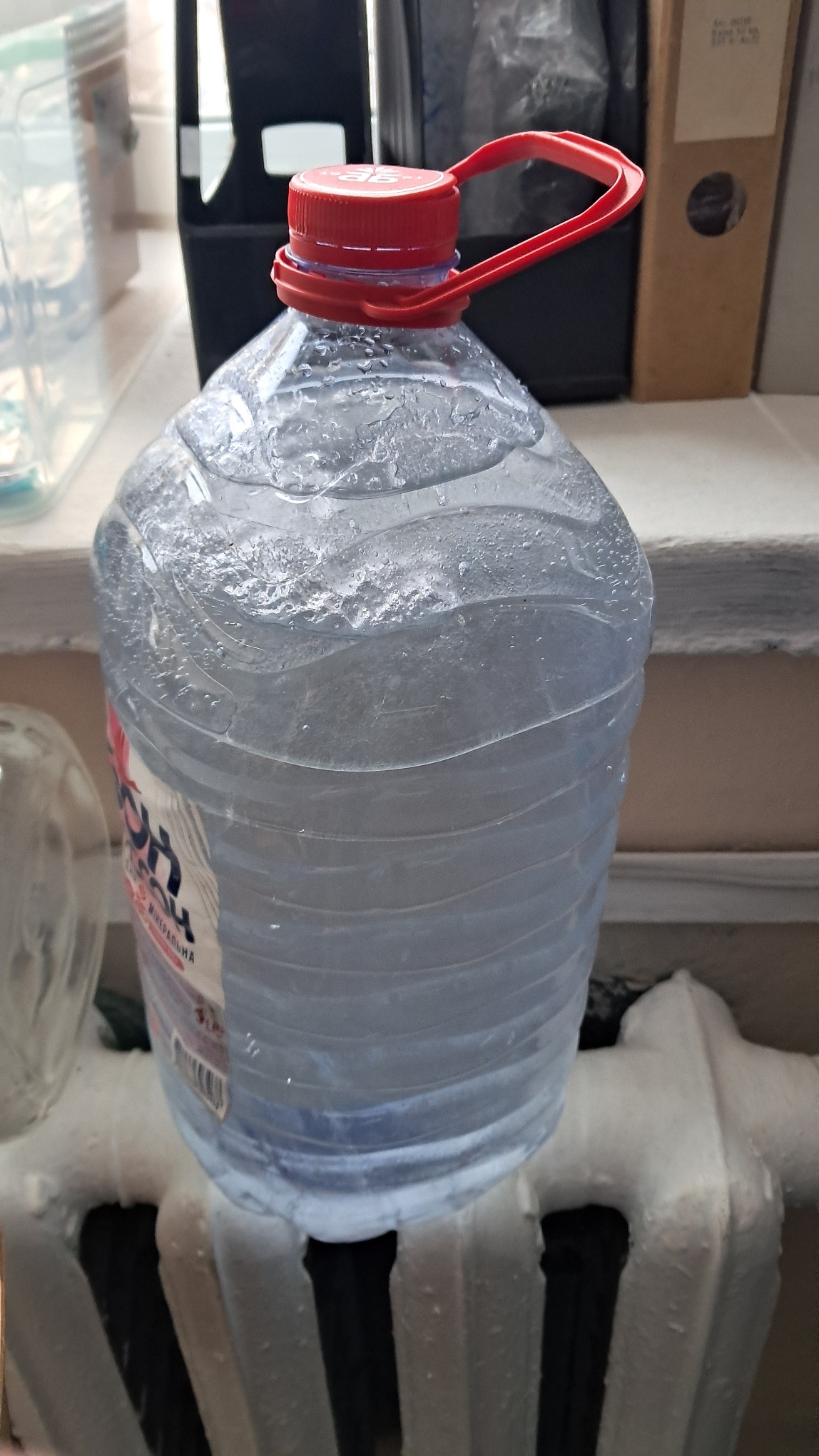
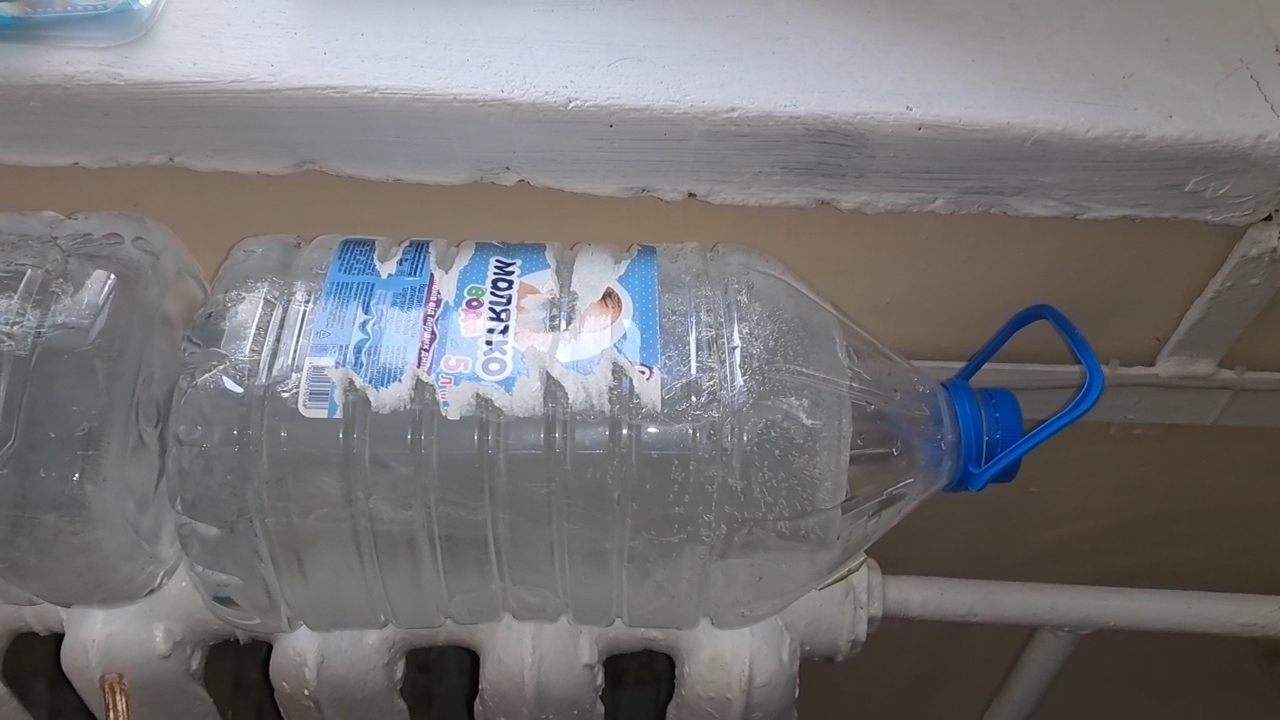
I carefully shook the first bottle of distilled water; however, the water did not begin to freeze. Then I picked up the second bottle - the one that had already frozen - and discovered that some of the water inside it was still liquid. In other words, it had not completely frozen while standing in the cold room.

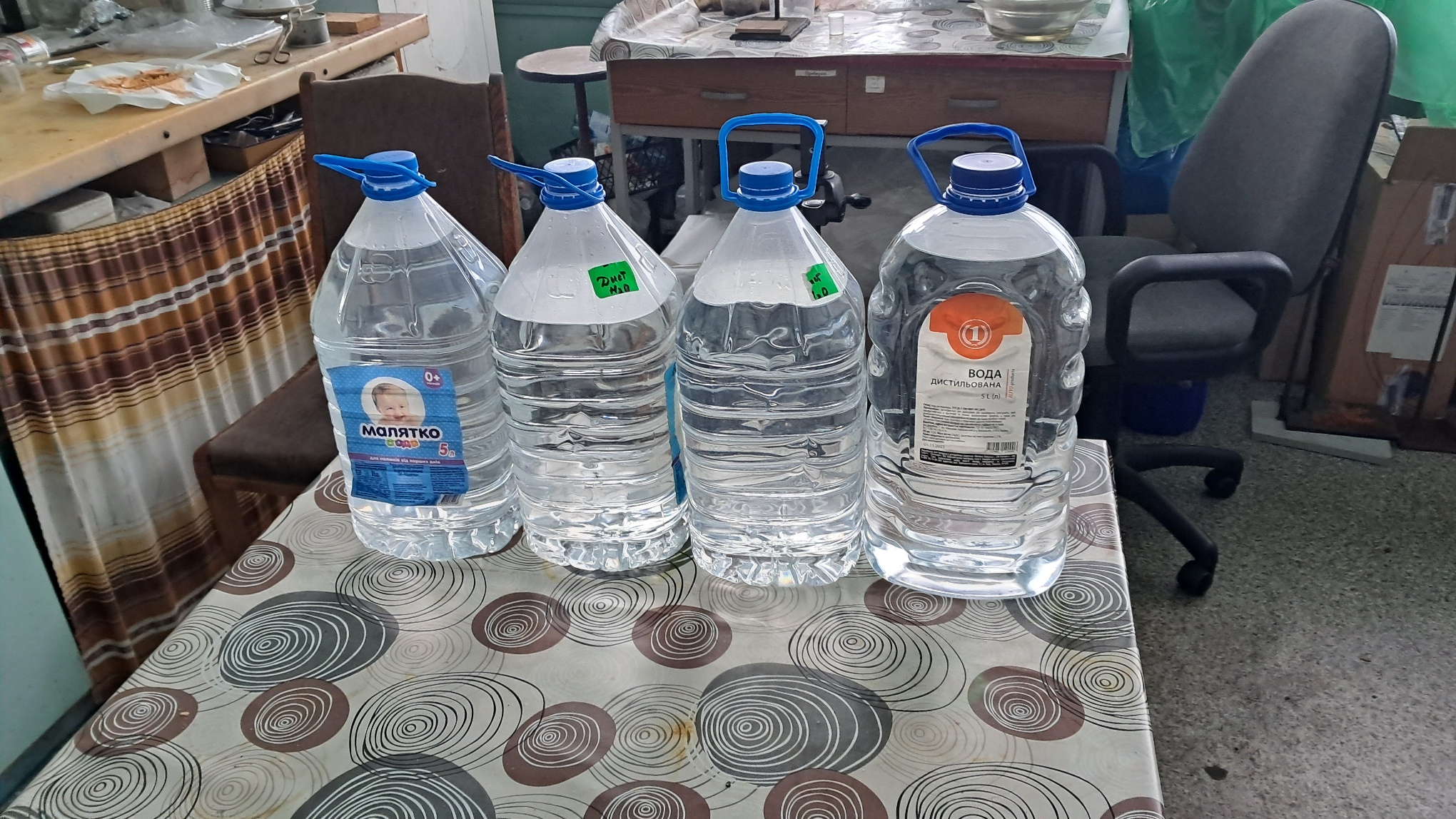
I shook the third and fourth bottles of distilled water - the supercooled water in them remained liquid.

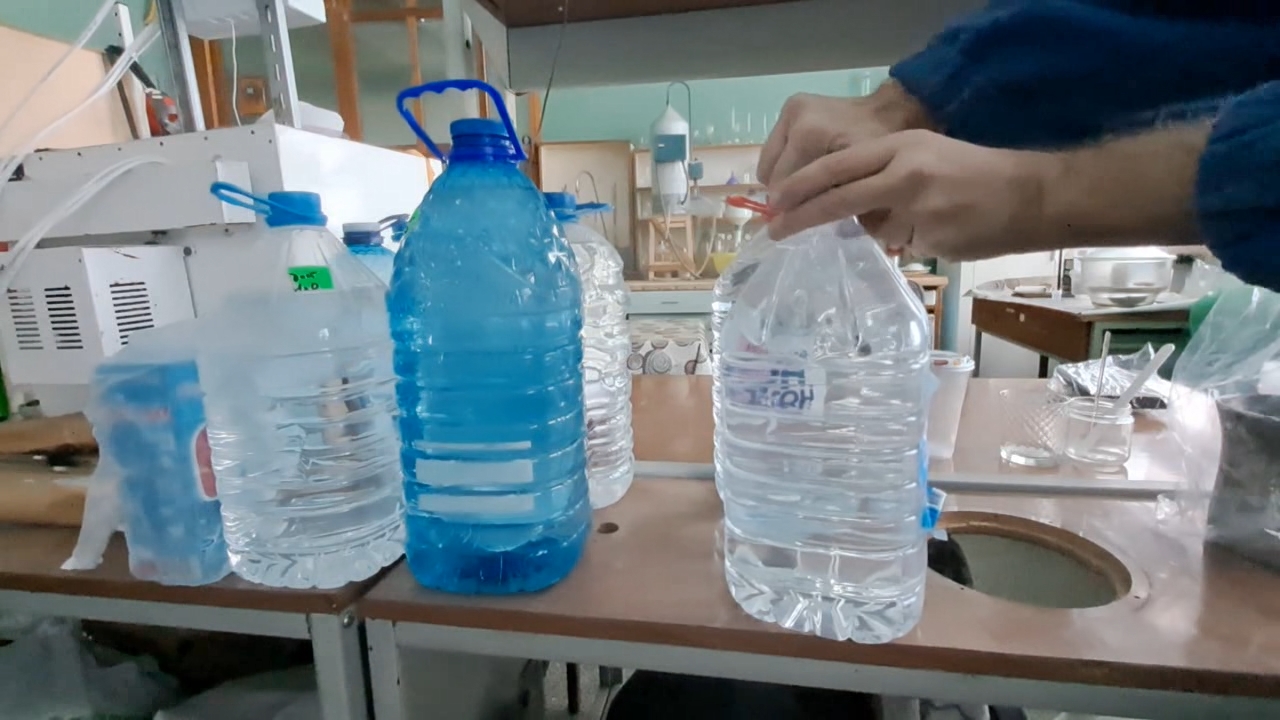
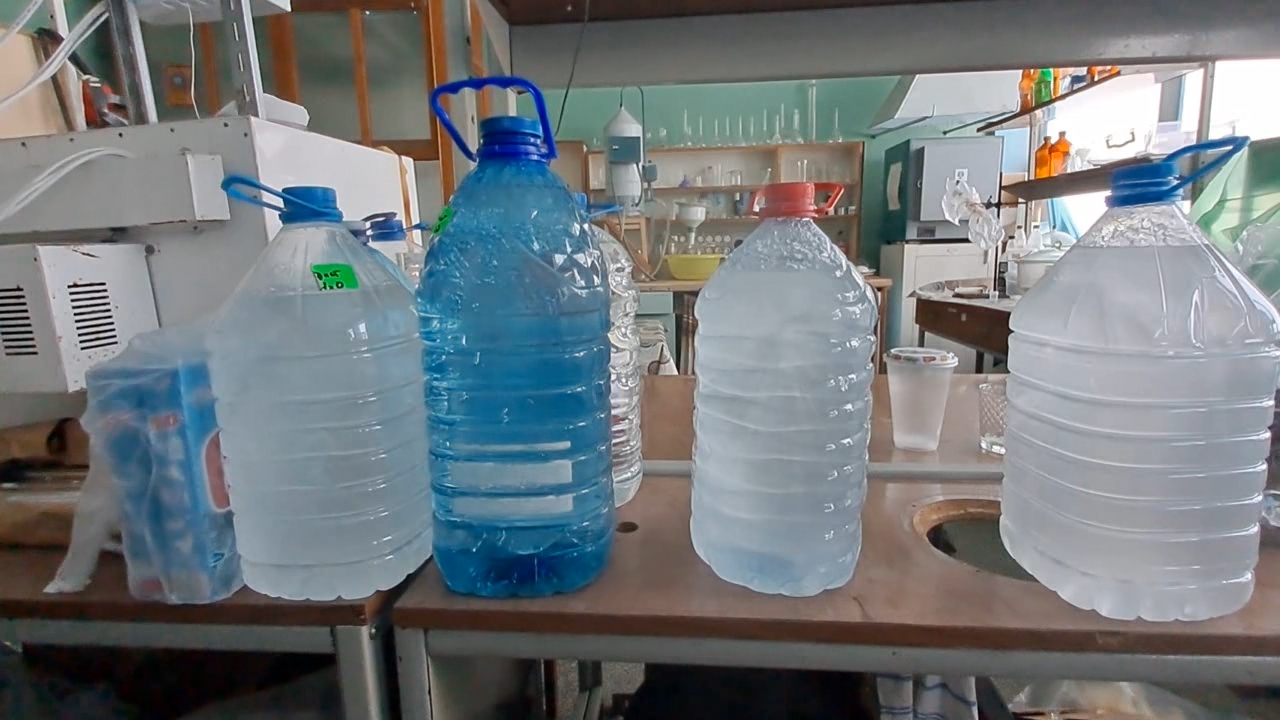
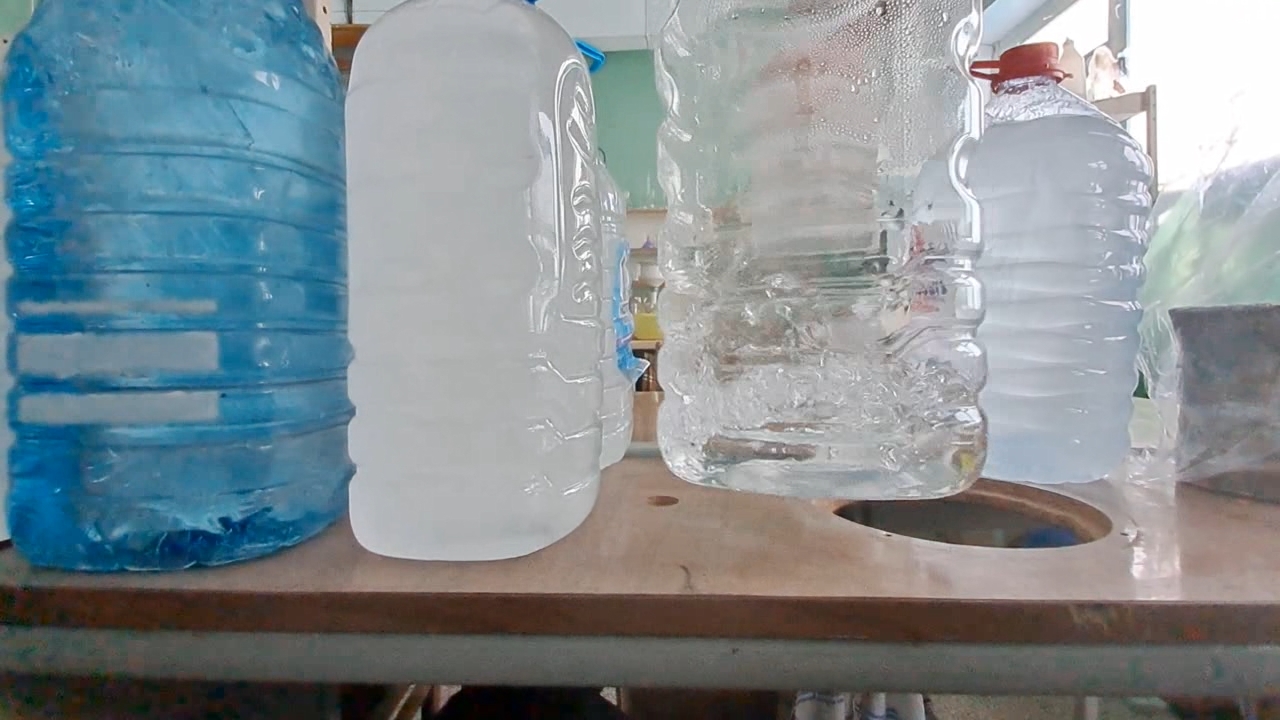
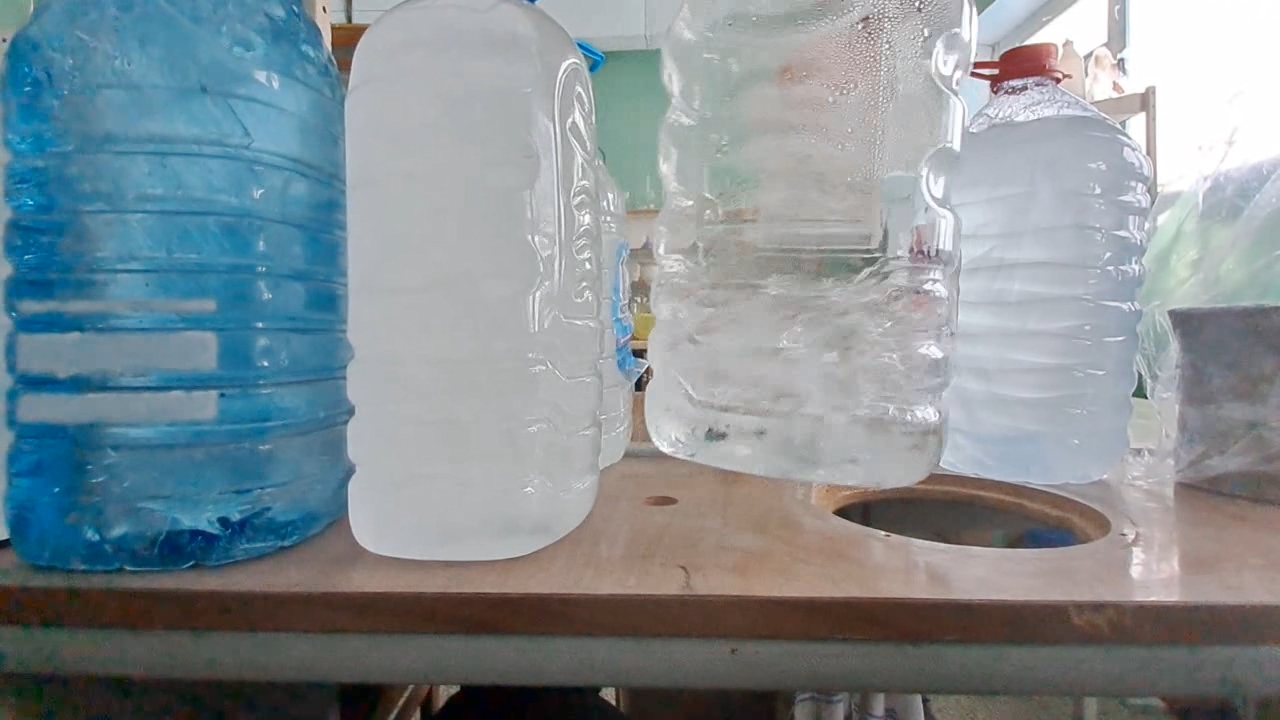
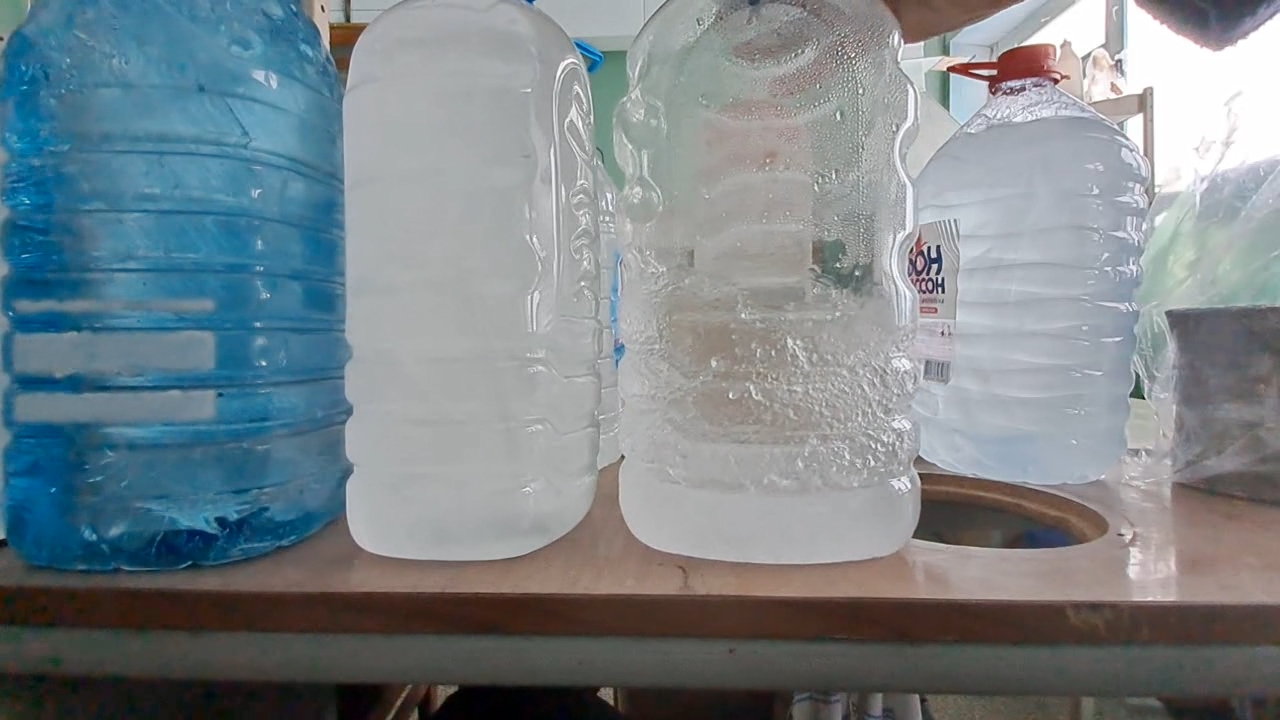
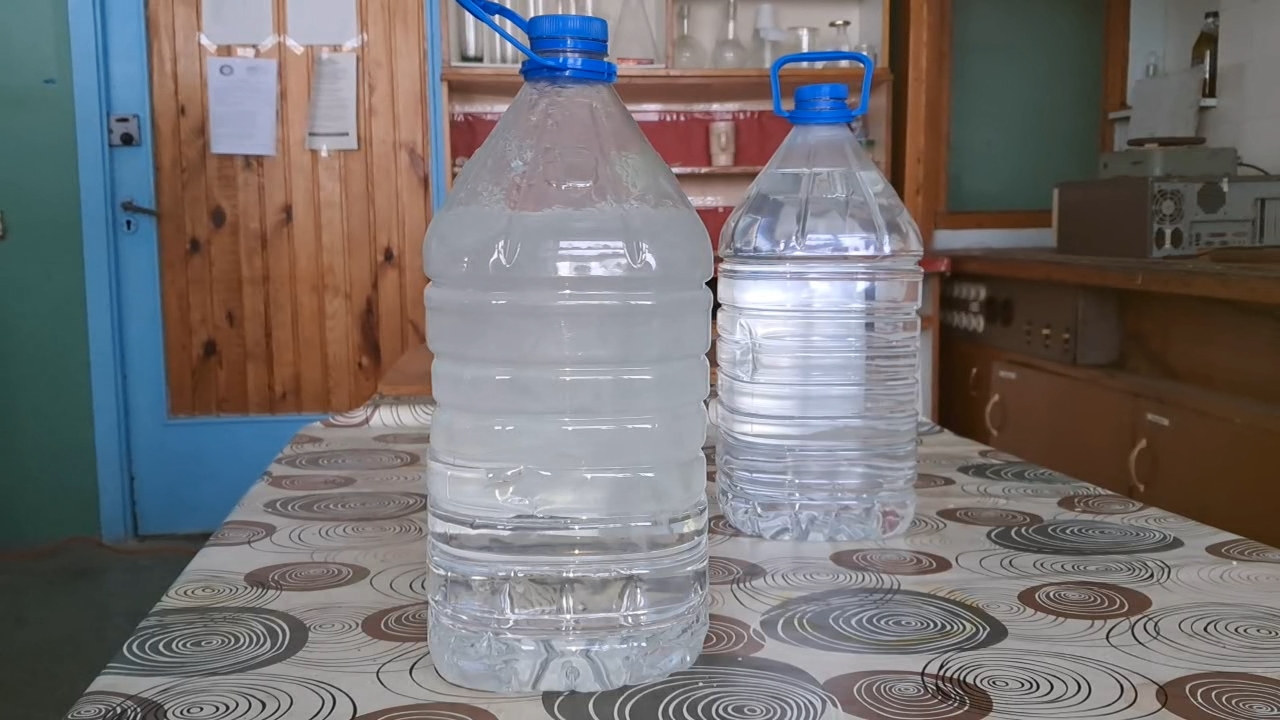
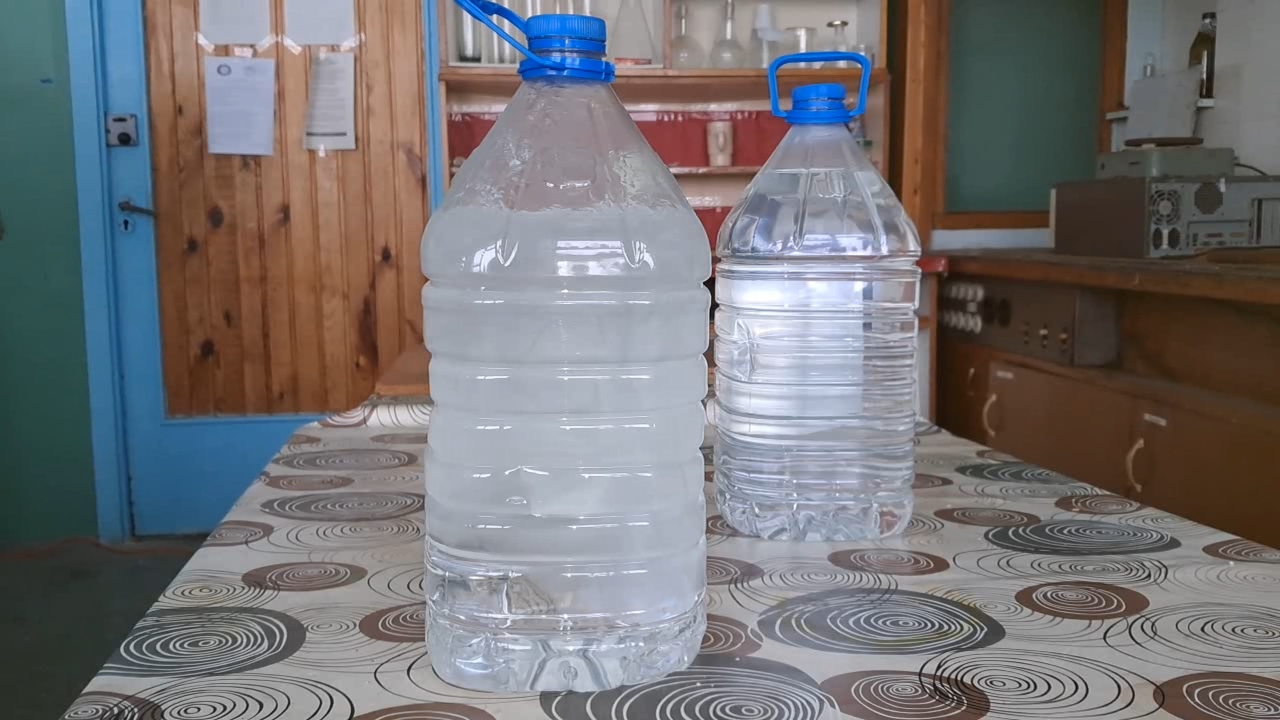
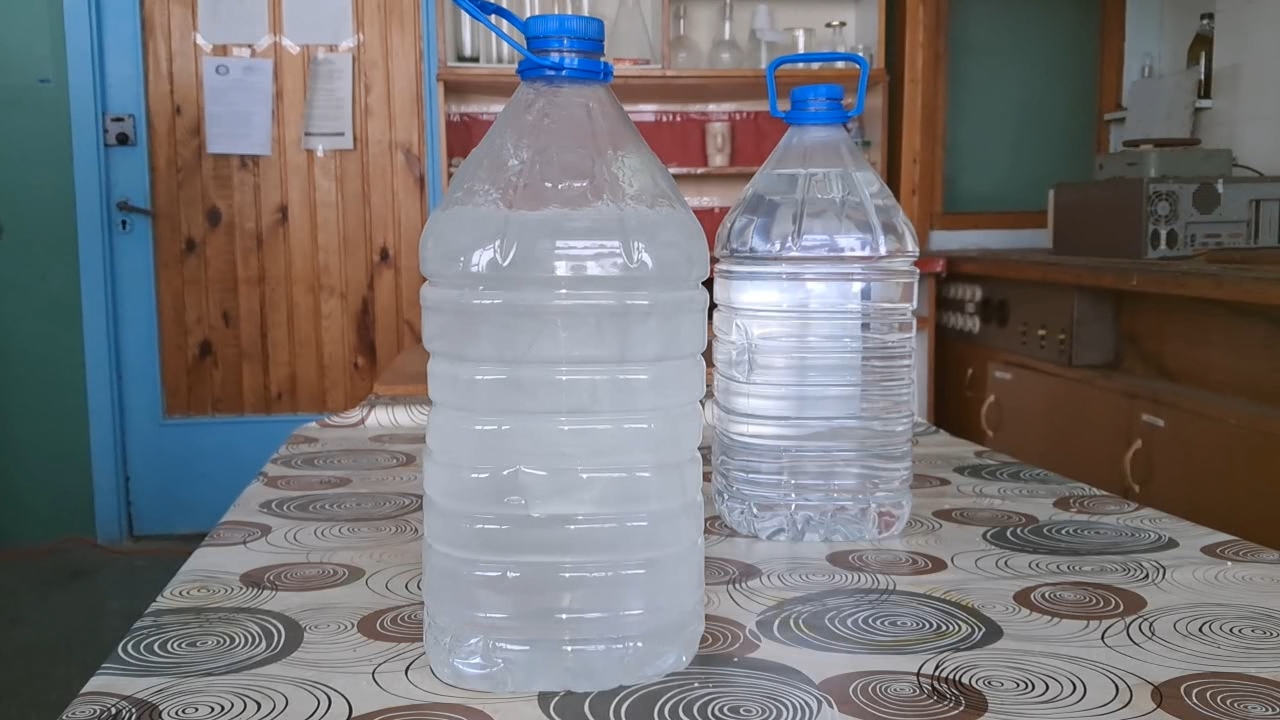
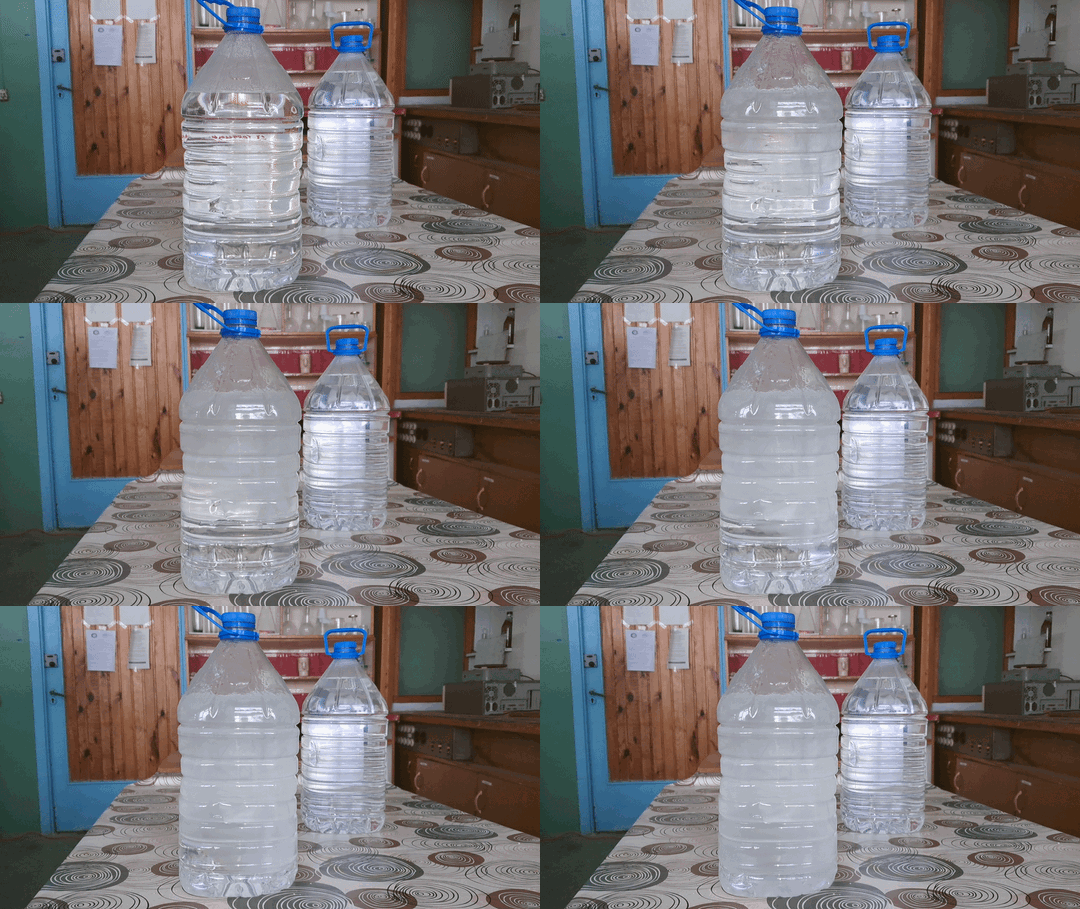
I opened the cap of the first bottle and shook it again. This time, the liquid began to crystallize rapidly. Suddenly, I noticed that the water in the fourth bottle had also started to freeze. About a minute later, white, opaque ice formed inside both the first and fourth bottles.

However, the water in the third bottle was still liquid. I shook it vigorously. Rapid crystallization began, and soon all the water turned into white ice.

There was still one full bottle and one partially filled bottle of supercooled water left. I turned off the camera, moved the smartphone closer, carefully adjusted the focus, and shook the full bottle. The water froze quickly - the experiment was perfect.

I was delighted - and only then realized that I had forgotten to turn on the video recording.

One six-liter bottle remained, containing only about one liter of distilled water. I shook it, and the water froze within seconds.

So, I did manage to record the instant freezing of supercooled water. Unfortunately, there was a fly in the ointment: when I attempted to film the process close up, the camera had been turned off. I was deeply disappointed.

The question was: could the experiment be repeated? At the time, I did not know the answer, but I decided to try. I brought a fresh bottle of distilled water into the cold laboratory and left it there overnight.

I hoped the water would supercool and remain liquid, as had happened with the previous five bottles. However, those bottles had cooled gradually along with the room. Now the situation was different - I had brought the bottle into an already cold laboratory, so I was unsure whether the water would remain liquid or freeze by morning.

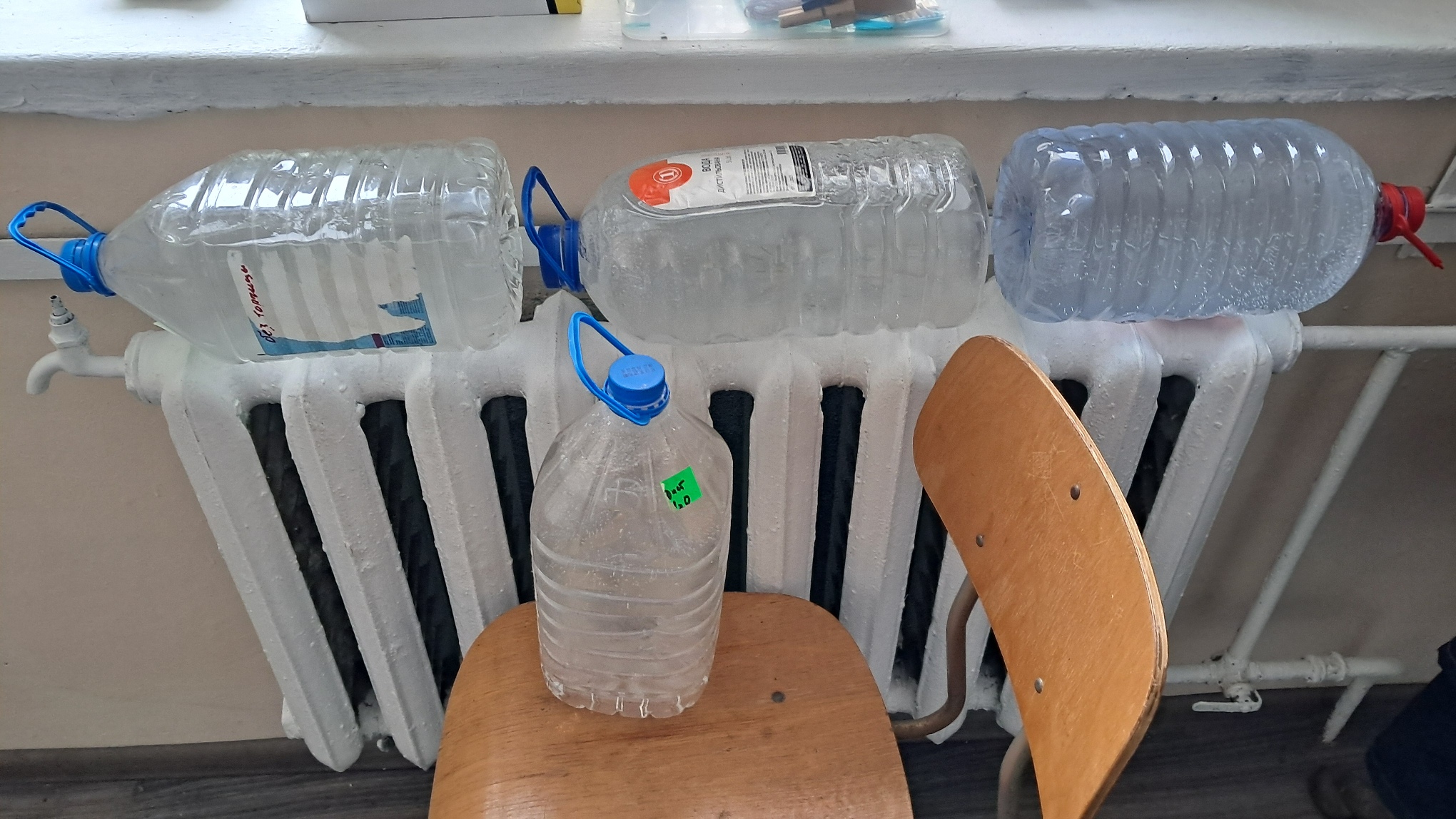
To increase my chances, I also took one of the frozen bottles into the warm laboratory. It would thaw overnight and could then be returned to the cold room for another attempt.

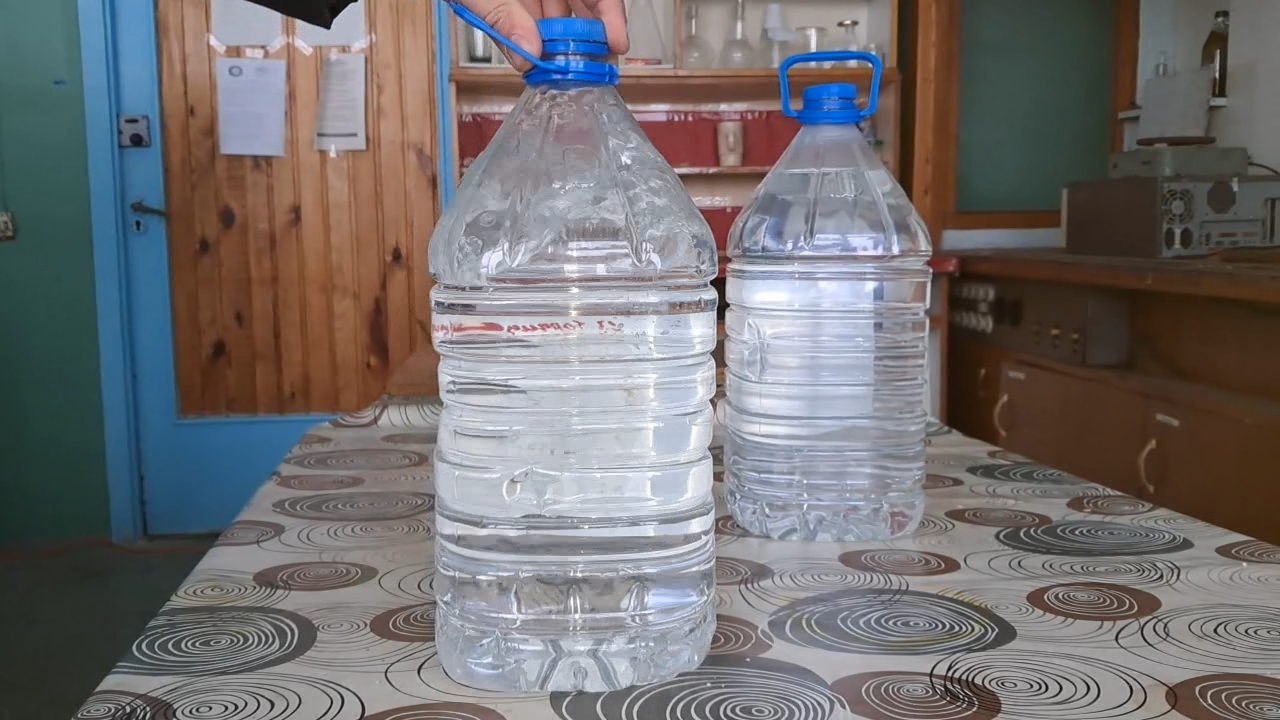
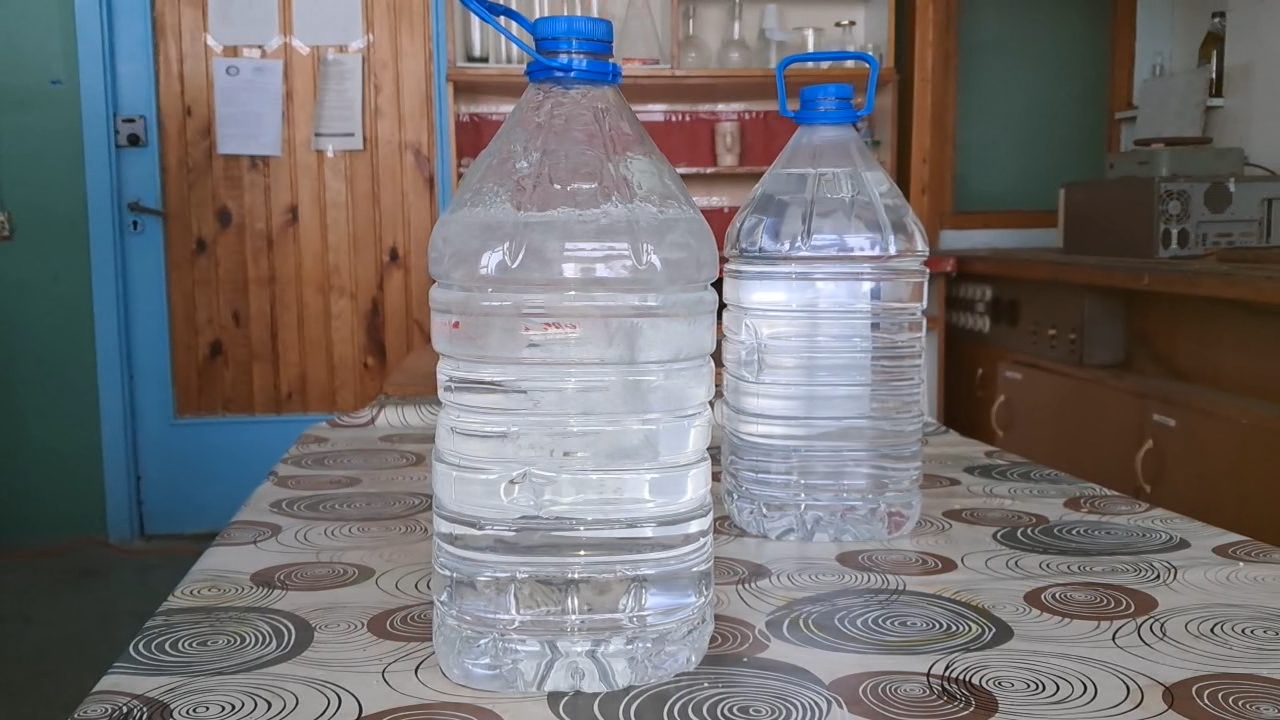
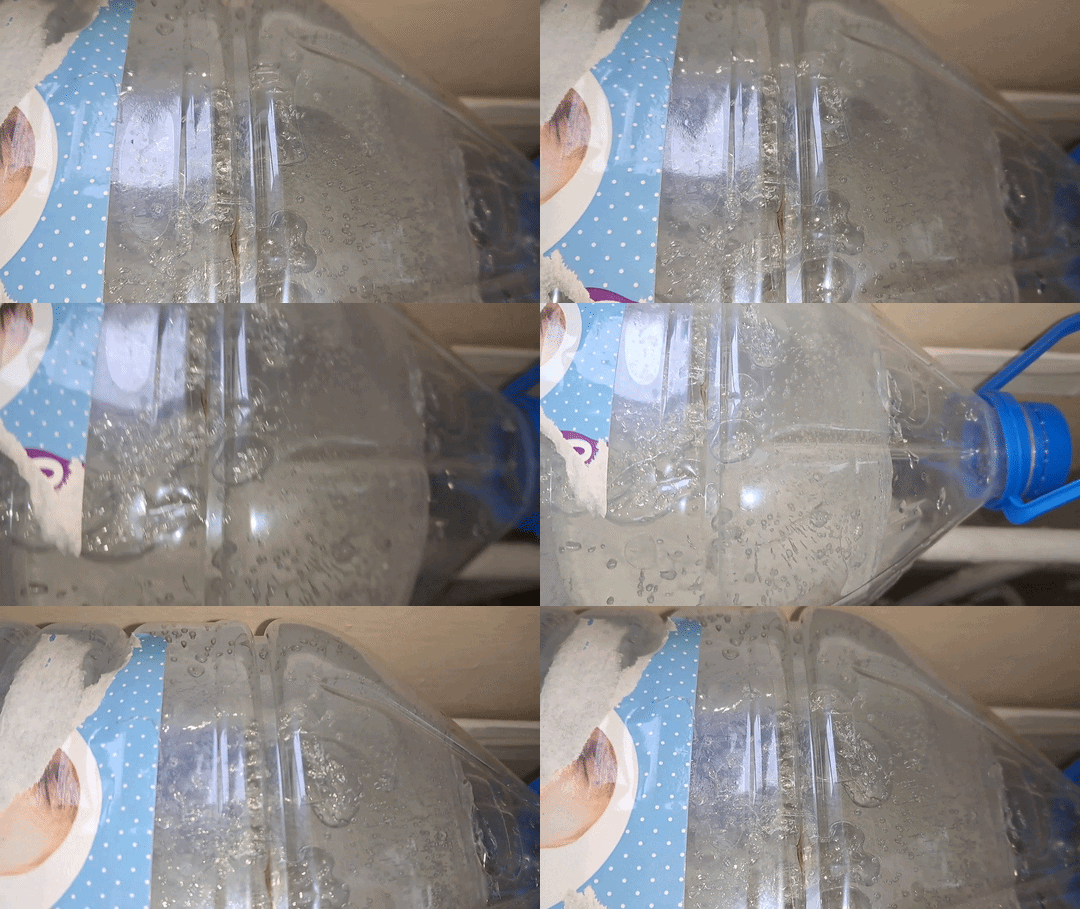
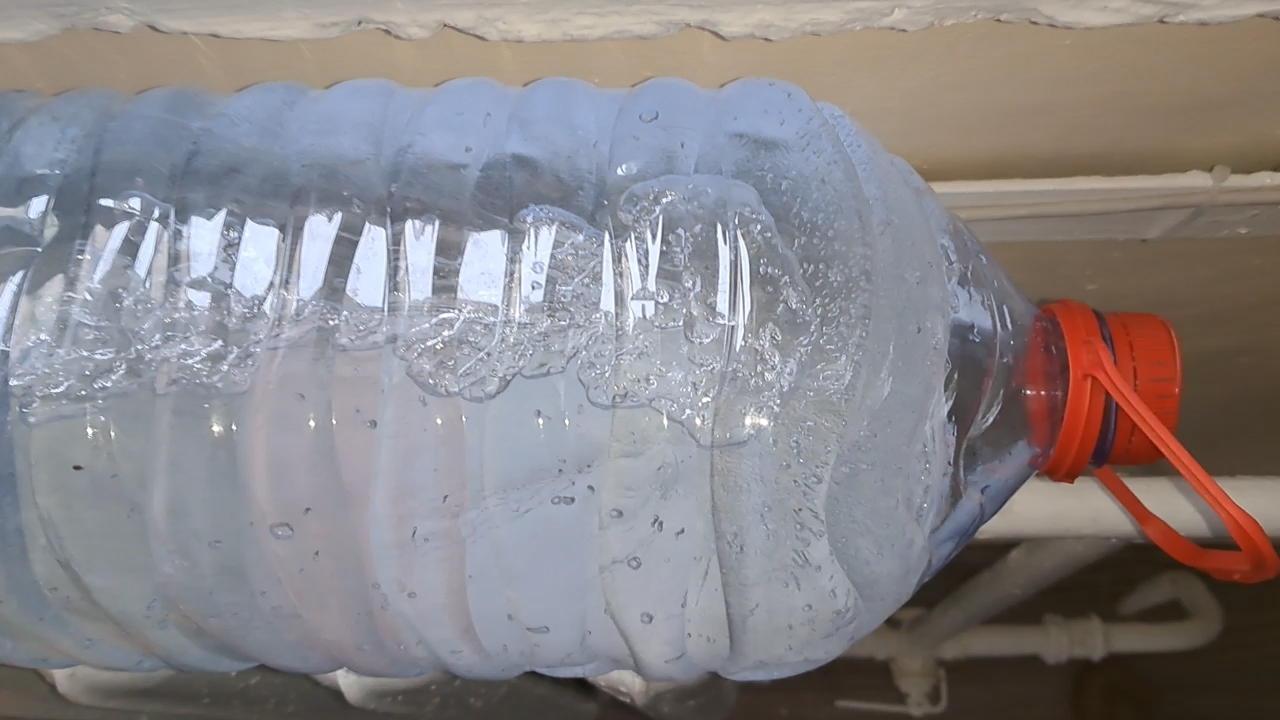
The next day, I found that the water in the bottle left in the cold laboratory had indeed remained liquid. I turned on the camera, shook the bottle, and the contents froze. I noticed that although the freezing began almost instantly, it was not complete: some of the water remained liquid. The bottle did not contain solid ice, but rather a slushy mixture. Had I understood the significance of this observation at the time, I would have spared myself considerable frustration later - but I will not get ahead of the story.

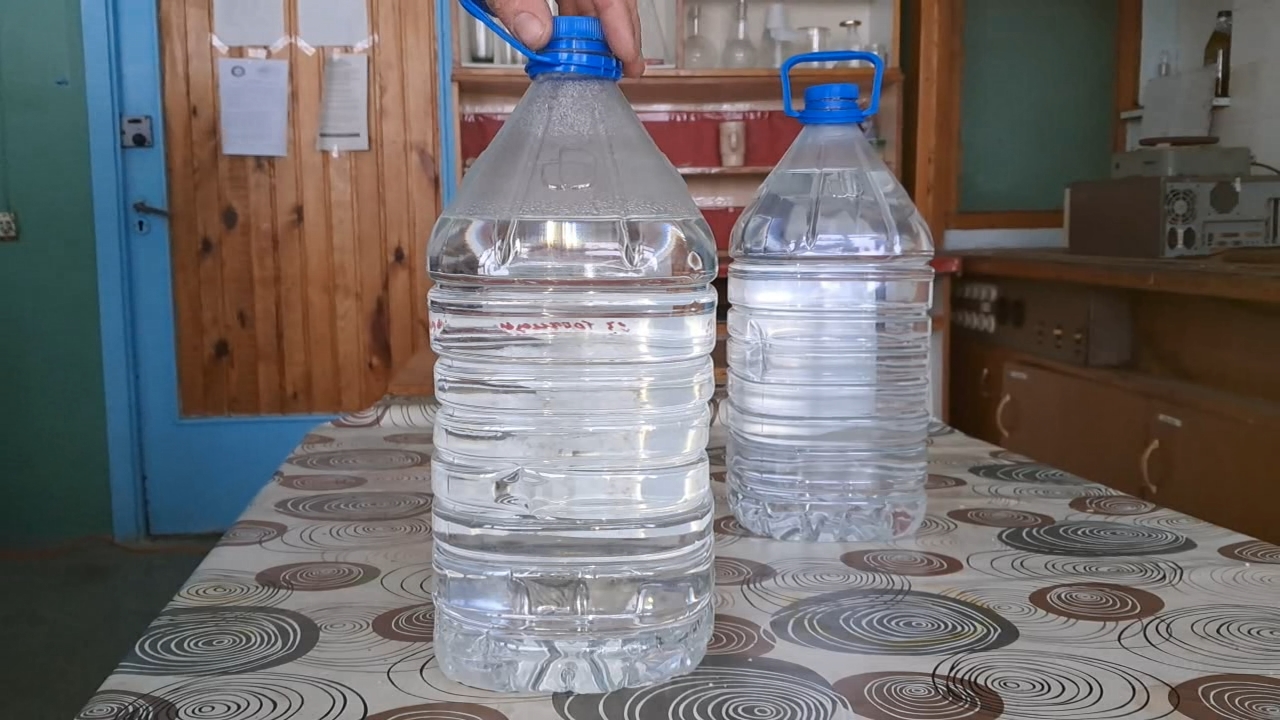
For comparison, I shook the bottle of distilled water that I had just brought back from the warm laboratory. As expected, the water remained liquid.


Замерзание переохлажденной воды - Часть 5
Пришел в неотапливаемую лабораторию, первым делом посмотрел на термометр. Температура составляла -5°С. Закрепил смартфон в штативе, включил съемку.

Осторожно встряхнул первую бутылку с дистиллированной водой - однако замерзание воды не началось. Потом встряхнул вторую - уже замерзшую - бутылку с водой, в результате обнаружил, что часть воды в бутылке осталась жидкой. Другими словами, при стоянии в холодной комнате вода замерзла не полностью.

Встряхнул третью и четвертую бутылки с дистиллированной водой - замерзание переохлажденной воды не началось.

Открыл крышку первой бутылки, еще раз встряхнул - жидкость начала быстро кристаллизоваться. Неожиданно я увидел, что вода в четвертой бутылке также начала замерзать. Примерно через минуту внутри первой и четвертой бутылок был белый, непрозрачный лед.

Зато в третьей бутылке вода по-прежнему оставалась жидкой. Сильно встряхнул бутылку. Началась быстрая кристаллизация. Вскоре вся вода превратилась в белый лед.

Осталась еще одна полная и одна неполная бутылка с переохлажденной водой. Выключил съемку, установил смартфон поближе, тщательно выставил резкость и встряхнул полную бутылку. Вода быстро замерзла - эксперимент получился идеально!

Я обрадовался и только теперь обнаружил, что забыл включить съемку видео!

Осталась еще одна шестилитровая бутылка, внутри которой был только литр дистиллированной воды. Встряхнул бутылку - вода за несколько секунд замерзла.

Итак, удалось снять видео моментального замерзания переохлажденной воды. К сожалению, не обошлось без ложки дегтя. Когда я попытался снять процесс с близкого расстояния, камера оказалась выключенной. Я сильно расстроился.

Вопрос: возможно ли повторить эксперимент? Ответа я тогда не знал, но решил попытаться. Принес в холодную лабораторию бутылку дистиллята и оставил ее там на ночь.

Я надеялся, что вода переохладиться, оставшись жидкой, как это случилось с пятью другими бутылками дистиллята. Однако, предыдущие бутылки очень медленно остывали вместе с комнатой. А сейчас условия были другие - я принес бутылку в уже остывшую лабораторию, поэтому не был уверен, что вода к утру останется жидкой, а не замерзнет.

Чтобы перестраховаться, я забрал одну из бутылок с замерзшей водой в теплую лабораторию. За ночь она растает, после чего ее можно будет вернуть в холодную лабораторию для следующей попытки.

На следующий день оказалось, что вода в оставленной бутылке осталась жидкой. Включил съемку, встряхнул бутылку - содержимое замерзло. Я обратил внимание, что хотя замерзание воды было быстрым, почти моментальным, оно не было полным: часть воды осталась жидкой. Внутри бутылки был не монолитный лед, а "ледяная каша". Если бы я тогда осознал важность этого факта, то сэкономил бы себе много нервов в будущем, но не буду забегать наперед.

Для сравнения встряхнул бутылку с дистиллированной водой, которую я только что принес из теплой лаборатории. Разумеется, вода осталась жидкой.


Download the Video (109 Mb, .avi )

Freezing of Supercooled Water

Freezing of Supercooled Water

Freezing of Supercooled Water

Freezing of Supercooled Water

Freezing of Supercooled Water

Freezing of Supercooled Water

Freezing of Supercooled Water

Freezing of Supercooled Water

Freezing of Supercooled Water

Freezing of Supercooled Water

Freezing of Supercooled Water

Freezing of Supercooled Water

Freezing of Supercooled Water

Freezing of Supercooled Water

Freezing of Supercooled Water

Freezing of Supercooled Water

Freezing of Supercooled Water

Freezing of Supercooled Water

Freezing of Supercooled Water

Freezing of Supercooled Water

Freezing of Supercooled Water

Freezing of Supercooled Water

Freezing of Supercooled Water

Freezing of Supercooled Water

Freezing of Supercooled Water

Freezing of Supercooled Water

Freezing of Supercooled Water

Freezing of Supercooled Water
Speed x2

Freezing of Supercooled Water

Freezing of Supercooled Water


[ Experiments with Ice and Dry Ice. Supercooled Liquids ]
[ Life of Chemists ]

Supercooled and superheated liquids - Discussion on the forum
Adventures of Chemists / Life of Chemists - Discussion on the forum
[Submit a Comment / Error Message - Отправить Комментарий / Сообщение об ошибке]