Chemistry and Chemists № 1 2026
Journal of Chemists-Enthusiasts
| Content | Chemistry experiments - video | Physics experiments - video | Home Page - Chemistry and Chemists |
|
Chemistry and Chemists № 1 2026 Journal of Chemists-Enthusiasts |
Freezing of Supercooled Water - pt.7, 8 Chemist |
|
Having noticed a mistake in the text, allocate it and press Ctrl-Enter
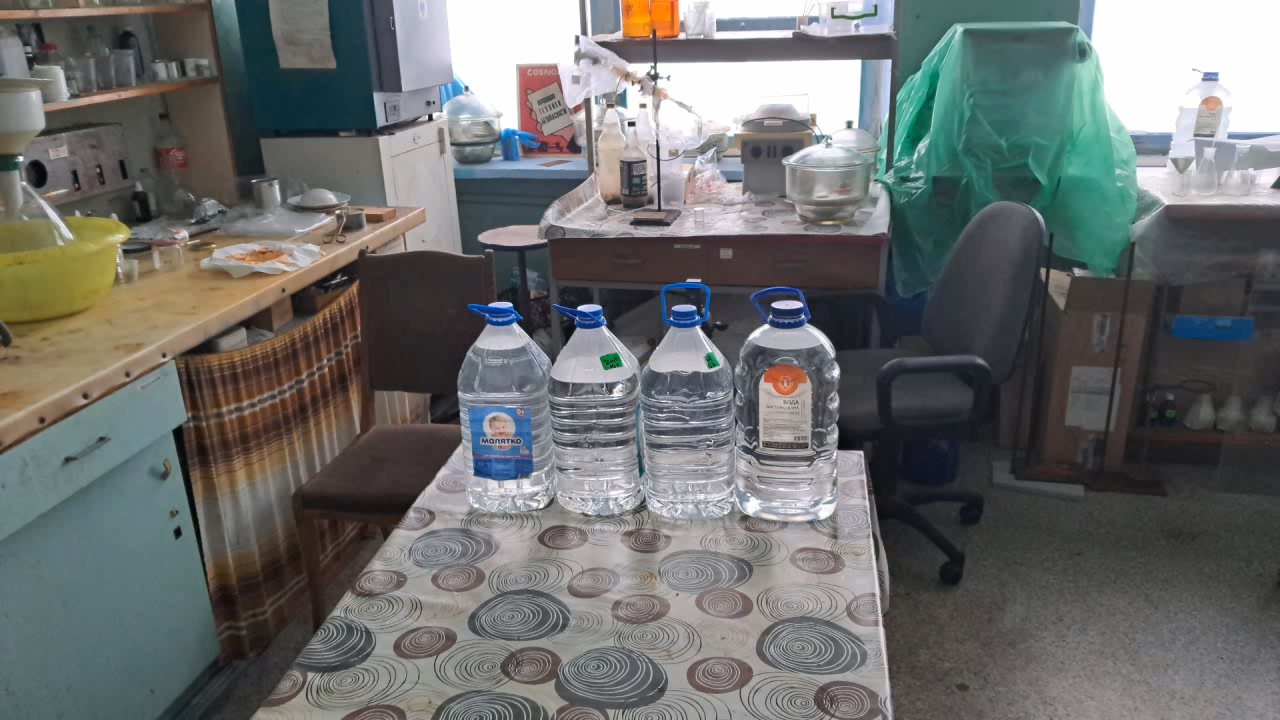
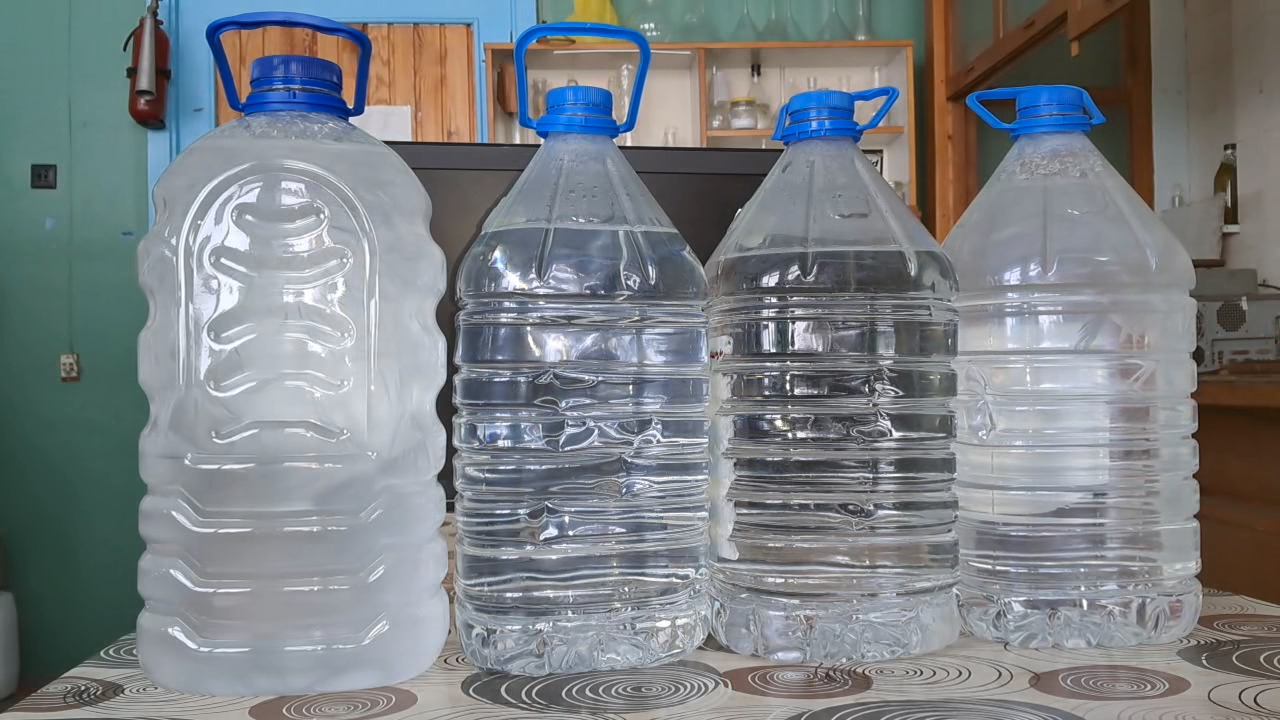
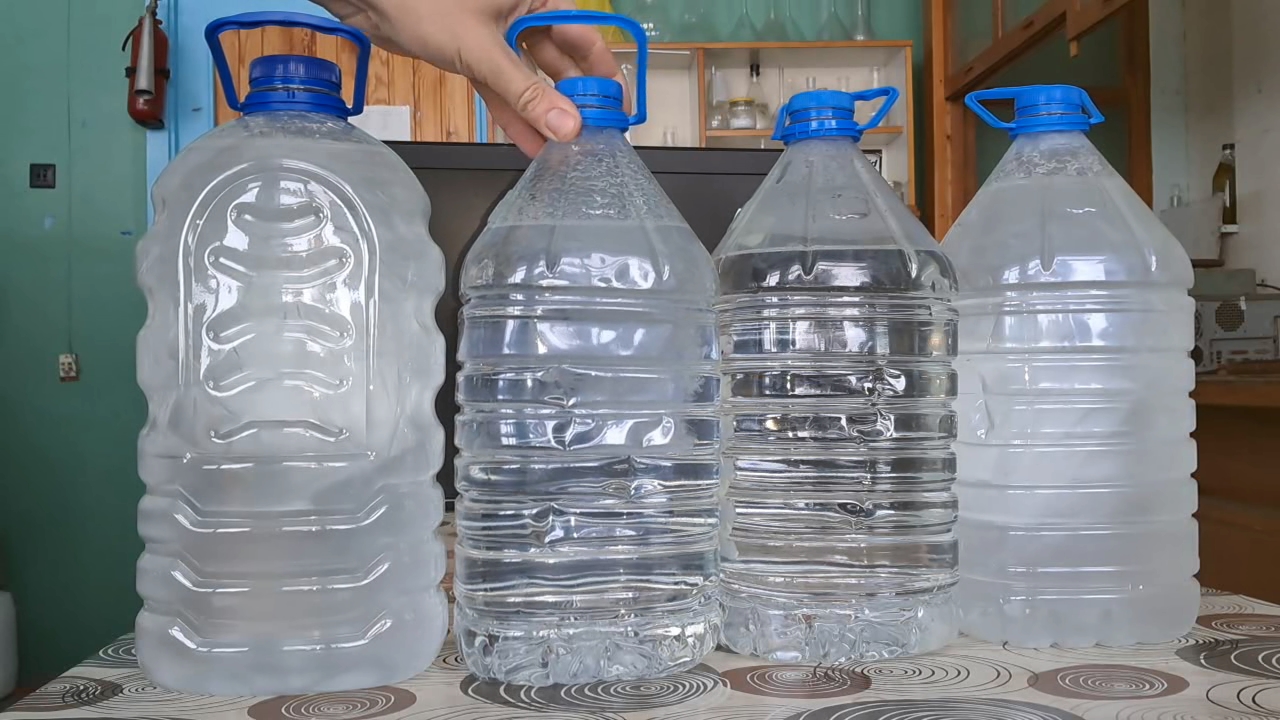
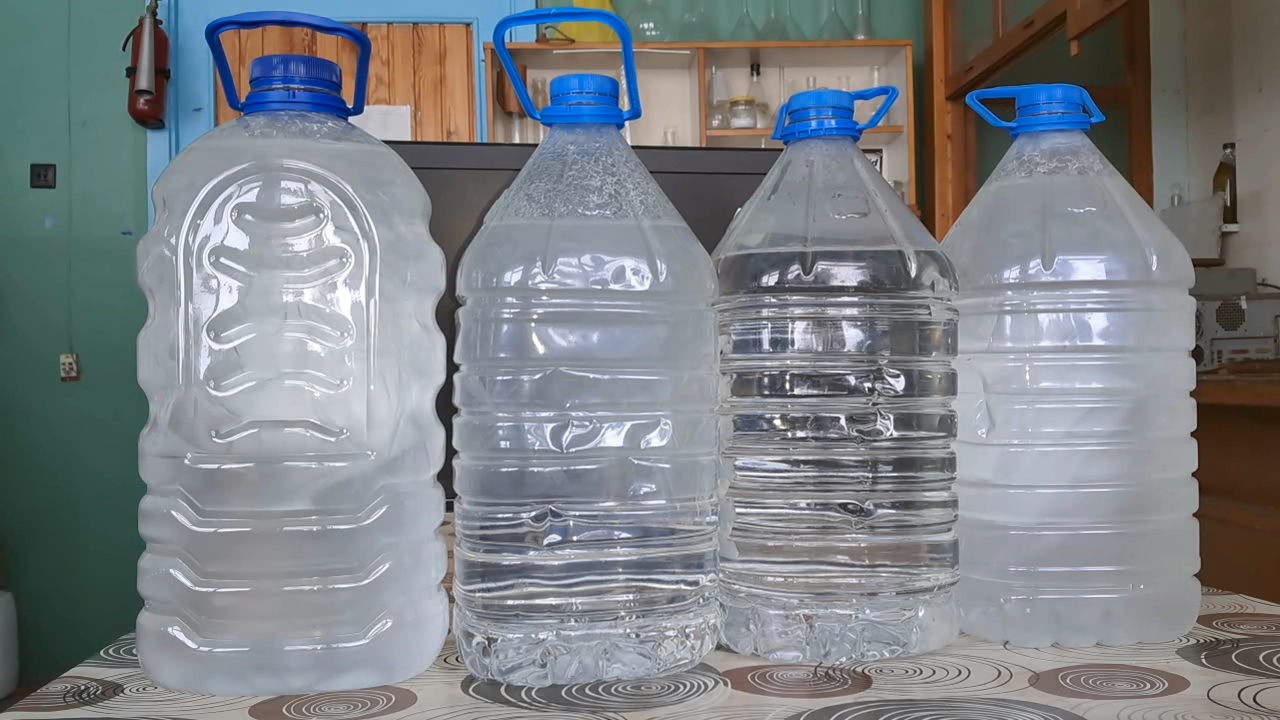
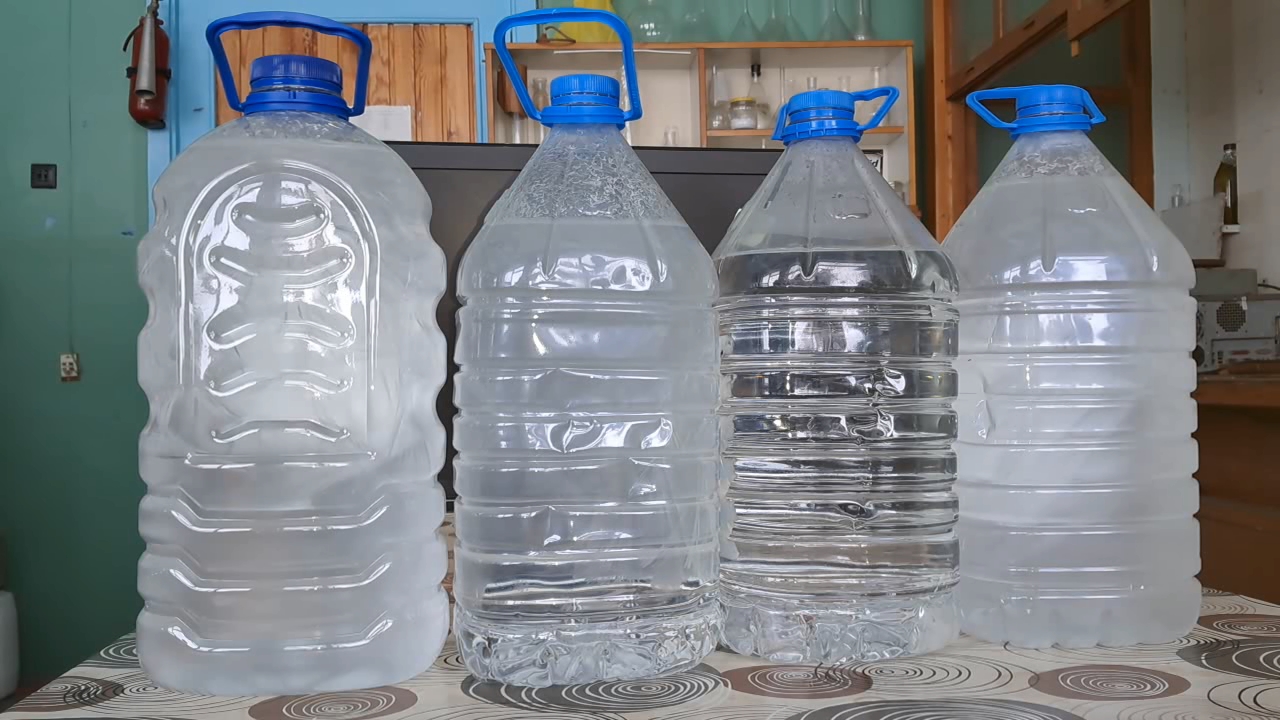
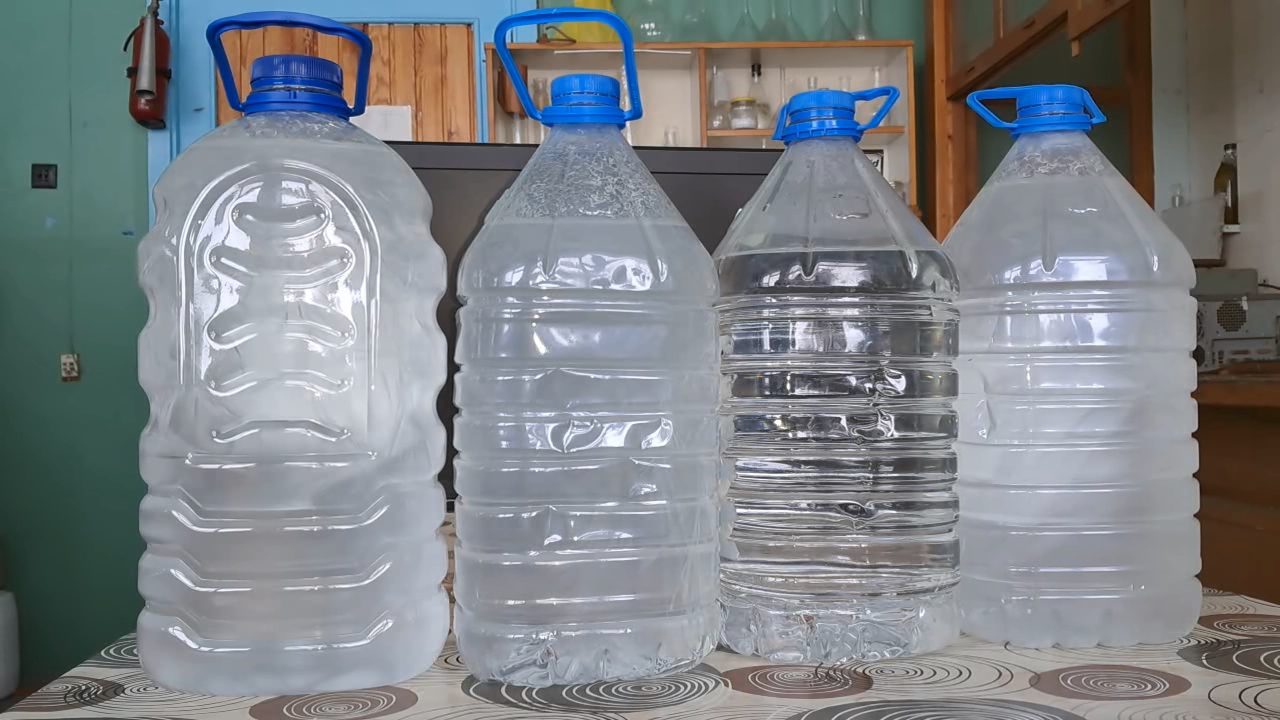
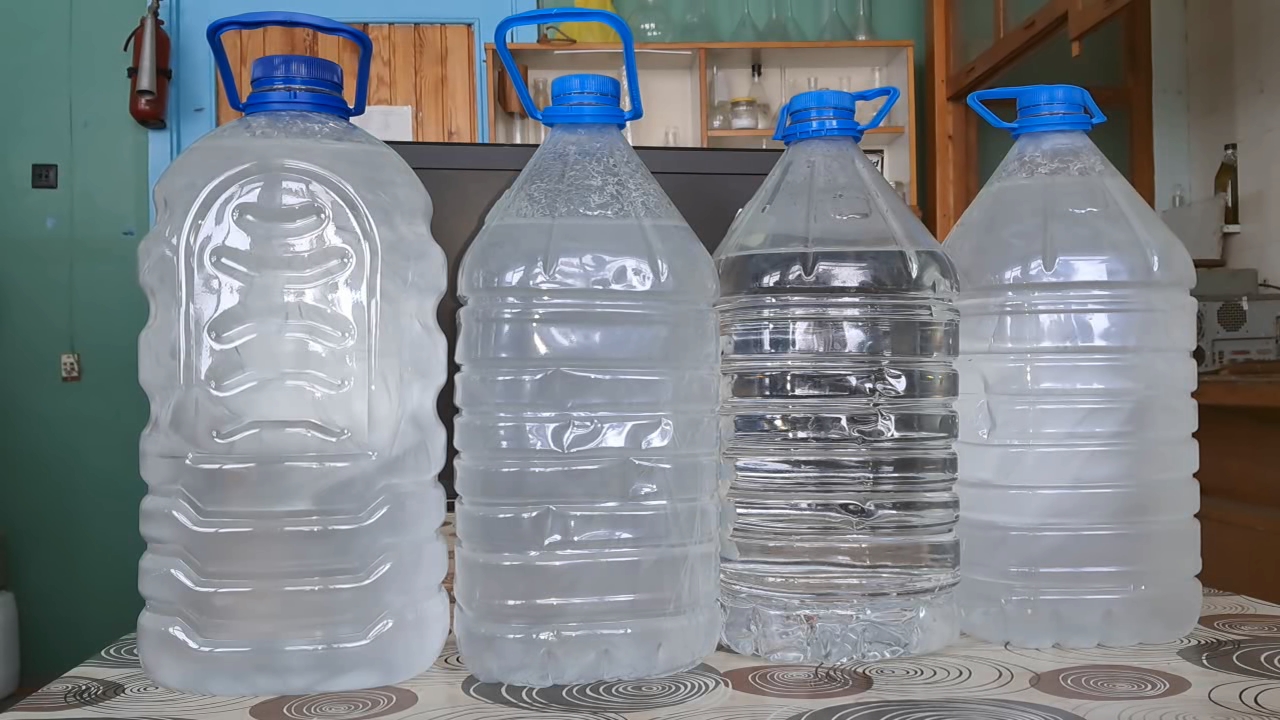
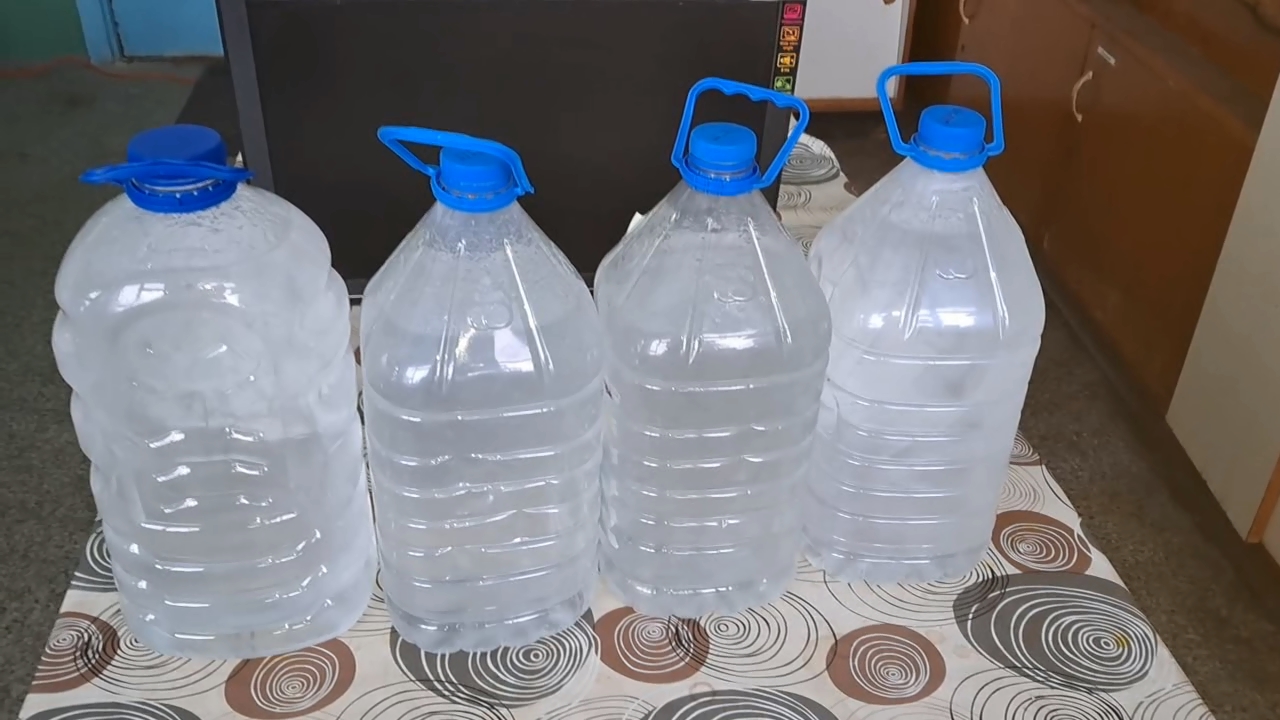
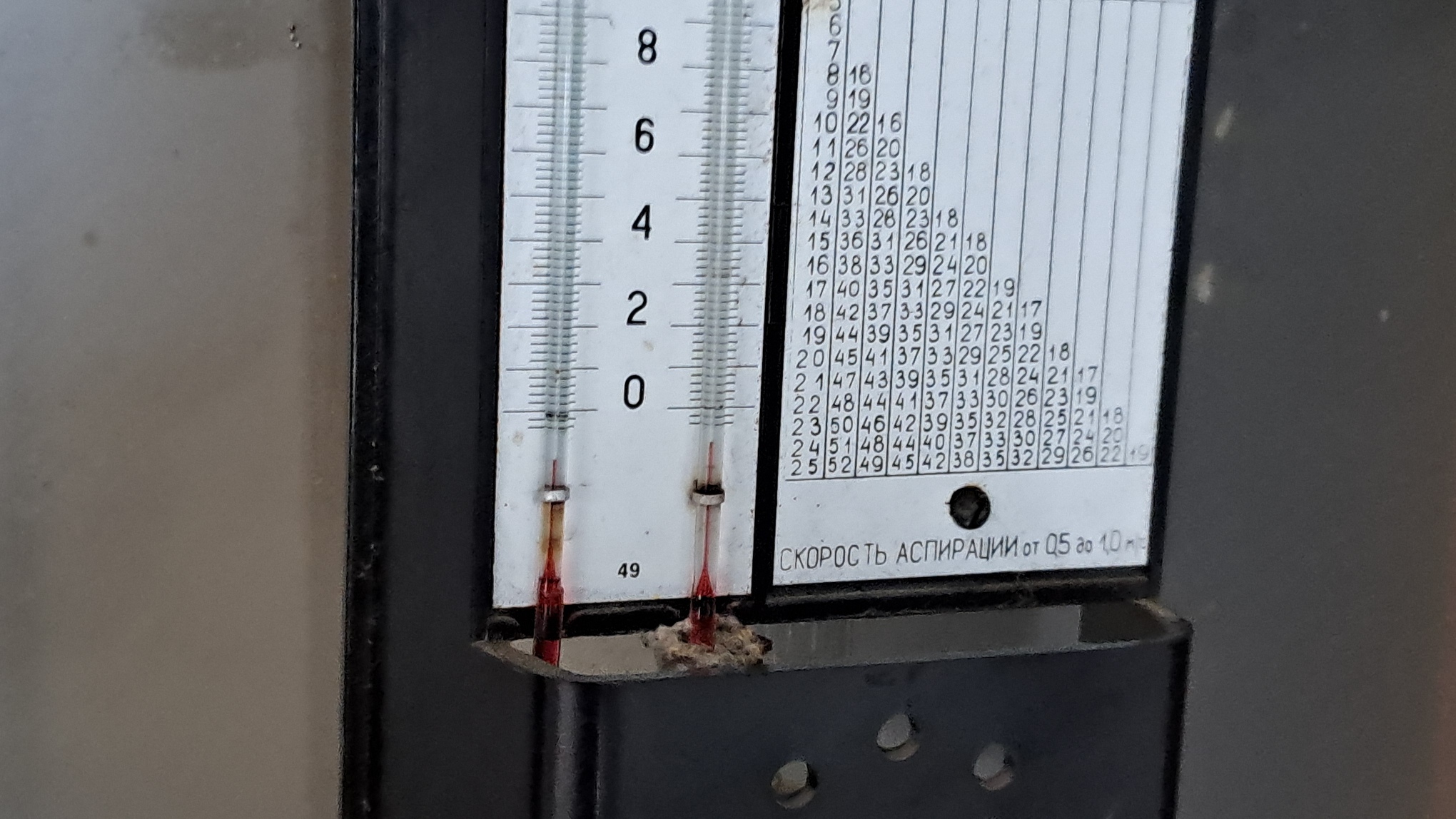
When I arrived at the institute the next day, I immediately went to the unheated laboratory. Contrary to my fears, the water in all four bottles had remained liquid. The room temperature was -3°C.
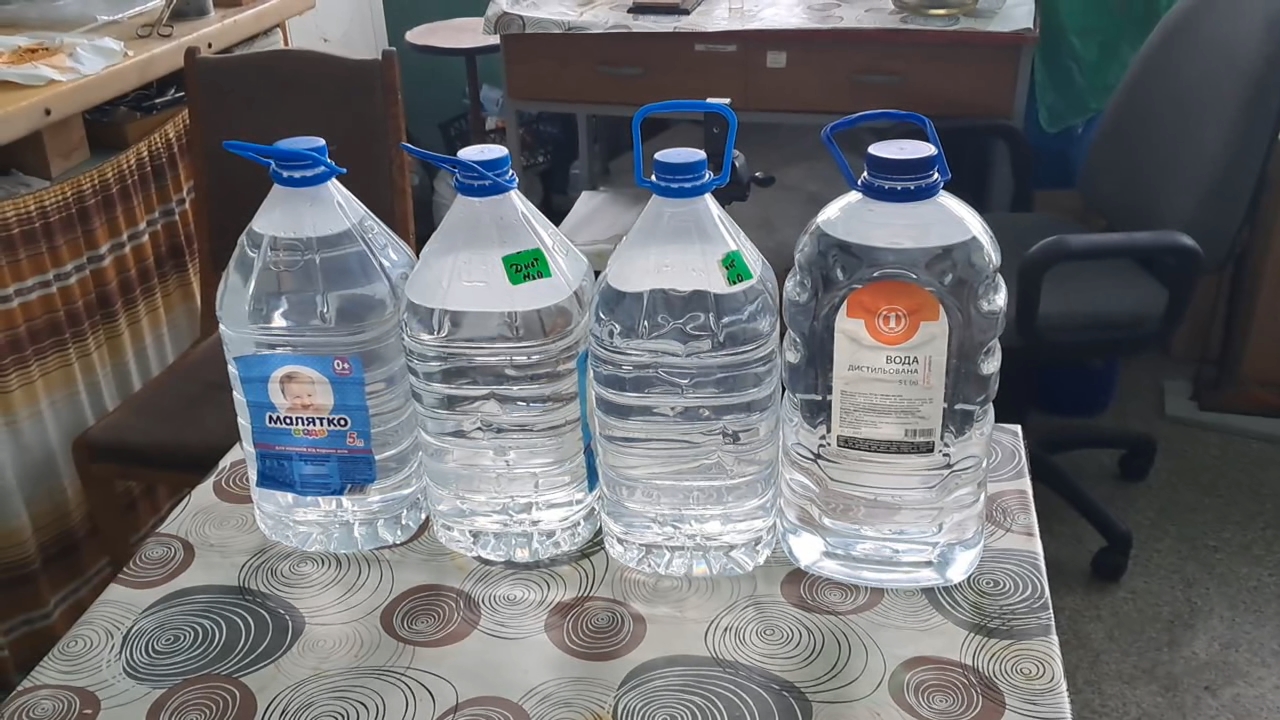
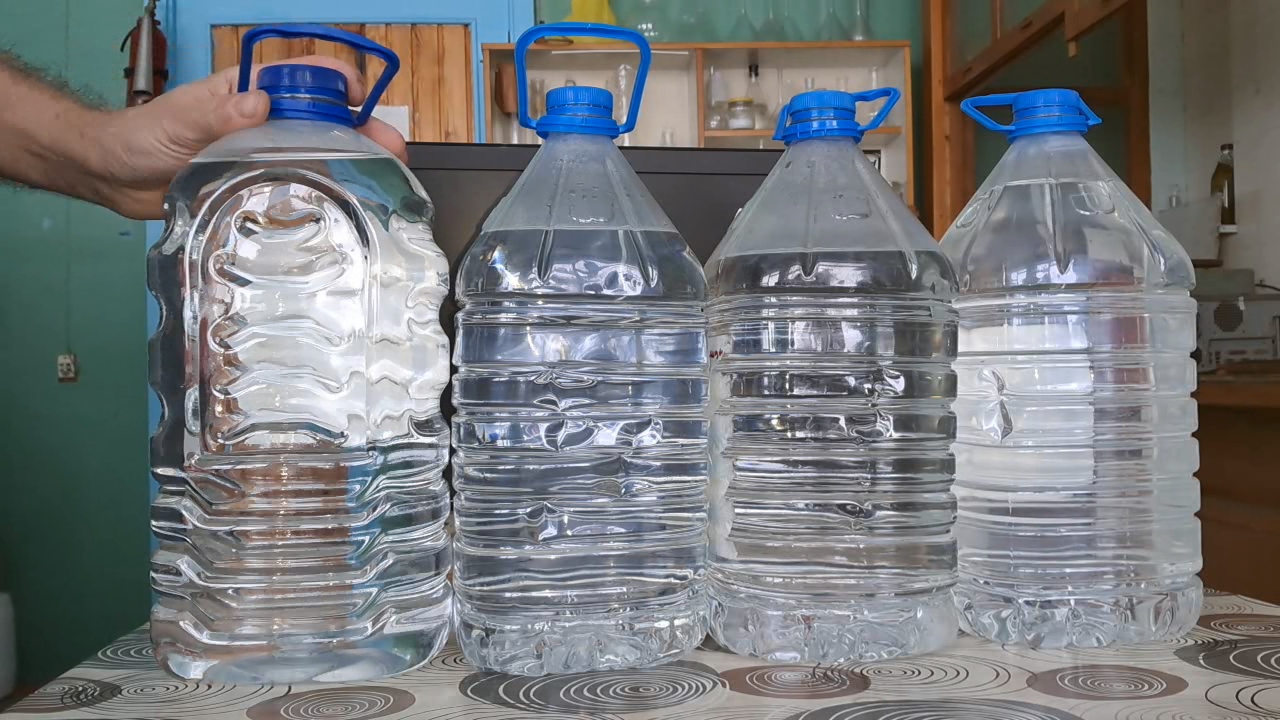
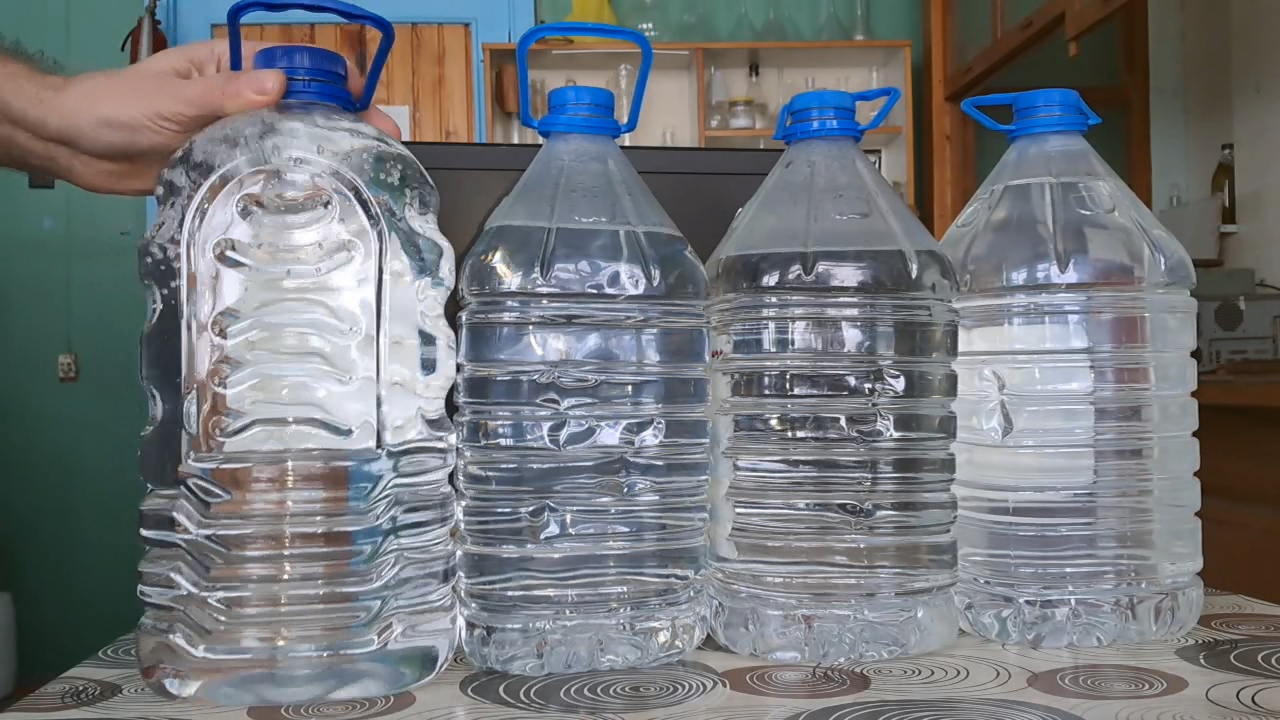
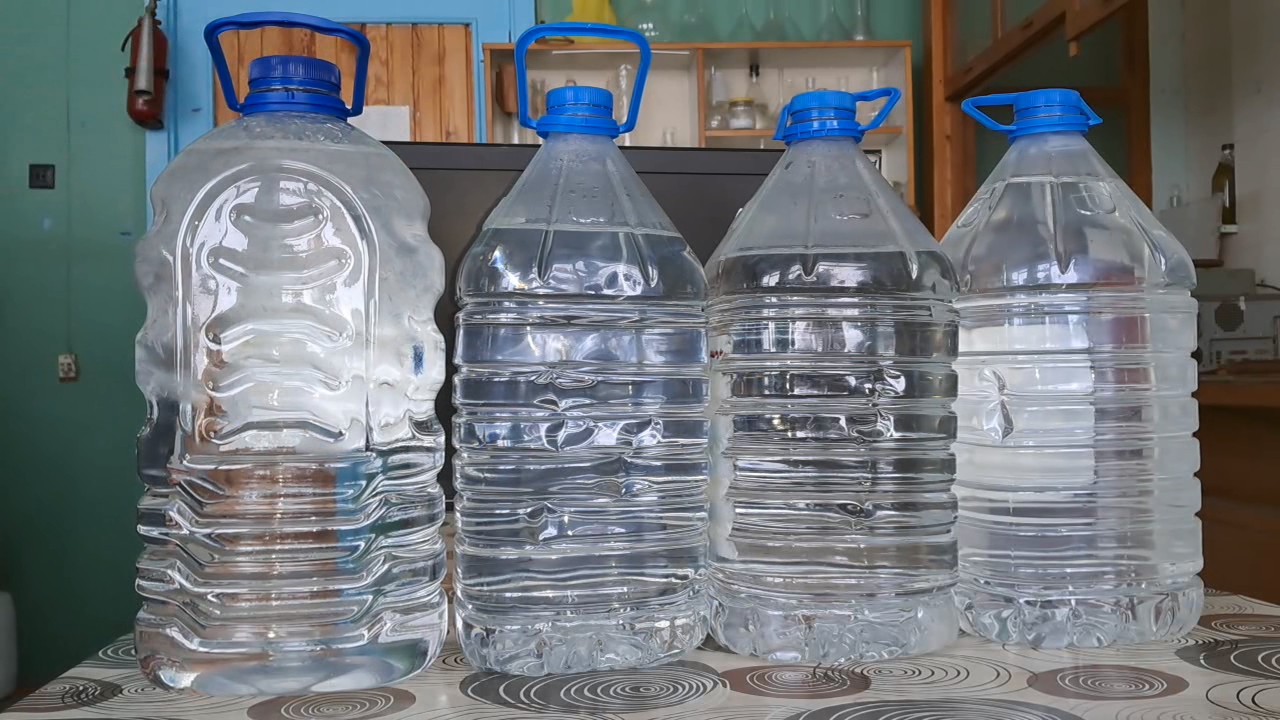
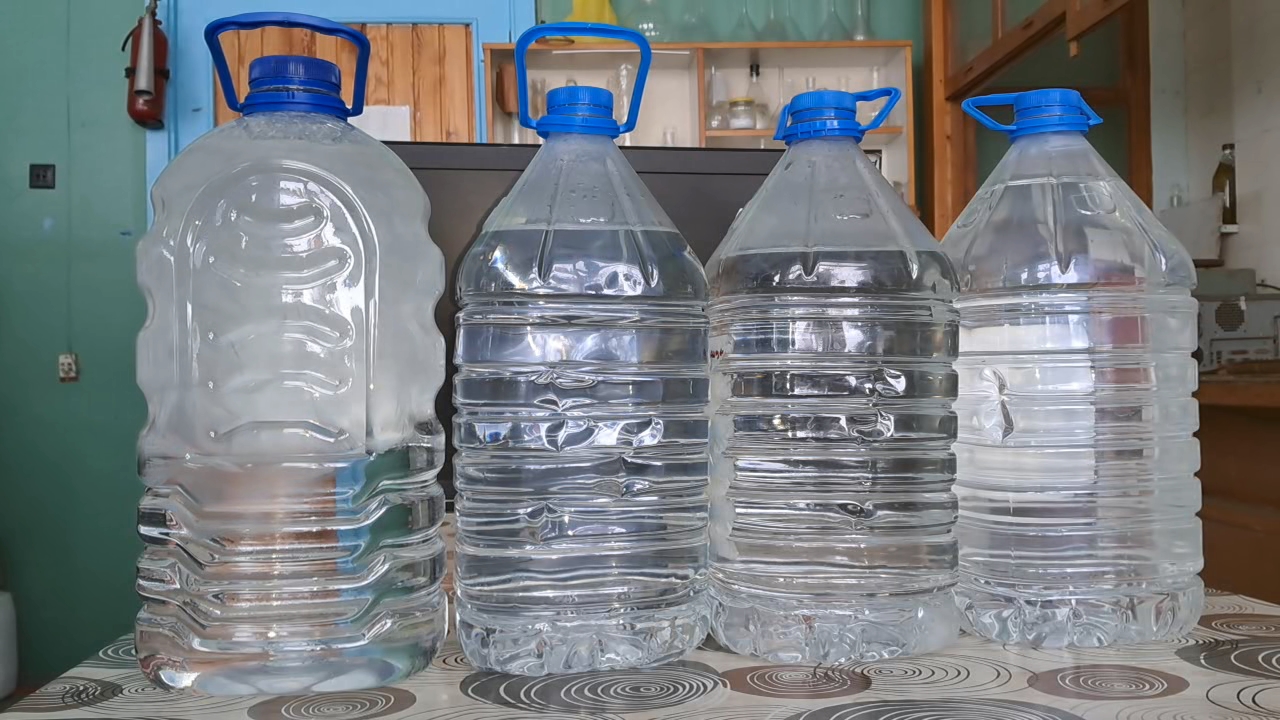
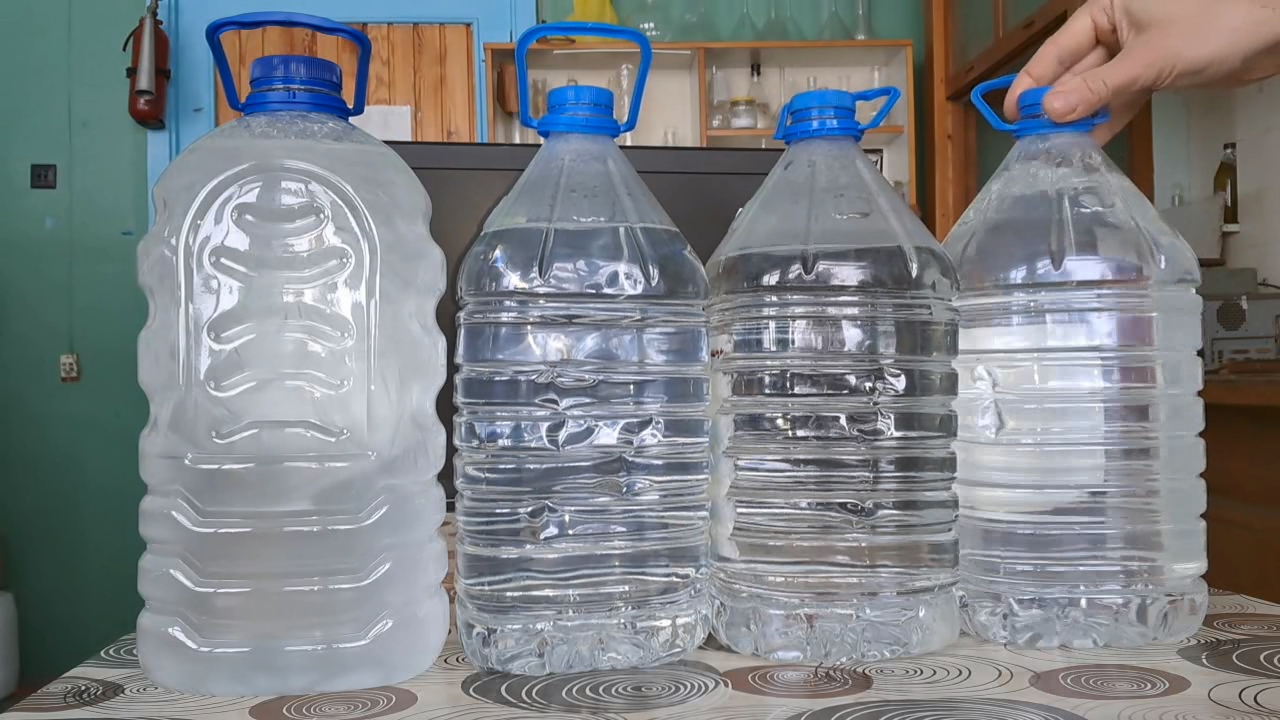
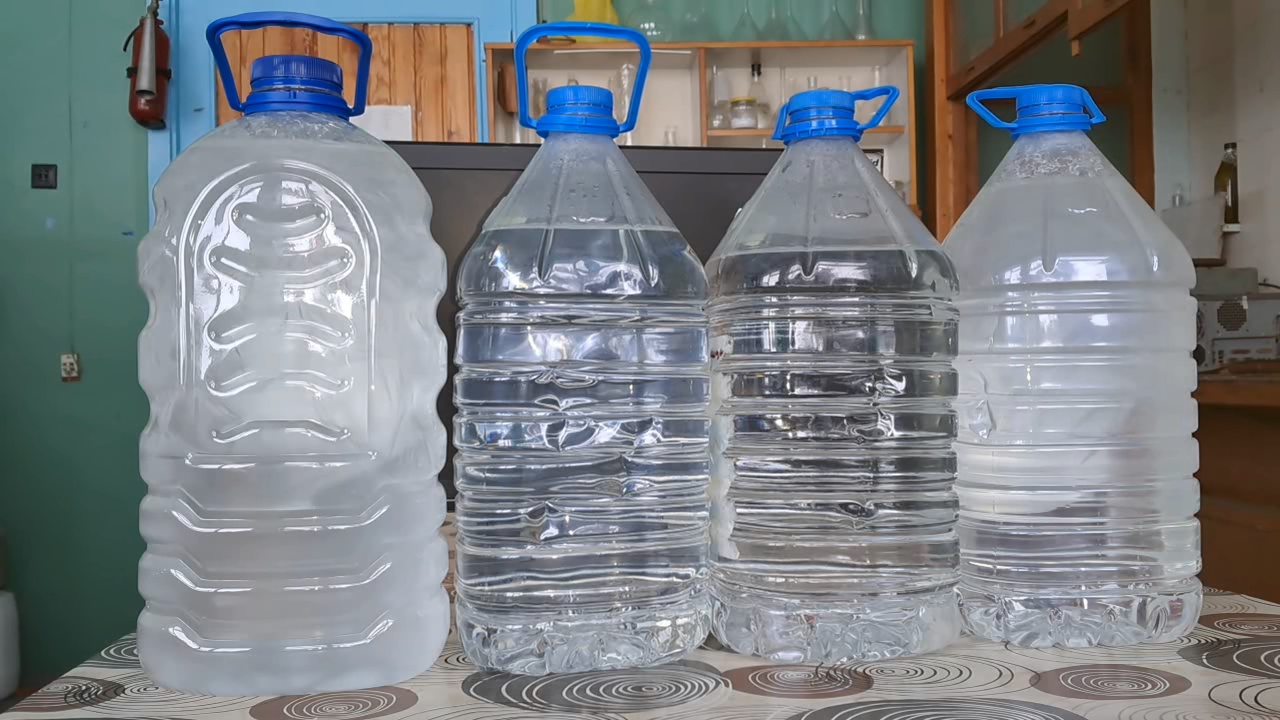
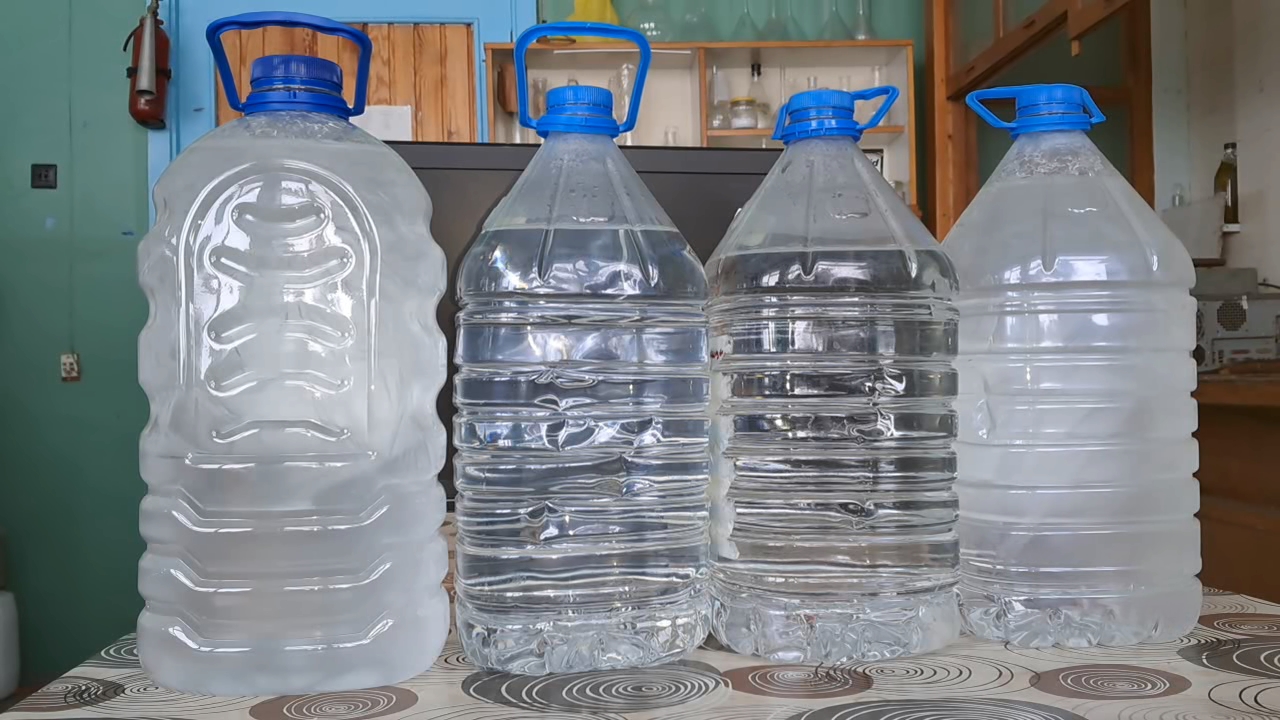
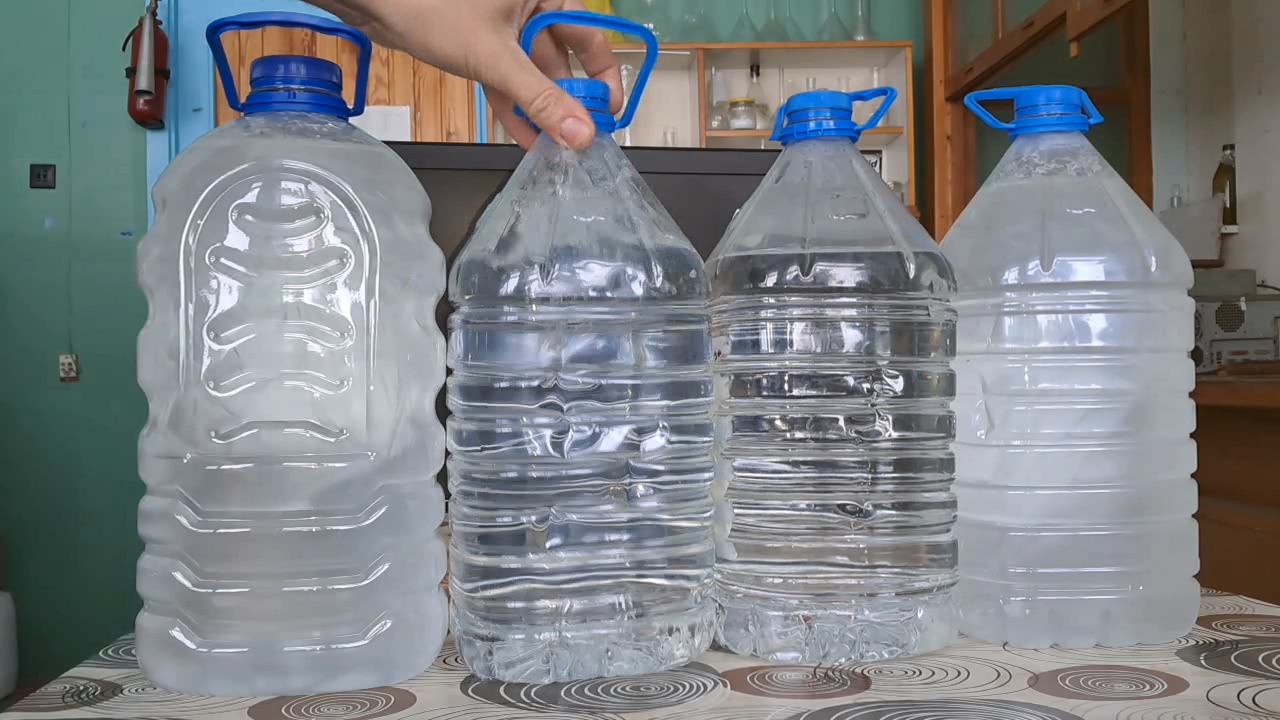
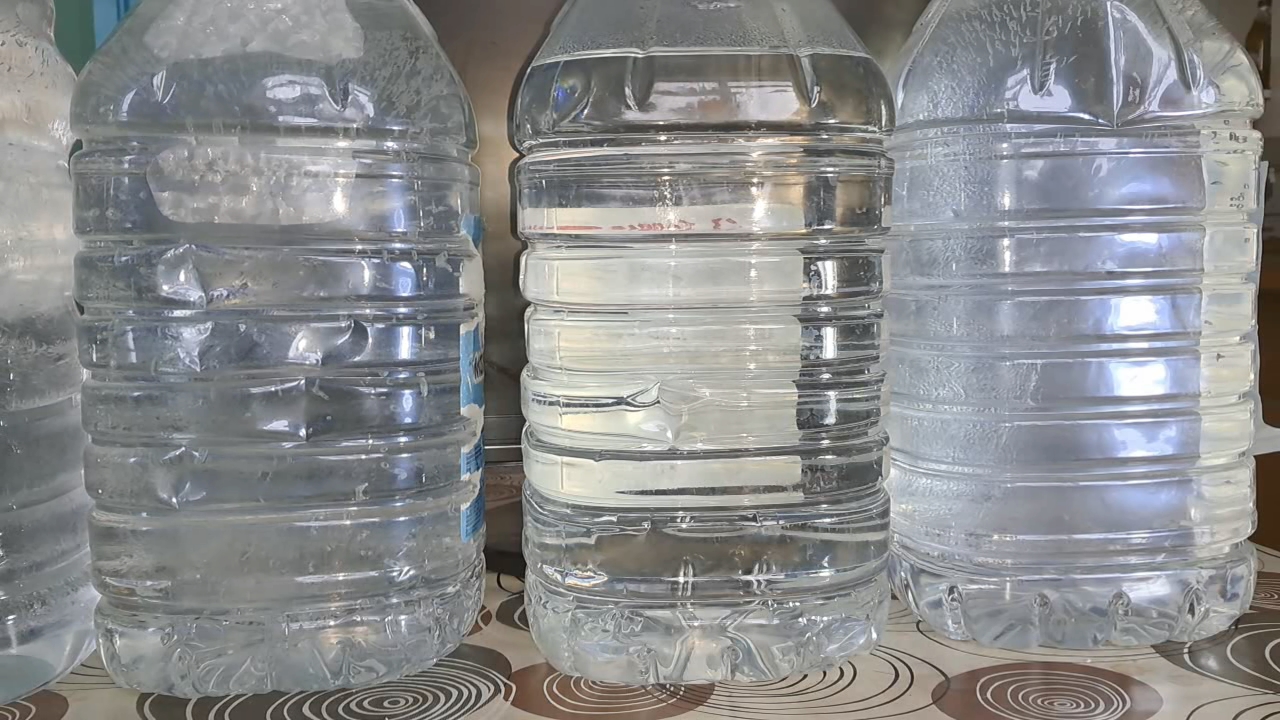
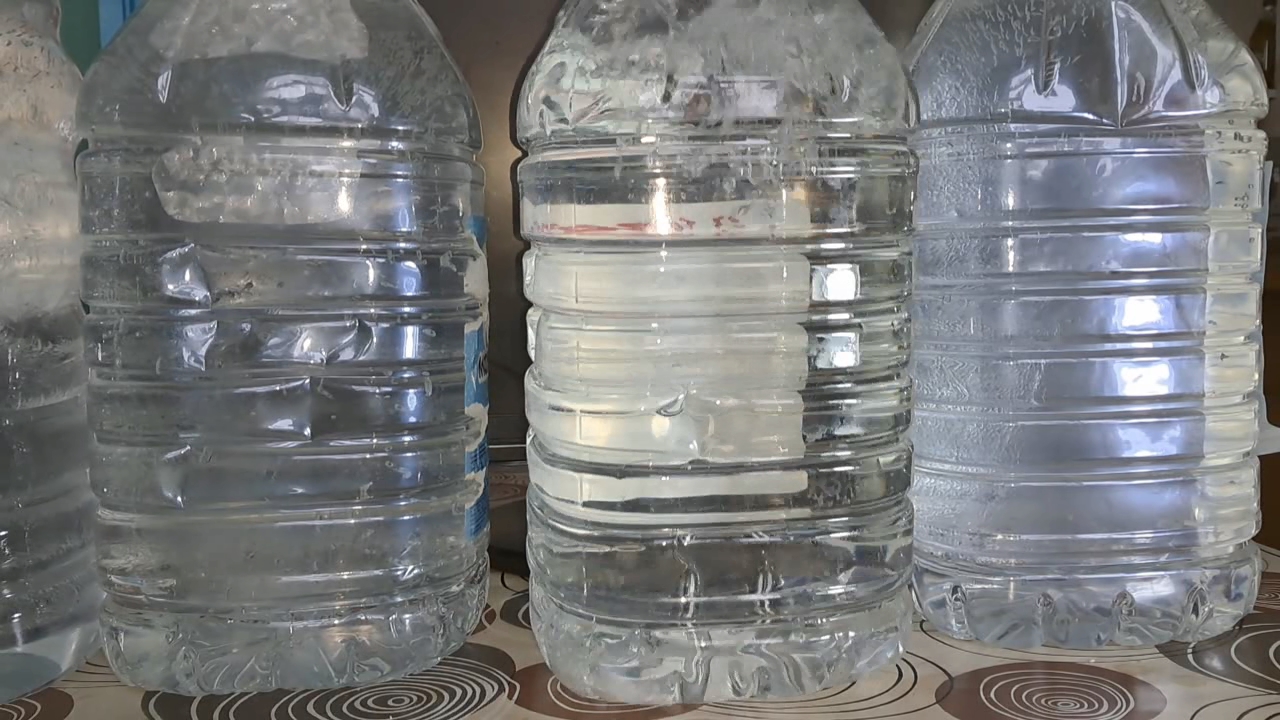
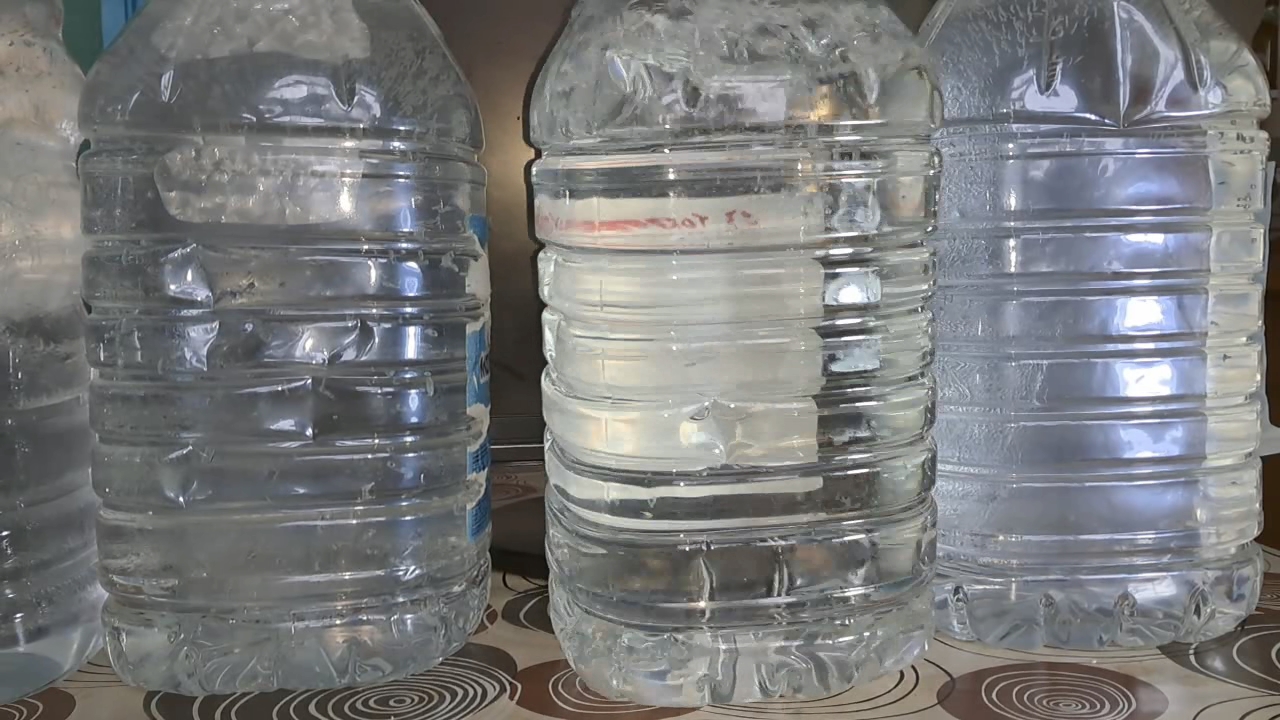
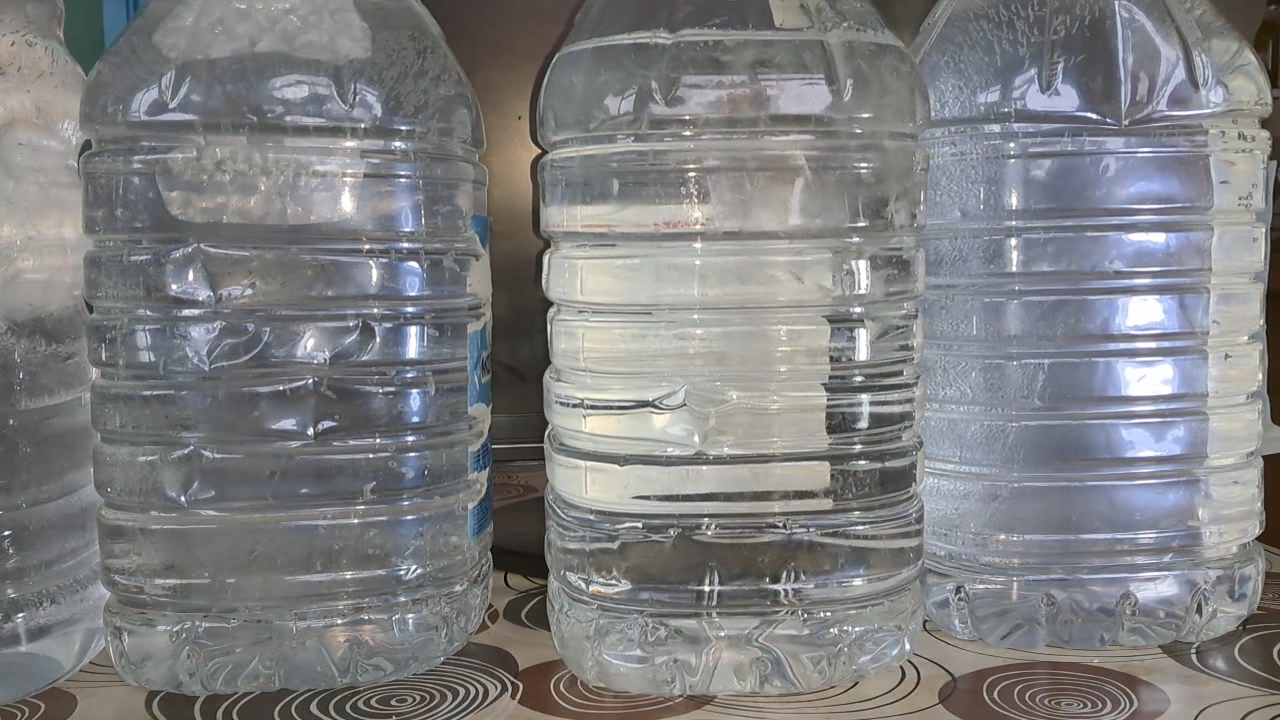
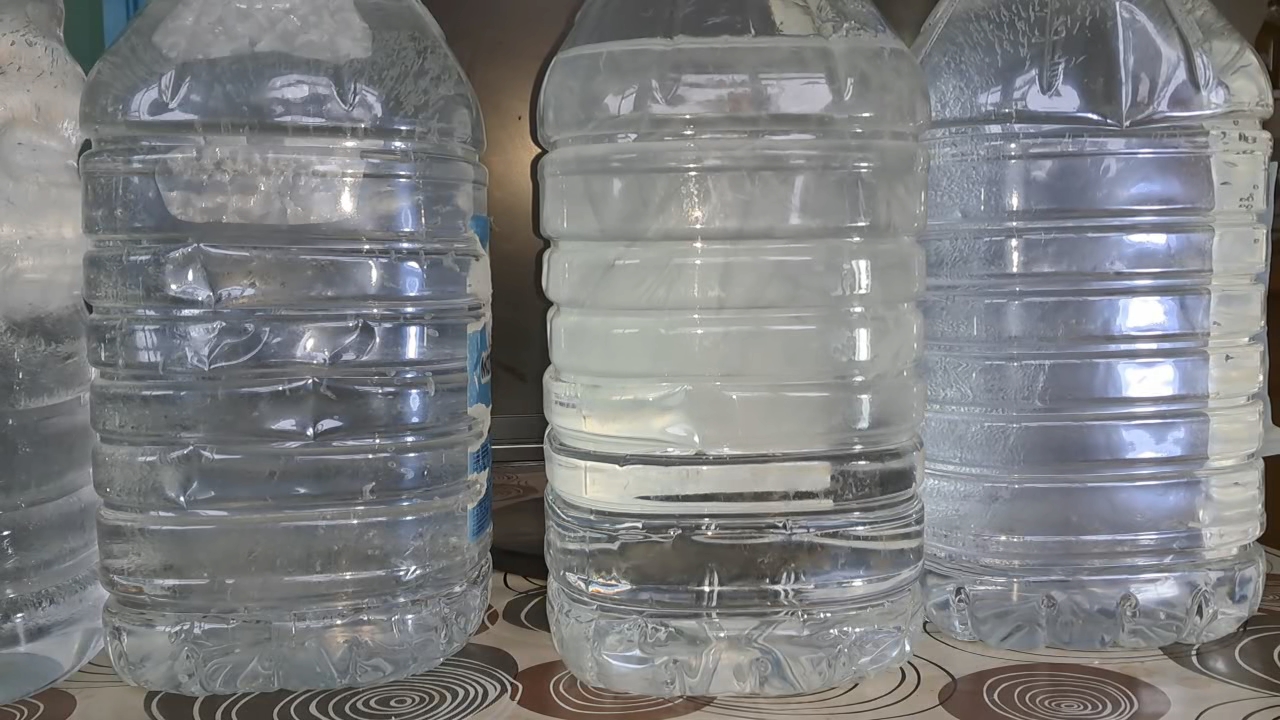
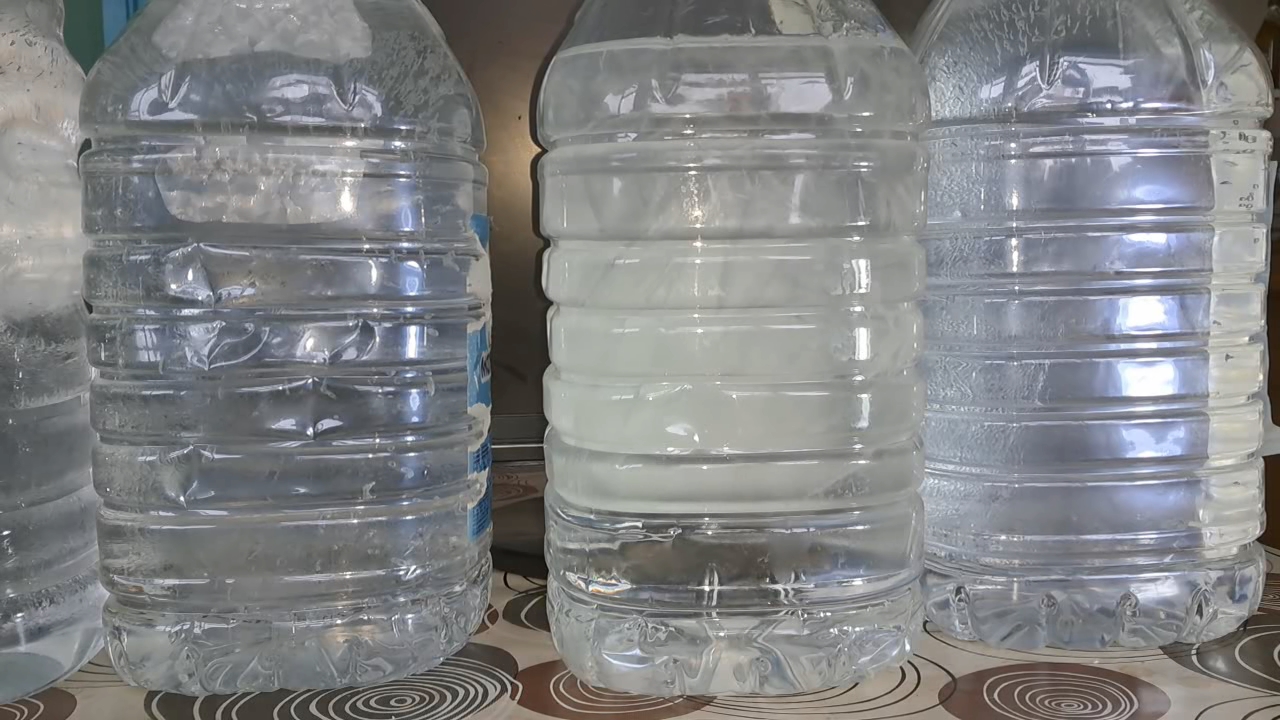
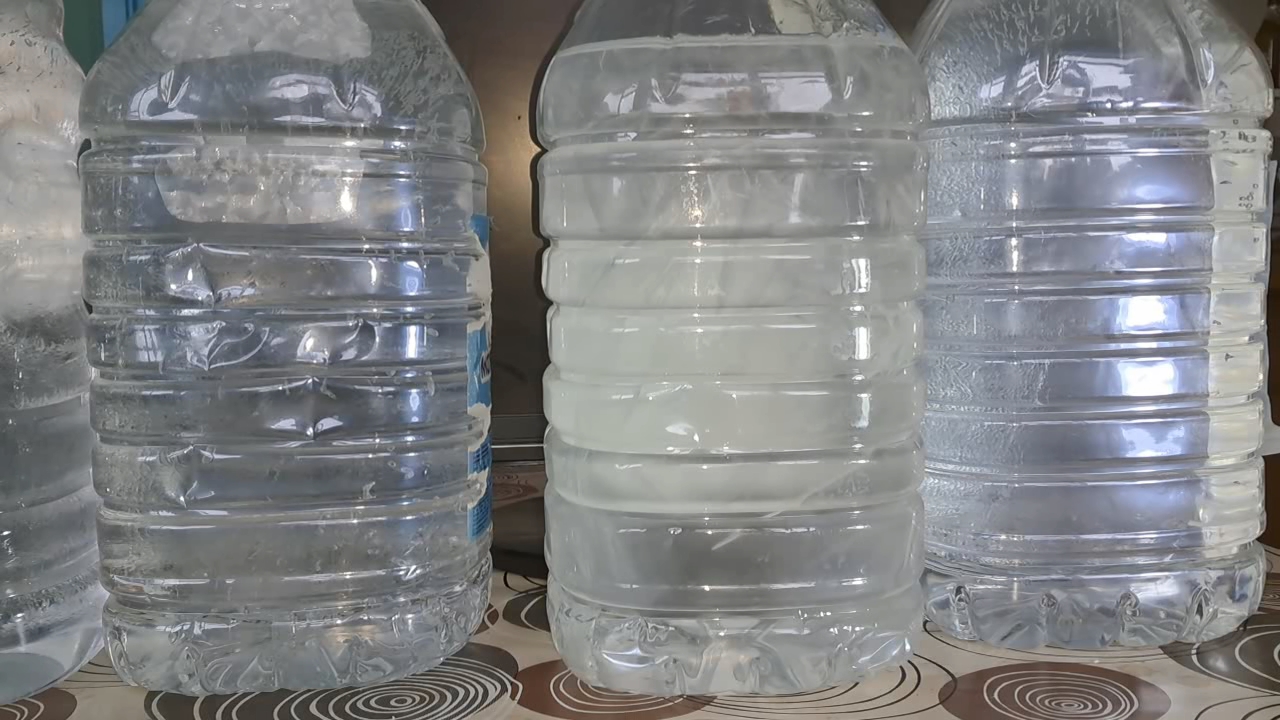
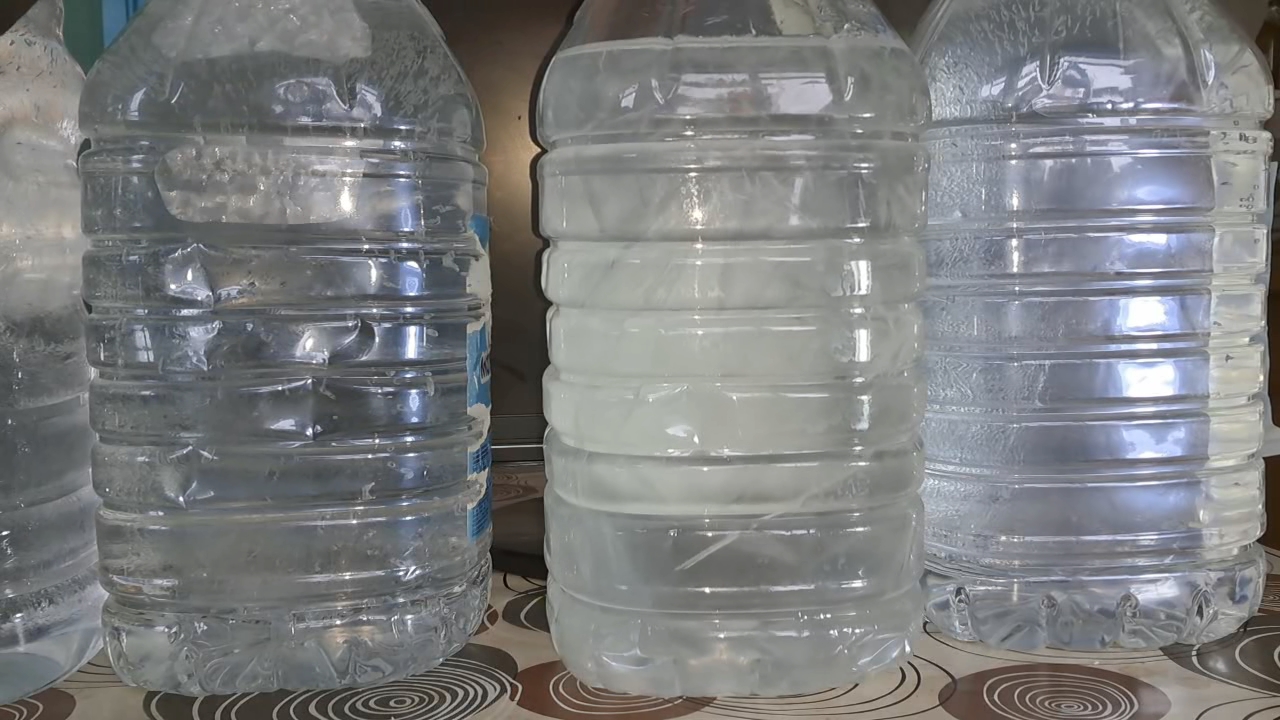
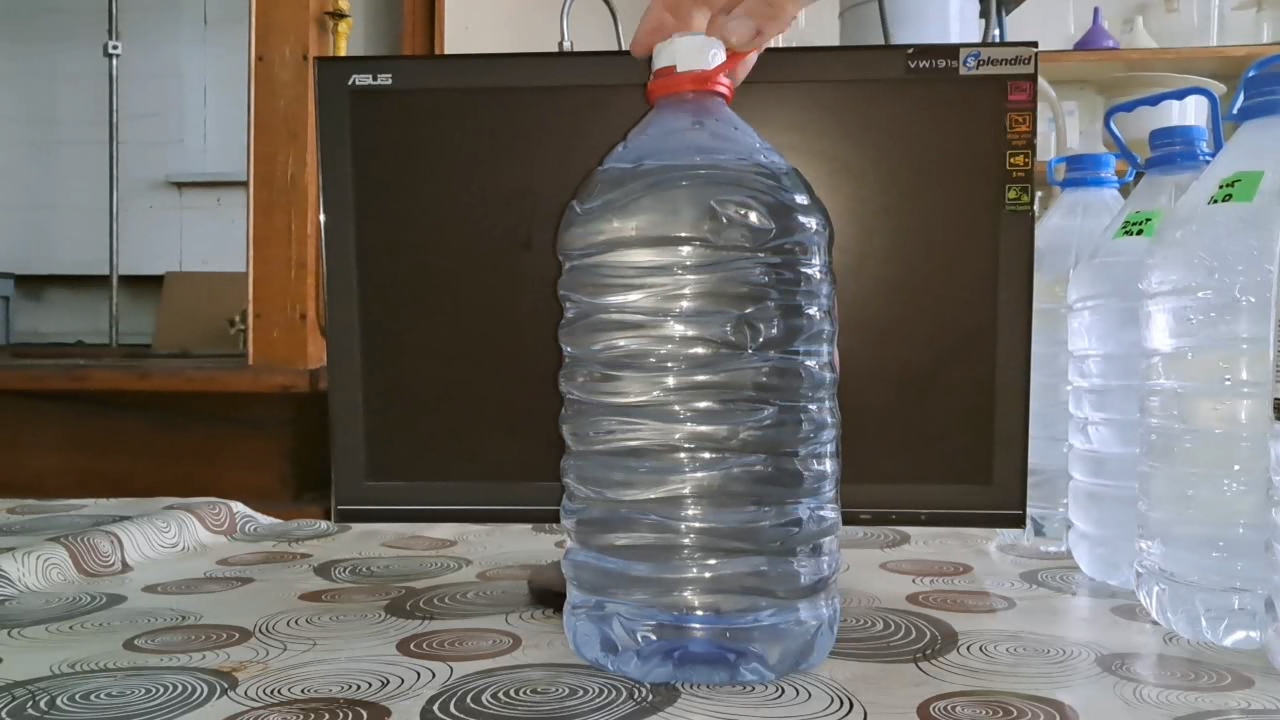
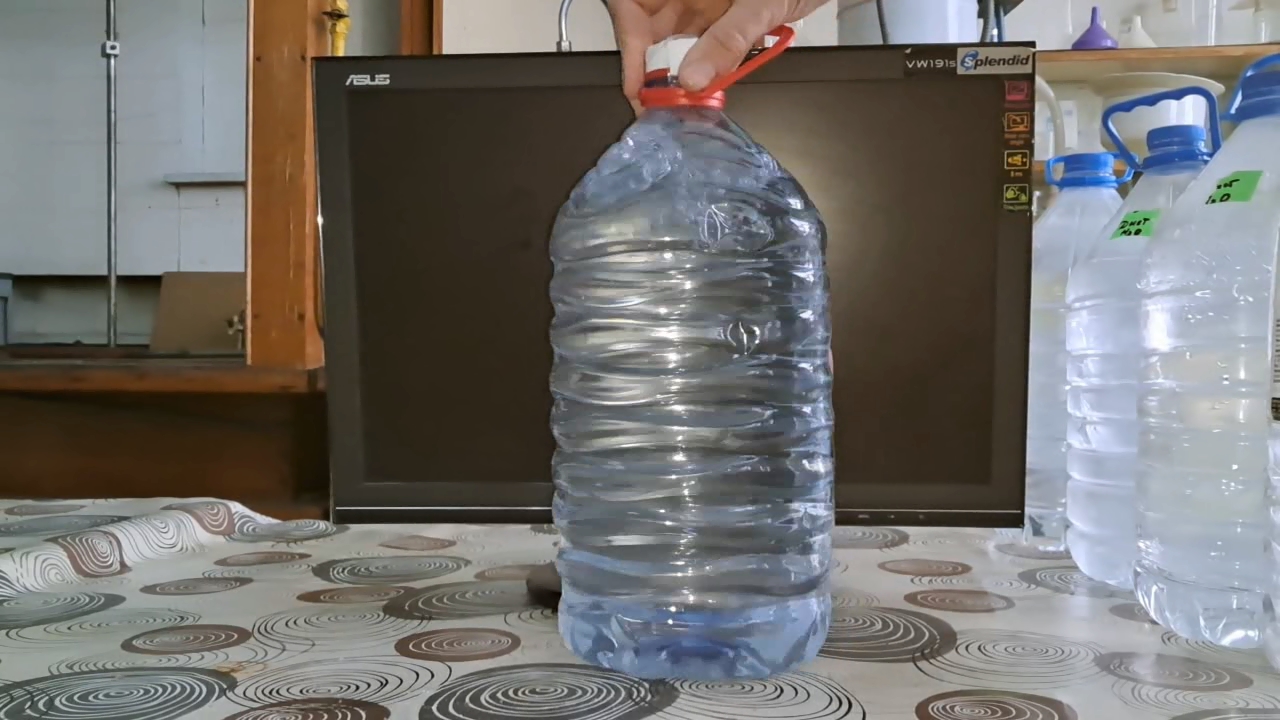
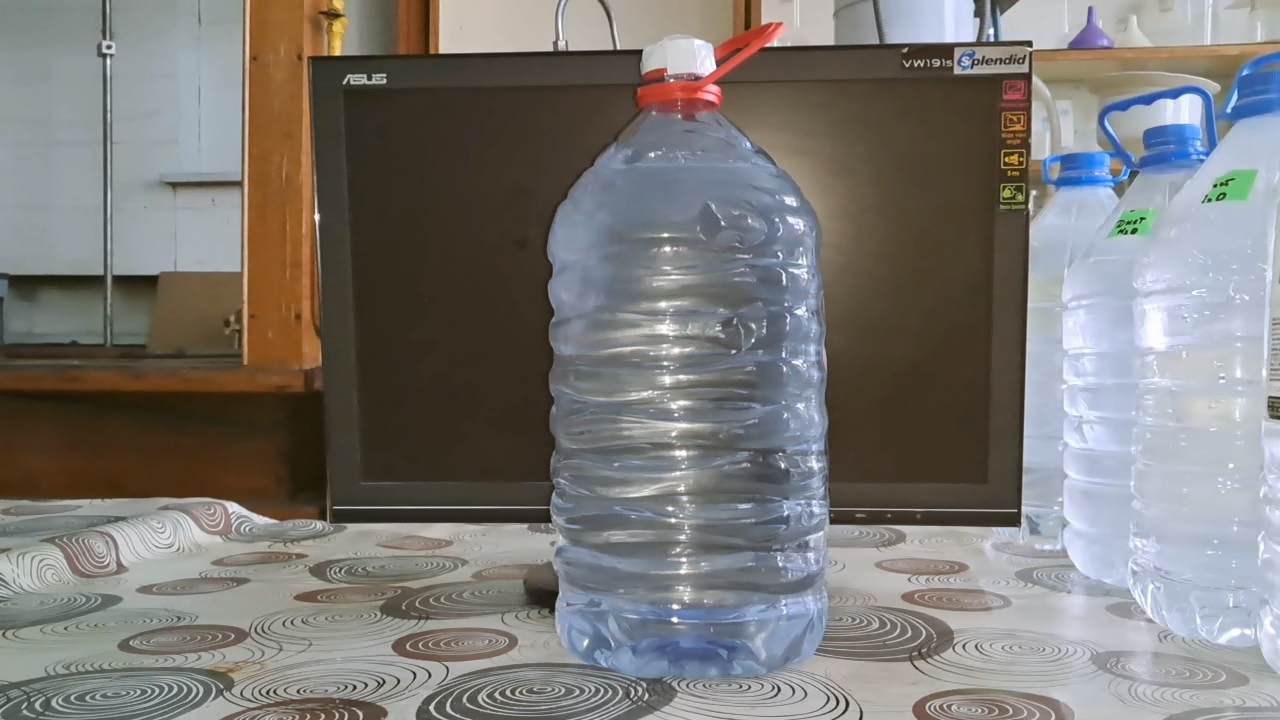
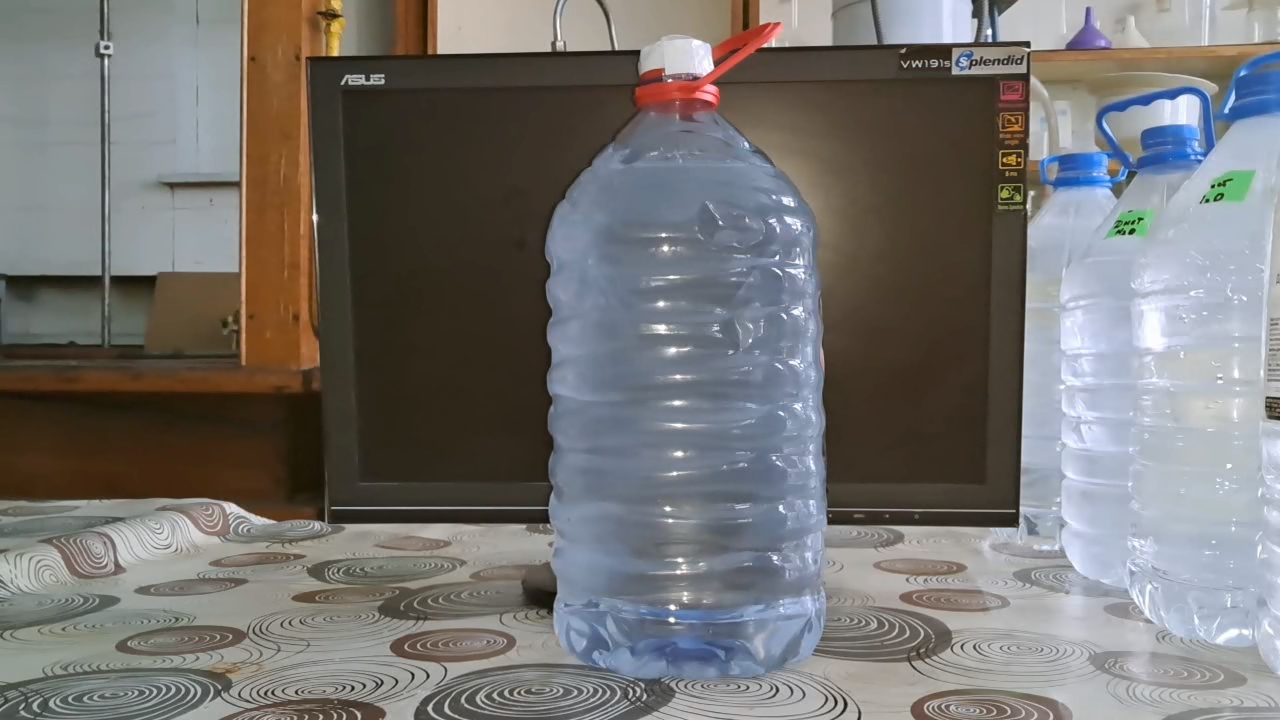
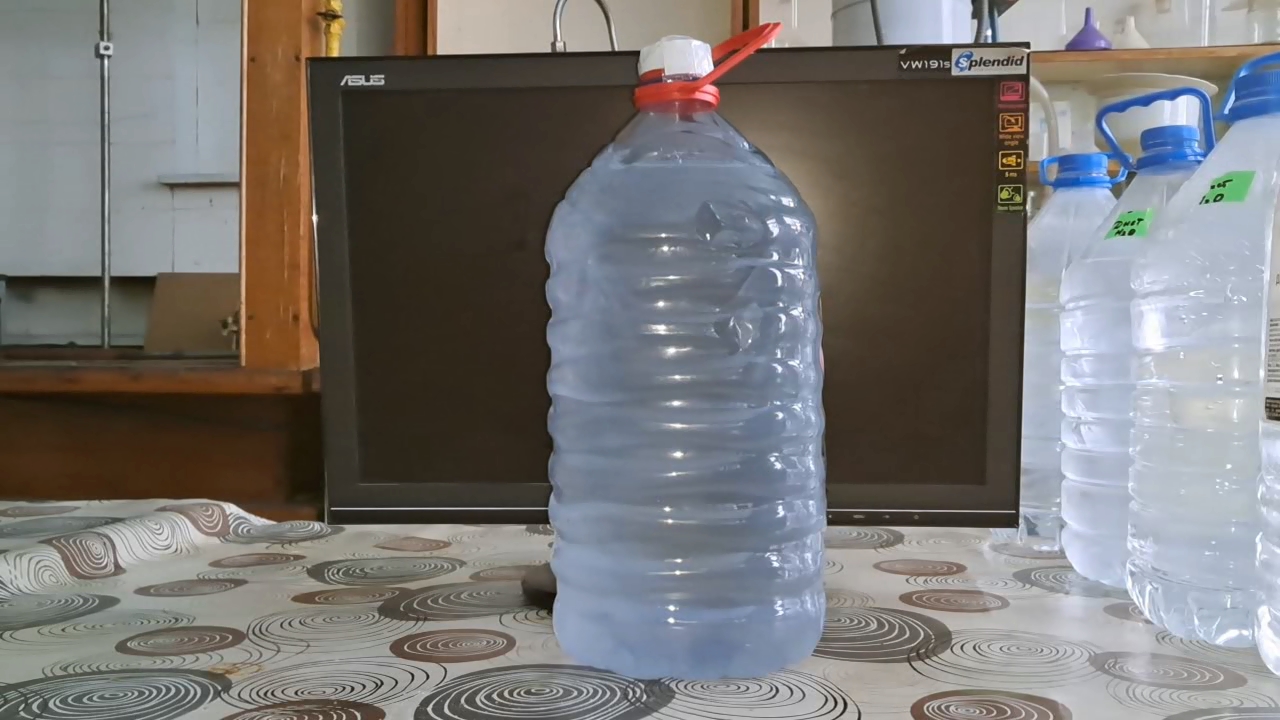
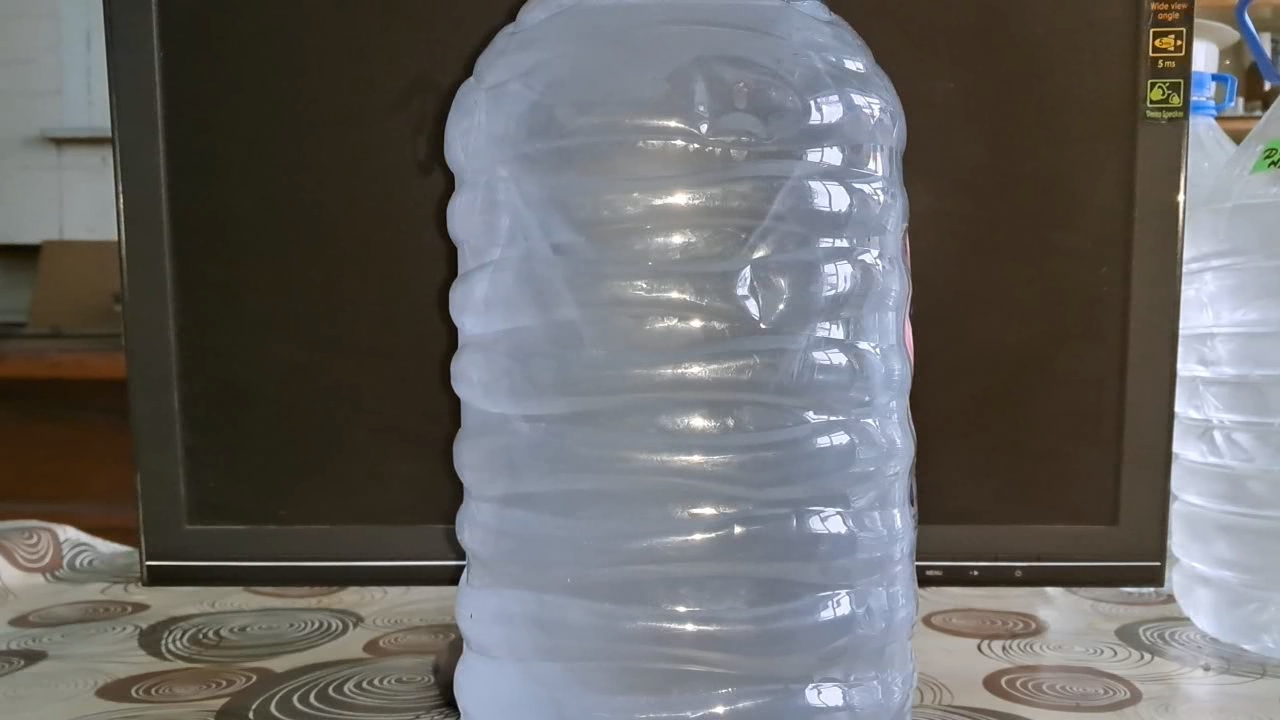
I mounted my smartphone on a tripod so that all four bottles were captured simultaneously. The experiment was planned as follows: I would start recording, shake three bottles one after another to initiate ice formation, then wait for the water in these bottles to freeze and stop filming. After that, I would move the camera closer to the remaining bottle of liquid water to capture the freezing of the supercooled water at close range, turn on the camera, and shake the bottle. I was getting ready to start filming when a client unexpectedly called and asked me questions about a possible new project. I had to go to the heated laboratory to dictate data from the lab journal. I returned to the cold laboratory, mounted the smartphone on the tripod again, and began filming. I shook the first, second, and fourth bottles one after another. The water inside them turned into white ice. For a few moments, I considered whether I should shake the third bottle immediately, without stopping the recording or moving the camera closer. I finally stopped filming, moved the camera closer to the third bottle, turned on the video, and was about to reach for the bottle… when I suddenly realized the phone was not mounted level on the tripod. I stopped recording, adjusted the phone, and resumed filming. Then I noticed again that the phone was unevenly positioned. This happened several times until I finally got the phone level and shook the bottle. The water quickly froze, turning into white ice. The process looked spectacular. The experiment was perfect. And only then did I realize… I had forgotten to turn on the camera. I made the same mistake in two experiments in a row. Both then and now, I forgot to turn on the camera before the crystallization of the water in the last bottle. I cannot describe how upset I was. So, what was the problem? I could melt the ice again in the warm laboratory, then return the bottles of water to the cold laboratory to supercool the water again. After that, I could crystallize the supercooled water once more. This cycle could be repeated as many times as necessary. Unfortunately, a new problem arose: according to the weather forecast, warmer temperatures were expected the next day. After the severe frost, the temperature was expected to rise to several degrees above zero. The next two days were holidays. By the third day, the temperature in the laboratory itself could rise to zero degrees Celsius or higher, making supercooling impossible. I could see no alternative to supercooling the water in the laboratory. A colleague had a household refrigerator in his lab. Could it be used to produce supercooled water? I had not been able to do this in the past: water placed in the freezer always froze. I believe the cause was vibrations from the refrigerator's motor, which initiated ice formation. For the same reason, I did not leave the bottles outside in the institute courtyard. It was colder there than in the unheated laboratory, but people and cars were nearby. Vibrations from footsteps or car engines could easily cause the water in the bottles to freeze. It was impossible to know what the weather would be like for the rest of the winter. Most likely, severe frosts would return. However, there was also a chance that the weather would remain warm and I would no longer be able to supercool the water in the laboratory. By next winter, our institute could become a crater if a ballistic missile were to hit it. Dozens of buildings in our neighborhood alone have already been damaged or destroyed. It is not wise to make long-term plans during a war. Therefore, I tried to repeat the experiment that same day. I urgently brought a bottle of distilled water from the heated laboratory, placed it in the position of the third bottle (whose freezing I had not been able to record), and left it to cool. An hour and a half later, I returned and shook the bottle - the water remained liquid. No matter how much I shook it, it did not freeze. I returned three and a half hours later and shook it again. Large needle-shaped ice crystals appeared - the water had begun to freeze. However, crystal growth soon stopped - the bottle had not cooled sufficiently. The ice floated to the surface, and it became clear that most of the bottle was still filled with liquid water. I melted the ice in the partially frozen bottle and returned it to the unheated laboratory to cool over the weekend. I placed the bottle between three others containing frozen water so that, after the water supercooled, I could reshoot the final part of the video. To be on the safe side, I brought an extra bottle of water to the laboratory as a backup. I had done all I could; I could only rely on the weather. It turned out that the forecast had been wrong - severe frosts continued over the weekend, and it did not warm up until the first working day of the new week. The temperature in the laboratory remained at -3°C. The water in the two bottles had become supercooled. I mounted the camera on the tripod, turned it on, double-checked that it was recording, and shook the bottle vigorously. Nothing happened. I had to shake it several times before the water began to freeze. The water gradually turned into white ice, although it was noticeable that some liquid remained. However, the water in the other three bottles had frozen completely over the weekend. The ice inside was not slushy but solid. In one of the bottles, the ice cracked loudly just as I was filming the freezing process. Finally, I successfully initiated freezing in the reserve bottle containing supercooled distilled water. A little later, I discovered a cork from a bottle of distilled water lying on the laboratory floor. It had not been there before the weekend - no one had entered the room during that time. It turned out to be the cork from the only bottle that had frozen on its own before I began my first experiments with supercooled water. Now I realized that the freezing of the water in that bottle had also been incomplete. As the laboratory gradually cooled, most of the water froze, but some remained liquid. Only now had it completely frozen, and the expanding ice had forced the cork out. I screwed the cork back on and carried this bottle, along with the others containing frozen distilled water, into the warm room. As the ice melted, the bottle walls contracted sharply. |
Freezing of Supercooled Water |
|
|
|
|
|
|
|
|
|
|
|
|
|
|
|
|
|
|
|
|
|
|
|
|
|
|
|
|
|
|
|
|
|
|
|
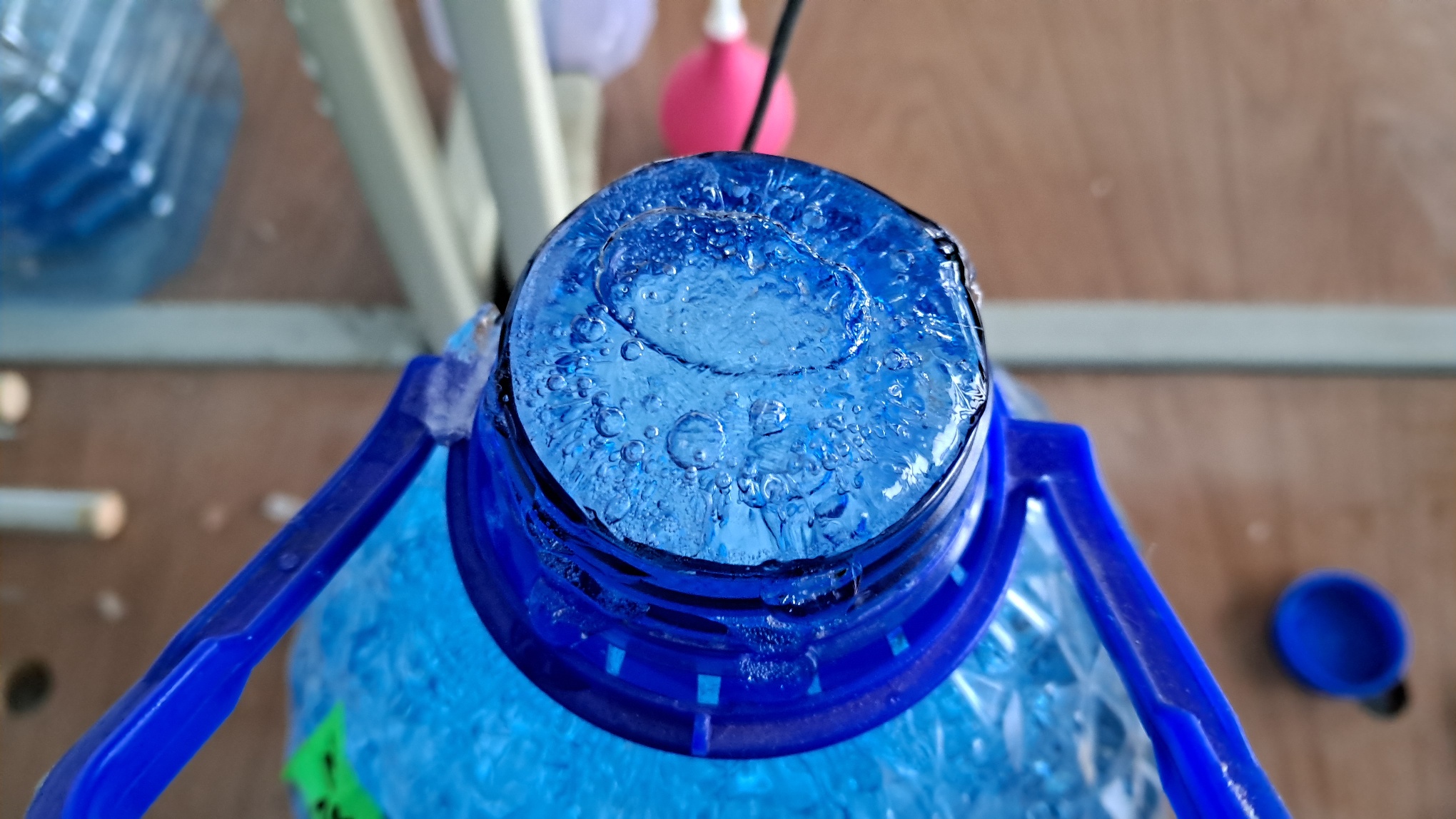
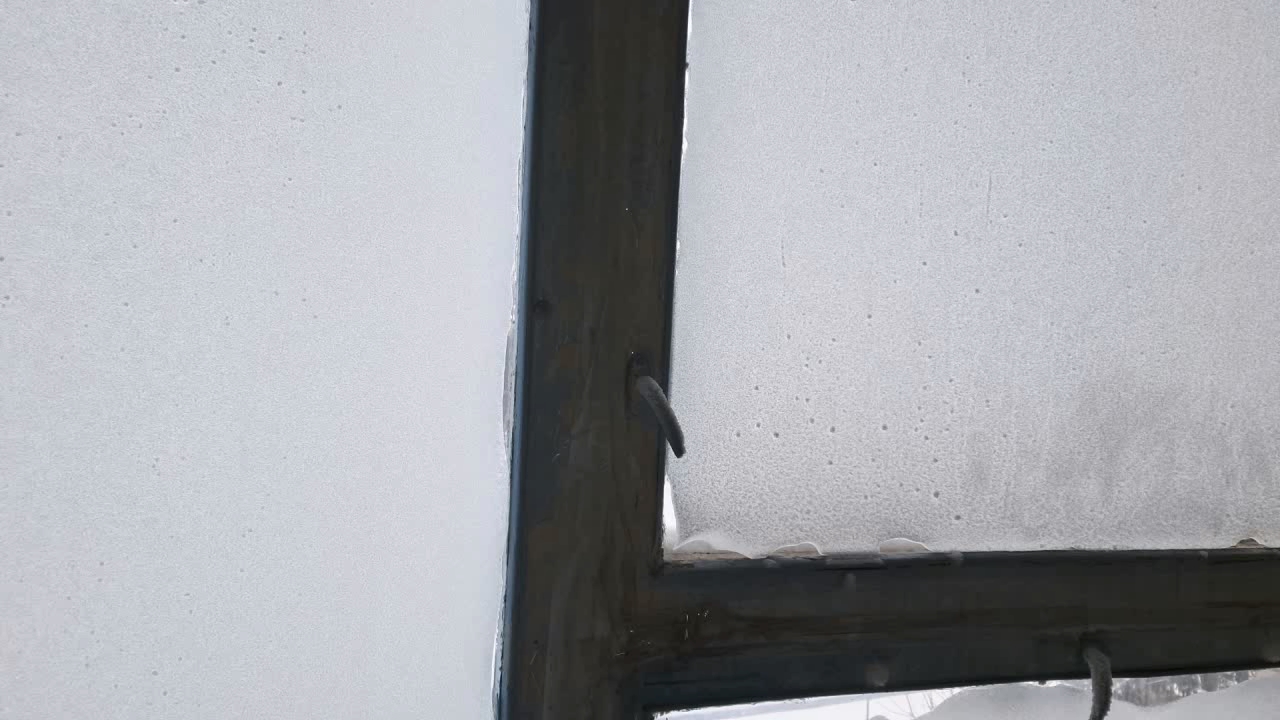
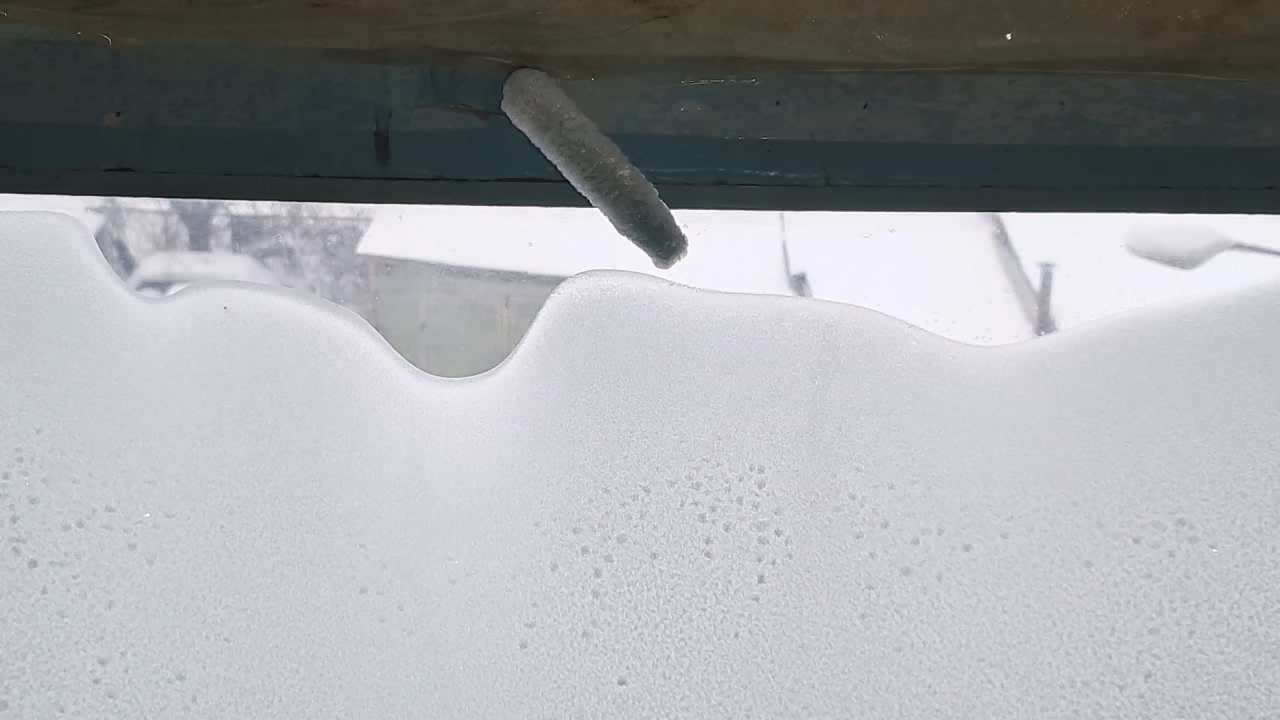
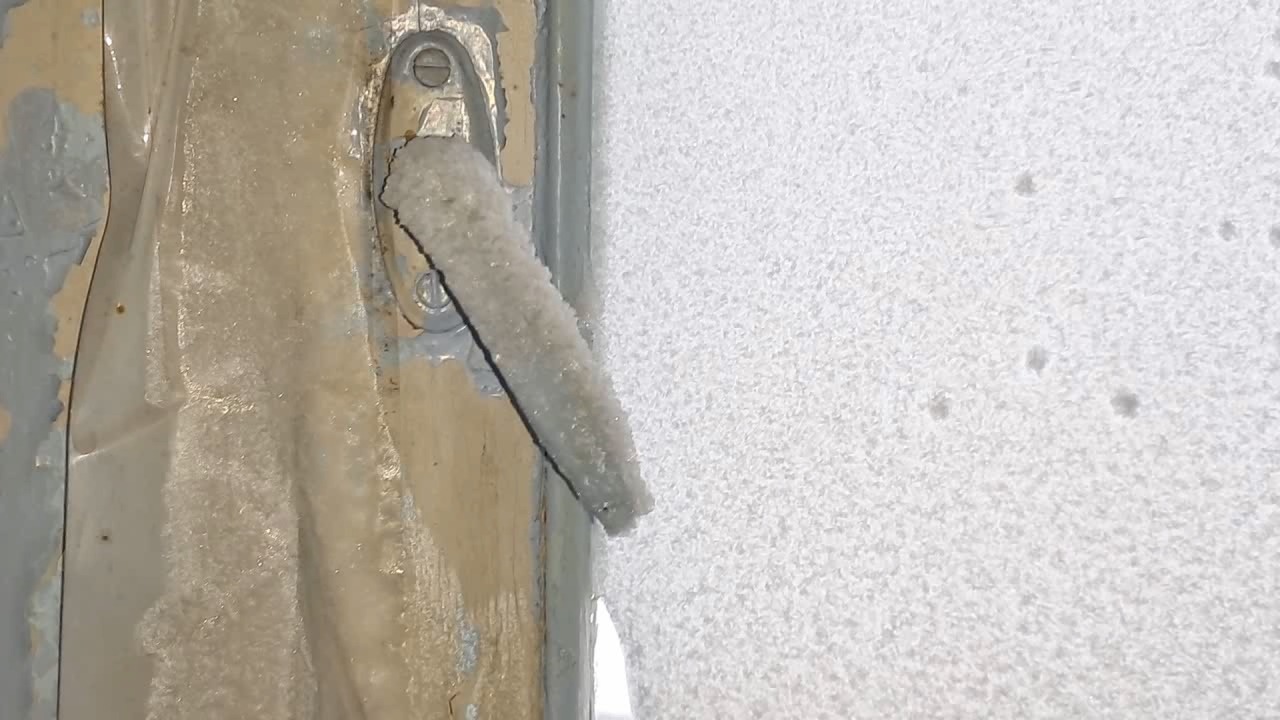
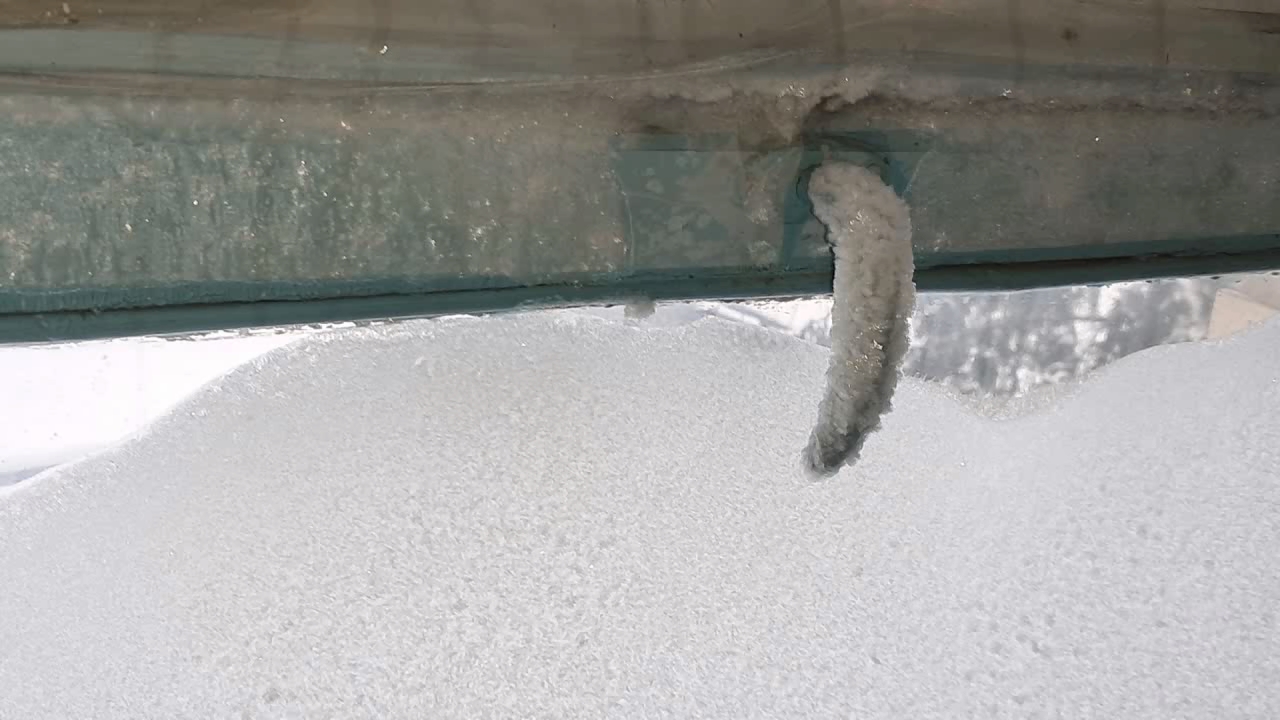
The only bottle that had frozen on its own before I began my first experiments with supercooled water |
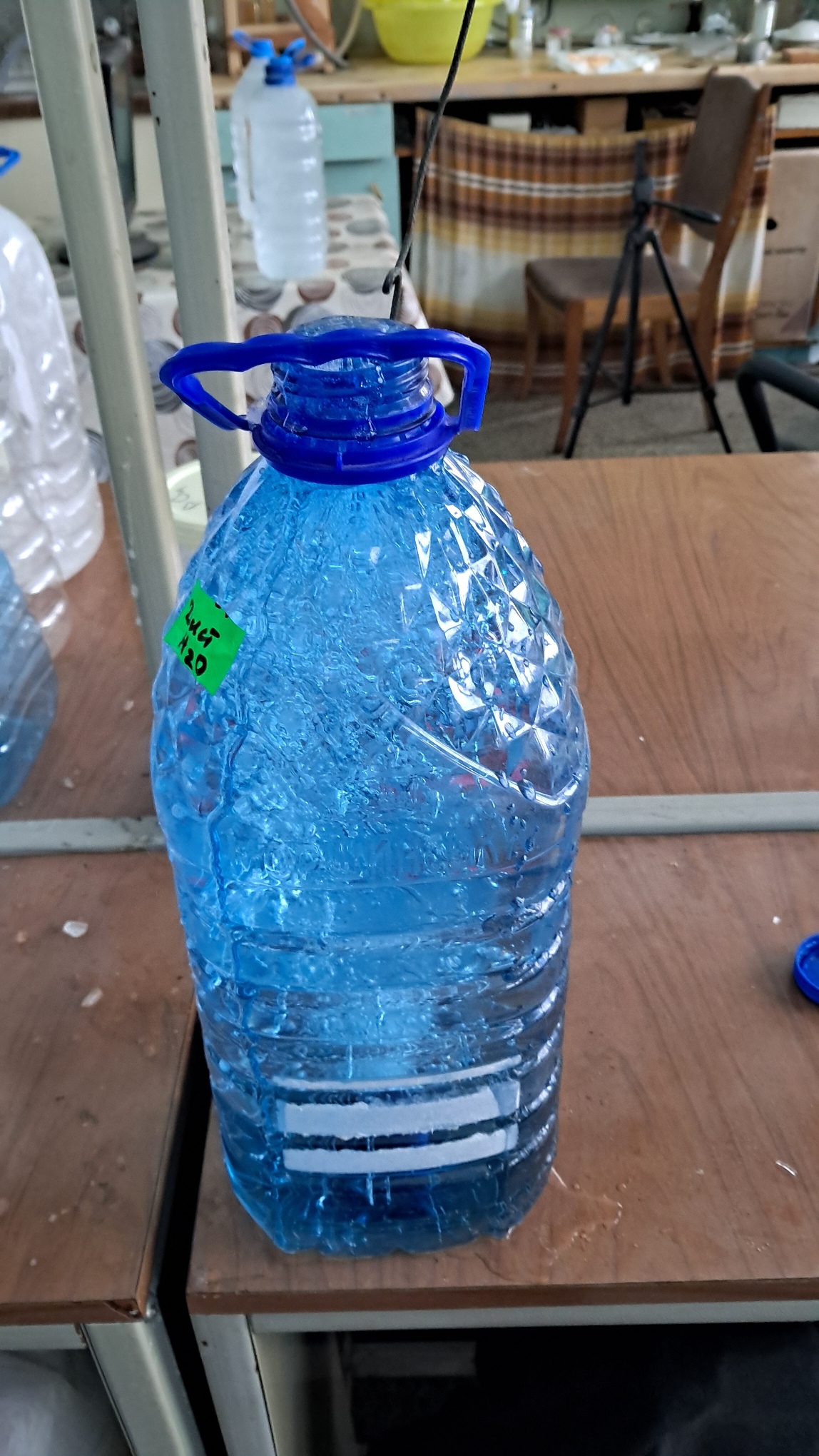
|
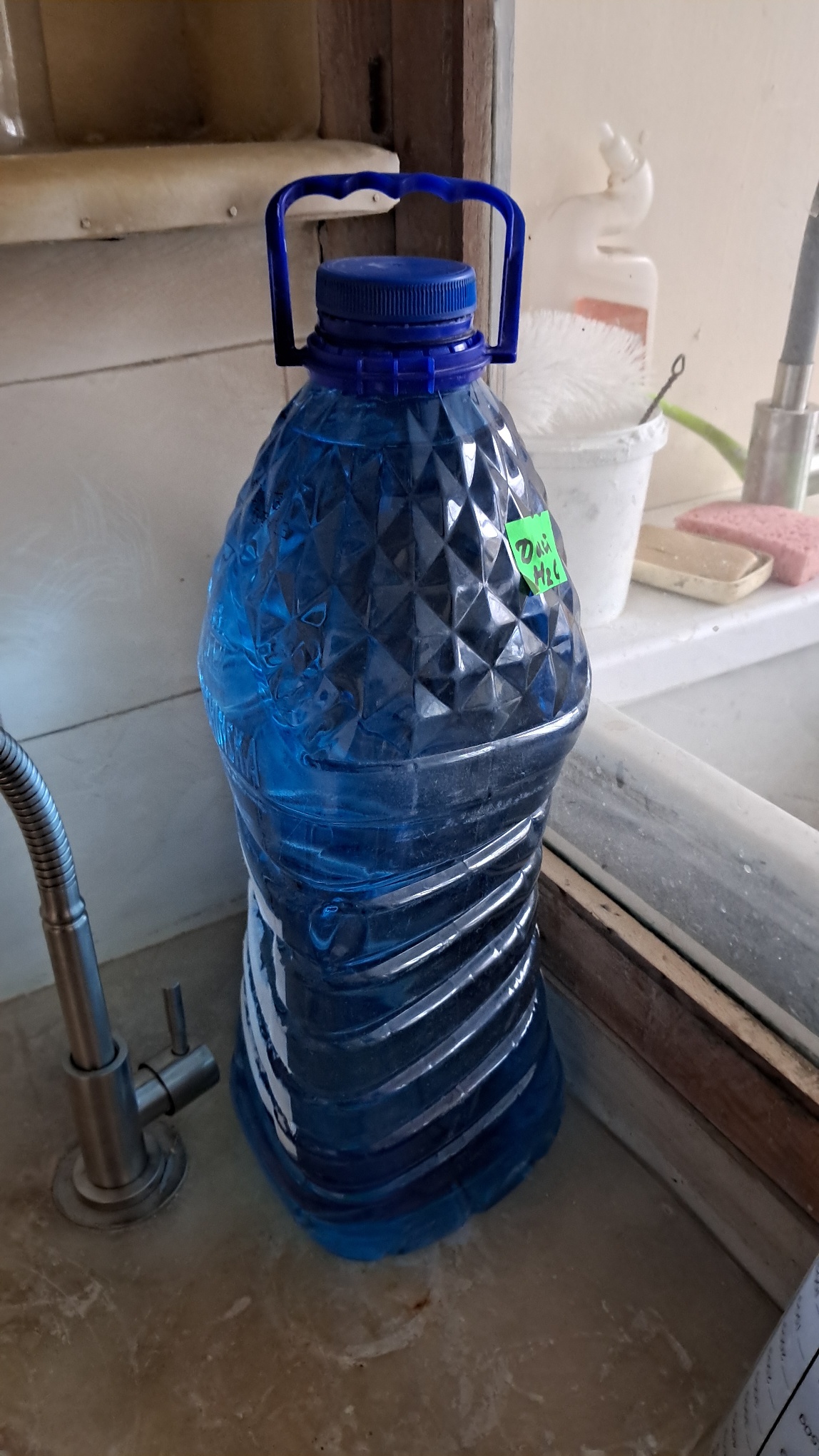
After melting |
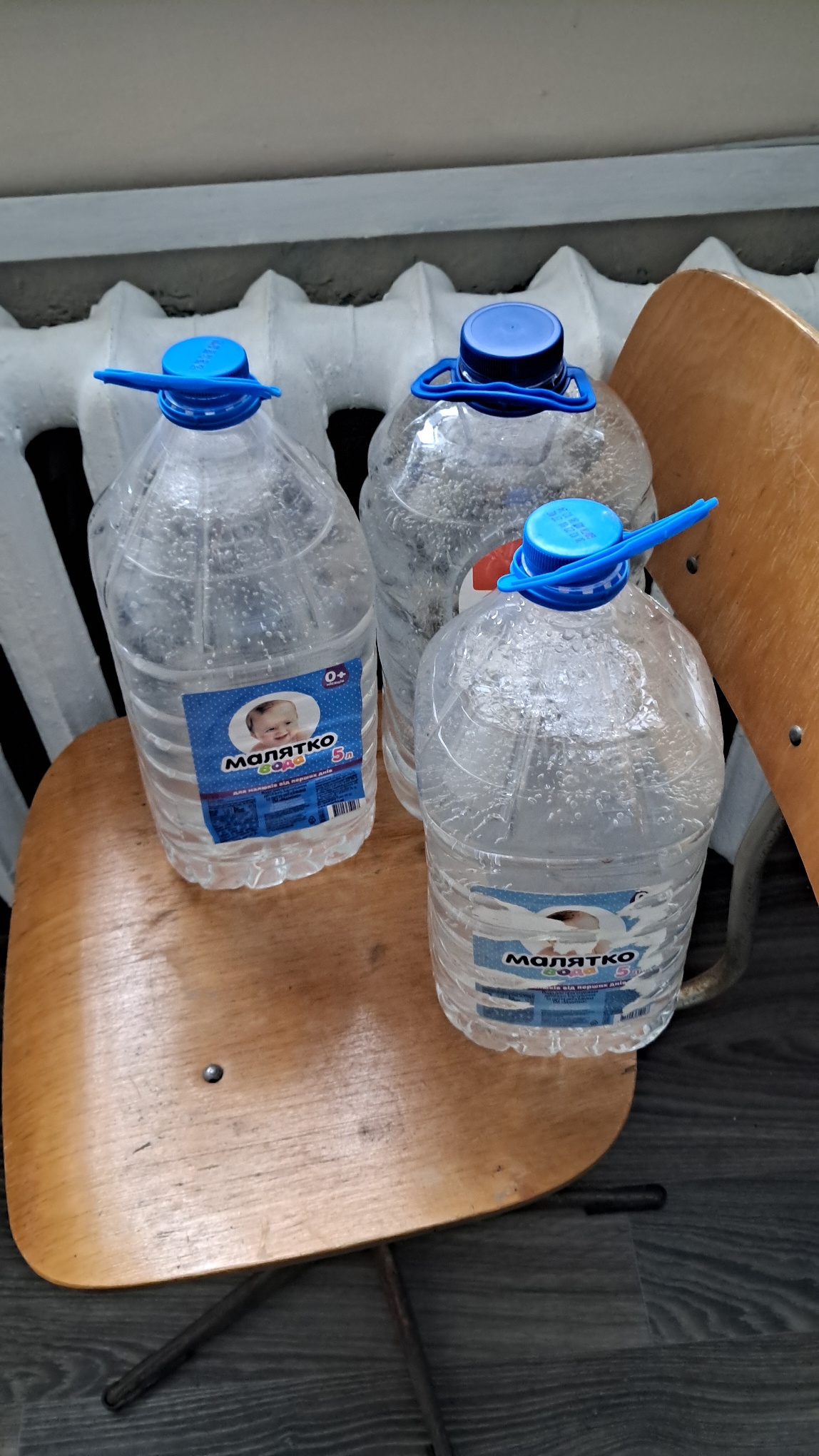
|
|
Having noticed a mistake in the text, allocate it and press Ctrl-Enter
''Demining'' of Flasks Containing Tritiated Water - Part 8
That day, for the second experiment in a row, I forgot to turn on the camera before initiating the freezing of the supercooled water. I did not yet know whether I would be able to repeat the experiment, so I was very upset. It turned out that the troubles of that day were only beginning.
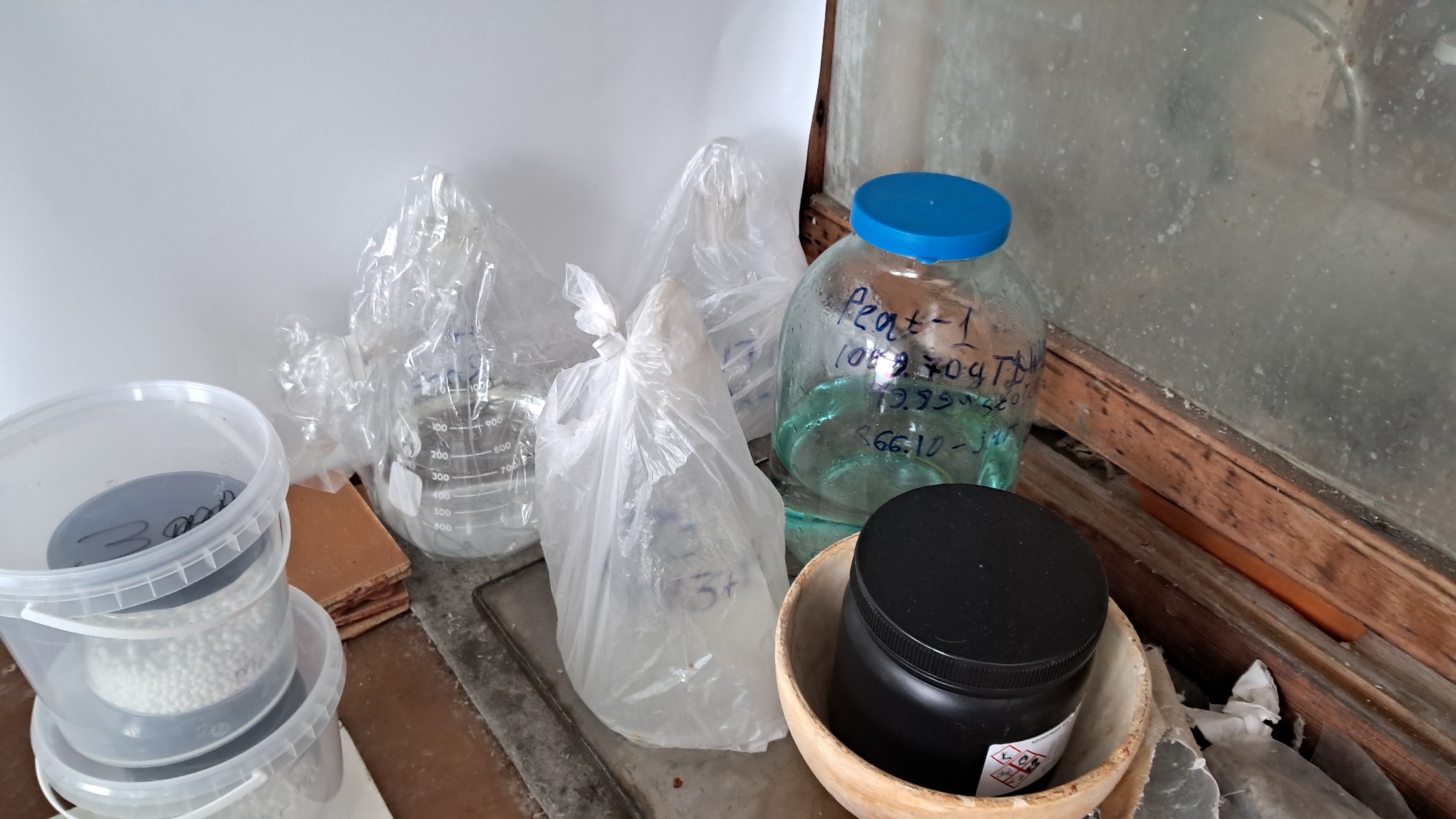
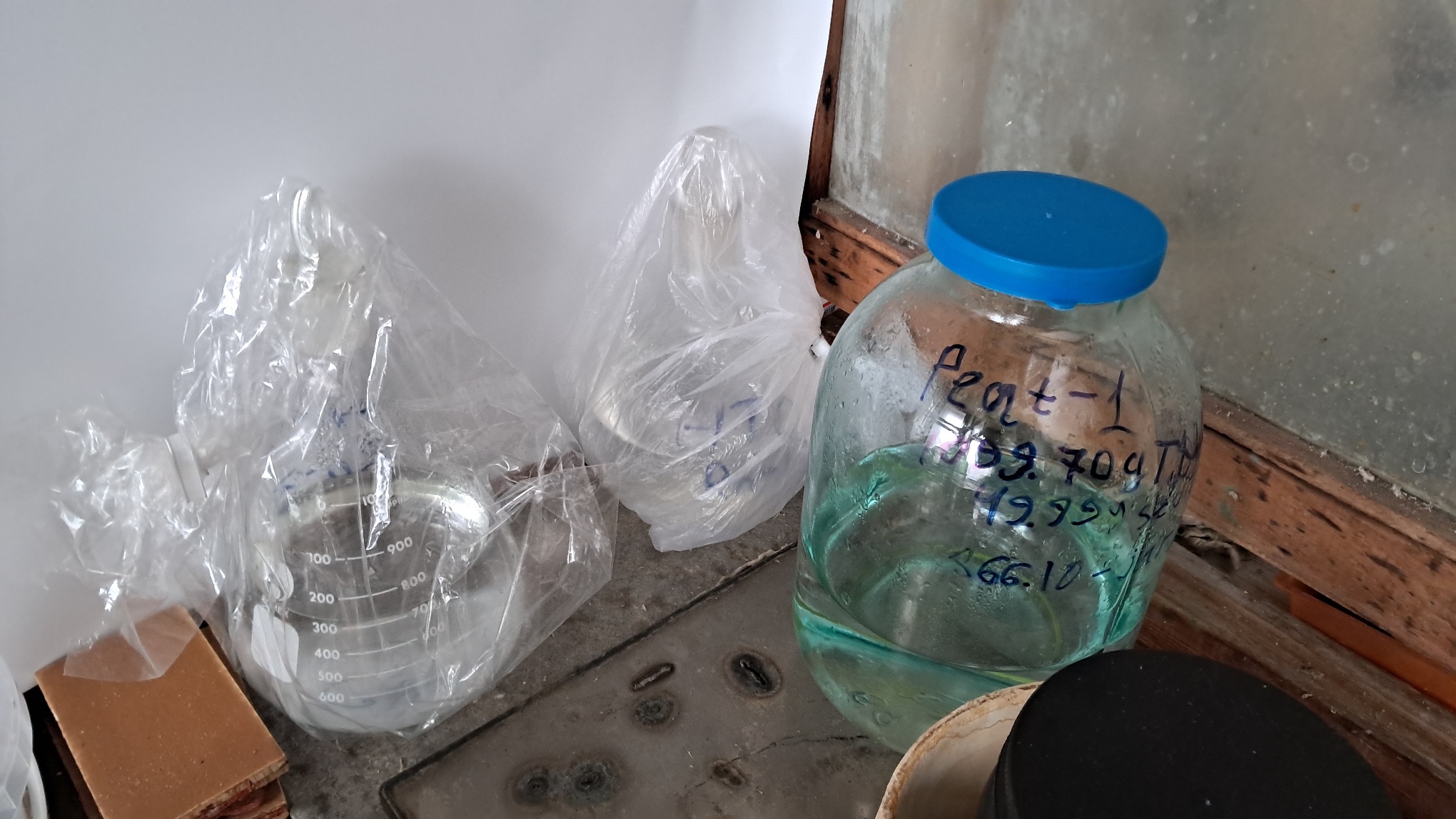
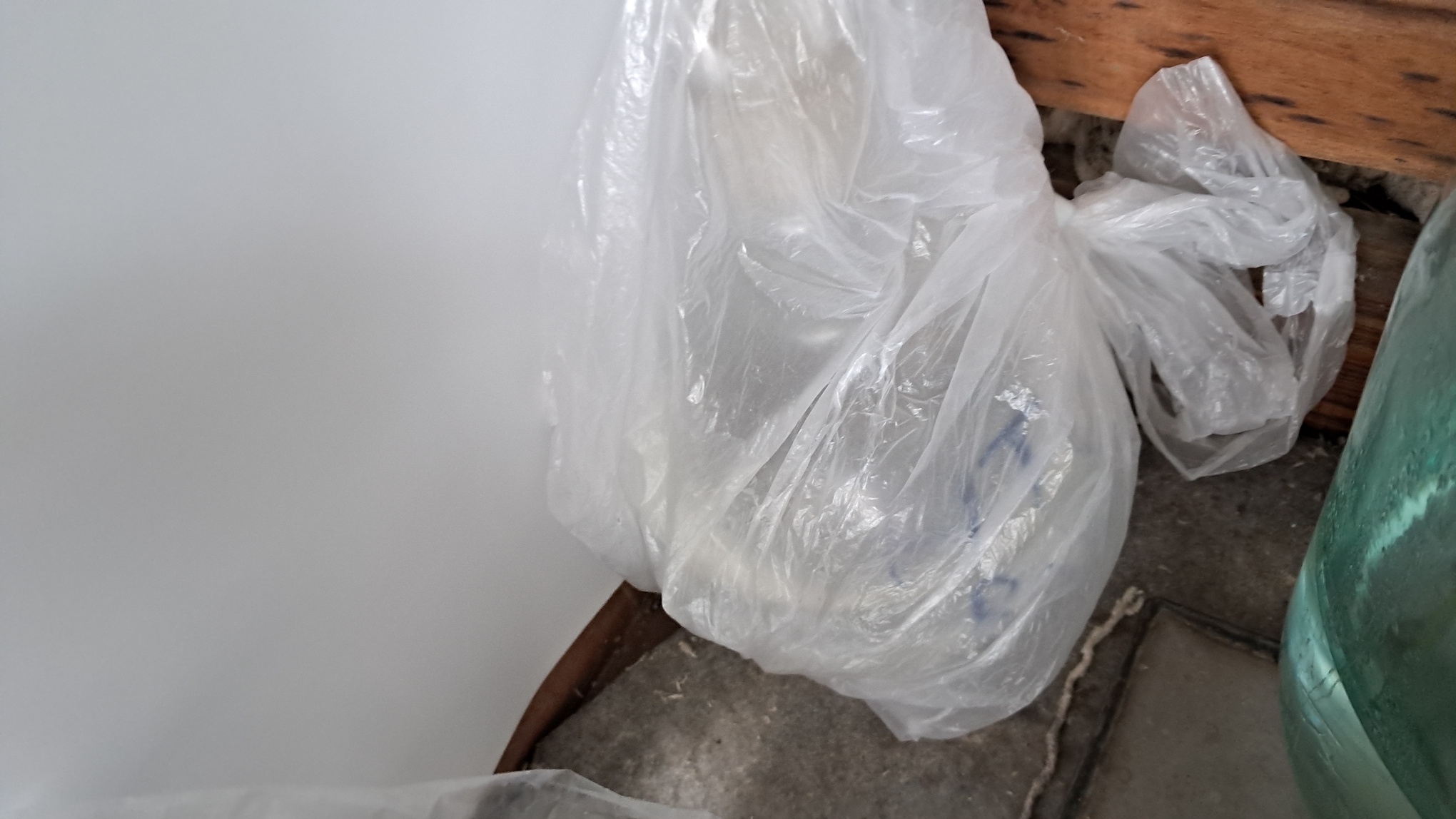
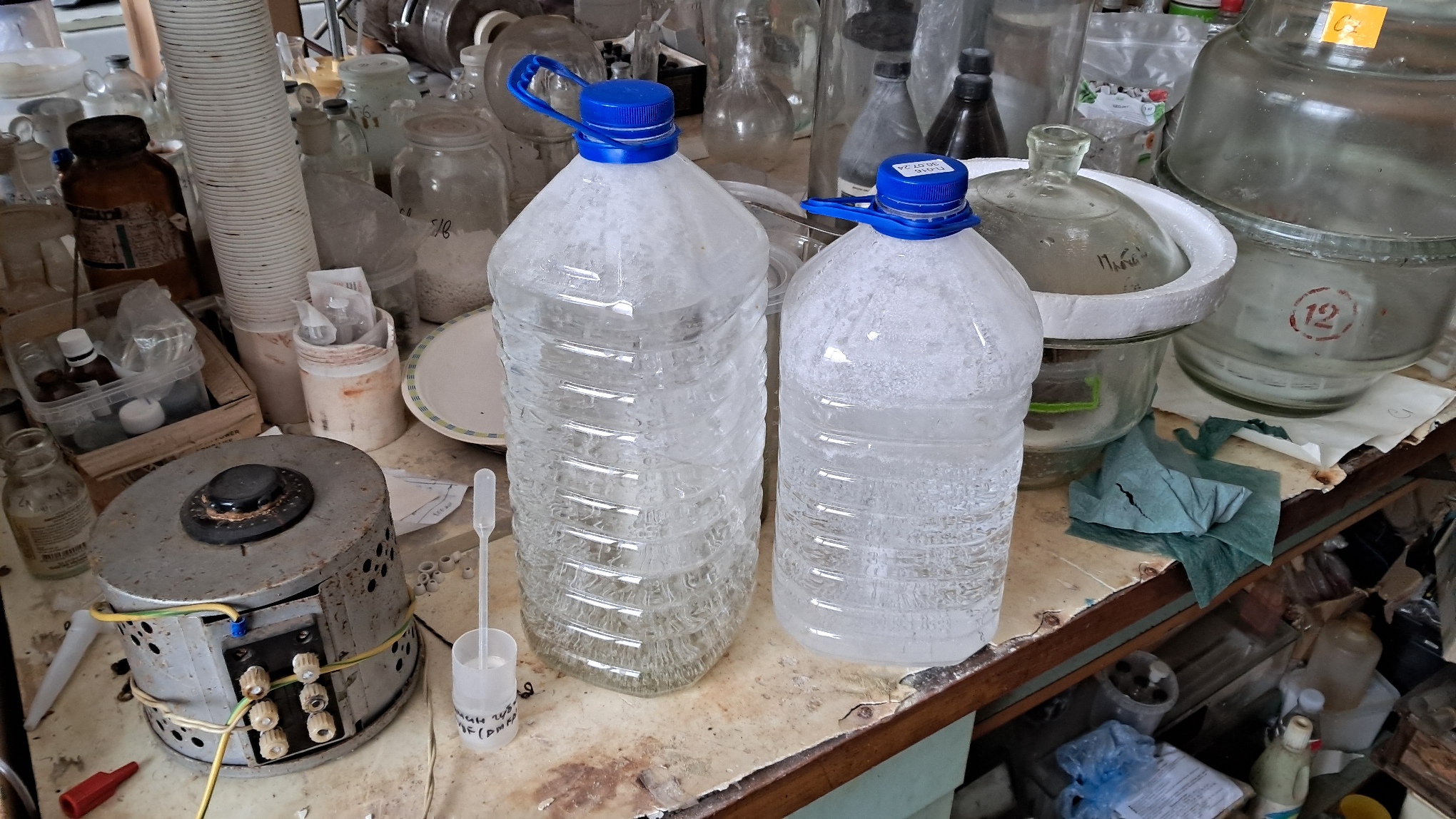
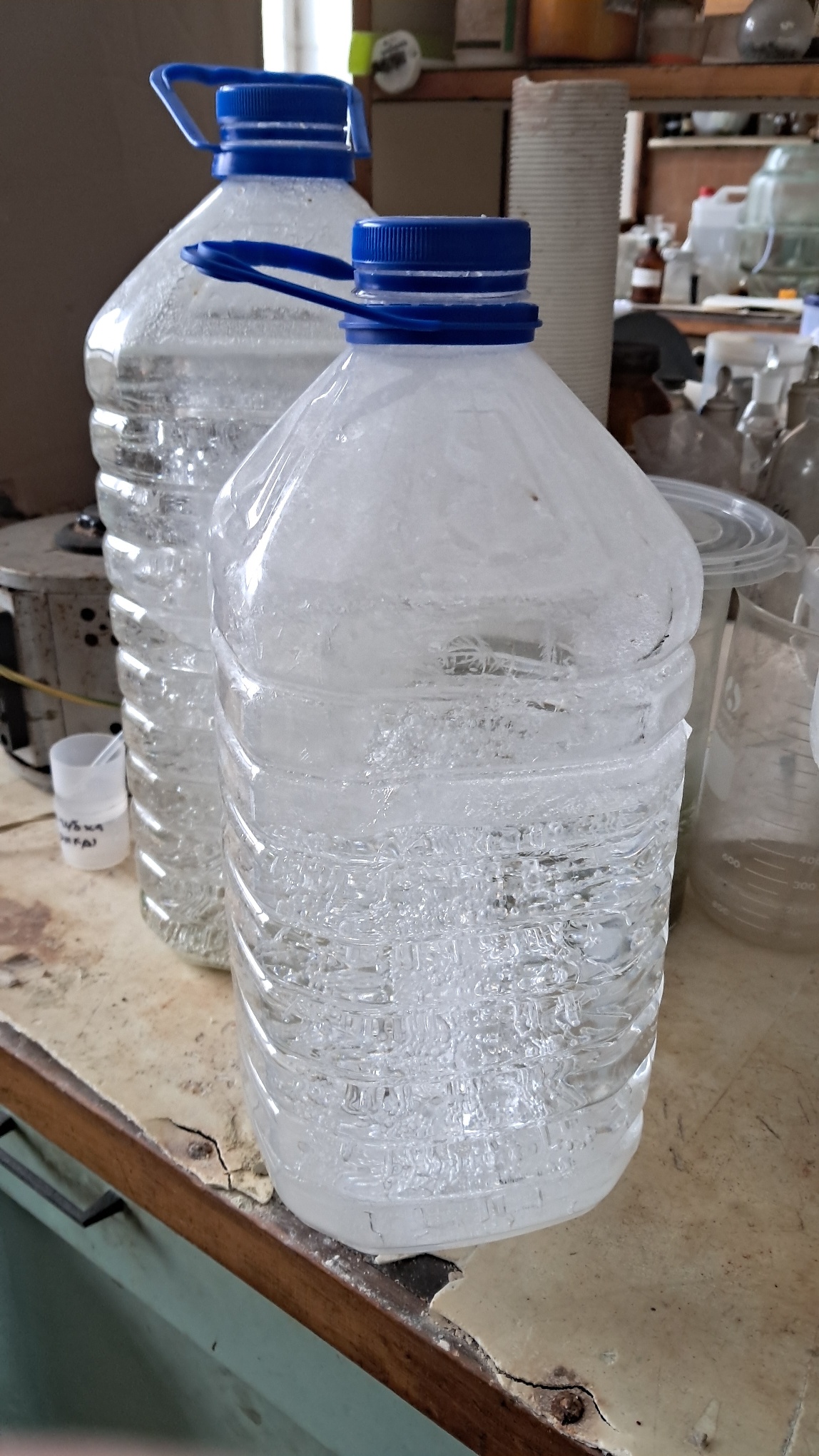
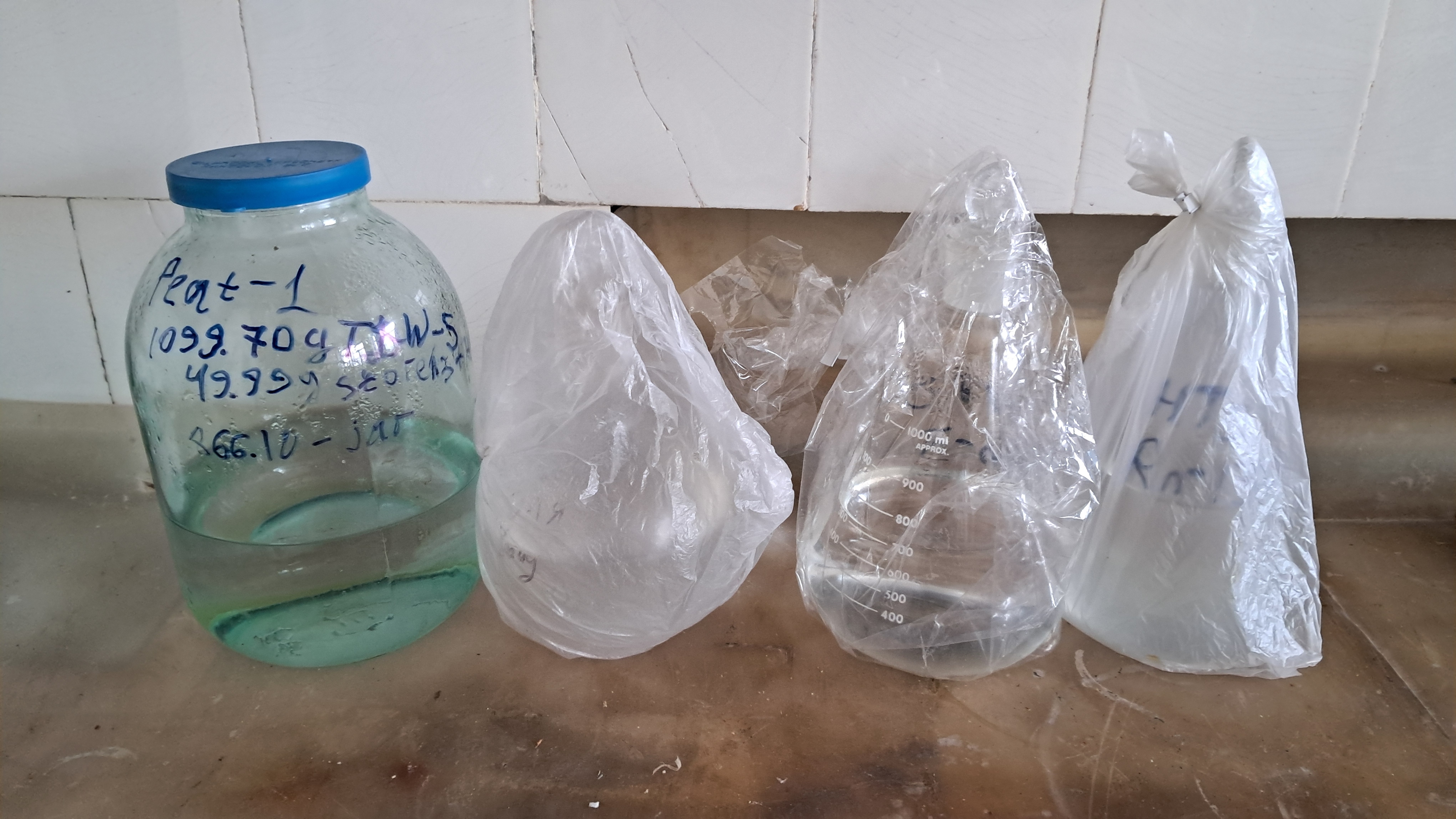
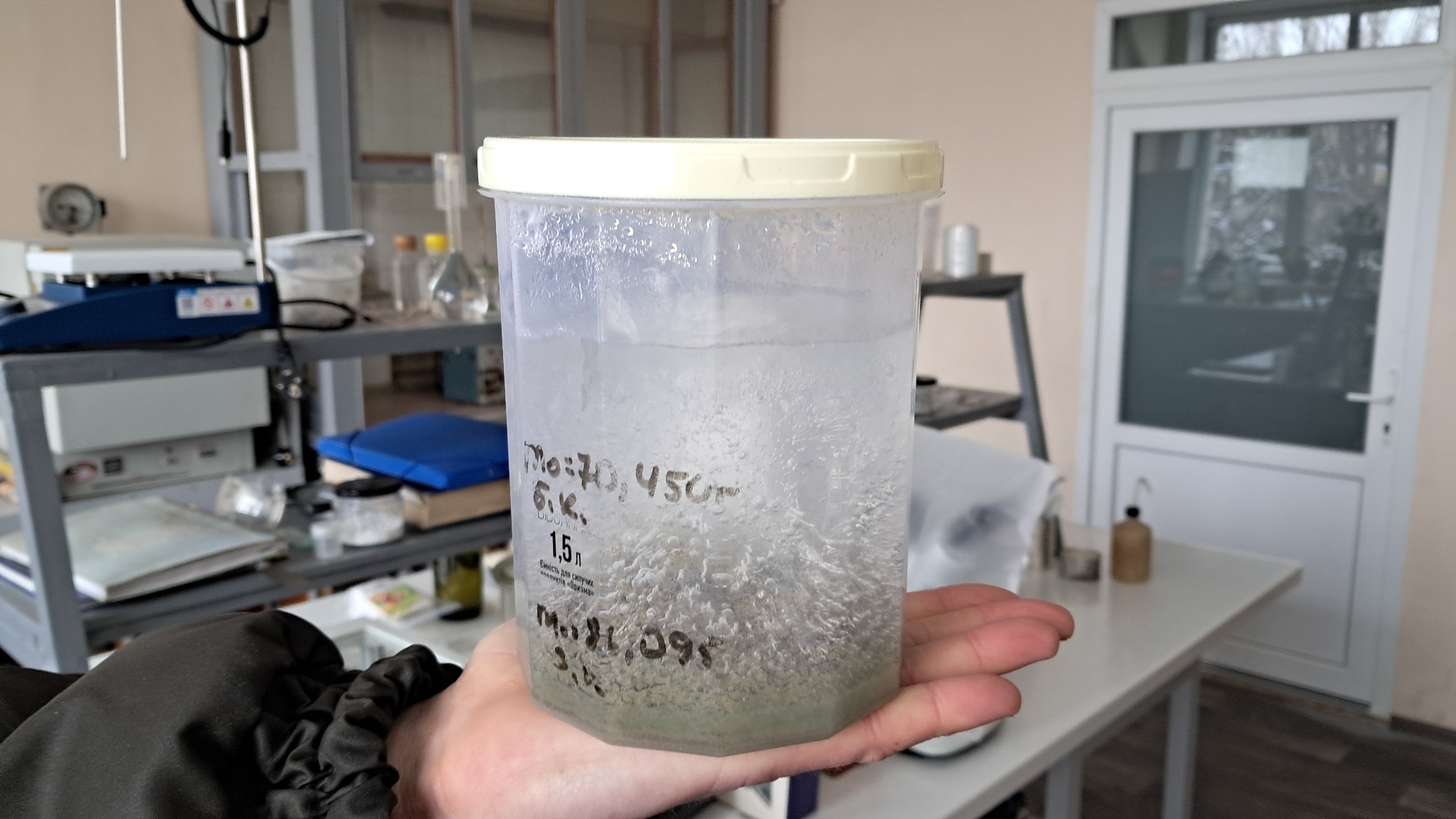
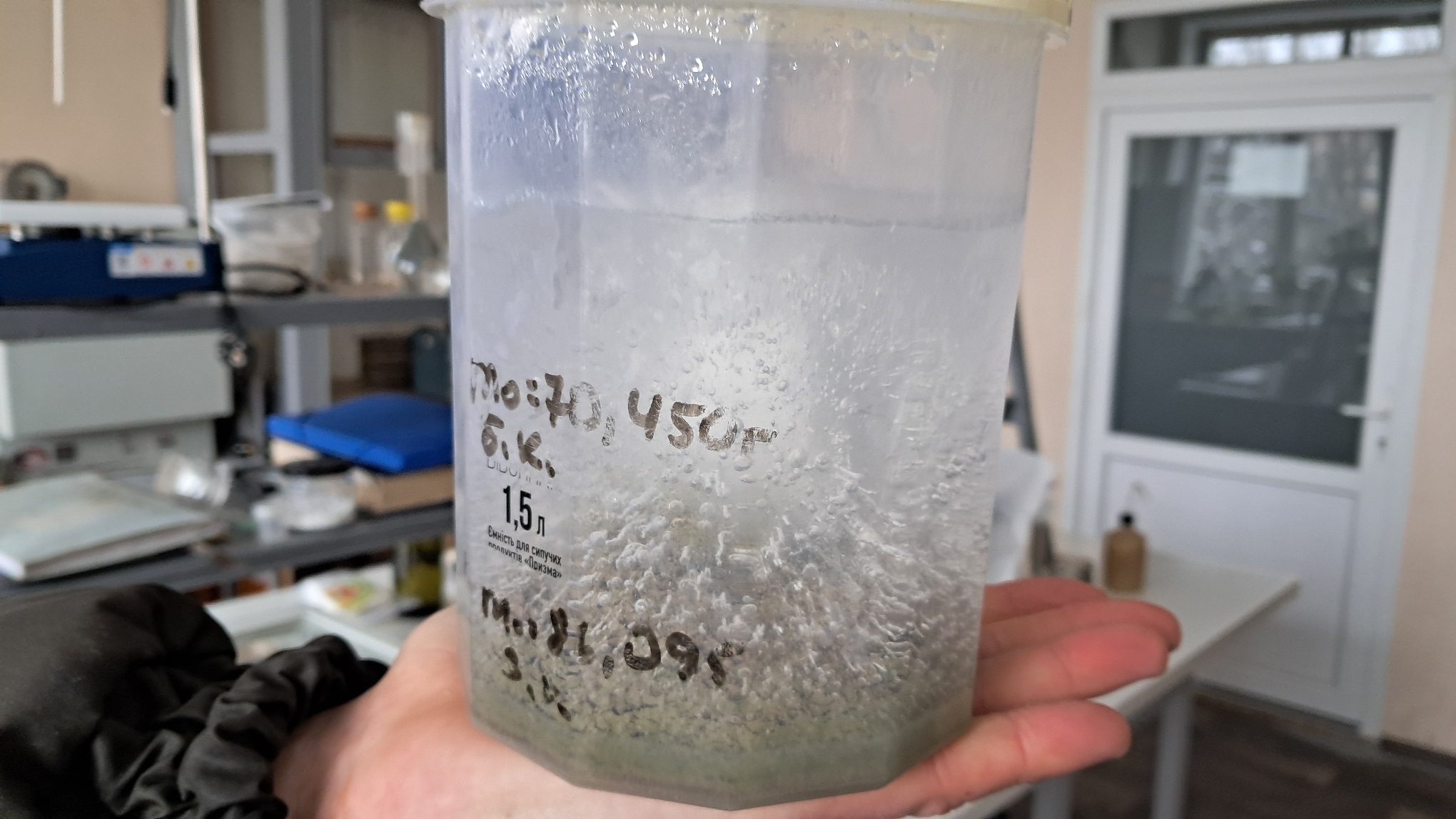
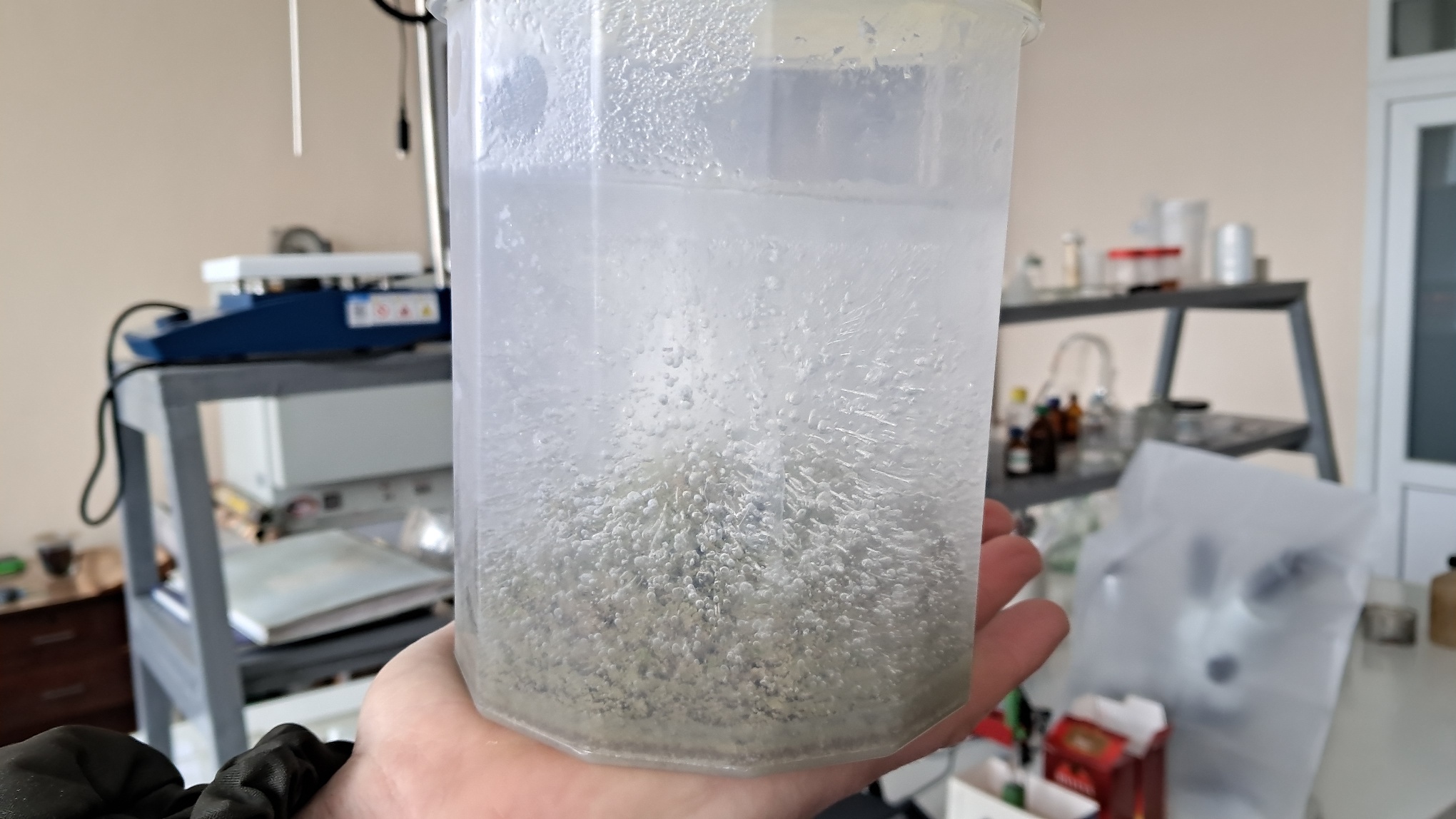
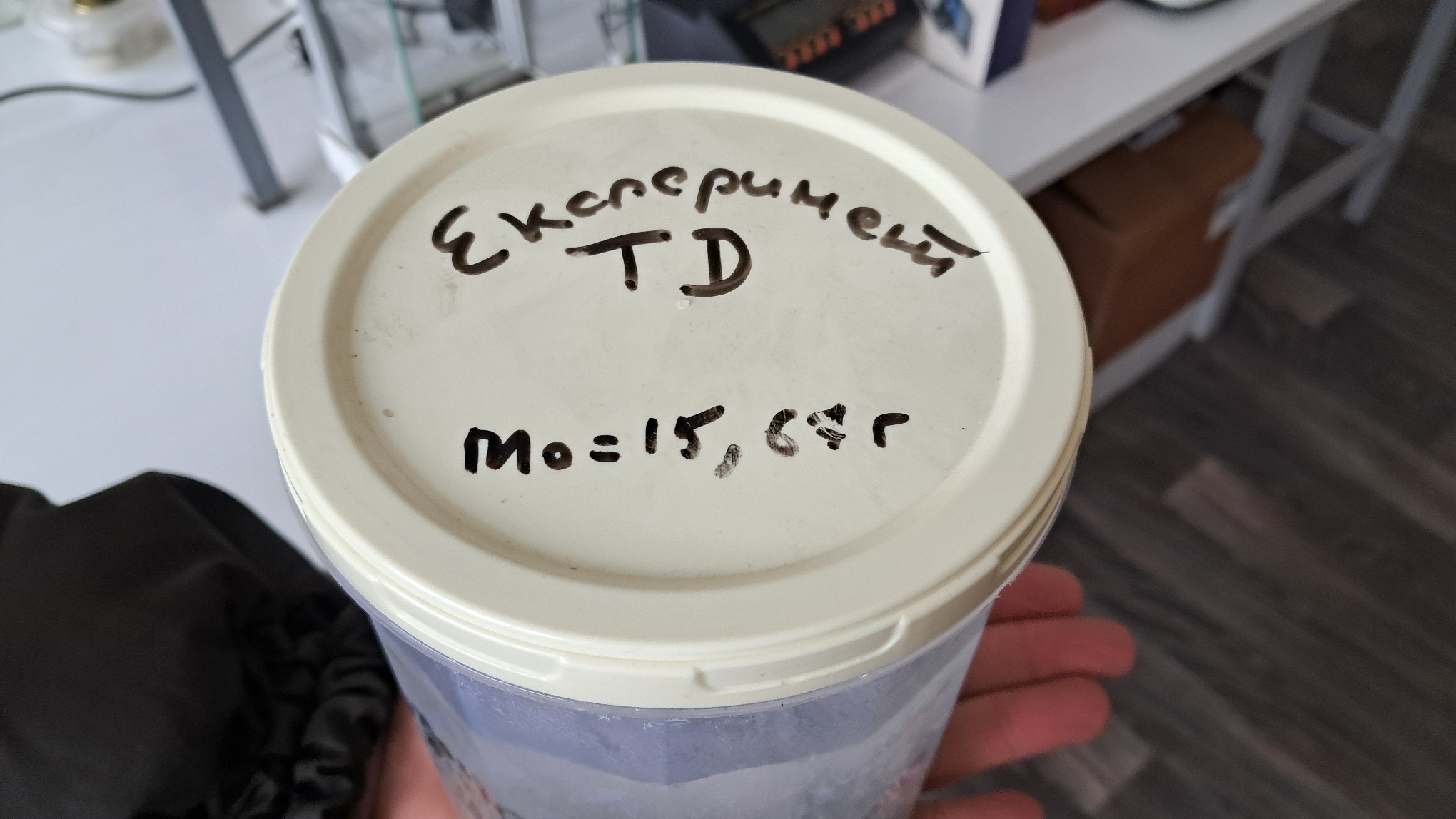
"Разминирование" колб, содержащих тритиевую воду - Часть 8 My colleague suddenly remembered that in his unheated laboratory, in addition to the desiccators containing tritiated water, there were also three flasks of tritiated water and a jar filled with a mixture of deuterated and tritiated water. This was water with a higher tritium content, which I had distilled the previous summer. The flasks and the jar were made of glass. If the water inside these vessels froze, they would certainly crack. And inside them was tritiated water. Several more hours passed before my colleague finally decided to go to the laboratory and check. When he returned, he assured me that everything was fine and that we had worried for nothing - the water remained liquid. Having recently worked with supercooled water, I immediately realized how wrong my colleague was. We had a serious problem. The water had been in a room with subzero temperatures for an extended period and had remained liquid; therefore, it had become supercooled. Such water can freeze at any moment, even without any apparent cause. I explained the danger to my colleague. The flasks would crack when the tritiated water froze. We would lose the water needed for the experiments and contaminate the laboratory with radioactivity. I insisted that the vessels be moved urgently to a heated laboratory. My colleague replied: "I'll move them later… According to the forecast, it should warm up." I had grown accustomed to my colleague's lack of urgency, so I returned to my own work, continuing my experiments with supercooled water. After the weekend, the weather began to warm up - two days later than forecast. However, according to the updated forecast, another cold snap was expected the following day. This prediction later proved correct: the frosts were the most severe in 15 years. I went to see my colleague - he had not yet arrived at work. I went straight to his unheated laboratory to check the condition of the flasks. The temperature inside was -1°C. I headed toward the vessels. My heart immediately sank - there was a white patch beneath one of the flasks. It was ice. The flask had cracked, and tritiated water had leaked out. The other two flasks and the jar still contained liquid water and were intact. I decided to immediately take the two remaining flasks and the jar to my laboratory and then deal with the consequences of the accident - the cracked flask. However, there was a "small" problem: the water in the vessels was supercooled. During my recent experiments, when I shook bottles containing supercooled water, the water froze instantly. Those bottles were plastic and did not shatter when the water solidified. Now I had two glass flasks and a glass jar filled with supercooled tritiated water in front of me. If I picked up any of them, the disturbance could trigger immediate freezing. The glass container might crack in my hands. The situation resembled clearing a room of mines or defusing unexploded ordnance (UXO), where one careless movement can cause disaster. Ten years ago, I served as a sapper during the war, but in some ways things were simpler then. There was a standard operating procedure, developed over generations, for handling mines and other munitions. With the flasks of water, however, the situation was unusual. I had to think carefully. A flask is not a mine. Skin contact with the water would not be immediately fatal. External exposure to tritium is relatively harmless, since its beta particles have very low energy. On the other hand, tritium can readily enter the body, for example, through the skin or lungs. Internal exposure to beta radiation is far more dangerous. Moreover, tritium replaces ordinary hydrogen in biological molecules, including DNA. When a tritium atom decays, it becomes helium-3, and the affected molecule turns into a free radical. Therefore, it was best to prevent any leakage of tritiated water. While considering what to do, I examined the flasks more closely and discovered that the third flask was also intact. The water inside remained liquid. From a distance, I had mistaken the plastic bag covering the flask for a puddle of frozen water. Incidentally, bomb disposal specialists also carefully inspect suspicious objects before determining what they are dealing with and deciding on a disposal strategy. I decided to carefully lift each flask and place it into a large bucket, then carry it to a heated laboratory. Even if the water began to freeze, I would likely have enough time to place the vessel in the bucket before the glass cracked. I picked up the first flask, carefully placed it into the bucket, and carried it to my laboratory. The water remained liquid. I then repeated this procedure three more times, transferring the other two flasks and the jar. In all cases, the water remained liquid. A few hours later, my colleague came to see me. I asked him to look inside the fume hood, where the vessels containing tritiated water were now stored, and asked whether he noticed anything unusual. He looked but did not understand what I meant. Only after about a minute did he recognize his flasks and jar. A couple of days later, he brought a plastic beaker that had also been stored in his cold laboratory - a remnant of a summer experiment. Inside was a completely frozen mixture of tritiated and deuterated water, with clay at the bottom. Fortunately, the beaker was plastic and had not cracked when the contents froze. Later, I conducted several additional experiments with supercooled distilled (protium) water and realized an important detail. Instant freezing of supercooled water does not necessarily mean complete solidification. When the liquid begins to crystallize, latent heat of fusion is released. This raises the temperature of the water to 0°C, eliminating the supercooled state and dramatically slowing further freezing. Supercooled water typically does not transform immediately into solid monolithic ice but into a plastic "ice slush." This slush gradually converts into solid ice if the vessel remains in a cold environment. If a flask containing such "ice slush" is immediately transferred to a warm room, the glass walls will most likely remain intact. In other words, my fear that the flasks would burst in my hands was exaggerated. Even if freezing had been triggered, it would not have resulted in the immediate formation of solid ice capable of destroying the vessels. |
''Demining'' of Flasks Containing Tritiated Water |
|
|
|
|
|
|
|
|
|
|
