Content Chemistry experiments - video Physics experiments - video Home Page - Chemistry and Chemists

Chemistry and Chemists № 1 2026

Journal of Chemists-Enthusiasts
Donate to the journal Chemistry and ChemistsDonate to the journal Chemistry and Chemists


Freezing of Supercooled Water - pt.9, 10


Chemist


Having noticed a mistake in the text, allocate it and press Ctrl-Enter


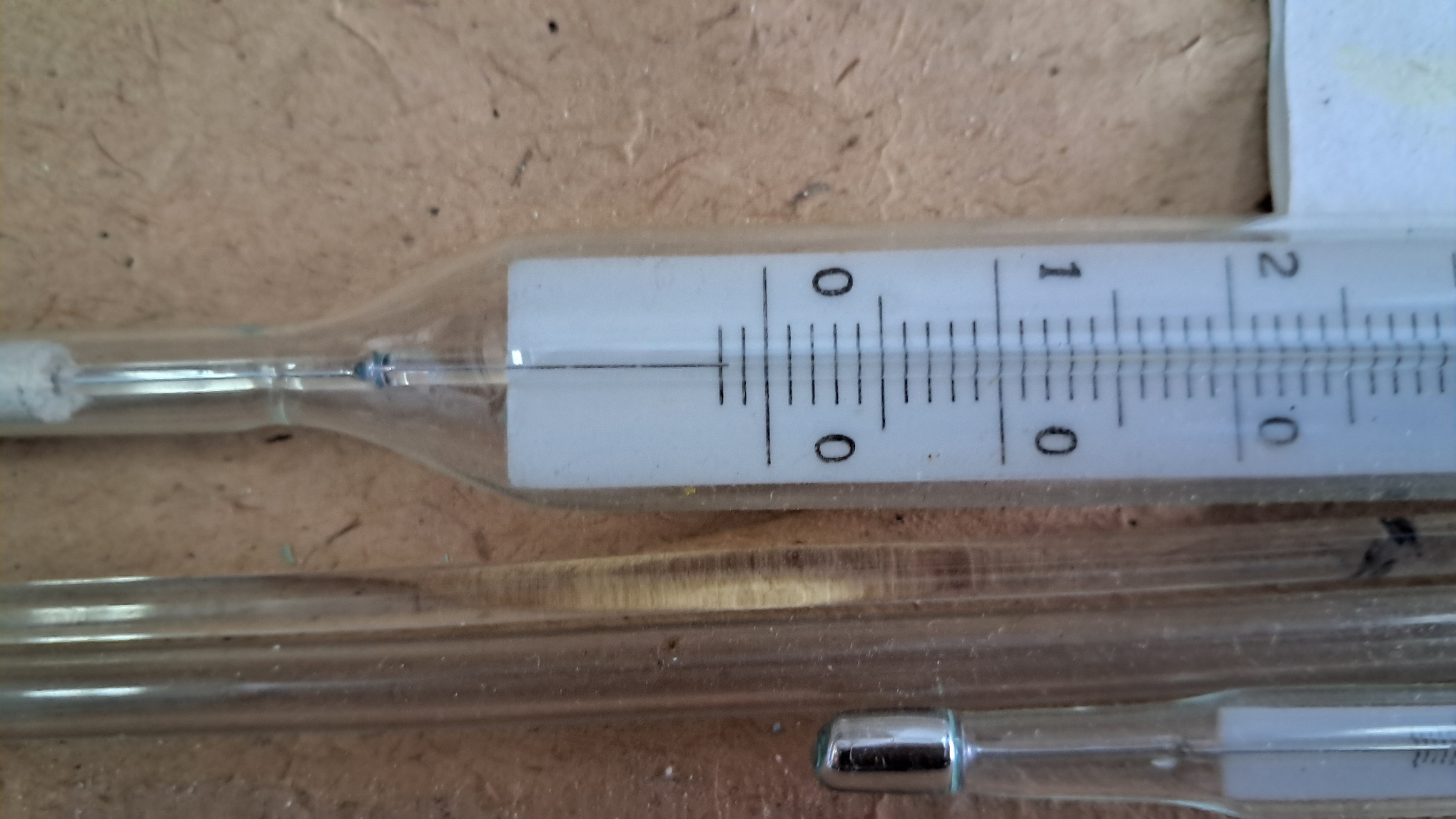
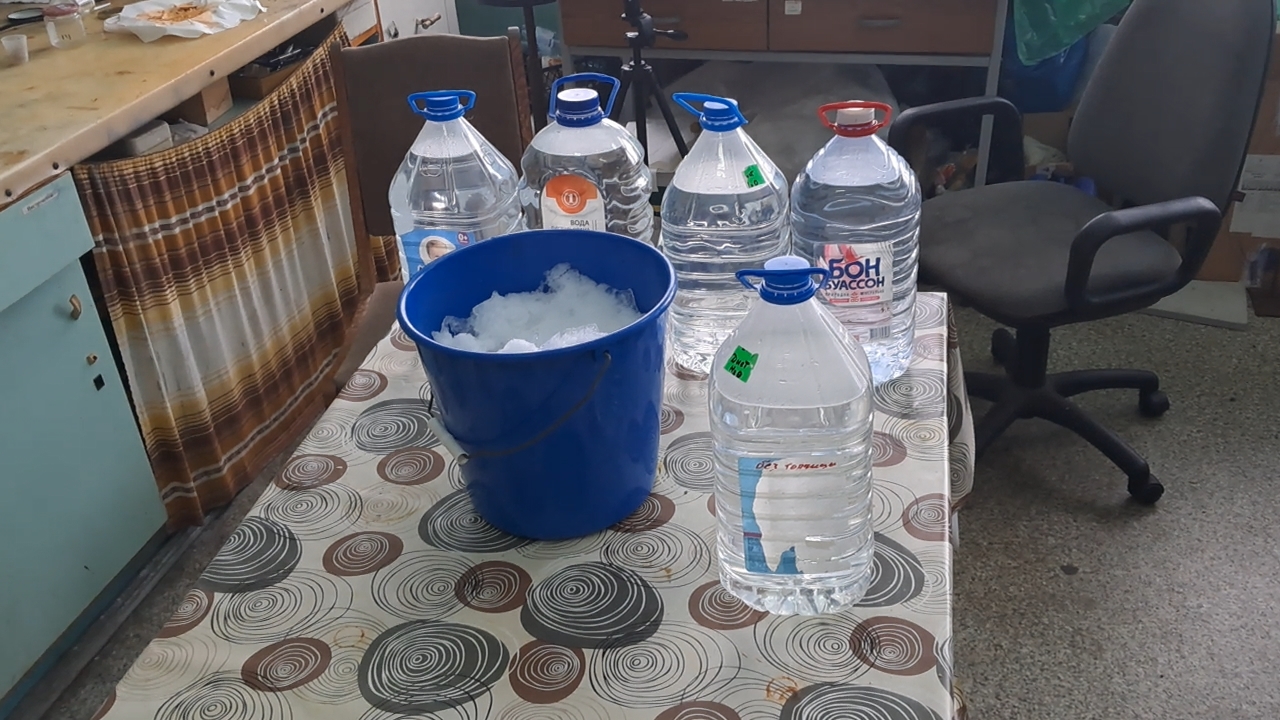
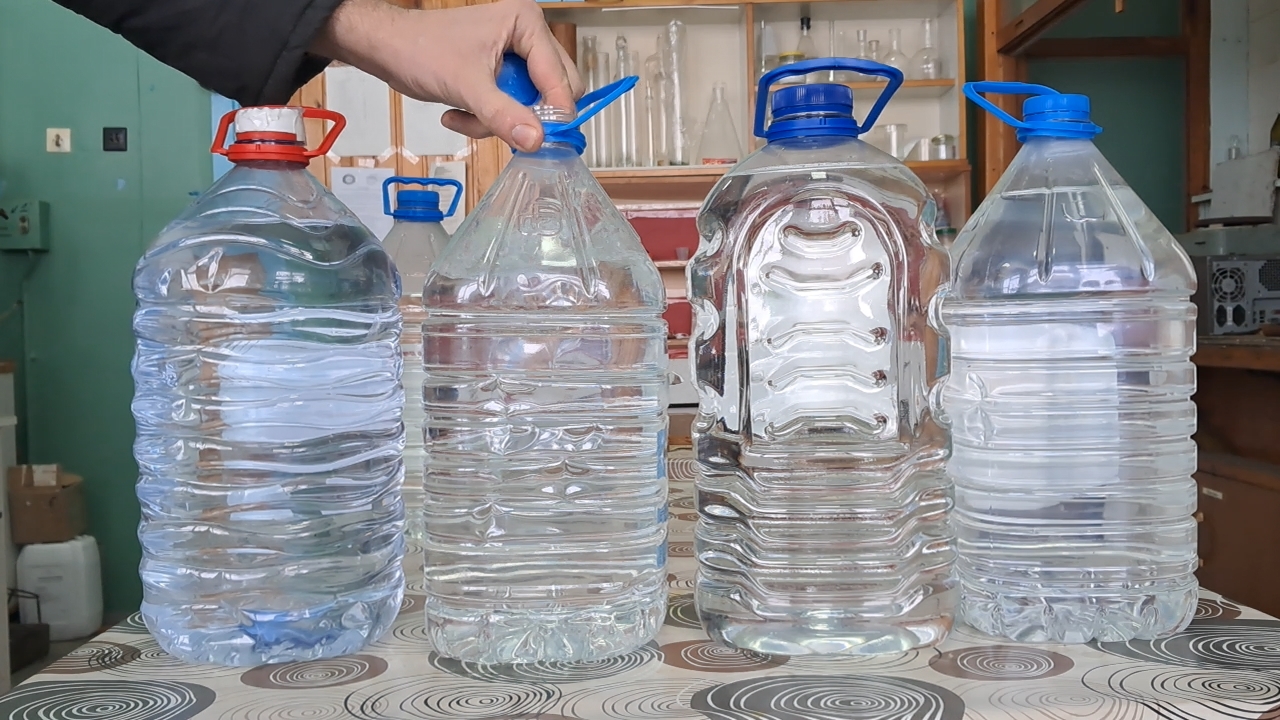
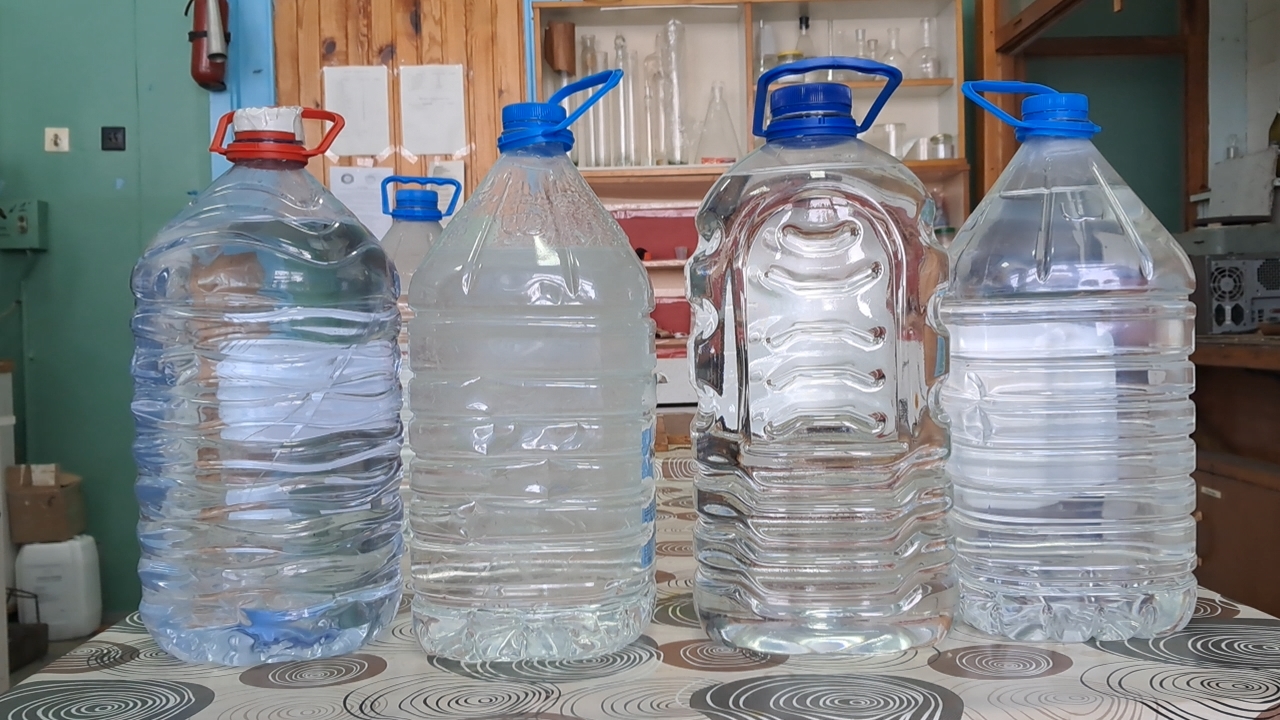
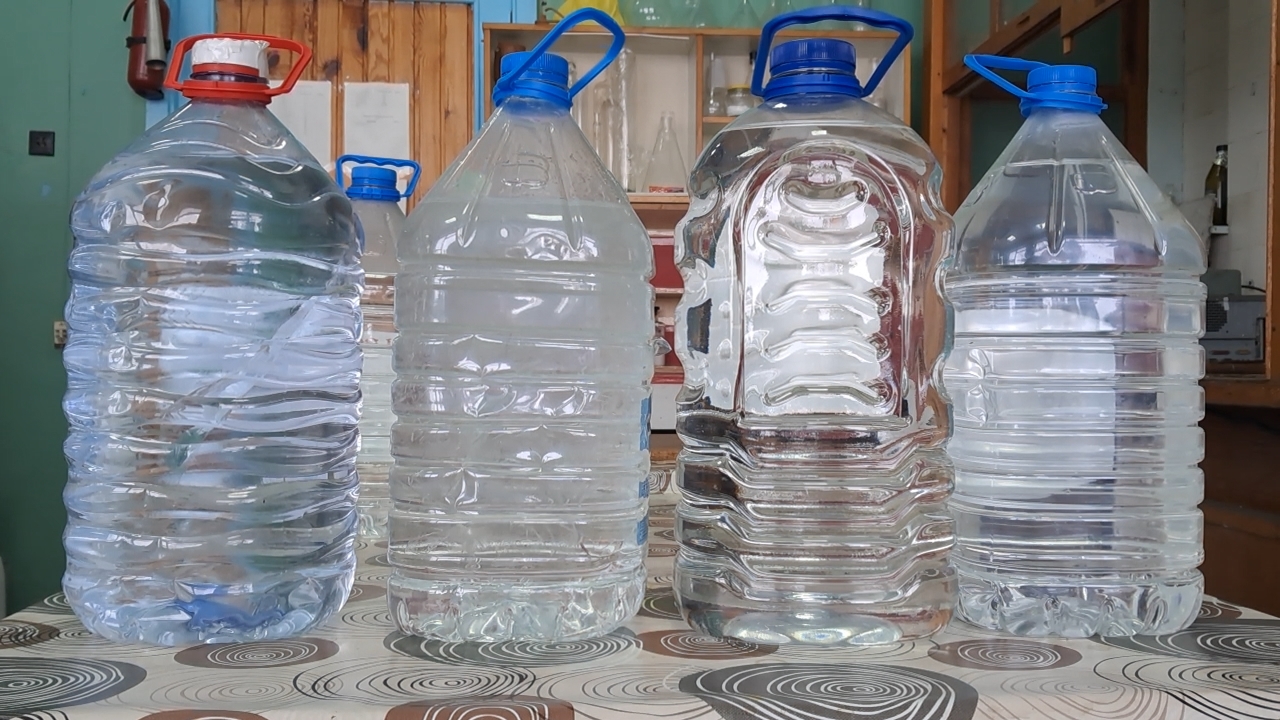
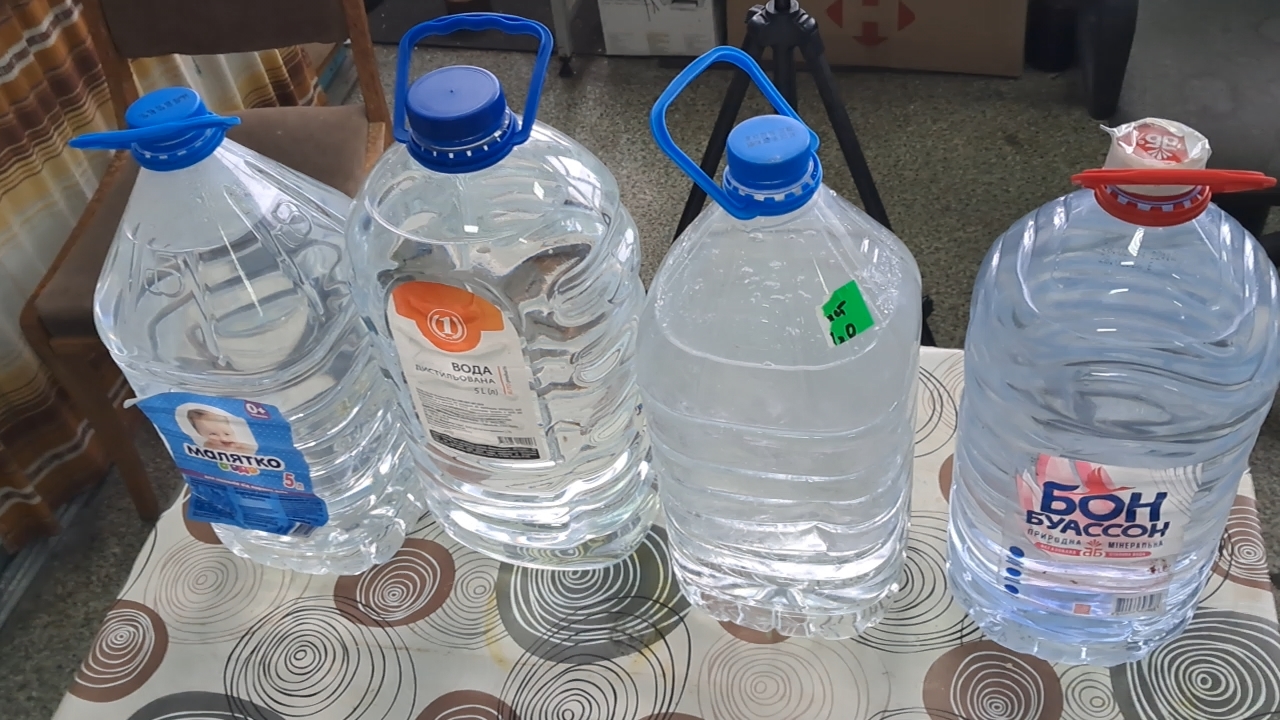
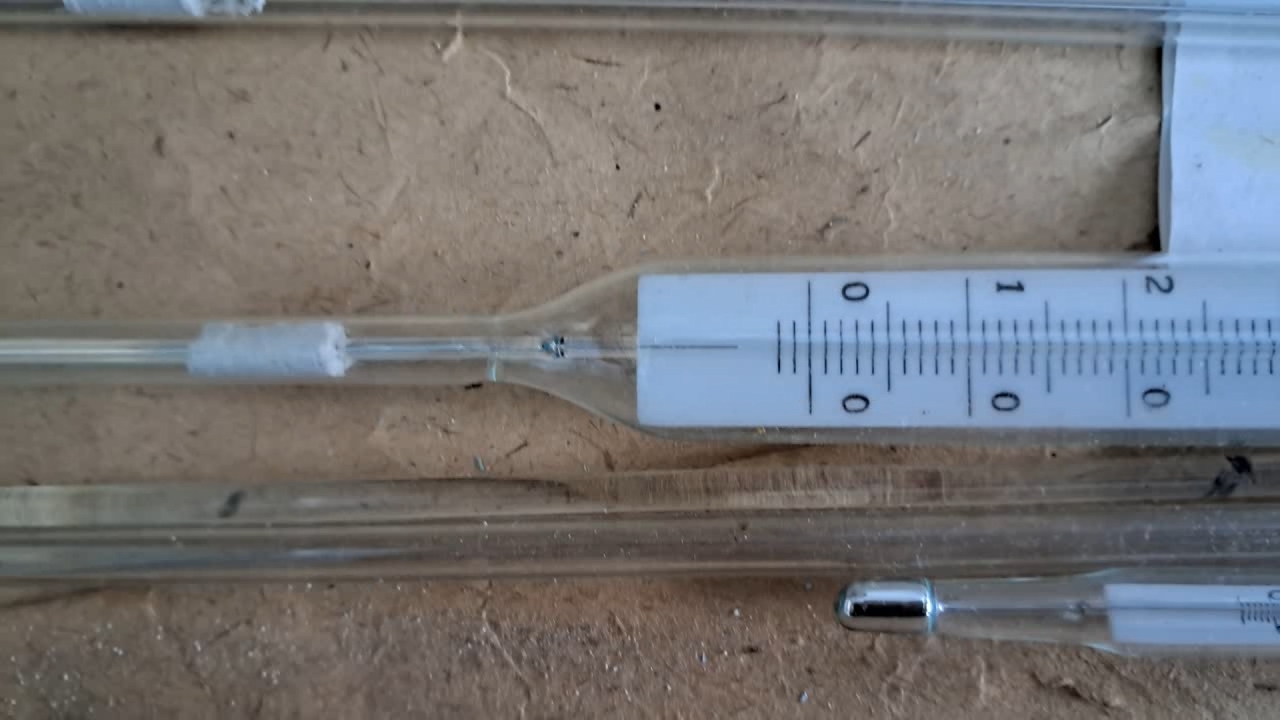
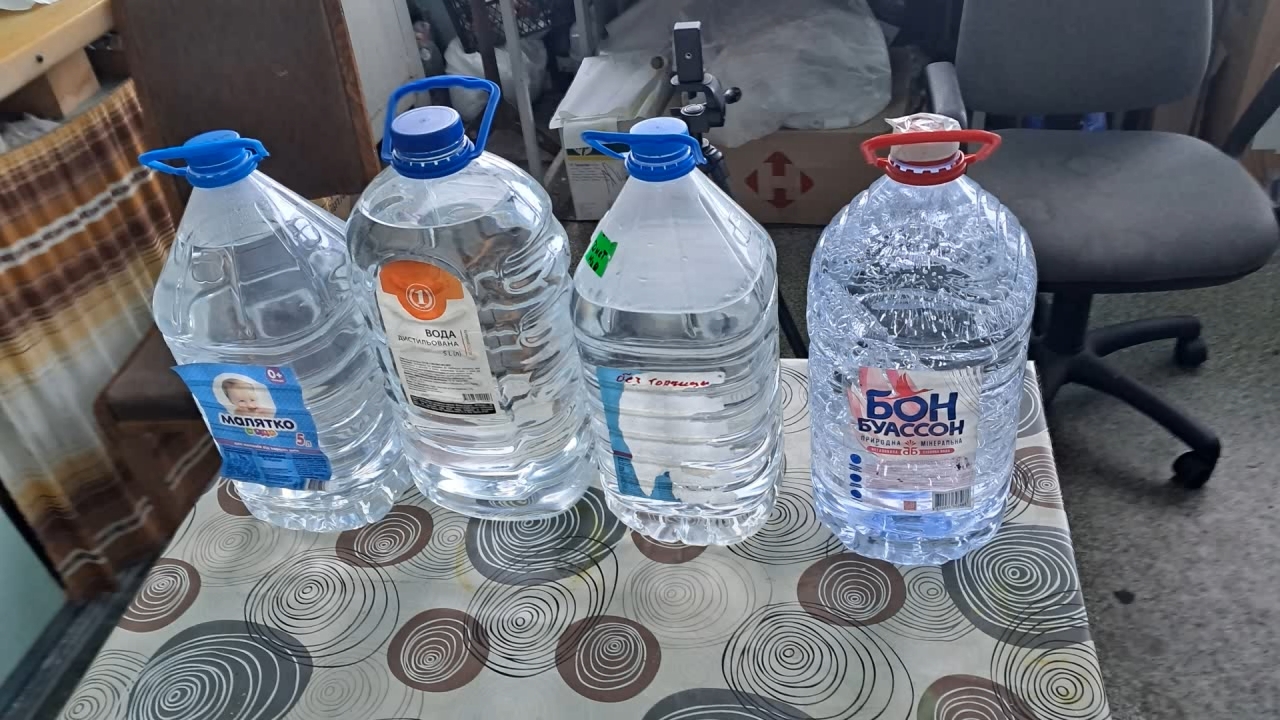
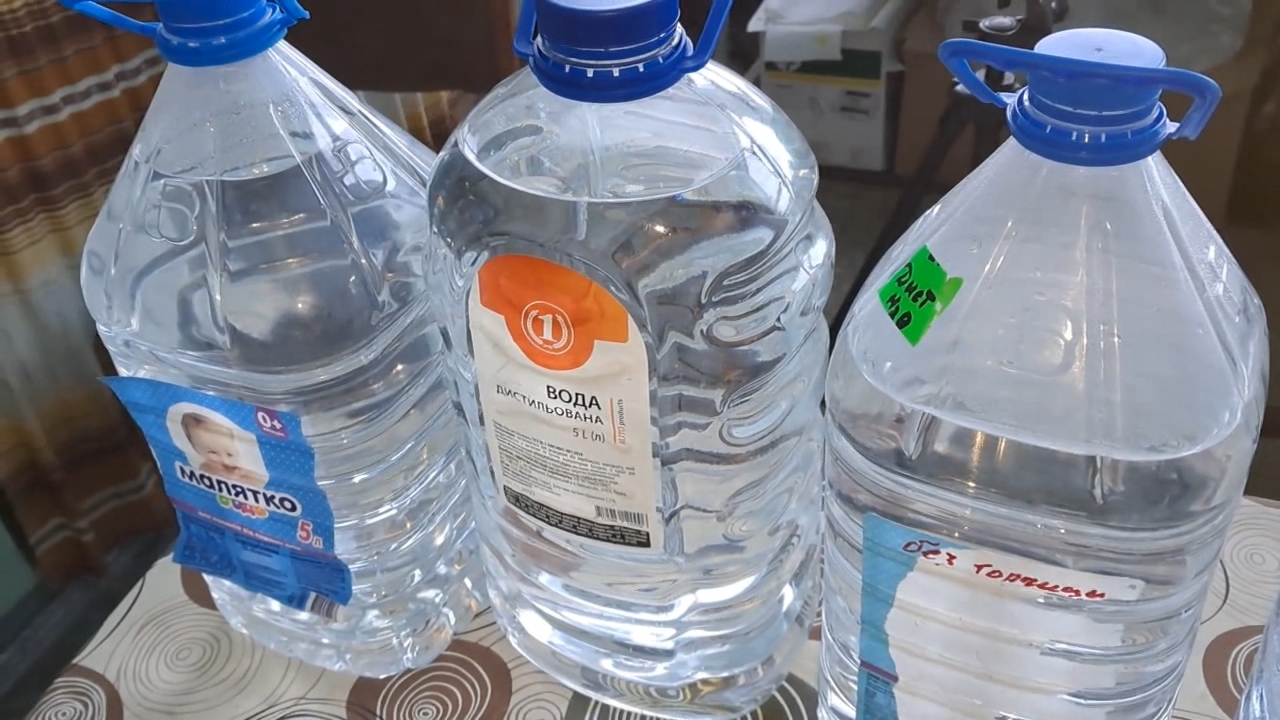
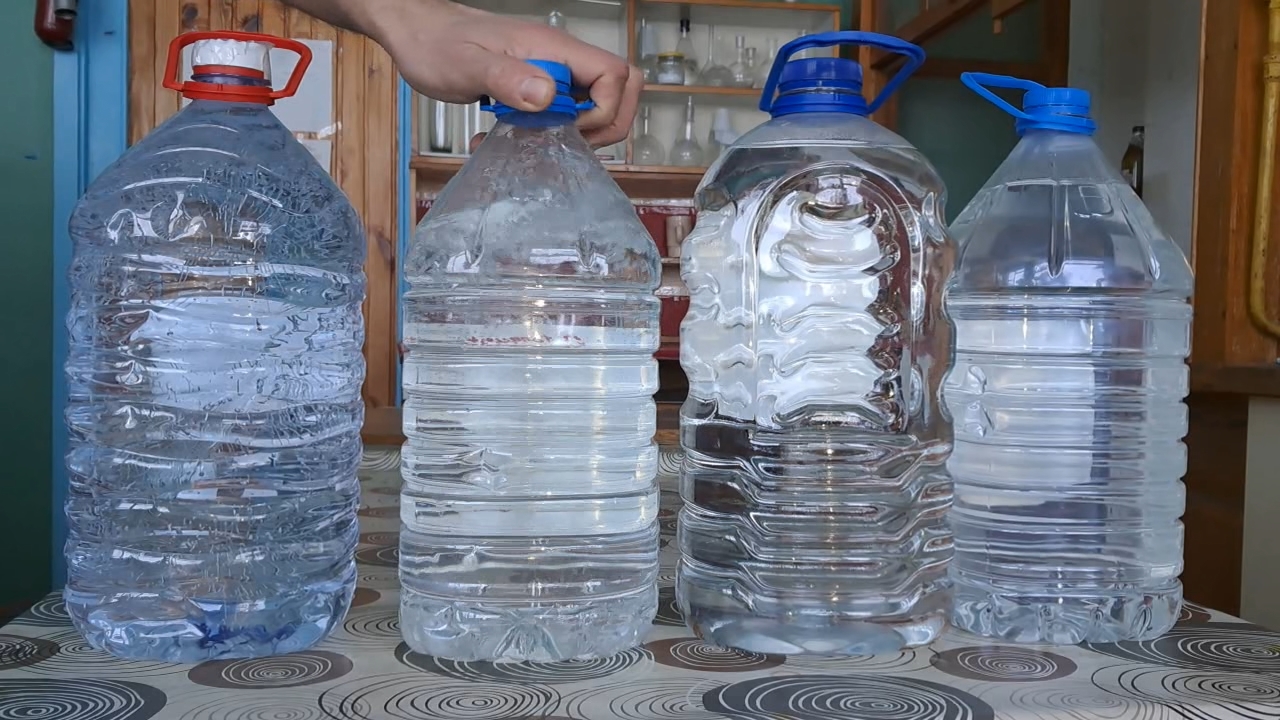
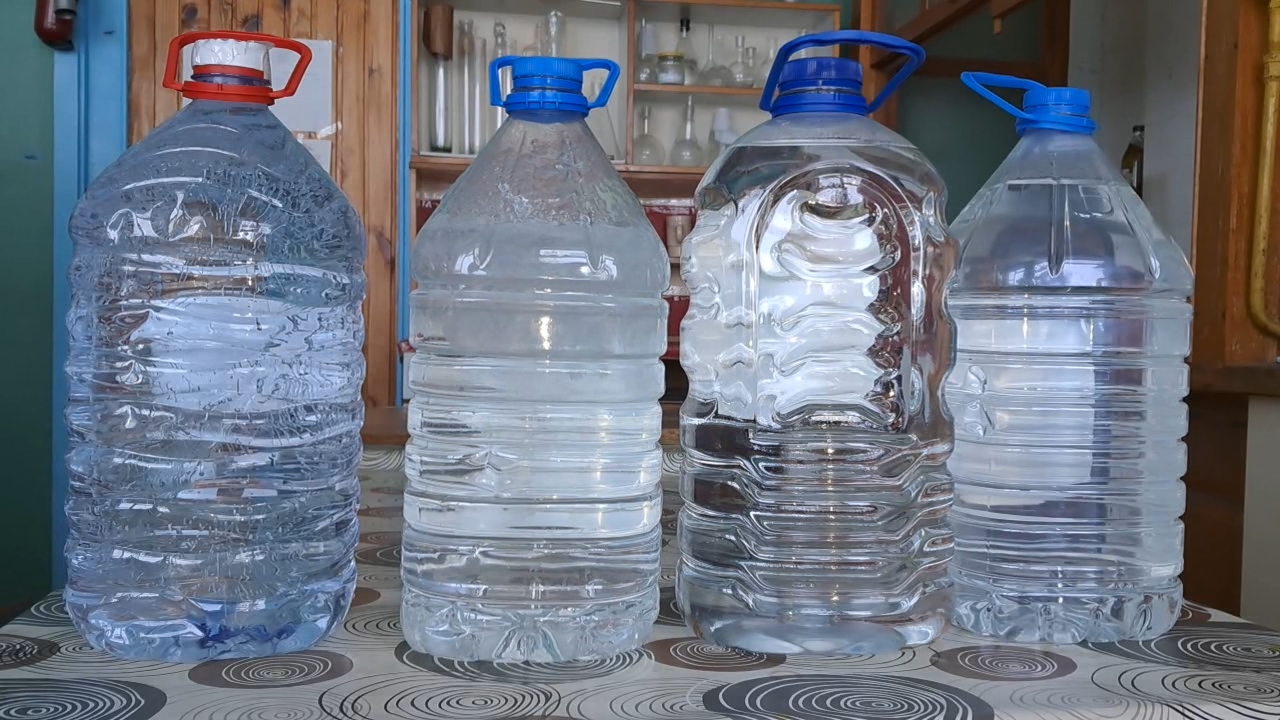
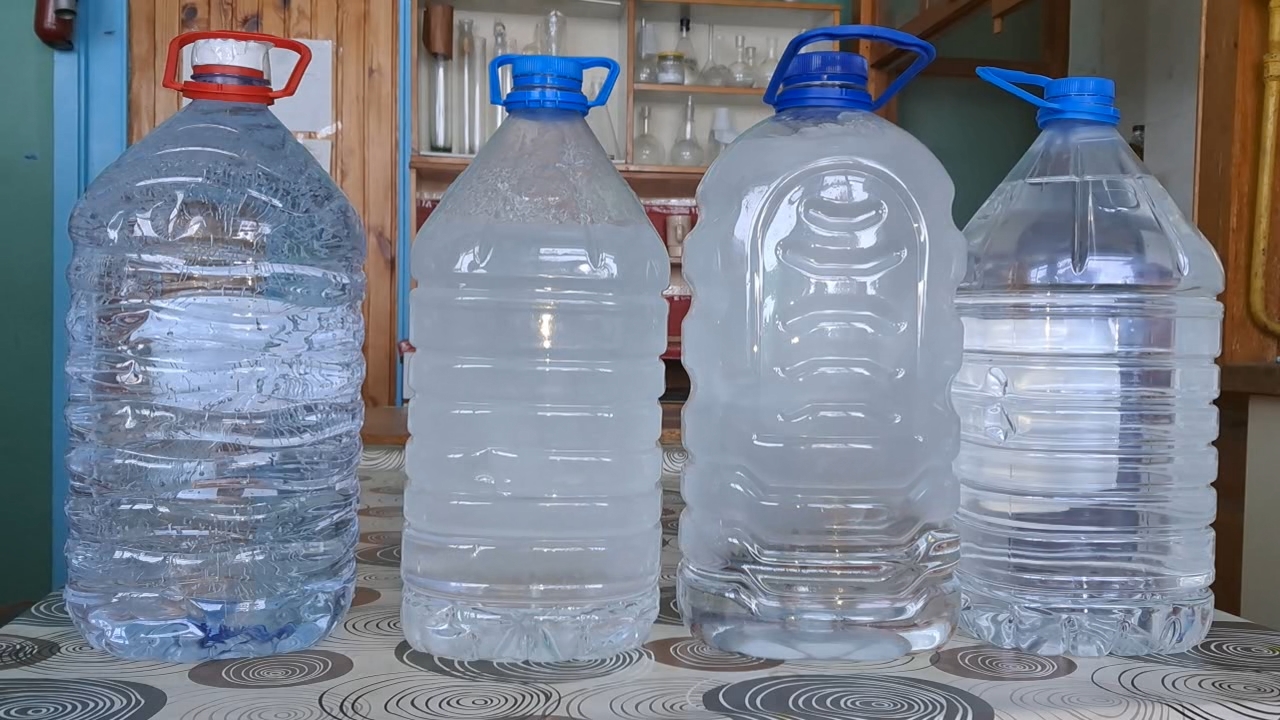
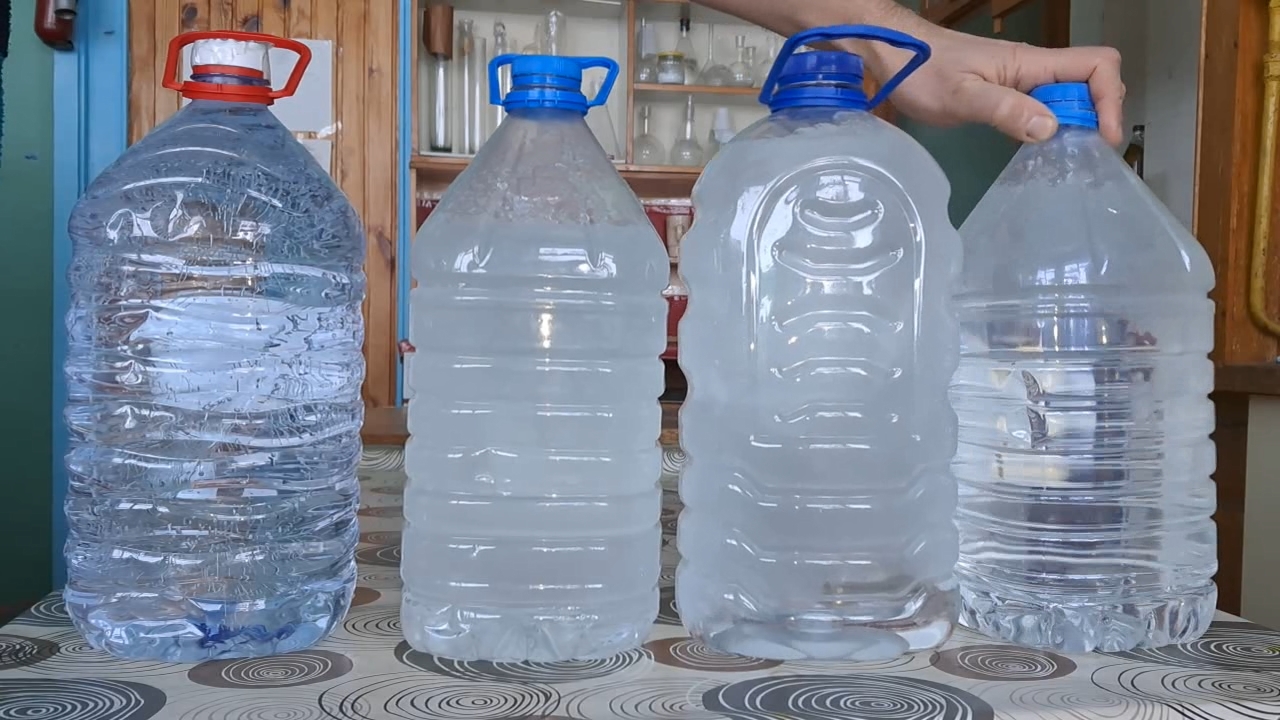
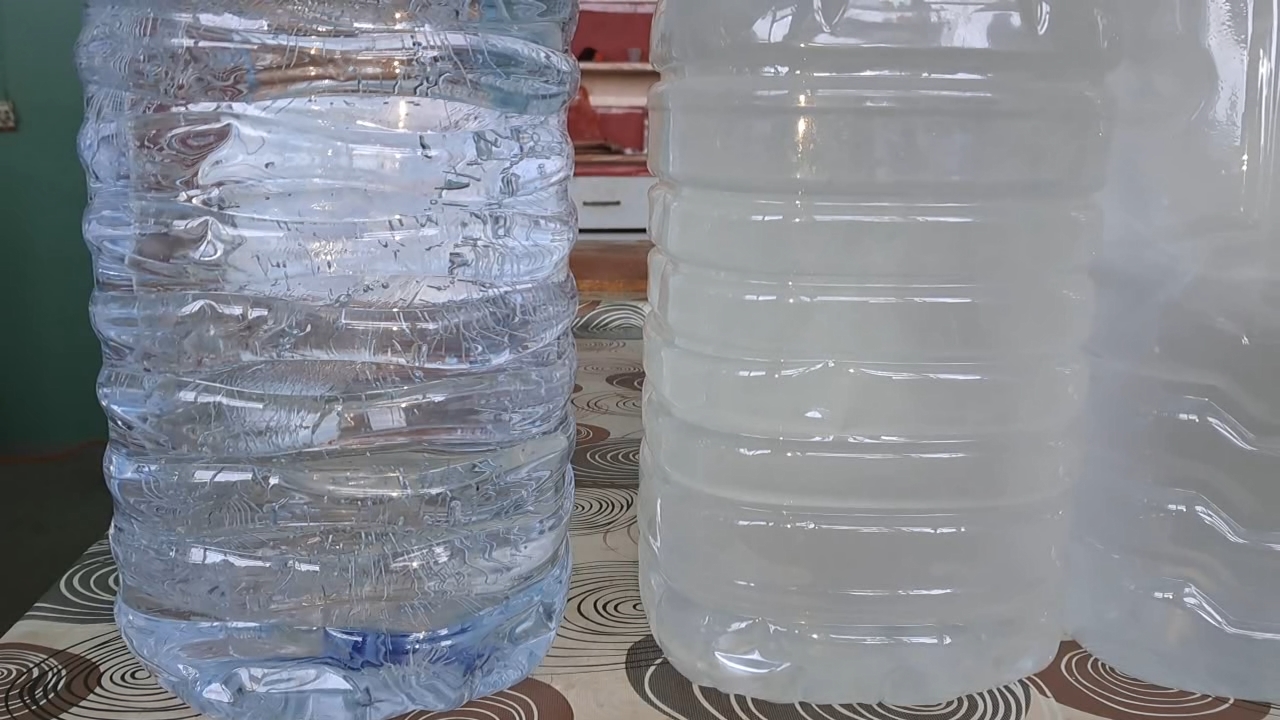
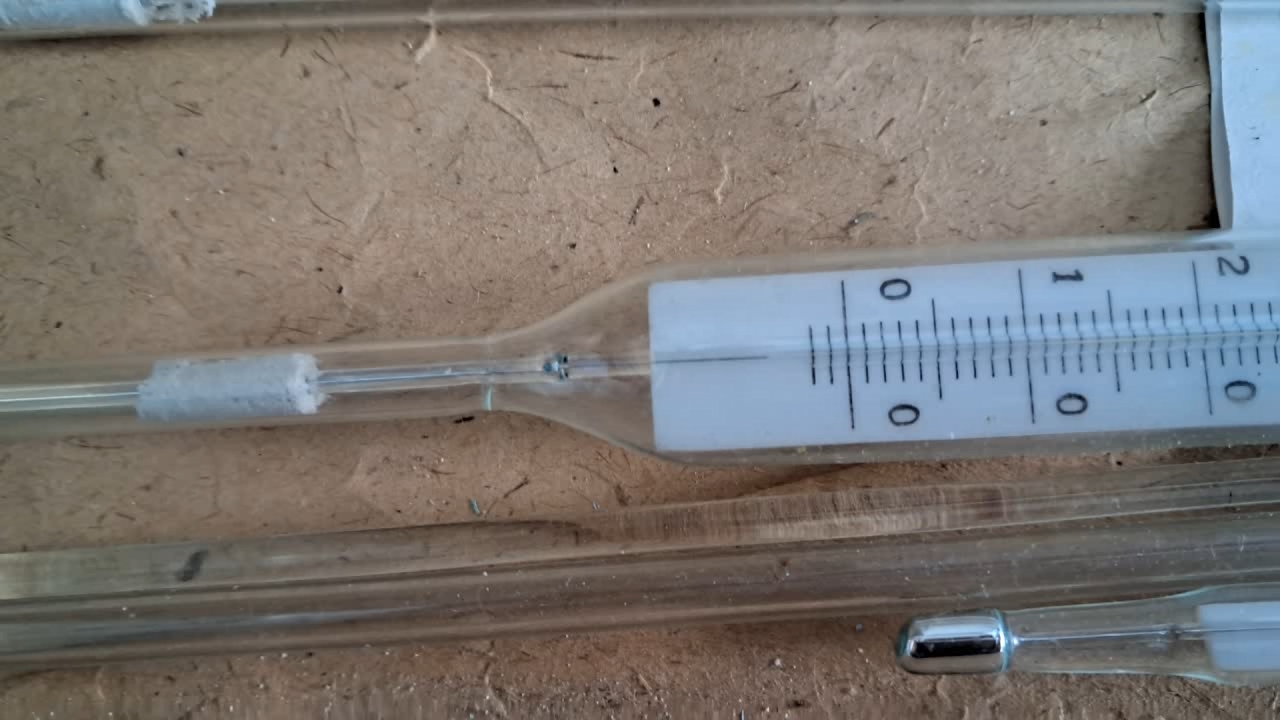
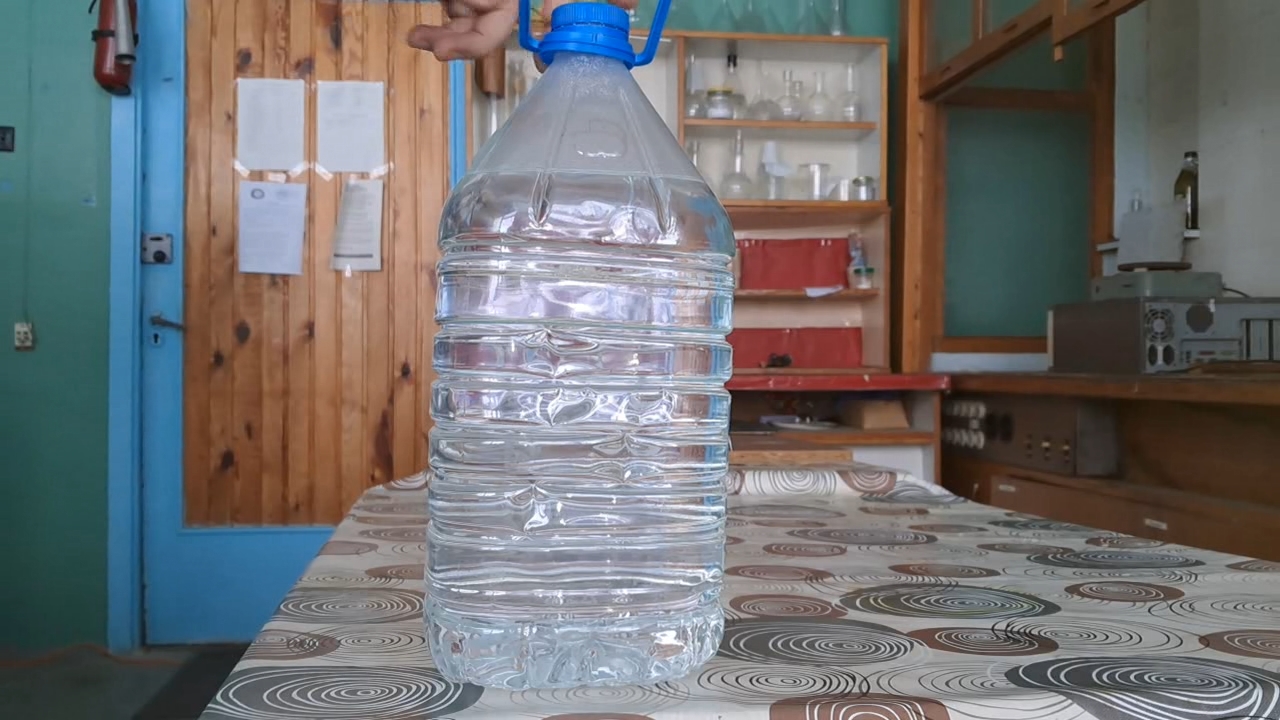
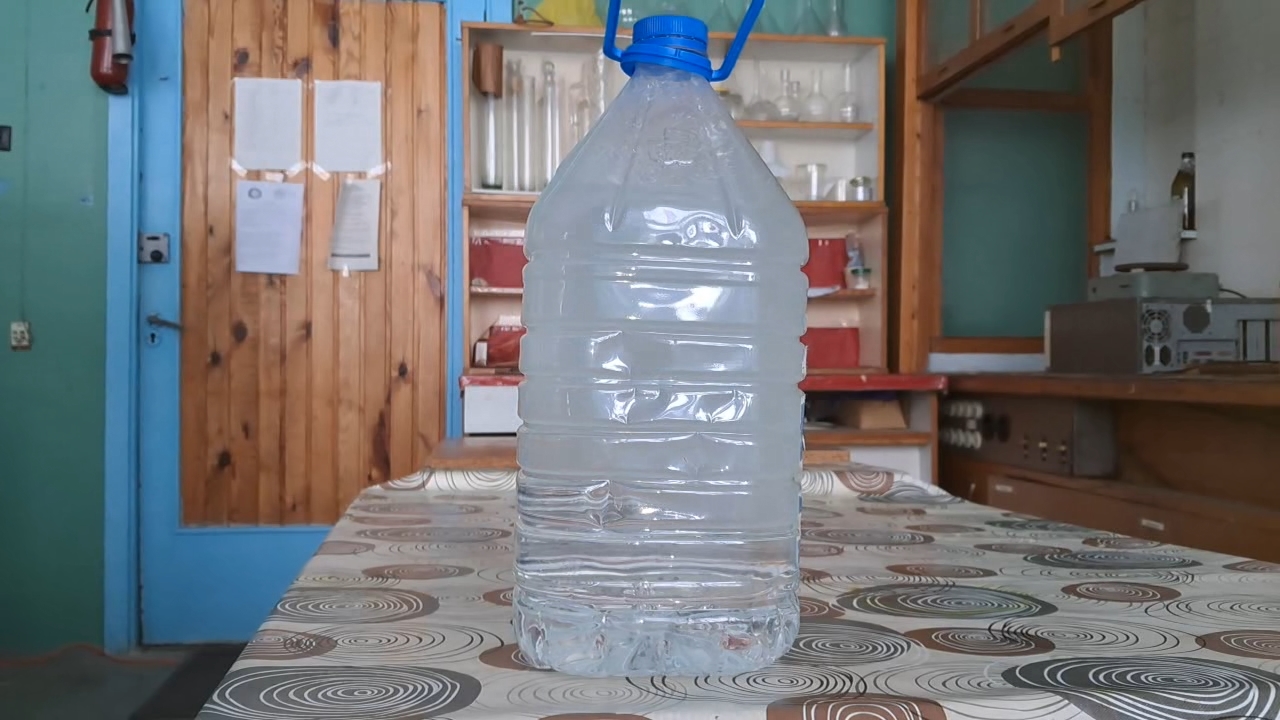
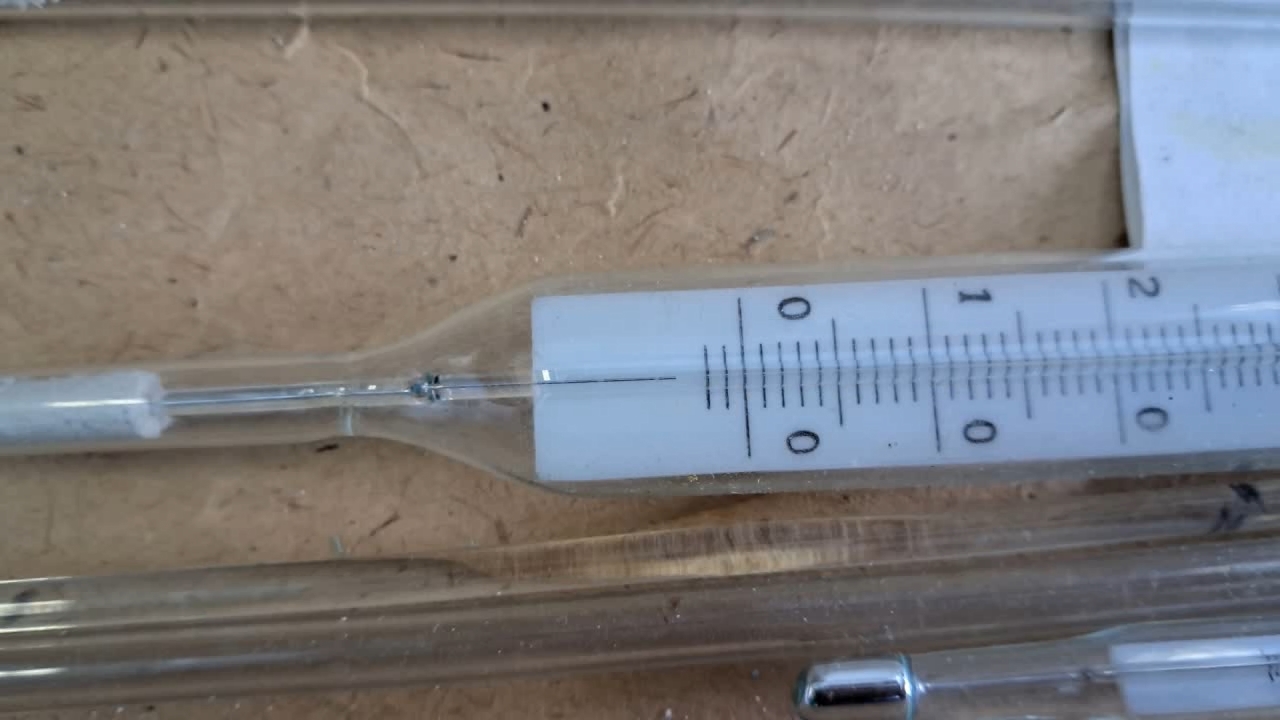
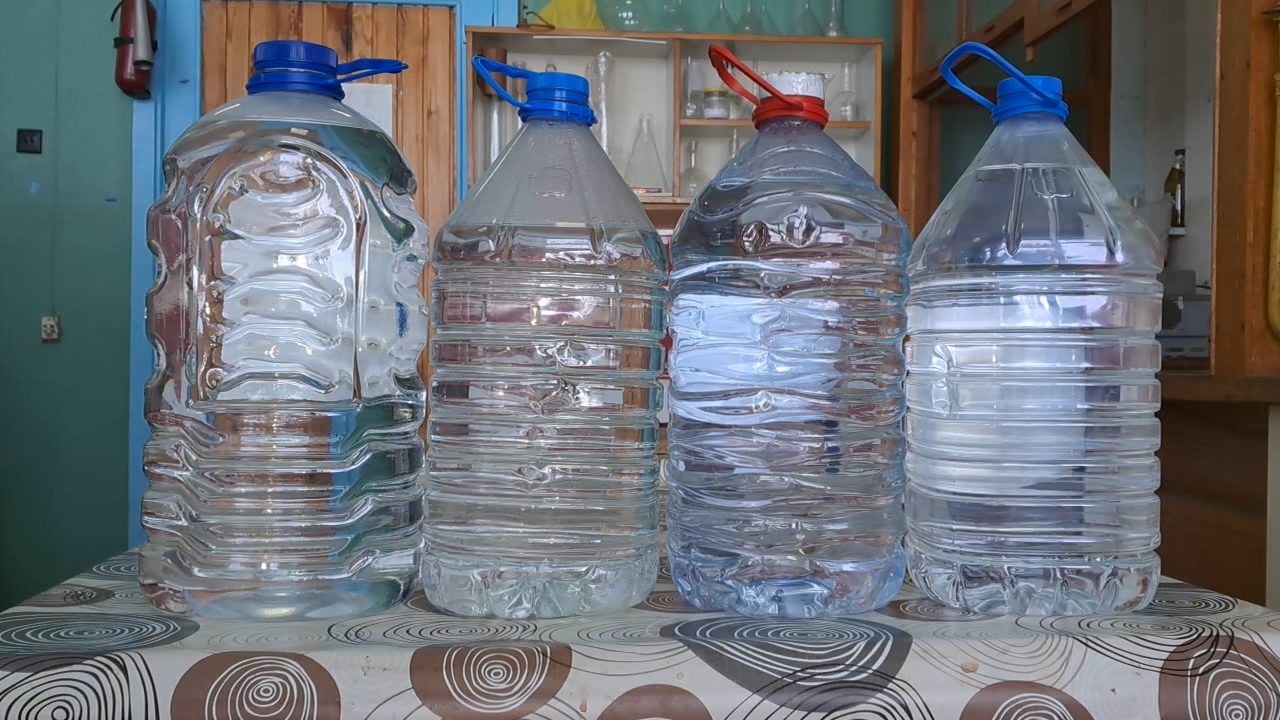
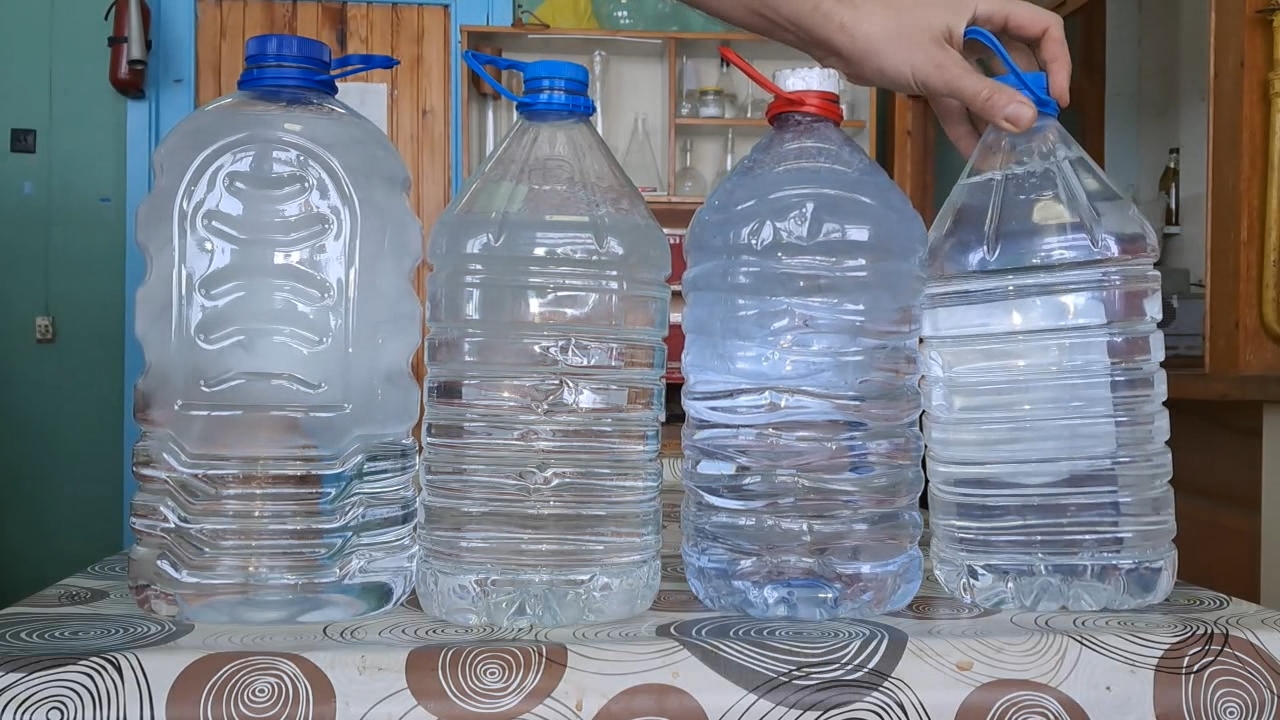
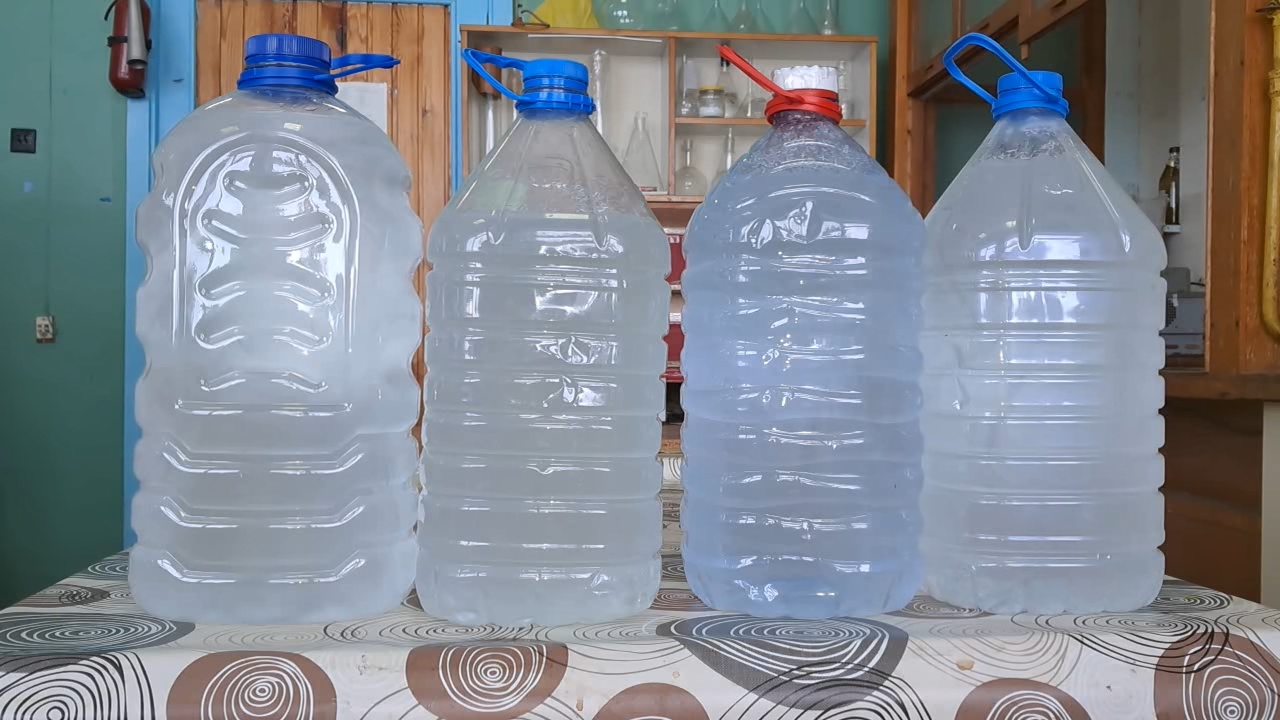
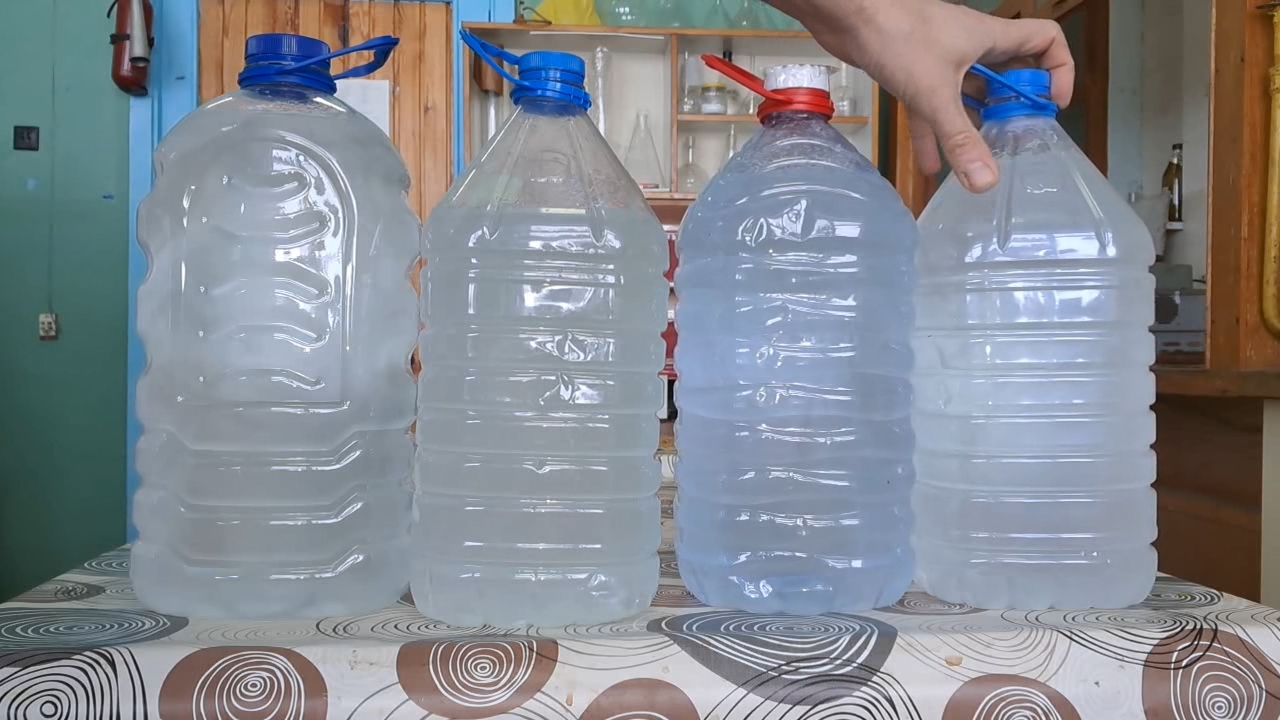
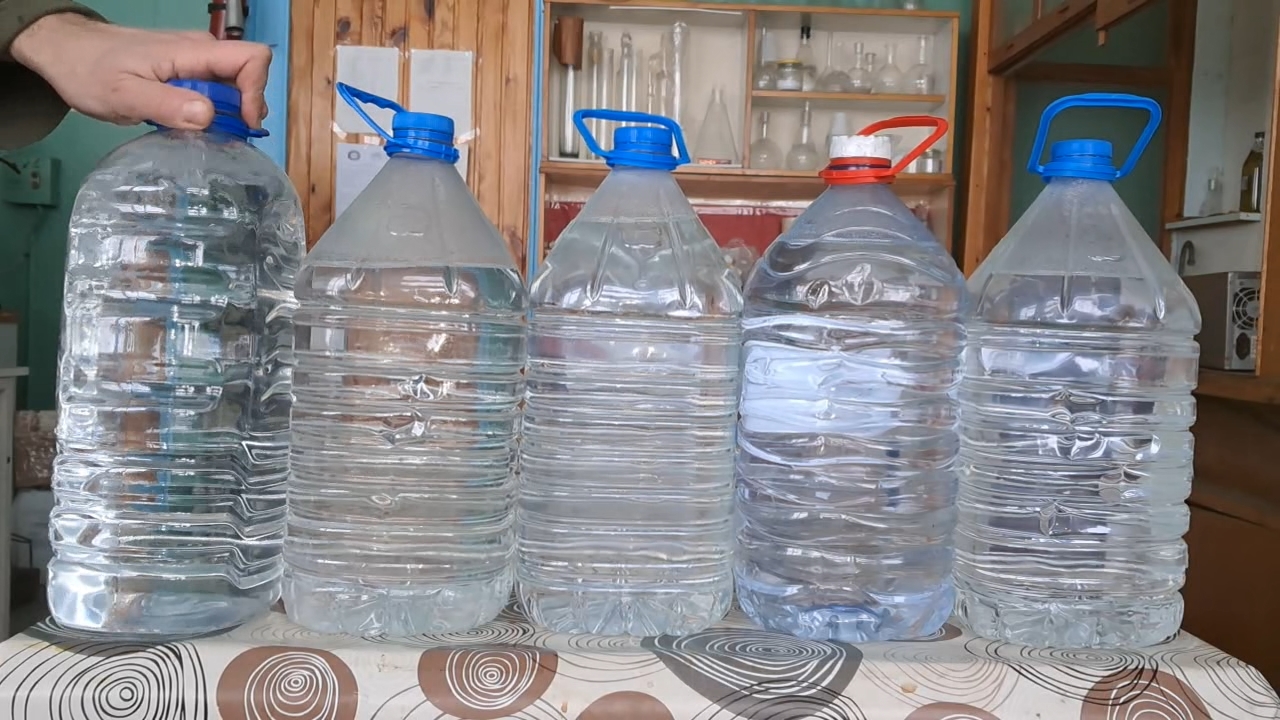
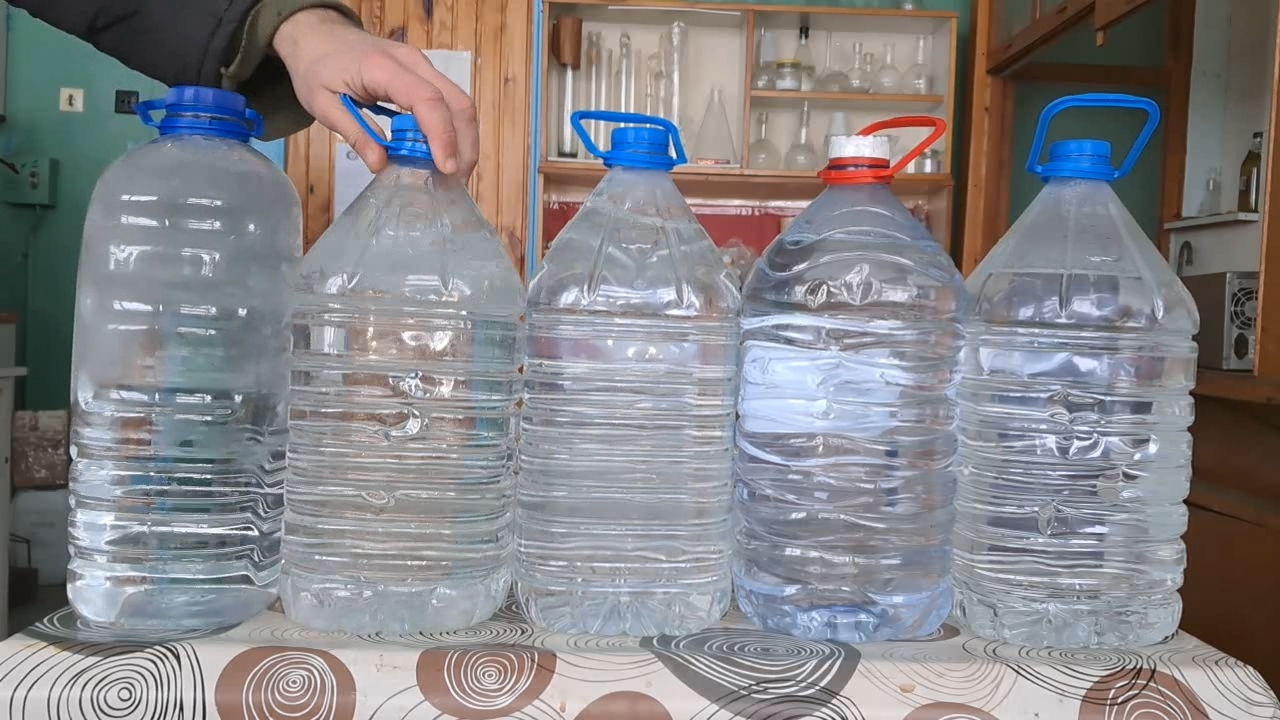
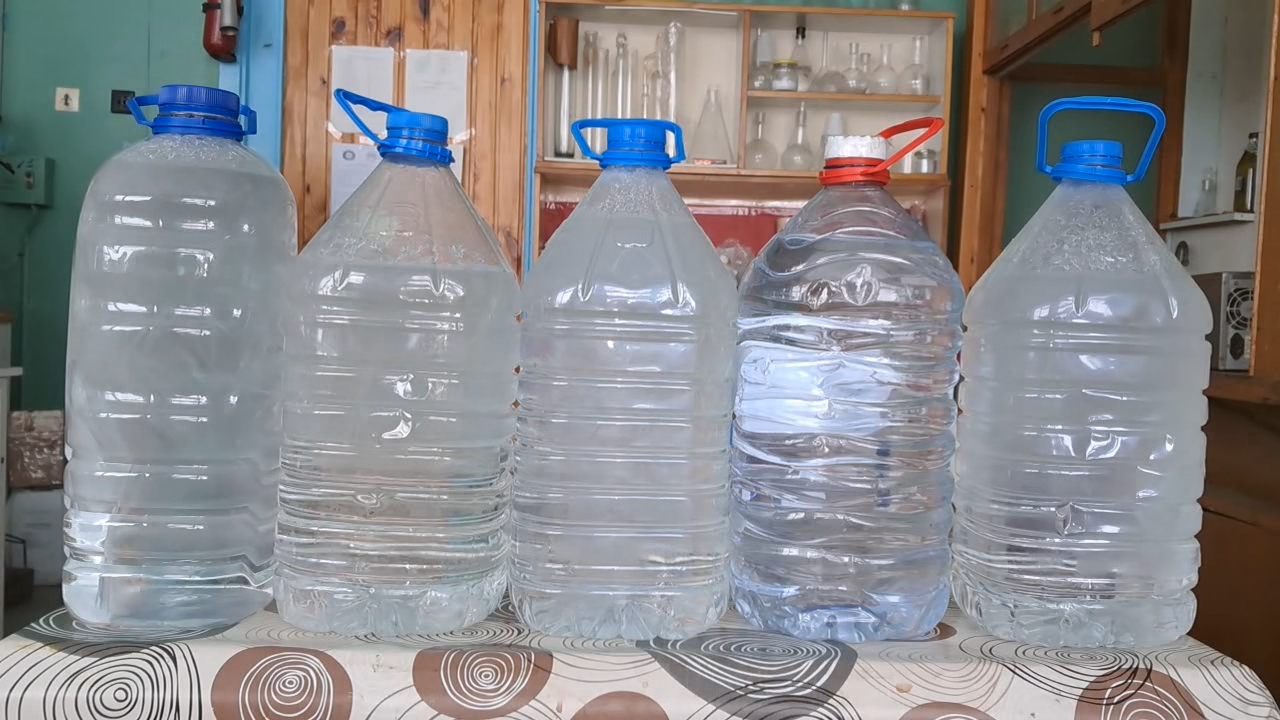
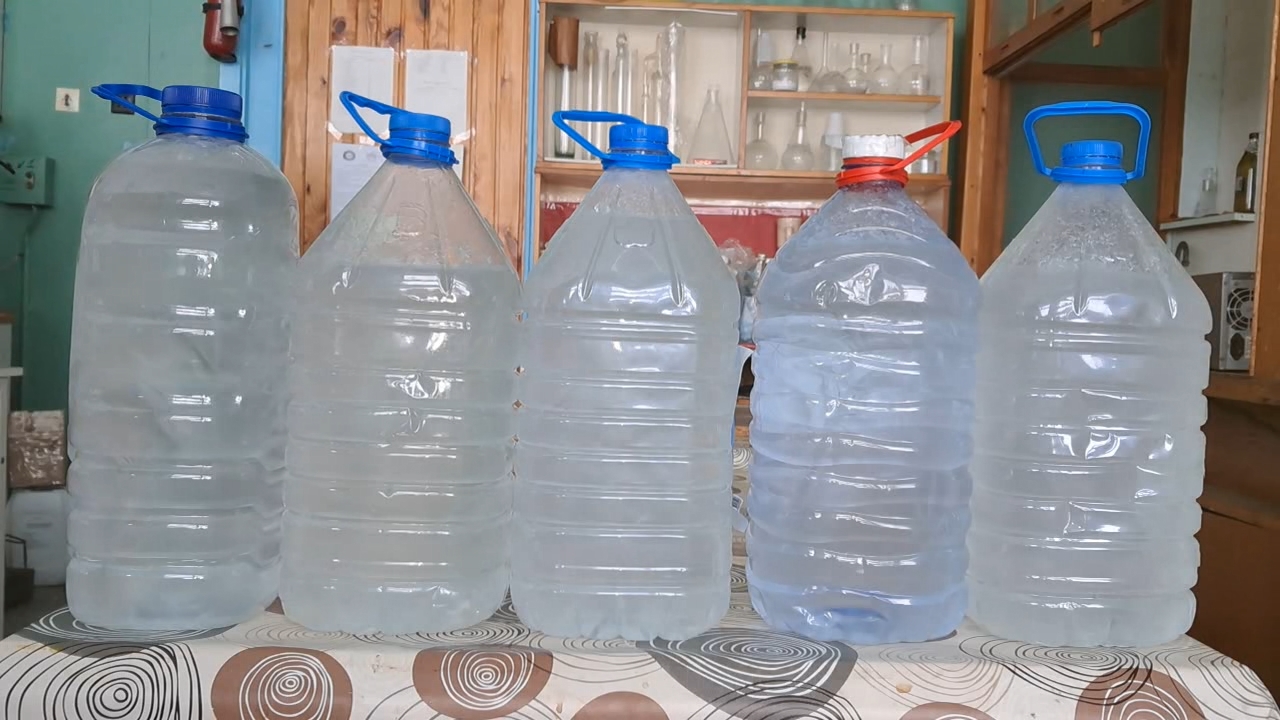
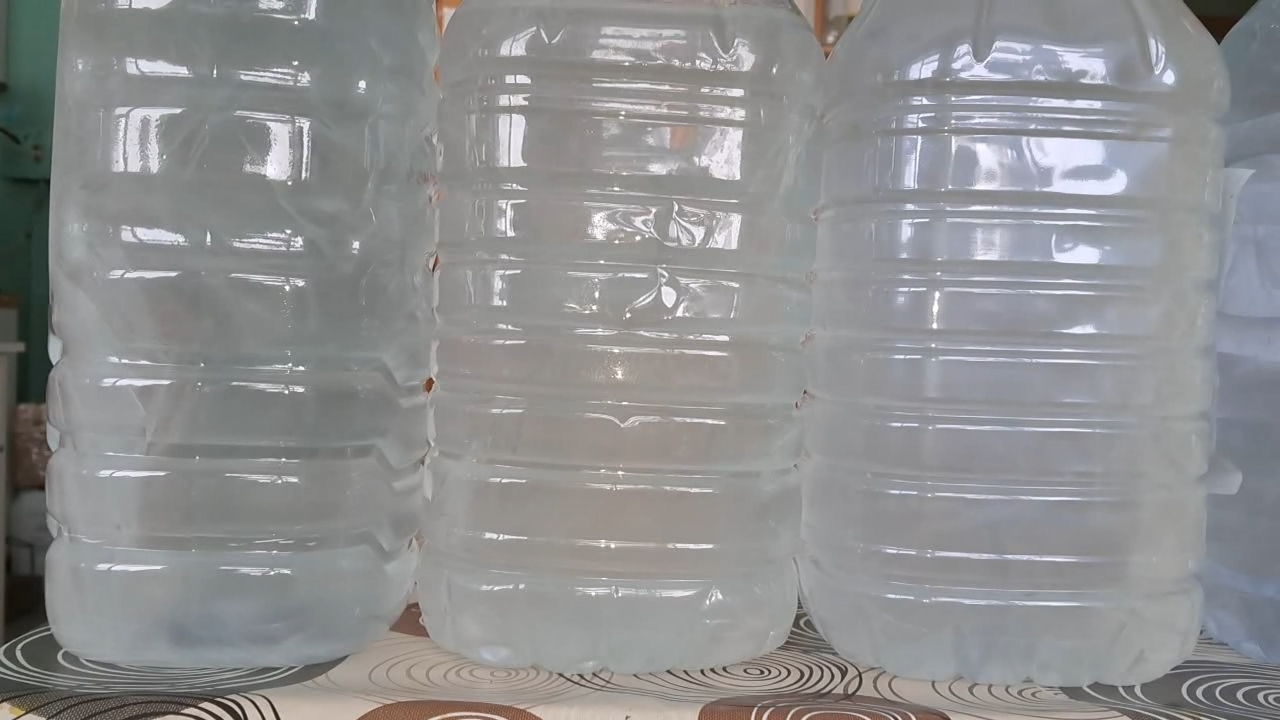
Despite the warming weather, I left four bottles of distilled water in the cold laboratory overnight. In the morning, the outside temperature rose to several degrees above zero degrees Celsius, but inside the laboratory it was -2°C. I had conducted my earlier experiments with supercooled water when the temperature in the laboratory was -4 to -5°C. As you can see, the laboratory had also warmed up, but the temperature was still below freezing. I was curious to find out how supercooled water would behave under these conditions.

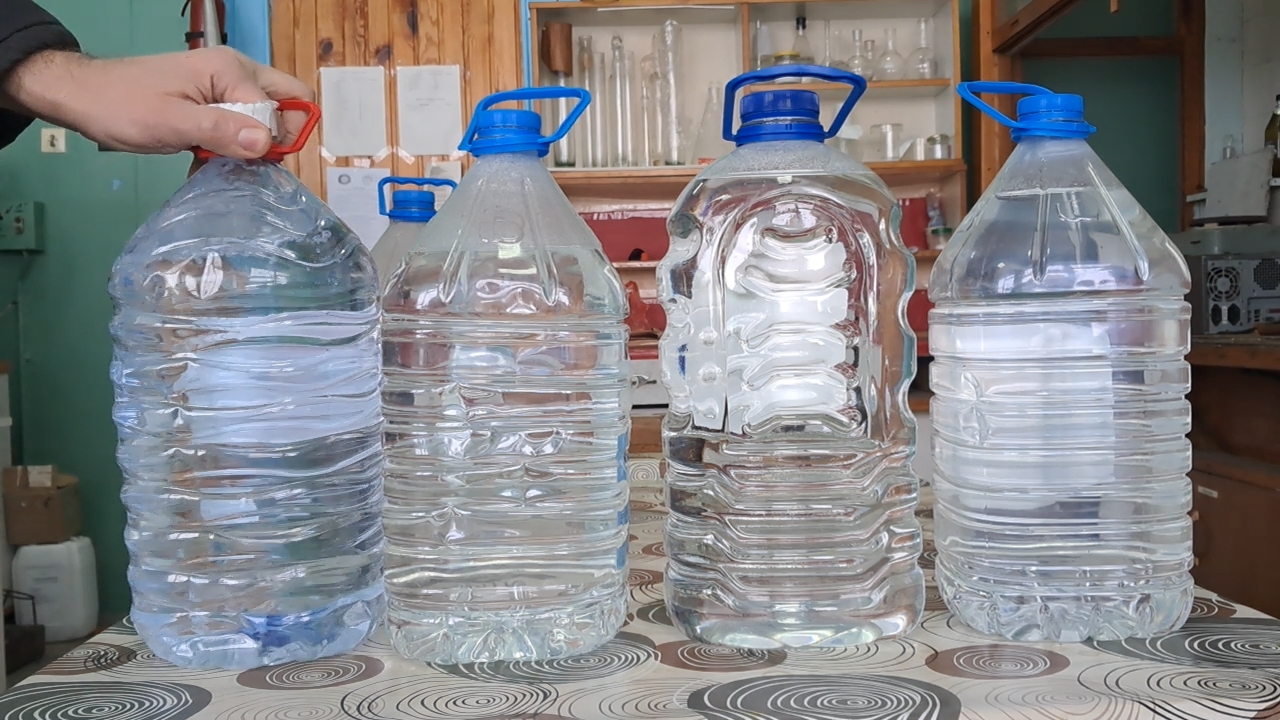
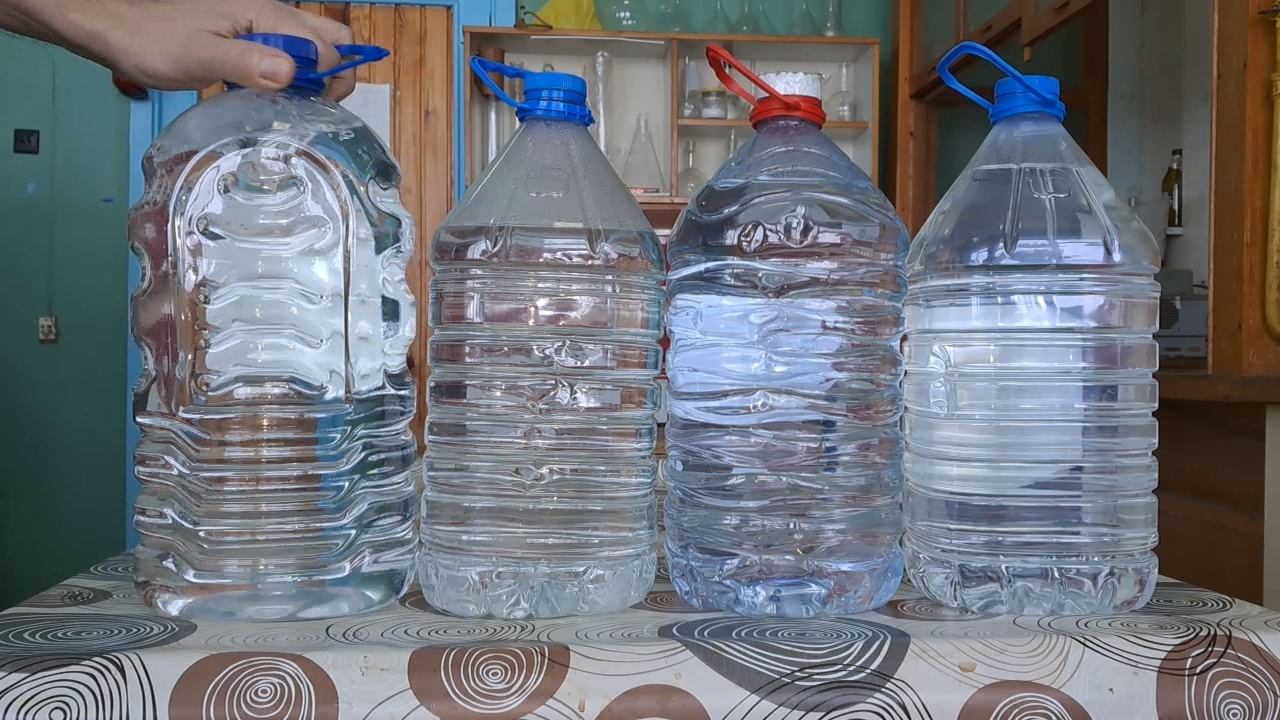
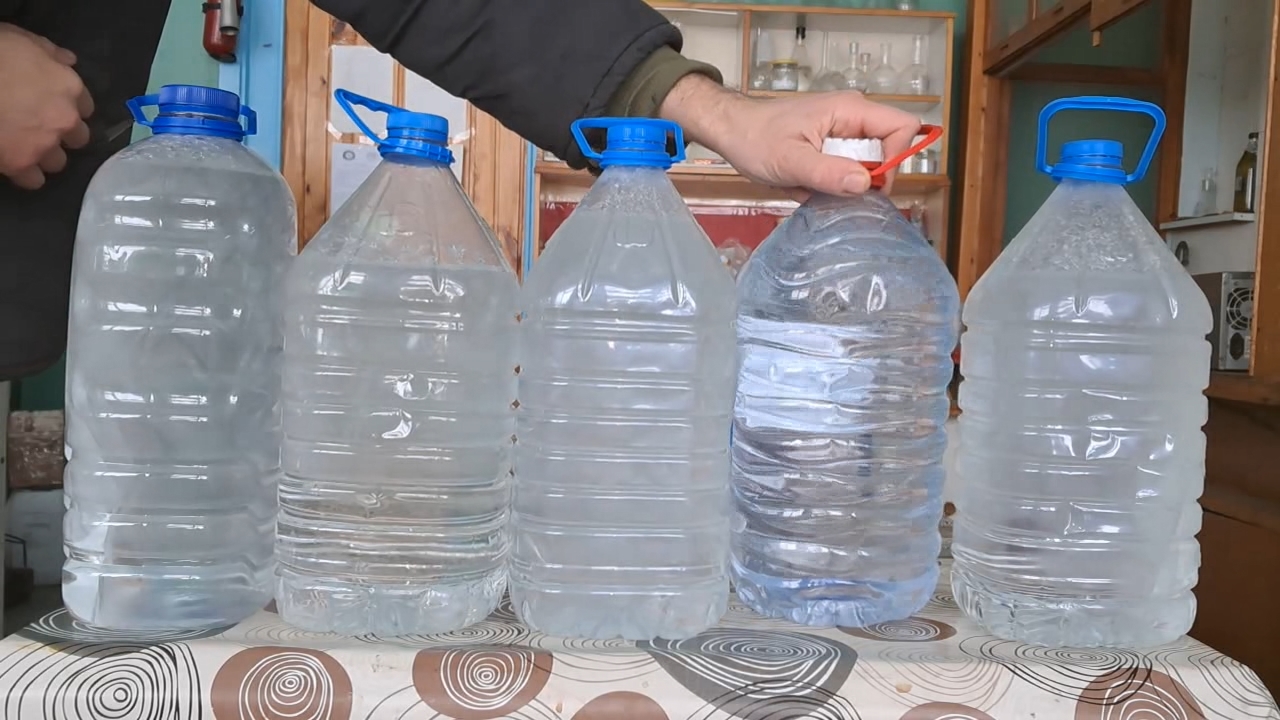
I shook the first bottle vigorously, but the water remained liquid. Further attempts to initiate ice formation were unsuccessful.

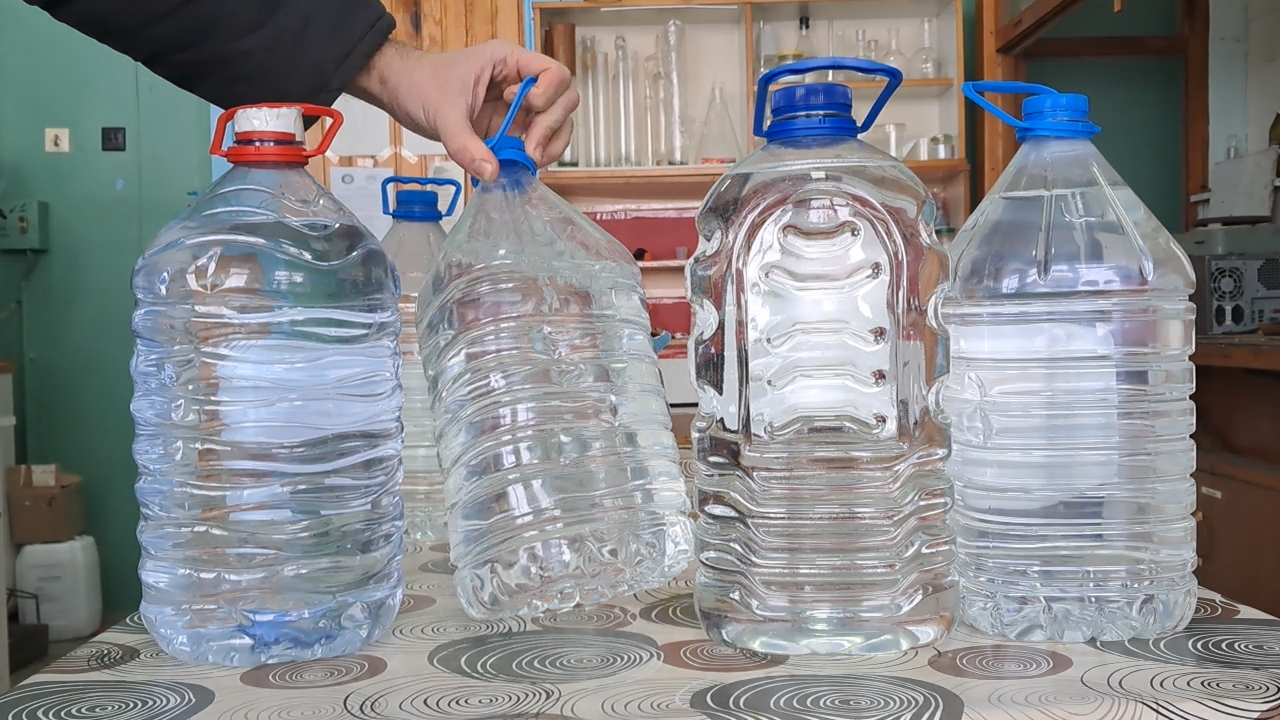
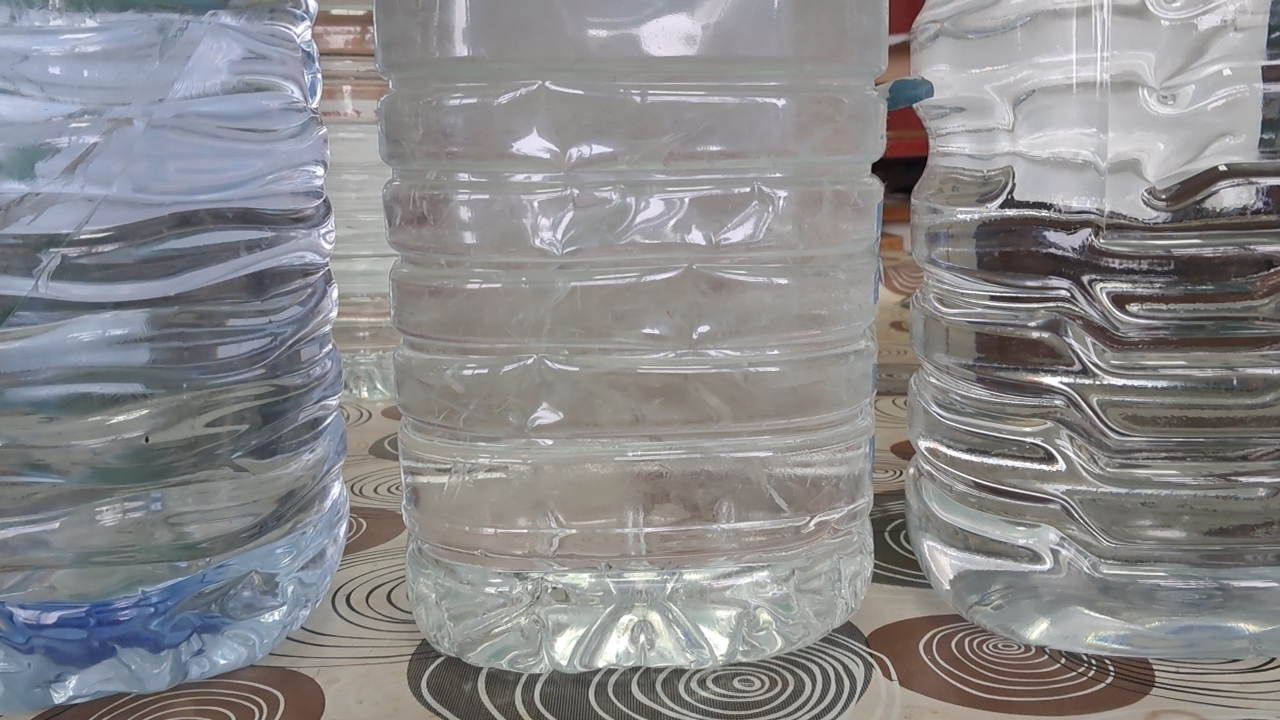
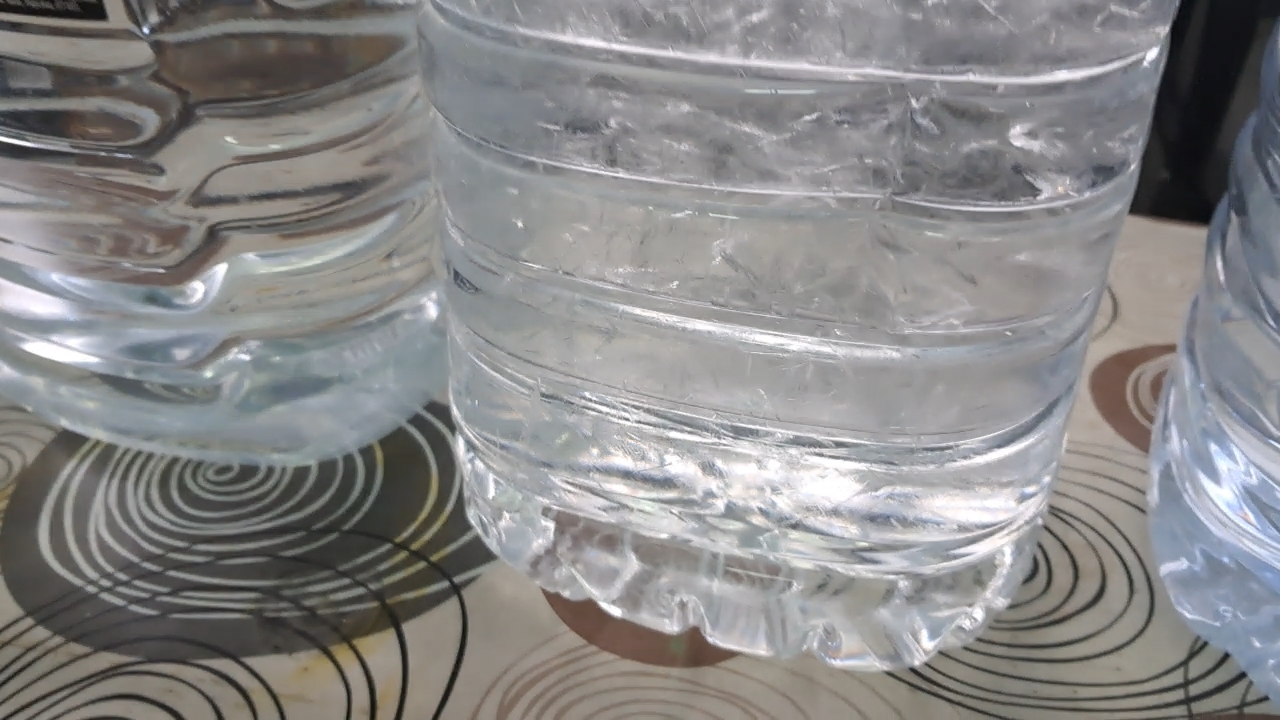
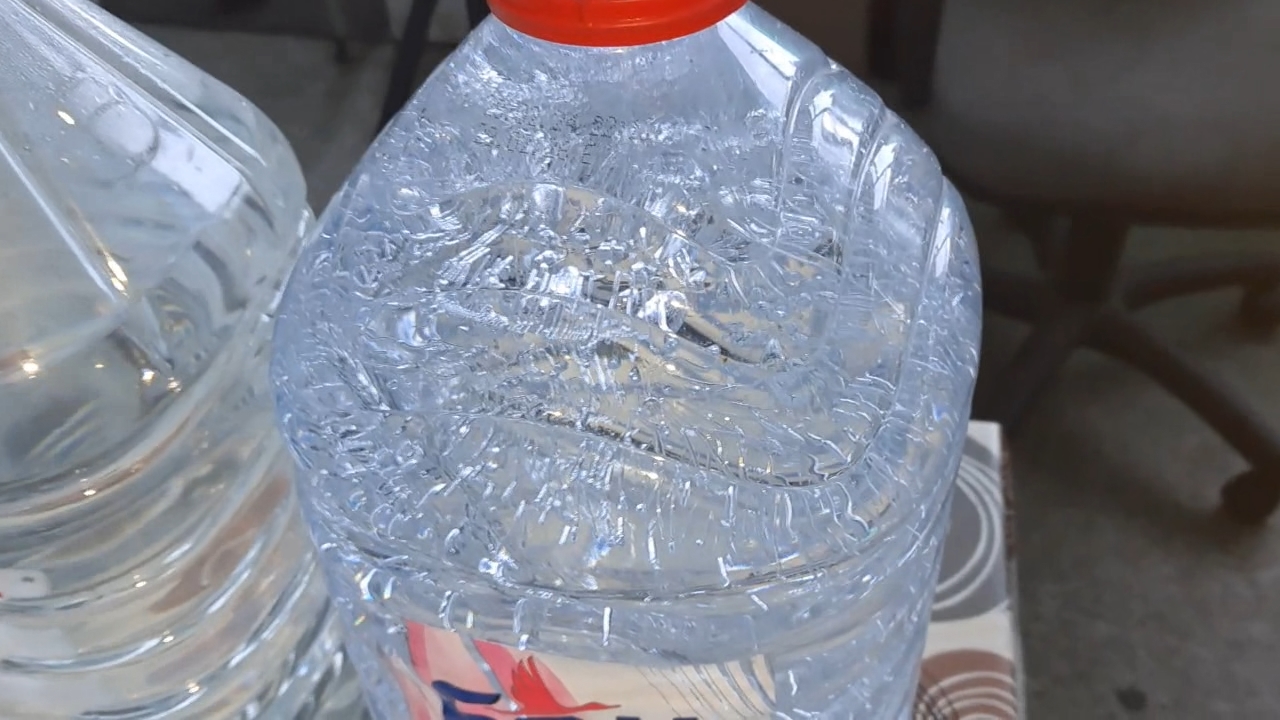
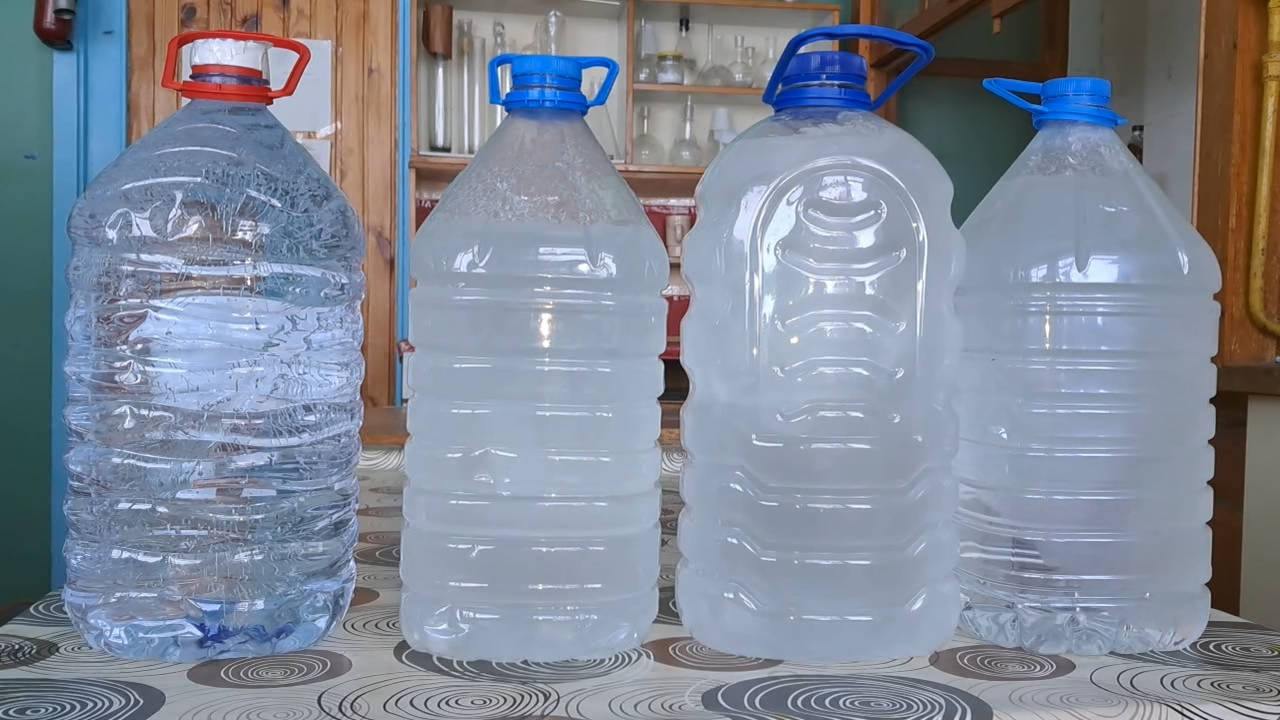
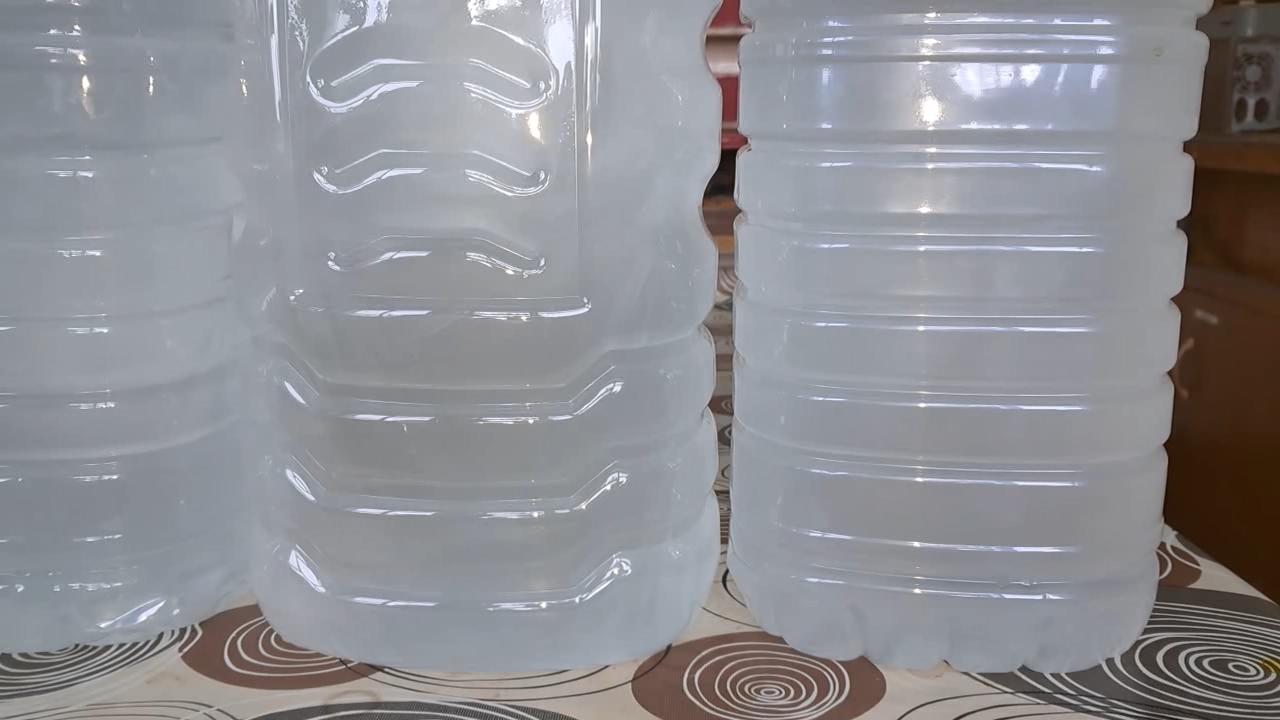
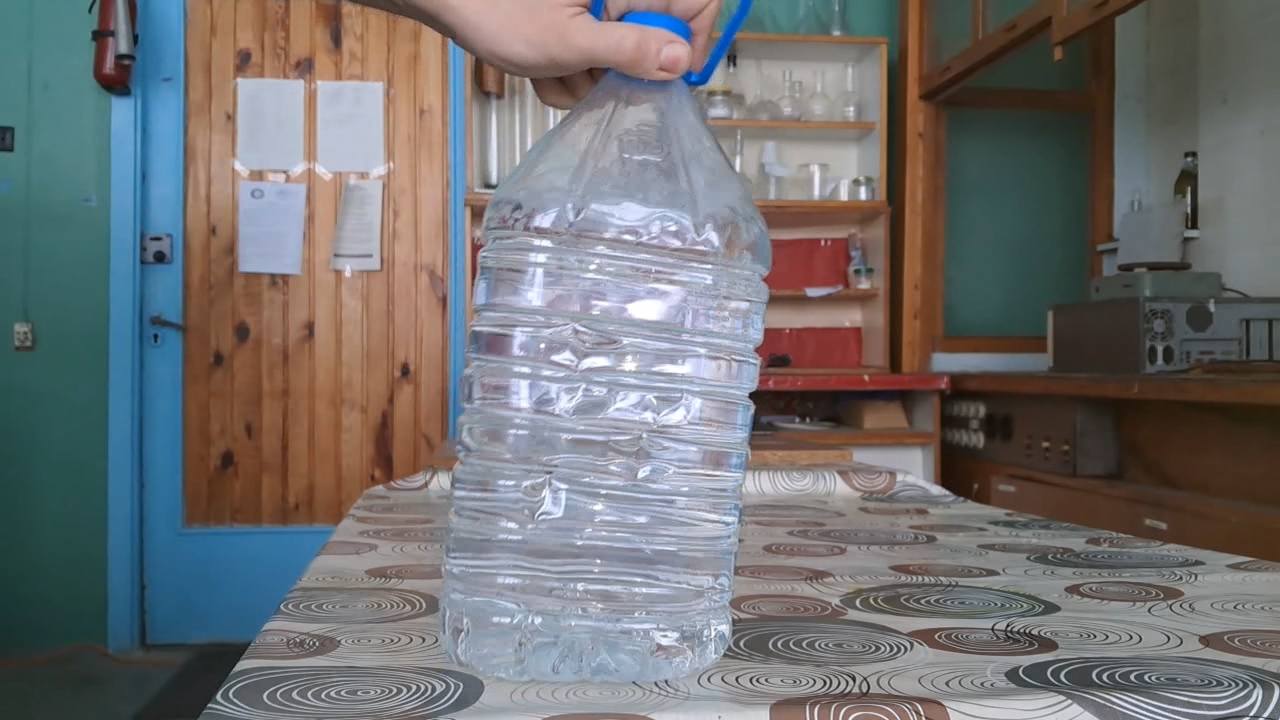
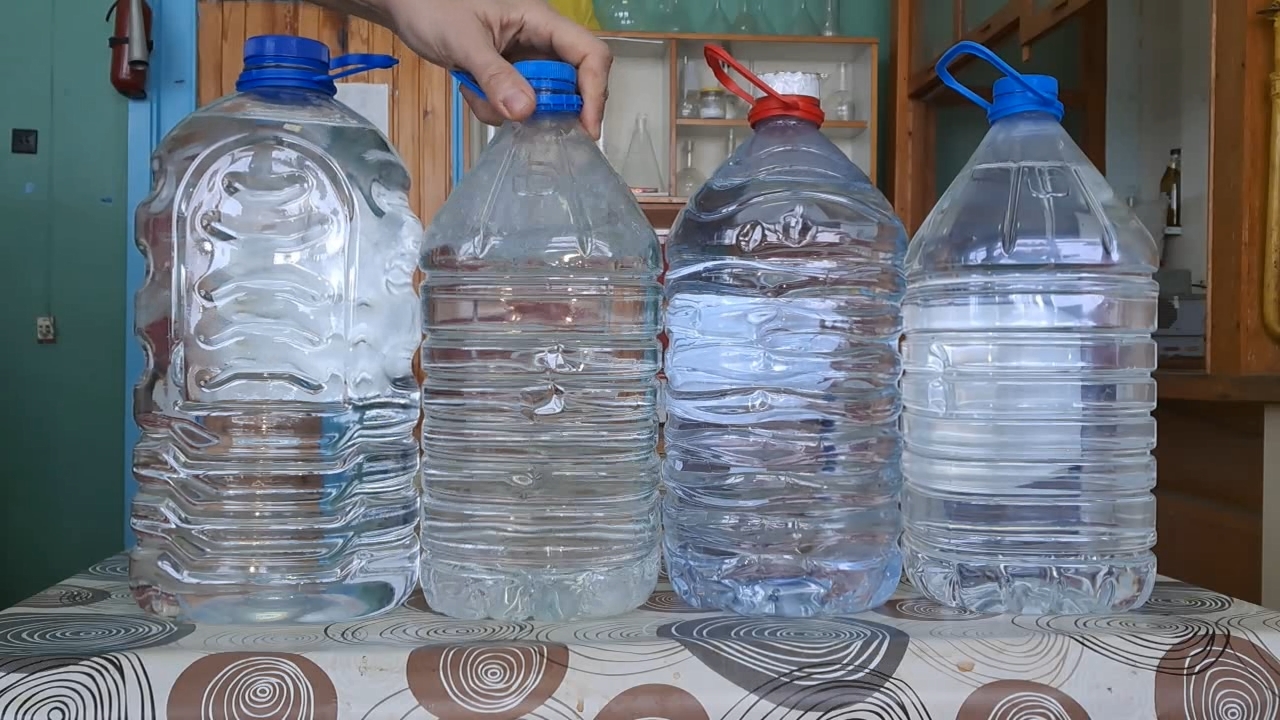
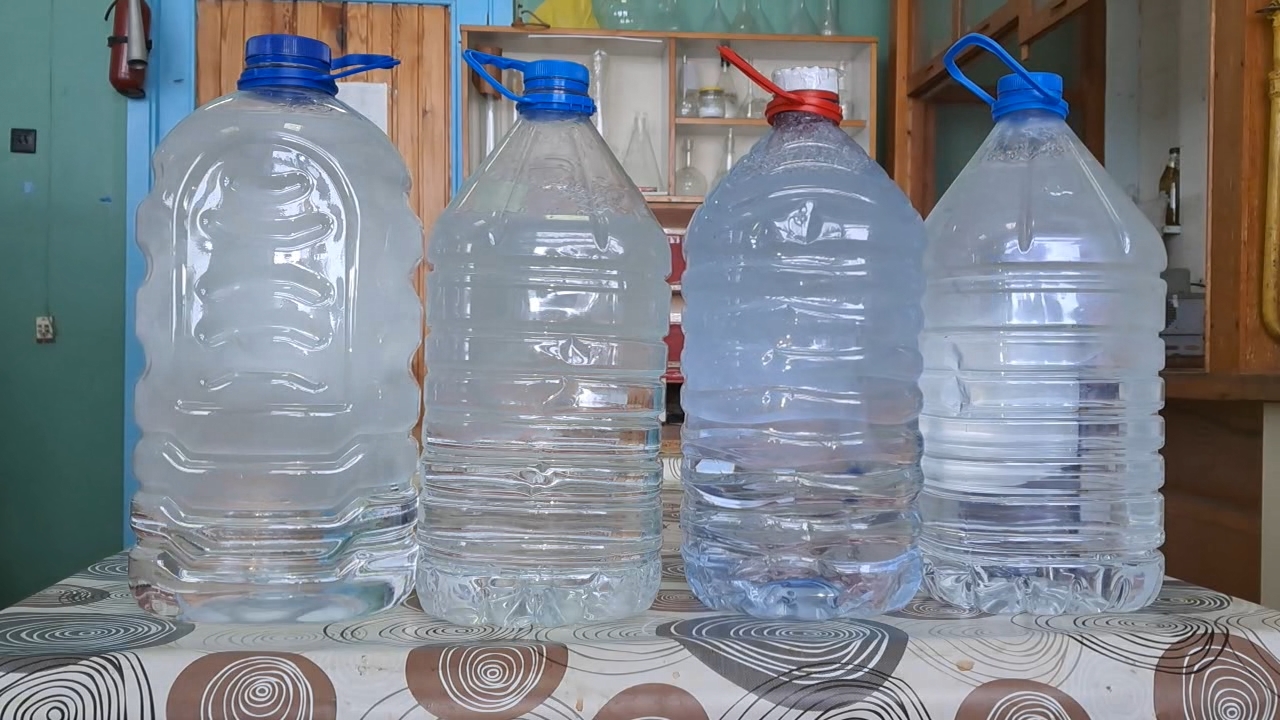
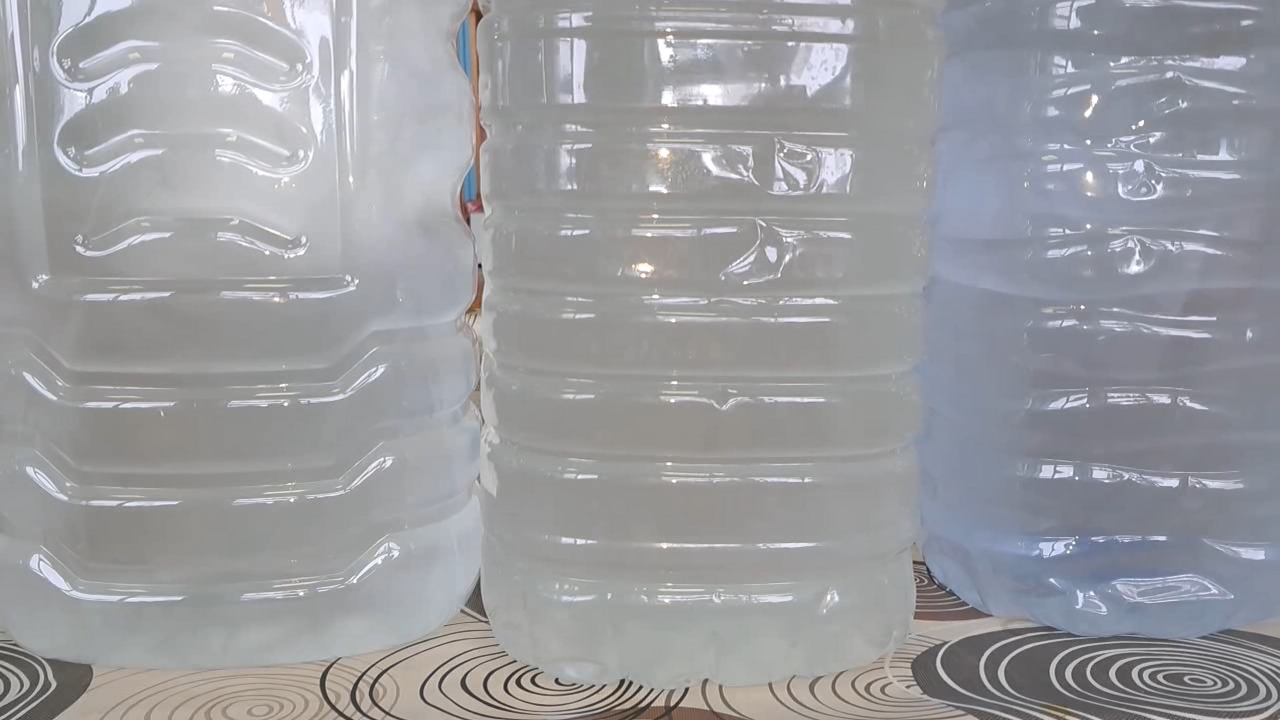
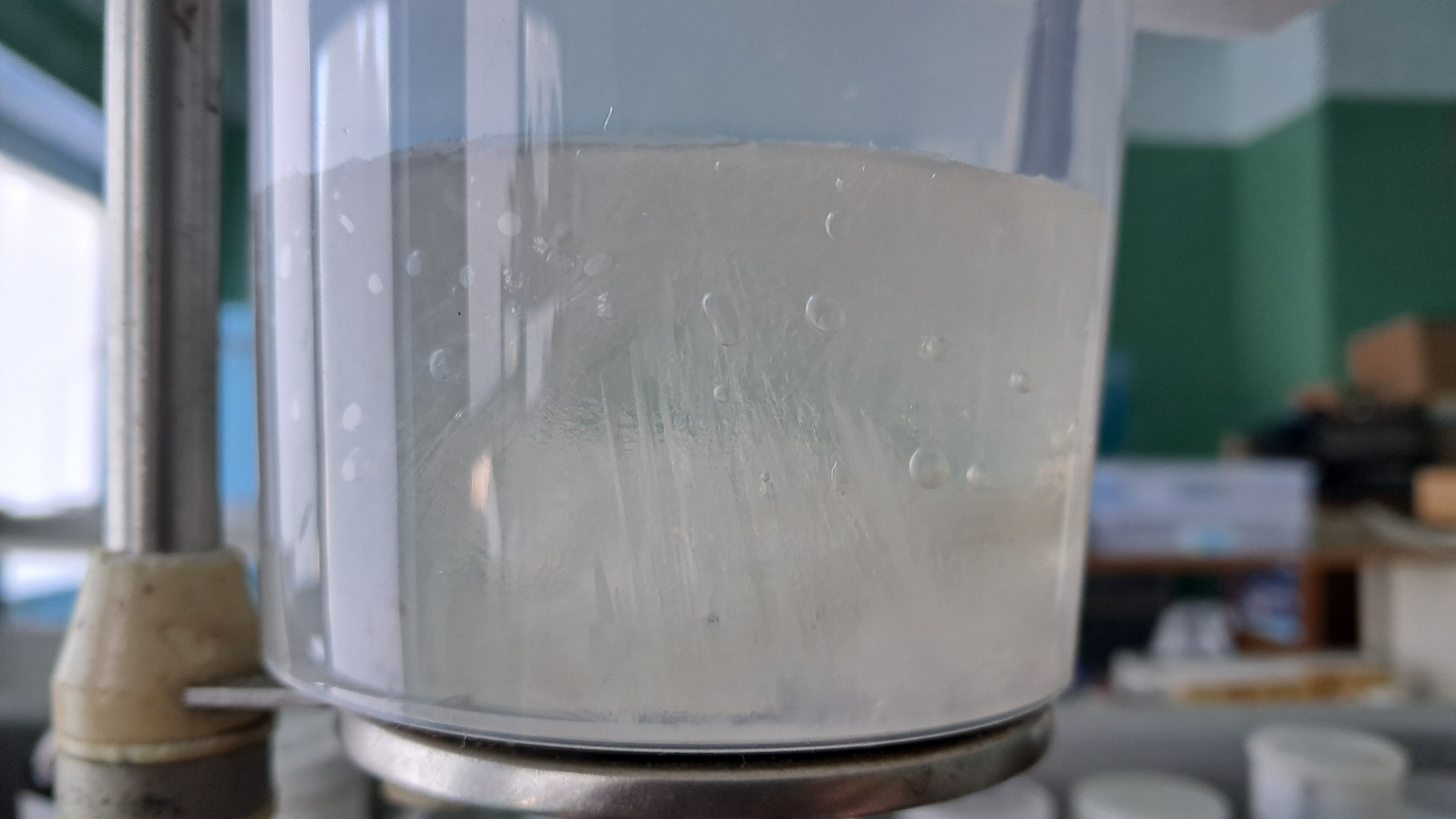
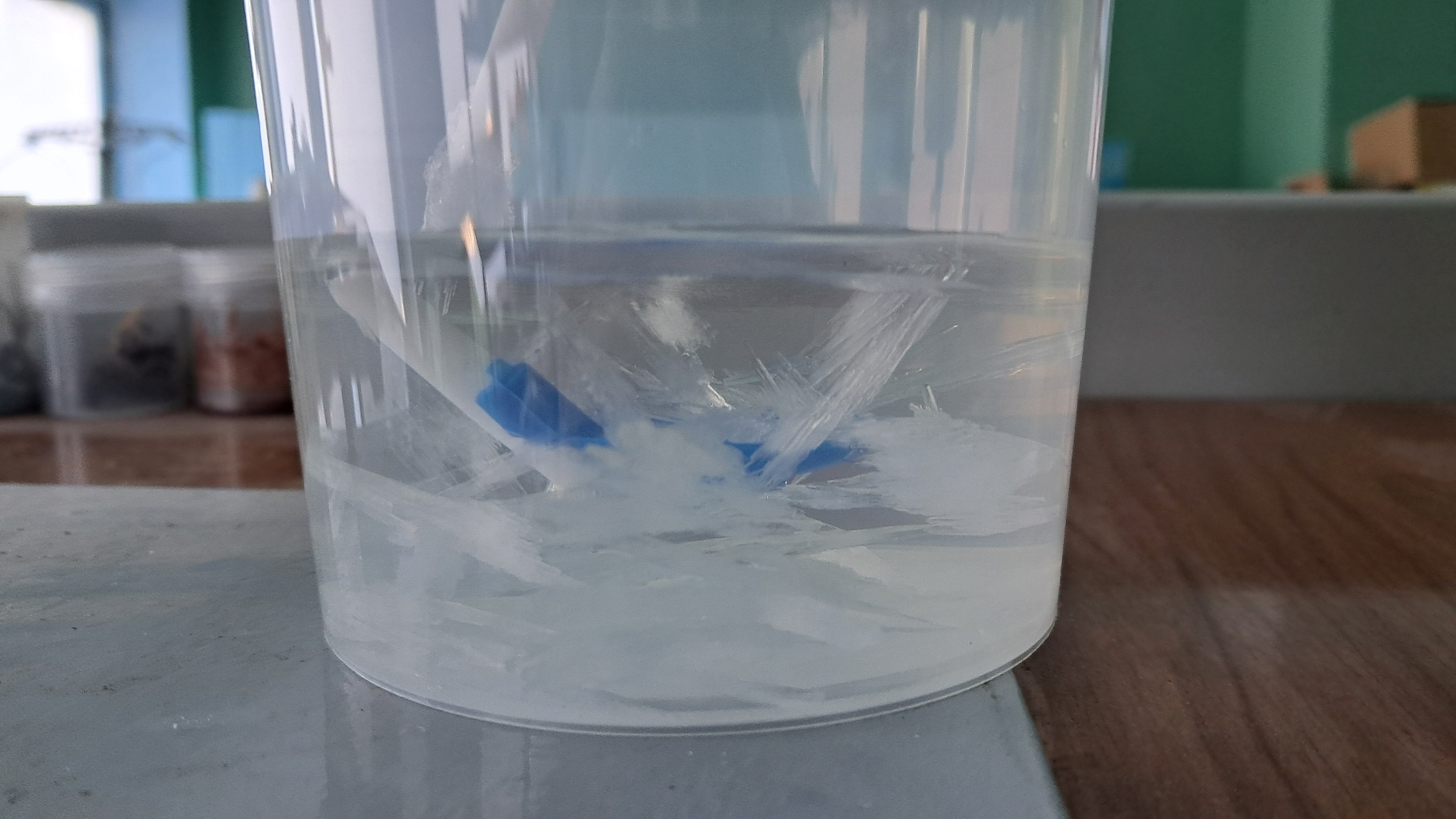
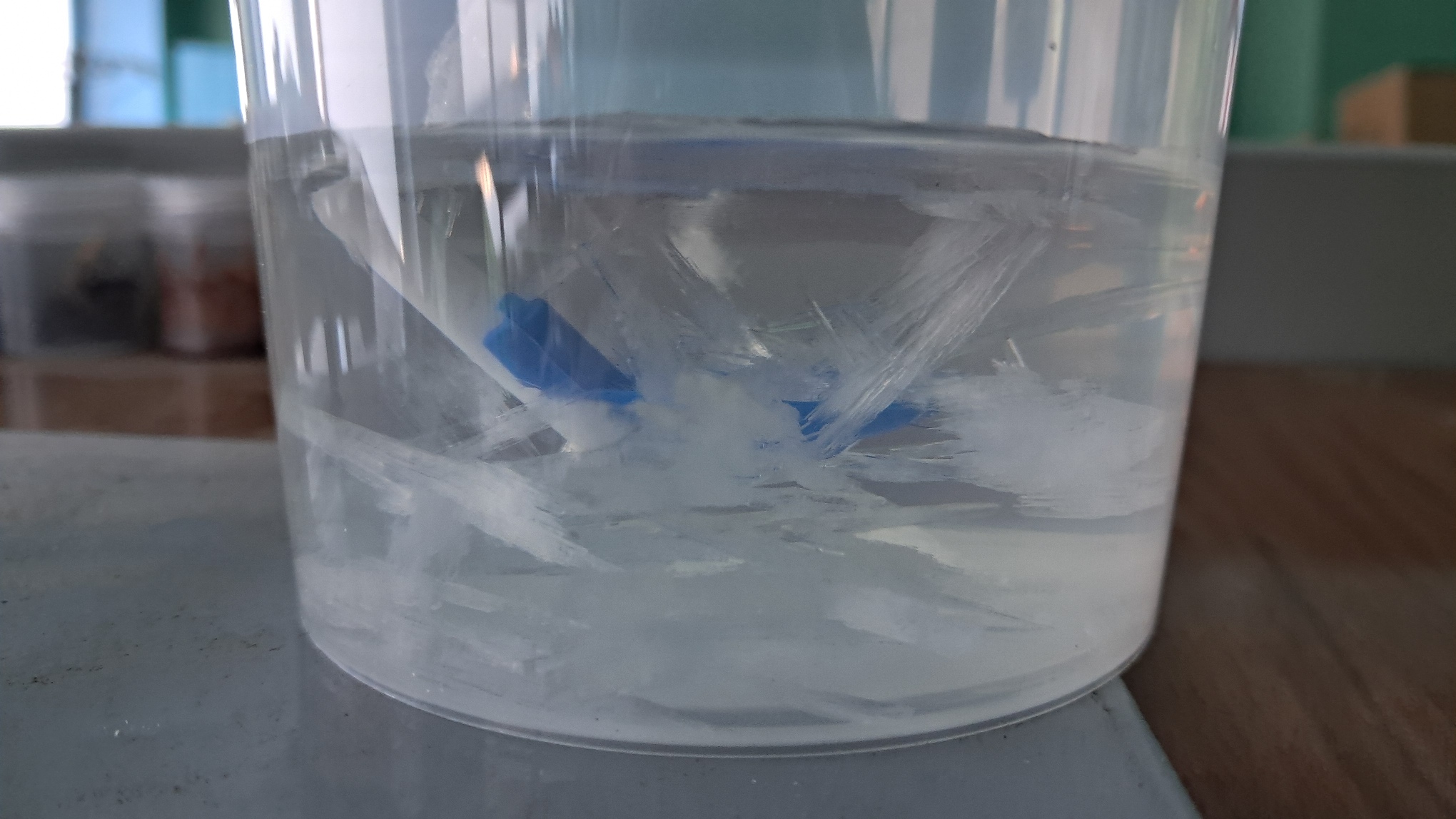
I shook the second bottle. After several attempts, ice crystals began to form in the bottle. The amount of ice gradually increased, but my joy was premature. Only two-thirds of the water in the bottle turned into a white slush, after which ice formation practically stopped. The water was not supercooled enough to freeze completely (even to the point of forming a full "slush").

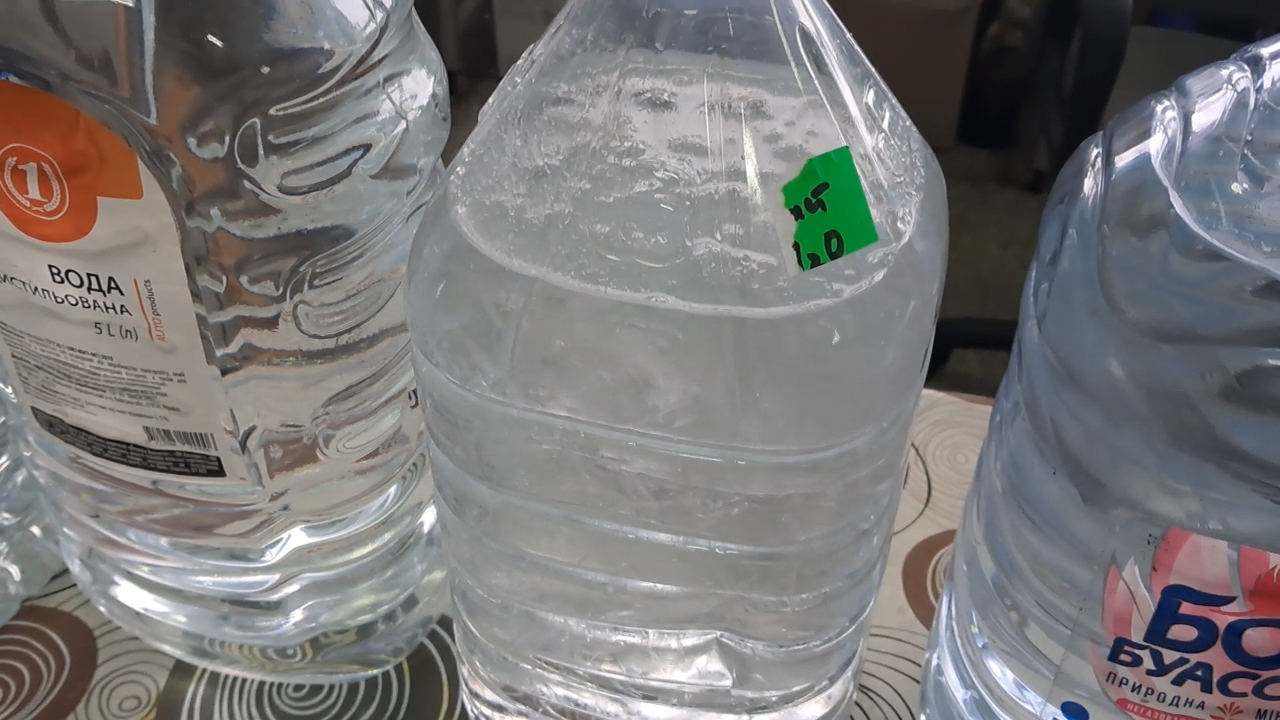
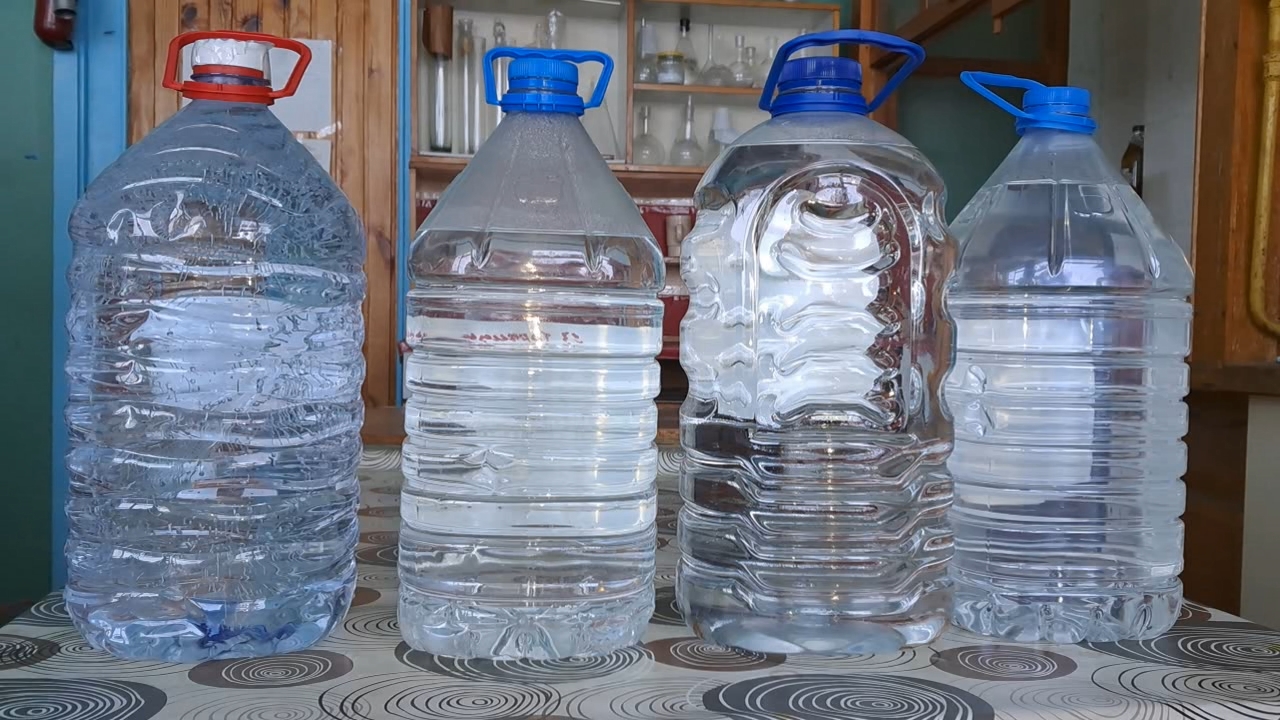
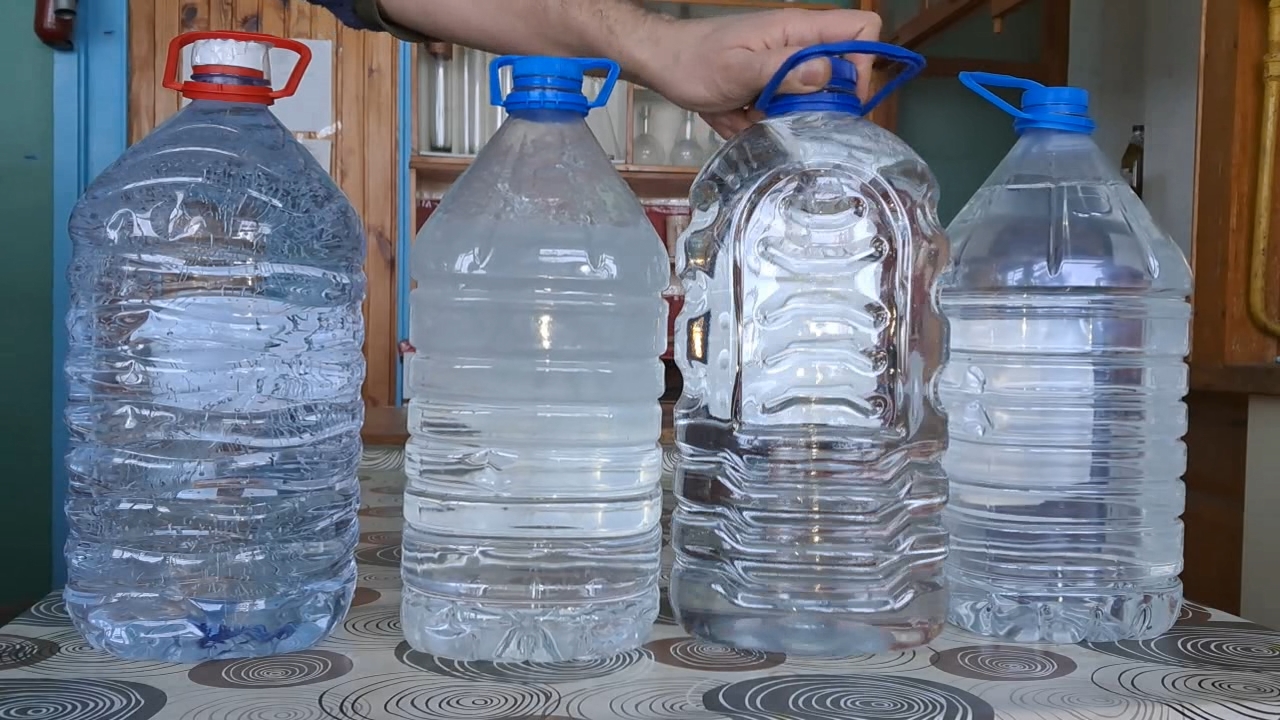
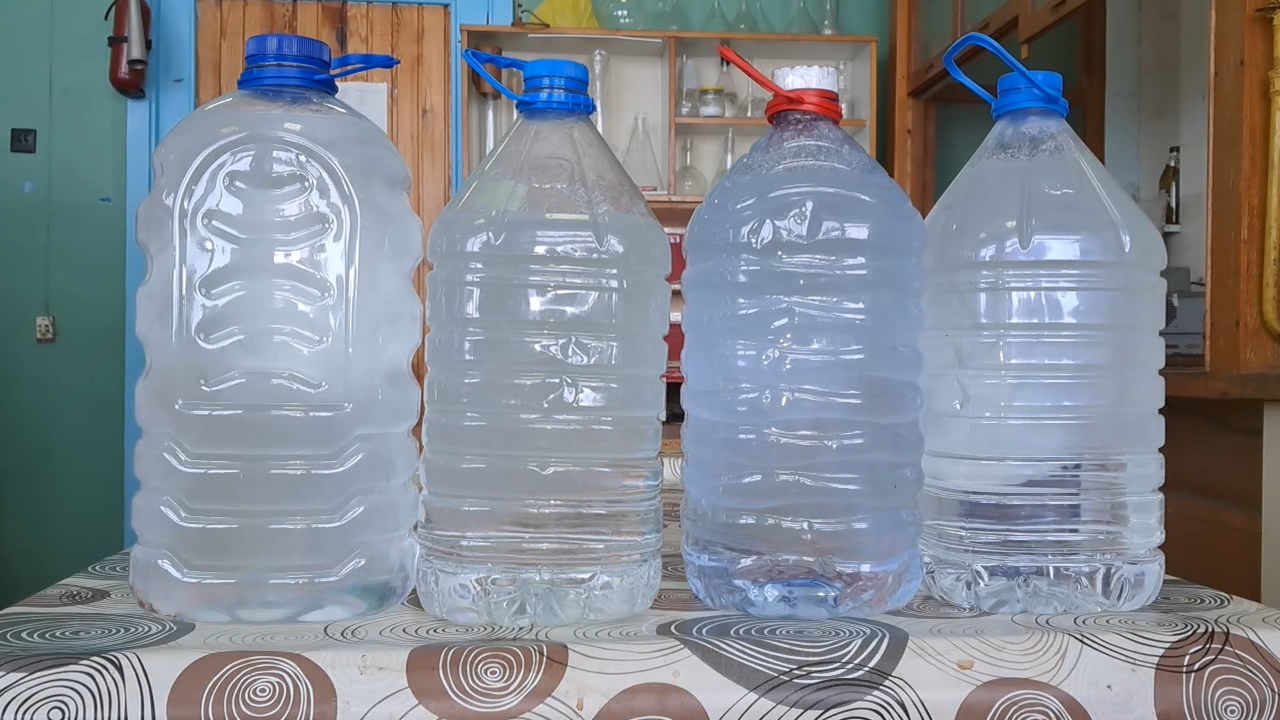
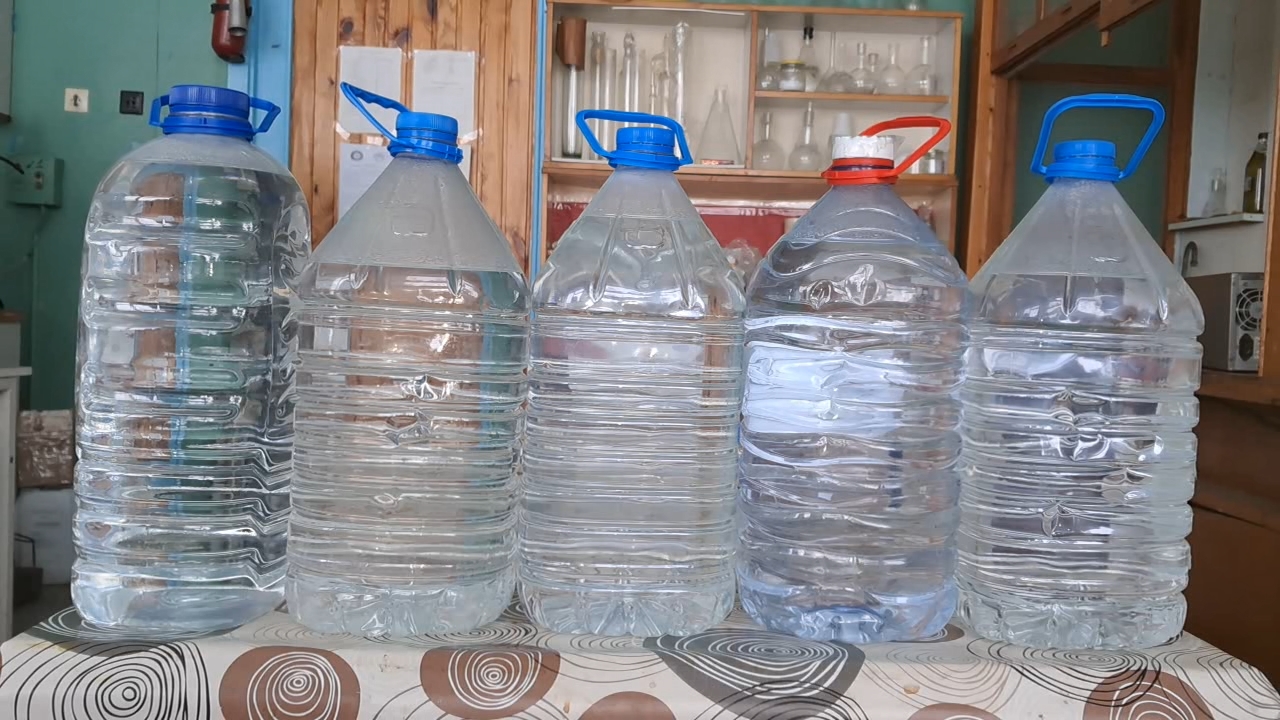
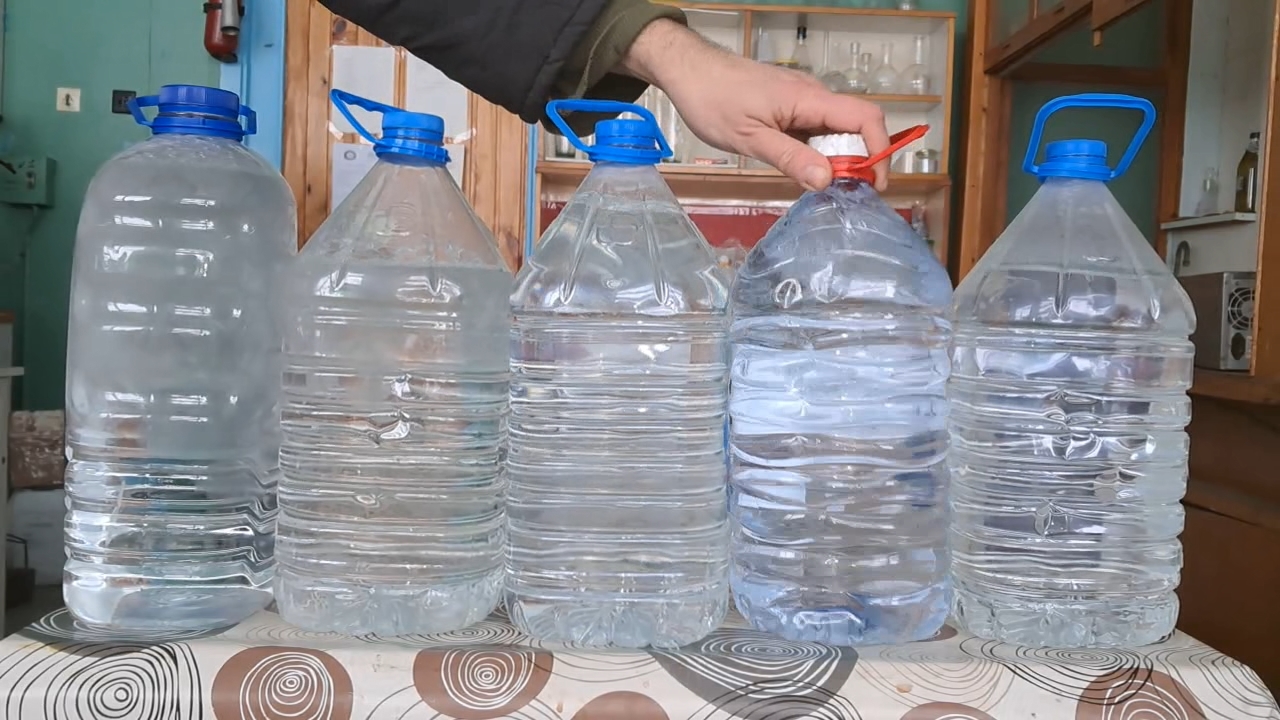
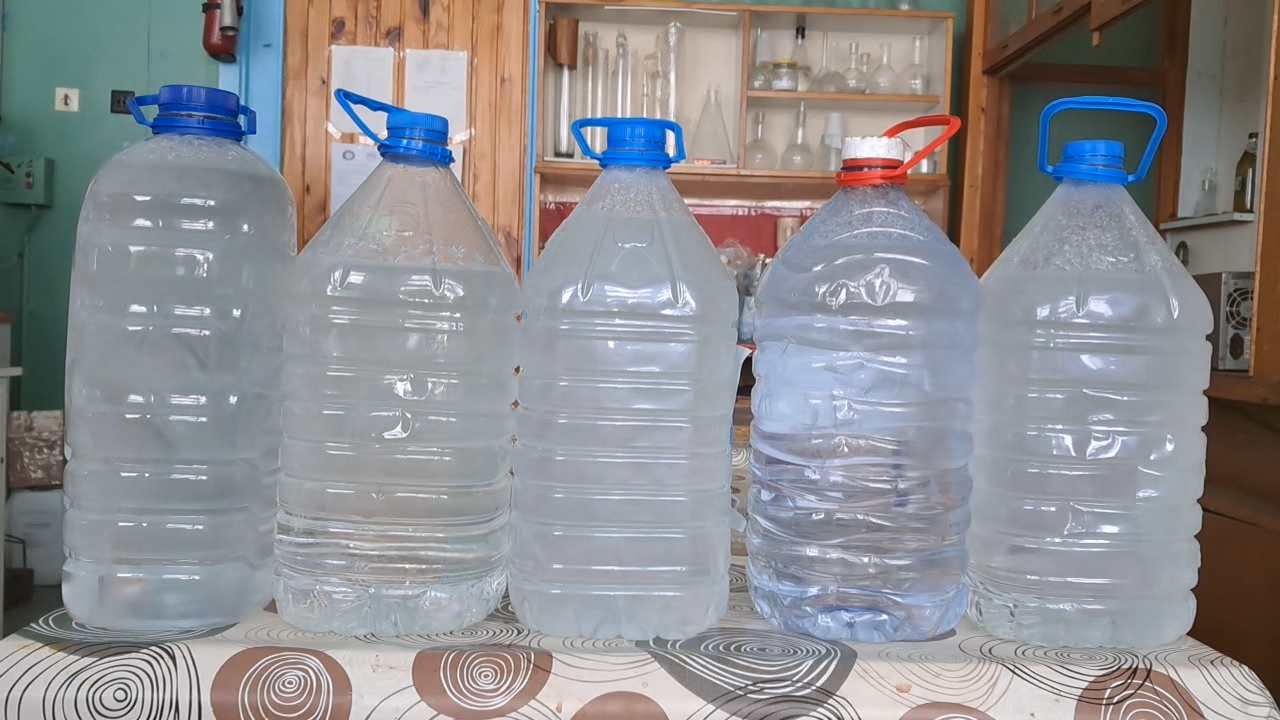
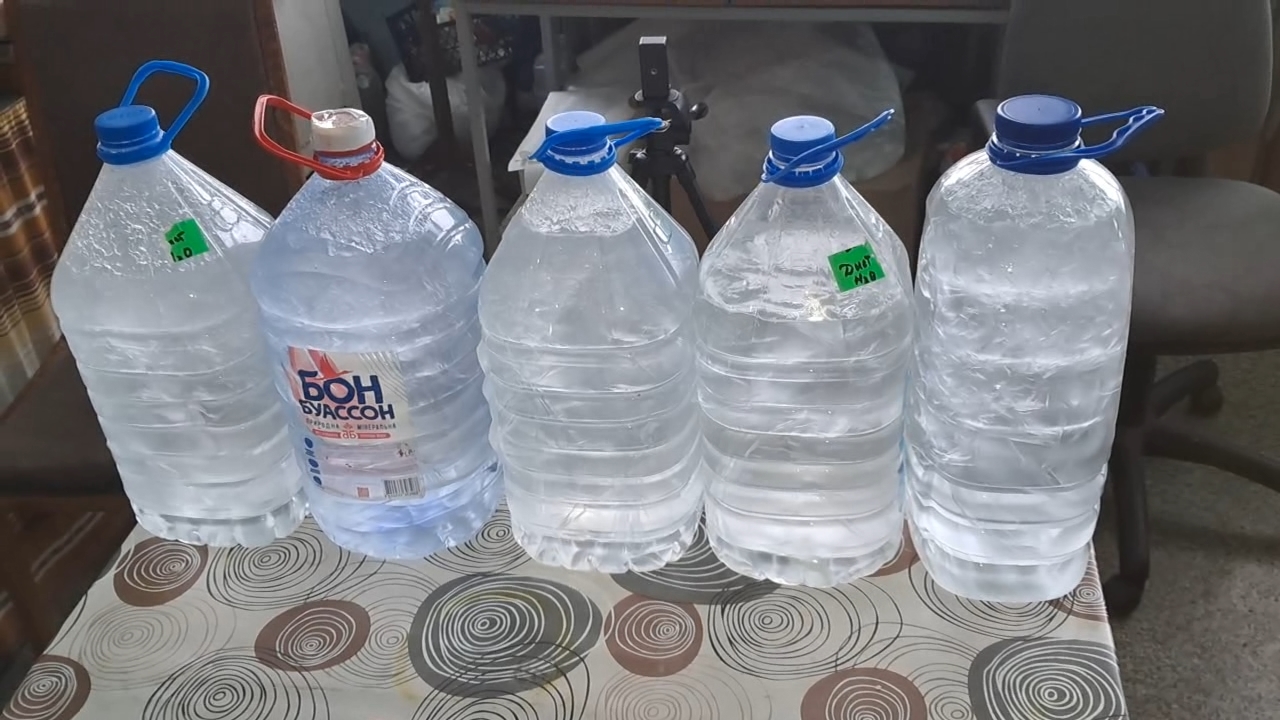
I replaced the partially frozen bottle with a new bottle of liquid distilled water and left the bottles in the laboratory for two days. During this time, the temperature outside dropped significantly, and the temperature in the laboratory fell to -4°C. The water in three bottles remained liquid, but in the first bottle the liquid had almost completely turned into solid ice. This was the bottle I had shaken first during the previous experiment. Whether the preliminary shaking caused the freezing or whether it was merely a coincidence is unknown.

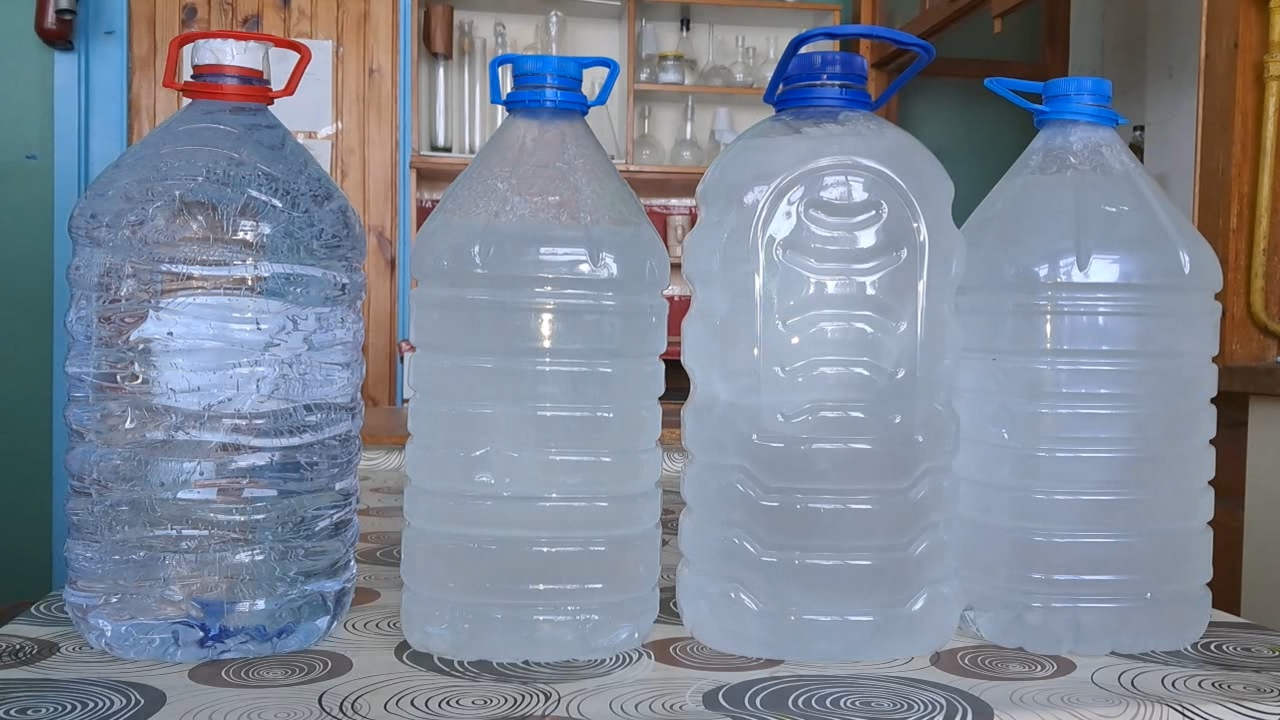
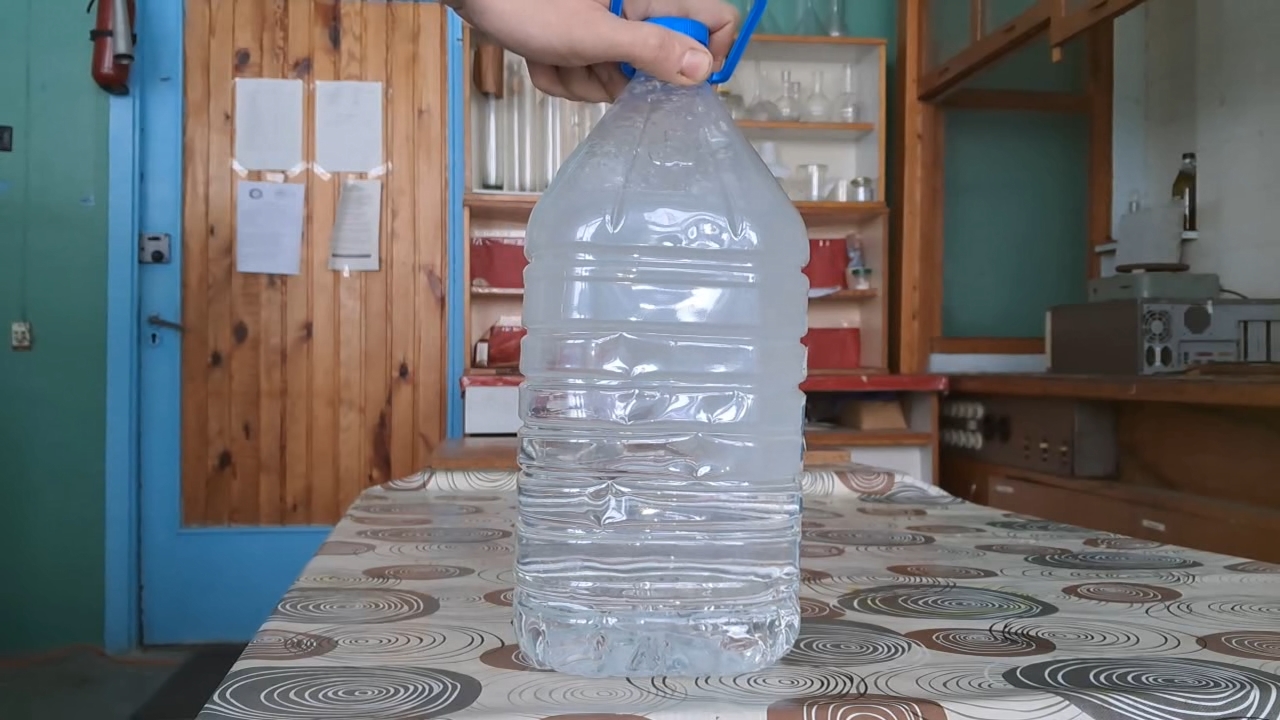
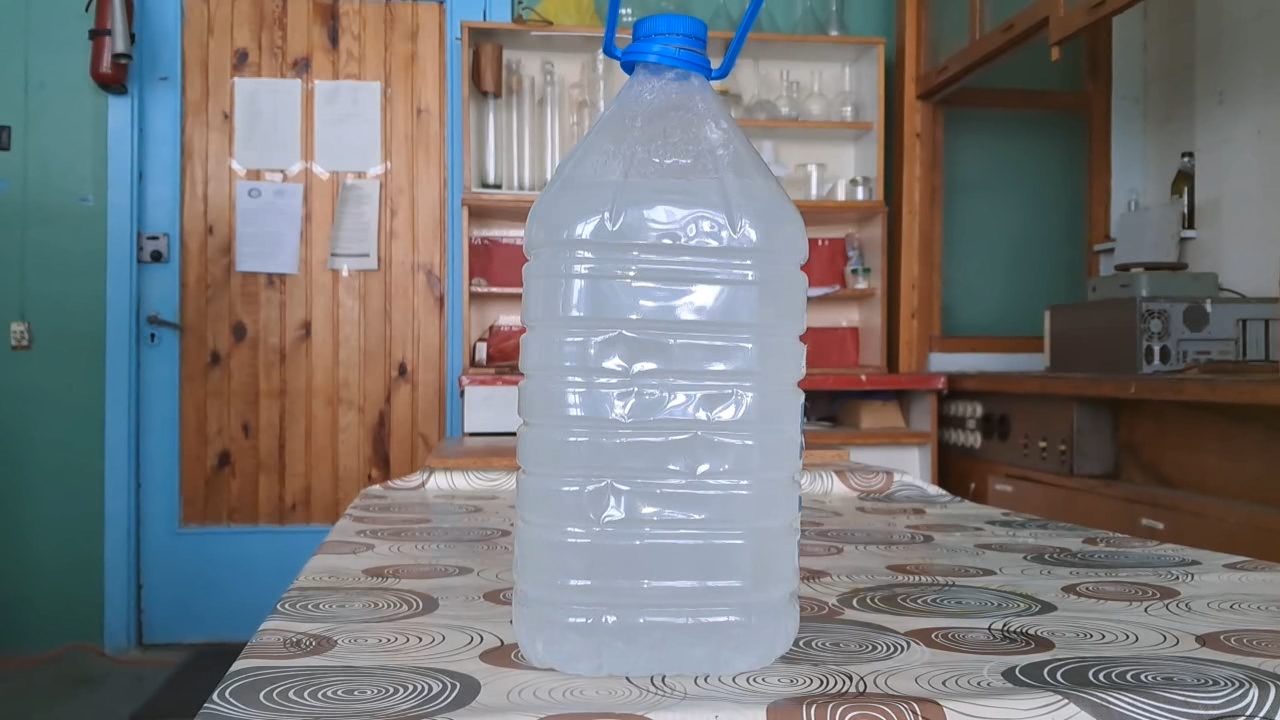
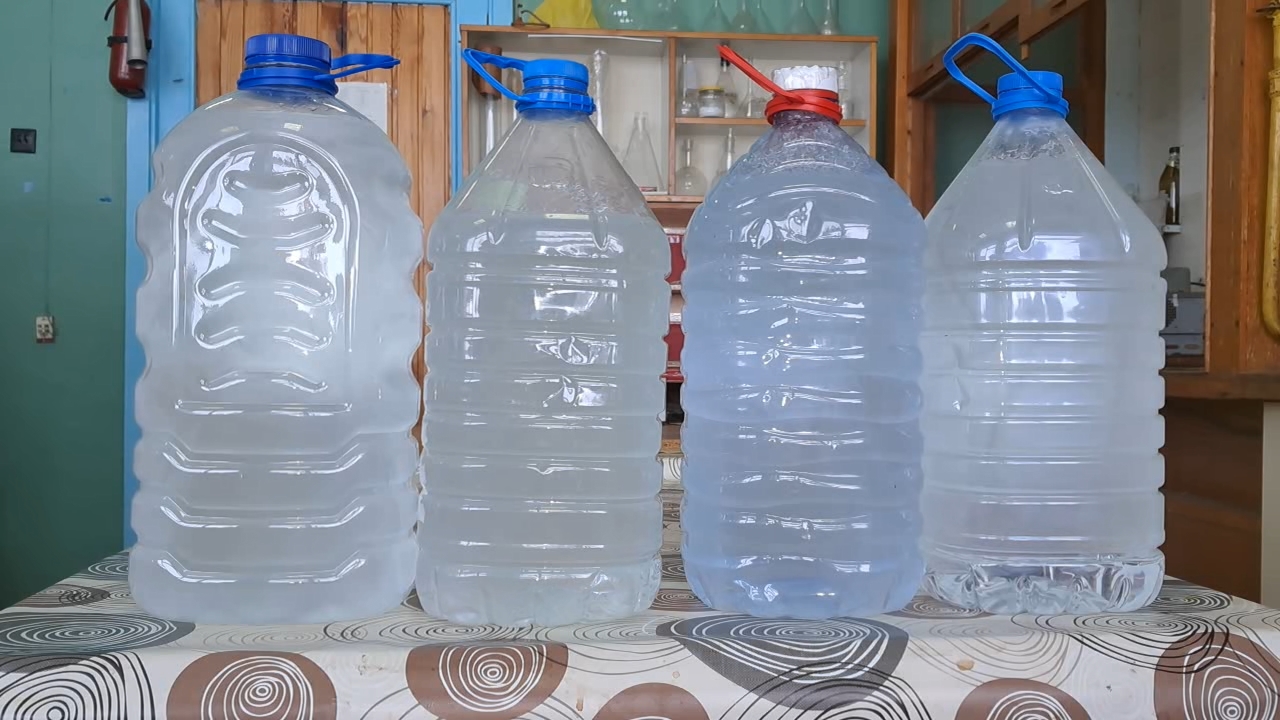
I shook the three remaining bottles. The water in them quickly turned into a white, icy slush.

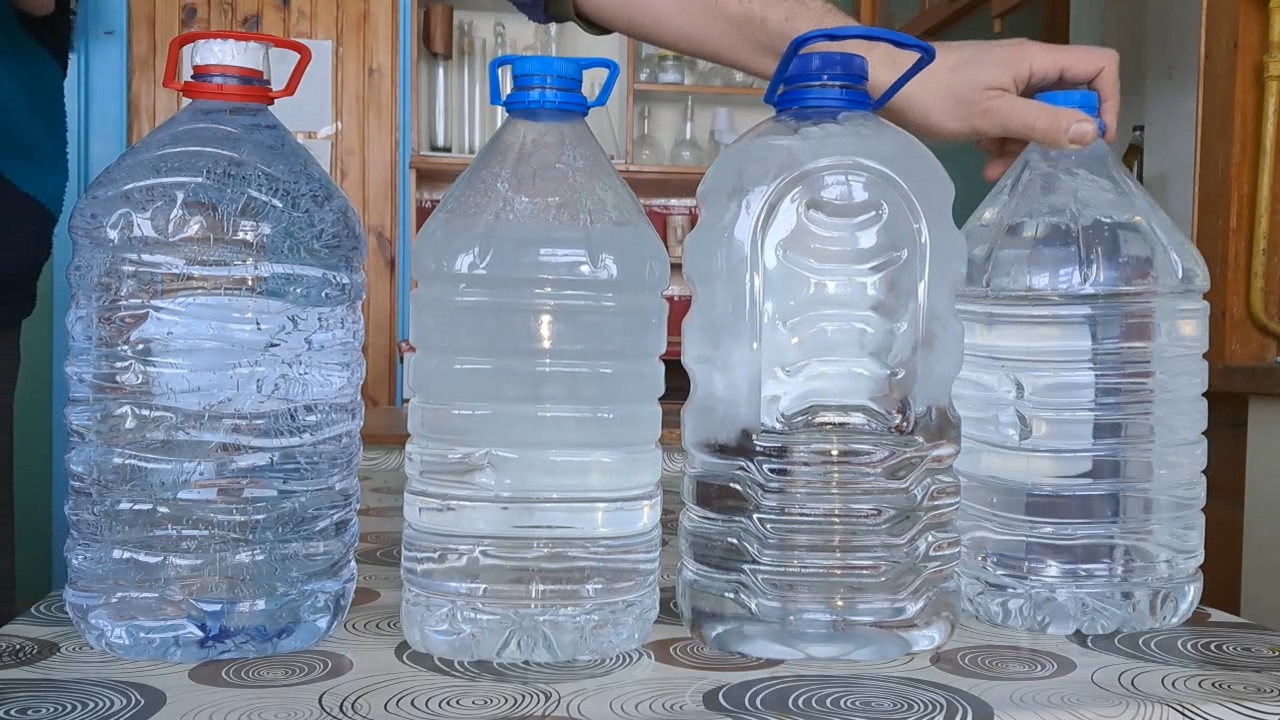
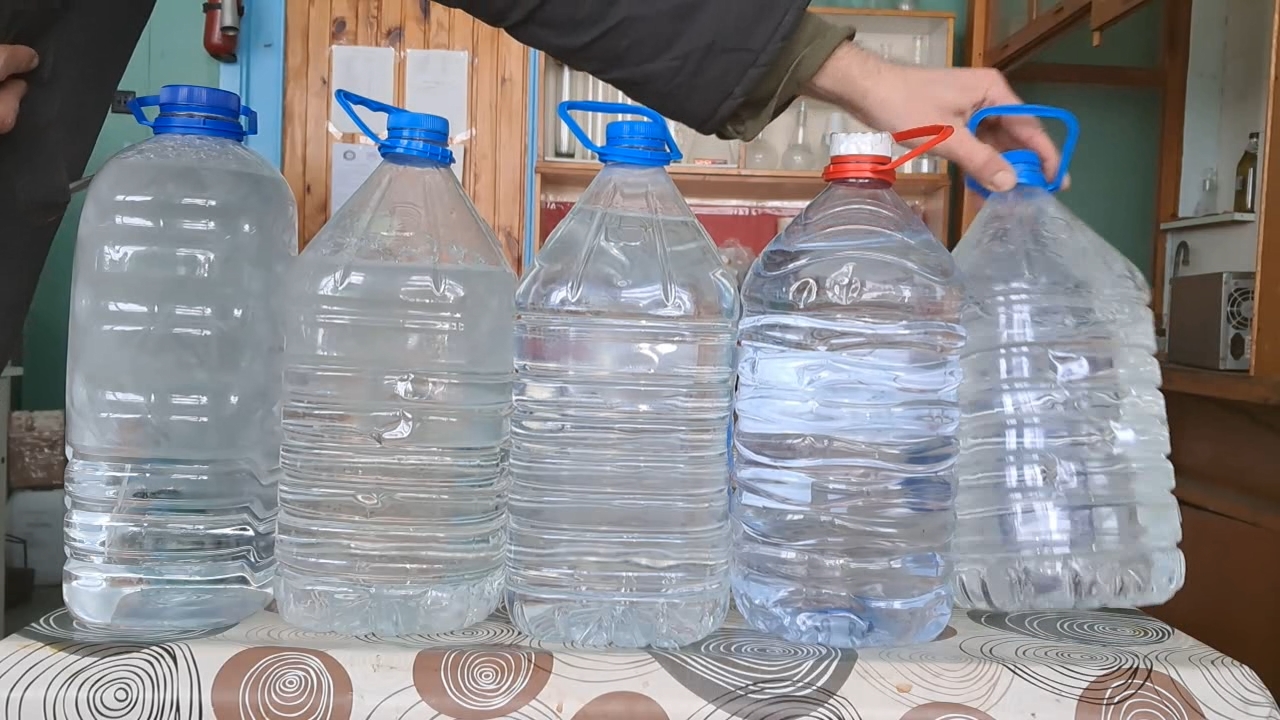
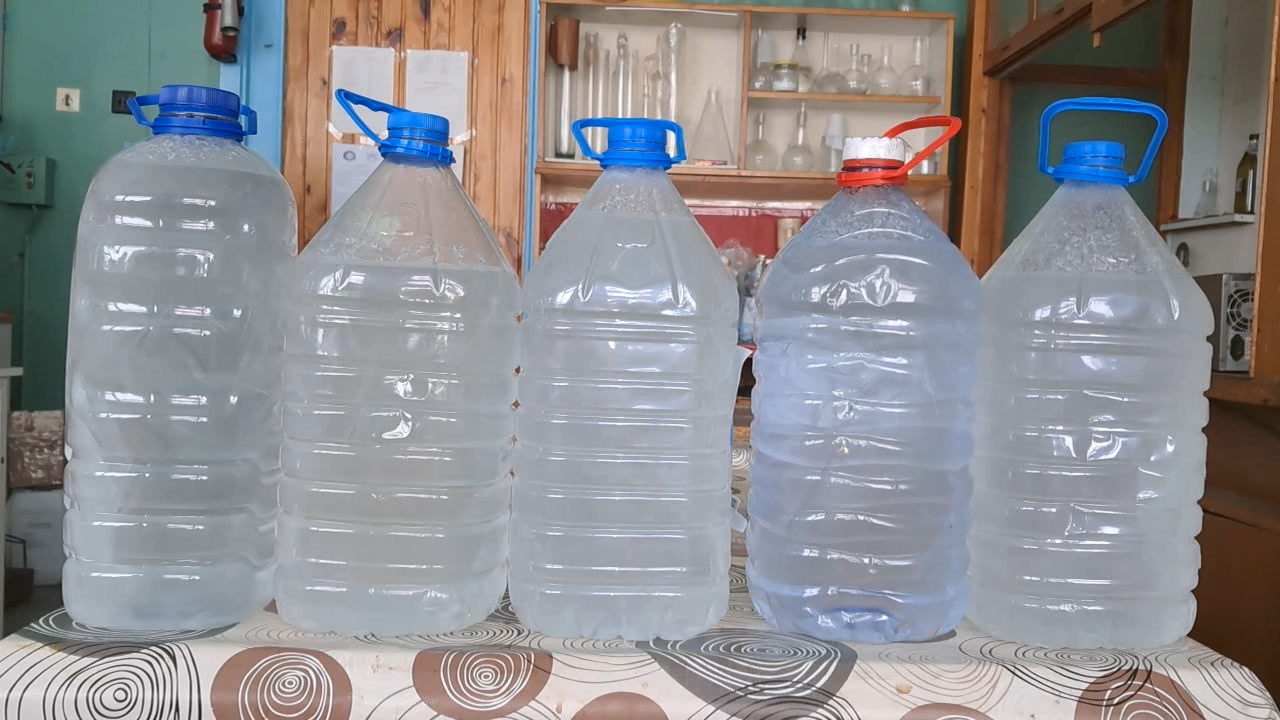
I left another bottle to cool overnight. By morning, the water in the bottle remained liquid, and the laboratory temperature had dropped to -5°C. I shook the bottle - the result was similar to the previous one: the water quickly froze.


Потепление и похолодание - Часть 9
Несмотря на потепление, я оставил в холодной лаборатории 4 бутылки с дистиллированной водой на ночь. Утром температура на улице поднялась до нескольких градусов выше нуля Цельсия, зато в лаборатории было -2°С. Пришлые эксперименты с переохлажденной водой я провел, когда в лаборатории было от -4 до -5°С. Как видите, в лаборатории тоже потеплело, но температура все еще осталась ниже нуля. Было интересно, как поведет себя переохлажденная вода в таких условиях.

Сильно встряхнул первую бутылку, вода осталась жидкой. Дальнейшие попытки инициировать образование льда успеха не имели.

Встряхнул вторую бутылку. После нескольких попыток в бутылке начали образовываться кристаллы льда. Количество льда в бутылке постепенно увеличивалось, однако, моя радость оказалась преждевременной. Лишь две трети воды в бутылке превратилось в белую кашу, после чего образование льда практически остановилось. Вода оказалось недостаточно переохлажденной, чтобы произошло ее полное замерзание (даже до состояния "ледяной каши").

Заменил частично замерзшую бутылку новой бутылкой с жидкой дистиллированной водой и оставил их на два дня в лаборатории. За это время на улице сильно похолодало, и температура в лаборатории опустилась до -4°С. В трех бутылках вода осталась жидкой, но в первой бутылке жидкость почти полностью превратилась в монолитный лед. Именно эту бутылку я встряхивал первой во время предыдущего эксперимента. Является ли предварительное встряхивание причиной замерзания, или это случайное совпадение - неизвестно.

Встряхнул три оставшиеся бутылки. Вода в них быстро превратилась в белую ледяную кашу.

Оставил еще одну бутылку охлаждаться на ночь. К утру, вода в бутылке осталась жидкой, а температура в лаборатории опустилась до -5°С. Встряхнул бутылку - результат был аналогичен предыдущему - вода быстро замерзла.


Download the Video (63 Mb, .avi )

Freezing of Supercooled Water

Freezing of Supercooled Water

Freezing of Supercooled Water

Freezing of Supercooled Water

Freezing of Supercooled Water

Freezing of Supercooled Water

Freezing of Supercooled Water

Freezing of Supercooled Water

Freezing of Supercooled Water

Freezing of Supercooled Water

Freezing of Supercooled Water

Freezing of Supercooled Water

Freezing of Supercooled Water

Freezing of Supercooled Water

Freezing of Supercooled Water

Freezing of Supercooled Water

Freezing of Supercooled Water

Freezing of Supercooled Water

Freezing of Supercooled Water

Freezing of Supercooled Water

Freezing of Supercooled Water

Freezing of Supercooled Water

Freezing of Supercooled Water

Freezing of Supercooled Water

Freezing of Supercooled Water

Freezing of Supercooled Water

Freezing of Supercooled Water

Freezing of Supercooled Water

Freezing of Supercooled Water

Freezing of Supercooled Water

Freezing of Supercooled Water

Freezing of Supercooled Water


[ Experiments with Ice and Dry Ice. Supercooled Liquids ]
[ Life of Chemists ]

Supercooled and superheated liquids - Discussion on the forum
Adventures of Chemists / Life of Chemists - Discussion on the forum
[Submit a Comment / Error Message - Отправить Комментарий / Сообщение об ошибке]