Chemistry and Chemists № 1 2026
Journal of Chemists-Enthusiasts
| Content | Chemistry experiments - video | Physics experiments - video | Home Page - Chemistry and Chemists |
|
Chemistry and Chemists № 1 2026 Journal of Chemists-Enthusiasts |
Freezing of Supercooled Water - pt.11 Chemist |
|
Having noticed a mistake in the text, allocate it and press Ctrl-Enter
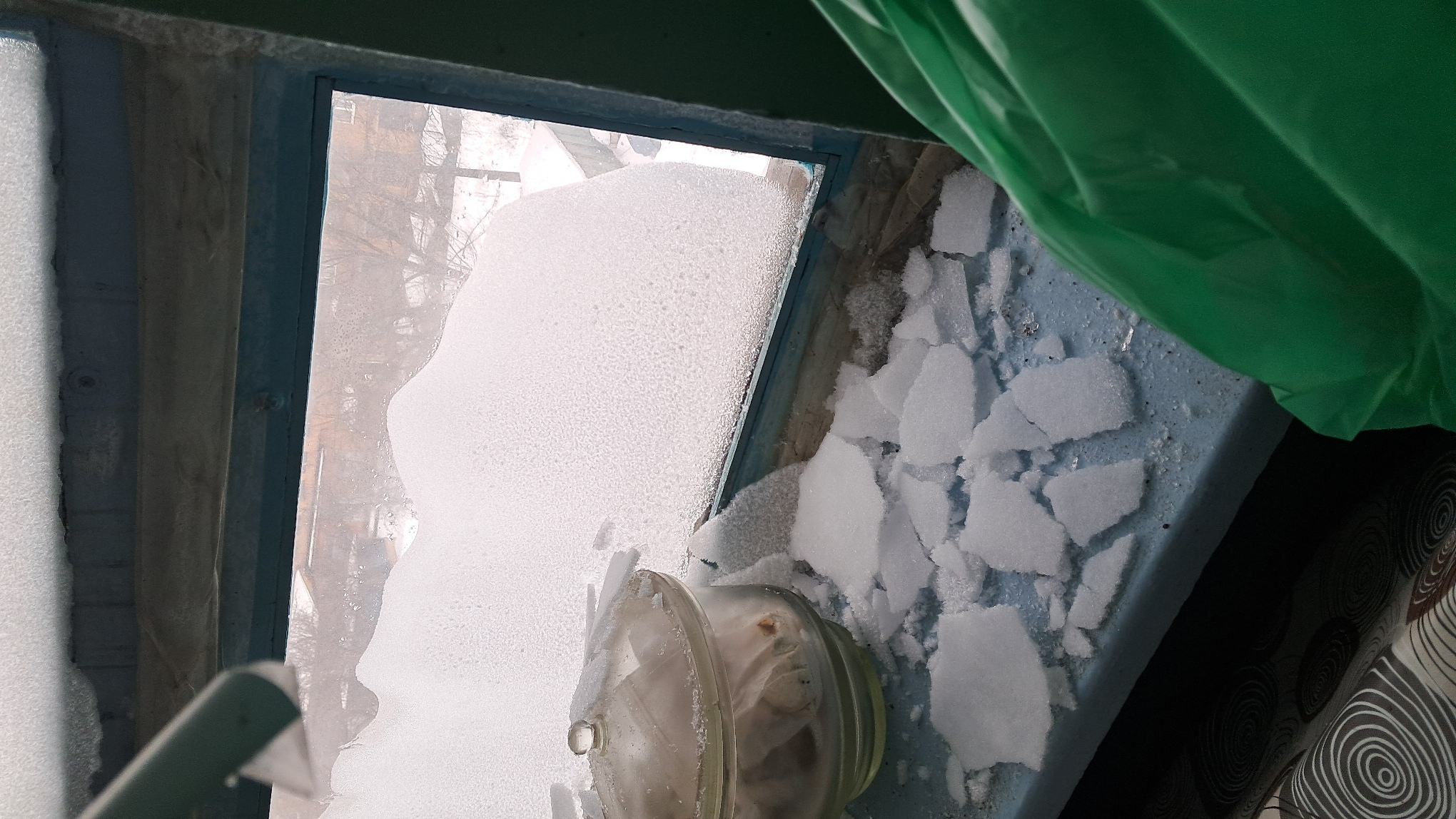
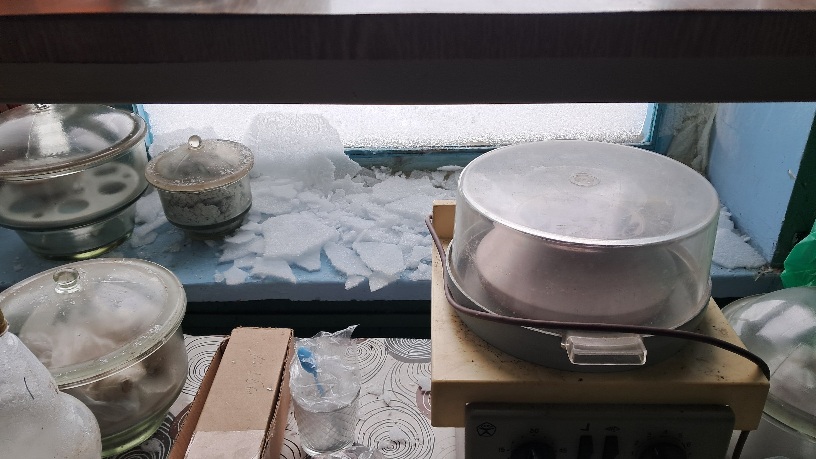
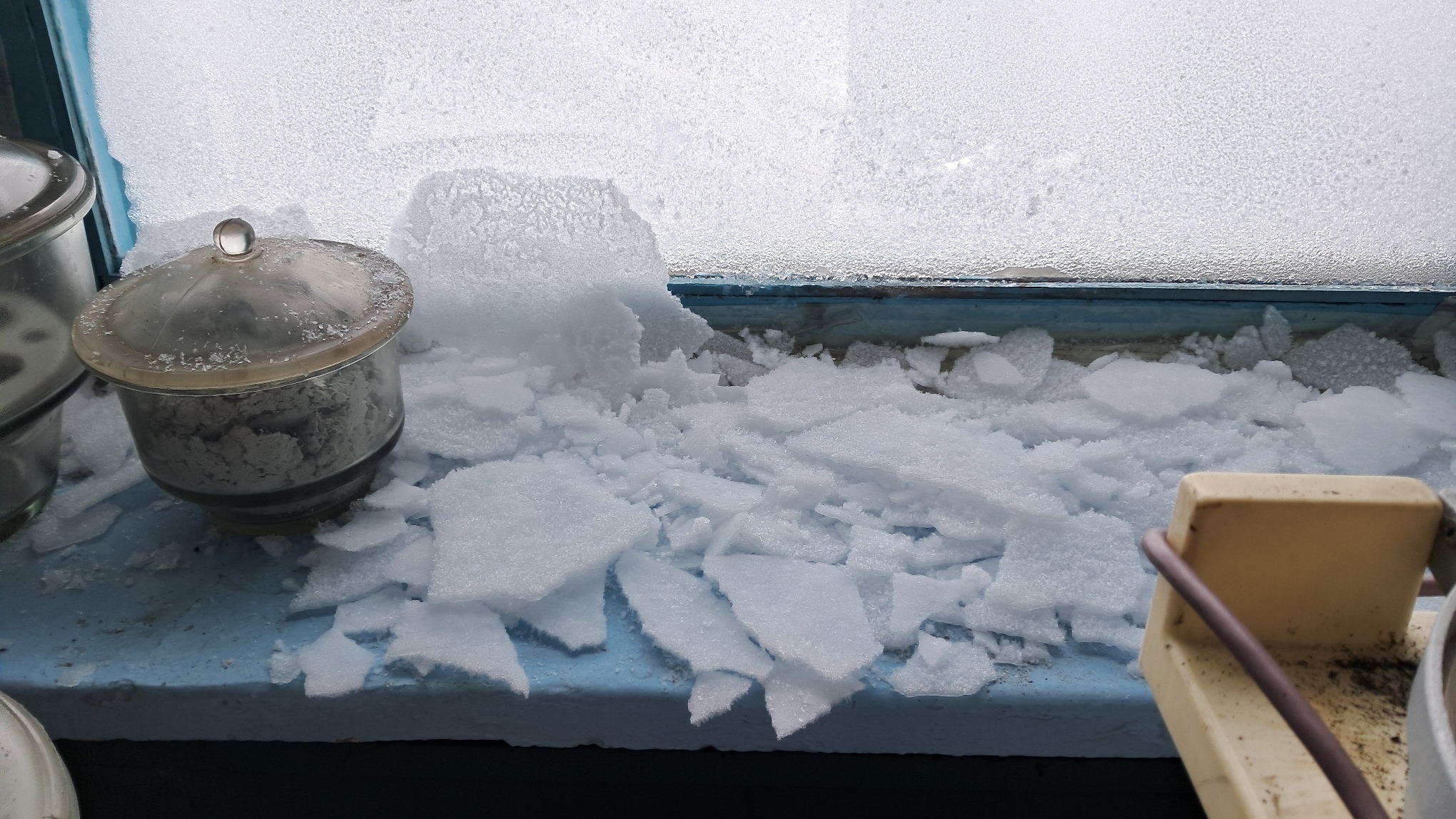
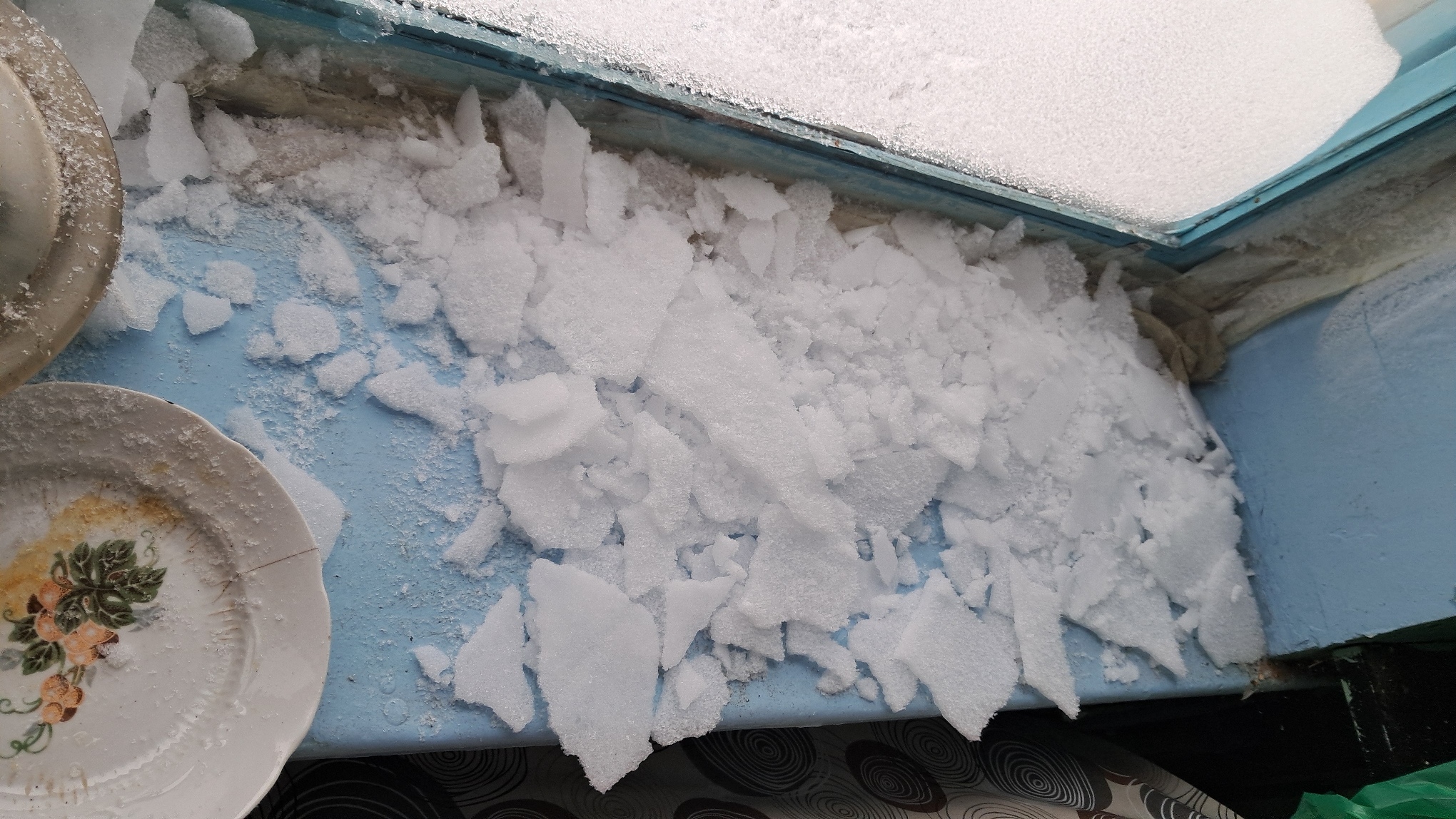
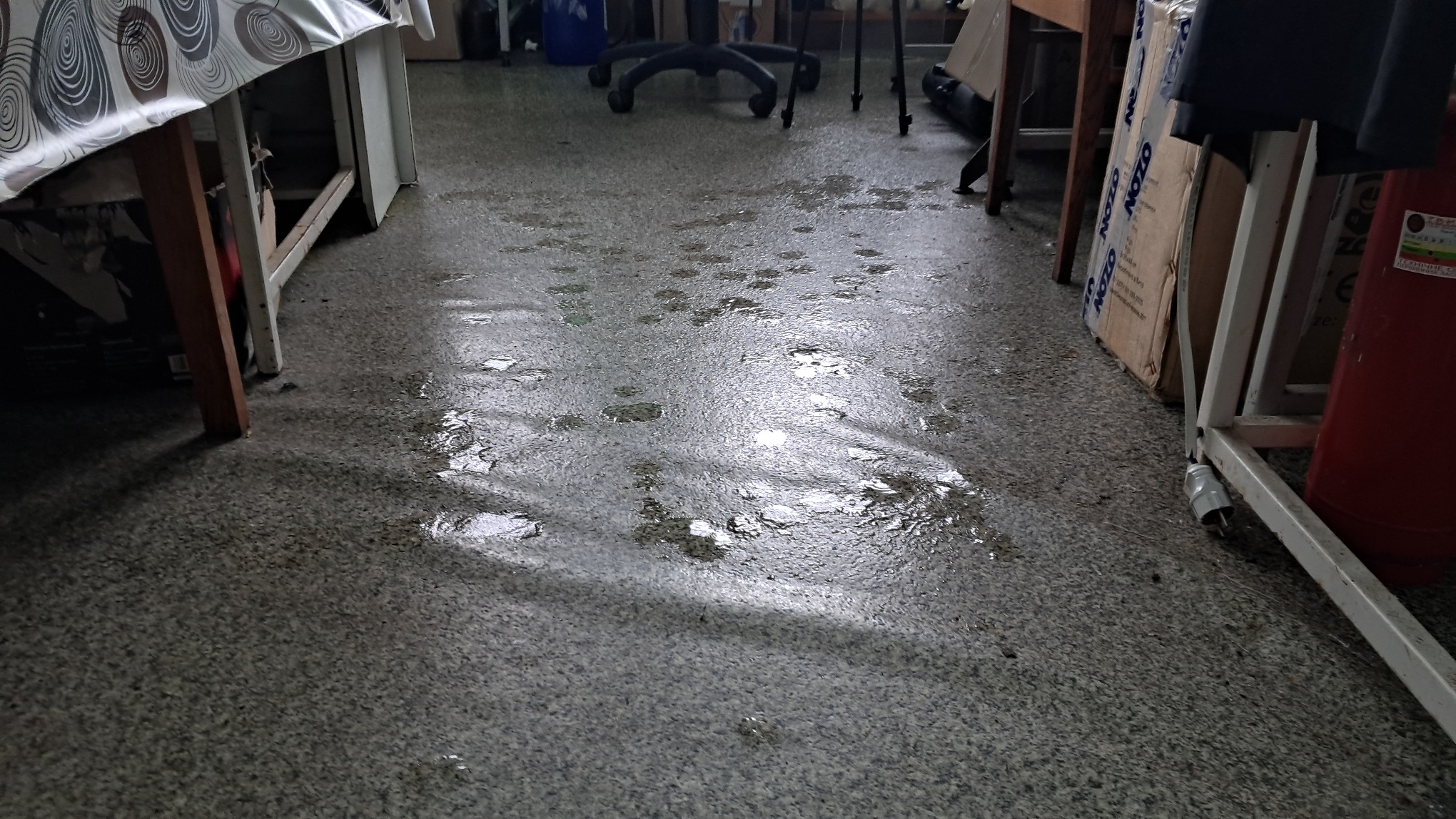
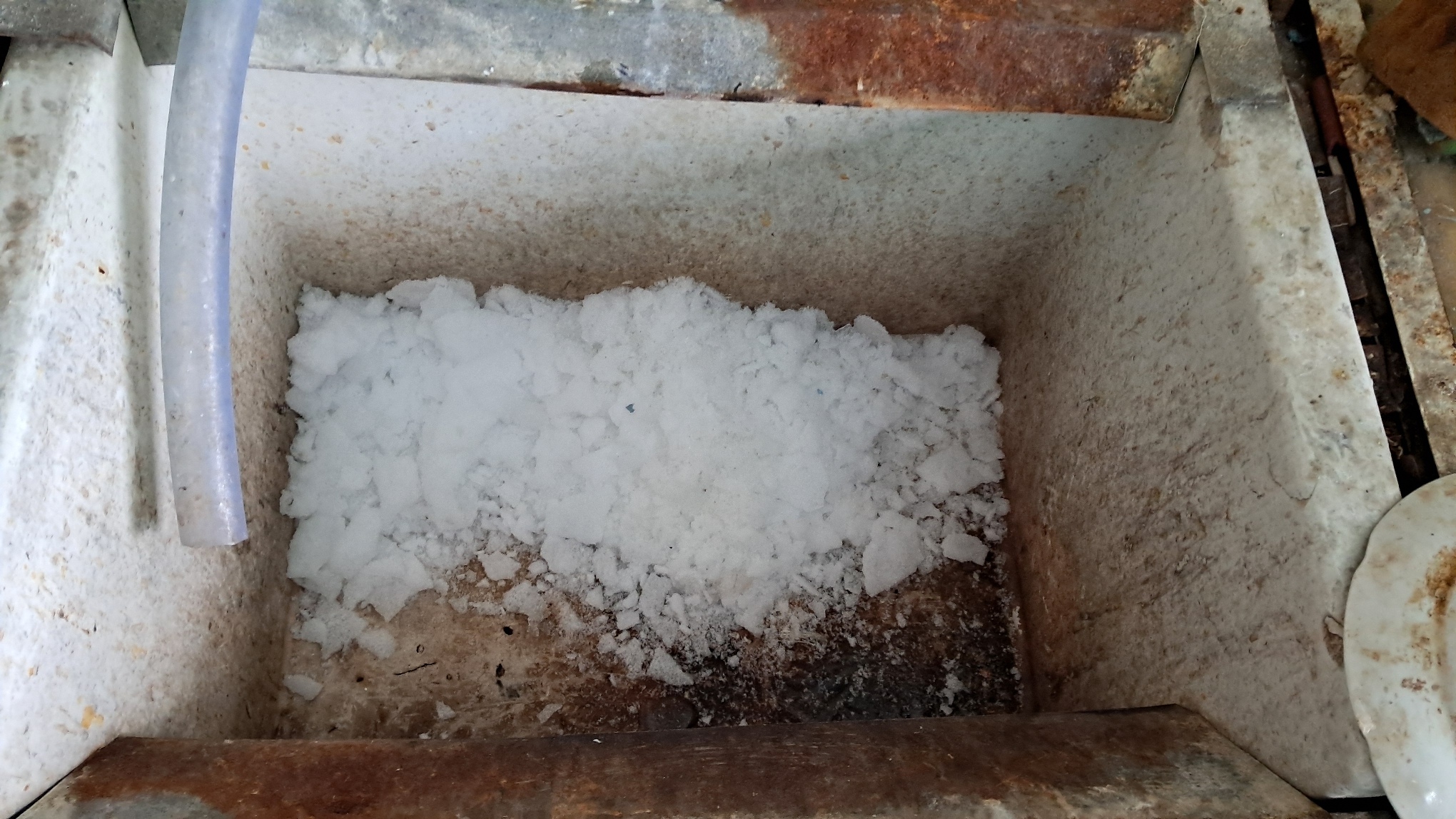
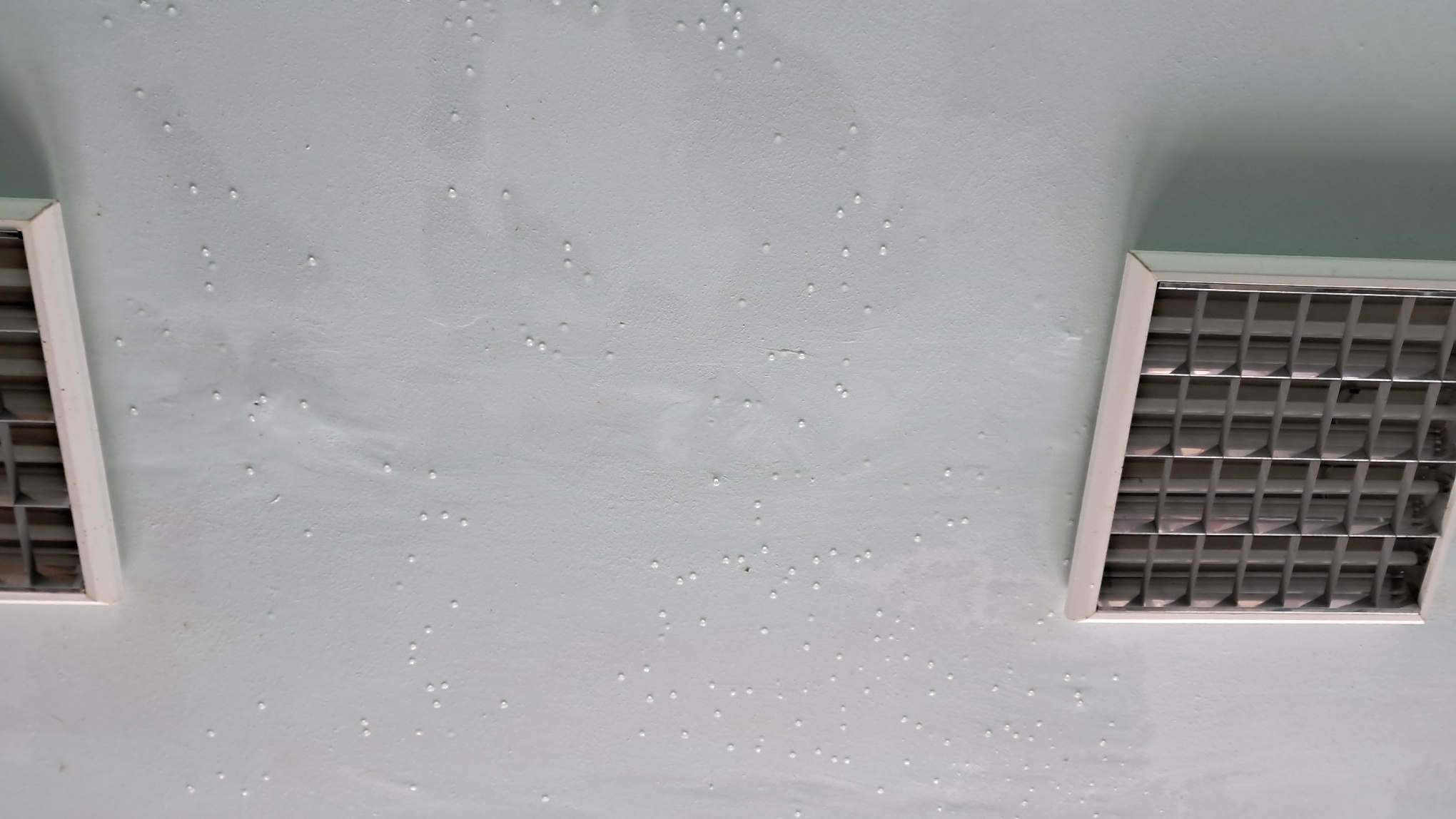
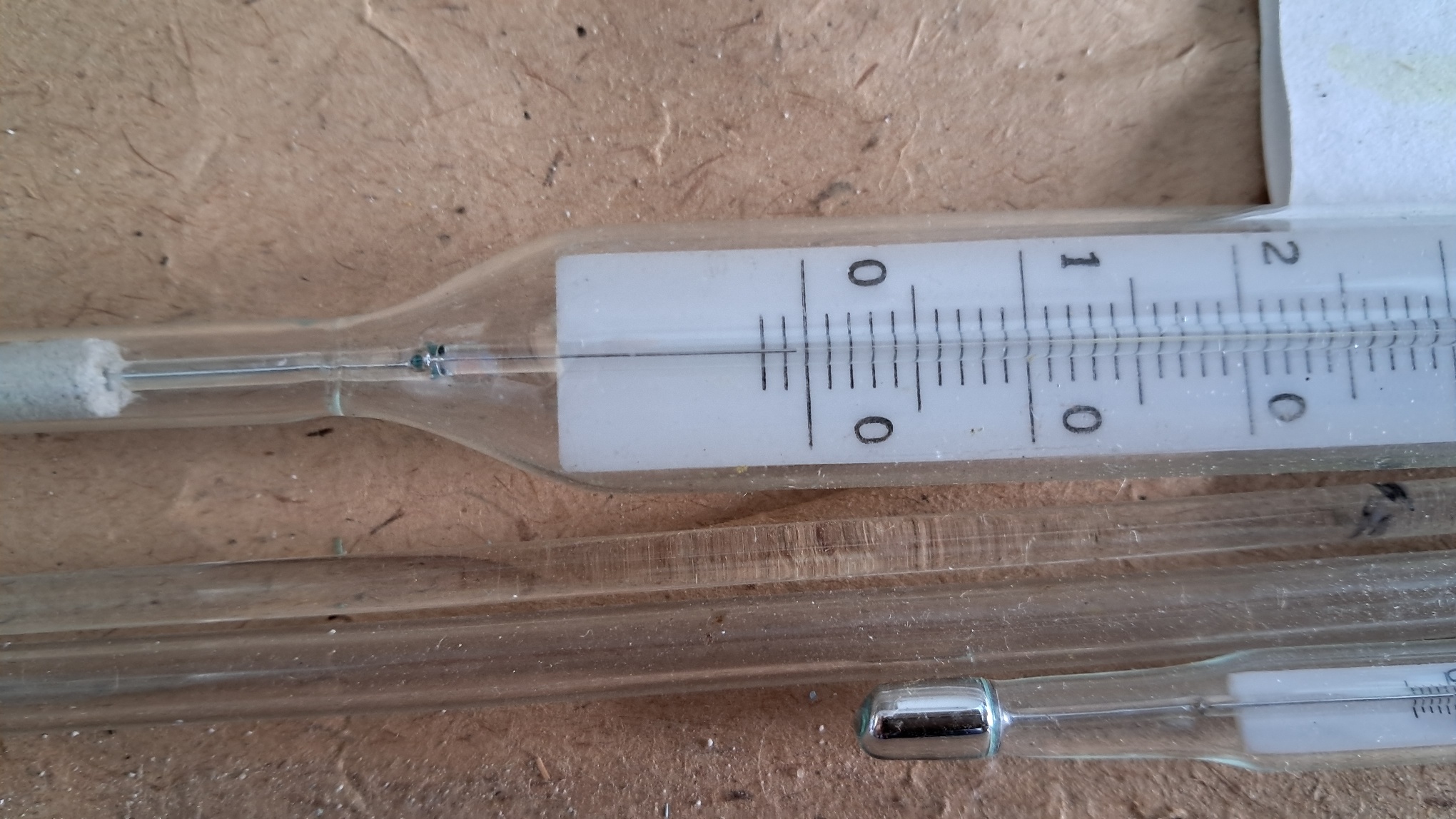
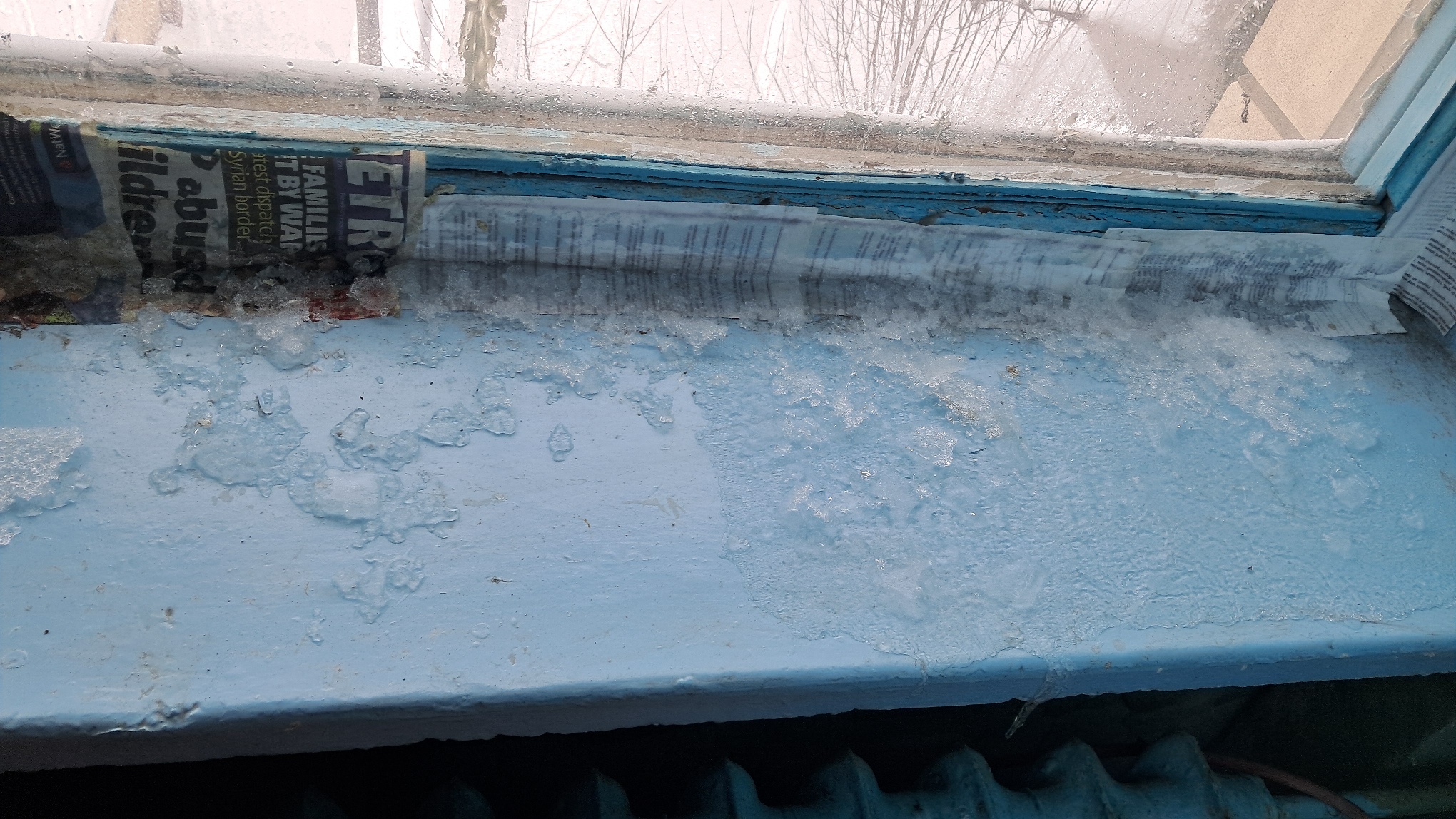
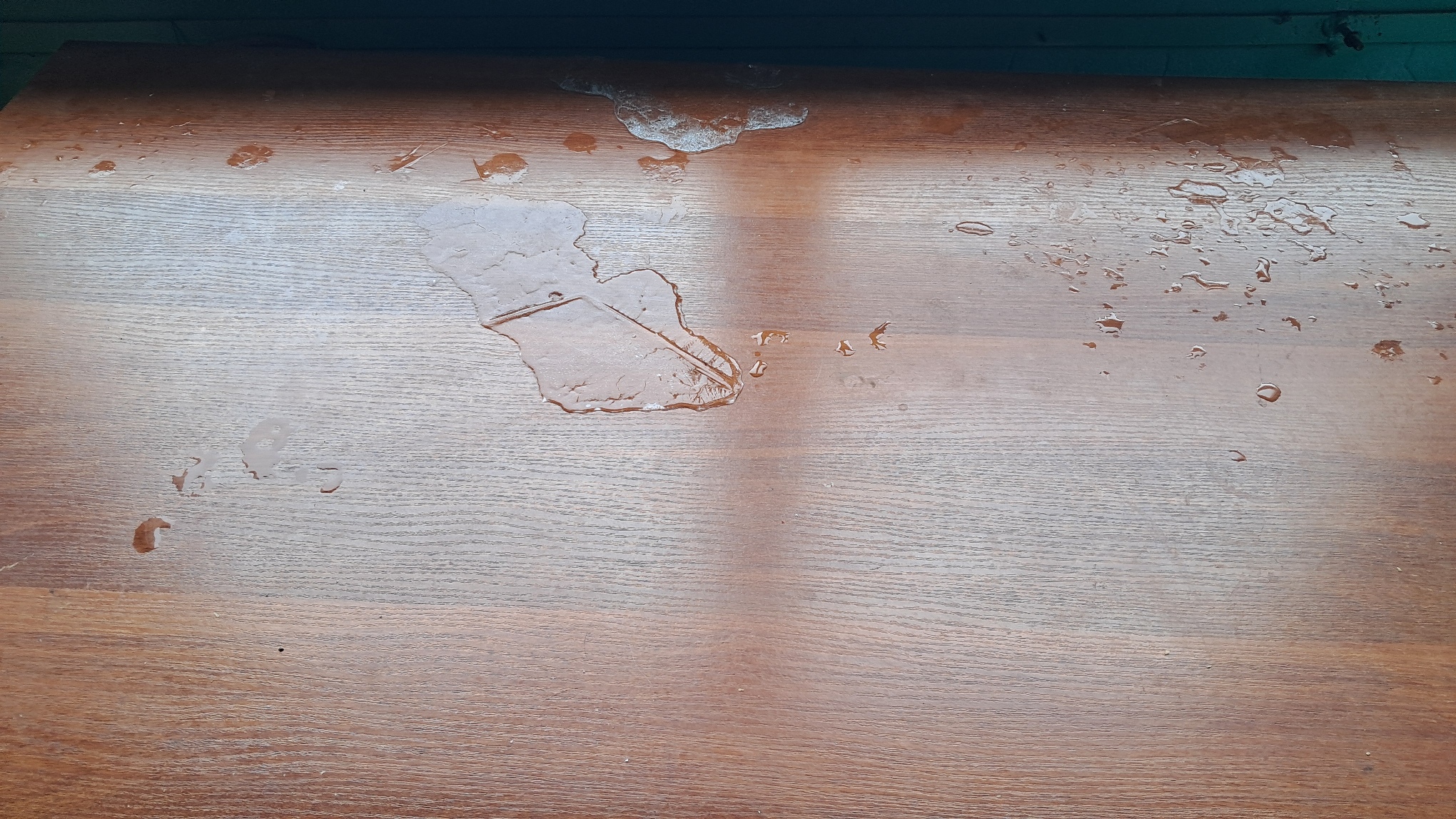
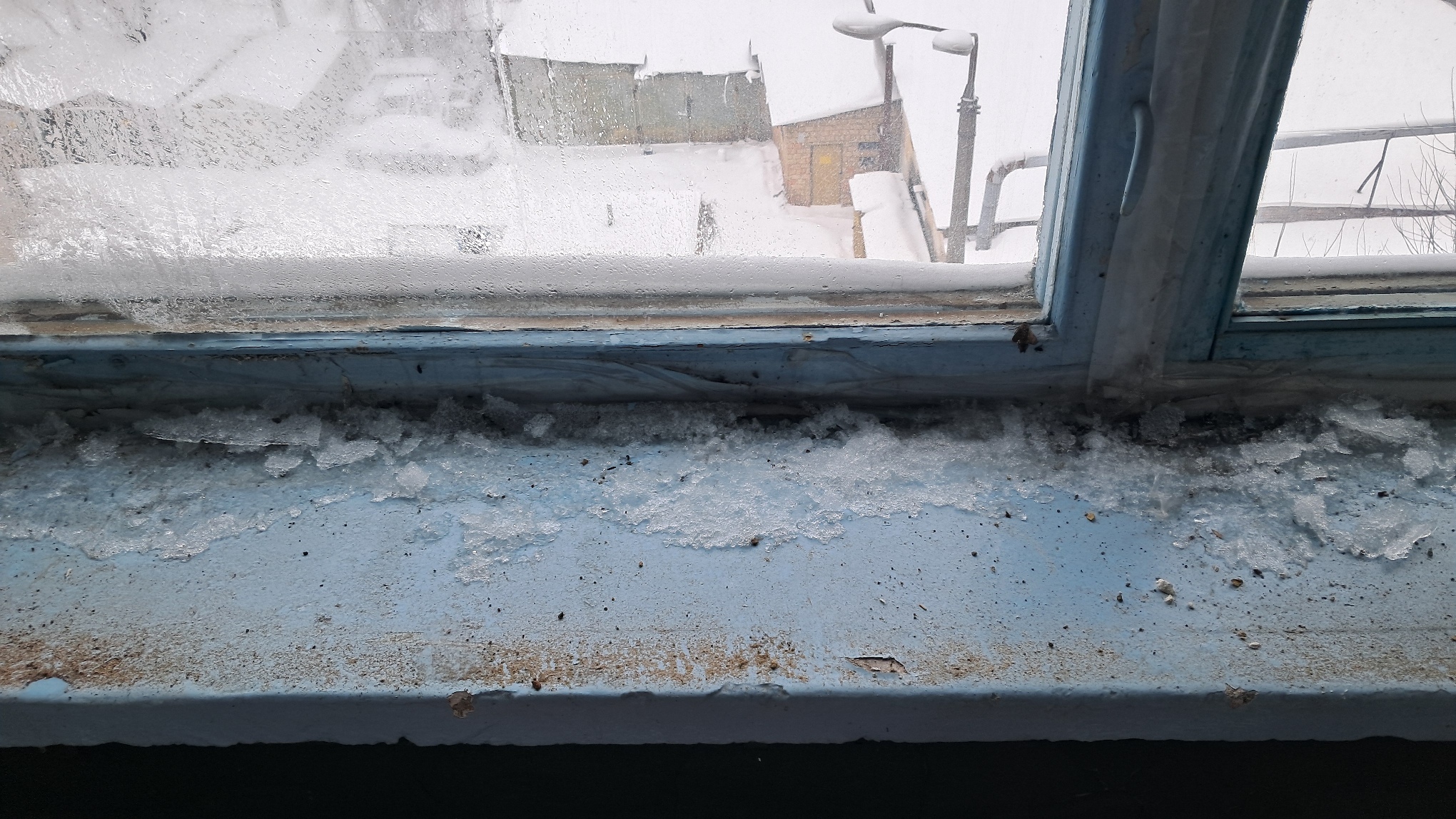
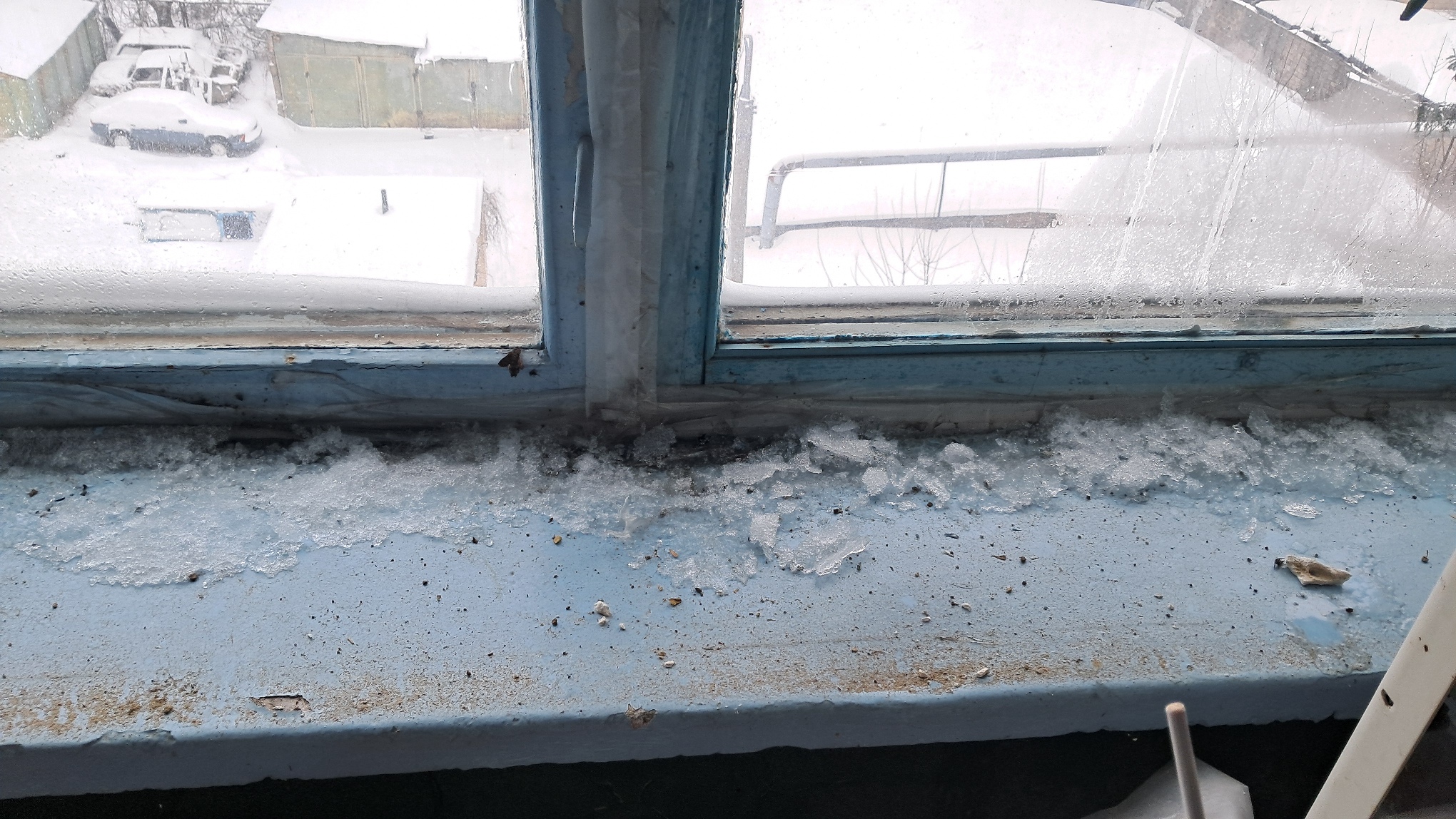
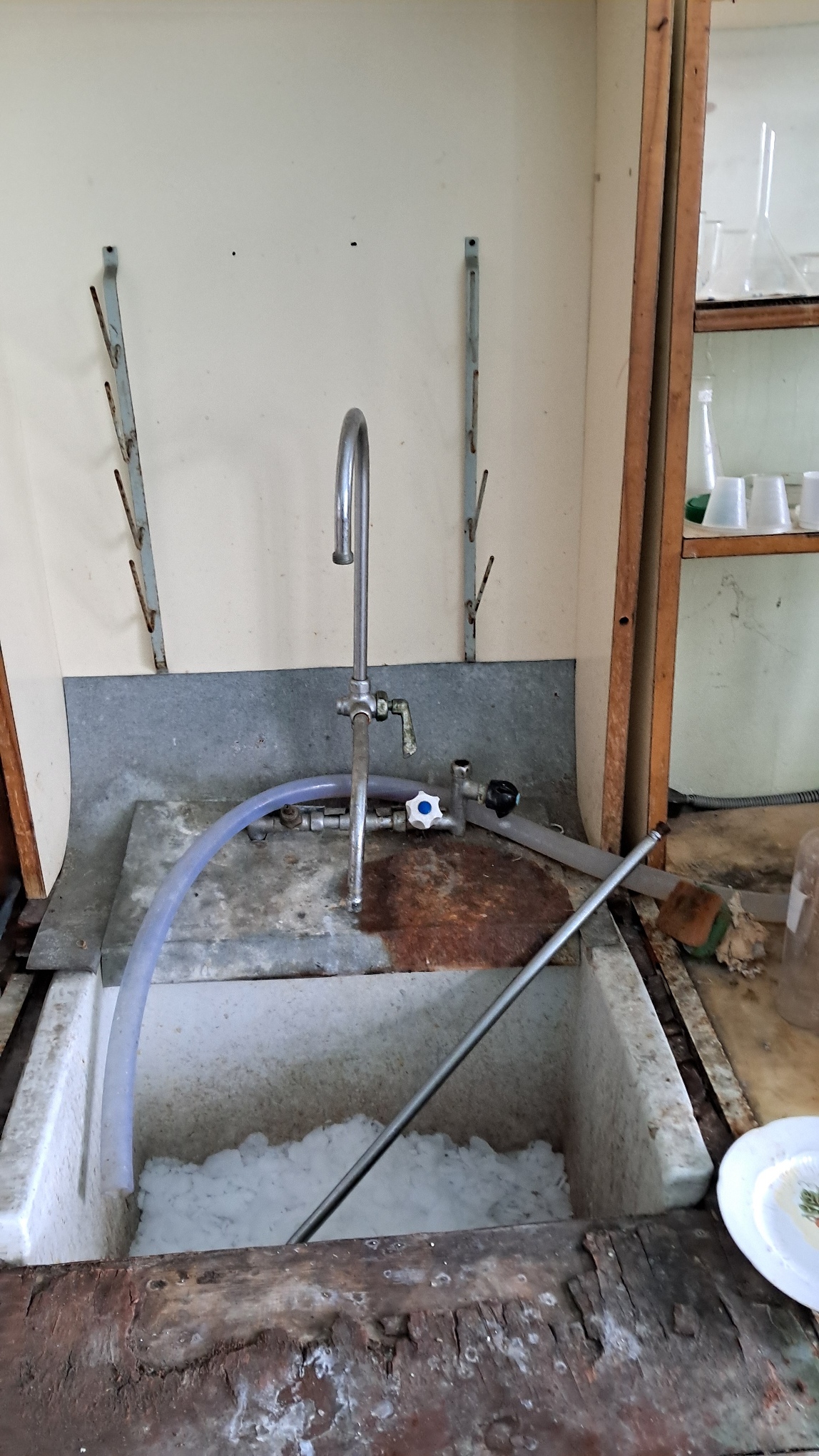
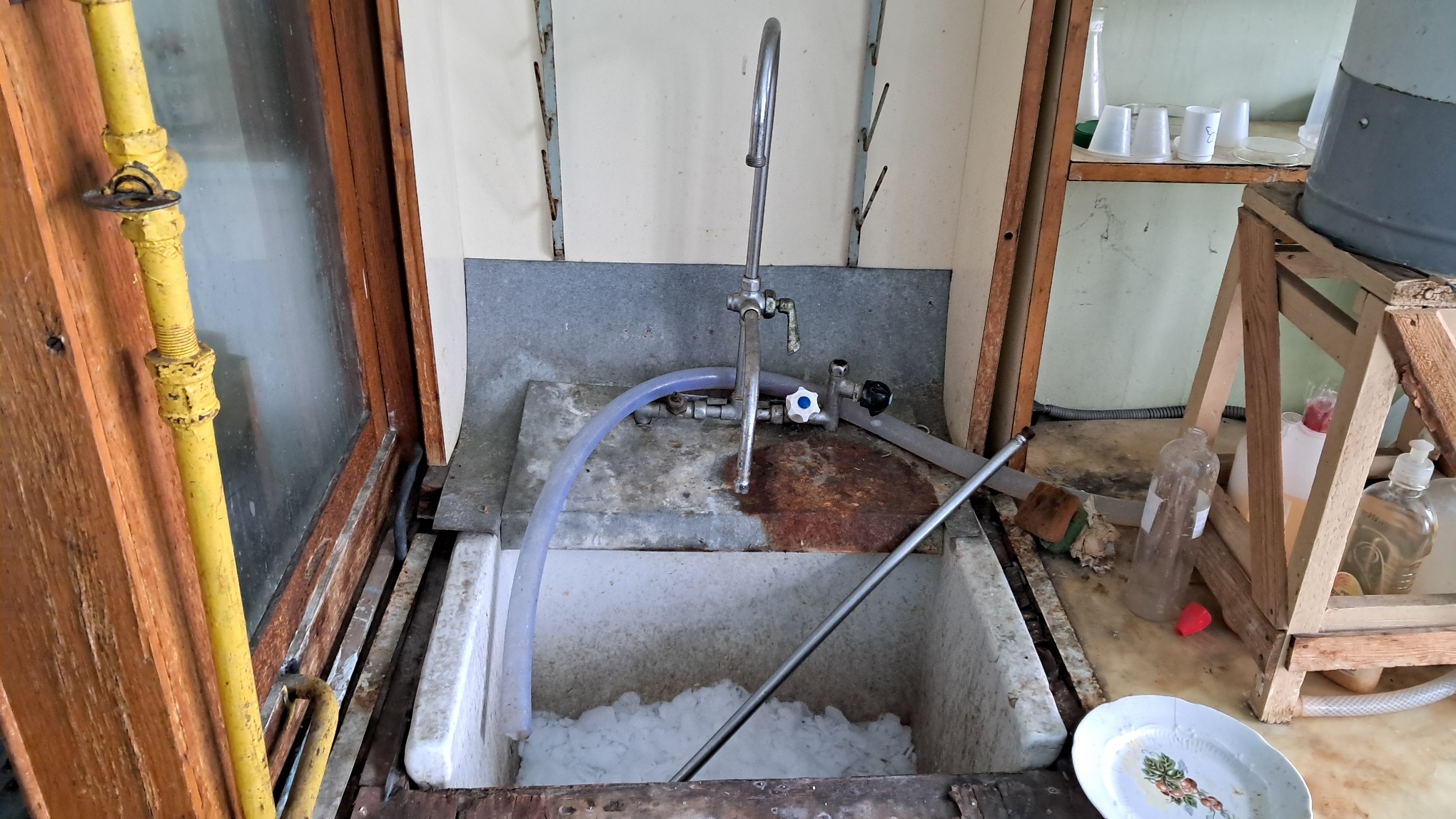
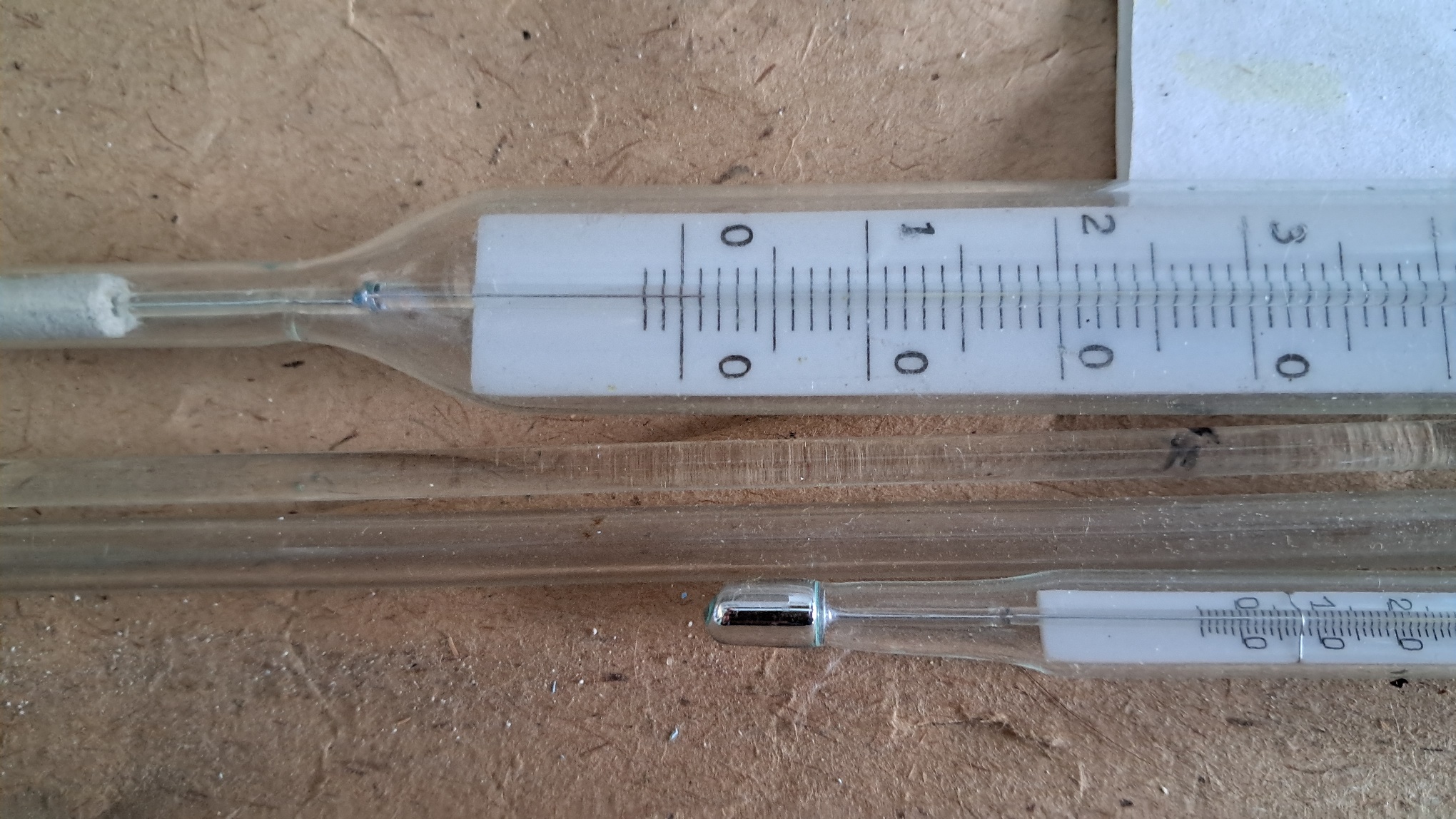
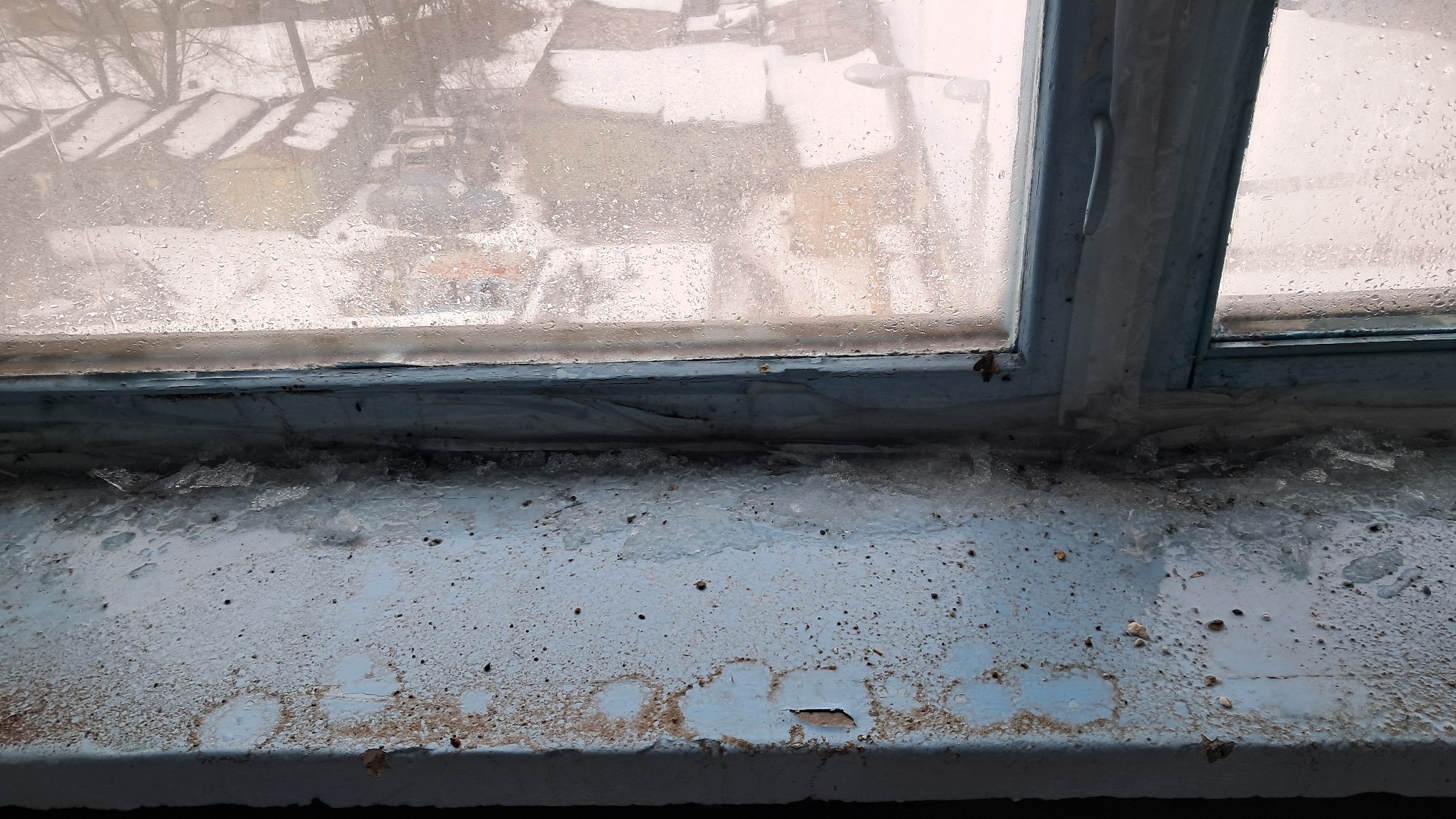
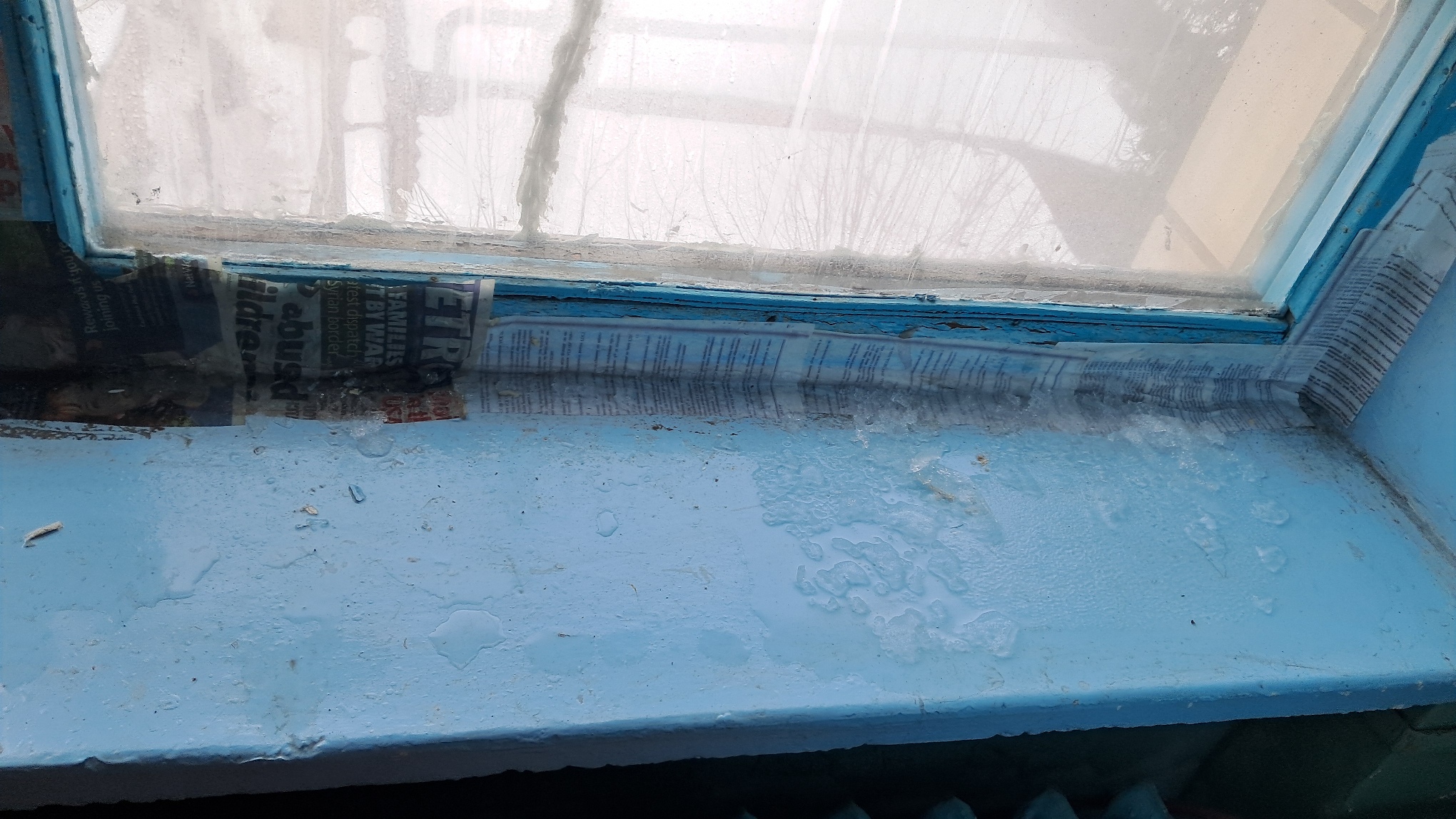
As the weather outside warmed, the temperature in the laboratory gradually rose to 0°C. The windows, ceiling, and walls of the room had become coated with a layer of ice; in some places it was quite thick. Now this ice was melting, and water began to trickle from the ceiling and walls of the laboratory. Pieces of ice fell from the windows onto the sills, covering them with a thick layer. I scooped the ice from the sills with a porcelain plate and threw it into the sink, where it slowly melted.
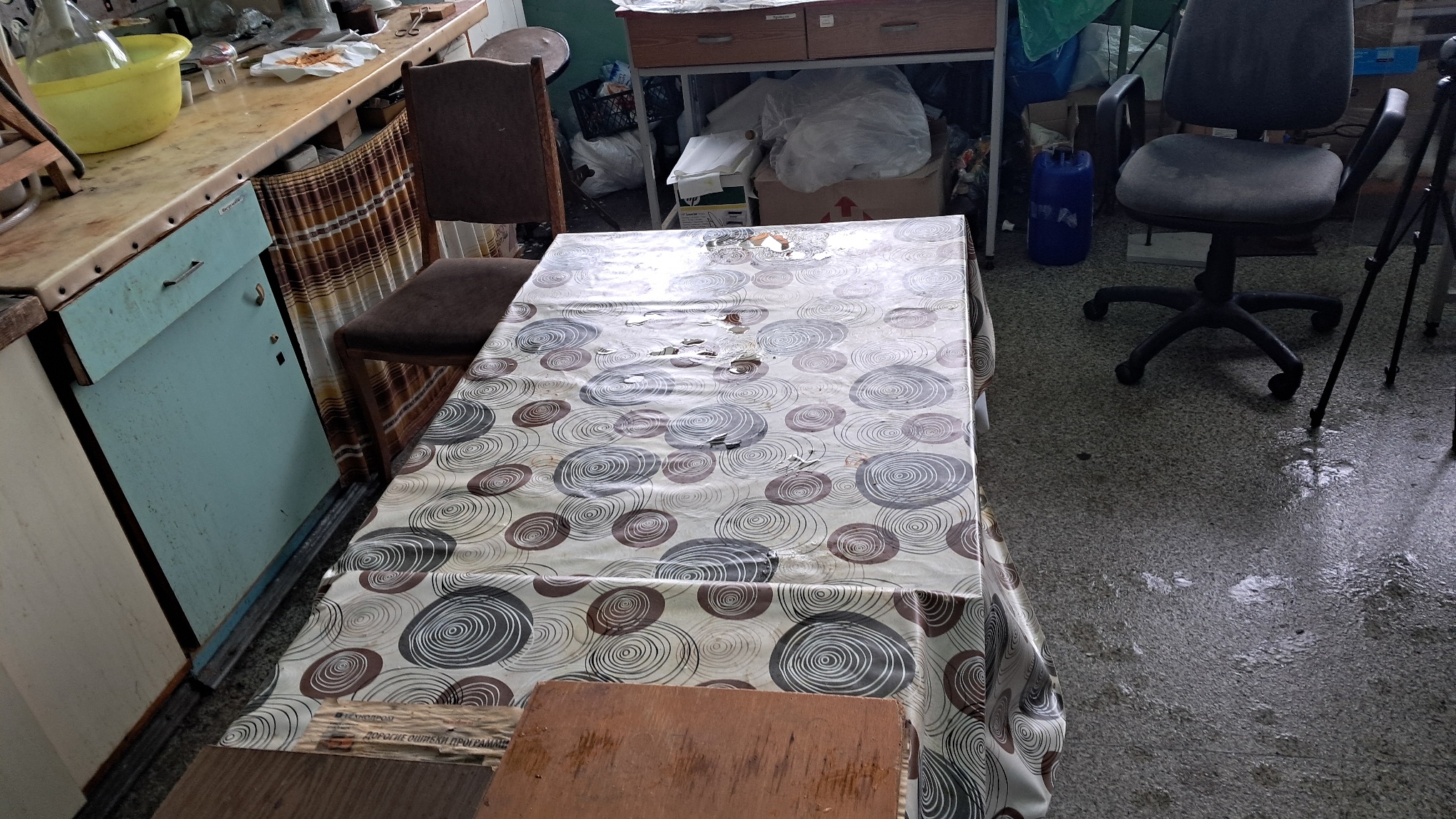
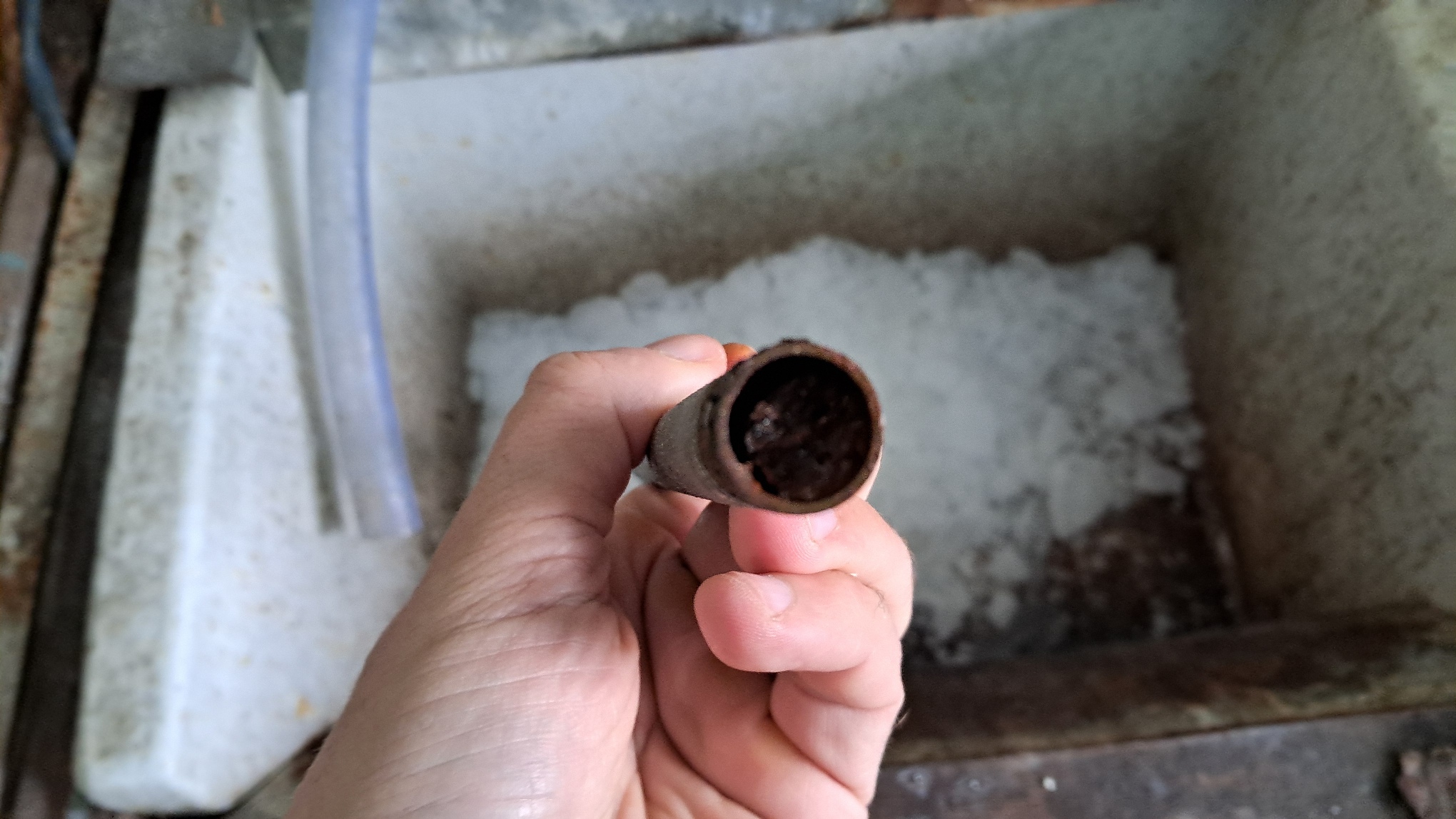
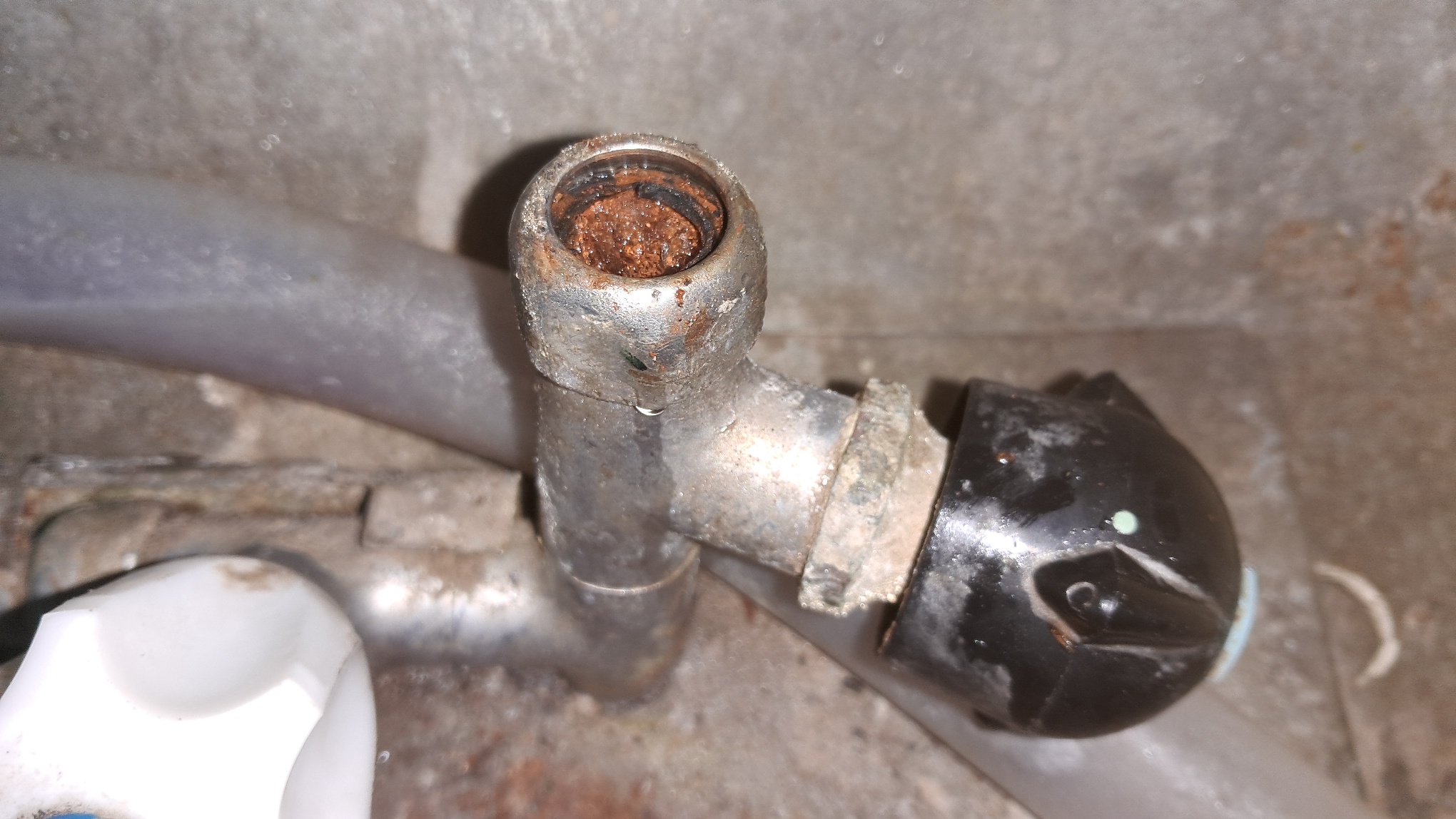
The damaged faucet spout had completely fallen off - there had been ice inside the pipes, which was now melting. I was afraid that the water had not been completely shut off and that, after the ice melted, it would start leaking from the damaged pipes. Fortunately, these fears have not yet been realized. Then the temperature outside dropped again. The temperature in the laboratory fell below freezing once more, and the melted water froze again. The laboratory floor became slippery, like an icy sidewalk. I stopped going into the cold laboratory and worked in the heated room, waiting for it to warm up. When the weather warmed again, the snow on the institute's roof began to melt, and it turned out that the roof was leaking. It had been repaired the previous summer, but the colonel in charge clearly stole the lion's share of the allocated funds. As a result, water began dripping from the ceiling in my heated laboratory as well, and I had to move the equipment away and cover it. When the snow melted completely, the dripping stopped, but the snow and ice had damaged the roof's waterproofing. Now the ceiling will leak every time it rains. The neighboring laboratories are in the same or an even worse situation. Recently, I went to the plumber to warn him that I planned to turn on the water in the cold laboratory for a short time to check the faucets for leaks. The plumber advised me not to do this, since the pipes might be damaged in various places and could flood the neighboring rooms. According to him, the only real solution would be to reinstall the piping from the basement. An interesting situation. On the one hand, there are two laboratories; on the other hand, there is nowhere to work. One room is cold, the plumbing is damaged, and water is dripping from the ceiling; the other room is warm, but water is also dripping from the ceiling. The cold room will soon warm up, and the moisture will dry out. Hopefully, the roof there is not leaking. However, the plumbing is damaged, and I doubt it will be repaired. The other room has working water, but the roof leaks, and it is unlikely to be fixed anytime soon. I recently received an offer to transfer to another institute for a similar position. However, they do not yet have a laboratory - they are only planning to build one. So I am left wondering which option is better: working as a laboratory manager without a laboratory here, or working as a laboratory manager without a laboratory there. Here there are rooms, some equipment, and reagents, but the management is not interested in the work - they cannot even maintain the premises properly. There, there is no laboratory yet, but the management is interested. |
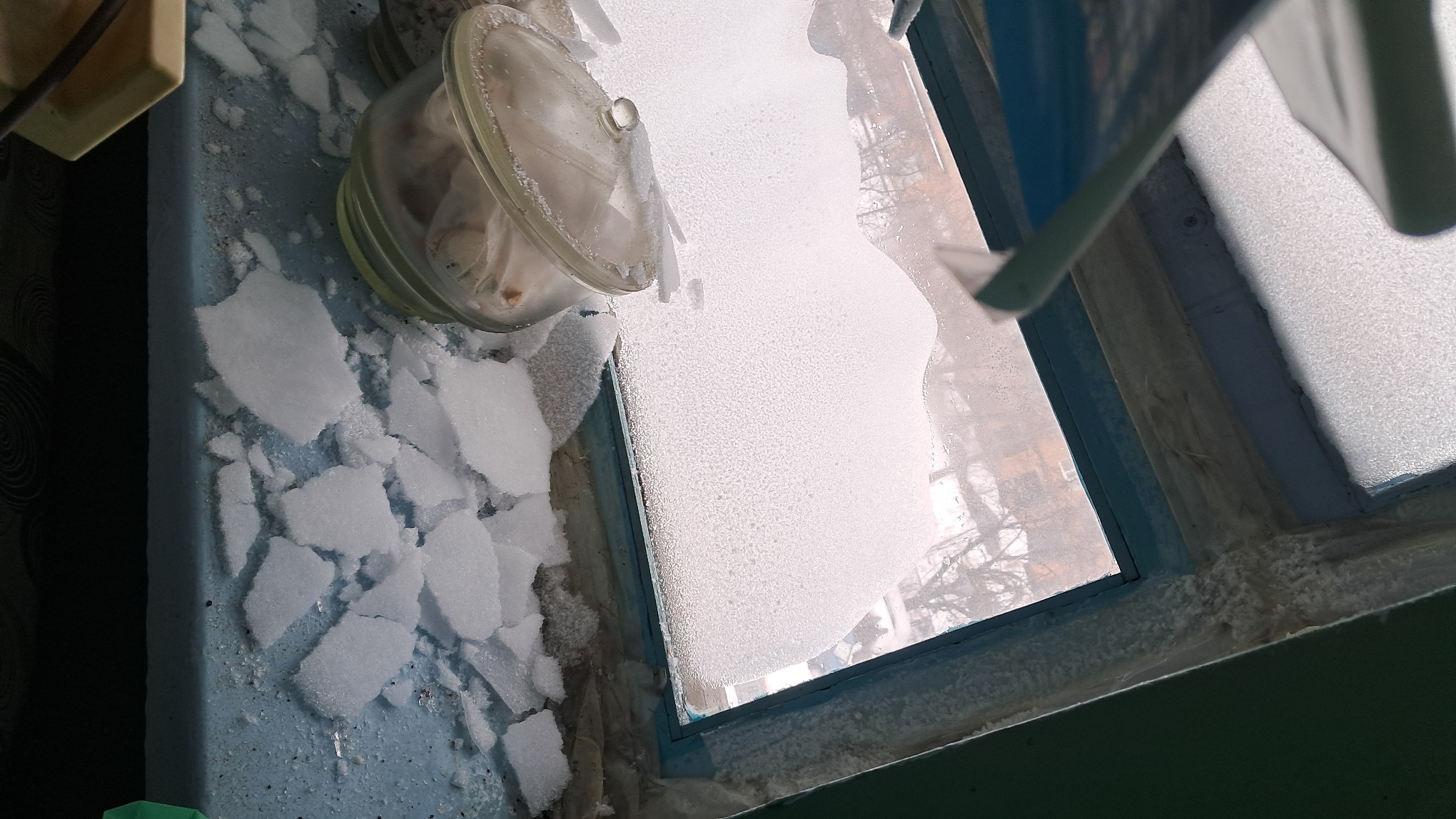
Thaw in the Laboratory |
|
|
|
|
|
|
|
|
|
|
|
|
|
|
|
|
|
|
|
|
|
|
|
|
|
