Chemistry and Chemists № 1 2026
Journal of Chemists-Enthusiasts
| Content | Chemistry experiments - video | Physics experiments - video | Home Page - Chemistry and Chemists |
|
Chemistry and Chemists № 1 2026 Journal of Chemists-Enthusiasts |
Working with Radioactive Waste - pt.1, 2 Chemist |
|
Having noticed a mistake in the text, allocate it and press Ctrl-Enter
Radioactive Waste Evaporation - Part 1
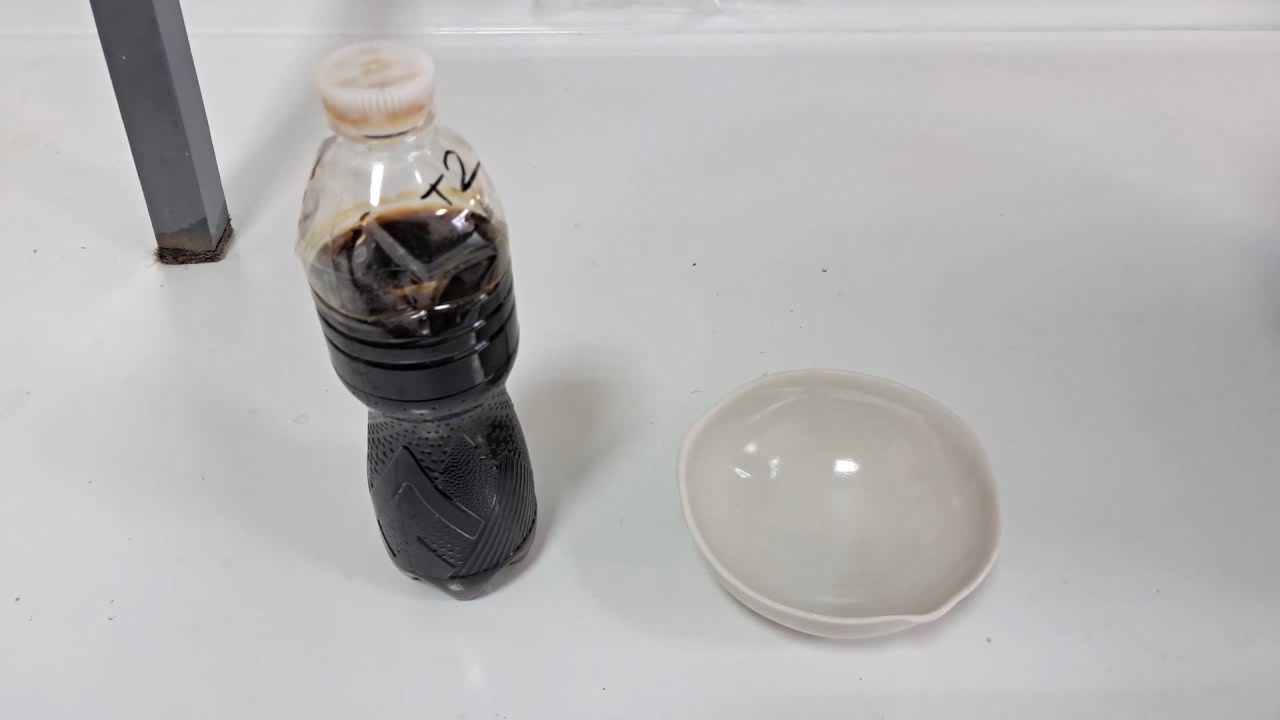
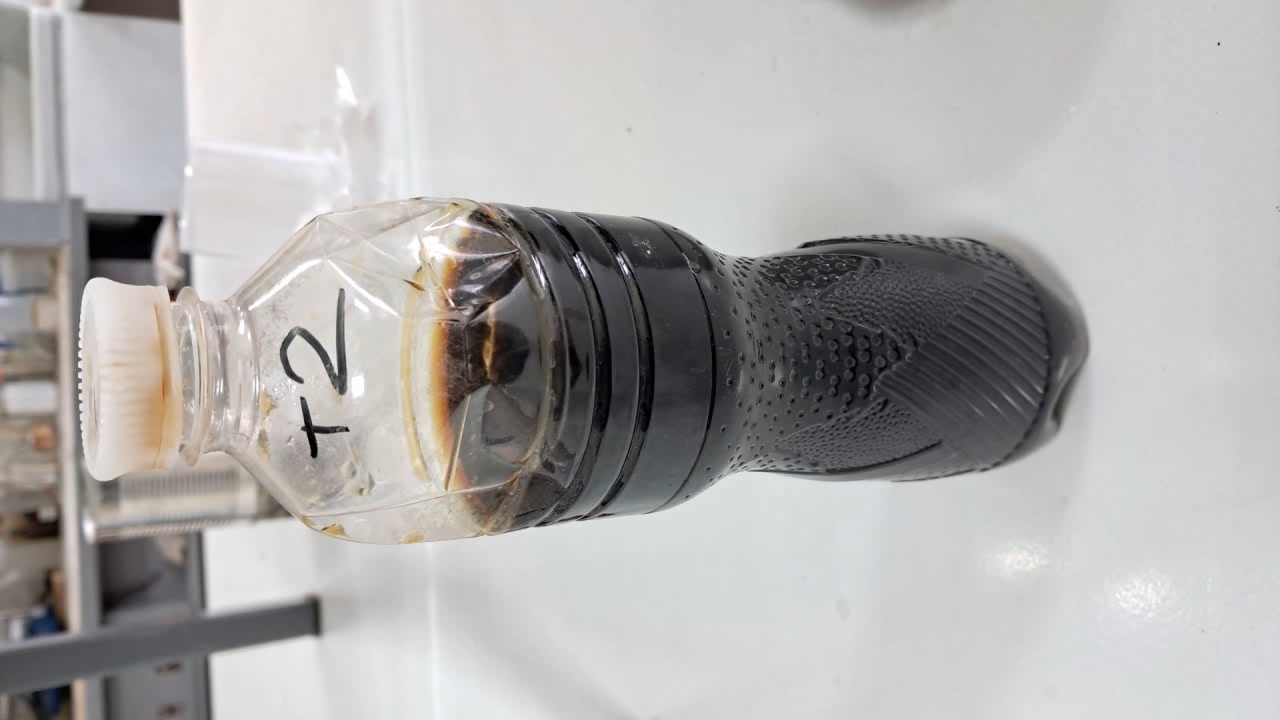
A colleague came into the laboratory, brought a 0.5-liter bottle of brown liquid, and asked:
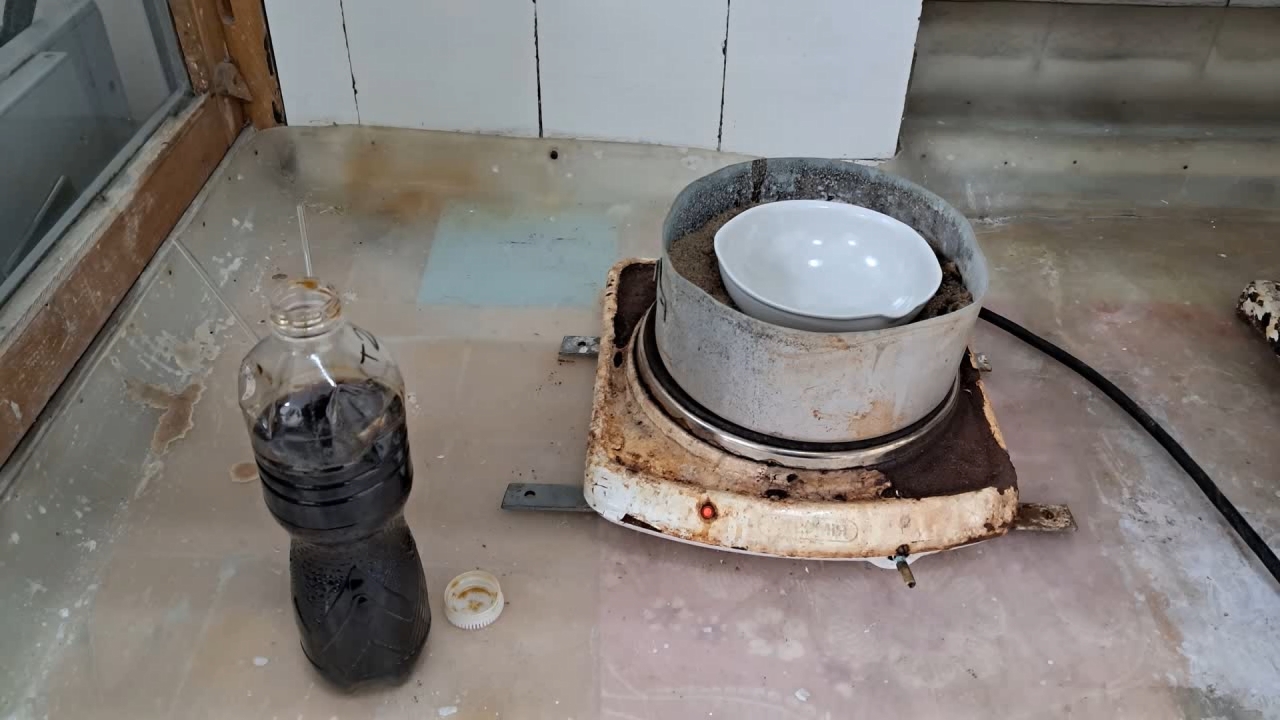
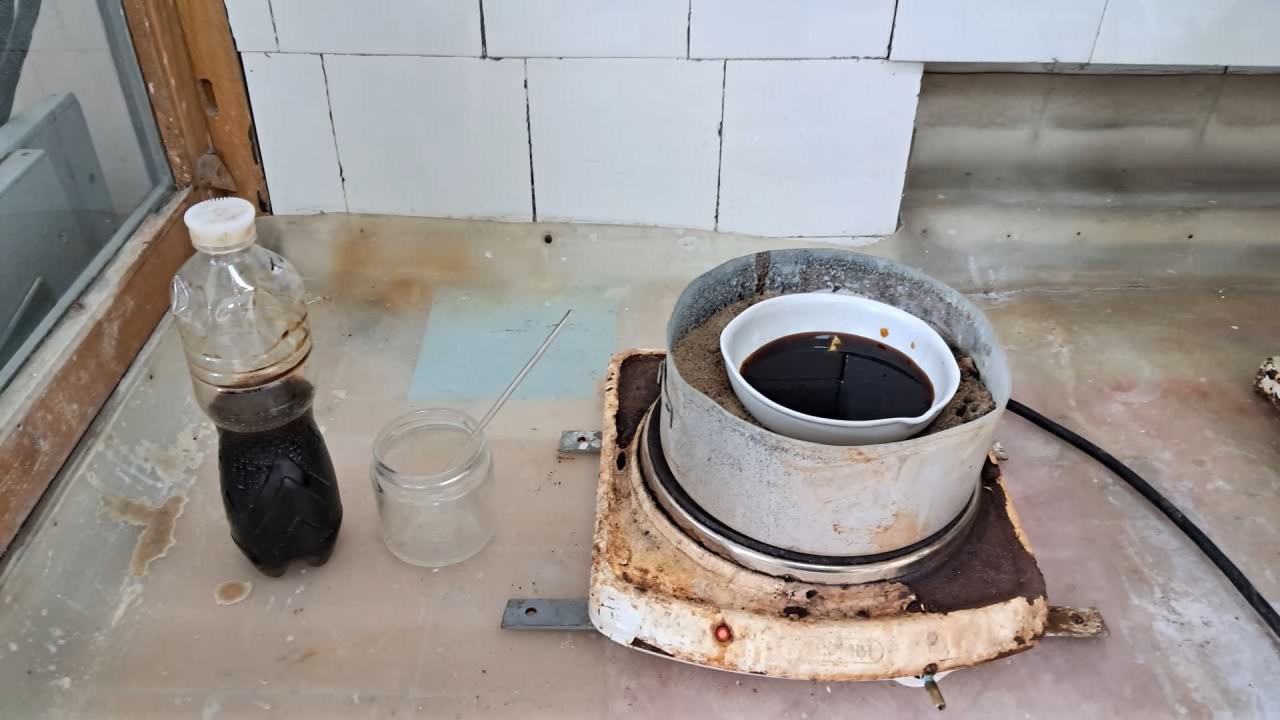
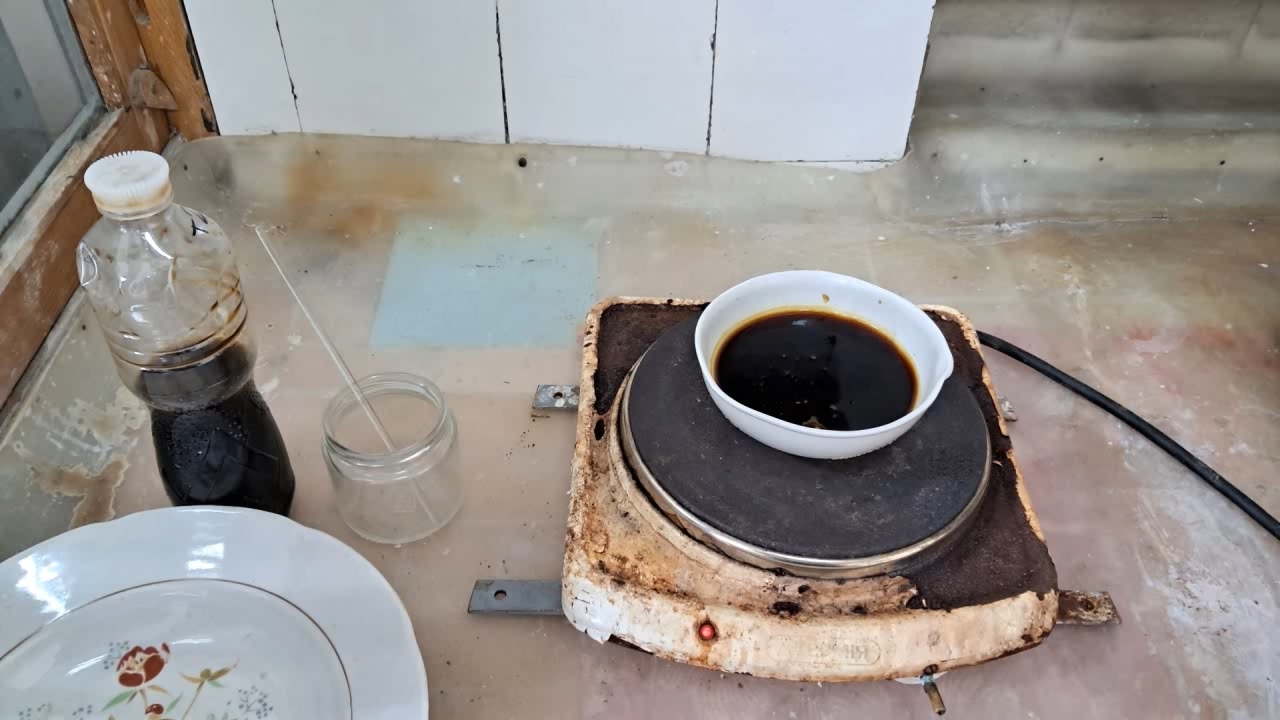
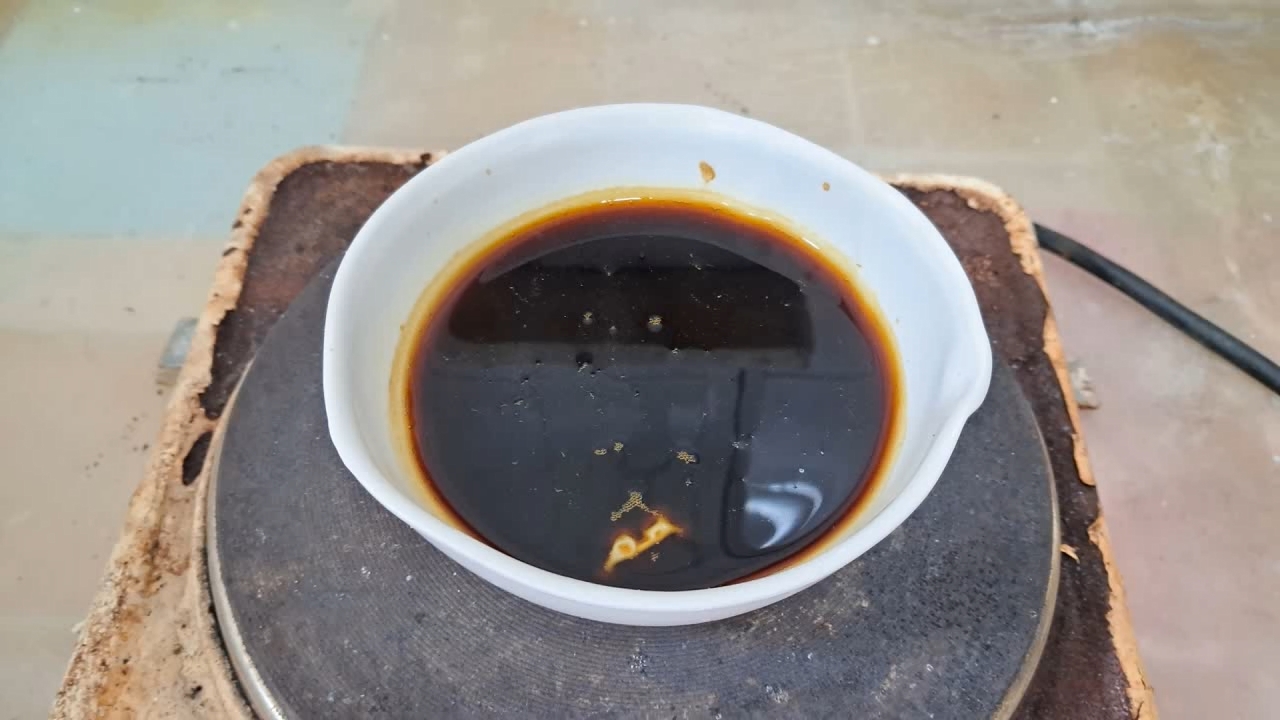
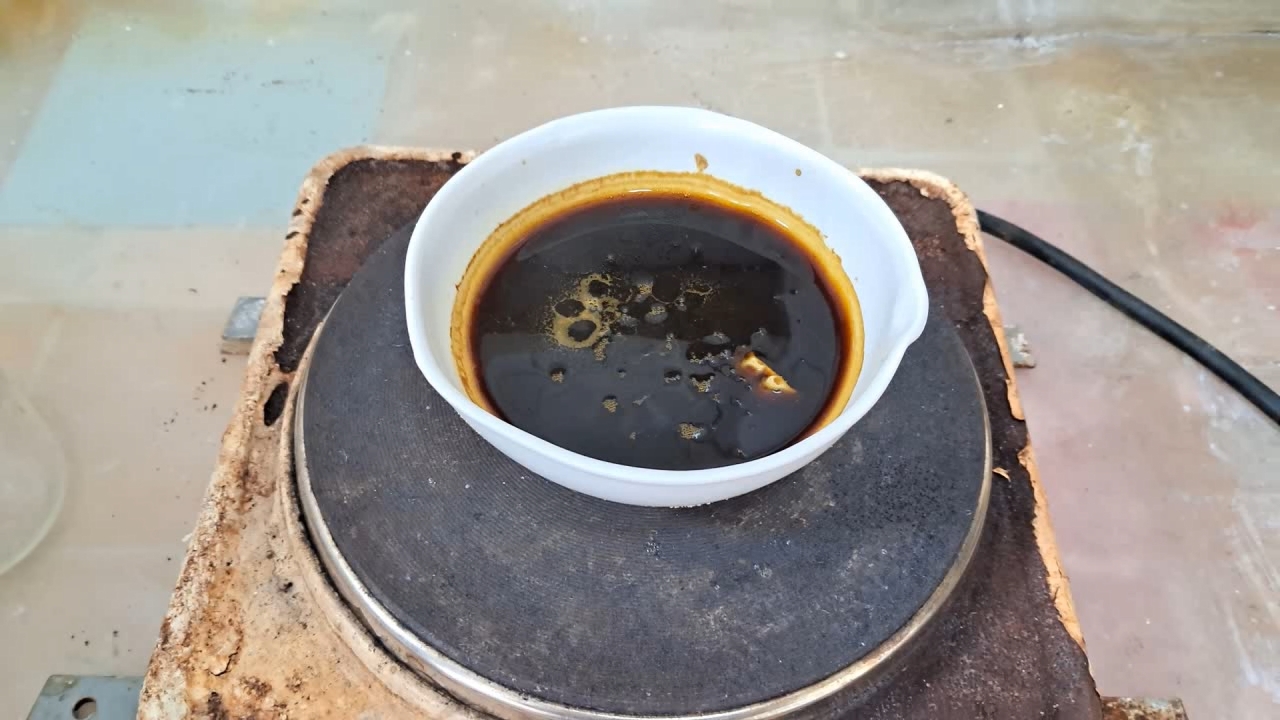
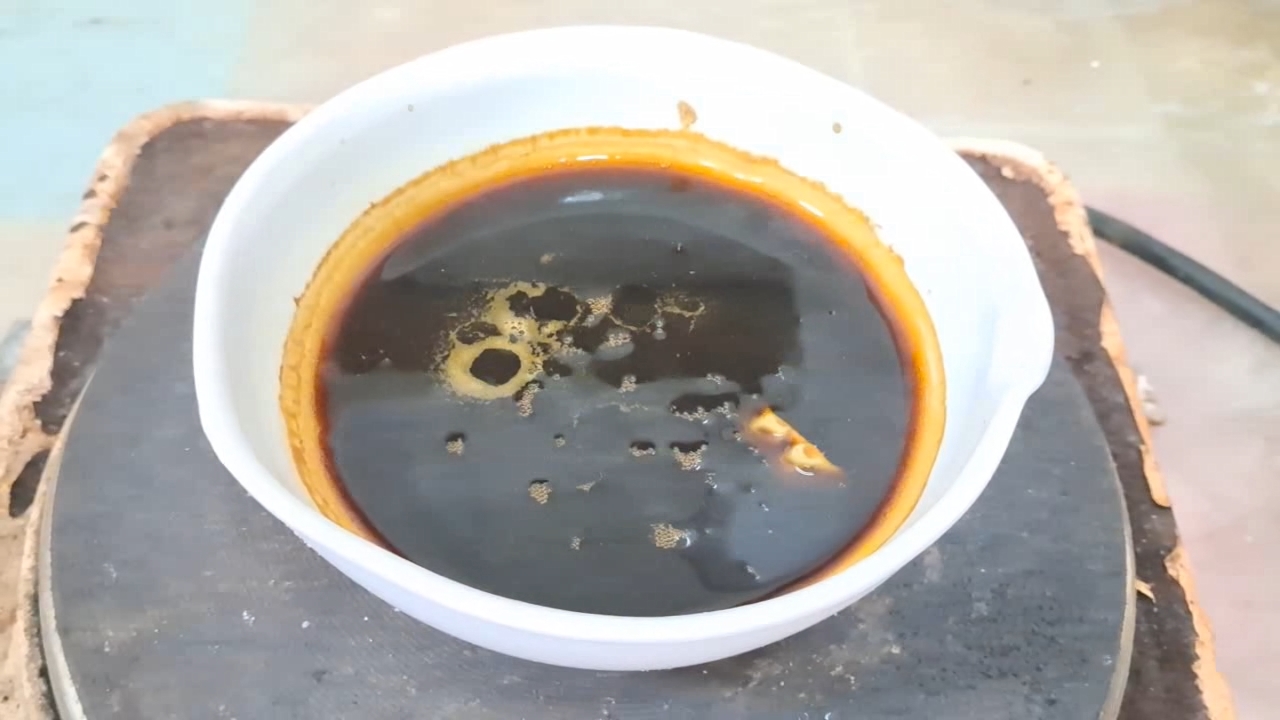
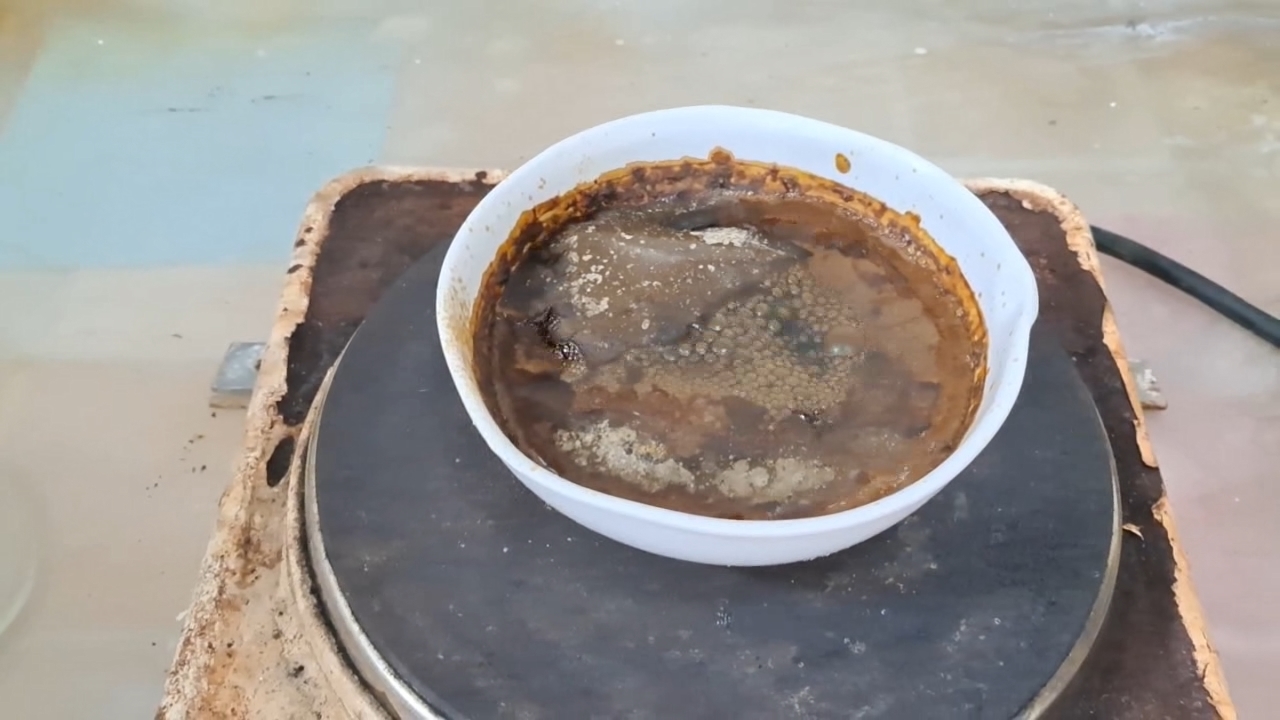
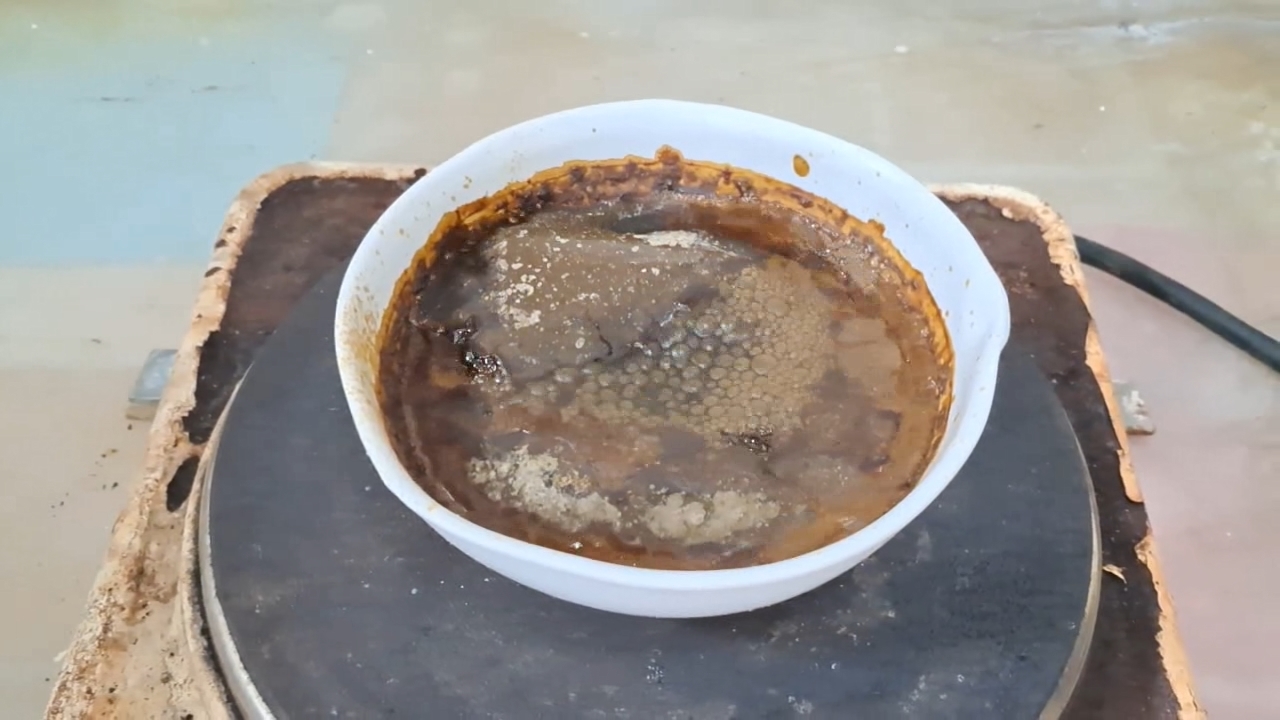
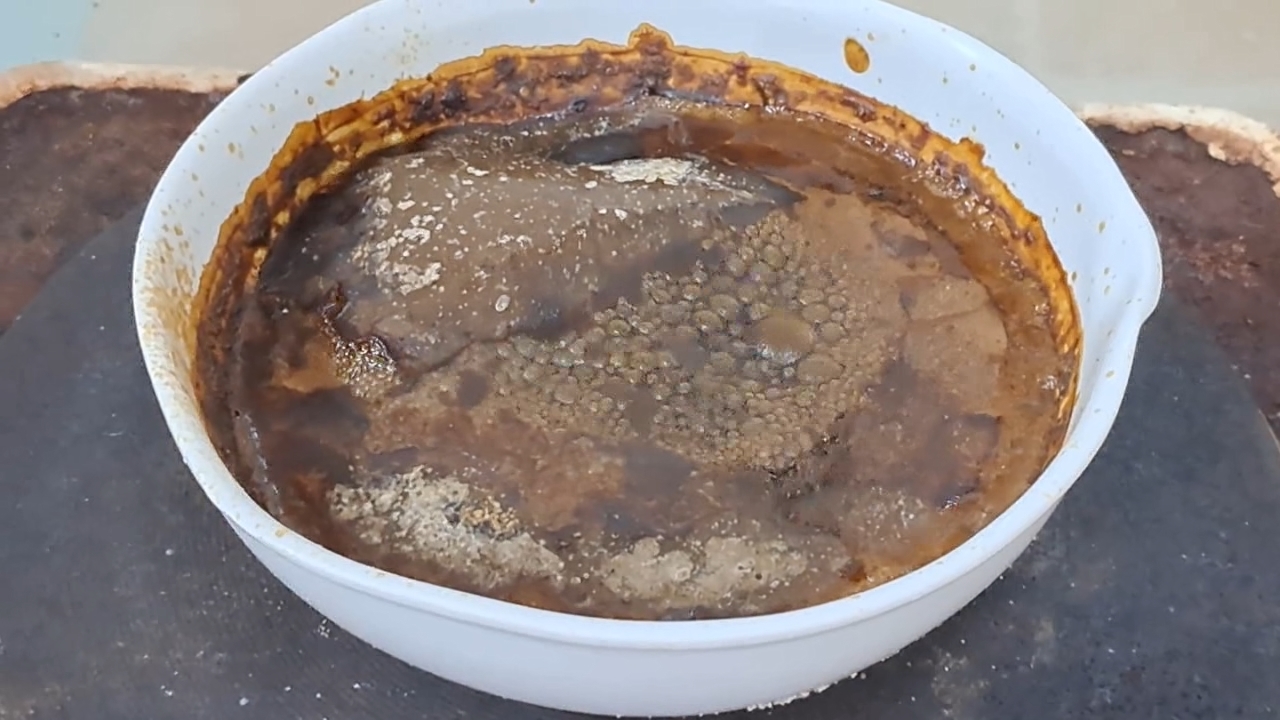
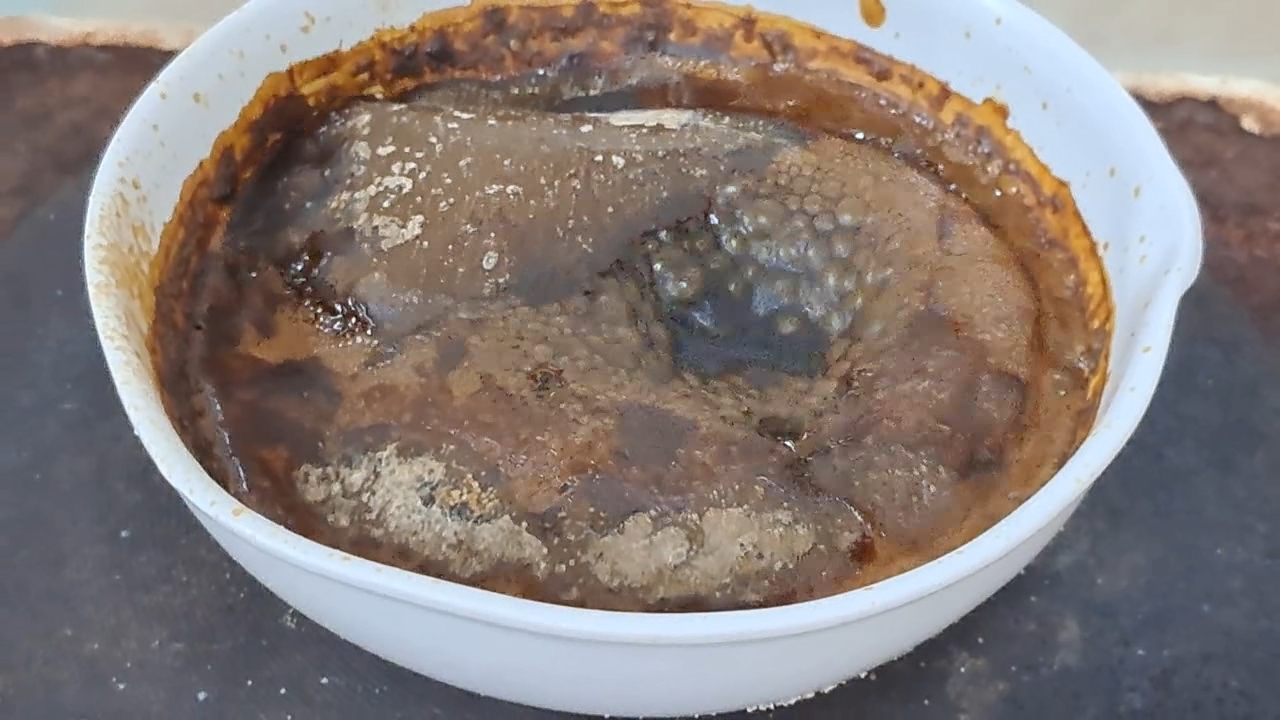
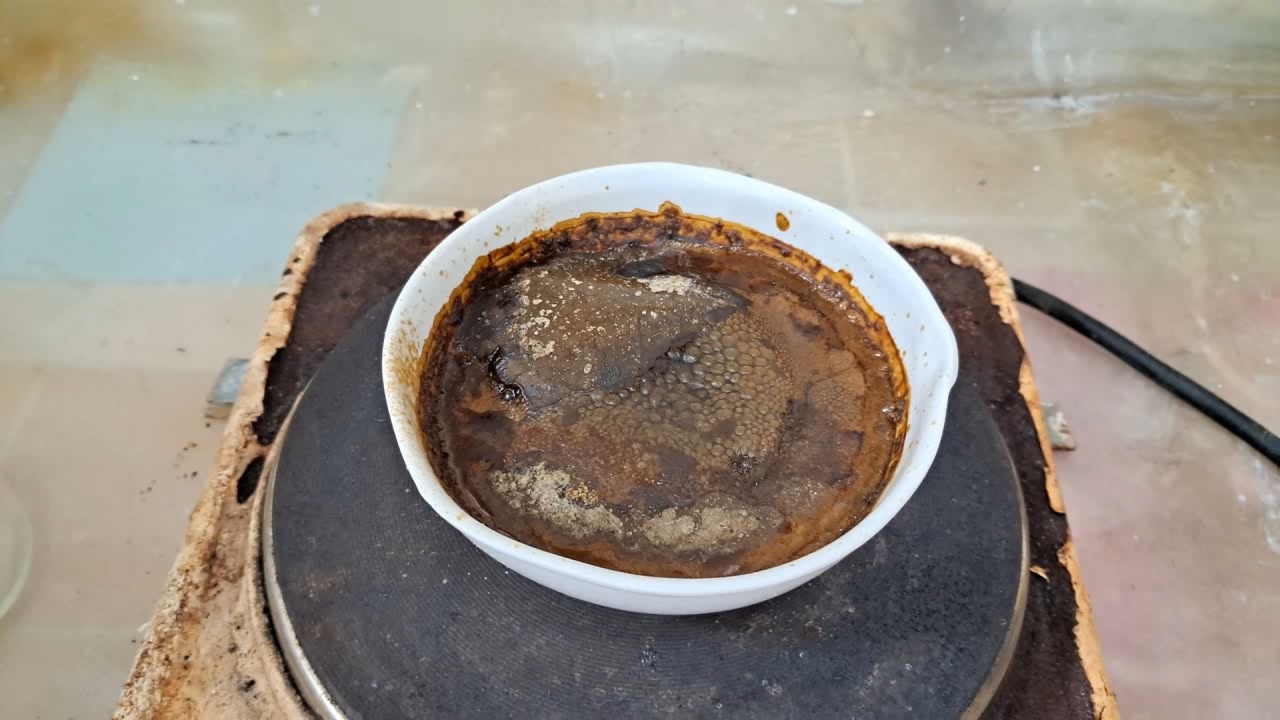
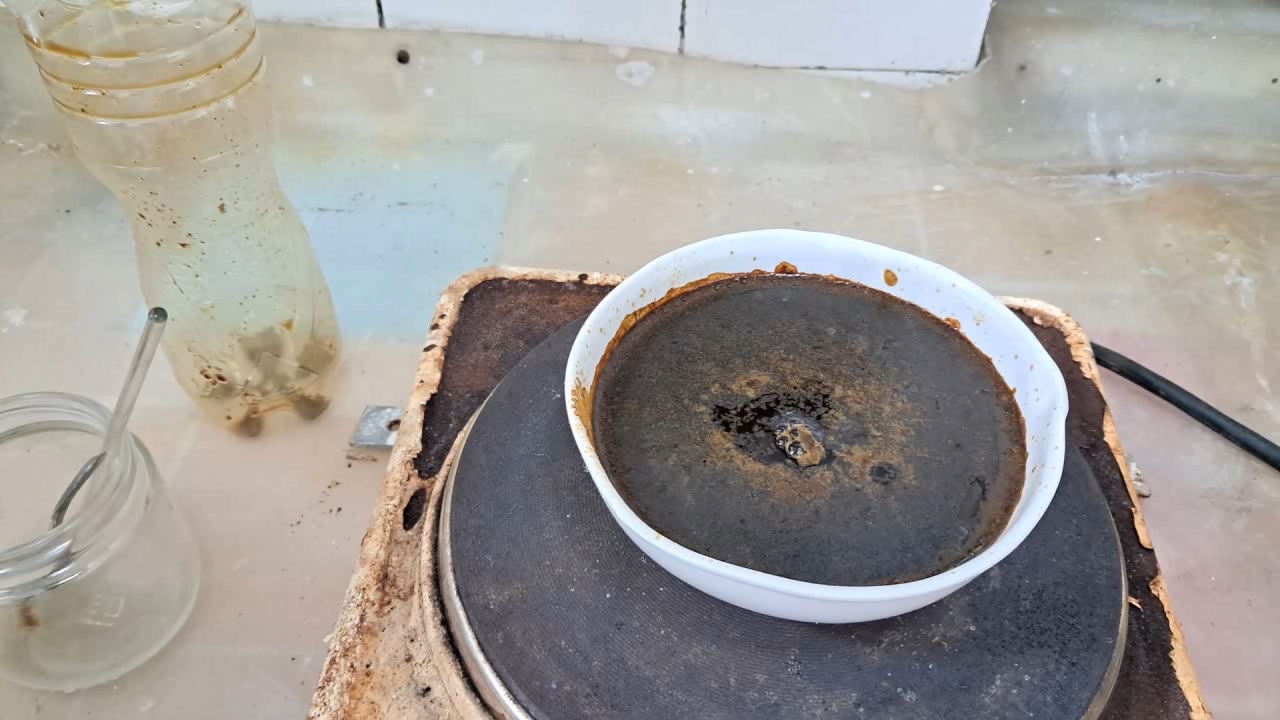
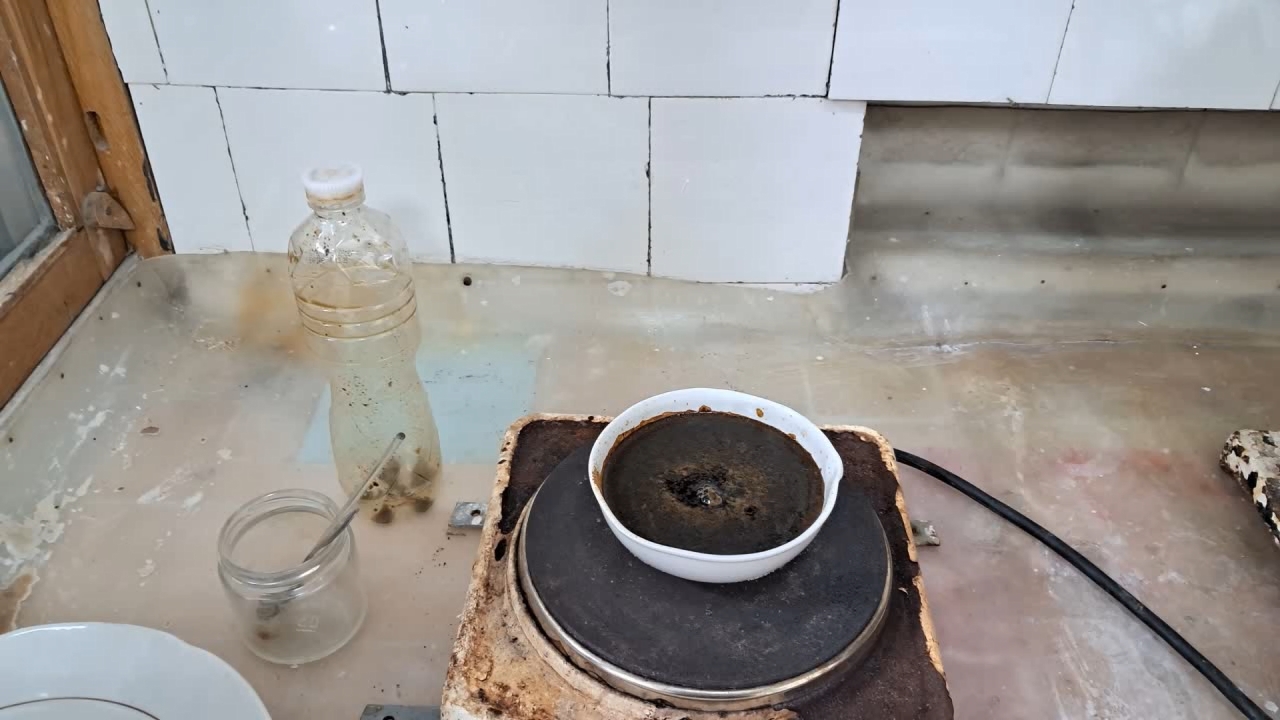
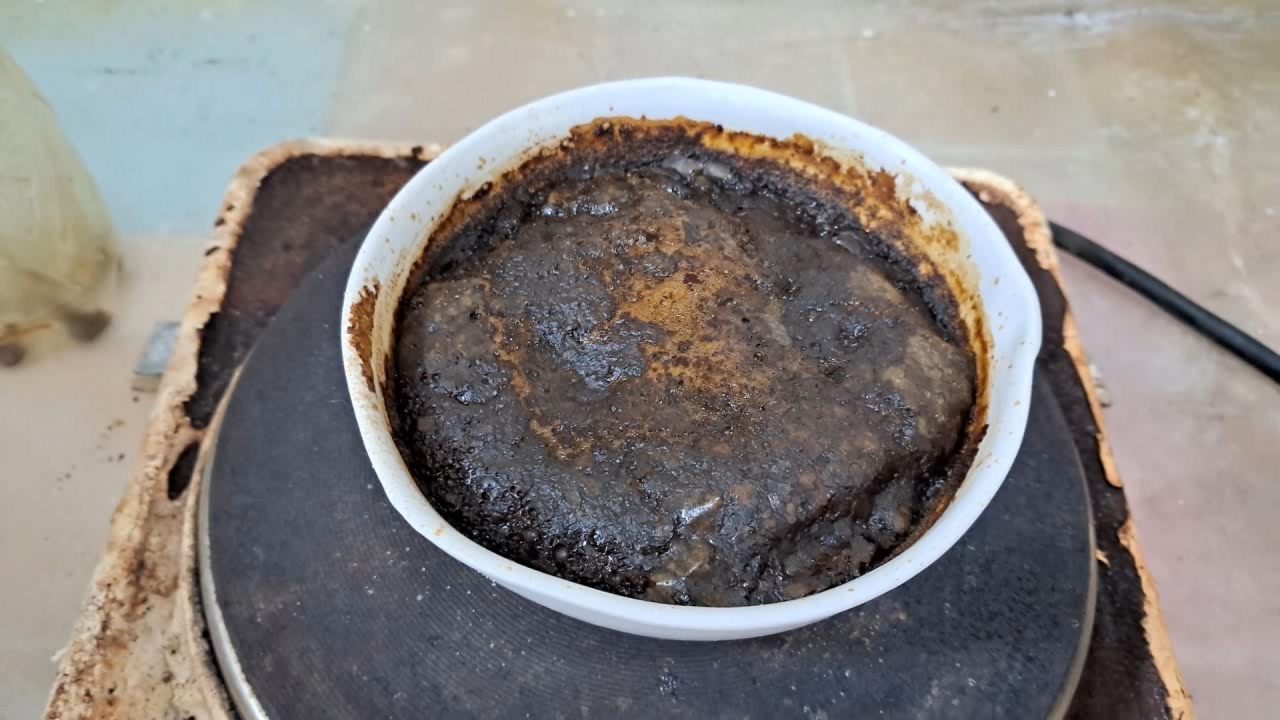
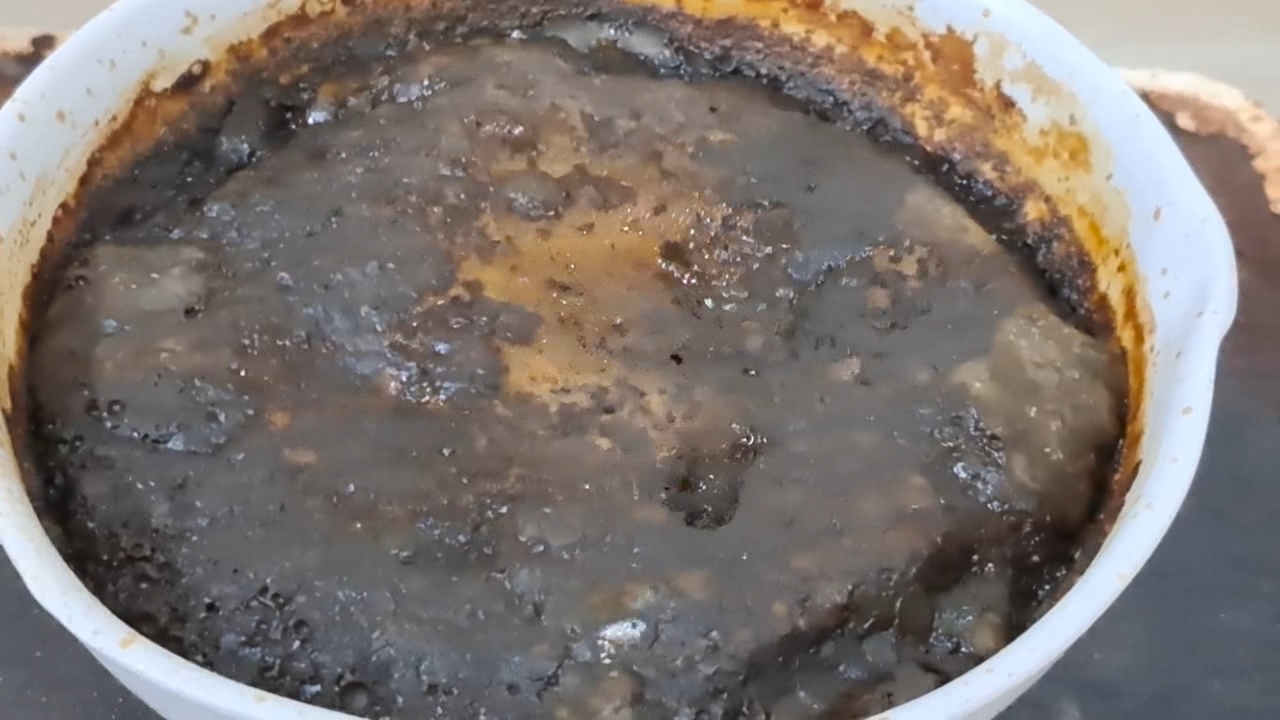
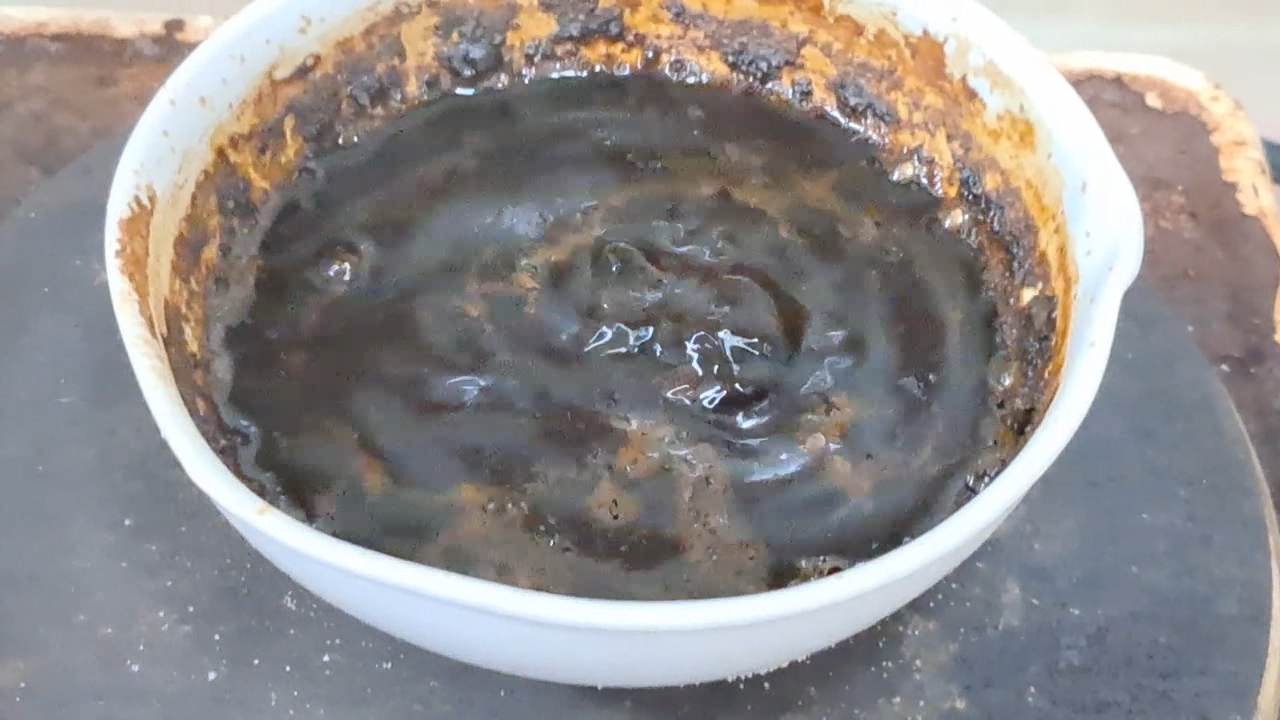
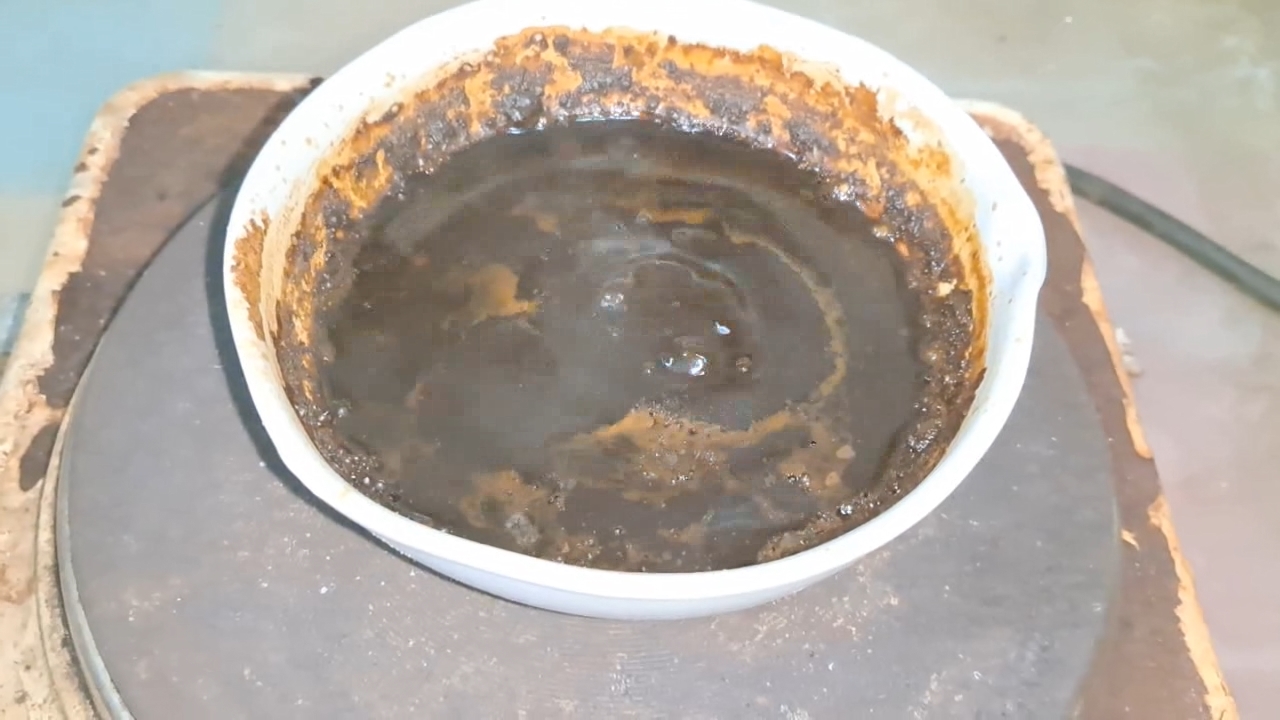
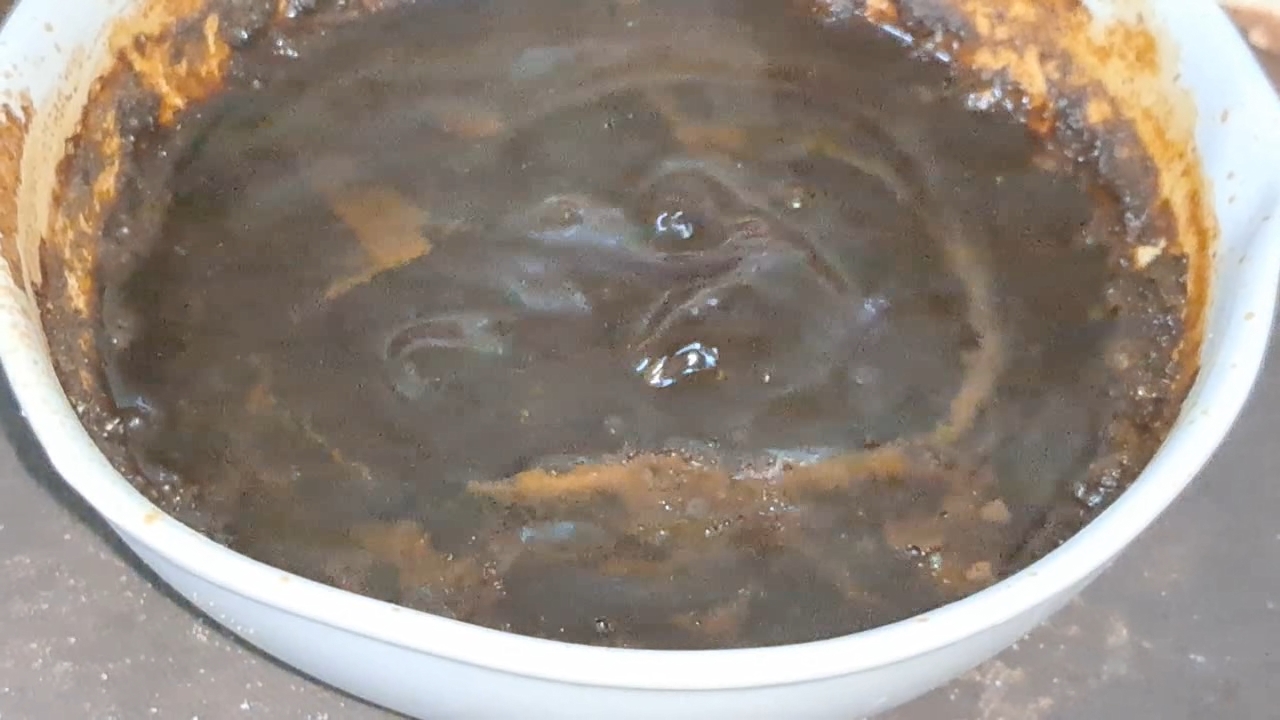
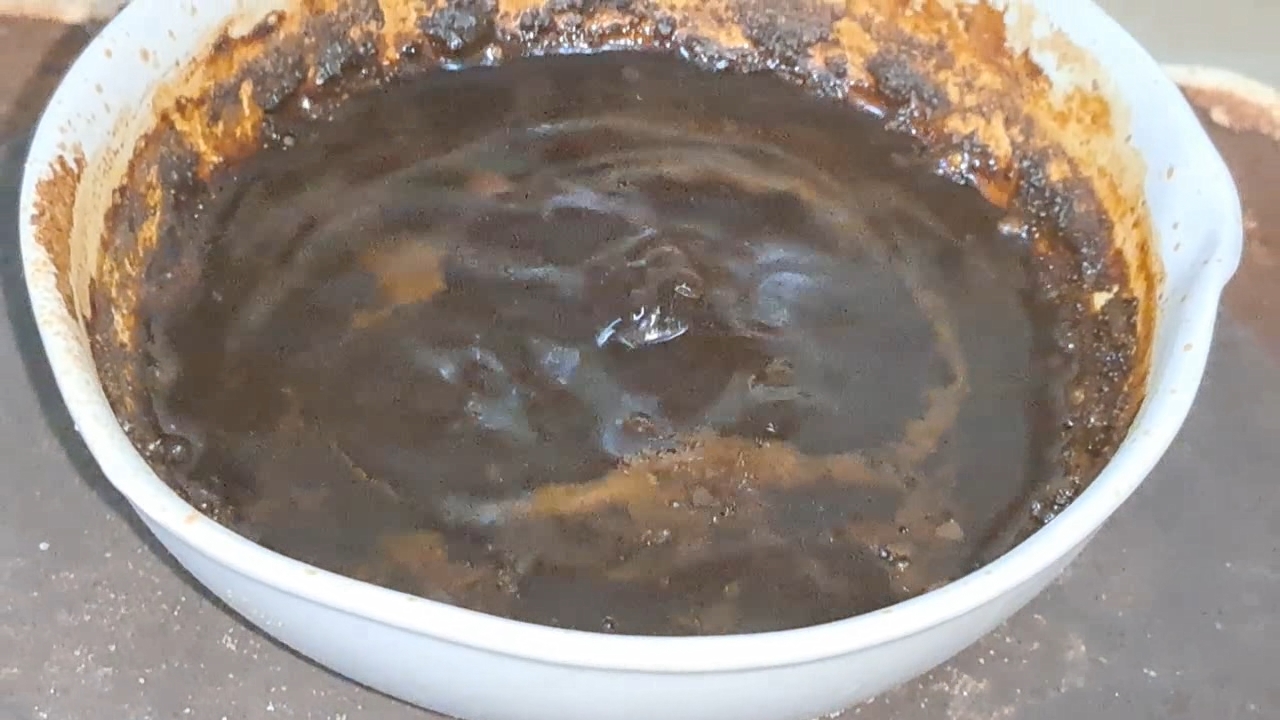
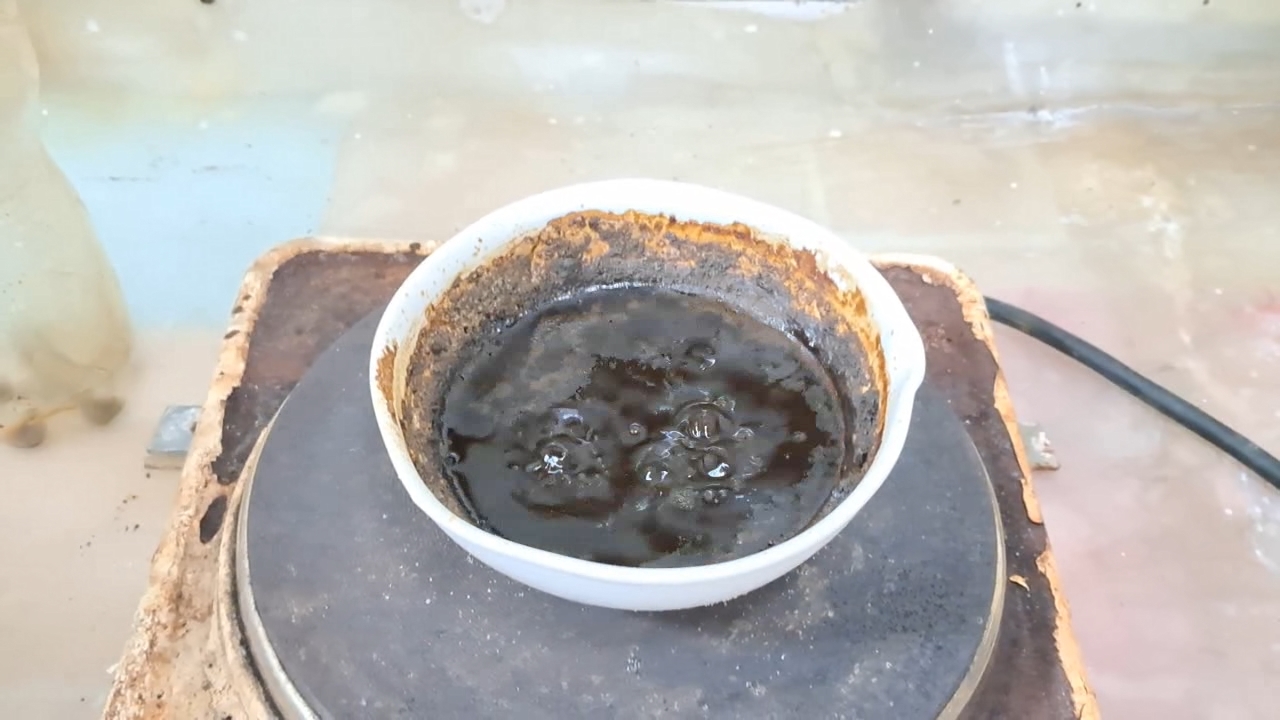
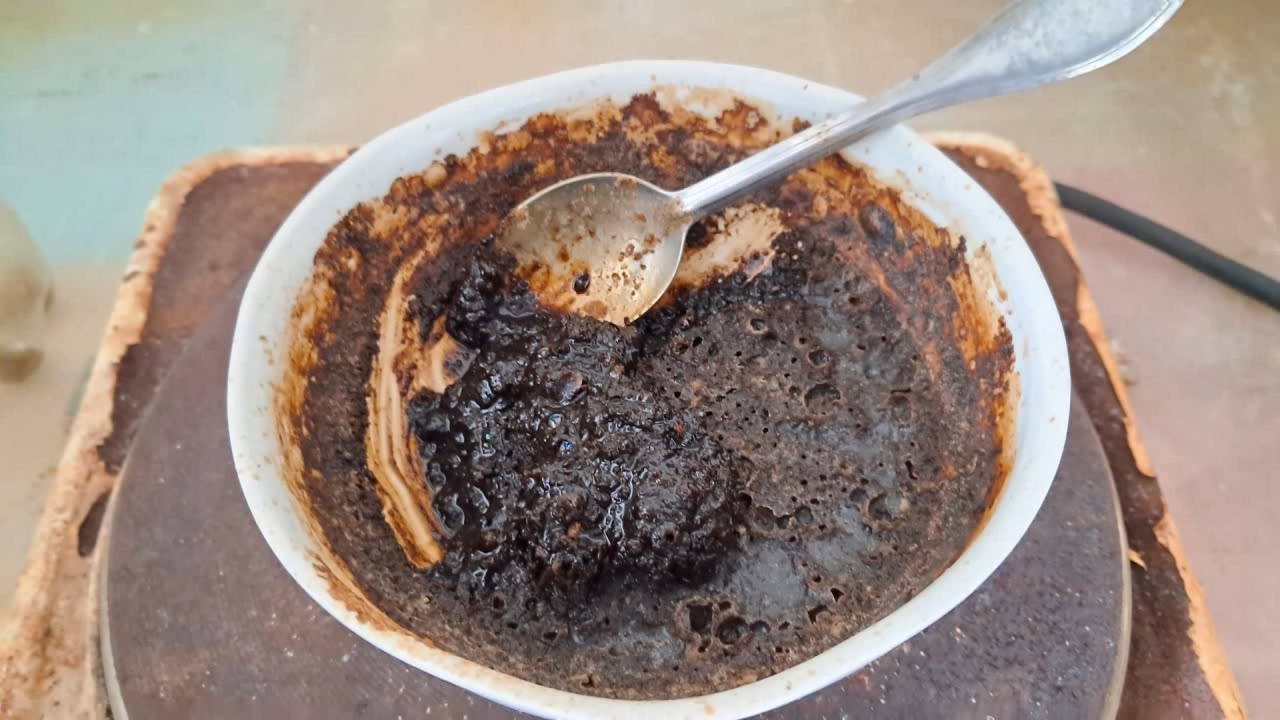
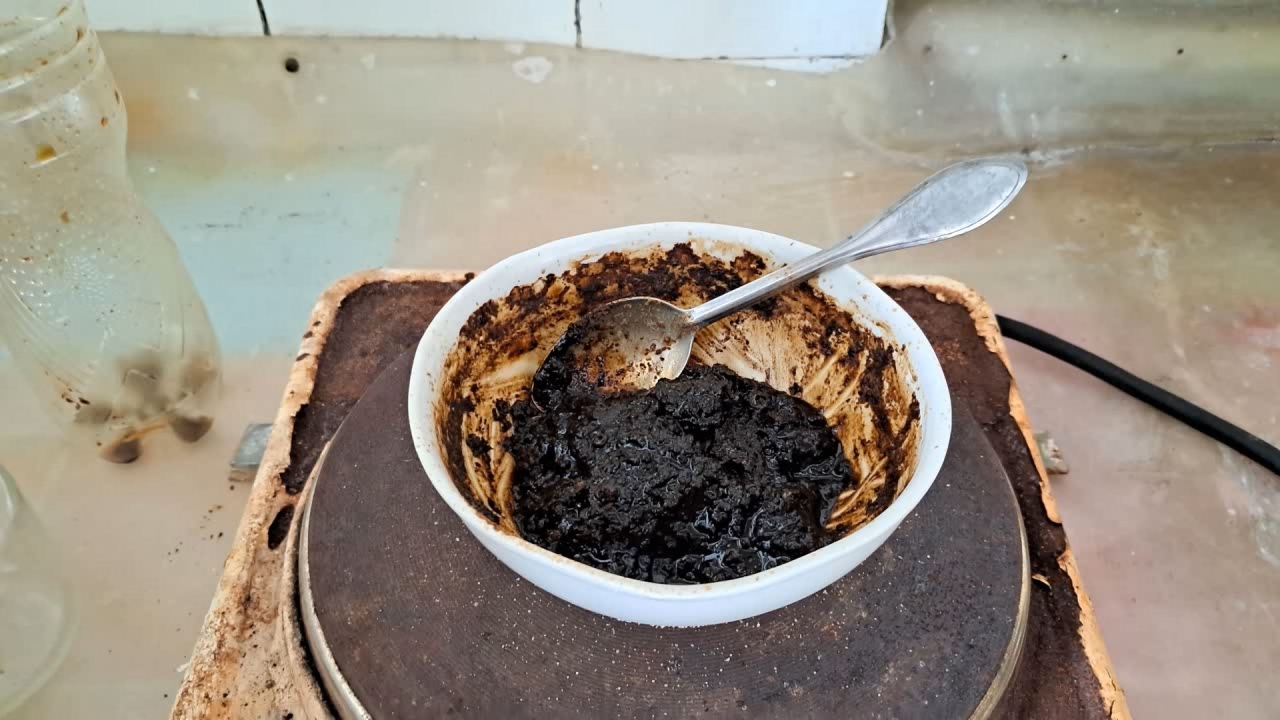
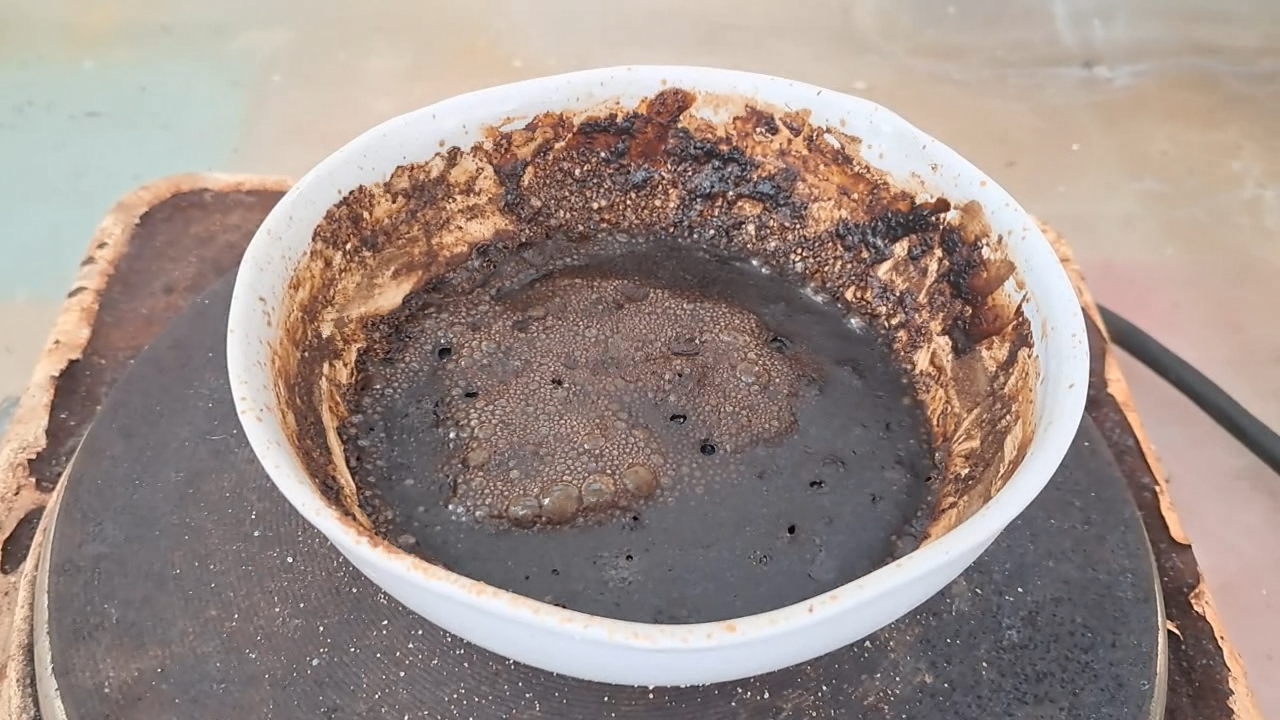
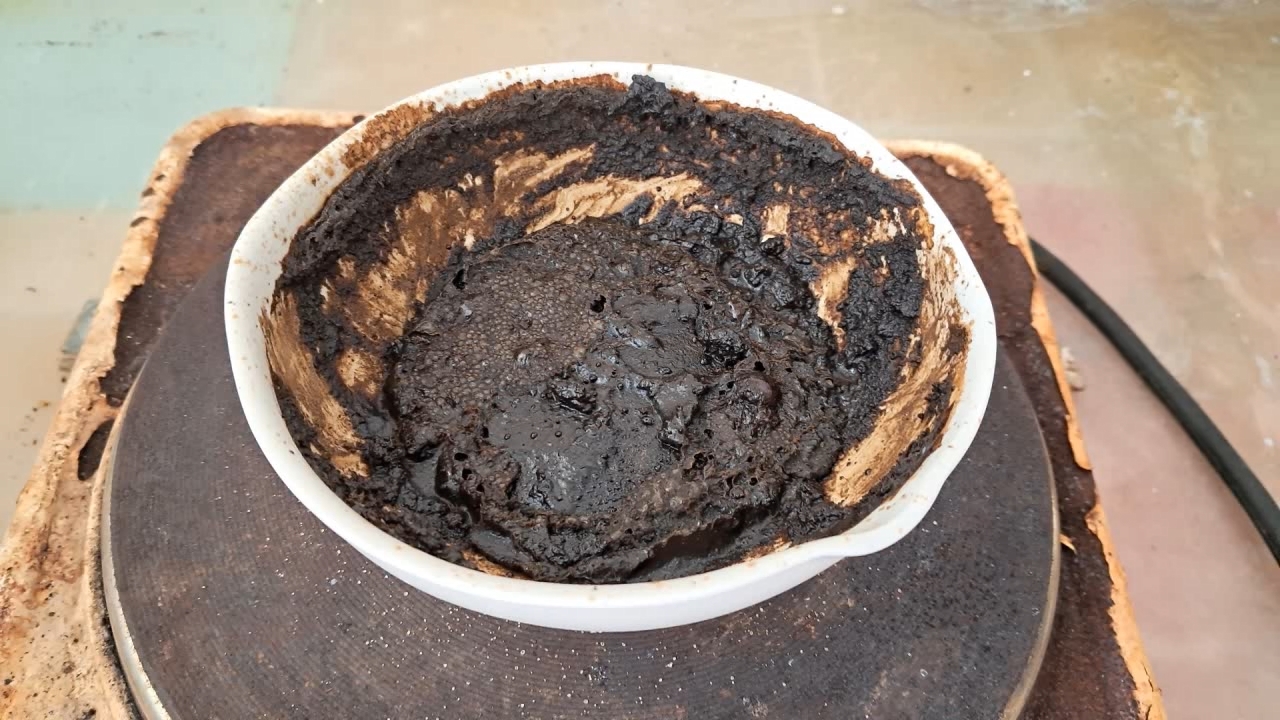
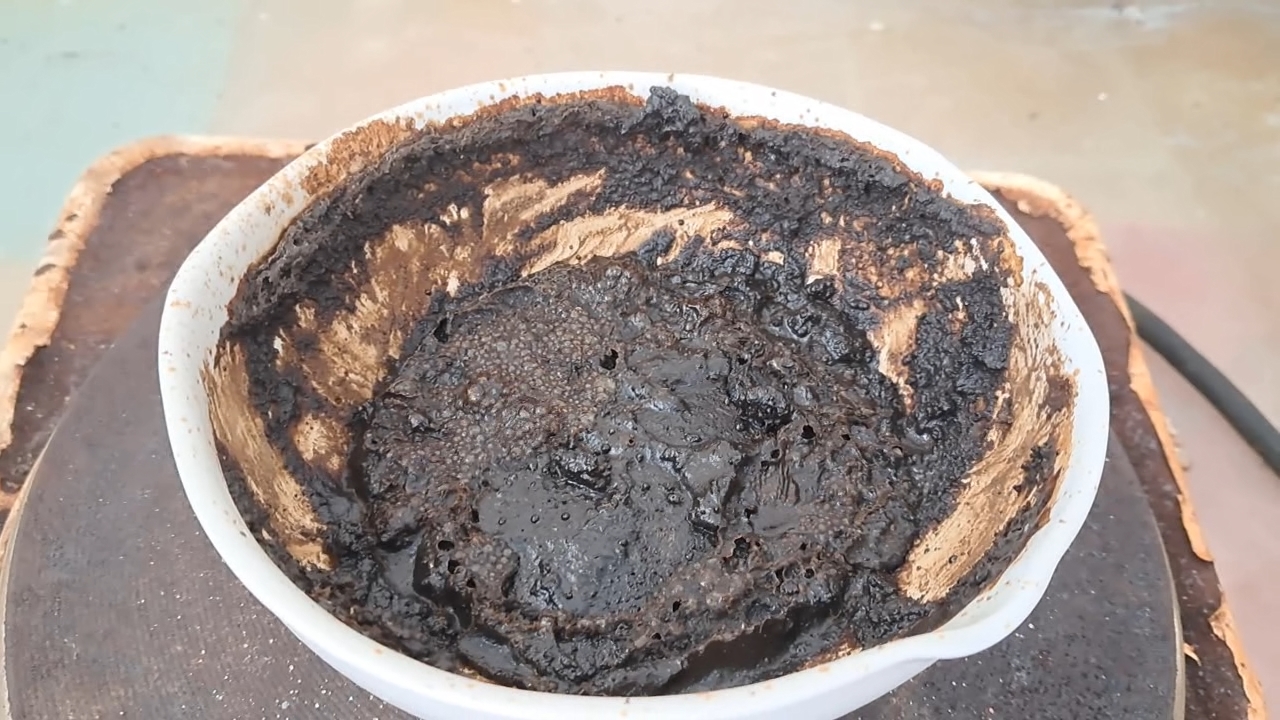
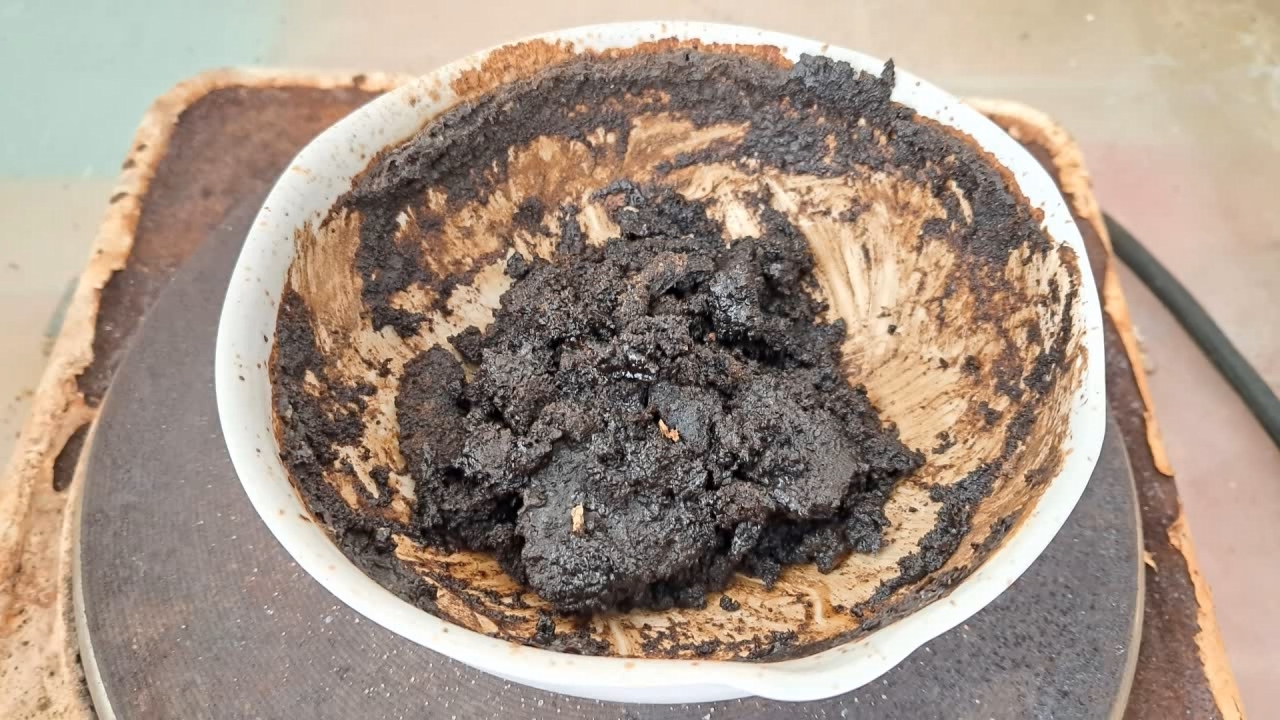
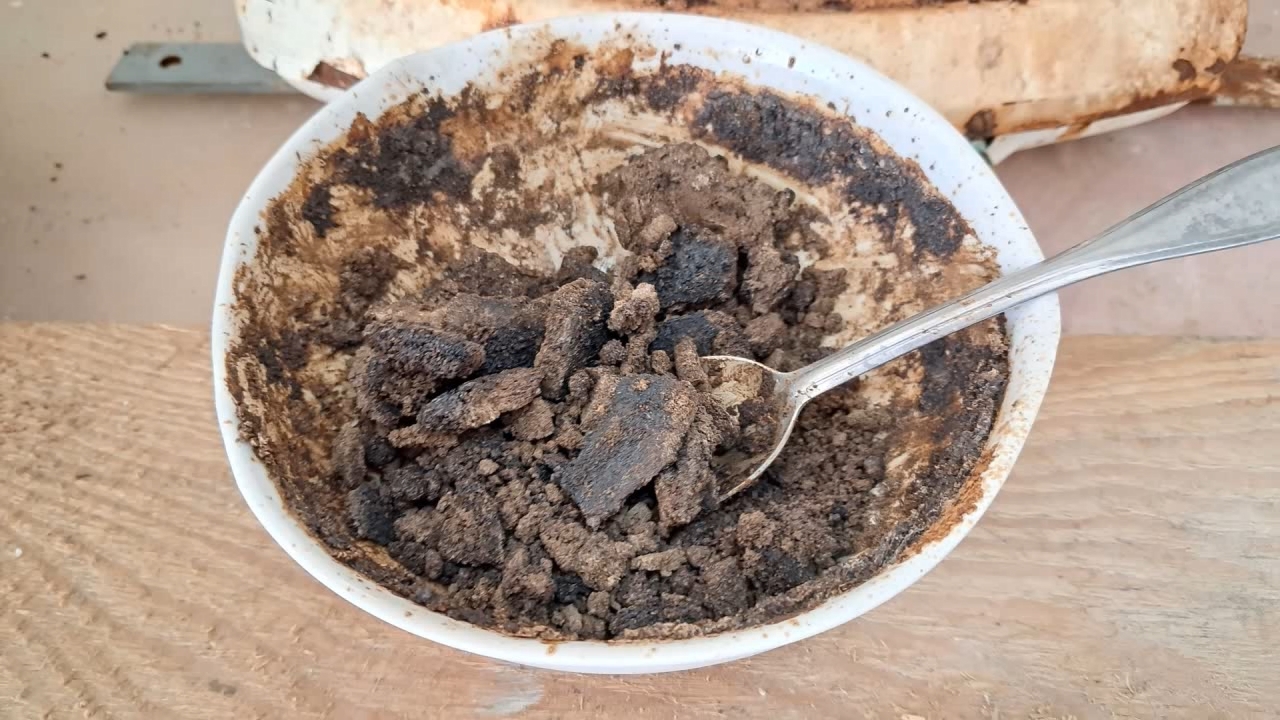
Работа с радиоактивными отходами Выпаривание радиоактивных отходов - Часть 1 "Is there any way to precipitate it? I mean, reduce the turbidity." The bottle contained radioactive waste. Humic acids gave it its brown color. At first, I thought my colleague wanted me to clarify the water by precipitating or destroying the organic matter responsible for the coloration. "I can add iron(III) chloride, followed by sodium carbonate or calcium hydroxide. This will lead to the formation of an iron hydroxide precipitate, which absorbs the organic contaminants." "Do you have these substances?" I had the necessary reagents; the problem was locating them. They were stored in the unheated laboratory. In winter, the temperature there dropped below freezing, and now the room was cold and damp. Consequently, I rarely visited that laboratory. Trying to recall where the jar of iron(III) chloride was, I couldn't help but picture a large industrial water treatment plant used to process water from the Dnipro River. Then I realized that the bottle did not contain natural water that needed to be treated with a coagulant, filtered, and disinfected to make it potable - it contained radioactive waste. I asked my colleague a few more questions. It turned out that he was not interested in clarifying the water, but in transferring radioactive isotopes into a solid phase - a process he referred to as "precipitation." The goal was to measure the activity of cesium-137 in the contaminated water. To do this, the cesium had to be brought into a solid phase. Thus, the cesium needed to be precipitated, along with any other radioactive isotopes that might be present in the sample. The question was which method would be most suitable. The precipitation needed to be as complete as possible - ideally quantitative. My colleague was not a chemist but a materials scientist, so he could not offer any guidance. The chemical composition of the waste was unknown, so I decided that the safest approach would be to evaporate the solution, converting both dissolved substances and suspended particles into a solid residue. My colleague did not object. I brought a porcelain evaporating dish. I did not dare place it directly on the hotplate, as the heat could be excessive, causing the liquid to boil violently and splash. Instead, I set up a sand bath and placed the dish on it, pouring in a small amount of the brown liquid. I plugged in the hotplate and waited. A long time passed, but the solution did not boil - the heating was too weak. I then placed the dish directly on the hotplate, but this did not help; the heat was still insufficient. Eventually, I figured out how to connect the hotplate to a different electrical circuit - and the liquid immediately began to boil. The original circuit simply did not supply enough power. As the liquid evaporated, I added more. Judging by the appearance of the resulting solid, the solution contained a high concentration of inorganic salts. When I mentioned this, my colleague replied: "I think you're right. The original solution contained a lot of nitric acid; I neutralized it with sodium hydroxide." This response concerned me. I recalled an incident that had occurred in our laboratory before I began working at the institute. The staff had treated peat with perchloric acid, then with potassium hydroxide, and finally rinsed it with water. While the peat was drying in a drying oven, an explosion occurred. The cause was clear: the reaction of perchloric acid with potassium hydroxide produced poorly soluble potassium perchlorate. During rinsing, only a small portion dissolved, leaving the compound in the peat. As is well known, perchlorates can form explosive mixtures with organic substances. Perchlorates containing organic cations are particularly dangerous. In our case, sodium nitrate and organic matter were present in the solution. After evaporation, a substance with properties similar to those of gunpowder (black powder) would form. If overheated, the dry residue would most likely not explode but could ignite. Such a fire would be impossible to extinguish, since both the oxidizer and the fuel are contained within the same material. I would have to wait for the sample to burn out, ensuring that the combustion did not spread to surrounding objects. To avoid overheating, I evaporated the sample only to a viscous slurry and then turned off the heat. The remaining water evaporated due to the residual heat of the hotplate, leaving behind a light-brown mass in the form of soft lumps. My colleague then measured the activity of the sample. It turned out to be only 4 Bq (approximately 8 Bq/L). I checked the drinking water standards: the recommended limits were no more than 0.1 Bq/L for alpha-emitting isotopes and no more than 1 Bq/L for beta-emitting radionuclides. In other words, the activity of the waste was quite low. |
Radioactive Waste Evaporation |
|
|
|
|
|
|
|
|
|
|
|
|
|
|
|
|
|
|
|
|
|
|
|
|
|
|
|
|
|
Having noticed a mistake in the text, allocate it and press Ctrl-Enter
Uranium Soup (Radioactive Waste Evaporation) - Part 2
The results of the previous experiment were unsatisfactory - the activity of the waste was too low. I did not delve into the details of the study, as I was working on a completely different topic.
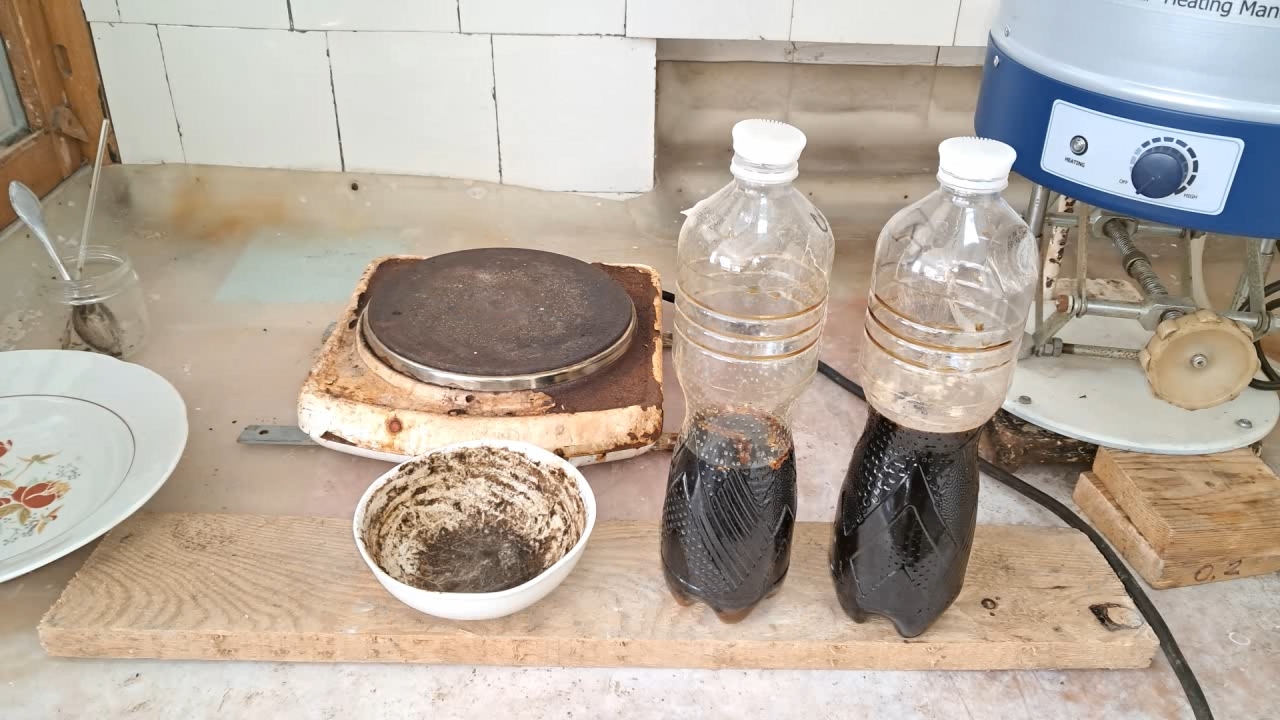
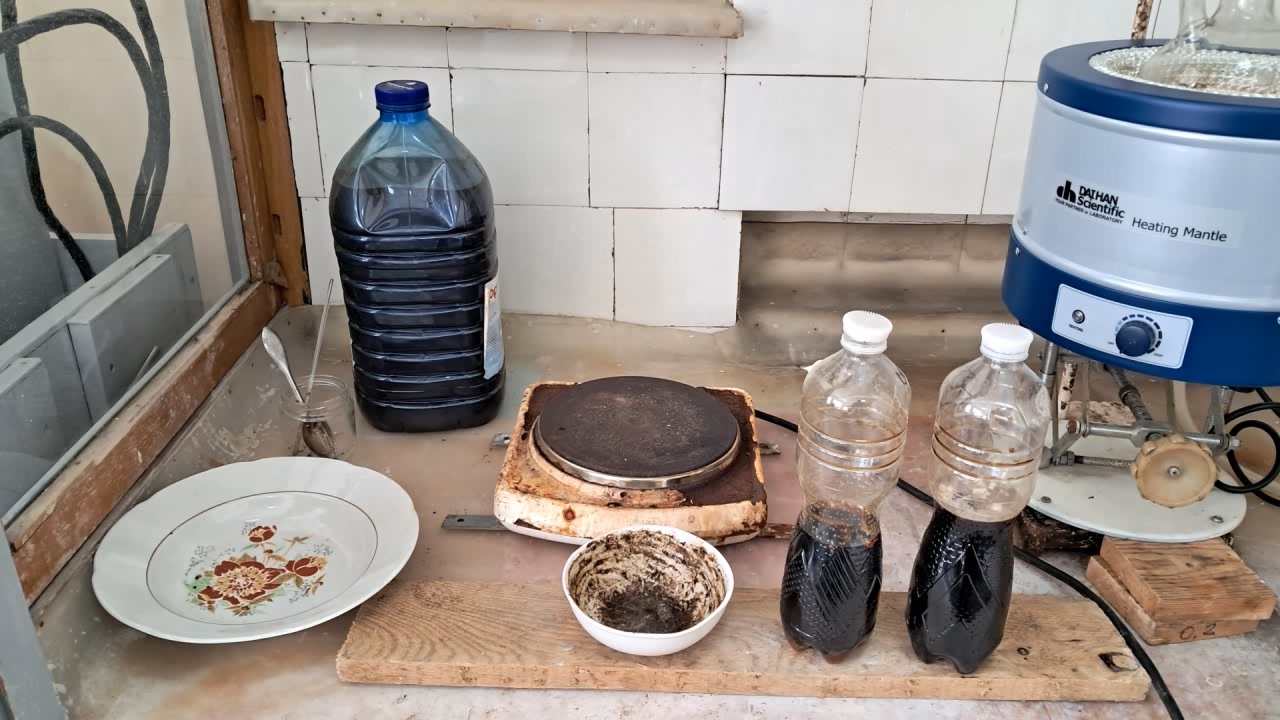
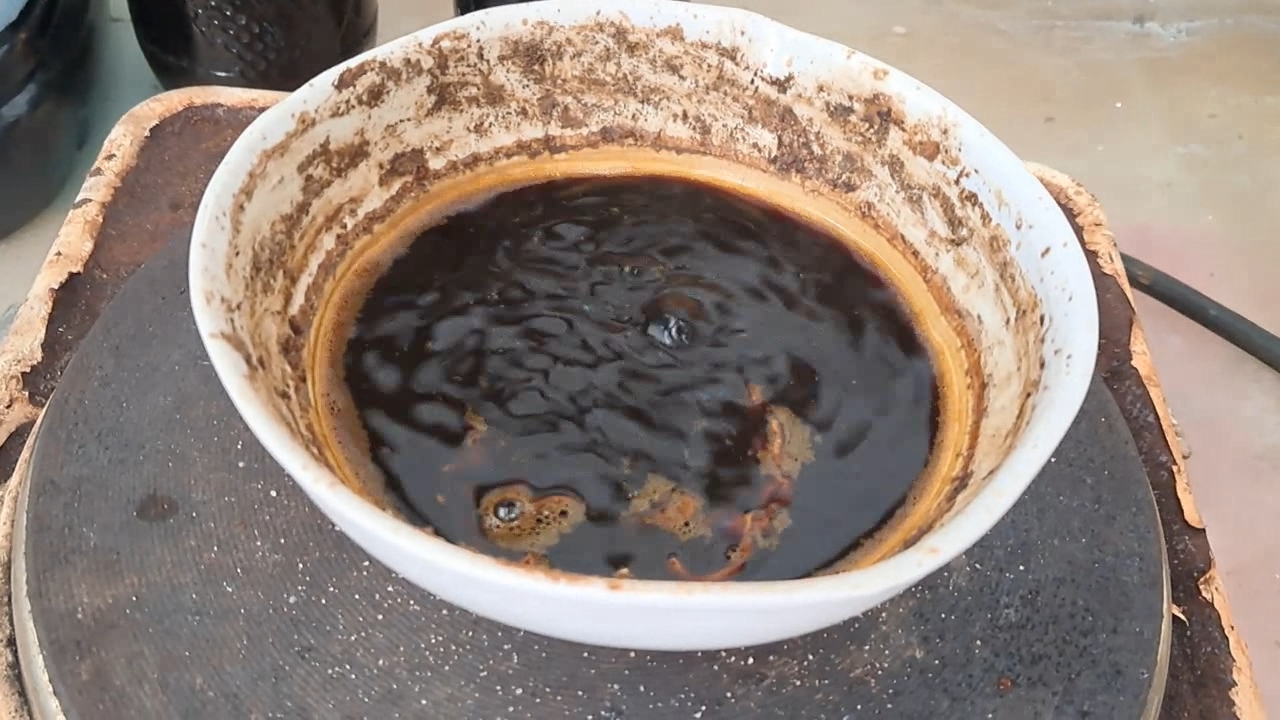
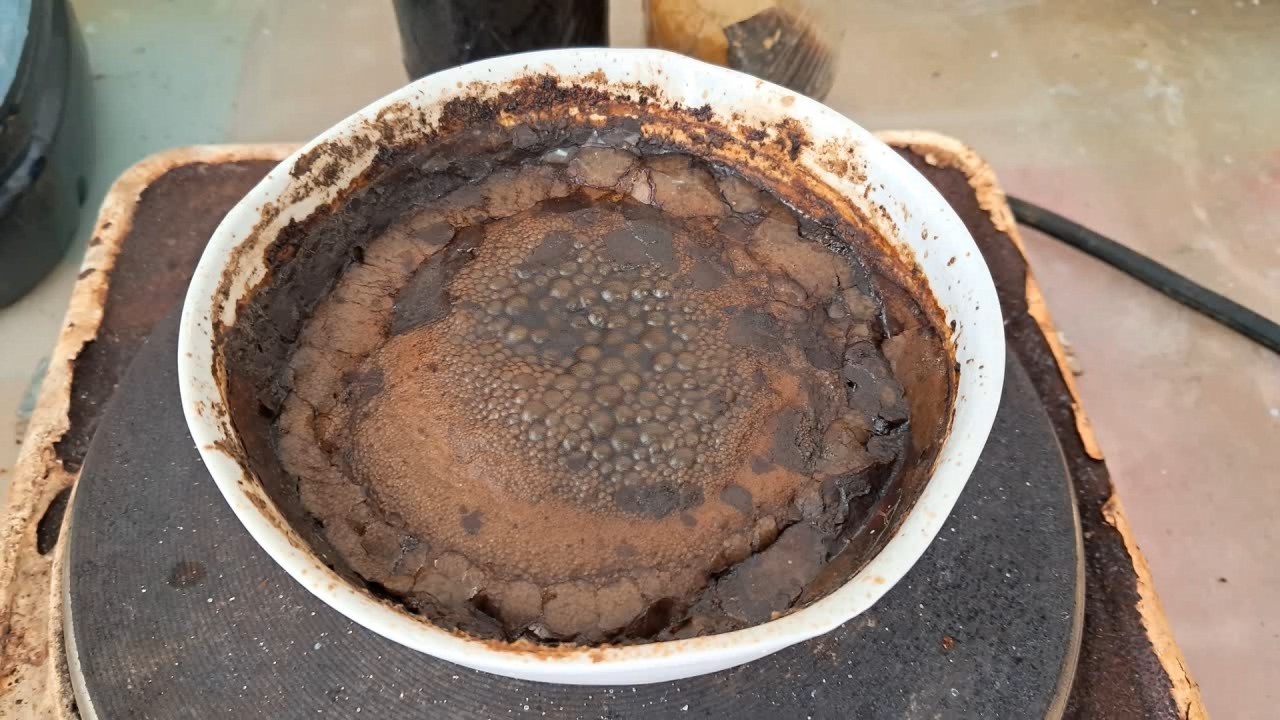
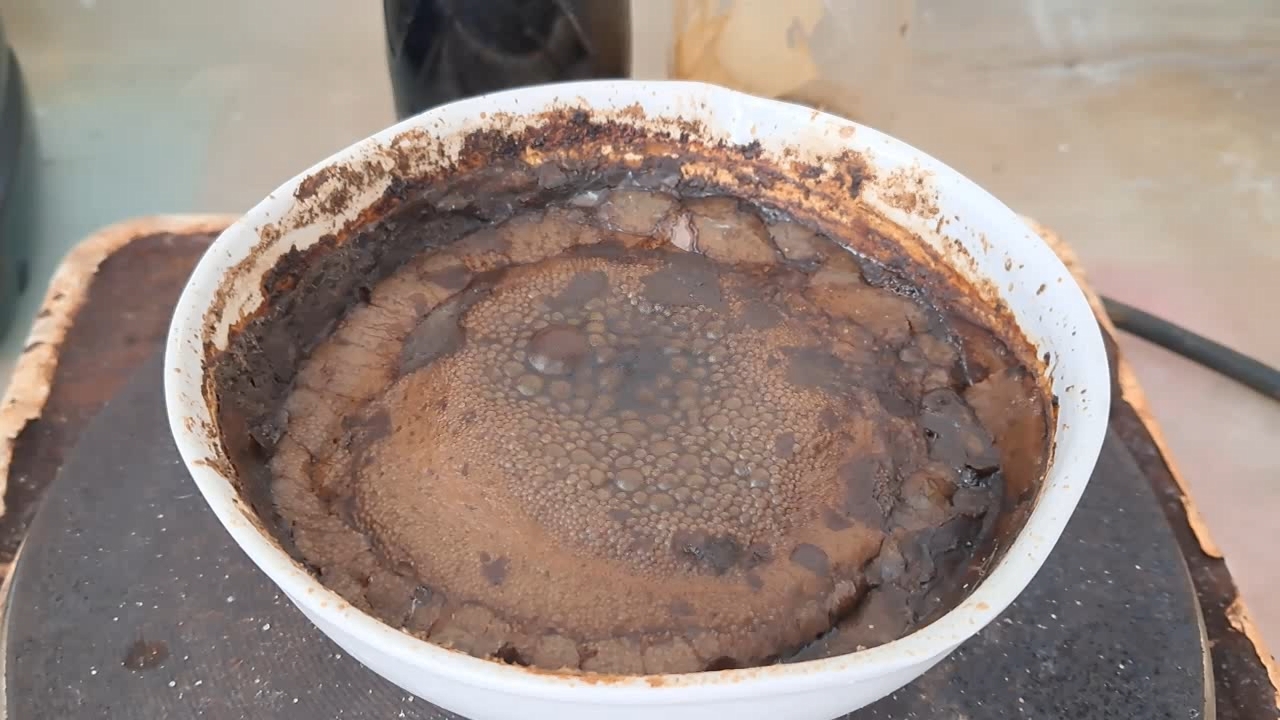
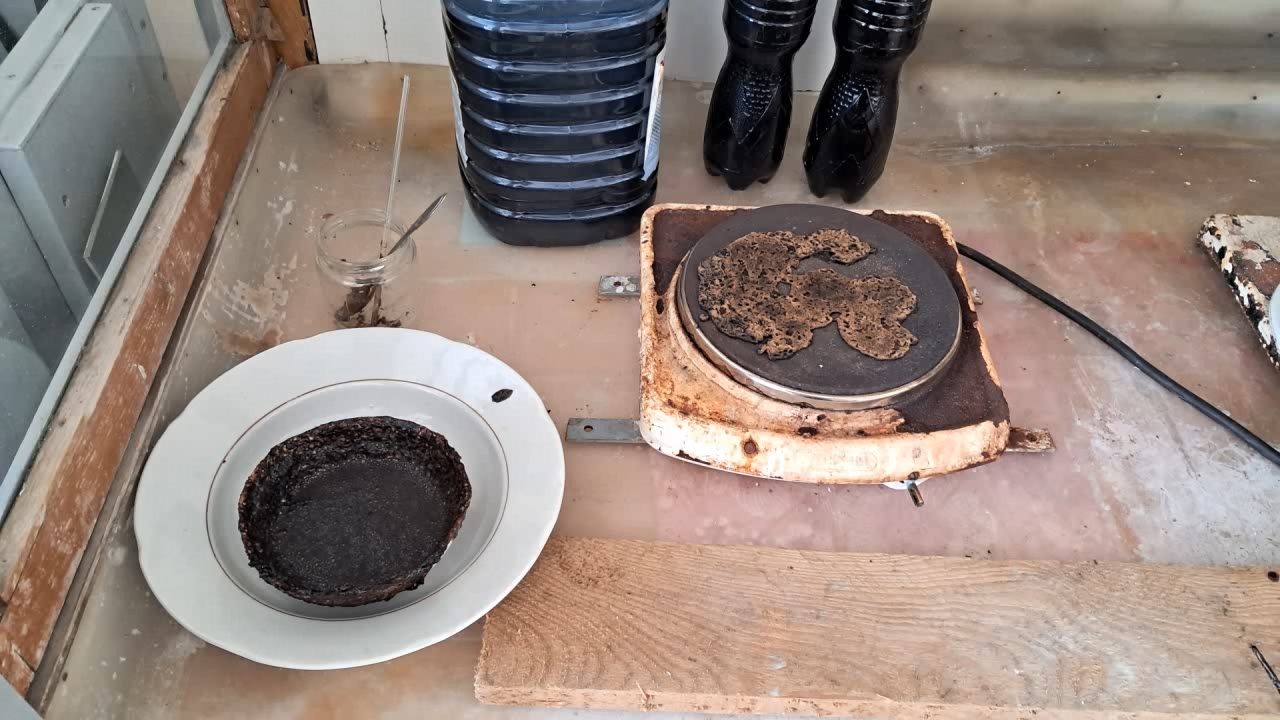
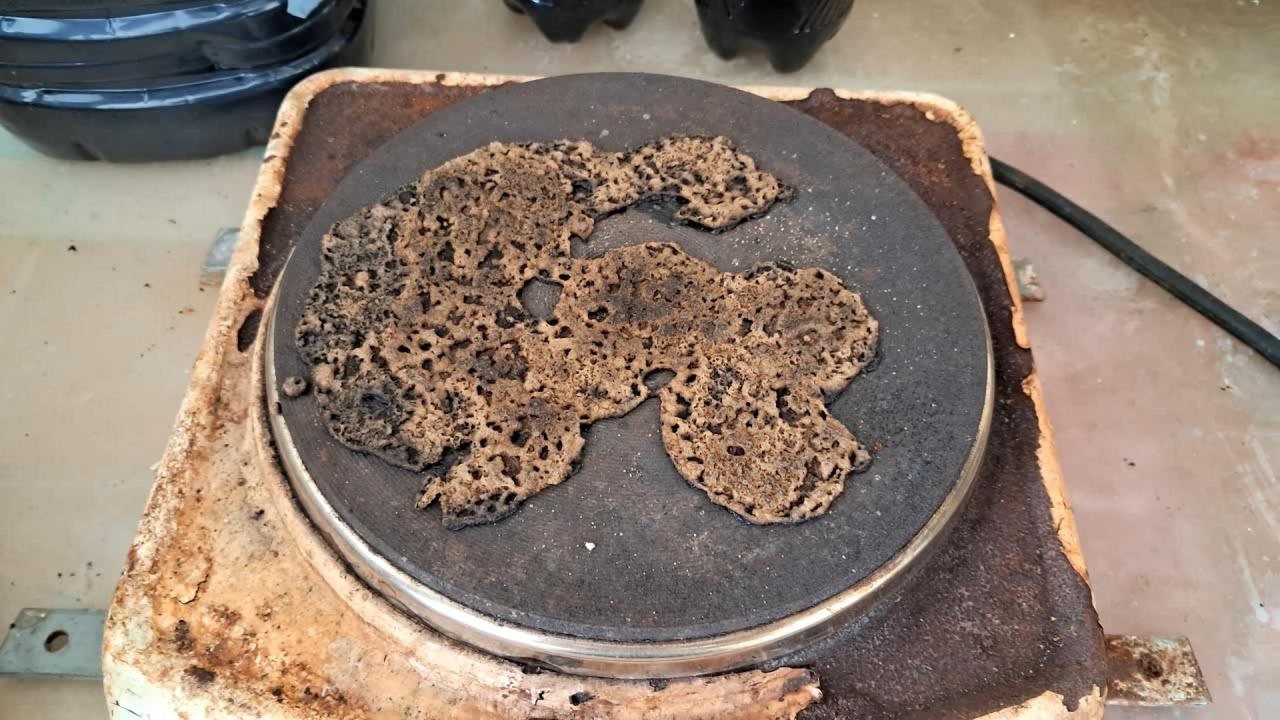
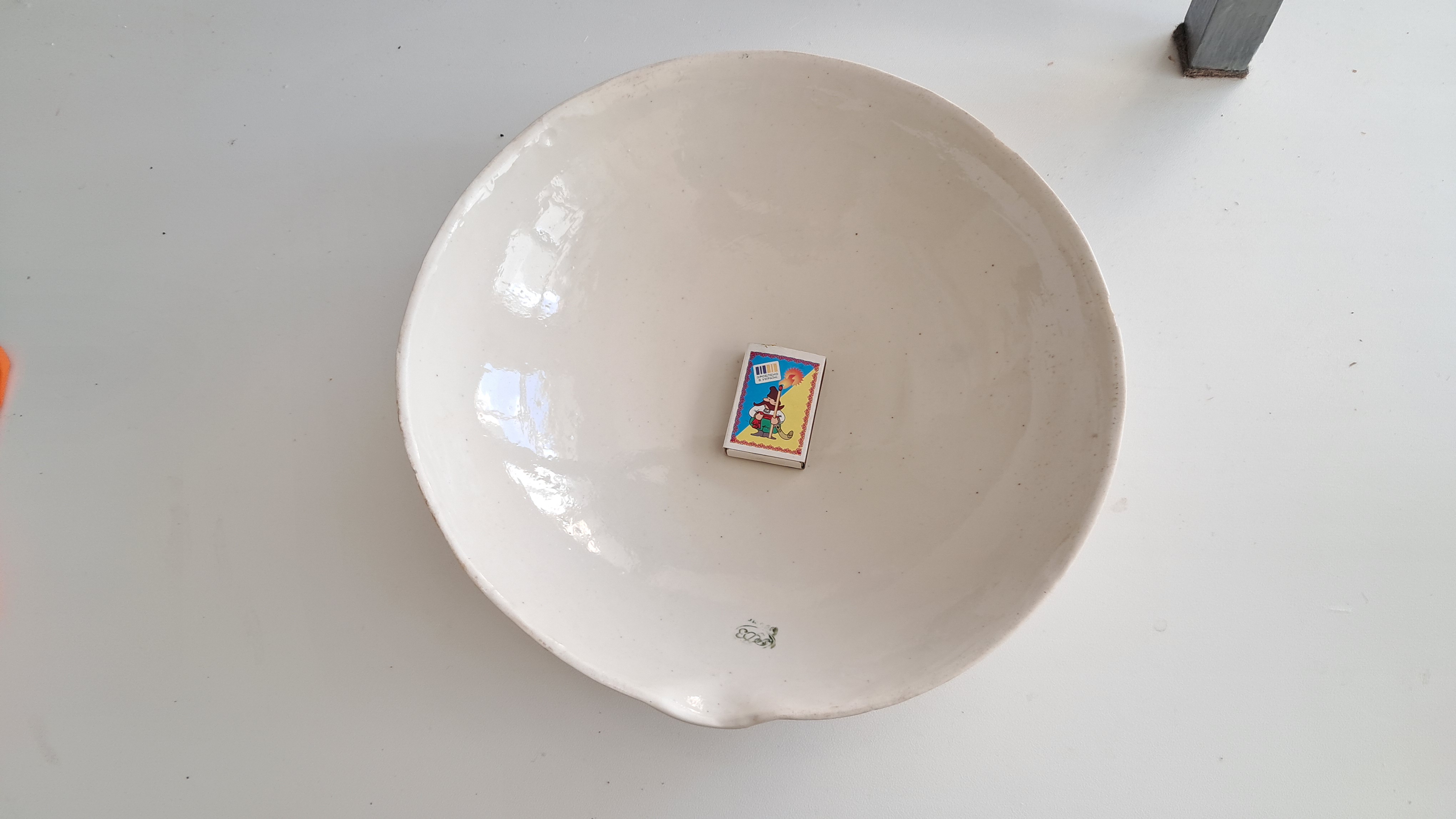
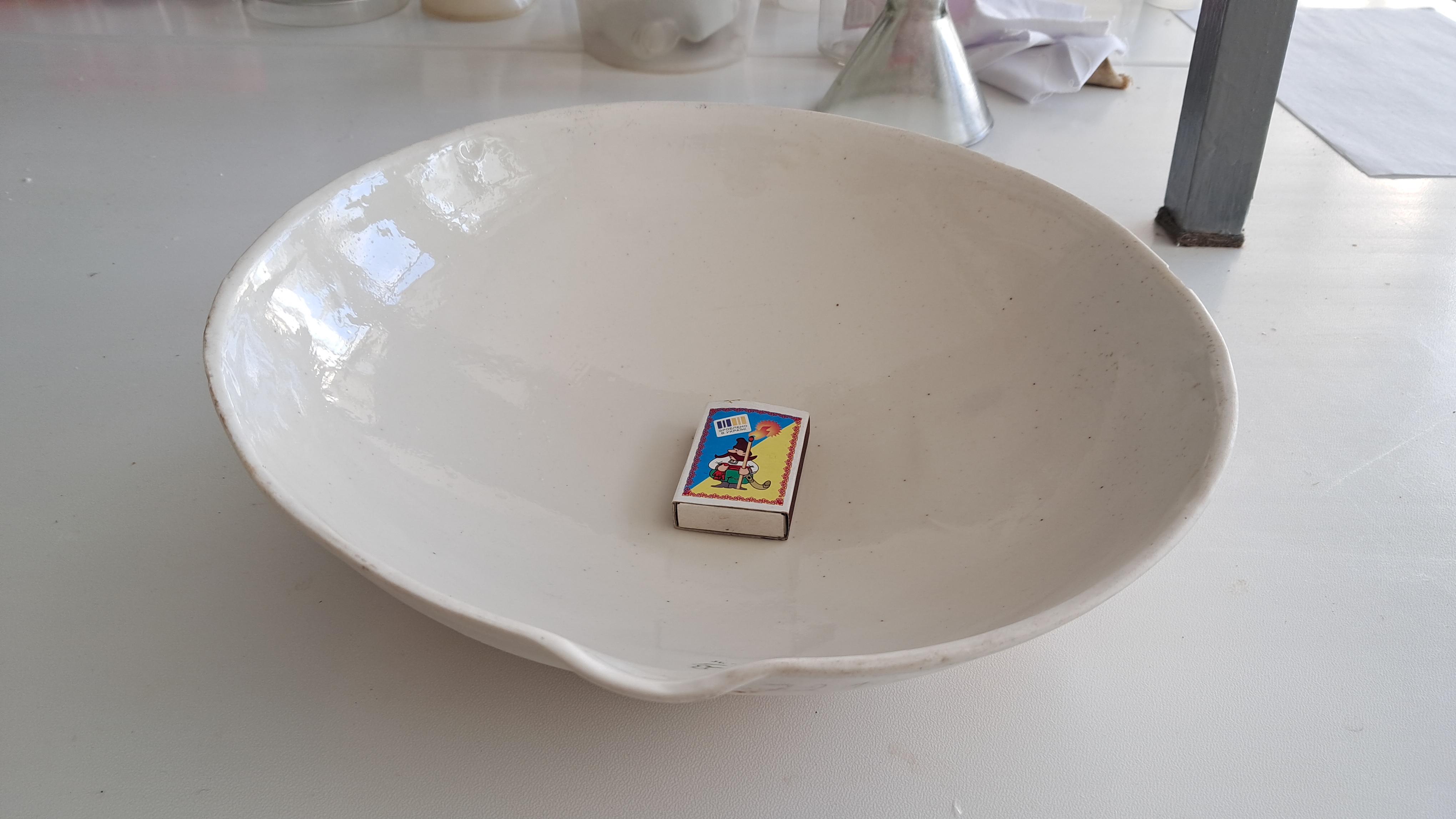
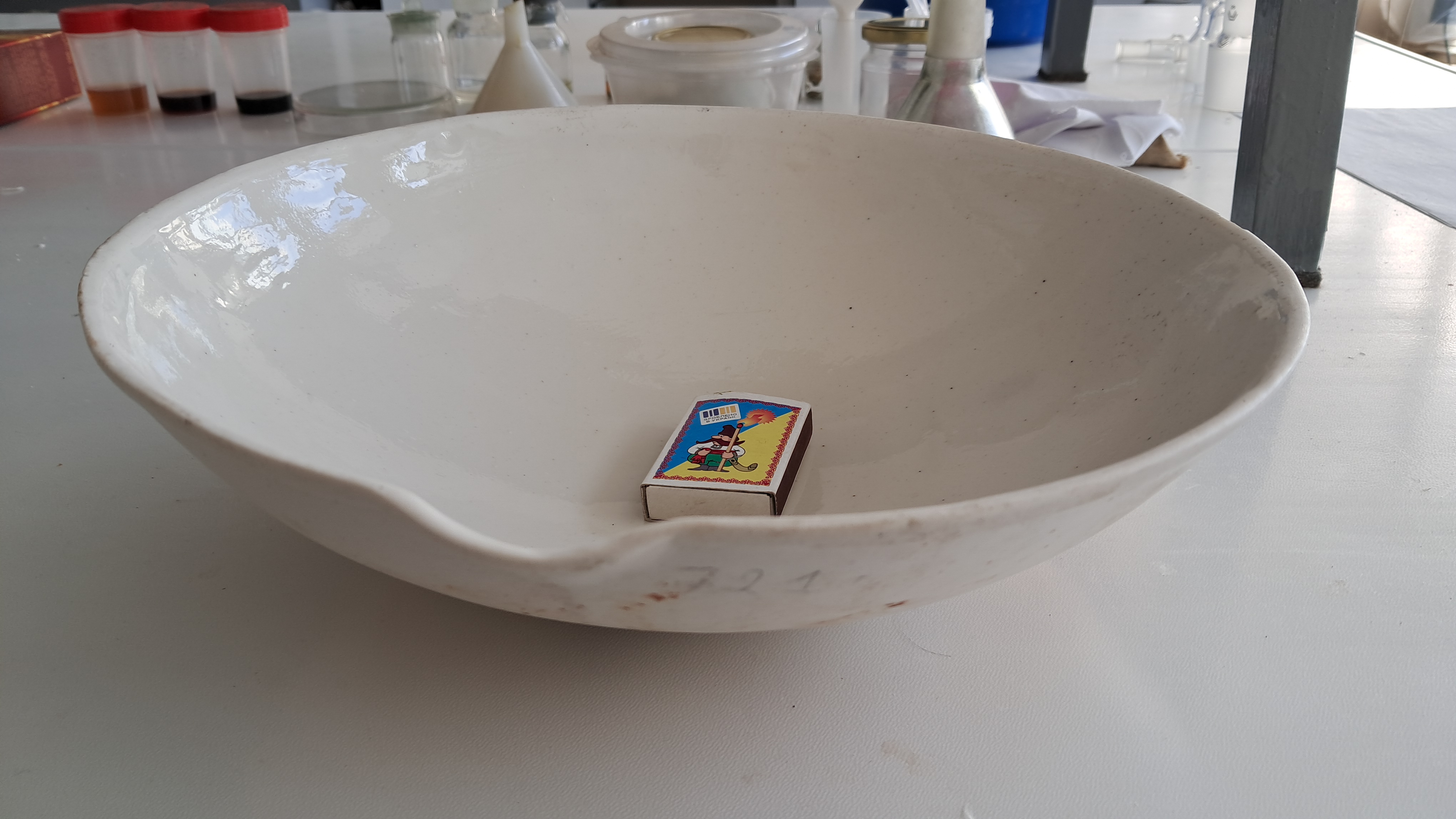
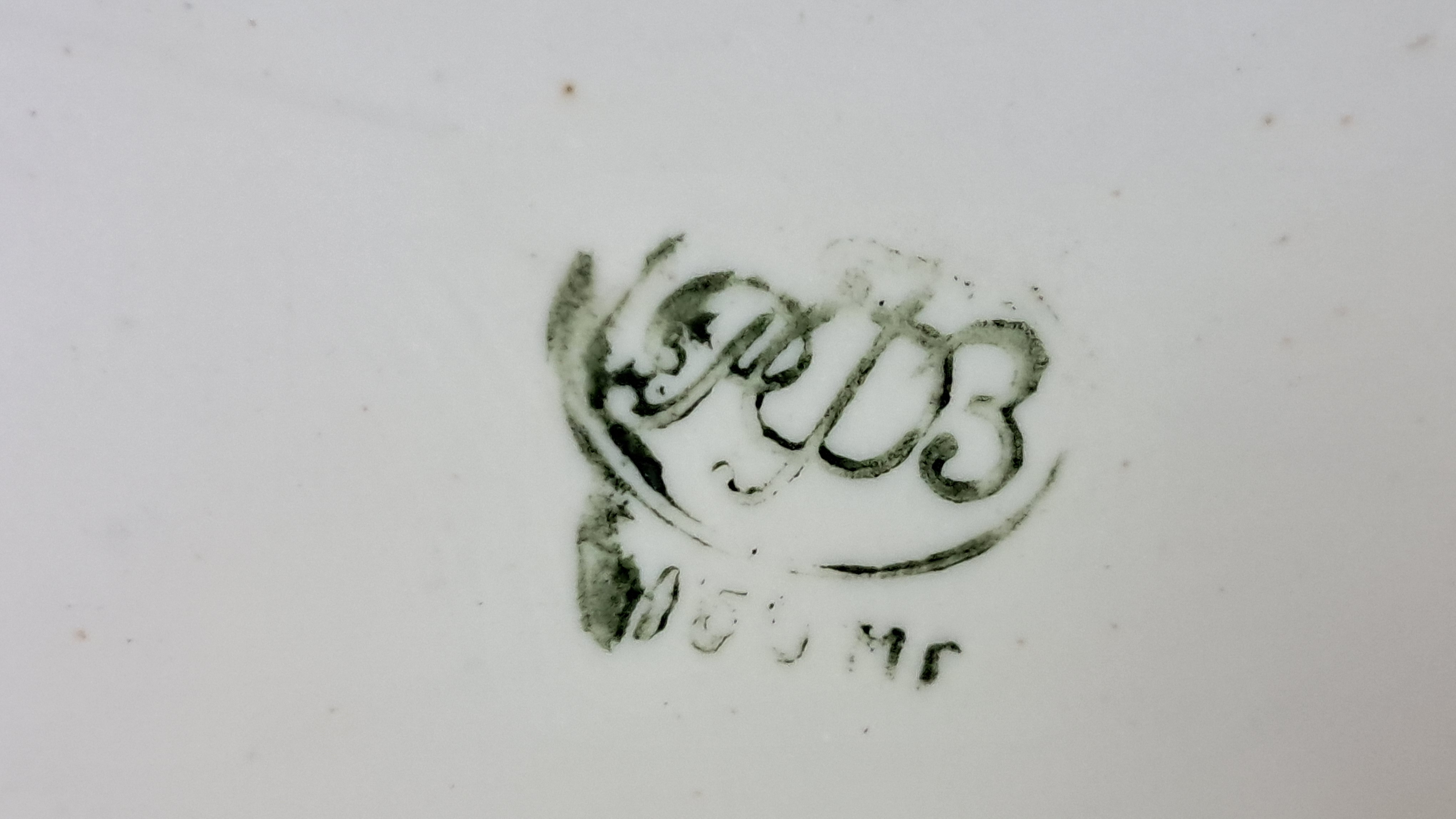
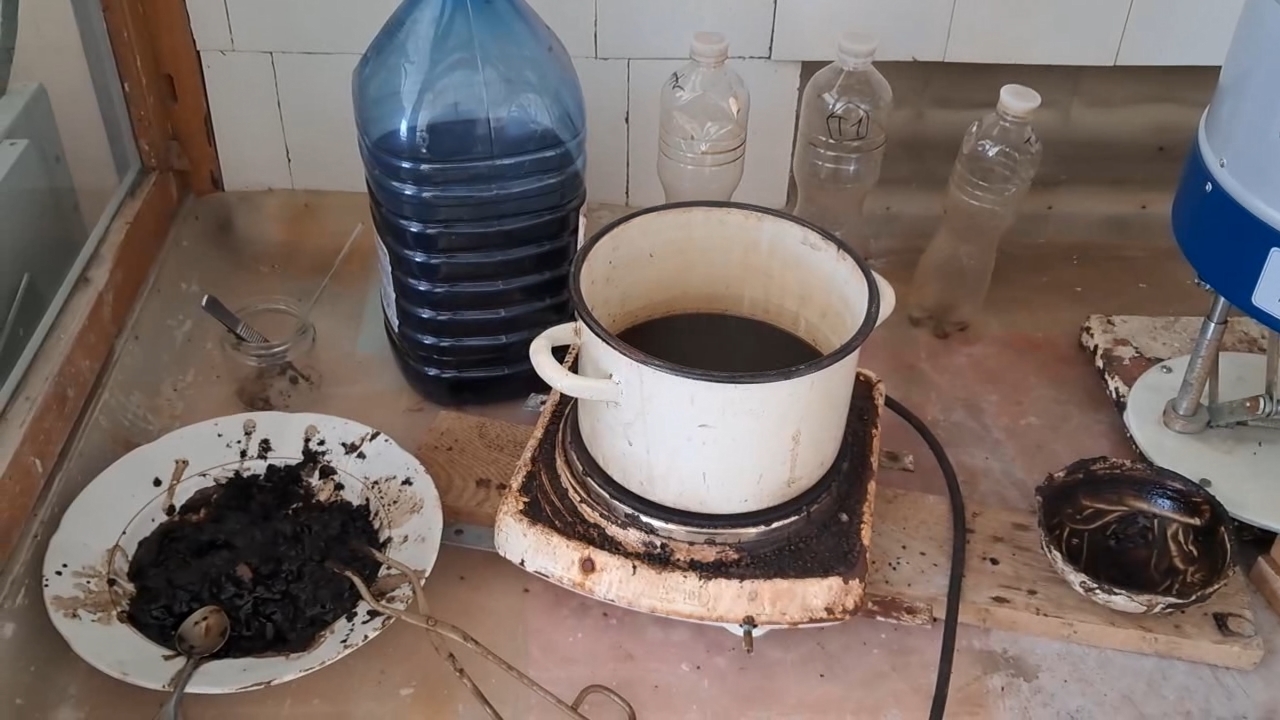
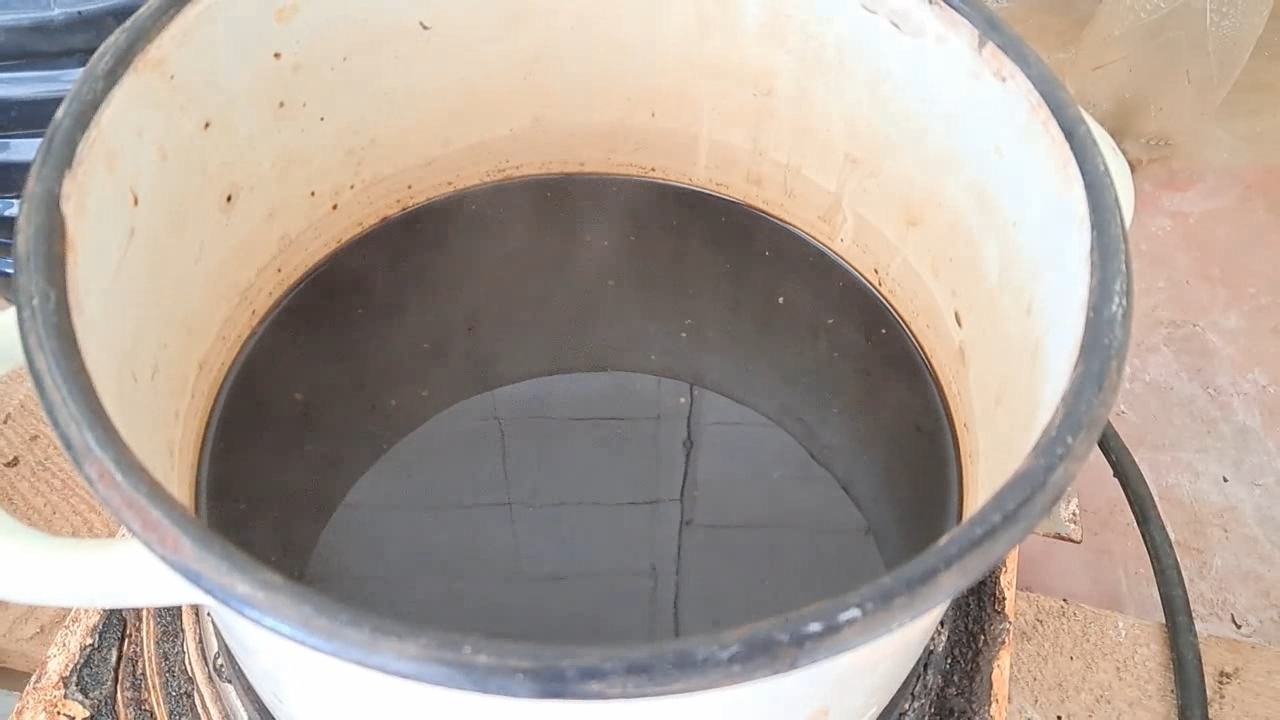
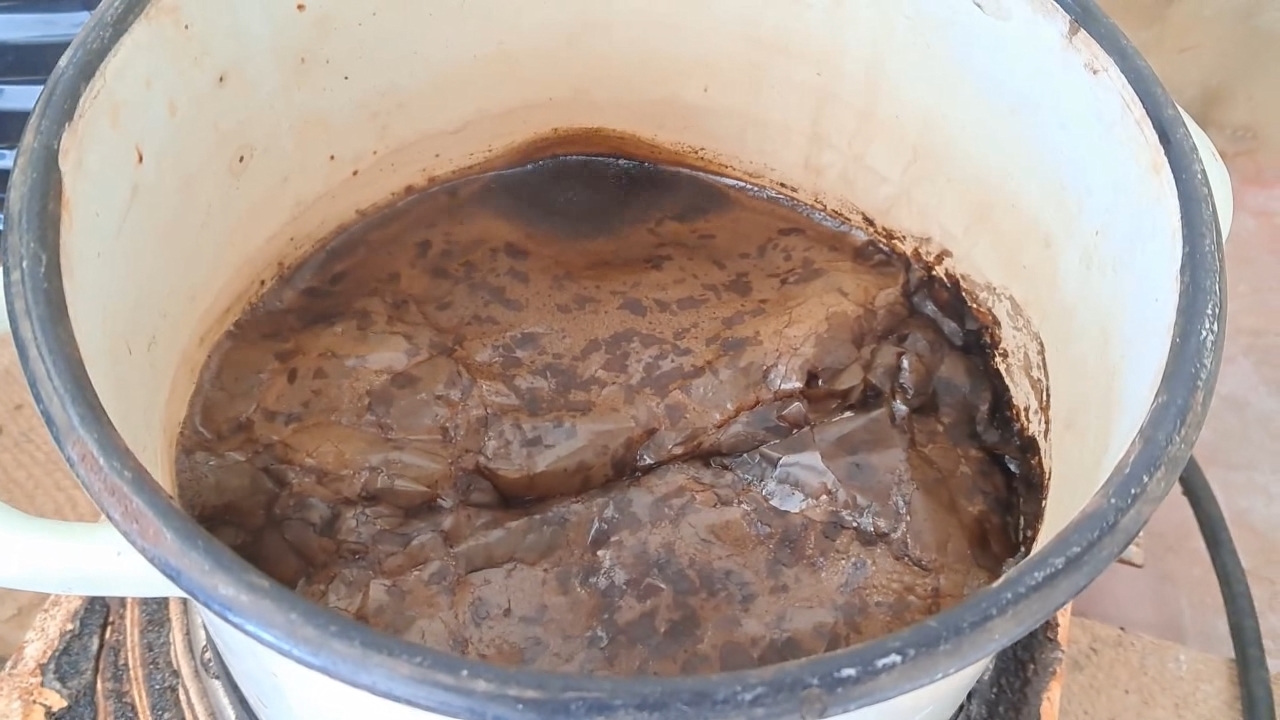
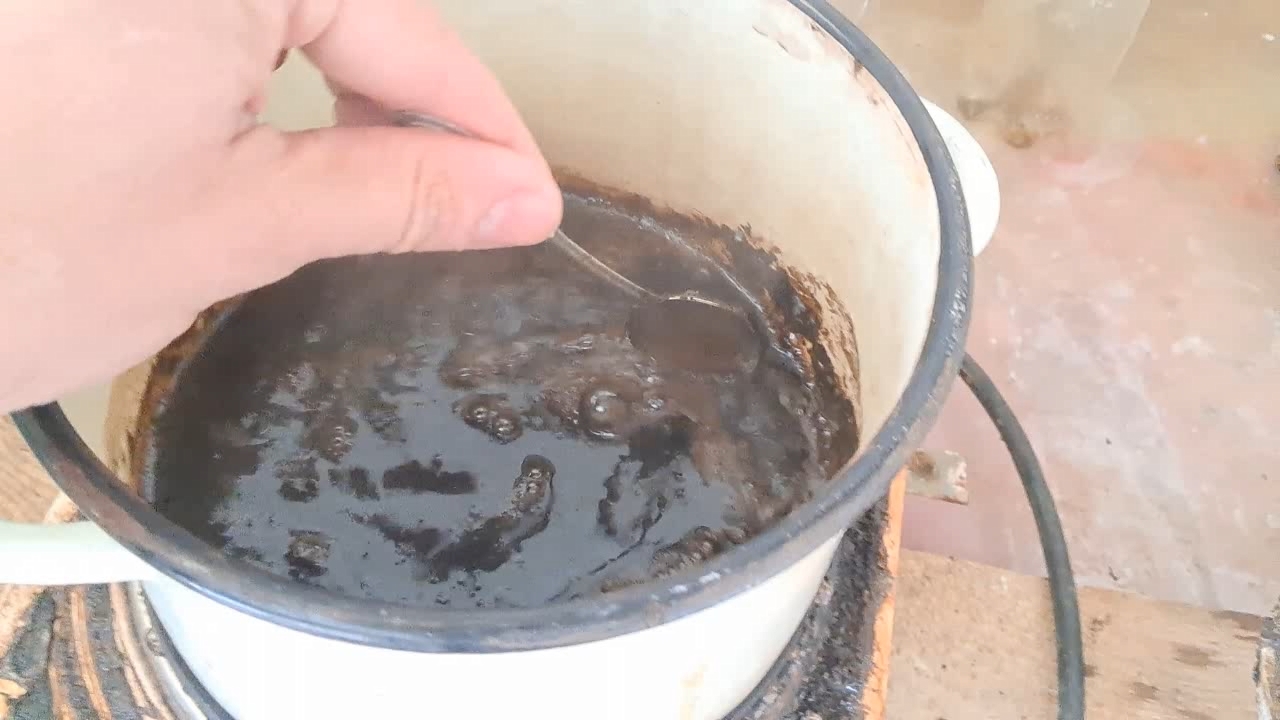
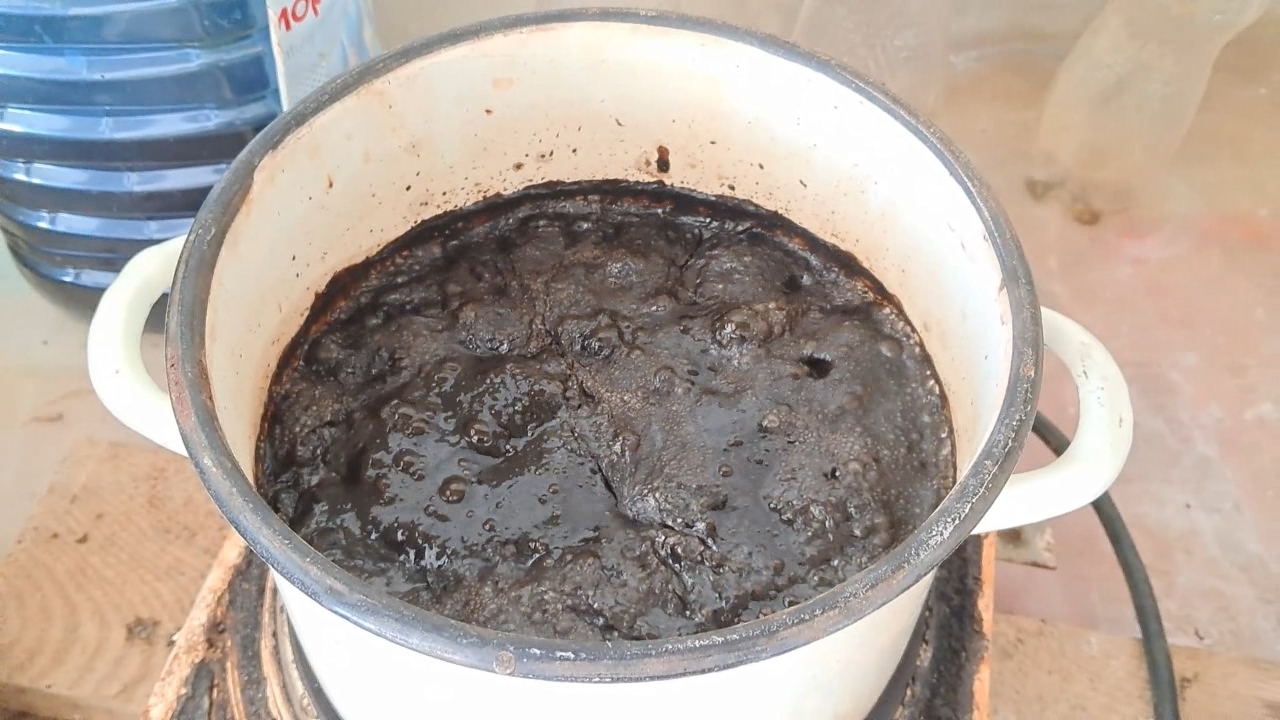
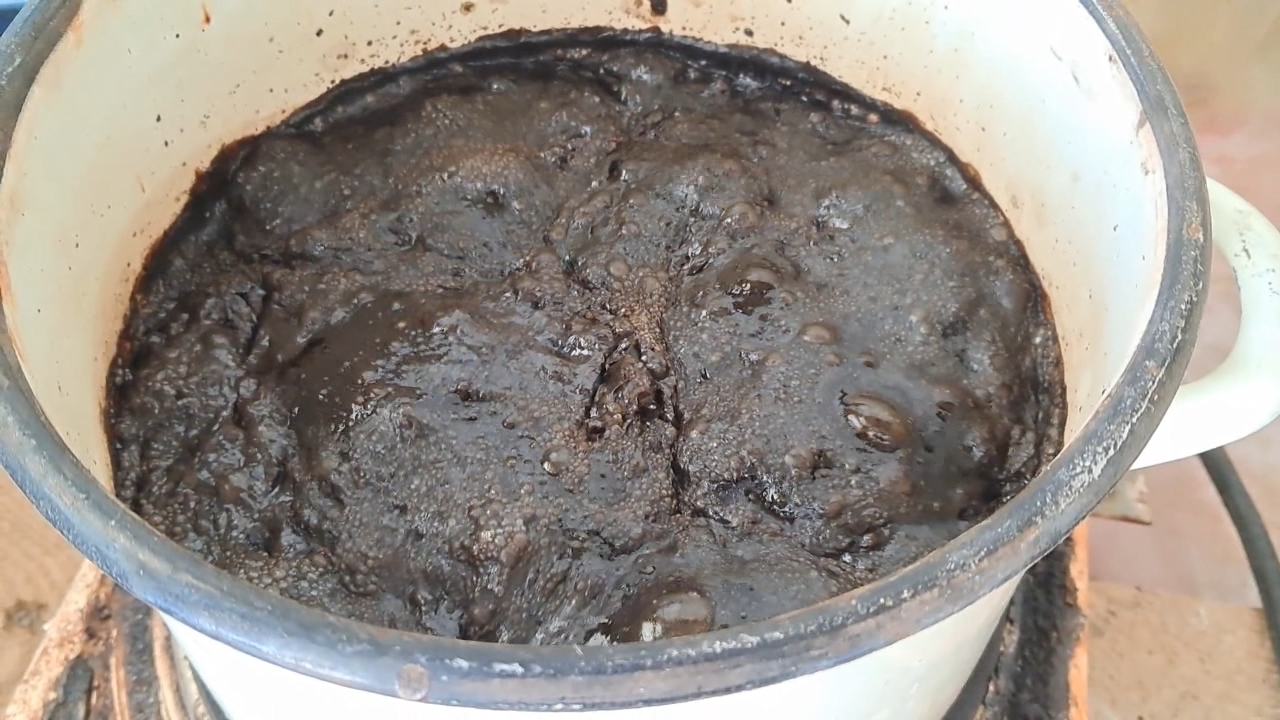
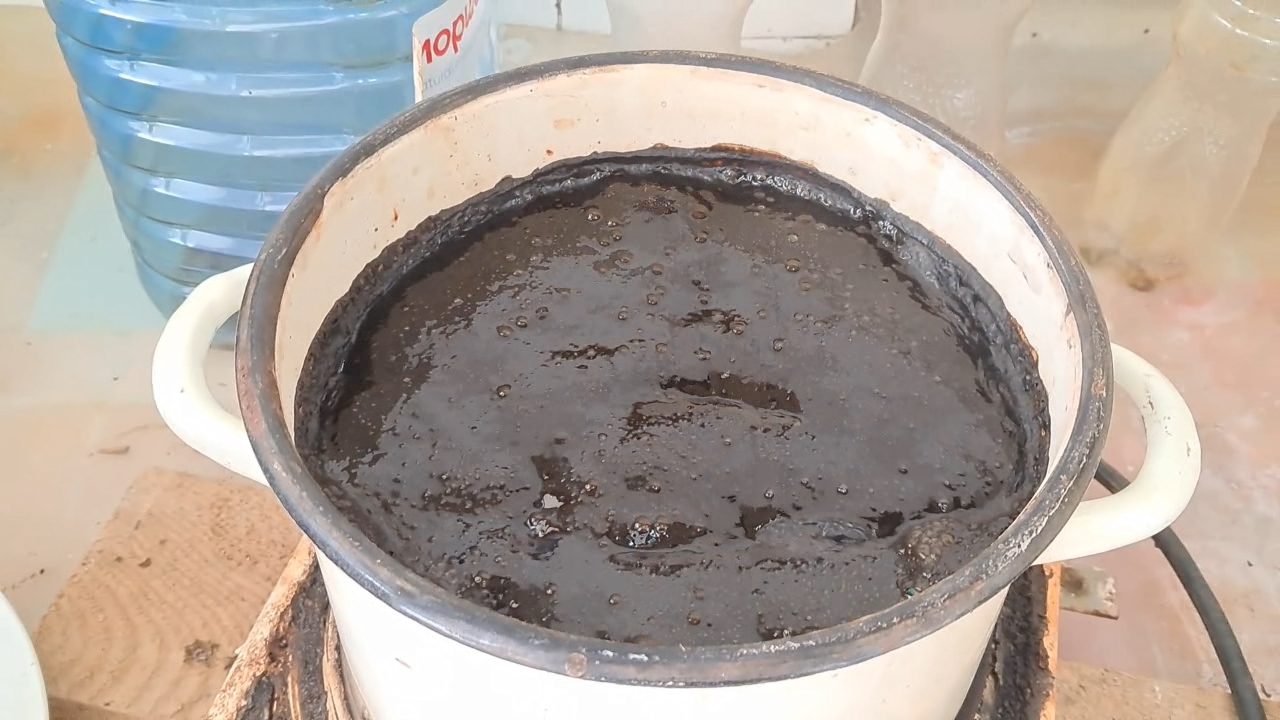
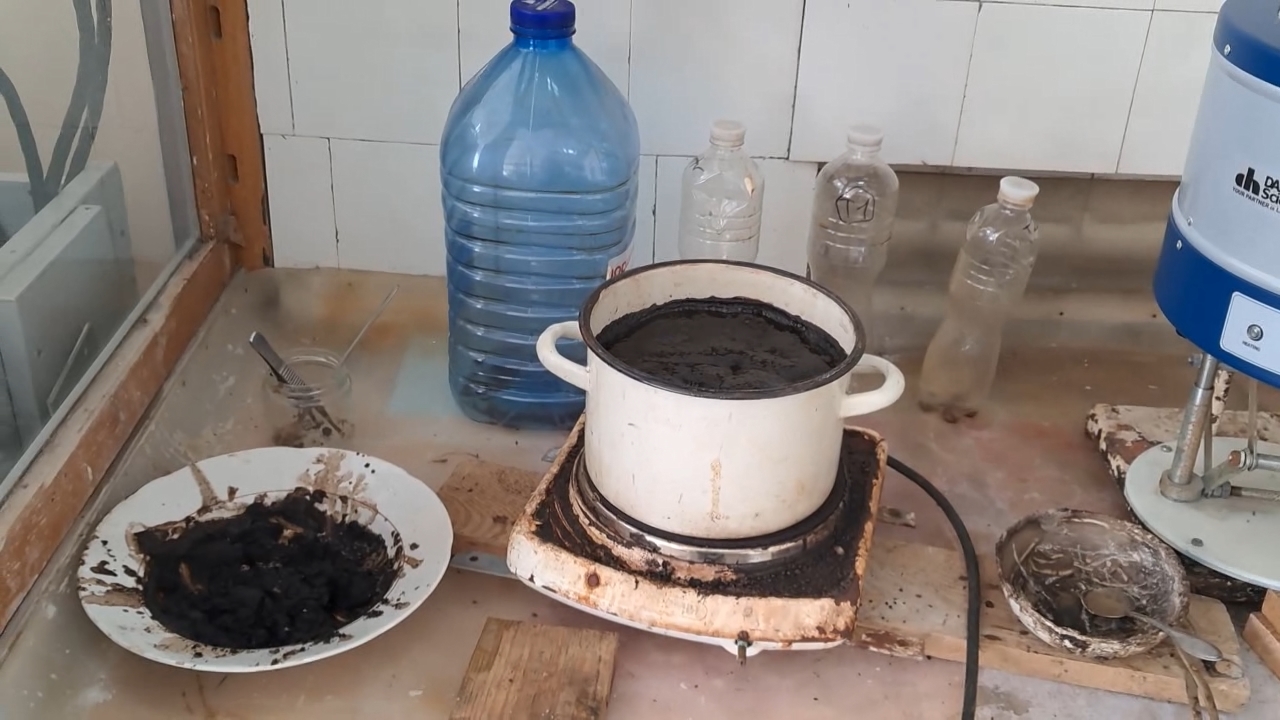
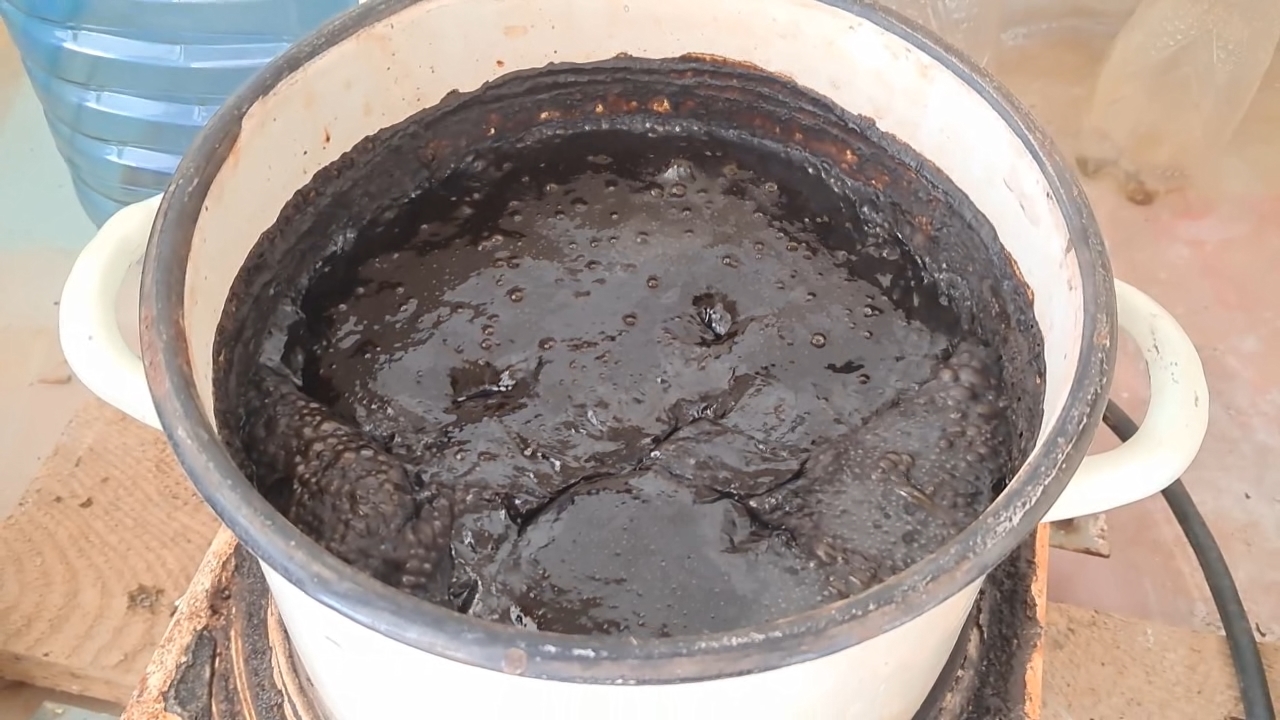
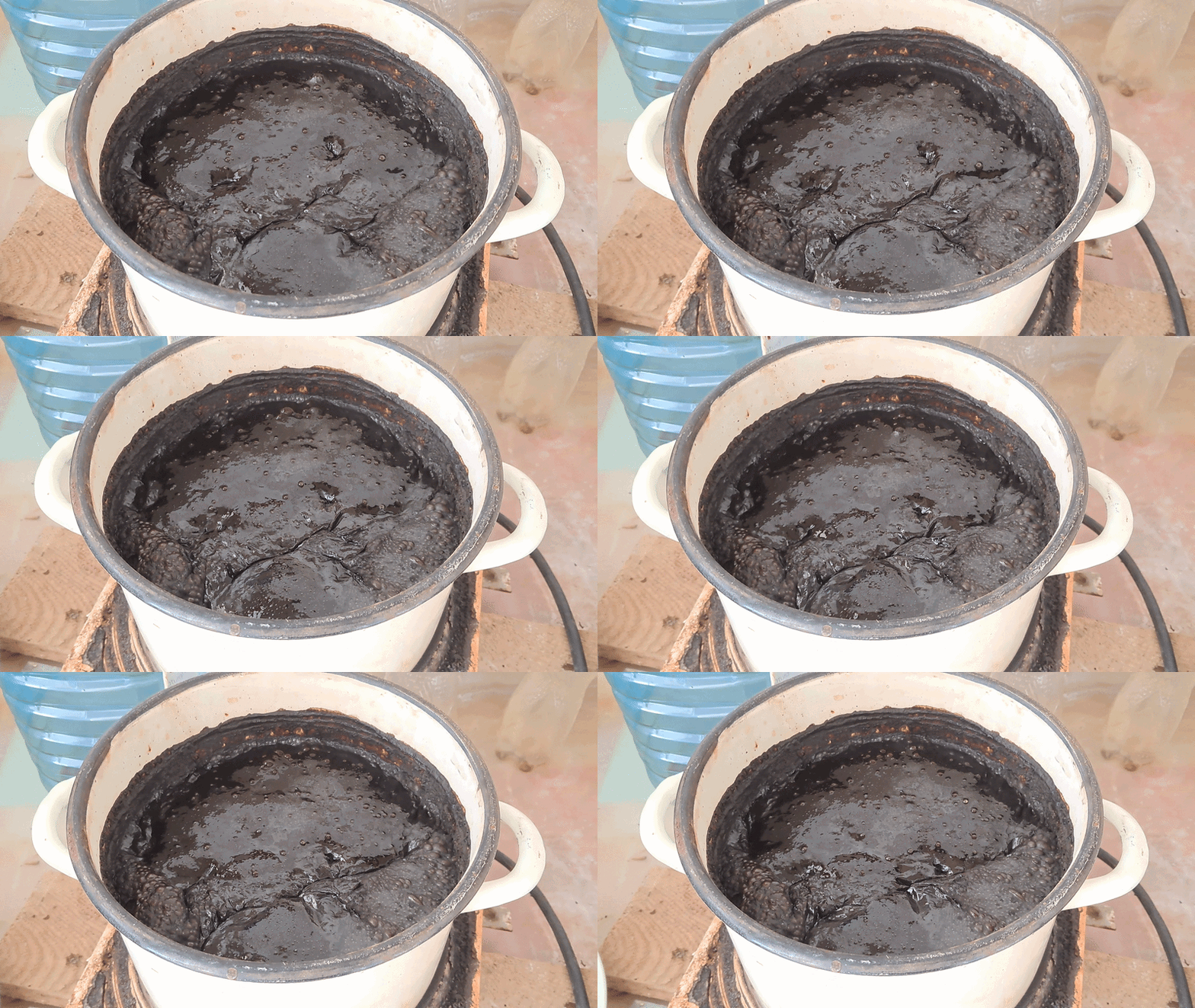
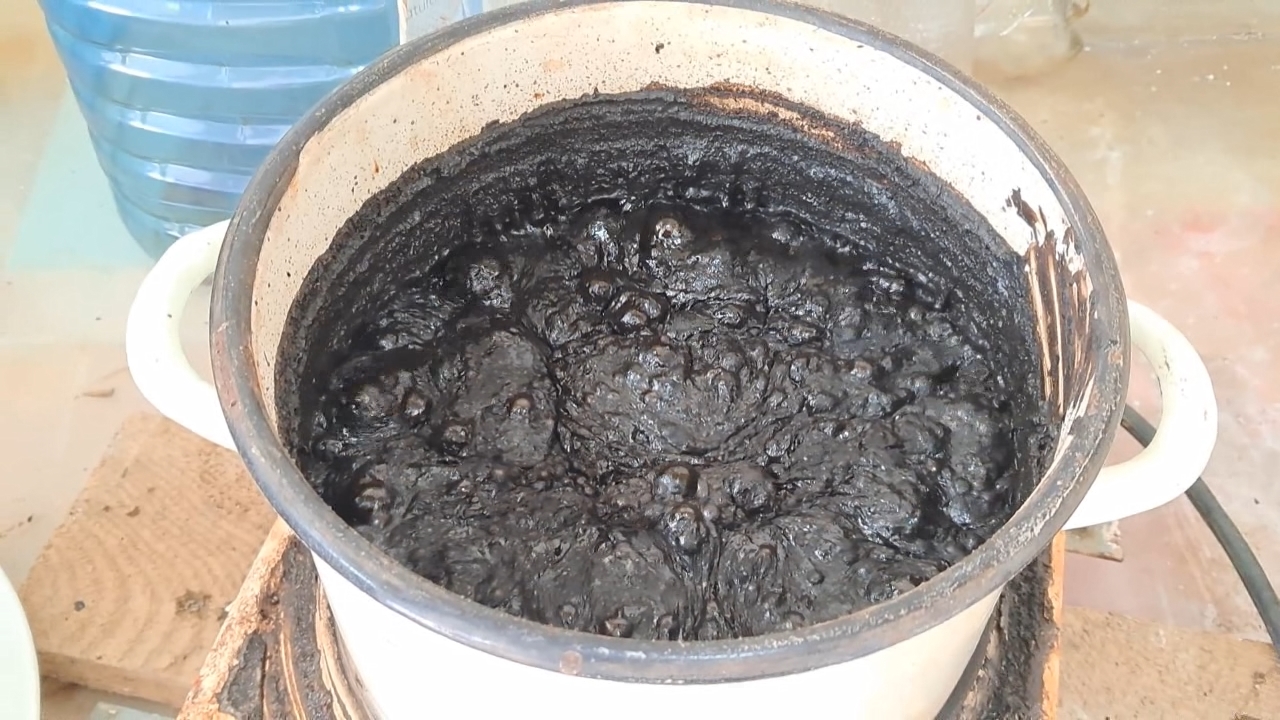
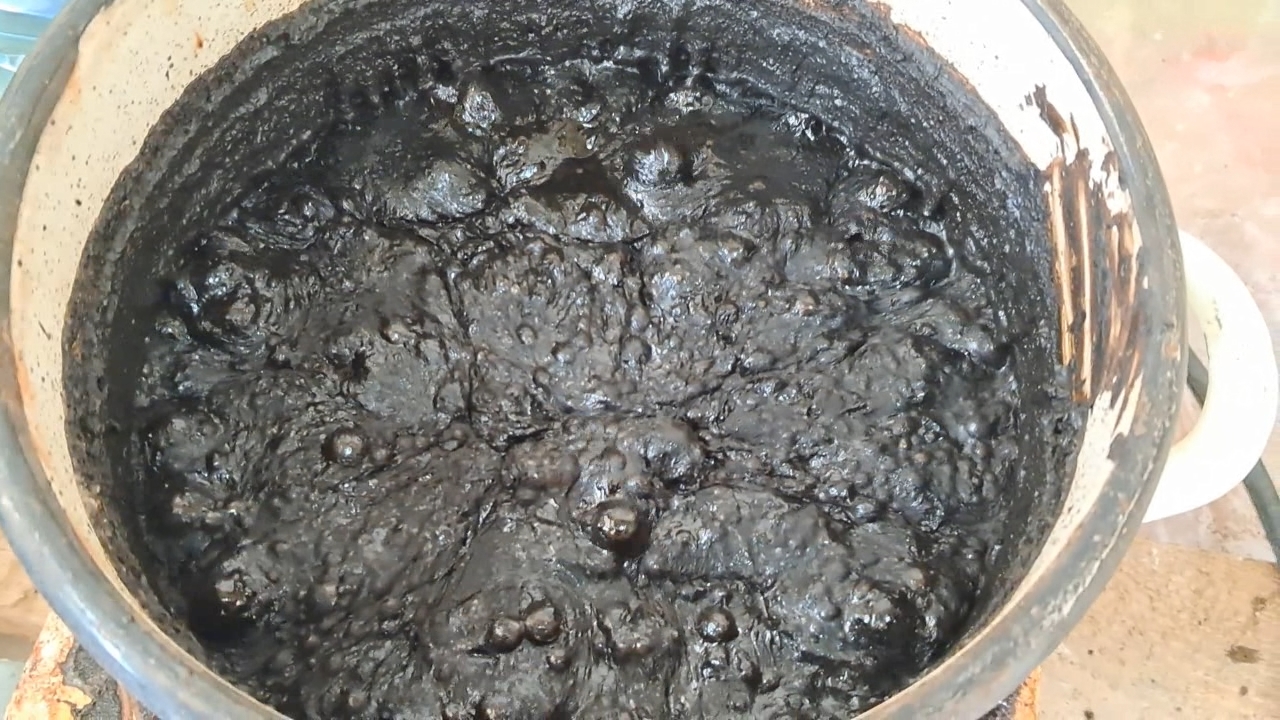
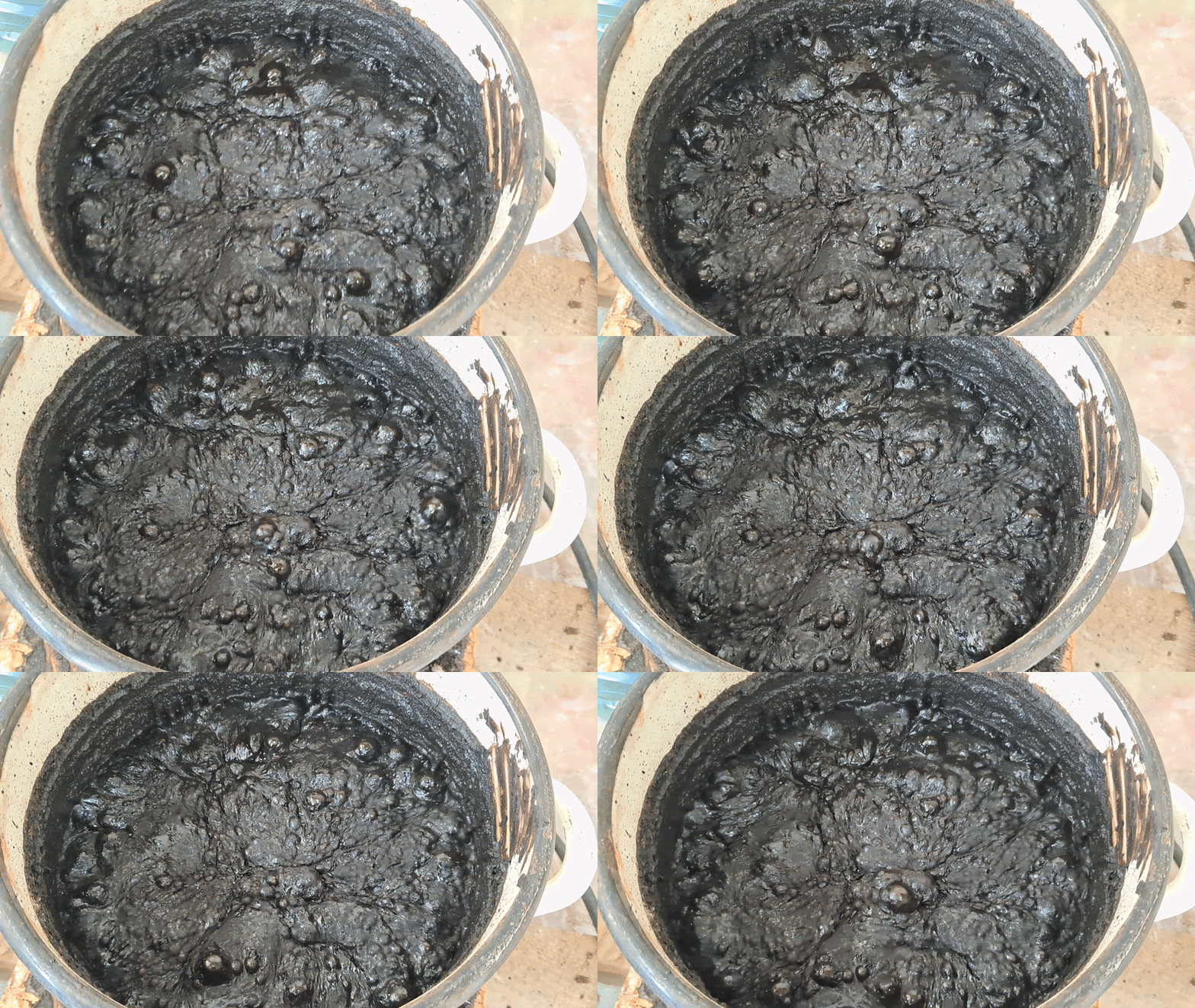
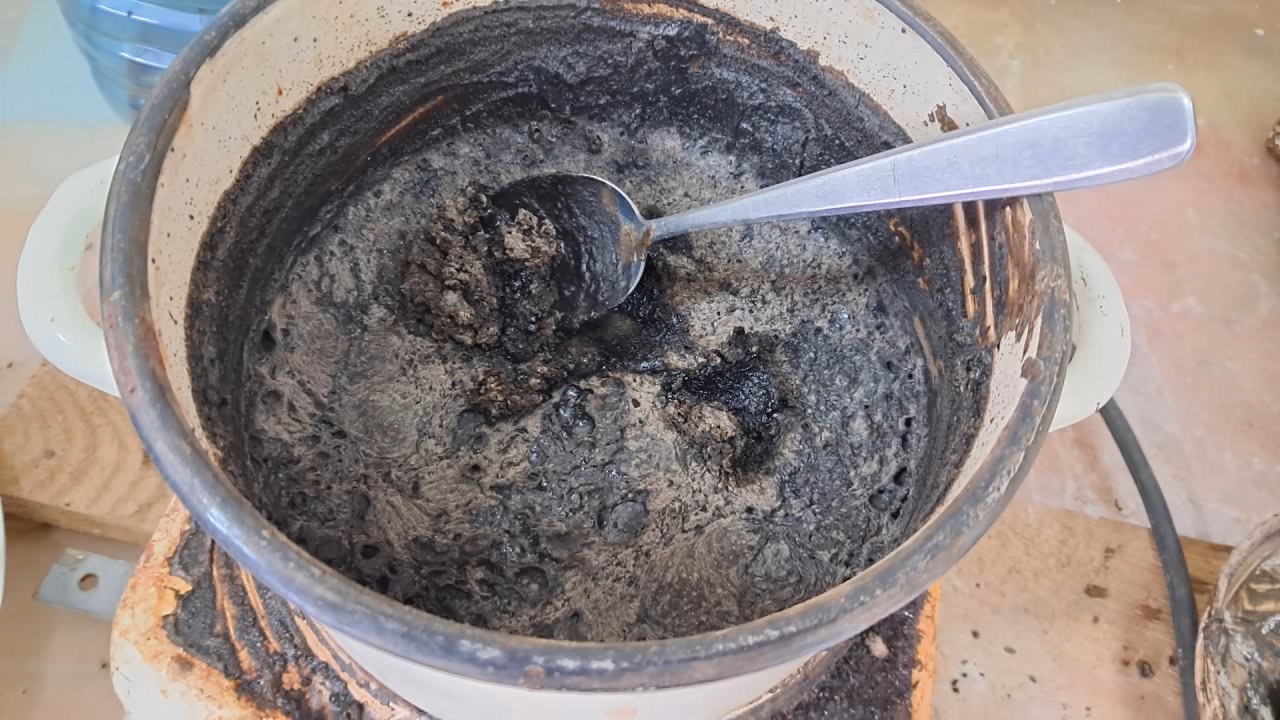
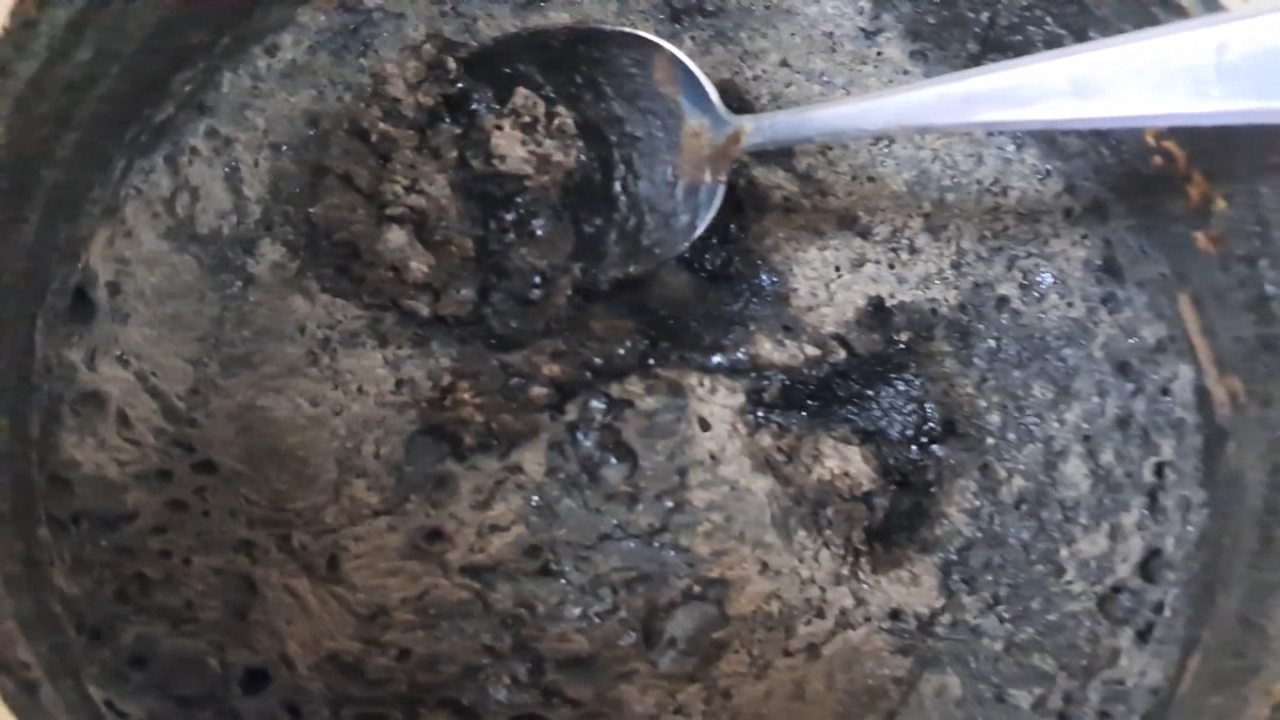
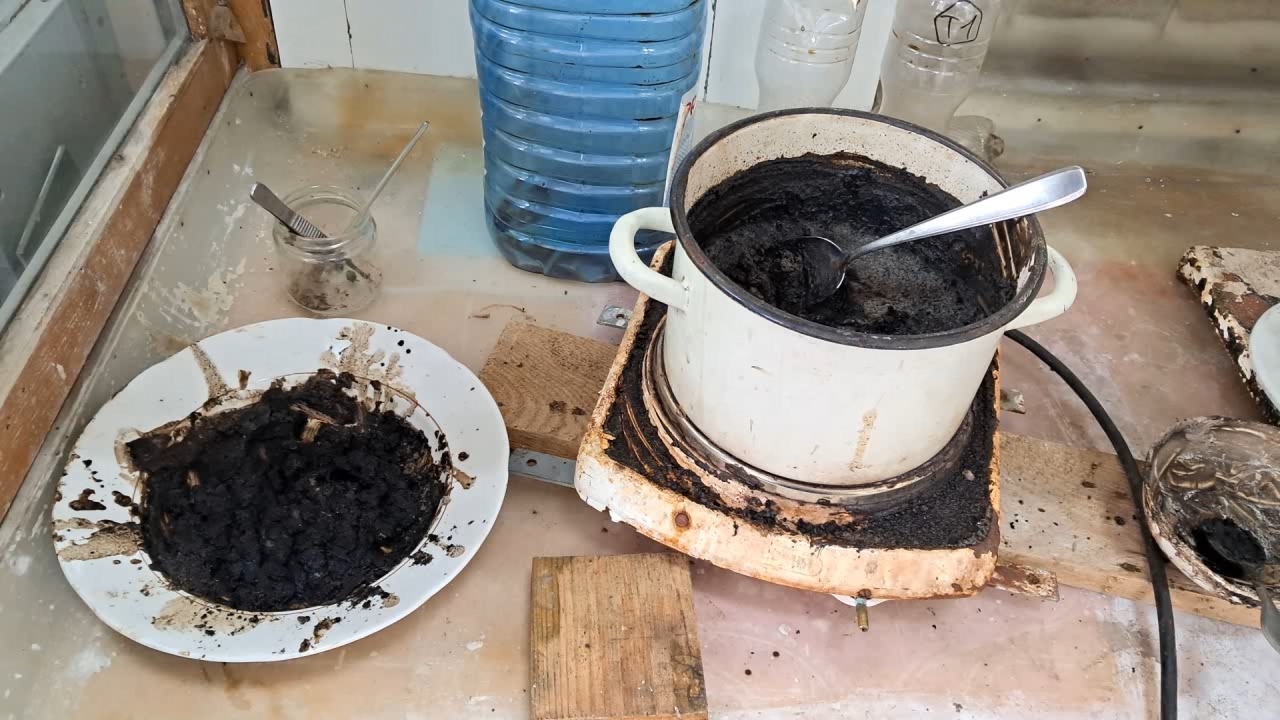
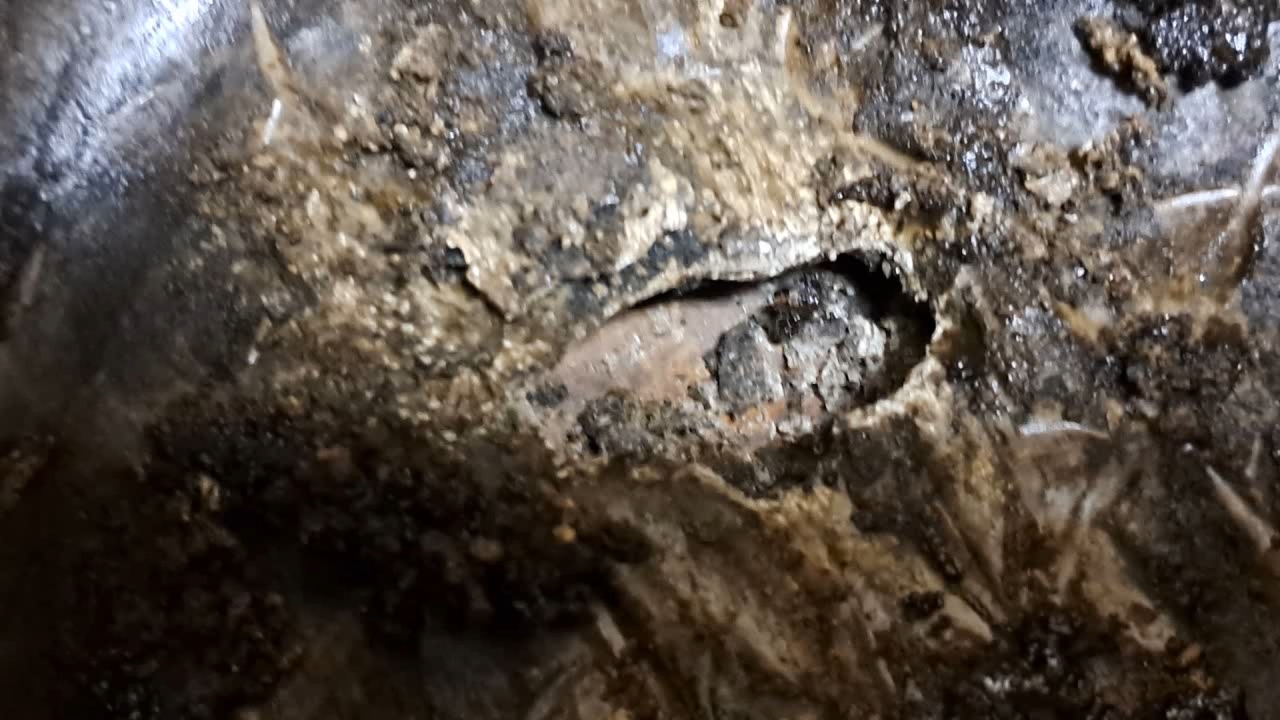
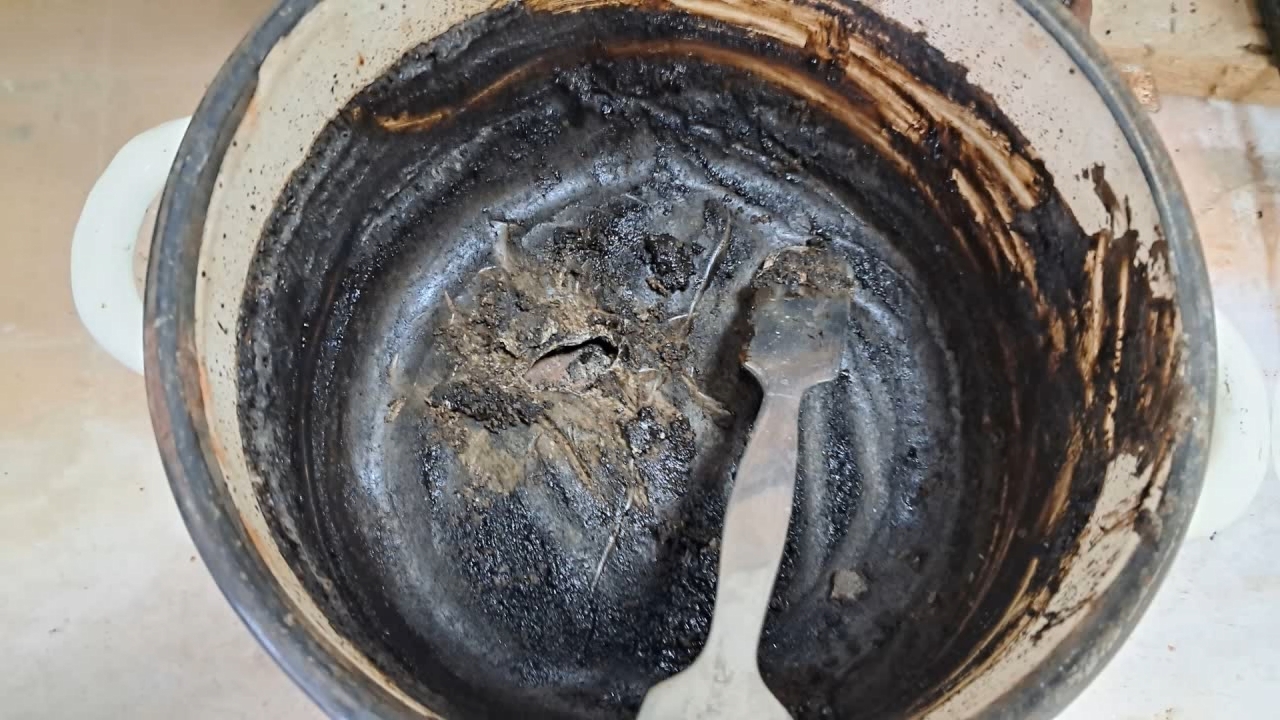
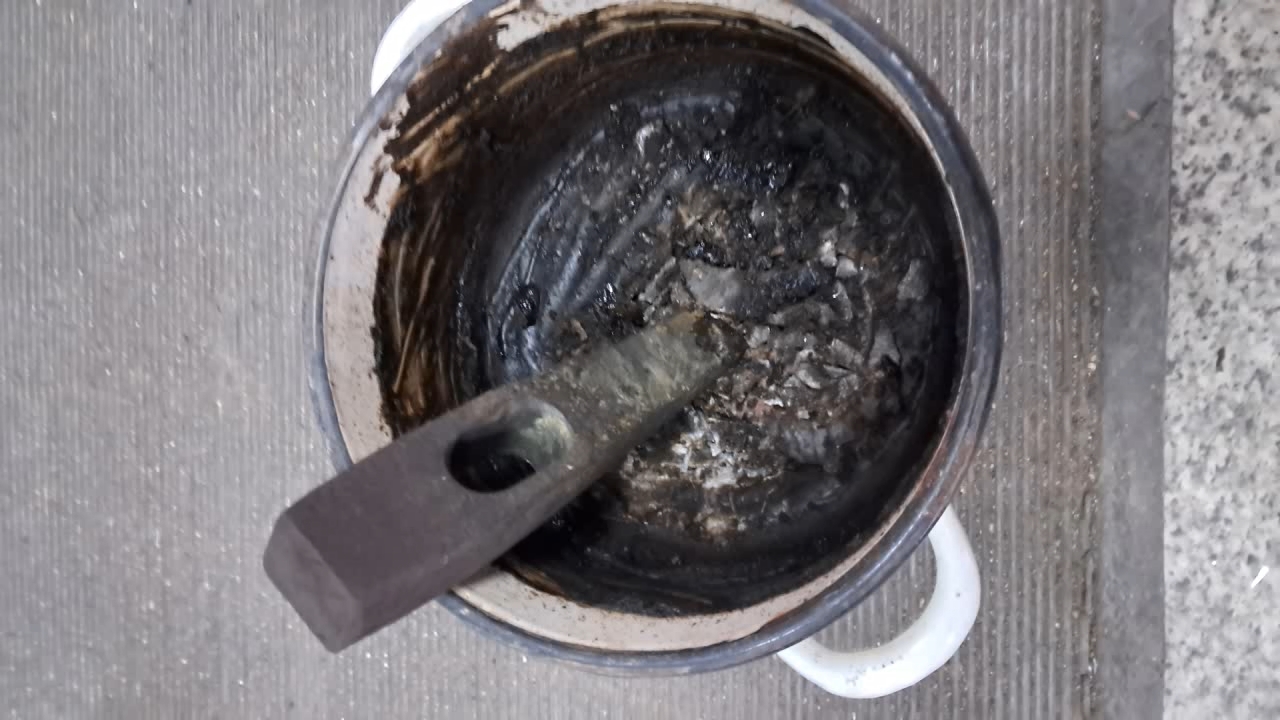
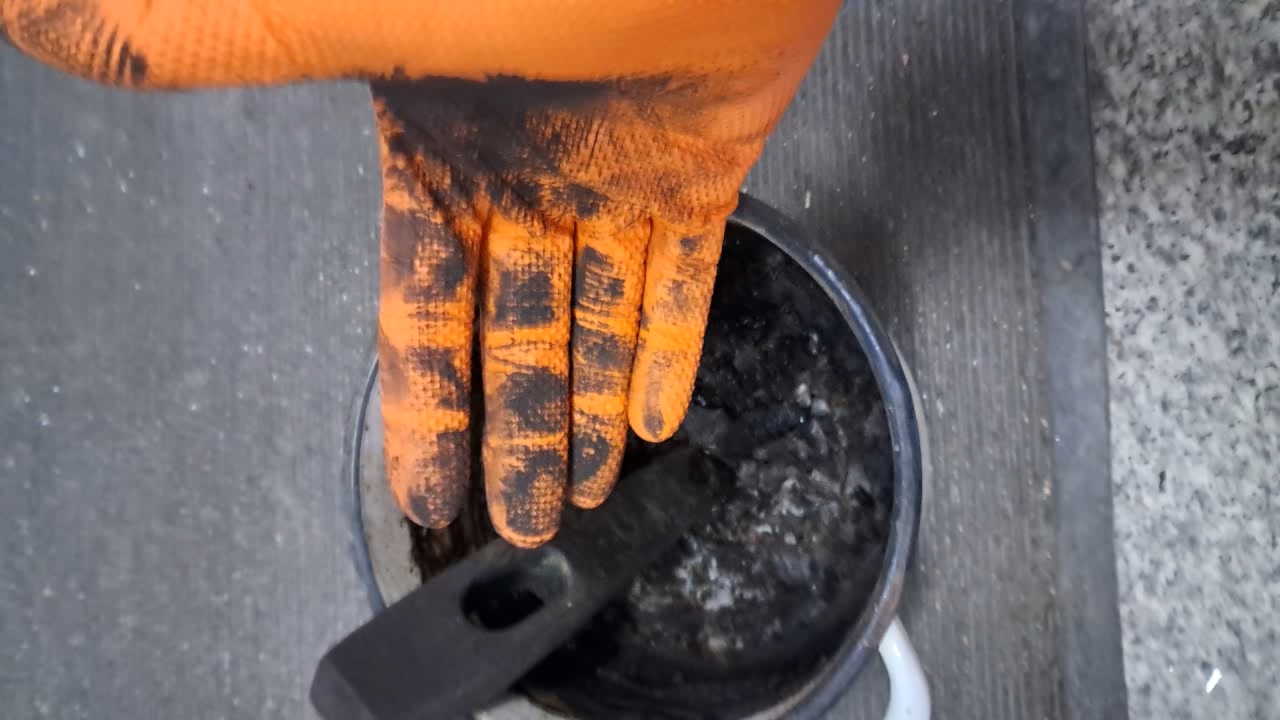
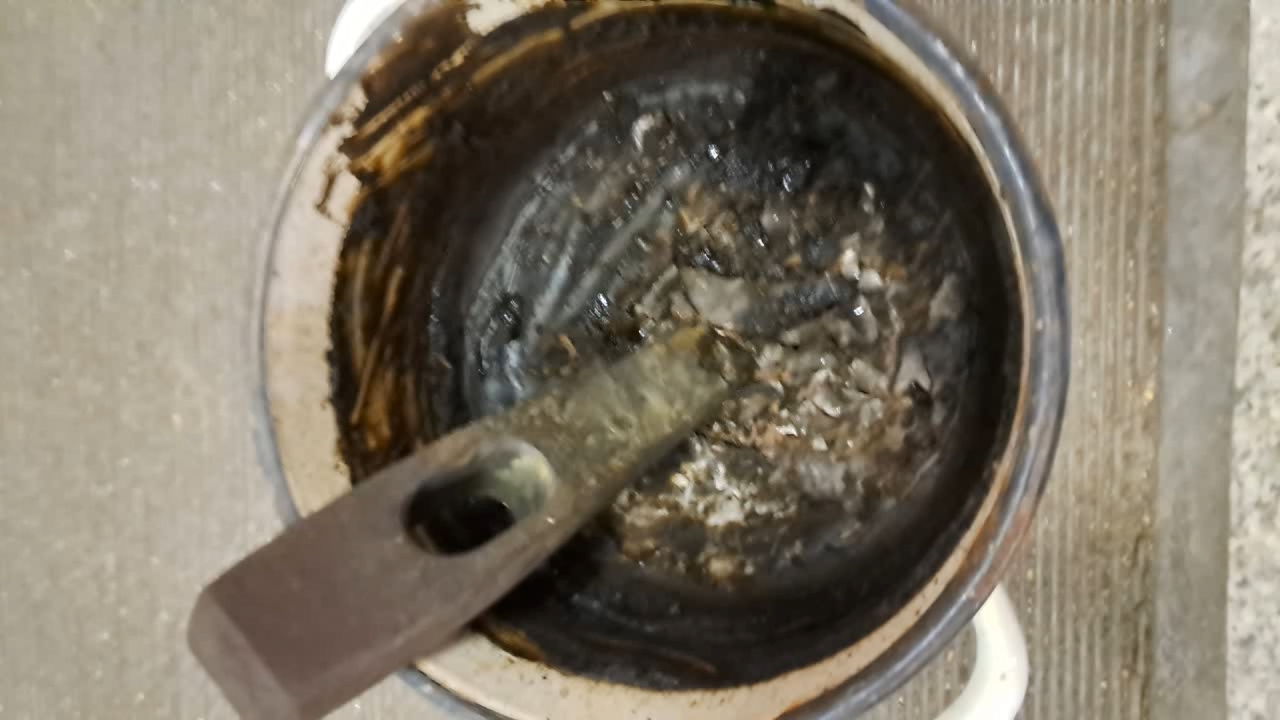
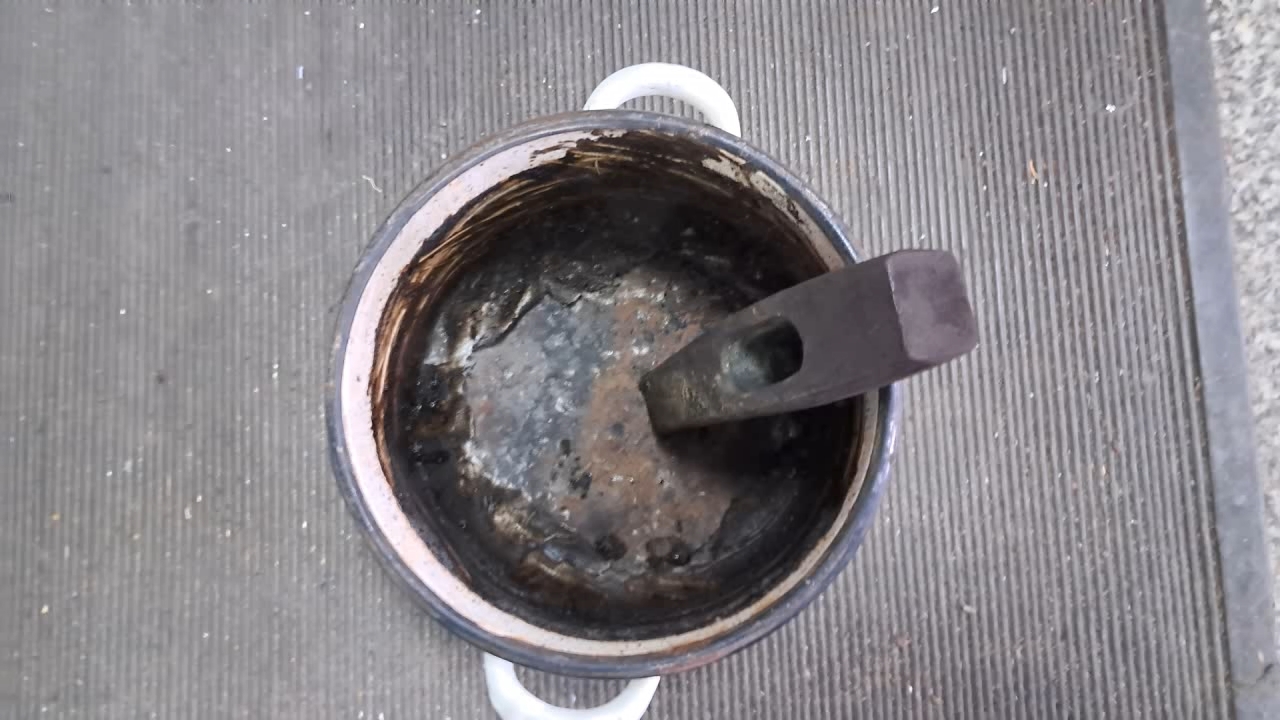
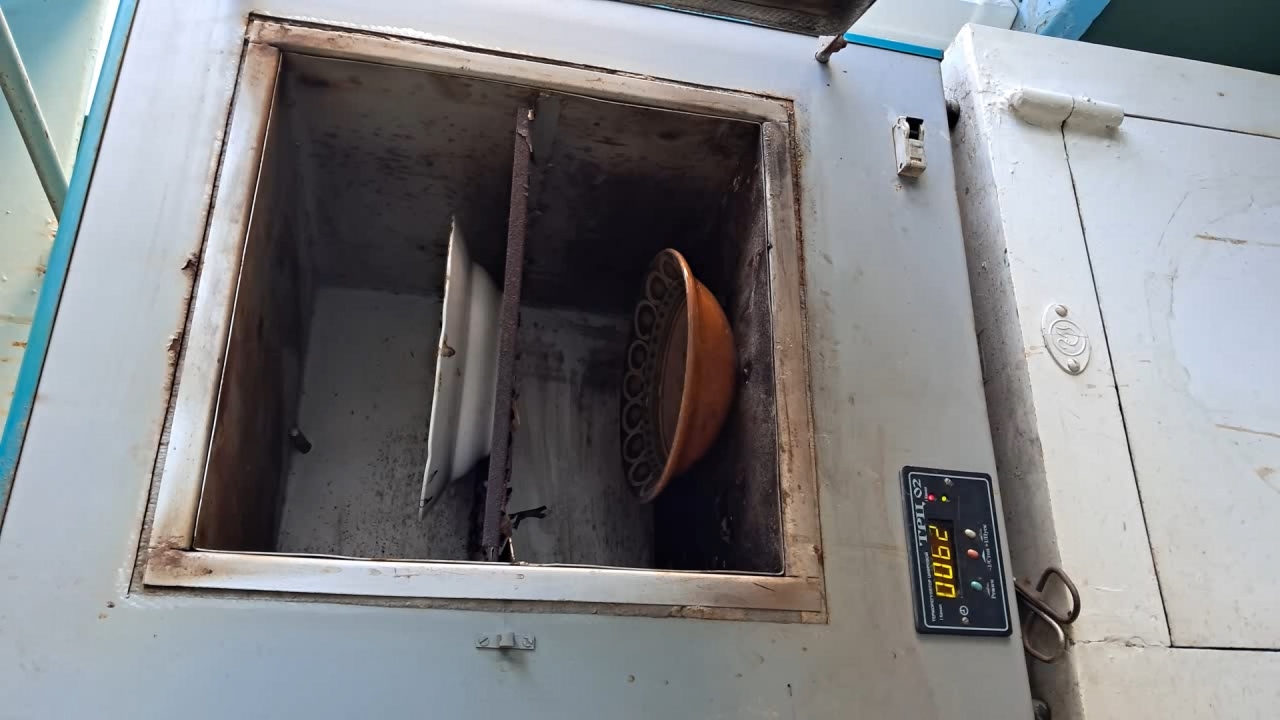
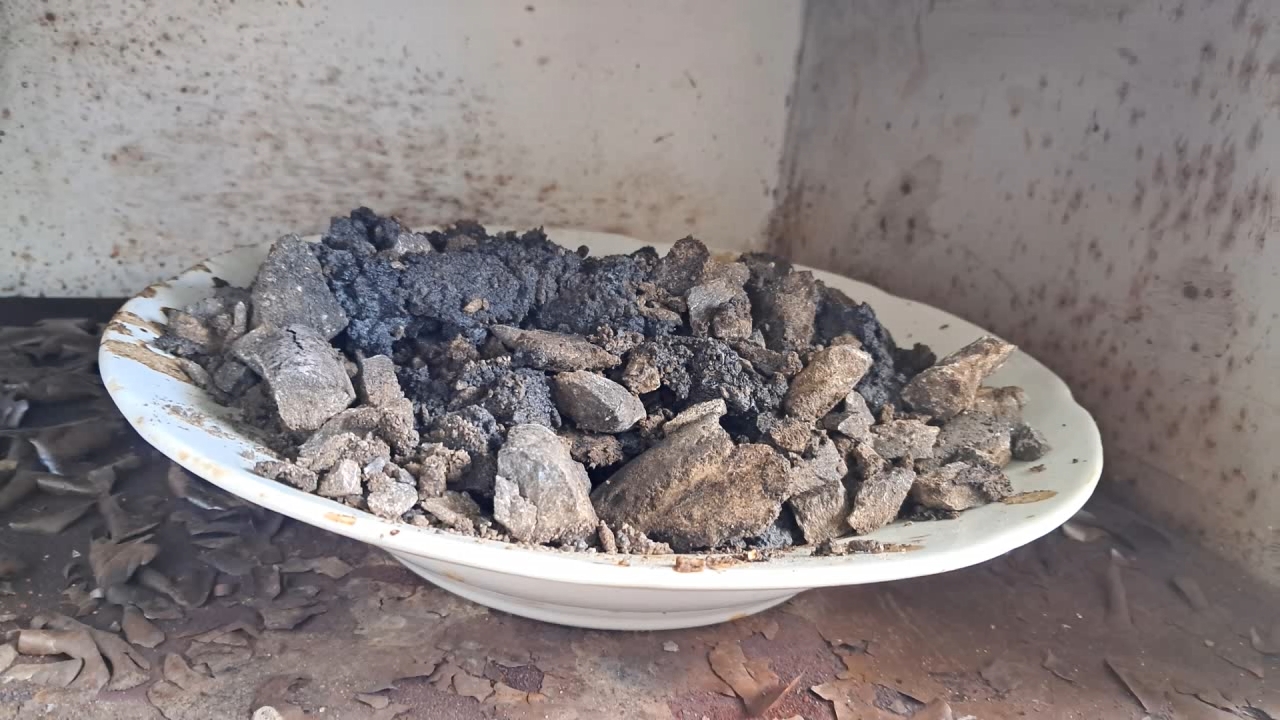
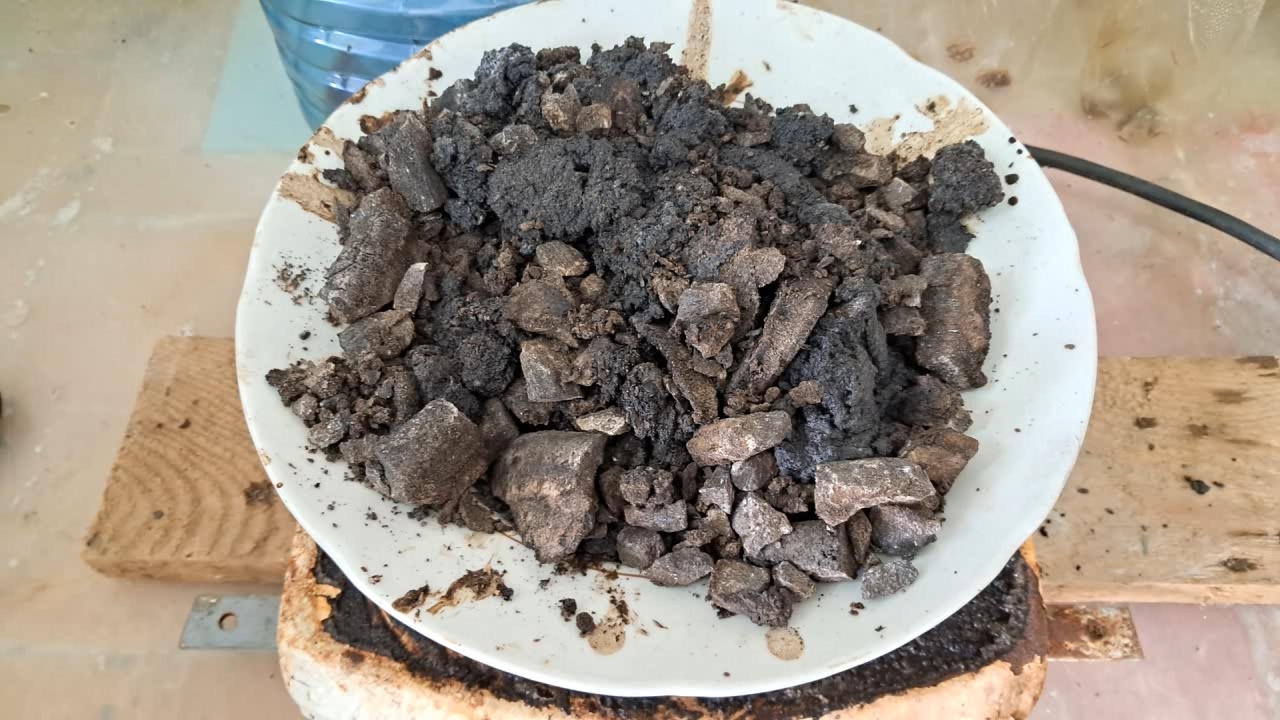
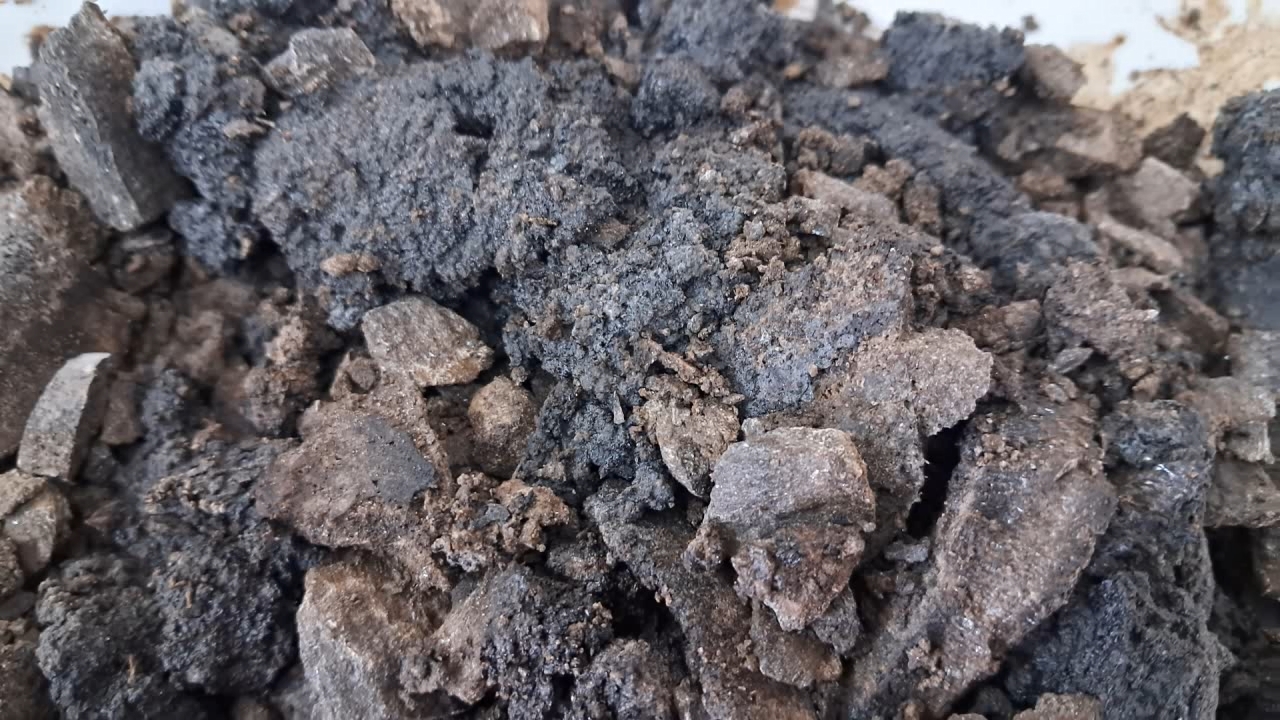
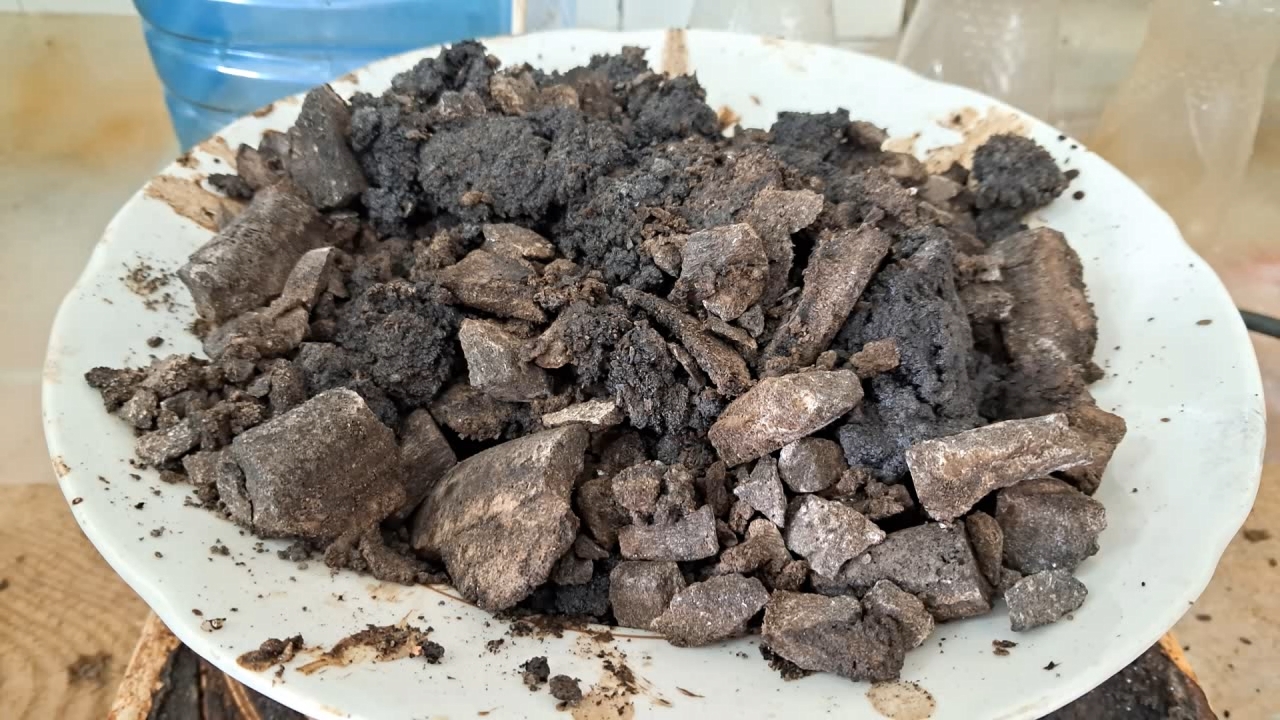
Урановый суп (выпаривание радиоактивных отходов) - Часть 2 The next day, my colleague brought two one-liter bottles and one six-liter bottle containing a brown liquid. There were about seven liters in total. He explained that these were uranium enrichment tailings - the activity of this waste should be significantly higher. The goal remained the same: to evaporate the water so that the activity of the dry residue could be measured. I placed the evaporating dish on an electric hotplate, poured in the first portion of the waste, and turned on the heat. After some time, the liquid began to boil. As the water evaporated, I added more portions of the waste to the dish. Initially, the new sample behaved similarly to the previous one and caused no issues during evaporation. However, as it became more concentrated, the liquid began to foam, like boiling milk. Soon, the foam splashed onto the hotplate. I immediately removed the evaporating dish from the hotplate and turned off the heat. The spilled liquid quickly evaporated, forming a brown crust on the surface. Would it ignite? The previous waste sample had contained a high concentration of sodium nitrate along with organic matter. If the water had completely evaporated and the residue had overheated, this mixture could easily have ignited. The current sample contained far fewer dissolved salts - this was clearly visible during evaporation. Did it contain nitrates? I had forgotten to ask my colleague. Fortunately, the residue did not ignite. I scraped the solid crust off the hotplate and placed it on a porcelain plate. I also transferred the semi-liquid mass from the evaporating dish onto the same plate. Then I poured a new batch of waste into the dish and continued the process. This time, I carefully controlled the heating to prevent excessive foaming. At the end of the day, I turned off the hotplate but left the dish in place so that the residual heat could continue evaporating the remaining water. The next day, I found that the waste had spread over the entire hotplate and dried, forming a hard crust. I began cleaning the surface. Another colleague arrived and saw what I was doing. Shortly afterward, he brought in a large porcelain evaporating dish - over 30 centimeters in diameter. I had never seen one like it. "Look what I found in my laboratory!" "But that evaporating dish isn't suitable for my purposes." "You're right." "Then why did you bring it?" "Well, maybe you'll find it useful someday..." Imagine this: you are served a bowl of soup in a restaurant, but instead of a spoon, you are given a laser rangefinder, a vacuum gauge, or a neutron detector. Any of these instruments is far more expensive and far less accessible than a spoon - yet none of them will help you eat your soup. My colleague behaves in much the same way: he collects not the equipment or reagents we actually need, but whatever happens to interest him. Moreover, he later suggests using these items in practice. For example, imagine a situation in which I need to weigh something but have no balance. Instead, a colleague might bring a precision thermometer, a hygrometer, and a barometer, arguing: "What if you need to monitor temperature, pressure, and humidity during the weighing?" He fails to take into account that weighing requires a balance, not a thermometer. But I digress. I remembered that there were several saucepans in the laboratory. My predecessors had cooked food in them - right there in the chemistry laboratory. They had left behind a considerable amount of kitchenware and even food products. The fact that uranium and thallium compounds had previously been handled in this room did not seem to bother them in the least. I had been using these pots as water baths, so I was reluctant to evaporate radioactive waste in them. However, there were no other suitable vessels available. I suspect my predecessors would not have appreciated the "soup" I was about to "cook" in their cookware. I poured the waste into a tall pot, placed it on the hotplate, and turned on the heat. At first, the liquid boiled gently, but then it began to foam, forcing me to reduce the heating from time to time. Had the pot been shallower, the liquid would have overflowed onto the hotplate much earlier. The evaporation process took two days. After most of the water had evaporated, a wet salt crust formed on the surface. I transferred it to a plate using a sturdy steel spoon. Beneath this crust, a layer of gray material had formed, resembling solid concrete. With considerable effort, I managed to pierce it with a metal spatula. It turned out that this layer was not adhered to the bottom of the pot; a gap had formed between them. After a prolonged effort with a hammer, I managed to dislodge the gray mass from the pot. Only then did I notice that my gloves and clothes were heavily soiled. Six months earlier, I had used the same hammer to compact a thermite mixture containing soot. I collected the dry residue in a porcelain dish and placed it in a drying oven for three hours at a temperature above 100°C to remove any remaining moisture. Finally, I brought the dried residue to my colleague. He measured its activity: 42 Bq (approximately 6 Bq/L). The new waste sample also had low activity. My colleague promised to bring another sample. |
Radioactive Waste Evaporation |
|
|
|
|
|
|
|
|
|
|
|
|
|
|
|
|
|
|
|
|
|
|
|
|
|
|
|
|
|
|
|
|
|
|
|
|
|
