Chemistry and Chemists № 1 2026
Journal of Chemists-Enthusiasts
| Content | Chemistry experiments - video | Physics experiments - video | Home Page - Chemistry and Chemists |
|
Chemistry and Chemists № 1 2026 Journal of Chemists-Enthusiasts |
Experiments with Universal Indicator - pt.21, 22 Chemist |
|
Having noticed a mistake in the text, allocate it and press Ctrl-Enter
Universal Indicator Paper, Ammonia, and Sodium Hydroxide - Part 21
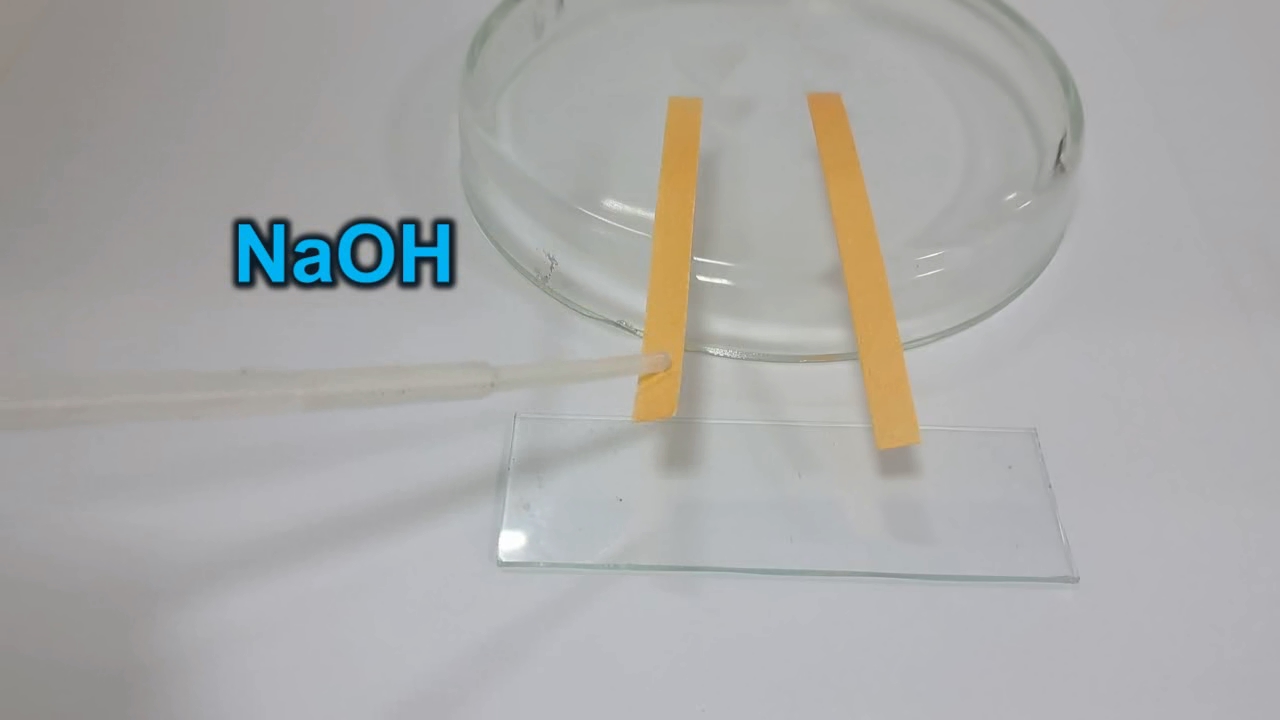
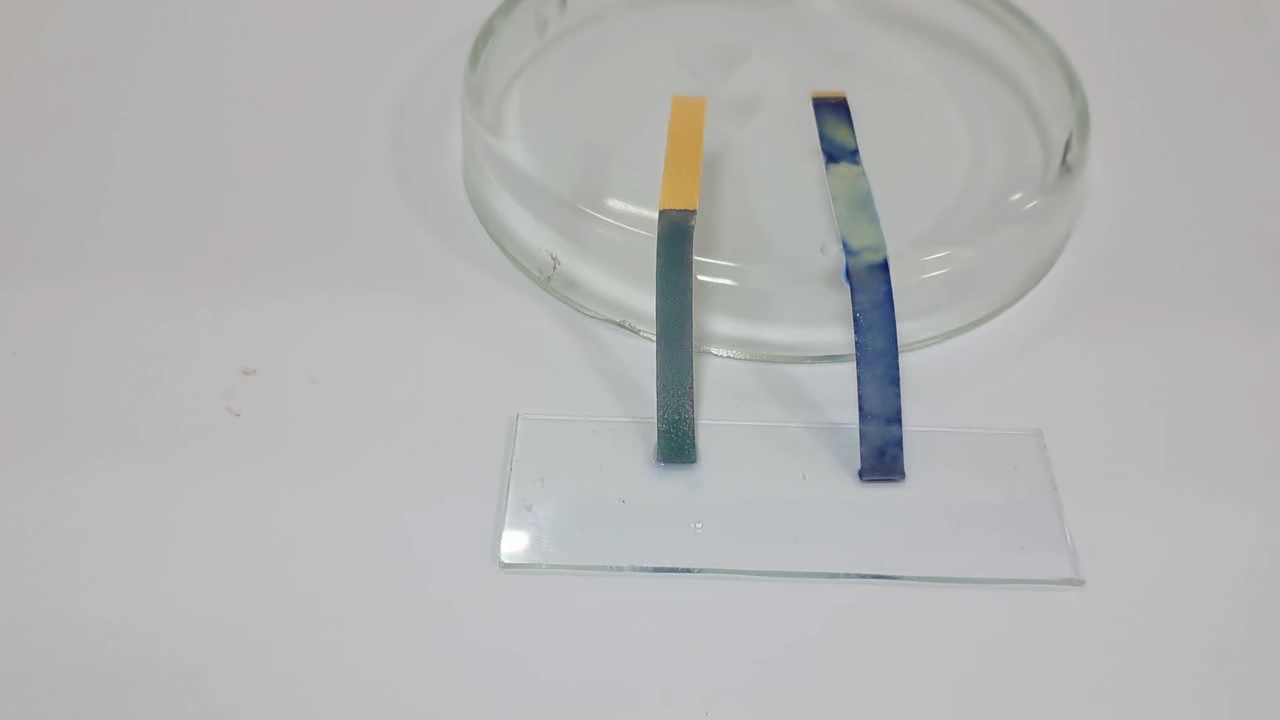
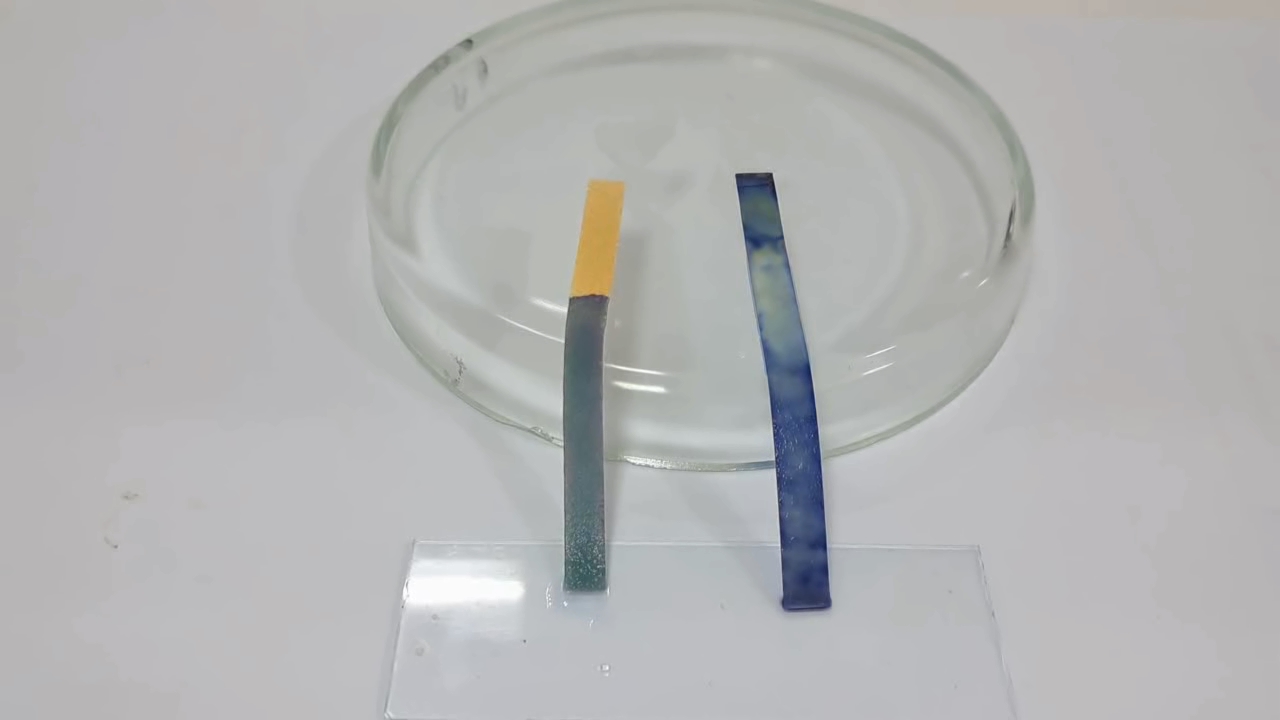
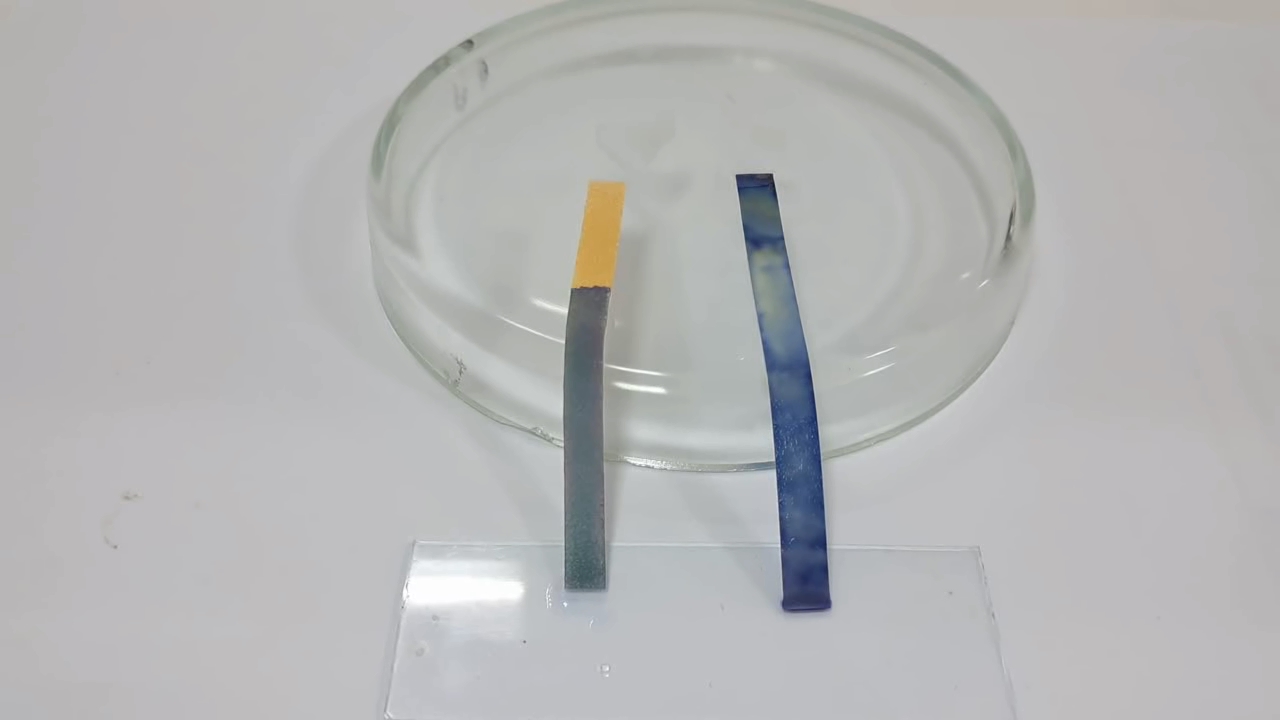
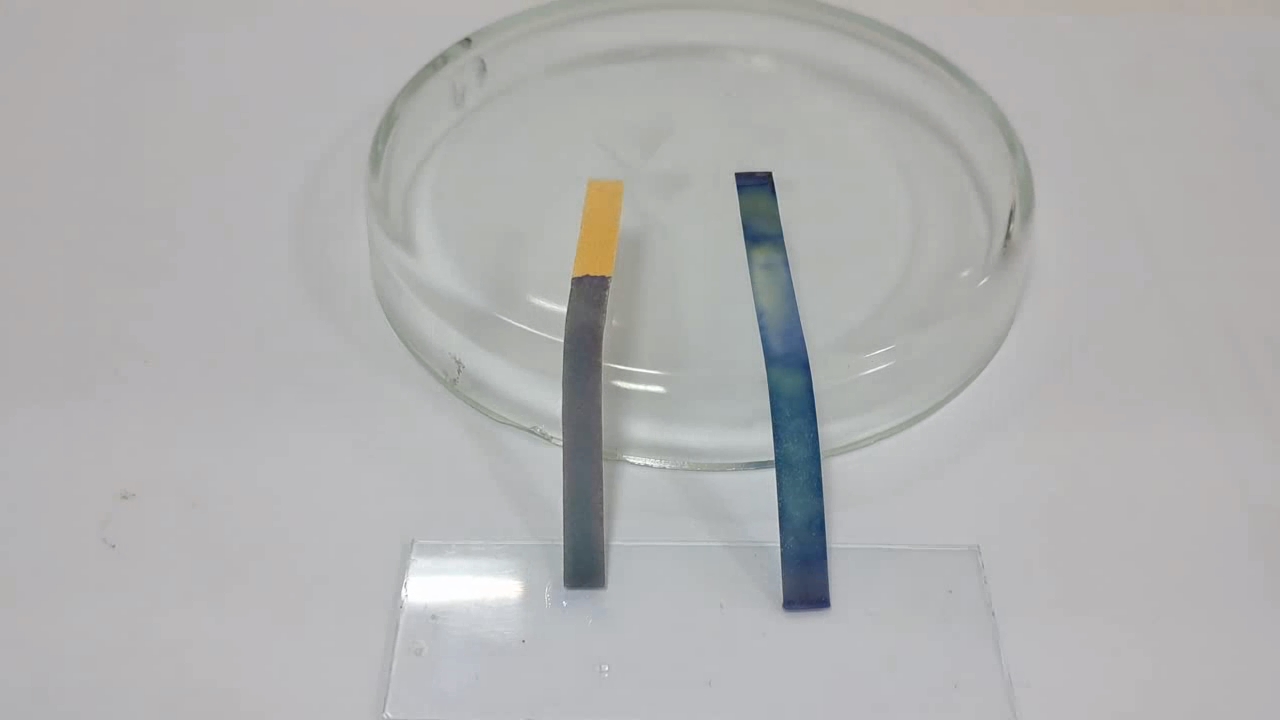
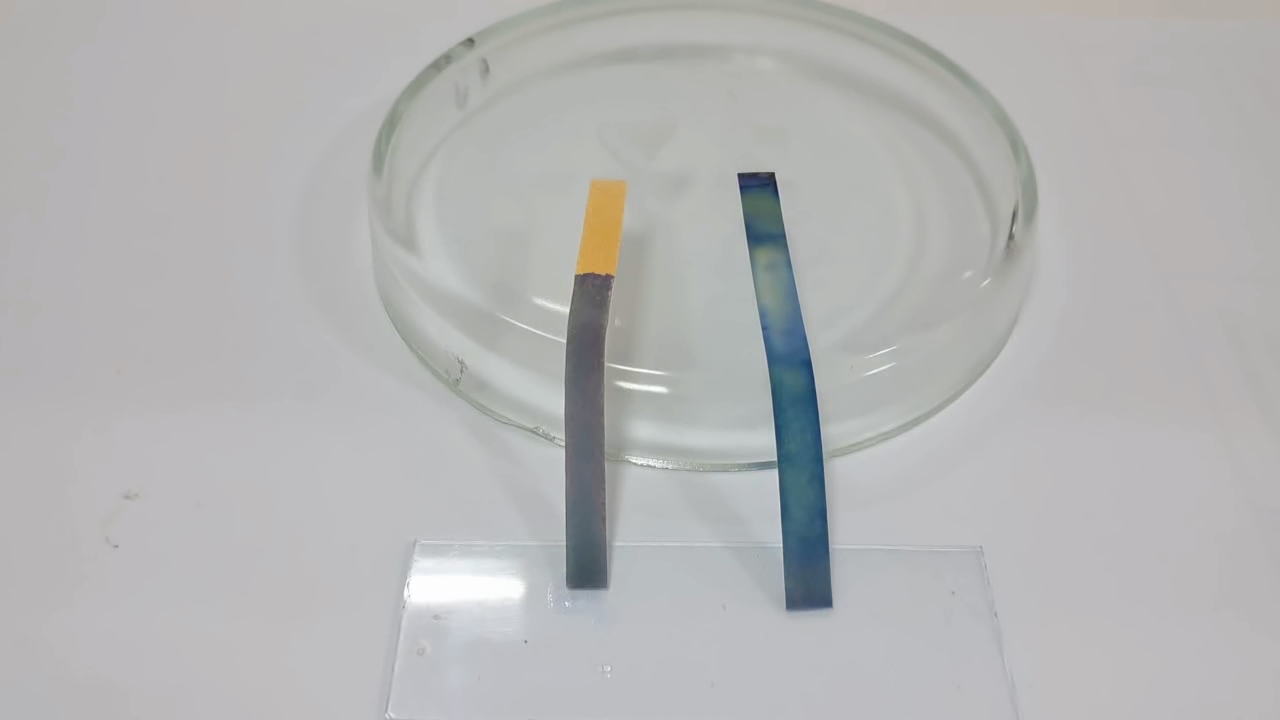
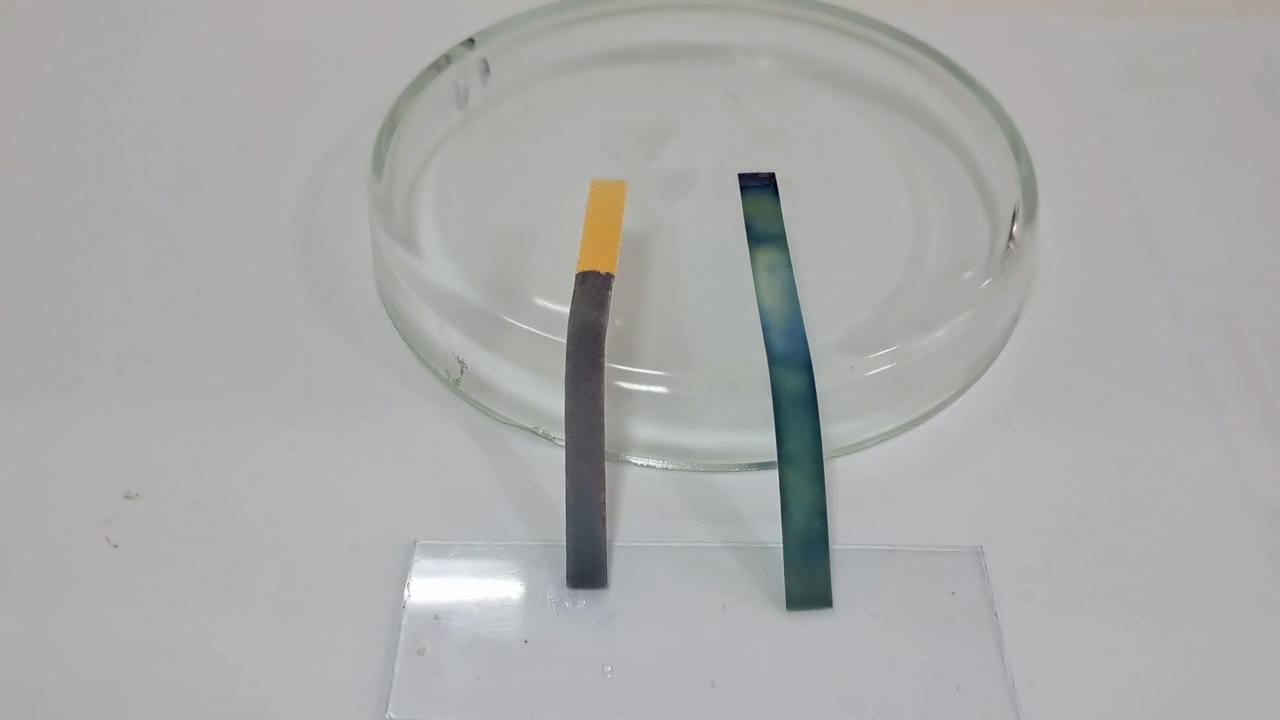
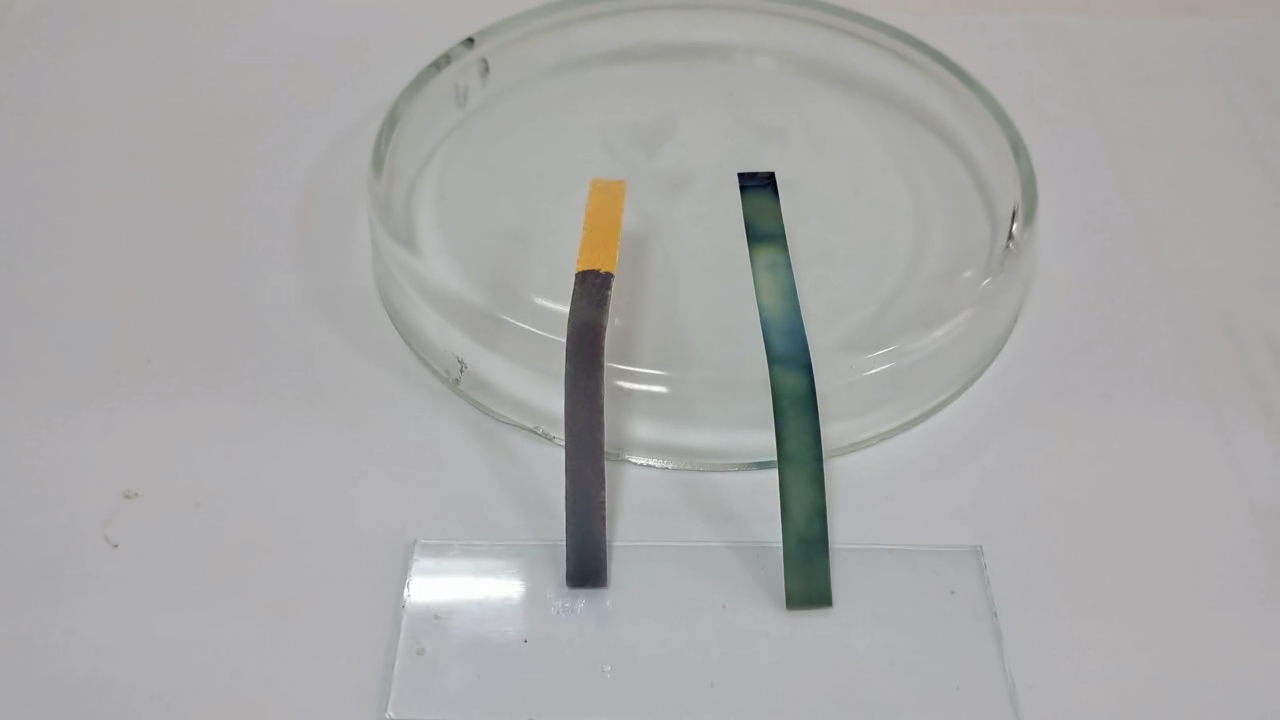
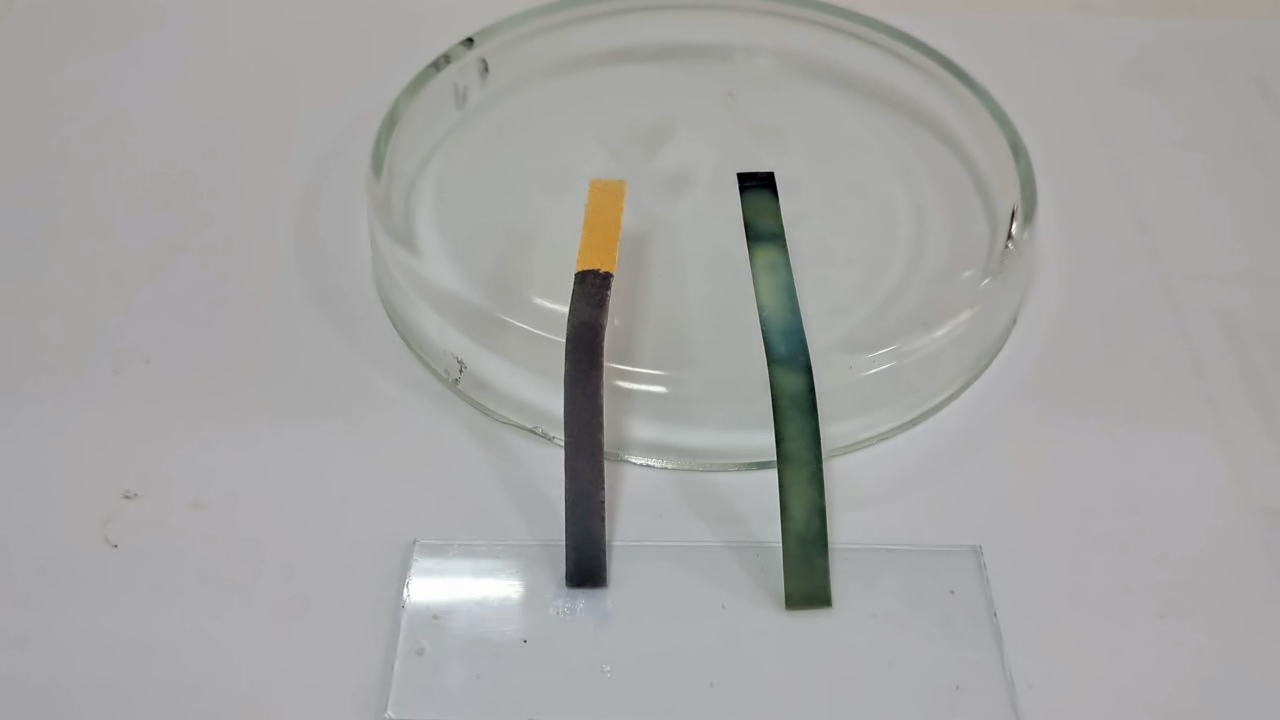
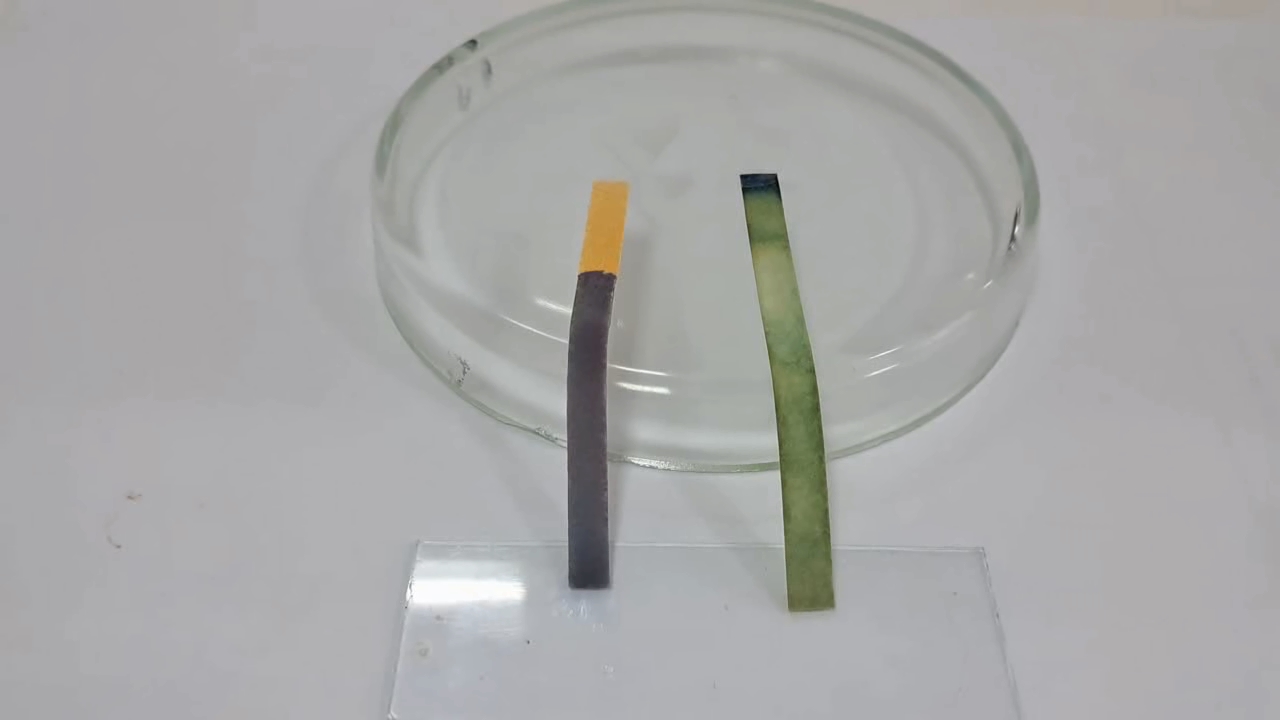
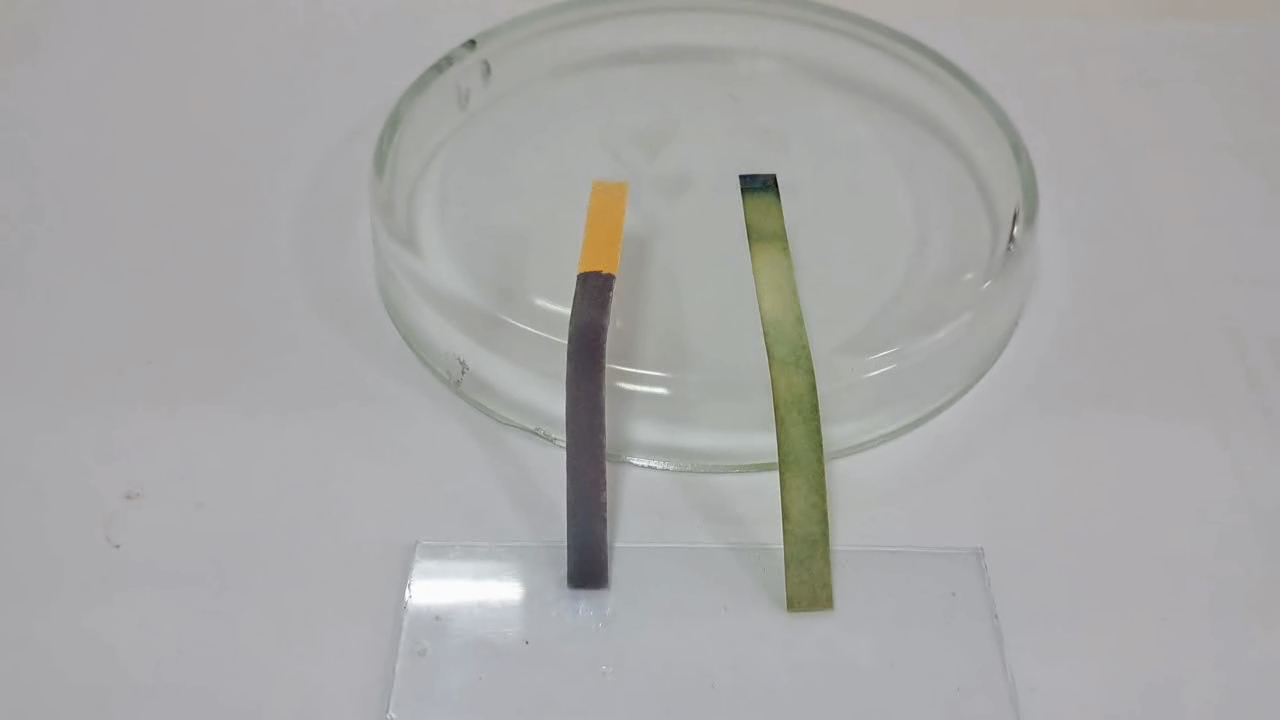
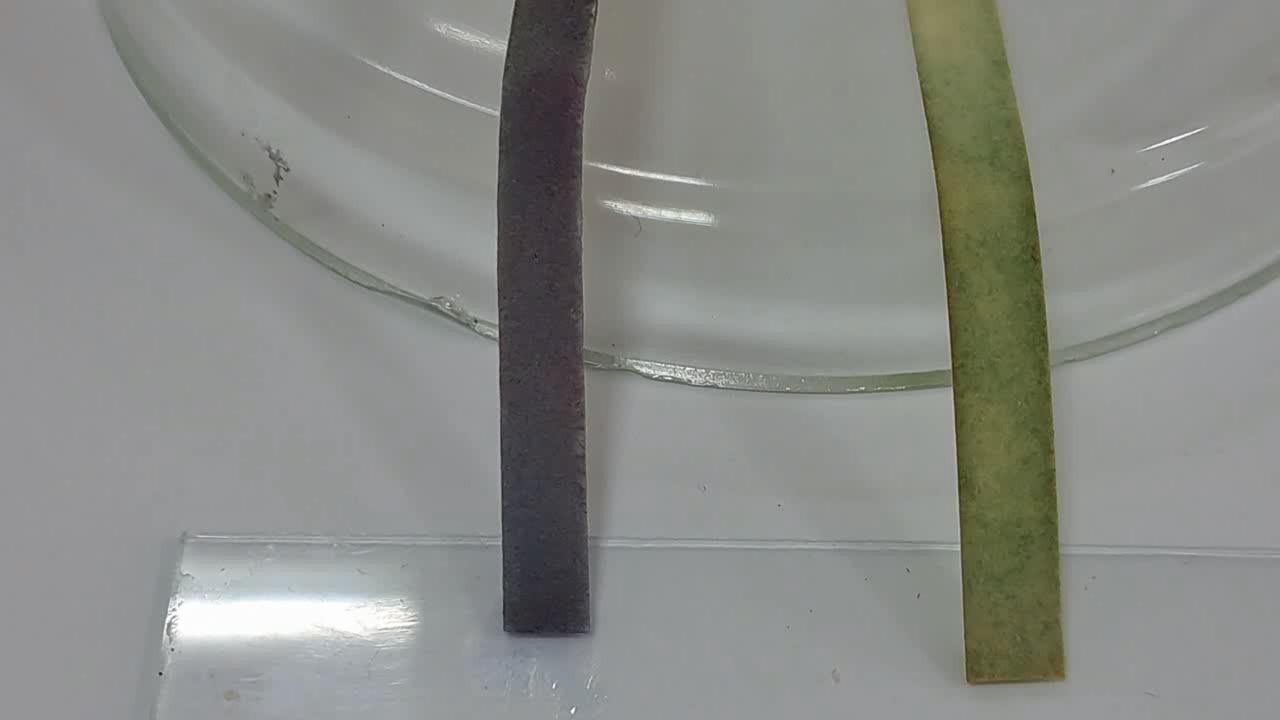
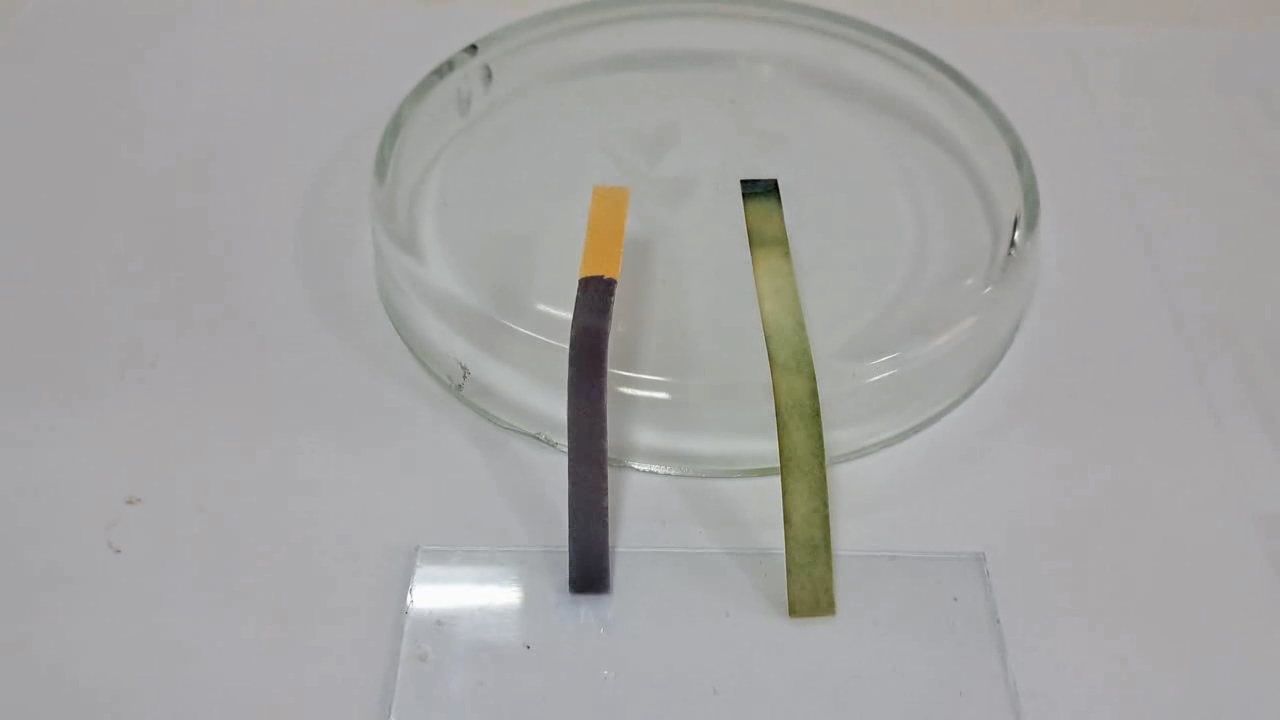
Let's conduct an experiment similar to the previous one, replacing the red litmus paper with universal indicator paper. One strip of paper would be exposed to a non-volatile alkali, while the other would be treated with a volatile base. We would then observe how the color of the universal indicator changed over time.
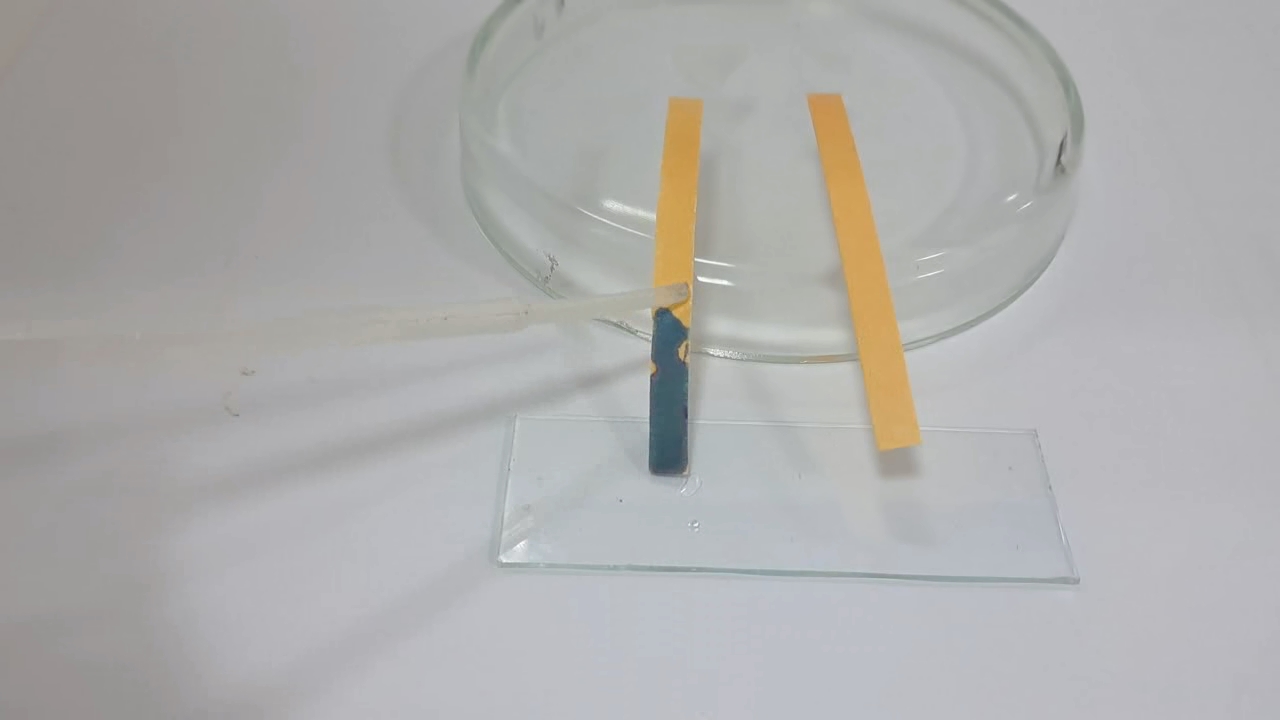
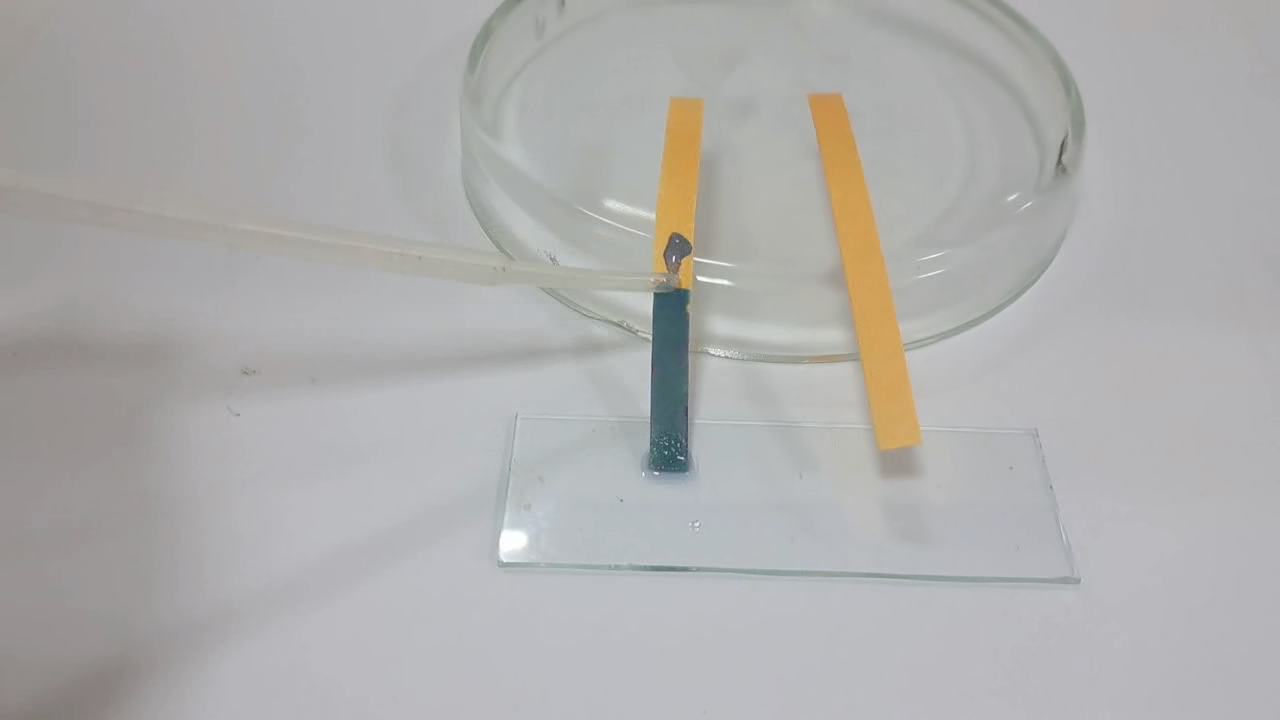
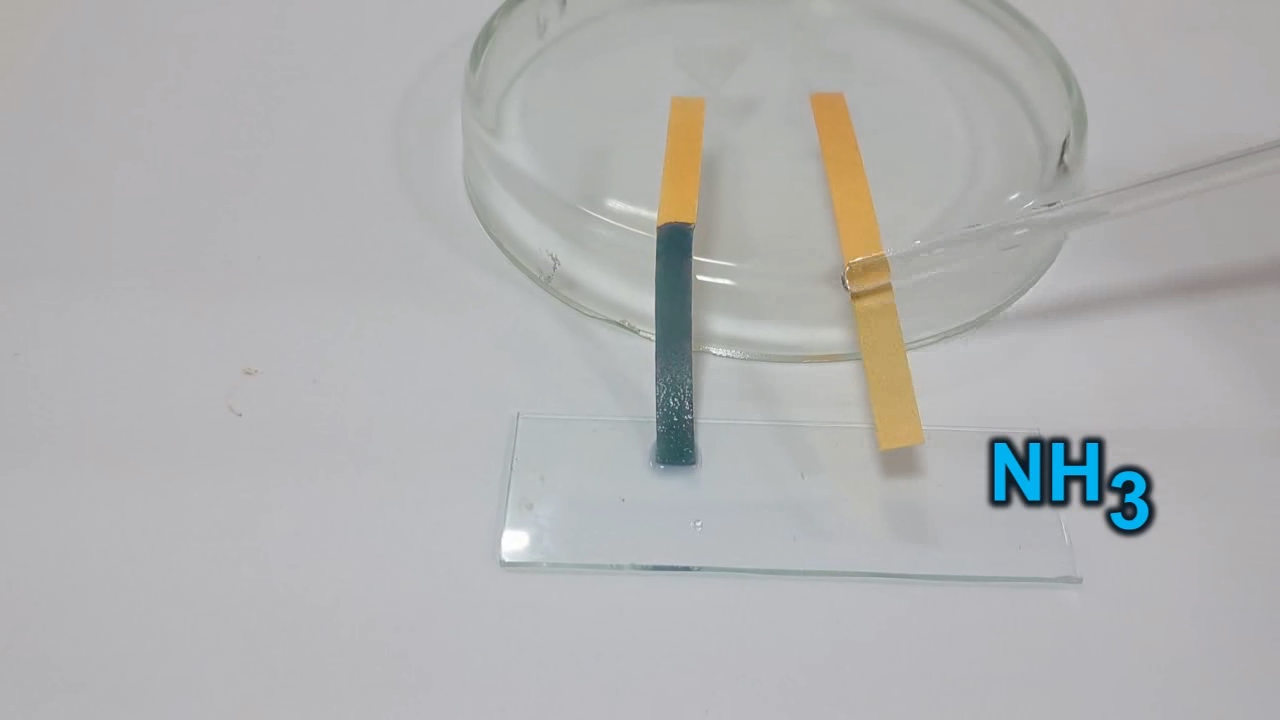
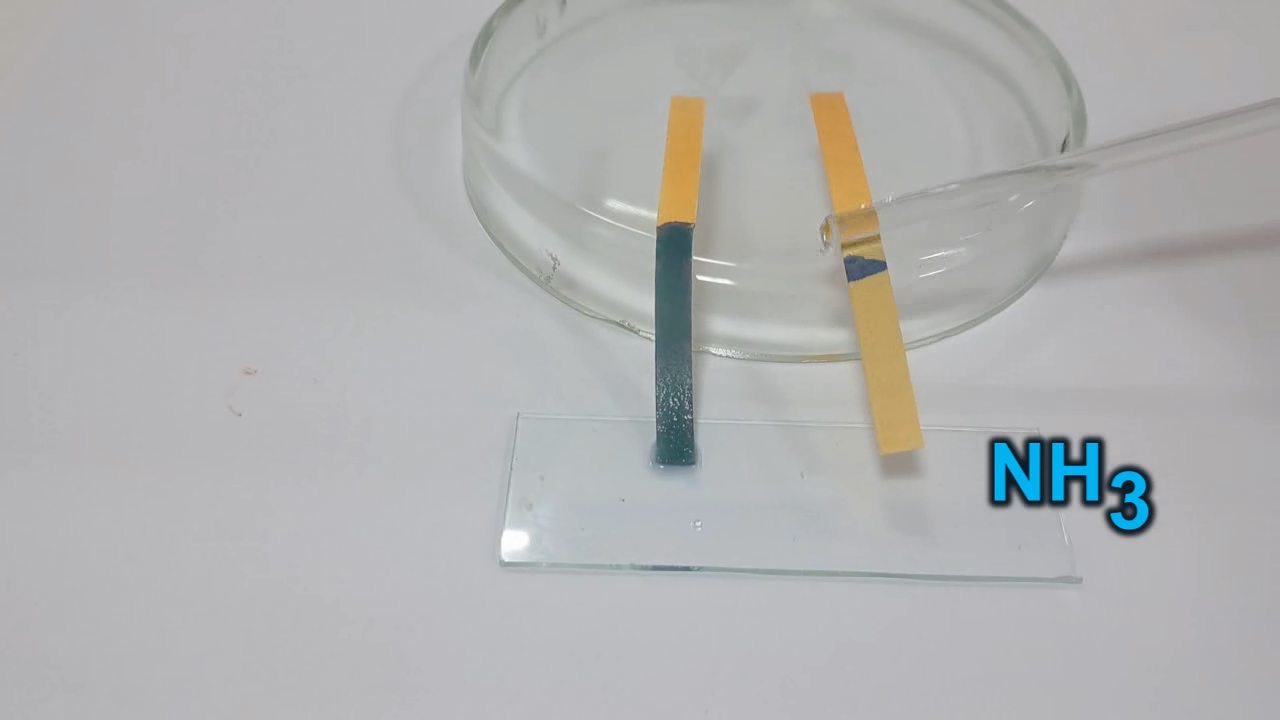
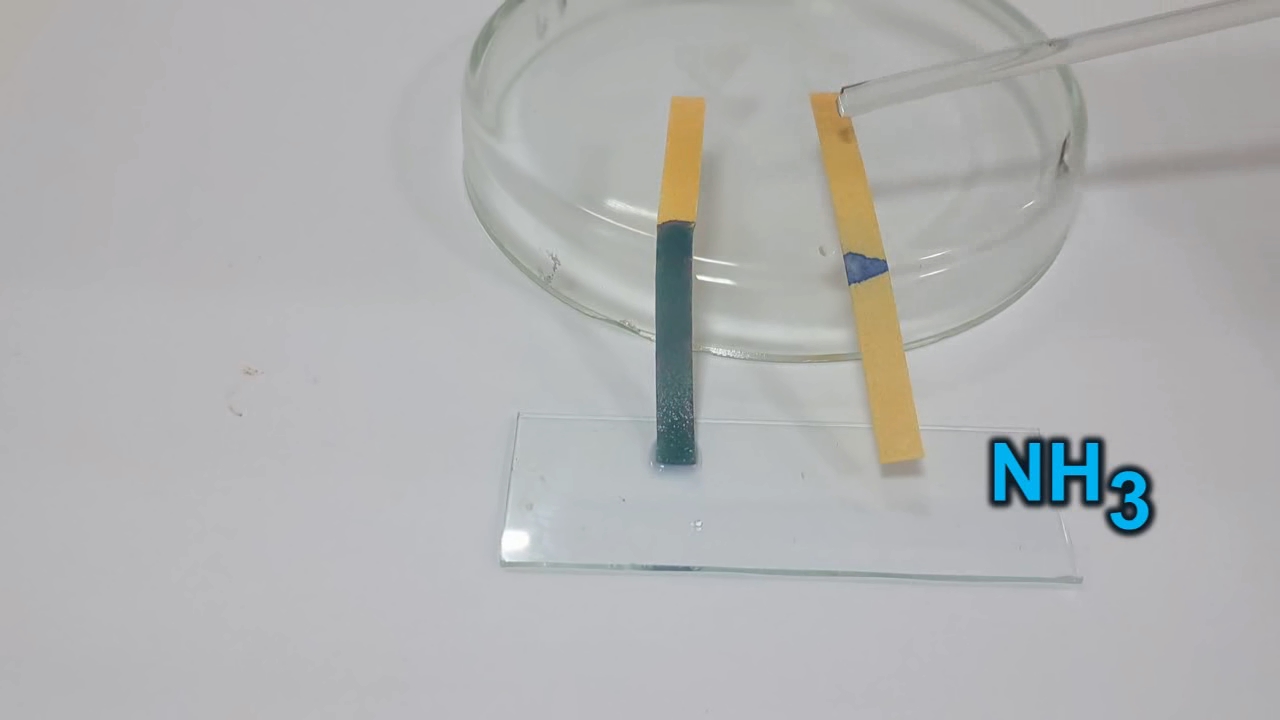
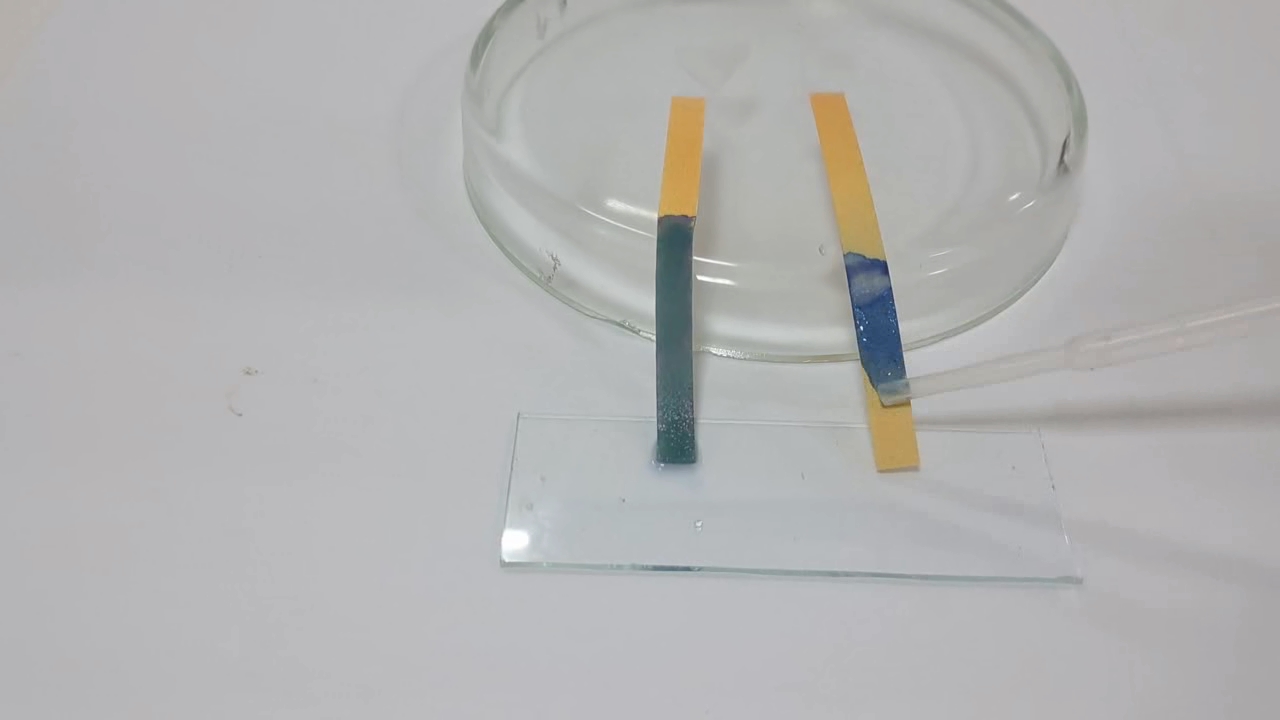
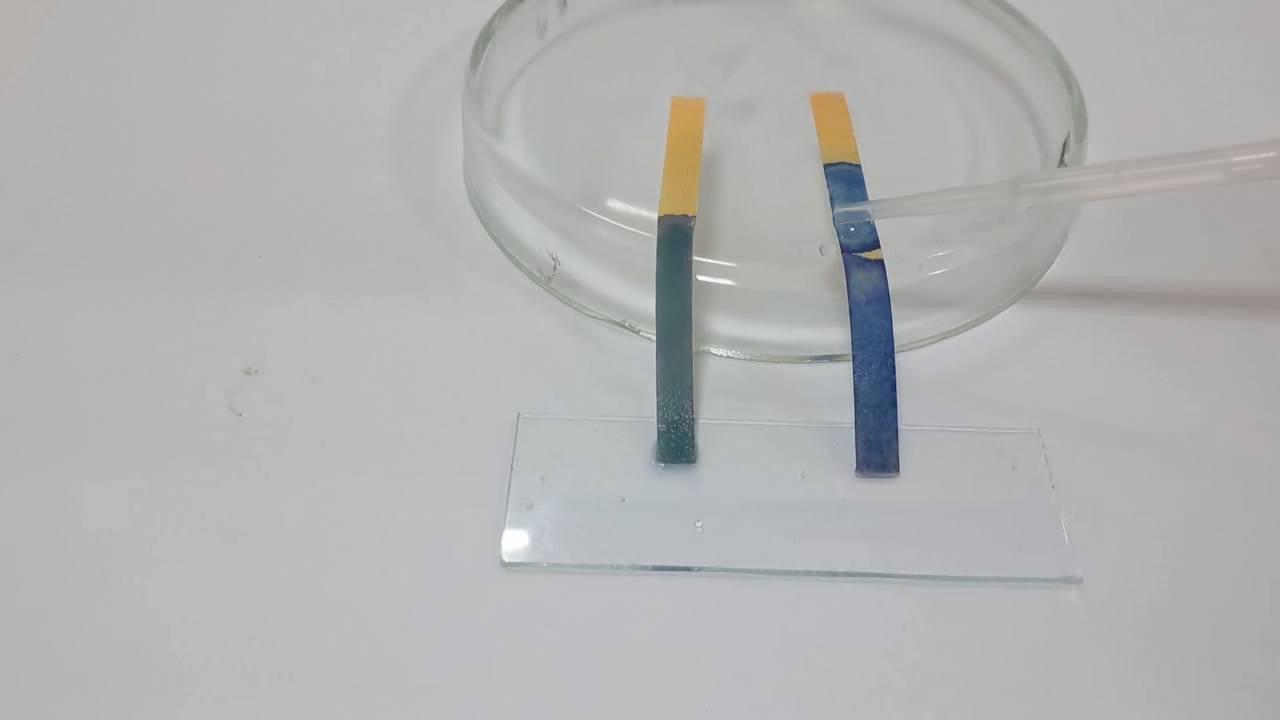
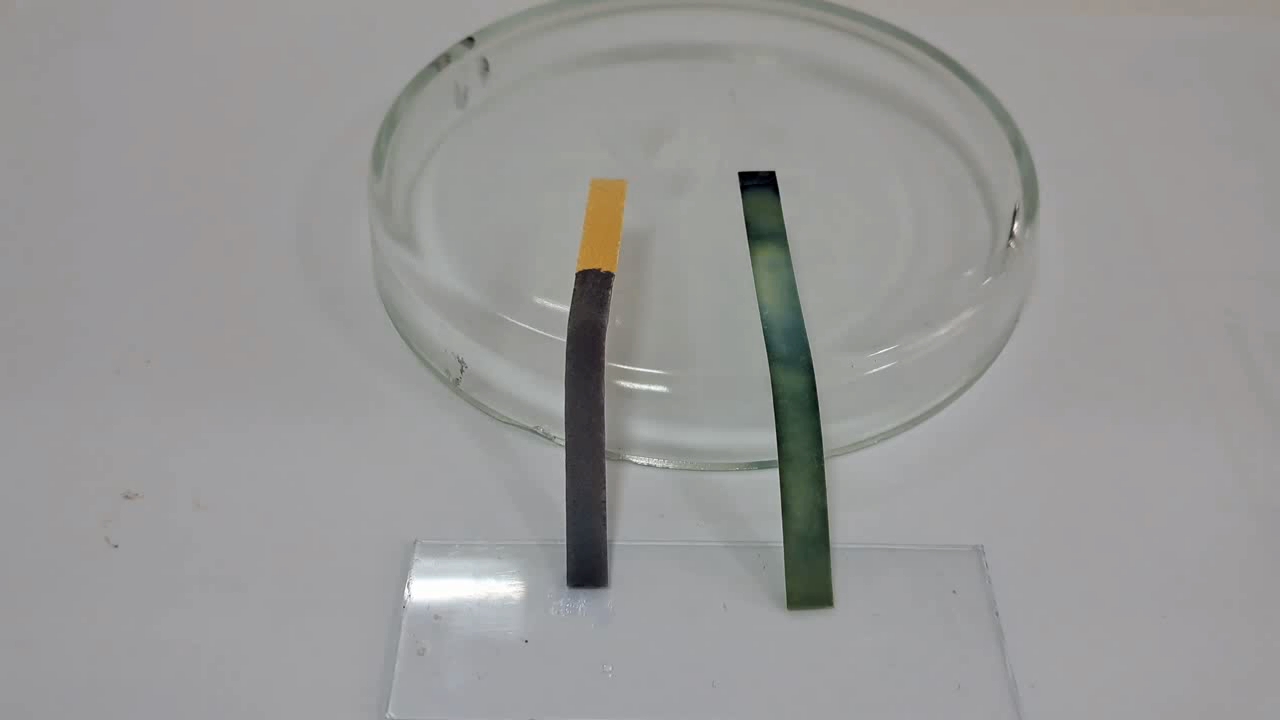
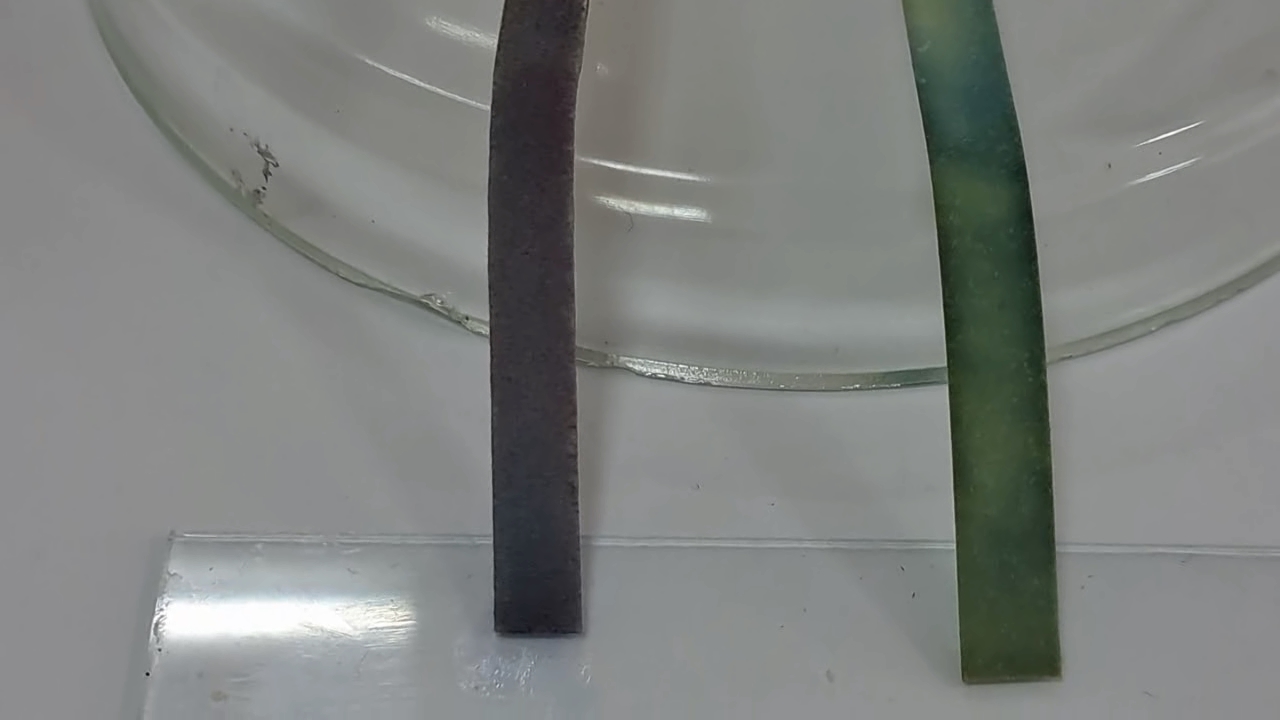
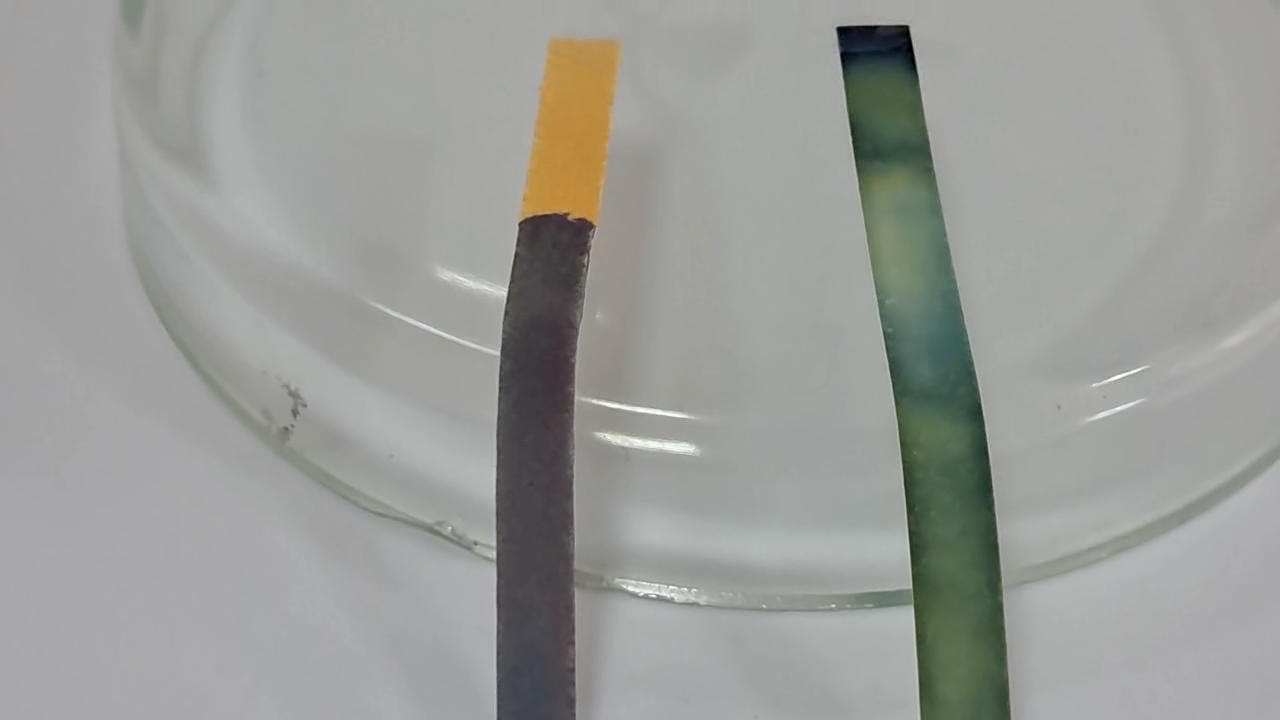
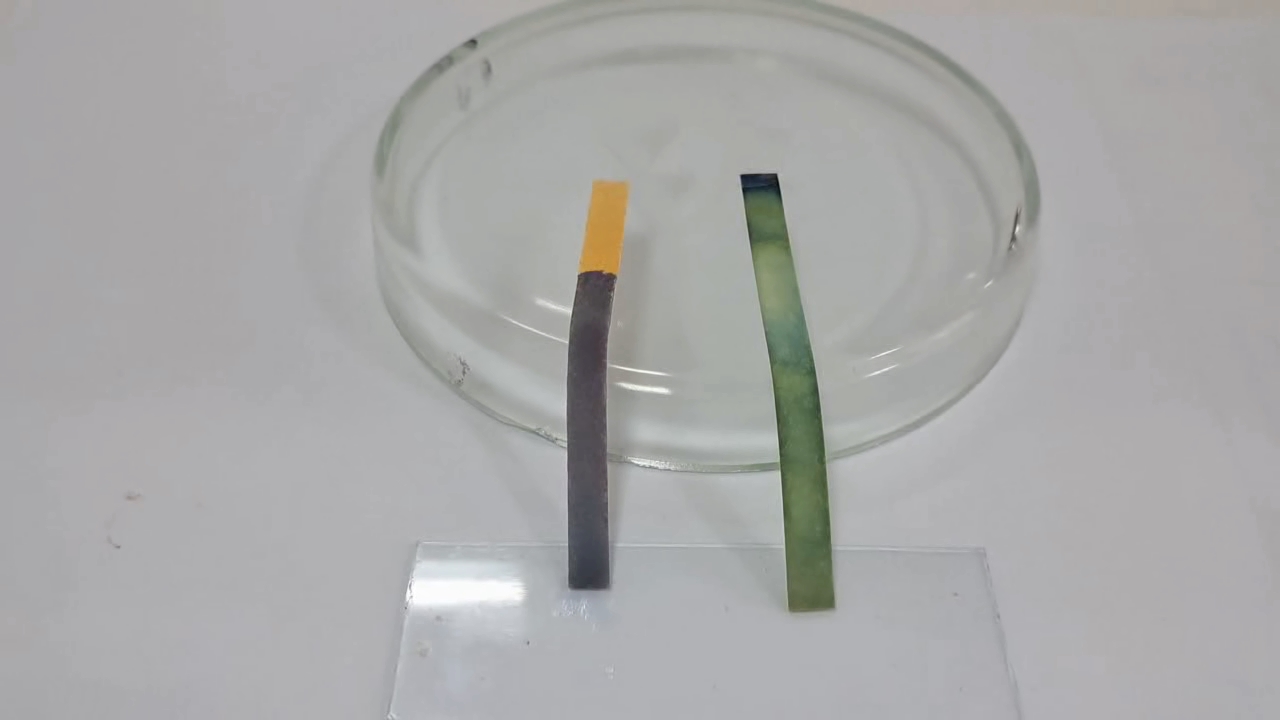
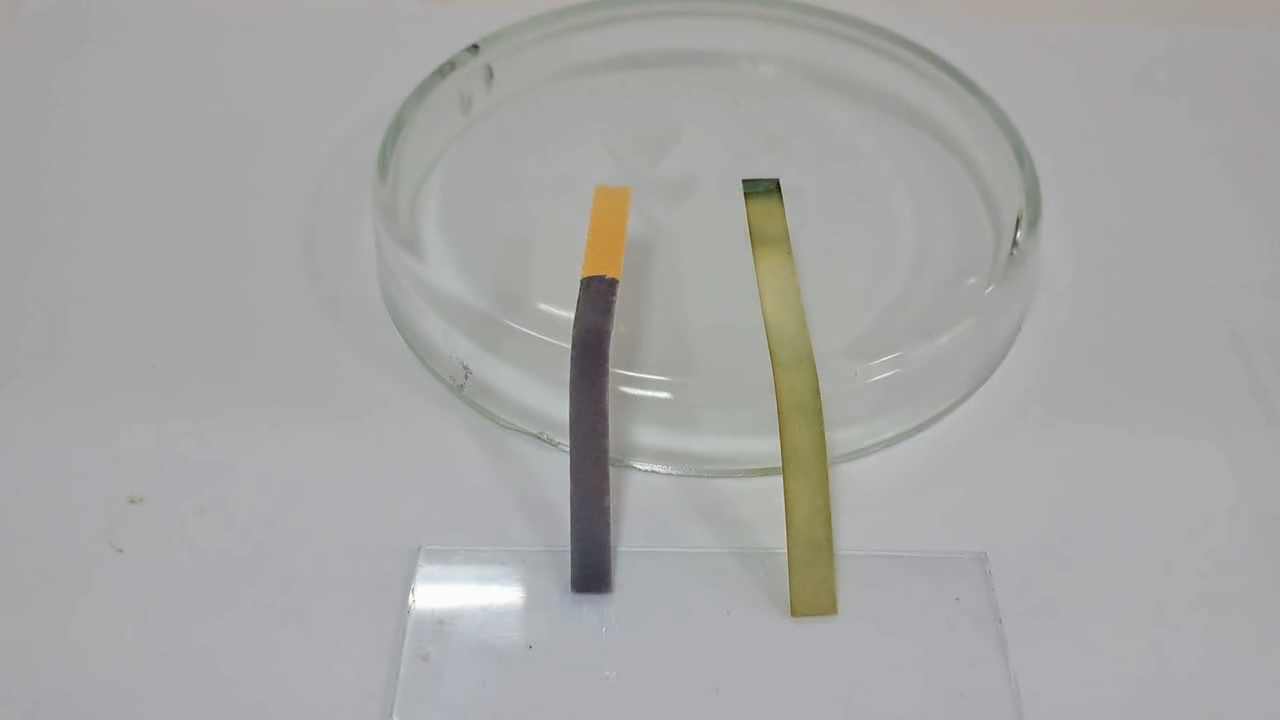
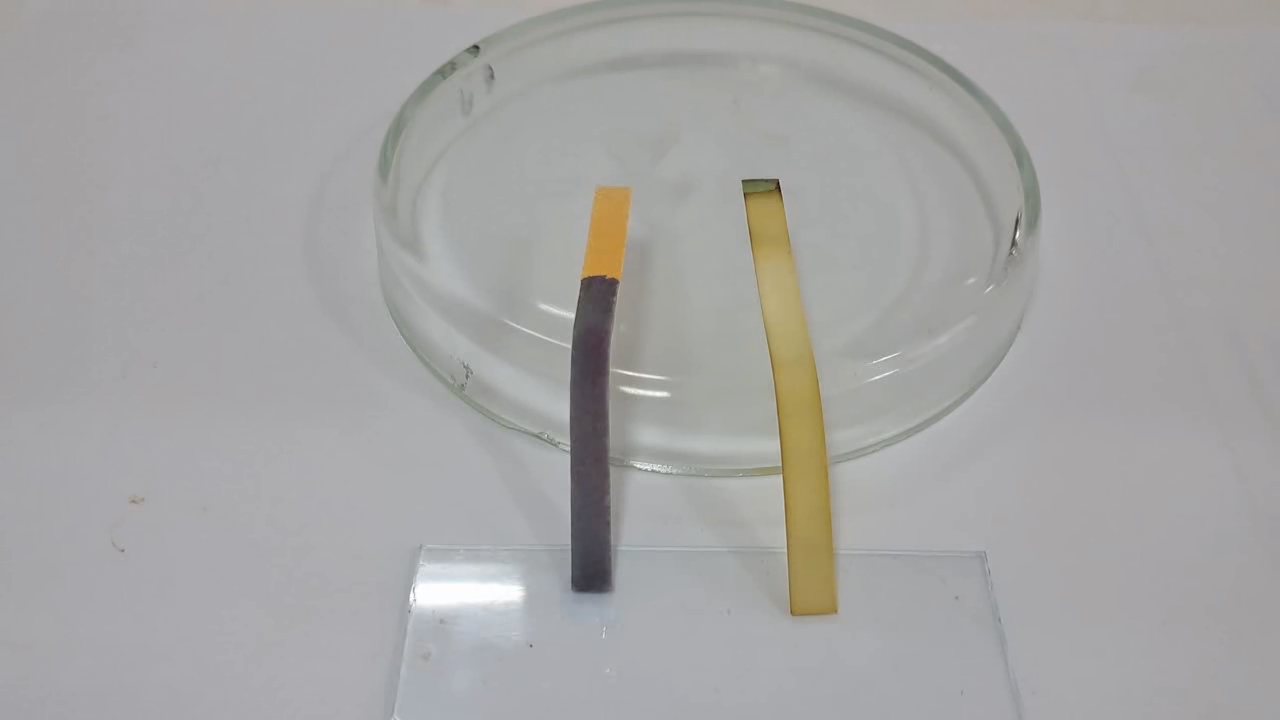
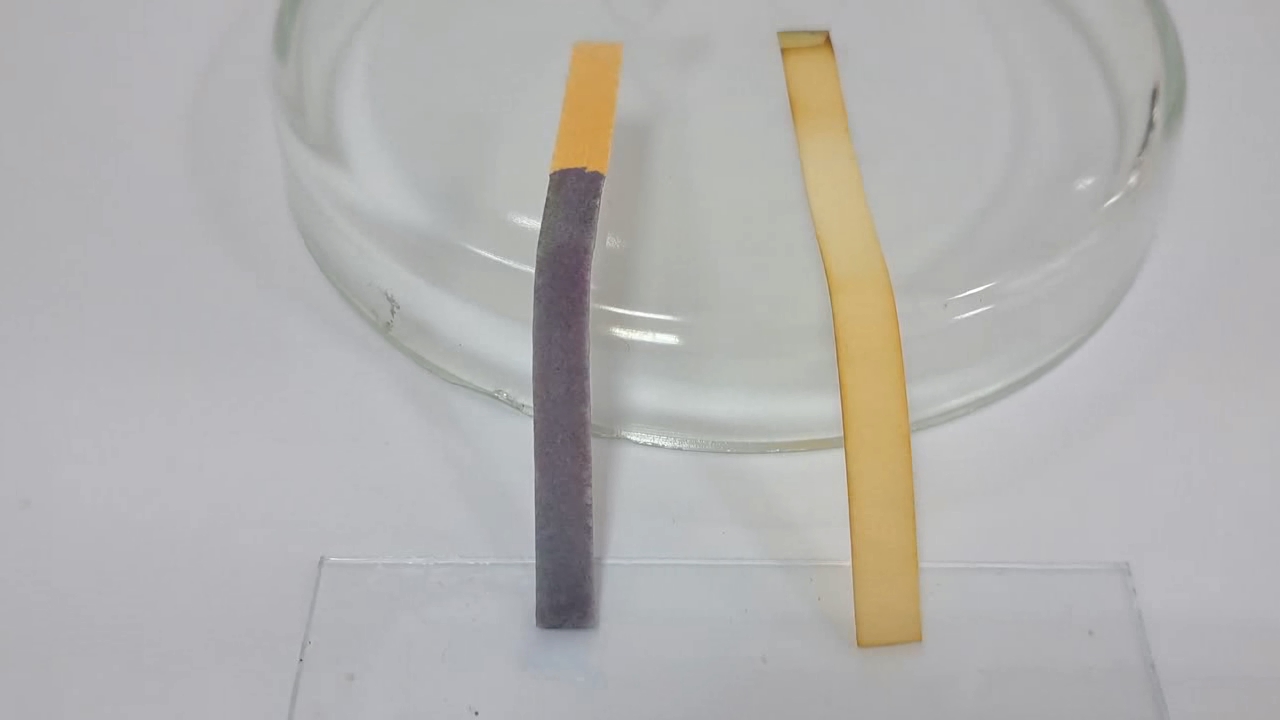
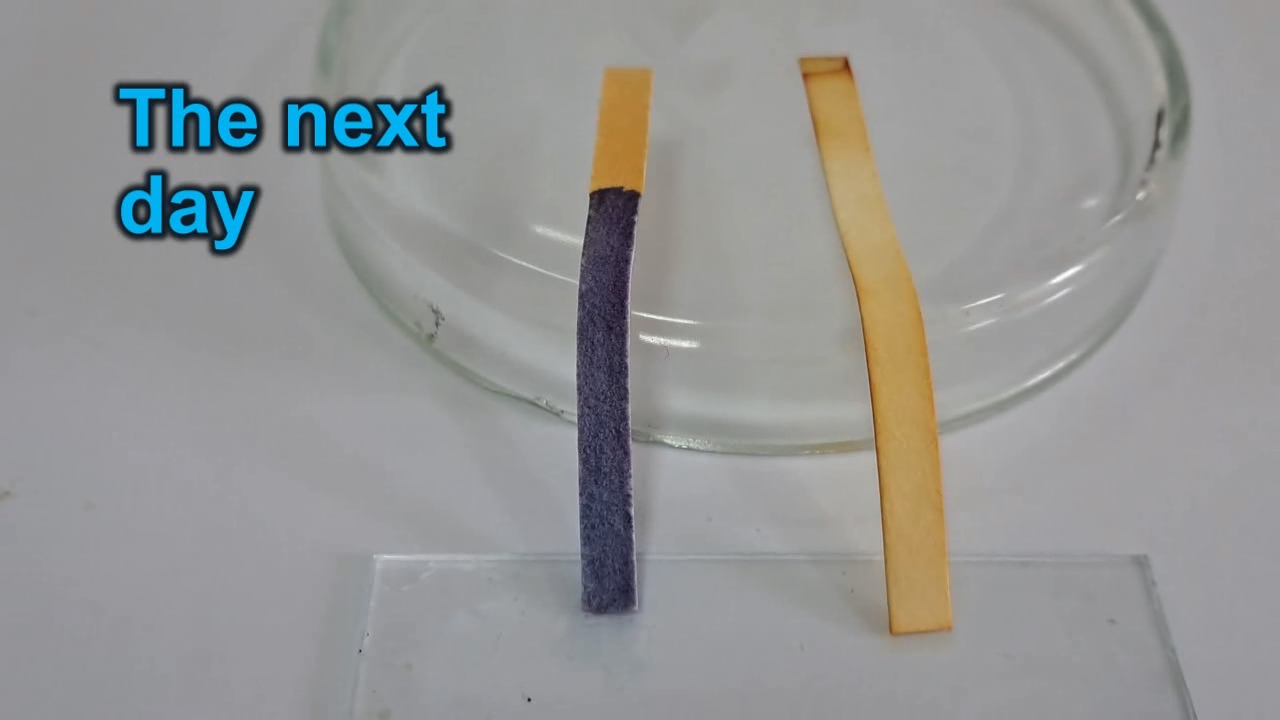
Универсальная индикаторная бумага, аммиак и гидроксид натрия - Часть 21 I placed two strips of universal indicator paper side by side. I applied a few drops of a concentrated sodium hydroxide solution to the first strip. It seemed to me that the paper initially turned blue and then green. However, the video of the experiment shows that the indicator turned green from the very beginning. My eyesight is gradually getting worse. Over time, the green color of the indicator slowly changed to violet. This process took more than half an hour. The violet color remained visibly unchanged for three days, although a white coating formed on the paper as the solution dried. This color change can be explained by the absorption of carbon dioxide from the air, which reduced the concentration of alkali (hydroxide ions) in the solution, although it remained strongly alkaline. As a result, the green color changed to violet. I held a glass rod dipped in concentrated ammonia solution close to the second strip of universal indicator paper. The yellow paper acquired a faint greenish tint, which quickly faded. I then touched the strip with the rod, and a blue spot formed. Next, I moistened the paper with a few drops of ammonia solution. The entire strip turned dark blue, except for a central area where the indicator was washed out by the liquid. As the ammonia gradually evaporated, the dark blue color slowly changed to dark green, and then the paper eventually returned to yellow. The final color of the paper was similar to the original, although some differences remained noticeable. In previous experiments, I placed a strip of universal indicator paper soaked in ammonia next to a strip soaked in hydrochloric acid. By the end of the experiment, the ammonia-treated strip had turned crimson due to the action of hydrochloric acid vapor. In the present experiment, however, no volatile acid was present, so no reddening of the strip was observed. |
Universal Indicator Paper, Ammonia, and Sodium Hydroxide |
|
|
|
|
|
|
|
|
|
|
|
|
|
|
|
|
|
|
|
|
|
|
|
|
|
|
|
