Chemistry and Chemists № 1 2026
Journal of Chemists-Enthusiasts
| Content | Chemistry experiments - video | Physics experiments - video | Home Page - Chemistry and Chemists |
|
Chemistry and Chemists № 1 2026 Journal of Chemists-Enthusiasts |
Experiments with Universal Indicator - pt.10, 11 Chemist |
|
Having noticed a mistake in the text, allocate it and press Ctrl-Enter
Universal Indicator, Phenolphthalein, and Sodium Hydroxide - Part 10
I slightly modified the final part of the previous experiment in order to obtain the desired result when treating phenolphthalein paper with a saturated sodium hydroxide solution.
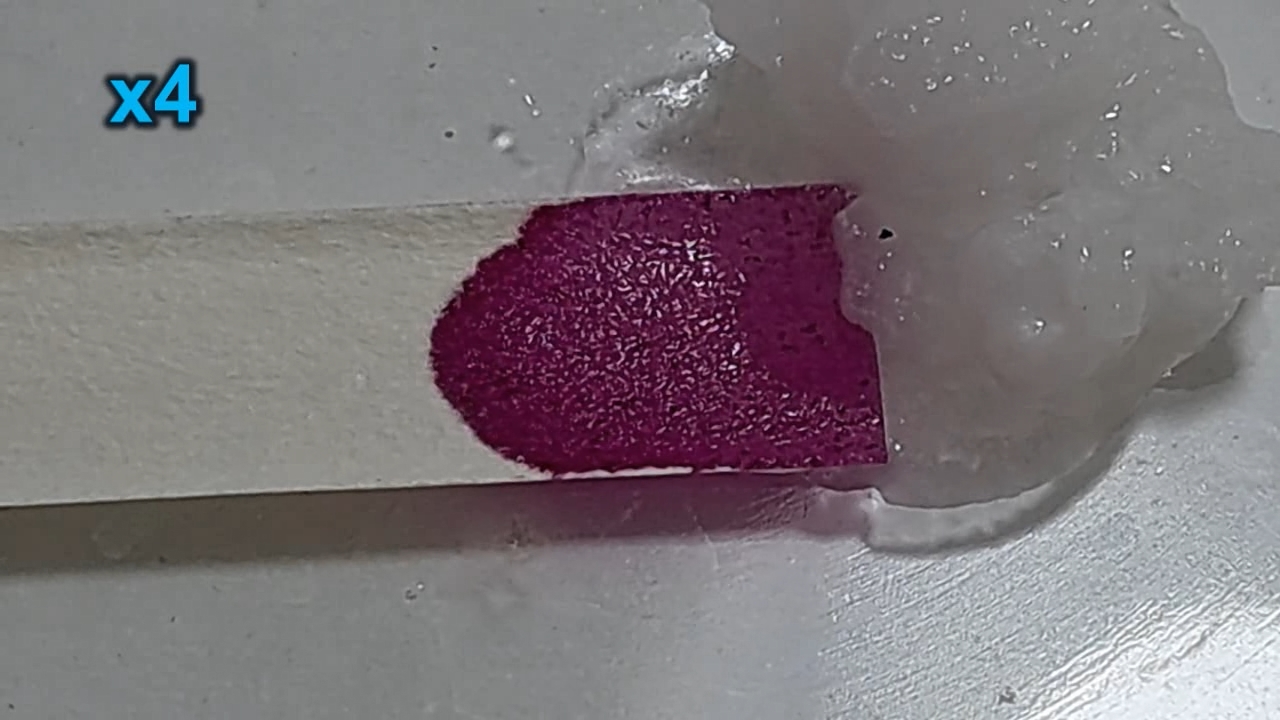
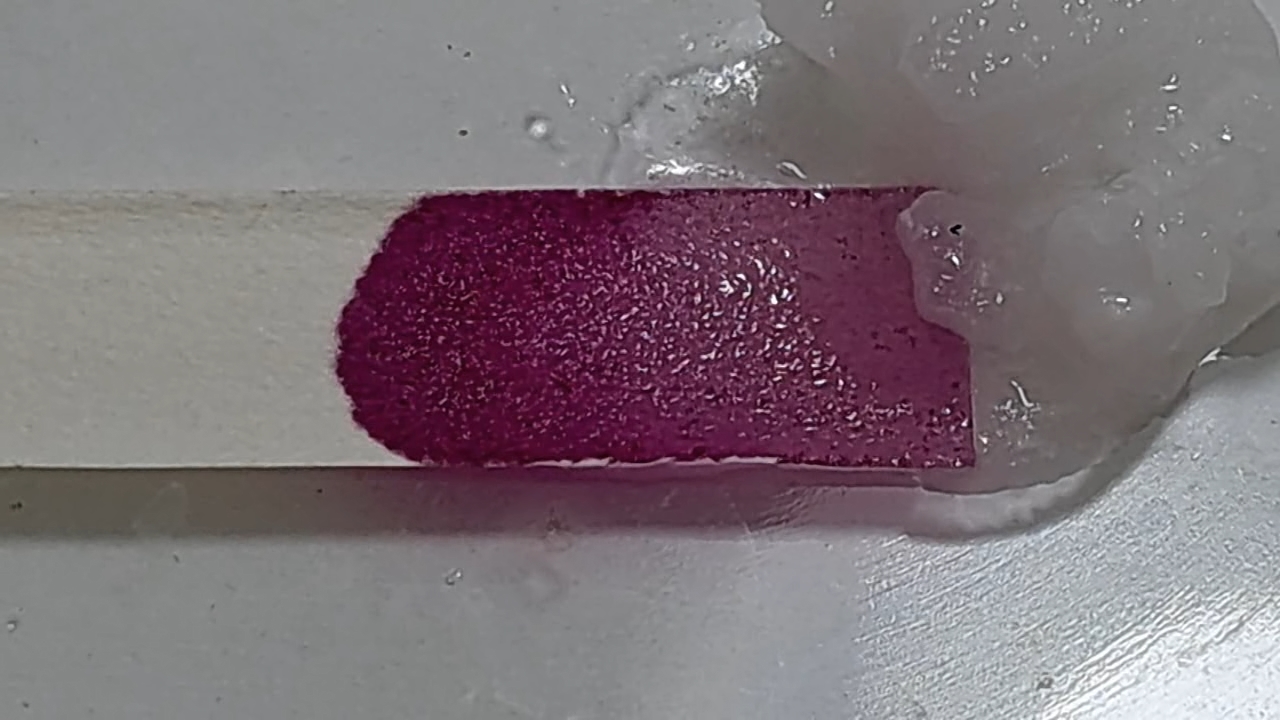
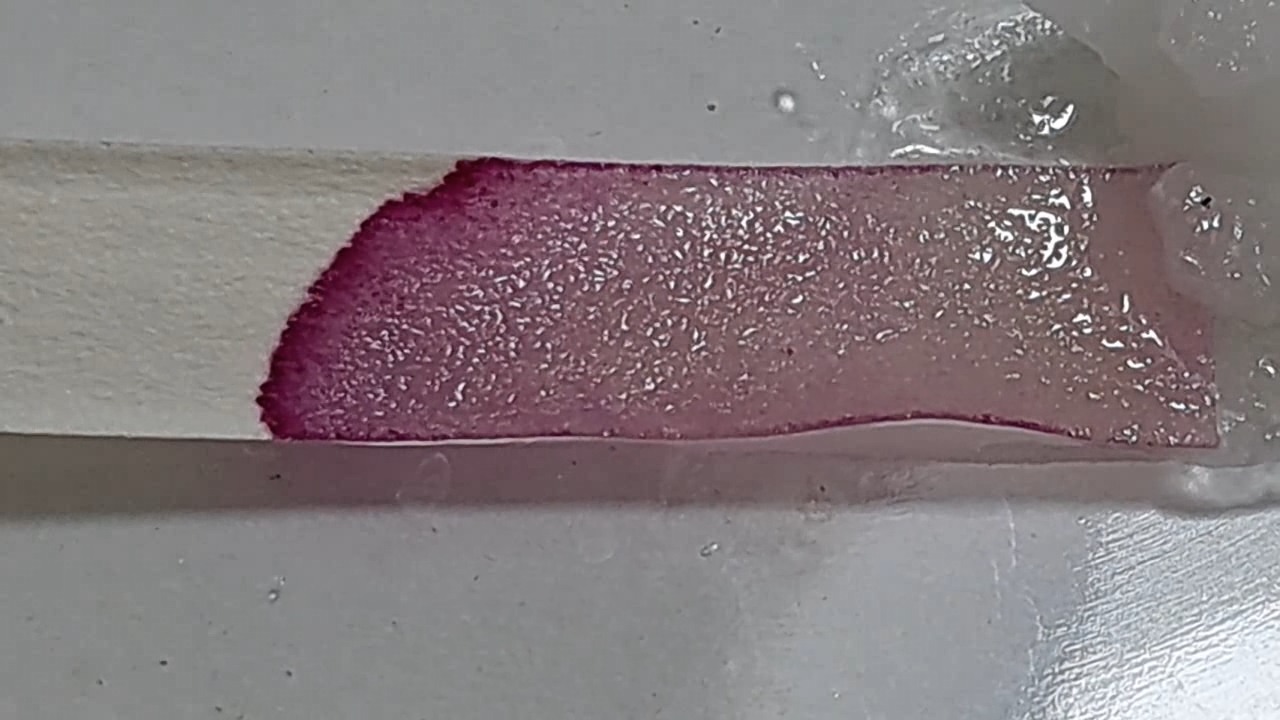
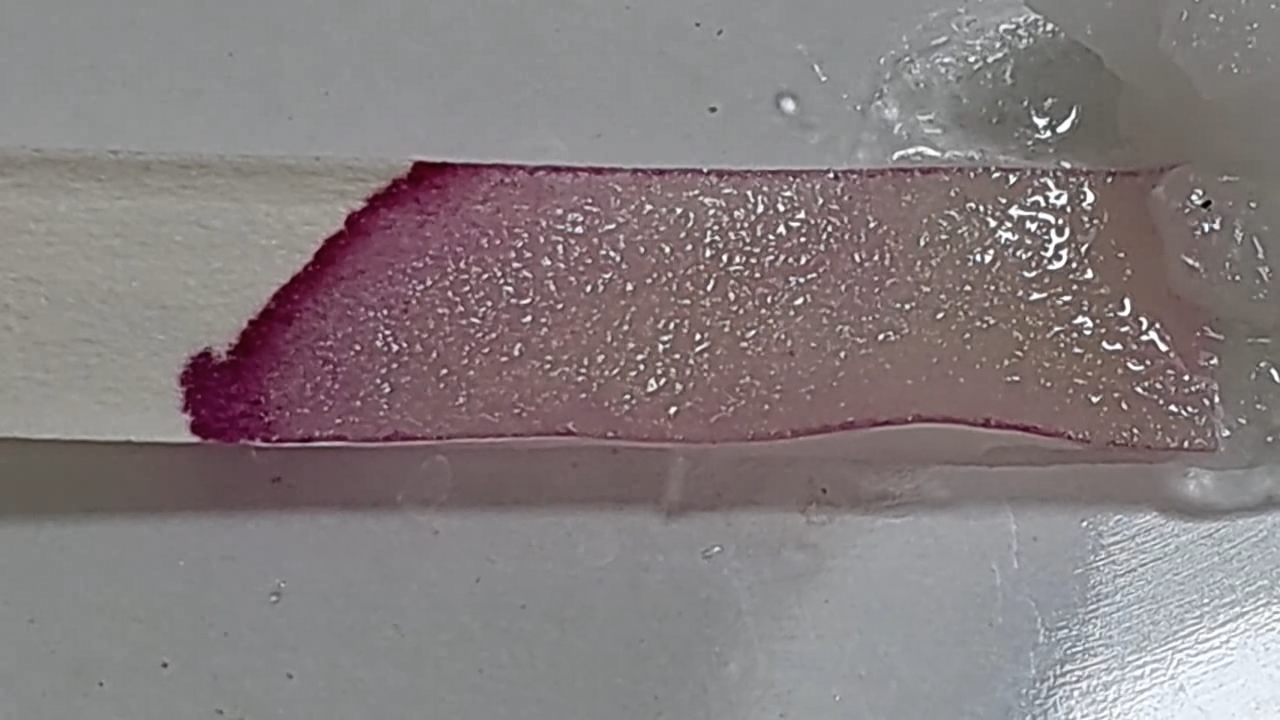
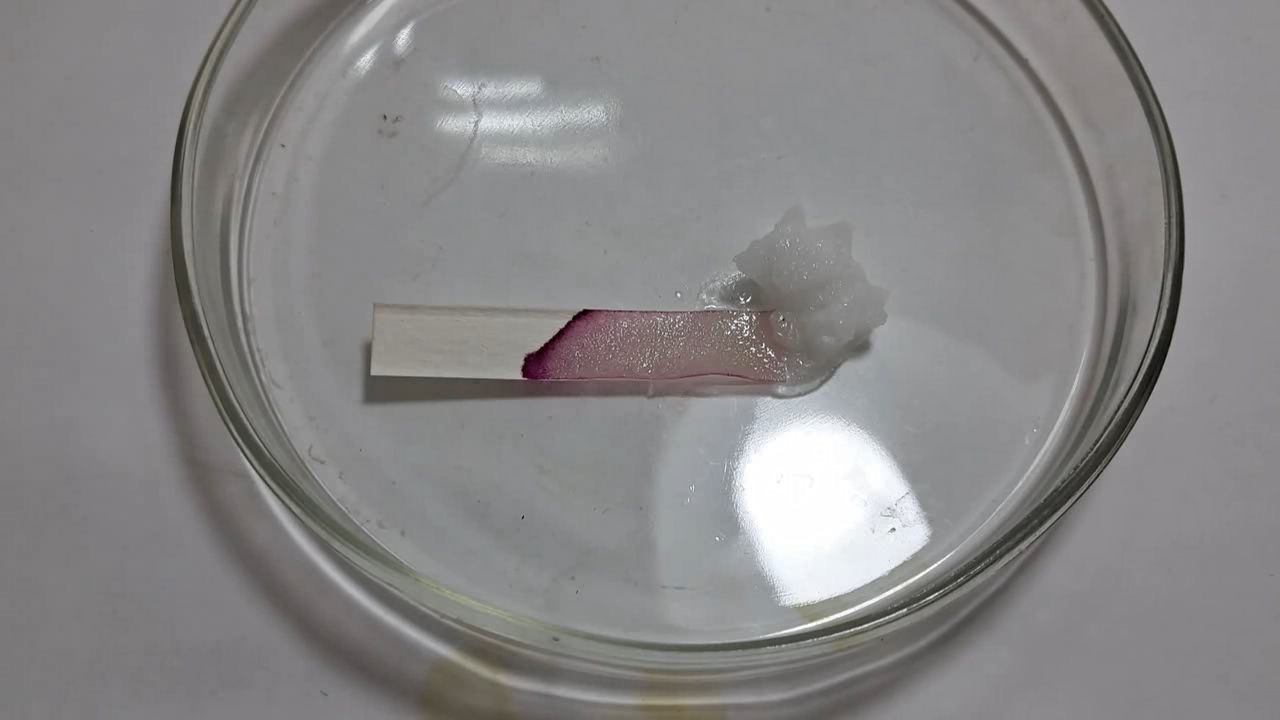
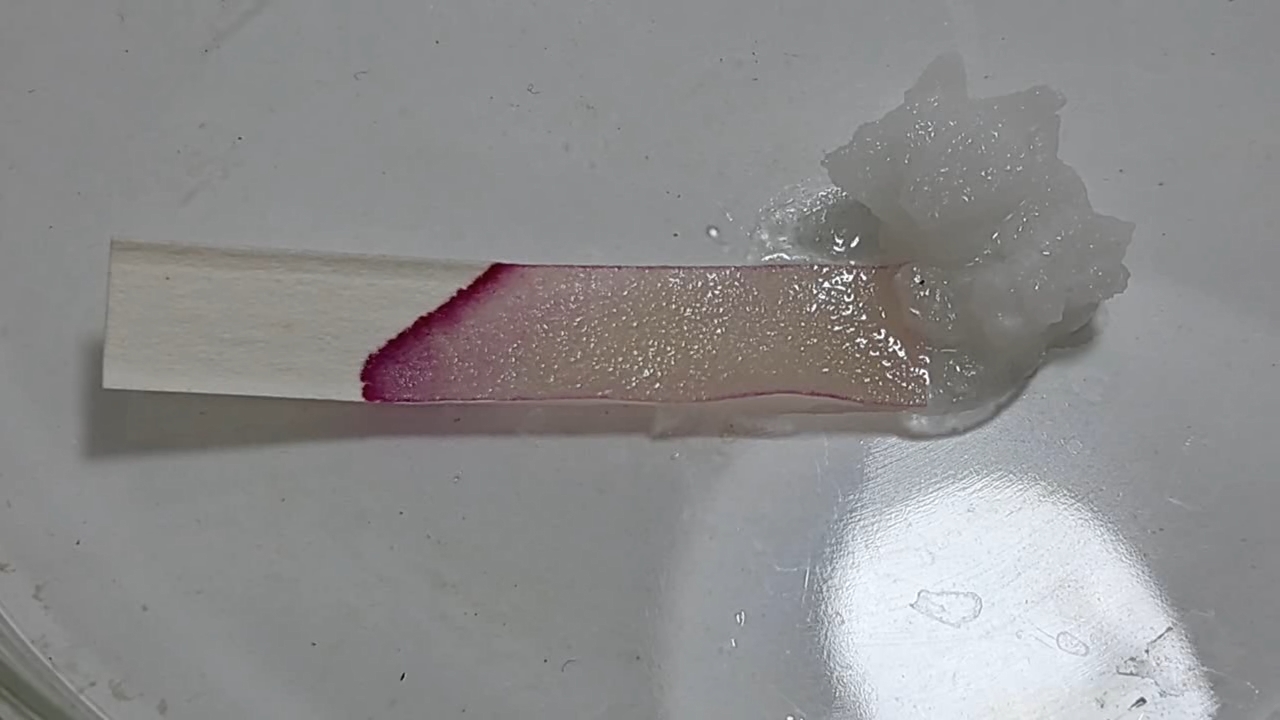
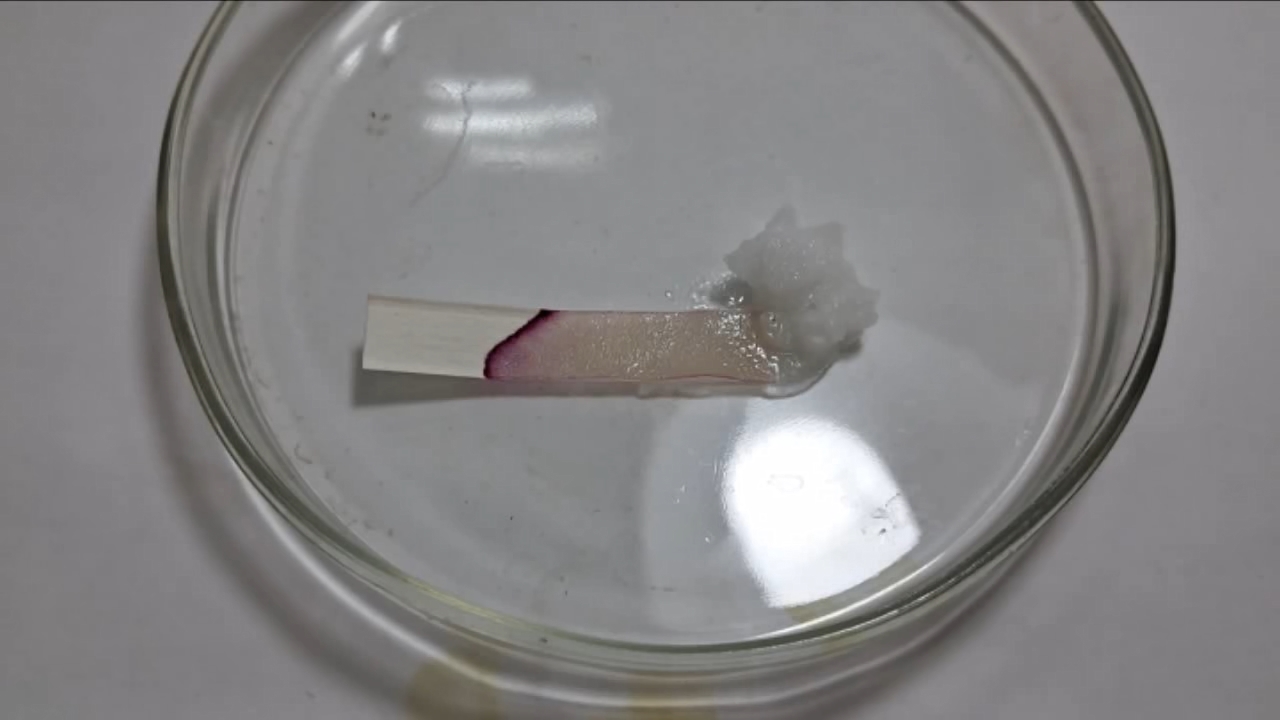
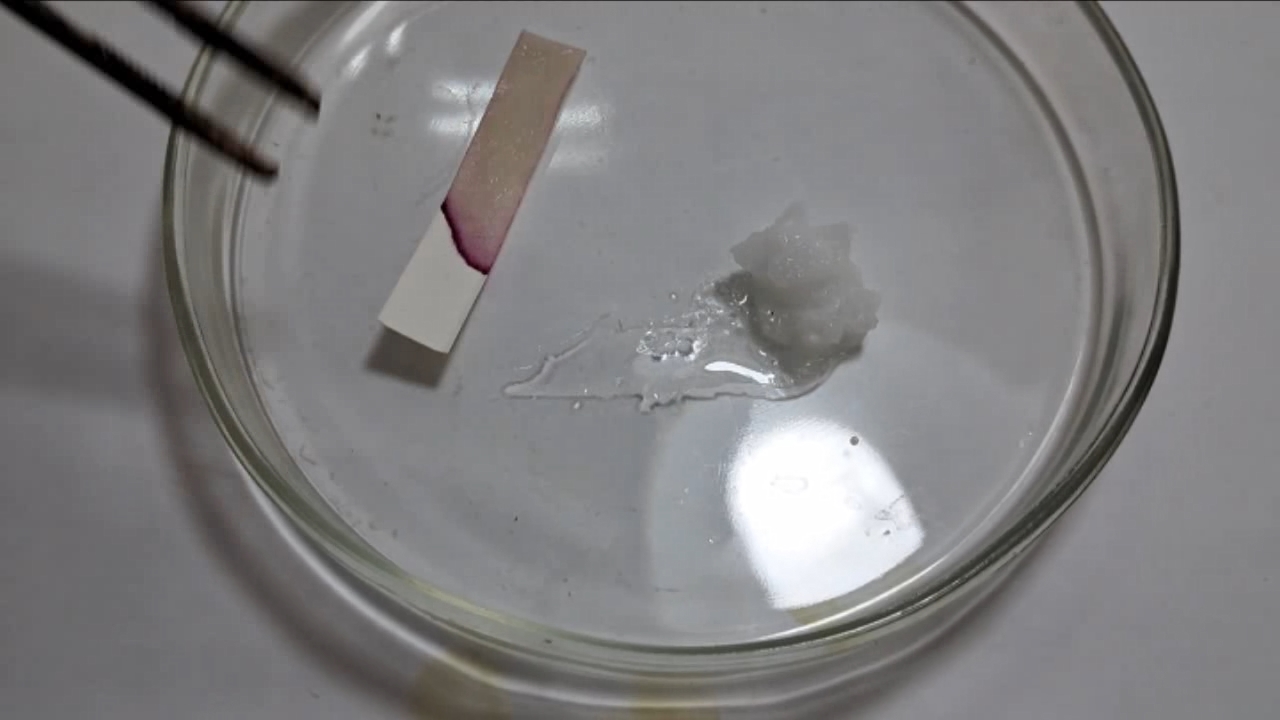
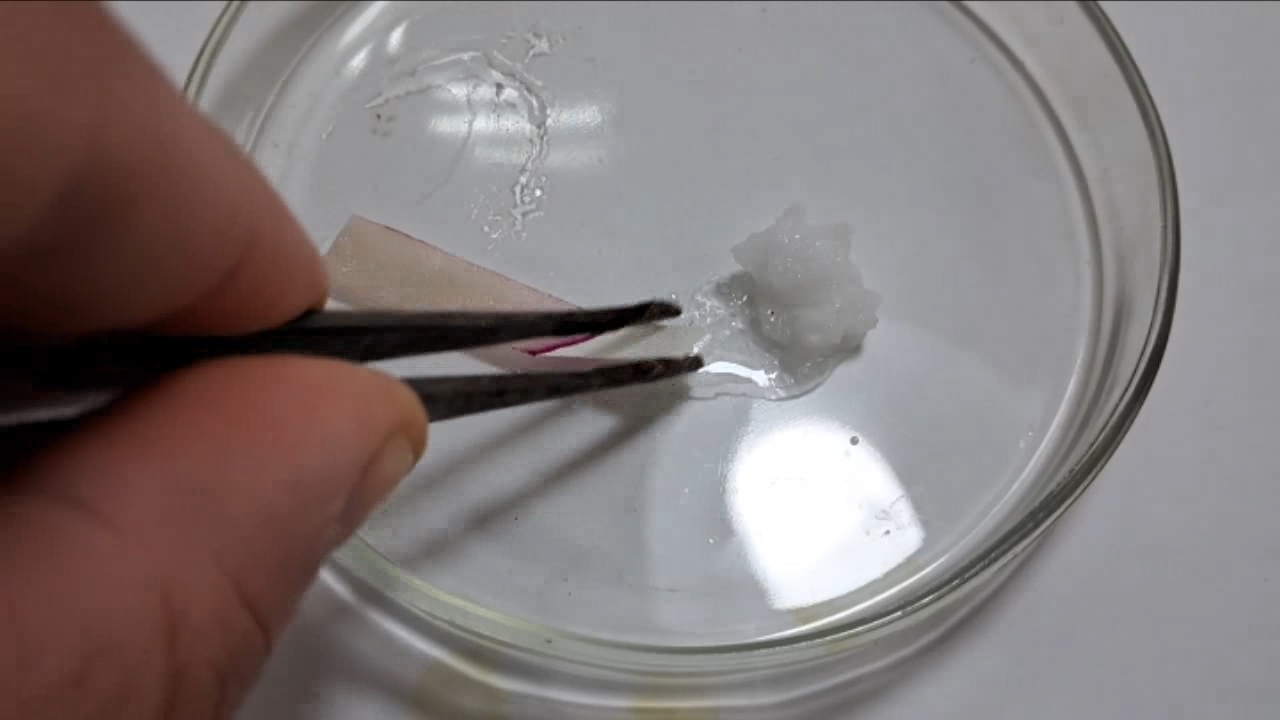
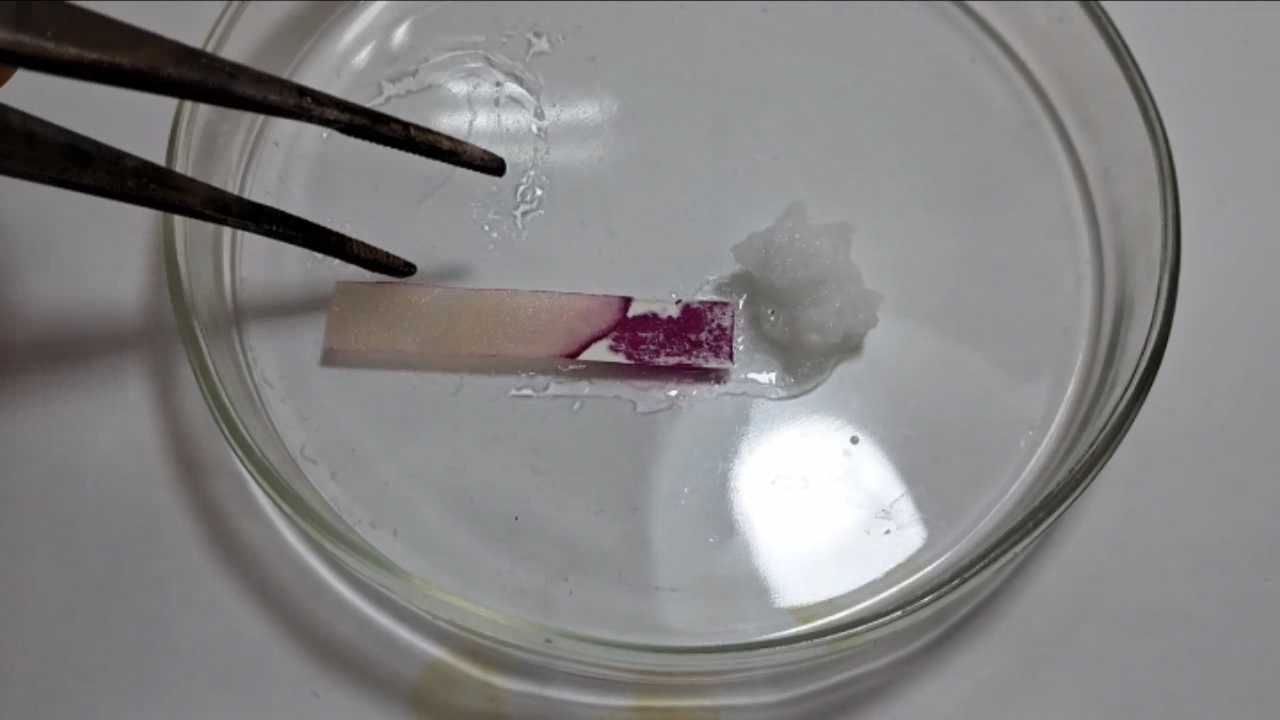
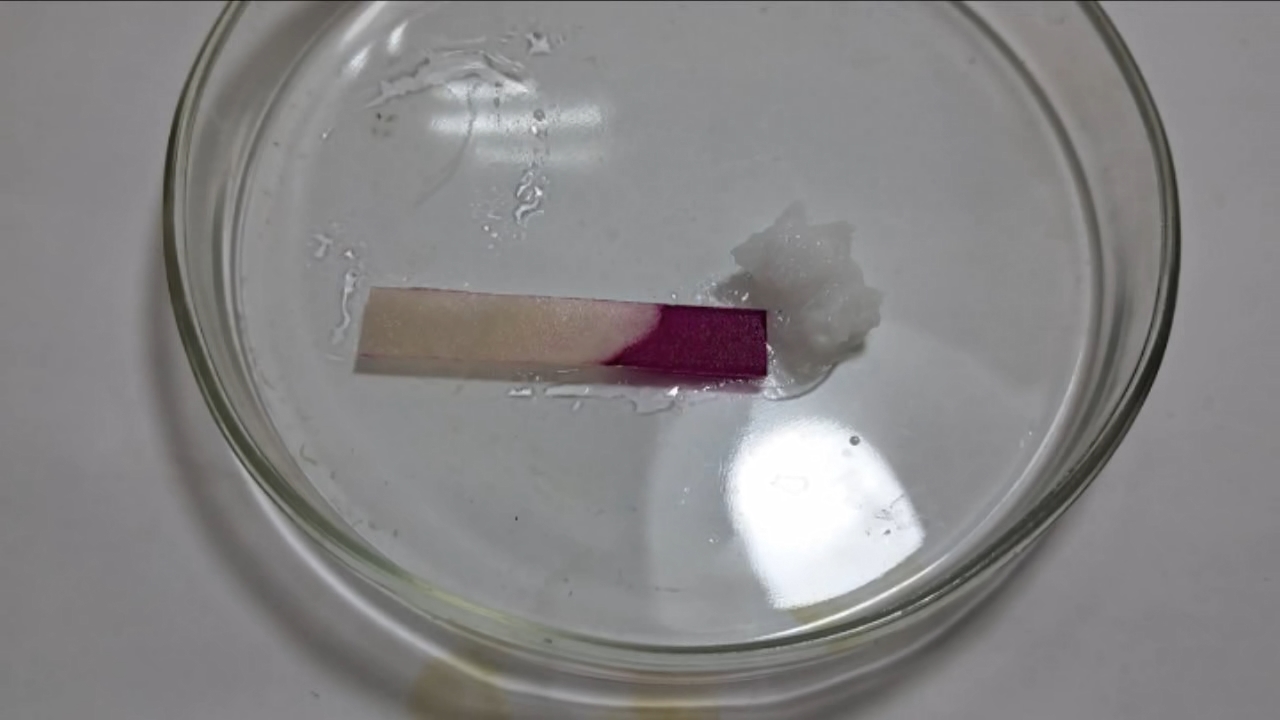
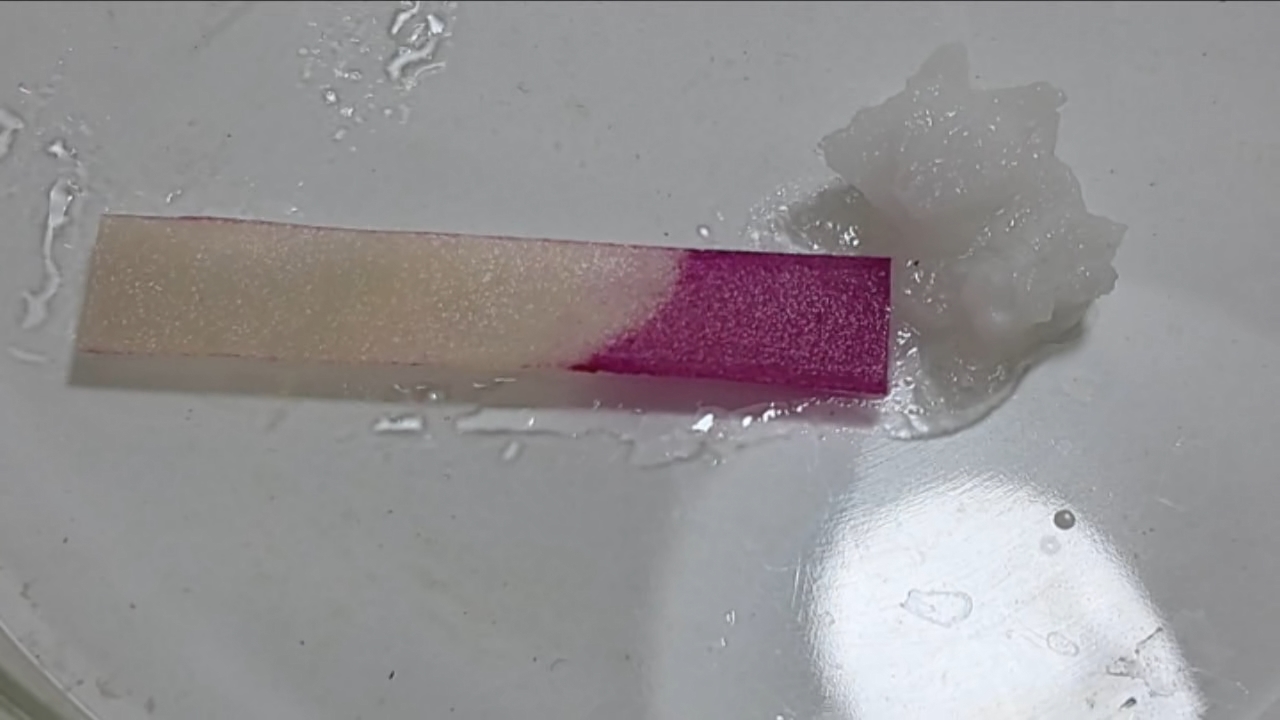
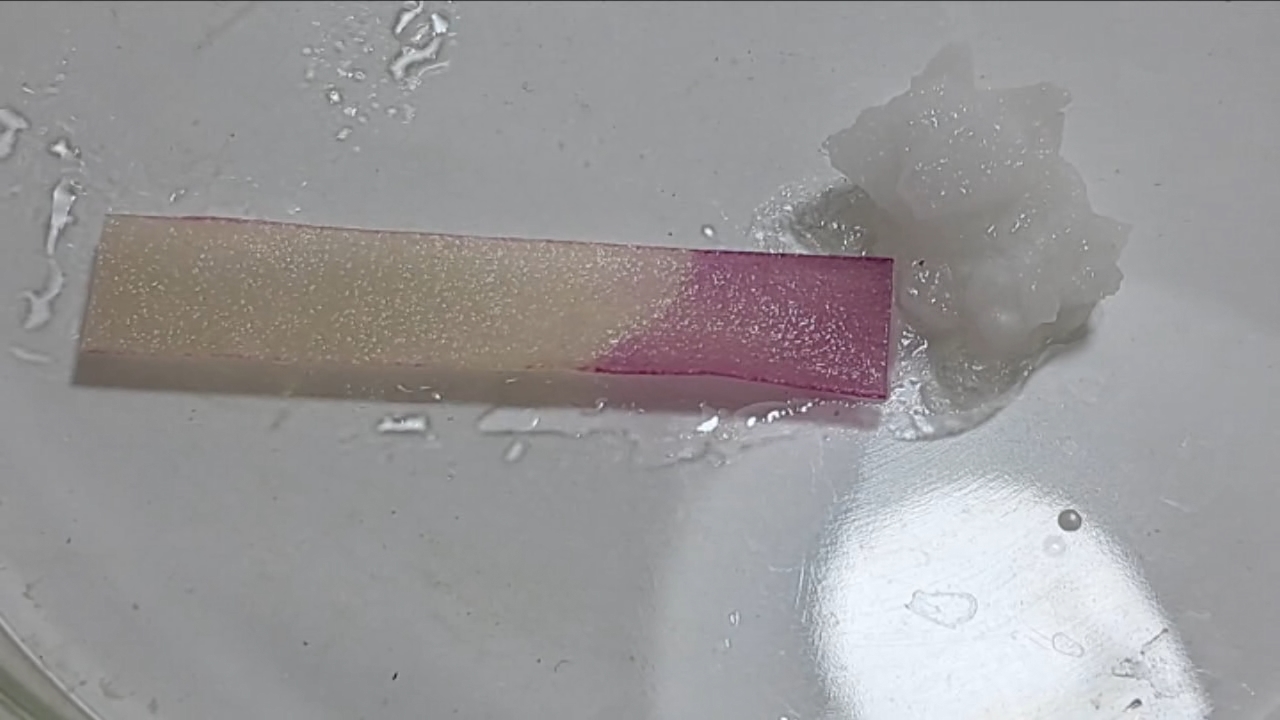
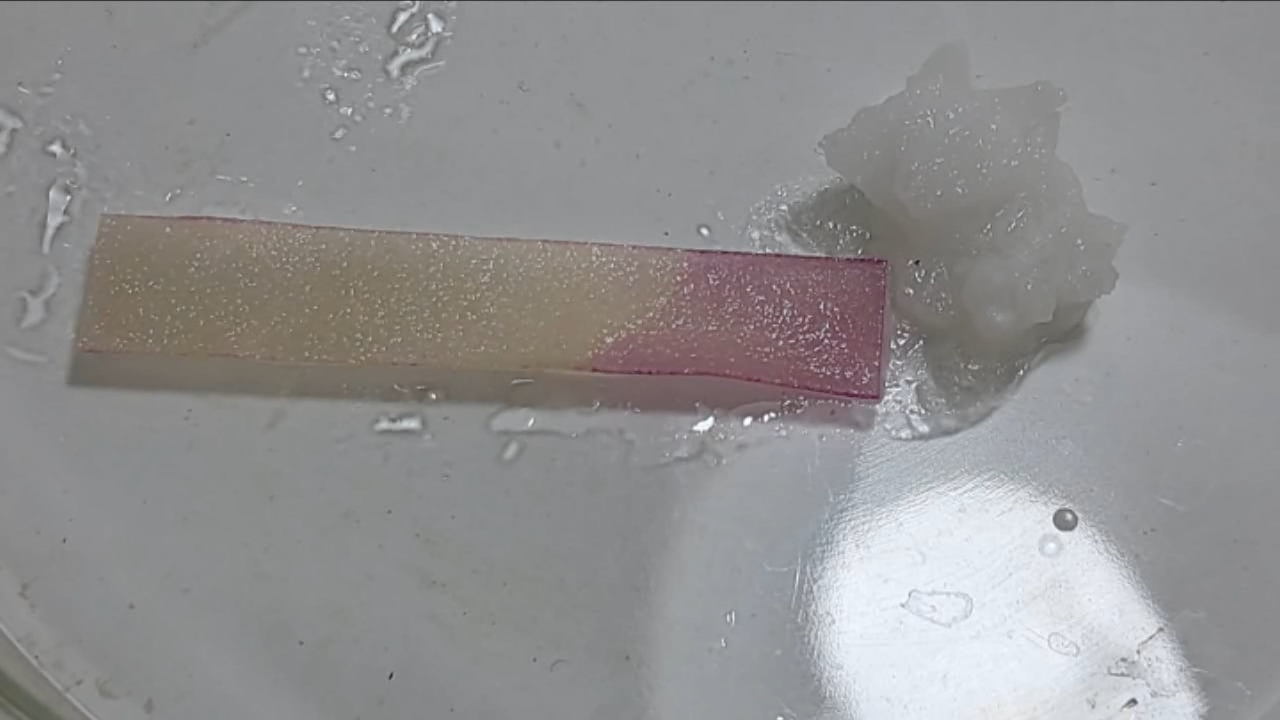
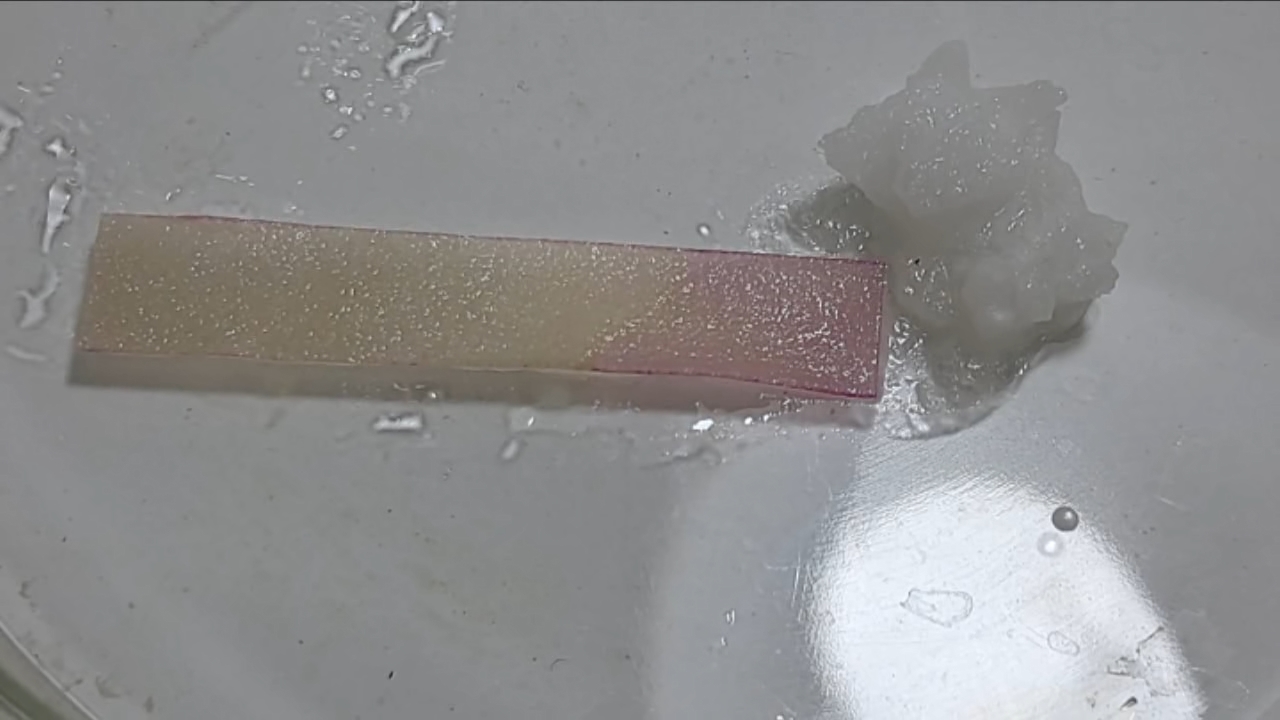
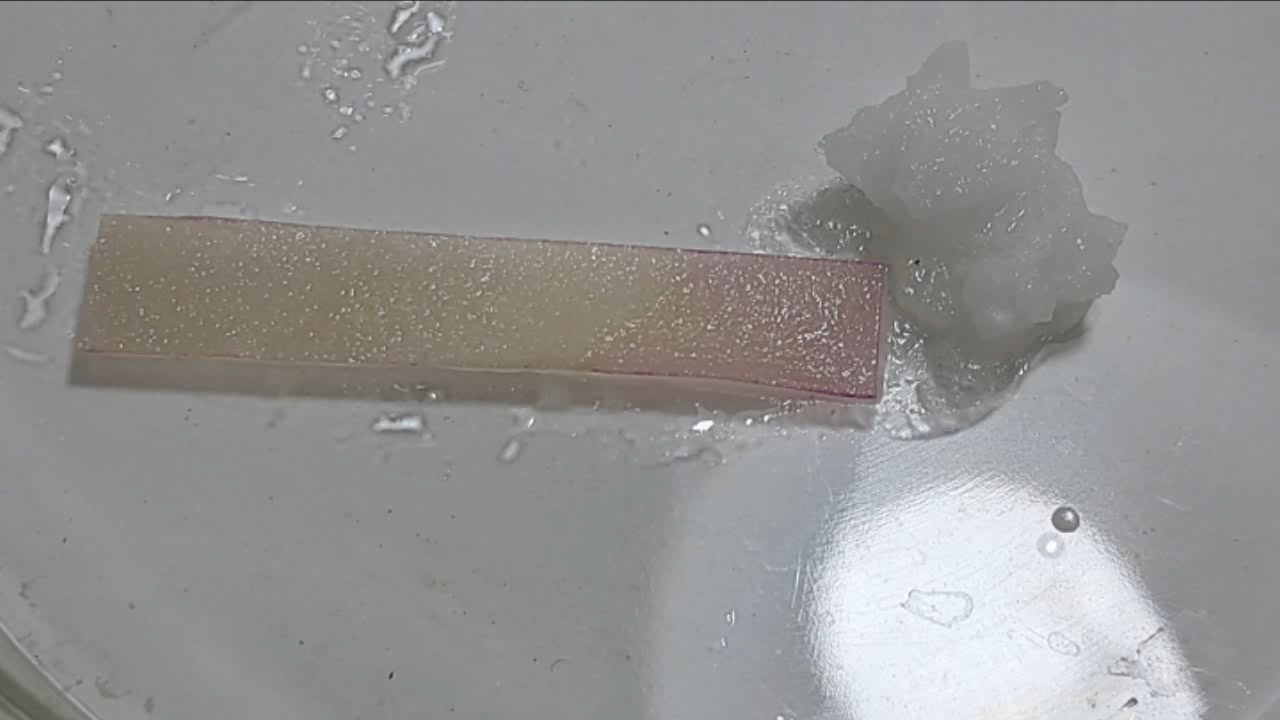
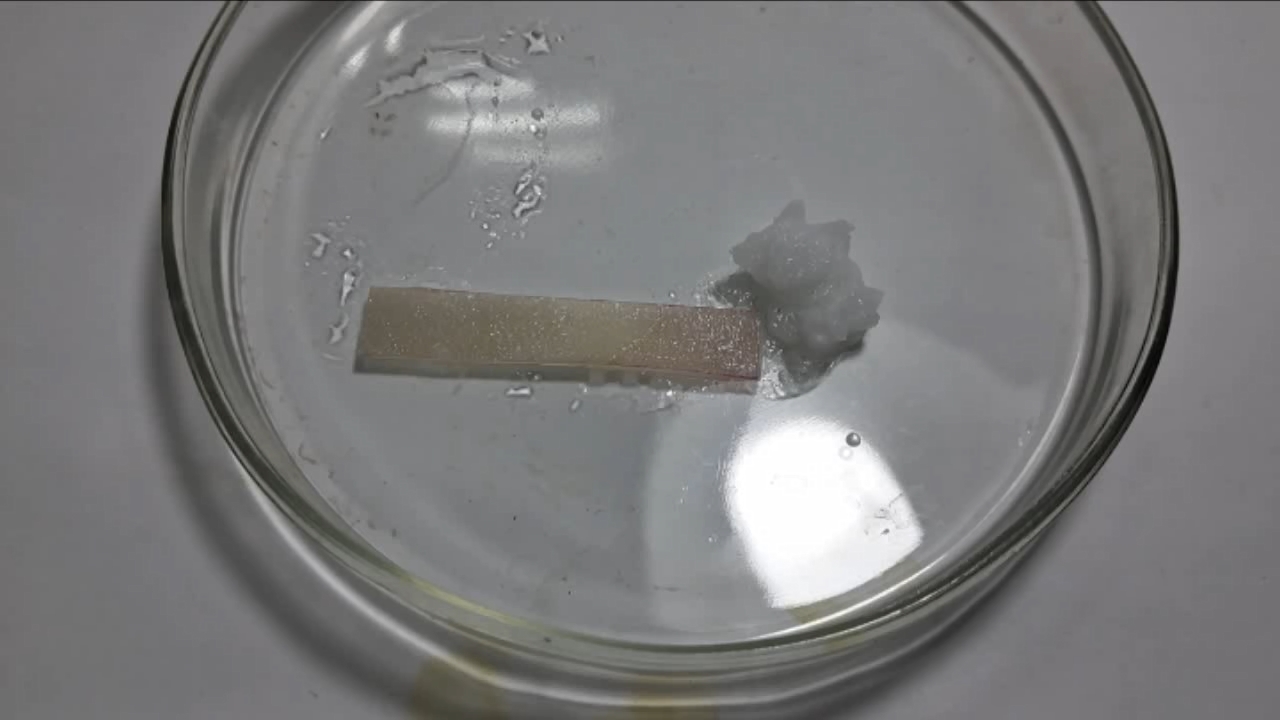
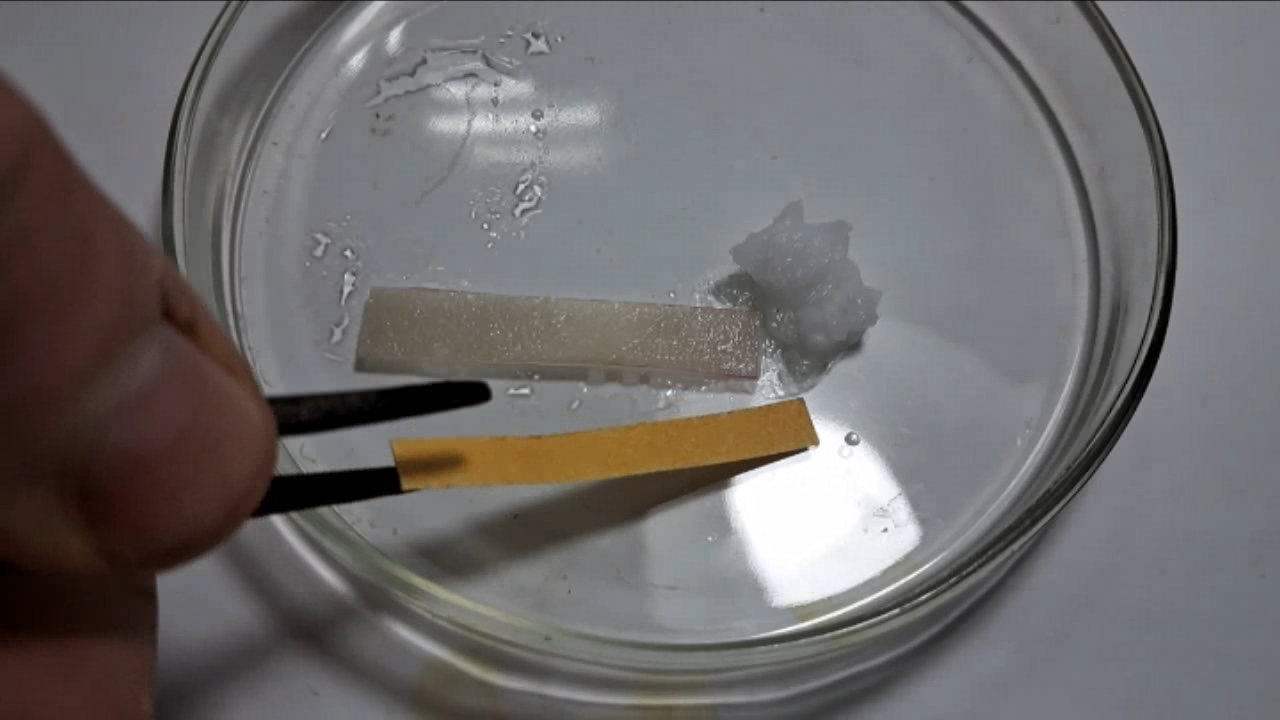
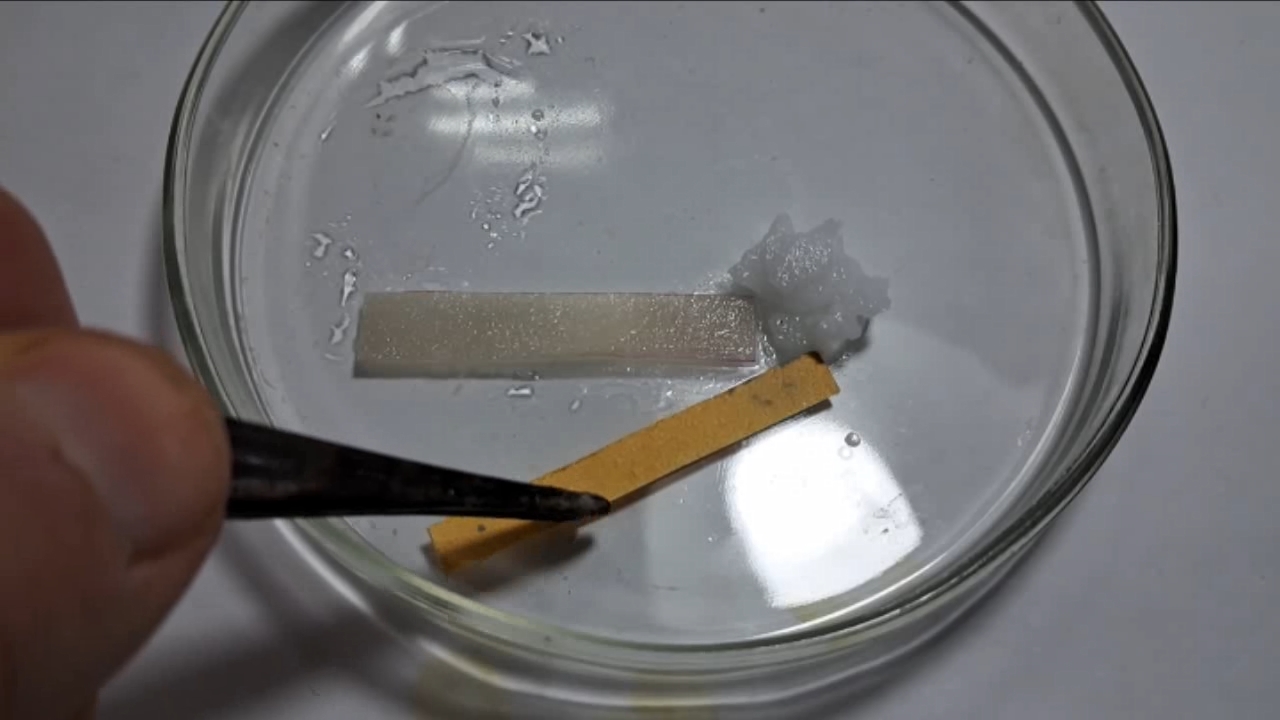
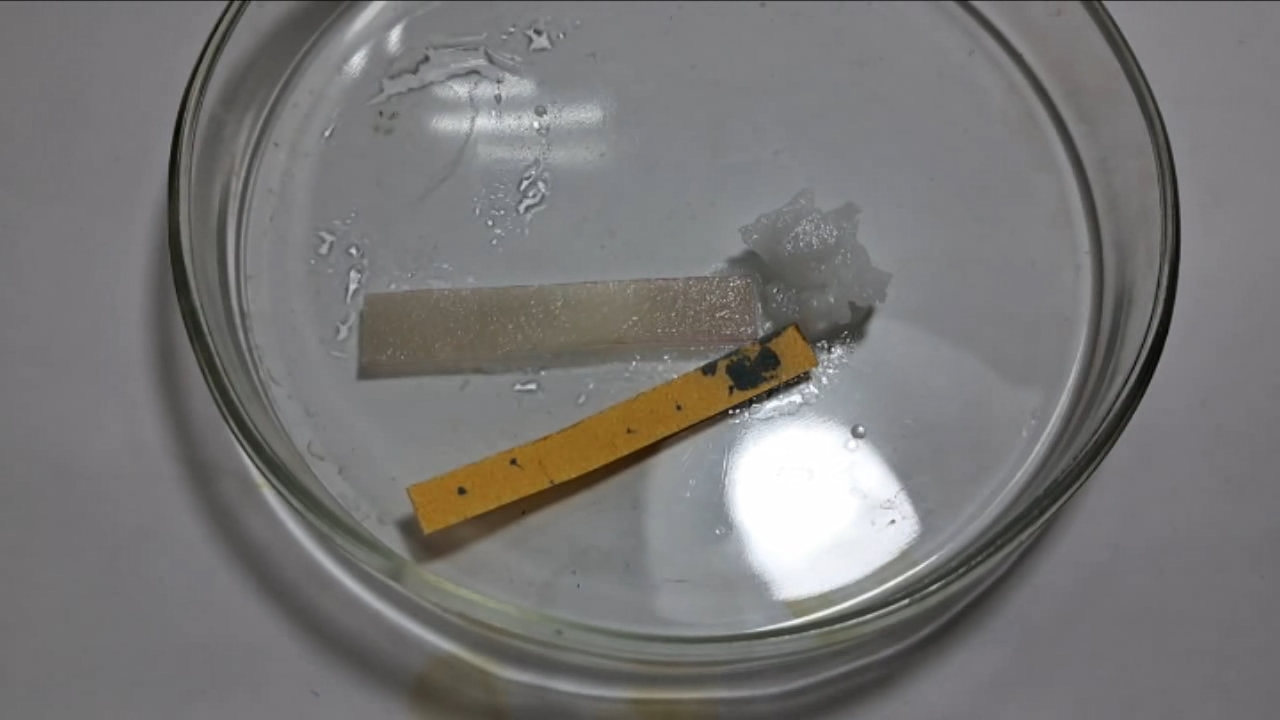
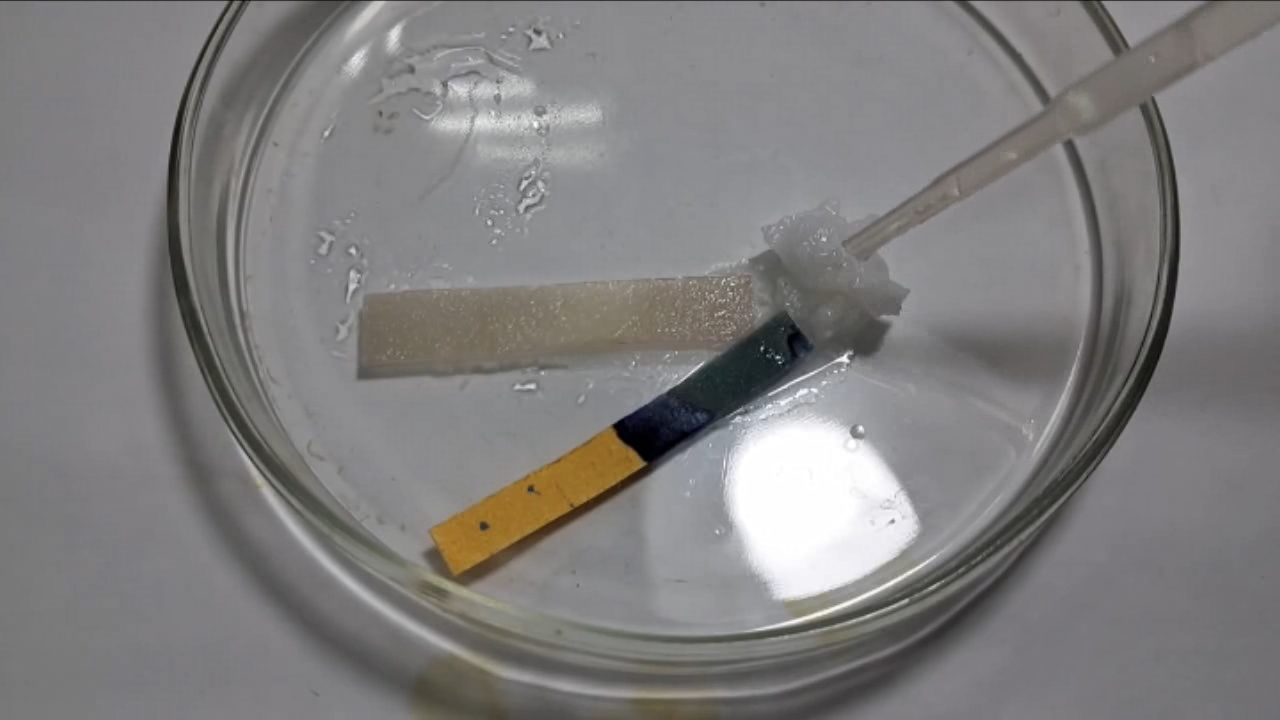
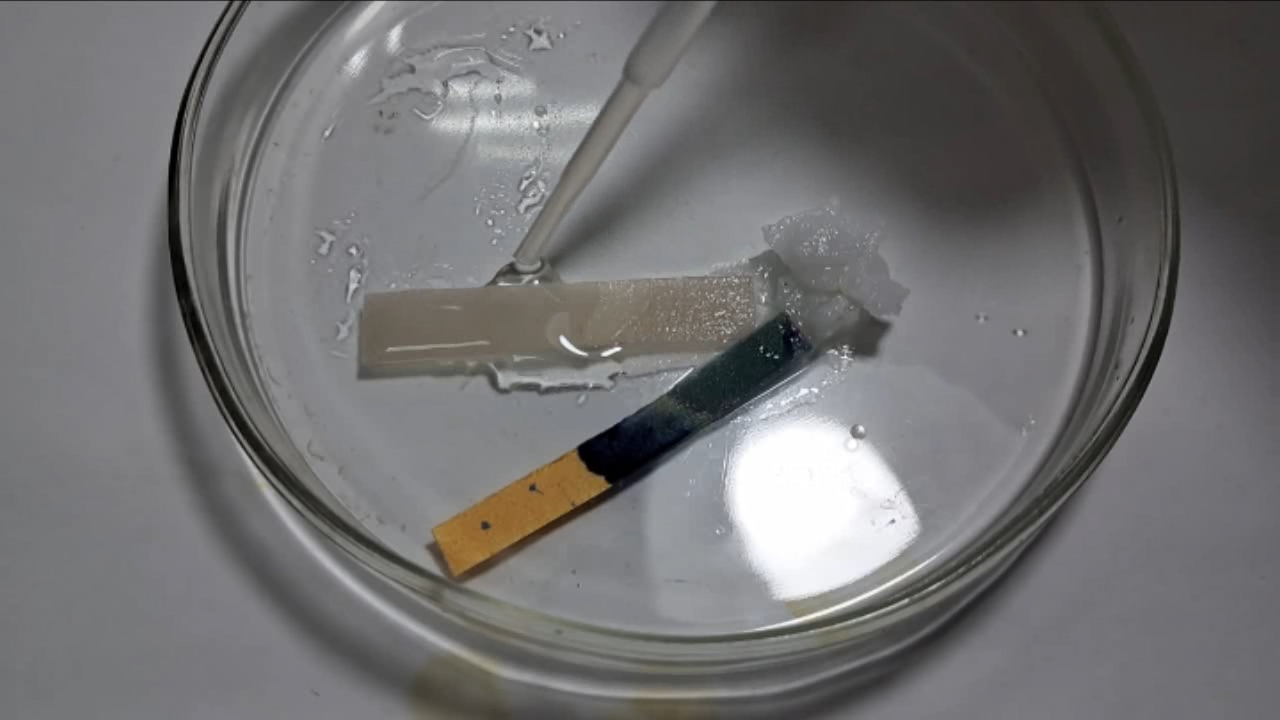
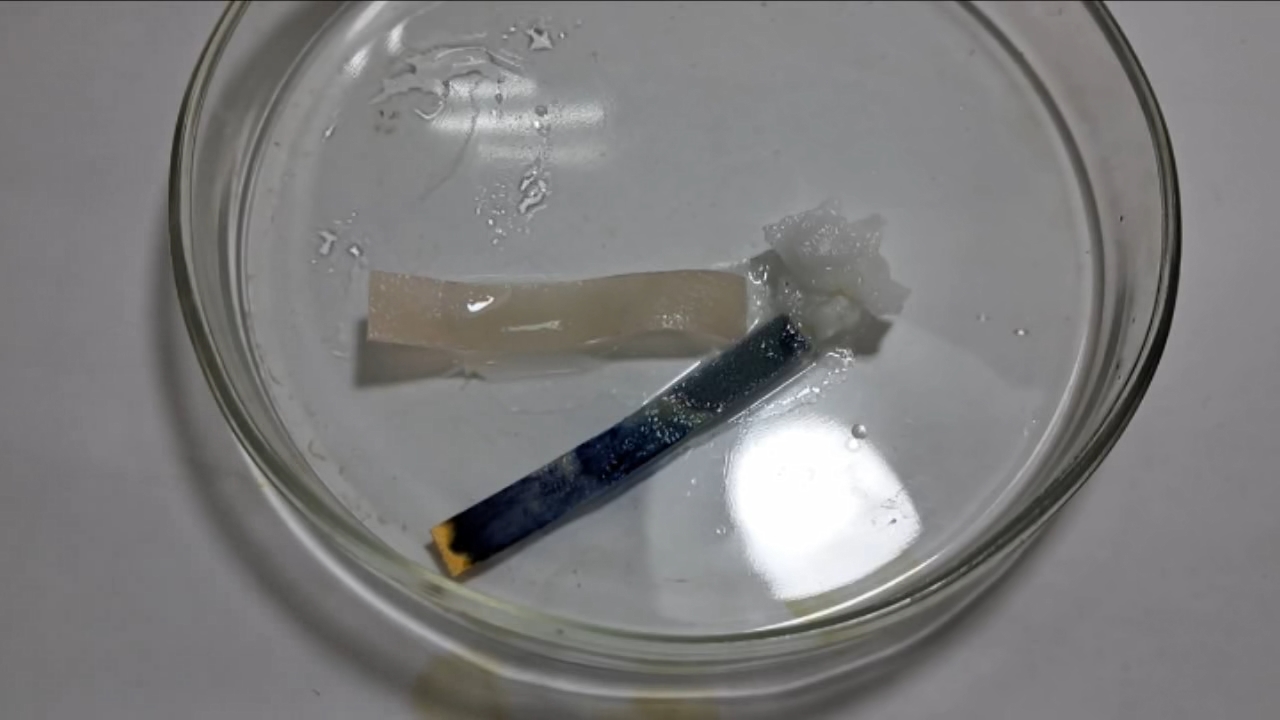
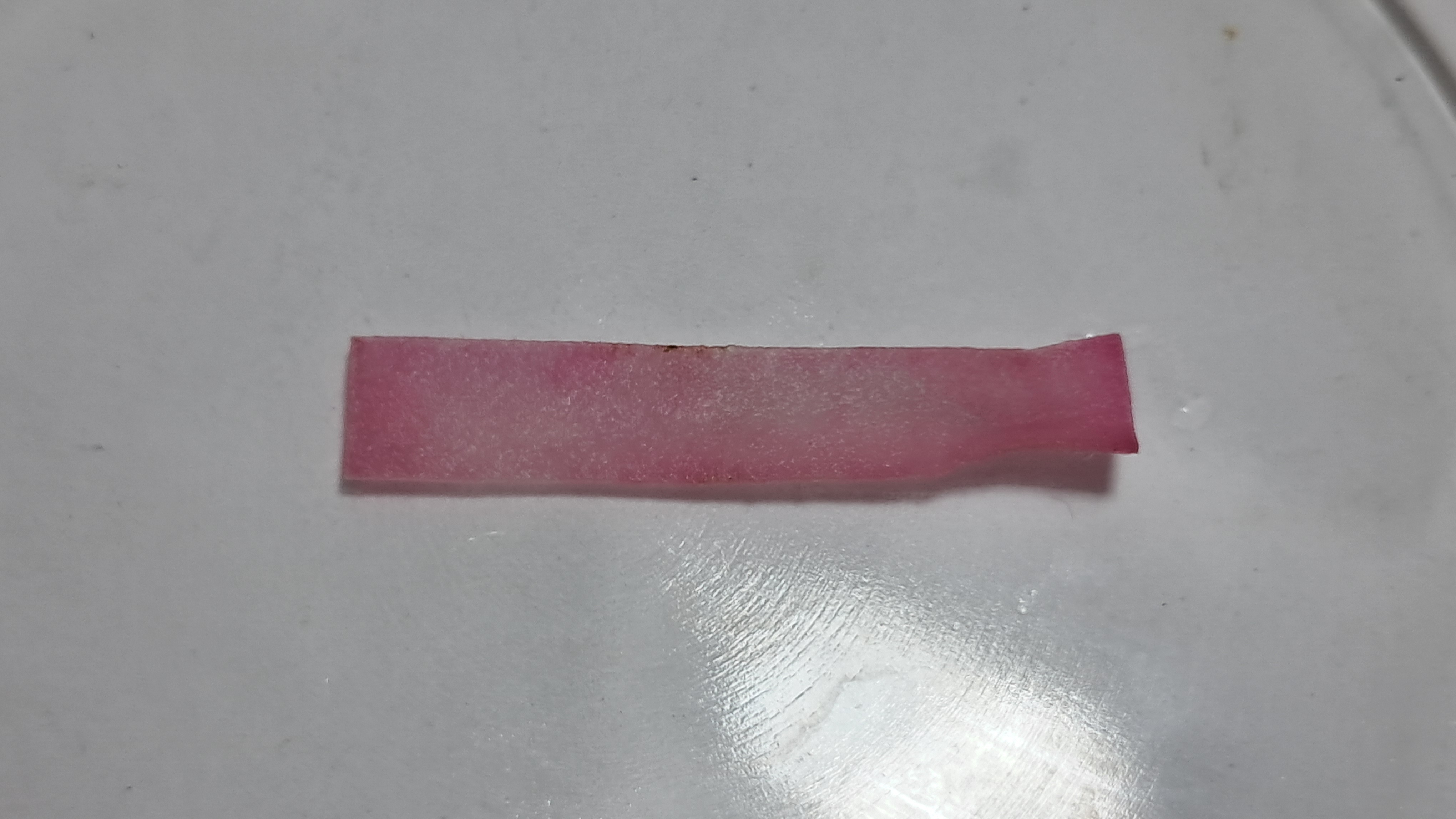
Универсальный индикатор, фенолфталеин и гидроксид натрия - Часть 10 I placed several sodium hydroxide granules in a Petri dish and moistened them with water. After waiting about a minute for the alkali to dissolve partially, I touched the end of a strip of phenolphthalein paper to the sodium hydroxide. The end of the strip immediately turned a dark fuchsia color. The fuchsia stain began to spread across the paper. Once again, the saturated alkali solution had colored the paper fuchsia! I said to a colleague who was observing the indicator paper with me: "It didn't work again." My colleague left, and I continued observing. The dark fuchsia region spread across the paper. Soon, the part of the colored area that had been in direct contact with the alkali began to fade. The fuchsia color weakened, and the paper slowly turned white. Before long, only the advancing liquid front retained its bright fuchsia color. This time, I realized that the discoloration of the paper was not due to the leaching of the phenolphthalein but rather to the decolorization of the indicator. This meant that upon contact with a highly alkaline solution, phenolphthalein first turns fuchsia, forming the familiar Ind2- anion, which then slowly transforms into the colorless Ind(OH)3- anion. Recall that during the titration of an acid with an alkali, the colorless form of phenolphthalein, H2Ind, transforms into the fuchsia form, Ind2-. This transformation occurs essentially instantaneously, which is essential for successful titration. In contrast, the transformation of the fuchsia form Ind2- into colorless Ind(OH)3- in a highly alkaline solution took several minutes. The liquid front had practically stopped. I rotated the strip of phenolphthalein paper by 180 degrees so that the alkali contacted the opposite end, in order to achieve complete loss of color. Upon contact with the alkali, the paper again turned bright fuchsia, which gradually faded. After a few minutes, the strip became white. I then touched the alkali with a strip of universal indicator paper, and a small dark green spot appeared on the yellow paper. Most of the added water had already been absorbed by the strip of phenolphthalein paper, so the liquid front on the universal indicator strip quickly stopped moving. I added a little more water to the solid alkali, and the green-colored zone spread across the entire strip. While adding the water, an interesting thought occurred to me. Phenolphthalein is colorless in concentrated alkali solutions and fuchsia in dilute ones. Therefore, if white phenolphthalein paper soaked with saturated sodium hydroxide solution were placed in a small amount of water, the alkali concentration would decrease, and a fuchsia color should reappear. I added water to the Petri dish containing the strip of phenolphthalein paper and shook the contents, but no color appeared. I then carefully added a few drops of 70% acetic acid to partially neutralize the alkali and shook the Petri dish again. A faint pink color appeared on the phenolphthalein paper. I stopped the experiment, washed the Petri dish, and the next day found the strip of phenolphthalein paper in the sink. It had turned a distinct fuchsia. |
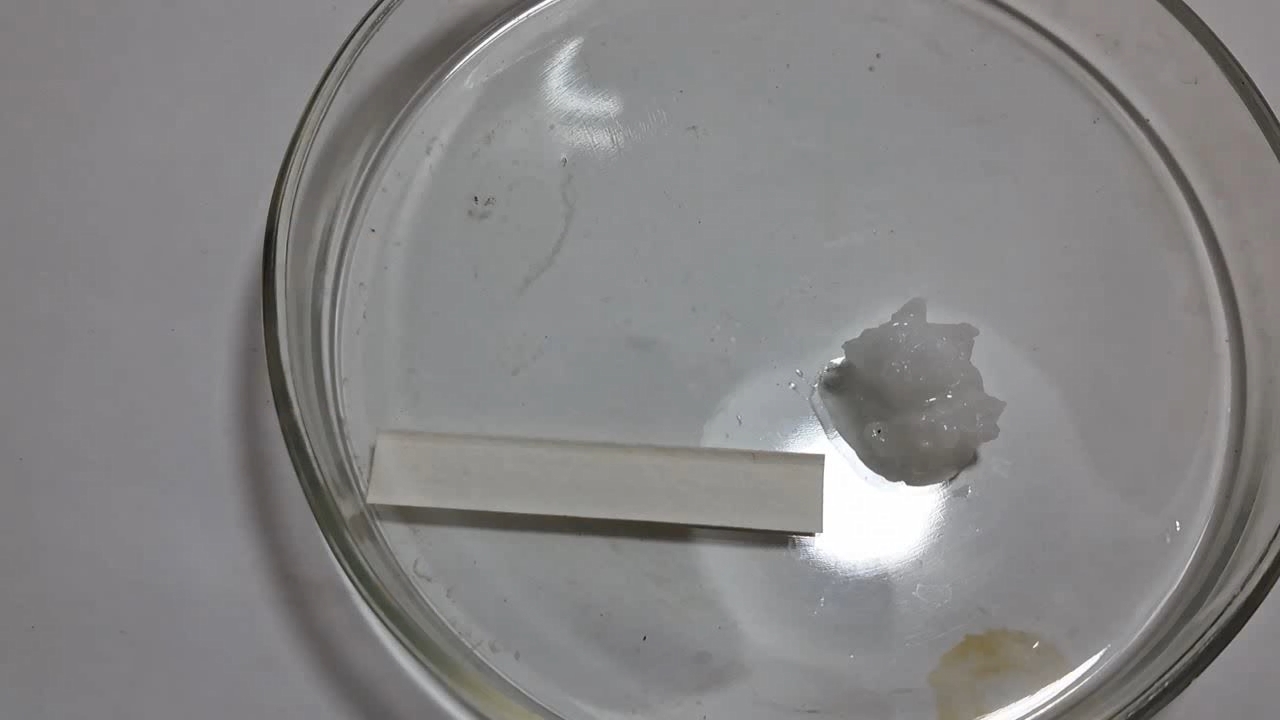
Universal Indicator, Phenolphthalein, and Sodium Hydroxide |
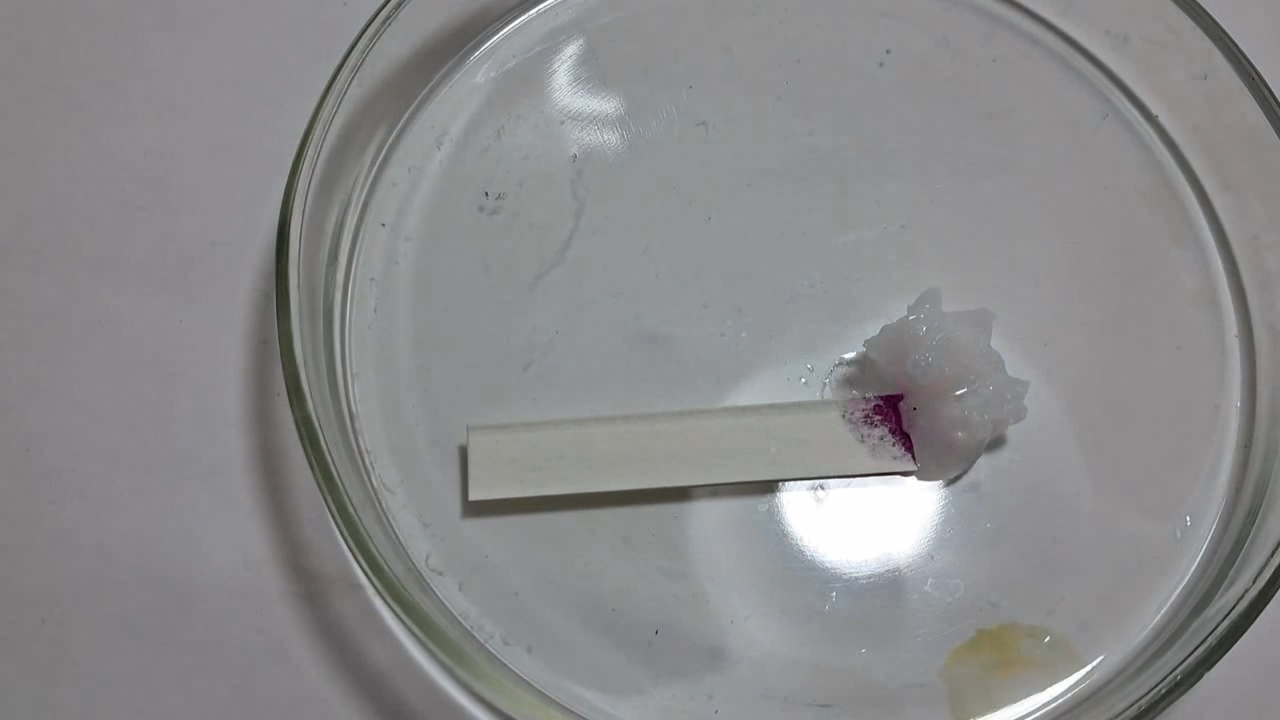
|
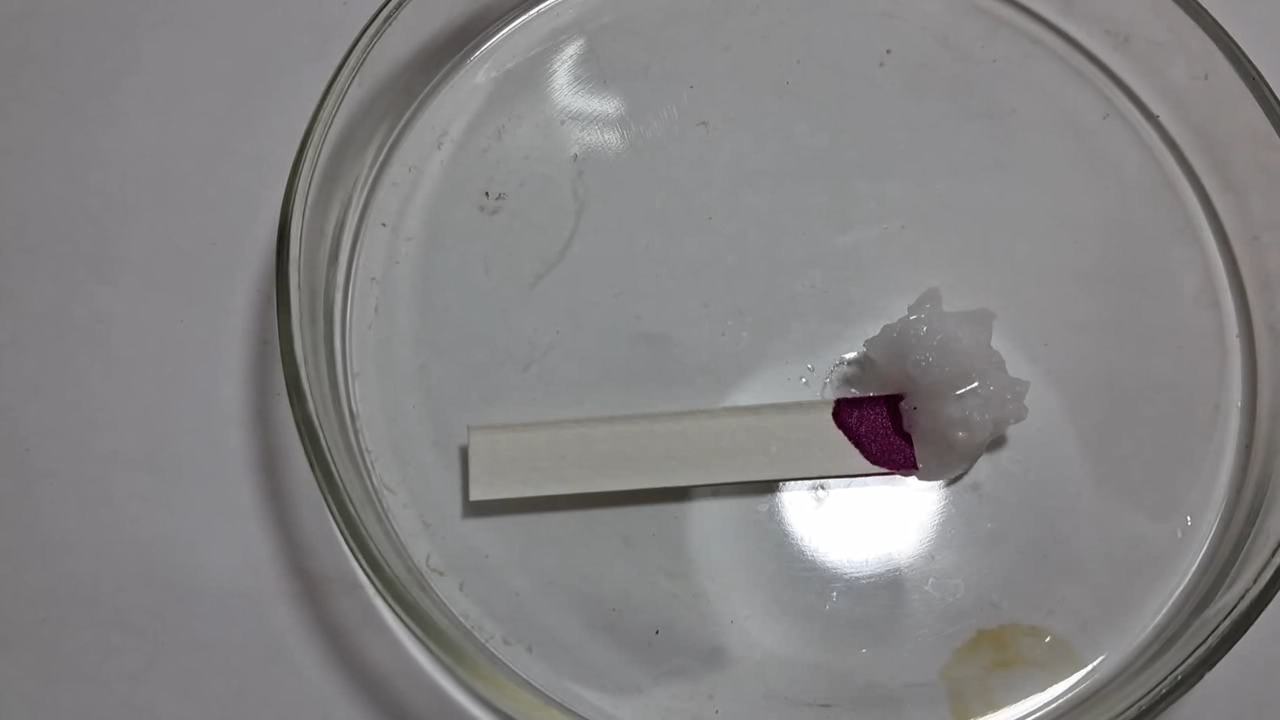
|
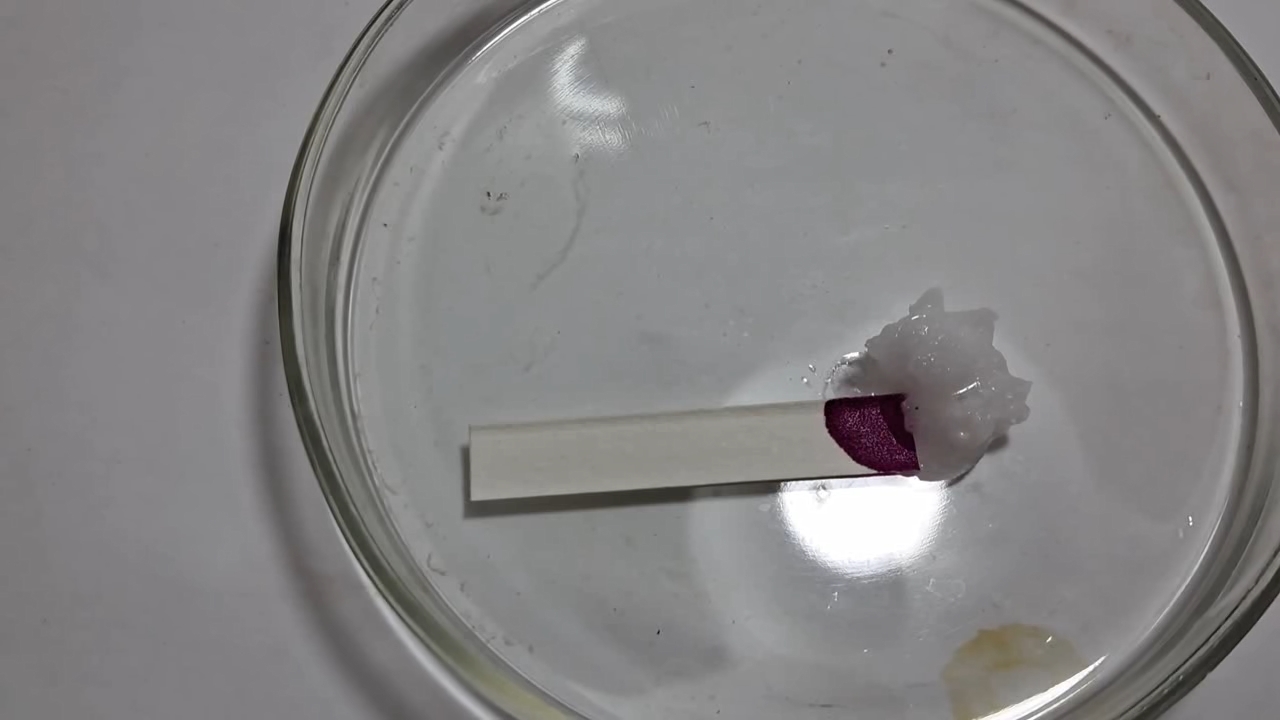
|
|
|
|
|
|
|
|
|
|
|
|
|
|
|
|
|
|
|
|
|
|
|
|
The next day |
|
Having noticed a mistake in the text, allocate it and press Ctrl-Enter
Universal Indicator, Phenolphthalein, and Sodium Hydroxide - Part 11
Let us summarize. When treated with a saturated sodium hydroxide solution, phenolphthalein paper first turned an intense fuchsia (magenta) color and then returned to white. The fact that fuchsia phenolphthalein becomes colorless in strongly alkaline conditions is already noteworthy. However, an even more interesting observation is that the colorless phenolphthalein later turned fuchsia again when treated with water and acetic acid. In other words, phenolphthalein became colorless in an alkaline solution and then regained a fuchsia color upon acidification.
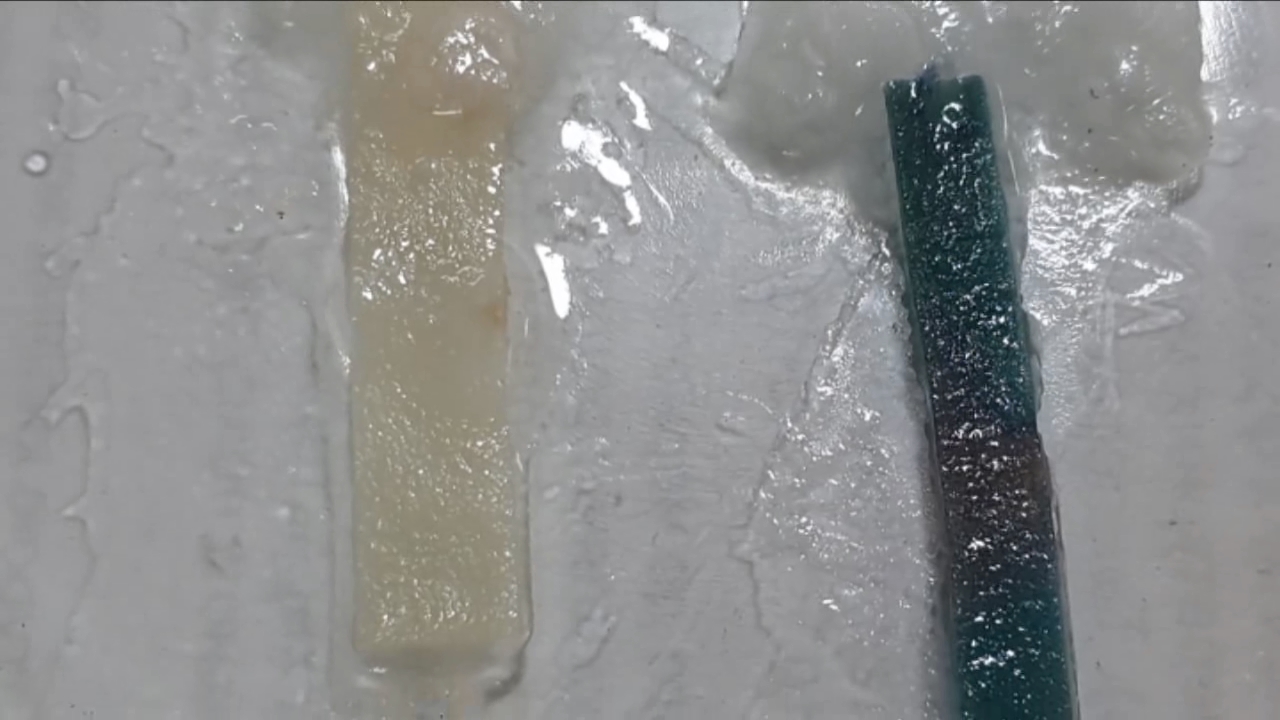
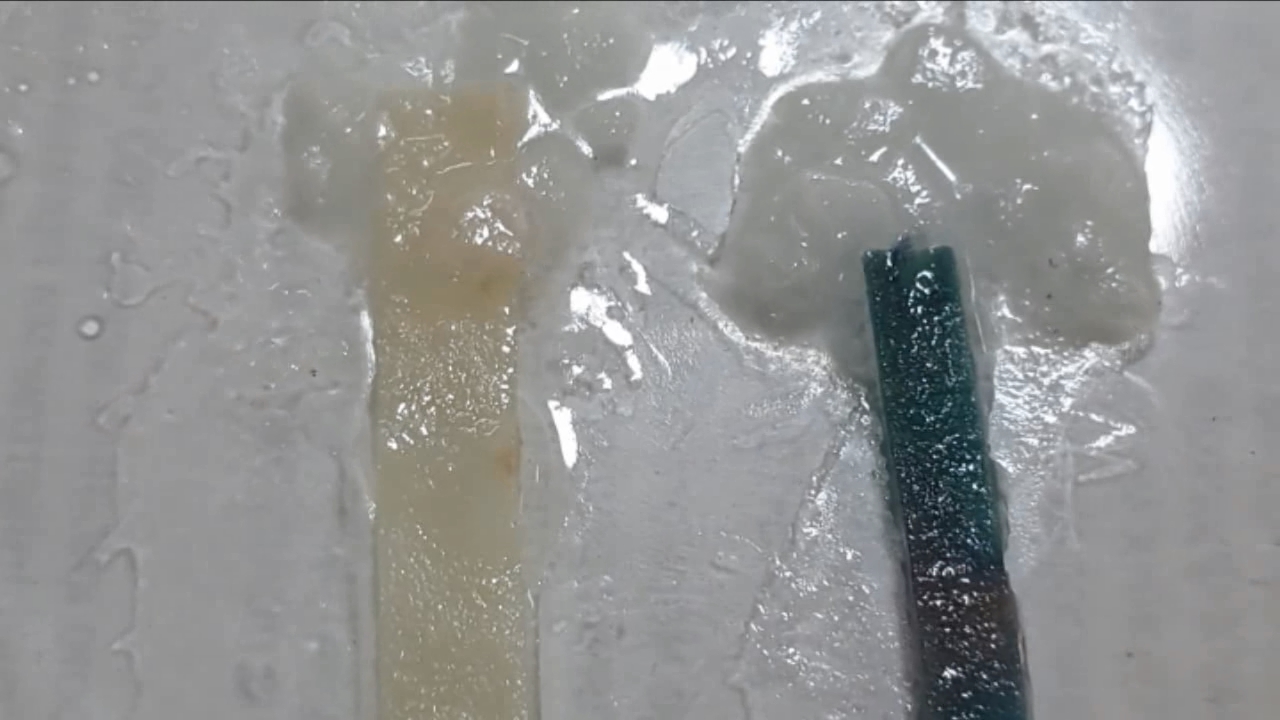
Универсальный индикатор, фенолфталеин и гидроксид натрия - Часть 11 To capture this effect clearly on video, I decided to modify the experiment. Instead of an alkali solution, I would use solid alkali, and instead of phenolphthalein paper, a solution of phenolphthalein in alcohol. I had a box containing five small bottles of phenolphthalein in a drawer of my desk. I took out the box, opened it, picked up a bottle, removed the cap - and discovered that my phenolphthalein was dark red. The powder was not white, but dark red. Of course, there was no miracle: upon reading the label, I realized that the box actually contained a different indicator - methyl red. Although the indicators themselves were quite different, the boxes looked very similar, almost identical. 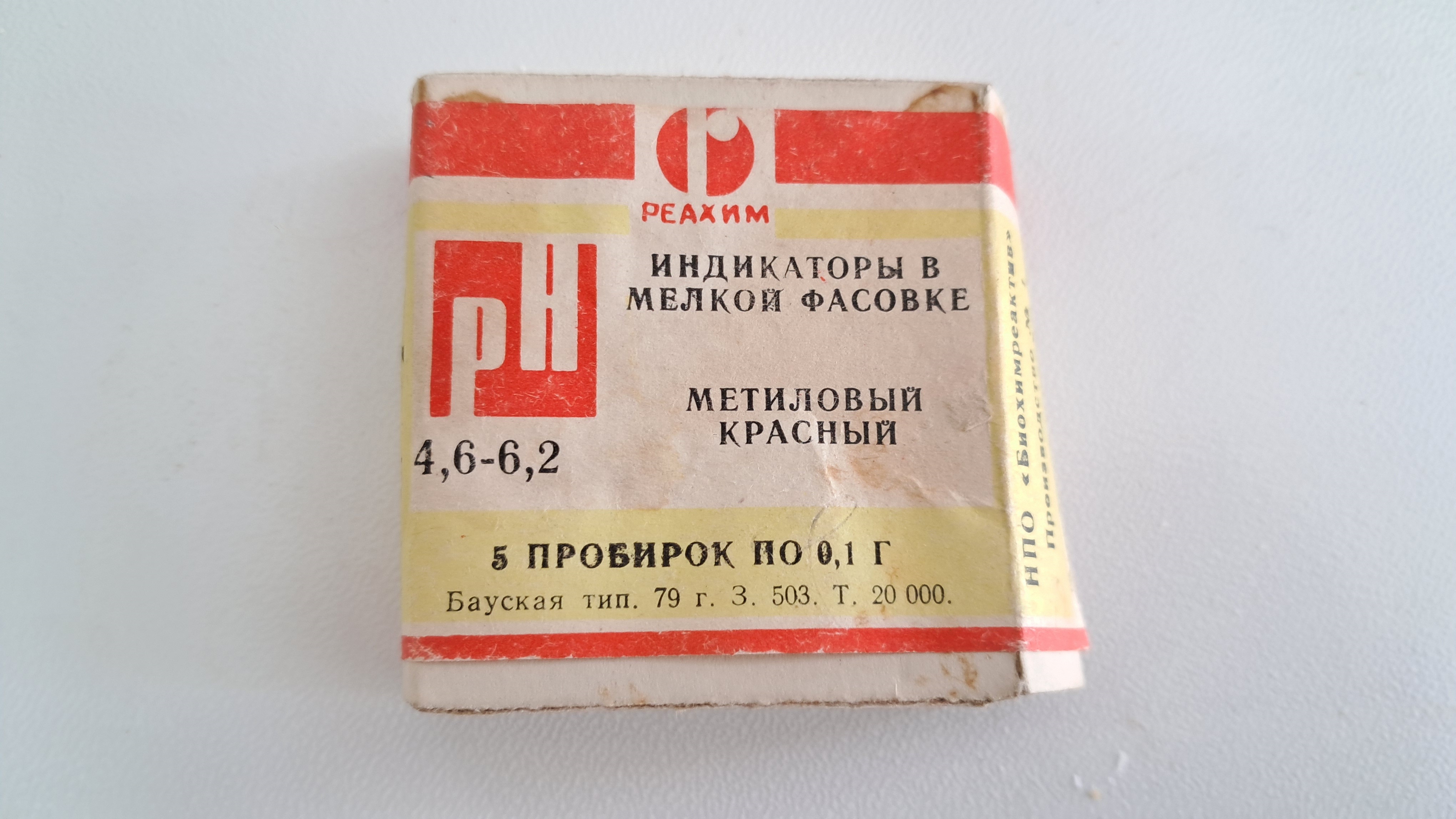
Methyl red 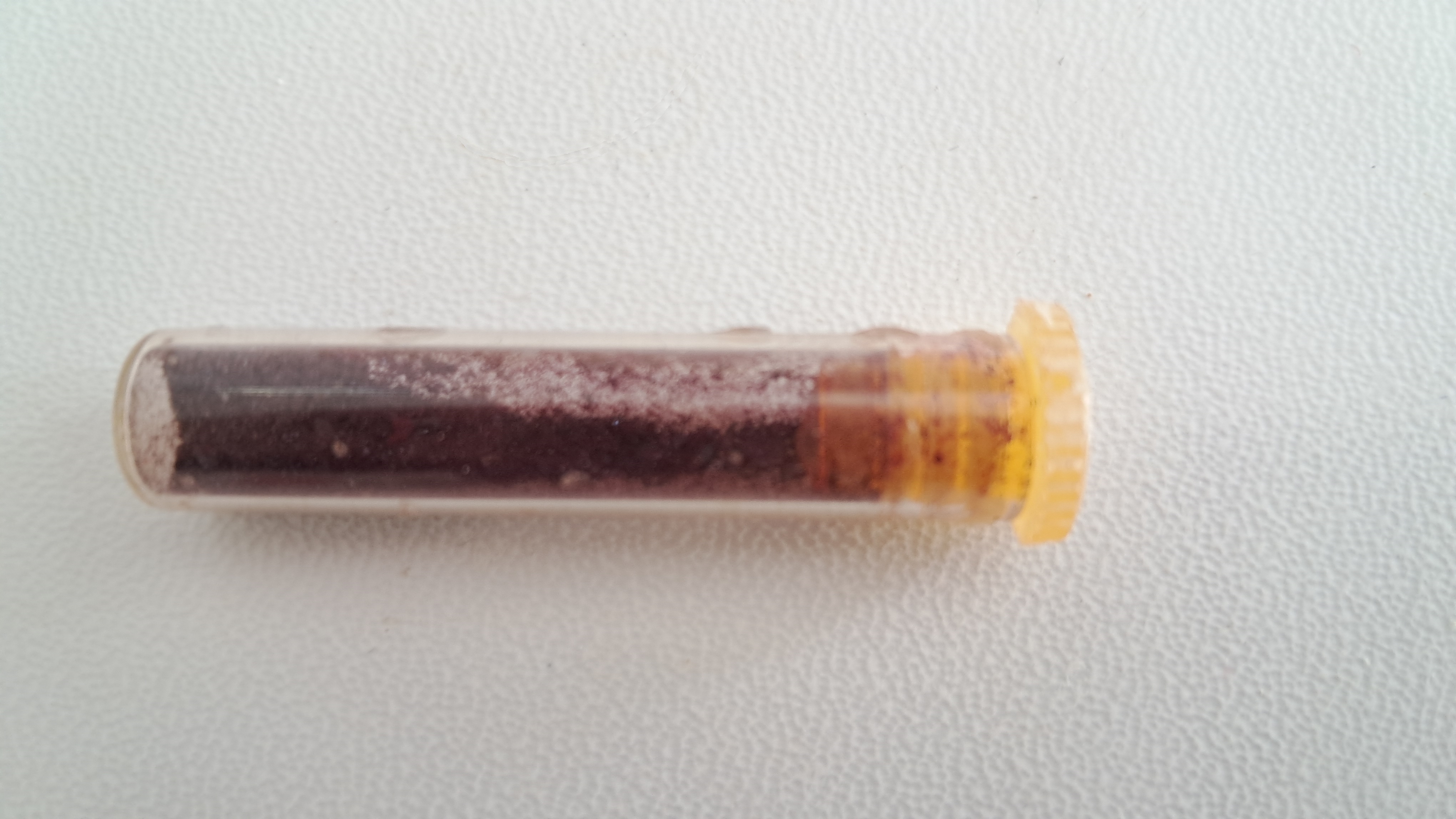
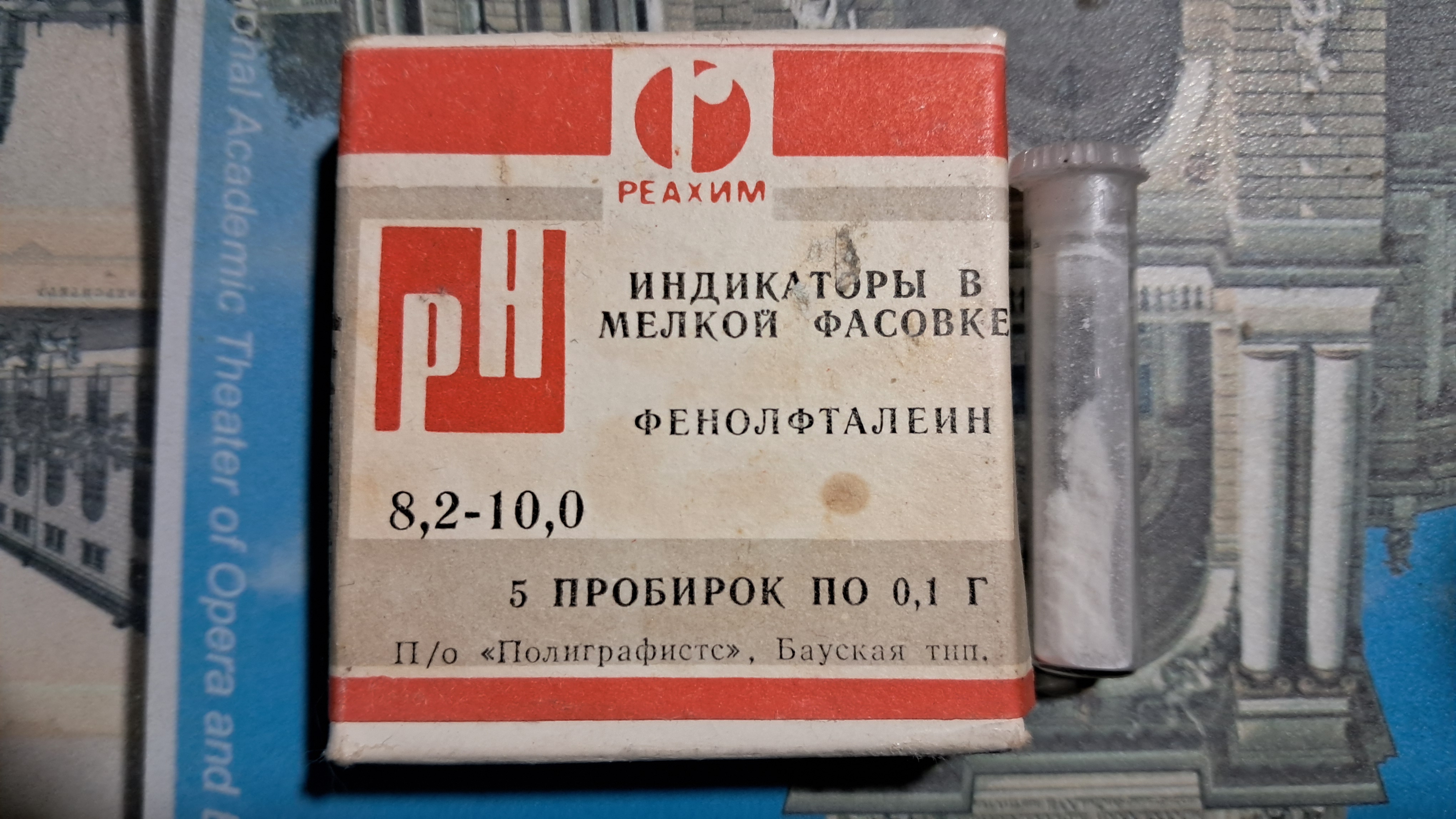
Phenolphthalein 
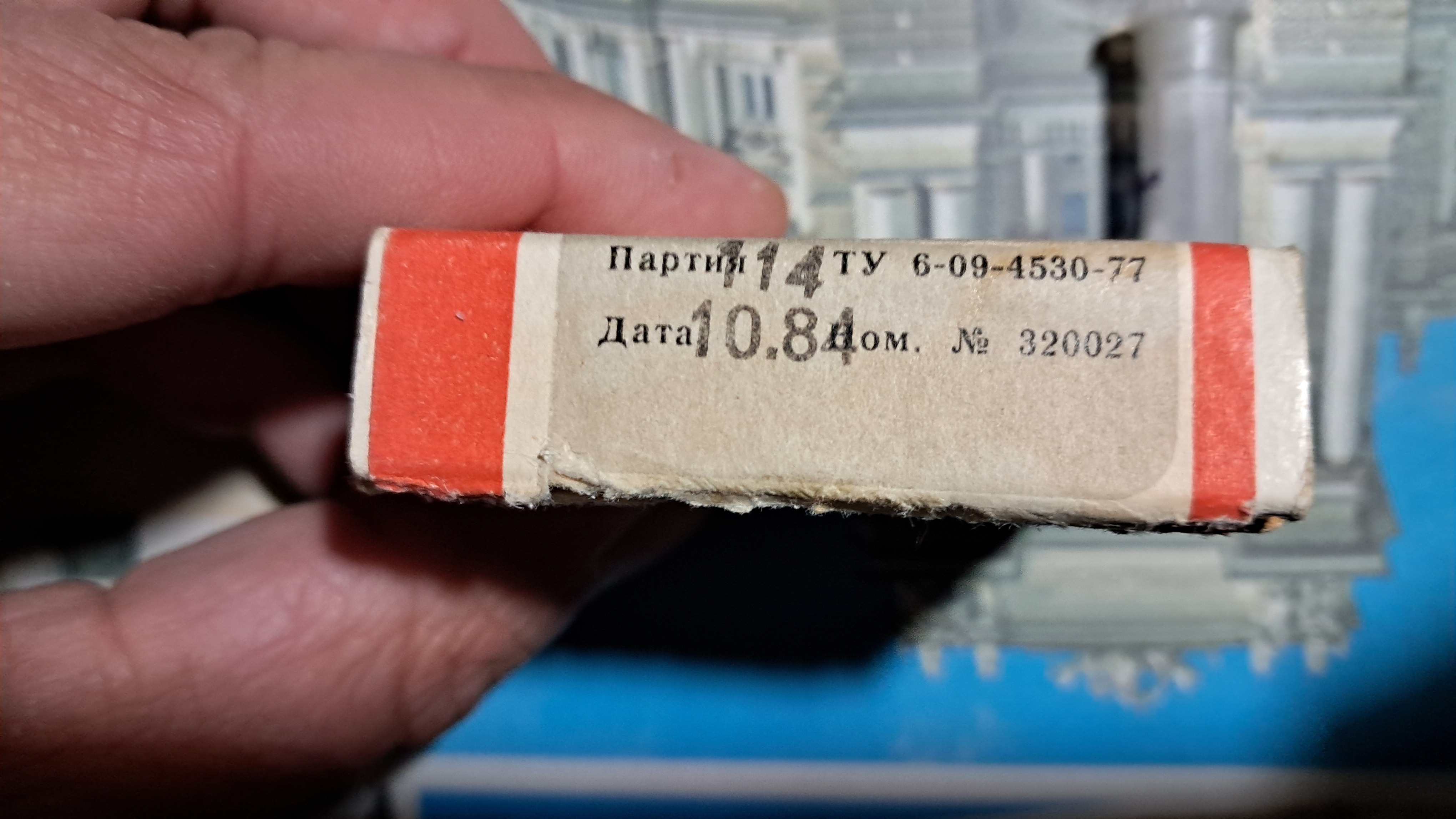
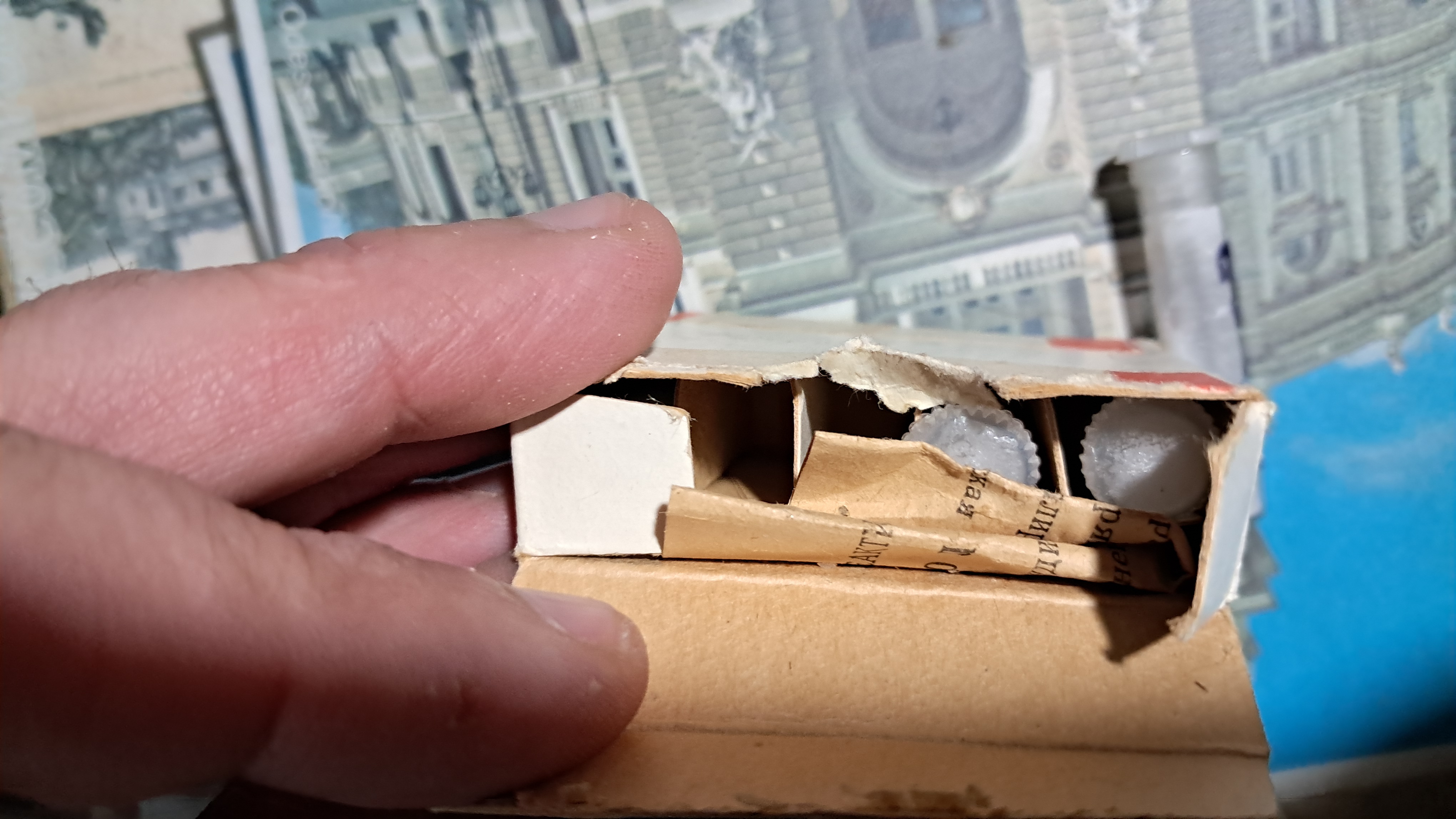
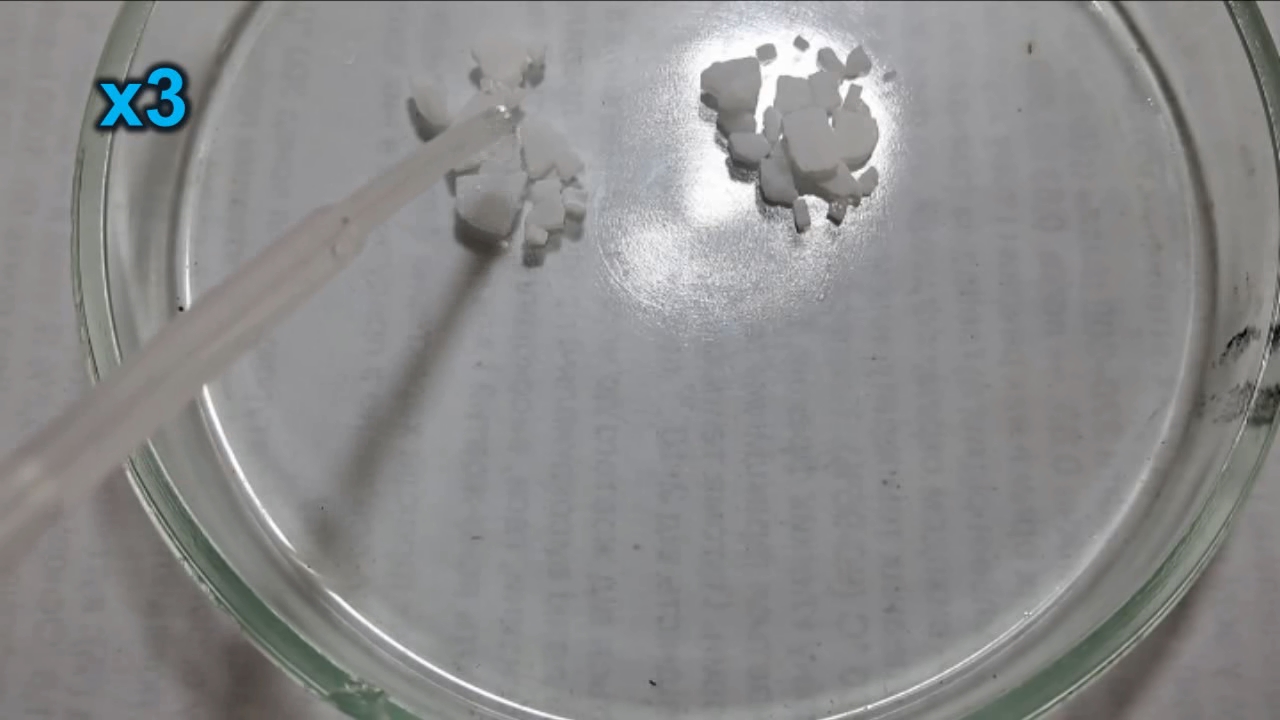
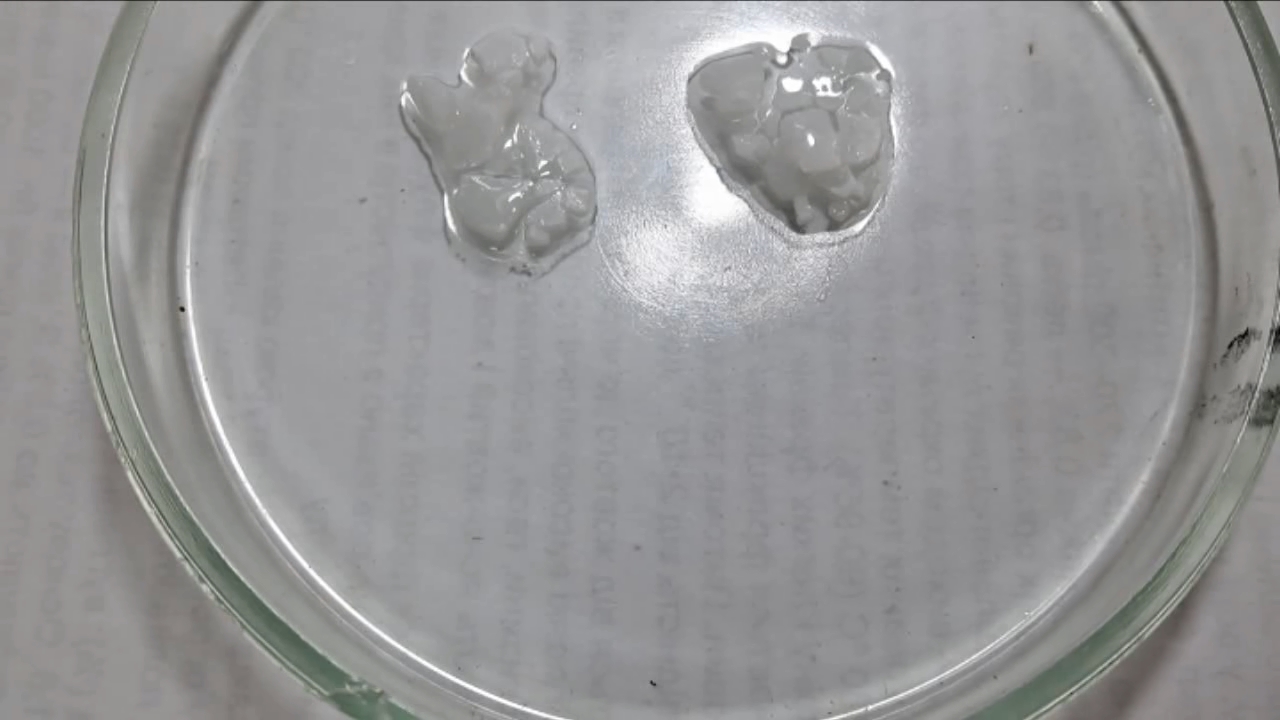
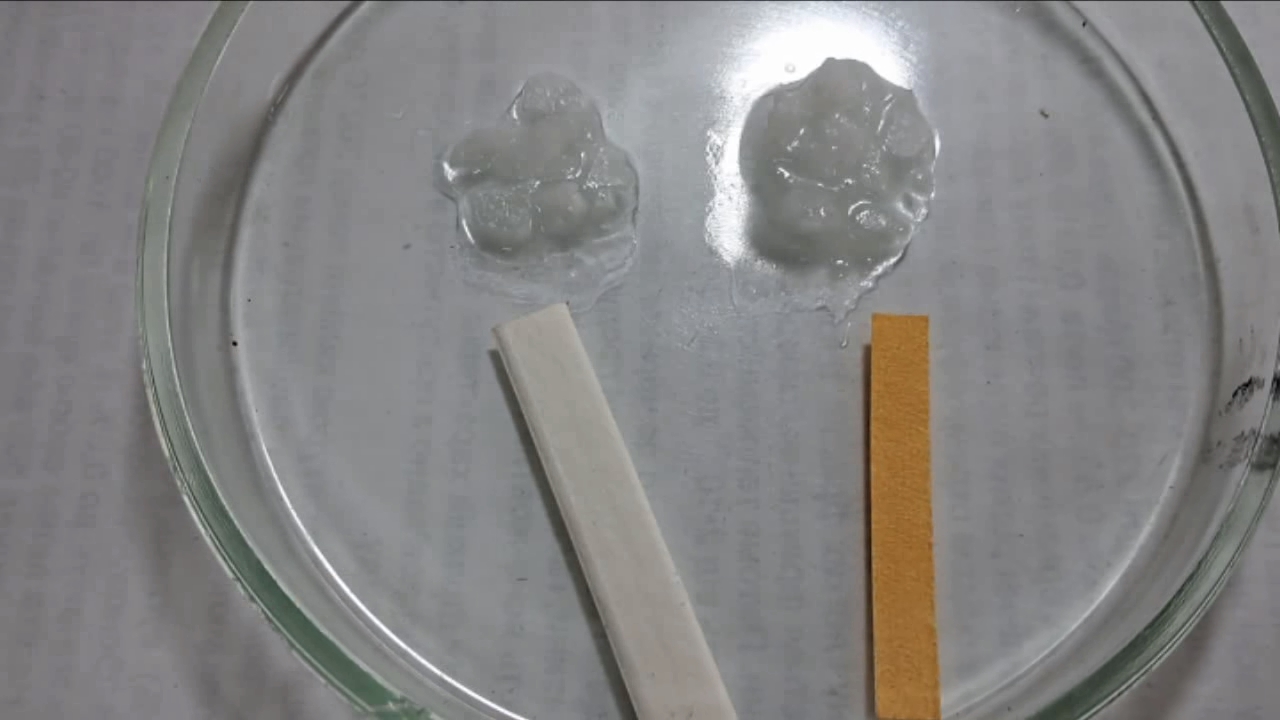
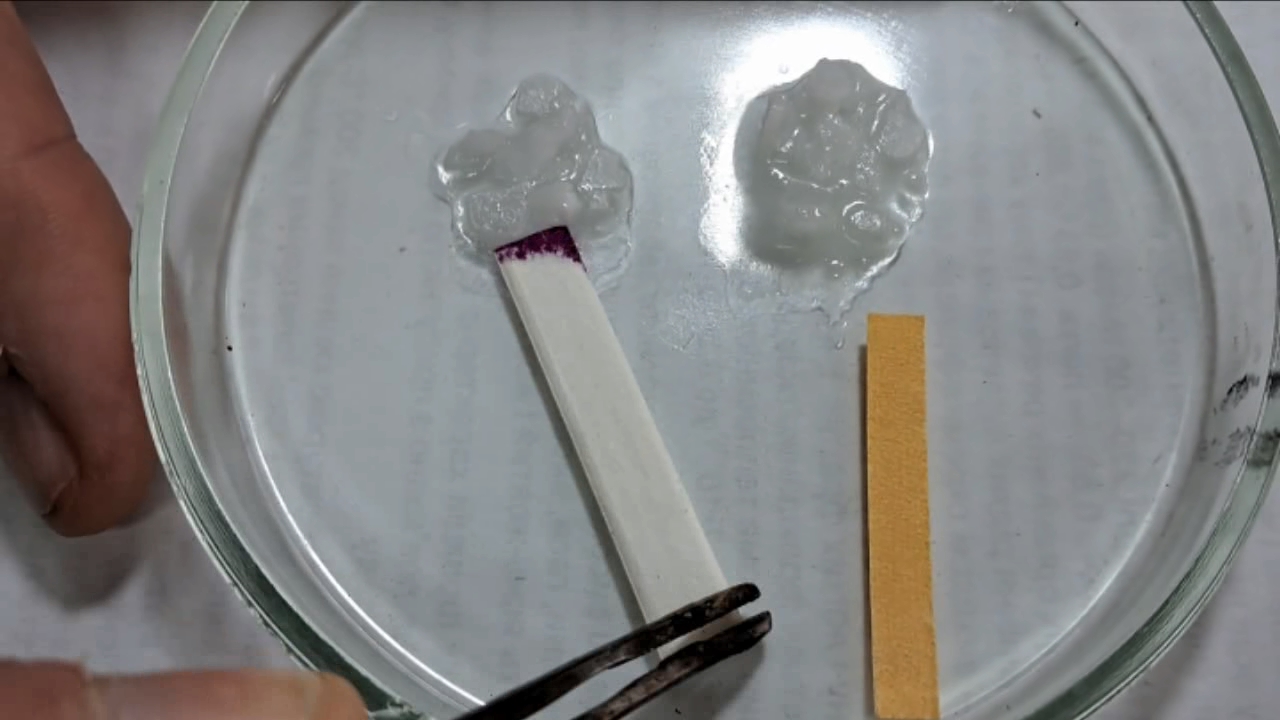
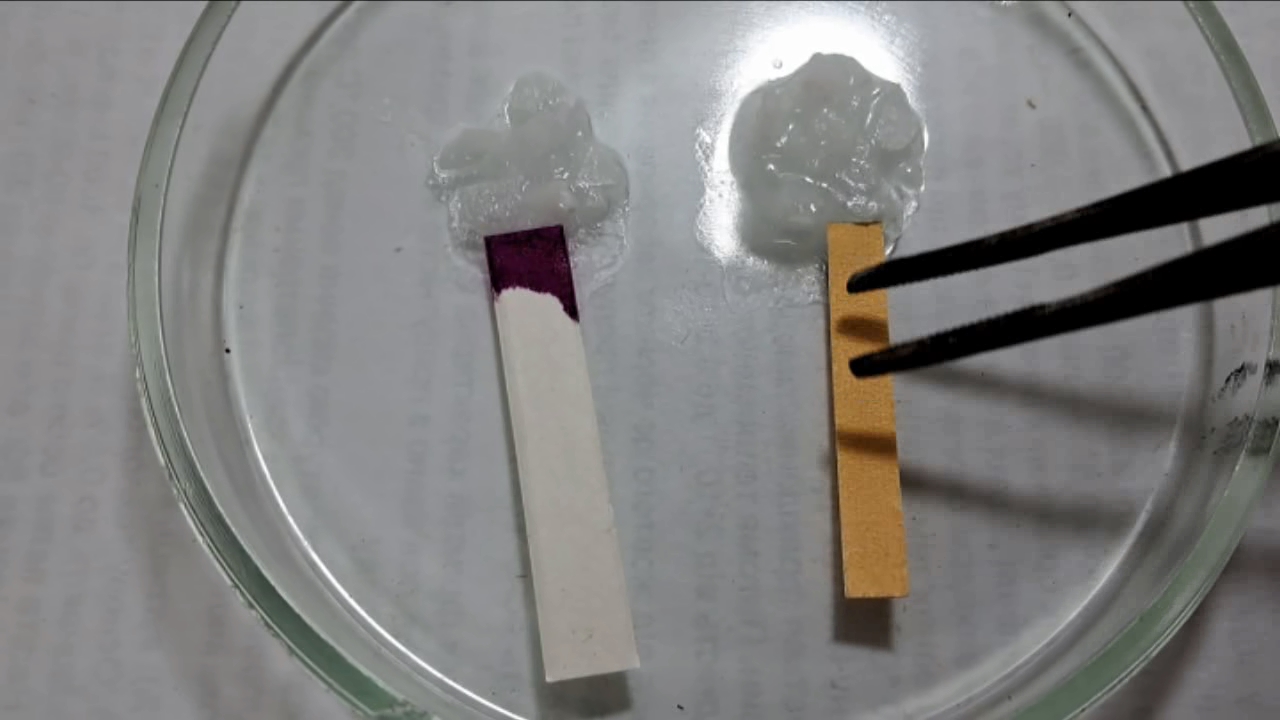
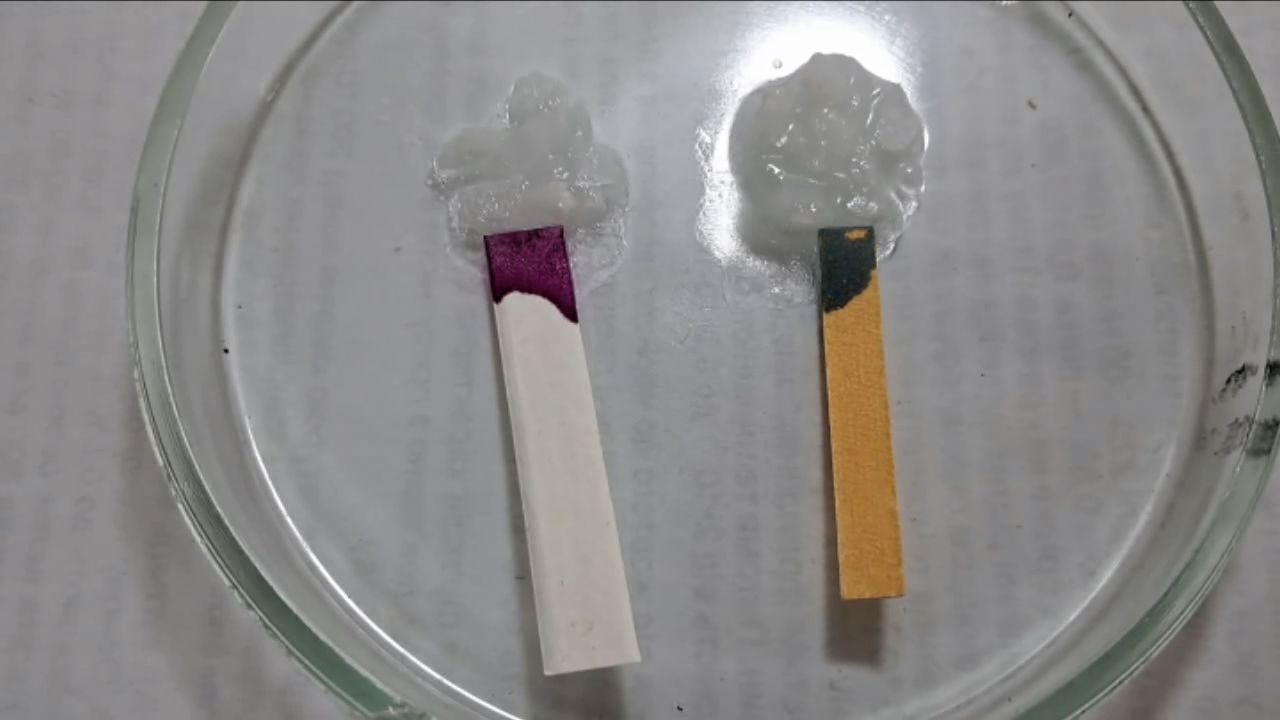
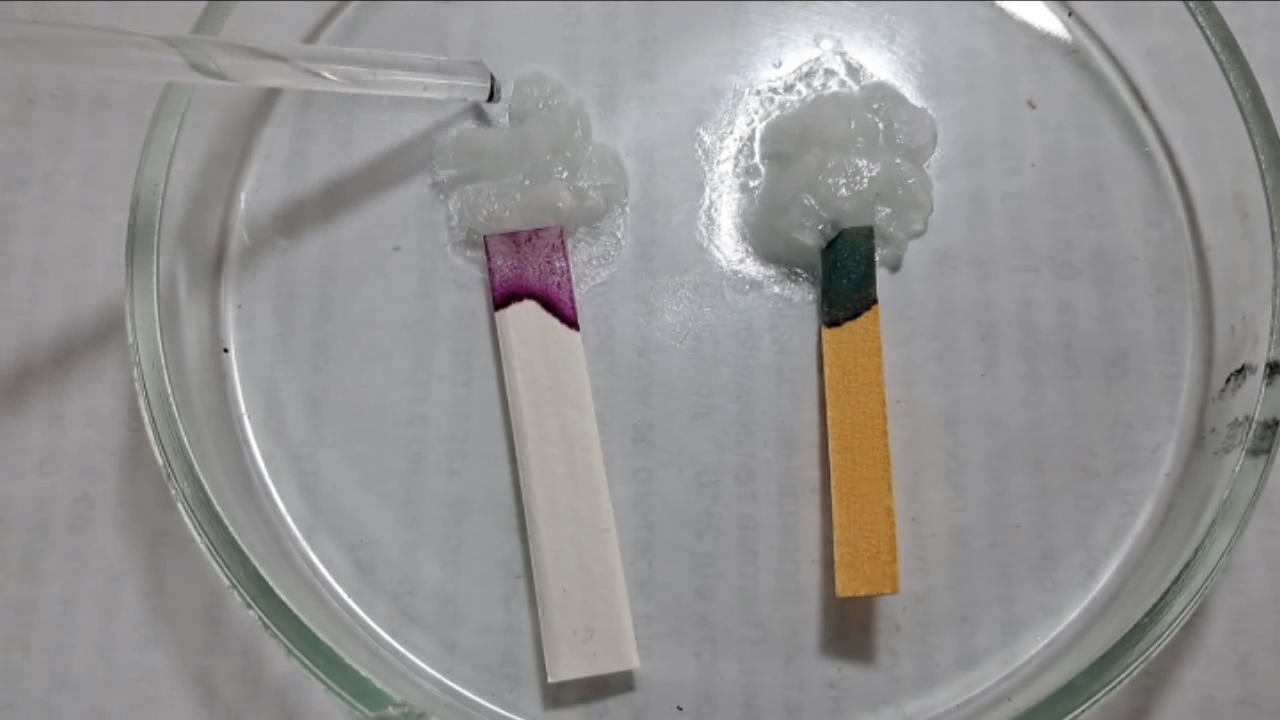
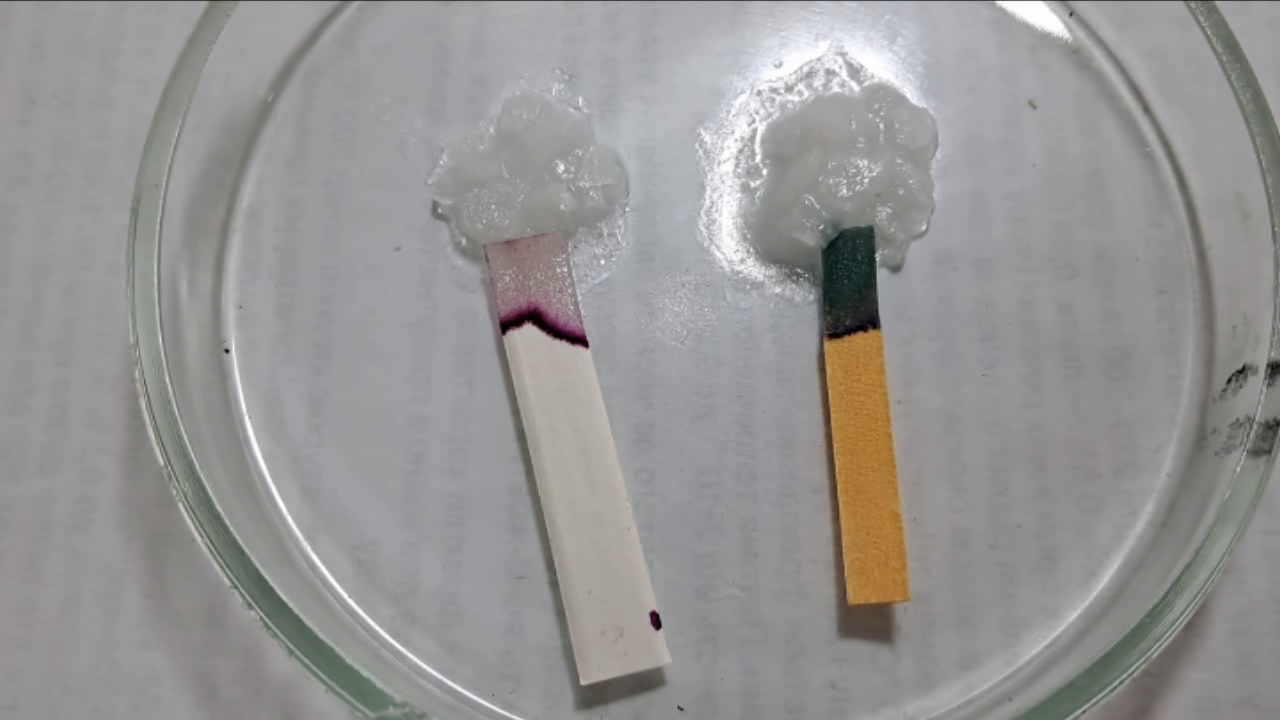
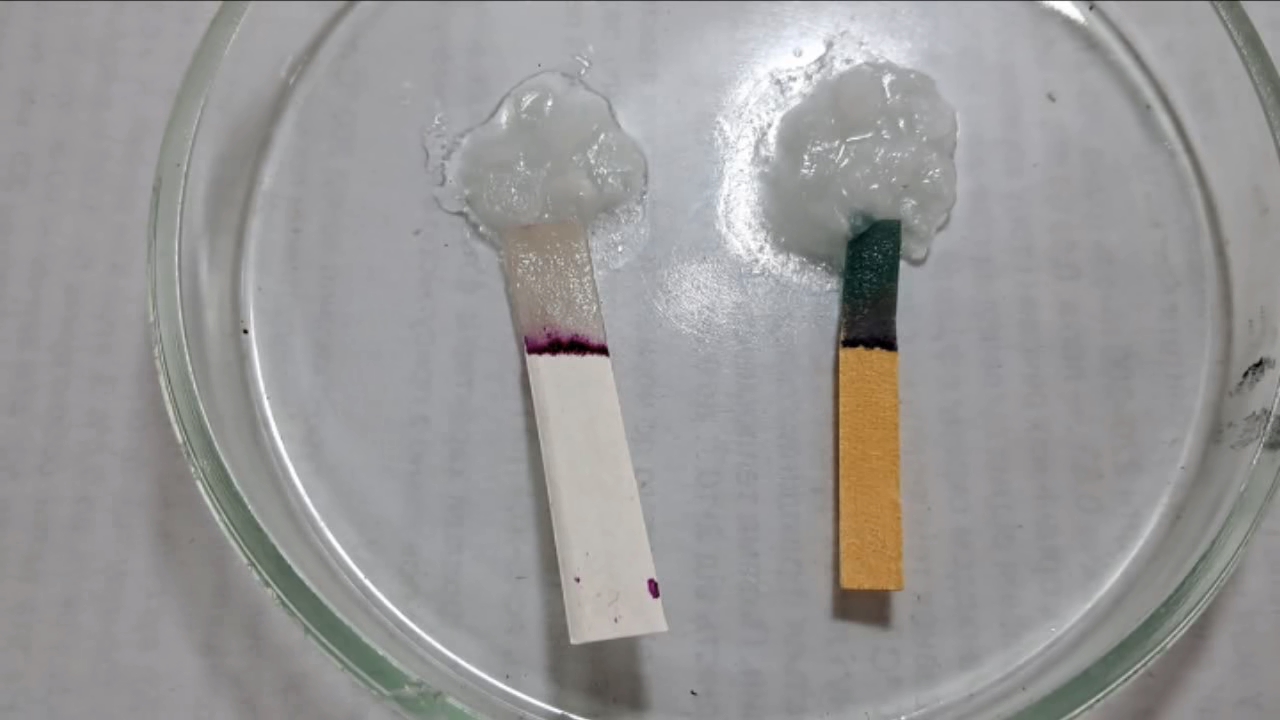
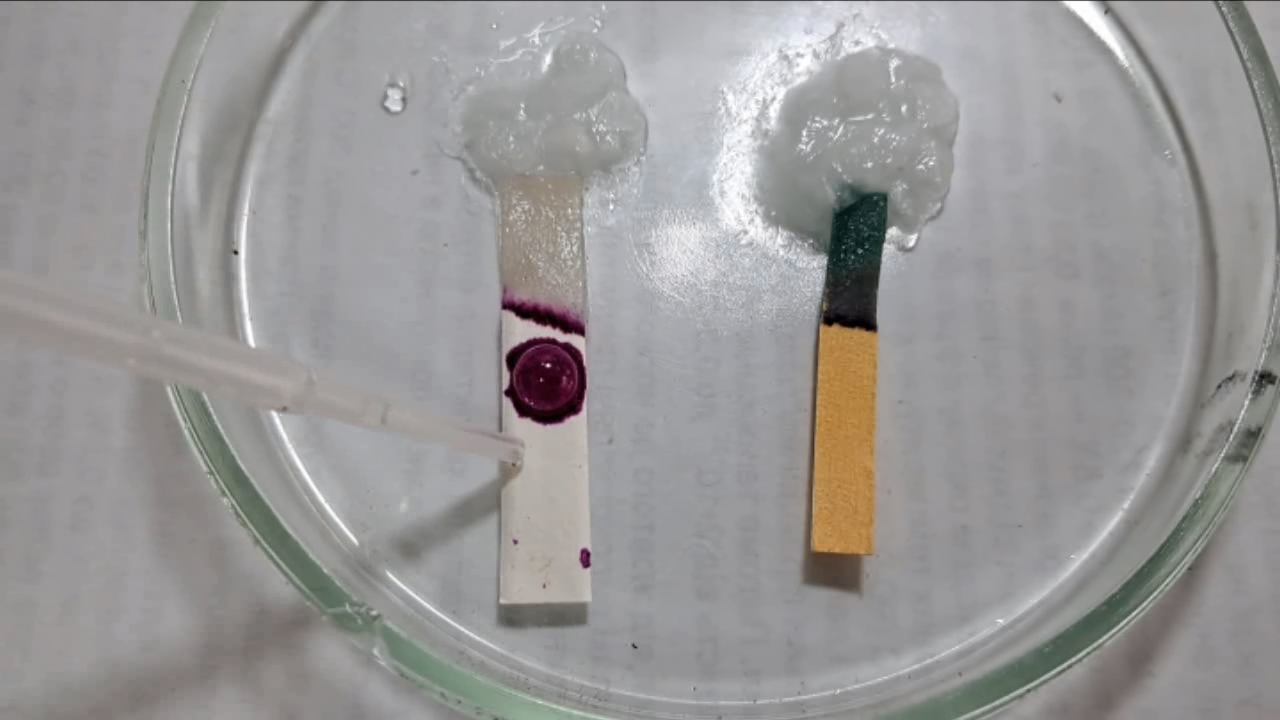
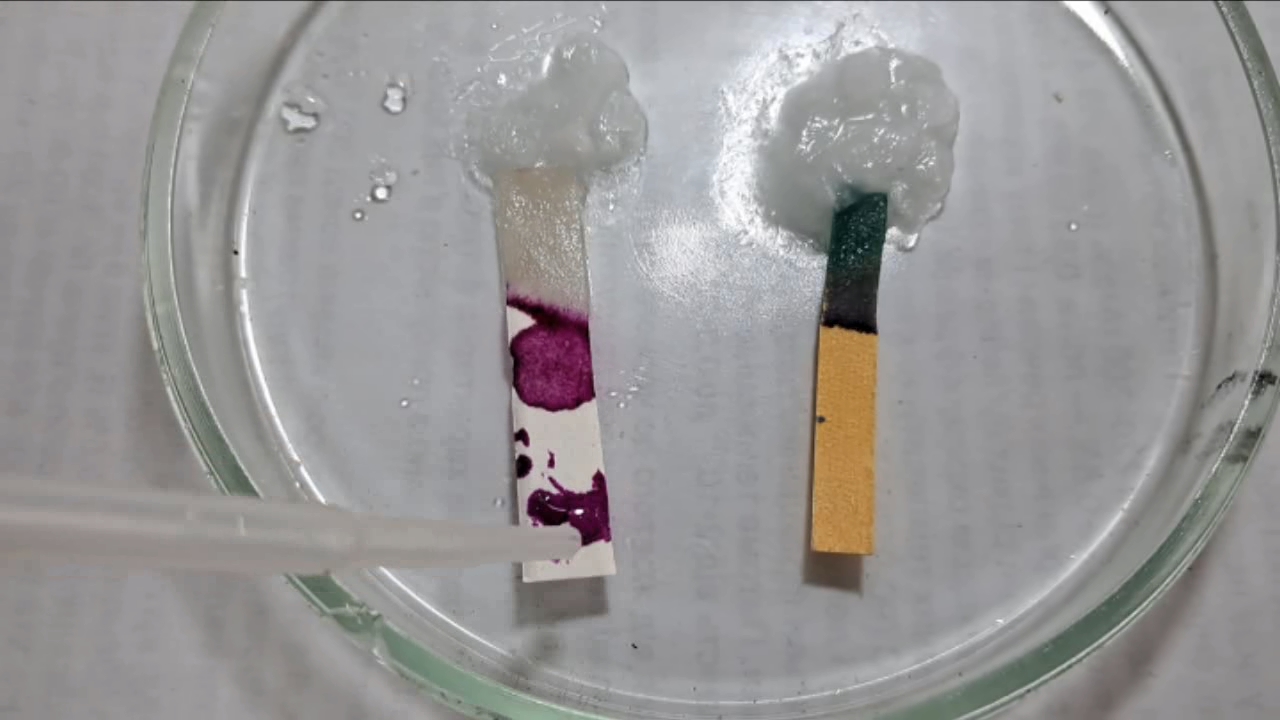
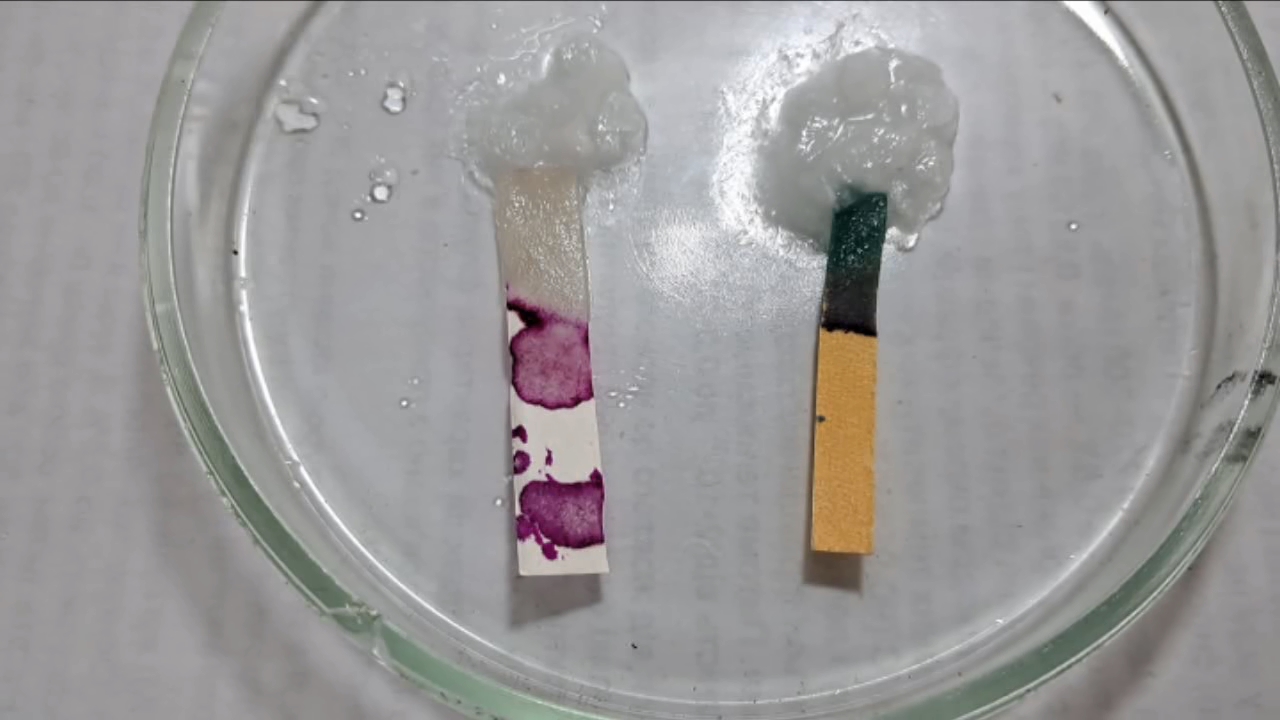
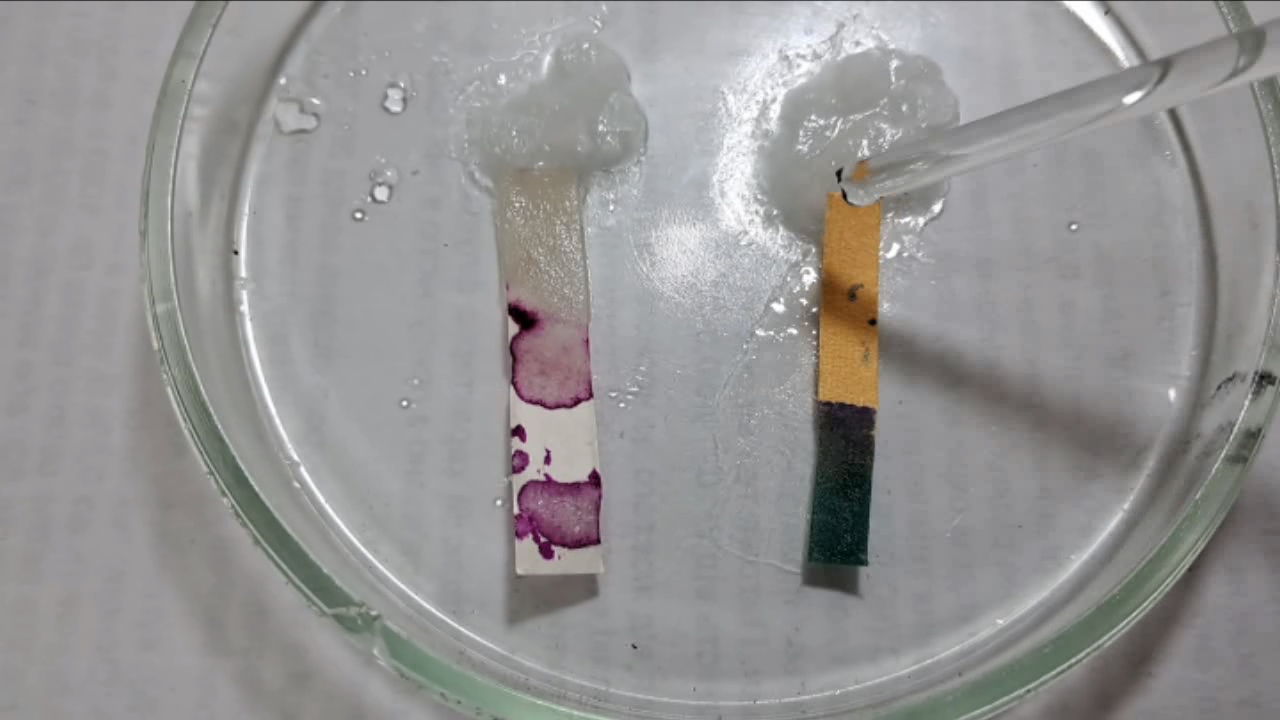
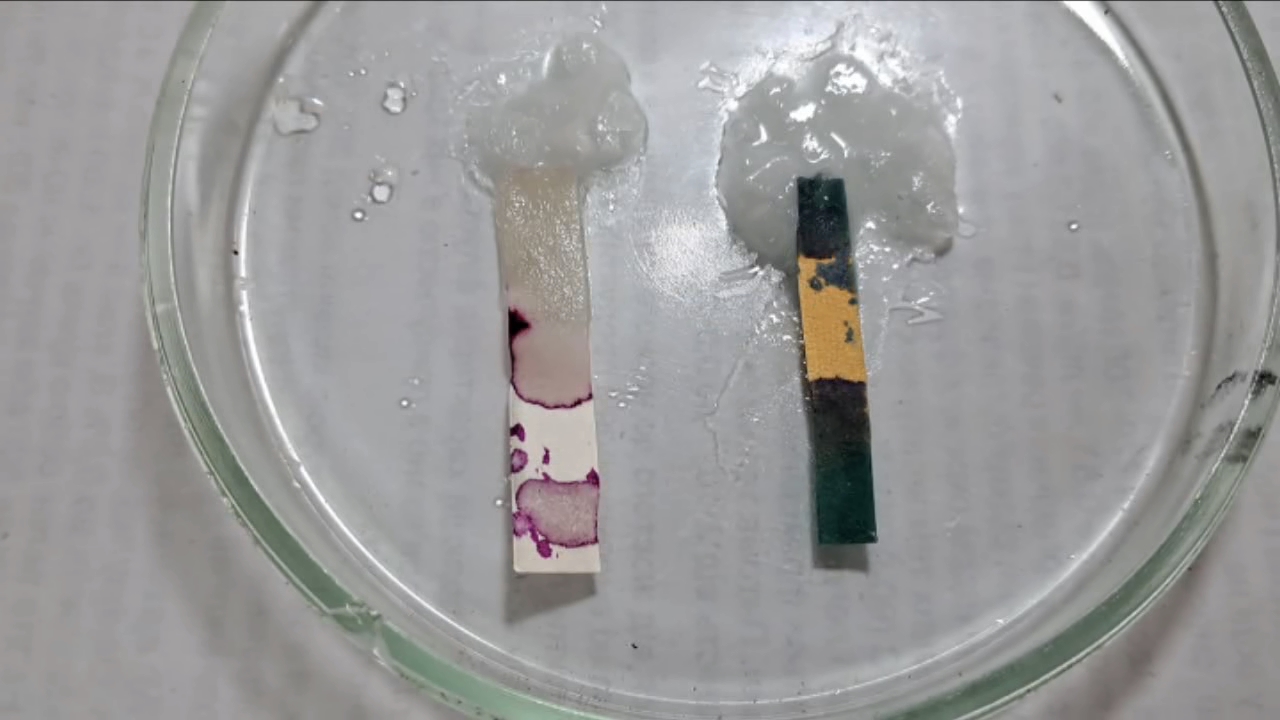
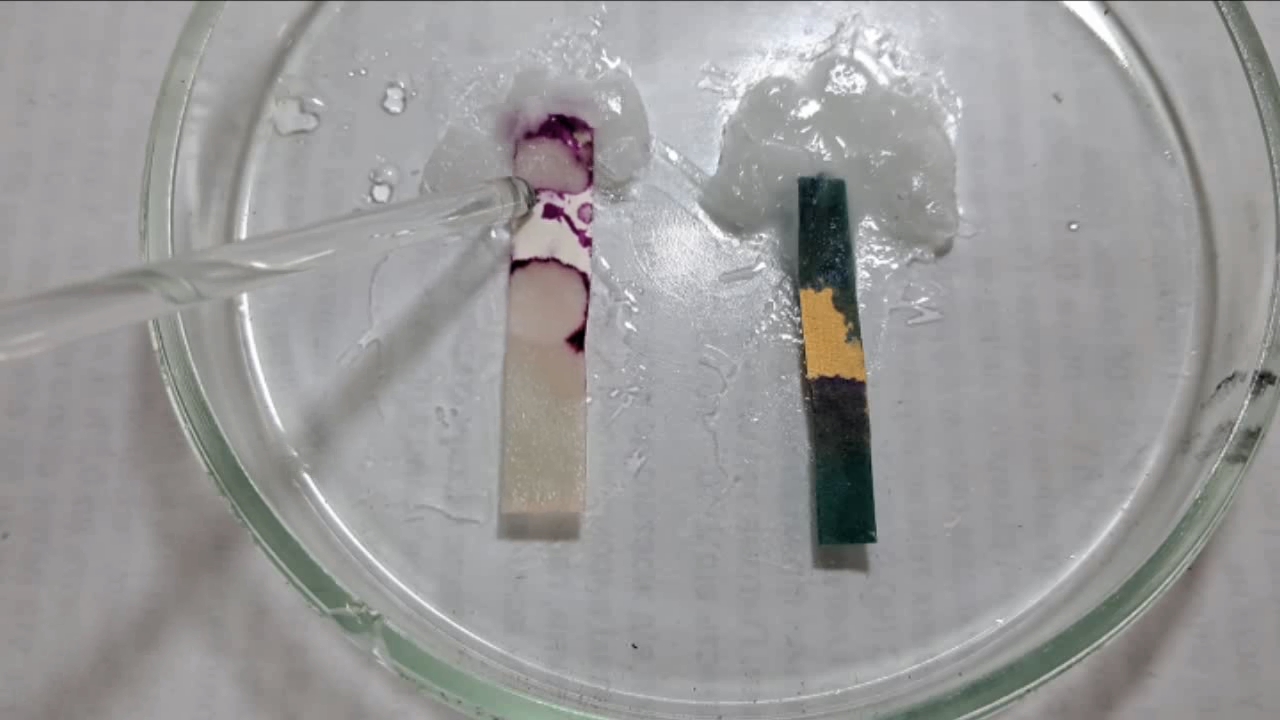
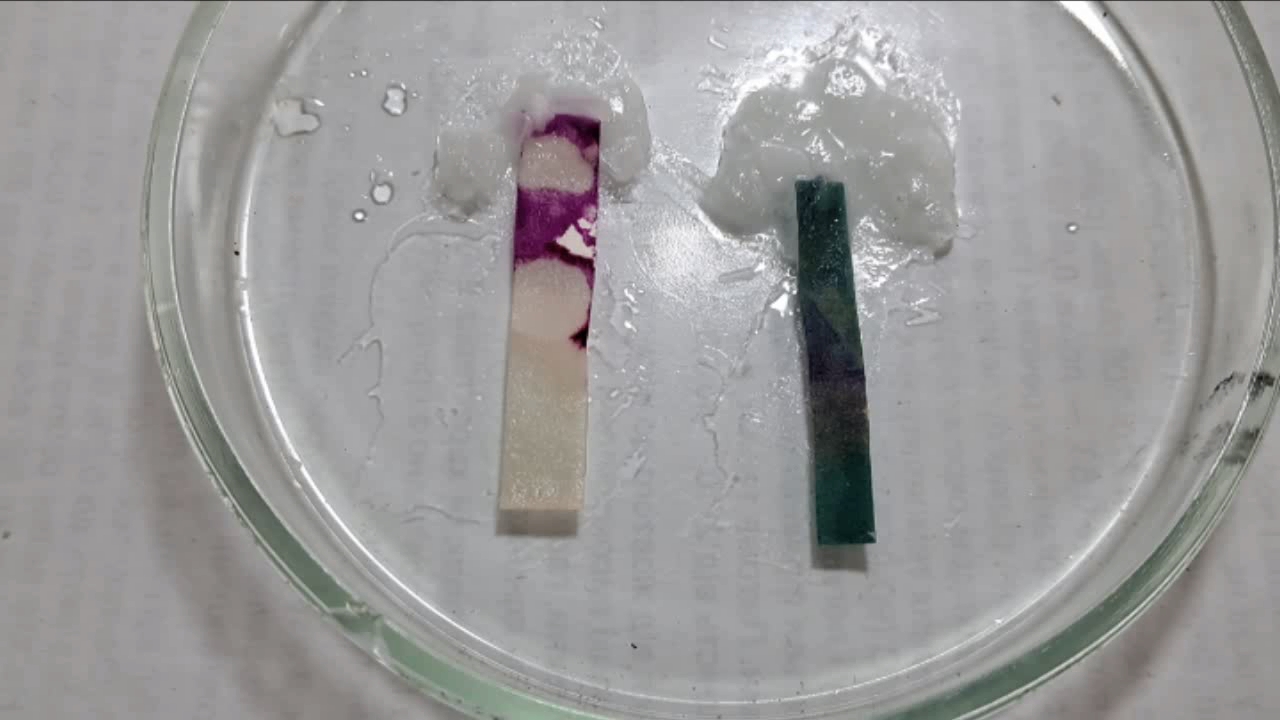
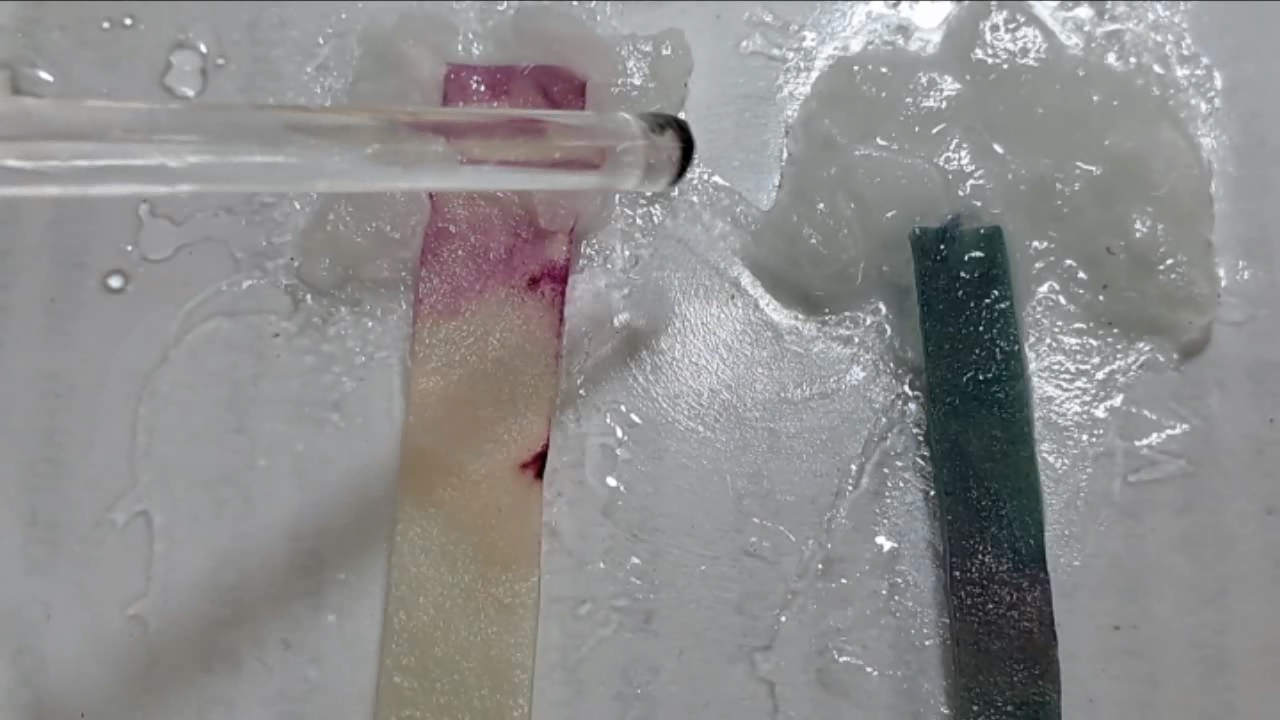
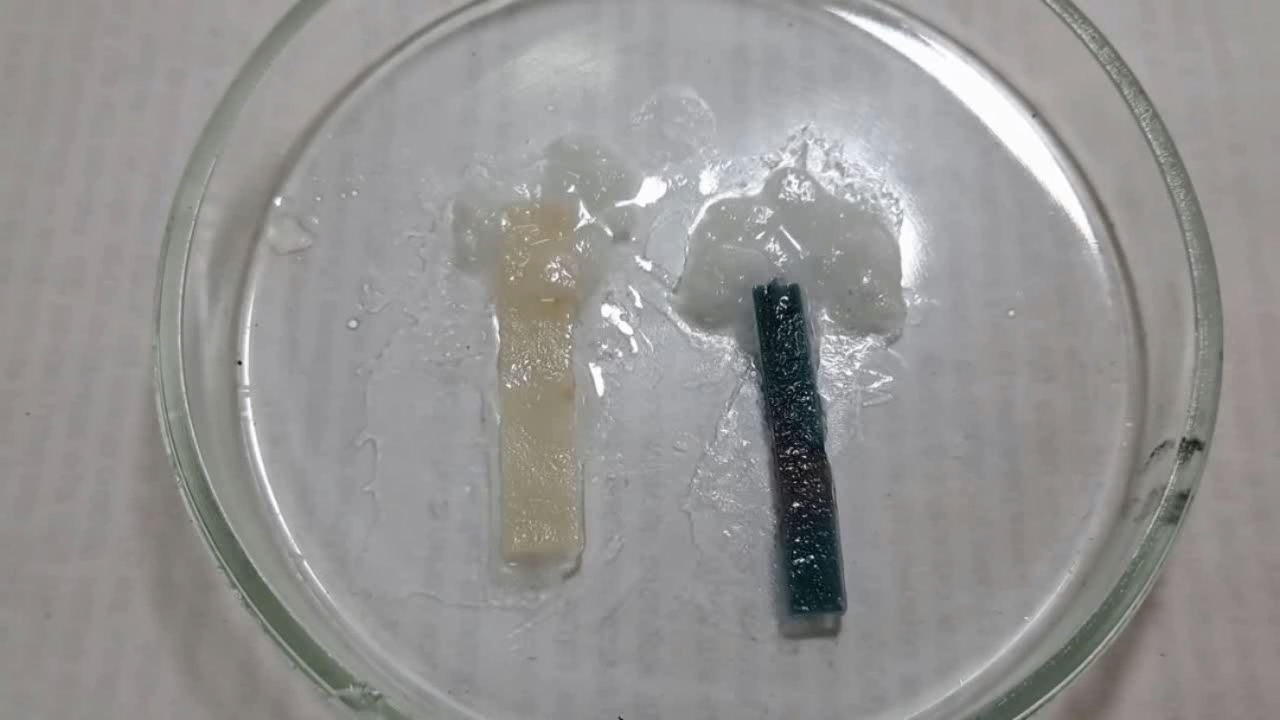
Incidentally, during my school years, phenolphthalein was sold in pharmacies in the form of tablets used as a laxative. It was the only indicator available in pharmacies; other indicators were not sold to private individuals, only to government institutions. They were not prohibited - simply unavailable in retail. Mail-order sales of reagents were also almost nonexistent at that time. In our country, phenolphthalein was commonly known as "purgen" and was sometimes used in rather unpleasant pranks because of its laxative effect. For example, a biologist I knew once added phenolphthalein to the vodka that his supervisor drank - their relationship had been strained. Later, when they were washing the glasses in the sink, the water turned fuchsia. Subsequently, phenolphthalein was suspected of being carcinogenic, and its use as a medicine was discontinued, although it is still widely used as an indicator. Since I did not have phenolphthalein readily available, I decided to repeat the experiment using phenolphthalein paper. If the desired result was not obtained, I would bring the solid indicator and its solution the next day. I placed two small piles of sodium hydroxide granules in a Petri dish, moistened them with water, stirred slightly, and waited a few minutes for partial dissolution. I then touched one pile with a strip of phenolphthalein paper and the other with a strip of universal indicator paper. The universal indicator paper turned dark green upon contact with the alkali. The phenolphthalein paper turned an intense fuchsia color where it contacted the sodium hydroxide solution. The colored region gradually expanded. However, the color soon began to fade, starting from the point of contact with the alkali. The phenolphthalein then became predominantly colorless, with only the advancing liquid front retaining its bright color. I rotated the strip by 180 degrees, as in the previous experiment, and also added a few drops of saturated sodium hydroxide solution from a pipette. As a result, the phenolphthalein became completely decolorized. I then transferred the strip to another Petri dish containing a small amount of water and agitated it gently. The paper remained colorless. The addition of nitric acid also produced no visible effect. All attempts to restore the fuchsia color were unsuccessful, so I stopped the experiment and postponed it until the following day, when I would have access to solid phenolphthalein. |
Universal Indicator, Phenolphthalein, and Sodium Hydroxide |
|
|
|
|
|
|
|
|
|
|
|
|
|
|
|
|
|
|
|
|
|
