Chemistry and Chemists № 1 2026
Journal of Chemists-Enthusiasts
| Content | Chemistry experiments - video | Physics experiments - video | Home Page - Chemistry and Chemists |
|
Chemistry and Chemists № 1 2026 Journal of Chemists-Enthusiasts |
Hydrolysis of Methyl Acetate, Ethyl Acetate, and Butyl Acetate - pt.3, 4 Chemist |
|
Having noticed a mistake in the text, allocate it and press Ctrl-Enter
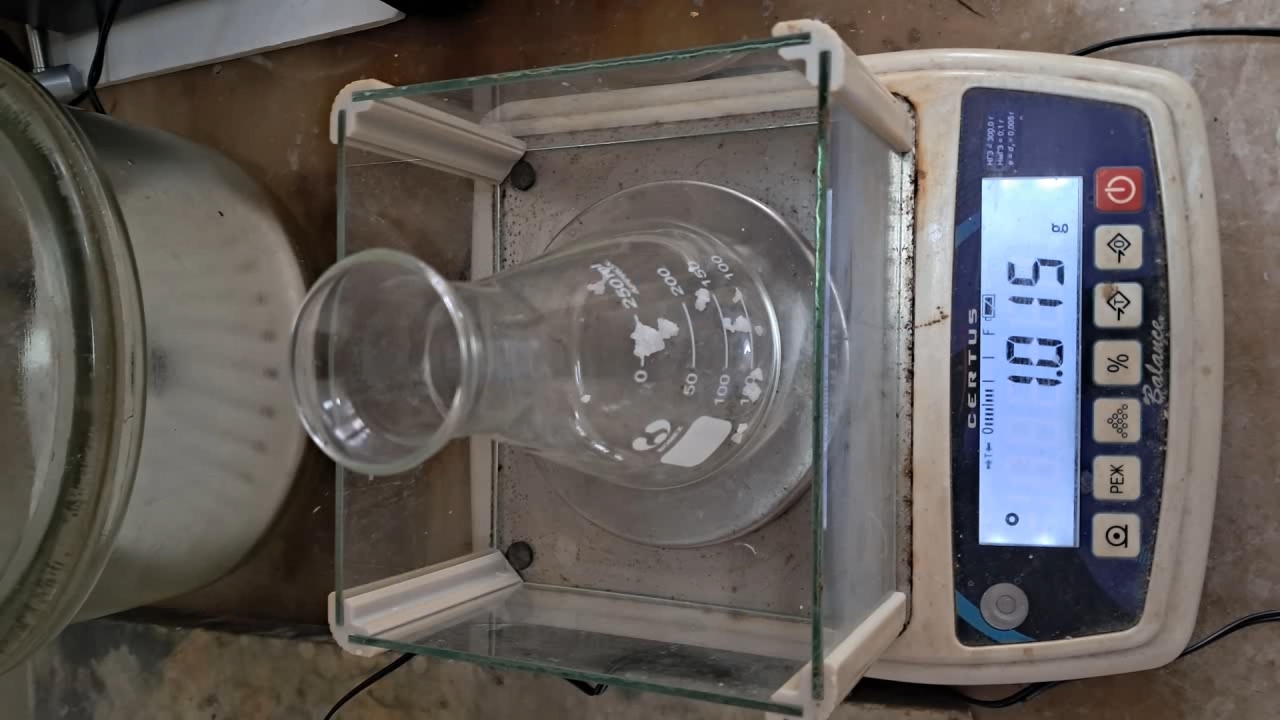
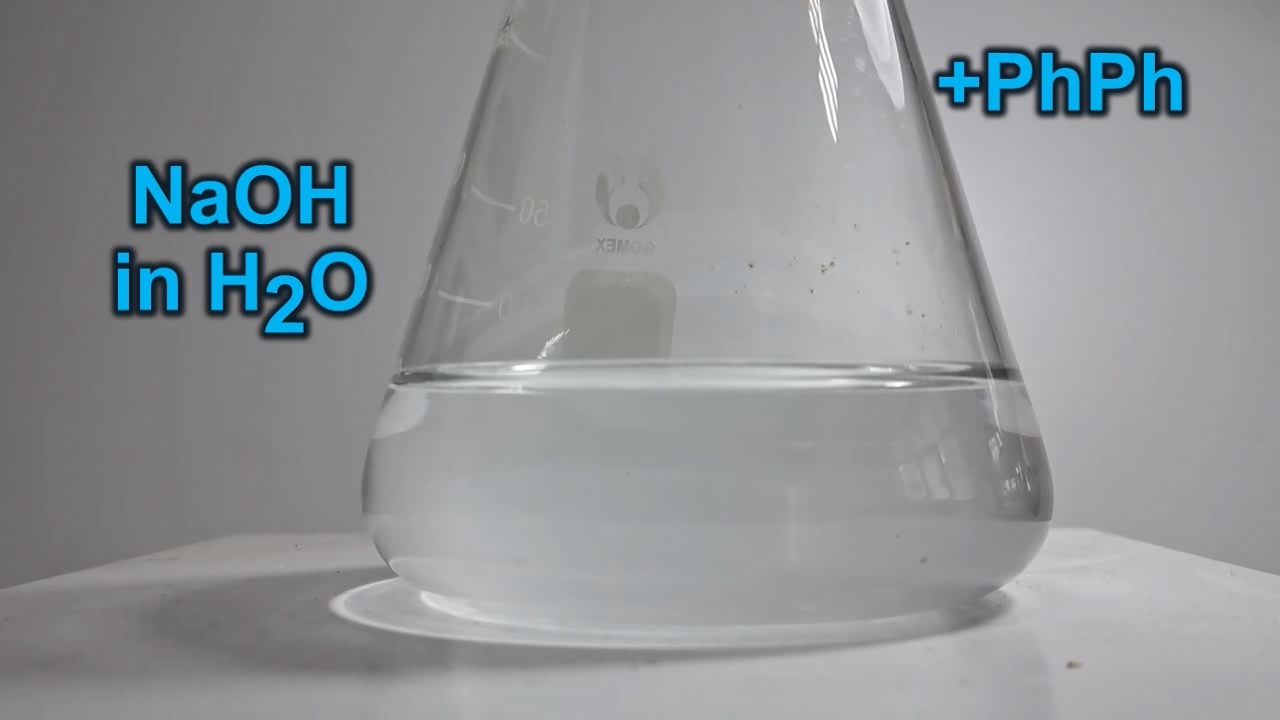
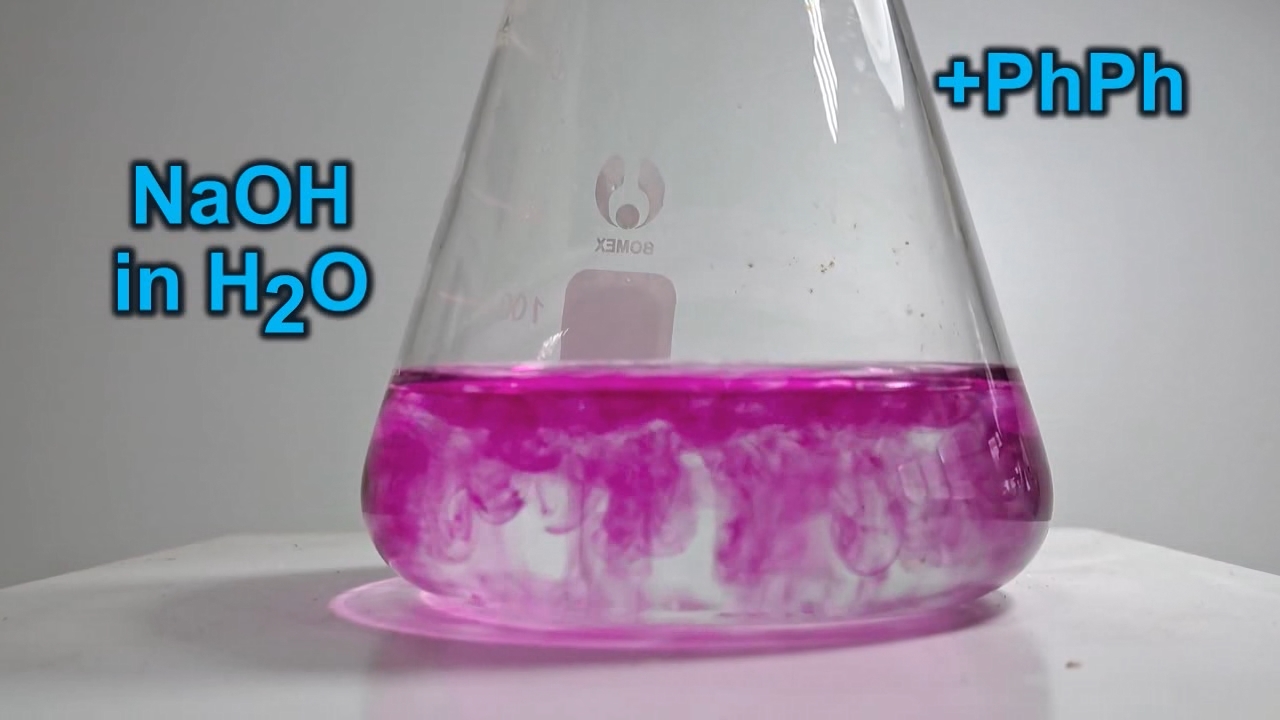
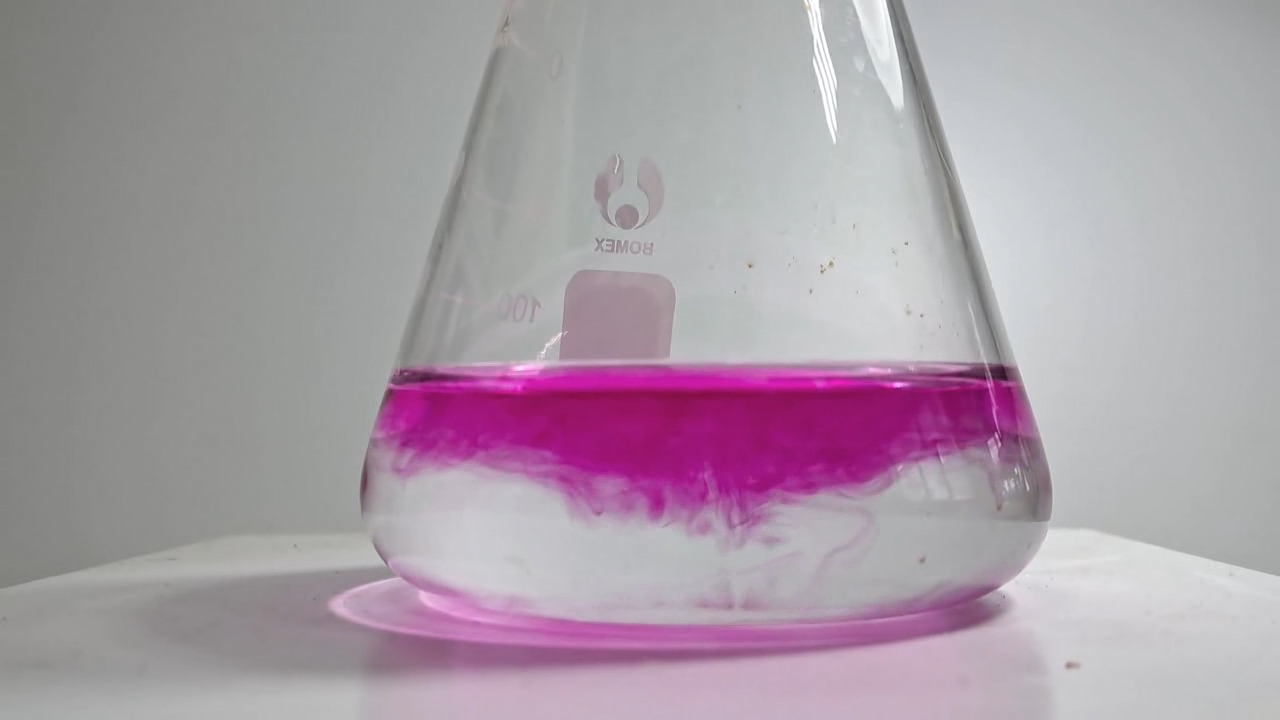
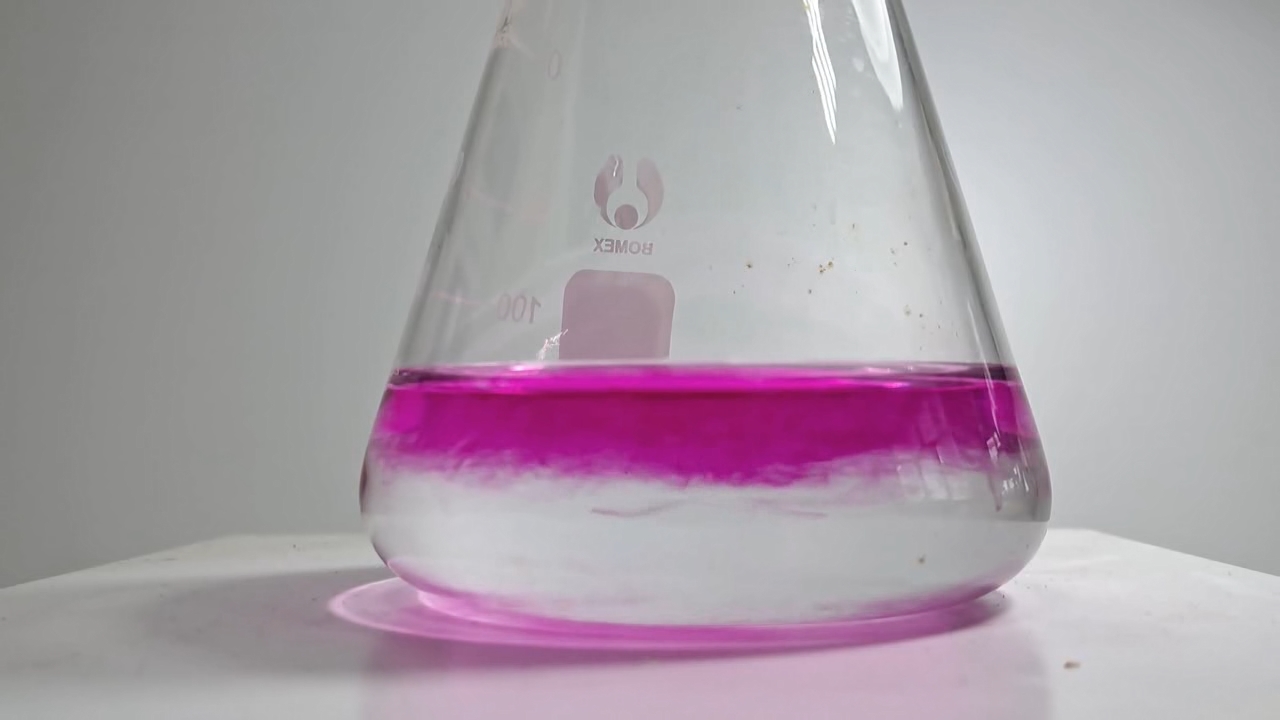
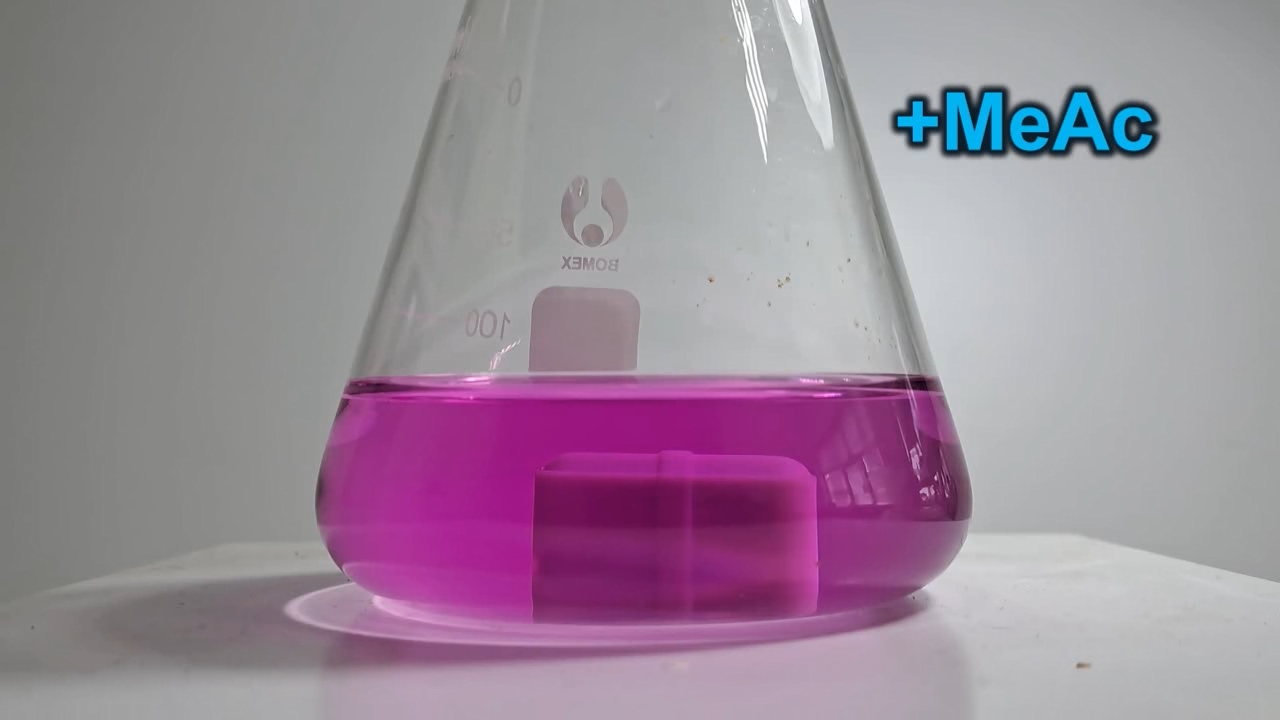
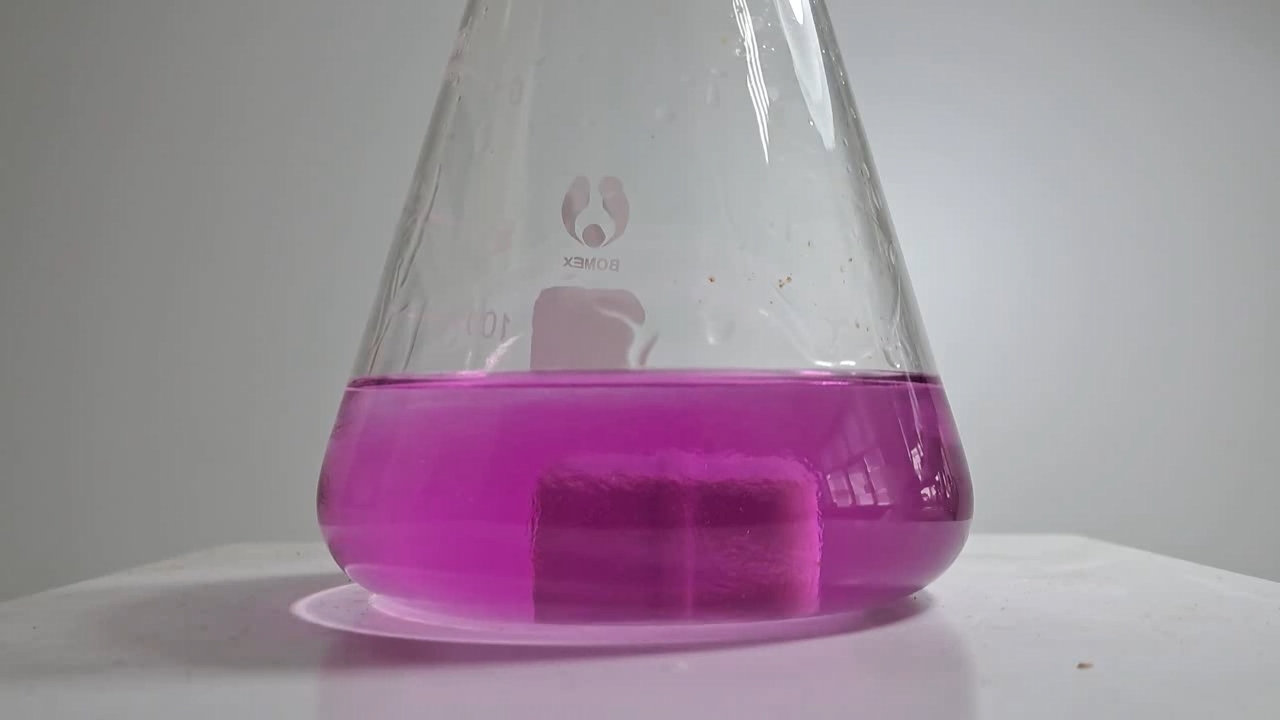
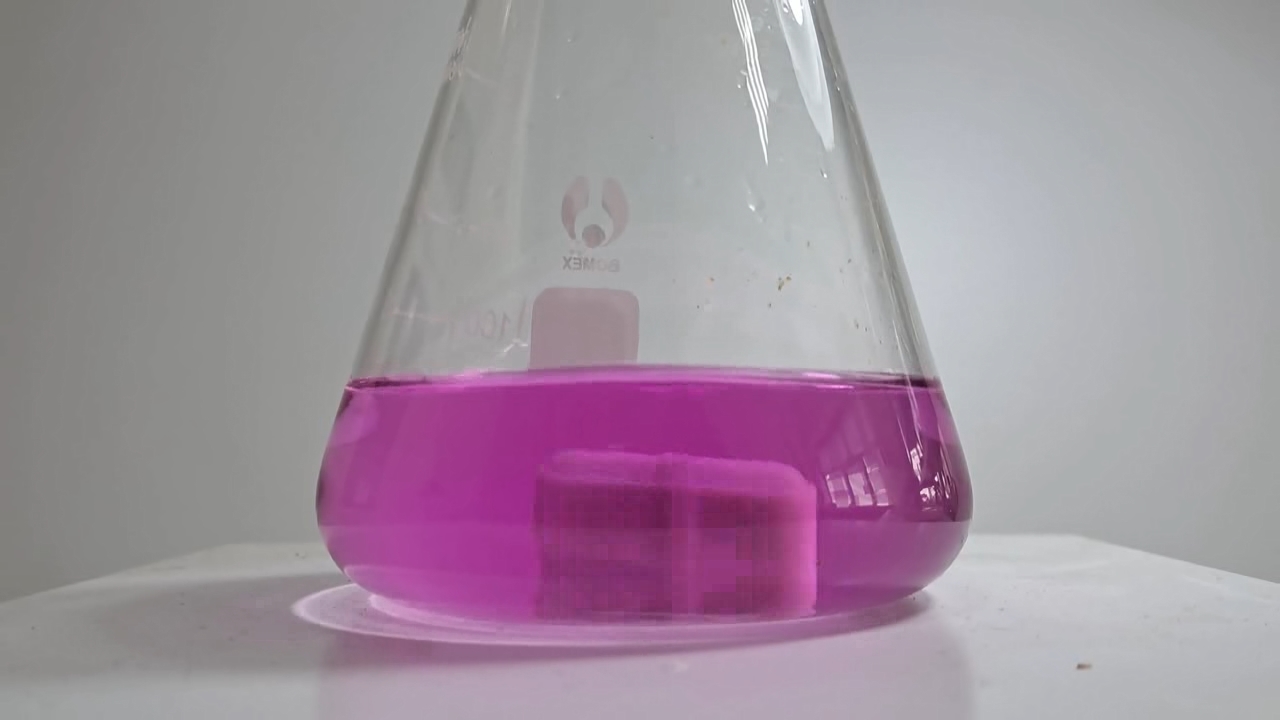
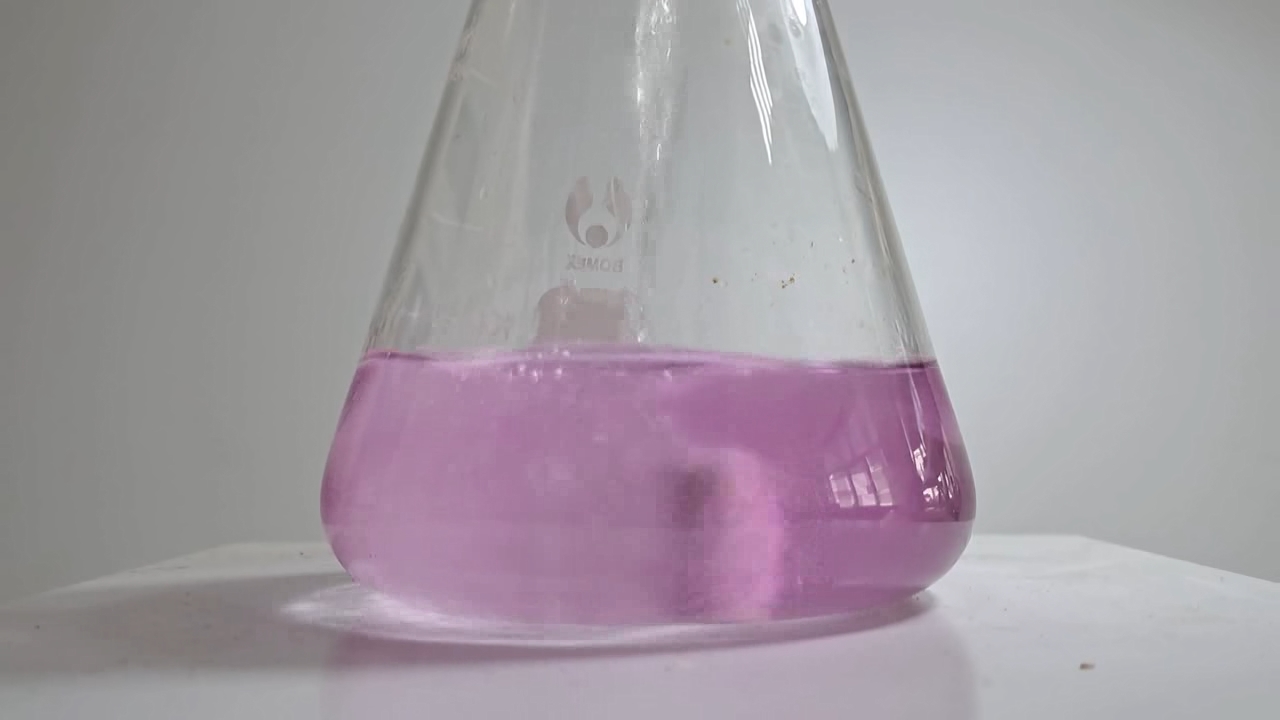
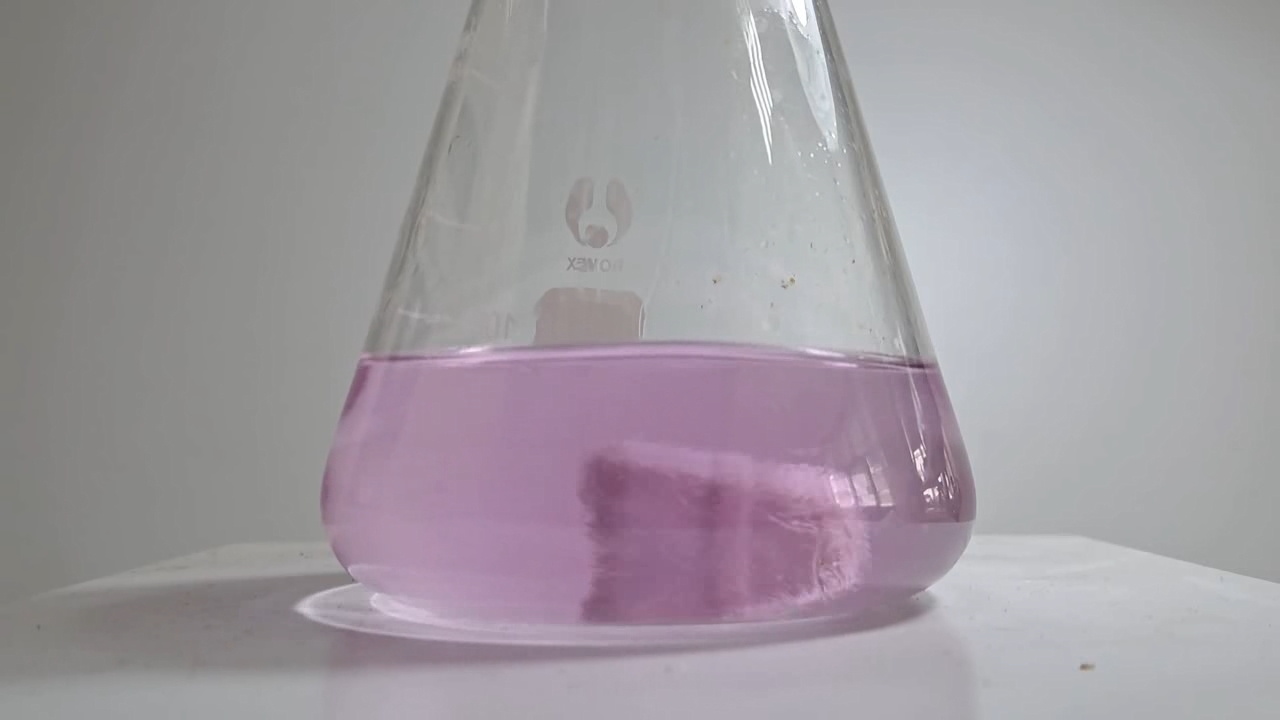
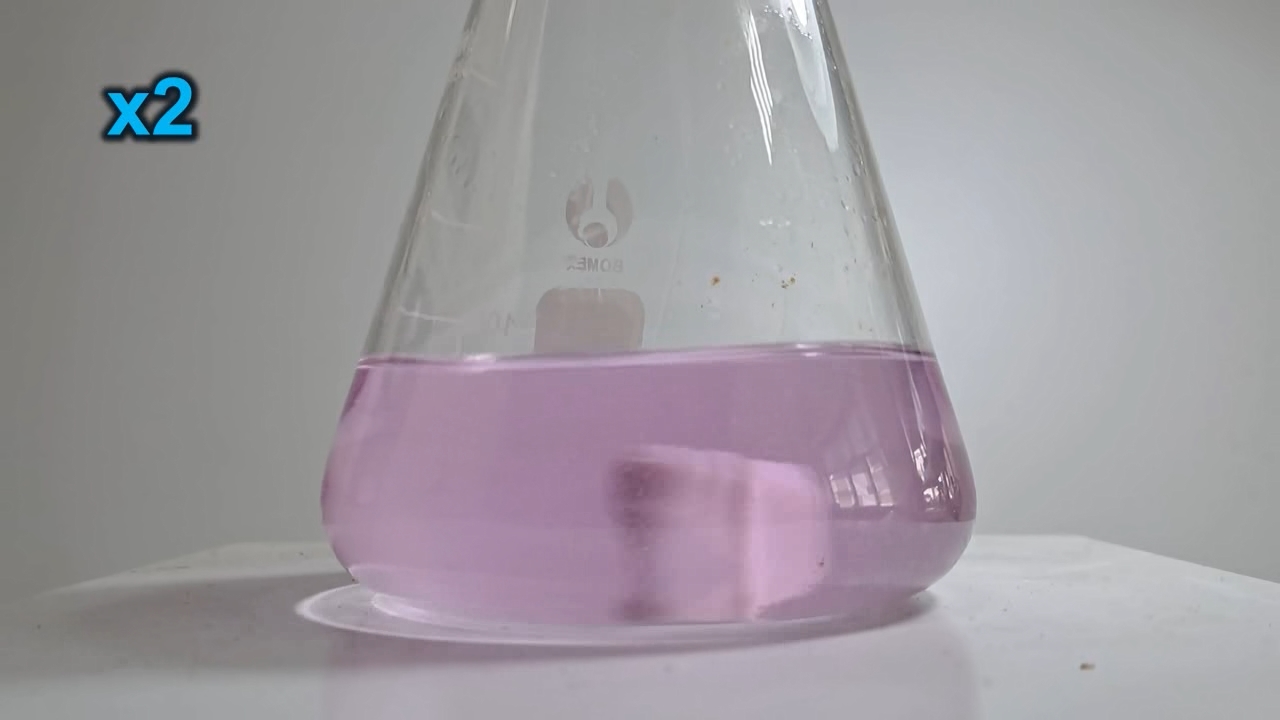
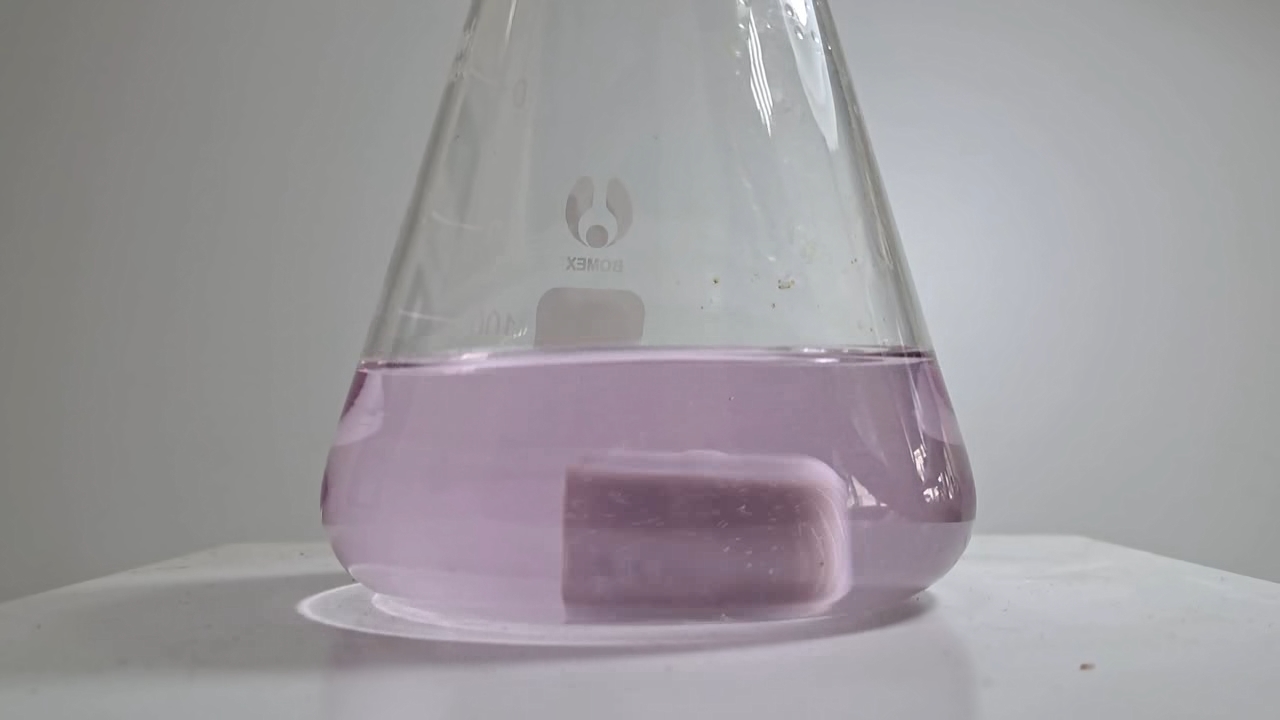
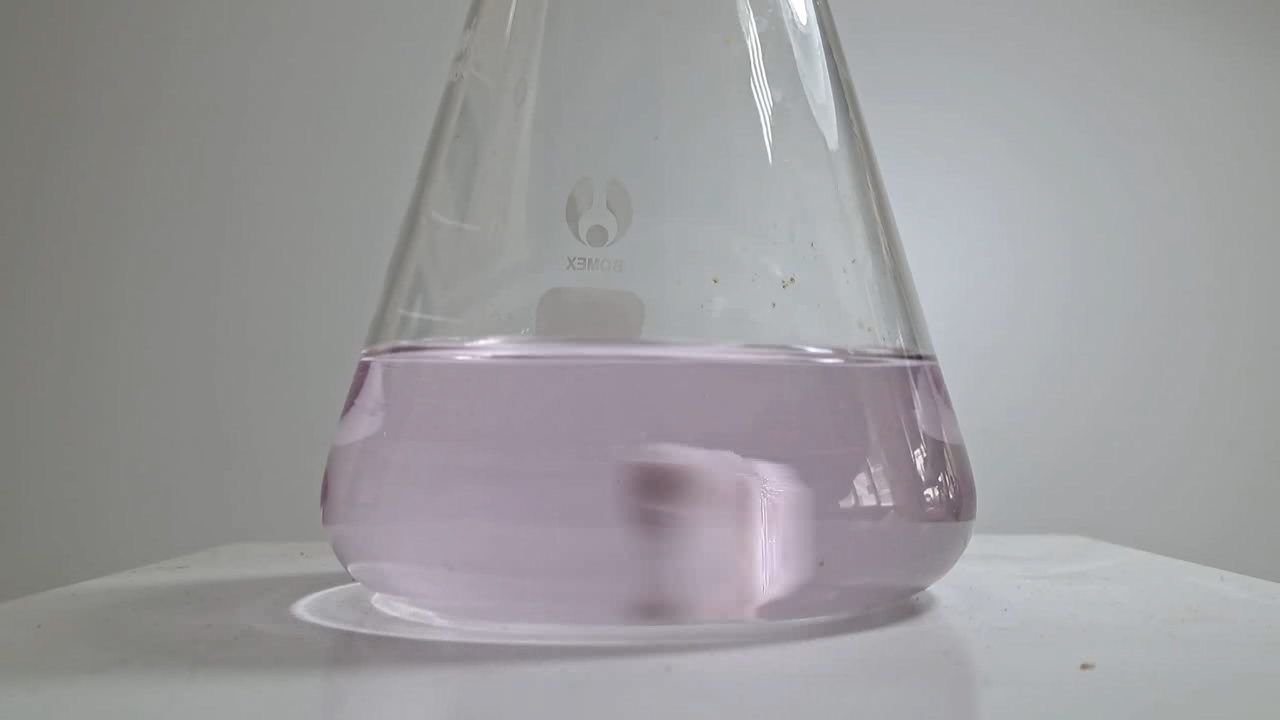
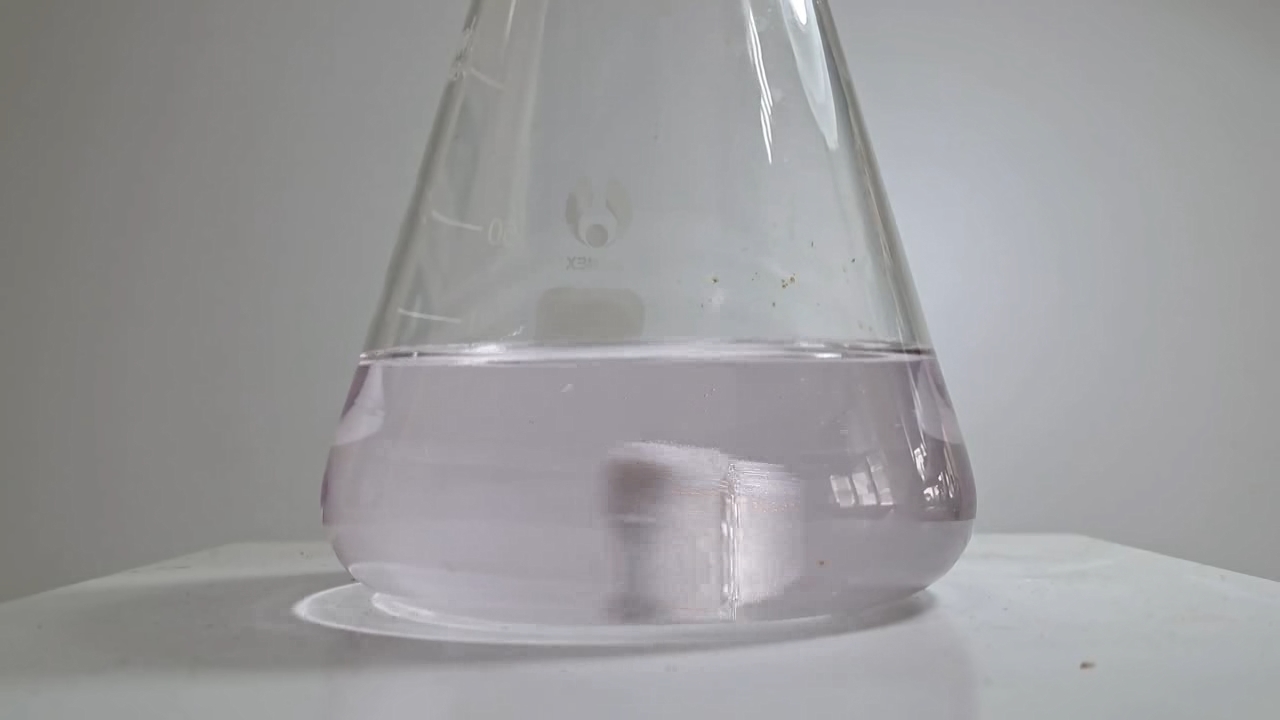
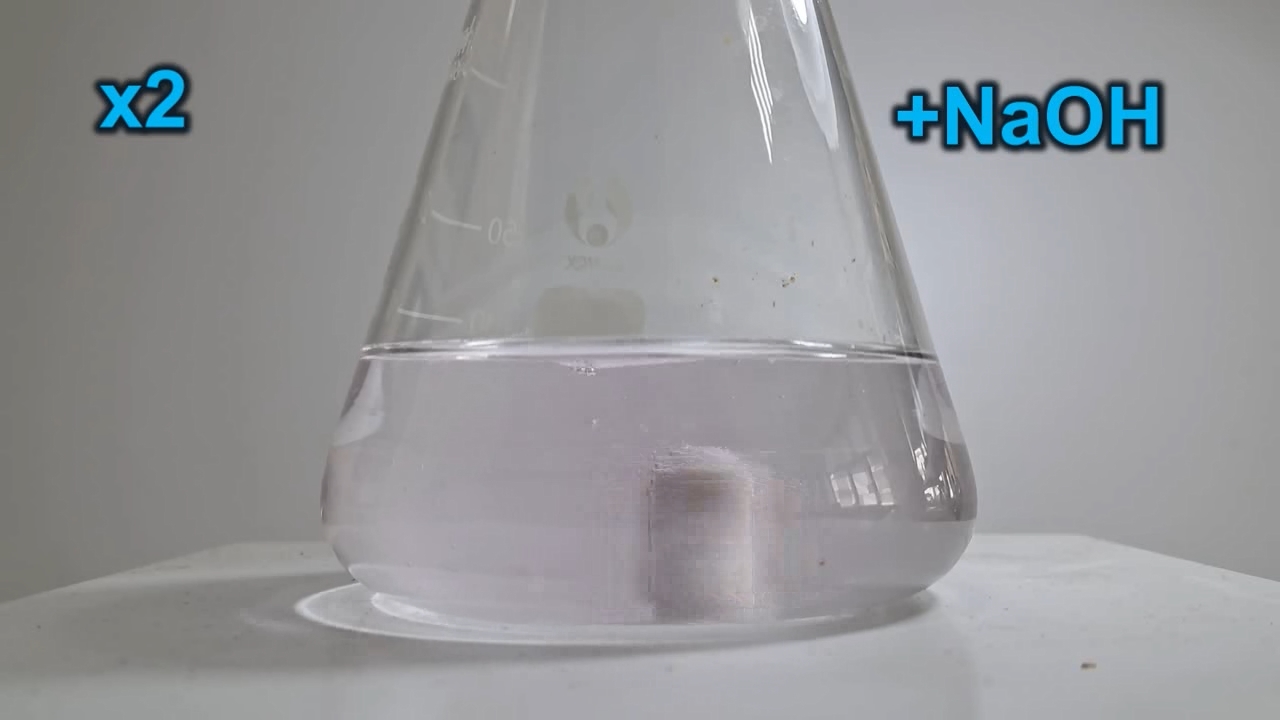
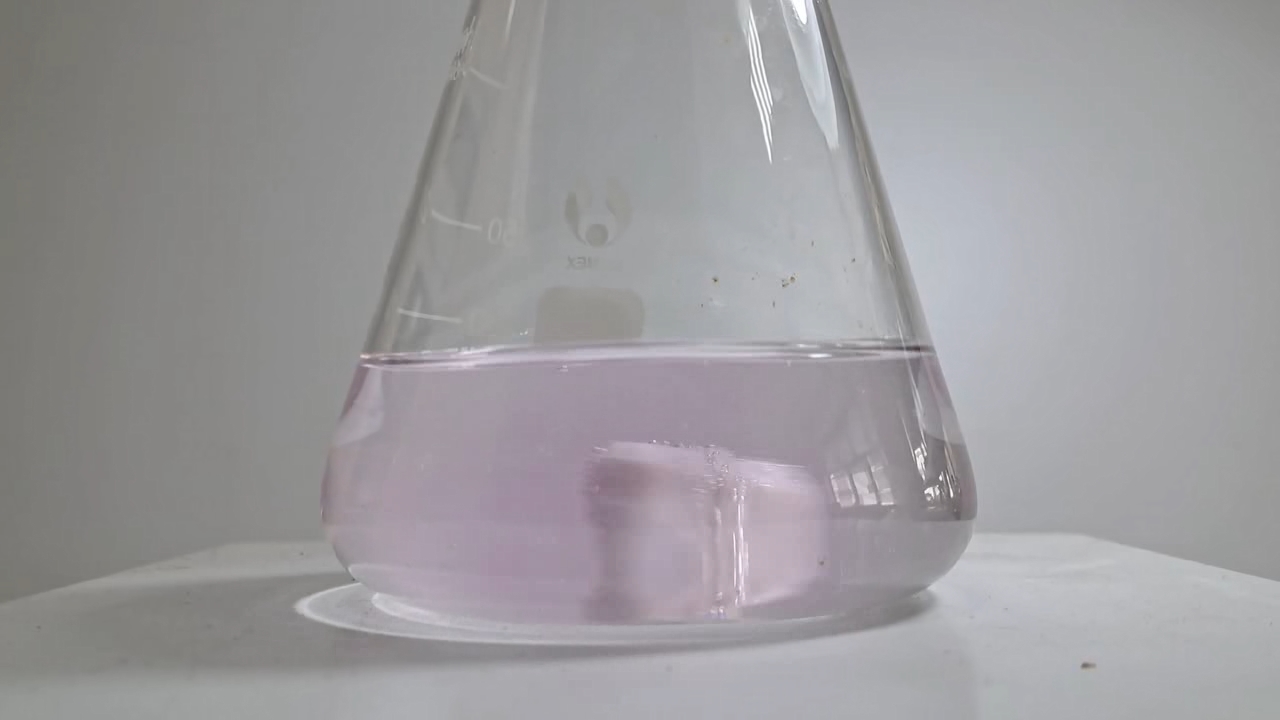
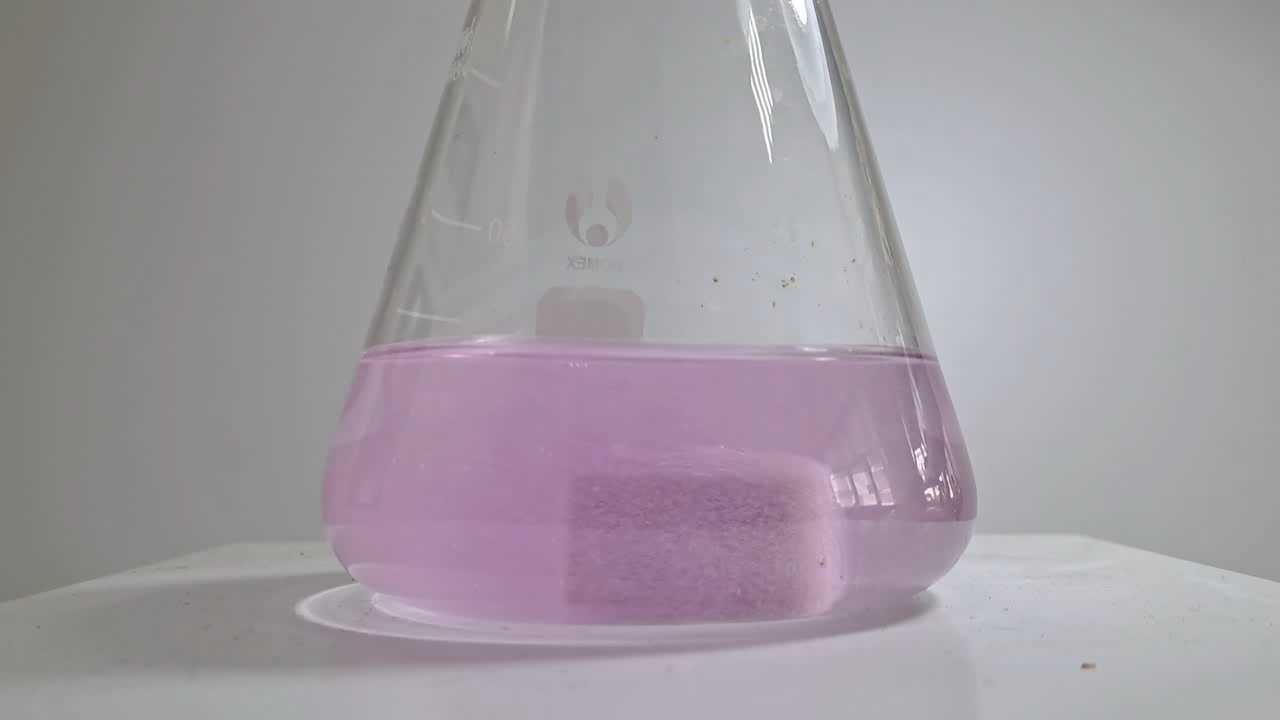
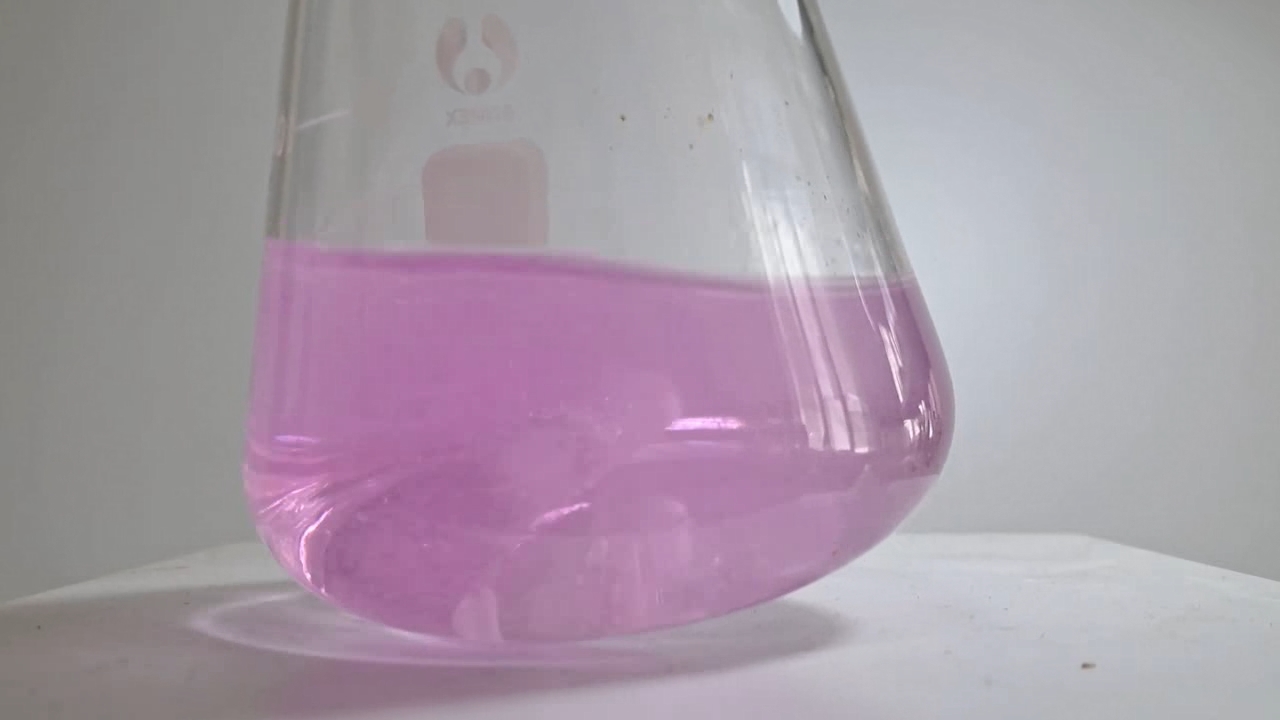
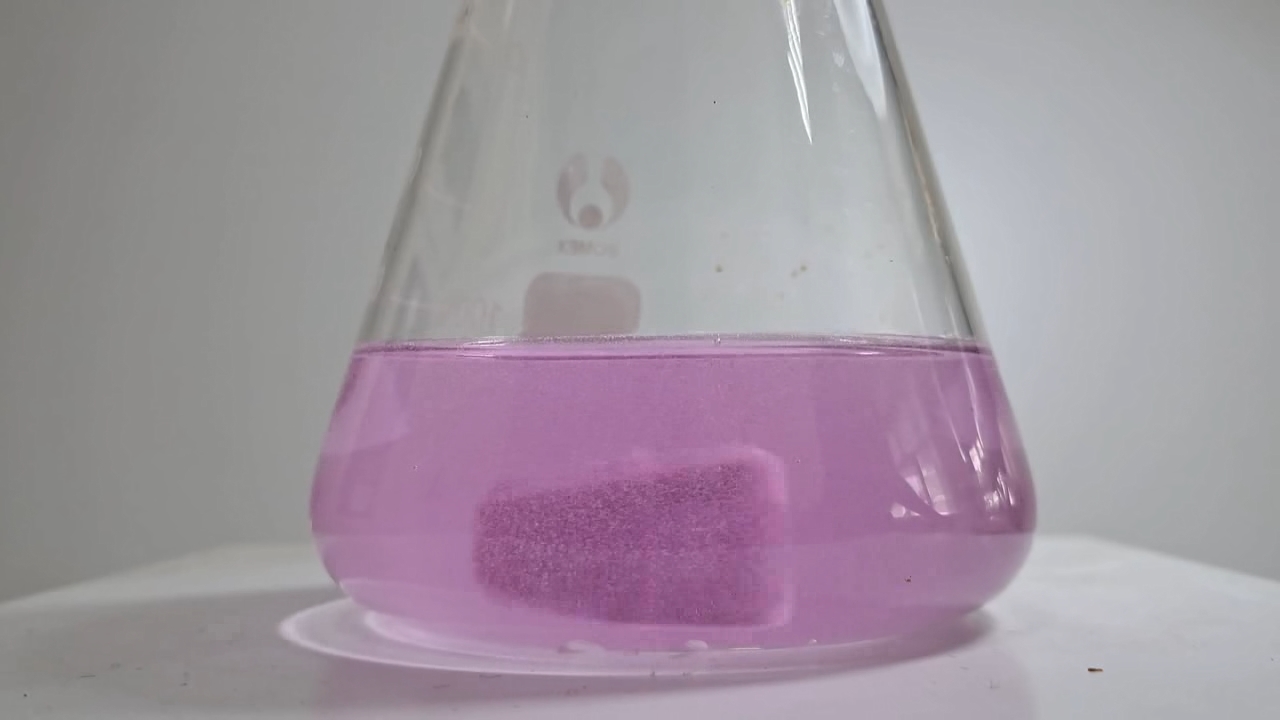
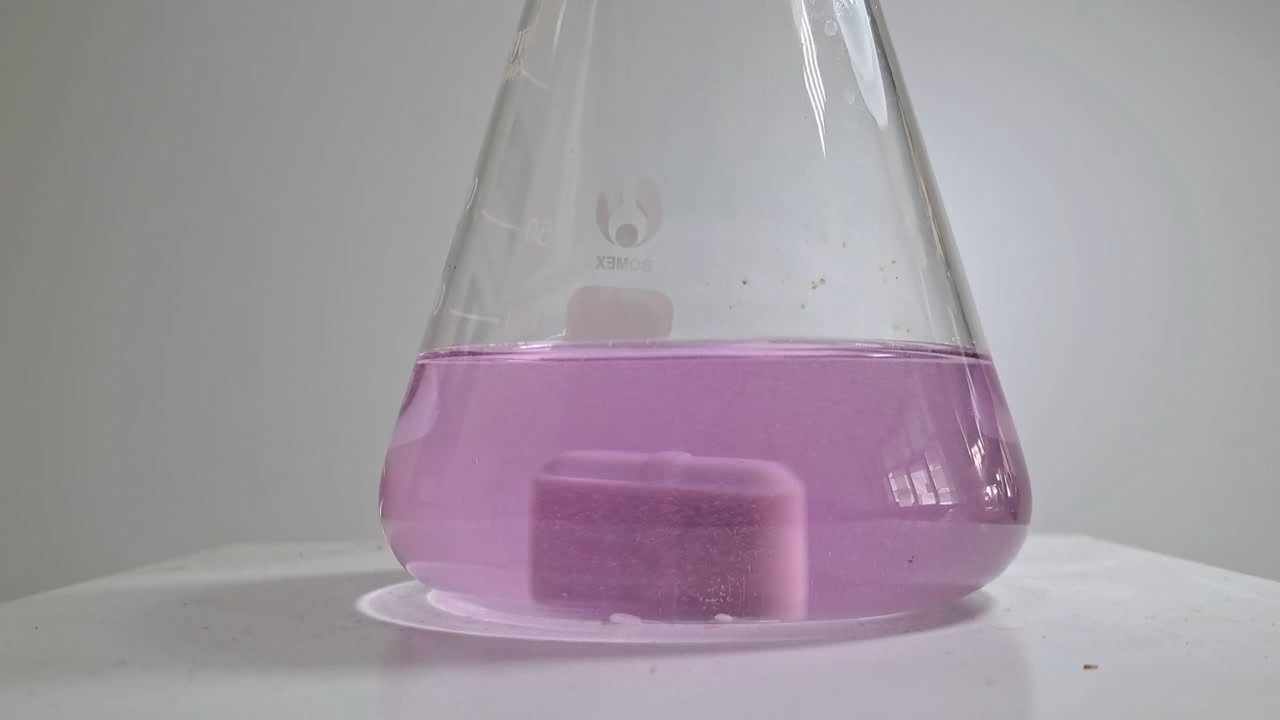
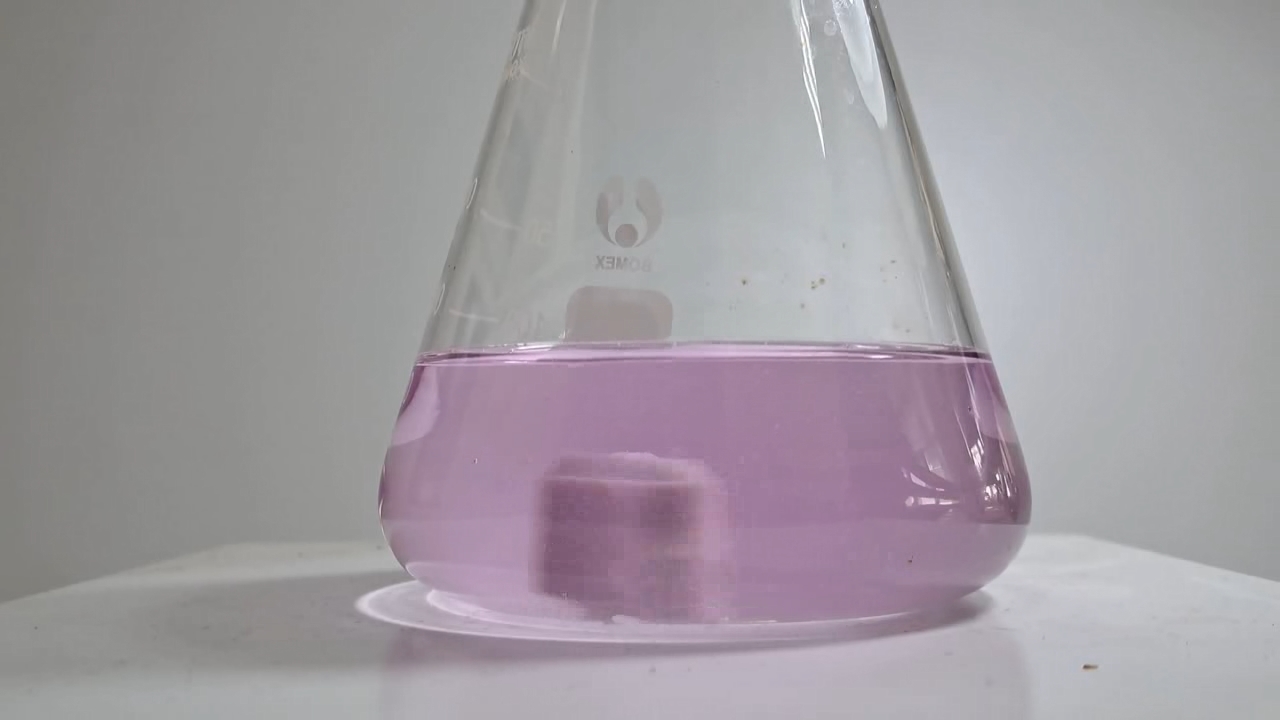
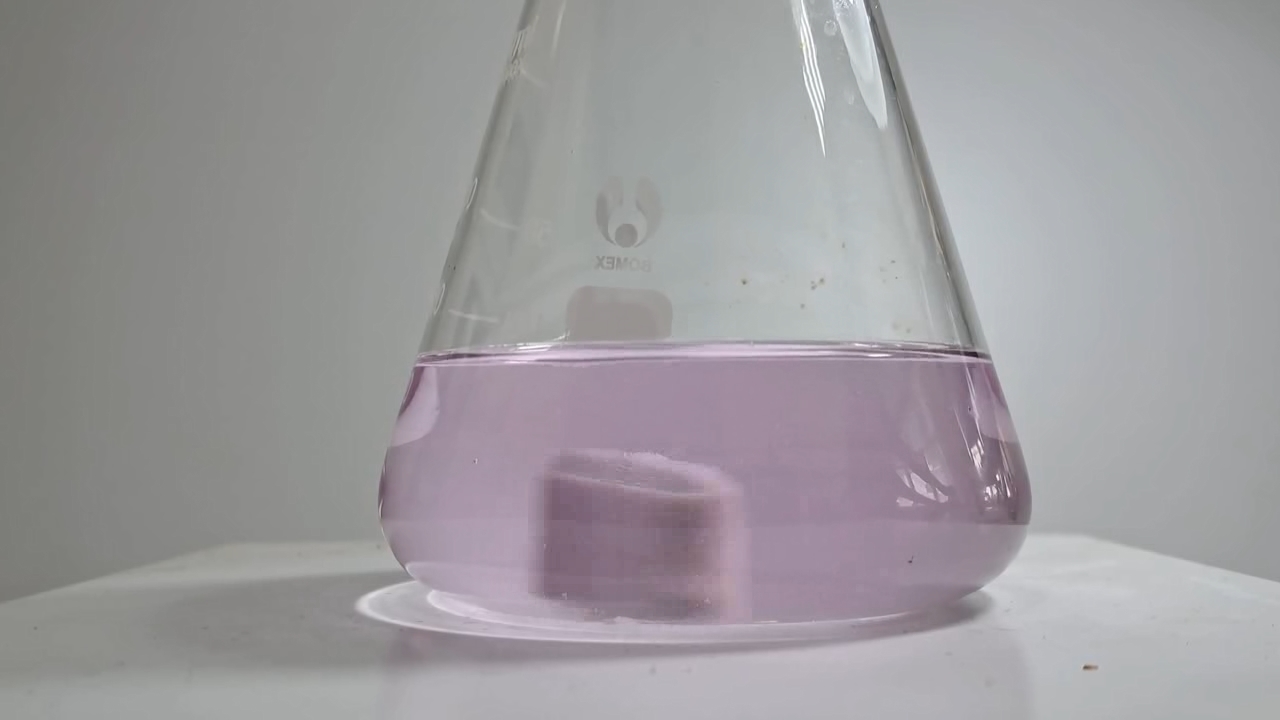
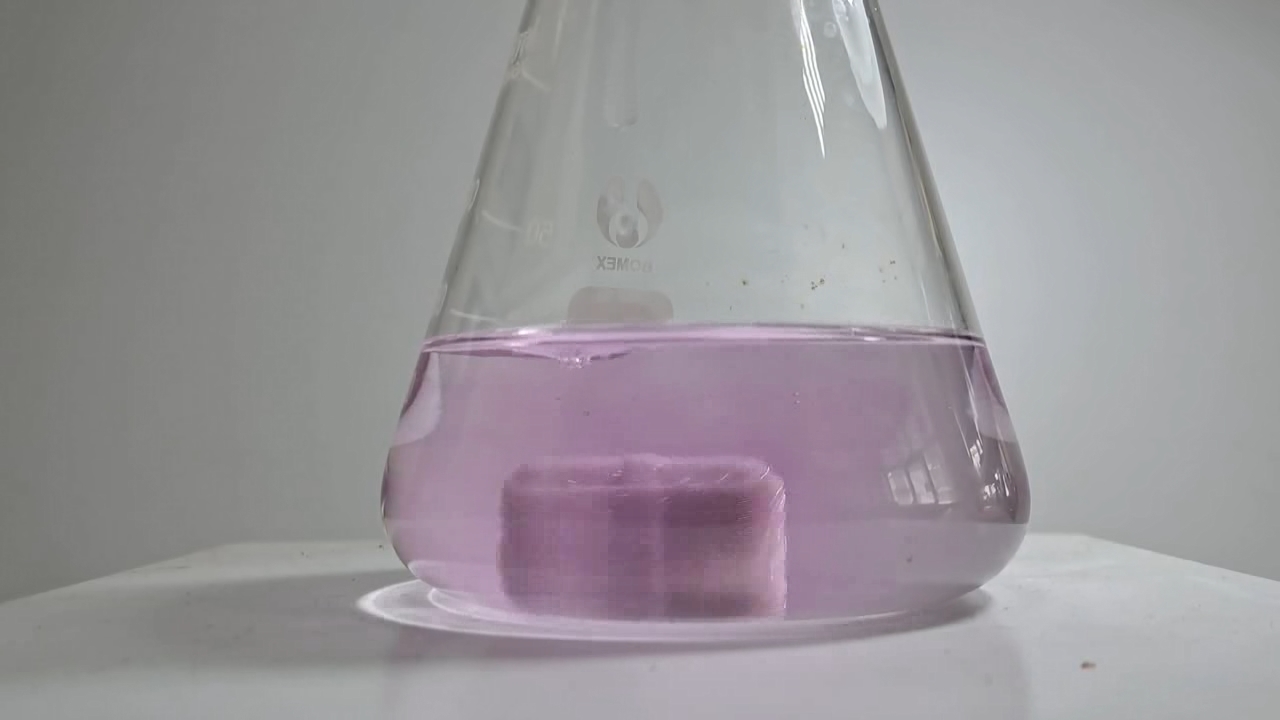
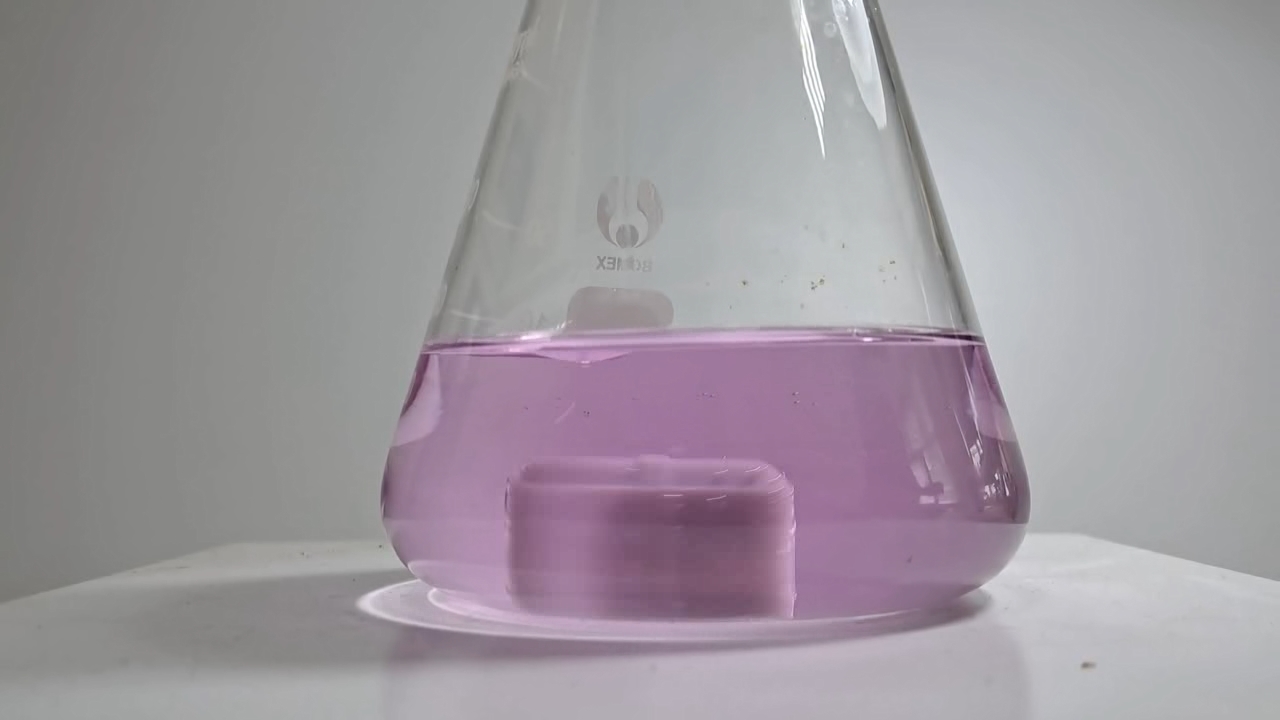
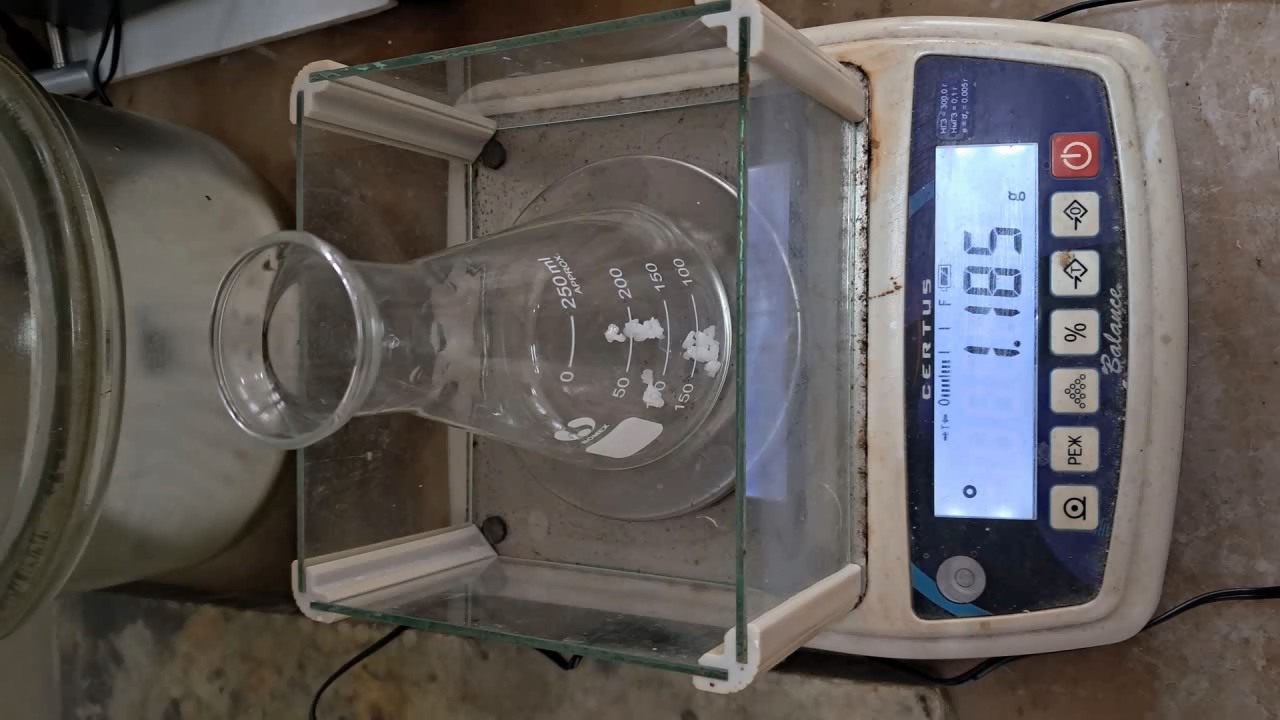
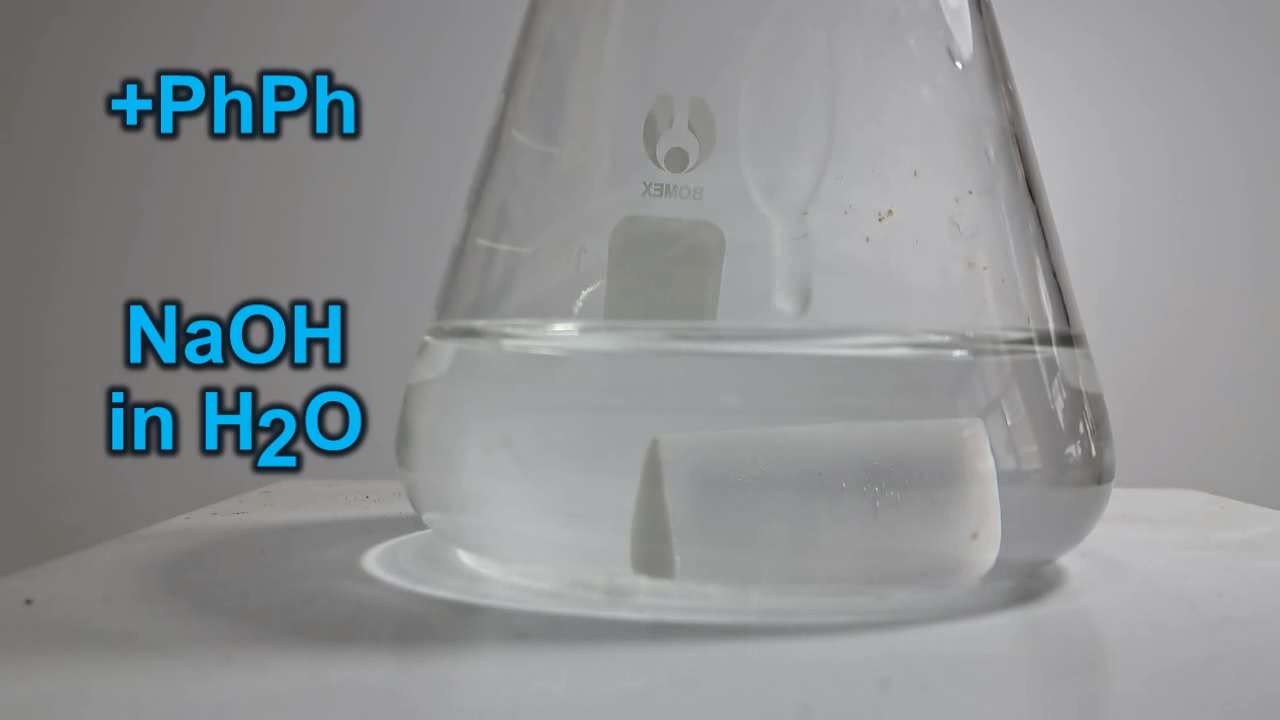
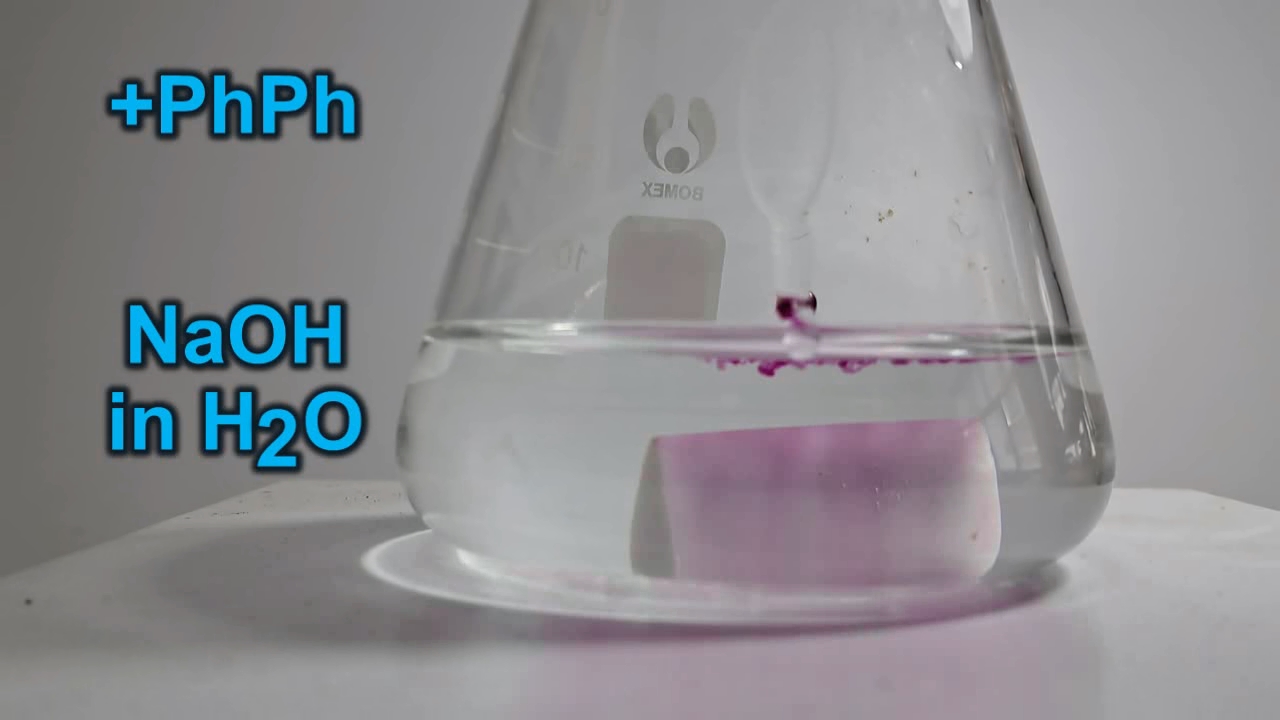
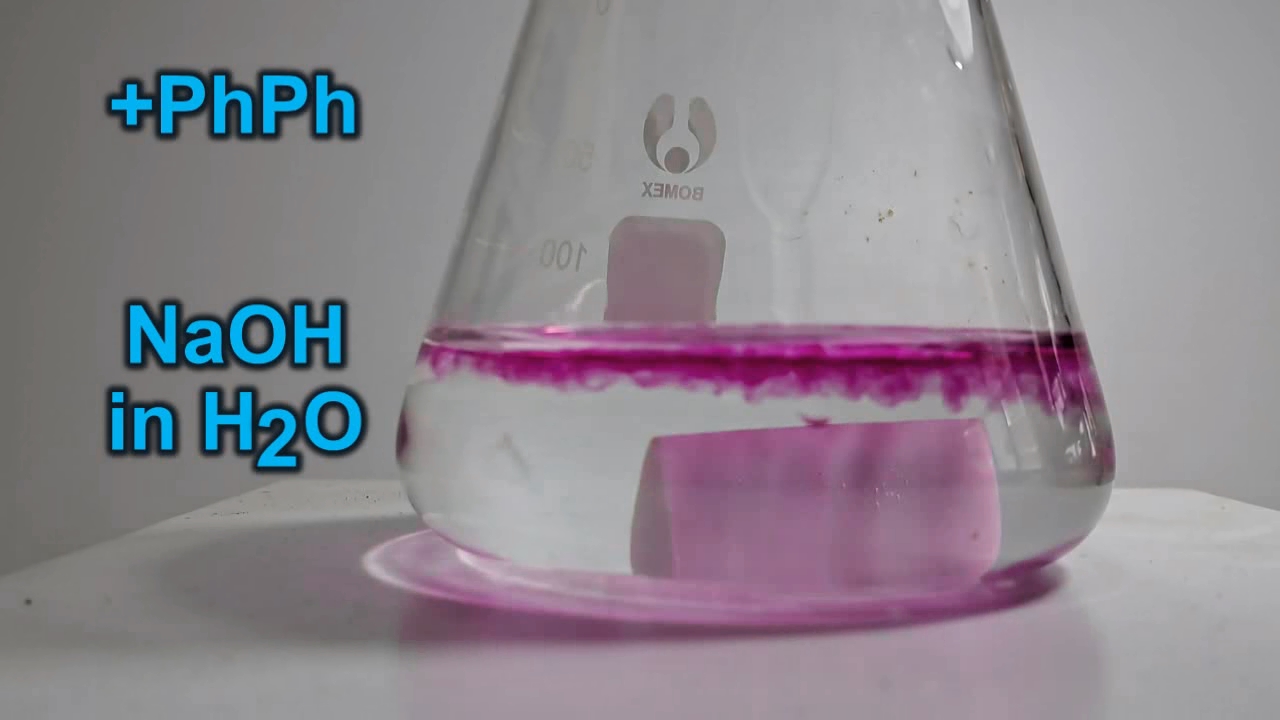
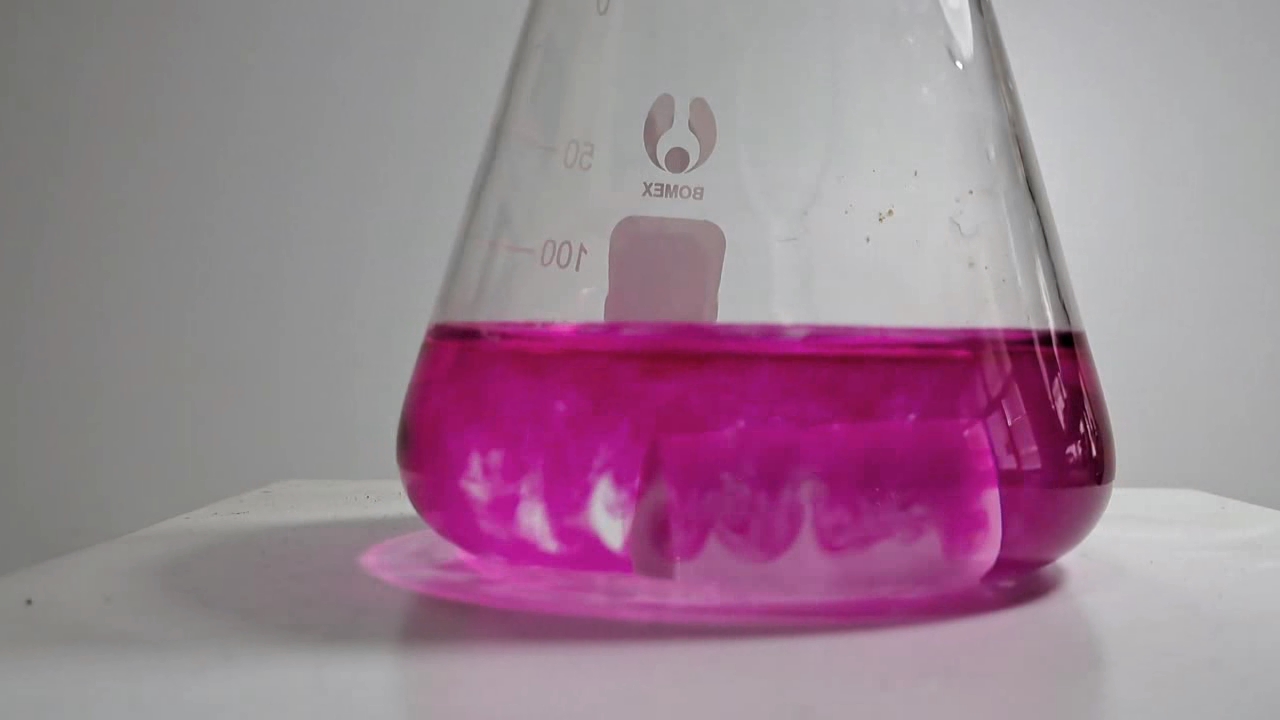
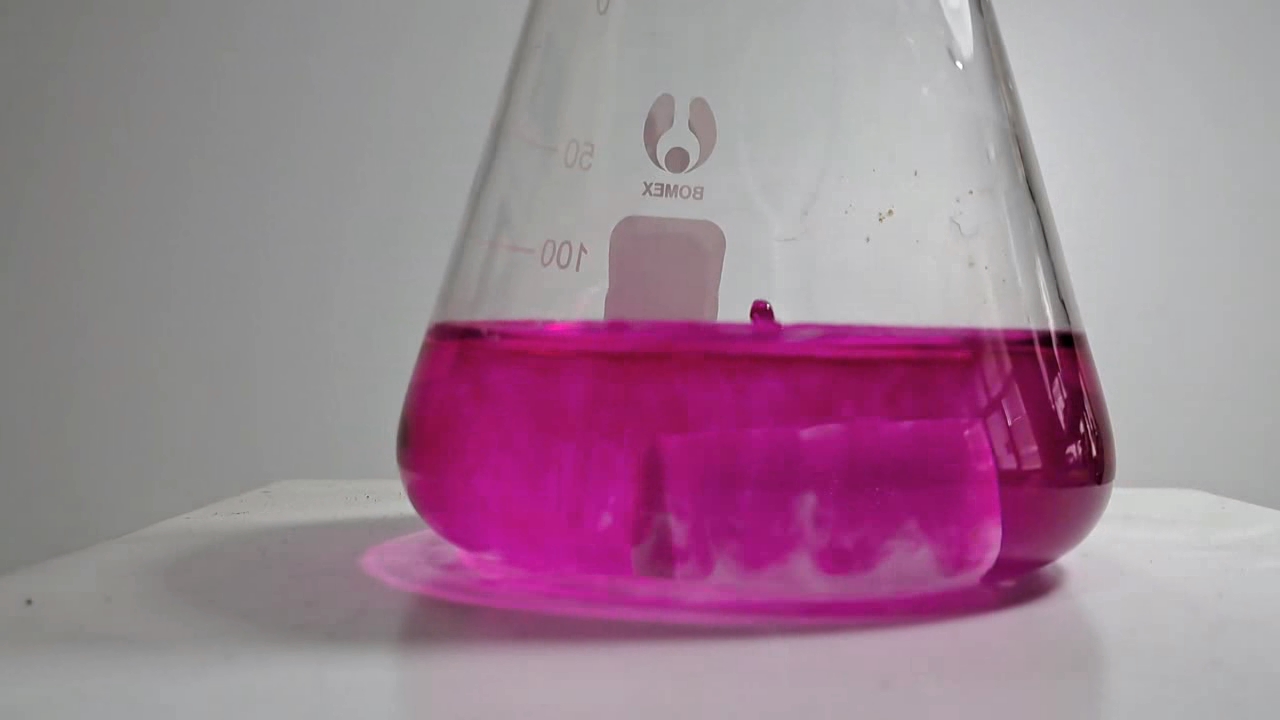
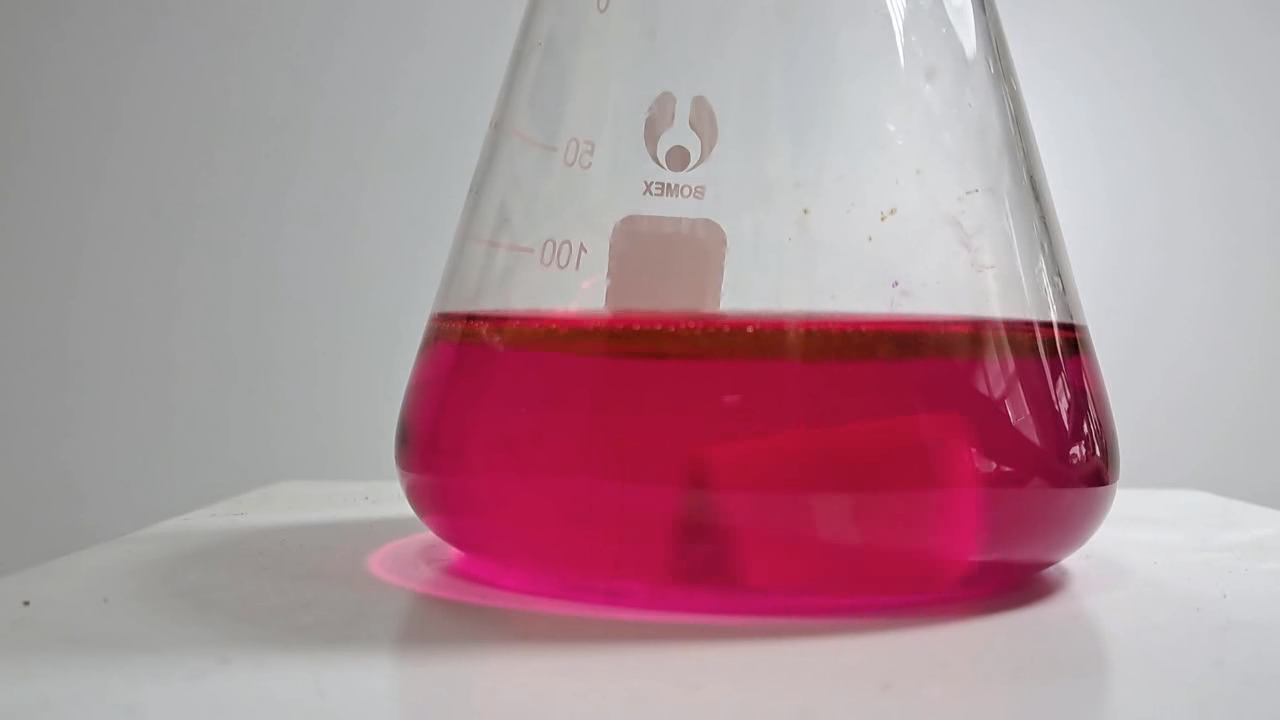
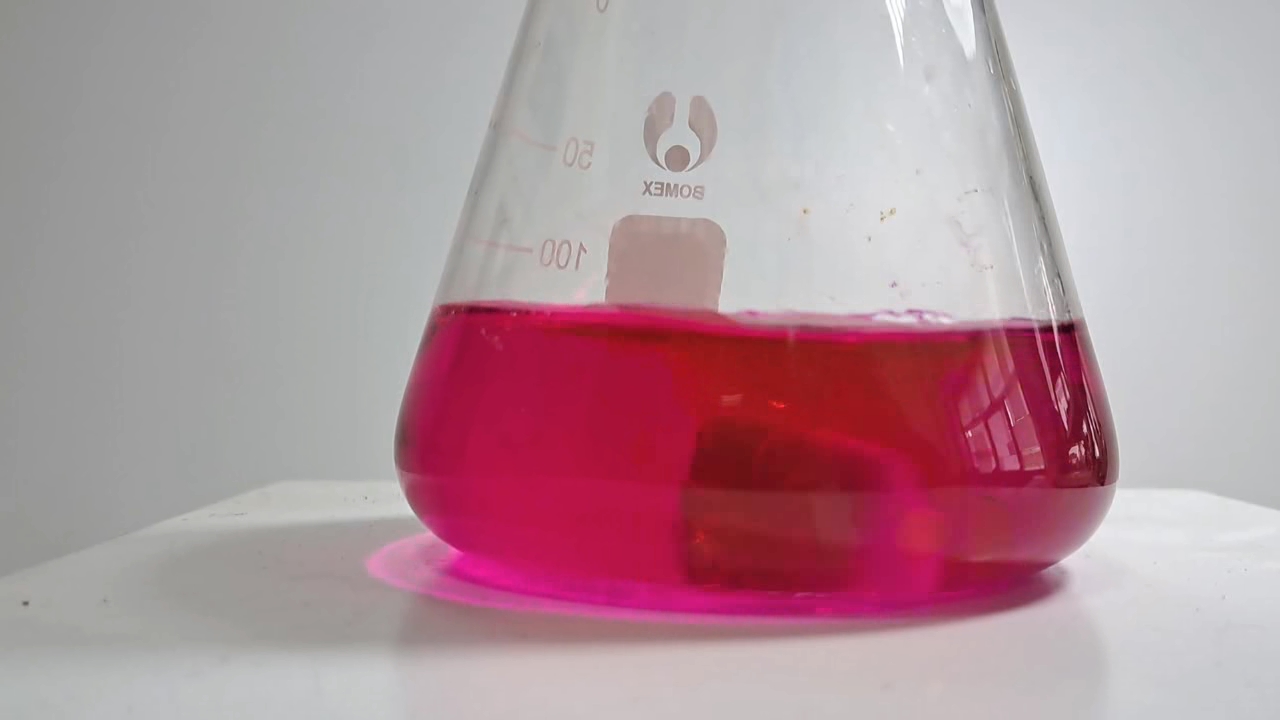
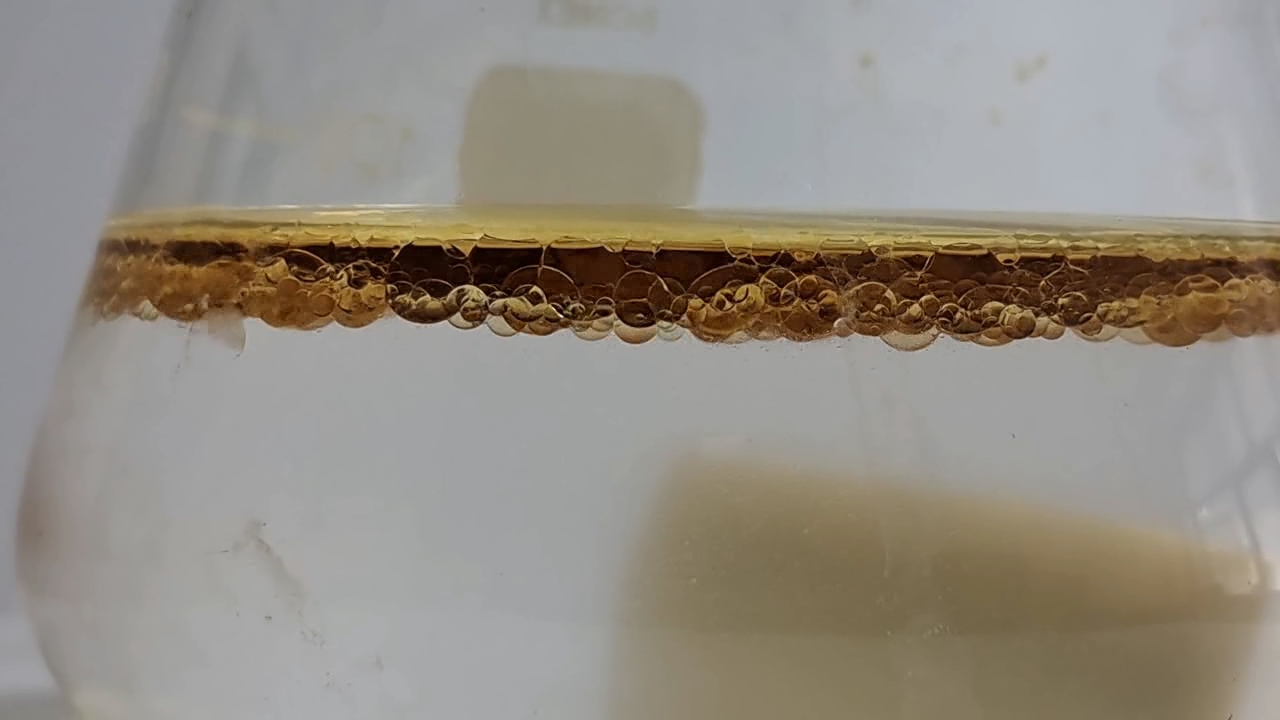
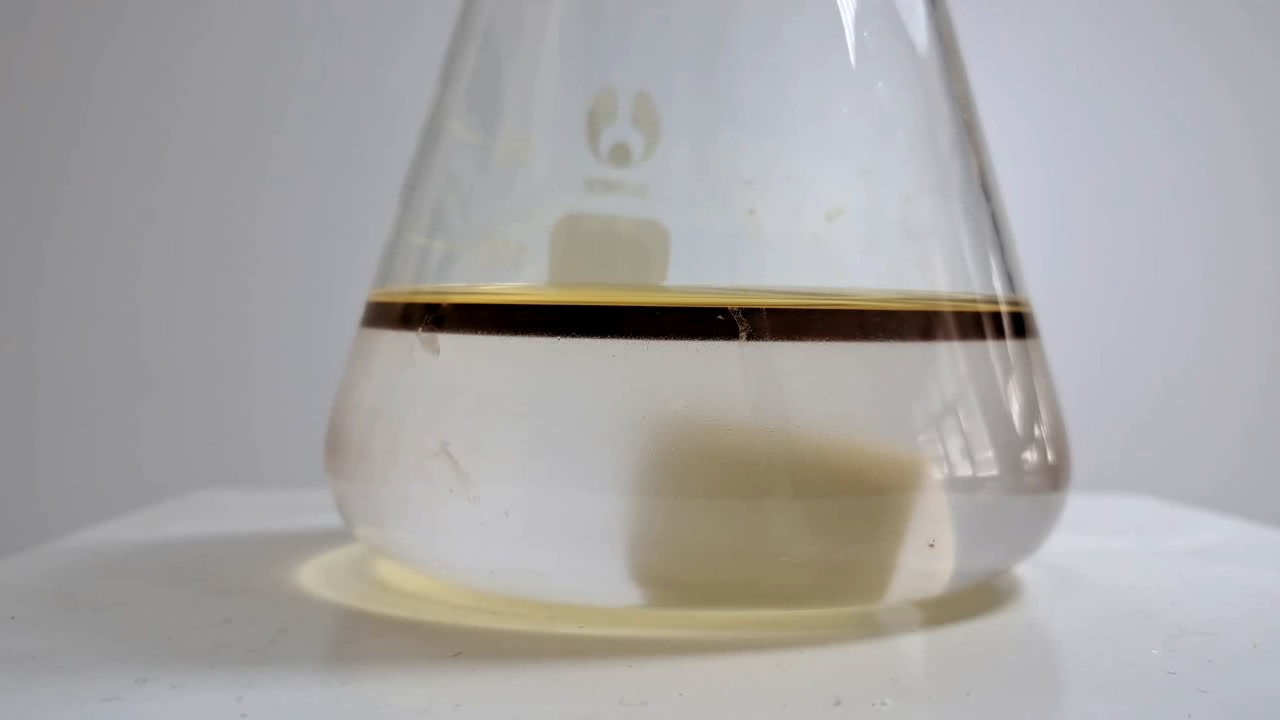
I made the necessary adjustments to the experiment. I dissolved 1 g of sodium hydroxide in 100 ml of distilled water. I added a few drops of phenolphthalein, and the solution turned a bright fuchsia color. Then I added 10 ml of methyl acetate. A thin layer of the organic solvent formed on top. I turned on the magnetic stirrer, and a homogeneous solution formed.
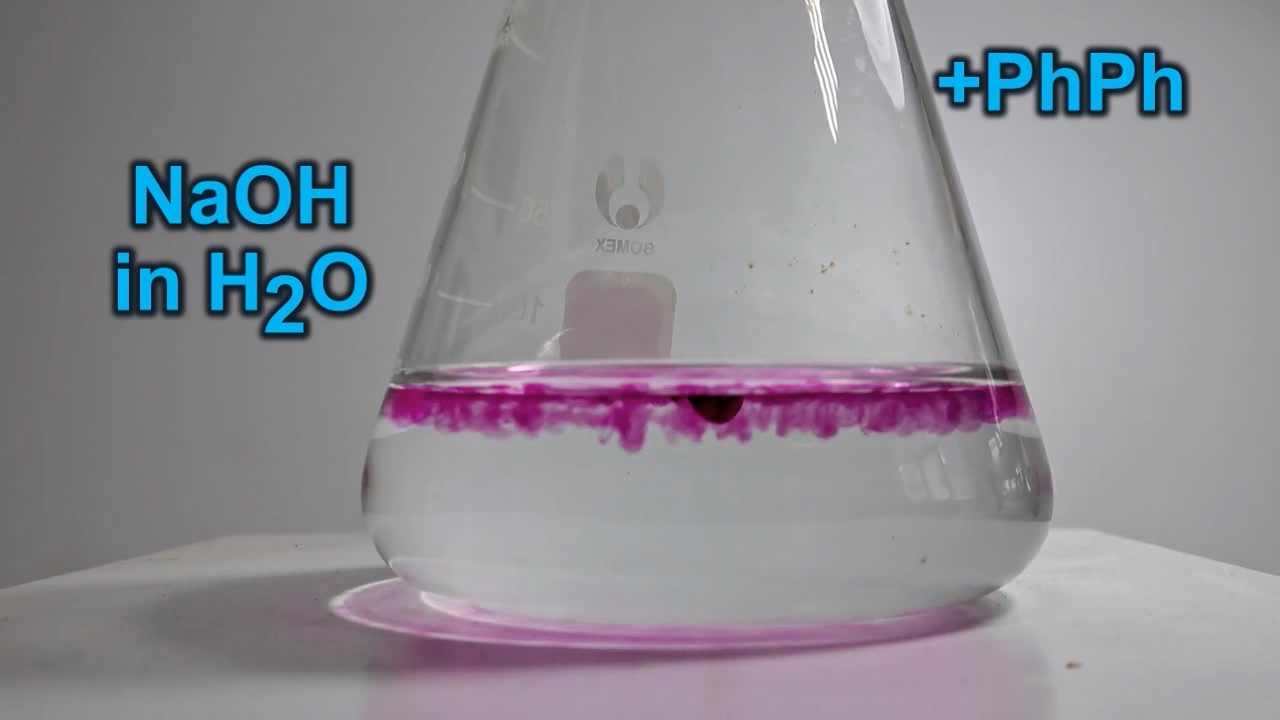
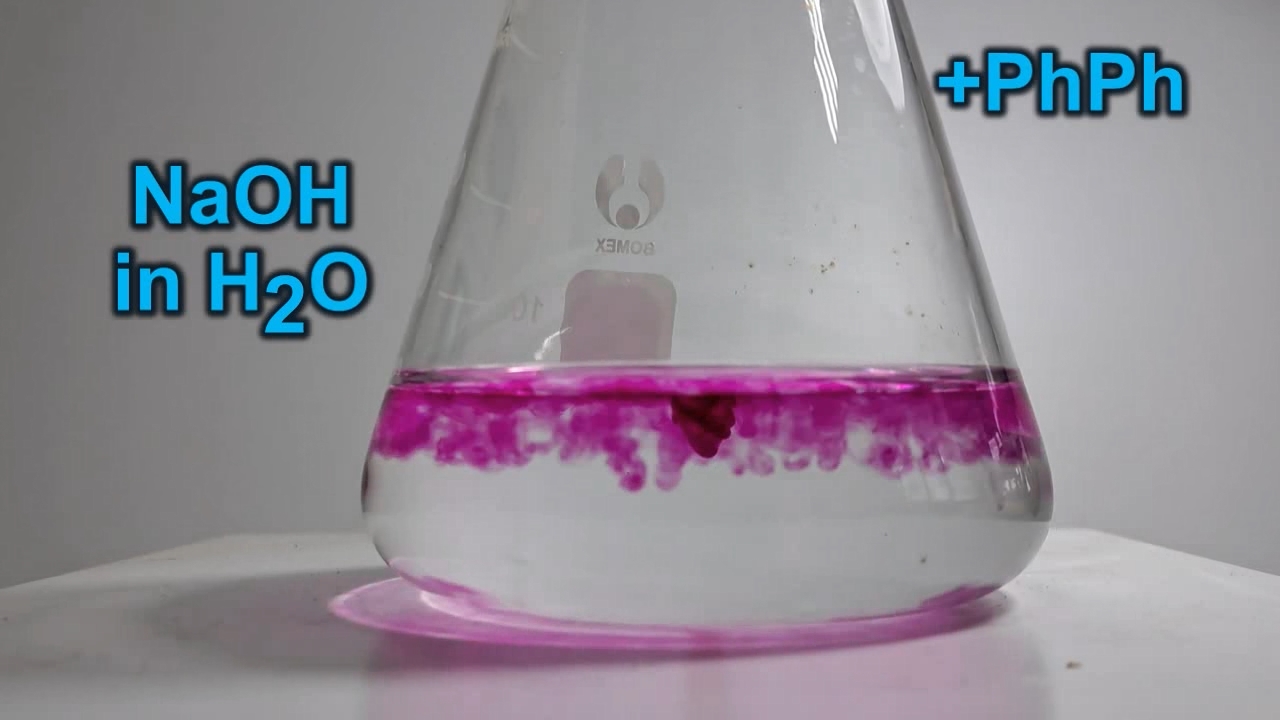
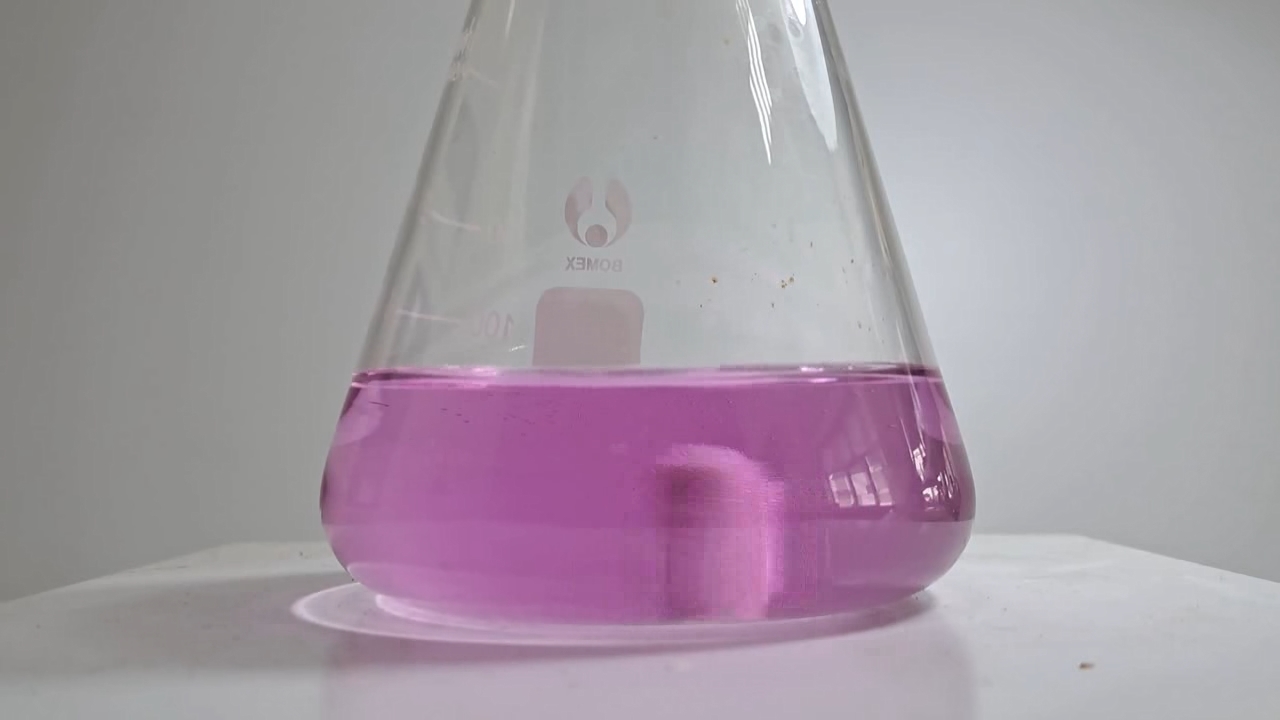
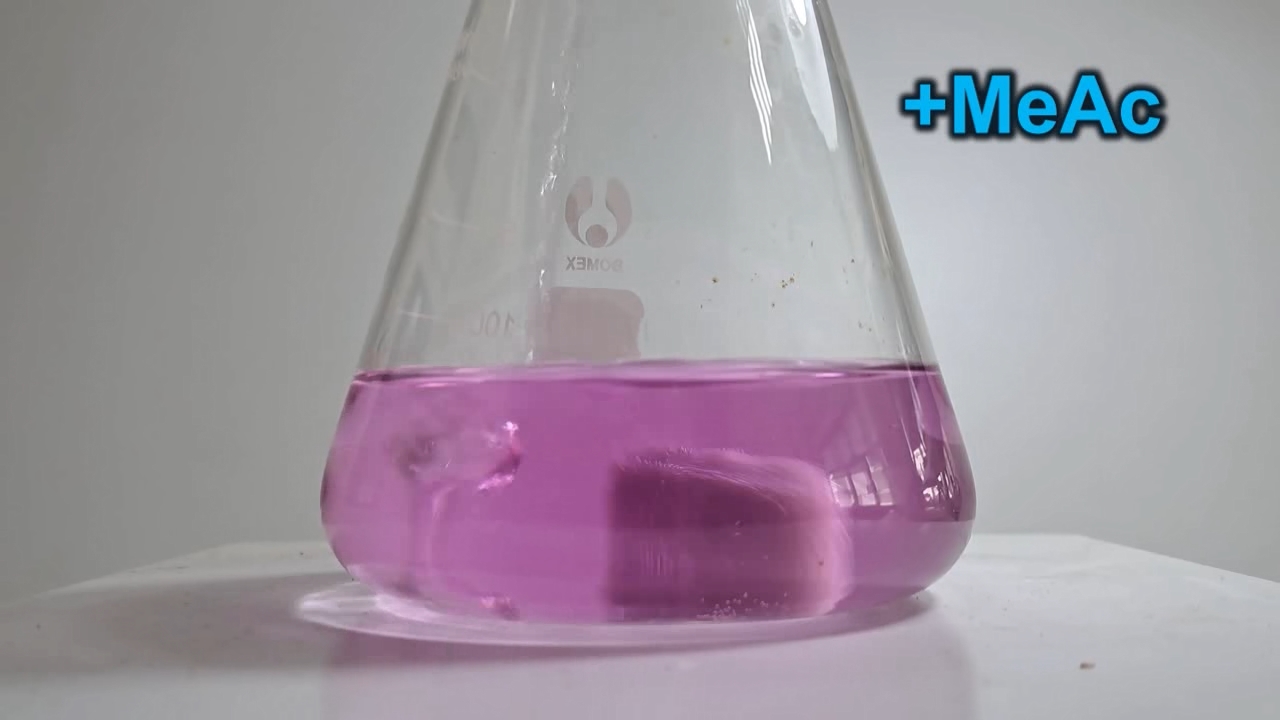
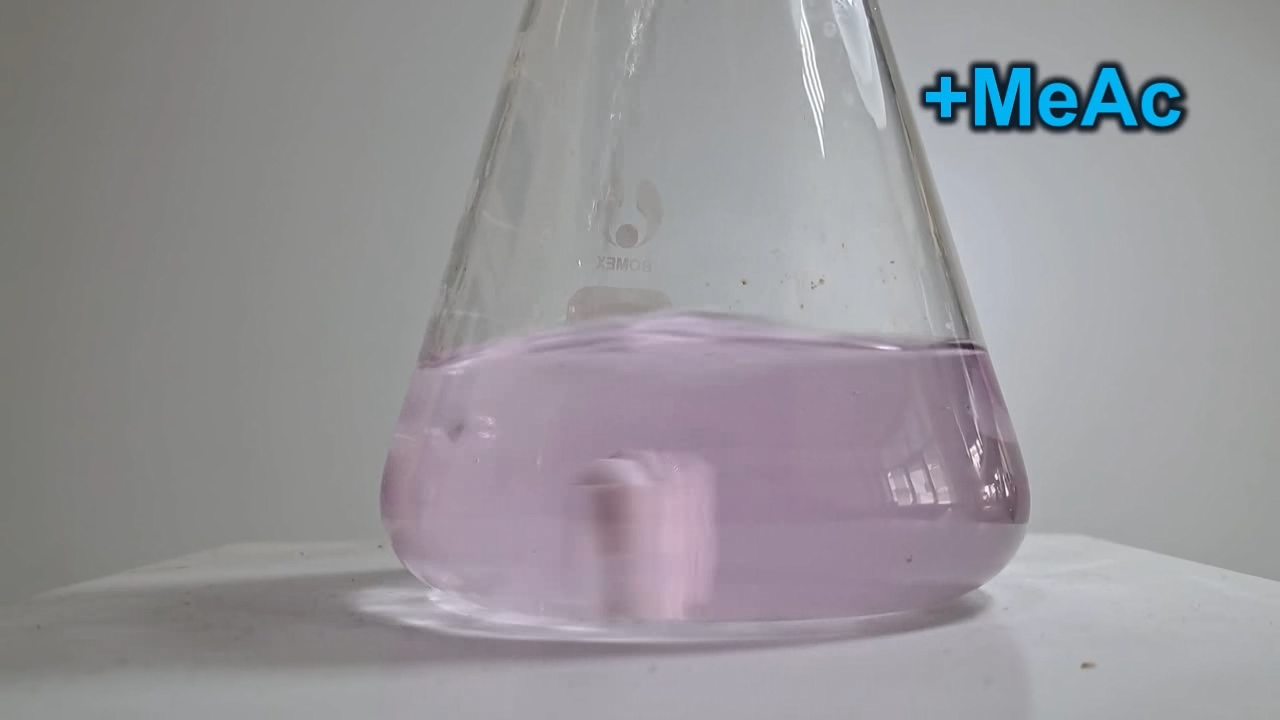
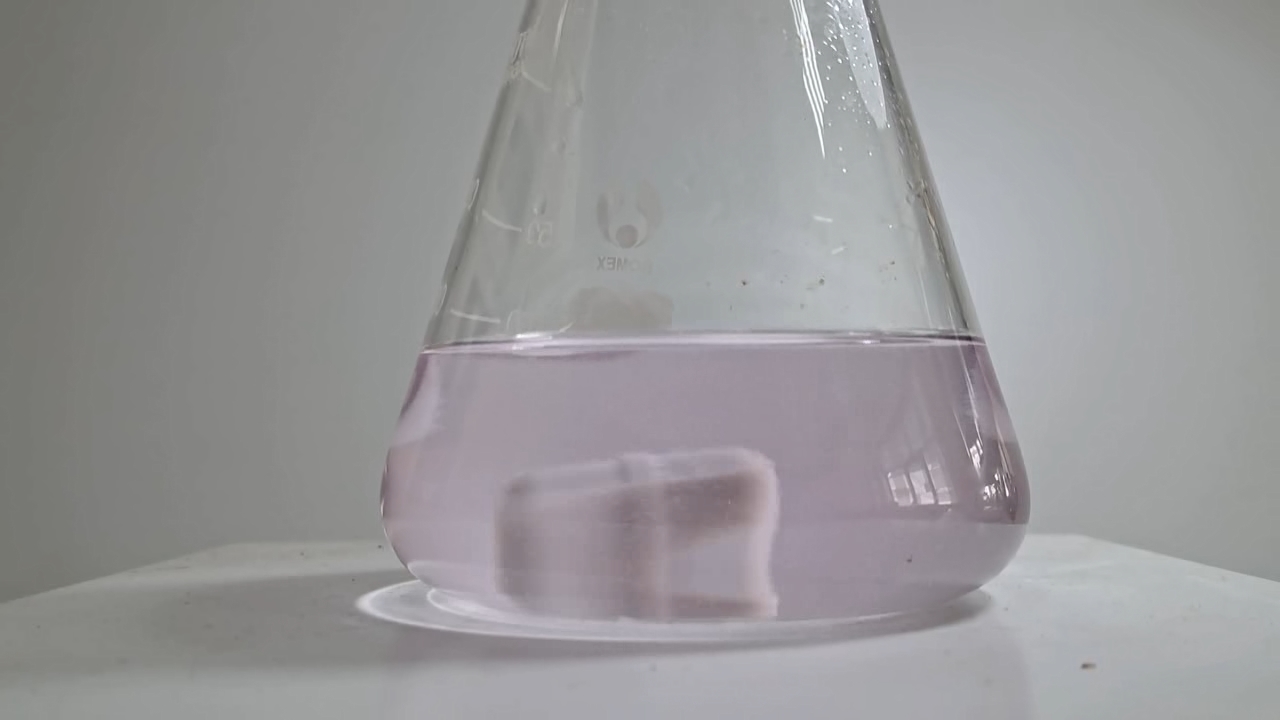
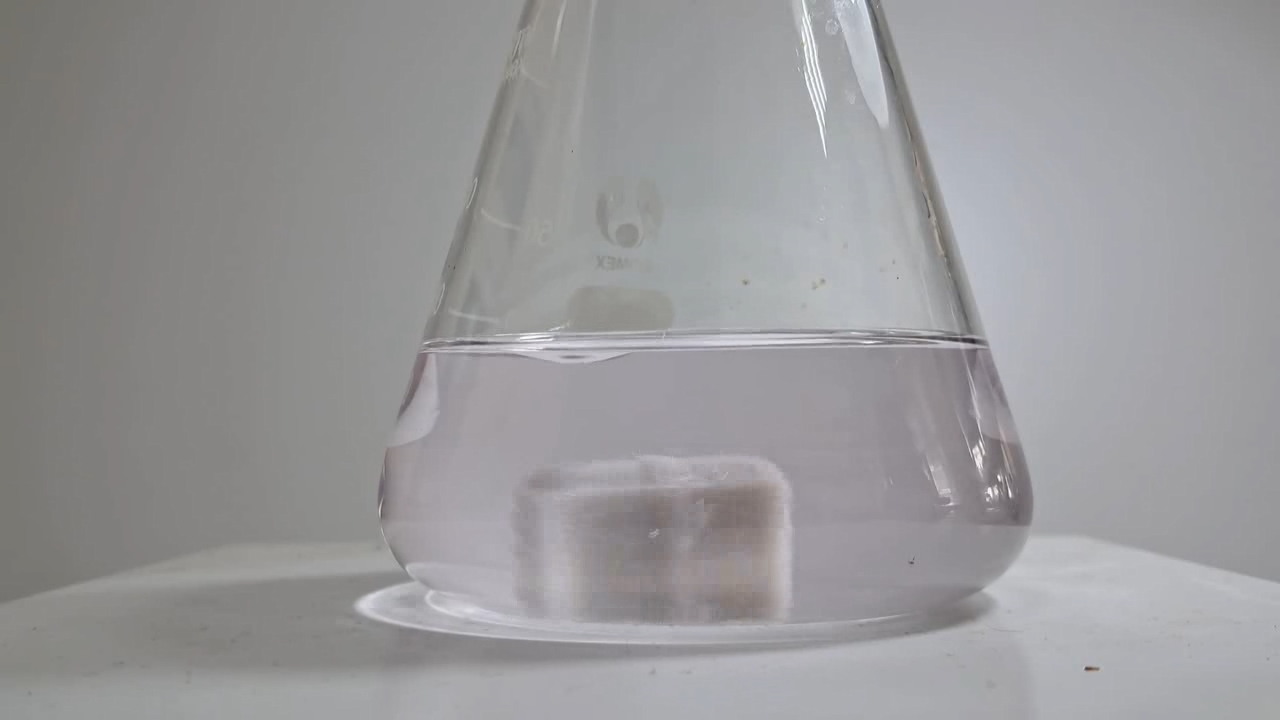
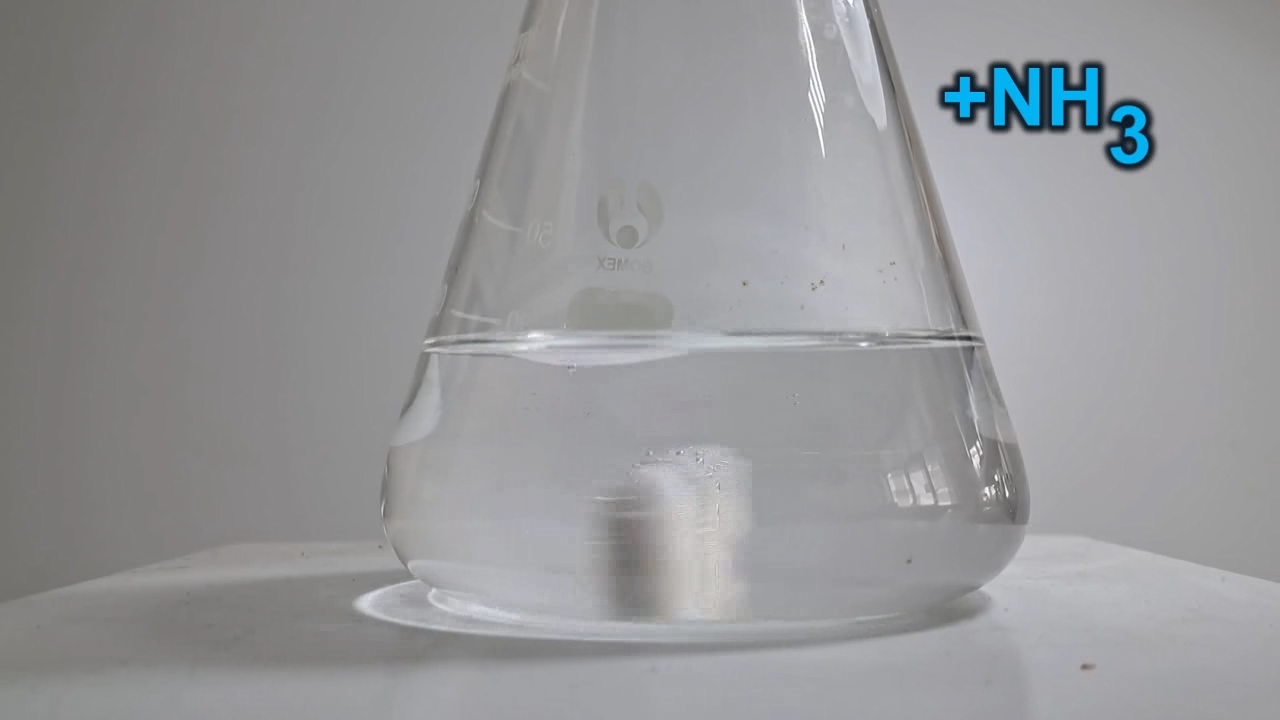
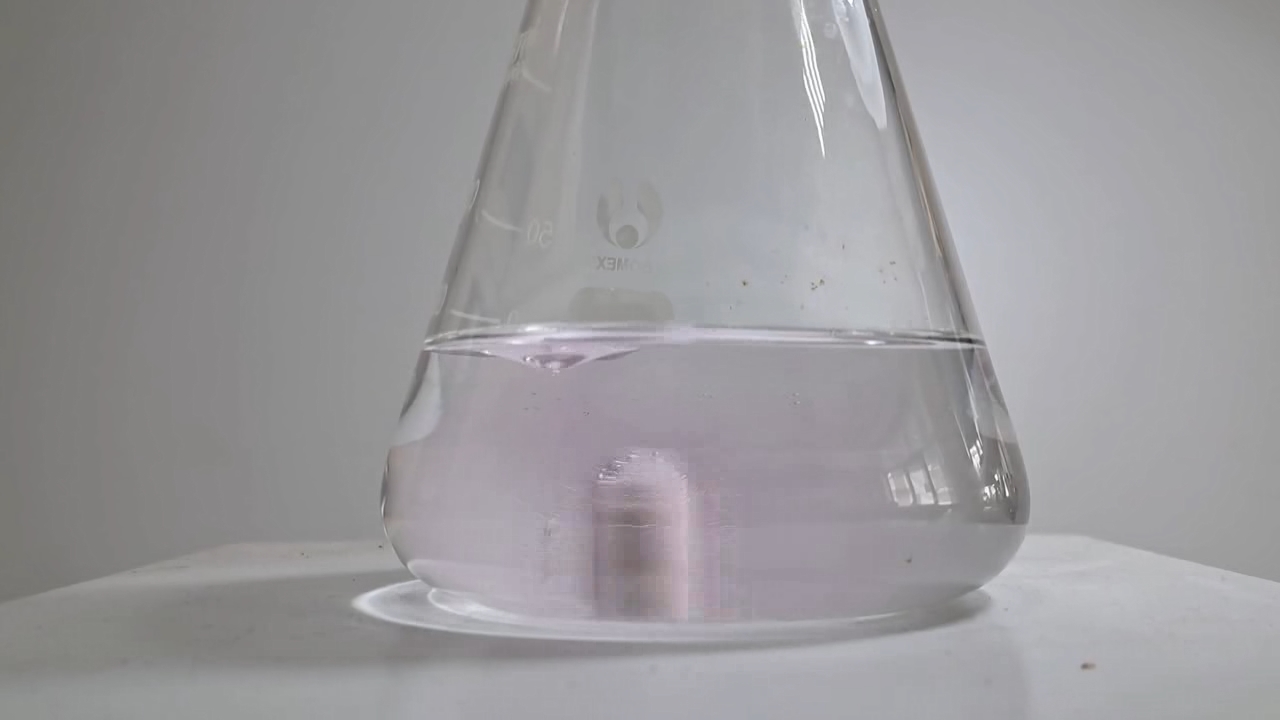
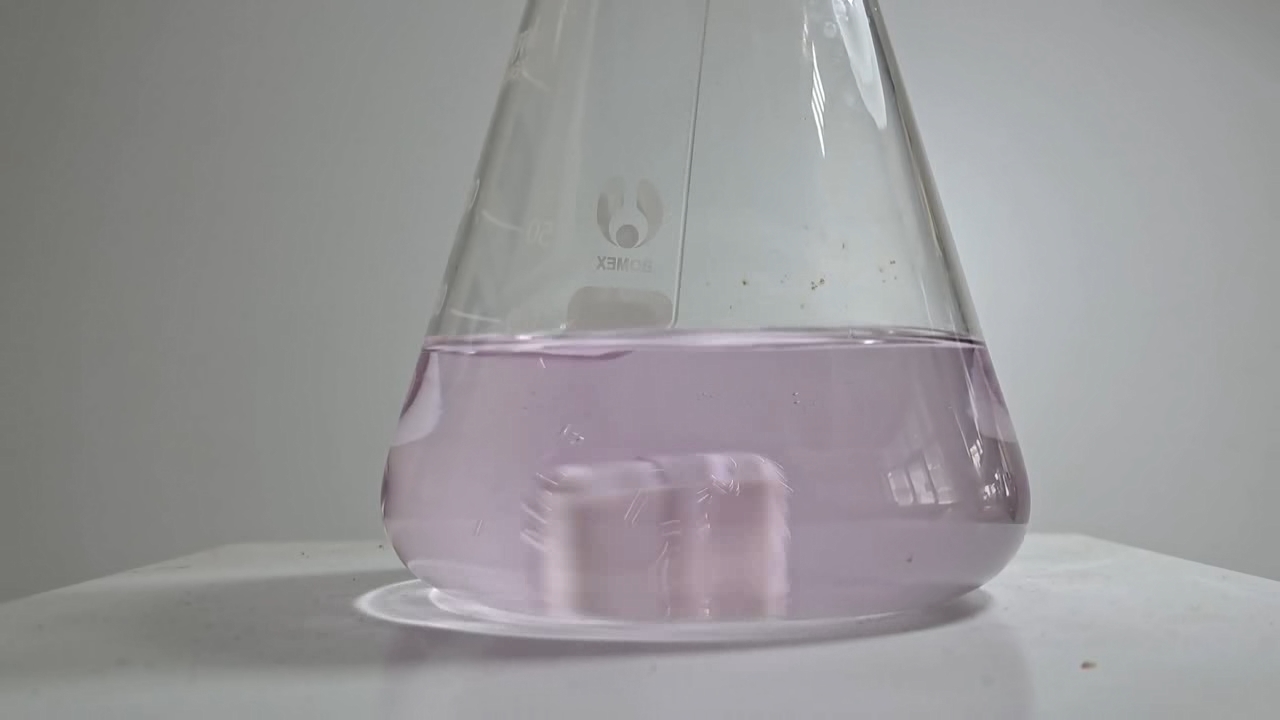
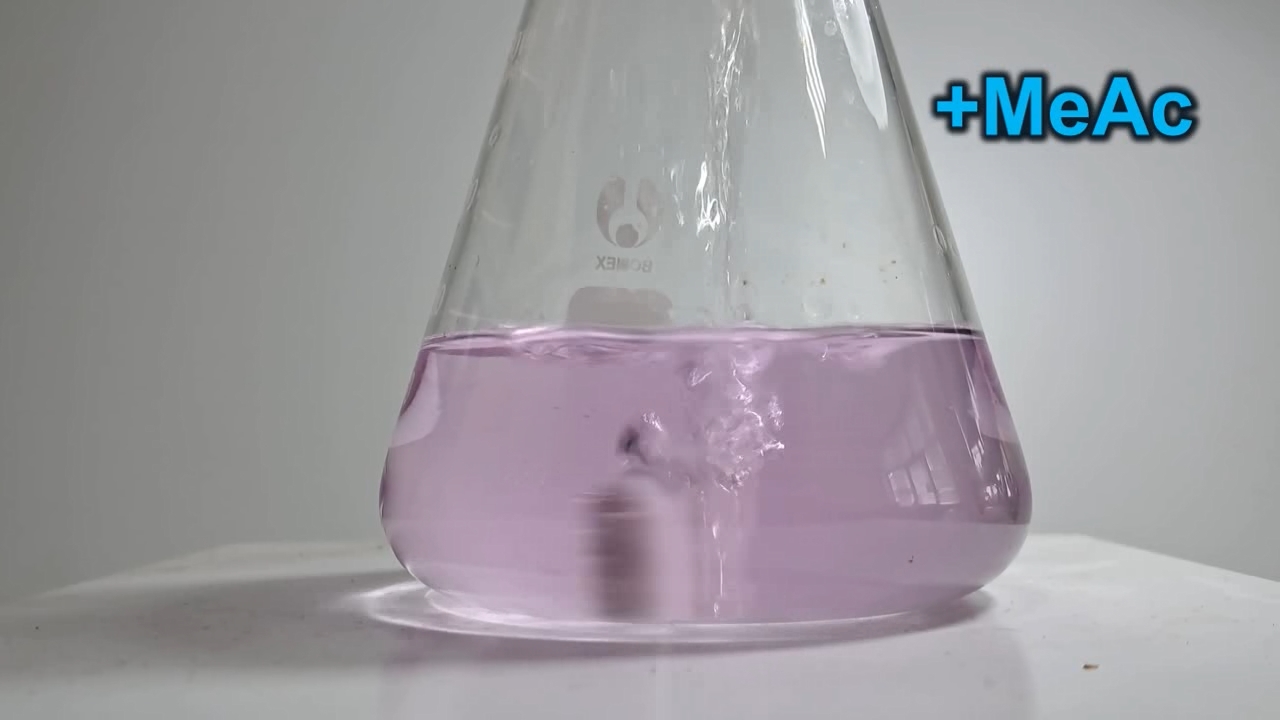
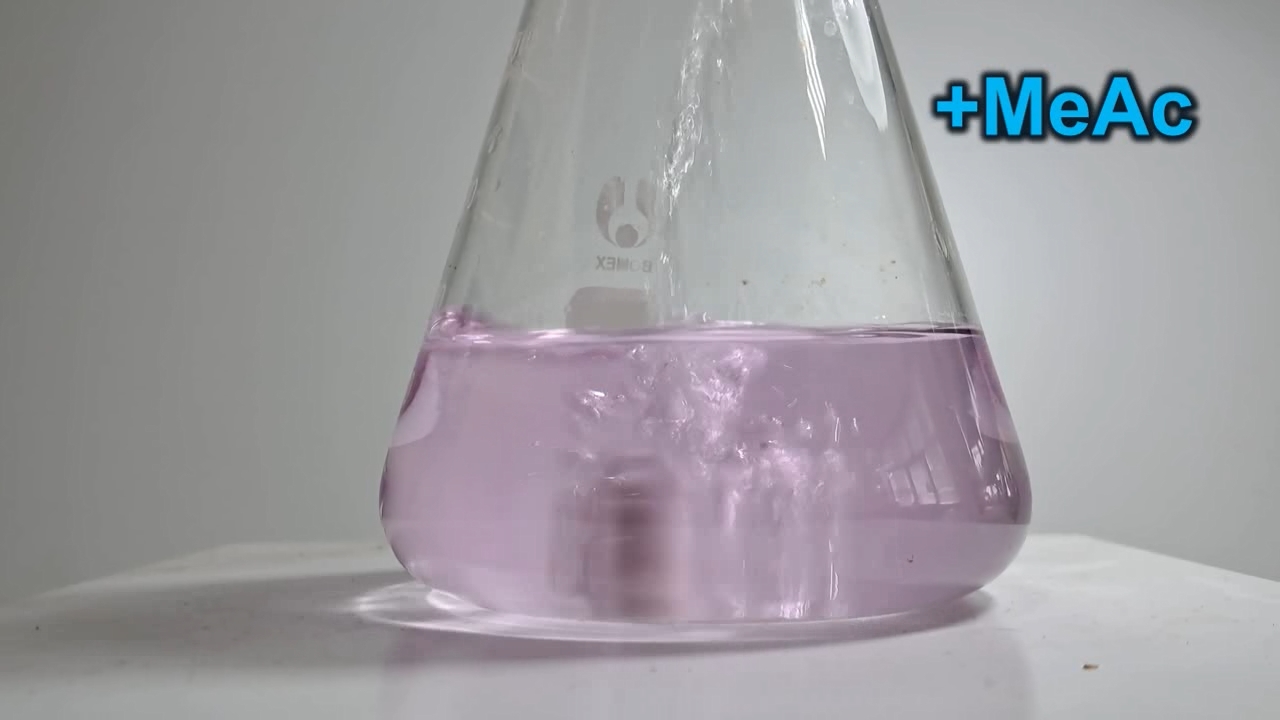
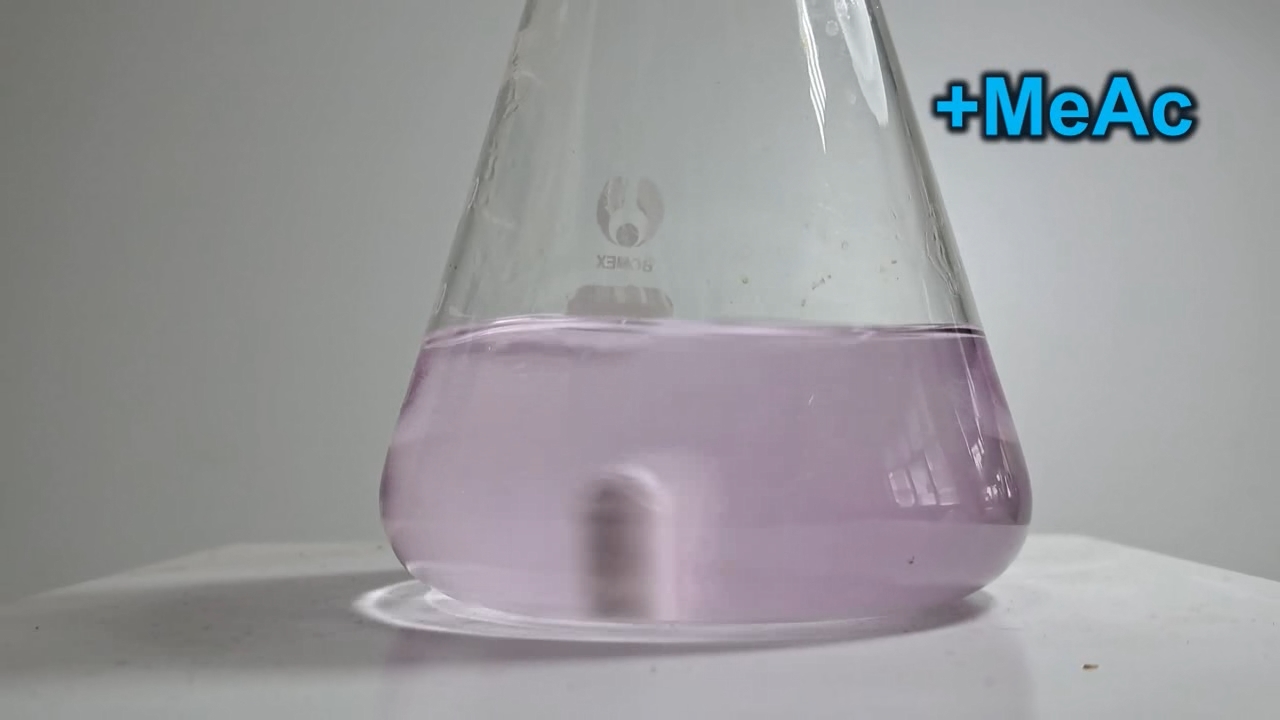
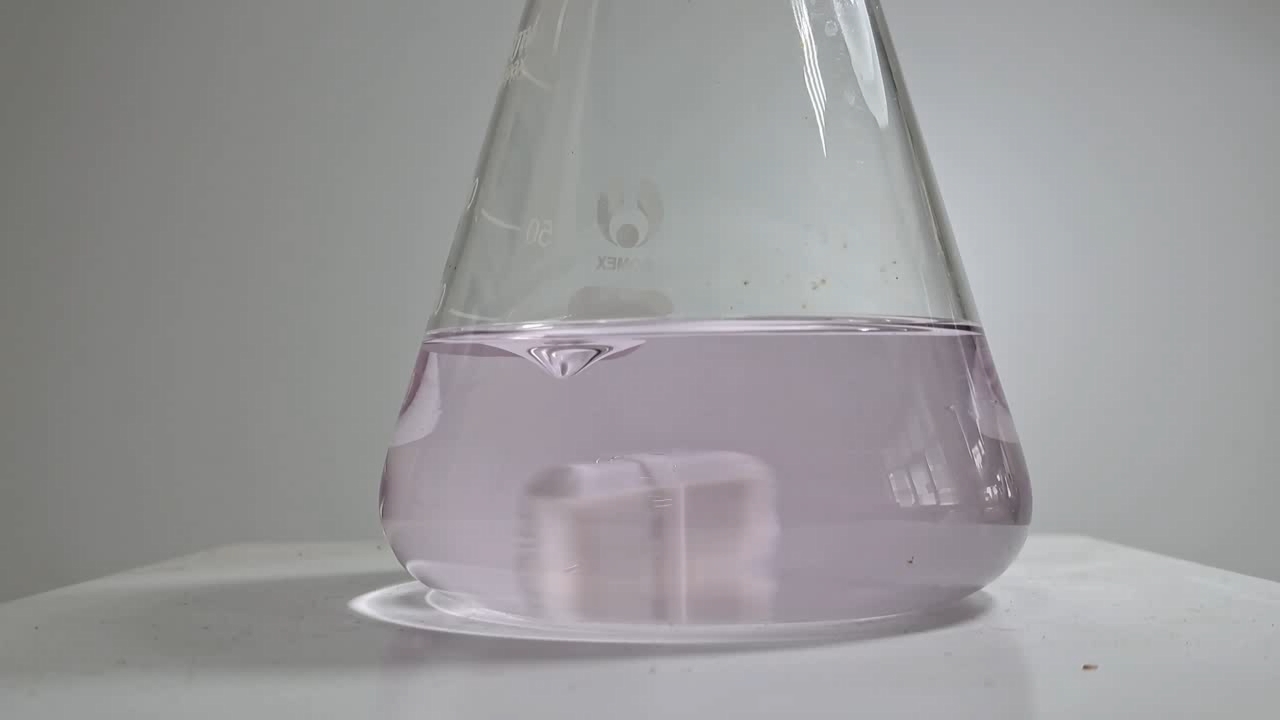
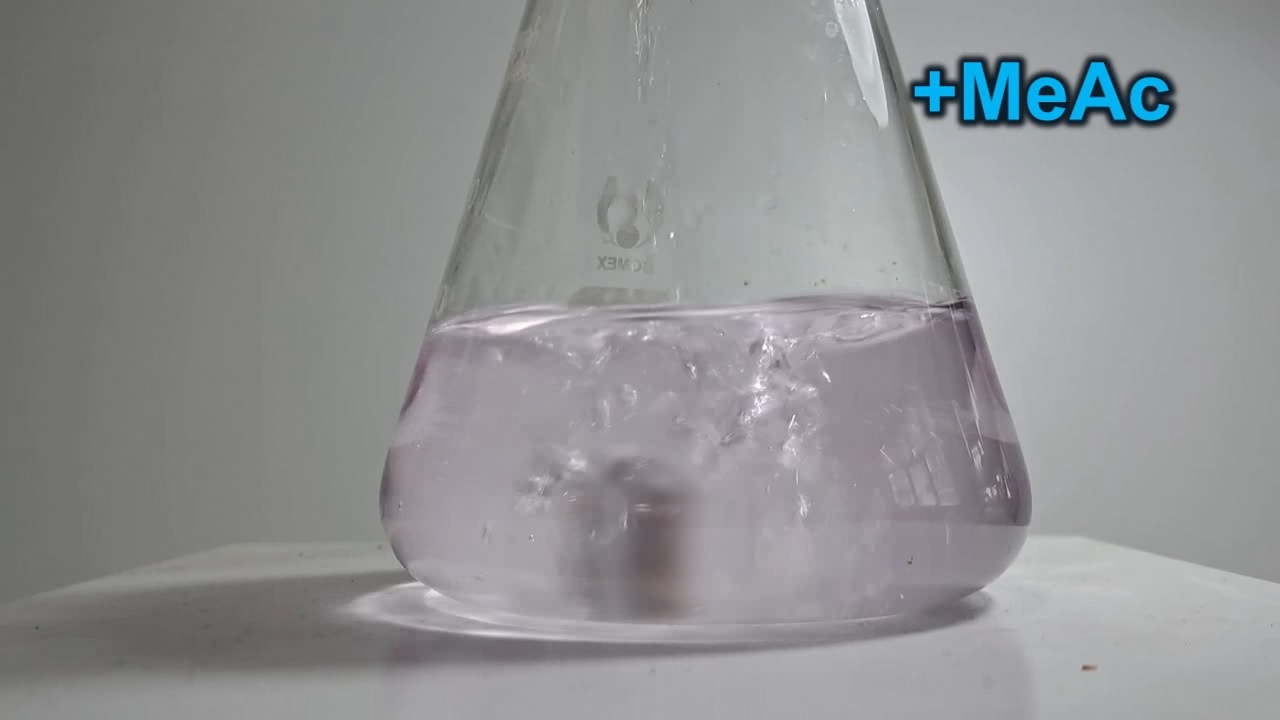
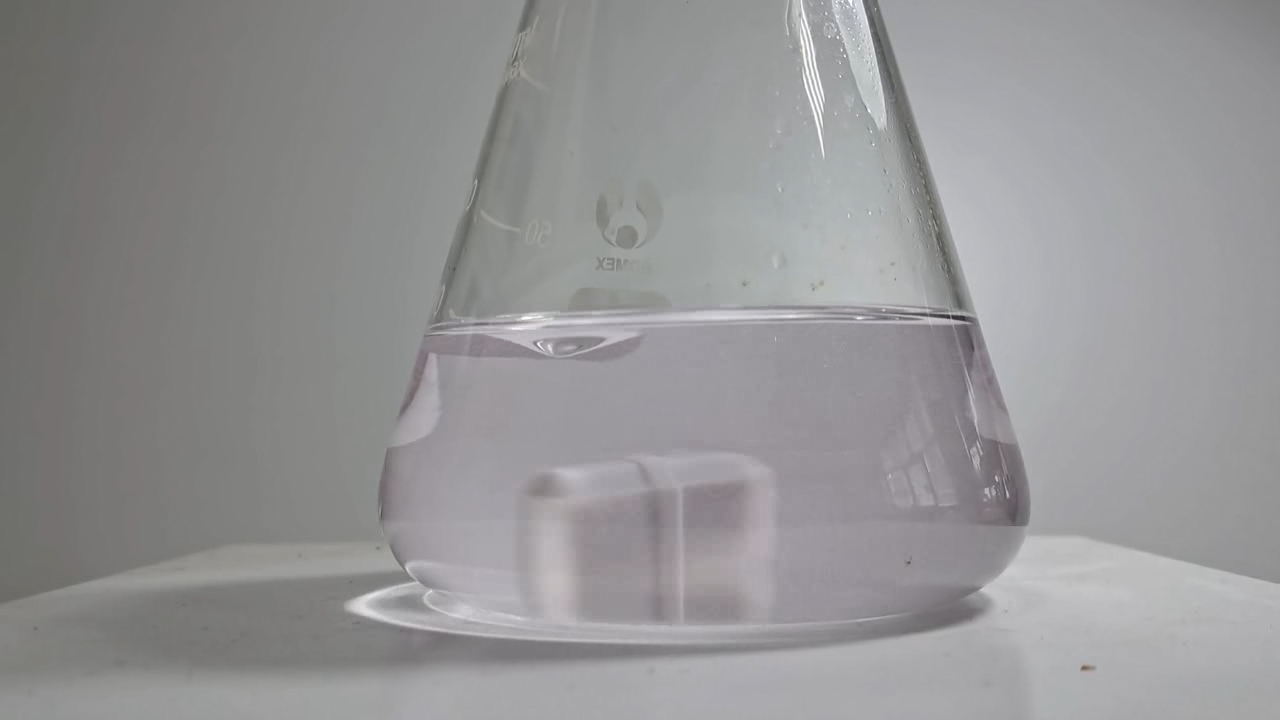
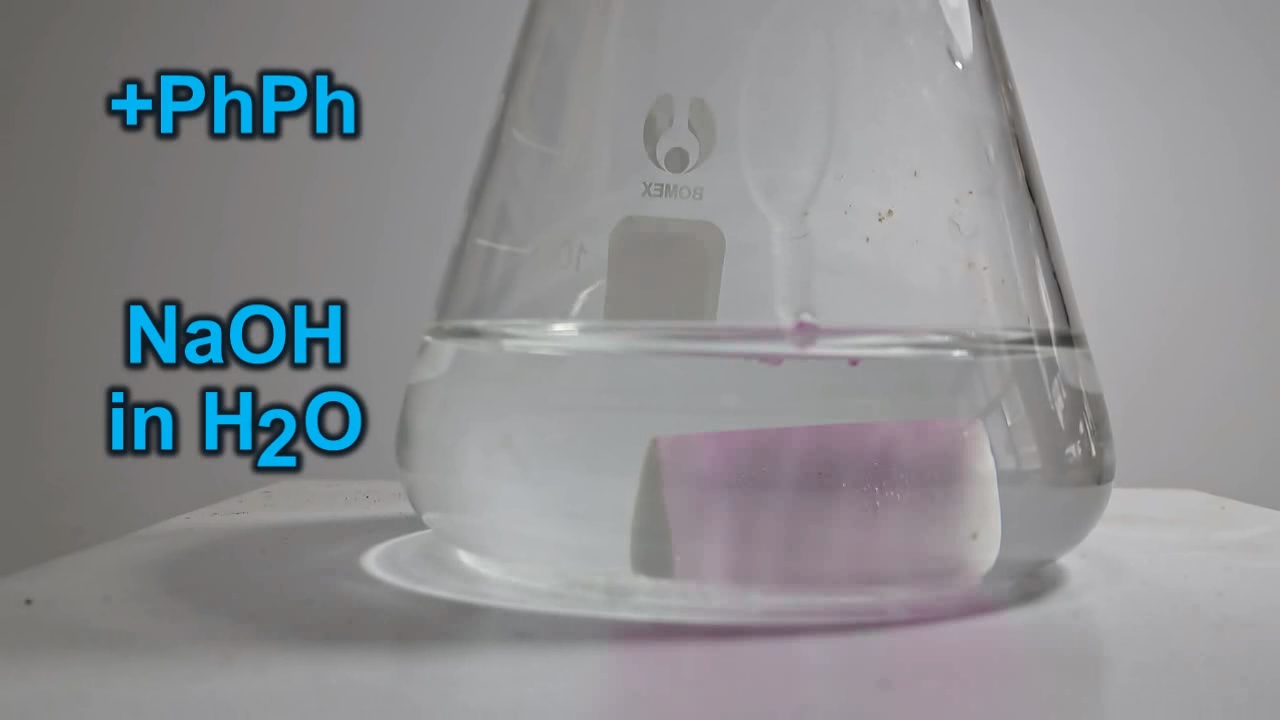
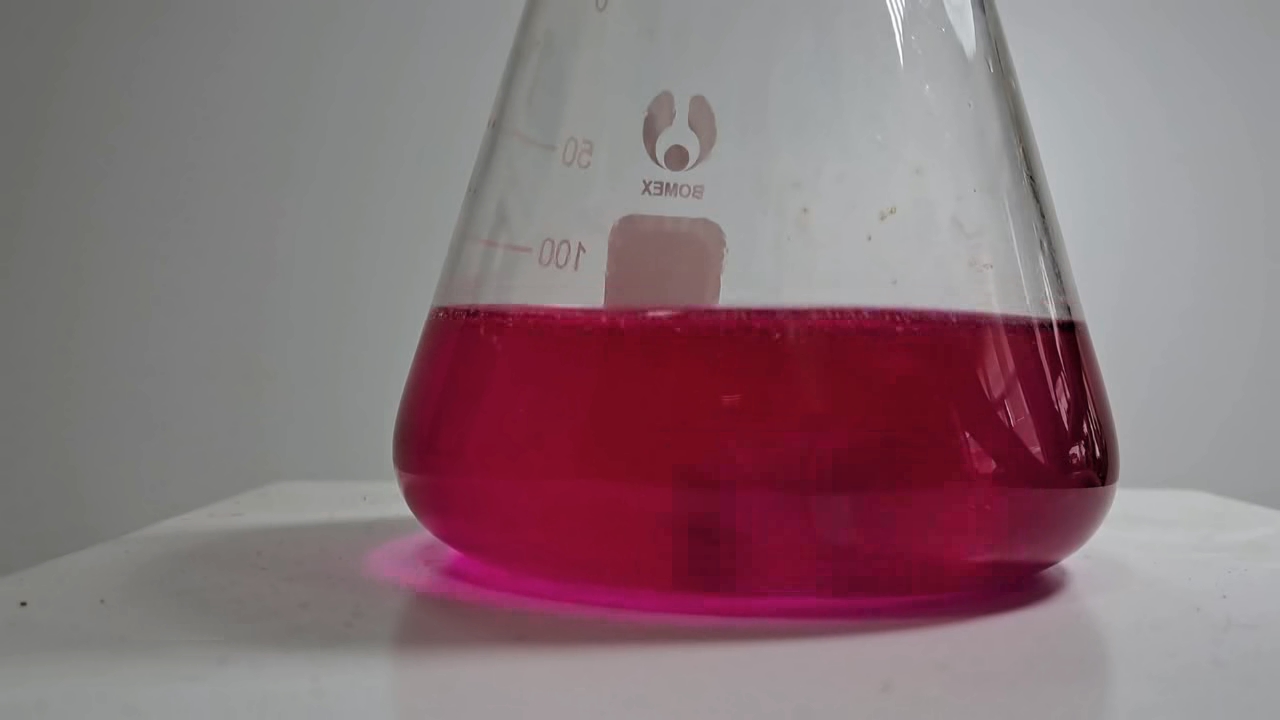
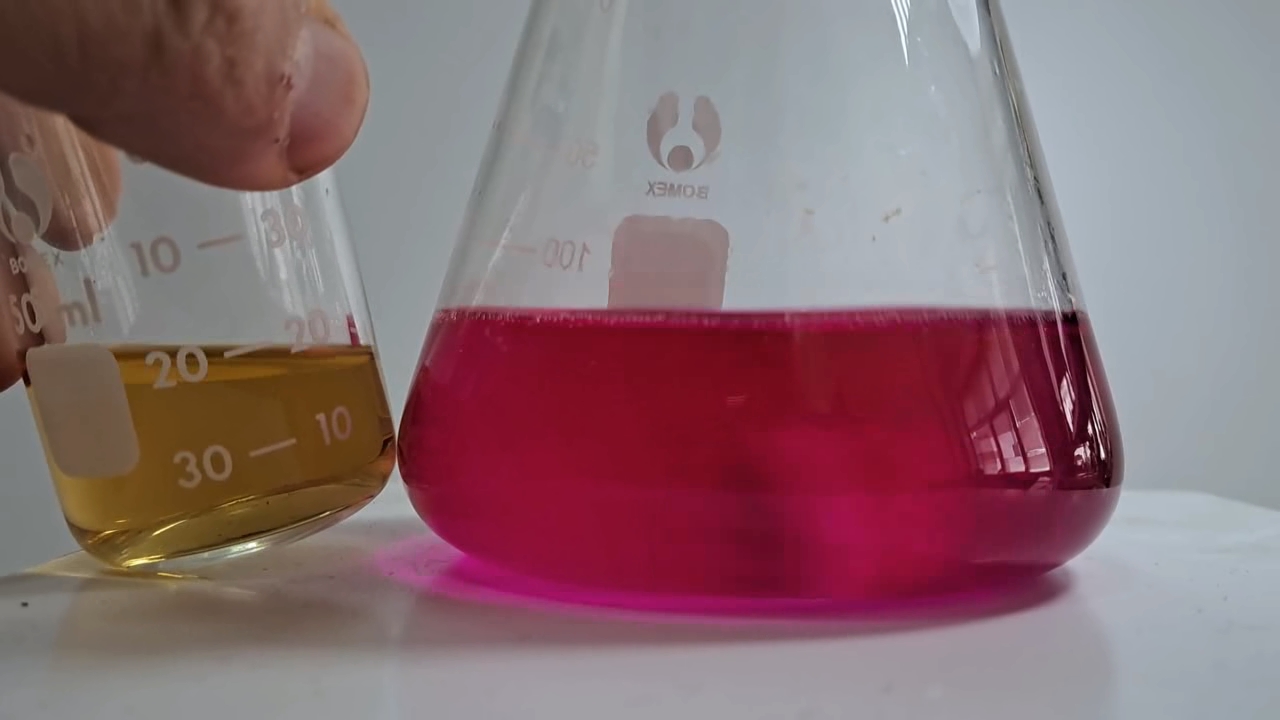
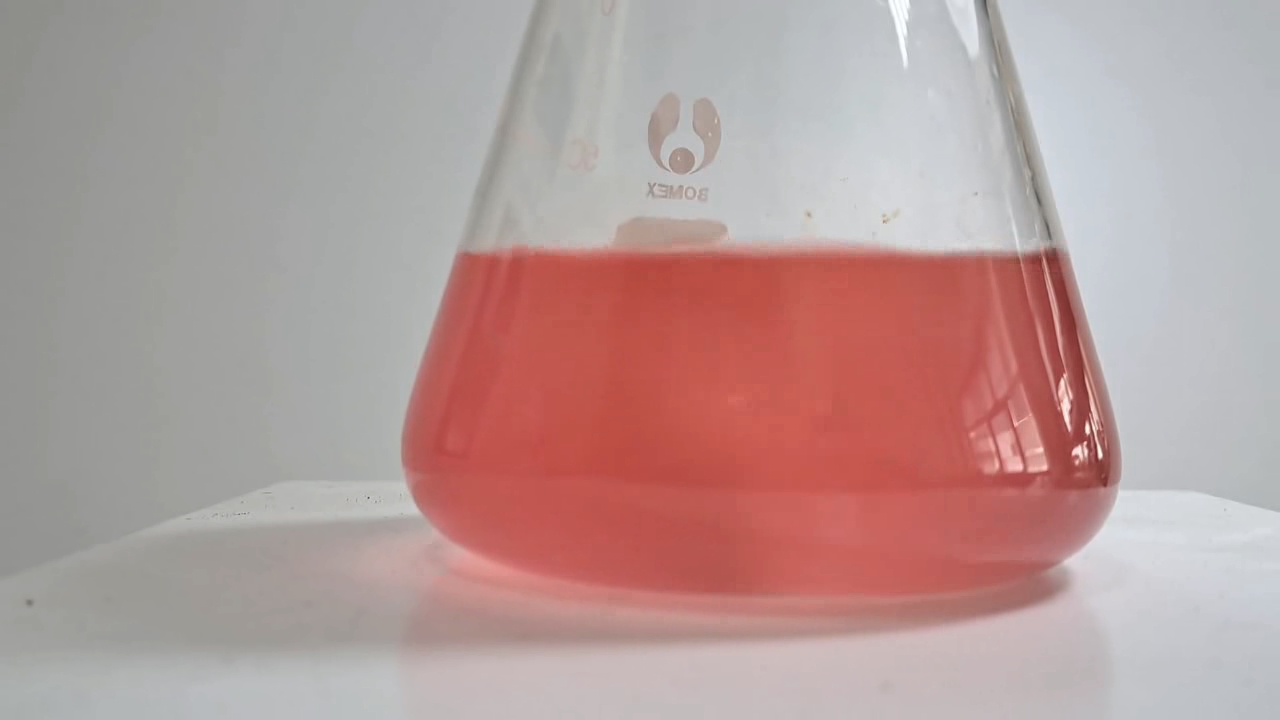
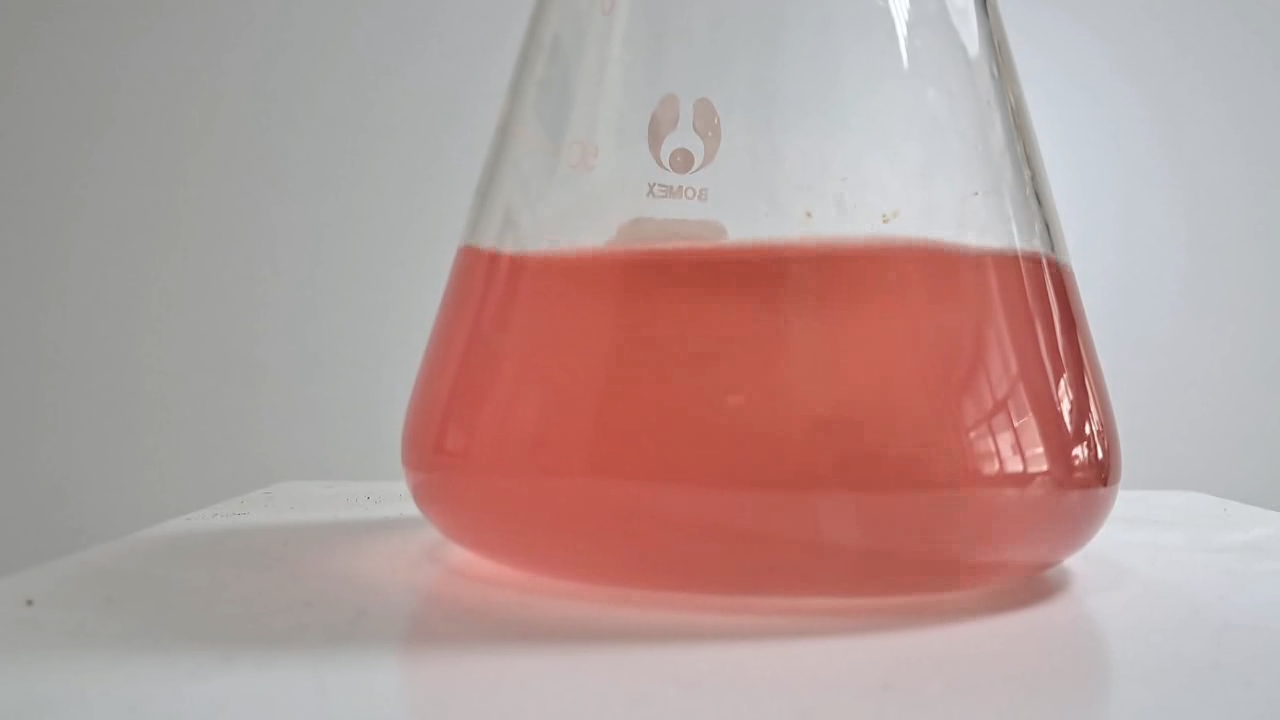
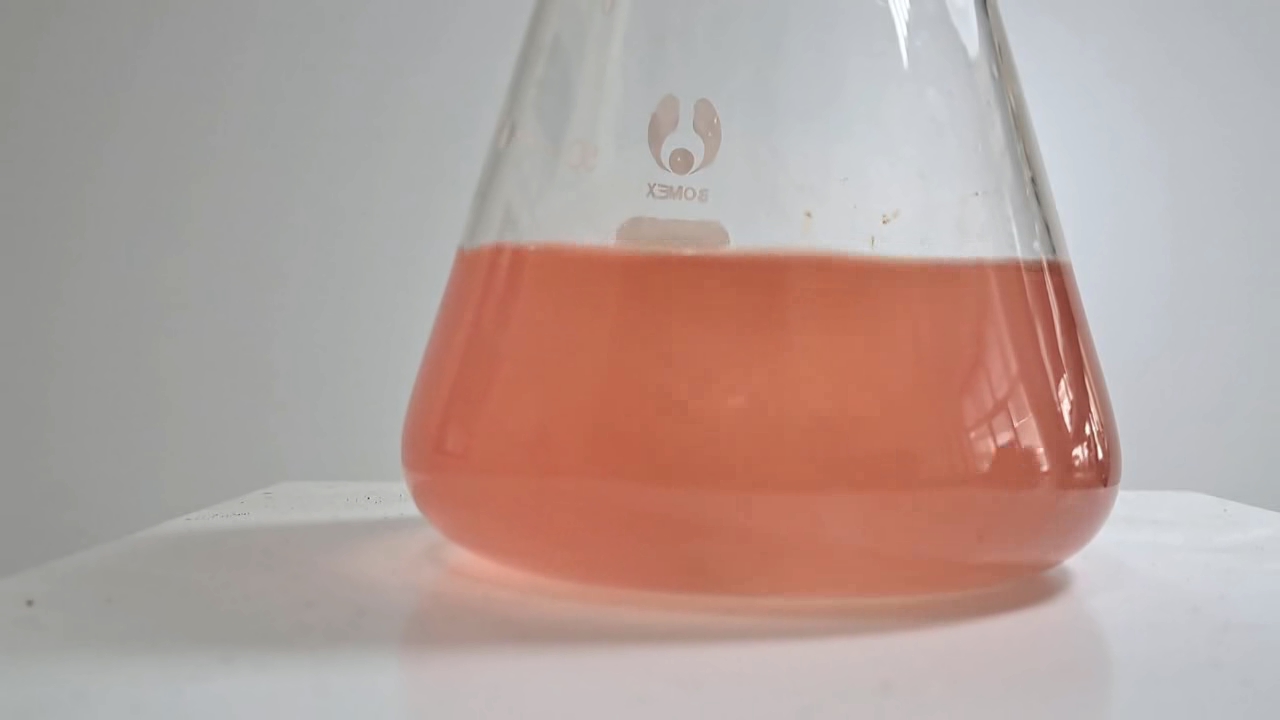
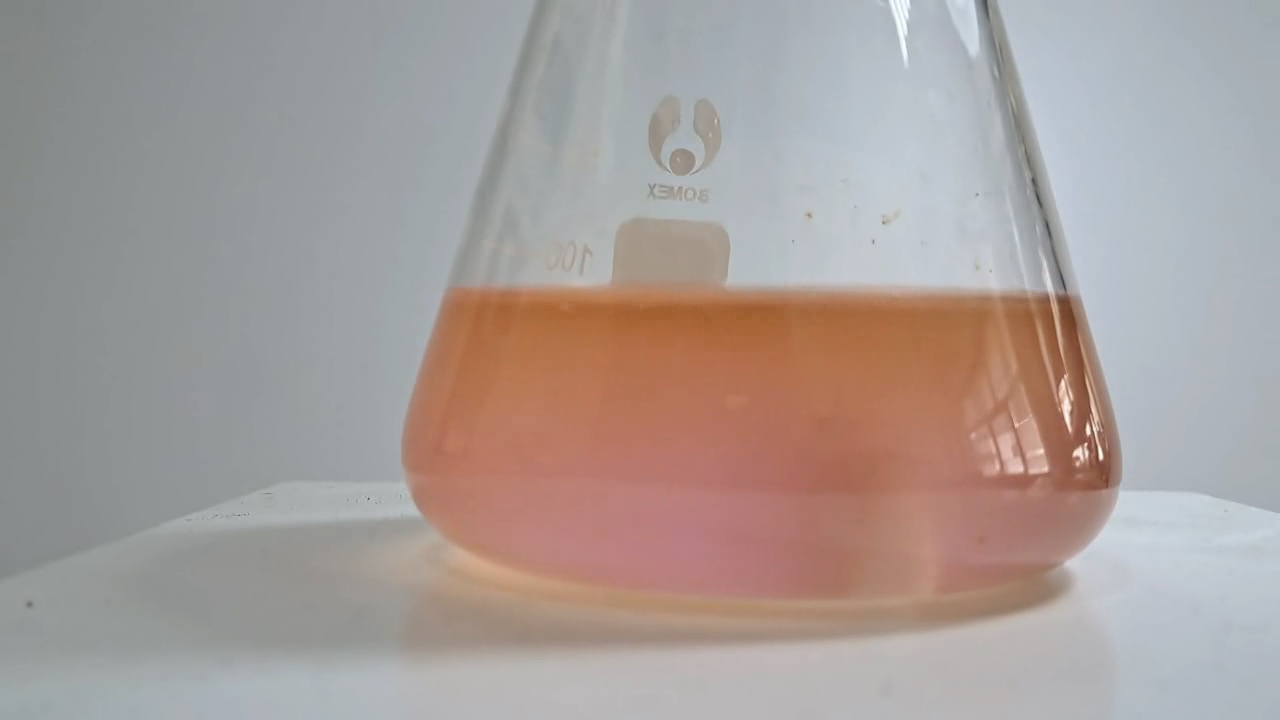
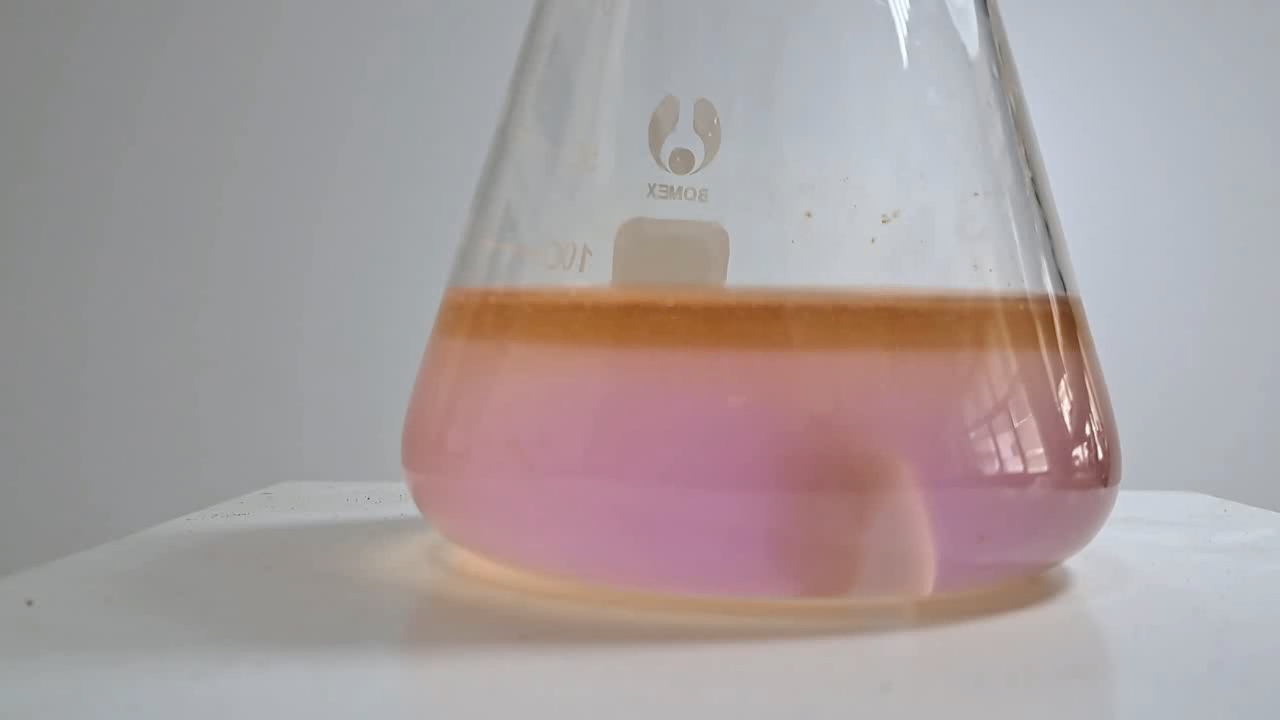
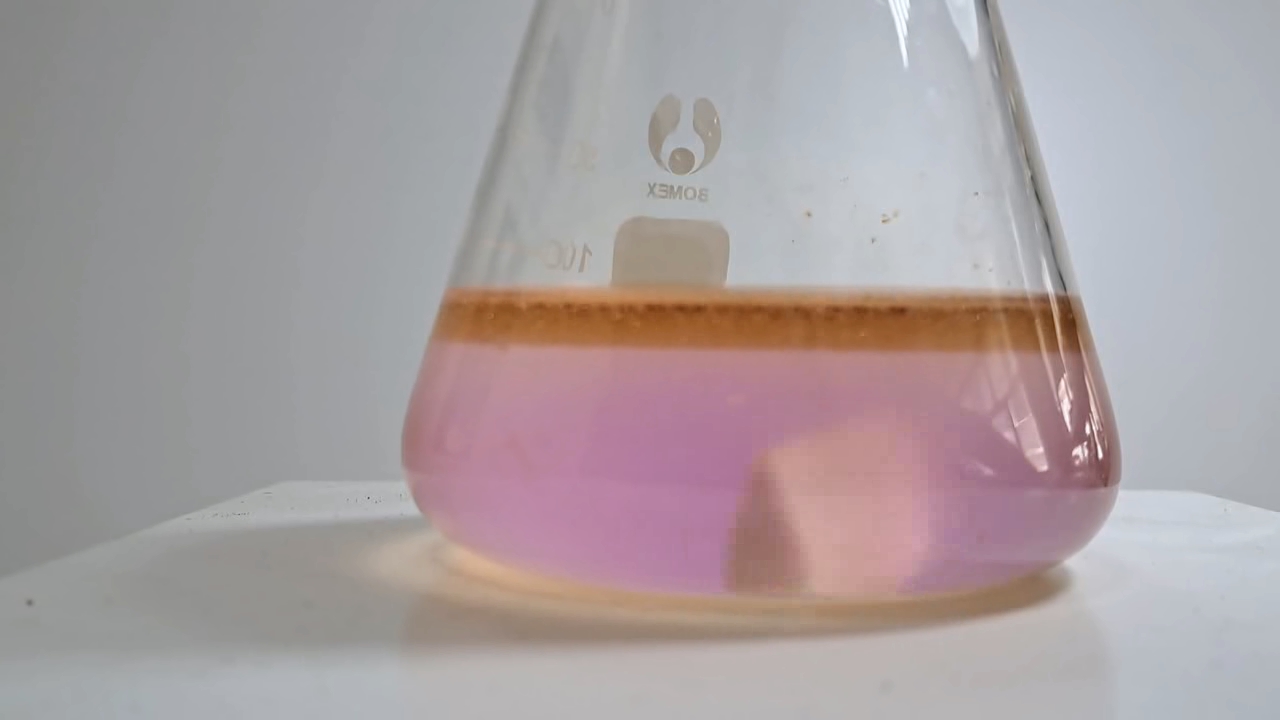
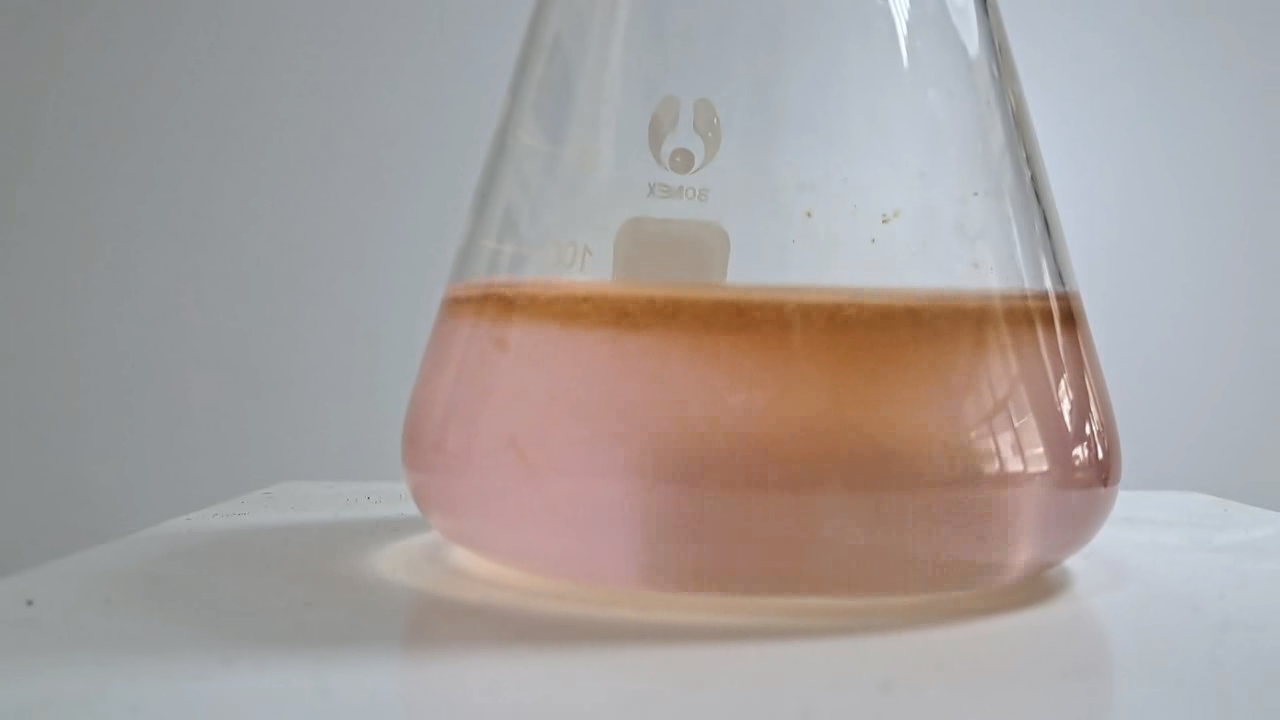
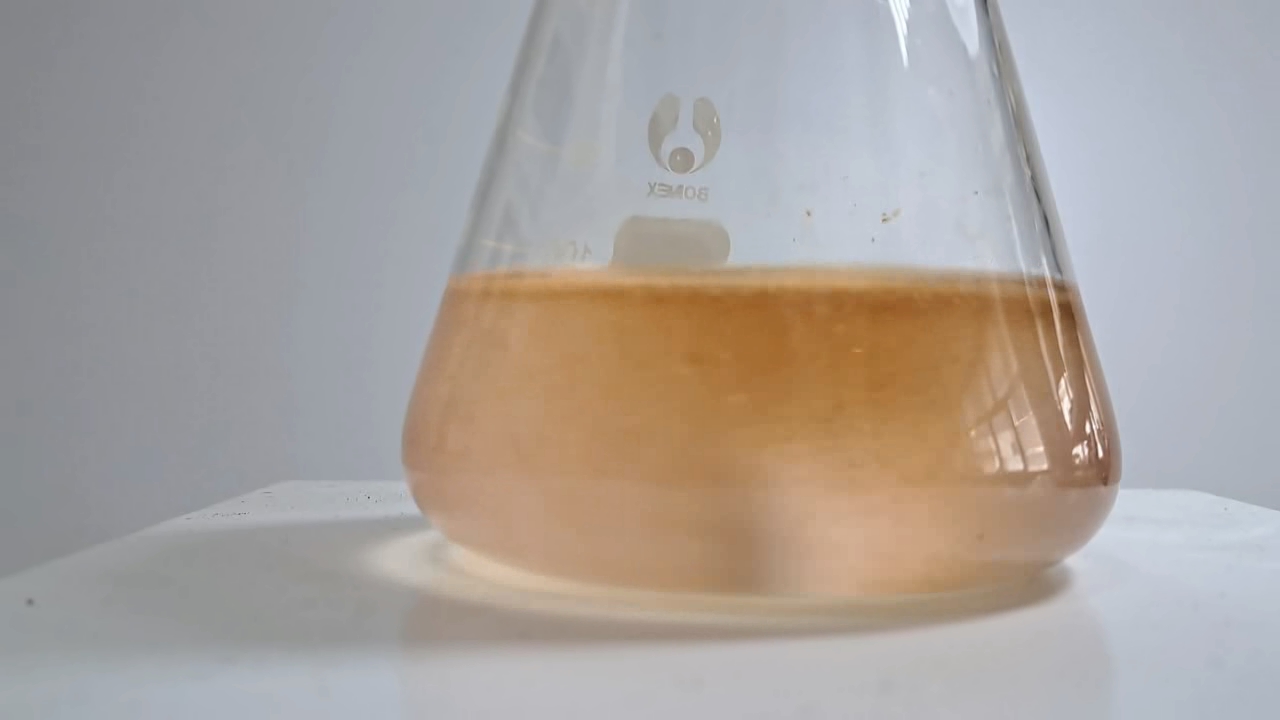
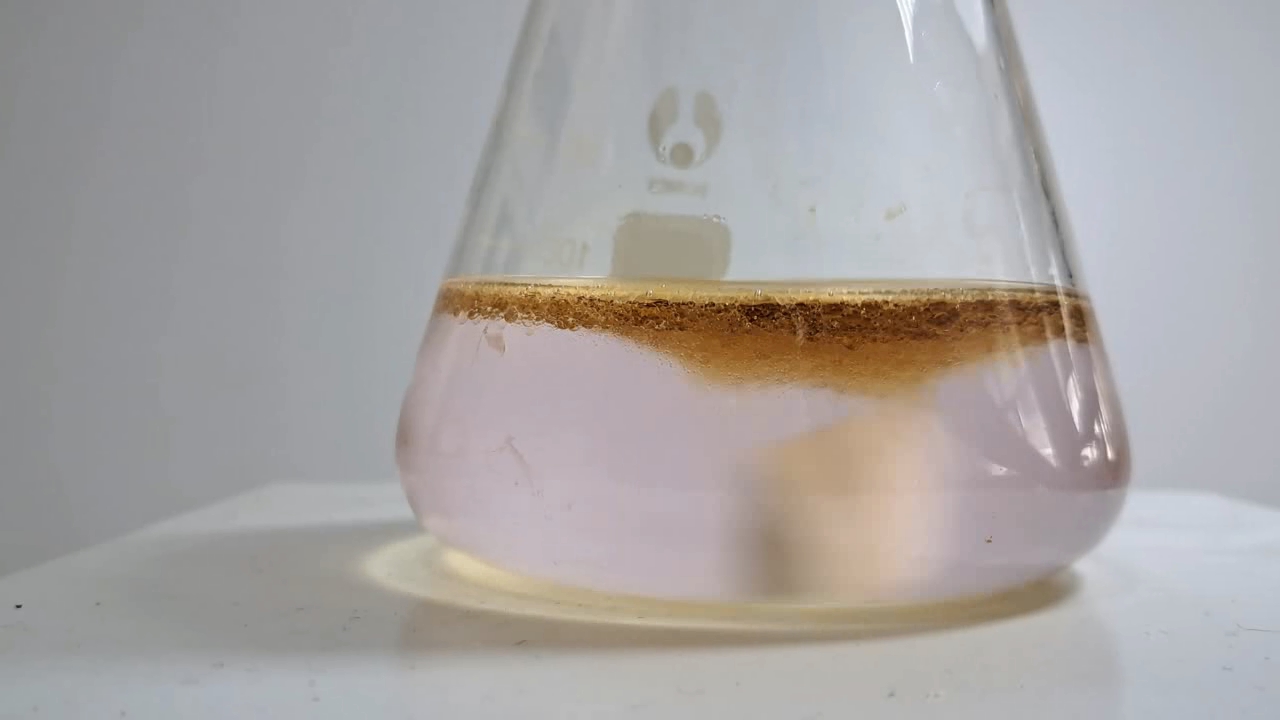
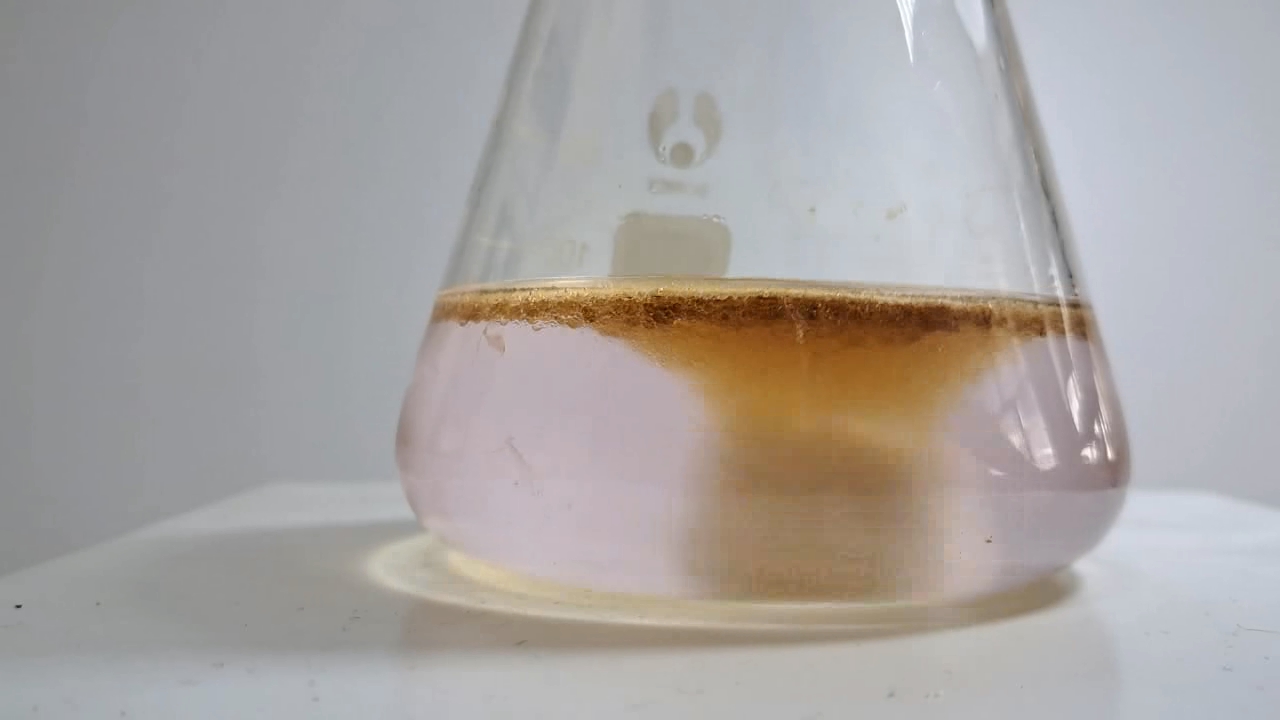
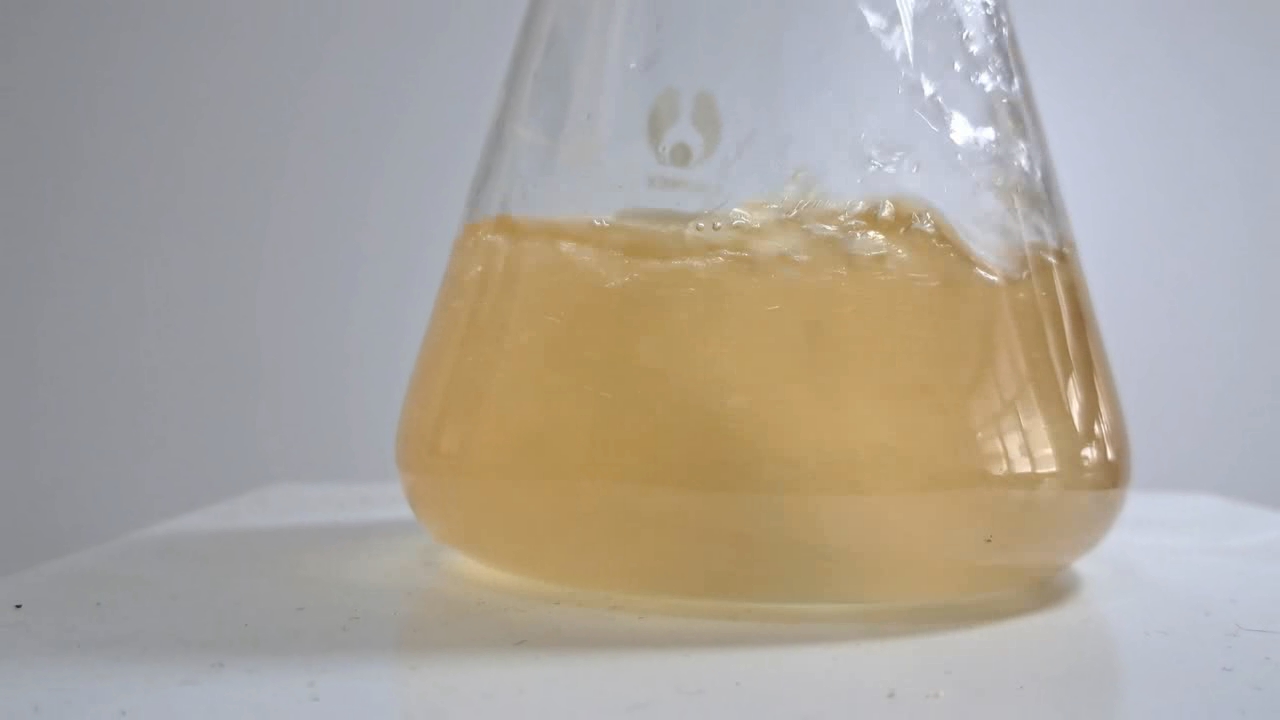
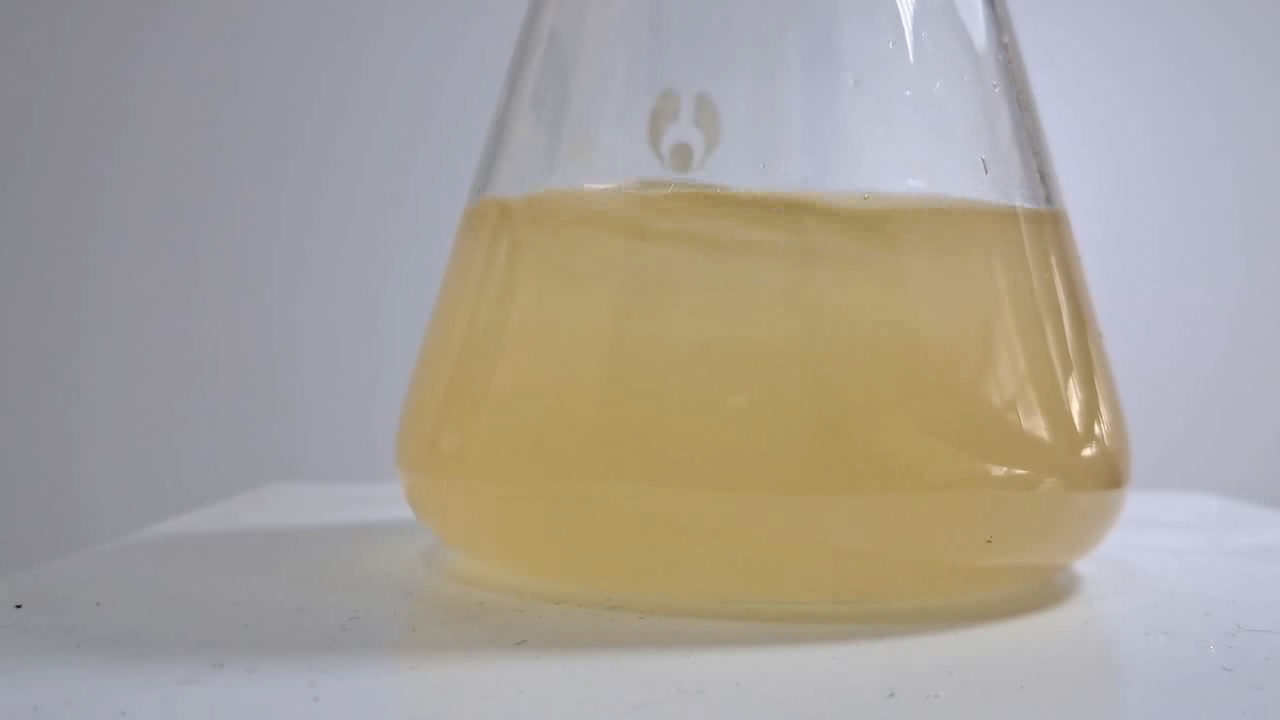
Over the course of three minutes, the color of the phenolphthalein faded slightly. I then added another 20 ml of methyl acetate. The solution's fuchsia color quickly faded, turning pale pink. Gradually, the solution became completely colorless. All of the sodium hydroxide was consumed through its reaction with the acetic acid produced during the hydrolysis of methyl acetate. I added a few granules of sodium hydroxide to the solution. It turned pink and then fuchsia as the alkali gradually dissolved. The color of the phenolphthalein then slowly began to fade again as the hydrolysis of methyl acetate continued. After two minutes, the solution became light pink. To accelerate the neutralization of the alkali, I added another 10 ml of methyl acetate. The liquid quickly became colorless again. The experiment could have been concluded at this point, but I decided to replace the sodium hydroxide with an ammonia solution, which is a weak base. I added 1 ml of concentrated ammonia solution to the same flask. A bright fuchsia color appeared, slowly fading as the hydrolysis of the ester continued. To accelerate the indicator's color change, I added another 10 ml of methyl acetate. The solution quickly became colorless. This experiment is not particularly spectacular or intriguing, but it can be used for educational purposes to demonstrate the hydrolysis of esters. The presence of phenolphthalein makes it possible to visualize the hydrolysis of methyl acetate. The addition of alkali and methyl acetate can be alternated to produce the appearance and disappearance of the phenolphthalein color. The process resembles the neutralization reaction between an acid and a base, except that the hydrolysis of the ester proceeds at a much slower rate. |
Hydrolysis of Methyl Acetate |
|
|
|
|
|
|
|
|
|
|
|
|
|
|
|
|
|
|
|
|
|
|
|
|
|
|
|
|
|
|
|
|
|
|
|
|
|
|
|
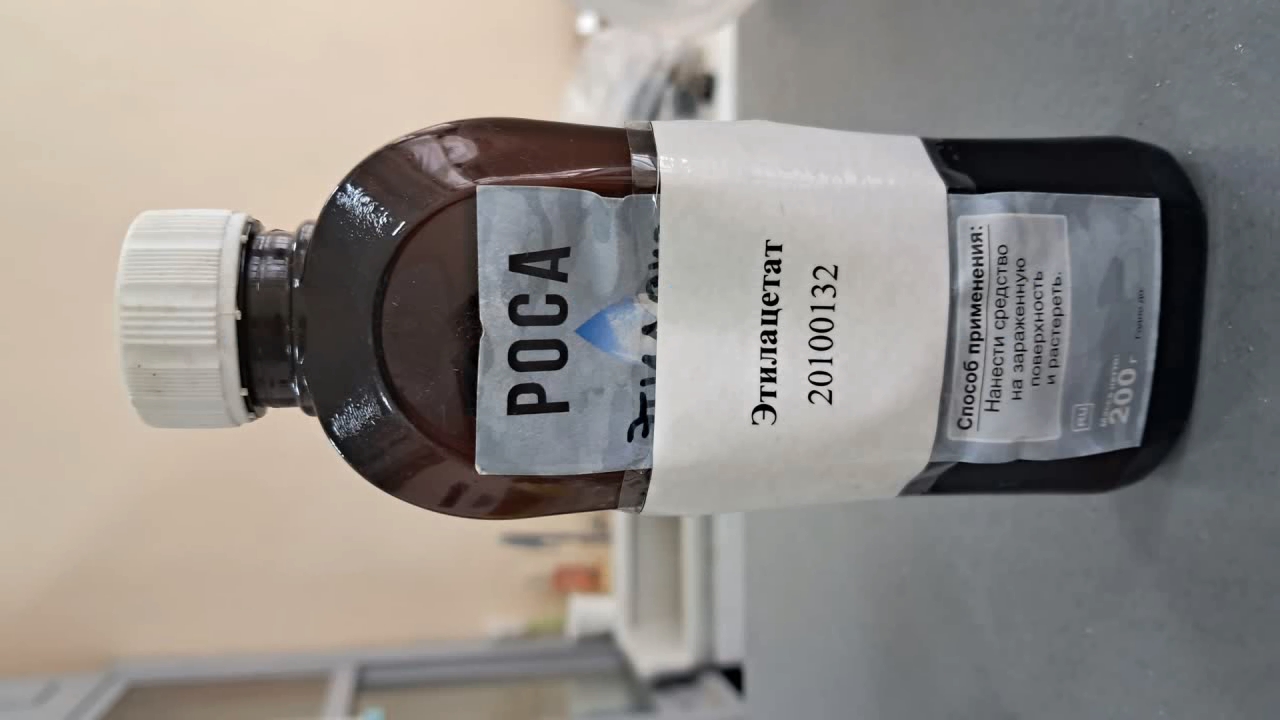
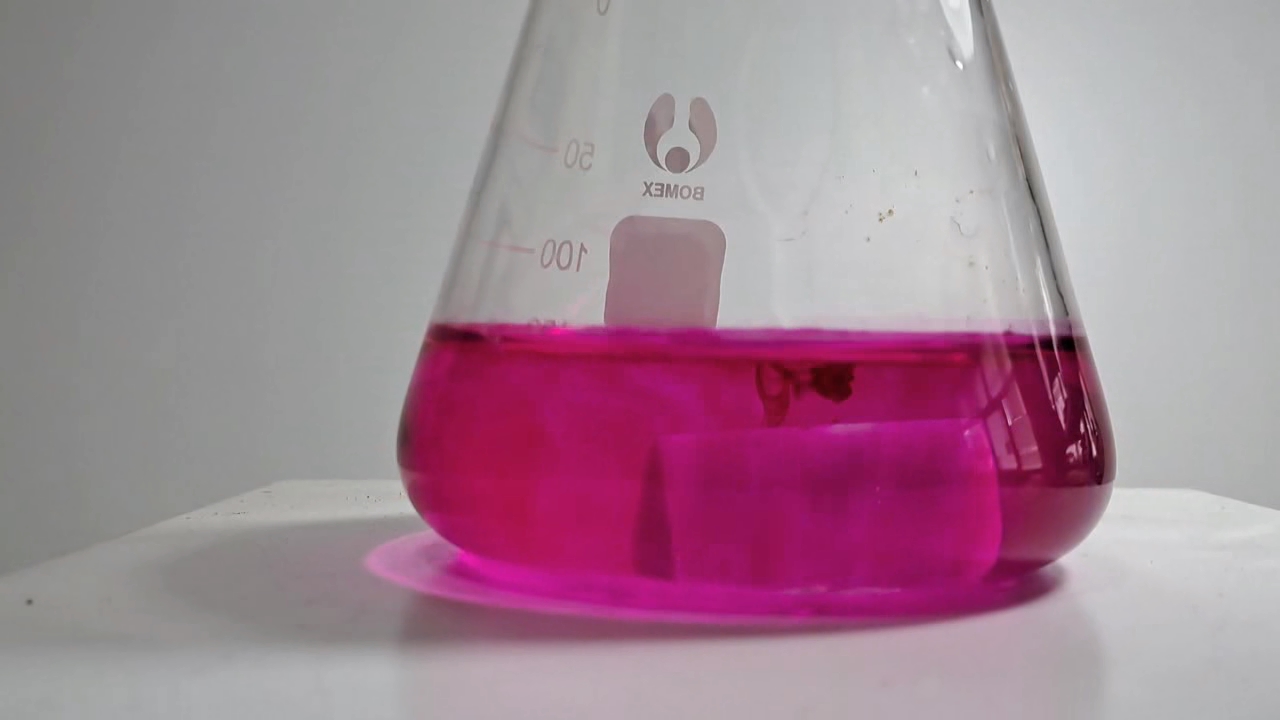
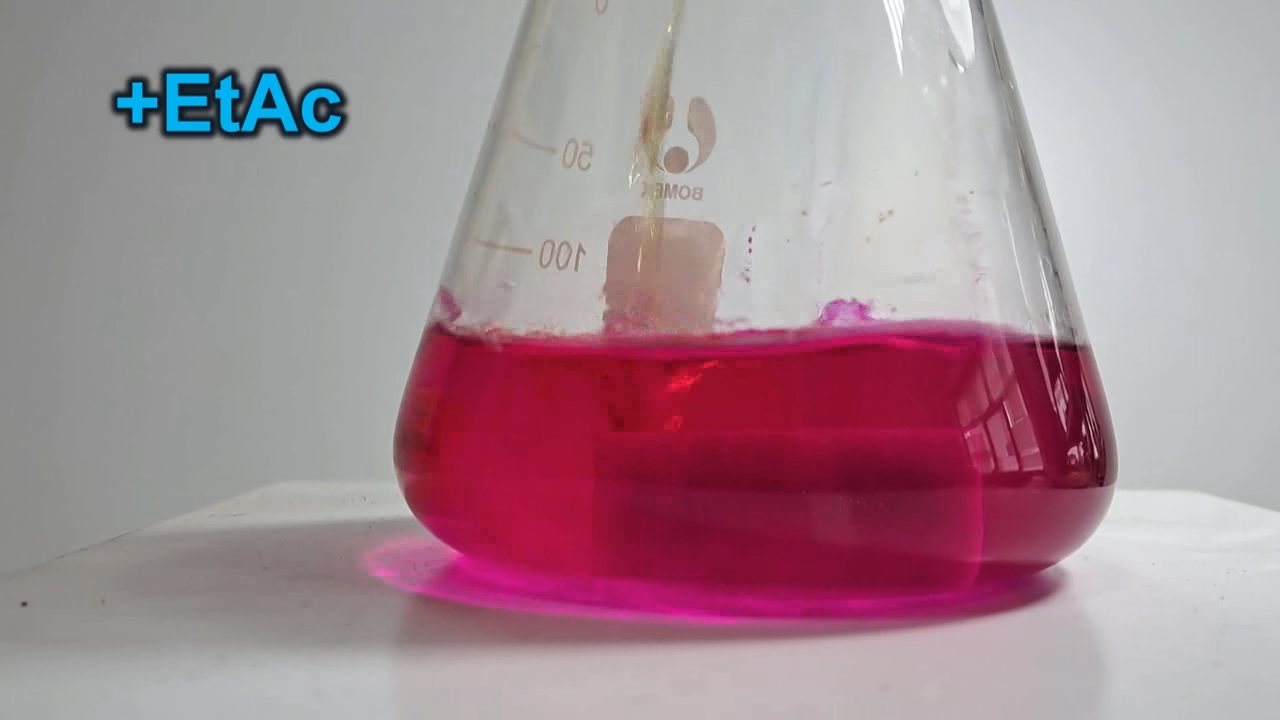
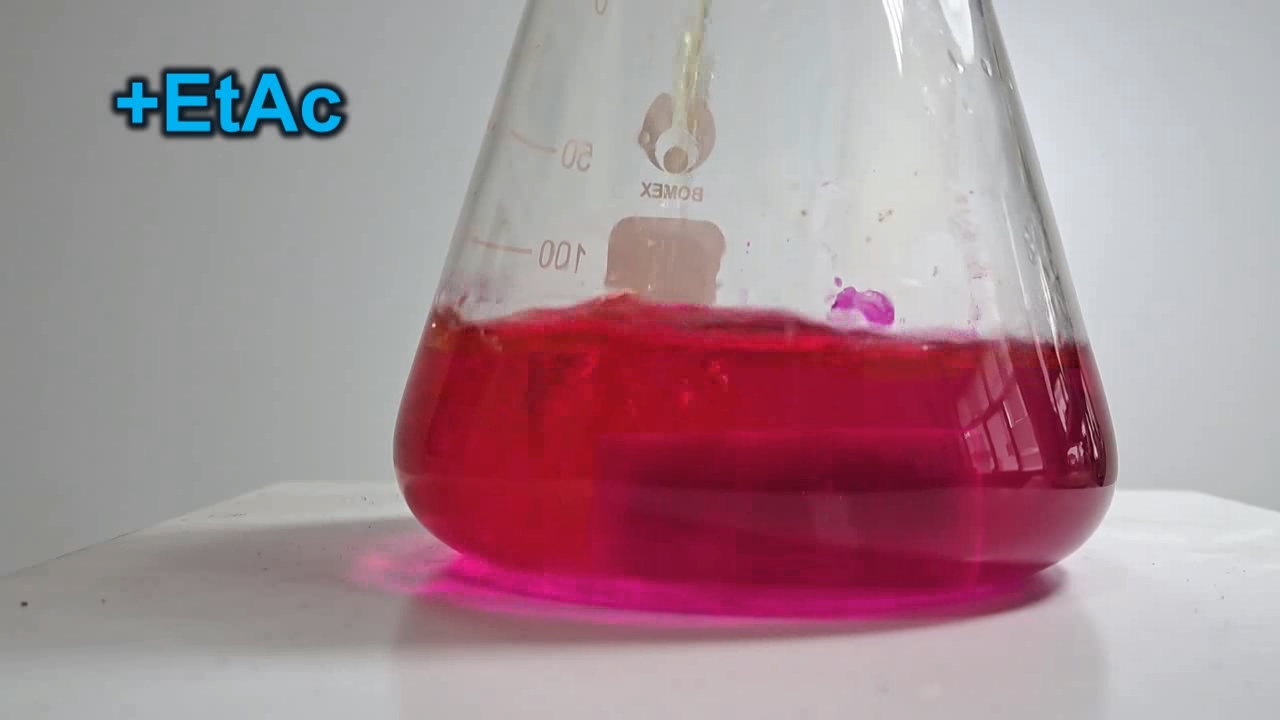
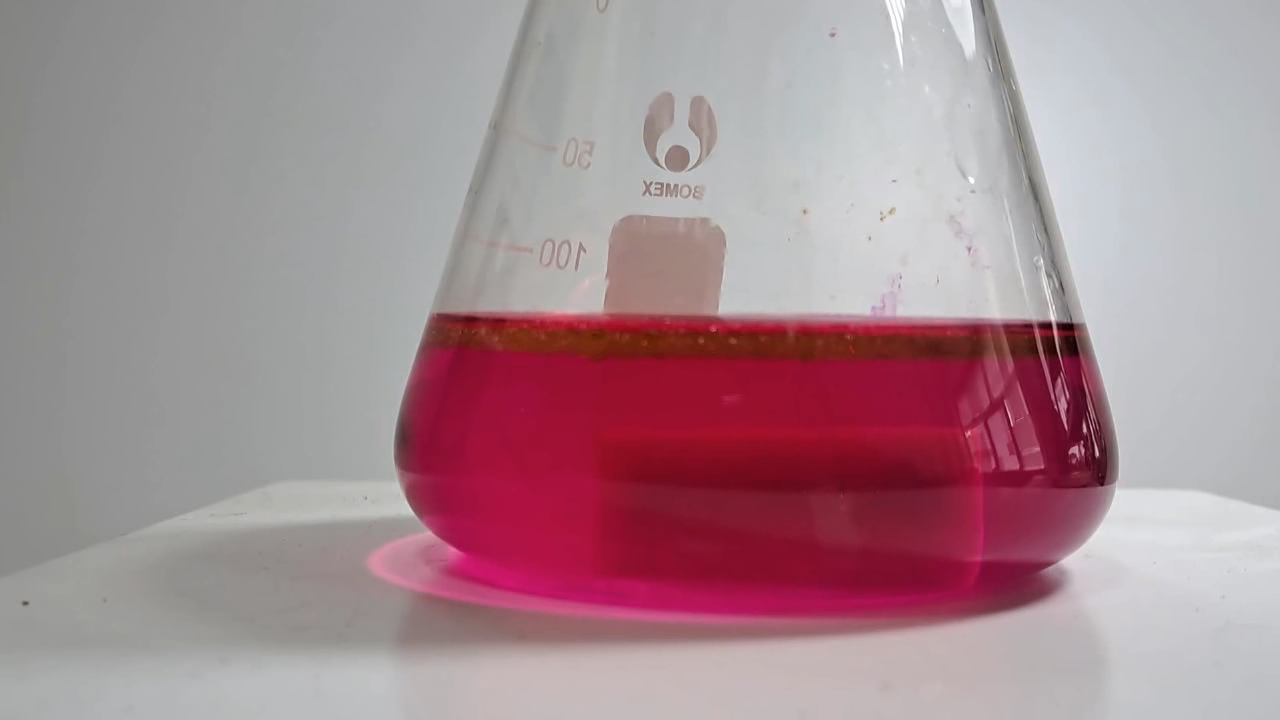
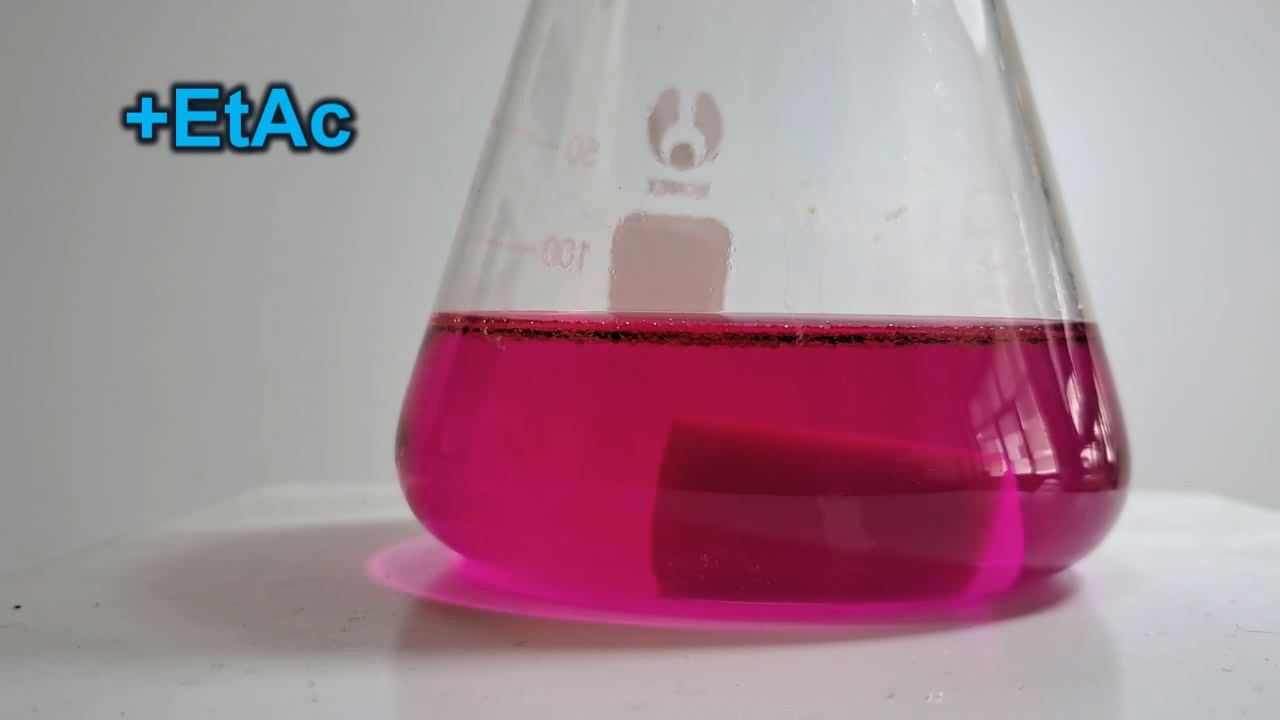
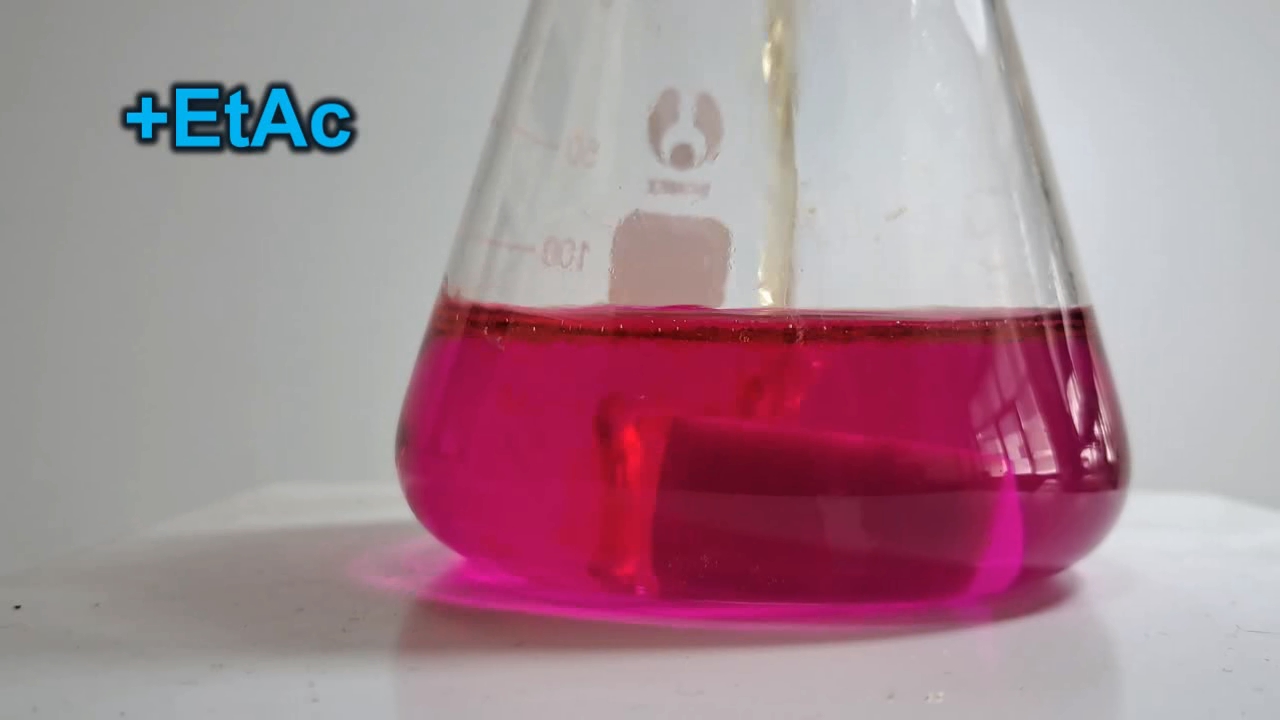
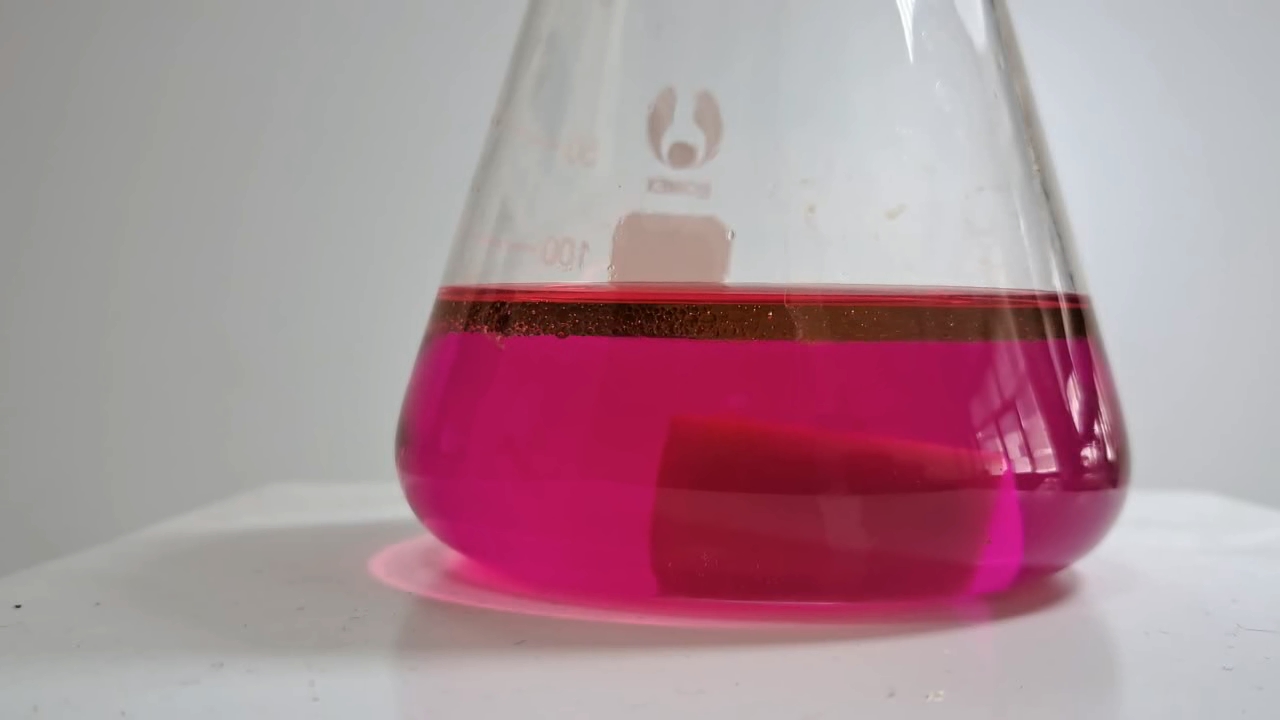
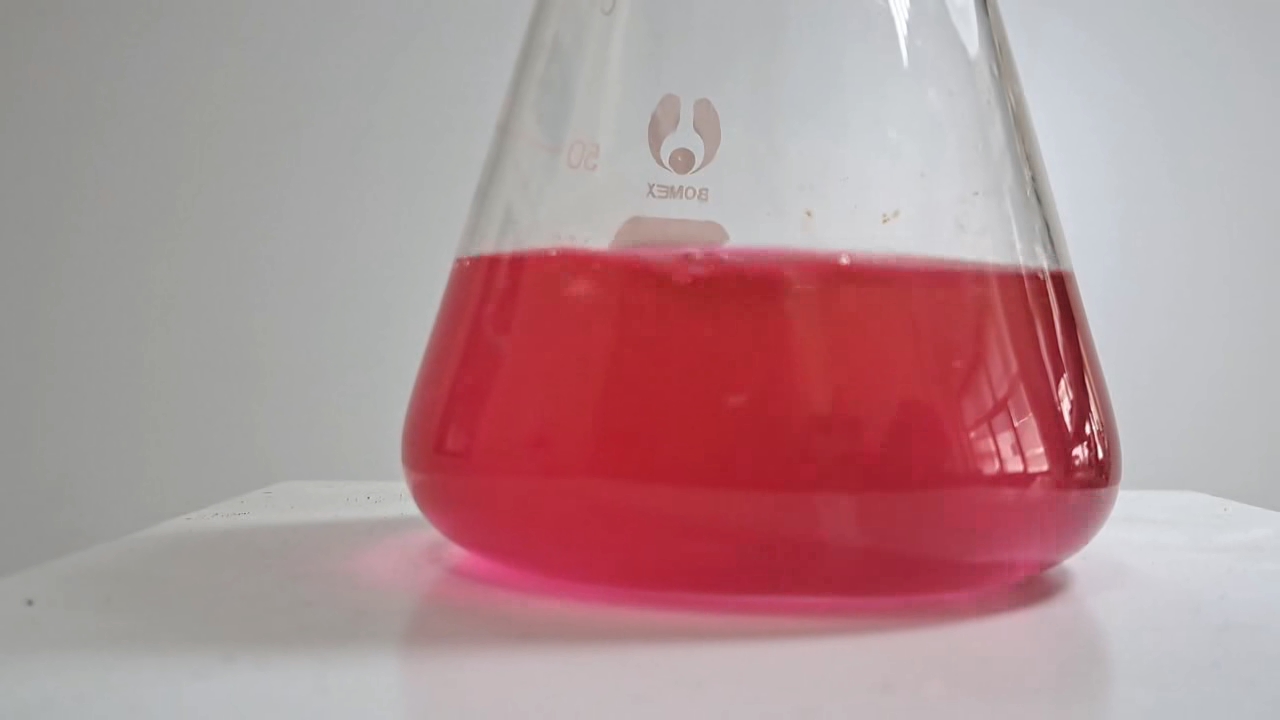
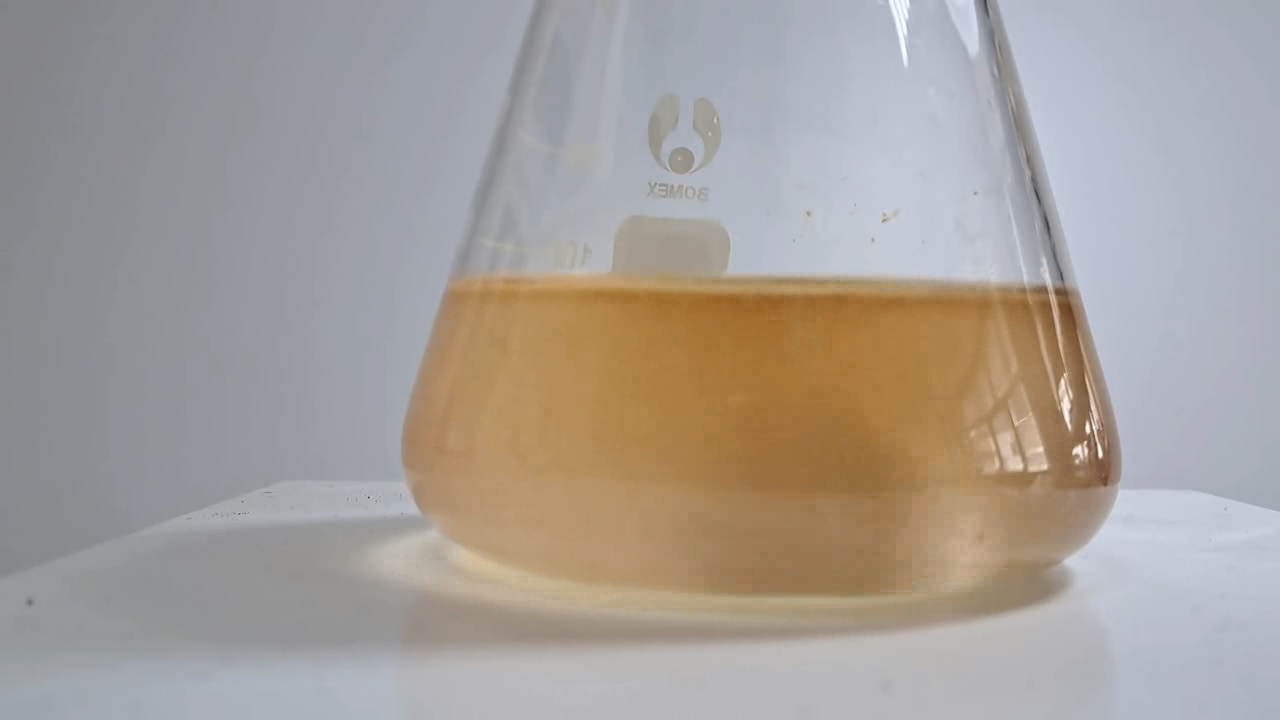
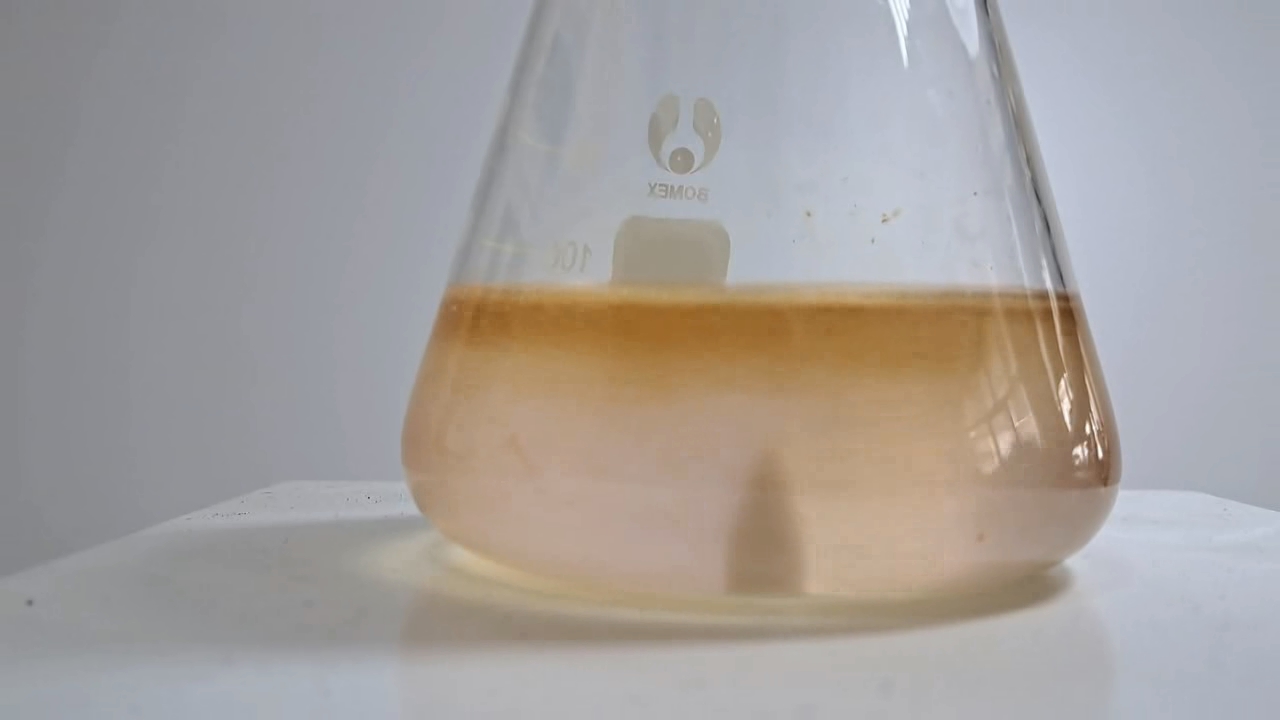
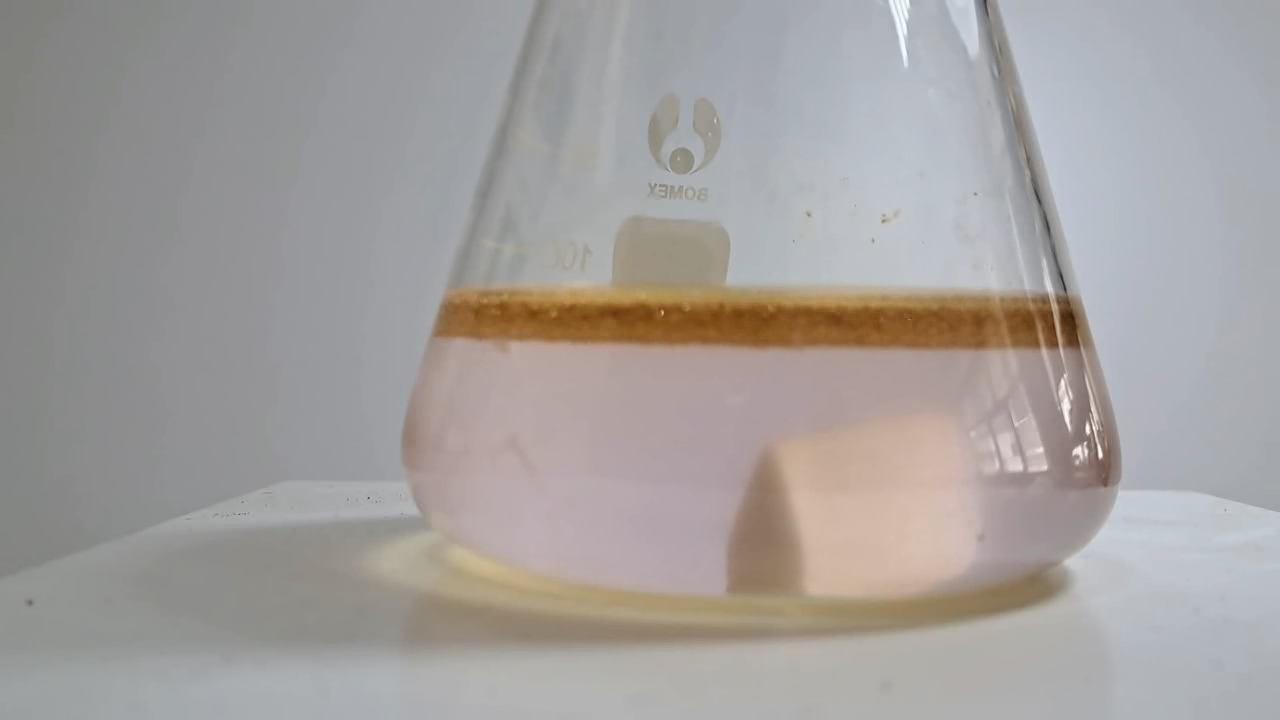
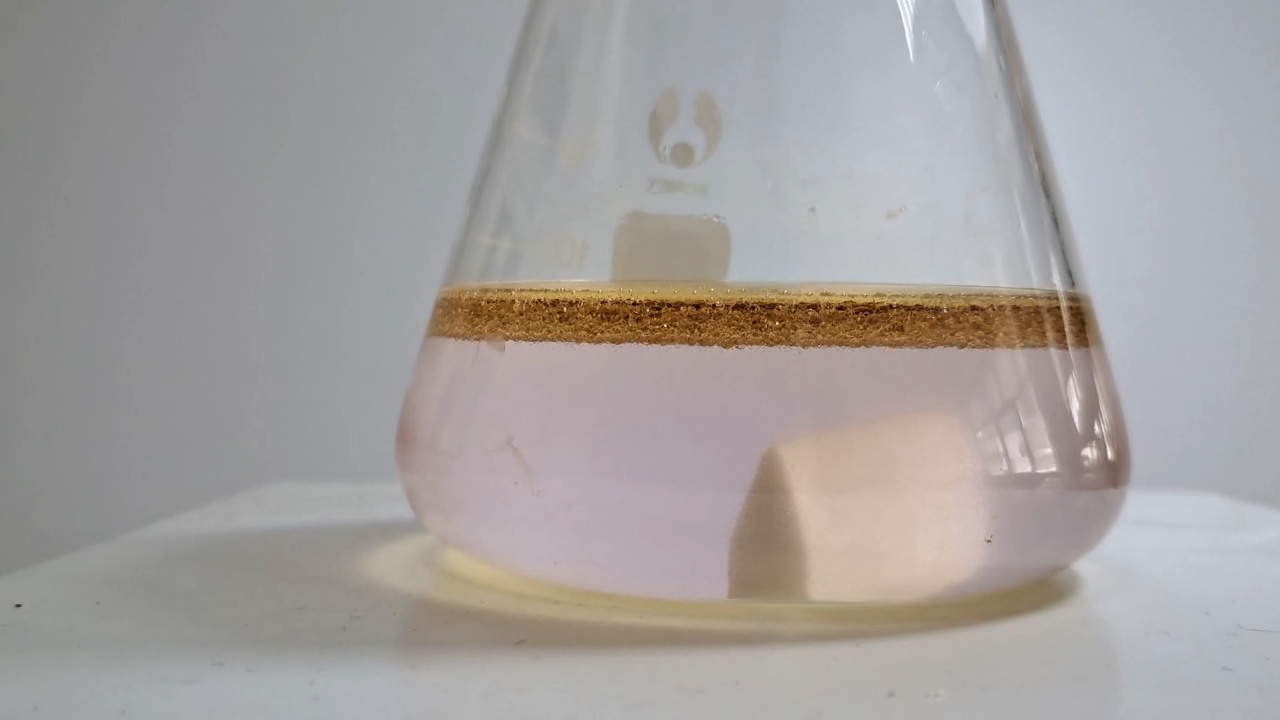
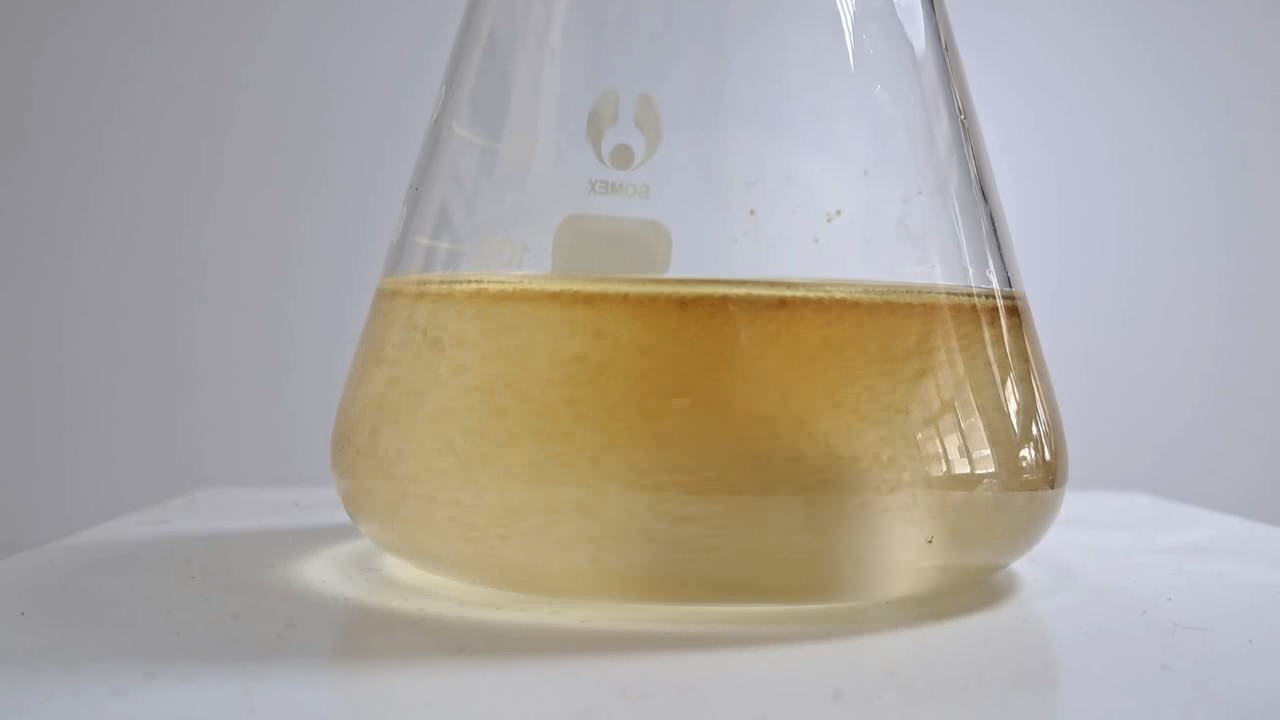
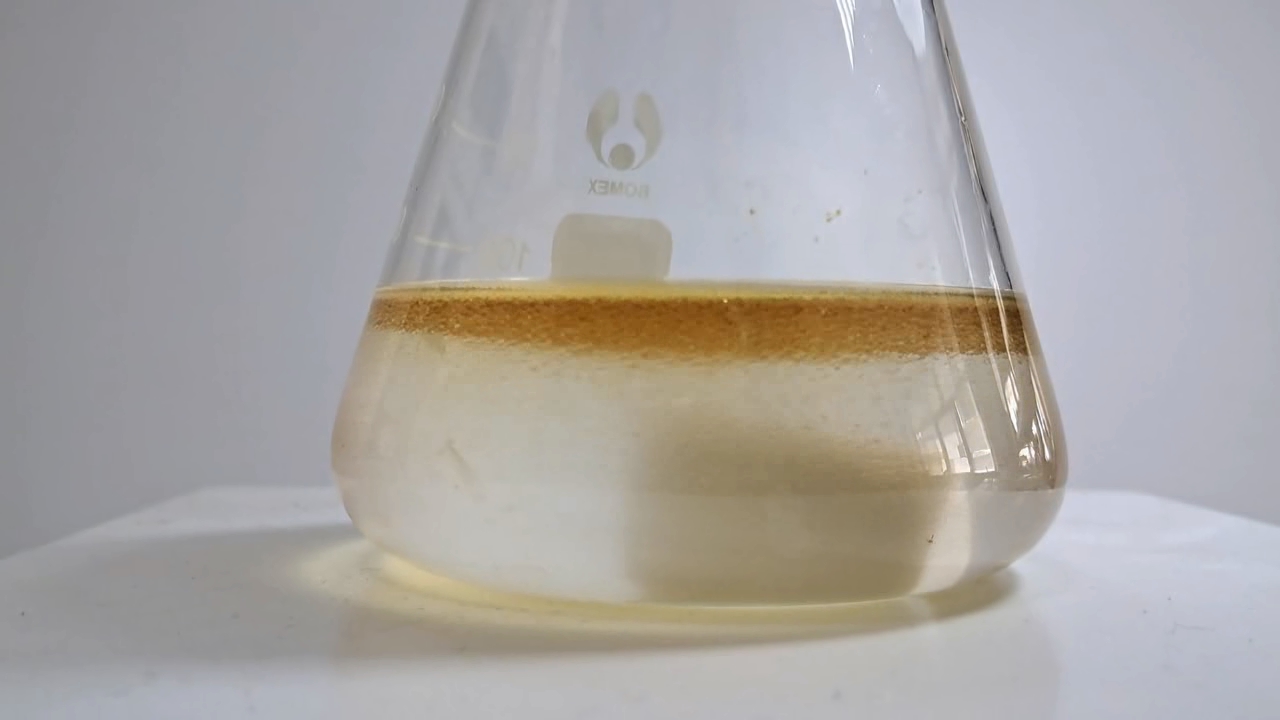
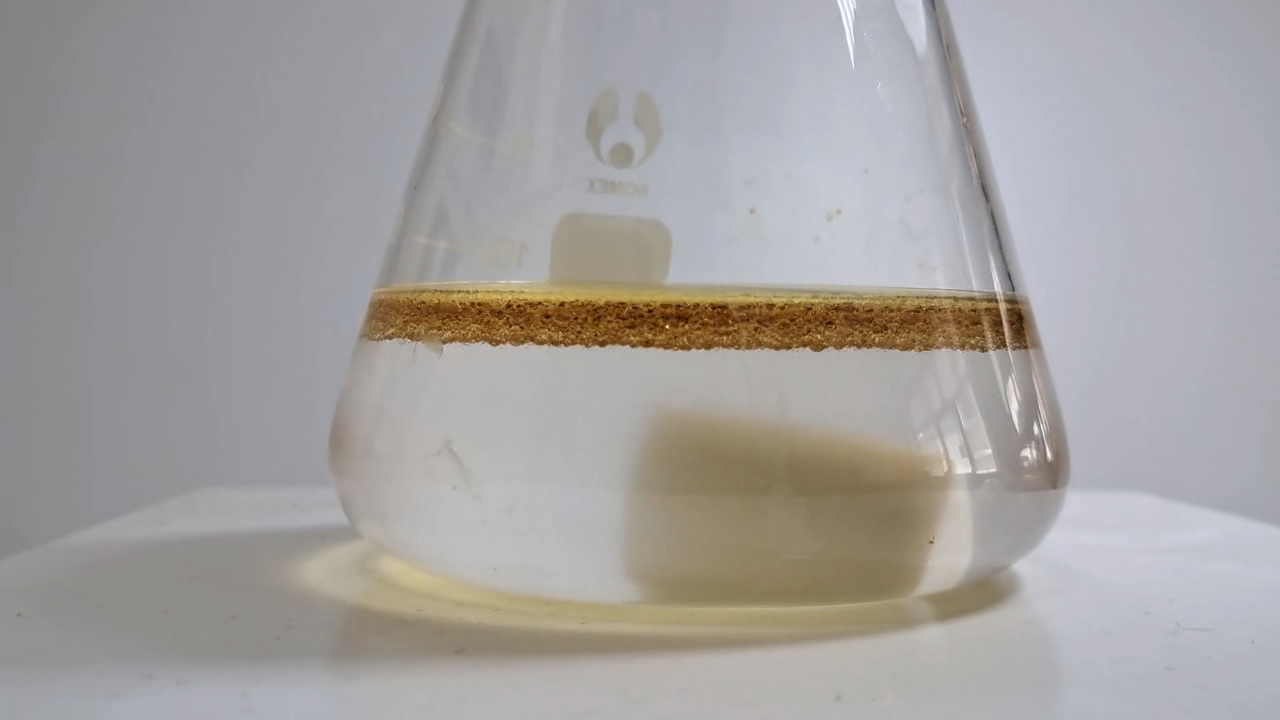
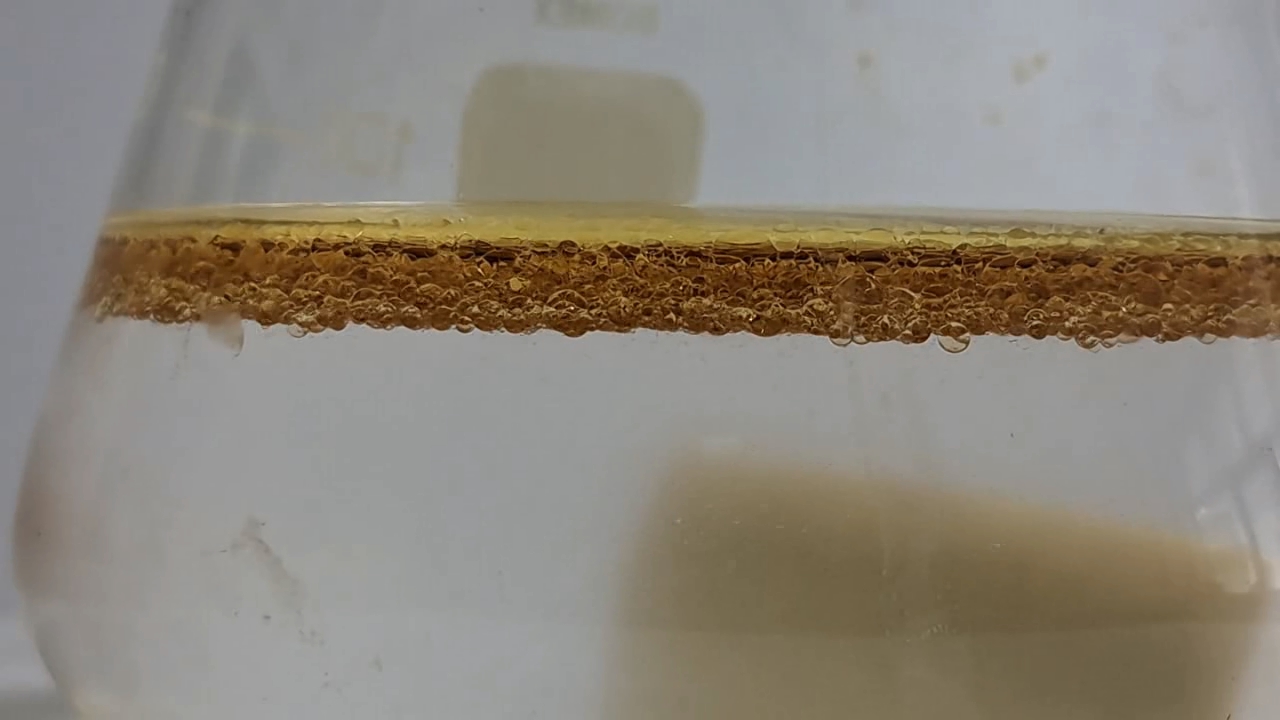
Hydrolysis of Ethyl Acetate |
|
|
|
|
|
|
|
|
|
|
|
|
|
|
|
|
|
|
|
|
|
|
|
|
|
|
|
|
|
|
|
|
|
|
|
|
|
|
|
|
|
