Chemistry and Chemists № 1 2026
Journal of Chemists-Enthusiasts
| Content | Chemistry experiments - video | Physics experiments - video | Home Page - Chemistry and Chemists |
|
Chemistry and Chemists № 1 2026 Journal of Chemists-Enthusiasts |
Hydrolysis of Methyl Acetate, Ethyl Acetate, and Butyl Acetate - pt.5, 6 Chemist |
|
Having noticed a mistake in the text, allocate it and press Ctrl-Enter
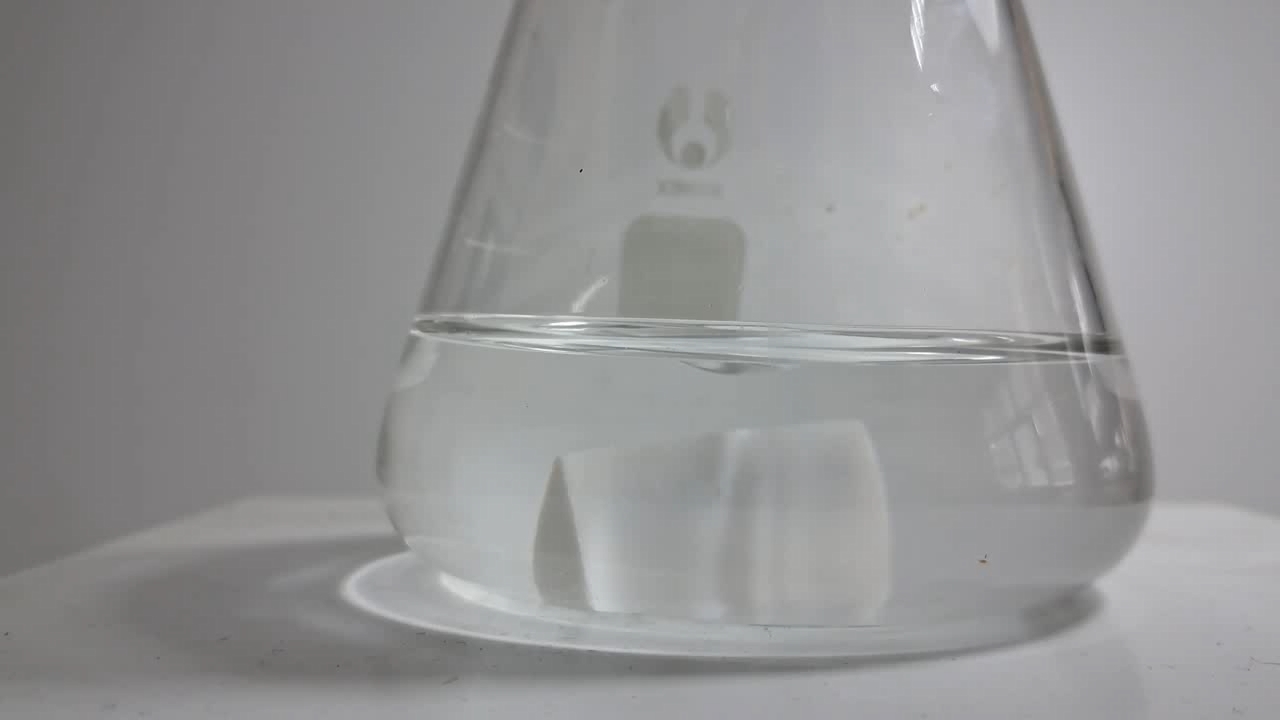
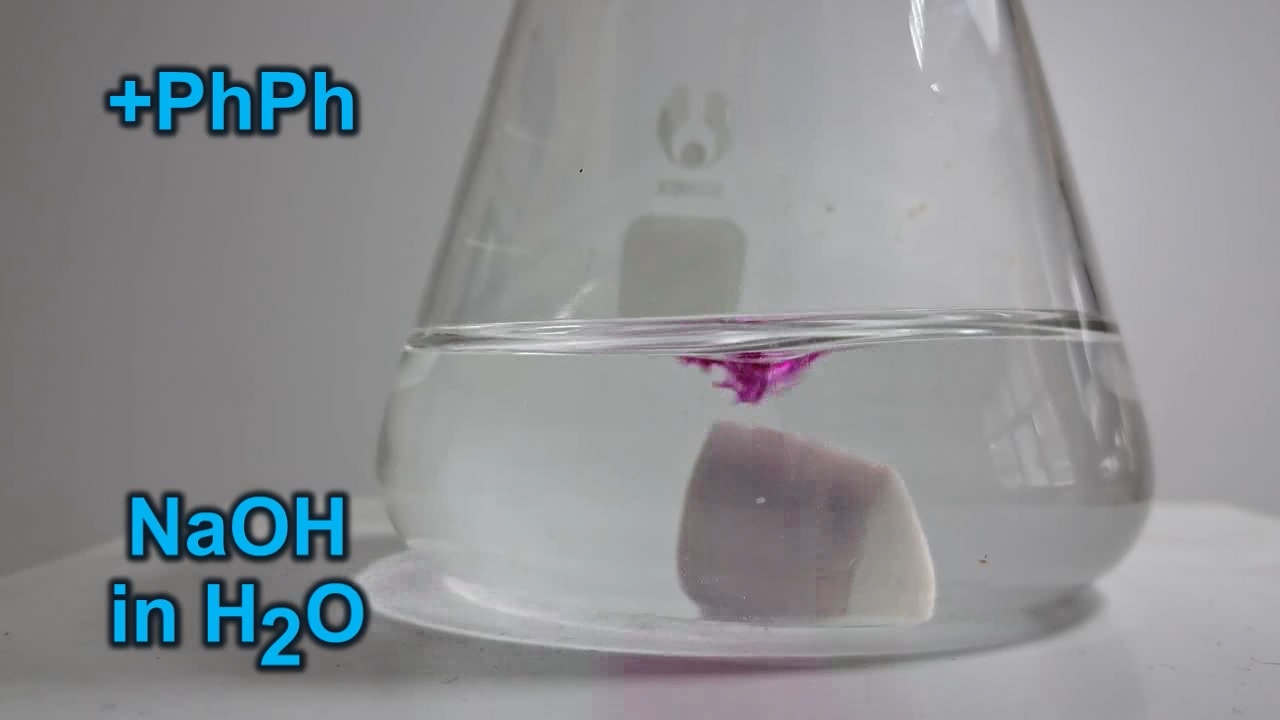
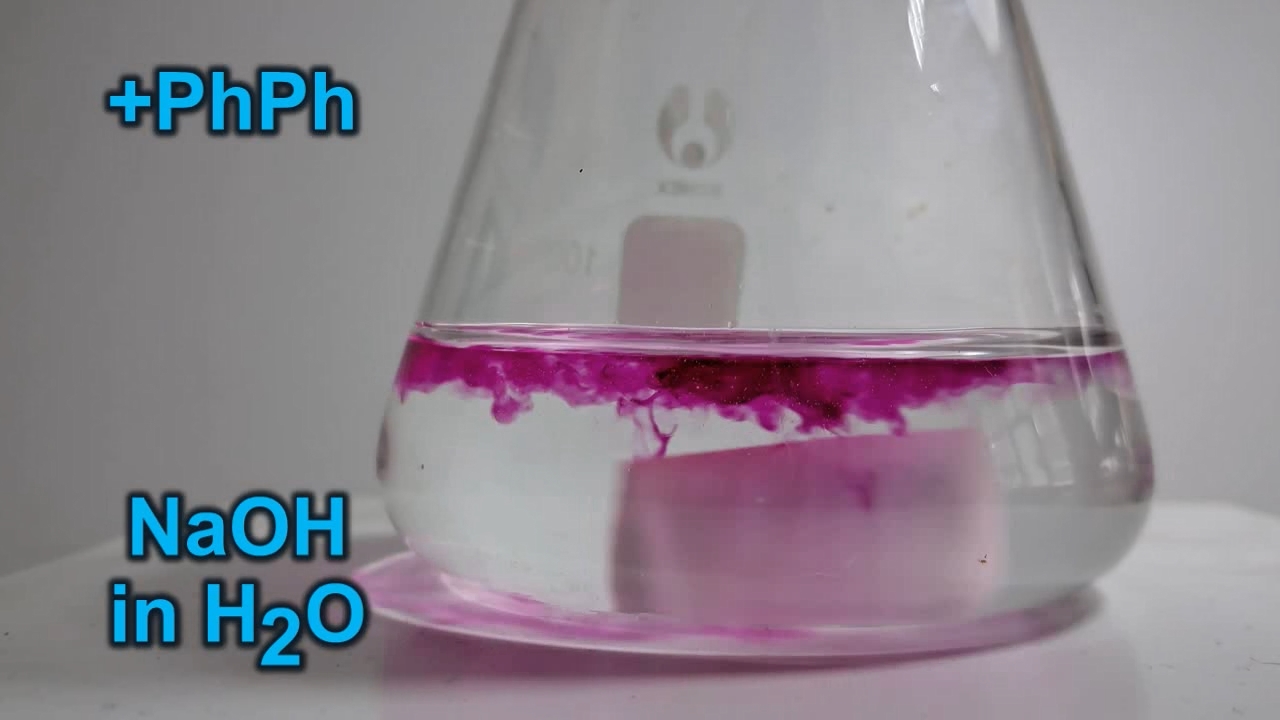
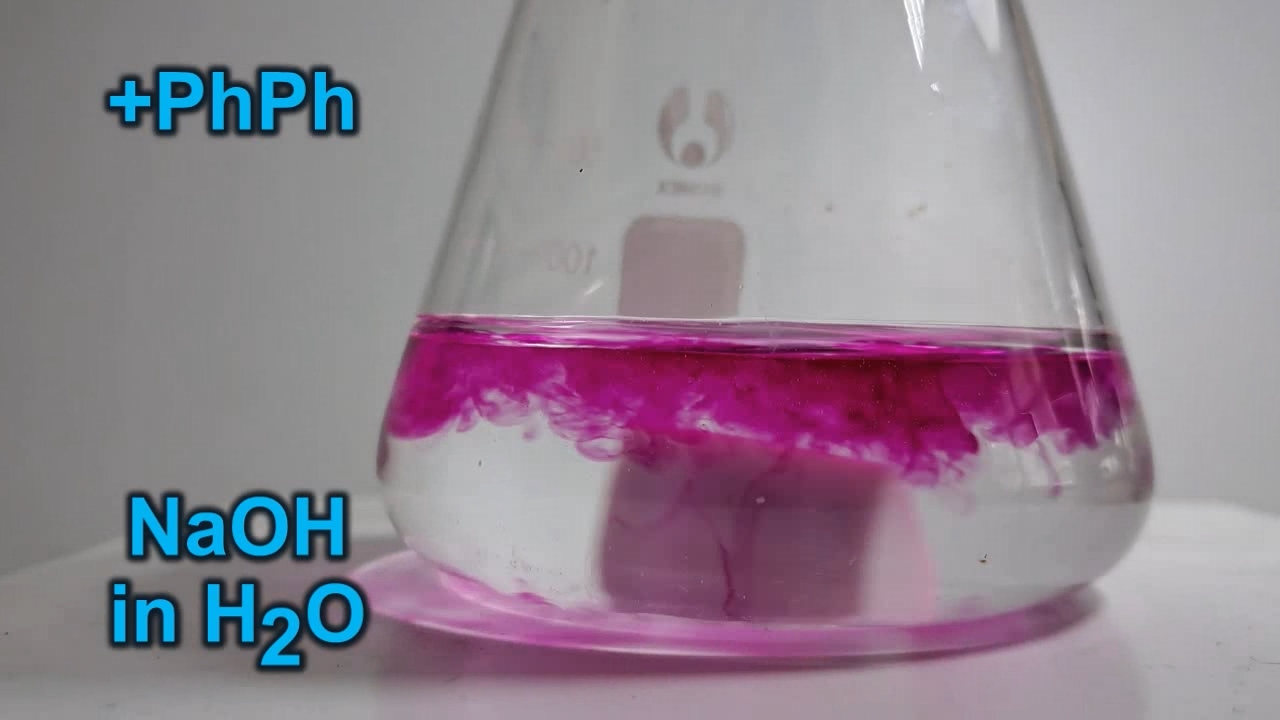
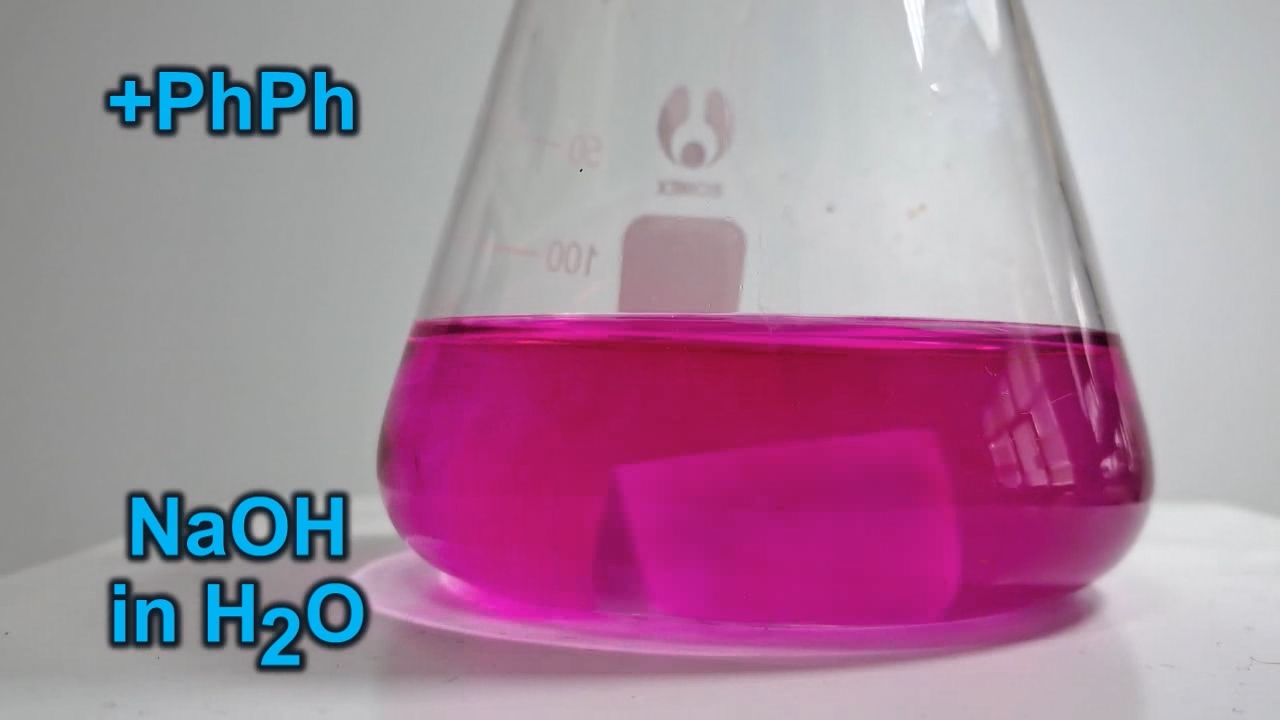
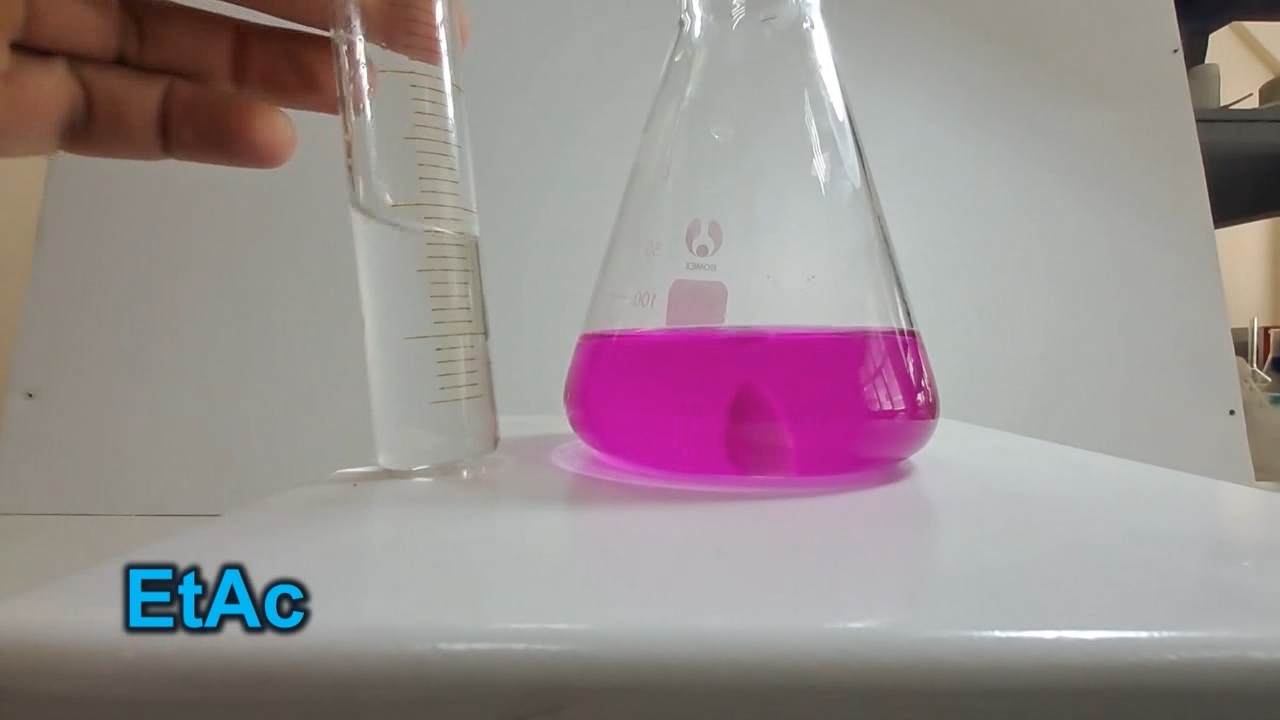
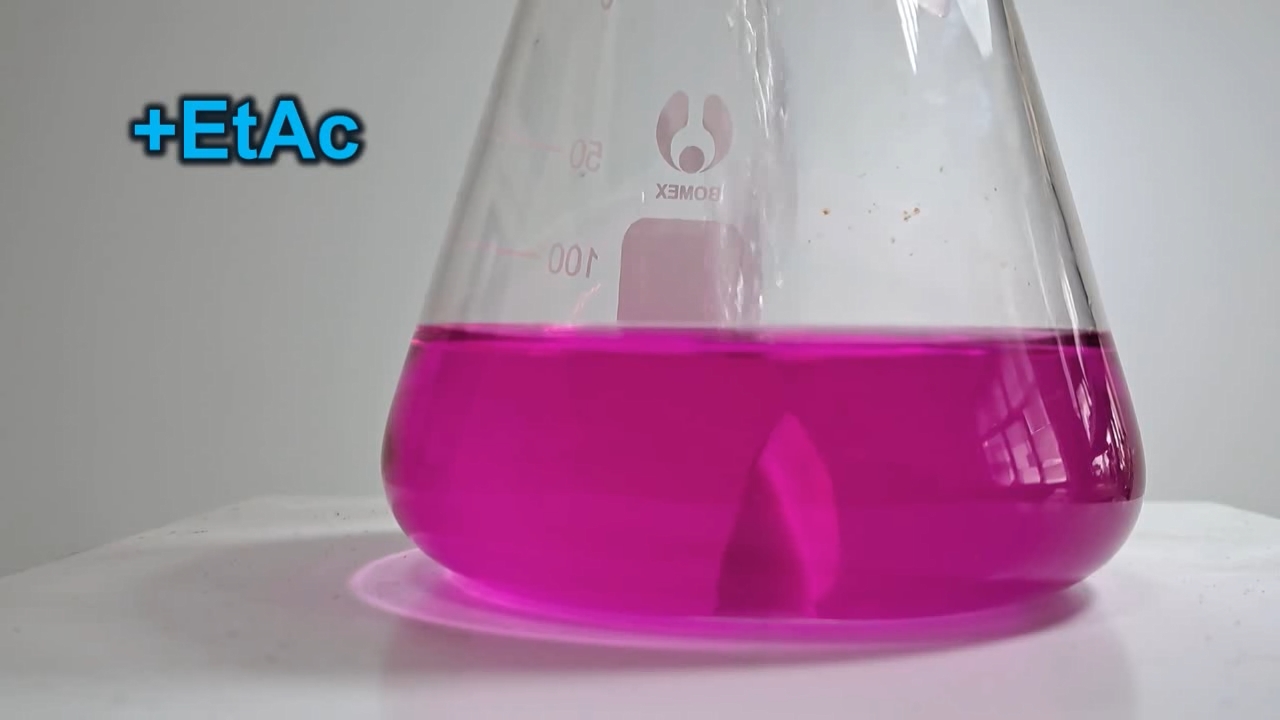
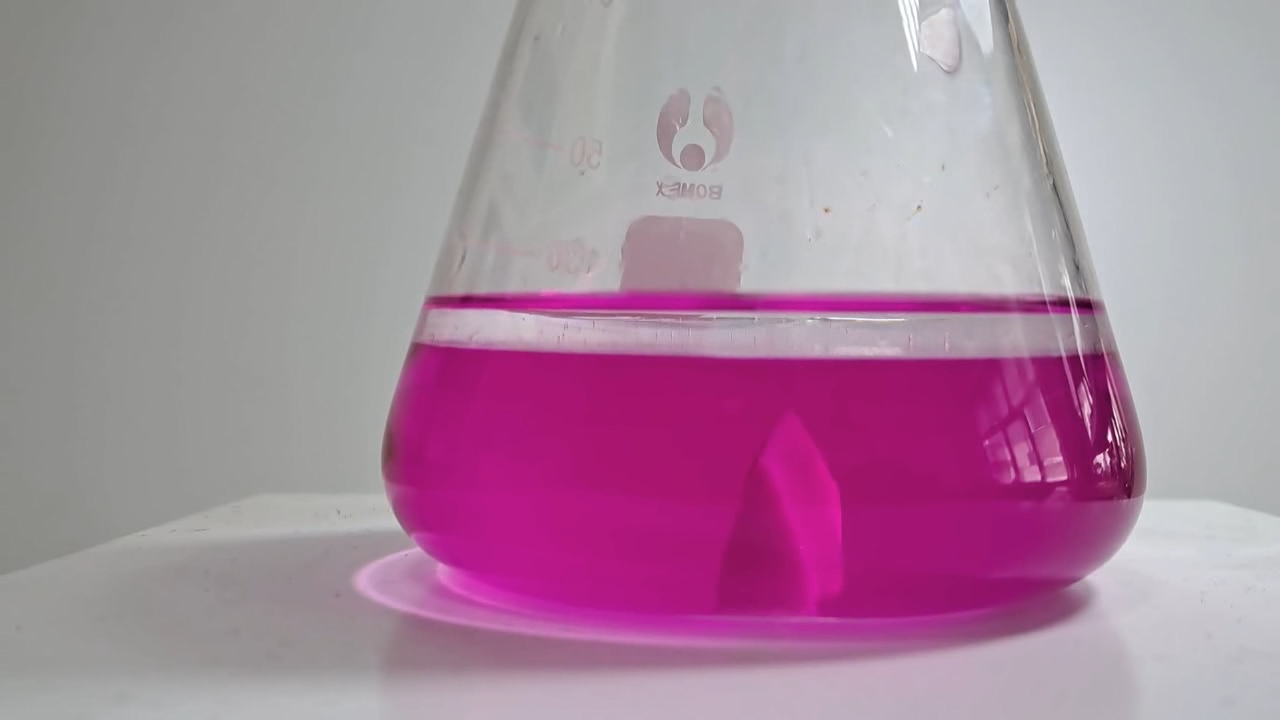
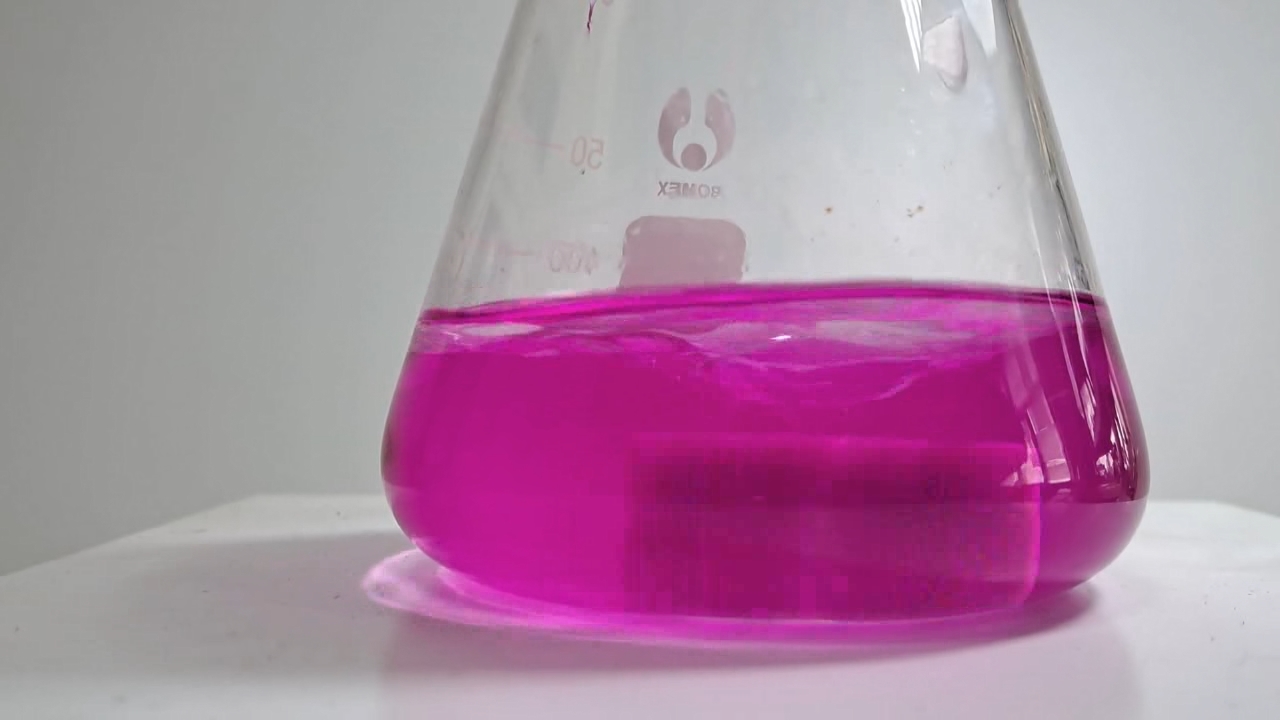
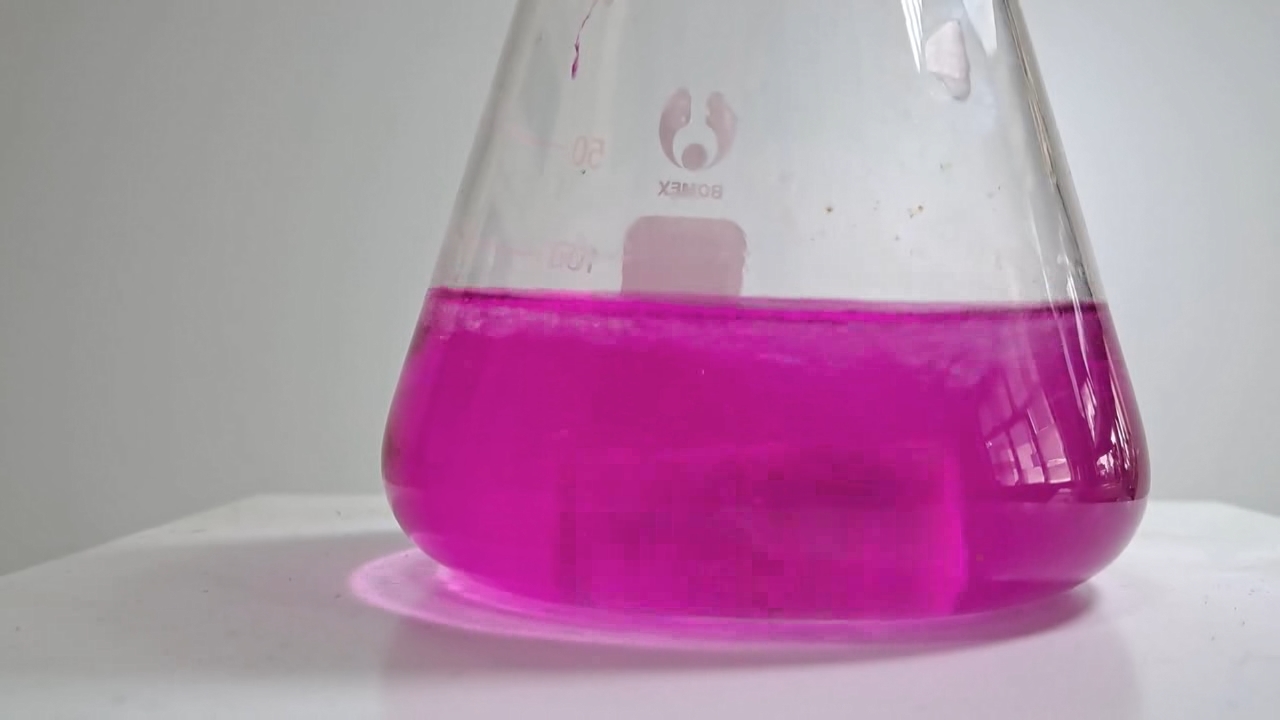
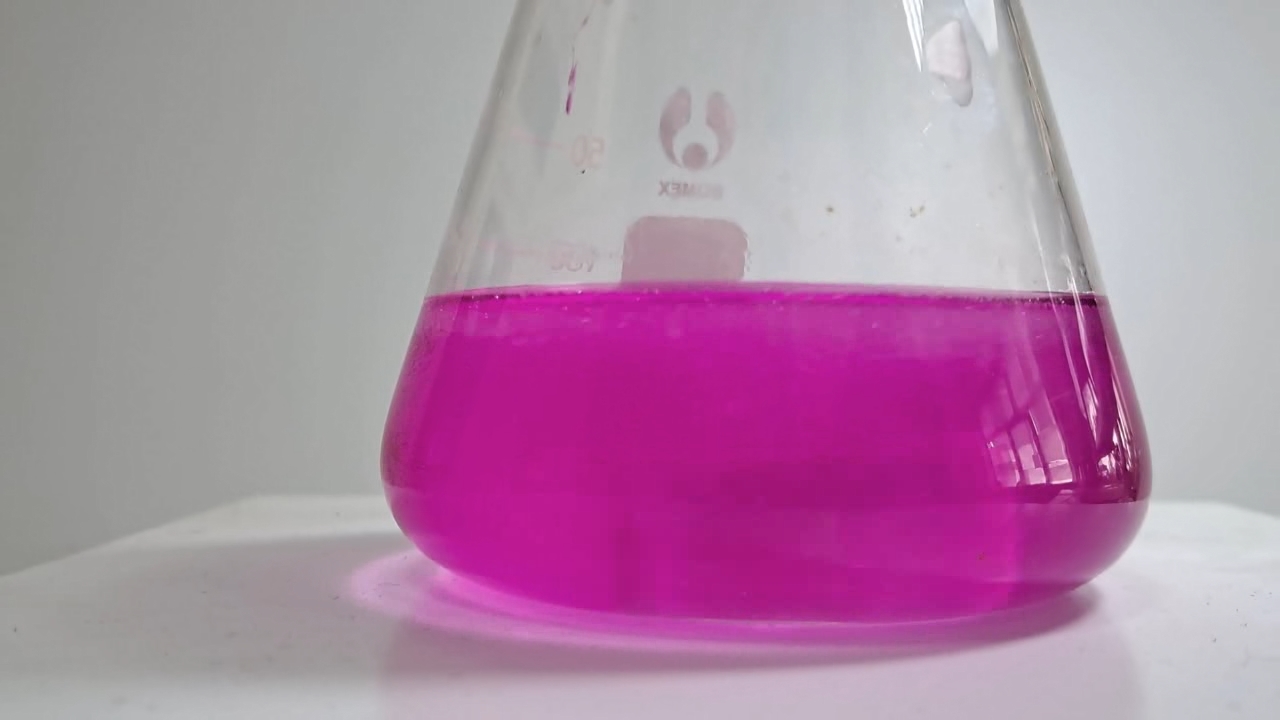
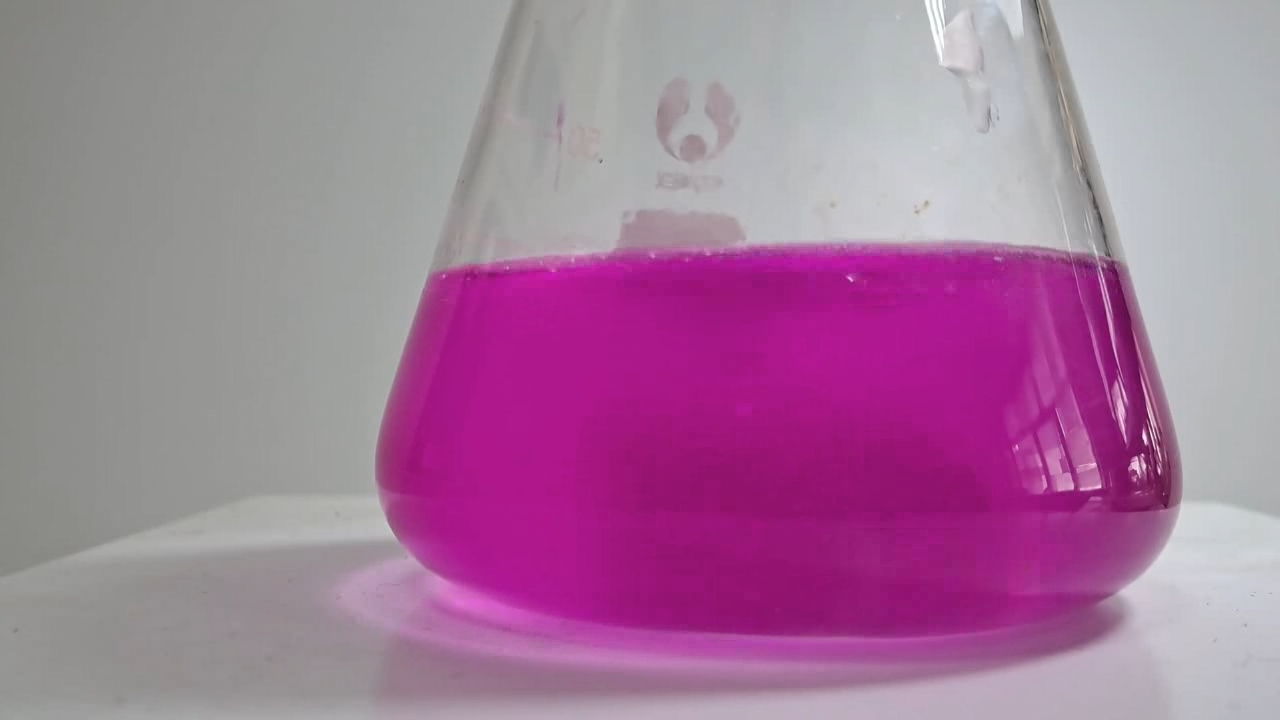
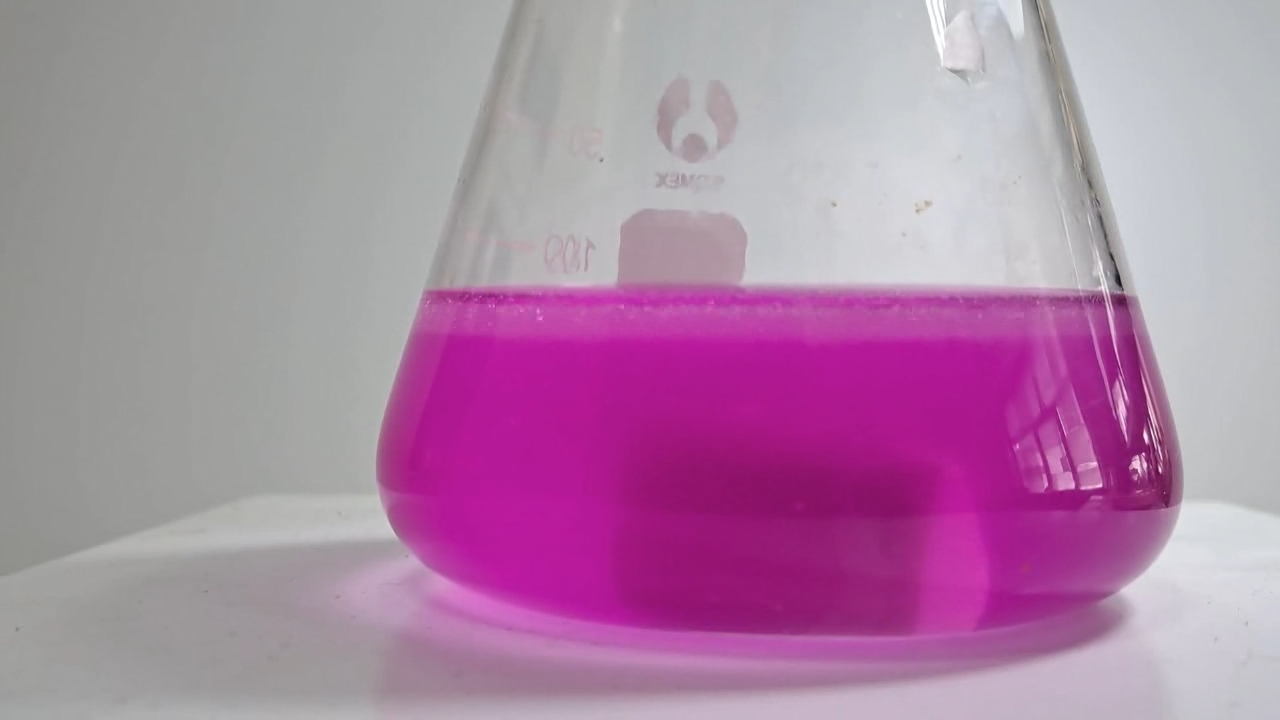
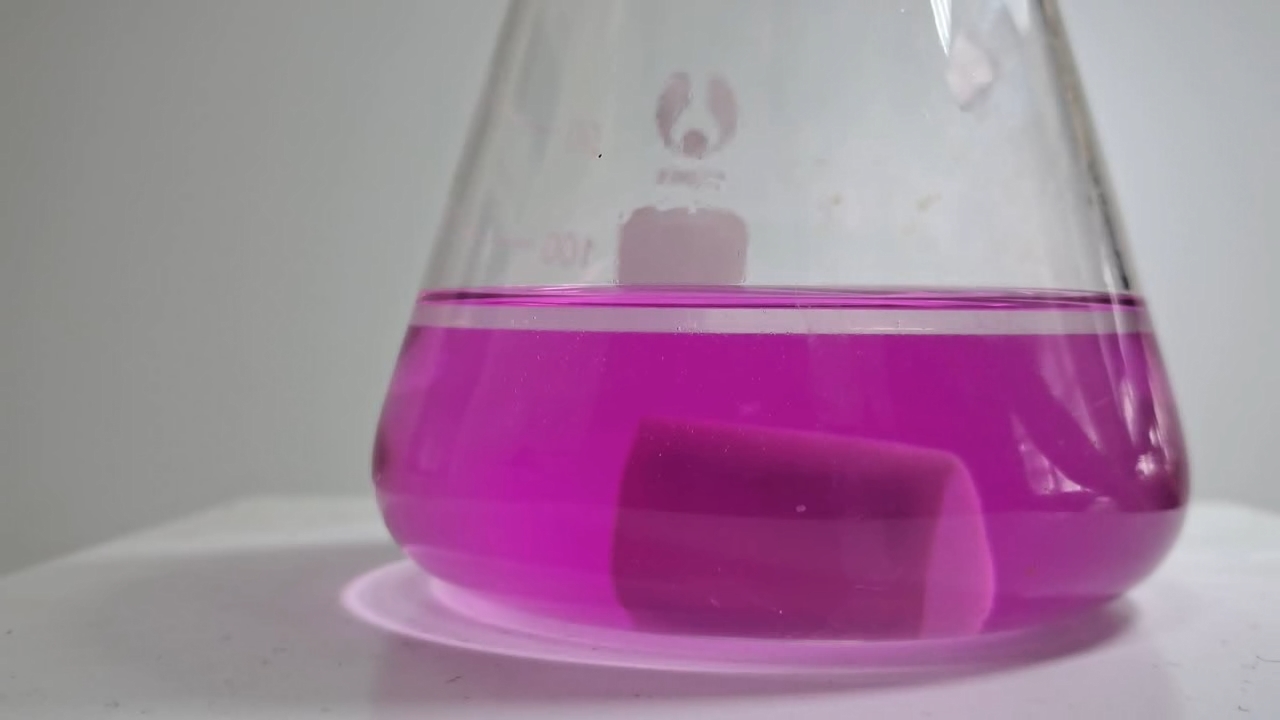
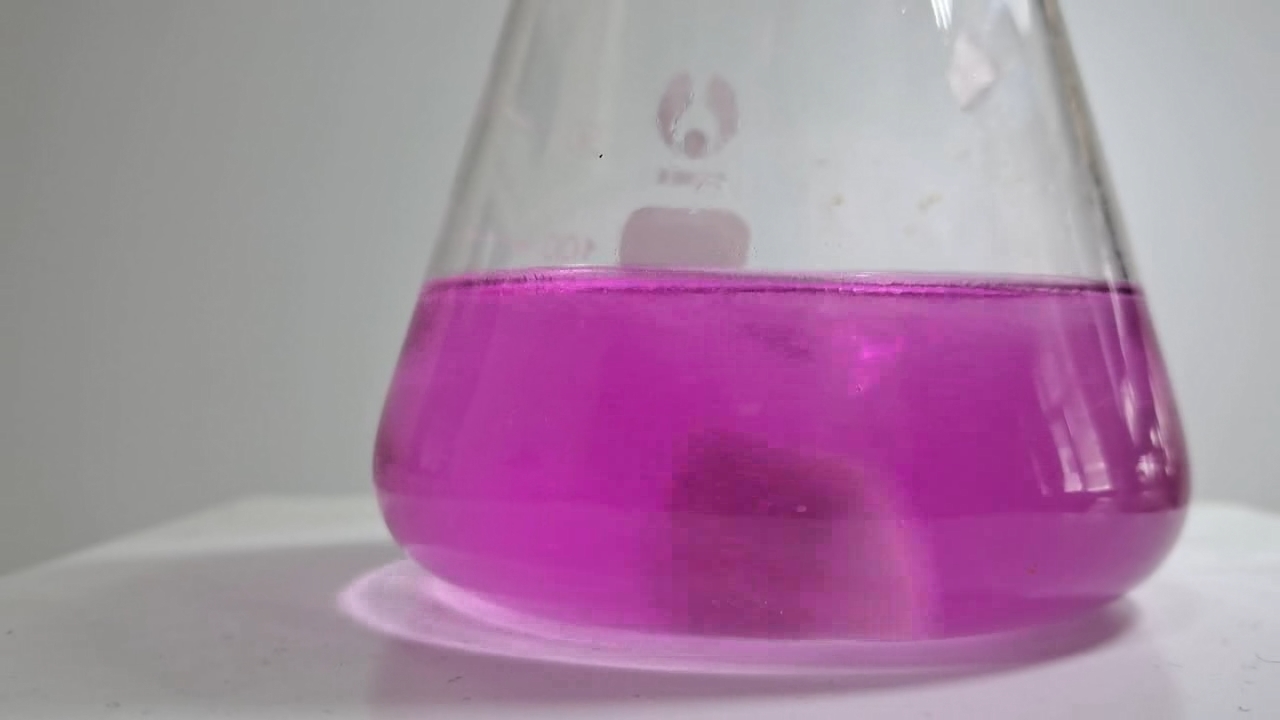
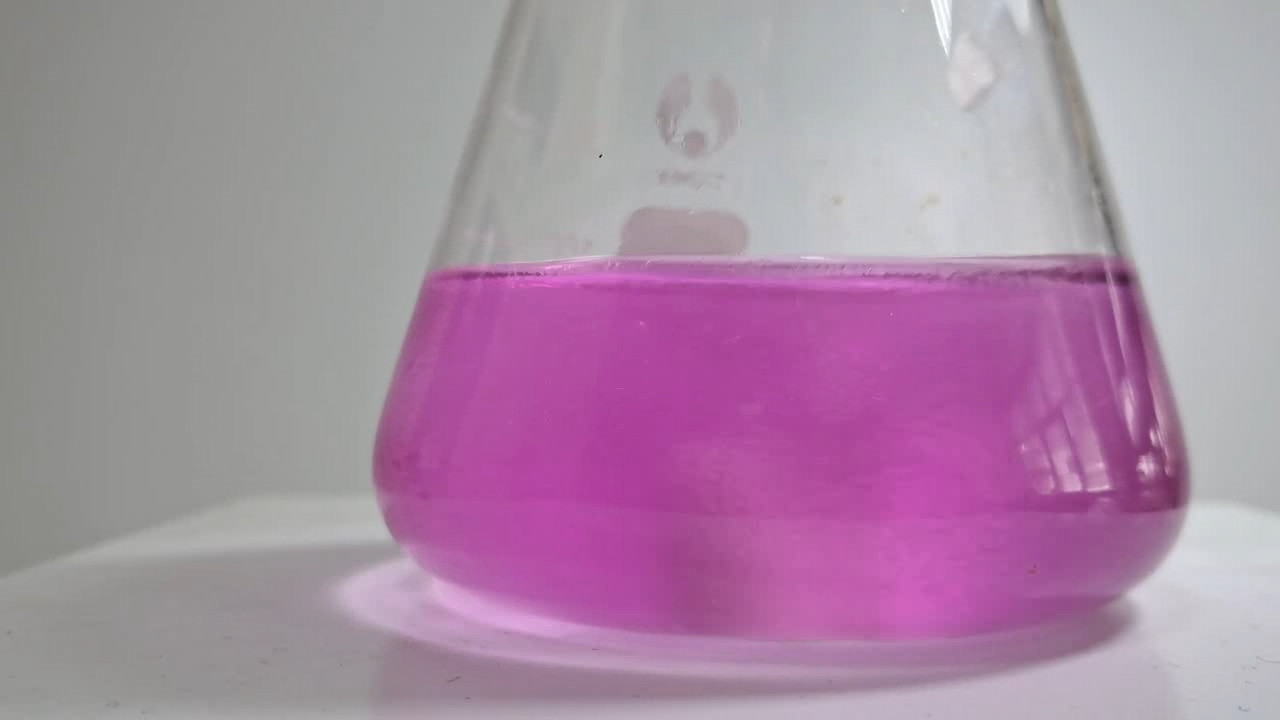
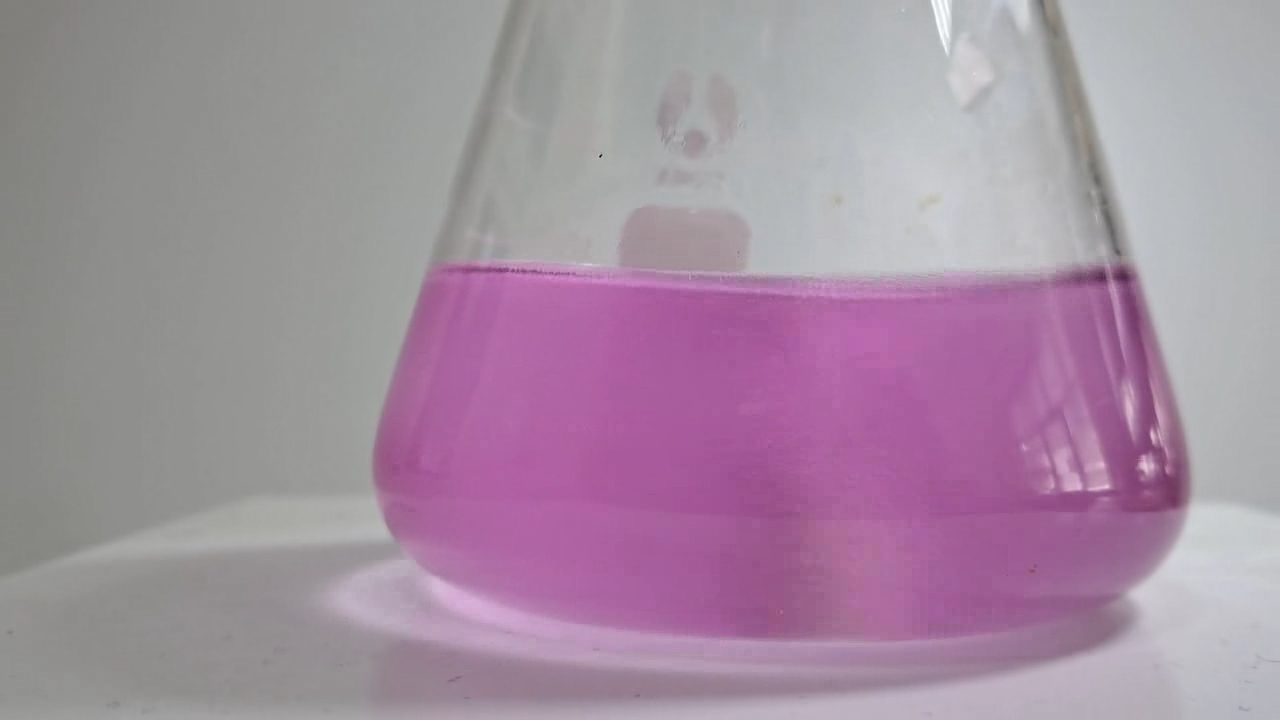
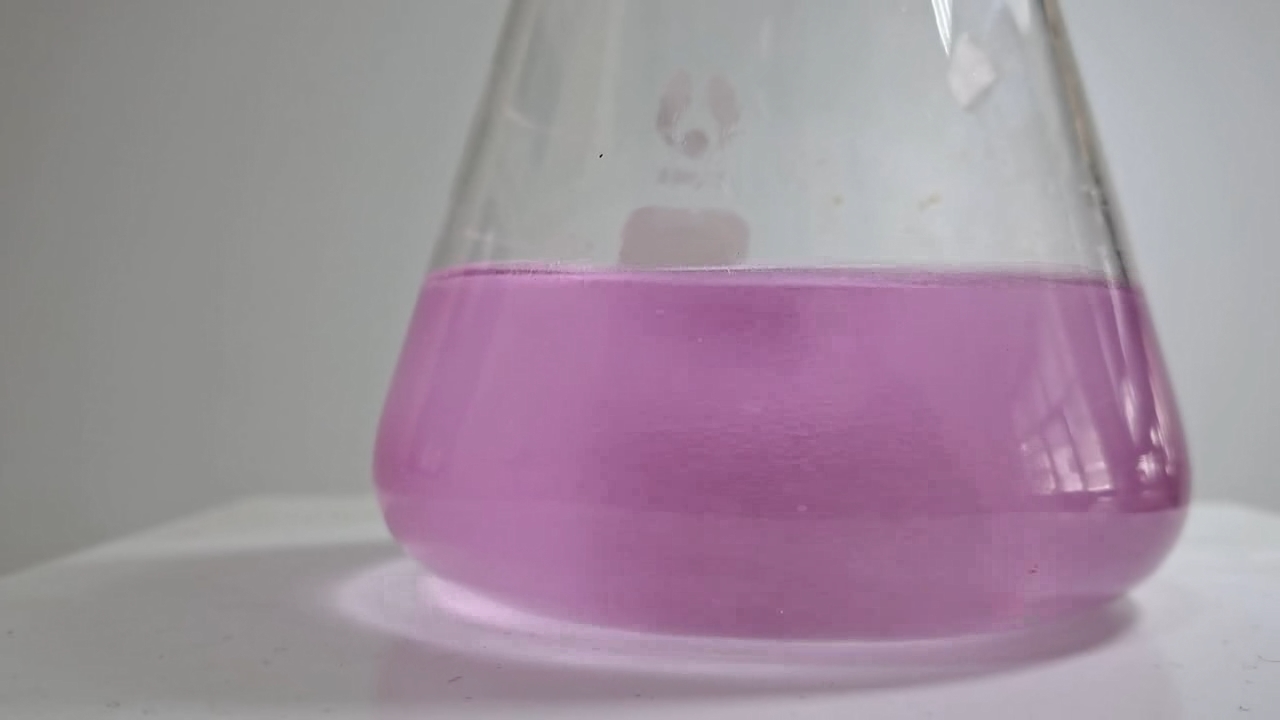
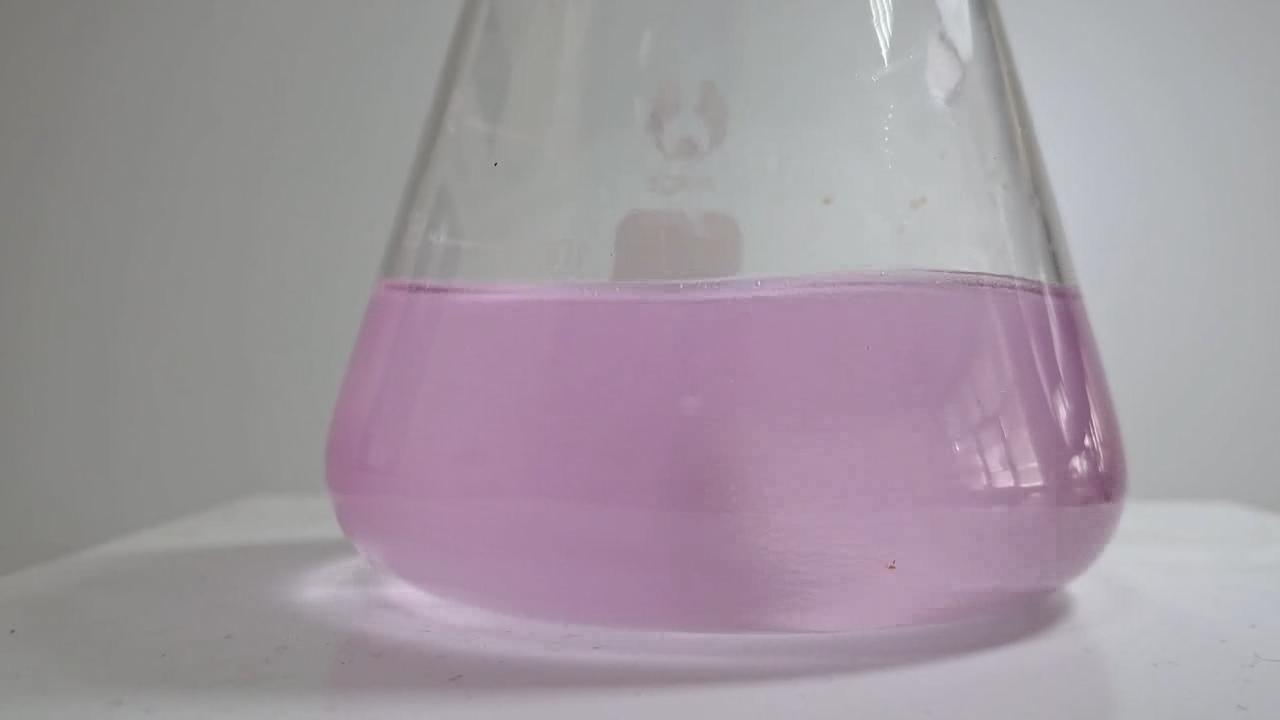
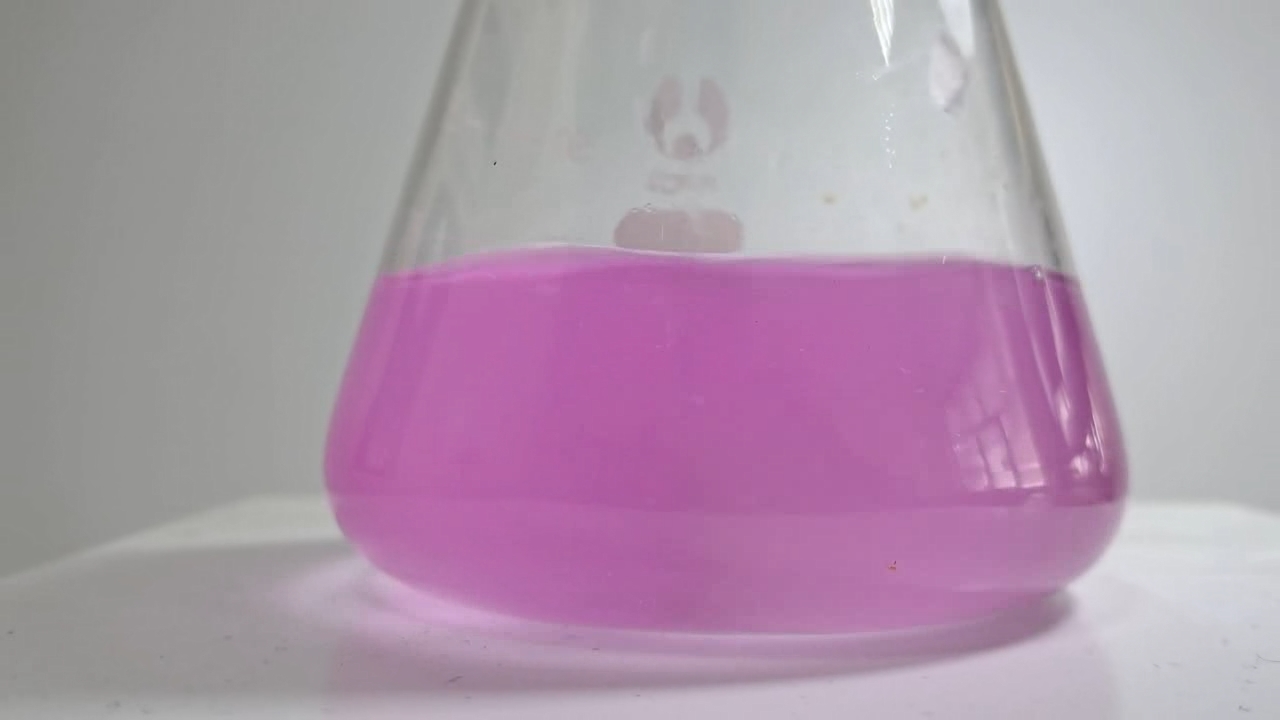
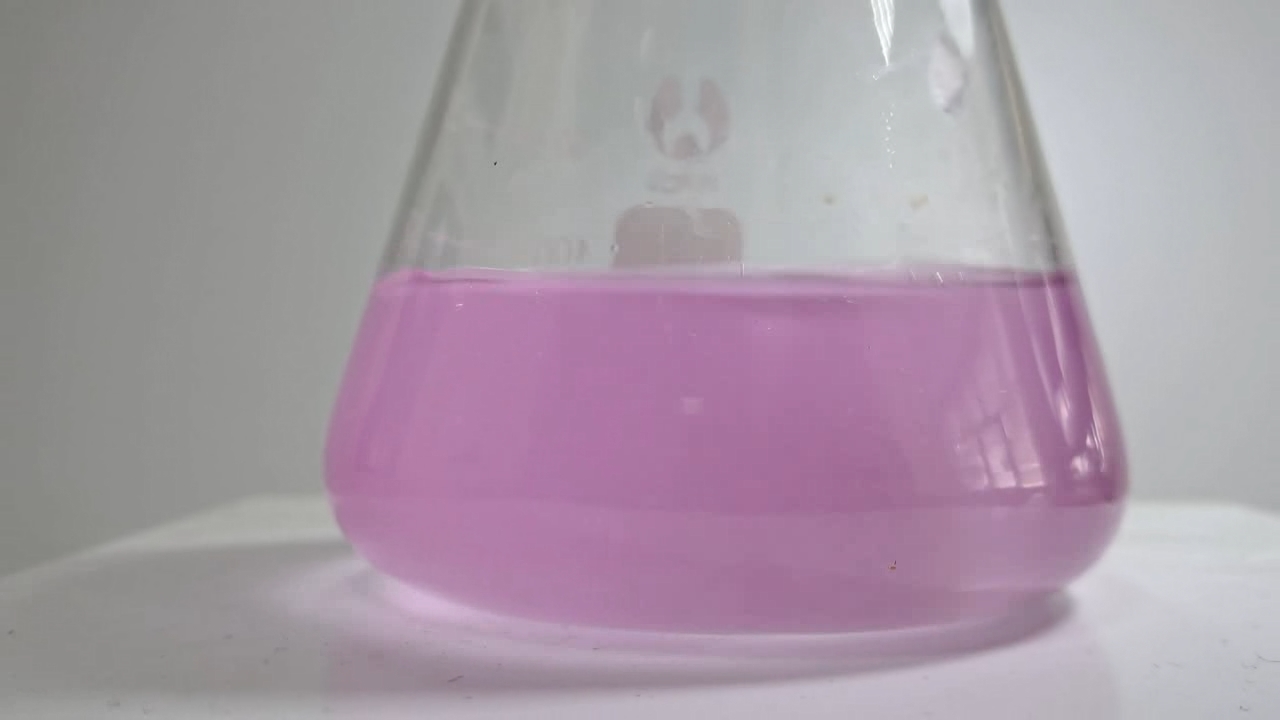
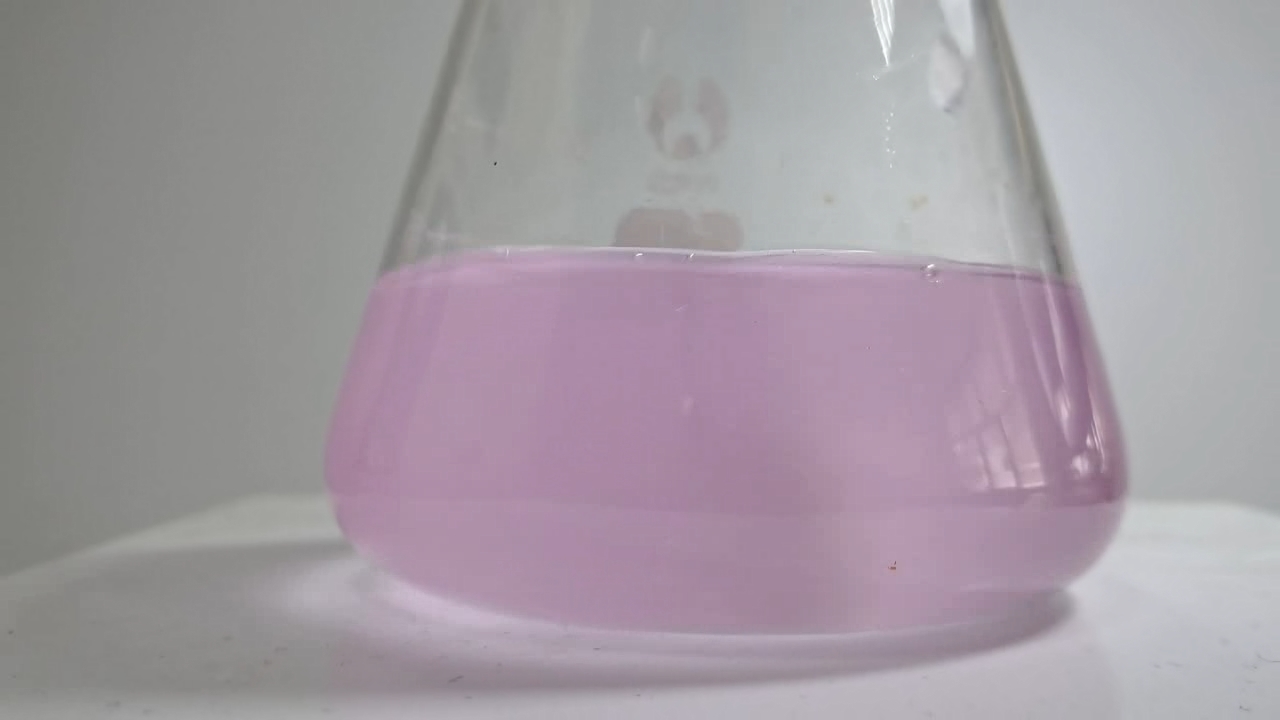
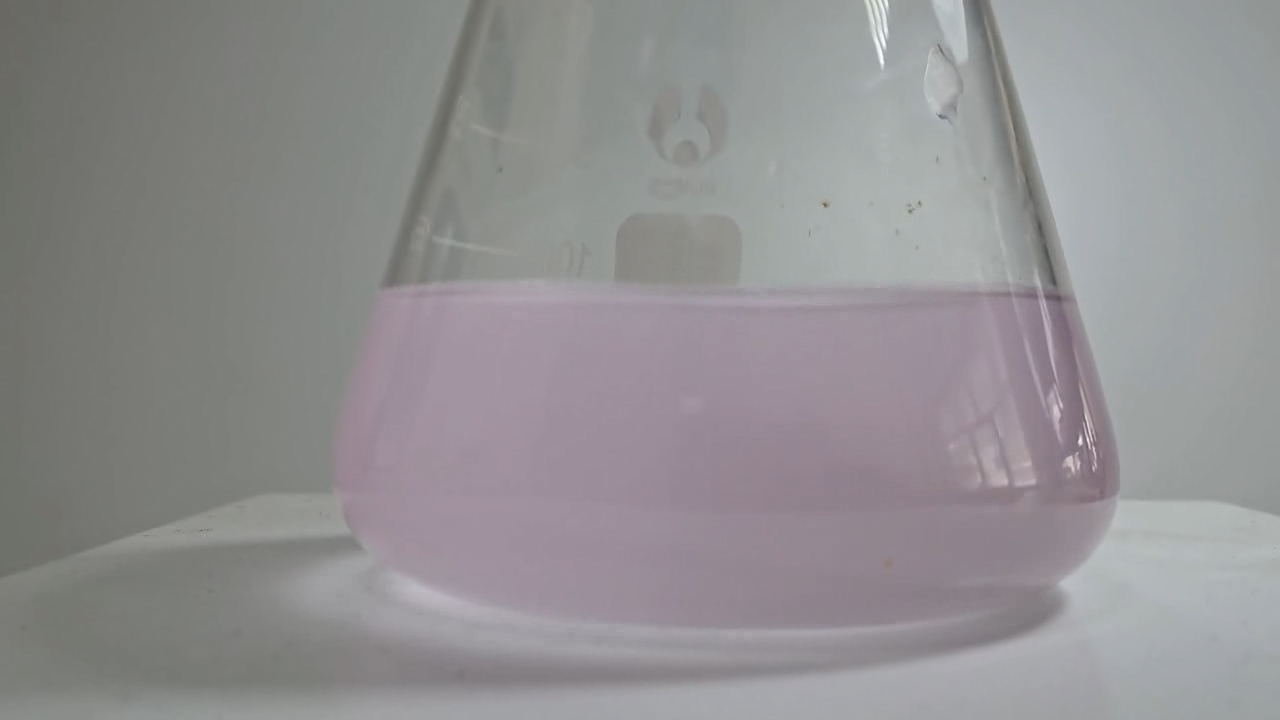
I dissolved 1.2 g of sodium hydroxide in 100 ml of distilled water and added phenolphthalein until the mixture turned a deep crimson color. Then I added 20 ml of chemically pure ethyl acetate. Two liquid layers formed: colorless ethyl acetate on top and a crimson aqueous solution below.
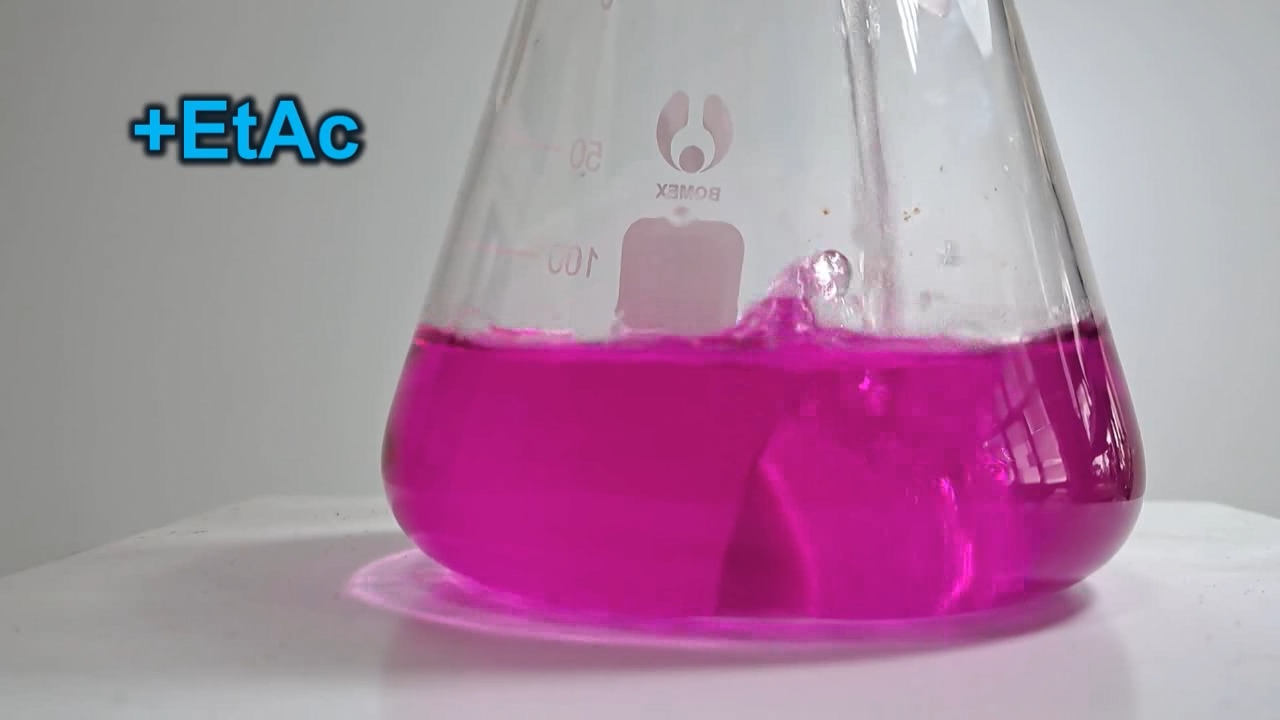
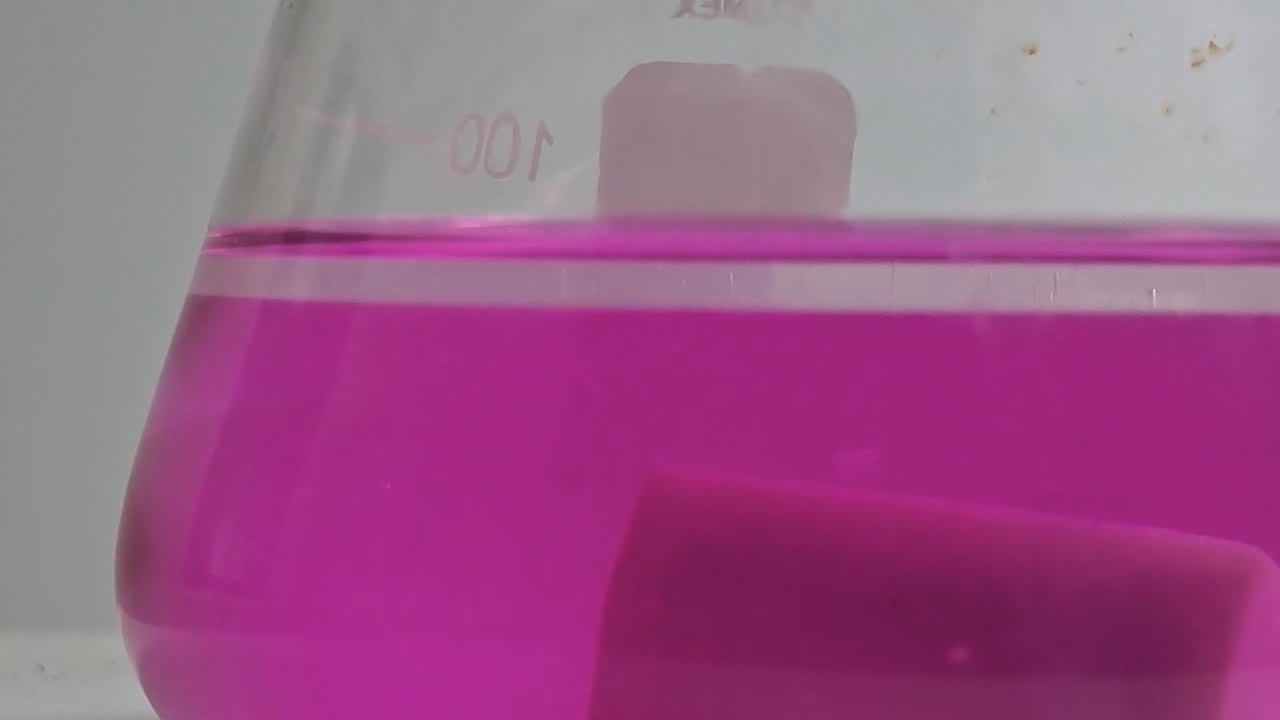
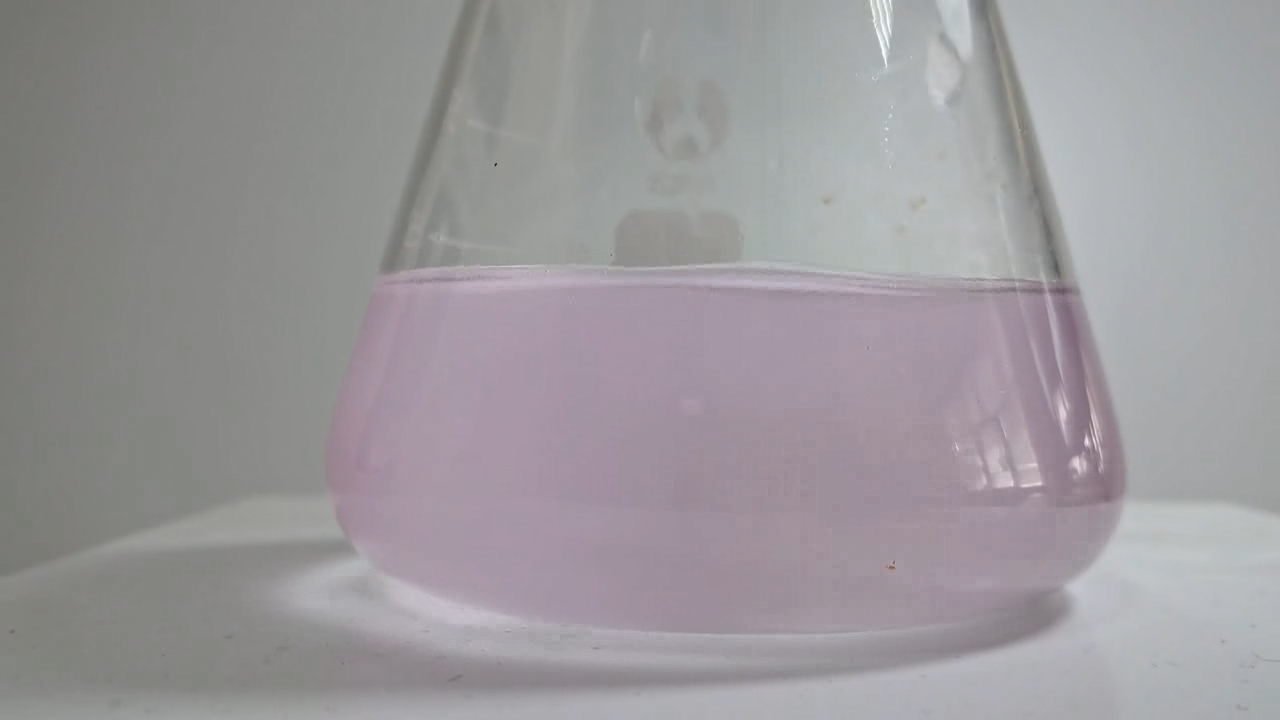
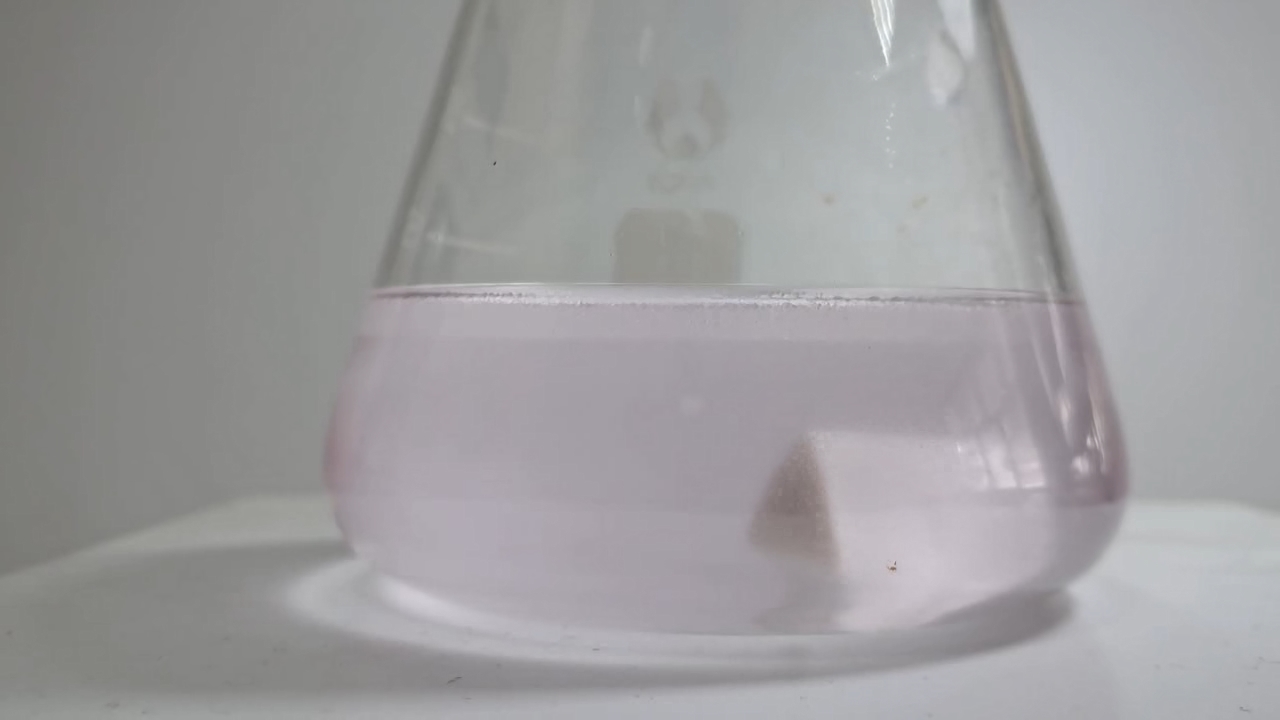
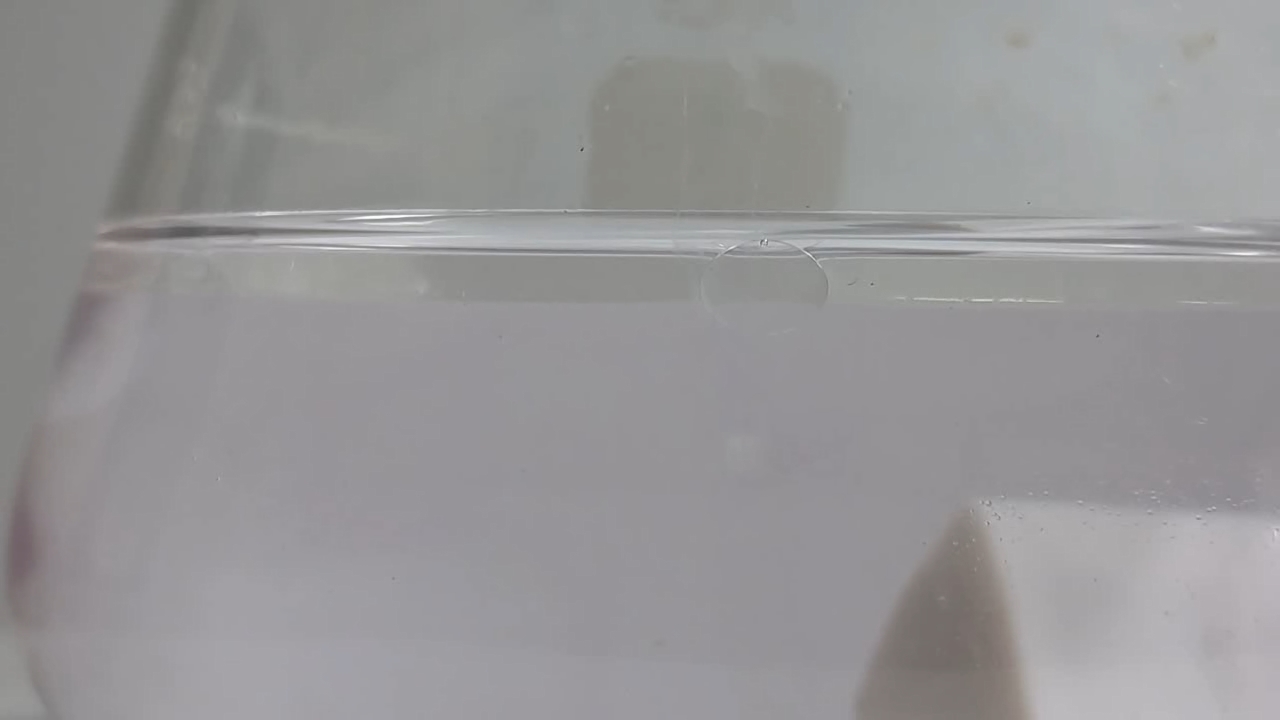
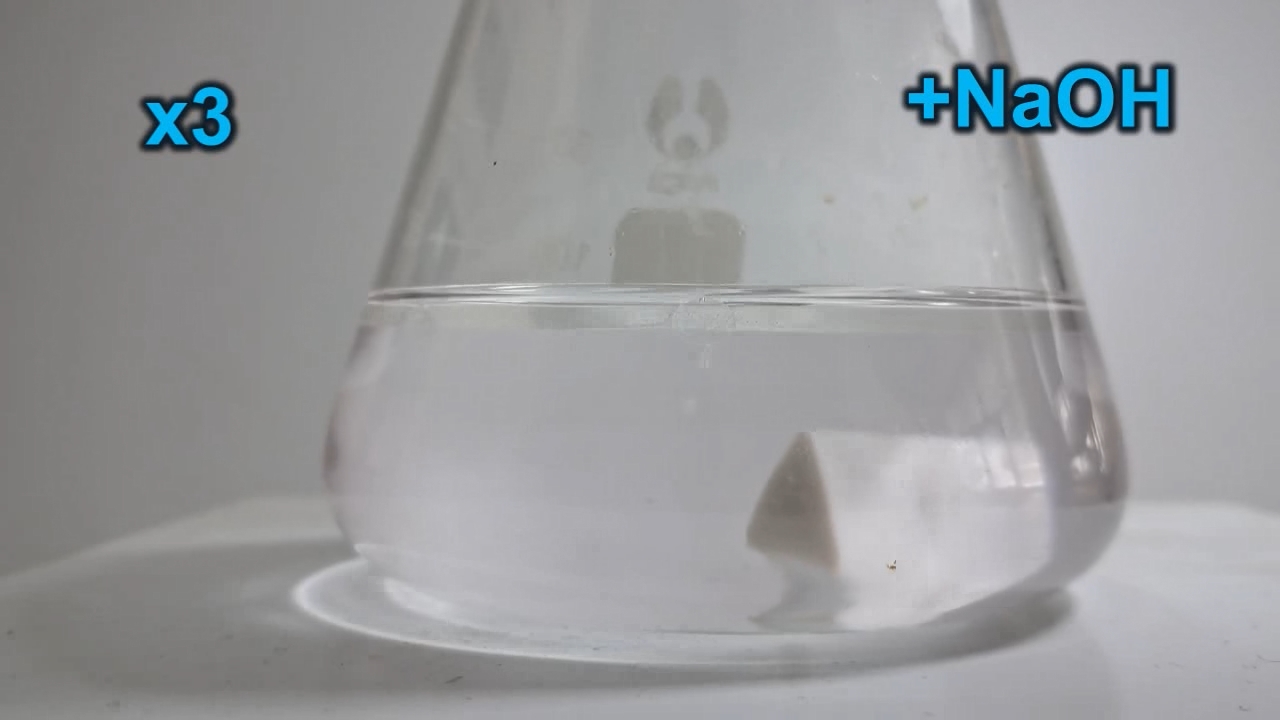
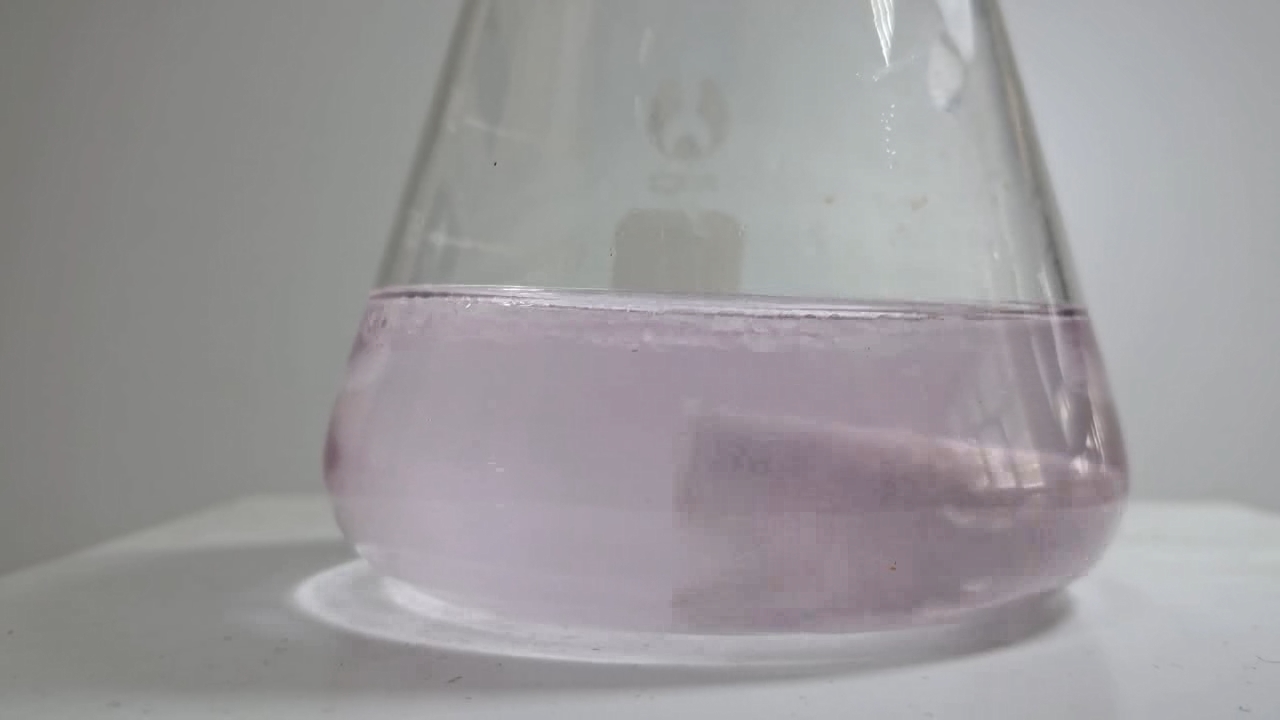
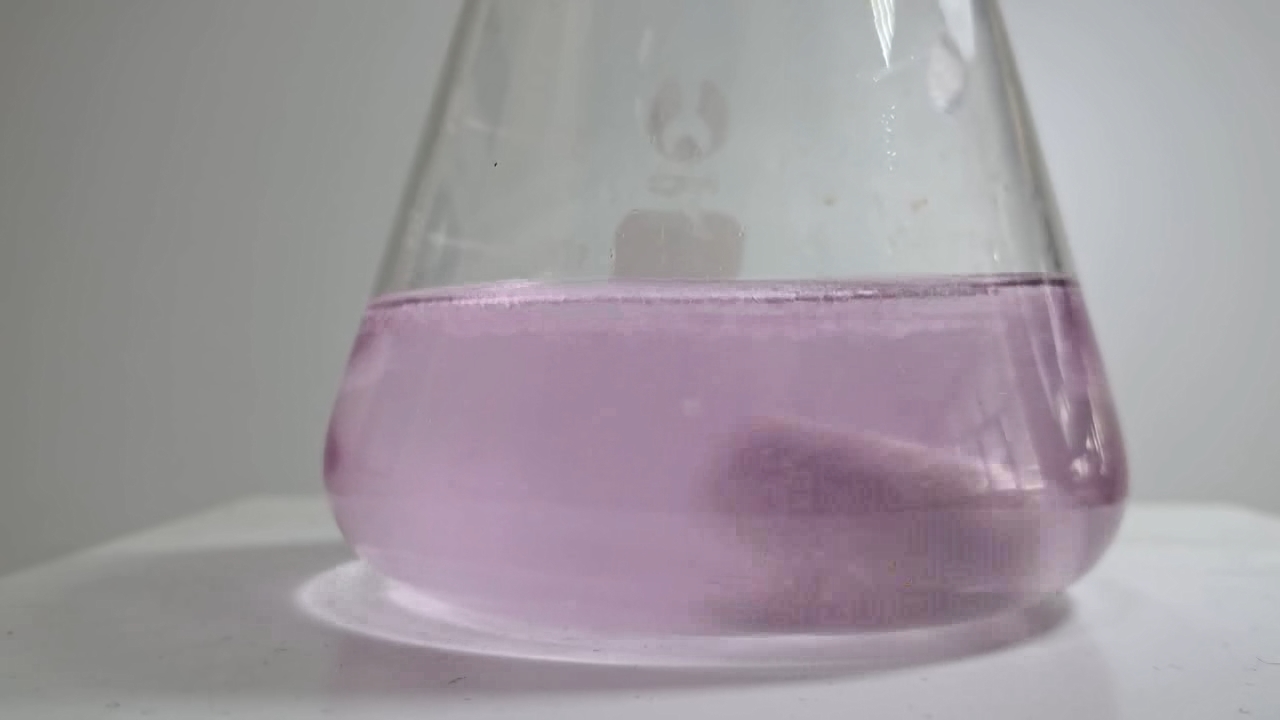
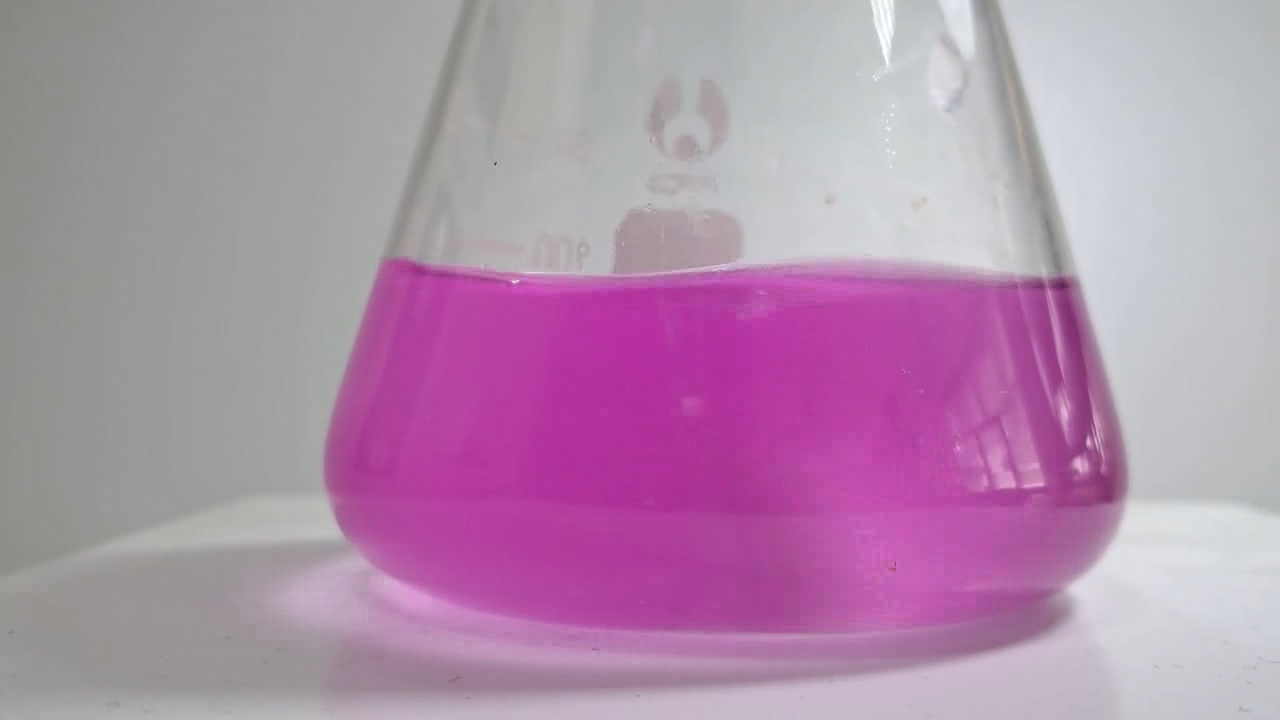
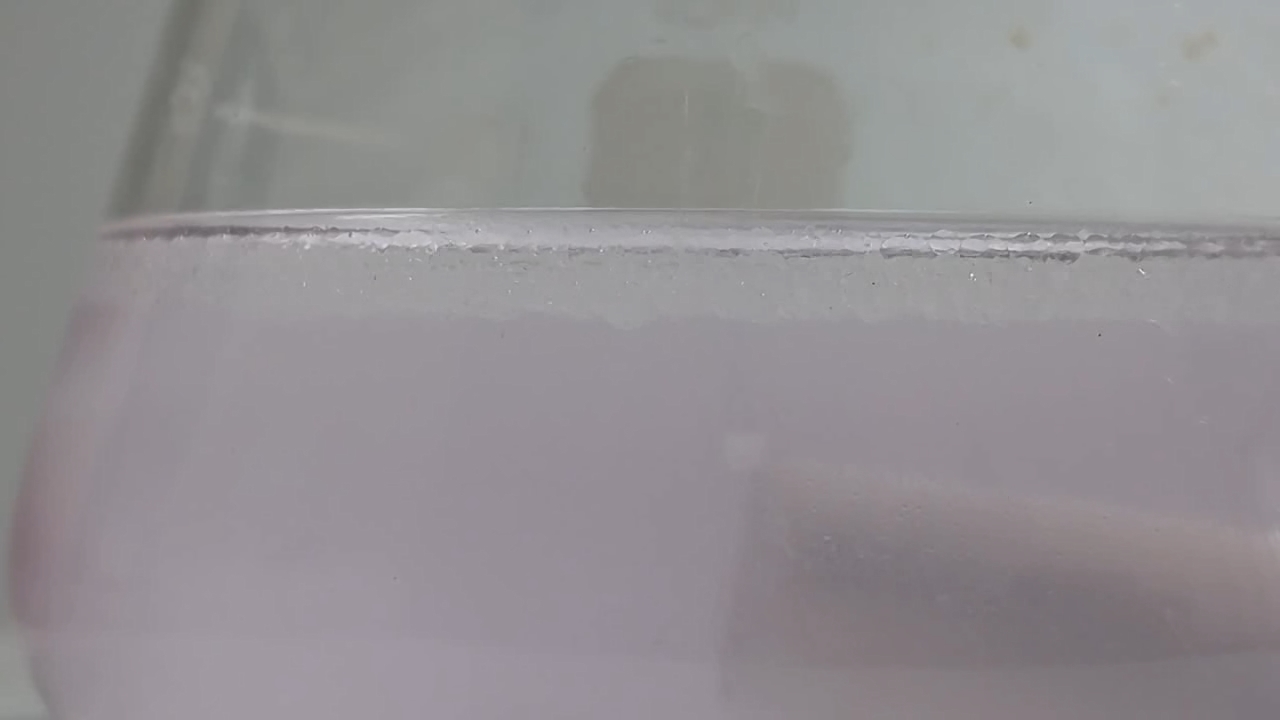
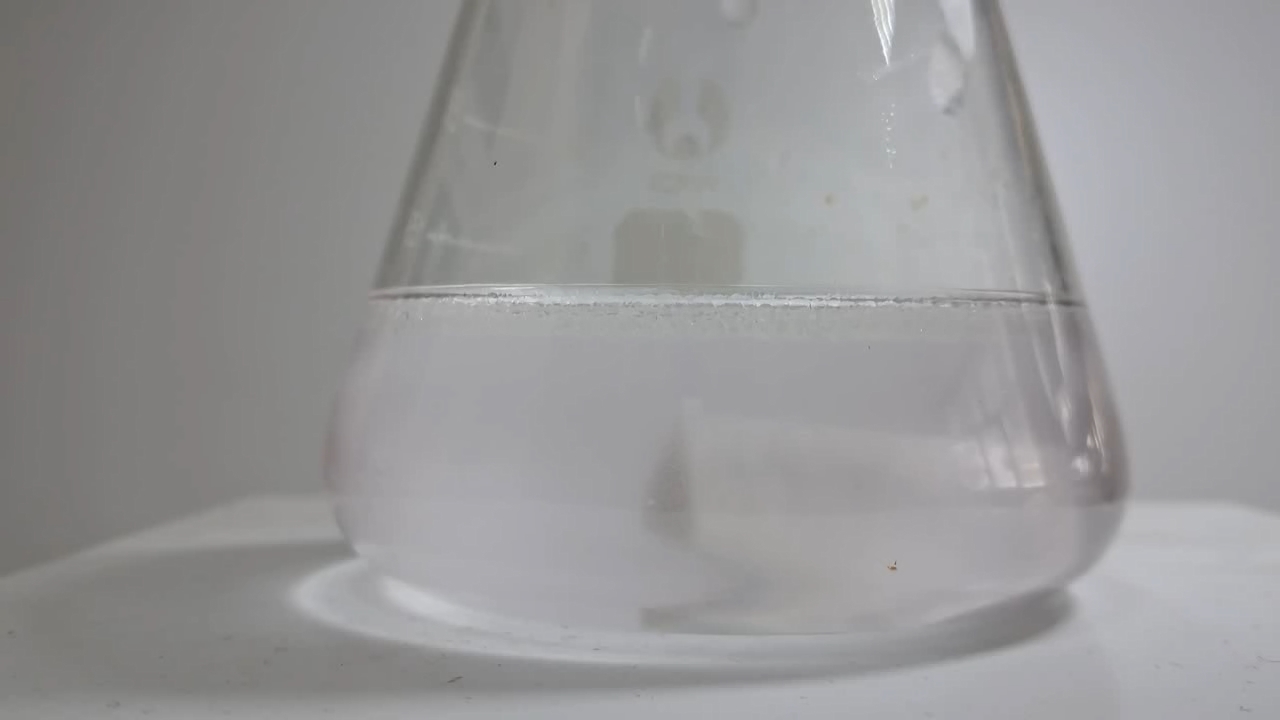
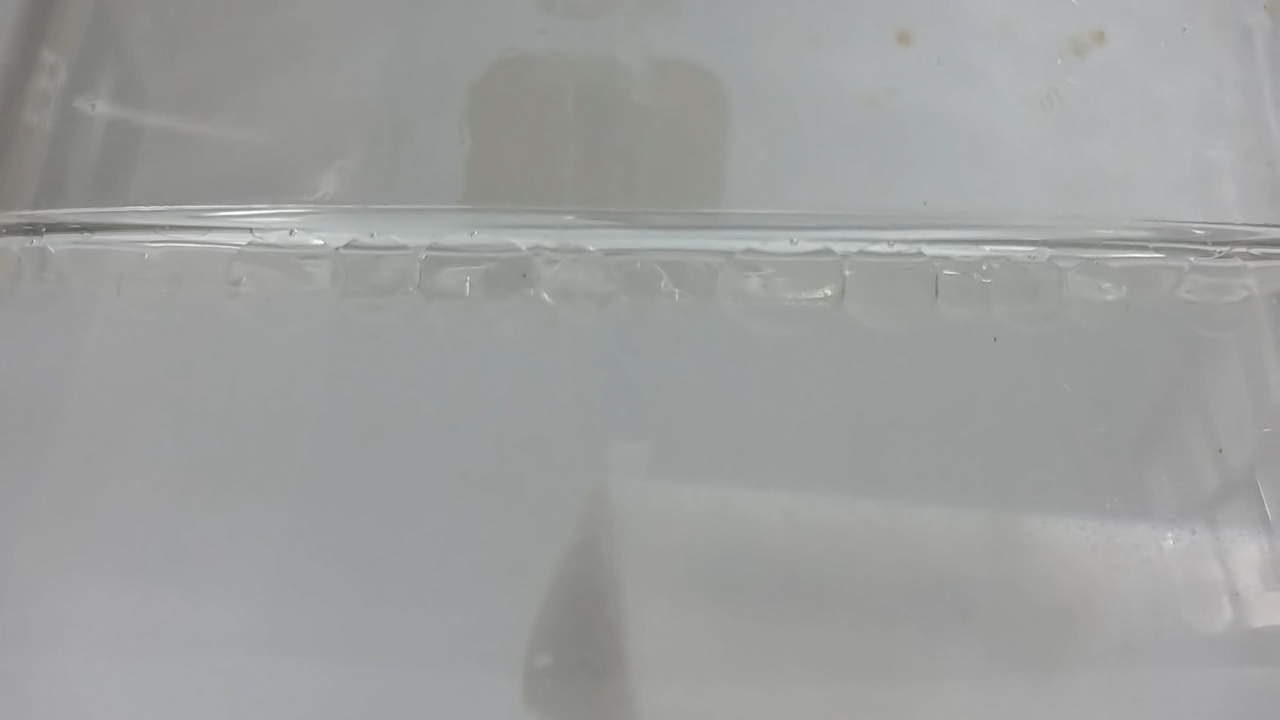
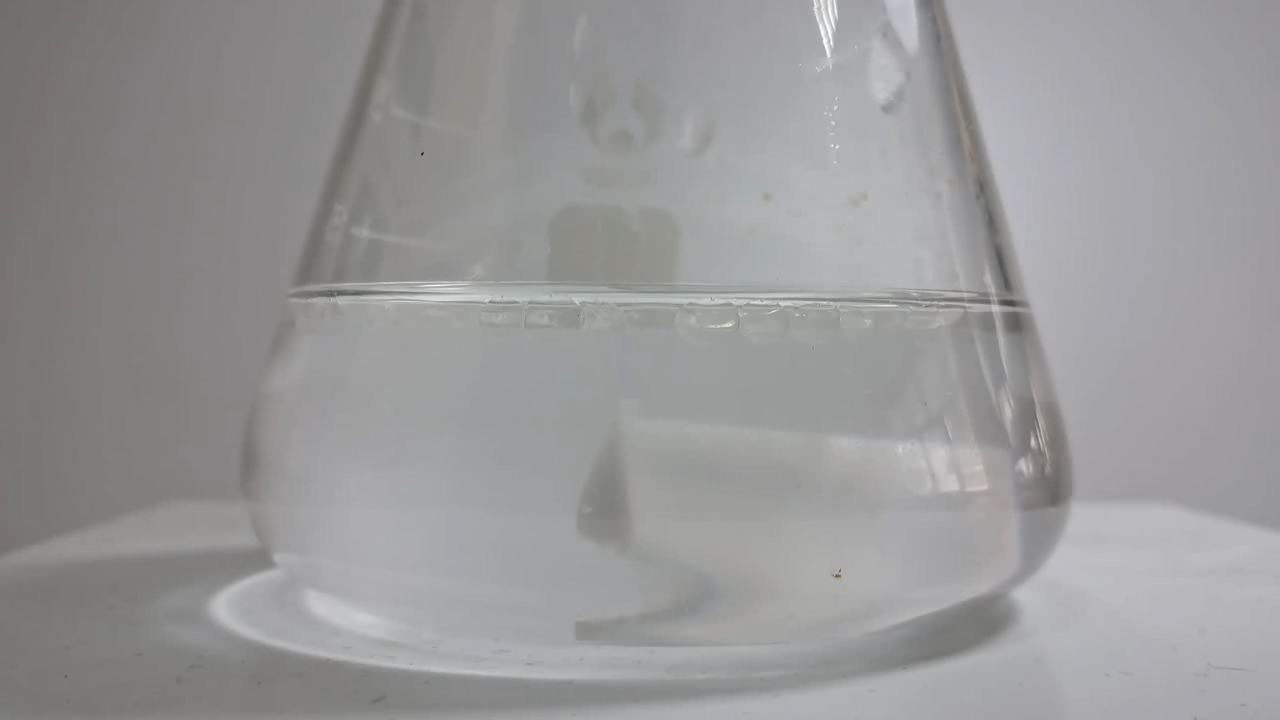
I turned on the magnetic stirrer, and an emulsion formed. The color of the phenolphthalein slowly faded, and after a few minutes, the reaction mixture became colorless. I stopped stirring. The emulsion separated into two colorless layers: the aqueous solution settled at the bottom, while unreacted ethyl acetate collected on top. I added a few granules of sodium hydroxide and resumed stirring. The colorless mixture turned pink and then crimson as the alkali gradually dissolved. The color of the phenolphthalein then began to fade as the hydrolysis of ethyl acetate proceeded. Eventually, the emulsion became colorless again. I stopped stirring, and two colorless liquid layers gradually formed: an aqueous solution below and ethyl acetate above. The ester layer was much thinner than it had been initially. The experiment produced results similar to those of the previous one, with one notable difference: the ester contained no colored impurities, and therefore the observations of the hydrolysis were not obscured by them. |
Hydrolysis of Ethyl Acetate |
|
|
|
|
|
|
|
|
|
|
|
|
|
|
|
|
|
|
|
|
|
|
|
|
|
|
|
|
|
|
|
|
|
|
|
|
|
|
Having noticed a mistake in the text, allocate it and press Ctrl-Enter
Ethyl Acetate: Hydrolysis and Unexpected Extraction (Universal Indicator) - Part 6
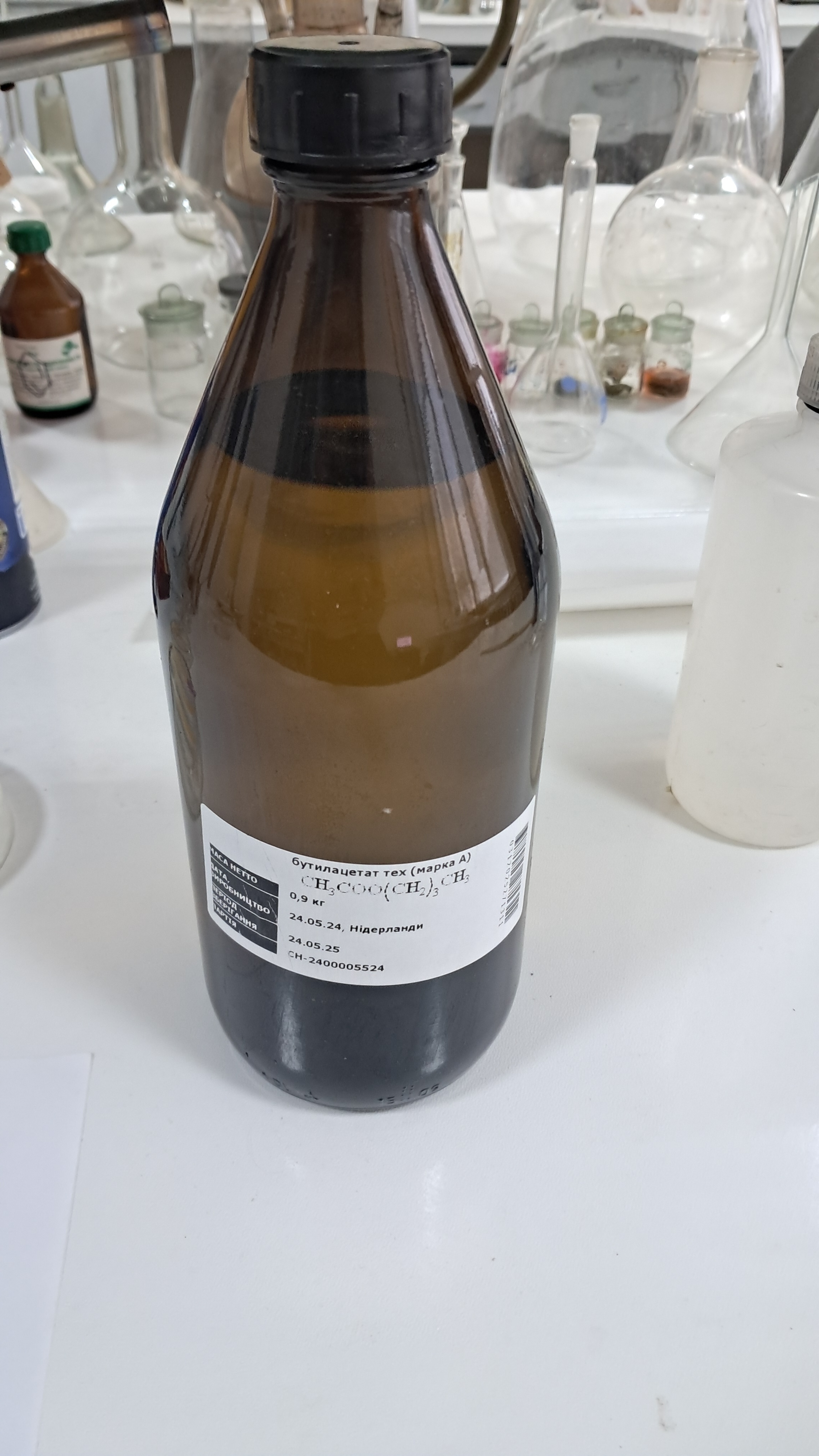
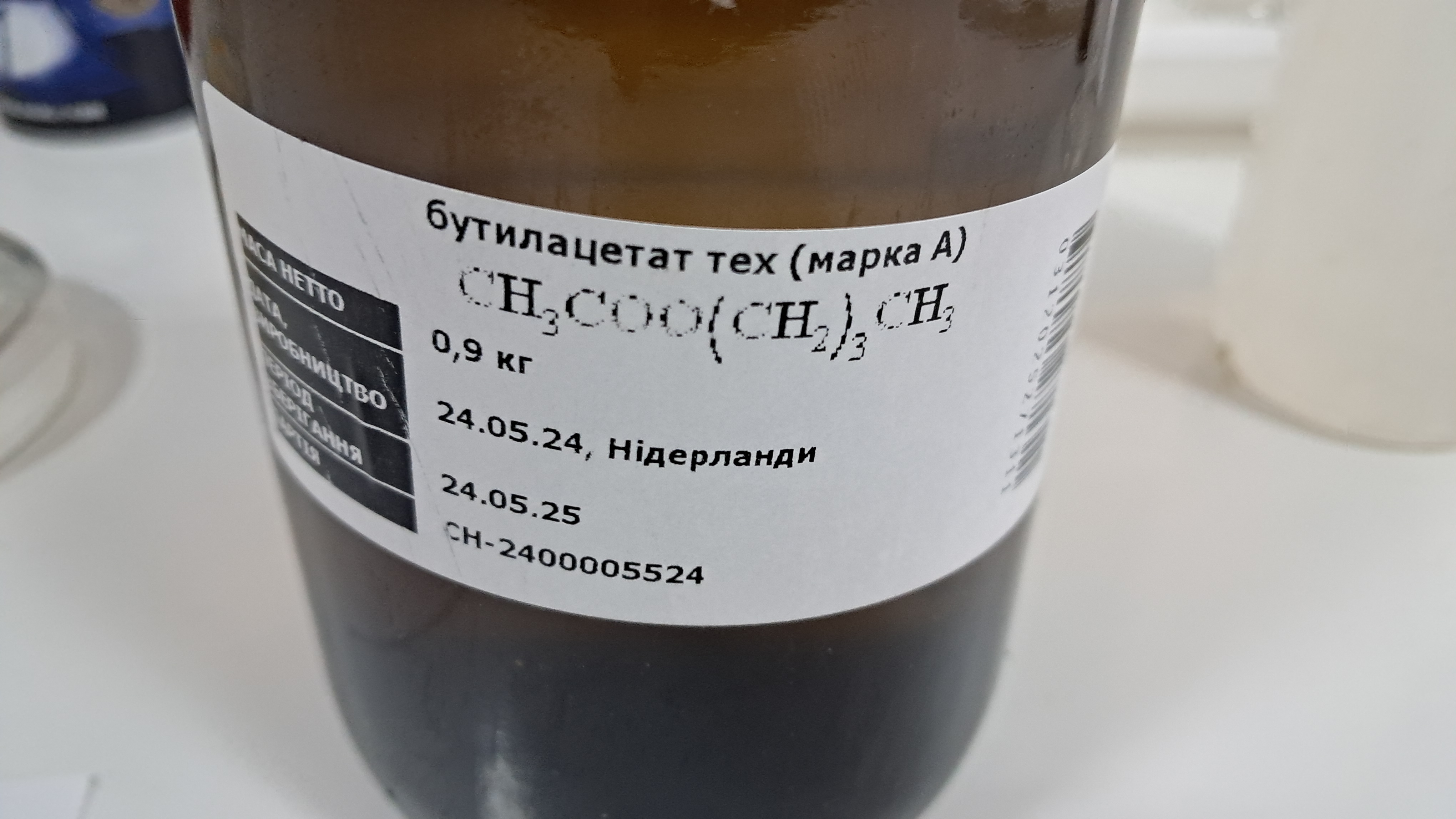
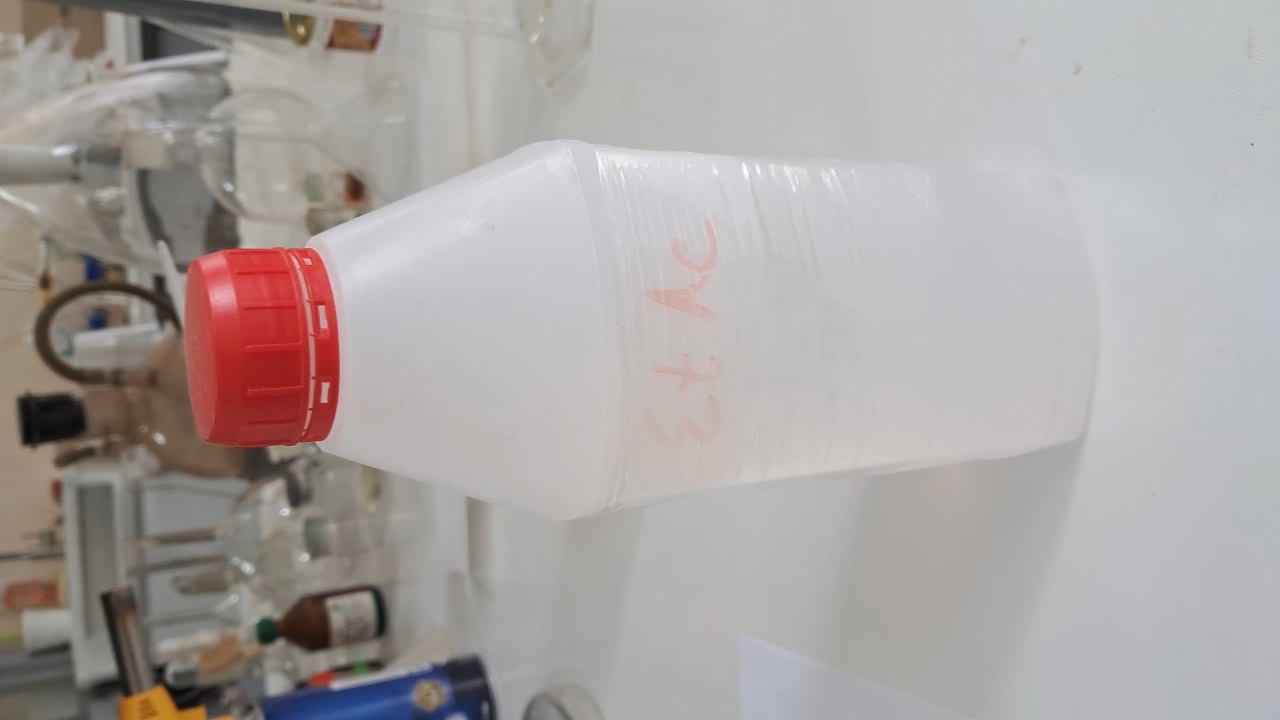
I planned to conduct my next experiment with butyl acetate, but I could not find any in the laboratory. I only had ethyl acetate and methyl acetate available, so I had to continue the experiments with ethyl acetate.
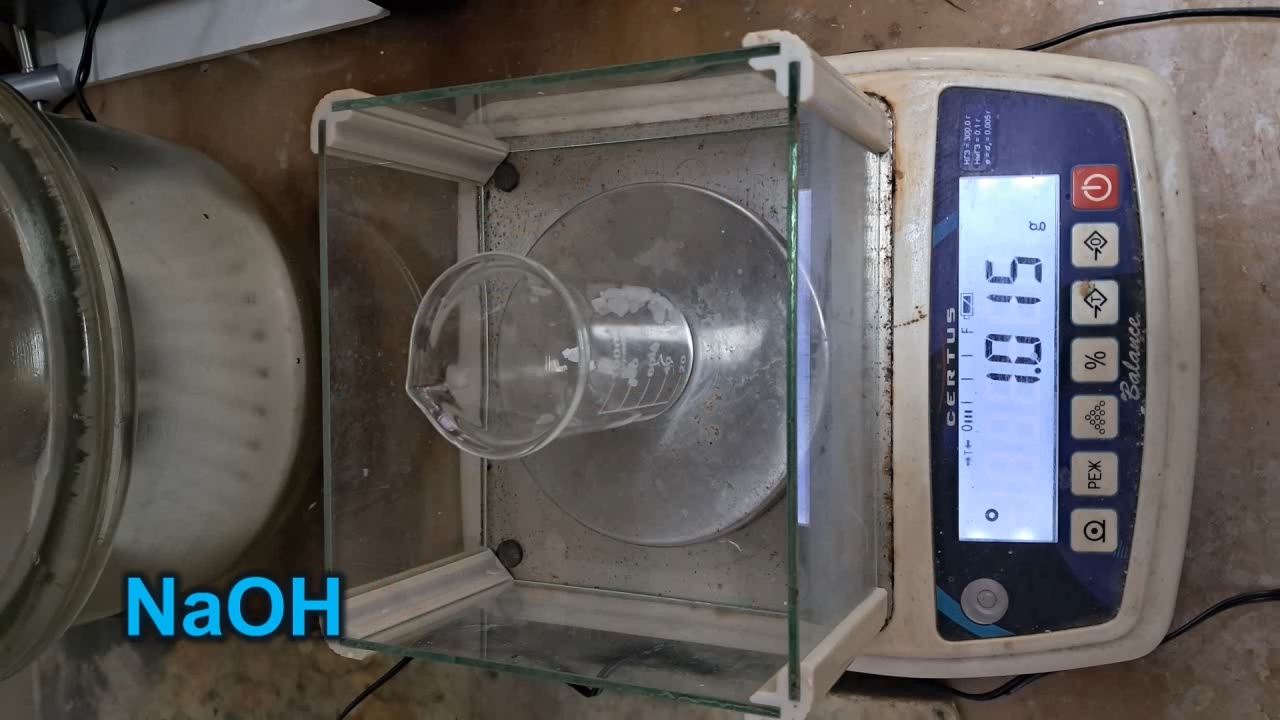
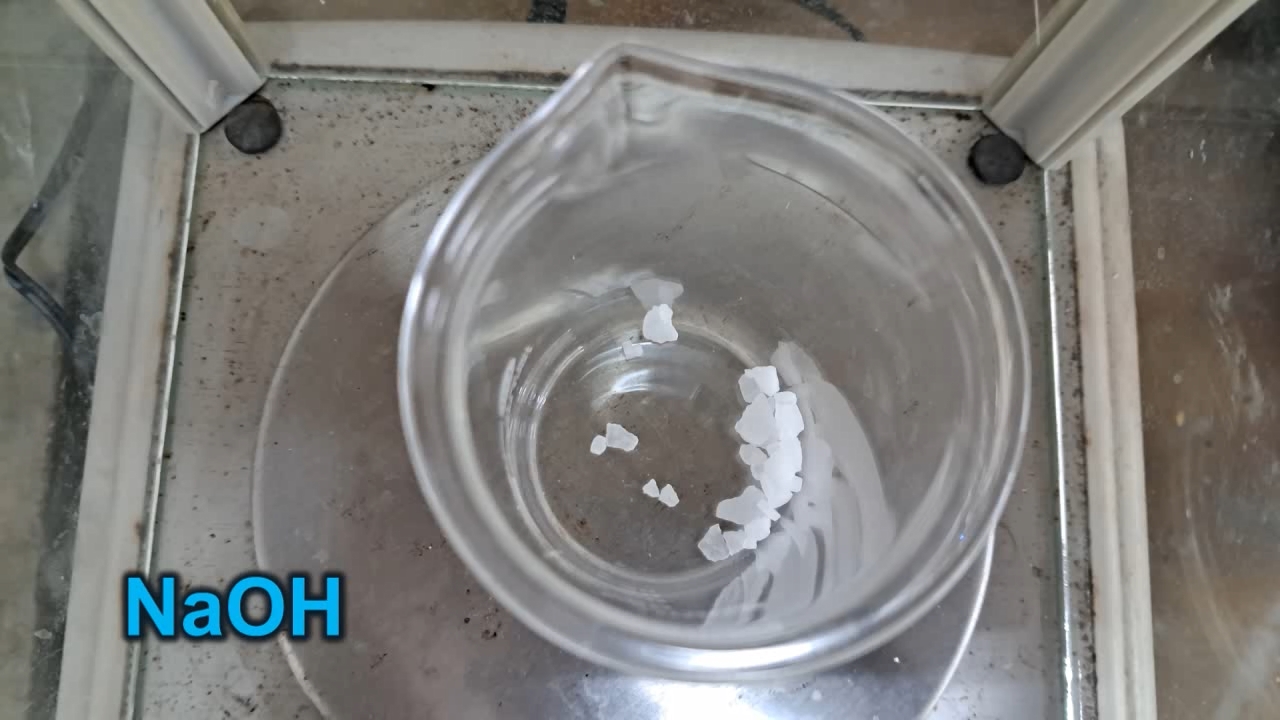
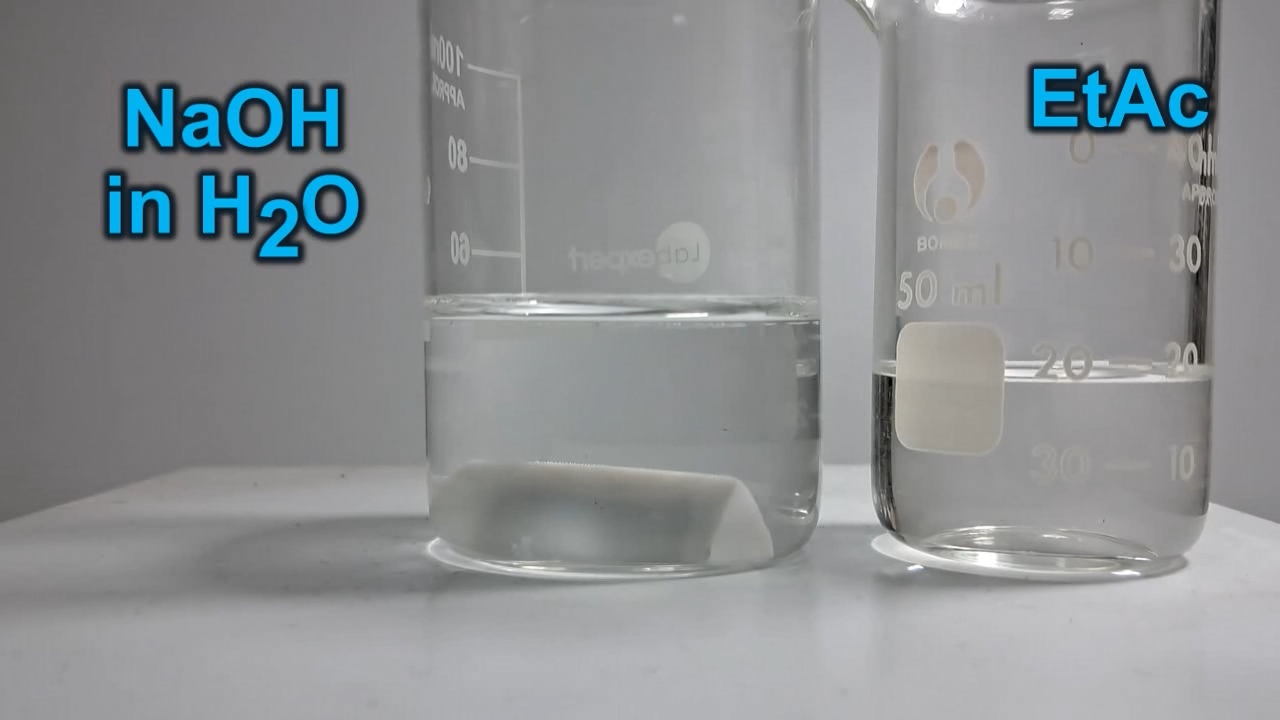
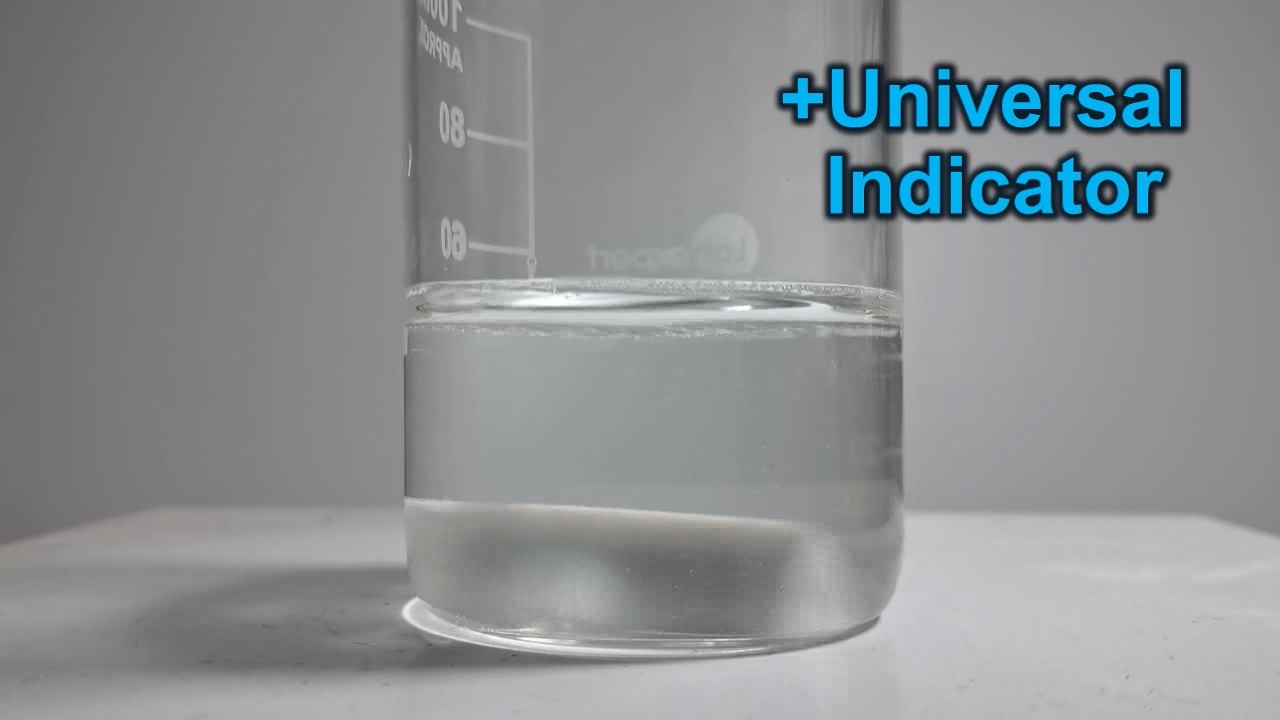
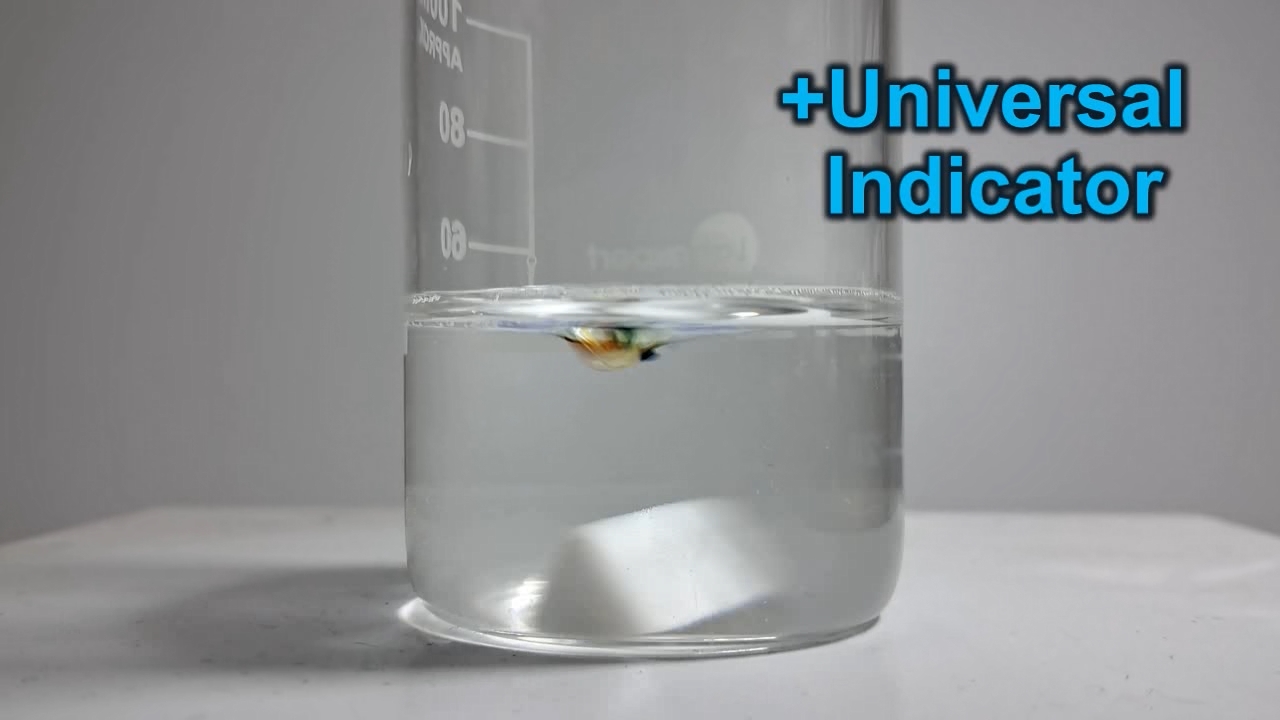
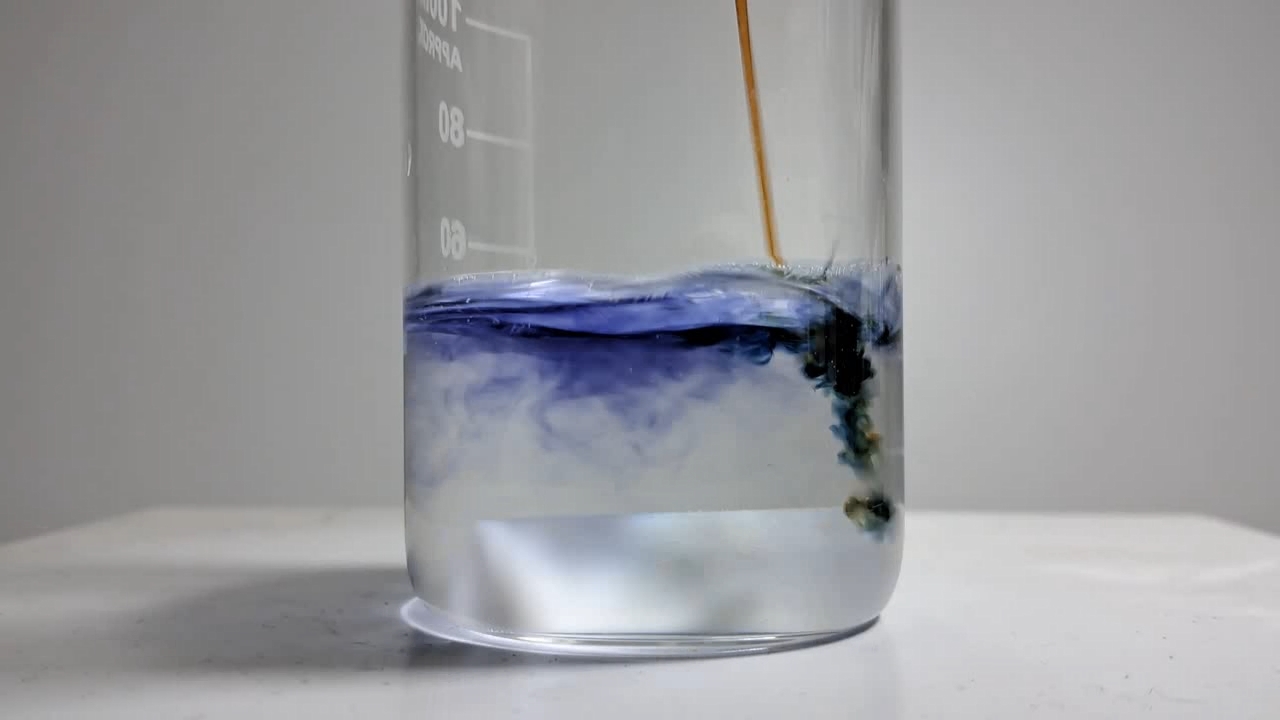
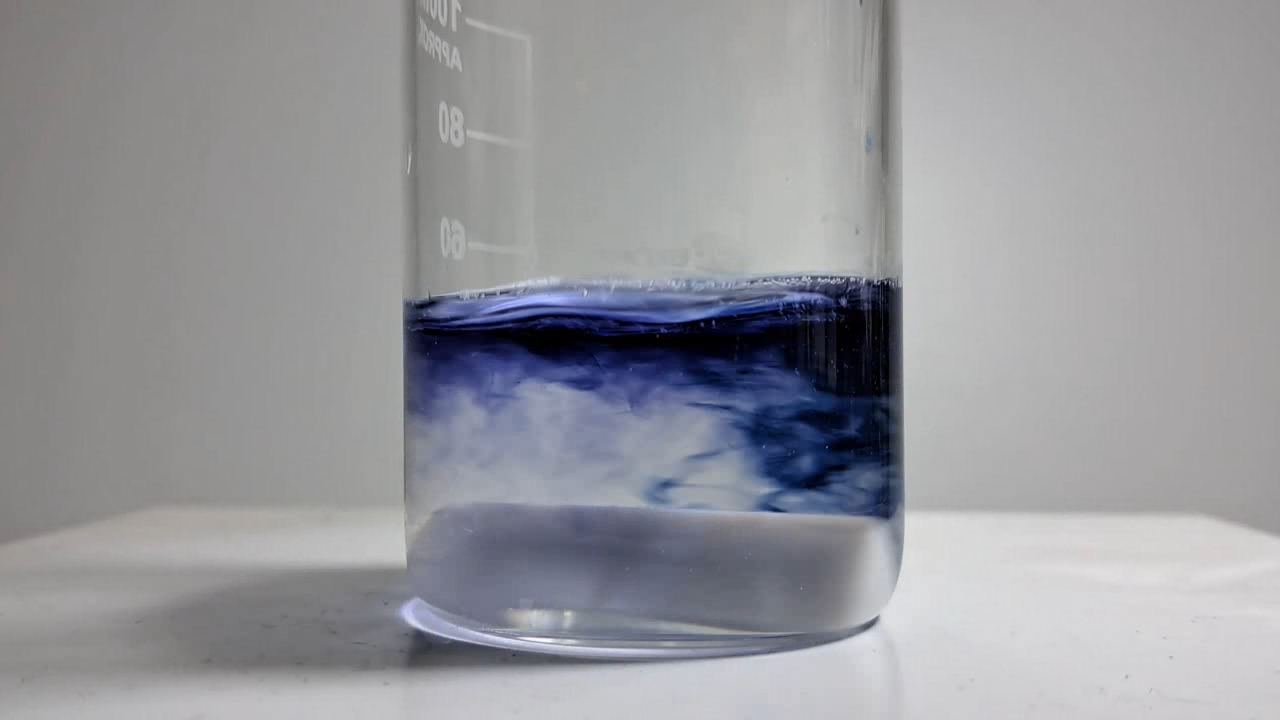
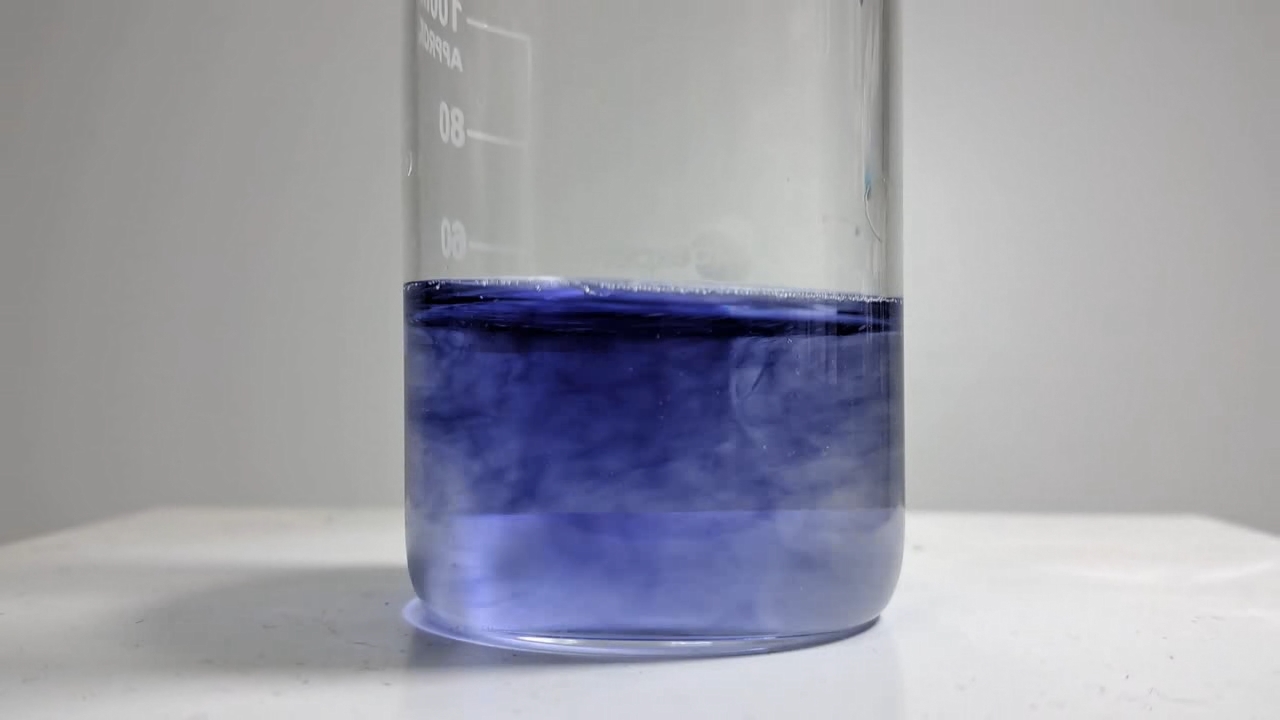
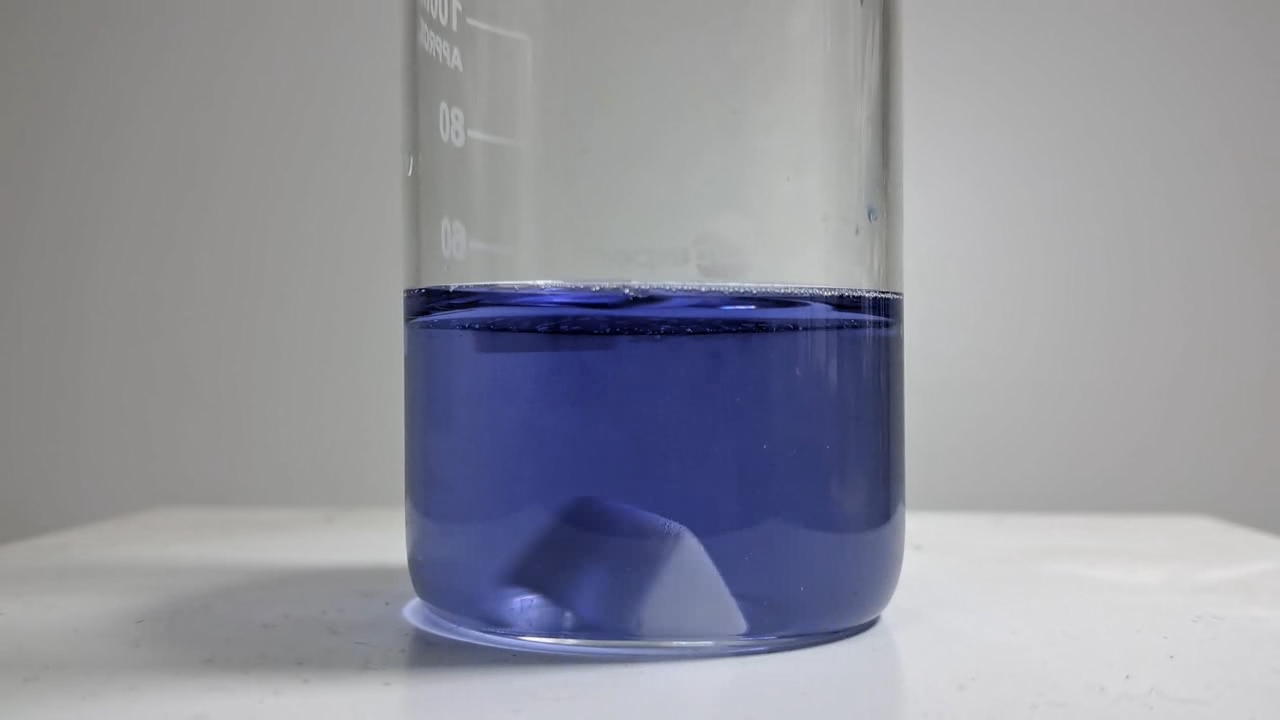
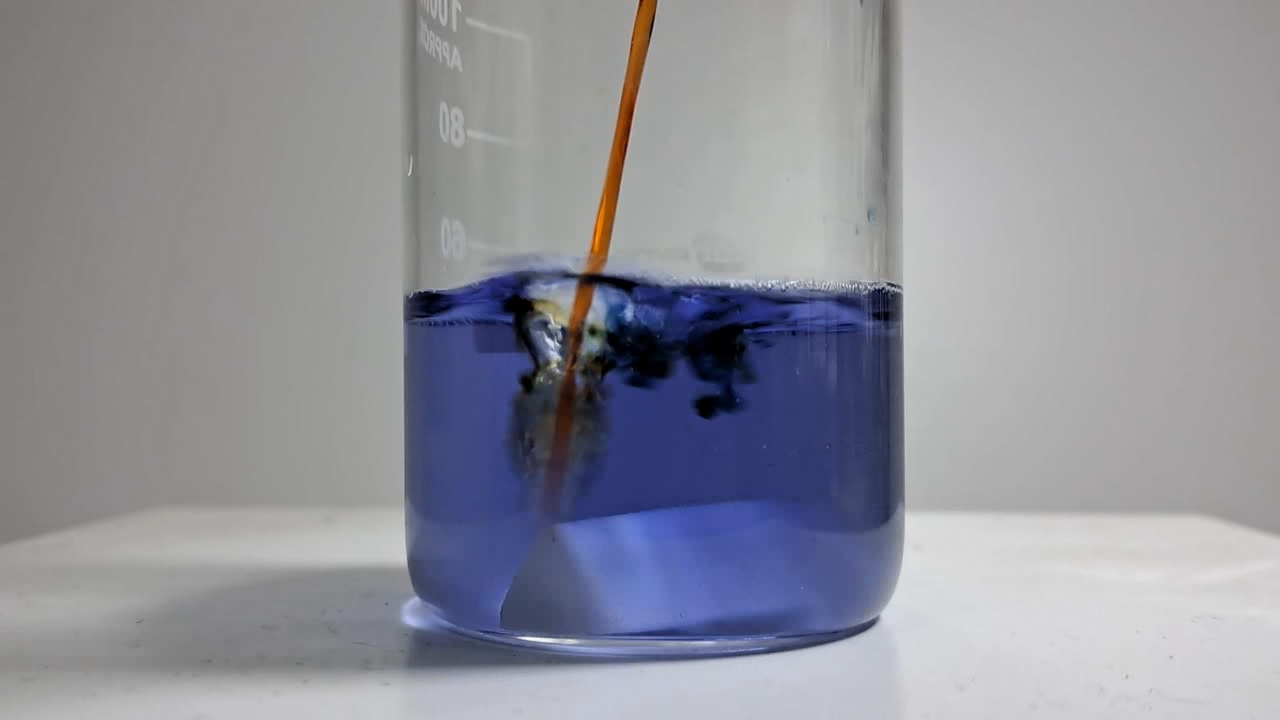
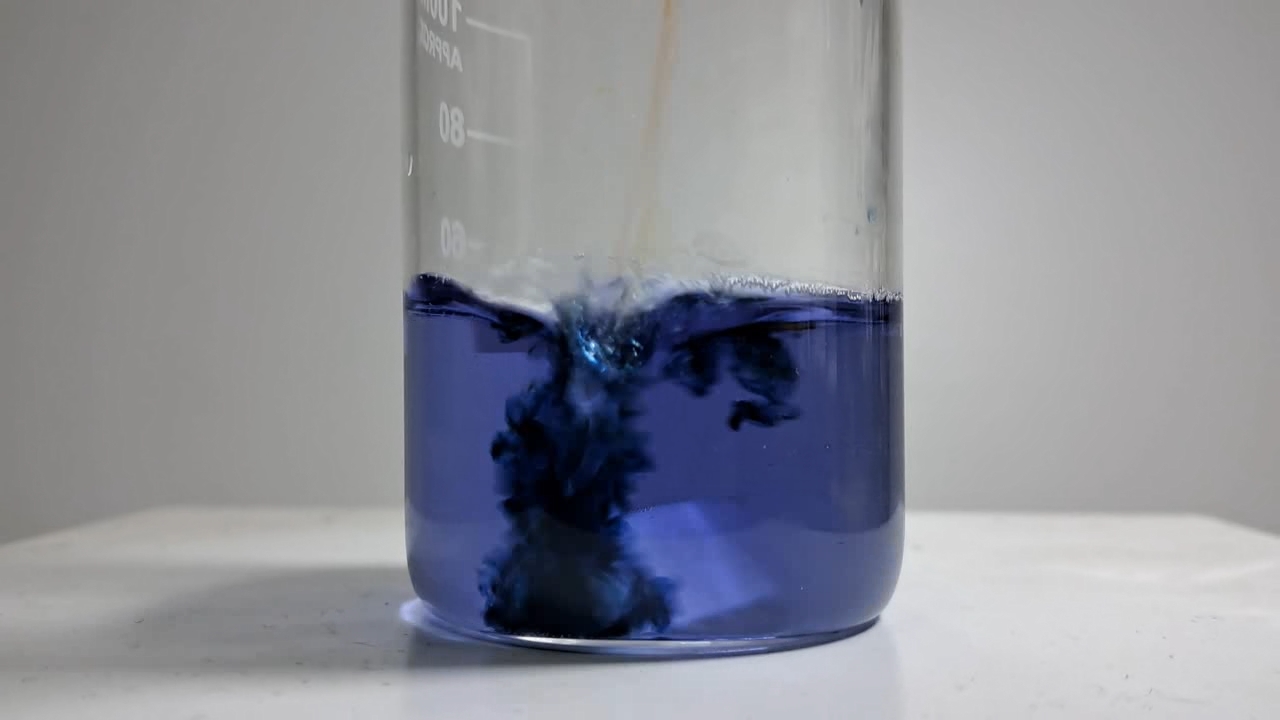
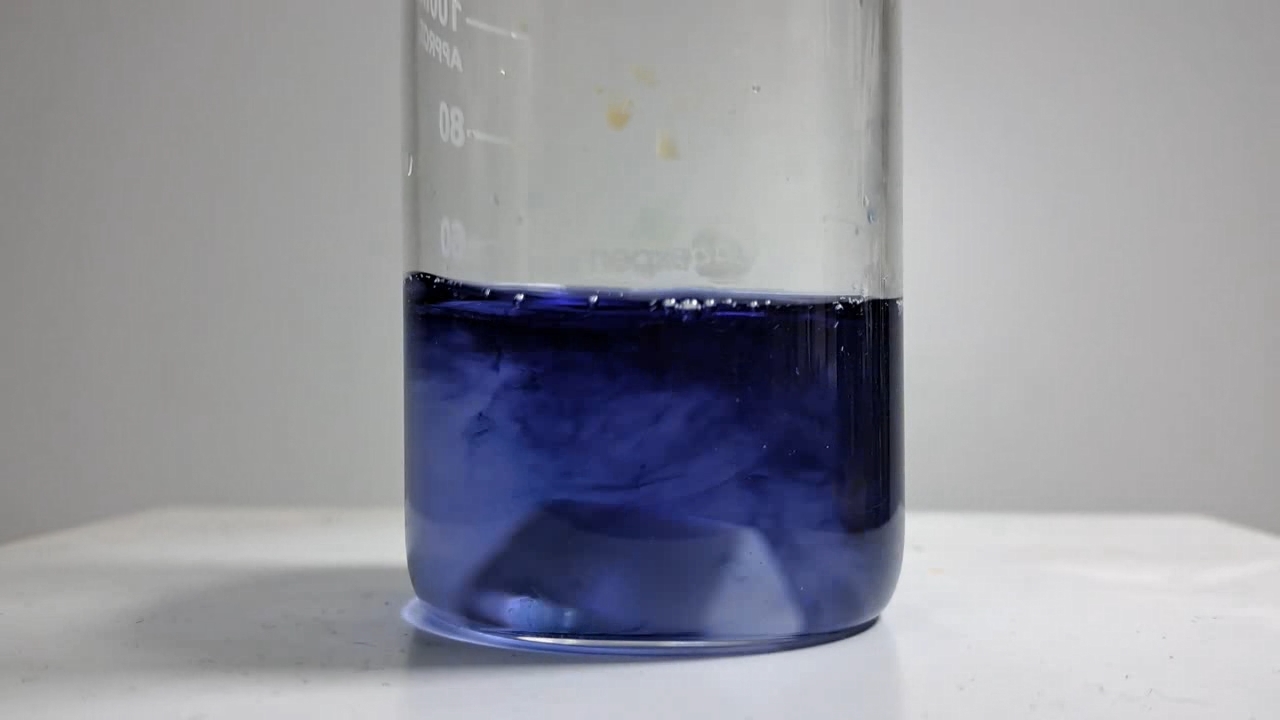
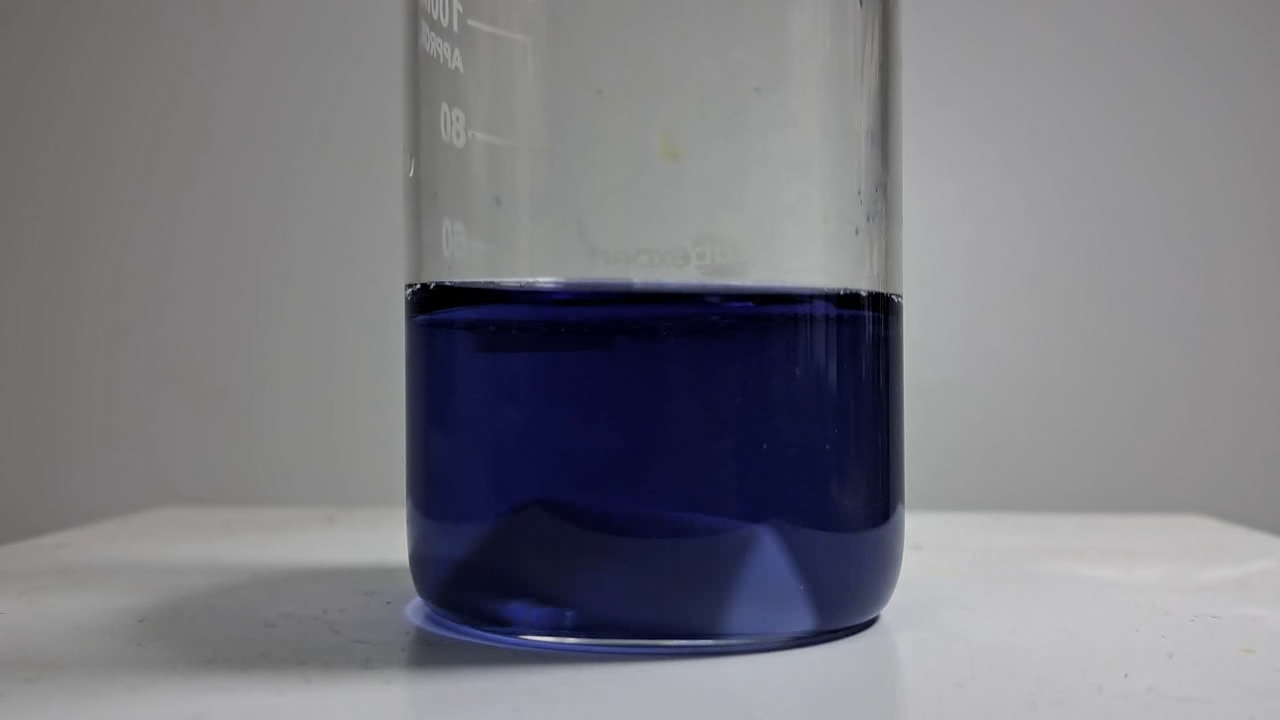
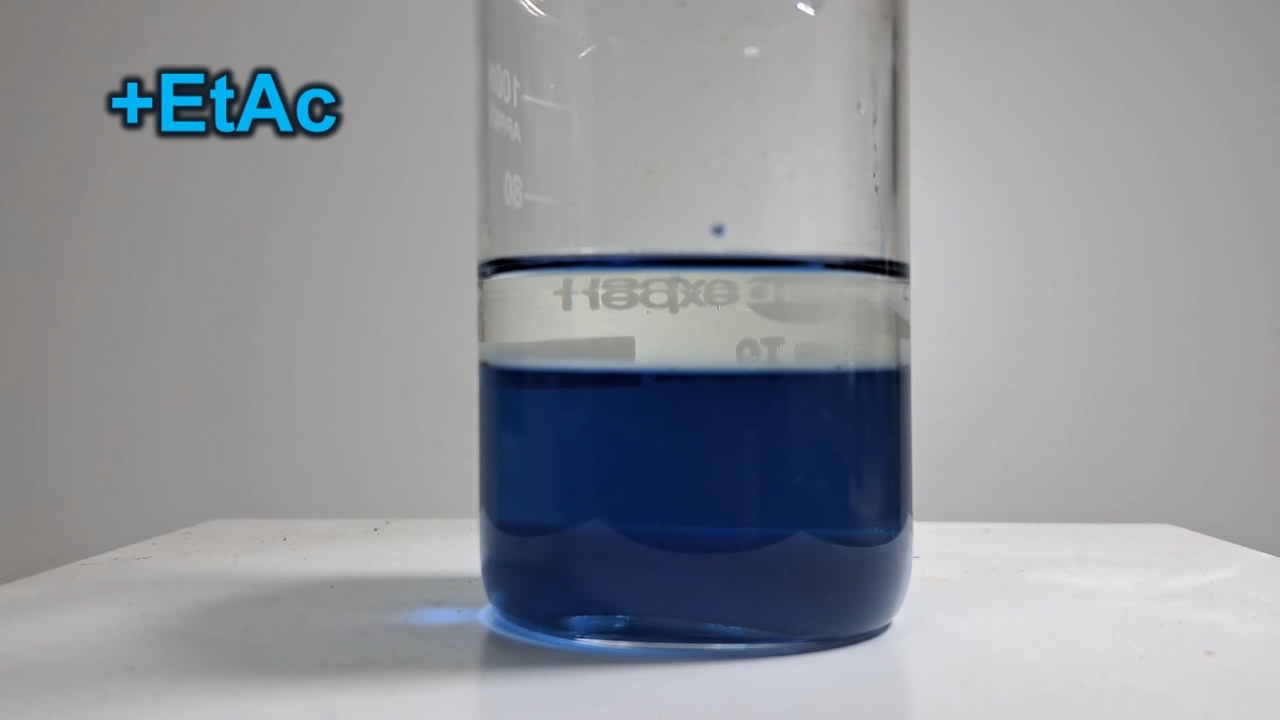
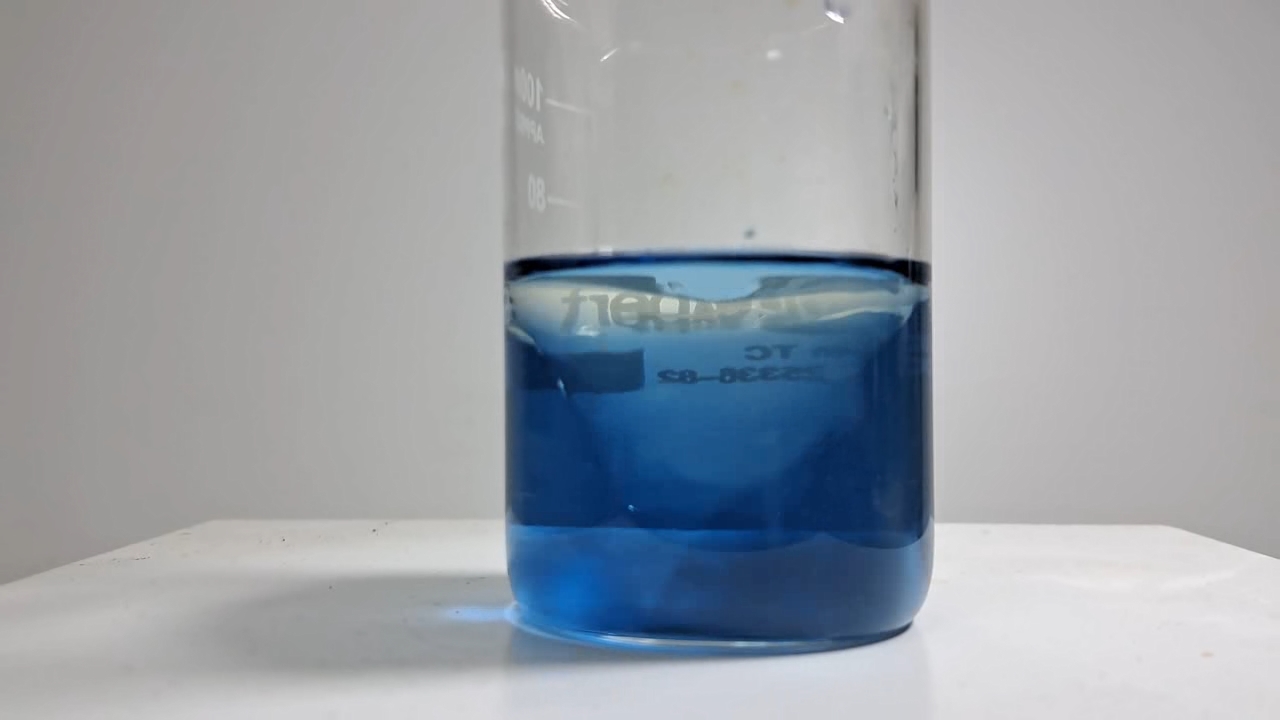
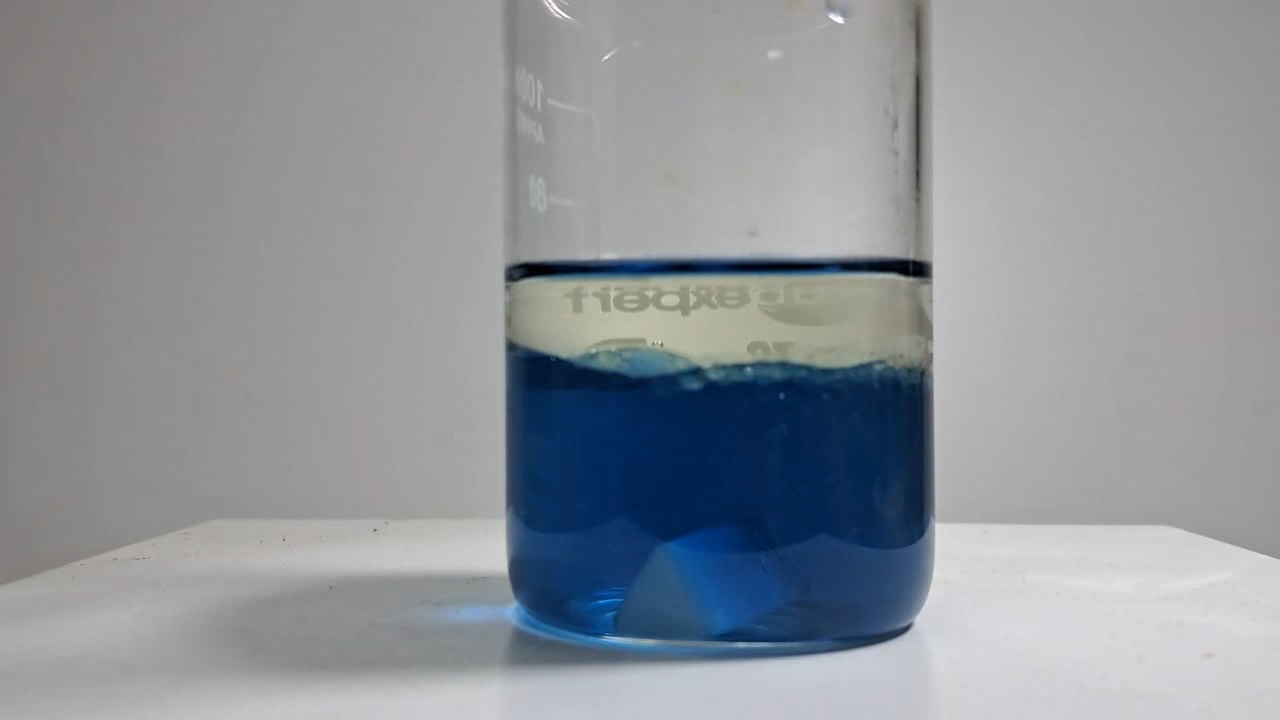
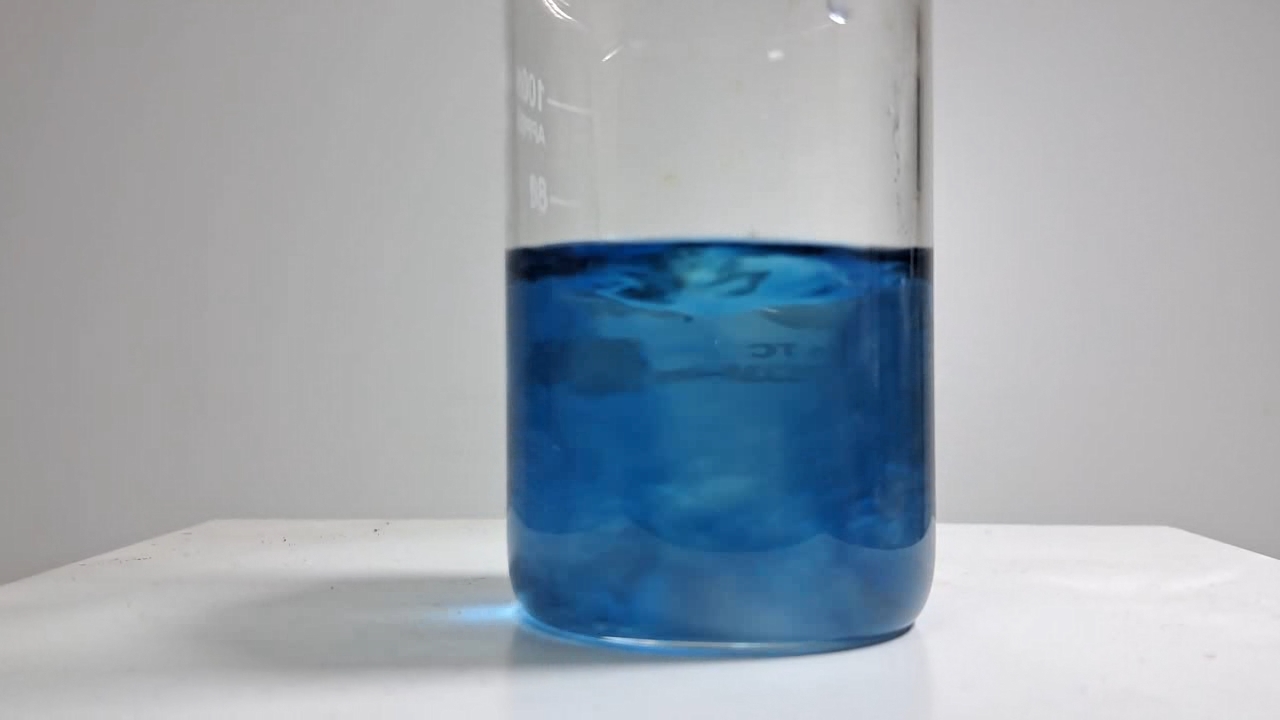
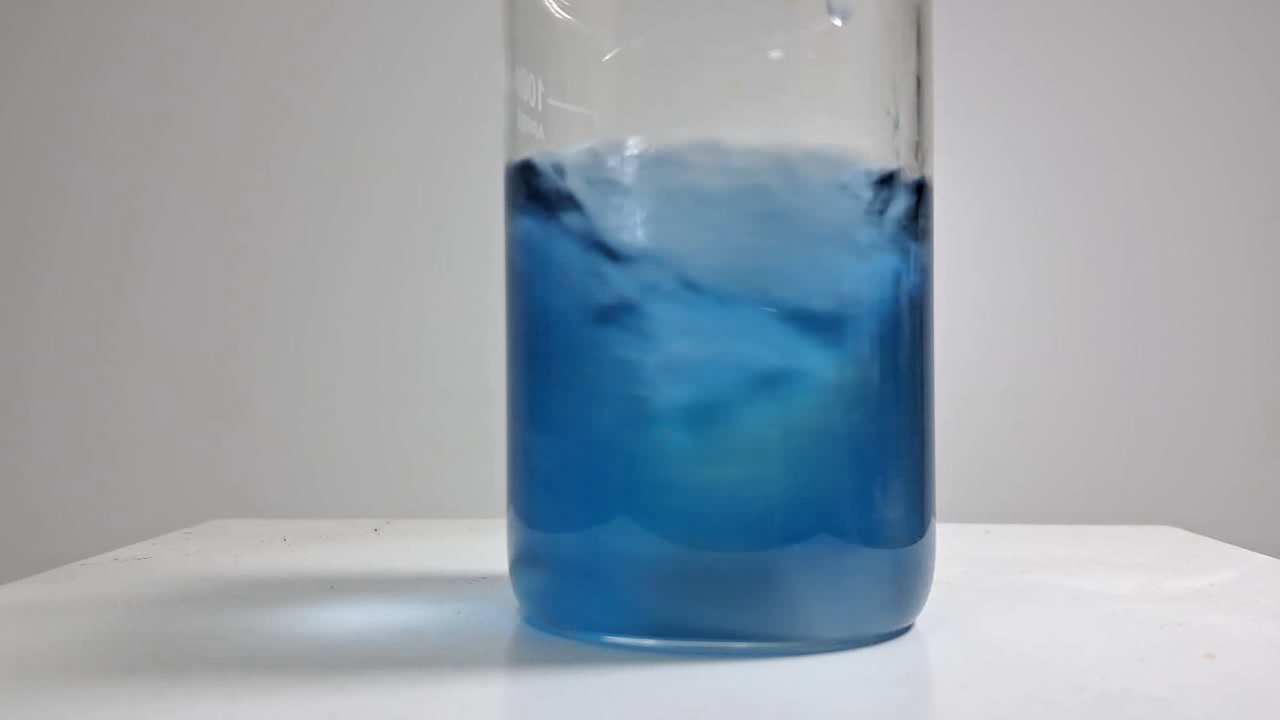
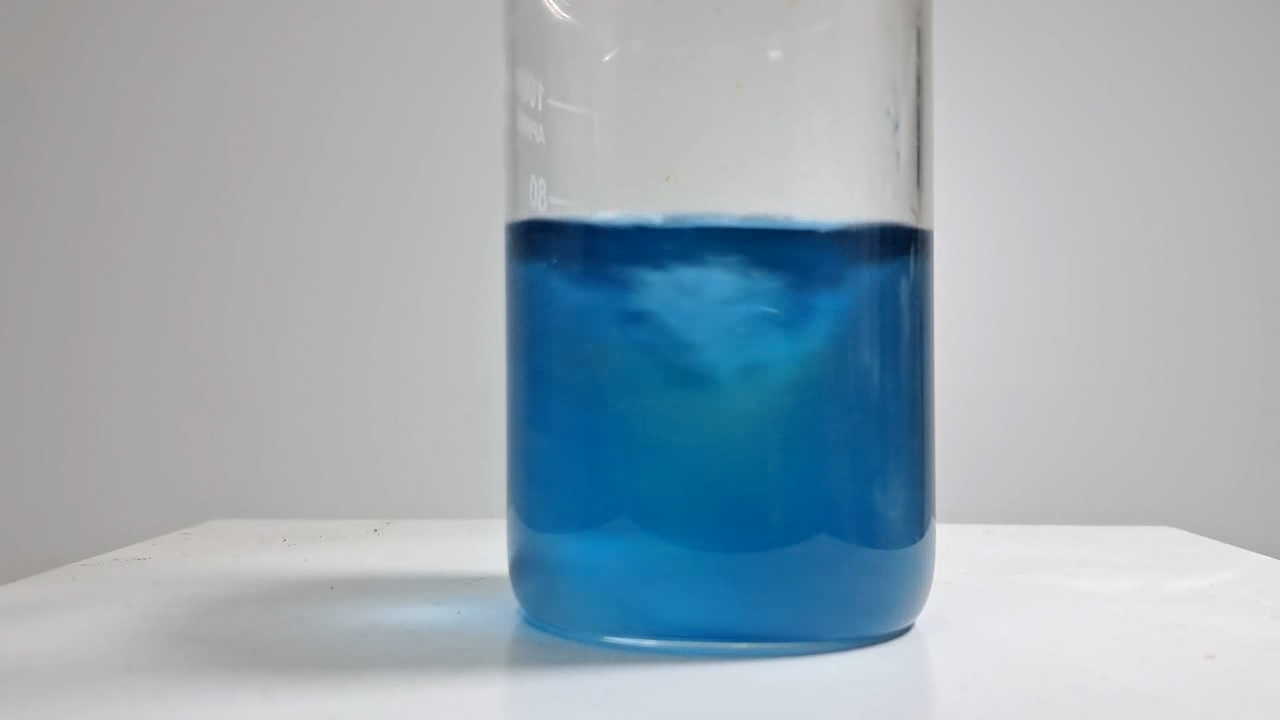
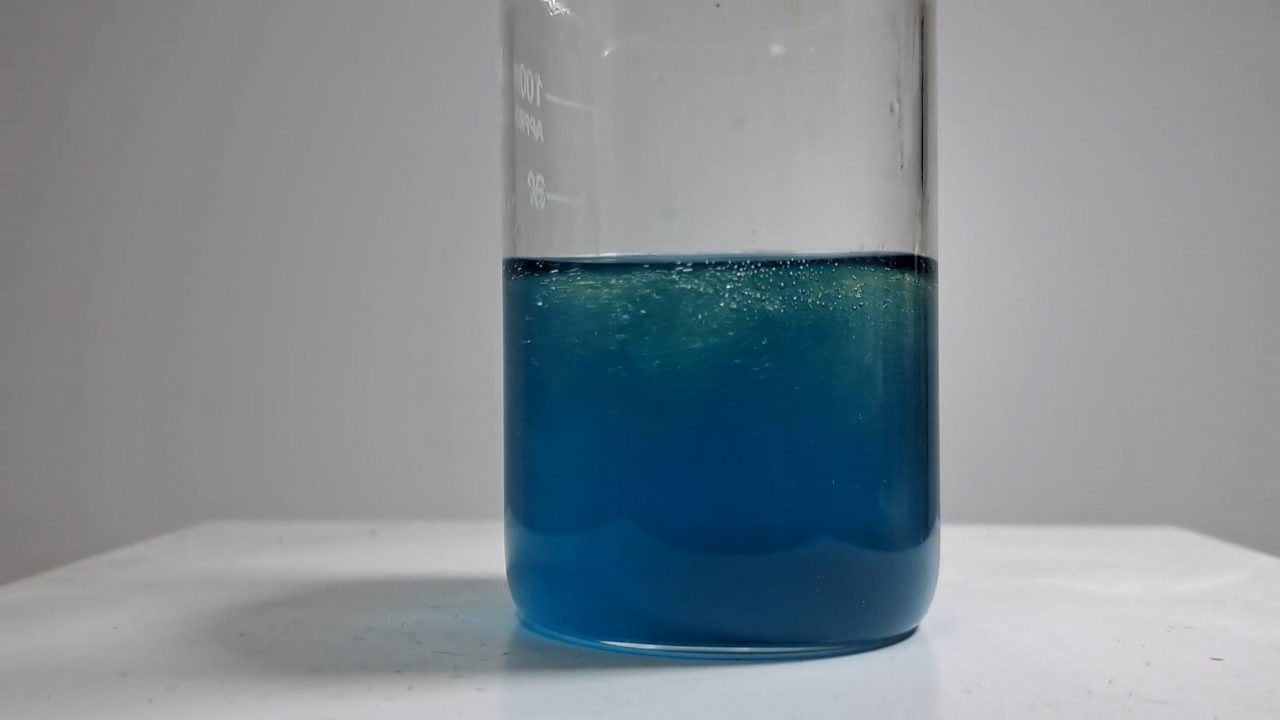
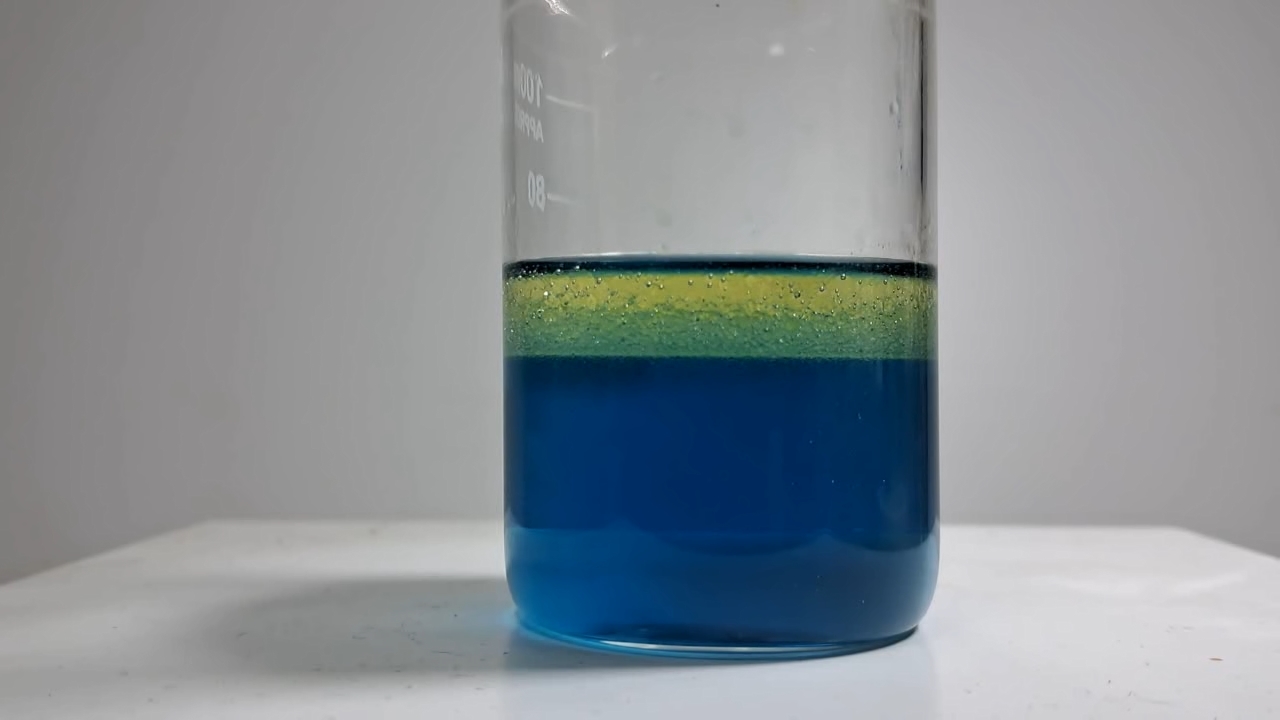
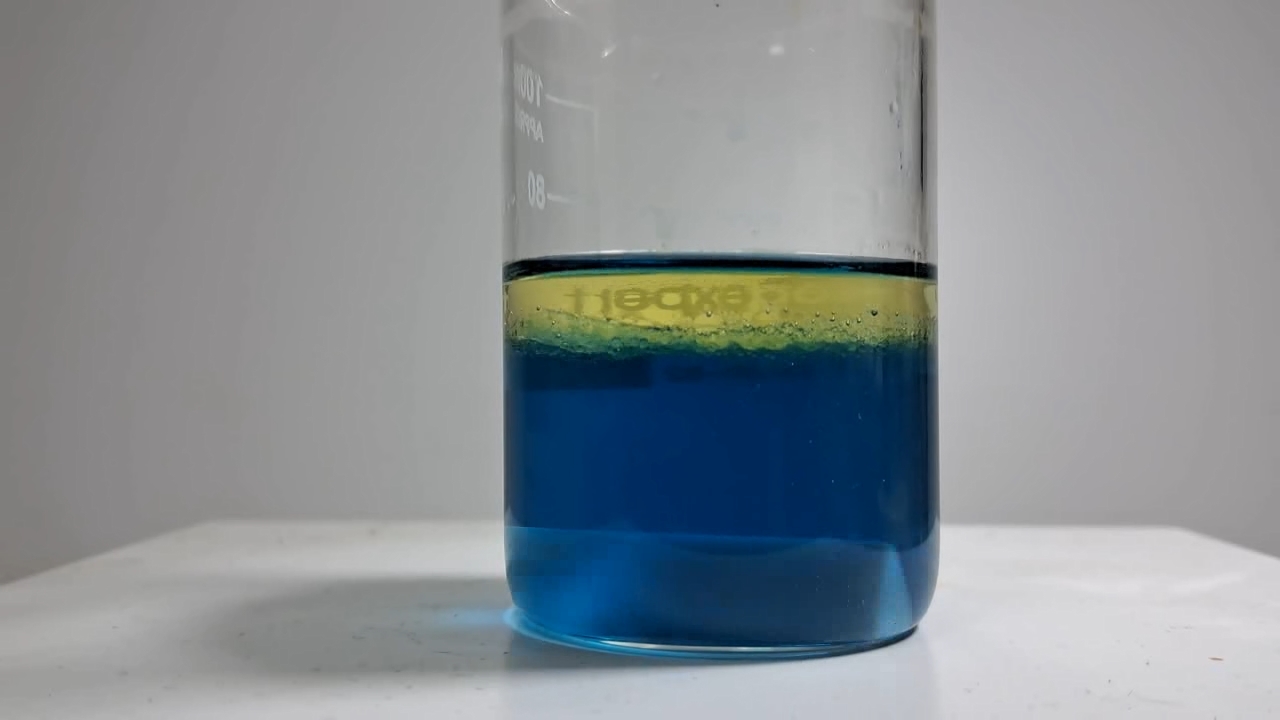
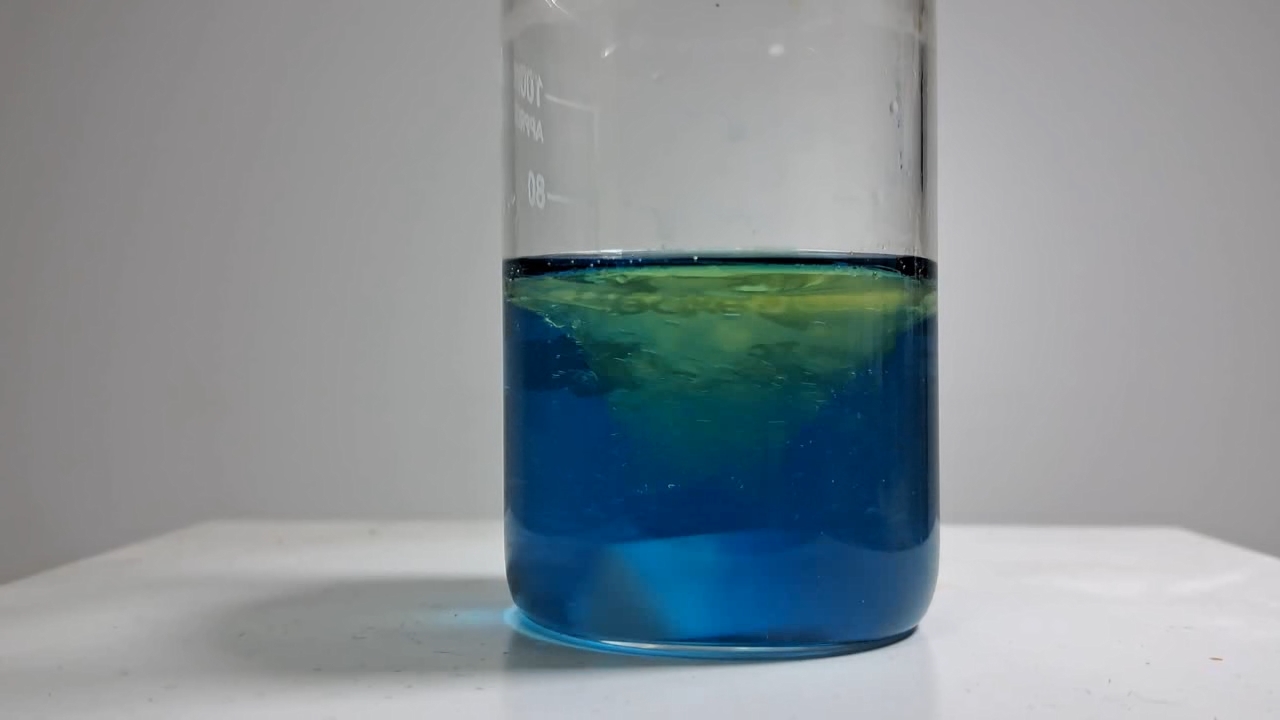
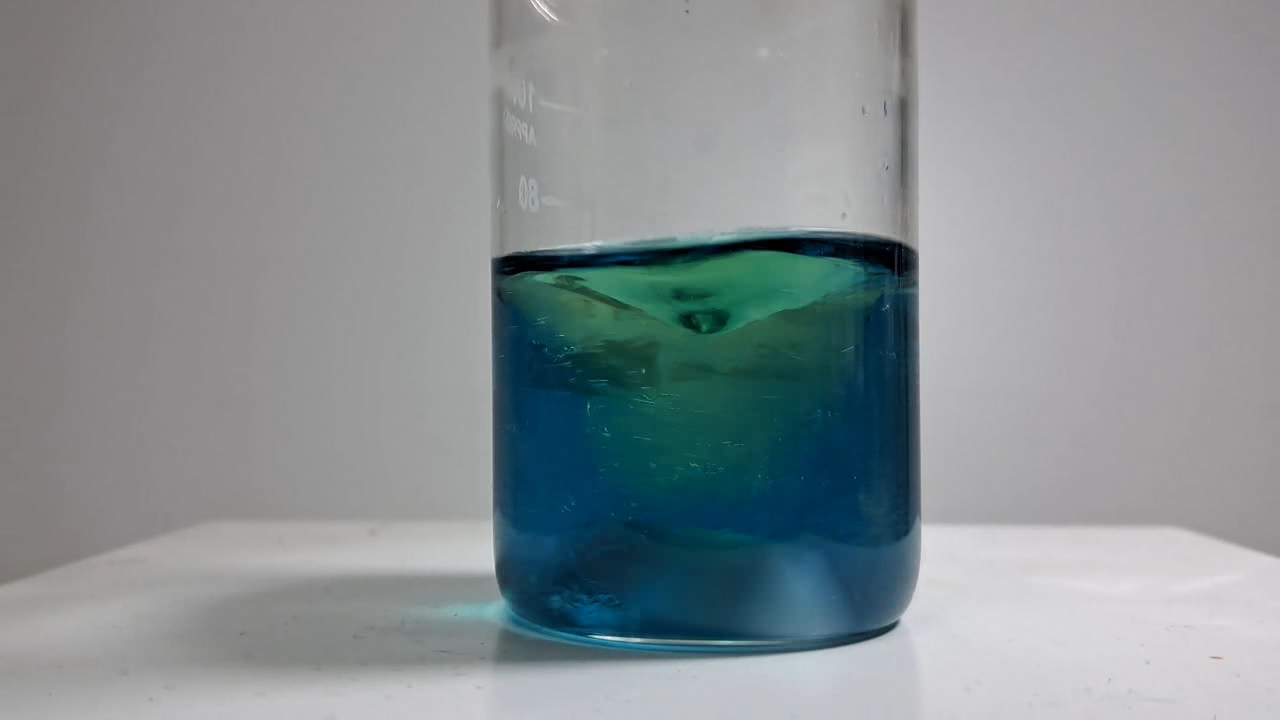
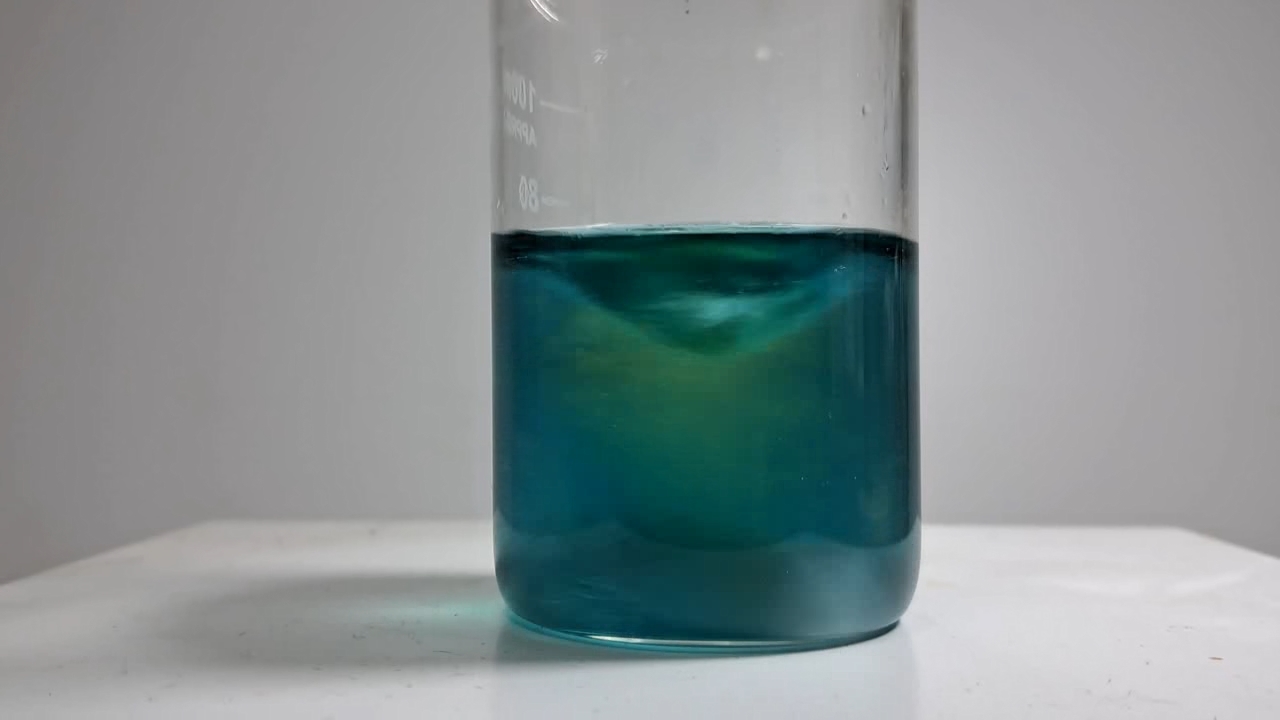
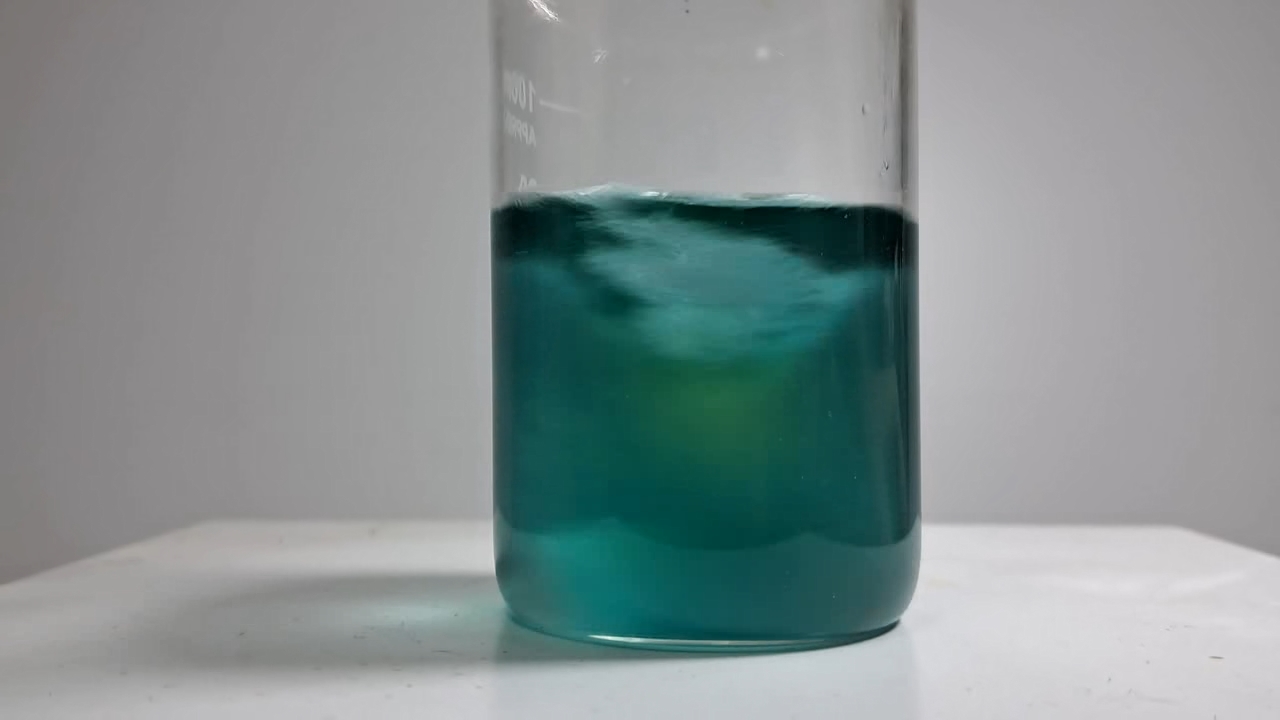
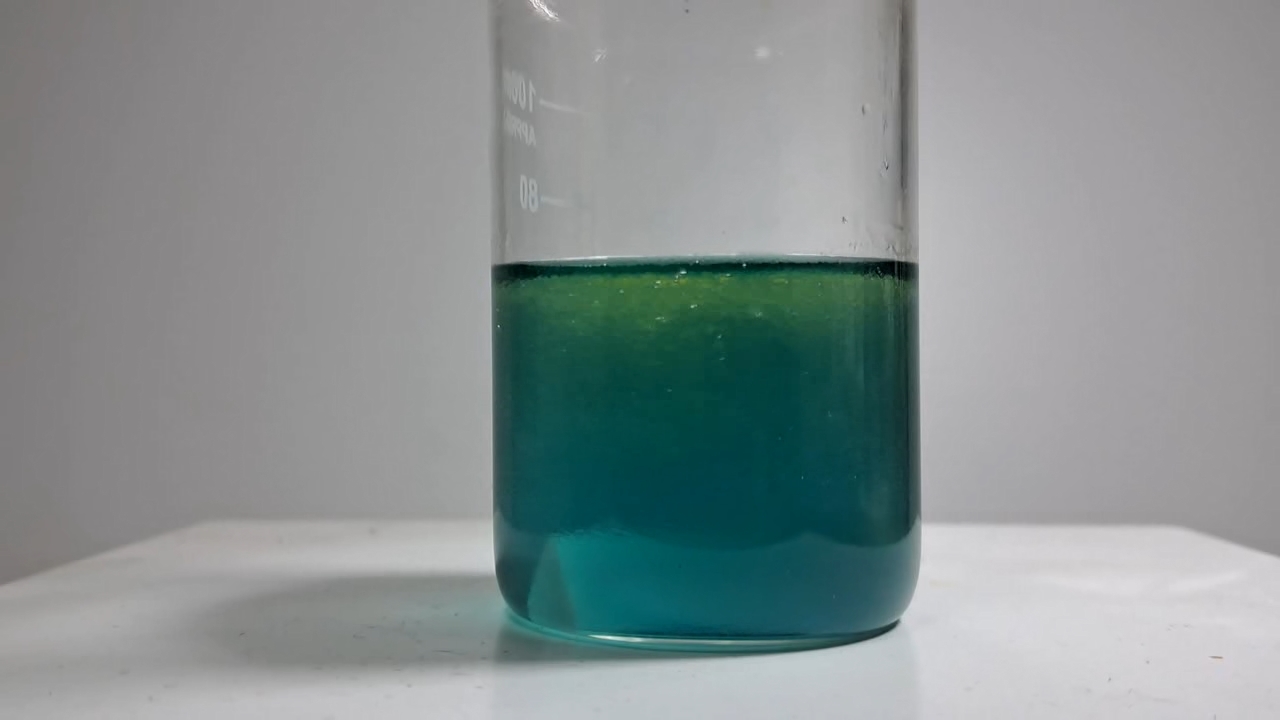
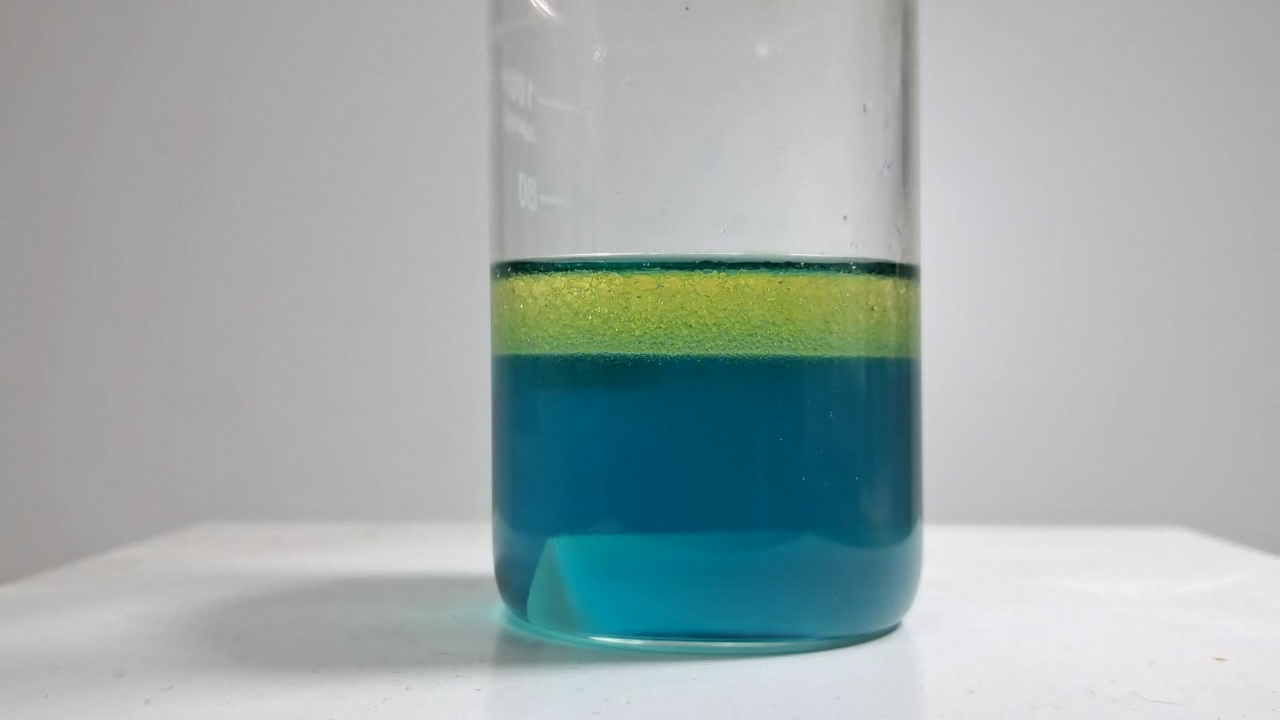
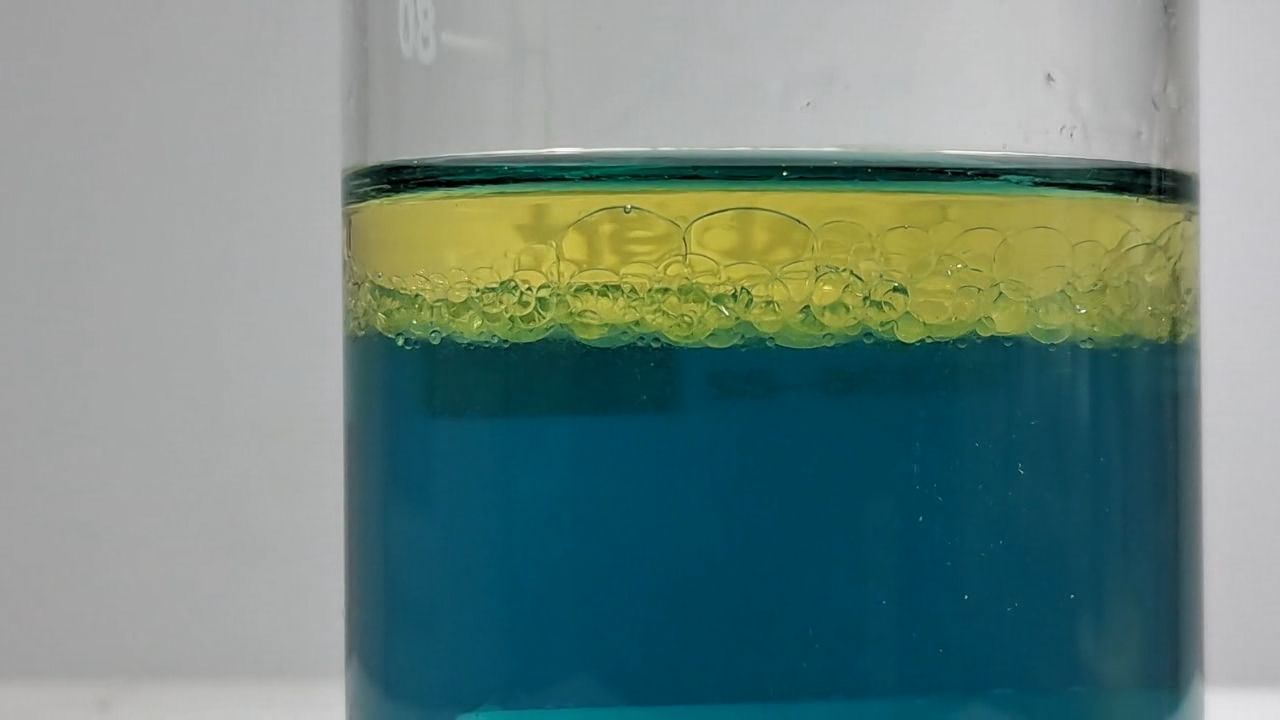
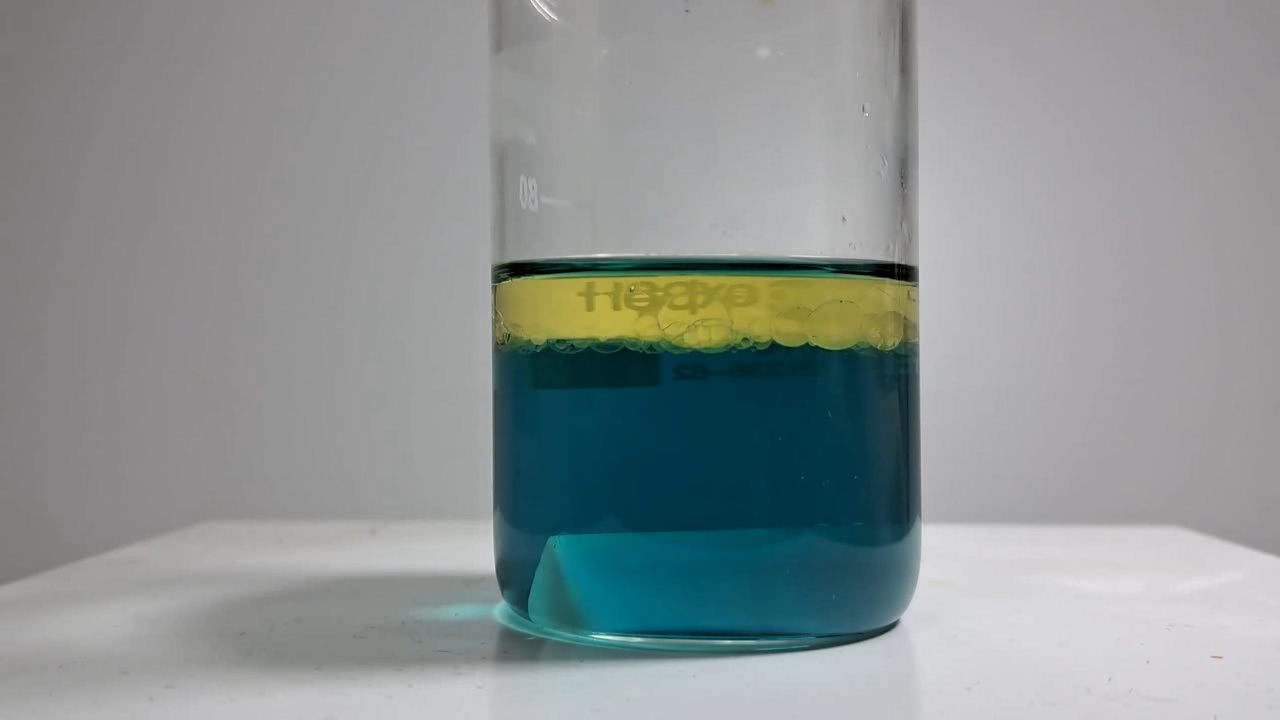
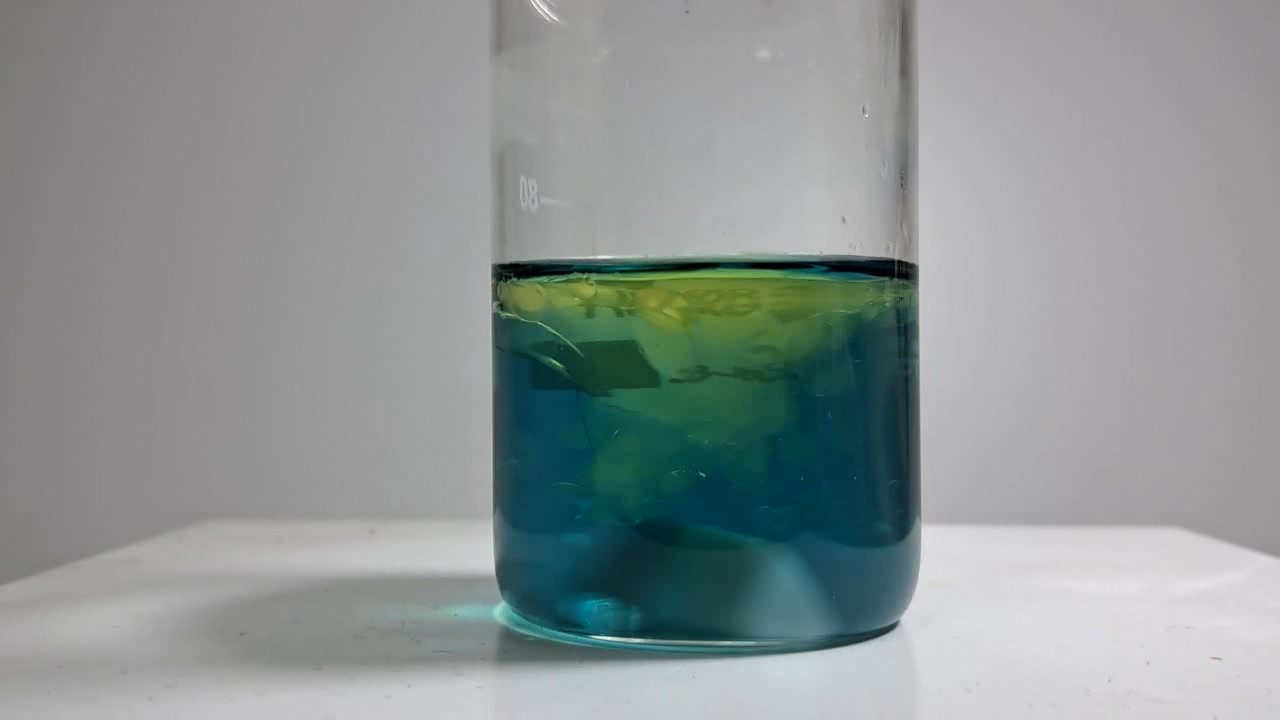
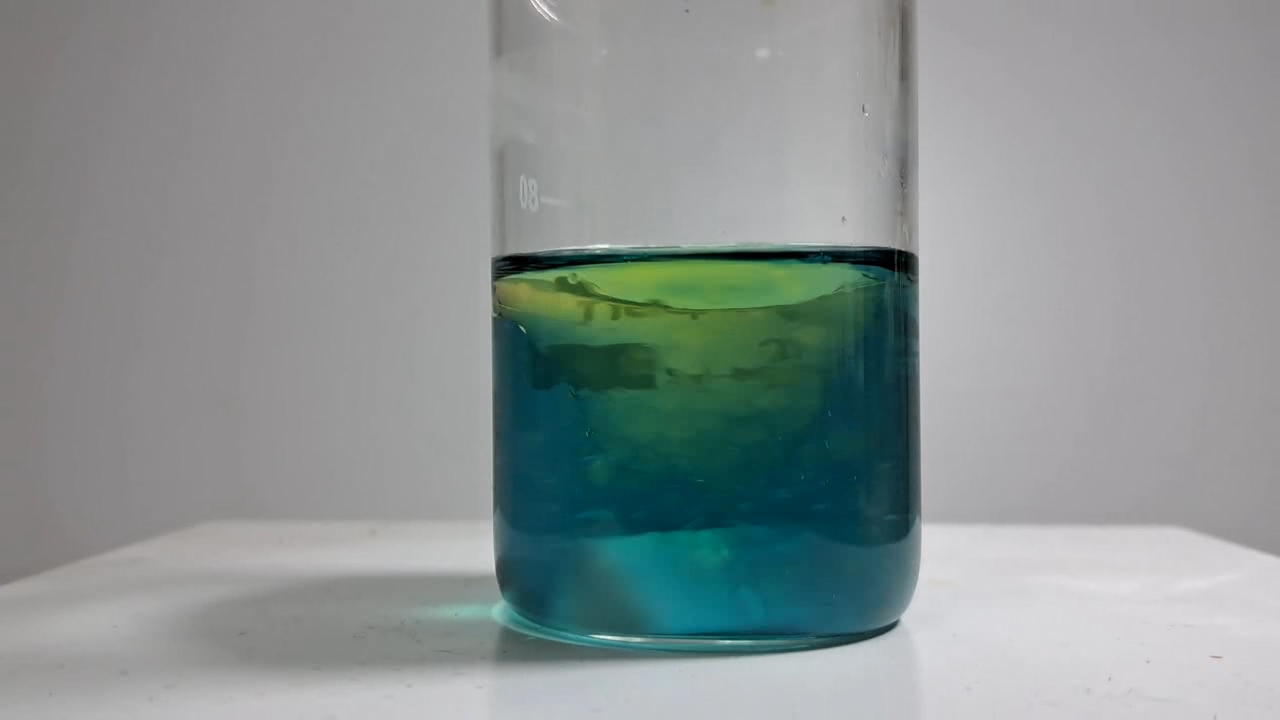
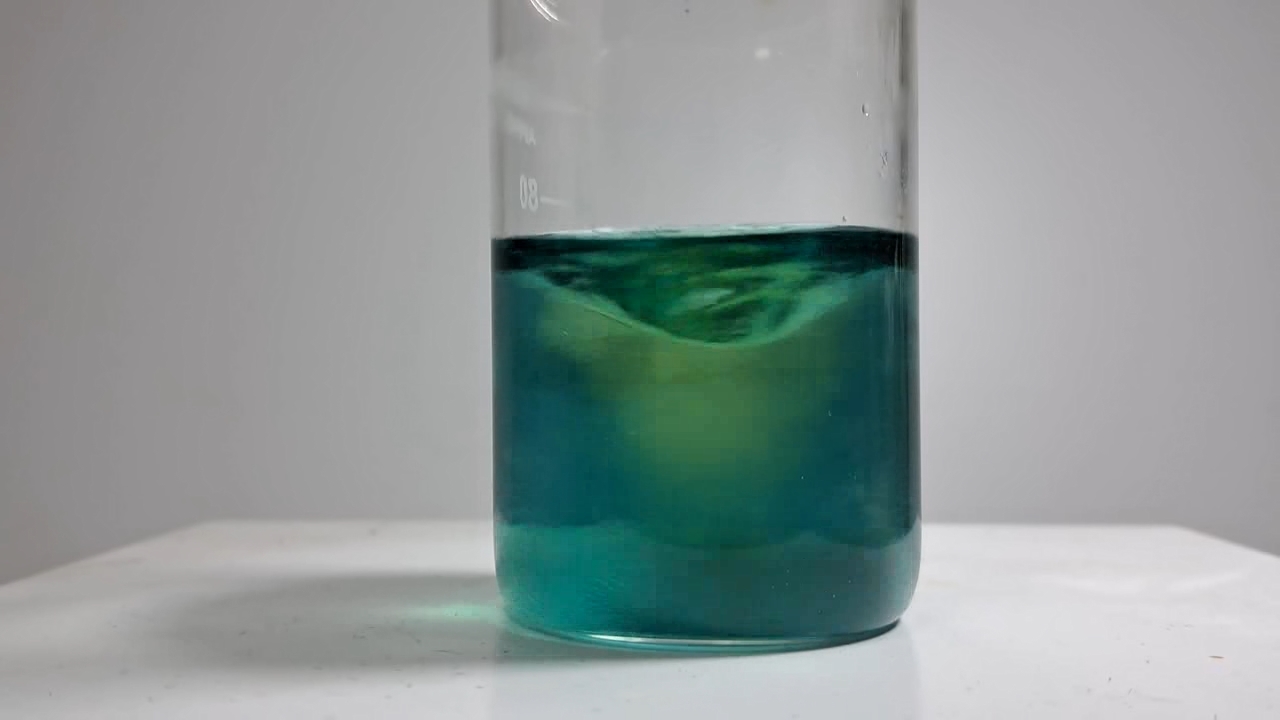
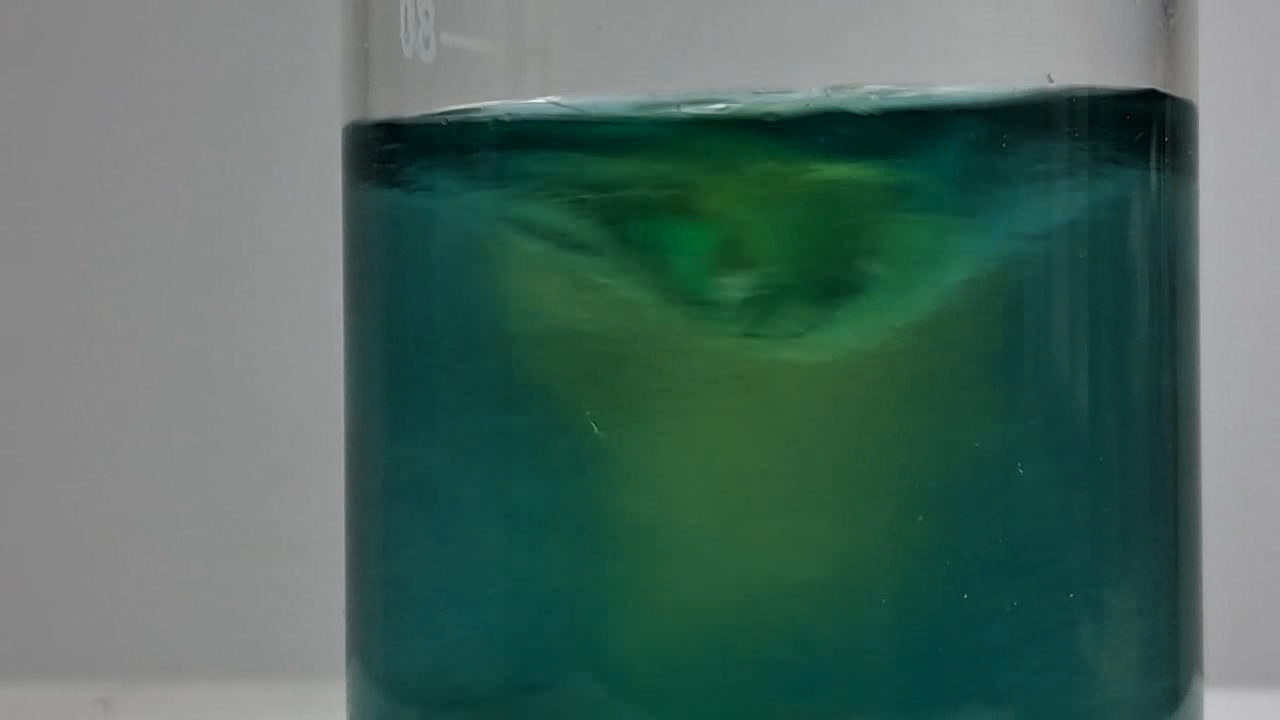
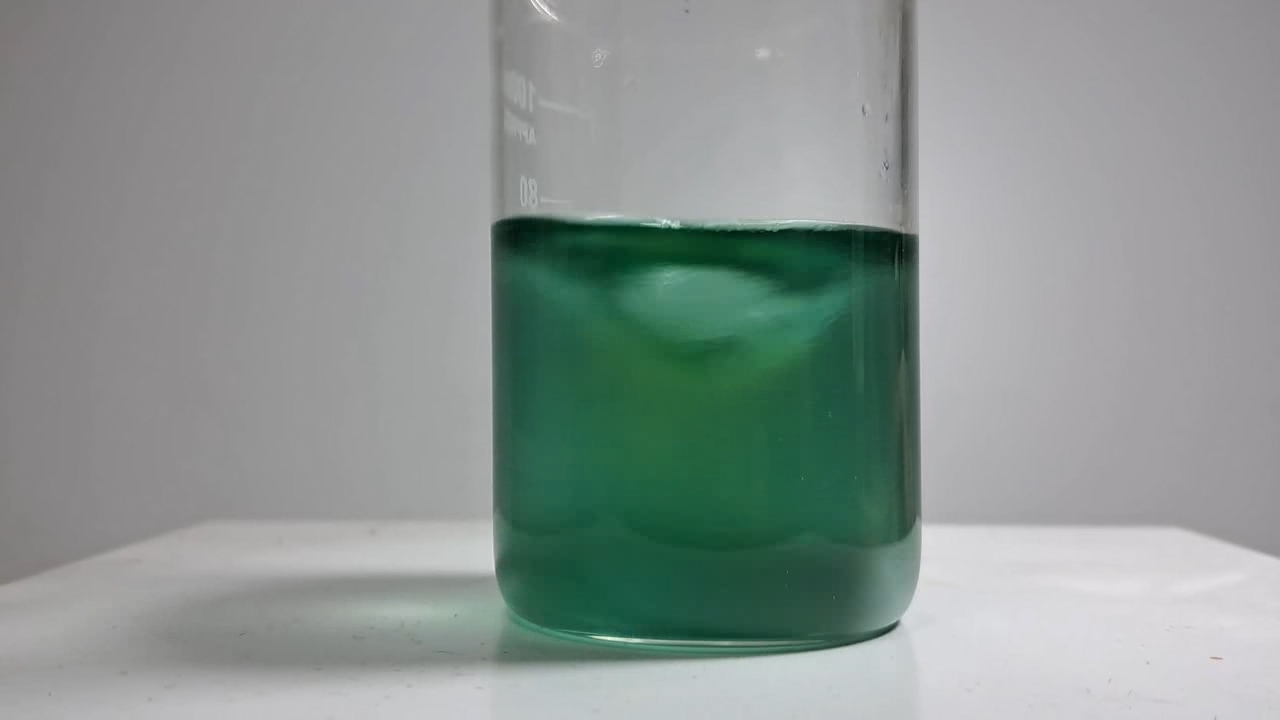
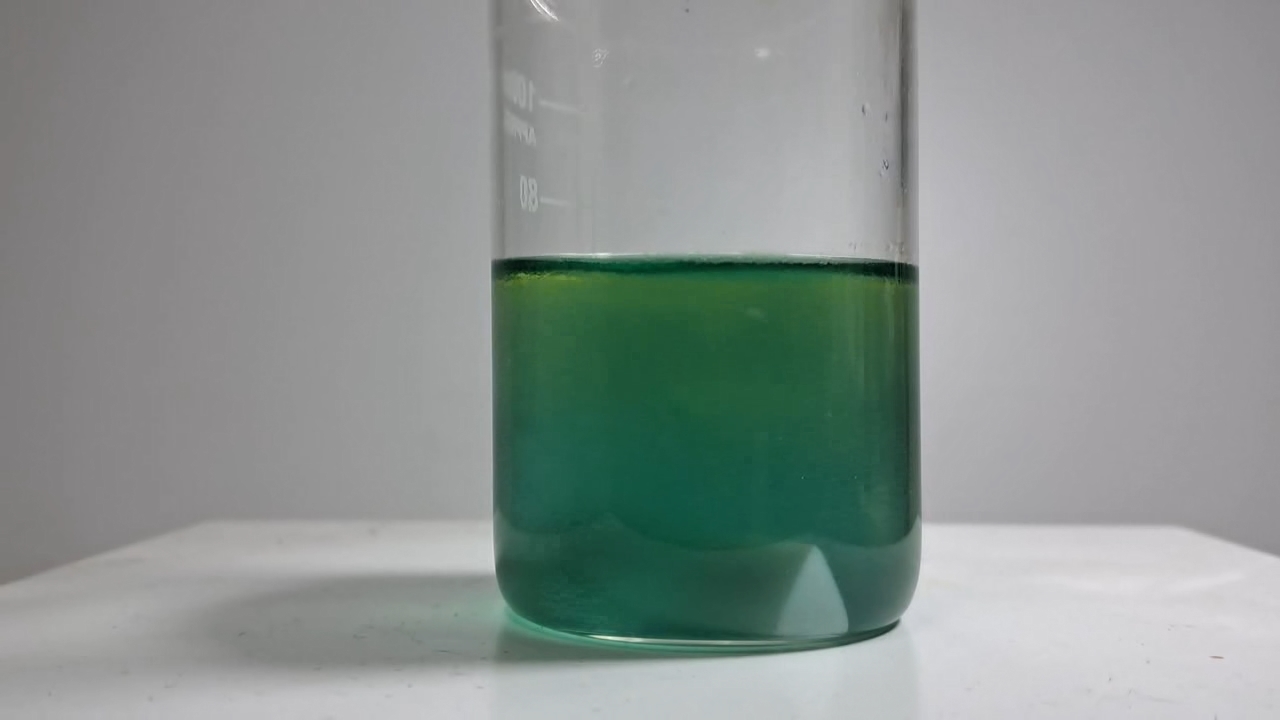
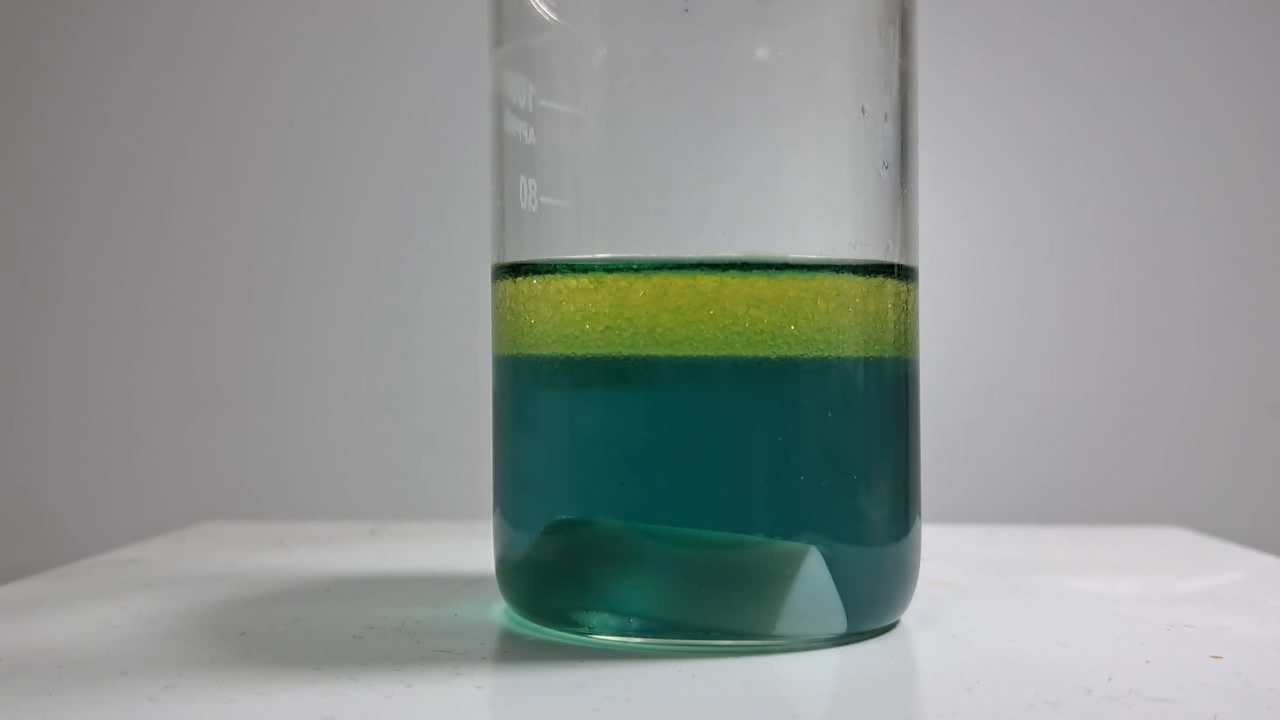
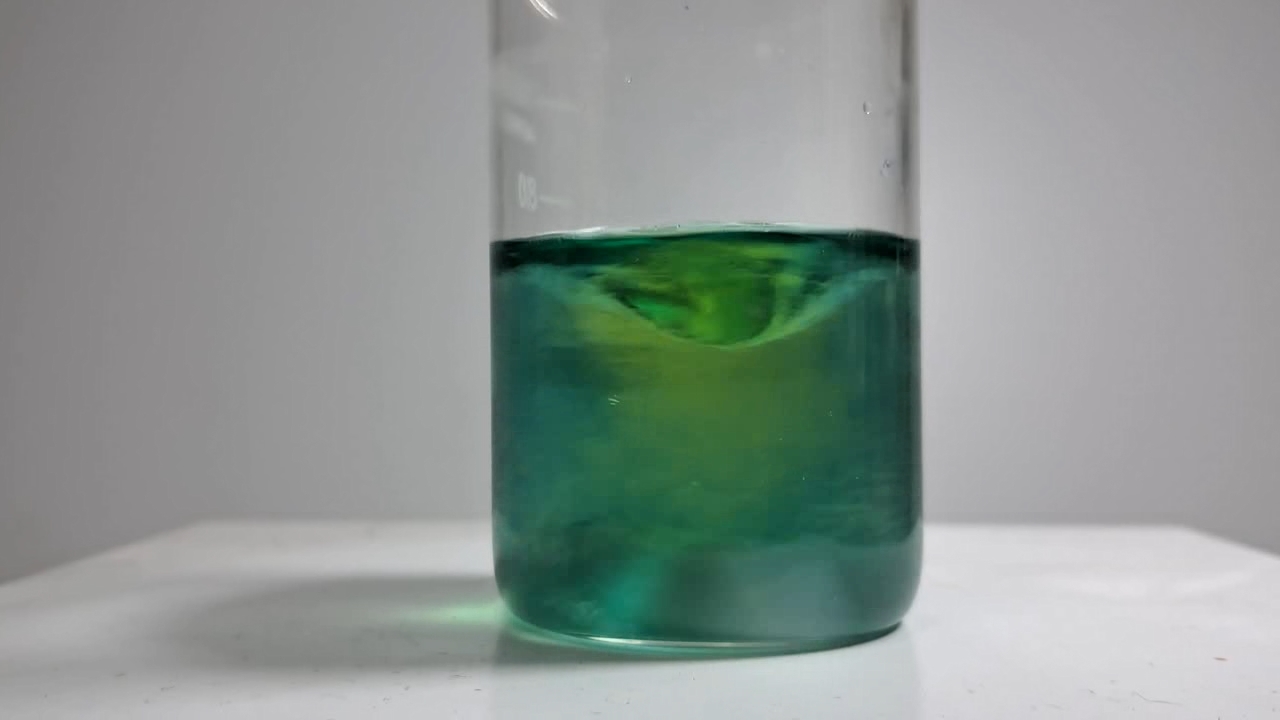
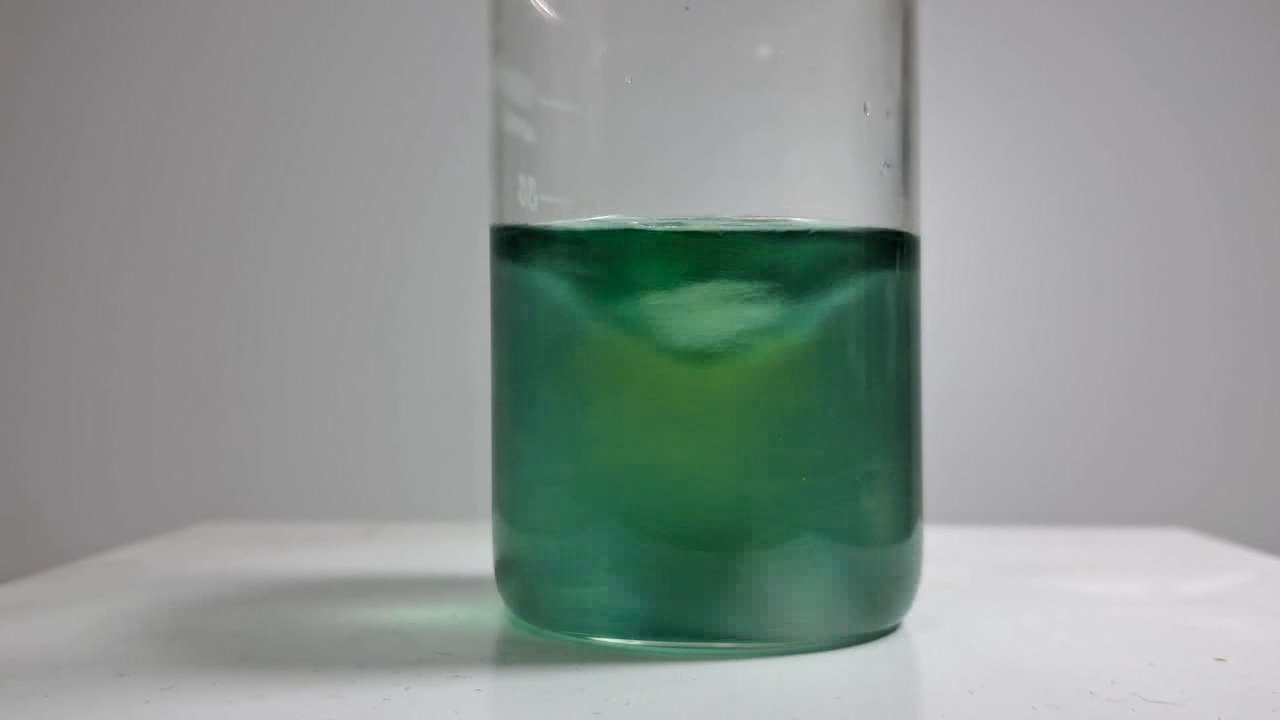
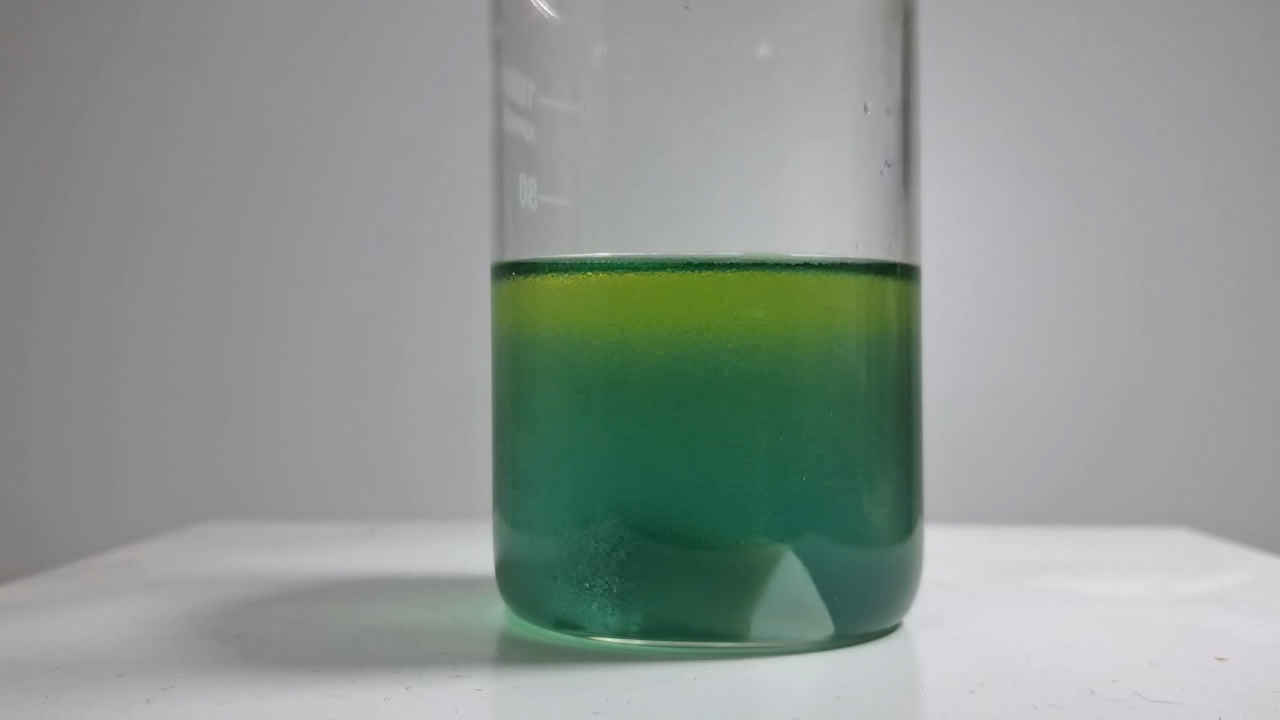
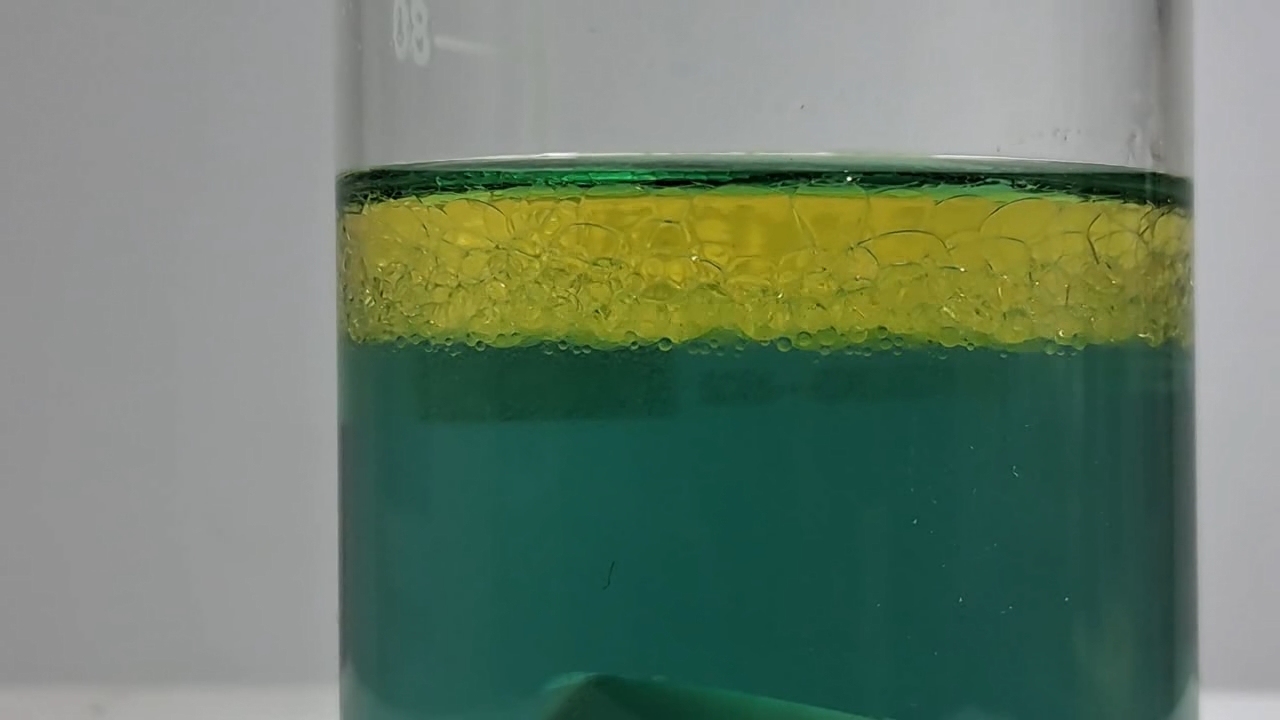
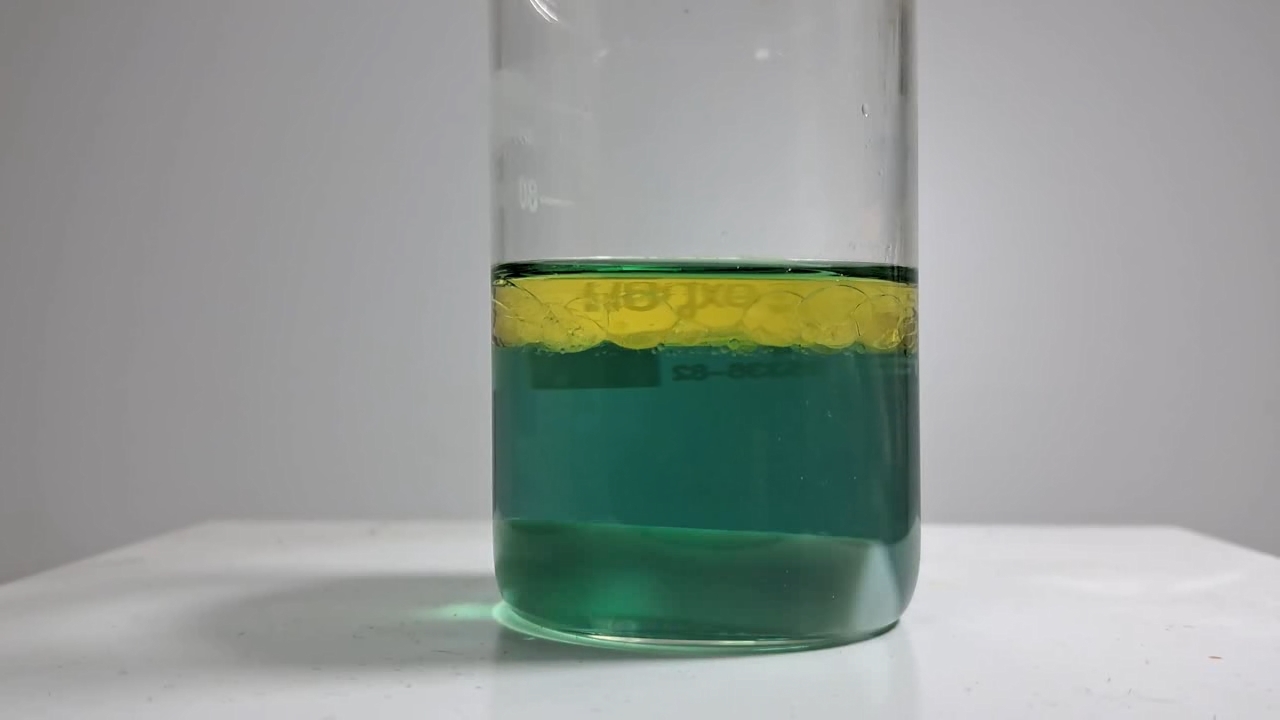
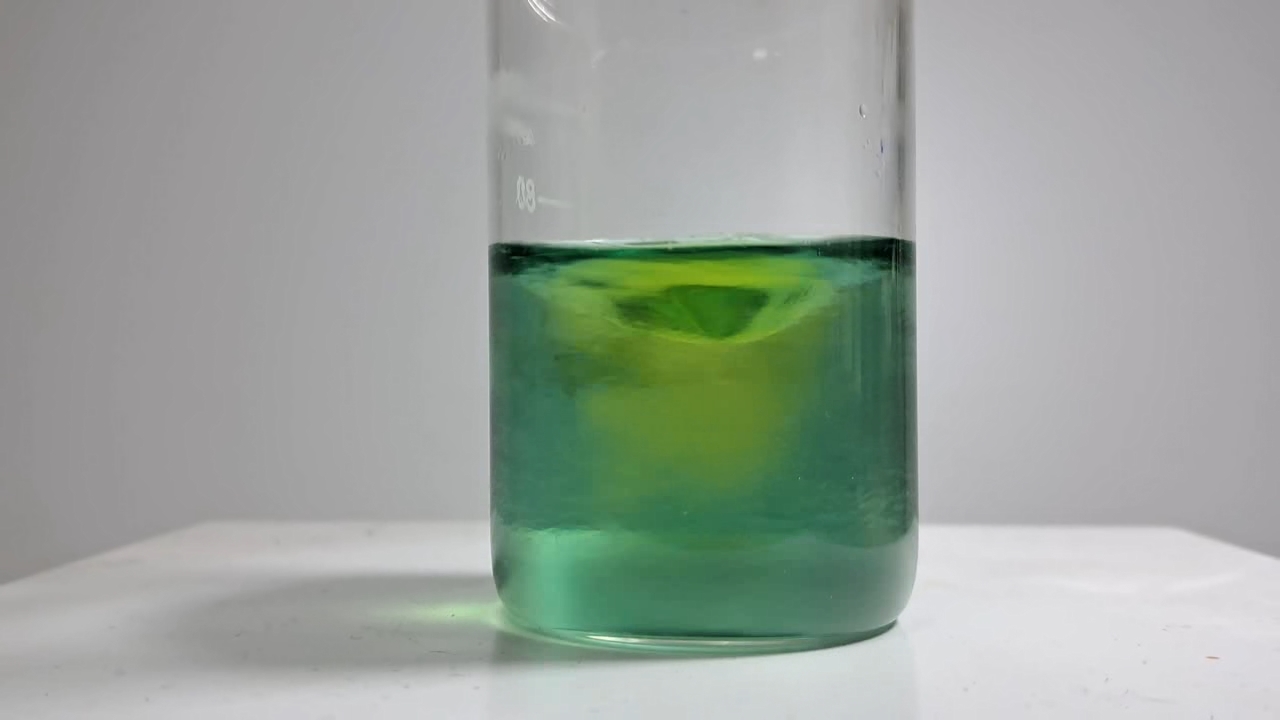
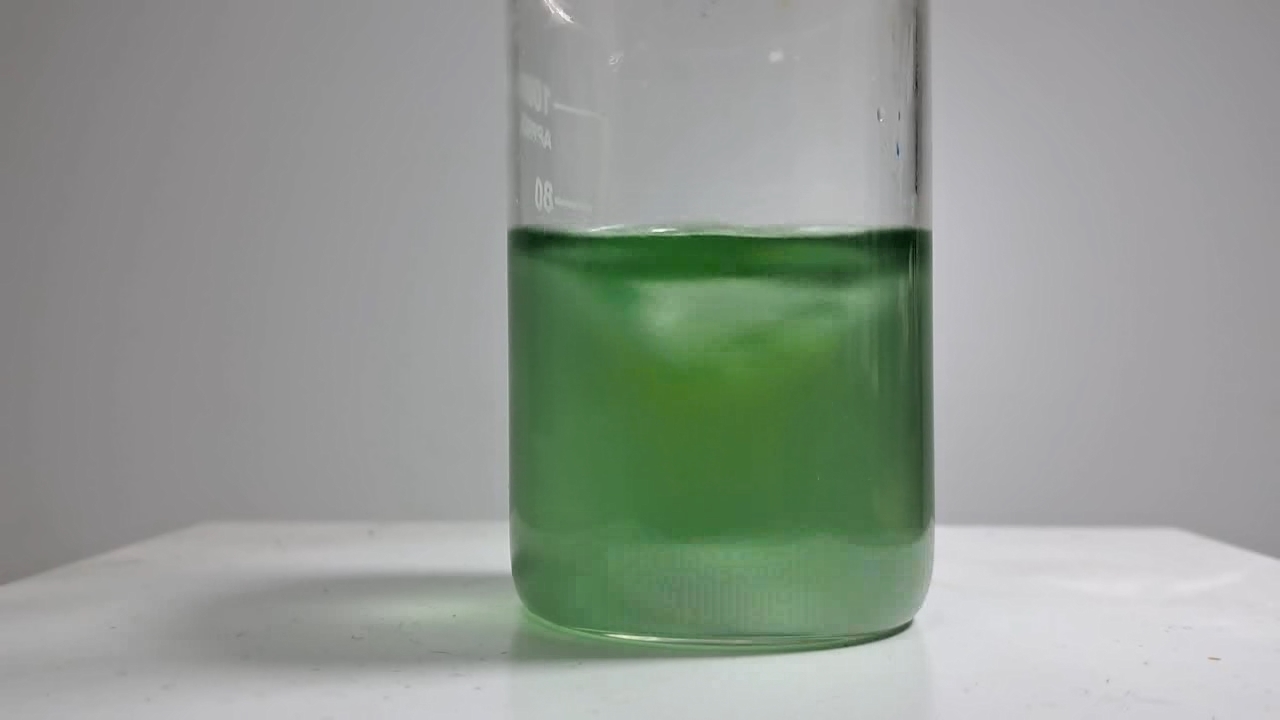
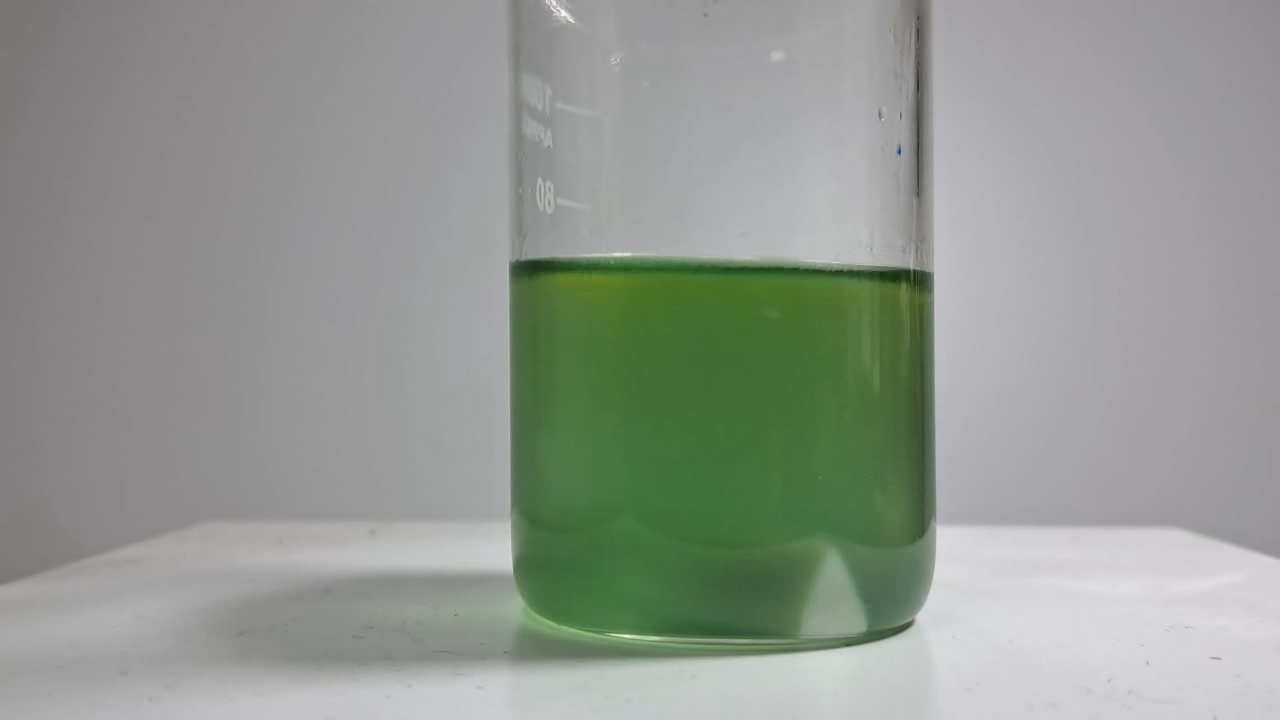
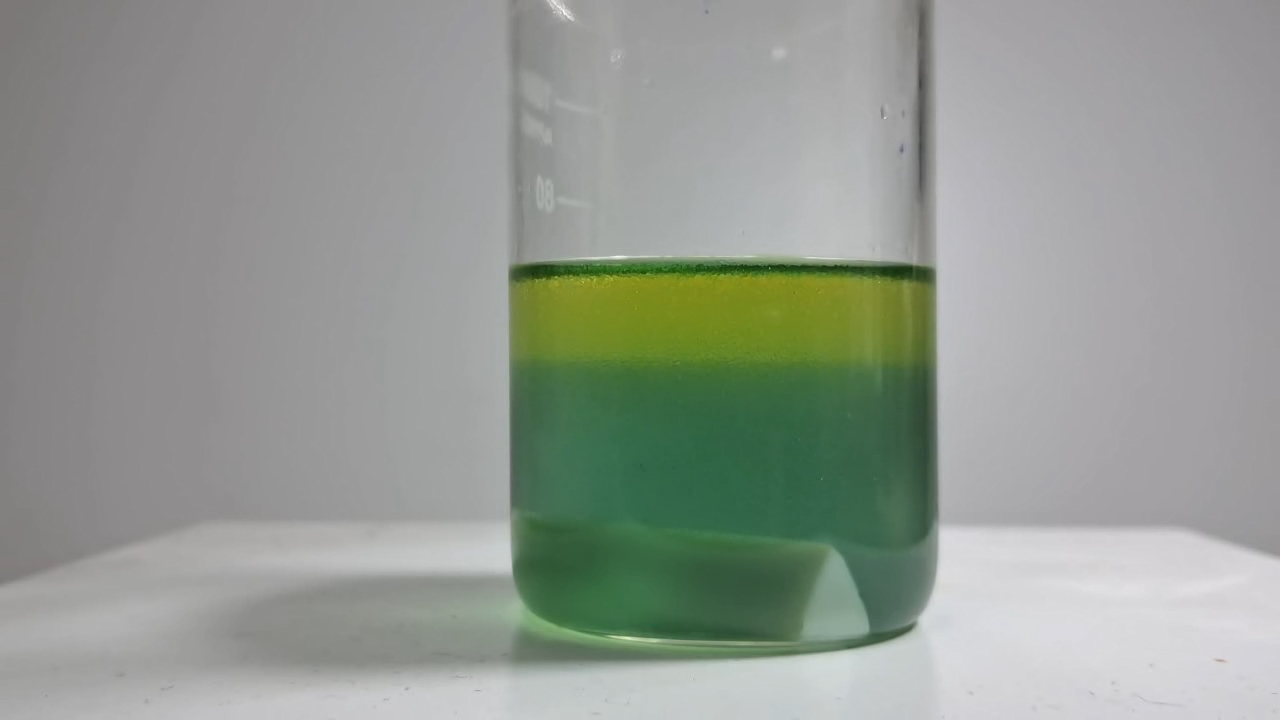
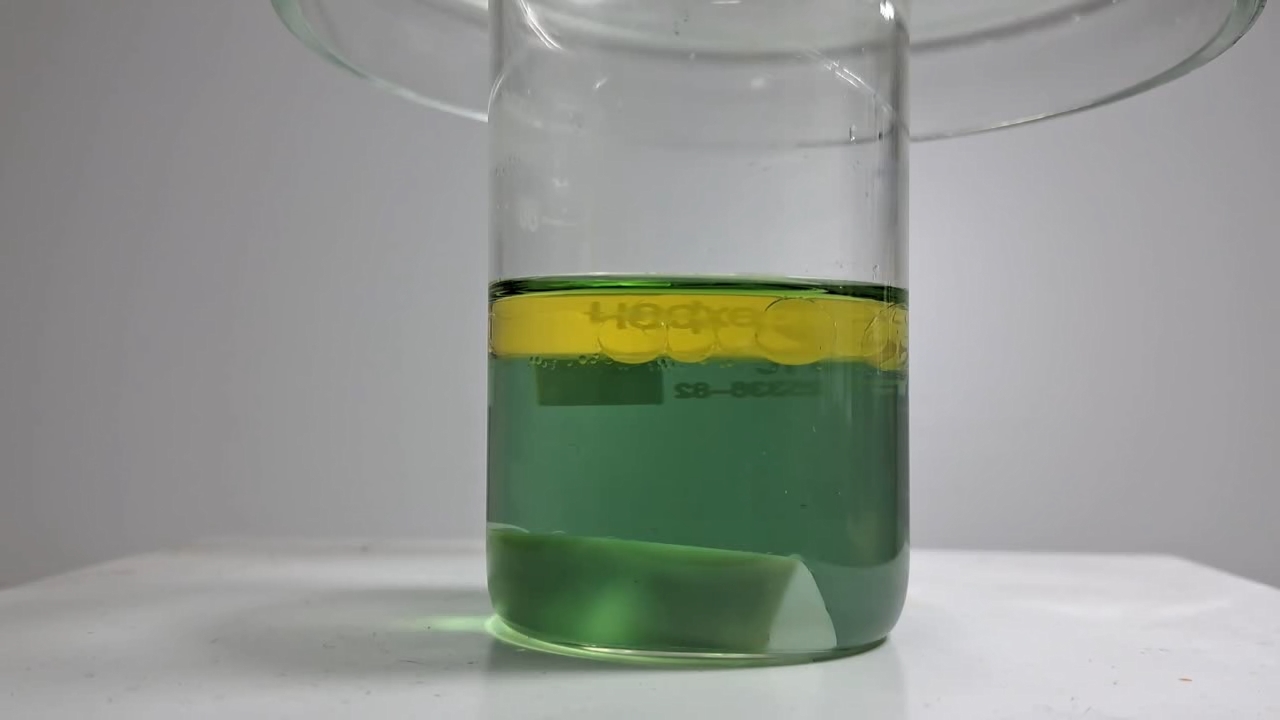
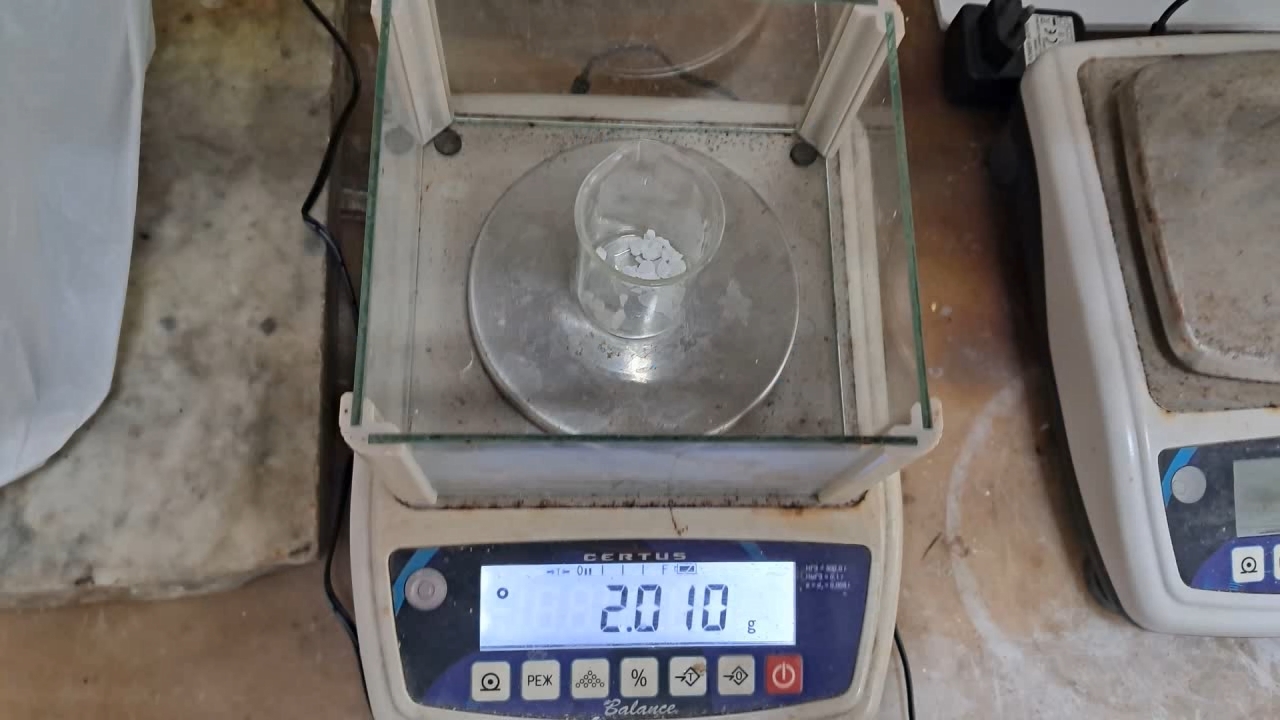
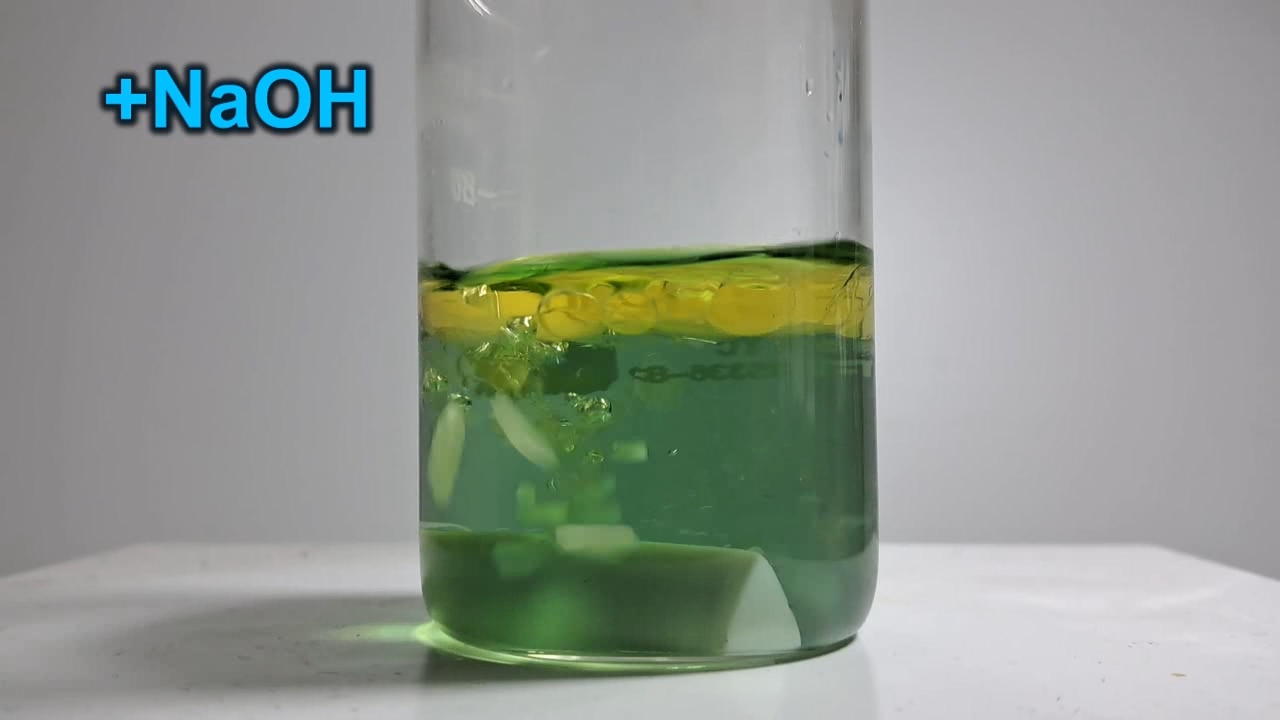
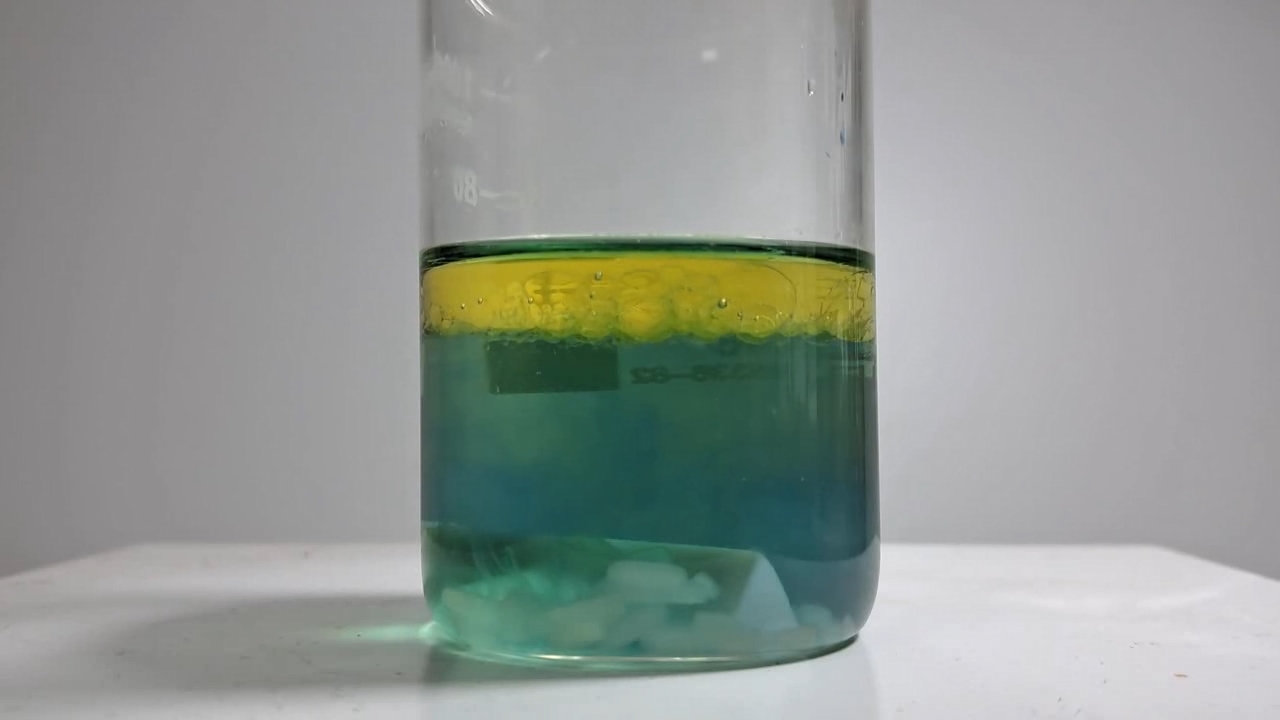
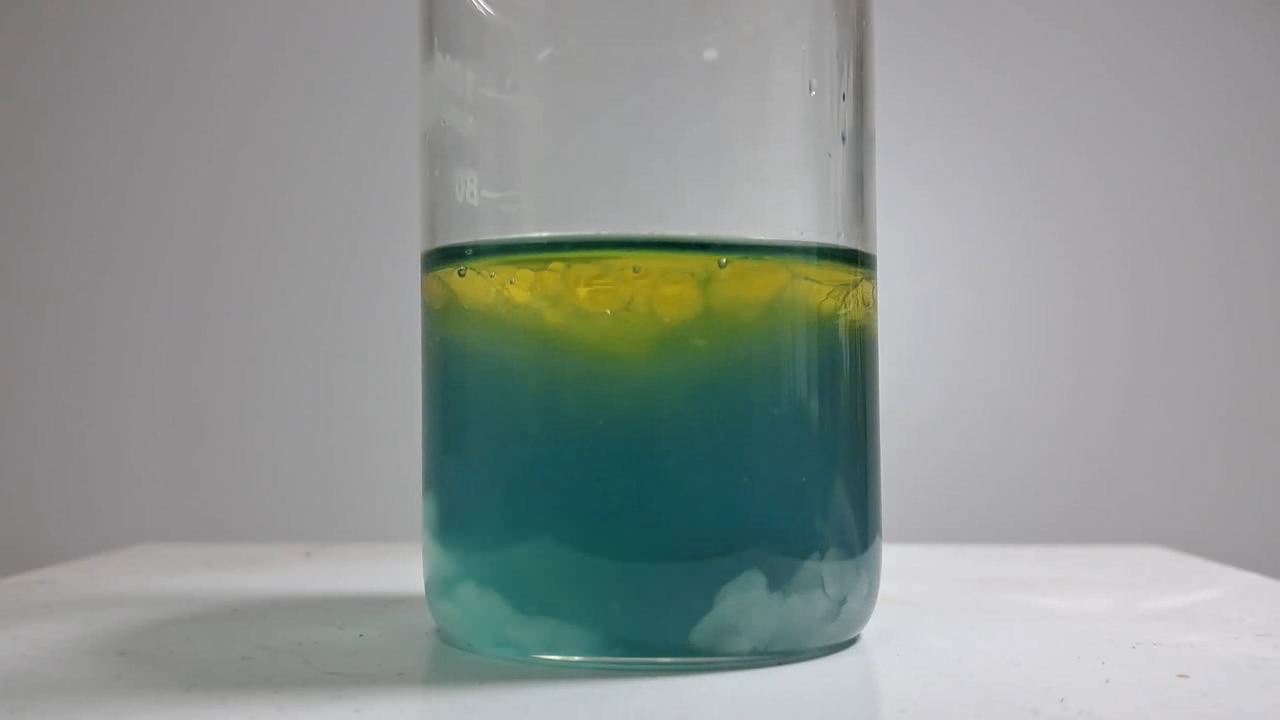
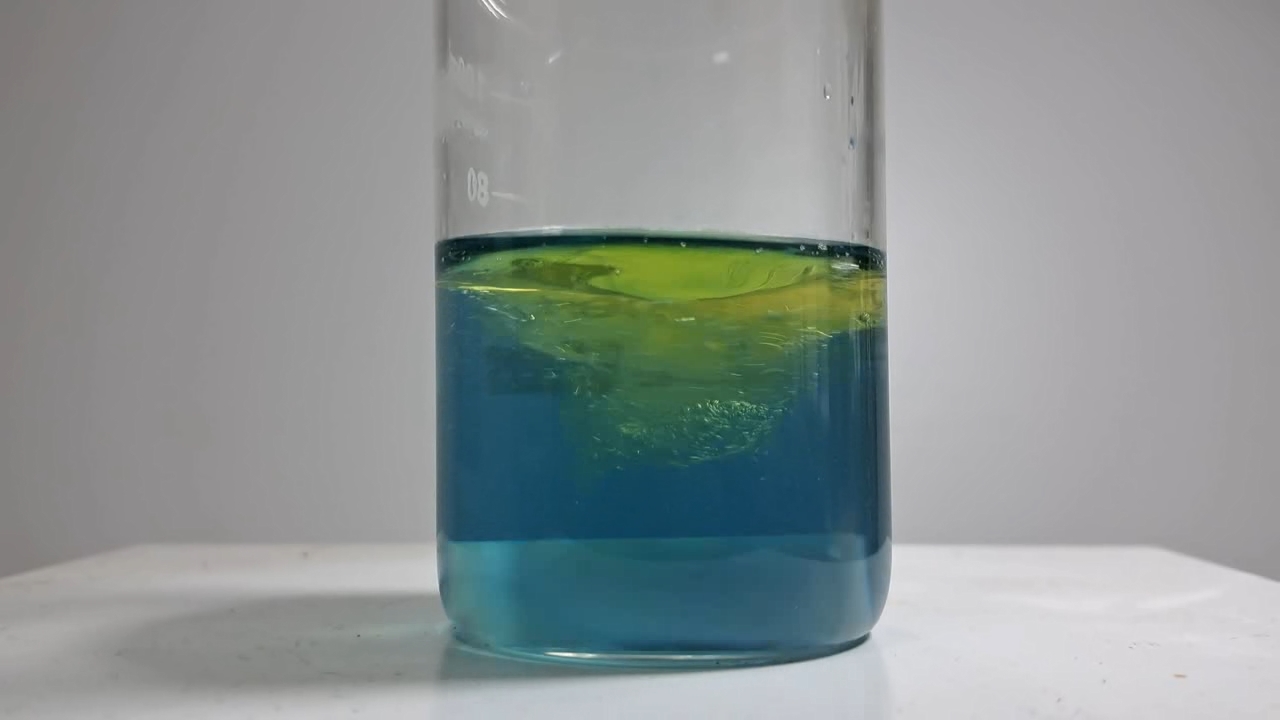
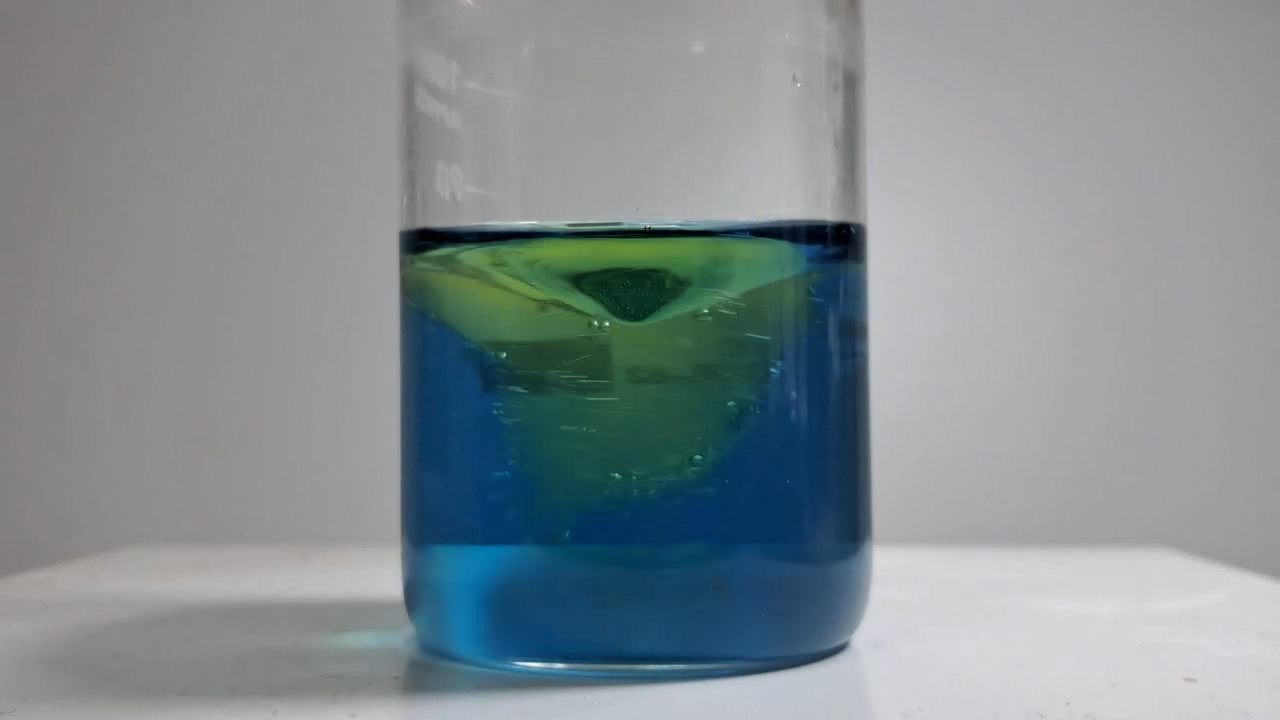
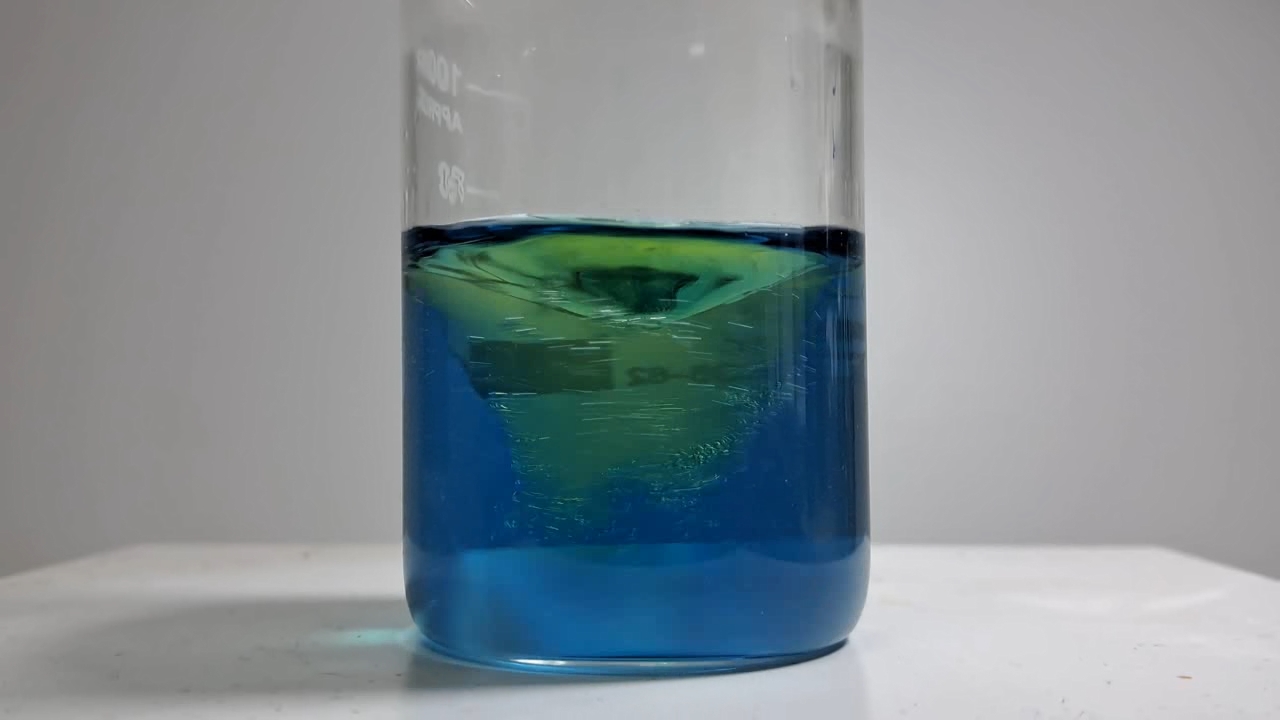
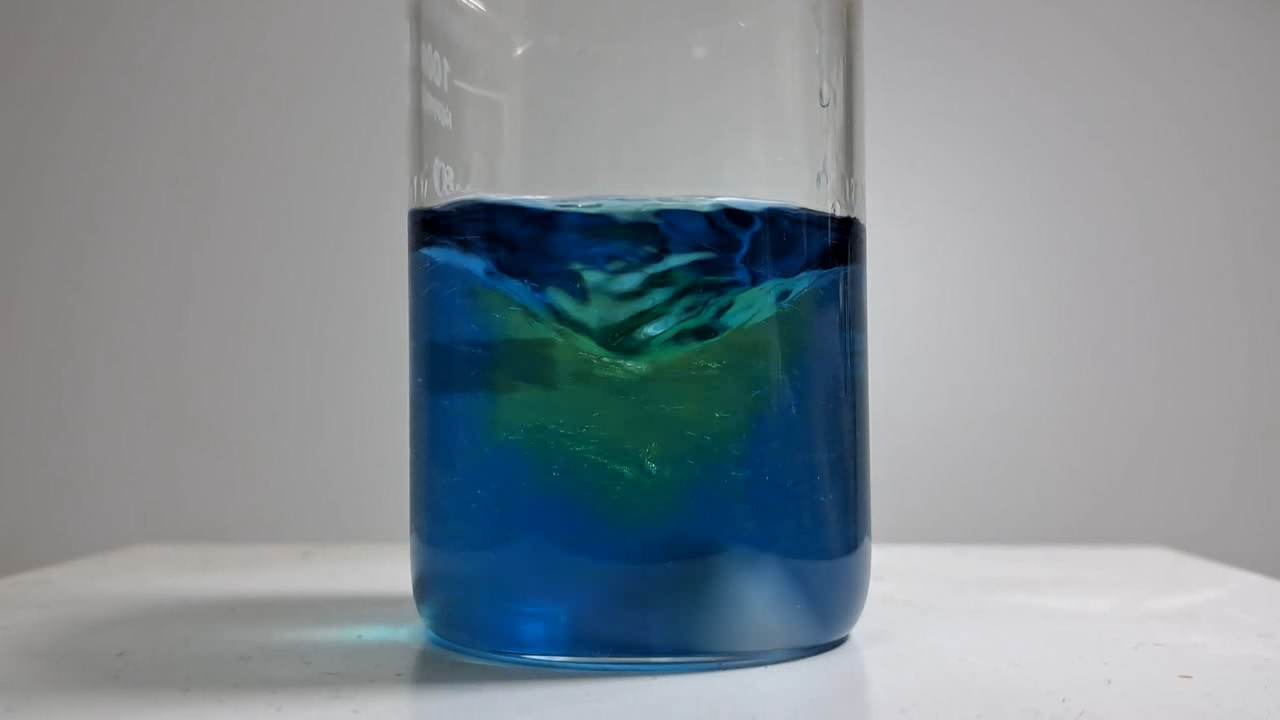
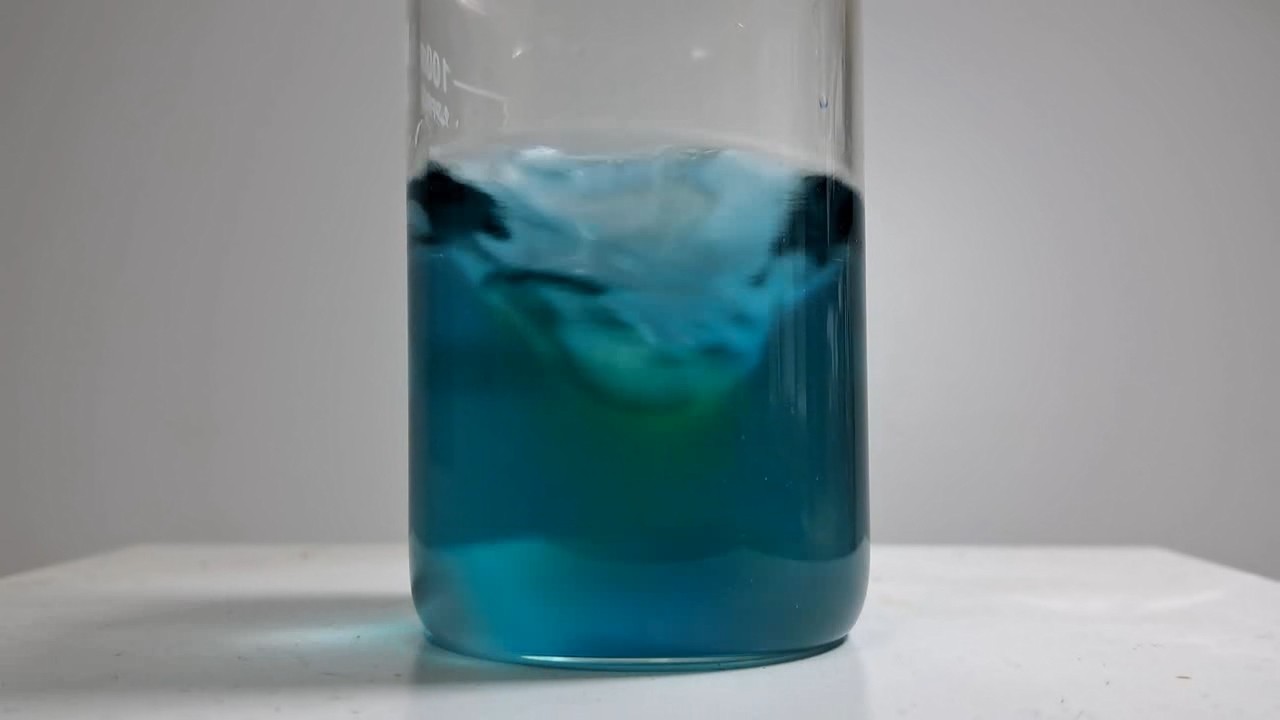
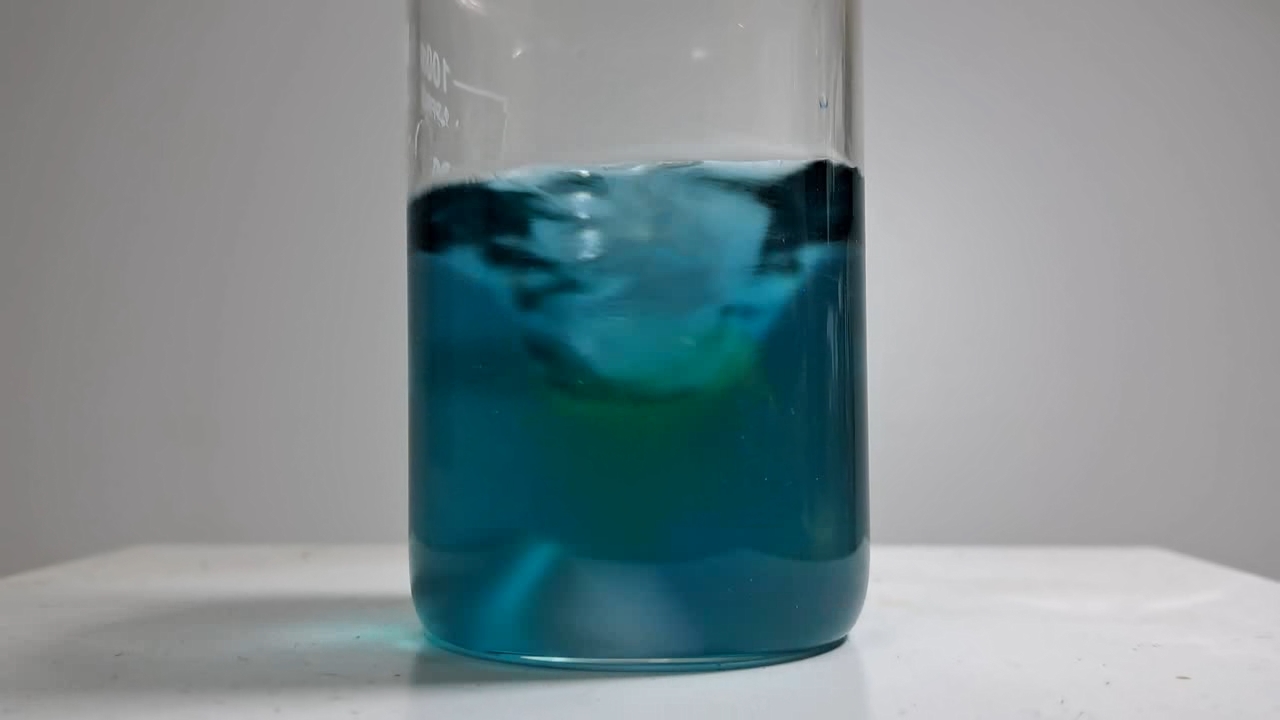
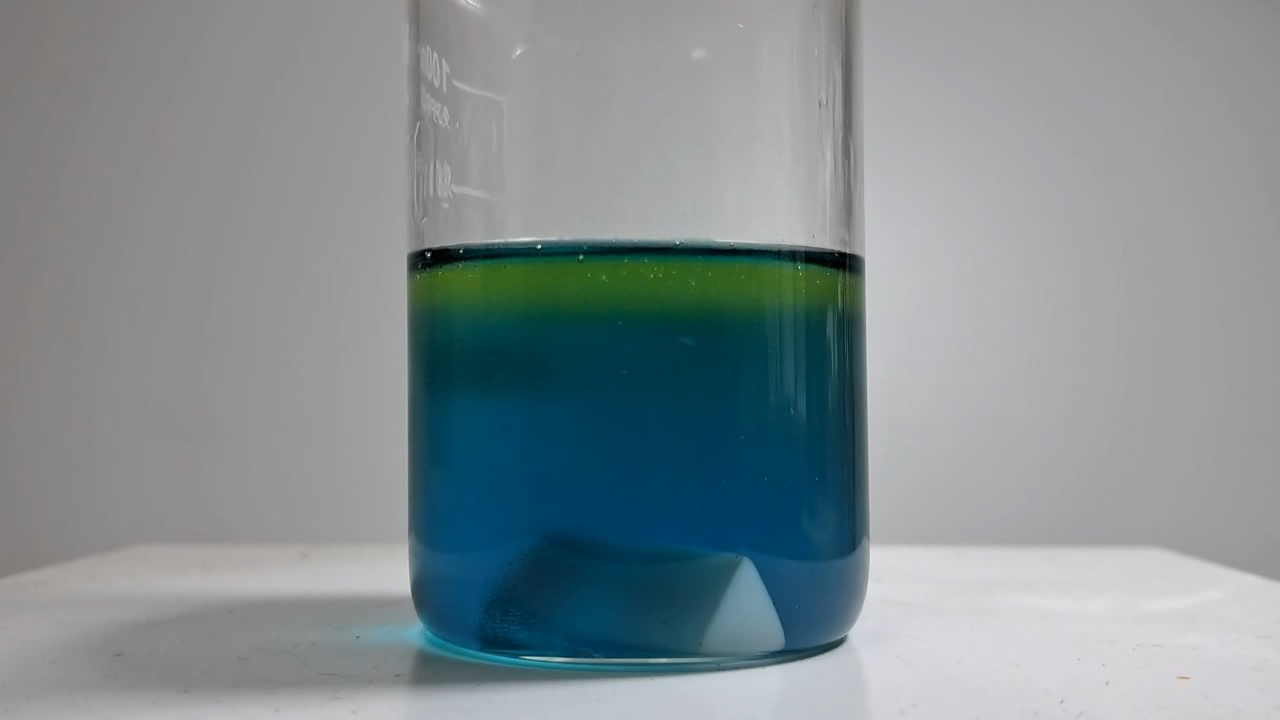
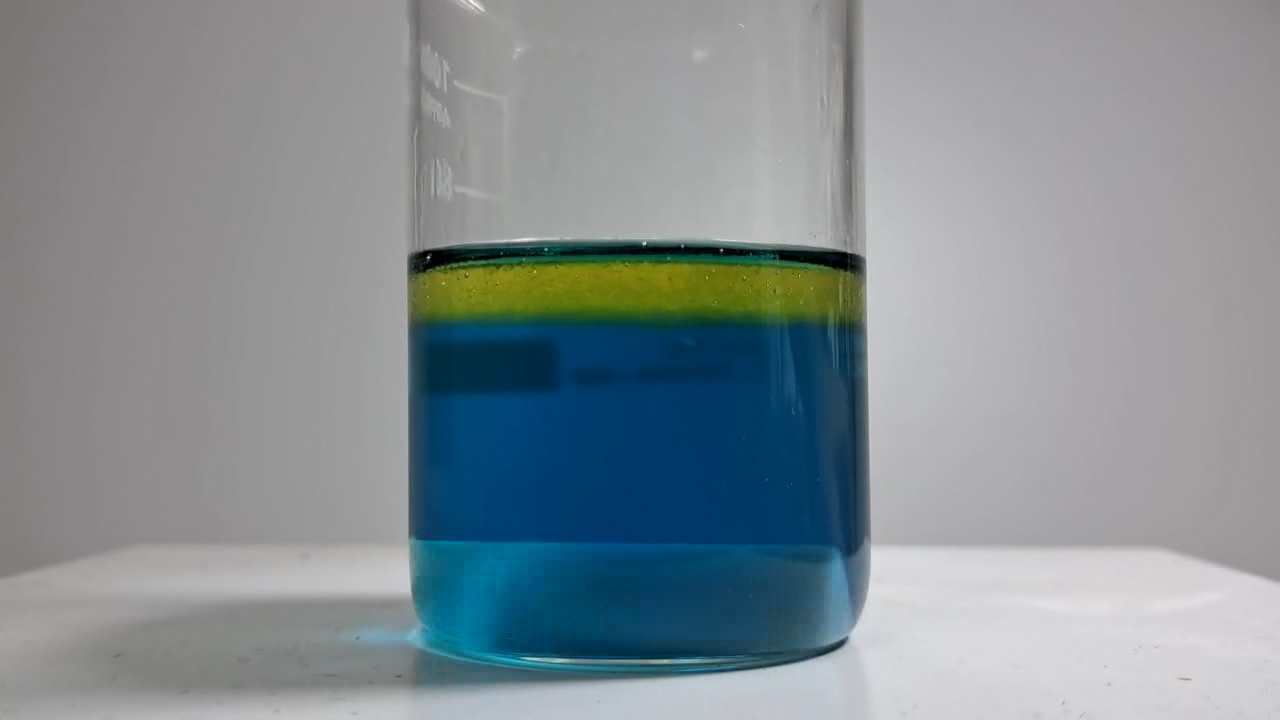
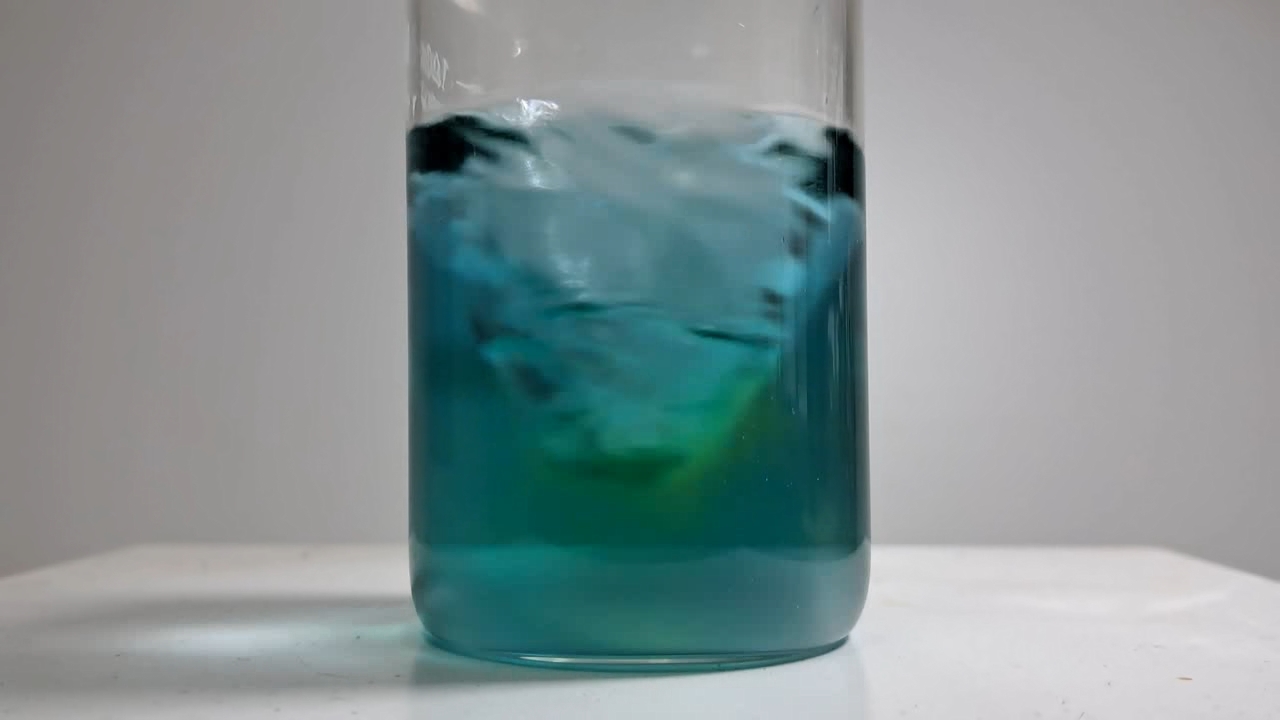
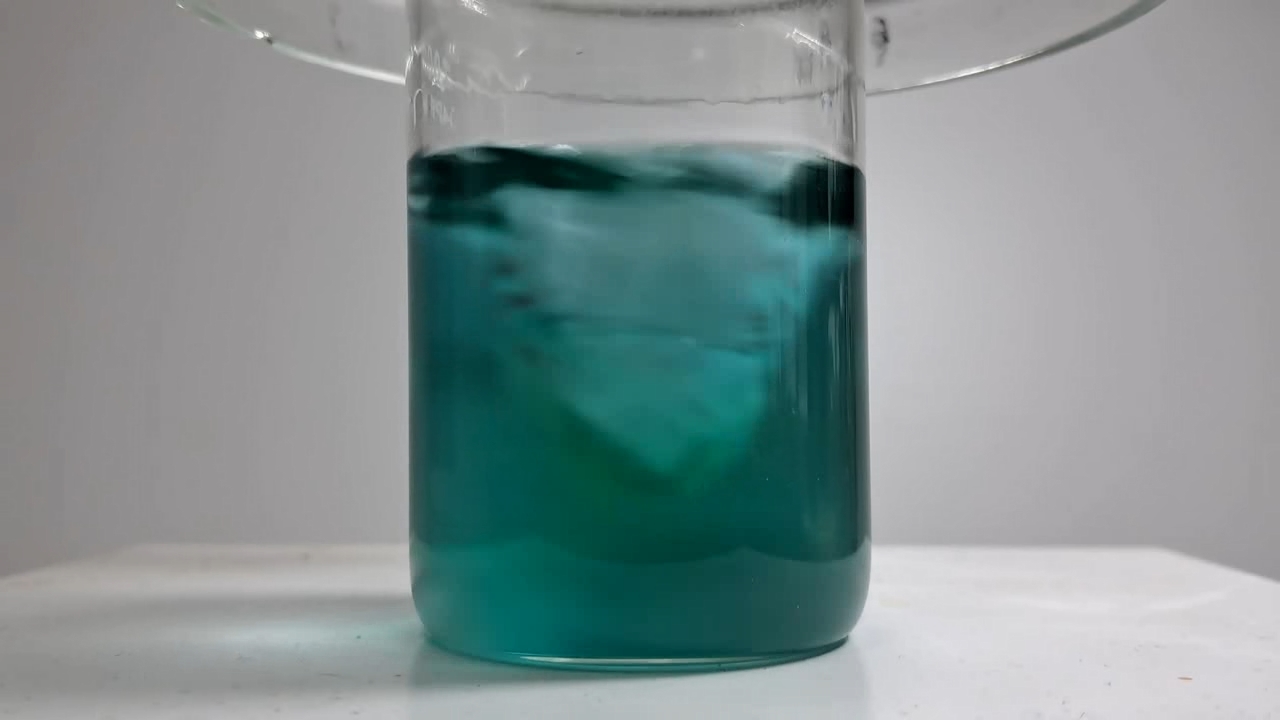
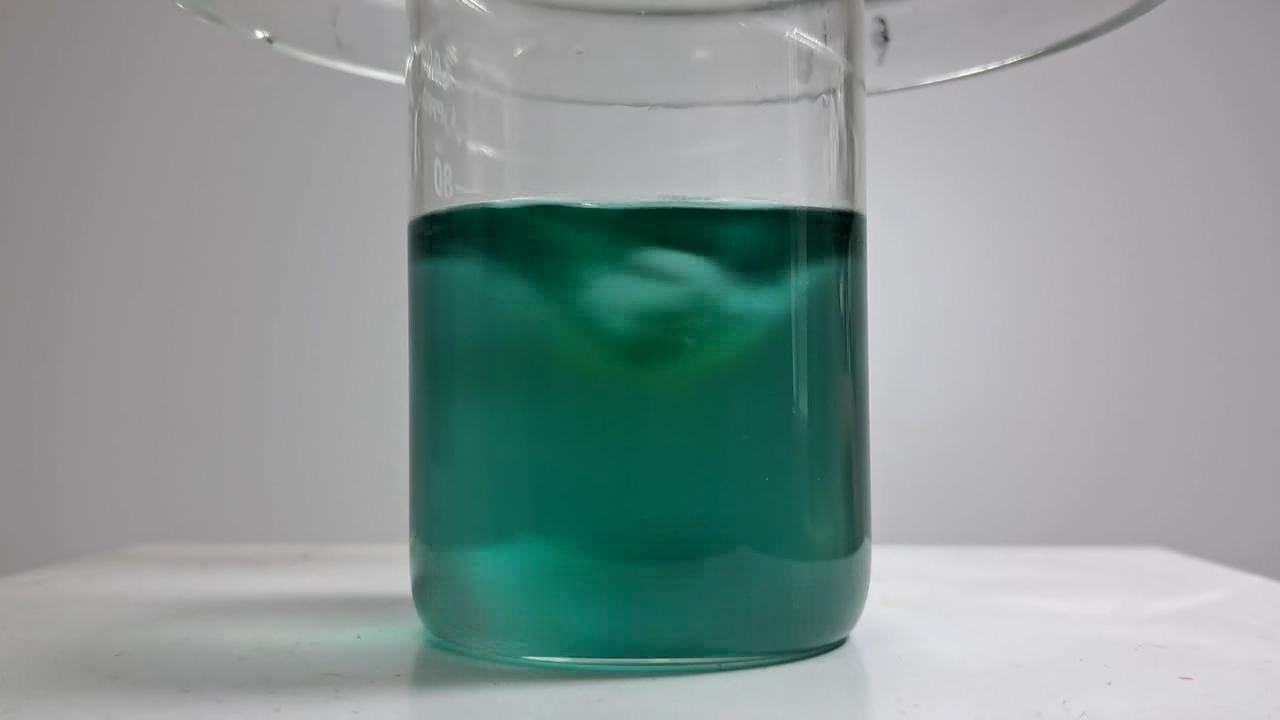
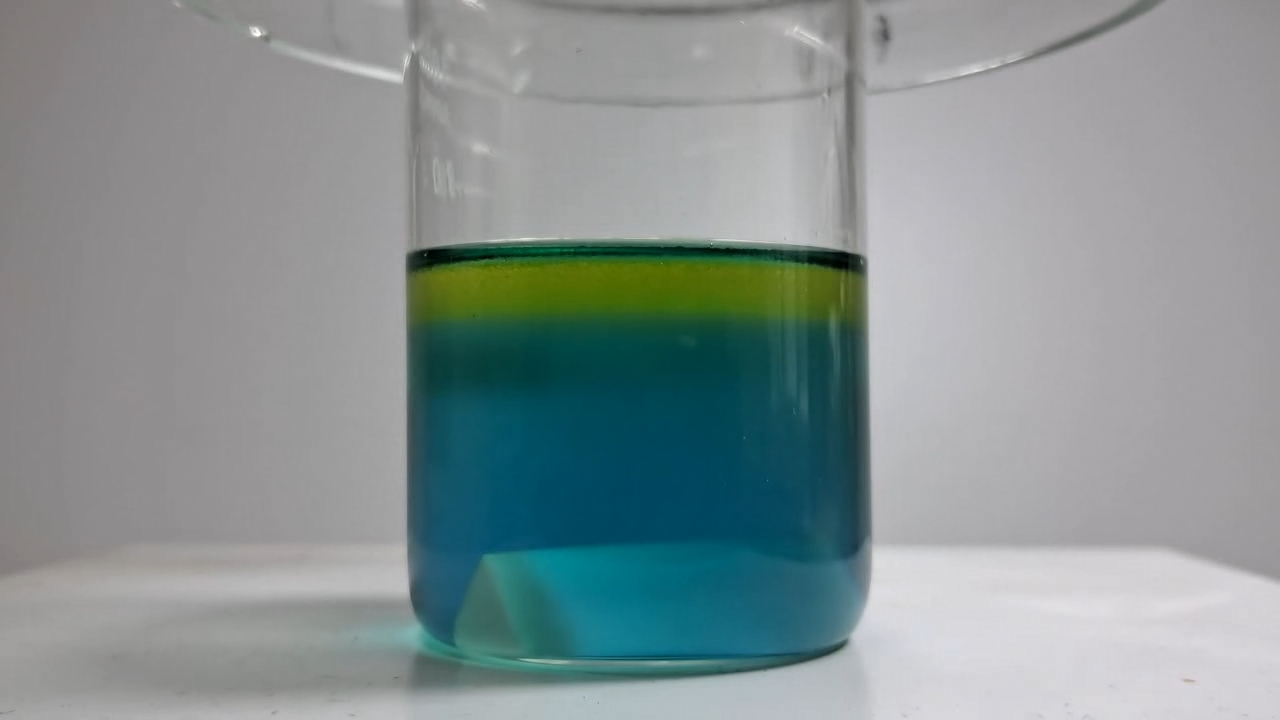
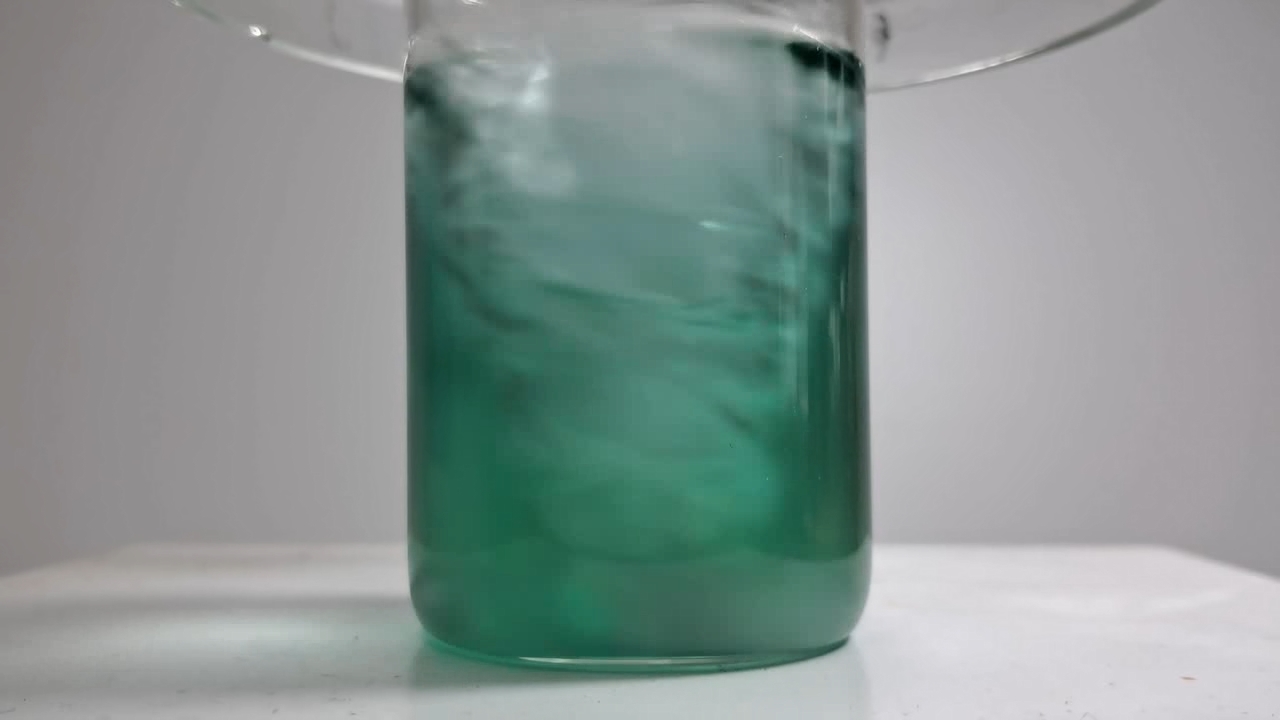
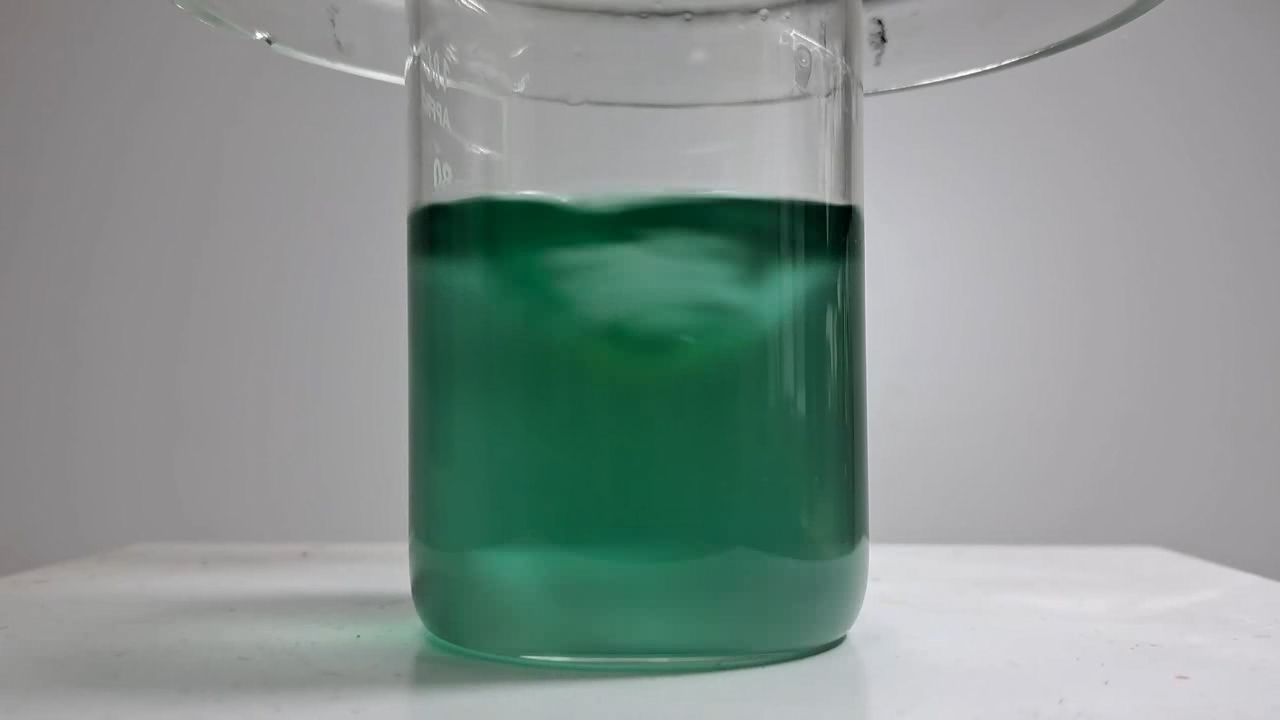
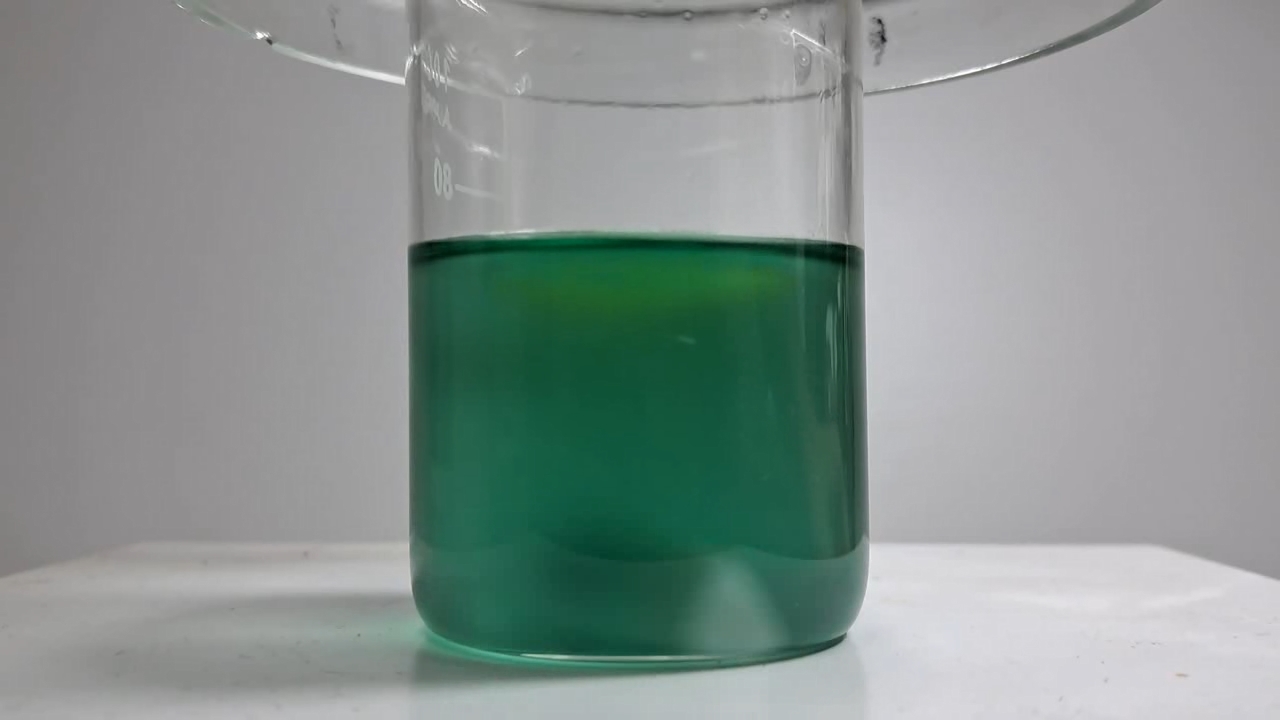
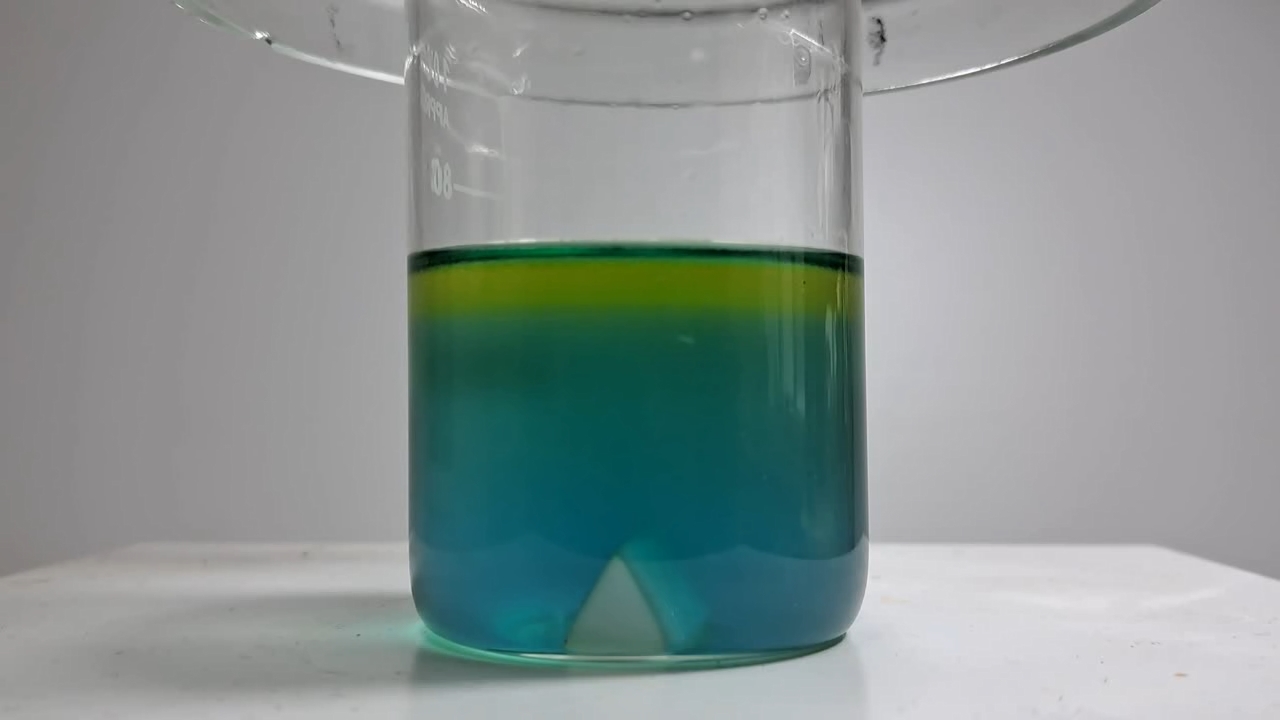
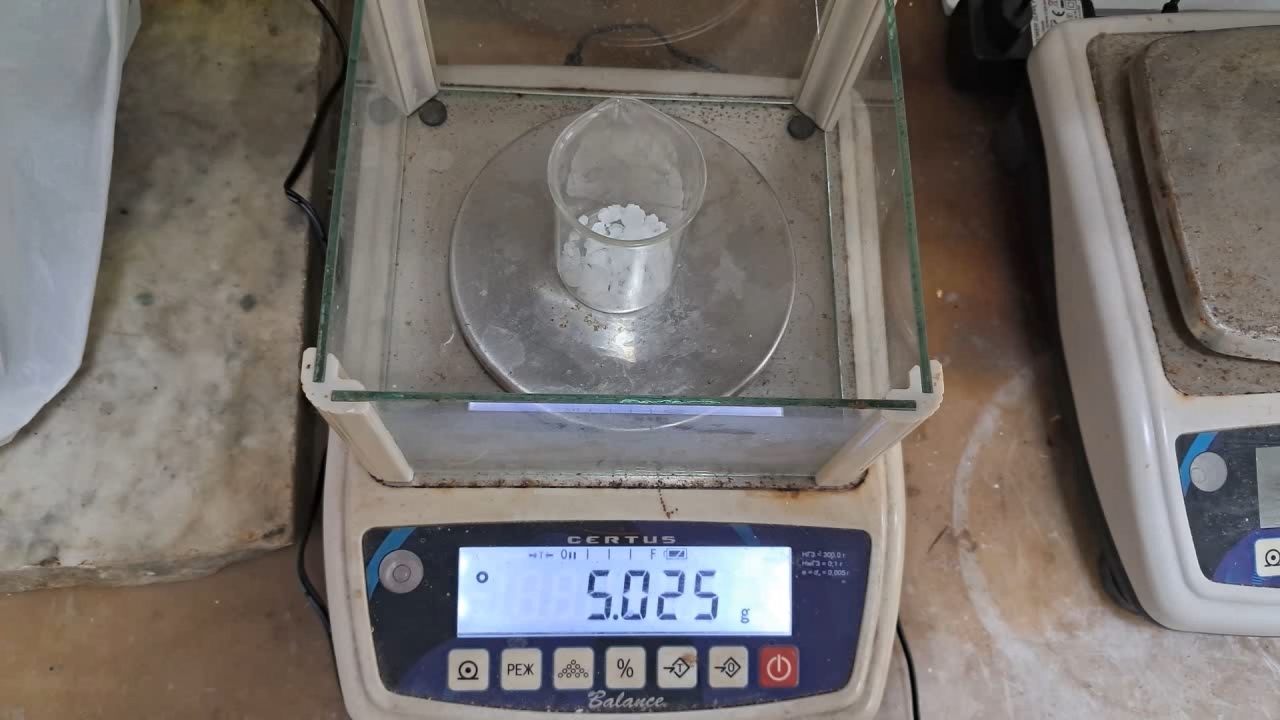
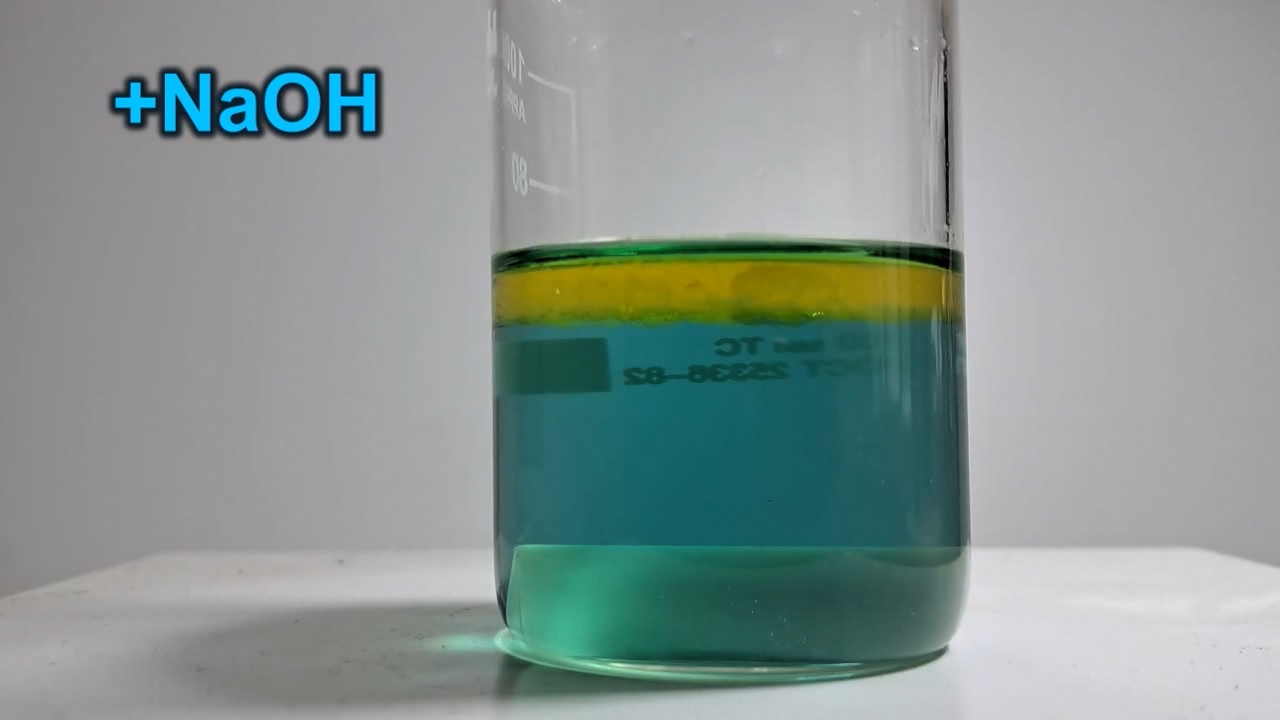
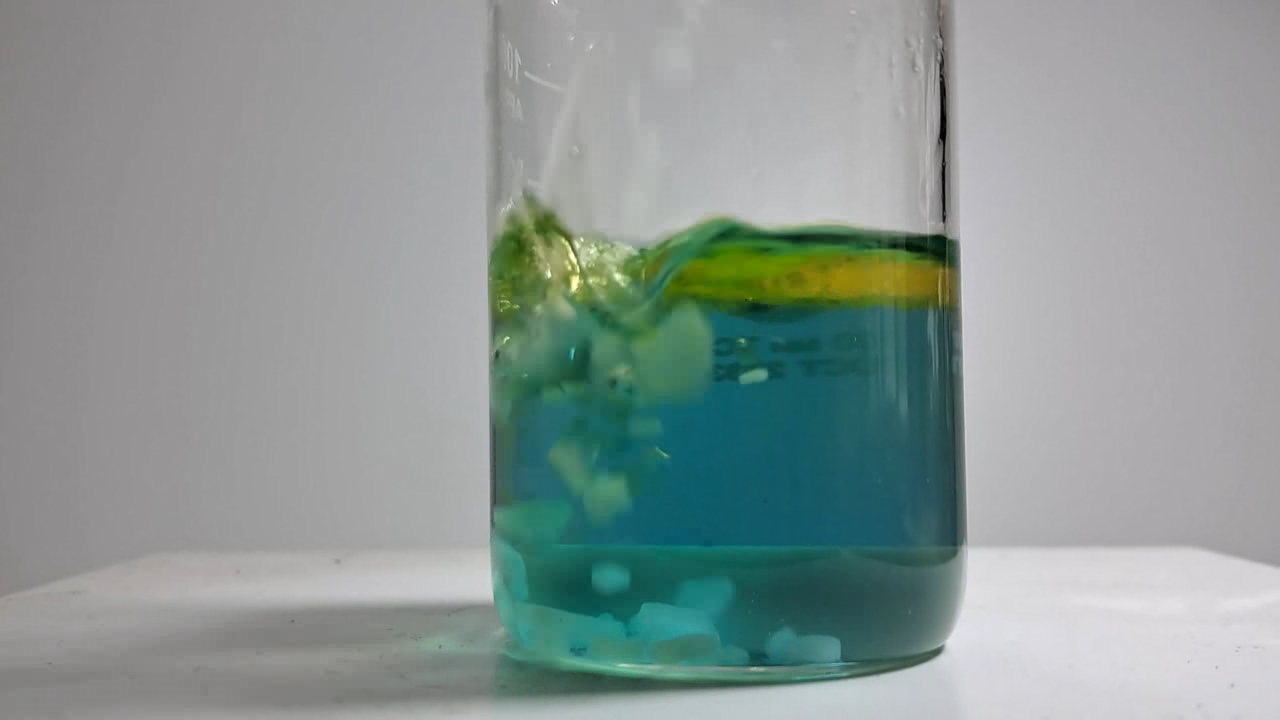
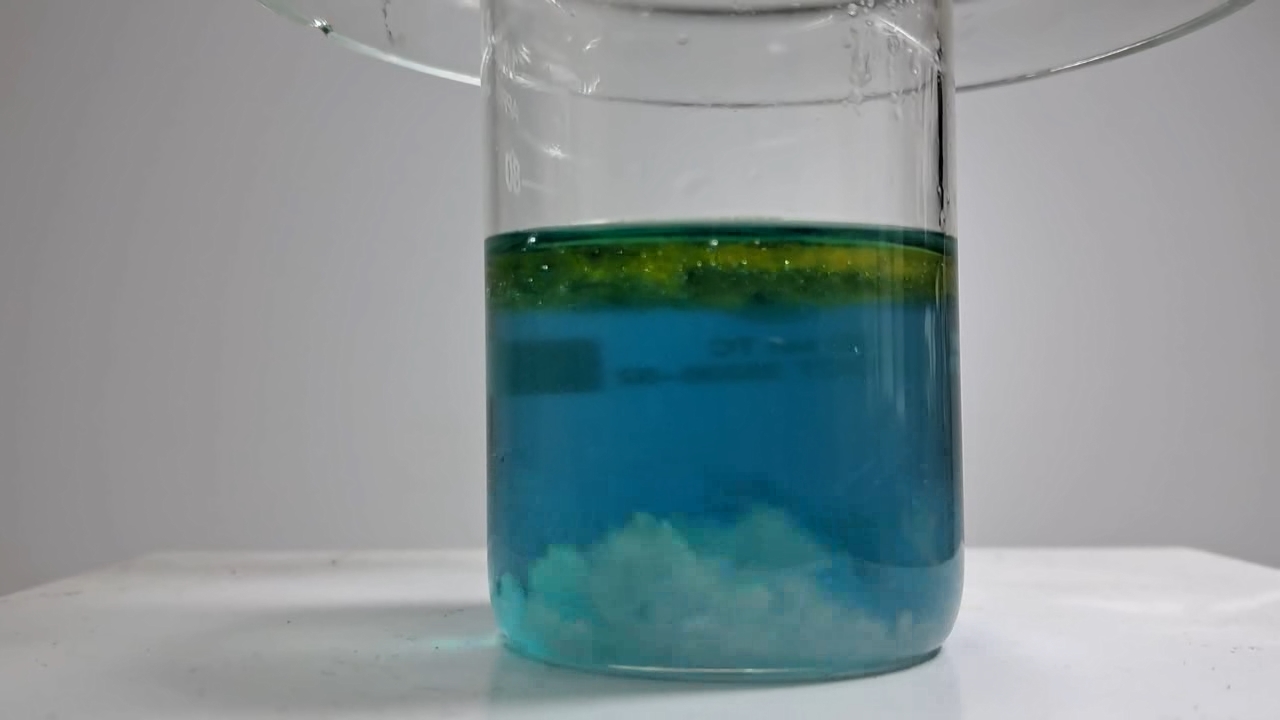
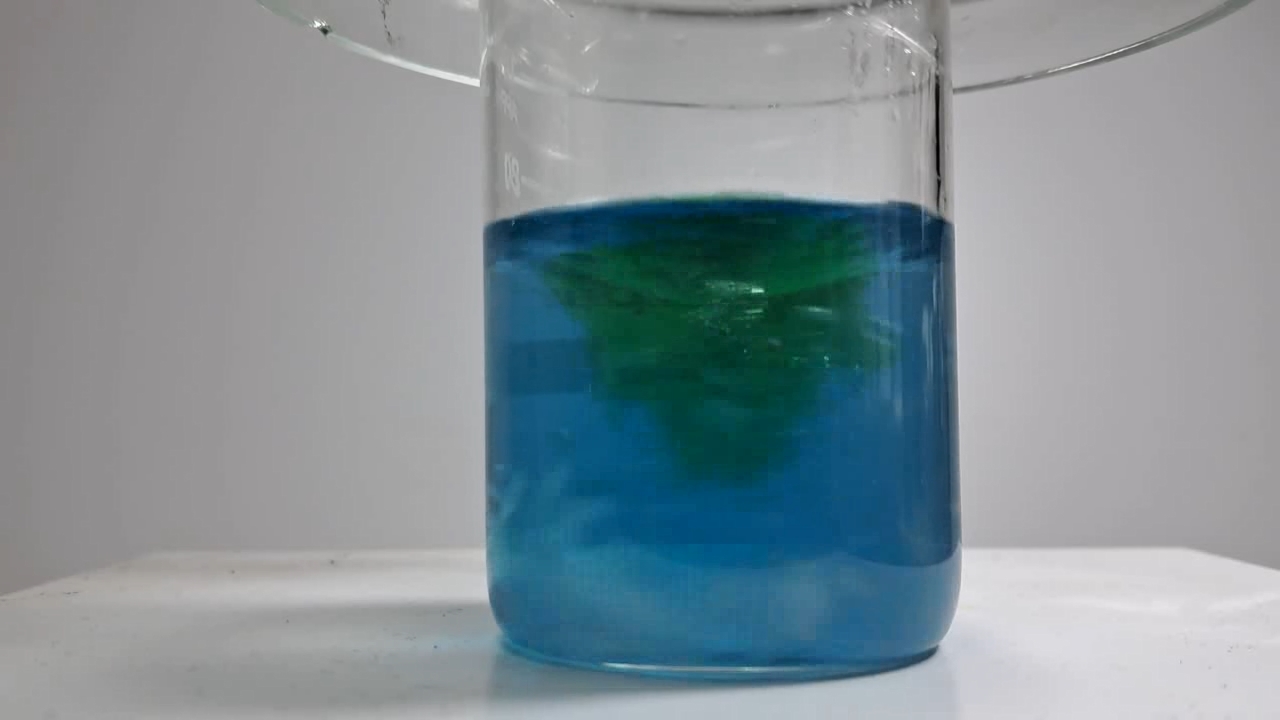
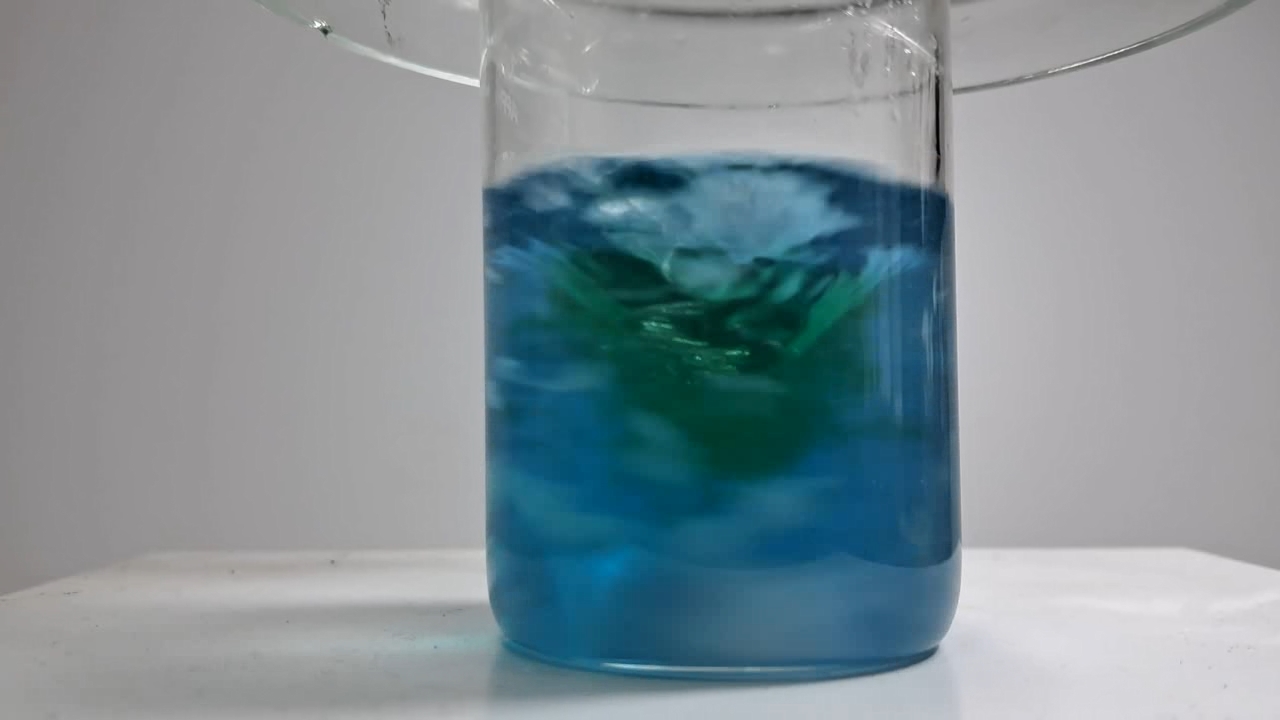
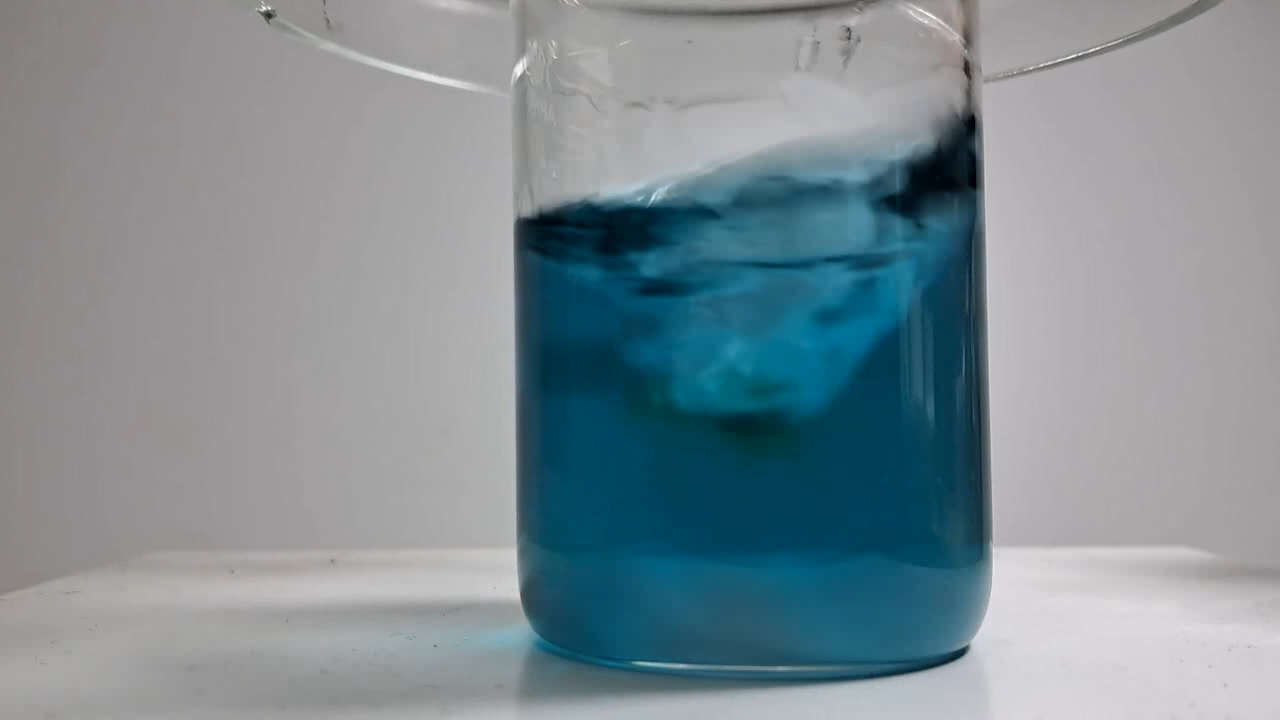
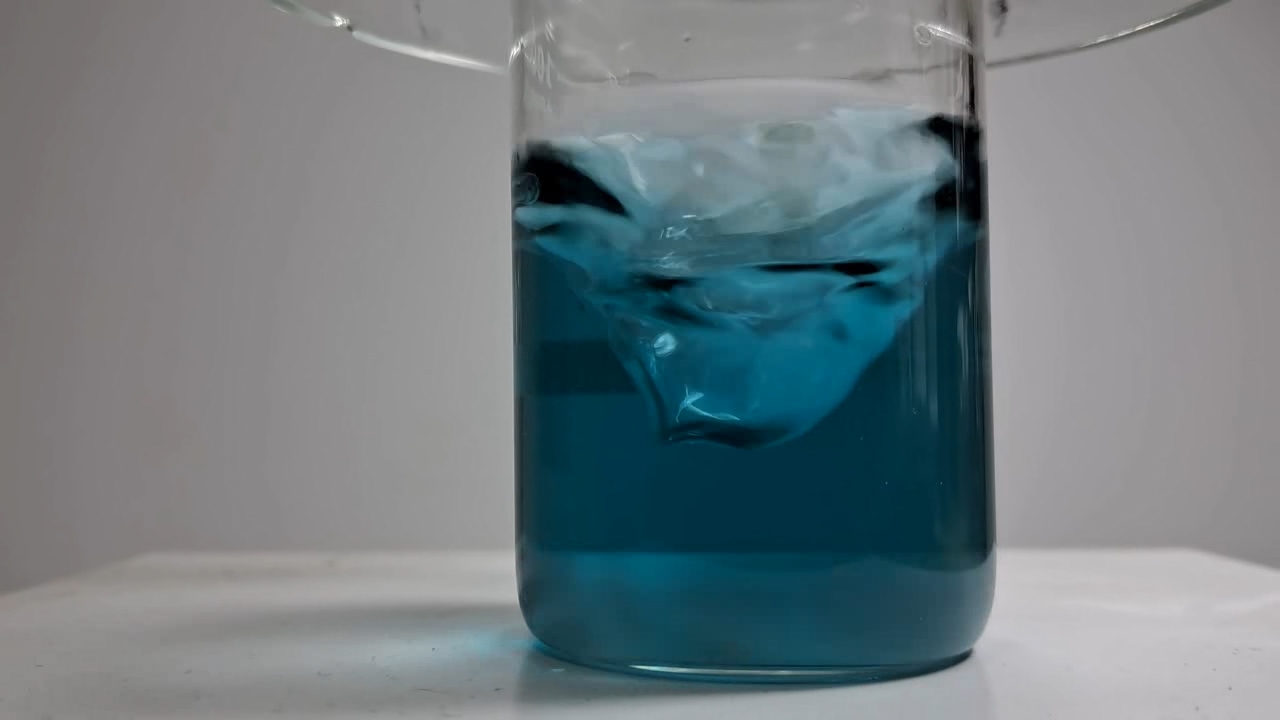
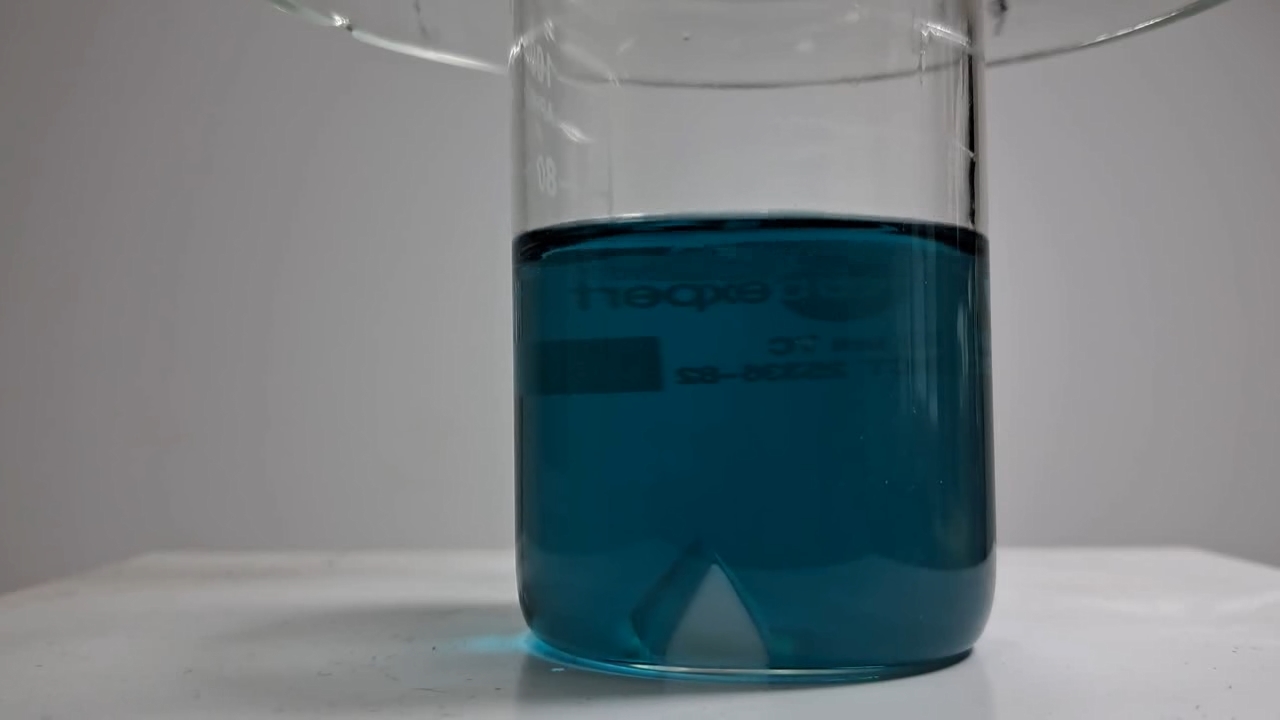
Этилацетат: гидролиз и неожиданная экстракция (универсальный индикатор) - Часть 6 I recently conducted a series of experiments with a universal indicator; in fact, they are not yet finished. I had the idea of performing the hydrolysis of ethyl acetate in the presence of a universal pH indicator instead of phenolphthalein. What new outcome did I hope to achieve with this substitution? The hydrolysis of ethyl acetate has been thoroughly studied. However, I do not conduct scientific research - I film chemical demonstrations for educational purposes. In this case, replacing the indicator made sense, since phenolphthalein changes color only once during the alkaline hydrolysis of ethyl acetate (from a fuchsia color to colorless). The universal indicator, on the other hand, is a mixture of several organic dyes specifically designed to undergo multiple color changes at different pH values. I added 1 g of sodium hydroxide and 50 ml of distilled water to a beaker. I placed the beaker on a magnetic stirrer and stirred the mixture until the alkali had completely dissolved. Then I added an alcoholic solution of universal indicator, and the liquid turned dark blue. Finally, I added 20 ml of ethyl acetate, forming a colorless upper layer. Only then did I notice that I had forgotten to start the video recording. Fortunately, nothing significant had happened when I added the ethyl acetate: the dark blue aqueous alkali solution remained at the bottom, while a colorless layer of organic solvent formed on top. I turned on the stirrer. The magnetic stir bar was too long, and its ends frequently struck the sides of the beaker, slowing the stirring. The rotating organic layer formed a funnel. The stirring speed was insufficient to produce an emulsion. I sharply increased the stirring speed, although this was somewhat risky - the magnetic stir bar could have shattered the beaker. Furthermore, the mixture could have splashed out of the vessel. The two liquids formed a blue emulsion, and an air funnel appeared on the surface of the mixture. A yellow zone was visible beneath the funnel. After a few minutes, I stopped stirring. Droplets of ethyl acetate rose to the surface and gradually merged, forming the upper liquid layer. To my surprise, the ethyl acetate layer was now bright yellow rather than colorless. Initially, I had added the universal indicator only to color the aqueous layer, allowing me to visualize the pH of the alkali solution. However, the ethyl acetate had partially extracted some of the indicator components. Now both layers - the aqueous and the organic-were colored. I resumed stirring. The ethyl acetate layer once again formed a funnel shape, but this time it was a yellow funnel against a blue background, which looked quite beautiful. I increased the stirring speed, and the liquids gradually formed an emulsion. The reaction mixture turned green. After I turned off the stirrer, two liquid layers formed. The aqueous solution remained at the bottom, and its color had changed from the initial dark blue to light blue. A bright yellow layer of ethyl acetate formed on top. The green color of the reaction mixture during stirring was caused by the superposition of the colors of the two immiscible liquids: blue and yellow. If the aqueous layer itself had changed from blue to green, this would have indicated that the strongly alkaline solution had become only weakly alkaline, but such a color change had not yet occurred. As a reminder, a decrease in the solution's pH indicates that the sodium hydroxide has been consumed through its reaction with the acetic acid formed during the hydrolysis of the ester. I repeated the stirring and separation cycles several times. The color of the lower aqueous layer changed in sequence: dark blue, light blue, blue-green, and finally green. The ethyl acetate layer remained amber-yellow. The beaker now contained two liquid layers: a bright yellow layer of ethyl acetate and a green aqueous solution. Thus, the added alkali had been consumed. The next task was to achieve the complete hydrolysis of all the added ethyl acetate. I added 2 g of sodium hydroxide to the beaker and turned on gentle stirring. The aqueous layer turned blue as the sodium hydroxide gradually dissolved. The yellow ethyl acetate layer formed a funnel. I increased the stirring speed, and an air funnel appeared on the surface of the mixture. The ethyl acetate formed an emulsion, causing the reaction mixture to change color from blue to green. However, after I turned off the stirrer, the mixture again separated into two layers: a blue aqueous solution and yellow ethyl acetate. I repeated the stirring and separation cycles until the aqueous solution became greenish-blue. A layer of ethyl acetate still remained above it. The added alkali was clearly insufficient. I added another 5 g of sodium hydroxide to the beaker and turned on vigorous stirring. A dark blue emulsion formed, which gradually transformed into a homogeneous solution as the turbidity disappeared. After the stirring was stopped, only a single liquid phase remained in the beaker - the aqueous solution; all of the ethyl acetate had reacted. At that moment, a colleague came in and brought me a bottle of butyl acetate... |
Ethyl Acetate: Hydrolysis and Unexpected Extraction (Universal Indicator) |
|
|
|
|
|
|
|
|
|
|
|
|
|
|
|
|
|
|
|
|
|
|
|
|
|
|
|
|
|
|
|
|
|
|
|
|
|
|
|
|
|
|
|
|
|
|
|
|
|
|
|
|
|
|
|
|
|
|
|
|
|
|
|
|
|
|
|
|
|
|
|
|
|
|
|