Content Chemistry experiments - video Physics experiments - video Home Page - Chemistry and Chemists

Chemistry and Chemists № 1 2027

Journal of Chemists-Enthusiasts
Donate to the journal Chemistry and ChemistsDonate to the journal Chemistry and Chemists


Chemistry Laboratories - Photographs - pt.1, 2


Chemist


Having noticed a mistake in the text, allocate it and press Ctrl-Enter


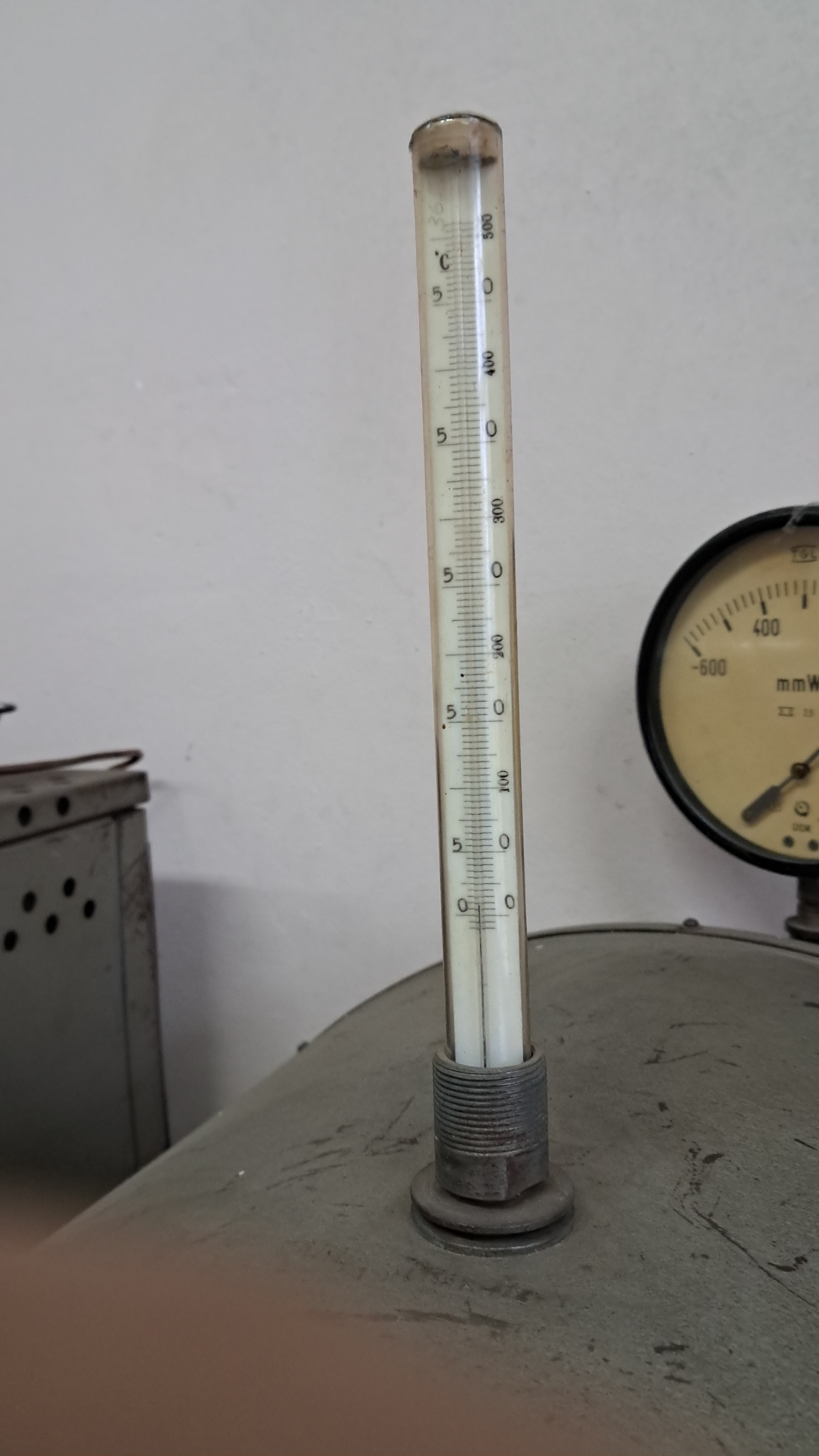
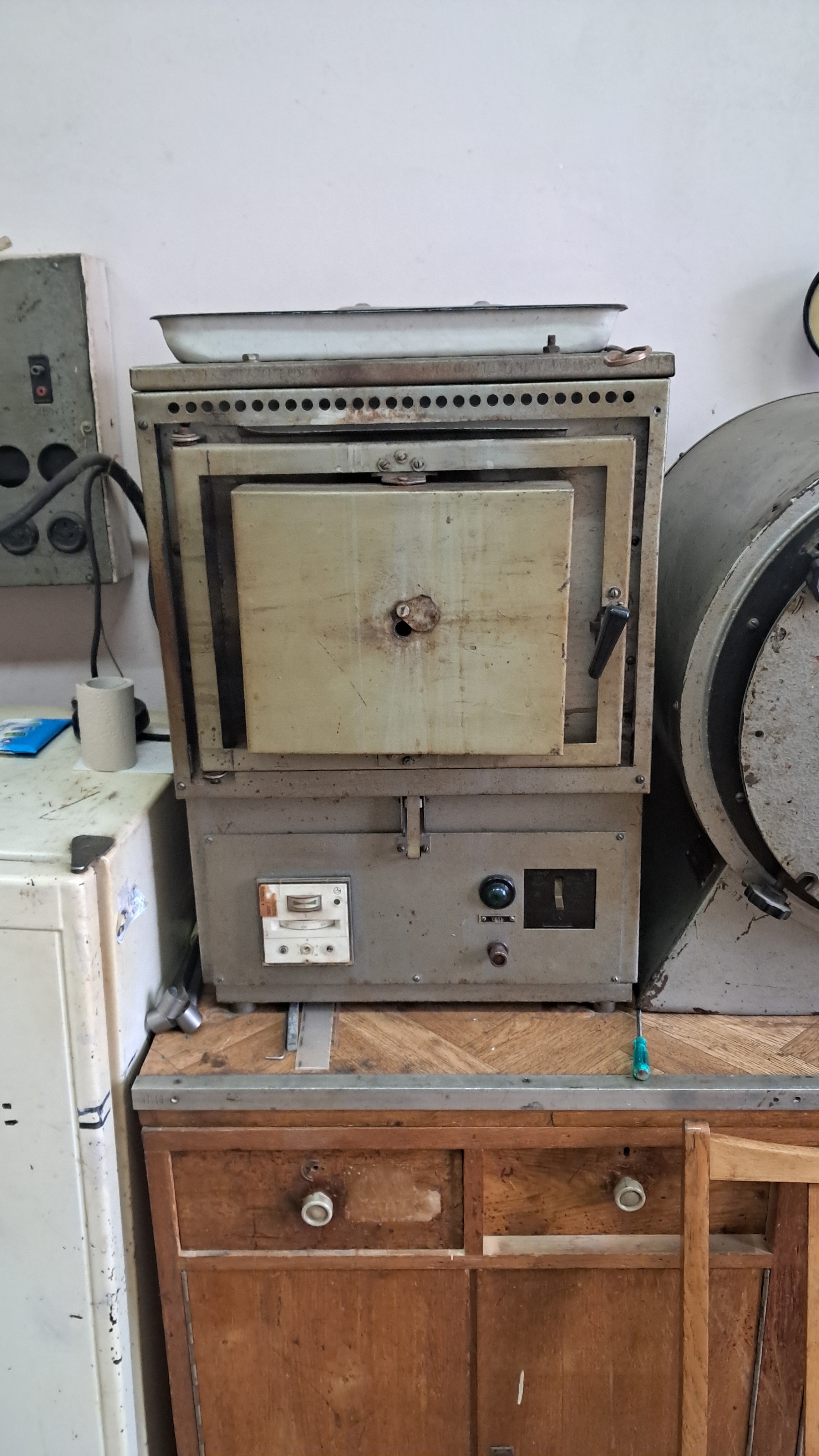
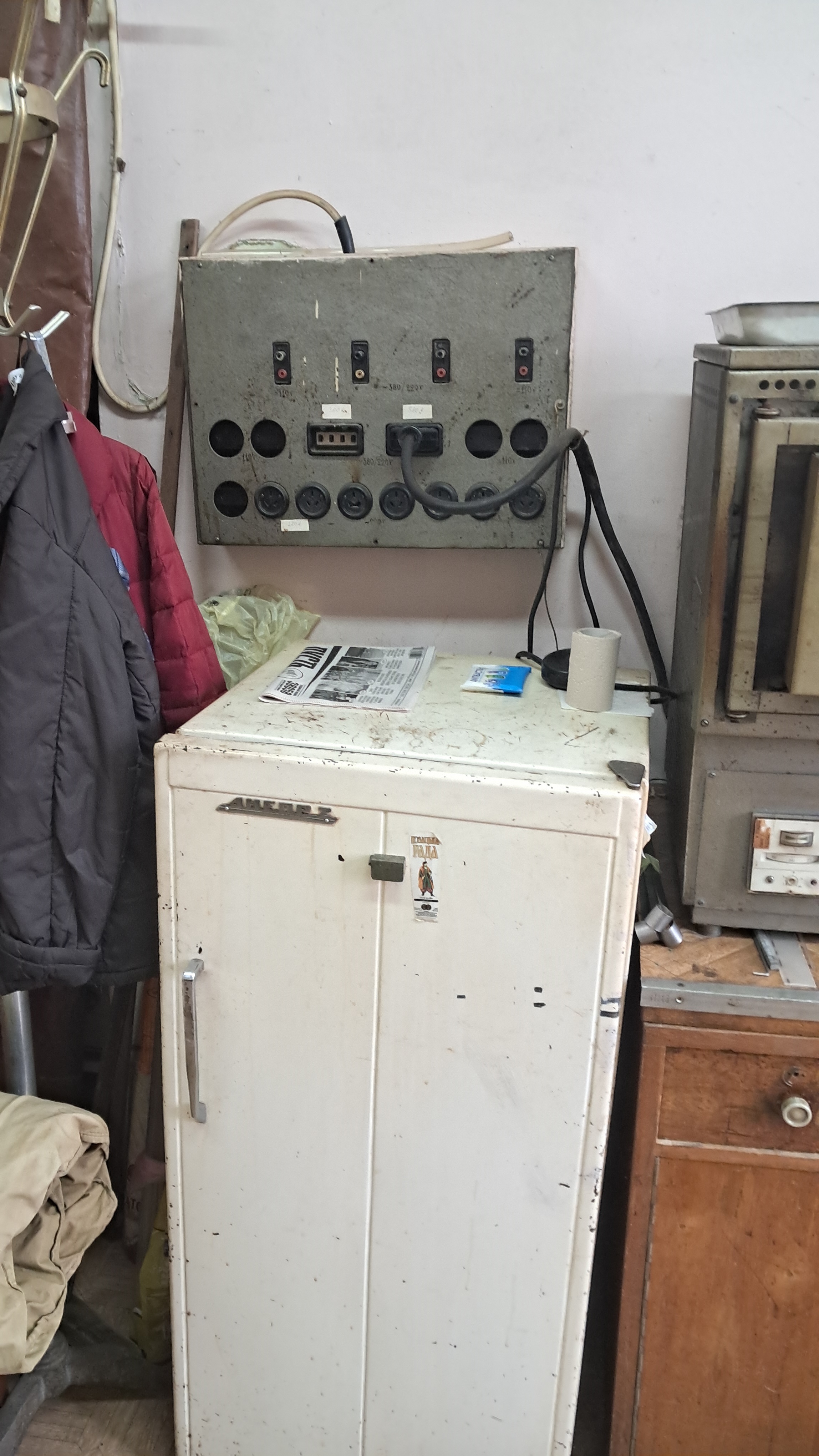
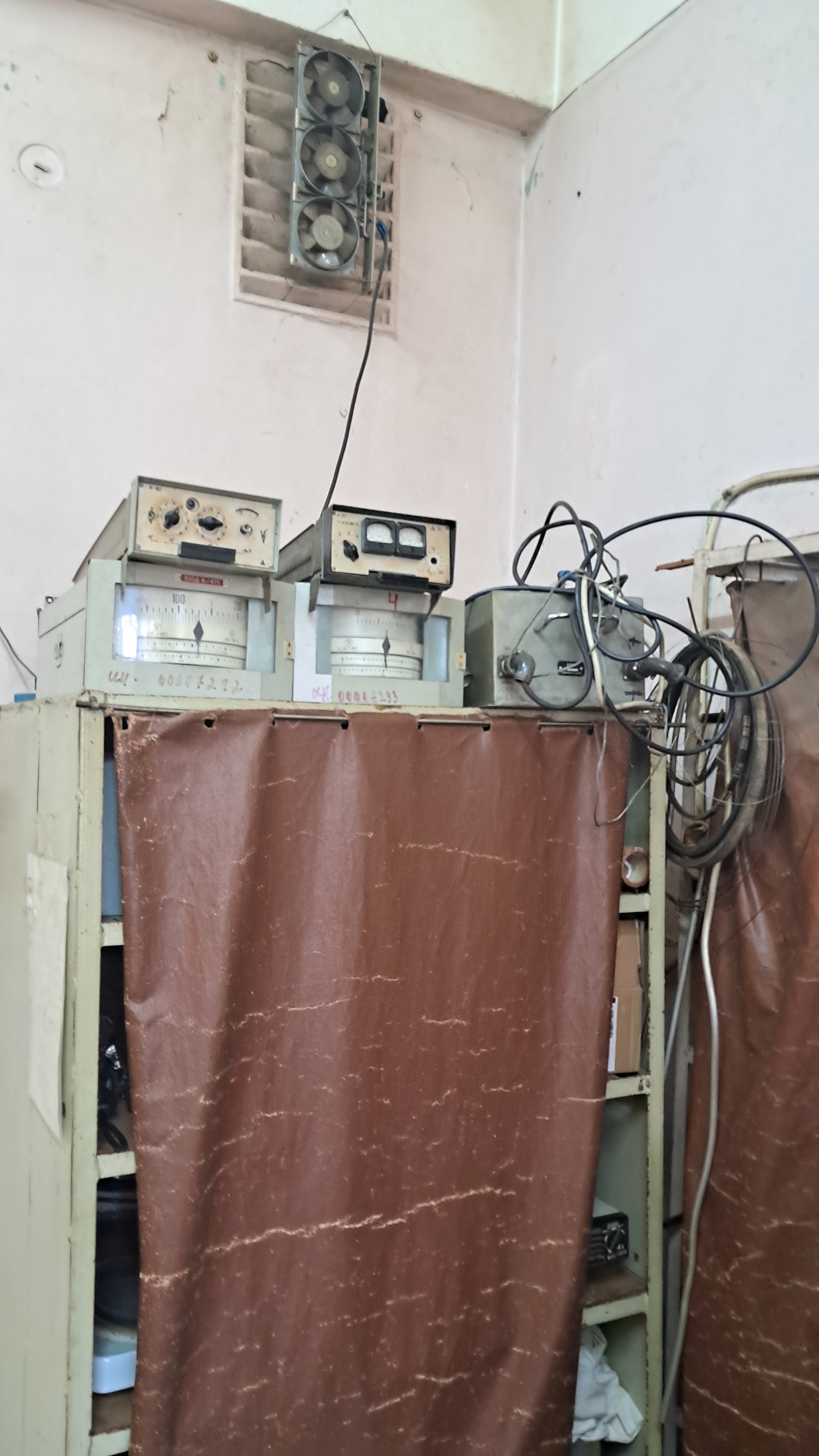
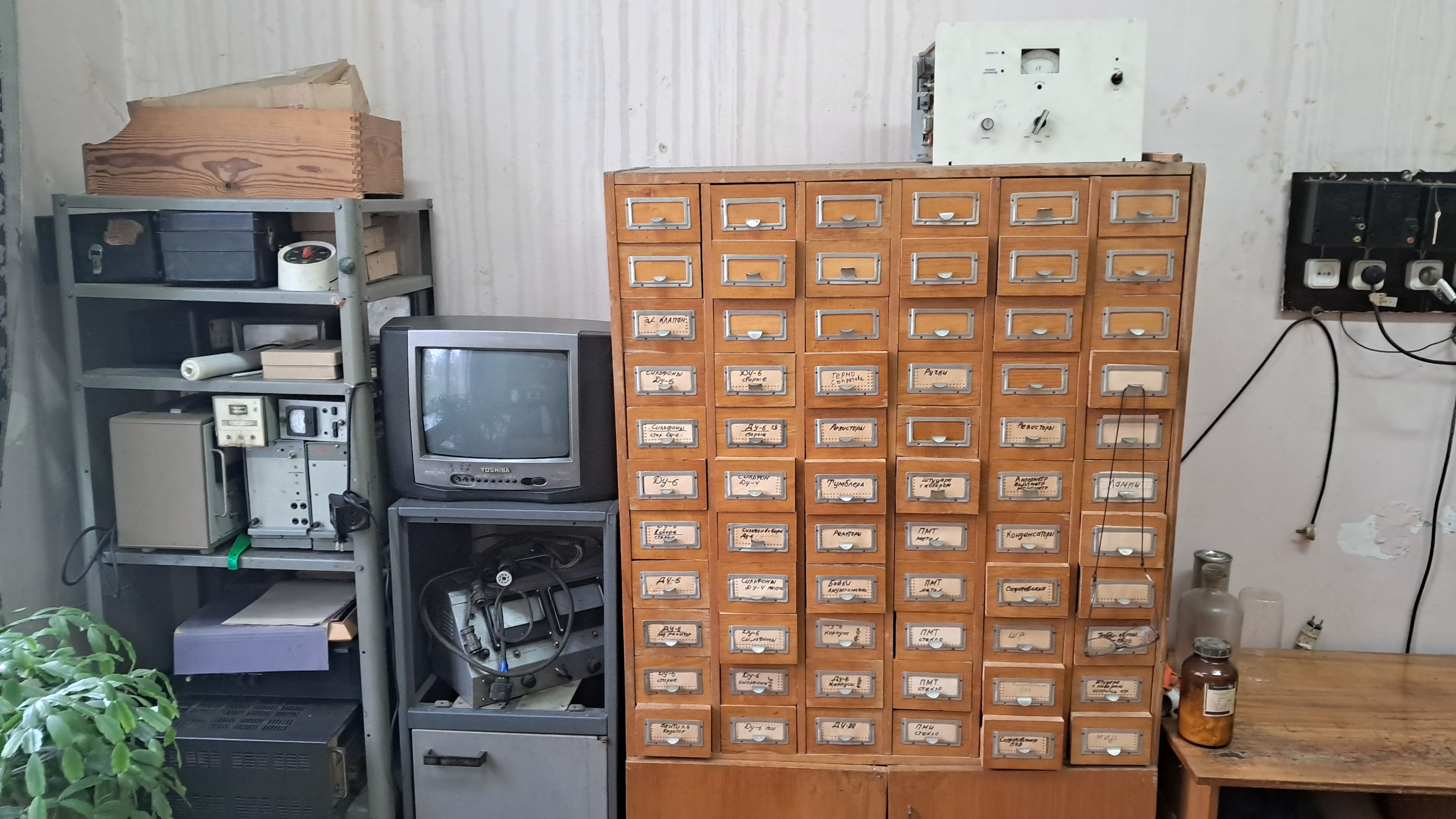
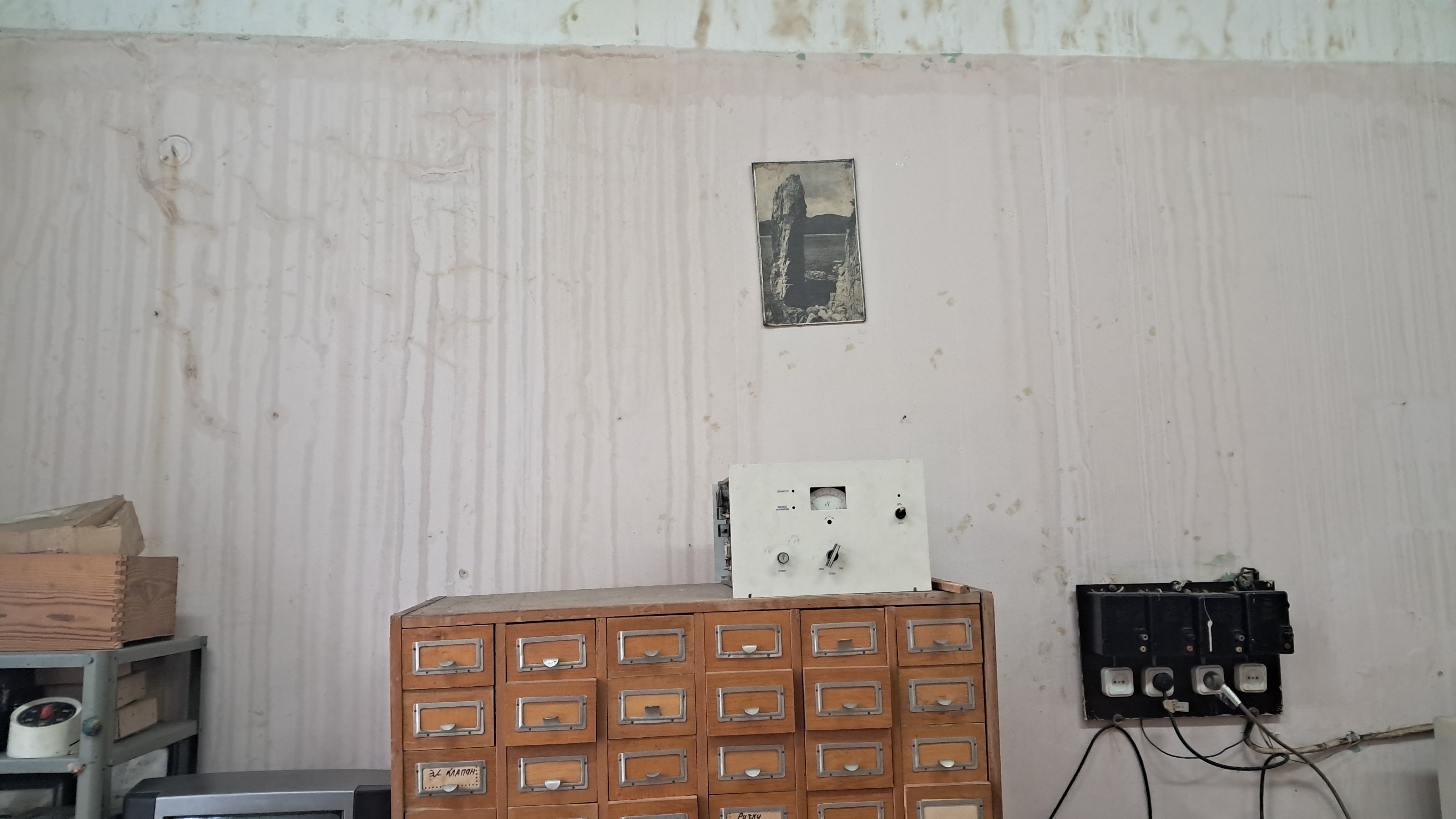
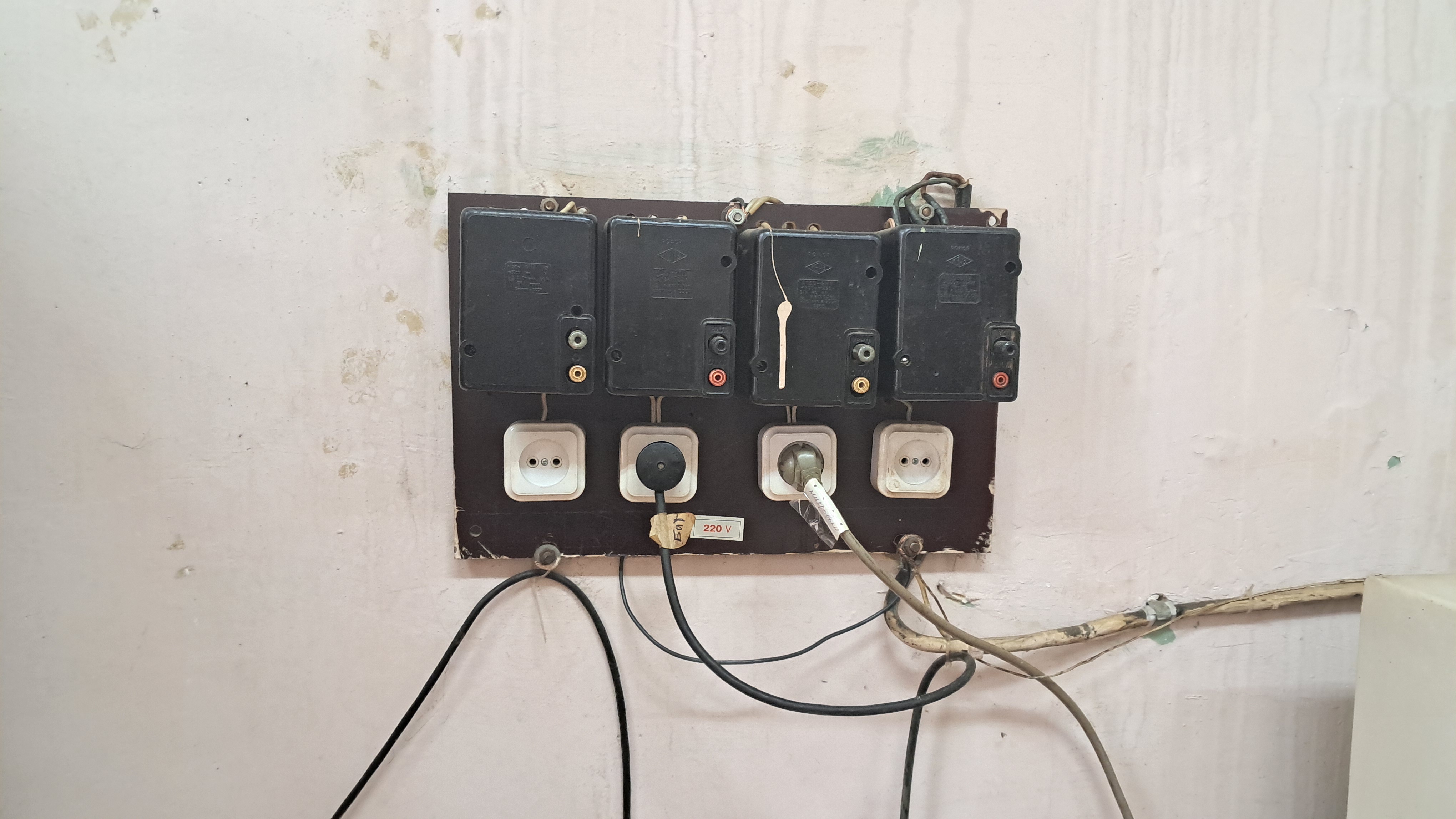
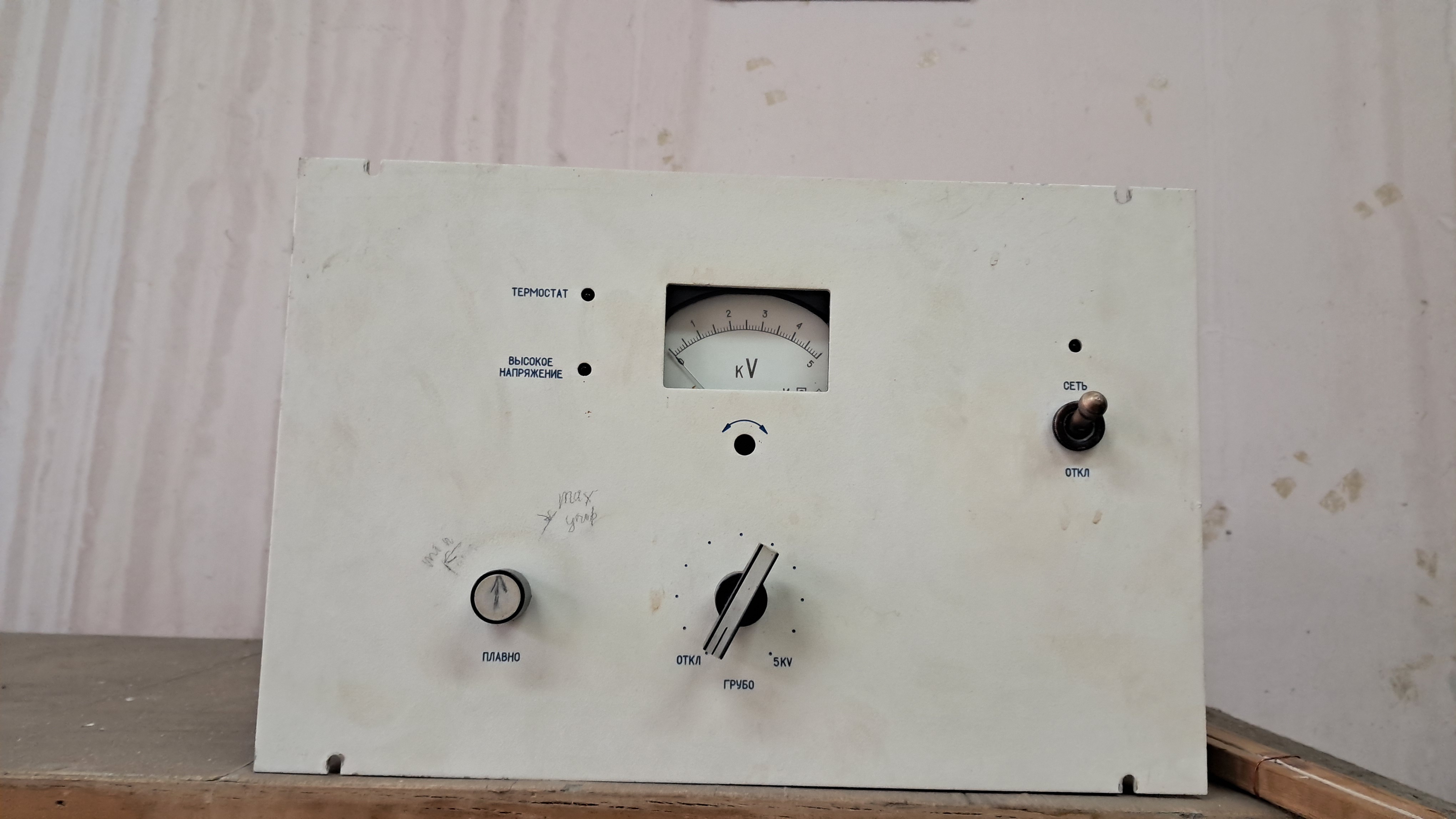
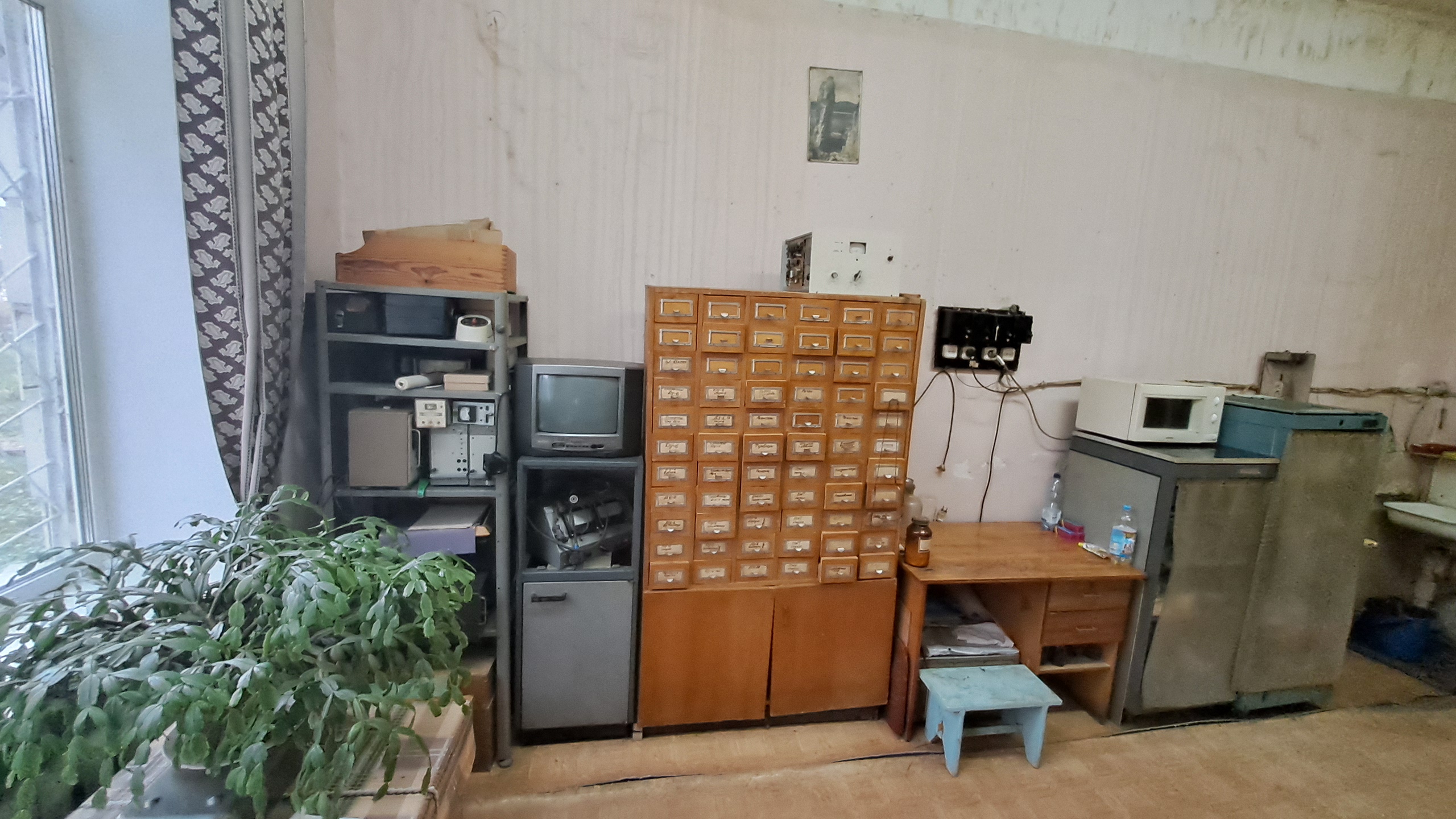
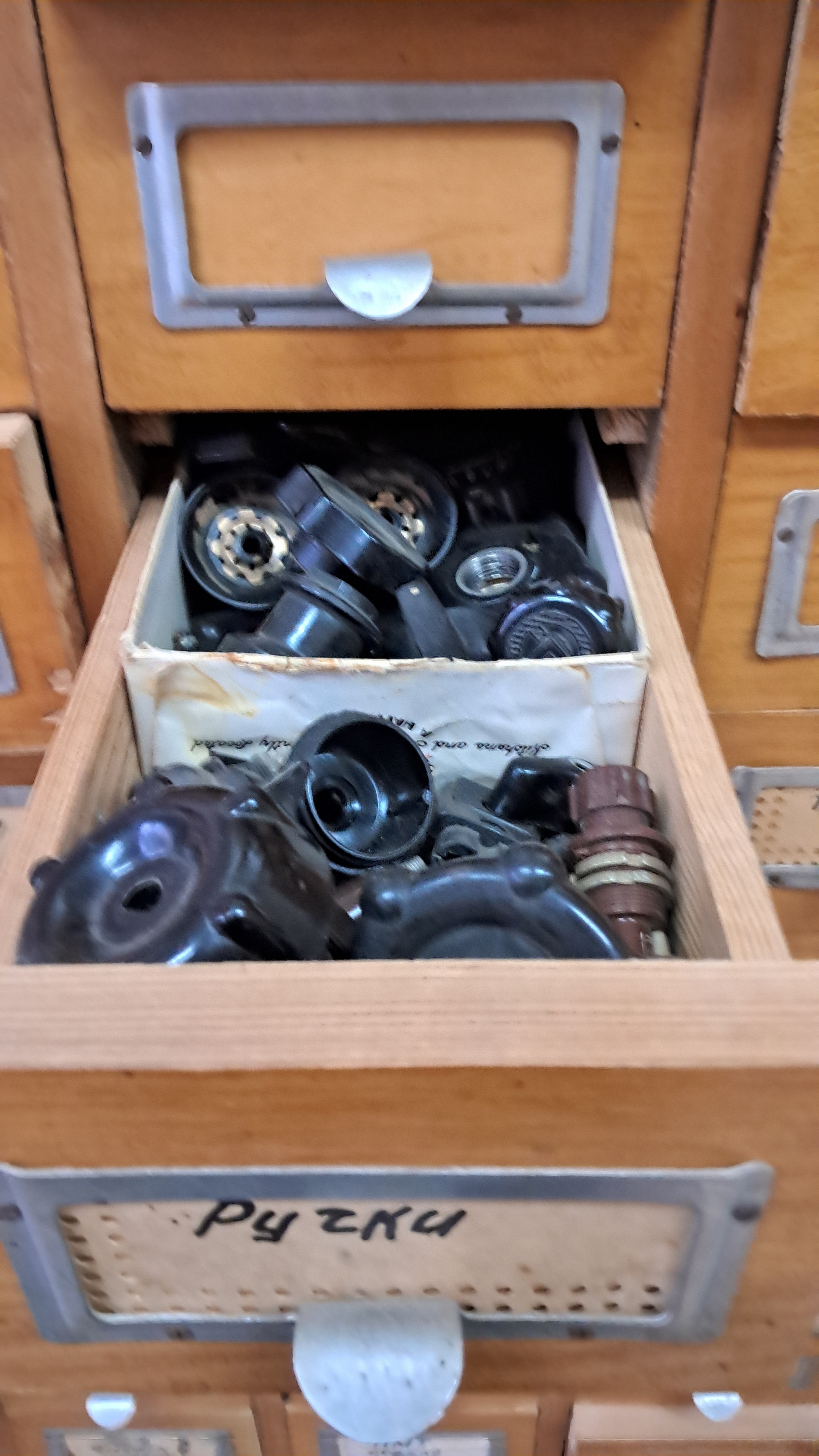
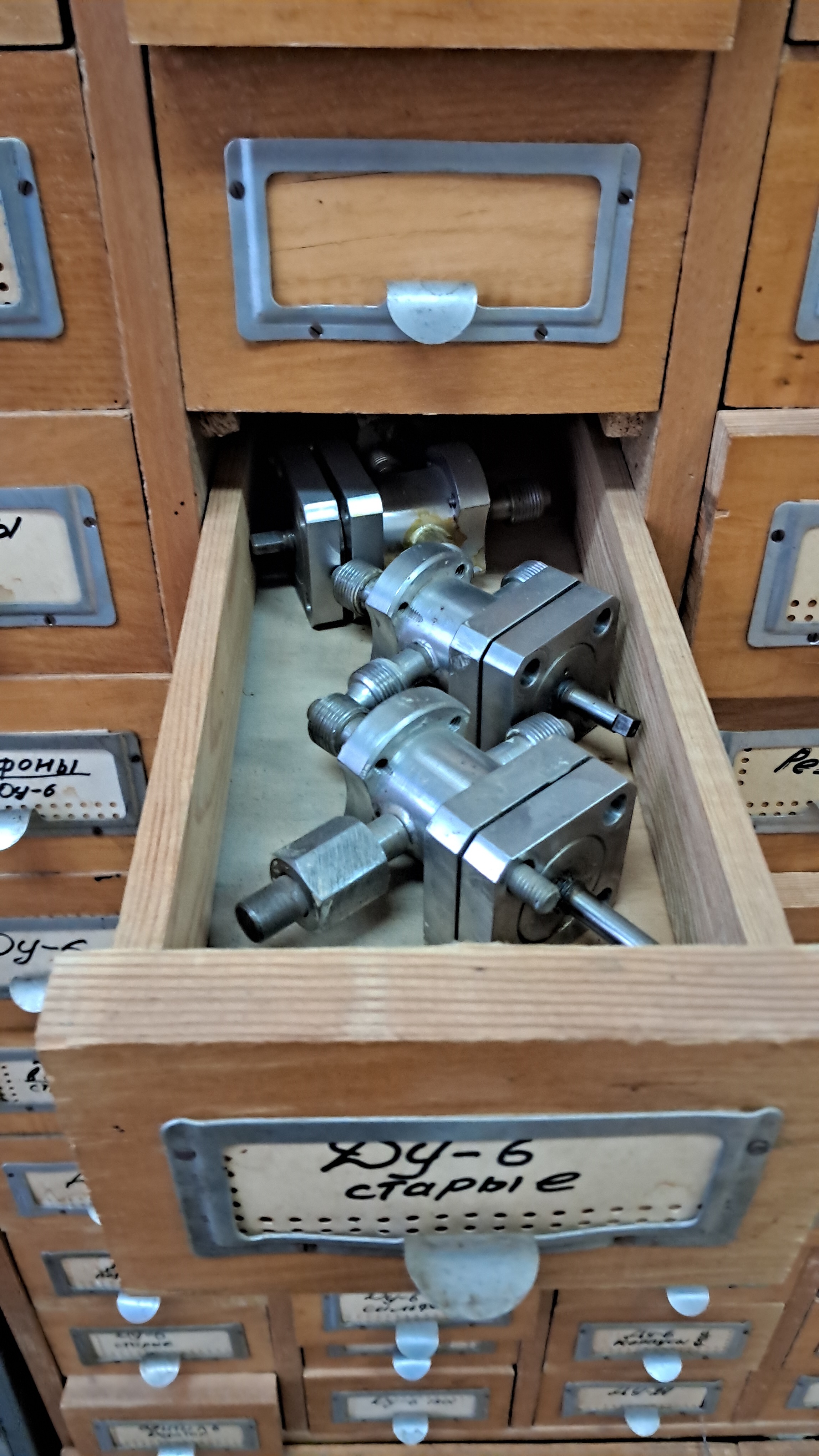
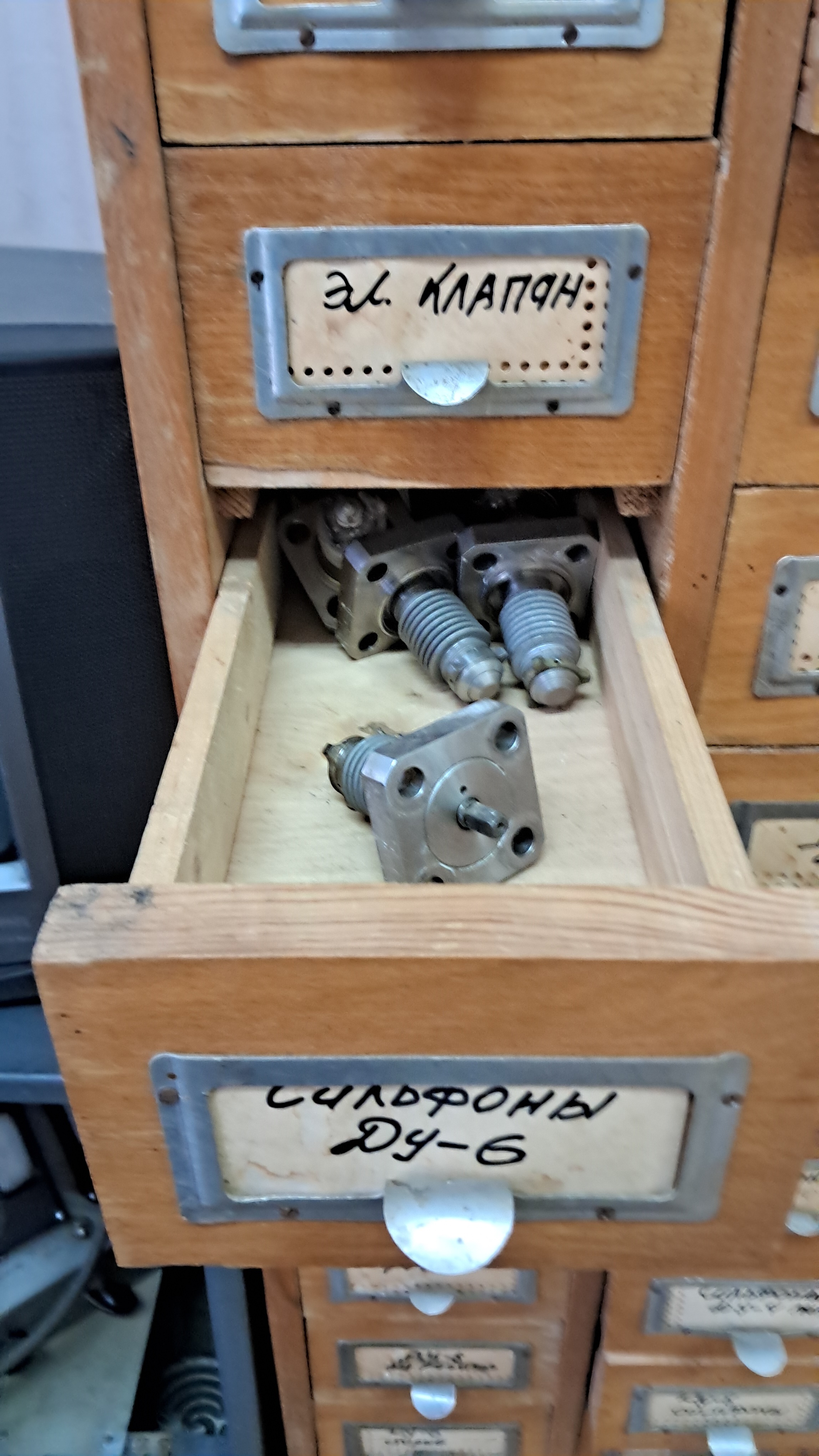
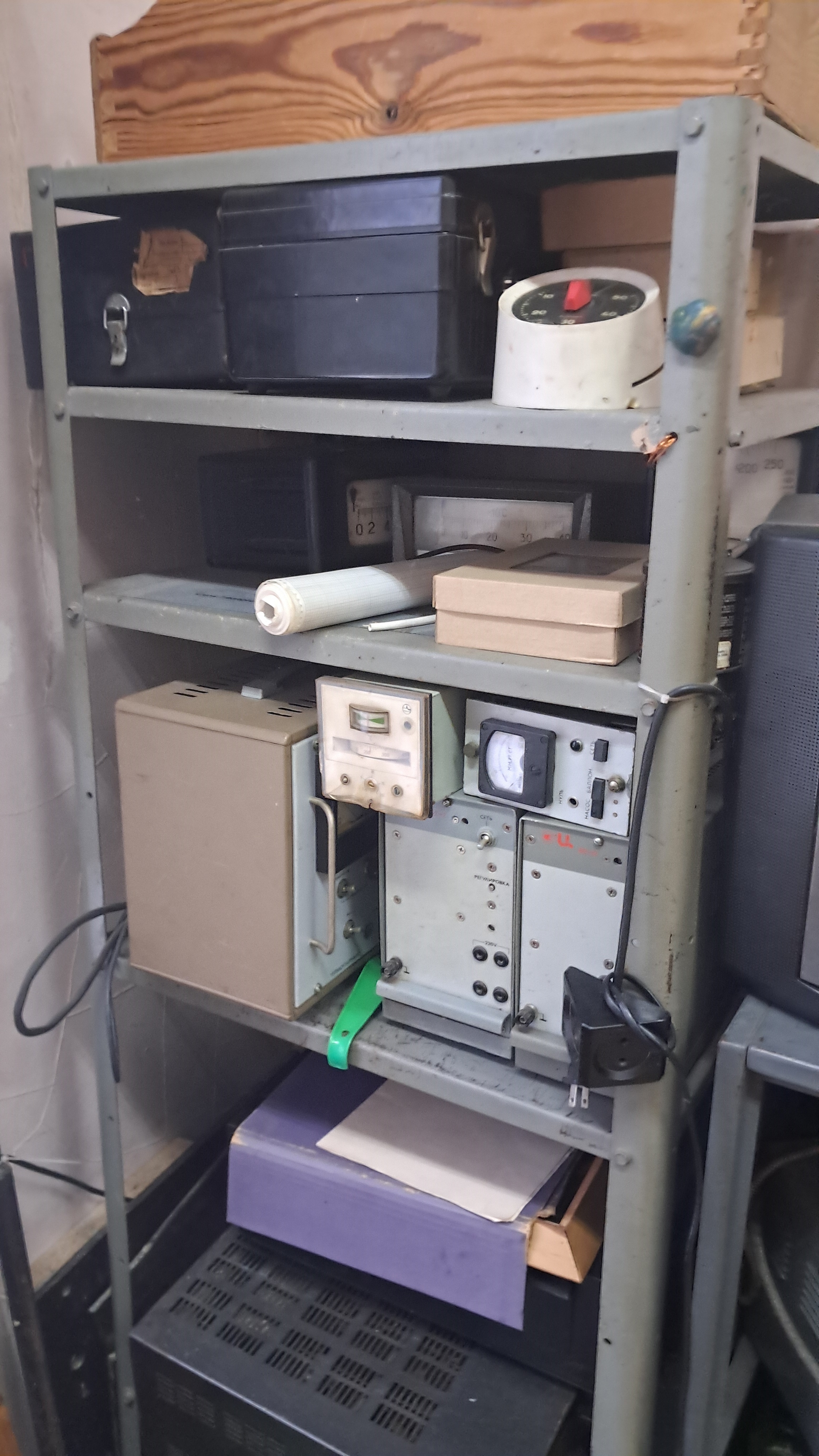
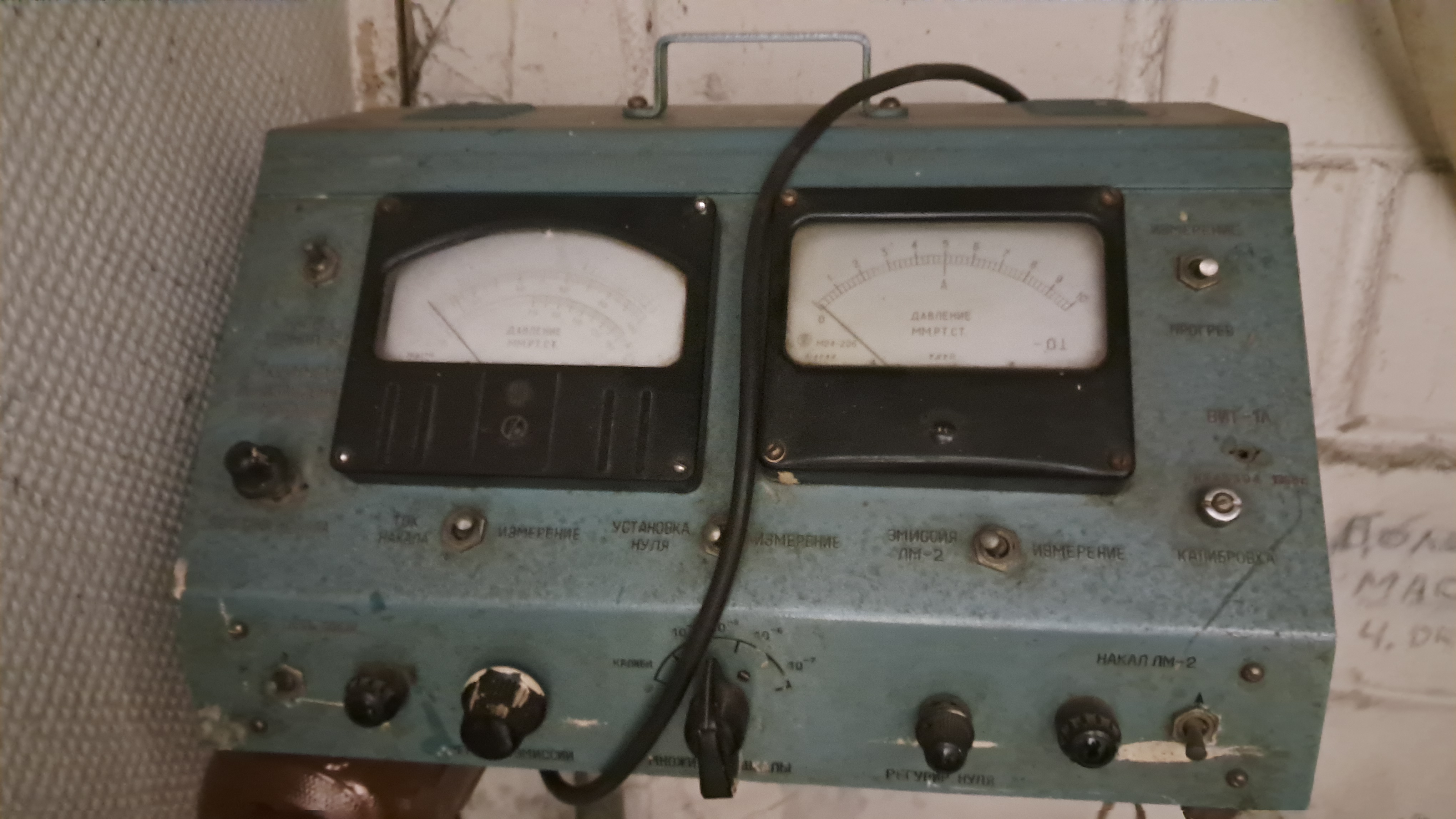
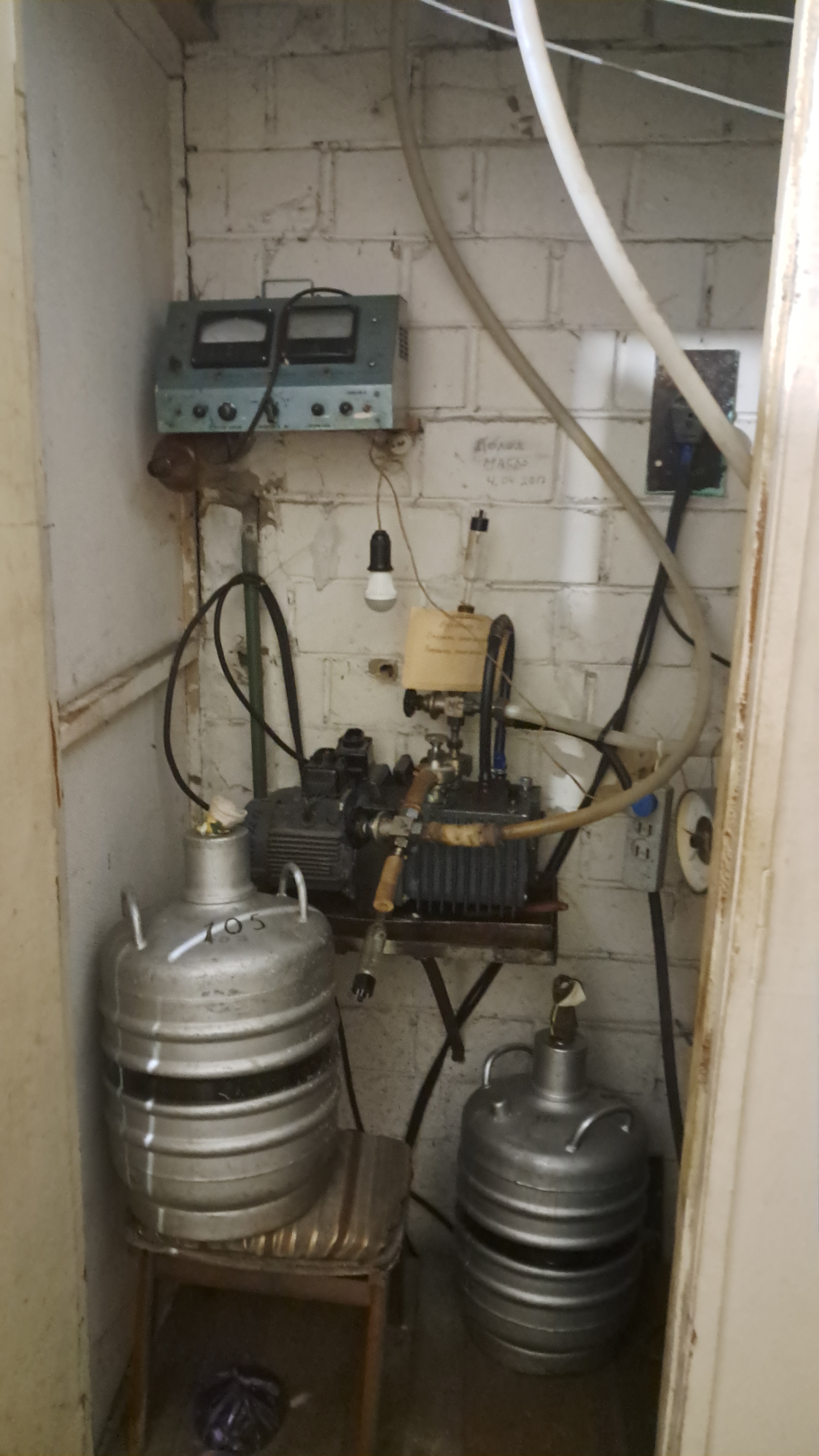
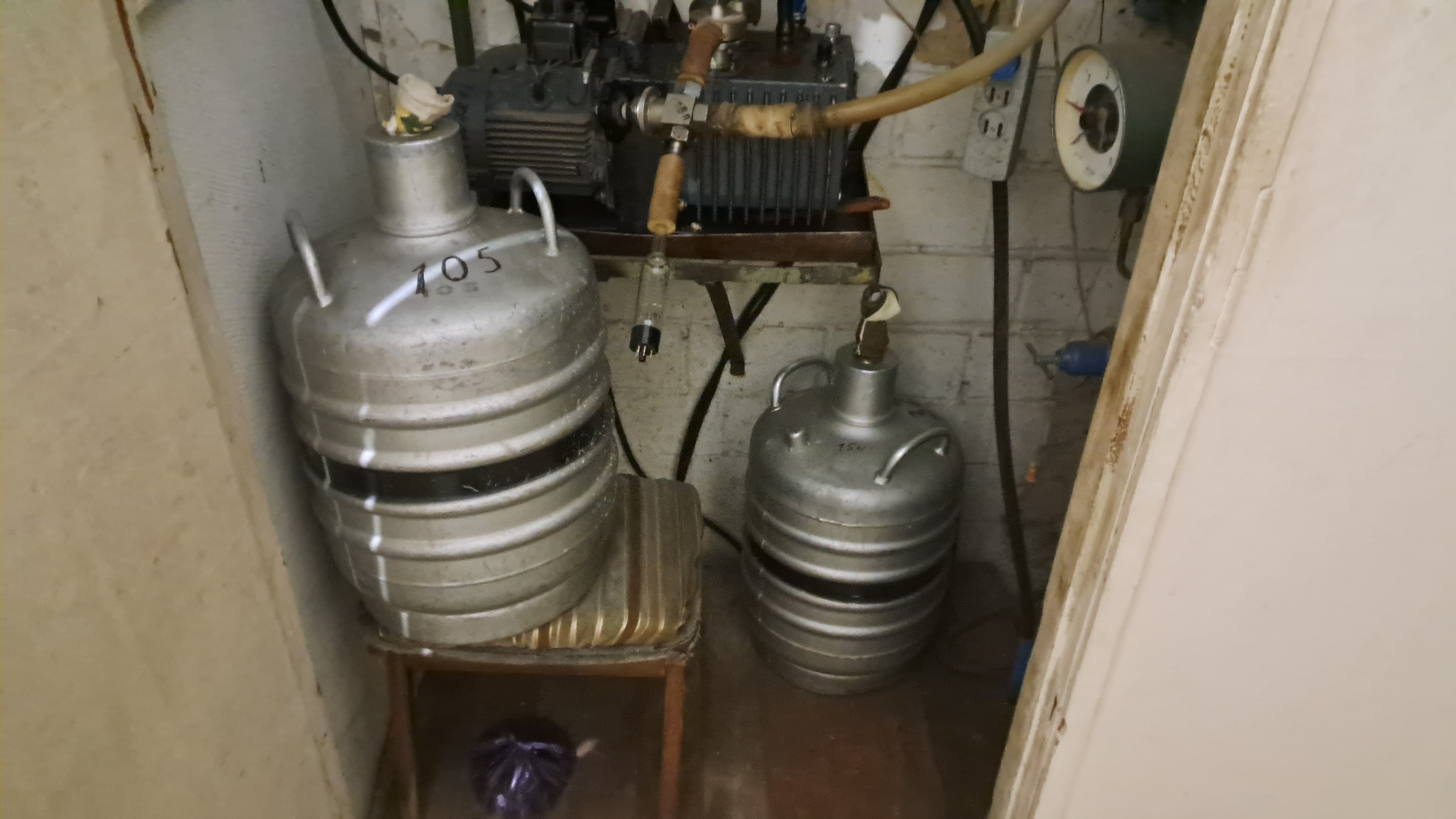
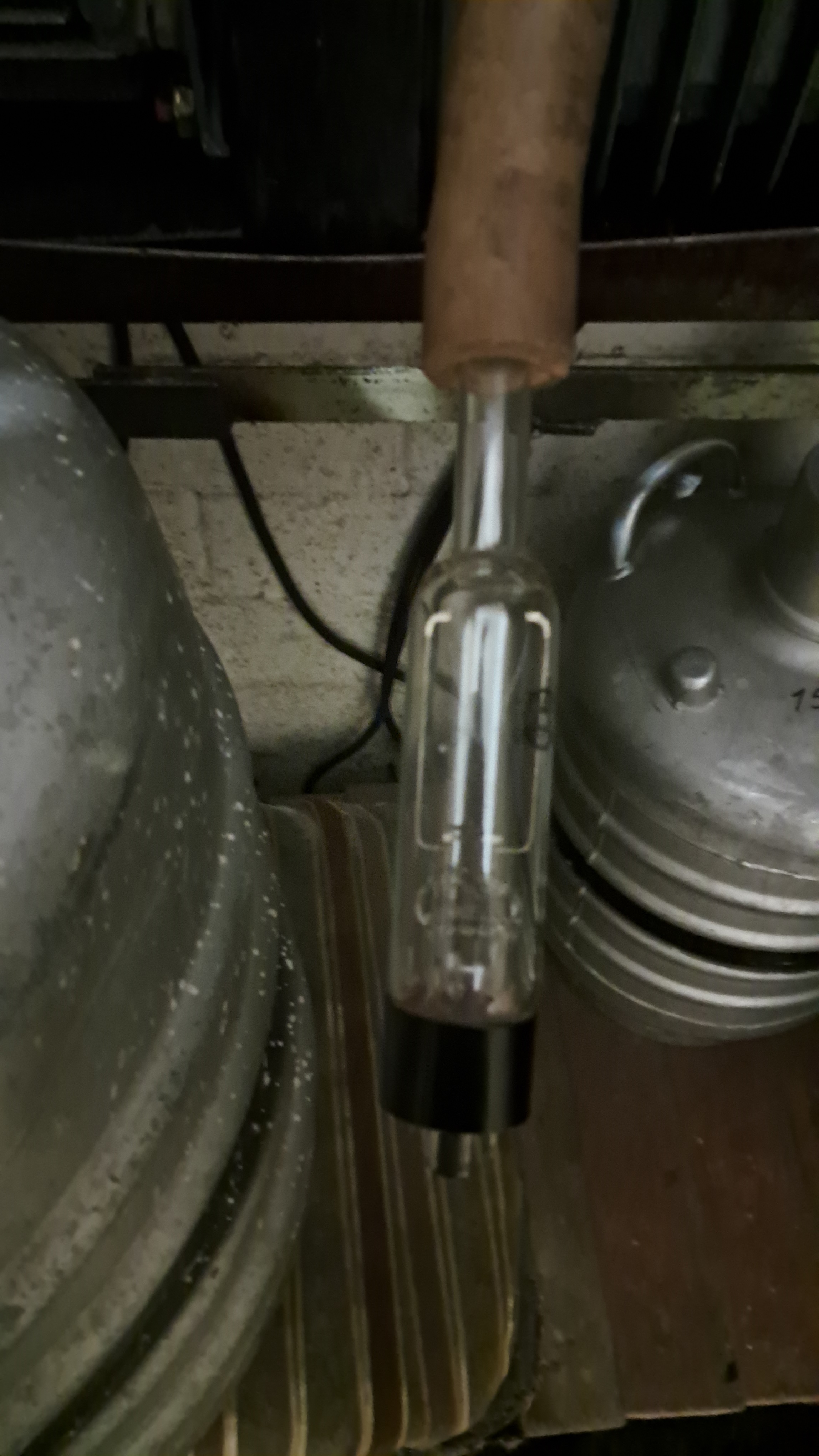
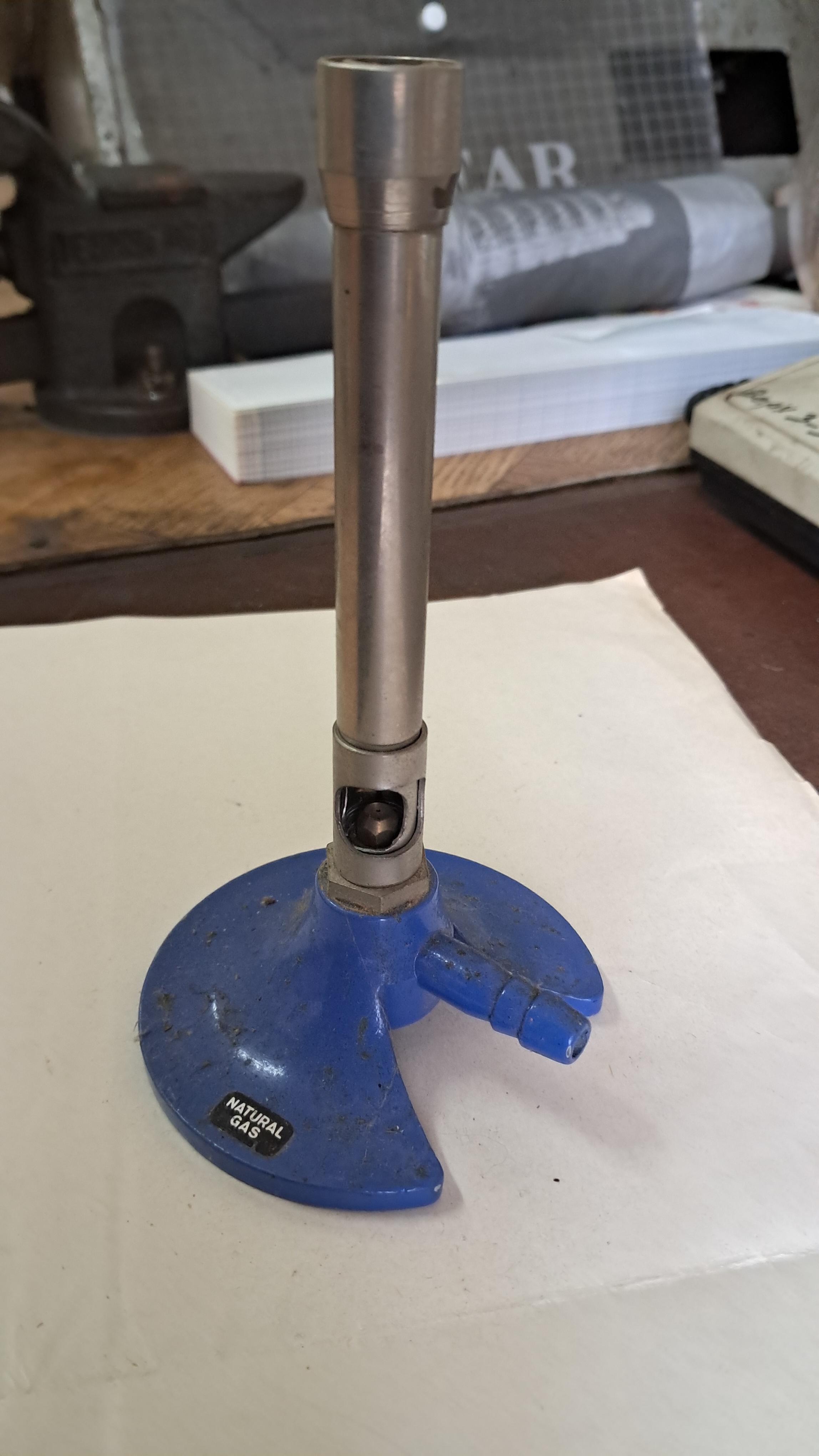
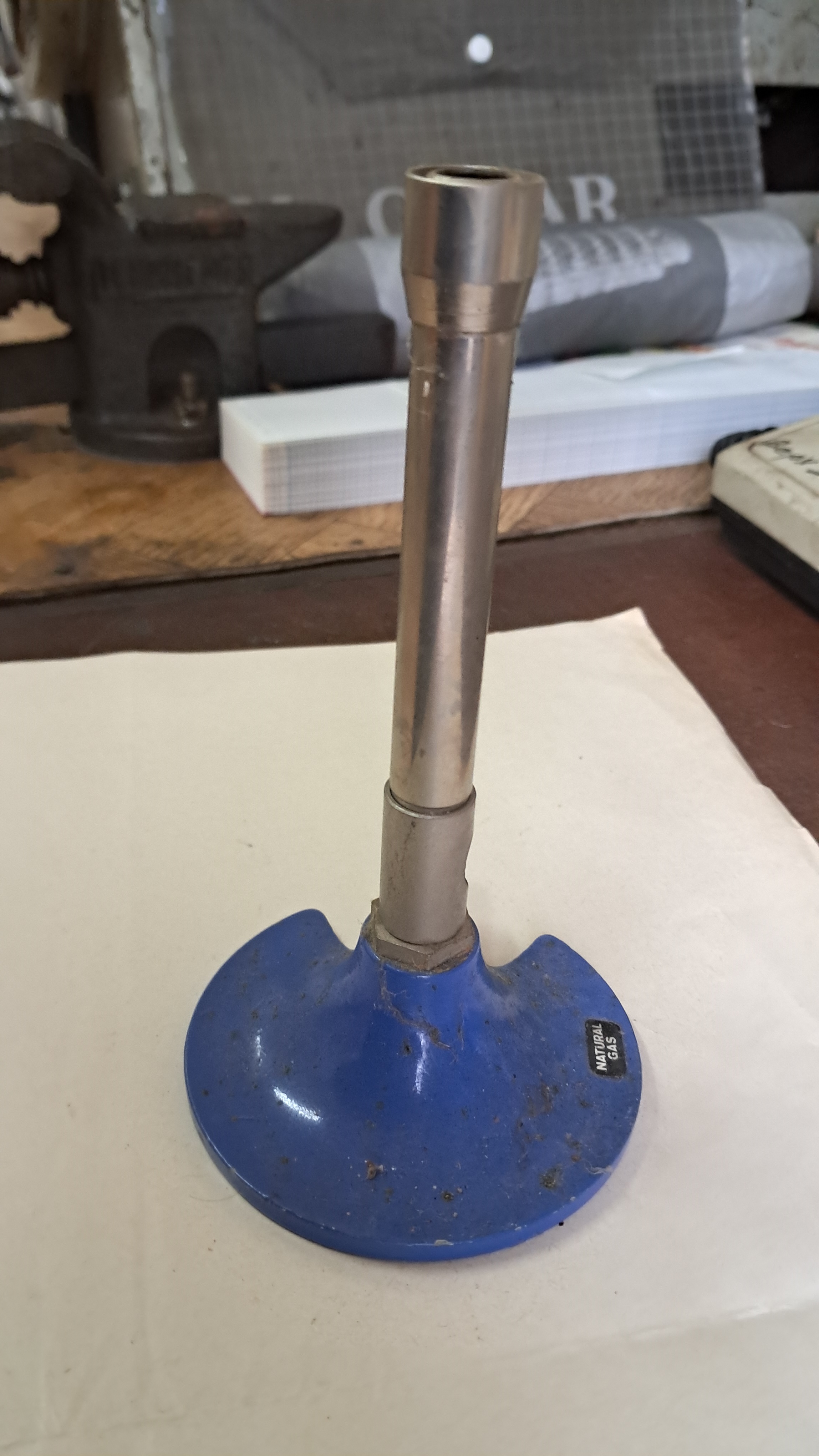
Throughout this article, you will find photographs of various chemistry laboratories taken at different times. Most of them are located in research institutes of the National Academy of Sciences of Ukraine, although not all. Some are still in operation, while others have long since been abandoned. Where possible, I will provide descriptions and some background information about the places shown in the photographs.

It is worth noting that many of these photographs were taken during Russia's full-scale invasion of our country - a time when my hometown is under daily attack and people are constantly losing their lives. Many chemists and other scientists have fled Ukraine to escape the mass killings. Those who remain continue working amid frequent power outages, daily missile and drone strikes, and a lack of heating in their workplaces.

Even setting the war aside, the circumstances were far from ideal, so I cannot promise that this article will be particularly engaging or inspiring - but such is our reality. As I was writing that last sentence, the power went out. Fortunately, my batteries have enough charge to last for a few more hours. So, let's not waste any time and get started.

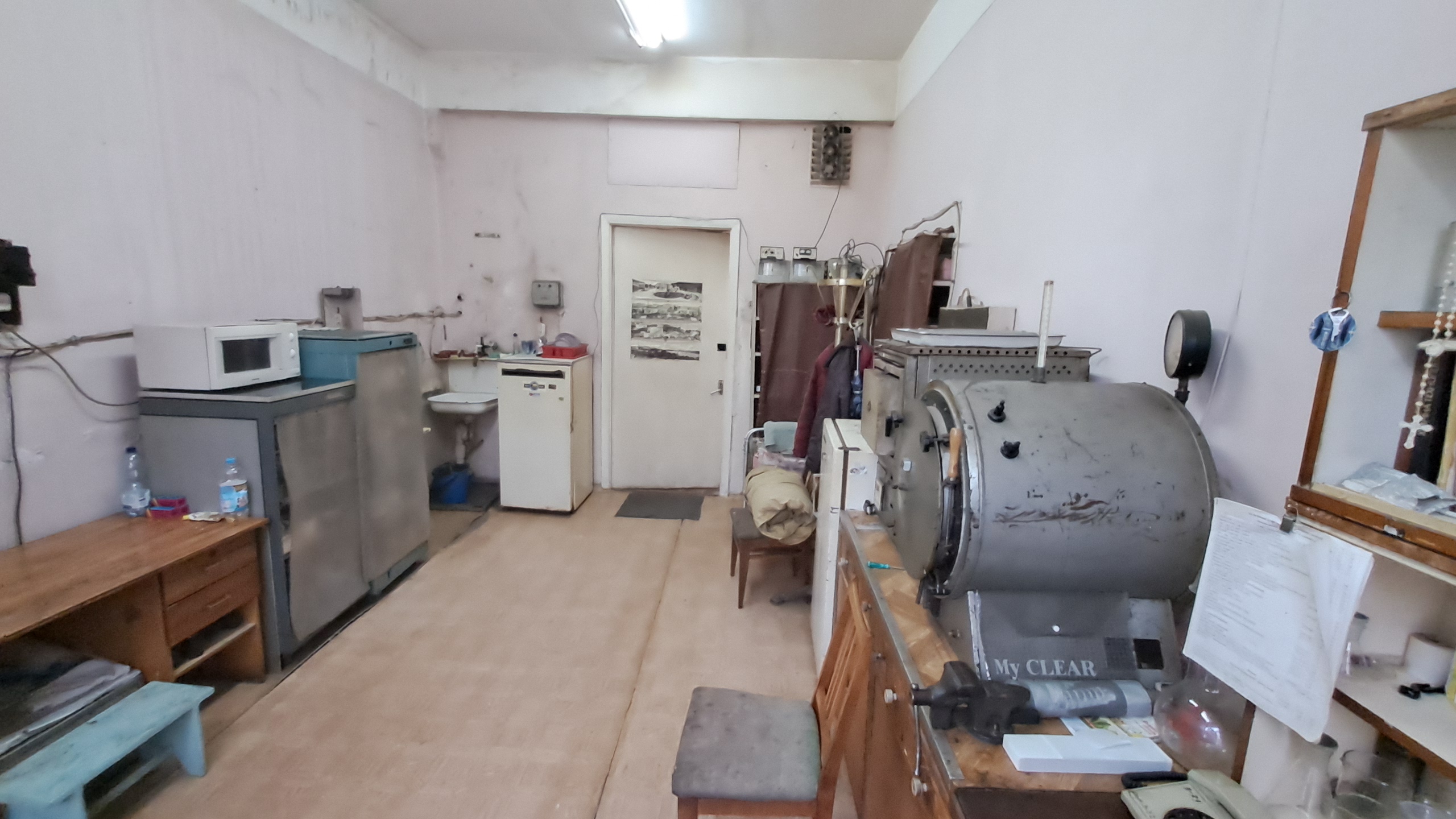
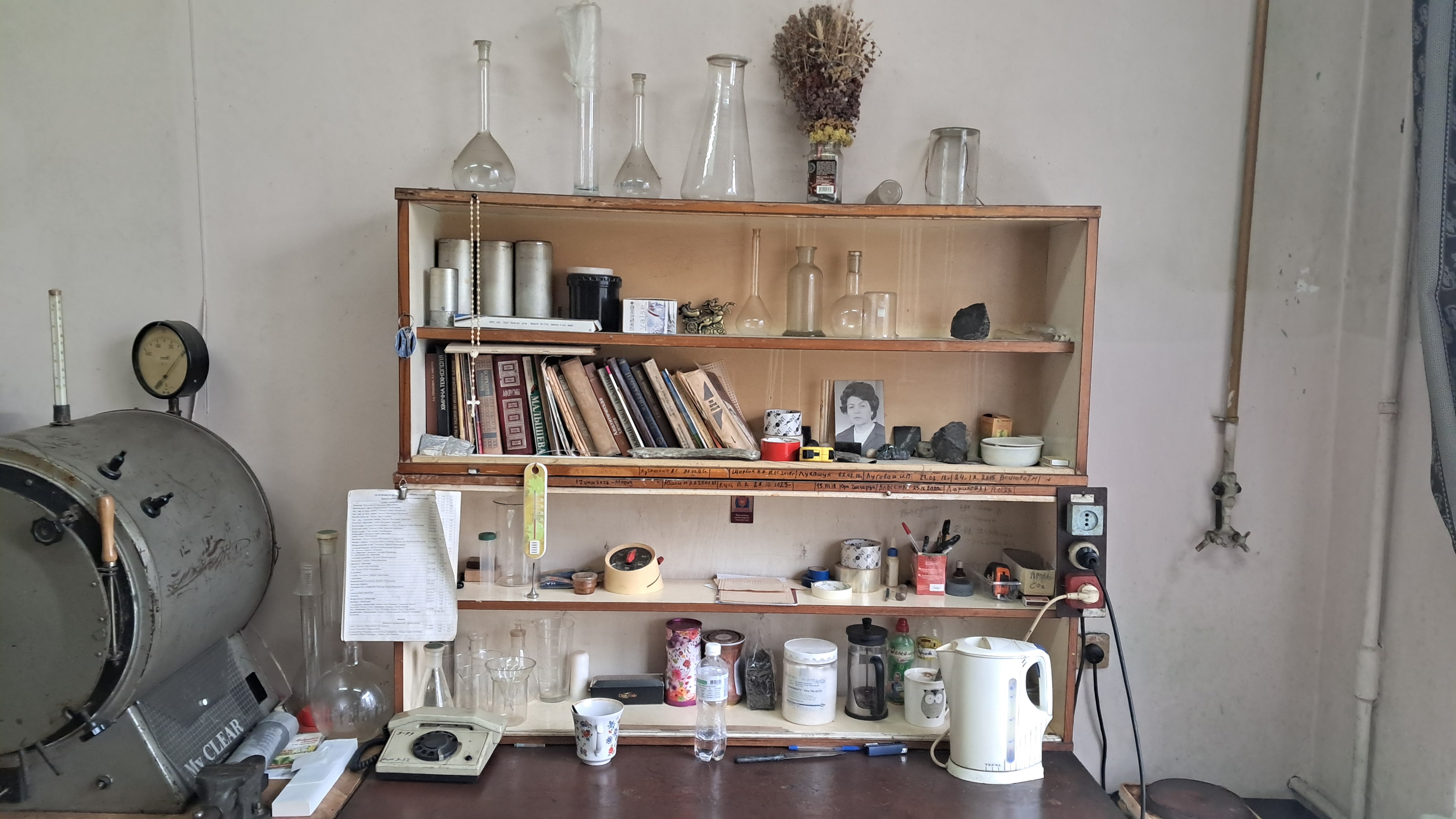
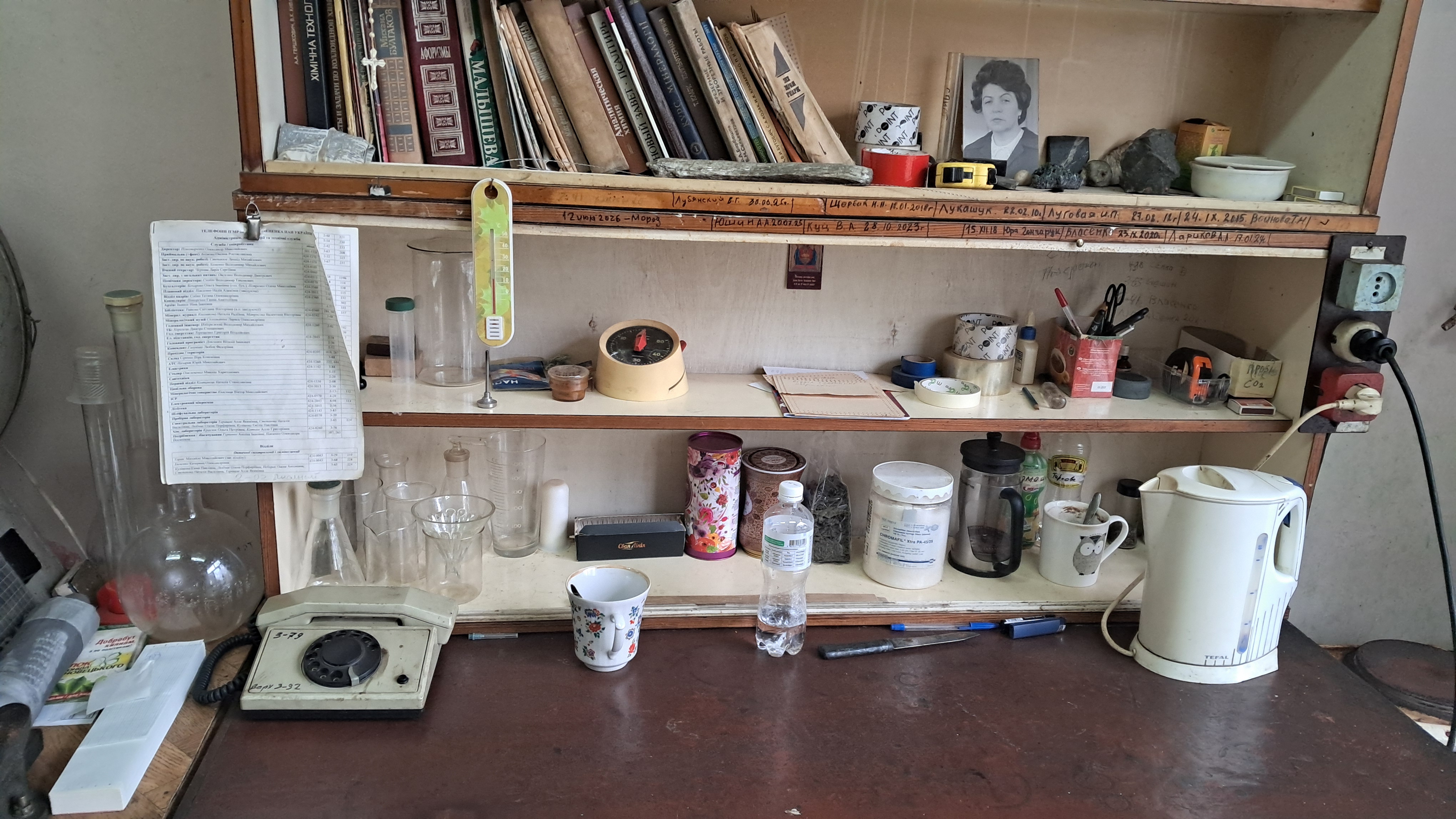
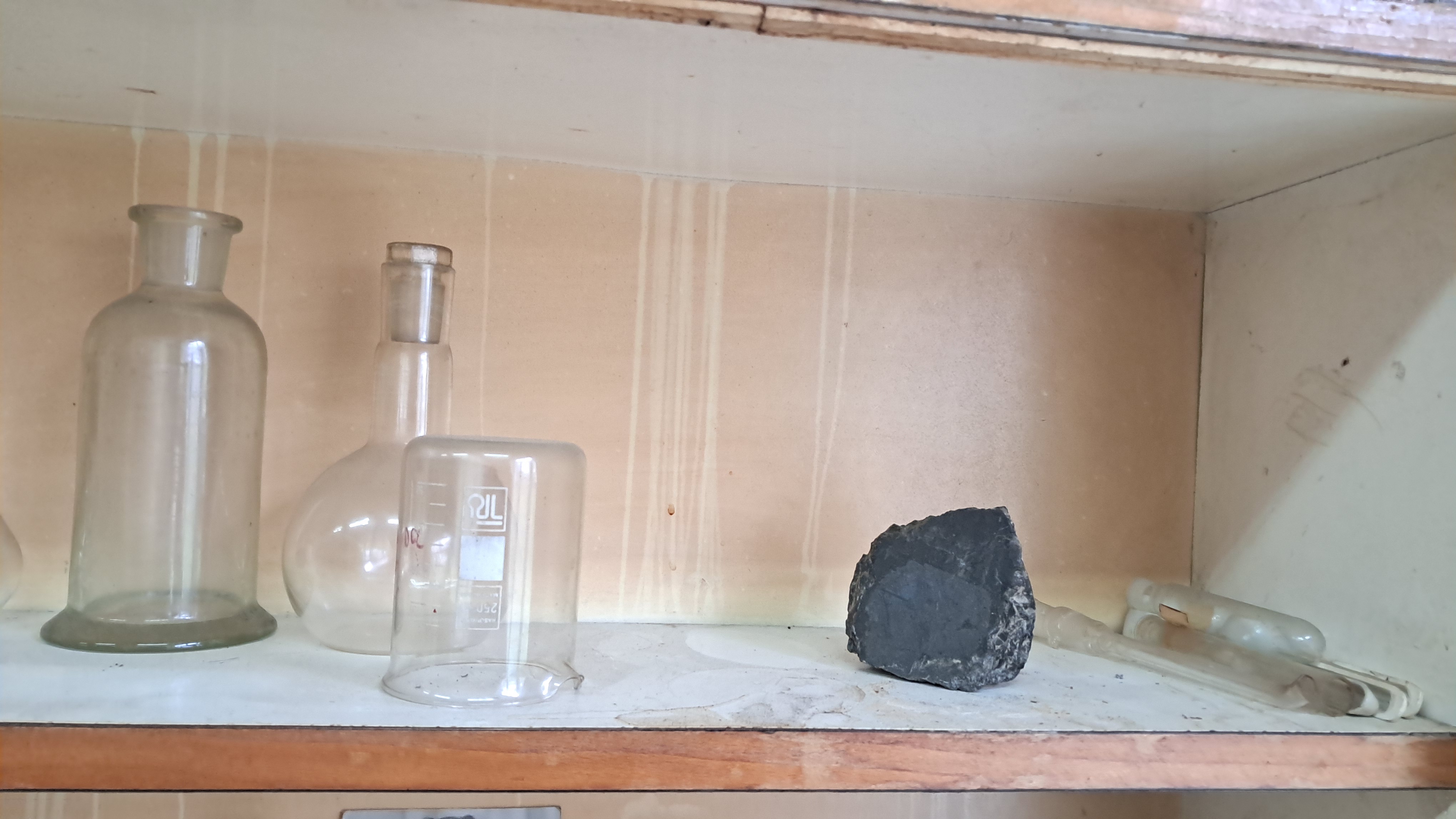
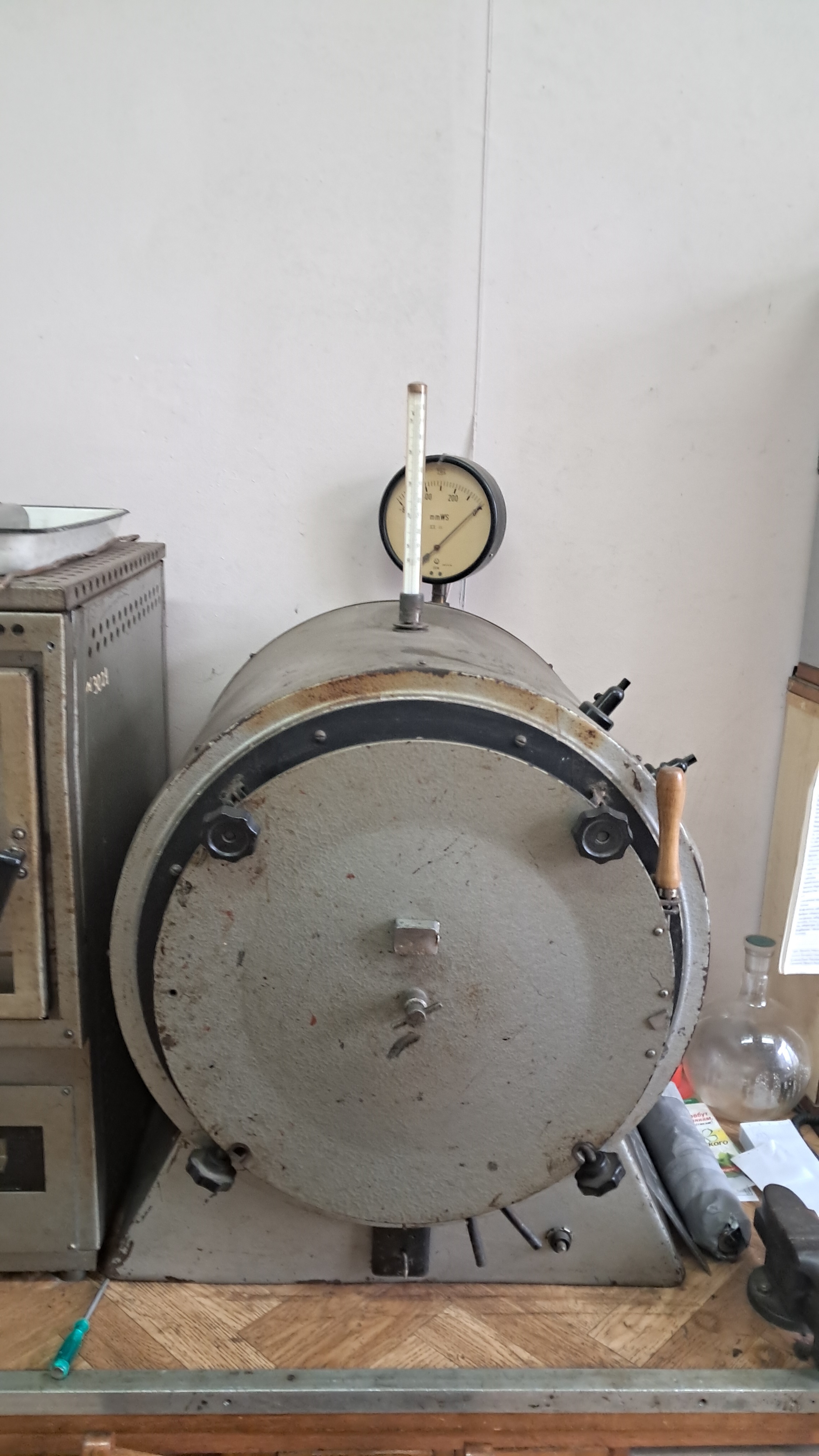
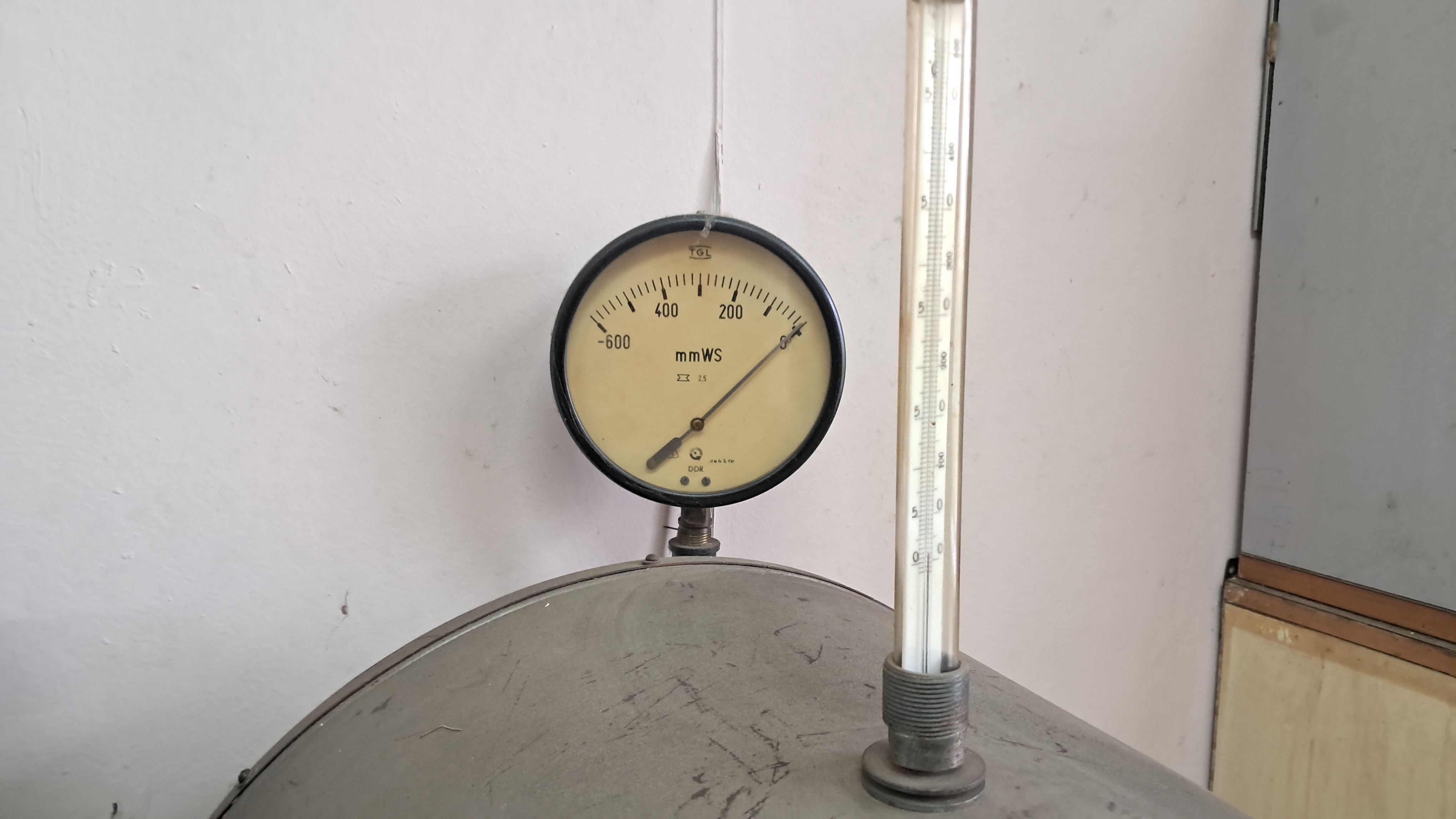
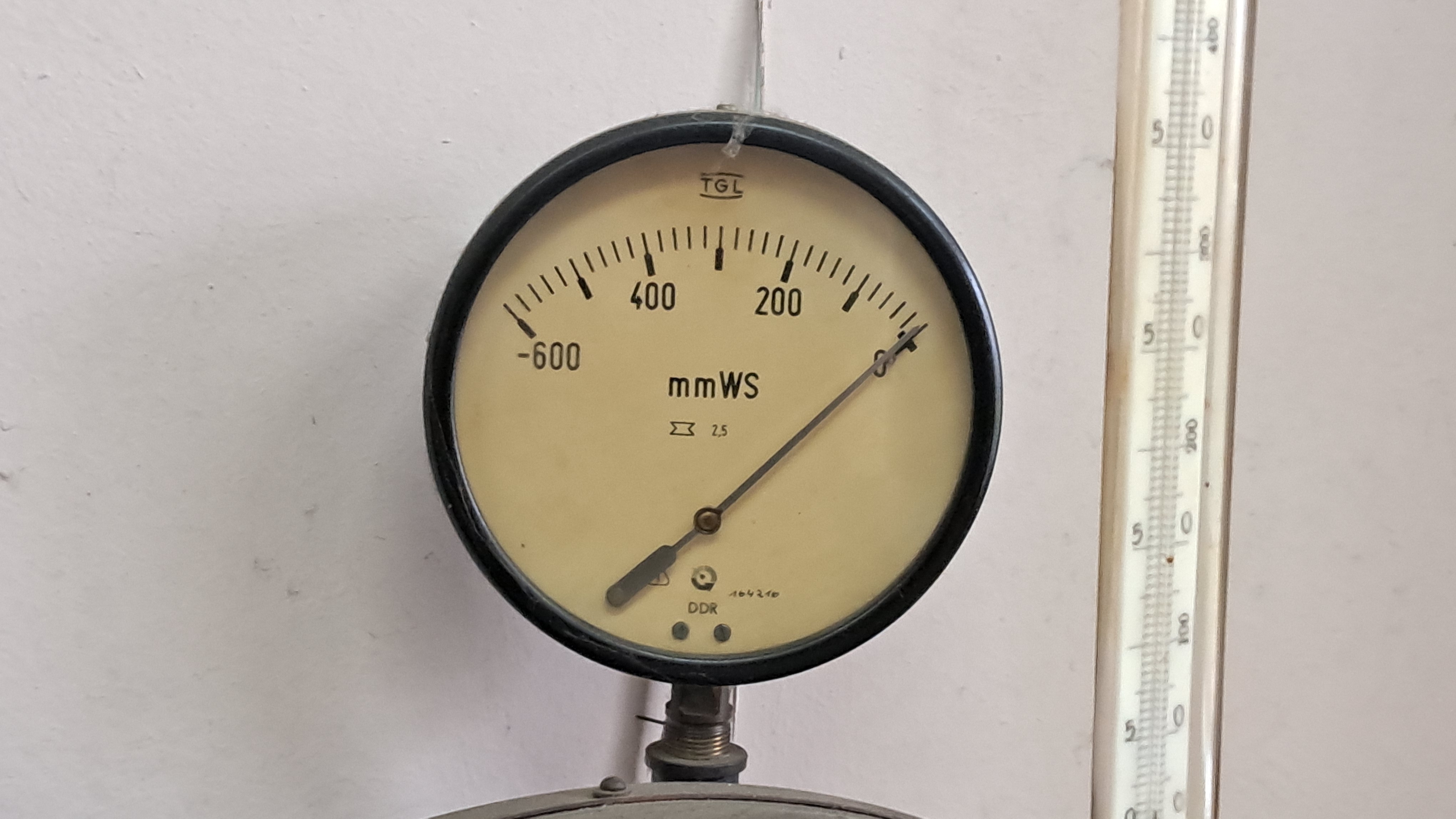
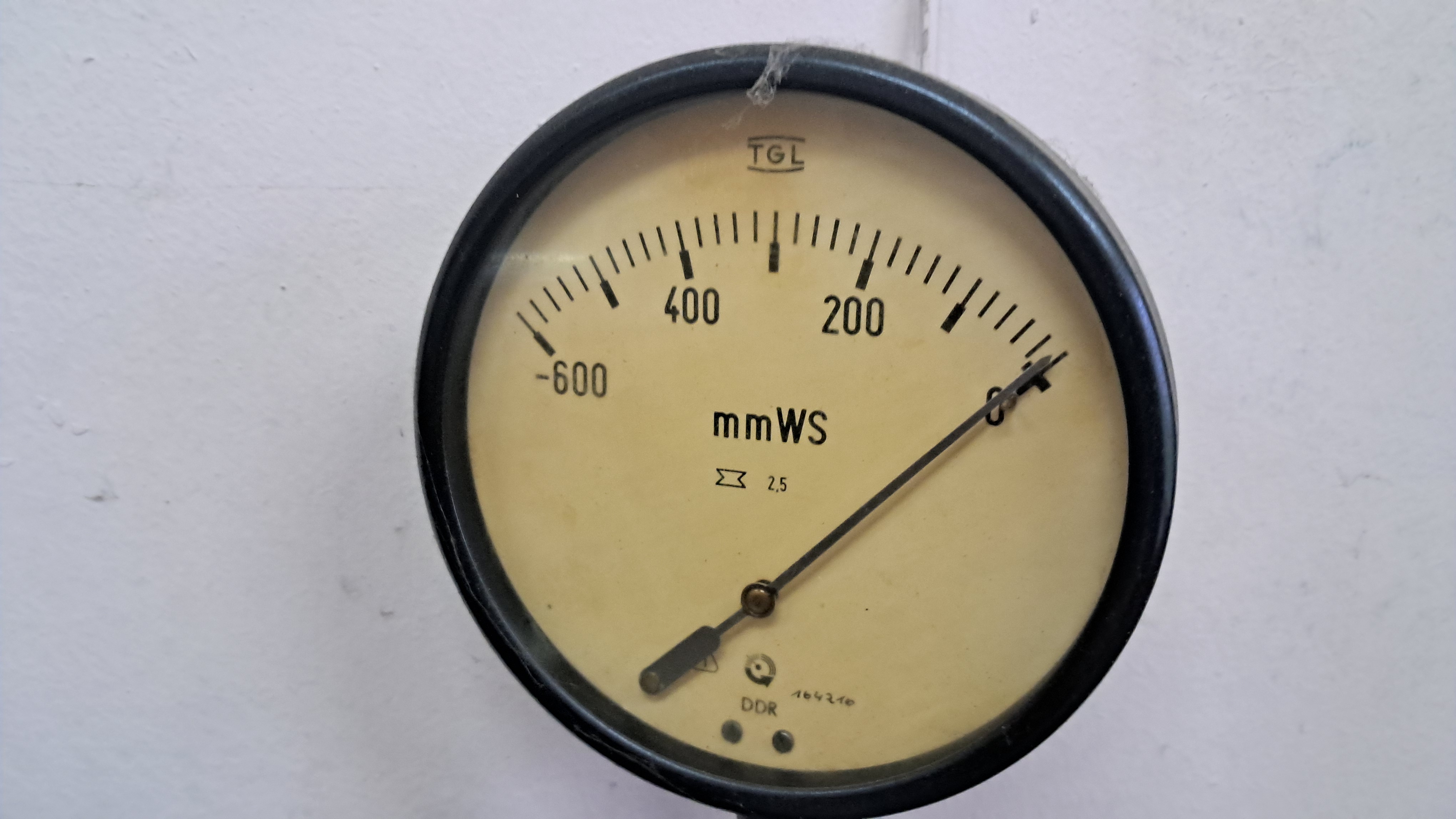
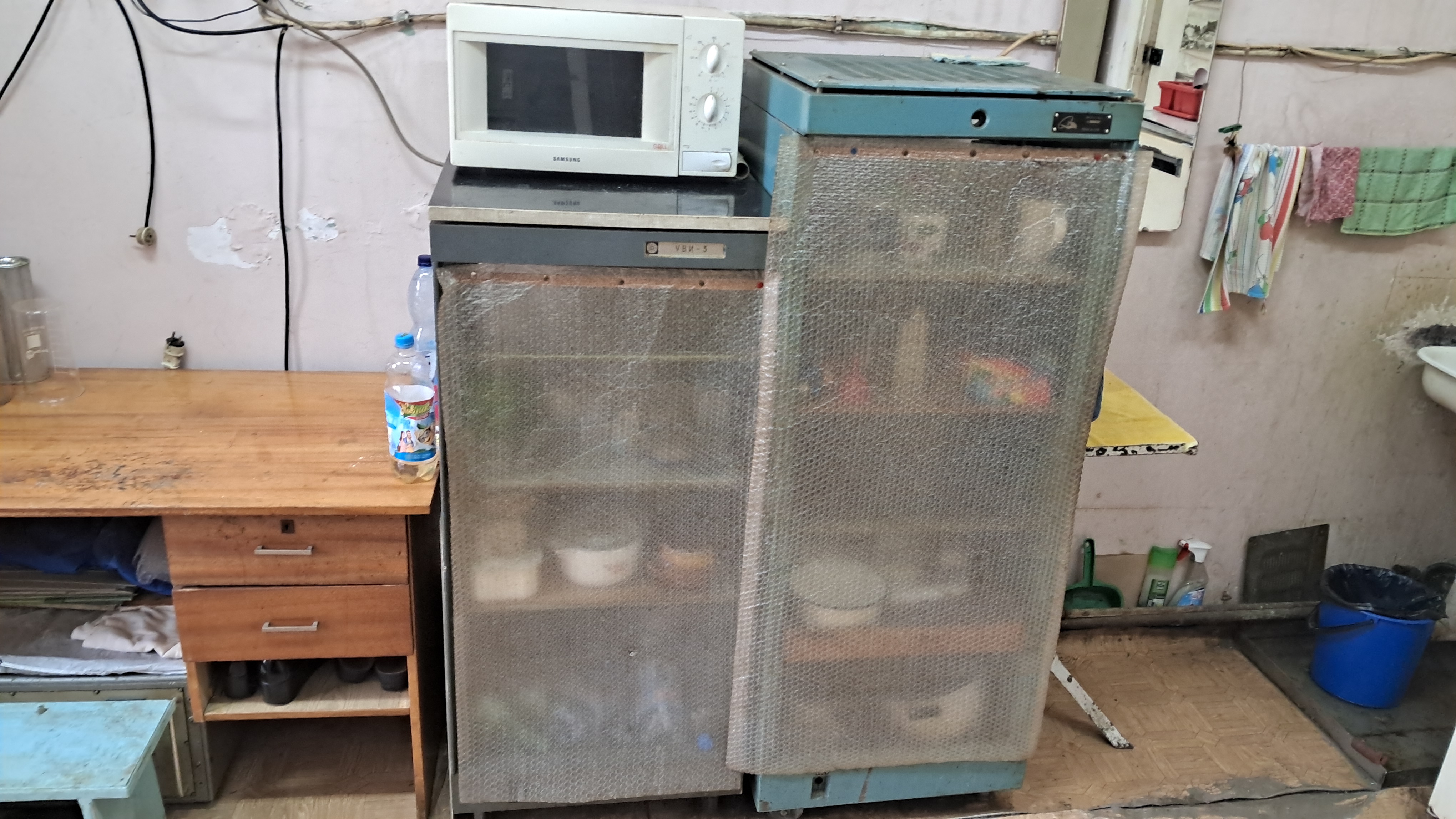
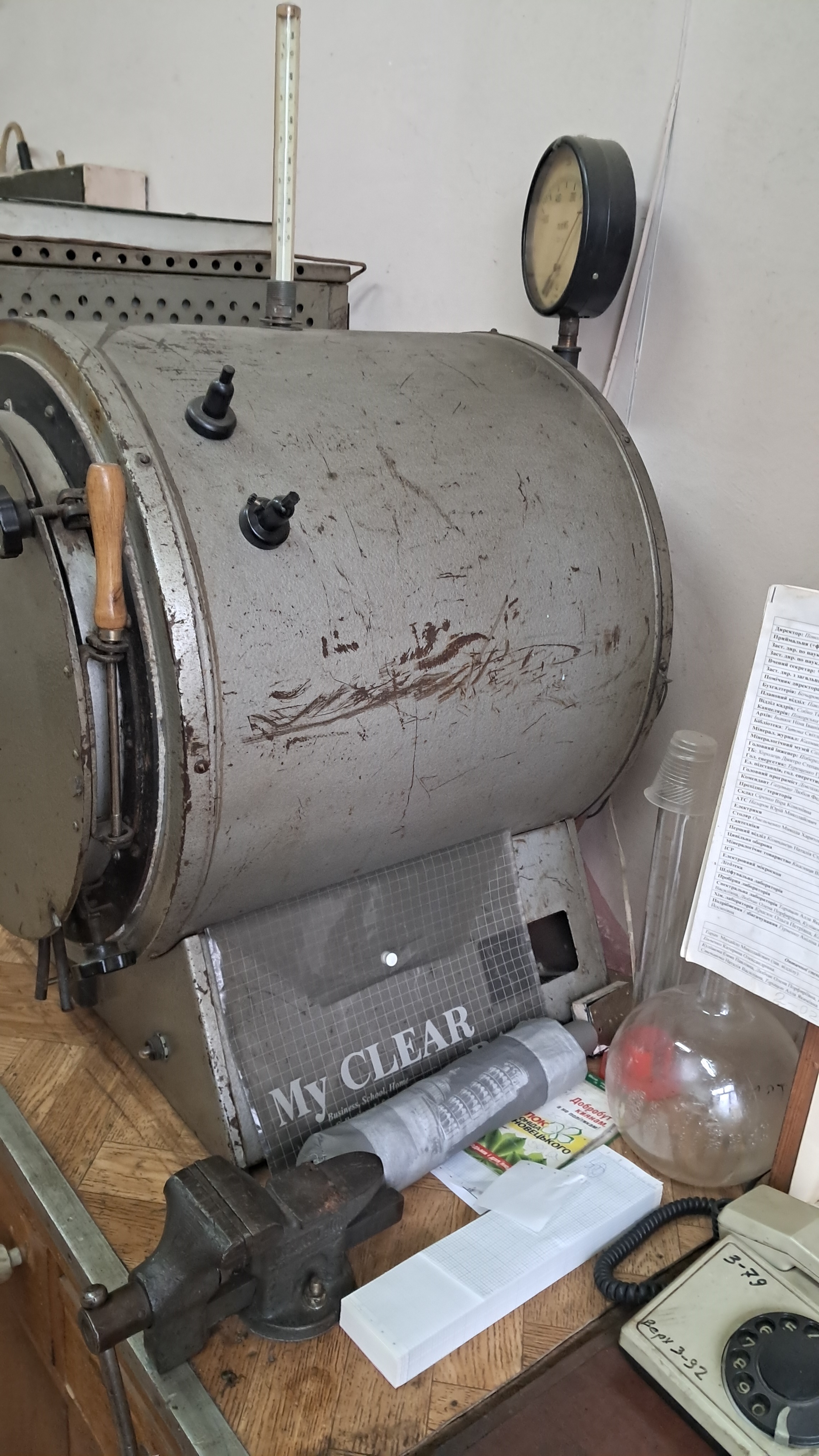
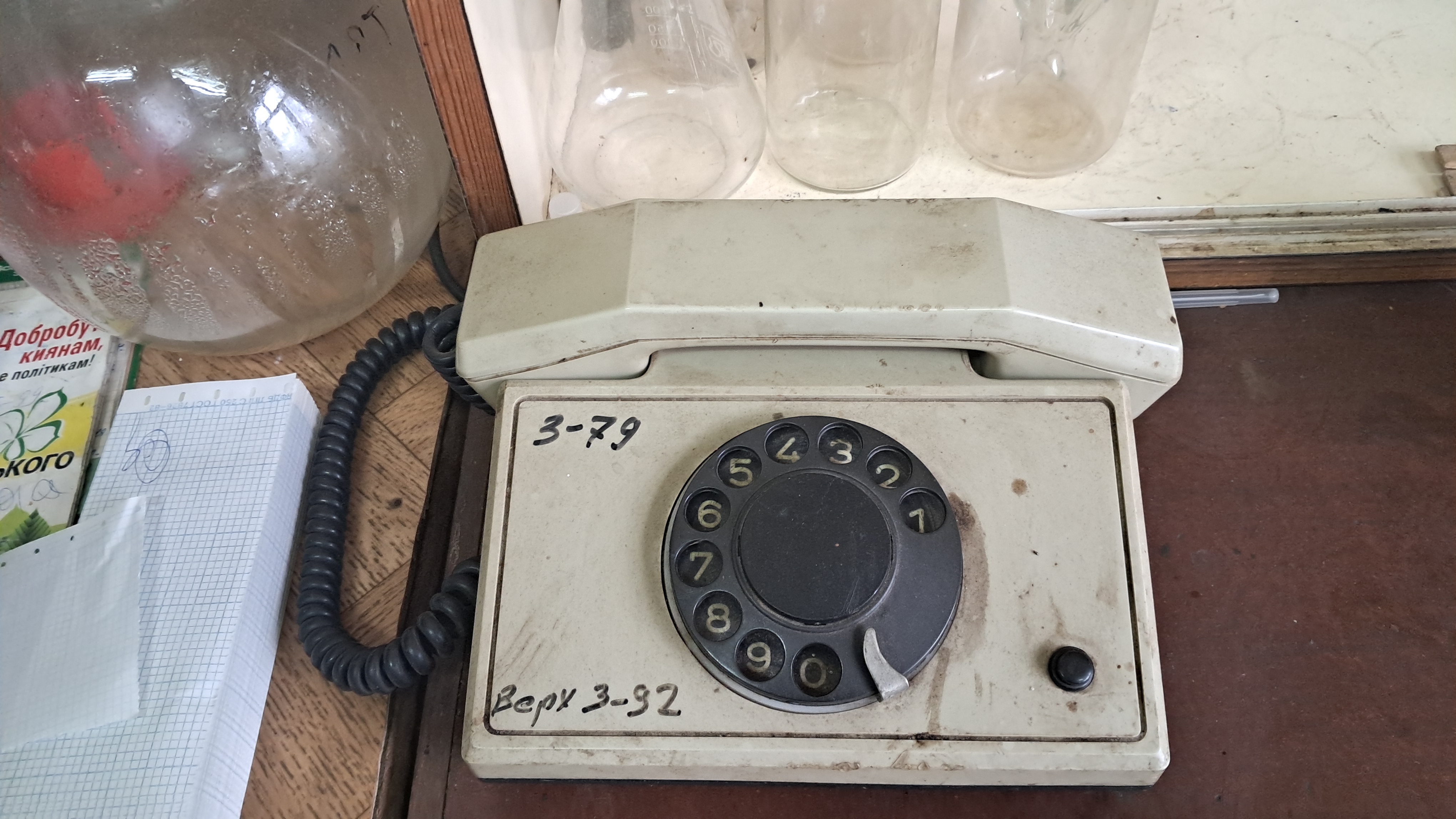
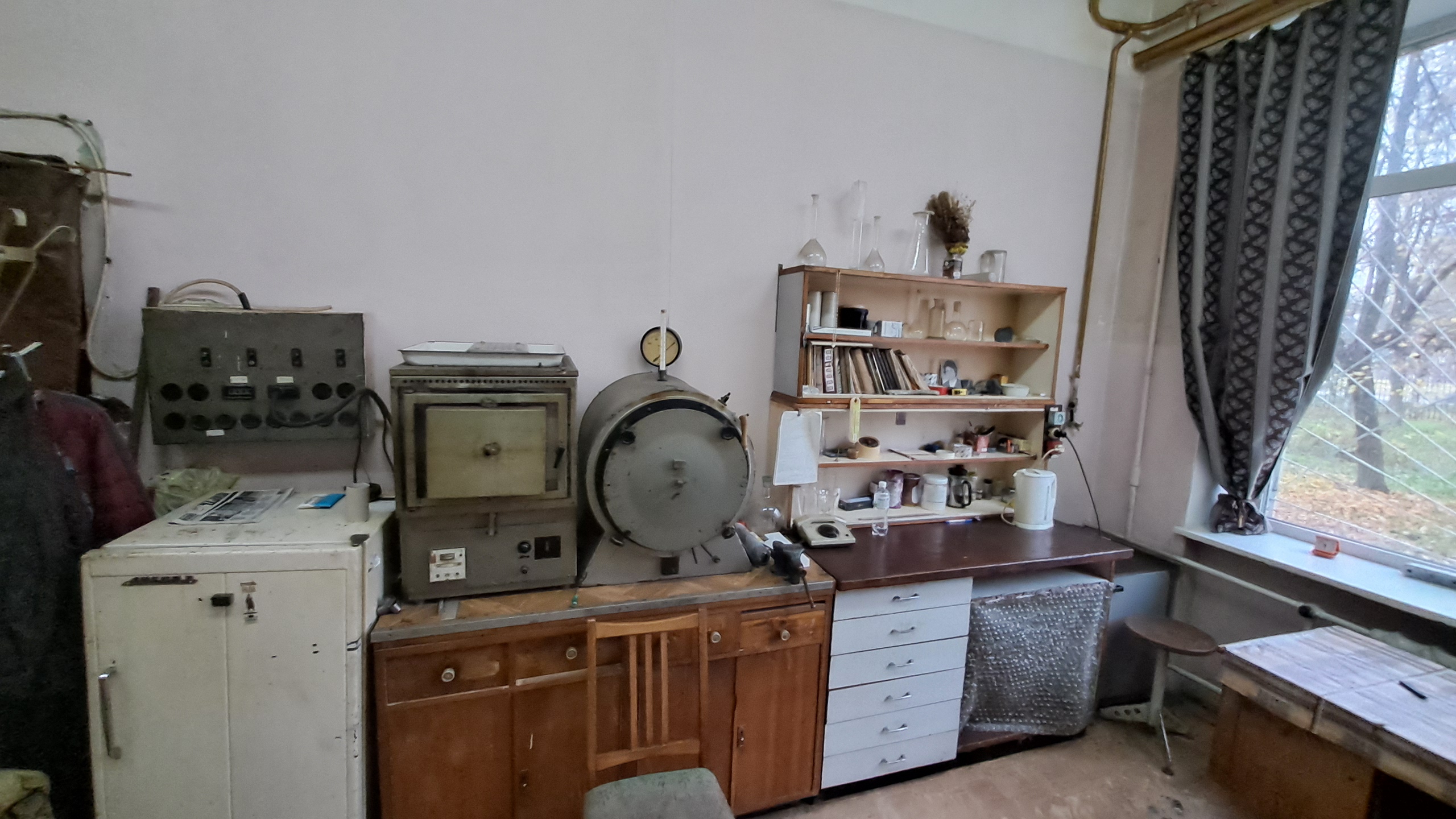
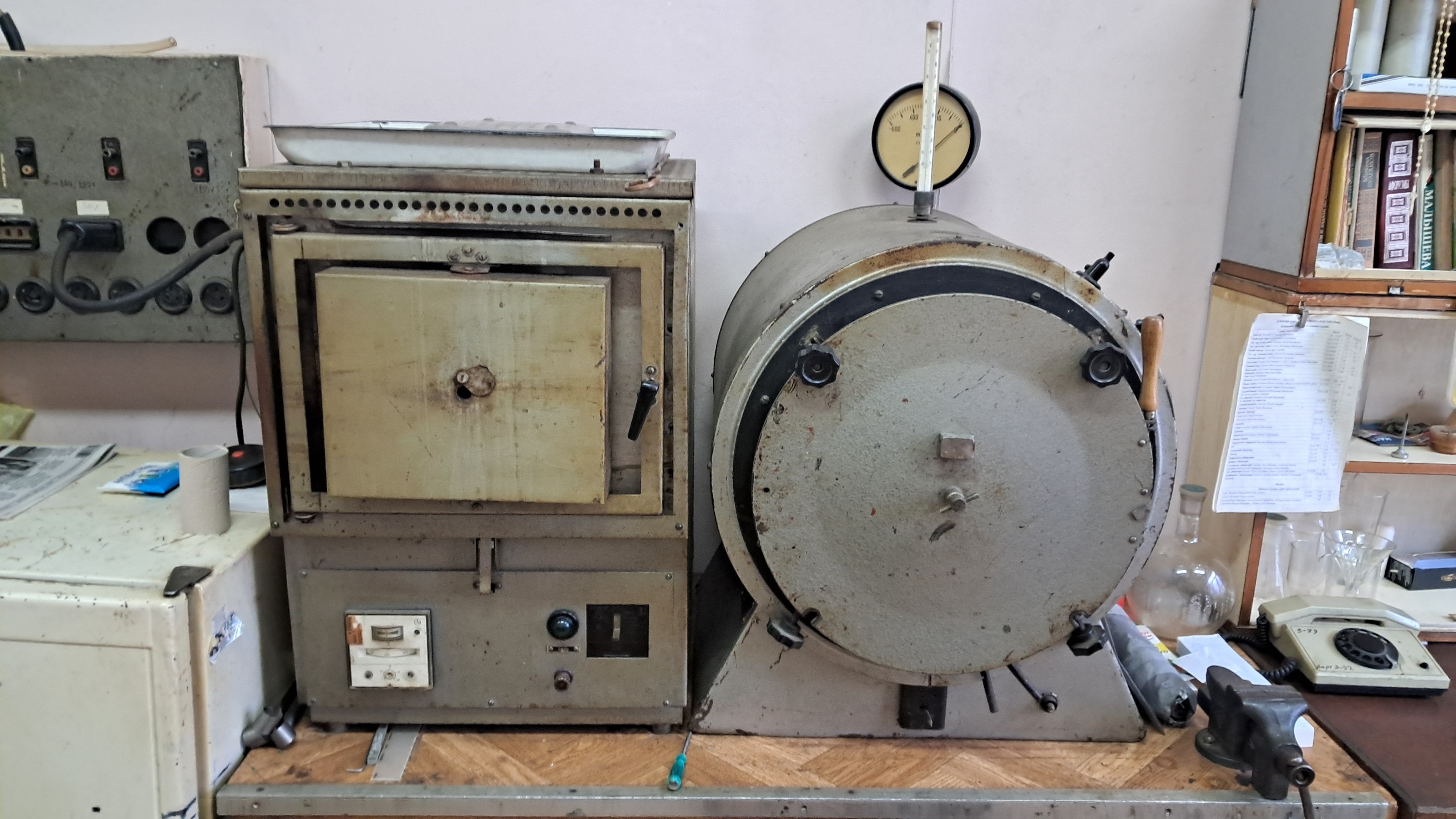
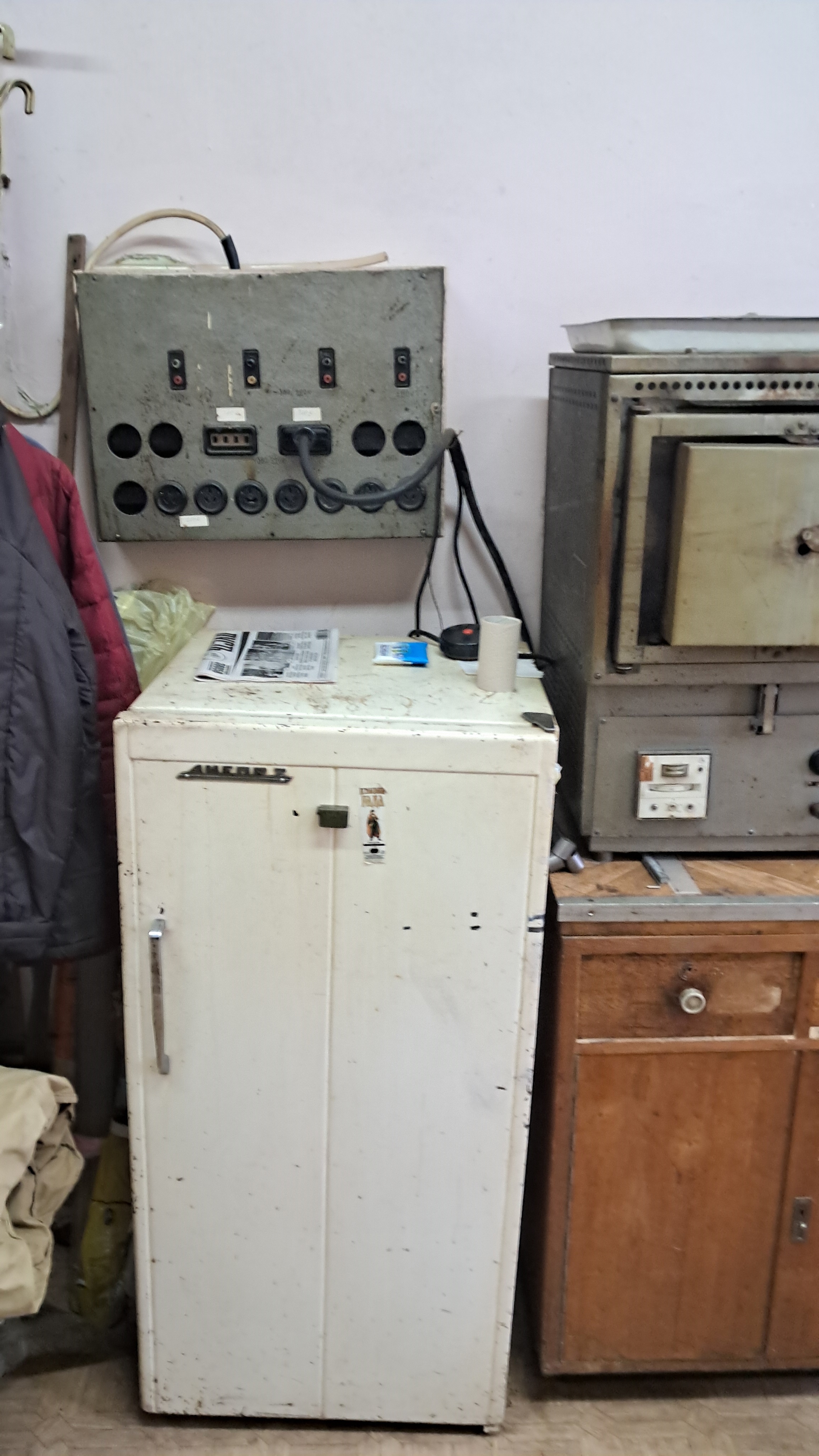
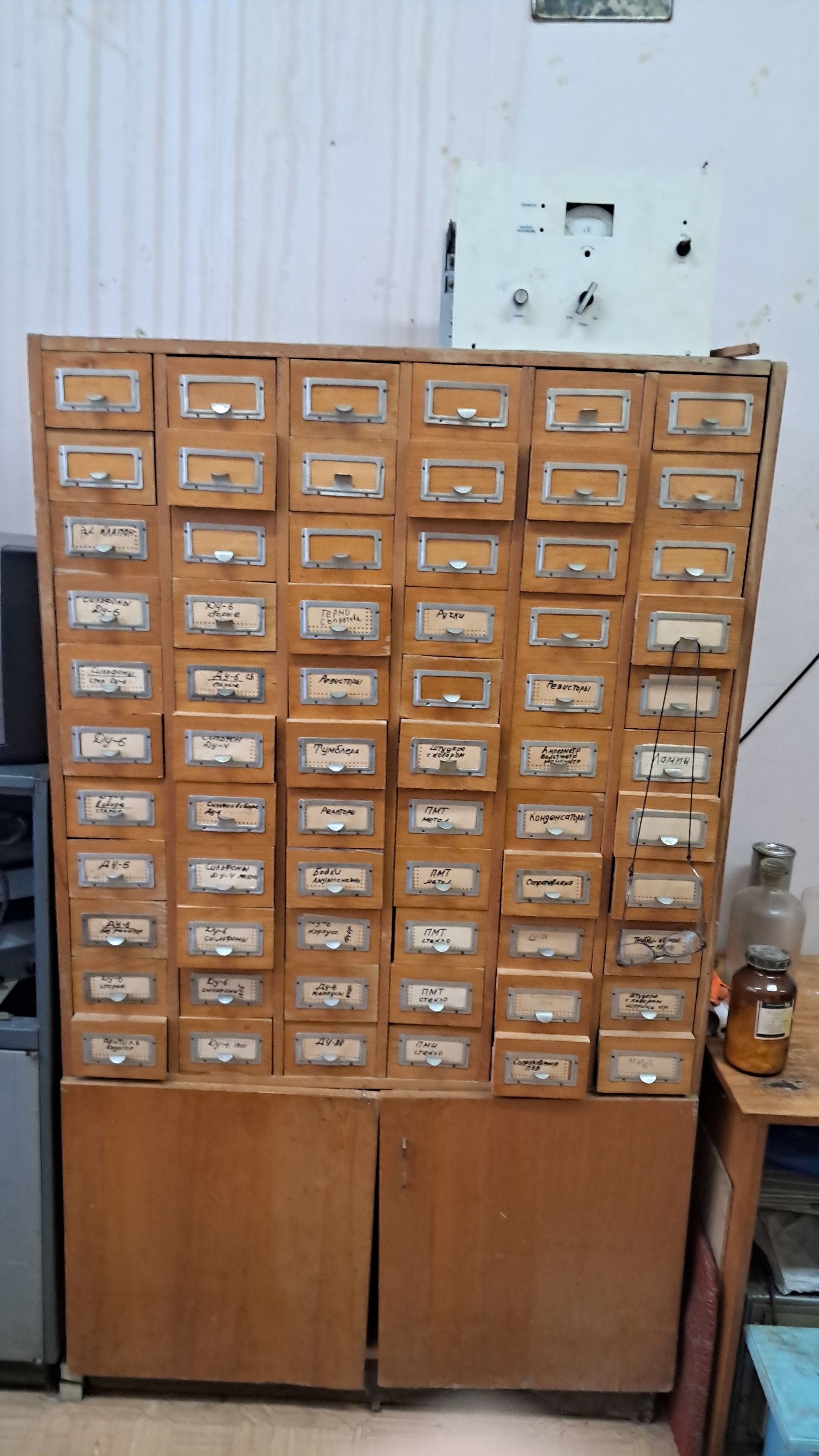
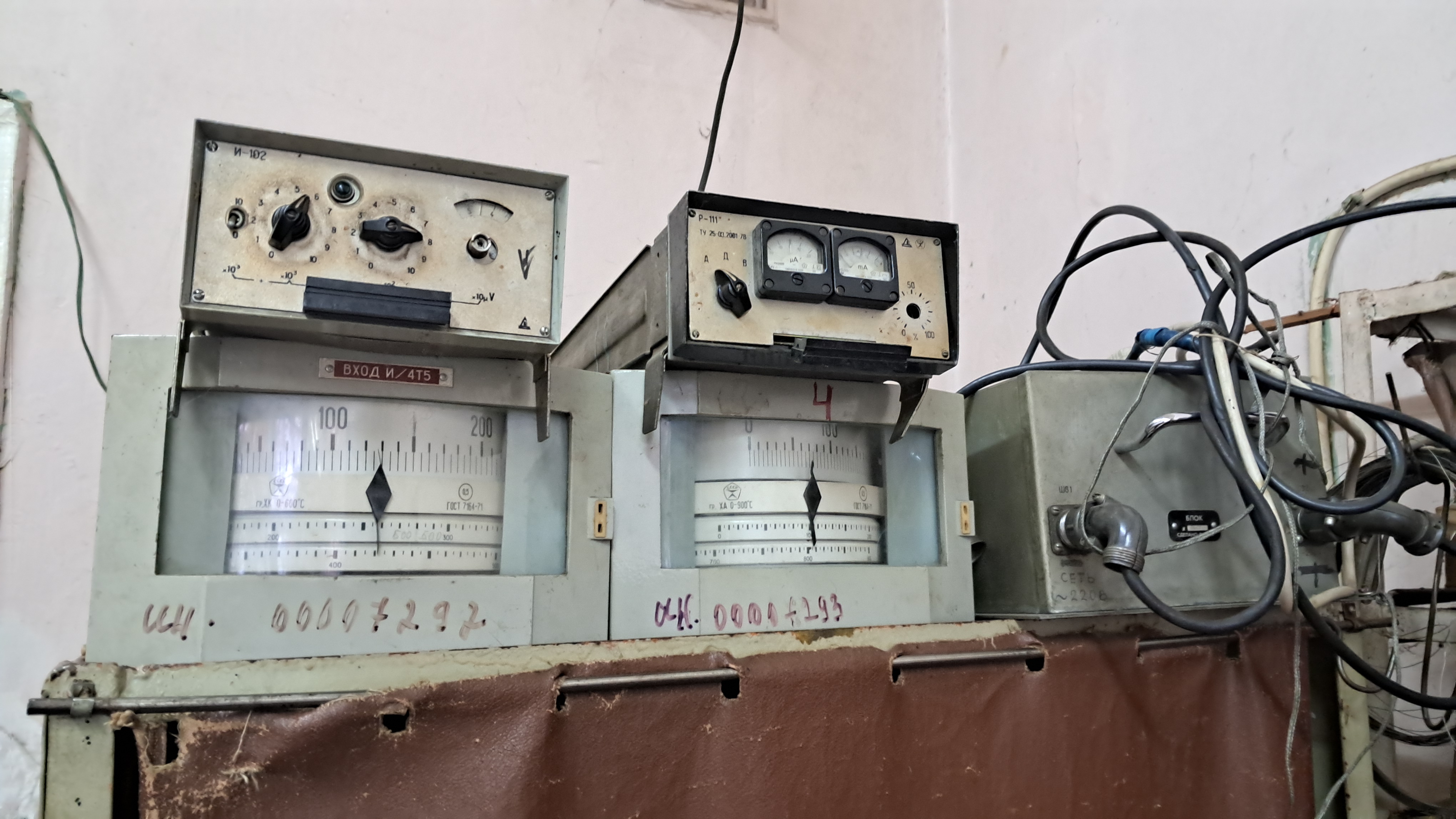
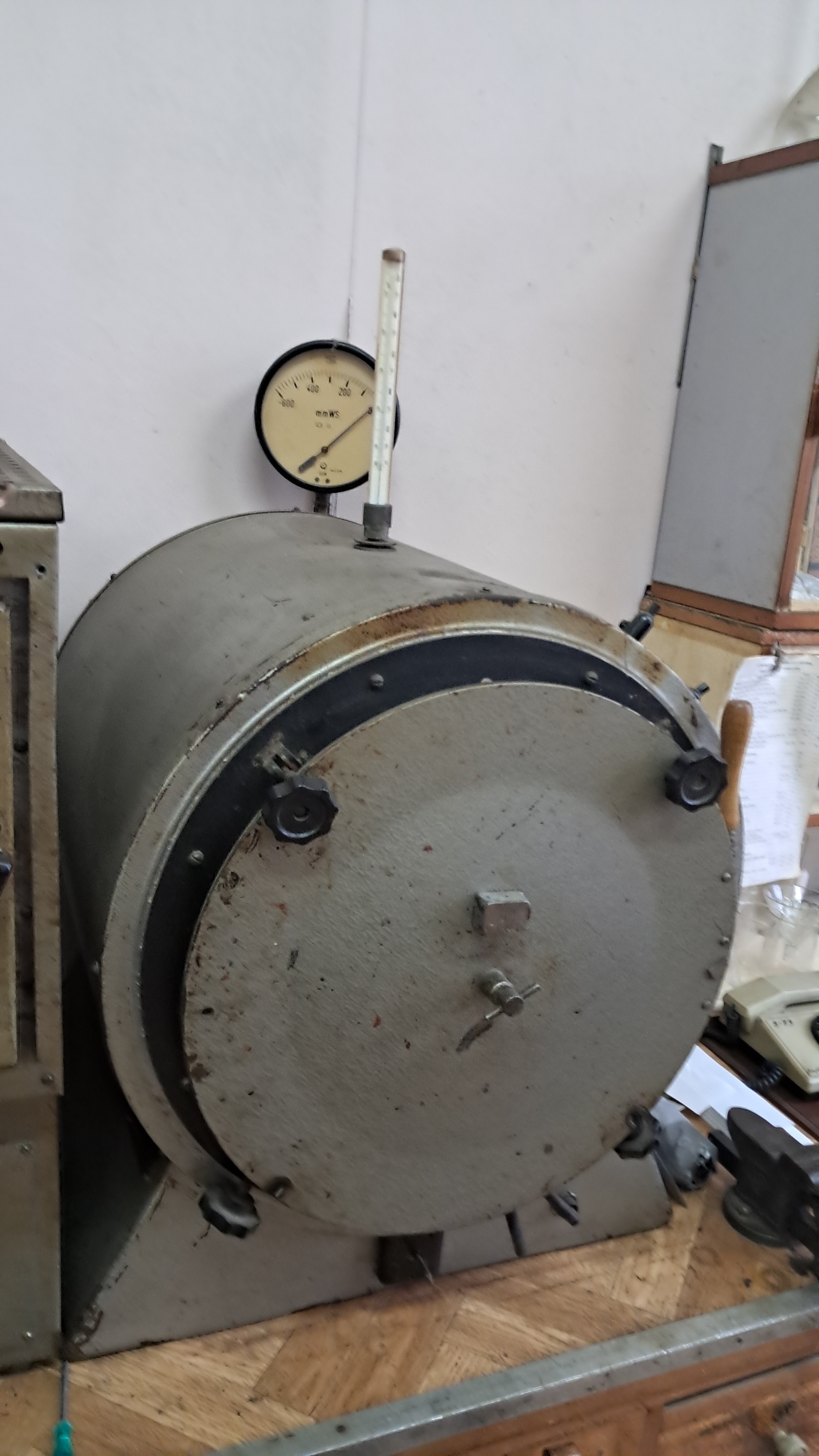
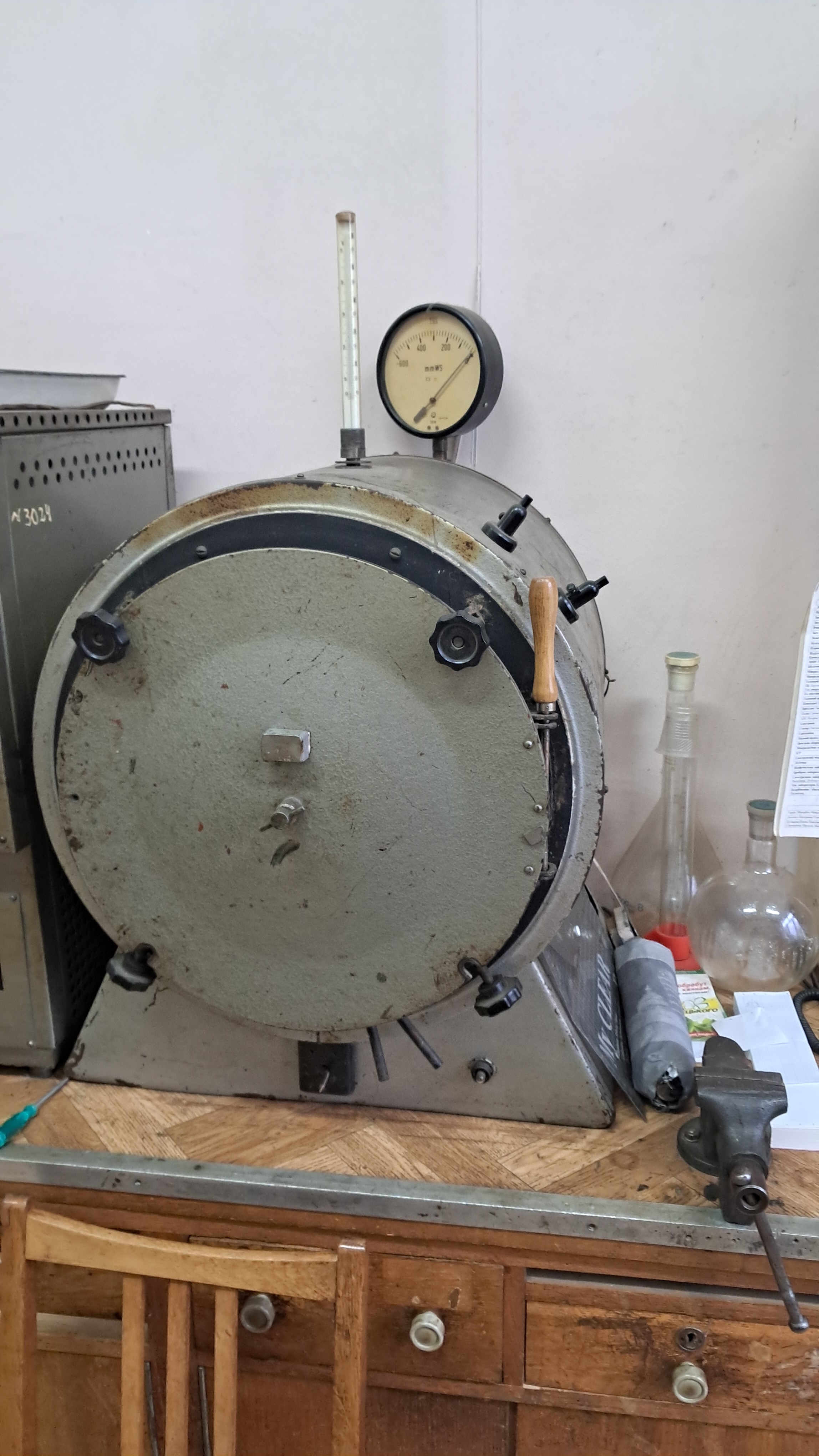
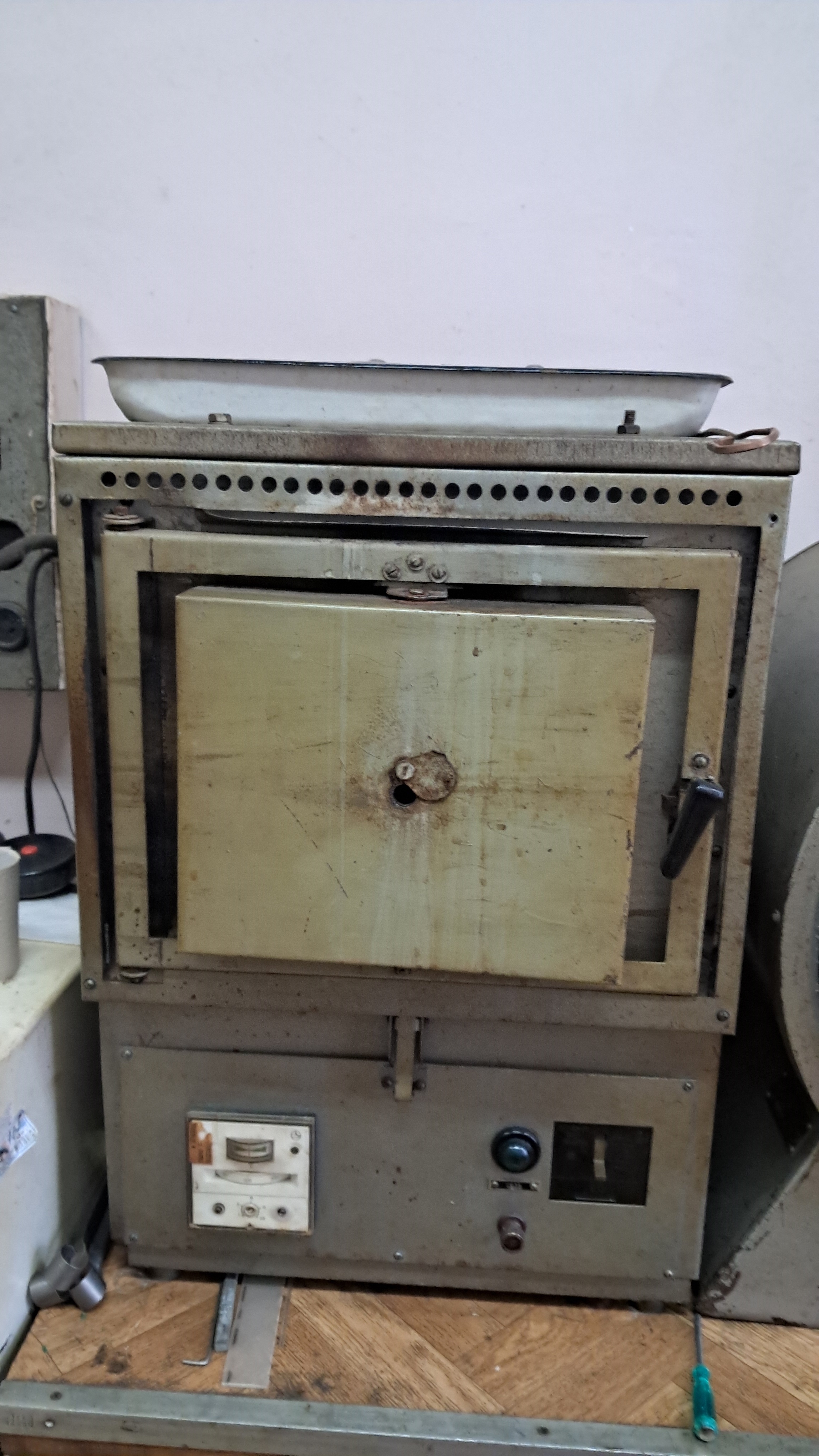
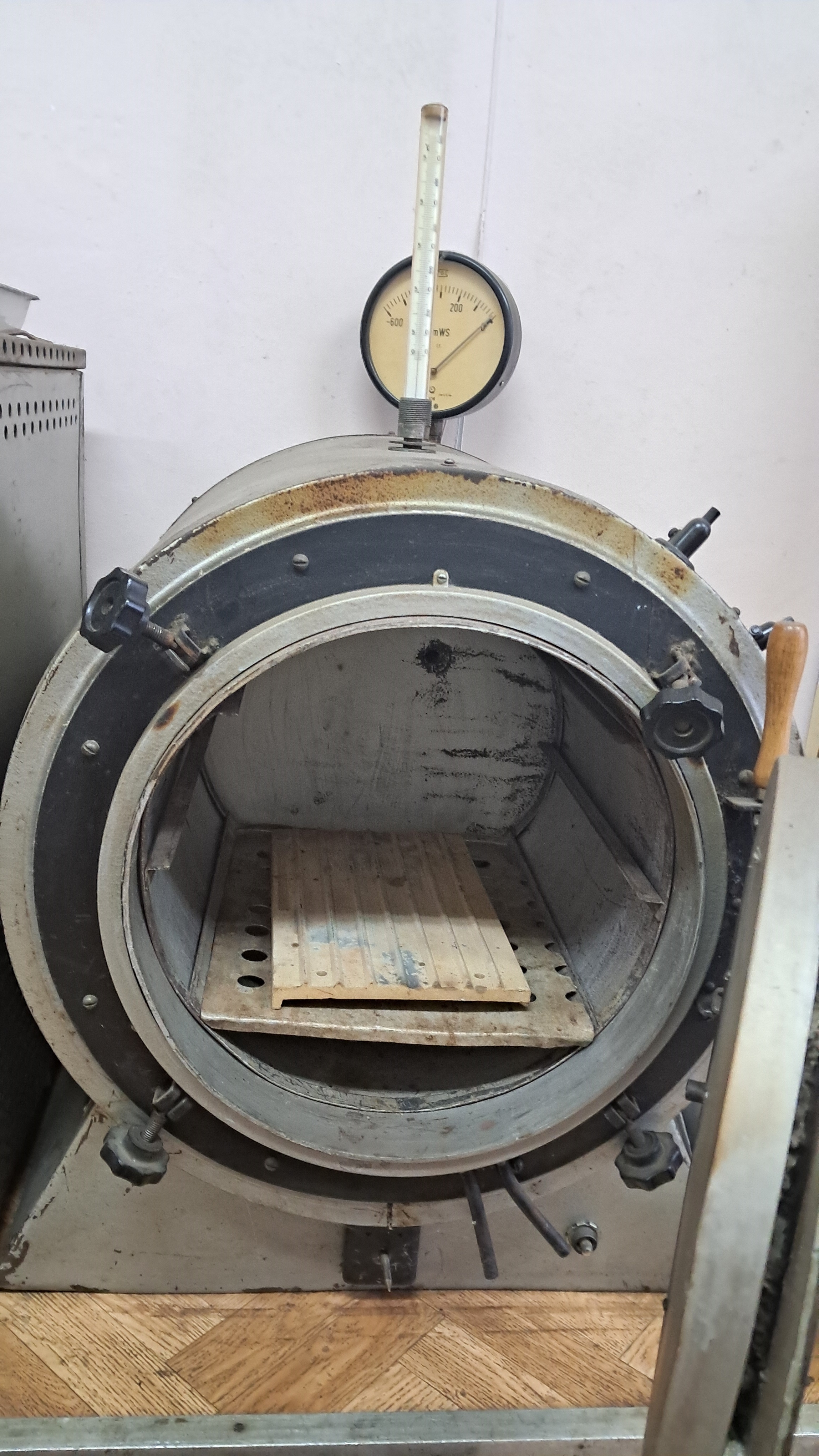
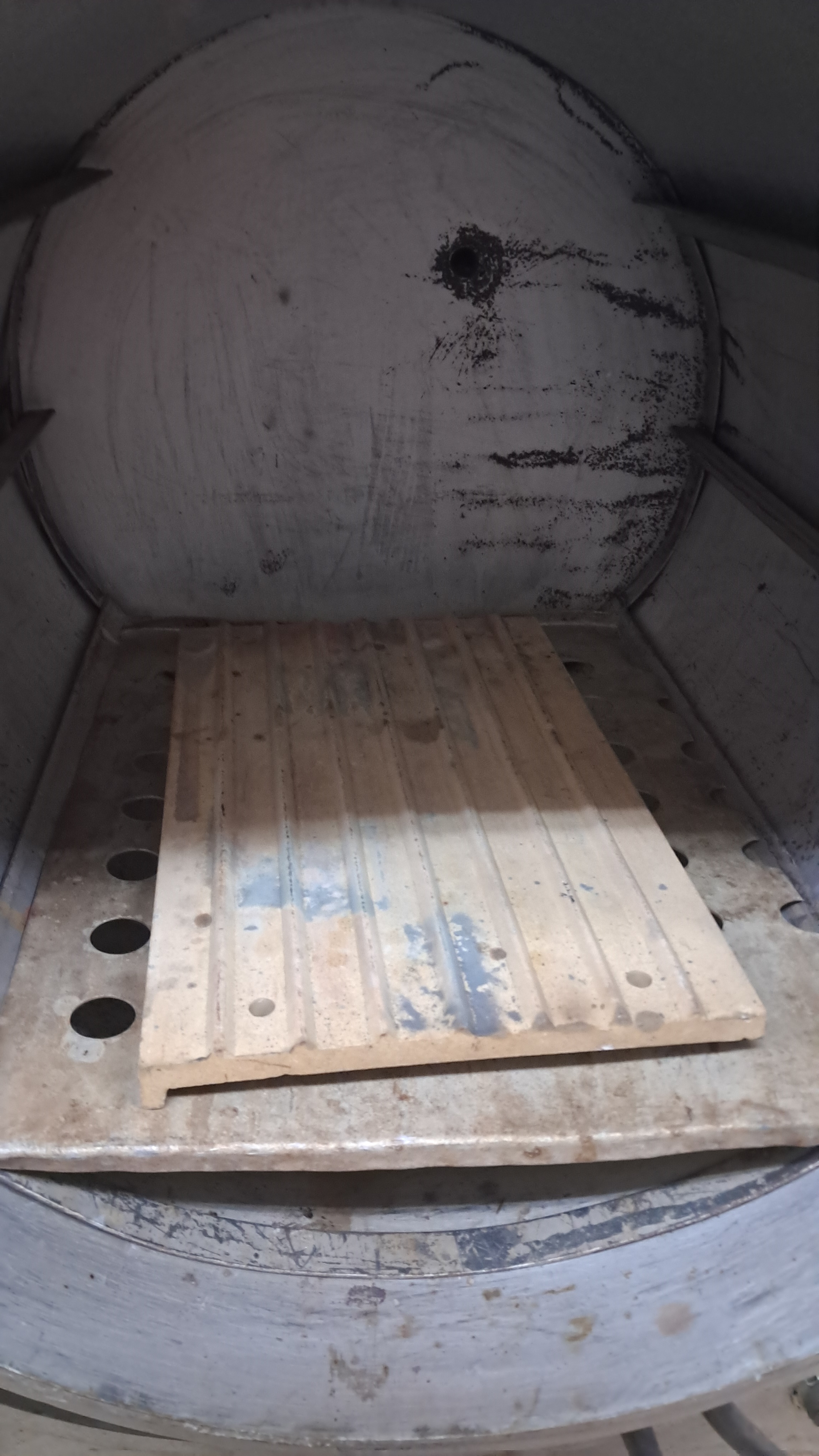
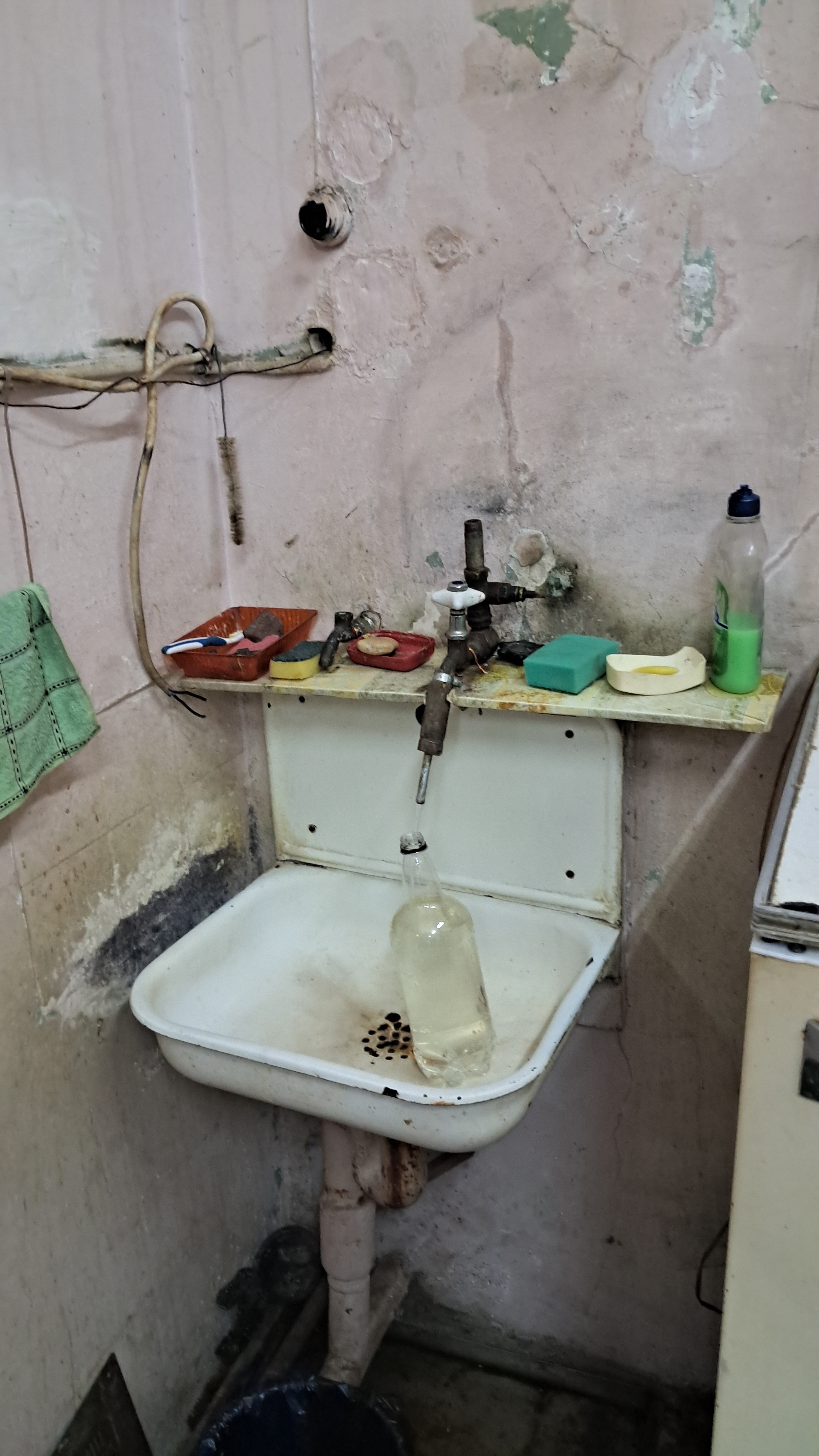
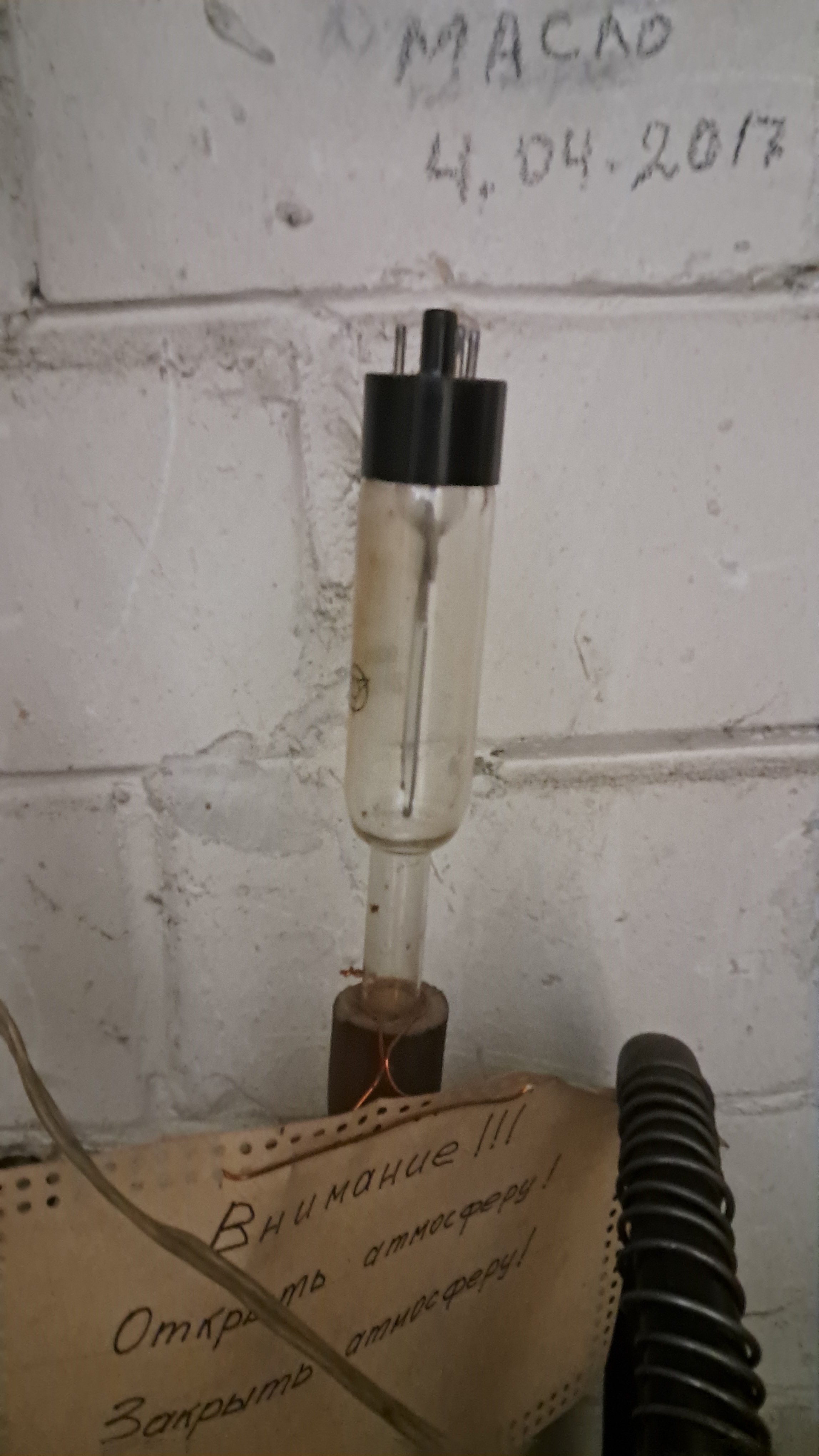
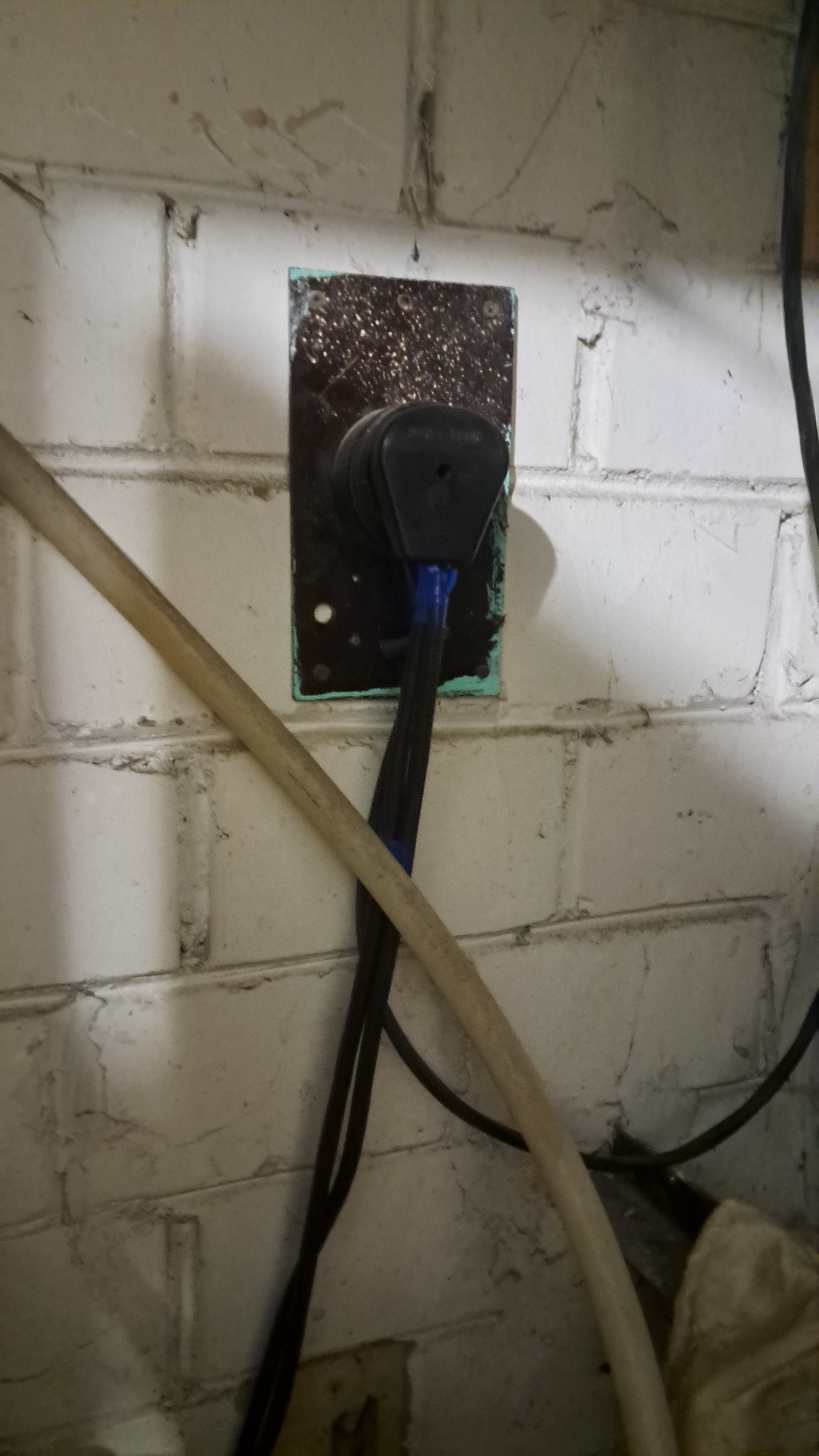
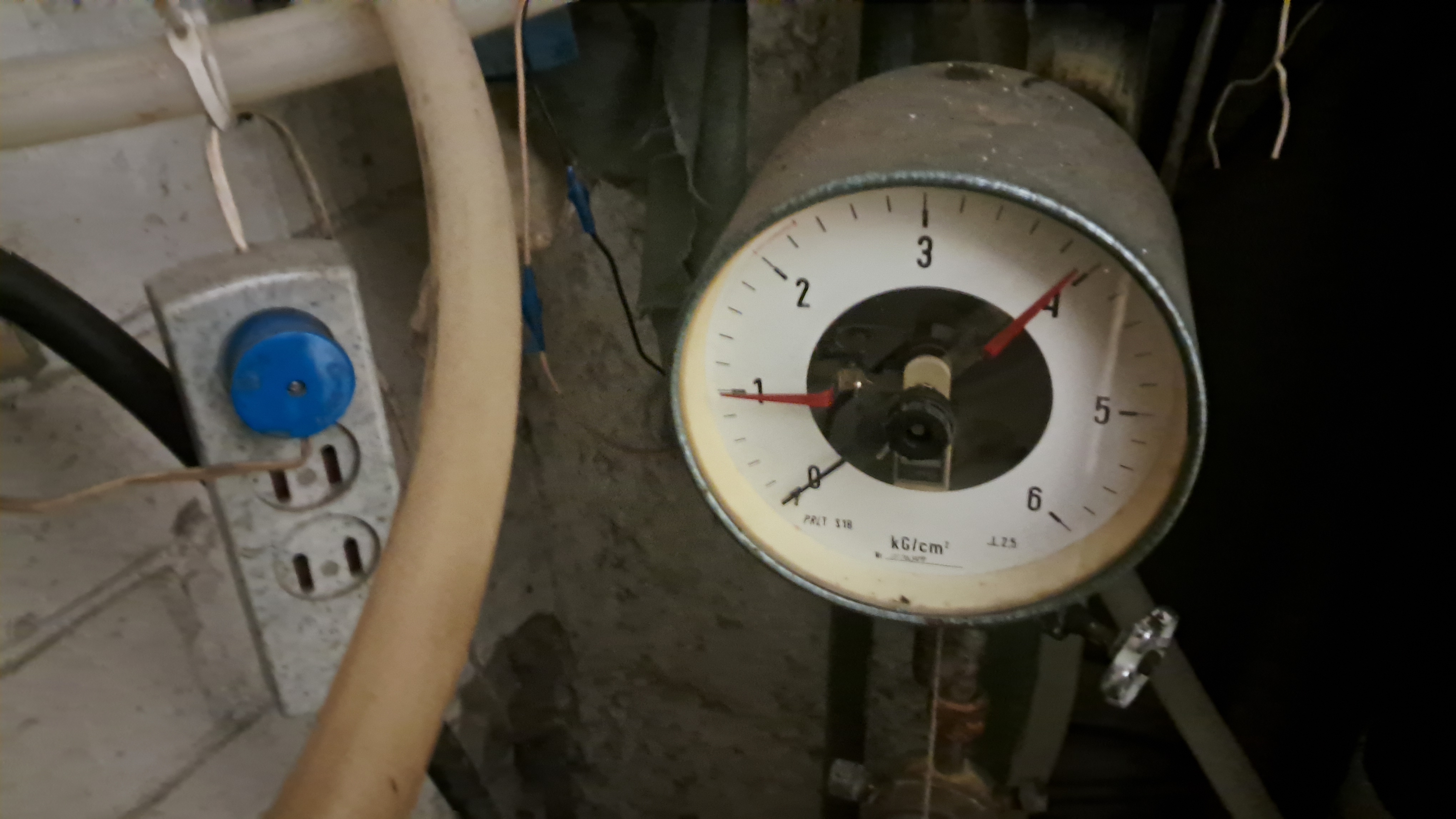
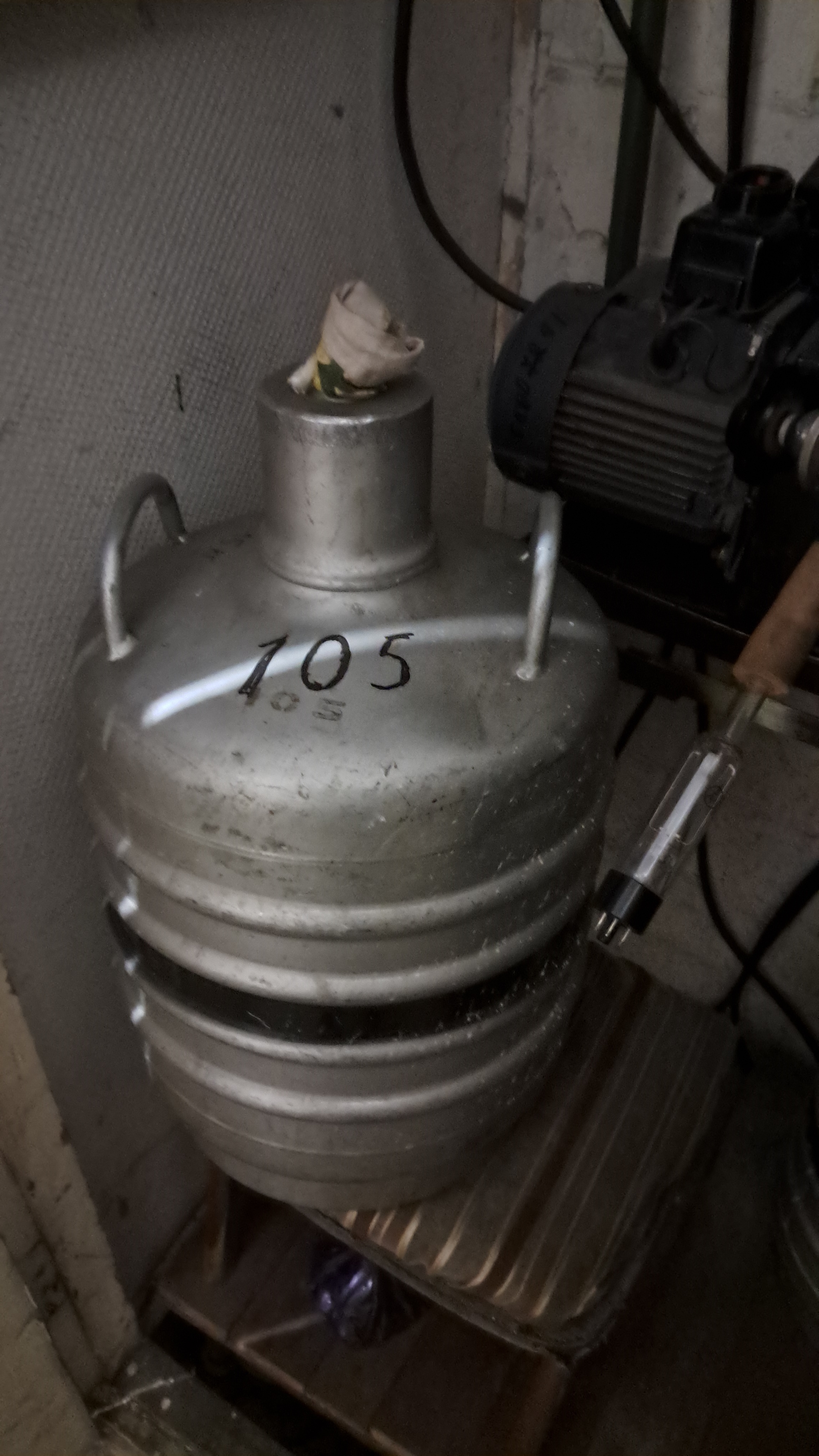
I will begin with a laboratory I visited recently: the Department of Radioactive Waste Issues at the Institute of Geochemistry. A staff member who has since passed away used to work here. Judging by the aging equipment and reagents, the laboratory has been inactive for a long time. Take the vacuum drying oven, for example: the pressure gauge bears the inscription "DDR," Deutsche Demokratische Republik (German Democratic Republic), indicating that it was manufactured in East Germany before German reunification. Today, the room is used for little more than making tea. Unlike many other defunct laboratories, however, this one is kept in good order.

I also recently visited several other inactive laboratories at this institute, including an abandoned spectral analysis laboratory. What I saw strongly reminded me of scenes from the game Fallout. The laboratory had used photographic plates to record spectral lines, and some of them were scattered all over the room, mixed in with samples, reference standards, instrument components, and laboratory glassware. Other photographic plates were still sitting on shelves, stored in their specialized boxes.

Nearby was a darkroom where the plates had been processed. It contained what remained of the chemical reagents: packages of photographic developer and fixer, along with the raw materials used to prepare them. Some of these photographic chemicals had also been spilled or scattered around the room.


Химические Лаборатории - Фотографии
Лаборатория Геохимии - Часть 1
В разных частях данной статьи приведены фотографии различных химических лабораторий, сделанные в разное время. Преимущественно это лаборатории исследовательских институтов Национальной академии наук Украины, но не только. Некоторые из этих лабораторий действующие, в некоторых уже давно никто не работает. По возможности я дам описание и приведу обстоятельства, которые сопутствовали этим фото. В частности, многие фото сделаны во время полномасштабного вторжения России в нашу страну, когда мой родной город каждый день подвергается атакам, постоянно гибнут люди. Много химиков и других ученых уехало из Украины, спасаясь от массовых убийств. Химики, которые остались, работают в условиях частого отключения электричества, ежедневных ракетных и дроновых атак и отсутствия отопления на рабочих местах.

Даже, если не учитывать войну, далеко не все обстоятельства были радужными, поэтому я не уверен, что статья выйдет увлекательной и мотивирующей, но такова наша реальность. Пока писал предыдущее предложение, у нас отключили электричество. К счастью, заряда аккумуляторов хватит на несколько часов. Не буду терять время. Приступим.

Начну с лаборатории, которую я недавно посетил. Геохимический институт, отдел проблем радиоактивных отходов. Раньше здесь работал сотрудник, который умер. Судя по старому оборудованию и реактивам, в лаборатории давно уже никто не работает. В частности, обратите внимание на вакуумный сушильный шкаф, на манометре которого есть надпись "DDR", что является аббревиатурой для Deutsche Demokratische Republik (Германская Демократическая Республика - ГДР). Этот прибор был изготовлен в Восточной Германии еще до воссоединения Германии. Теперь комната используется разве что для заваривания чая. В отличие от многих других неработающих лабораторий, эта содержится в порядке.

Недавно мне пришлось побывать в некоторых других неработающих лабораториях этого института, в частности, в заброшенной лаборатории спектрального анализа. Увиденное очень напоминало сцены из игры Fallout. Лаборатория использовала для регистрации спектральных линий фотопластинки, часть которых была разбросана по всему помещению вместе с образами, стандартами, деталями приборов и химической посудой. Часть фотопластинок все еще хранилась на полках в специальных коробках.

Рядом располагалась комната обработки фотопластинок вместе с остатками реактивов. Там хранились упаковки с проявителем и закрепителем, а также компоненты для их приготовления. Часть фотографических реактивов также была разбросана и рассыпана.


Geochemistry Laboratory

Geochemistry Laboratory

Geochemistry Laboratory

Geochemistry Laboratory

Geochemistry Laboratory

Geochemistry Laboratory

Geochemistry Laboratory

Geochemistry Laboratory

Geochemistry Laboratory

Geochemistry Laboratory

Geochemistry Laboratory

Geochemistry Laboratory

Geochemistry Laboratory

Geochemistry Laboratory

Geochemistry Laboratory

Geochemistry Laboratory

Geochemistry Laboratory

Geochemistry Laboratory

Geochemistry Laboratory

Geochemistry Laboratory

Geochemistry Laboratory

Geochemistry Laboratory

Geochemistry Laboratory

Geochemistry Laboratory

Geochemistry Laboratory

Geochemistry Laboratory

Geochemistry Laboratory

Geochemistry Laboratory

Geochemistry Laboratory

Geochemistry Laboratory

Geochemistry Laboratory

Geochemistry Laboratory

Geochemistry Laboratory

Geochemistry Laboratory

Geochemistry Laboratory

Geochemistry Laboratory

Geochemistry Laboratory

Geochemistry Laboratory

Geochemistry Laboratory

Geochemistry Laboratory

Geochemistry Laboratory

Geochemistry Laboratory

Geochemistry Laboratory

Geochemistry Laboratory

Geochemistry Laboratory

Geochemistry Laboratory

Geochemistry Laboratory

Geochemistry Laboratory

Geochemistry Laboratory

Geochemistry Laboratory

Geochemistry Laboratory


Having noticed a mistake in the text, allocate it and press Ctrl-Enter


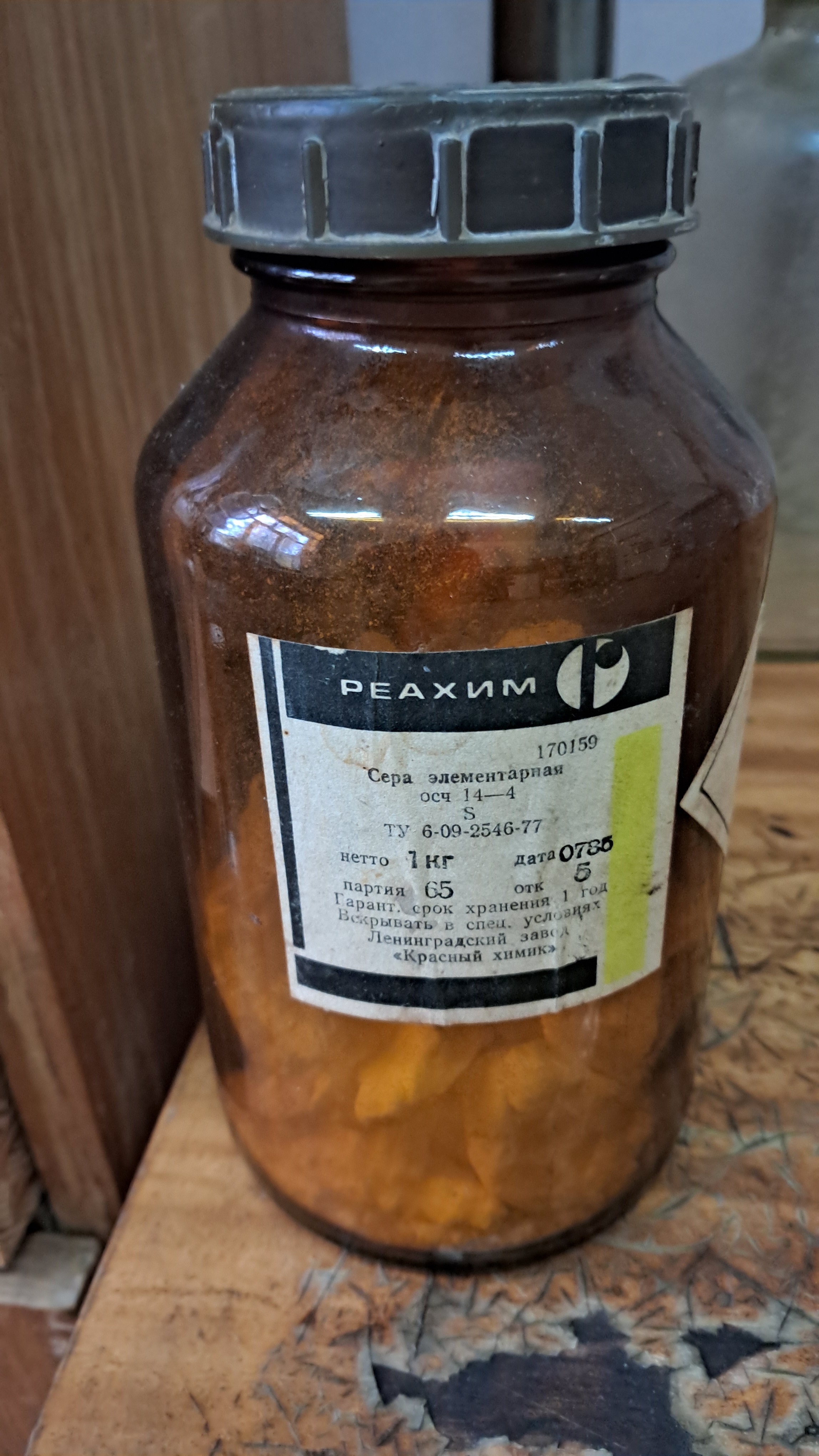
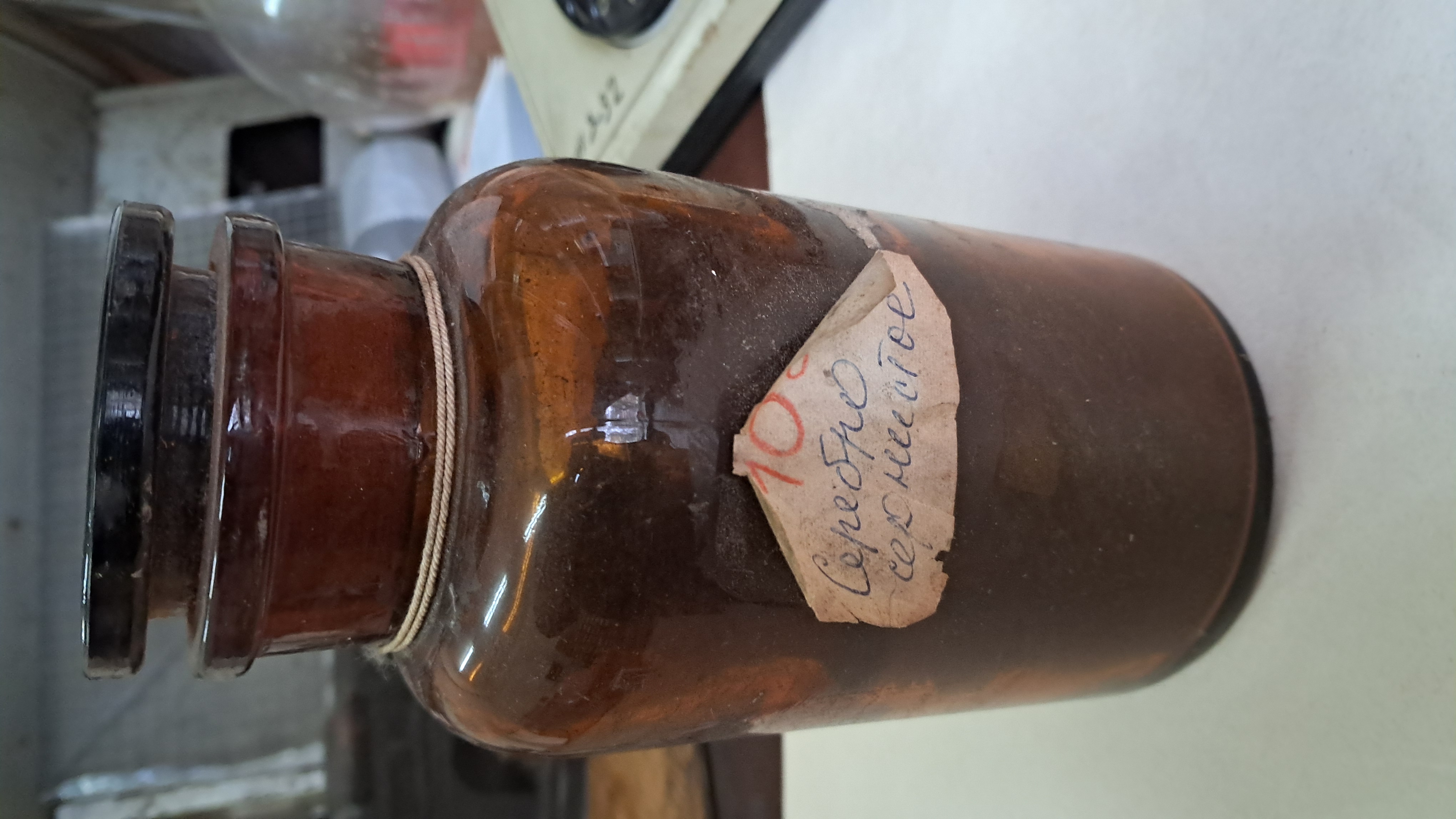
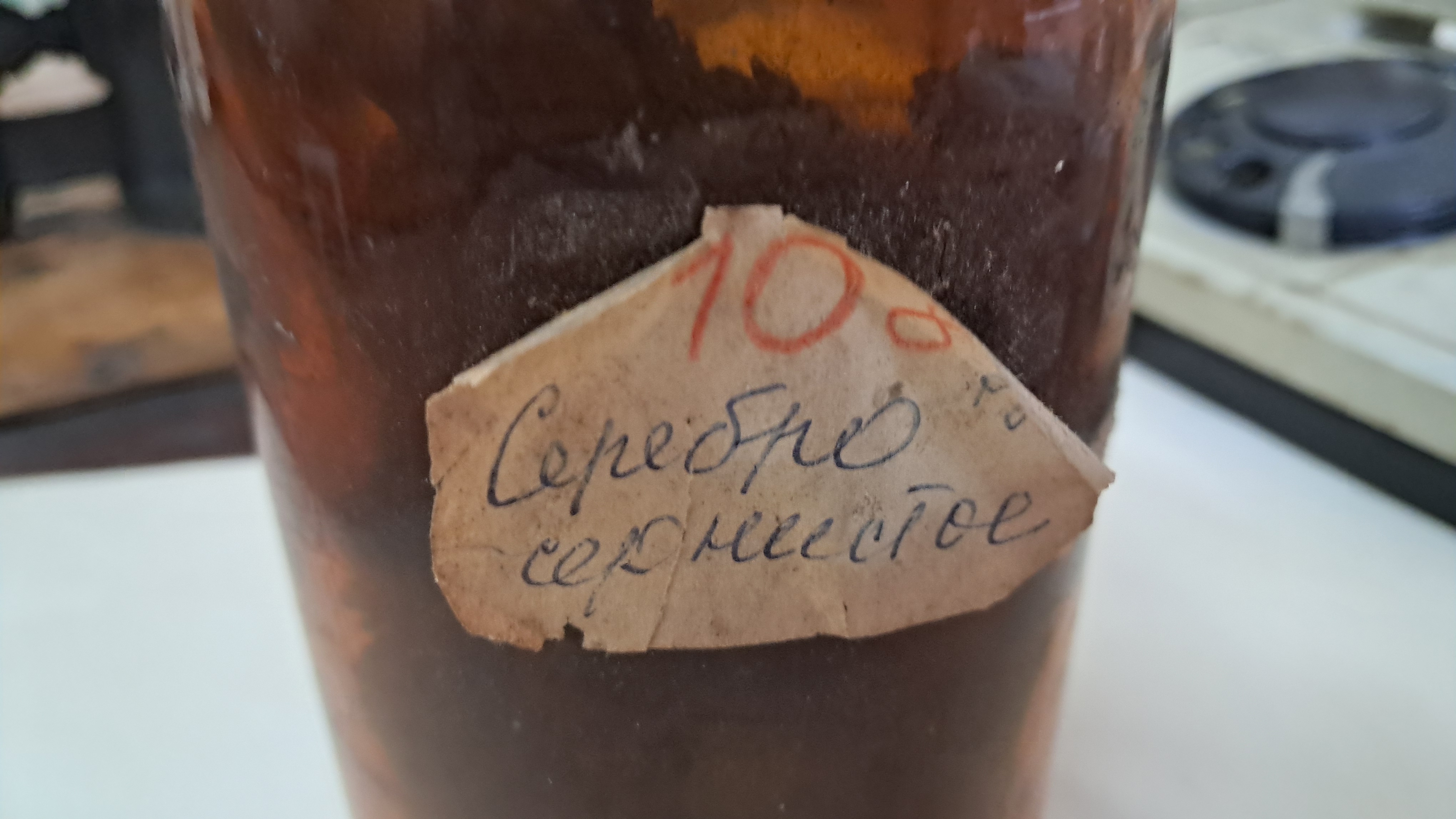
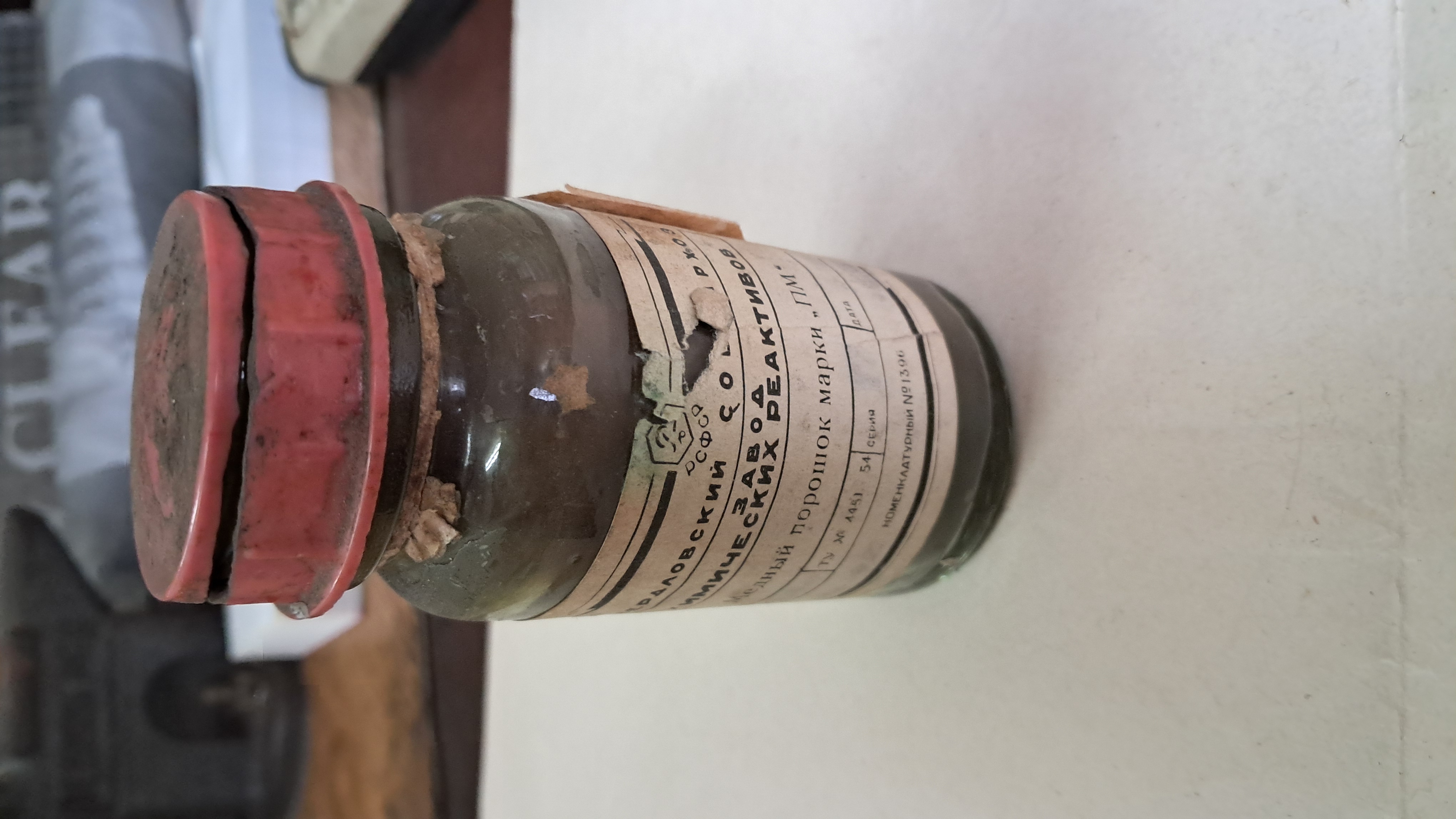
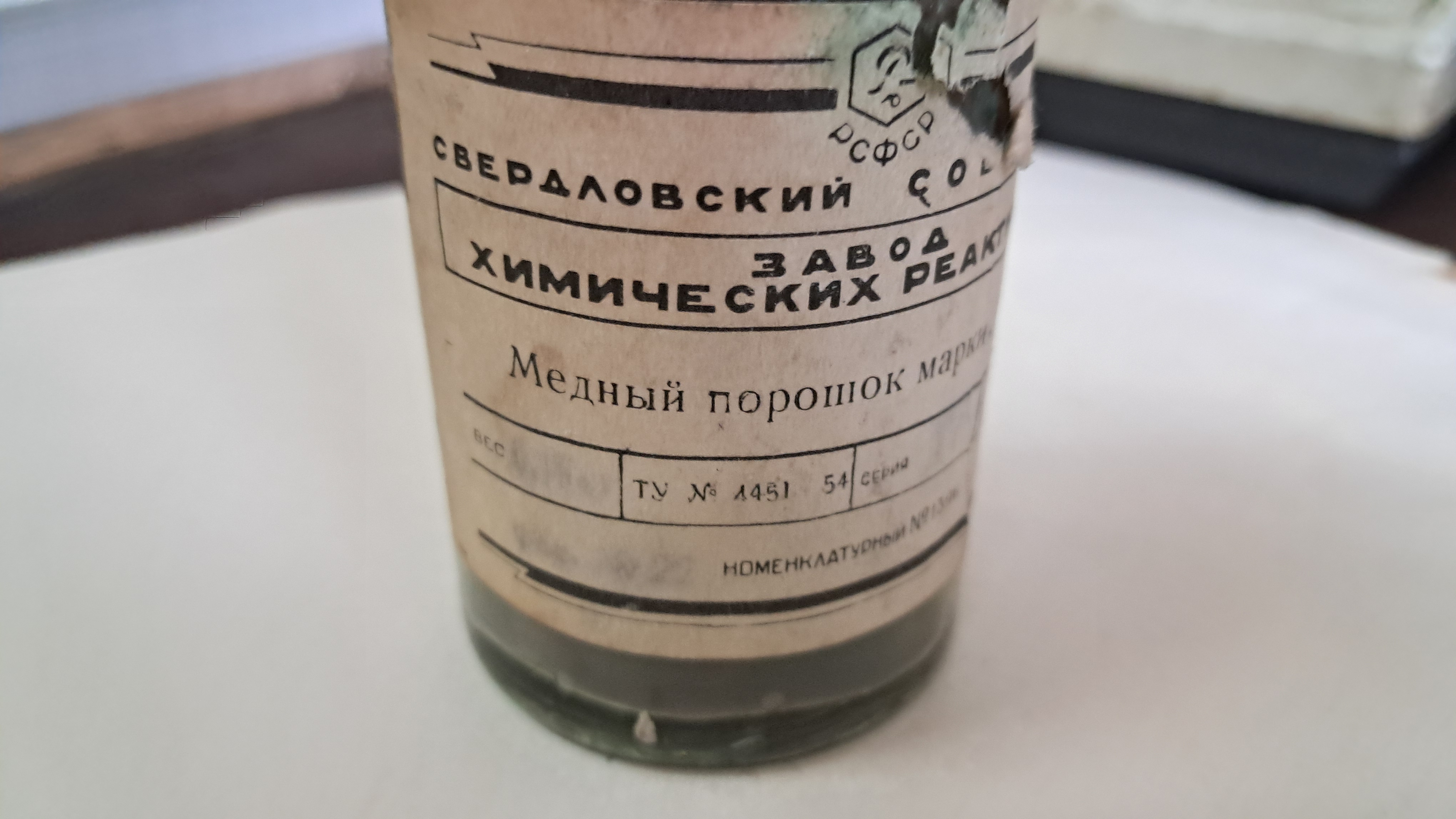
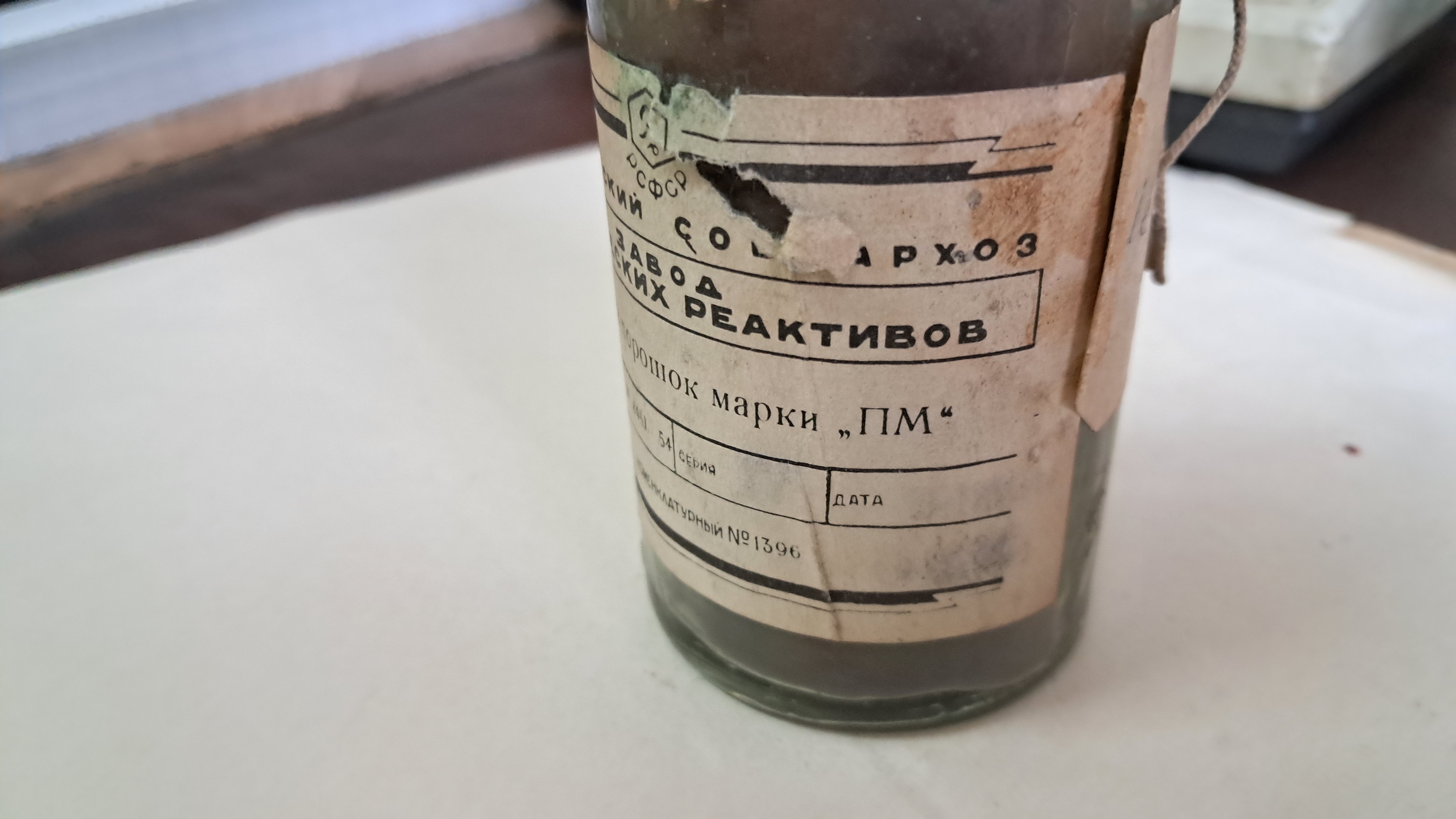
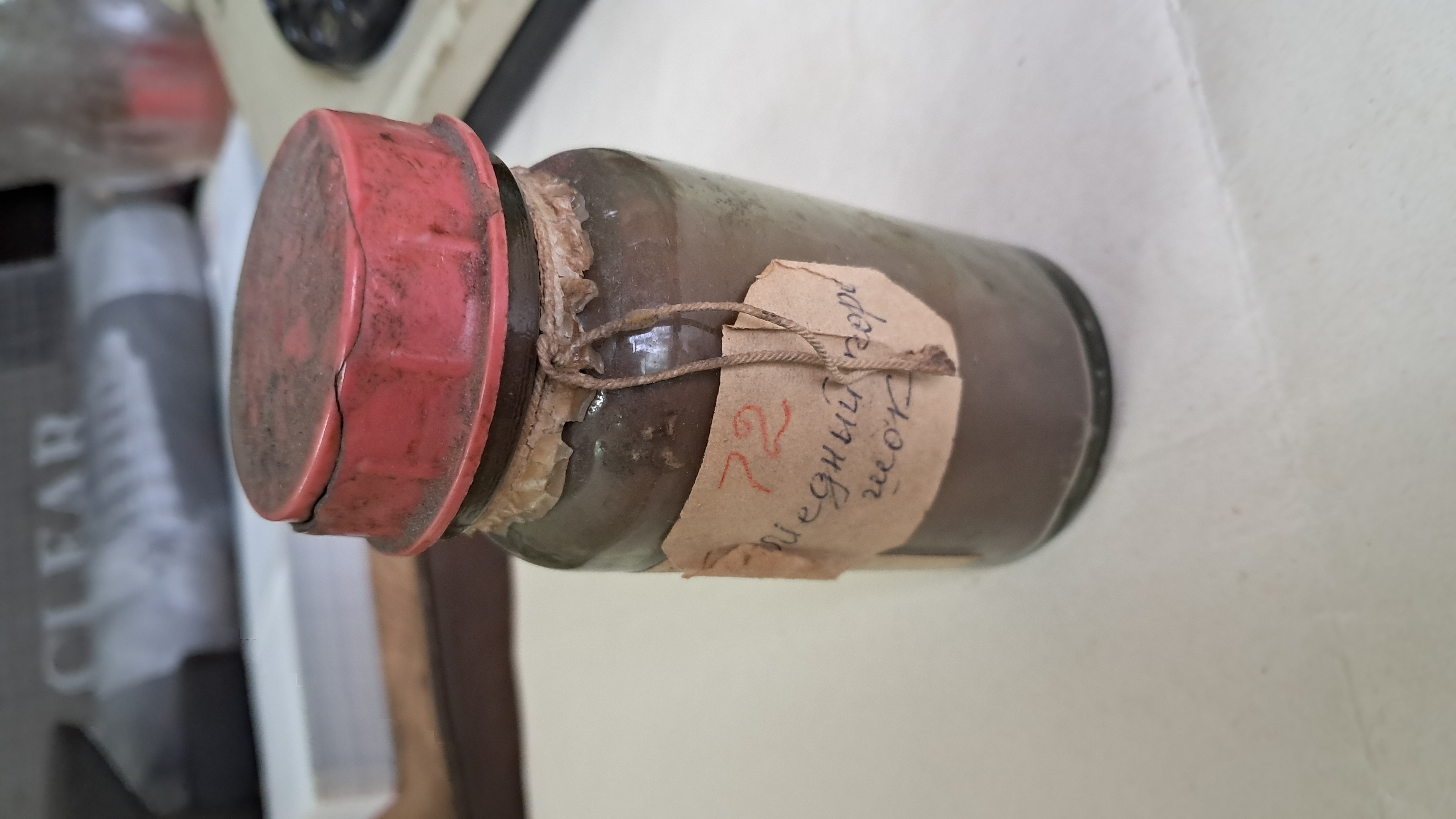
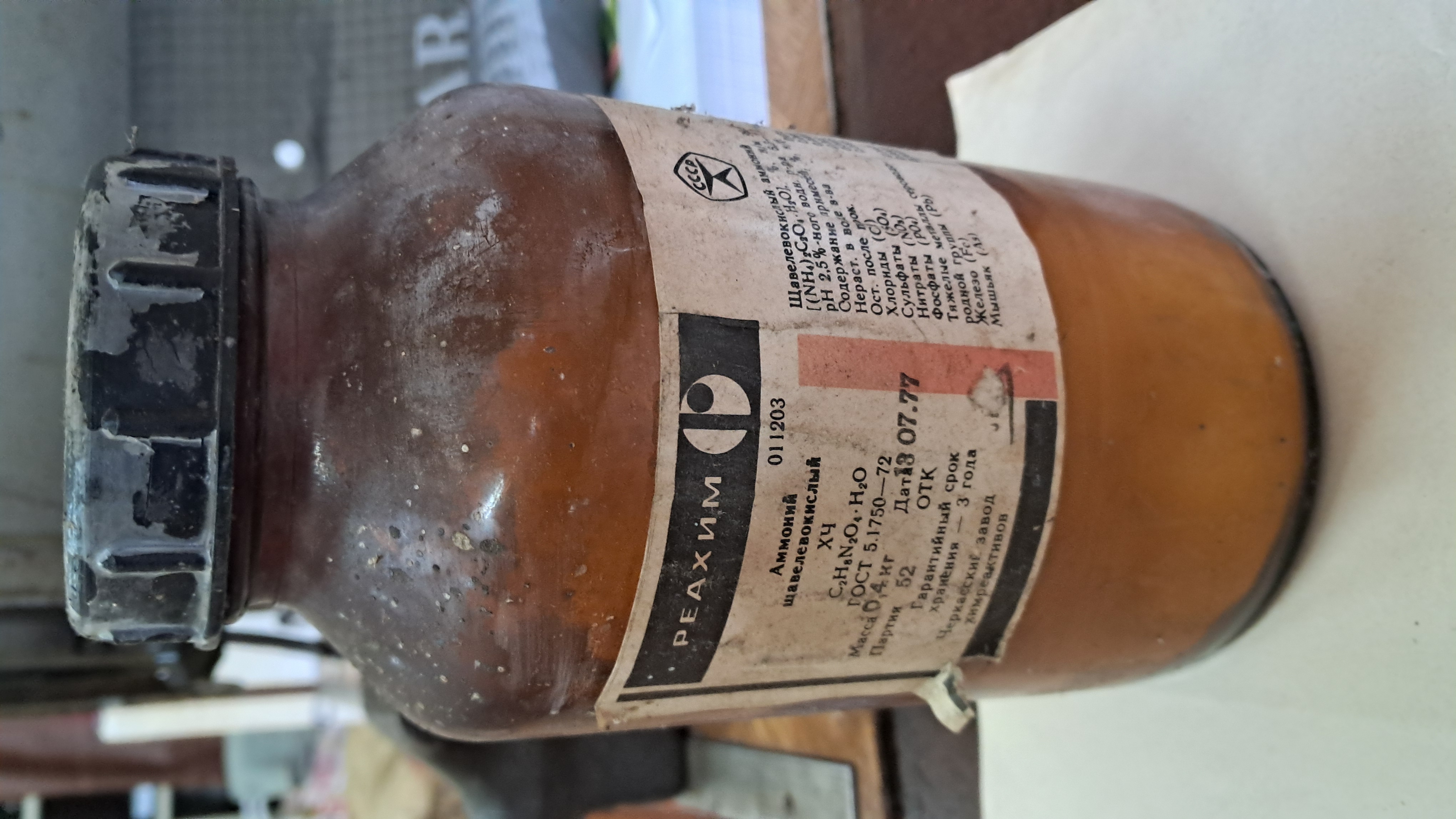
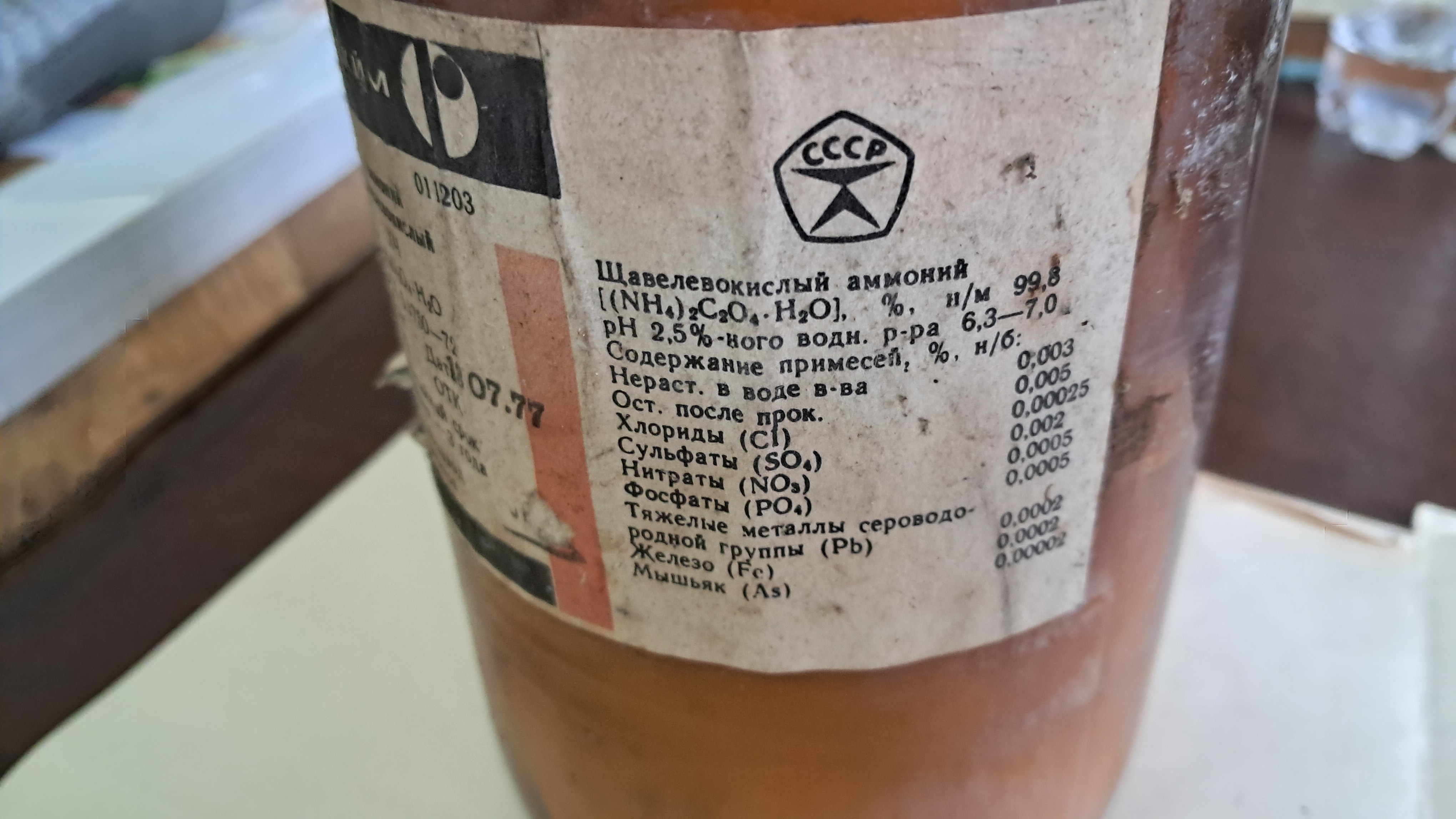
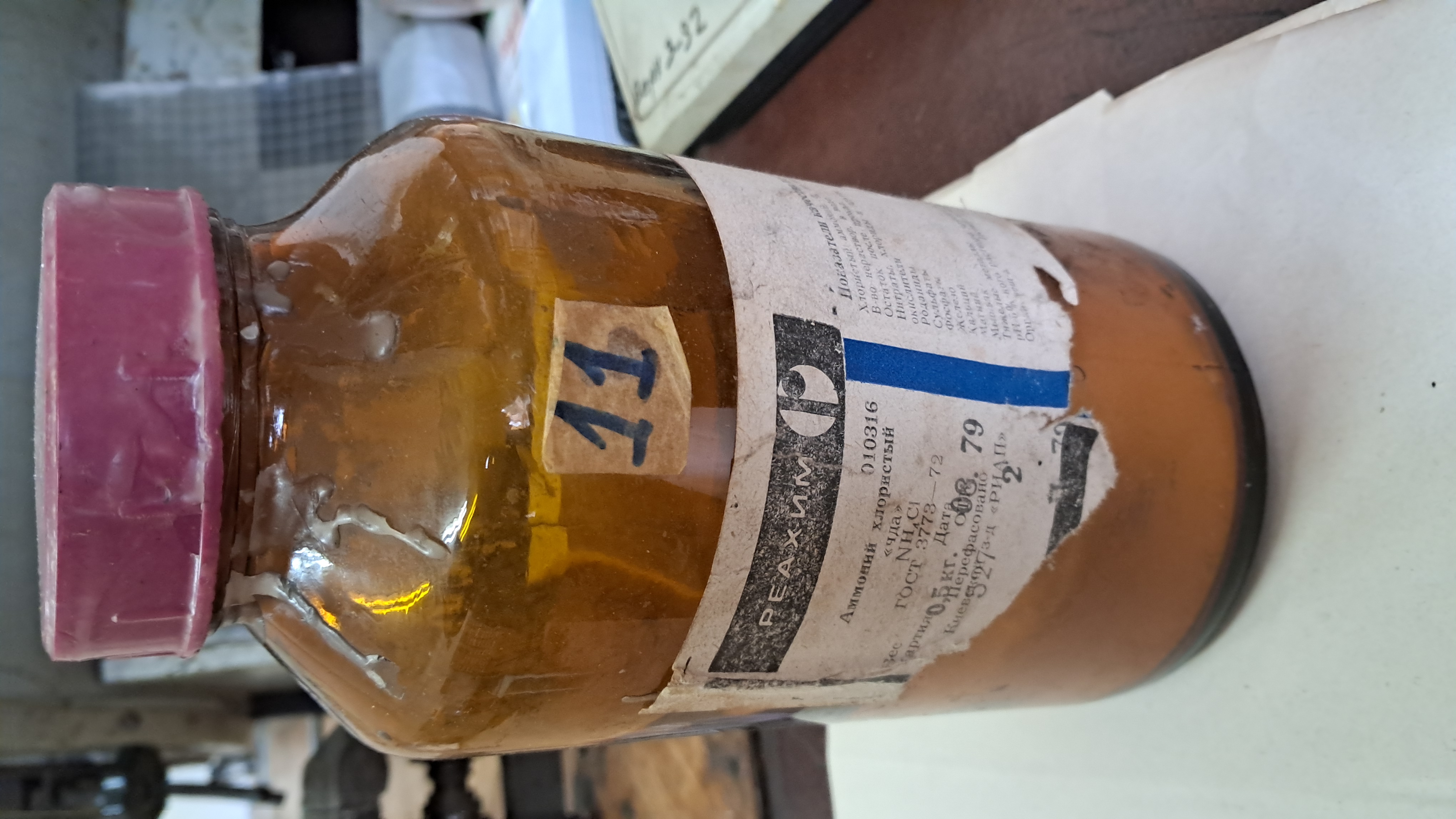
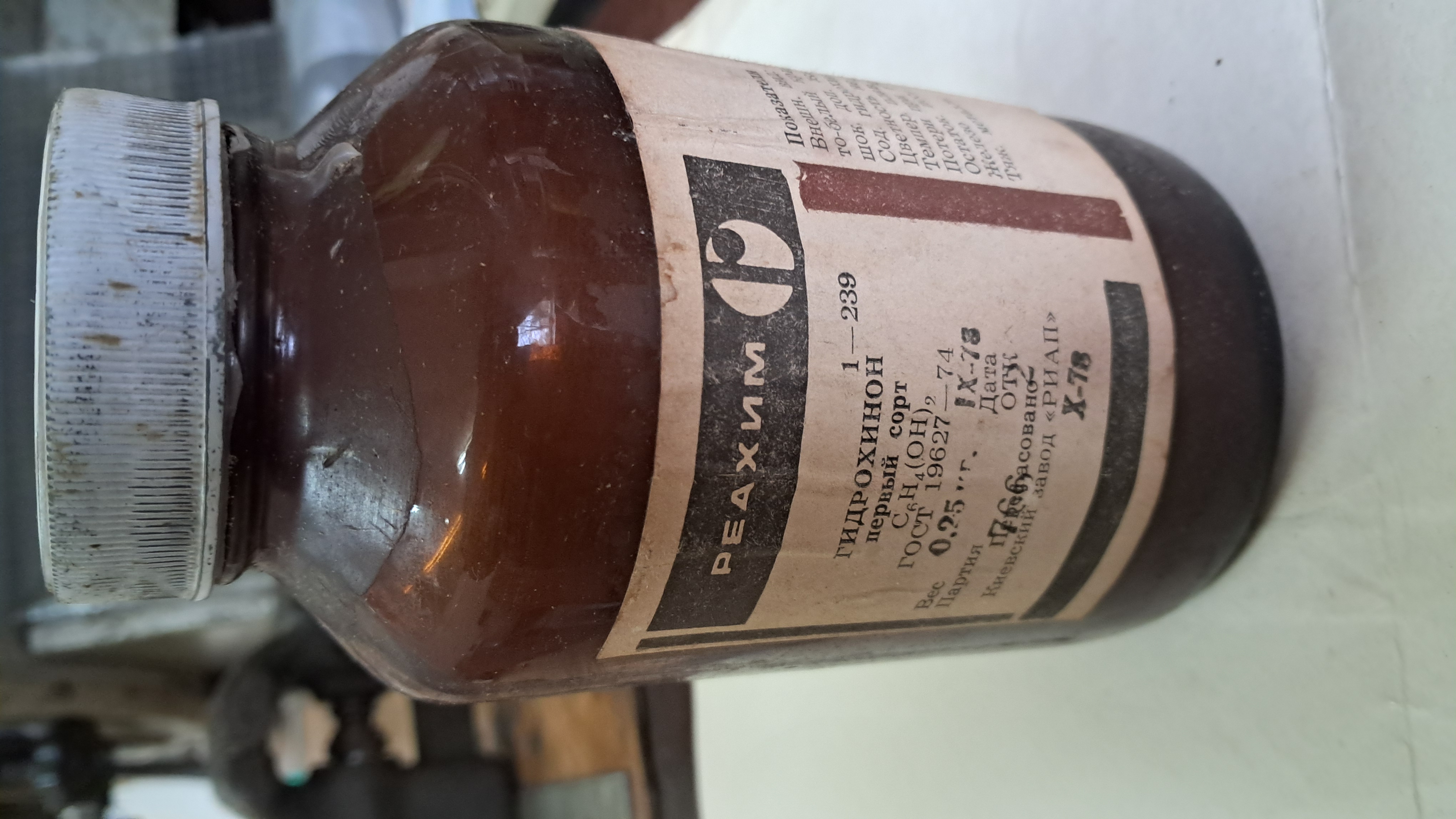
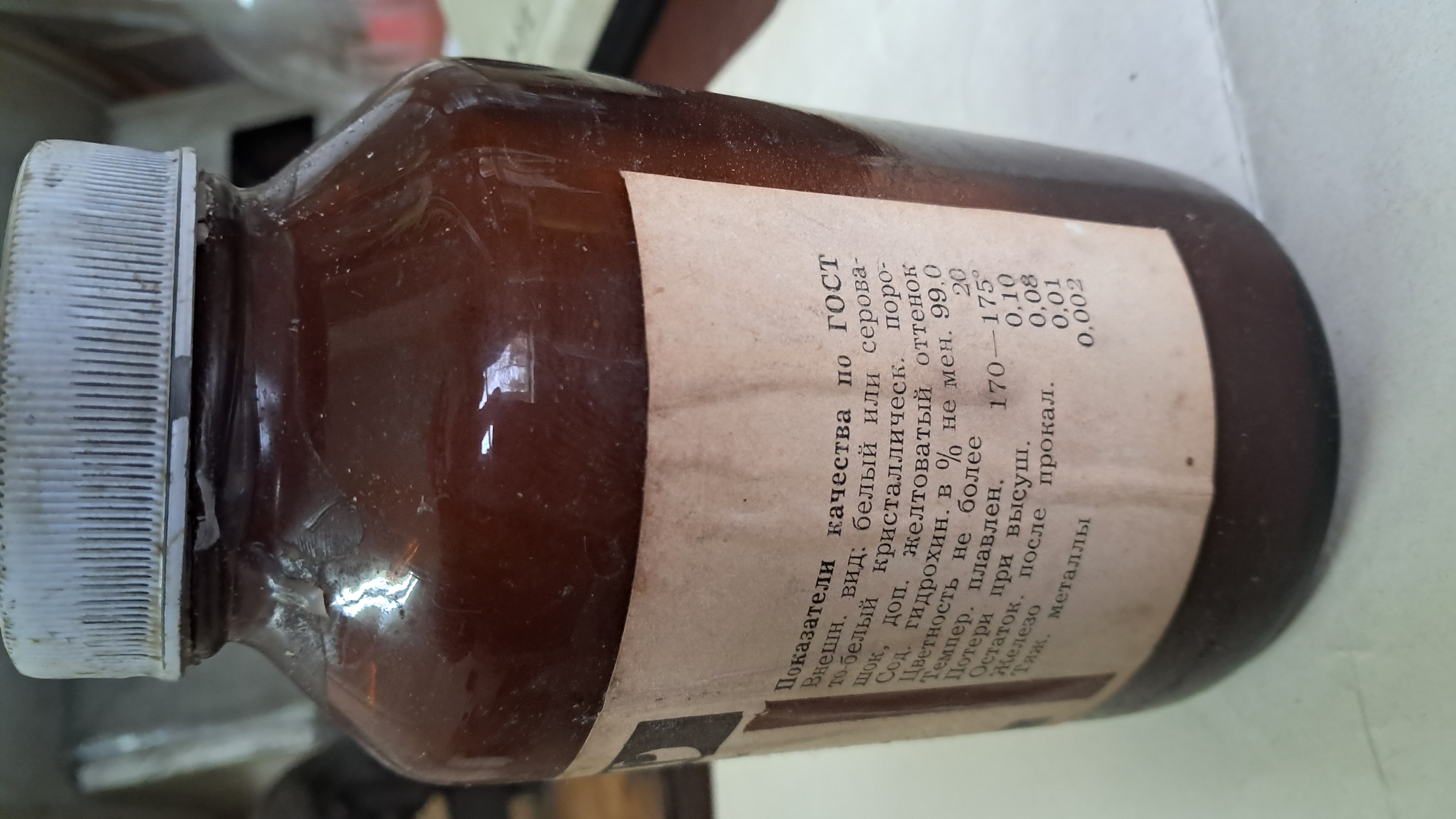
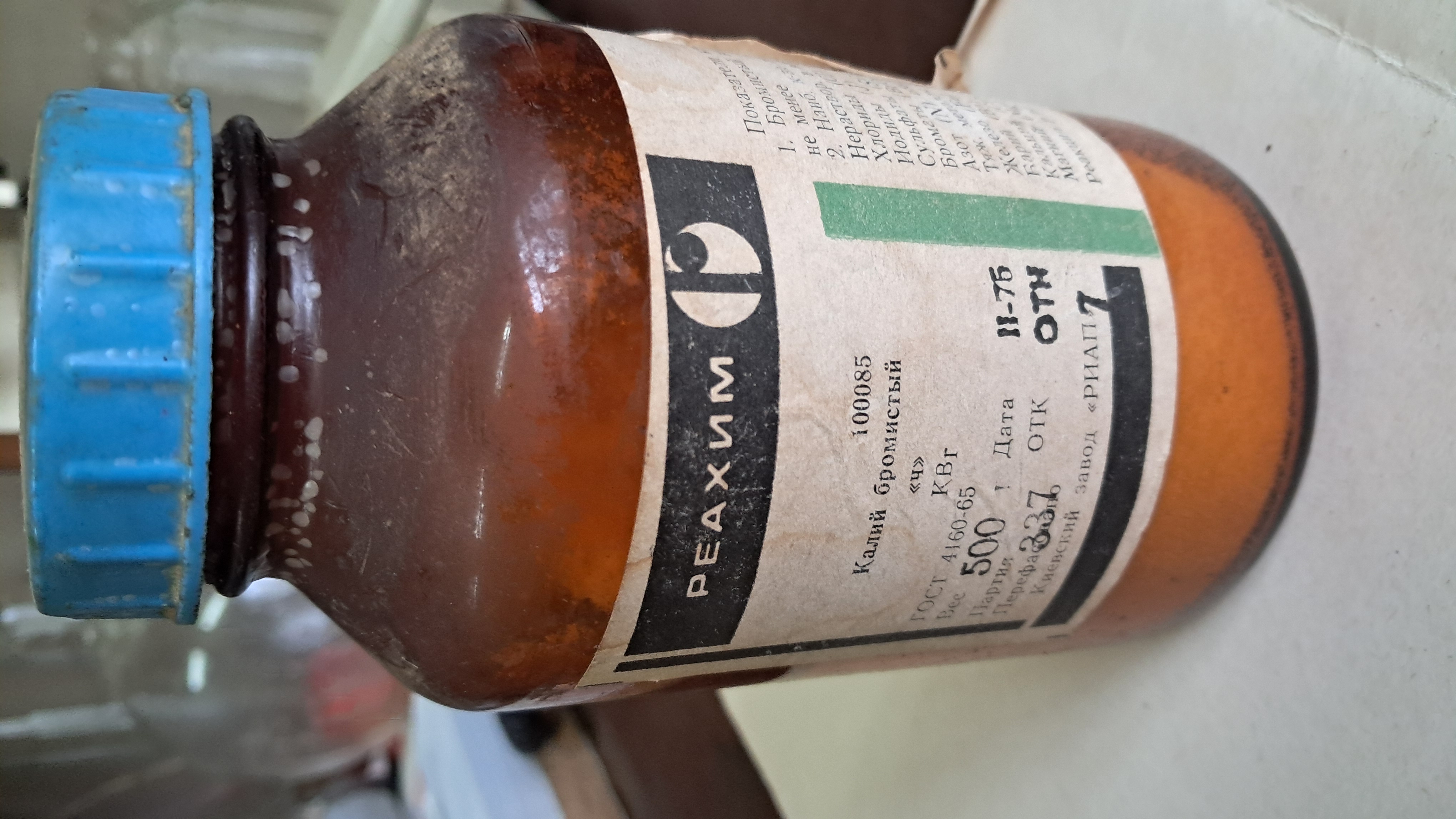
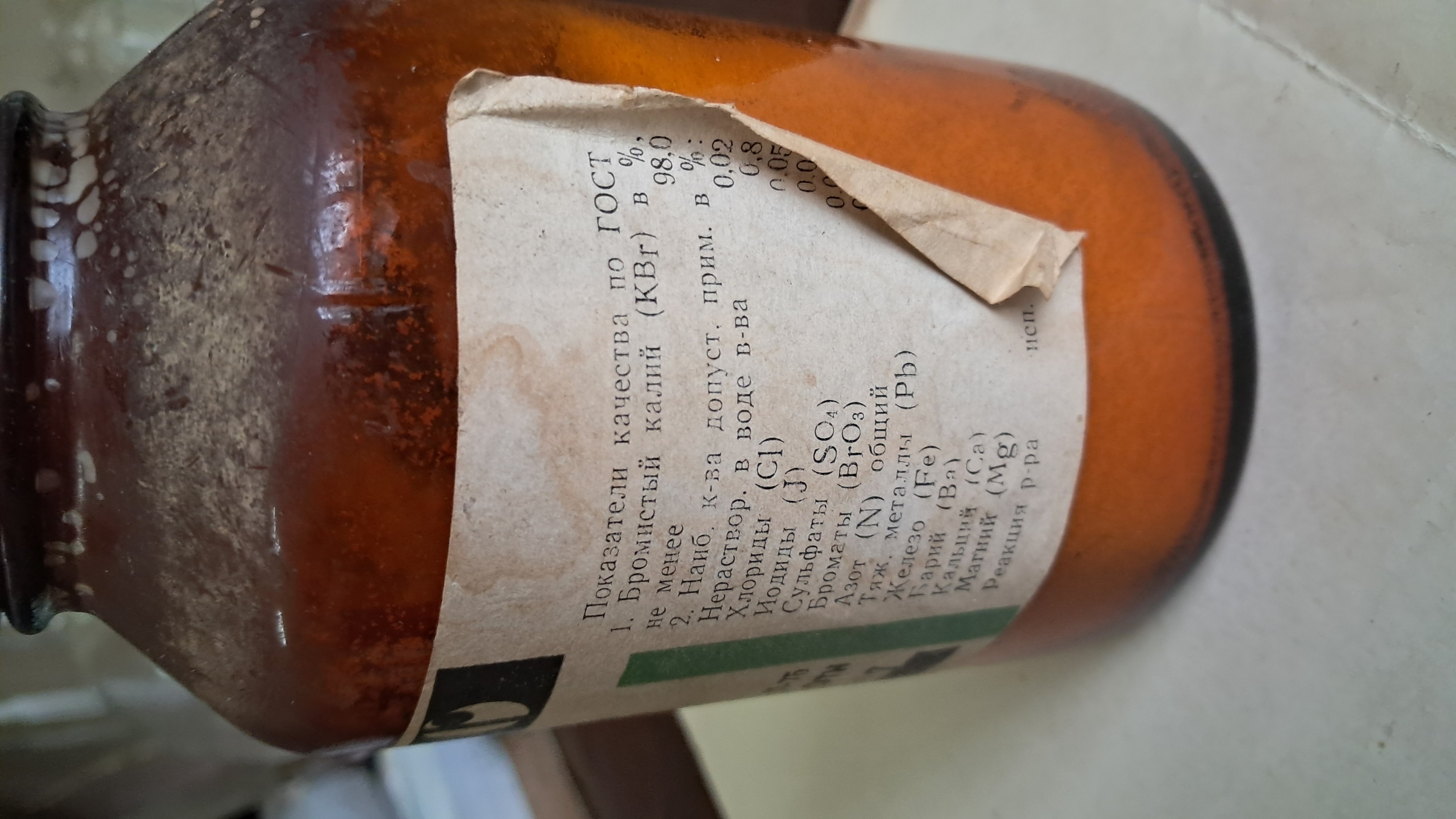
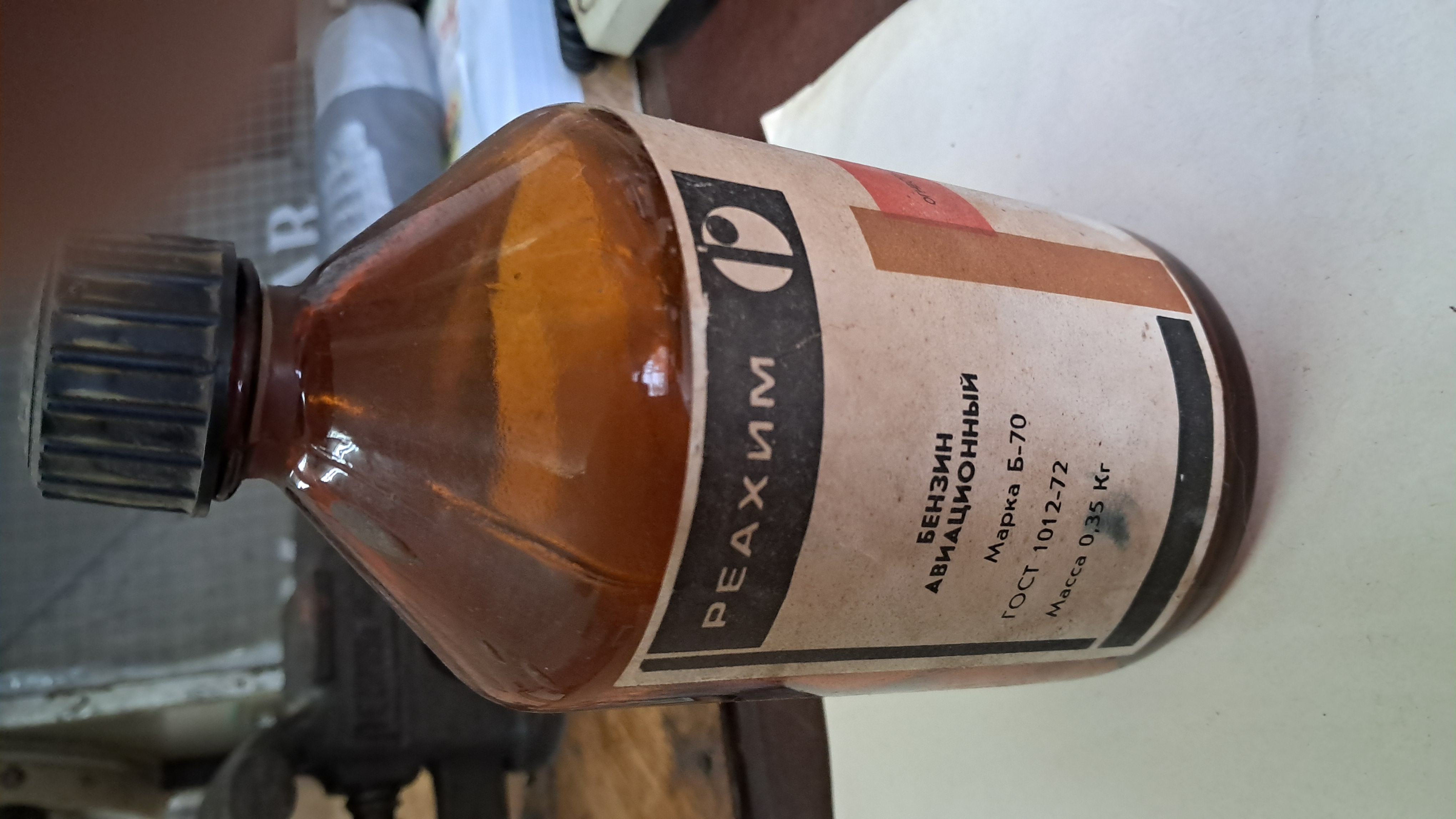
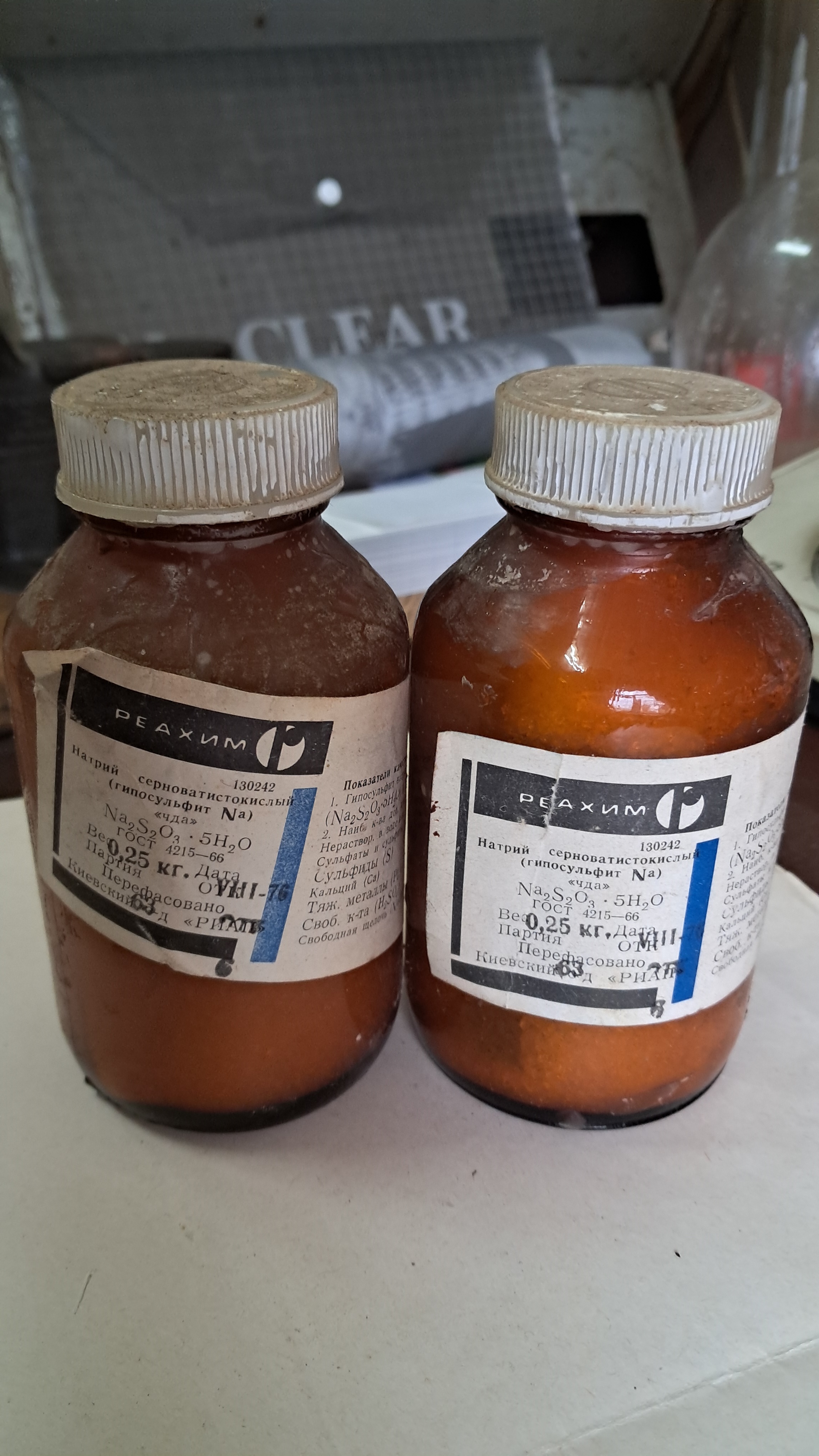
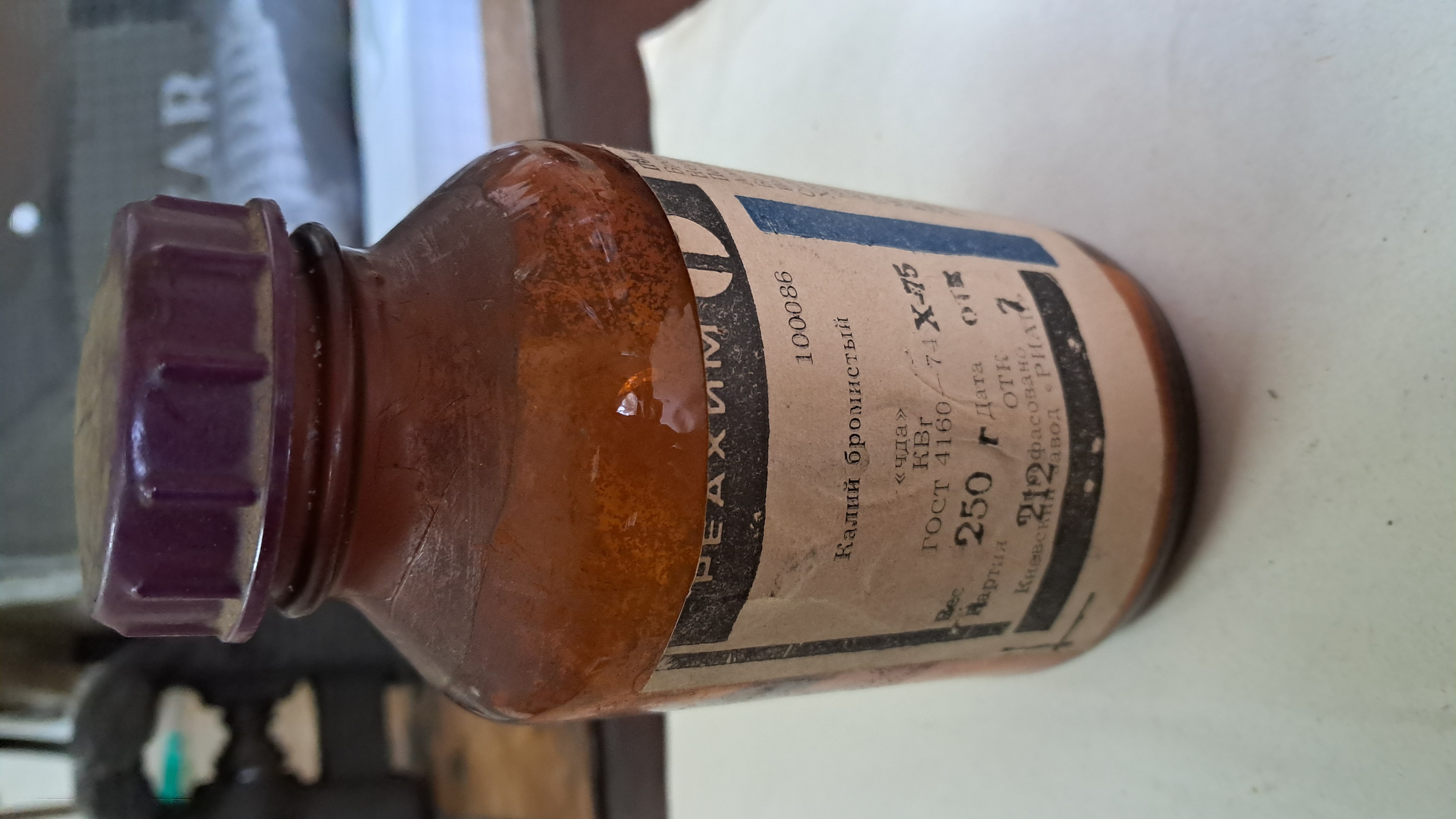
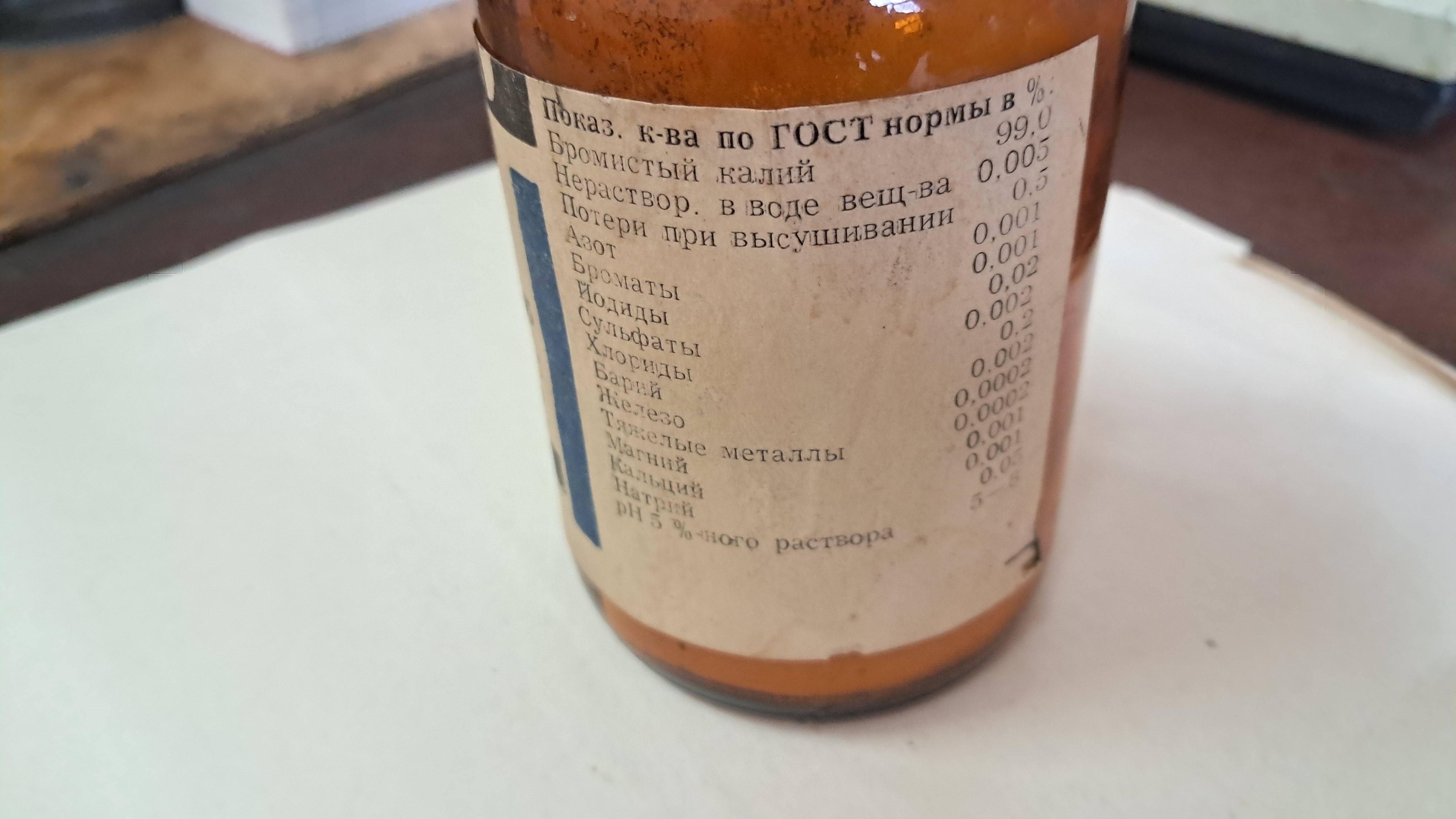
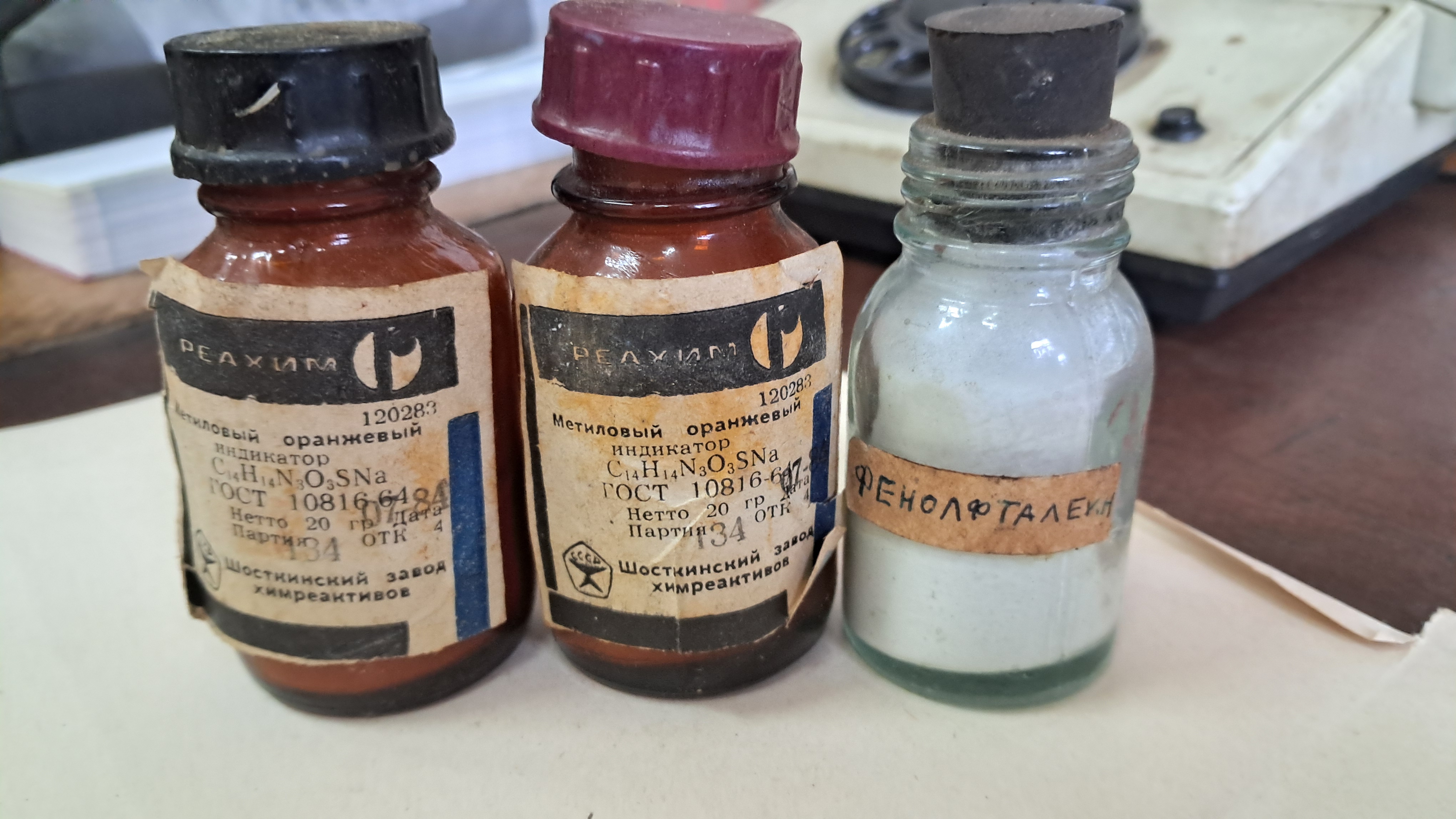
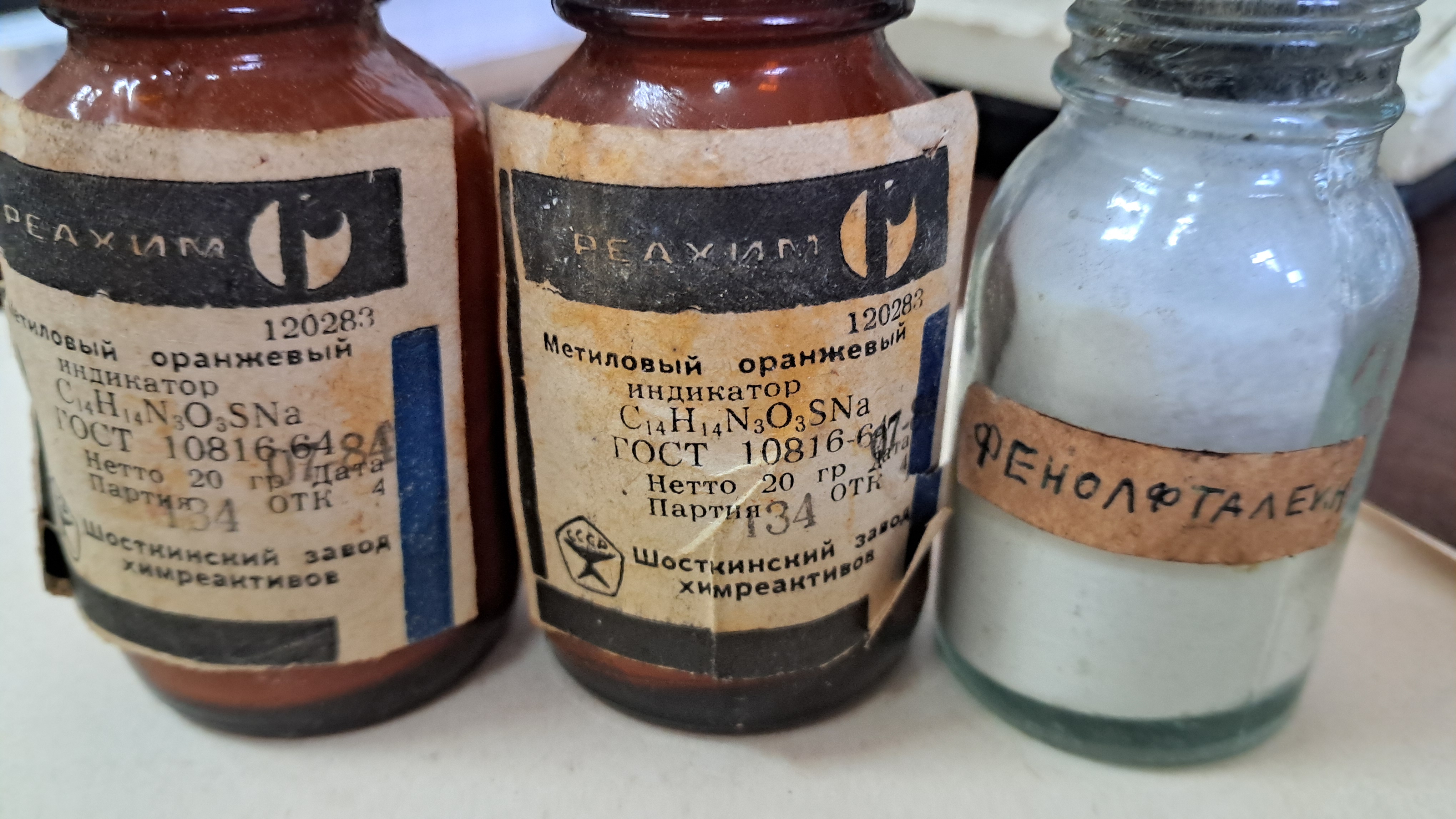
The laboratory shown above contained almost no chemical reagents. However, other laboratories I visited still held a considerable number of them. In fact, that was precisely why I had been asked to inspect these facilities: it was necessary to determine which substances were stored there and whether any of them could be used in our research. As it turned out, none of the substances we needed for our work were available. What remained consisted primarily of organic solvents, reference materials, and reagents for processing photographic plates.

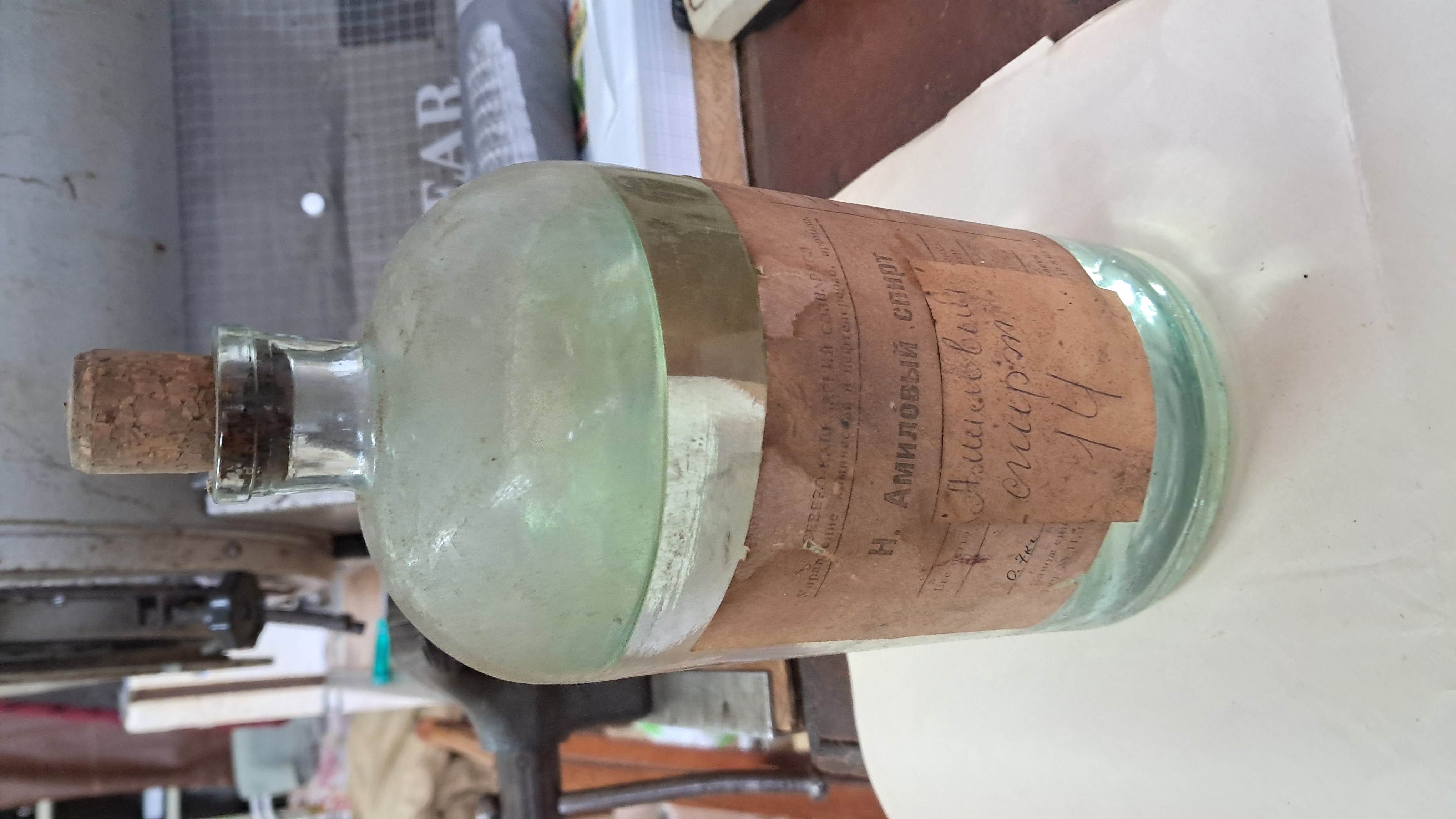
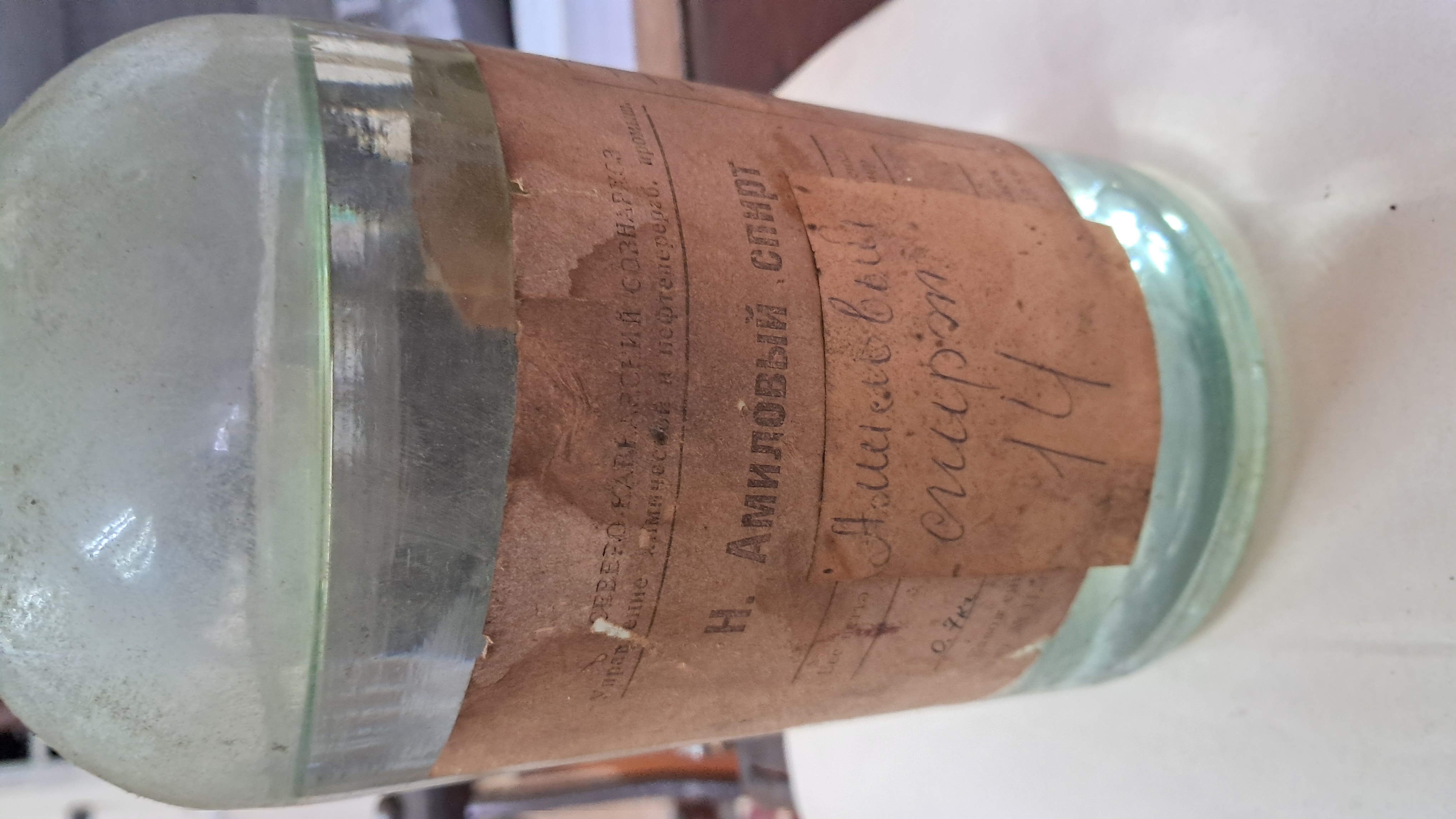
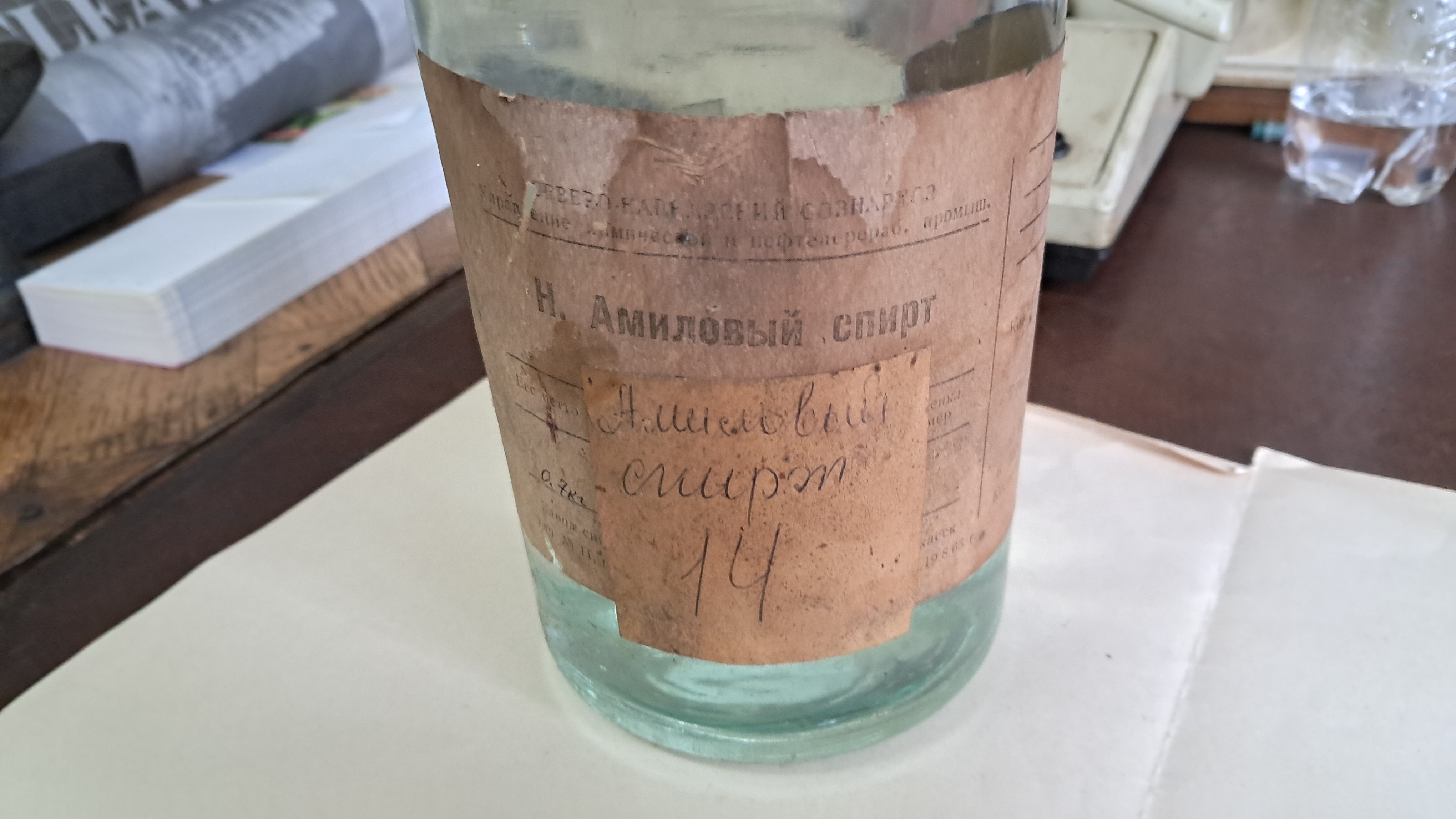
Among the items that caught my interest, I can highlight a few examples. I found some n-amyl alcohol and a small bottle of diethyl ether. I have worked extensively with isoamyl alcohol, which is used, for instance, to determine the fat content of dairy products. I had even seriously considered synthesizing isoamyl nitrate, but that task eventually became unnecessary. I couldn't resist opening the bottle of n-amyl alcohol to take a sniff. Its odor proved to be relatively faint and rather neutral. Isoamyl alcohol, by contrast, has a fairly strong and unpleasant smell, reminiscent of fusel oils and low-quality alcoholic beverages.

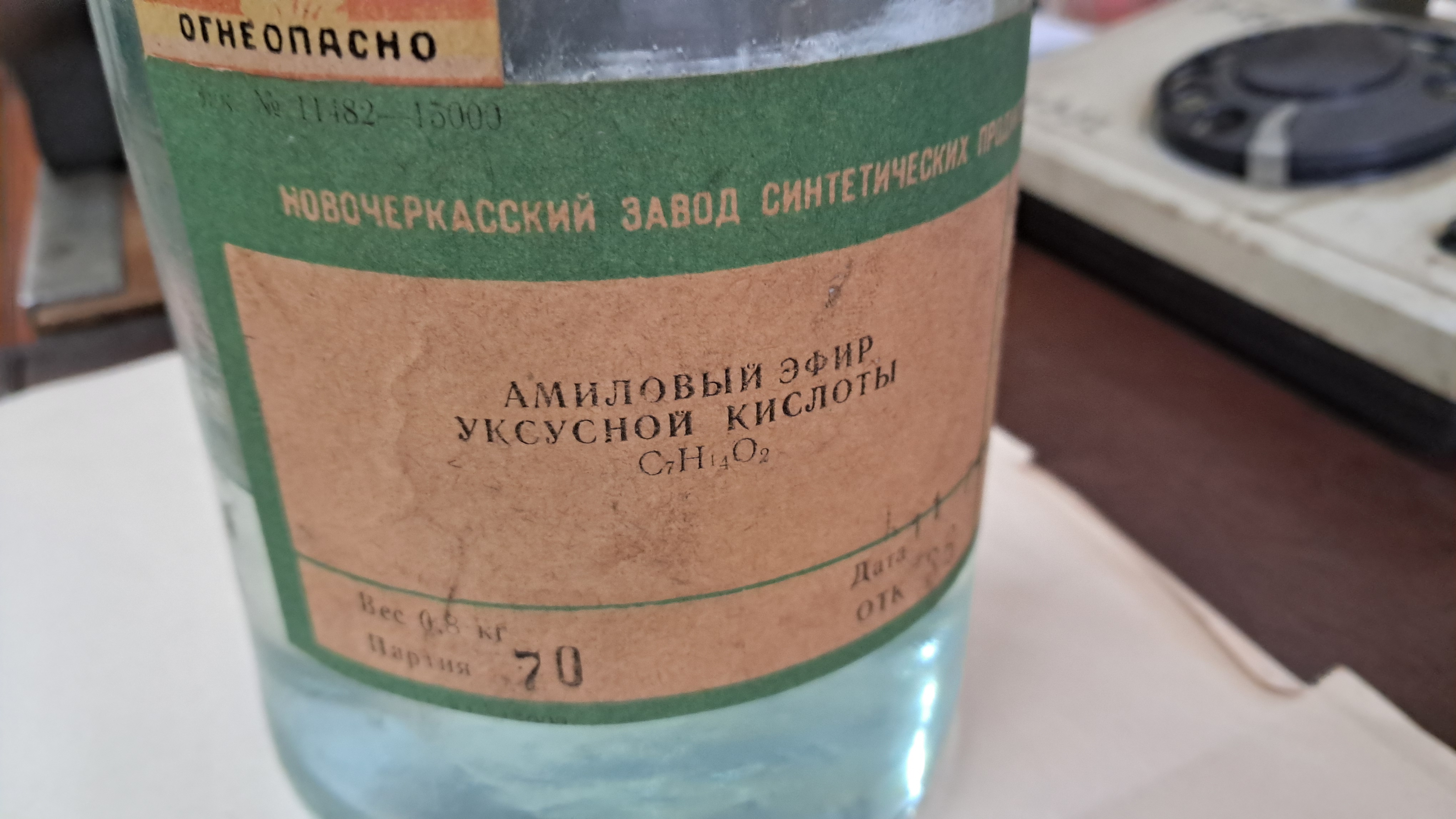
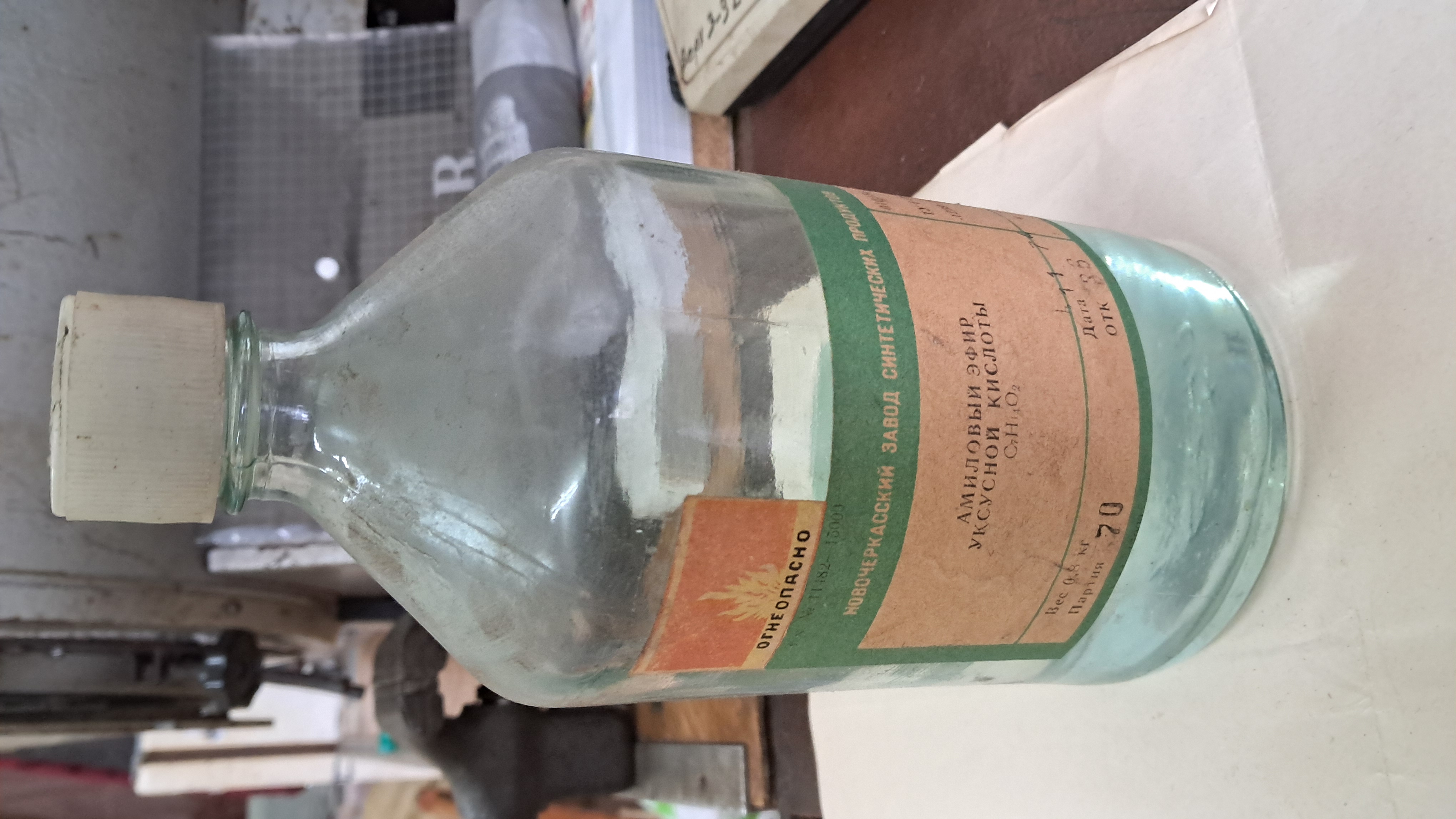
I also came across some amyl acetate, which was likely used for extraction purposes.

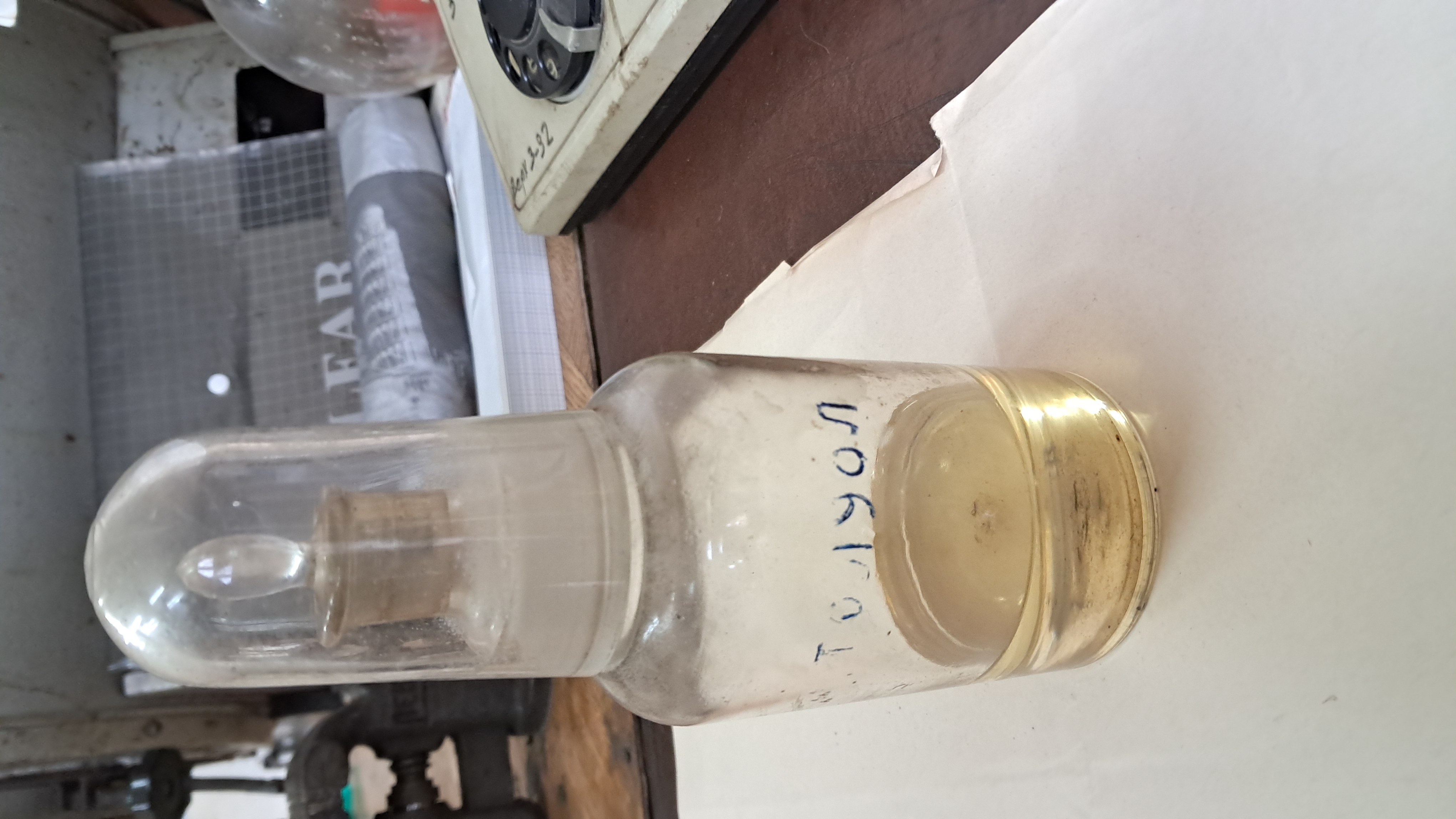
The bottle of ether was particularly interesting because, despite its age, the solvent had not evaporated. Diethyl ether is notorious for its tendency to gradually escape even from well-sealed containers.

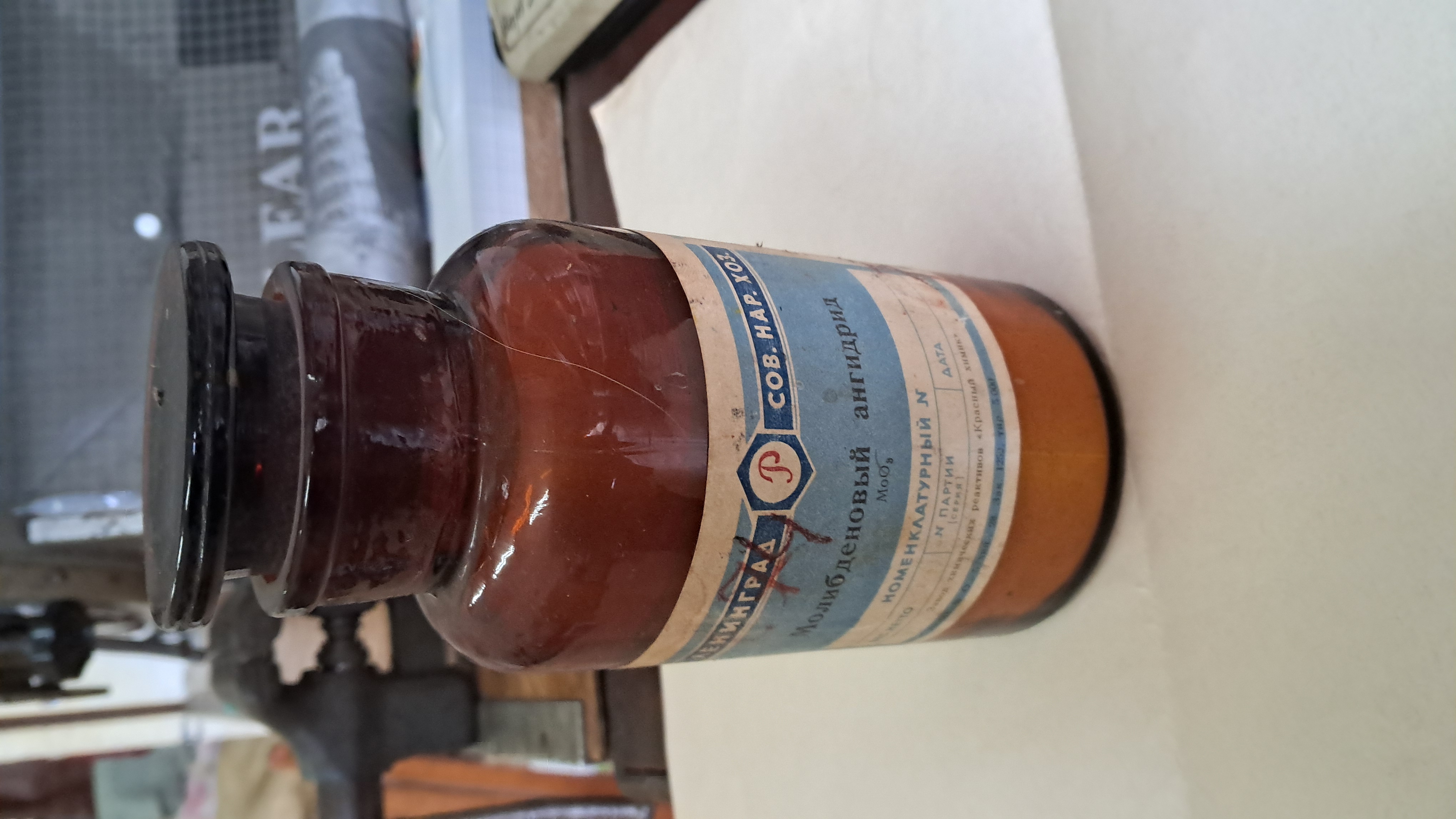
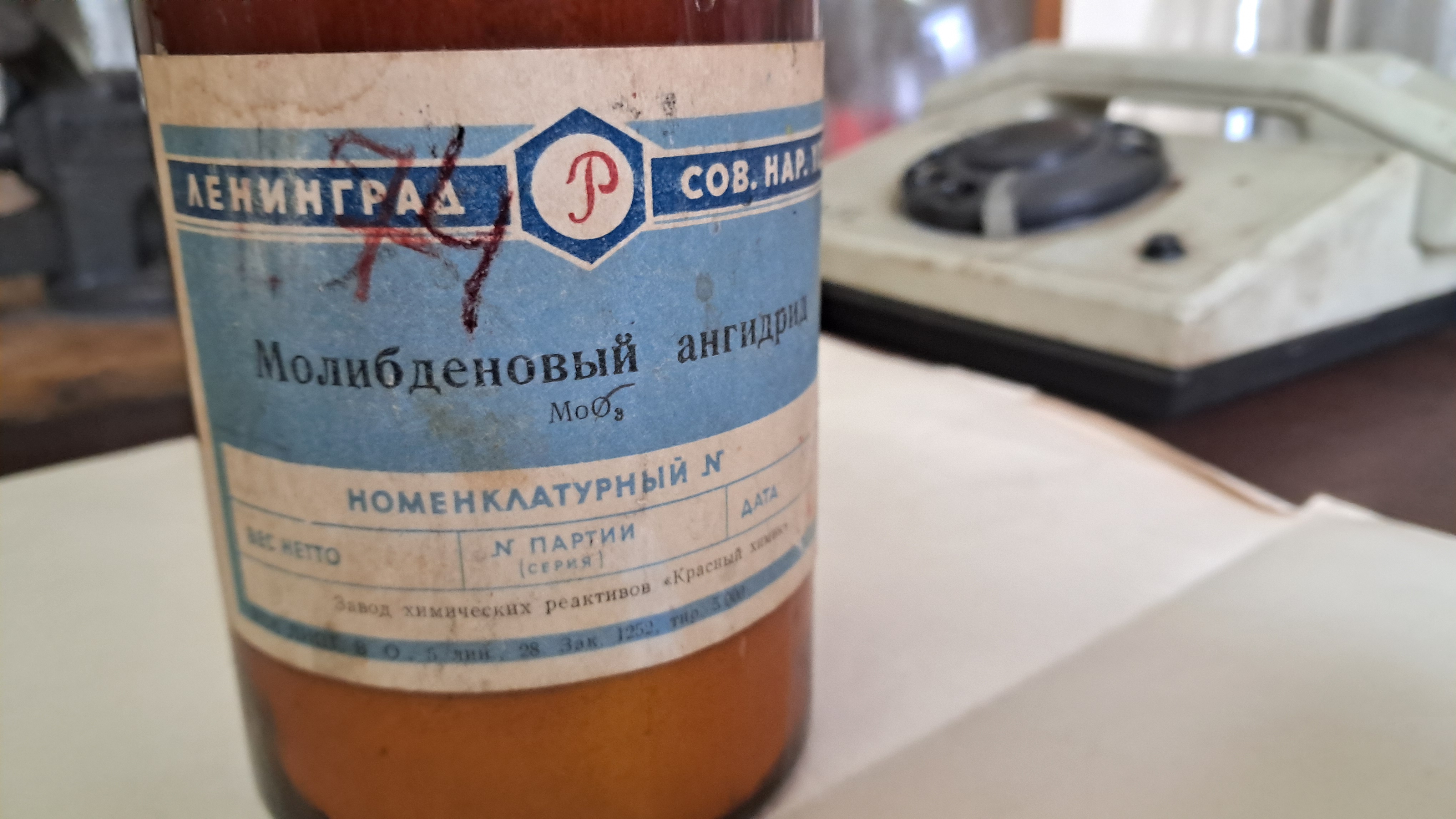
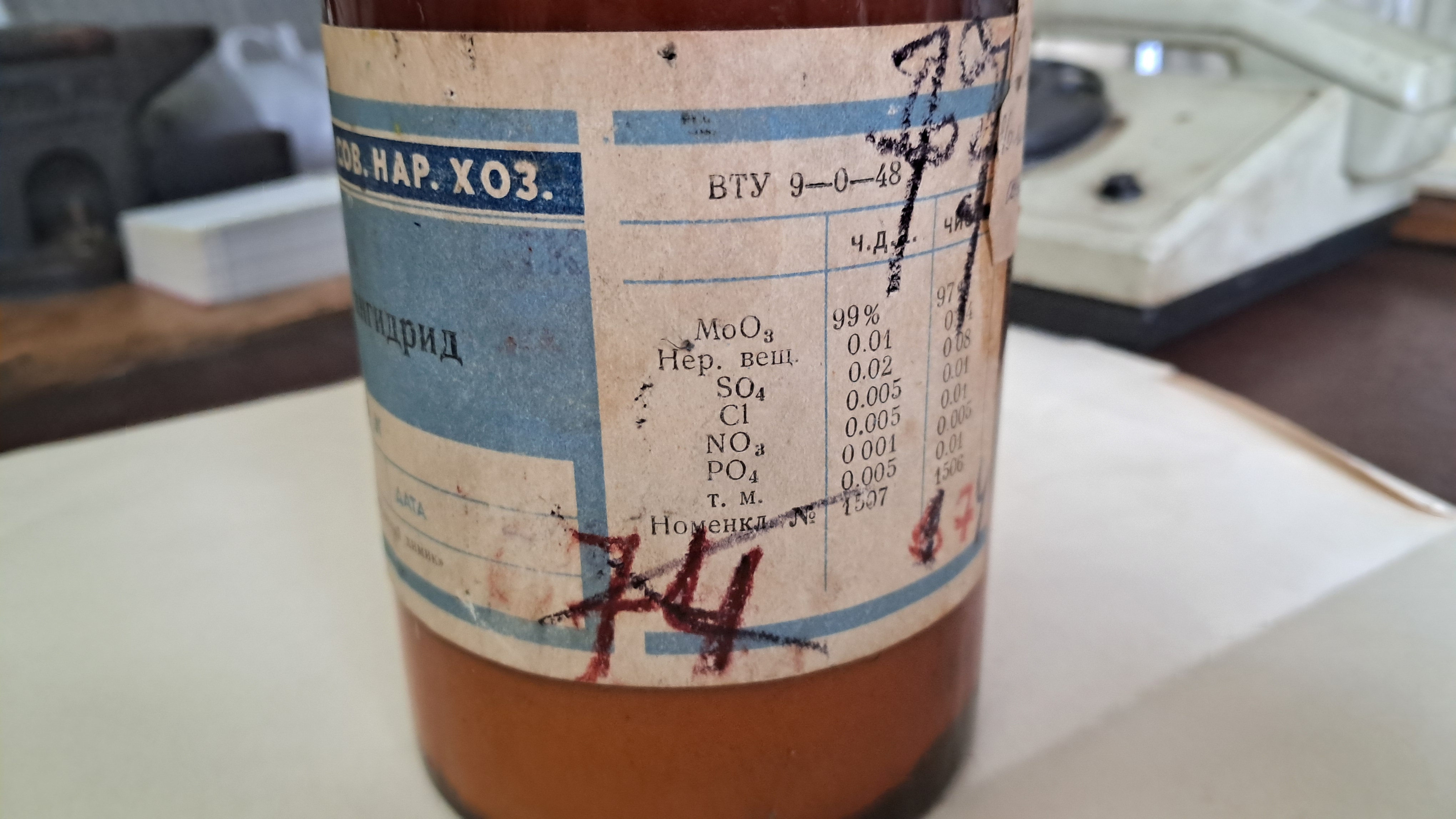
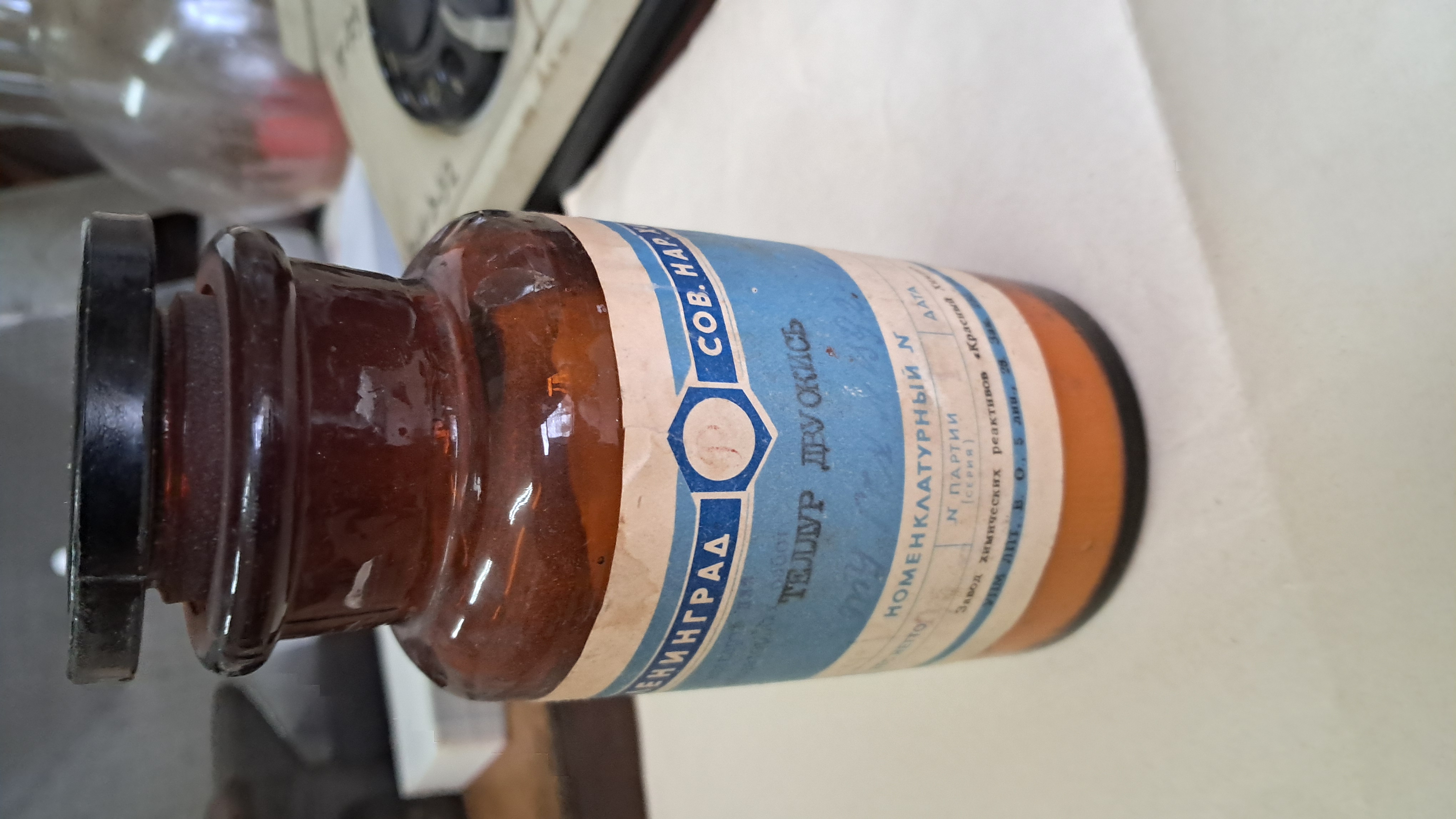
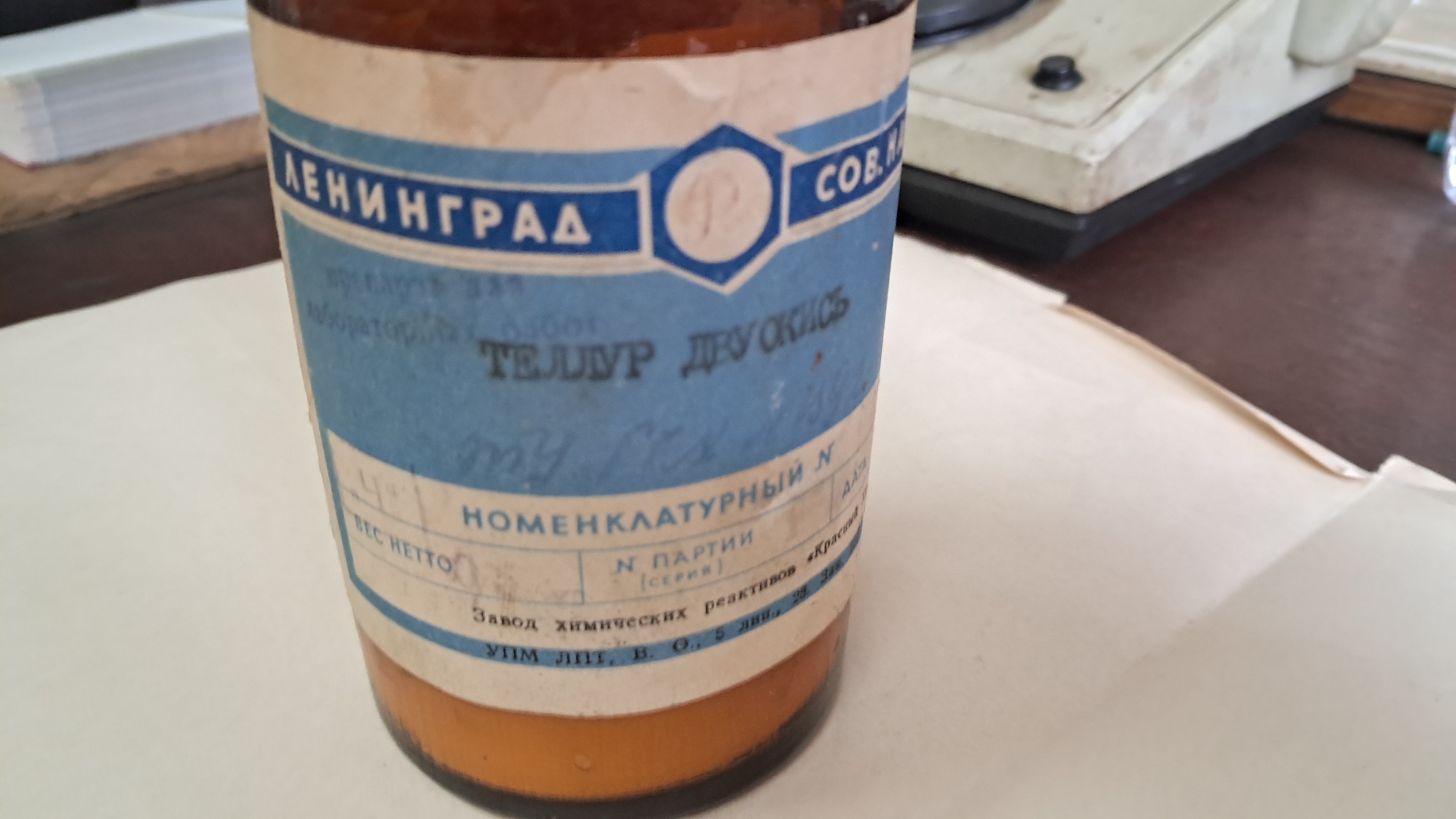
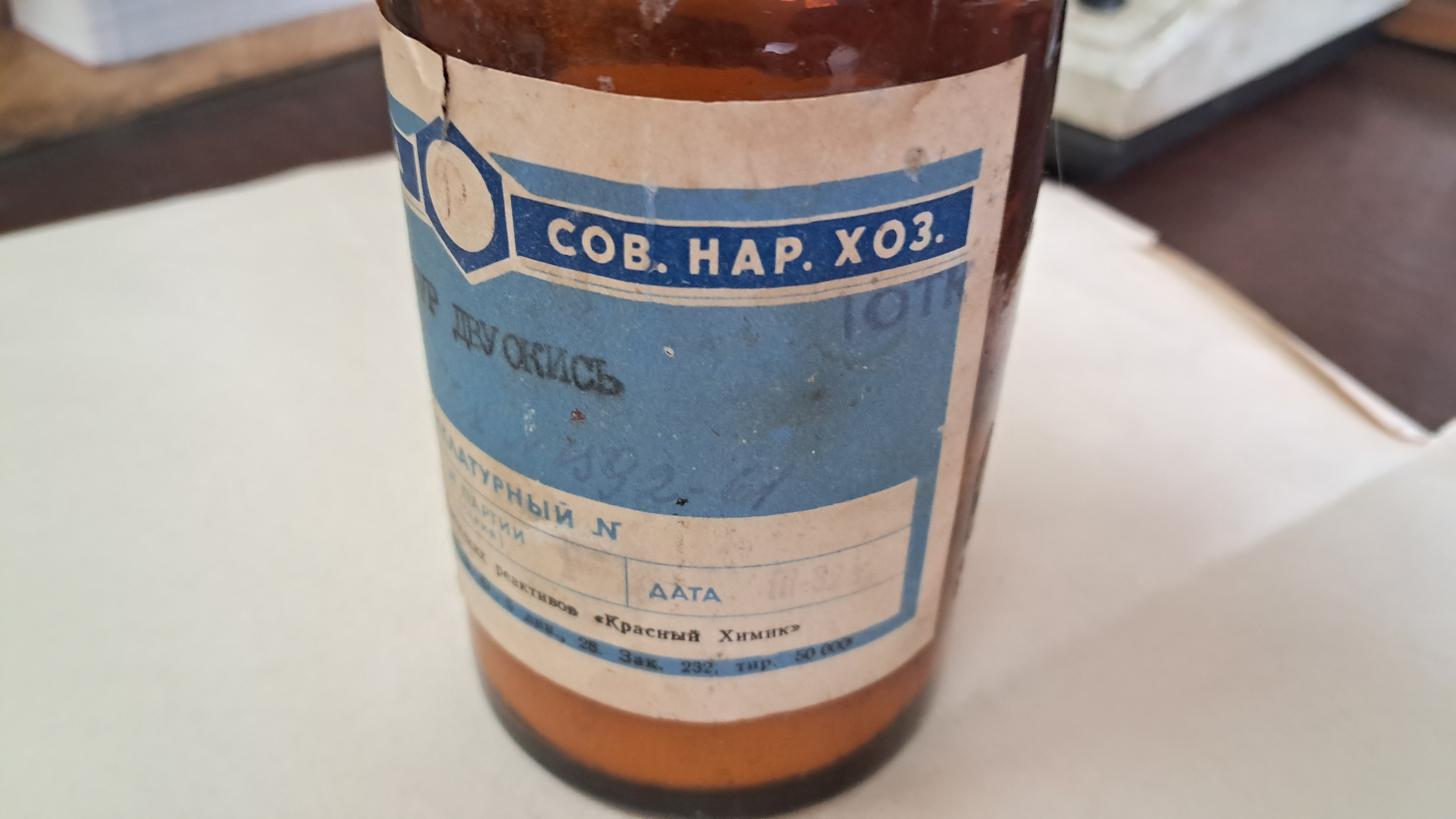
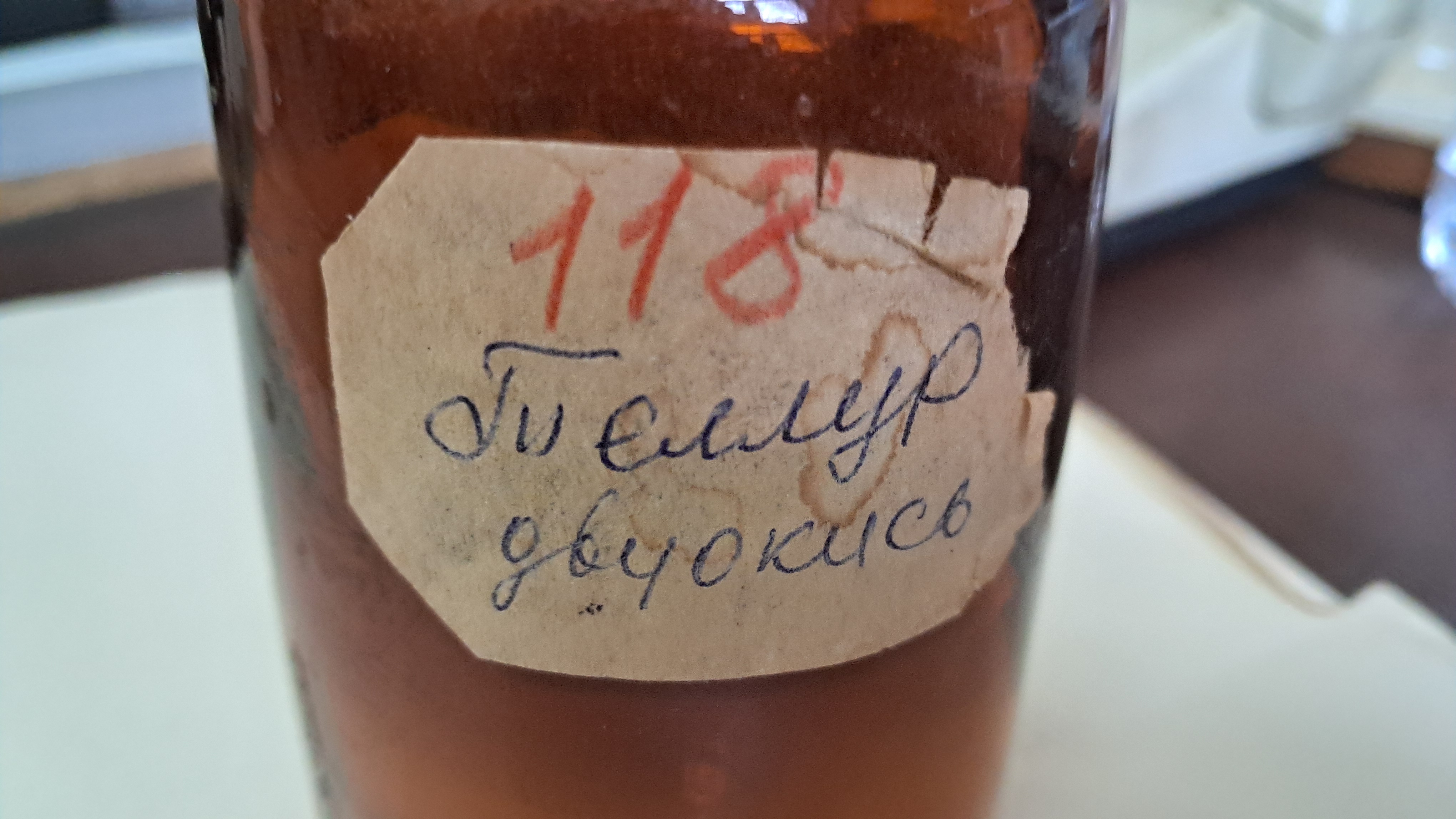
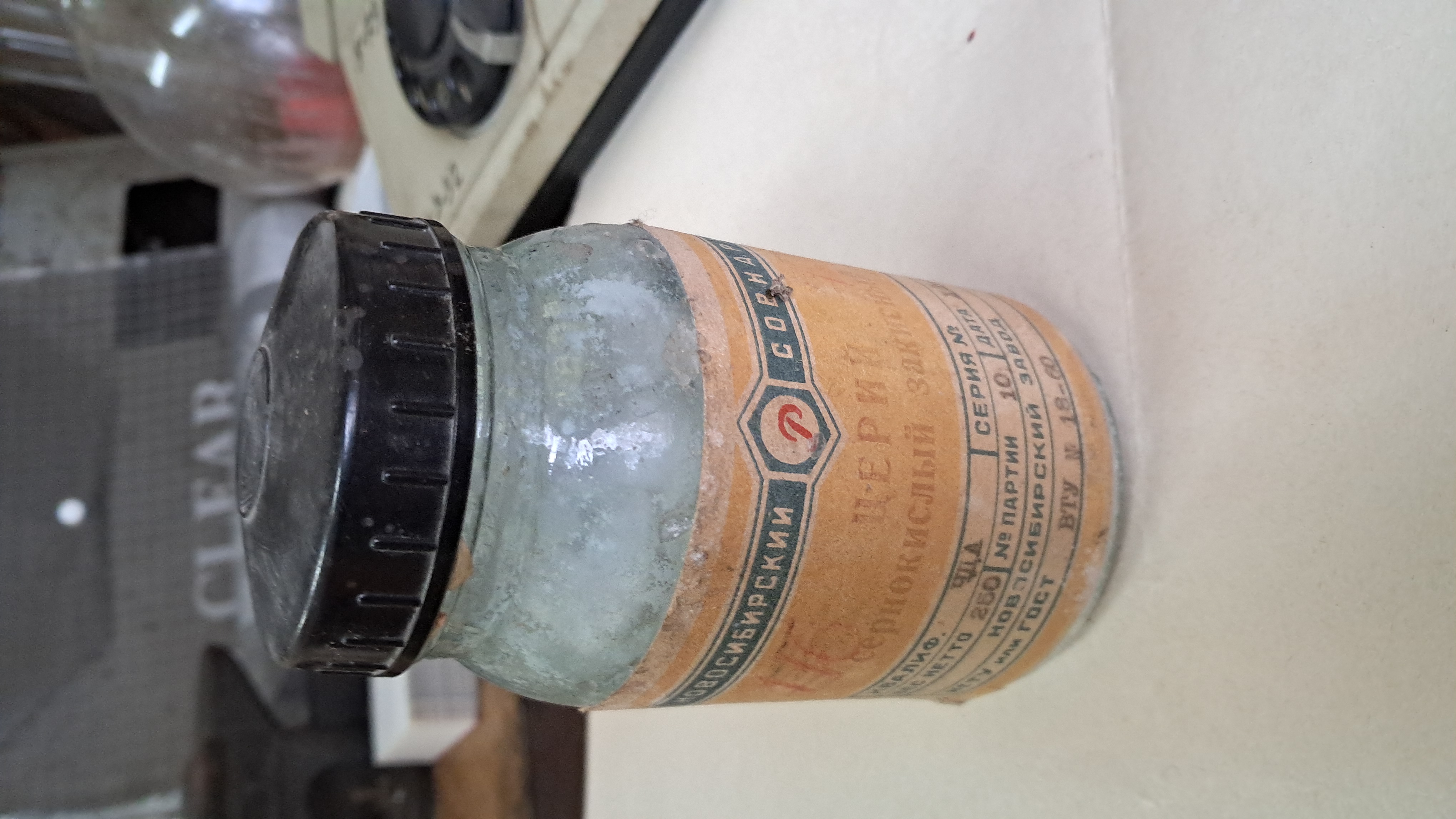
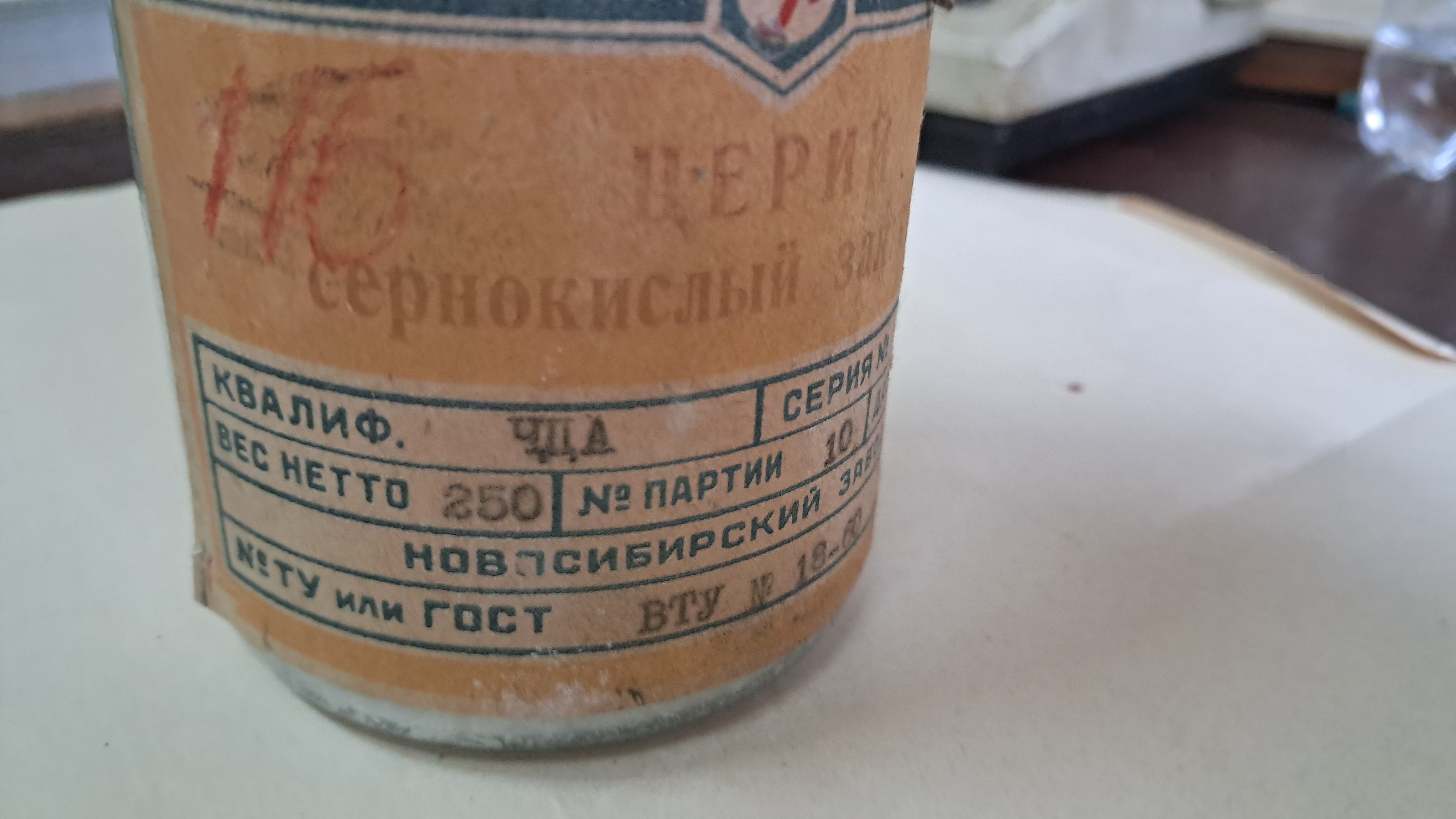
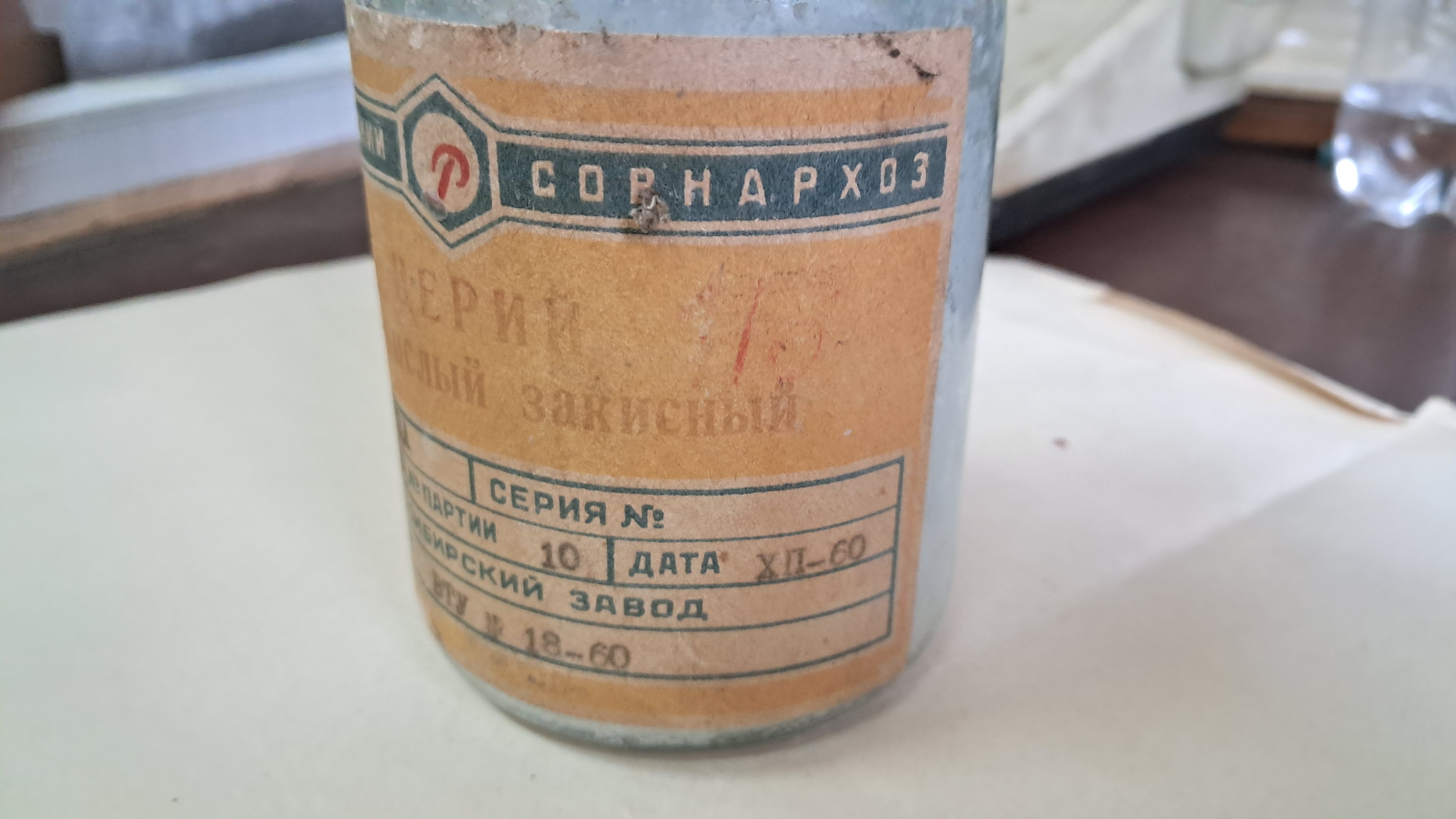
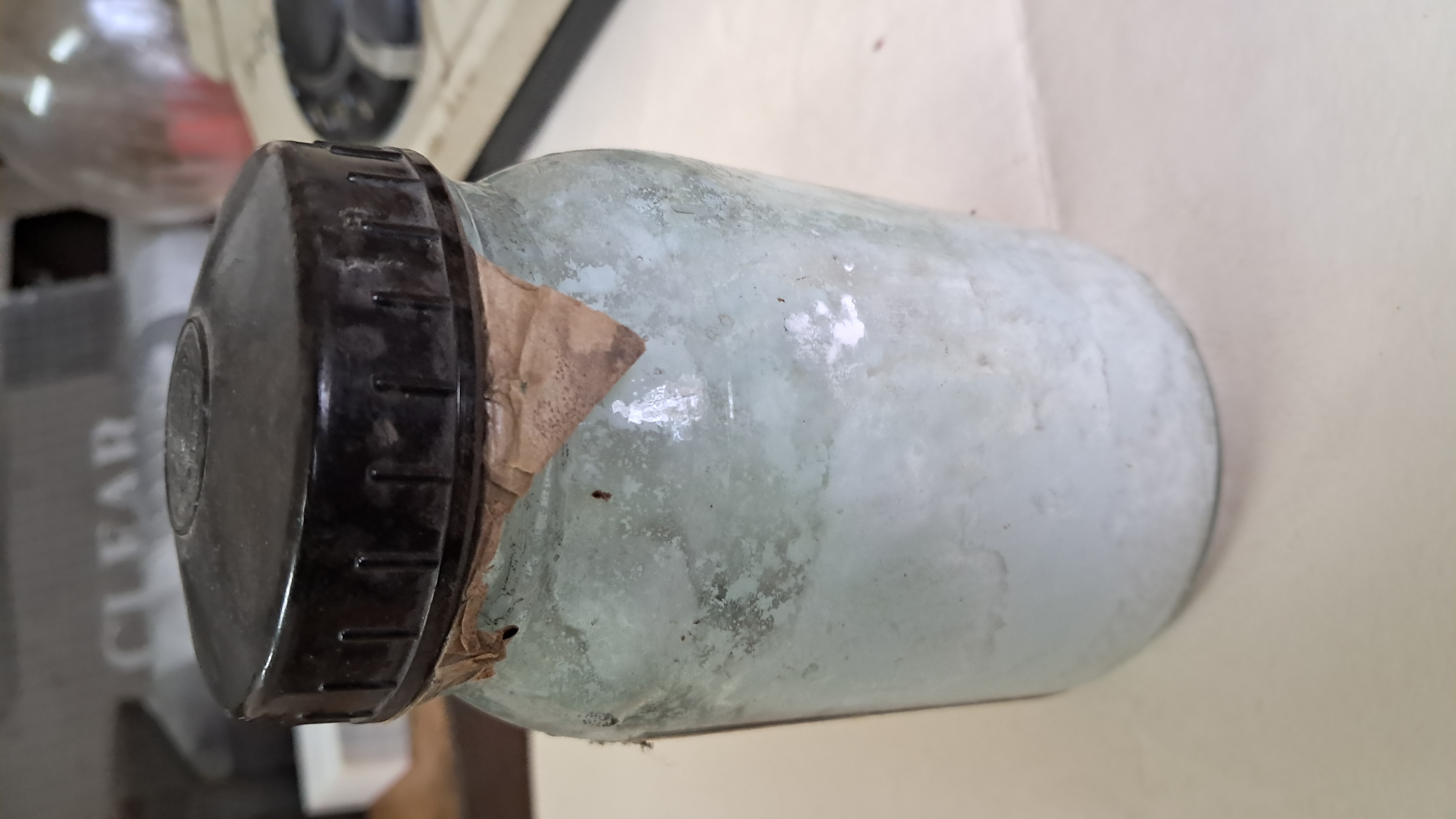
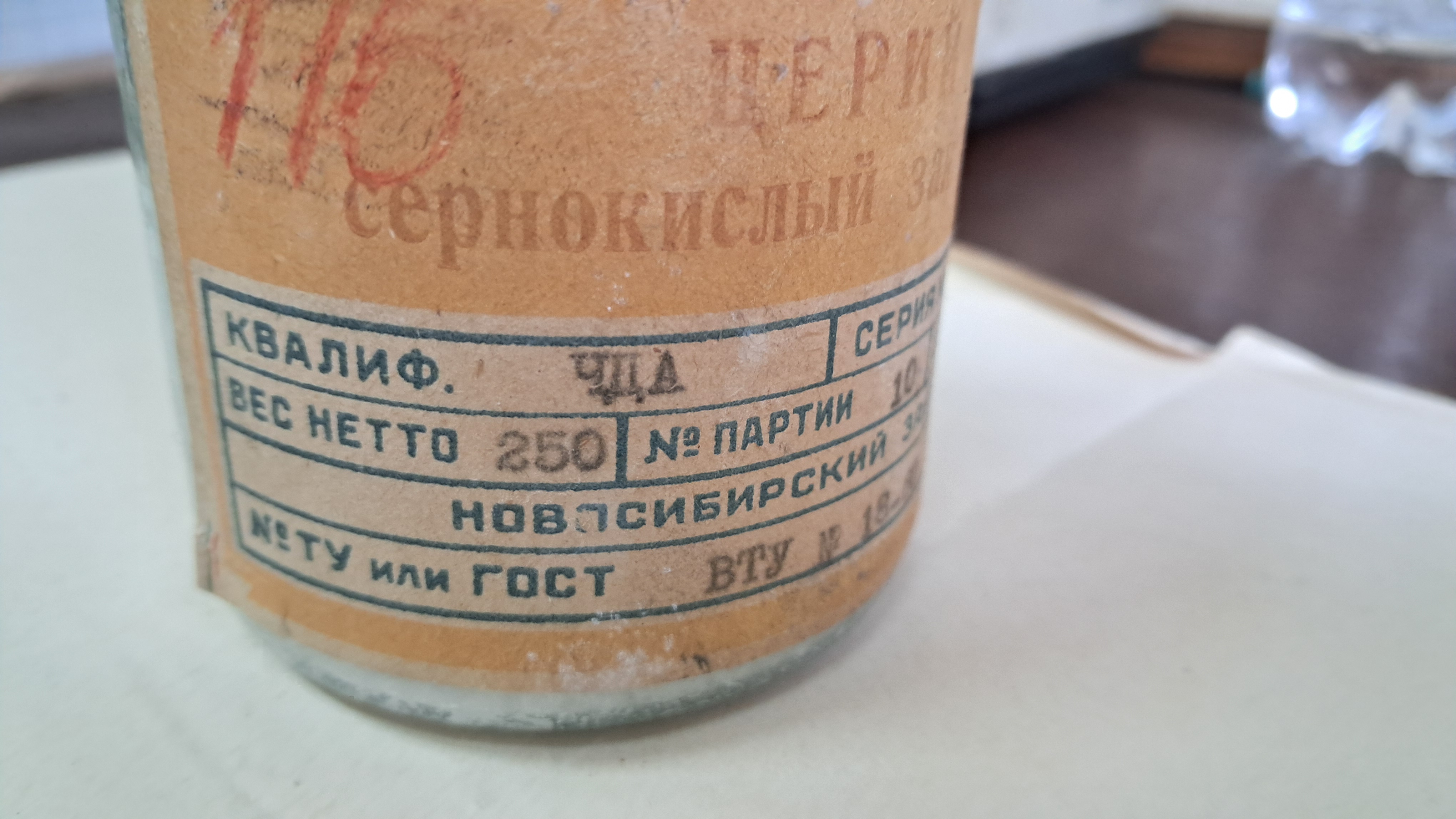
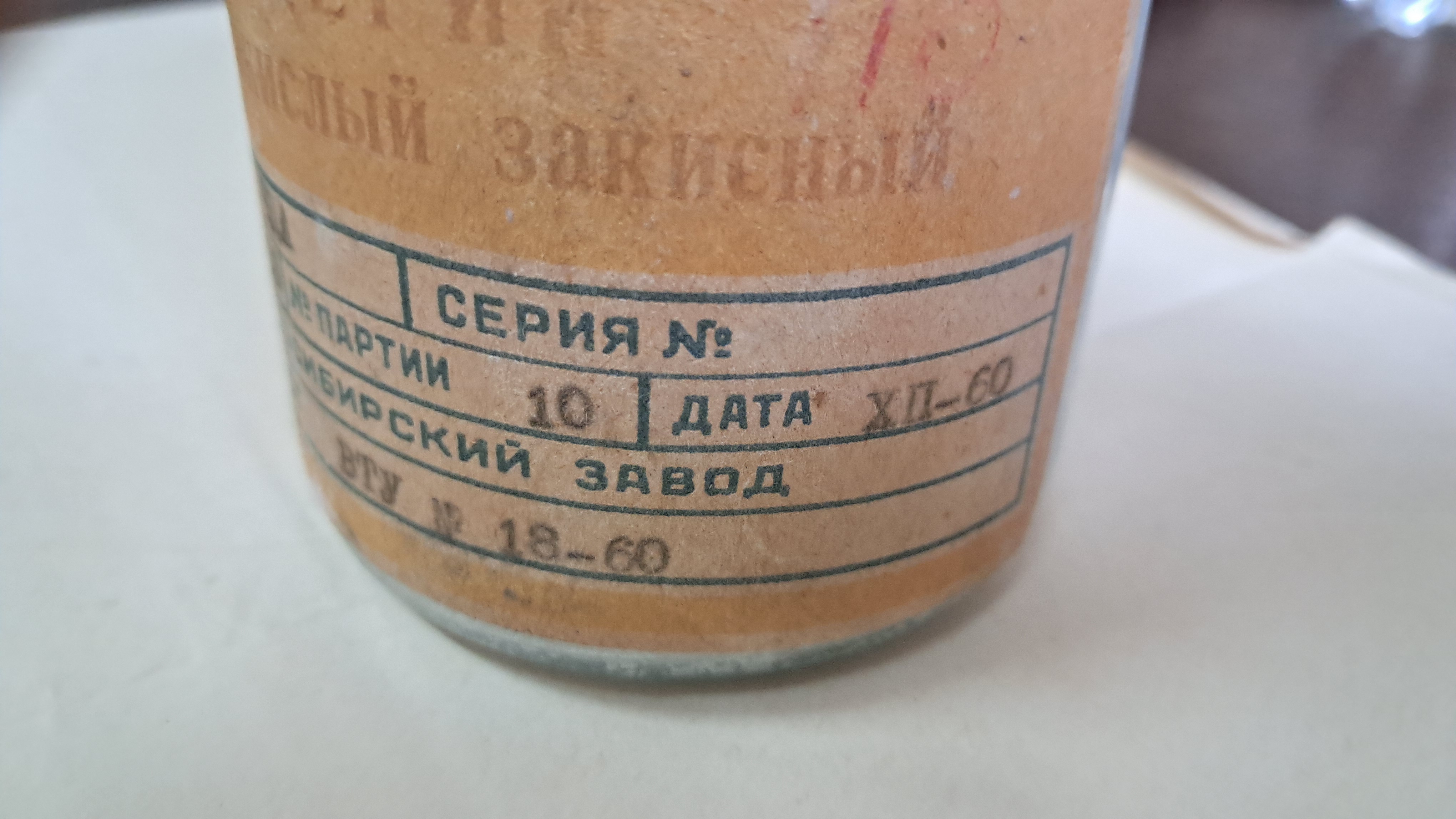
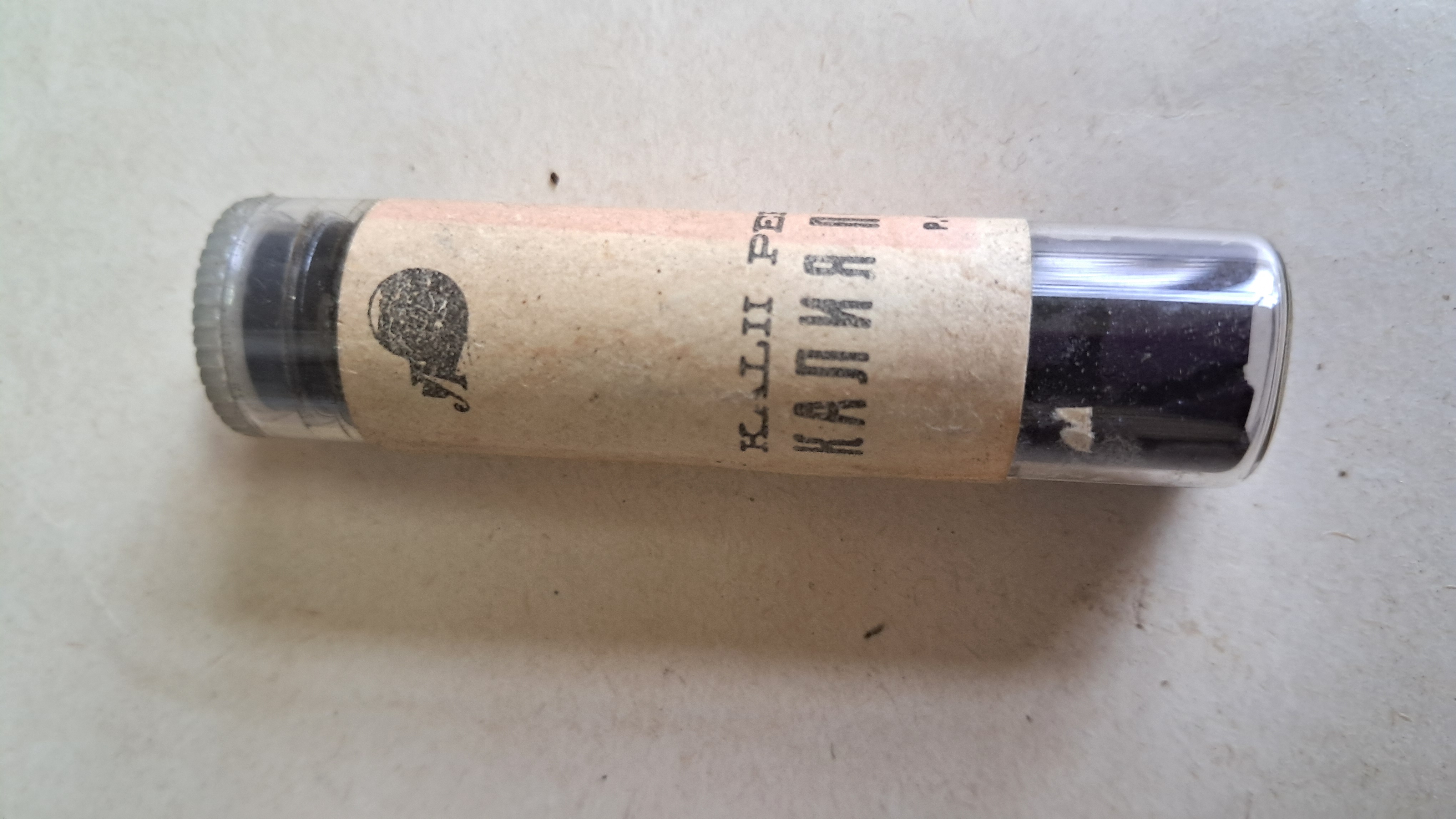
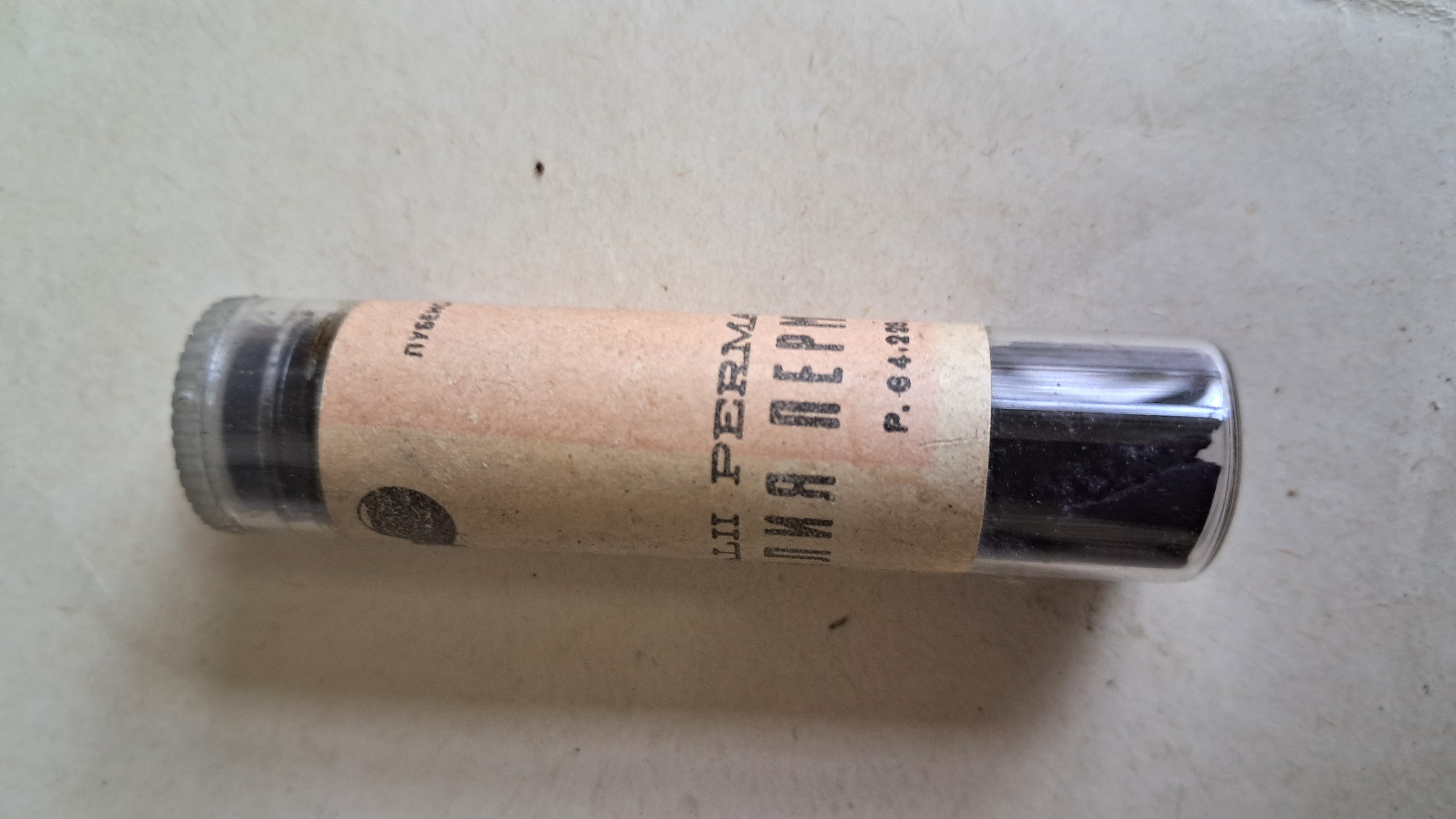
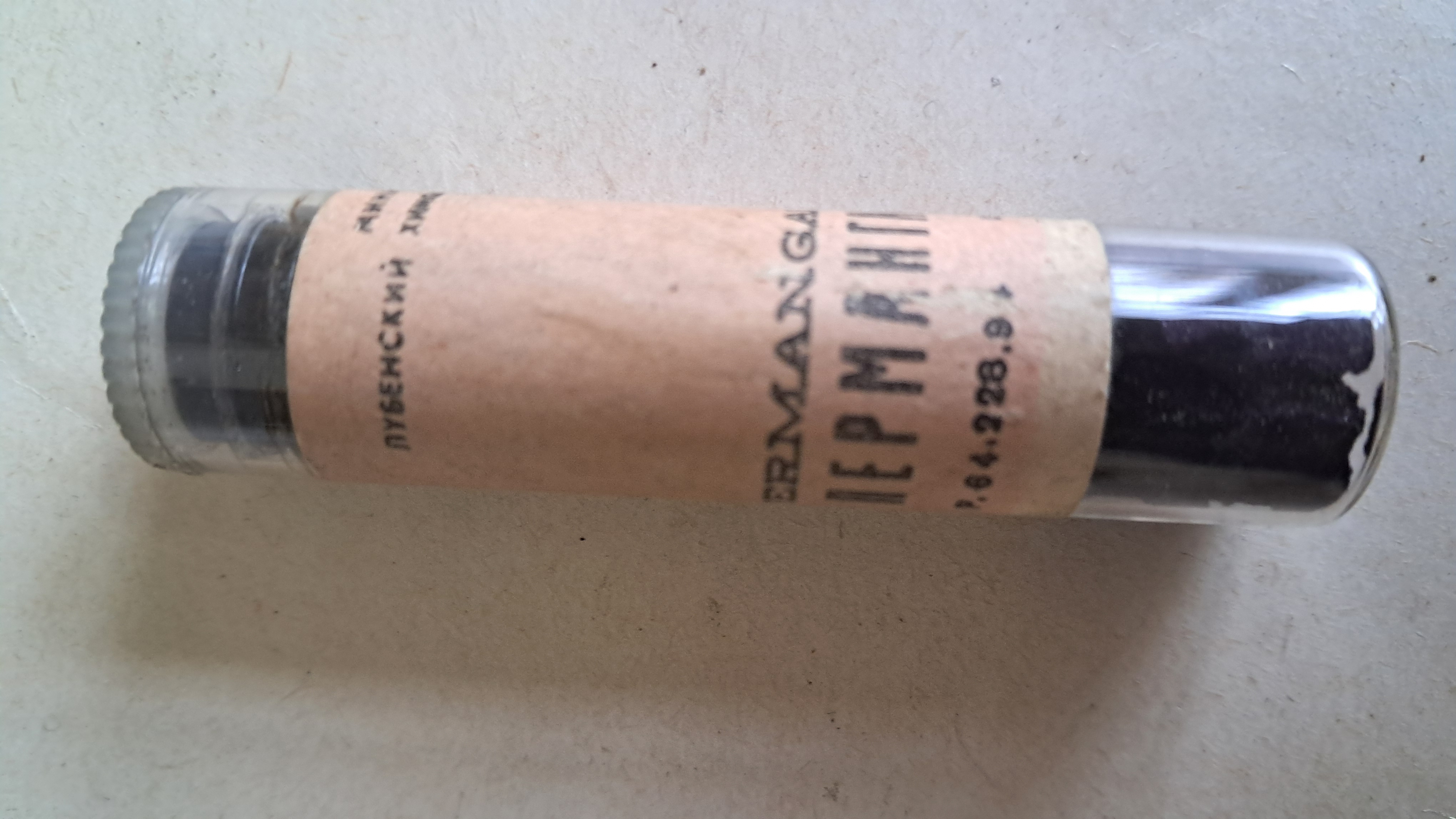
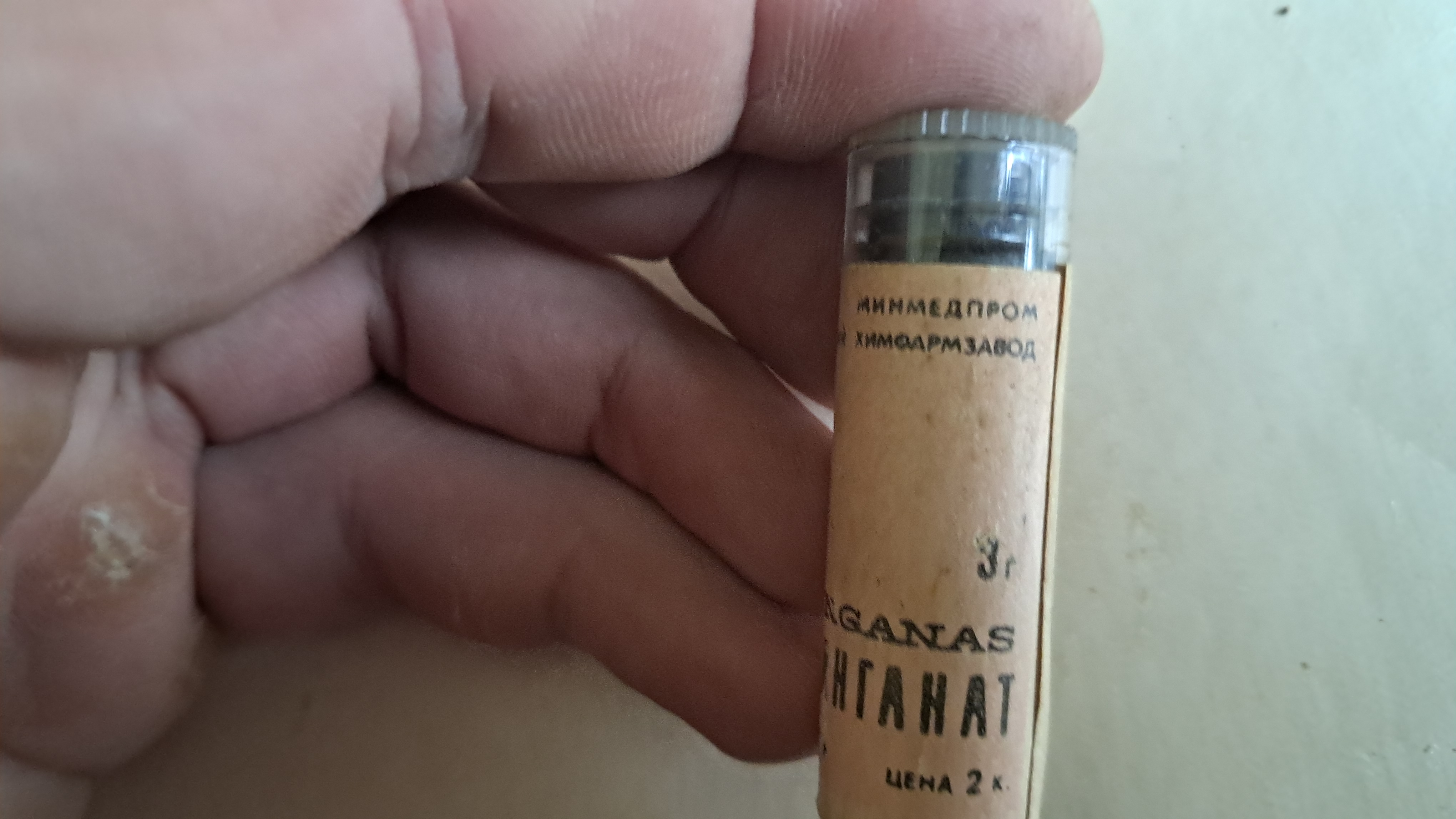
Among the more exotic items were tellurium dioxide, cerium sulfate, and molybdenum trioxide. I also found a tiny bottle of potassium permanganate - a substance that was once freely available in virtually any pharmacy but is now subject to extremely strict regulations.


Химические Реактивы - Часть 2
В показанной выше лаборатории химических реактивов почти не было, зато в других лабораториях, в которых я побывал, осталось немало реактивов. Собственно, потому меня и попросили осмотреть эти лаборатории - необходимо было выяснить, какие вещества там хранятся и для каких исследований их можно использовать. Оказалось, что нужных для наших работ веществ там не было вовсе. Остались в основном органические растворители, стандартные образцы и реактивы для обработки фотопластинок.

Из того, что меня заинтересовало, отмечу несколько примеров. Нашел н-амиловый спирт и бутлочку с диэтиловым эфиром. Я много раз работал с изоамиловым спиртом, в частности, он используется для определения содержания жира в молокопродуктах. Я даже серьезно планировал провести синтез азотнокислого эфира изоамилового спирта (изоамилнитрат), но такая необходимость отпала. Не удержался, открыл бутылку с н-амиловым спиртом и понюхал - запах оказался нейтральным и сравнительно слабым. Зато изоамиловый спирт имеет довольно сильный неприятный запах, который ассоциируется с сивушными маслами и некачественным алкоголем.

Нашелся также амиловый эфир уксусной кислоты - вероятно, он использовался для экстракции.

Бутылочка с эфиром меня заинтересовала тем, что она была старой, но растворитель из нее не улетучился. Диэтиловый эфир известен своей способностью постепенно испаряться даже из хорошо закрытой тары.

Из экзотических вещей были диоксид теллура, сульфат церия и молибденовый ангидрид. Также нашлась крохотная бутылочка перманганата калия - раньше это вещество свободно продавалось в любой аптеке, зато теперь оно находится под строжайшими ограничениями.


Chemical Reagents
Old Chemical Reagents

Chemical Reagents

Chemical Reagents

Chemical Reagents

Chemical Reagents

Chemical Reagents

Chemical Reagents

Chemical Reagents

Chemical Reagents

Chemical Reagents

Chemical Reagents

Chemical Reagents

Chemical Reagents

Chemical Reagents

Chemical Reagents

Chemical Reagents

Chemical Reagents

Chemical Reagents

Chemical Reagents

Chemical Reagents

Chemical Reagents

Chemical Reagents

Chemical Reagents

Chemical Reagents

Chemical Reagents

Chemical Reagents

Chemical Reagents

Chemical Reagents

Chemical Reagents

Chemical Reagents

Chemical Reagents

Chemical Reagents

Chemical Reagents

Chemical Reagents

Chemical Reagents

Chemical Reagents

Chemical Reagents

Chemical Reagents

Chemical Reagents

Chemical Reagents

Chemical Reagents

Chemical Reagents


[ Chemical laboratory. Glassware. Reagents. Laboratory operations ]

Chemical photographs and laboratory videos - Discussion on the forum
Photos of reagents - Discussion on the forum
[Submit a Comment / Error Message - Отправить Комментарий / Сообщение об ошибке]