Chemistry and Chemists № 2 2026
Journal of Chemists-Enthusiasts
| Content | Chemistry experiments - video | Physics experiments - video | Home Page - Chemistry and Chemists |
|
Chemistry and Chemists № 2 2026 Journal of Chemists-Enthusiasts |
Universal pH Indicator and Extraction - pt.4, 5 Chemist |
|
Having noticed a mistake in the text, allocate it and press Ctrl-Enter
Let's Replace Hexane with Dichloromethane (Universal Indicator, Dichloromethane, n-Butanol) - Part 4
While discussing a previous experiment on the forum, a colleague suggested replacing hexane with carbon tetrachloride. Unlike hexane, butanol, or butyl acetate, carbon tetrachloride has a higher density than water. As a result, the organic solvent layer would be underneath rather than on top. I had an idea: if the organic phase turned yellow while the aqueous solution turned blue, the result would resemble a familiar landscape in our country - a blue sky over a golden wheat field. This is precisely the origin of the colors of our national flag: a peaceful, clear sky above a ripe wheat field.
Заменим гексан дихлорметаном (универсальный индикатор, дихлорметан, н-бутанол) - Часть 4 
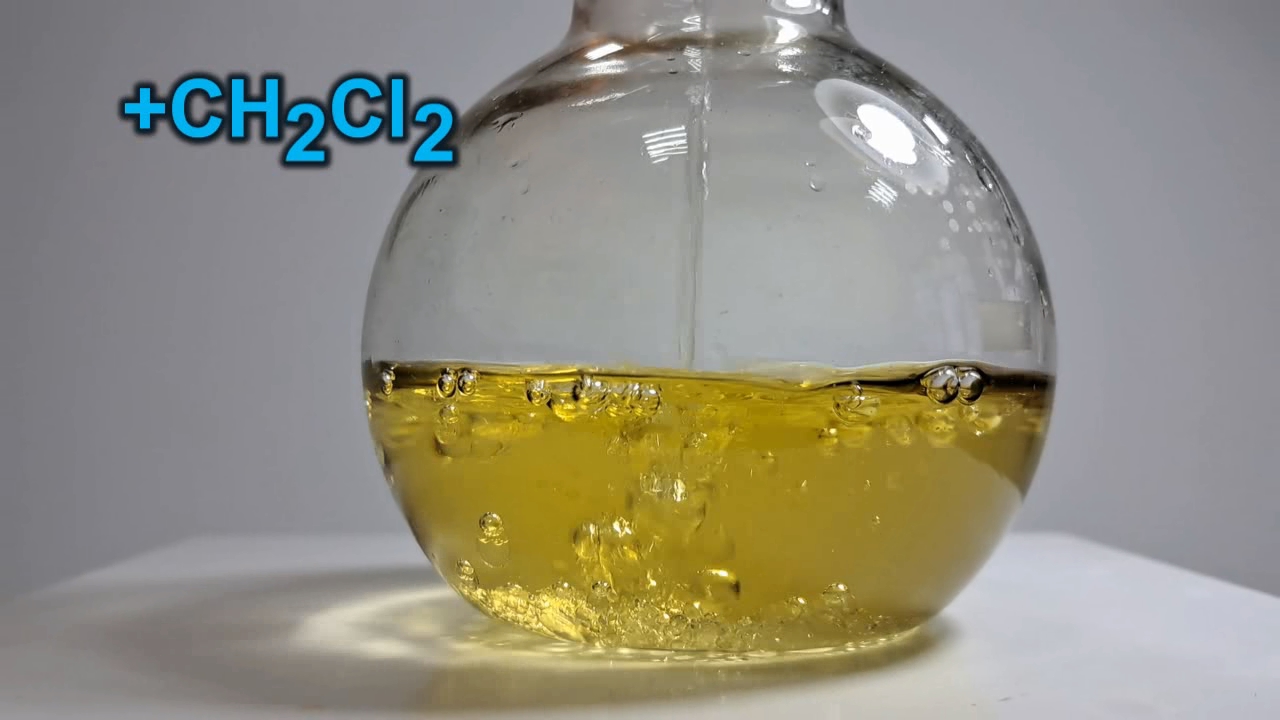
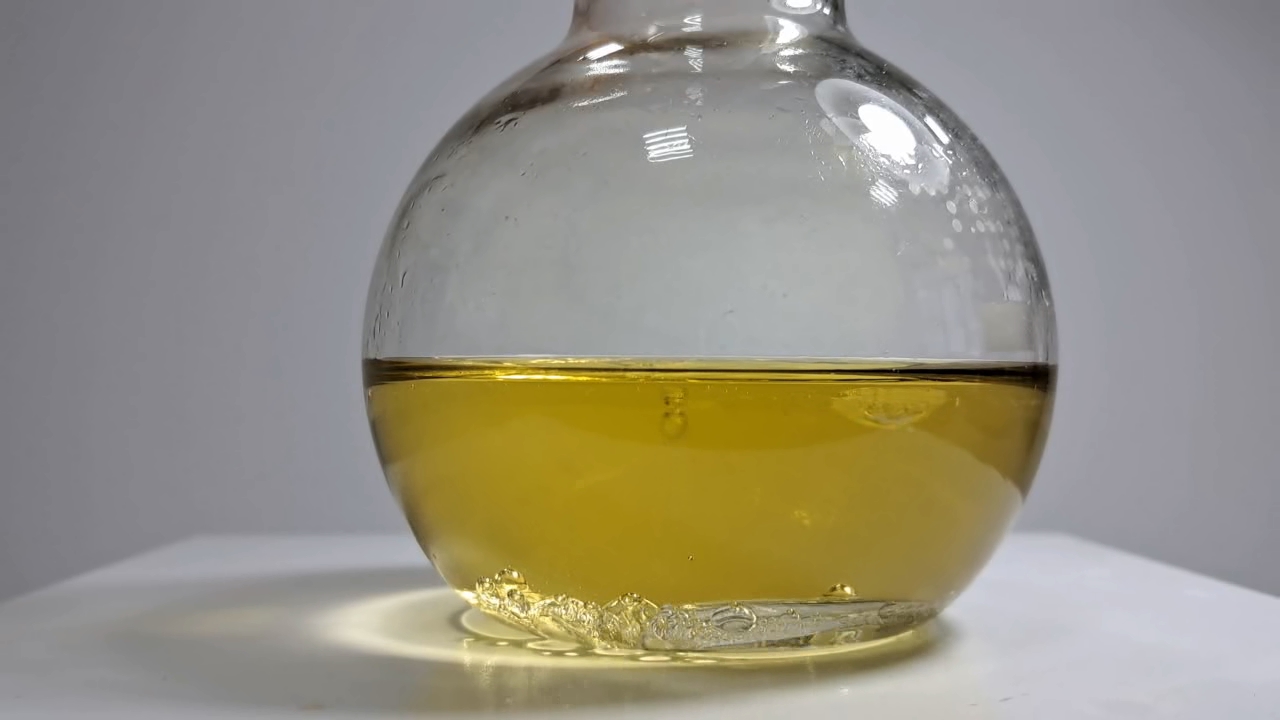
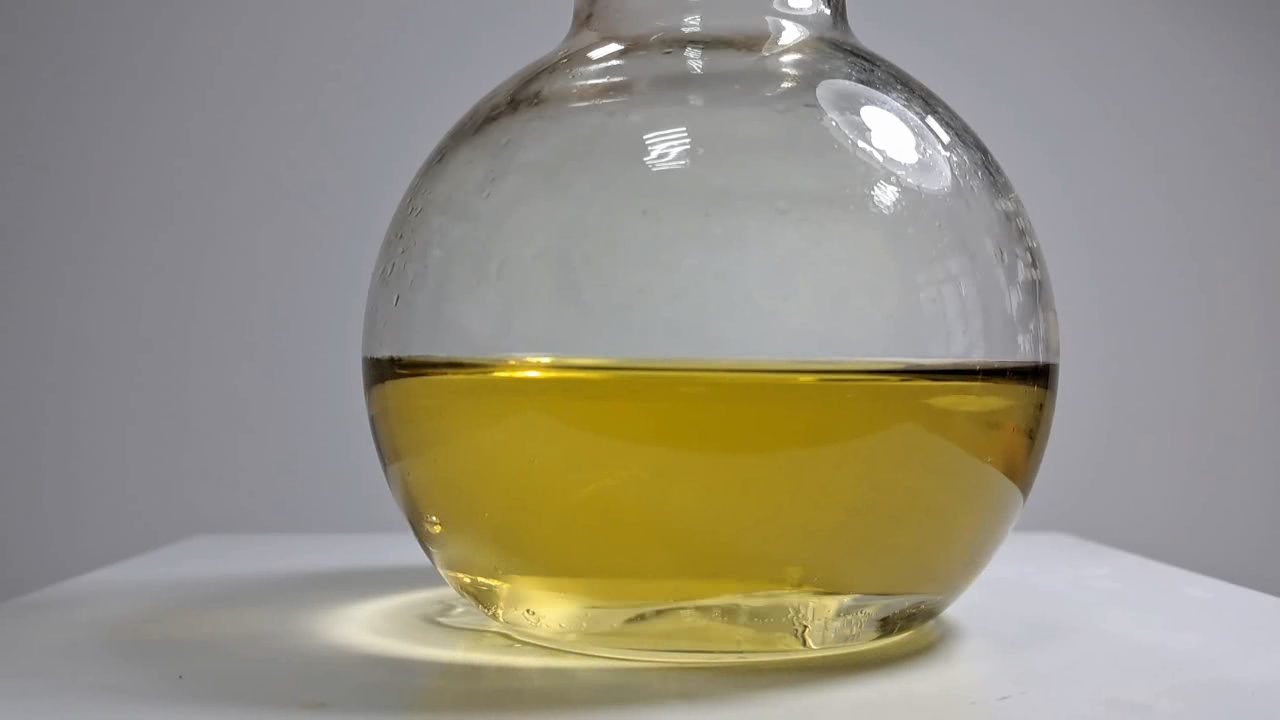
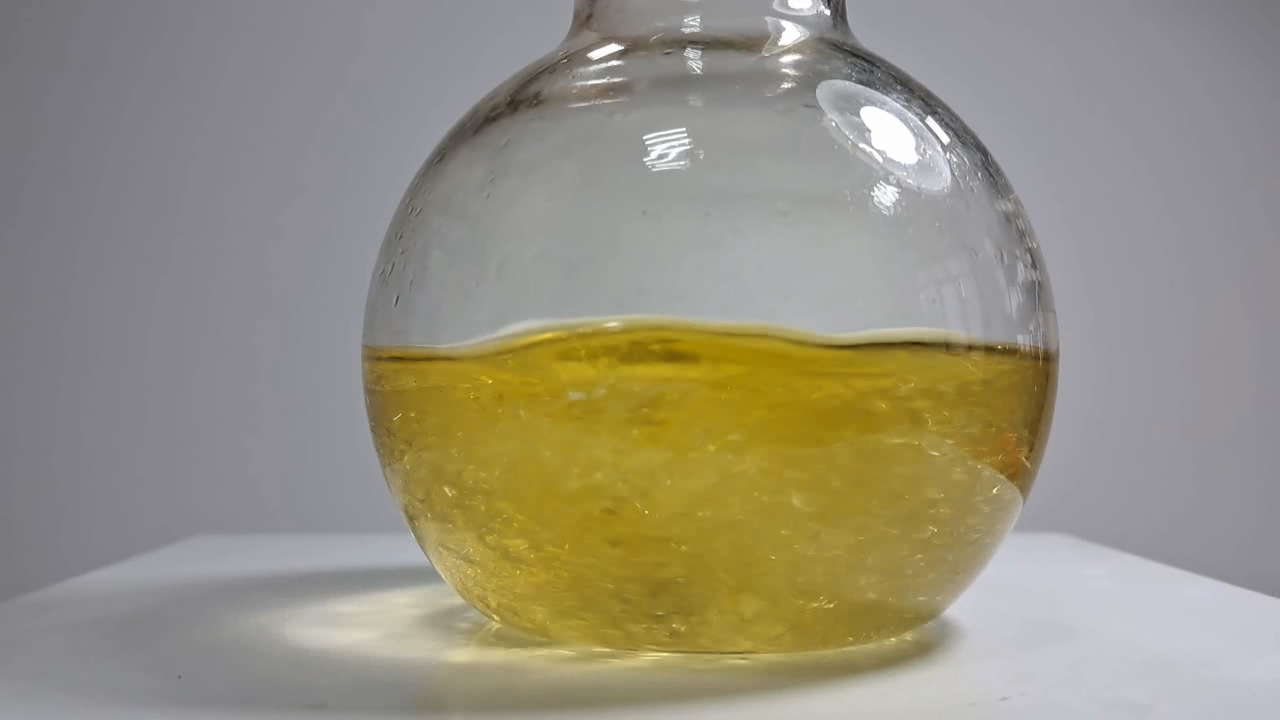
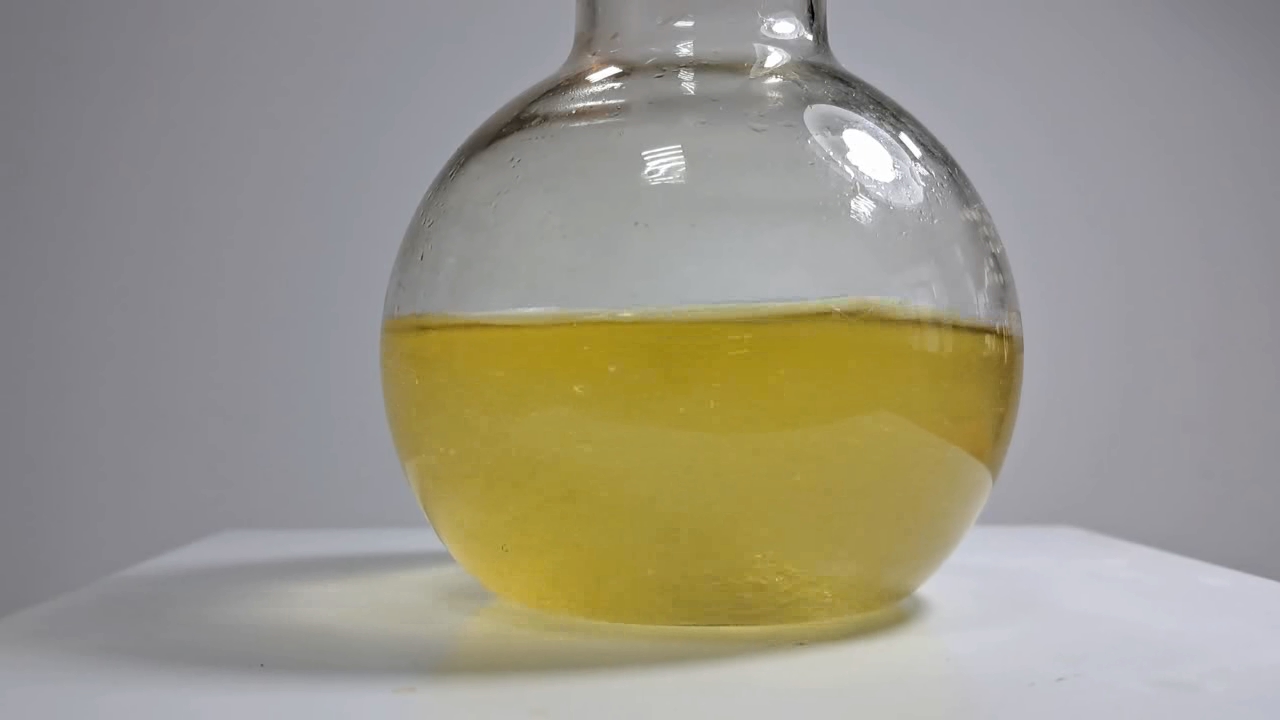
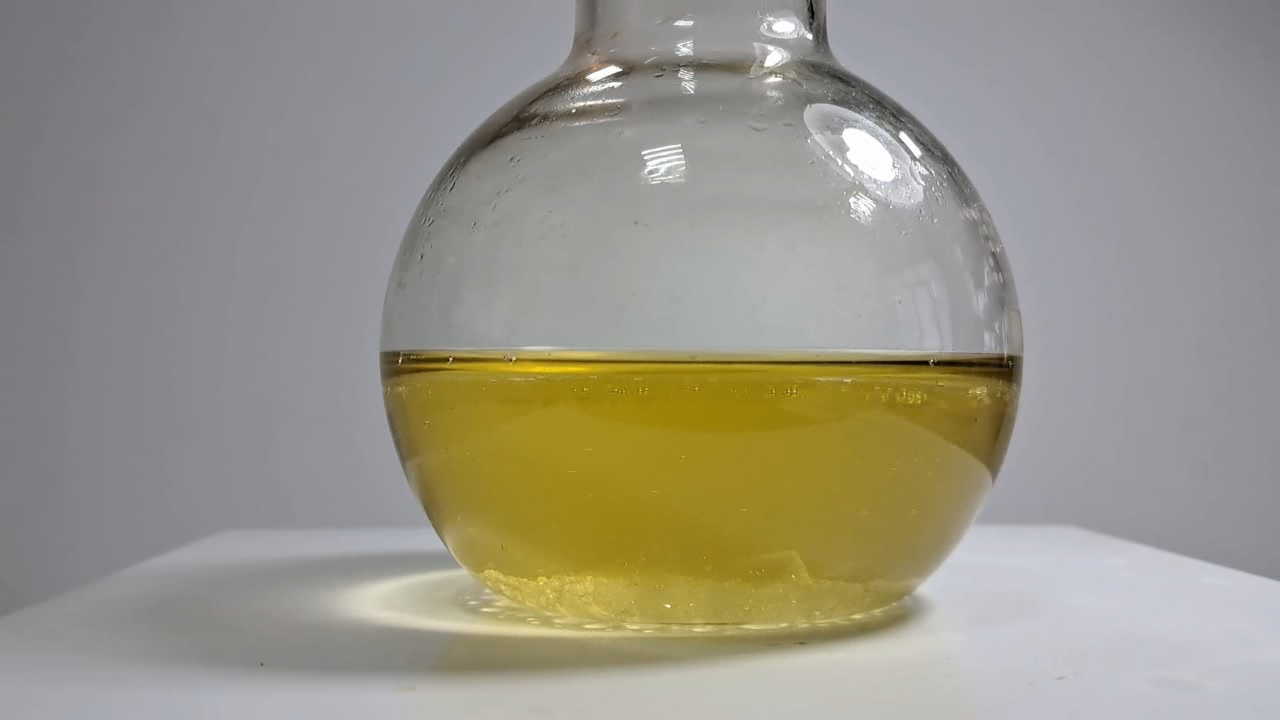
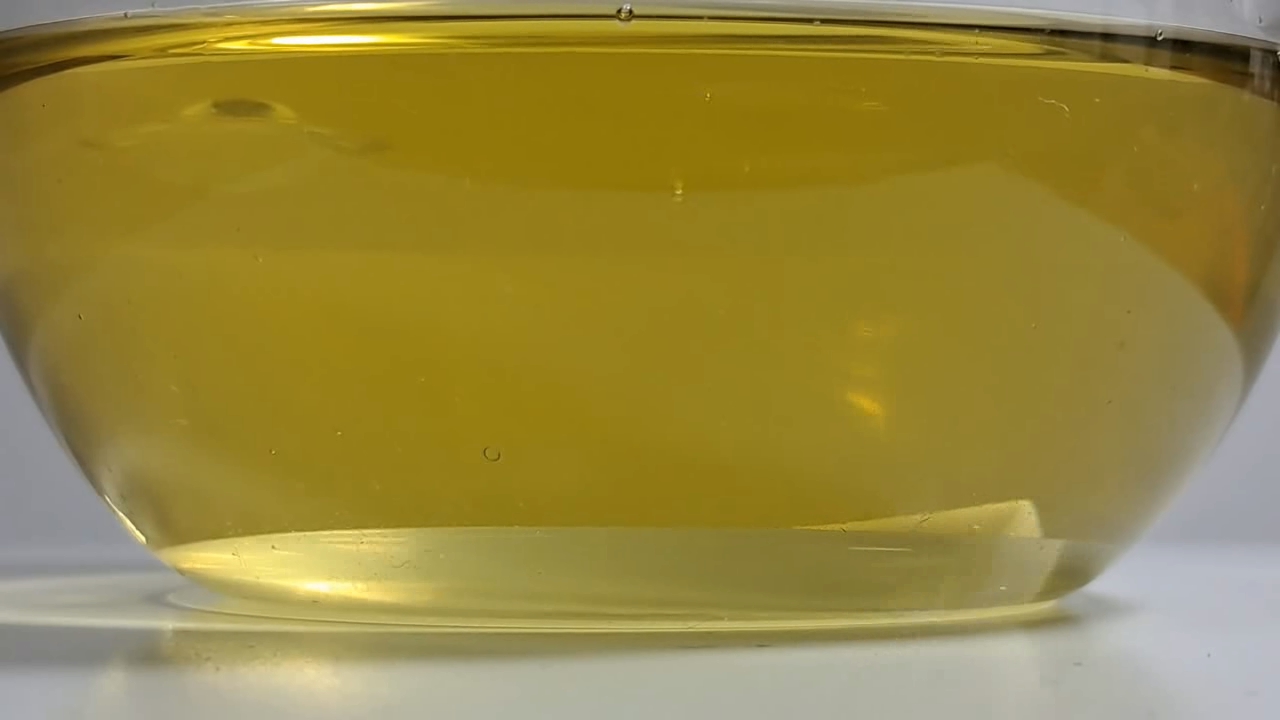
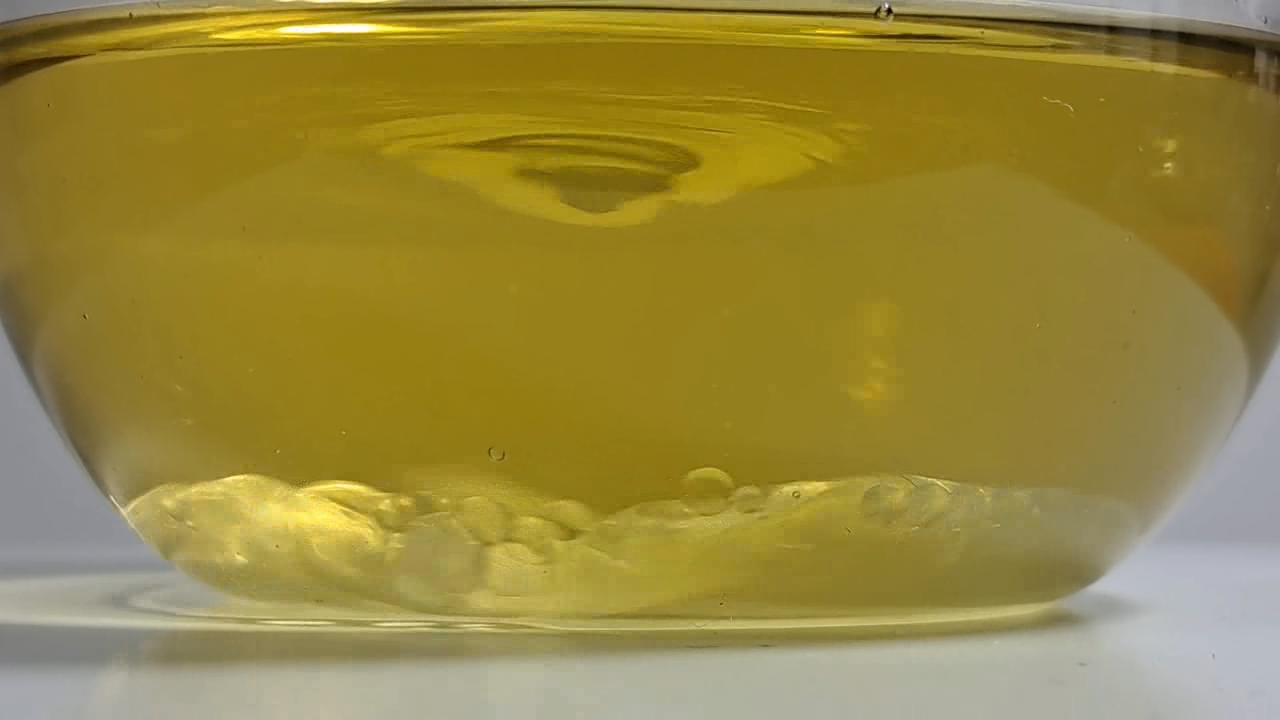
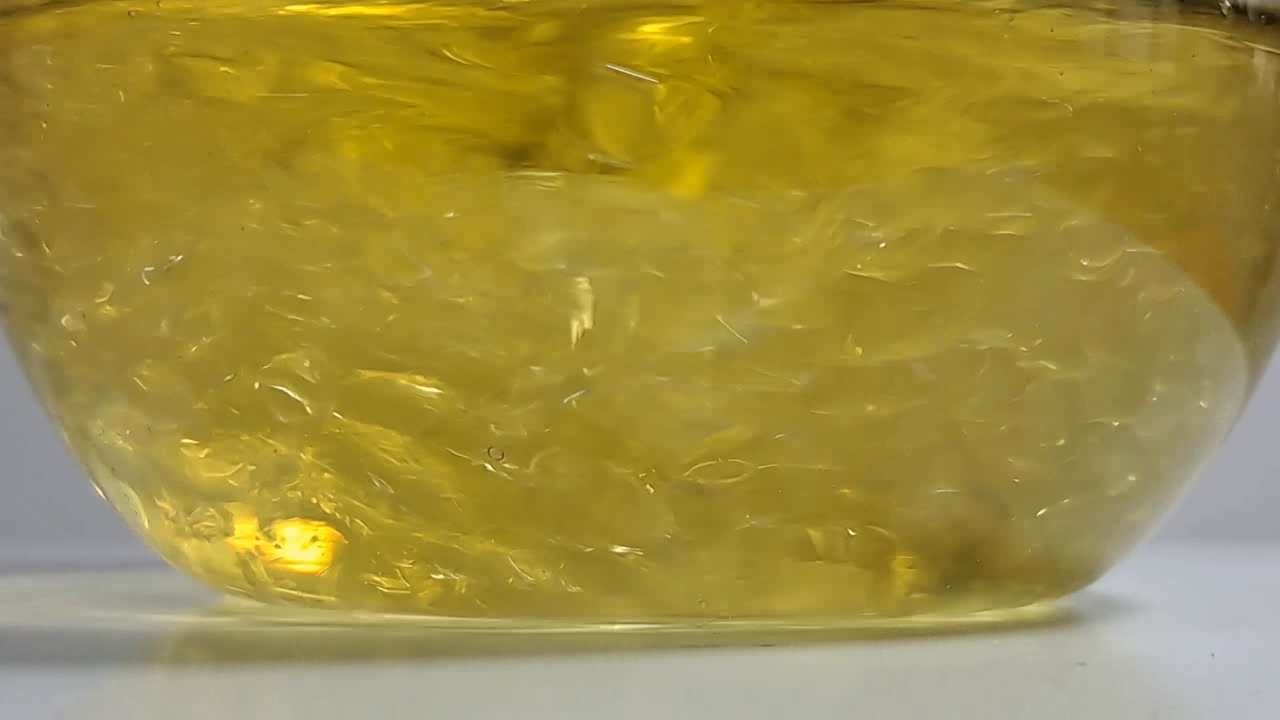
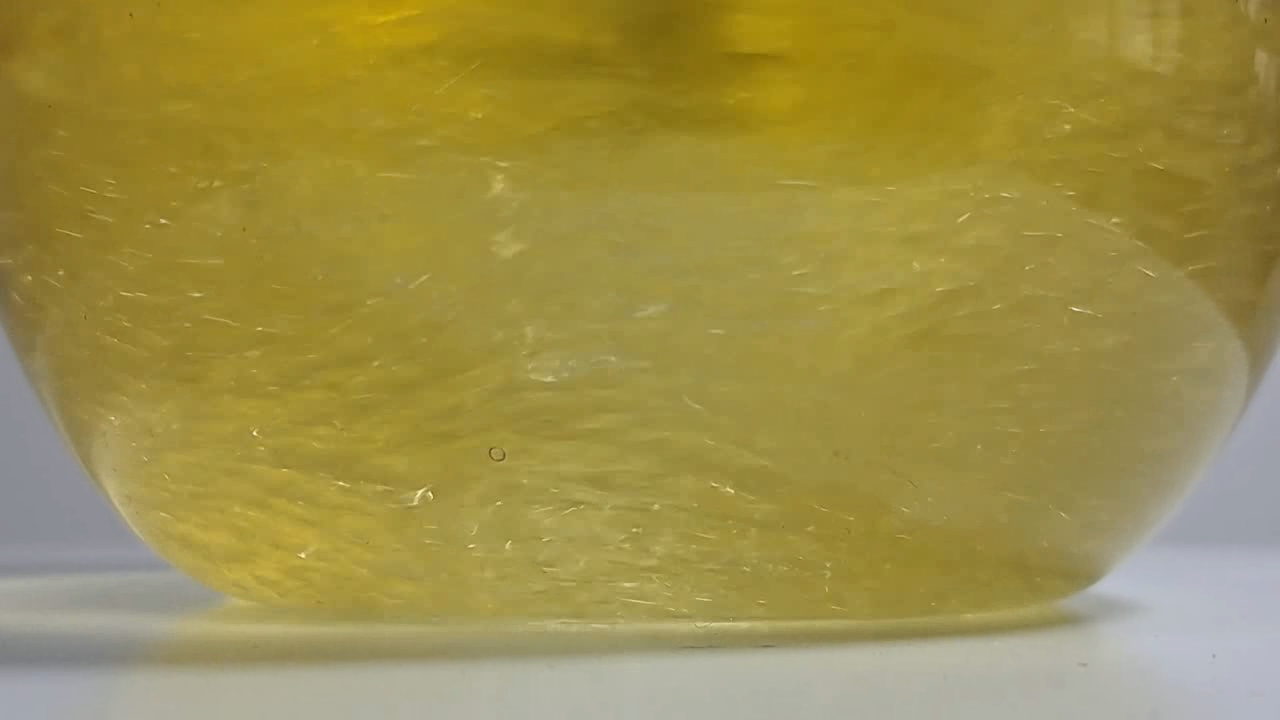
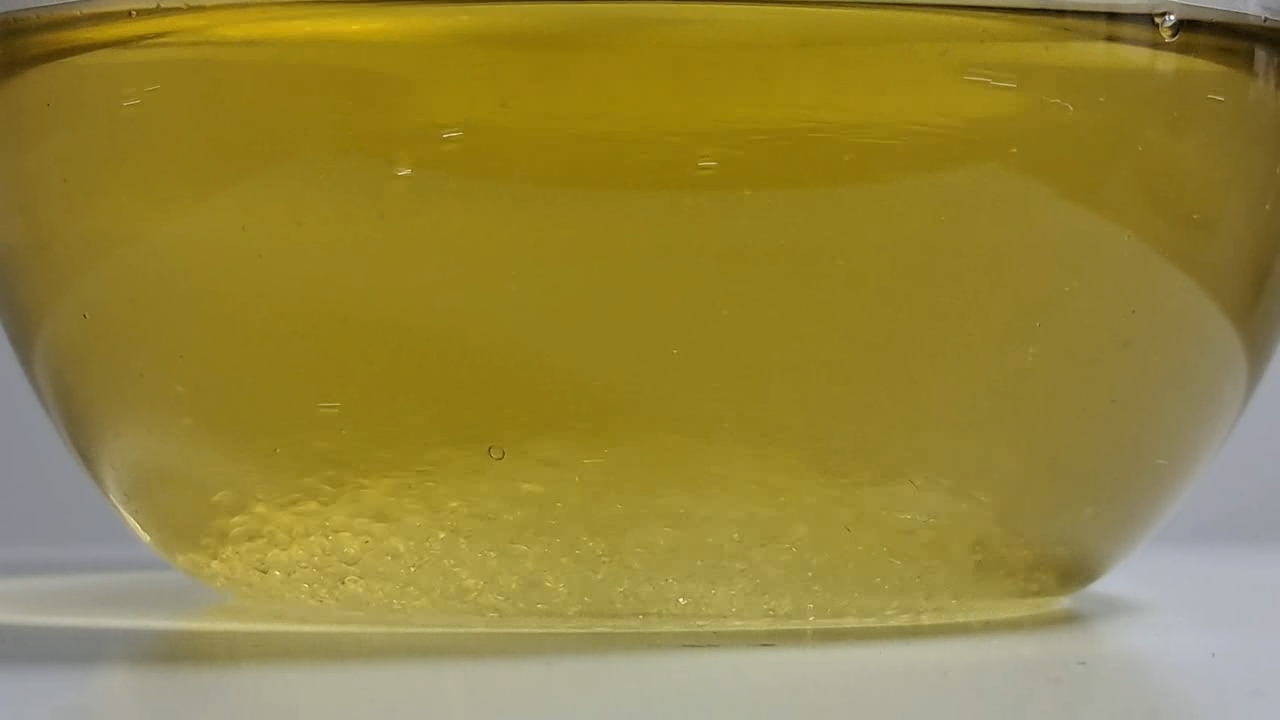
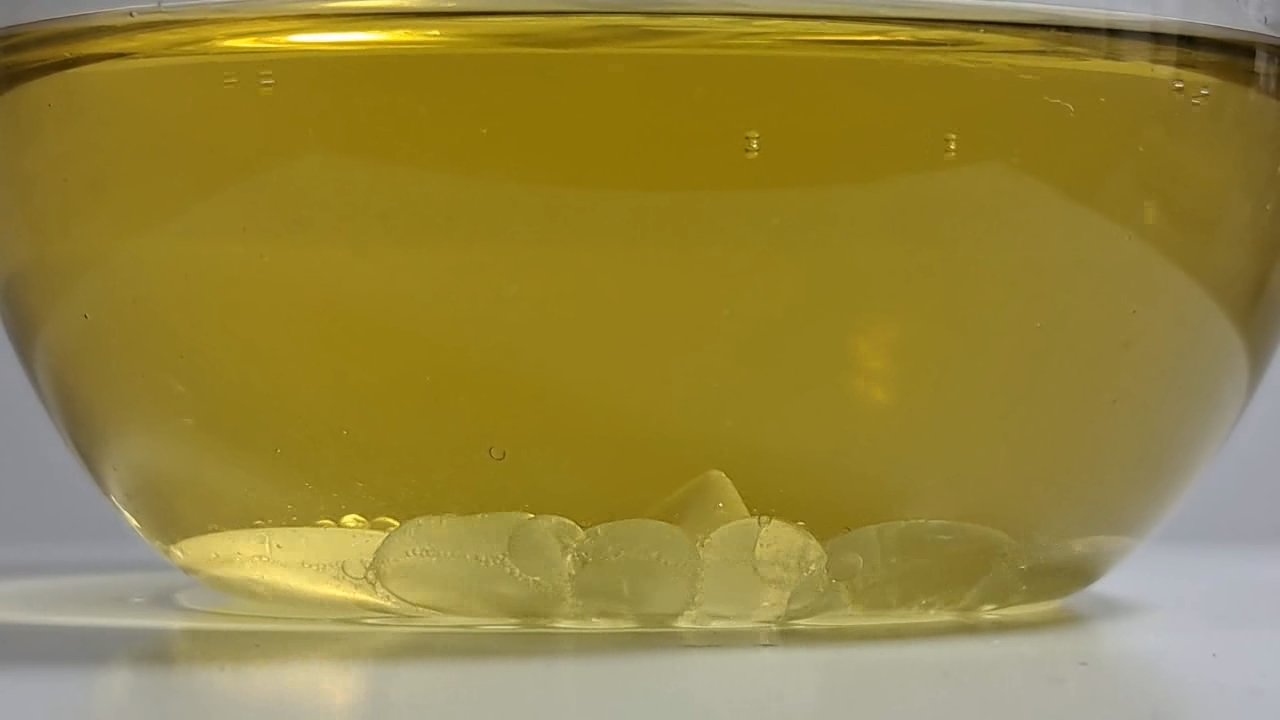
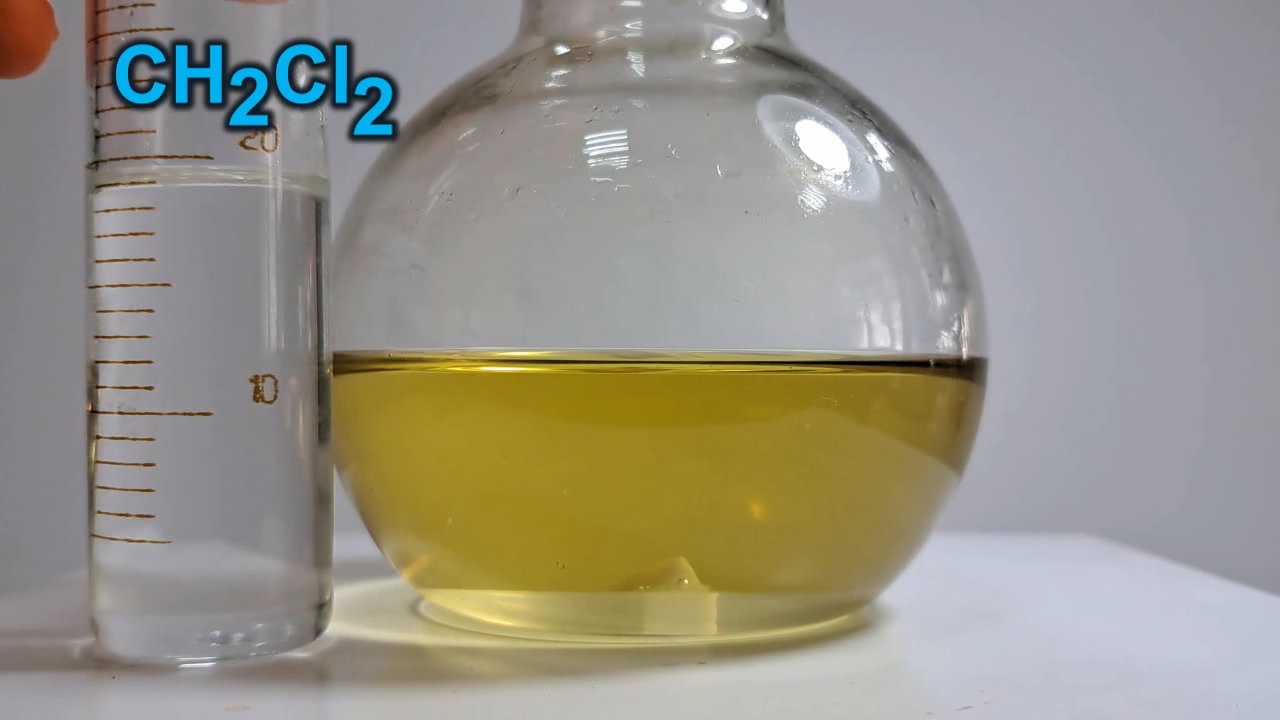
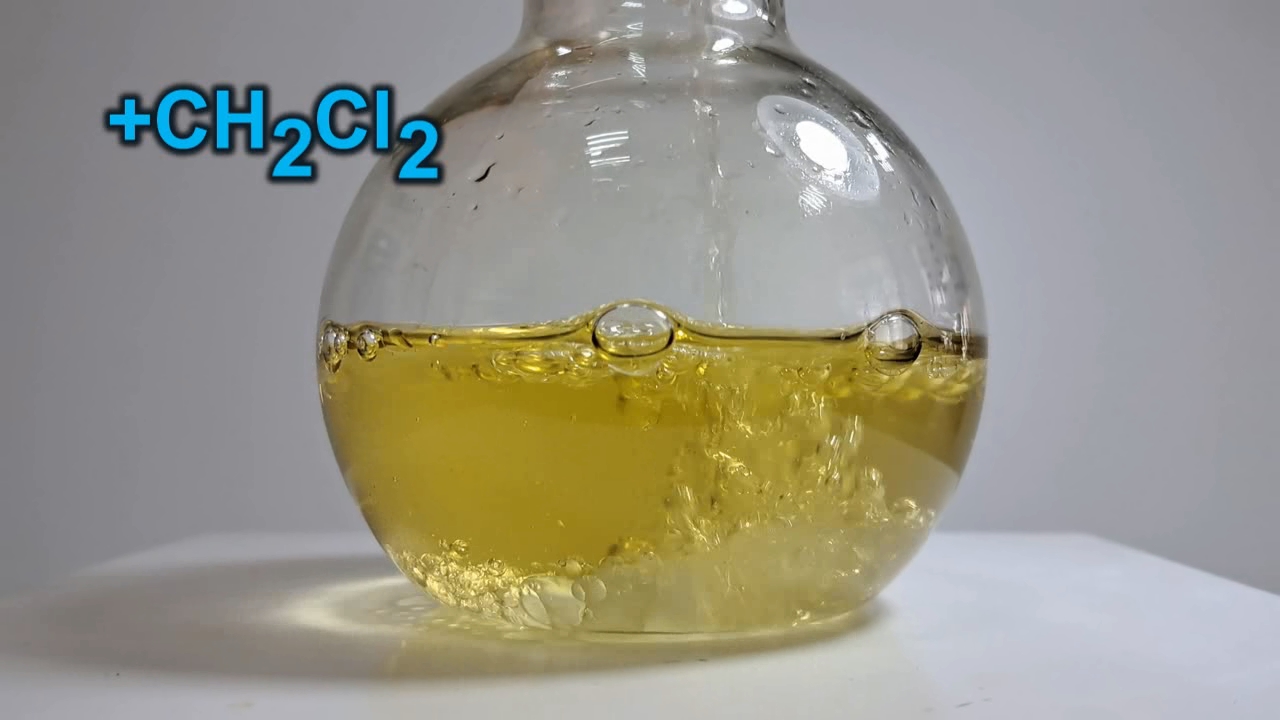
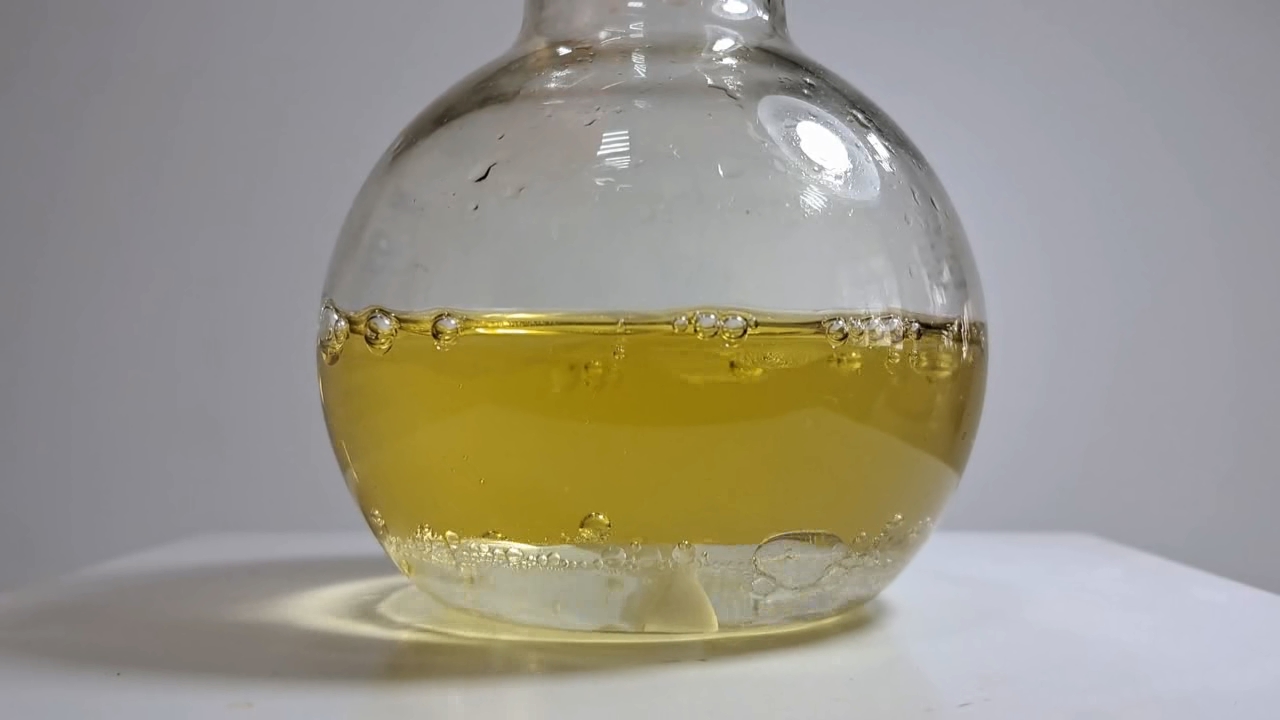
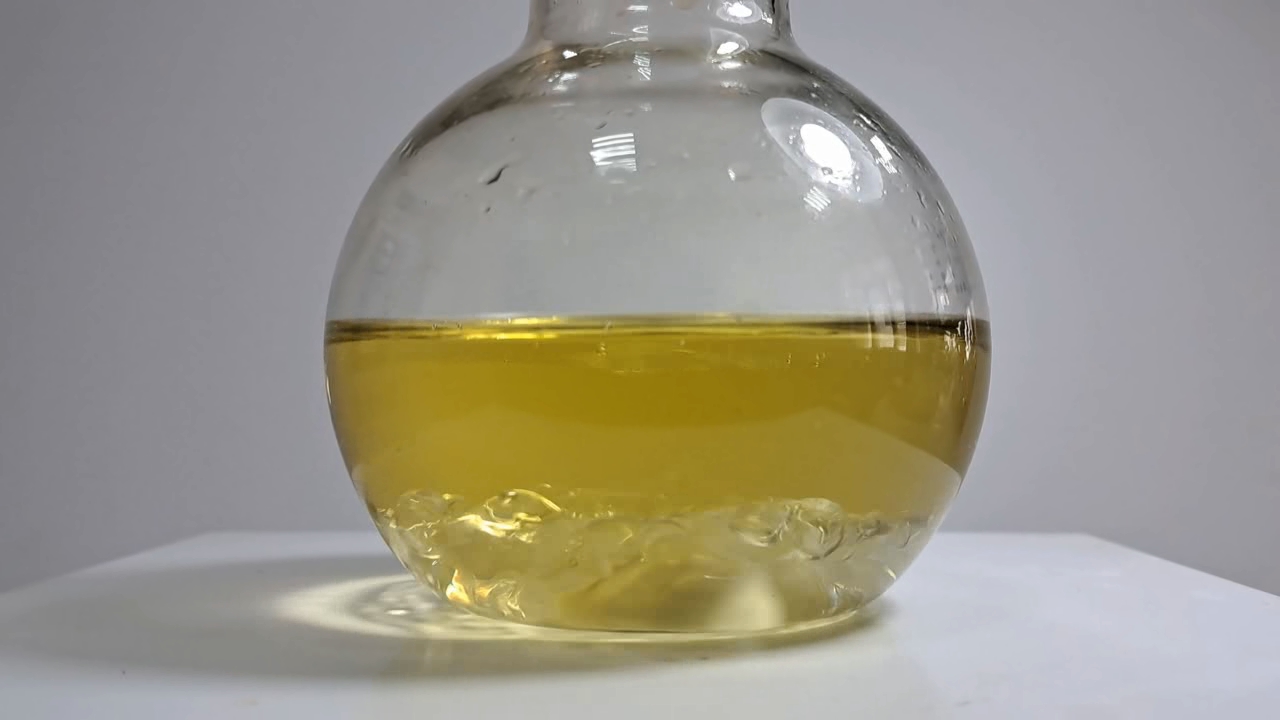
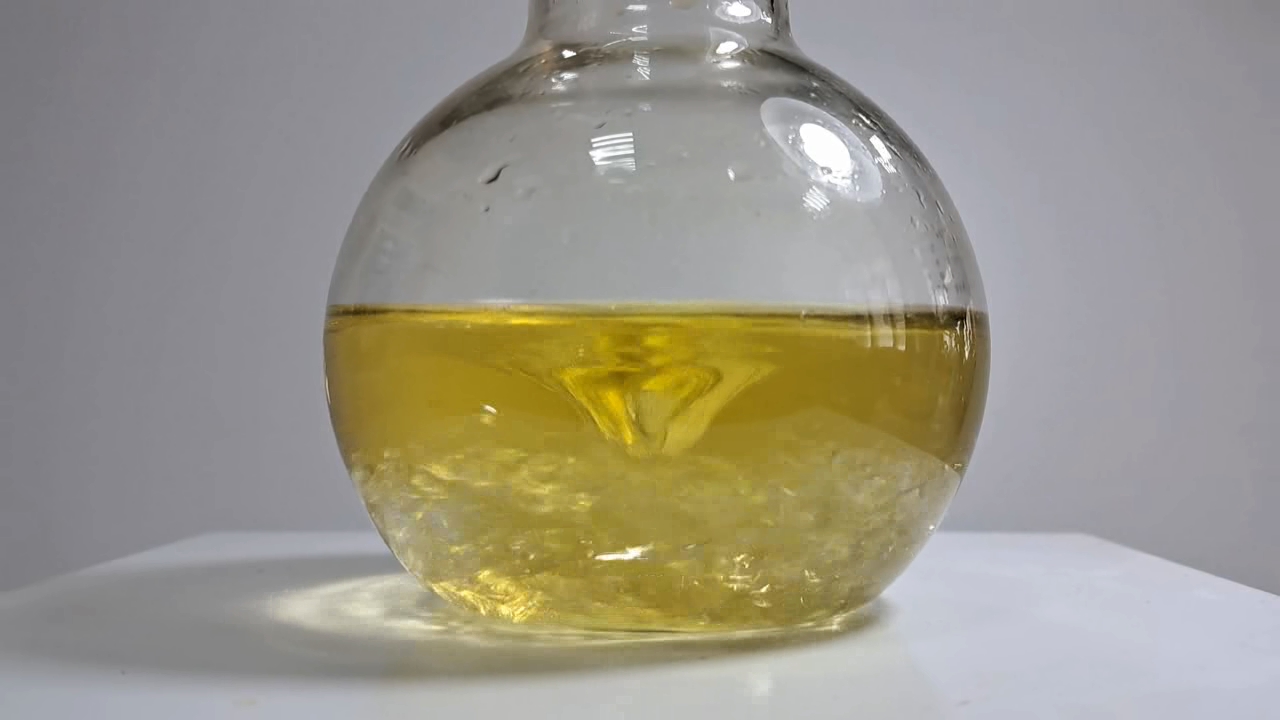
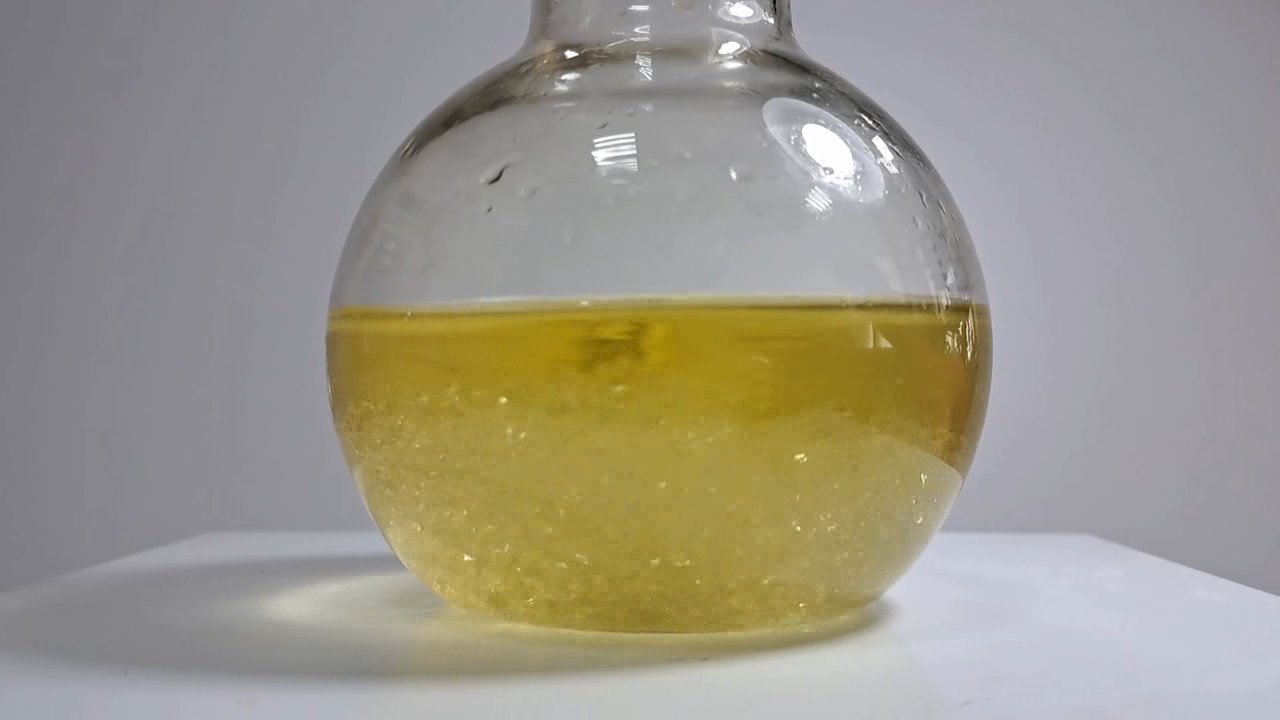
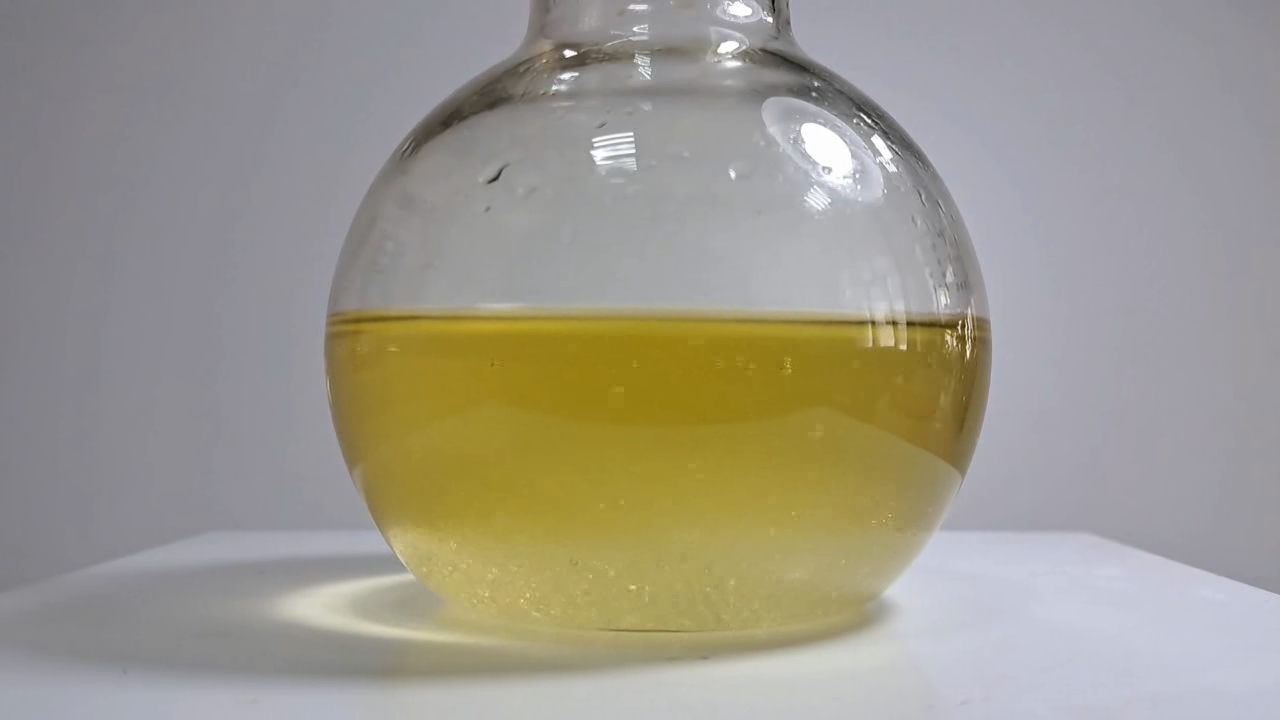
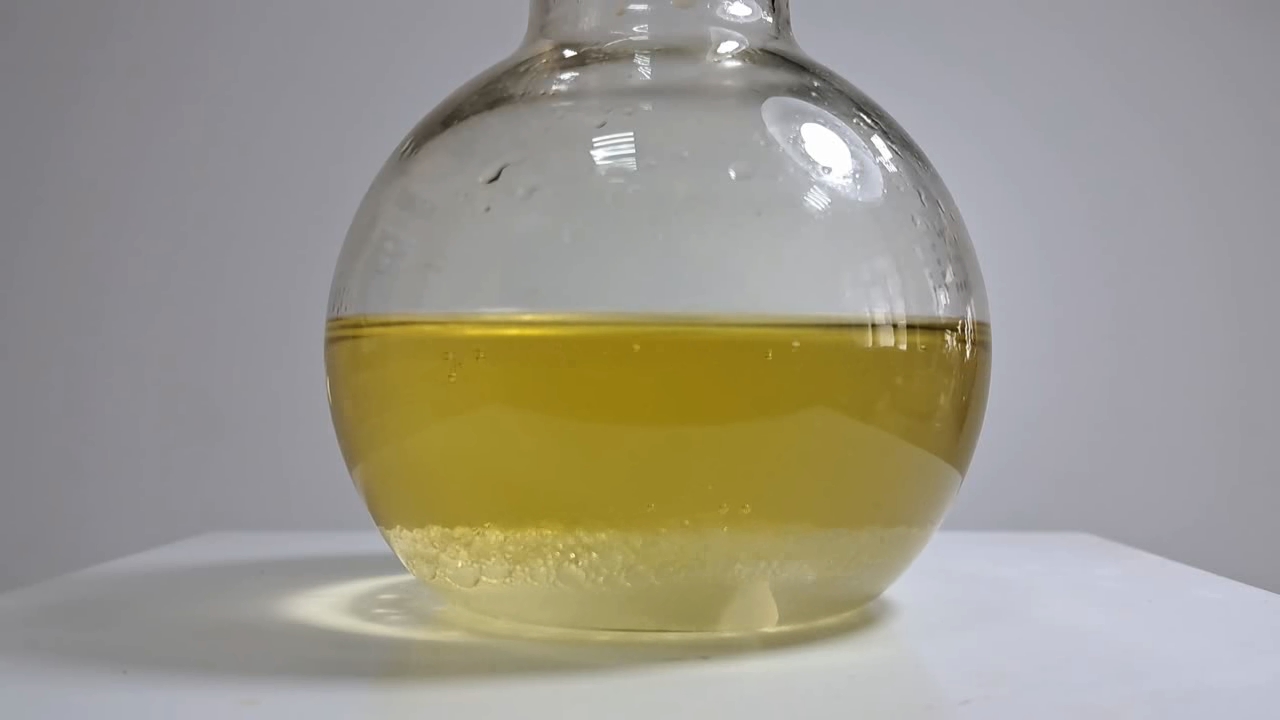
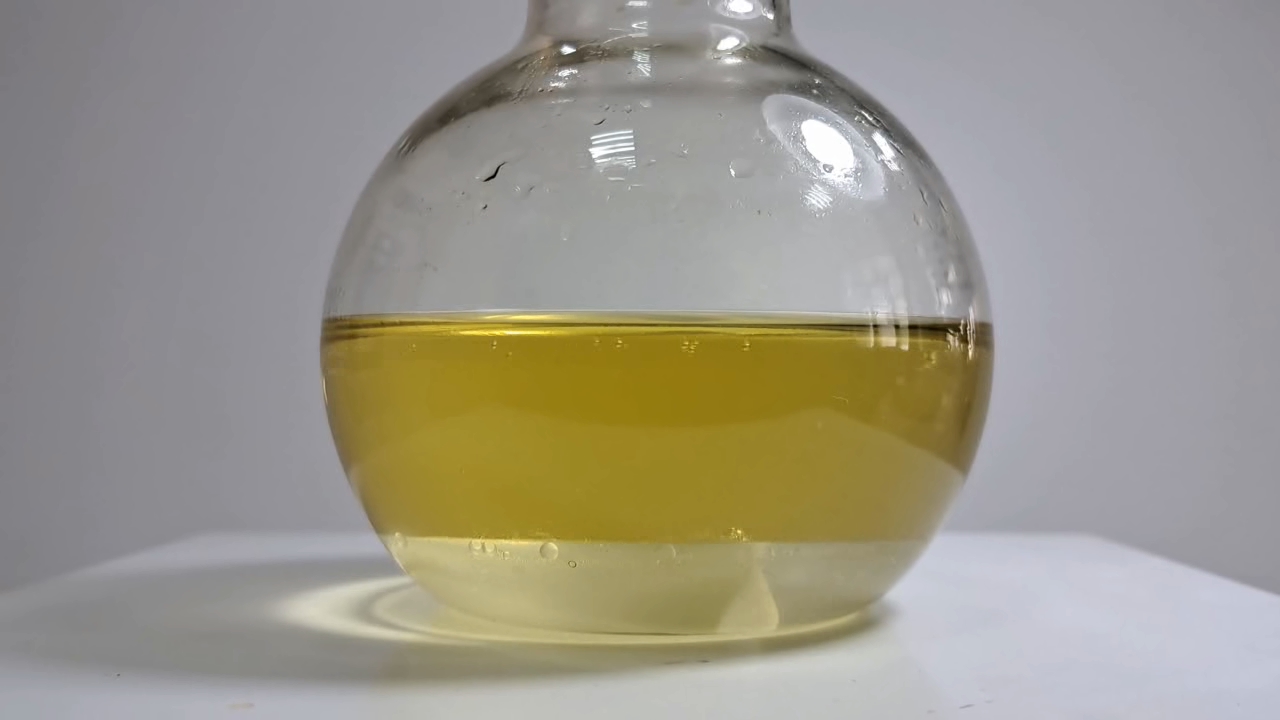
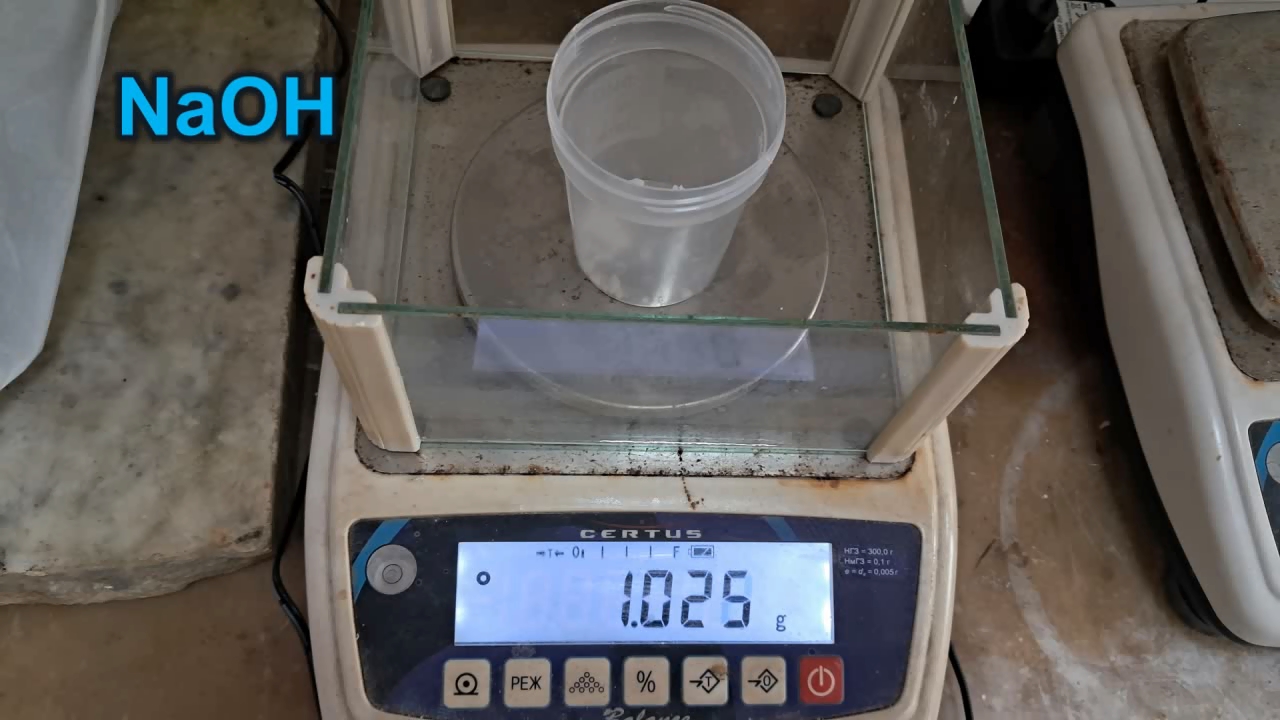
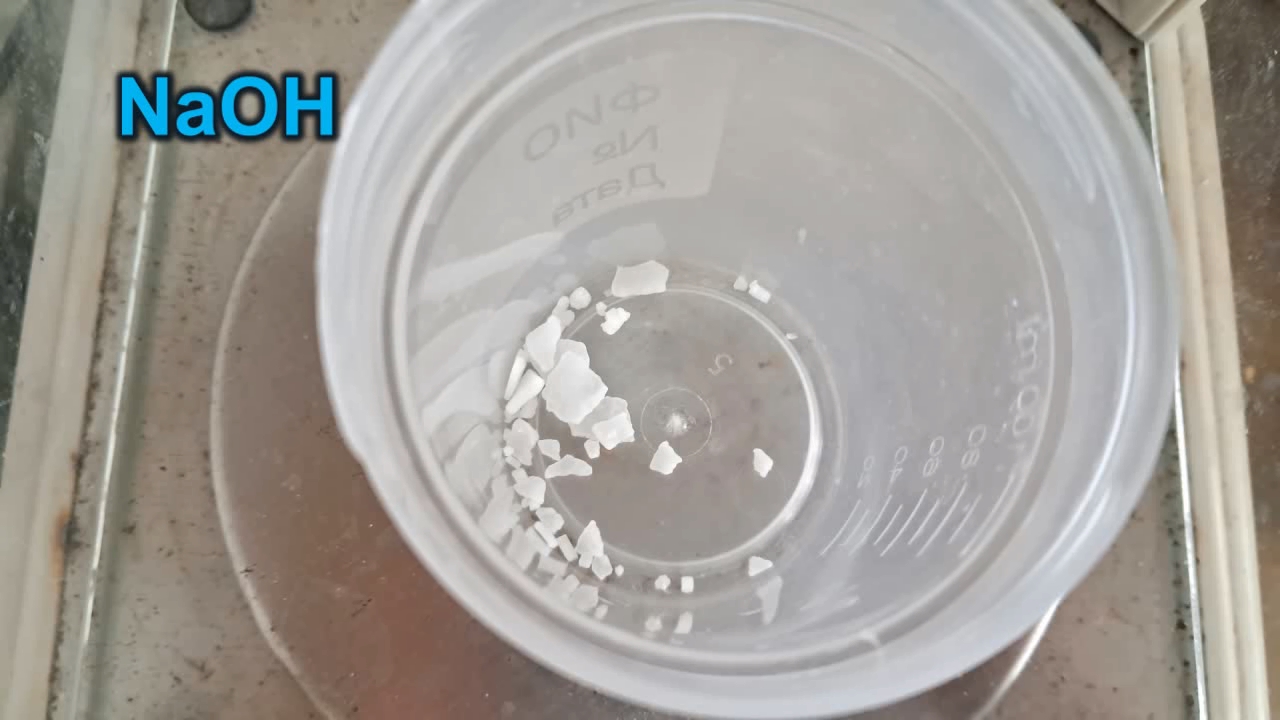
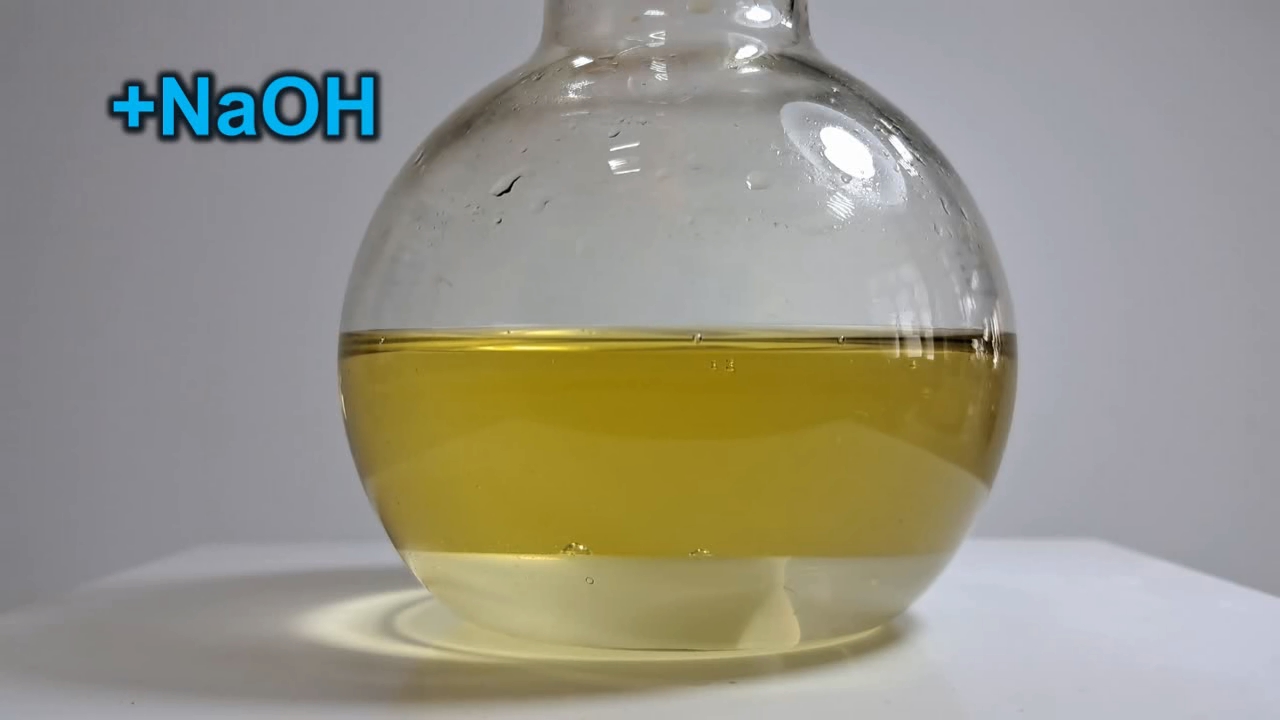
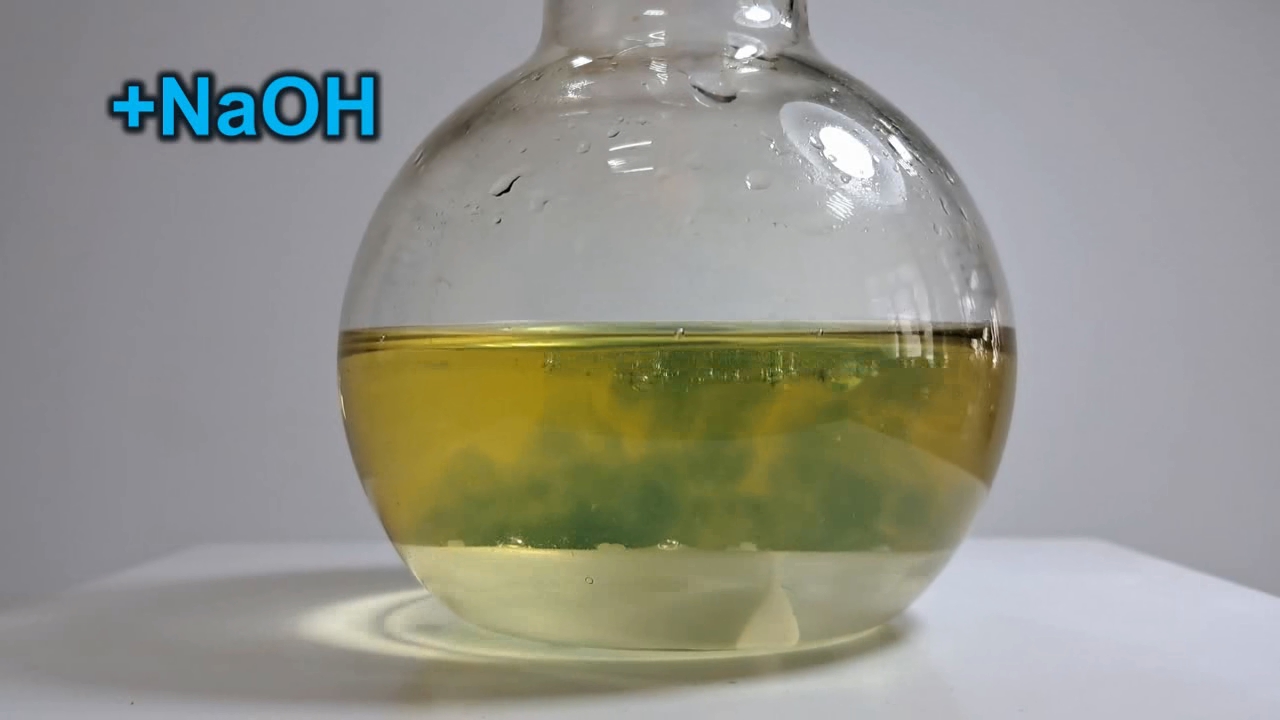
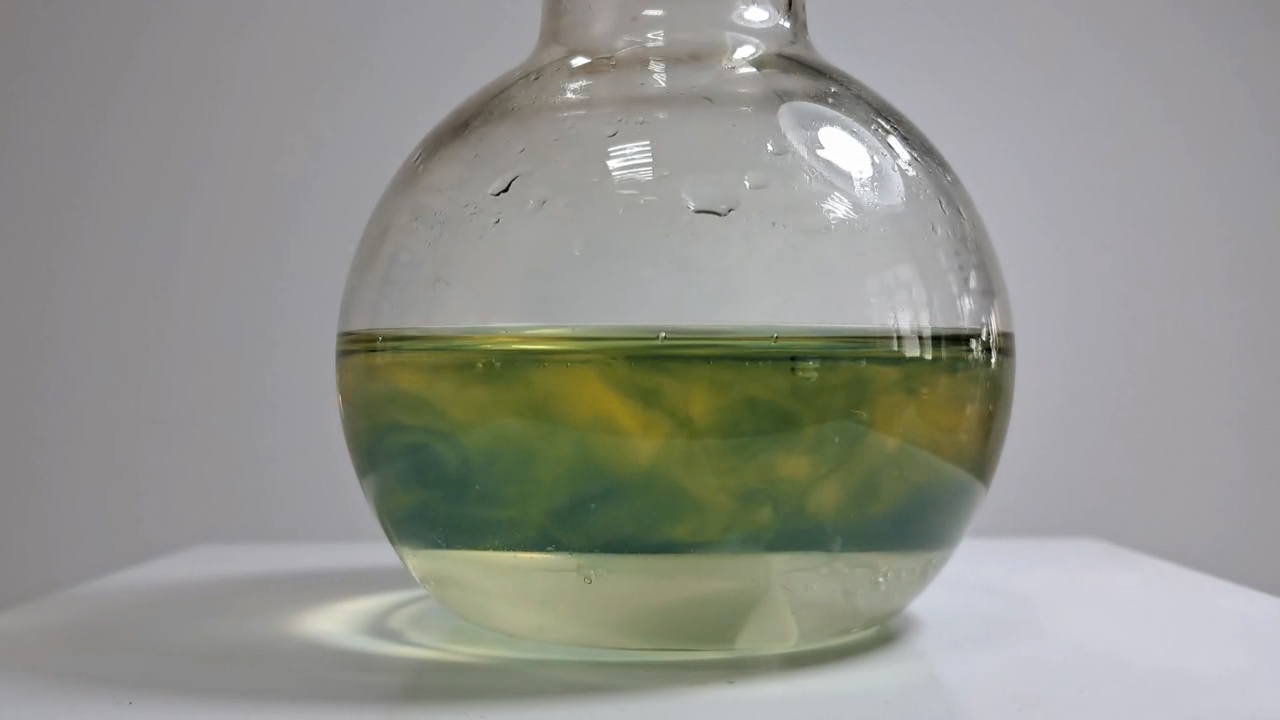
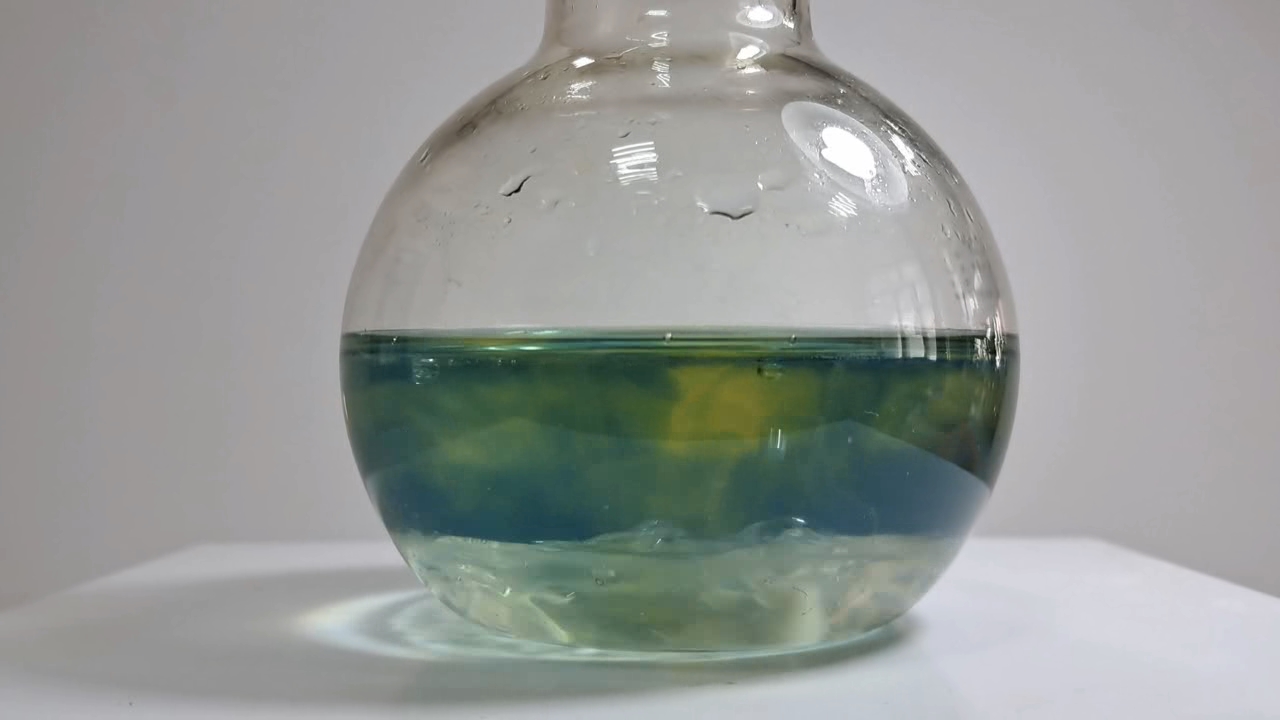
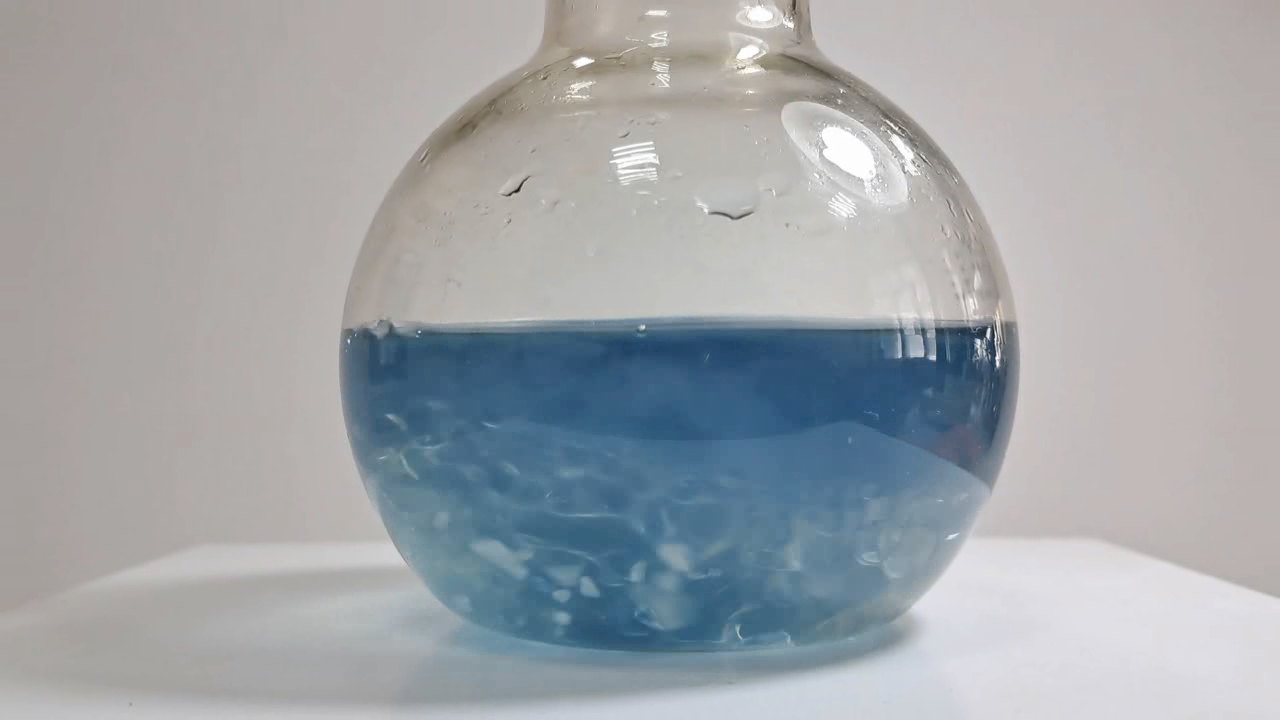
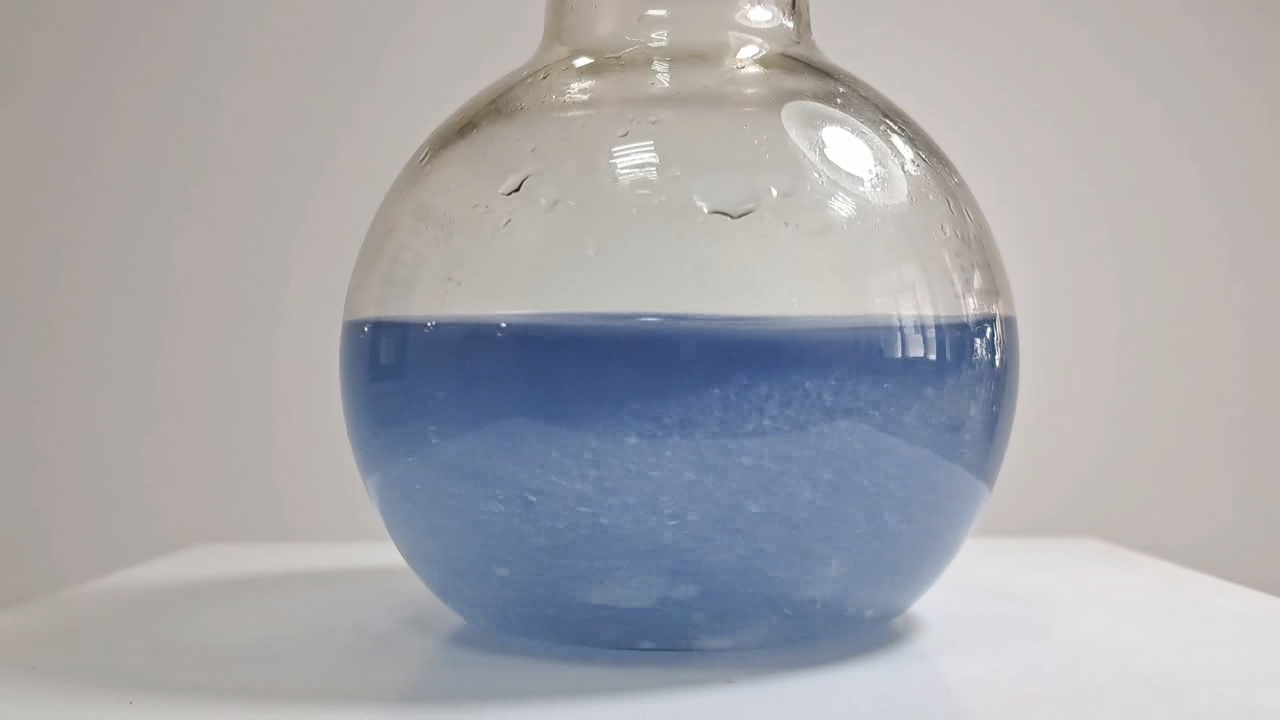
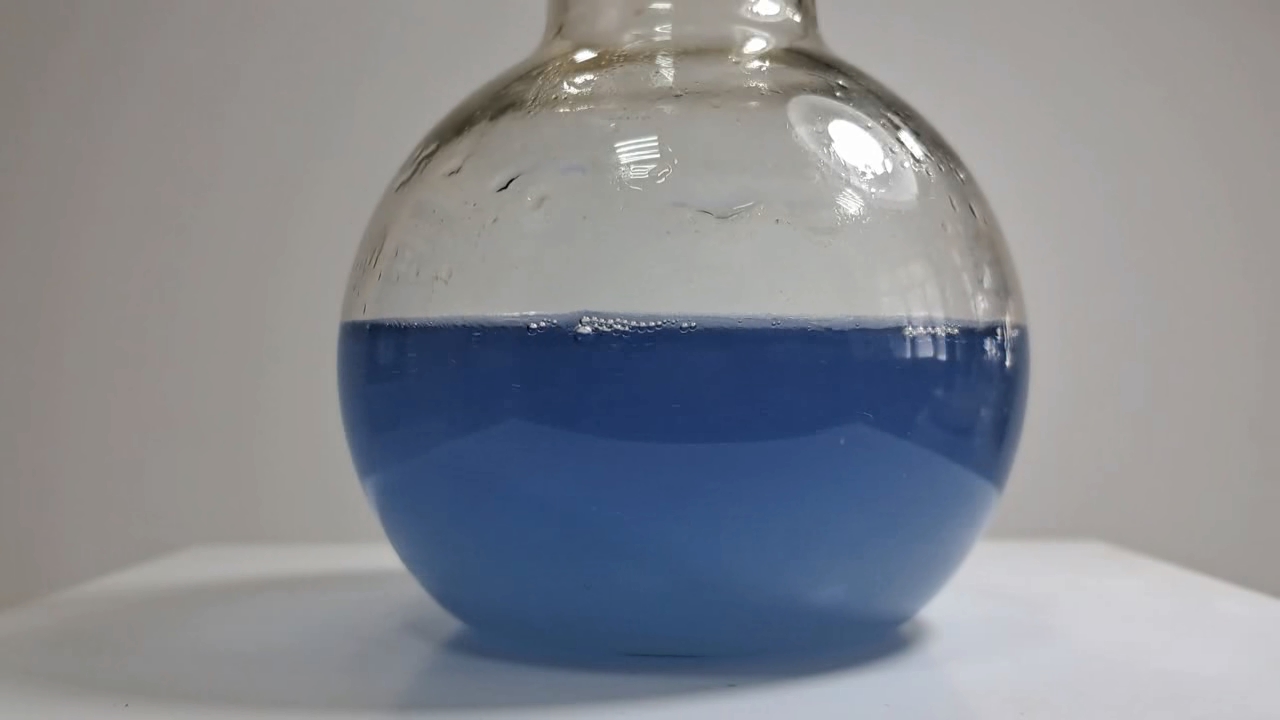
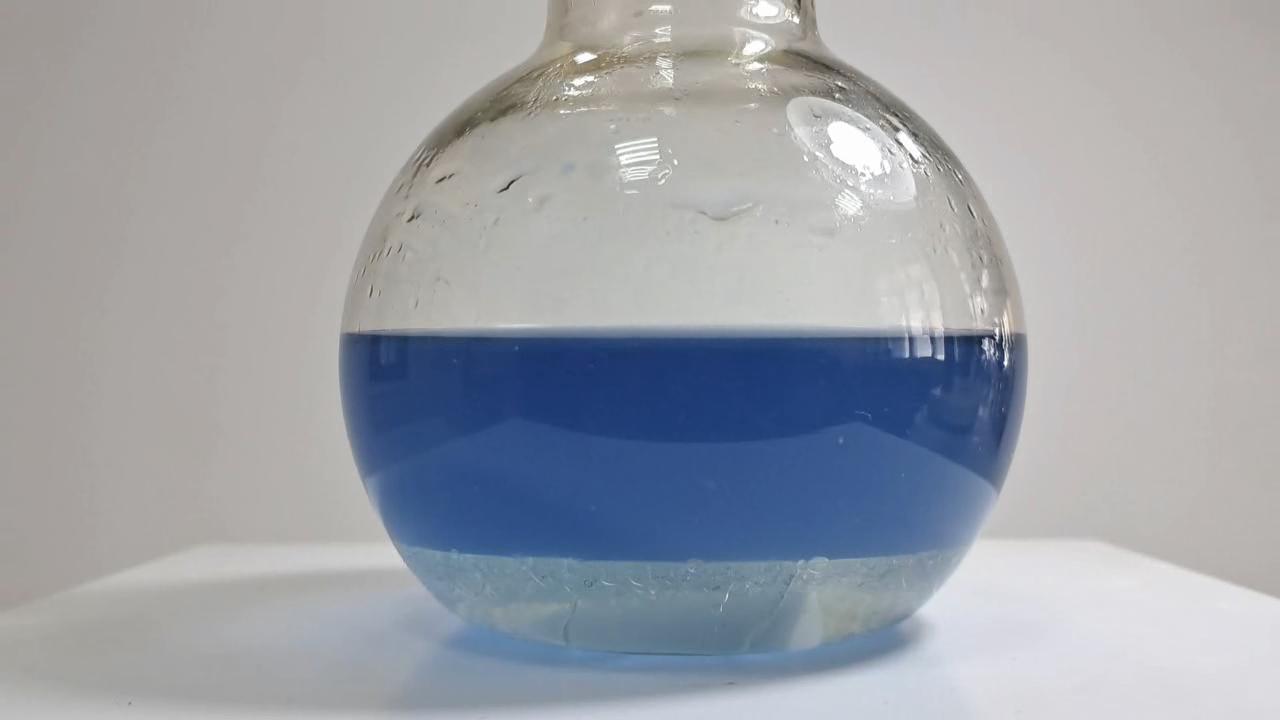
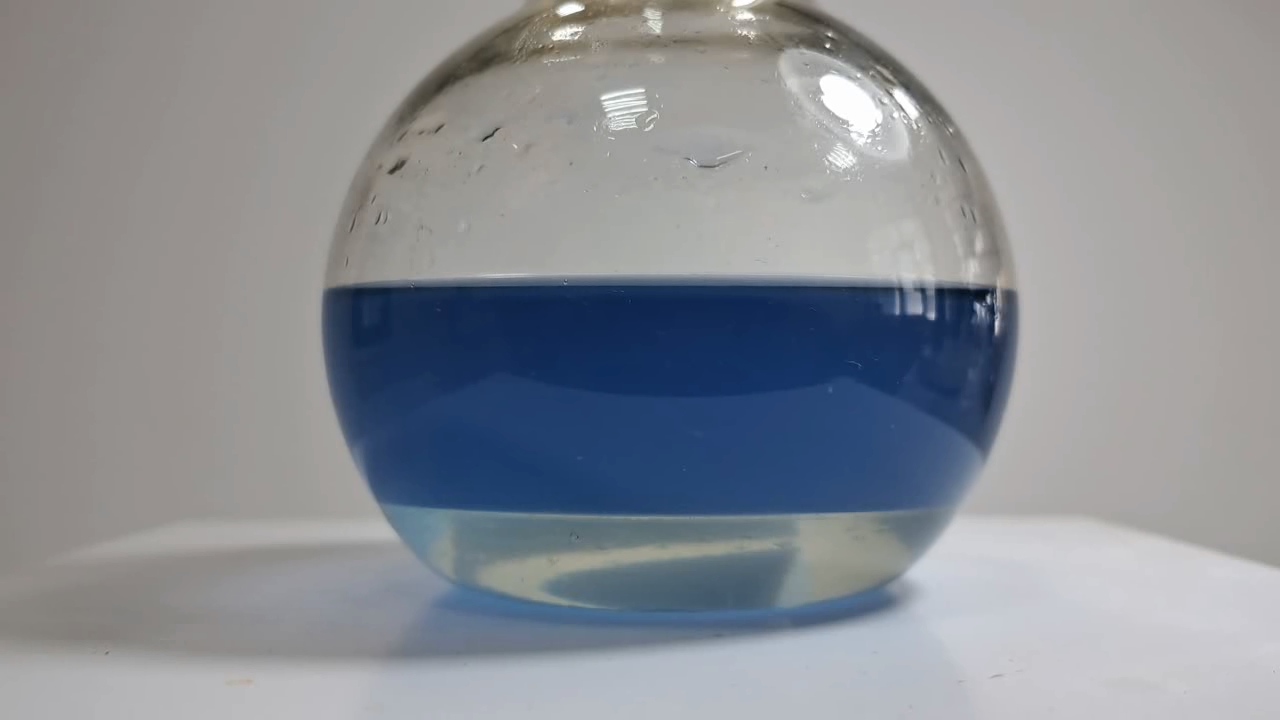
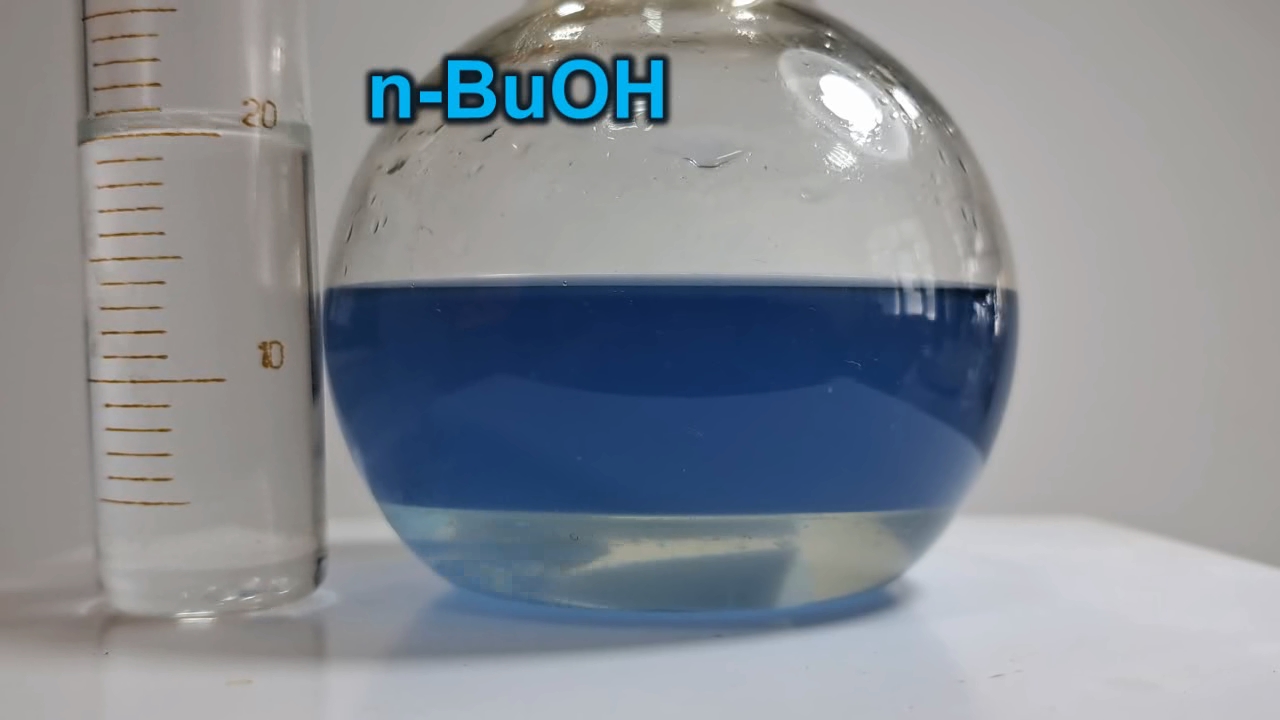
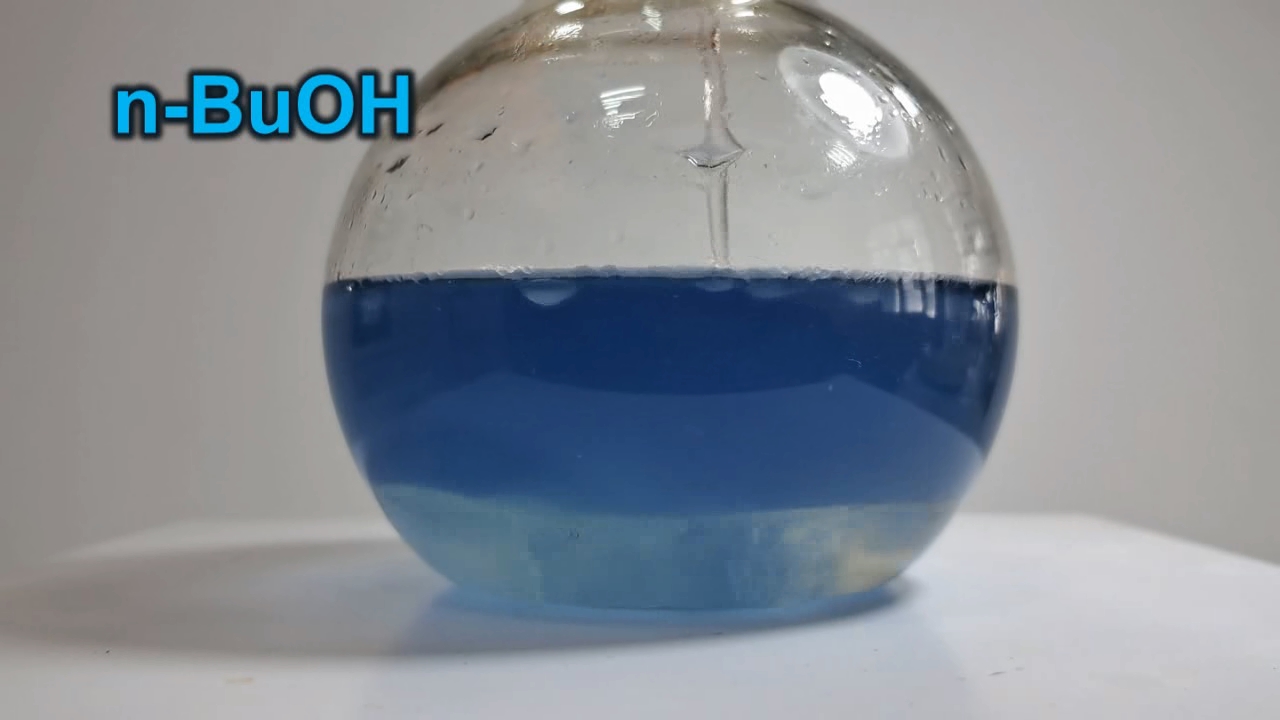
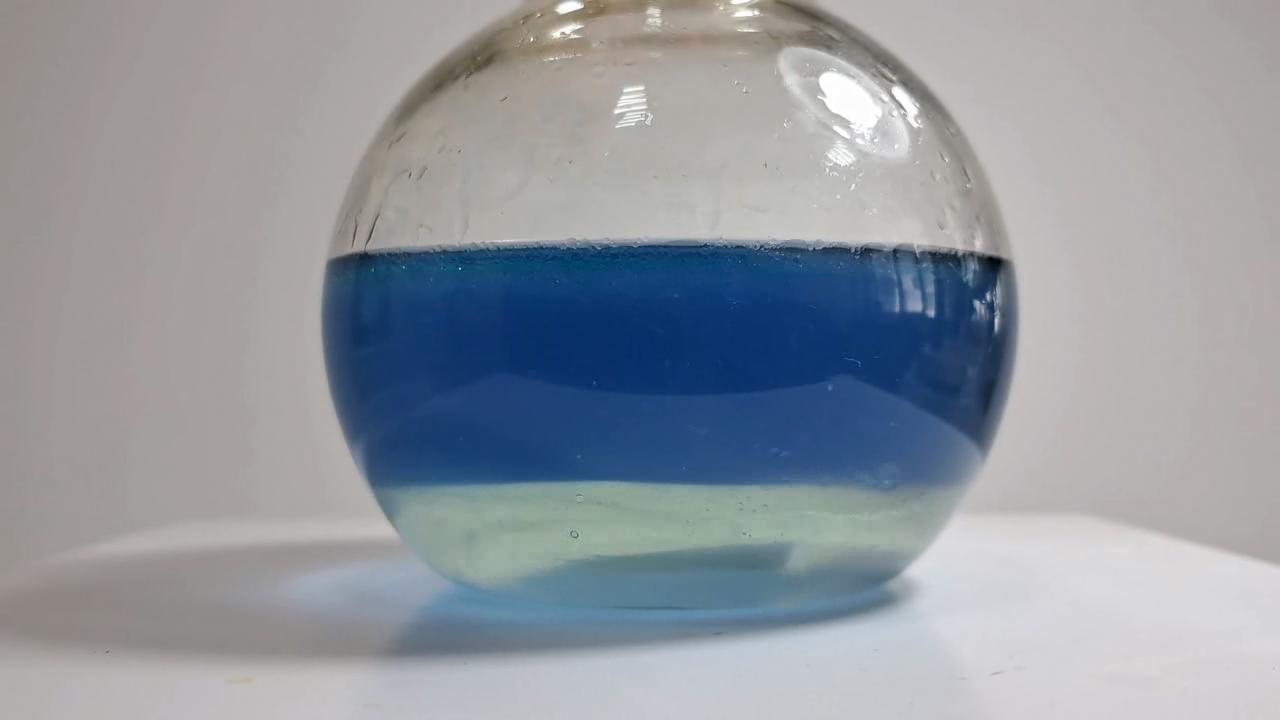
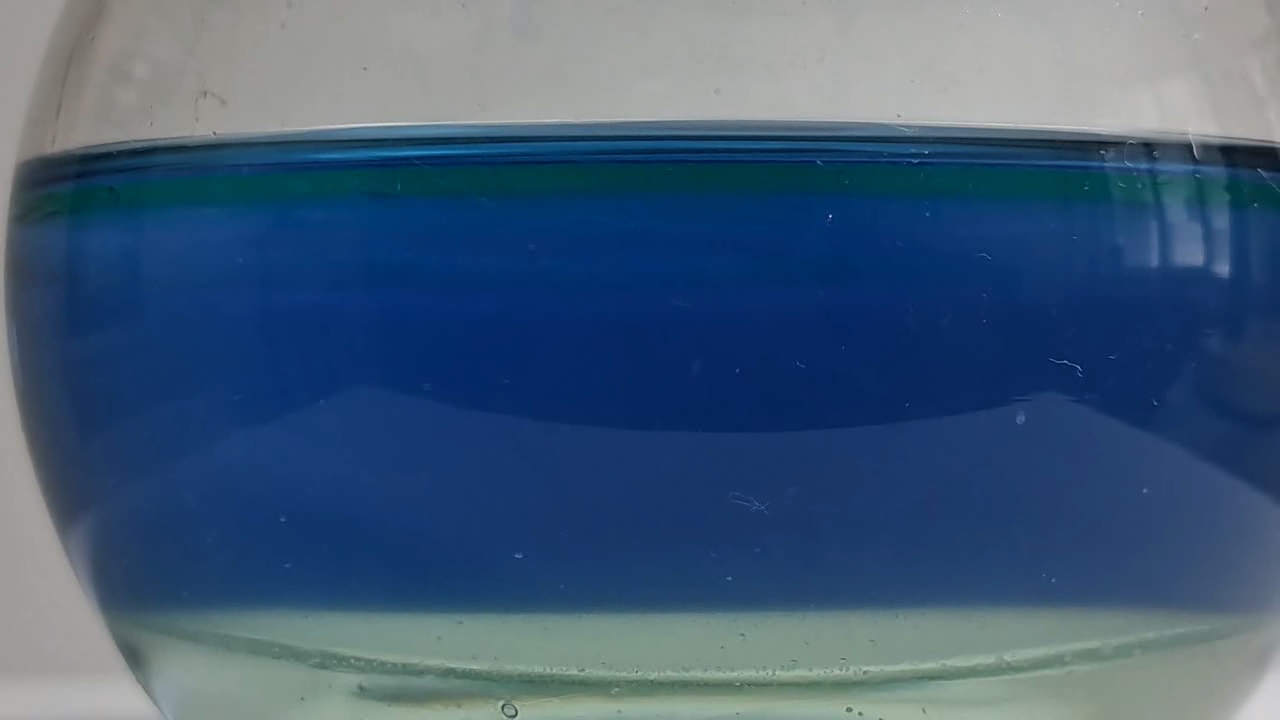
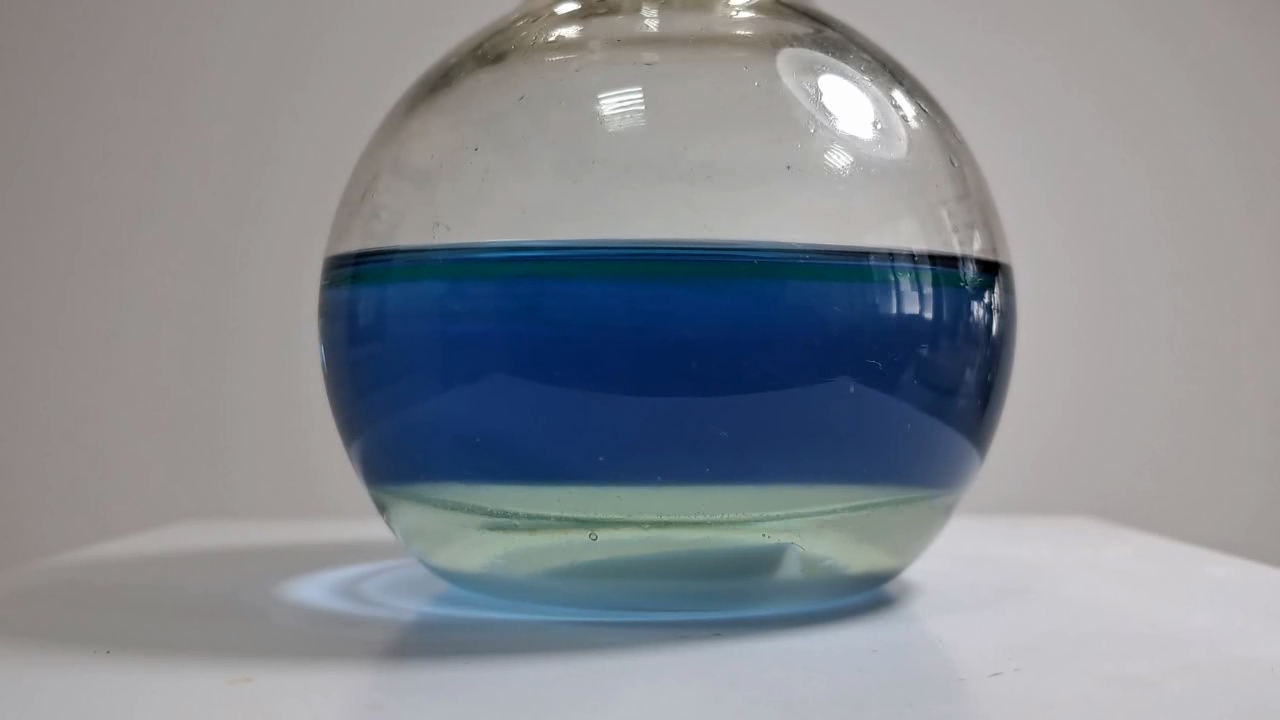
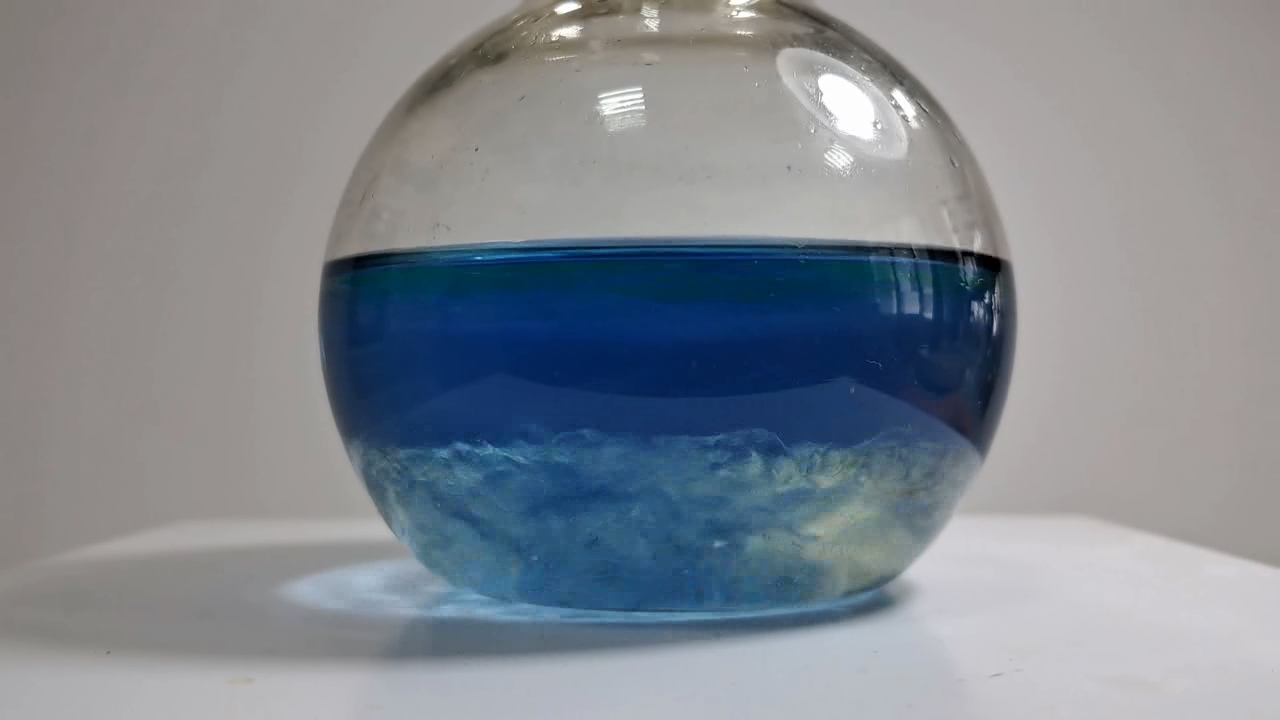
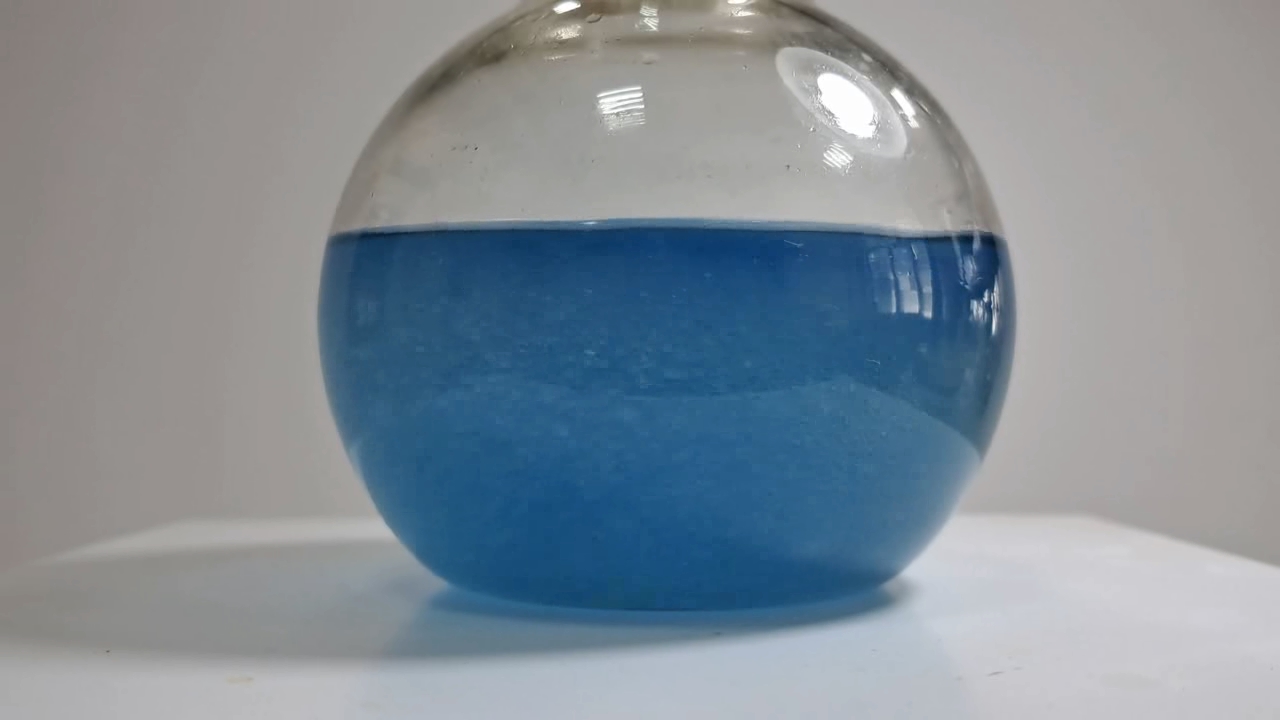
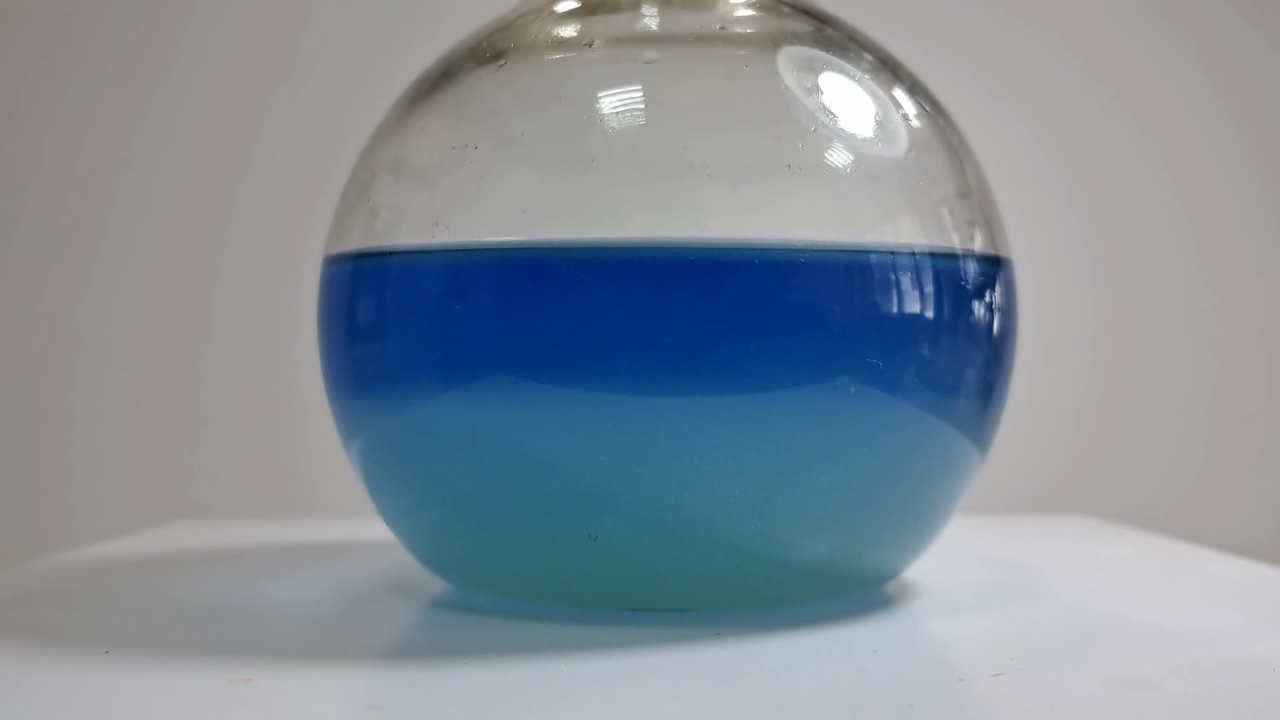
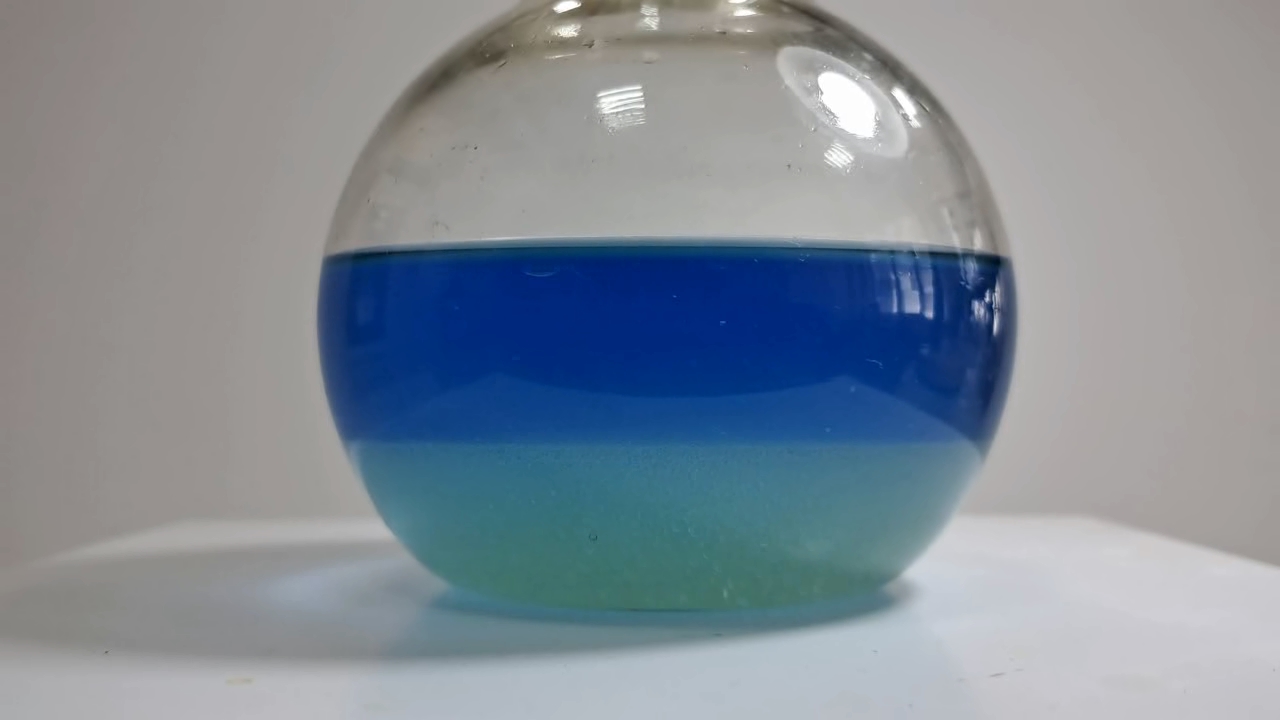
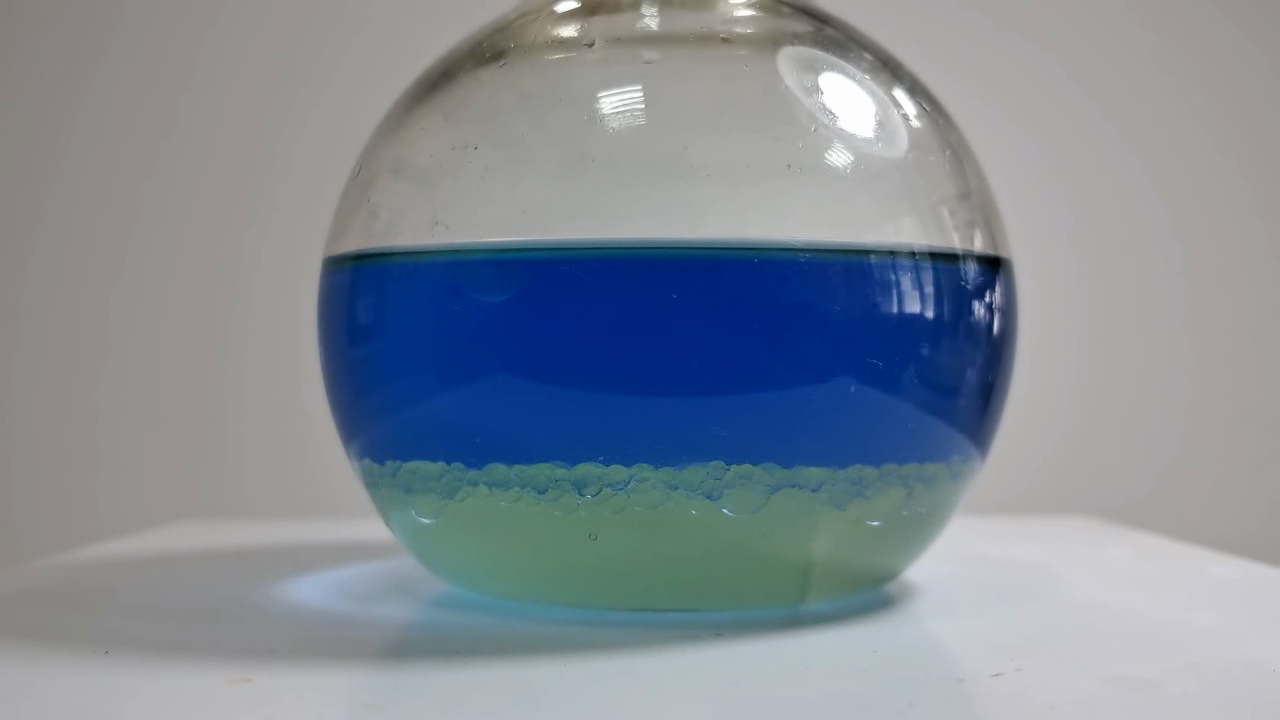
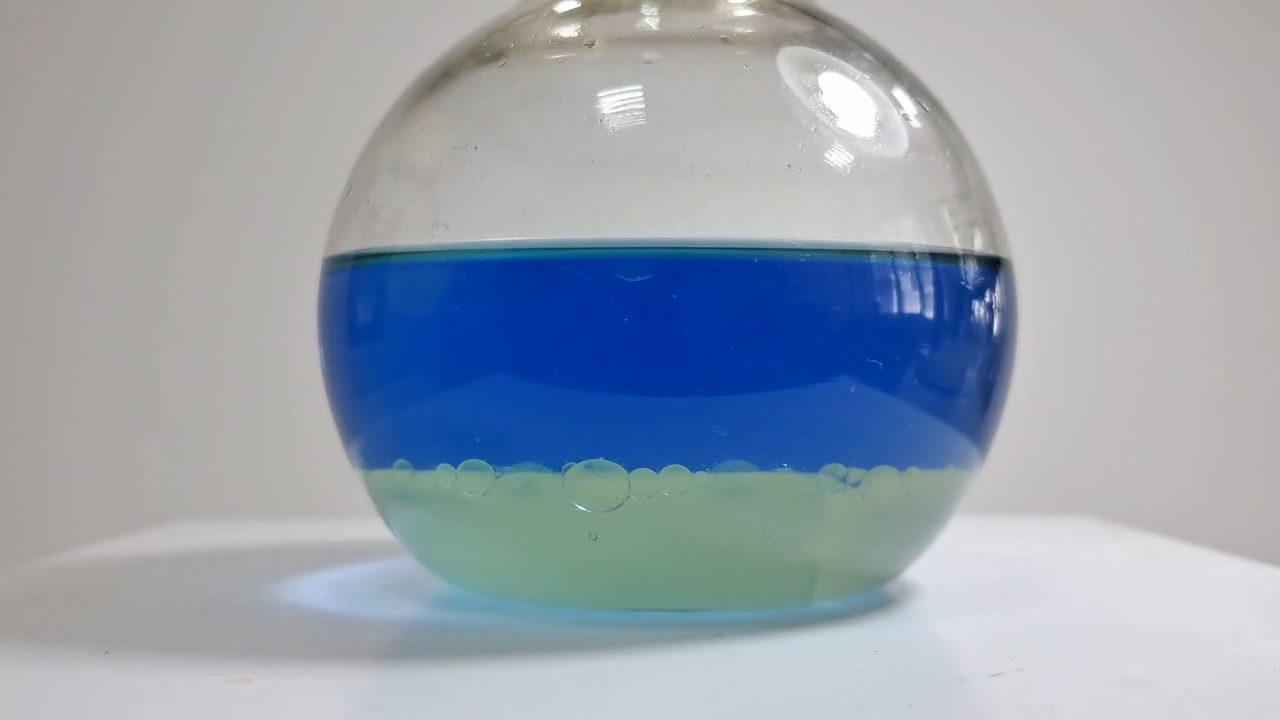
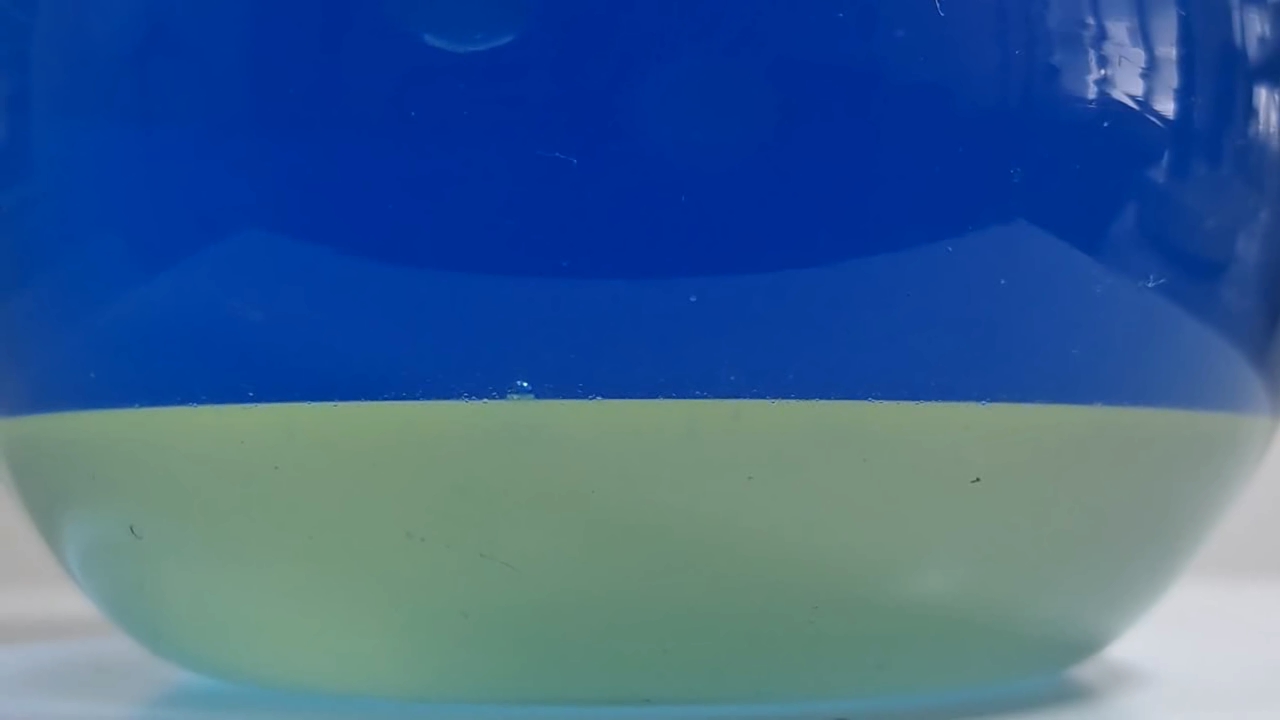
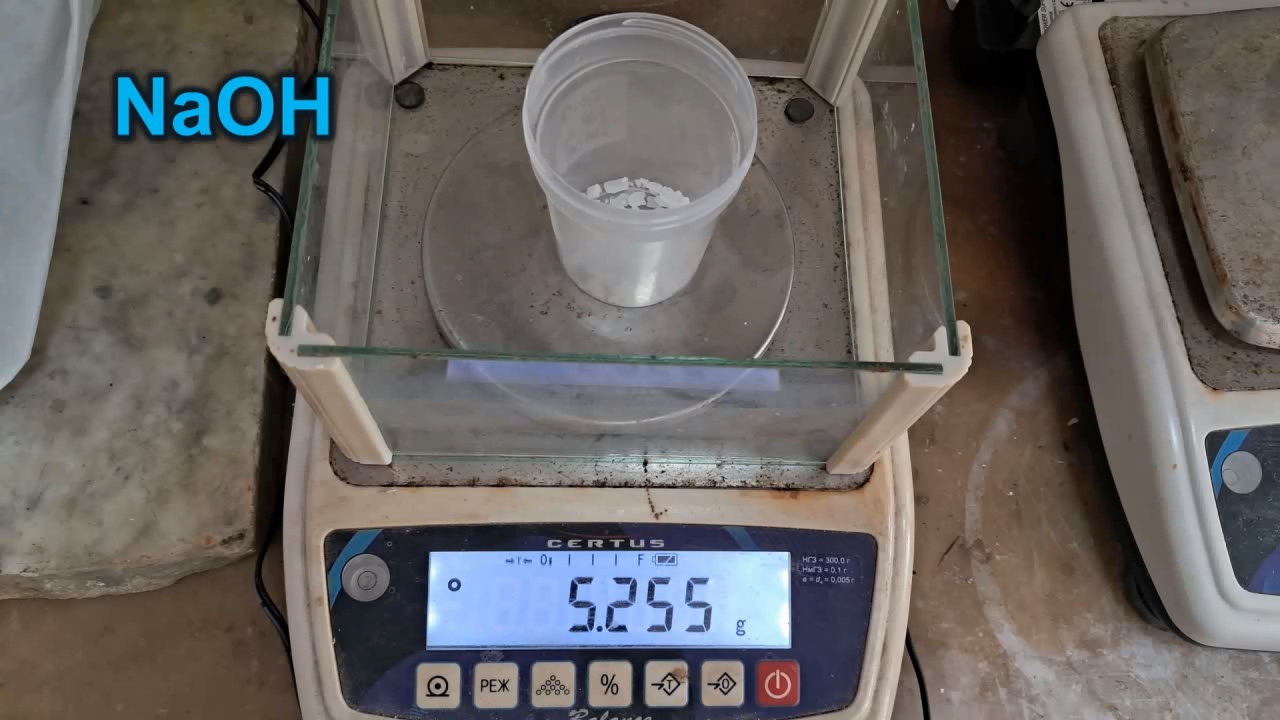
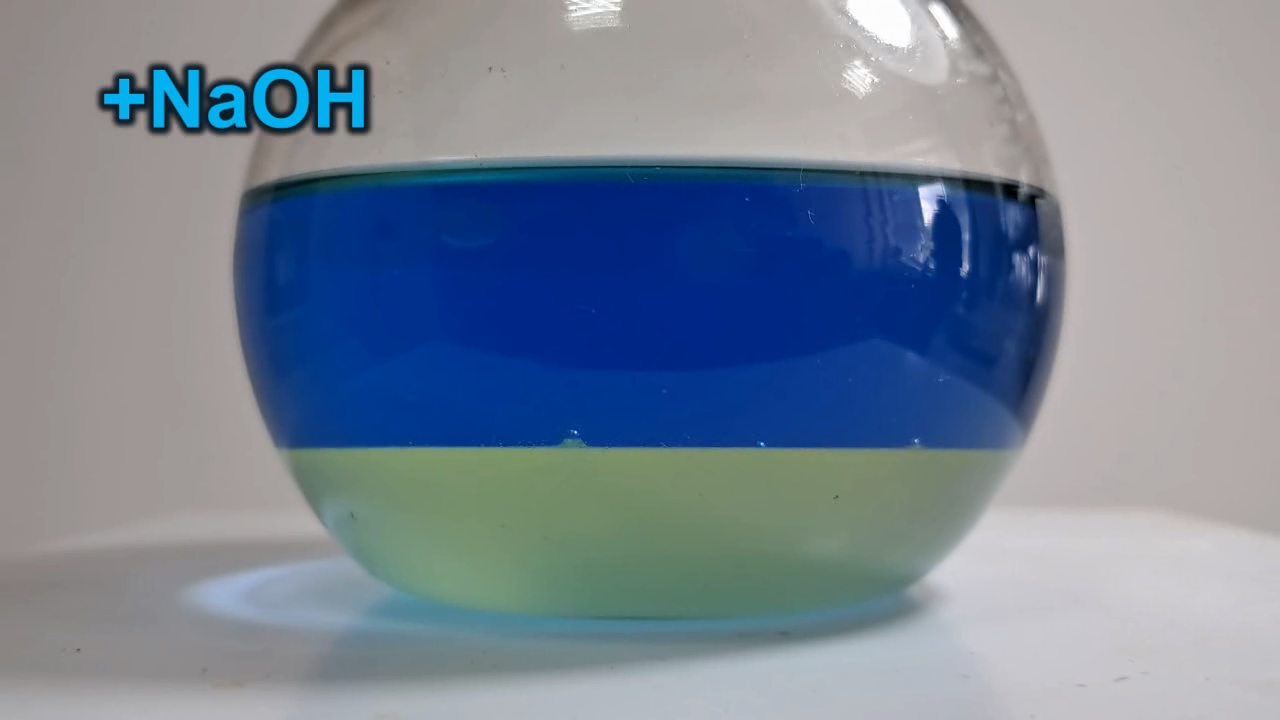
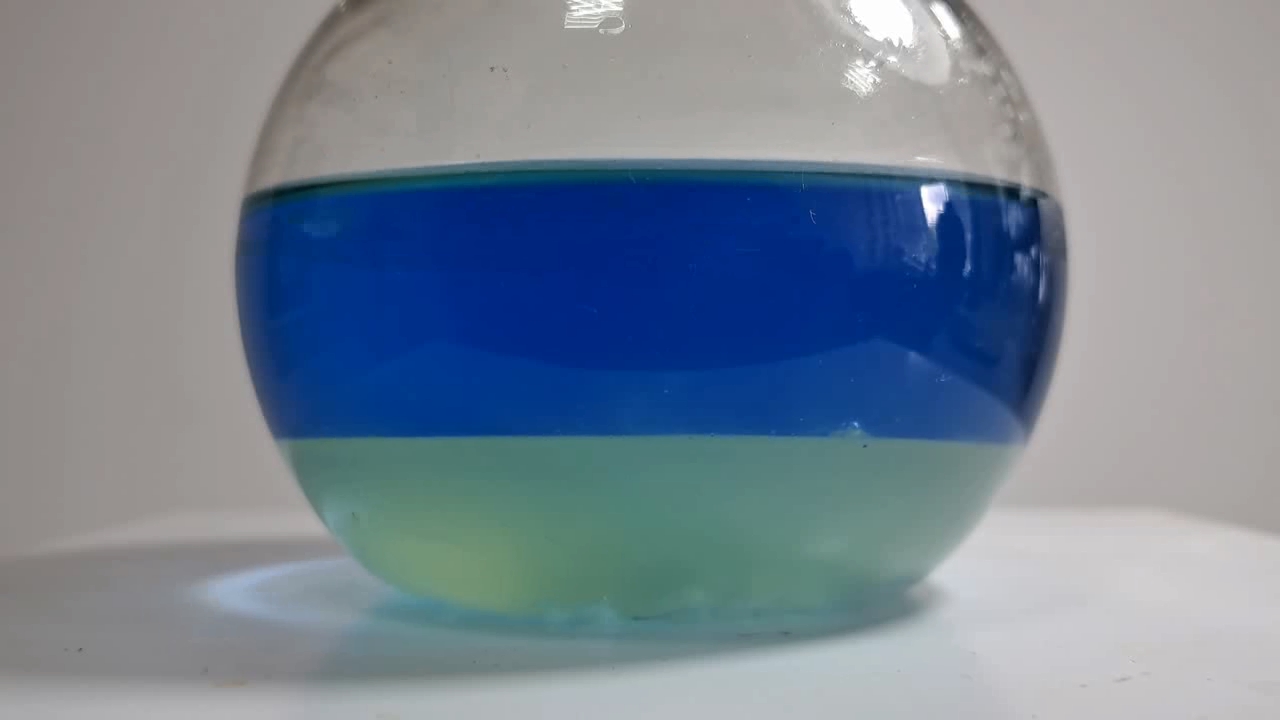
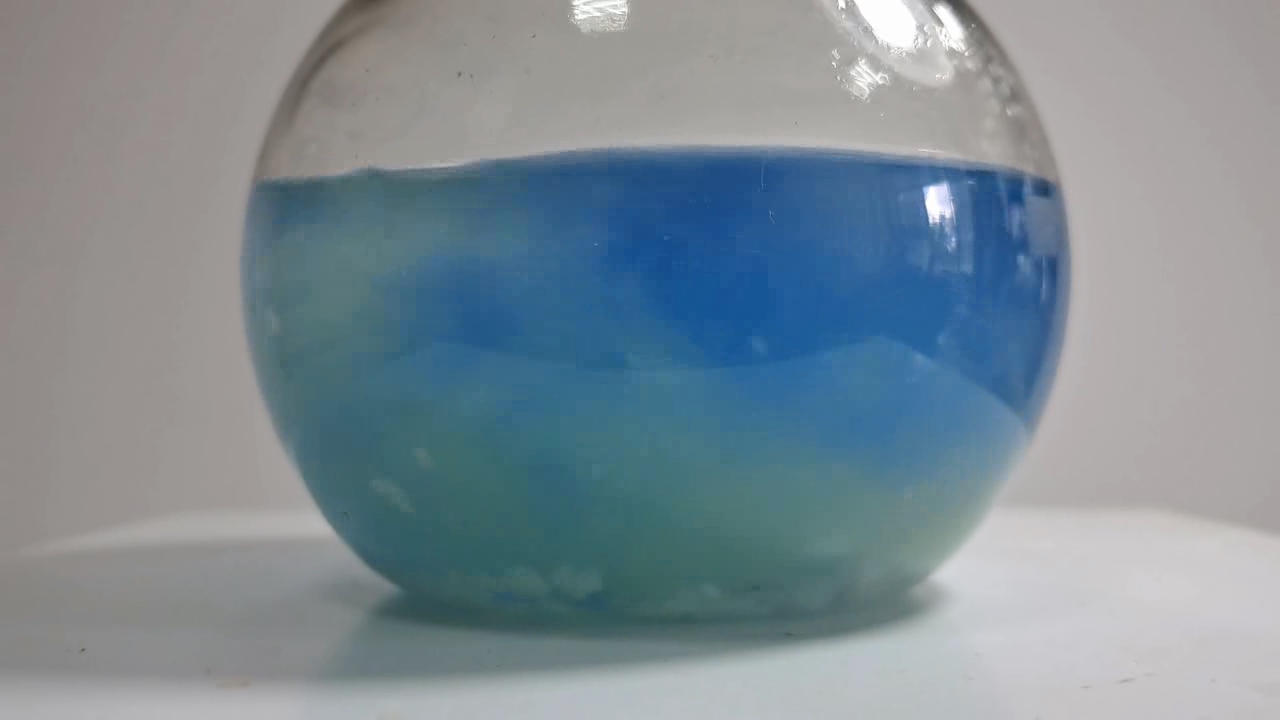
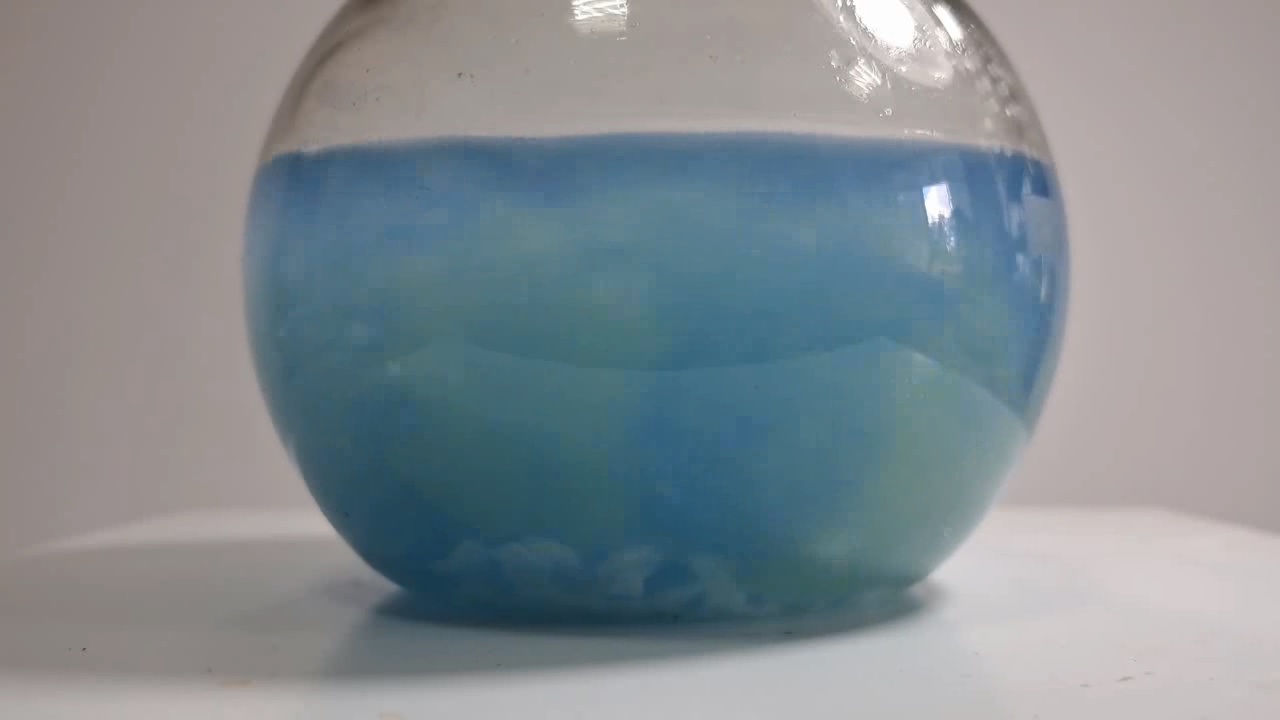
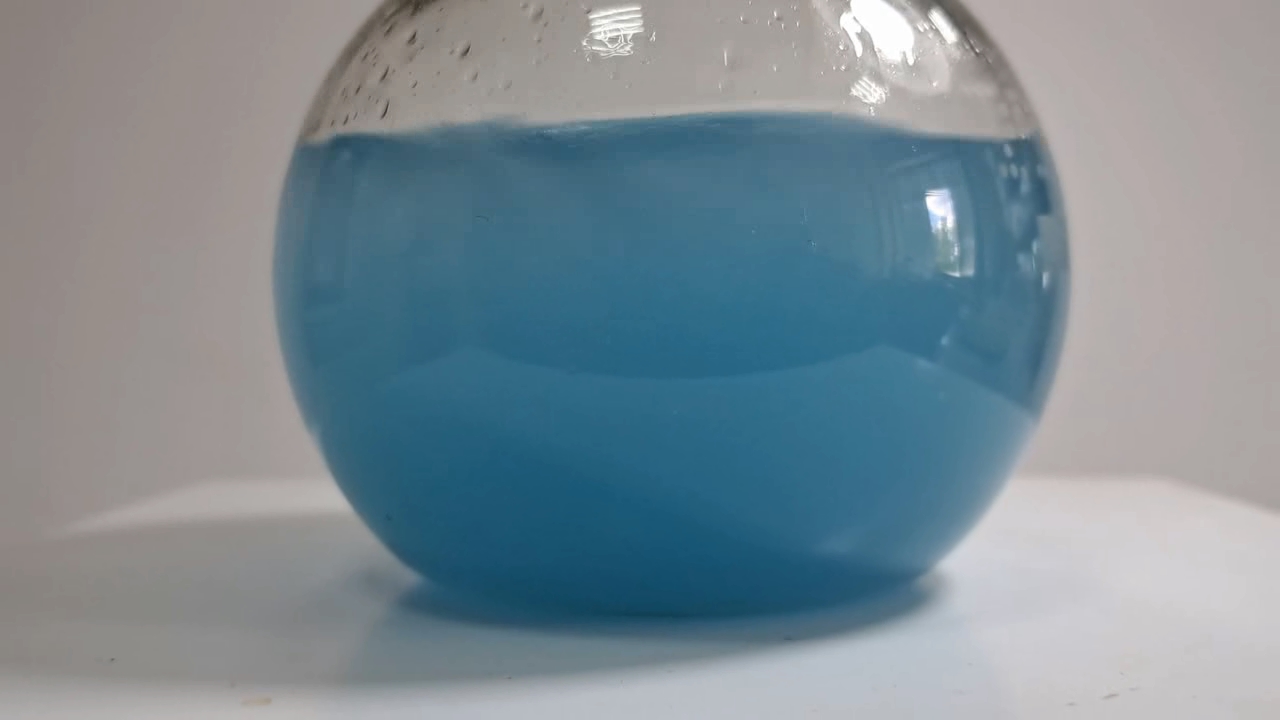
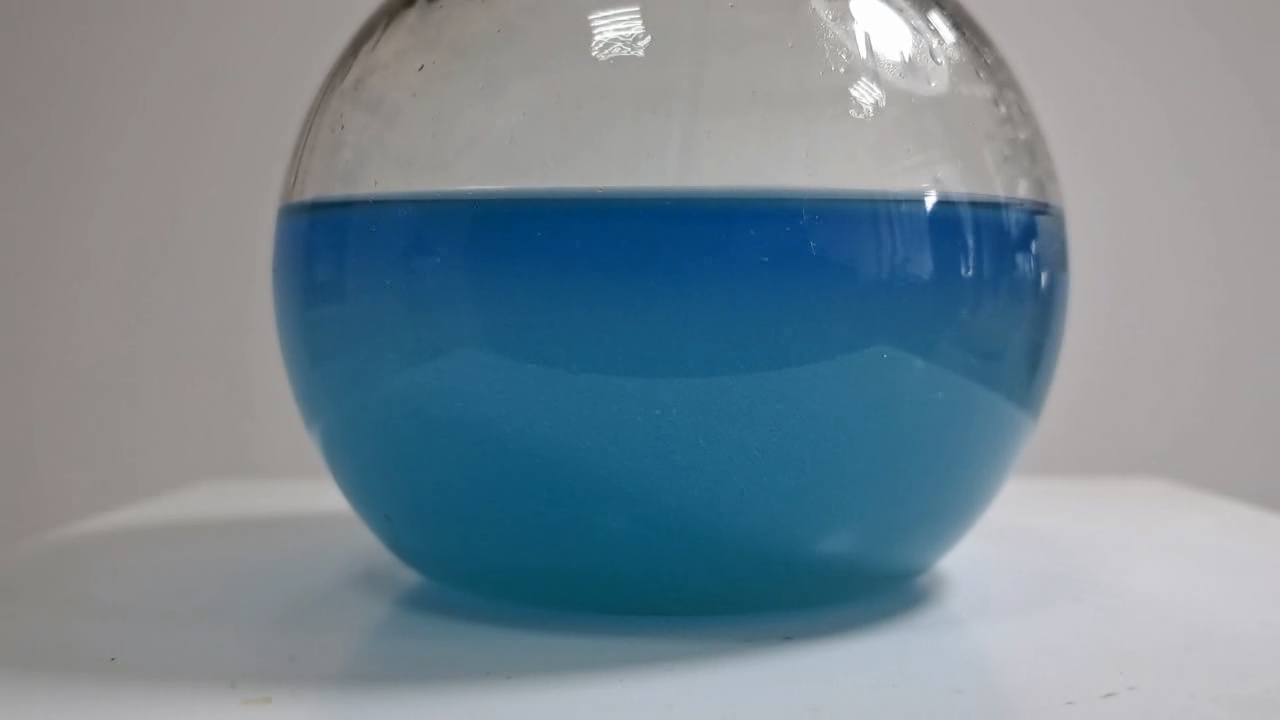
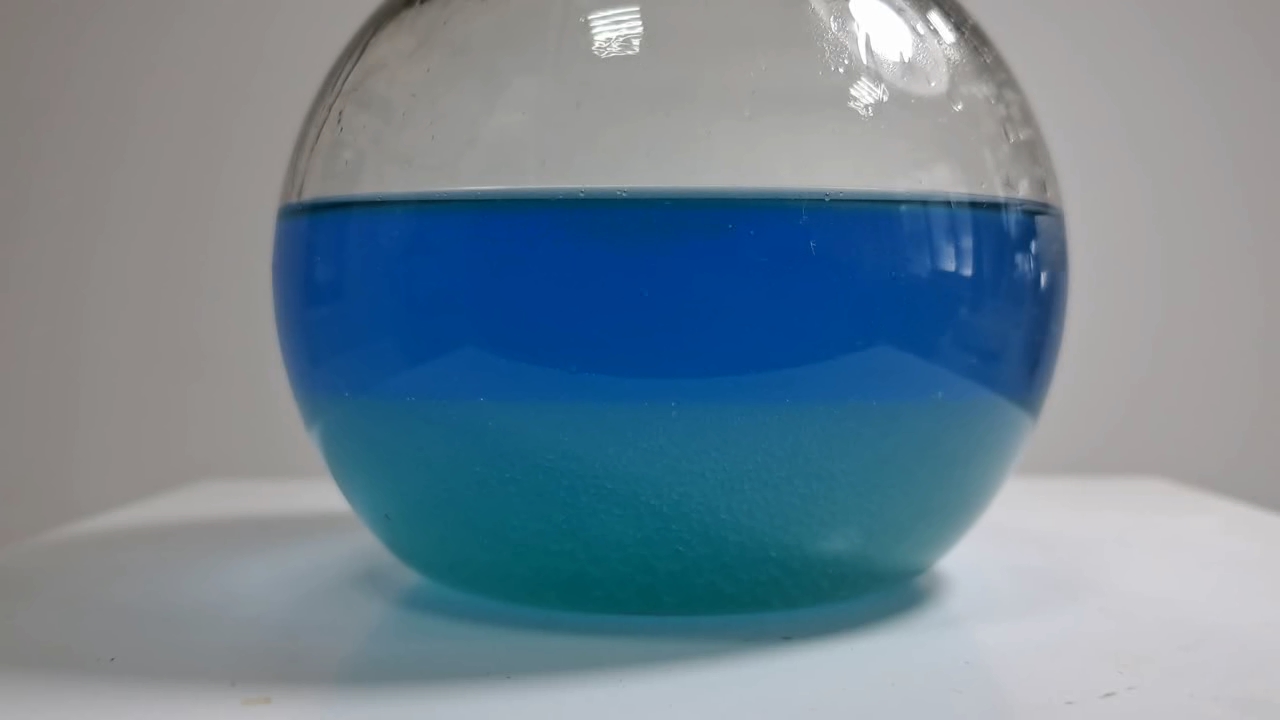
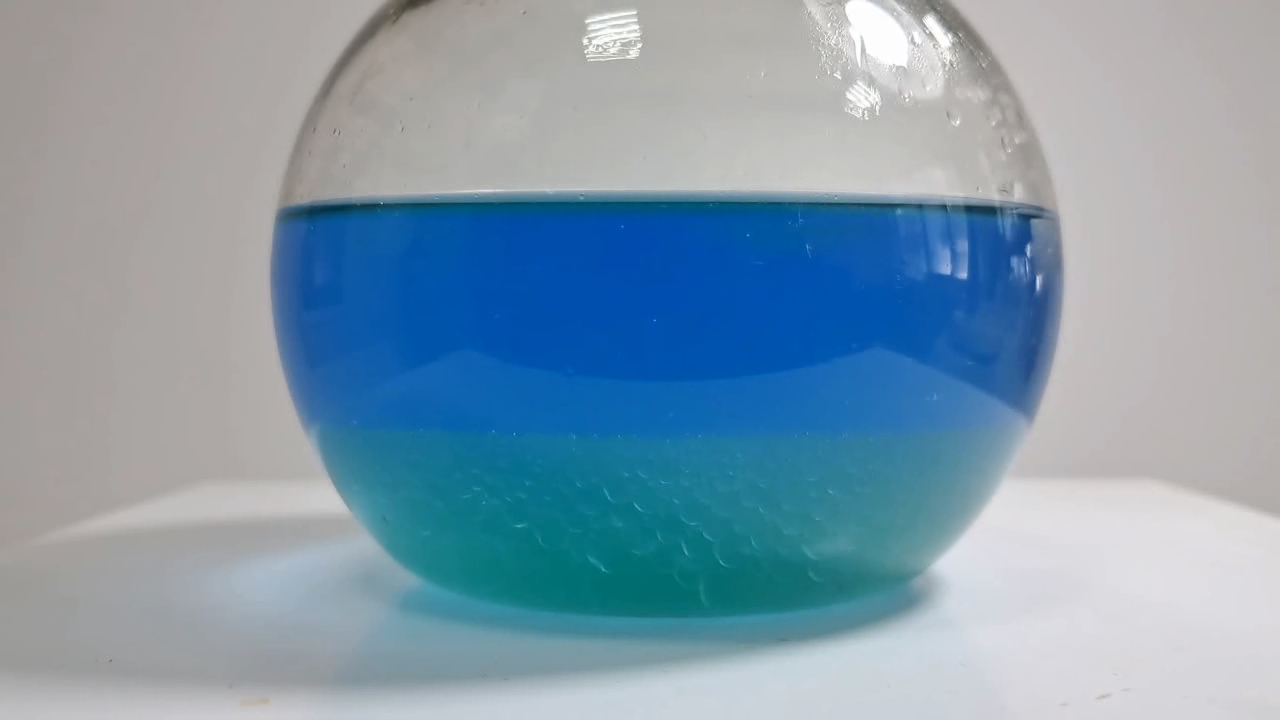
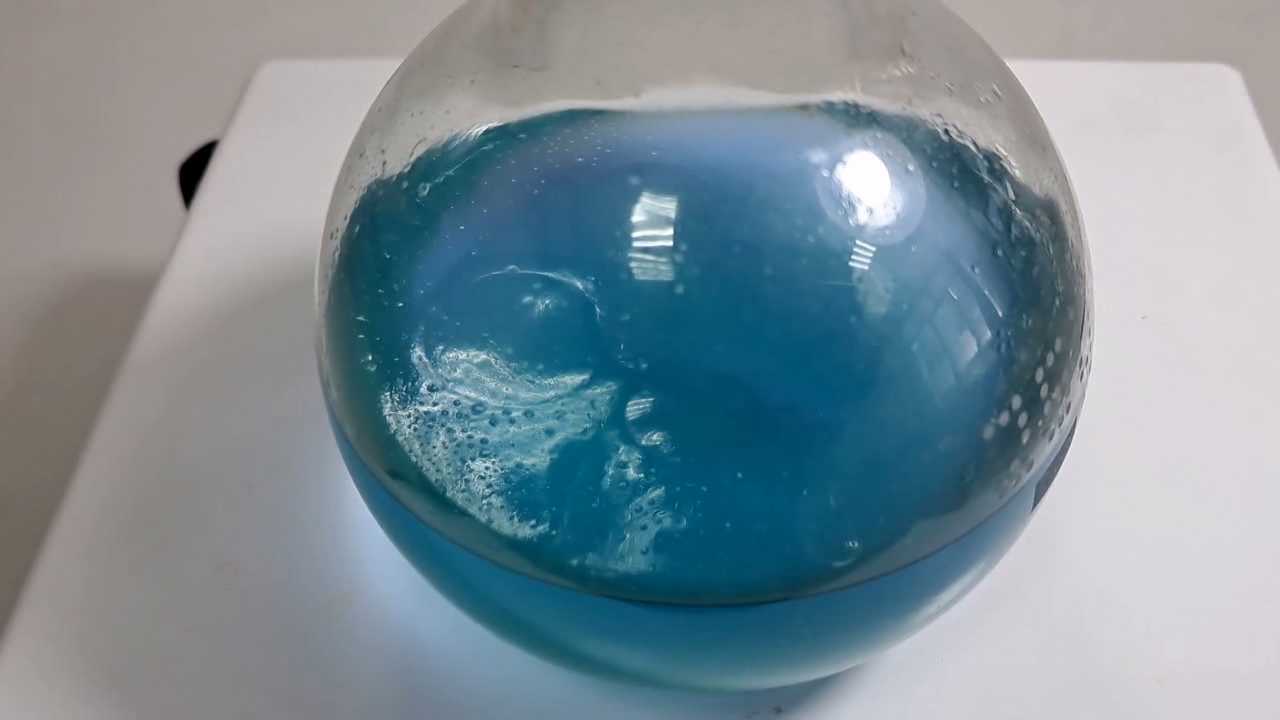
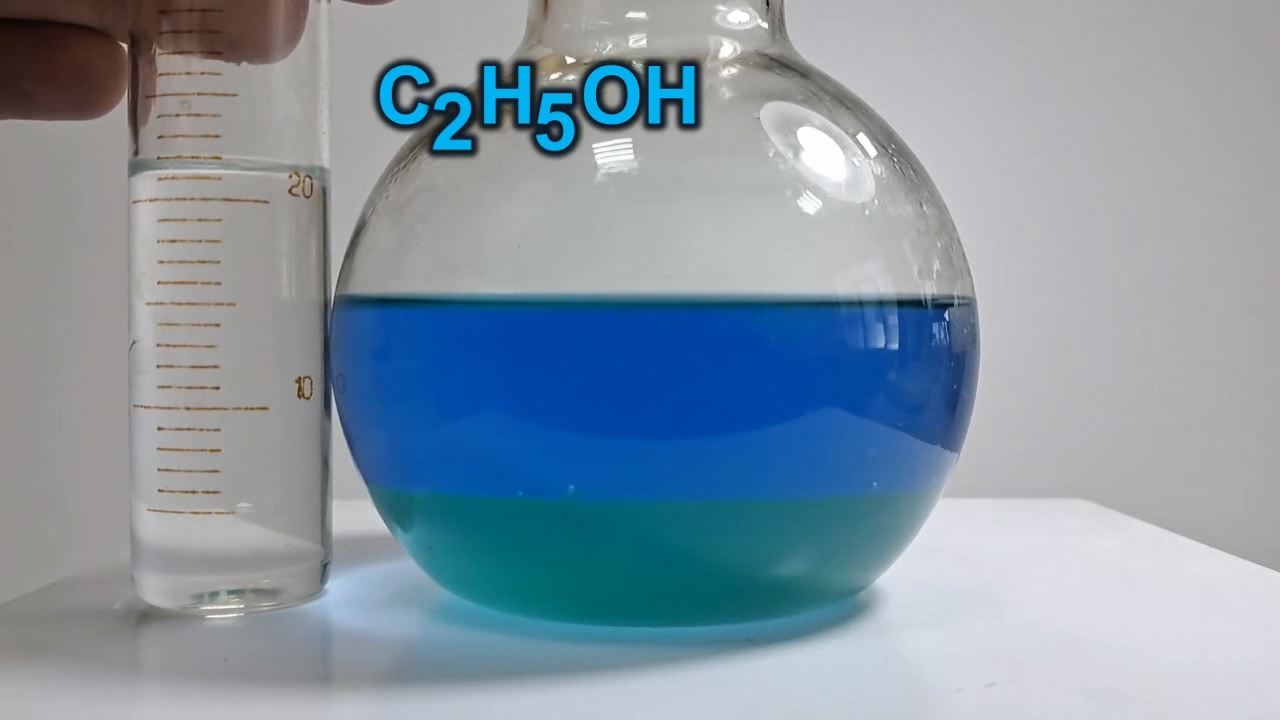
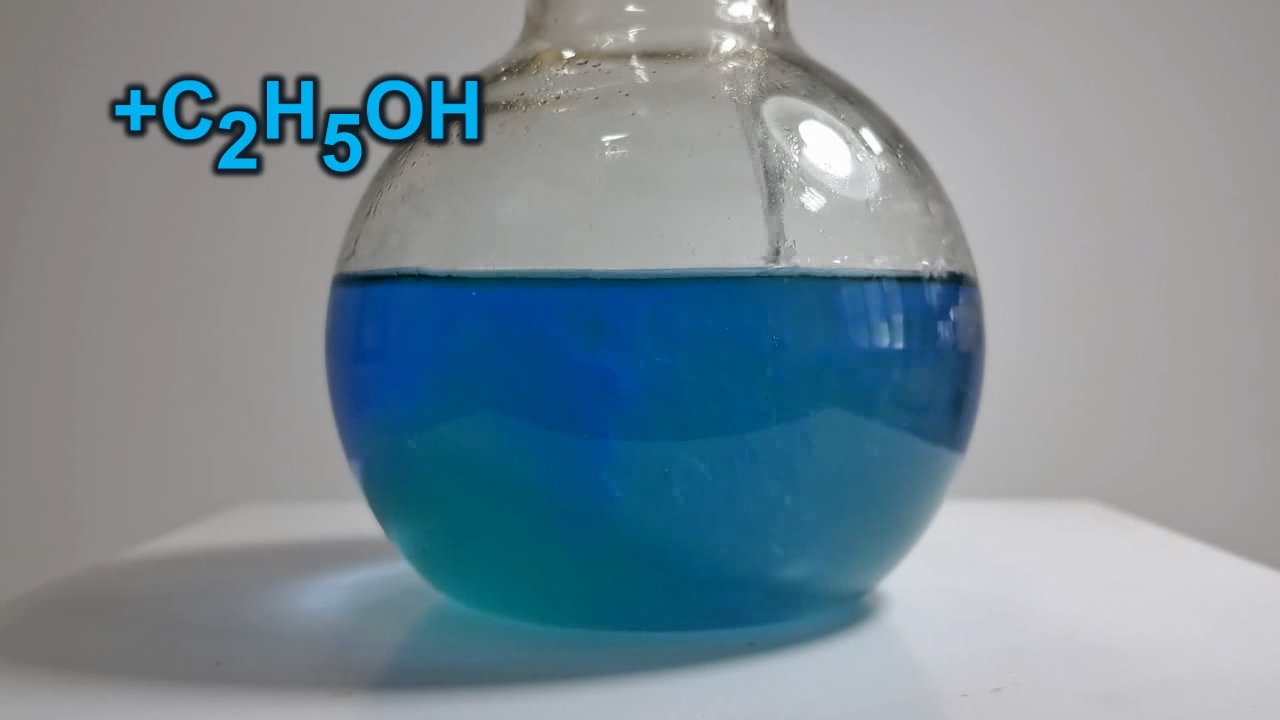
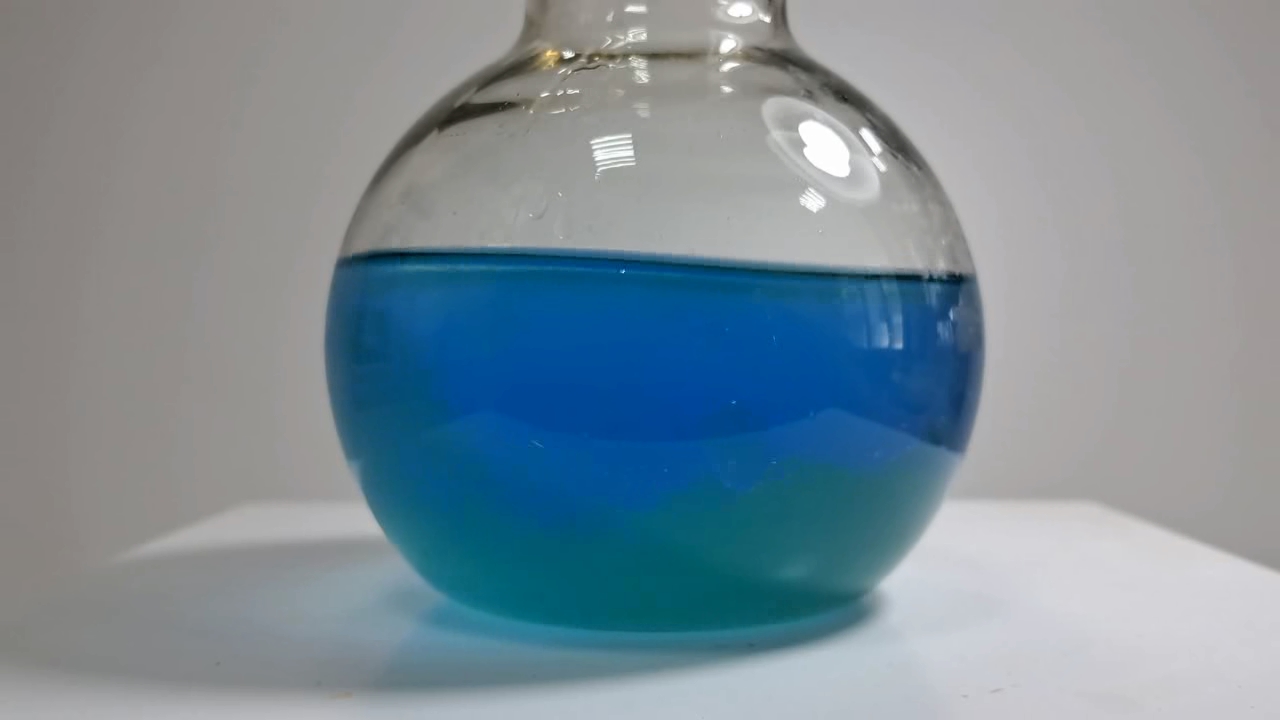
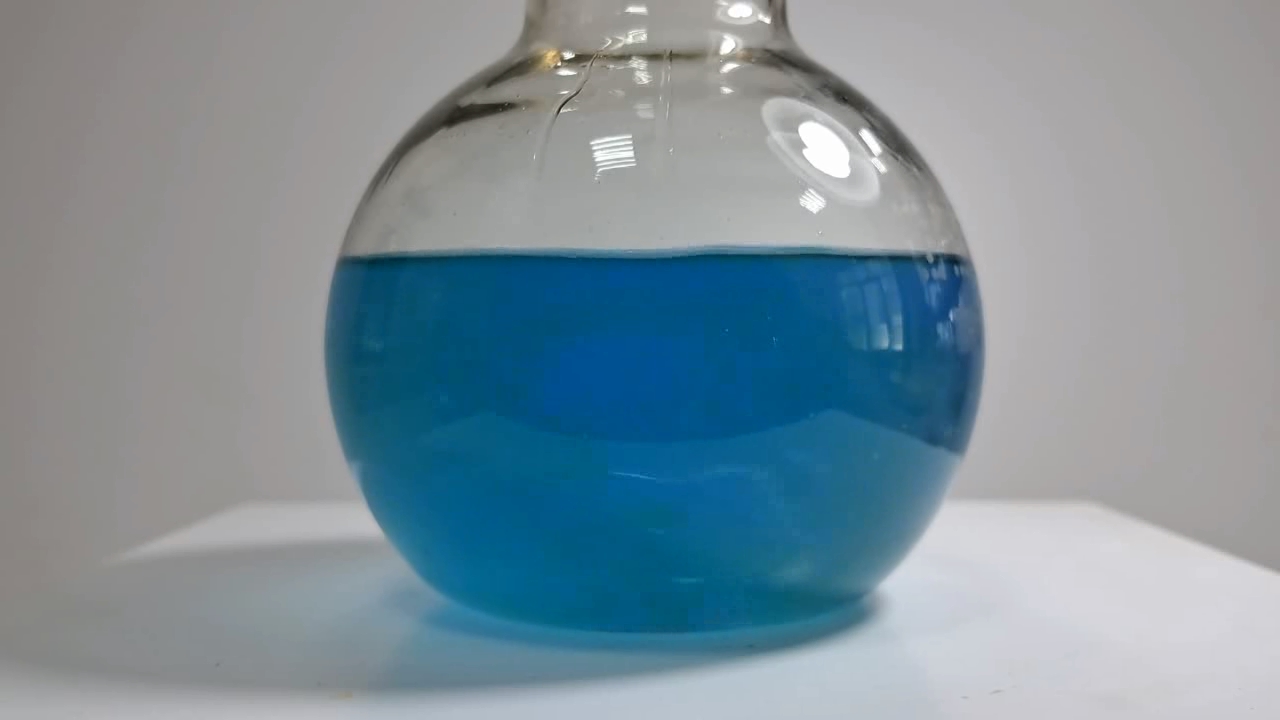
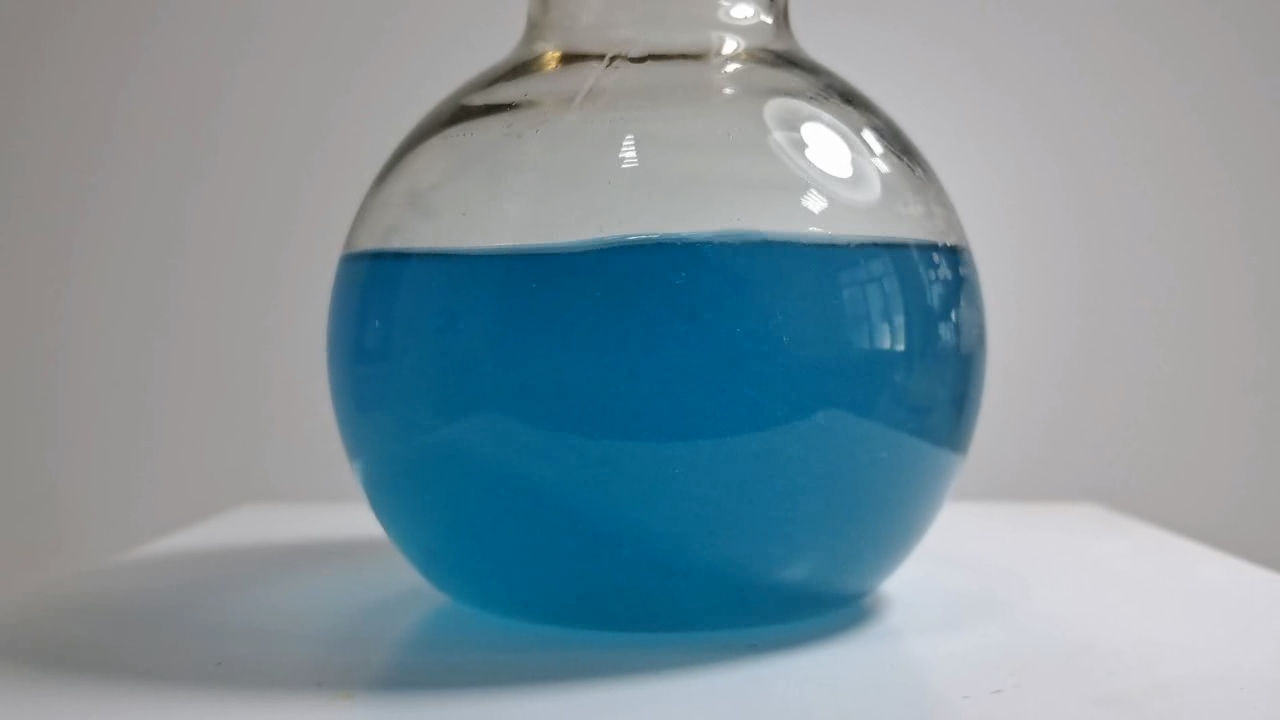
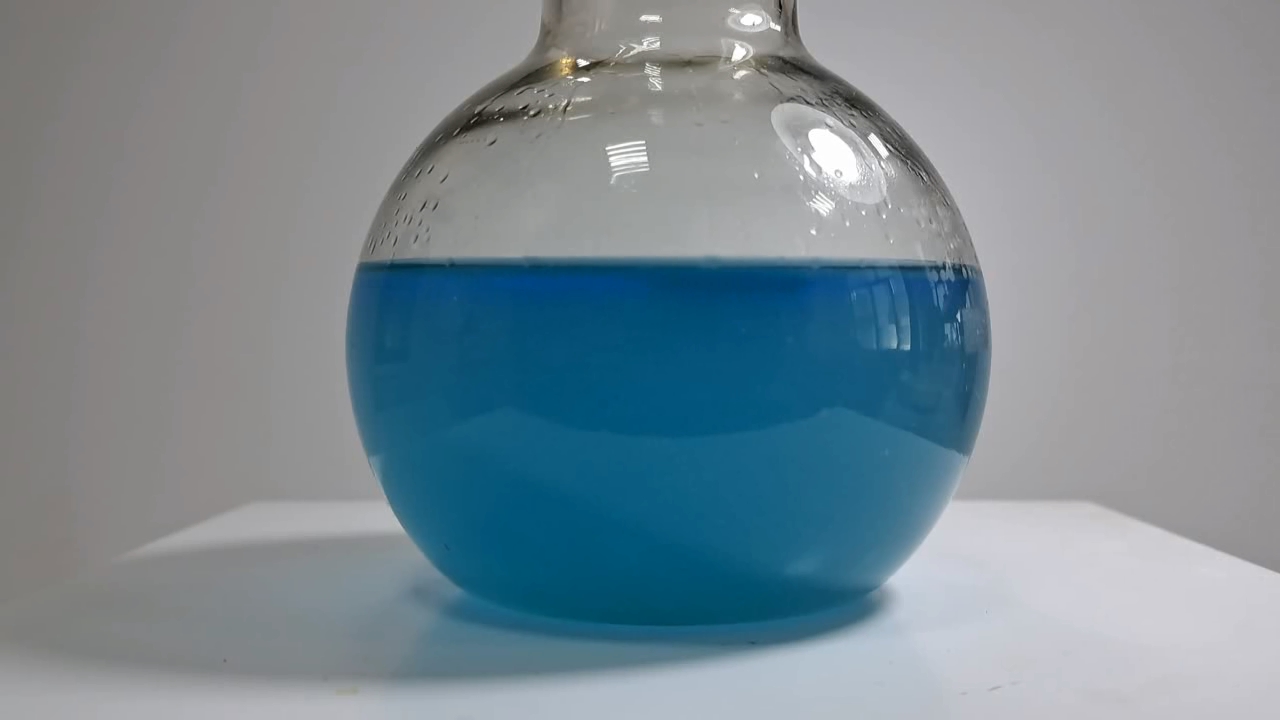
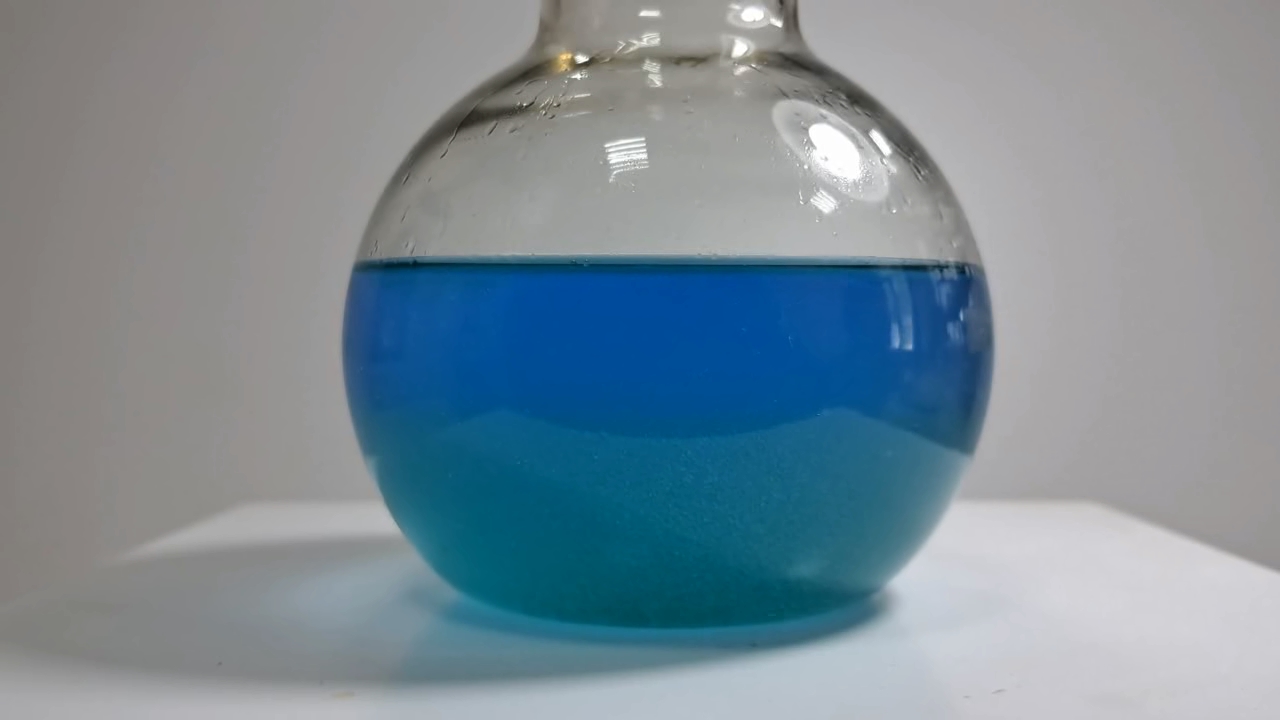
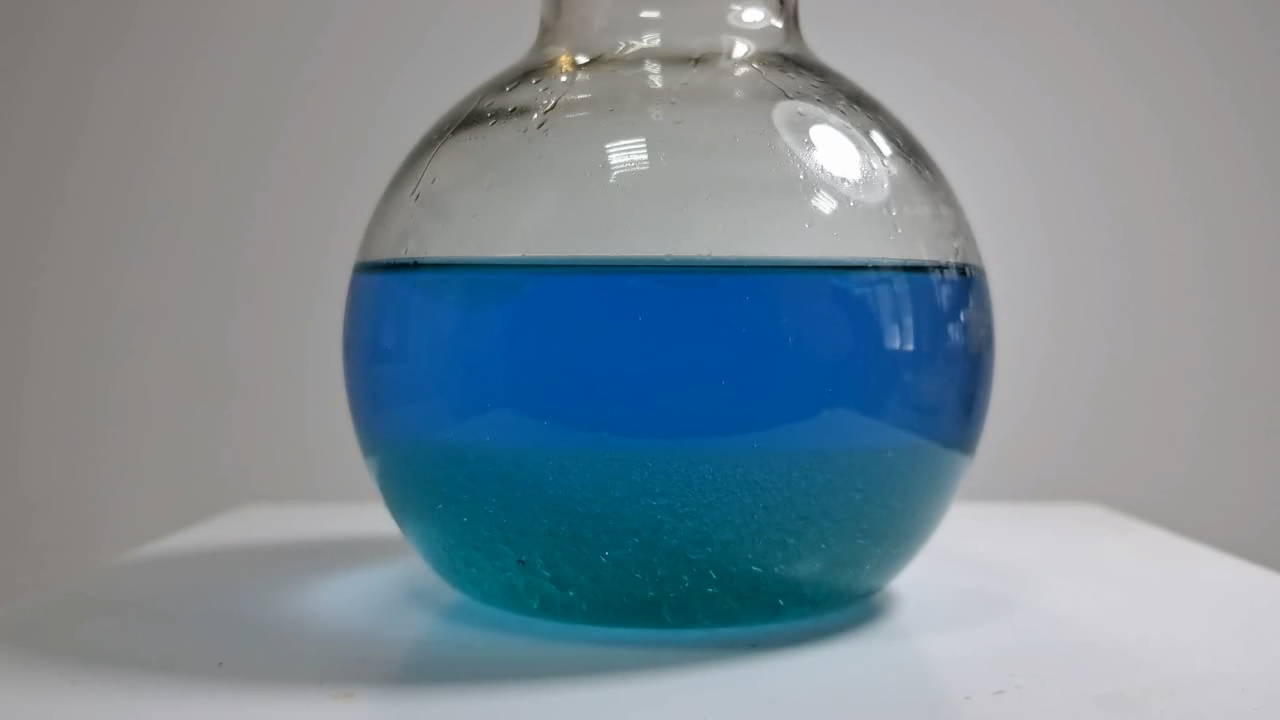
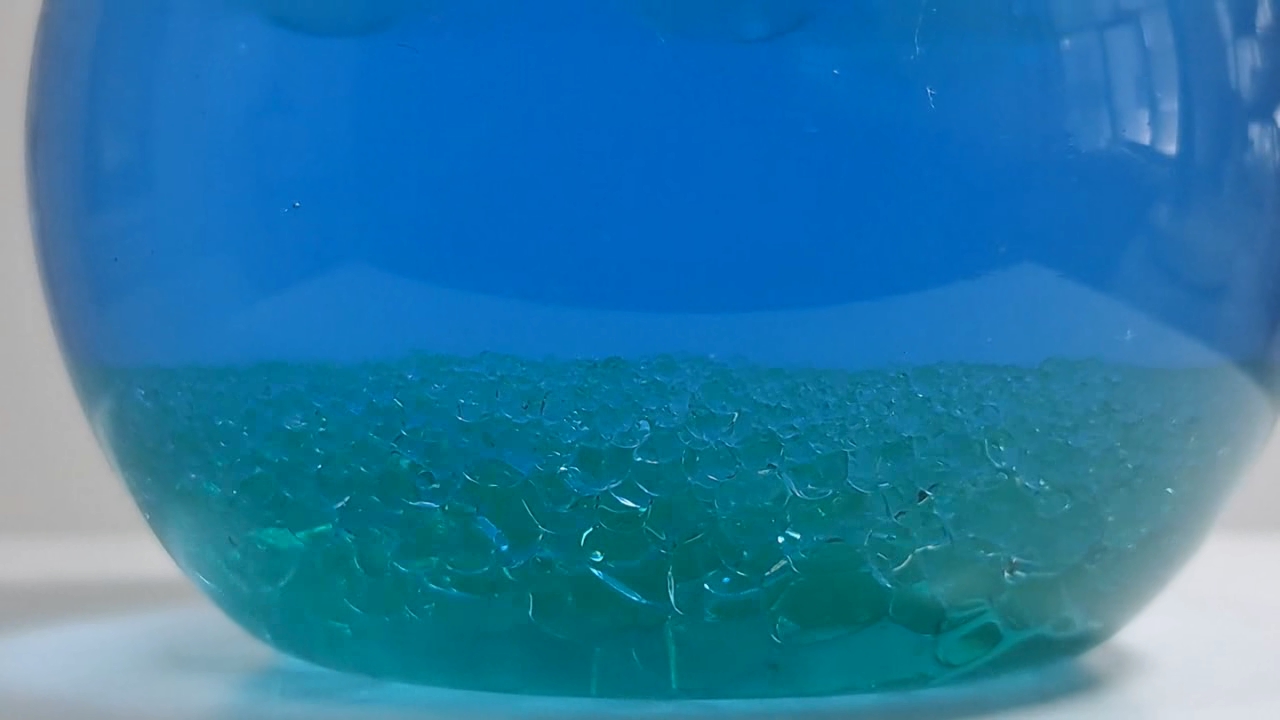
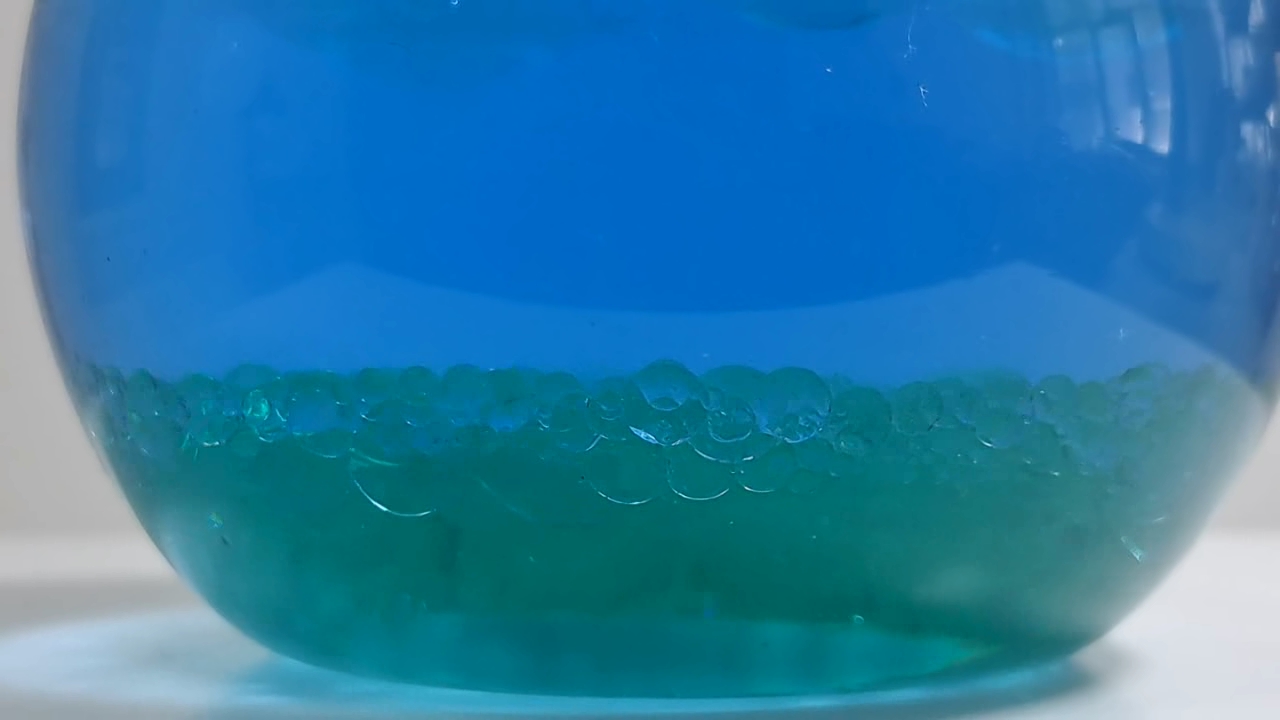
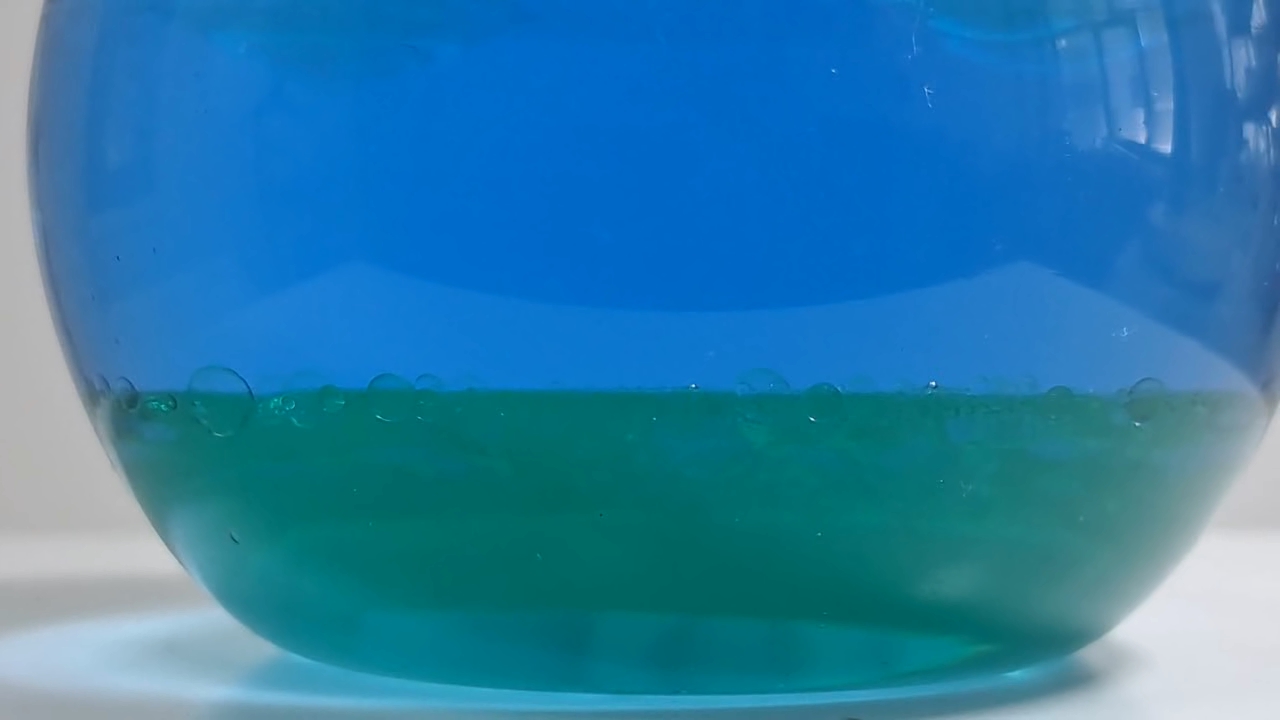
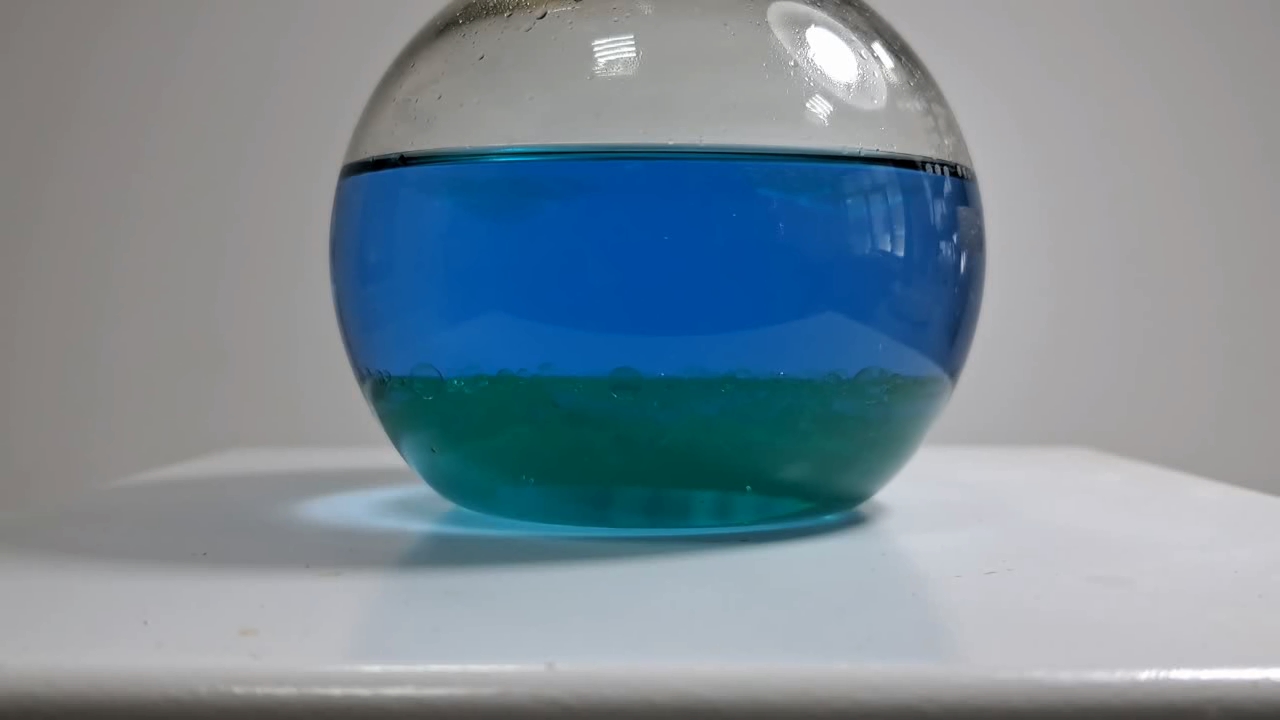
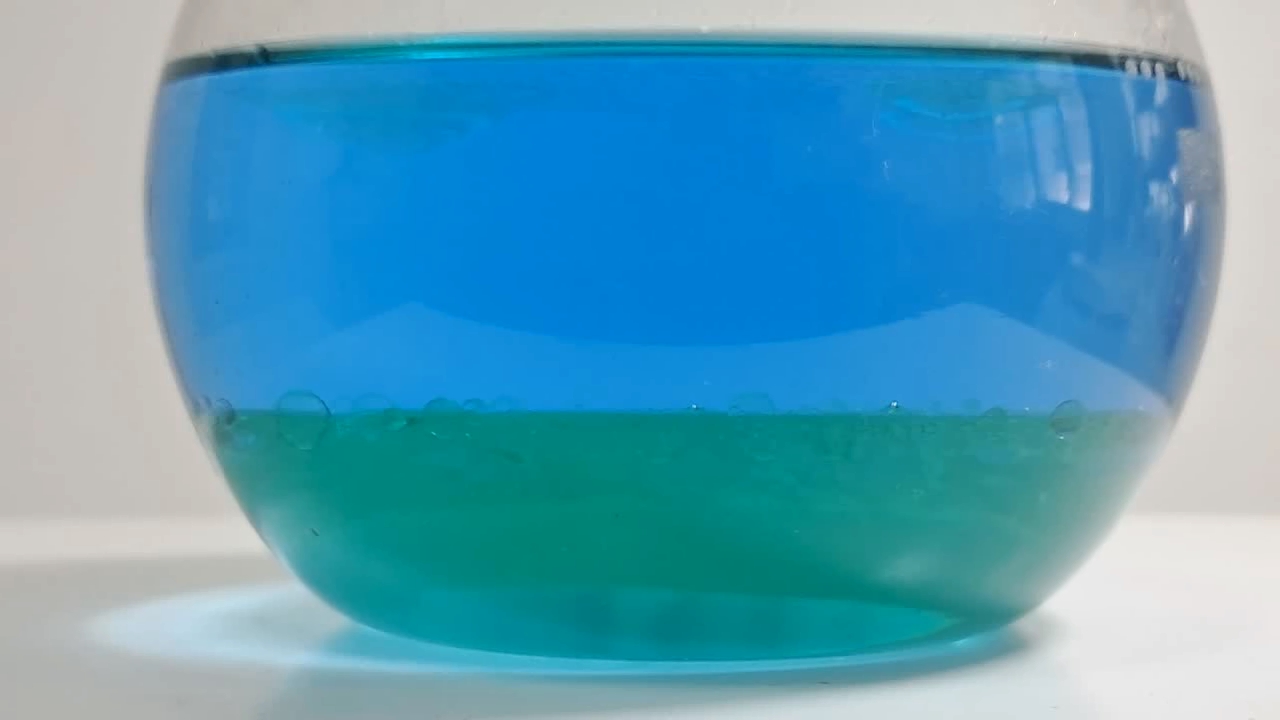
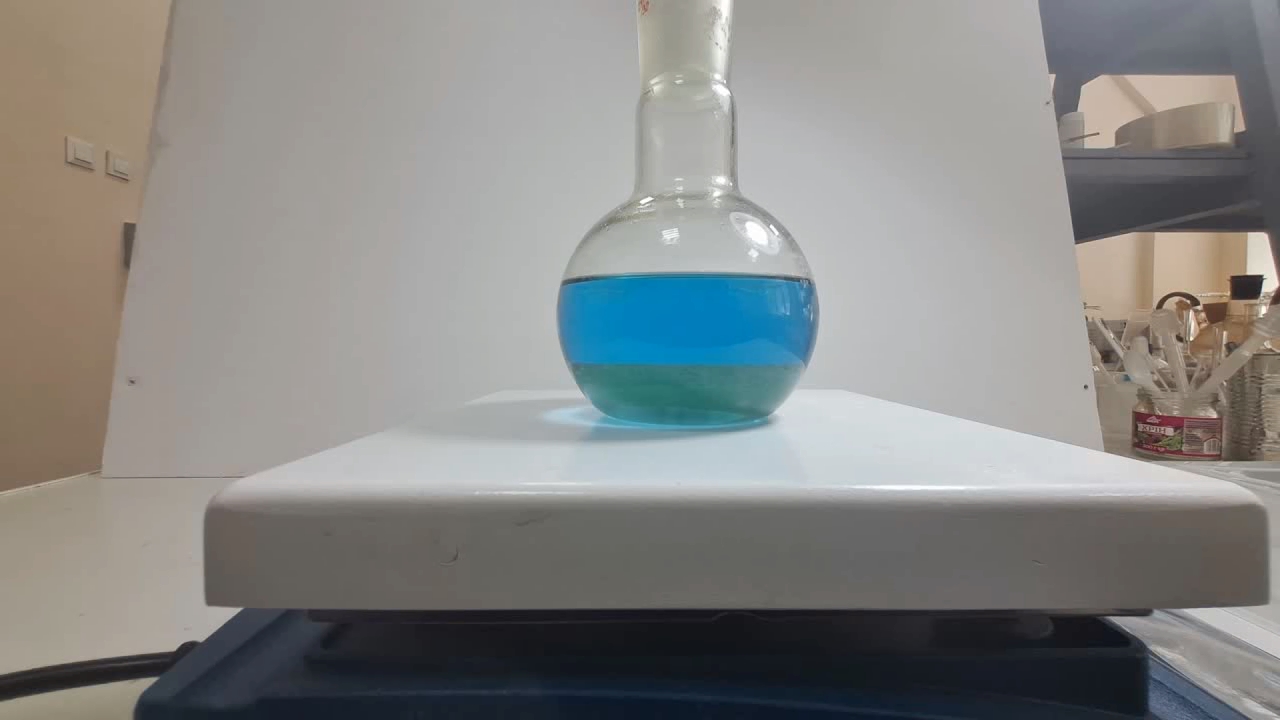
I poured 100 mL of distilled water into a flask and added a universal indicator solution. The liquid turned yellow. I then added 13 mL of dichloromethane. The solvent collected at the bottom and formed a thin, colorless layer. I turned on the magnetic stirrer, and a coarse emulsion formed. The droplets of the organic solvent were too large. After I stopped stirring, the emulsion quickly separated, and the colorless layer of dichloromethane collected once again at the bottom of the flask. The dichloromethane layer was too thin for its color to be observed, so I added another 19 mL of the same solvent. I turned on the stirrer for one minute. An emulsion formed again, which then separated into two liquid layers: the yellow aqueous solution on top and the colorless organic layer below. I added 1 g of sodium hydroxide. The aqueous layer turned blue. I turned on the stirrer, and a blue emulsion formed. I turned off the stirrer, and the emulsion quickly separated. A blue aqueous solution remained on top, while a colorless layer of dichloromethane lay beneath it. Thus, dichloromethane behaved similarly to hexane - in both cases, the organic solvent did not extract the colored components of the universal indicator from either a neutral or an alkaline solution. I added 20 mL of n-butanol. The bottom layer turned green, and a thin green layer also formed on top. I turned on vigorous stirring. A blue emulsion formed, which separated after the stirrer was turned off. The aqueous solution remained intensely blue, while the organic layer became light greenish-yellow and cloudy. The latter observation indicated that the organic solvent layer contained tiny droplets of the aqueous solution. I added another 5.3 g of sodium hydroxide to the flask after asking my colleague whether the dichloromethane would undergo hydrolysis. My colleague assured me that methylene chloride would definitely not hydrolyze immediately. I turned on the stirrer. A blue suspension formed. After I turned off the stirrer, the liquid phases separated much more slowly than before. The addition of sodium hydroxide increased the density of the aqueous phase; therefore, the difference in density between the aqueous and organic layers decreased. The smaller the density difference between two liquids, the more stable the emulsion. Both liquid layers remained cloudy for a long time. However, the lower organic layer turned an intense emerald green. A similar color had been observed in experiments with butyl acetate and with a mixture of hexane and n-butanol, except that in those cases the organic layer was located above the aqueous solution. I added 22 mL of ethanol to the flask to reduce the density of the aqueous phase and facilitate phase separation. I turned on the magnetic stirrer and turned it off after one minute. Thanks to the addition of ethanol, the liquids separated quickly. After the blue emulsion broke down, two layers formed: a blue aqueous solution above a deep green organic phase. Instead of a blue sky over a golden wheat field, the result was a blue sky above a green field. All that remained was to make the green "wheat" ripen. |
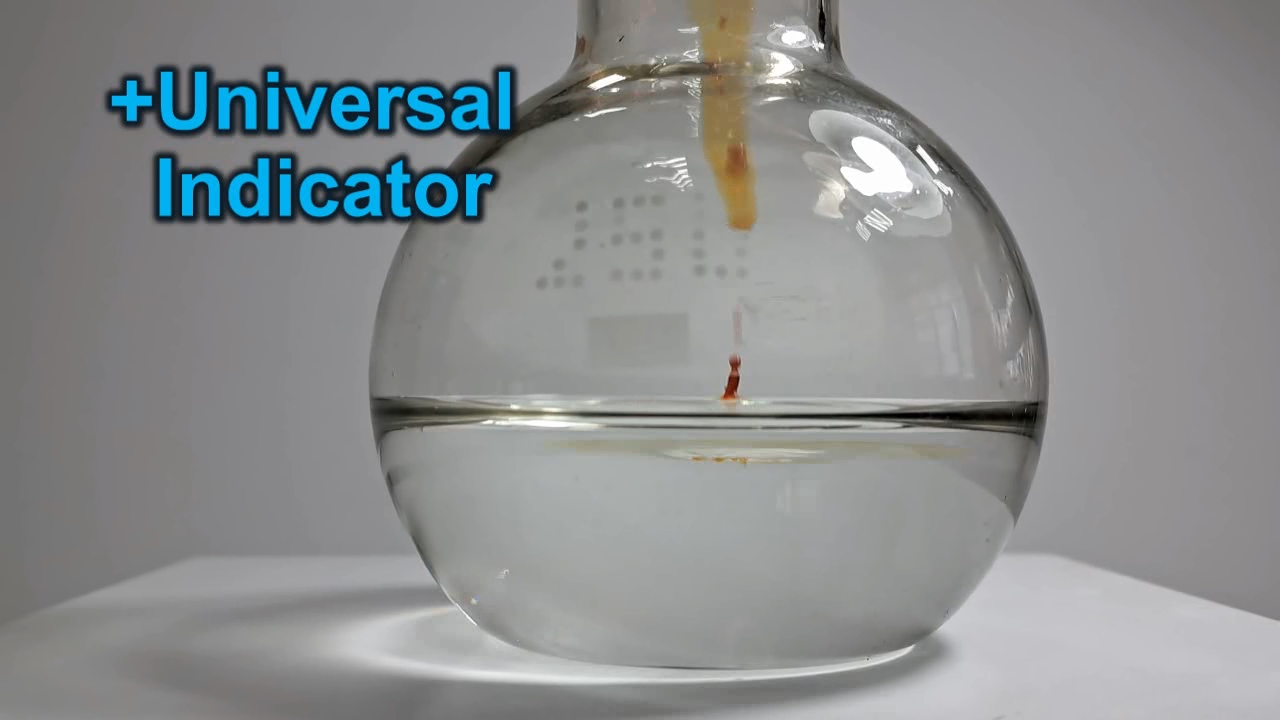
Universal Indicator, Dichloromethane, n-Butanol |
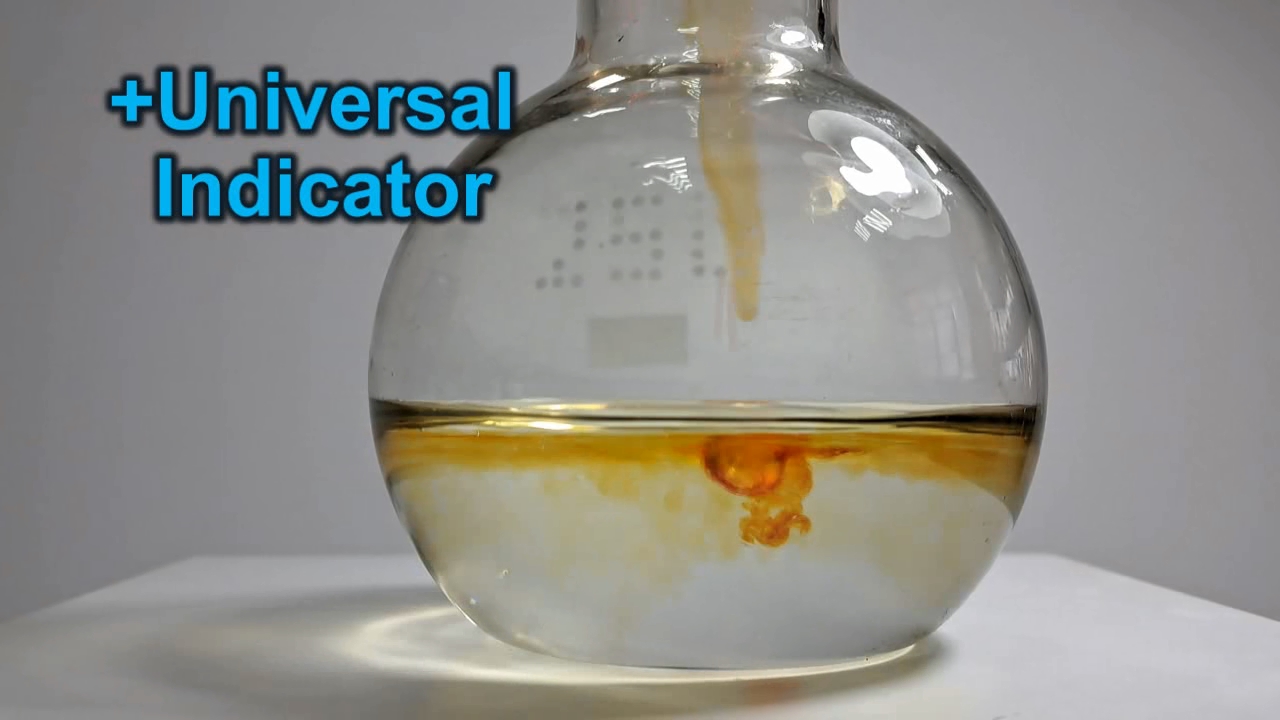
|
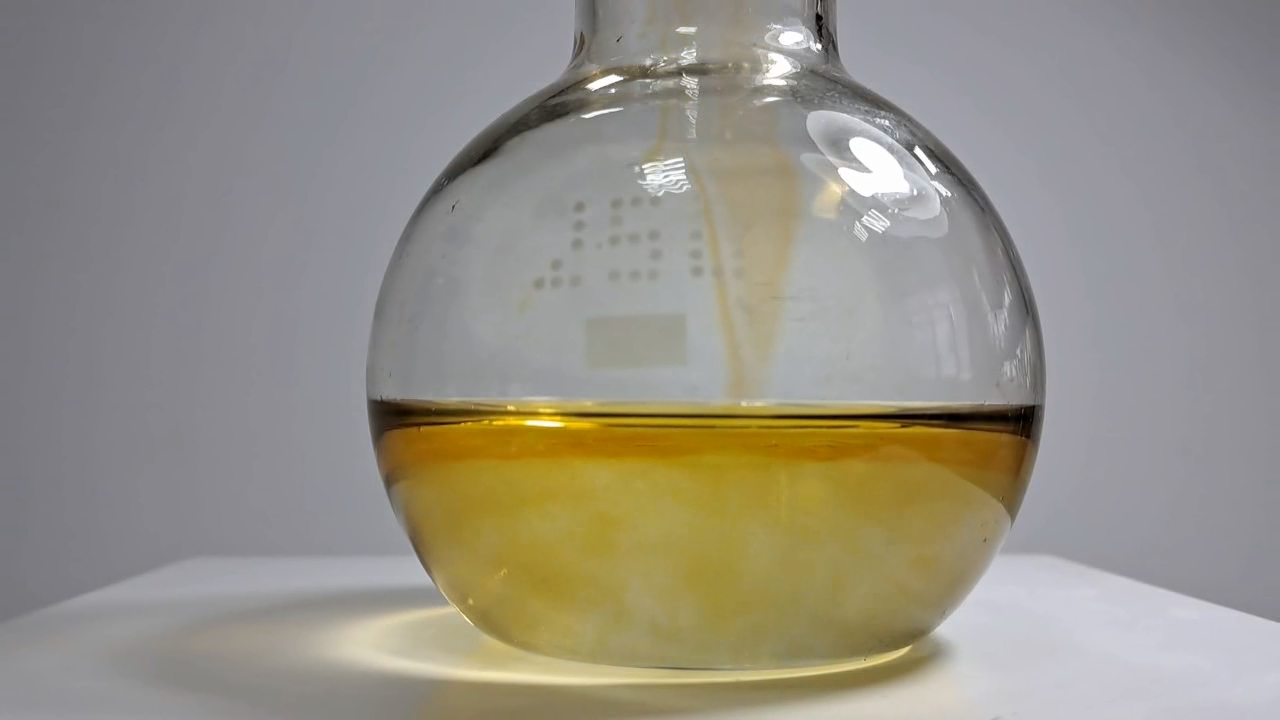
|
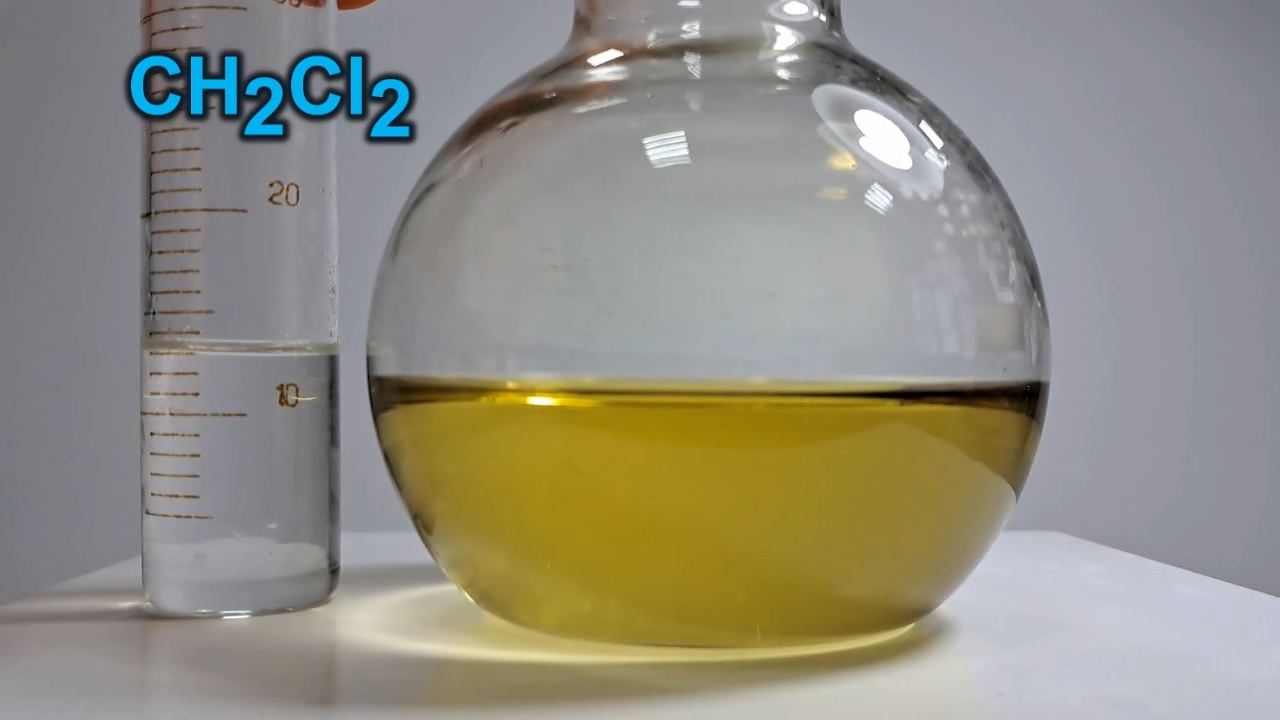
|
|
|
|
|
|
|
|
|
|
|
|
|
|
|
|
|
|
|
|
|
|
|
|
|
|
|
|
|
|
|
|
|
|
|
|
|
|
|
|
|
|
|
|
|
|
|
|
|
|
|
|
|
|
|
|
|
|
|
|
|
|
|
|
|
|
|
|
|
|
Having noticed a mistake in the text, allocate it and press Ctrl-Enter
Addition of Acid (Universal Indicator, Dichloromethane, n-Butanol) - Part 5
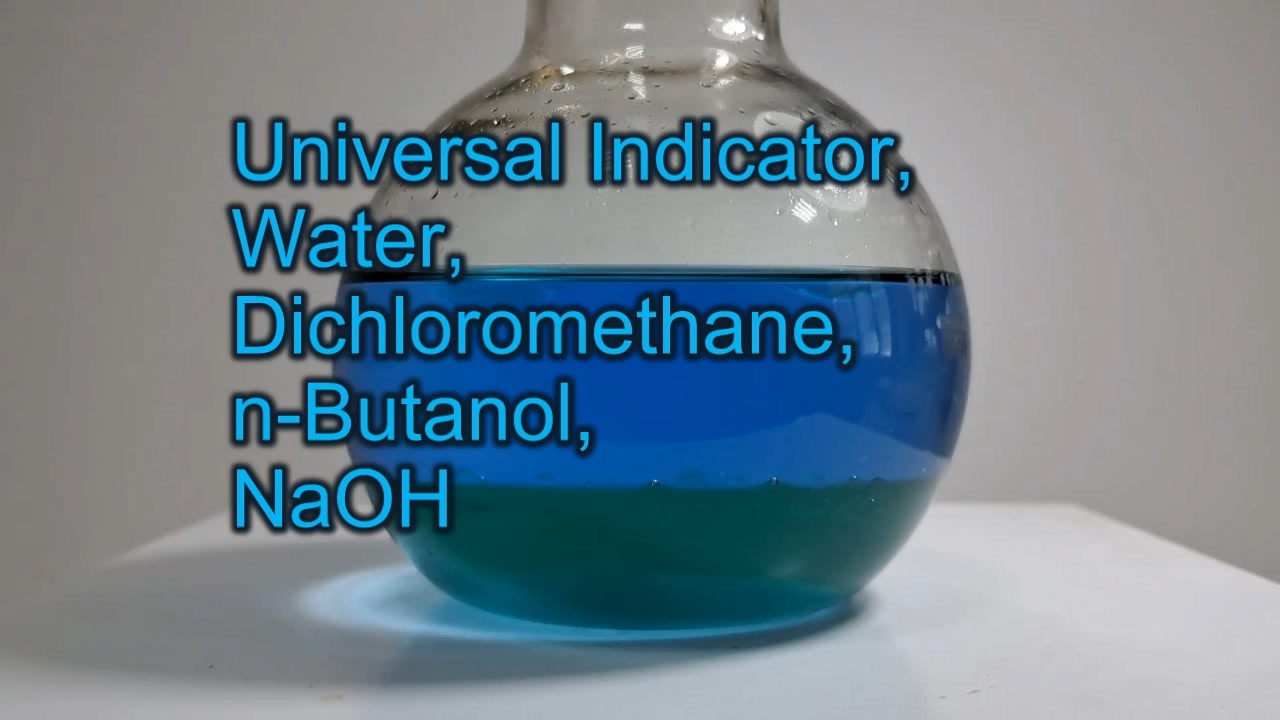
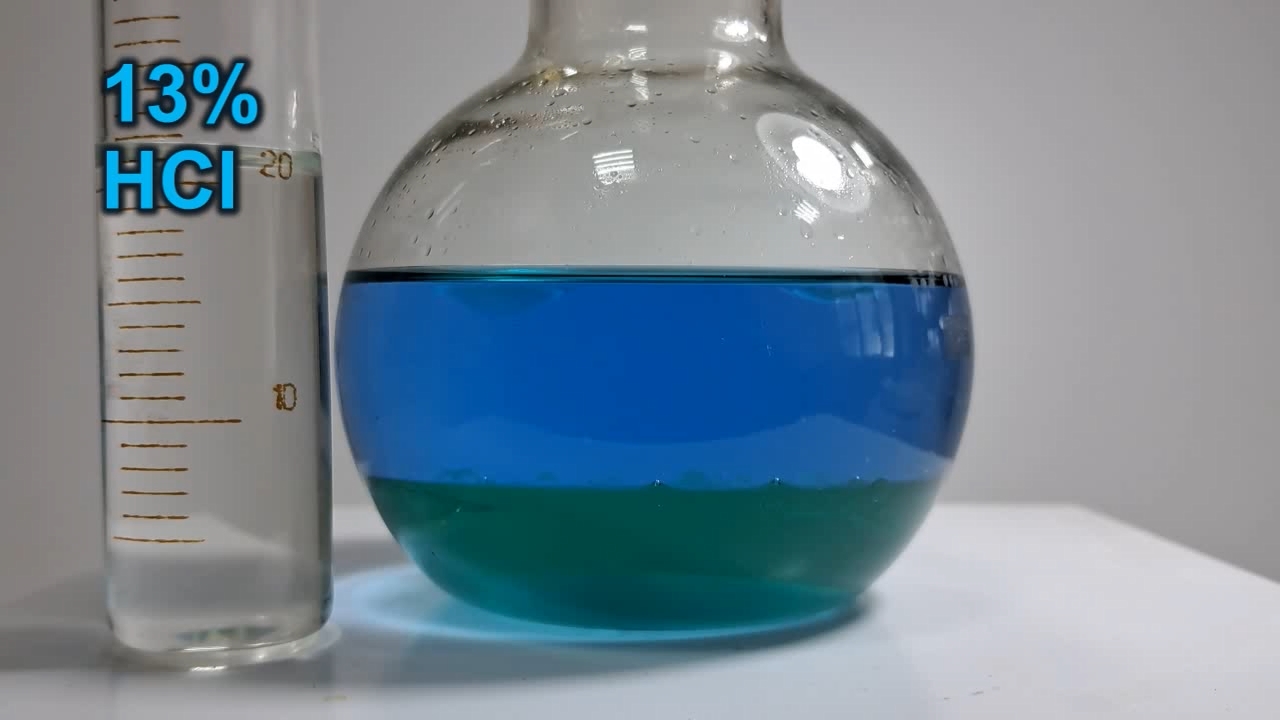
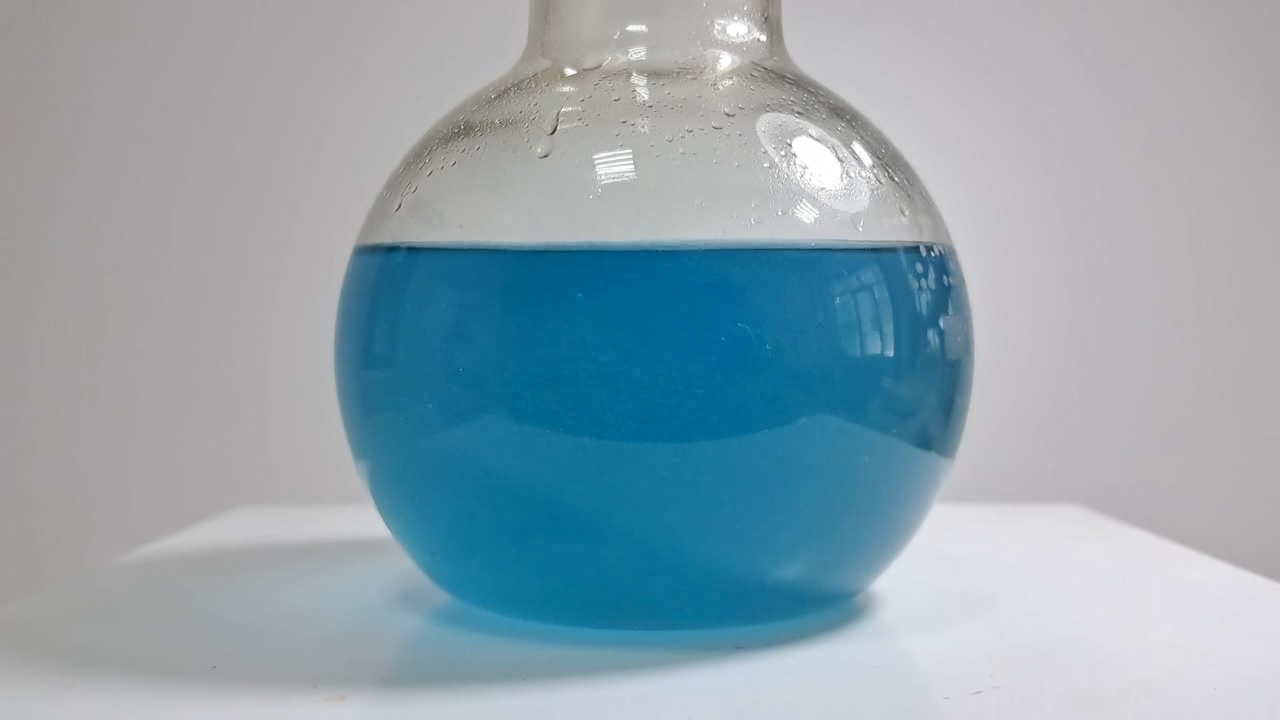
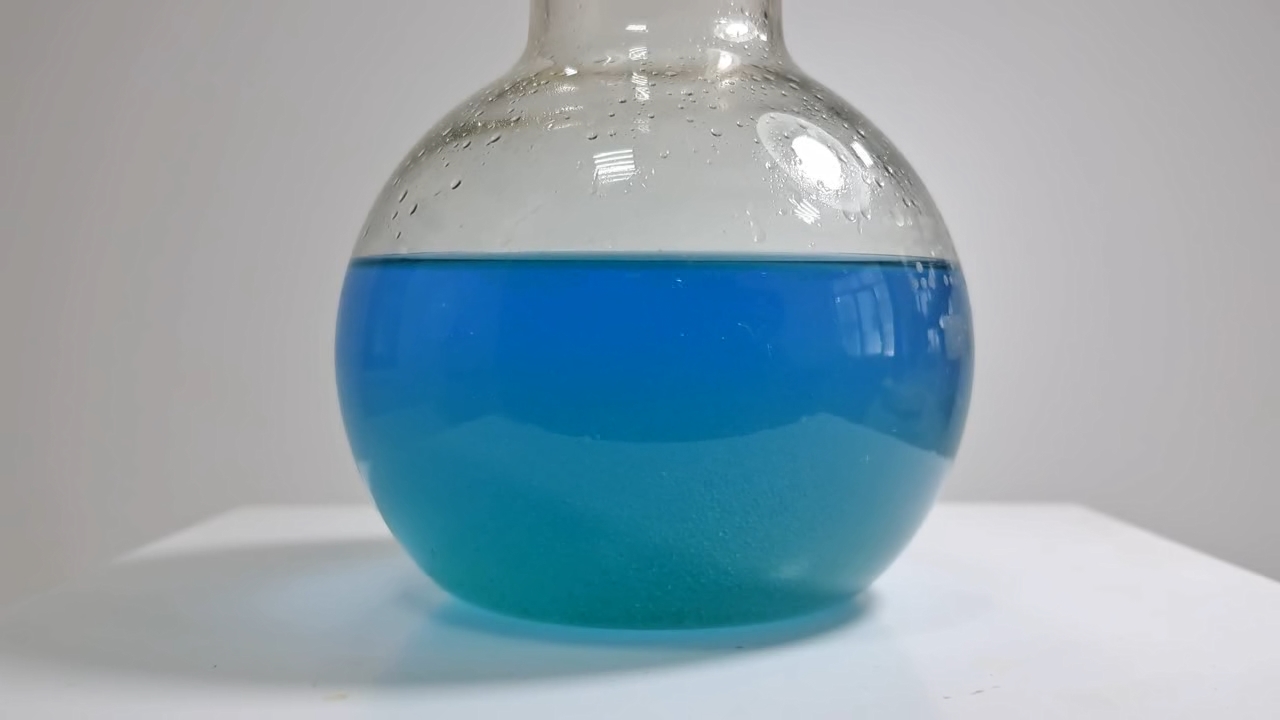
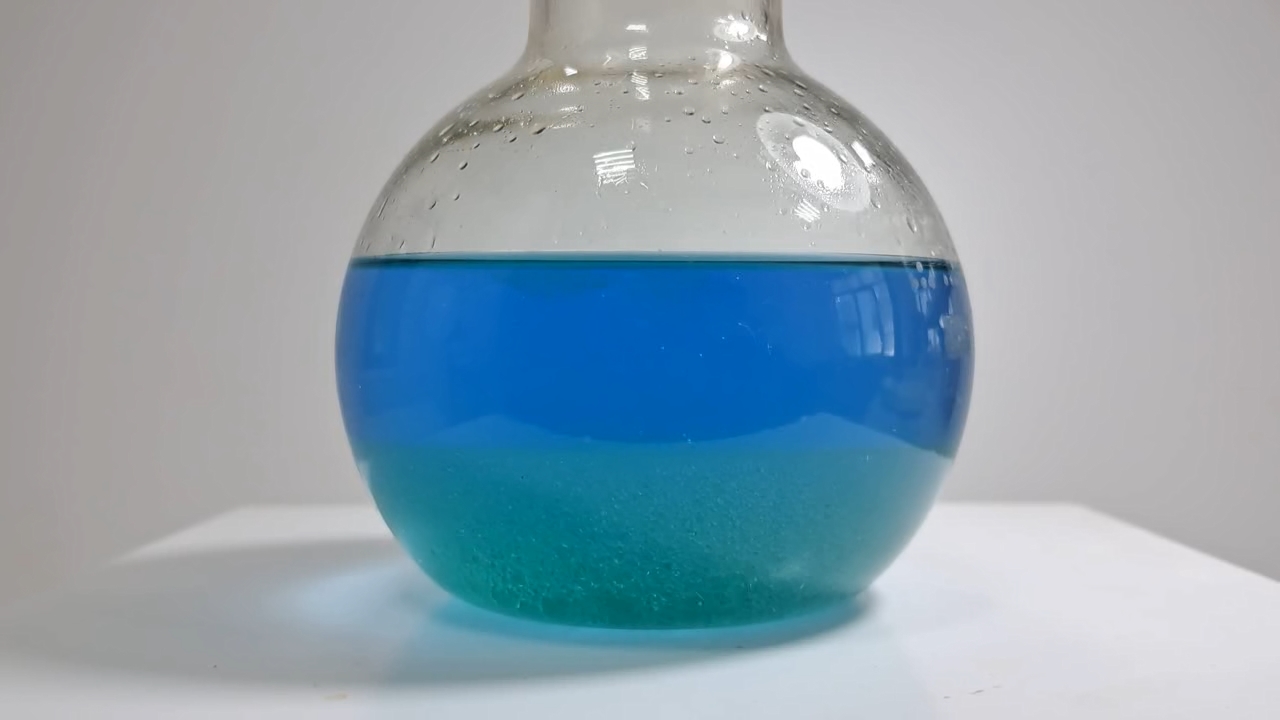
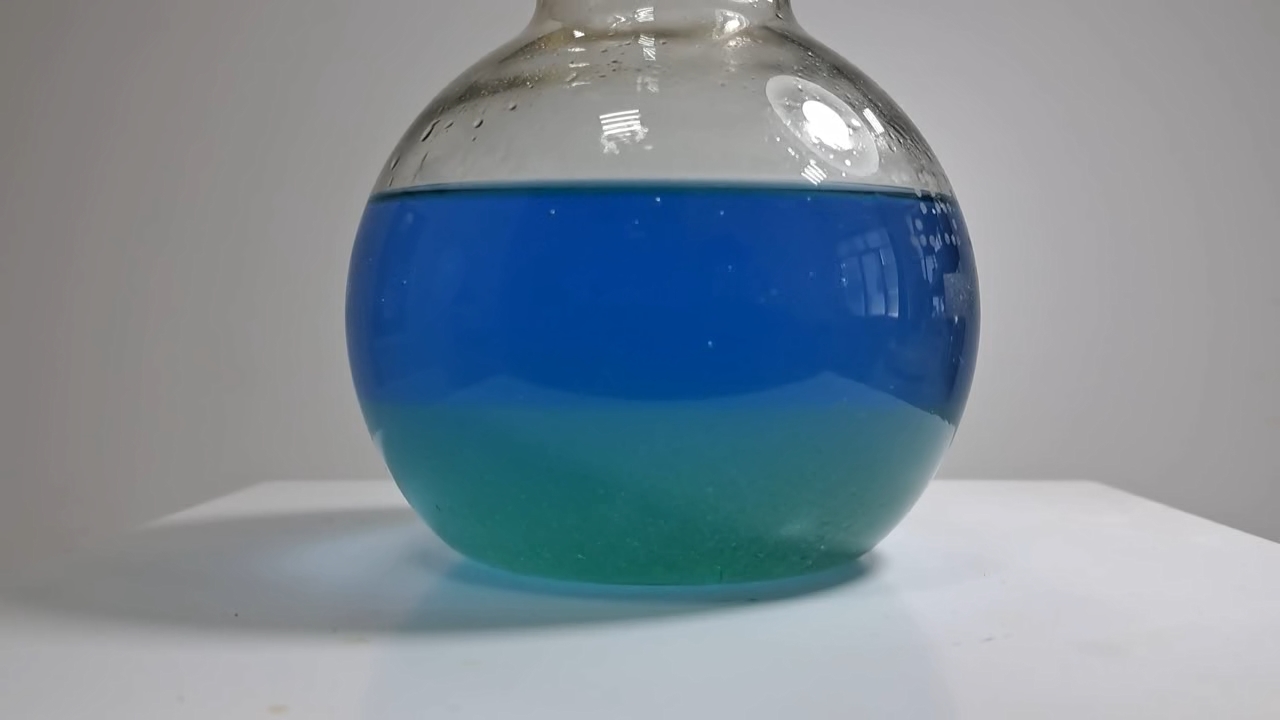
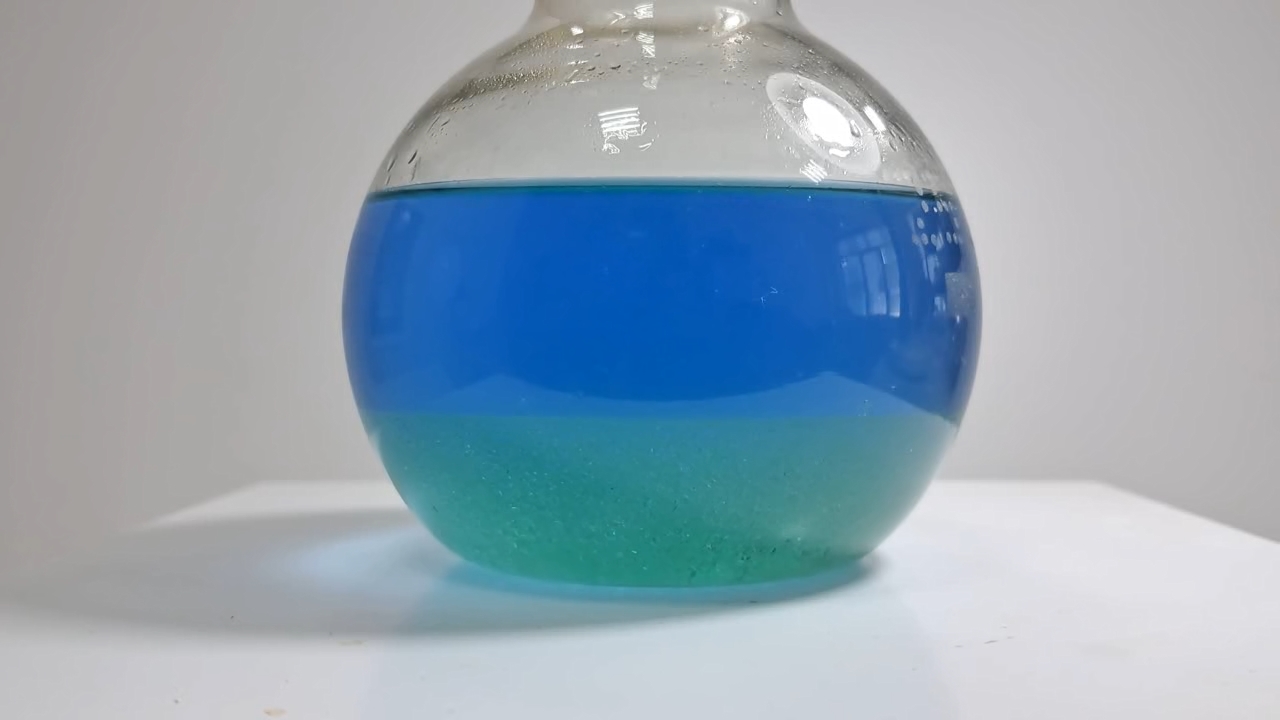
So, the flask contained two immiscible liquids: an aqueous solution and an organic phase. A universal indicator had been added to the flask. The medium was highly alkaline, so the aqueous phase was blue, while the organic layer was green.
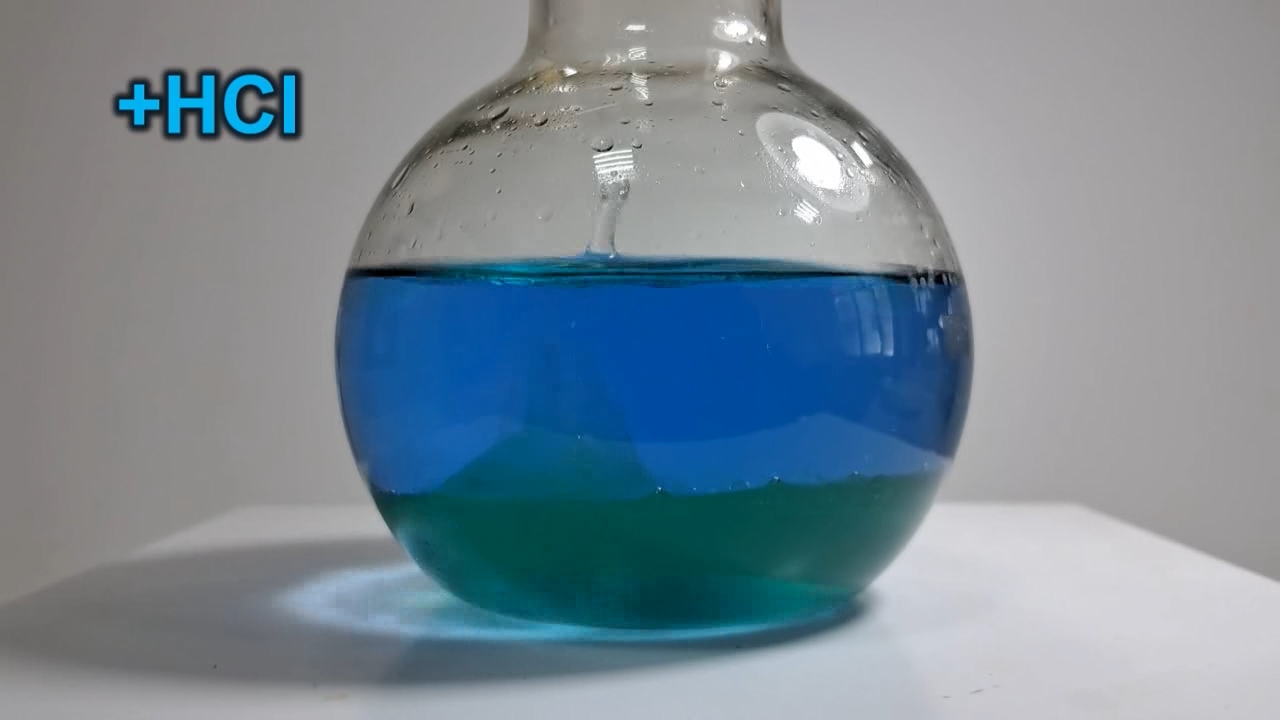
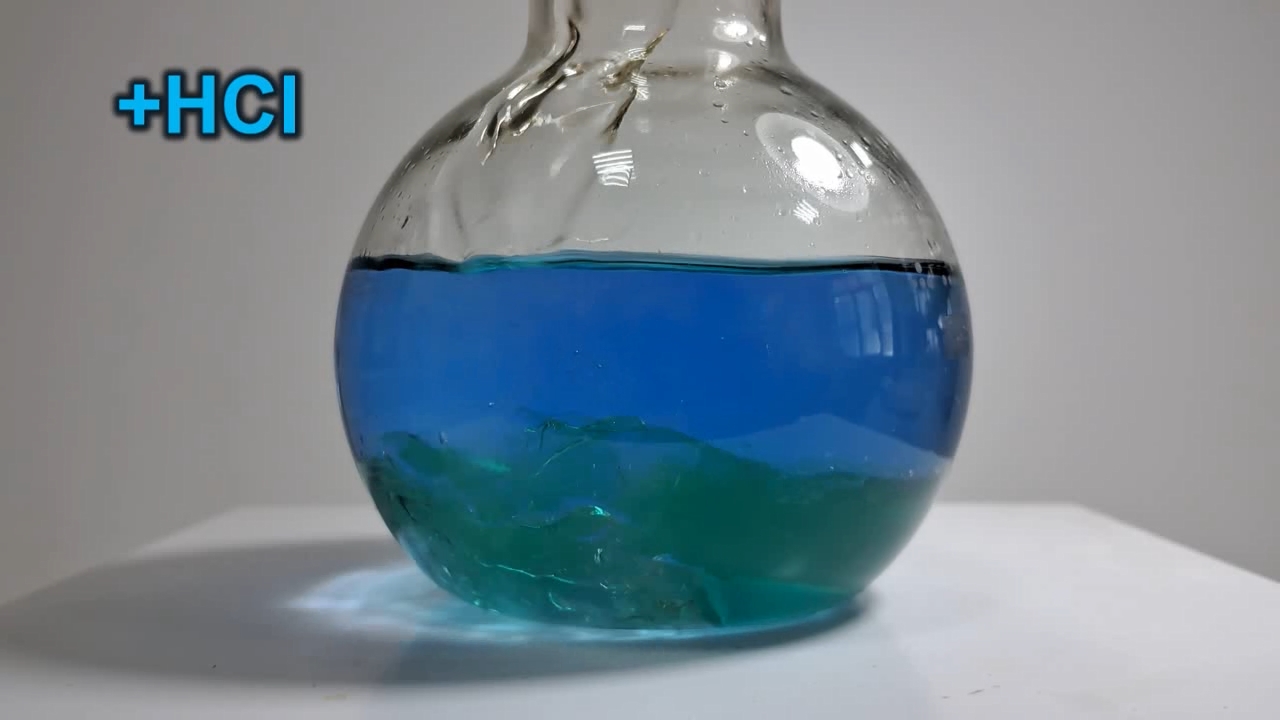
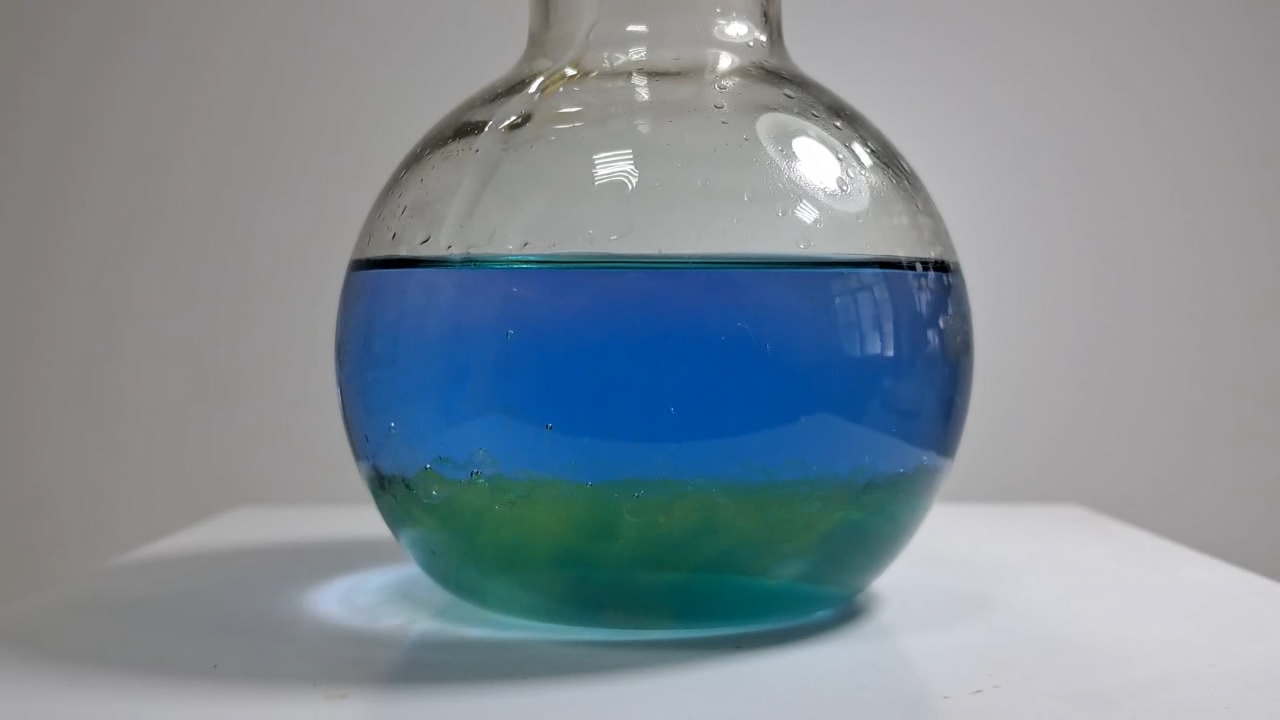
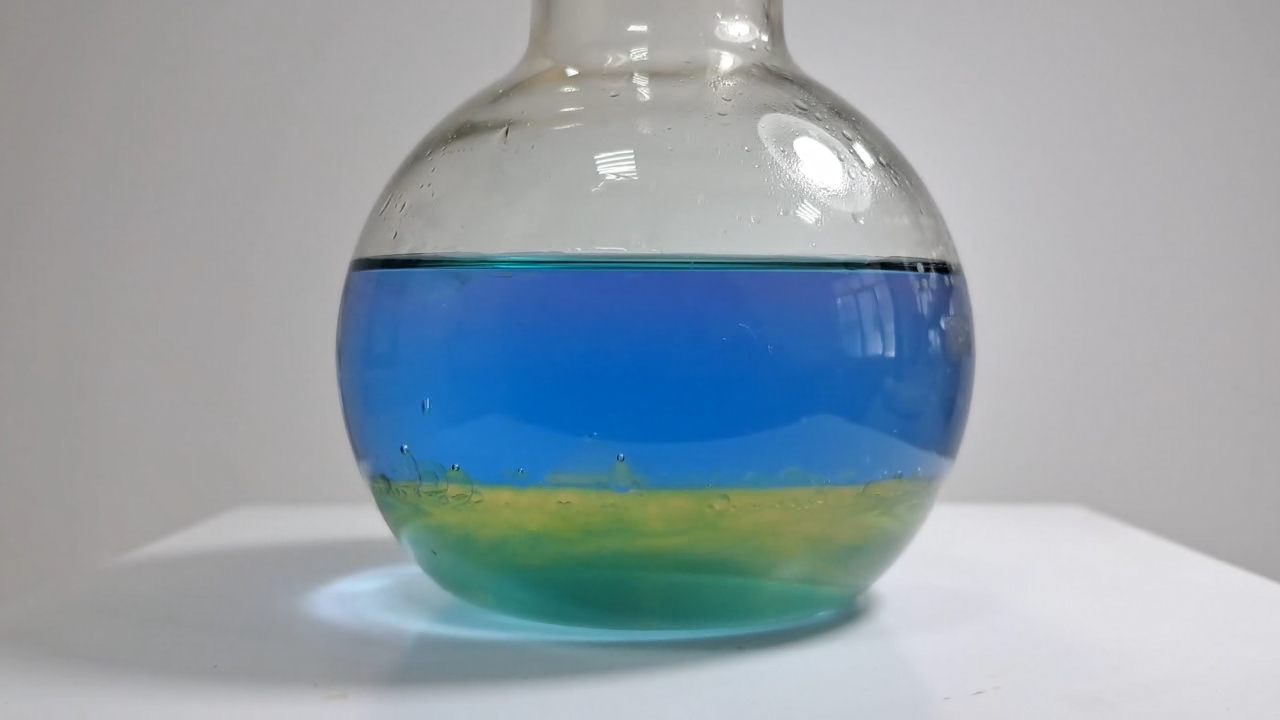
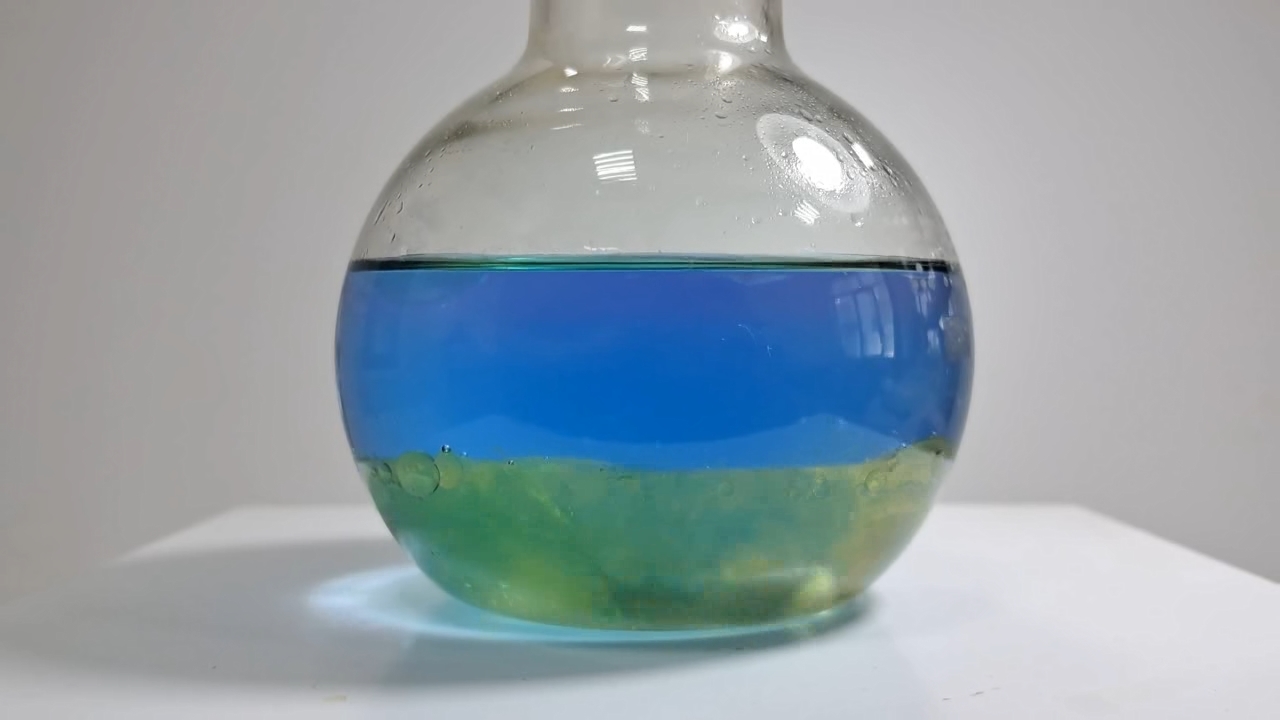
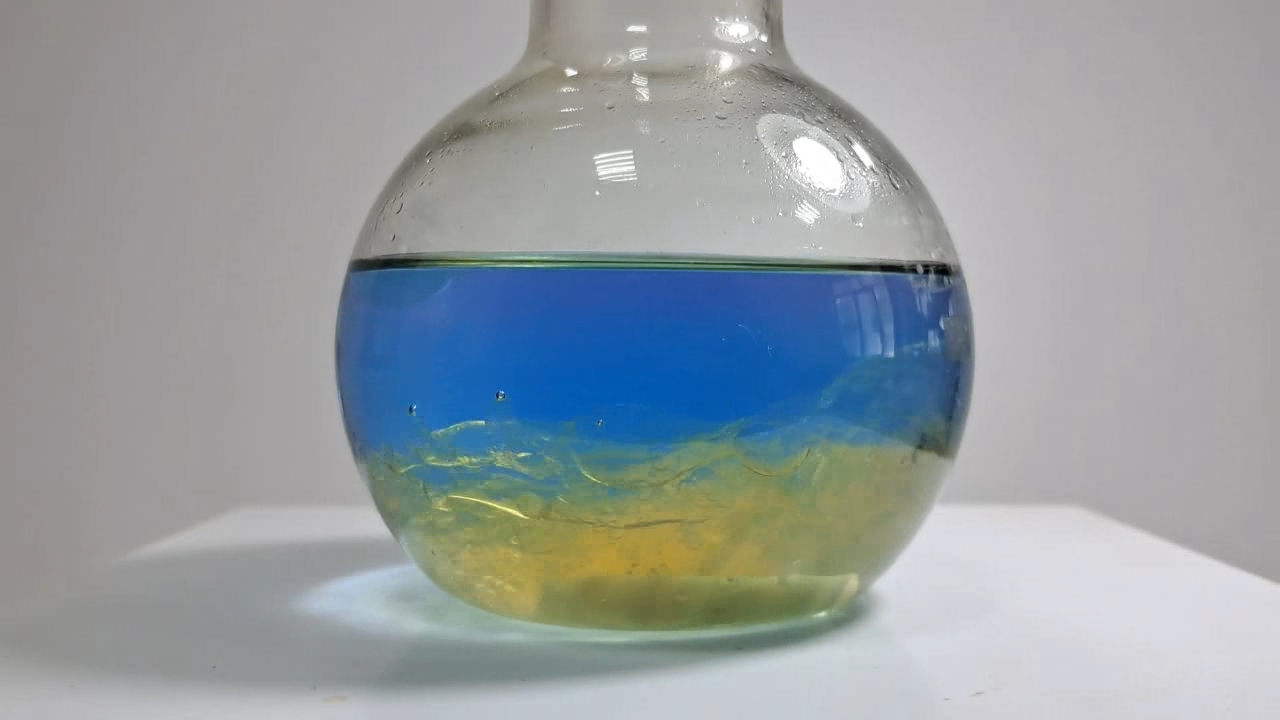
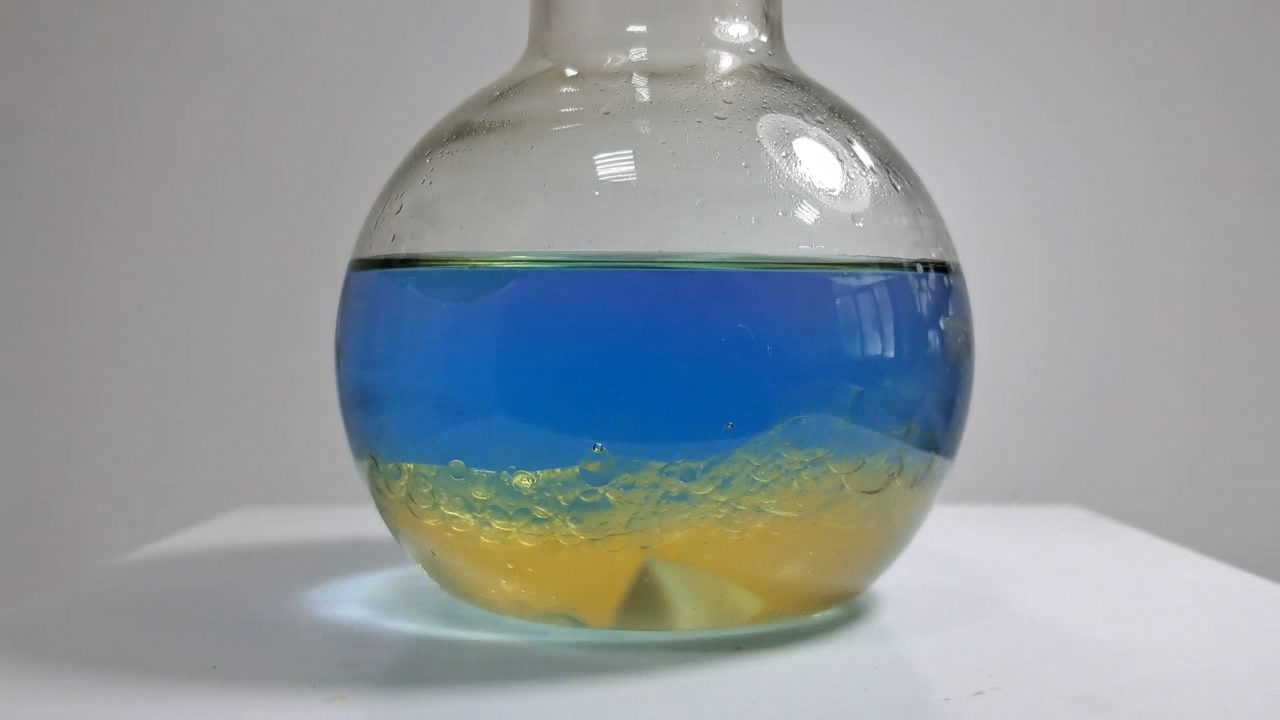
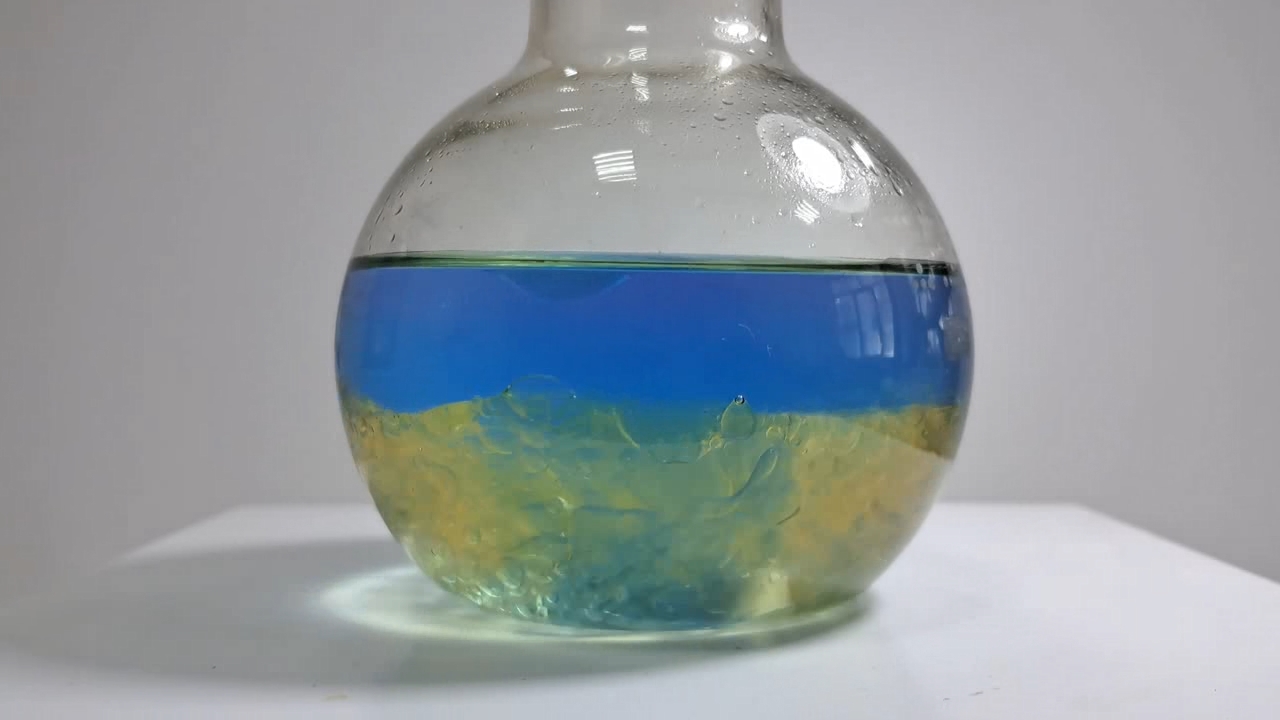
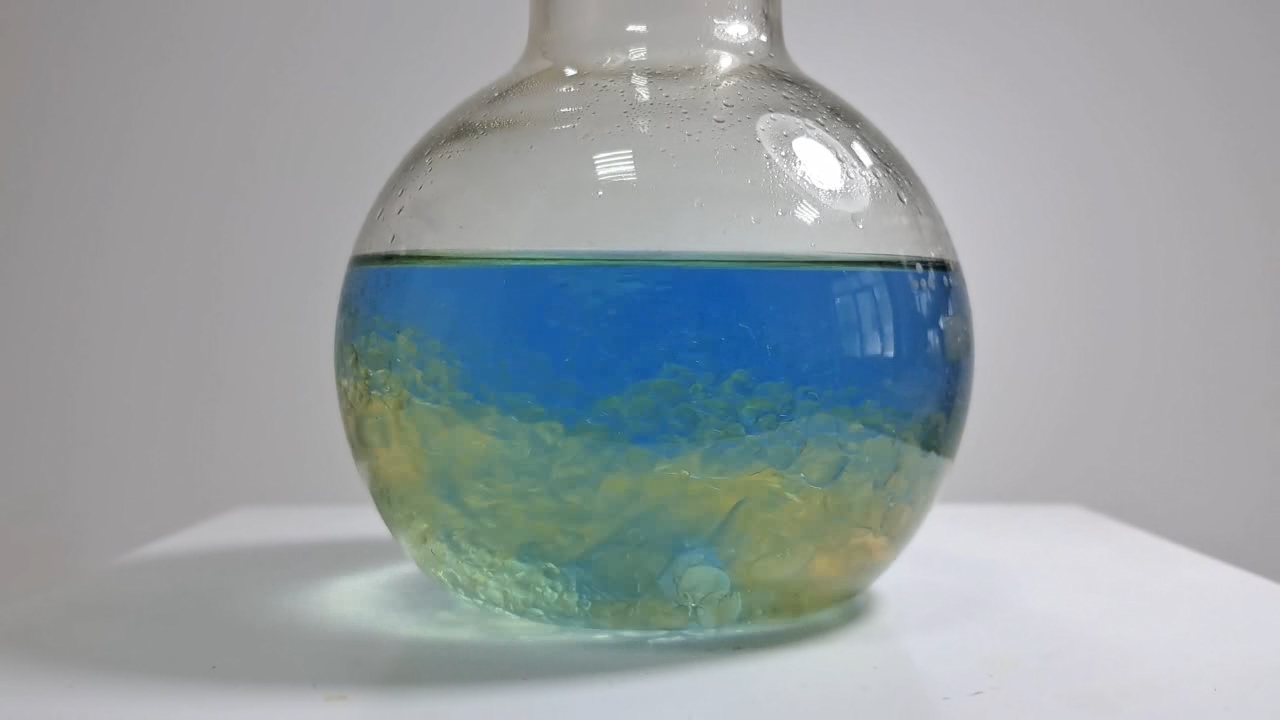
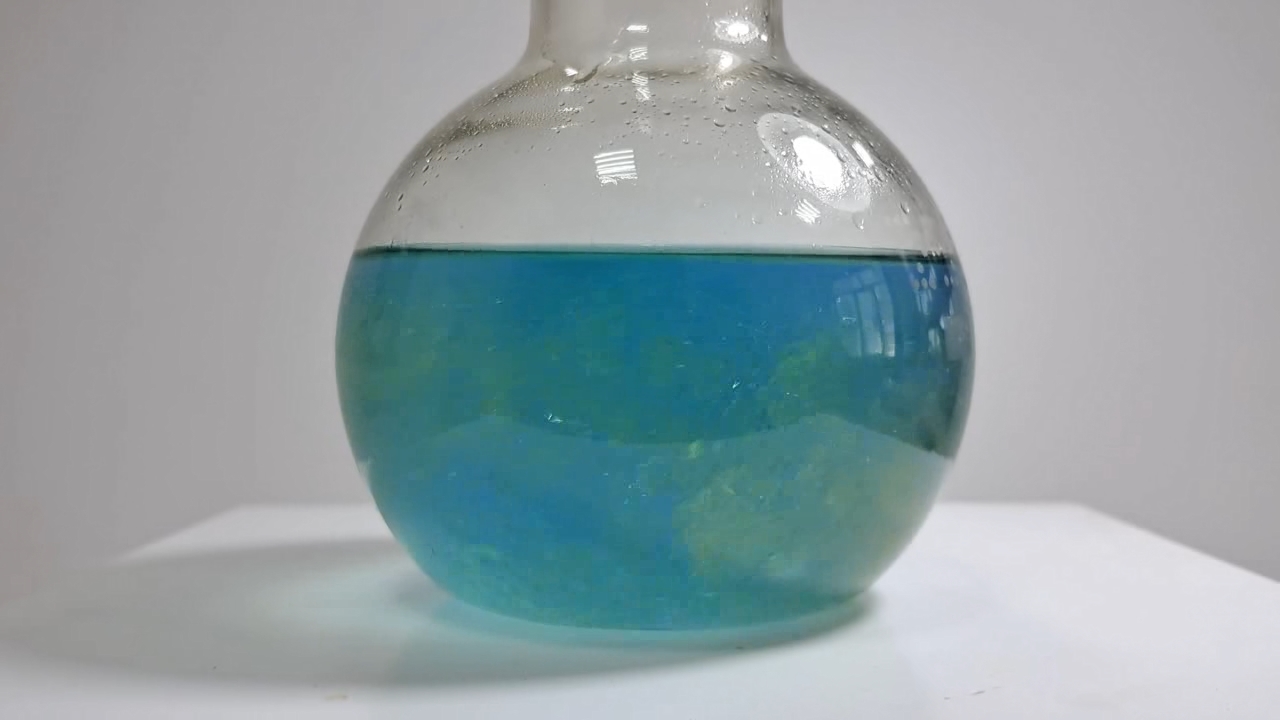
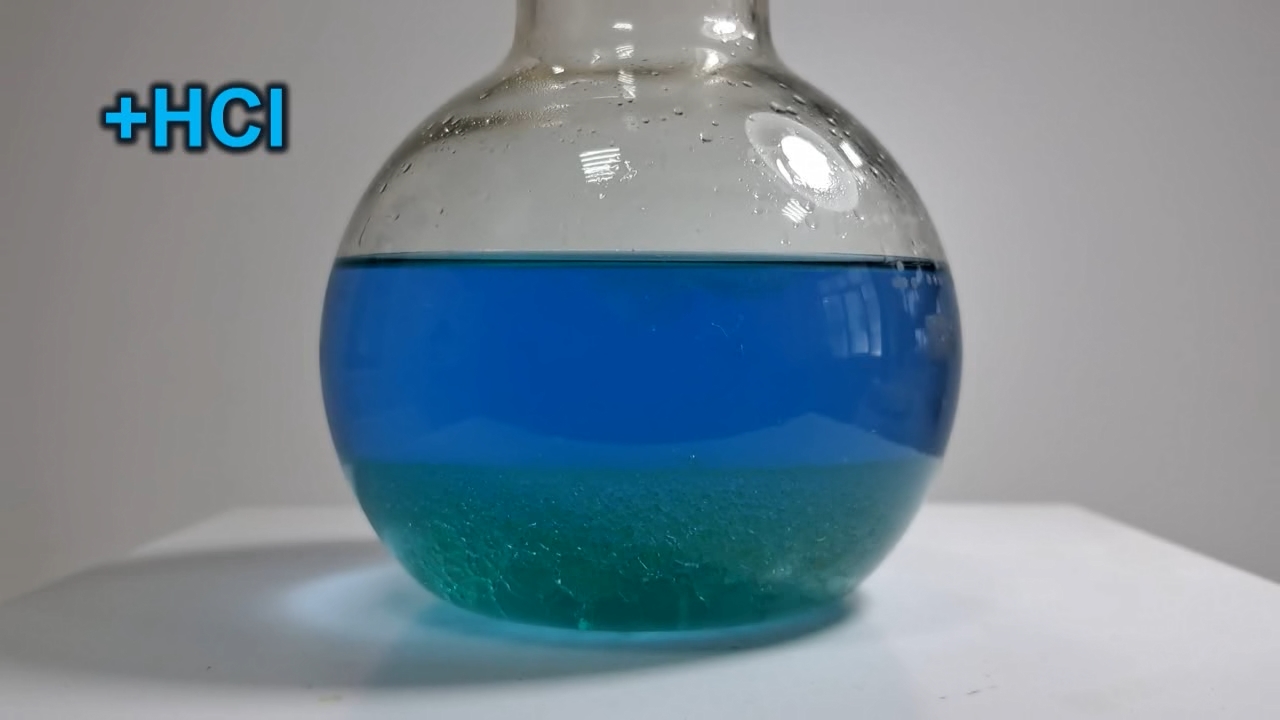
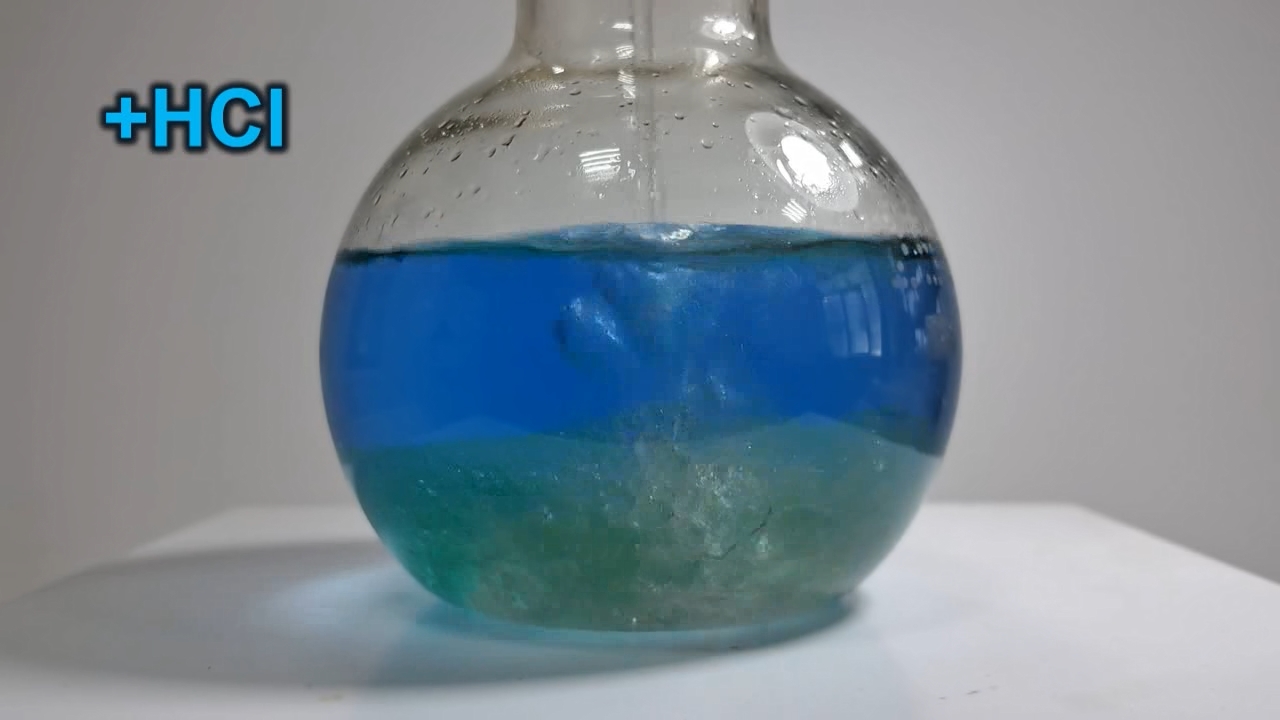
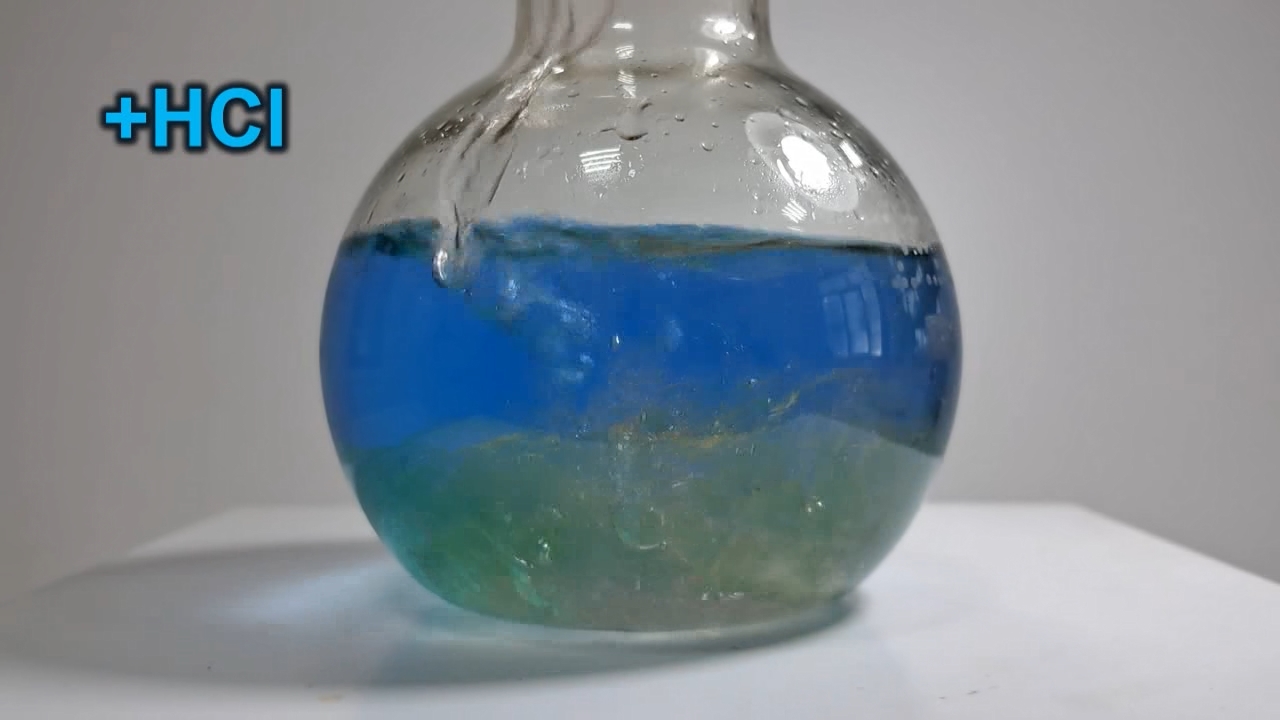
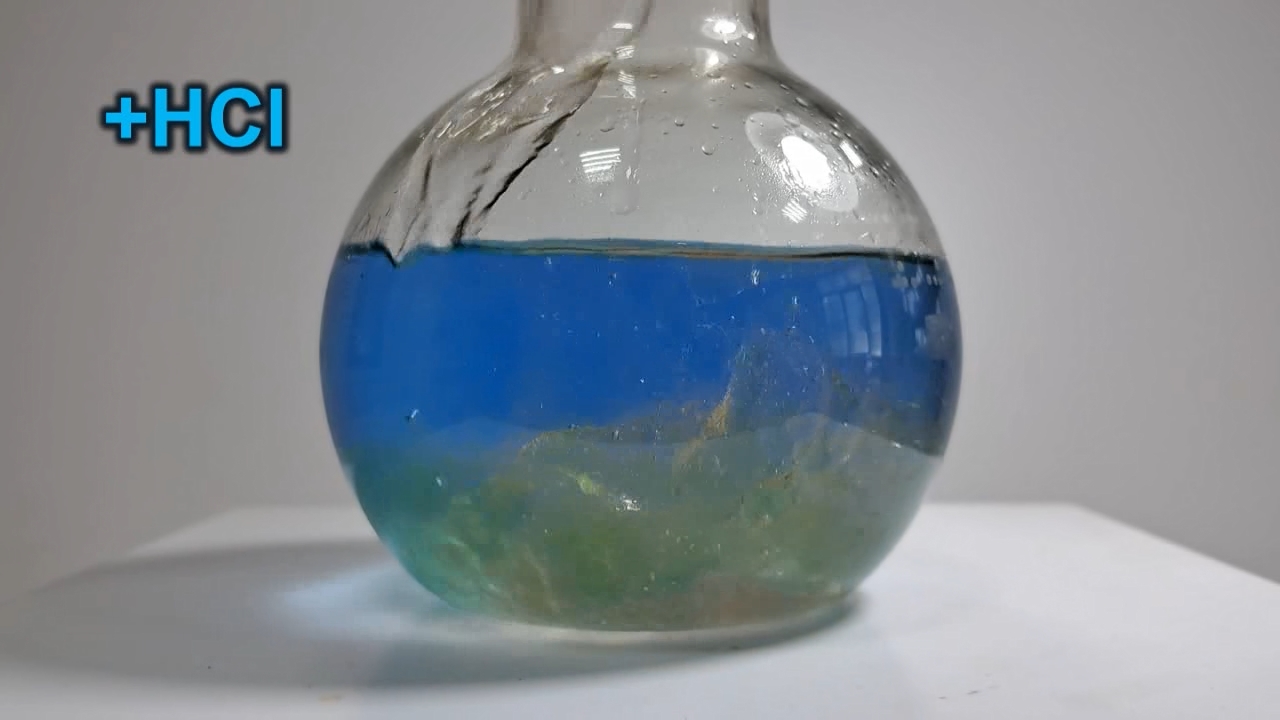
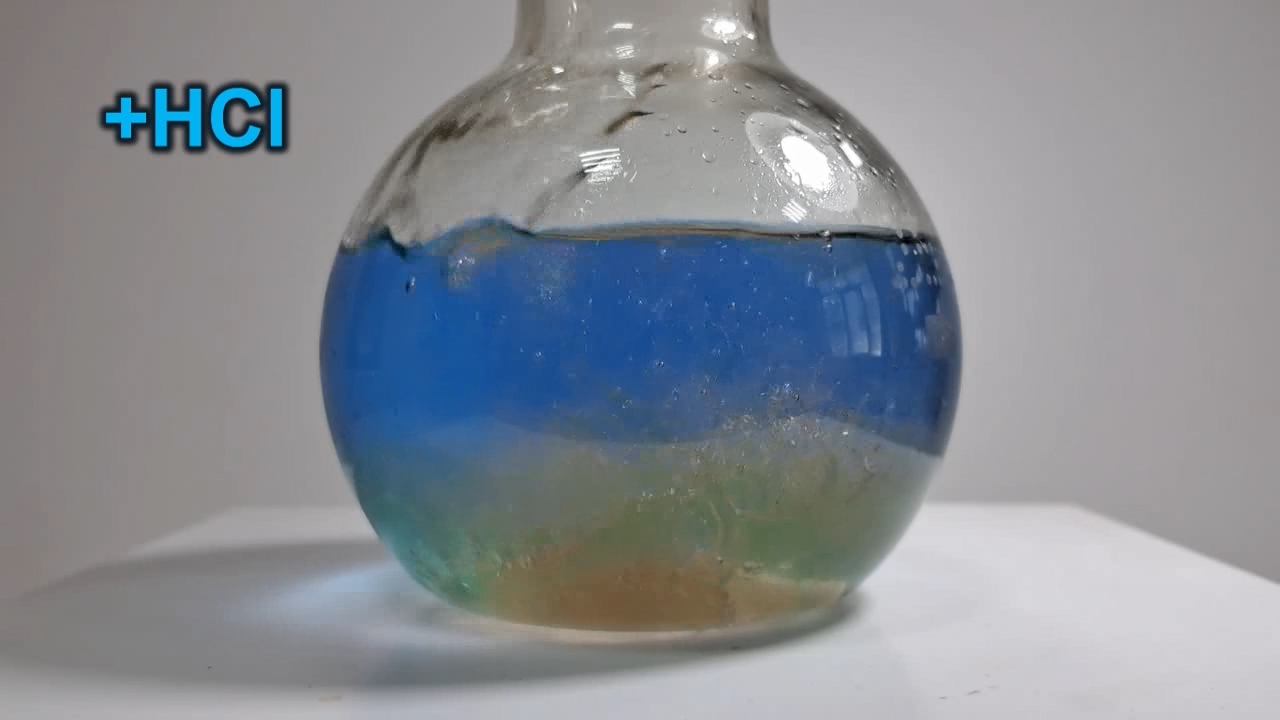
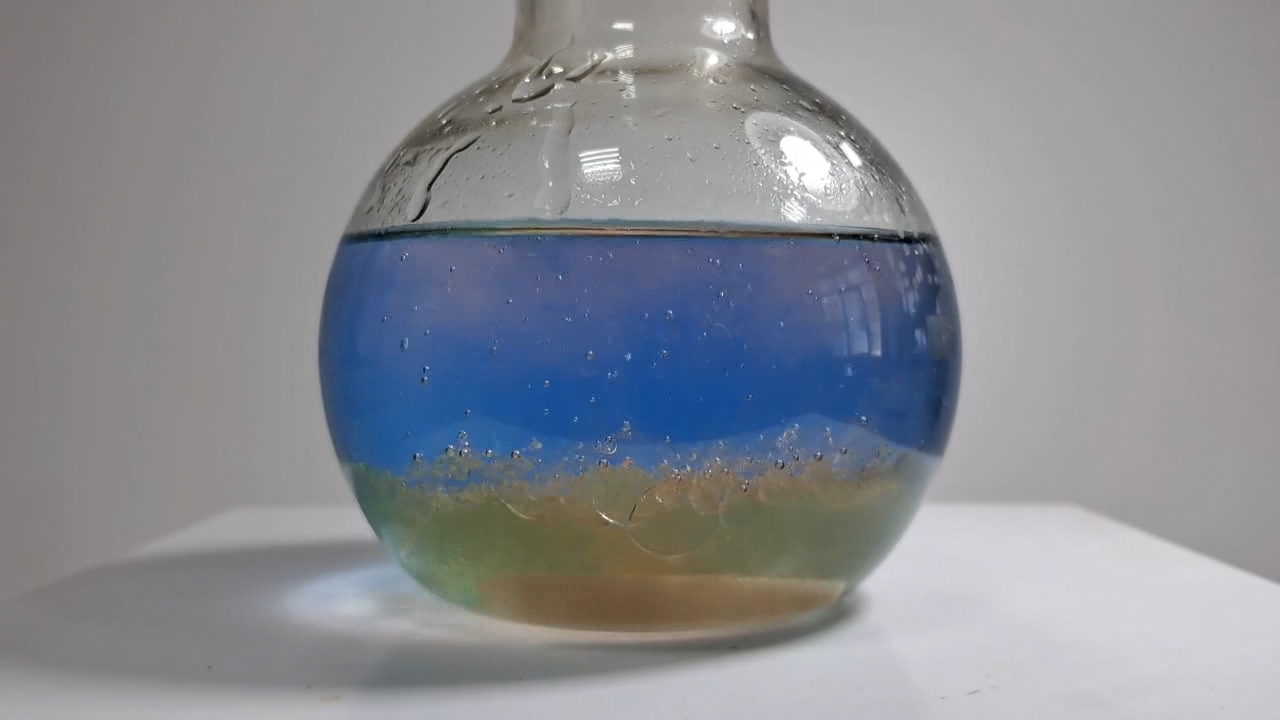
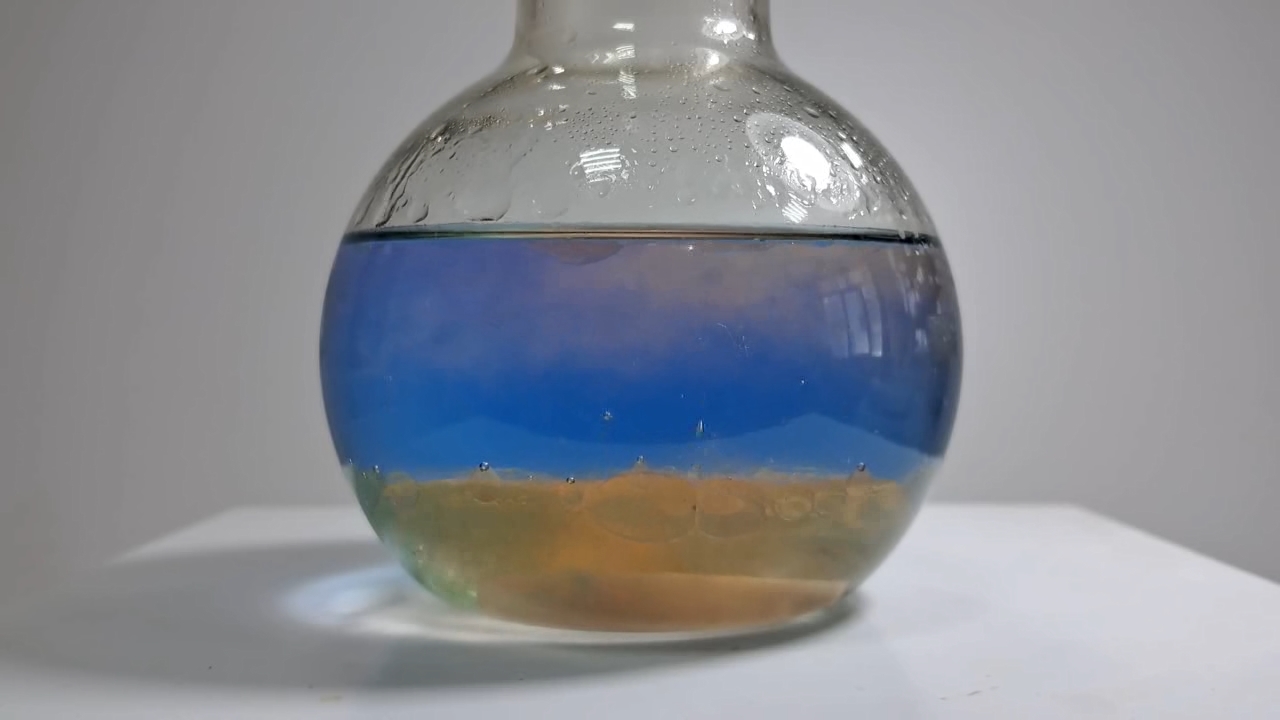
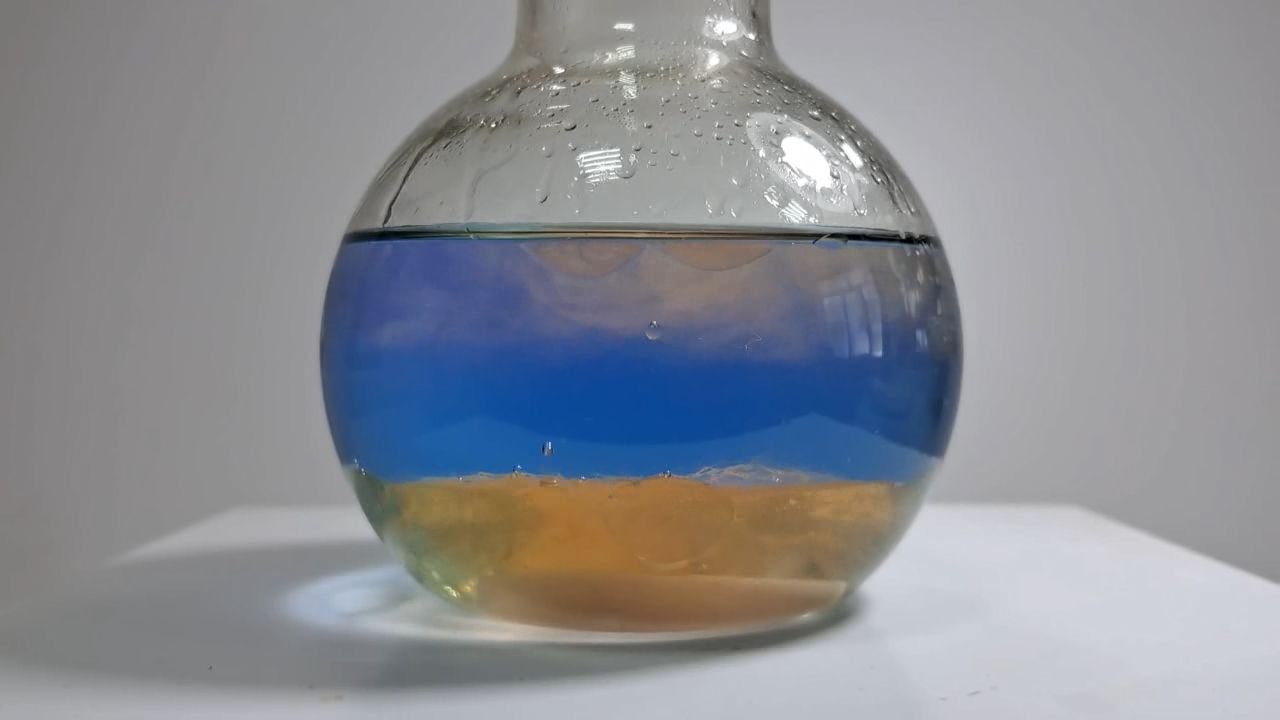
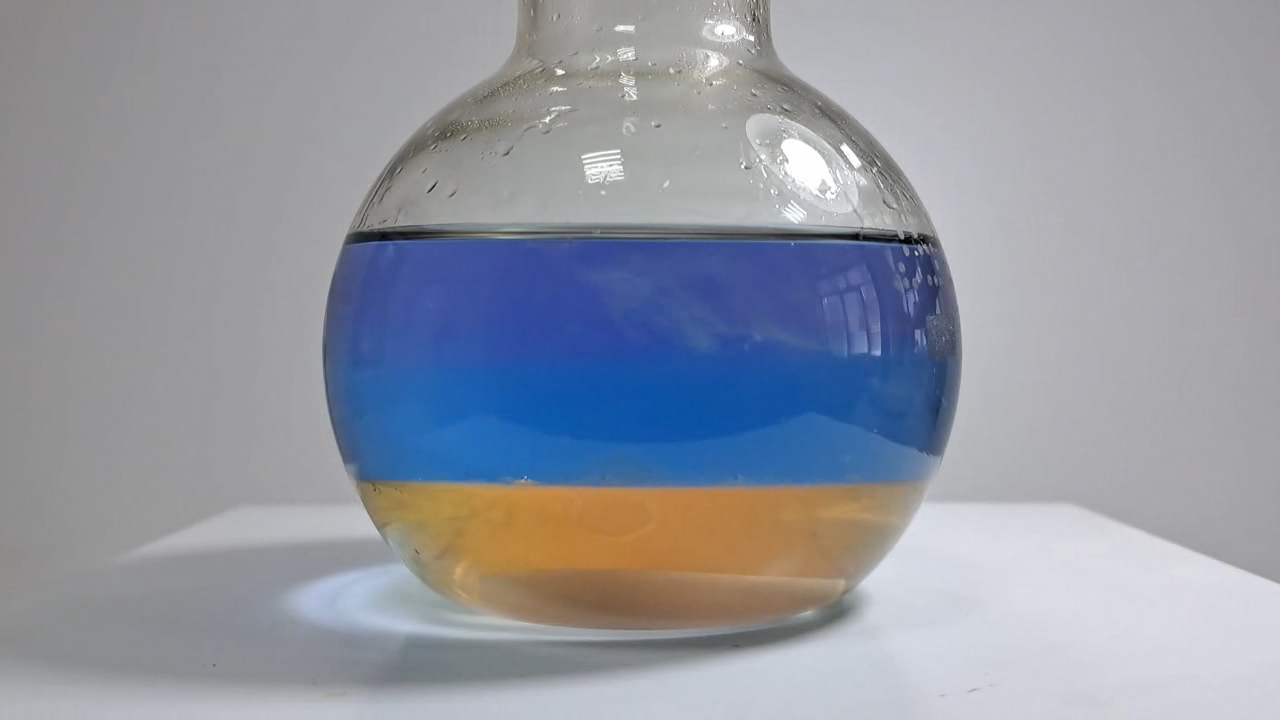
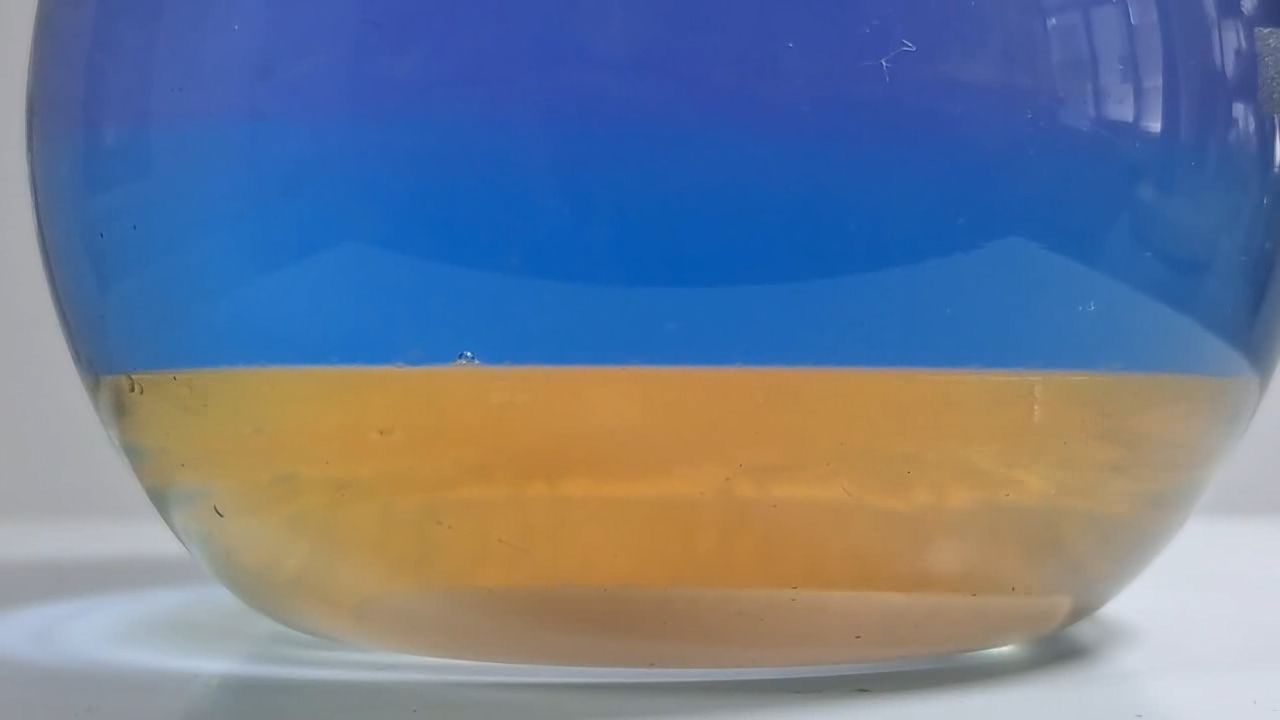
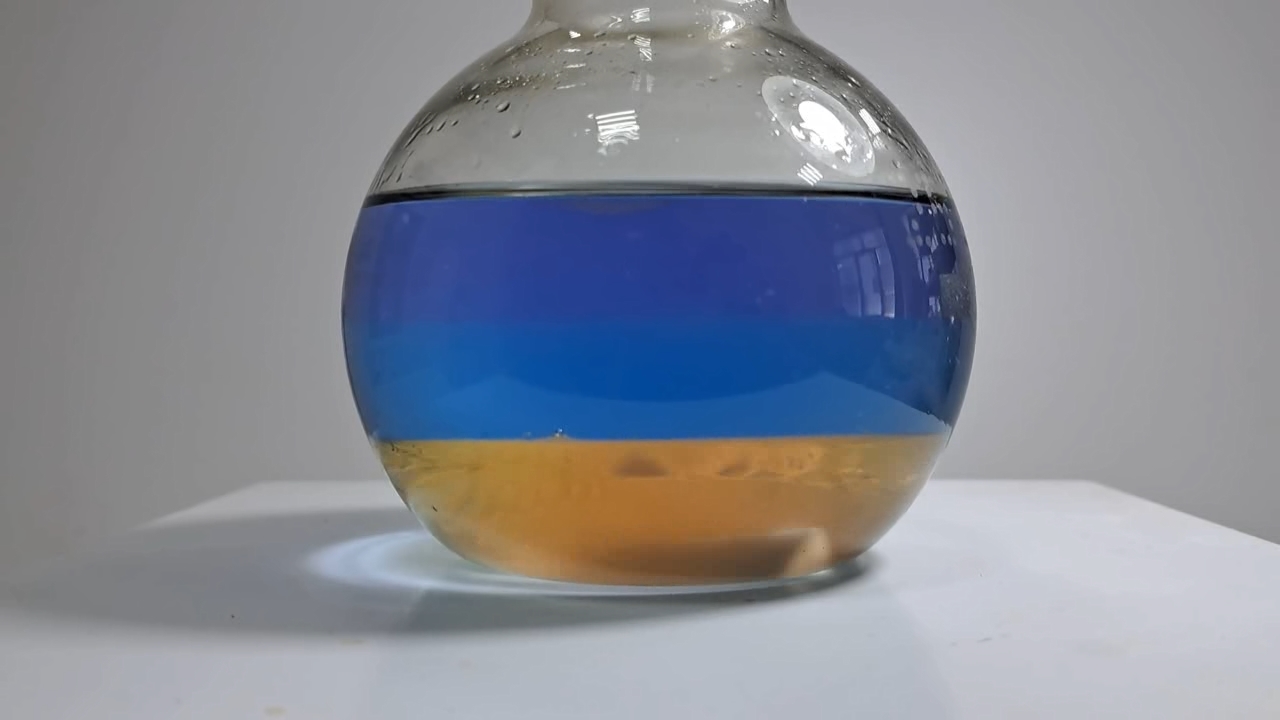
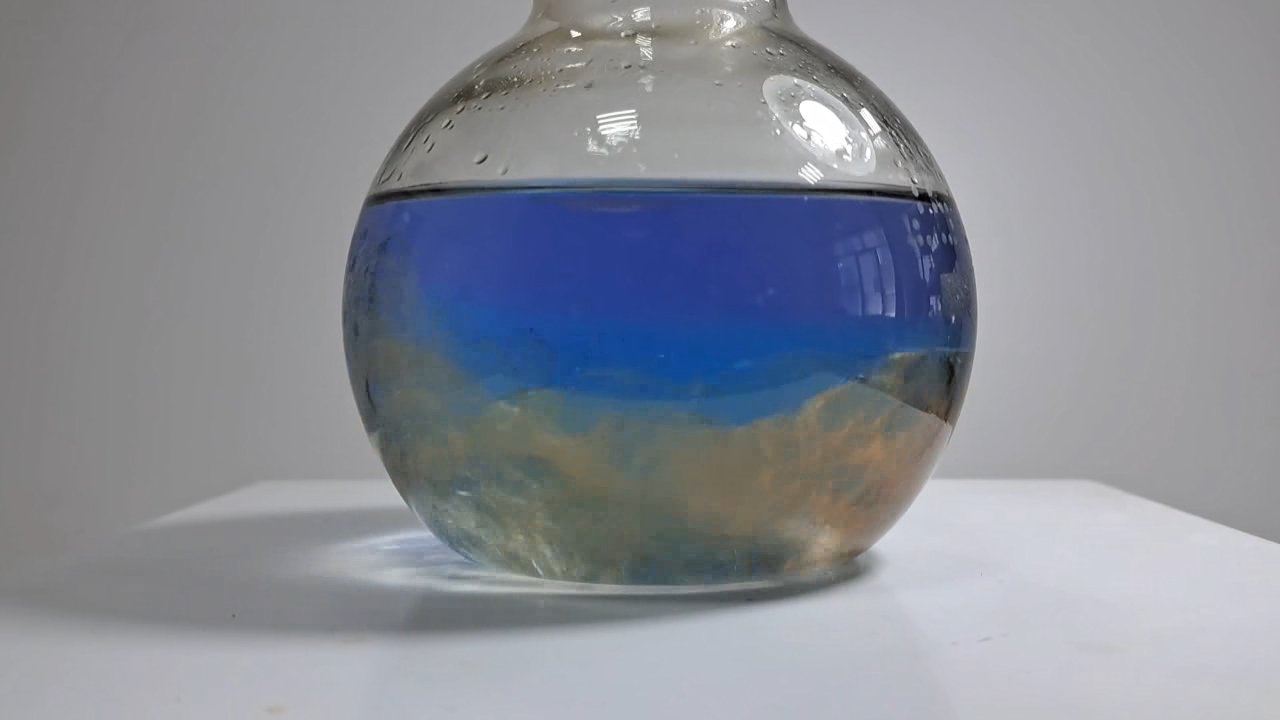
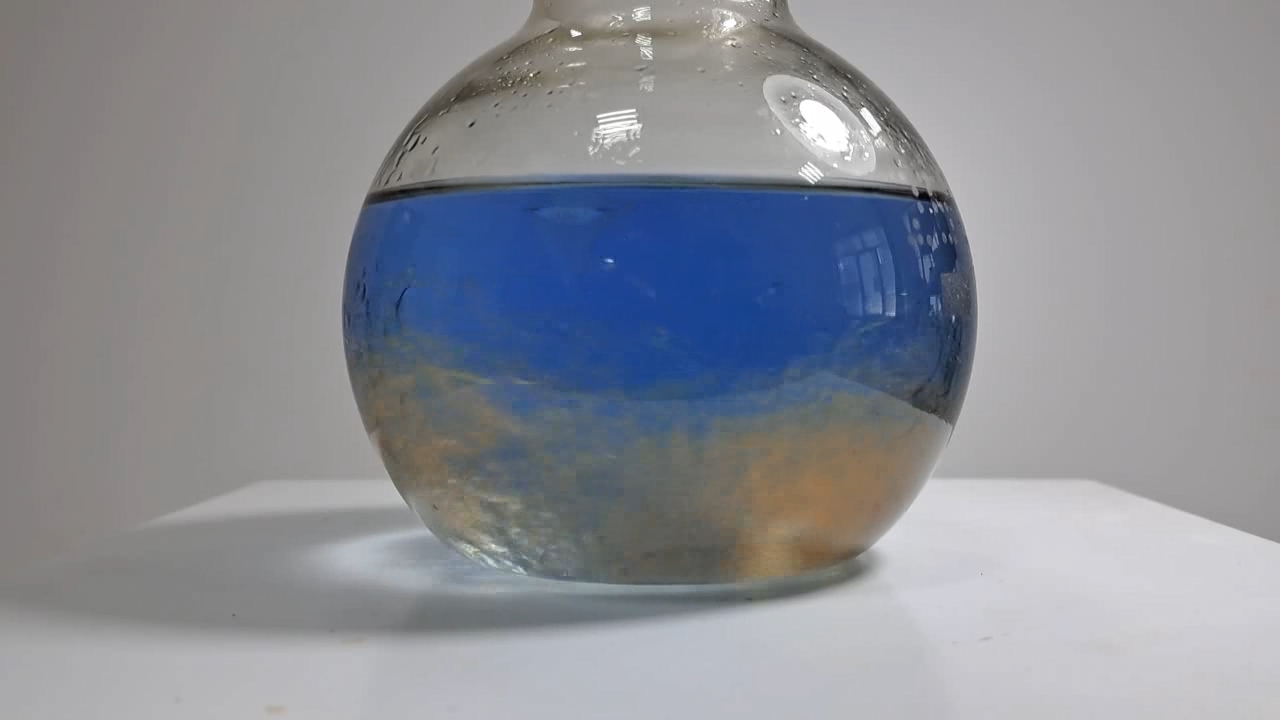
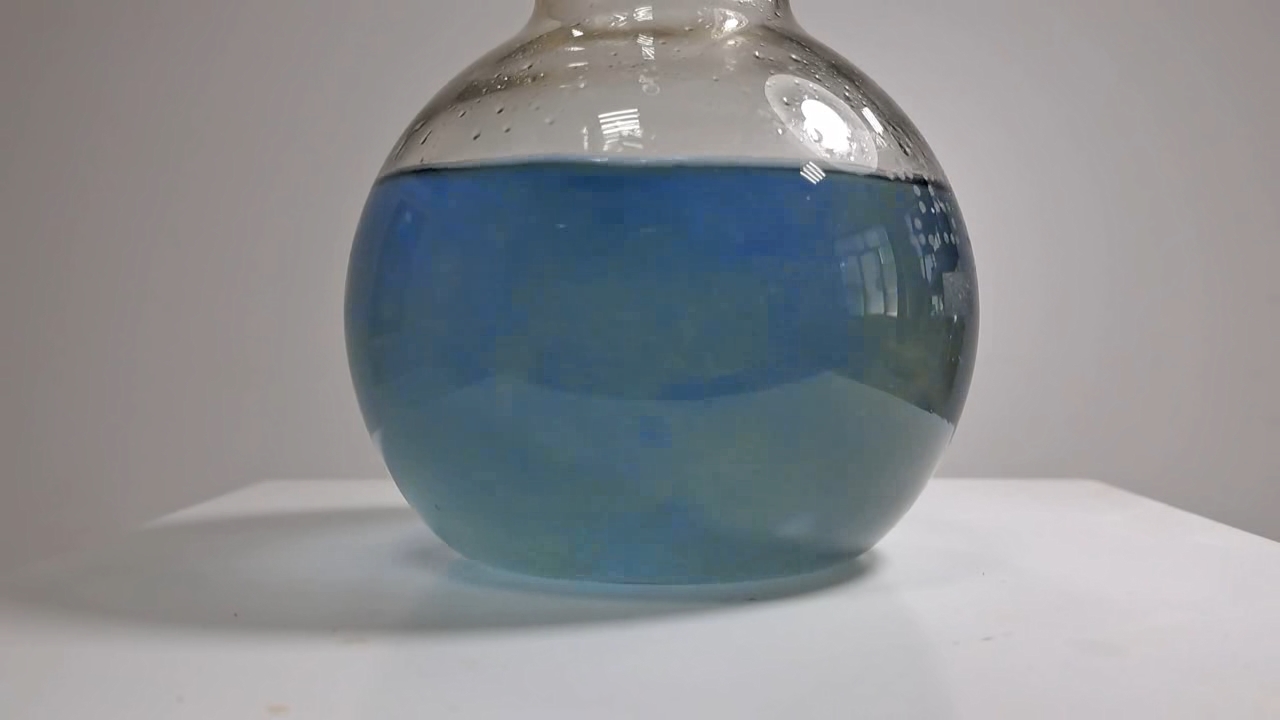
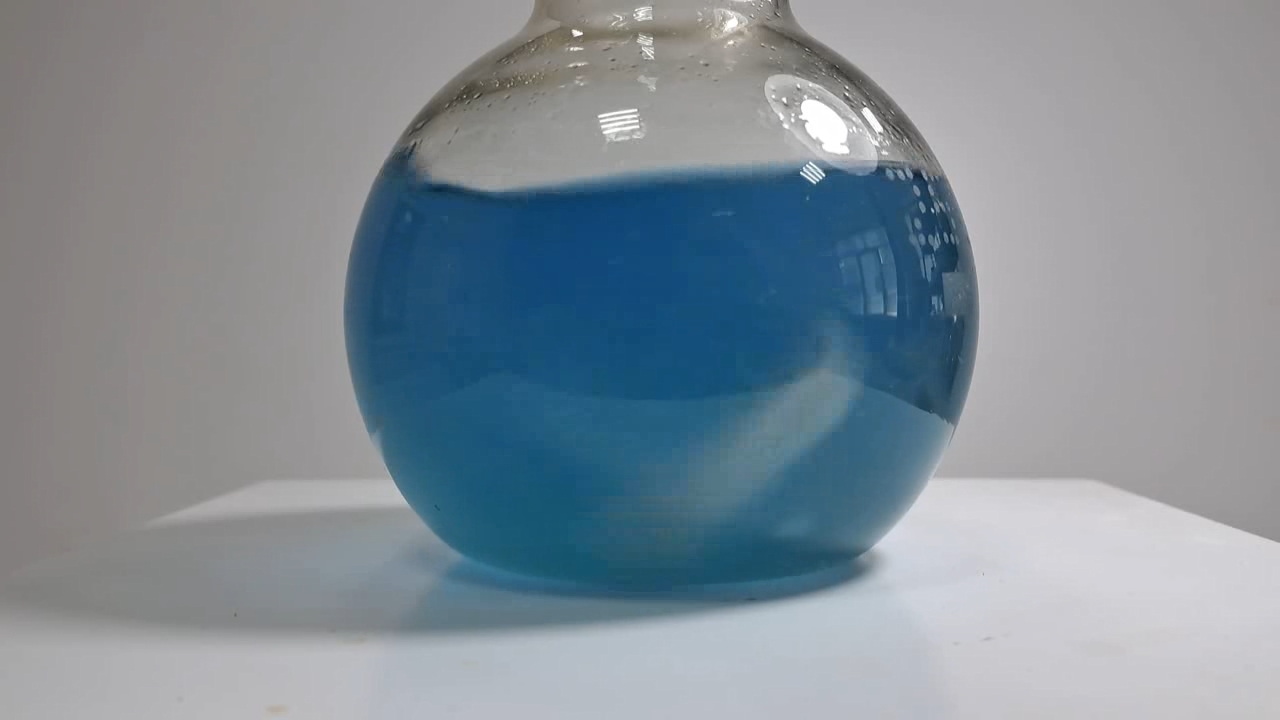
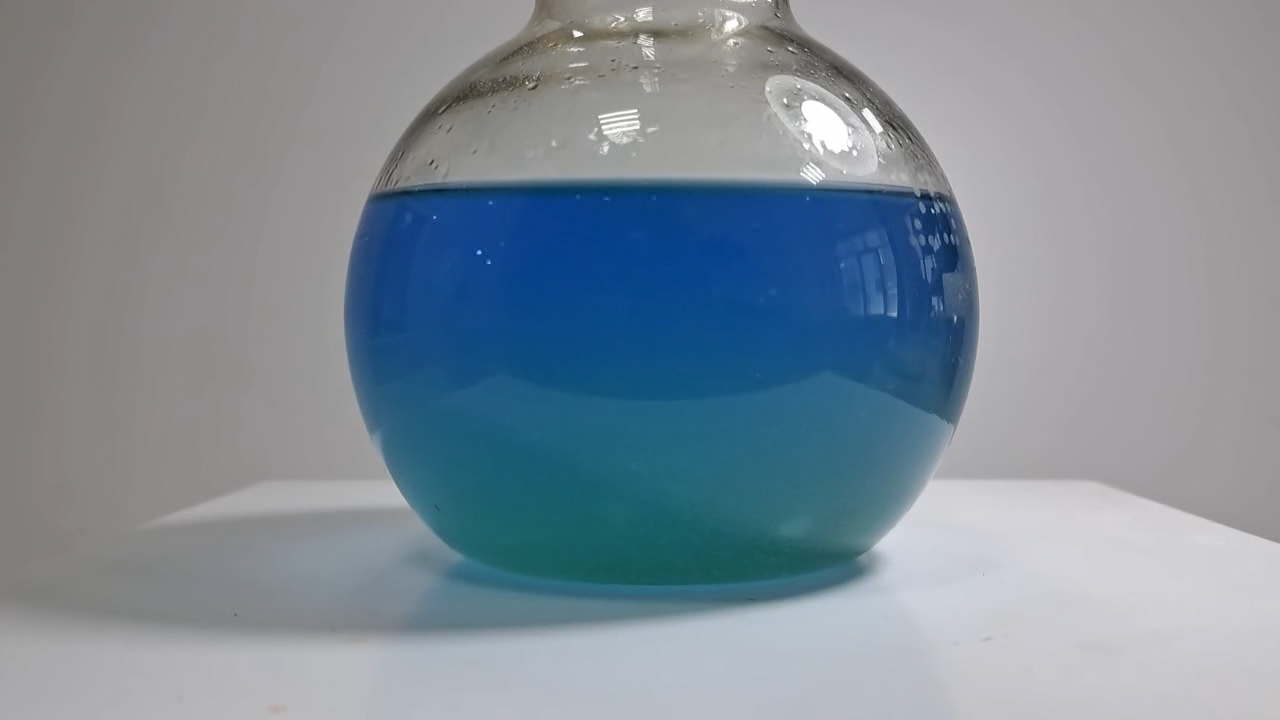
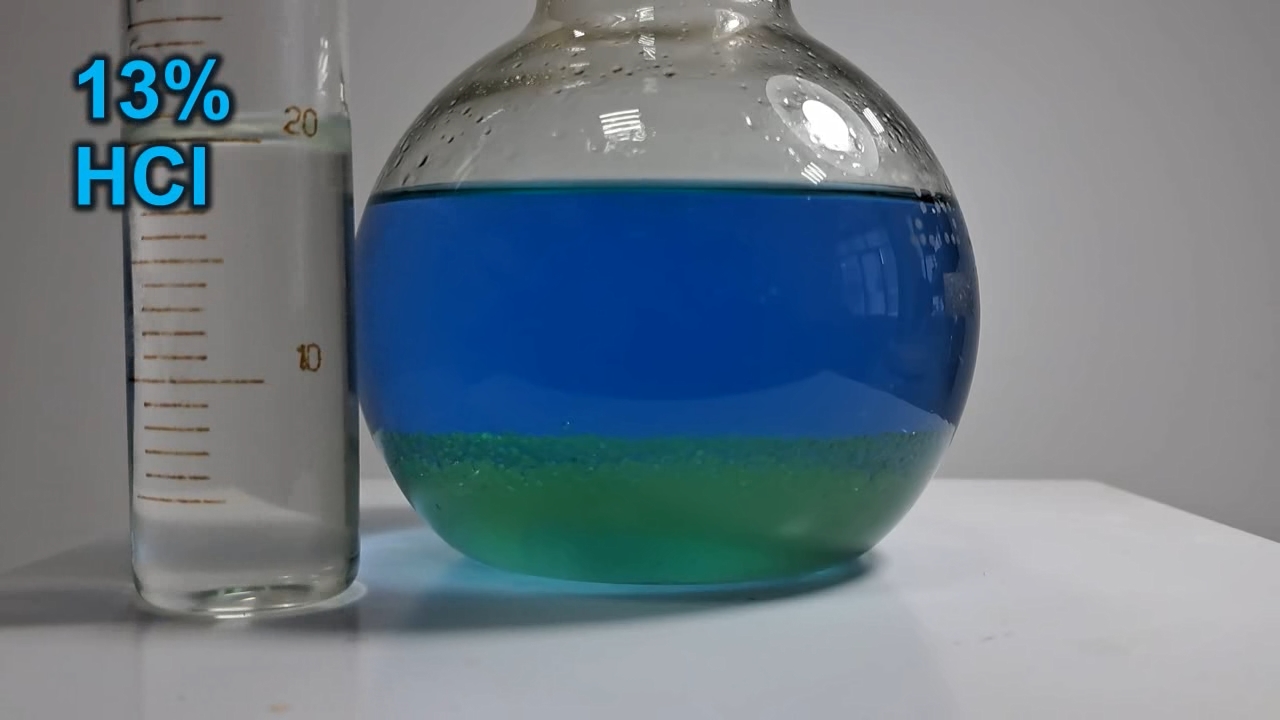
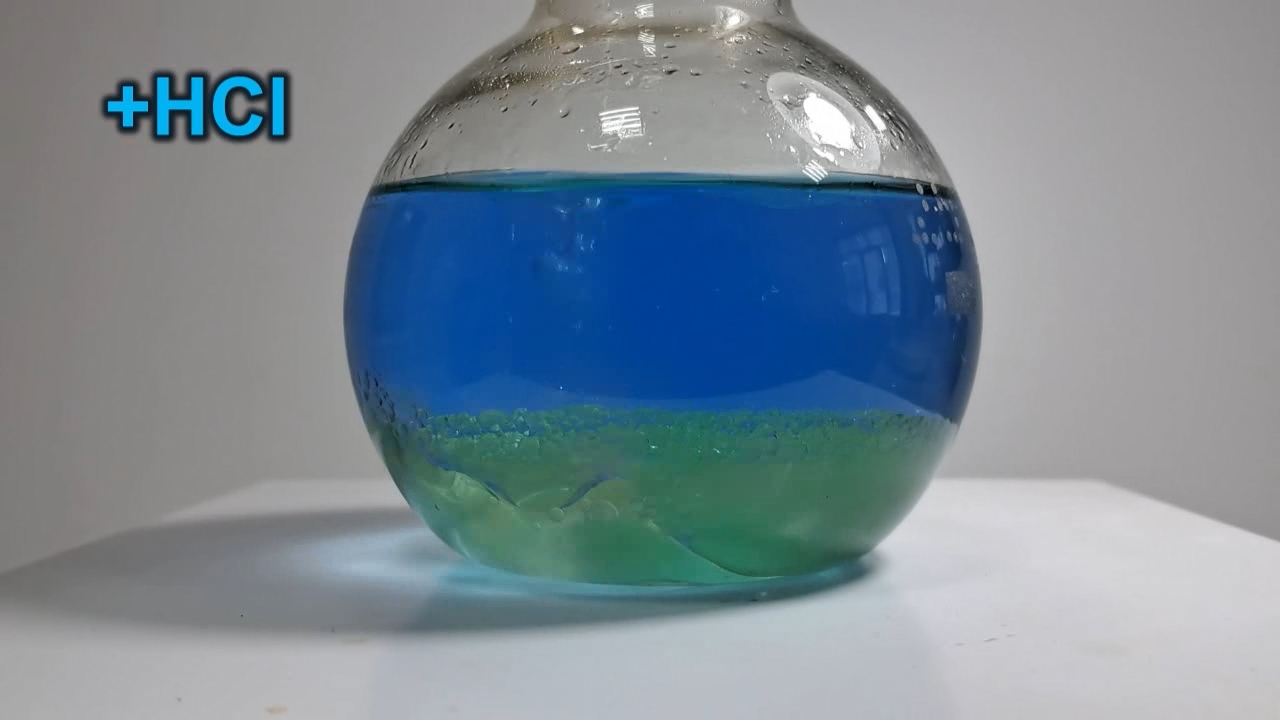
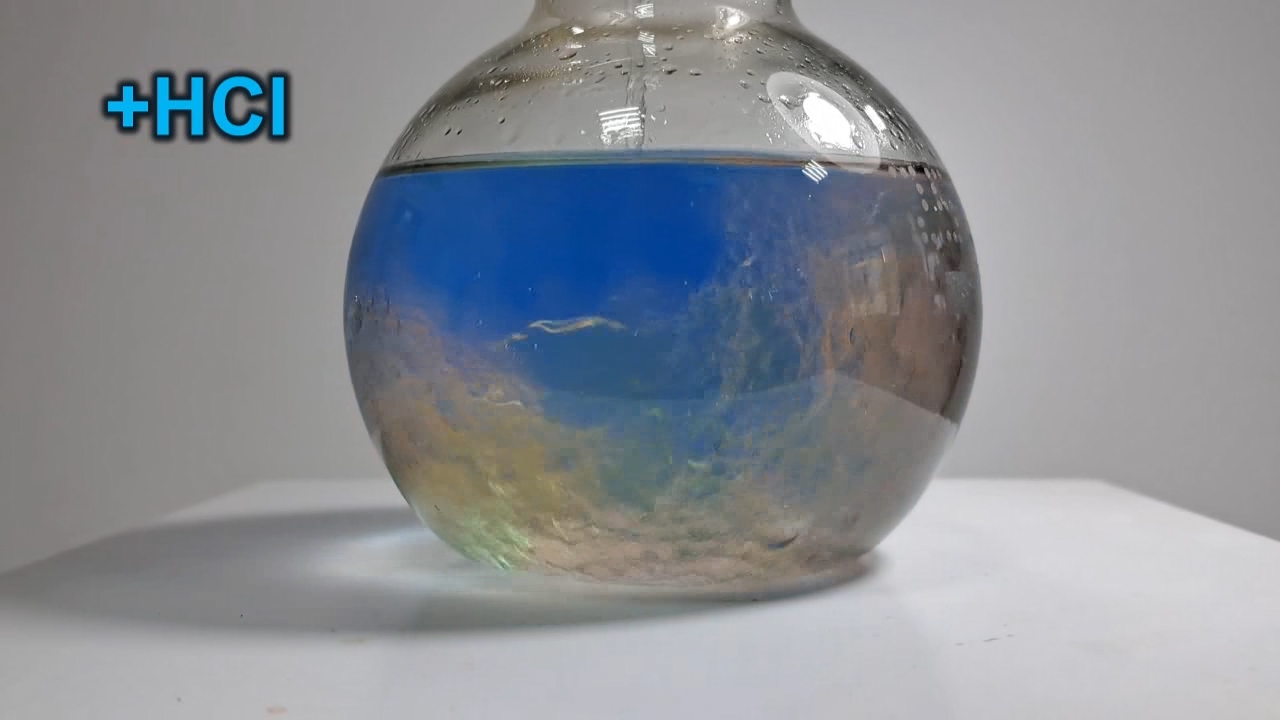
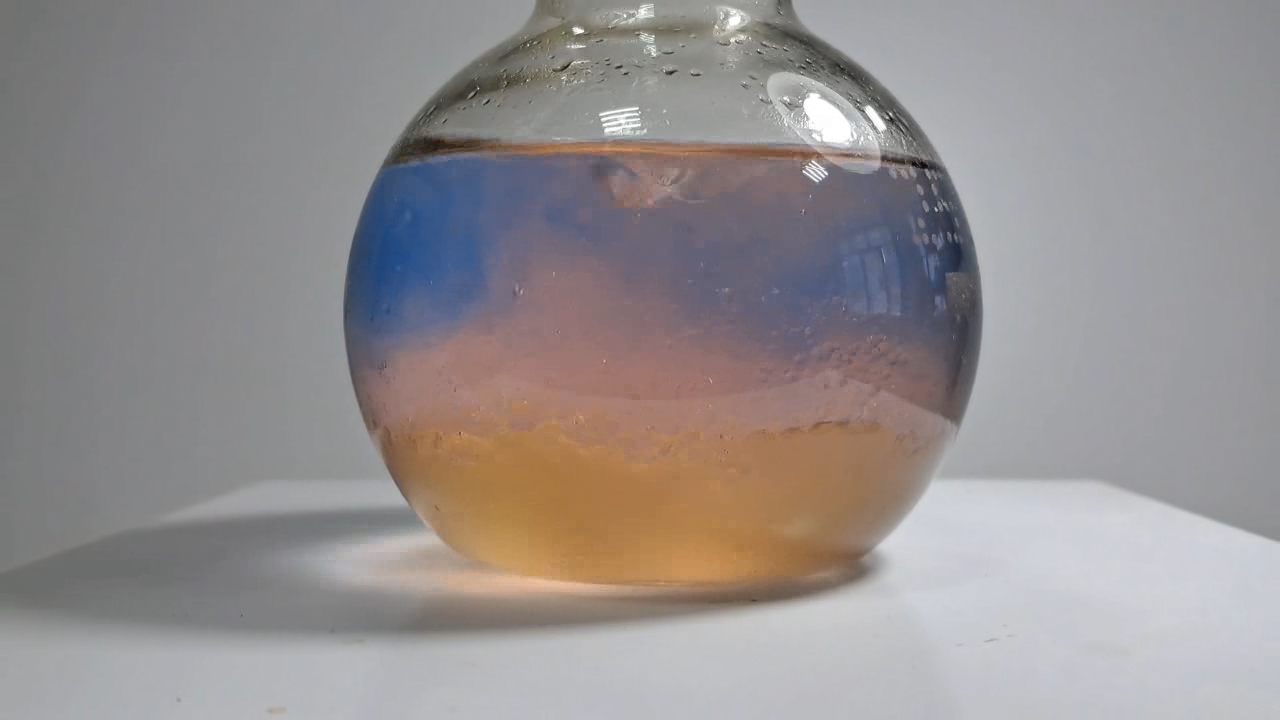
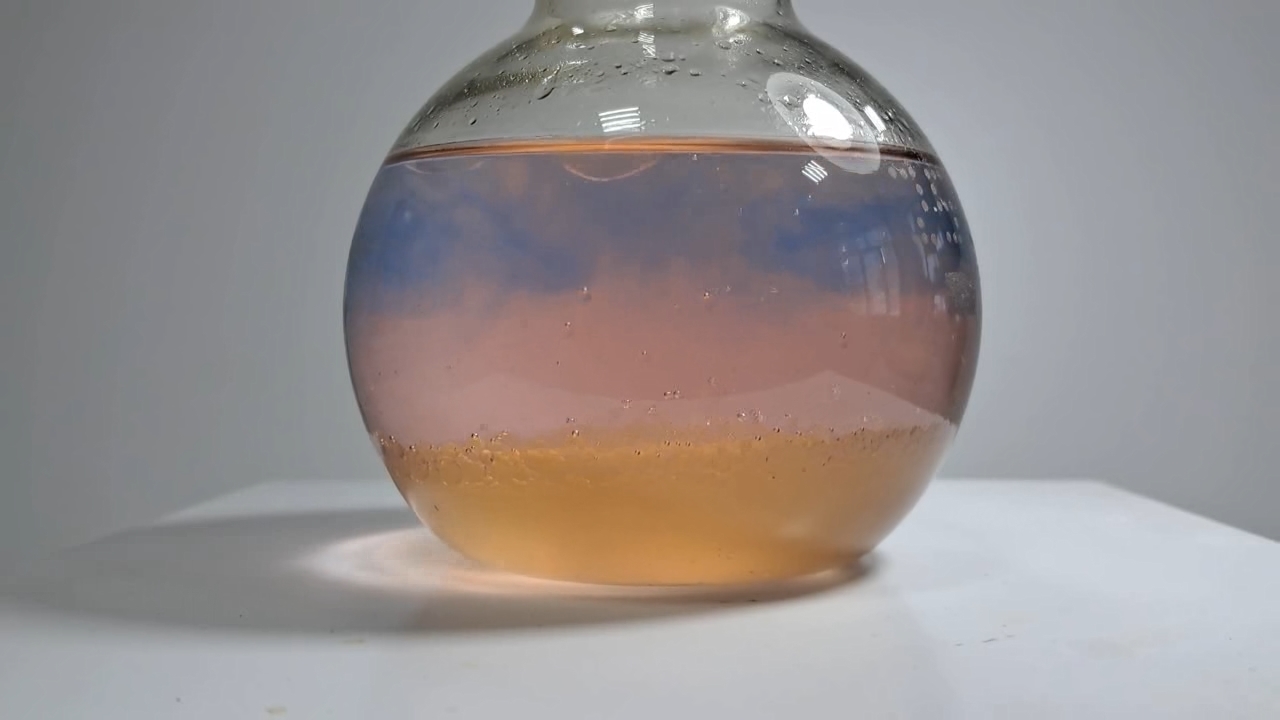
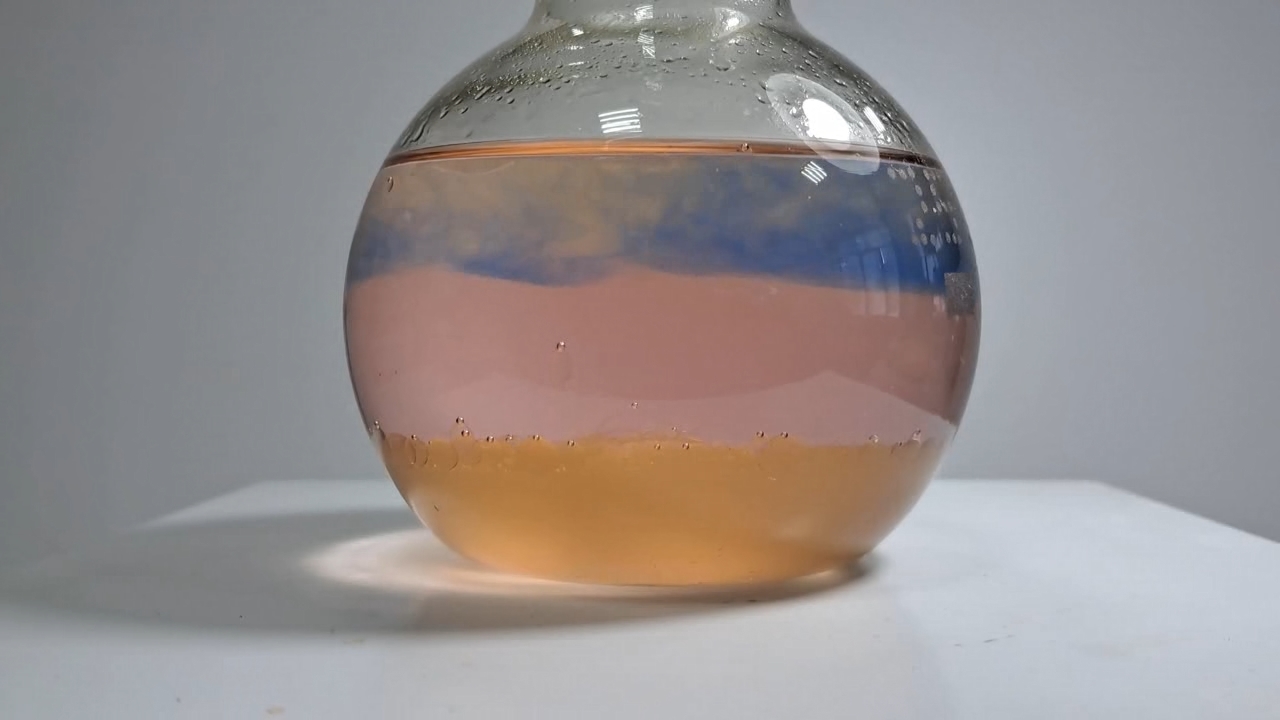
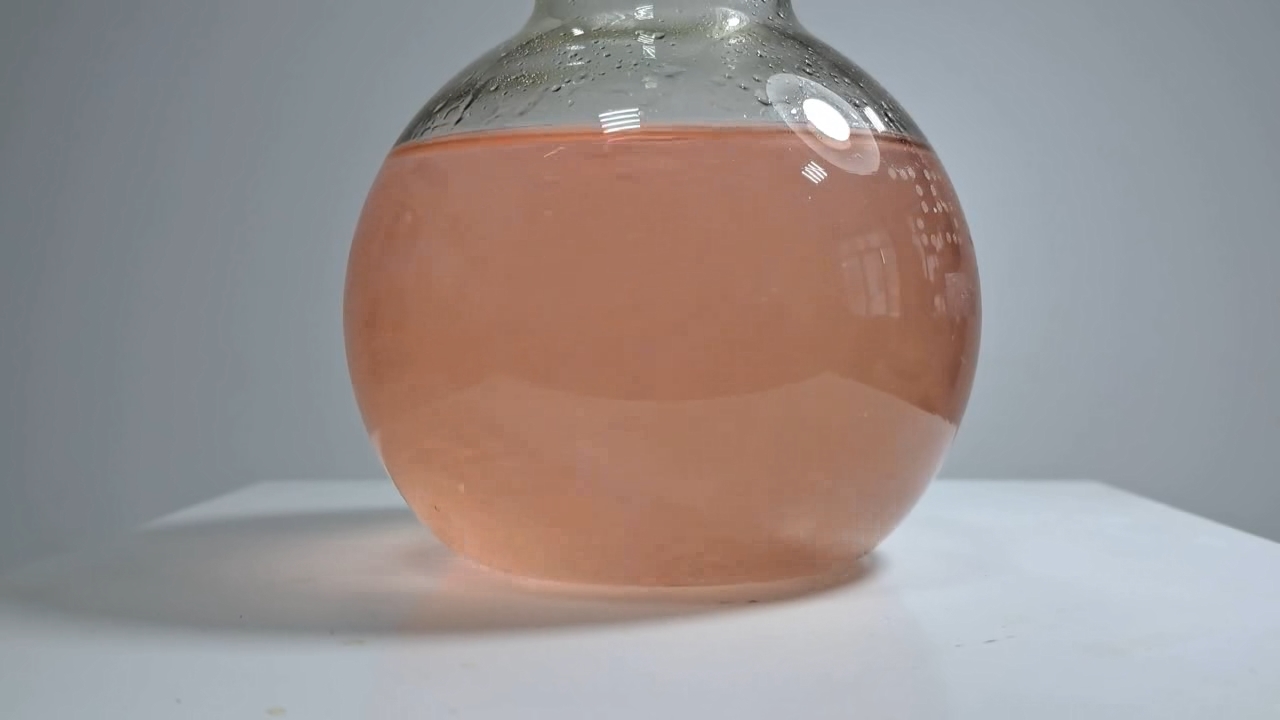
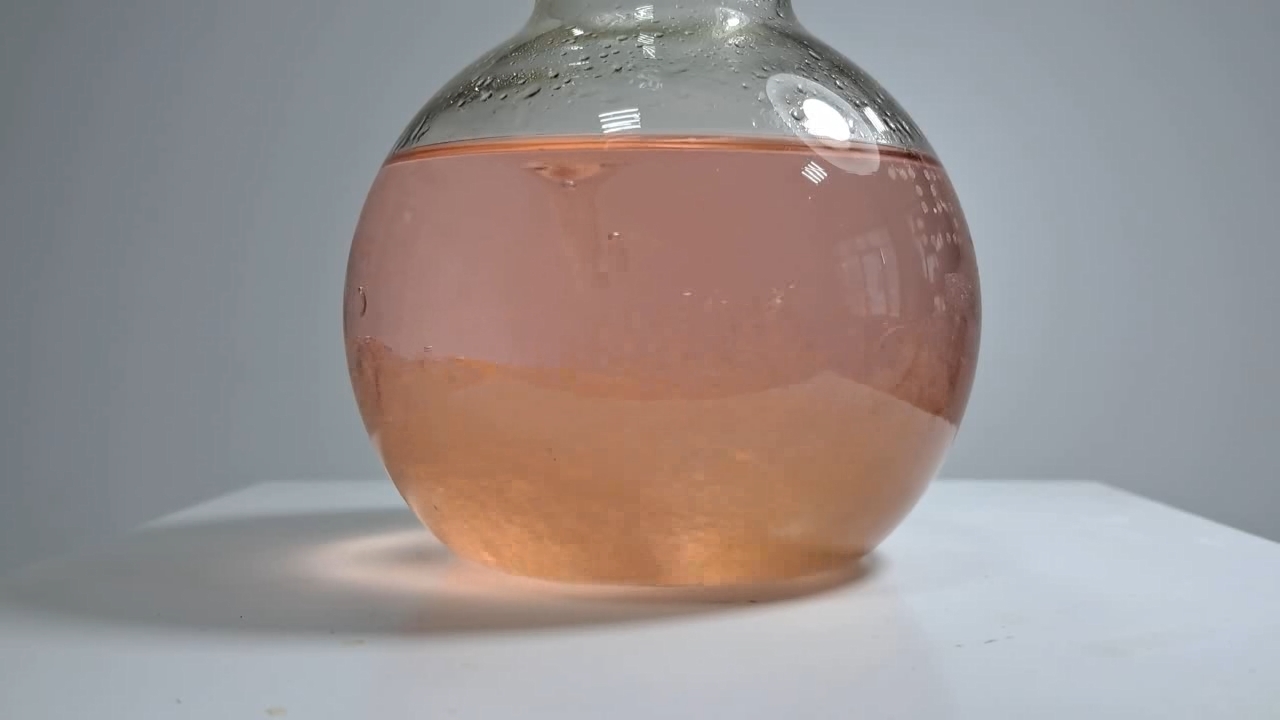
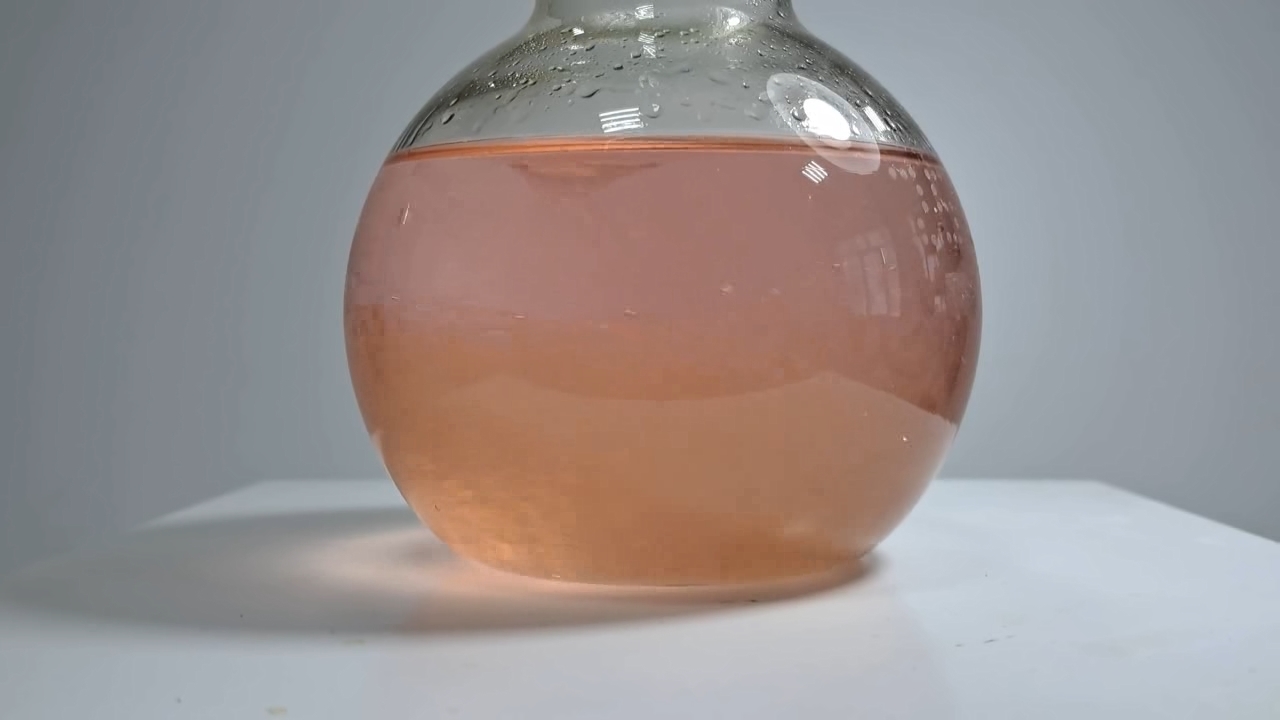
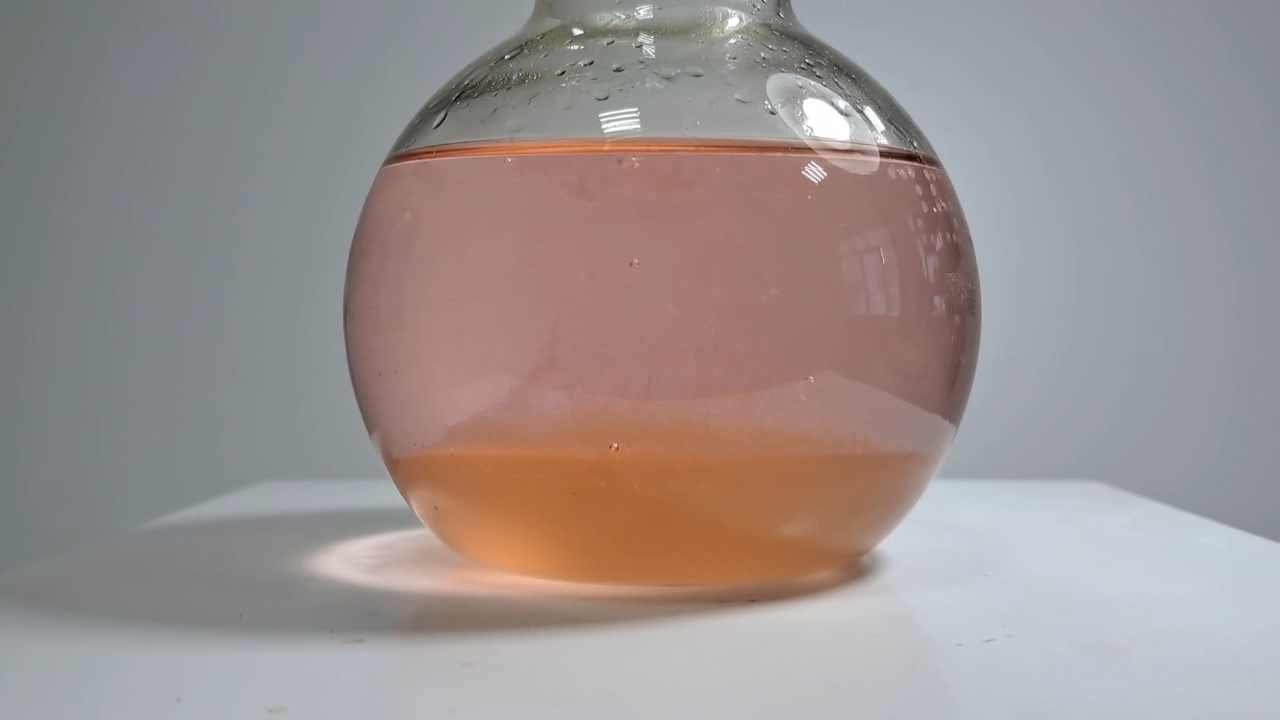
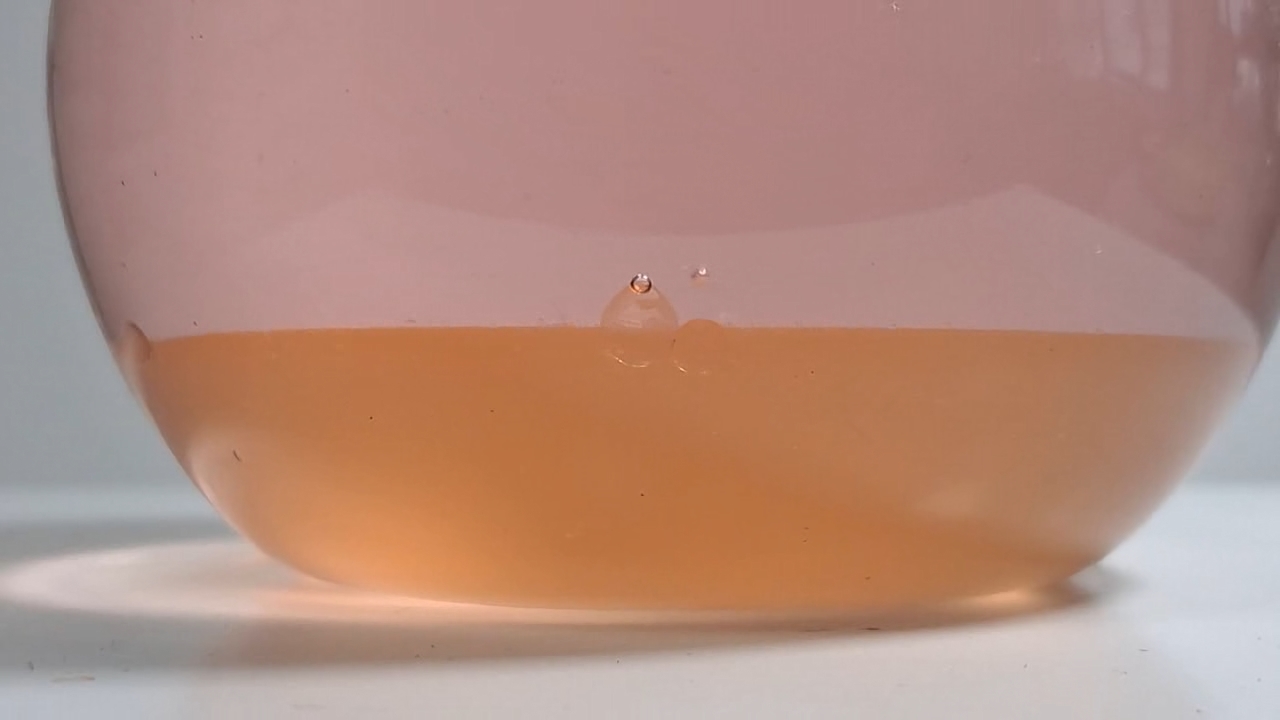
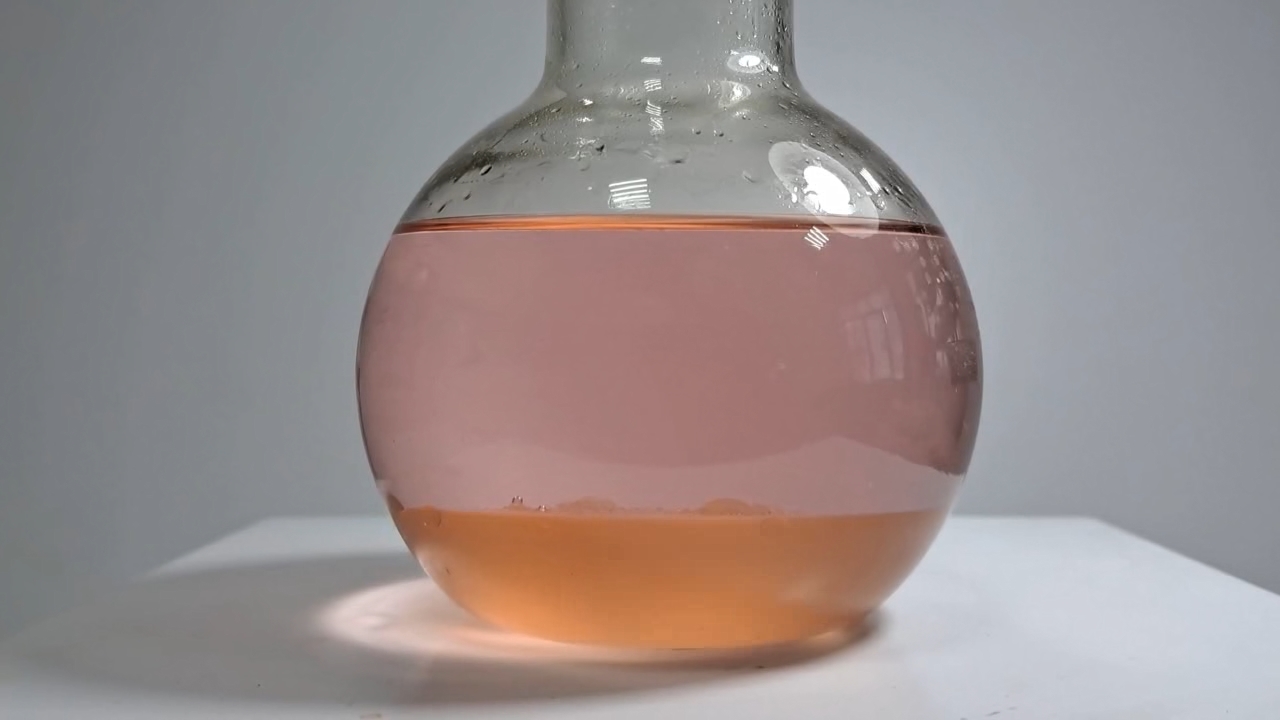
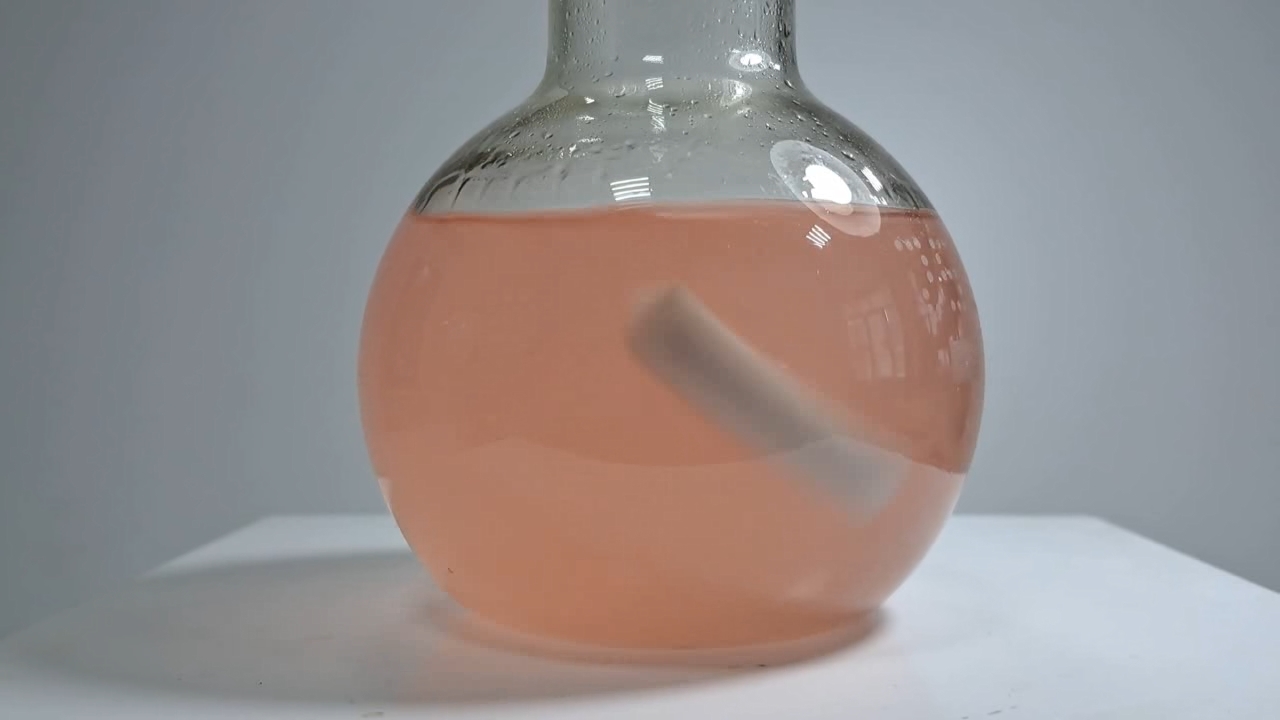
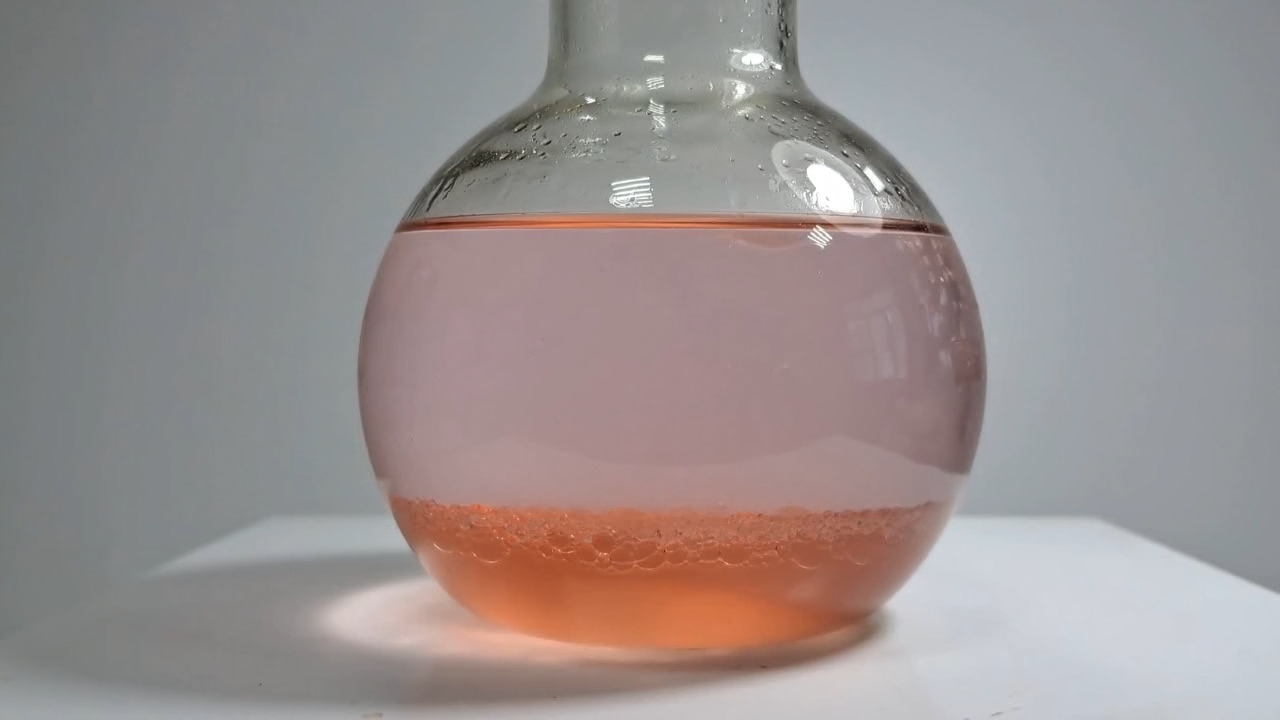
Добавление кислоты (универсальный индикатор, дихлорметан, н-бутанол) - Часть 5 The goal was for the bottom organic layer to change color from green to yellow while the upper aqueous layer remained blue. As in the previous experiments, it was expected that this effect could be achieved by adding a moderate amount of acid. I poured 20 mL of 13% hydrochloric acid into a graduated cylinder and added the first portion to the flask. The bottom organic layer partially turned yellow, while the rest remained green. I stirred the bottom layer very gently by running the magnetic stirrer at a low speed. The bottom layer became completely yellow, while the upper layer remained blue. I increased the stirrer speed, and a blue emulsion formed. After the stirrer was turned off, the emulsion slowly separated. The upper layer was blue, but the lower layer reverted to its original green color, just as it had been before the acid was added. In other words, the organic layer changed from yellow back to green. During stirring, the indicator reversed its color. We had already encountered this phenomenon in our experiments with hexane. Using the "wheat" analogy, the ripe, yellow wheat became young and green again. This cannot happen in nature, but in a chemistry laboratory, even more astonishing things are possible. I added the remaining acid from the graduated cylinder to the flask. As the acid was added, pink, orange, and yellow regions appeared in the organic layer, while some areas remained green. Part of the aqueous layer turned pink. Upon standing, diffusion caused the bottom layer to become completely yellow, while the upper layer returned to a uniform blue. A ripe wheat field, with a clear blue sky above it. I turned on the magnetic stirrer and turned it off after one minute. A blue emulsion formed, which then separated into a blue aqueous solution and a green organic layer. The indicator reversed its color once again. Before stirring, a localized excess of acid had formed at the bottom of the flask, causing the organic layer to turn yellow. However, during stirring, the hydrochloric acid was neutralized by the sodium hydroxide, causing the bottom layer to turn green again. I added another 20 mL of 13% hydrochloric acid to the flask to ensure that the acid was present in excess. After vigorous stirring and subsequent phase separation, the organic layer turned orange, while the aqueous layer became pink. At this point, I could have added concentrated nitric acid or concentrated sulfuric acid to turn the organic layer red, as in the previous experiments, but I chose not to. |
Universal Indicator, Dichloromethane, n-Butanol |
|
|
|
|
|
|
|
|
|
|
|
|
|
|
|
|
|
|
|
|
|
|
|
|
|
|
|
|
|
|
|
|
|
|
|
|
|
|
|
|
|
|
|
|
|
|
|
