Chemistry and Chemists № 2 2026
Journal of Chemists-Enthusiasts
| Content | Chemistry experiments - video | Physics experiments - video | Home Page - Chemistry and Chemists |
|
Chemistry and Chemists № 2 2026 Journal of Chemists-Enthusiasts |
Drying of Fine Aluminum Powder Chemist |
|
Having noticed a mistake in the text, allocate it and press Ctrl-Enter
Colleagues from a neighboring department are working on producing fine aluminum powder. They have two main approaches: the disintegration of coarse aluminum powder using ultrasound (due to the cavitation effect) and the disintegration of aluminum wire scraps using electrical discharges. In both cases, the working medium is technical ethanol.
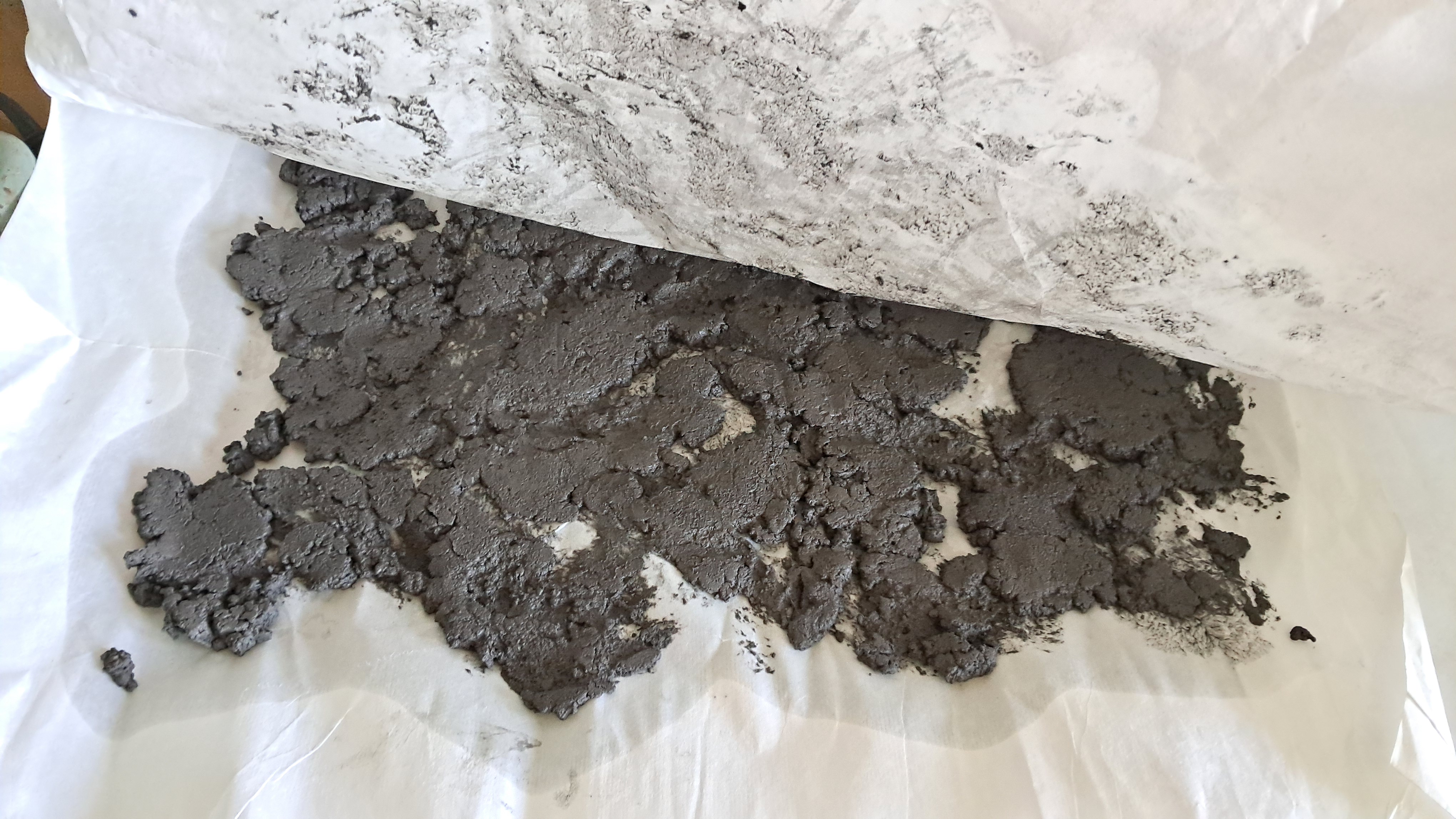
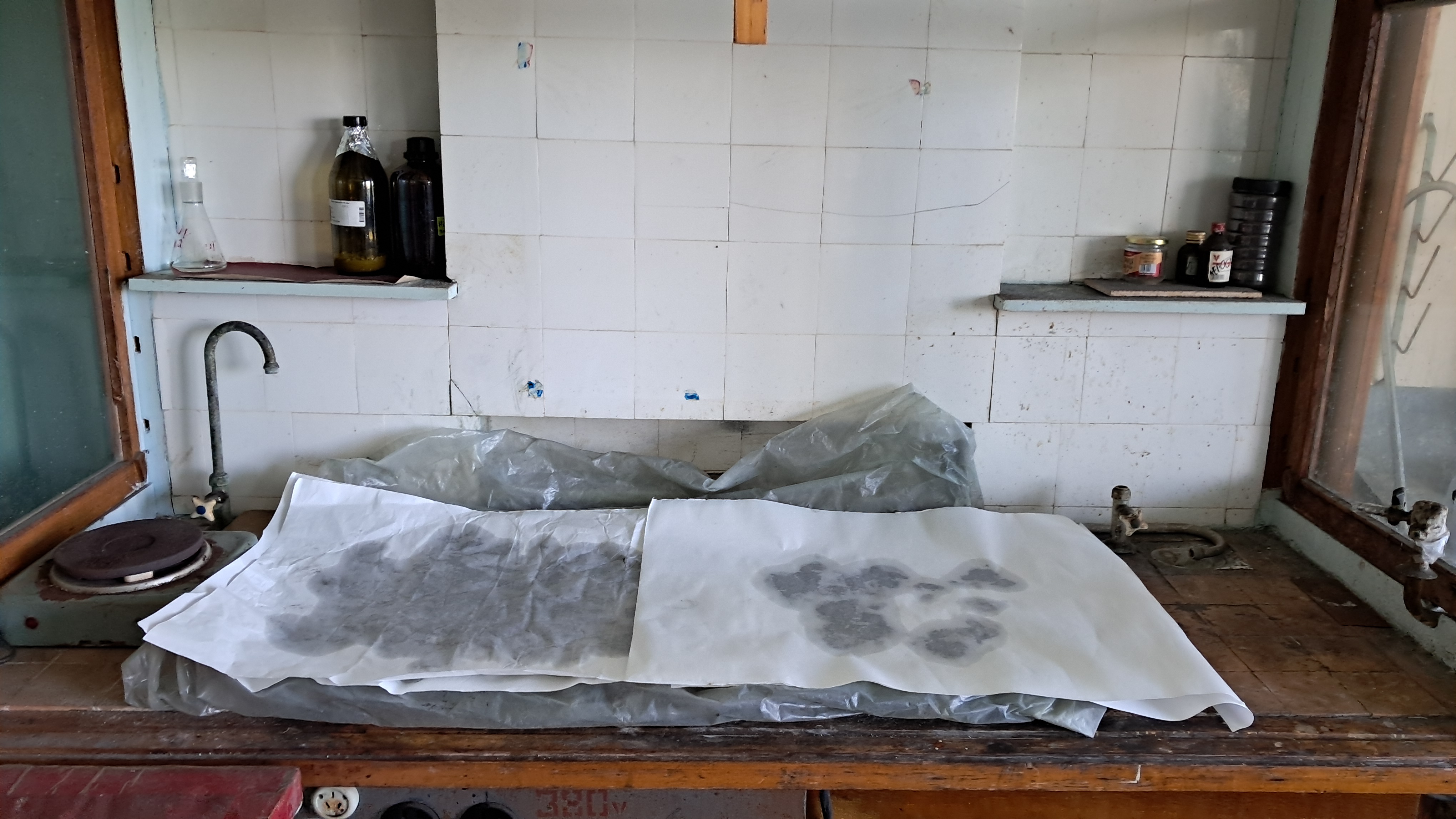
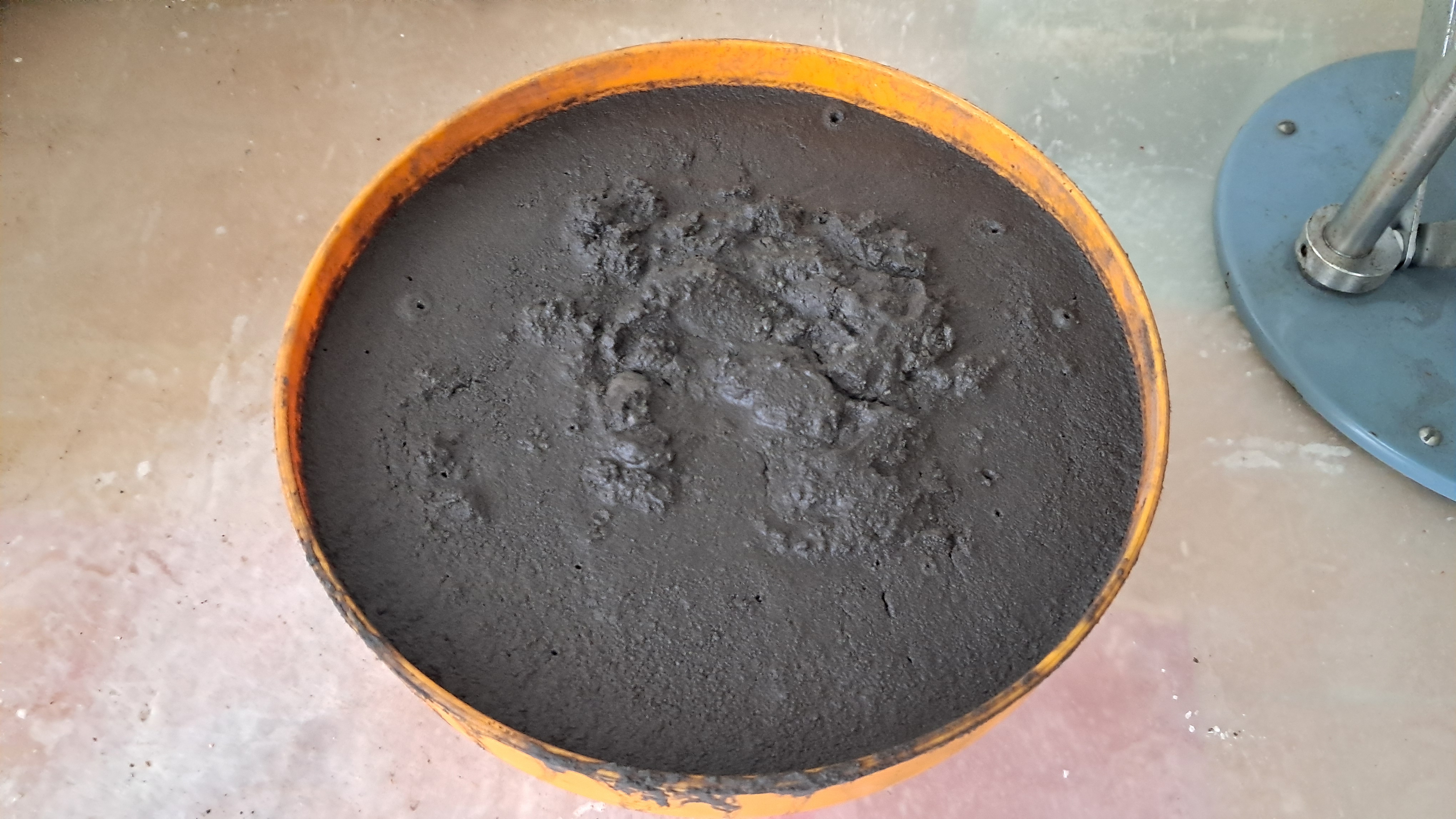
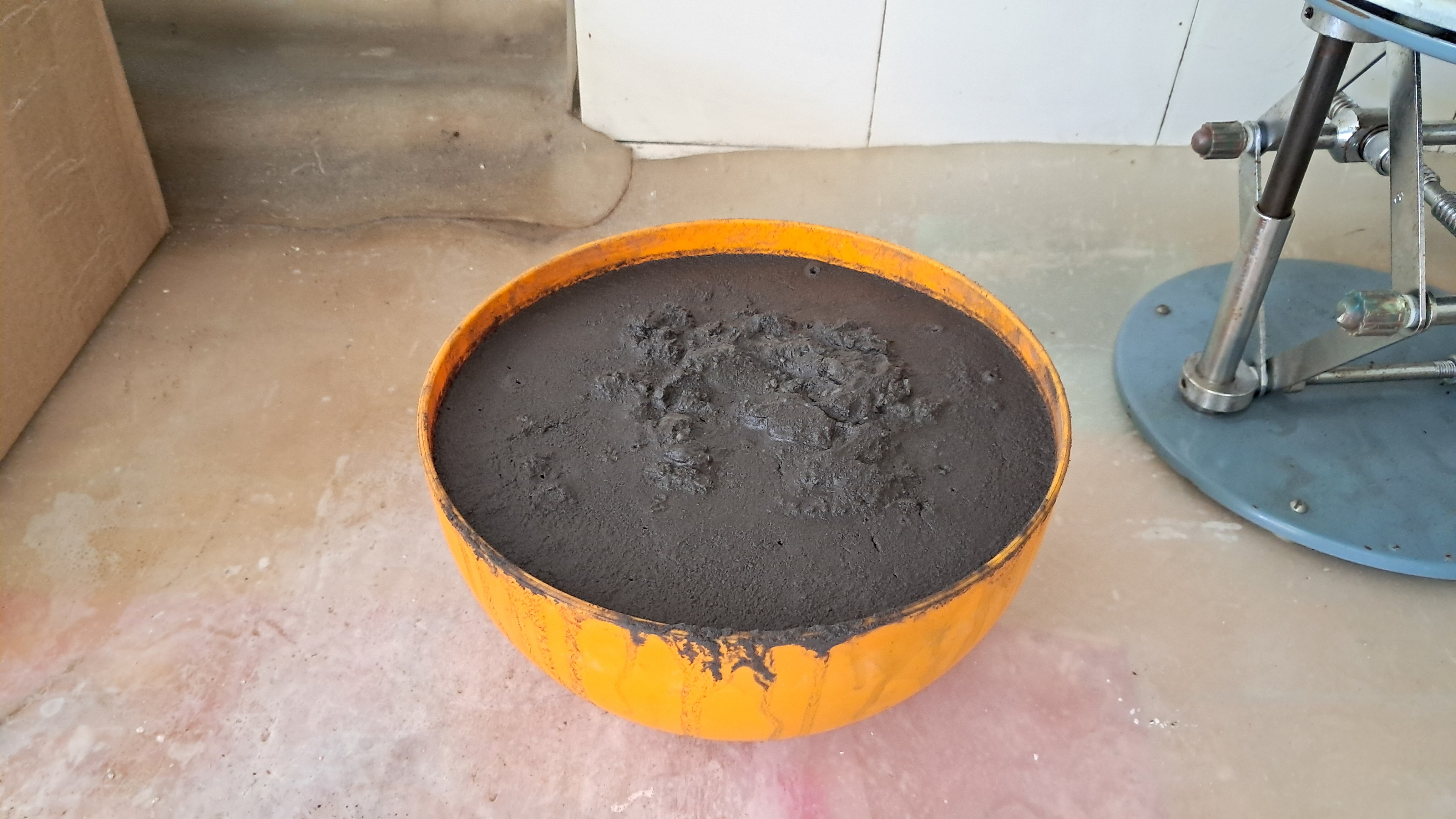
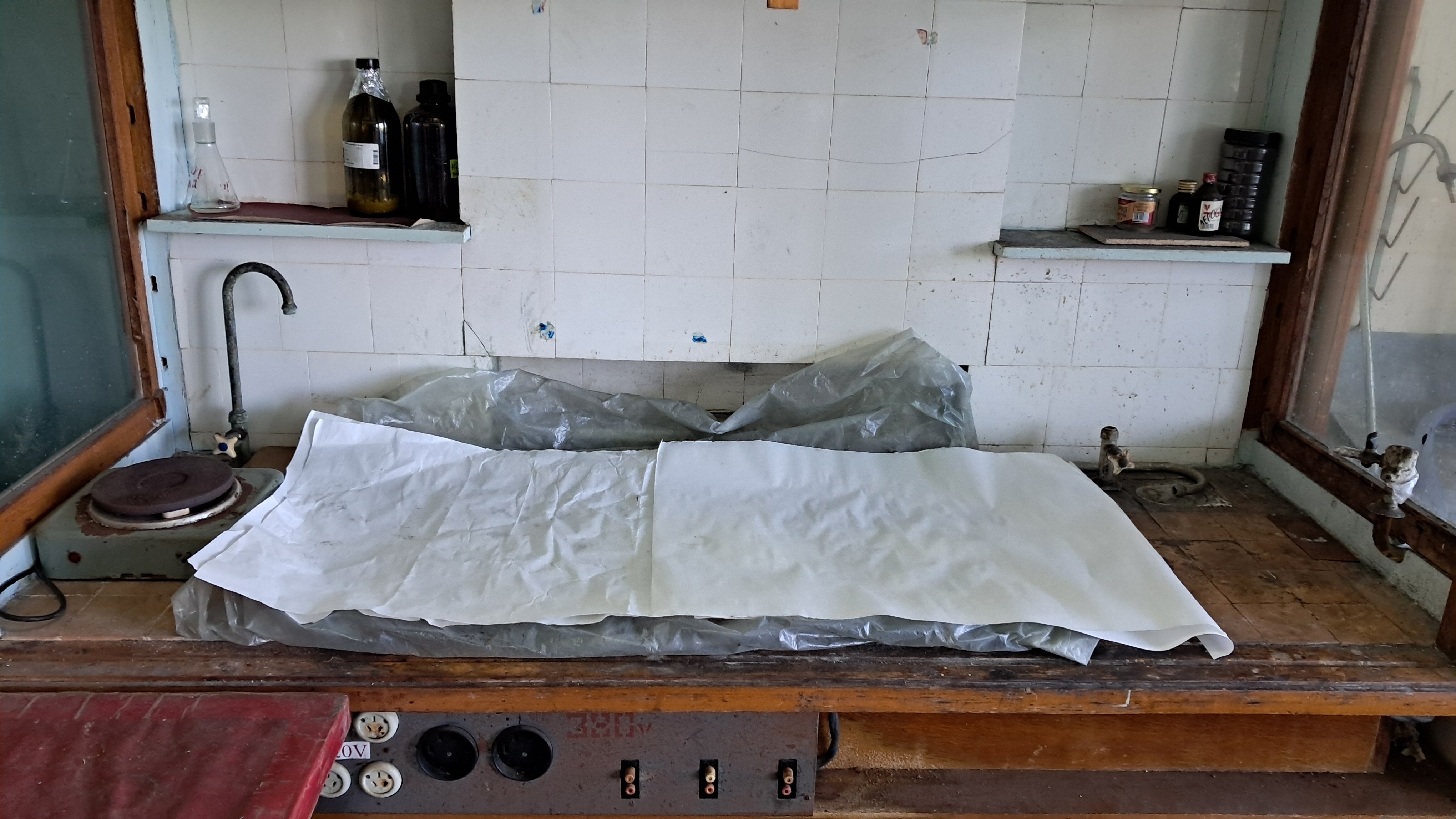
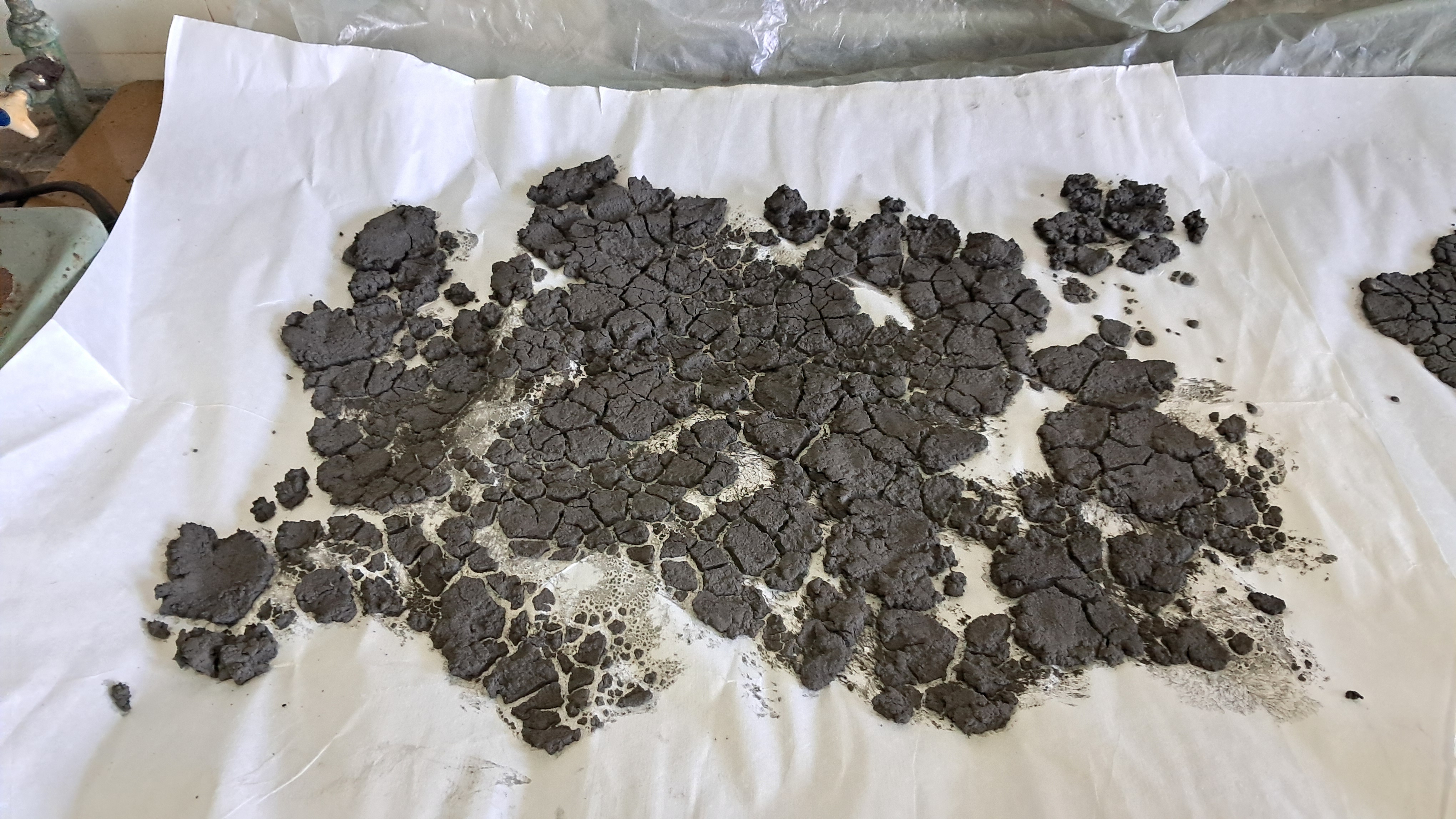
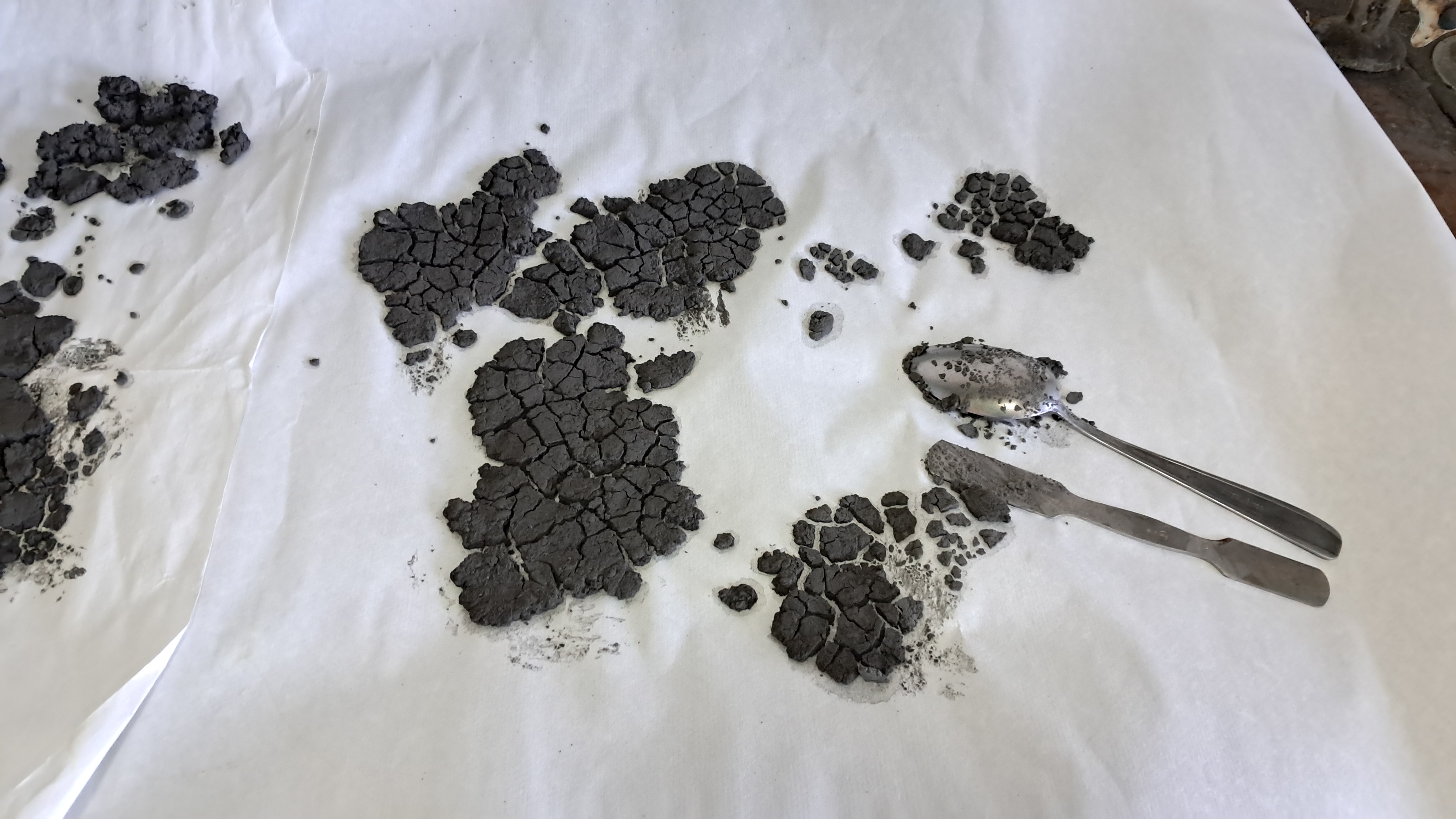
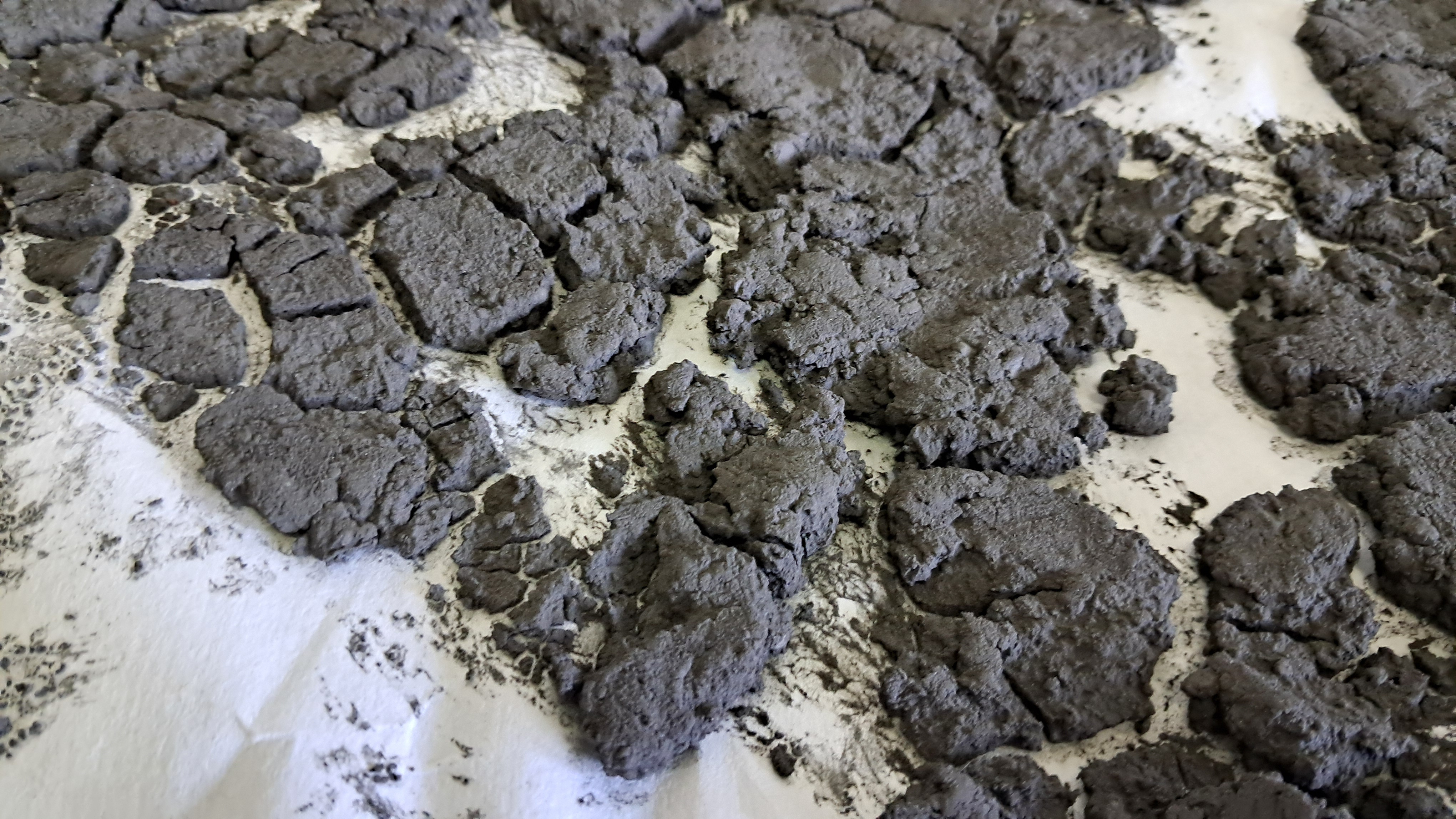
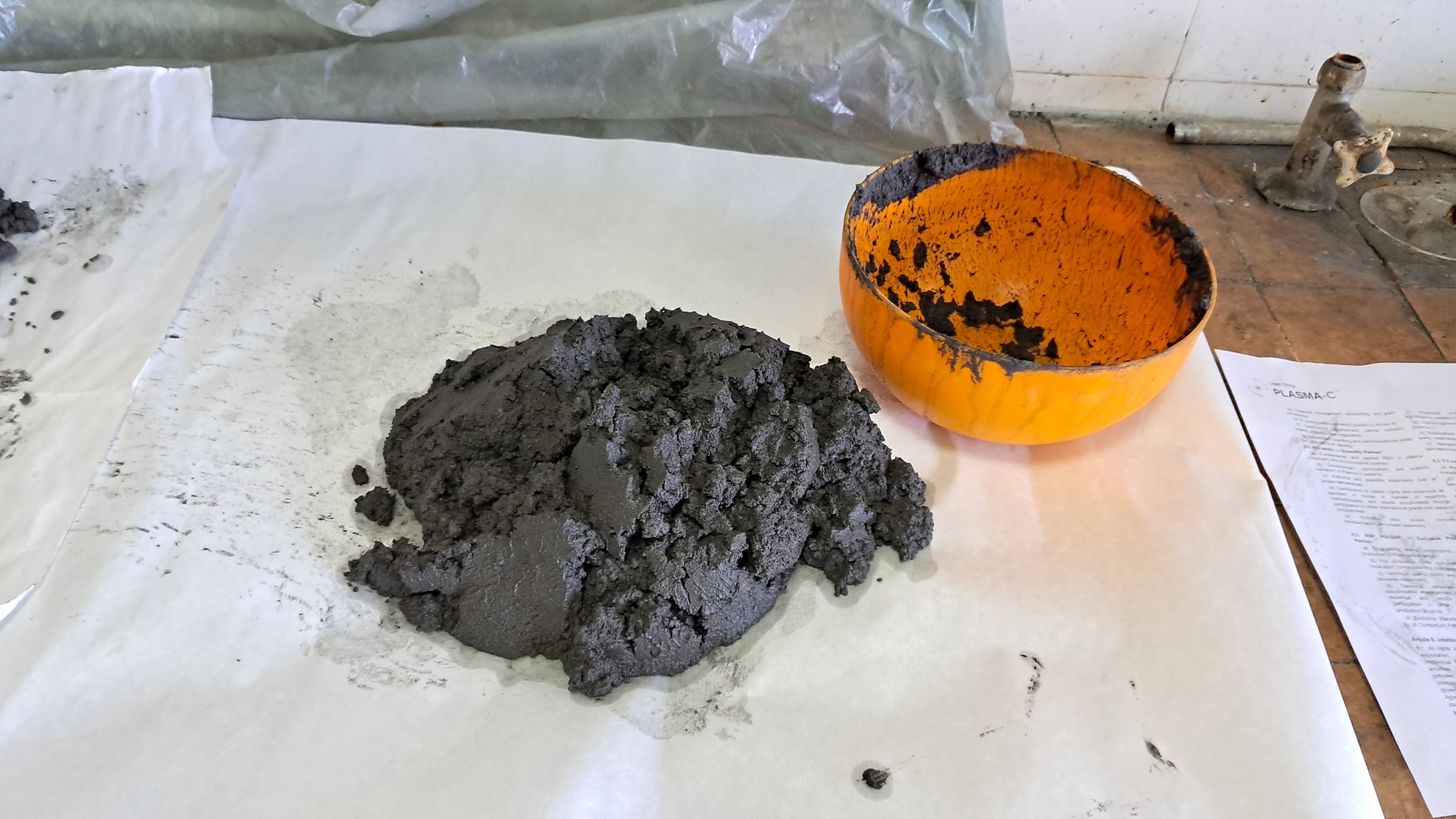
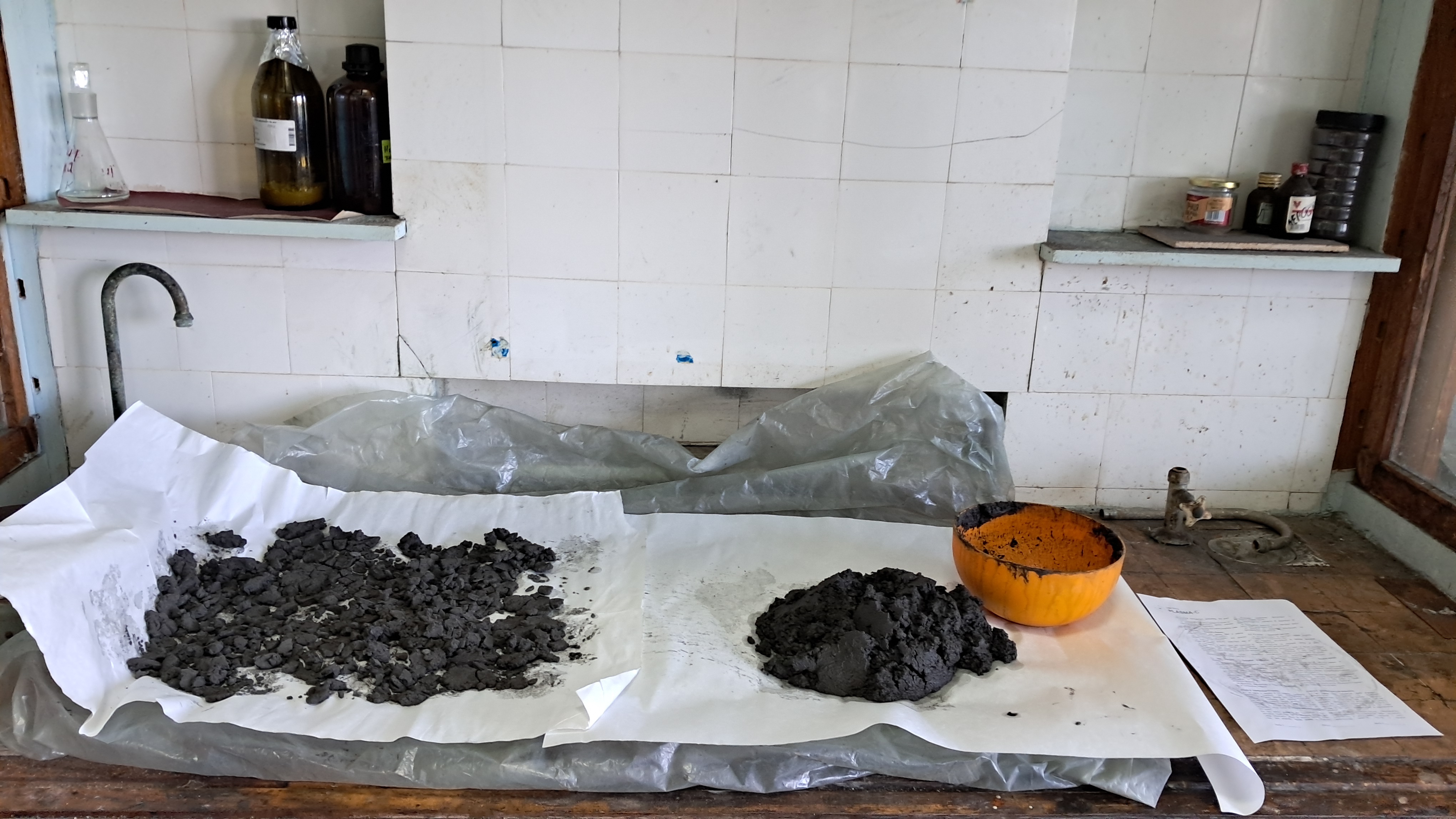
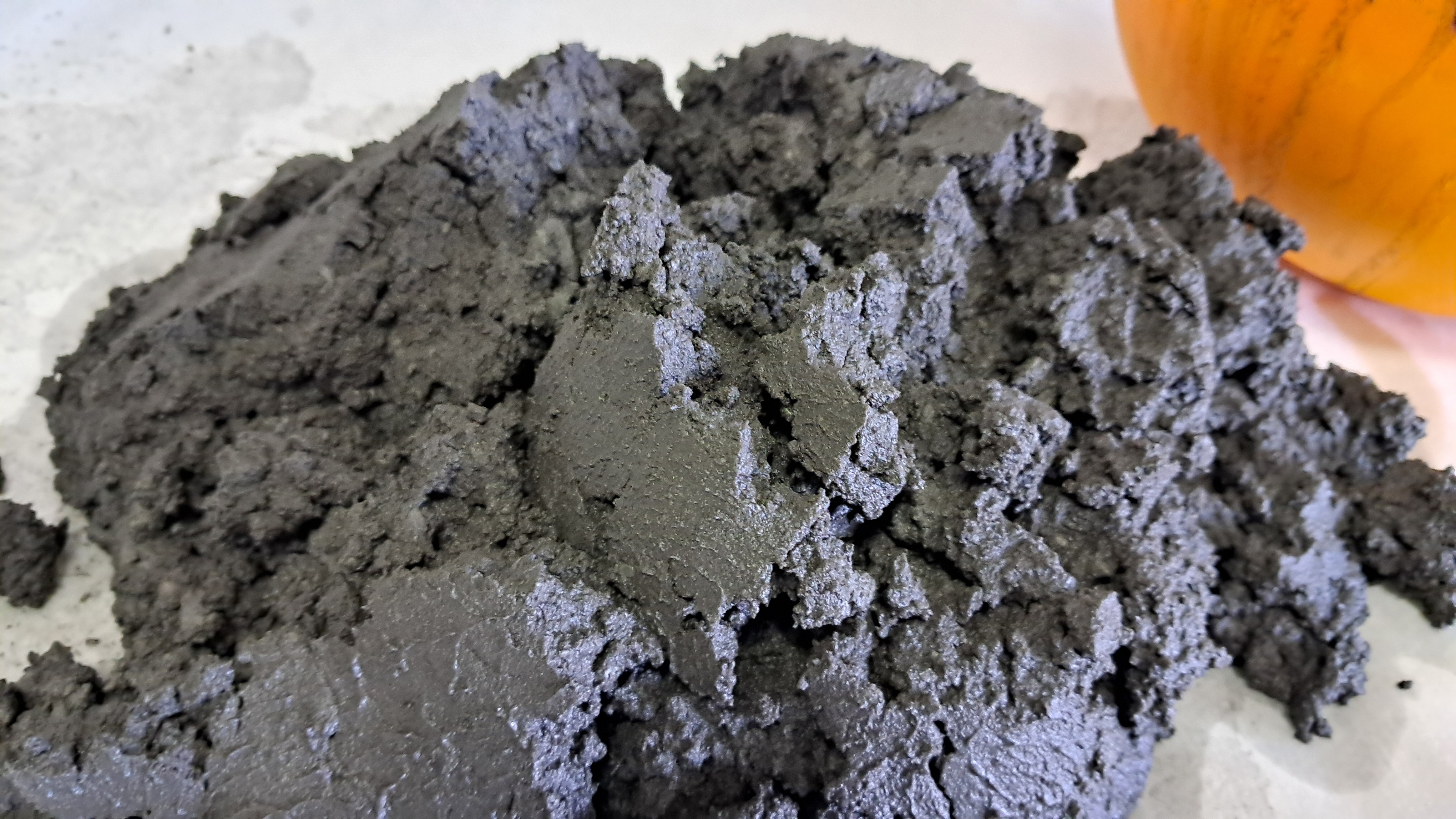
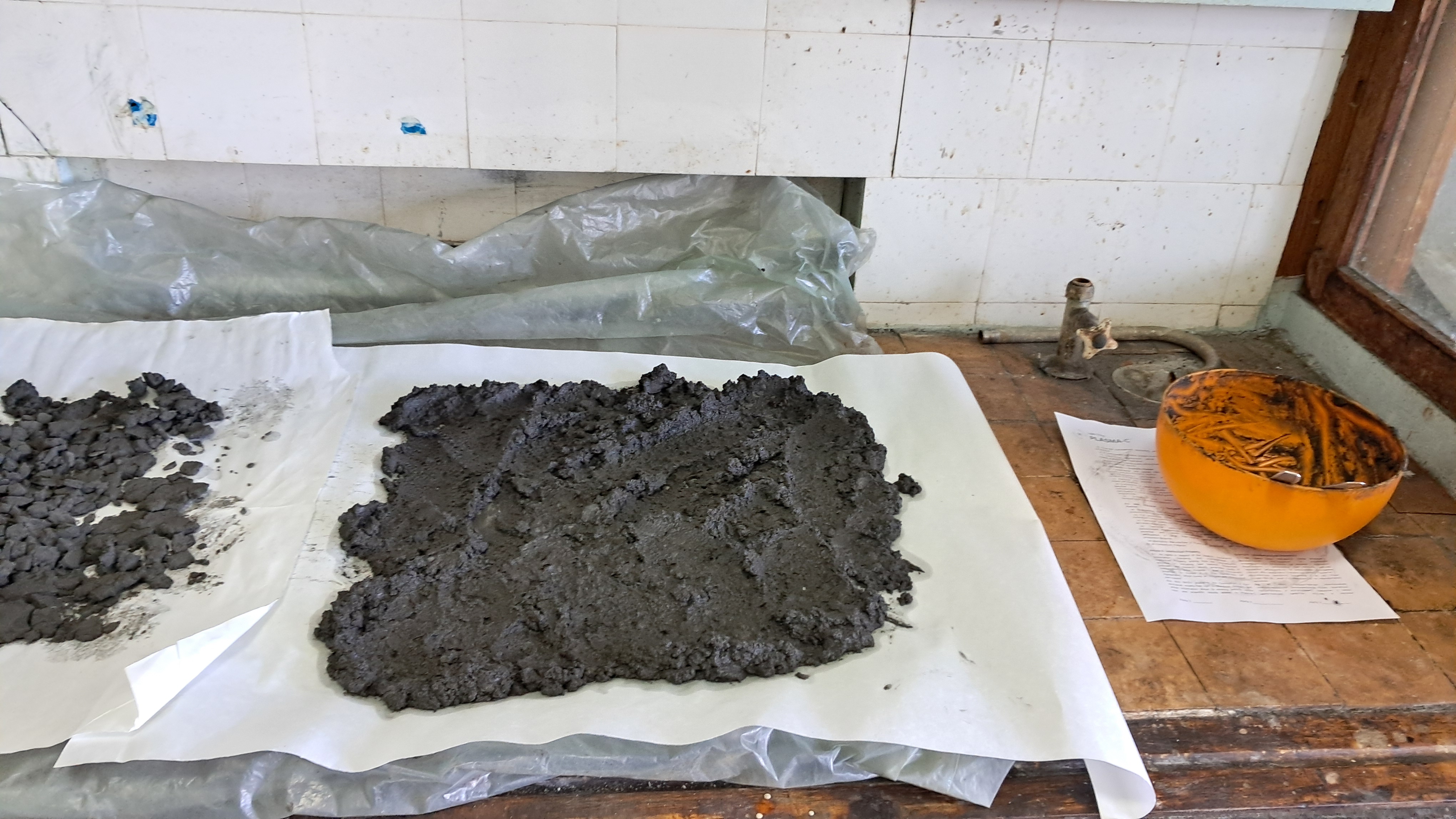
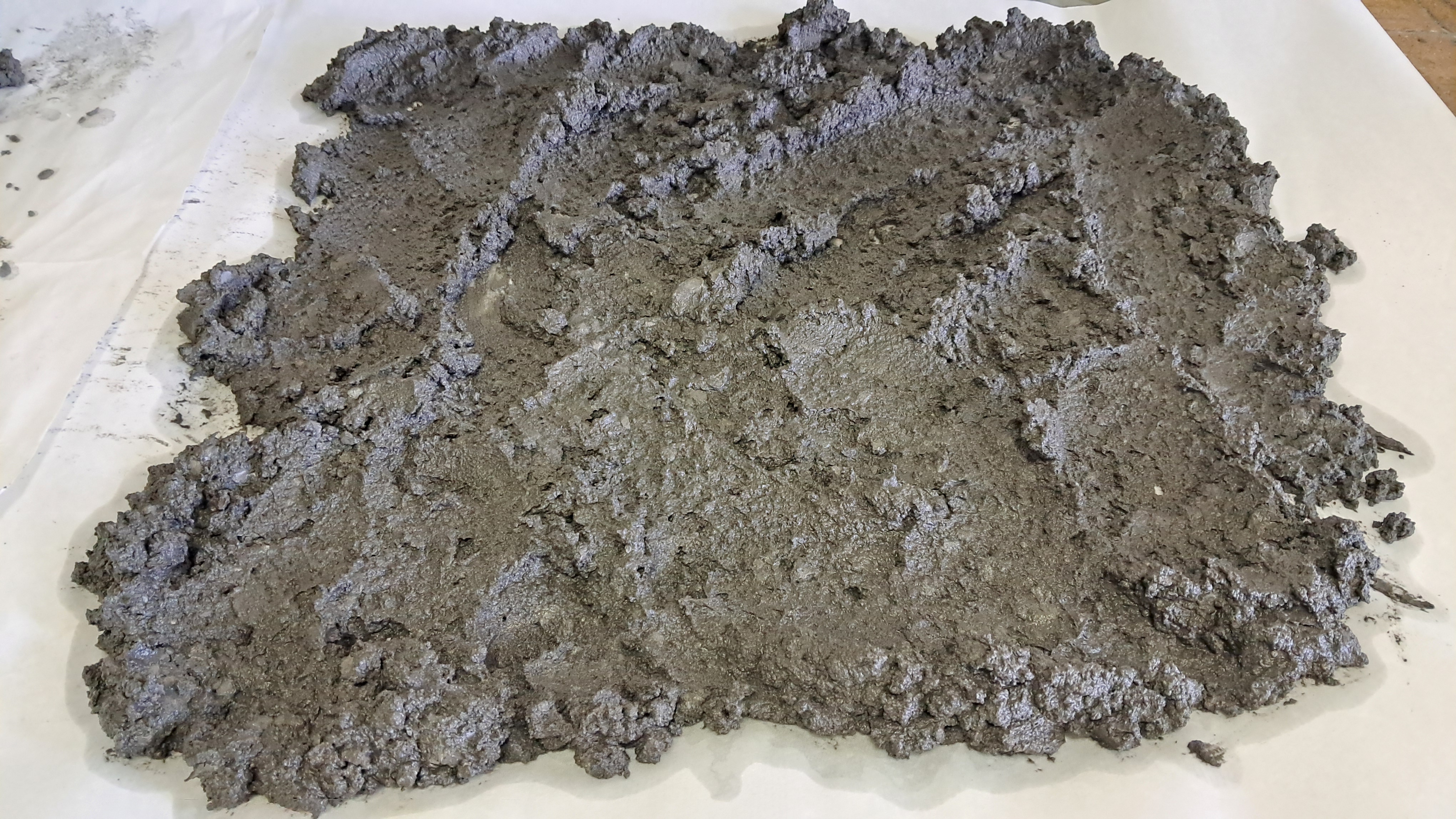
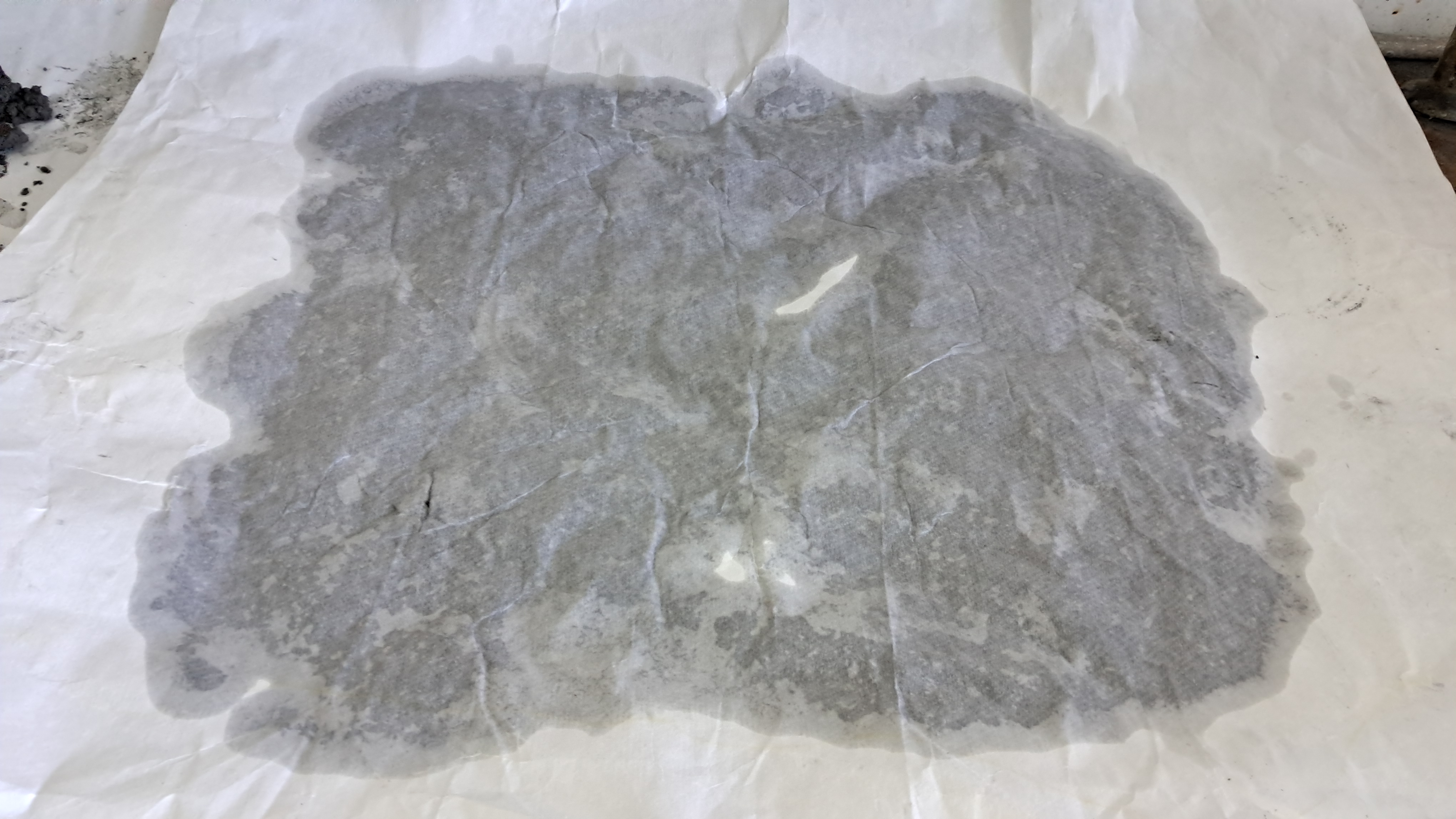
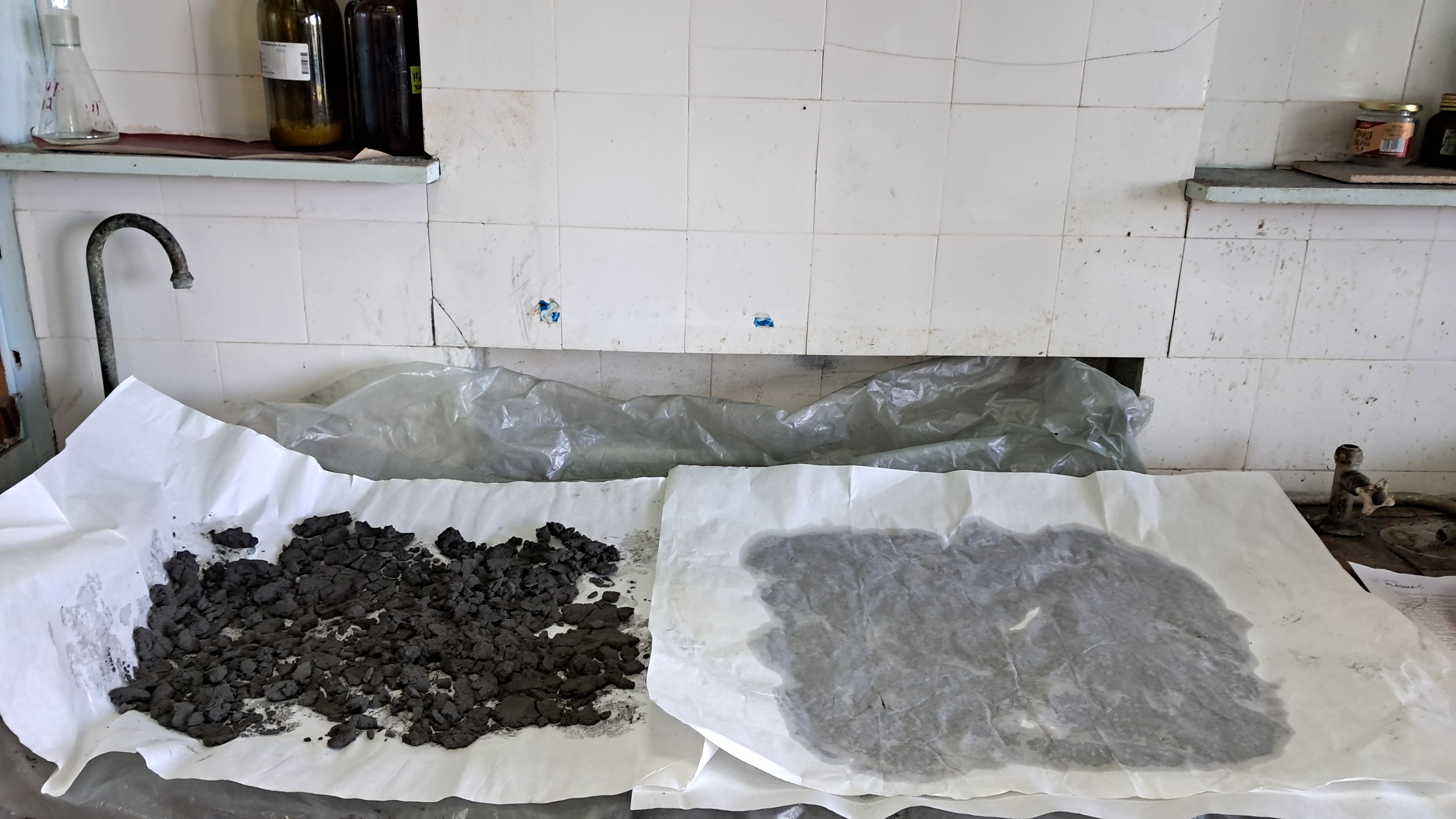
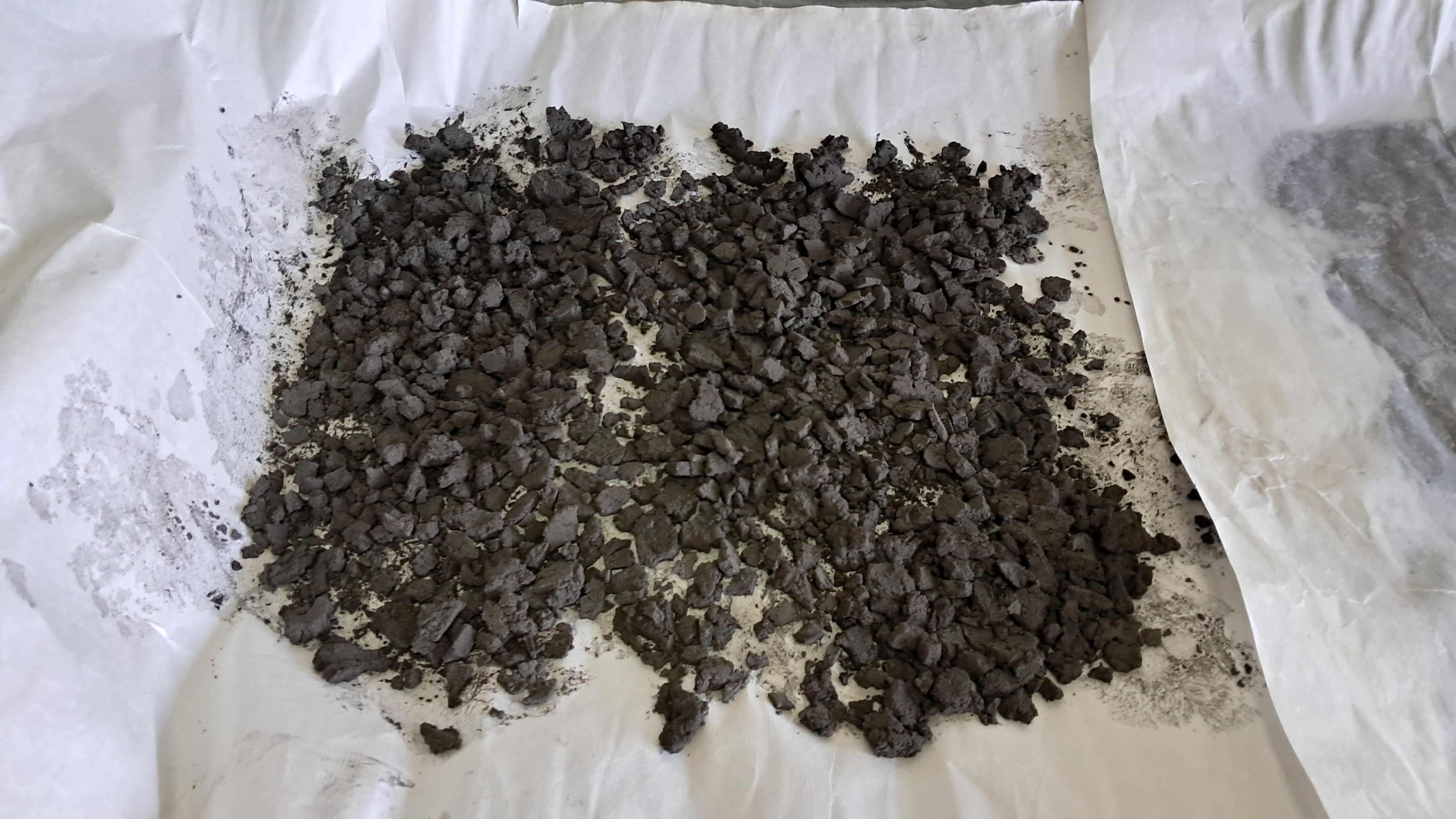
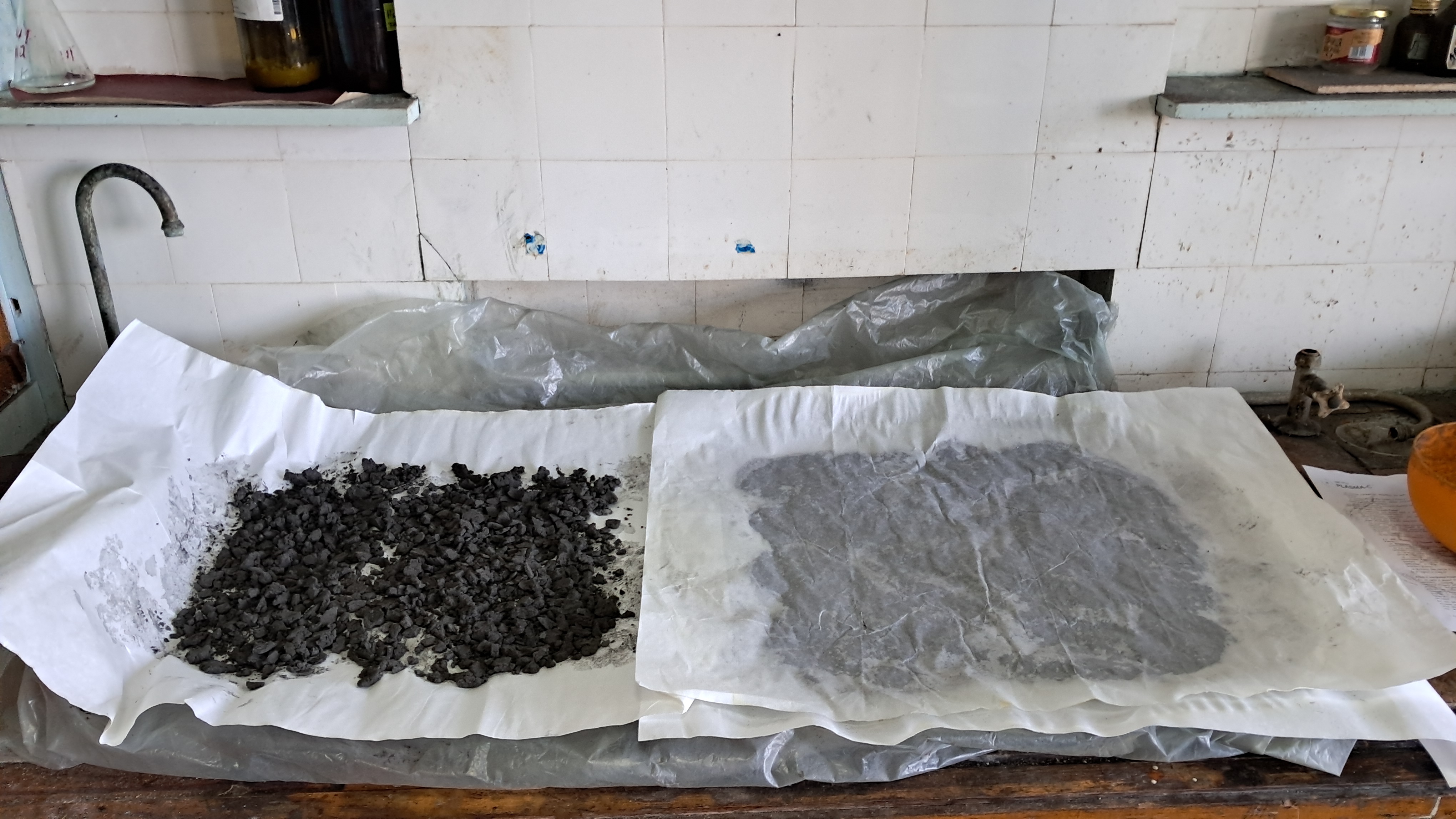
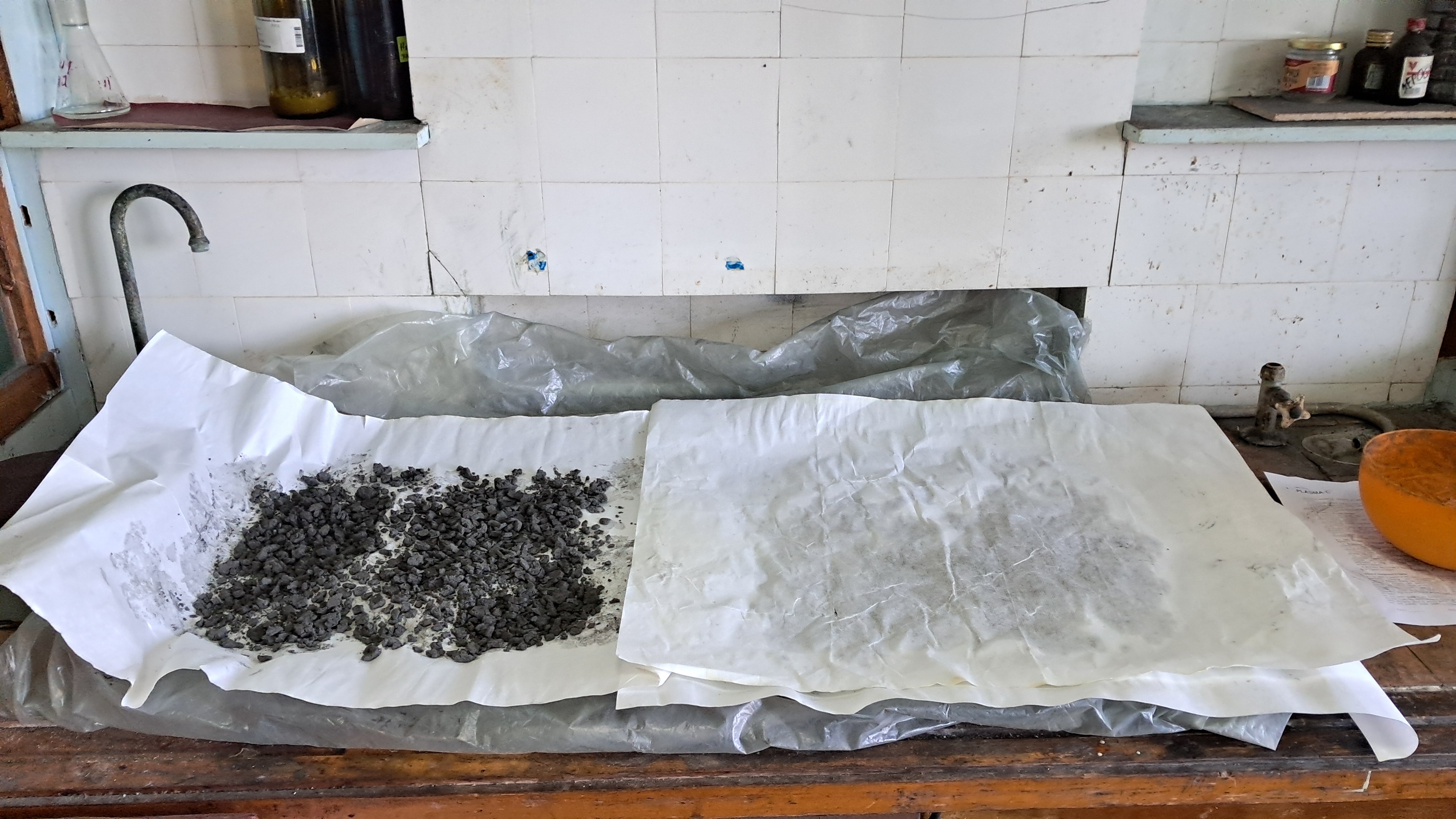
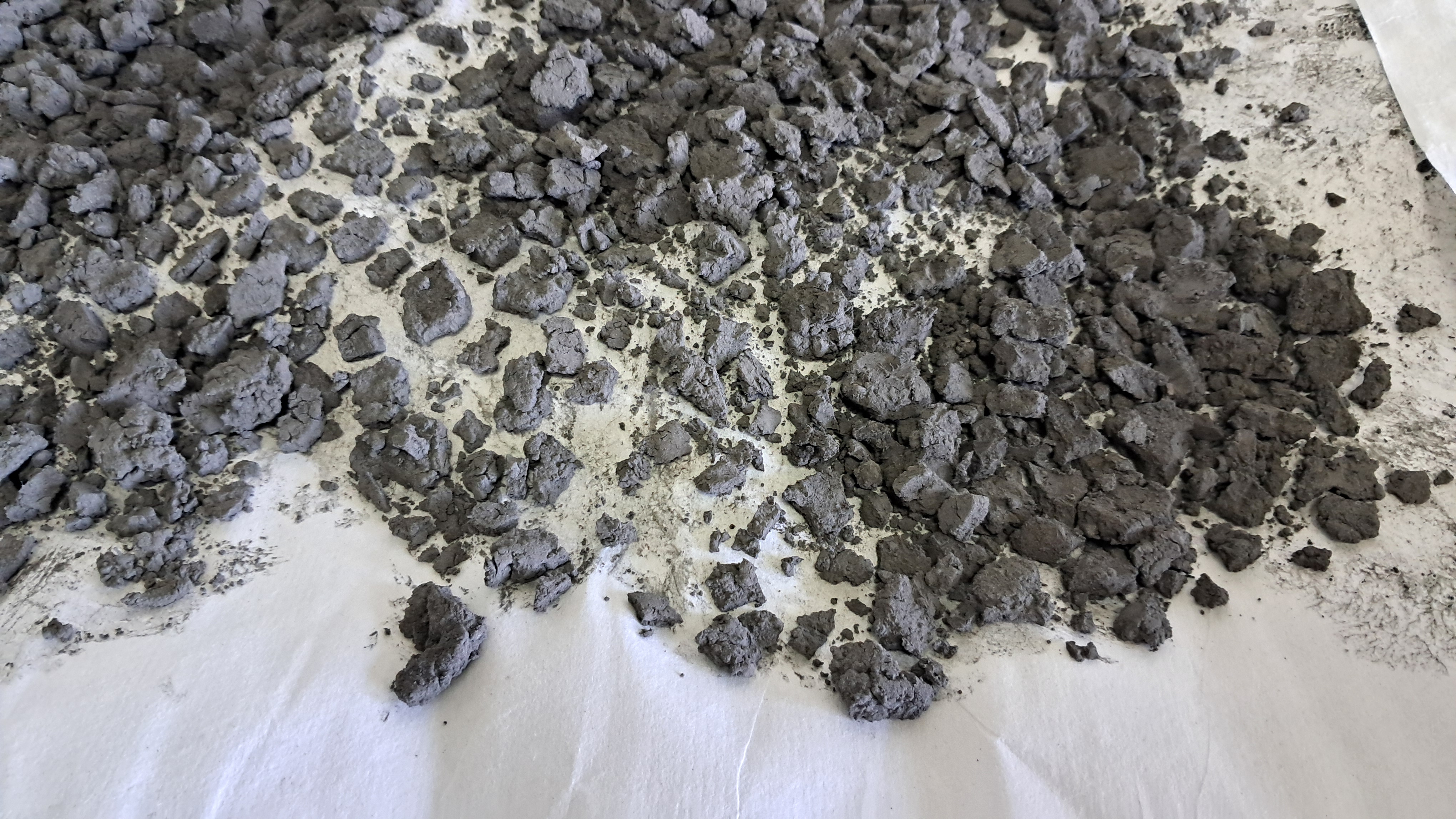
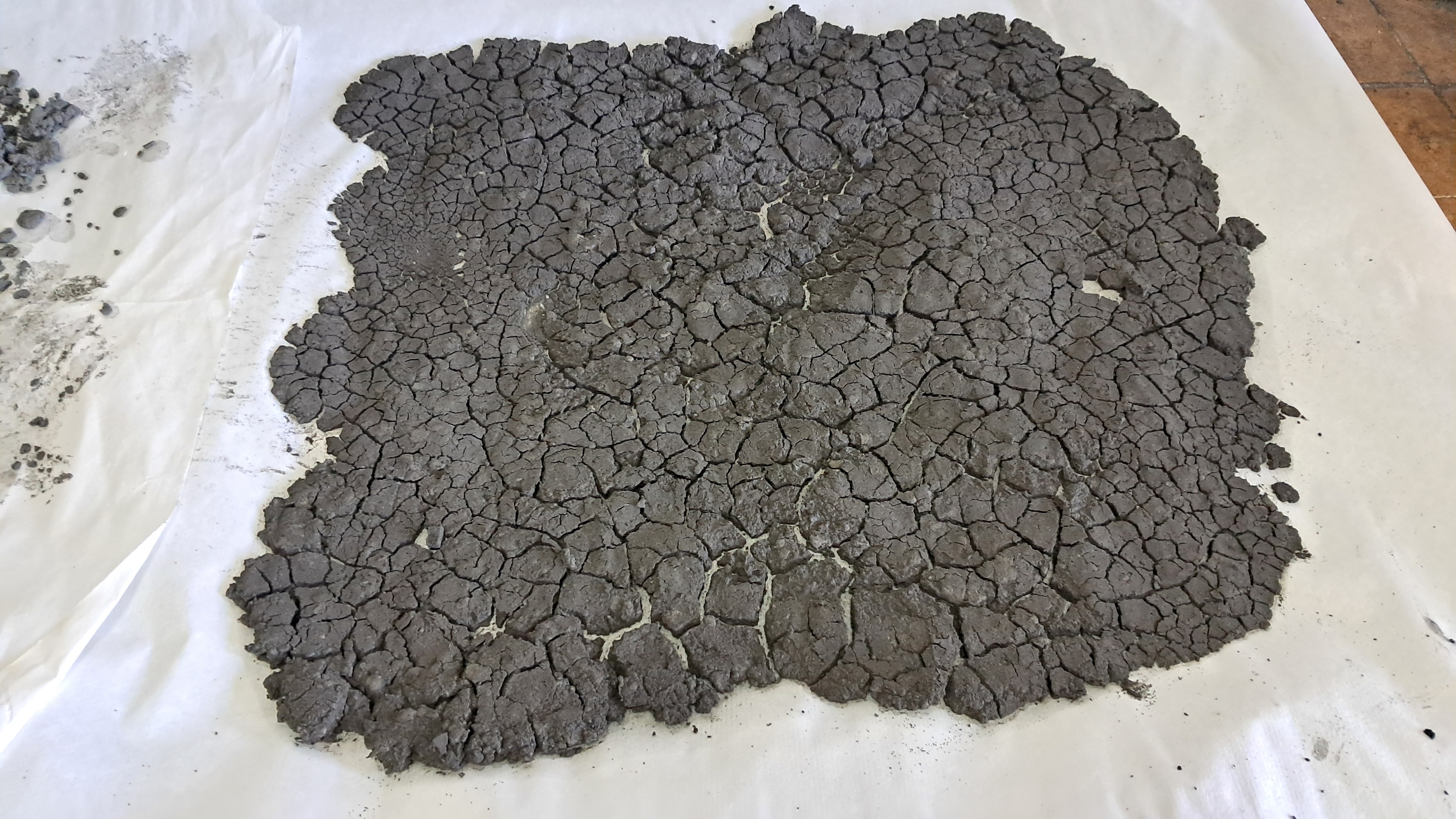
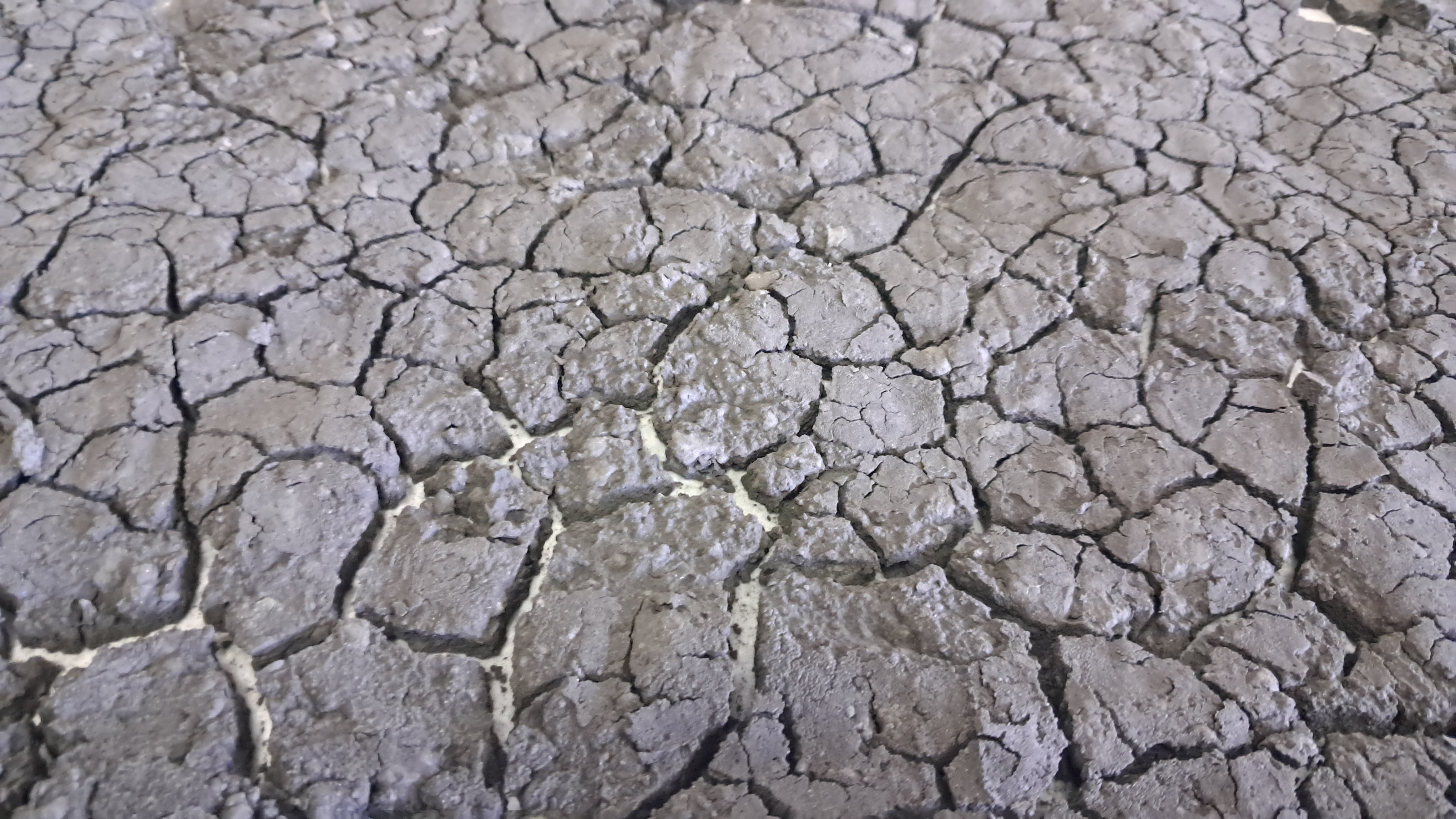
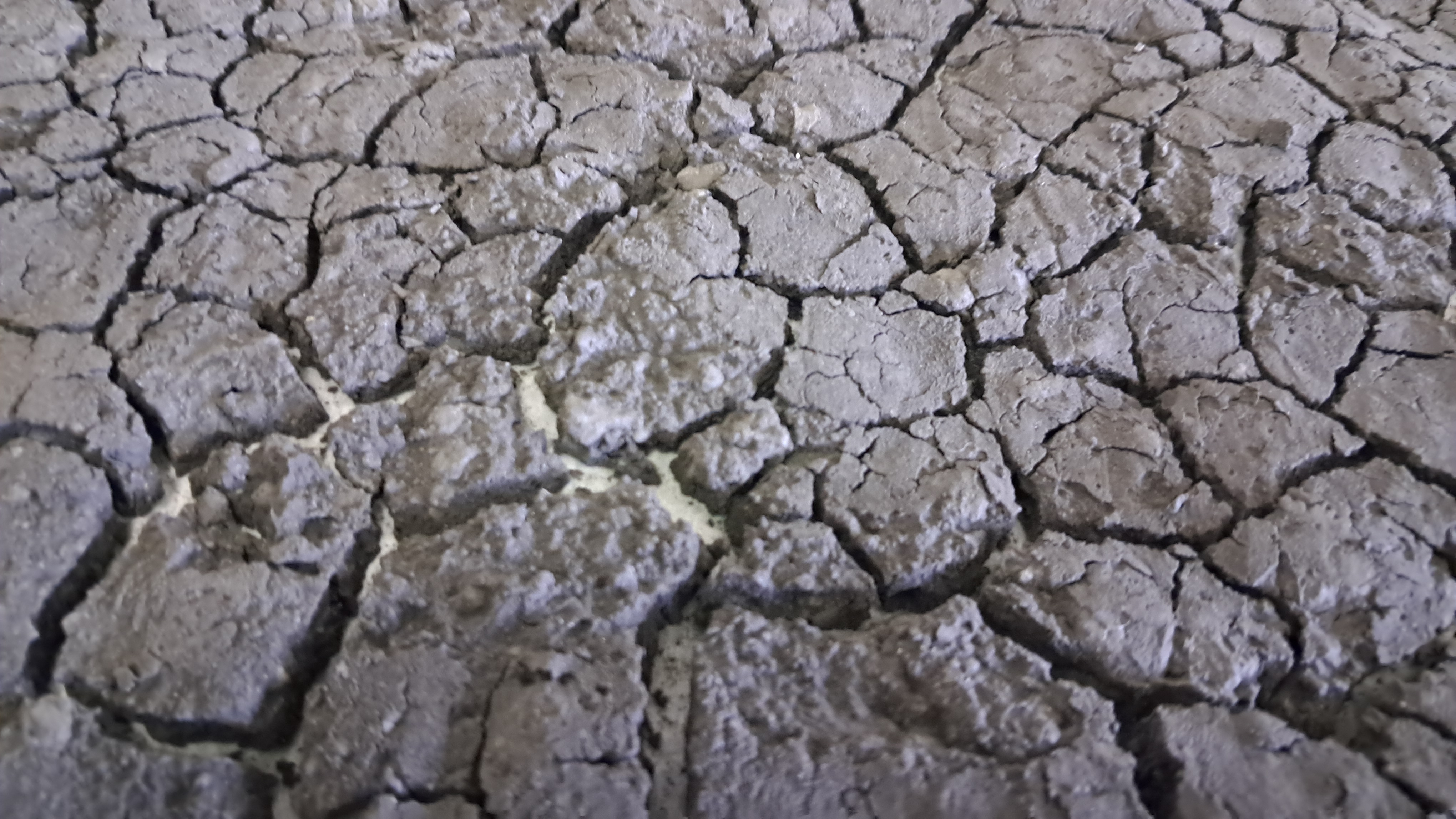
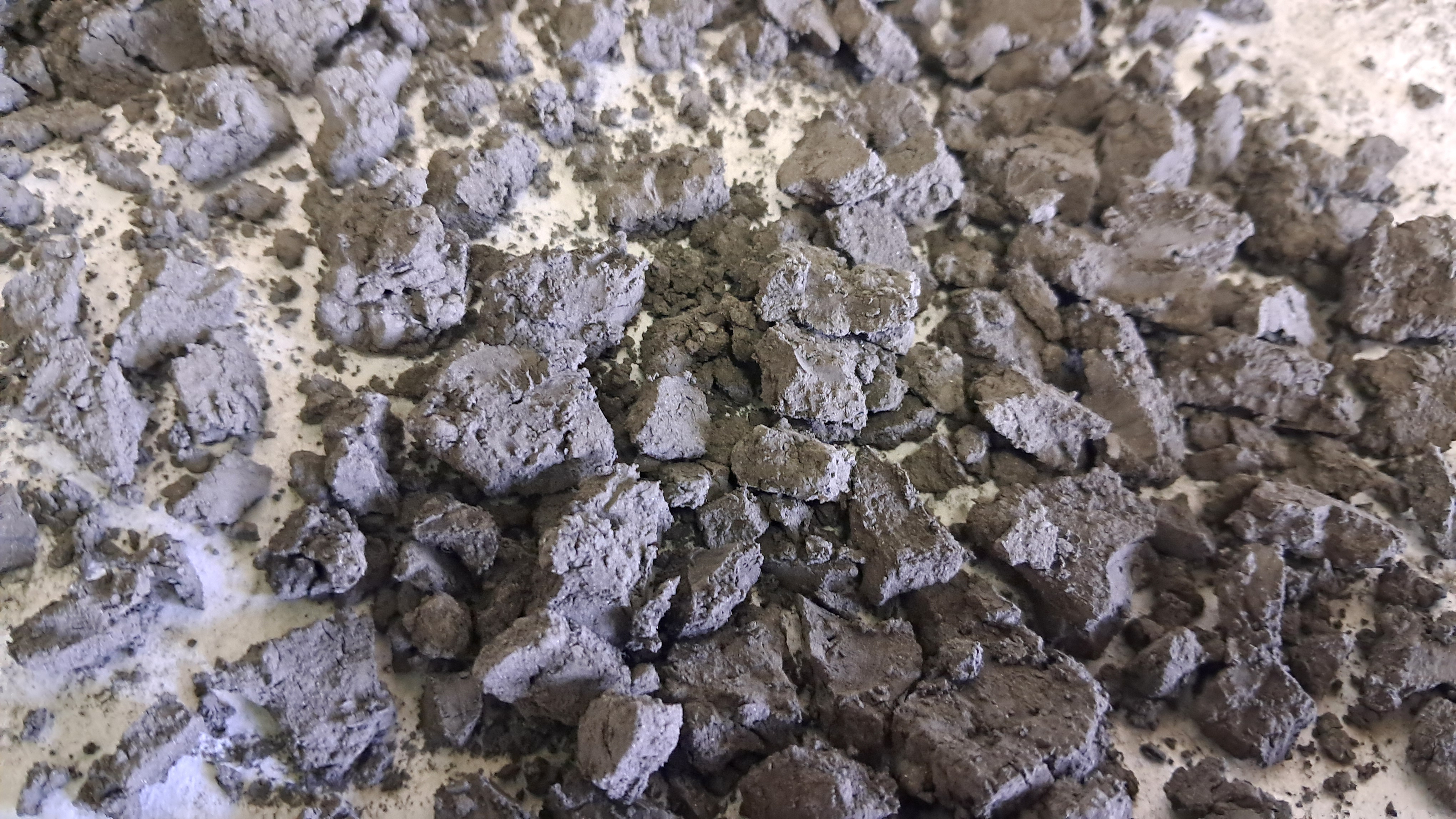
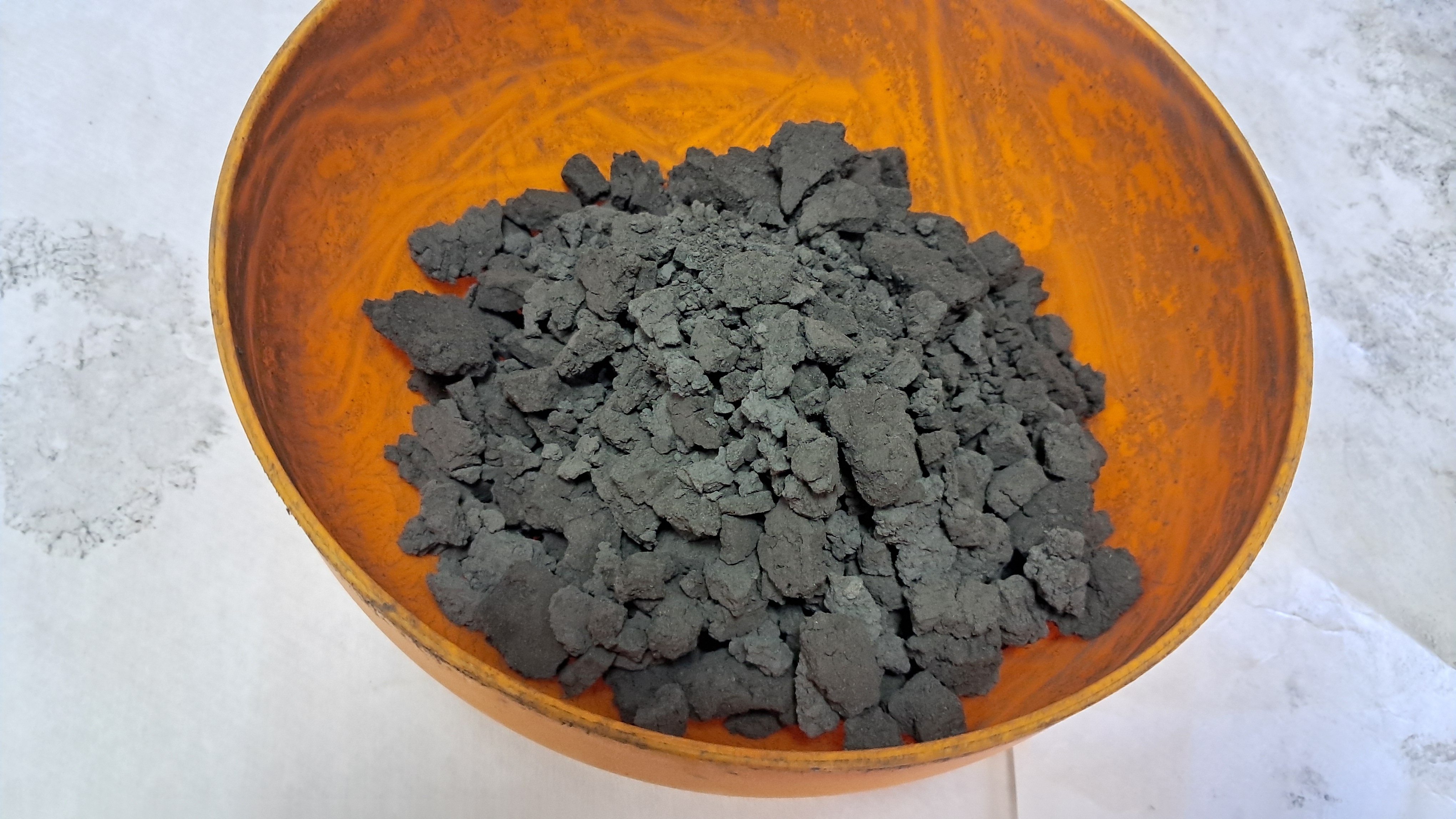
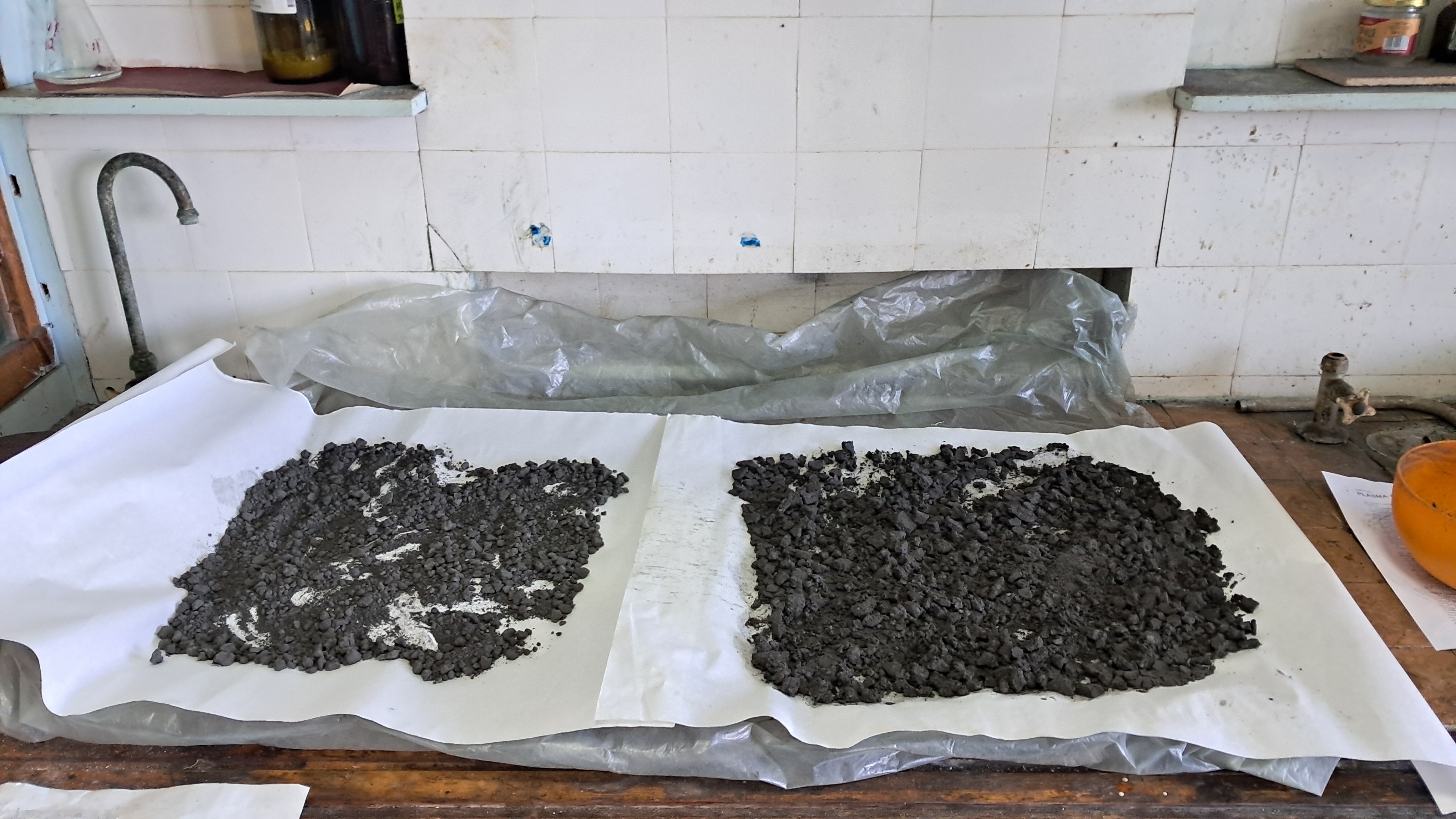
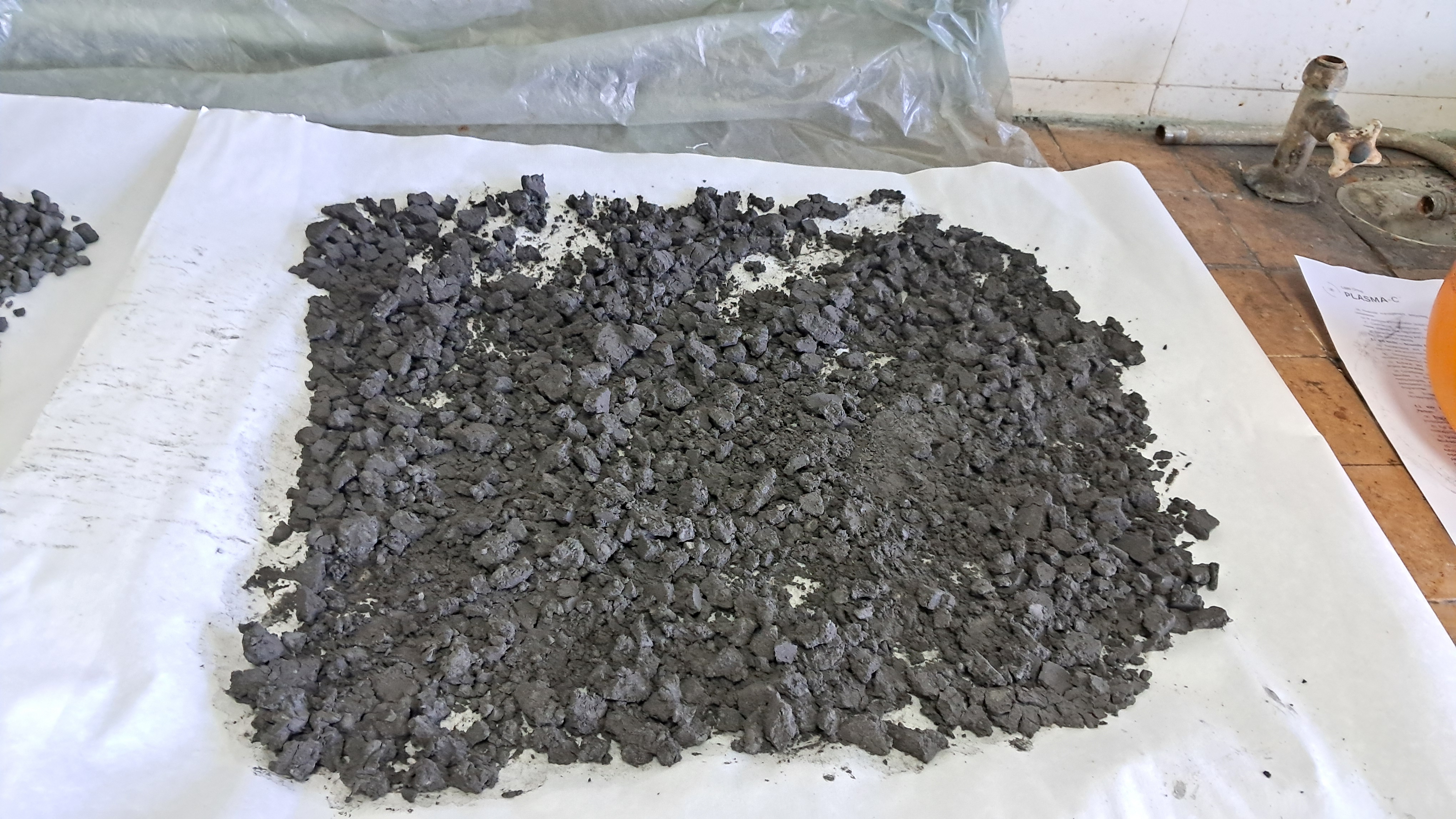
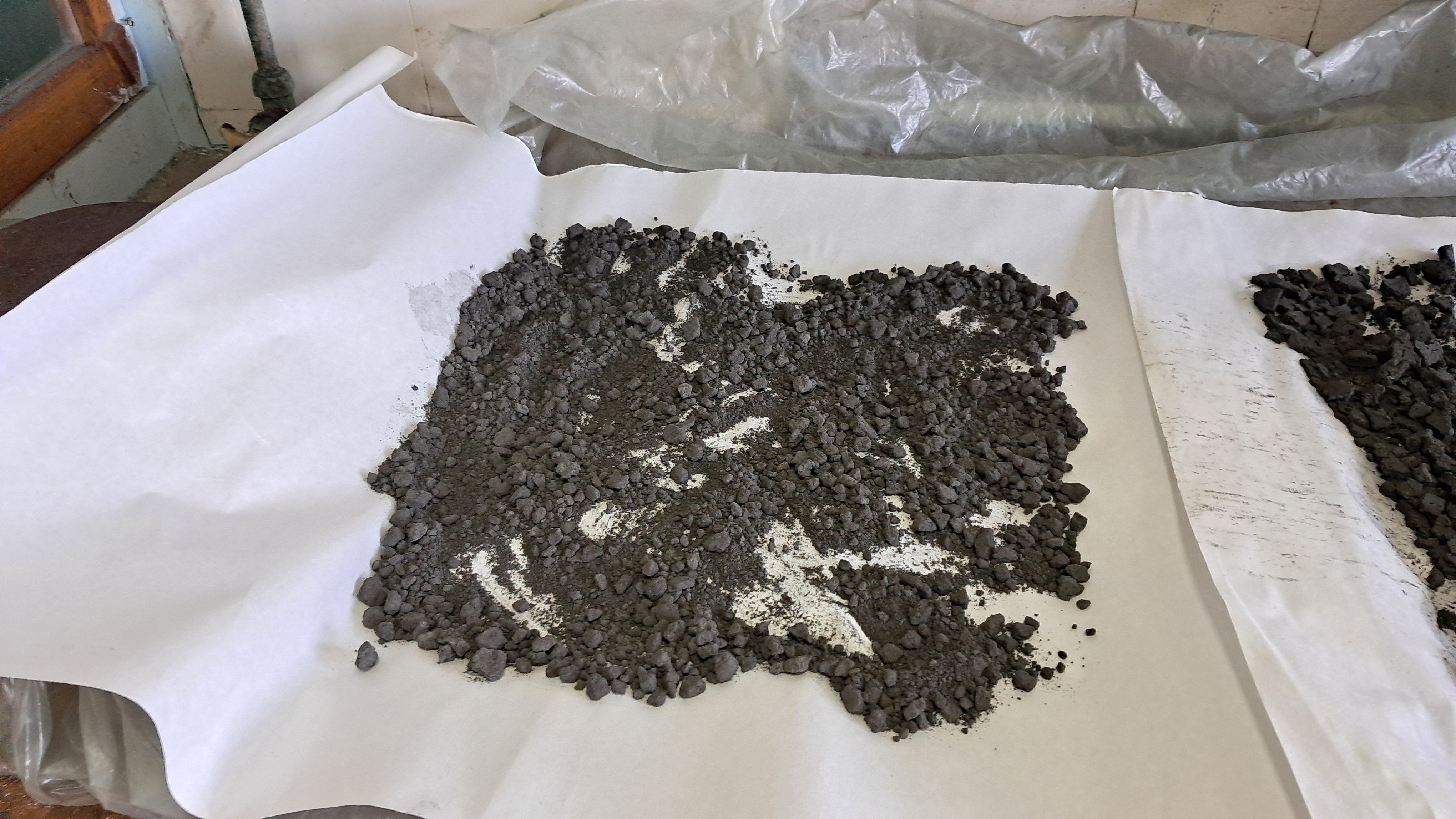
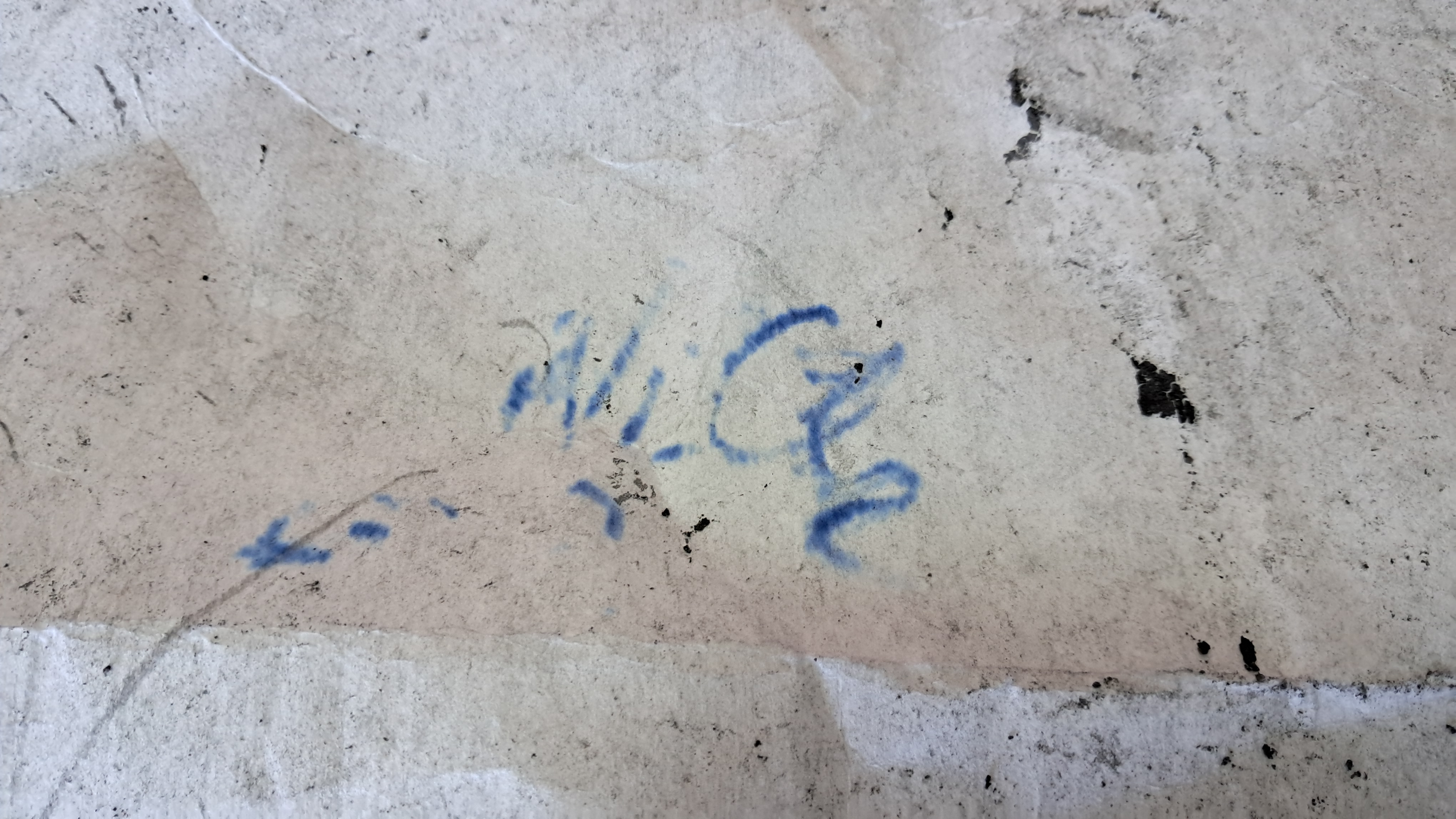
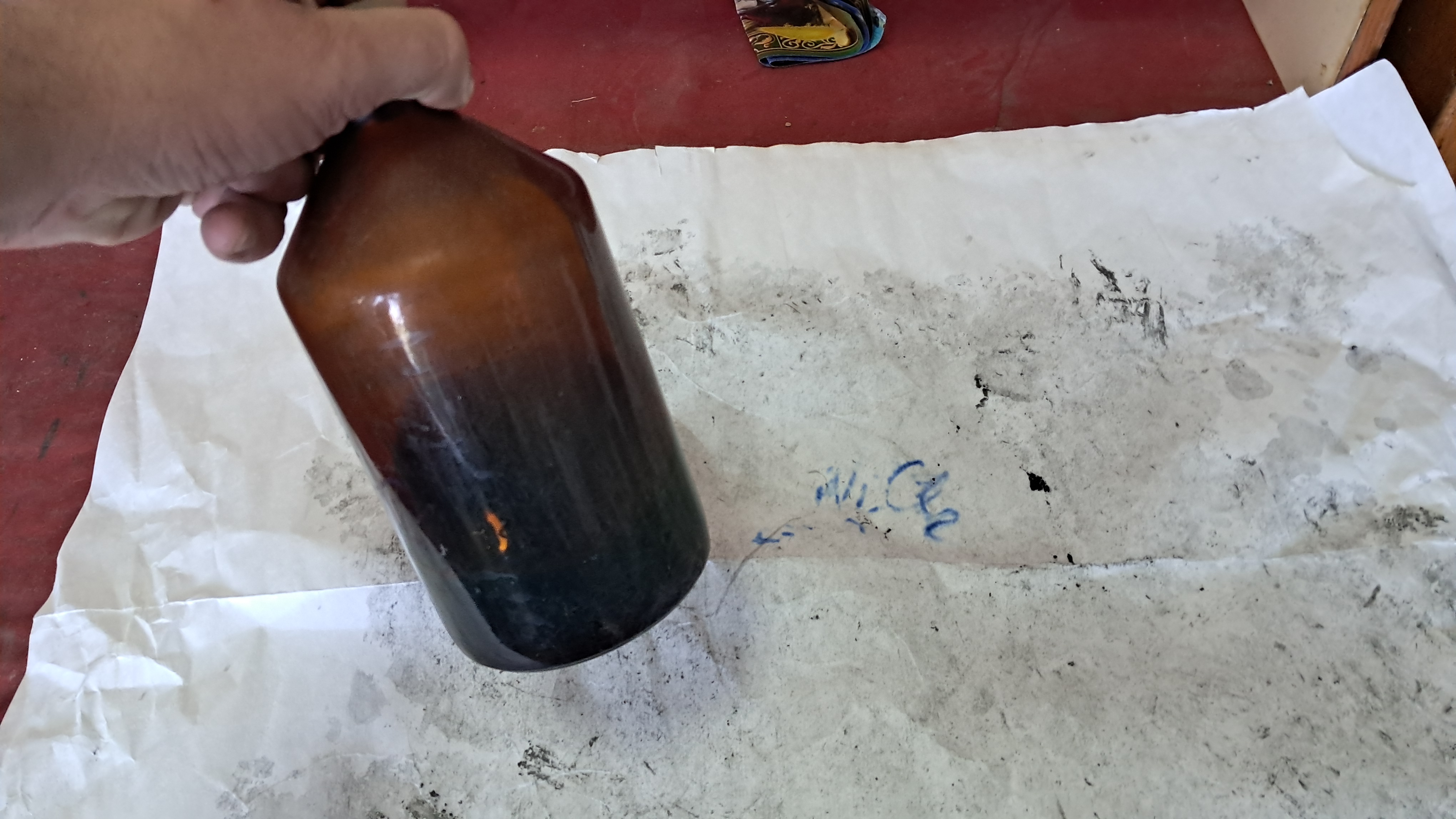
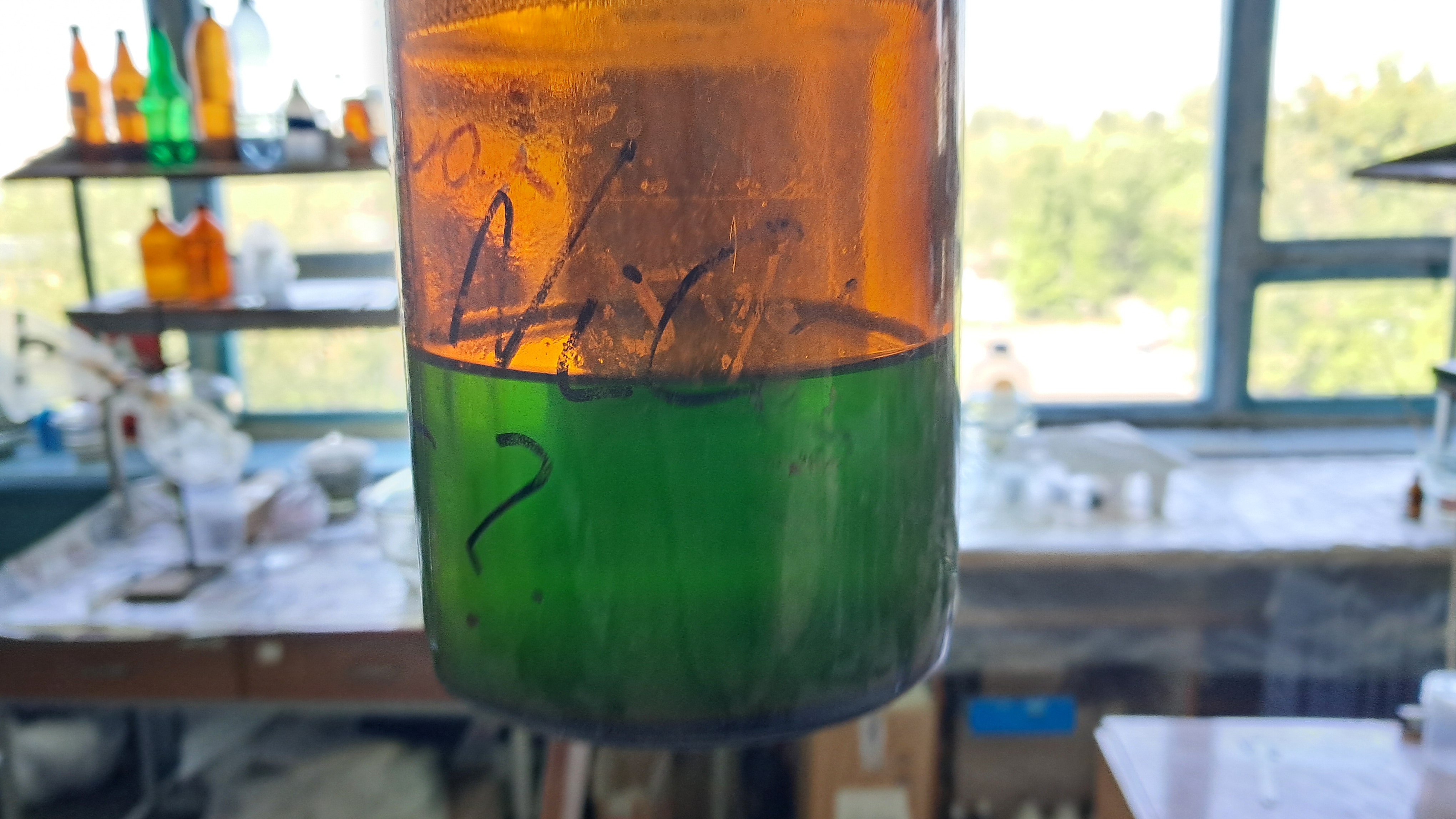
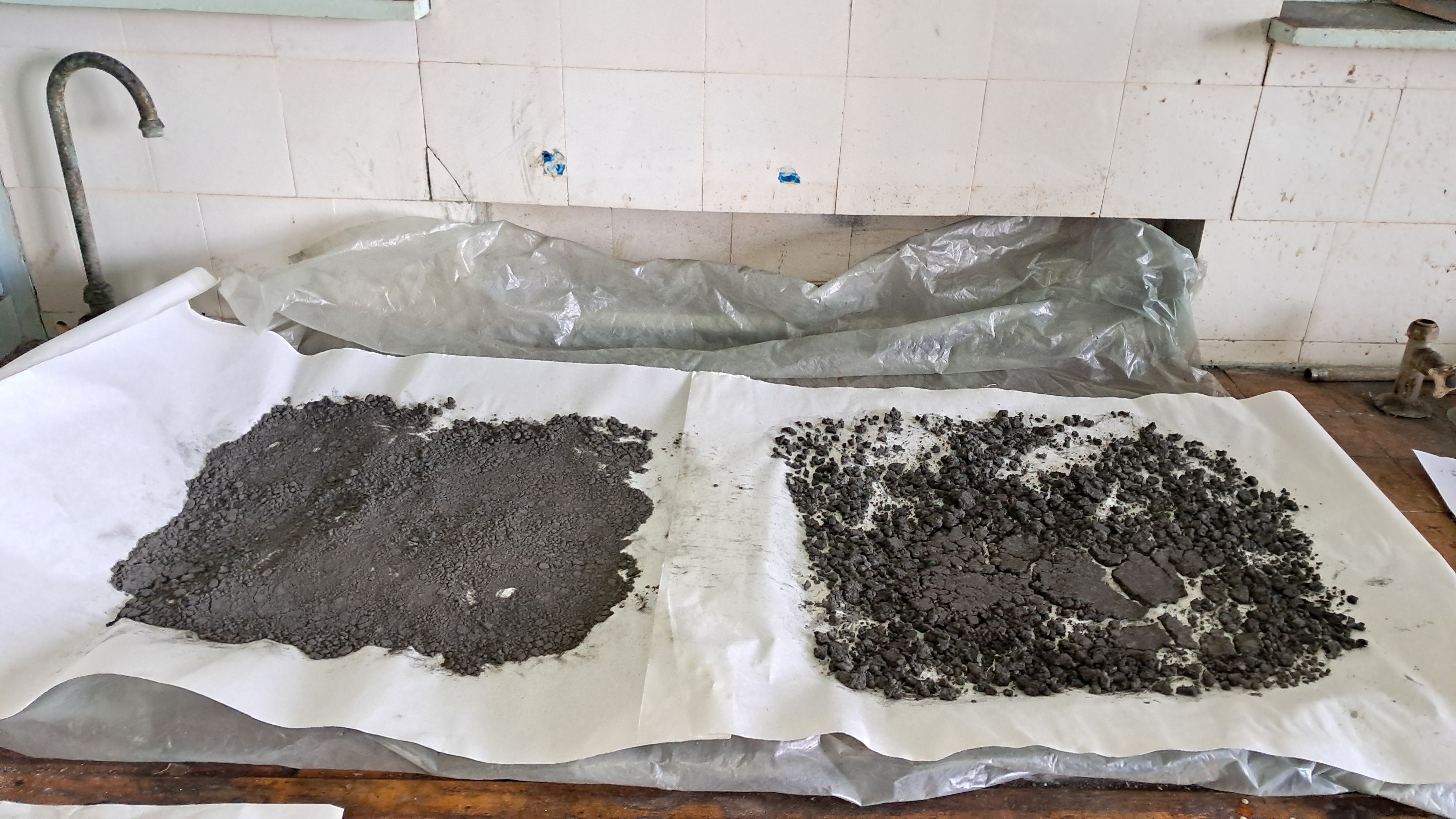
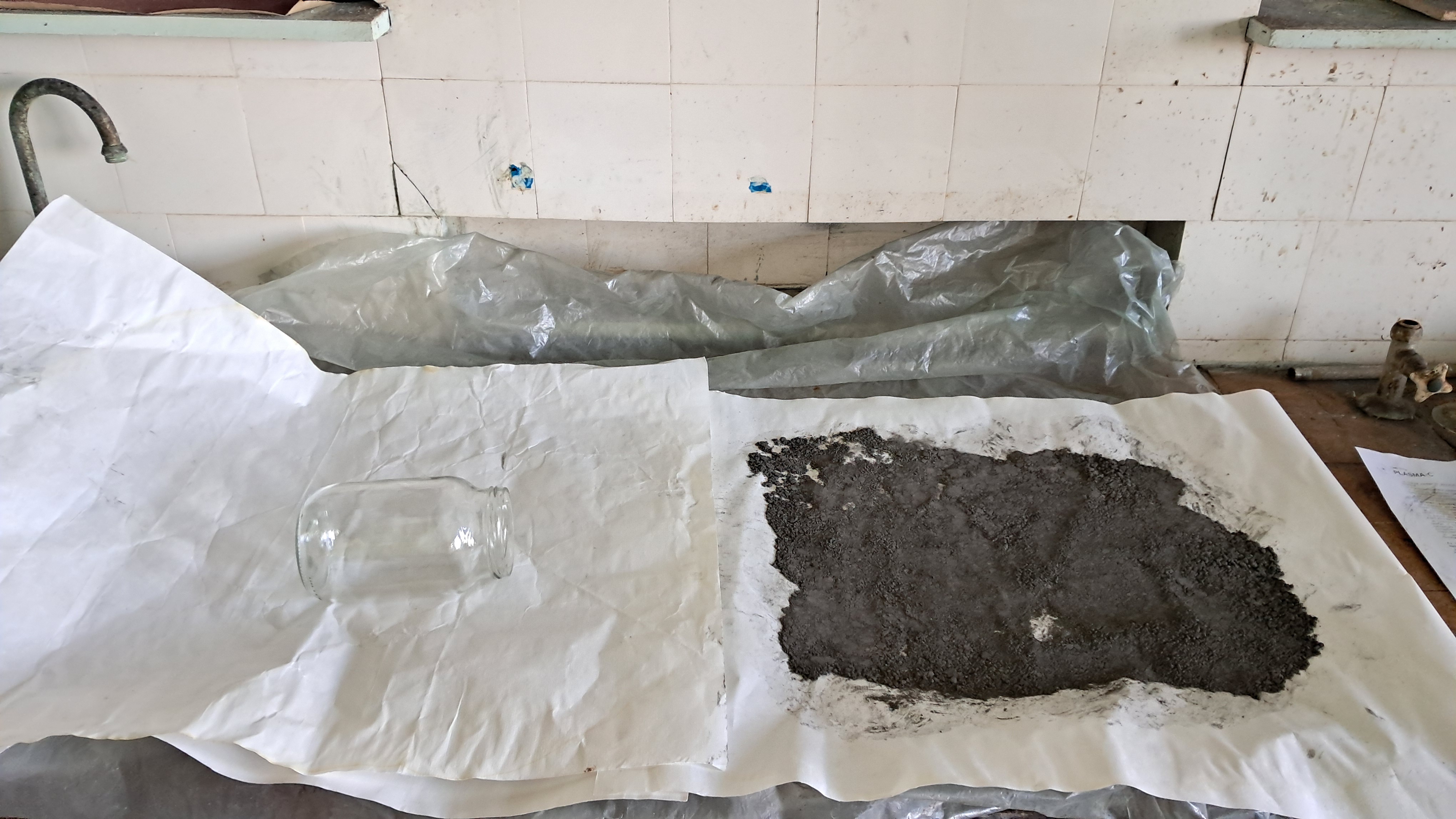
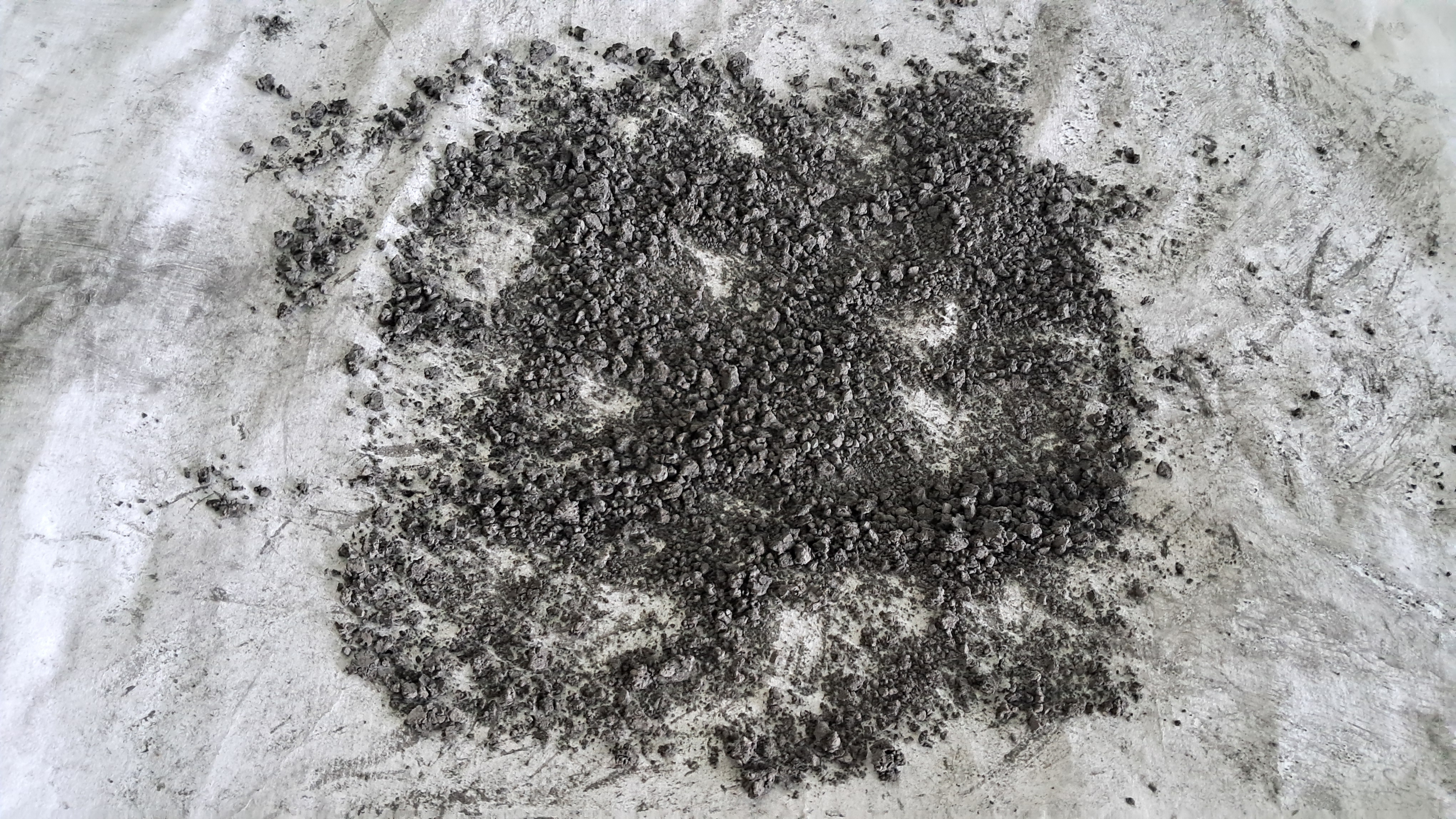
Although aluminum is widely used as a structural material and as a conductor in electrical engineering, this metal is highly chemically reactive. In most cases, a strong oxide film forms on the aluminum surface, preventing further oxidation of the metal, but this is not always the case. During the production of aluminum powder, the protective oxide film is destroyed, allowing the metal to react with the water contained in technical ethanol. Aluminum also reacts with ethanol itself. Therefore, it is better to disintegrate aluminum in an inert-gas atmosphere or under vacuum. The physicists working with aluminum had not realized this for a long time. They even tried using water as the working medium, but the aluminum turned into a white hydroxide powder. I had to explain to them that this result was actually a failure, so they shouldn't brag about it to their colleagues and clients. At one point, the physicists managed to obtain aluminum particles that were so small they didn't settle when the suspension was left to stand. They asked me to solve this problem. Filtering through filter paper wasn't an option, as the aluminum particles would pass through the pores. I remembered that I had a centrifuge in my laboratory - in fact, I had two. They needed to centrifuge the aluminum suspension, causing the fine particles to settle. I brought both centrifuges to them. The next day, a colleague came to tell me they had succeeded. Now they needed to dry the separated aluminum, and urgently. They wanted to take the samples for testing to a university in a neighboring country. "Can we dry the aluminum in your laboratory?" "Yes, but not in the laboratory where I'm located. It's better to dry it in another laboratory." I had already dried aluminum in my laboratory several times before. The ethanol vapors had made me feel ill. There was a fume hood, but I didn't dare leave it running for long because the motor might burn out. Without the fume hood, however, the laboratory air became saturated with alcohol vapor, which significantly worsened my condition. The symptoms weren't even similar to alcohol intoxication; they were caused by a drop in blood pressure. There was no running water in the other laboratory, but the fume hood was fully operational. I decided to dry the aluminum there. A colleague brought a plastic bowl filled with aluminum paste, and we spread the paste onto a sheet of filter paper inside the fume hood. Then we covered it with another sheet of filter paper and left it there. I came back from time to time, stirred the paste, and, after it had hardened, crushed the clumps. To do this, I placed a glass bottle horizontally on top of the paper-covered aluminum and rolled it back and forth like a rolling pin. The bottle contained nickel-plating electrolyte - I didn't think anything of it. However, I was mistaken. First, while the aluminum was still wet, the alcohol soaked through the paper. The bottle had been labeled "NiCl2" with a marker, but the label transferred to the paper because the ethanol dissolved the marker ink. Second, a little later, I discovered that the bottle's cap was leaking, and drops of the electrolyte were dripping onto the paper. I had to replace the bottle with an empty glass jar. Thanks to my decision not to dry the aluminum in my own laboratory, there was no smell of alcohol there. However, the strong odor filled the other laboratory and spread throughout our entire floor. And it smelled not only of ethanol but also... of pears. I believe the pear-like odor was caused by an impurity of isoamyl acetate in the technical ethanol. Like many other esters, isoamyl acetate has a pleasant smell, and this particular compound has an aroma reminiscent of pears. Later, my colleagues brought several more batches of aluminum to dry. I dried them all, crushed the clumps, and handed the samples back to them. Later, my colleagues traveled to a neighboring country and visited a local university, where they submitted the samples for analysis. As for me, I have never left Ukraine, and I hope to have the chance to do so at least once in my lifetime. |
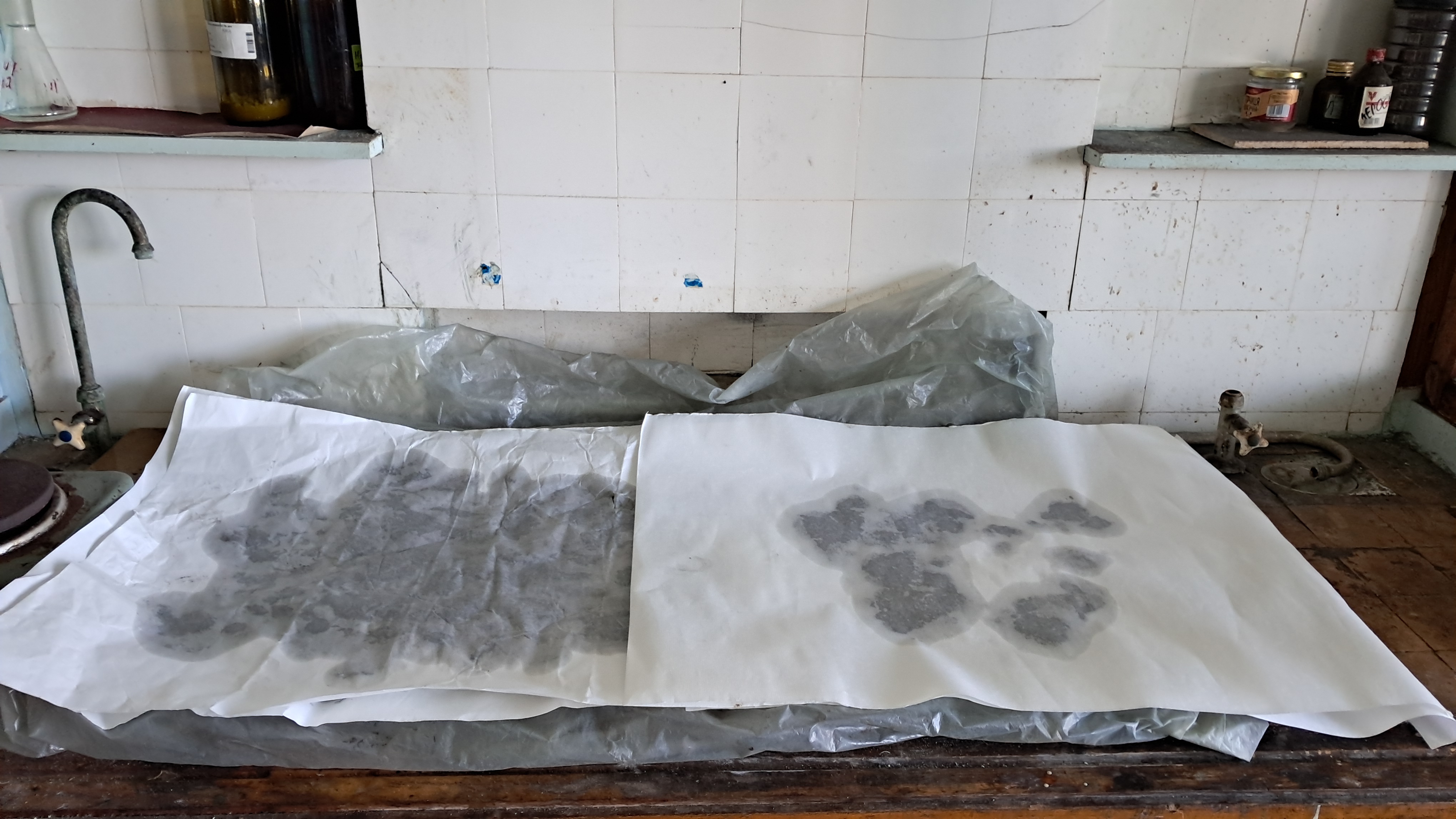
Drying of Fine Aluminum Powder |
|
|
|
|
|
|
|
|
|
|
|
|
|
|
|
|
|
|
|
|
|
|
|
|
|
|
|
|
|
|
|
|
|
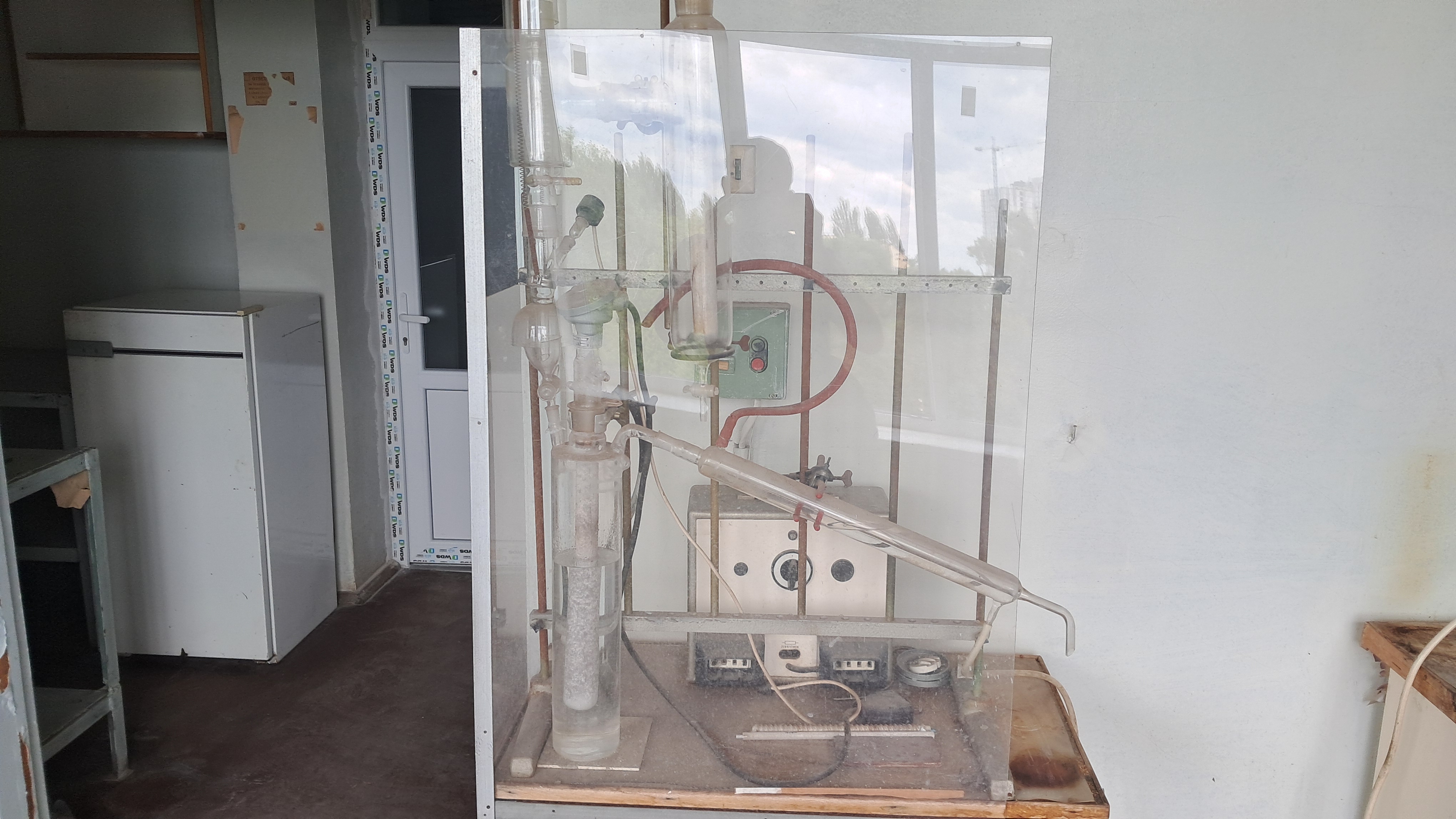
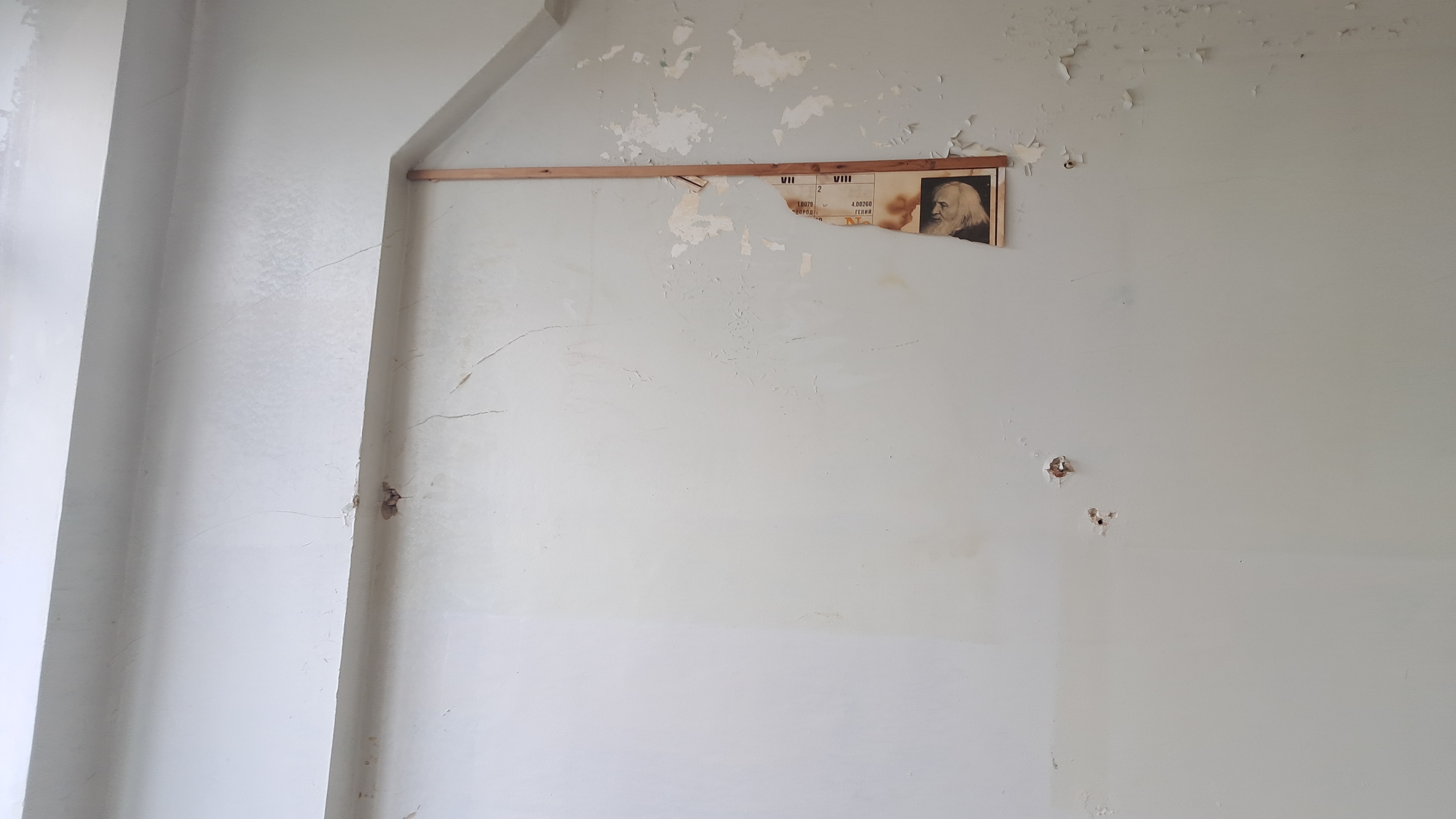
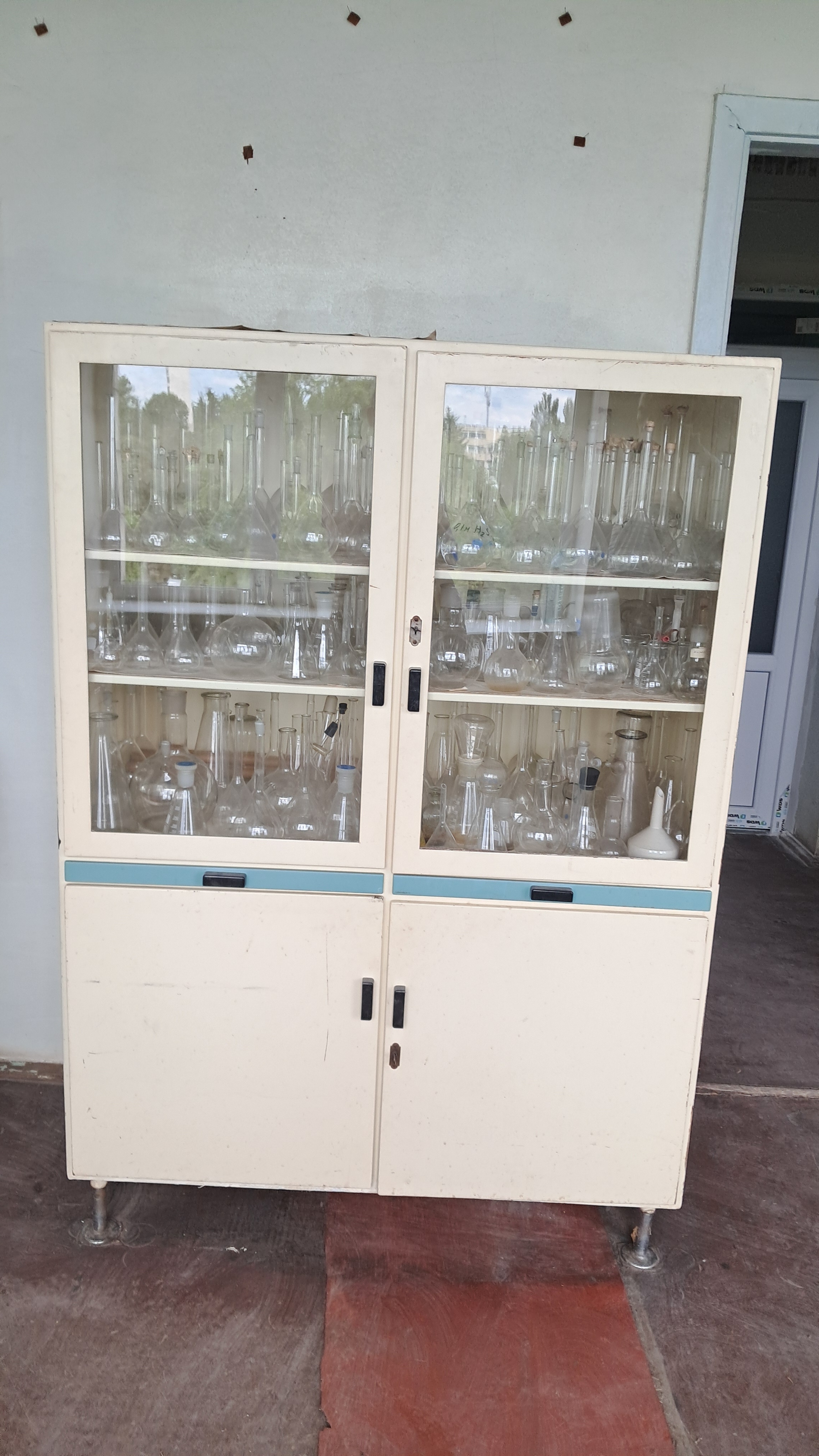
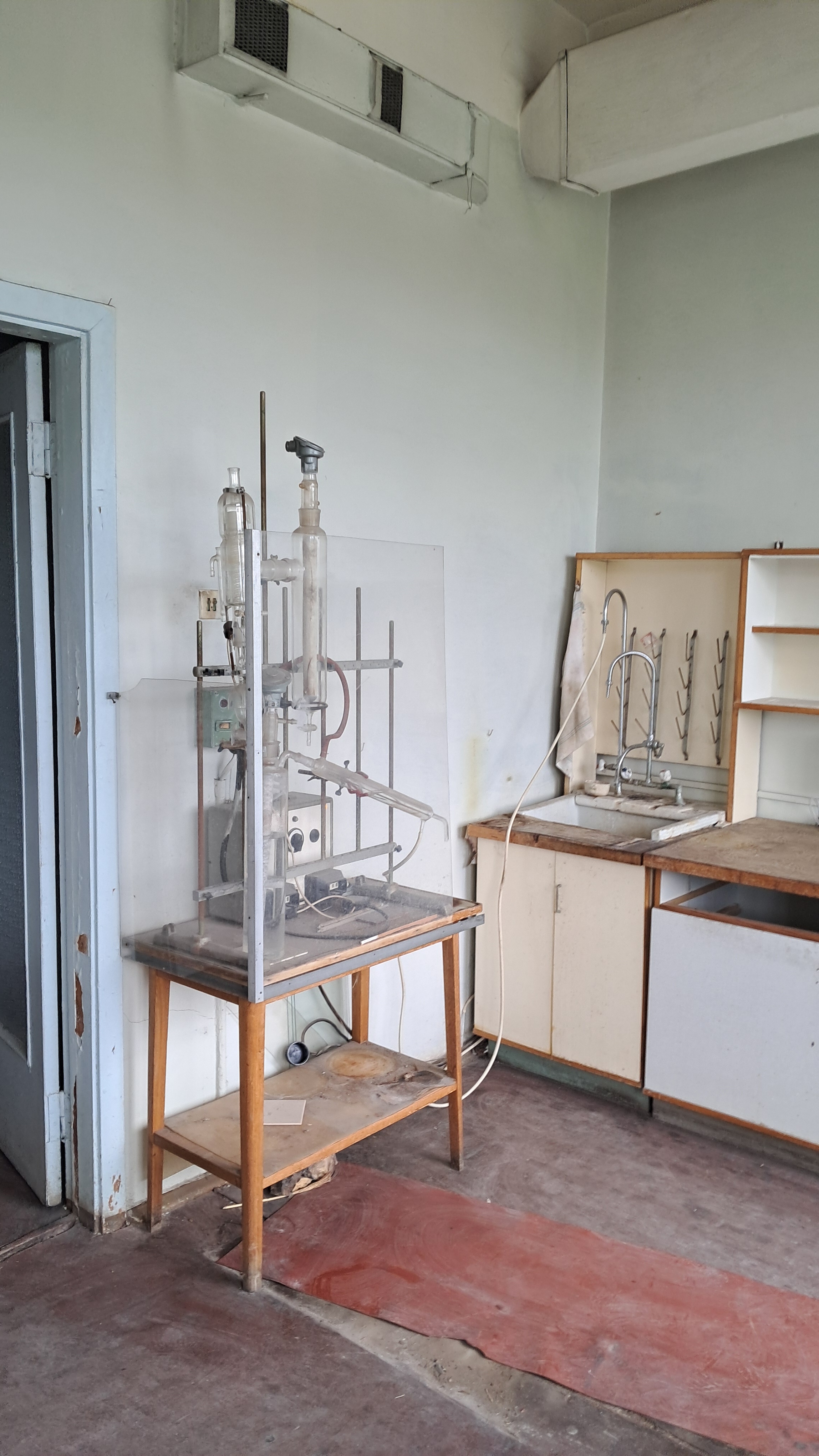
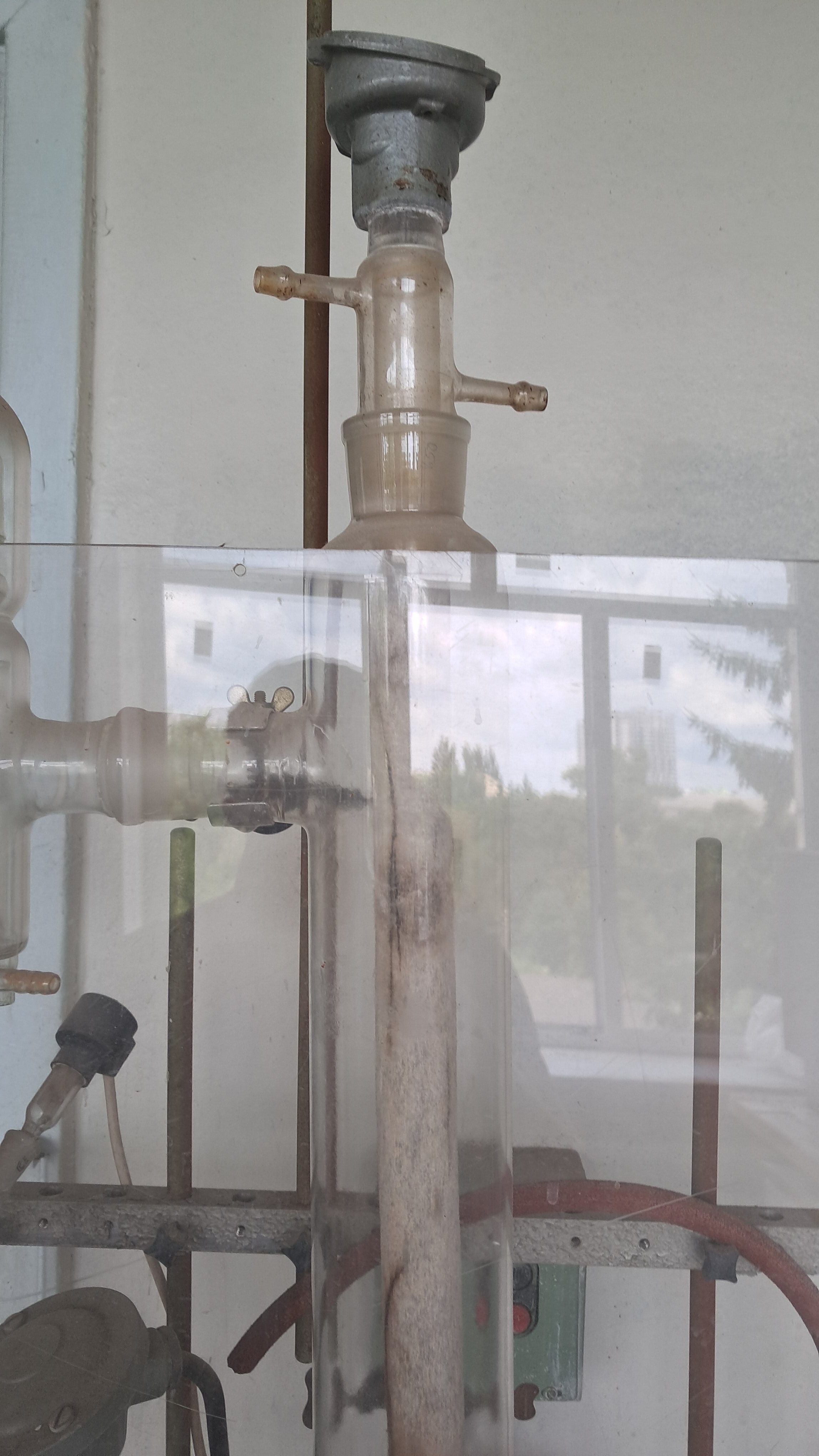
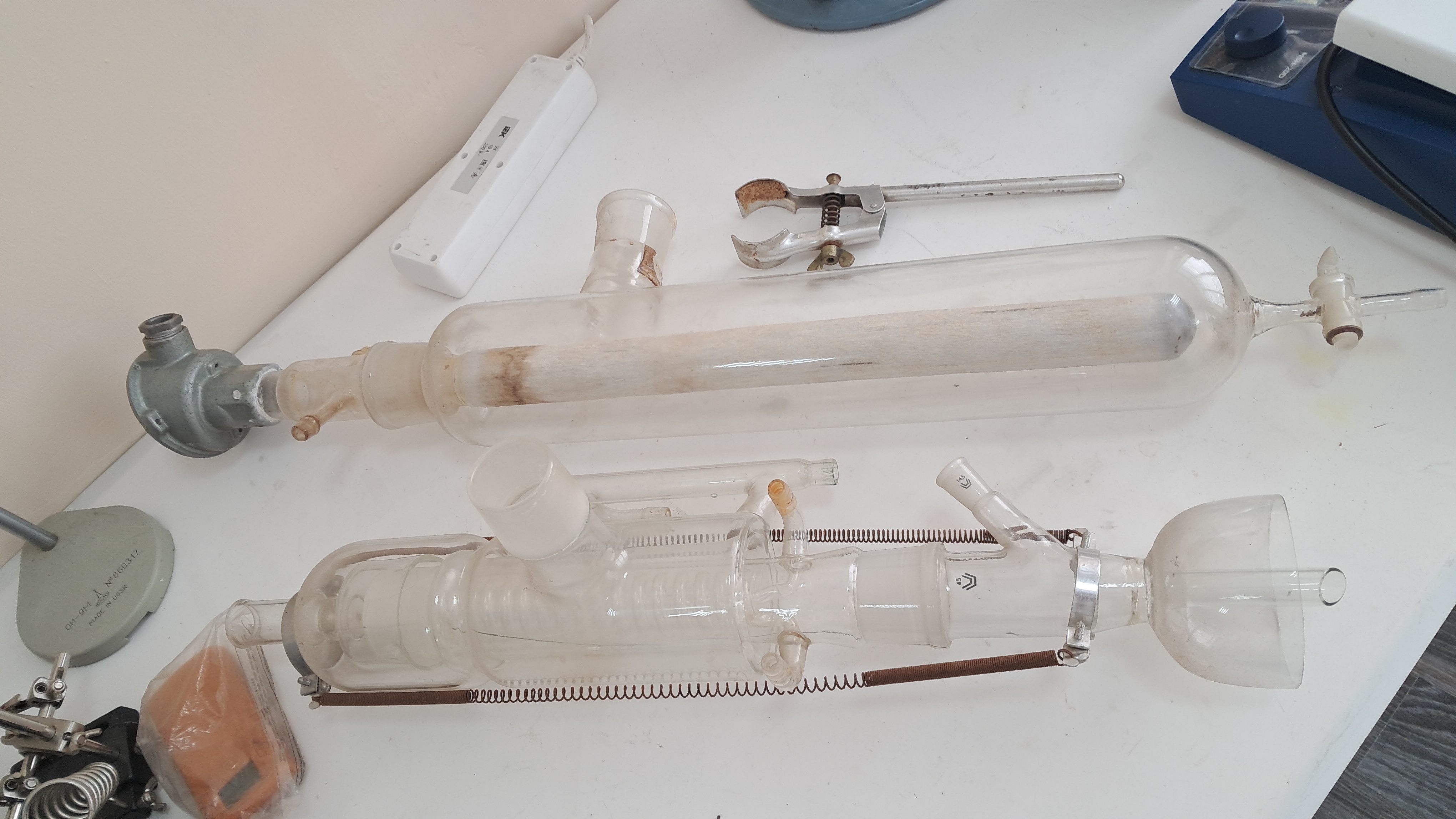
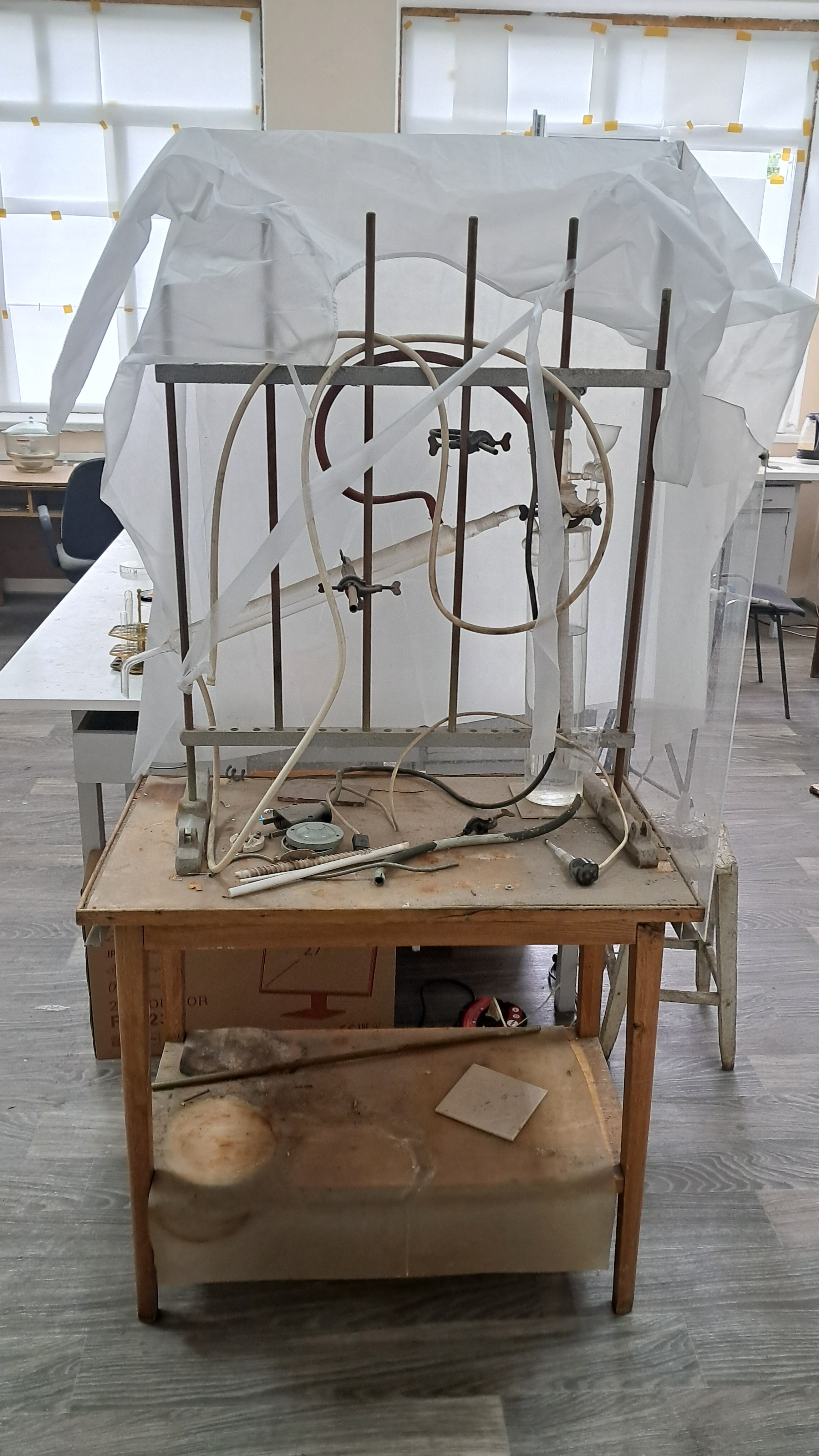
Unnecessary Distiller Chemist |
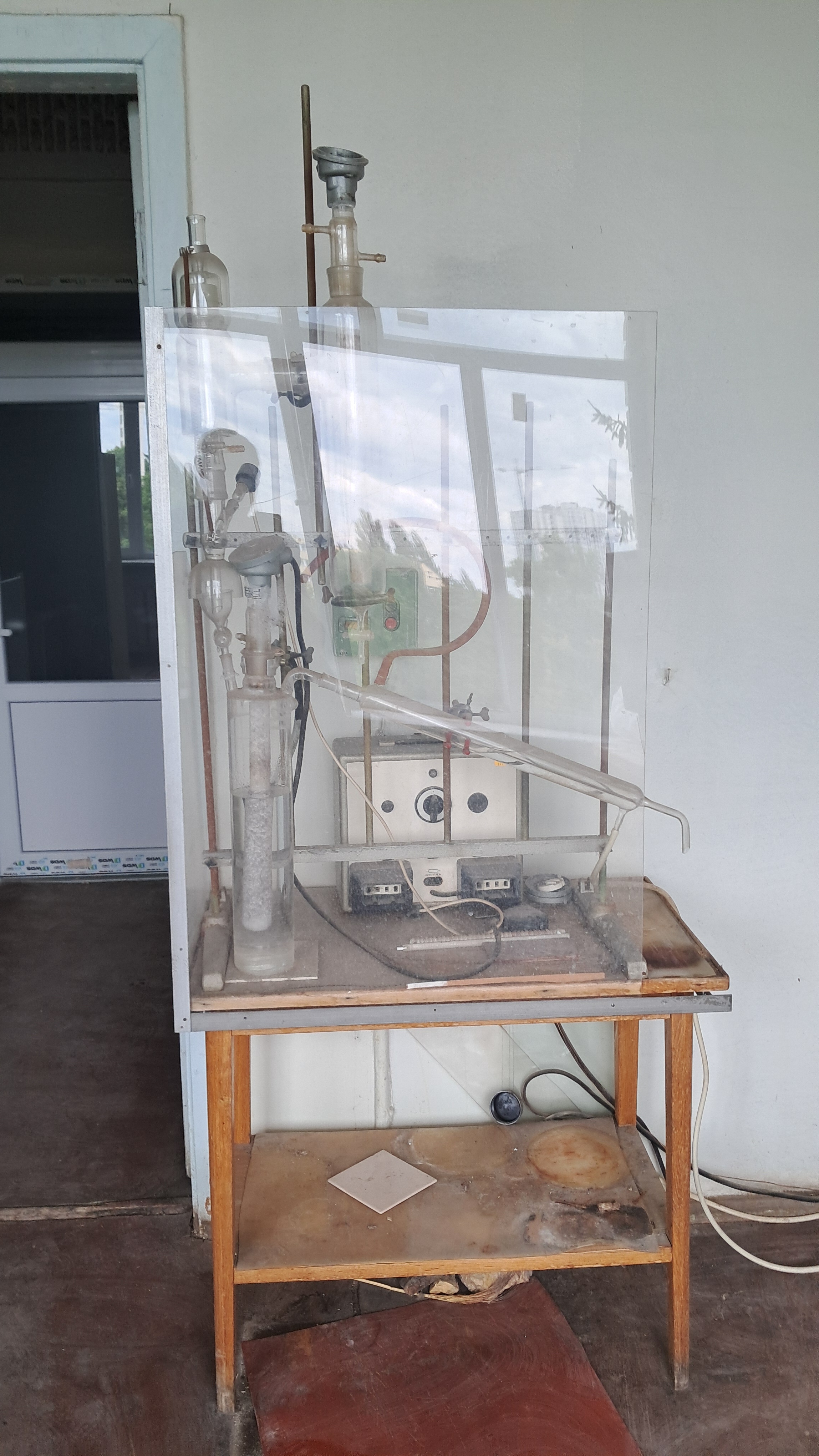
Unnecessary Distiller |
|
|
|
|
|
|
|
|
|
|
|
