Chemistry and Chemists № 2 2026
Journal of Chemists-Enthusiasts
| Content | Chemistry experiments - video | Physics experiments - video | Home Page - Chemistry and Chemists |
|
Chemistry and Chemists № 2 2026 Journal of Chemists-Enthusiasts |
Experiments with Nitrocellulose - pt.1, 2 Chemist |
|
Having noticed a mistake in the text, allocate it and press Ctrl-Enter
The last few weeks have been such that I could only dream of working in my laboratory. I'm a research chemist, but conducting research in our country is practically impossible now. Therefore, to remain a chemist, I have to conduct and describe chemical experiments for educational purposes. And even that isn't always possible. At night, there are Russian bombing raids, and during the day, there's a great deal of organizational and administrative work. I'm an extreme introvert, so having 10-20 phone conversations and emails a day is quite challenging for me. Previously, I might have had only one phone call every few days or even once a week.
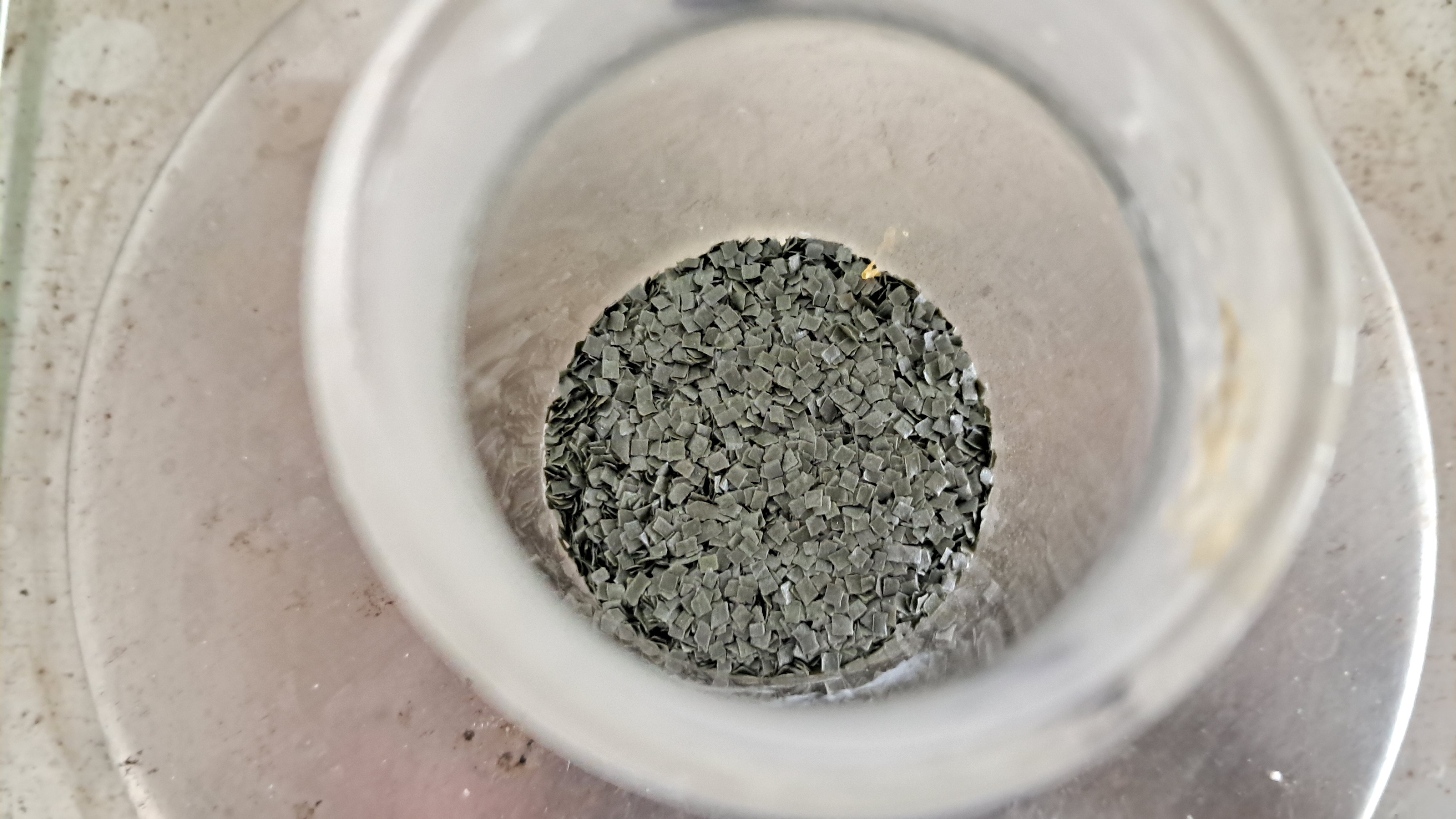
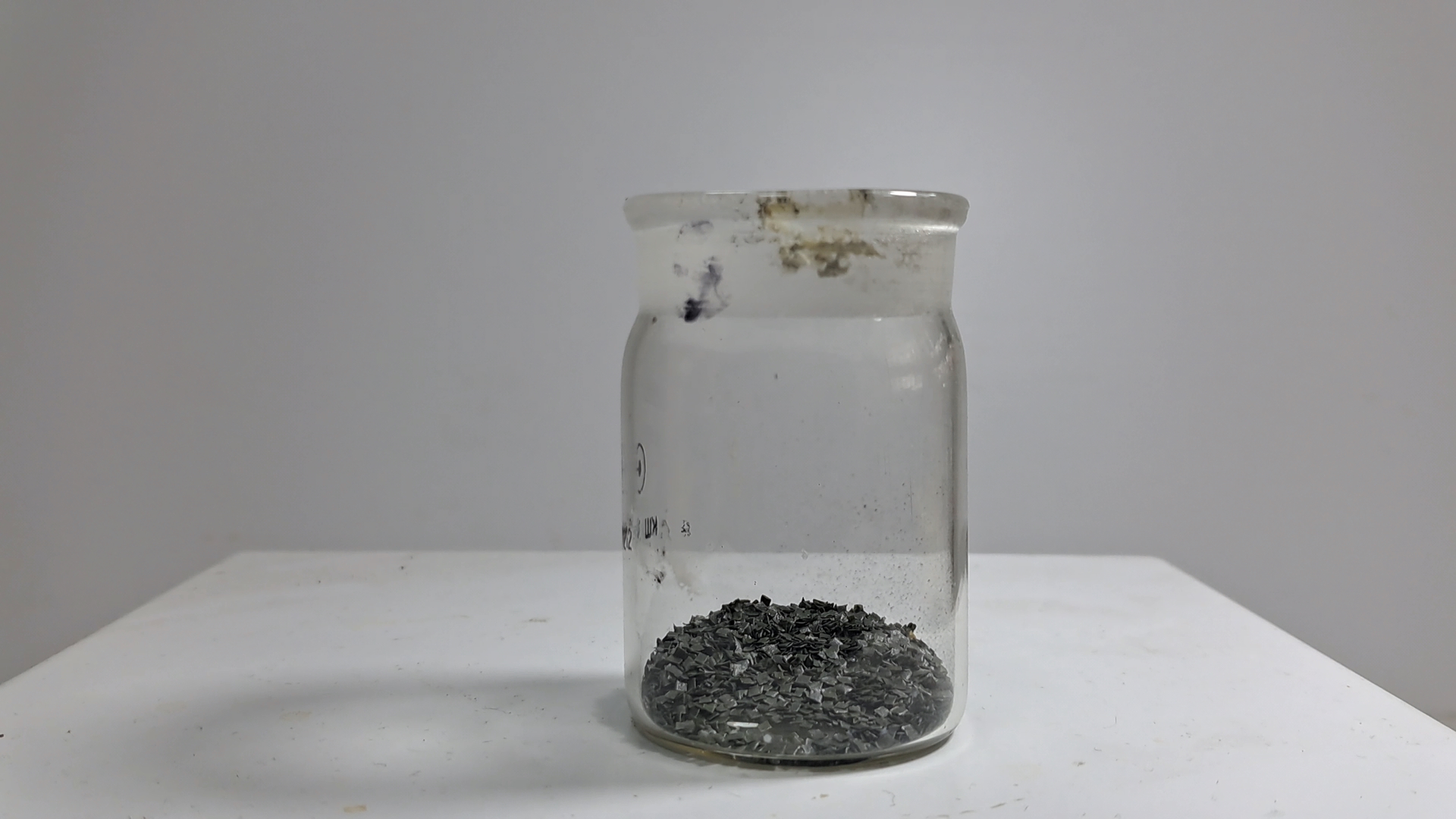
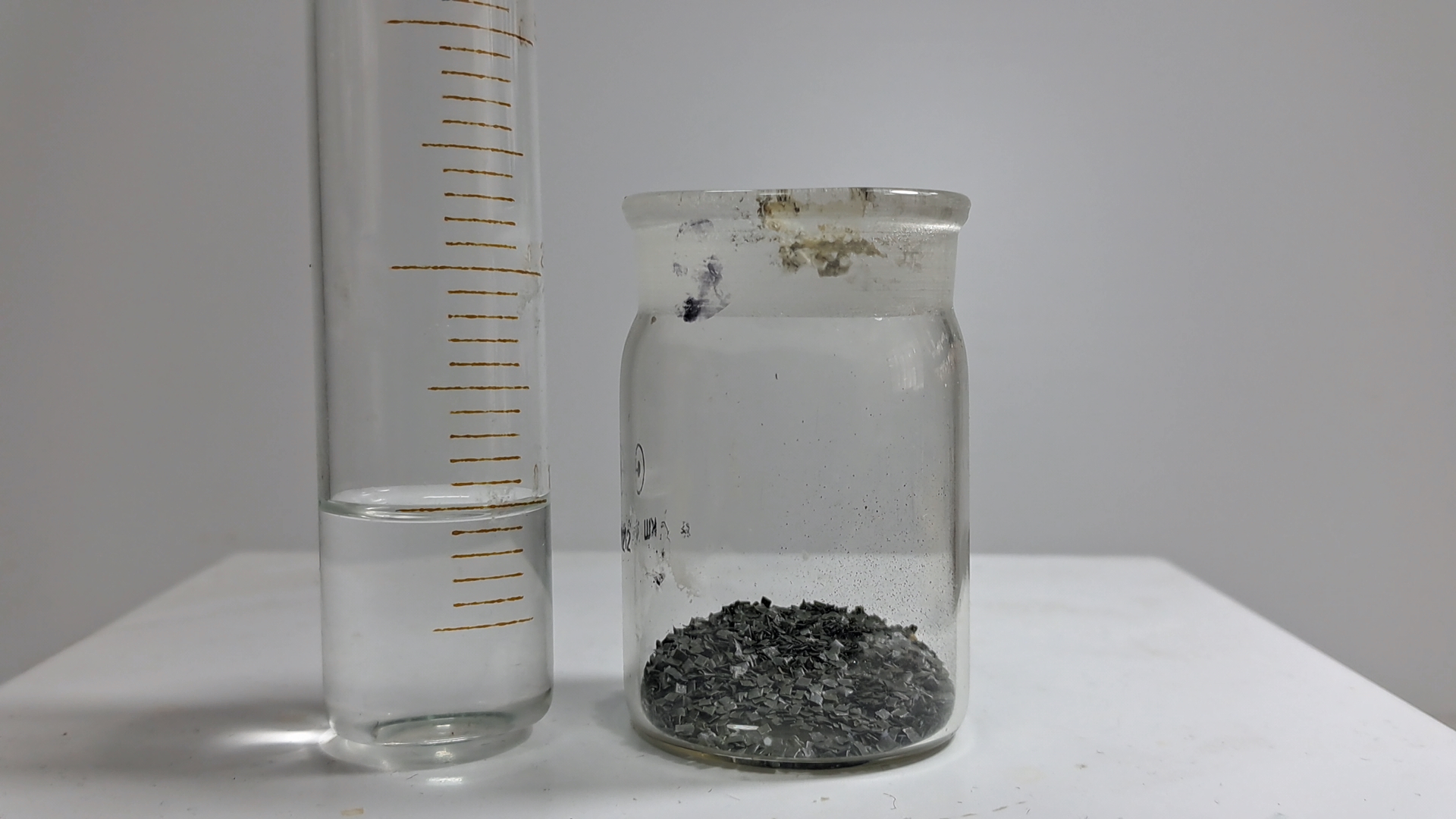
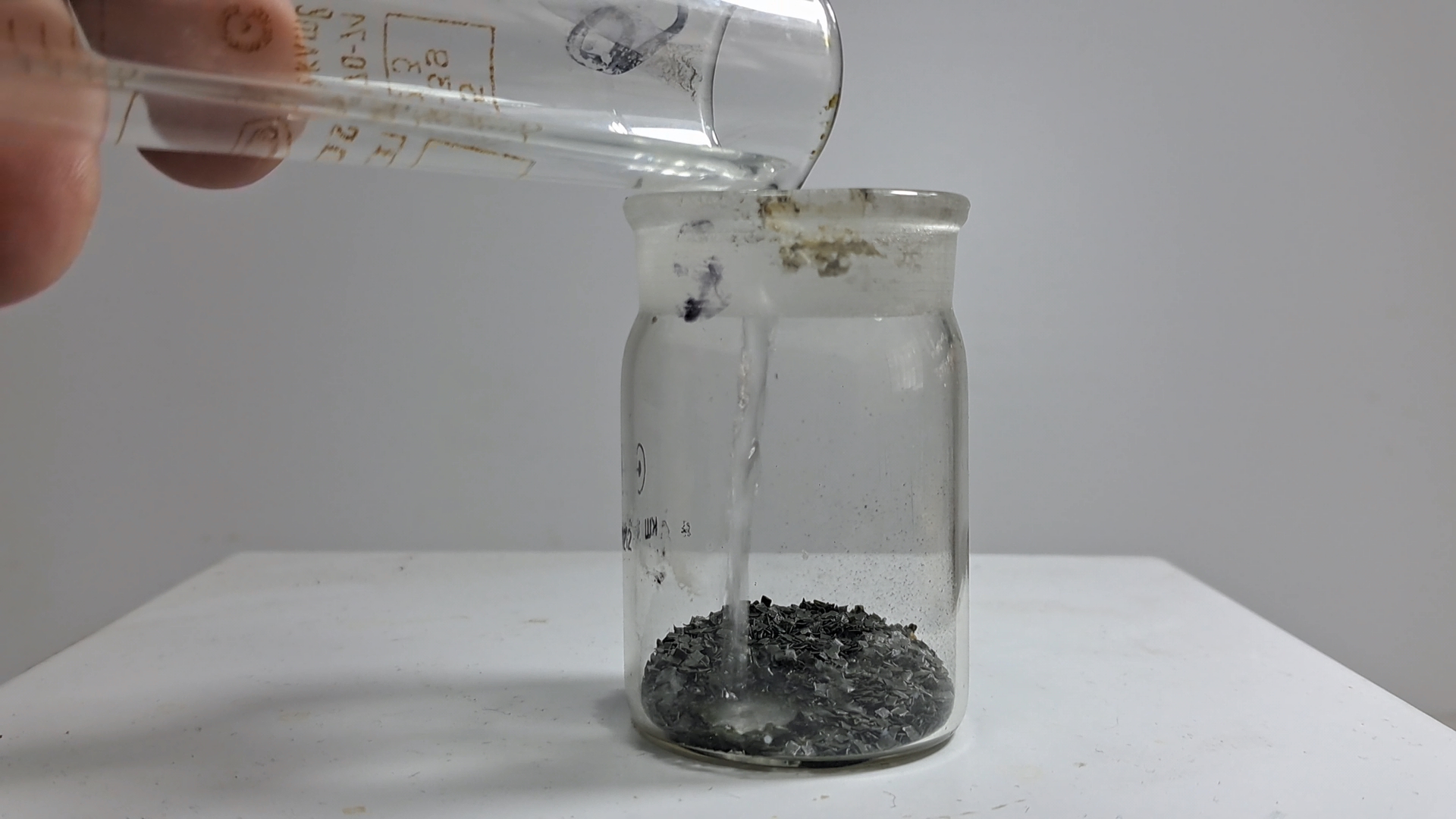
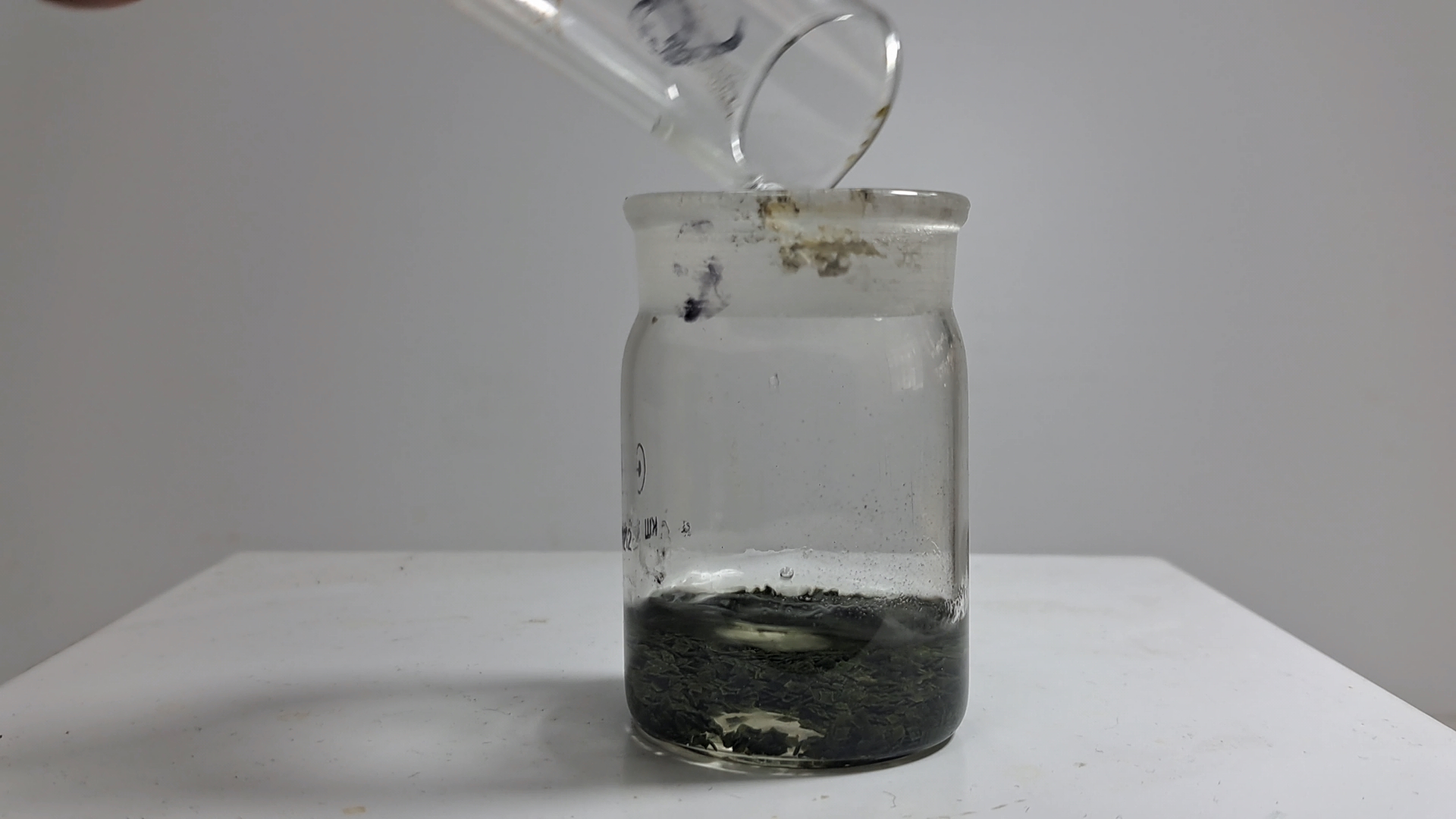
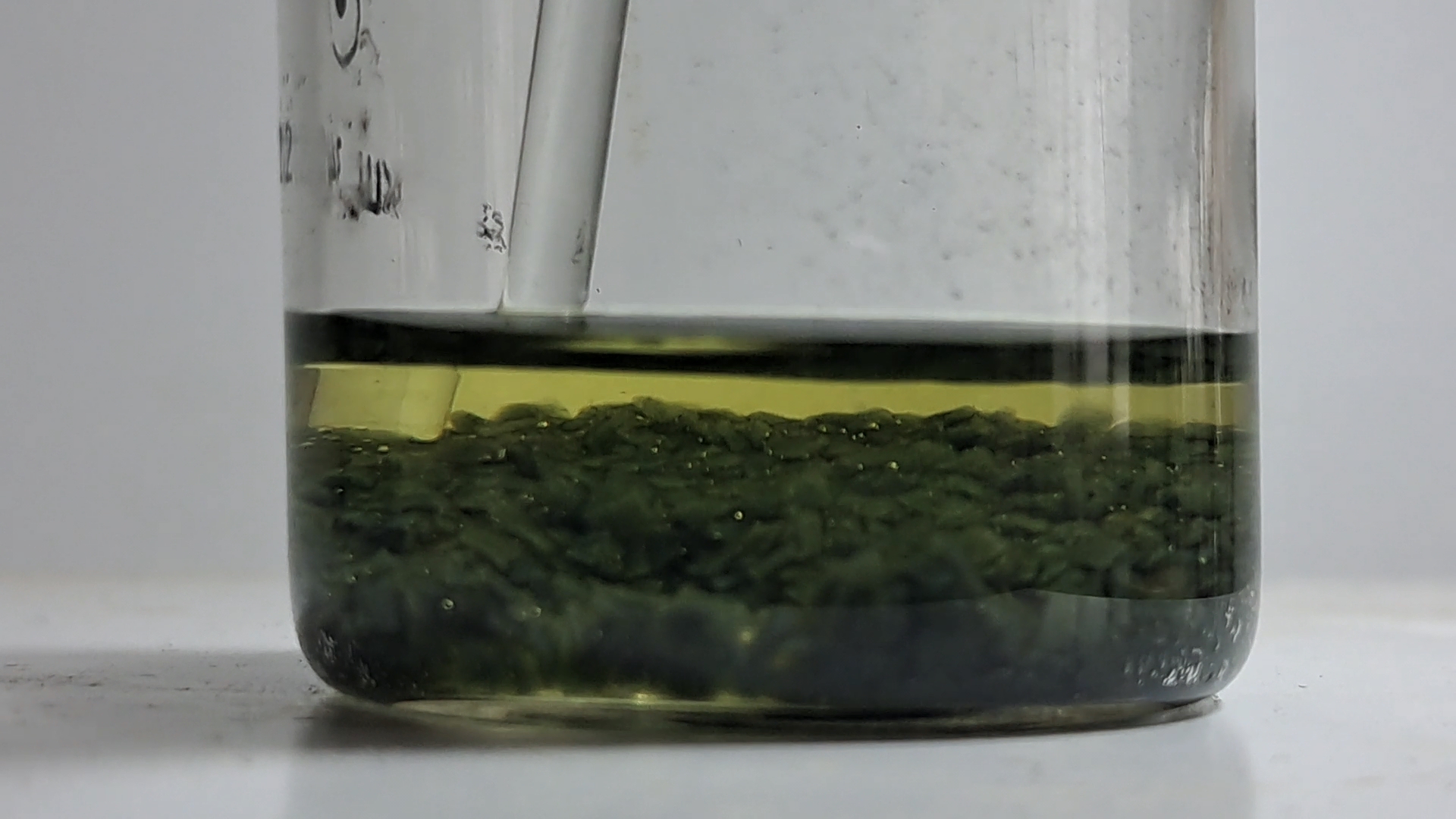
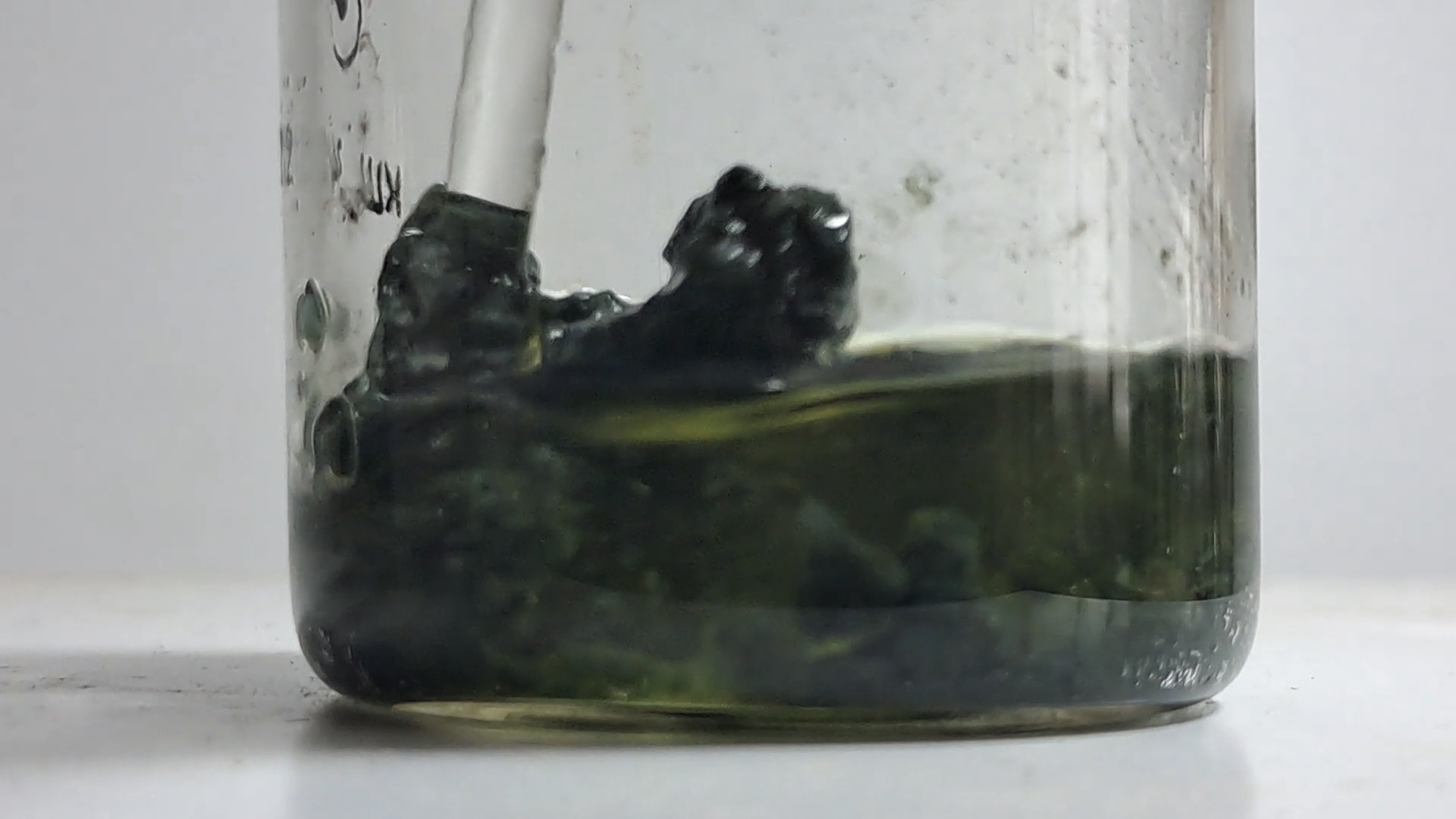
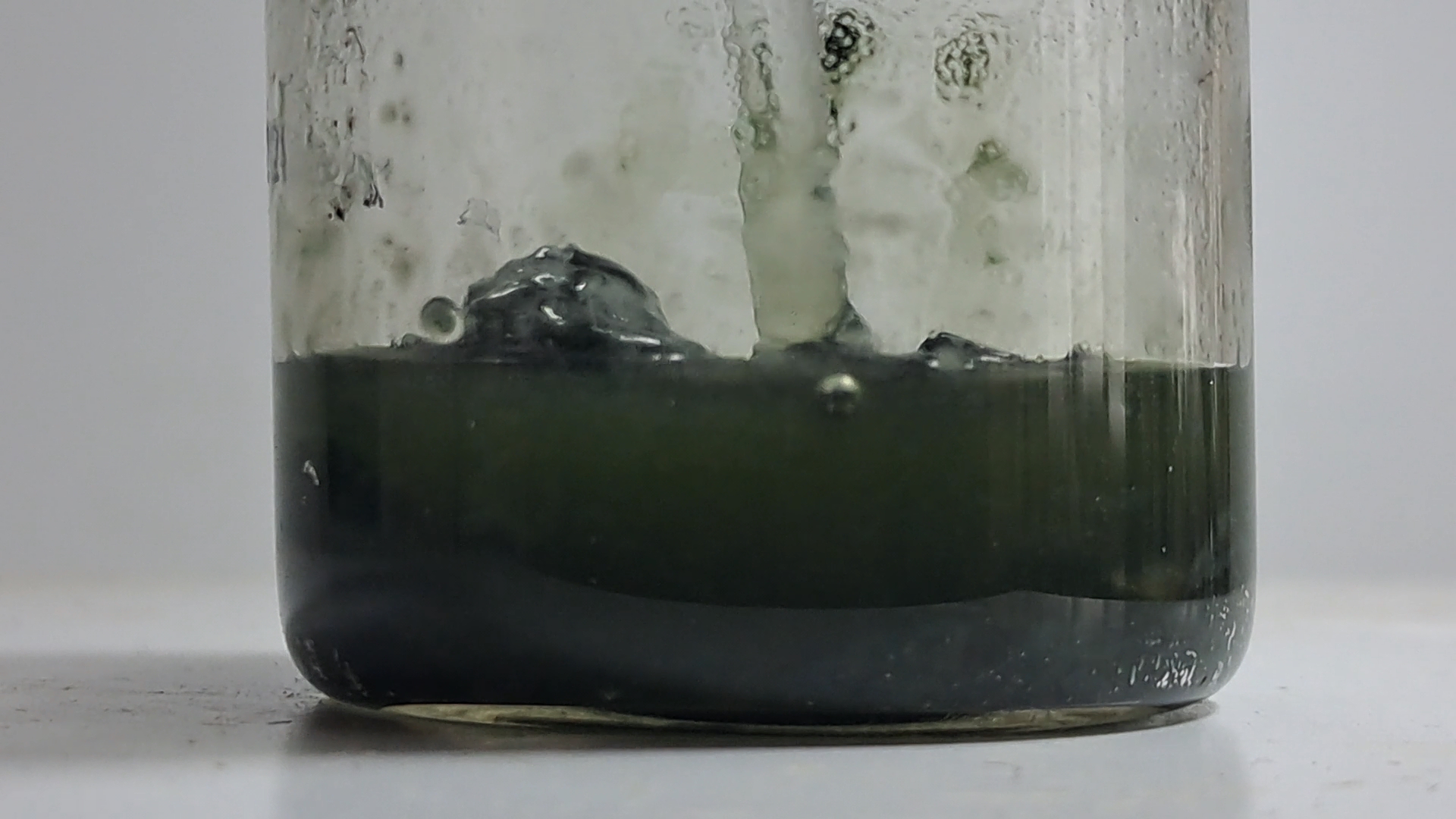
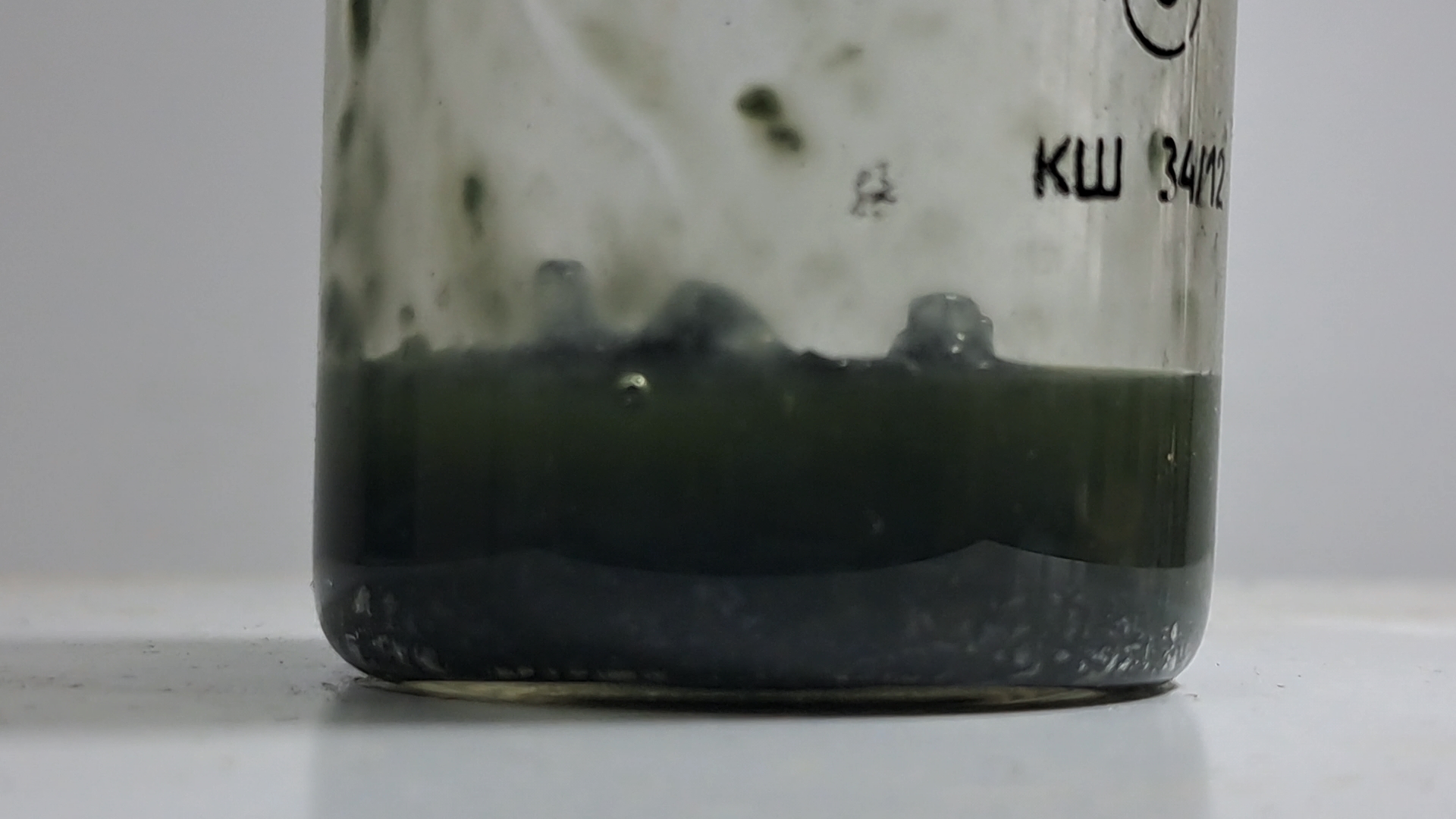
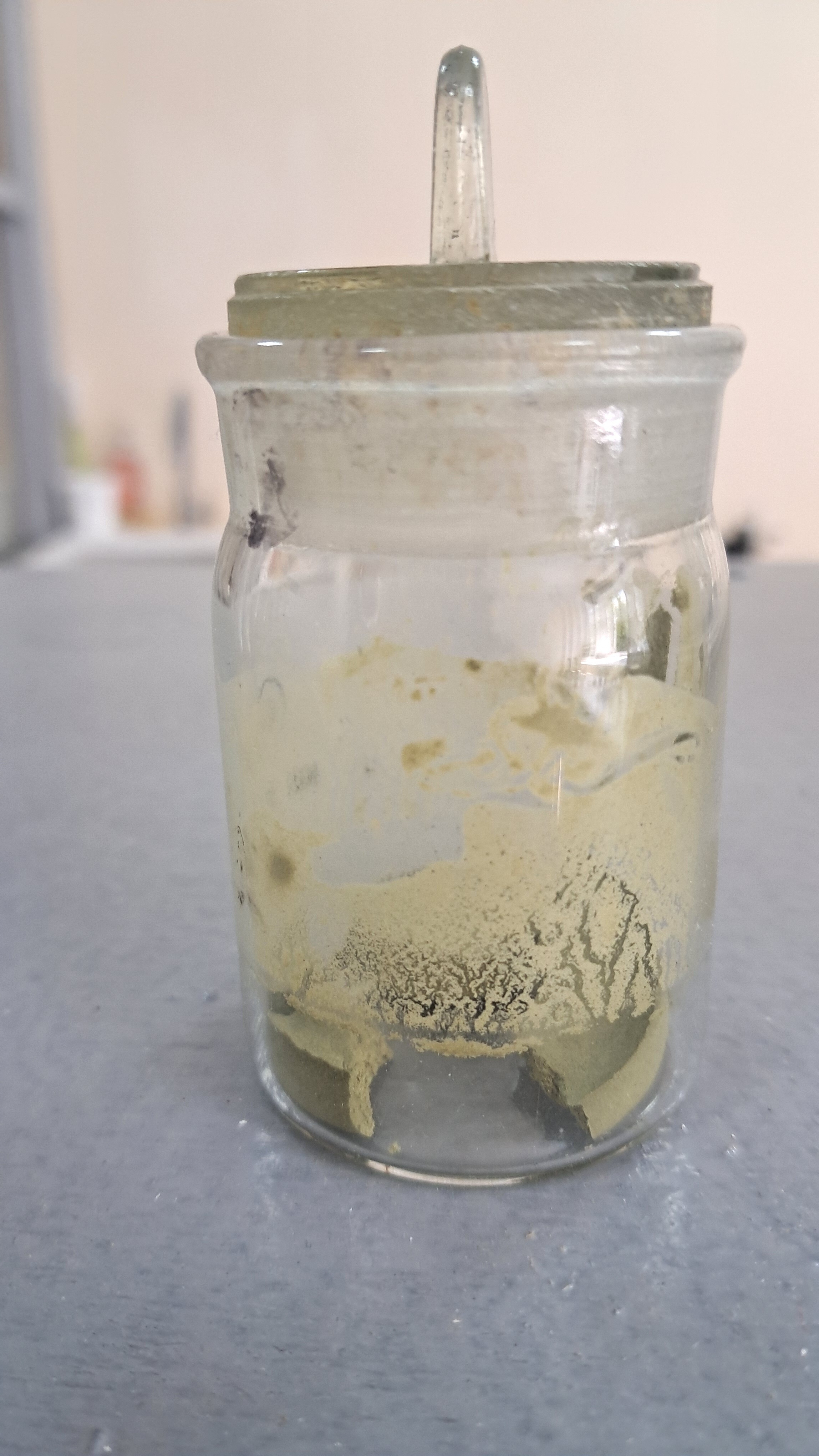
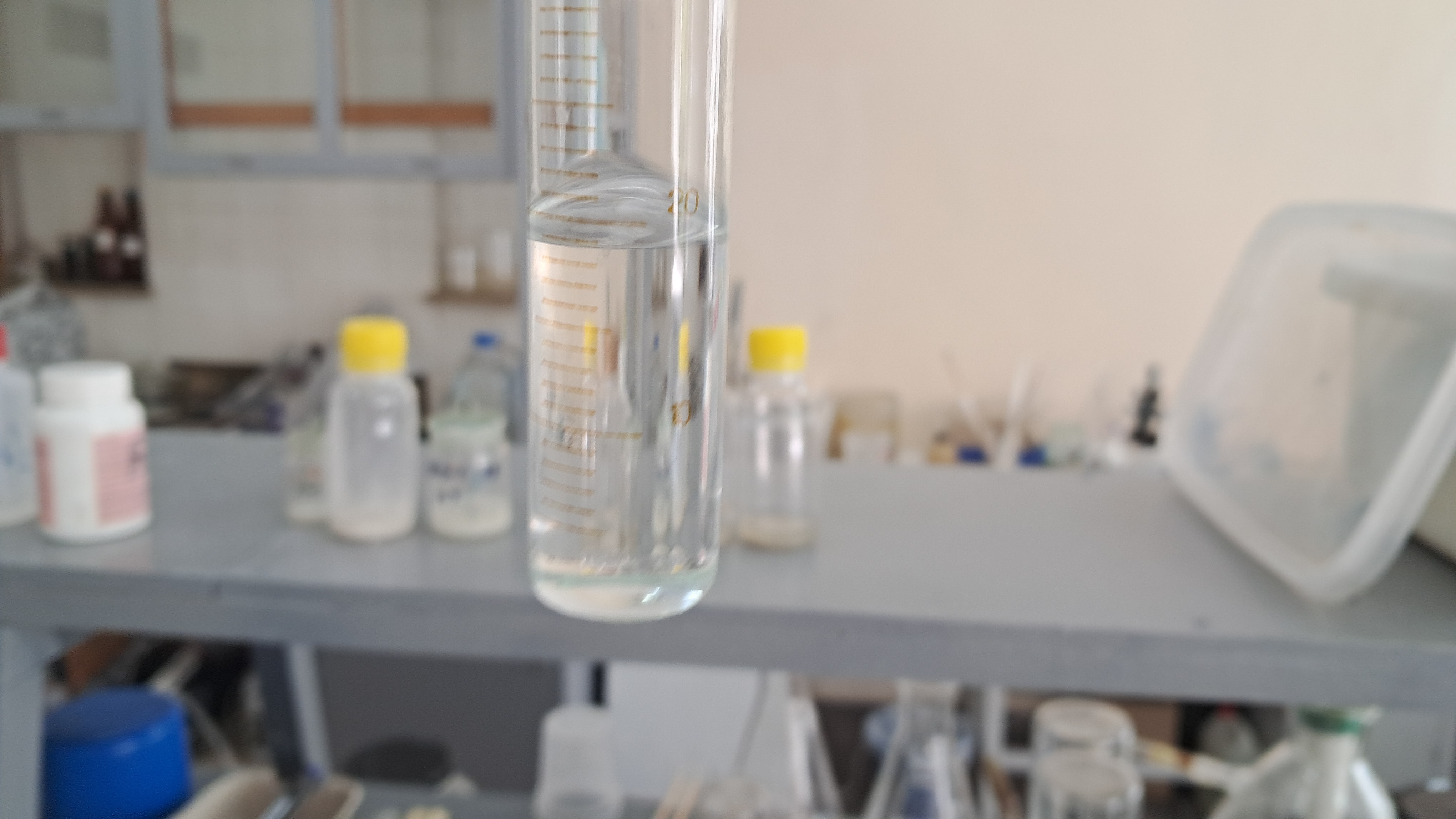
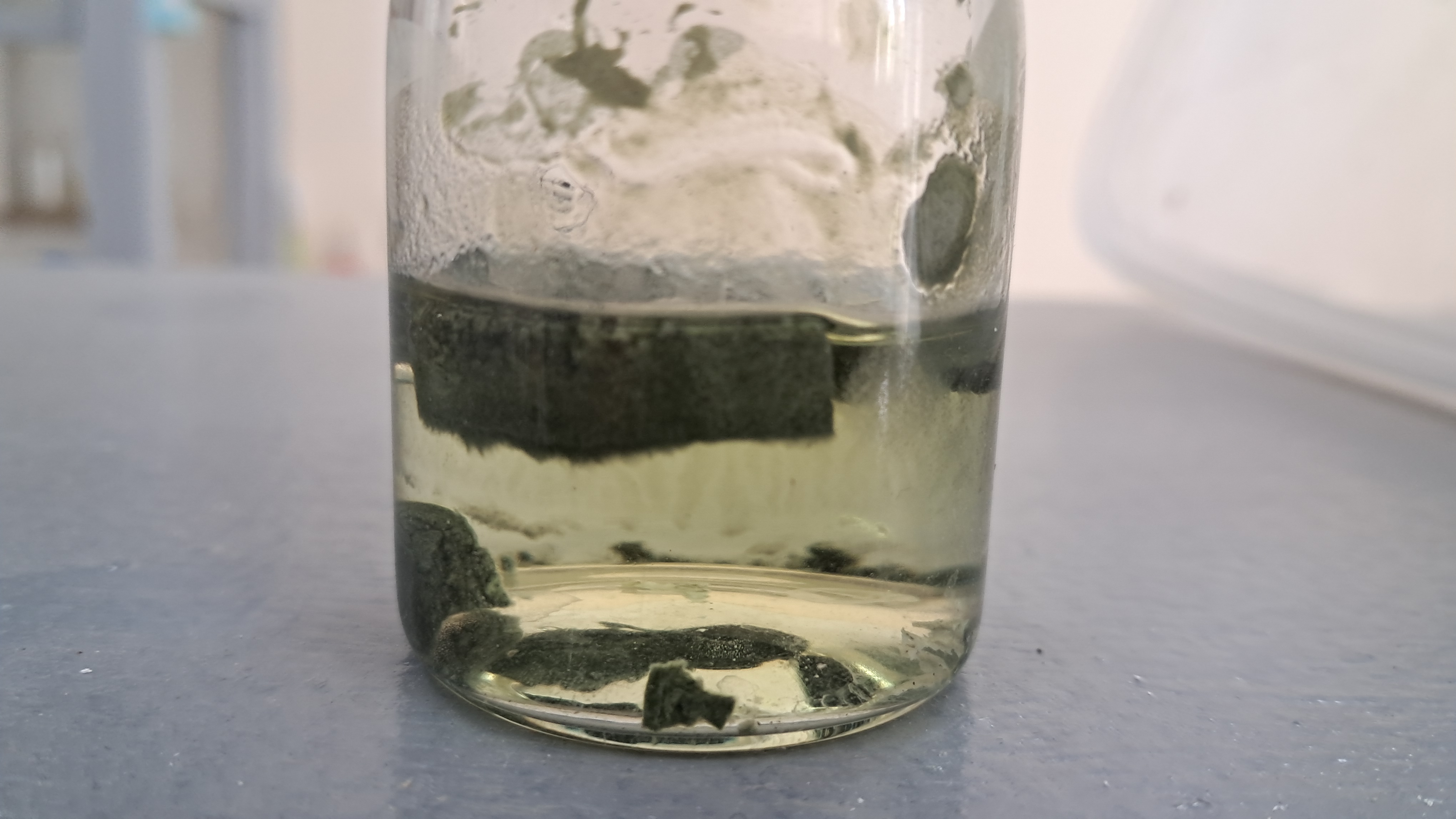
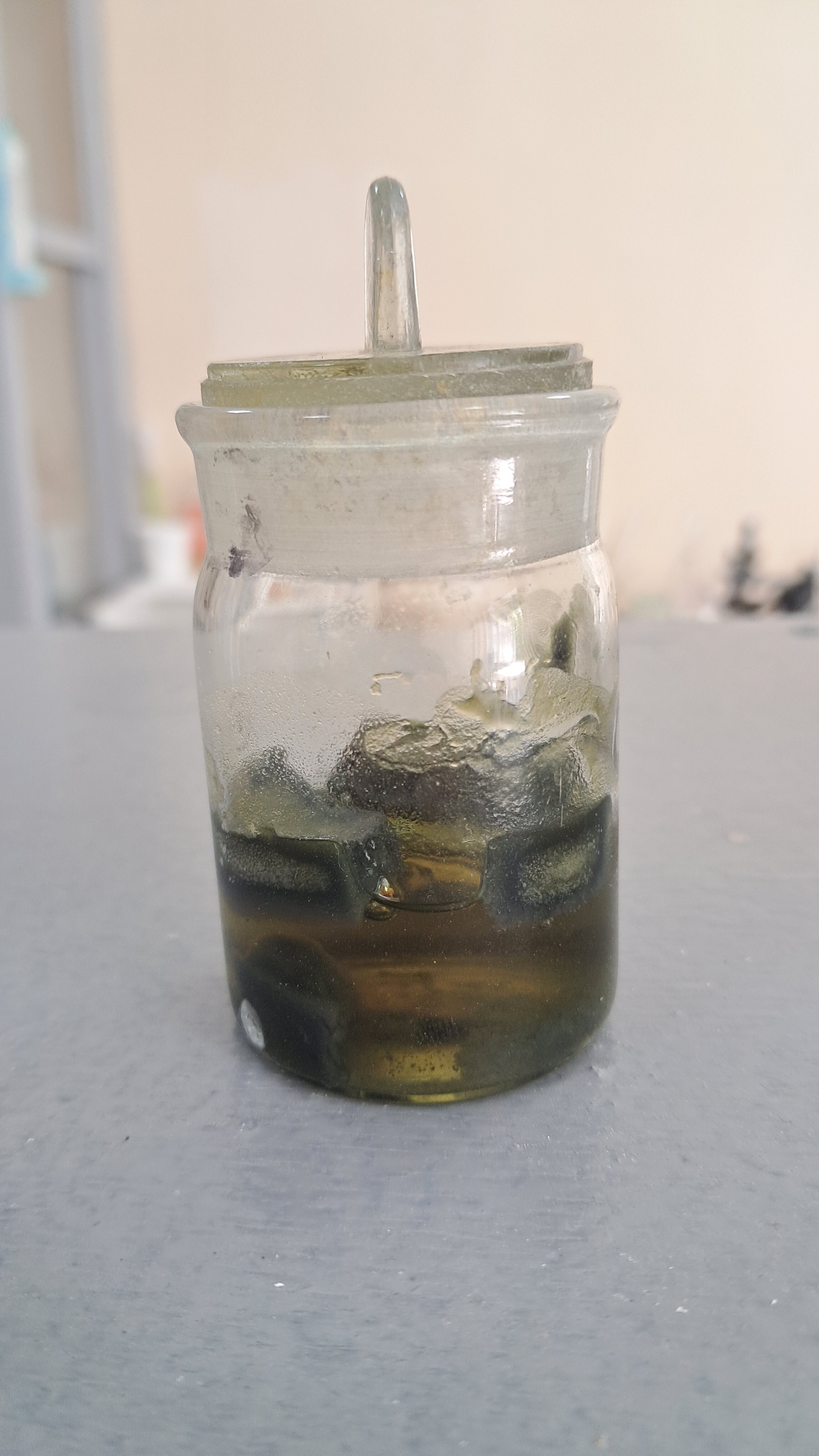
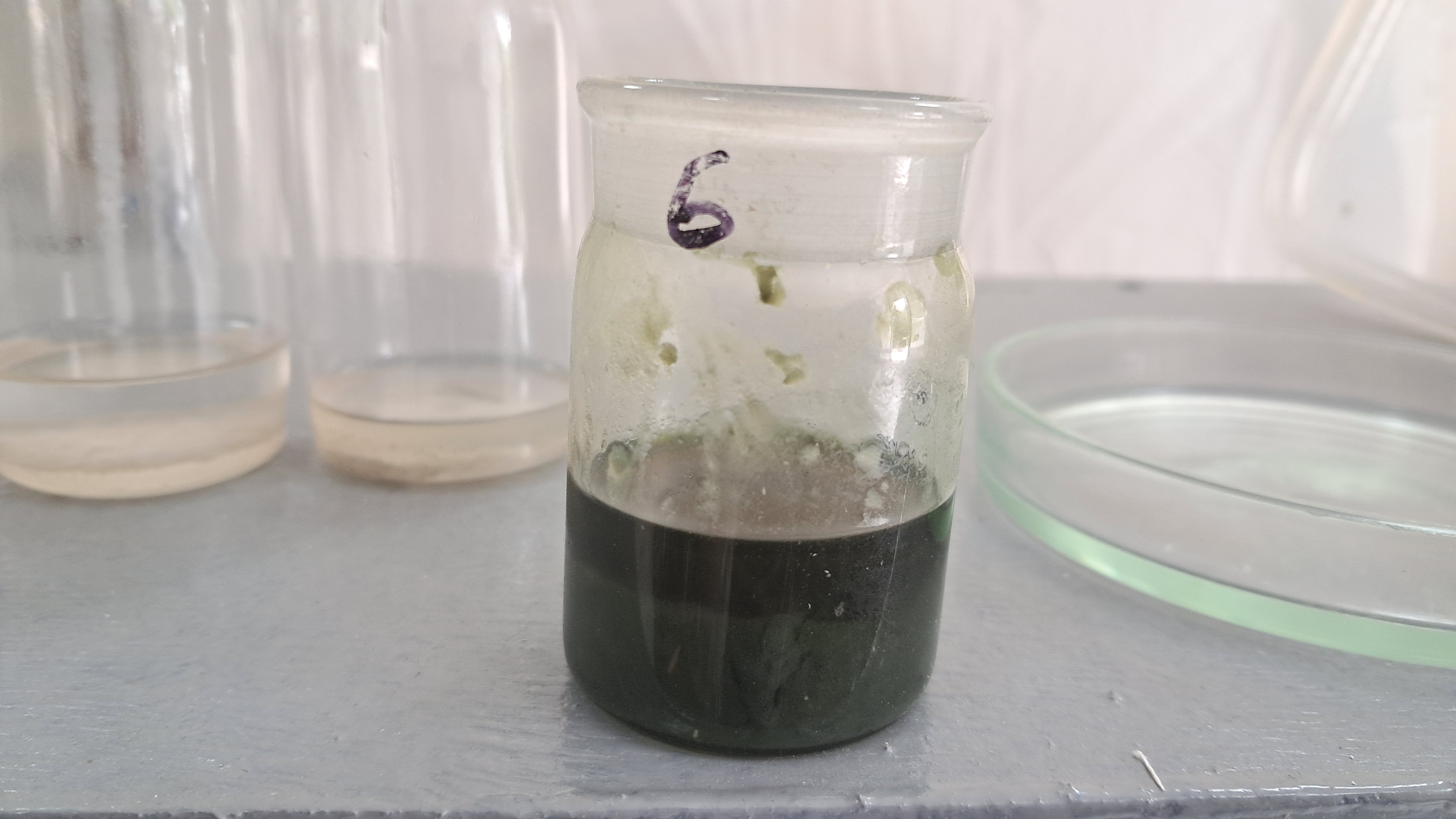
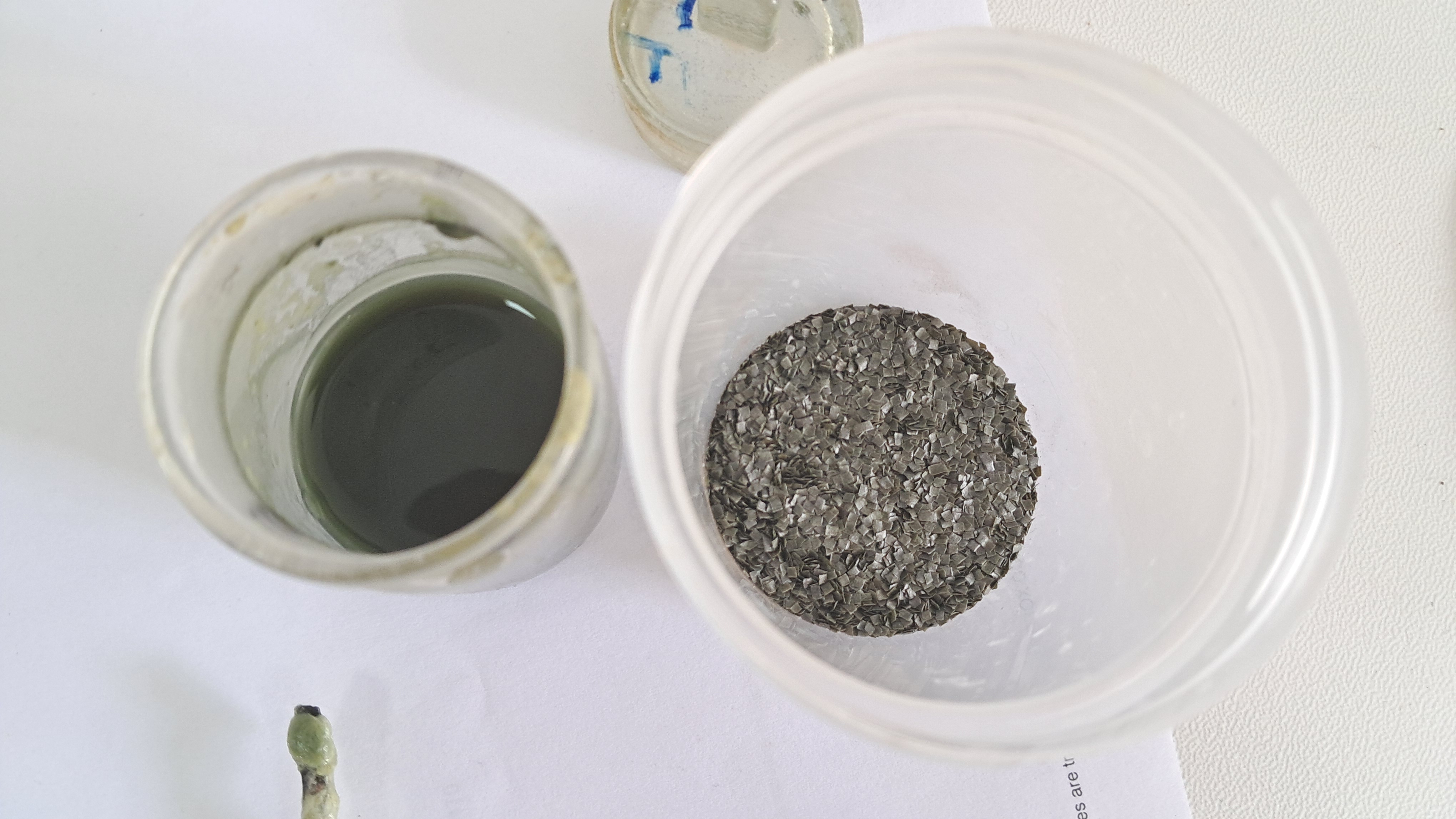
No one forces me to do organizational work, but it's the only chance to create a functioning chemistry laboratory. The laboratories that our institute currently has are simply shams. On paper, they exist: there are rooms, staff, and equipment. In reality, however, none of this truly exists. The rooms are in poor condition (no running water, a leaking roof, power outages, no heating, and no laboratory equipment). The existing equipment is outdated and broken. Employees come to work a couple of times a week and do nothing. Whether I'll ever be able to create a functioning chemistry laboratory is unknown, but for now, I'm devoting most of my time and energy to it. Despite my workload, I still manage to conduct chemistry experiments from time to time. Recently, I recalled my past experiments on creating an "artificial amoeba" [1]. The "amoeba" was created from a nitrocellulose solution, drops of which were placed on the surface of water. The resulting droplets moved like real, living amoebas. Acetone and an acetone substitute sold in our country under the name "Acetone+" were used as solvents. Unfortunately, acetone is subject to extremely stringent regulations in our country. In the past, it was a cheap, effective, and readily available solvent; now, however, acetone is practically banned, as if it weren't paint thinner but a mixture of heroin and fentanyl. The substitute "Acetone+" is sold without restrictions; however, its composition is a trade secret, so you can't be certain that tomorrow you'll buy the same liquid in a bottle with that name rather than something completely different. The solvent for creating the "amoeba" must be readily available, inexpensive, and have a known composition. Ideally, it should be an individual compound. I then tried using ethyl acetate, but the result was unsatisfactory. At first, the "amoeba" moved, but a solid film formed on the surface of the water, preventing further movement of the "microorganism." Ethyl acetate is only slightly soluble in water. I assumed this was the reason for the nitrocellulose film forming on the water's surface: the ethyl acetate spread across the surface, evaporated, and consequently left behind a nitrocellulose film. Perhaps my explanation was incorrect, but in any case, I stopped experimenting with ethyl acetate. I recently conducted experiments on the hydrolysis of esters [2], during which I learned the long-known fact that methyl acetate is miscible with water in almost unlimited proportions. In the presence of a small amount of methyl alcohol, water and methyl acetate are completely miscible. A few weeks later, I realized that methyl acetate could replace acetone in the "artificial amoeba" experiment. The solvent is inexpensive, readily available, and an individual compound. Unlike ethyl acetate, methyl acetate is highly soluble in water. For the reasons described above, a long time elapsed between the idea's inception and its implementation. Finally, the opportunity arose to begin the experiment. I weighed 2 g of "Falcon" ("Sokol") nitrocellulose smokeless powder into a glass weighing bottle and added 10 ml of methyl acetate. The solvent turned yellow. I mixed the contents of the bottle, sealed it with the glass lid, and left it overnight to dissolve. The next day, I had some urgent paperwork that lasted for more than a week. When I finally had time to resume the experiments, I discovered that the methyl acetate had evaporated because the weighing bottle's lid wasn't airtight. Solid, yellowish lumps had formed inside the bottle. I needed to add more methyl acetate to redissolve the nitrocellulose. My head was pounding after all the paperwork, so I forgot how much solvent I had originally used. I added 20 ml of methyl acetate, which was twice as much as before. I decided that the extra solvent wouldn't cause any problems. Moreover, if I had more unexpected organizational work the following day, the methyl acetate wouldn't have enough time to evaporate again. __________________________________________________ 1 Experiments with Nitrocellulose [link]. 2 Hydrolysis of Methyl Acetate, Ethyl Acetate, and Butyl Acetate [link]. |
|
Эксперименты с нитроцеллюлозой
Последние недели были такими, что о работе в лаборатории мне оставалось только мечтать. Я - химик-исследователь, но проводить исследовательскую работу в нашей стране сейчас почти нереально. Следовательно, чтобы оставаться химиком, приходится ставить и описывать химические эксперименты в образовательных целях. И даже это возможно далеко не всегда. По ночам - русские бомбардировки, днем - много организационной и административной работы. Я - крайний интроверт, поэтому иметь по 10-20 телефонных разговоров и переписок в день для меня довольно сложно. Раньше у меня мог быть 1 разговор по телефону за несколько дней, а то и за неделю.
Вступление - Часть 1 Делать организационную работу никто не заставляет, но это единственный шанс создать работающую химическую лабораторию. Лаборатории, которые есть в нашем институте на данный момент, - просто имитация и бутафория. На бумаге они существуют: есть помещения, сотрудники и оборудование. Реально же всего этого нет. Помещения находятся в непригодном для работы состоянии (нет воды, течет крыша, проблемы с электроснабжением, нет отопления или нет лабораторного оборудования). Оборудование, которое все же есть, - устаревшее и поломанное. Сотрудники ходят на работу пару раз в неделю и ничего там не делают. Удастся ли мне создать работающую химическую лабораторию - неизвестно, но сейчас я трачу на это дело большую часть времени и сил. И, несмотря на загруженность, хотя бы иногда провожу химические эксперименты. Недавно вспомнил прошлые эксперименты по созданию "рукотворной амебы" [1]. "Амеба" образовывалась из раствора нитроцеллюлозы, капли которого были помещены на поверхность воды. В результате капли двигались, словно настоящие живые амебы. В качестве растворителей были использованы ацетон и заменитель ацетона, который продается у нас под названием "Ацетон+". К сожалению, ацетон в нашей стране находится под строжайшими ограничениями. В прошлом это был дешевый, эффективный и общедоступный растворитель; сейчас же ацетон практически запрещен, словно это не растворитель для краски, а смесь героина с фентаналом. Заменитель "Ацетон+" продается без ограничений, но его состав - коммерческая тайна, поэтому нельзя быть уверенным, что завтра в бутылке с этим названием вам продадут такую же самую жидкость, а не что-то совсем другое. Растворитель для создания "амебы" должен быть доступным, дешевым и иметь четко известный состав. Хорошо, если такой растворитель представляет собой индивидуальное вещество. Тогда я попробовал использовать этилацетат, результат оказался неудовлетворительным - сначала "амеба" двигалась, но на поверхности воды образовалась твердая пленка, которая заблокировала дальнейшие движения "микроорганизма". Этилацетат растворим в воде лишь слегка - я предположил, что это и было причиной образования пленки нитроцеллюлозы на поверхности воды: этилацетат растекся по поверхности, испарился, в результате образовывалась пленка нитроцеллюлозы. Возможно, мое объяснение было неверным, в любом сучае, я прекратил эксперименты с этилацетатом. Недавно я проводил эксперименты по гидролизу сложных эфиров [2], в процессе которых я узнал давно известный факт, что метилацетат смешивается с водой почти в неограниченных пропорциях. А в присутствии небольшого количества метилового спирта, вода и метилацетат смешиваются без ограничений. Через несколько недель я осознал, что метилацетат может заменить ацетон в эксперименте "рукотворная амеба": растворитель дешевый, продается без ограничений и является индивидуальным веществом. В отличие от этилацетата, метилацетат хорошо растворим в воде. По описанным выше причинам, от рождения идеи до ее реализации прошло много времени. Наконец, выпала возможность начать эксперимент. Взвесил в стеклянном бюксе 2 г нитроцеллюлозного пороха "Сокол", добавил 10 мл метилацетата. Растворитель окрасился в желтый цвет. Перемешал содержимое бюкса, закрыл стеклянной крышкой и оставил на ночь растворяться. На следующий день появилась срочная бумажная работа, которая продолжалась больше недели. Когда выпало время продолжить эксперимент, обнаружил, что метилацетат испарился, поскольку крышка бюкса оказалось негерметивной. Внутри бюкса образовались твердые желтоватые комки. Необходимо было добавить новую порцию метилацетата, чтобы повторно растворить нитроцеллюлозу. После бумажной работы сильно болела голова, поэтому я не помнил, какой объем растворителя необходимо было использовать. Прилил 20 мл метилацетата, что оказалось вдвое большим количеством, чем в прошлый раз. Решил, что избыточный растворитель не повредит. Более того, если завтра опять неожиданно появится организационная работа, то в этот раз метилацетат не успеет испариться. |
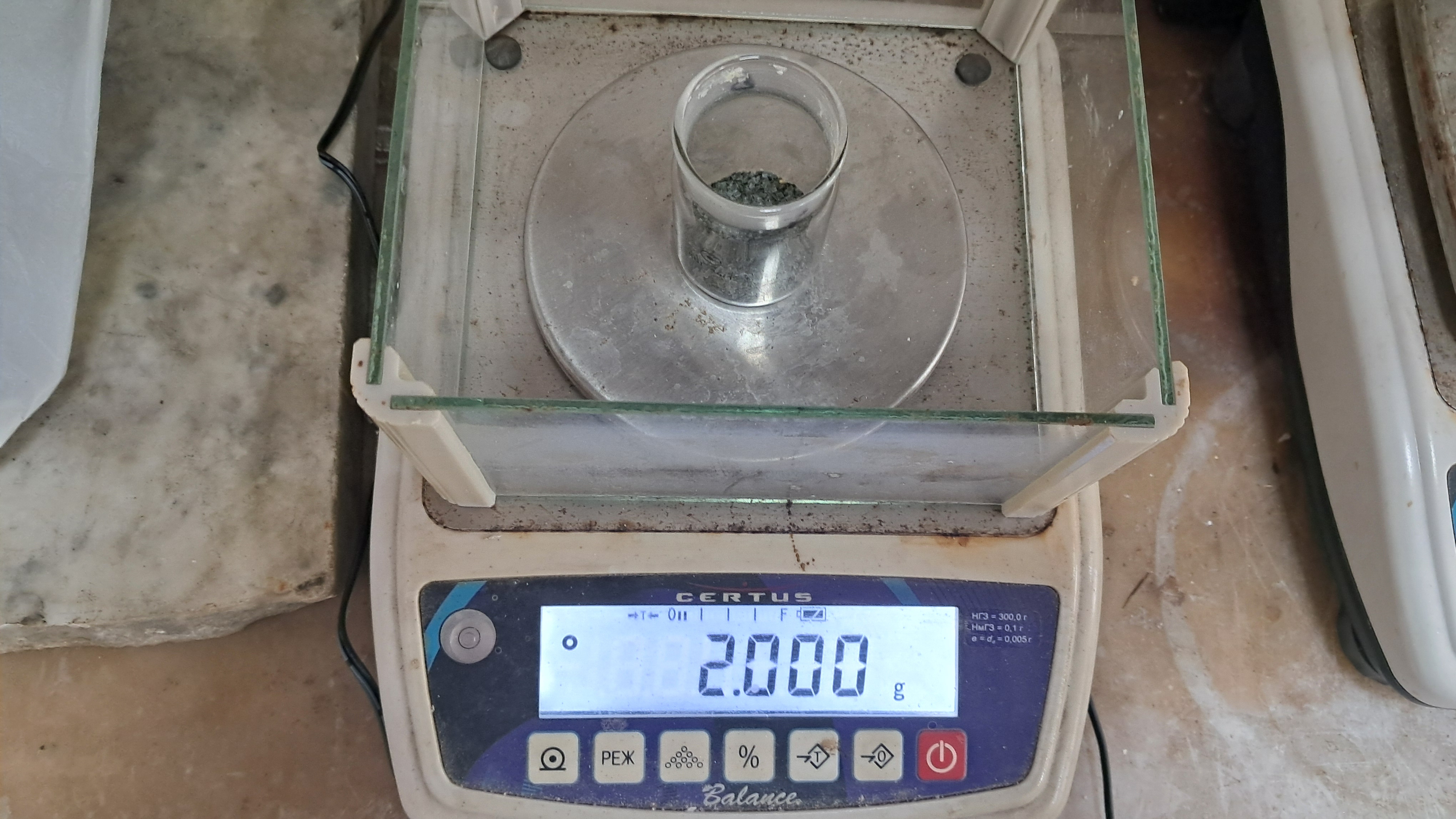
Nitrocellulose smokeless powder and methyl acetate |
|
|
|
|
|
|
|
|
|
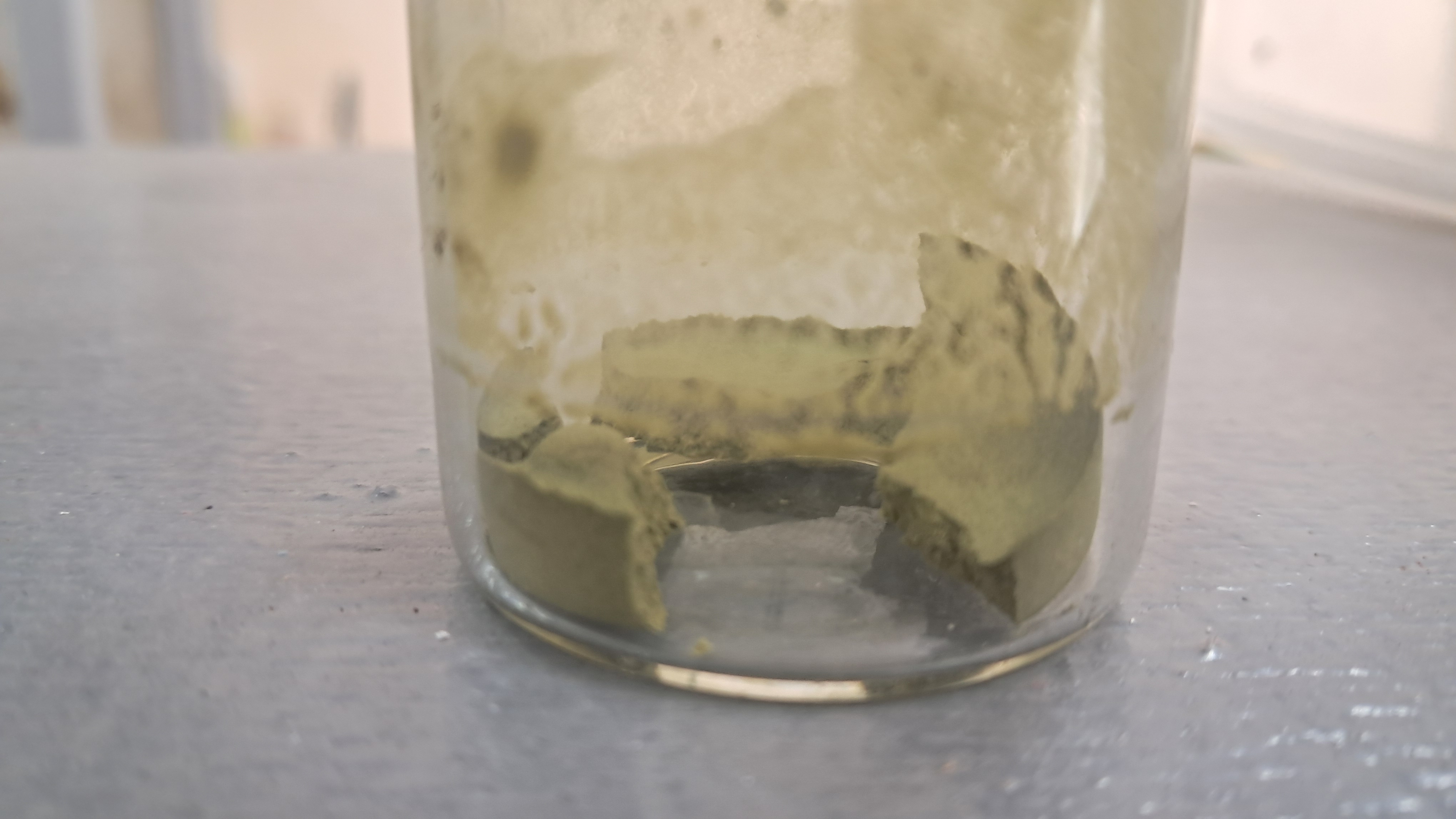
After more than a week of paperwork... |
|
|
|
|
|
|
Having noticed a mistake in the text, allocate it and press Ctrl-Enter
Nitrocellulose Amoeba and Nitrocellulose Worm - Part 2
I finished this experiment a few weeks ago. Afterward, I even managed to perform another interesting experiment, this time with a universal indicator. However, I'm only describing the results now because I previously lacked the time and energy. During this period, many different events occurred in the laboratory - some pleasant, some unpleasant, but all of them exciting. After I began writing this part of the article, our city was subjected to the heaviest ballistic missile bombardment since the beginning of the war twelve years ago. I don't yet know what has happened to our laboratory, as today is Sunday. Blast waves have damaged our building twice before. I'll describe these events another time; otherwise, instead of an article about experiments with nitrocellulose, this will turn into a "Treatise on the Difficult but Interesting Life of Chemists". I already have a tendency to go too far, mentioning various incidents from our work rather too often in my experimental articles.
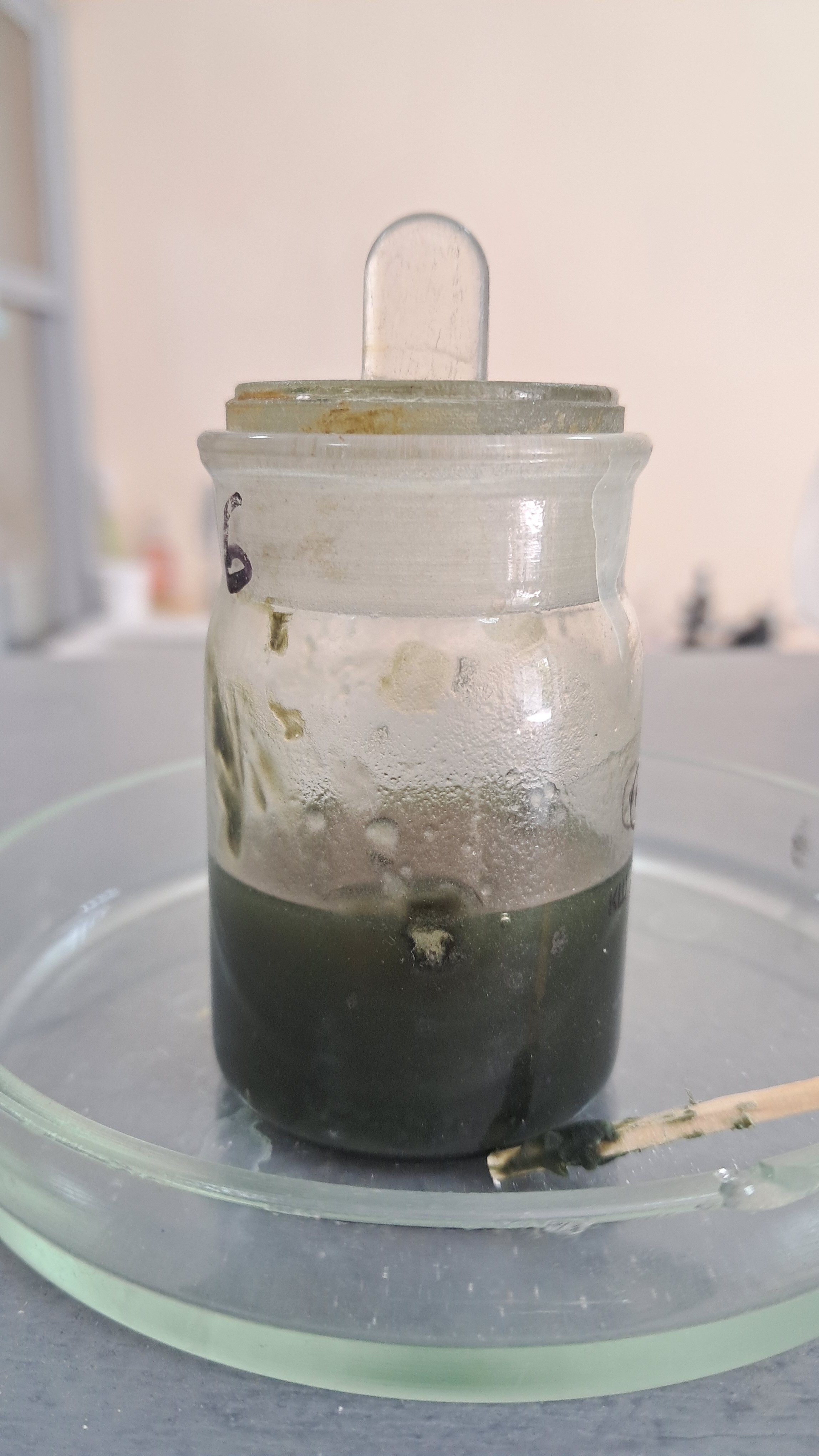
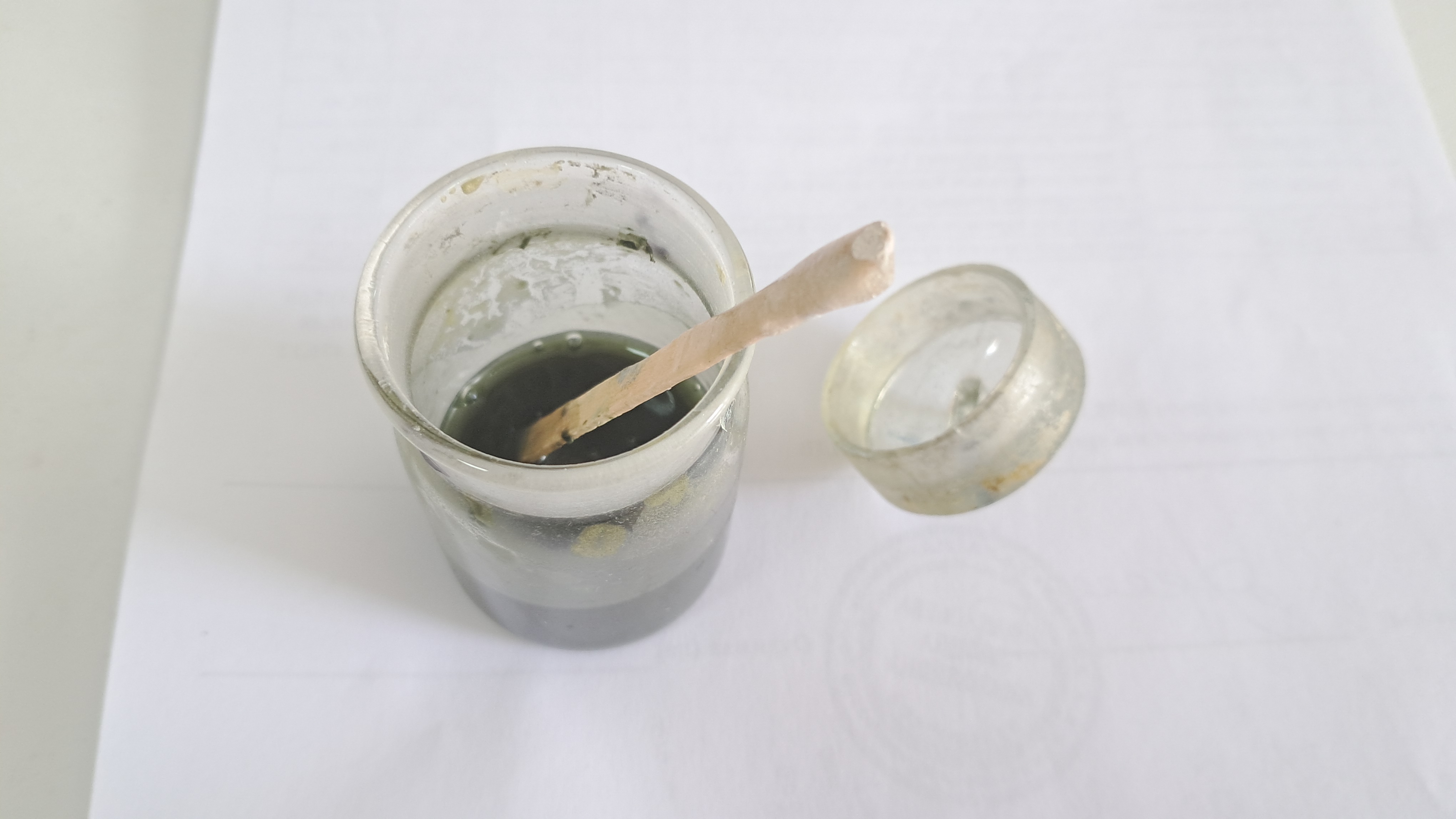
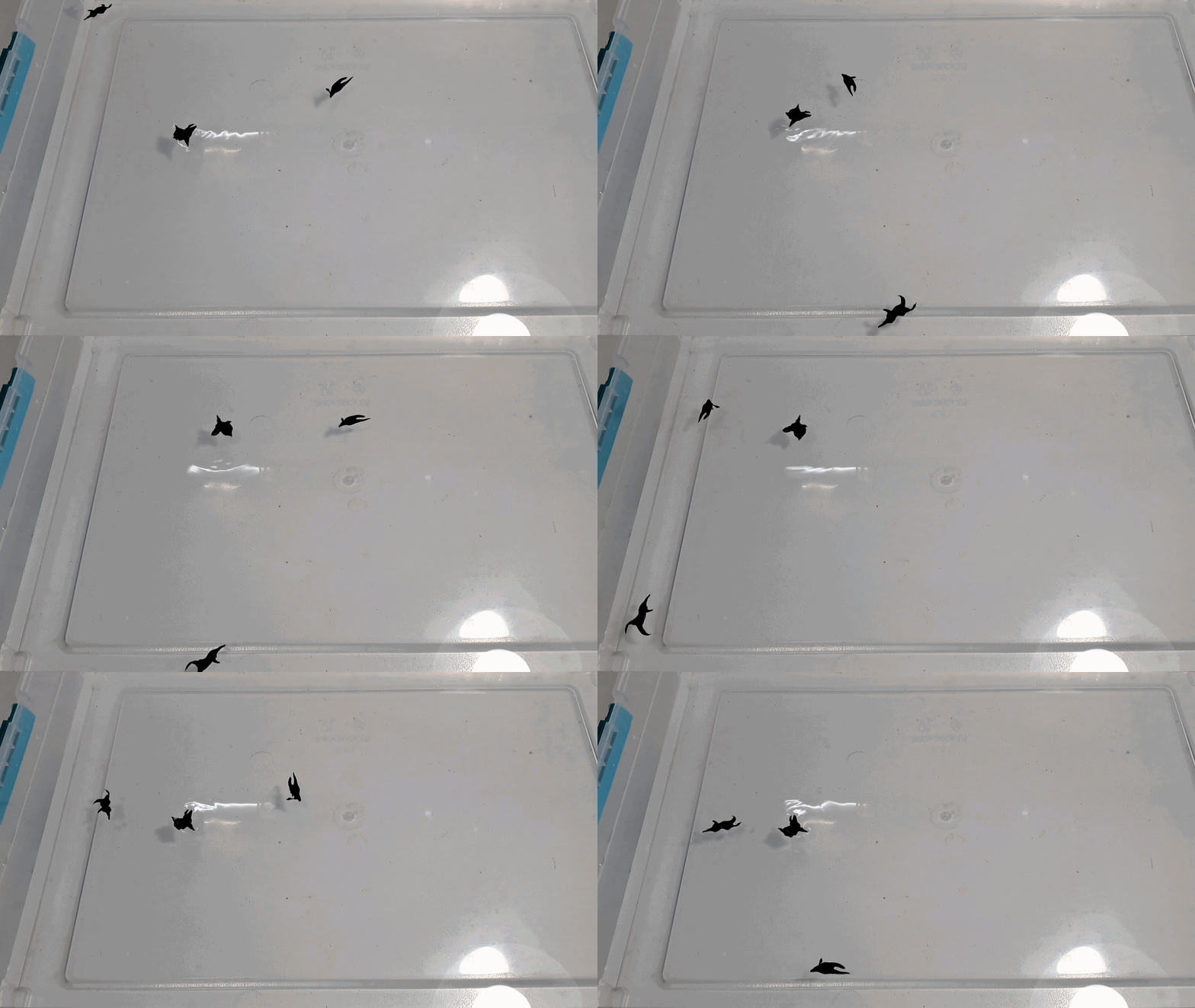
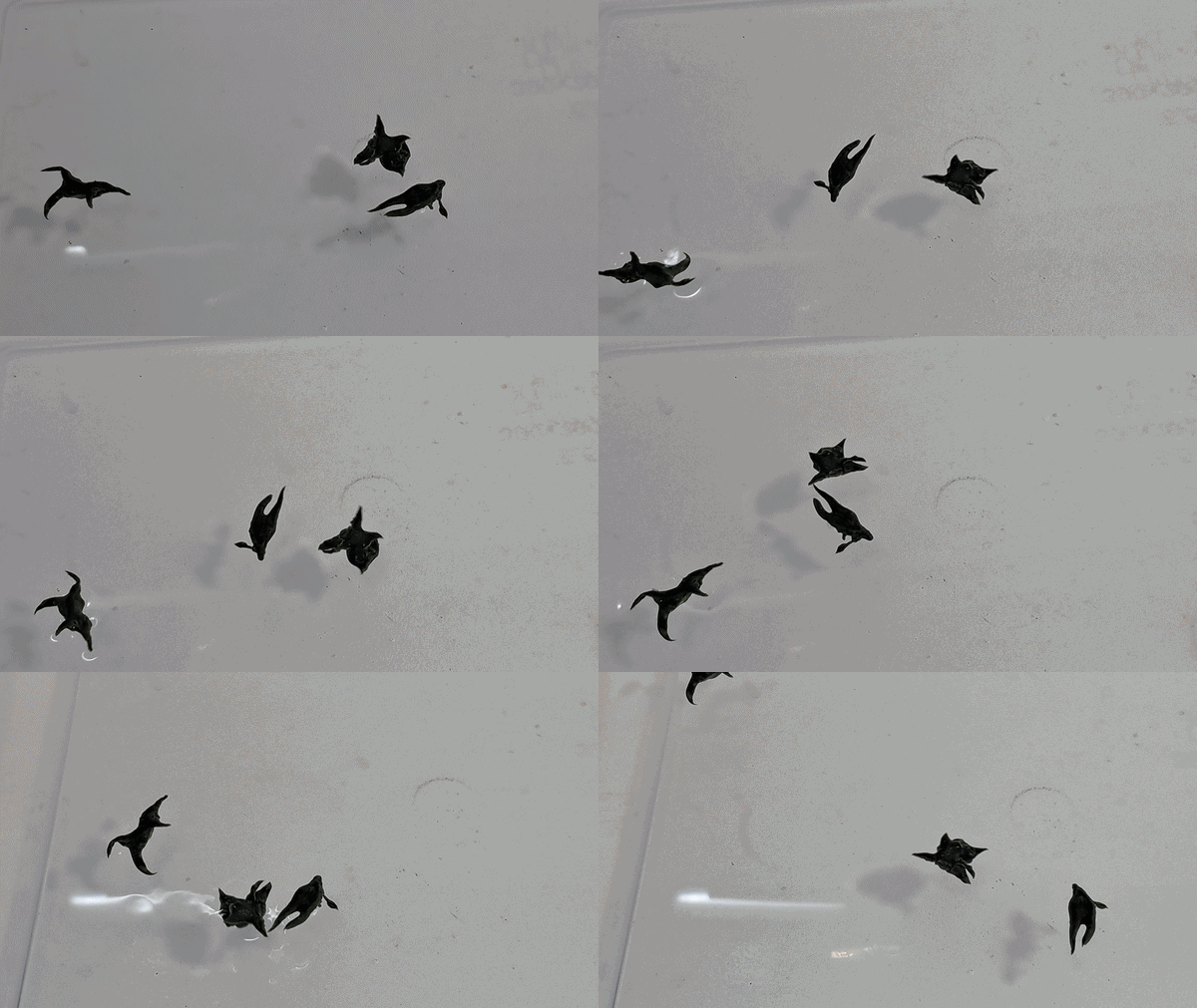
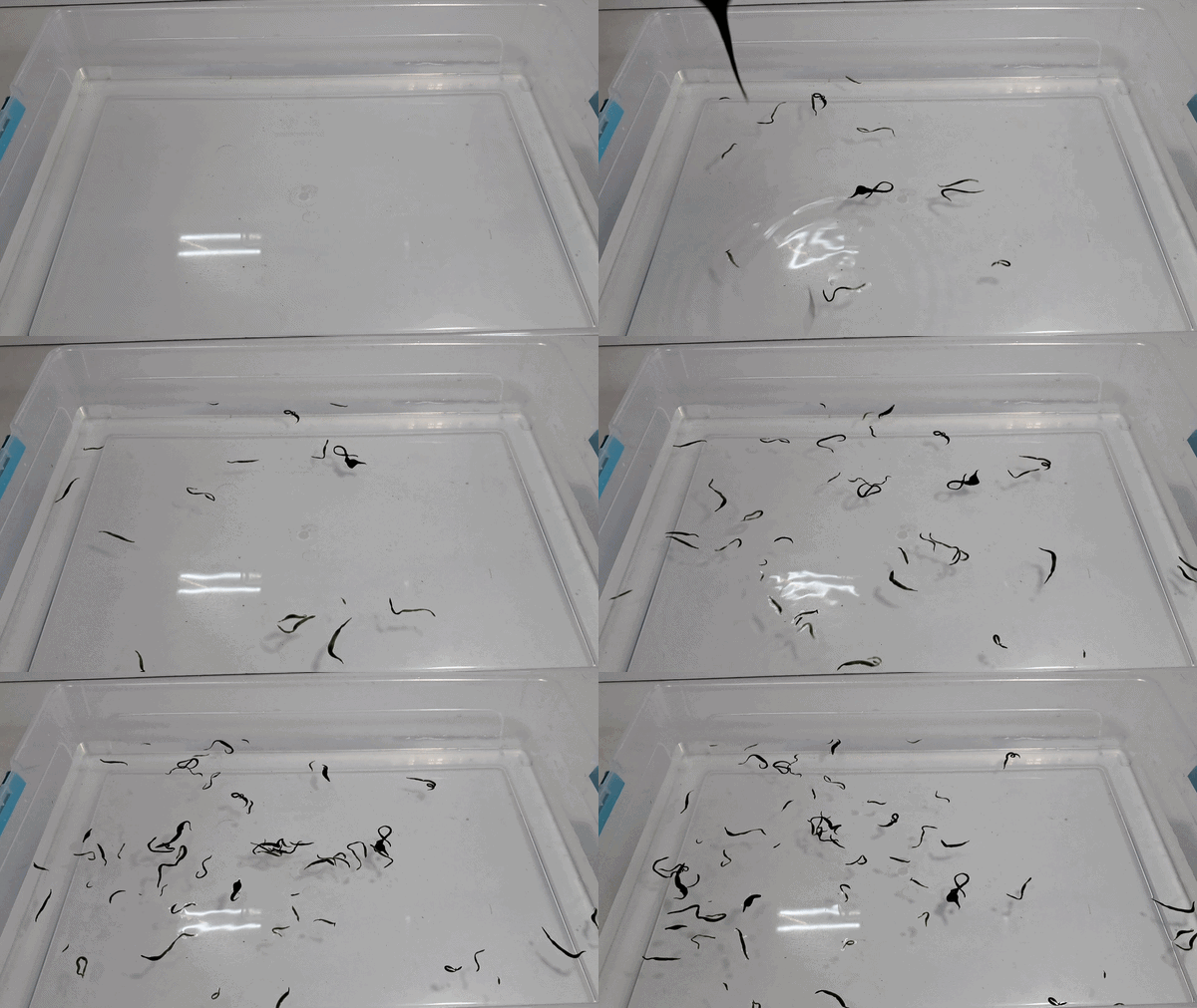
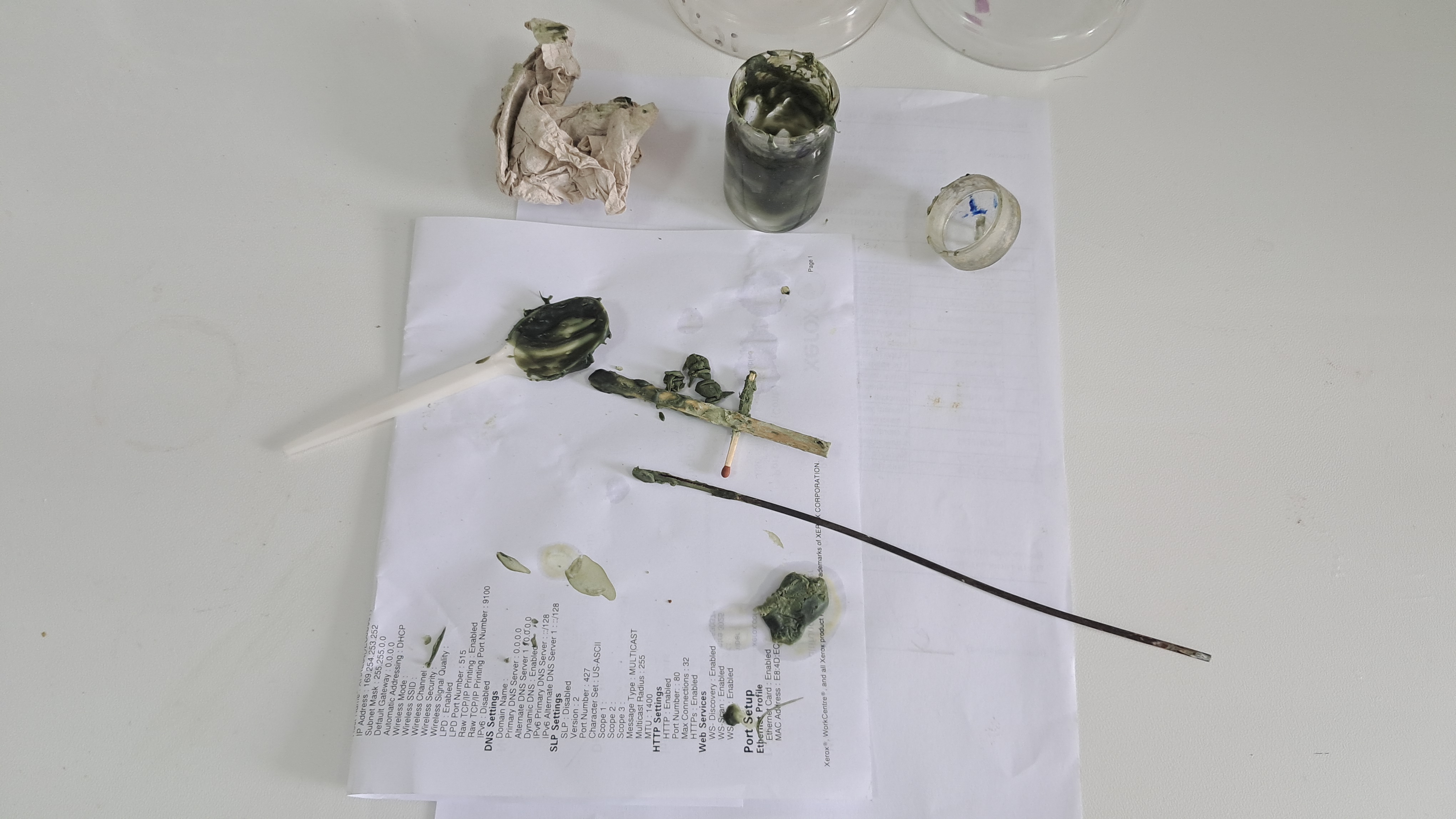
Нитроцеллюлозная амеба и нитроцеллюлозный червячок - Часть 2 So, the experiment. Two days passed after I added 20 ml of methyl acetate. The solid nitrocellulose inside the weighing bottle had turned into a dark-green, viscous liquid. The liquid was not homogeneous, so I stirred it with a wooden stick. I poured water into a large tray and placed a droplet of the nitrocellulose solution onto its surface. For the first few seconds, the drop moved rapidly across the water like an amoeba or a water strider. However, part of the drop spread across the surface as a thin layer, forming a nitrocellulose film that blocked the movement of the rest of the drop. The same thing happened with the subsequent drops. Once the entire surface of the water in the tray was covered with a film, newly added drops no longer spread across the surface, but they no longer moved either. Using a stick, I managed to free some of the "amoebae" from the nitrocellulose film, causing them to move rapidly. However, this movement was short-lived - the "amoebae" soon became trapped again. I had already observed a similar effect with solutions of nitrocellulose in acetone and in an acetone substitute, not to mention a solution of nitrocellulose in ethyl acetate. The cause was the nitrocellulose concentration being too low and, consequently, the solution's viscosity also being too low. I added another 2 g of smokeless powder of the same brand to the solution in the weighing bottle, stirred it, and left it for half an hour. The solution's viscosity increased significantly. Using a stick, I transferred several portions of the solution onto the surface of the water in the tray. The first portion took the form of a worm, which barely moved, so I had to remove it from the tray. However, the next three portions assumed amoeba-like shapes and began moving around the surface of the water, spinning as they moved. This continued for several minutes. Deciding that the solution's viscosity was now too high, I added a small amount of methyl acetate to the weighing bottle and stirred the liquid vigorously. Then I dipped the stick into the resulting nitrocellulose solution, removed it, and attempted to drip the solution onto the surface of the water. Instead of droplets, I obtained "short segments of a stream" that resembled worms. Upon reaching the surface of the water, the "worms" began moving rapidly. Soon, the entire surface of the water was swarming with moving "worms," some of them even spinning. Unlike real worms, the artificial "worms" barely squirmed, but no one had promised a perfect resemblance to their living counterparts. I added another portion of methyl acetate to the nitrocellulose solution and stirred it. Then I repeated the experiment. This time, along with the small, fast-moving "worms," several large, shapeless droplets of the solution also formed. These initially moved, but then developed a thin film around themselves, which slowed the movement of both the droplets and the "worms." I had to remove the film with a stick. The last portion of solvent turned out to be unnecessary - the viscosity of the nitrocellulose solution had once again become too low. Although I haven't tested this, I'm confident that other sources of this polymer, such as nitrated cotton wool or celluloid, could also be used in this experiment instead of nitrocellulose smokeless powder. Thus, a solution of nitrocellulose in methyl acetate makes it possible to imitate the movements of a living amoeba and living worms on the surface of water. |
Nitrocellulose Amoeba and Nitrocellulose Worm |
|
|
|
|
|
|
