Chemistry and Chemists № 2 2026
Journal of Chemists-Enthusiasts
| Content | Chemistry experiments - video | Physics experiments - video | Home Page - Chemistry and Chemists |
|
Chemistry and Chemists № 2 2026 Journal of Chemists-Enthusiasts |
Tea, Iron Cations, Tap Water, Vacuum Pumps, and a Bunsen Flask - pt.1, 2 Chemist |
|
Having noticed a mistake in the text, allocate it and press Ctrl-Enter
Tea in the New Laboratory and Water Quality - Part 1
I have been working on setting up this laboratory for a long time, and the process is not yet complete. As often happens, we had to start working in the laboratory before it was fully finished. Tap water and sewage connections were recently installed. Electricity and exhaust ventilation were hooked up - even wireless internet was connected - yet the intake ventilation system was never installed.
Чай, катионы железа, водопроводная вода, вакуумные насосы и колба Бунзена Чай в новой лаборатории и качество воды - Часть 1 The contractors submitted documents to the institute's management stating that all construction work had been completed. Through an oversight, management signed the papers and paid for all the agreed-upon work. Consequently, the builders left, leaving behind a host of unfinished tasks. The missing intake ventilation is one of them. When I first turned on the fume hood, a veritable dust storm kicked up in the room. At first, we thought the electricians had wired the exhaust motor incorrectly: instead of extracting air from the laboratory, it was blowing air in, forcing all the dust accumulated in the ventilation ducts into the room. It turned out, however, that the motor was wired correctly. The problem was simply that the laboratory lacked air-intake ducts. As a result, air was being sucked in through a utility channel in the floor intended for technical lines. Along the way, the airflow picked up dust and even large chunks of plaster. 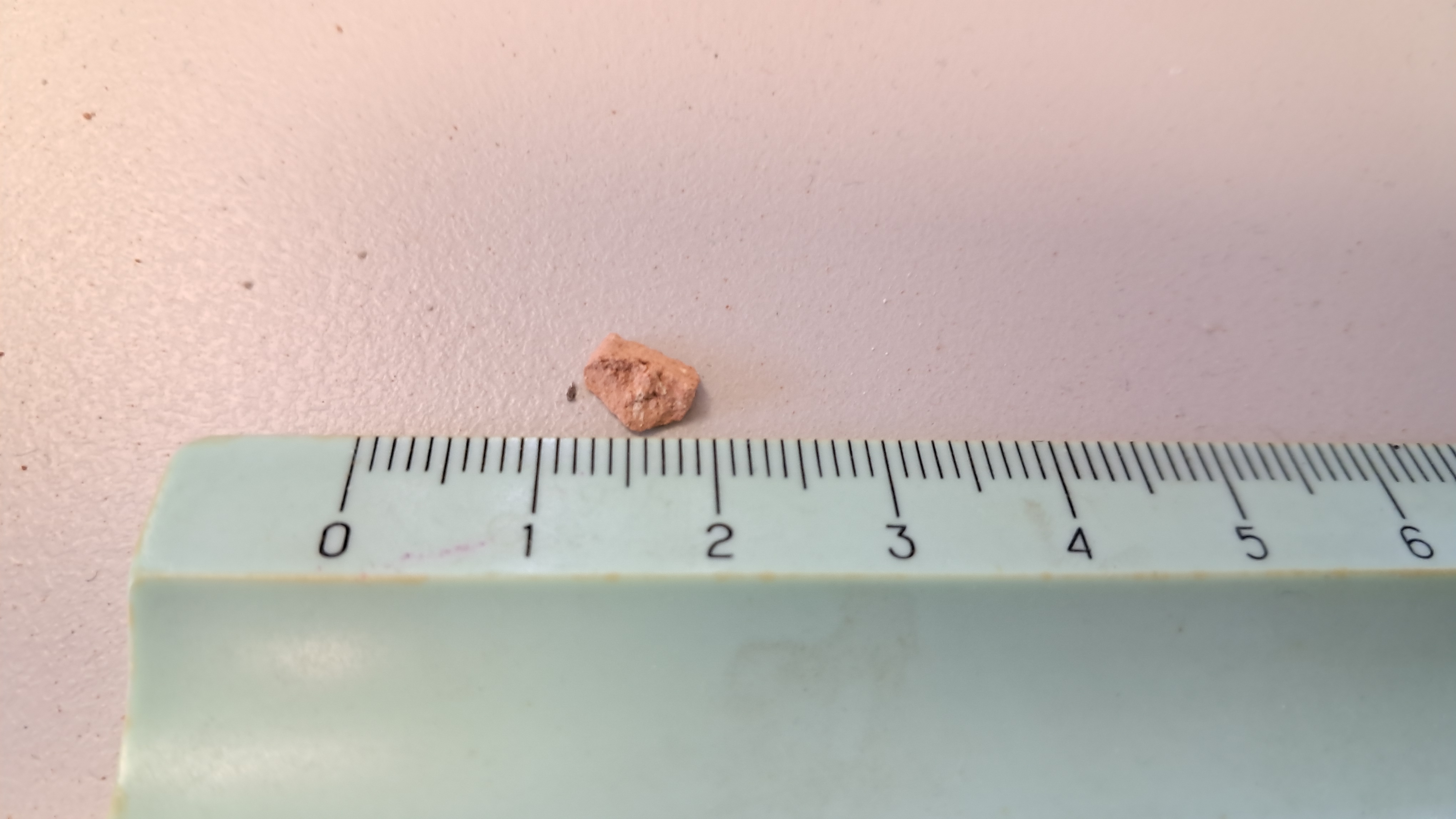
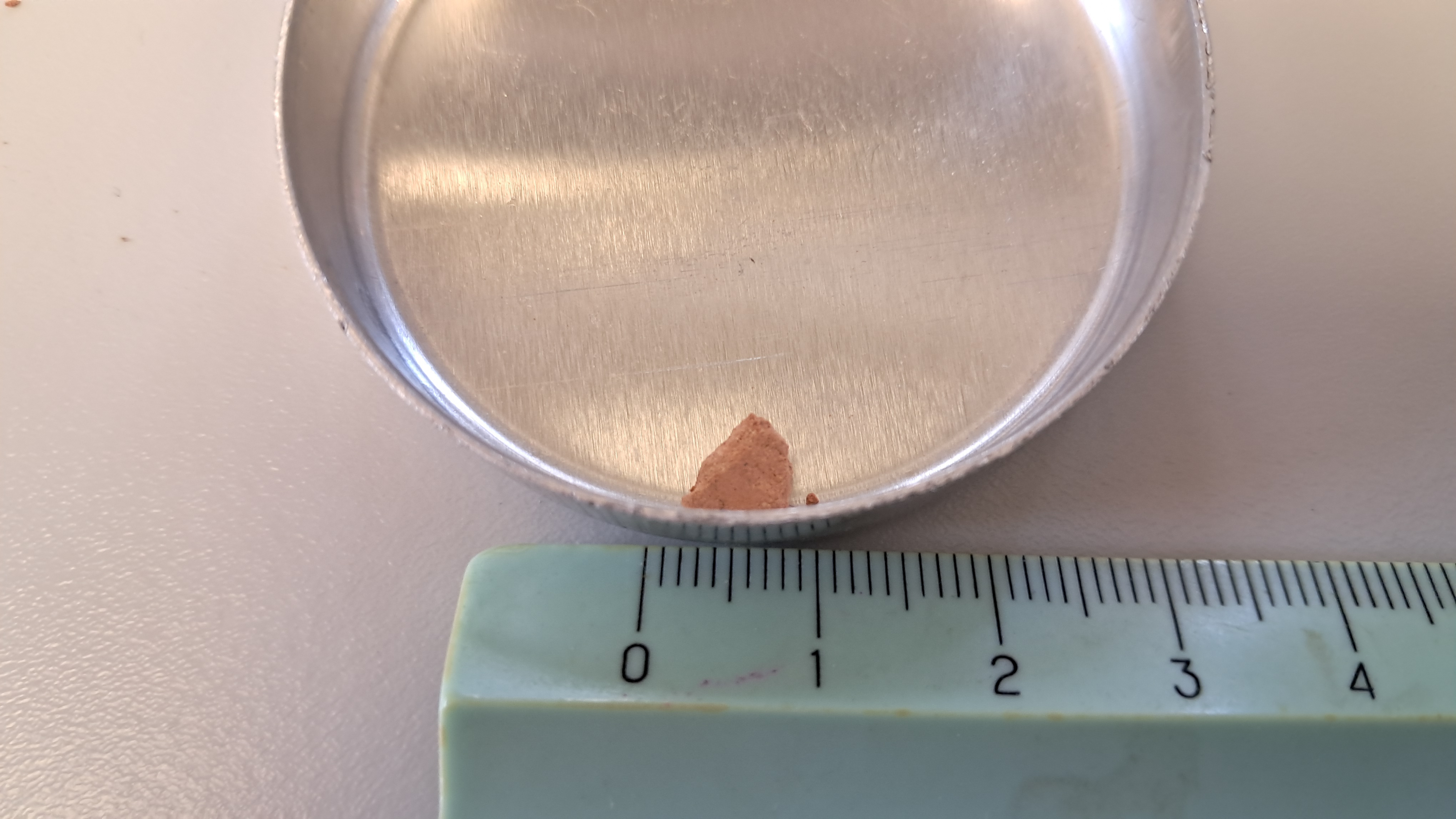
To use the fume hood, we have to open the windows or the door to let air in. The problematic utility channel has since been sealed off, but a proper air-intake system was never installed - doing so would require breaking a large hole in the wall. Such work would have been no problem during the initial setup phase, when the room was empty, but the laboratory now houses sensitive analytical equipment that would have to be moved to a neighboring room. After the electrician had sealed the channel with expanding foam, I conducted an experiment: I turned on the fume hood without opening a window or the door. The resulting airflow forced its way through the gap between the wall and the door frame, blasting off not only dust but also chunks of brick and concrete larger than half a centimeter. We had to carry out an unscheduled wet cleaning of the room. The situation with the water was equally interesting. The renovation crew had warned us that the drains would smell of hydrogen sulfide if the sinks weren't used for a while, as the water traps would dry out. They turned out to be wrong. The smell of hydrogen sulfide wasn't coming from the drains; it was coming from the tap water itself. In fact, I would say it wasn't exactly hydrogen sulfide; it was more reminiscent of the odor of phosphine and silane - the smell produced when technical-grade calcium carbide comes into contact with water. But there was good news, too. At our old institute, we were forced to brew tea using tap water of questionable quality, but things were different at the new location. Although the tap water here was even worse than at our home institute, there were water coolers available for our needs, providing clean water for drinking and making tea. One of these coolers was placed right inside our laboratory, though I later arranged to have it removed so it wouldn't take up space. I remember my first tea break in the new laboratory. I had left my kettle and cups behind in the old laboratory, bringing only the leaf tea with me. The water cooler had a hot-water dispenser, but the water wasn't hot enough to properly brew large-leaf tea. Plus, drinking from the tiny cups provided with the cooler was awkward. I grabbed a one-liter beaker, added the tea leaves, and poured in water from the cooler... The question remained: how was I supposed to heat it? In the past, I submitted two requests to purchase electric hot plates for laboratory use. The director approved them, but the accounting department ignored the orders - procuring cheap equipment didn't interest them. However, the institute did buy two magnetic stirrers with heating capabilities - which were quite expensive. I ended up using one of these stirrers instead of a standard hot plate to heat the water in the beaker and brew my tea. 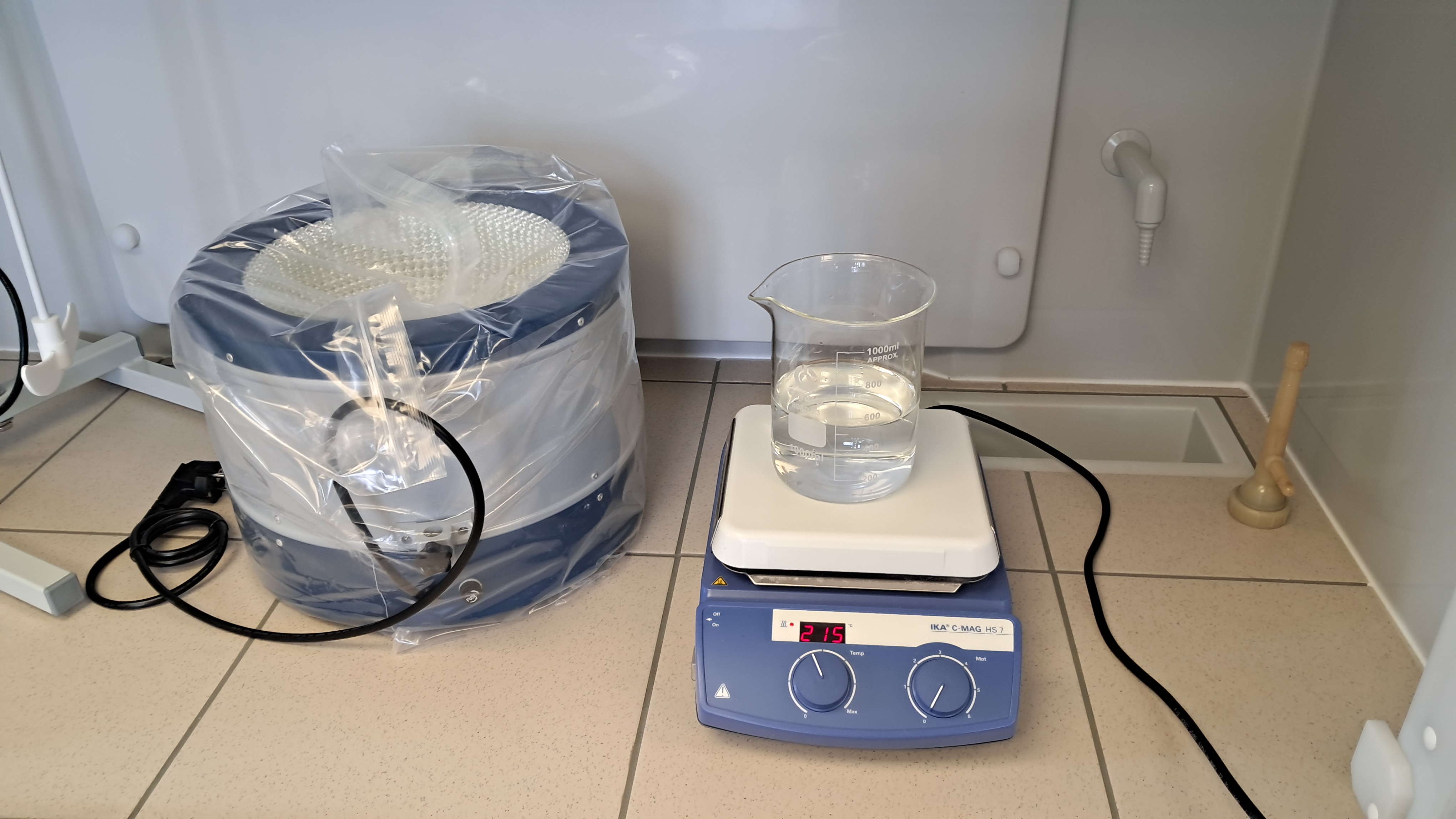
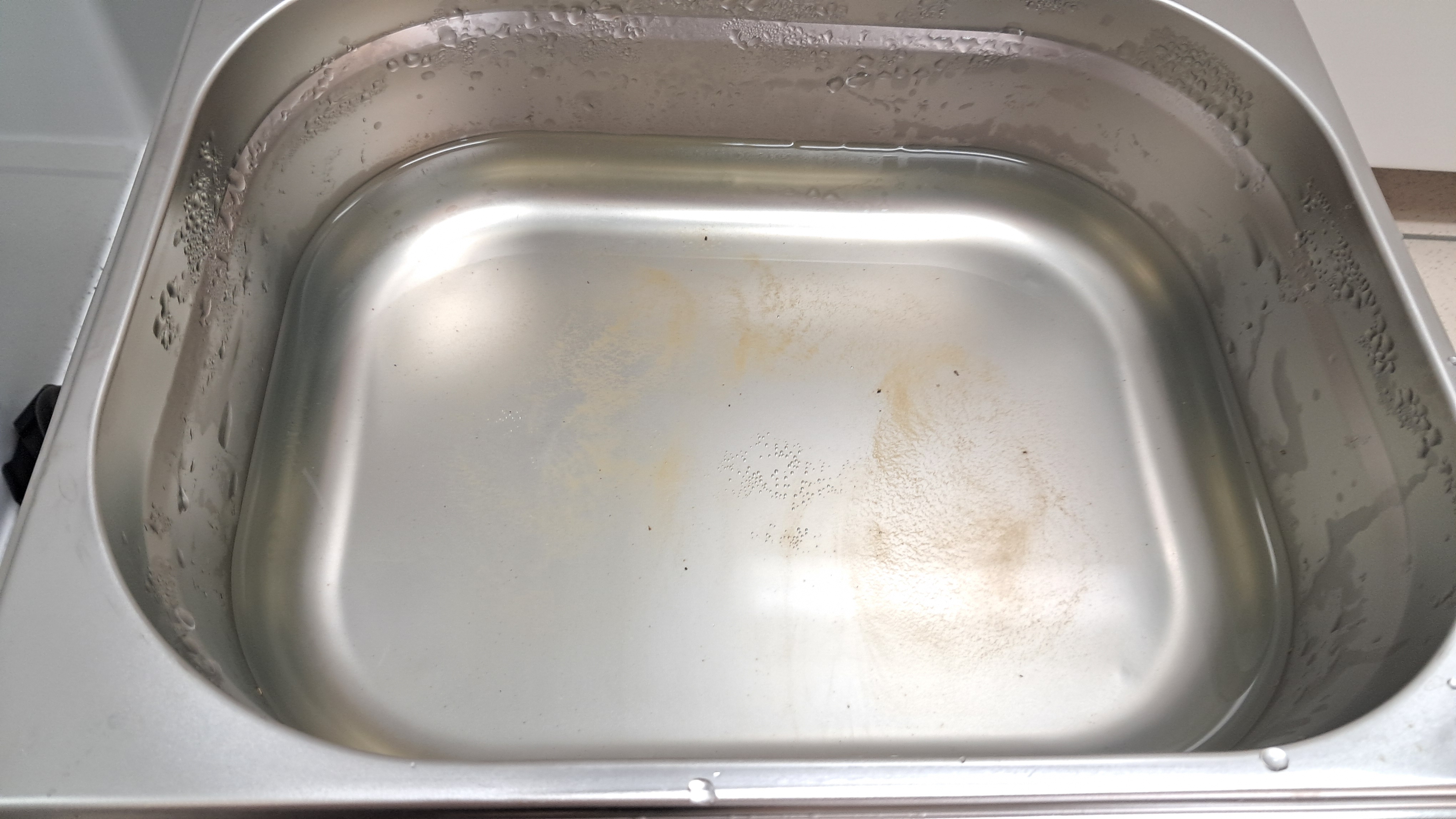
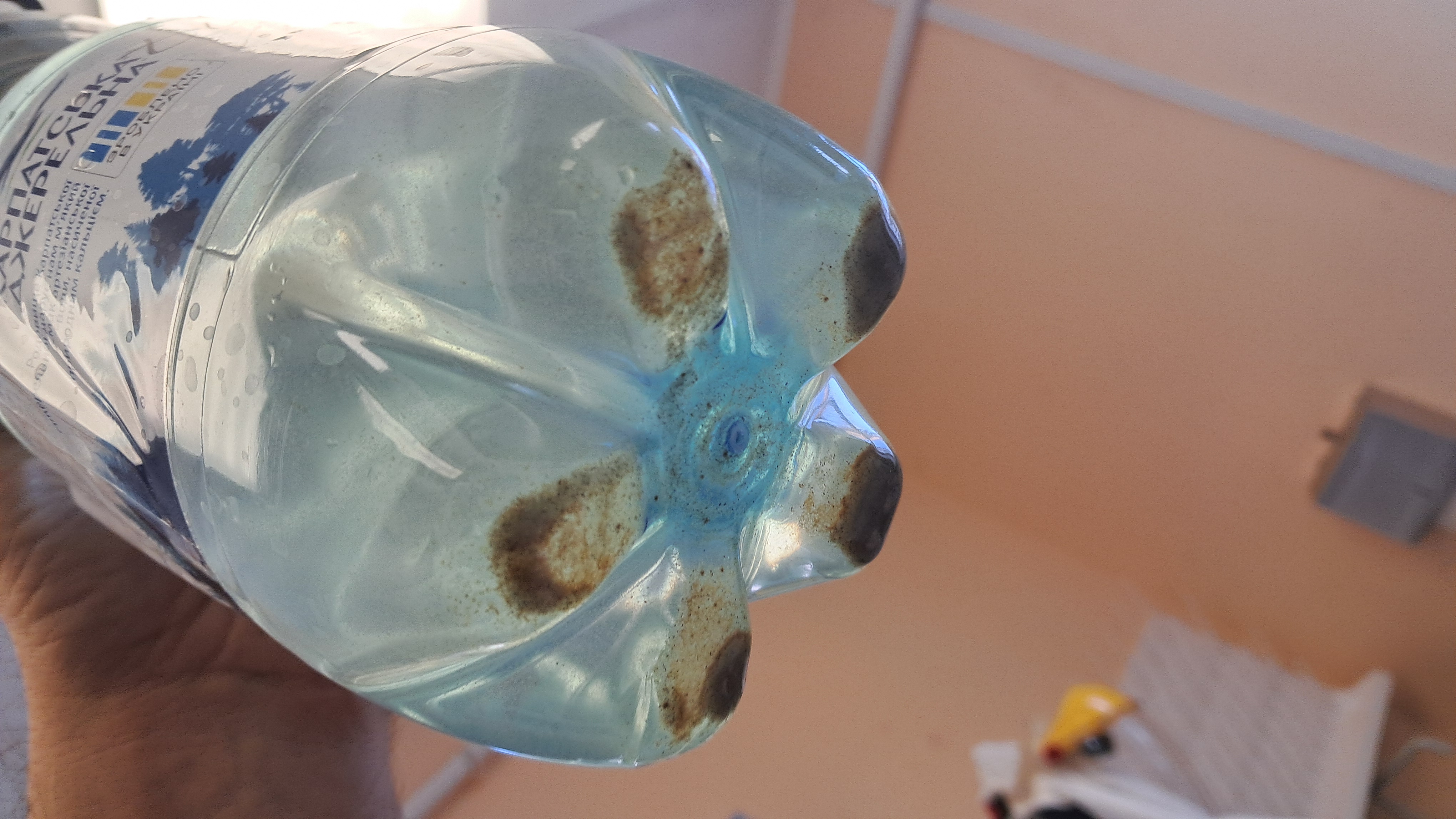
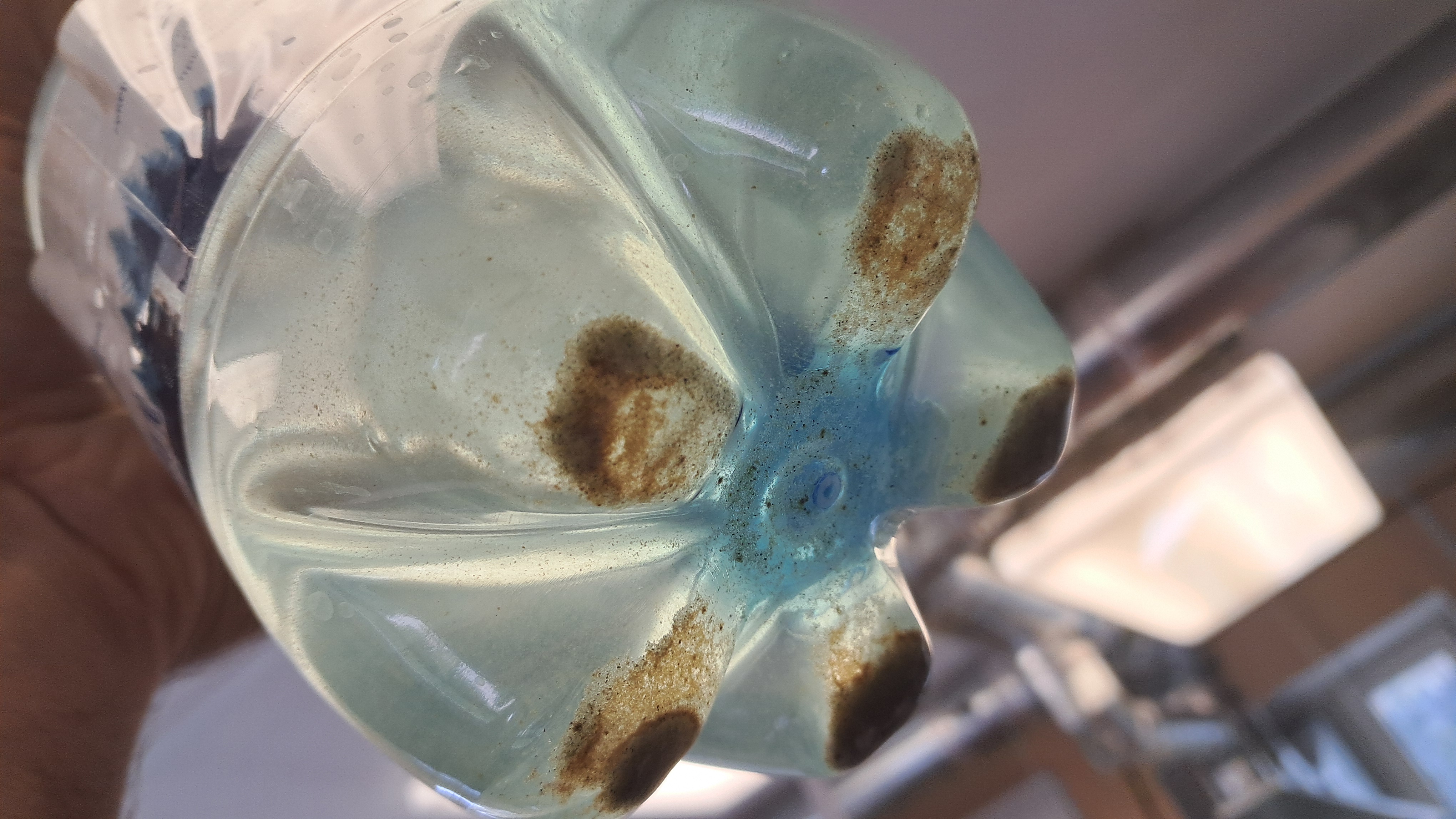
Later, I realized I could have done more than just use the stirrer as a kitchen hot plate; I could have dropped the magnetic stir bar into the beaker to speed up the brewing process - though that hadn't occurred to me at the time. After finishing my tea, I went to wash the beaker. I poured the dregs into the sink. Although the sink was made of gray plastic, I noticed that when the tea mixed with the tap water, the liquid turned a deep violet. This indicated a high concentration of dissolved iron in the tap water; the tannins in the black tea were forming a violet complex with the iron cations present in the water. I had seen this phenomenon before, though rarely, so I became curious about the tap water in the new laboratory. To start, I filled a ten-liter bucket and a plastic bottle with the water. At the same time, I filled a heating bath with it. The water bath requires deionized or distilled water; however, we hadn't connected the distiller yet, and the membrane filter had arrived damaged, so we sent it back to the manufacturer. Even after a brief period of heating, a yellow precipitate formed at the bottom of the water bath. I had turned the unit on solely to check whether it was functional - to see if it worked at all - so I didn't heat the water for long. By the next day, a brown precipitate had settled at the bottom of the bucket and inside the plastic bottle - without any heating involved. Clearly, the water contained a high concentration of dissolved salts, specifically a high level of iron. I decided to film some simple experiments in my spare time to demonstrate clearly that the tap water contains iron. |
|
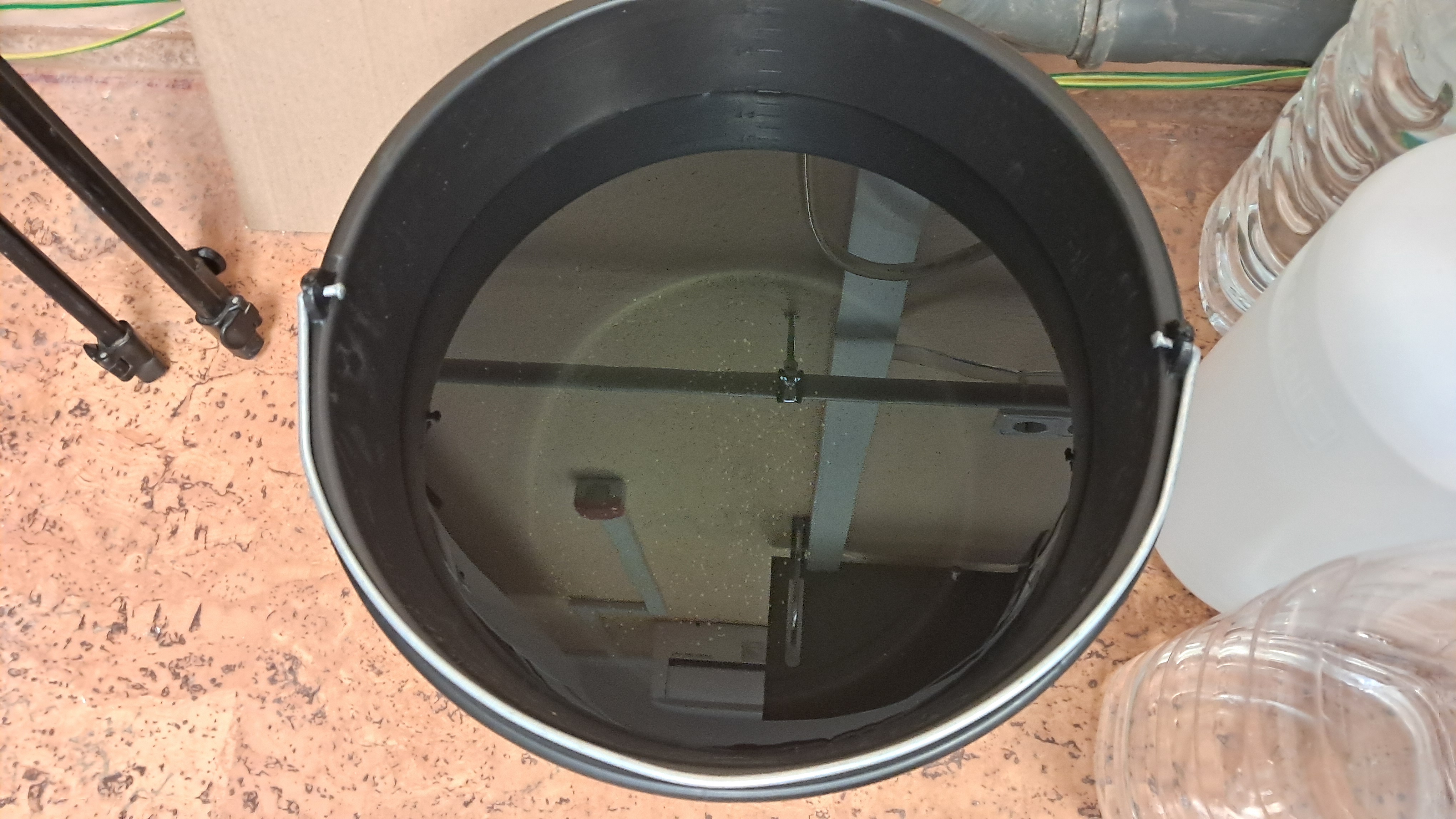
The initial water |
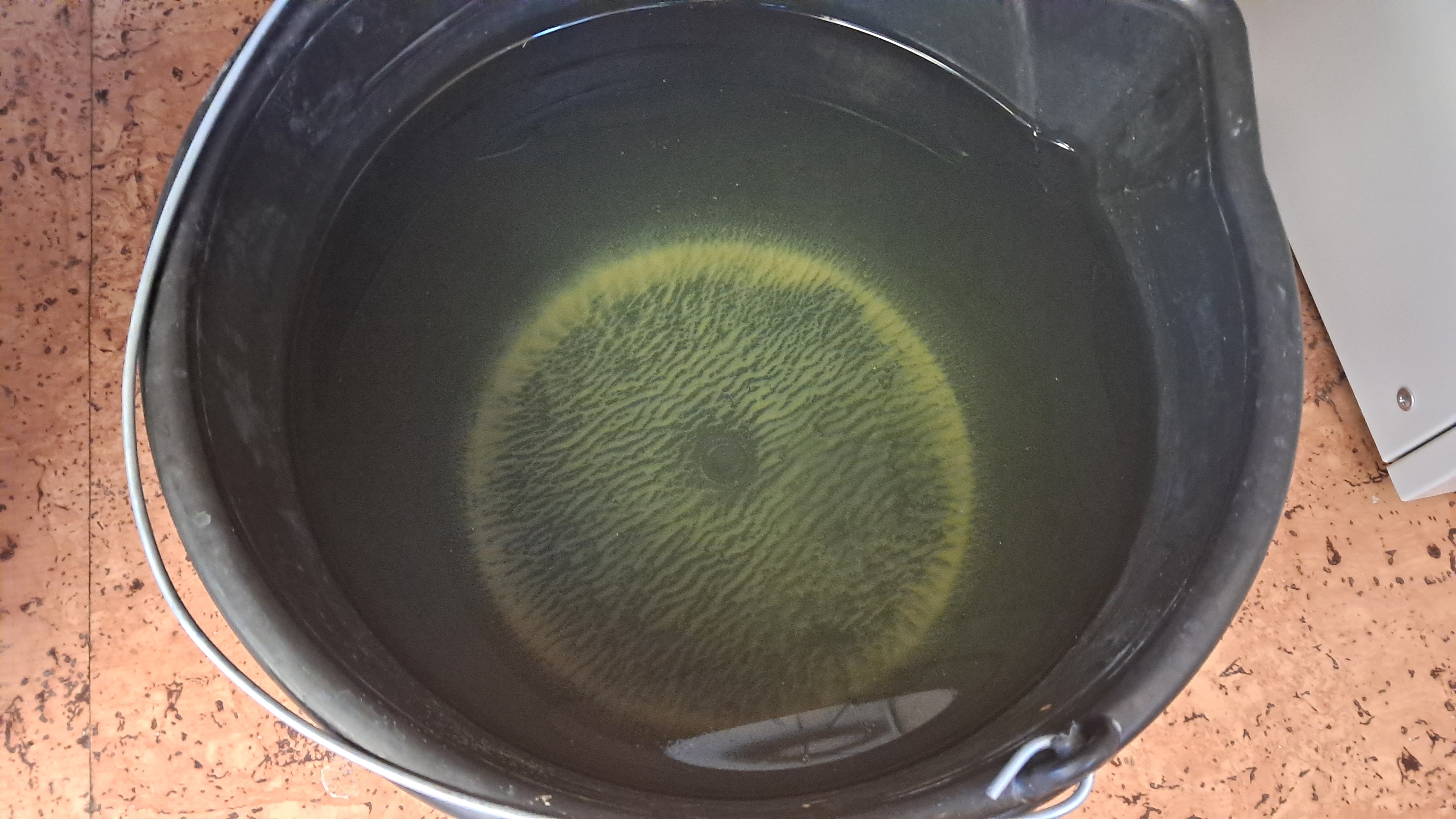
In 1 bay |
|
|
