Chemistry and Chemists № 2 2026
Journal of Chemists-Enthusiasts
| Content | Chemistry experiments - video | Physics experiments - video | Home Page - Chemistry and Chemists |
|
Chemistry and Chemists № 2 2026 Journal of Chemists-Enthusiasts |
Tea, Iron Cations, Tap Water, Vacuum Pumps, and a Bunsen Flask - pt.3, 4 Chemist |
|
Having noticed a mistake in the text, allocate it and press Ctrl-Enter
Tap Water, Deionized Water, and Black Tea - Part 3
At last, the deionized water system was up and running; the laboratory now had deionized water, and with it came an opportunity to make a comparison.
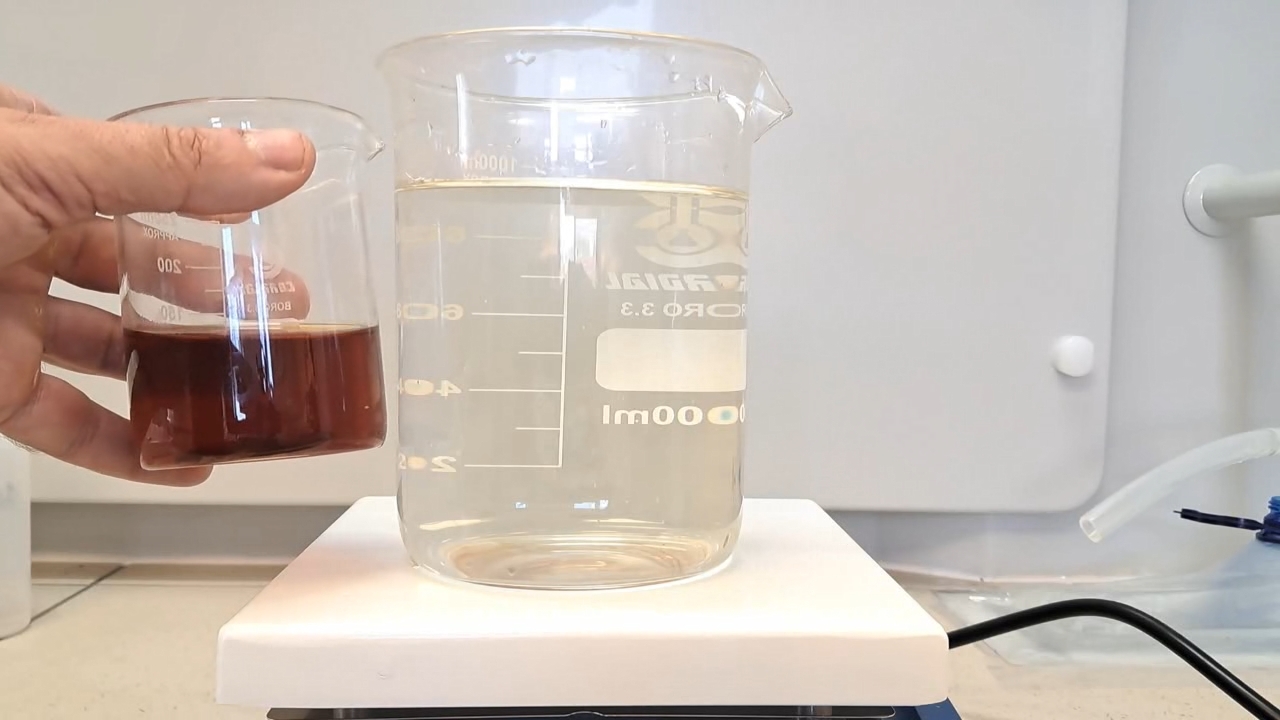
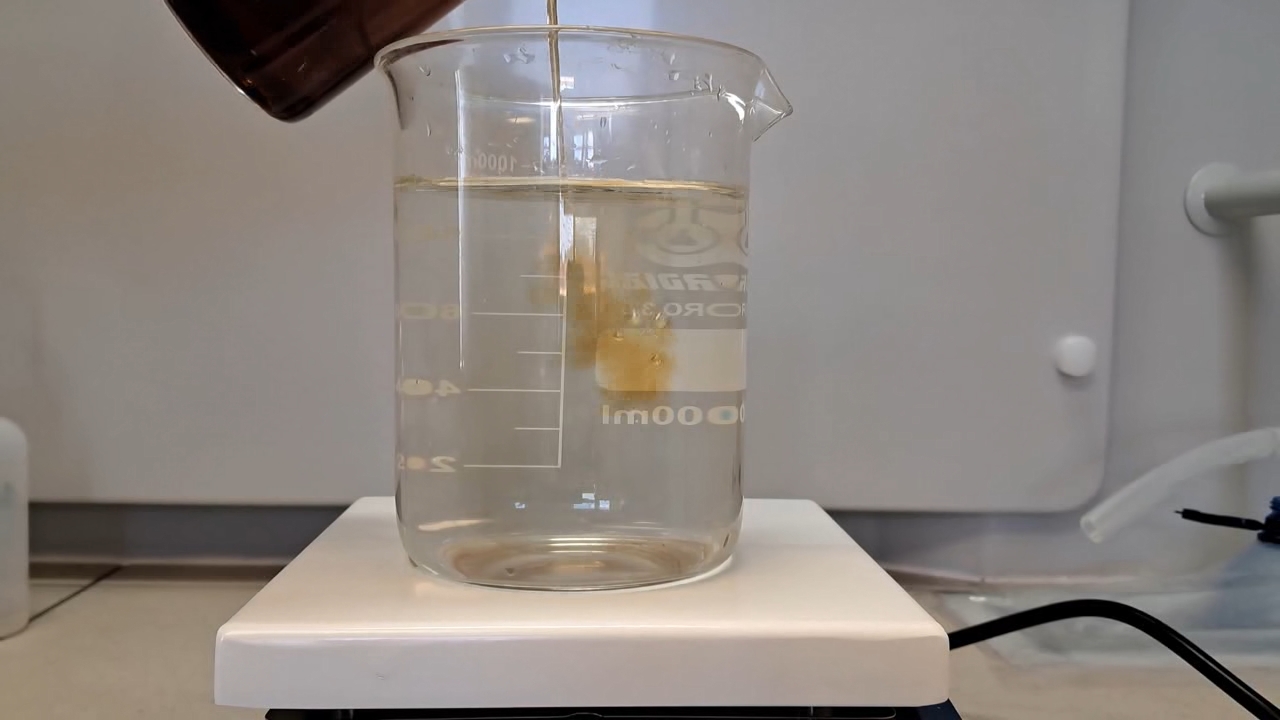
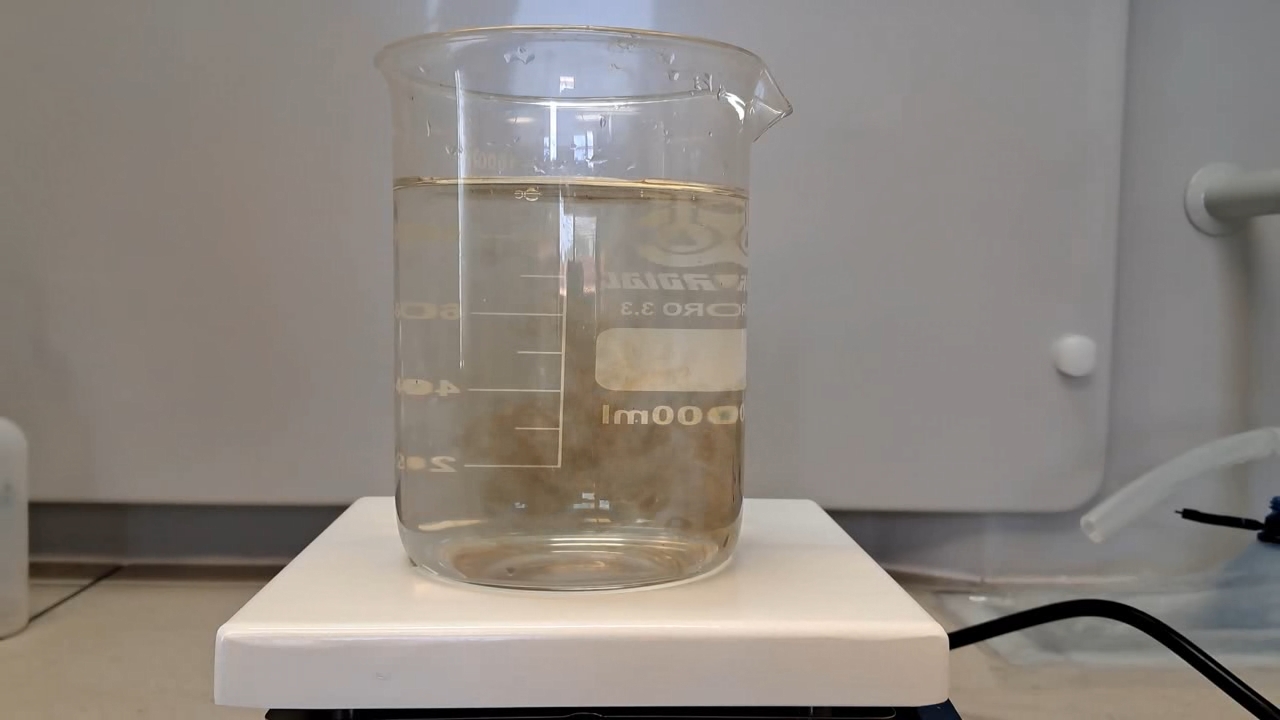
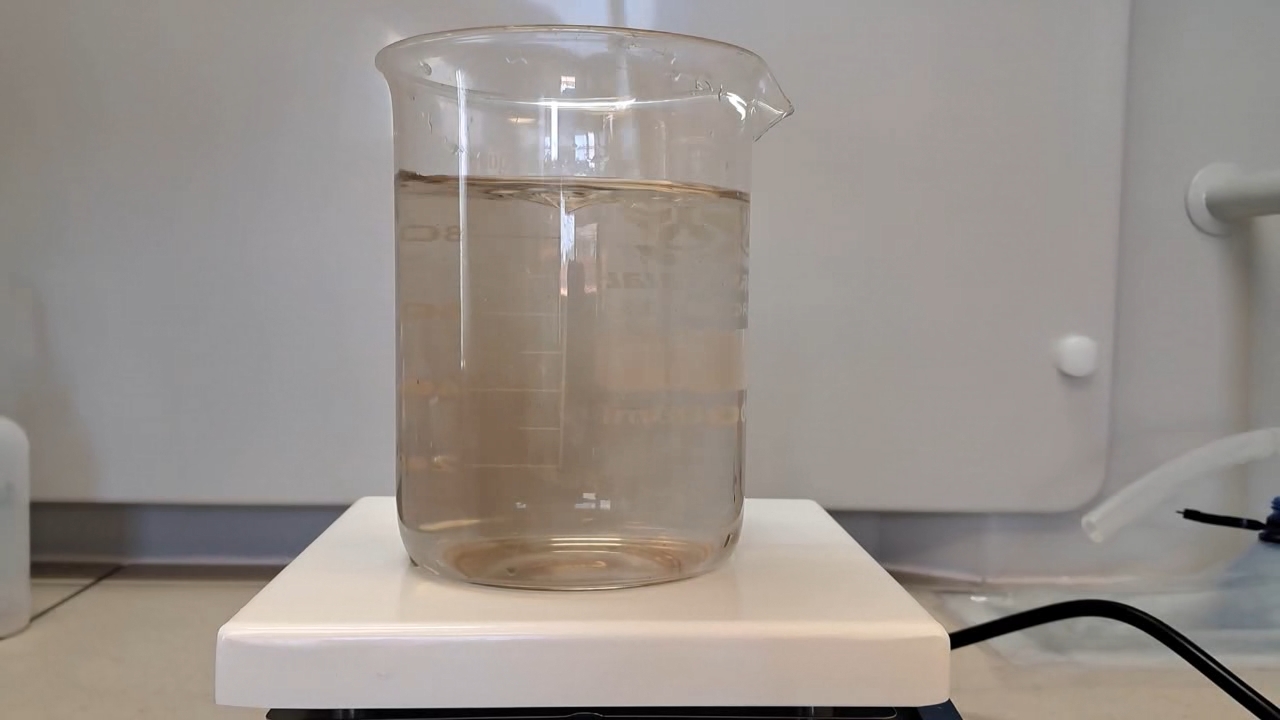
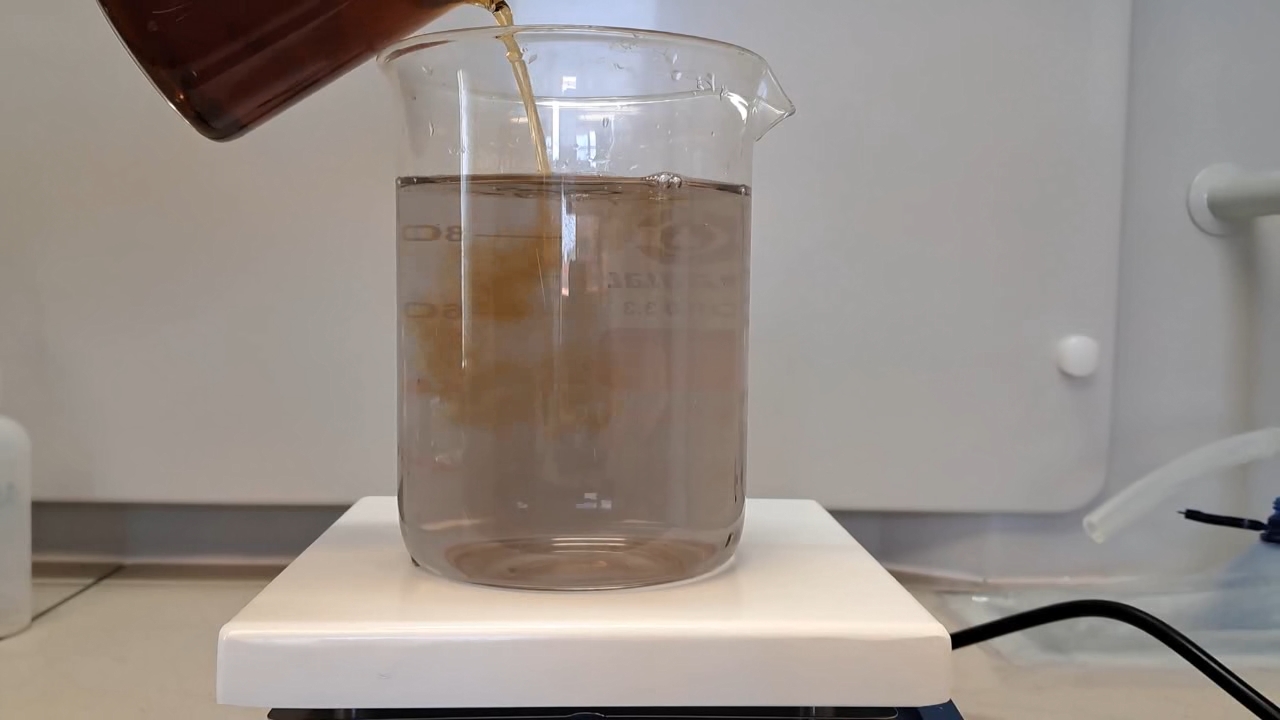
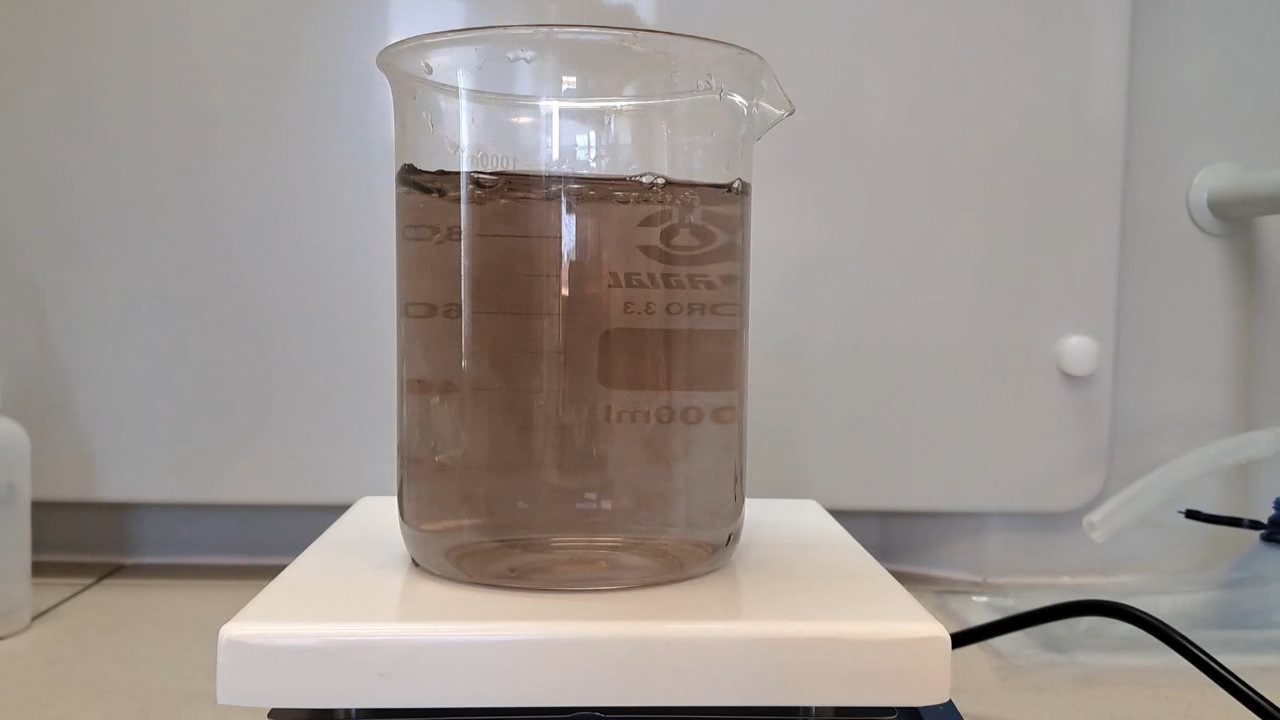
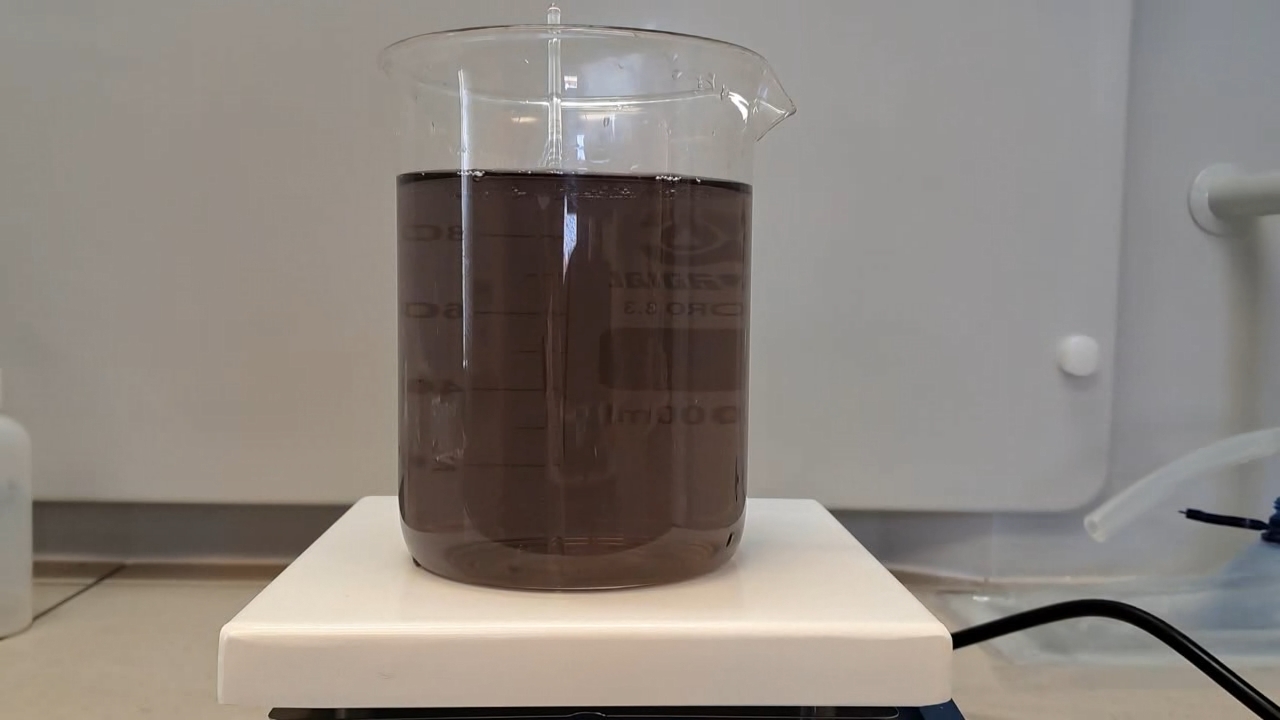
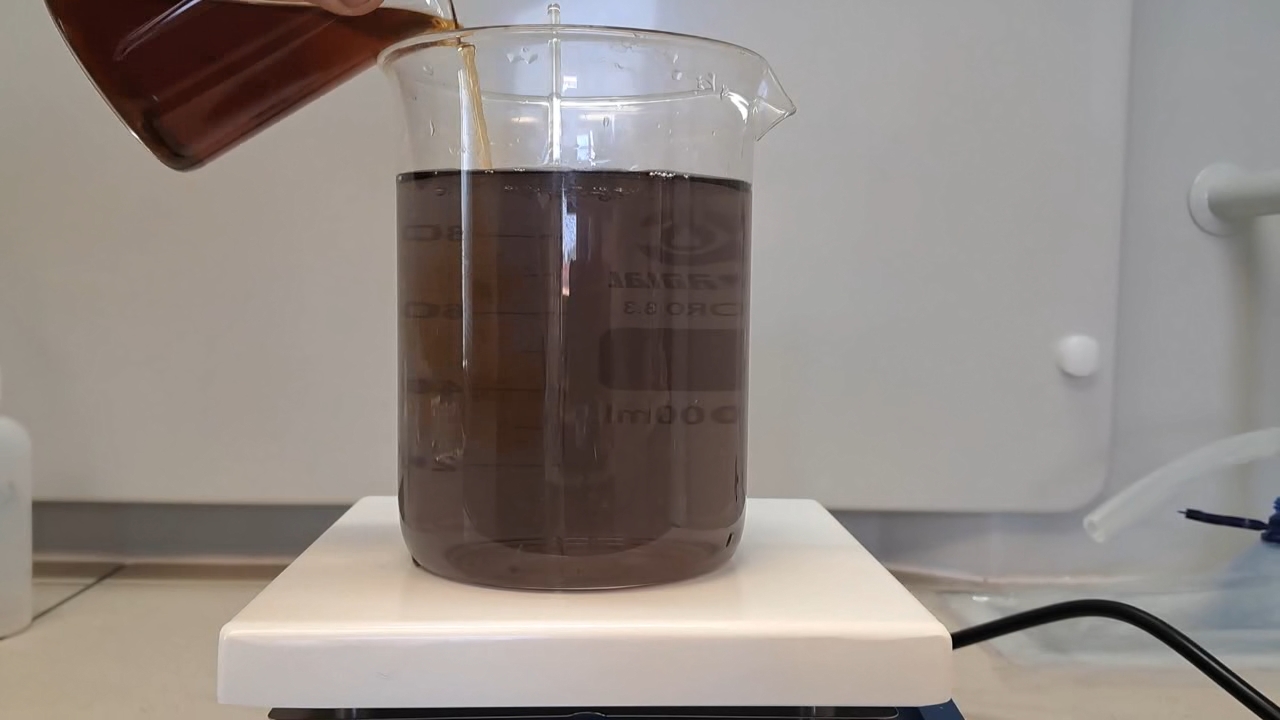
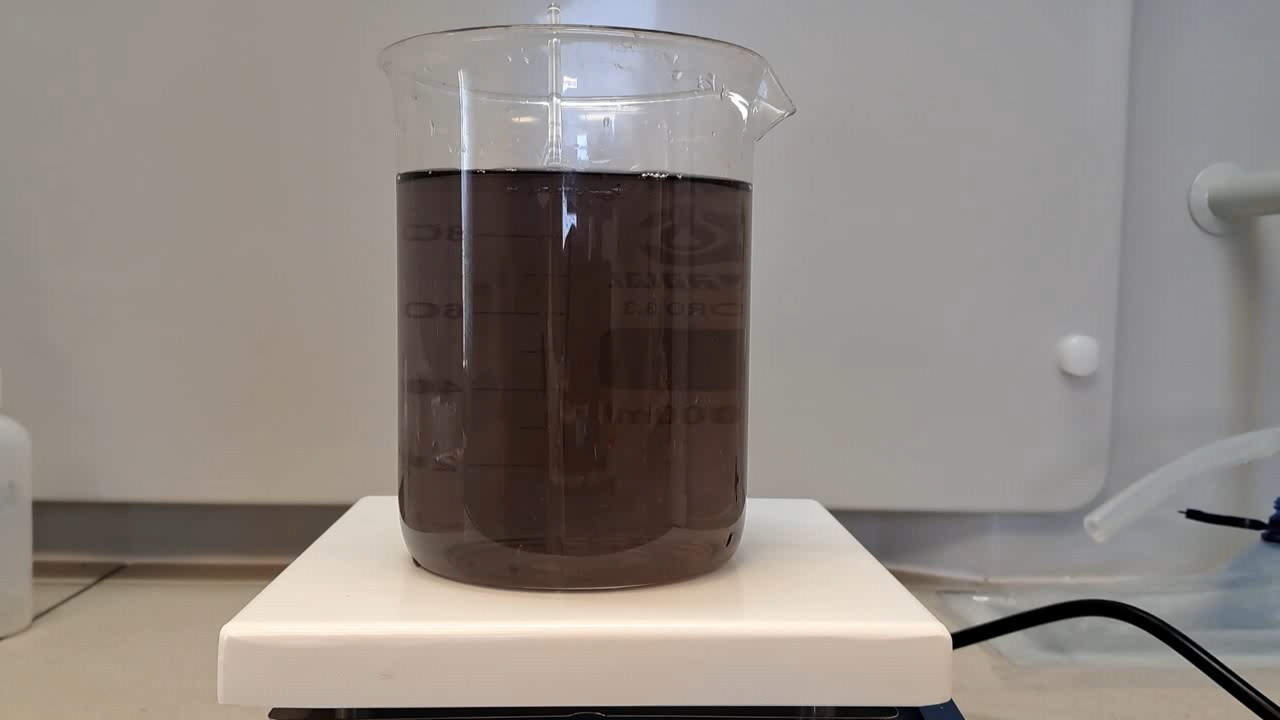
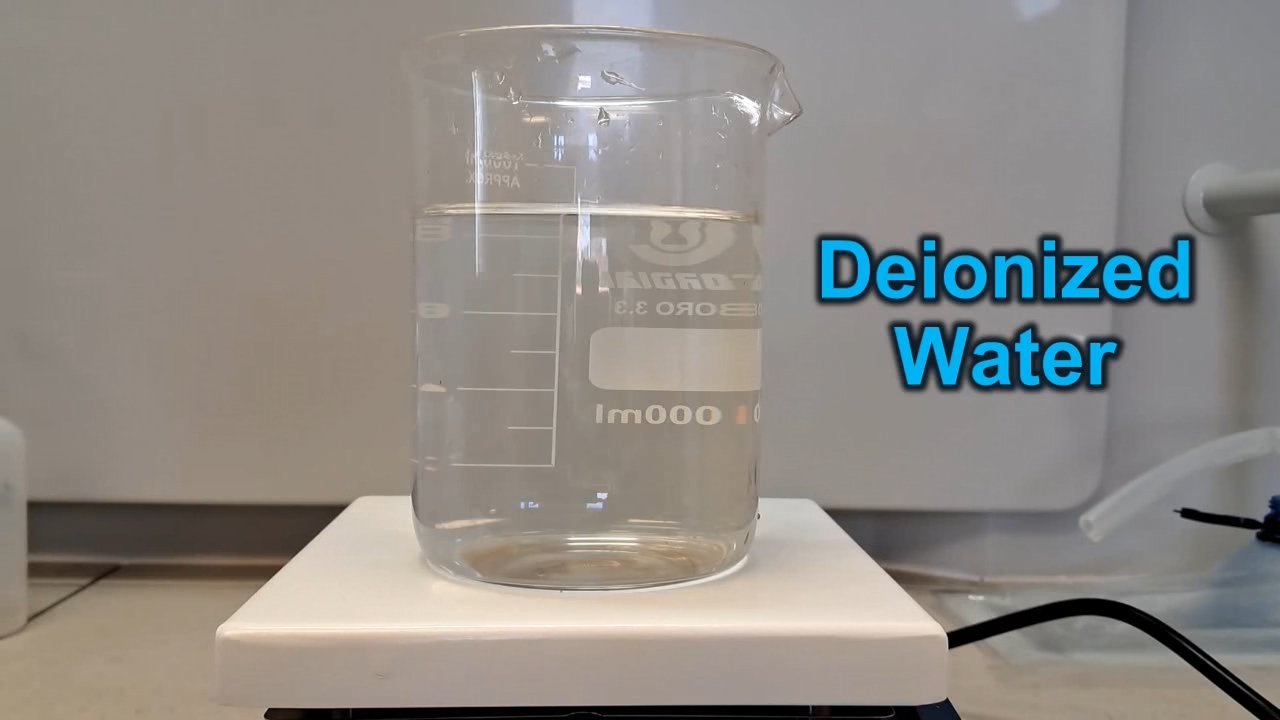
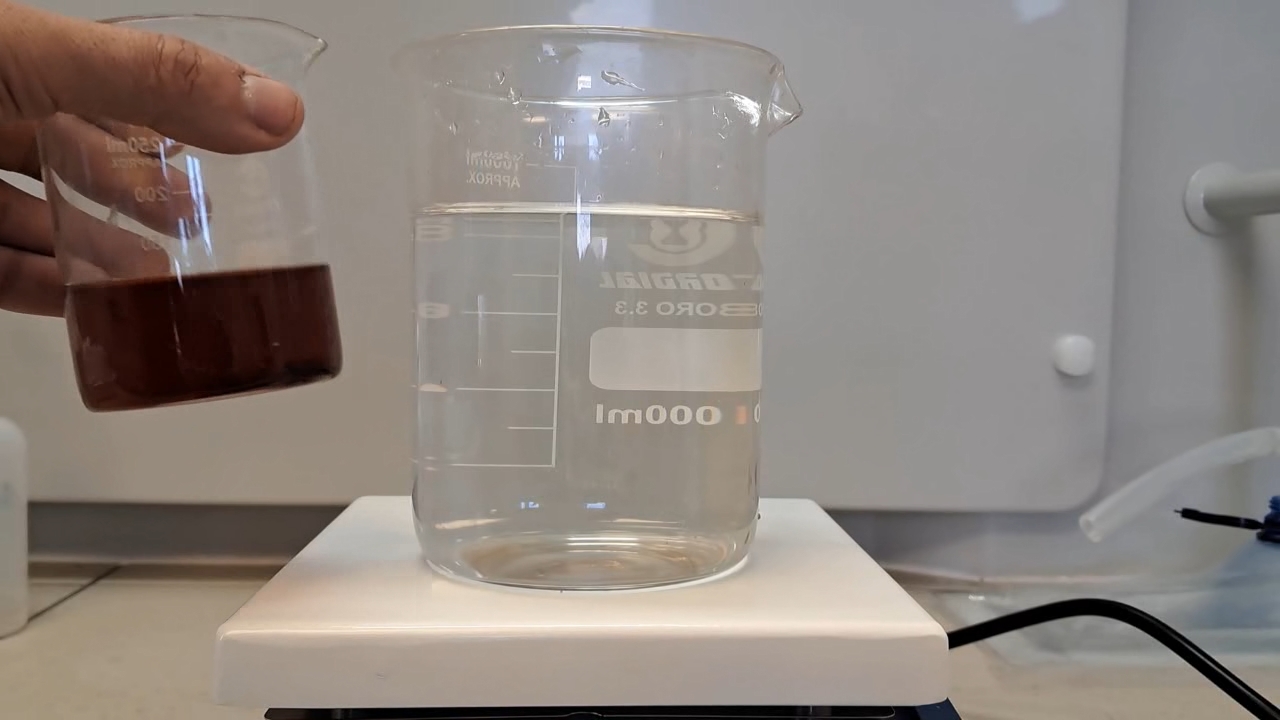
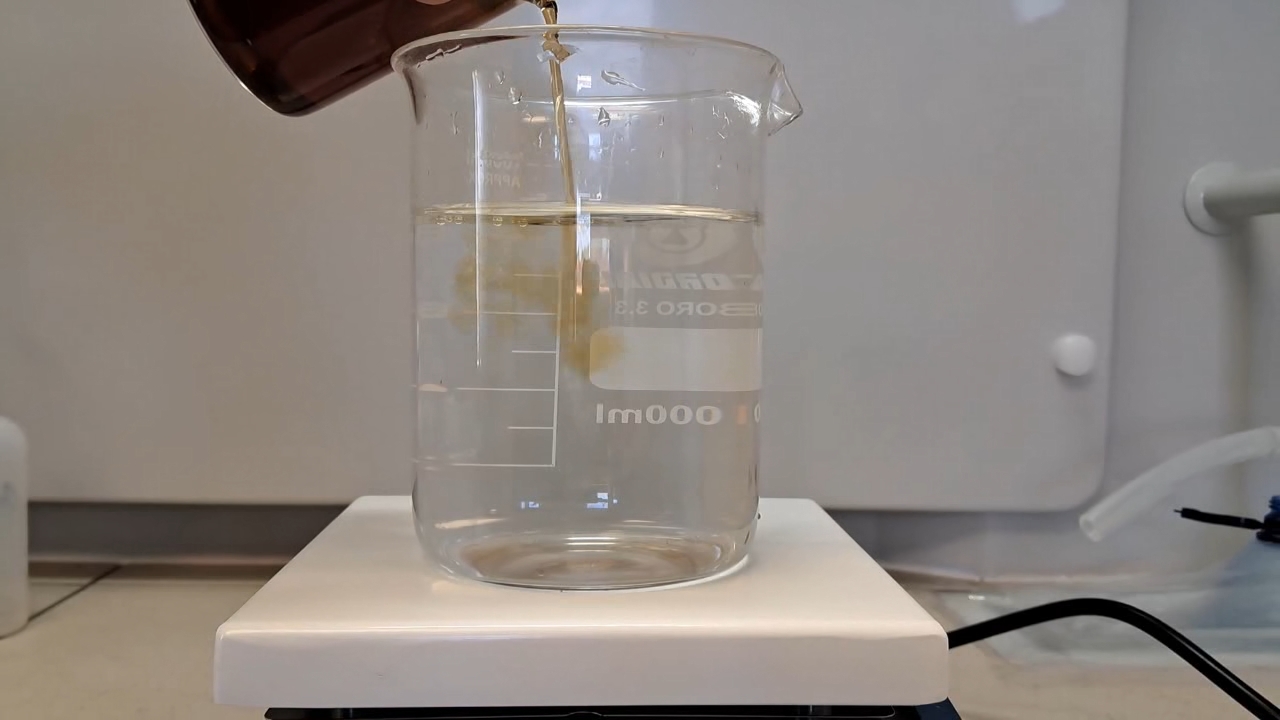
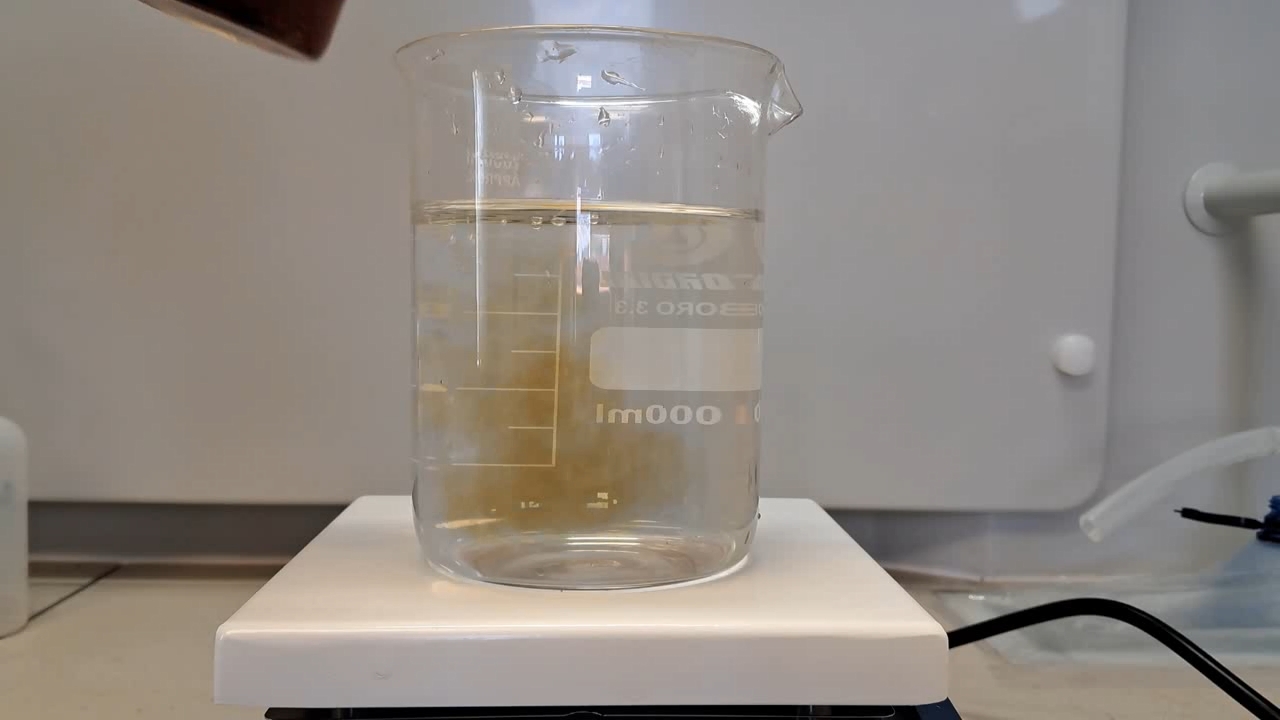
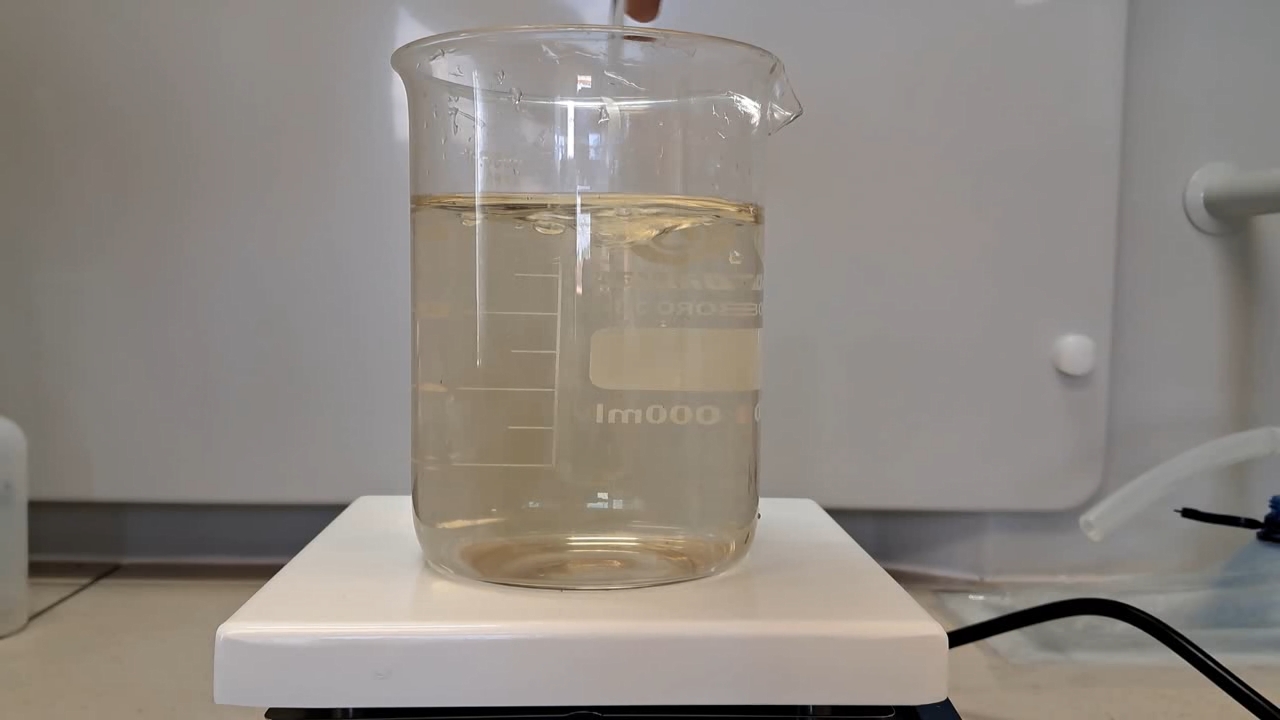
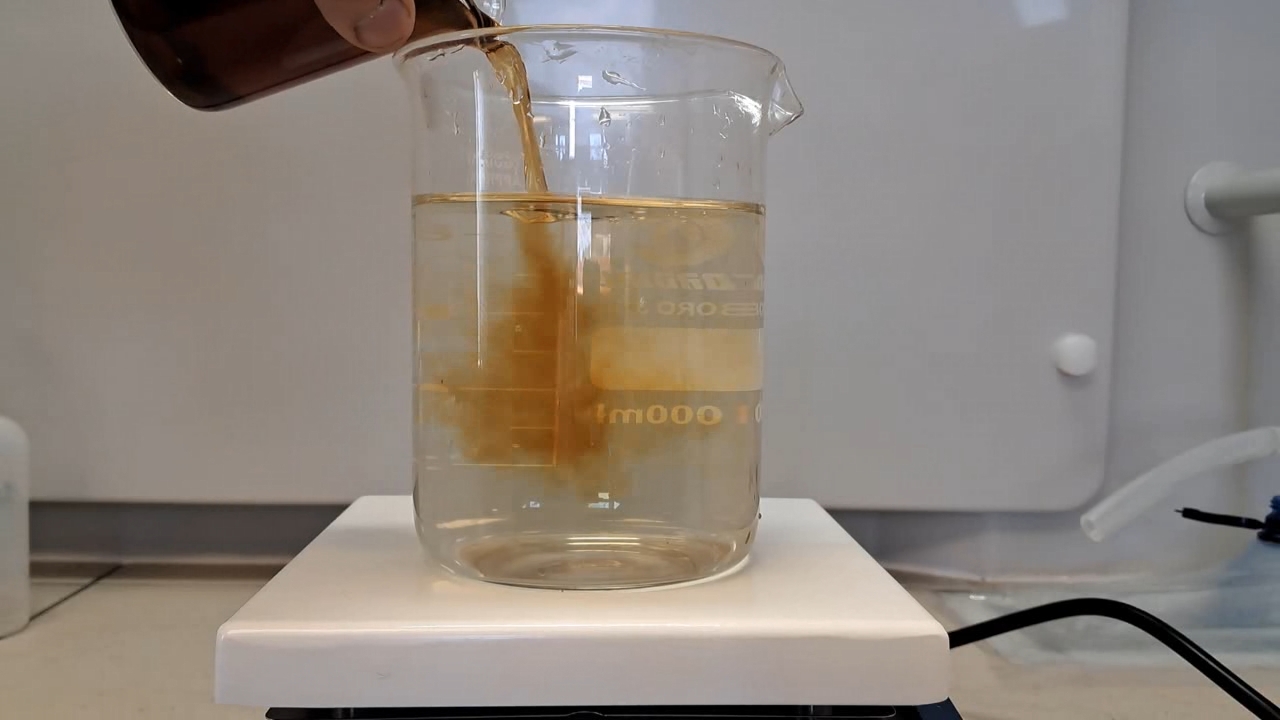
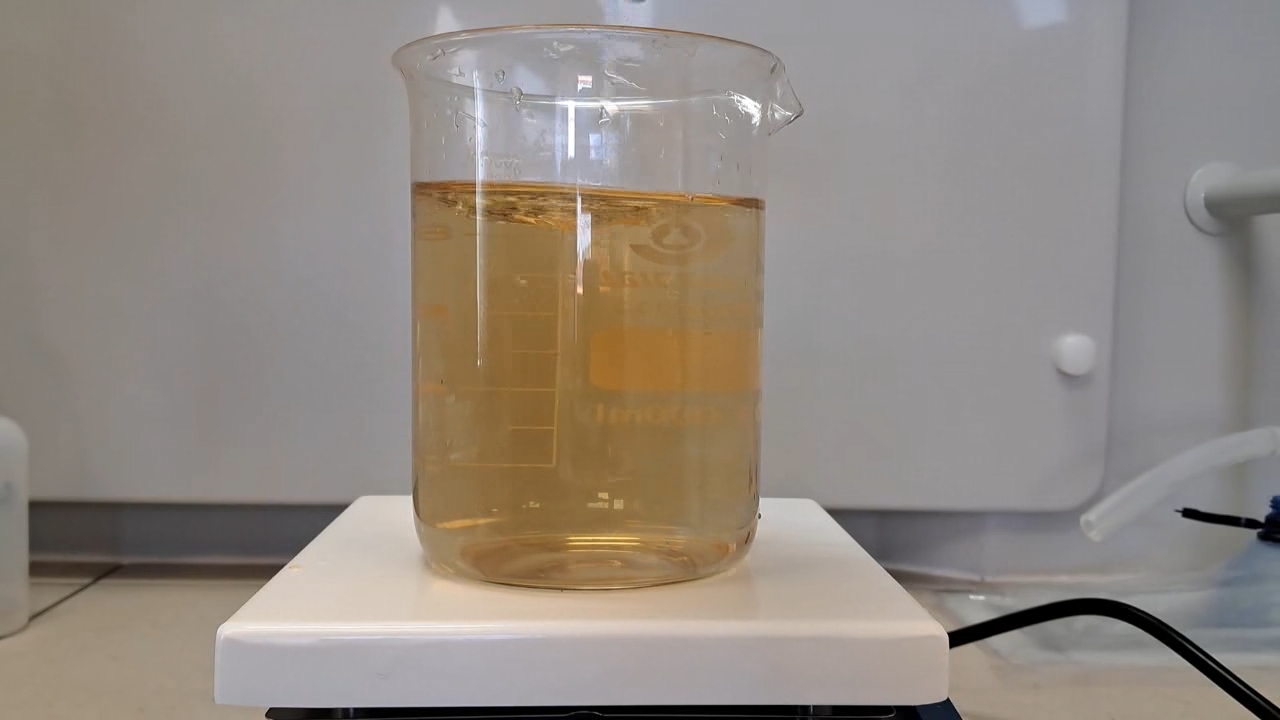
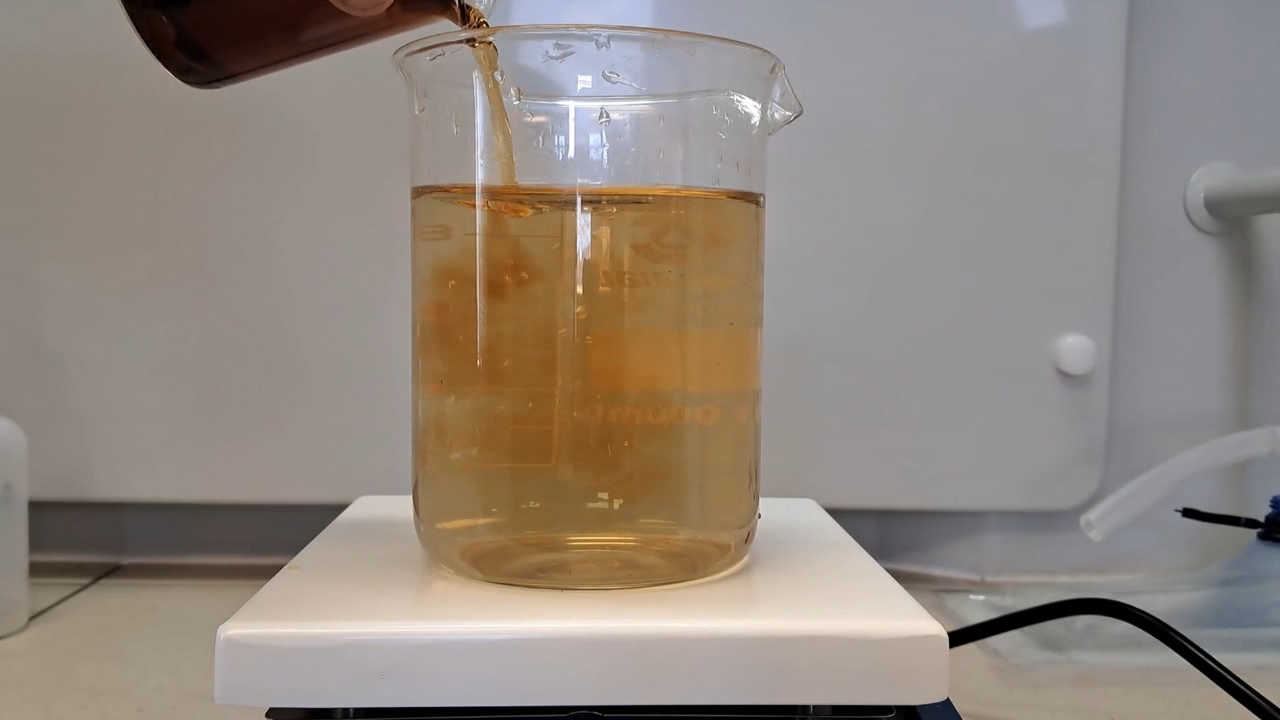
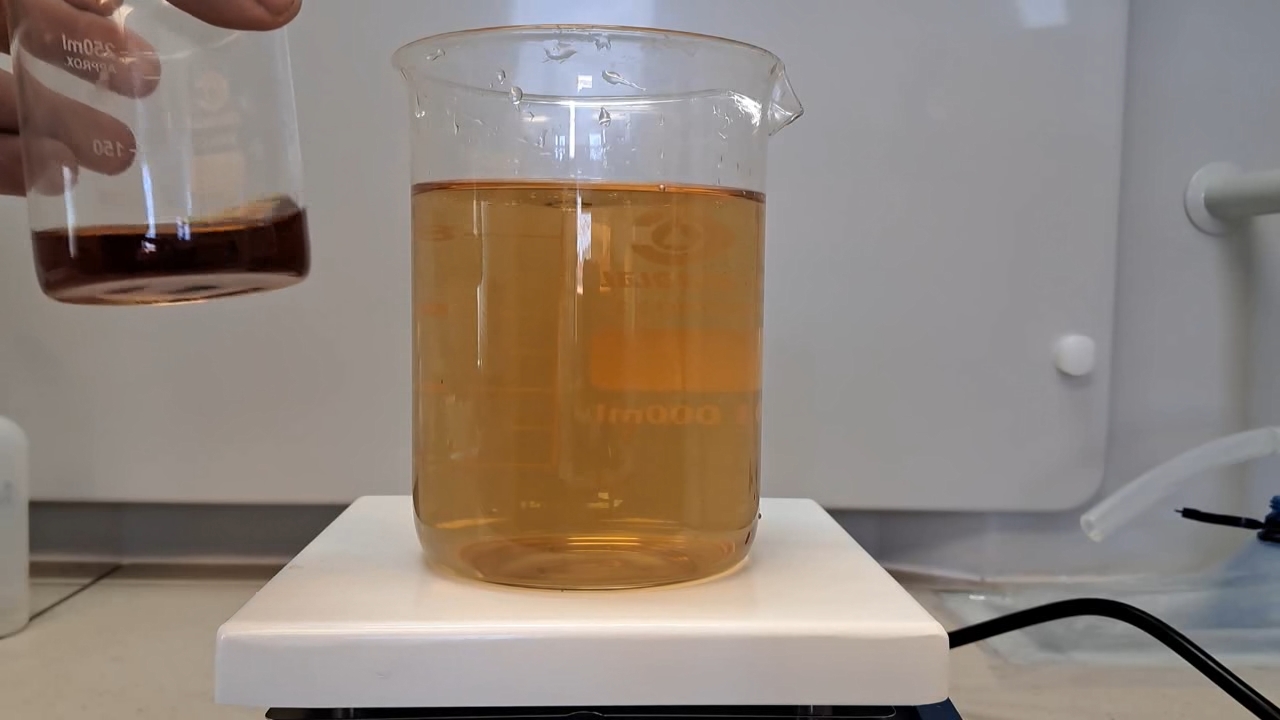
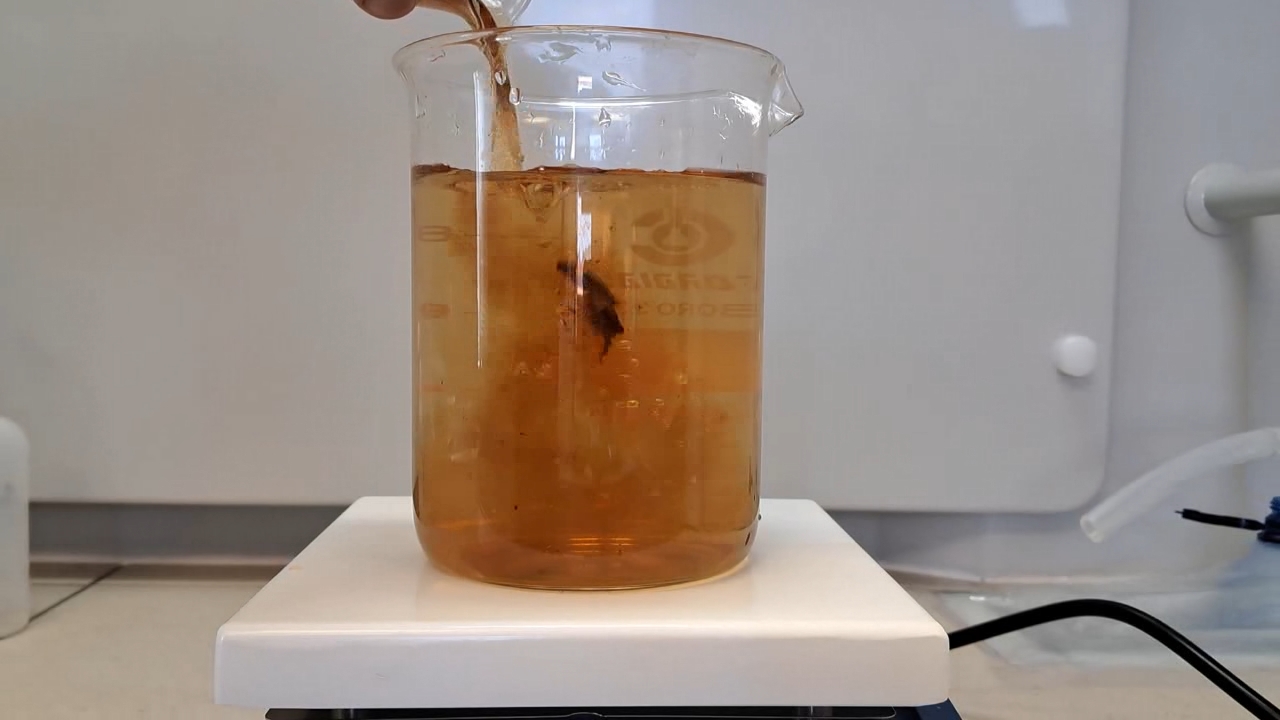
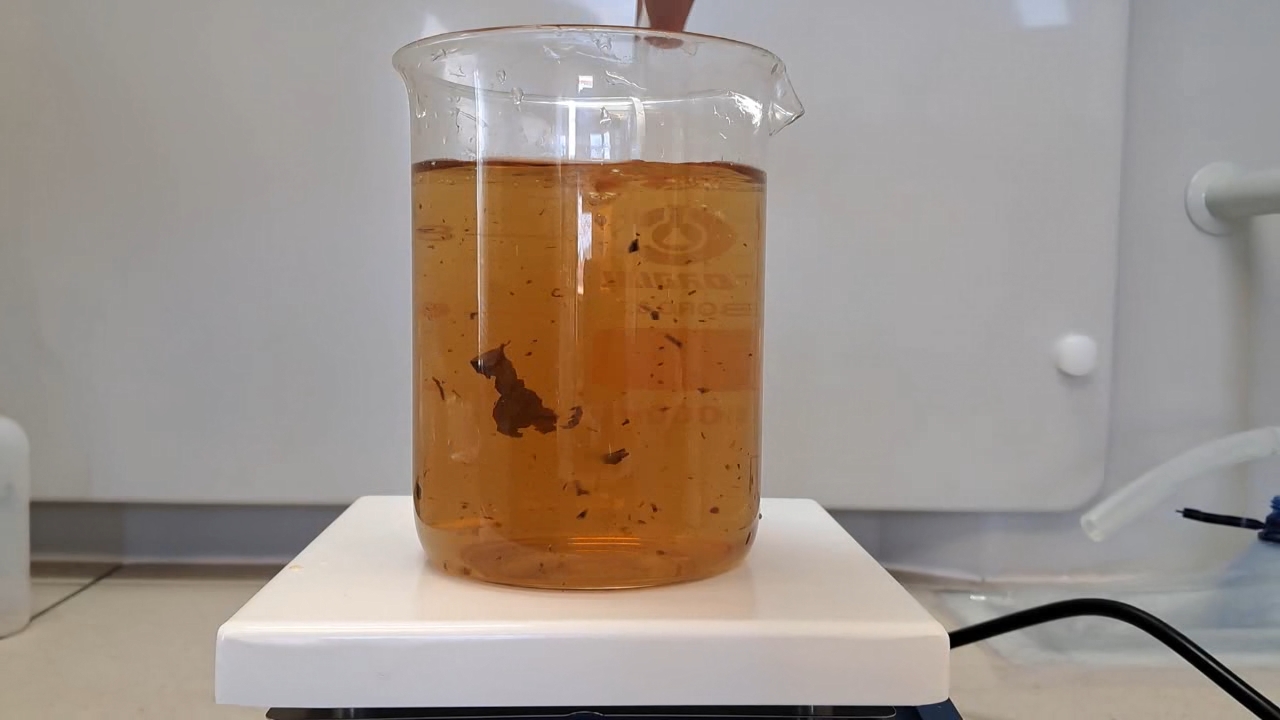
Водопроводная вода, деионизированная вода и черный чай - Часть 3 A physicist acquaintance happened to drop by the laboratory. While we sat having tea, I decided to show him the experiment. I poured tap water into a one-liter beaker, added a little black tea, and stirred. The water turned violet. I added more tea and stirred the solution; the color gradually deepened, and the solution lost its transparency. Just as before, the tannins originating from the tea formed a violet complex with the iron compounds dissolved in the tap water. I poured deionized water into another identical beaker, then added black tea and stirred. The water turned yellow - identical to the color of the original tea, though lighter because of the dilution. Adding more tea intensified the color of the solution but did not change its hue: the solution started yellow and then turned brown. The deionized water contained no significant amount of dissolved iron, so the addition of tea tannins did not produce the violet complex. |
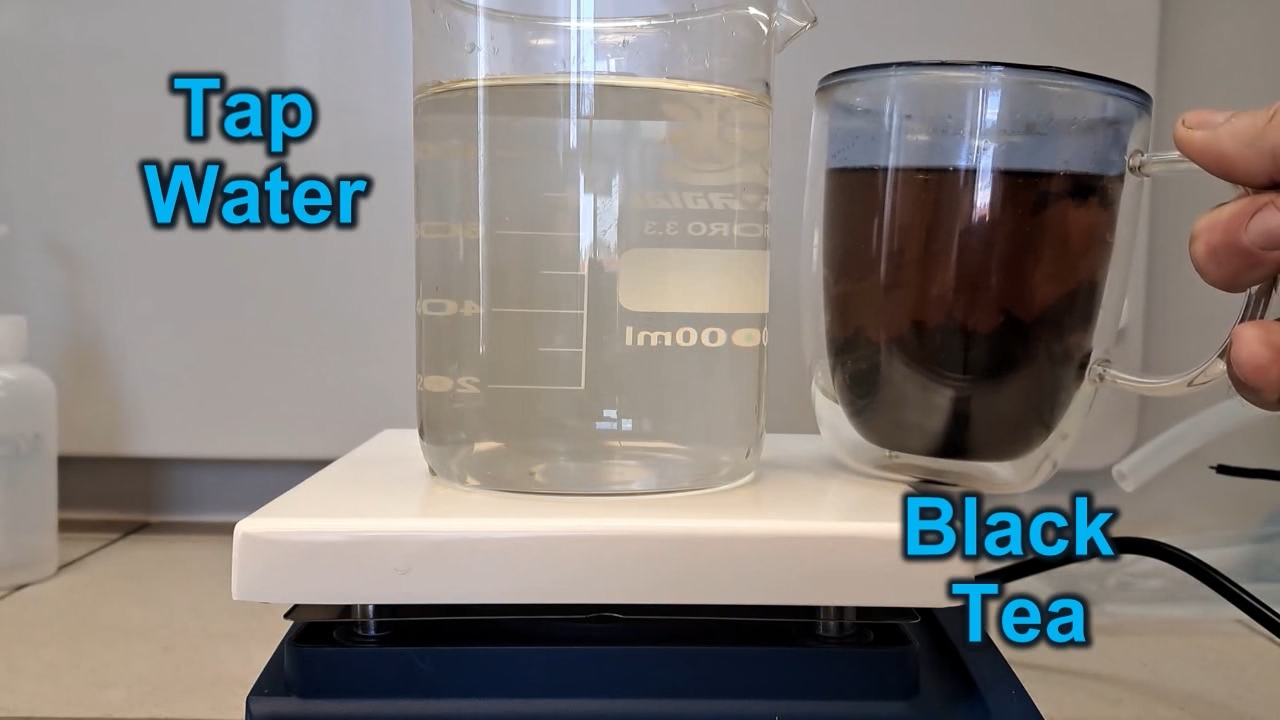
Tap Water, Deionized Water, and Black Tea |
|
|
|
|
|
|
|
|
|
|
|
|
|
|
|
|
|
|
|
|
|
Having noticed a mistake in the text, allocate it and press Ctrl-Enter
Vacuum Filtration, Tap Water, and Green Tea - Part 4
A need arose to filter samples in the new laboratory. I attached a plastic water-jet pump to the tap inside the fume hood and turned on the water. The vacuum proved too weak, so we concluded that the water pressure there was insufficient for the pump to operate properly.
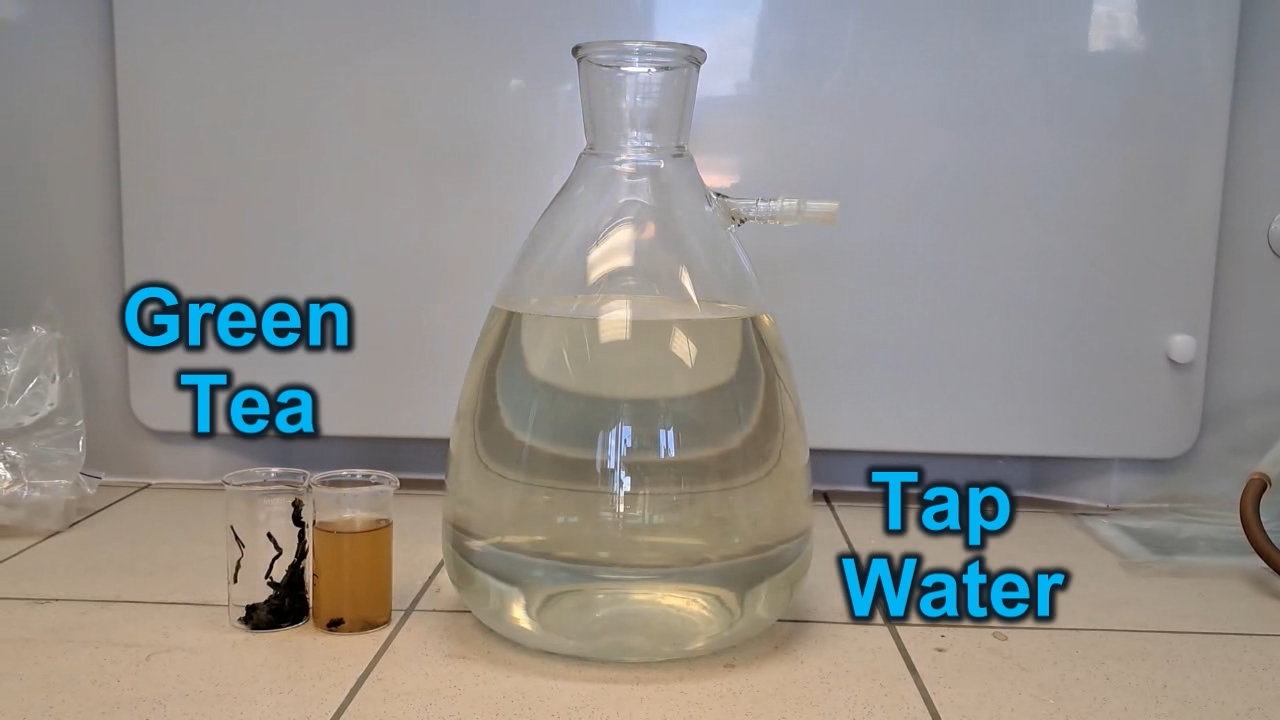
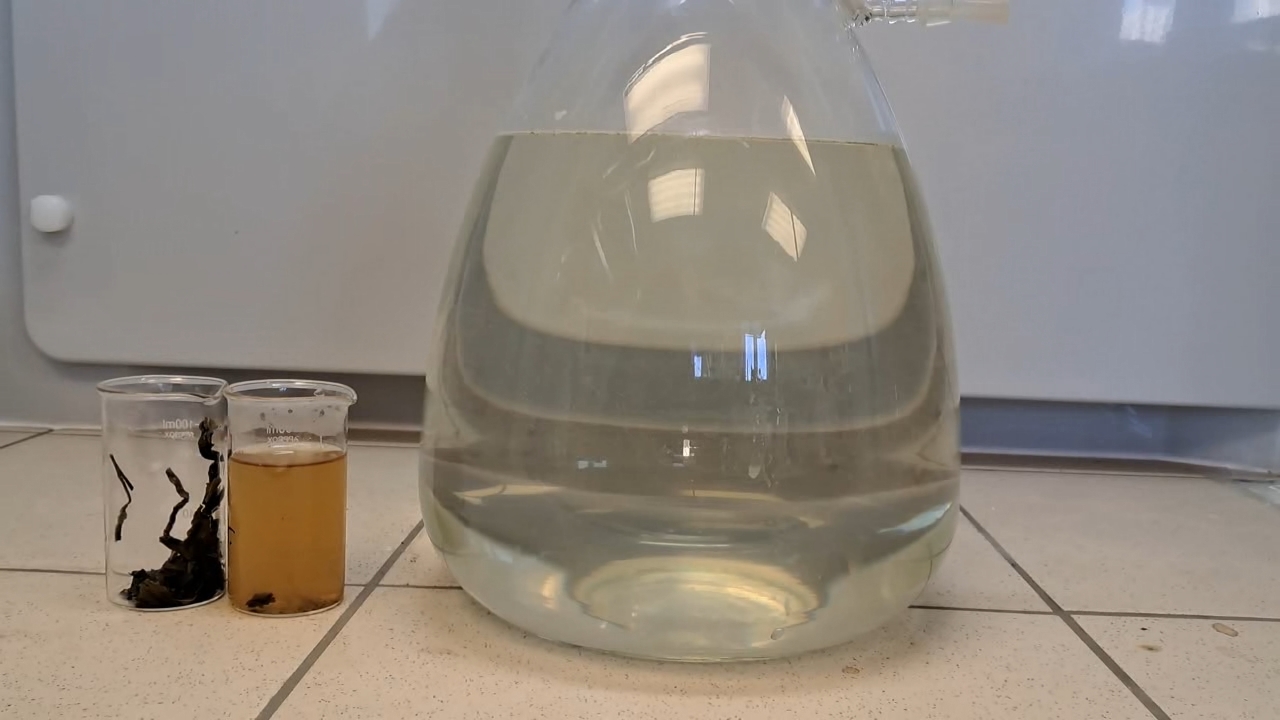
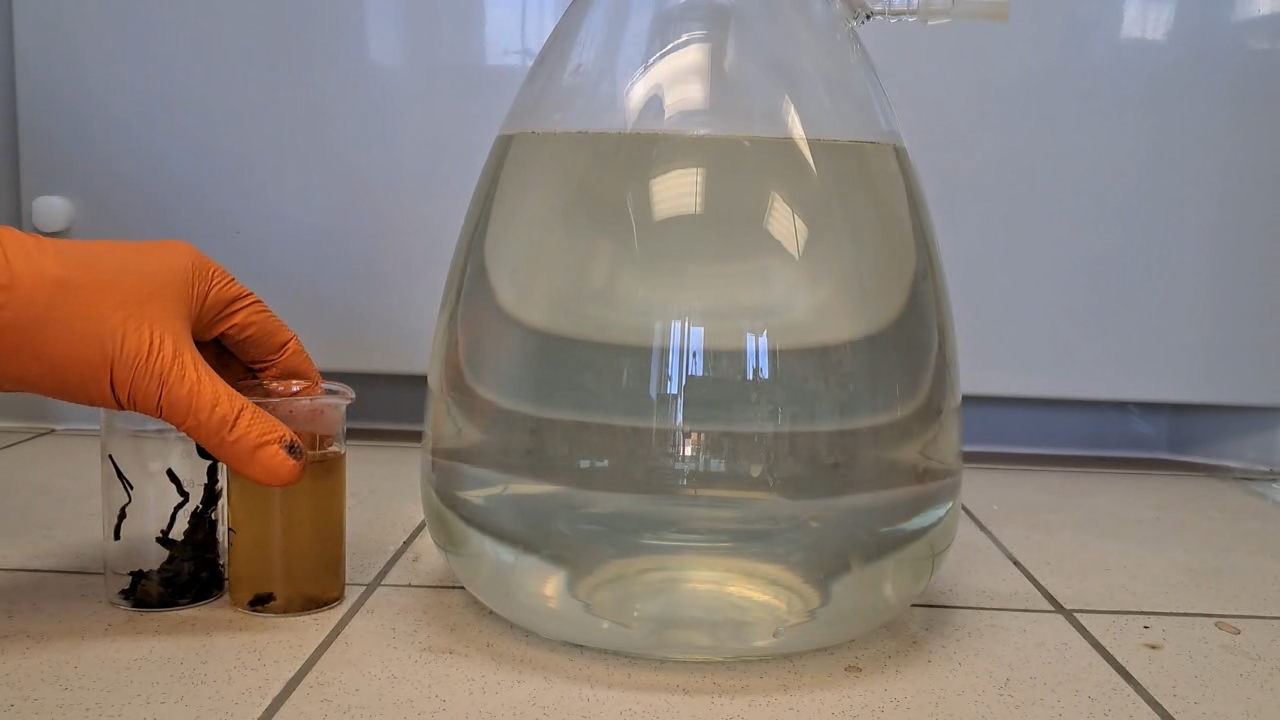
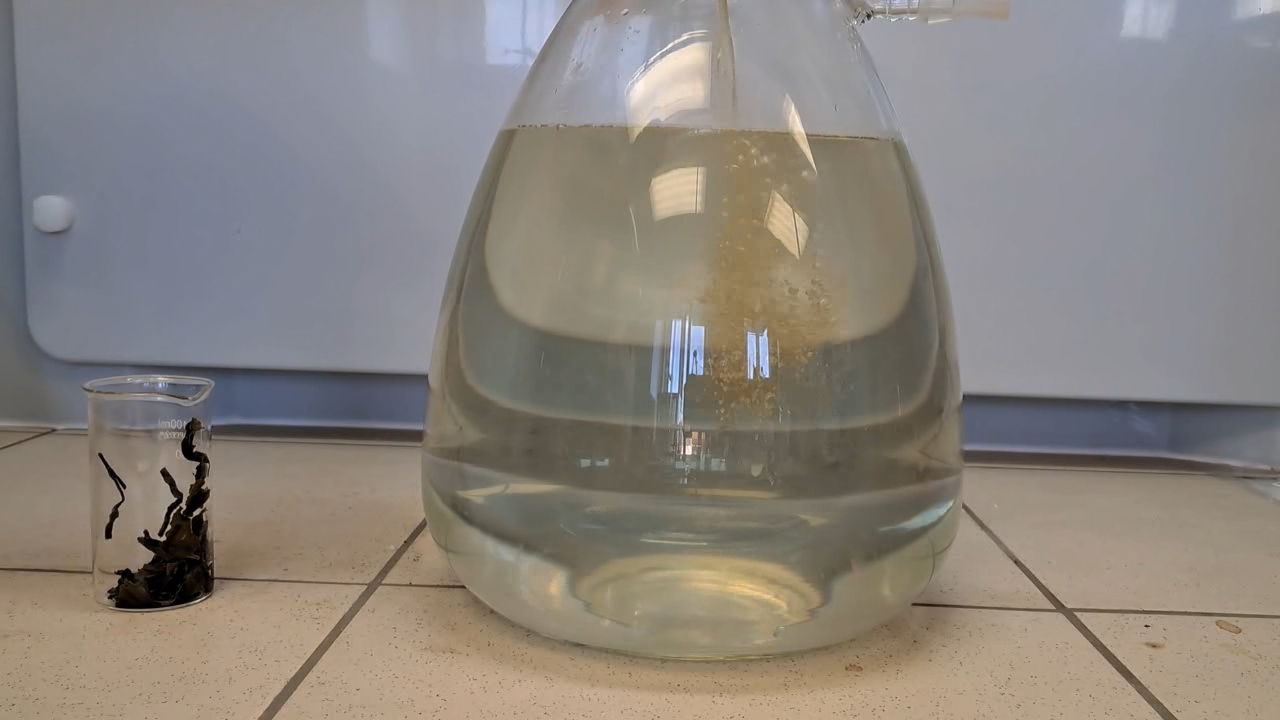
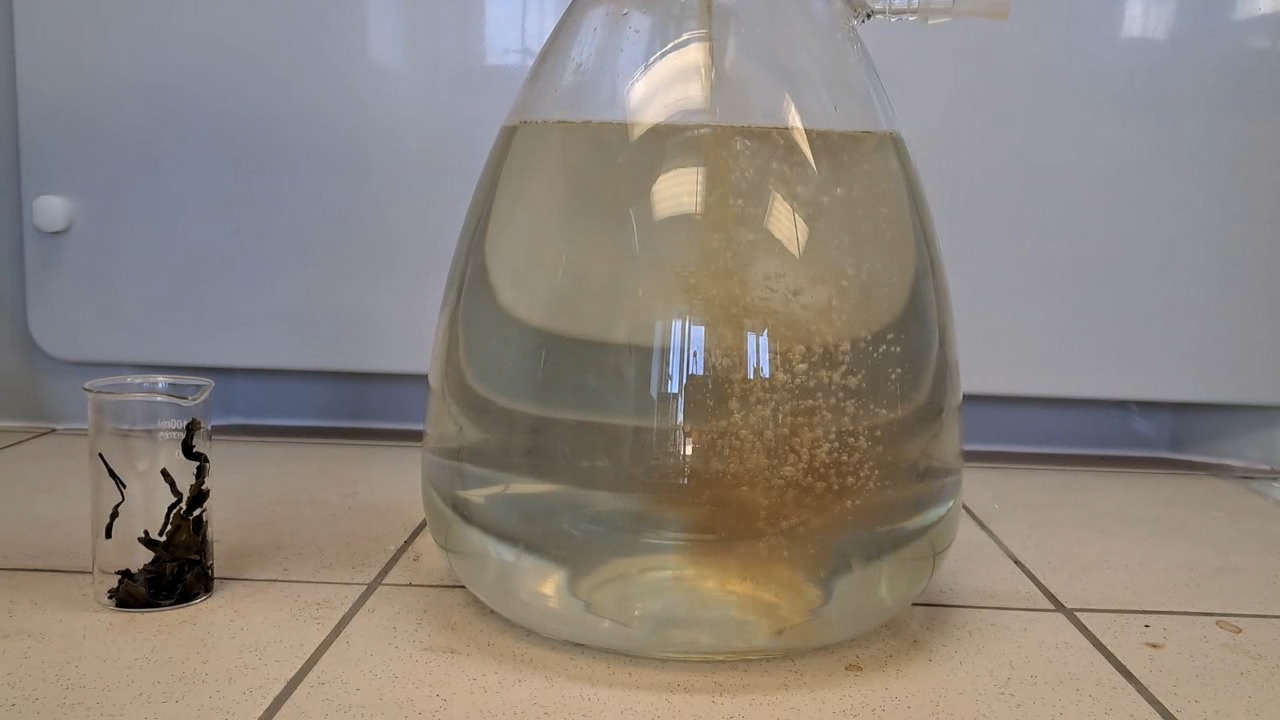
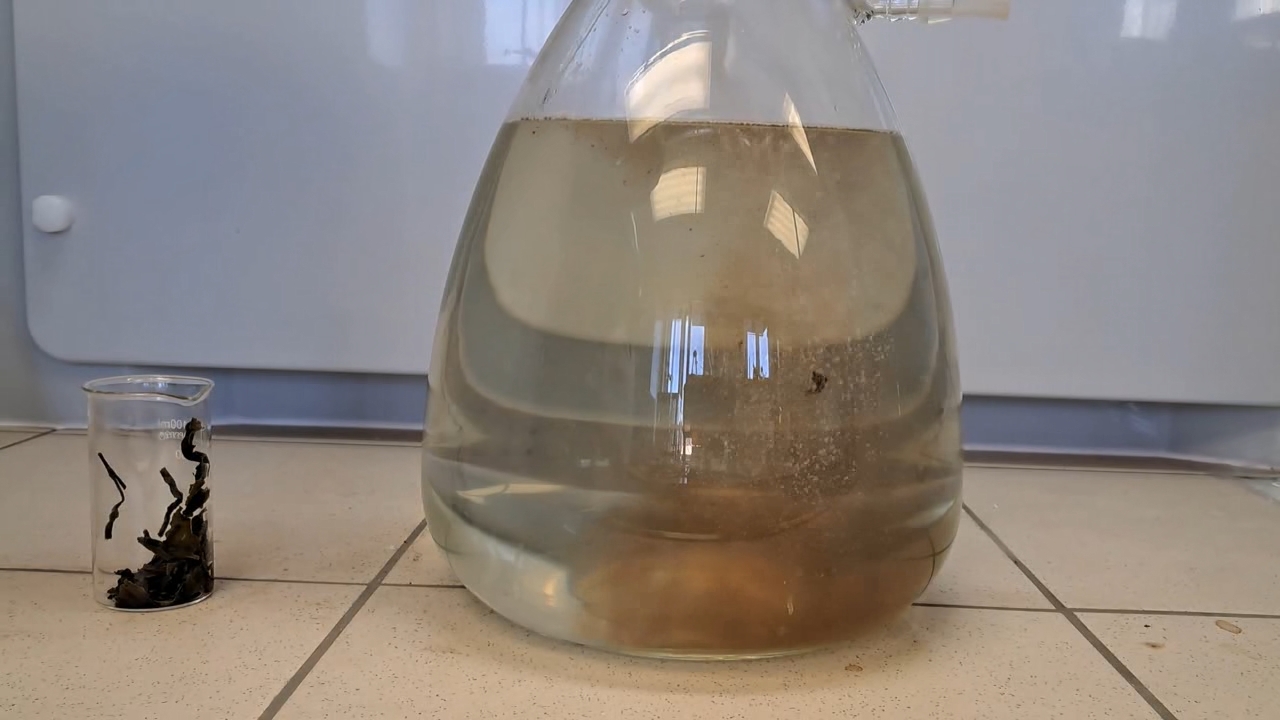
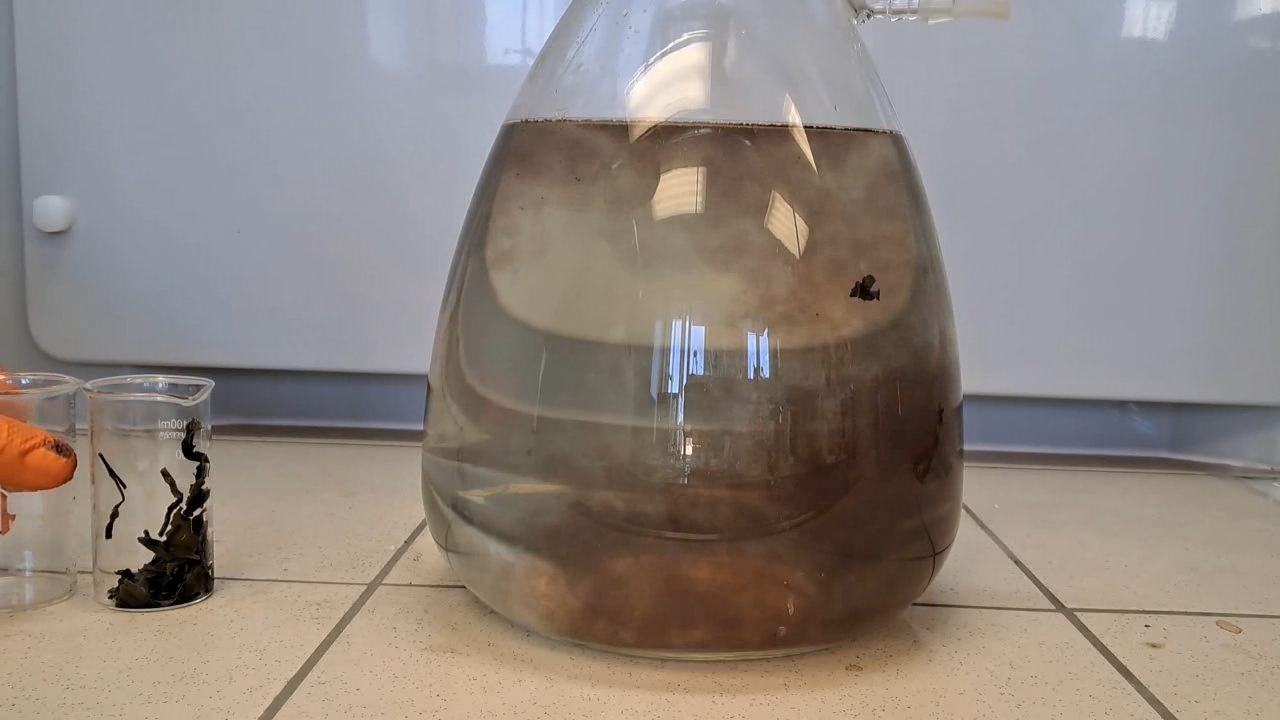
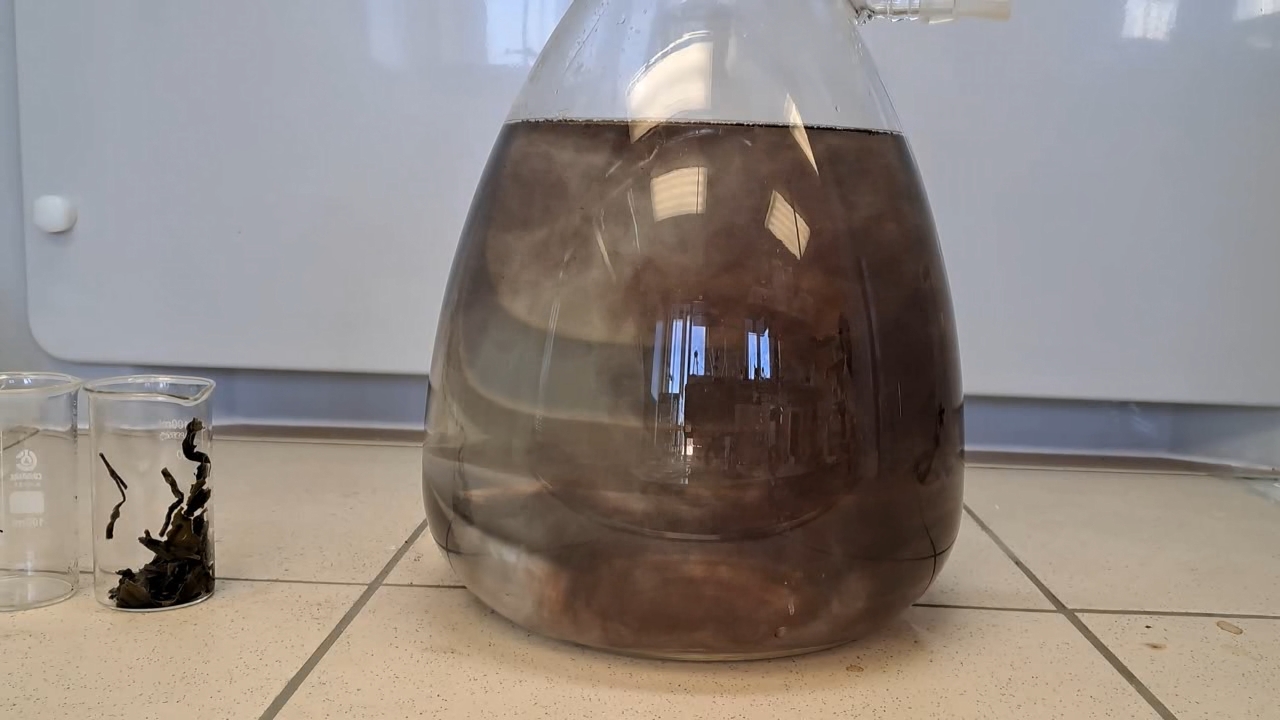
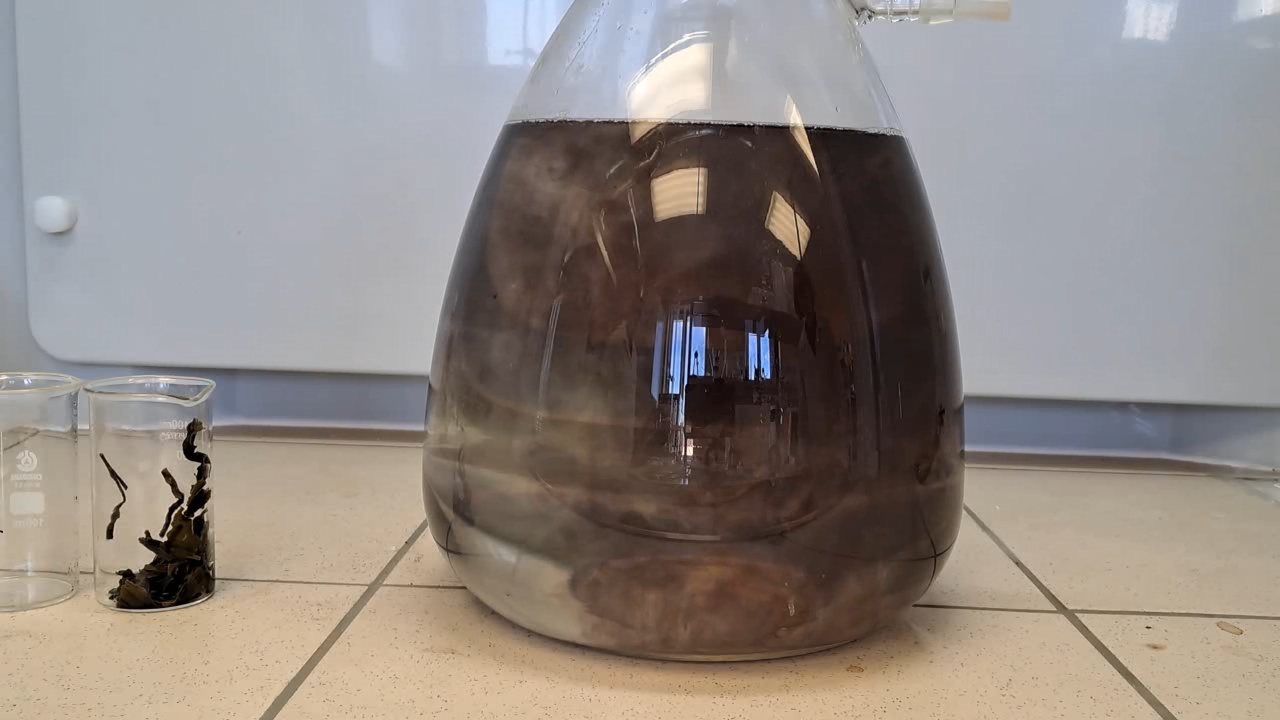
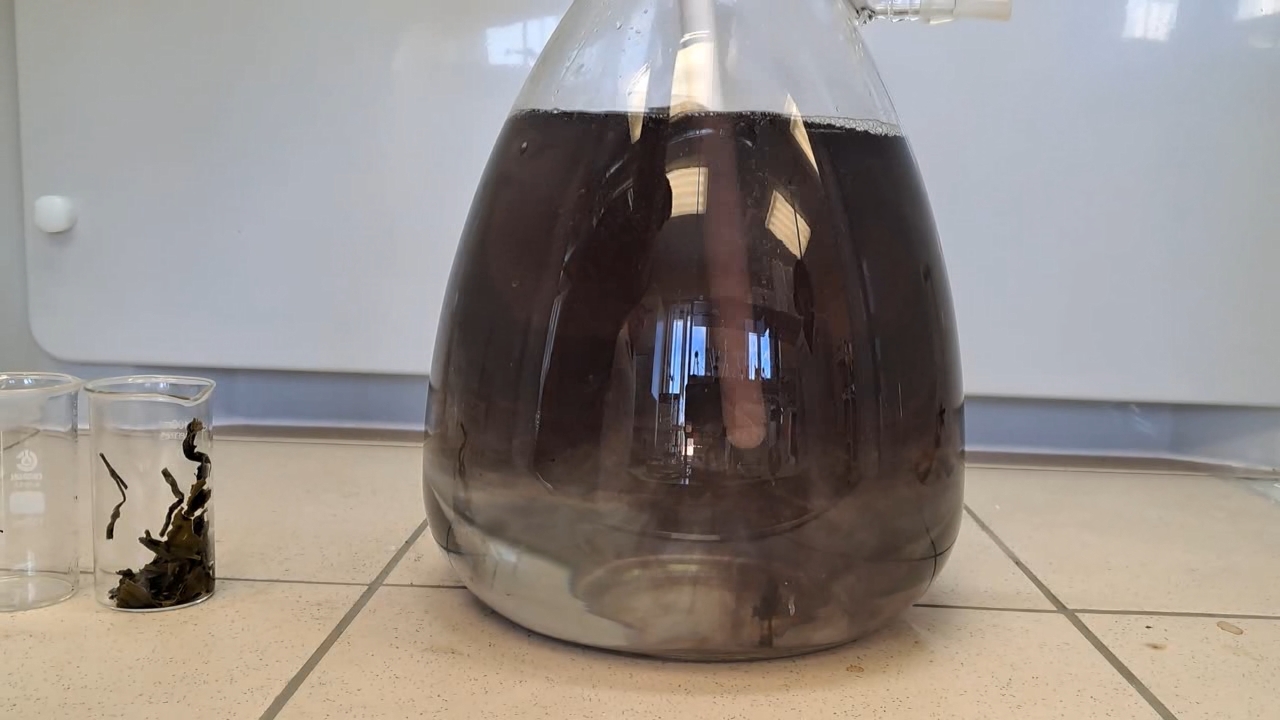
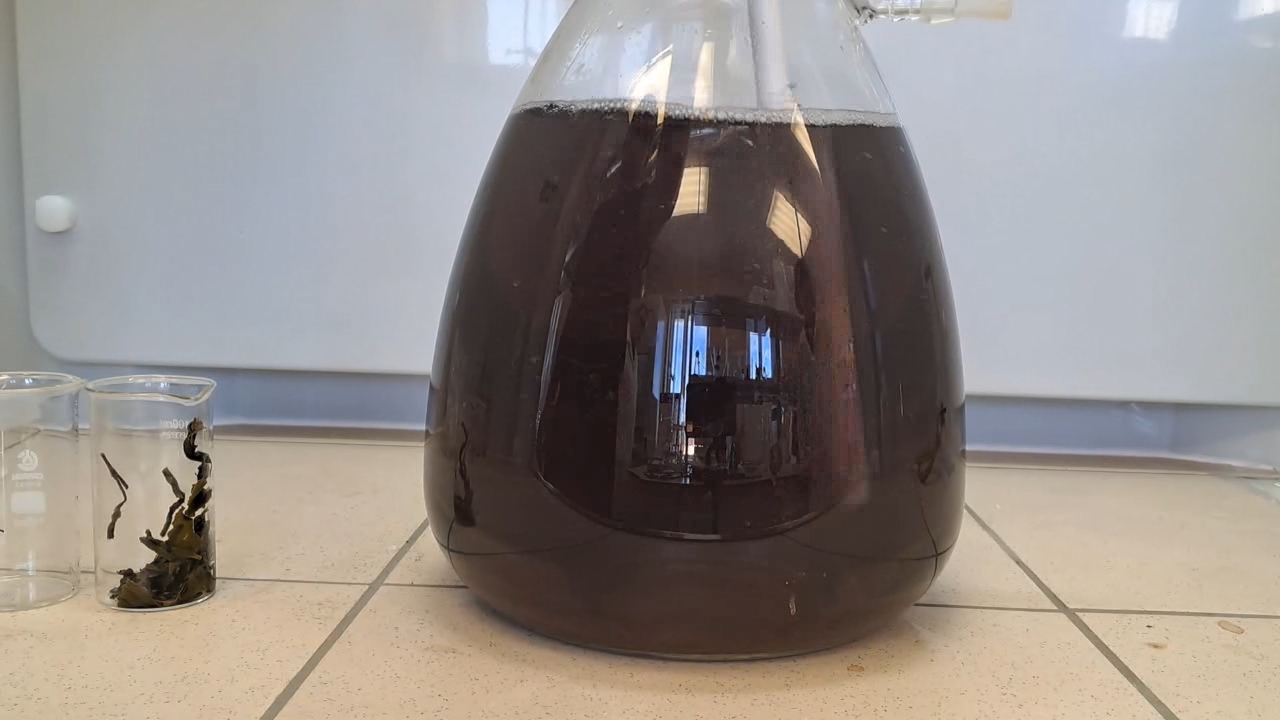
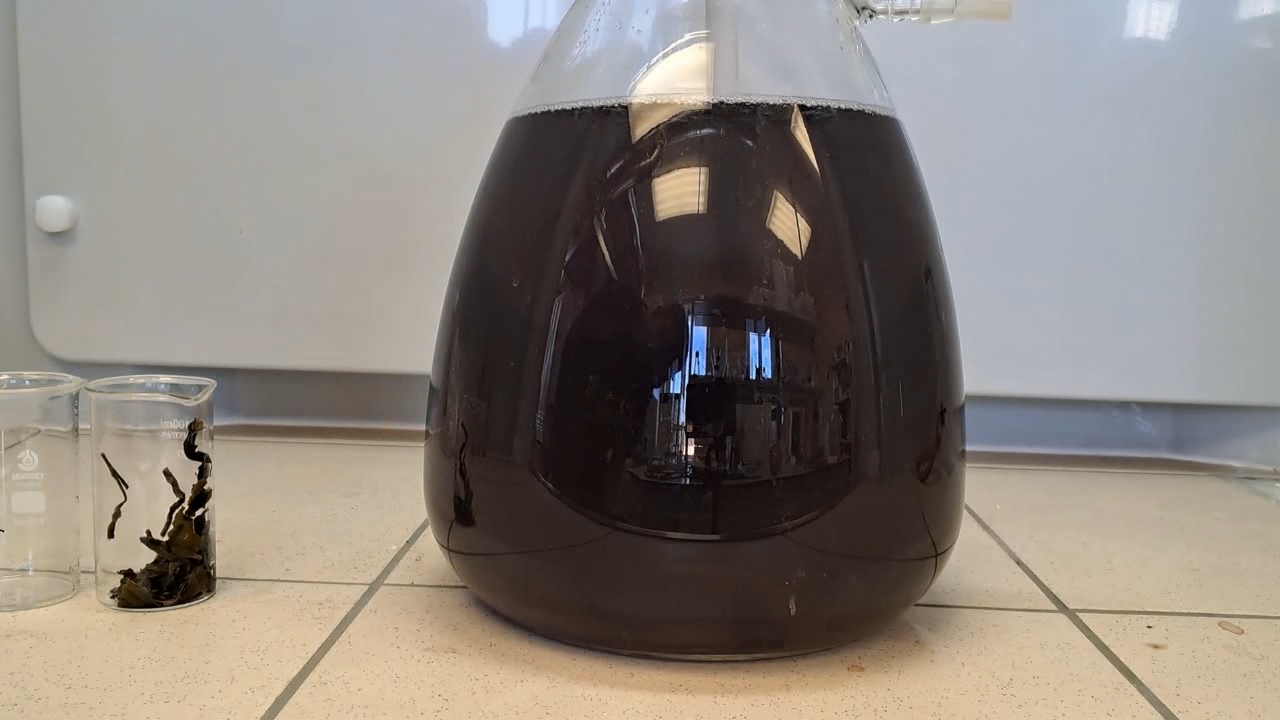
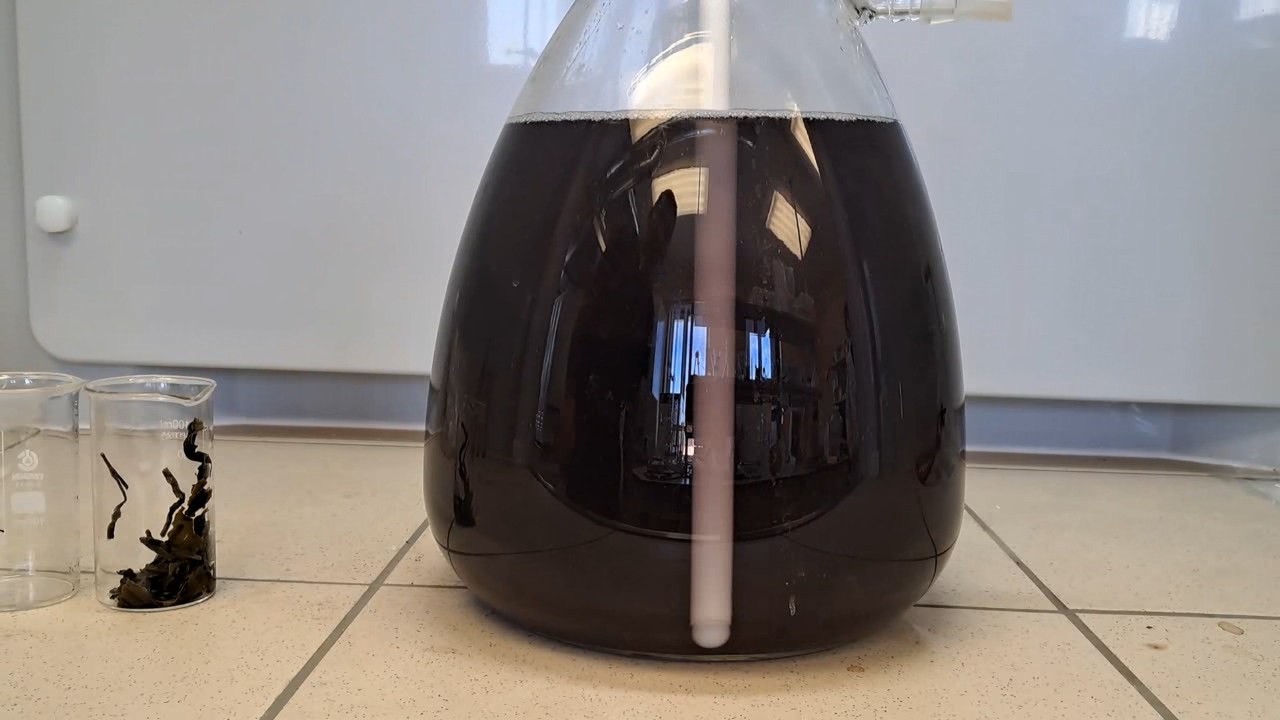
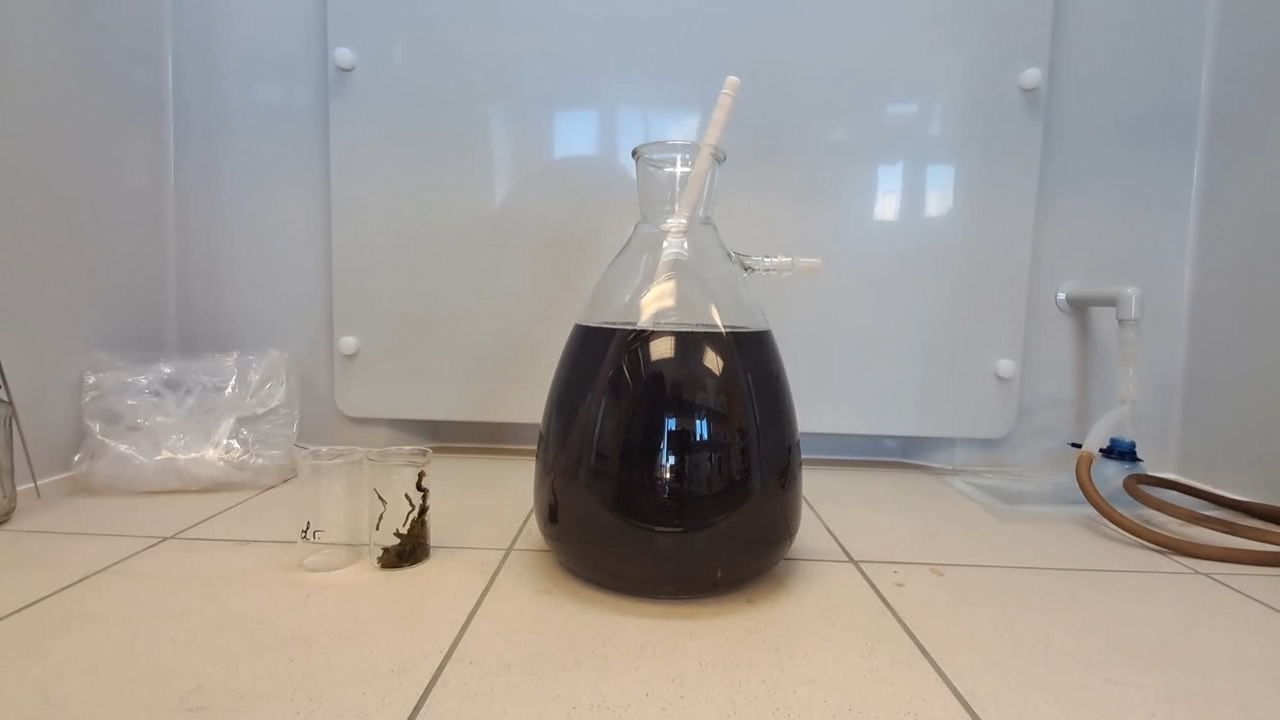
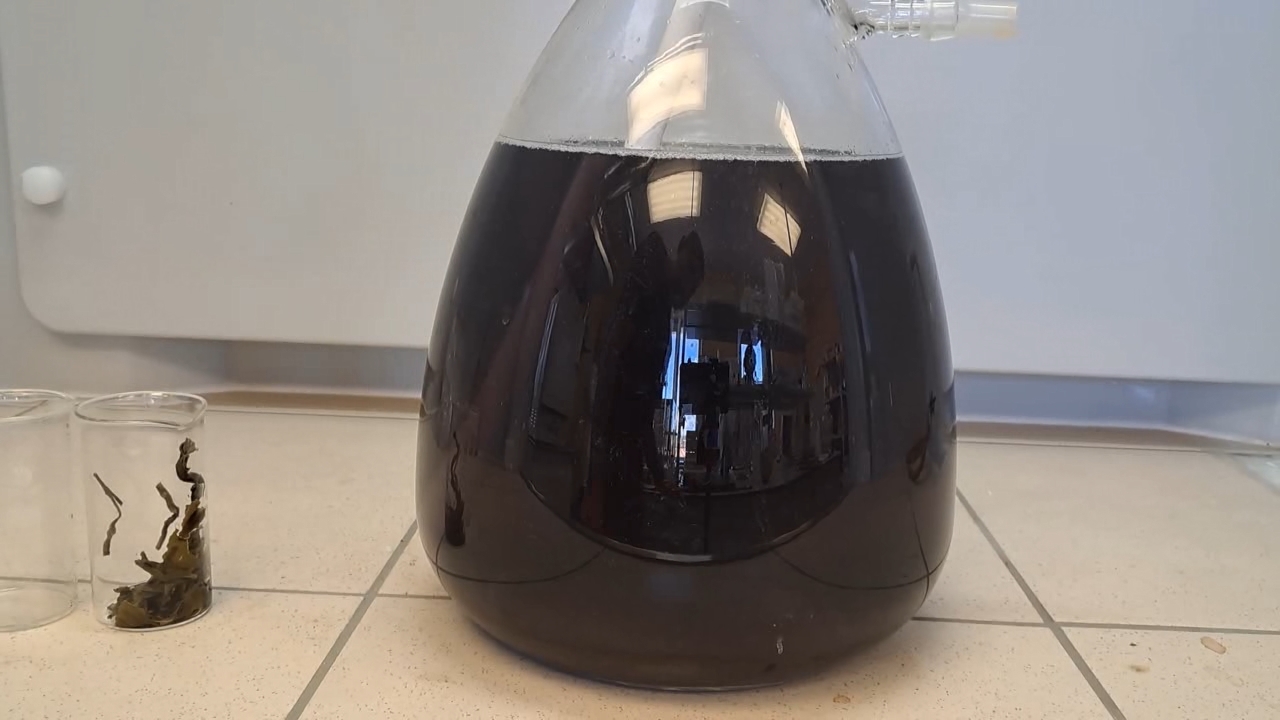
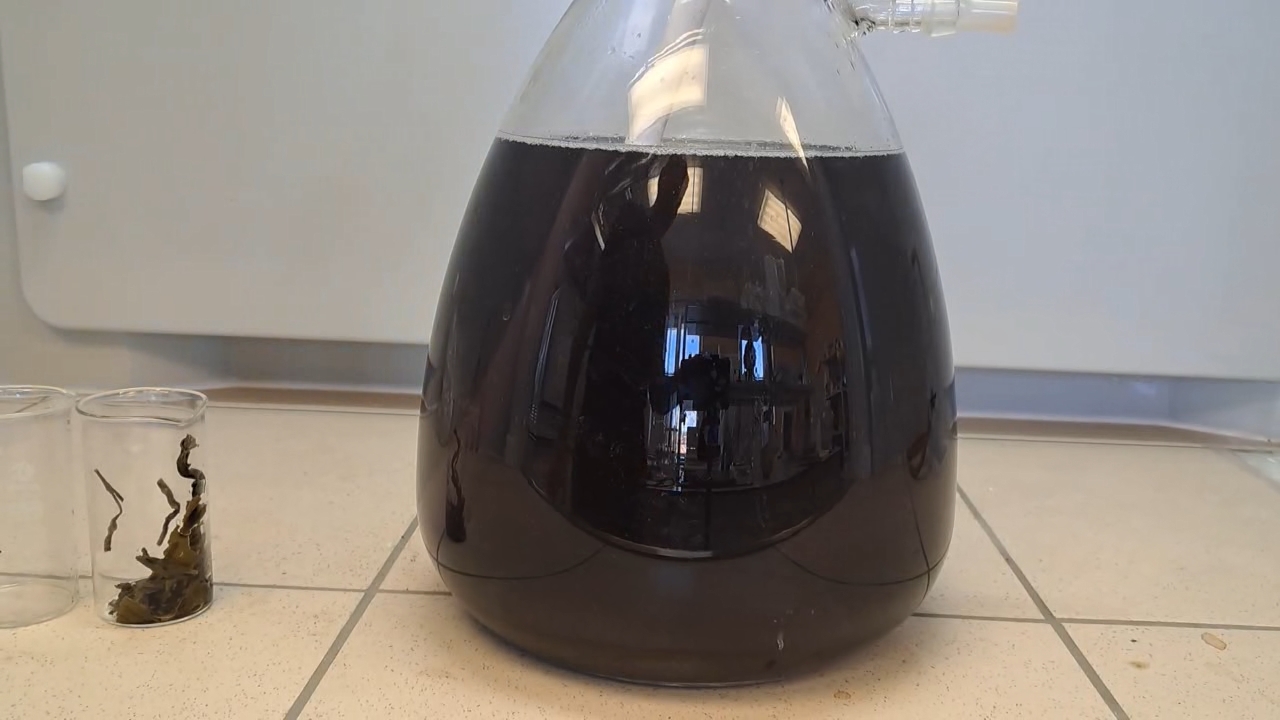
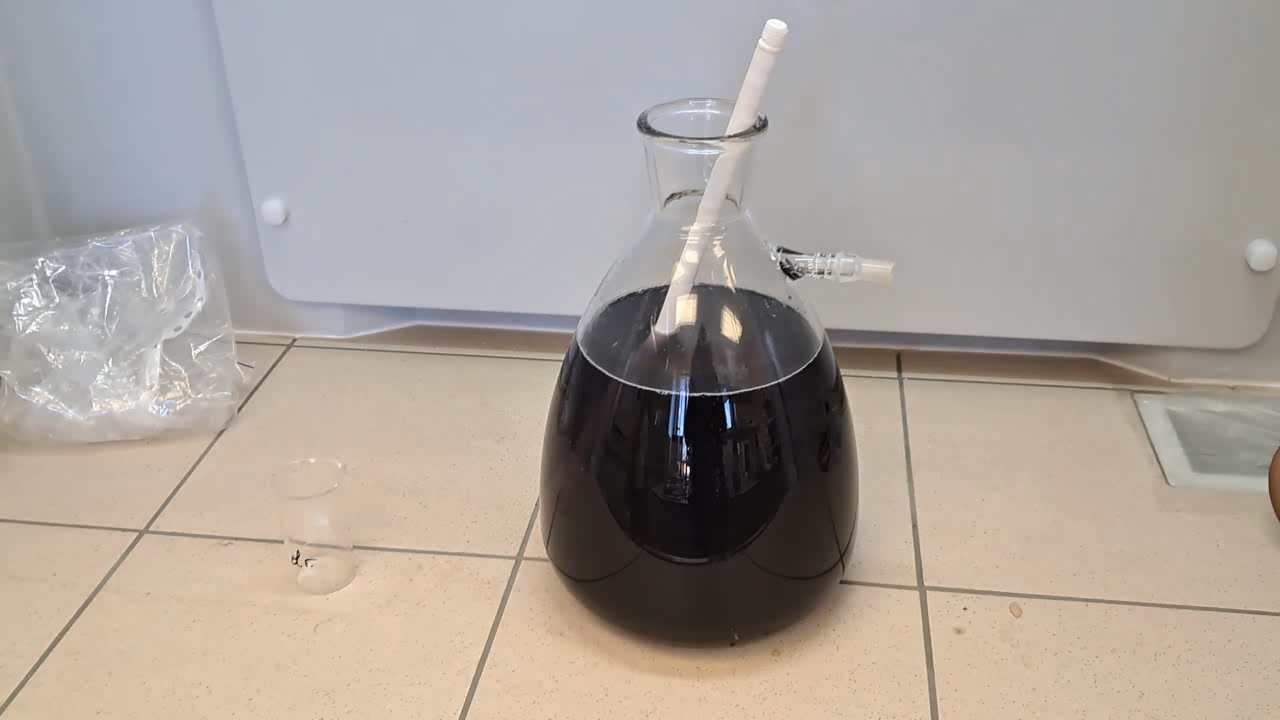
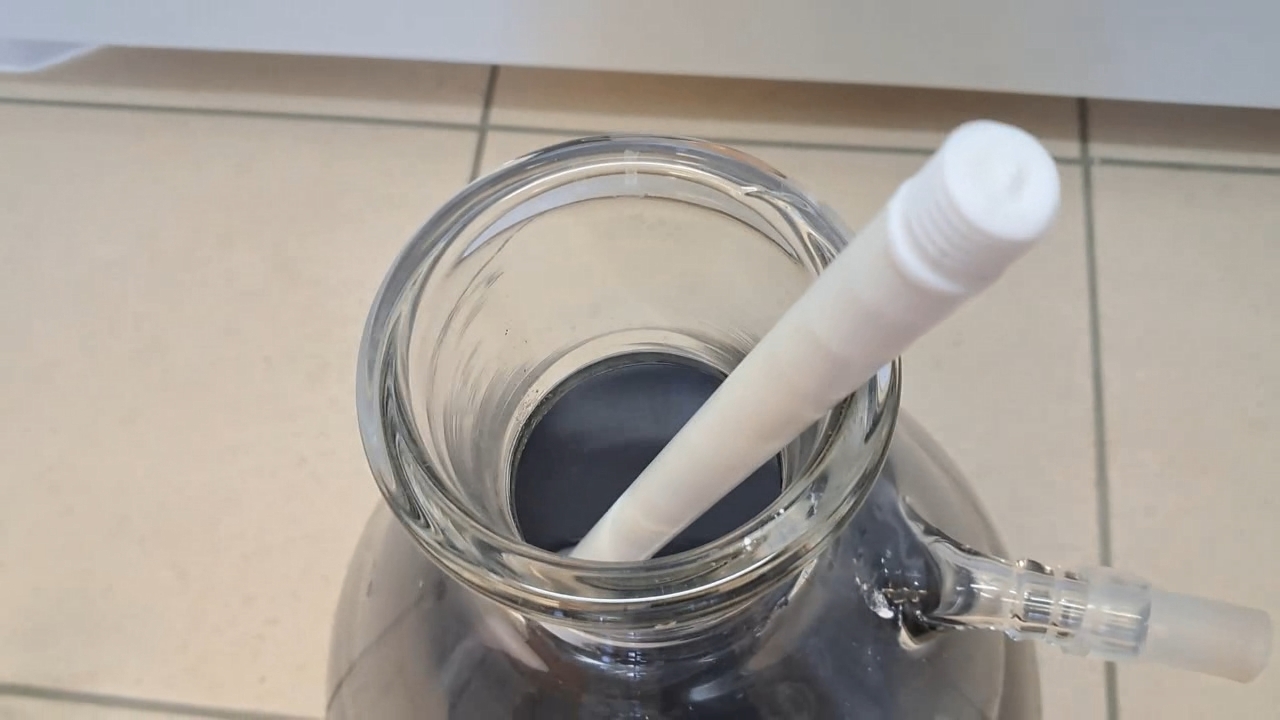
Вакуумное фильтрование, водопроводная вода и зеленый чай - Часть 4 The next day, I instructed a physicist to attach the plastic pump to a different tap - one with much stronger water pressure. Meanwhile, our chemist, on his own initiative, attached a glass water-jet pump to the tap inside the fume hood - the very same tap that had previously lacked sufficient pressure. It turned out that the glass pump produced a good vacuum, whereas the plastic pump performed poorly even with strong water pressure. The problem was not the water pressure but the poor quality of the pump itself. I connected a five-liter Bunsen (Büchner) flask to the water-jet pump and began vacuum filtration. Soon, however, water from the pump started flowing into the flask. This can happen when the water pressure is inconsistent: a sudden drop in mains water pressure causes water from the pump to be sucked into the Bunsen flask. Similarly, if one carelessly turns off the tap without first disconnecting the vacuum hose from the flask, tap water will also enter the Bunsen flask. In my case, this was not a problem. The objective was to filter and wash the precipitate, and the filtrate itself was of no value; therefore, contamination of the filtrate with tap water did not matter. Had the situation been different, I should have installed a trap - a special flask - between the water-jet pump and the Bunsen flask to collect any unwanted water entering the vacuum line. However, it later turned out that the fluctuations in water pressure in the new laboratory were severe and frequent; as a result, the five-liter Bunsen flask had nearly filled with yellowish tap water. I changed both the Bunsen flask and the vacuum pump: instead of a water-jet pump, I used a diaphragm vacuum pump. The problem was that the precipitate was filtering very slowly, and since I had never worked with a diaphragm pump before, I didn't know how long the pump could run without risking damage to its mechanism. After two hours, I clamped the vacuum hose shut with a Mohr clip and turned off the pump. Filtration continued thanks to the "vacuum reserve" remaining in the flask. I later realized that clamping the hose had not been necessary - simply turning off the pump would have sufficed. Unlike a water-jet pump, a diaphragm pump does not allow air to flow back into the flask when it is turned off. The filtration process took a full two days. Meanwhile, the first five-liter Bunsen flask sat filled with tap water, and a colleague of mine brewed some green tea. Naturally, I couldn't resist the temptation to perform another qualitative test for the iron dissolved in the tap water. Green tea is much paler than black tea, making it far easier to observe the formation of the iron-tannin complex. I added a little green tea to the flask and stirred the mixture. The solution in the flask turned dark violet. |
Vacuum Filtration, Tap Water, and Green Tea |
|
|
|
|
|
|
|
|
|
|
|
|
|
|
|
|
|
