Chemistry and Chemists № 2 2026
Journal of Chemists-Enthusiasts
| Content | Chemistry experiments - video | Physics experiments - video | Home Page - Chemistry and Chemists |
|
Chemistry and Chemists № 2 2026 Journal of Chemists-Enthusiasts |
Insects in Vacuum - pt.1, 2 Chemist |
|
Having noticed a mistake in the text, allocate it and press Ctrl-Enter
Background: Medical Syringe Instead of Vacuum Pump - Part 1
A little over ten years ago, I returned home from a combat zone after completing my military service. My academic supervisor, who was also the head of the department at the institute, gave me a very cold reception, as he disapproved of my decision to go to war instead of working on my dissertation. When I was leaving for the war, he had said:
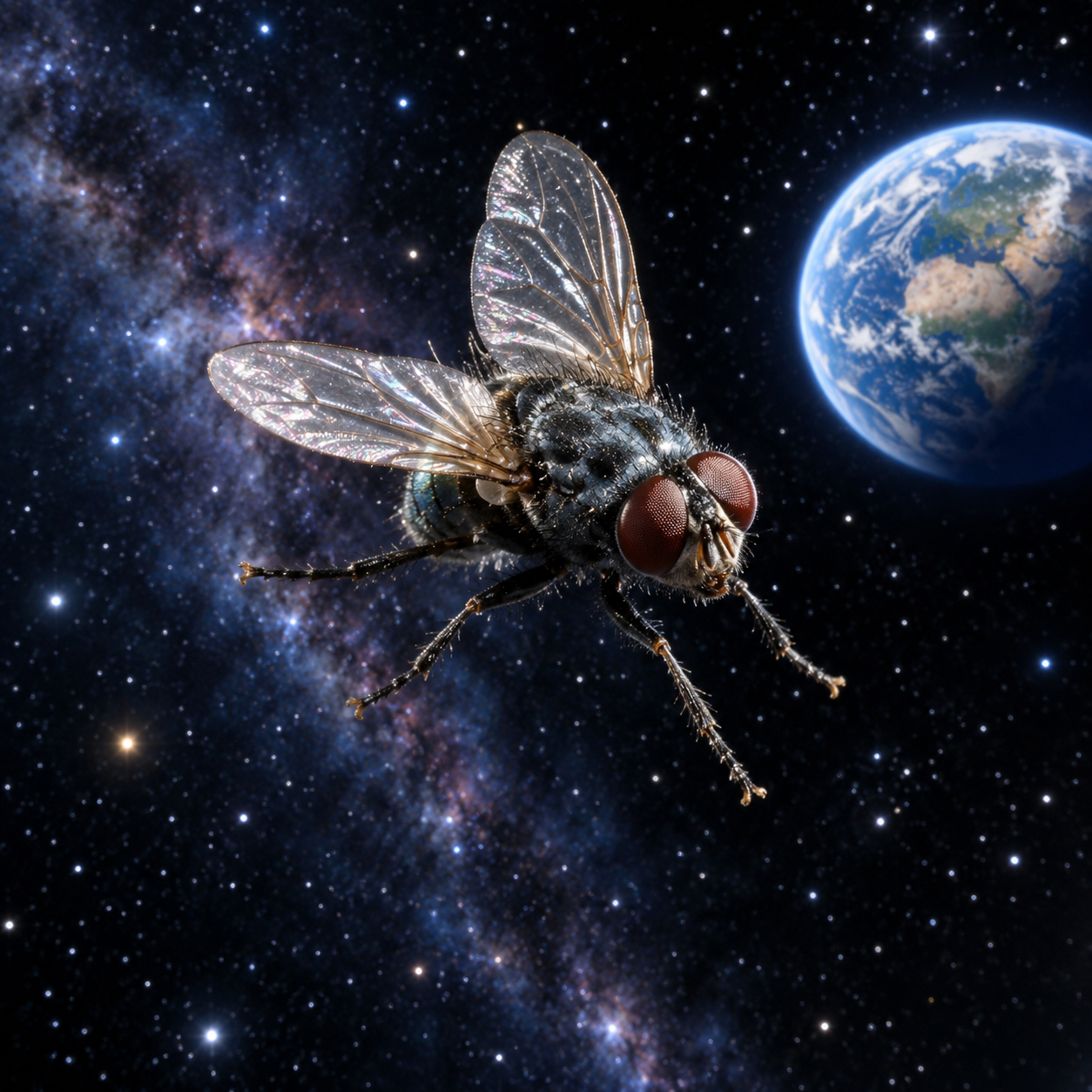
Насекомые в вакууме Предыстория: медицинский шприц вместо вакуумного насоса - Часть 1 "You're joining the army just to avoid working on your doctoral dissertation!" [It was not a PhD dissertation: in our country, there is another, higher-level dissertation degree beyond the PhD.] My boss went on to say that it wasn't a real war - just a "squabble" between oligarchs. Later, he became the institute's deputy director for research. Six years later, when the limited conflict escalated into a full-scale war, my former supervisor fled to Italy. He now occasionally calls former colleagues in Ukraine to complain about how hard life is in Italy, yet he shows no hurry to return to Ukraine under bombardment. Incidentally, he remained the institute's deputy director for more than a year (!) while living abroad and failing to perform his duties. While the law permits this during wartime, what is the point of clinging to a position if you have no intention of returning to the country? In Italy, by the way, he works in his field and receives a Hoover Fellowship. For my part, I had no desire to continue working under such a supervisor, so I immediately left the institute, thereby losing access to the chemistry laboratory. For three years, I had to conduct chemical experiments in my cramped apartment, which was also where I filmed my videos. My supply of reagents, glassware, and equipment was very modest, so I had to make do with the simplest experiments. I became particularly interested in the remarkable resilience insects show in the face of various adverse conditions. Back in school, for instance, I had learned that cockroaches are roughly a thousand times more resistant to ionizing radiation than humans. Our teacher had joked at the time: "After a nuclear war, only cockroaches will be left!" But just how resistant are insects to a vacuum? Answering this question would have been easy in the chemistry laboratory. At the time, water-jet pumps or oil vacuum pumps were used to create a vacuum in the laboratory. However, I didn't have either of those in my apartment. What I did have, though, were plastic medical syringes. I would secure a syringe in a laboratory stand, place a fly, wasp, hornet, cockroach, or ant inside it, and push the plunger in as far as possible without harming the insect. Then, I would seal the syringe's nozzle and pull the plunger out as far as it would go. This movement of the plunger created a vacuum inside the syringe. The insects began making unnatural, convulsive movements, and after a few seconds, they stopped moving entirely, showing no signs of life. Yet they weren't dead. As soon as I let air back into the syringe, restoring the internal pressure to atmospheric pressure, the insects gradually revived. Later, I realized that I could transfer them from the syringe to an open Petri dish, making them easier to observe and to record the process on video. At first, the insects didn't move; then they began making convulsive movements, and over time, their behavior returned to normal. After a few minutes, the flies, wasps, and hornets flew away, and the ants crawled off. As for the cockroaches, I caught them and tossed them out the window - I had no intention of letting those pests roam around my apartment [1]. After their time in the vacuum, the insects acted as if nothing had happened. Naturally, this doesn't mean that decompression has no long-term effects on insects, but there were no noticeable short-term consequences. Incidentally, I also used that same syringe to observe water, ethanol, and ammonia solution boiling at room temperature. A lot of time has passed since then - I now have a laboratory equipped with various types of vacuum pumps. I managed to make water boil at room temperature using the diaphragm vacuum pump from a rotary evaporator, and I even recorded a video of the process. However, I've only recently repeated the "vacuum" experiments involving insects - and even then, not all of them. In particular, I still need to catch some German cockroaches from the institute's accounting department; they've let the population explode there by frequently hosting banquets right in their offices. Now, let me tell you the whole story, step by step. __________________________________________________ 1 Vacuum (Experiments) [link]. |
|
Насекомые в вакууме
Чуть больше десяти лет назад я вернулся домой из армии из зоны боевых действий. Мой научный руководитель (он же - заведующий отделом в институте) встретил меня очень холодно, поскольку он не одобрял, что я пошел на войну вместо того, чтобы делать диссертацию. Когда я шел на войну, он сказал:
Предыстория: медицинский шприц вместо вакуумного насоса - Часть 1 "Вы идете в армию, чтобы не делать докторскую диссертацию!" Потом шеф добавил, что это не настоящая война, это все "разборки" между олигархами. Позже он стал заместителем директора института по научной работе. А еще через шесть лет, когда ограниченная война стала полномасштабной, мой бывший научный руководитель сбежал в Италию. Сейчас он периодически звонит бывшим коллегам в Украину и рассказывает, как ему тяжело живется в Италии, но возвращаться в Украину под бомбежки он не спешит. Кстати, он больше года (!) оставался заместителем директора института, будучи за границей и не исполняя своих обязанностей. Во время войны закон это разрешает, но какой смысл так держаться за должность, если ты не собираешься возвращаться в страну? В Италии, между прочим, он работает по специальности и получает гуверовскую стипендию (Hoover Fellows Program). Я, свою очередь, не хотел больше работать у такого руководителя, поэтому сразу ушел из института, потеряв доступ к химической лаборатории. Три года мне пришлось ставить химические эксперименты в тесной квартире. Здесь же я снимал видео. Набор химических реактивов, посуды и оборудования был очень скромным, поэтому пришлось обходиться самыми простыми экспериментами. В частности, я заинтересовался тем фактом, что насекомые отличаются удивительной стойкостью к различным неблагоприятным факторам. В частности, еще в школе я узнал, что тараканы примерно в тысячу раз более устойчивы к ионизирующей радиации, чем люди. Тогда наш учитель пошутил: "После ядерной войны останутся одни тараканы!" А насколько устойчивы насекомые к вакууму? В химической лаборатории получить ответ на данный вопрос не представляло сложности. Для создания вакуума в лабораториях тогда использовались водоструйные насосы или масляные вакуумные насосы. Однако, у меня в квартире их не было. Зато были пластиковые медицинские шприцы. Я закреплял шприц в лабораторном штативе, помешал внутрь муху, осу, шершня, таракана или муравья, максимально задвигал поршень внутрь, насколько это было возможно, чтобы не повредить насекомое. Затем я закрывал носик шприца и максимально выдвигал поршень наружу. В результате движения поршня в шприце создавался вакуум. Насекомые начинали совершать неестественные судорожные движения, а через несколько секунд переставали двигаться, не подавая признаков жизни. Однако, он были не мертвы. Стоило впустить воздух в шприц, подняв внутреннее давление до атмосферного, и насекомые постепенно оживали. Позже я догадался перемещать их из шприца в открытую чашку Петри, чтобы было удобнее наблюдать и снимать видео. Сначала насекомые не двигались, потом они совершали судорожные движения, со временем поведение насекомых становились все более естественным. А через несколько минут мухи, осы и шершни улетали, муравьи уползали, а тараканов я ловил и выбрасывал за окно - трепать этих вредителей в квартире я не собирался [1]. Побывав в вакууме, насекомые вели себя так, словно ничего не произошло. Естественно, это не означает, что декомпрессия не вызывает долгосрочных последствий для насекомых, но краткосрочных последствий заметно не было. Кстати, в этом же шприце я наблюдал кипение при комнатной температуре воды, этанола и раствора аммиака. С тех пор прошло много времени - у меня появилась лаборатория с вакуумными насосами различных конструкций. Кипение воды при комнатной температуры я воспроизвел, используя мембранный вакуумный насос роторного испарителя. Снял видео этого процесса. Зато "вакуумные" эксперименты с насекомыми я повторил только недавно и то не все. В частности, еще нужно будет наловить рыжих тараканов в институтской бухгалтерии - они их там развели, устраивая частые банкеты прямо в кабинетах. Теперь расскажу обо всем по порядку. |
|
|
Having noticed a mistake in the text, allocate it and press Ctrl-Enter
Fly in Chemistry Laboratory, Büchner Flask, and Vacuum Pump - Part 2
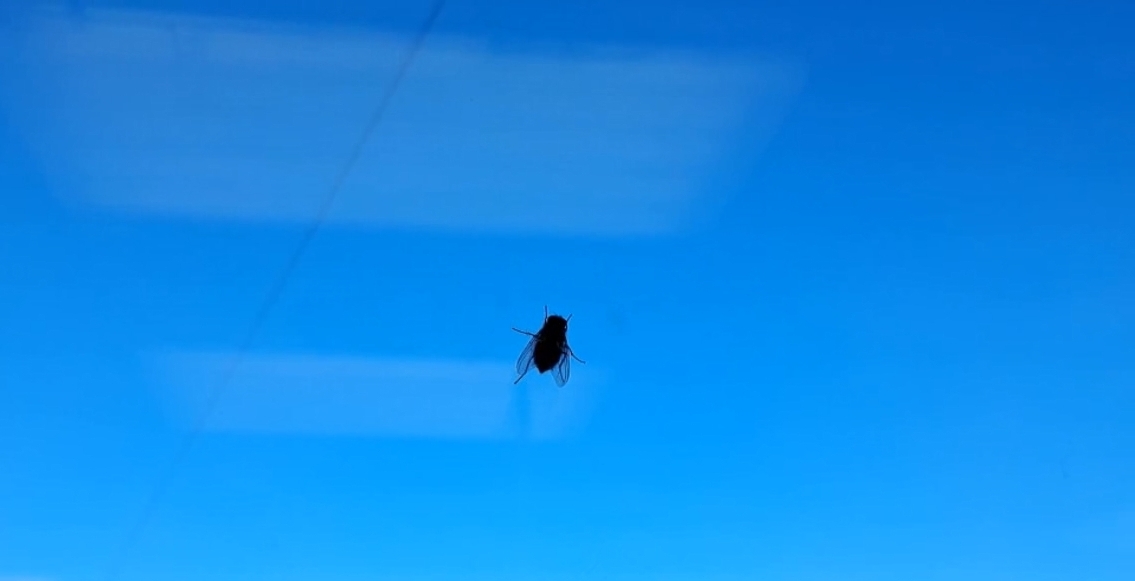
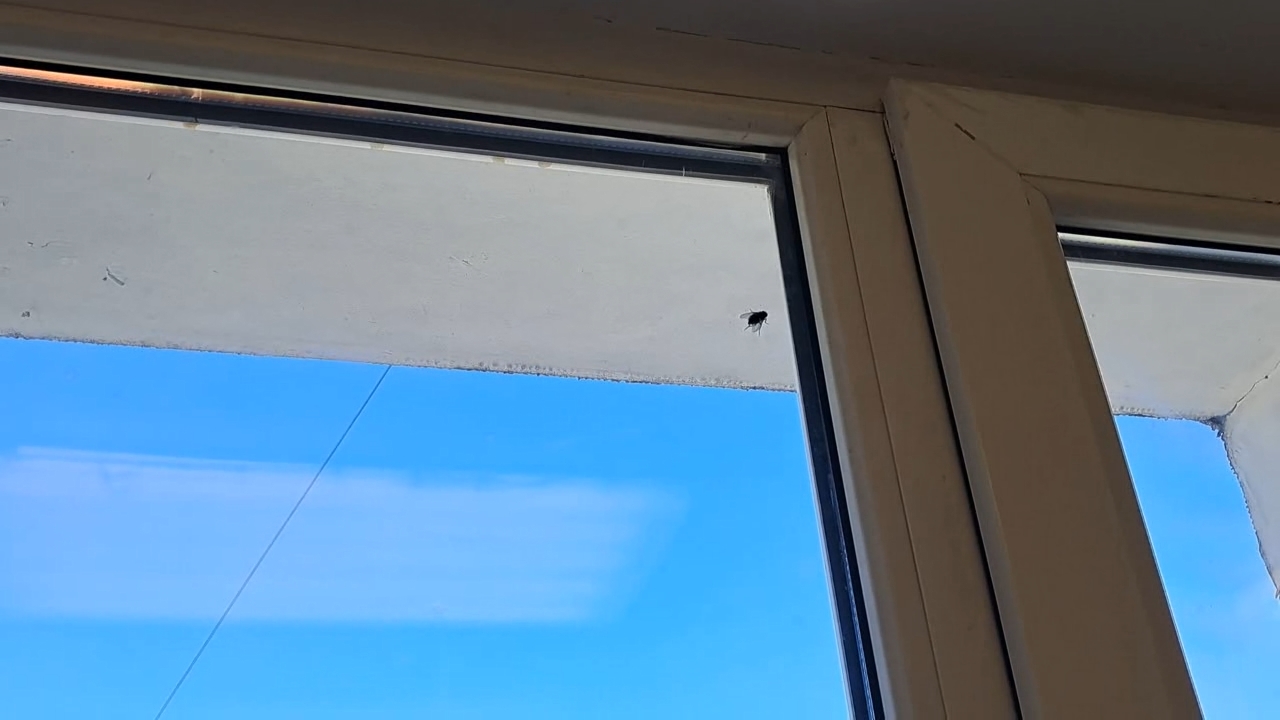
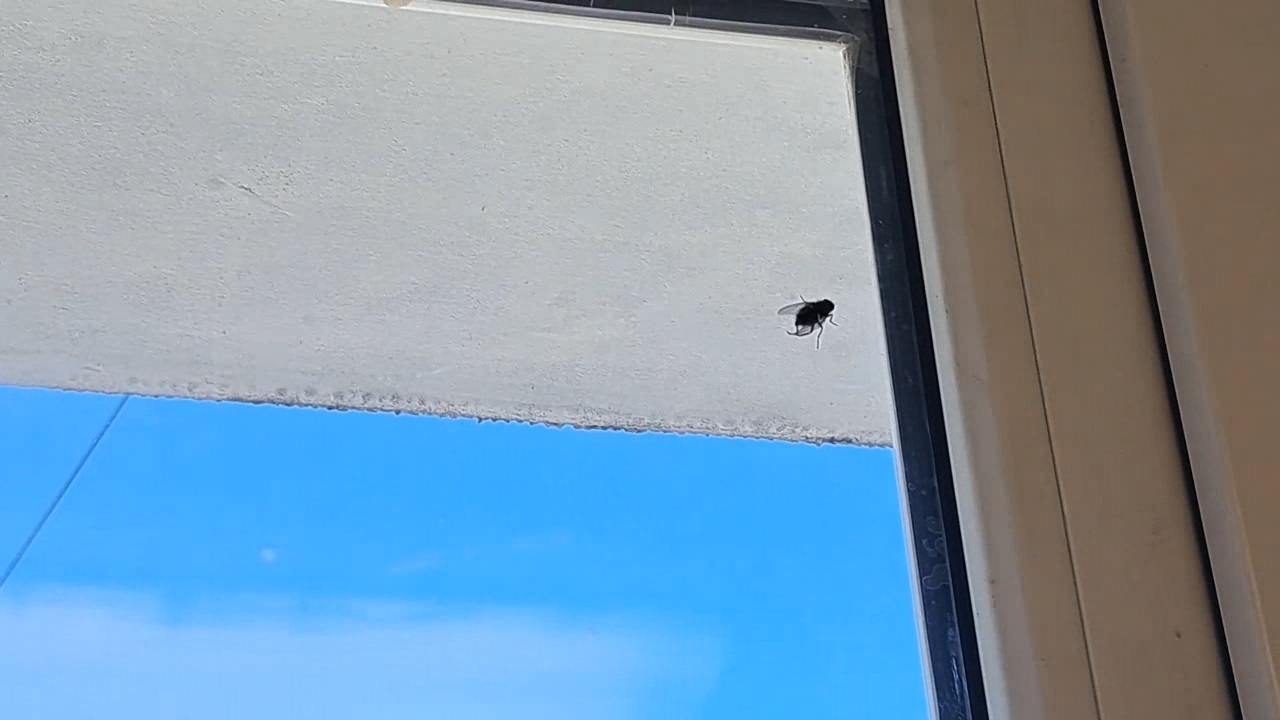
A fly flew into our laboratory - thereby, in accordance with Clause 5.6 of the User Agreement, it gave its voluntary consent to participate in the experiment (see the fine-print footnote). Five minutes passed, yet the fly remained in the laboratory; consequently, it had voluntarily waived its right to terminate the User Agreement during the trial period (see Clause 7.2).
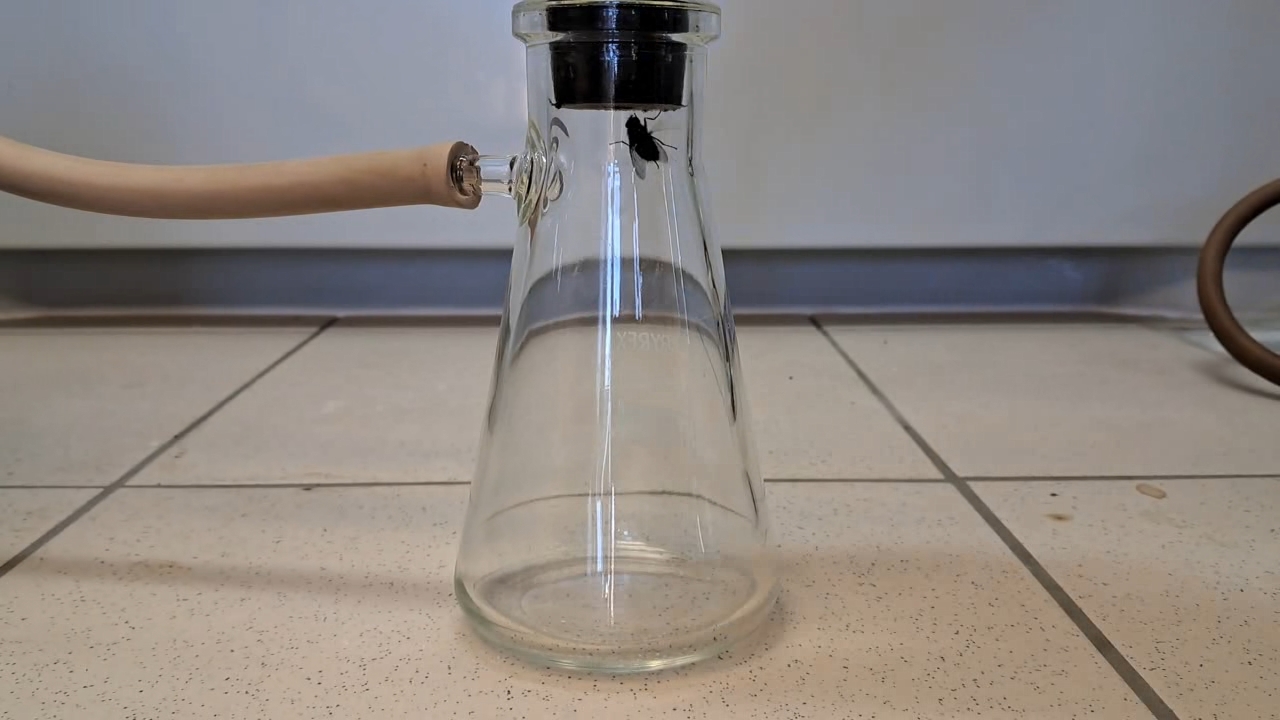
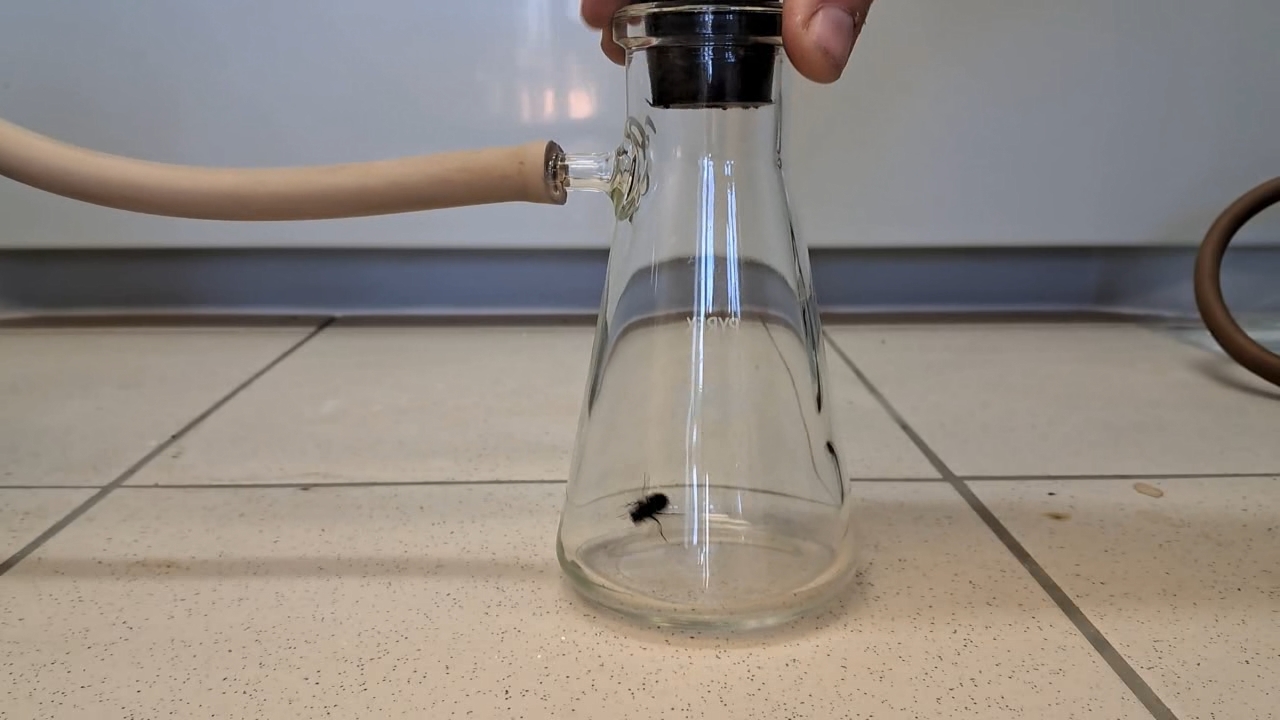
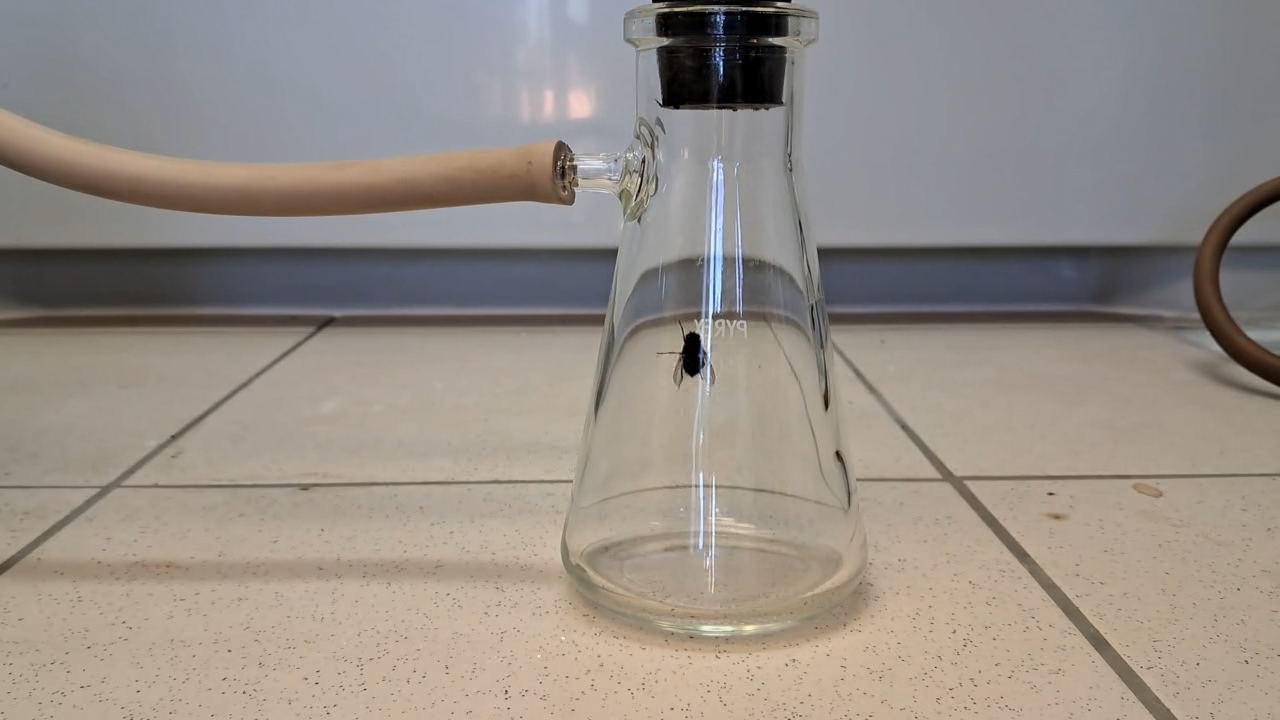
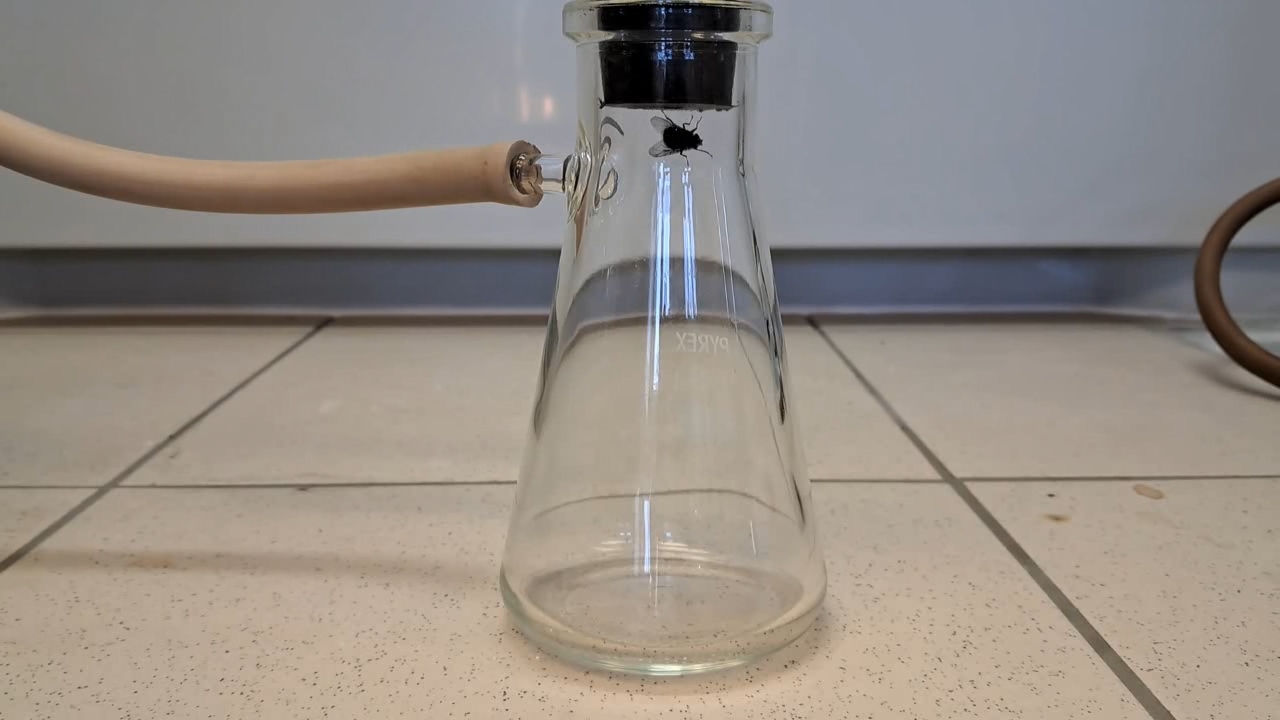
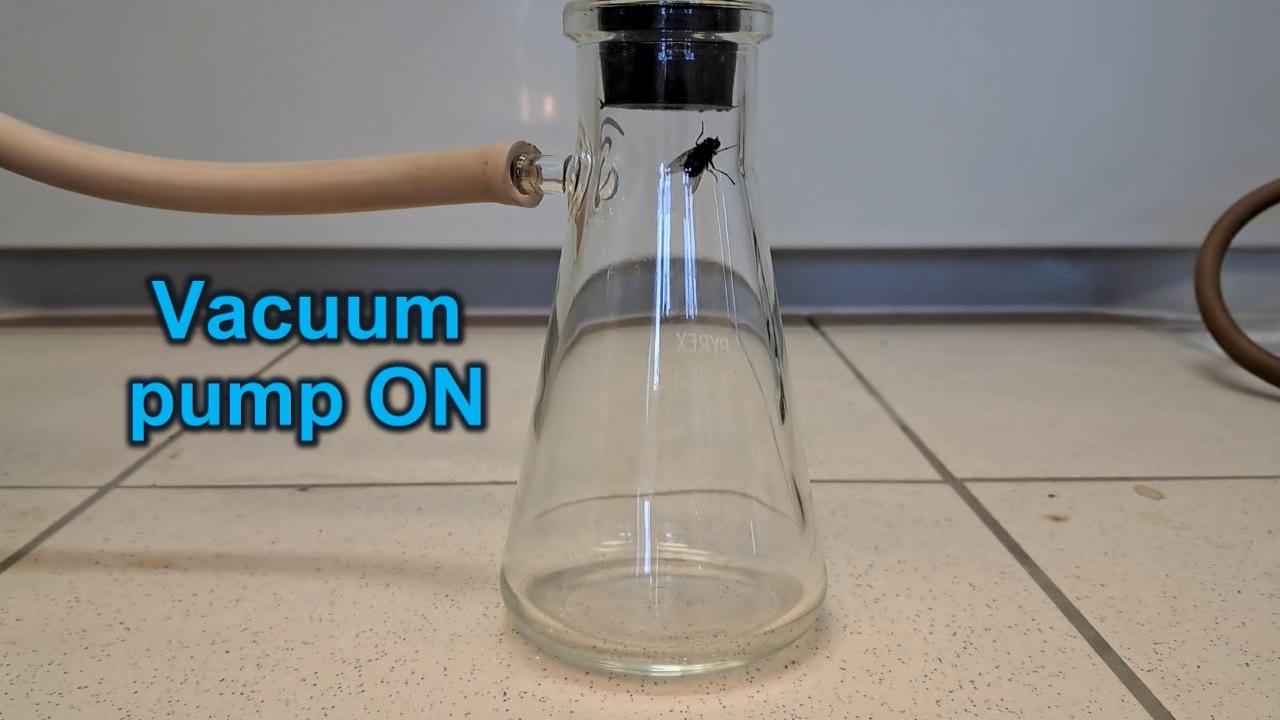
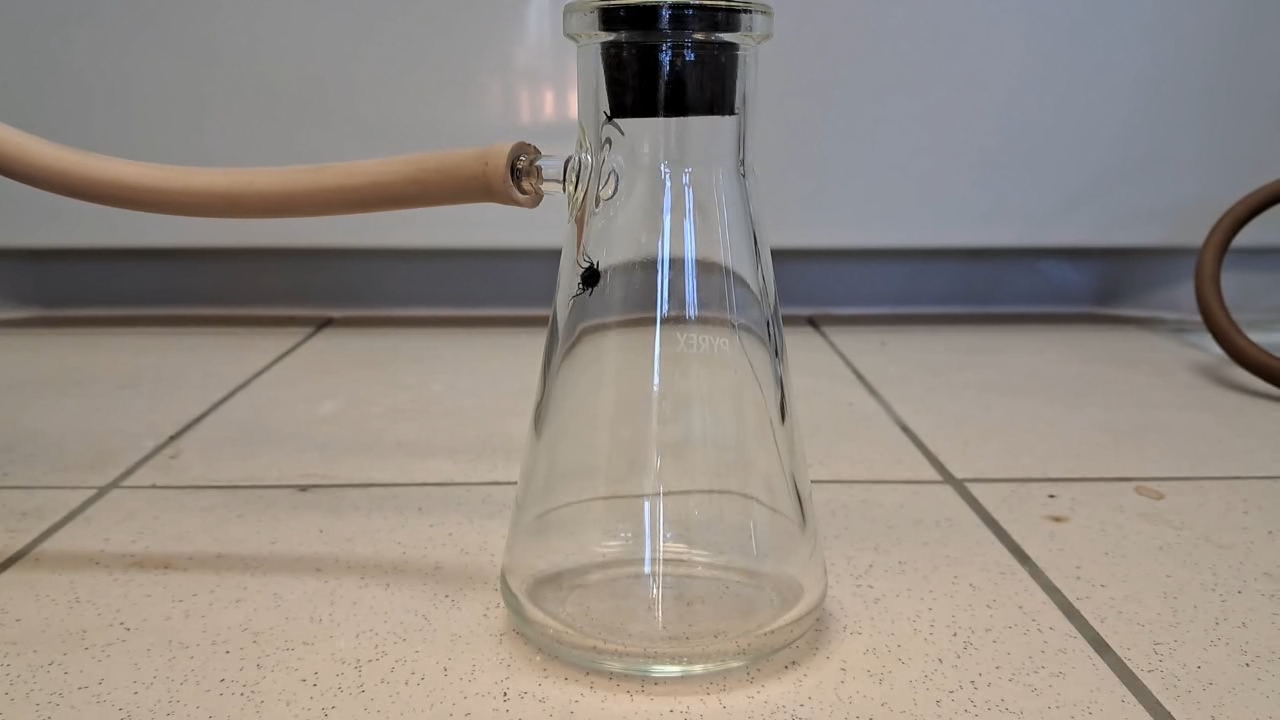
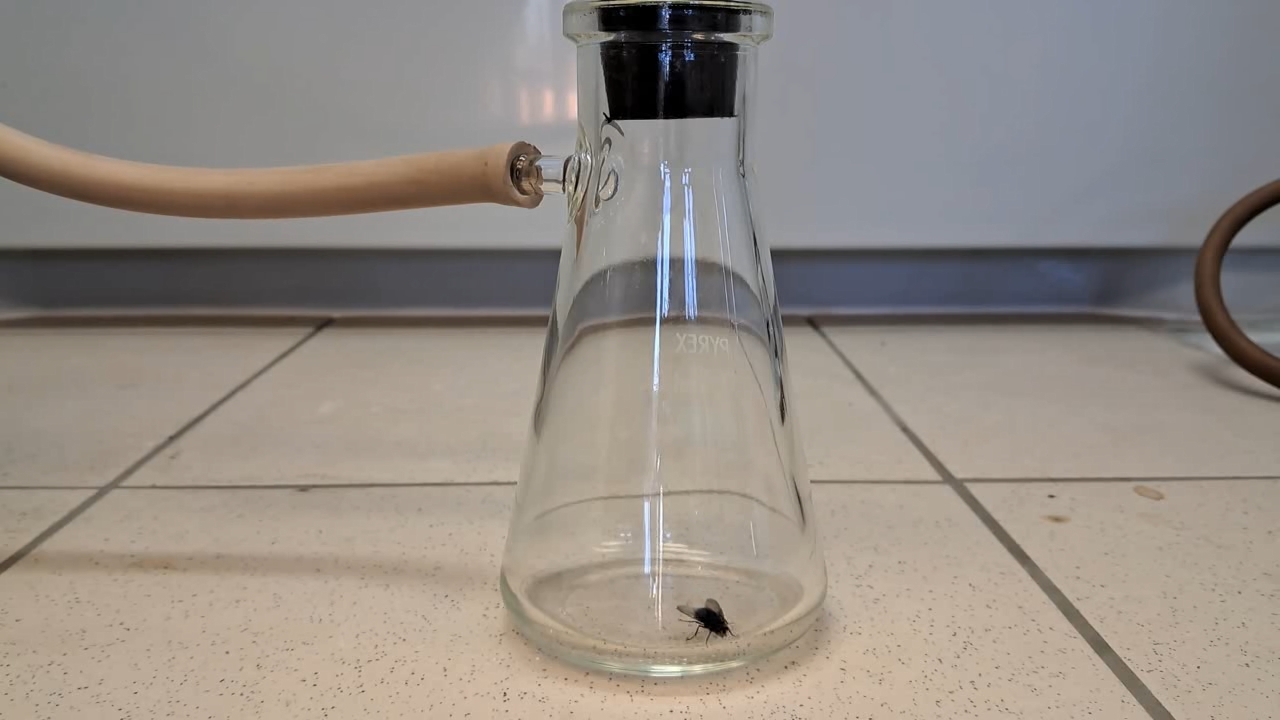
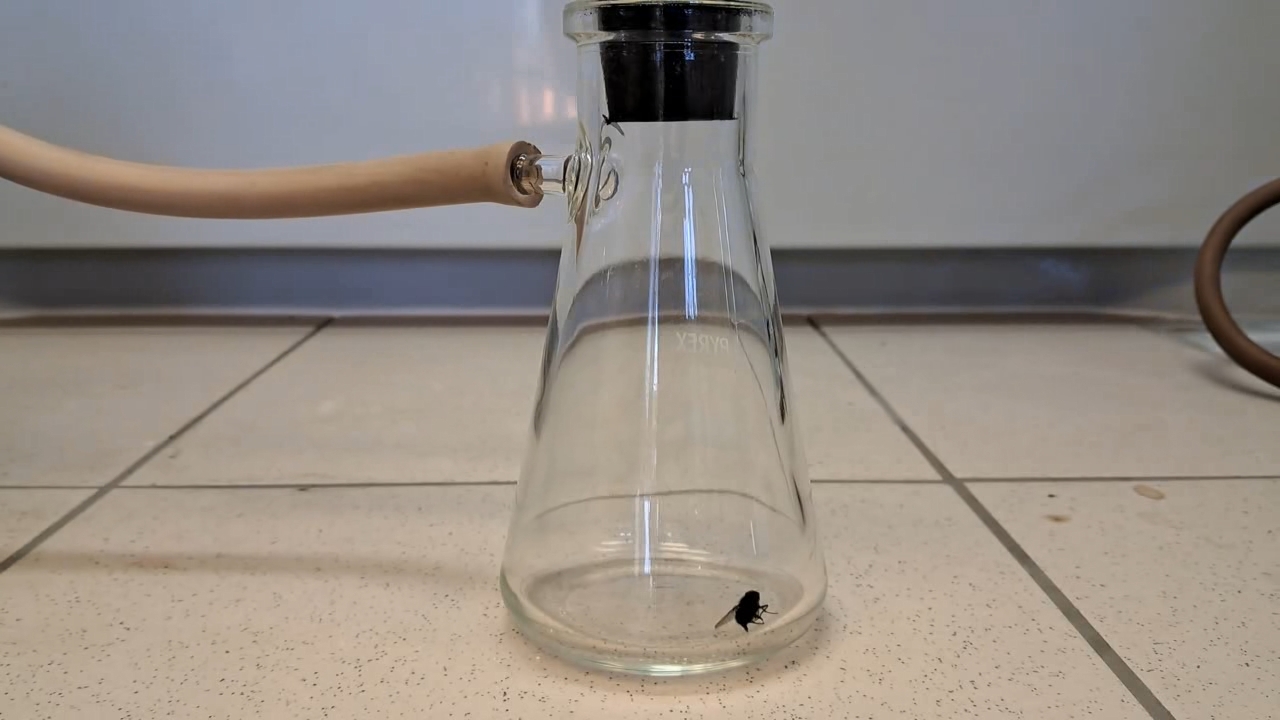
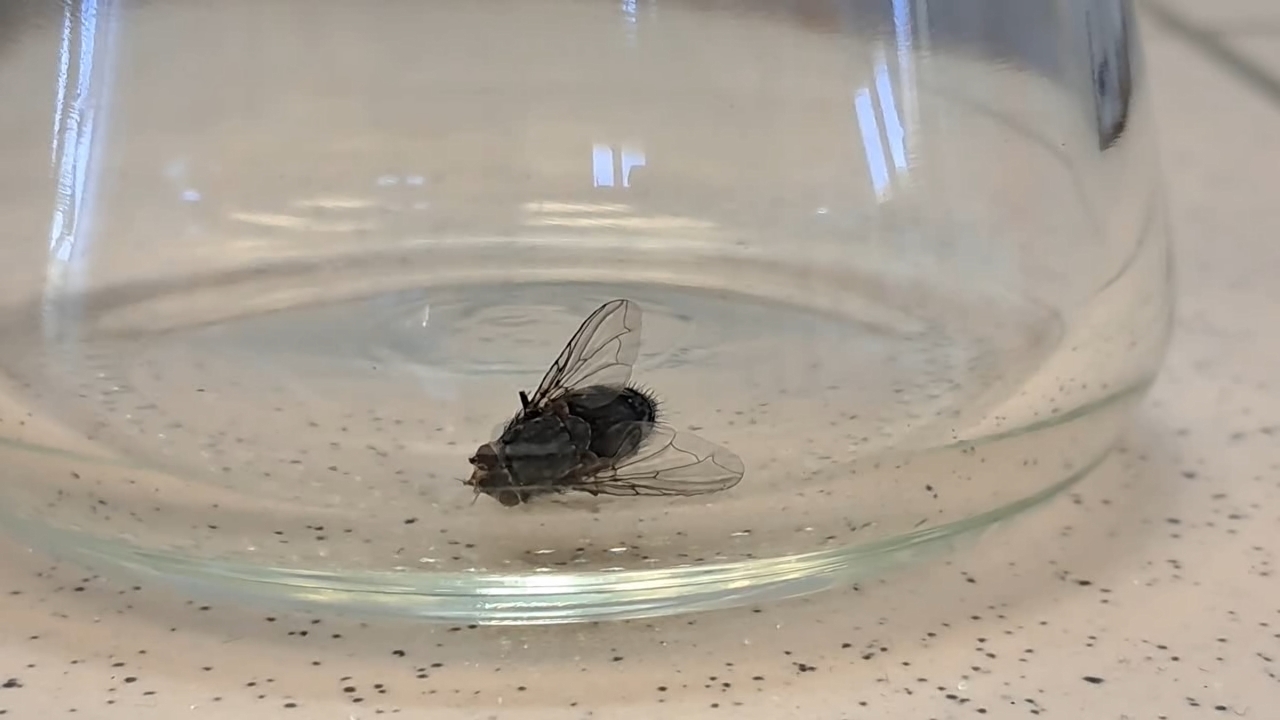
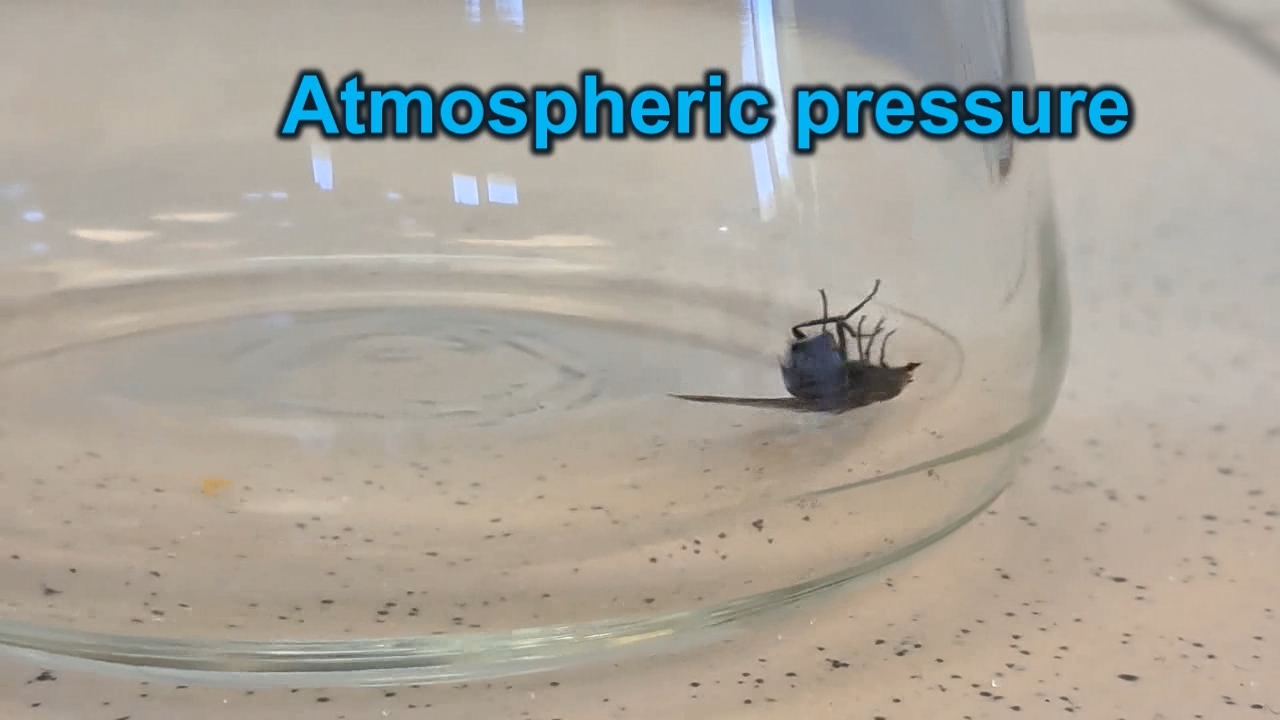
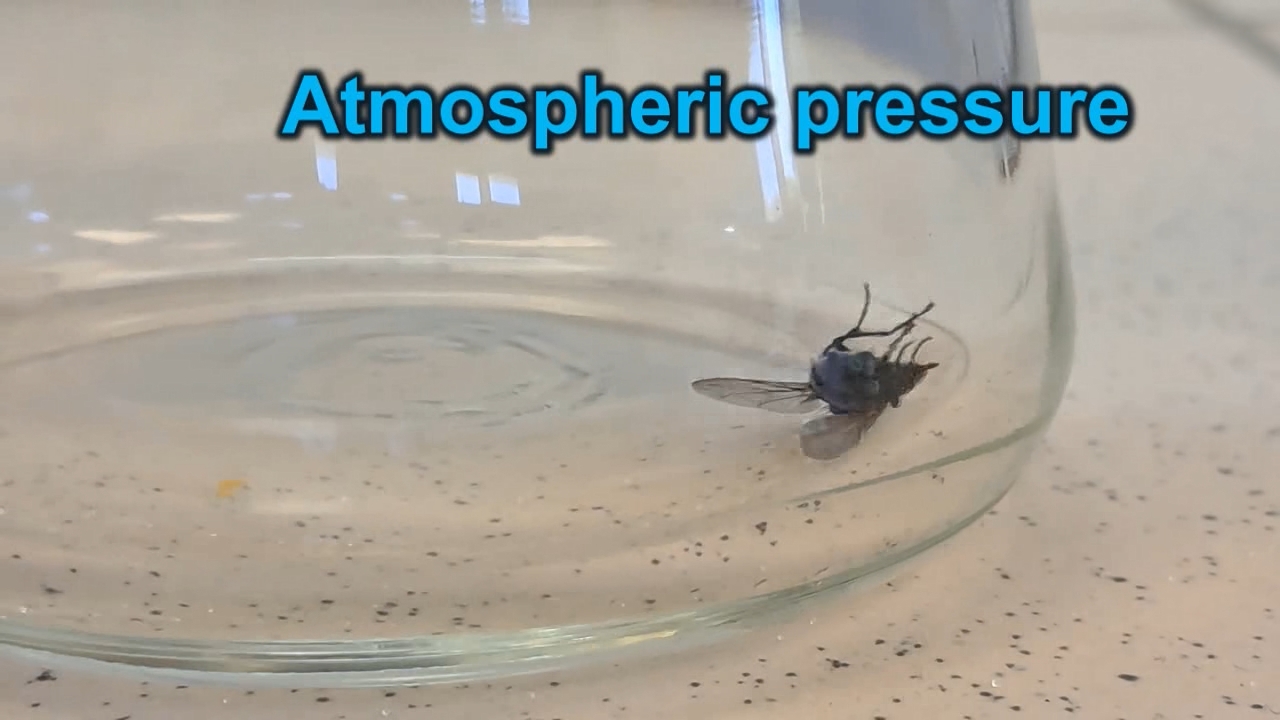
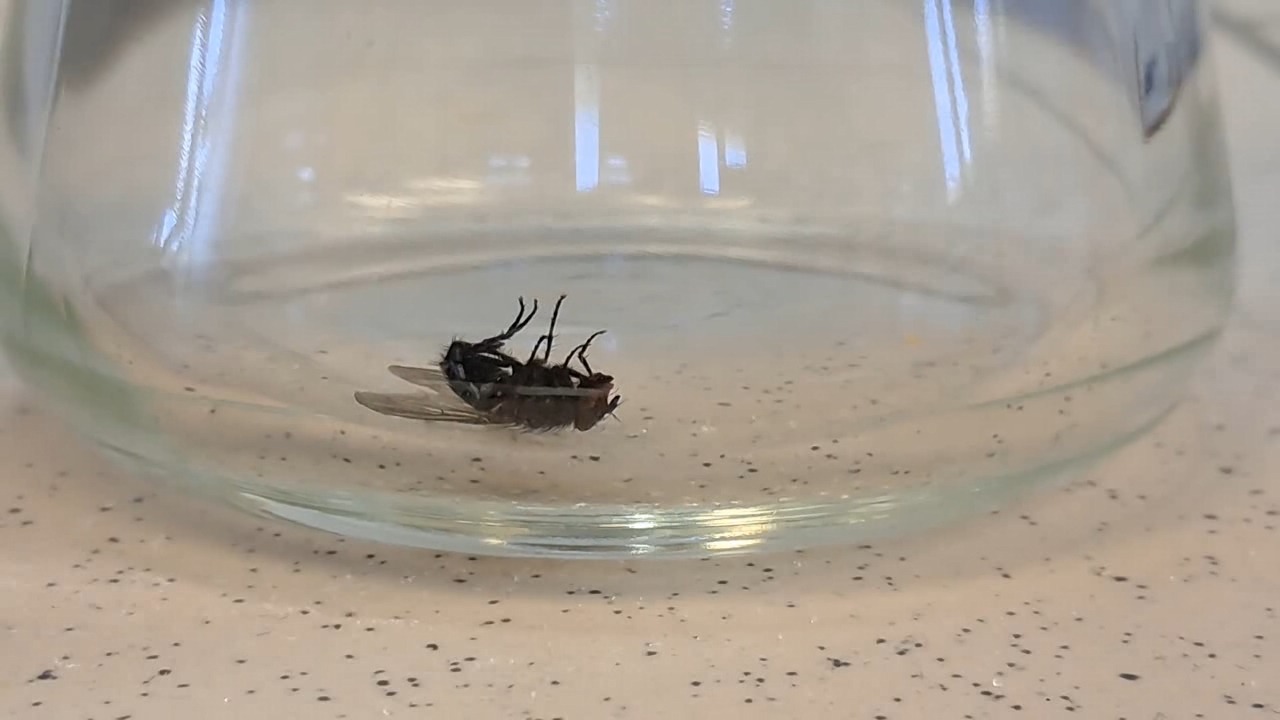
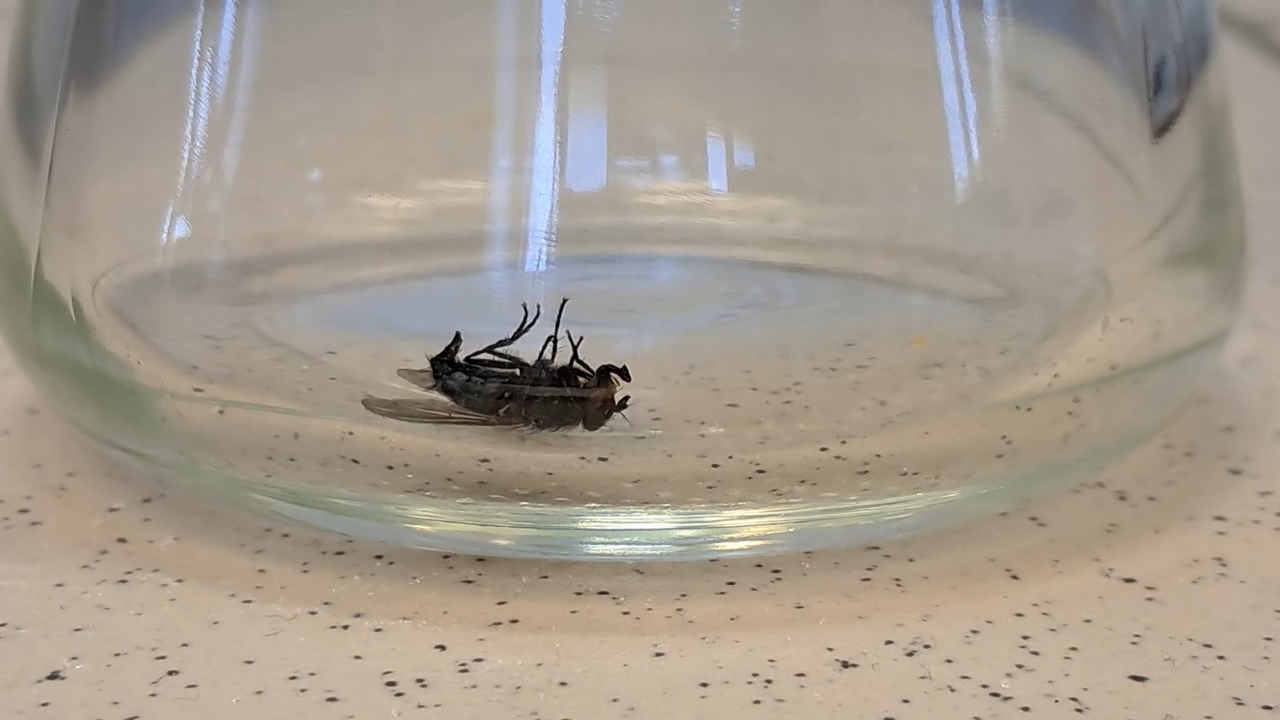
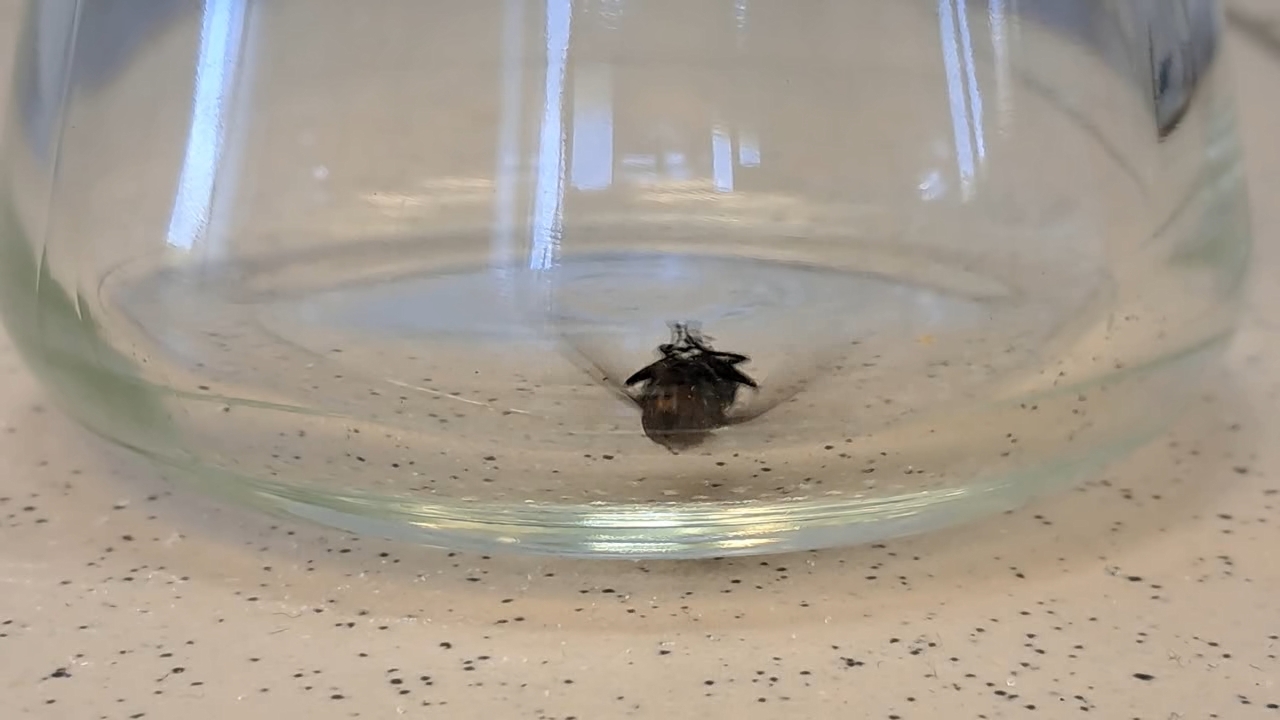
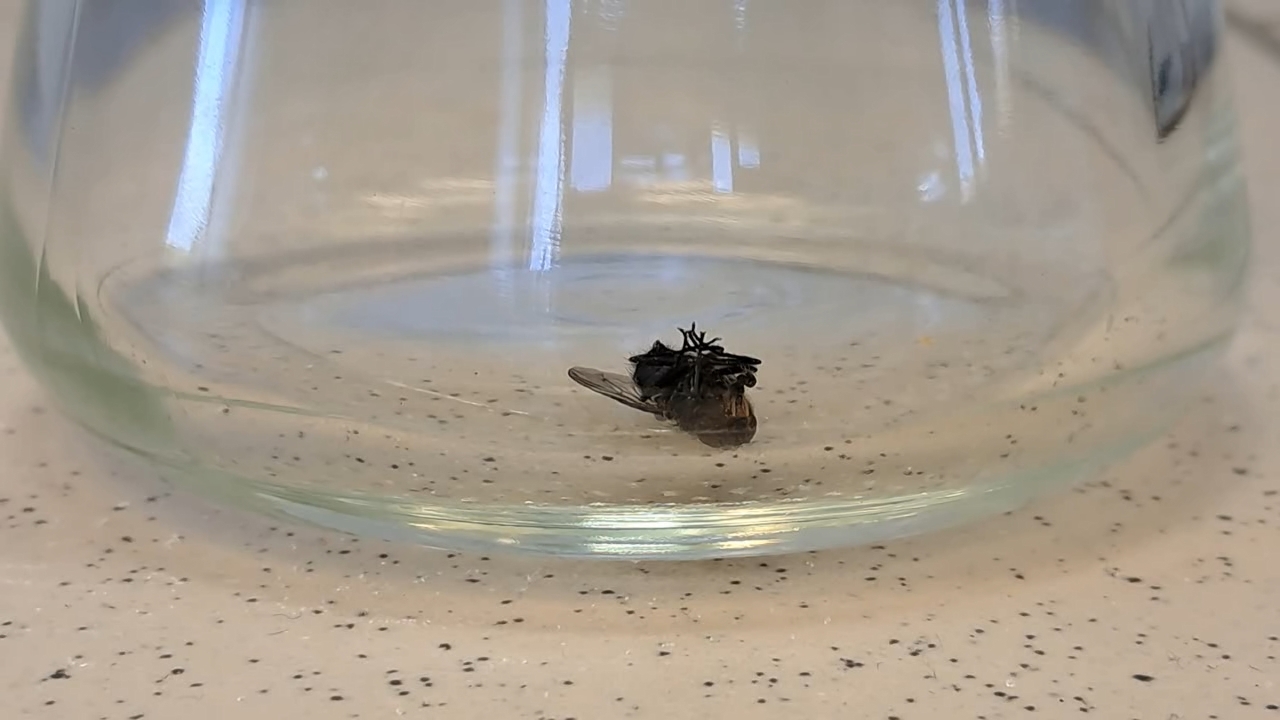
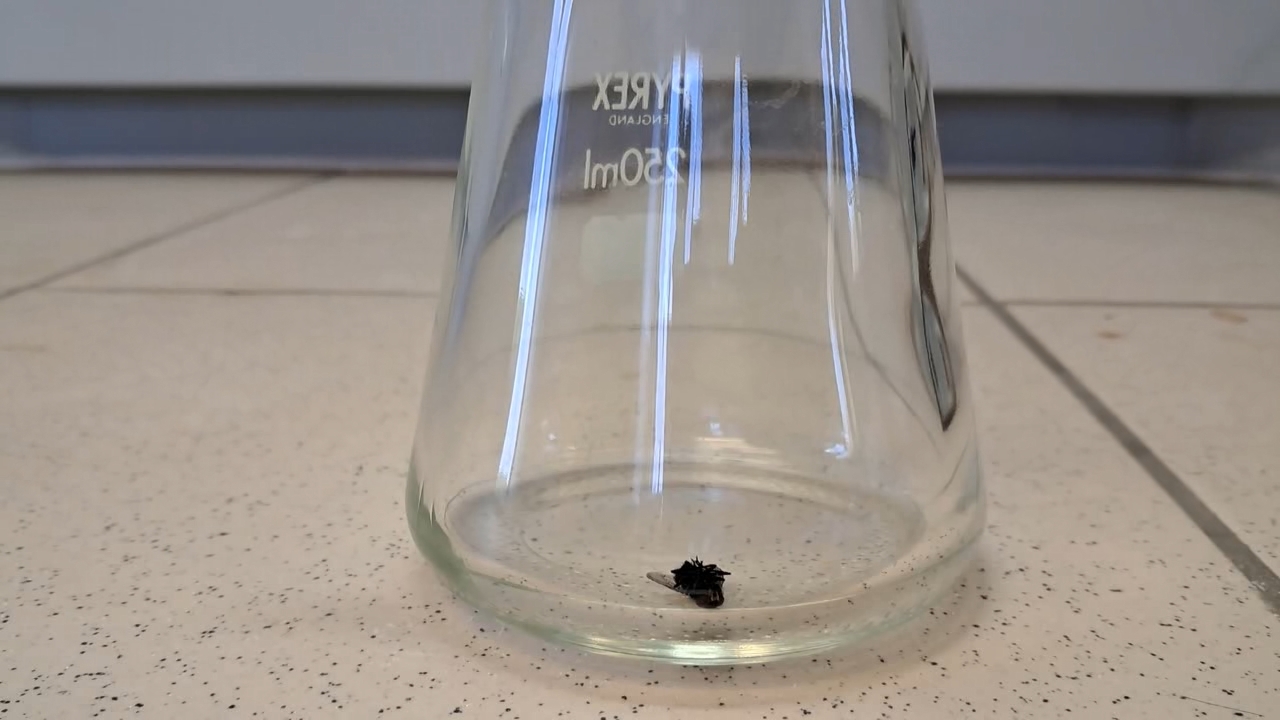
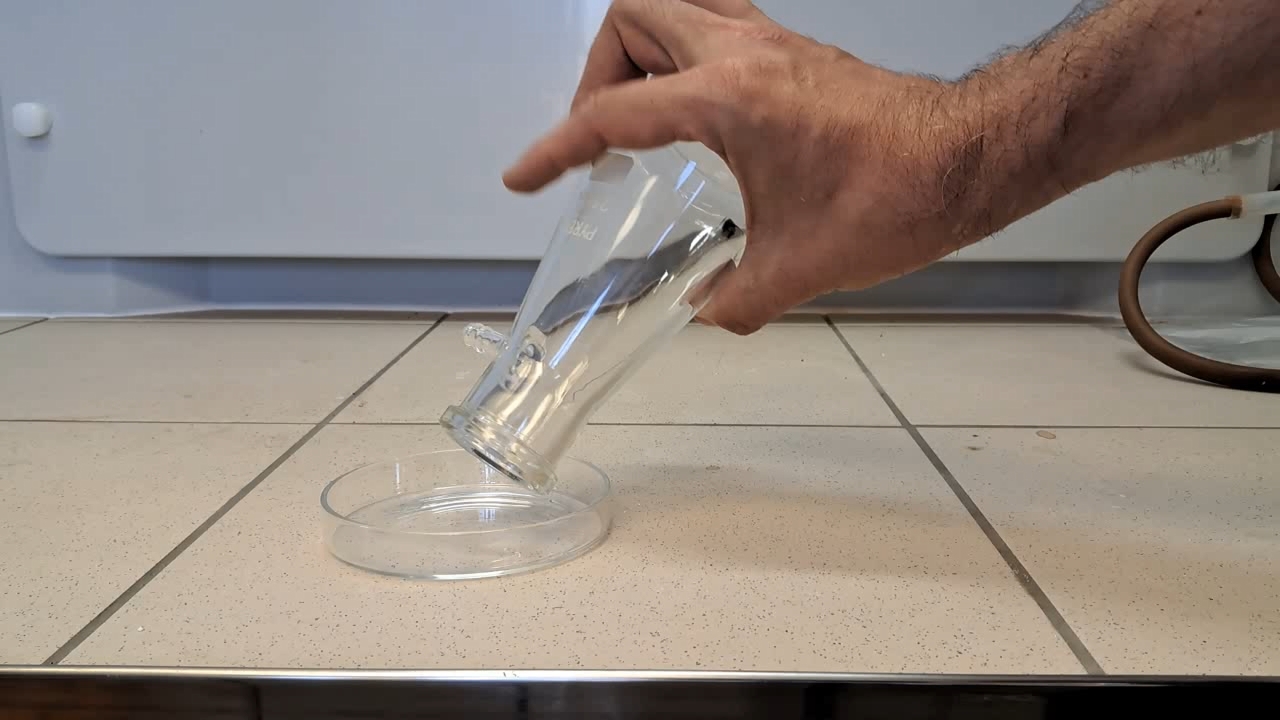
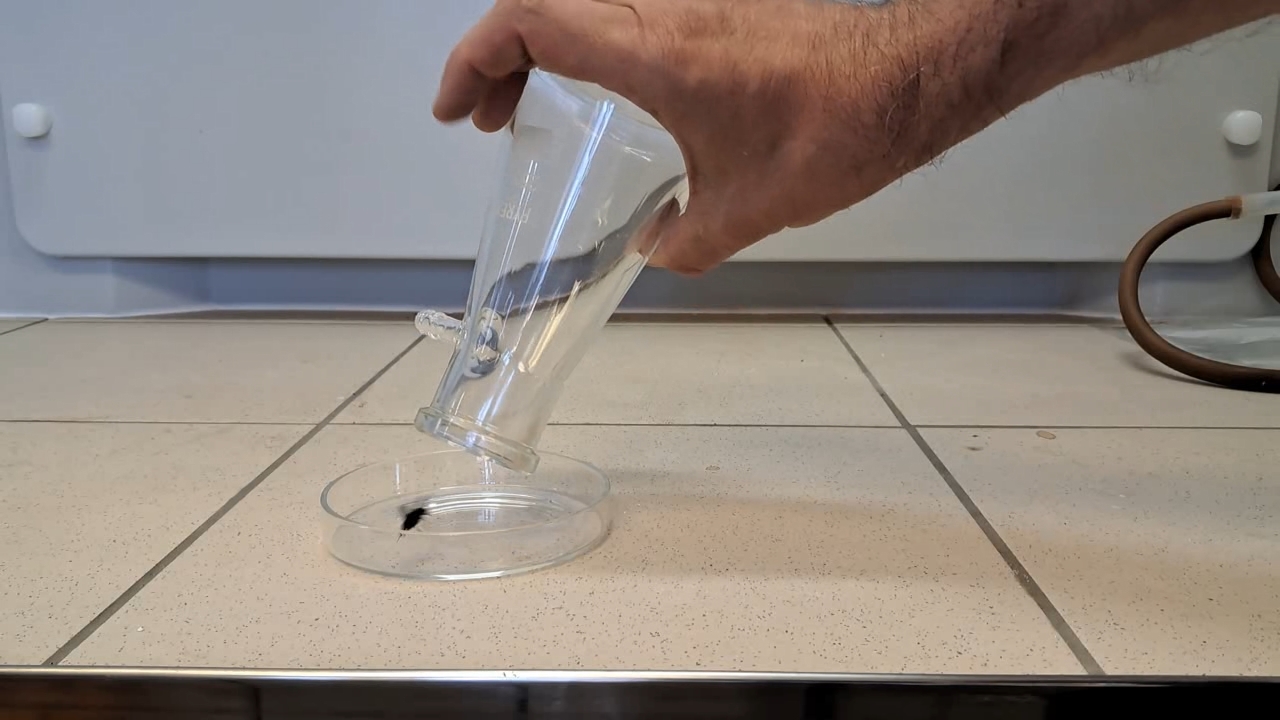
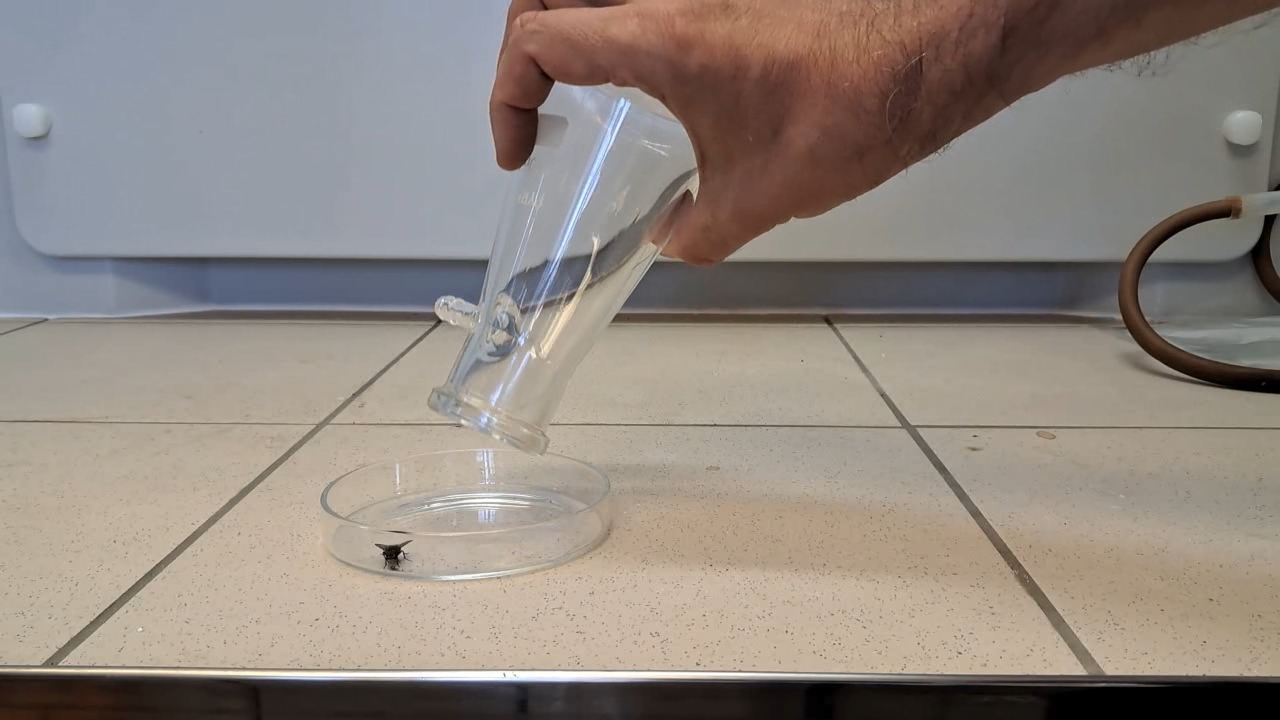
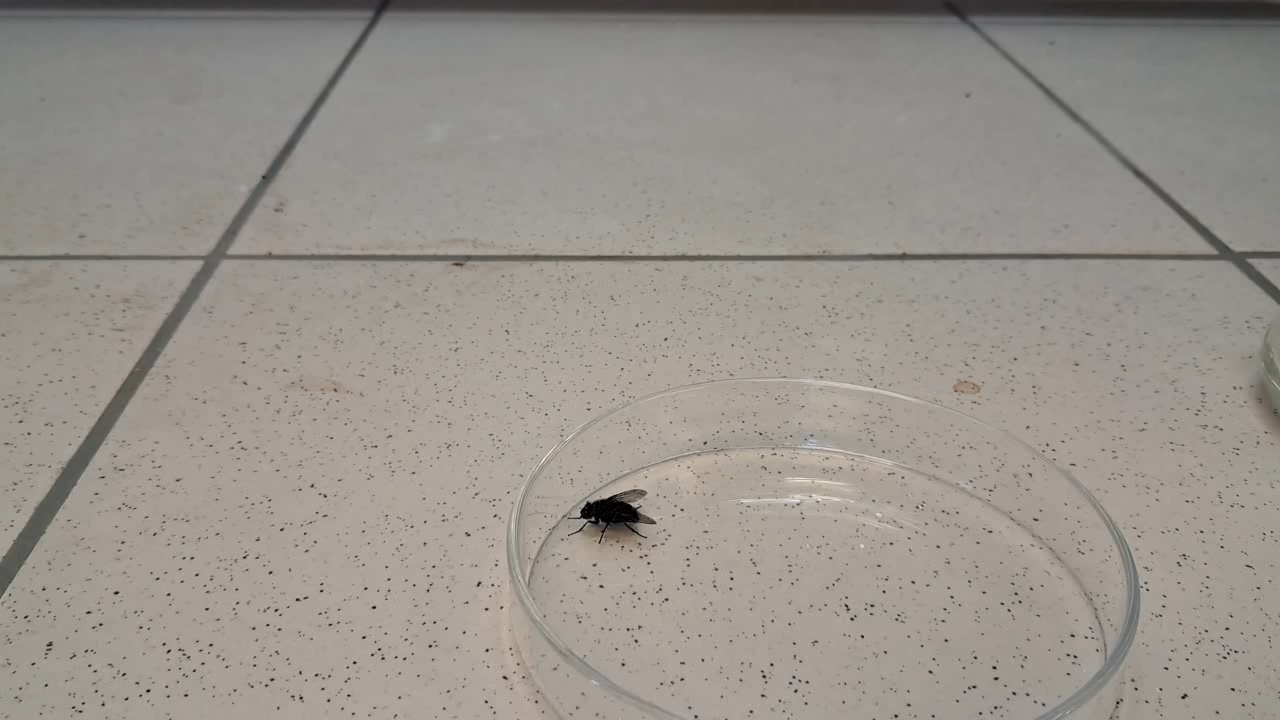
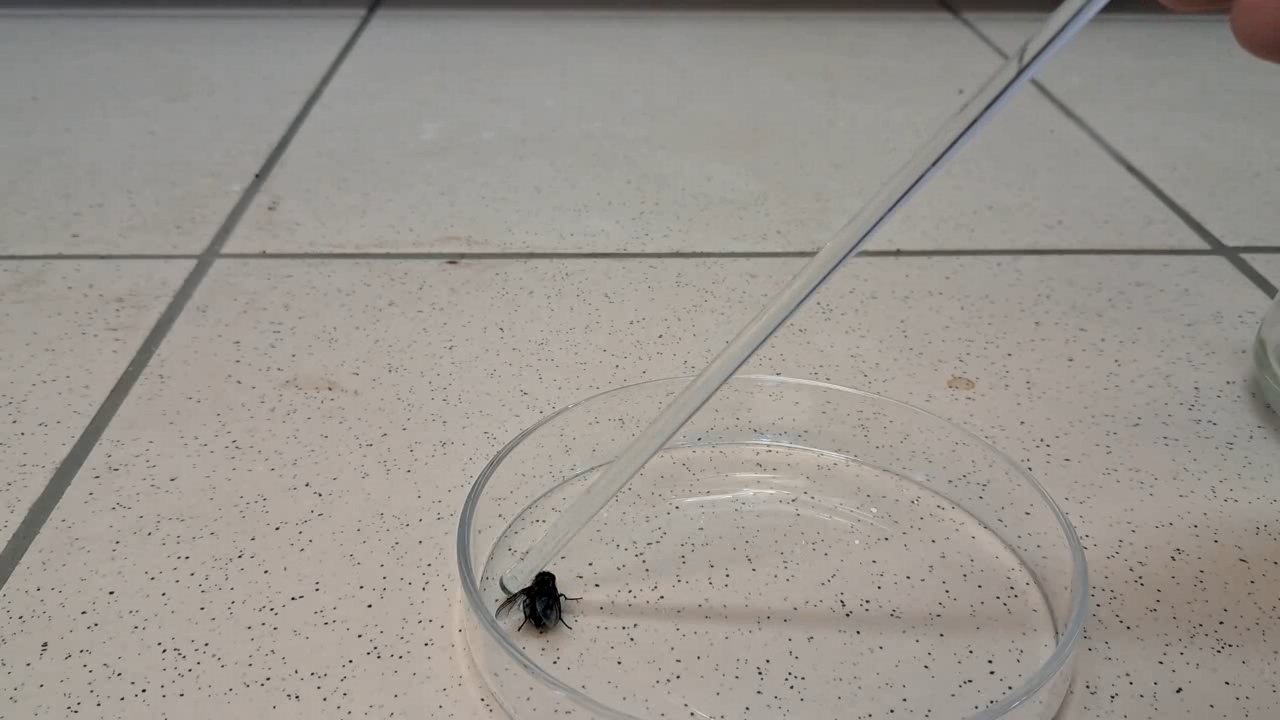
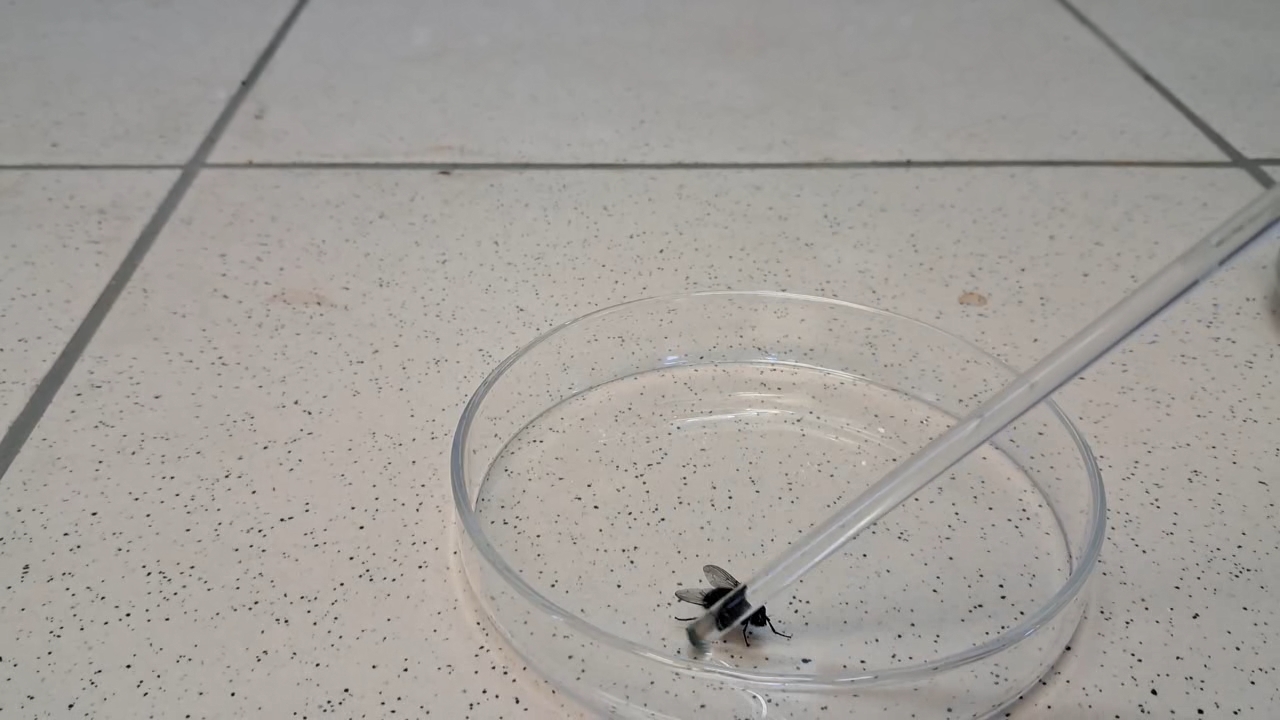
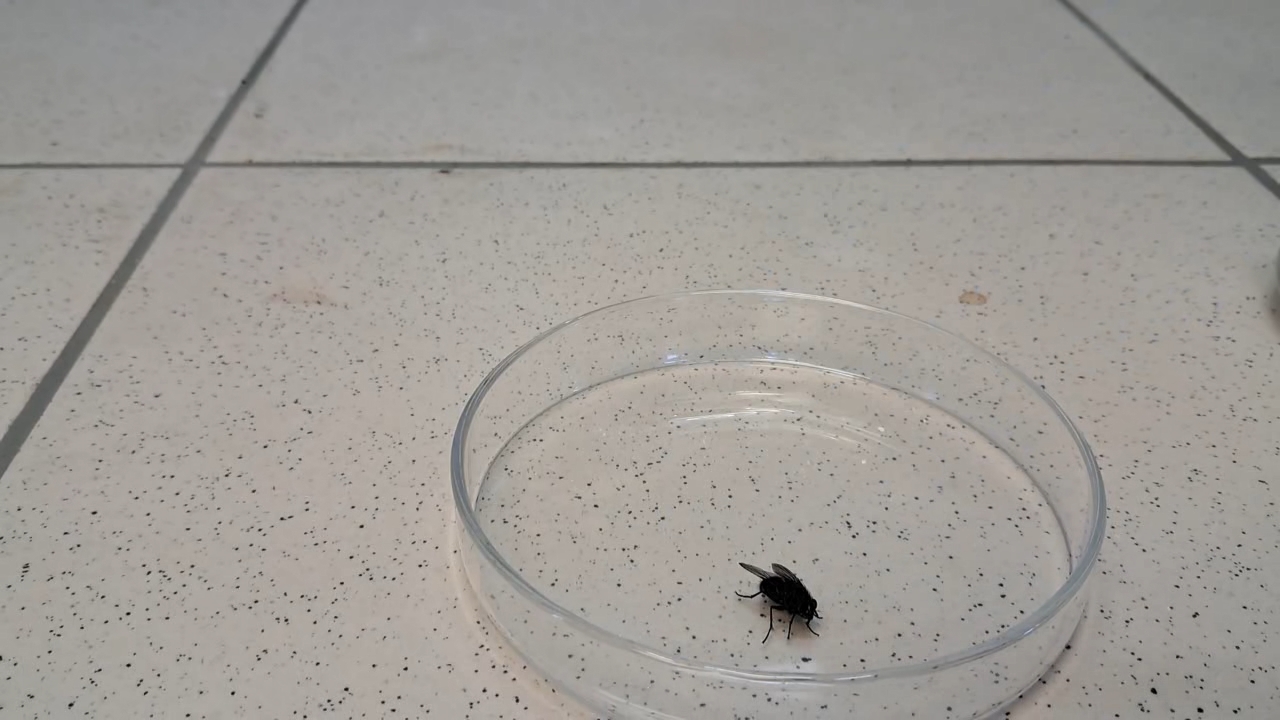
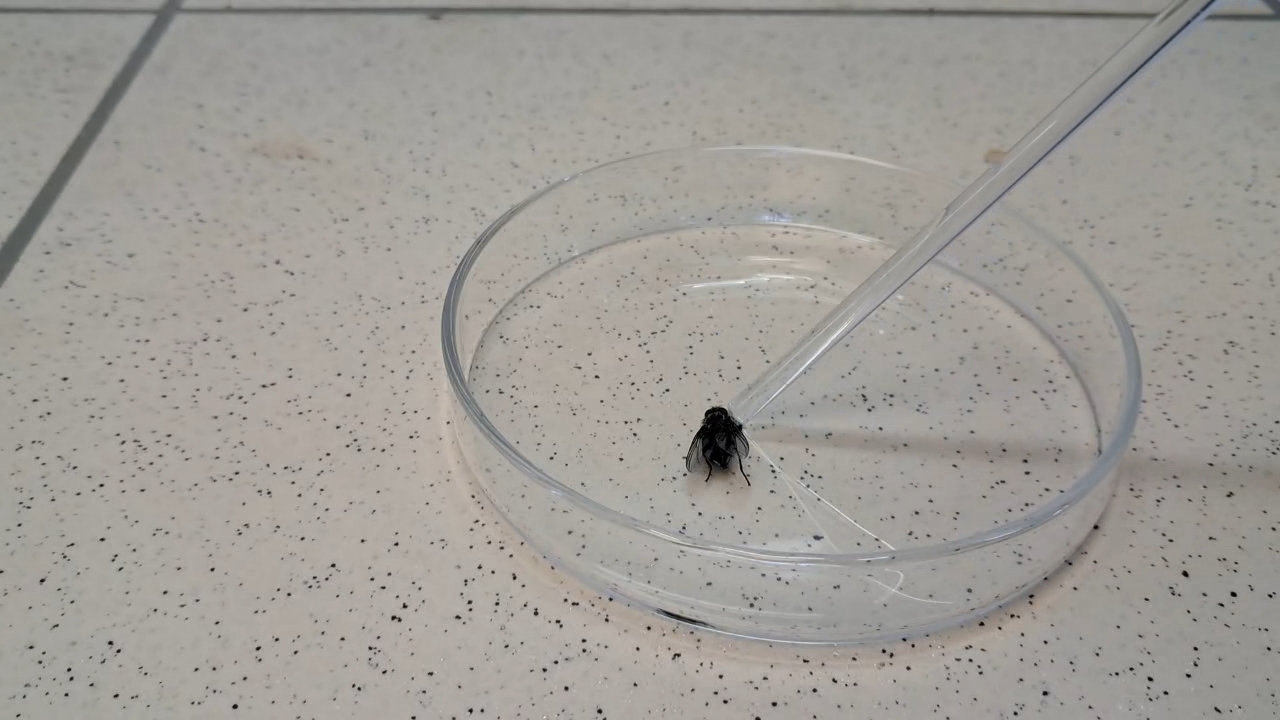
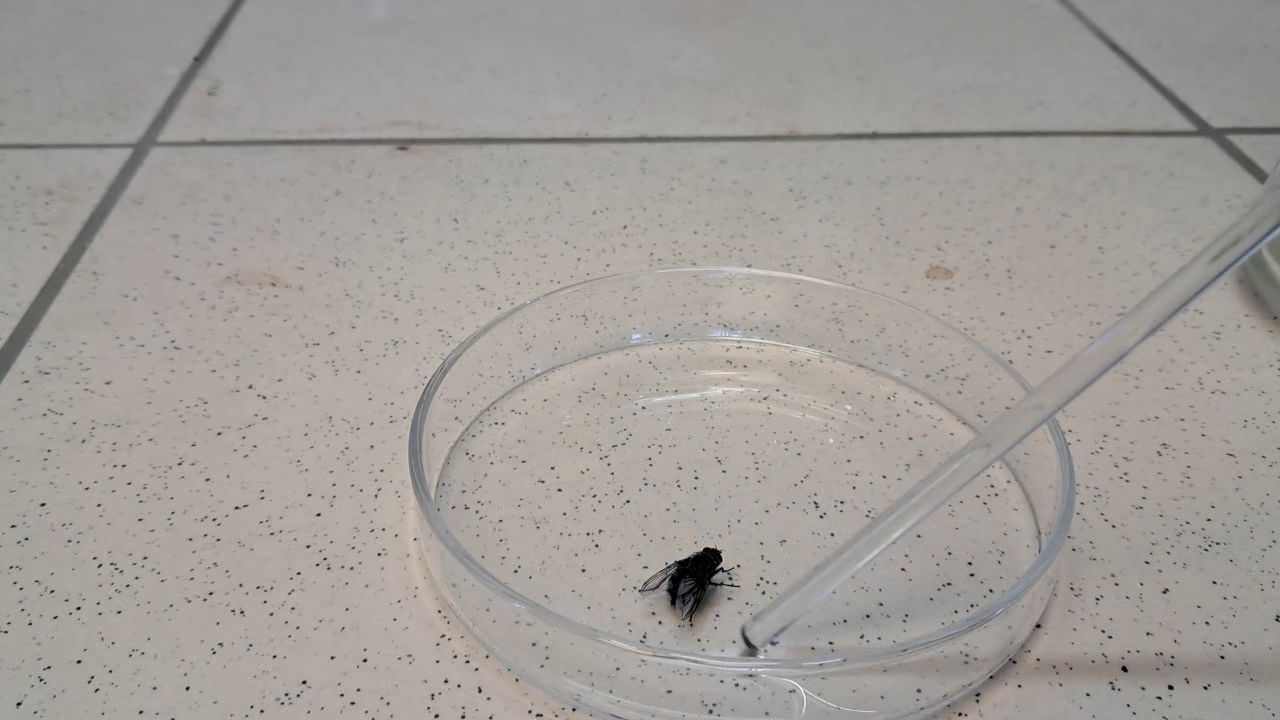
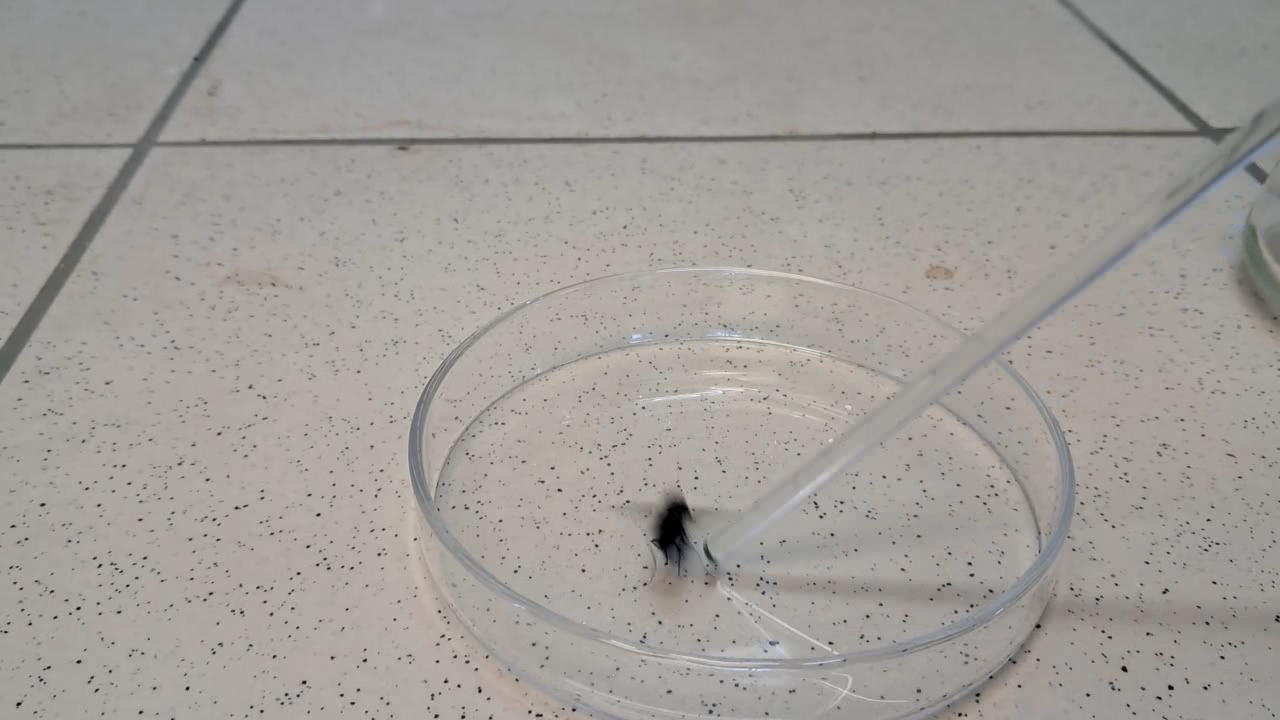
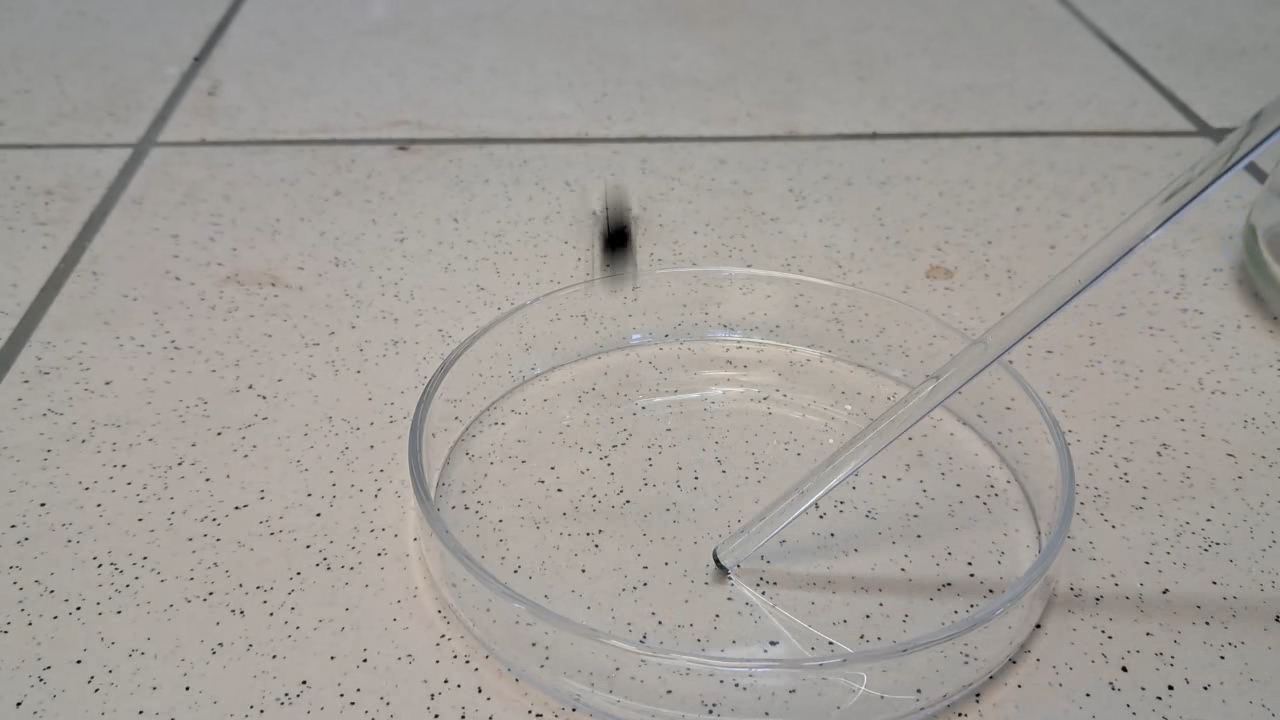
Муха в химической лаборатории, колба Бунзена и вакуумный насос - Часть 2 A volunteer for the vacuum experiments had been found. I caught the fly in a sample container and placed it inside a small Büchner flask. Unexpectedly, another identical fly flew into the laboratory - a second volunteer had been found. I caught the second fly, placed it in the same Büchner flask, and sealed the flask with a rubber stopper. While I was busy filming, one of the flies escaped from the flask, managing to squeeze through the side arm. It flew toward the window, and our chemist immediately let it out; he clearly disapproved of my experiments but hesitated to openly speak up on behalf of the flies. Although one volunteer had managed to escape, I proceeded with the experiment. The fly crawled along the walls of the flask and occasionally took flight. I connected a vacuum hose to the flask and turned on the diaphragm pump. The fly kept running along the walls, but its movements became unnatural. Then it fell to the bottom, began making convulsive movements, and went still. I turned off the pump and let air back into the flask. Almost immediately, the fly began making erratic movements - it was gradually recovering. I gave the flask a gentle shake, but the fly didn't budge; it had firmly anchored itself to the walls with its legs. Later, the fly began crawling around inside the flask but showed no desire to fly. However, when I opened the flask outside the window, the fly immediately flew off as if nothing had happened. Unfortunately, I didn't record a video of the fly's release. I had to catch another volunteer and repeat the experiment. The outcome was the same. After releasing the vacuum, I moved the fly from the flask to a Petri dish, kept the camera rolling, and waited for it to fly away. The fly, however, was in no hurry to leave - apparently, its time in the vacuum had put it in a bad mood. When I touched the insect with a glass rod, it crawled sluggishly around the dish but still wouldn't take flight. Just then, the institute director walked into the laboratory with a senior researcher and asked me for a beaker or a Petri dish. The senior researcher was working on a production process for a veterinary drug and needed a vessel in which to weigh out some methenamine. The director and the researcher stood half a meter away from the Petri dish containing the fly and the camera tripod, yet they noticed nothing. I discussed the details of the technology with them as if nothing were amiss, but to myself, I thought: "I've got THE FLY here that's about to snap out of it and fly away, and they show up in my lab with their veterinary drug!" The director and the researcher left, and I resumed my observation. The fly remained motionless; however, when I touched it with the glass rod again, it took flight instantly. Like the very first one, it headed toward the window; I opened it and let the insect out. So far, I haven't received any complaints from any fly. |
Fly in Chemistry Laboratory, Büchner Flask, and Vacuum Pump |
|
|
|
|
|
|
|
|
|
|
|
|
|
|
|
|
|
|
|
|
|
|
|
|
|
|
|
|
|
