Chemistry and Chemists № 2 2026
Journal of Chemists-Enthusiasts
| Content | Chemistry experiments - video | Physics experiments - video | Home Page - Chemistry and Chemists |
|
Chemistry and Chemists № 2 2026 Journal of Chemists-Enthusiasts |
Flowers and Ammonia - pt.4 Chemist |
|
Having noticed a mistake in the text, allocate it and press Ctrl-Enter
Hawthorn Berries, Ammonia, and Hydrochloric Acid - Part 4
Late autumn had arrived. Some flowers in the flowerbeds were still in bloom, while the leaves on trees and shrubs had taken on a variety of colors - yellow, red, and deep burgundy. I had already experimented with exposing all these flowers and colorful leaves to ammonia, with some of these experiments dating back to my school days. Chrysanthemums would have been ideal, but I hadn't come across any. For a long time, I couldn't find anything new to experiment with, until I spotted a hawthorn bush. Its leaves had already fallen, but it was still laden with red berries.
Ягоды боярышника, аммиак и соляная кислота - Часть 4 Hawthorn berries are edible and are also used to make a soothing, alcohol-based tincture. Unfortunately, some people buy this tincture as a substitute for strong alcoholic beverages rather than for medicinal purposes. For many years now, I've been noticing empty bottles of hawthorn tincture lying on sidewalks. People who prefer cheap, low-quality alcohol used to drink inexpensive colognes, but now they seem to have found a substitute. 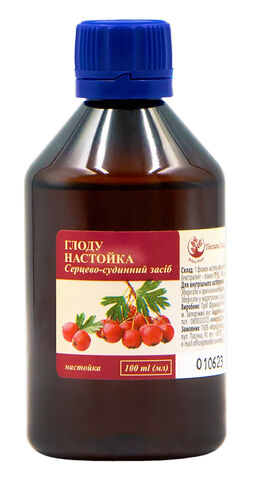
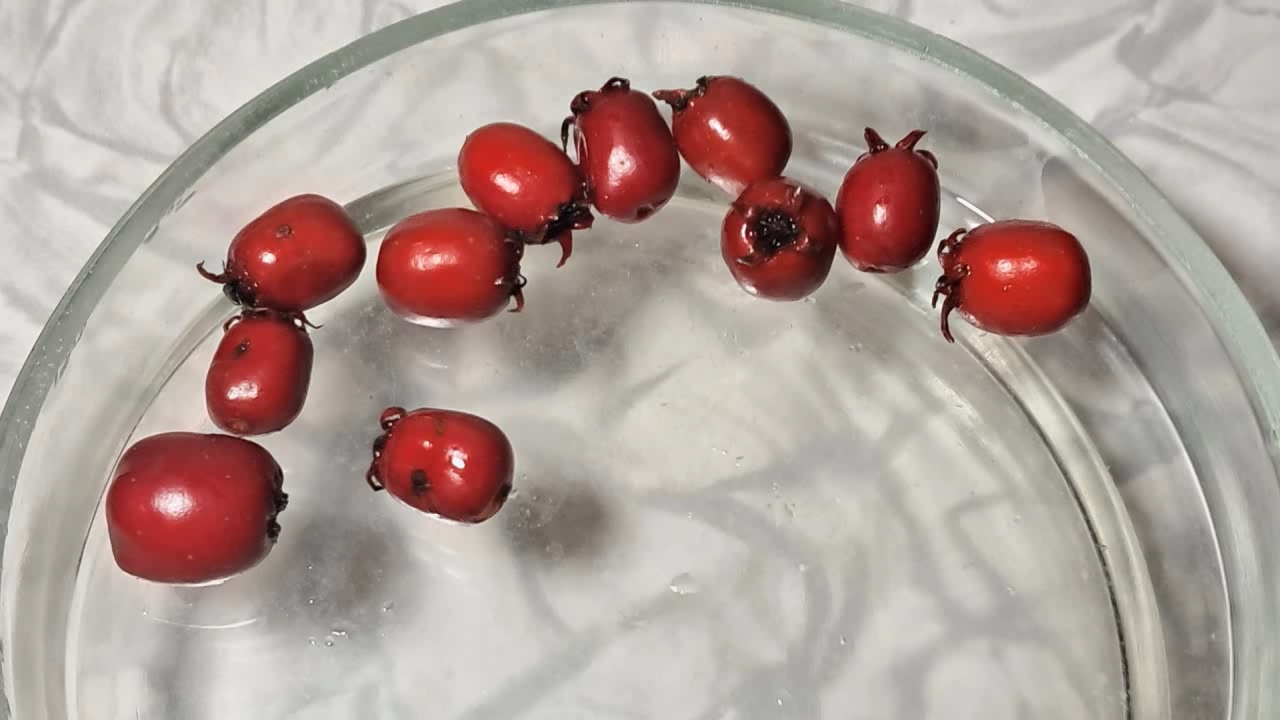
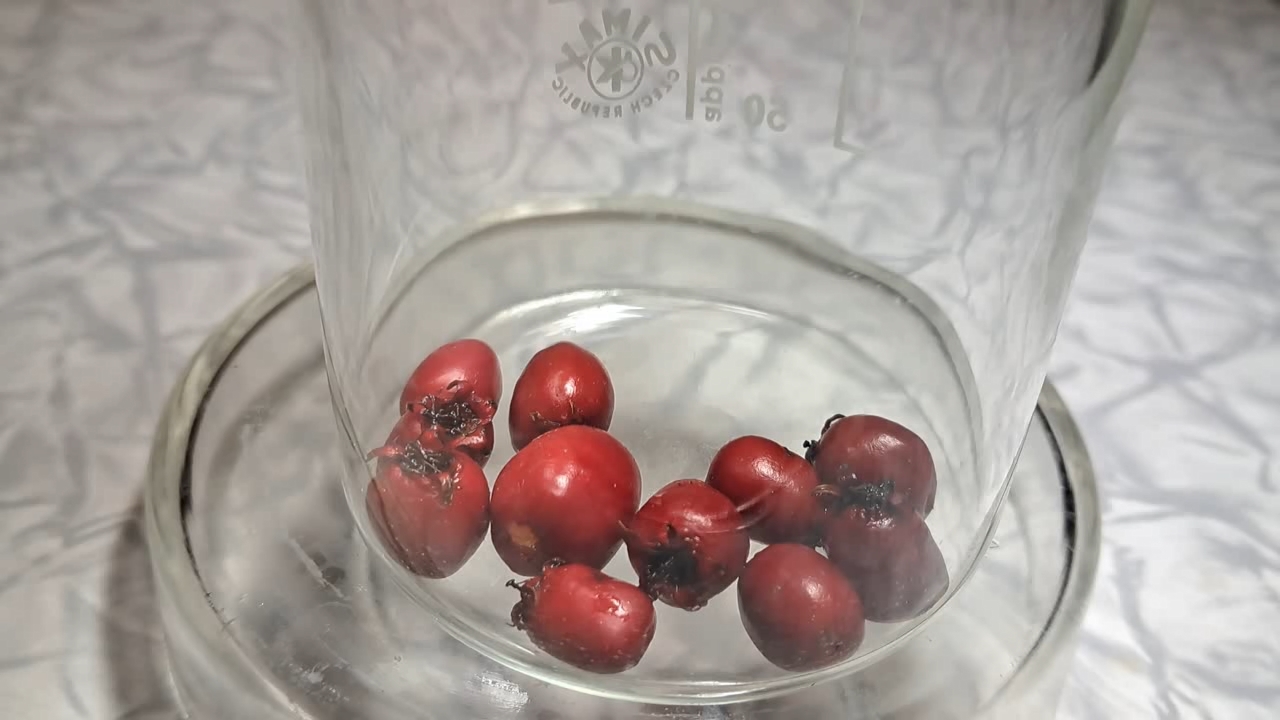
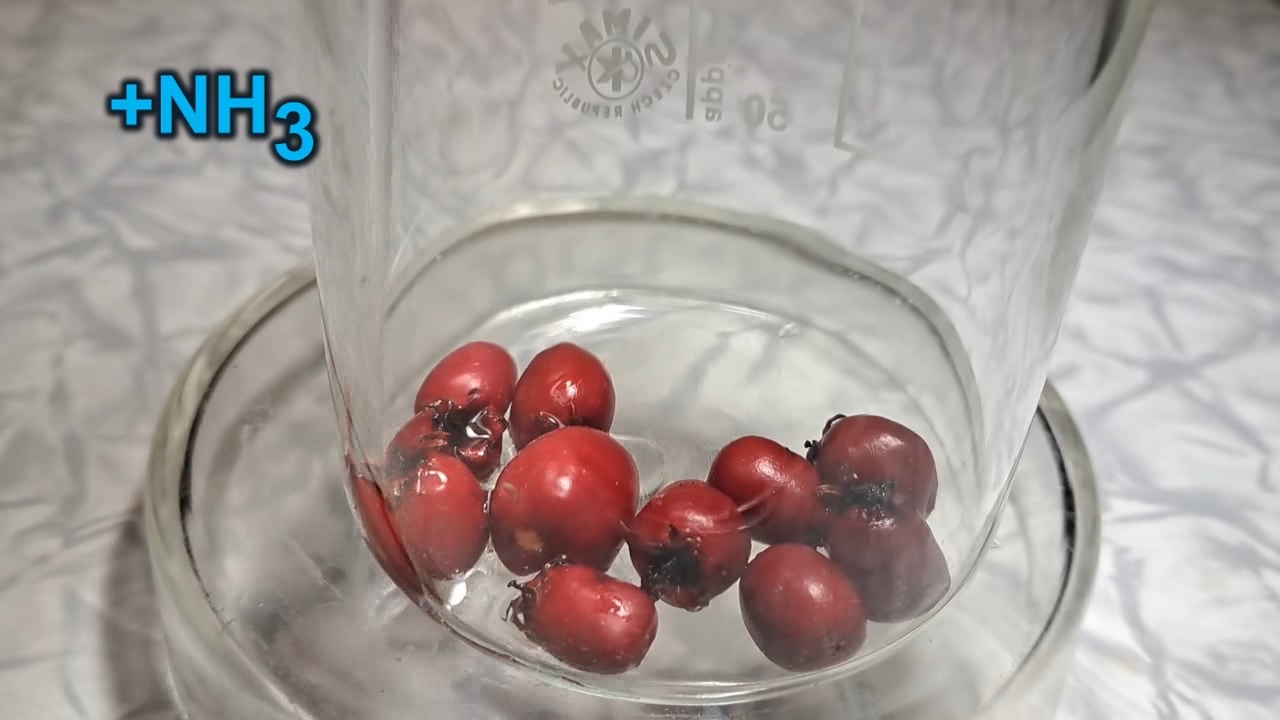
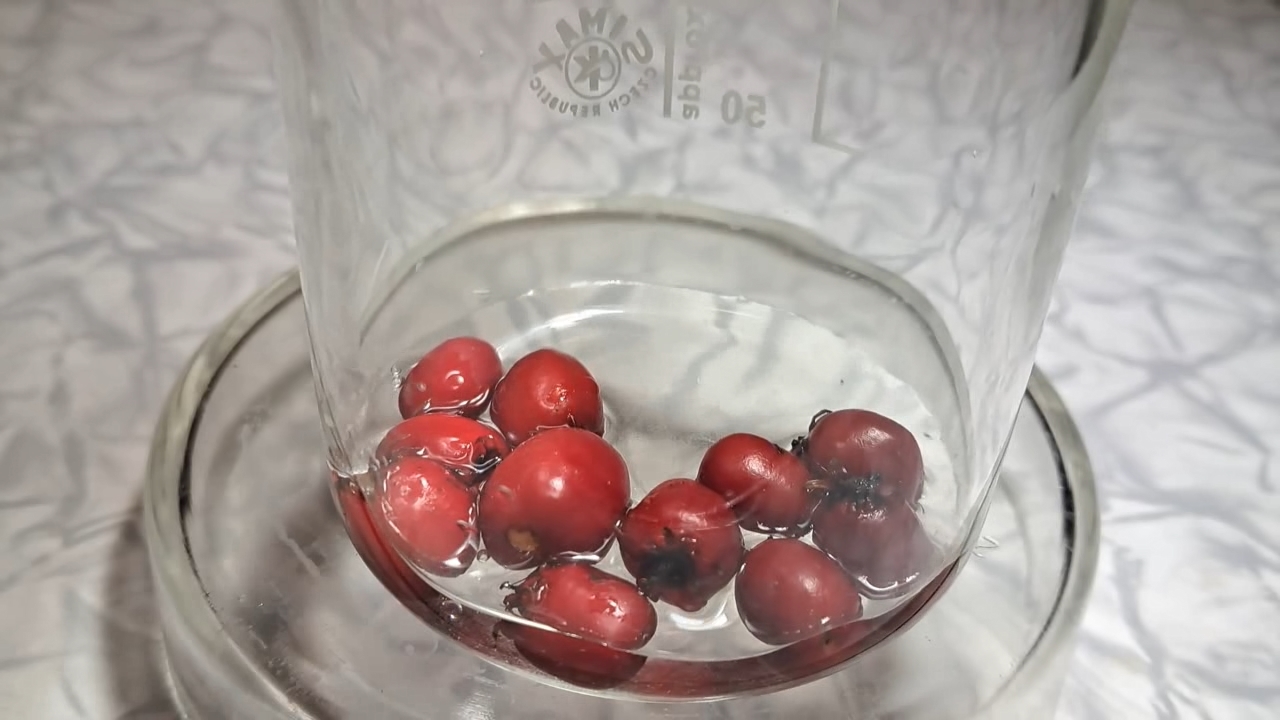
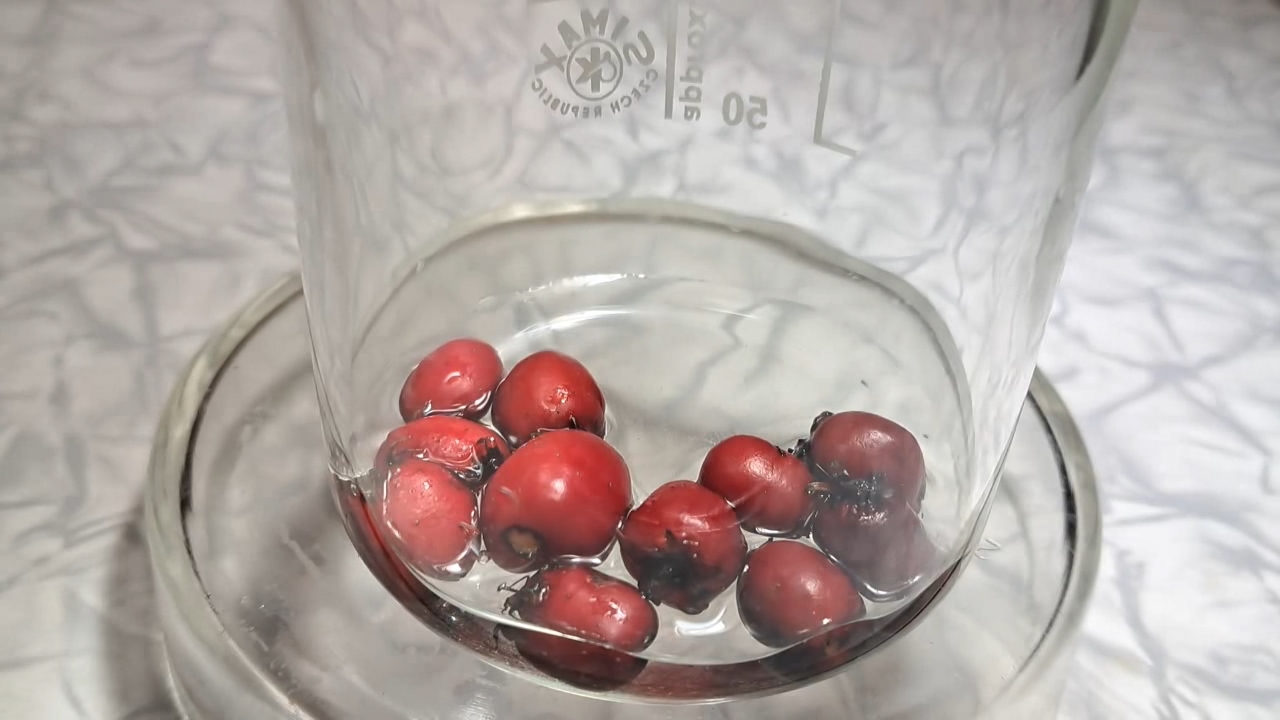
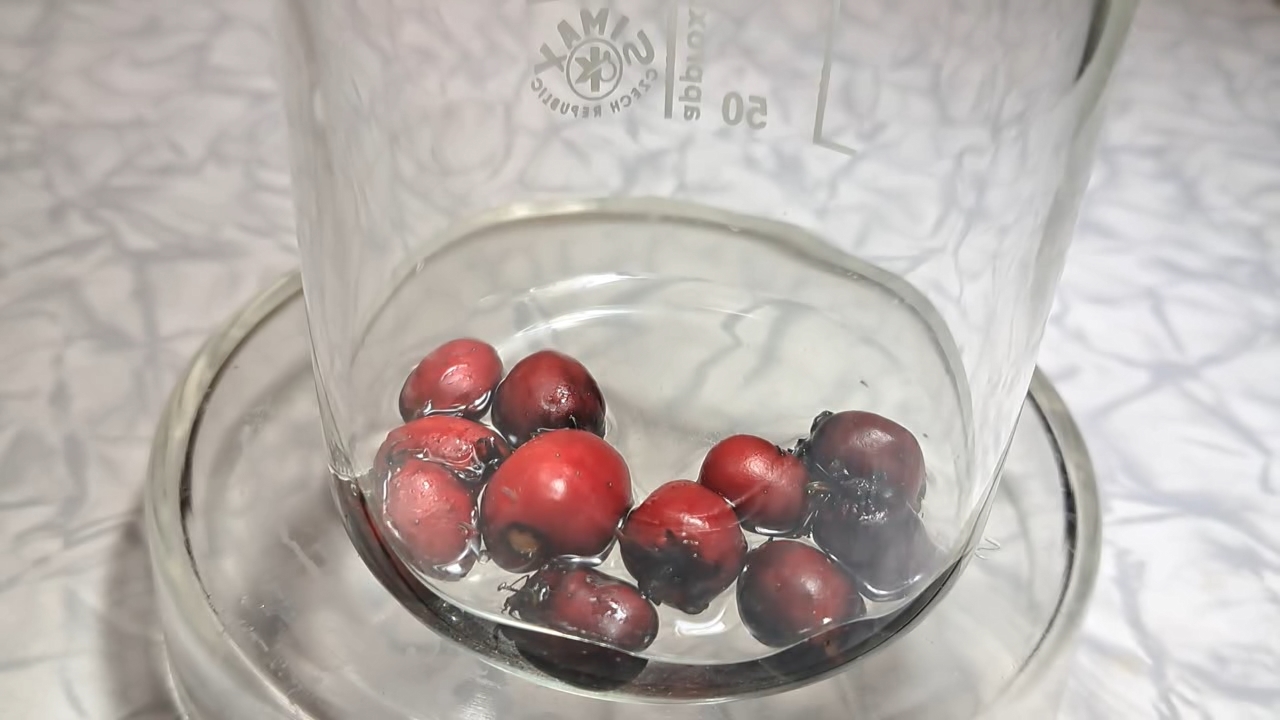
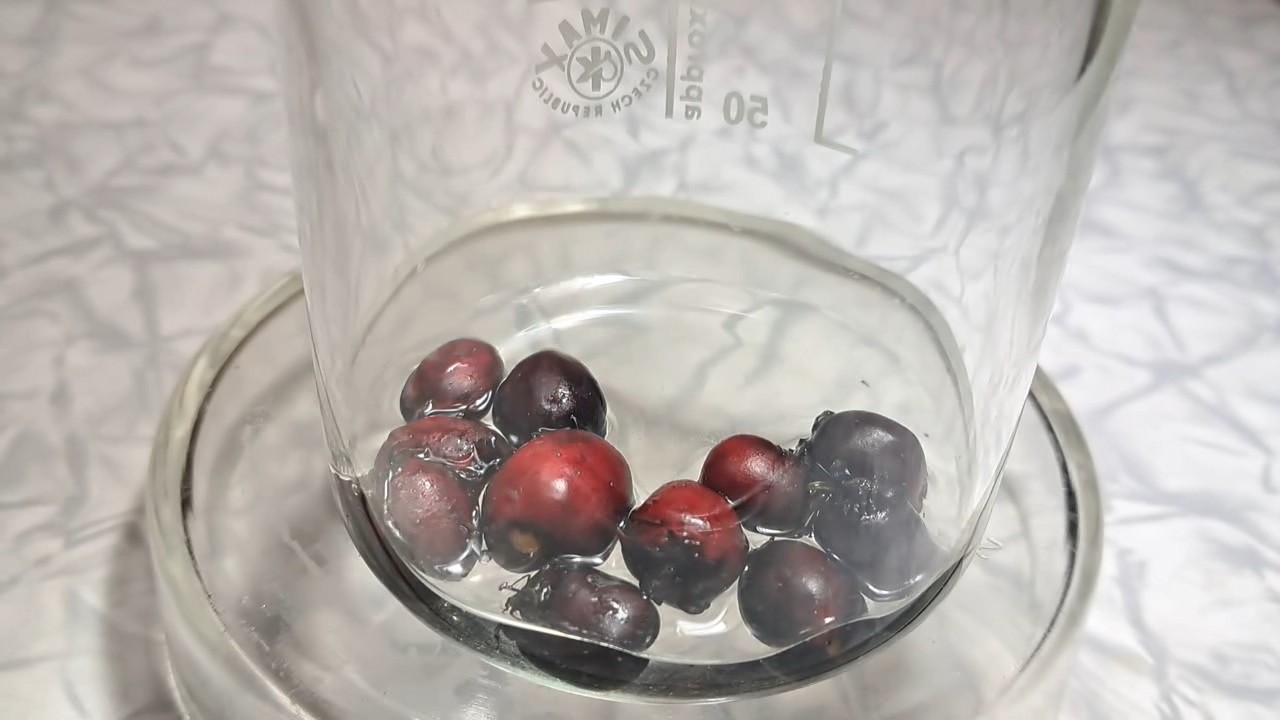
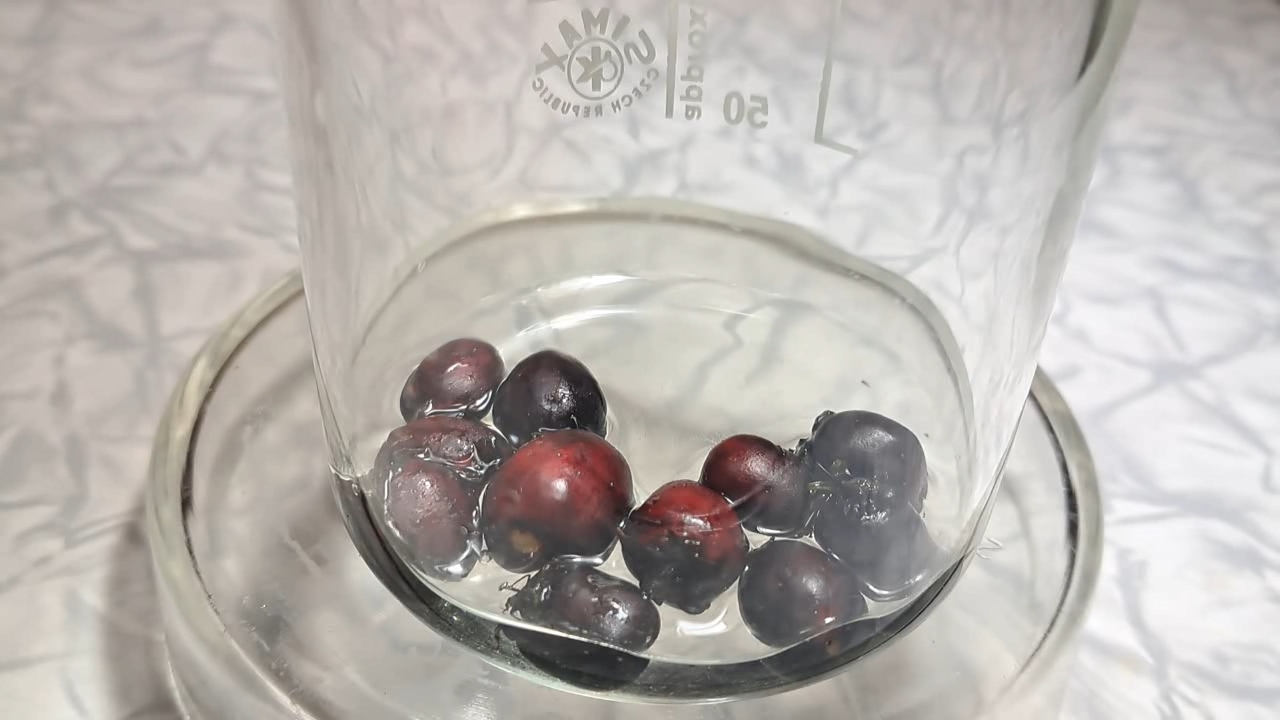
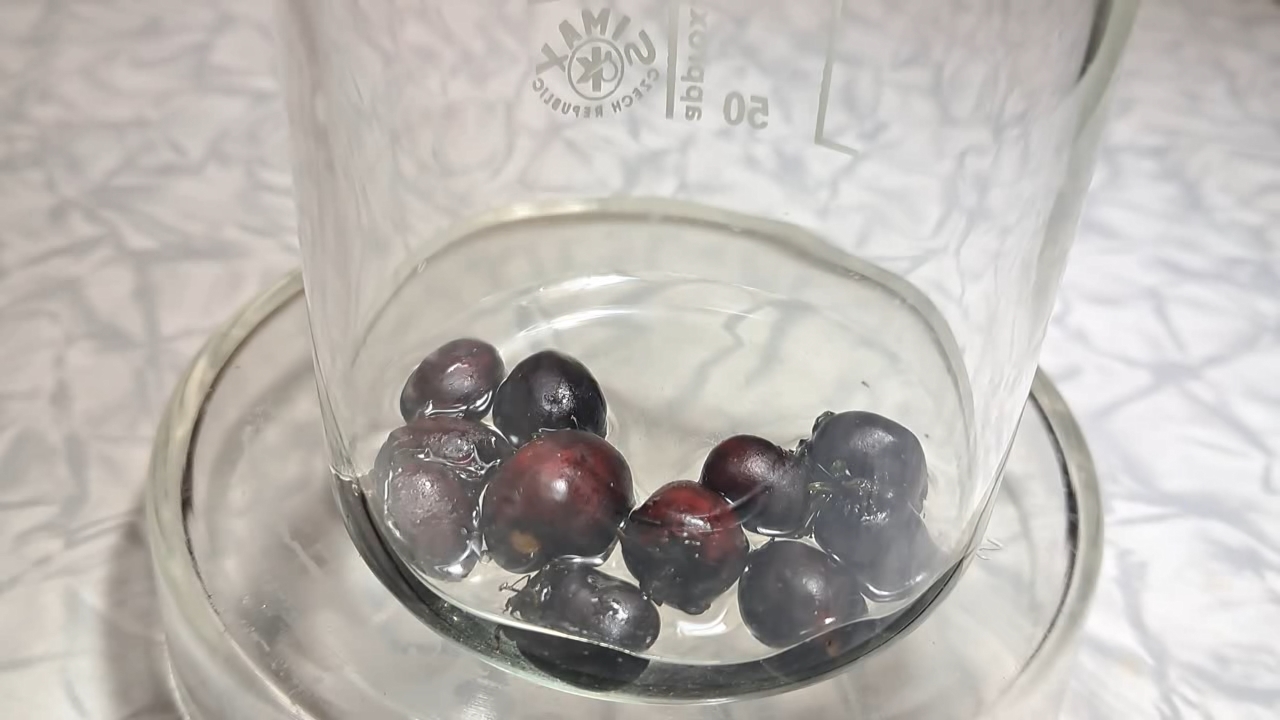
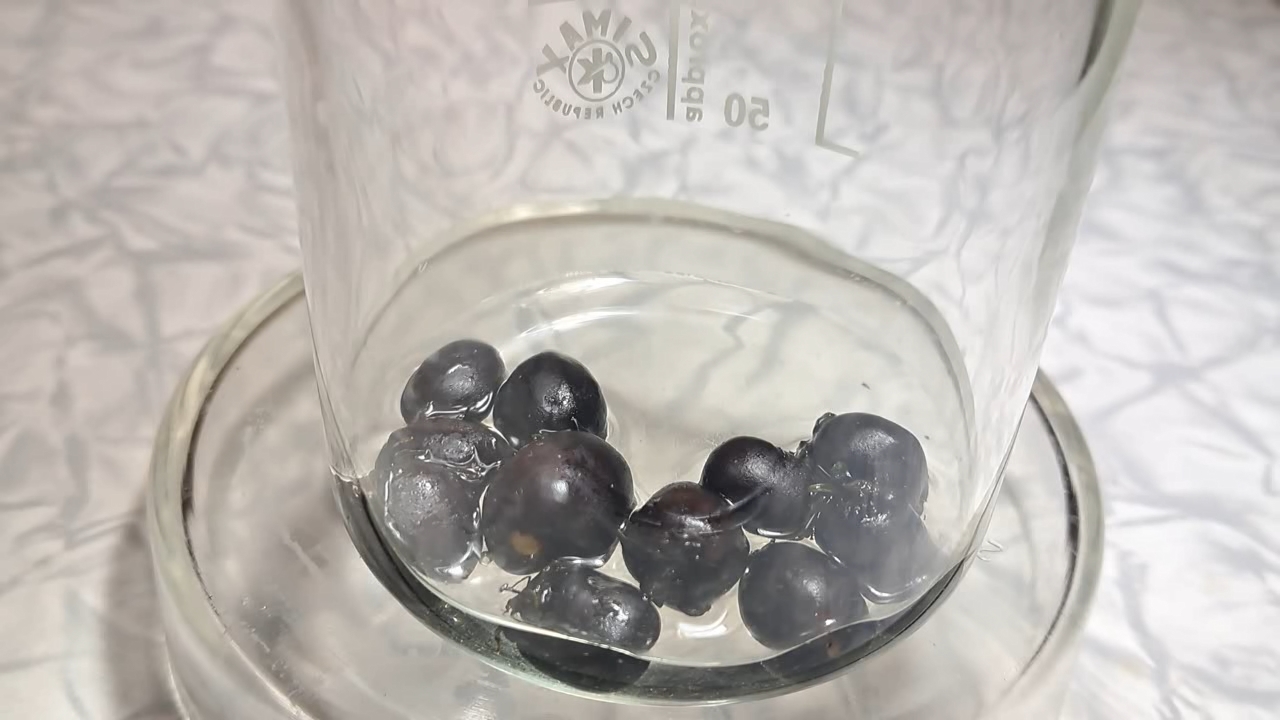
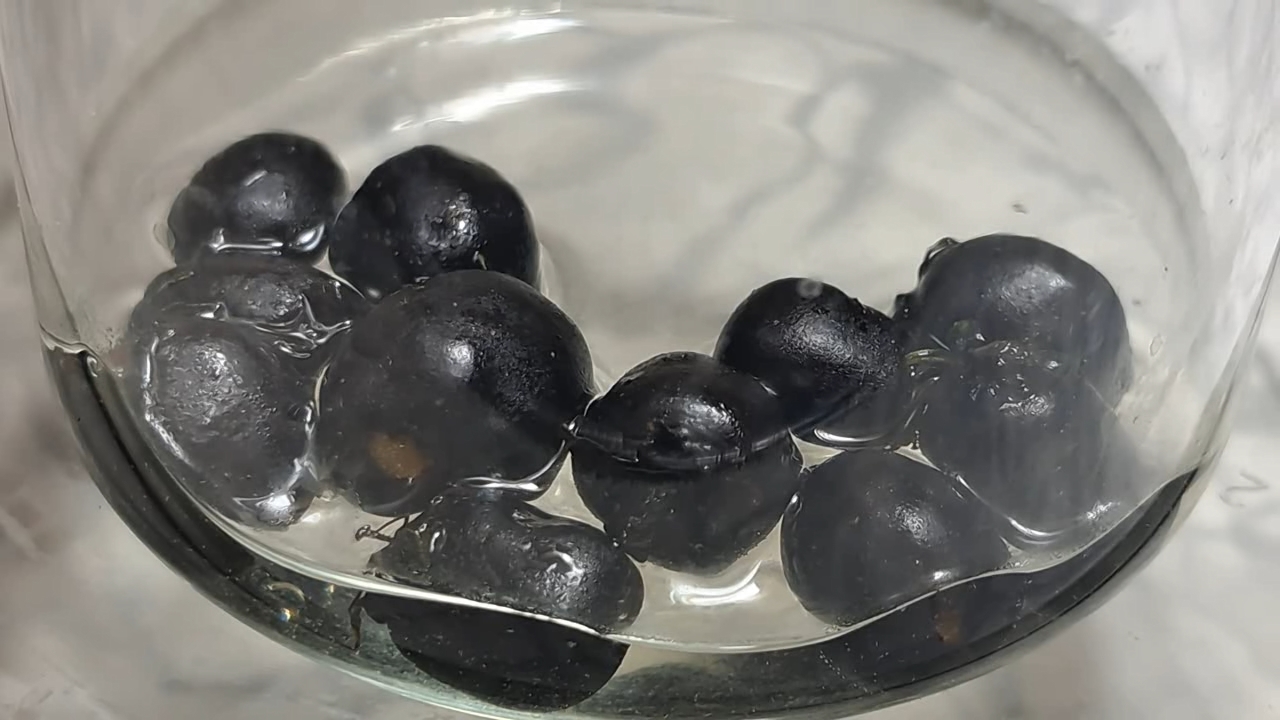
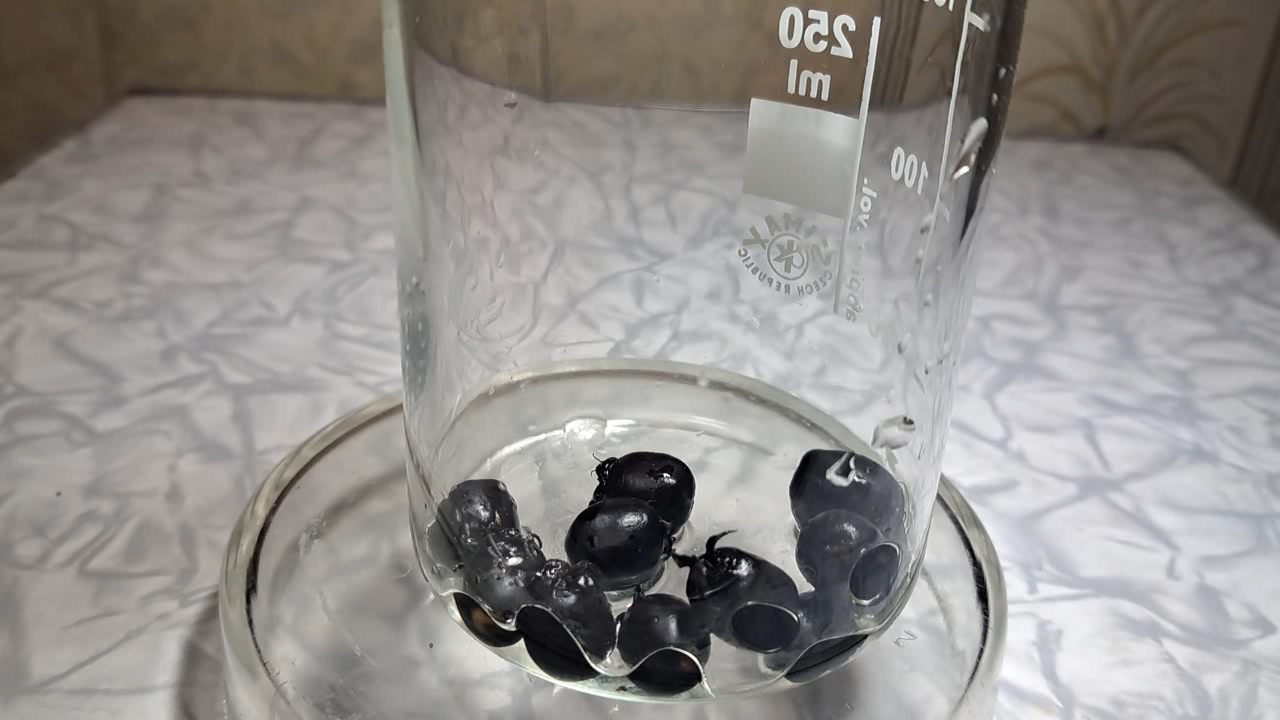
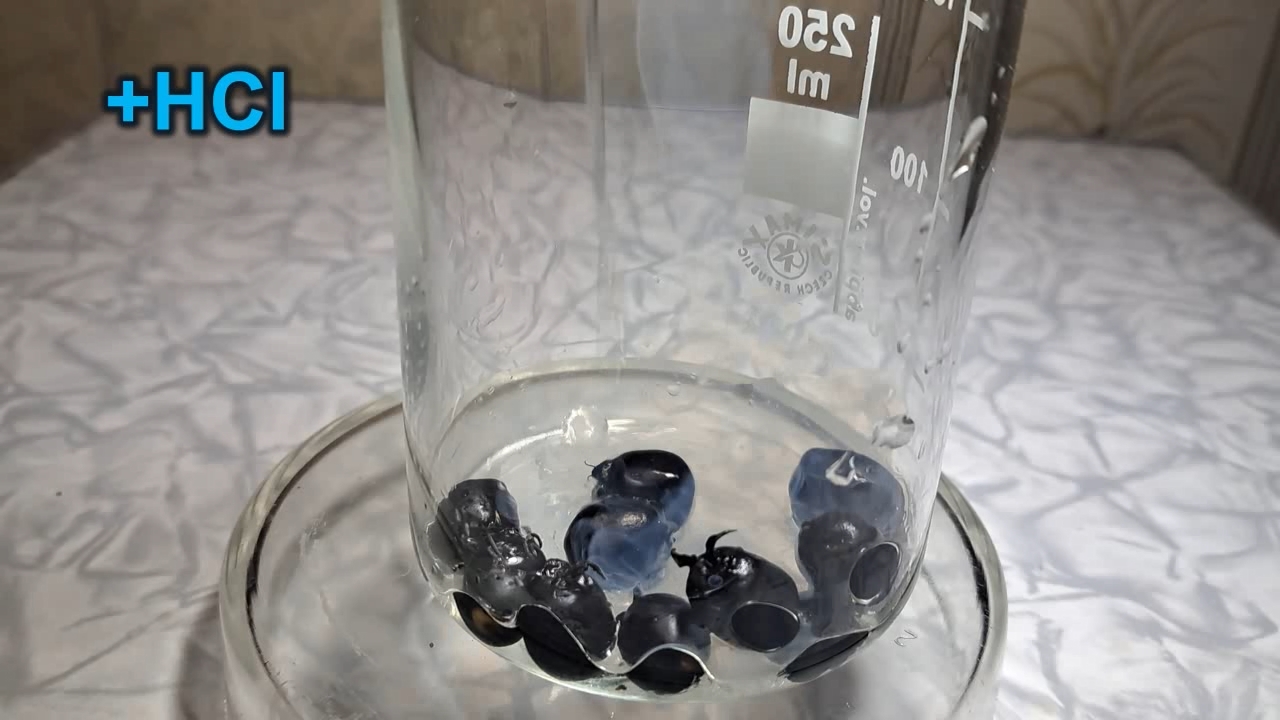
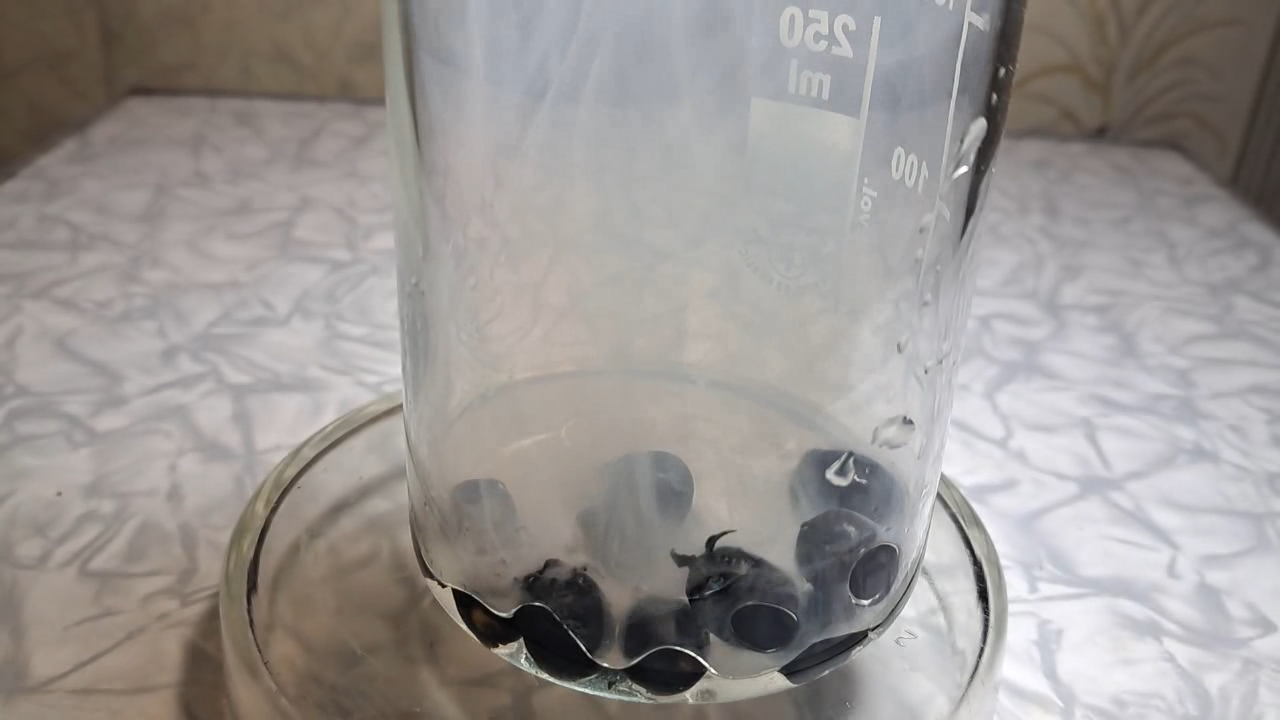
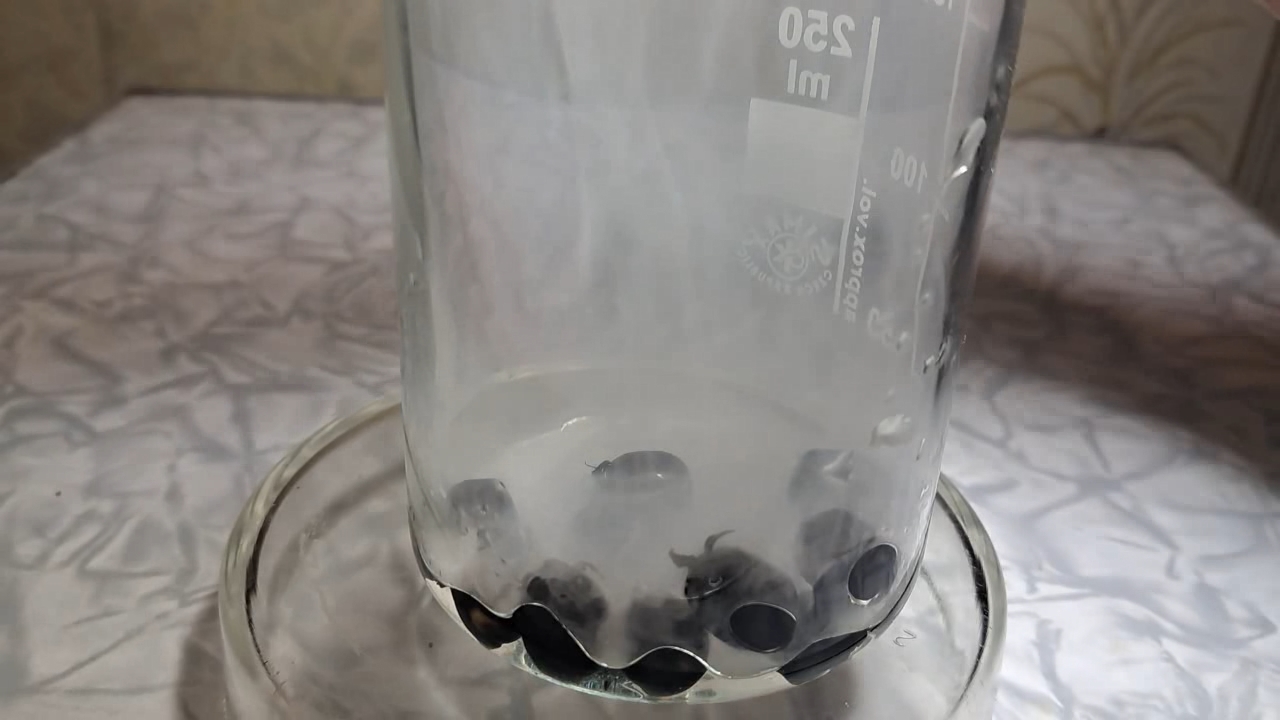
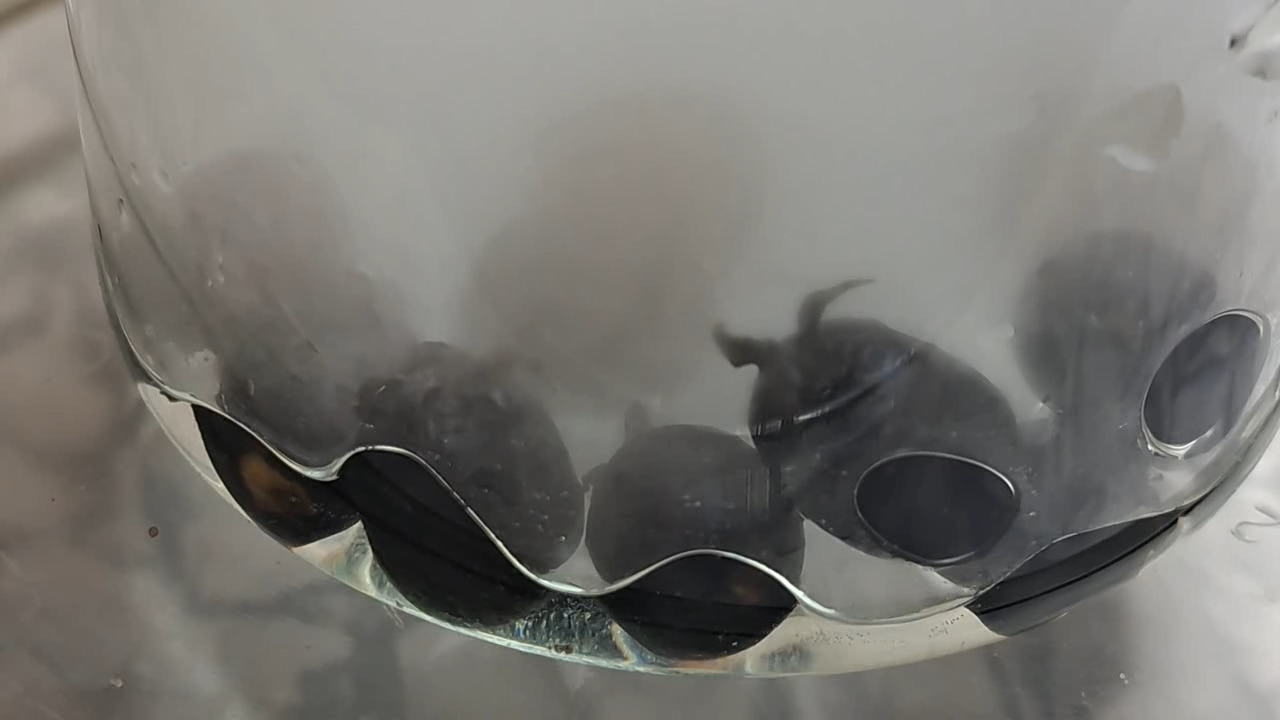
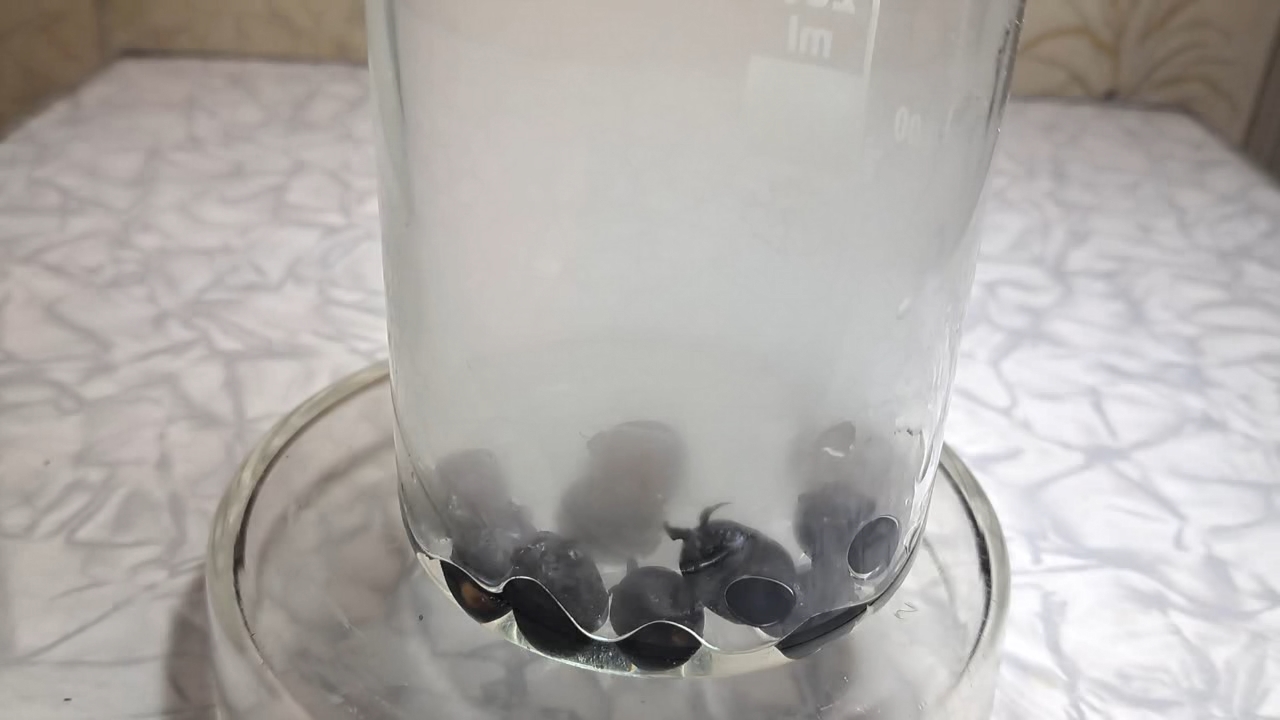
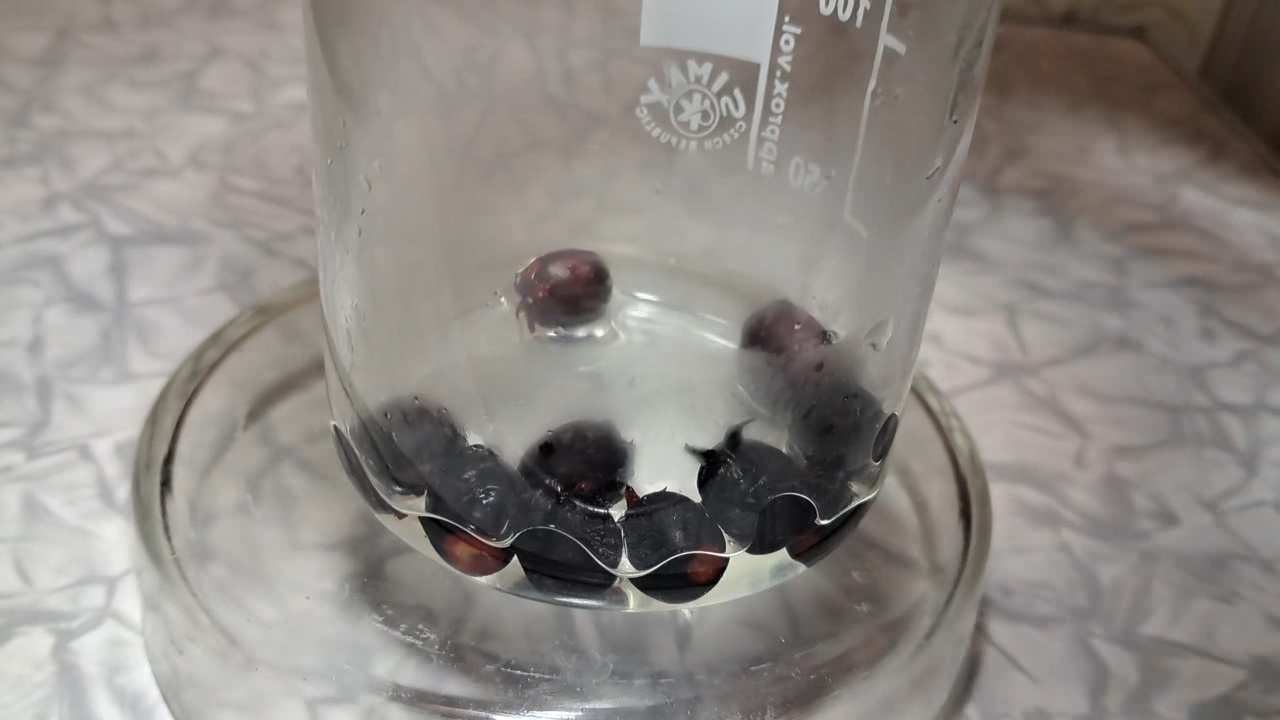
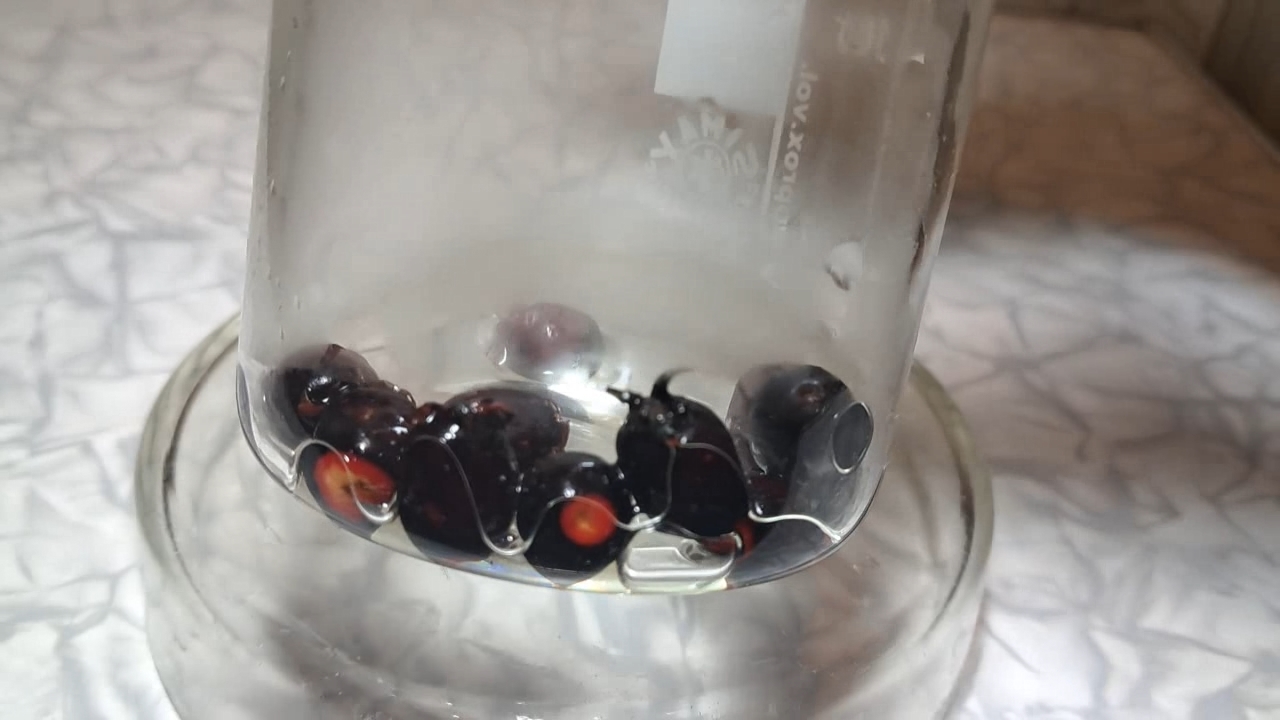
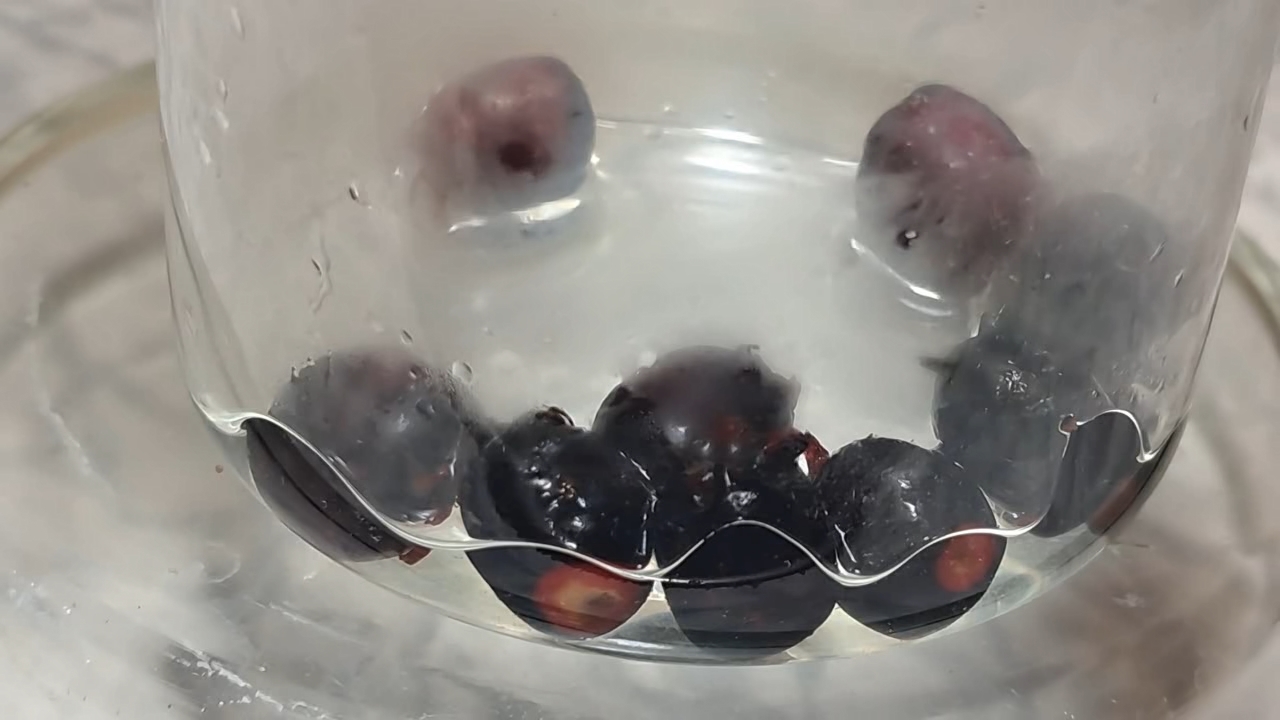
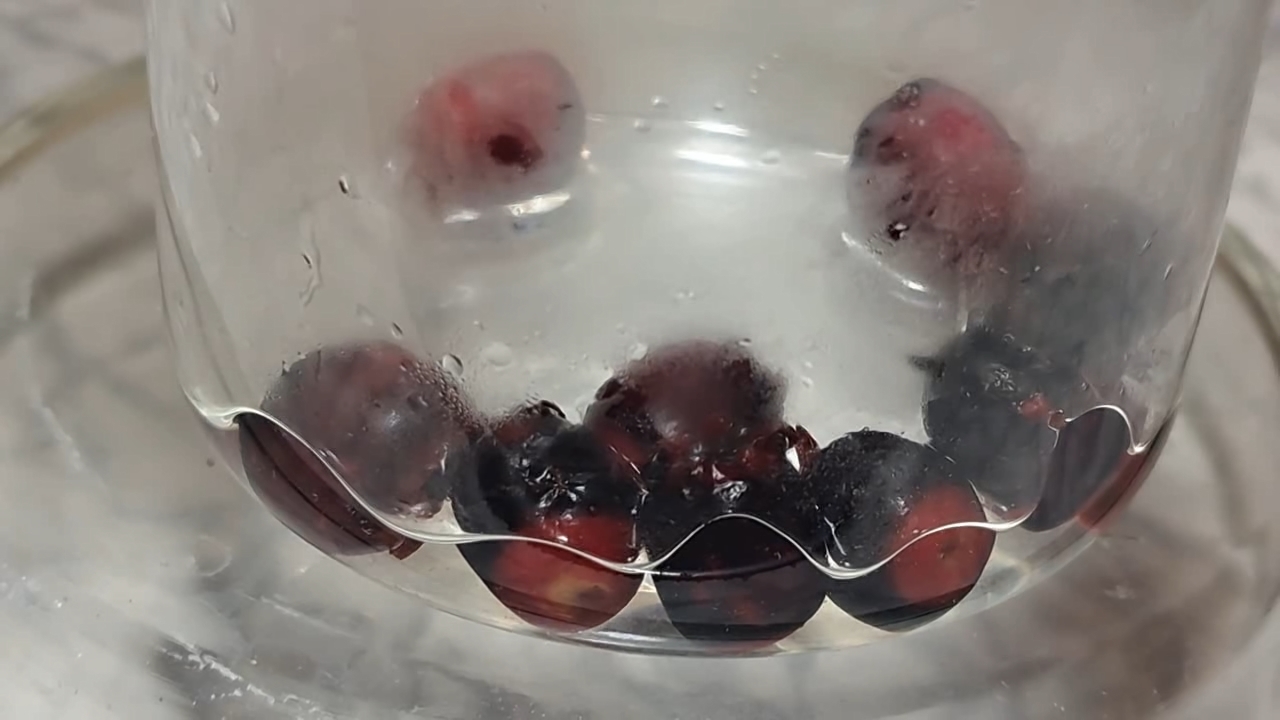
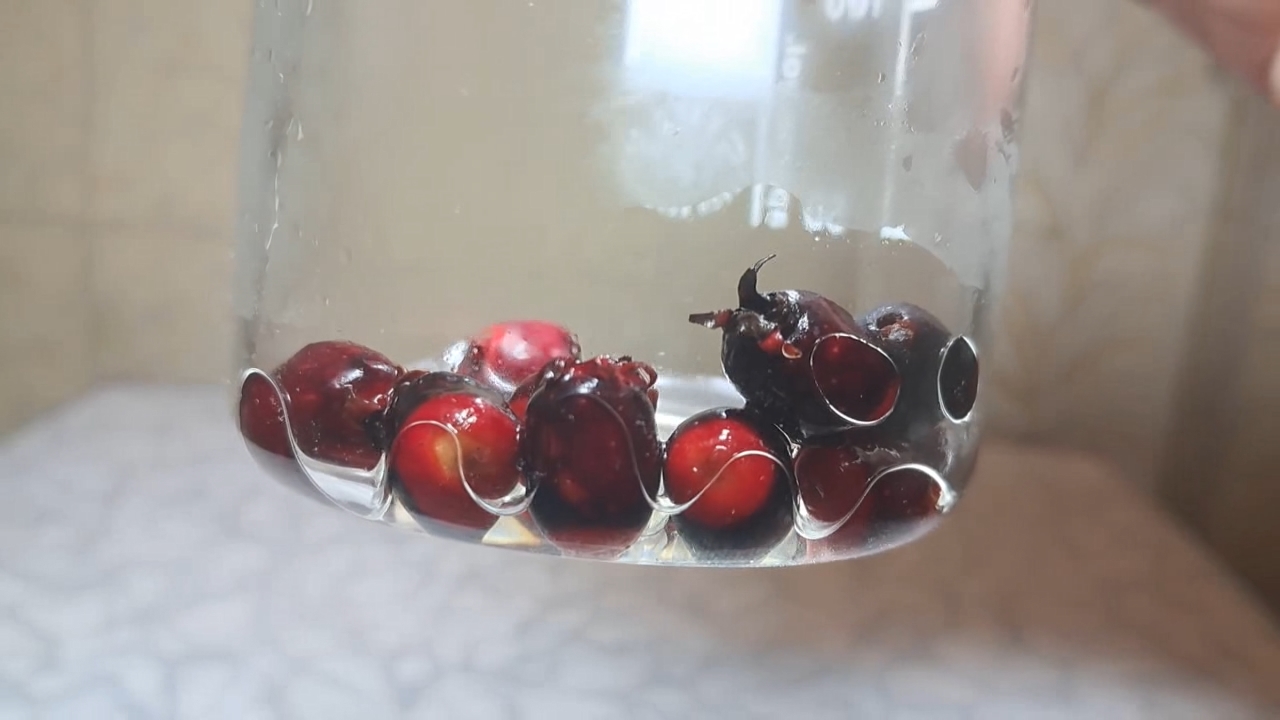
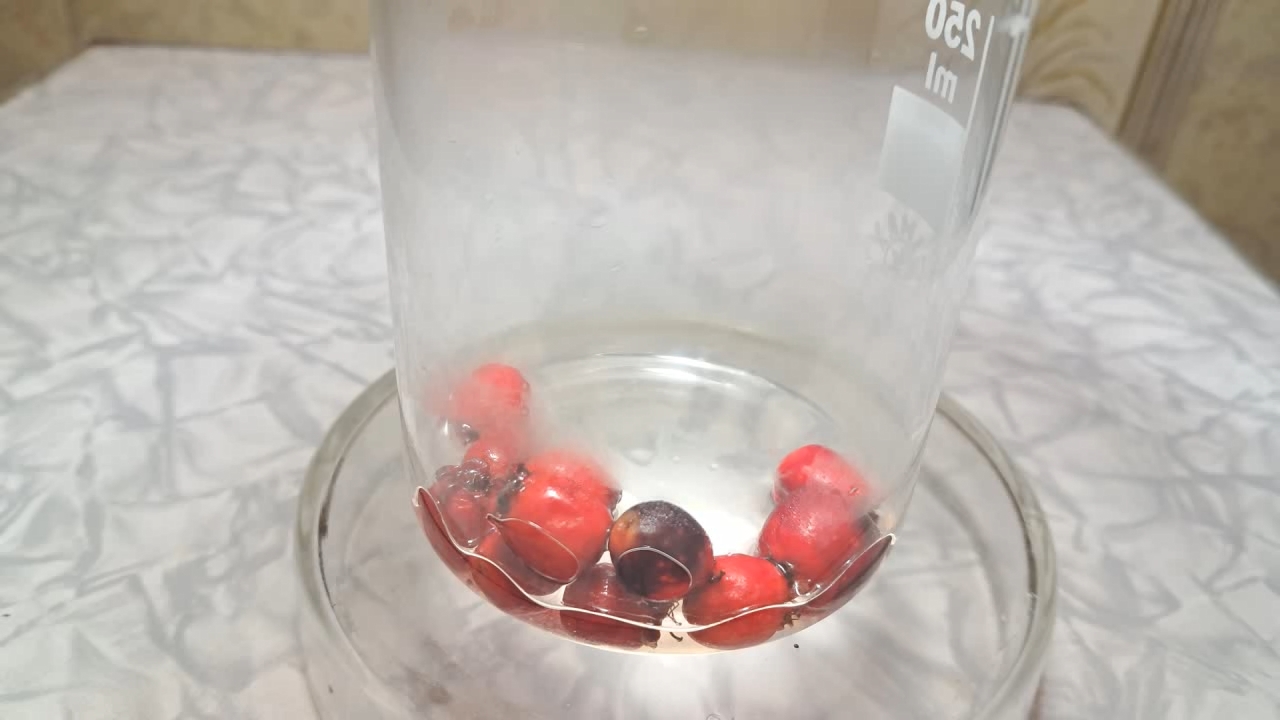
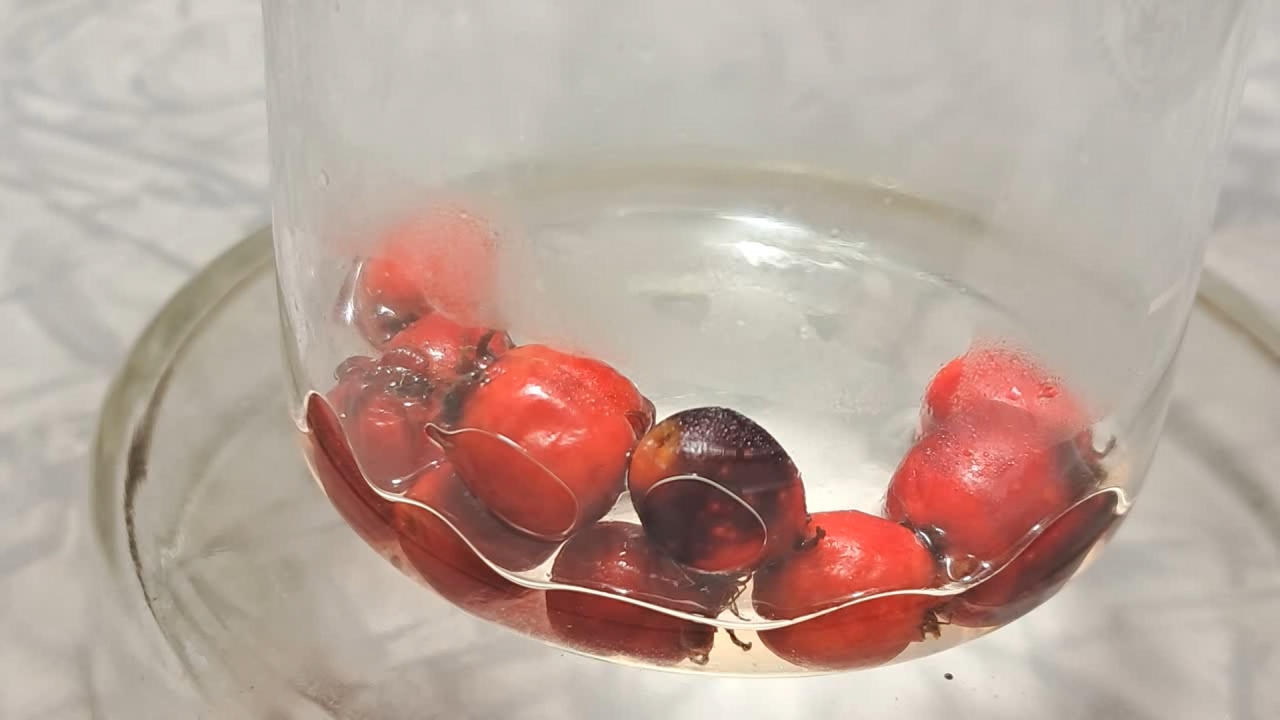
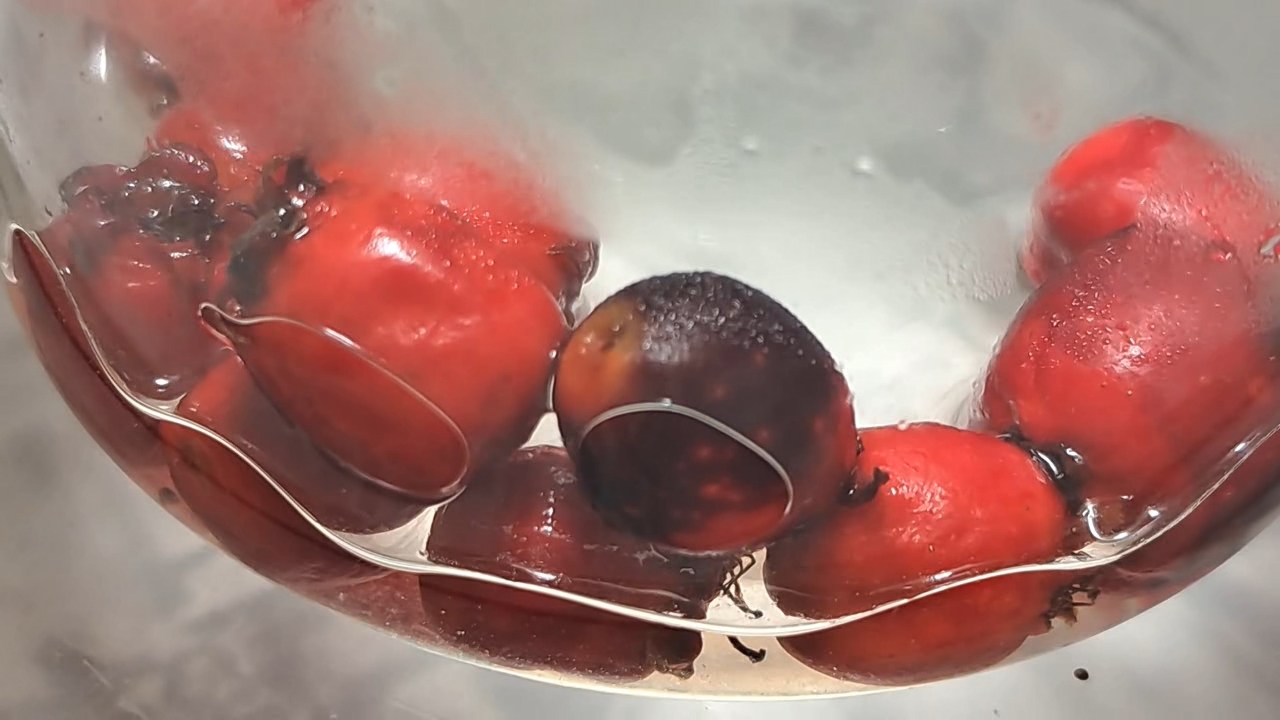
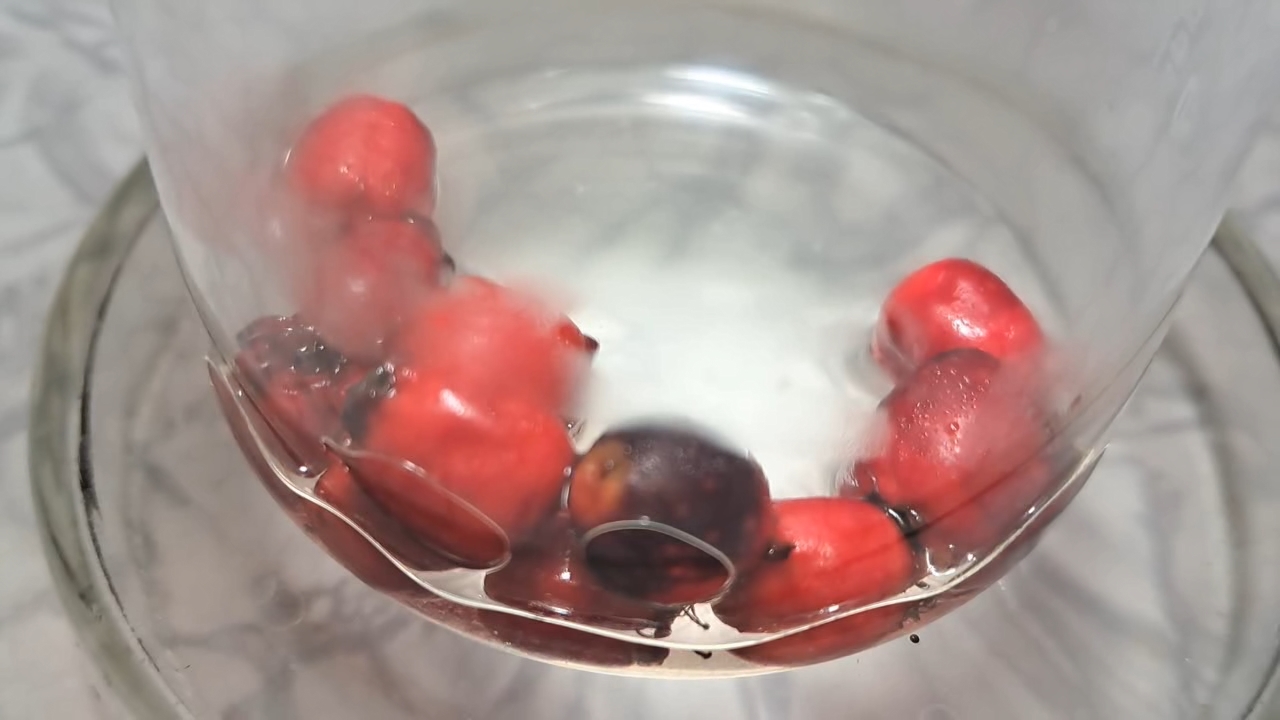
Hawthorn tincture The red berries gradually darkened, turning first dark brown and then black. Eventually, they came to resemble roasted coffee beans. I had observed a similar color change when exposing a red apple to ammonia. I poured the ammonia solution out of the glass and rinsed the berries with water. I then opened a bottle of concentrated hydrochloric acid to add a small amount to the glass containing the blackened berries. The entire room immediately filled with white smoke: hydrogen chloride gas and ammonia vapor were reacting in the air to form tiny solid particles of ammonium chloride. Experiments like these should ideally be conducted in a chemistry laboratory, inside a fume hood. However, since I no longer had access to a laboratory, I had to carry them out in my kitchen. I added concentrated hydrochloric acid to the glass containing the blackened berries. The glass quickly filled with thick white smoke of ammonium chloride. Contrary to my expectations, the berries did not change color rapidly. Instead, some areas of the berries gradually turned brown and then red. These red areas slowly expanded. After four hours, the berries had largely regained their original appearance, although some brown and black areas remained. |
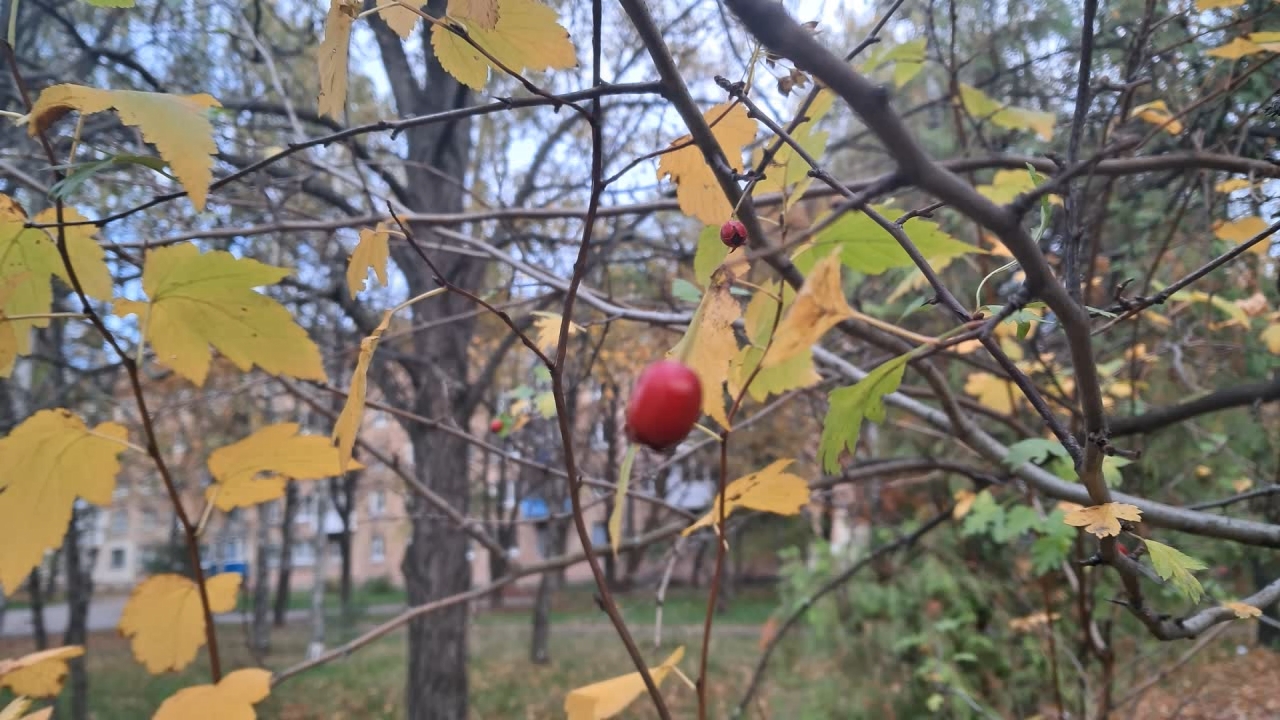
Hawthorn Berries, Ammonia, and Hydrochloric Acid |
|
|
|
|
|
|
|
|
|
|
|
|
|
|
|
|
|
|
|
|
|
|
|
|
|
|
|
