Chemistry and Chemists № 3 2025
Journal of Chemists-Enthusiasts
| Content | Chemistry experiments - video | Physics experiments - video | Home Page - Chemistry and Chemists |
|
Chemistry and Chemists № 3 2025 Journal of Chemists-Enthusiasts |
Synthesis of iron (III) benzoate - pt.1, 2 Chemist |
|
Having noticed a mistake in the text, allocate it and press Ctrl-Enter
Simple Synthesis: What Could Go Wrong? - Part 1
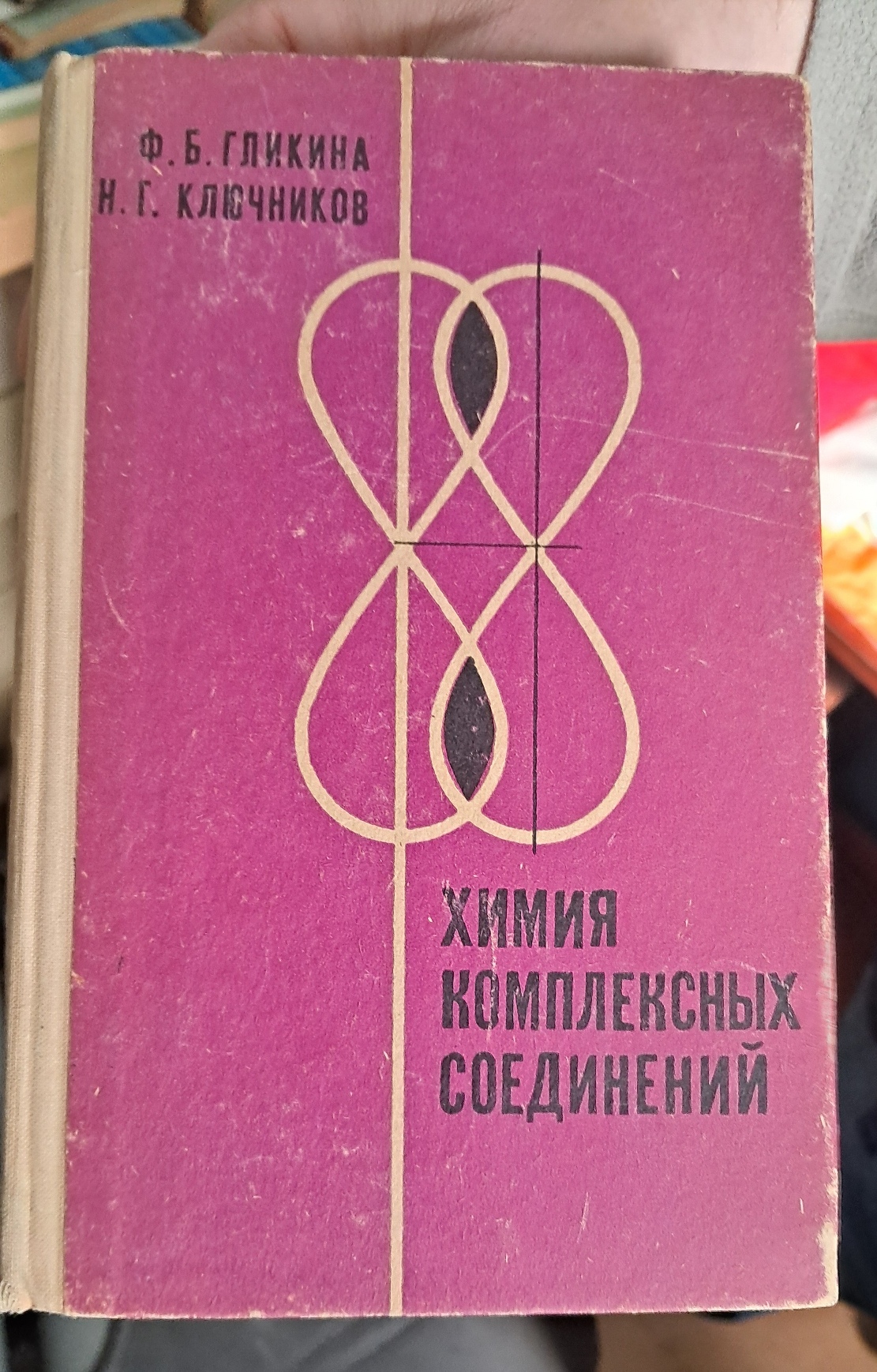
While looking through an old monograph on complex compounds [1], a colleague accidentally found a description of the synthesis of basic iron(III) benzoate and suggested that I synthesize it. Remembering our previous collaboration, I wasn't very enthusiastic. So I asked:
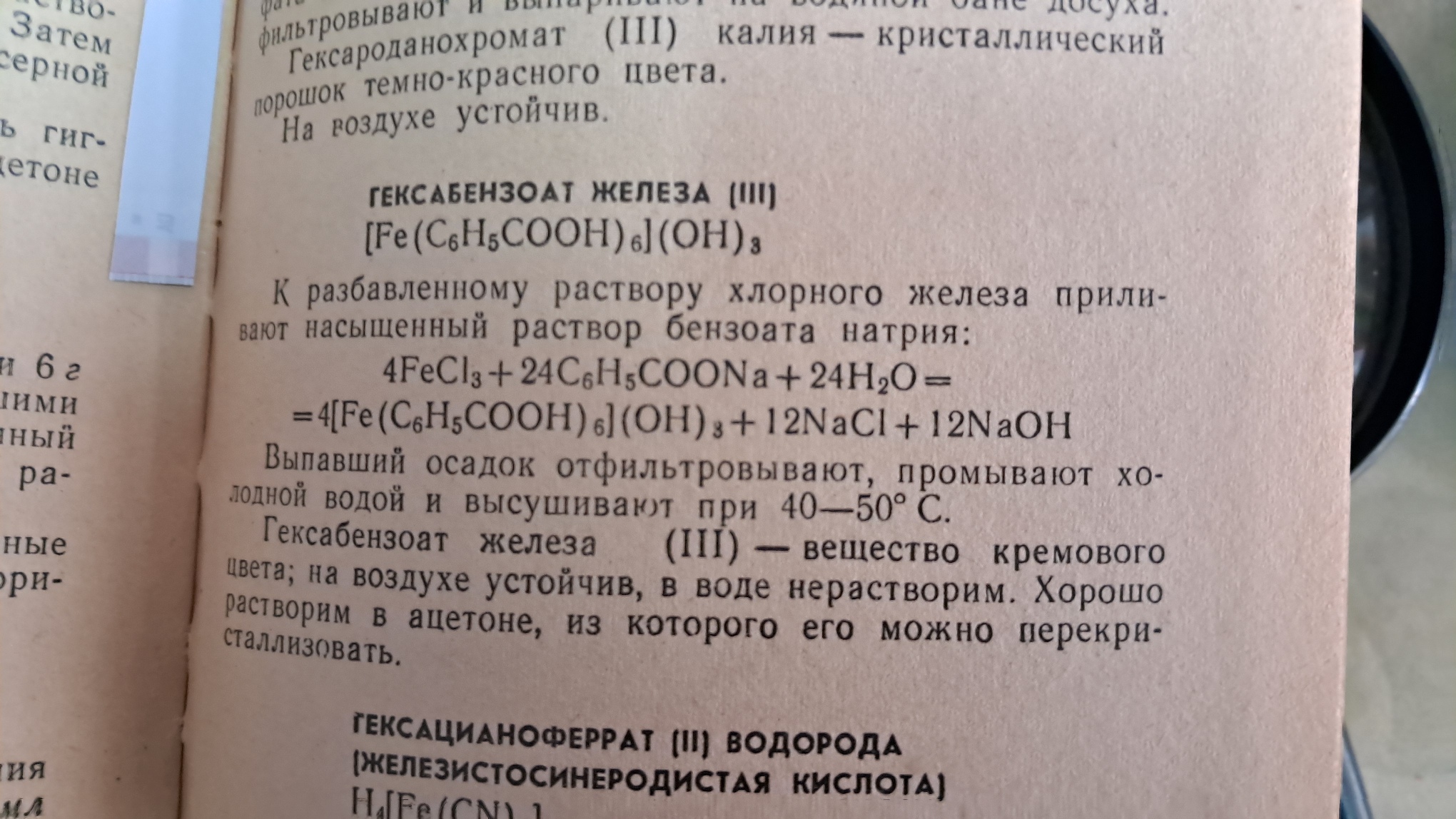
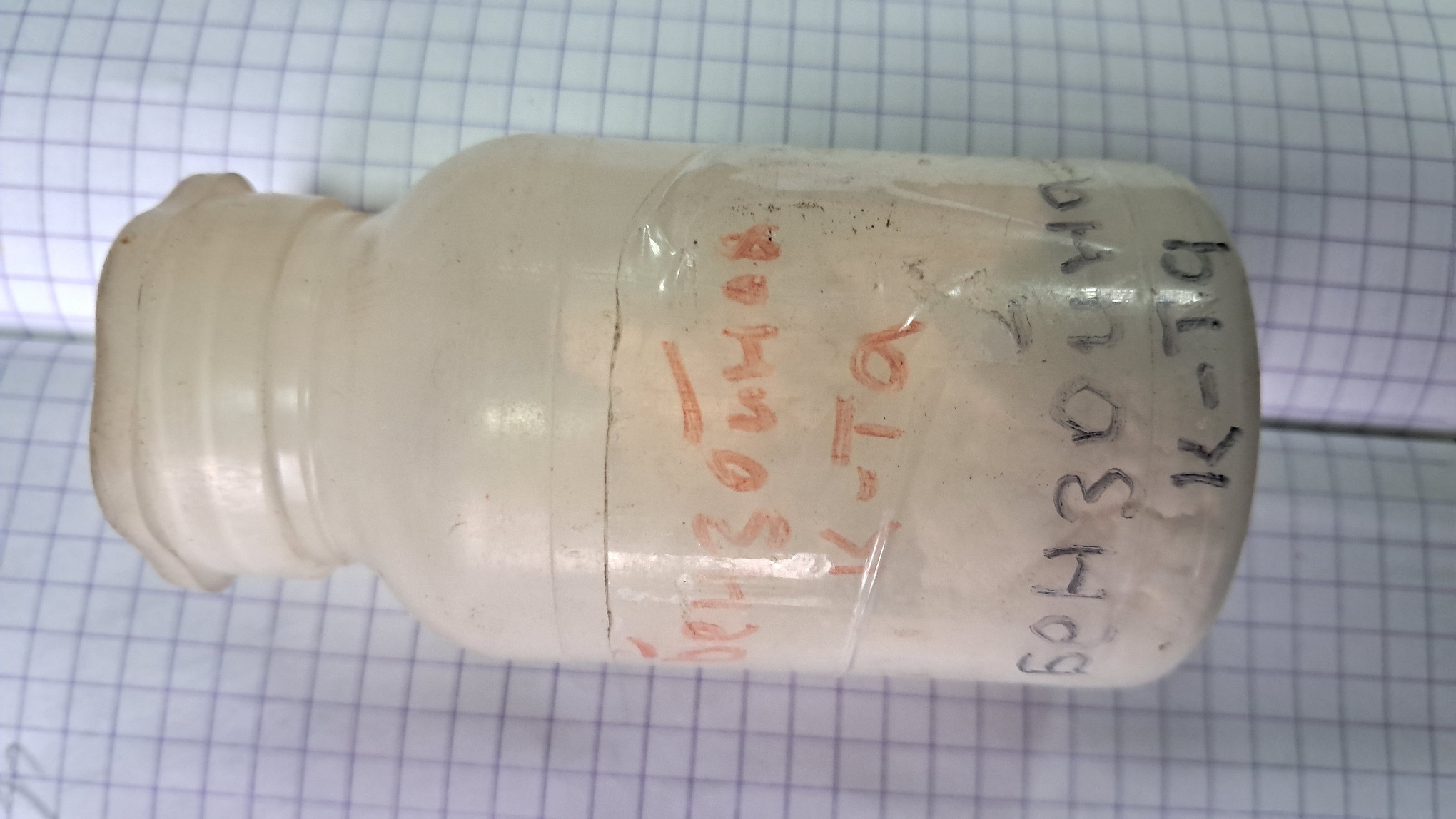
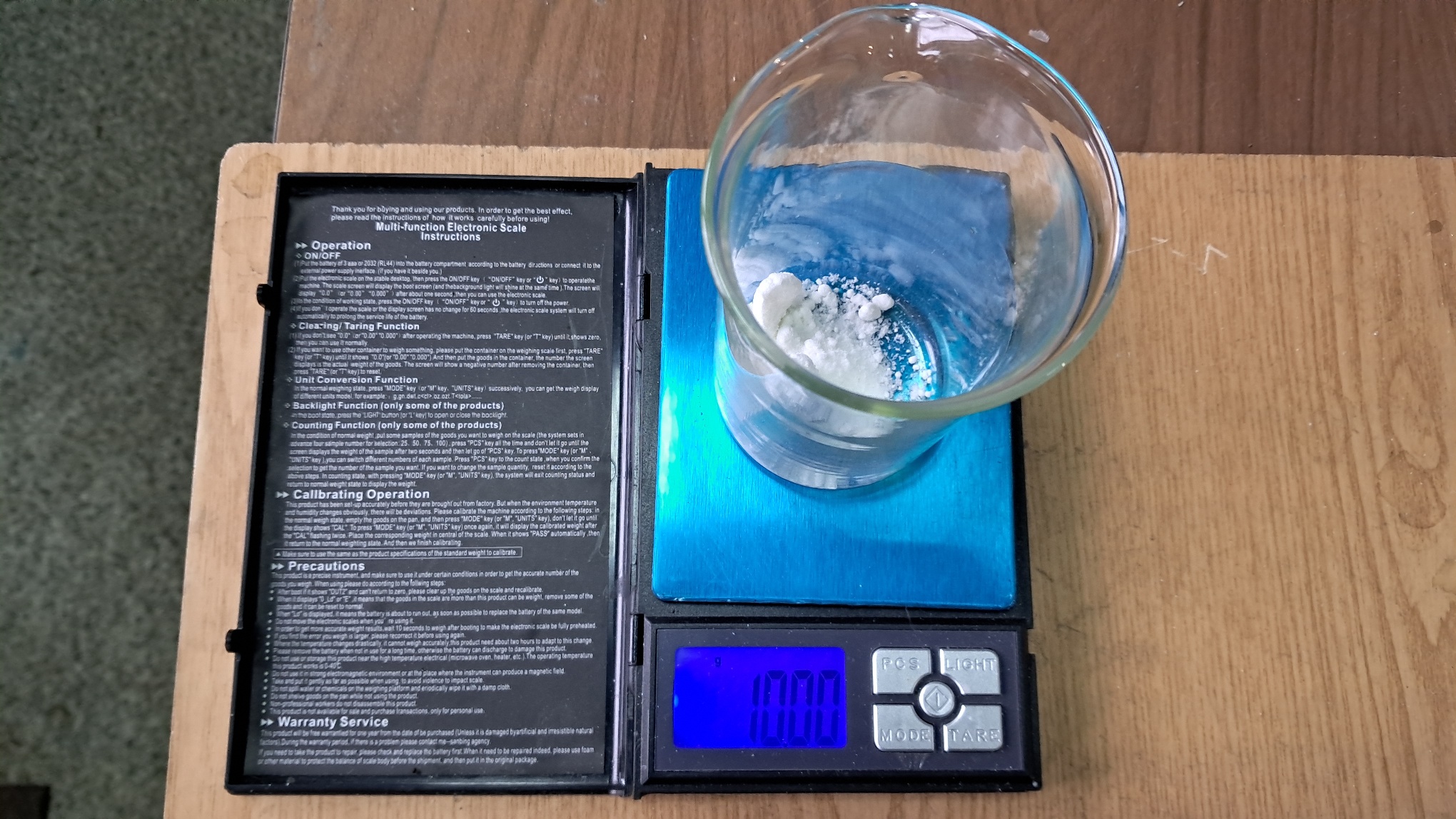
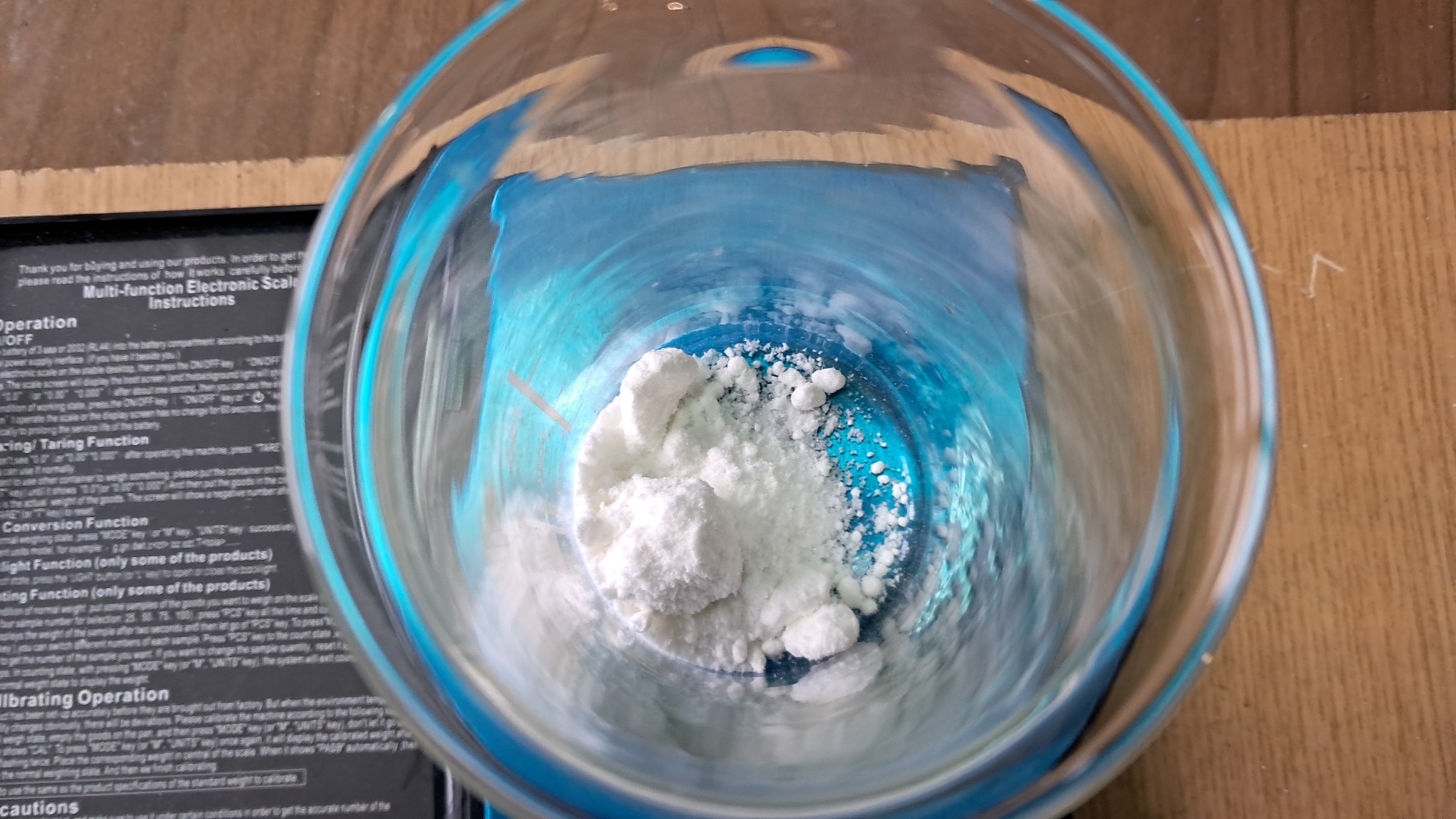
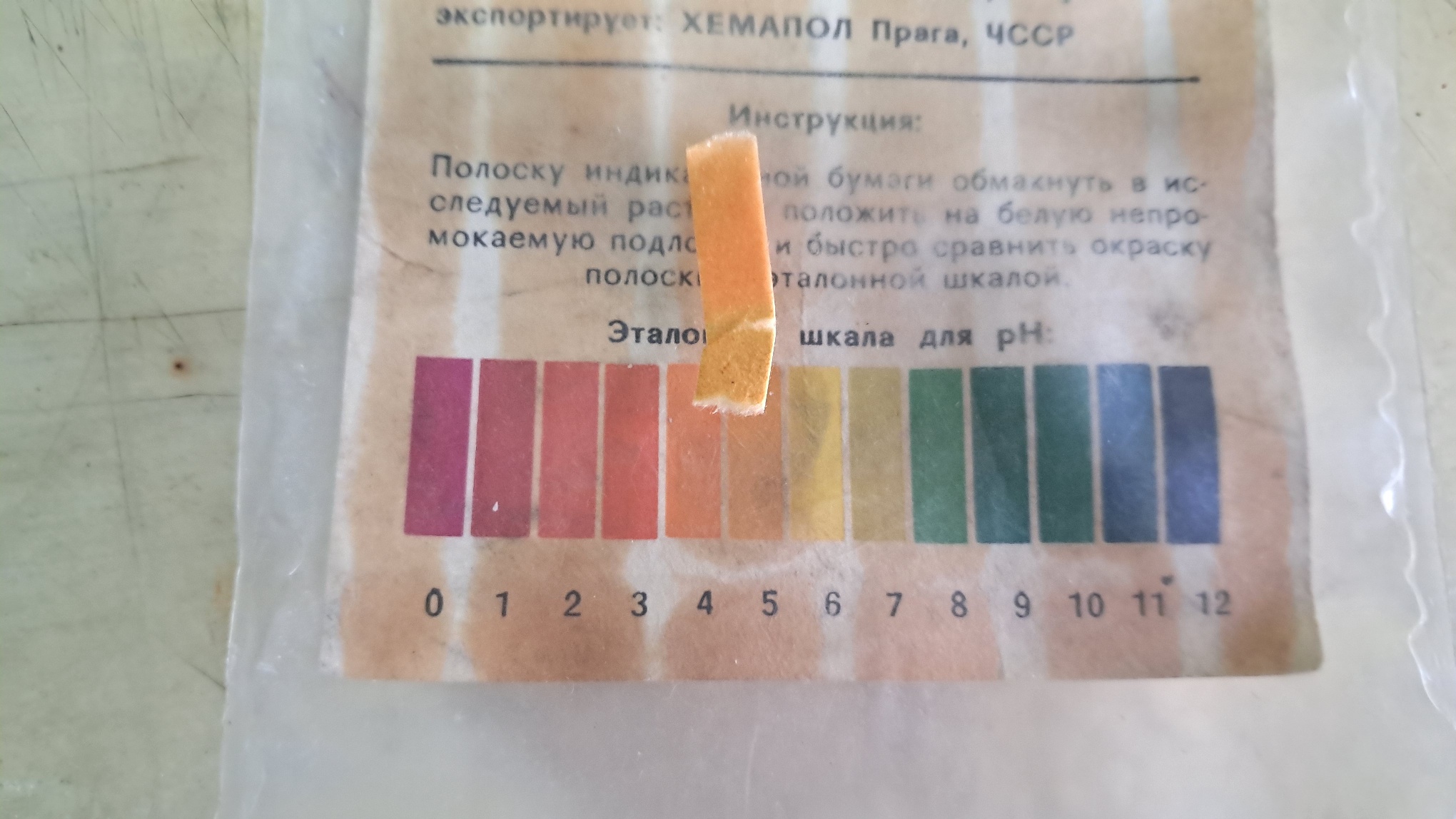
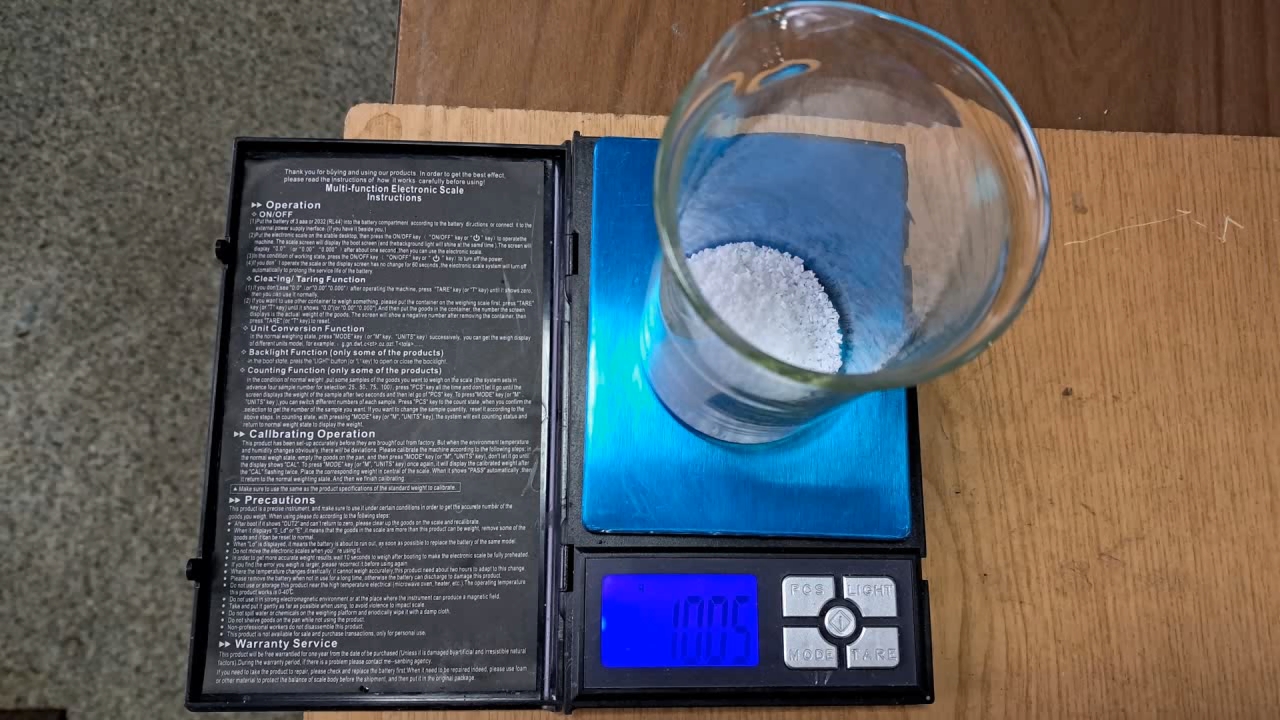
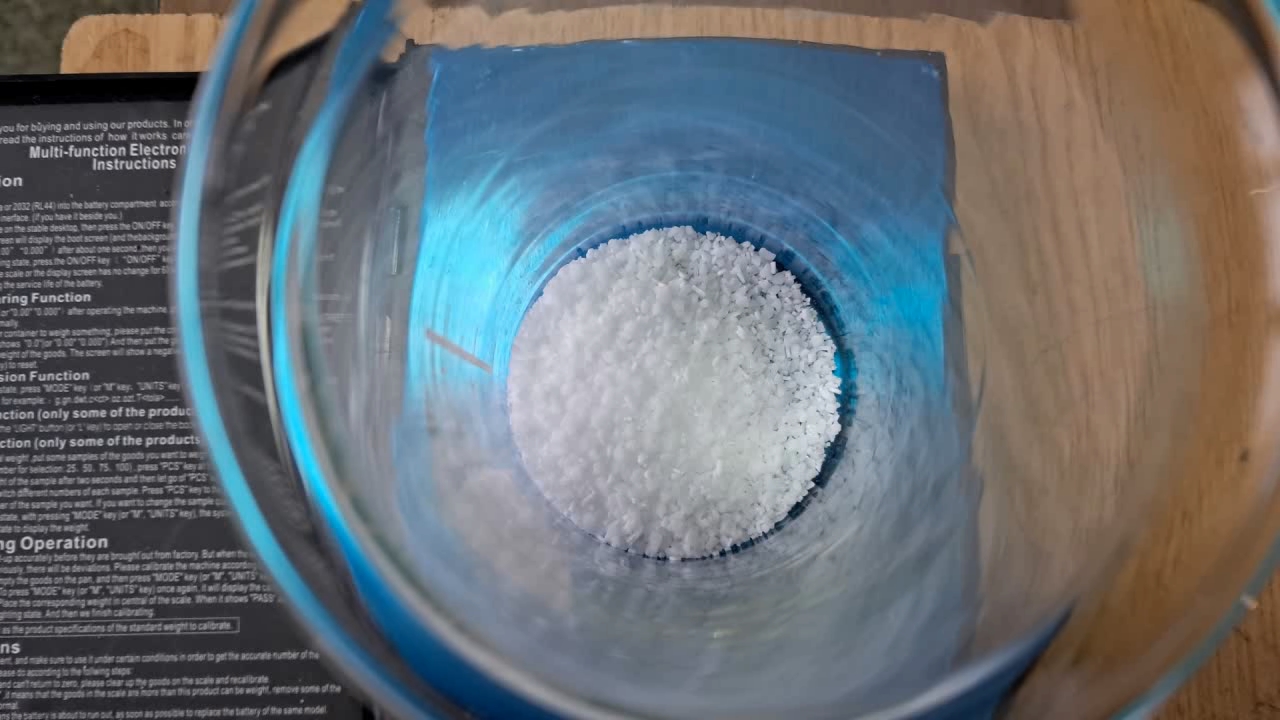
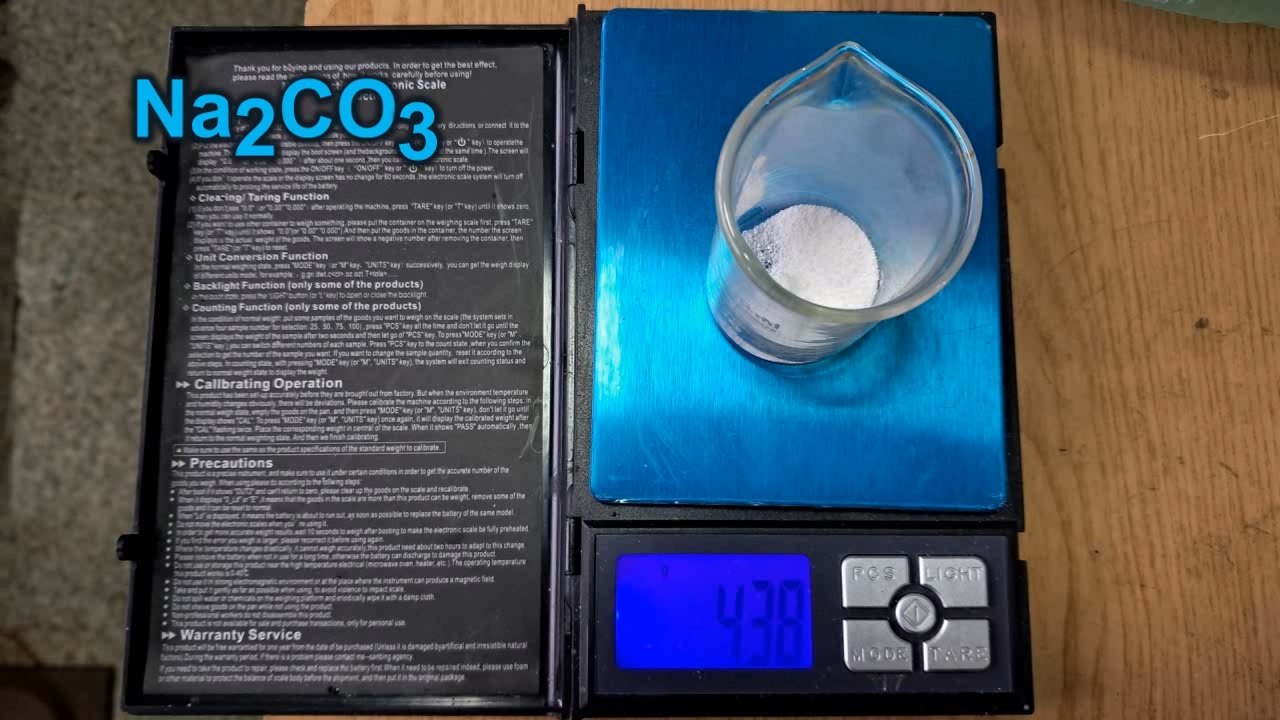
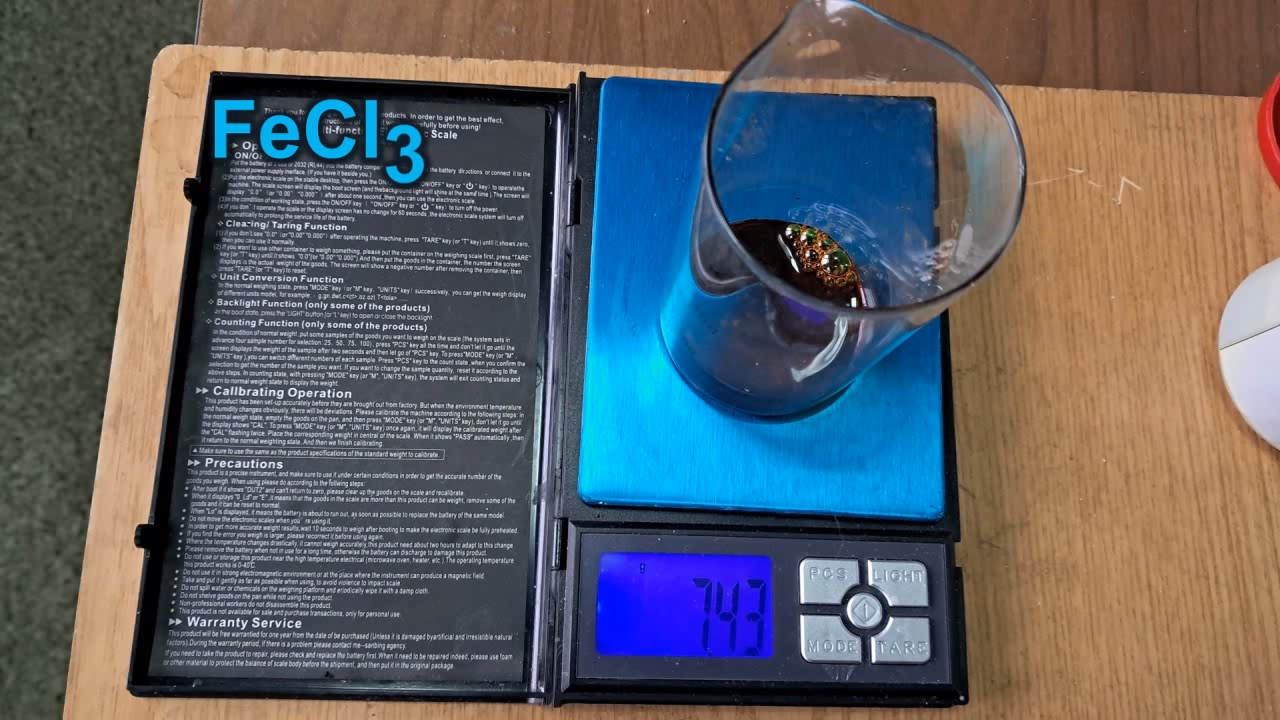
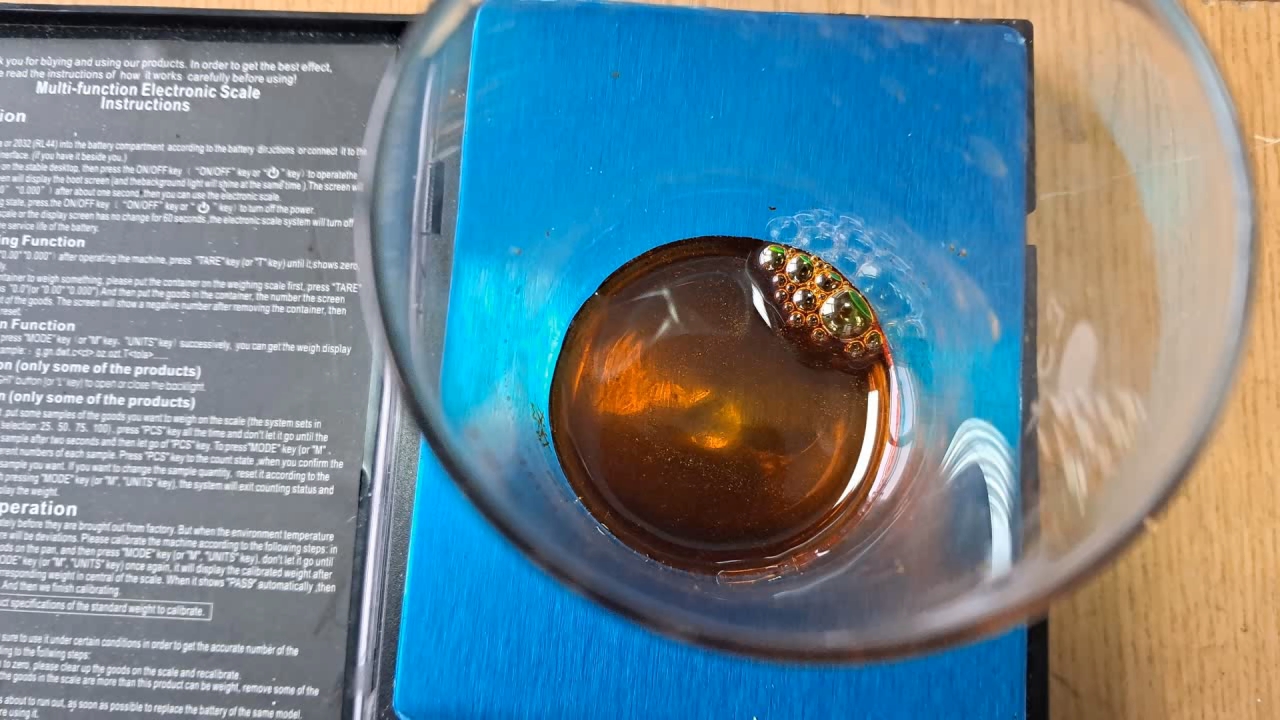
Синтез бензоата железа (III) Простой синтез: что может пойти не так? - Часть 1 > "Why do you need this substance? Do you want to obtain significant scientific results with it, or did you just like its formula?" > "The substance is soluble in acetone!" > "I'll synthesize iron(III) benzoate. You'll dissolve it in acetone - and then what? Will you put the bottle of solution on the shelf and forget about it? What are you going to do with this solution?" > "Electrospinning! We can add it to the polymer solution, then spin the fibers." > "Have you assembled the electrospinning rig?" > "I'll assemble it in a couple of days! I just need to trim the needle properly and buy some syringes!" > "In a couple of days, your enthusiasm will fade, you'll forget about electrospinning, and you'll ask me to synthesize something else - for another project. Then you'll forget about that substance too. If I keep pursuing aimless syntheses, I'll never have any real scientific results to publish or to report on. Are all physicists this frivolous?" > "Look at this beautiful formula - [Fe(C6H5COOH)6](OH)3! I'll give you sodium benzoate. Although… I don't have any benzoate, I'll bring benzoic acid."[K1] > "All right, let's do some 'electrofishing' [electrospinning]. I'll try synthesizing iron benzoate. If we don't get any serious scientific results, I'll at least write a popular science article about our work." The monograph provides the following reaction equation: 4FeCl3 + 24C6H5COONa + 24H2O = 4[Fe(C6H5COOH)6](OH)3 + 12NaCl + 12NaOH The description of the synthesis does not specify the masses of the substances; it only states that a saturated sodium benzoate solution is added to a dilute iron(III) chloride solution. According to the equation, the molar ratio is Fe : C6H5COONa = 1 : 6. First, I had to prepare a sodium benzoate solution by reacting benzoic acid with sodium carbonate. Then I needed to prepare a solution of iron(III) chloride and add the benzoate solution to it while stirring. A brown precipitate of basic iron(III) benzoate should form. Incidentally, the precipitation of basic iron benzoate is similar to the formation of basic iron(III) acetate. The latter reaction can even be used to detect iron(III) ions in solution. I conducted stoichiometric calculations based on 10 g of benzoic acid: Benzoic acid, molar mass: 122.12 g/mol Sodium carbonate, molar mass: 105.99 g/mol Iron(III) chloride hexahydrate, molar mass: 270.30 g/mol 1 Fe : 6 C6H5COONa, 10 g C6H5COOH, ~15 mL water 10 x 105.99 / 122.12 / 2 = 4.34 g Na2CO3 10 x 270.30 / 122.12 / 6 = 3.69 g FeCl3·6H2O I weighed 10 grams of benzoic acid from a jar my colleague had brought. I forgot to mention - many years ago, I discovered I have a severe allergy to benzoic acid. I hadn't worked with it directly, but just holding a bag of the acid caused redness and irritation. This time, I used protective gloves, and to my surprise, there were no signs of an allergic reaction. Then I weighed the calcined soda. When I opened the jar of iron(III) chloride, I discovered that some of the salt had turned into an aqueous solution - the lid was loose. Since the solubility of iron(III) chloride hexahydrate in water is about 43% by weight, I used twice the mass of the solution instead of the solid salt. I placed the benzoic acid in a beaker, added 15 mL of distilled water, and began adding the calcined soda little by little. I expected a vigorous release of carbon dioxide, so I kept my distance from the beaker to avoid inhaling the aerosol (remembering my allergy to benzoic acid). Benzoic acid should displace weak carbonic acid from its salts. However, no gas was released at all! I added the remaining sodium carbonate to the acid, but still no carbon dioxide formed. The solution turned yellowish. In another beaker, I added a little water to the benzoic acid and measured the pH of the solution with indicator paper - it was 5-6 (almost neutral). I don't know what the white powder in the jar my colleague brought me actually was, but it definitely wasn't benzoic acid. Soon afterward, my colleague arrived, and I asked him to measure the pH himself - he got the same result as I did. **Conclusion:** the bottle labeled "Benzoic Acid" contained an unknown and potentially hazardous substance. I wrote a warning label and put the bottle away. For now, I don't feel like figuring out what this white powder is. I told this story to another colleague - a physicist by training, but one who has been doing typical chemical work in the lab for many years. He replied: > "I had a similar experience while working on my dissertation. I was ozonating formaldehyde - a difficult process. To determine the formaldehyde concentration, a labmate gave me a jar of chromotropic acid. This organic compound reacts with formaldehyde to produce a violet-red color, which allows the quantitative determination of formaldehyde by spectrophotometry. Later, it turned out that the substance my labmate gave me was NOT chromotropic acid. Therefore, all the analysis results were unreliable. Six months of work wasted." I personally know the person who gave him that "chromotropic acid" and suspect it wasn't an accidental mistake - he did it deliberately. I plan to find genuine benzoic acid, repeat the synthesis of iron(III) benzoate, and write the next parts of this article. I can't guarantee I'll do it soon - the country is at war, with constant air raids and power outages. I wrote this text on my laptop during a blackout. __________________________________________________ 1 Glikina F.B., Klyuchnikov N.G. Chemistry of complex compounds / Гликина Ф.Б., Ключников Н.Г. Химия комплексных соединений [link]. |
|
Синтез бензоата железа (III)
Просматривая старую монографию по комплексным соединениям [1], коллега случайно нашел описание синтеза основного бензоата железа (III) и предложил мне синтезировать данное соединение. Помня прошлый опыт совместной работы, я не проявил большого энтузиазма. Спросил:
Простой синтез: что может пойти не так? - Часть 1 - Зачем тебе нужно данное вещество? Ты хочешь получить с его помощью значимые научные результаты или тебе просто формула понравилась? - Вещество растворимо в ацетоне! - Я синтезирую бензоат железа (III), ты растворишь его в ацетоне, а что дальше? Поставишь бутылочку с раствором на полку и забудешь? Что ты планируешь с этим раствором делать? - Электроспинниг! Раствор можно добавить к раствору полимера. А затем вытянуть волокна. - Ты собрал установку для электроспиннинга? - Соберу через пару дней! Нужно... правильно обрезать иголку и купить шприцы! - Через пару дней твой энтузиазм пройдет, про электроспиннинг ты забудешь и попросишь меня синтезировать что-то другое - для других исследований. Потом и про новое вещество забудешь. Если я буду заниматься бесцельными синтезами, то у меня не будет научных результатов, чтобы можно было опубликовать статьи и отчитаться по работе. Вы все физики такие легкомысленные? - Посмотри, какая у вещества красивая формула - [Fe(C6H5COOH)6](OH)3! Я тебе дам бензоат натрия. Хотя... бензоата у меня нет, я принесу бензойную кислоту. [K1] - Хорошо, давай займемся "электрорыбалкой" [электроспиннингом]. Я попробую синтезировать бензоат железа. Если не получим значимых научных результатов, то напишу, хотя бы, научно-популярную статью о нашей работе. В монографии приводится следующее уравнение реакции: 4FeCl3 + 24C6H5COONa + 24H2O = 4[Fe(C6H5COOH)6](OH)3 + 12NaCl + 12NaOH В описании синтеза массы веществ не указаны, сказано только, что насыщенный раствор бензоата натрия добавляют к разбавленному раствору хлорида железа (III). Согласно уравнению реакции молярное соотношение составляет Fe : C6H5COONa = 1 : 6. Сначала я должен получить раствор бензоата натрия из бензойной кислоты и карбоната натрия. Затем приготовить раствор хлорида железа (III) и при перемешивании добавить к нему раствор бензоата. При этом образуется коричневый осадок основного бензоата железа (III). Кстати, реакция получения основного бензоата железа напоминает осаждение основного ацетата железа (III). Последняя реакция может быть использована для обнаружения ионов железа (III) в растворе. Провел стехиометрические расчеты, исходя из 10 г бензойной кислоты. Benzoic acid, molar mass: 122.12 g/mol Sodium carbonate, molar mass: 105.99 g/mol Iron(III) chloride (hexahydrate), molar mass: 270.295 g/mol 1Fe - 6C6H5COONa, 10 g C6H5COOH, ~15 mL of water 10*105.99/122.12/2=4.34 g Na2CO3 10*270.295/122.12/6=3.69 g FeCl3·6H2O Взвесил 10 г бензойной кислоты из банки, которую принес коллега. Забыл упомянуть - много лет назад выяснилось, что у меня на бензойную кислоту сильная аллергия. Непосредственно с бензойной кислотой я не работал, но достаточно было подержать пакет с кислотой в руках - это вызывало покраснение и раздражение кожи. В этот раз я использовал защитные перчатки, но все равно удивился, что признаков аллергии не было. Затем взвесил соду. Когда я открыл банку с хлоридом железа (III), обнаружил, что часть соли превратилась в водный раствор - крышка оказалась неплотной. Растворимость гексагидрата хлорида железа (III) в воде - около 43% по массе, поэтому вместо твердой соли использовал вдвое большую массу раствора. Бензойную кислоту поместил в стакан, прилил к ней 15 мл дистиллированной воды и стал небольшими порциями добавлять соду. Я ожидал бурного выделения углекислого газа - держался подальше от стакана, чтобы не вдыхать аэрозоль (помня мою аллергию на бензойную кислоту). Бензойная кислота должна была вытеснить слабую угольную кислоту из ее солей. Однако, выделения газа не наблюдалось совсем! Добавил к кислоте все оставшееся количество соды, а образования углекислого газа не произошло! Раствор окрасился в желтоватый цвет. В другом стаканчике добавил к бензойной кислоте немного воды и измерил рН раствора индикаторной бумажкой, рН оказался равным 5-6 (почти нейтральный раствор). Не знаю, что за белый порошок был в банке, которую мне принес коллега, но это была точно не бензойная кислота. Вскоре пришел коллега и я предложил ему лично повторить измерение рН раствора над белым порошком - он получил тот же результат. **Вывод**: в бутылочке с надписью "Бензойная кислота" находится неизвестное и потенциально опасное вещество. Сделал предостерегающую надпись и убрал бутылочку подальше. Пока что нет желания разбираться, что это за белый порошок. Рассказал данную историю другому коллеге. По образованию он физик, однако, уже много лет работает в лаборатории, выполняя типичную для химика работу. Он ответил: " У меня был аналогичный случай во время работы над диссертацией. Тогда я занимался озонированием формальдегида. Процесс шел с трудом. Для определения концентрации формальдегида сосед по лаборатории дал мне банку с хромотроповой кислотой. Данное органическое вещество образует фиолетово-красную окраску, реагируя с формальдегидом, что позволяет провести количественное определение формальдегида стектрофотометричеки. Со временем оказалось, что вещество, которое дал сосед, НЕ являлось хромотроповой кислотой. Следовательно, результаты анализа были недостоверными. Полгода работы пропали впустую." Я лично знаю человека, который дал коллеге "хромотроповую кислоту", и подозреваю, что это не была случайная ошибка - он поступил так намеренно. Я планирую найти настоящую бензойную кислоту, повторить синтез бензоата железа (III) и написать следующие части статьи. За оперативность не ручаюсь - в стране война - постоянные воздушные налеты и отключение электричества. Данный текст я написал на ноутбуке во время блекаута. |
|
|
Benzoic acid |
|
|
|
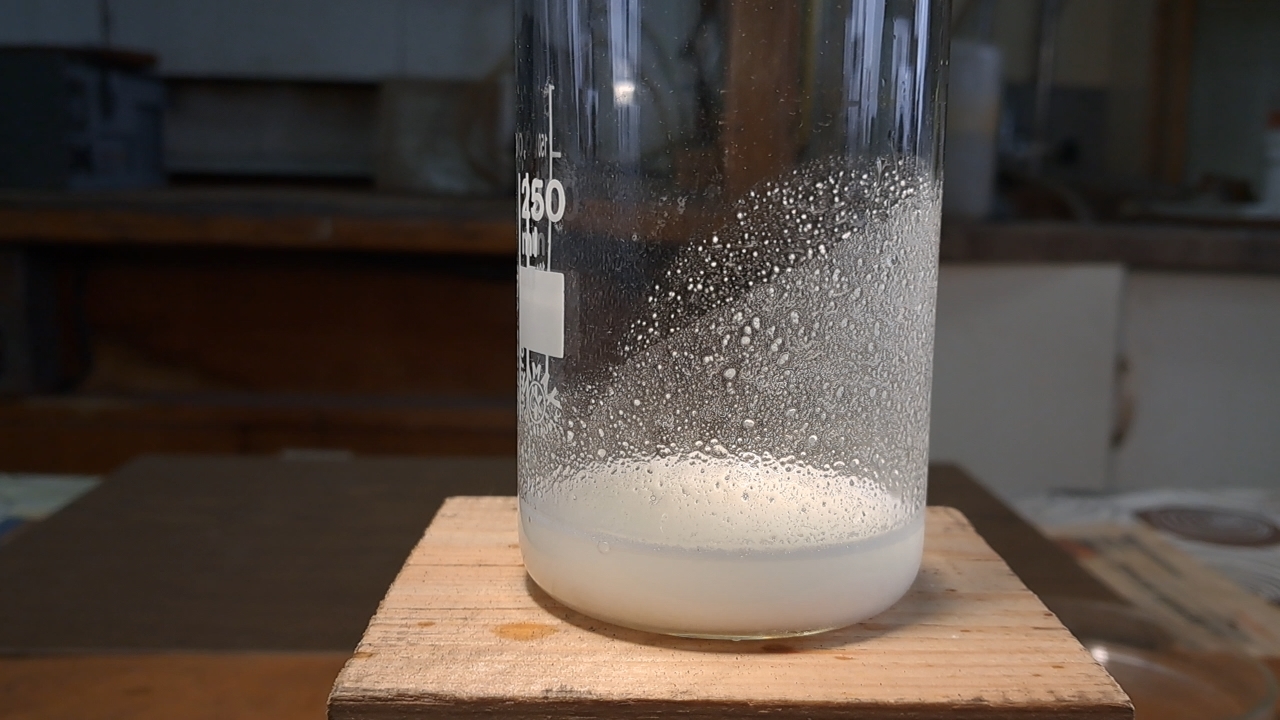
Benzoic acid and sodium carbonate |
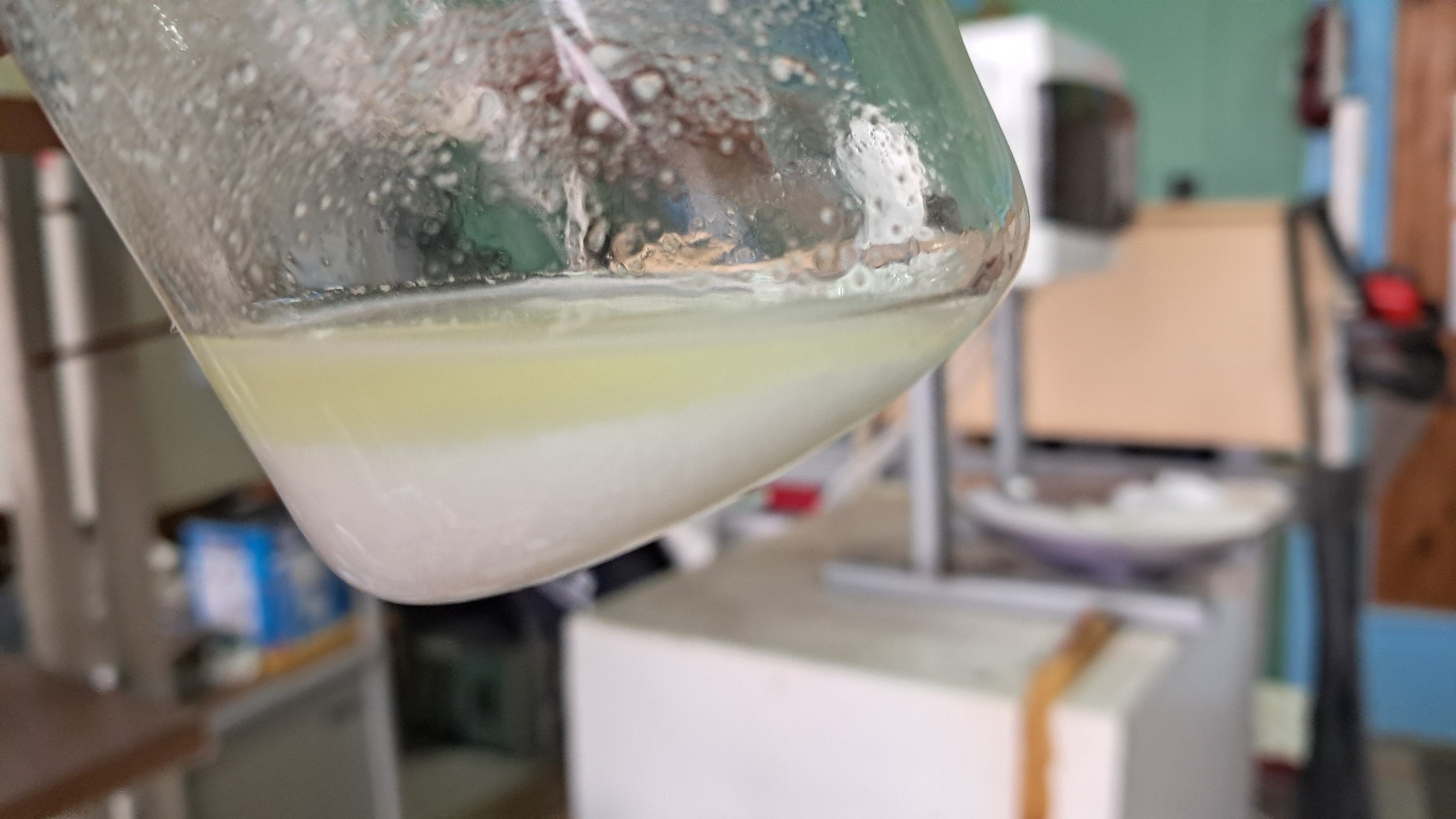
Benzoic acid and sodium carbonate |
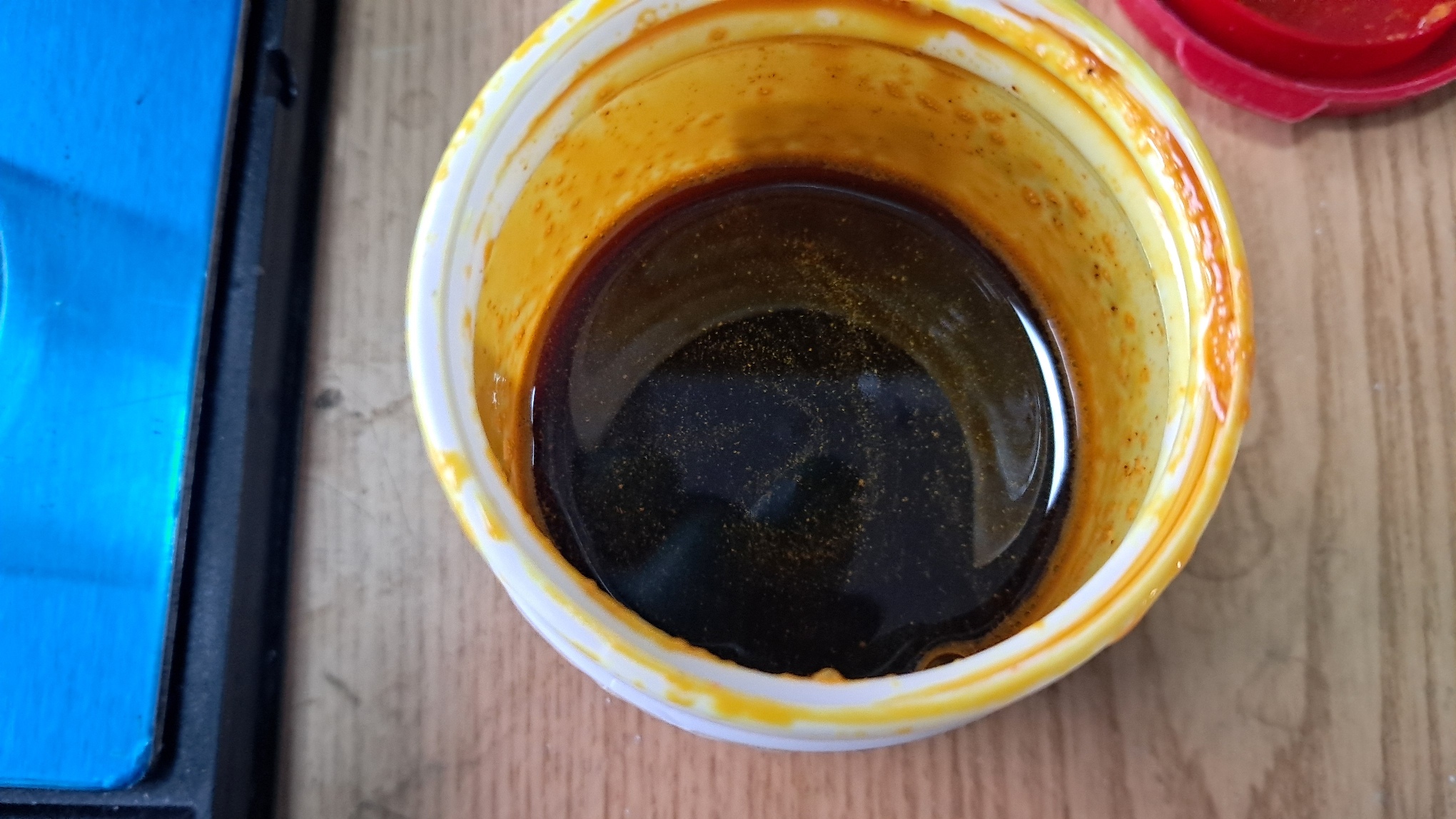
Iron(III) chloride hexahydrate |
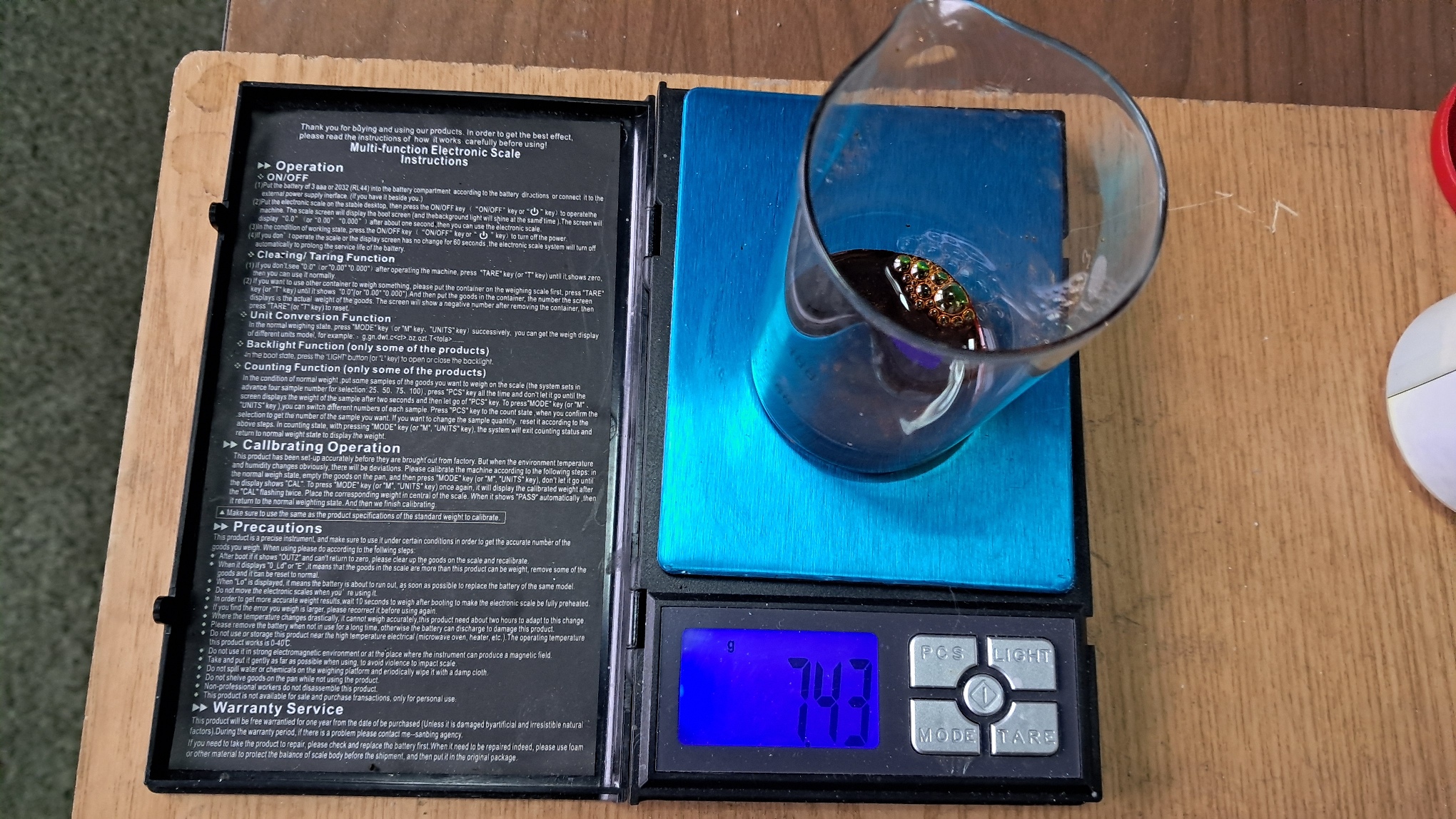
|
|
Having noticed a mistake in the text, allocate it and press Ctrl-Enter
Synthesis of Iron(III) Benzoate (Attempt 2) - Part 2
It's difficult to switch from one work topic to another unrelated one. Some people can multitask with ease. Julius Caesar is a well-known example: according to Roman historians, he could dictate seven letters simultaneously. However, everyone is different. For instance, switching between different tasks can be difficult and even painful for me. And multitasking is out of the question.
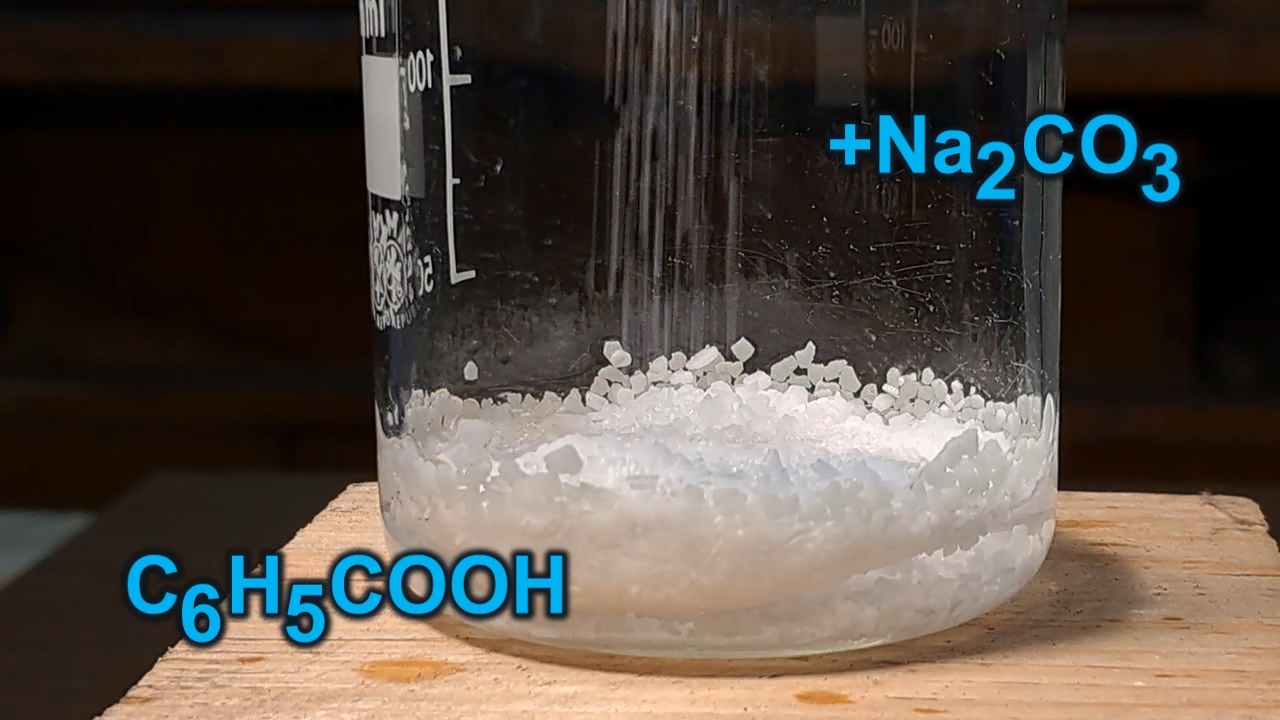
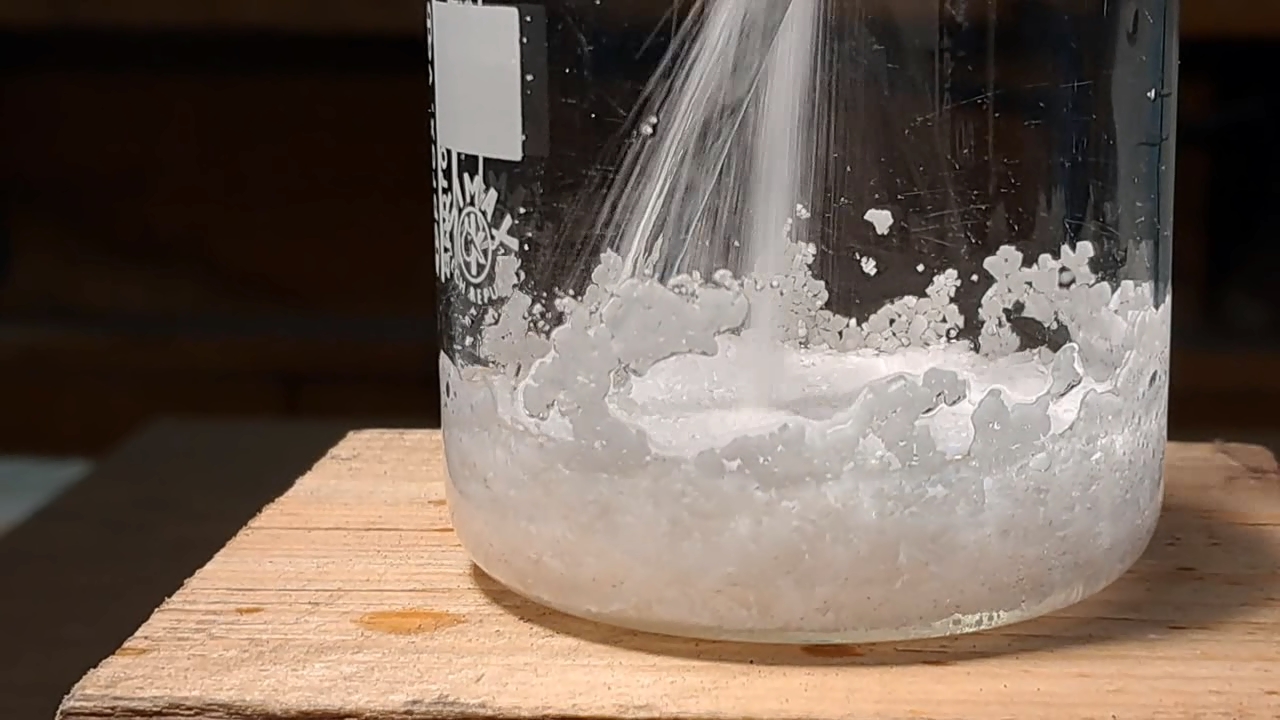
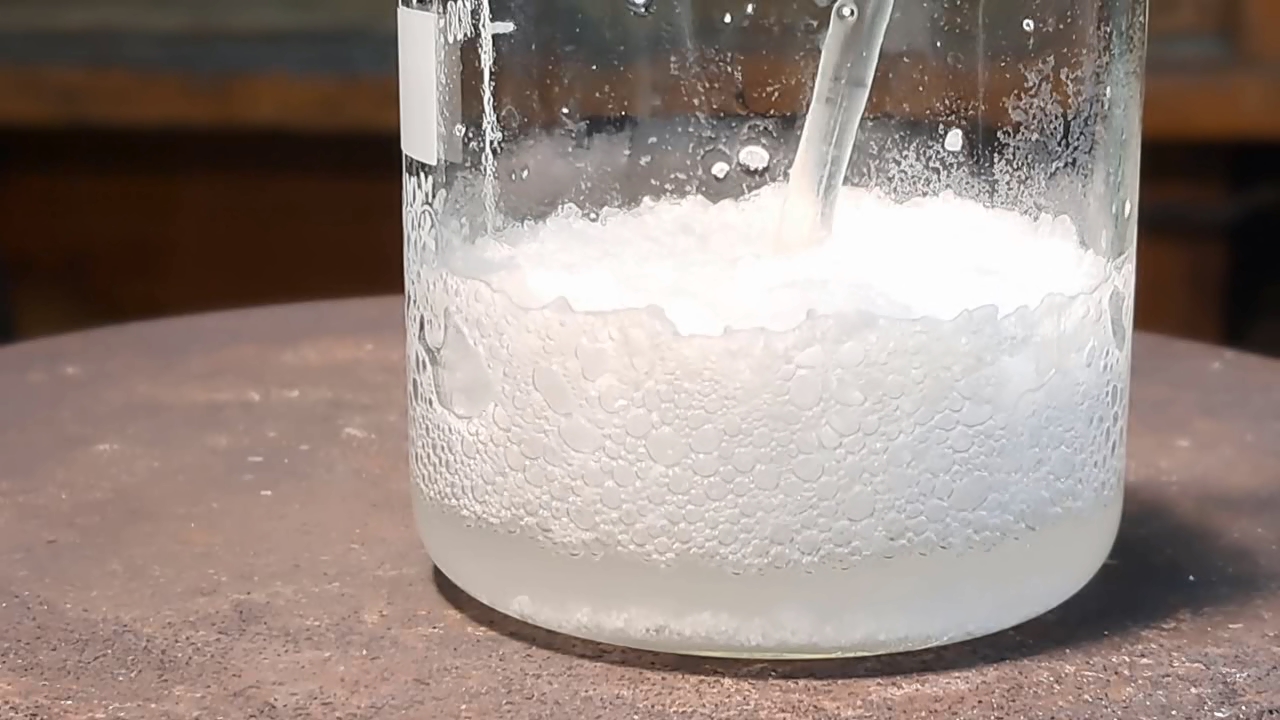
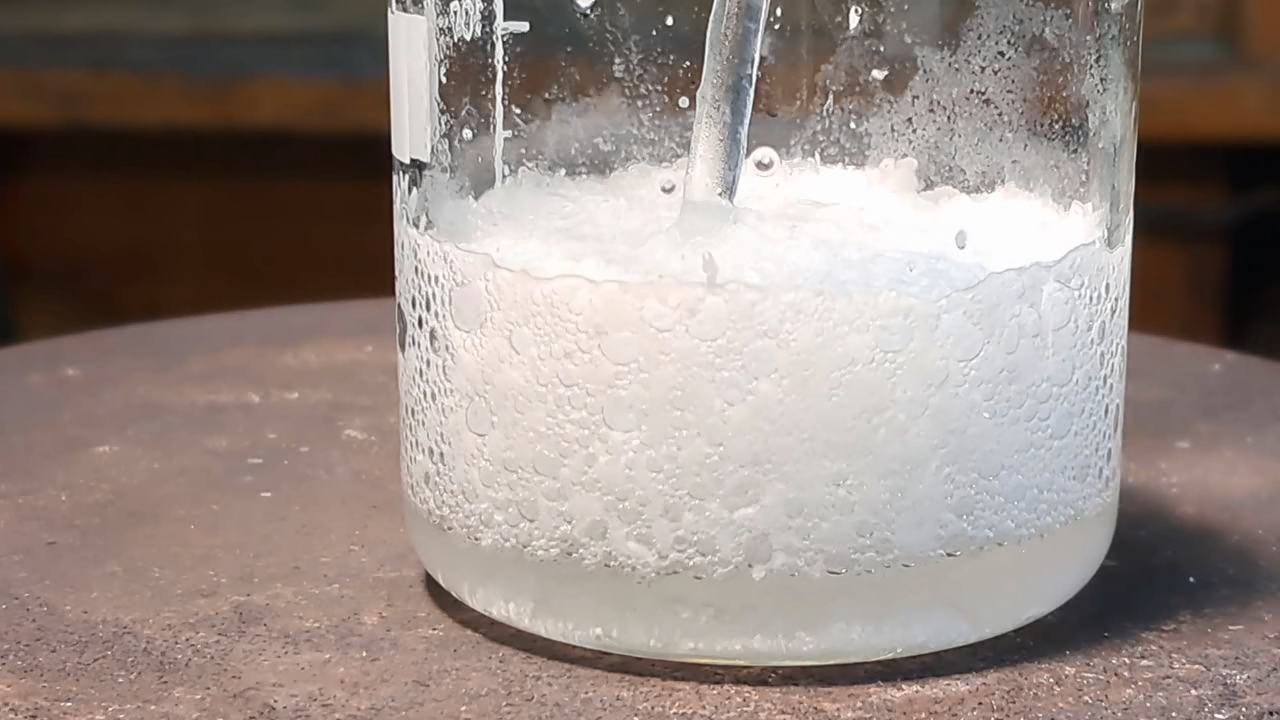
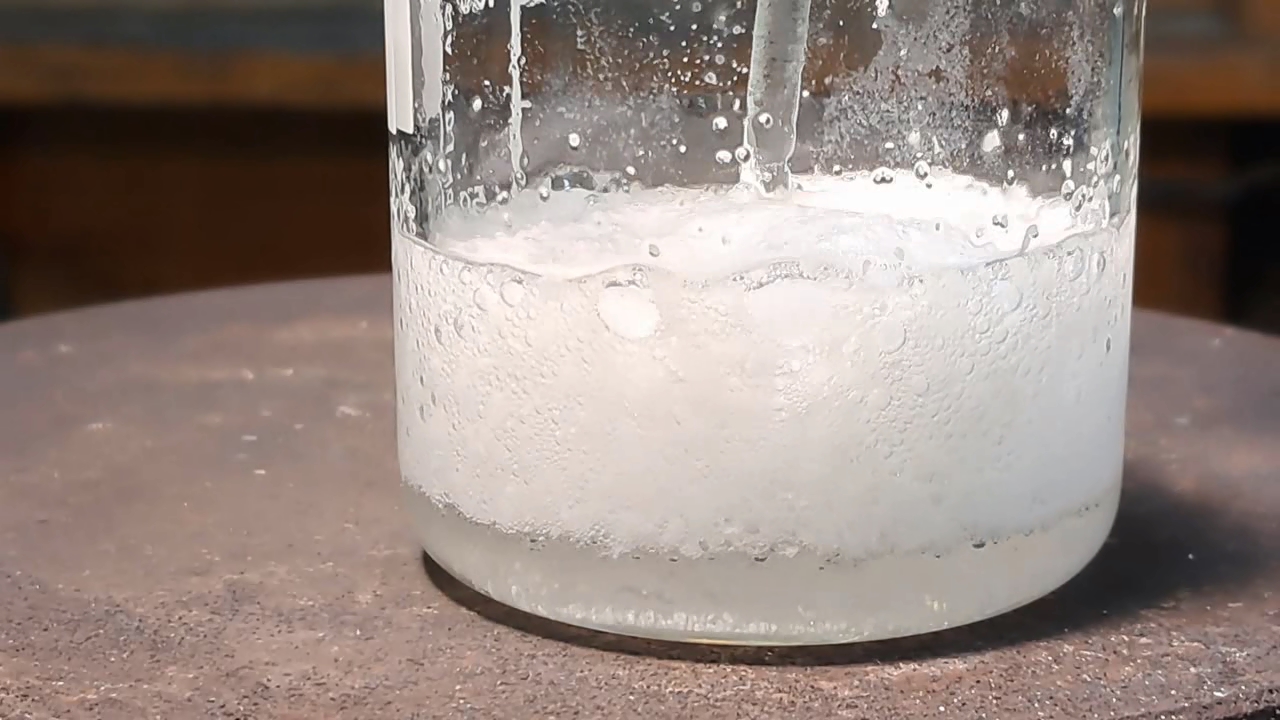
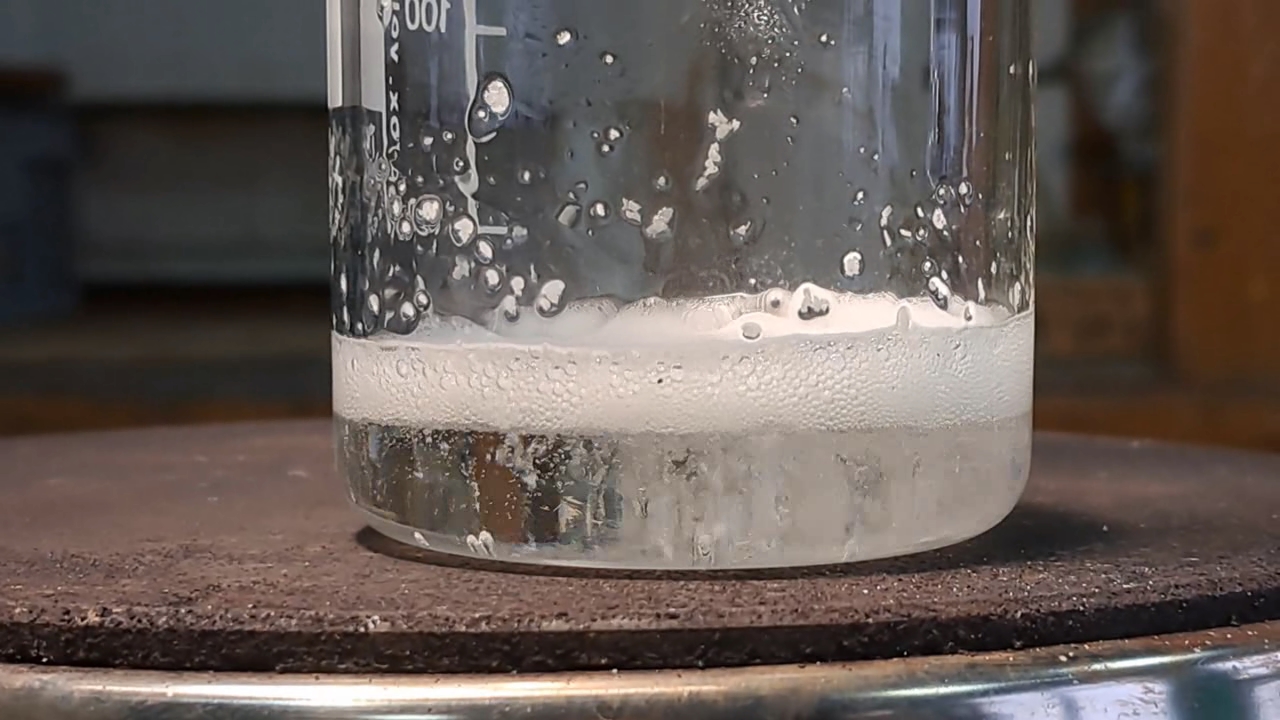
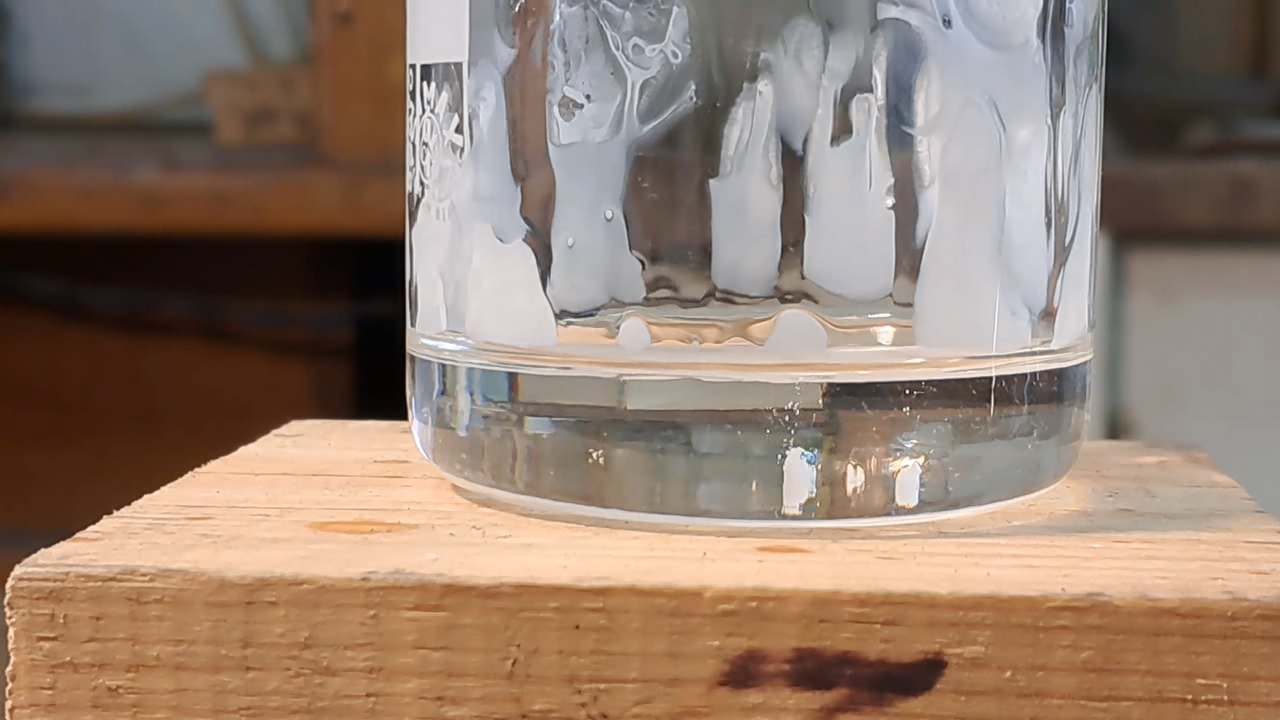
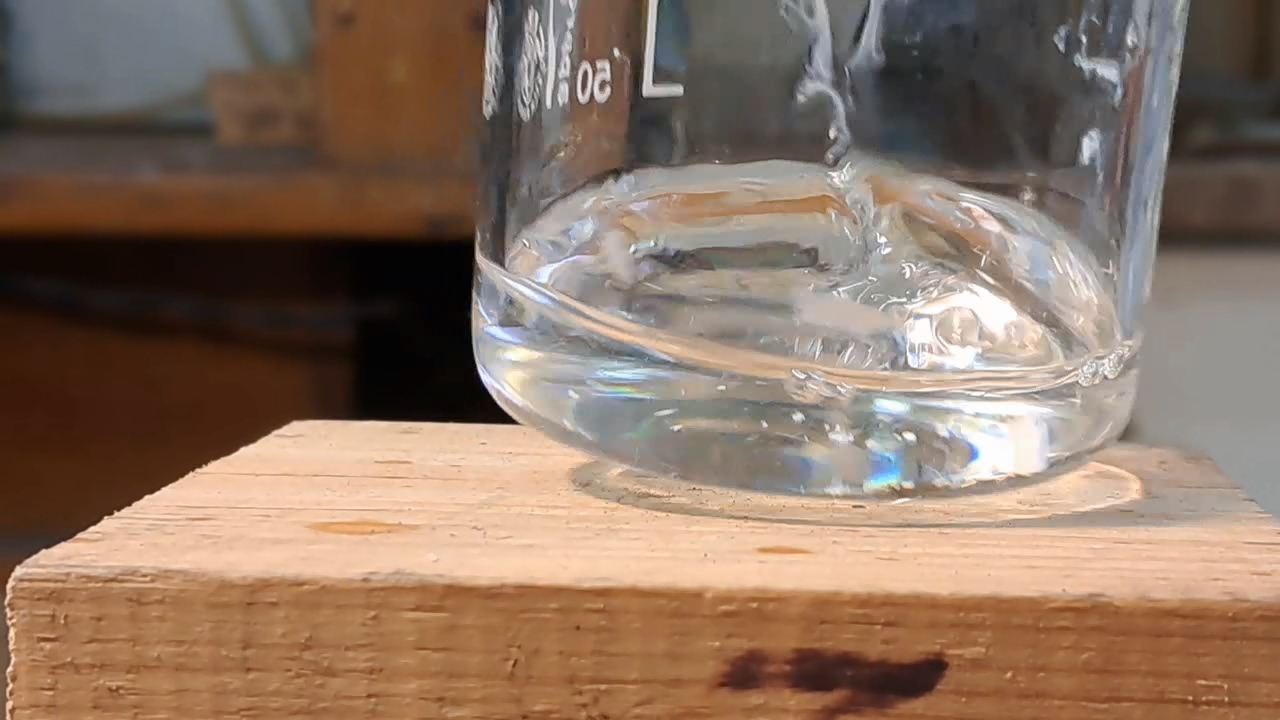
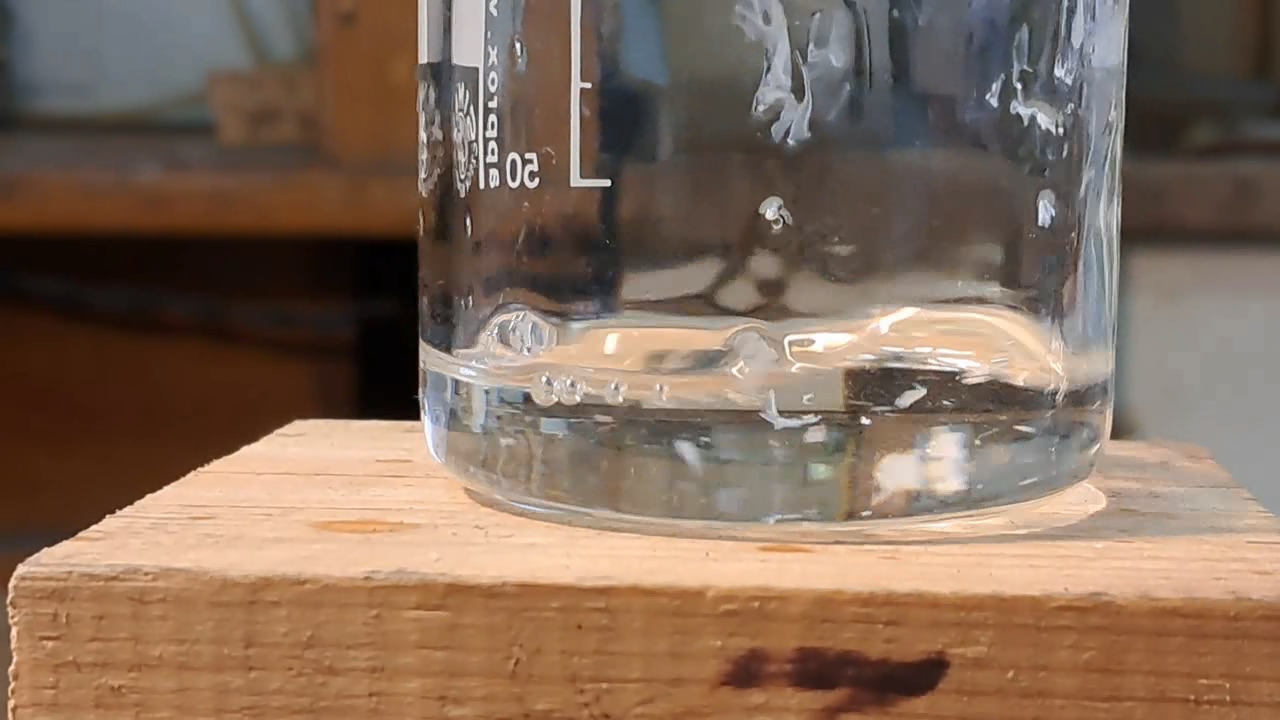
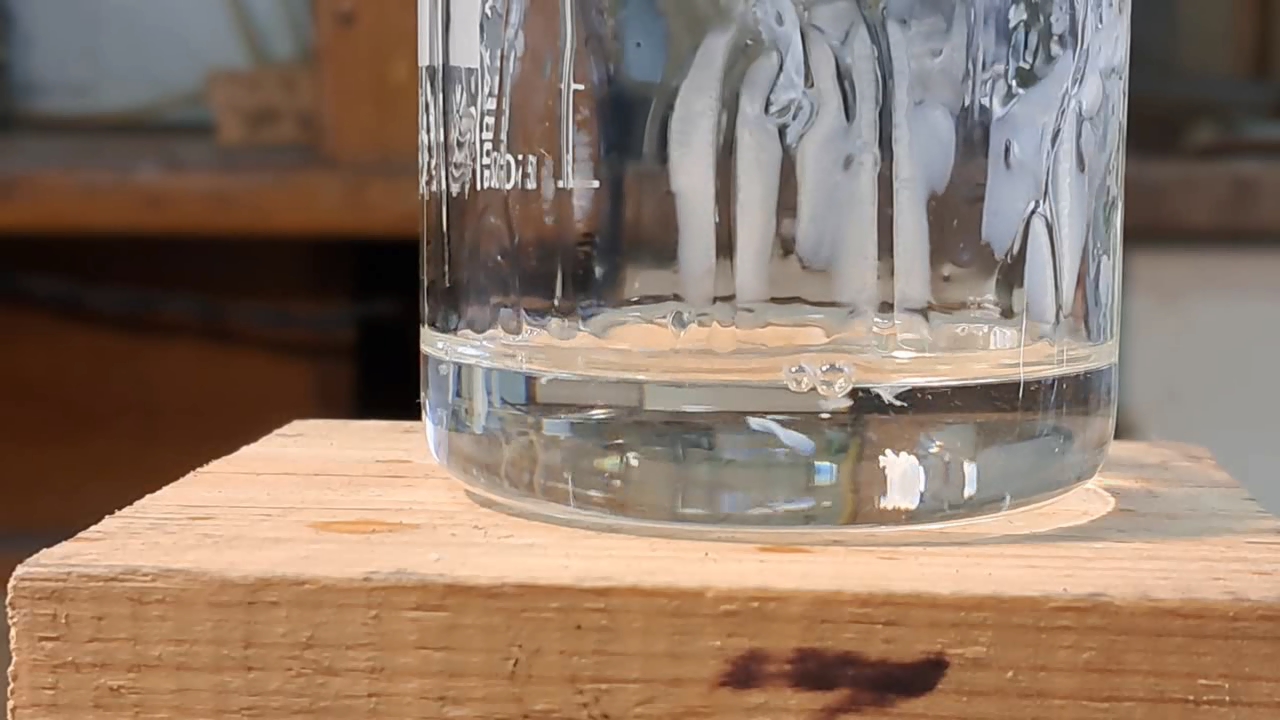
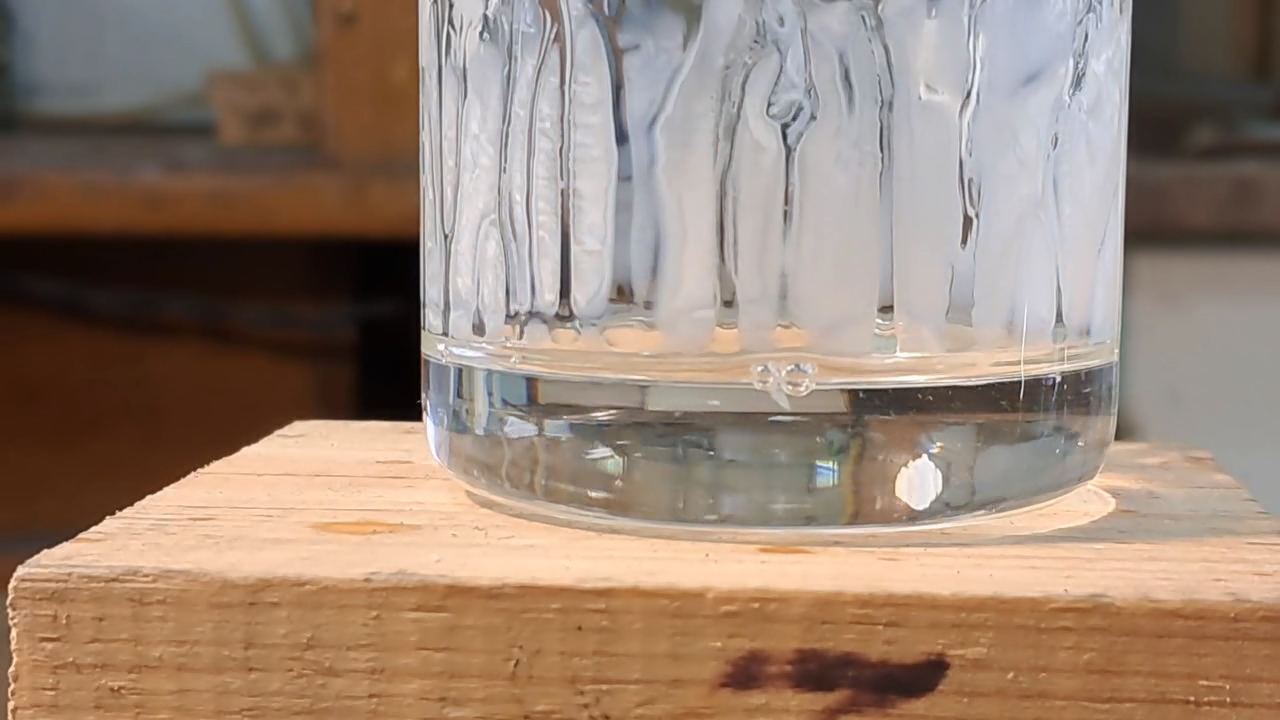
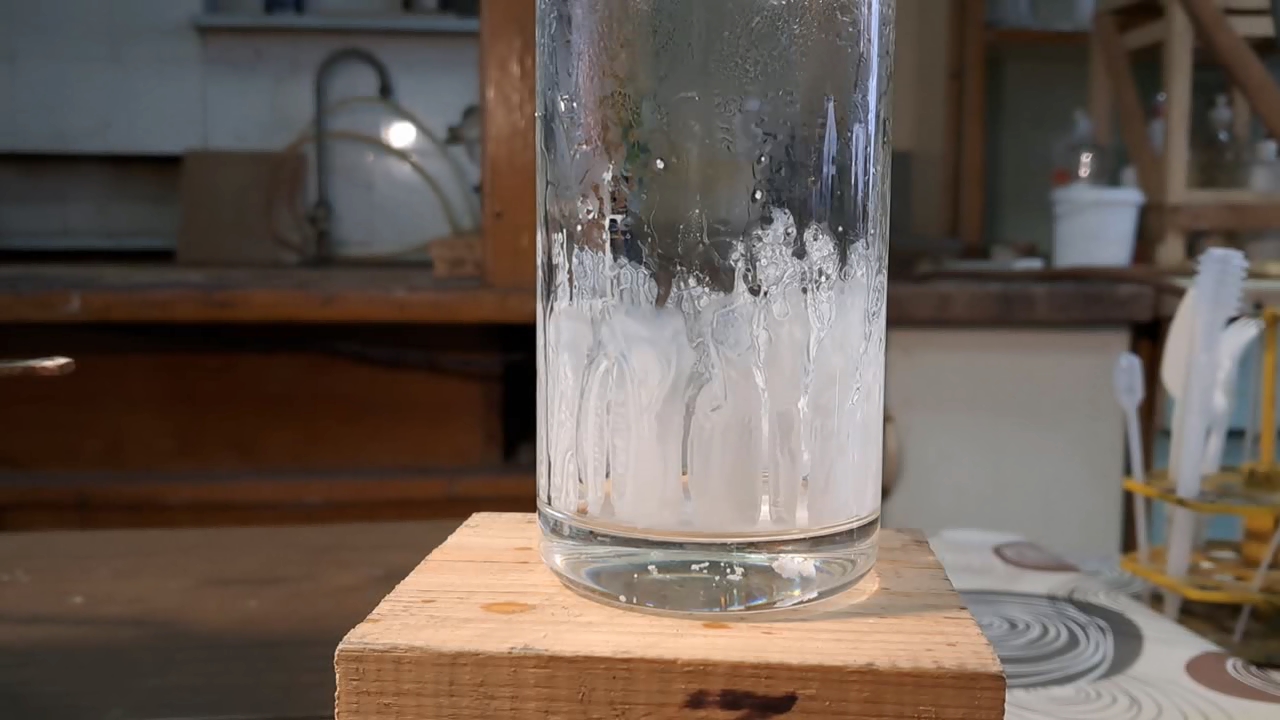
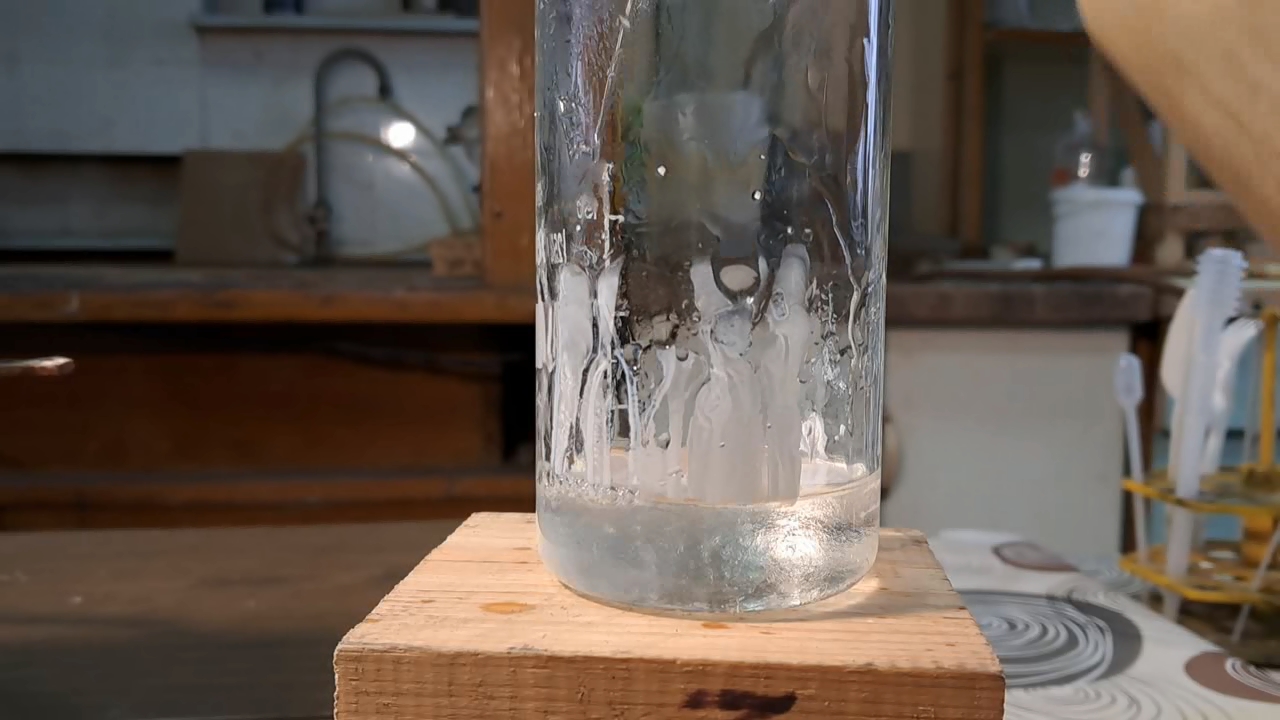
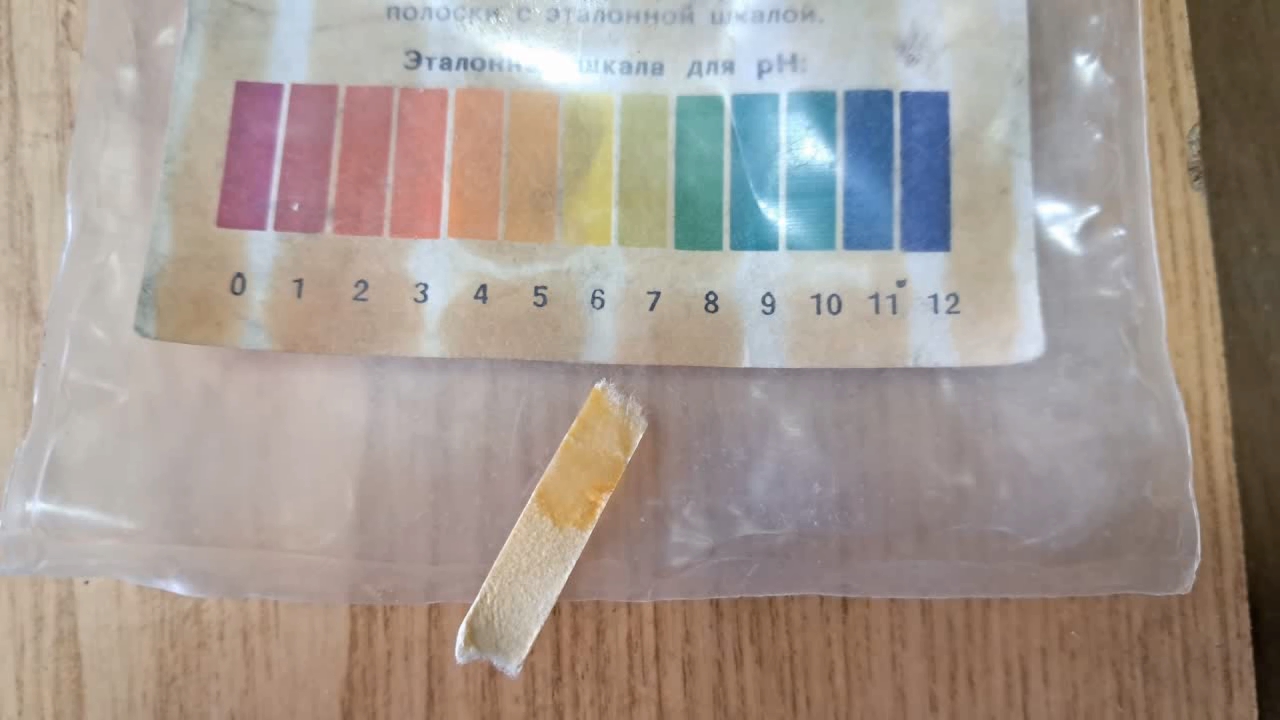
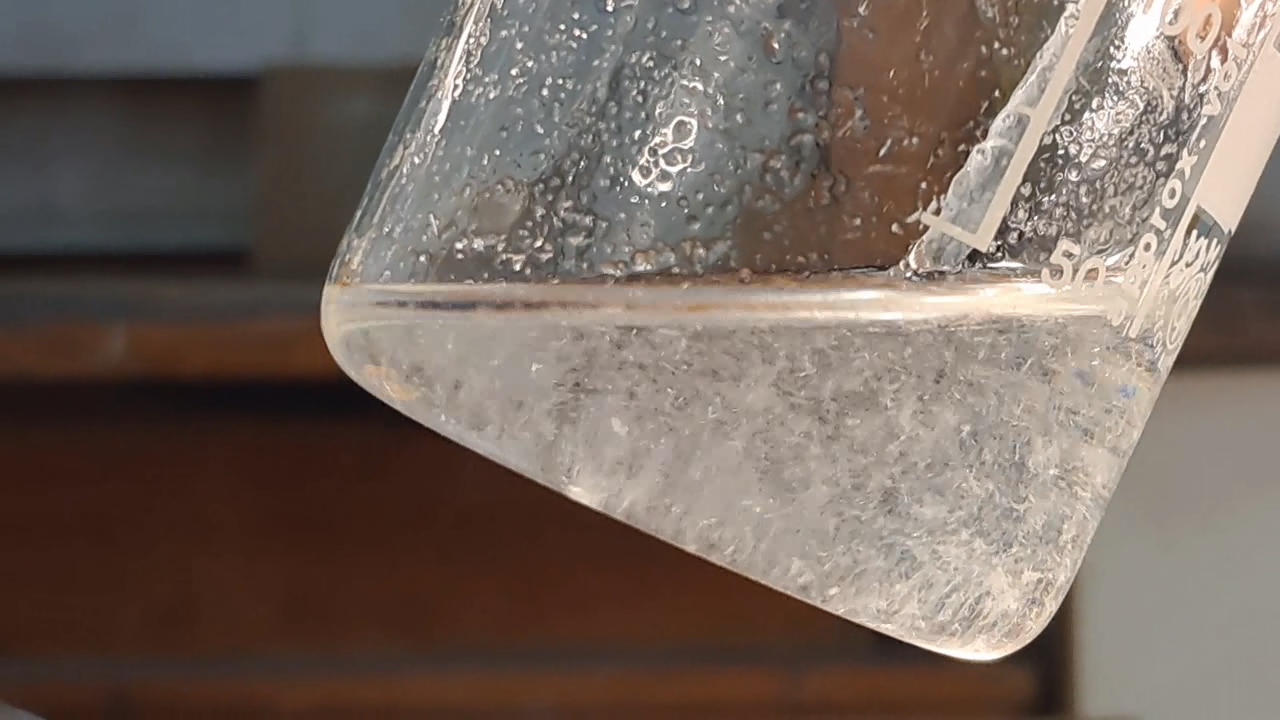
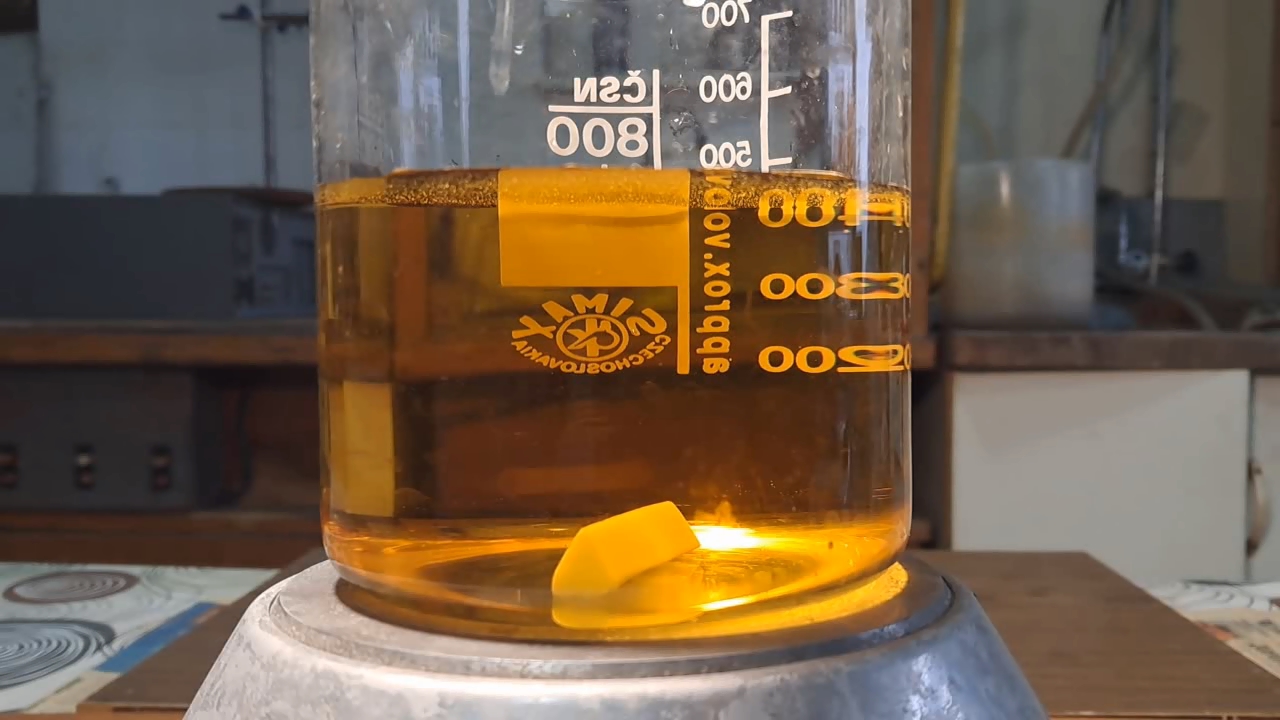
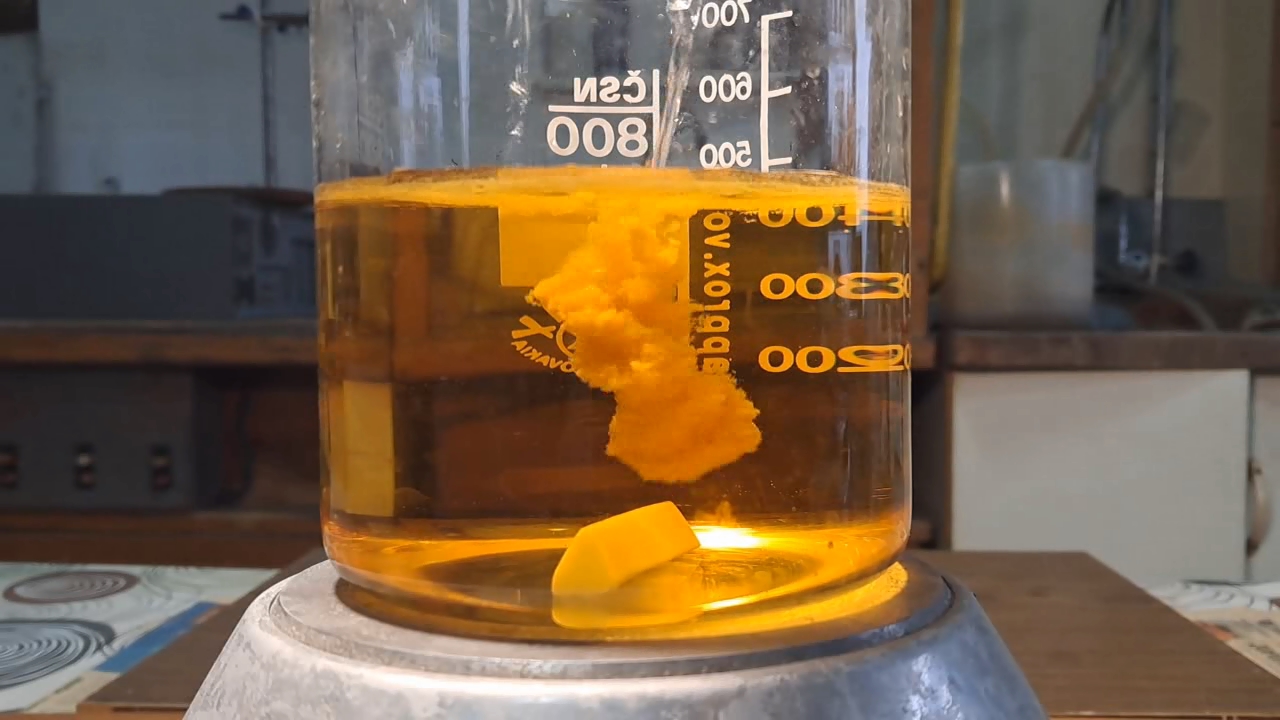
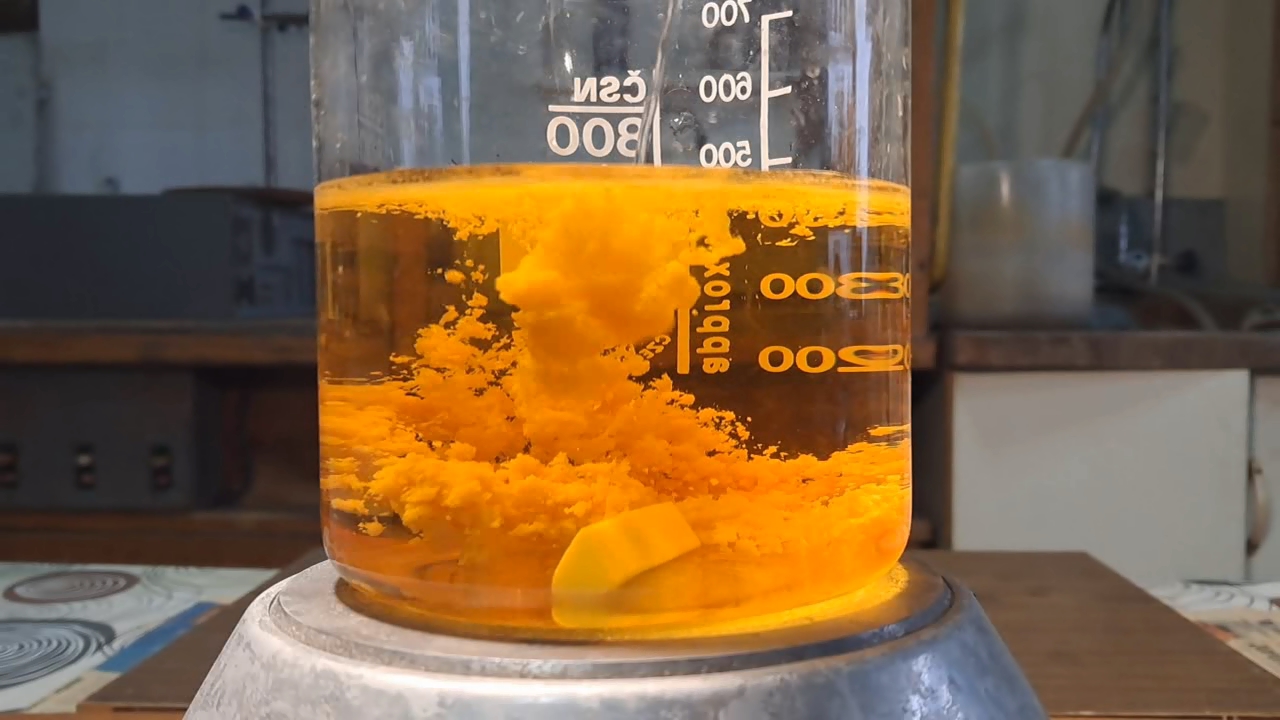
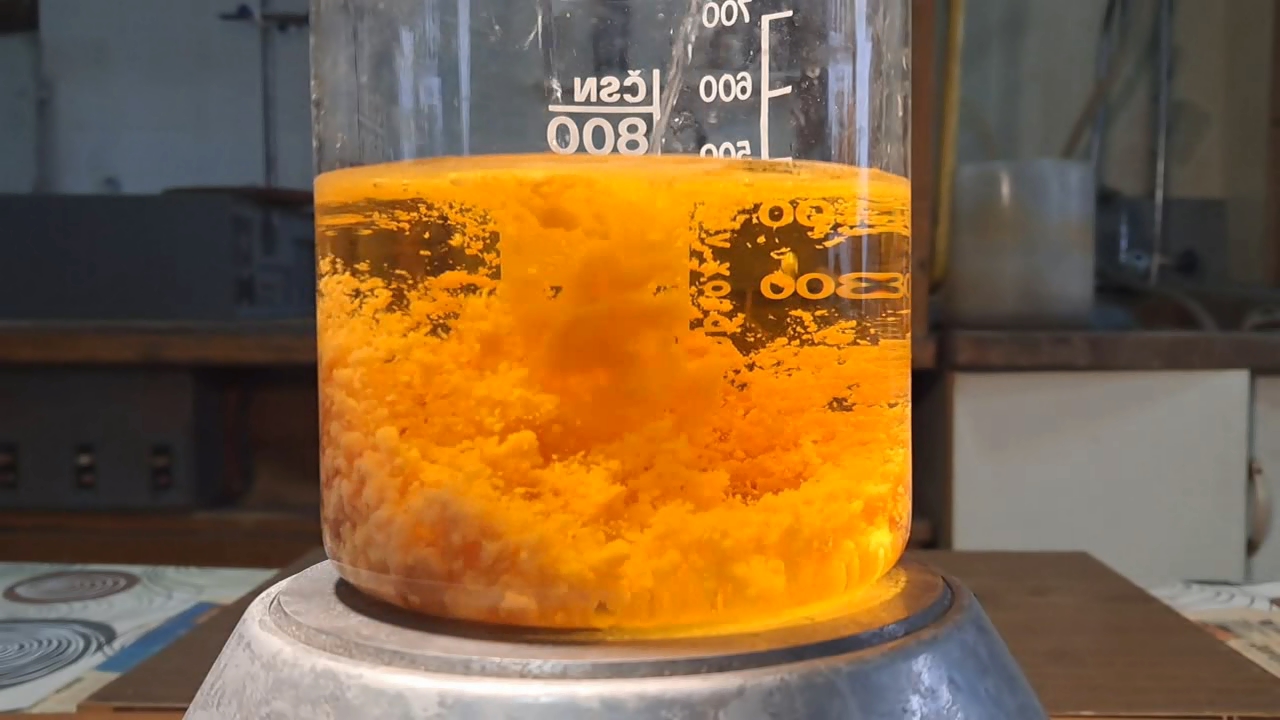
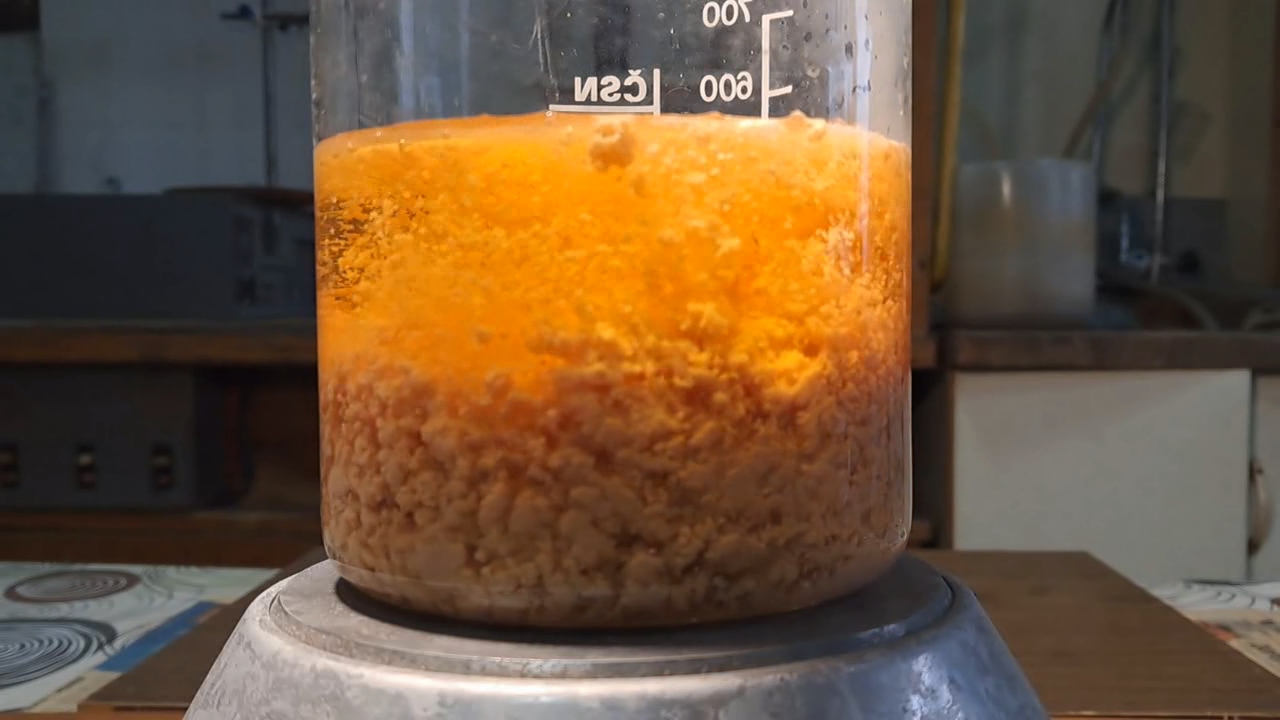
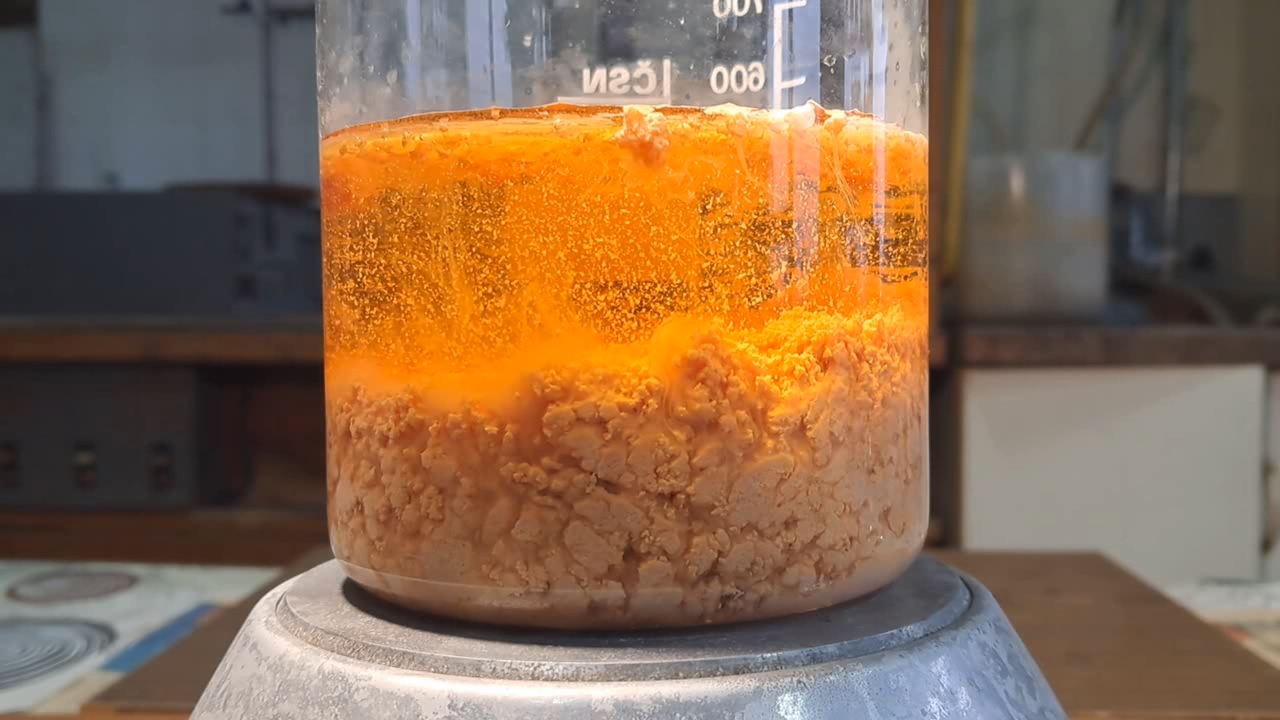
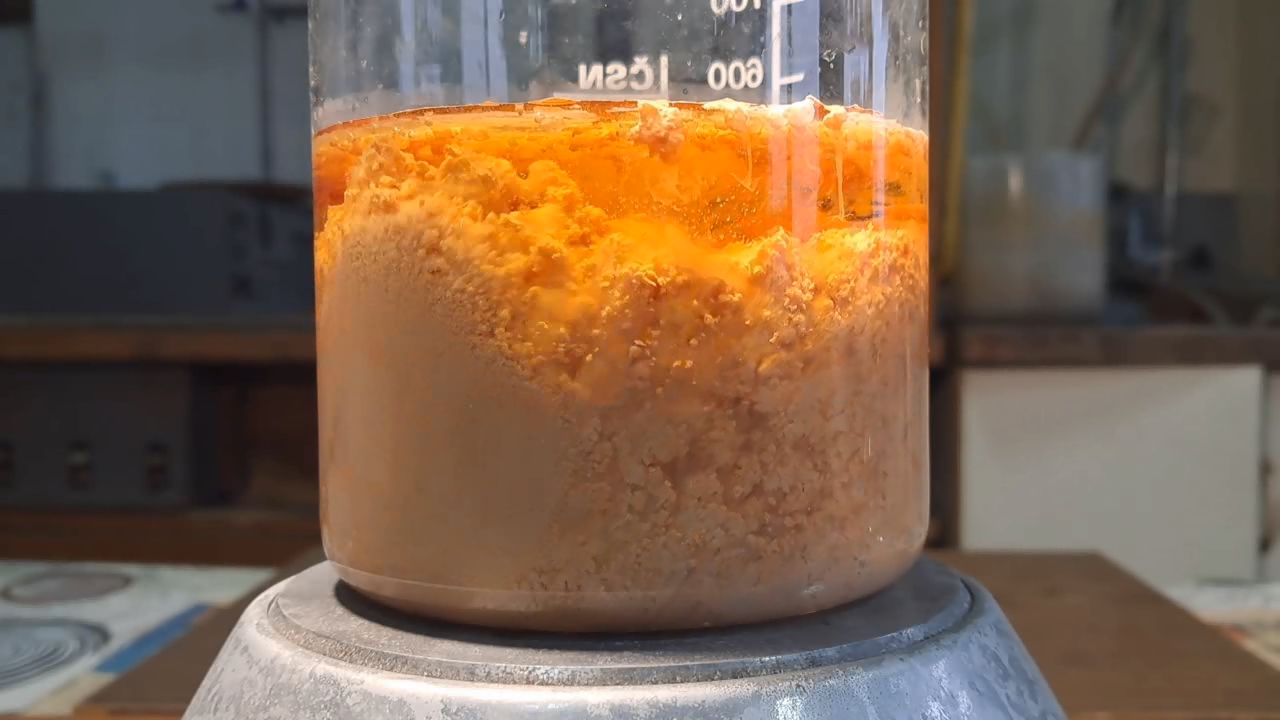
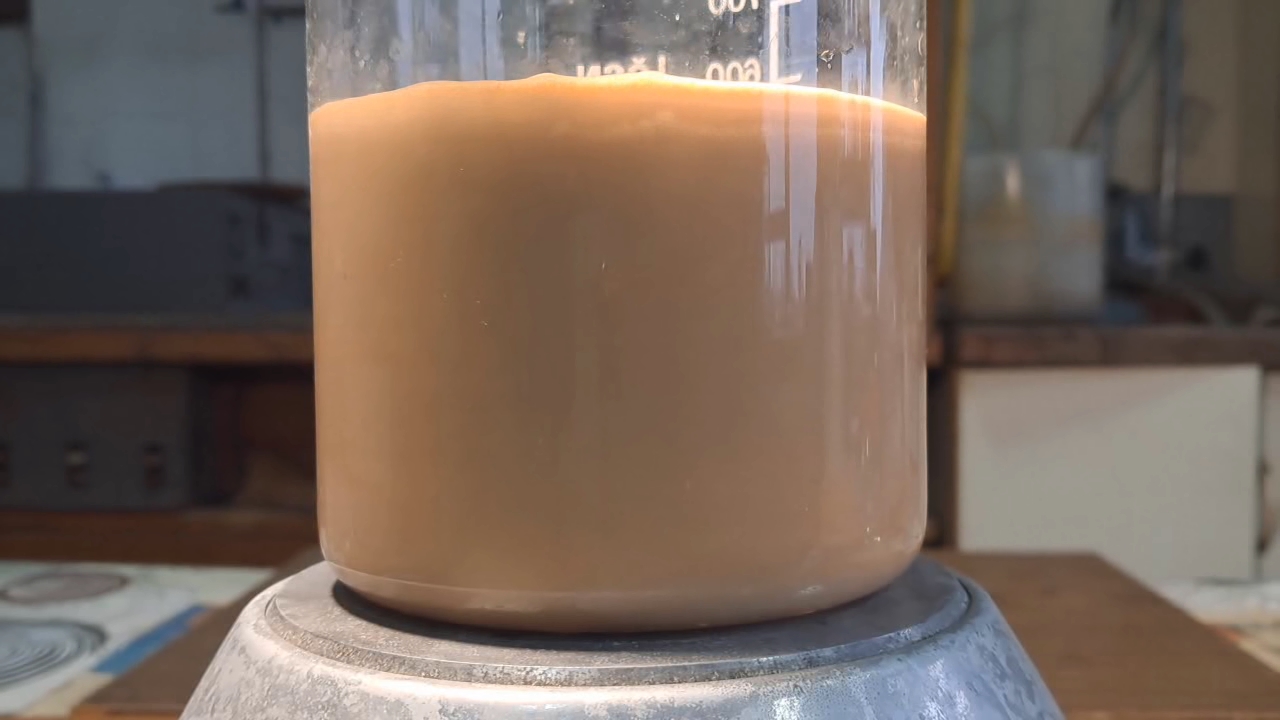
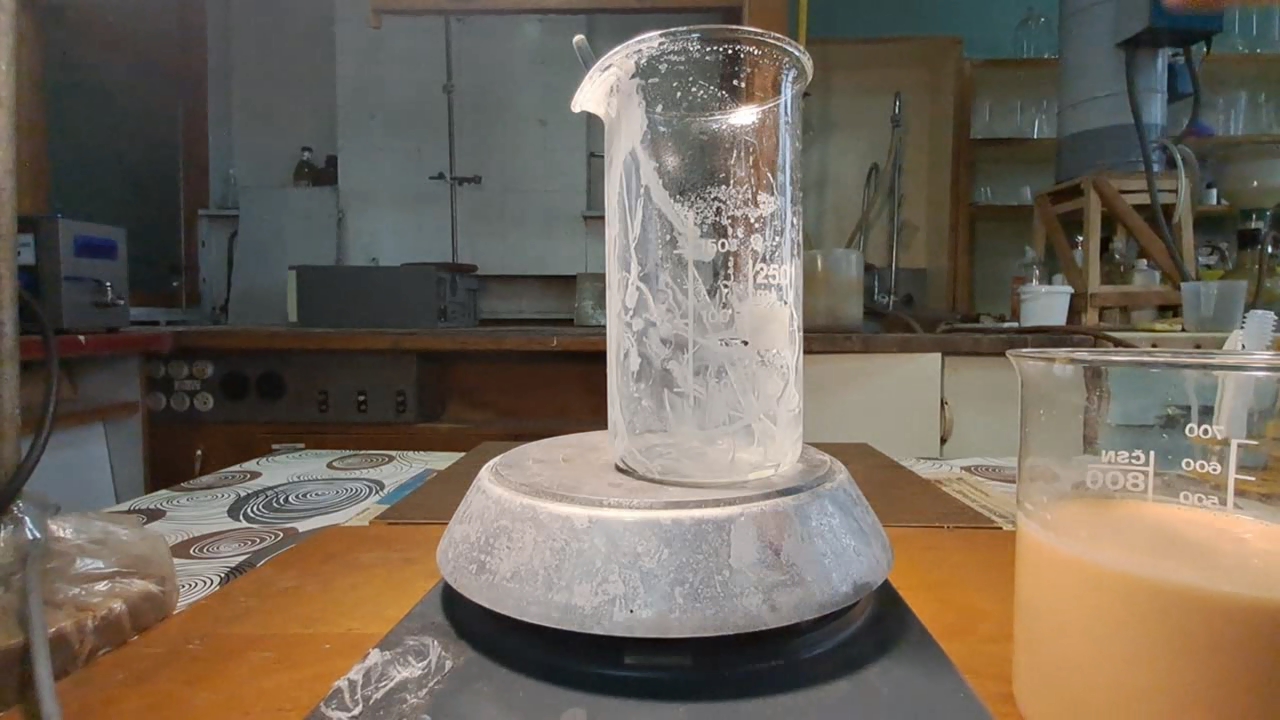
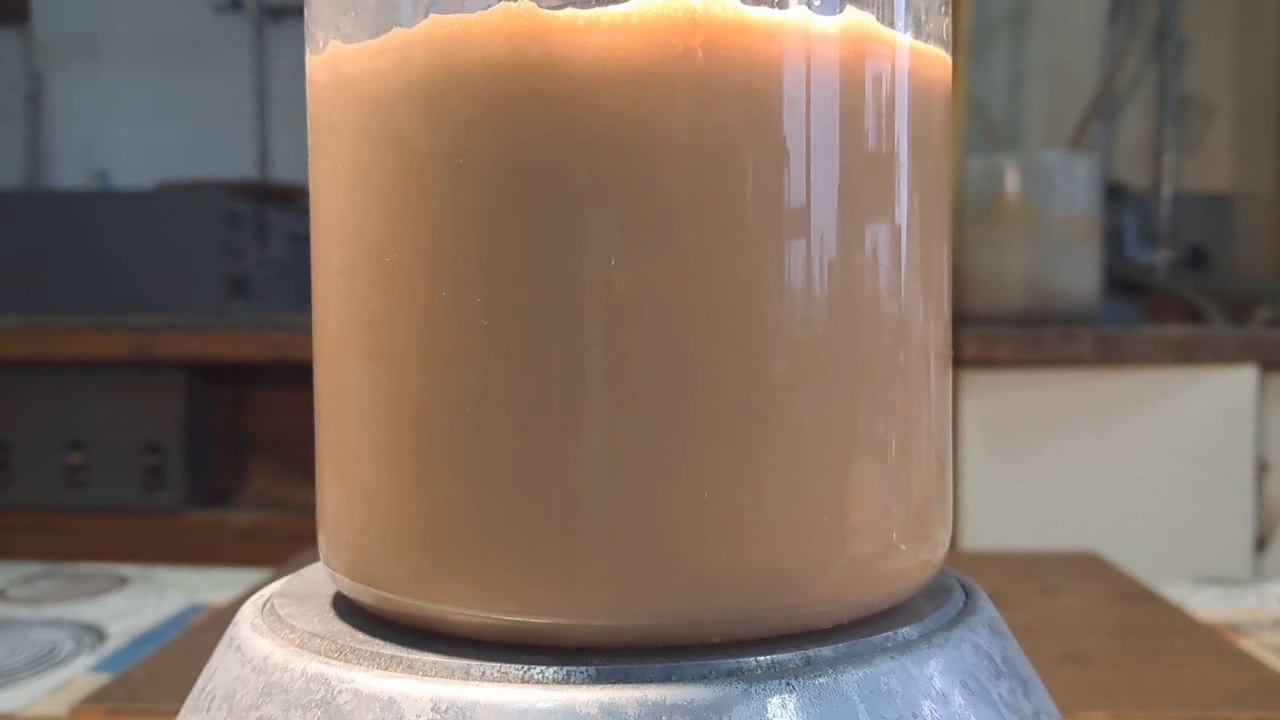
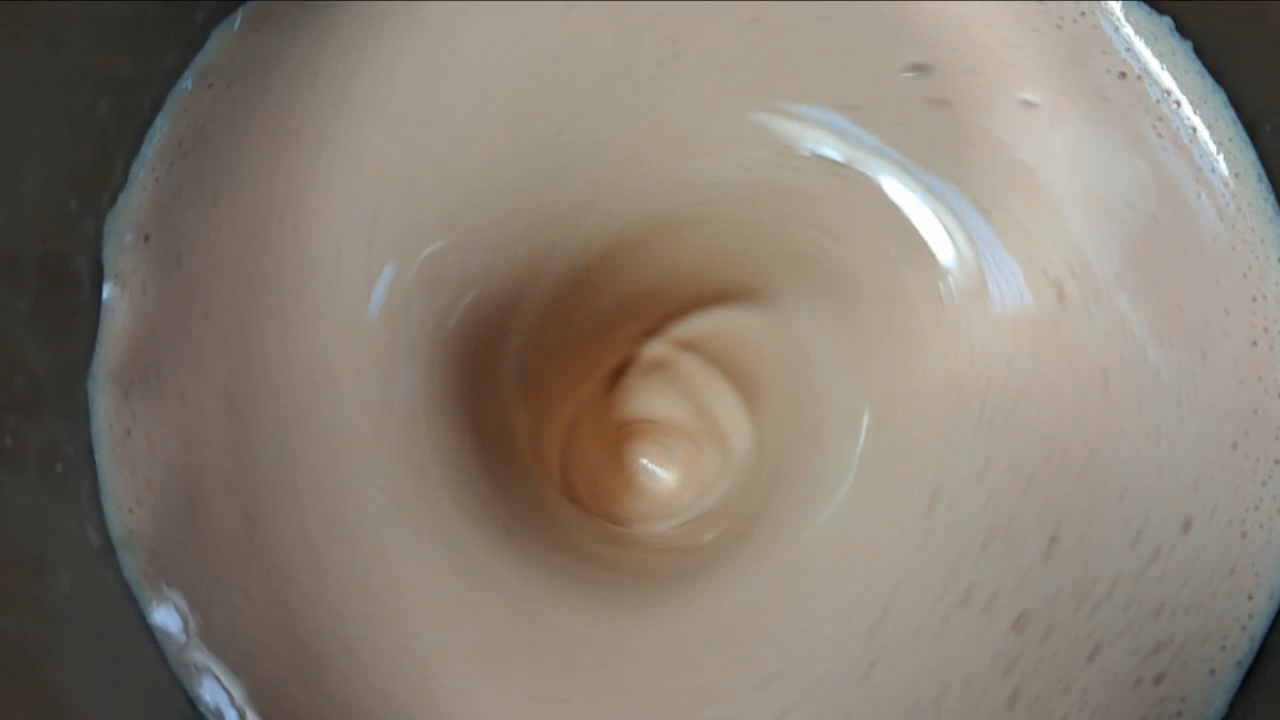
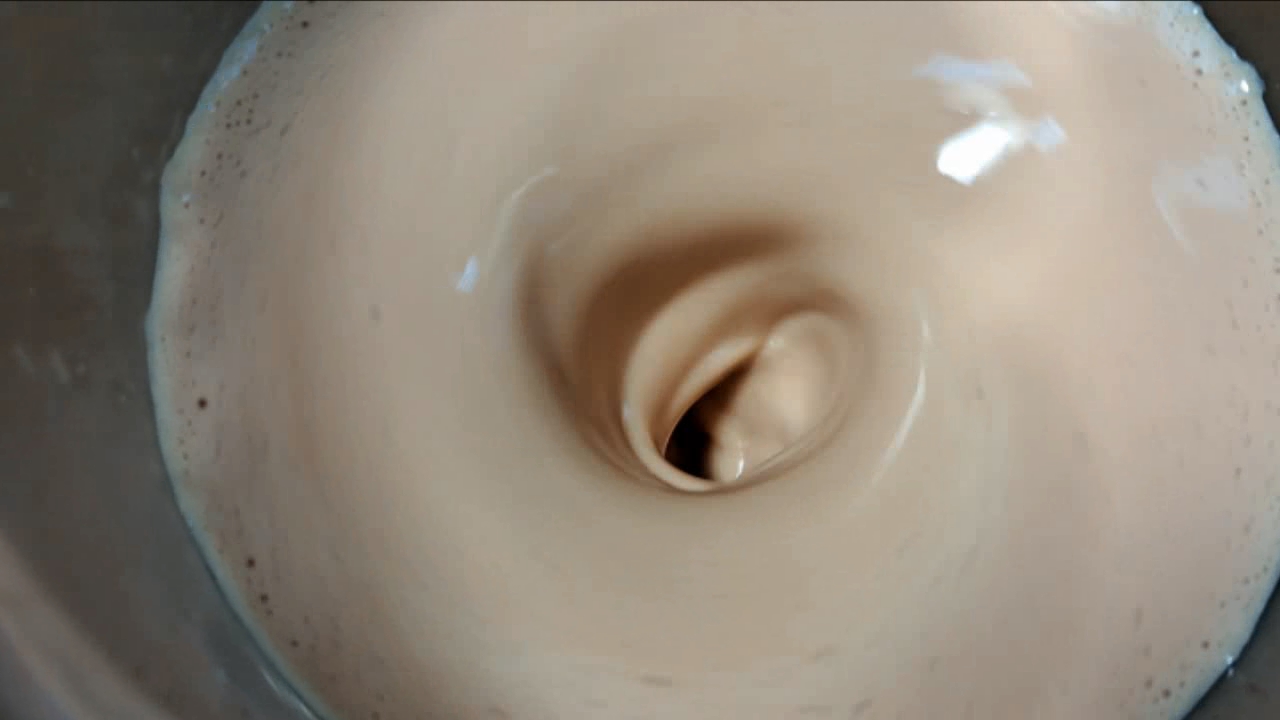
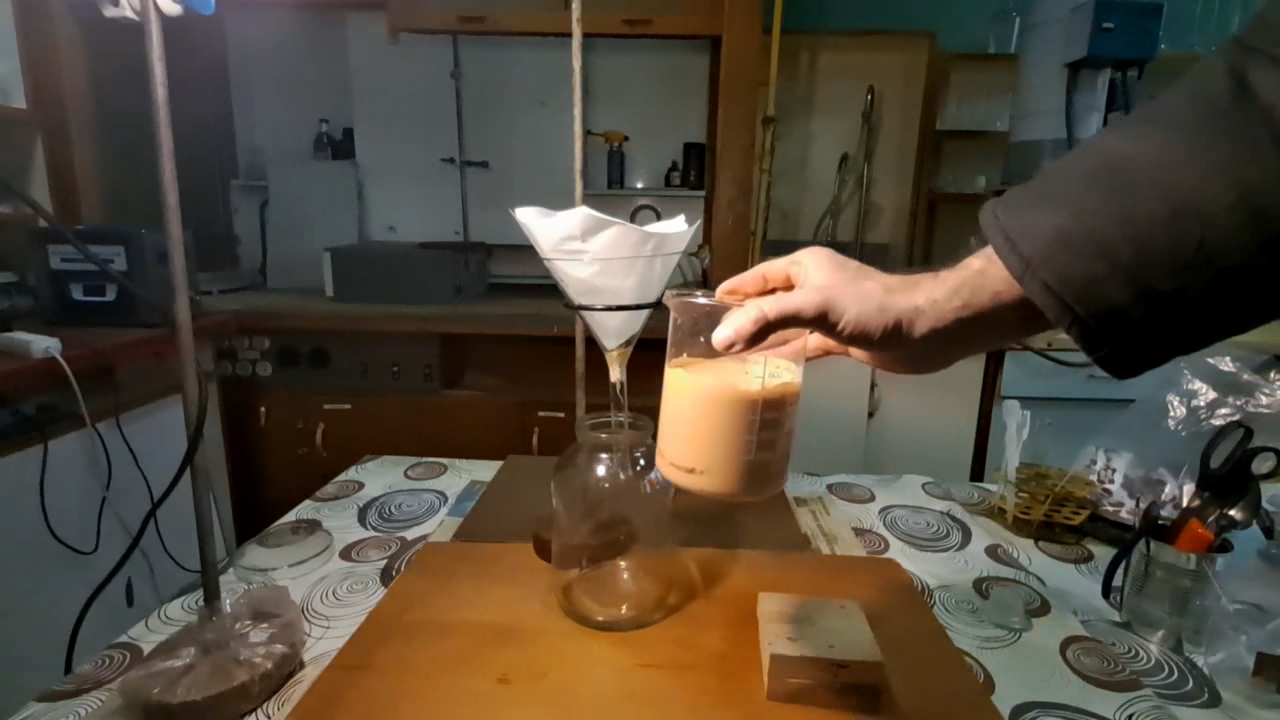
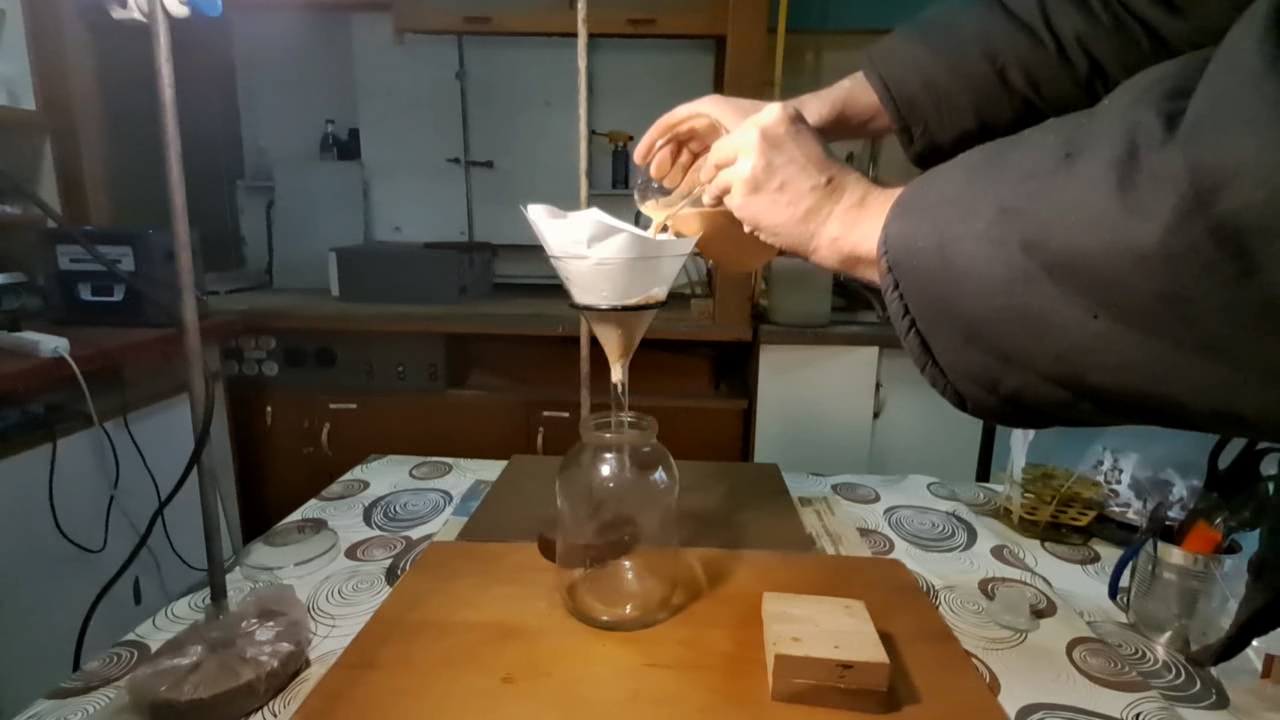
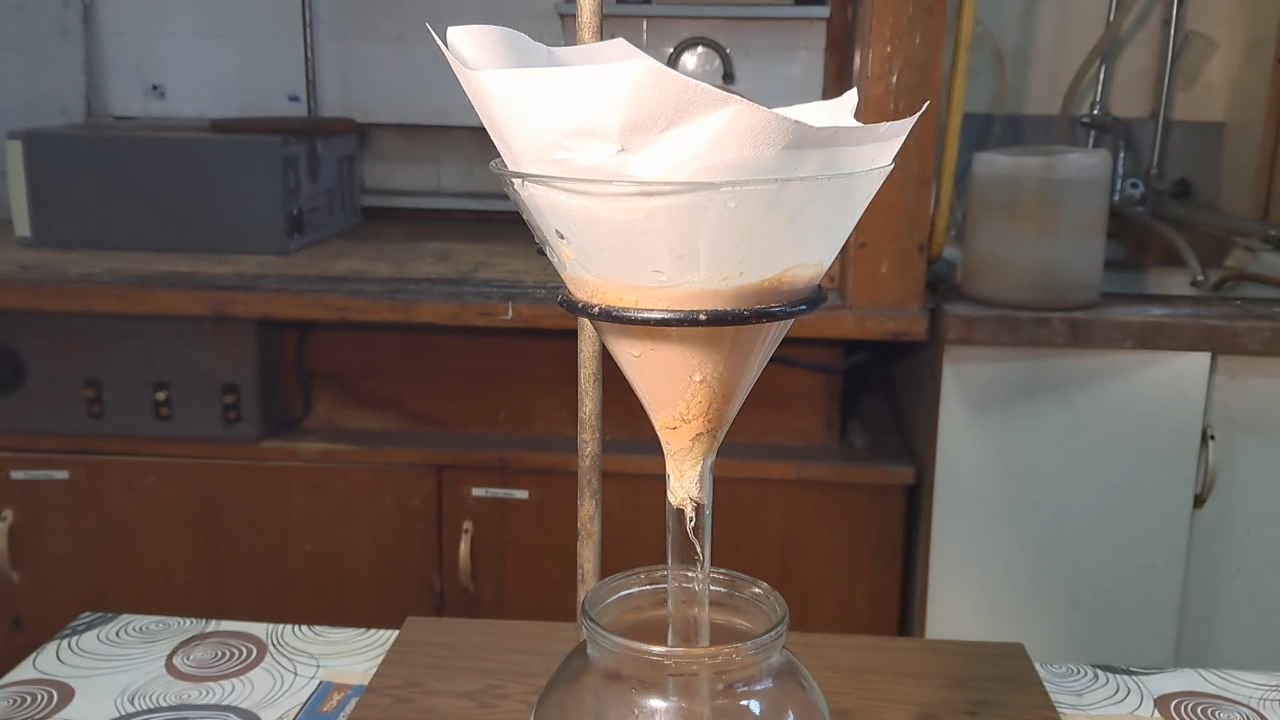
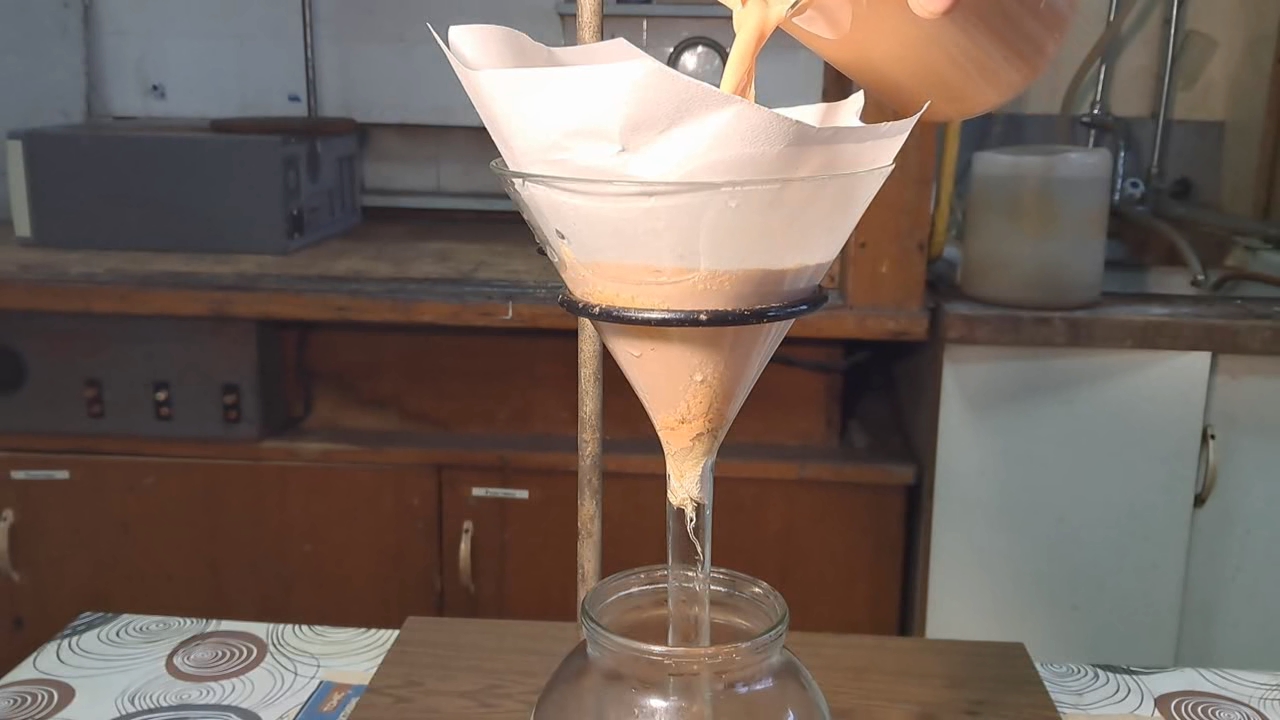
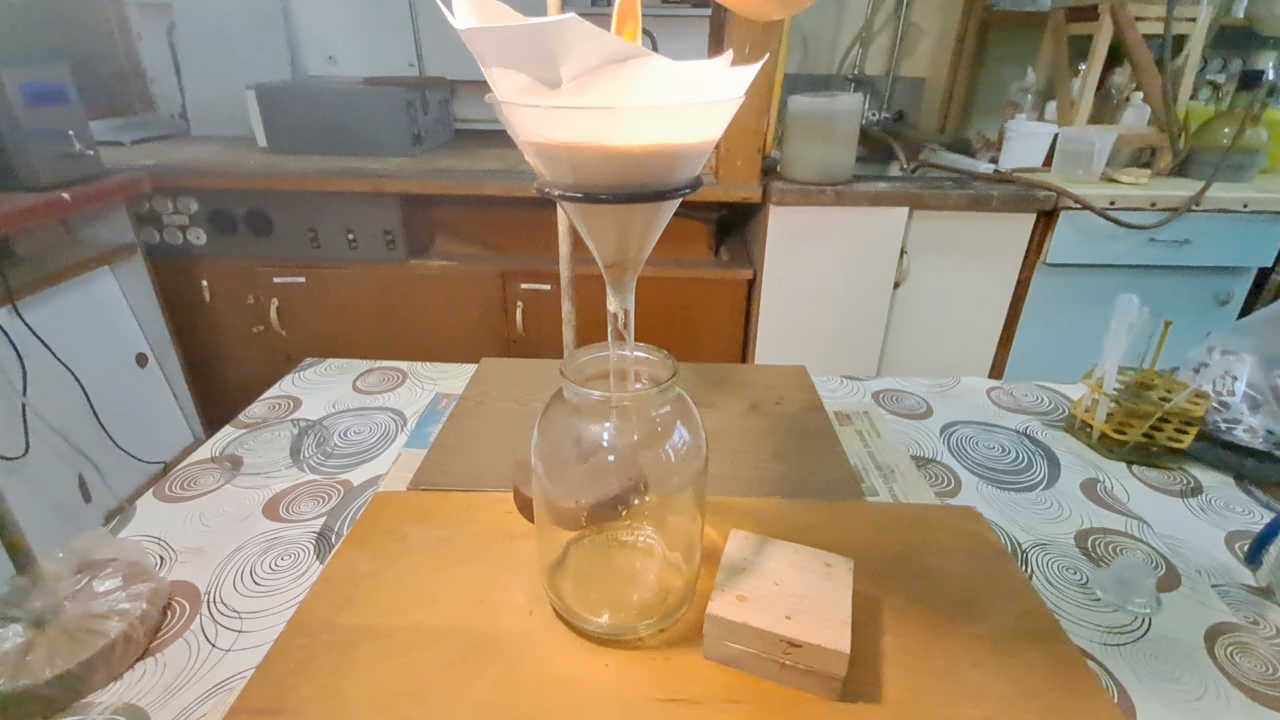
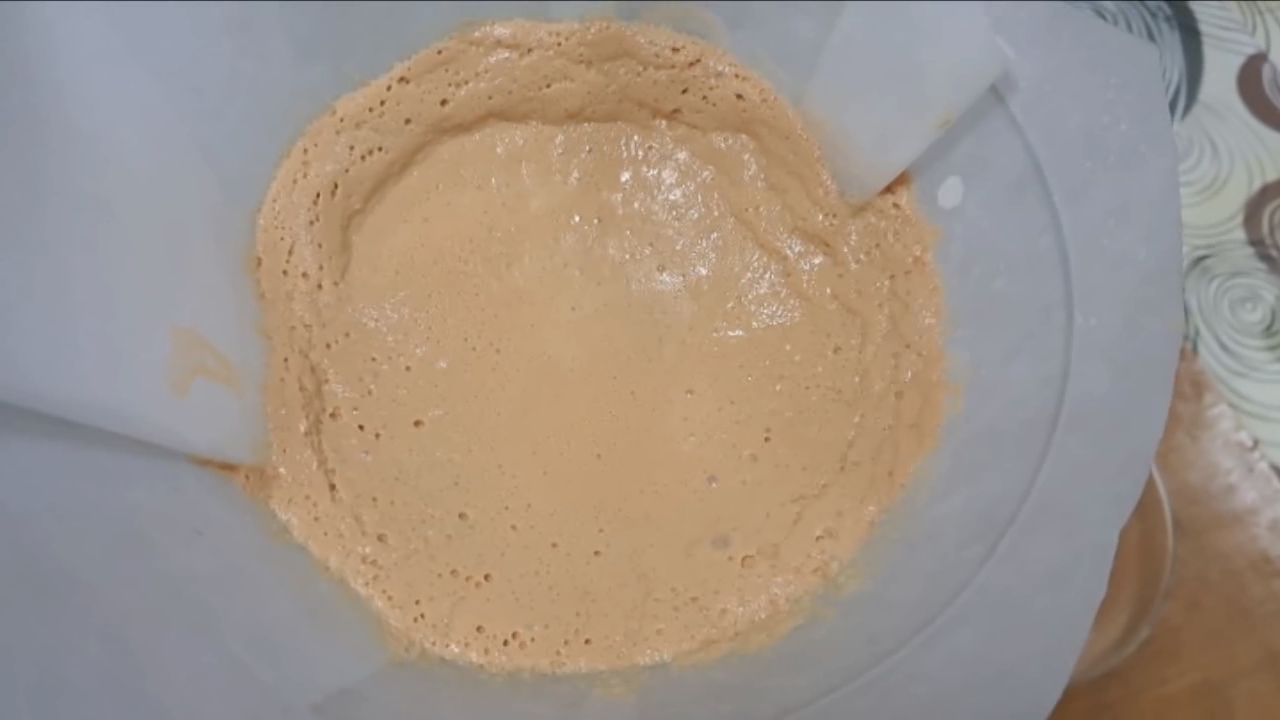
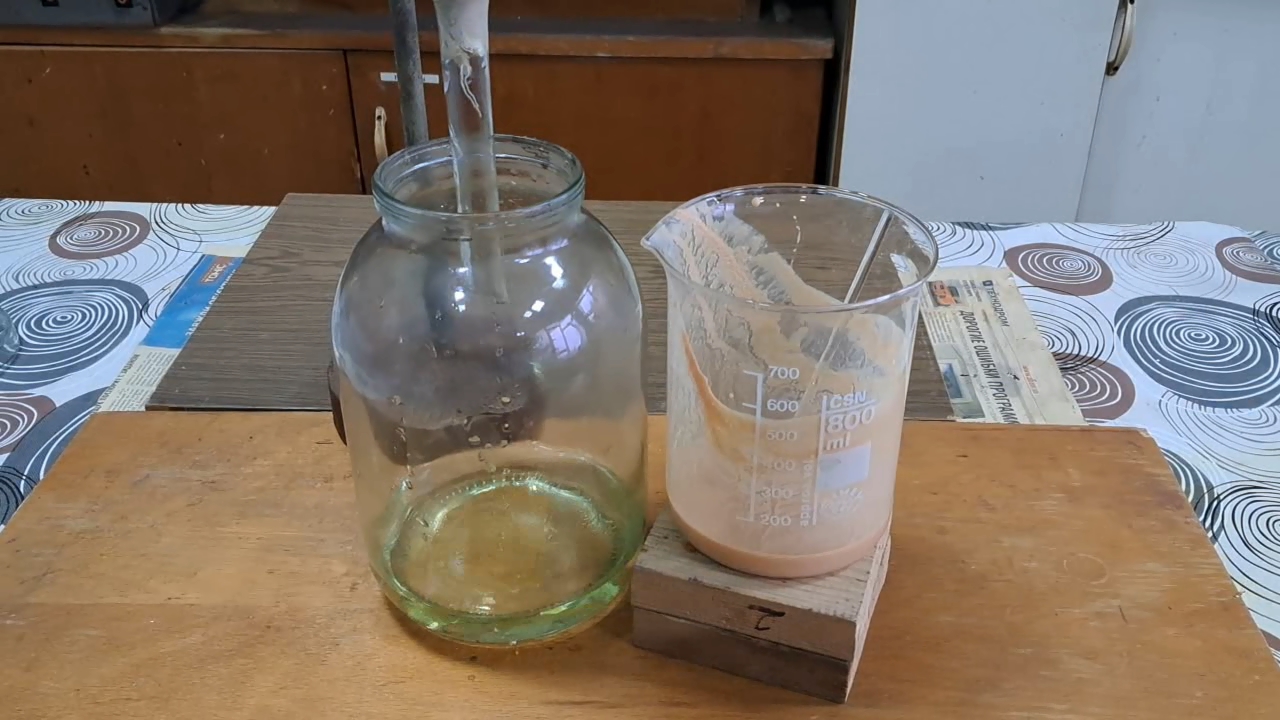
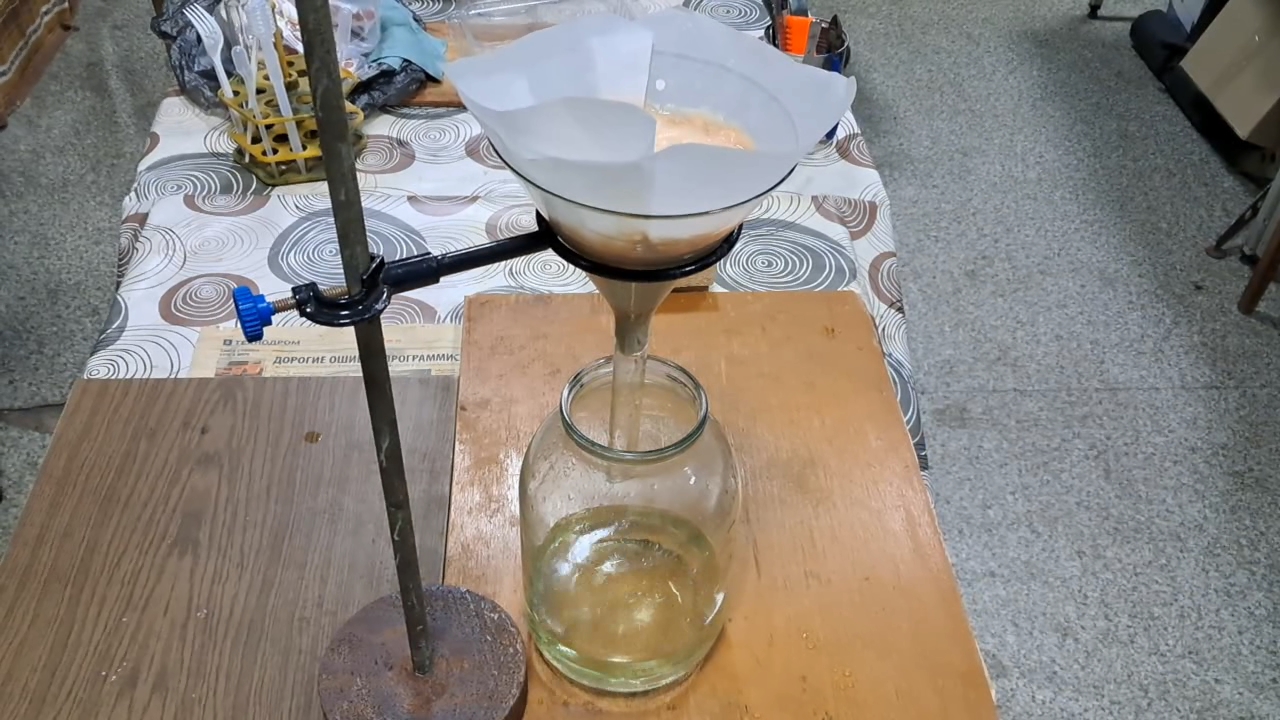
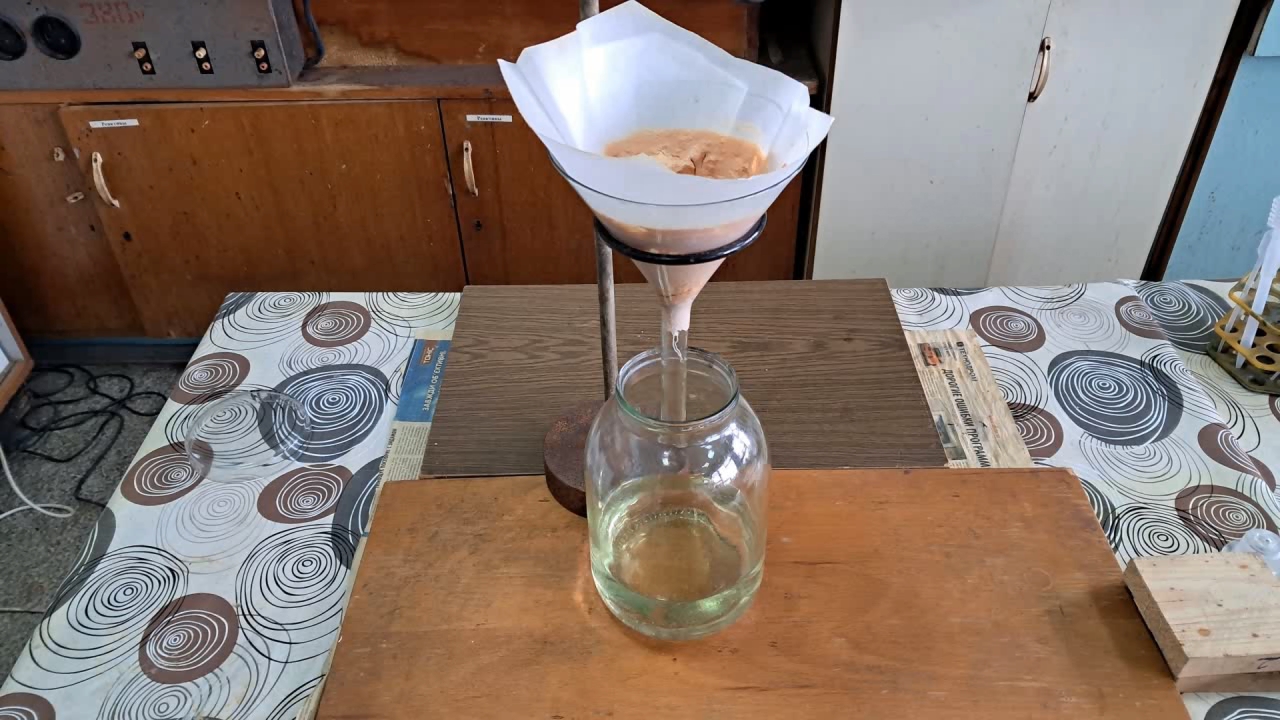
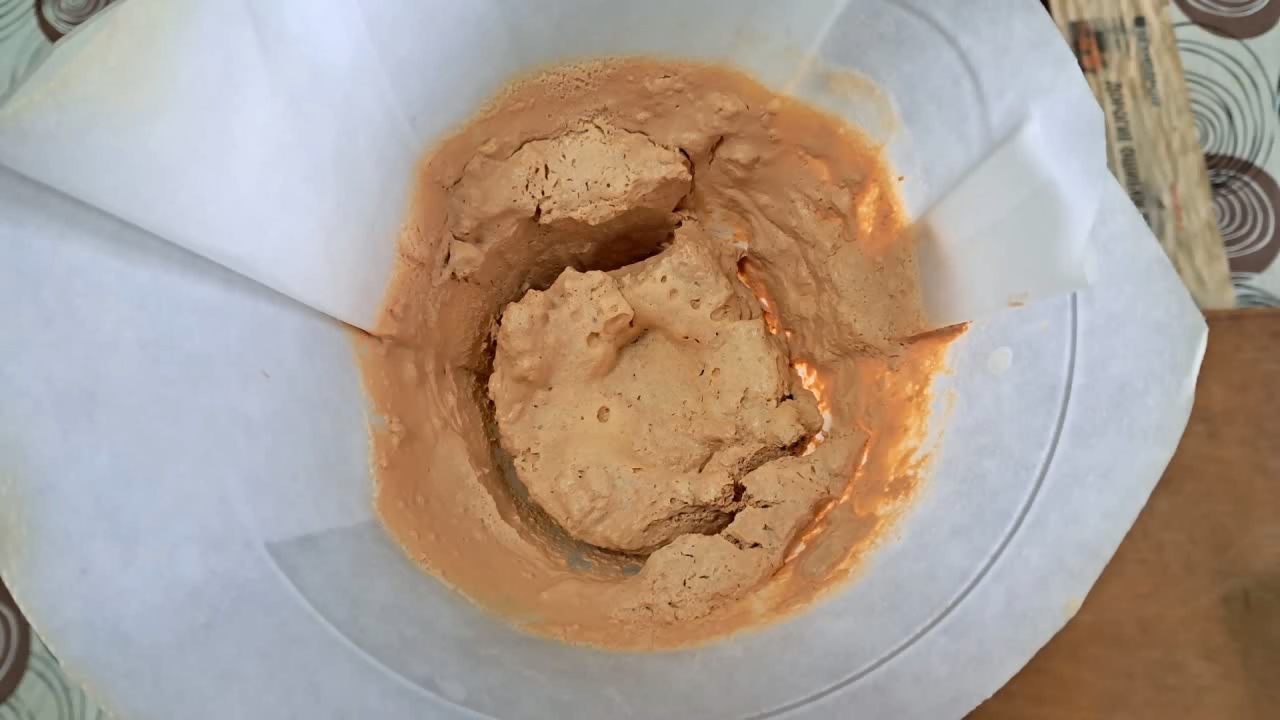
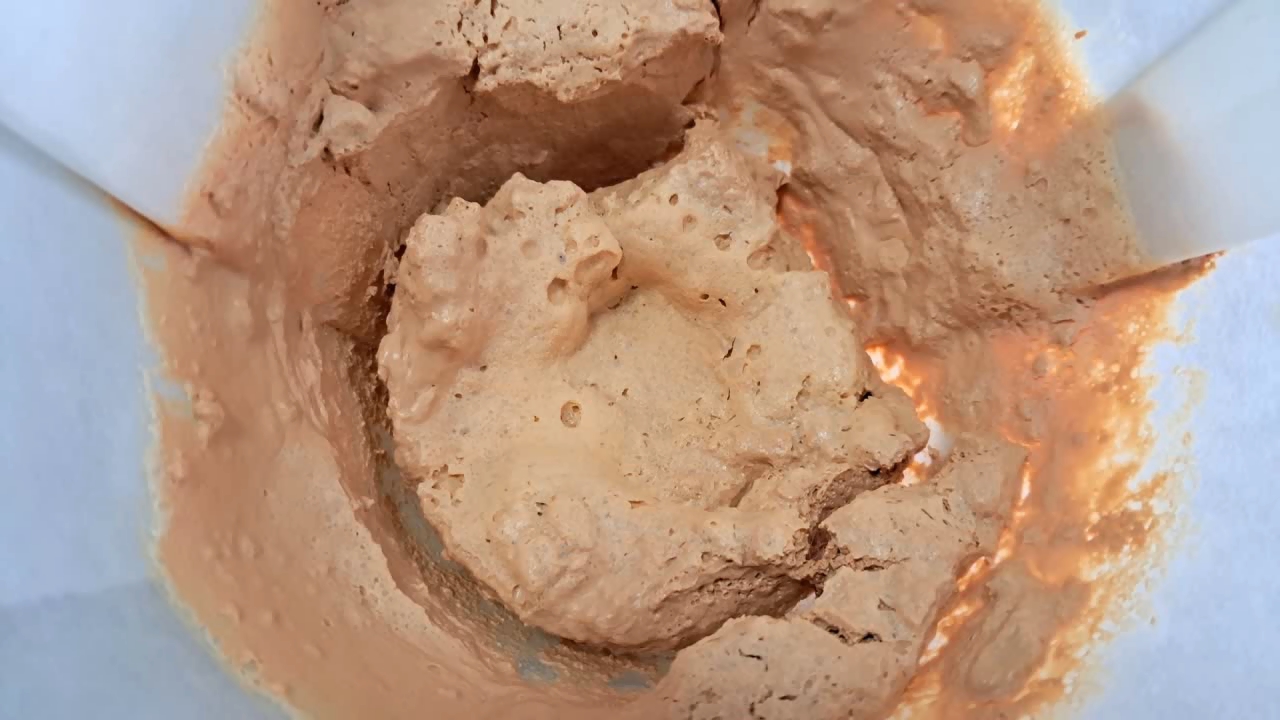
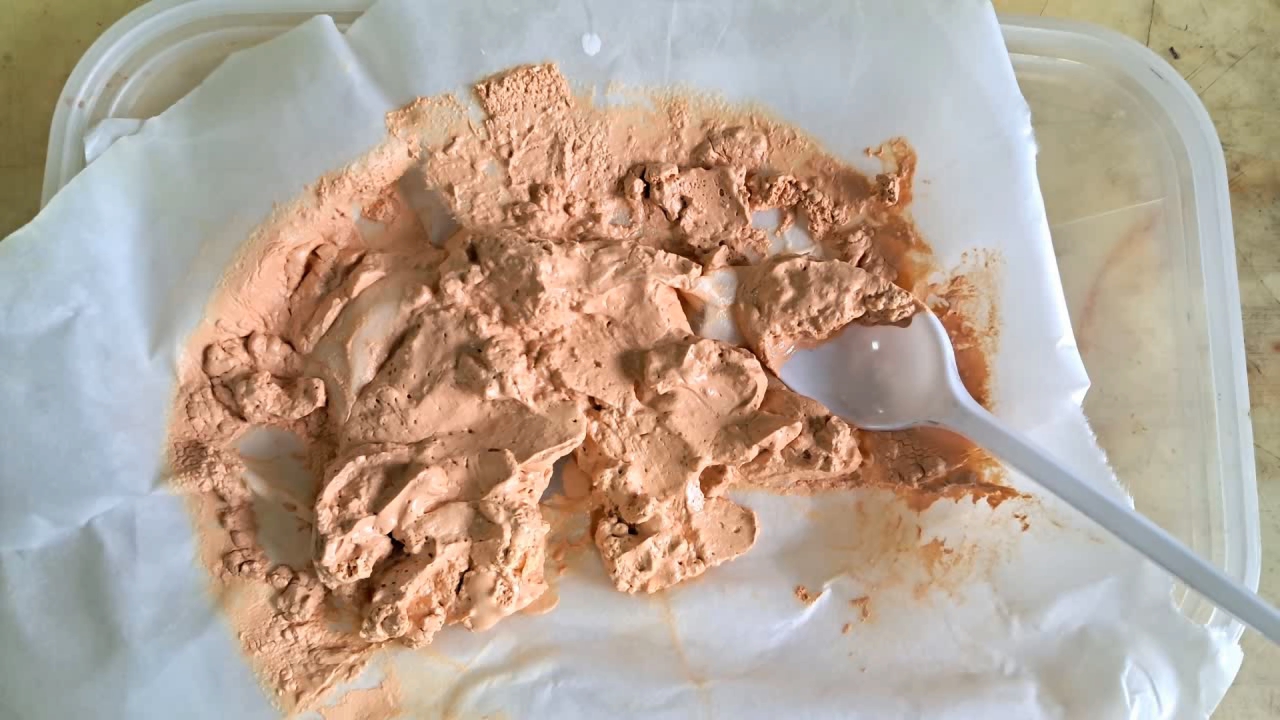
Синтез бензоата железа (III) (попытка 2) - Часть 2 I am currently conducting experiments with sparingly soluble calcium, strontium, and barium salts. This morning, I was converting barium sulfate to the carbonate. For the second day in a row, I boiled barium sulfate with a sodium carbonate solution. I didn't have time to complete the reaction because the power needed for the electric stove was cut off. On the one hand, this isn't critical: the experiment can be completed tomorrow, or in a week, or in a month… On the other hand, when the power went out at work, it came back on at home. And while there's power at home, it's advisable to write an article. But one should only start writing after the experiment is successfully completed. This rule applies not only to scientific articles but also to educational publications. The experiment with barium sulfate is unfinished, but I previously synthesized iron benzoate. Therefore, instead of continuing experiments with poorly soluble calcium, strontium, and barium salts, I will have to describe the synthesis of iron(III) benzoate. Two days after the first (unsuccessful) attempt, a colleague brought me a kilogram bag of food-grade benzoic acid made in China. I weighed out the same quantities of the starting materials as in the previous synthesis (see Part 1). When I opened the bag, I immediately noticed an irritating odor. Benzoic acid has very low volatility at room temperature; it begins to sublimate noticeably only when heated to about 100°C. However, the irritation could have been caused by an aerosol of fine solid particles - I have a heightened sensitivity to this substance. I placed the benzoic acid in a beaker and added 15 mL of water. According to the monograph, a saturated sodium benzoate solution is required for the synthesis. Therefore, I decided not to add too much water: it is always easier to add a little more later than to remove the excess. The acid hardly dissolved in water. I added a small amount of calcined soda to the benzoic acid and stirred. Very slight gas evolution was observed. I looked up the solubility data for benzoic acid in a reference book. It turned out that at room temperature, only a few grams of benzoic acid dissolve in a liter of water, but its solubility increases significantly upon heating. I added the required amount of sodium carbonate, poured in another 10 mL of water, and placed the beaker on an electric hotplate with vigorous stirring. Gas evolution became intense, and the benzoic acid gradually dissolved. I dipped pH indicator paper into the liquid: the solution was slightly acidic, with a pH of about 5. A thin film of the solution on the walls of the beaker solidified into a white crust. Sodium benzoate crystallized directly on the walls. I rinsed it down with a wash bottle and stirred the contents of the beaker to dissolve the salt. I poured the iron(III) chloride solution into a large beaker and added distilled water to bring the volume to approximately 400 mL. I intended to add the sodium benzoate solution, but I discovered that a suspension of colorless needle-shaped crystals had formed in the beaker. The hot solution had cooled, causing sodium benzoate to crystallize. I added distilled water to dissolve the crystals, but this cooled the solution further. More cooling led to rapid crystallization, turning the contents into a white slurry. I placed the beaker with the sodium benzoate on the electric hotplate; the solution boiled and the crystals dissolved. I added the hot sodium benzoate solution to the iron(III) chloride solution. The benzoate solution sank to the bottom, forming a voluminous light-brown precipitate. I stirred. The clumps broke apart, forming a uniform light-brown suspension. I stirred for 20 minutes, then filtered the precipitate through filter paper, washed it with distilled water, and left it to dry. The filtered product was light brown. The filtrate was yellow, indicating that excess iron(III) ions remained in the liquid phase. At the end of the day, a colleague arrived. He was delighted to see iron(III) benzoate. Then he paused for a moment and said: > "The substance is soluble in acetone, but acetone… isn't suitable for our purposes. The target polymer, polyvinylidene fluoride, dissolves poorly in acetone." > "Couldn't you have thought of this earlier? *Before the synthesis?*" > "Don't grumble - we'll try to find a solvent." |
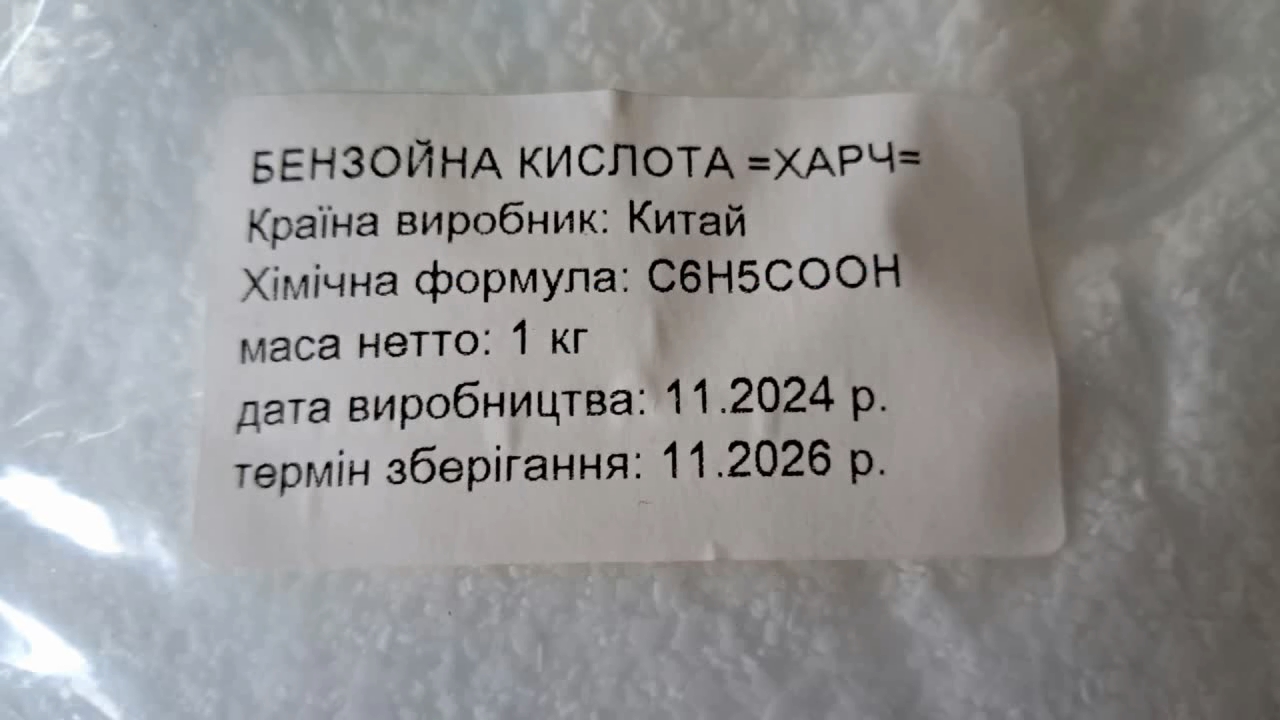
Synthesis of Iron(III) Benzoate |
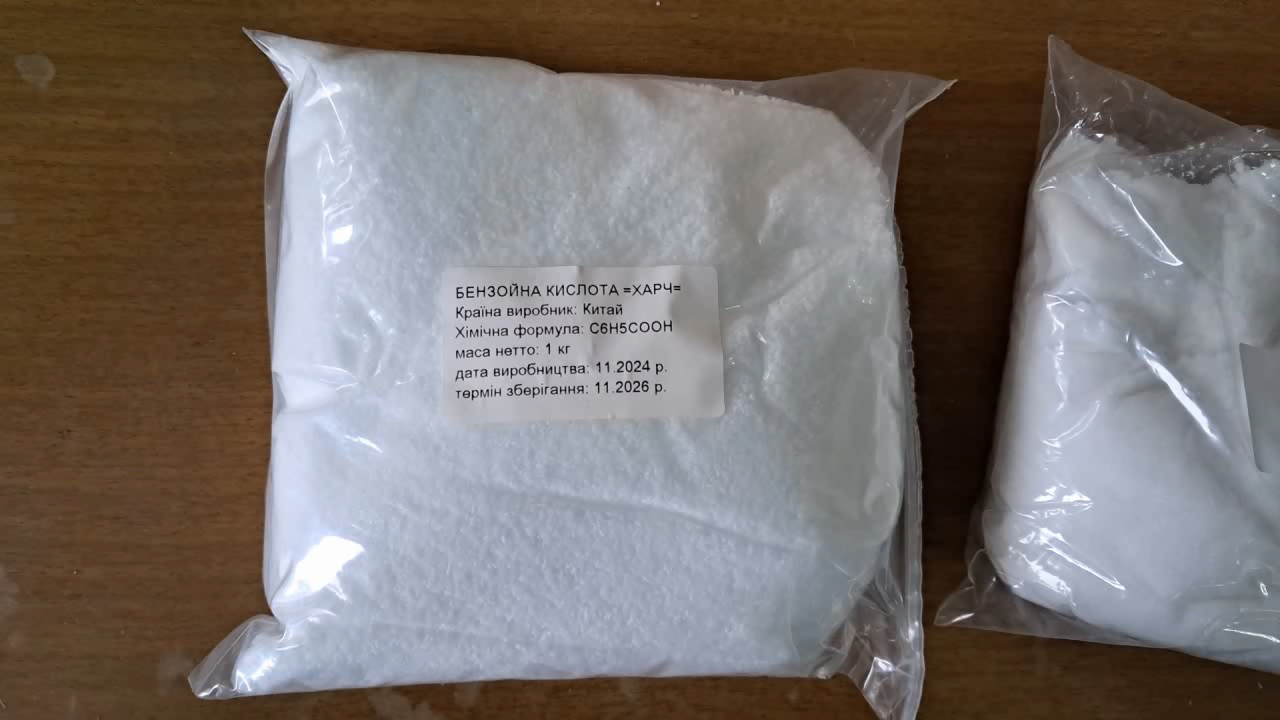
|
|
|
|
|
|
|
|
|
|
|
|
|
|
|
|
|
|
|
|
|
|
|
|
|
|
|
|
|
|
|
|
|
|
|
|
|
|
|
|
|
|
|
|
|
|
Комментарии
К1
В этой формуле что-то не то. Наверно, должно быть так:
[Fe3(C6H5COO)6](OH)3. А может вообще вот так, по аналогии с ацетатным комплексом: [Fe3(C6H5COO)6O](OH) К1-1 В тексте статьи была опечатка, приведенная в монографии формула - "[Fe(C6H5COOH)6](OH)3" (см. скан из книги в статье), но и она выглядит неправдоподобно. |
