Chemistry and Chemists № 1 2026
Journal of Chemists-Enthusiasts
| Content | Chemistry experiments - video | Physics experiments - video | Home Page - Chemistry and Chemists |
|
Chemistry and Chemists № 1 2026 Journal of Chemists-Enthusiasts |
Experiments with Universal Indicator - pt.14, 15, 16 Chemist |
|
Having noticed a mistake in the text, allocate it and press Ctrl-Enter
Schrödinger's Phenolphthalein (Explanation) - Part 14
My previous experiments left me dissatisfied. At first, everything seemed predictable: when exposed to a saturated sodium hydroxide solution, phenolphthalein initially acquired a bright fuchsia color and then became colorless. The neutral molecule, H2Ind, lost two protons to form the colored anion Ind2-, characteristic of alkaline solutions. In strongly alkaline media, this fuchsia form is further converted into the colorless In(OH)3- anion.
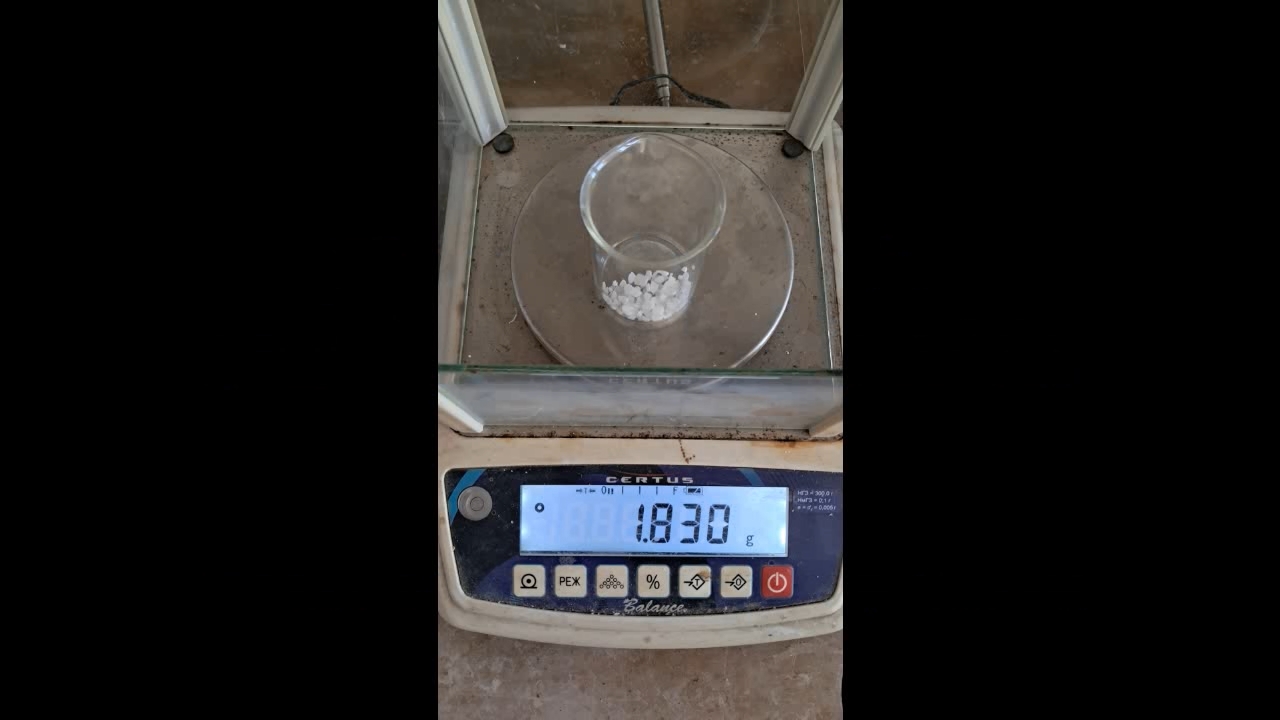
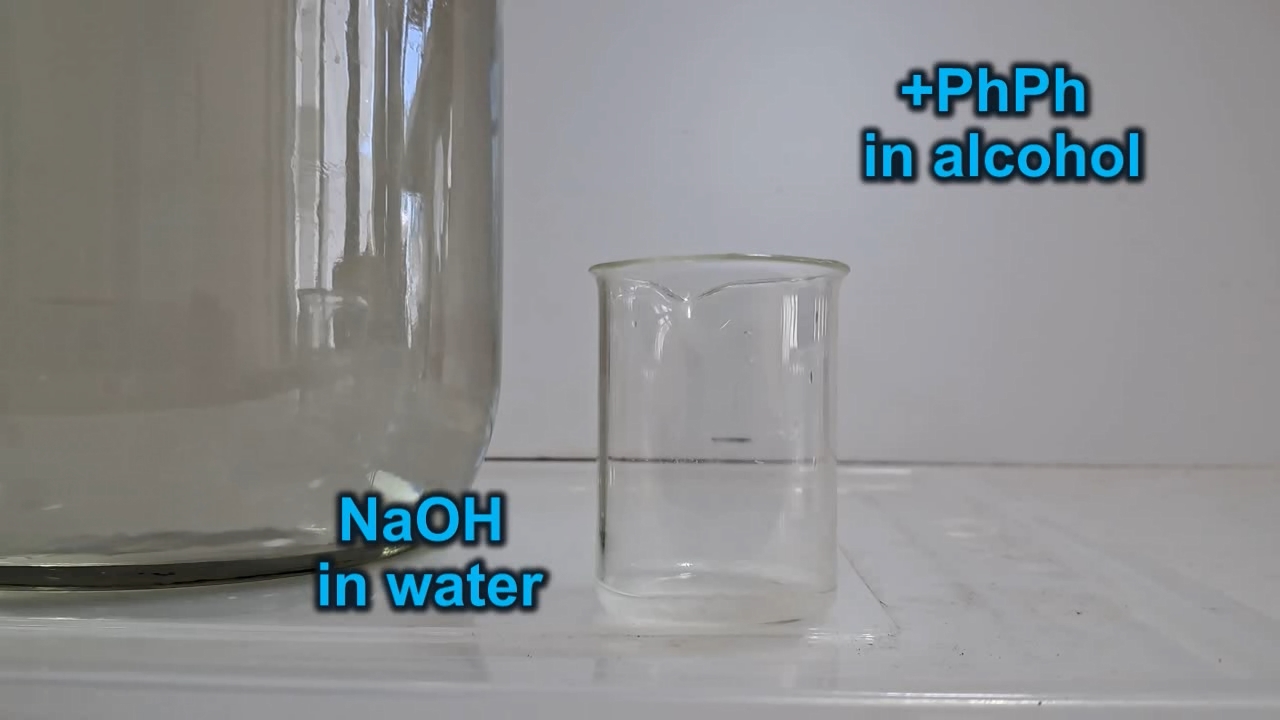
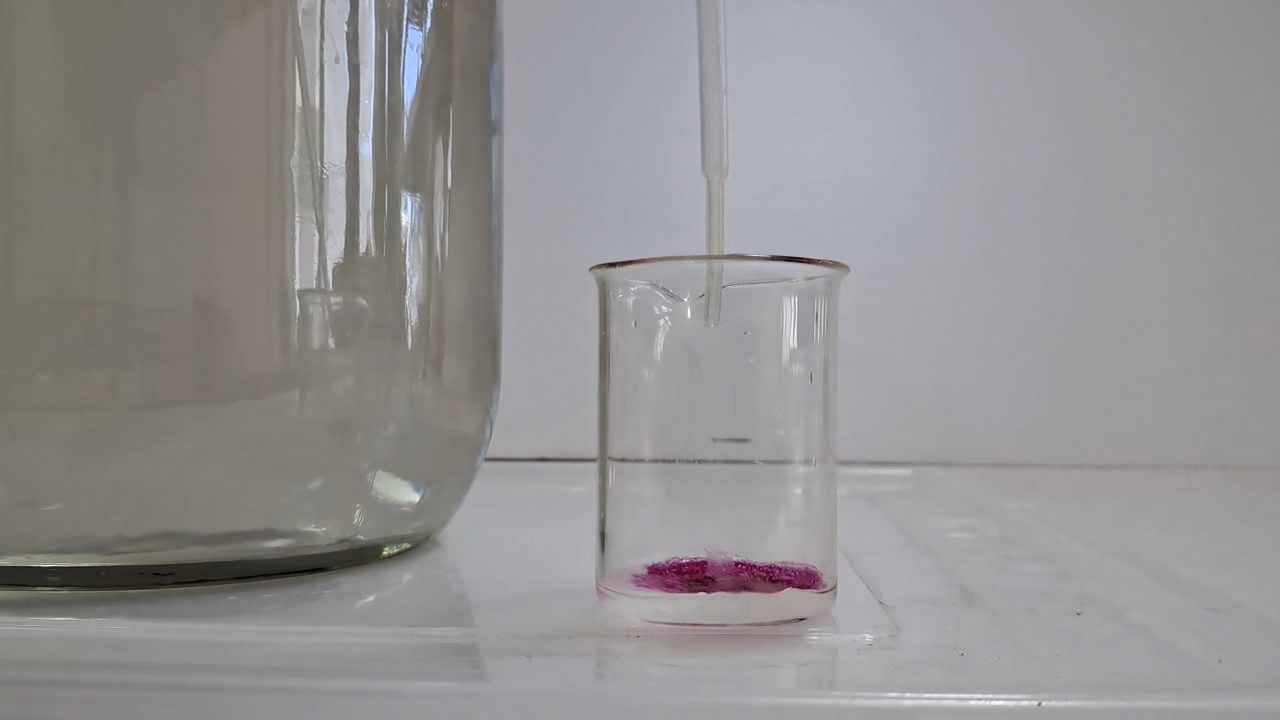
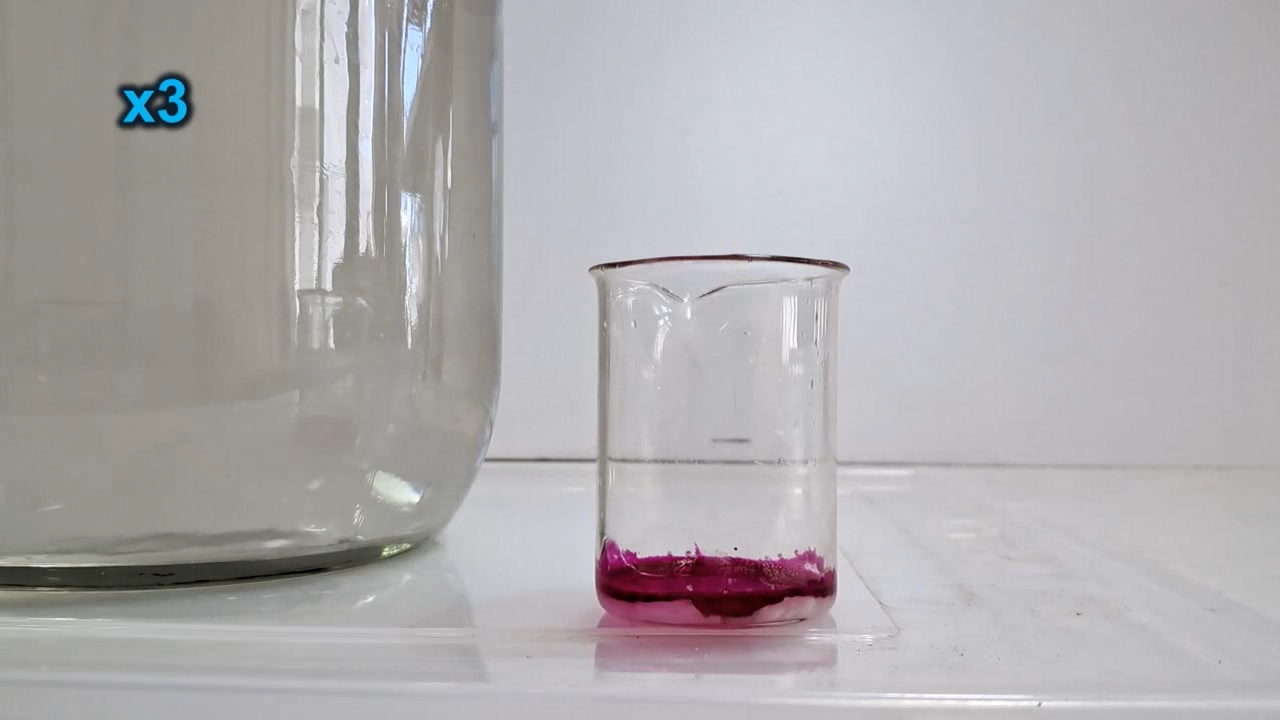
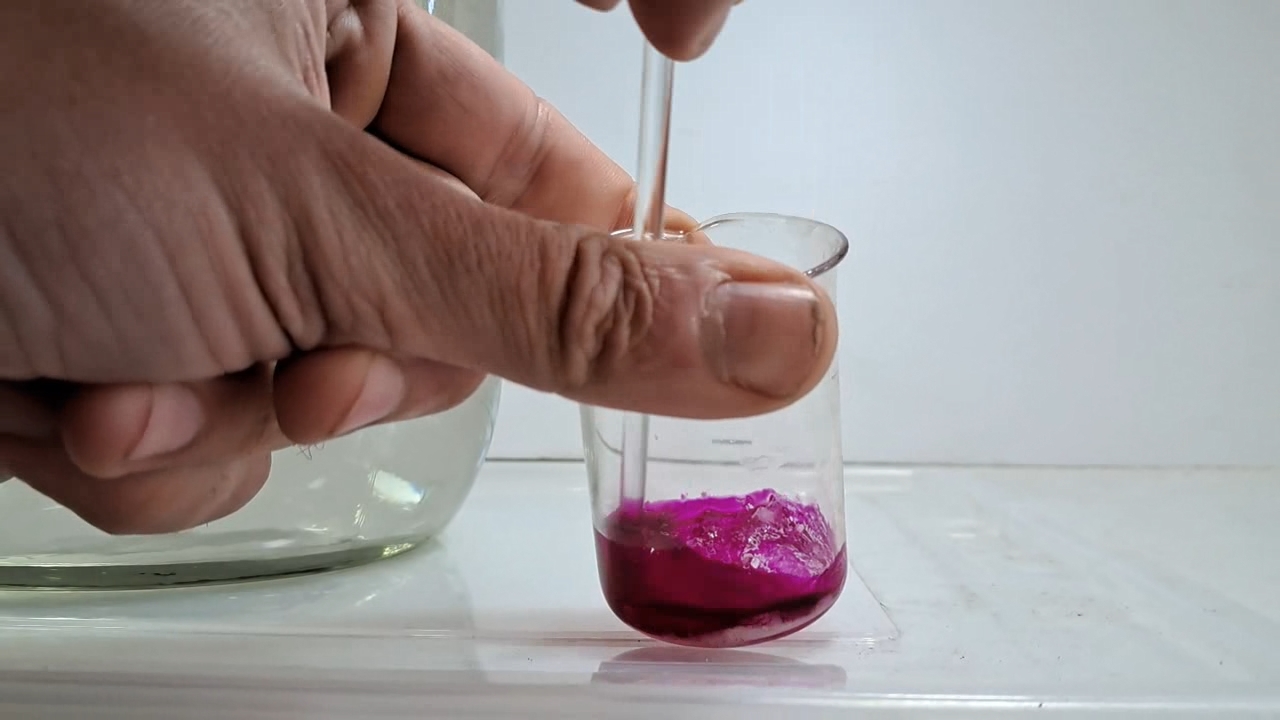
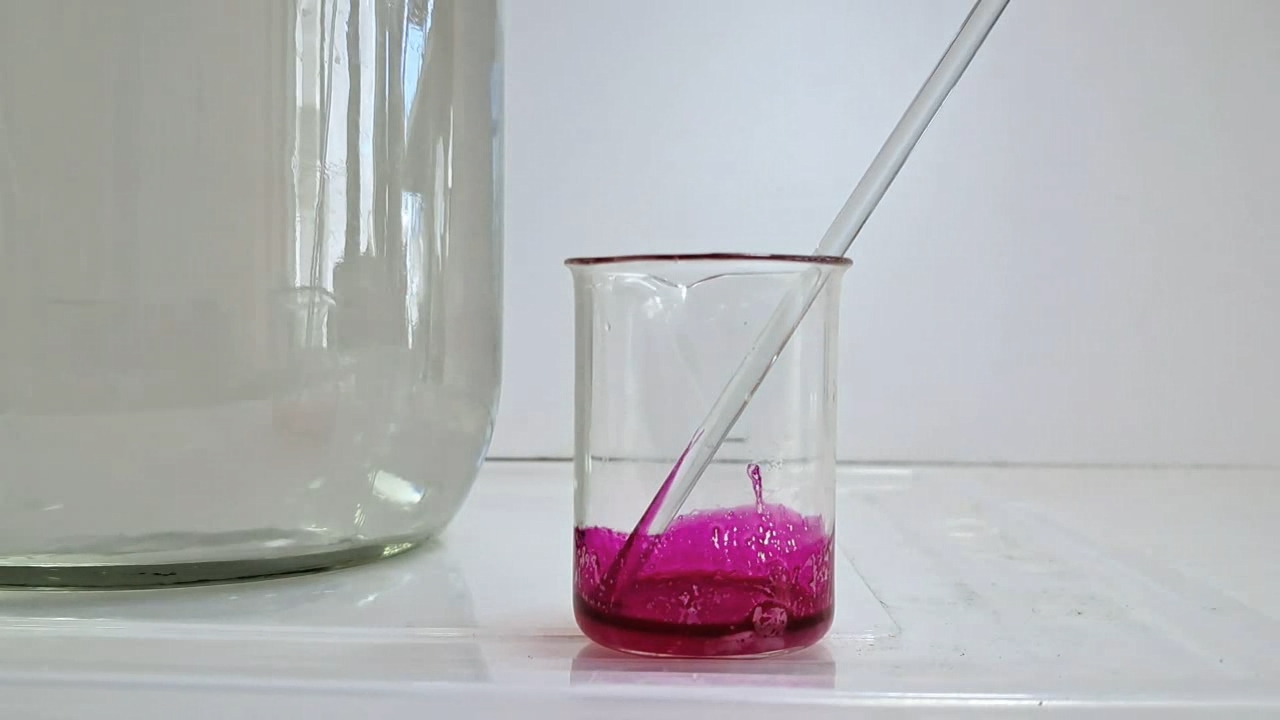
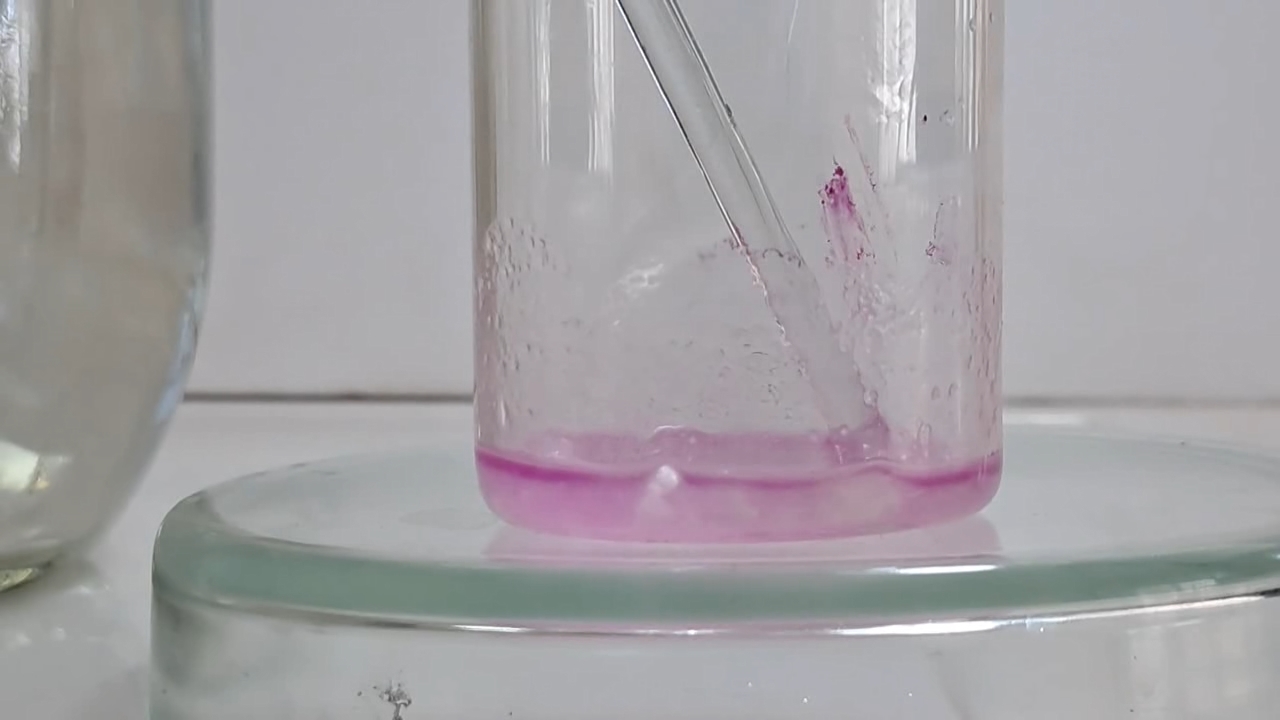
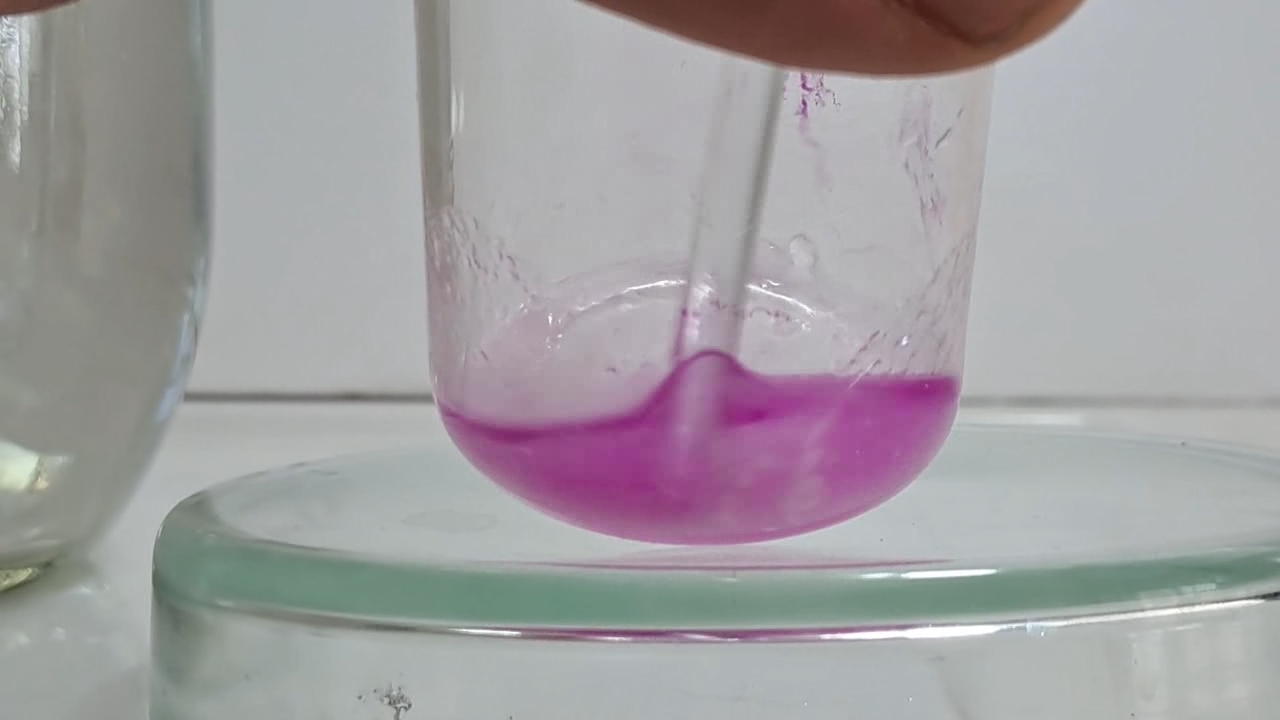
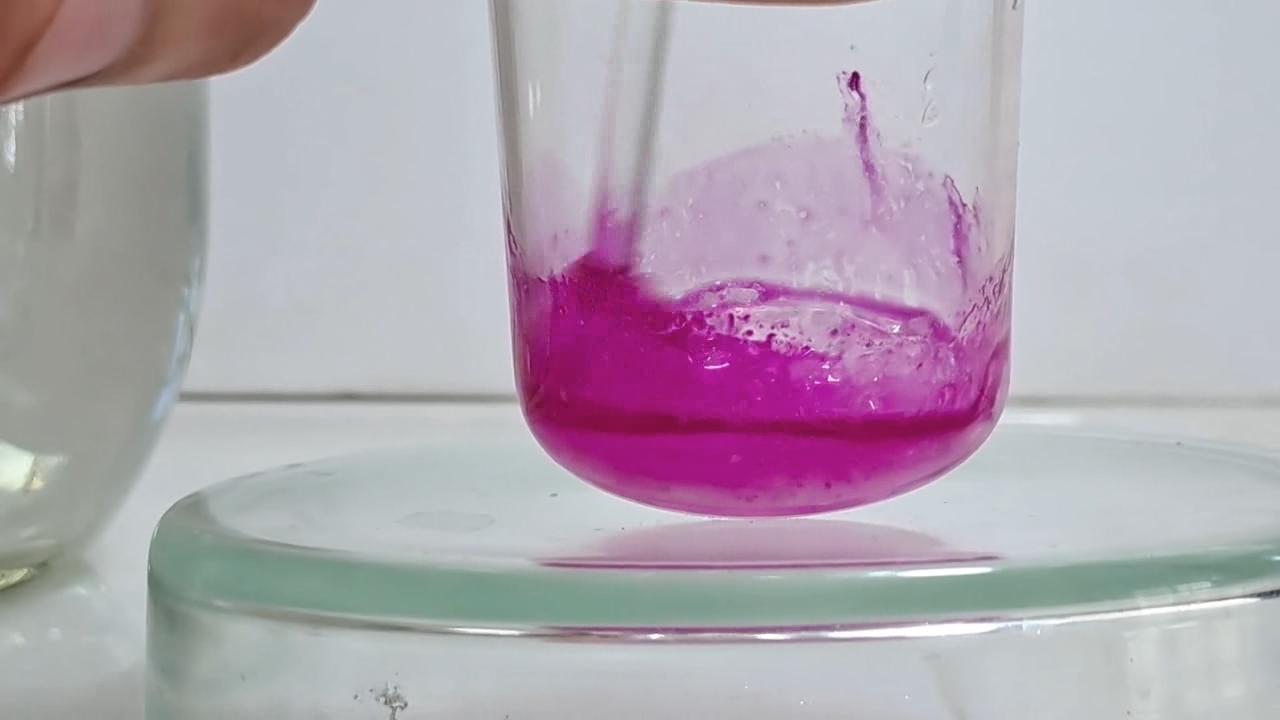
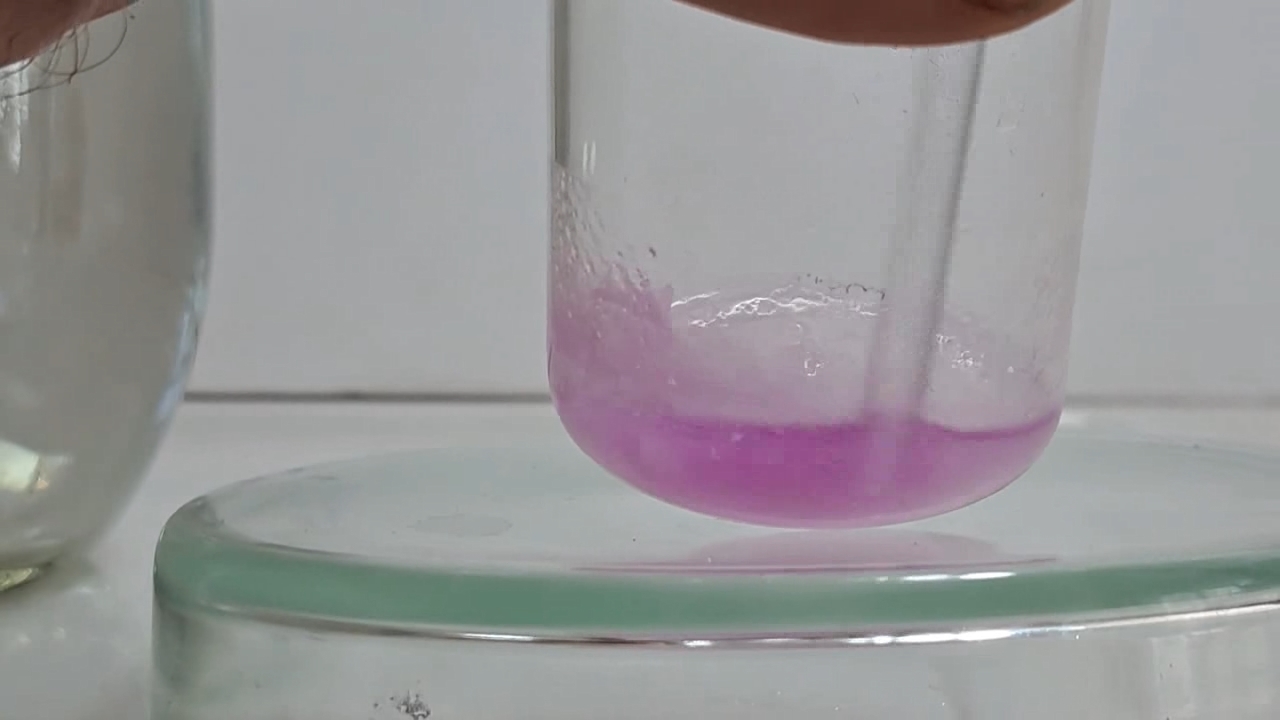
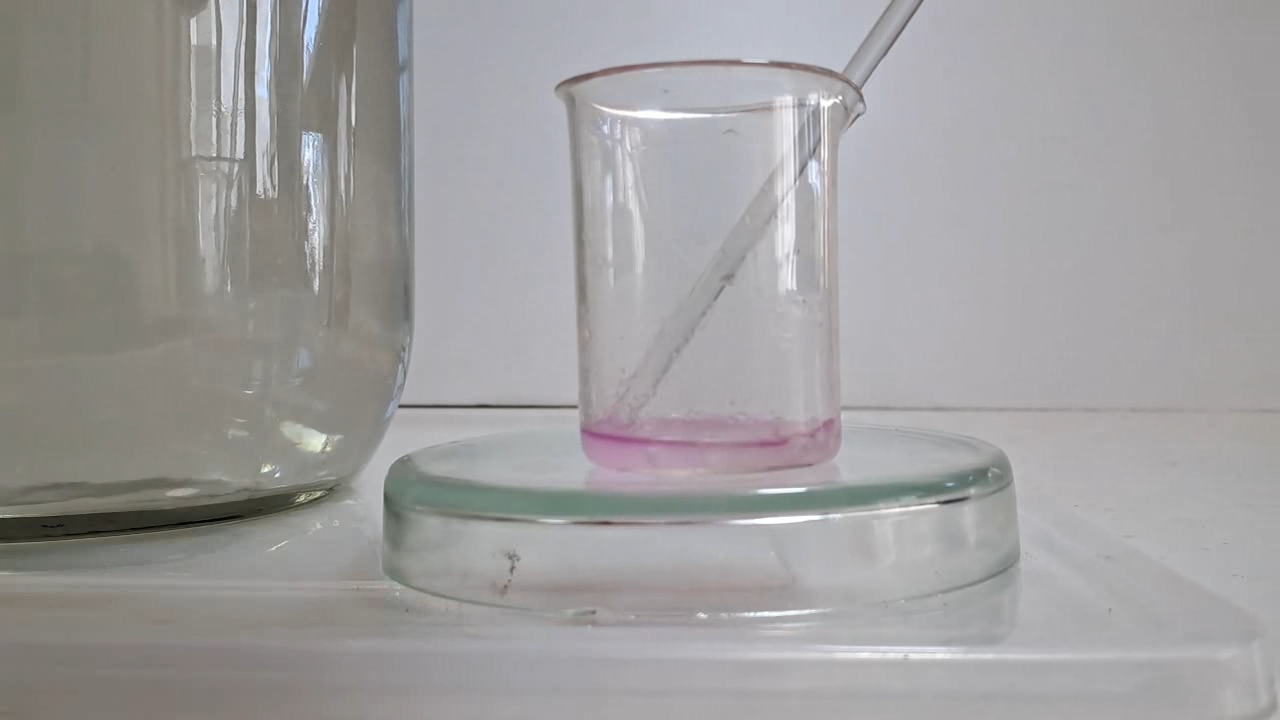
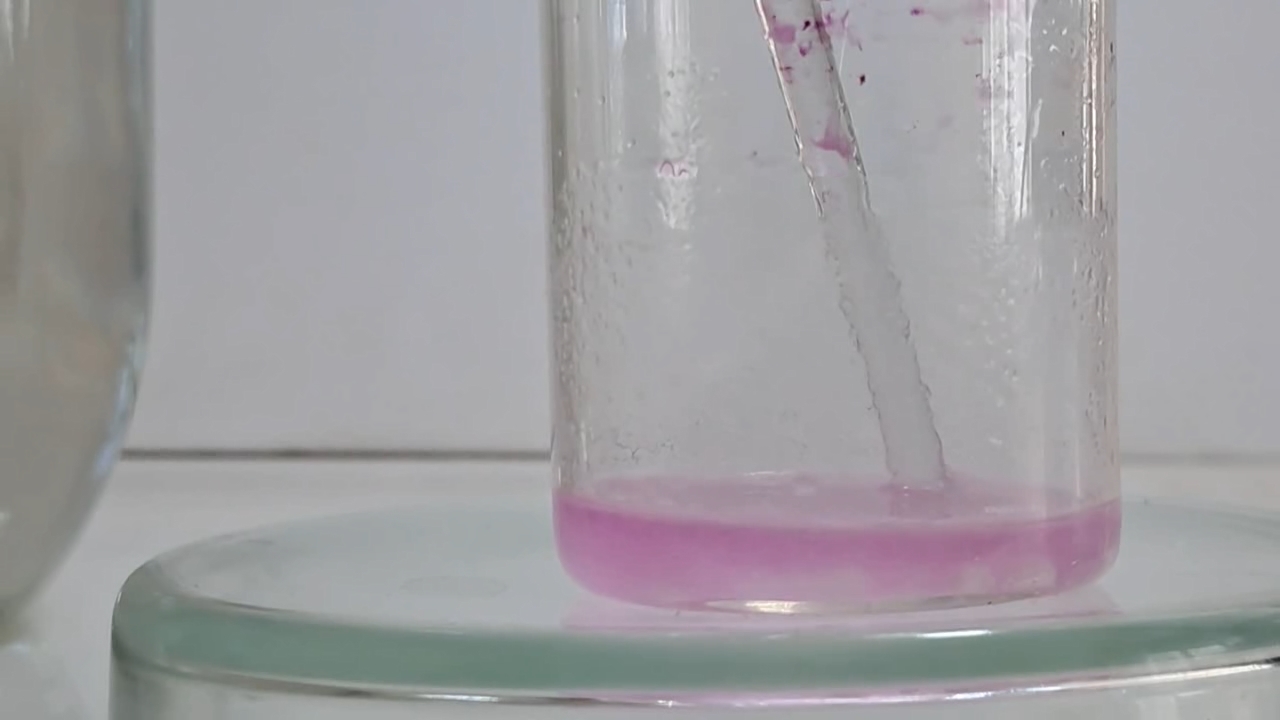
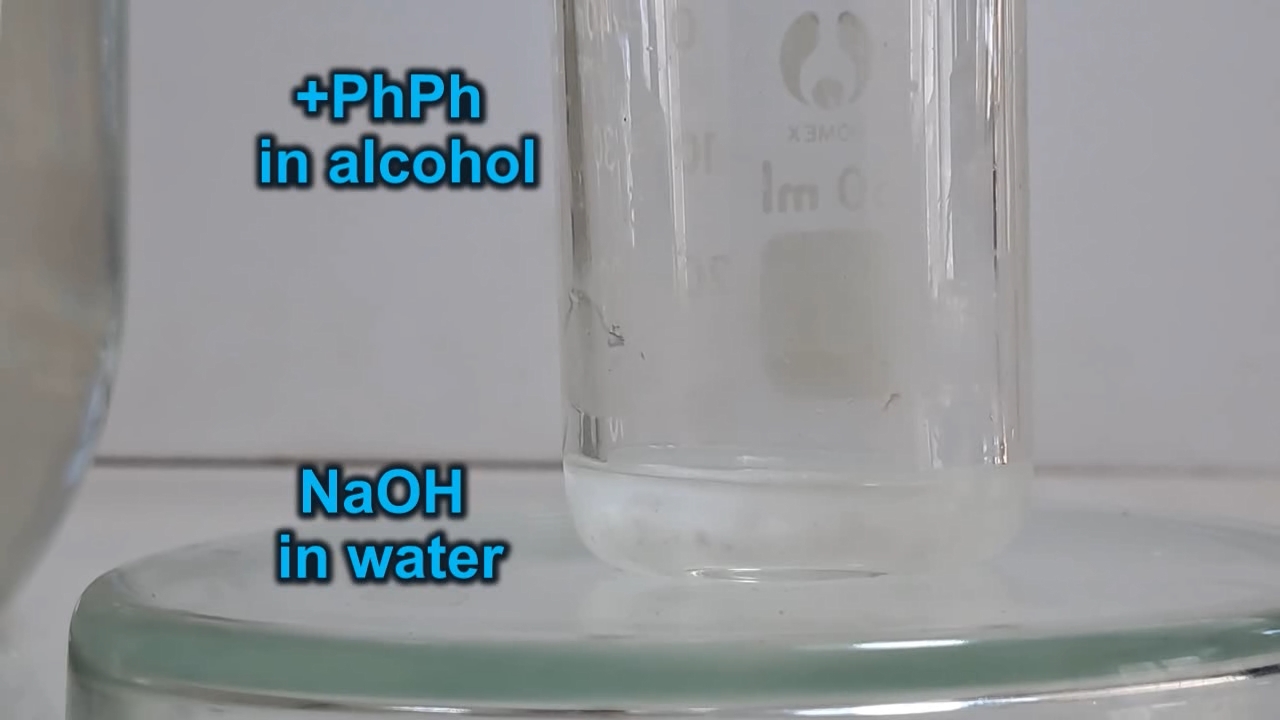
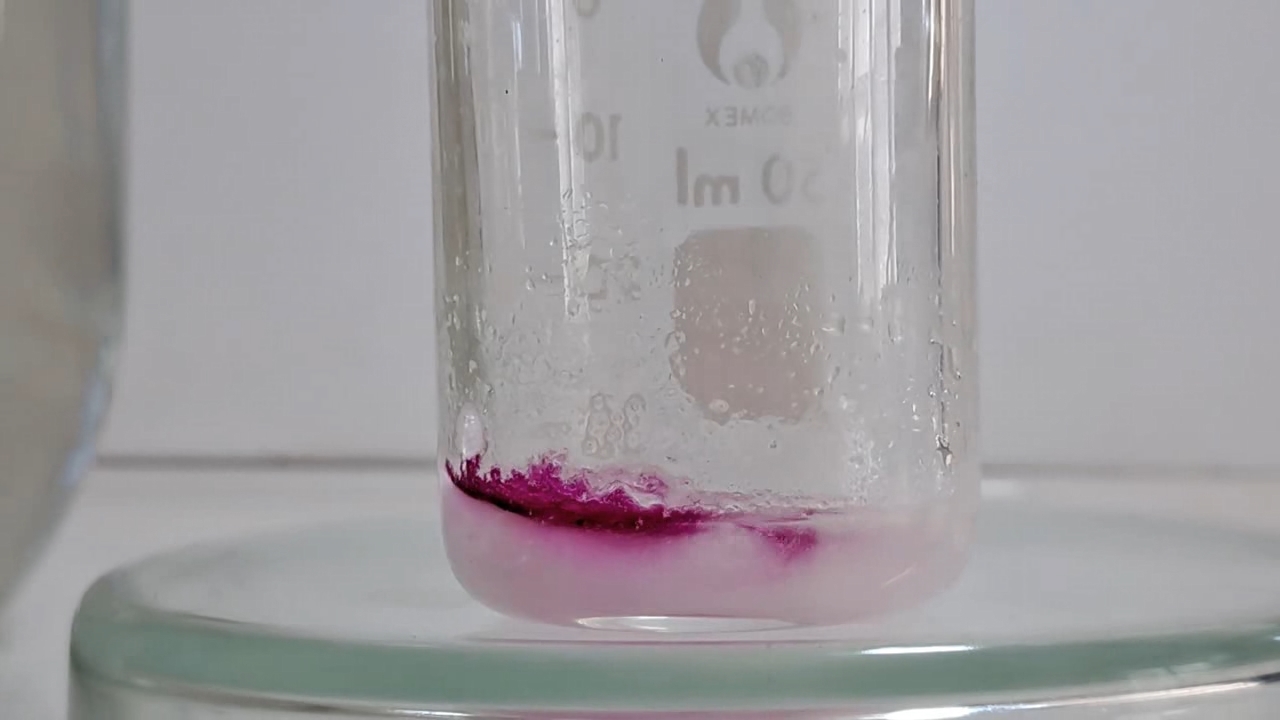
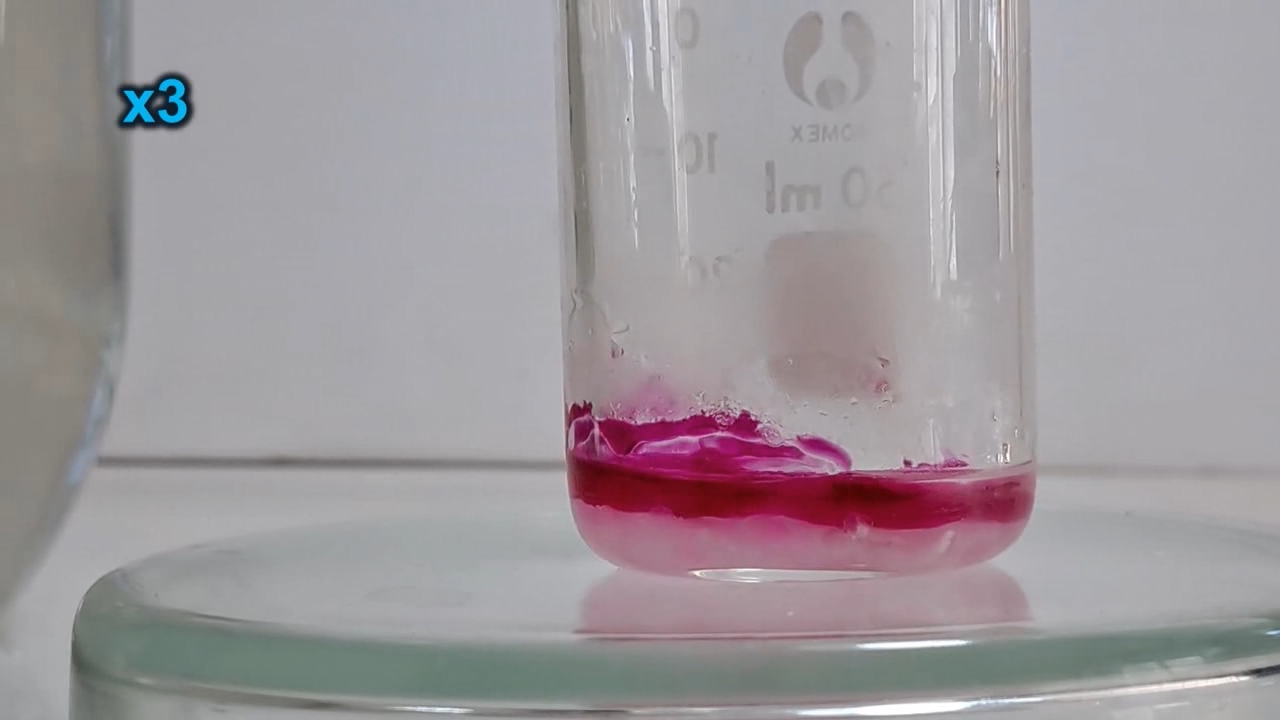
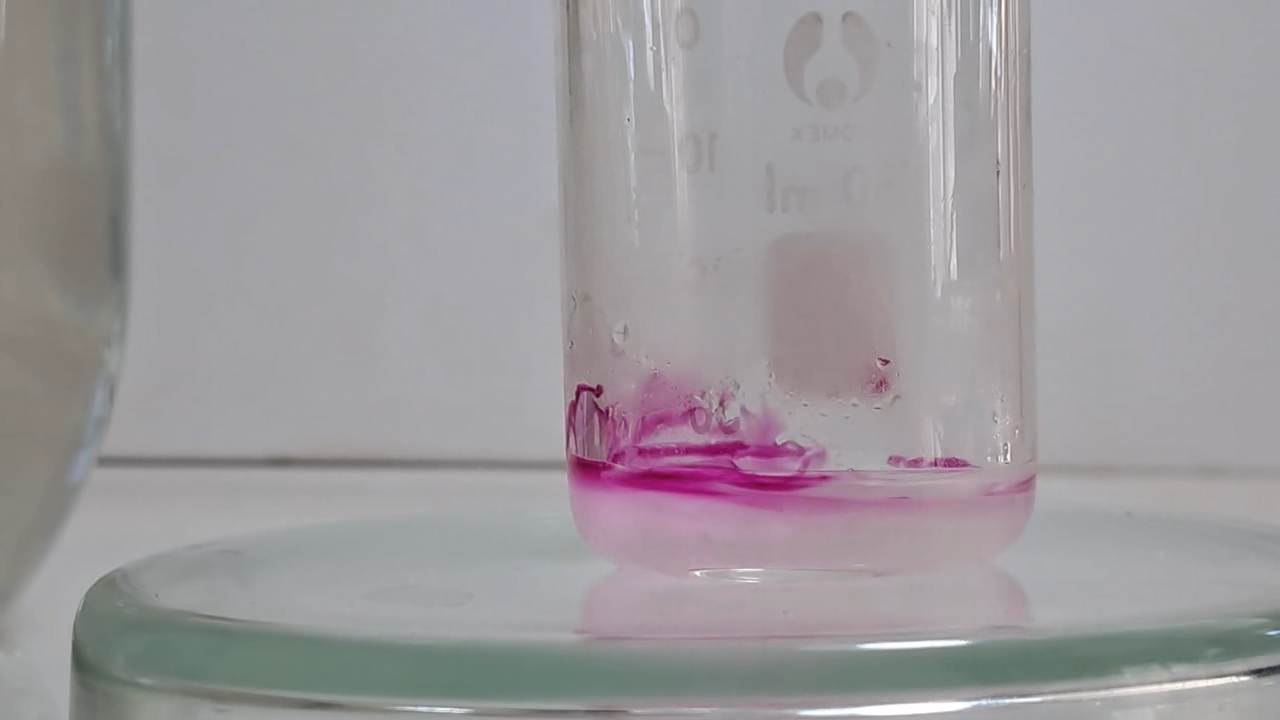
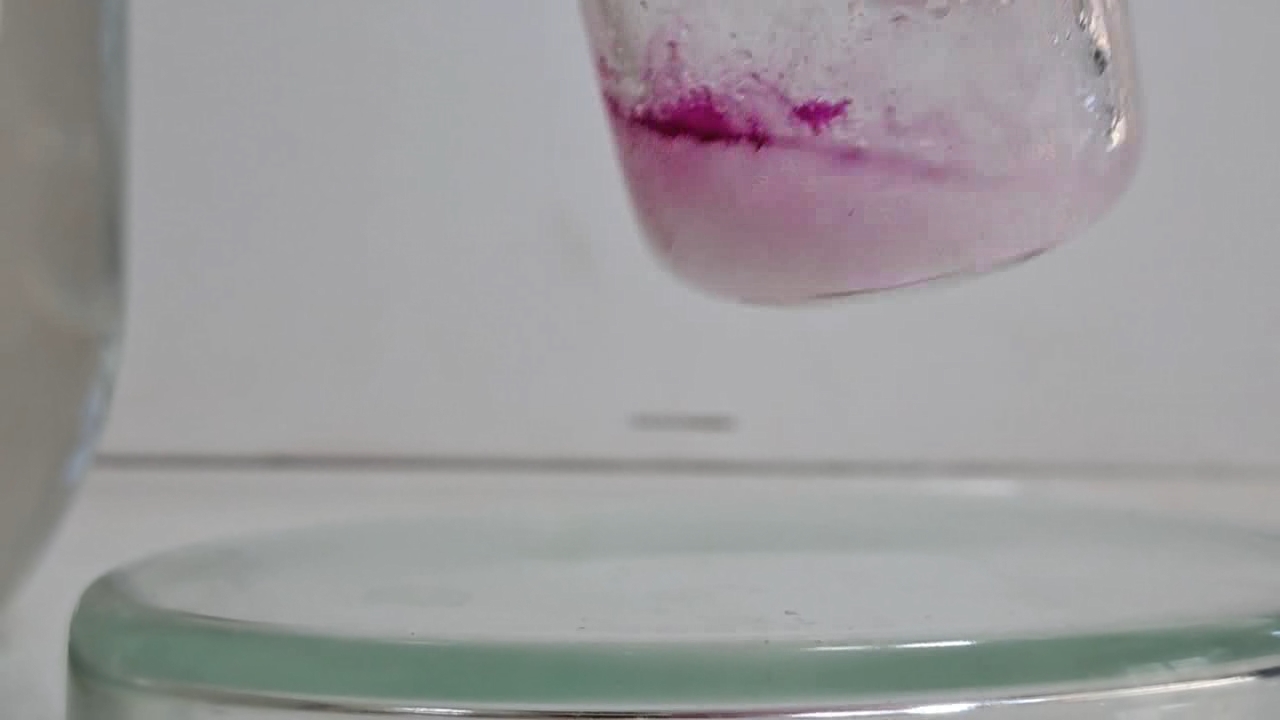
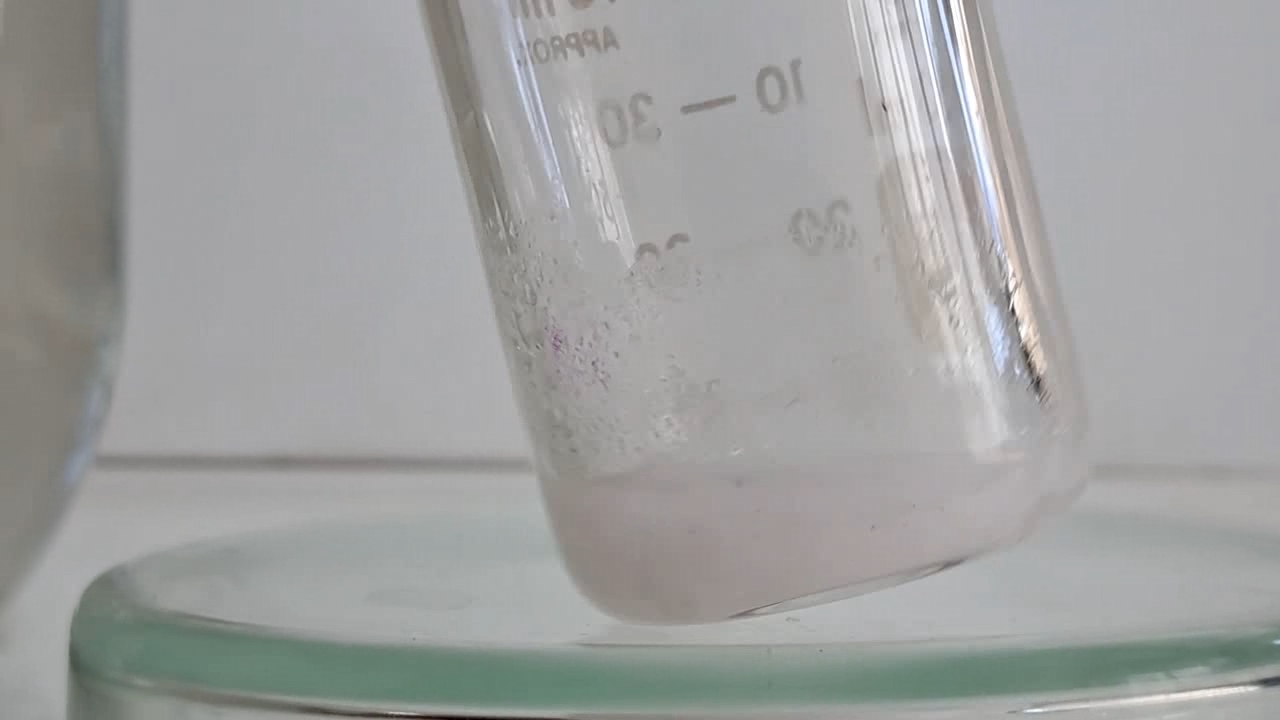
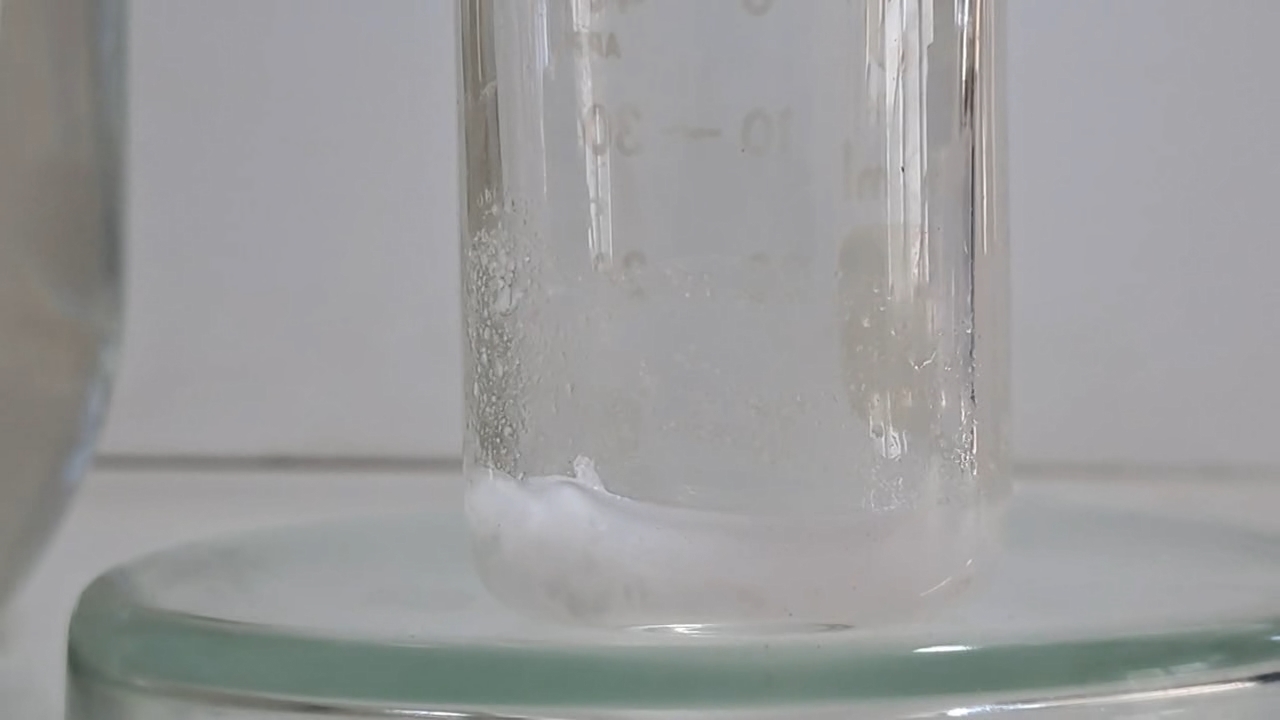
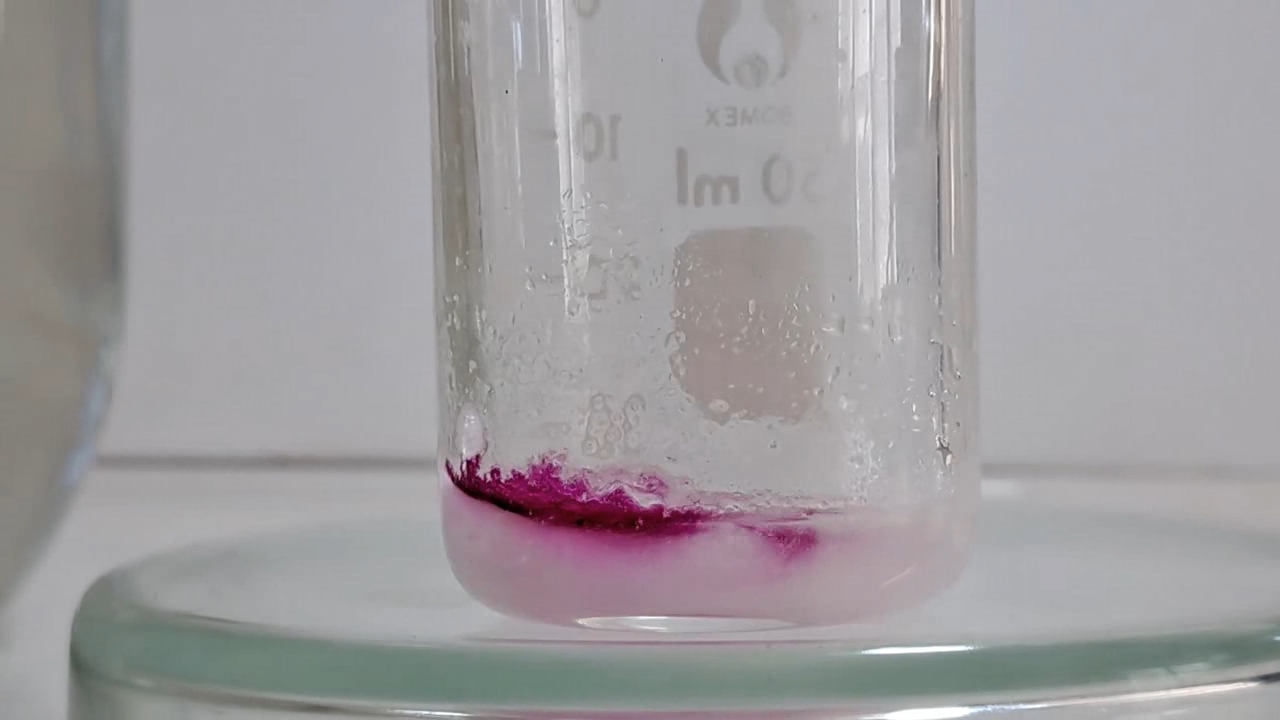
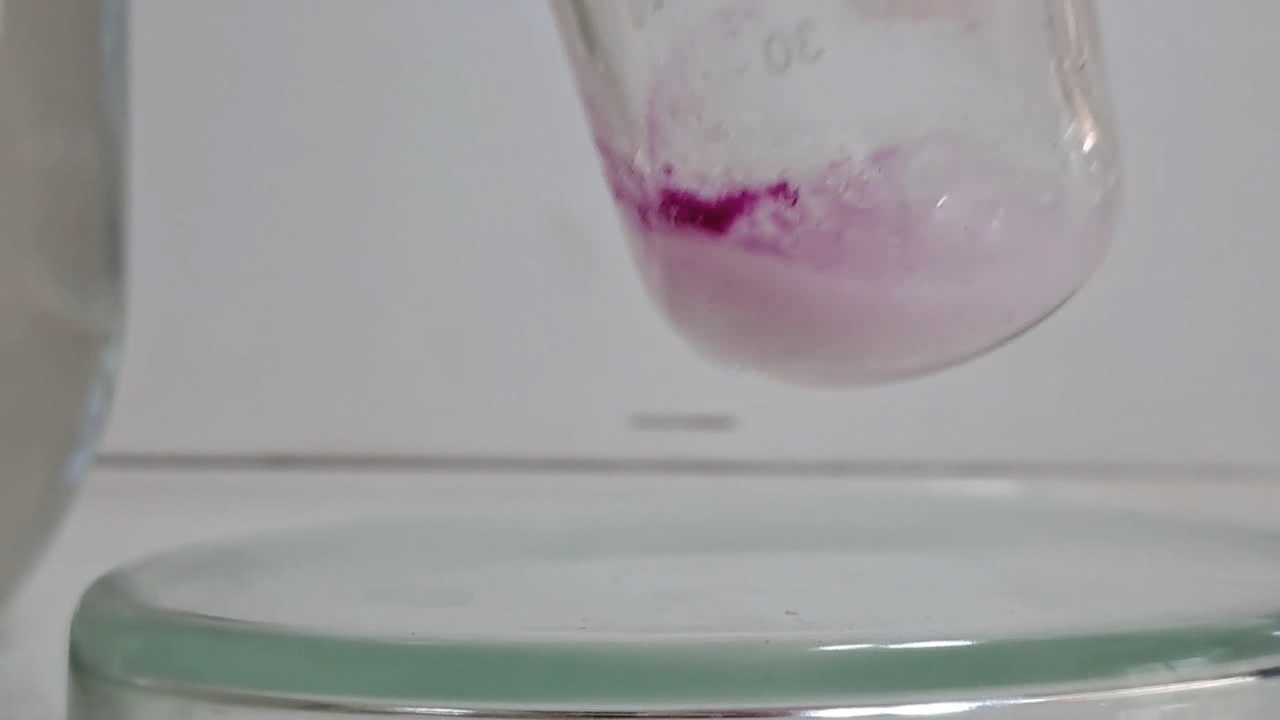
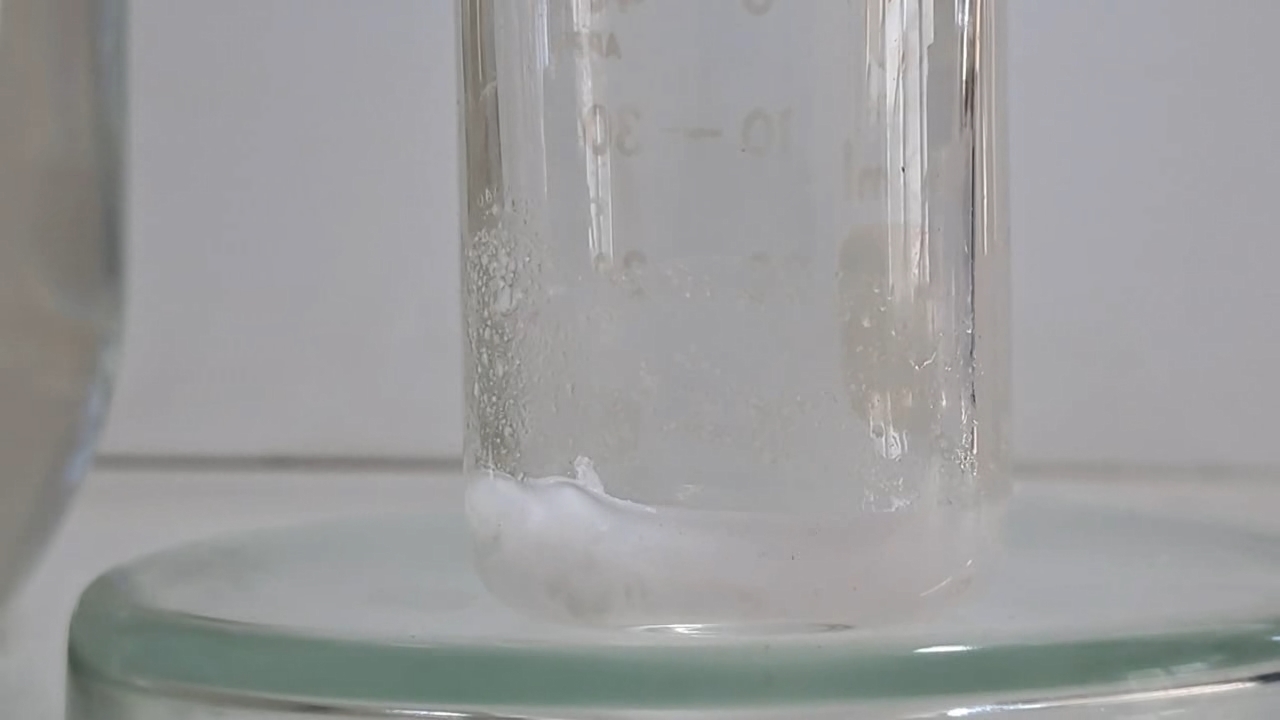
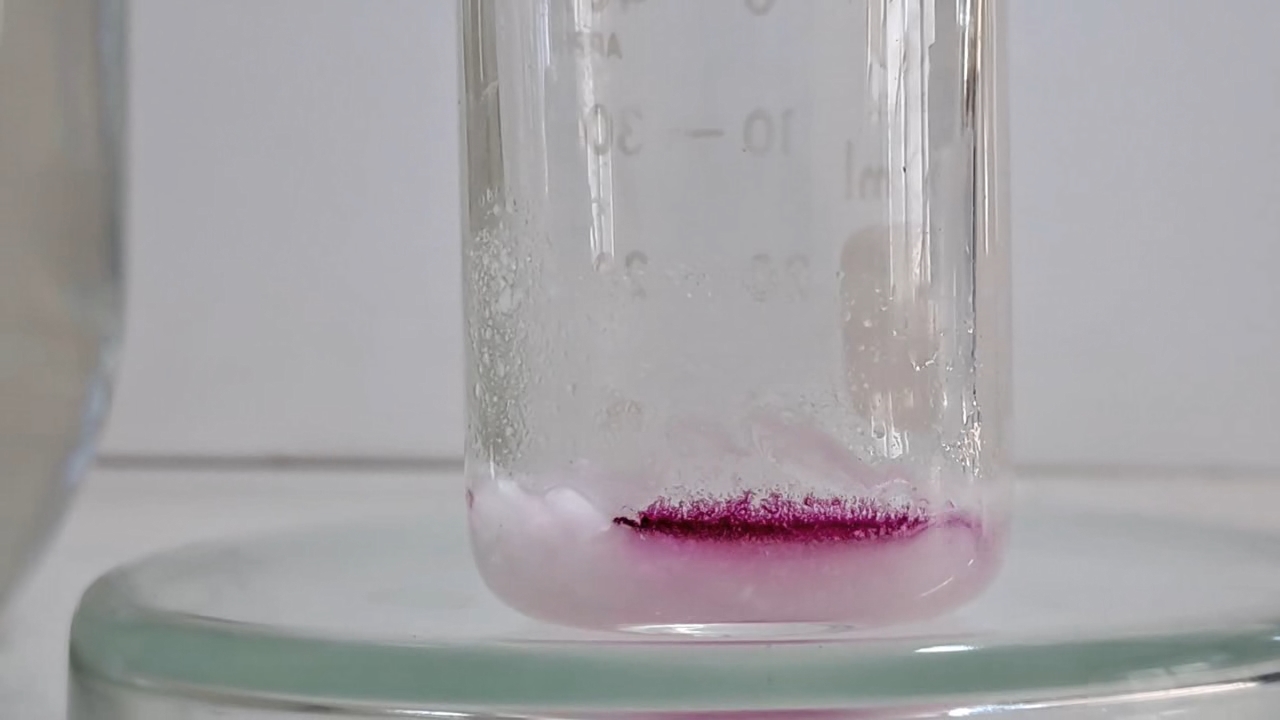
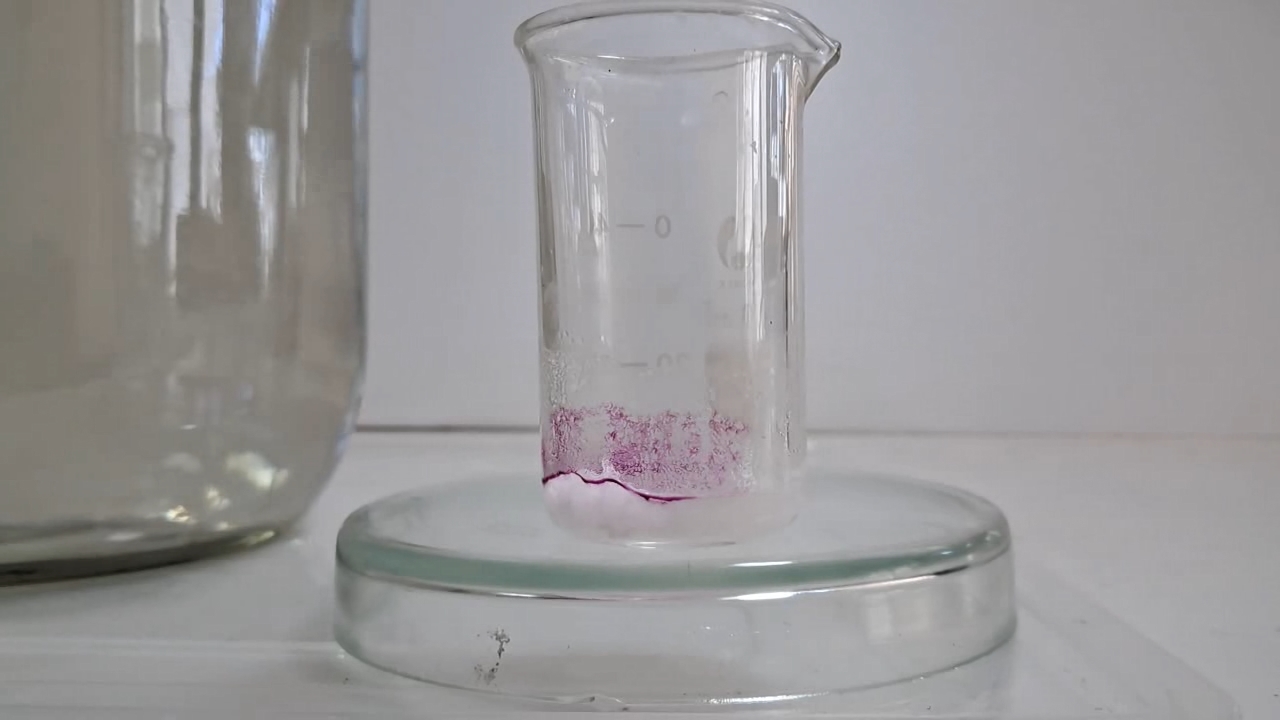
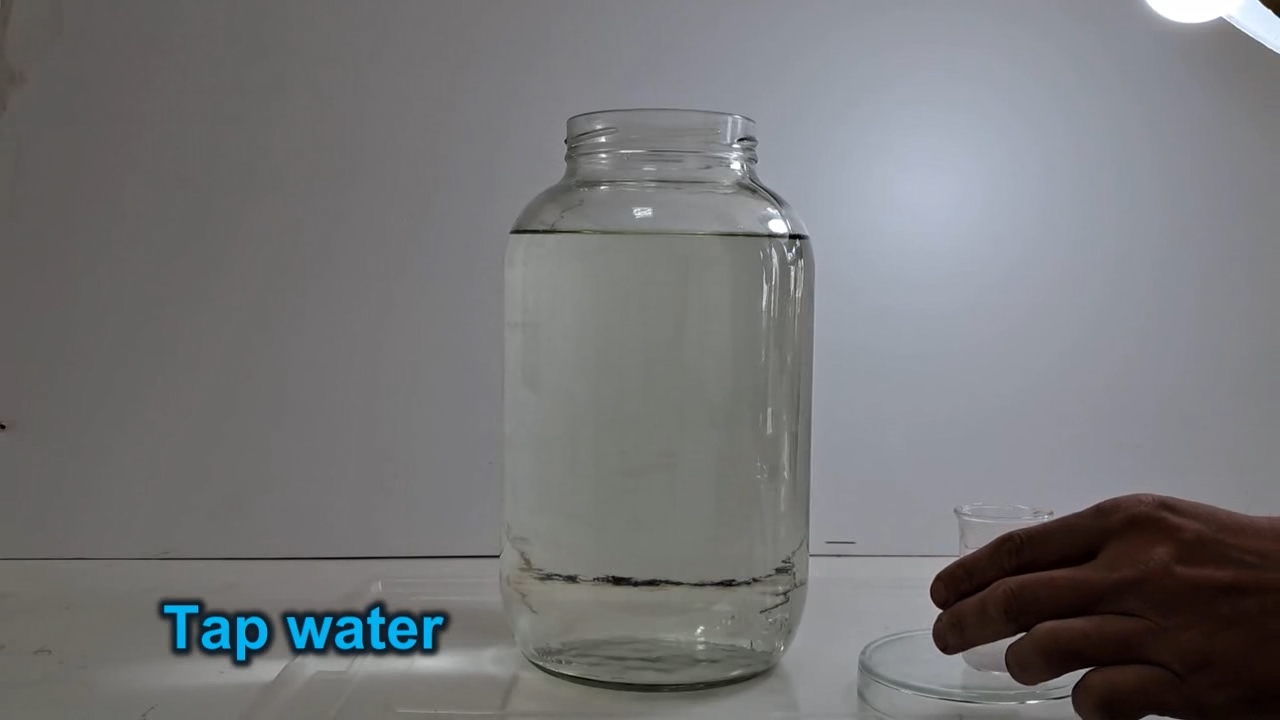
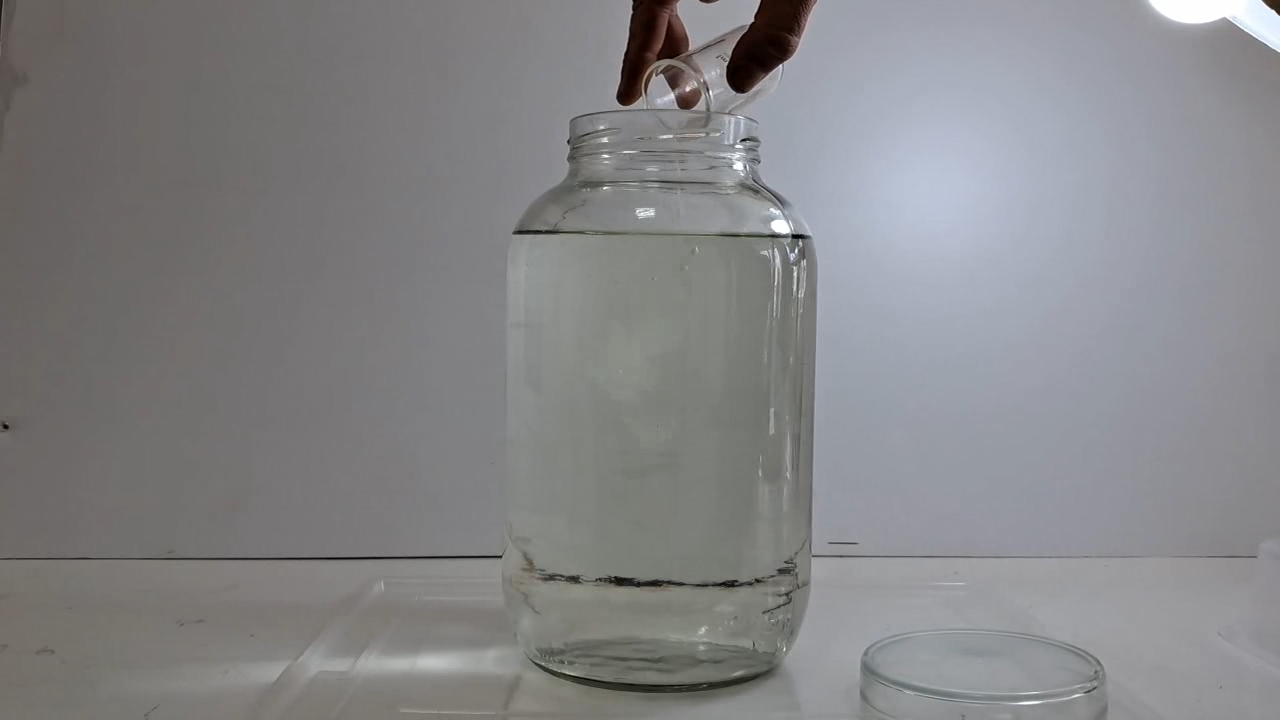
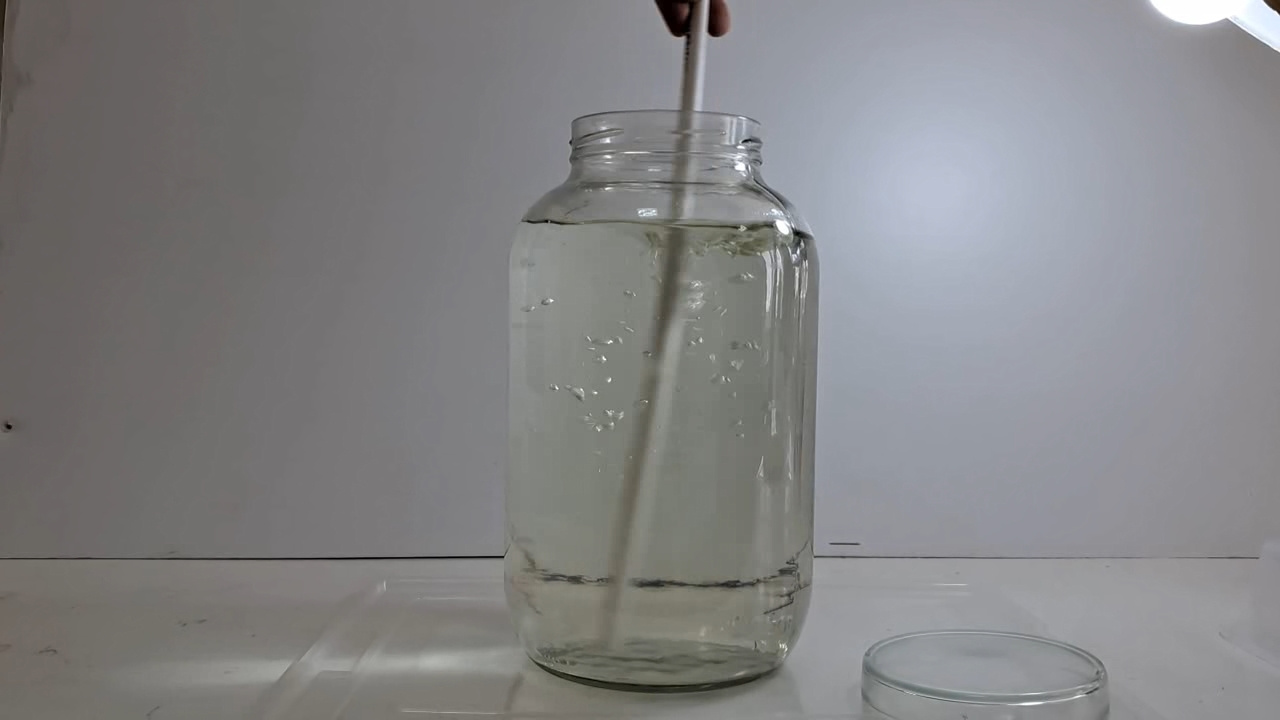
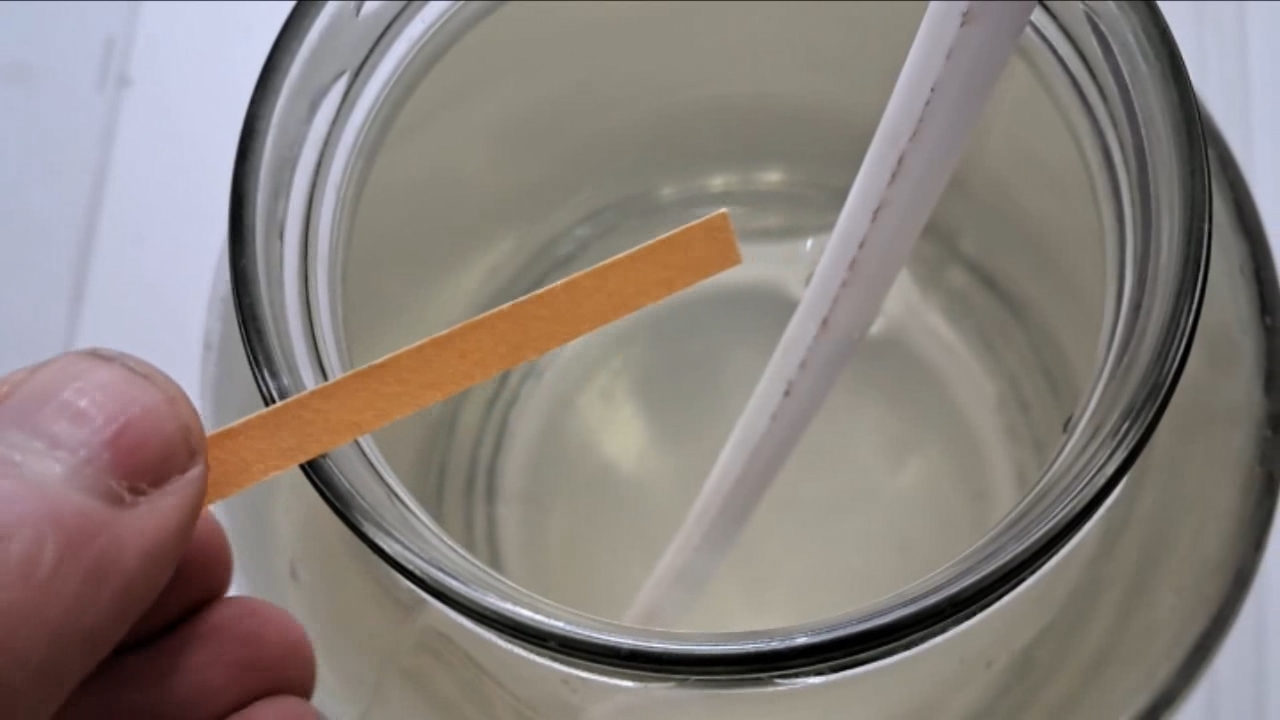
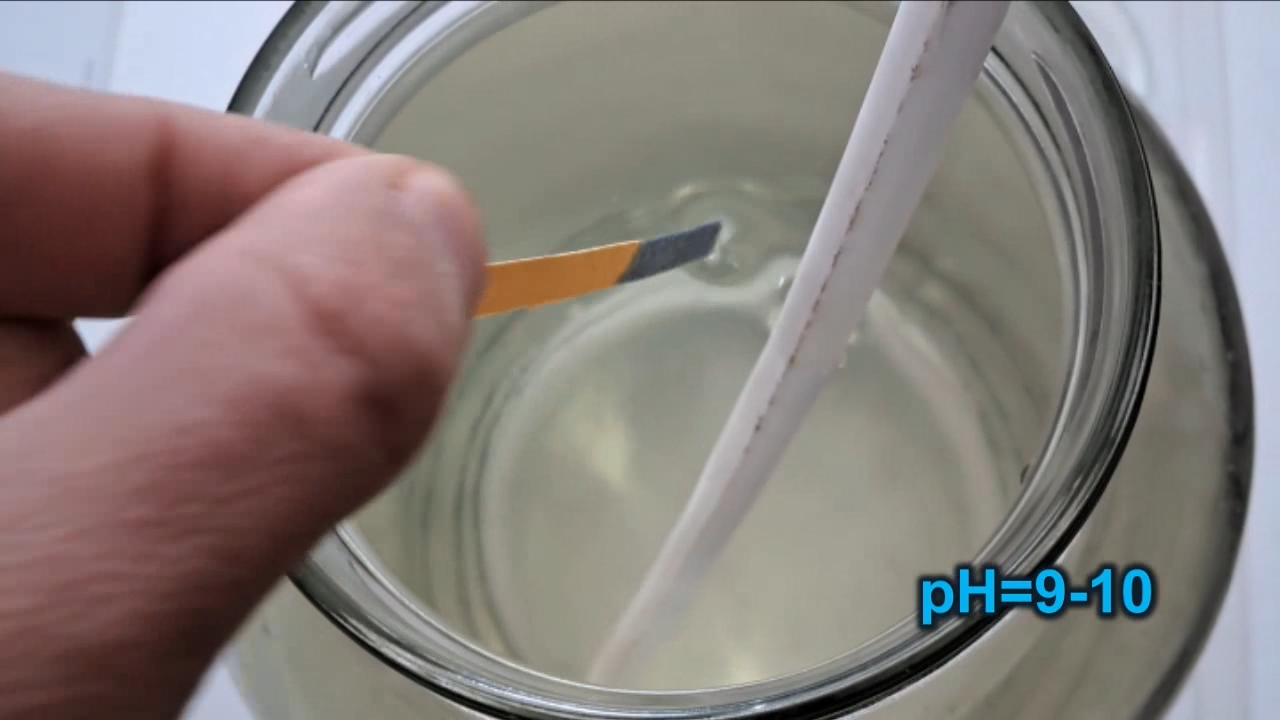
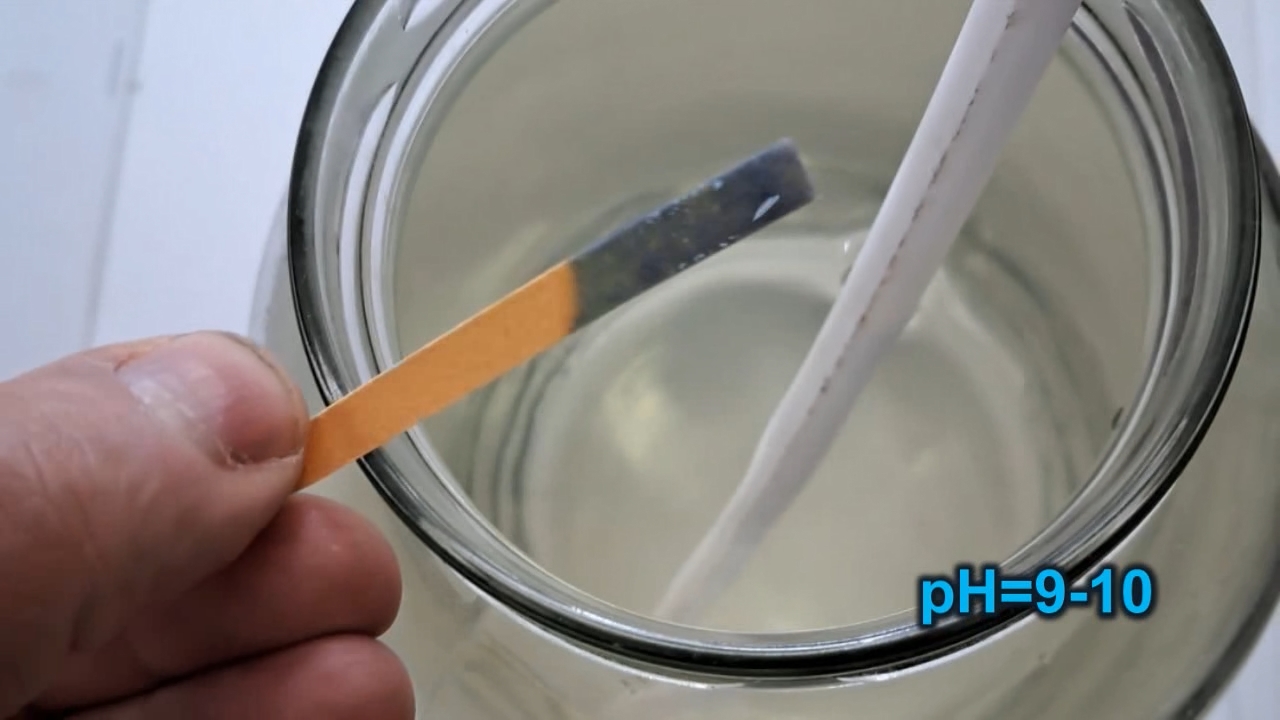
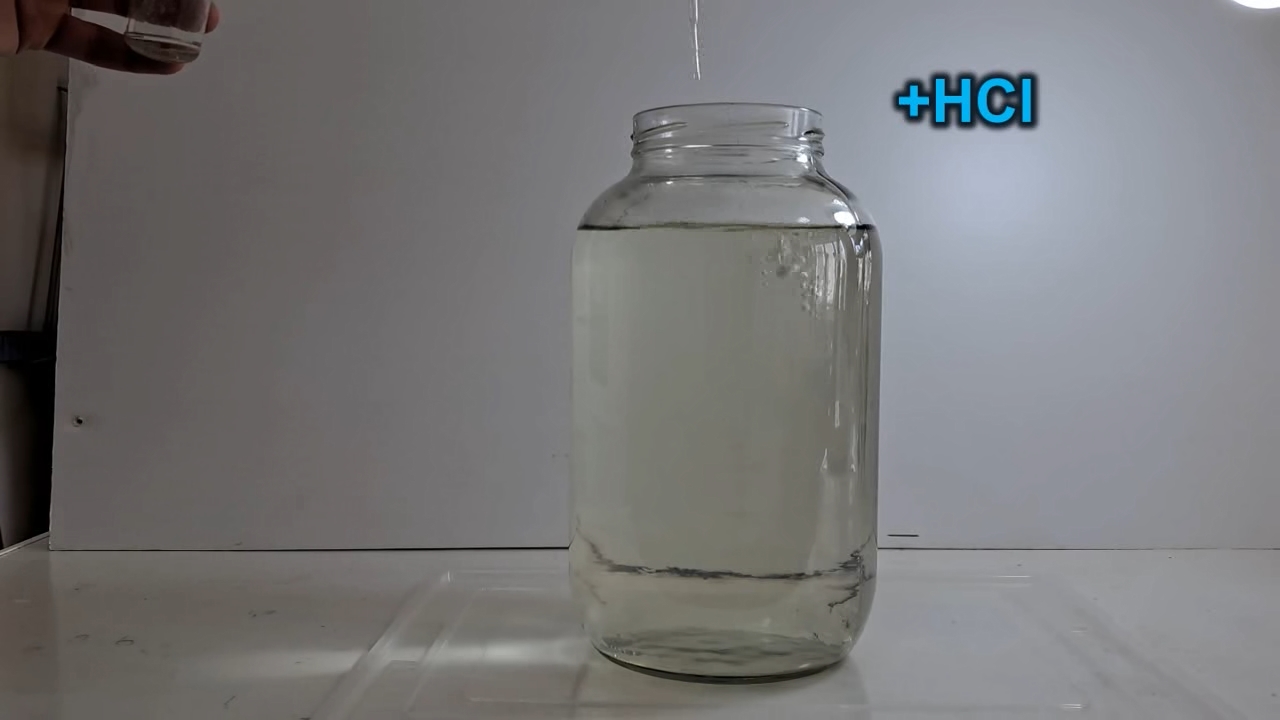
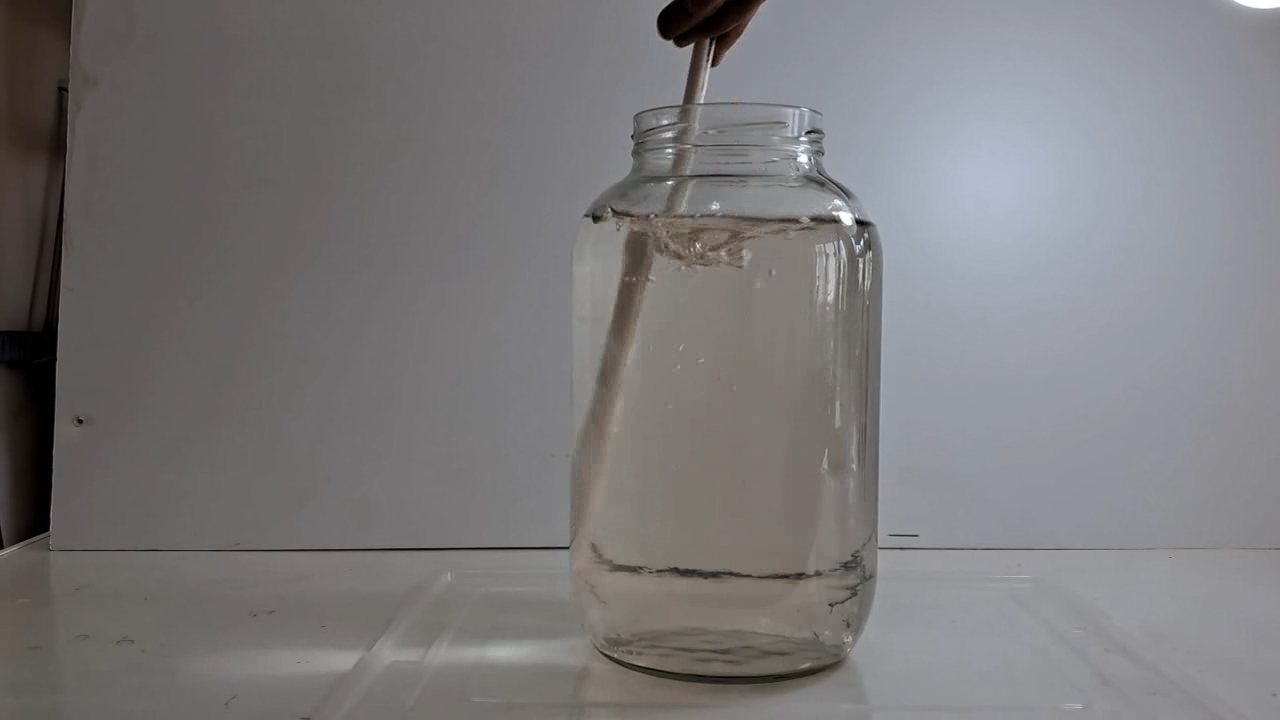
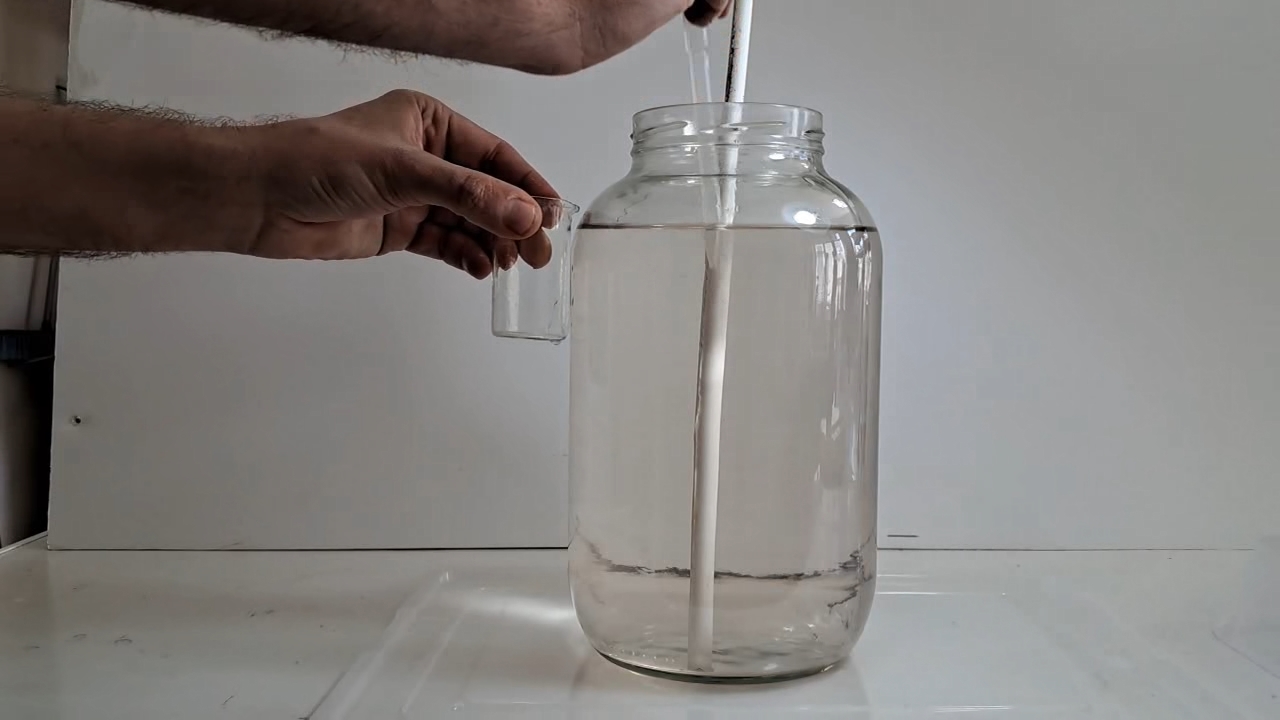
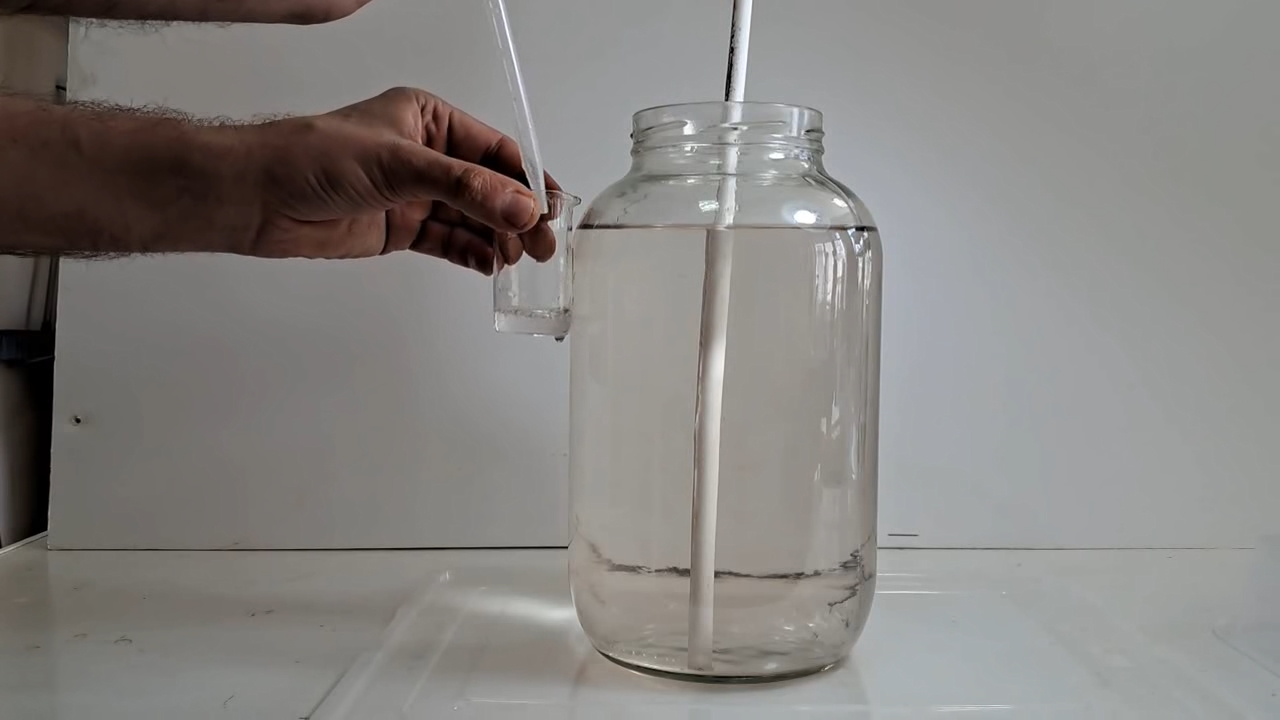
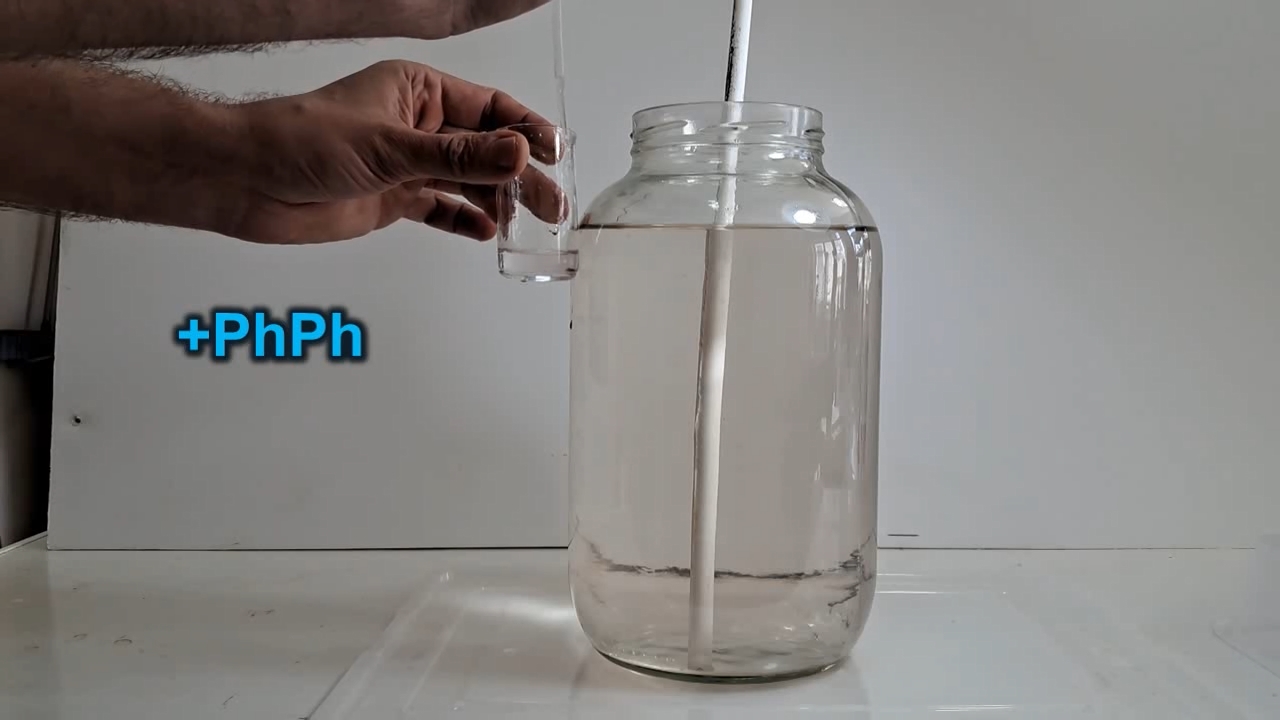
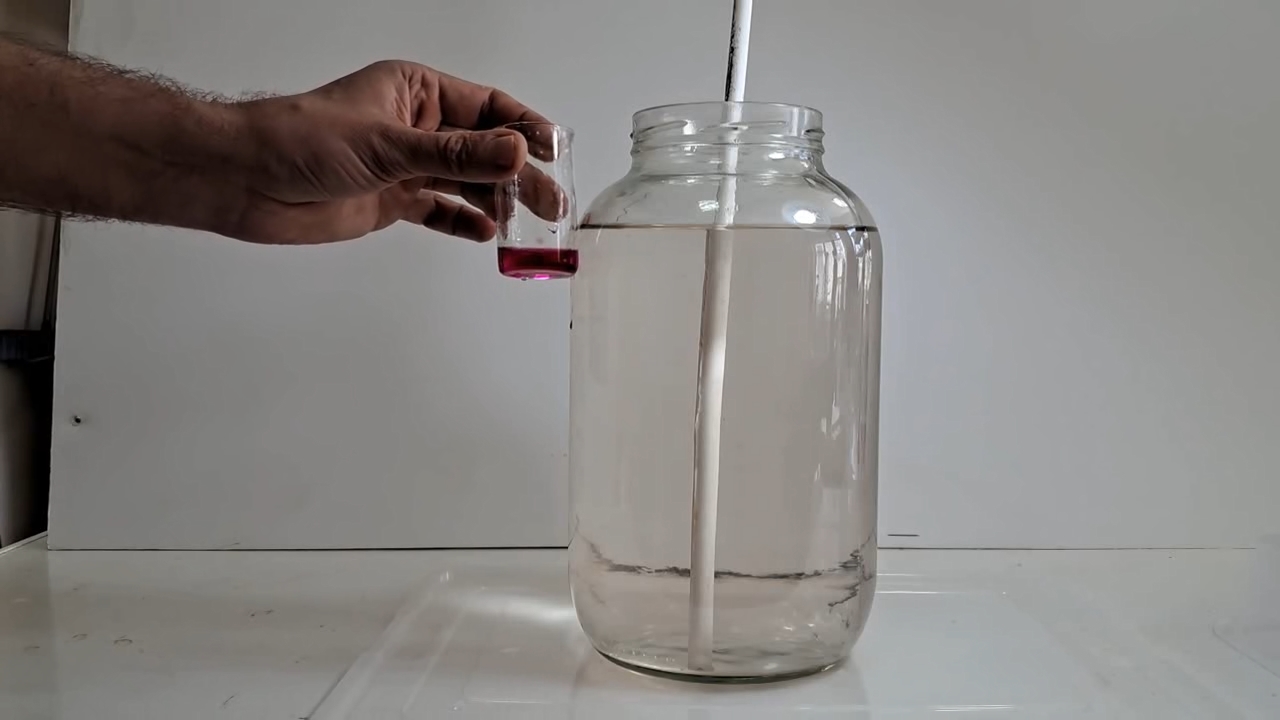
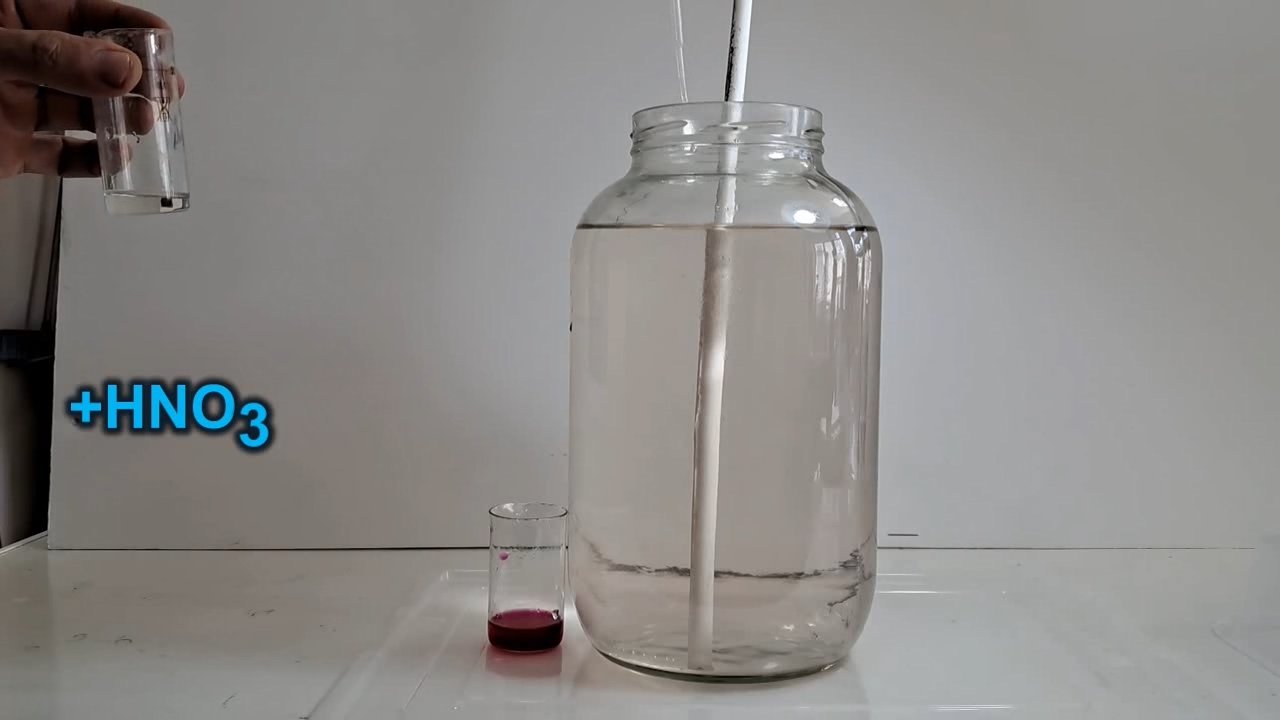
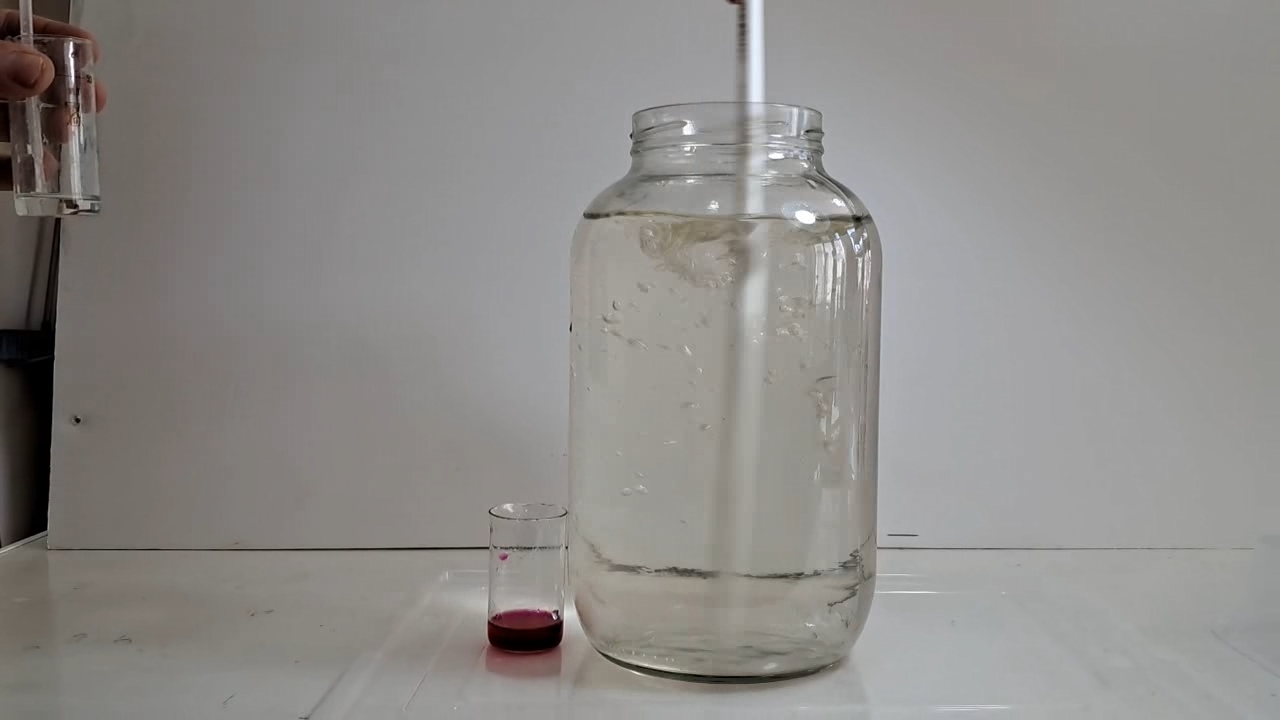
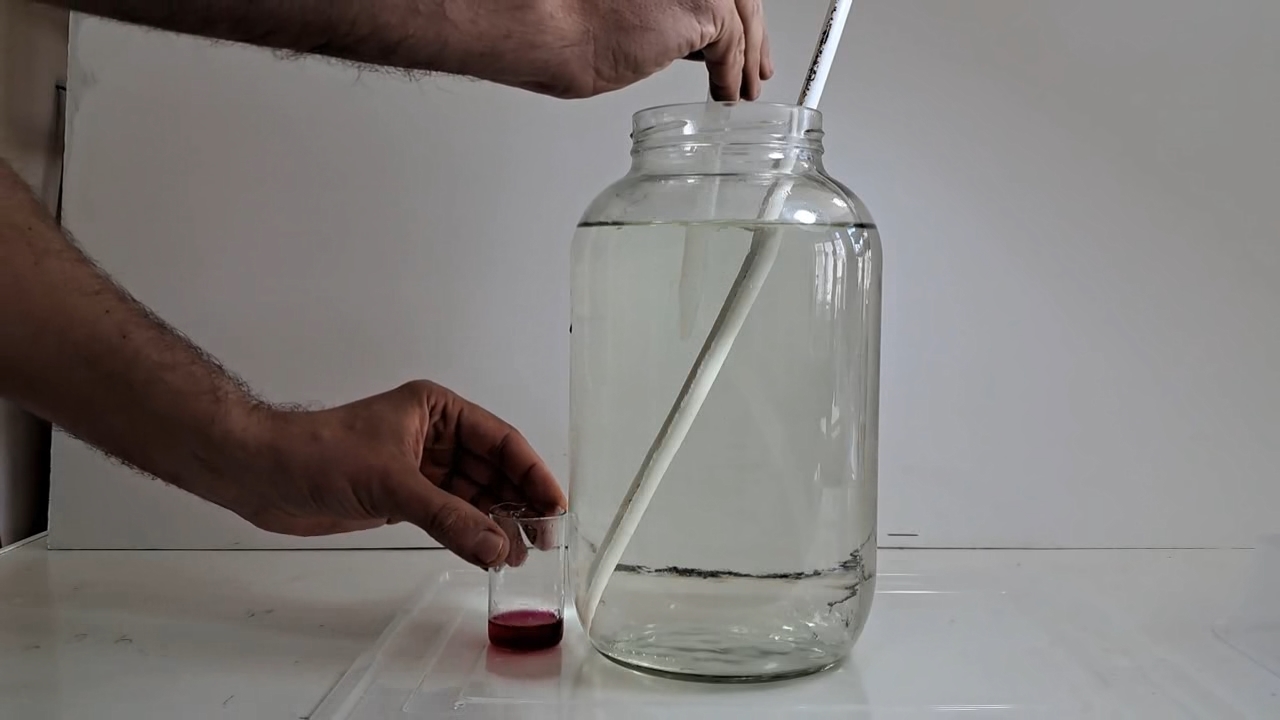
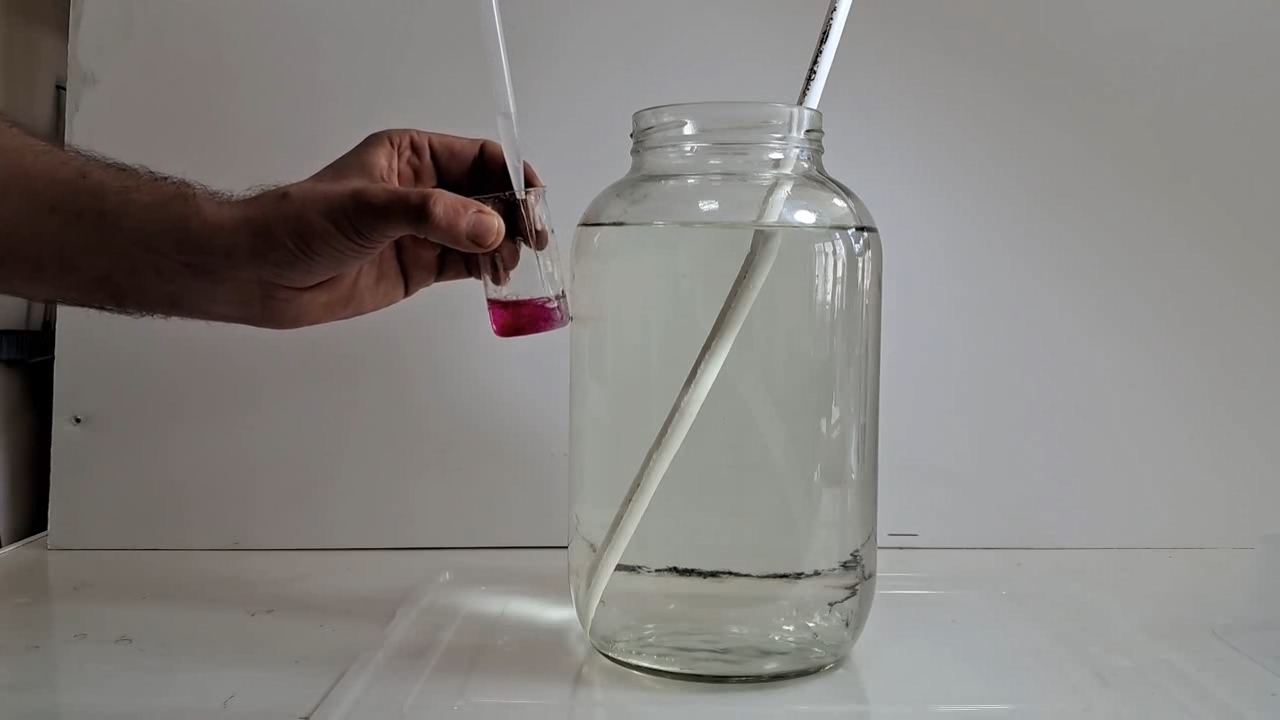
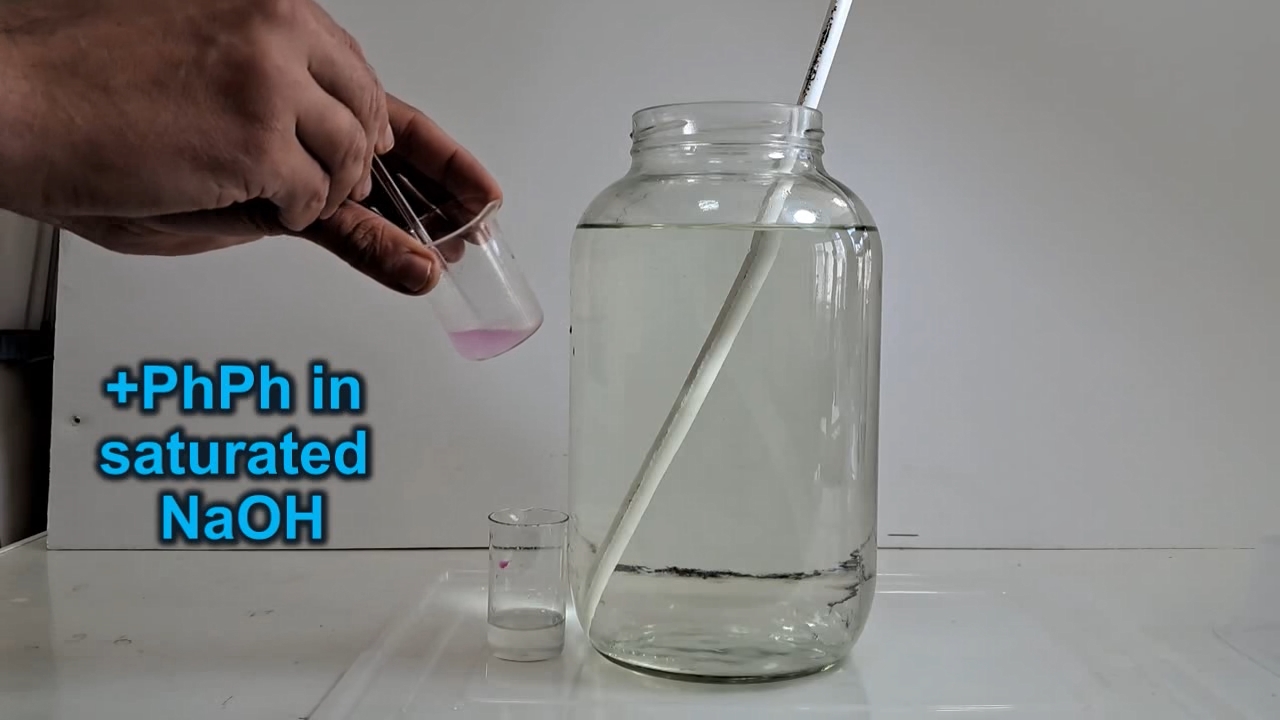
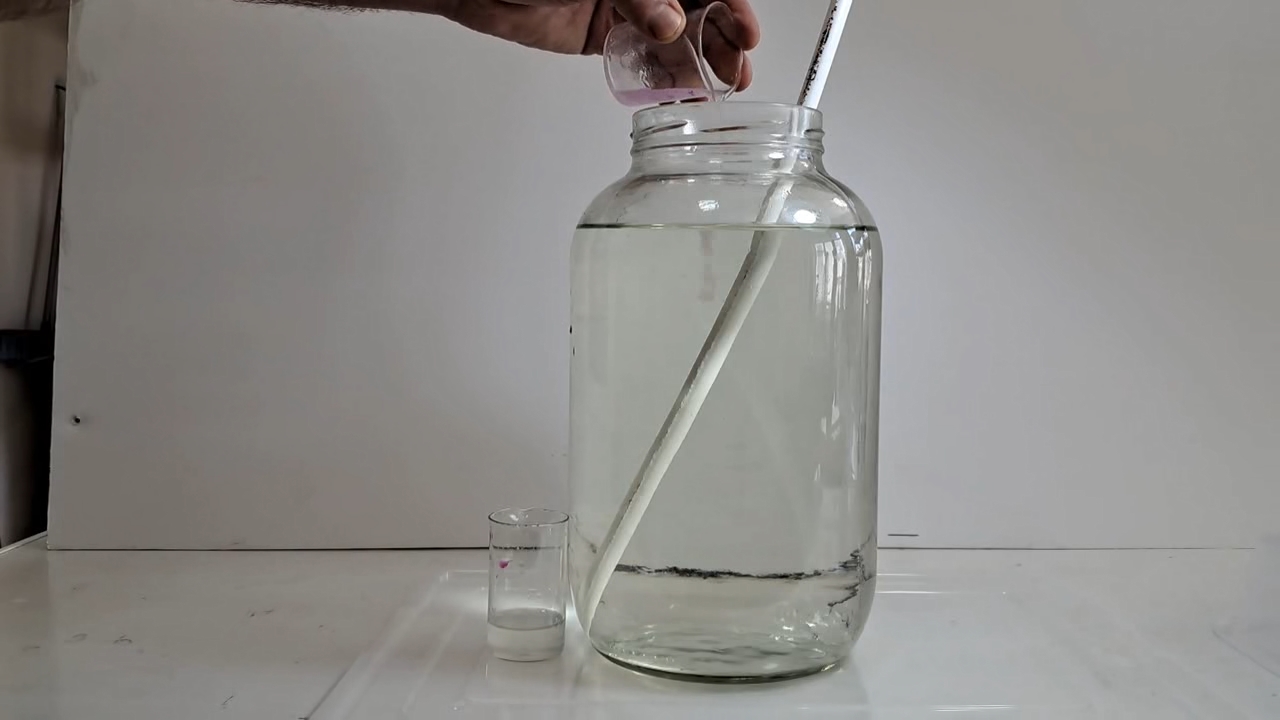
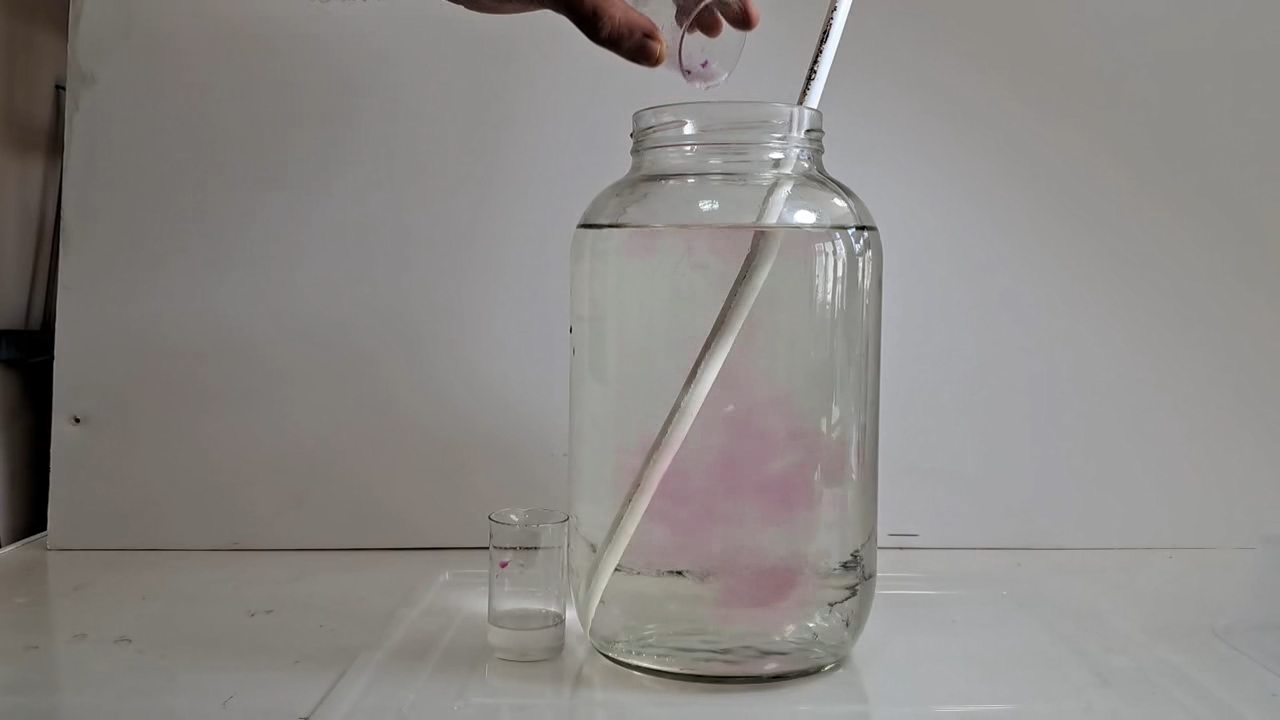
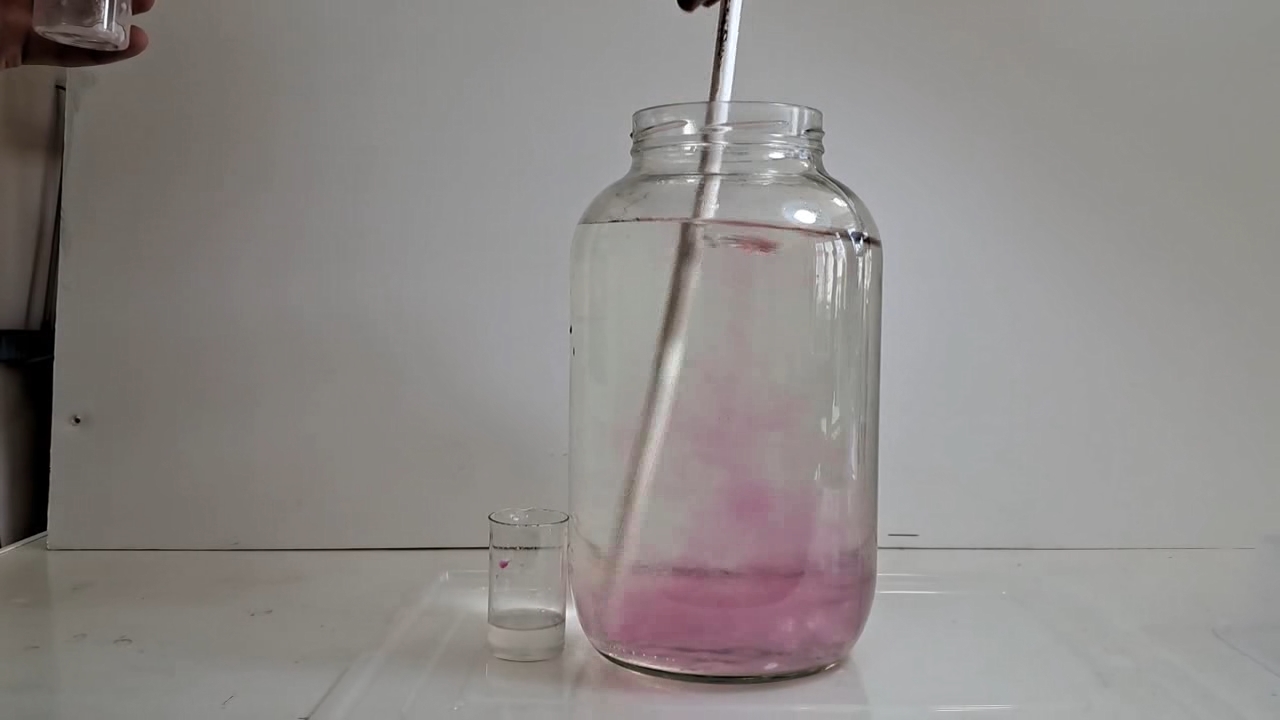
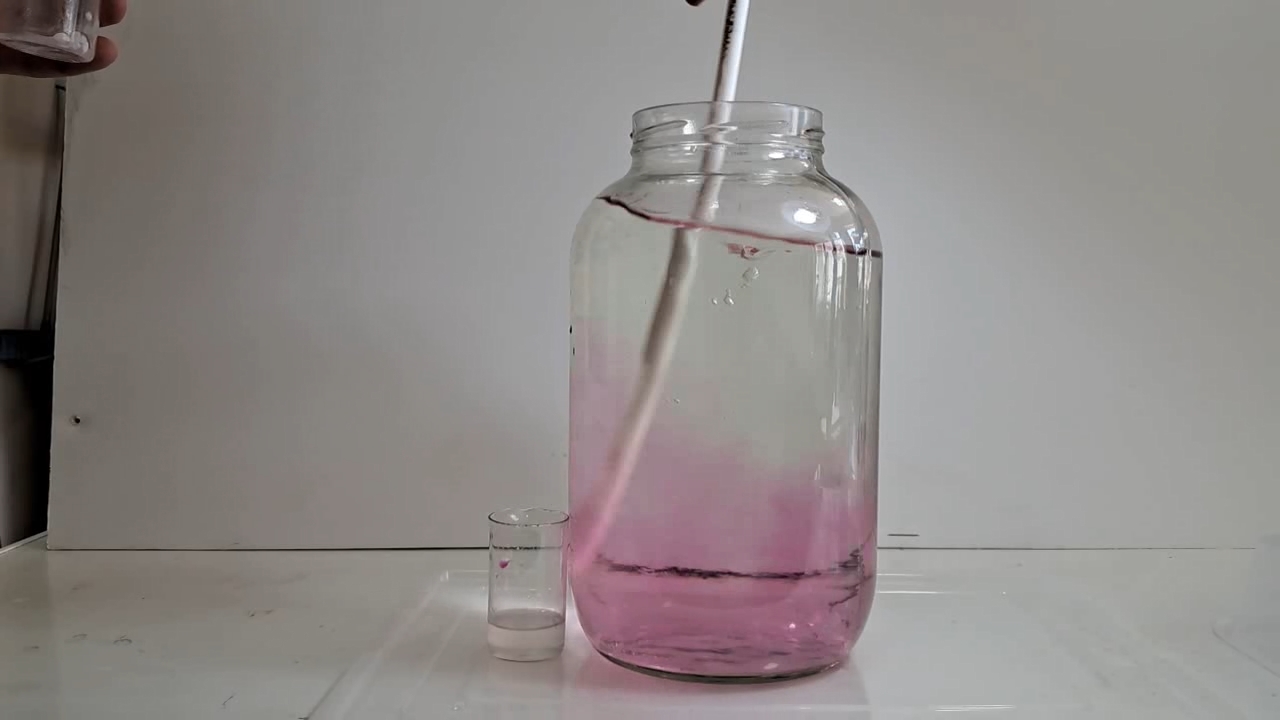
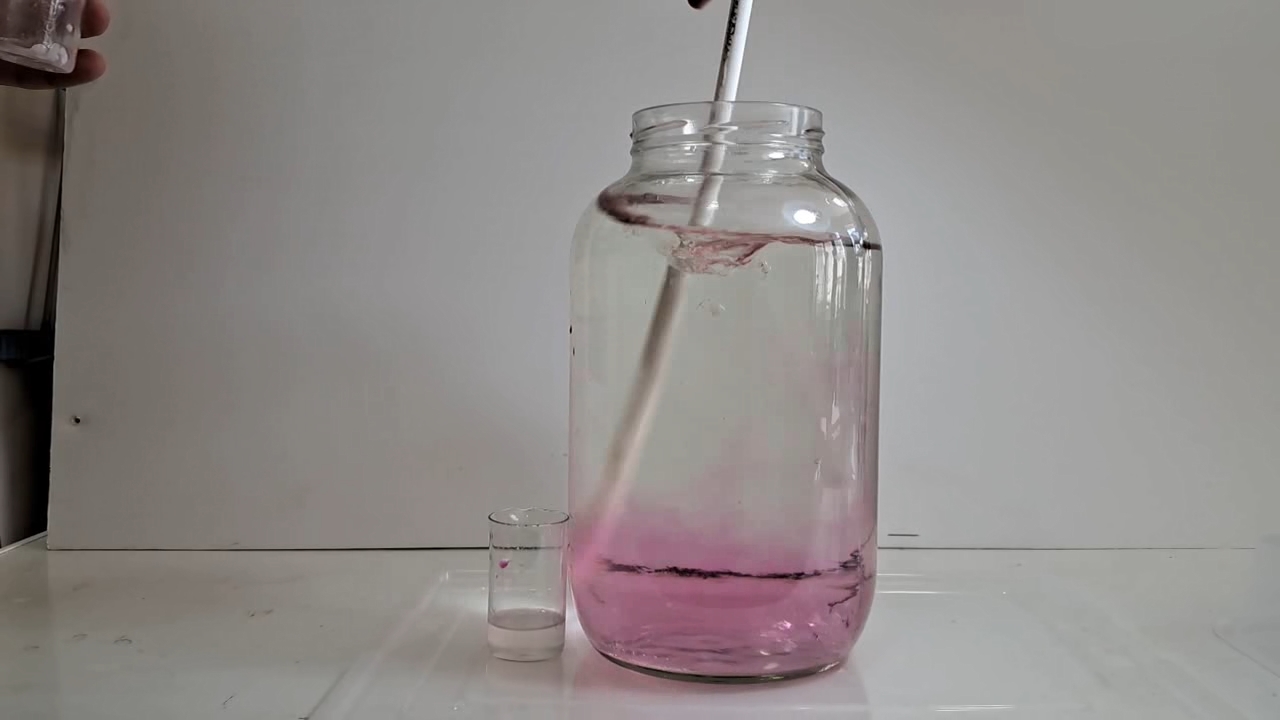
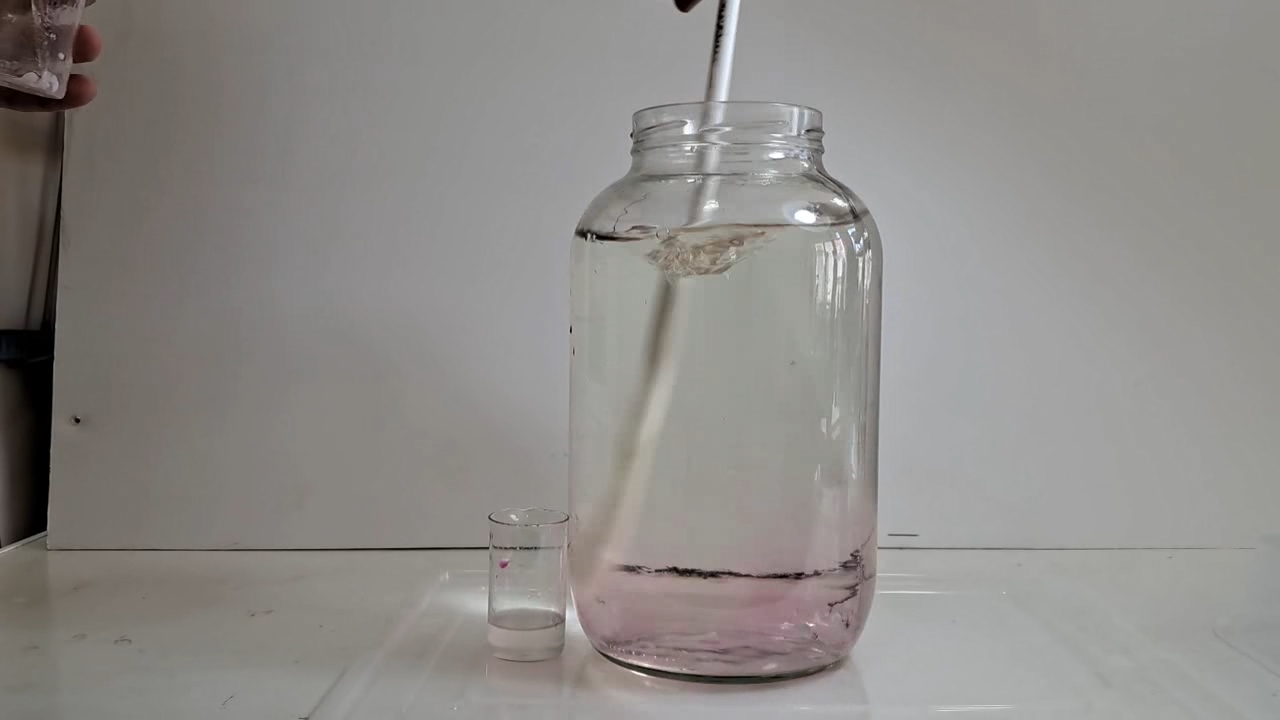
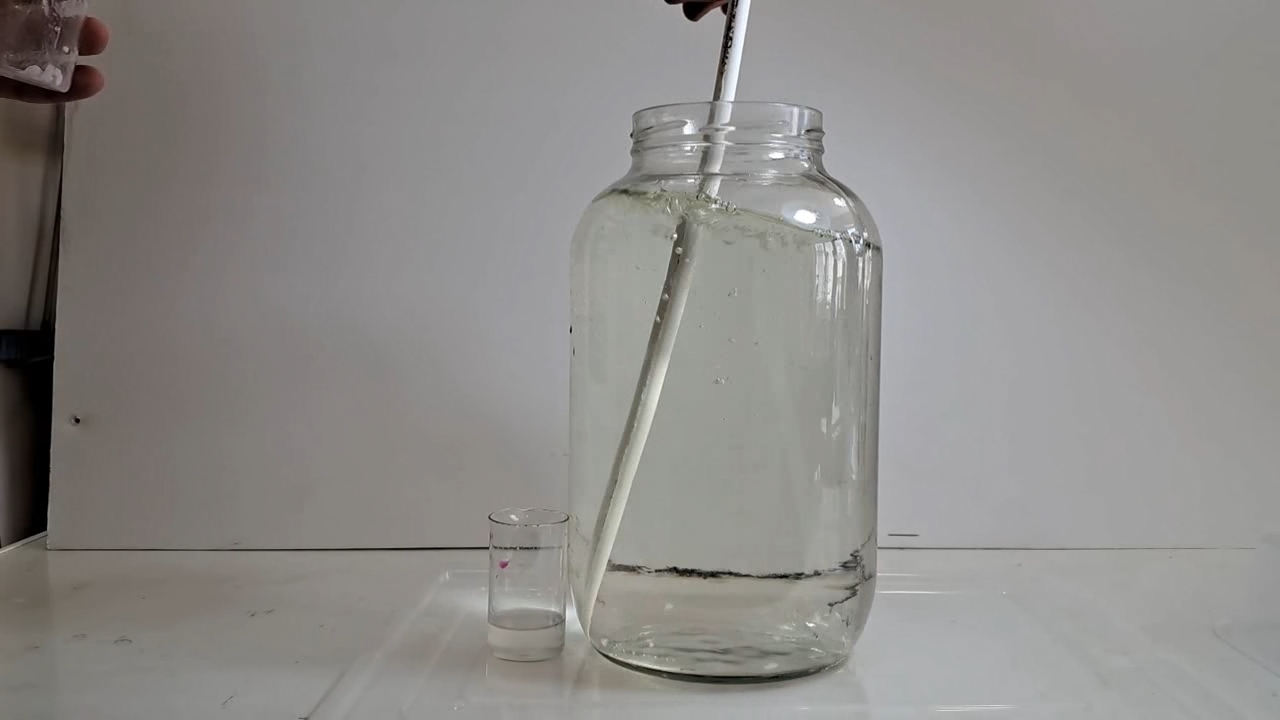
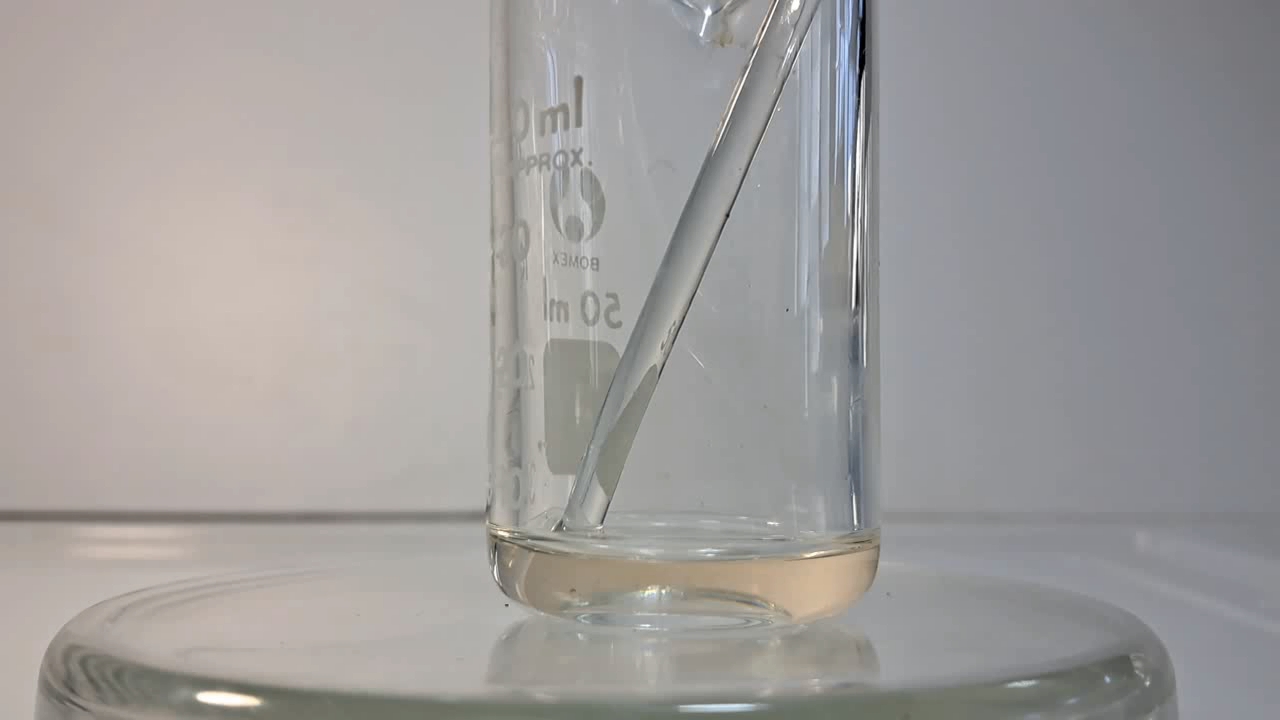
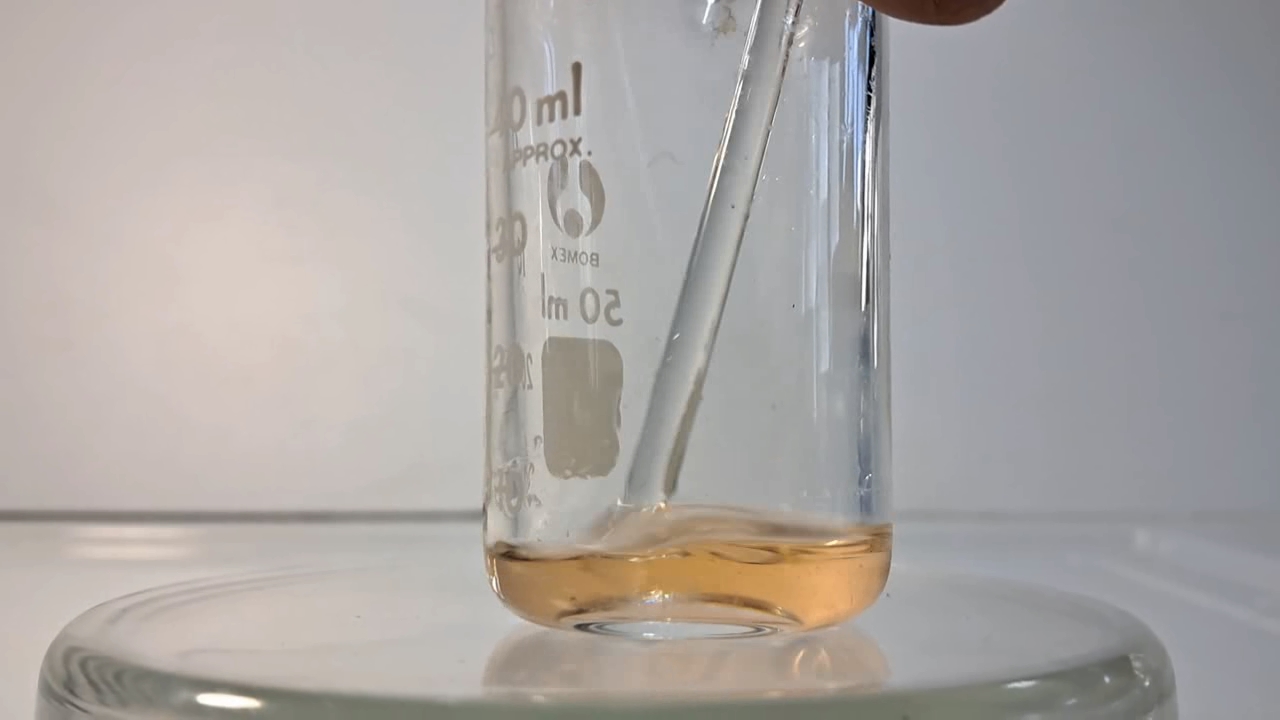
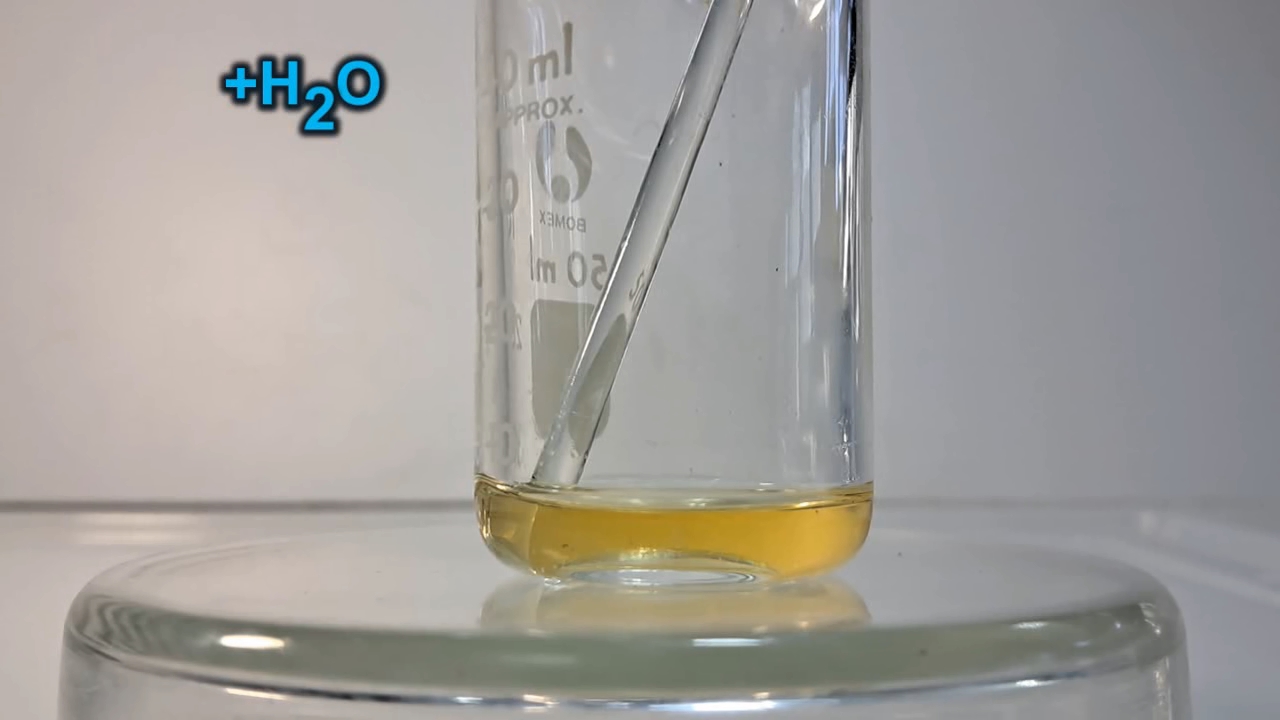
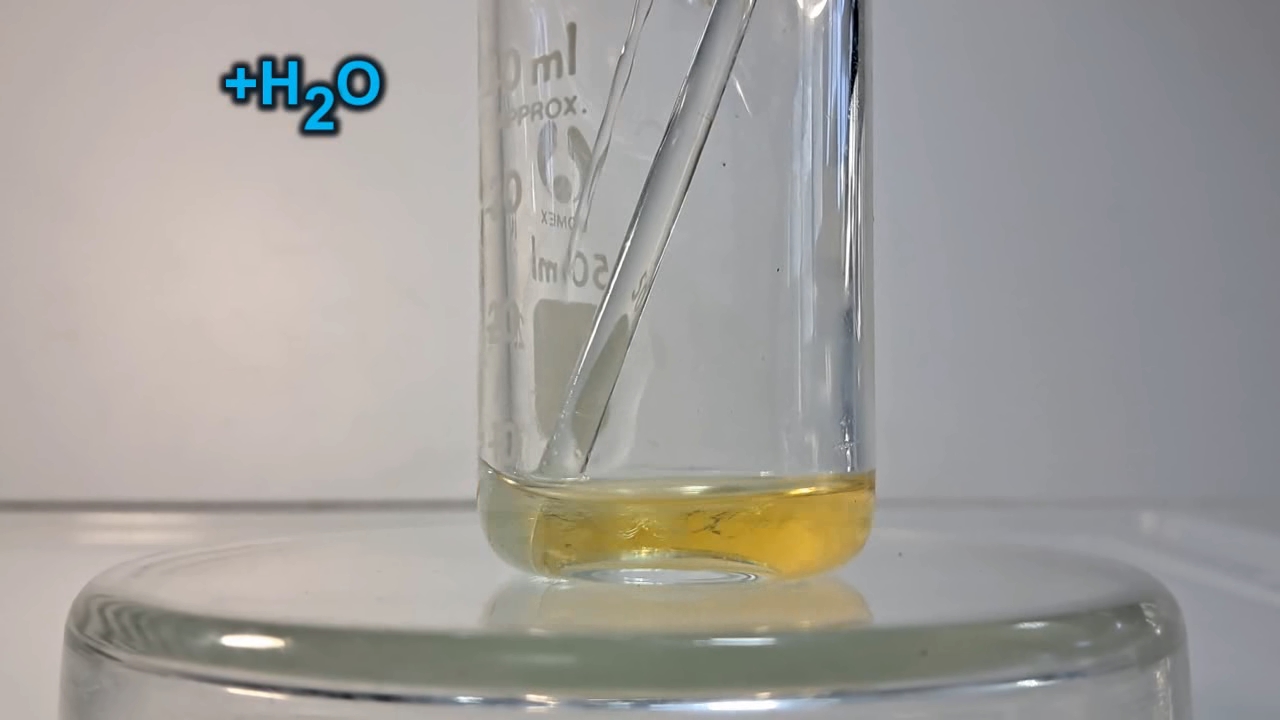
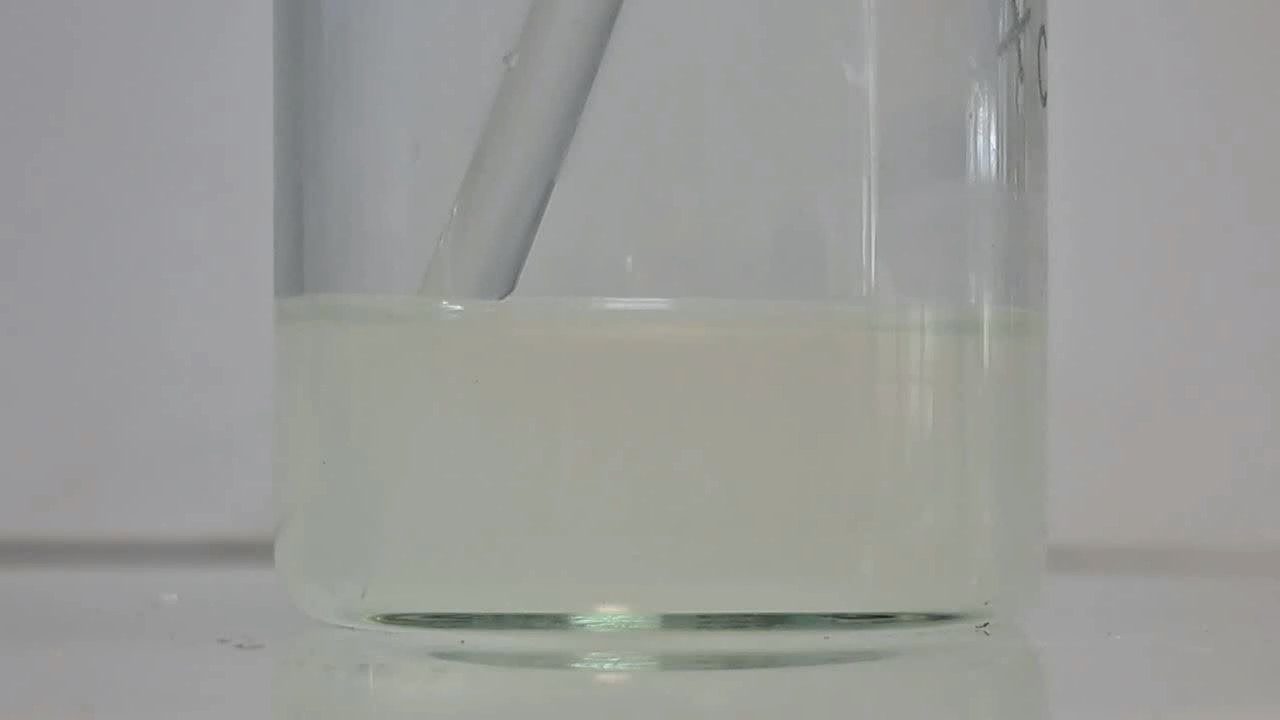
Фенолфталеин Шредингера (объяснение) - Часть 14 Adding acid caused the colorless form, In(OH)3-, to revert to the colored one, Ind2-. However, diluting the highly alkaline solution with water did not produce a fuchsia color, even though adding neutral phenolphthalein to the same dilute solution immediately resulted in a bright coloration. In other words, acid caused the conversion of the colorless form back to the colored anion, whereas dilution with water did not. Although dilution reduces the hydroxide ion concentration - similar to adding acid - it did not lead to the appearance of the colored form. Why? If this observation cannot yet be explained, it should at least be carefully verified. I repeated the experiment in a slightly modified form. I placed 1.8 g of sodium hydroxide in a beaker, added 1 mL of water, and stirred. Then I added about 1 mL of a phenolphthalein solution in alcohol. The upper alcohol layer turned deep fuchsia, while the lower aqueous layer became pale pink. I stirred the mixture vigorously with a glass rod. The aqueous and alcoholic phases mixed only slowly. Pure water and ethanol are completely miscible, but when water contains high concentrations of certain salts (for example, potassium carbonate), phase separation can occur, resulting in two liquid layers forming. This phenomenon is known as salting out. Sodium hydroxide may produce a similar effect. Even if a saturated sodium hydroxide solution is ultimately miscible with alcohol, differences in density and viscosity significantly slow the mixing process. I added about 1 mL of water and continued stirring, then added more sodium hydroxide. The solution became noticeably paler, but a faint pink color persisted. The reason was straightforward: too much phenolphthalein had been added. Typically, an indicator is not regarded as a substance that participates in the reaction during a titration. Instead, it is often treated as a kind of "measuring tool," like a thermometer or a pH meter. A change in the indicator's color signals the endpoint of the titration. In acid-base titrations, a pH meter can be used instead of phenolphthalein with equal success; this approach is known as potentiometric titration. However, the indicator does in fact participate in the reaction, interacting with the titrant and/or the analyte. To produce a visible color change, a small excess of titrant beyond the equivalence point is required. This excess is known as the indicator error and must be taken into account when high accuracy is required. I prepared a second sample. I placed a fresh portion of sodium hydroxide in another beaker, added water, and allowed a saturated solution to form. This time, I added only a single drop of phenolphthalein. A bright color appeared but disappeared rapidly upon stirring. The next drop again produced a fuchsia color that vanished after mixing. Repeating this process several times, I found that the solution ultimately remained colorless. Thus, in my earlier experiments, I used too much phenolphthalein - this was my mistake. This slowed the decolorization process in strongly alkaline solution and sometimes led to the persistence of a residual pink color. I then moved on to the key step: dilution of a highly alkaline phenolphthalein solution with a large volume of water. Two beakers containing freshly prepared solutions stood on the table - one pink, the other colorless. I filled a jar with 5 liters of tap water, poured in the colorless alkaline solution from the second beaker, and stirred. As expected, no fuchsia color appeared. Universal indicator paper showed a pH of about 10. Would the addition of acid now produce a color? I added a few milliliters of 13% hydrochloric acid and stirred. A slight change in hue was visible. Later, when reviewing the video, I noticed that the solution had acquired a faint pink tint. I then took a sample (about 15 mL) from the jar and placed it in a separate beaker. After adding a few drops of neutral phenolphthalein solution, the liquid immediately turned bright fuchsia, confirming that the solution in the jar was still alkaline. Next, I added 69% nitric acid to the jar. The color changed again. I took another sample and added it to the same beaker (containing the previous sample and phenolphthalein). The solution became colorless, indicating that the contents of the jar had become acidic. Finally, I returned to the first beaker containing the original highly alkaline phenolphthalein solution, which still showed a faint pink tint. The jar, which initially contained water, now held a dilute nitric acid solution. I poured the alkaline phenolphthalein solution into the jar. A fuchsia color appeared at the bottom of the jar; upon stirring, it briefly intensified and then disappeared, as the acid was in excess. Conclusions. The colorless form of phenolphthalein present in strongly alkaline solution can be converted back to the fuchsia form by the addition of acid. However, simple dilution with water does not produce this effect. When preparing strongly alkaline phenolphthalein solutions, only a minimal amount of indicator should be used; otherwise, a residual pink coloration may persist. |
Phenolphthalein and Sodium Hydroxide |
The solution #1 |
|
|
|
|
|
|
|
|
|
|
The solution #2 |
|
|
|
|
|
|
|
|
|
|
|
|
Adding the solution #2 |
|
|
|
|
|
|
|
|
|
|
|
|
|
|
|
Adding the solution #1 |
|
|
|
|
|
|
|
|
Having noticed a mistake in the text, allocate it and press Ctrl-Enter
As already noted, phenolphthalein is colorless in acidic and neutral solutions. However, in highly acidic media, the indicator turns orange. Part 9 [1] describes an experiment involving phenolphthalein paper and concentrated sulfuric acid. Upon exposure to sulfuric acid, the paper turned orange.
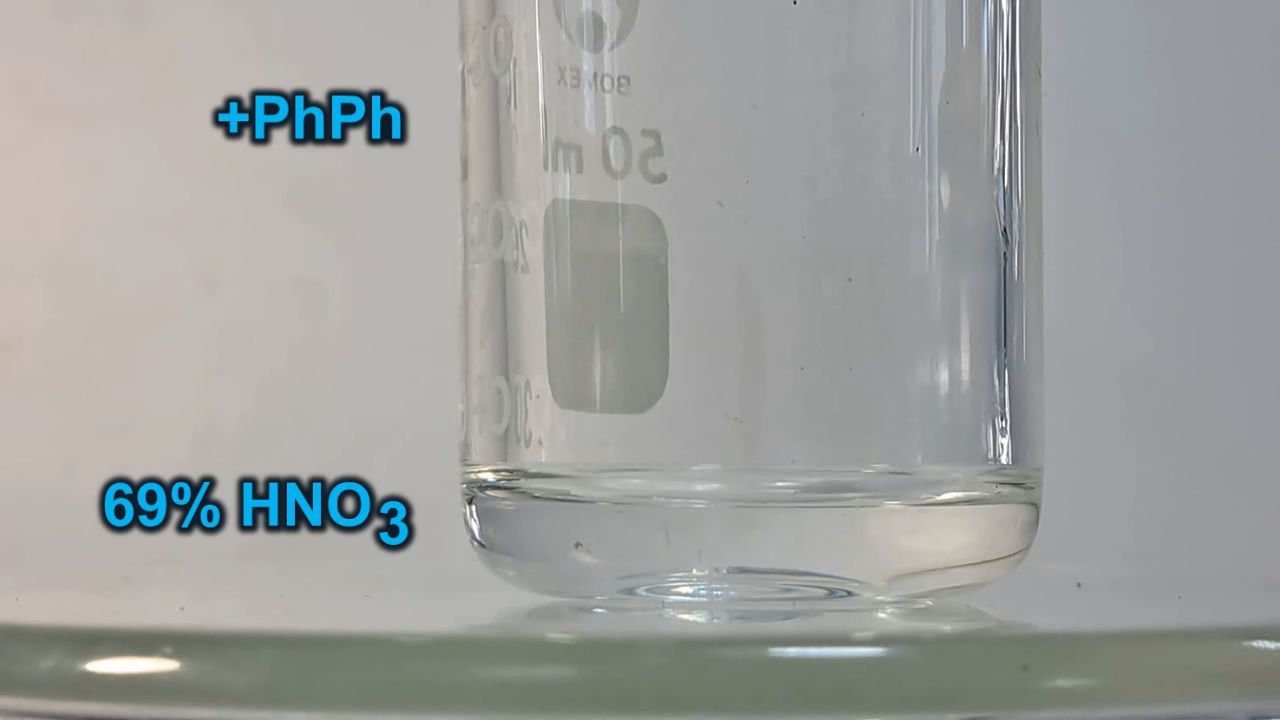
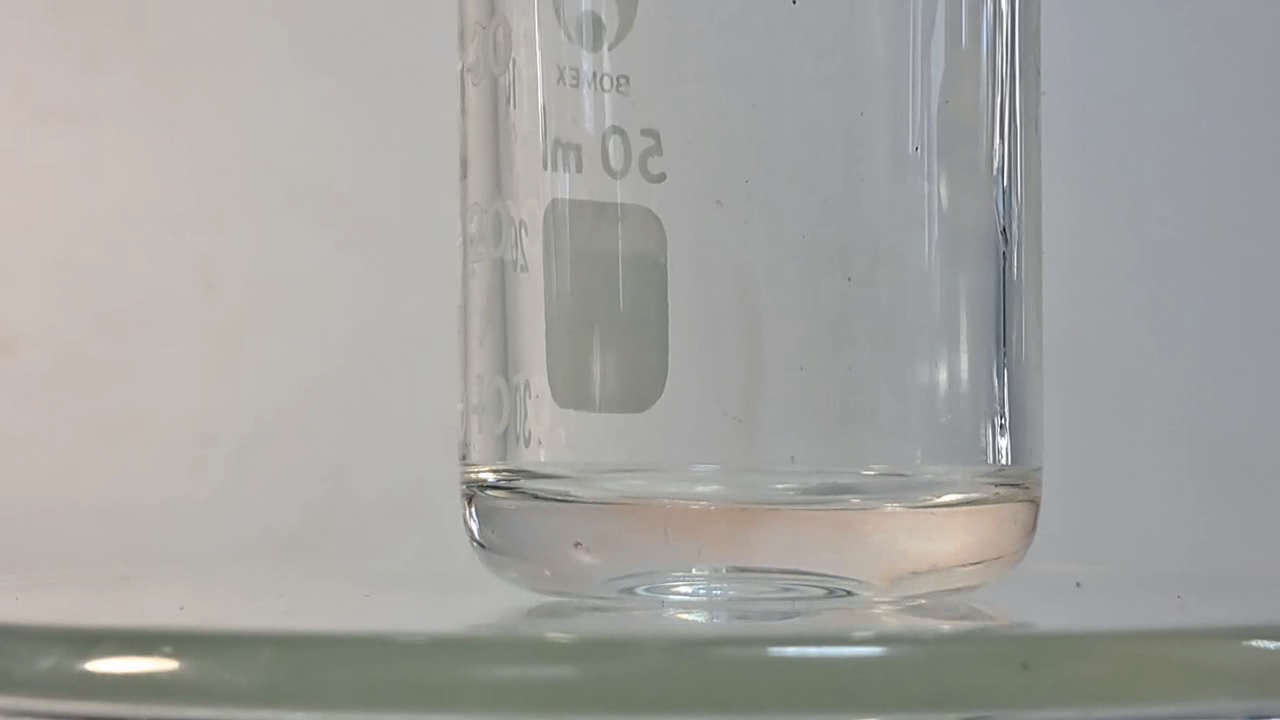
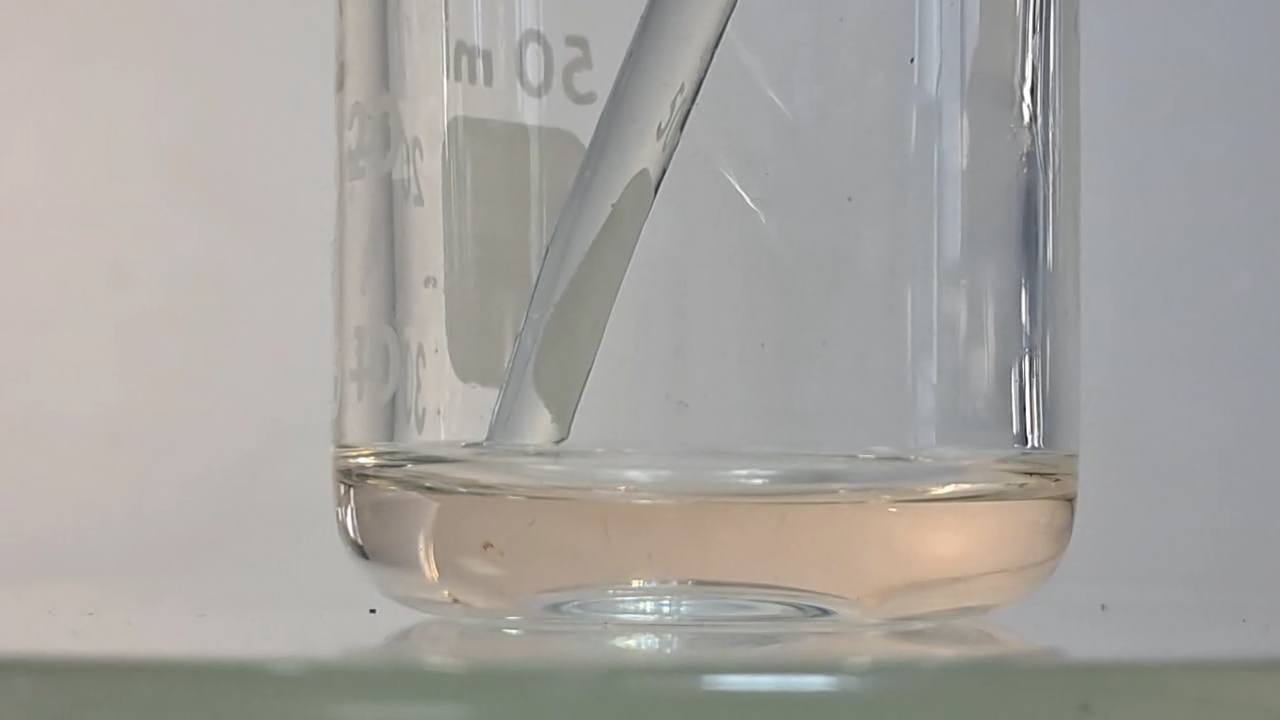
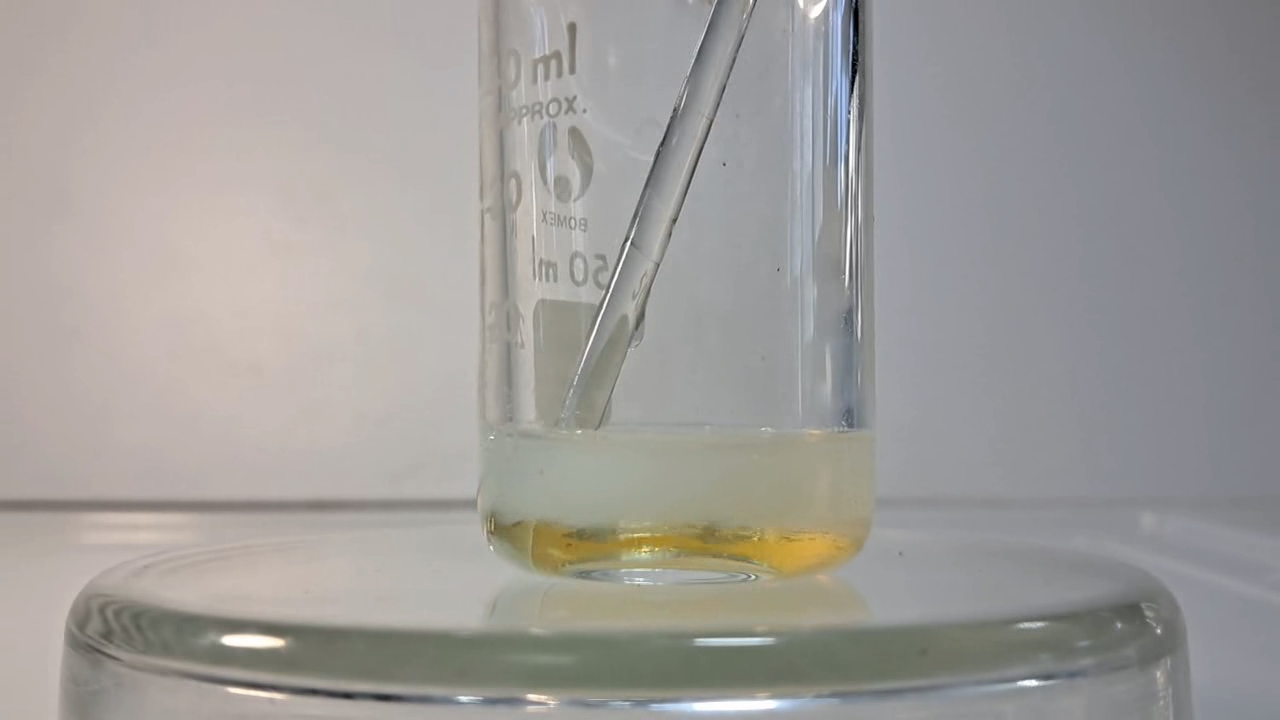
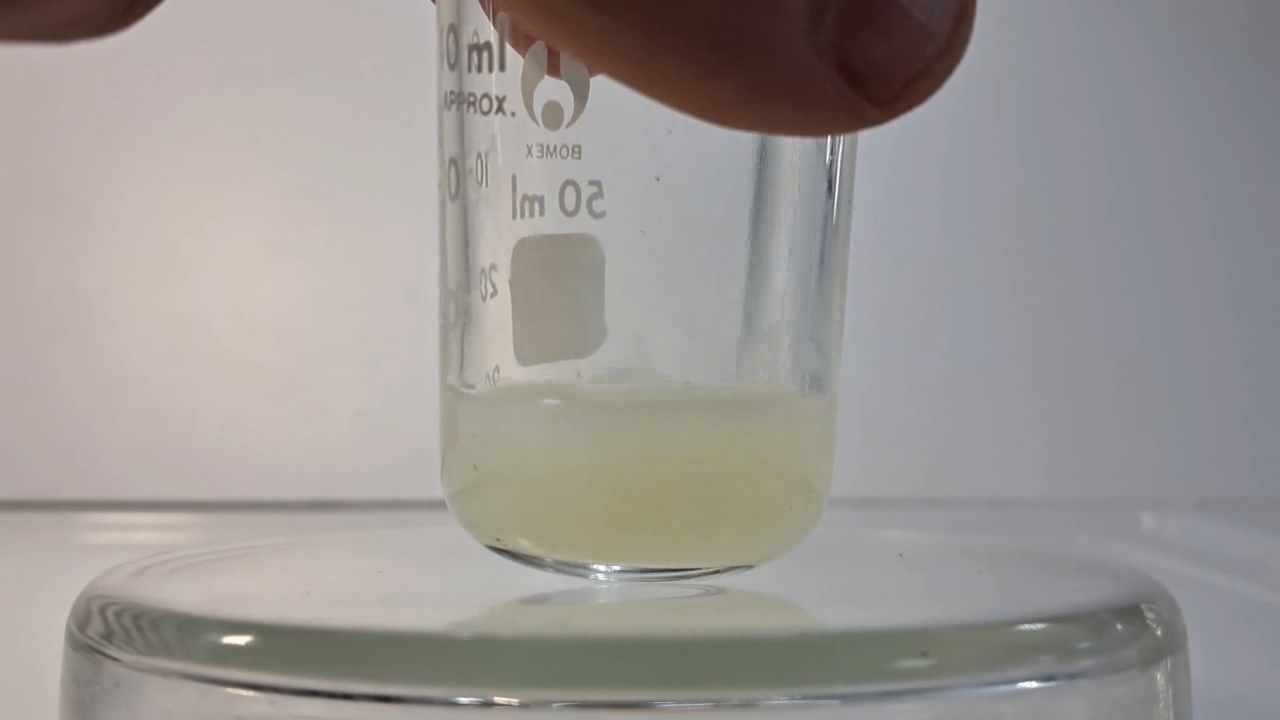
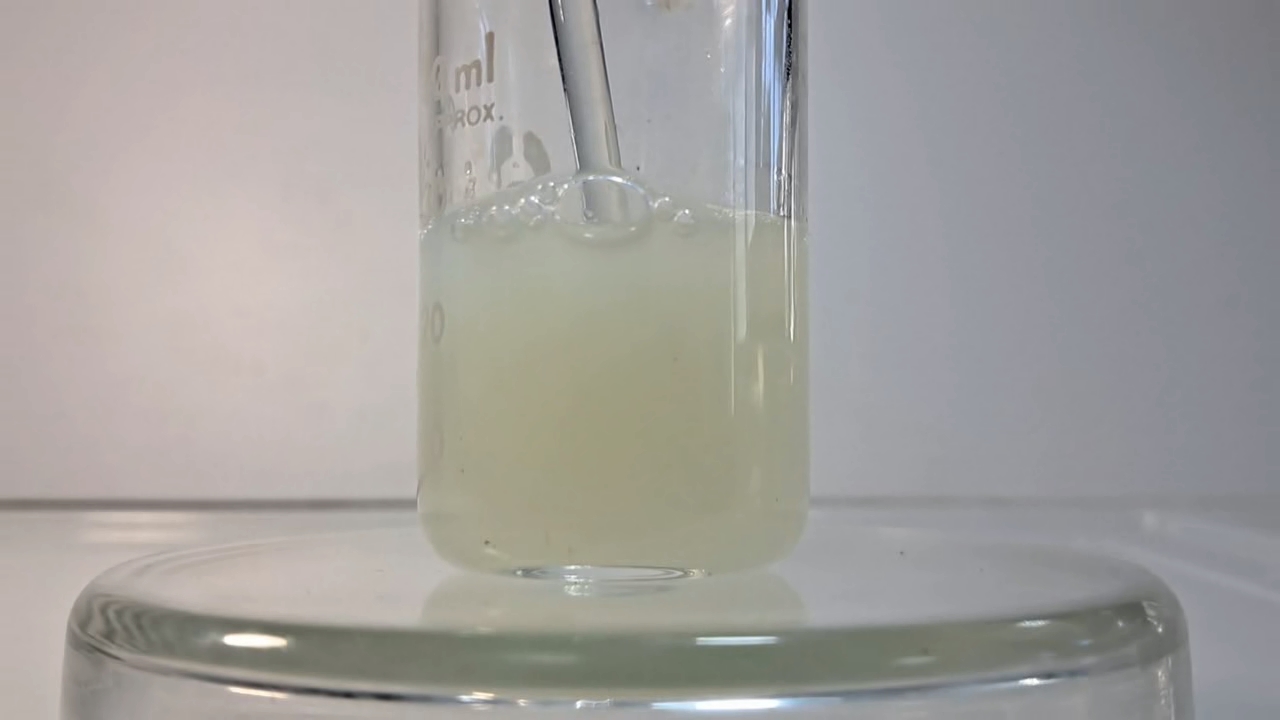
Such experiments are relatively uncommon, since the orange color of phenolphthalein in strongly acidic solutions is often regarded as an "exception to the rule." The same applies to the colorless form of phenolphthalein that exists in highly alkaline solutions. Analytical chemistry textbooks typically state that phenolphthalein is colorless in acidic and neutral media and turns pink or fuchsia in alkaline solutions. The authors' reasoning is understandable: they focus primarily on the properties of the indicator that are of greatest practical importance. Whenever the orange coloration of phenolphthalein is mentioned, it is usually described specifically in connection with concentrated sulfuric acid. At least, I have not encountered other examples in the literature. However, concentrated sulfuric acid is not the only readily available reagent capable of creating a highly acidic medium. In particular, our laboratory had 69% nitric acid, 13% hydrochloric acid, and concentrated hydrochloric acid. I began with nitric acid. I poured about 5 mL of 69% nitric acid into a beaker and added a few drops of an alcoholic solution of phenolphthalein. The previously colorless liquid turned orange. I stirred the solution, added several more drops of phenolphthalein, and the orange color intensified. Finally, I added water to the beaker and stirred again. A white suspension with a yellowish tint formed. Since phenolphthalein is poorly soluble in water, it precipitated. As I later discovered, the yellowish tint of the suspension was due to the oxidizing properties of nitric acid. Thus, in 69% nitric acid, phenolphthalein acquired an orange color similar to that observed in concentrated sulfuric acid. __________________________________________________ 1 Universal Indicator, Phenolphthalein, Concentrated Sulfuric Acid, and Sodium Hydroxide - Part 9 [link]. |
|
Азотная кислота и фенолфталеин - Часть 15
Как уже было отмечено, в кислой и нейтральной среде фенолфталеин является бесцветным. Однако, в очень кислой среде индикатор приобретает оранжевую окраску. В Части 9 [1] описан эксперимент с фенолфталеиновой бумагой и концентрированной серной кислотой. Под действием серной кислоты плоска бумаги стала оранжевой.
Описание подобных экспериментов можно встретить нечасто, поскольку оранжевую окраску фенолфталеина в очень кислых растворах рассматривают как "исключения из правила". Аналогично обстоит дело с бесцветной окраской фенолфталеина в очень щелочных растворах. Обычно в учебниках по аналитической химии пишут, что фенолфталеин имеет бесцветную окраску в кислых или нейтральных растворах и приобретает розовую/малиновую окраску в щелочных растворах. Мотивация авторов очевидна - они описывают только те свойства индикатора, которые имеют наибольшее практическое значение. Если все-таки упоминают, что фенолфталеин может приобретать оранжевую окраску, обычно указывают, что это происходит в среде концентрированной серной кислоты. По-крайней мере, других вариантов я не встречал в литературе. Однако, концентрированная серная кислота - не единственный способ создать сильнокислую среду с помощью подручных реактивов. В частности, в лаборатории были: 69% азотная кислота, 13% соляная кислота и концентрированная соляная кислота. Начал с азотной кислоты. Налил в стаканчик около 5 мл 69% азотной кислоты, добавил несколько капель раствора фенолфталеина в спирте. Бесцветная жидкость стала оранжевой. Перемешал, добавил еще несколько капель фенолфталеина, оранжевая окраска усилилась. Наконец, добавил в стакан воду, перемешал. Образовалась белая суспензия с желтоватым оттенком. Фенолфталеин плохо растворим в воде, поэтому он выпал в осадок. Желтоватый оттенок суспензии был обусловлен окислительными свойствами азотной кислоты, в чем я убедился чуть позже. Таким образом, в 69% азотной кислоте фенолфталеин приобрел оранжевый цвет, аналогично концентрированной серной кислоте. |
Nitric Acid and Phenolphthalein |
|
|
|
|
|
|
|
|
|
|
Having noticed a mistake in the text, allocate it and press Ctrl-Enter
Hydrochloric Acid and Phenolphthalein: Concentration Matters - Part 16
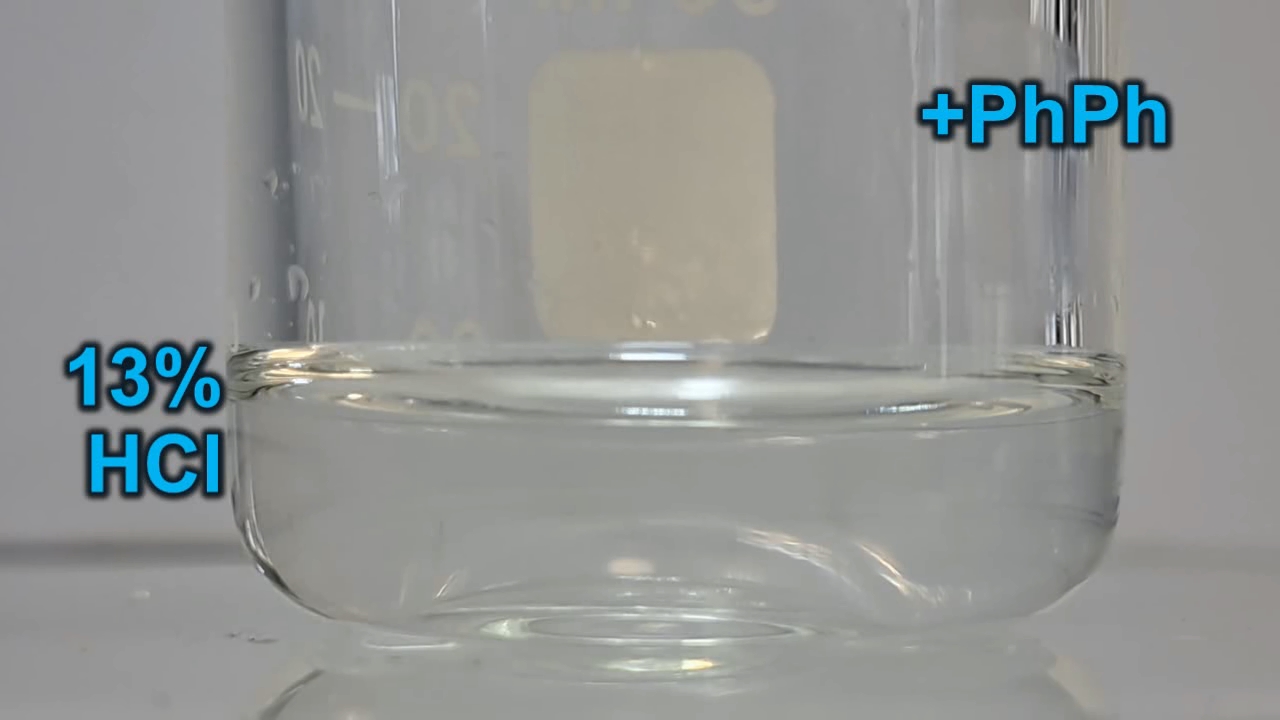
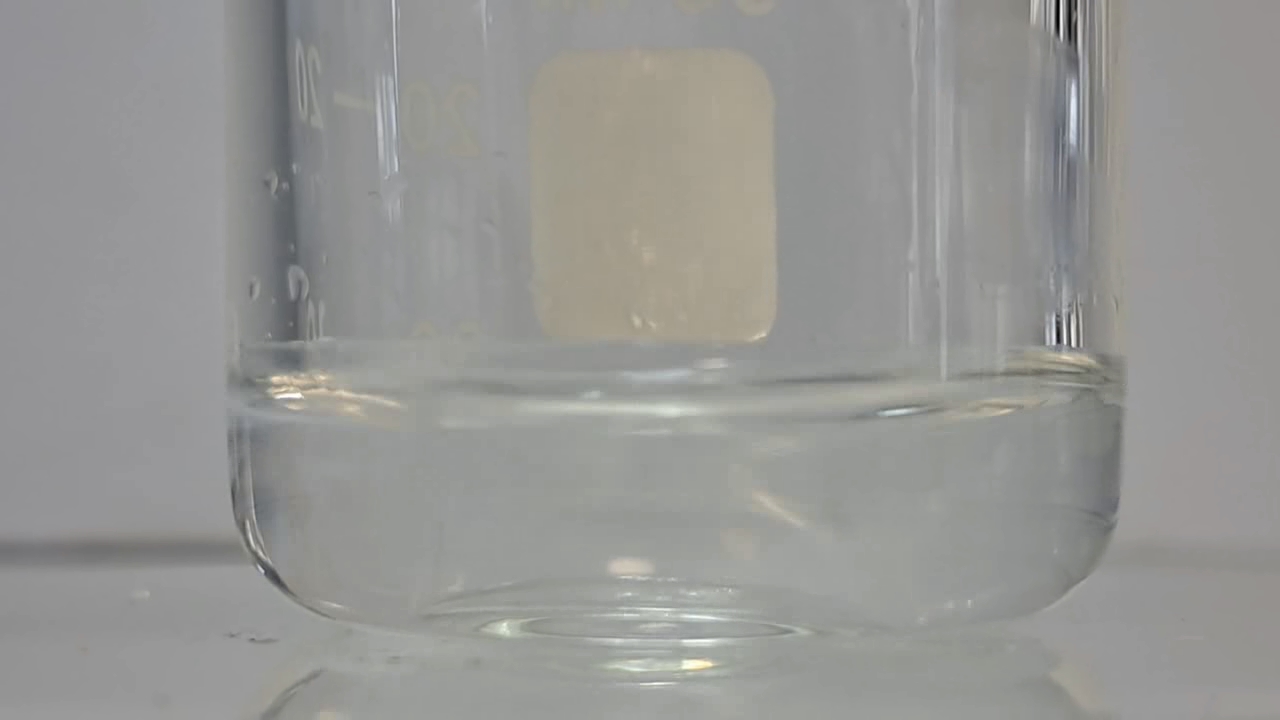
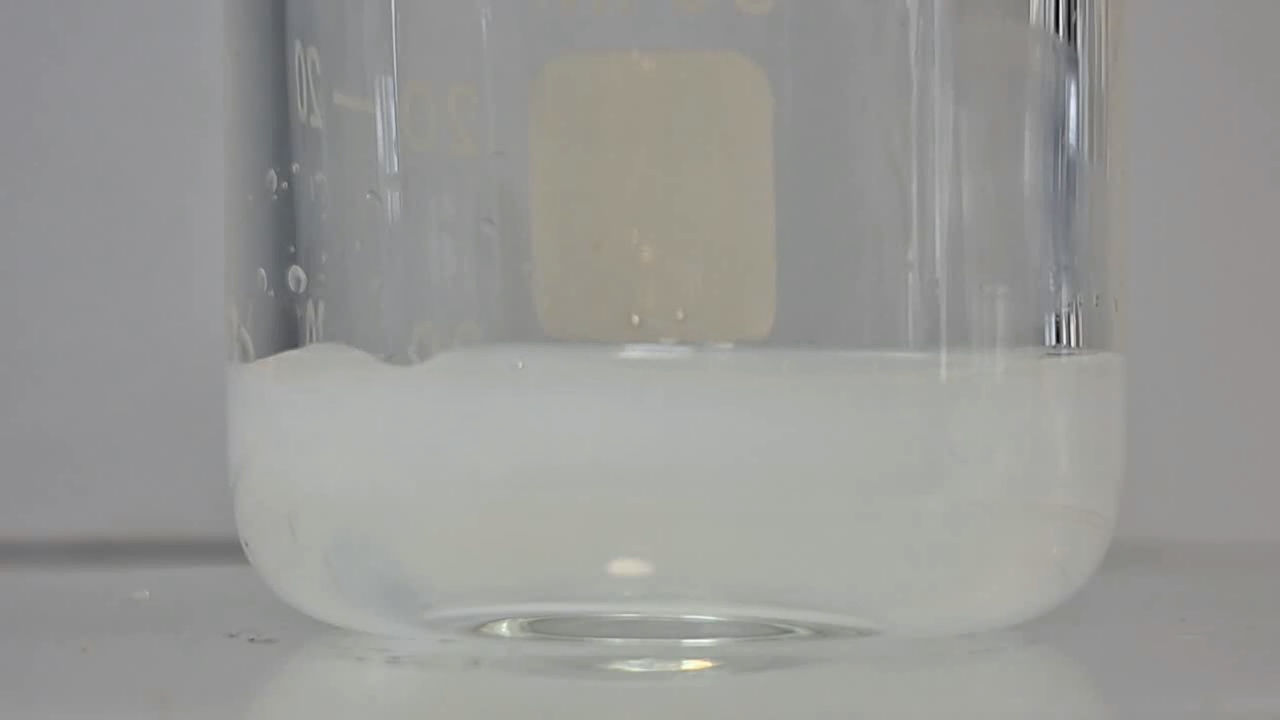
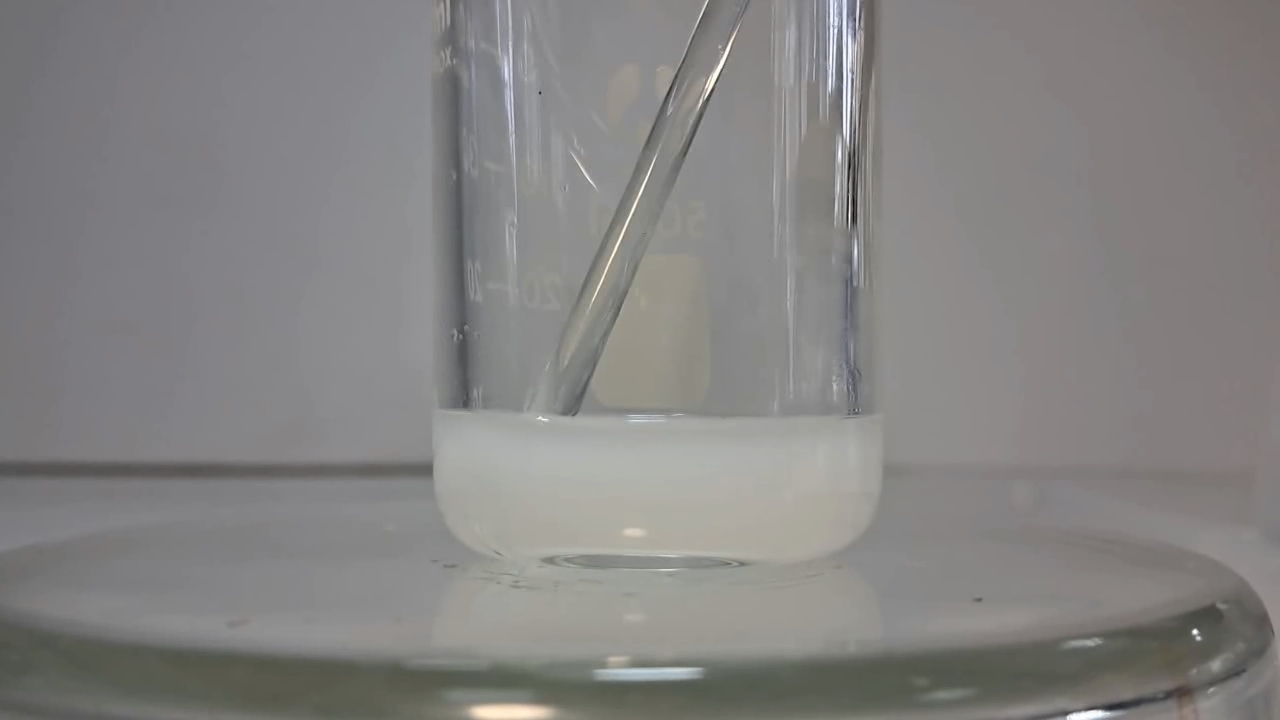
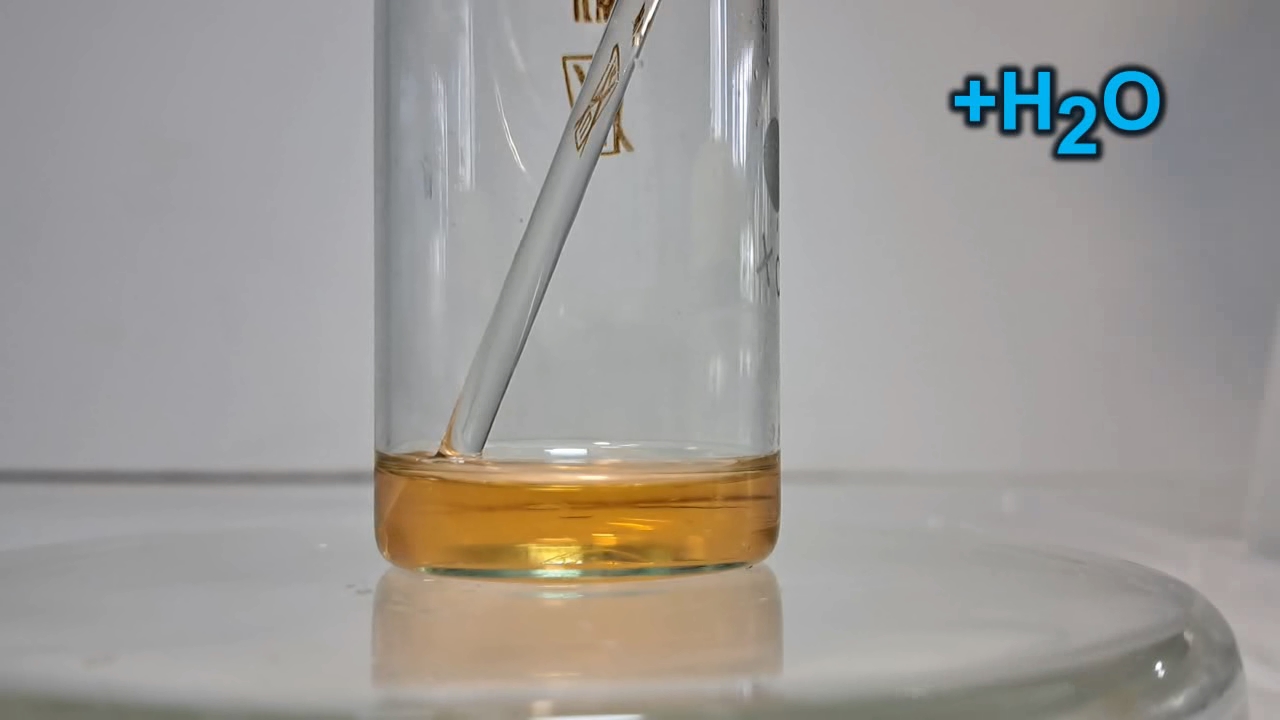
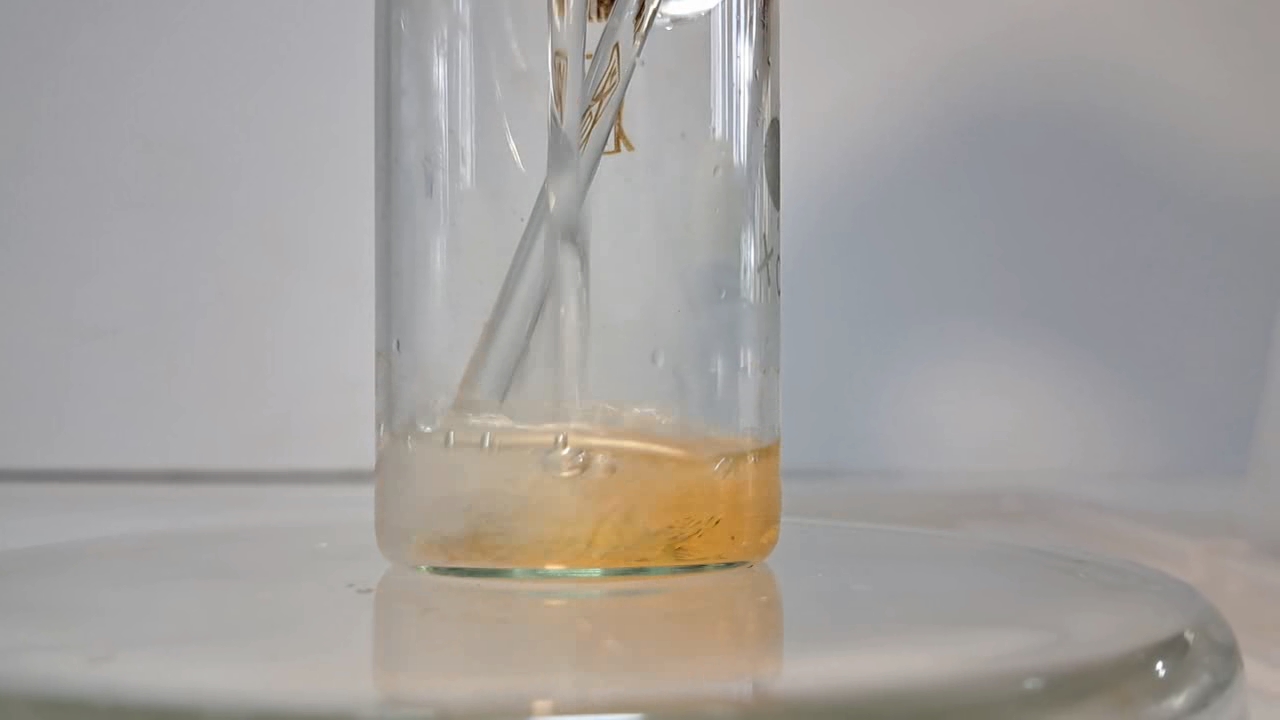
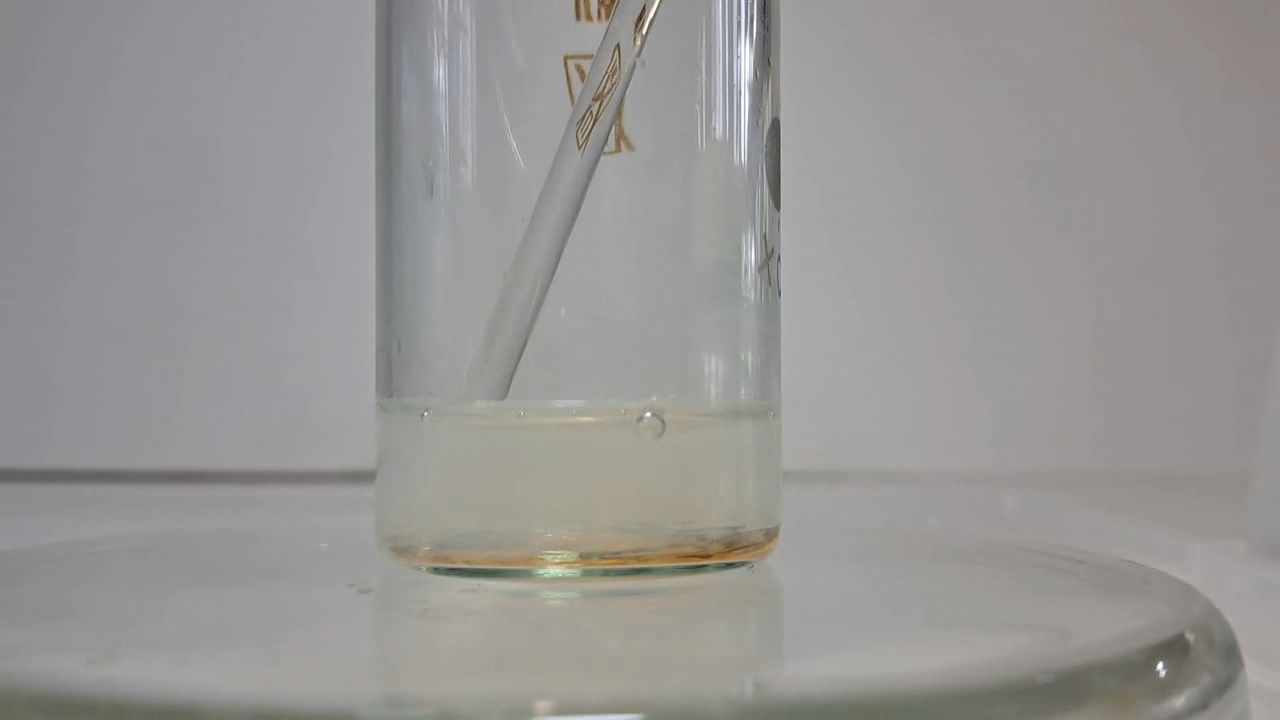
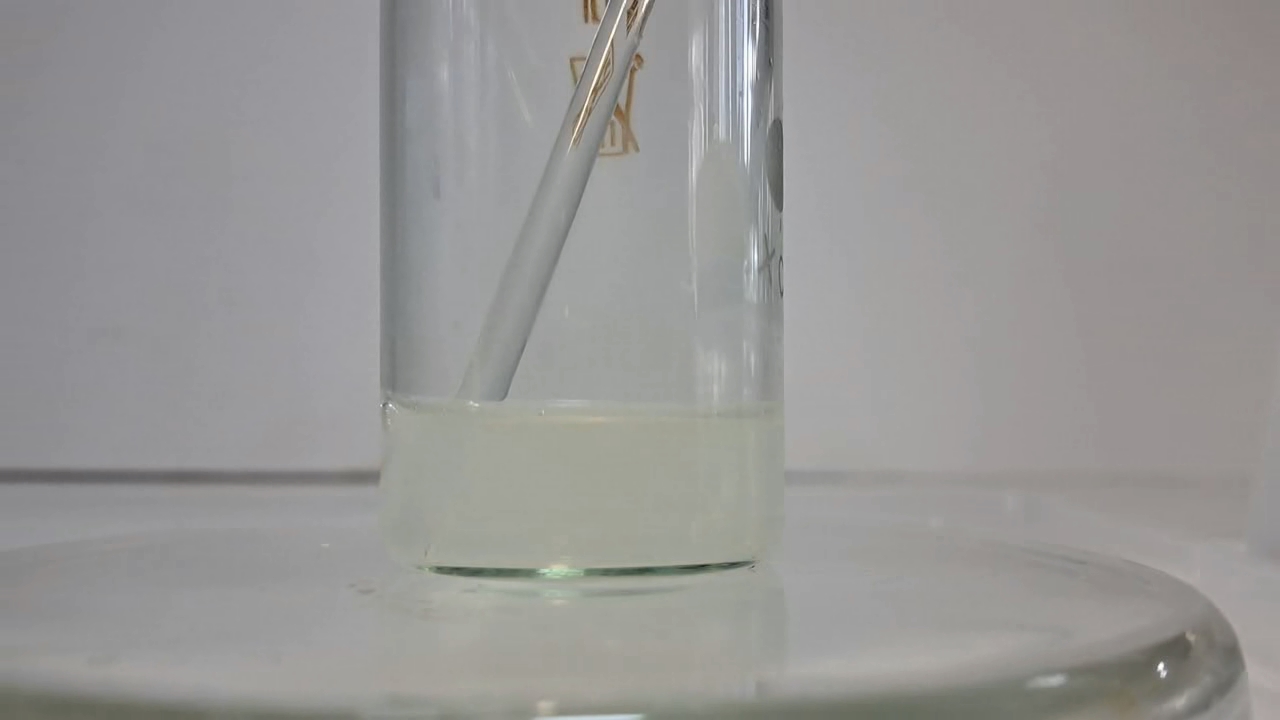
I poured about 5 mL of 13% hydrochloric acid into a beaker, added a few drops of an alcoholic solution of phenolphthalein, and stirred. A white suspension of phenolphthalein formed. The indicator precipitated, but no color change was observed.
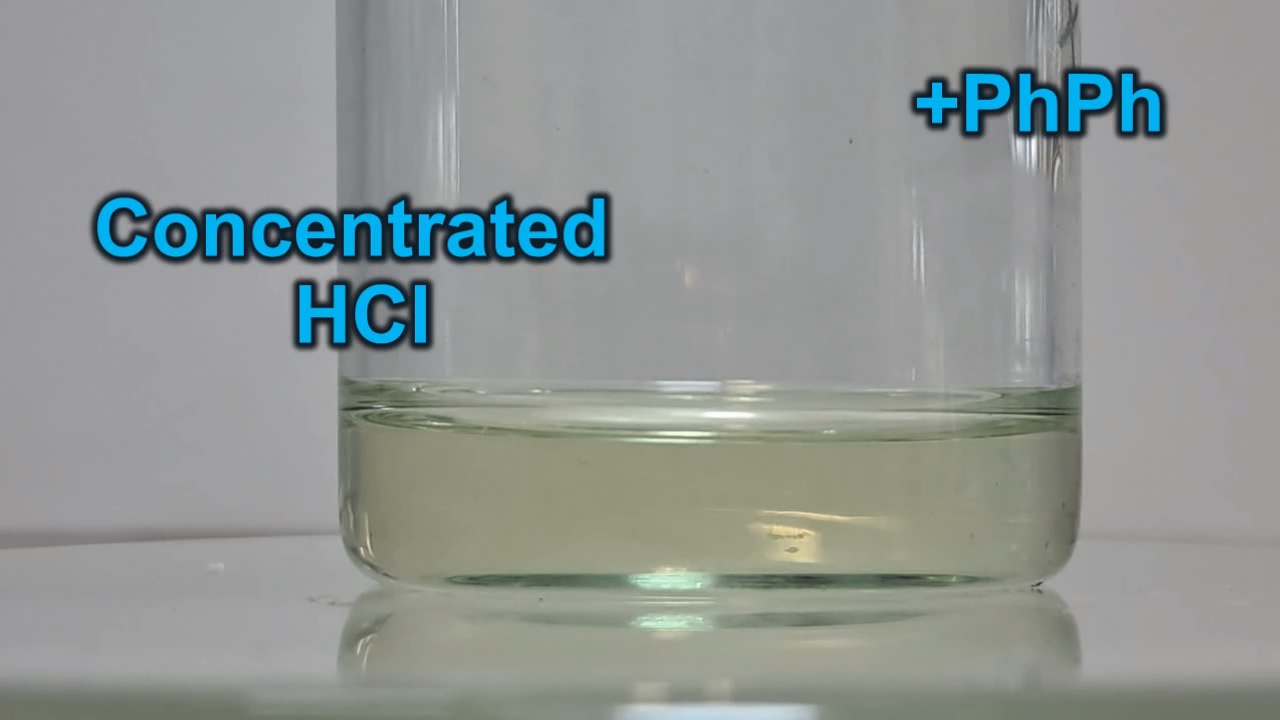
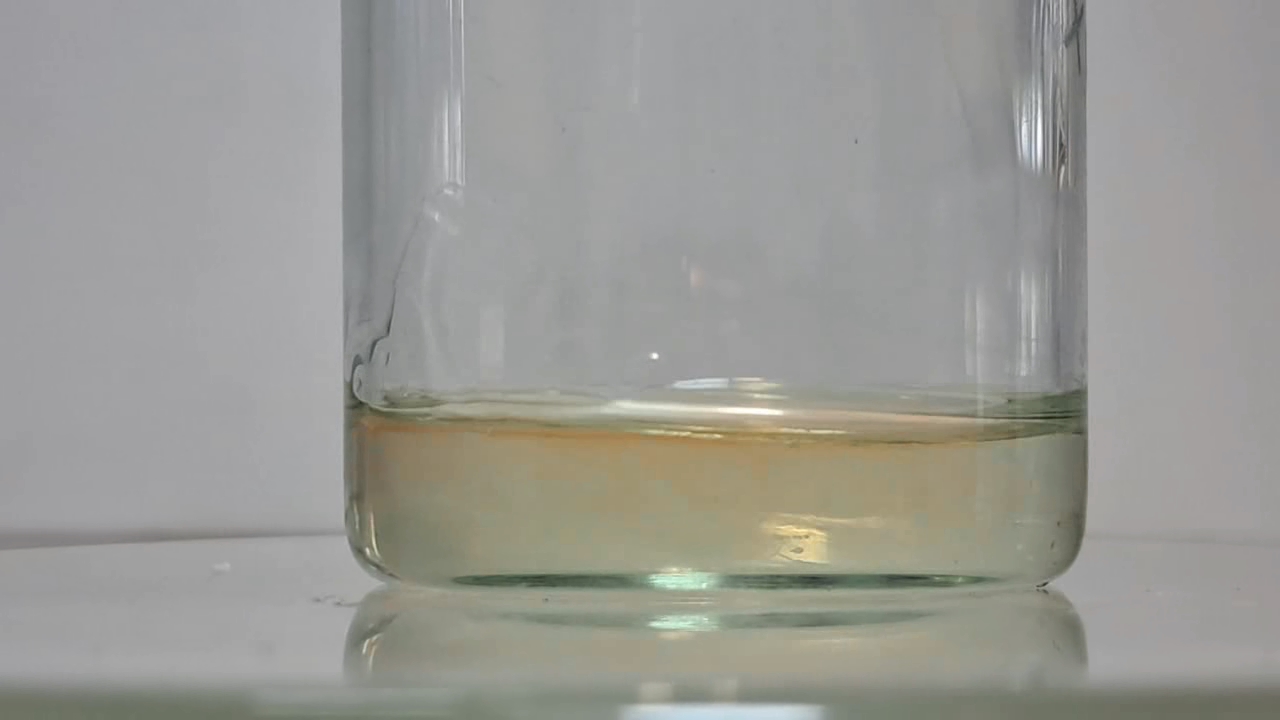
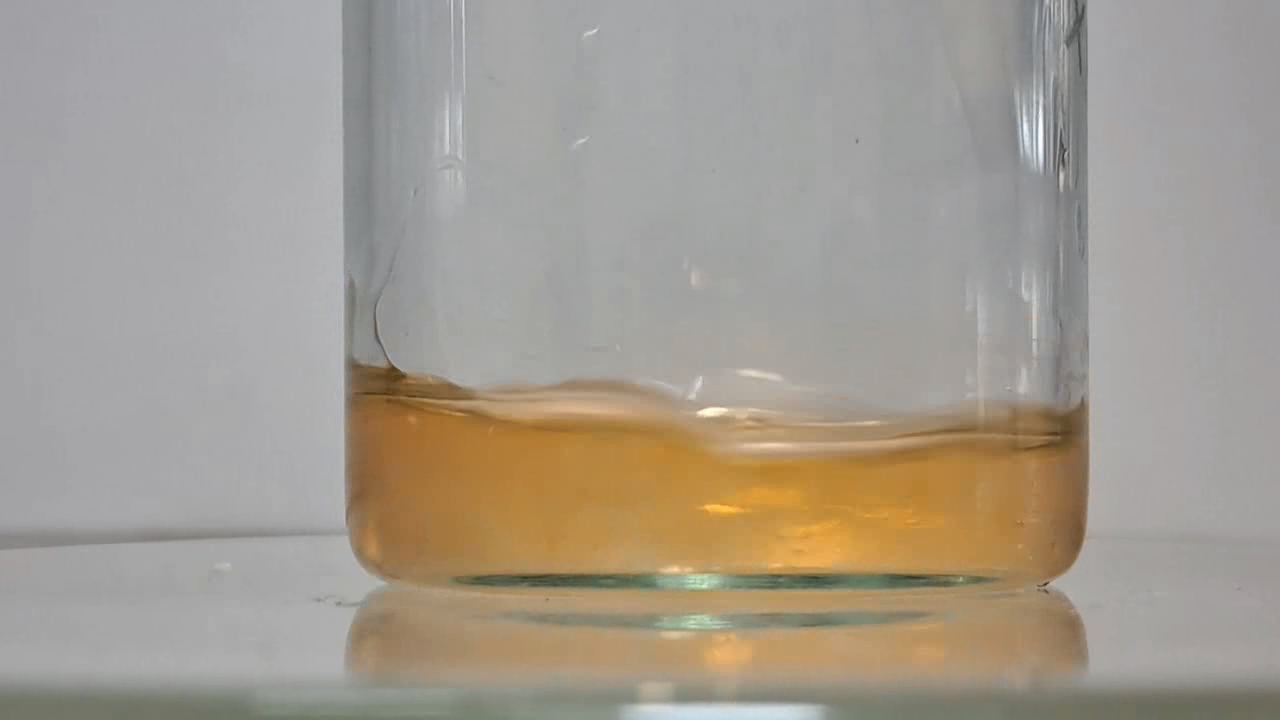
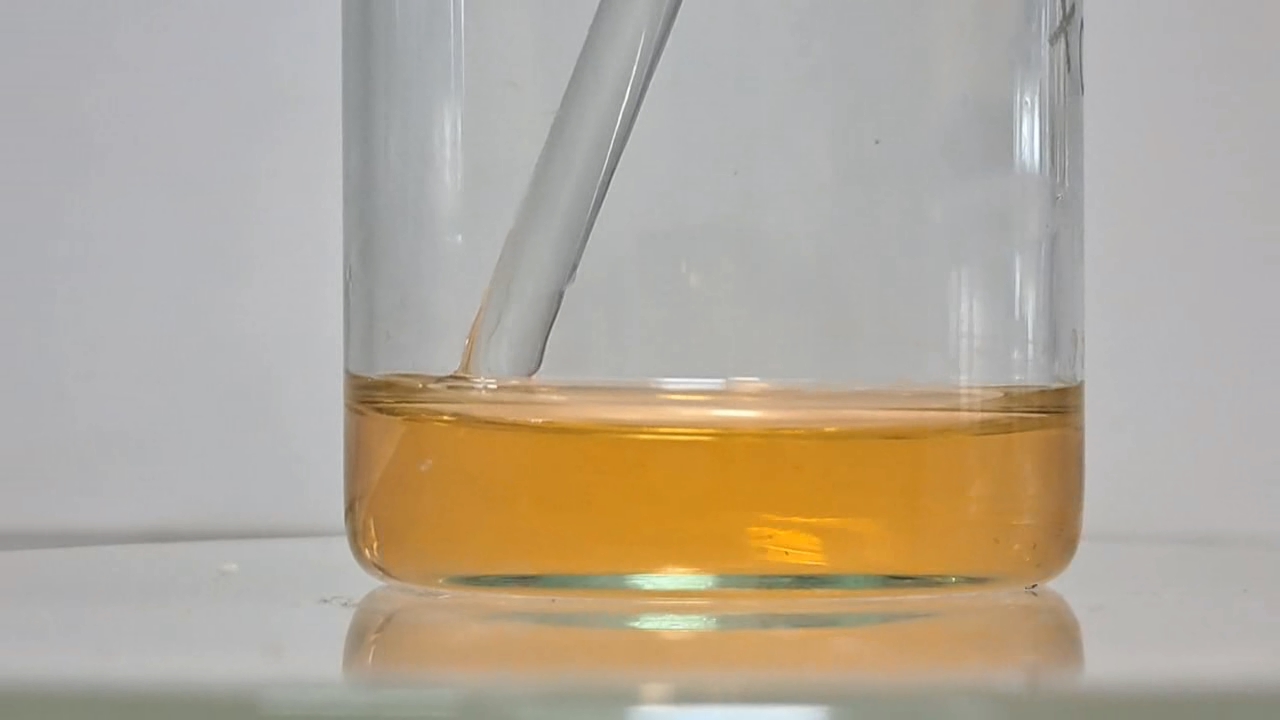
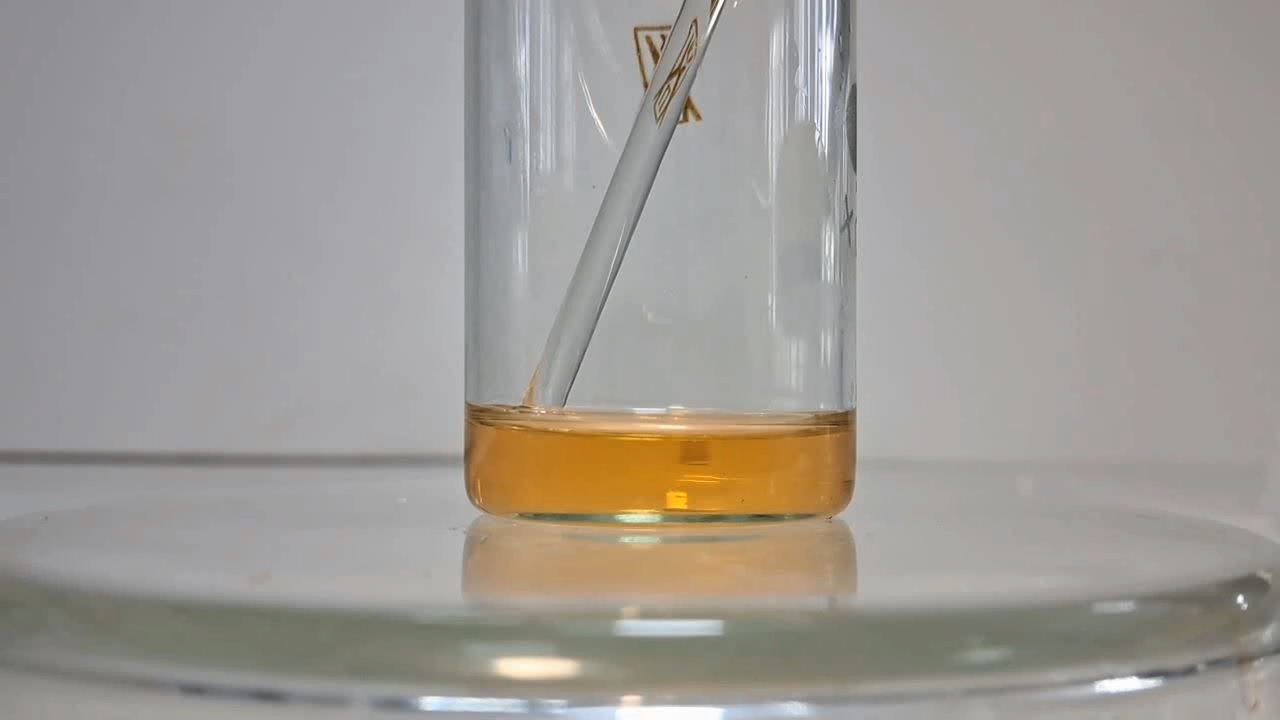
Соляная кислота и фенолфталеин: концентрация имеет значение - Часть 16 I then poured the same amount of concentrated hydrochloric acid (approximately 36-38%, or about 12 M) into another beaker. The acid had a slight yellowish tint due to impurities, but this did not interfere with the experiment. I added a few drops of phenolphthalein solution and stirred the liquid. The solution turned orange. After adding water, the color disappeared completely, and a white suspension formed. Phenolphthalein is soluble in alcohol and in aqueous alkali solutions. It also proved to be soluble in concentrated hydrochloric acid and concentrated nitric acid (~70%). However, phenolphthalein is poorly soluble in water and in dilute hydrochloric acid, which explains the formation of the suspension. Thus, in concentrated acids - sulfuric, nitric (~70%), and hydrochloric - phenolphthalein acquires an orange color. Upon dilution with water, the indicator forms a white suspension. Dilute hydrochloric acid (13%) did not cause phenolphthalein to turn orange. Therefore, this indicator can be used to distinguish dilute hydrochloric acid from concentrated hydrochloric acid. |
Hydrochloric Acid and Phenolphthalein: Concentration Matters |
|
|
|
|
|
|
|
|
|
|
|
|
|
