Chemistry and Chemists № 1 2026
Journal of Chemists-Enthusiasts
| Content | Chemistry experiments - video | Physics experiments - video | Home Page - Chemistry and Chemists |
|
Chemistry and Chemists № 1 2026 Journal of Chemists-Enthusiasts |
Experiments with Universal Indicator - pt.19, 20 Chemist |
|
Having noticed a mistake in the text, allocate it and press Ctrl-Enter
Universal Indicator and Sodium Hydroxide - Part 19
When exposed to a saturated sodium hydroxide solution, universal indicator paper turned green [1]. On the indicator color comparison scale (pH = 1-12), green corresponded to a slightly alkaline solution. Blue (pH = 11) and violet (pH = 12) corresponded to strongly alkaline solutions. However, in this case, the solution was even more alkaline (pH > 14). Coincidentally, under these conditions the indicator also turned green, just as it does in a slightly alkaline solution.
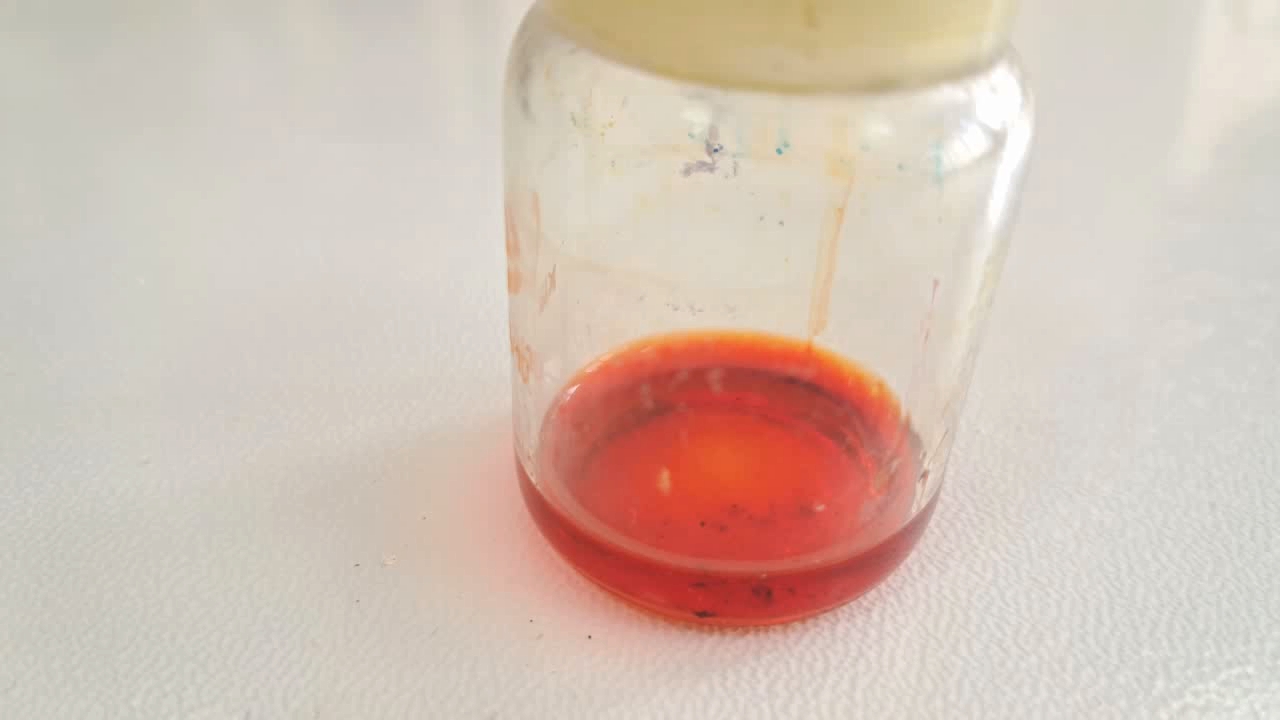
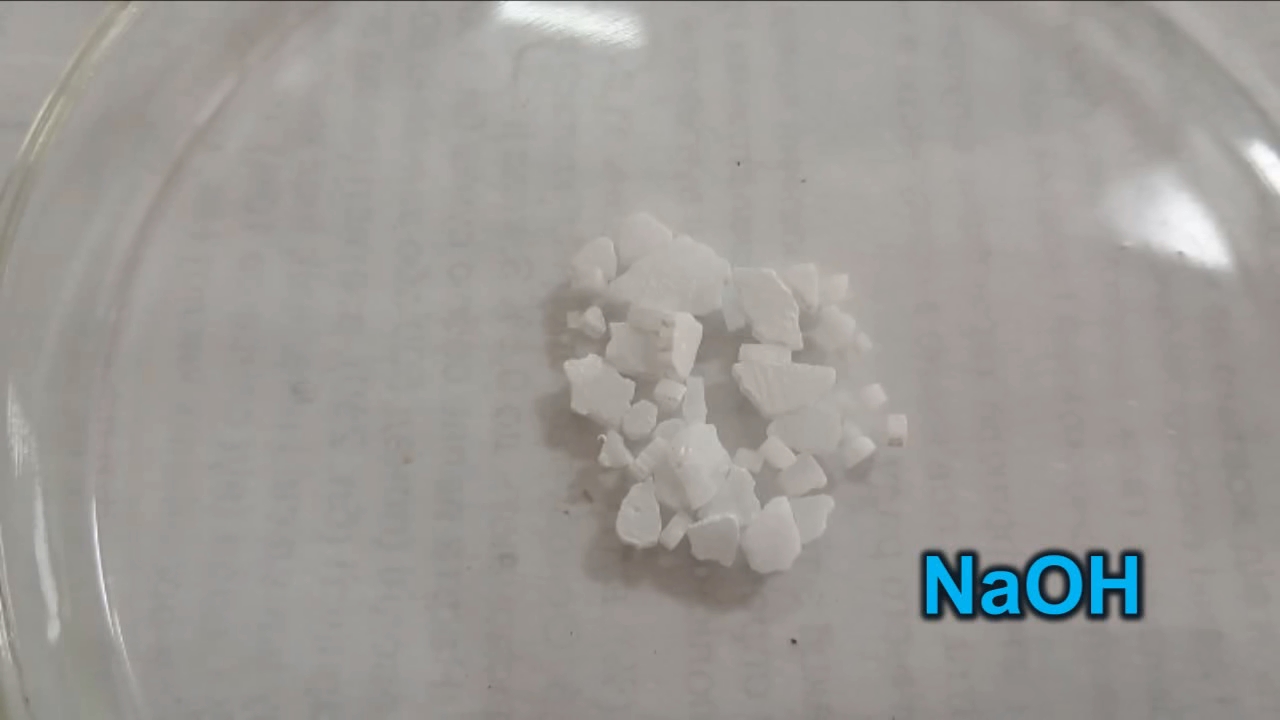
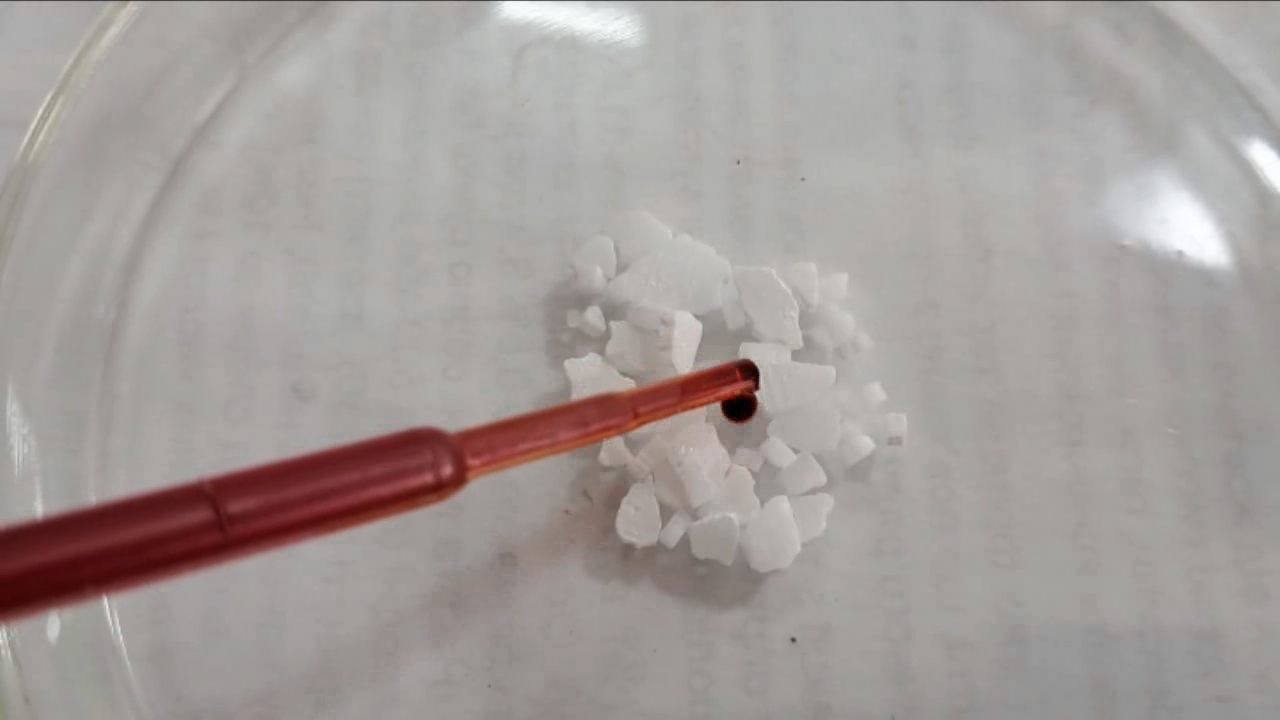
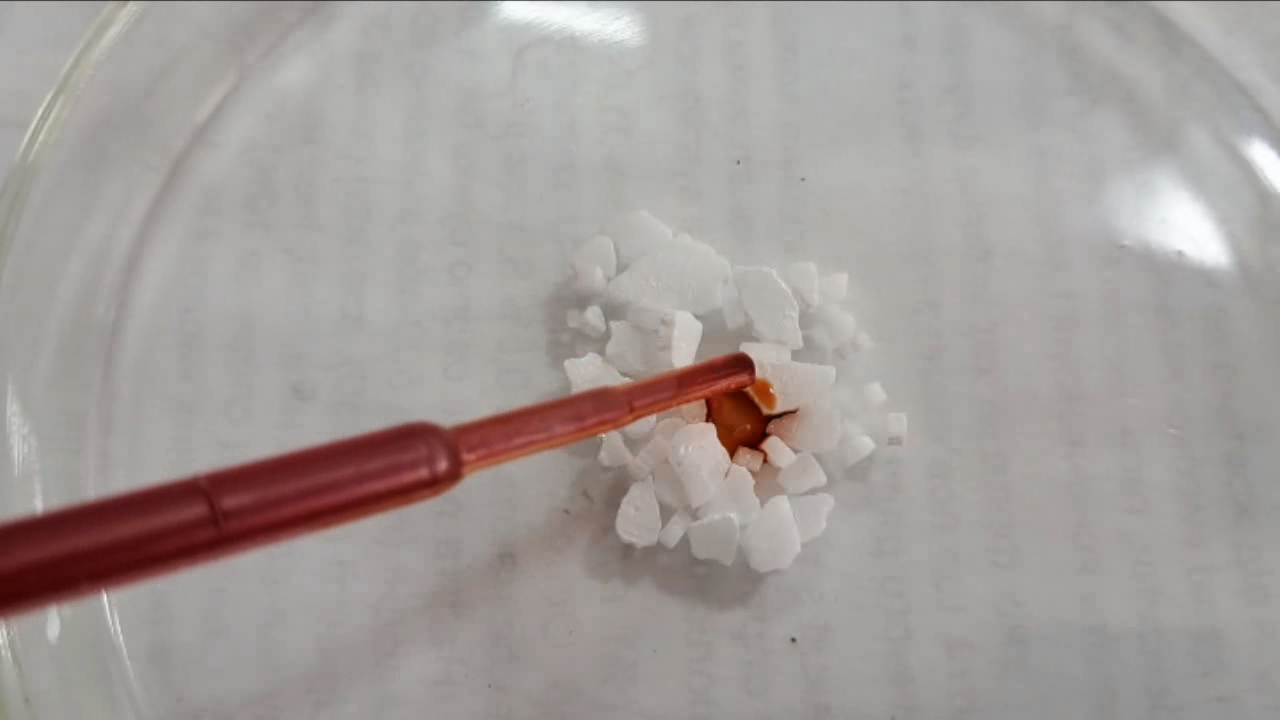
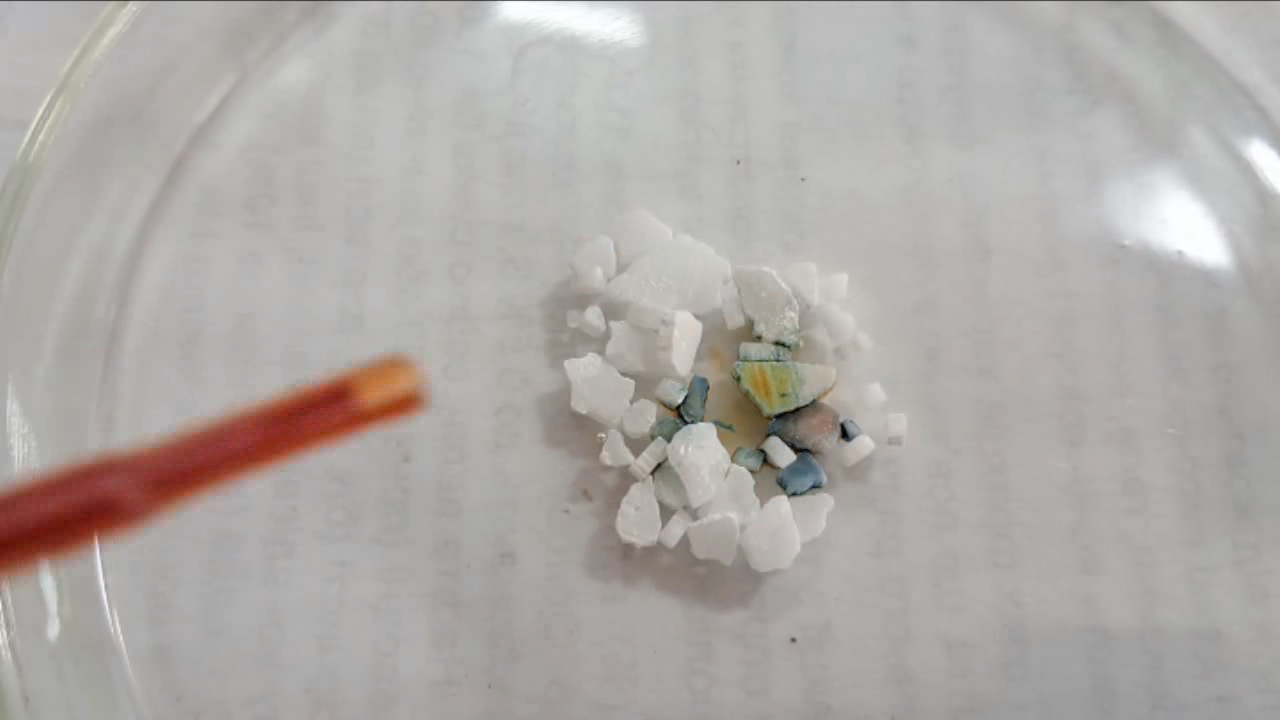
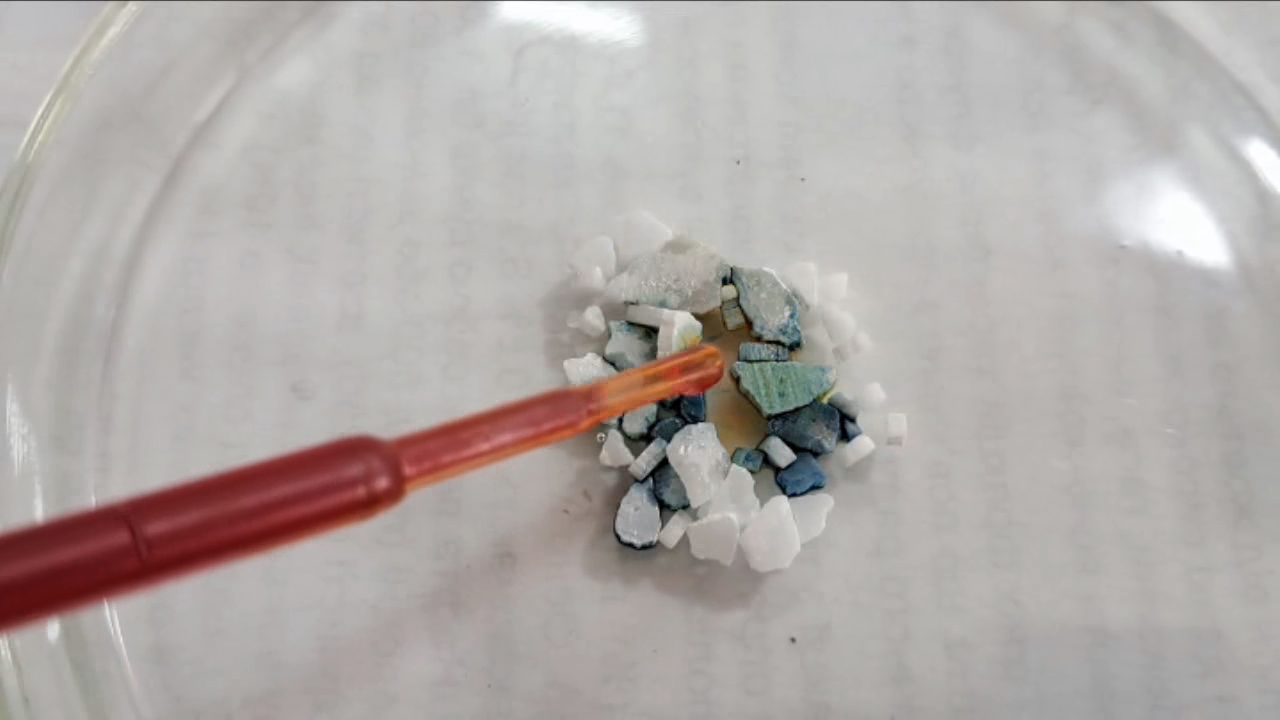
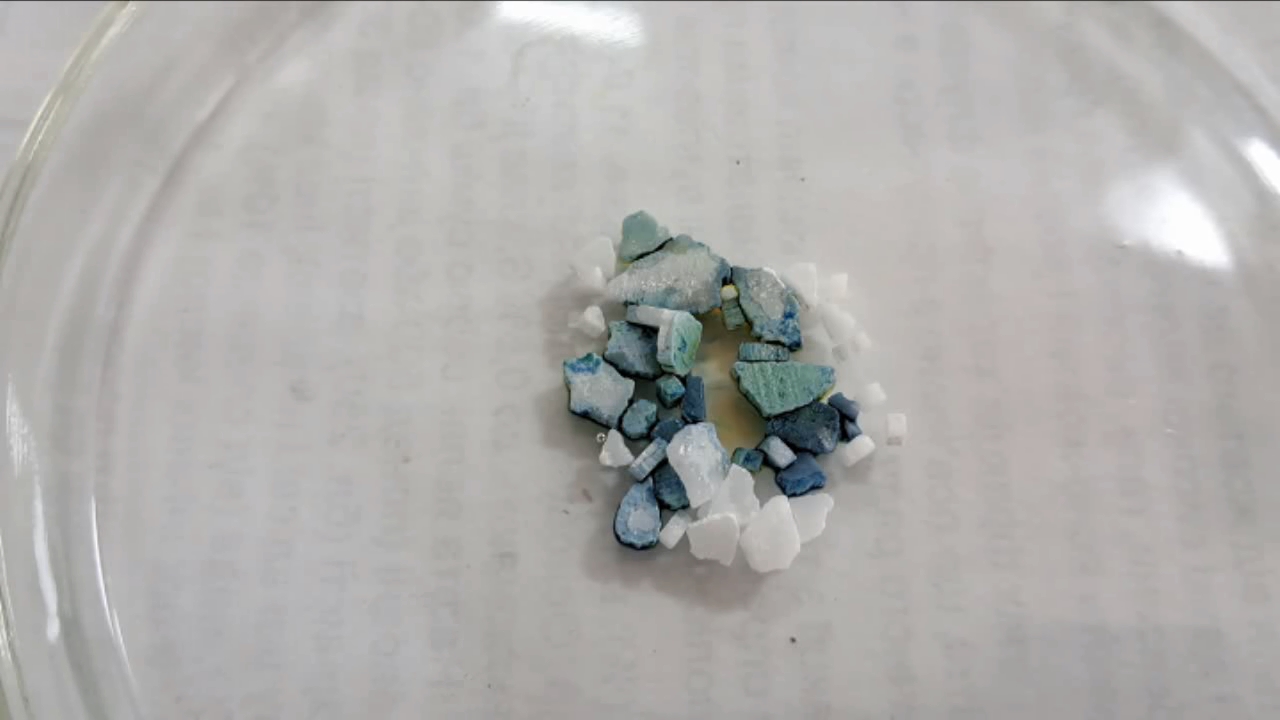
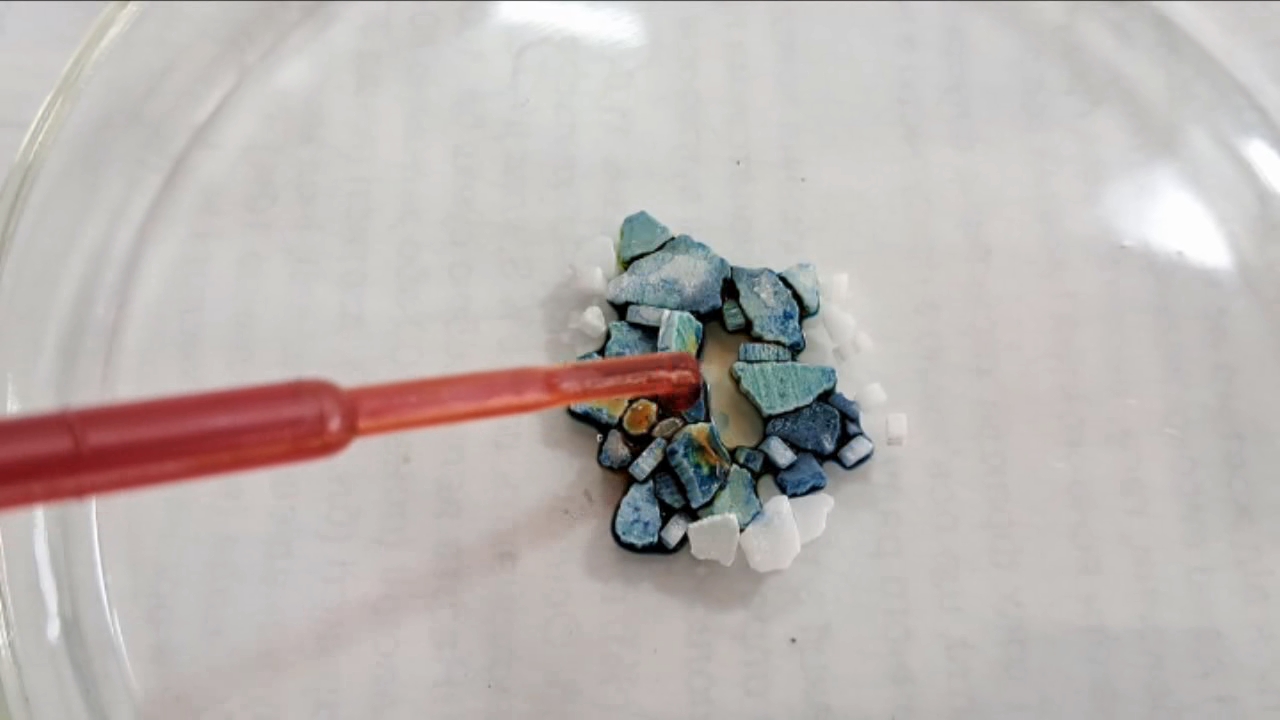
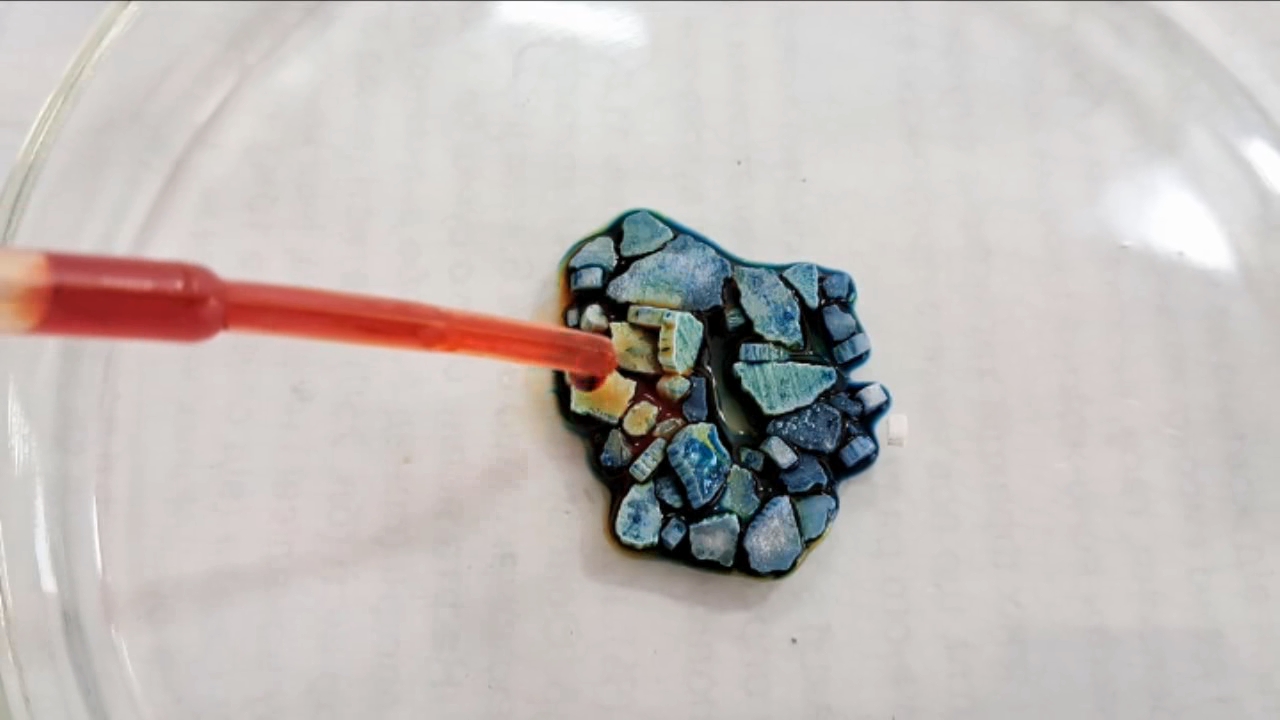
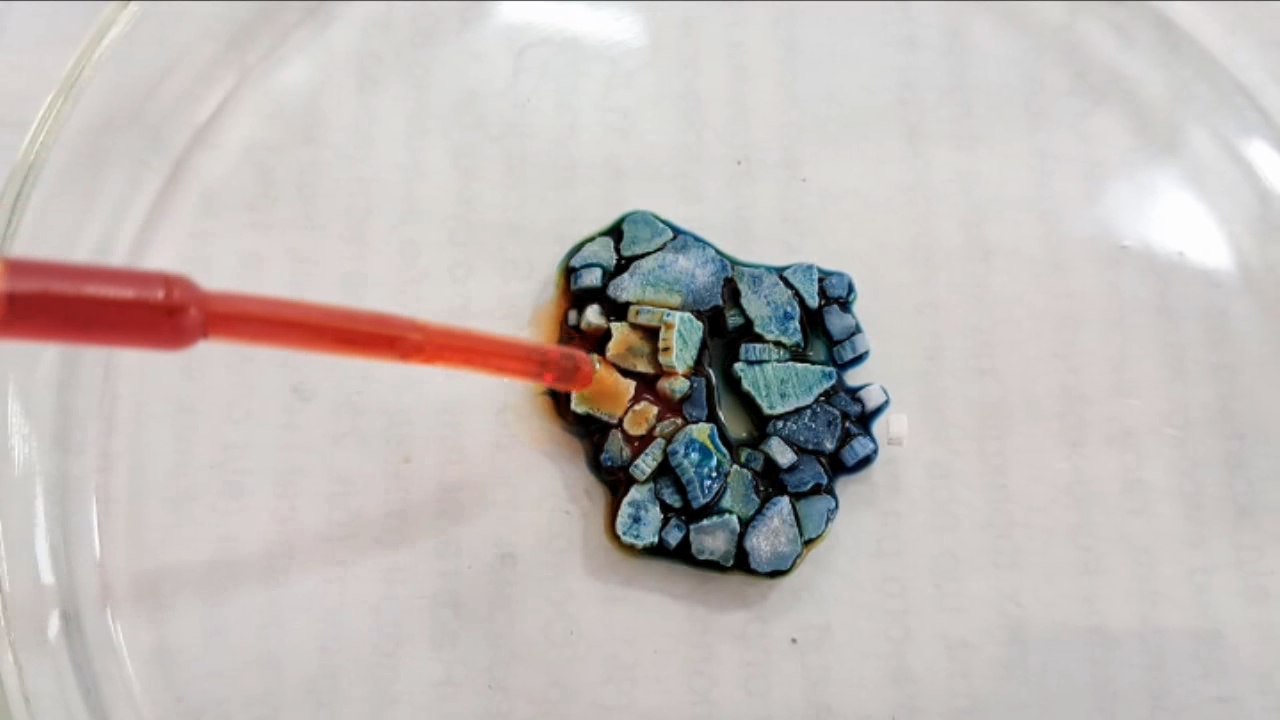
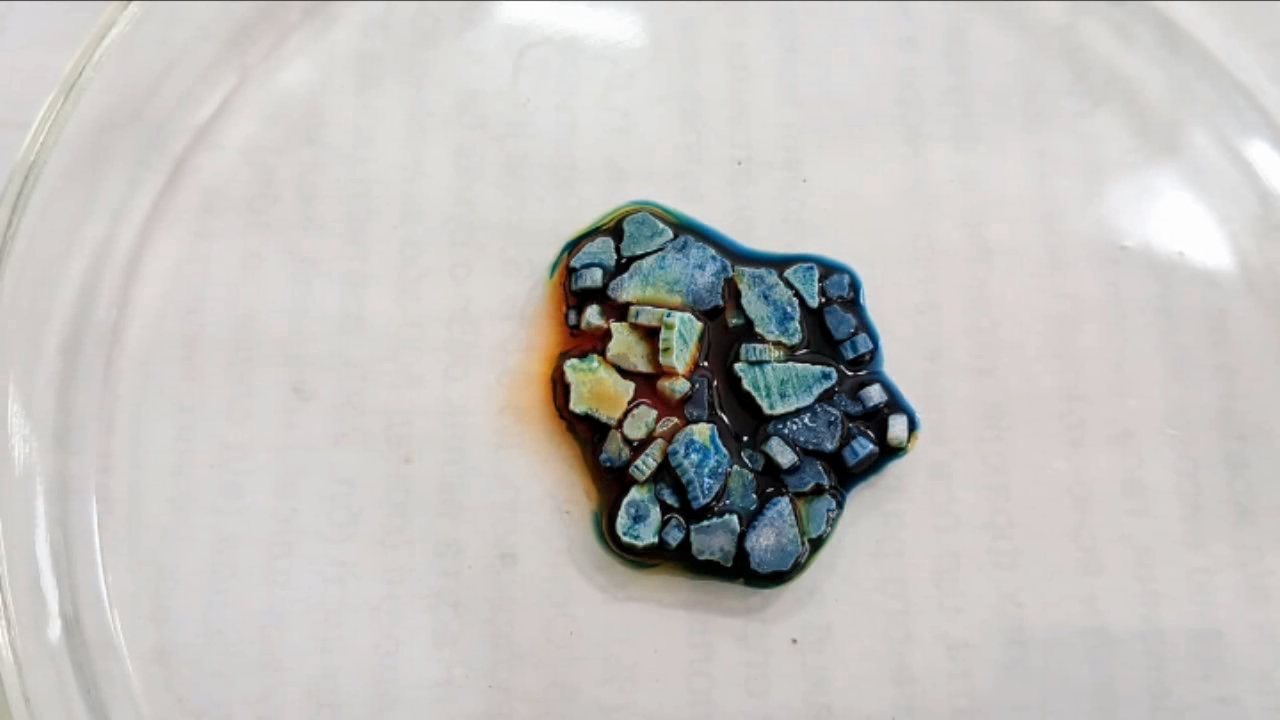
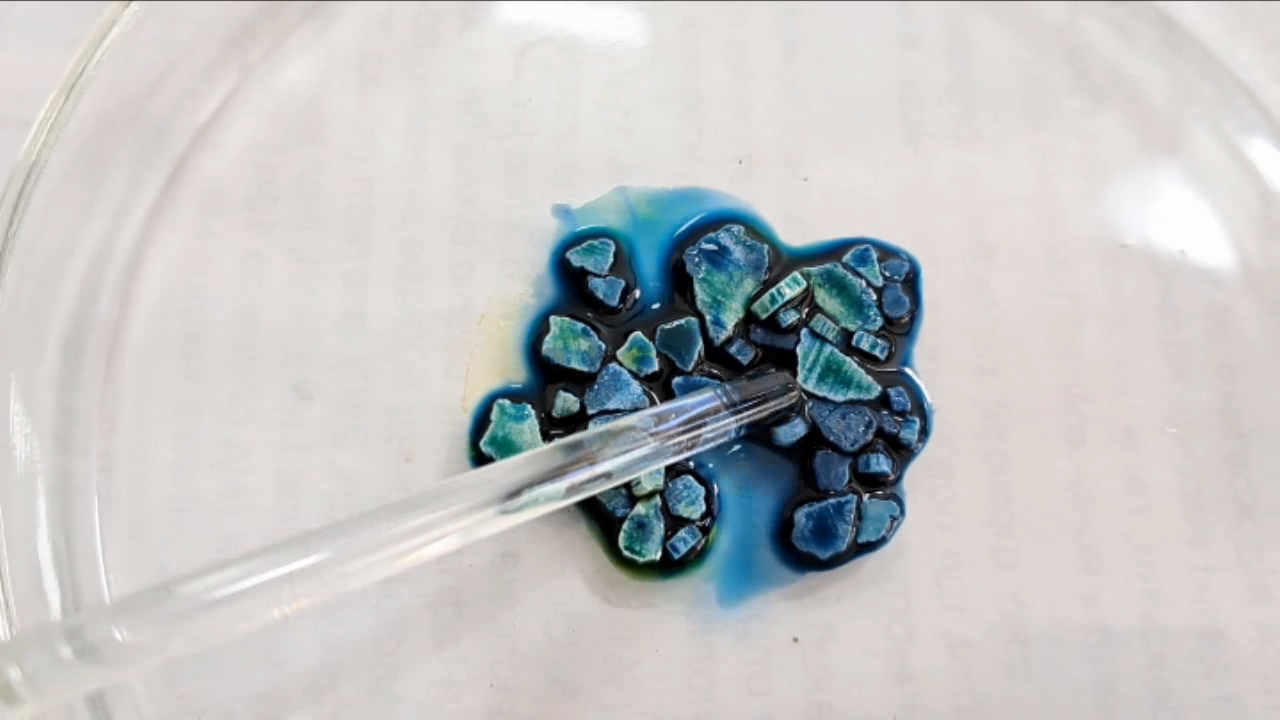
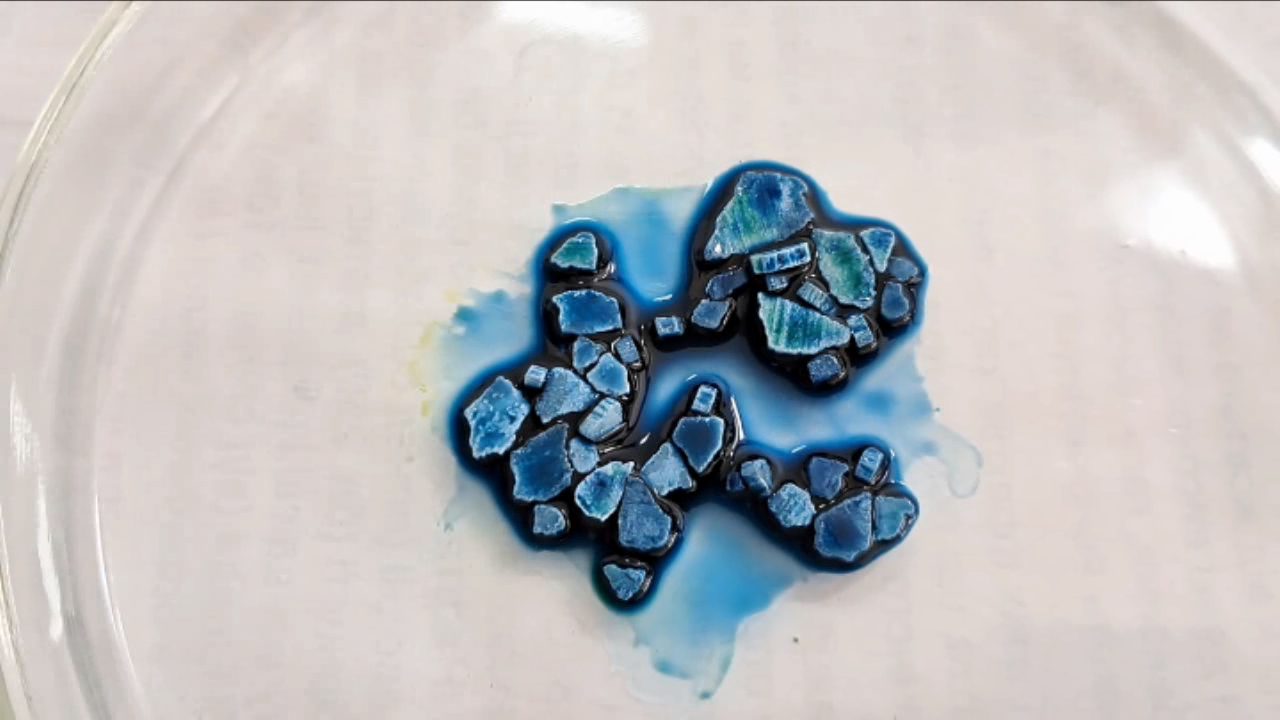
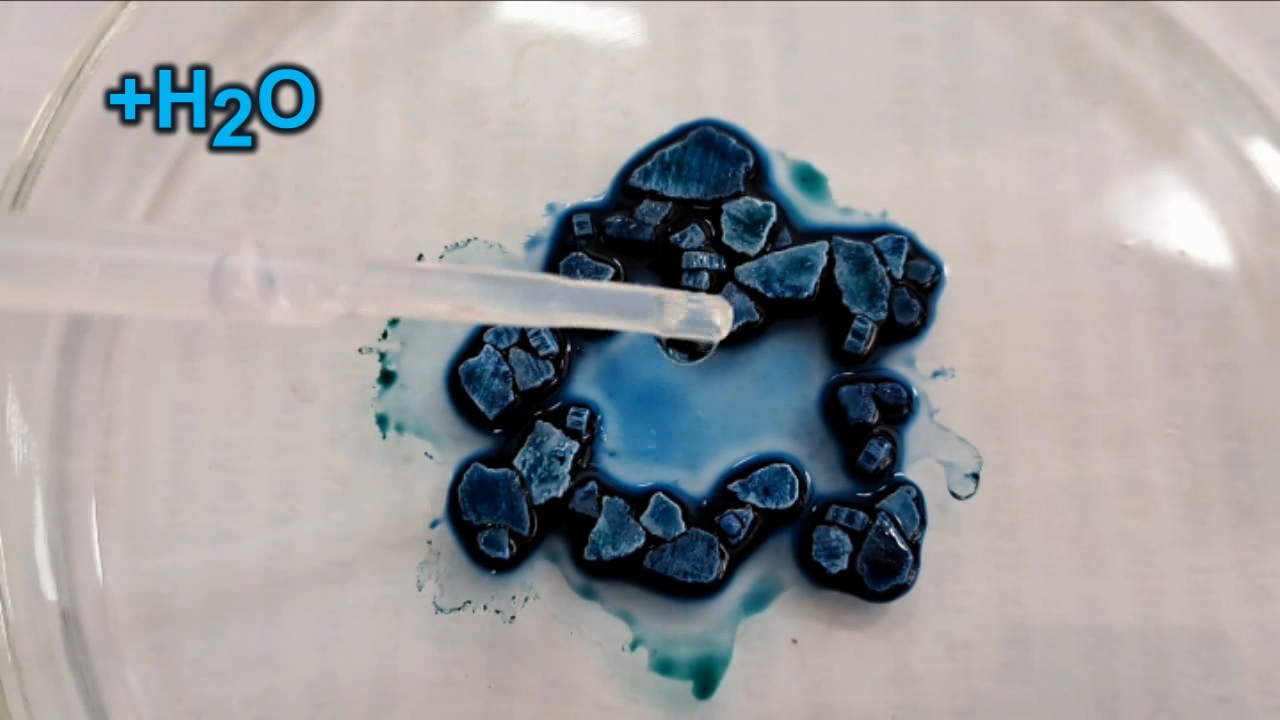
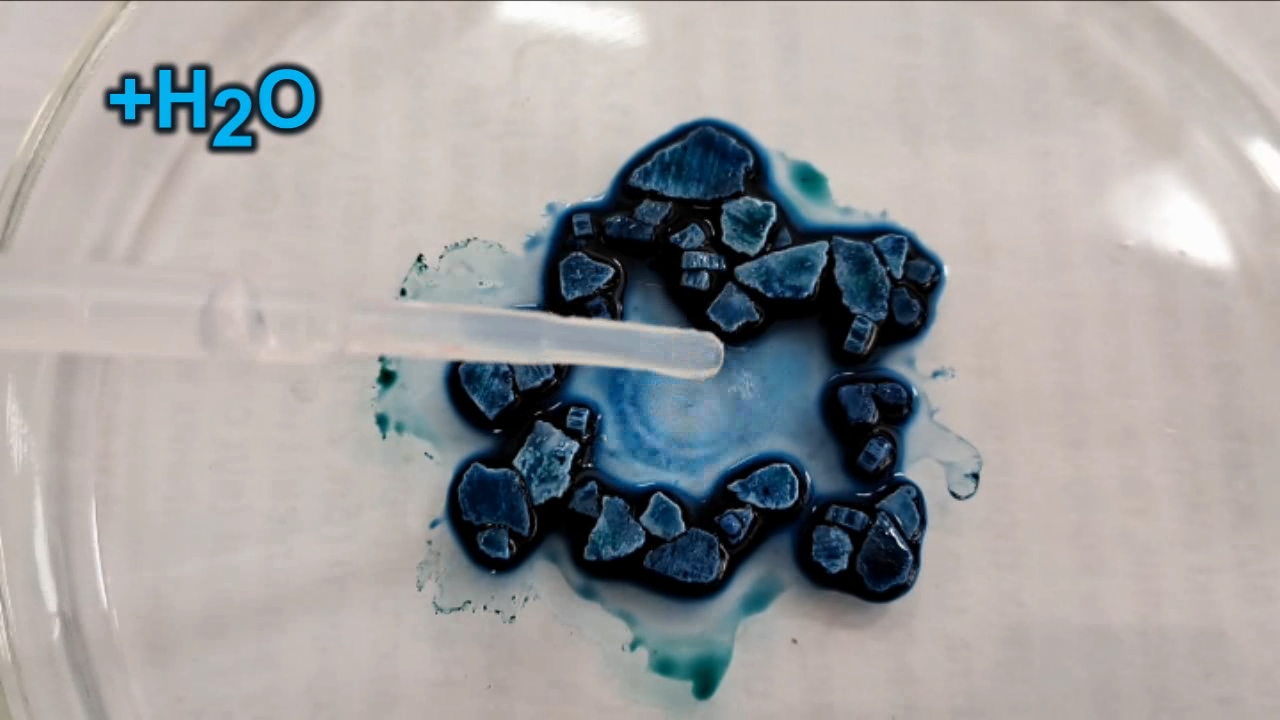
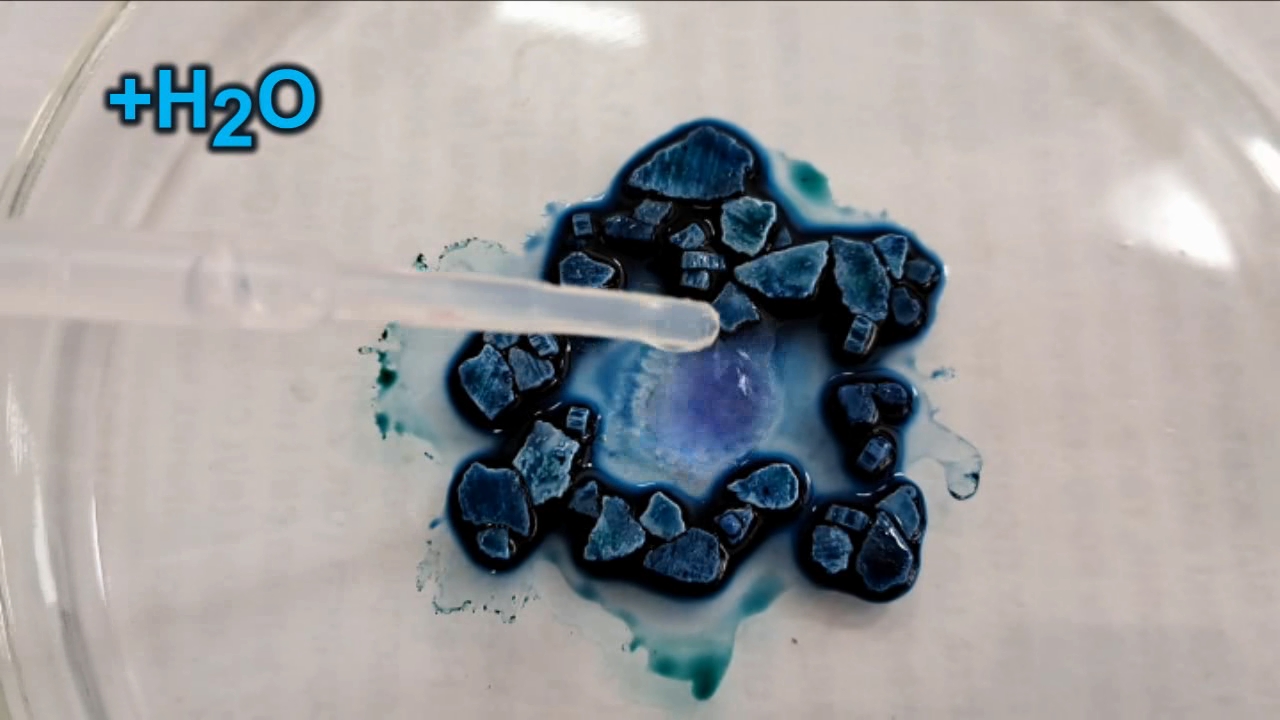
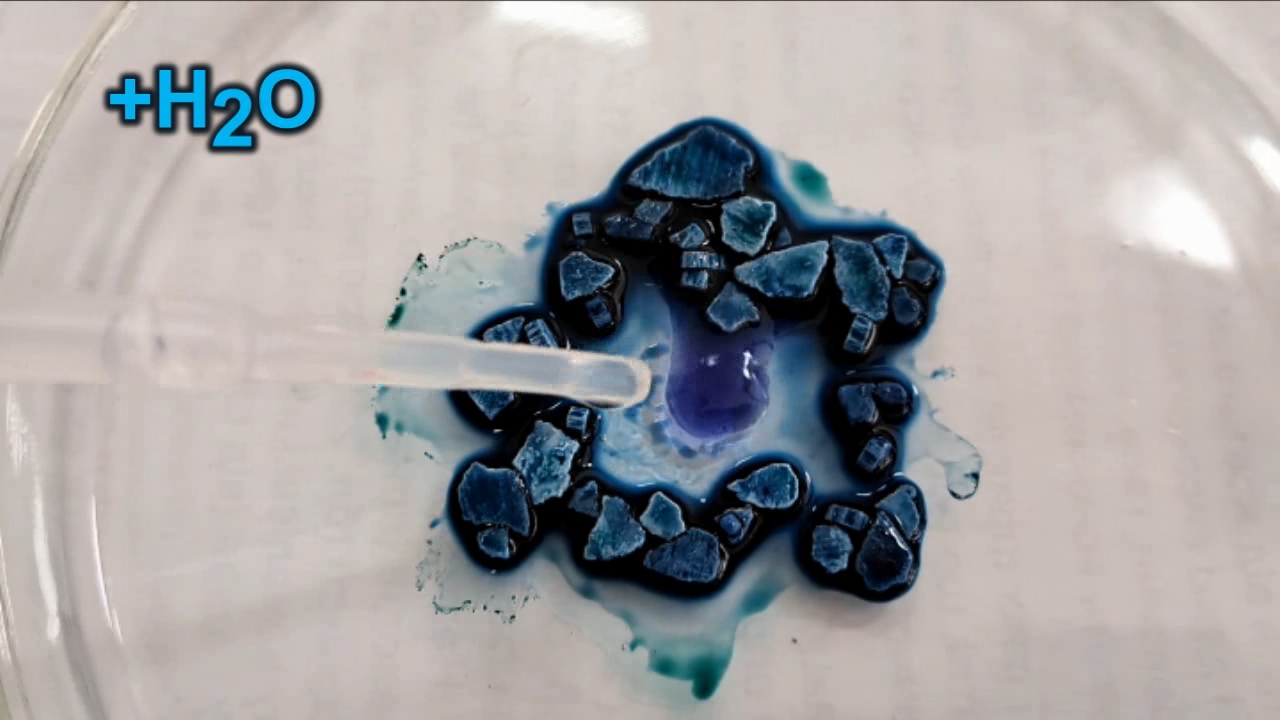
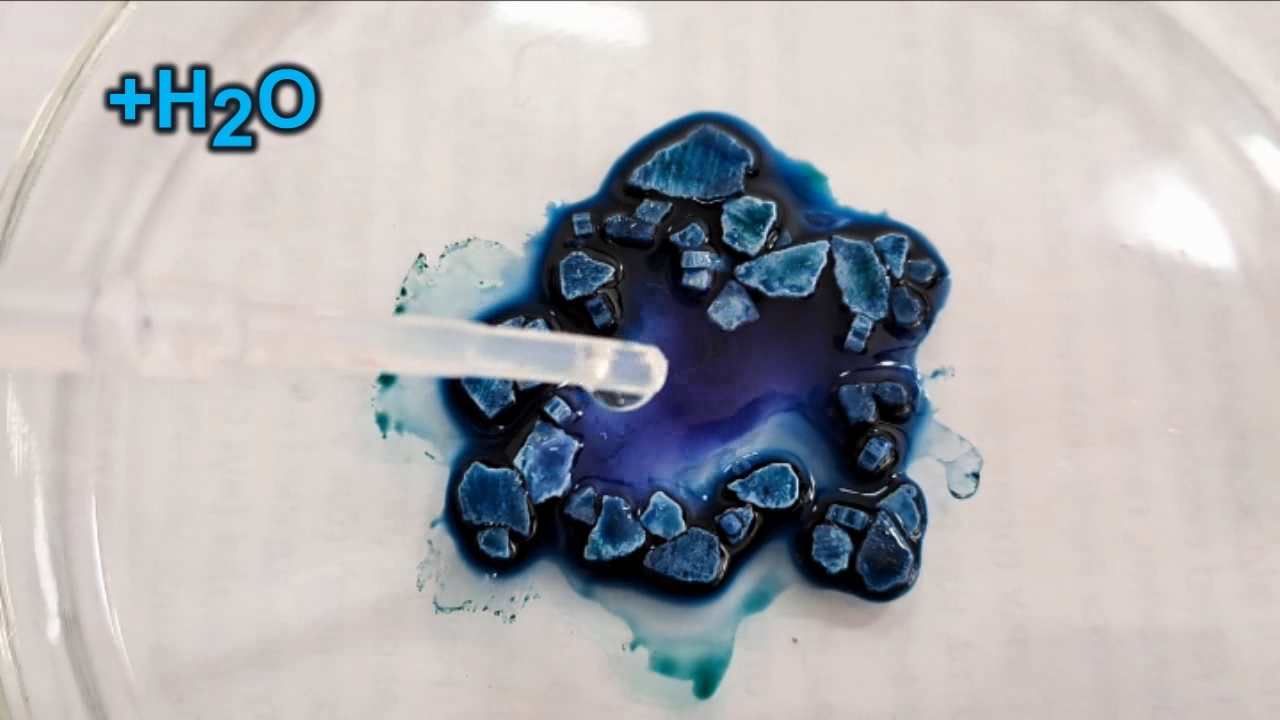
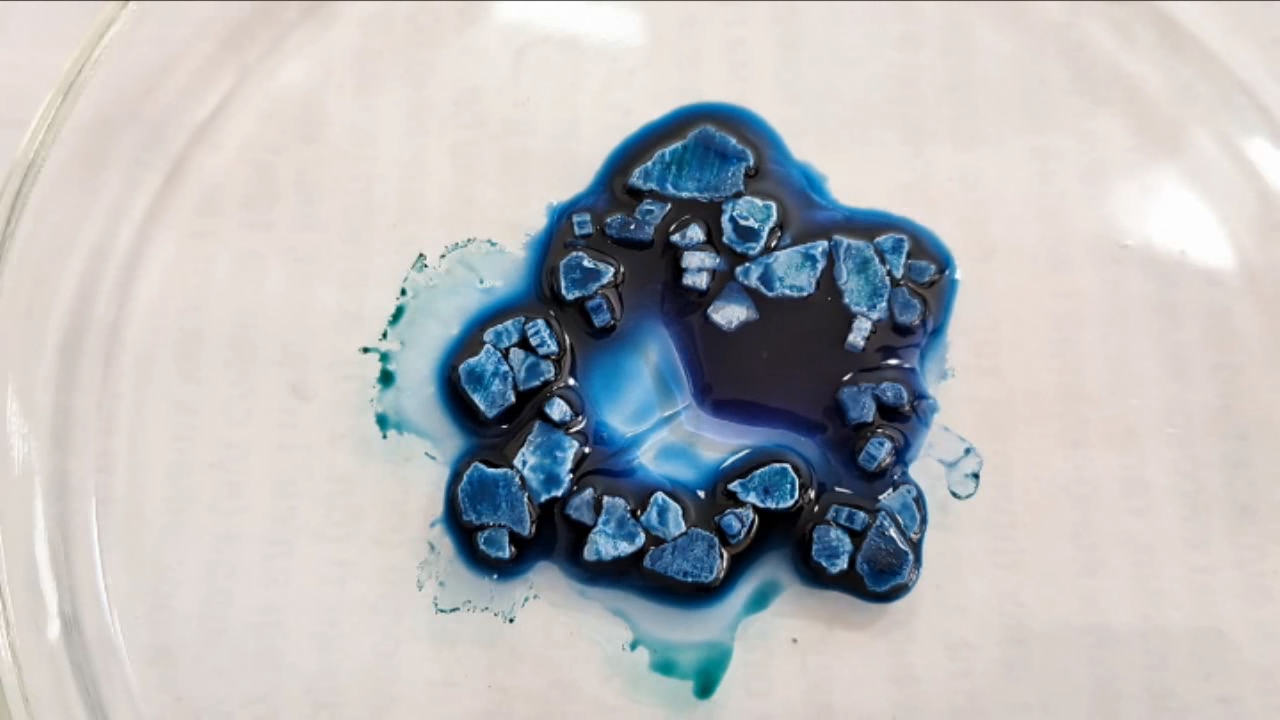
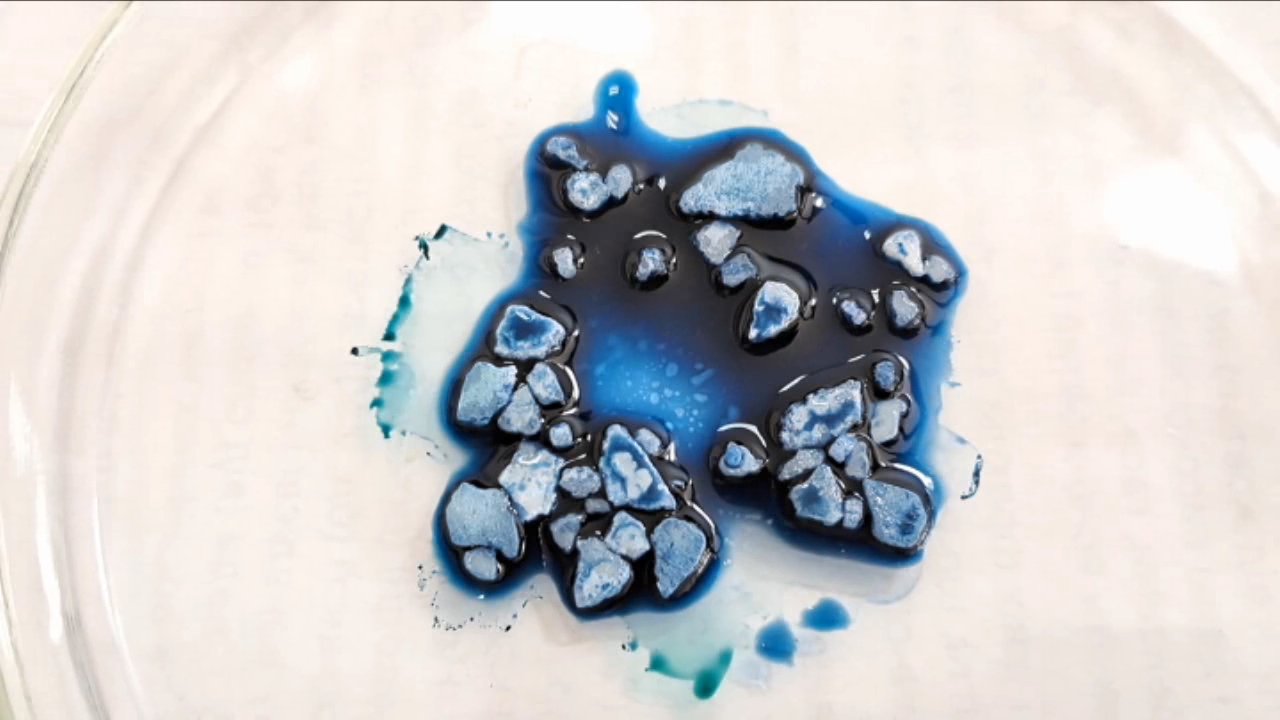
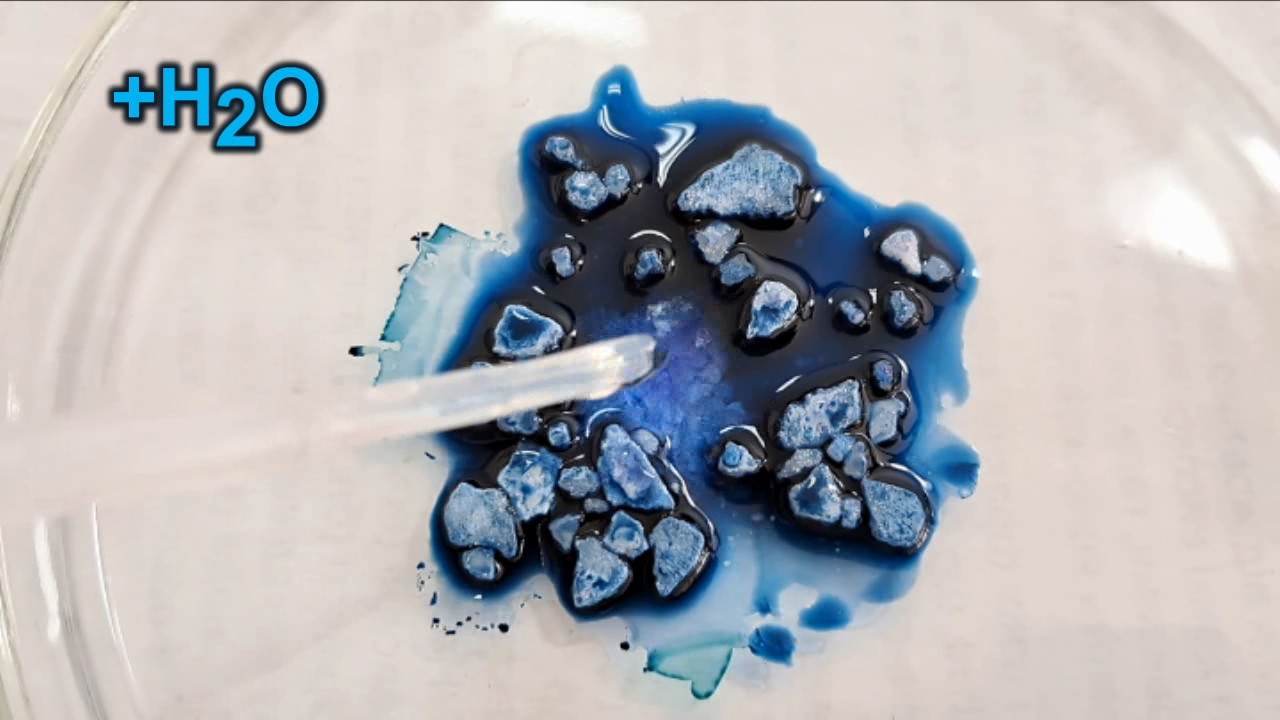
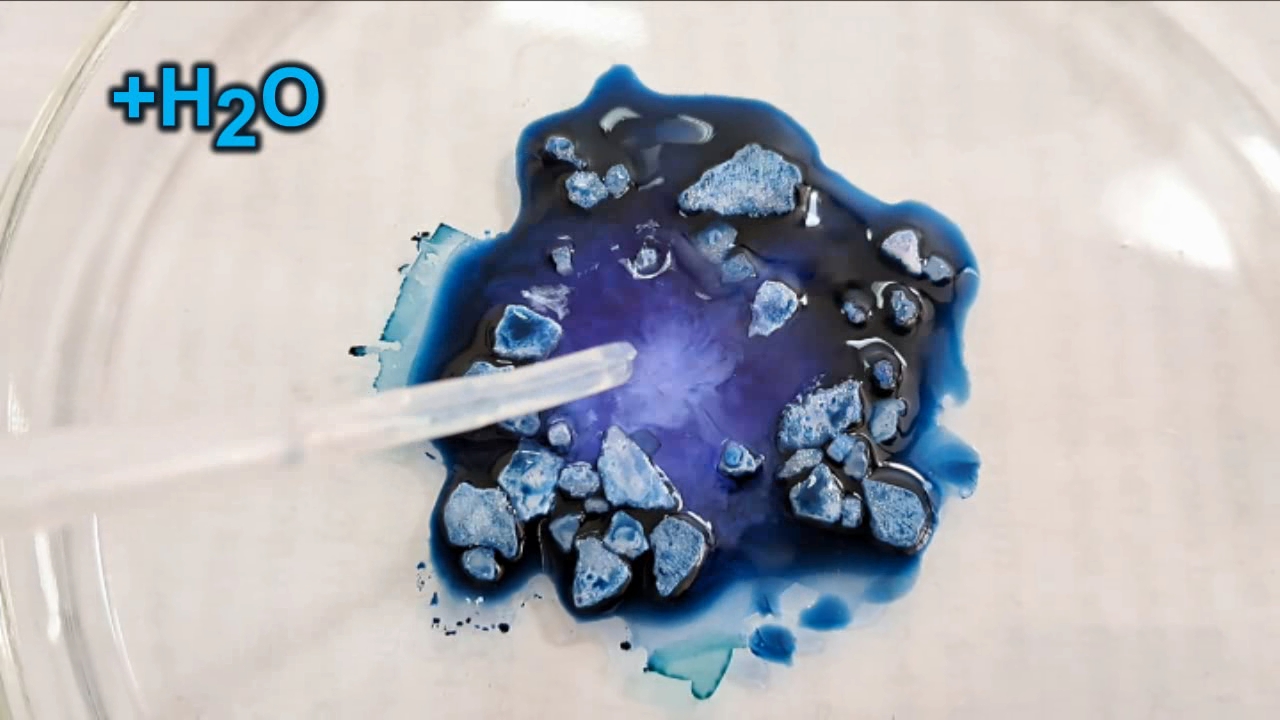
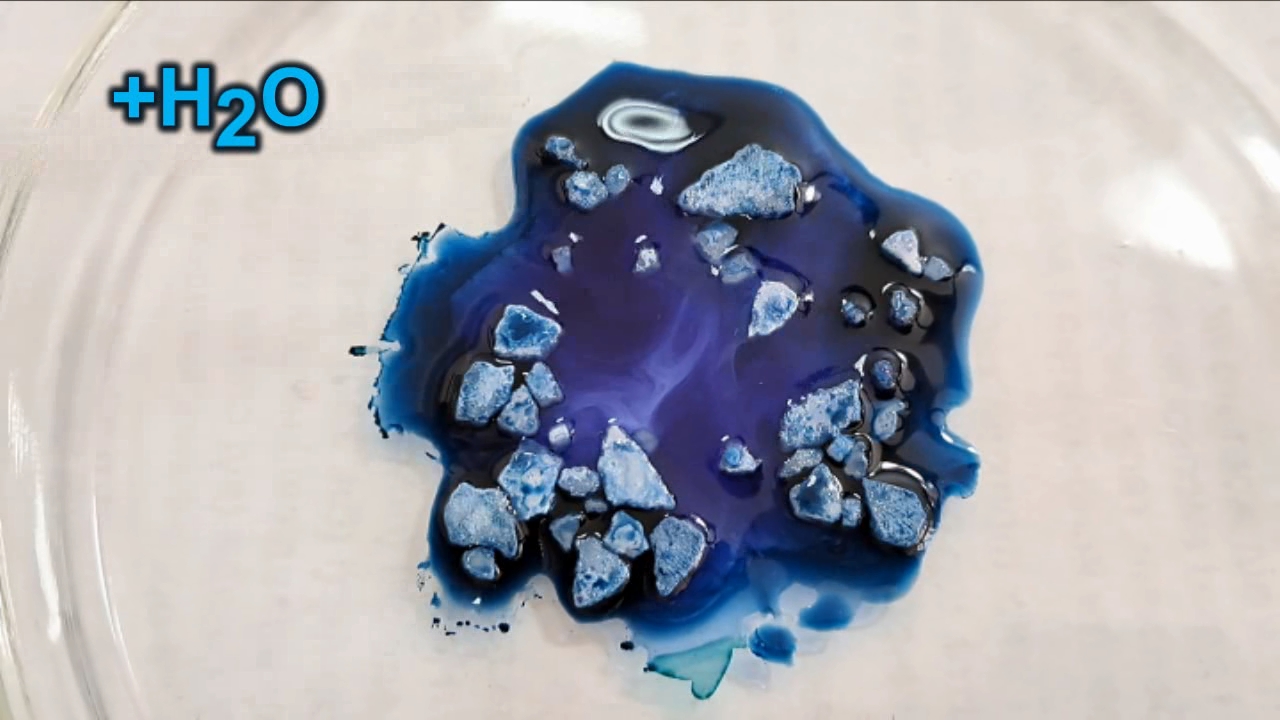
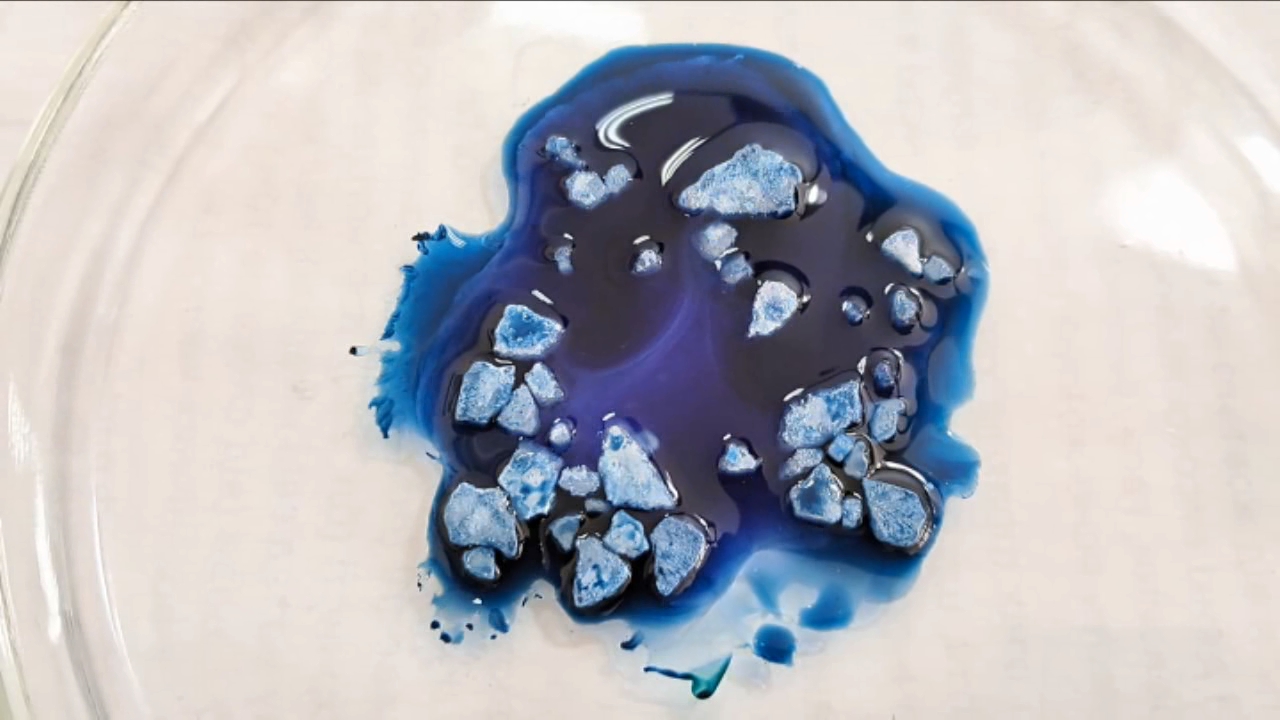
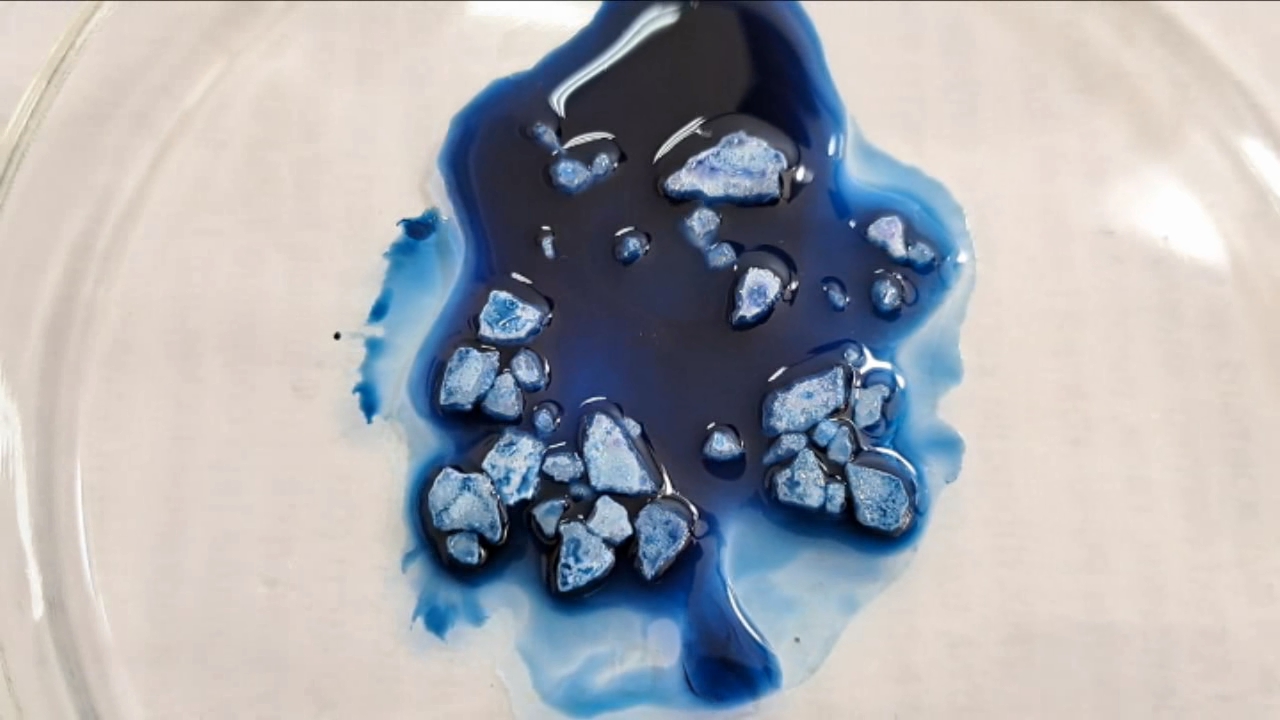
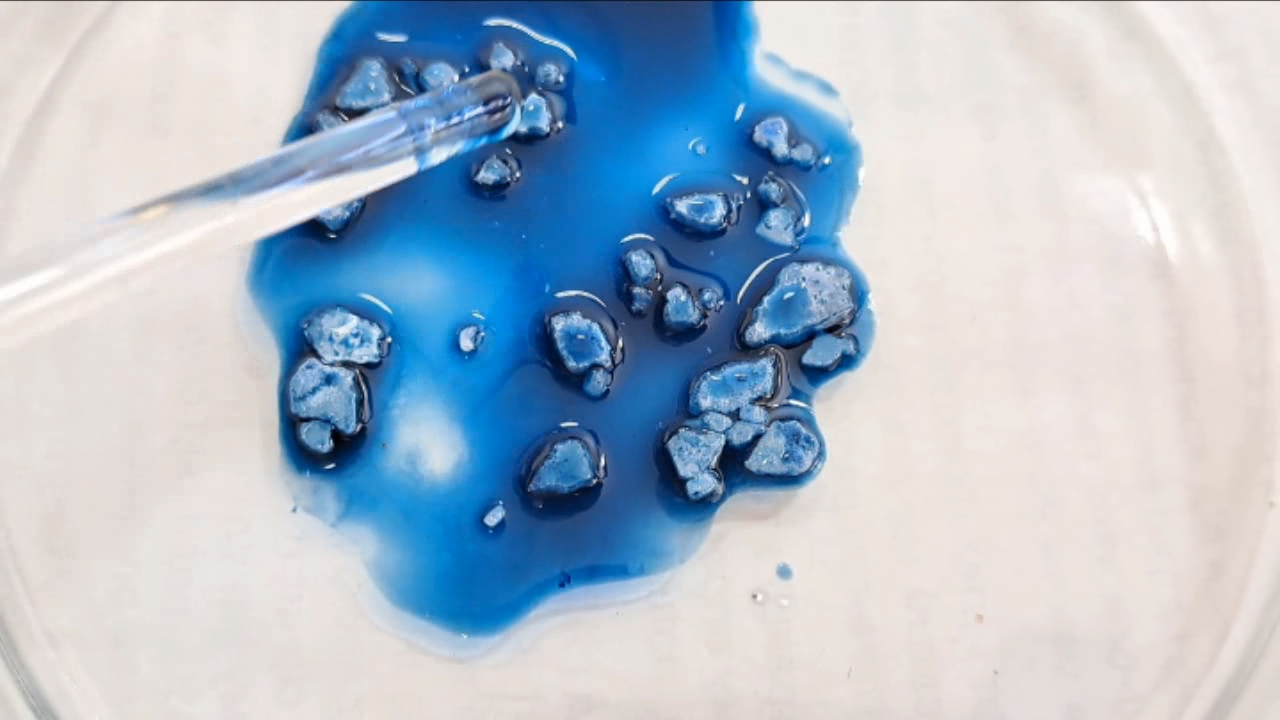
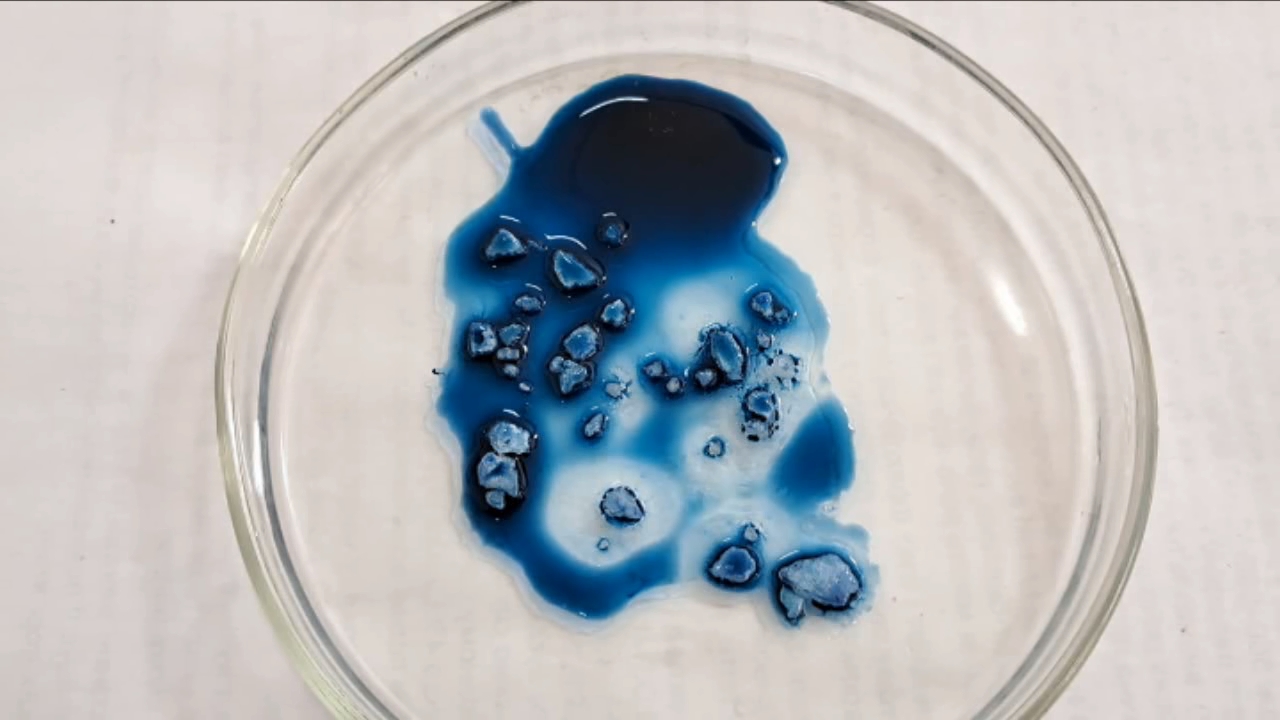
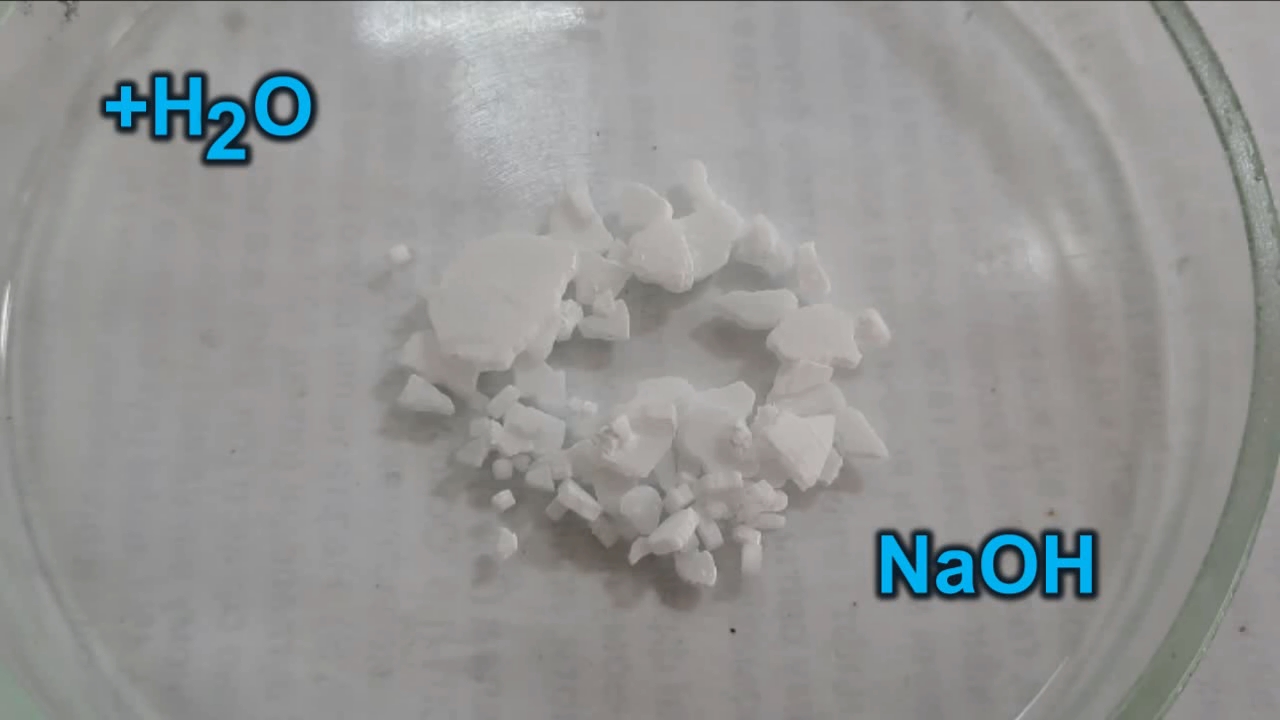
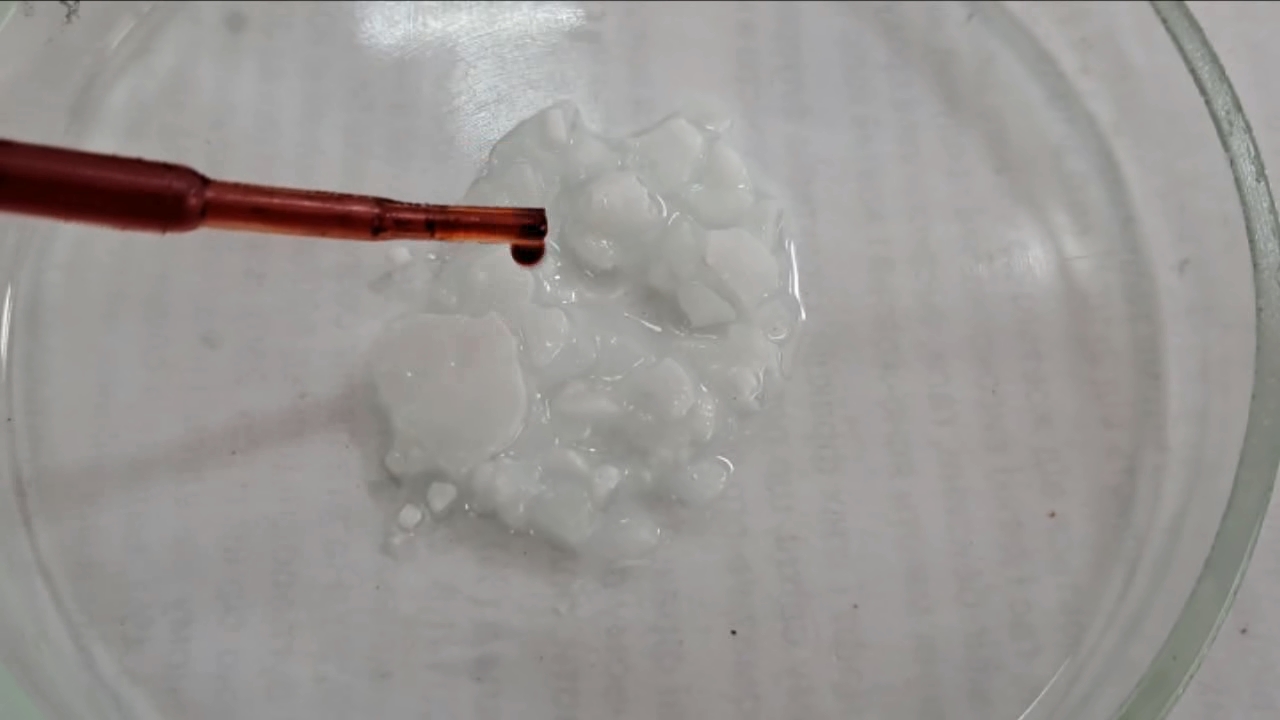
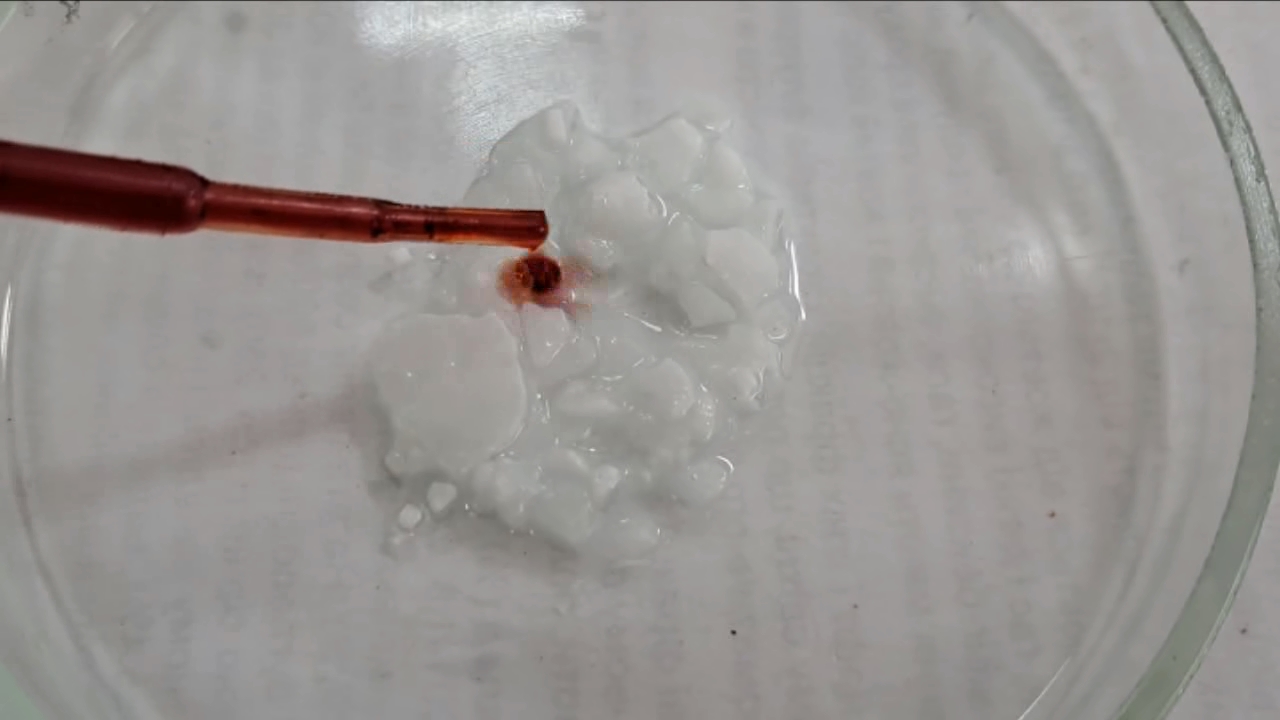
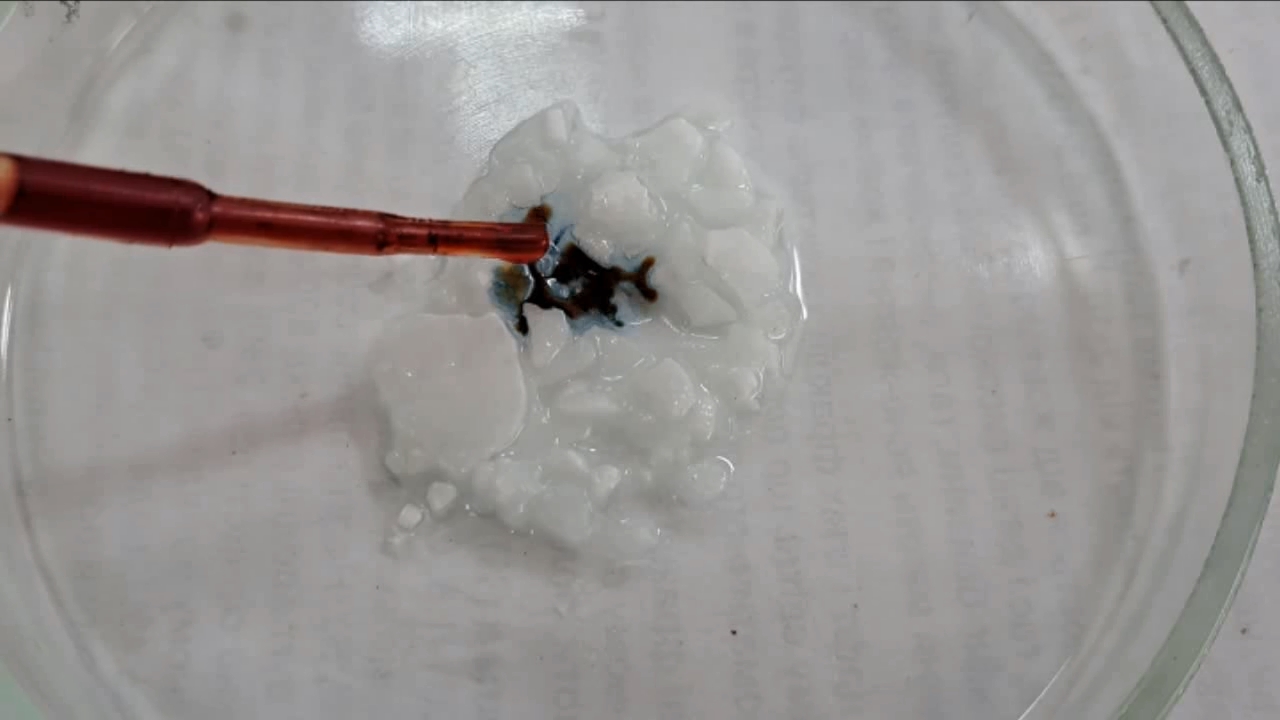
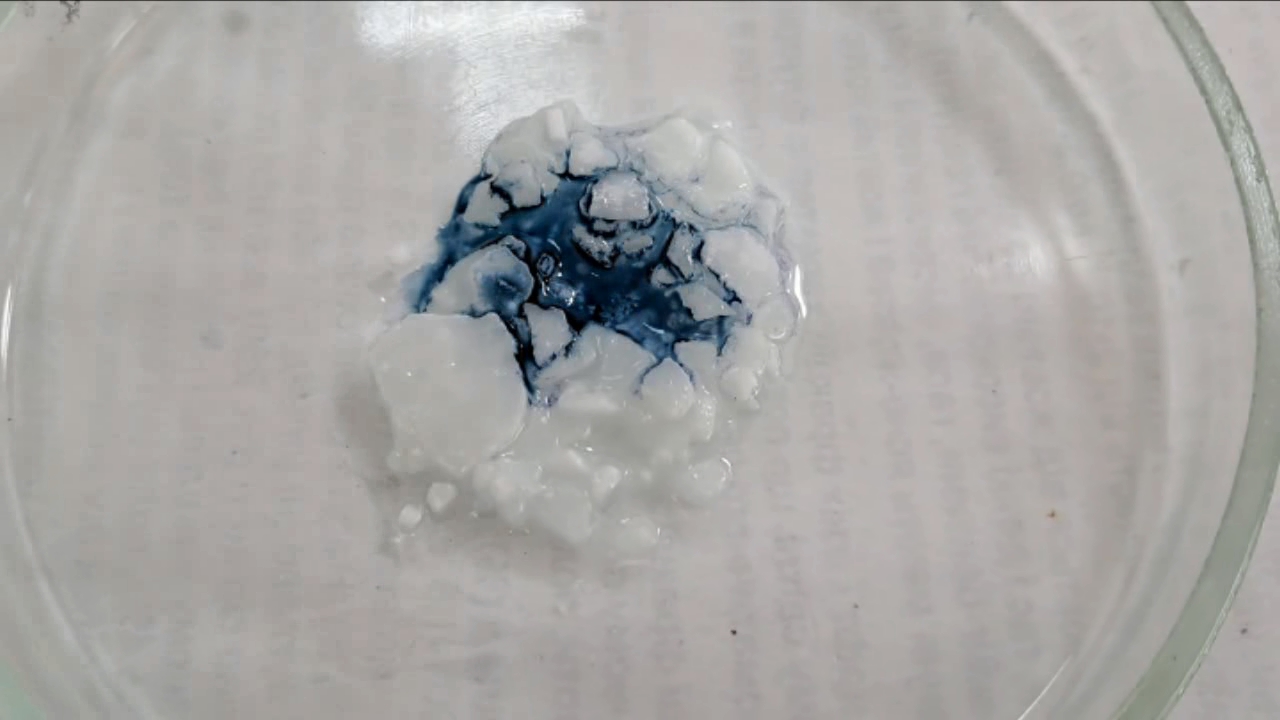
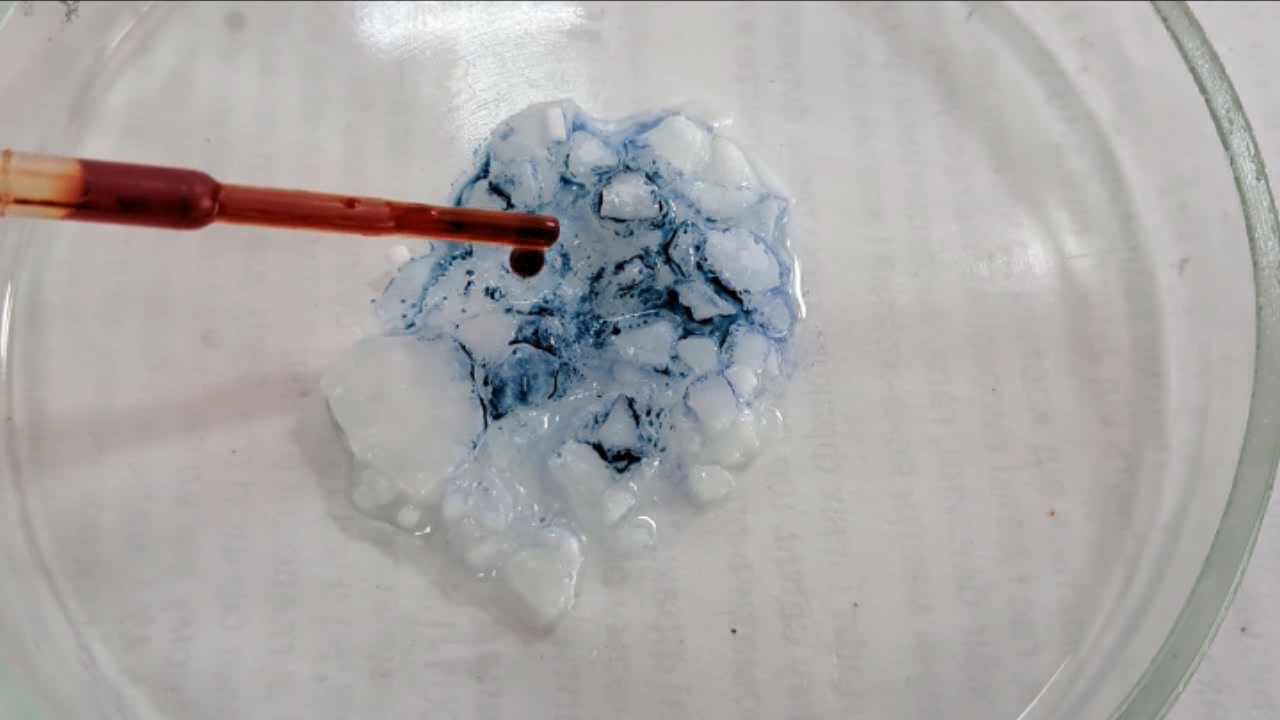
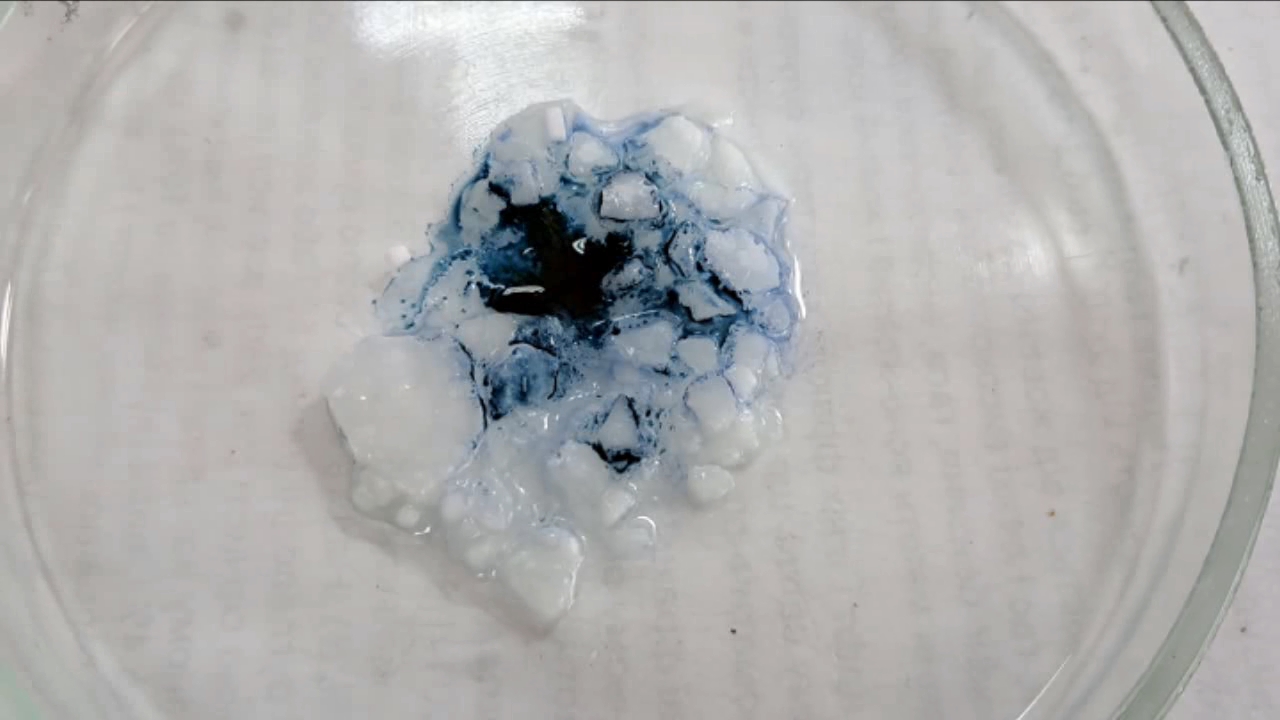
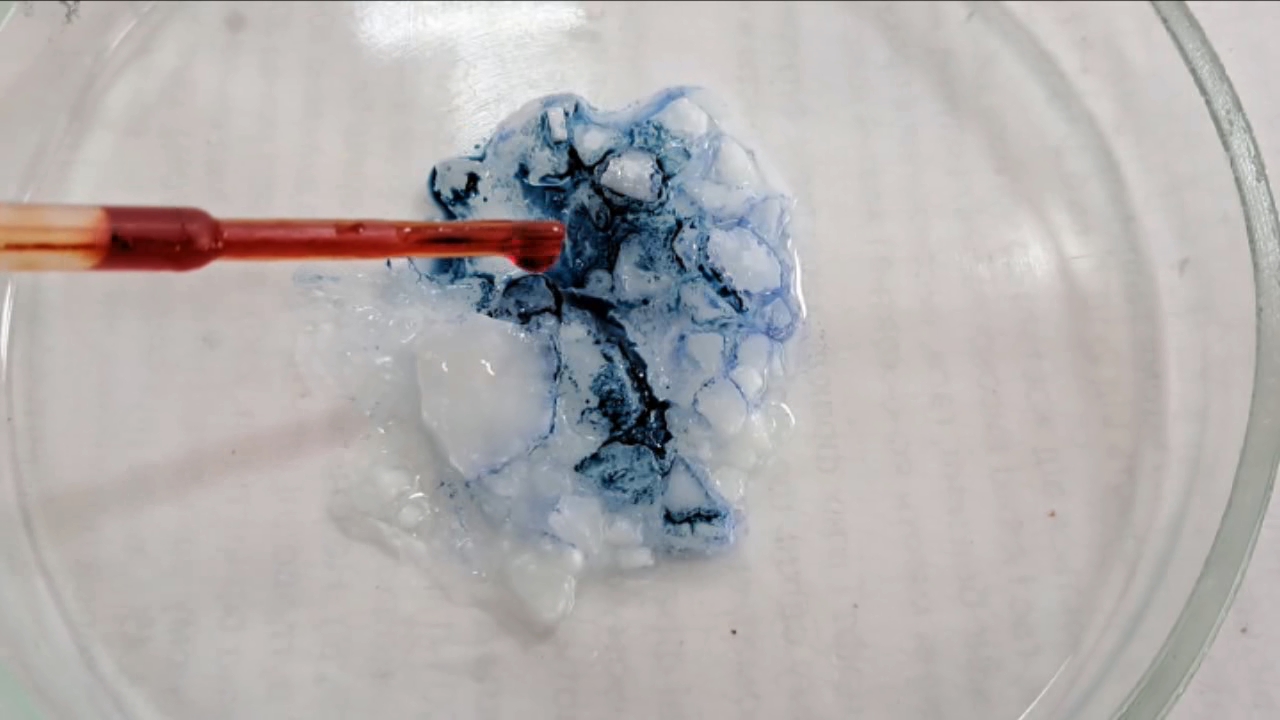
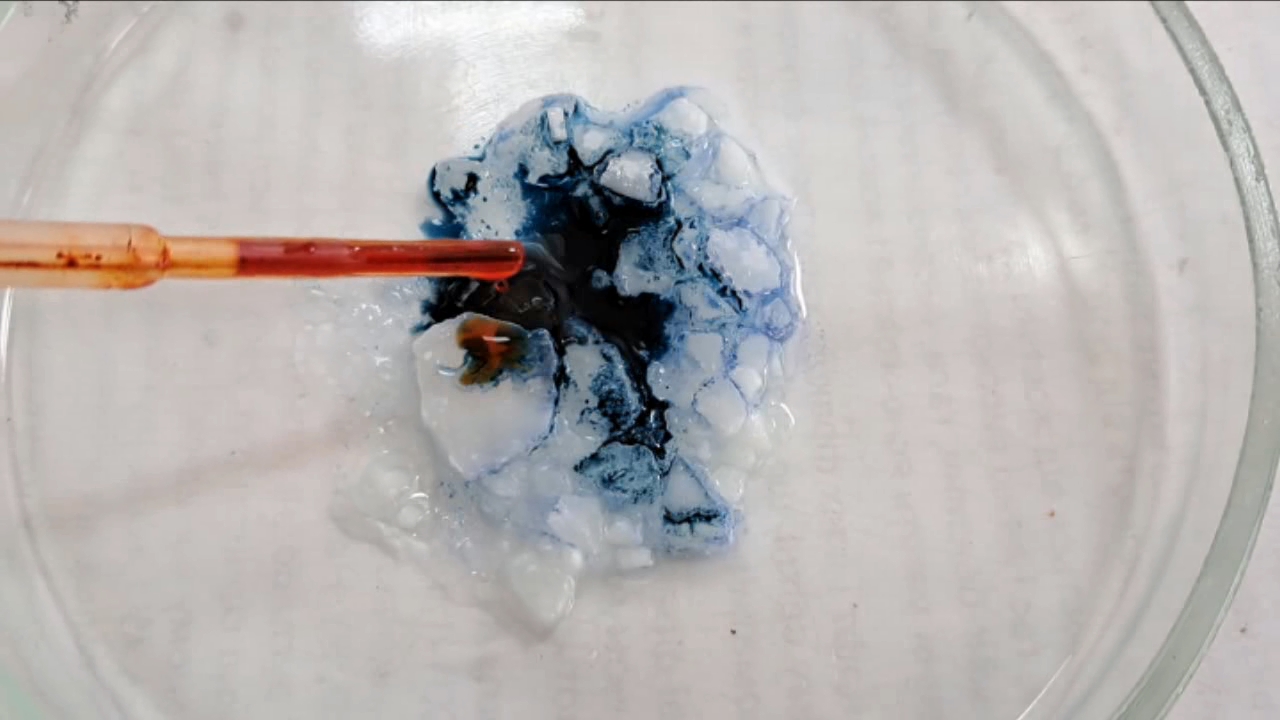
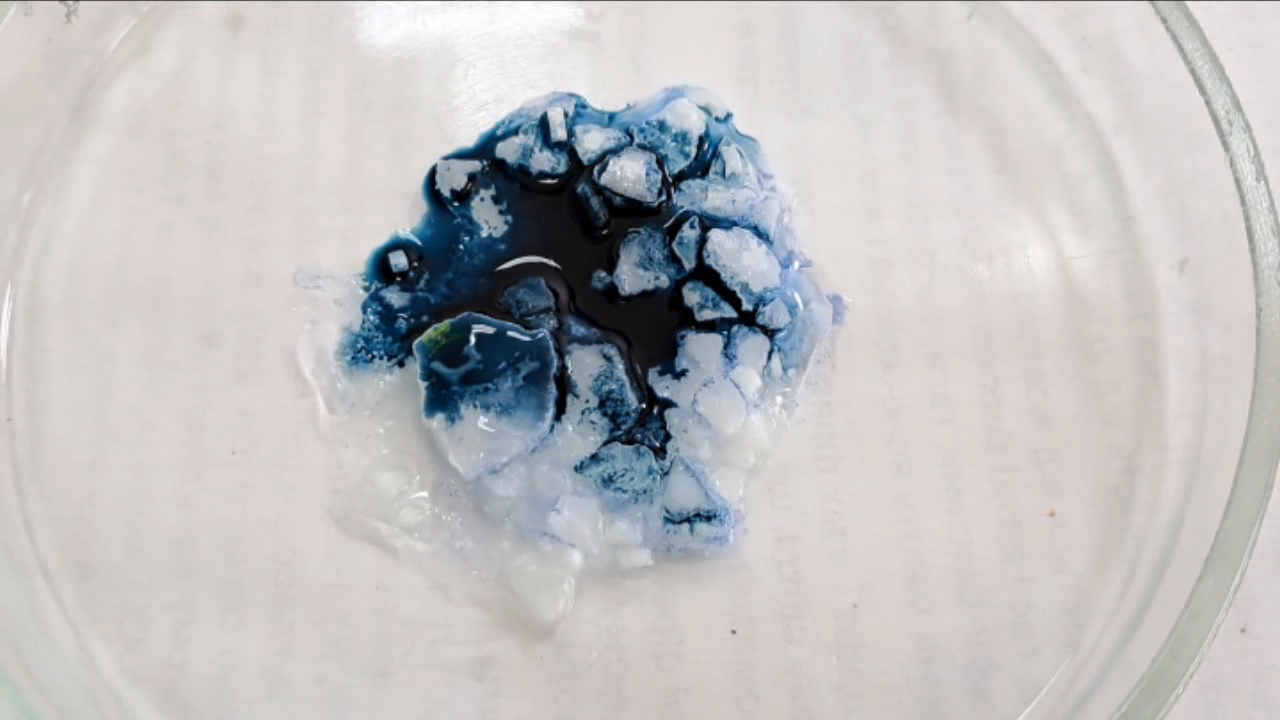
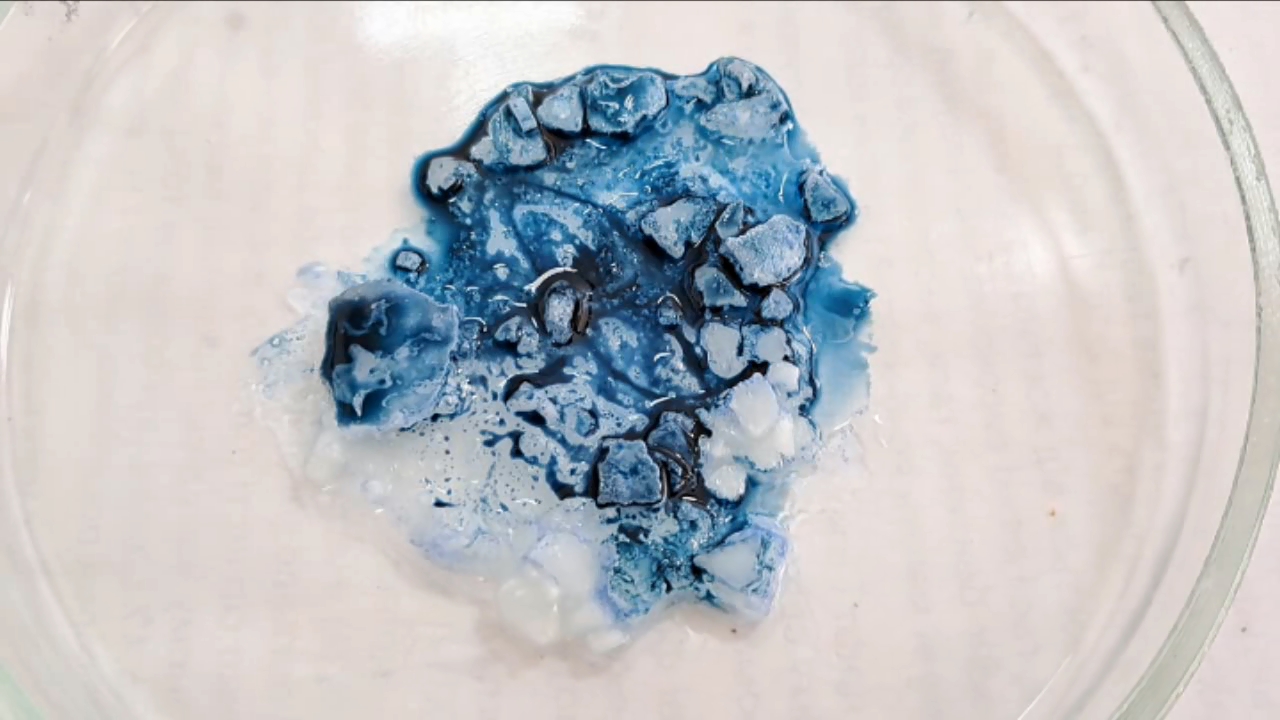
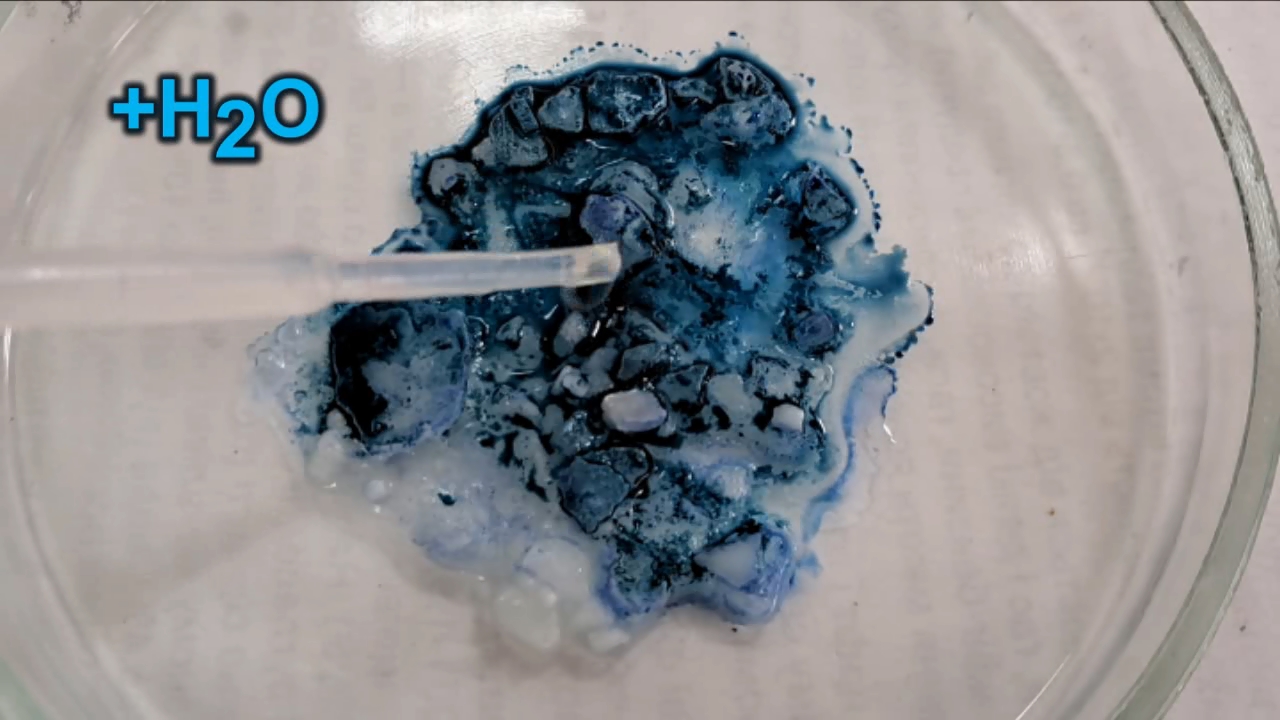
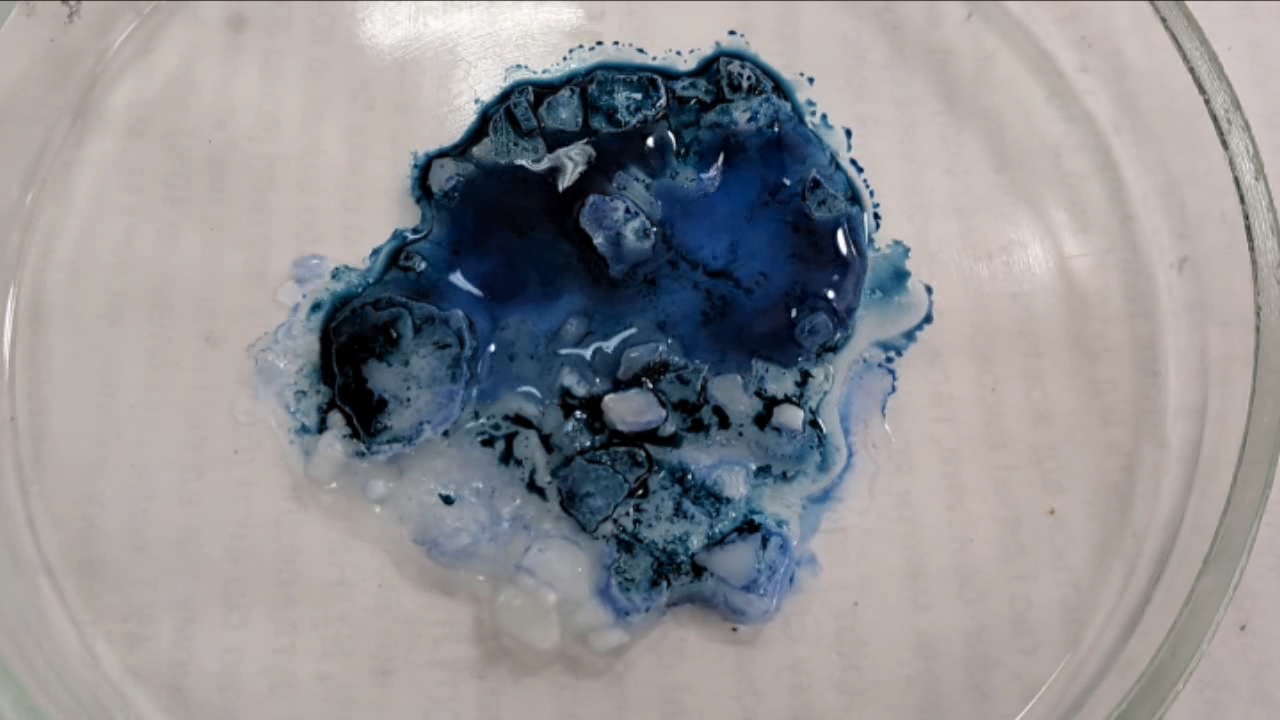
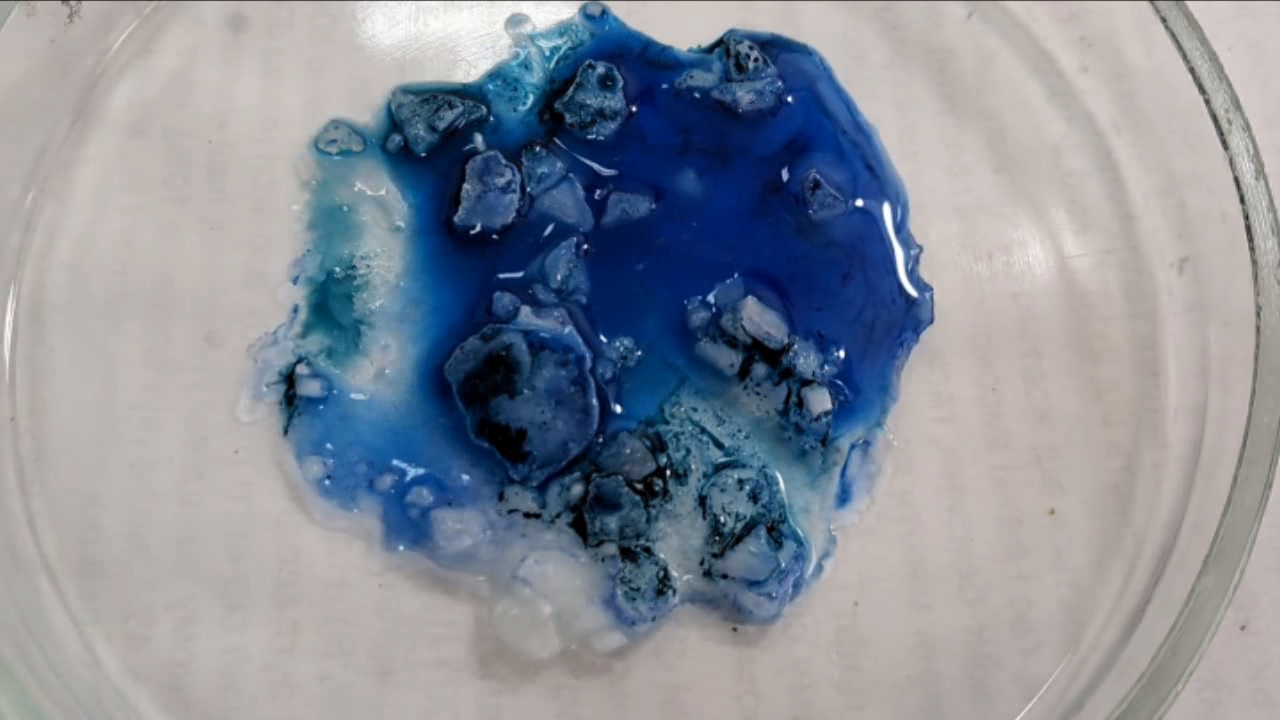
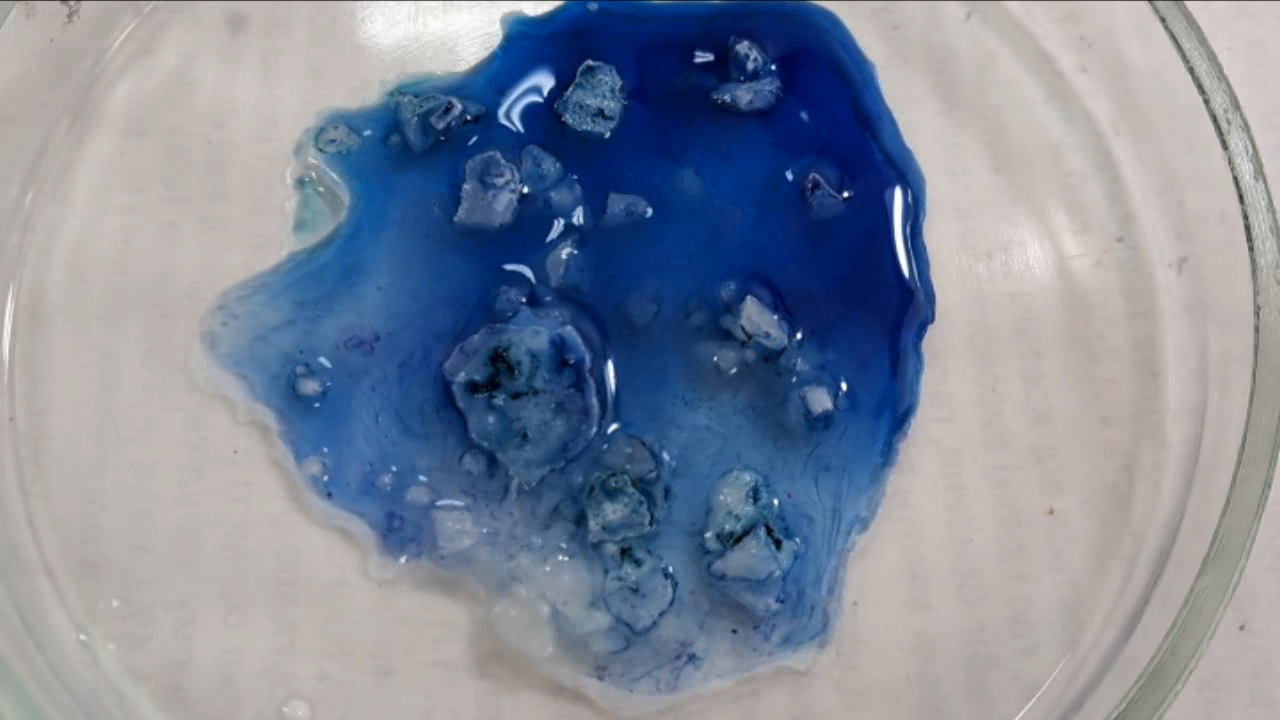
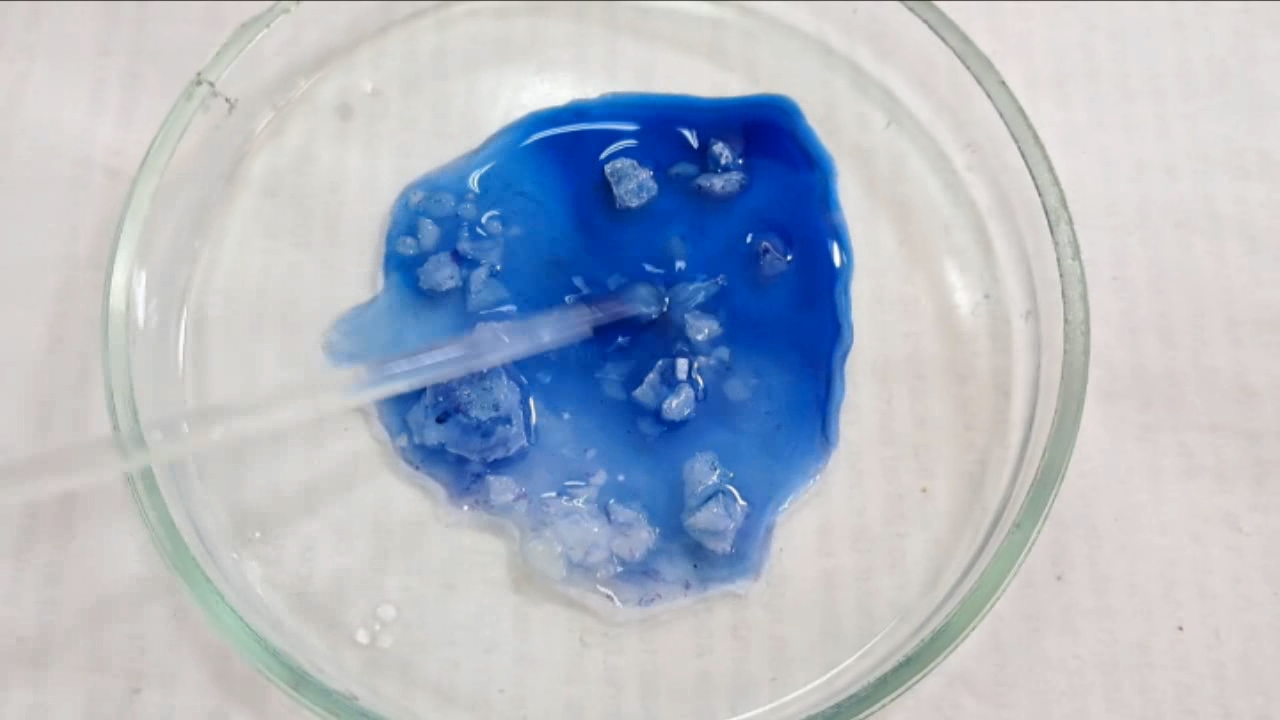
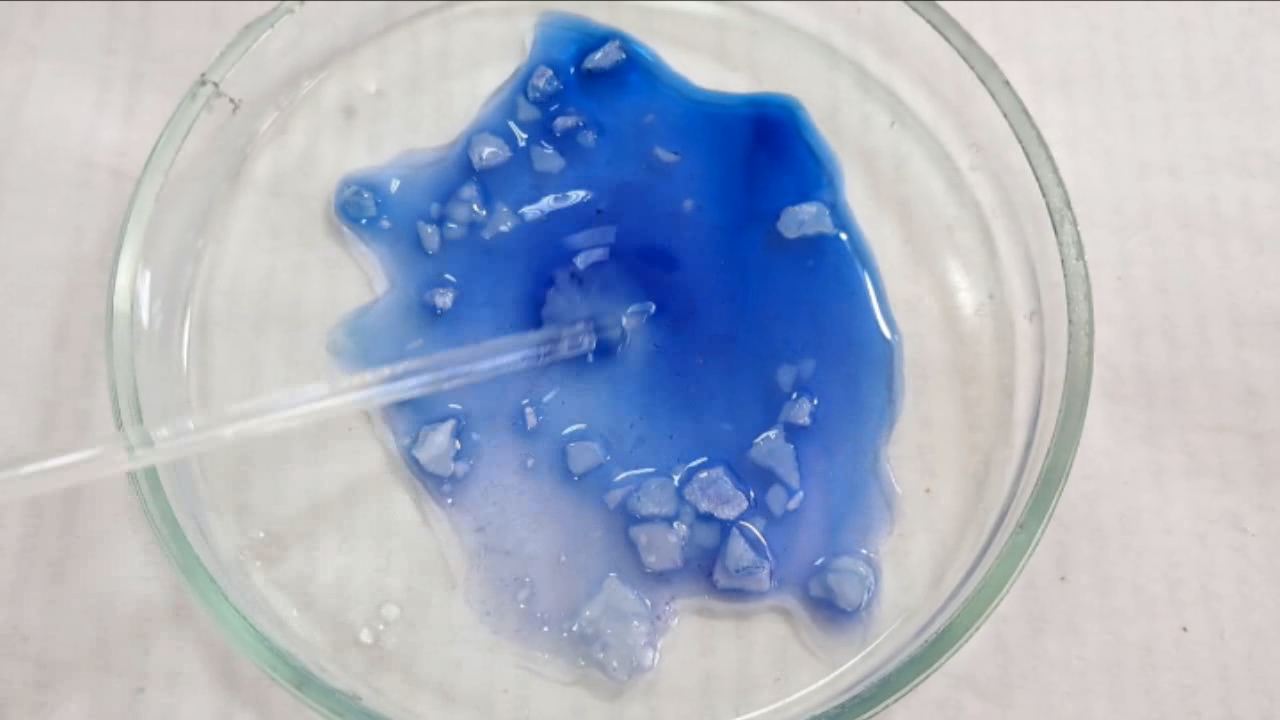
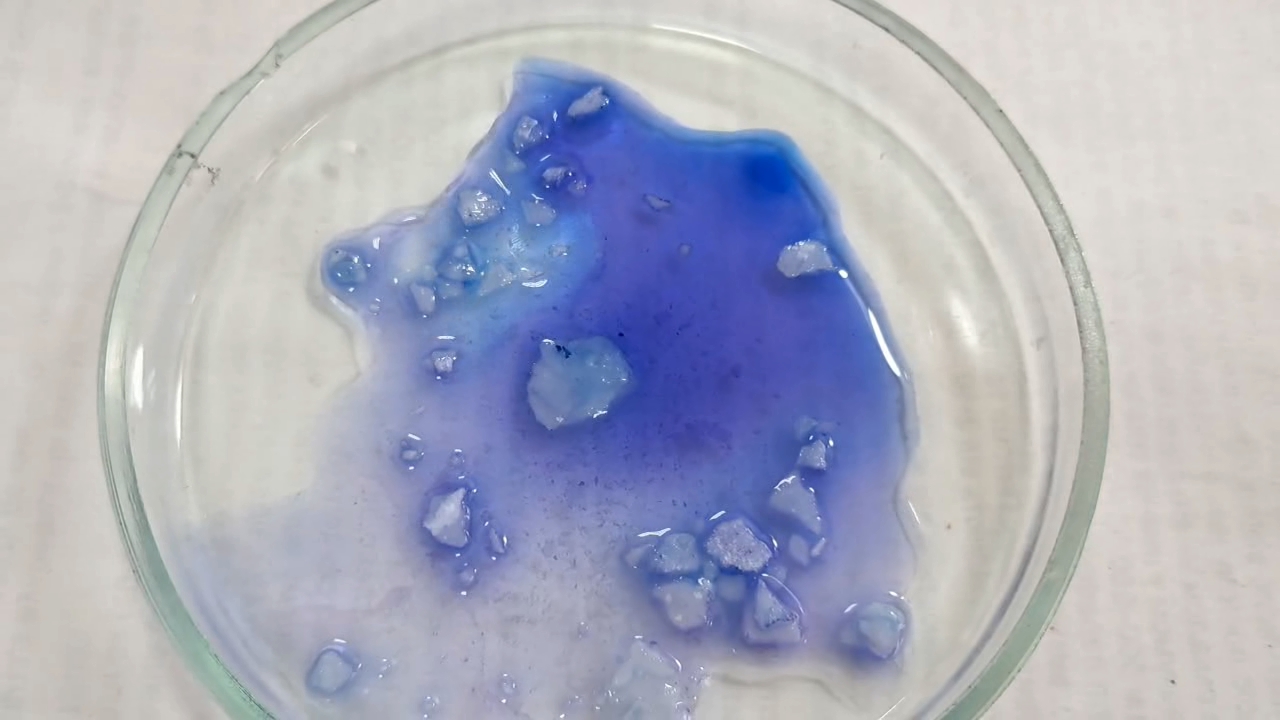
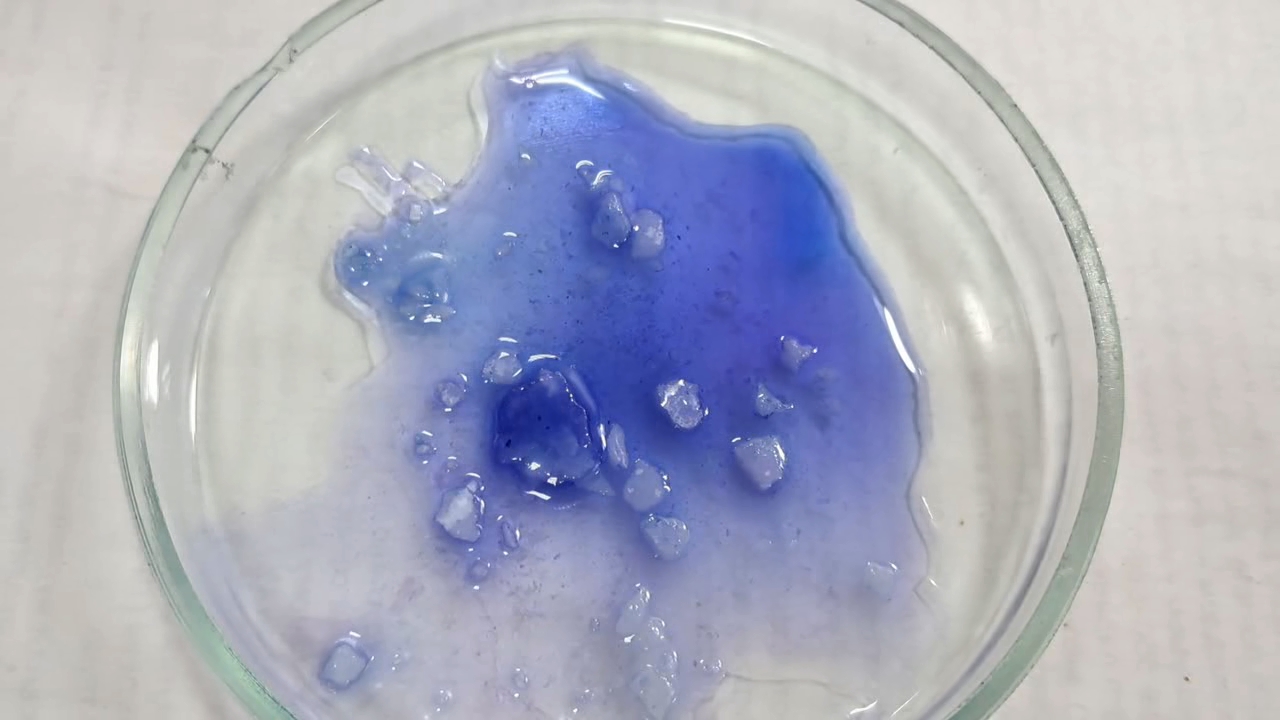
Универсальный индикатор и гидроксид натрия - Часть 19 Afterward, I experimented with an alcoholic solution of the indicator and solid alkali, and shortly afterward I conducted several other experiments. Incidentally, during yesterday's experiment, I almost suffered a serious injury while carelessly experimenting with an organic peroxide. The incident happened so quickly that I did not even have time to become frightened. But I will tell that story another time. For now, I will describe the experiment with the universal indicator and alkali. I placed a pile of sodium hydroxide granules in a Petri dish and added a few drops of an alcoholic solution of universal indicator. The brown solution turned green on the surface of the granules. The same color had been observed previously in the experiment with a saturated sodium hydroxide solution and universal indicator paper. I added more indicator solution and stirred. The liquid turned blue in some places and remained green in others. I then added a few drops of water. A violet color appeared briefly before turning blue again. These color variations were caused by differences in alkali concentration within the liquid phase. Solid sodium hydroxide did not dissolve instantly in alcohol or water. Adding the alcoholic indicator solution or water reduced the alkali concentration on the one hand, while on the other hand causing additional portions of the solid alkali to dissolve. The highest alkali concentration corresponded to a green solution, a somewhat lower concentration produced a violet color, and an even lower concentration produced a blue color. I repeated the experiment with a slight modification. This time, I first moistened the solid alkali with a few drops of water and stirred the substances, then added the indicator solution. The alkali turned green. Subsequent additions of water caused the liquid to turn blue and then violet. At first, the water diluted the alkali solution; later, it dissolved additional sodium hydroxide. The experiment was not particularly visual, but it was extremely simple. __________________________________________________ 1 Universal Indicator, Phenolphthalein, and Sodium Hydroxide - Part 11 [link]. |
|
Универсальный индикатор и гидроксид натрия - Часть 19
При контакте с насыщенным раствором гидроксида натрия универсальная индикаторная бумага приобрела зеленый цвет [1]. По шкале сравнения цветов индикатора (pH=1-12) зеленый цвет соответствовал слабощелочному раствору. Сильнощелочной среде соответствовали синий (pH=11) и фиолетовый (pH=12) цвета индикатора. Однако, в данном случае раствор был еще более щелочной (pH>14) - так совпало, что при данных условиях индикатор также приобретает зеленый цвет, как и в слабощелочном растворе.
После этого я провел эксперимент с раствором индикатора в спирте и твердой щелочью, а чуть позже осуществил ряд других экспериментов. Кстати, во время вчерашнего опыта я чуть сильно не пострадал, легкомысленно экспериментируя с органической перекисью. Серьезный инцидент произошел насколько быстро, что я даже не успел испугаться. Но об этом расскажу как-нибудь потом. Ниже описан эксперимент с универсальным индикатором и щелочью. Поместил в чашку Петри кучку гранул гидроксида натрия, добавил несколько капель спиртового раствора универсального индикатора. Коричневый раствор стал на поверхности гранул зеленым. Такой же цвет наблюдался в эксперименте с насыщенным раствором гидроксида натрия и универсальной индикаторной бумагой. Добавил больше раствора индикатора, перемешал. Жидкость местами стала синей, а местами осталась зеленой. Добавил несколько капель воды - на время появилась фиолетовая окраска, которая перешла снова в синюю. Такое разнообразие цветов объясняется вариацией концентрации щелочи в жидкой фазе. Растворение твердого гидроксида натрия в спирте или воде происходило далеко не моментально. Добавление спиртового раствора индикатора или воды понижало концентрацию щелочи с одной стороны и вызывало растворение новых порций твердой фазы с другой. Наибольшей концентрации щелочи соответствовал зеленый раствор, менее щелочной раствор имел фиолетовый цвет и еще менее щелочной окрасился в синий цвет. Повторил эксперимент, внеся небольшое изменение. На этот раз я смочил твердую щелочь несколькими каплями воды и перемешал вещества, а уже потом добавив раствор индикатора. Щелочь окрасилась в зеленый цвет. Последующее добавление воды вызывало появление сначала синей, потом - фиолетовой окраски жидкости. Вода сначала разбавила раствор щелочи, а затем растворила новые порции гидроксида натрия. Эксперимент получился не особо наглядным, зато он исключительно простой. |
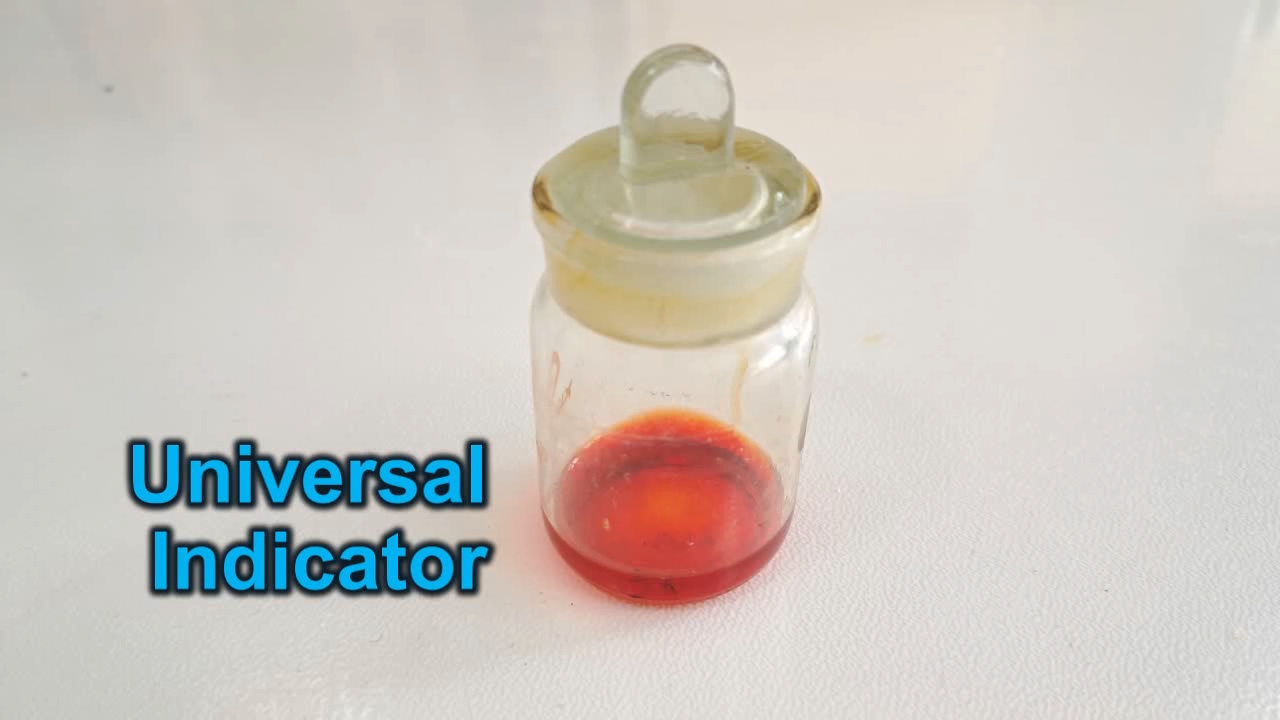
Universal Indicator and Sodium Hydroxide |
|
|
|
|
|
|
|
|
|
|
|
|
|
|
|
|
|
|
|
|
|
|
|
|
|
|
|
|
|
|
|
|
|
|
|
|
|
|
|
|
|
|
|
|
|
|
|
Having noticed a mistake in the text, allocate it and press Ctrl-Enter
Litmus Paper, Ammonia, and Sodium Hydroxide - Part 20
I have been wanting for some time to conduct a serious and interesting experiment, but I lack both the time and the energy. A great deal of work is involved in setting up the new laboratory. On the one hand, nobody forces me to do this work: I could quit at any moment and still keep my current position. Then I would have more time to film chemical demonstrations. On the other hand, my current laboratory has almost no equipment, insufficient reagents, and lacks many other essentials for a chemist. Most importantly, there is no real purpose to our work. Formally, we conduct research, write scientific papers and conference abstracts, but in reality their scientific value asymptotically approaches zero.
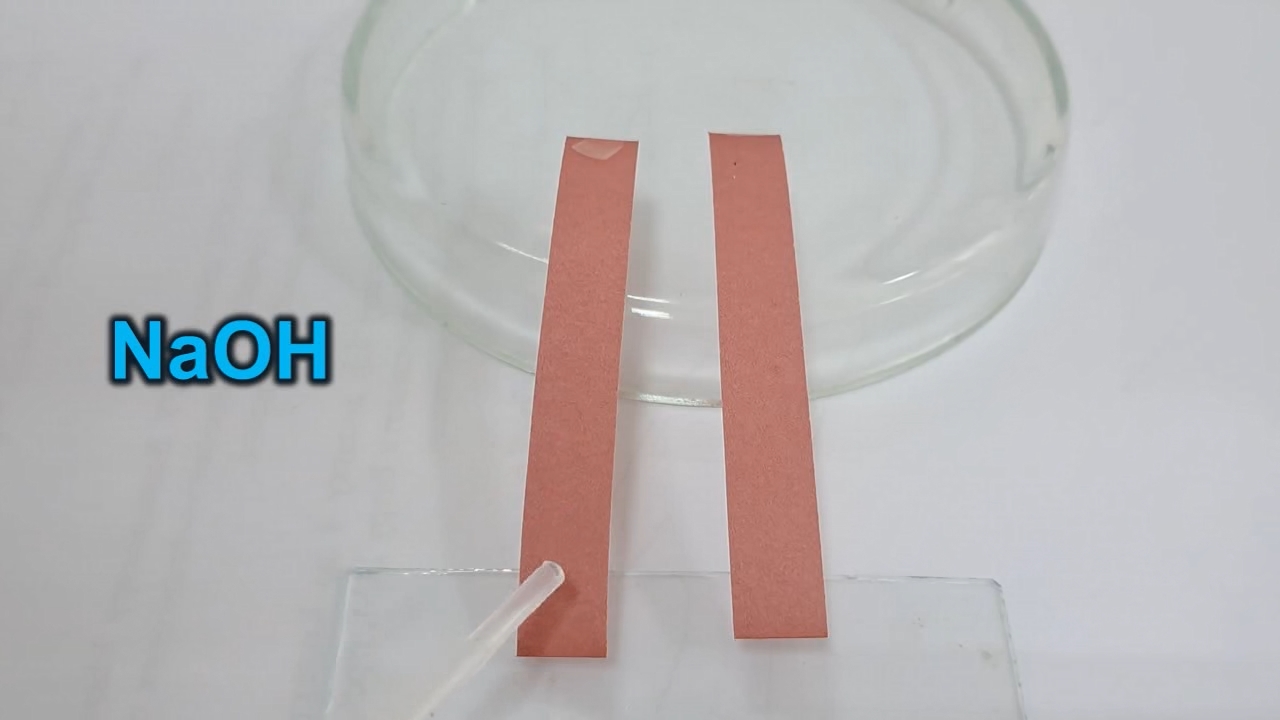
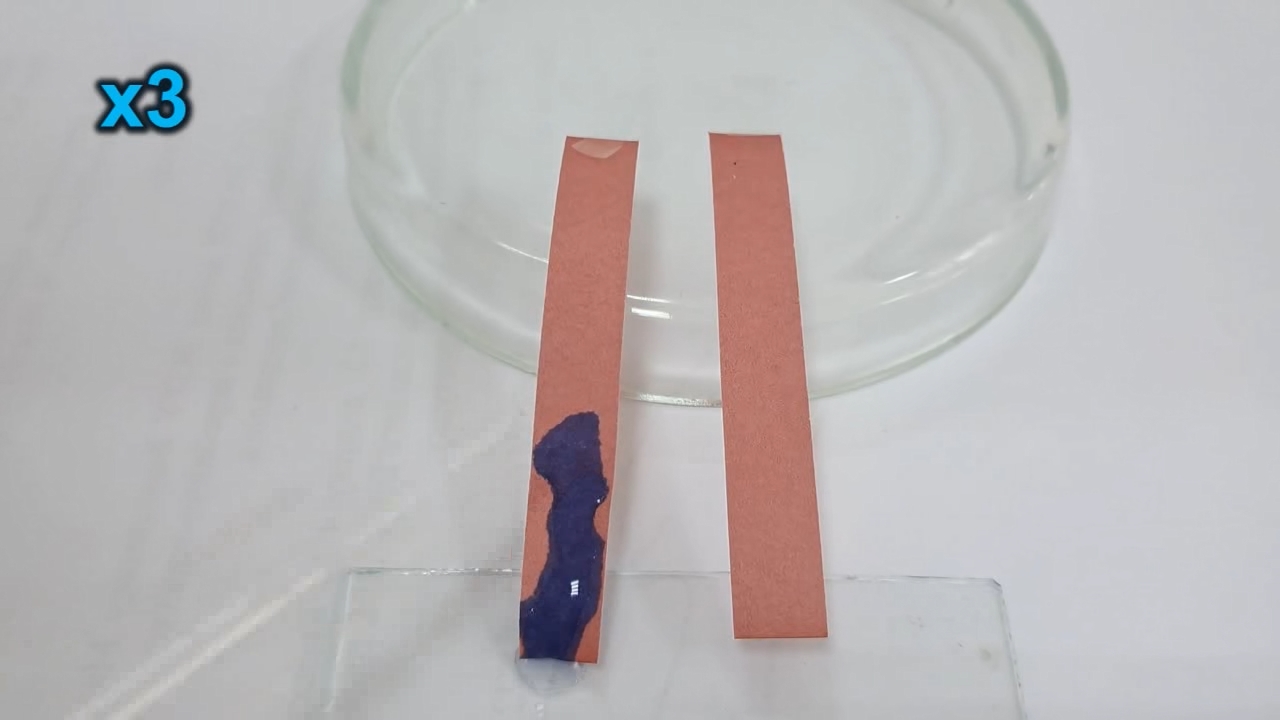
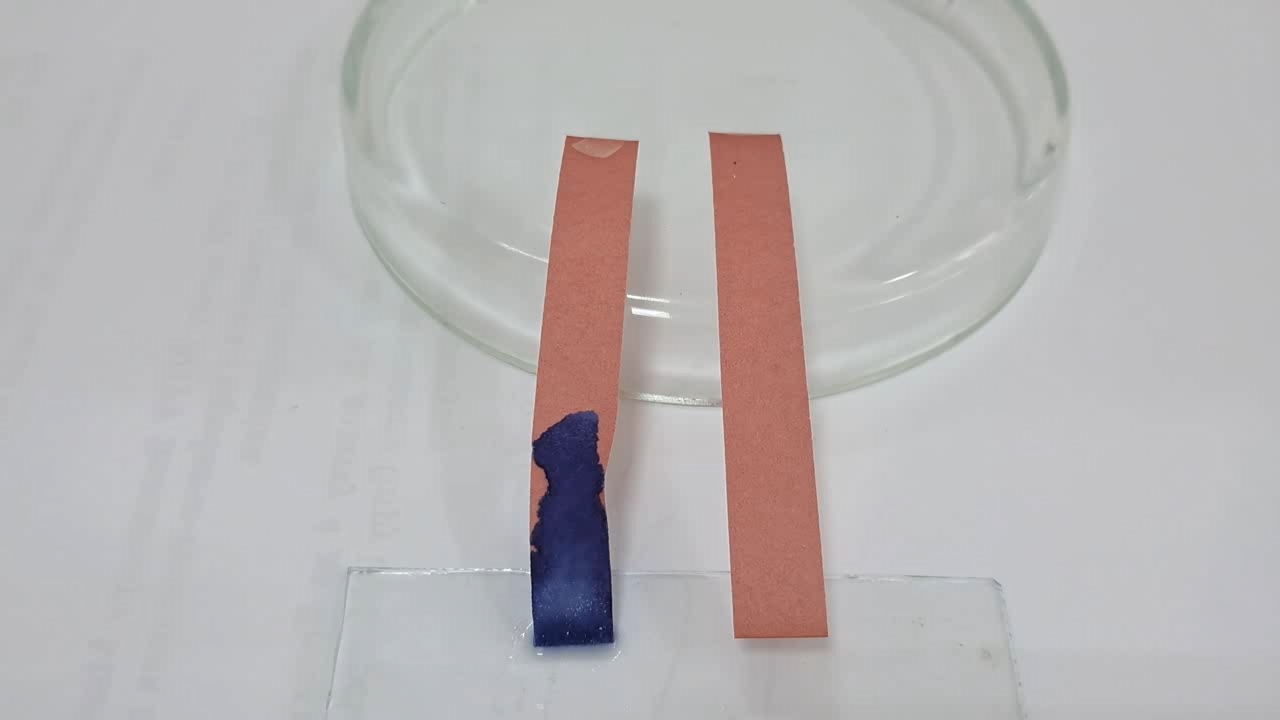
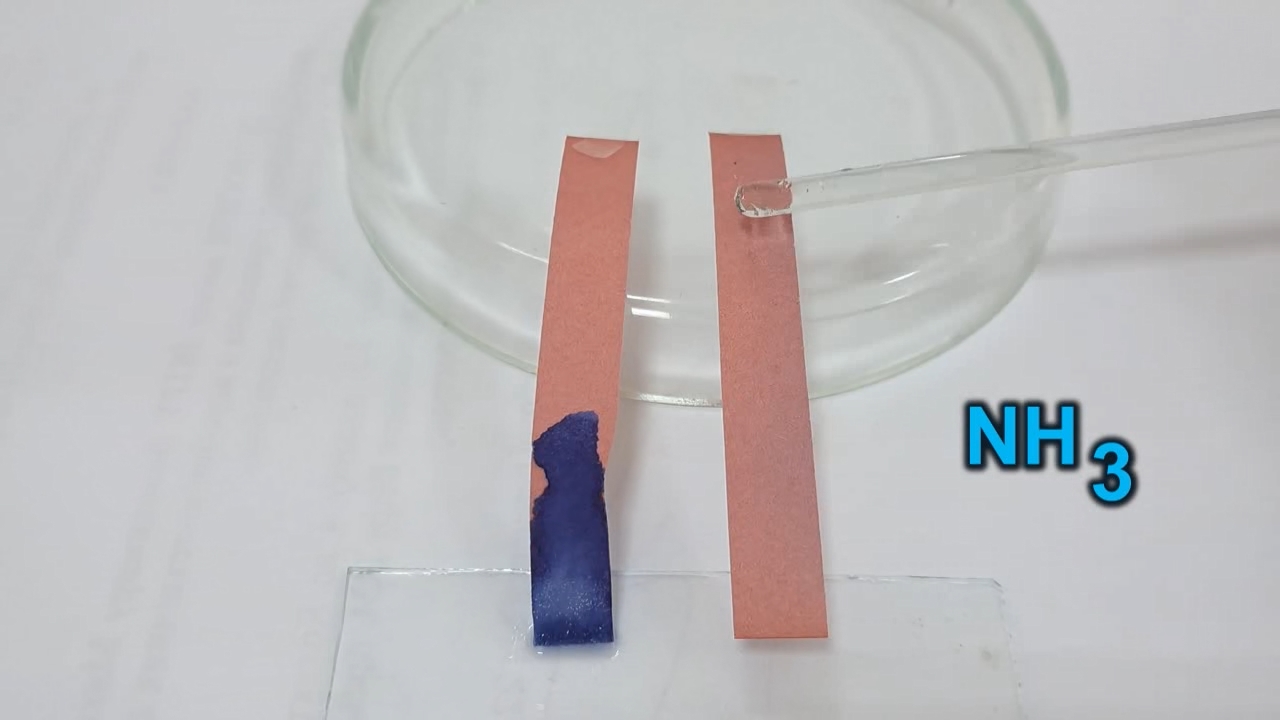
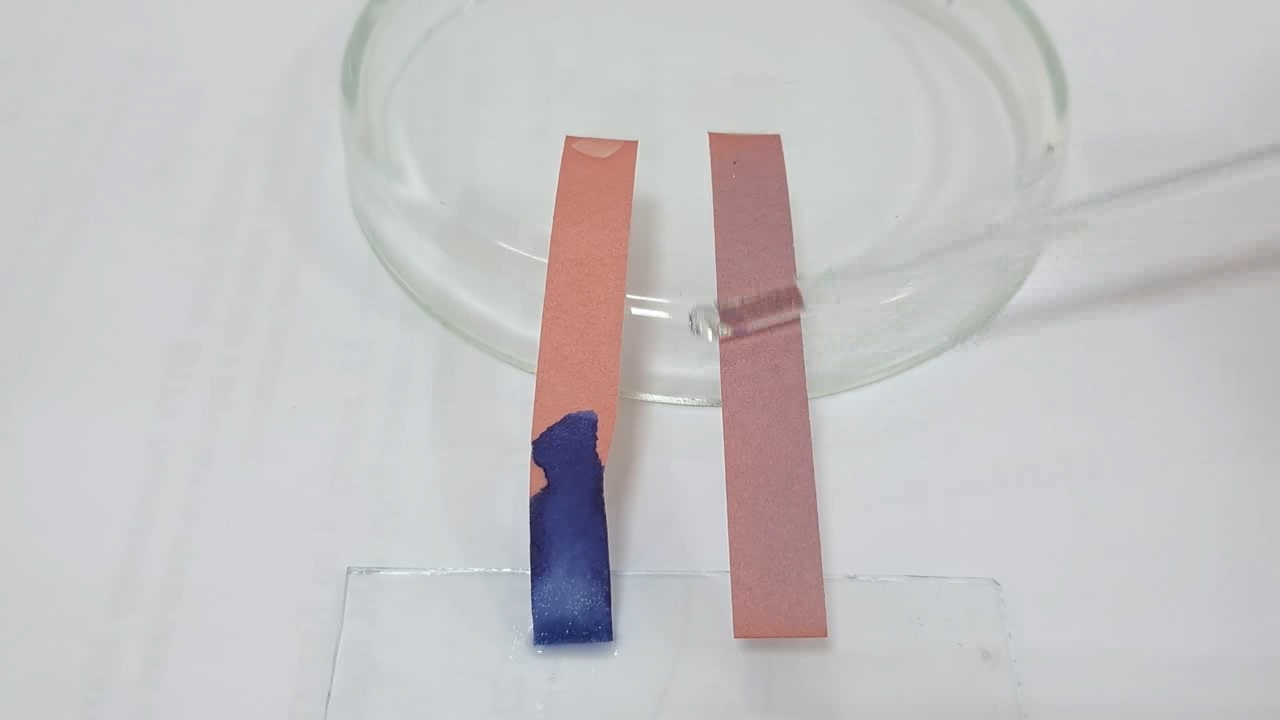
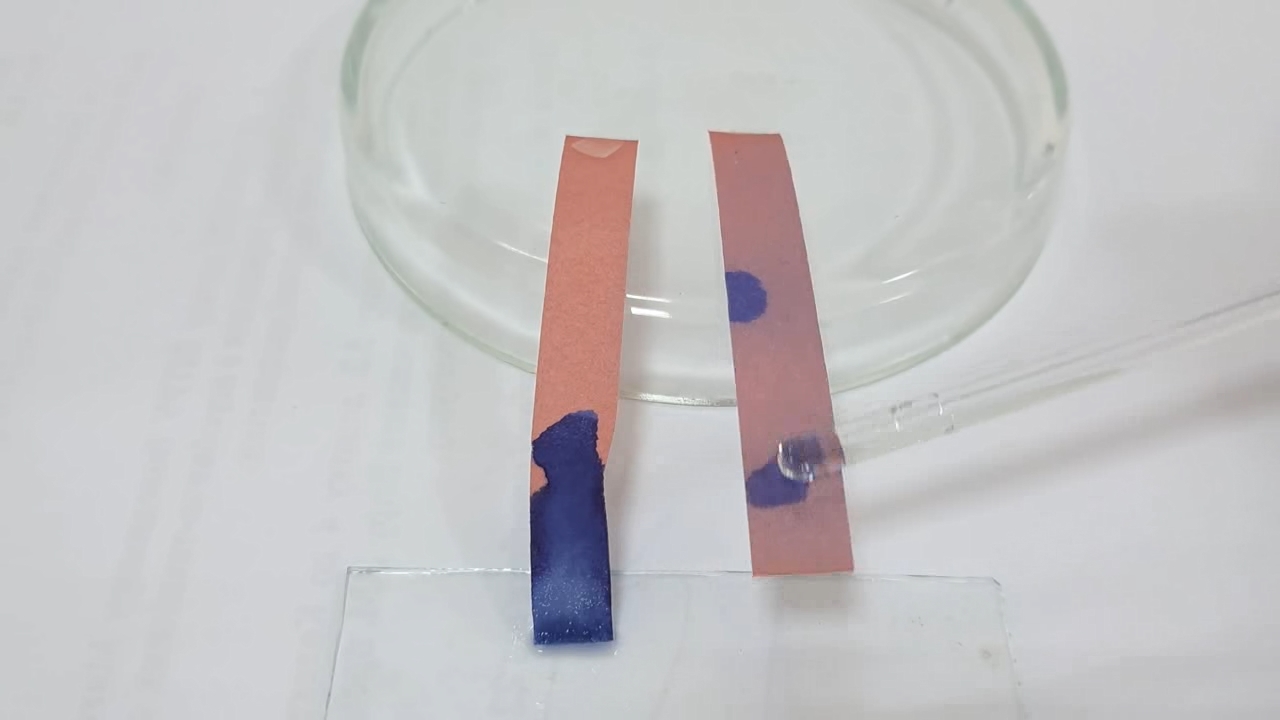
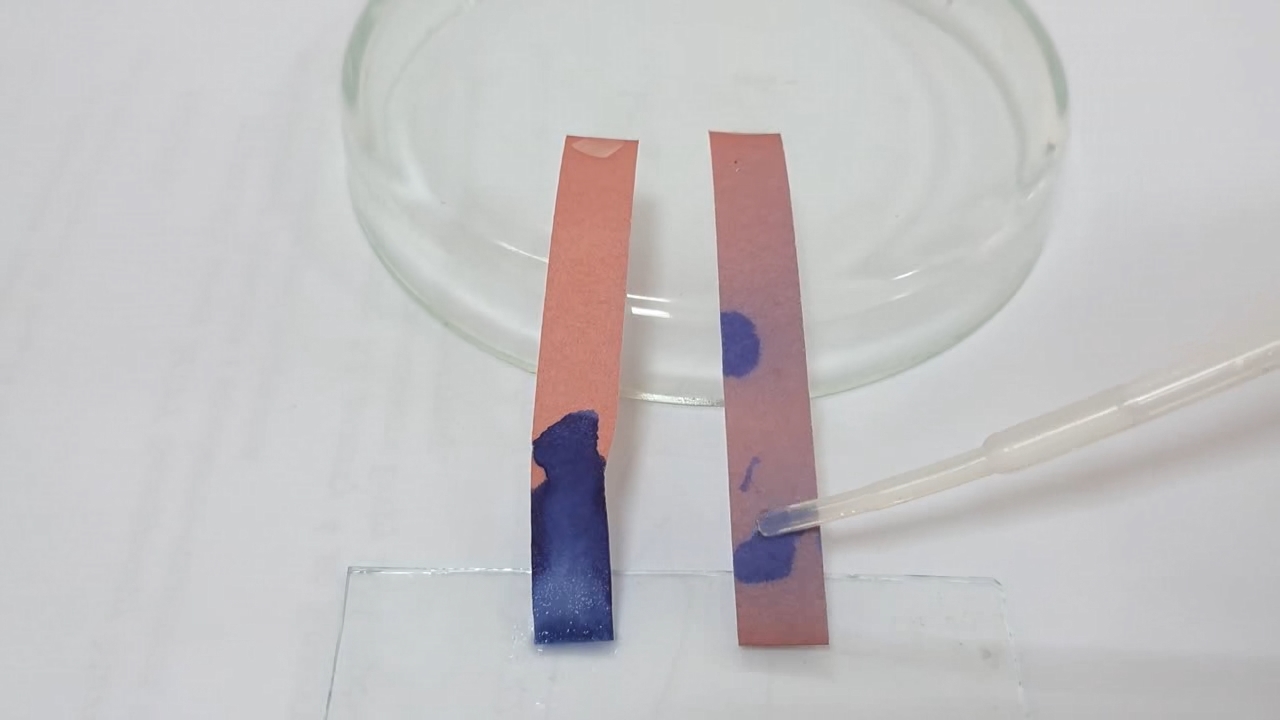
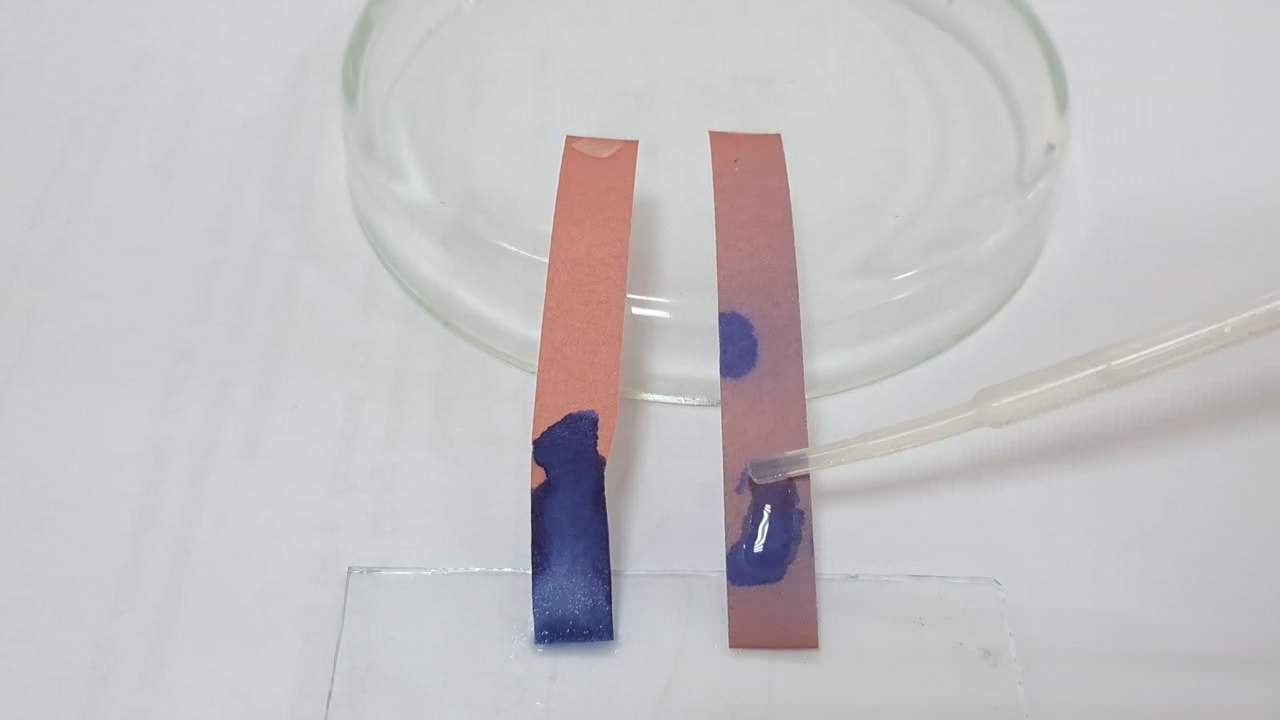
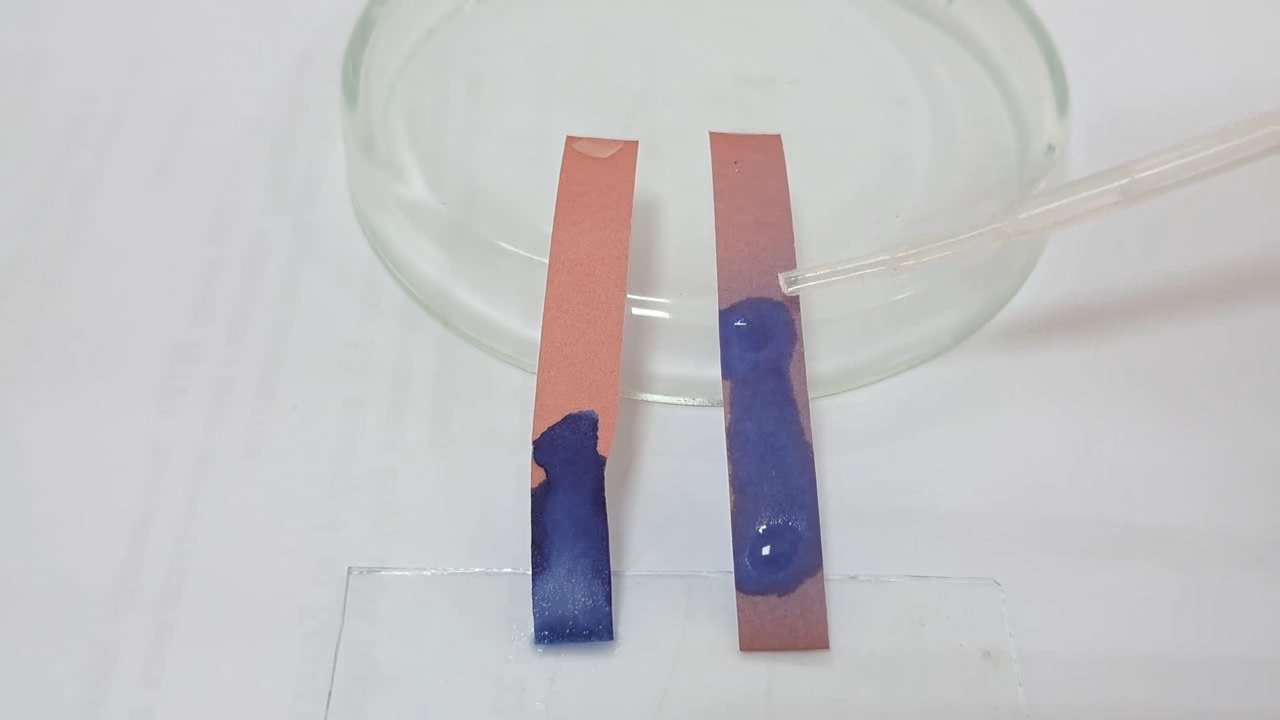
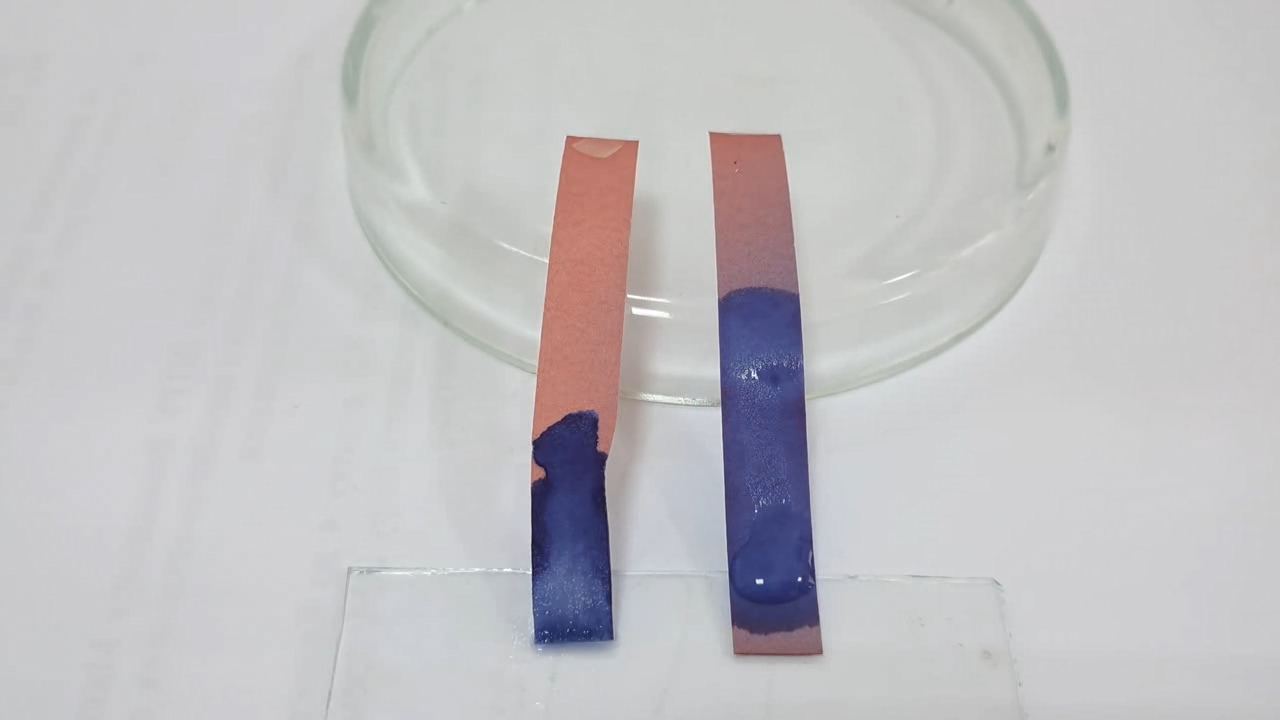
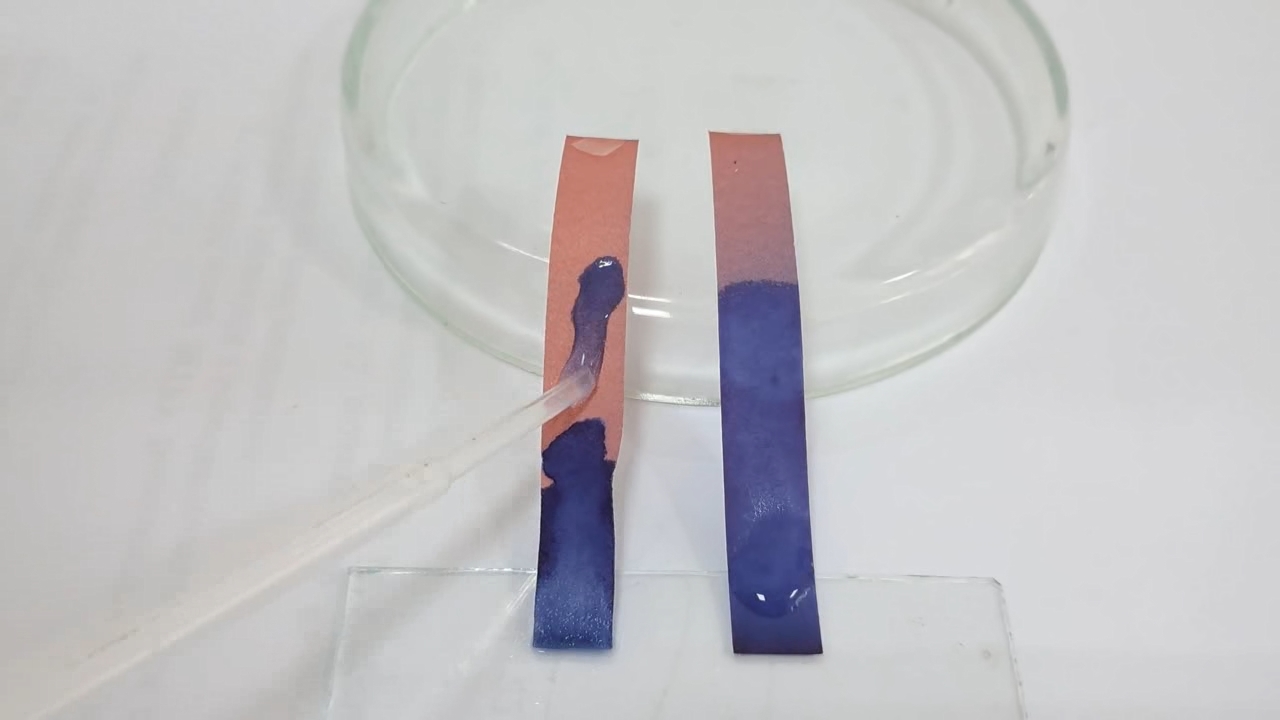
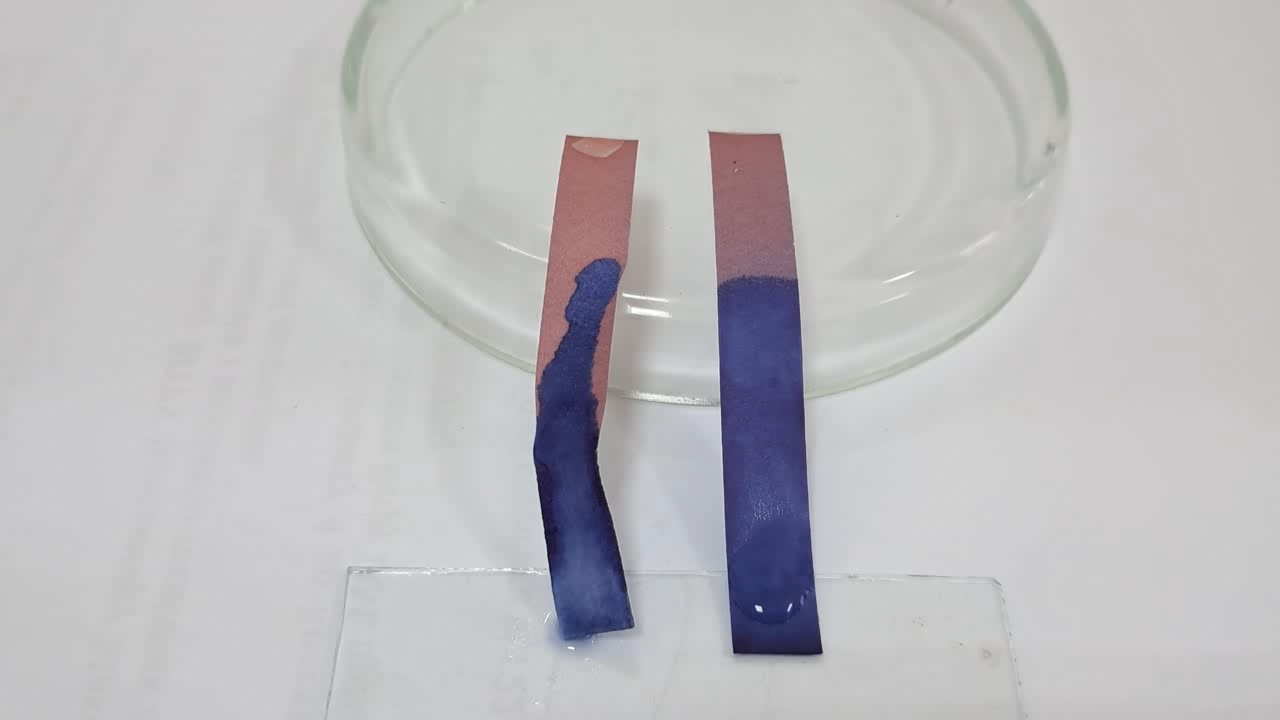
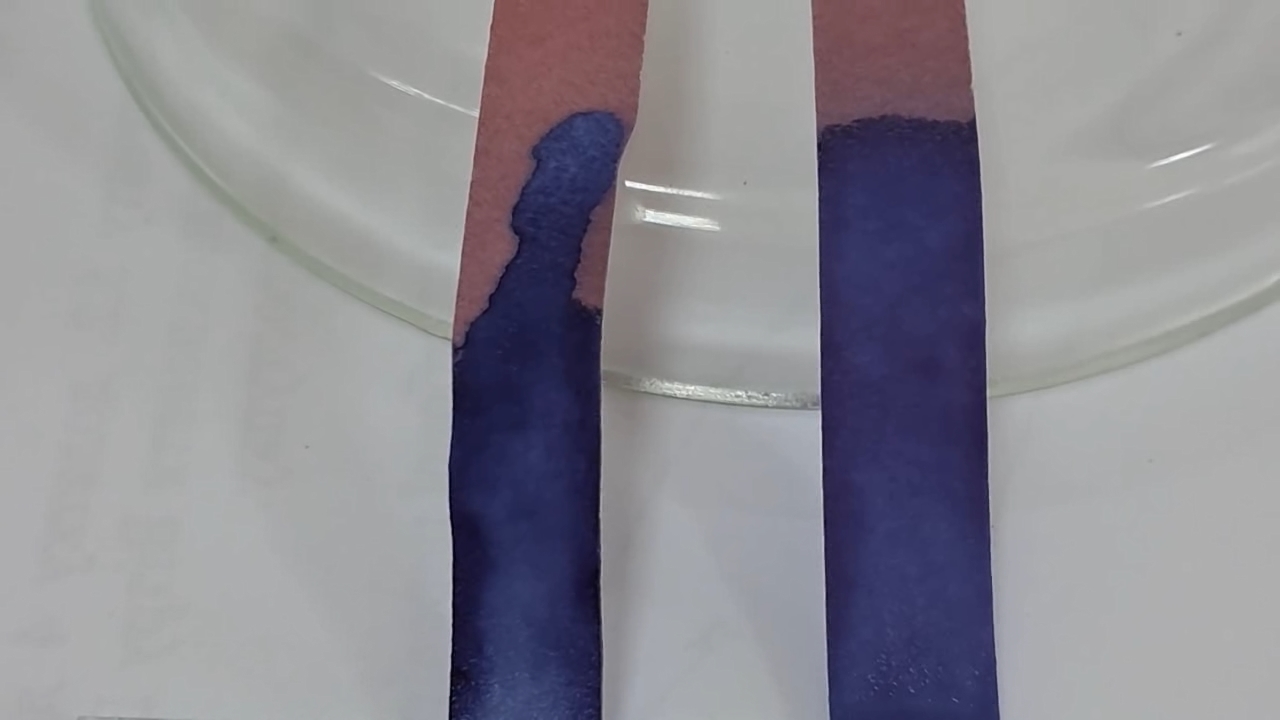
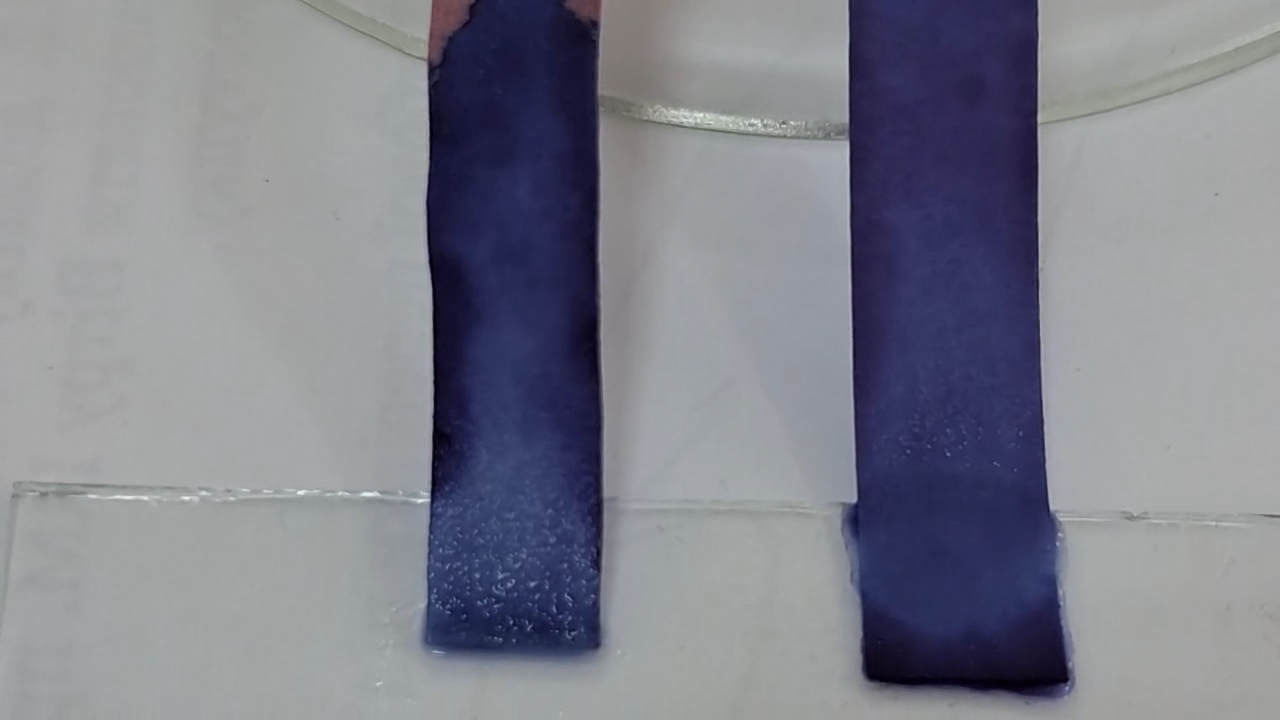
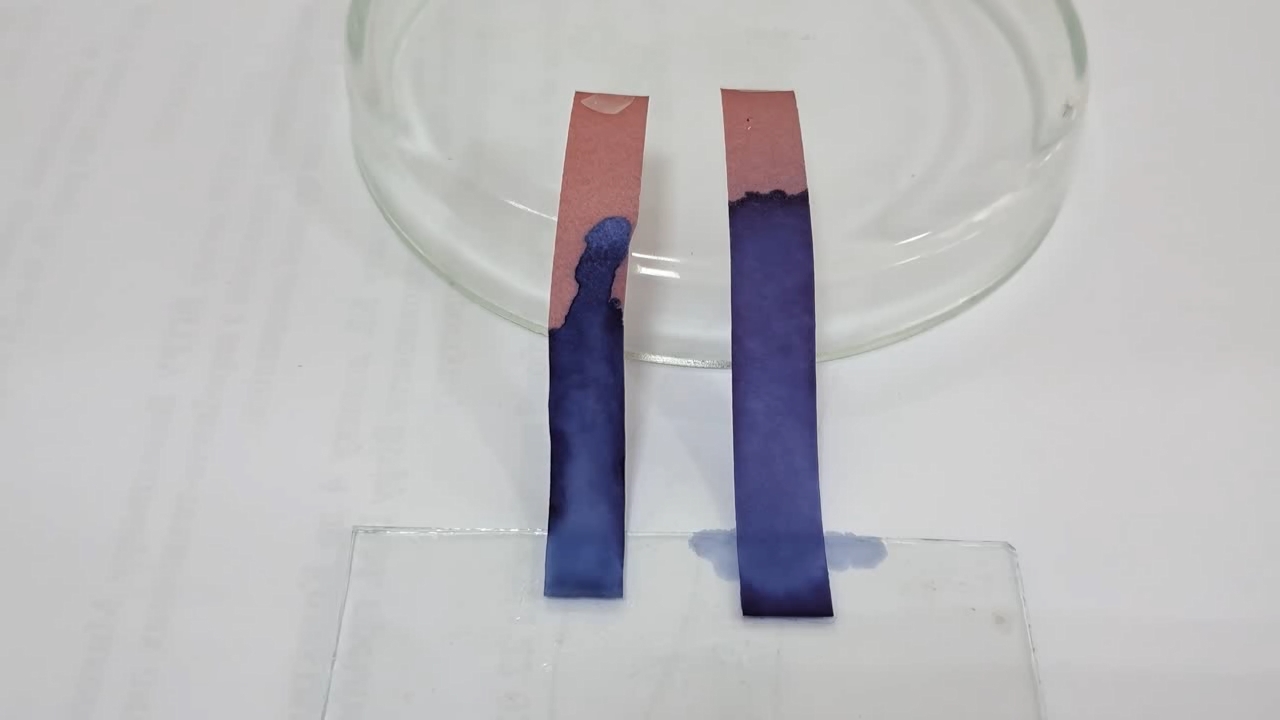
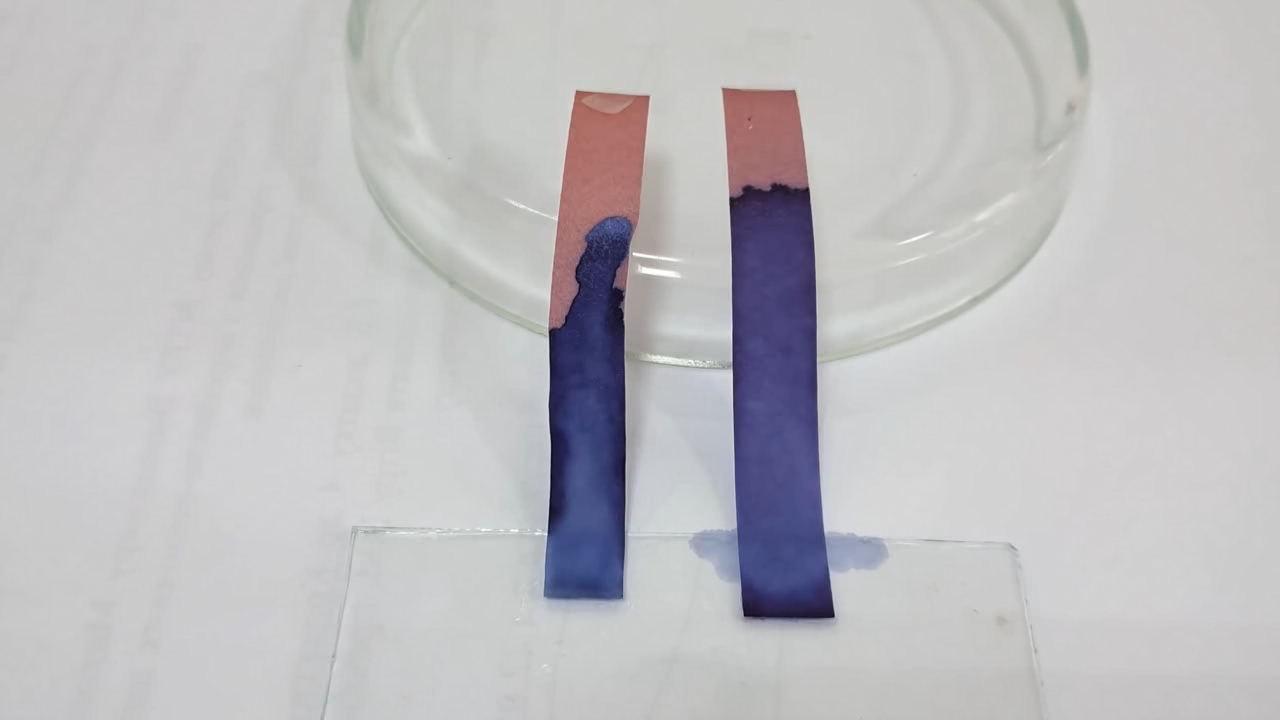
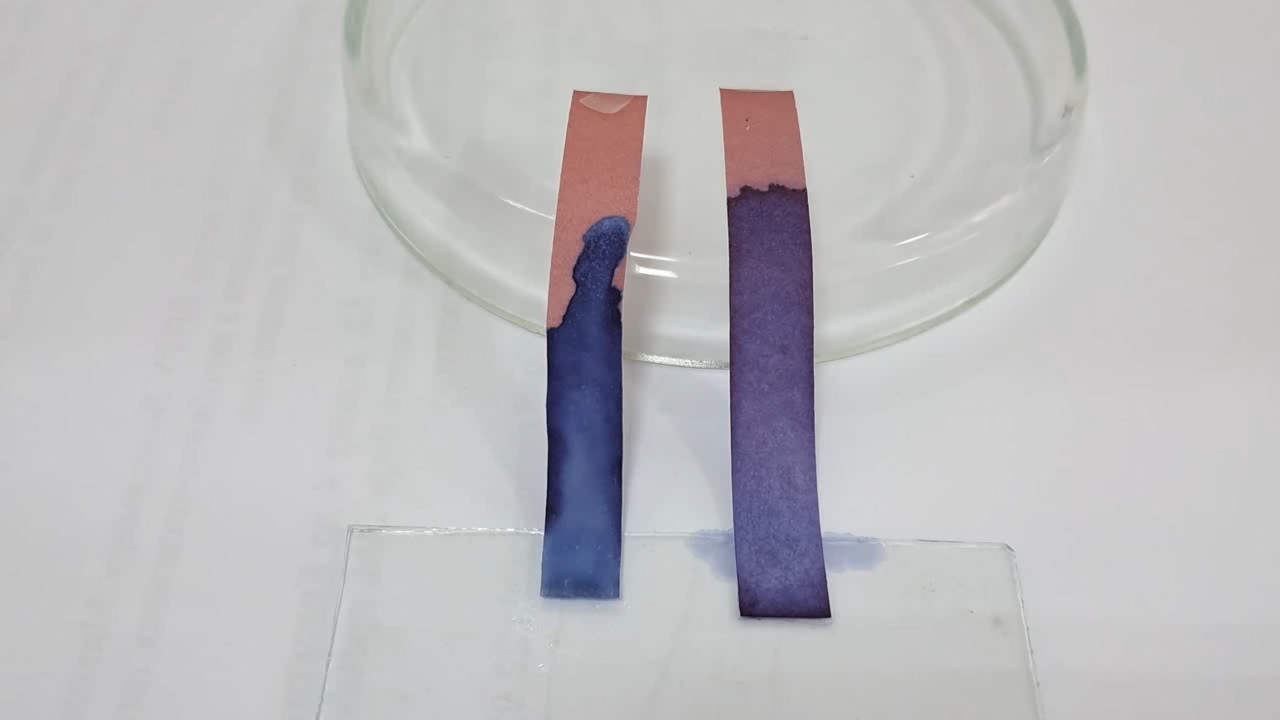
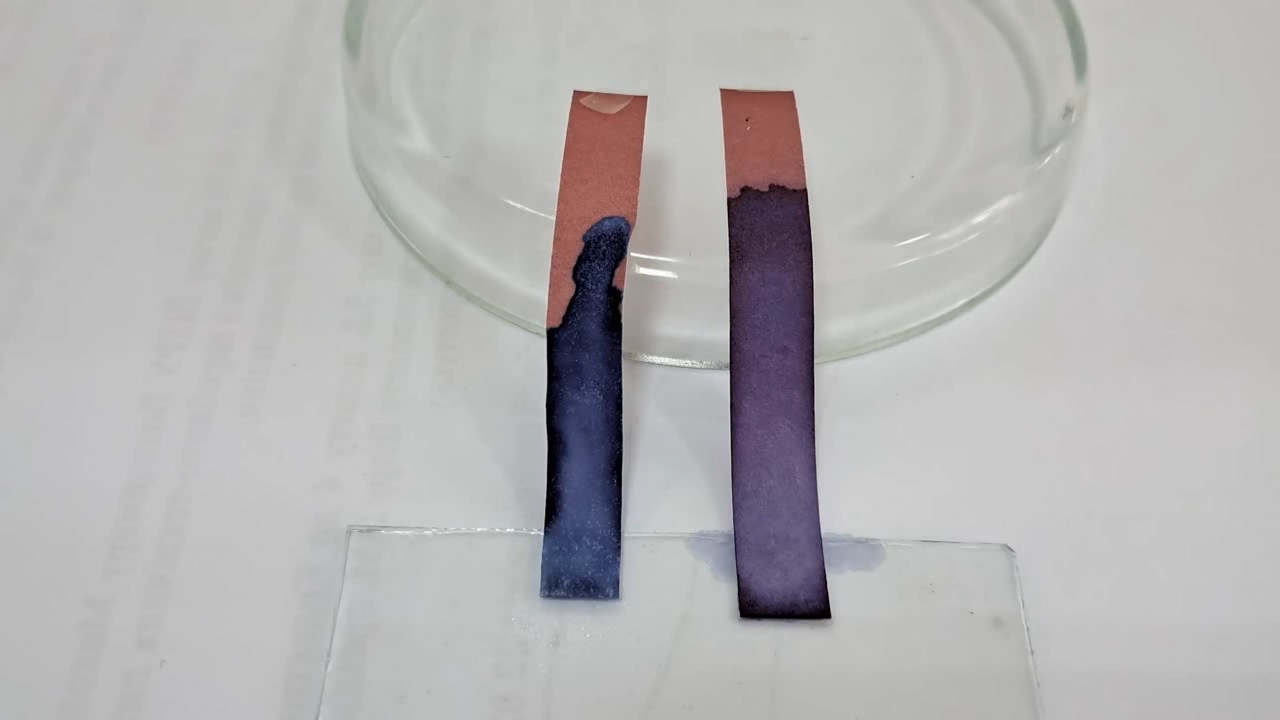
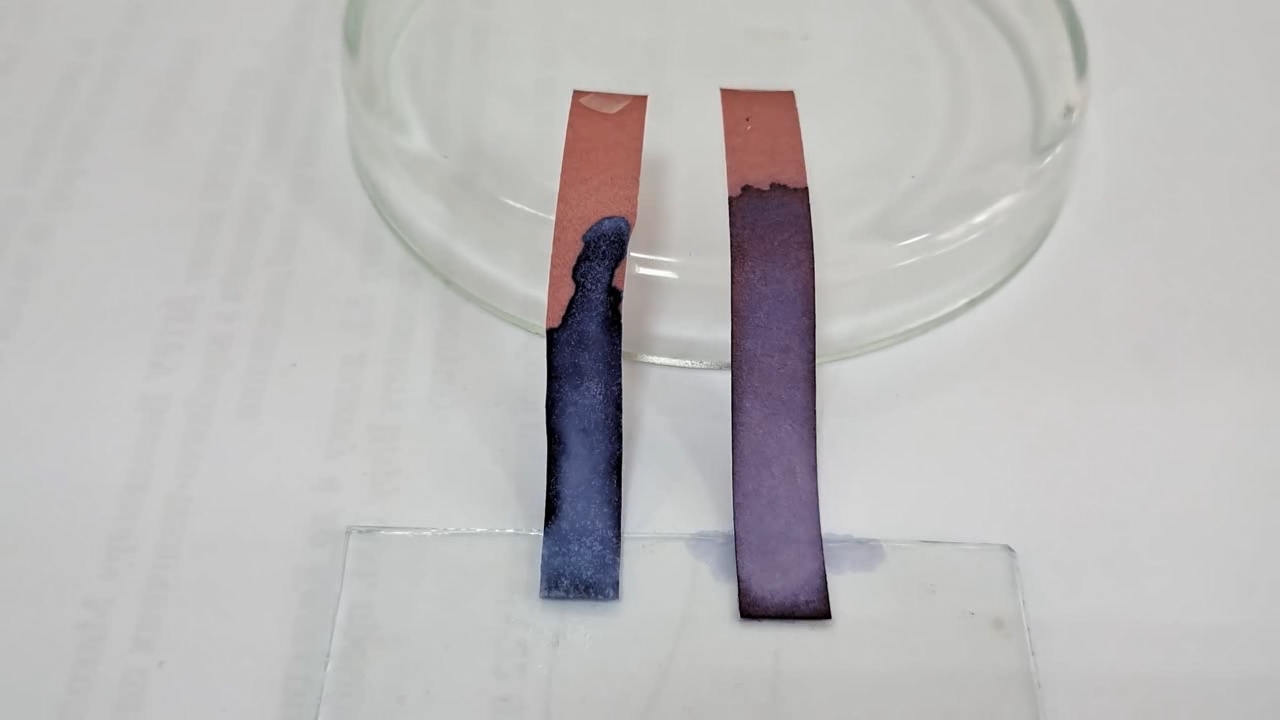
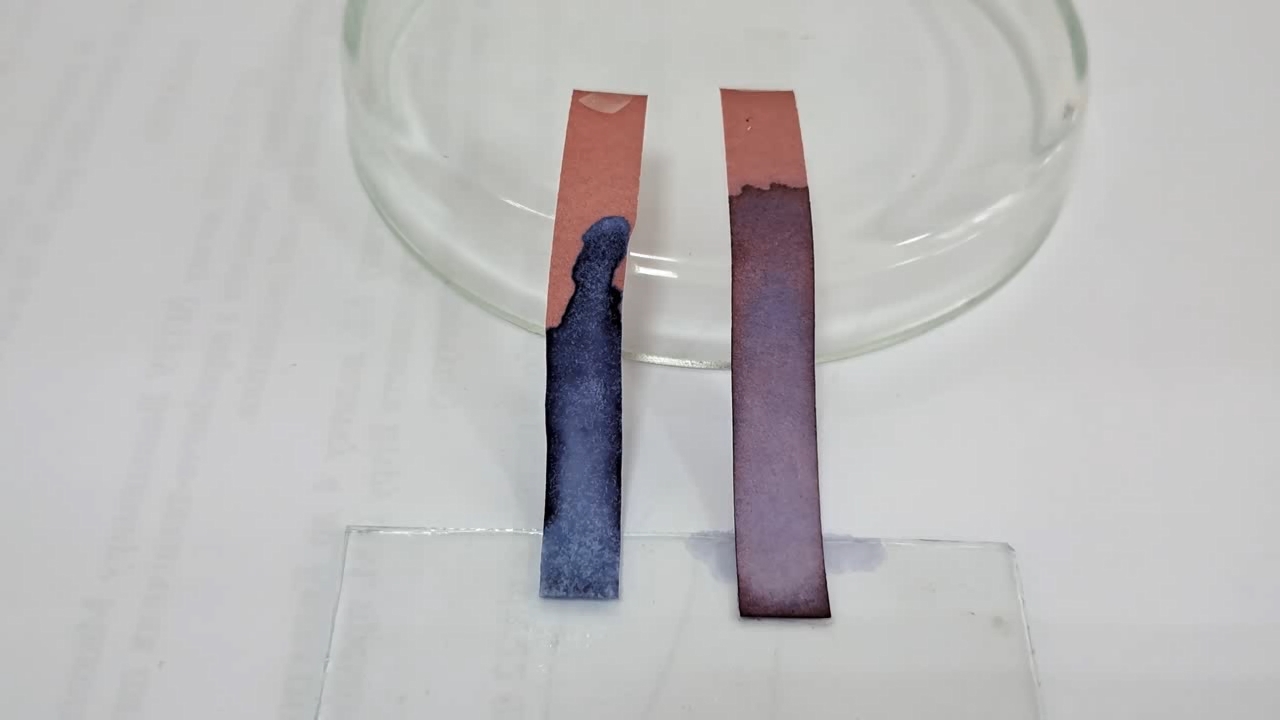
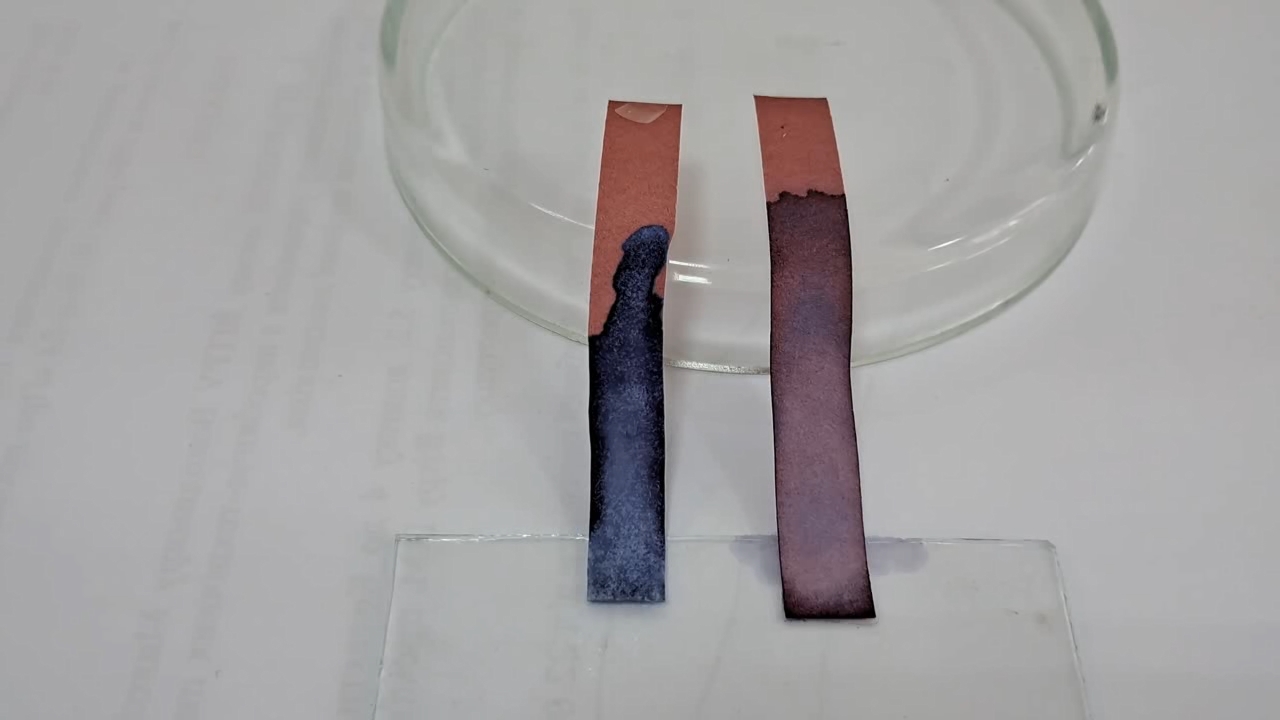
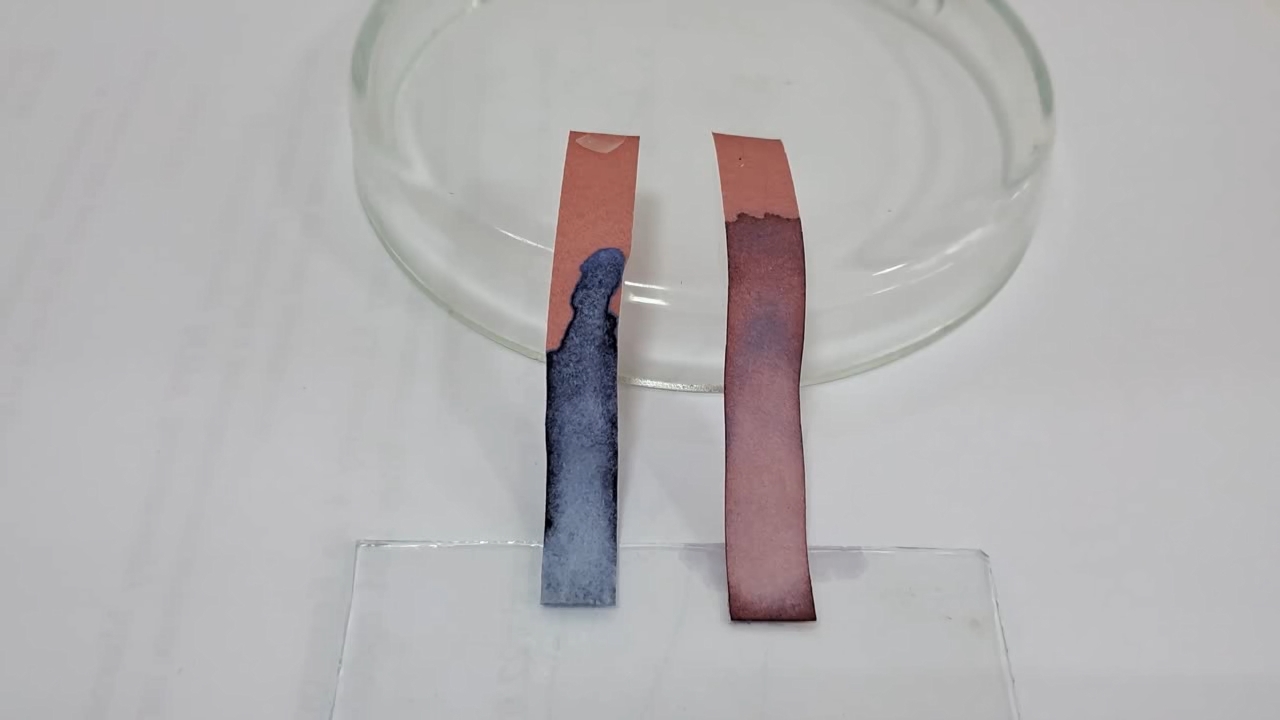
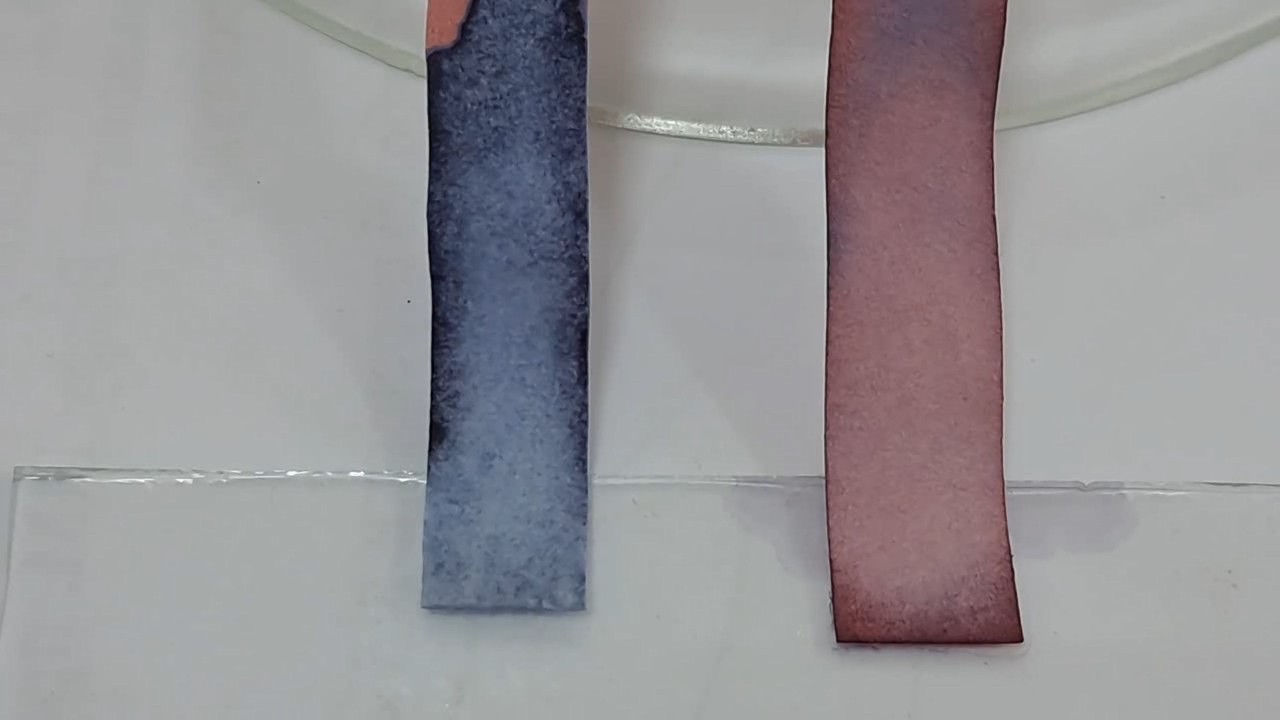
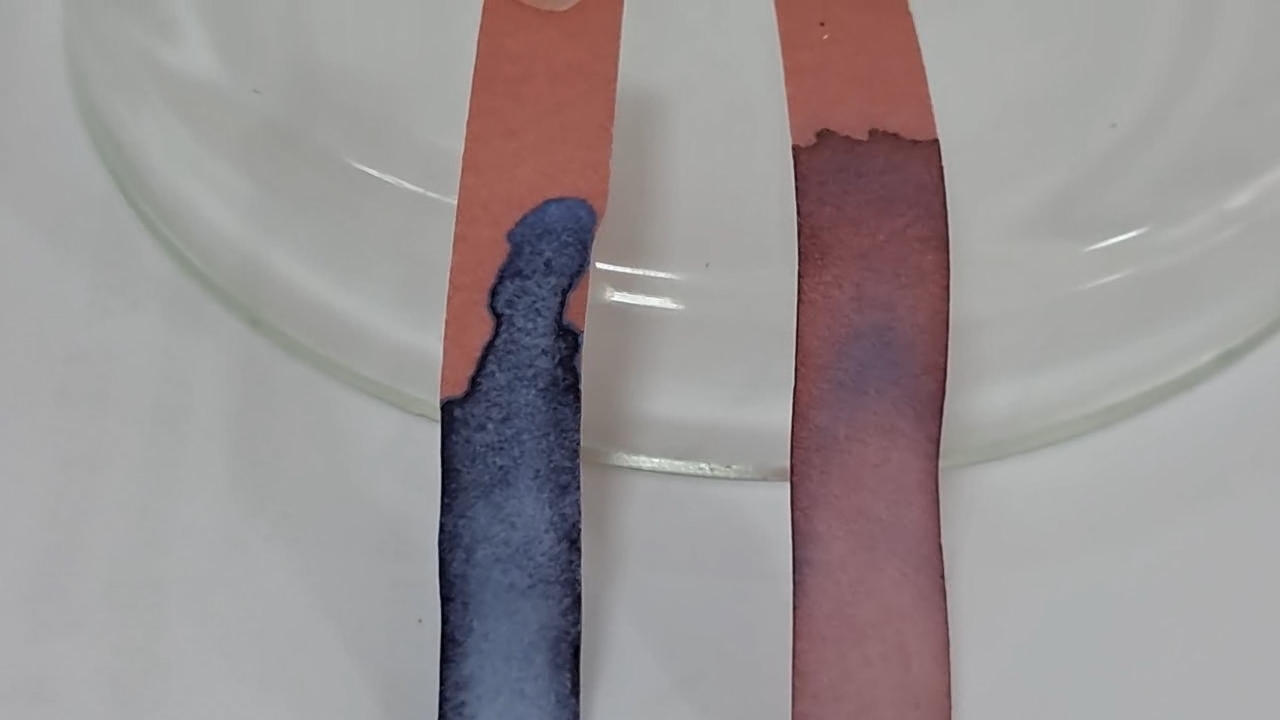
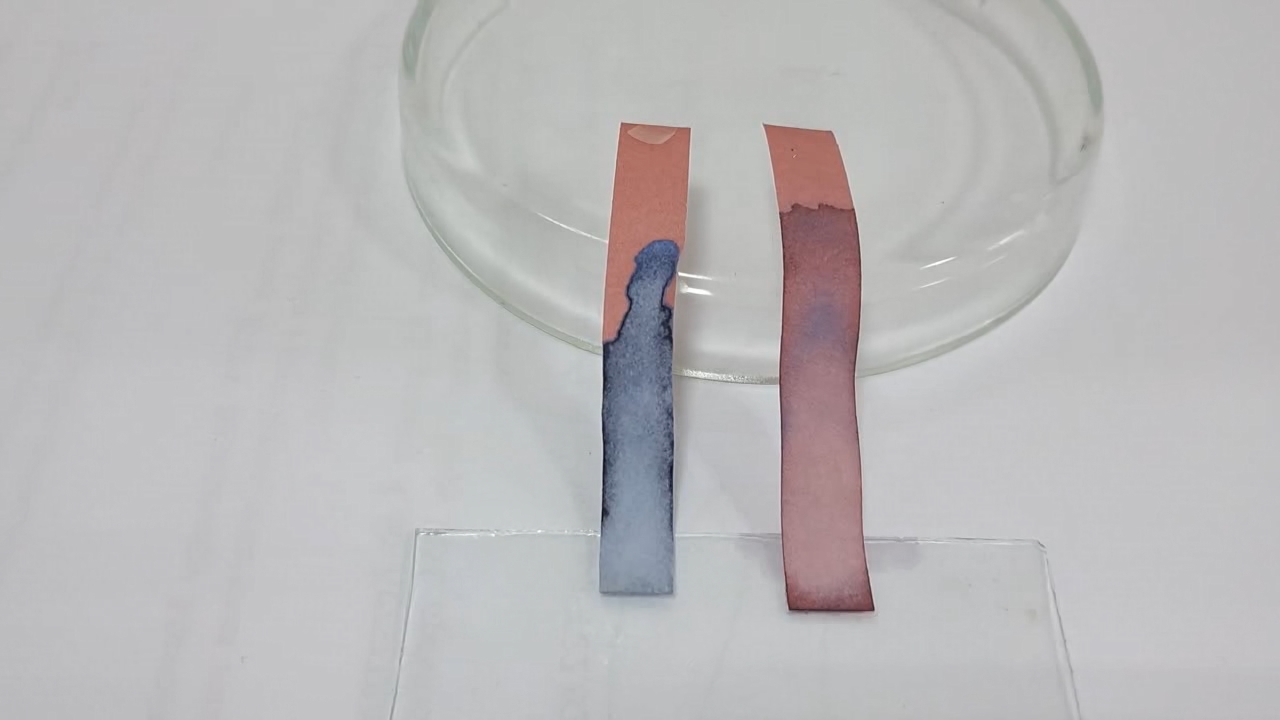
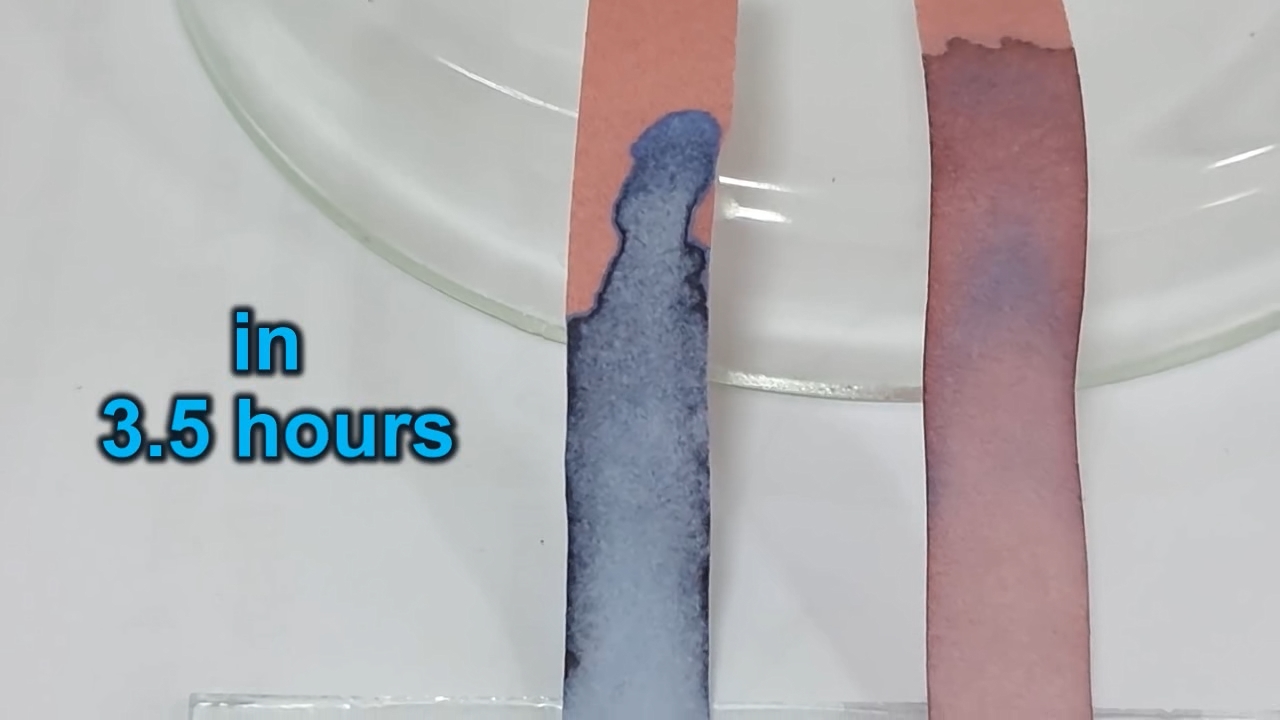
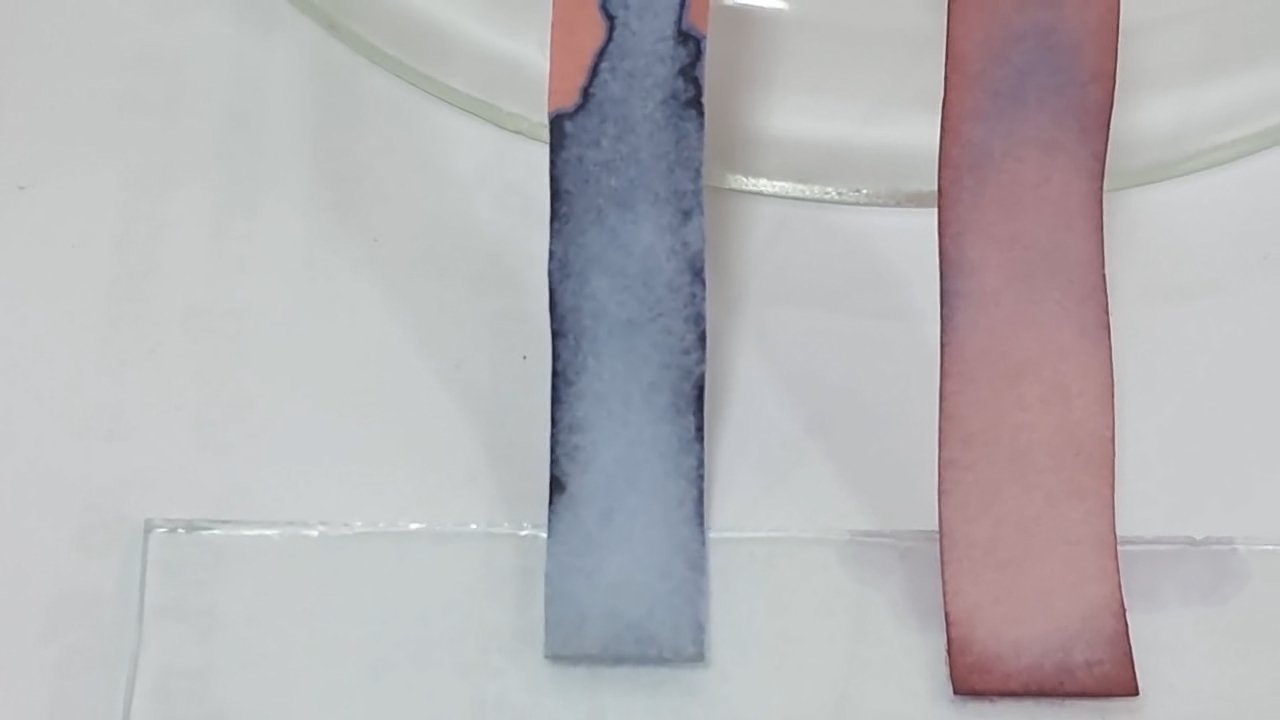
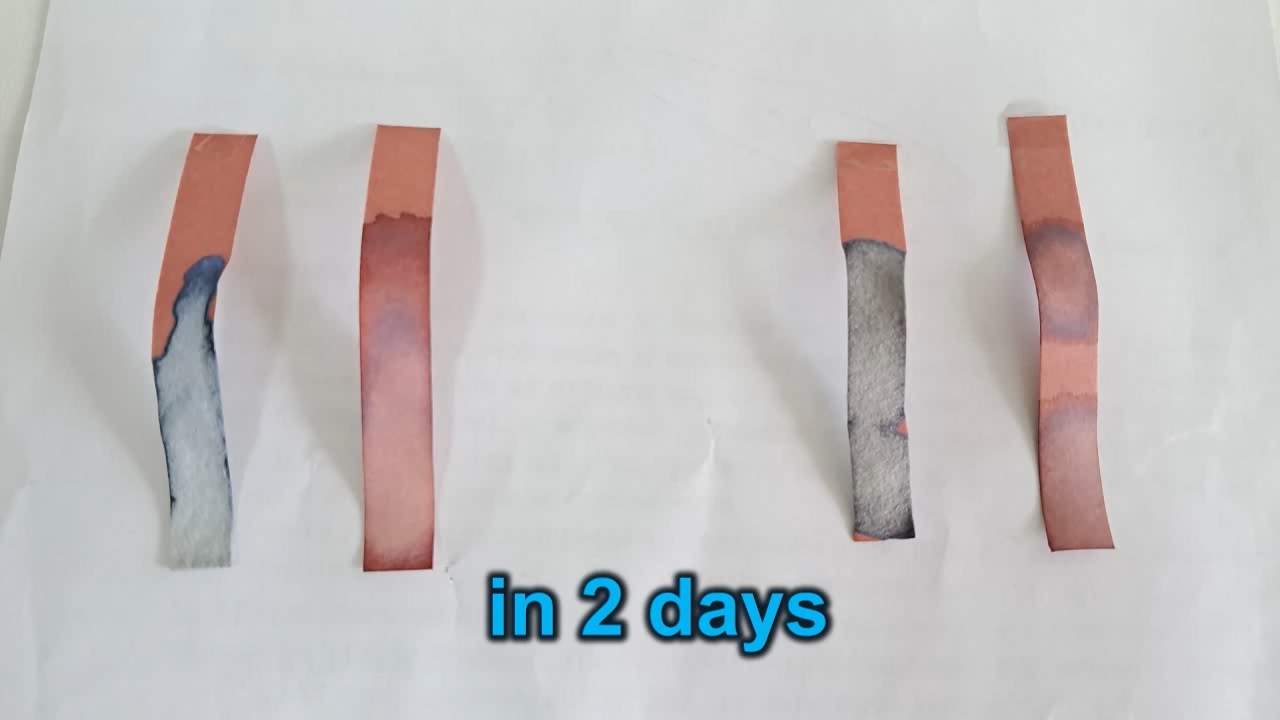
Лакмусовая бумага, аммиак и гидроксид натрия - Часть 20 The new laboratory, however, is being planned for a specific project with clear objectives rather than for producing meaningless scientific papers. That is what attracts me. That is why I spend so much time analyzing methods and technologies, reviewing the literature, and selecting everything that needs to be purchased for the laboratory. After that, I only have enough energy left for experiments with indicator papers. In addition to universal indicator paper and phenolphthalein paper, I also have red litmus paper. To my shame, despite many years working as a chemist, I had never used litmus paper before. Nor had I ever seen anyone else use it. Although the phrases "litmus paper" and "litmus test" have become idioms, chemists use universal indicator paper far more often. Litmus paper is now something of a relic. It was time to become acquainted with litmus paper in practice. Of course, I did not plan simply to dip the paper into an alkaline solution and watch the red color turn blue. The idea was as follows: place two strips of red litmus paper side by side. A few drops of sodium hydroxide solution, a nonvolatile alkali, would be applied to the first strip. The second strip would be treated with ammonia solution, a volatile base. Initially, both strips should turn blue. Over time, the sodium hydroxide would not evaporate; only water would evaporate from the surface of the strip. However, the ammonia would gradually evaporate, which should cause the indicator color to change. Let us begin the experiment. When a saturated sodium hydroxide solution was added, the first strip changed color from red to dark blue. I held a glass rod soaked in concentrated ammonia solution close to the surface of the second strip of litmus paper and moved it over the paper. The red color did not disappear, but a diffuse violet coloration appeared. When I accidentally touched the rod to the surface, a dark blue spot formed - the same color as the paper treated with sodium hydroxide. I then added a few drops of ammonia solution from a pipette, and the paper turned dark blue. Over time, the litmus paper strip soaked with ammonia began to acquire a violet tint. The violet coloration gradually intensified until the blue color turned violet. The violet color then gradually changed to pink, although not completely. A diffuse violet tint remained in some regions of the paper even after two days. The transition from blue to pink took more than three hours. With universal indicator paper, a similar process occurred much more quickly. The litmus paper treated with sodium hydroxide remained blue. Over time, the color faded slightly because of partial evaporation of the water. Then solid sodium hydroxide, which is white, began to appear on the surface. As a result, the paper acquired an uneven pale blue coloration. Since I have touched on a scientific topic, I should also say a few words about the filming process. In the past, many videos of the experiments turned out too dark because of insufficient lighting. Therefore, I illuminated the litmus papers with two LED desk lamps and also turned on the general laboratory lighting. The background was white. This time, insufficient lighting should not have been a problem. However, I noticed that the color of the litmus paper strips soaked in alkali appeared too dark in the video, making the shade difficult to distinguish. In recent experiments, a similar problem had occurred with universal indicator paper. Unfortunately, I did not know how to solve it. The solution was discovered by chance. A little later, my neighbors came to the laboratory and asked permission to "do a photo shoot." They needed to prepare a photographic report for a project, but the fume hood in their laboratory looked unpresentable, so they asked whether they could bring their equipment into my fume hood and take photographs as though they were working there. While they were taking photographs, I turned on one of the desk lamps to improve the lighting. My colleague immediately asked me to switch it off. "That's even worse!" "But the lighting is insufficient. Without the additional lamp, the fume hood is too dark for filming." "No, it's fine." Later, I tried filming the litmus papers with the desk lamps turned off. The laboratory was illuminated only by the ceiling lights. Although this seemed intuitively insufficient, the colors of the litmus papers became clearly distinguishable in the video. I realized that the excessively bright lighting and white background had produced overly high contrast, making the colors difficult to discern. The next day, I repeated the experiment in order to film a better video. While I was working, the director called and urgently summoned me to an unscheduled meeting. At that point, my smartphone was already mounted on the tripod, and I was ready to film the next part of the video. I had to leave for the meeting. Fortunately, by then I had already filmed the main part of the experiment, so my hour-long absence was acceptable. I returned very upset - what I heard and saw at the meeting could best be described by the colorful local idiom "stretch an owl over a globe" (perhaps roughly equivalent in English to "fit a square peg into a round hole"). Nevertheless, I found the strength to finish filming. Fortunately, in the new video, the color of the litmus paper was much more visible. |
Litmus Paper, Ammonia, and Sodium Hydroxide |
|
|
|
|
|
|
|
|
|
|
|
|
|
|
|
|
|
|
|
|
|
|
|
|
|
|
|
