Chemistry and Chemists № 2 2026
Journal of Chemists-Enthusiasts
| Content | Chemistry experiments - video | Physics experiments - video | Home Page - Chemistry and Chemists |
|
Chemistry and Chemists № 2 2026 Journal of Chemists-Enthusiasts |
Determining Moisture Content in Hexamine - pt.1, 2 Chemist |
|
Having noticed a mistake in the text, allocate it and press Ctrl-Enter
Problem Statement. What are the Methods for Determining Moisture? - Part 1
A colleague and I were sitting in the laboratory, drinking tea. Why were we drinking tea in a chemistry laboratory, even though safety regulations prohibit it? Because there is no other room at the institute for this purpose, and there won't be one. The alternative is to go hungry all day.
Определение содержания влаги в гексамине Постановка задачи. Какие бывают методы определения влаги? - Часть 1 Another employee arrived and joined us. In the middle of our tea break, the director called. He apologized for disturbing me during my lunch break and asked us to come to the meeting room. It turned out that he had clients. I did not know what the clients needed beforehand - I did not have even the slightest idea. Our institute used to work on uranium ores and meteorites. But nowadays, institutes of the Academy of Sciences take on almost any topic - from intercontinental ballistic missiles to diaper production technology or plans for conquering the galaxy - as long as they get paid for it. The reason for this state of affairs is simple: the budget funding allocated for state projects isn't even enough to cover the staff's salaries. During our discussion with the customers, it turned out that they needed to determine the moisture content of hexamine samples. Hexamine (urotropine, hexamethylenetetramine, methenamine) has a wide variety of applications, ranging from plastics and explosives production to pharmaceuticals. I asked what this hexamine would be used for. It turned out that the customers didn't know - they sell chemical products but do not manufacture or use them. One of their customers wanted to know the actual moisture content of hexamethylenetetramine. Question: Can I determine the moisture content of hexamine? I replied that I had previously determined the moisture content of various substances and materials, but never in hexamine. Therefore, I could probably perform the necessary analysis, but I couldn't guarantee a positive result in advance. We agreed that I would review the relevant literature, and in the meantime, the customers would bring a hexamine sample. What are the different methods for moisture determination? There are many, so I'll mention only a few. The classic method for determining the water content of a sample is the gravimetric method, also known as the drying method. The sample is heated to a specified temperature and held at that temperature until it ceases to lose weight. The water evaporates, leaving only the dry substance. By weighing the sample before and after heating, the weight loss is determined, and the water content is calculated. If the sample contains only hygroscopic moisture (water that is not chemically bound), heating at 100-105°C for one hour is usually sufficient. If chemically bound water is present, heating at a temperature that ensures its removal is required. This method is simple and fairly accurate and is often used as a reference method. Of course, the gravimetric method has its drawbacks and limitations. First of all, the analysis is time-consuming. First, the crucibles or weighing bottles must be heated under the same conditions as the analyzed sample. Then they must be cooled in a desiccator for at least an hour and subsequently weighed. Only after that can the analyzed sample be weighed into the crucibles. Then the sample has to be heated for an hour in a drying cabinet and cooled for another hour in a desiccator before being weighed. The analysis takes about half a workday. There are also automatic moisture analyzers that combine sample weighing, drying, and calculation of the analytical results. I've seen such devices in another laboratory, but I've never used one myself. In any case, our institute doesn't have an automatic moisture analyzer. 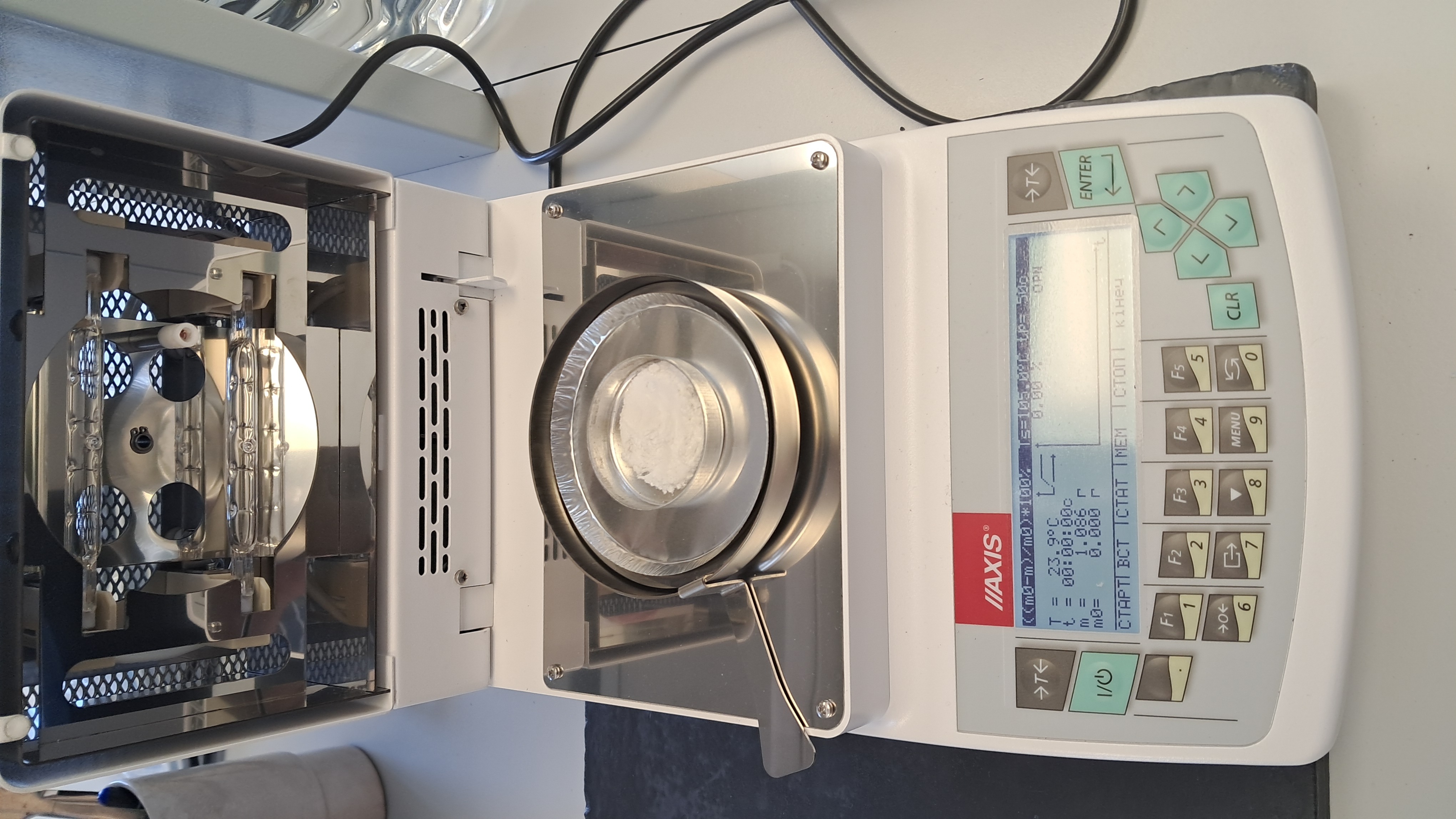
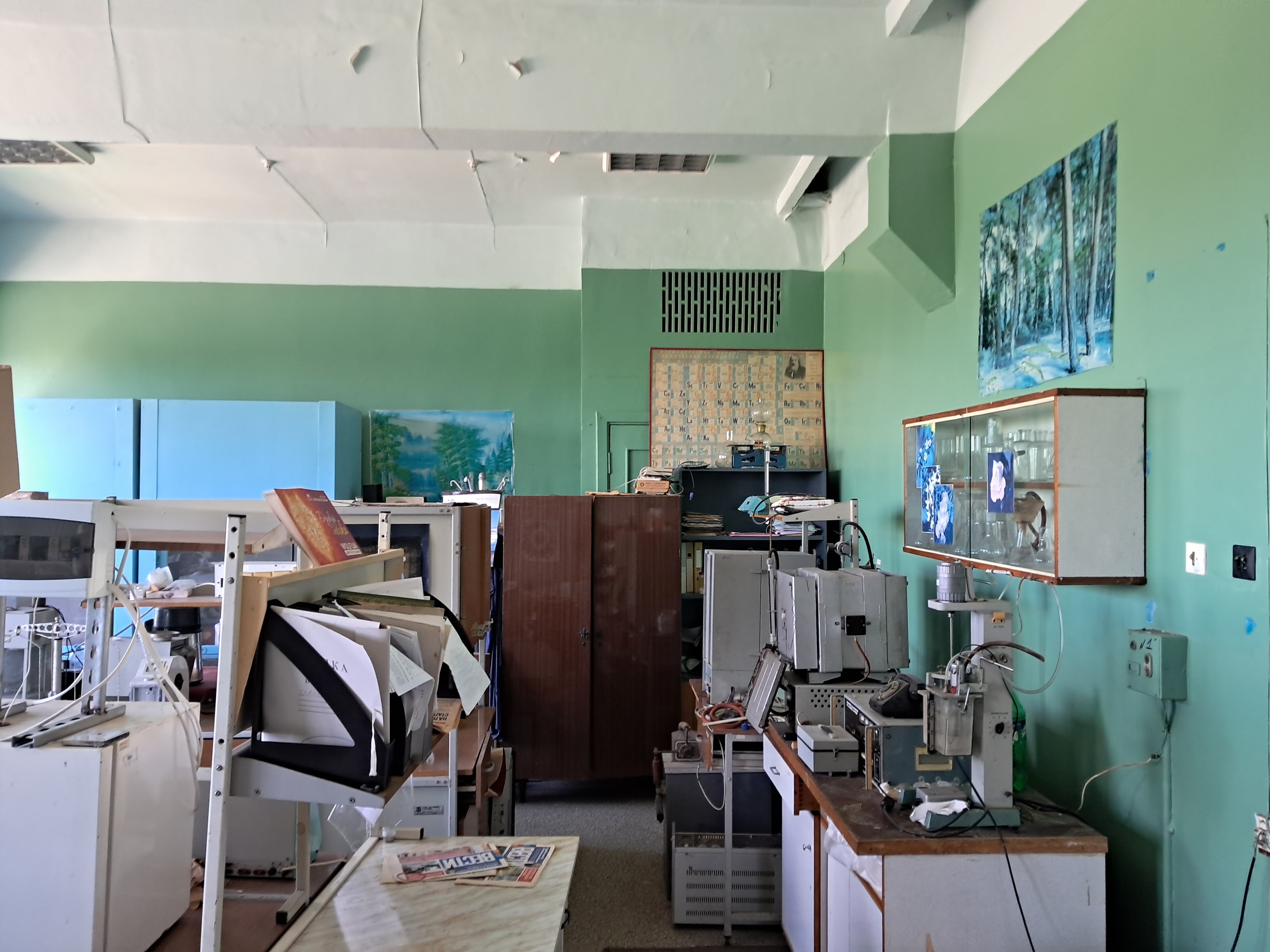
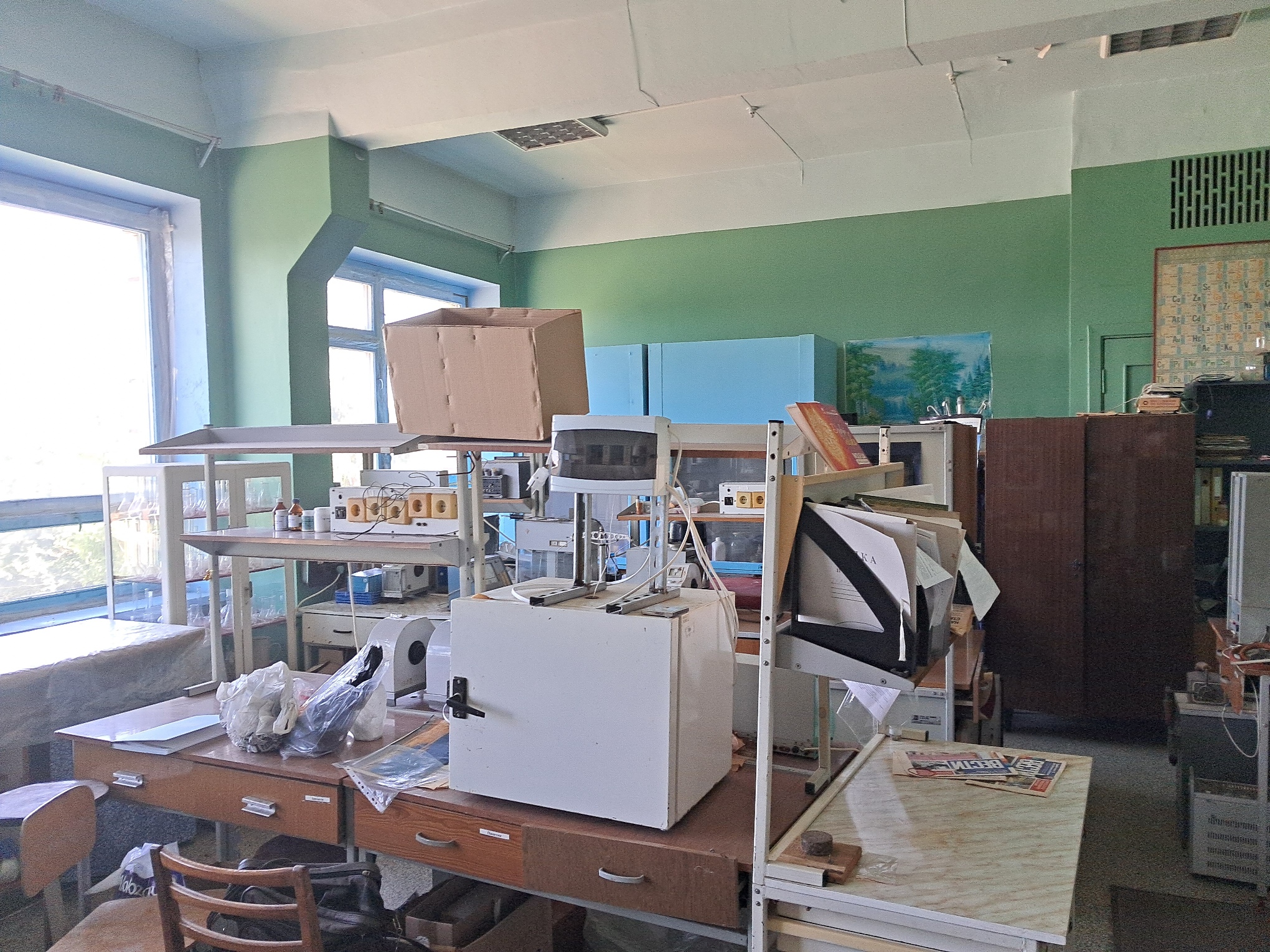
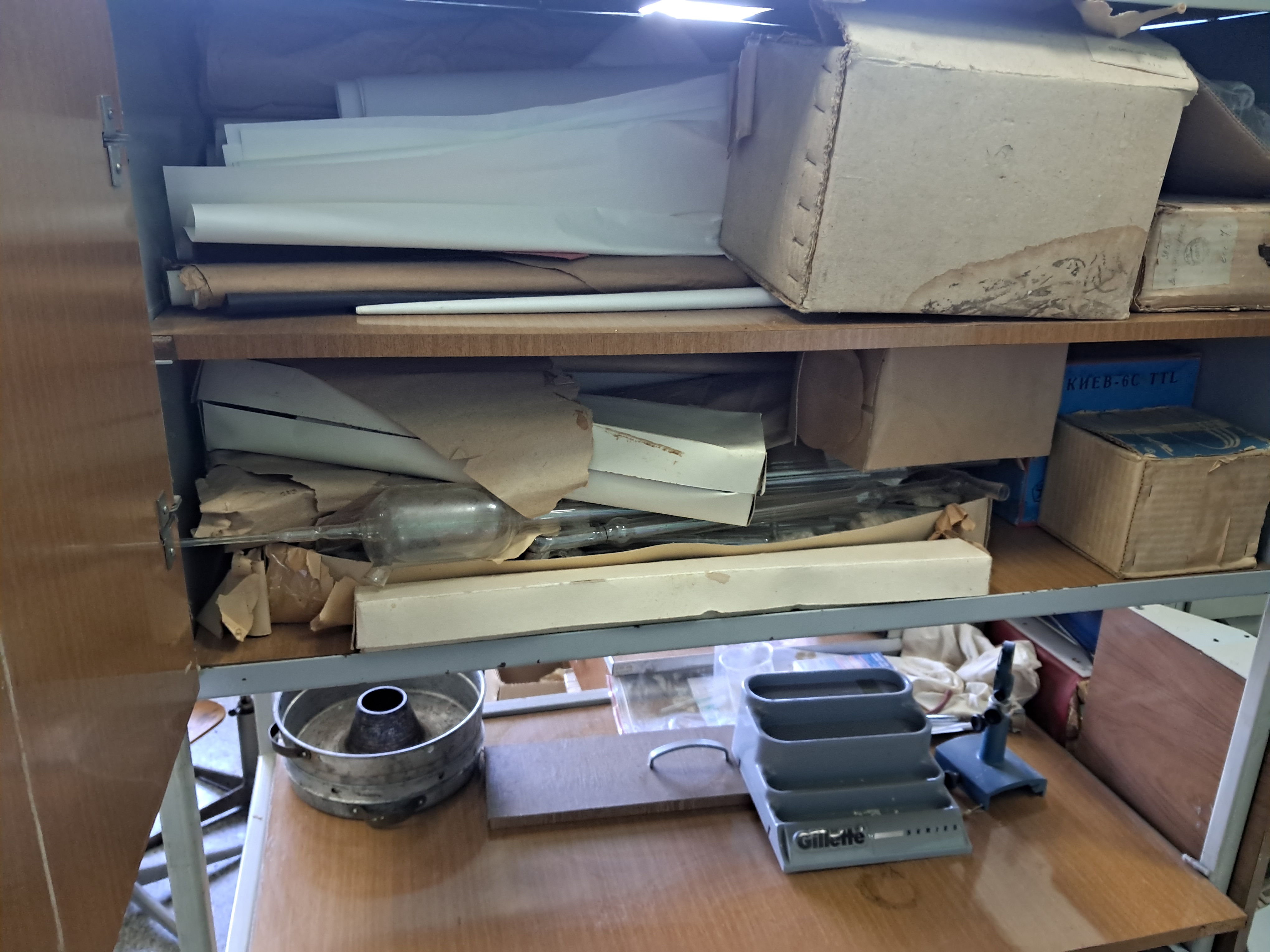
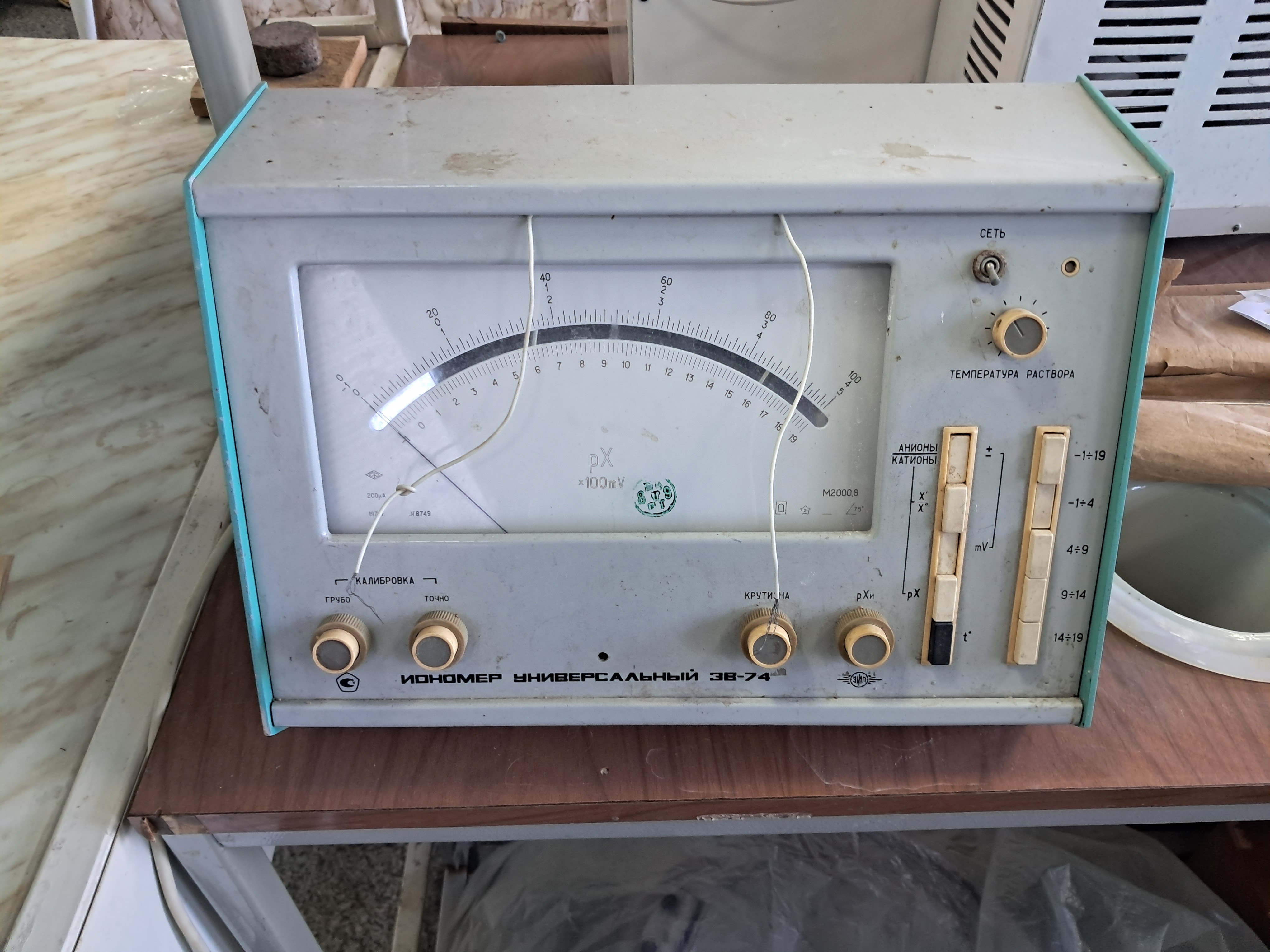
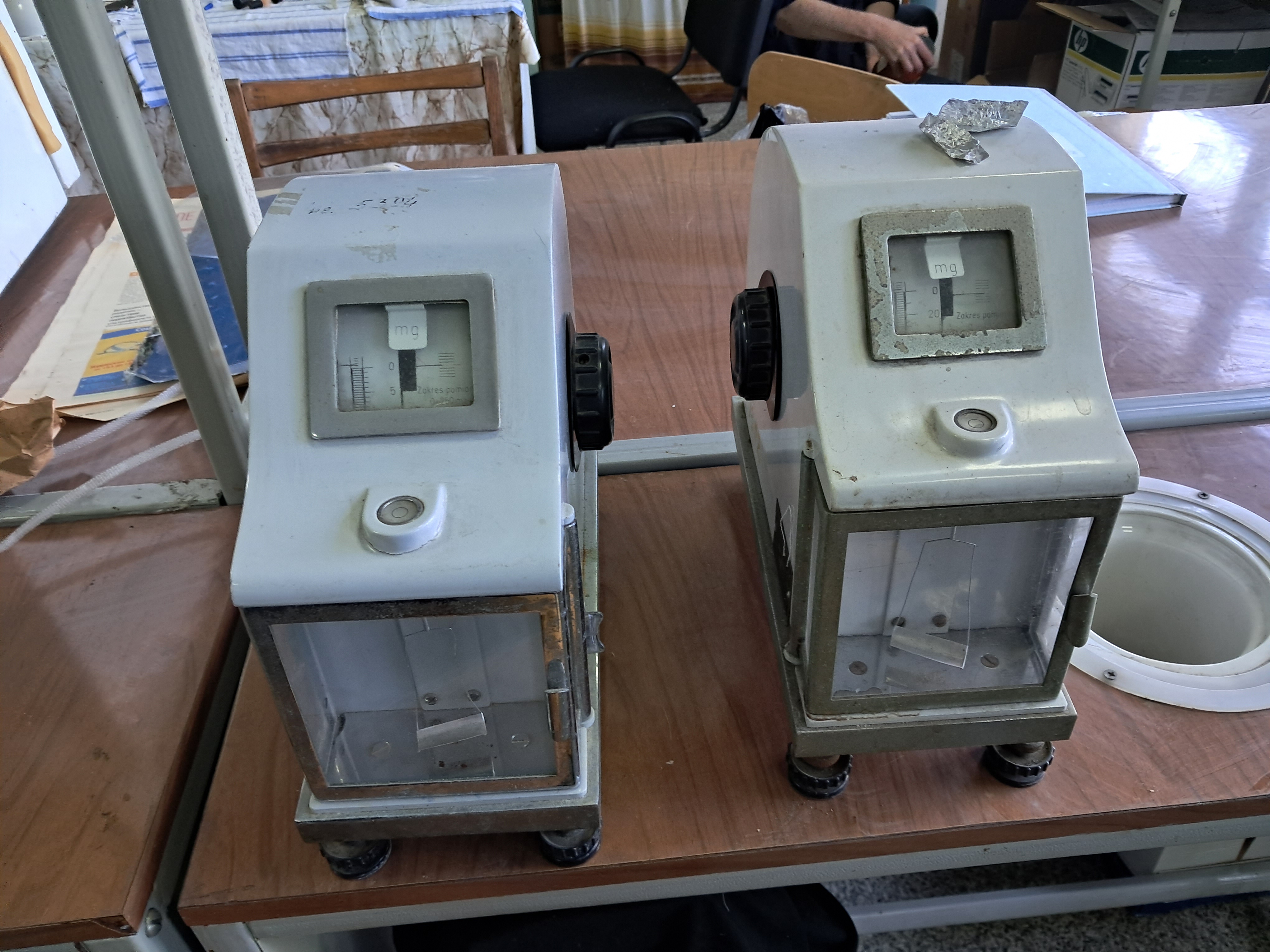
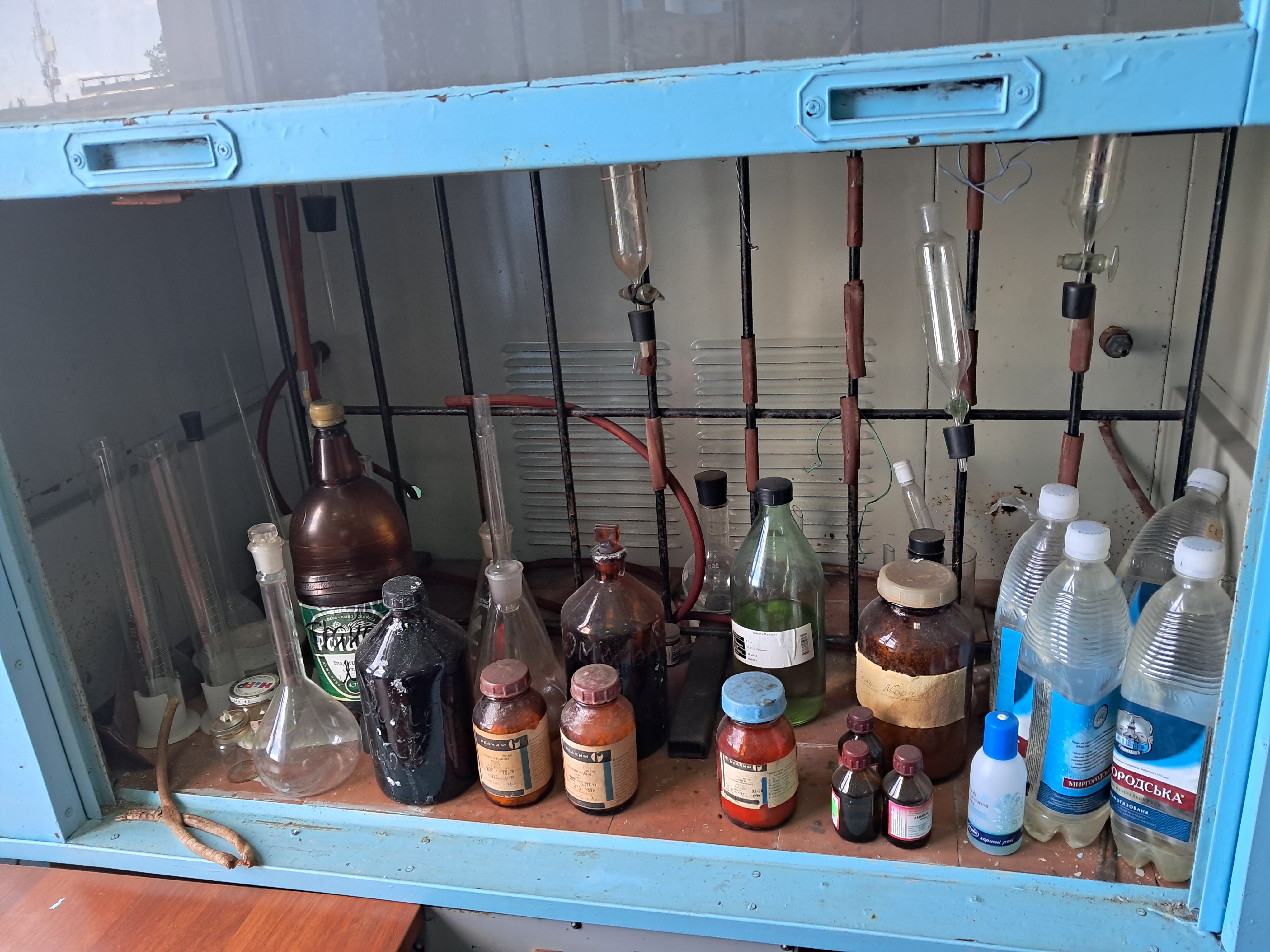
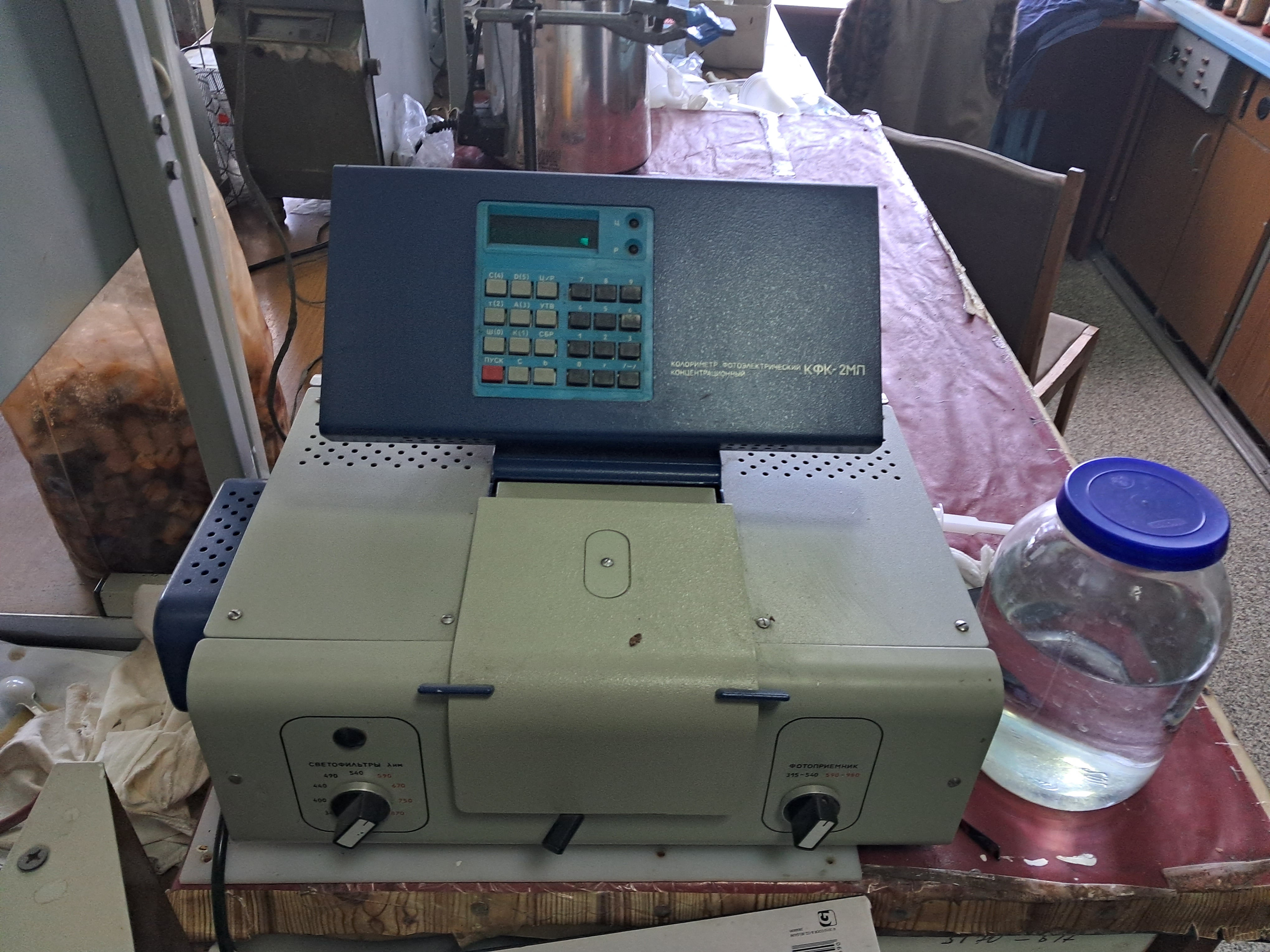
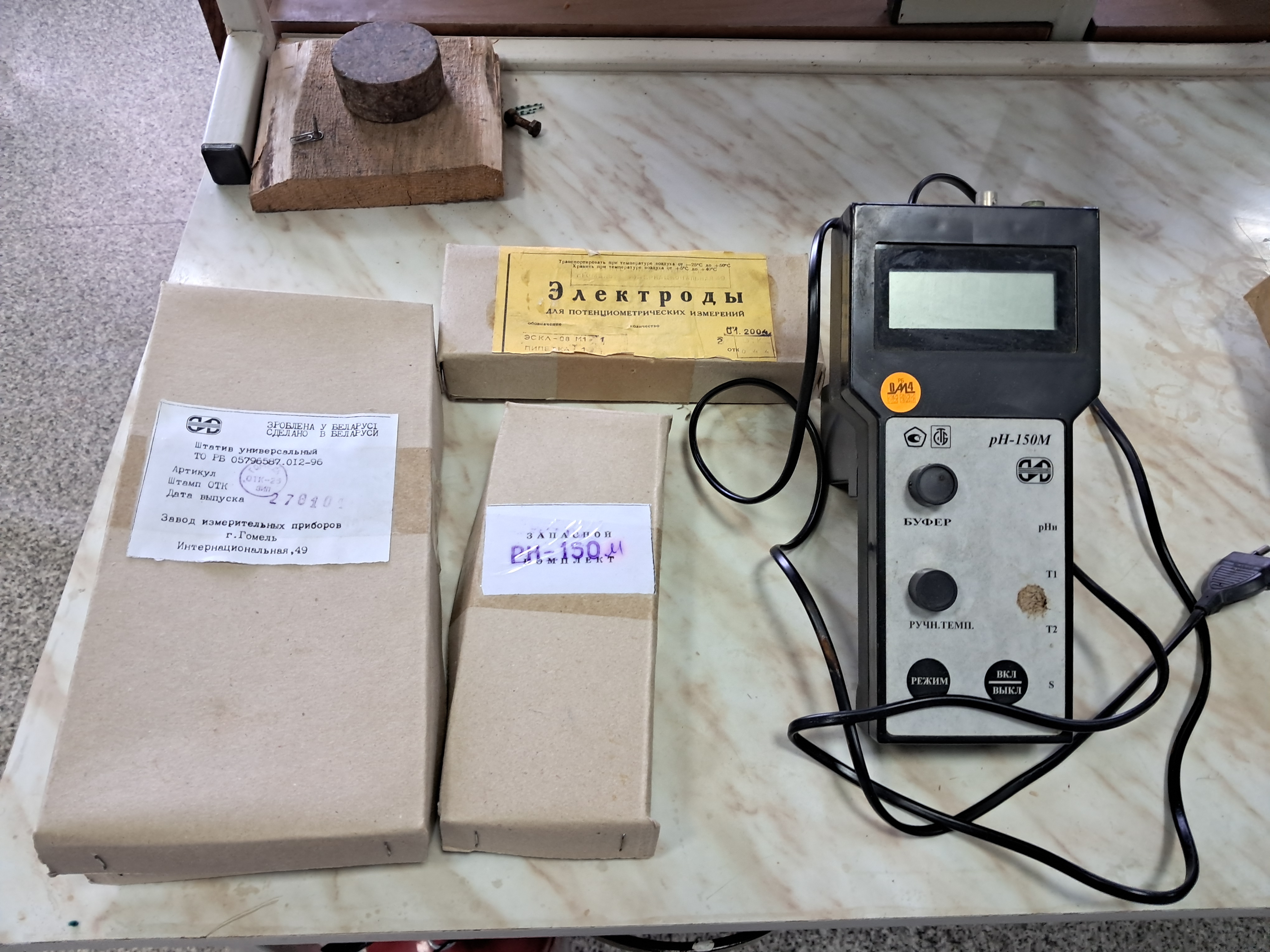
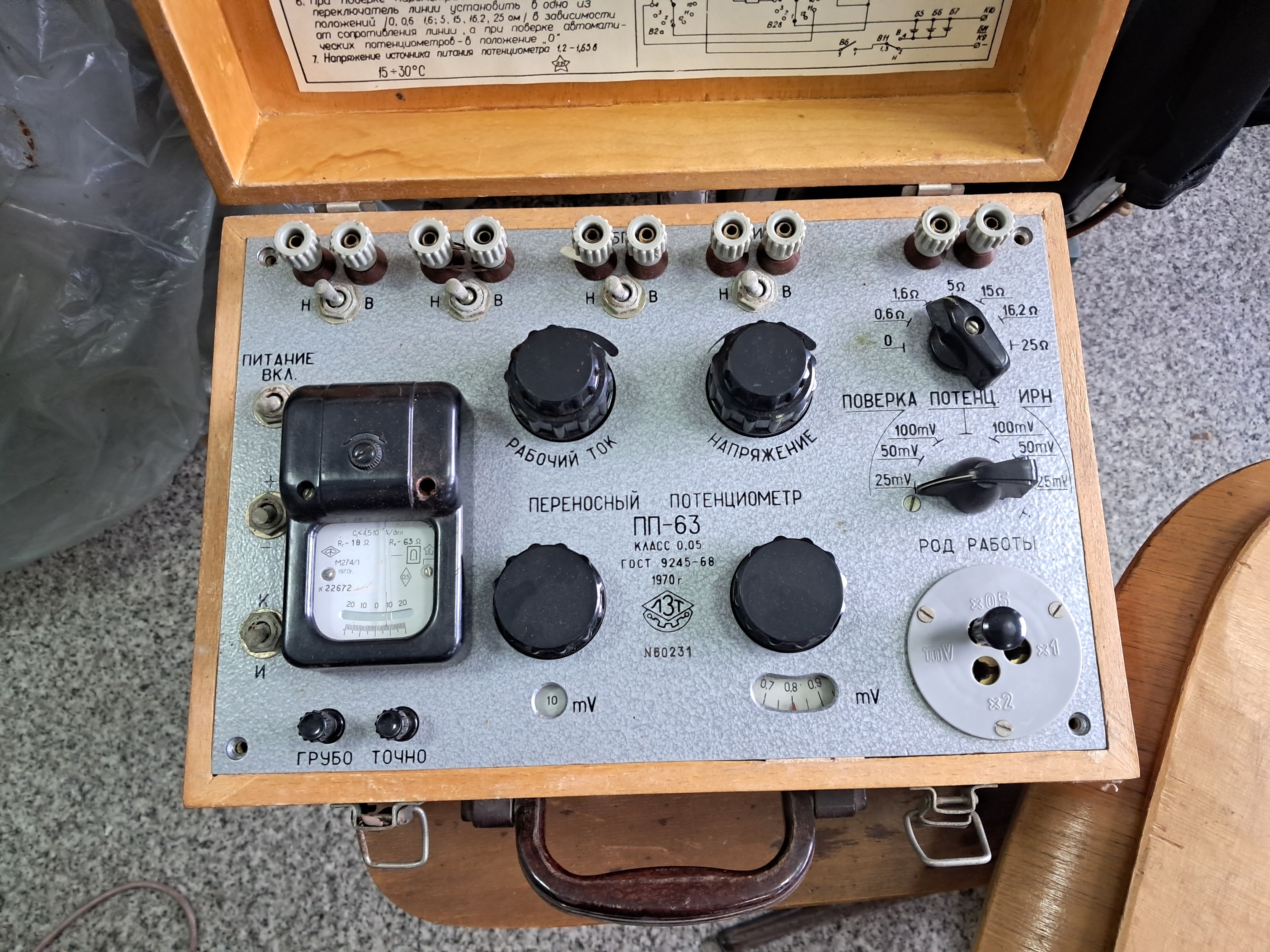
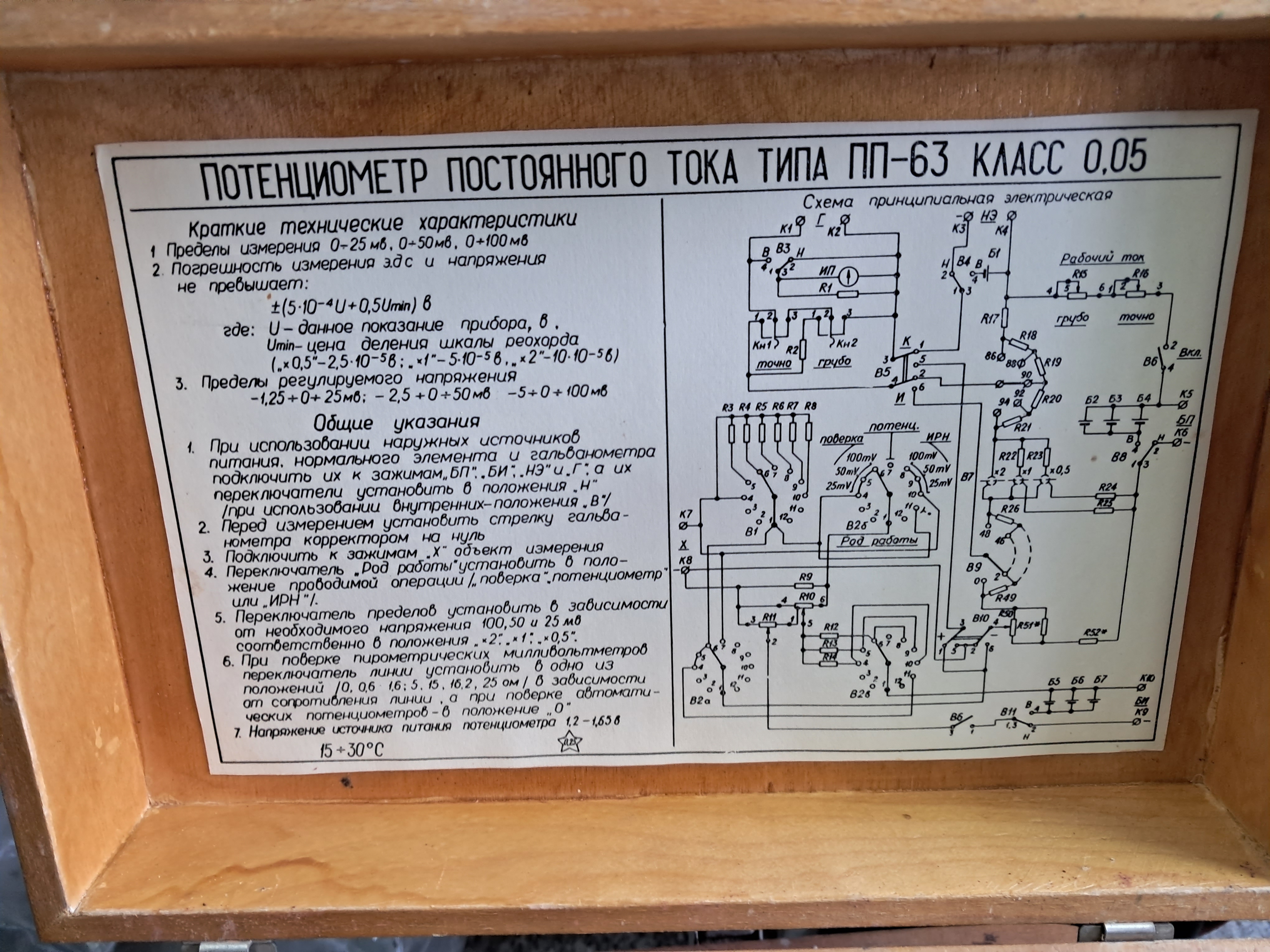
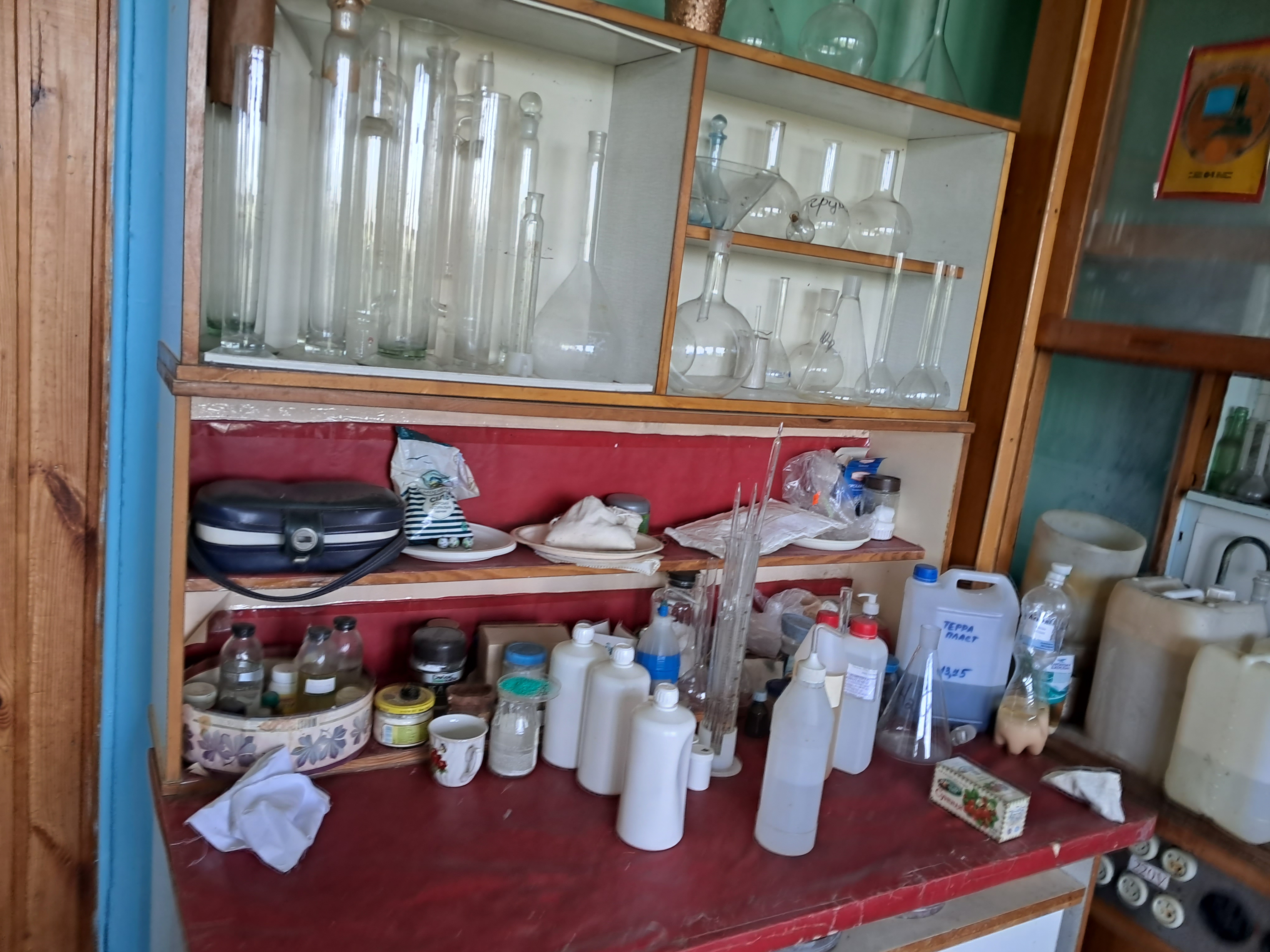
2NaHCO3 = Na2CO3 + H2O + CO2 A temperature of only 50-60°C is sufficient for the reaction to begin. In this case, the mass loss upon heating corresponds to the total water and carbon dioxide content of the sample. In such cases, drying under vacuum at room or low temperatures is used, but this is not always effective. Furthermore, the main substance whose moisture content is being determined may itself be volatile. There are also physical methods for determining the water content of solid samples, particularly electrical methods and infrared spectroscopy. In the first case, the sample's electrical resistance or capacitance, which depend on its water content, are measured. The measurements are quick and require little operator training, but the accuracy and reliability of this method are often insufficient. In the case of absorption infrared spectroscopy, specific absorption bands corresponding to the vibrations of water molecules are measured. Besides the gravimetric method, there are other chemical methods for determining water content in samples. One of them is the codistillation of water with an organic solvent. Some organic solvents that are immiscible with water form azeotropic mixtures with it. Common examples are toluene and xylene. The mixture of solvent vapor and water vapor is distilled and condensed. The distillate flows into a graduated vessel, which is used to determine the volume of the distilled water. Another method is Karl Fischer titration, which is used to analyze samples with low water content. A solution of sulfur dioxide in dry pyridine is added to the sample being tested and titrated with a solution of iodine in dry methanol. Iodine and sulfur dioxide reacts with water, and the brown color of the iodine solution disappears as the iodine is consumed in the reaction. The solution remains colorless as long as water is still present in the sample. Once all the water has reacted, the iodine is no longer consumed. In the absence of water, sulfur dioxide does not react with iodine, so the brown color of the iodine persists. This method enables the accurate determination of trace amounts of water in various samples, including petroleum products, explosives, medications, and food products. However, the Karl Fischer method is quite demanding and requires qualified personnel or expensive equipment. The solutions used for titration must be protected from atmospheric moisture. I looked at regulatory documents describing how moisture in hexamine is determined. It turned out that both the American military standard (MIL) and the old Soviet GOST require the moisture content of hexamine to be determined exclusively by Karl Fischer titration - neither conductometry, nor gravimetry, nor infrared spectroscopy is permitted. I was very interested in performing a Karl Fischer titration, but I didn't want to master the method just to analyze a single sample. Regardless of my desire - or reluctance - to determine water using the Karl Fischer method, I had to face reality. And that reality was that my laboratory at the time resembled an abandoned museum more than a chemist's workplace. All that remained from my predecessors was a dingy room filled with old, mostly inoperable equipment and dirty chemical glassware, with jars of chemical reagents scattered around in disarray. So I decided to test whether the Karl Fischer method could be replaced with gravimetric determination. On the one hand, hexamine sublimes when heated. On the other hand, the sublimation temperature of hexamine is 260°C or higher. If the evaporation of hexamine at 105°C can be neglected, the moisture content of this substance can be determined gravimetrically. Meanwhile, a truck pulled up to the institute's entrance, and the driver unloaded... a 50 kg bag of hexamine. I'd actually asked their manager for a 50 g sample. The manager later explained to me that they were a large wholesale company, so it was easier for them to deliver a bag of hexamine than to sample 50 g of the compound. 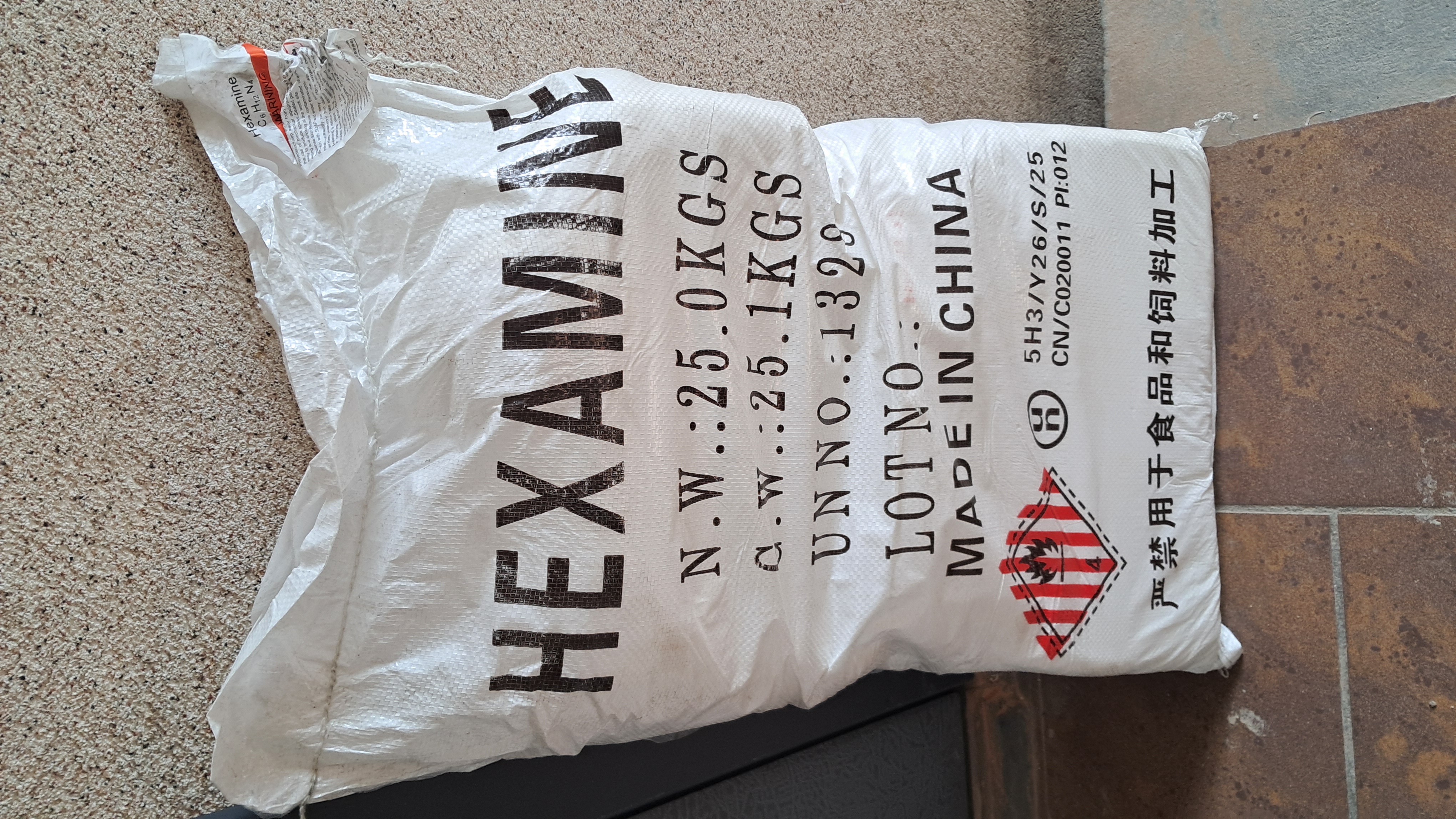
|
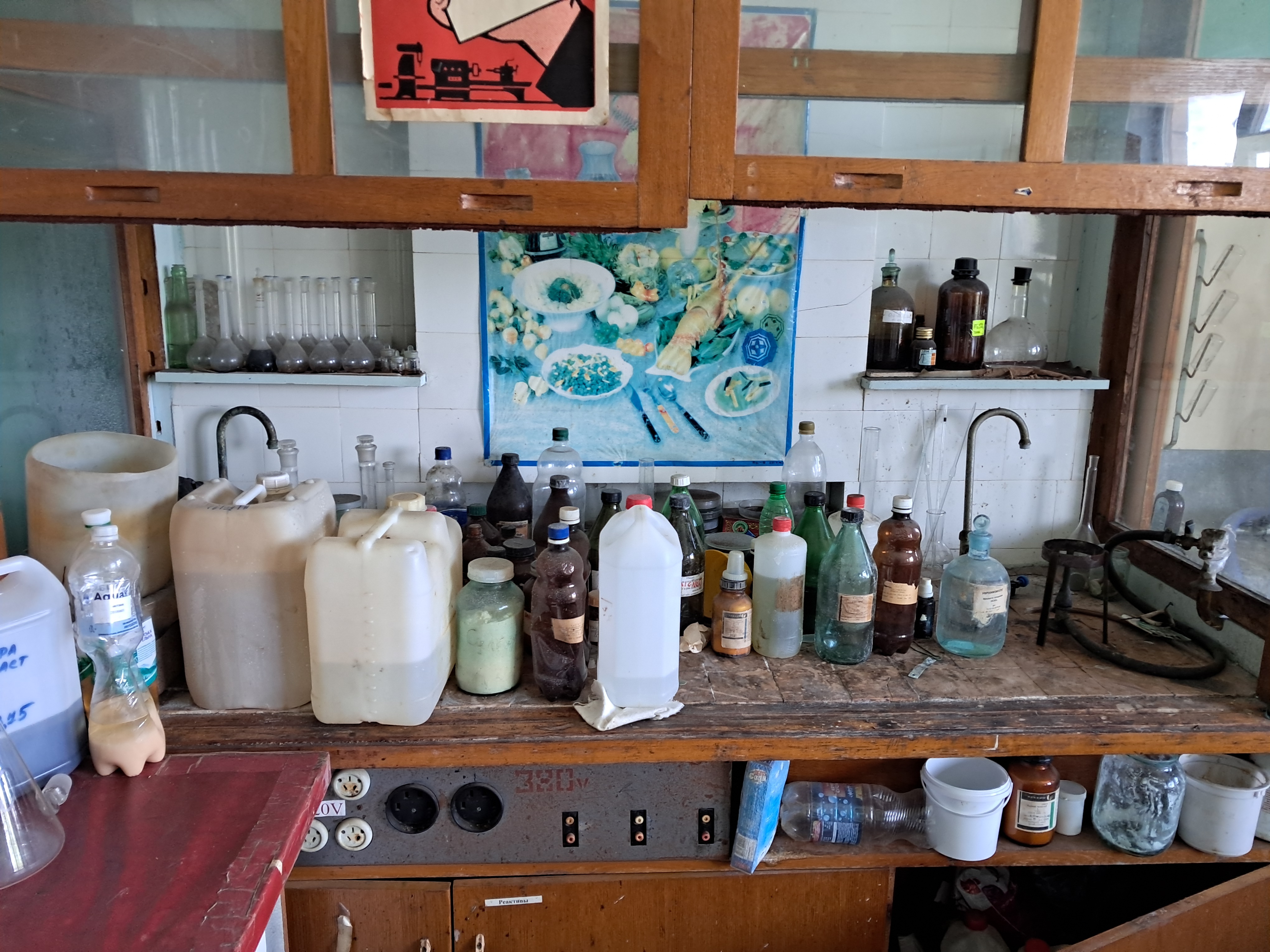
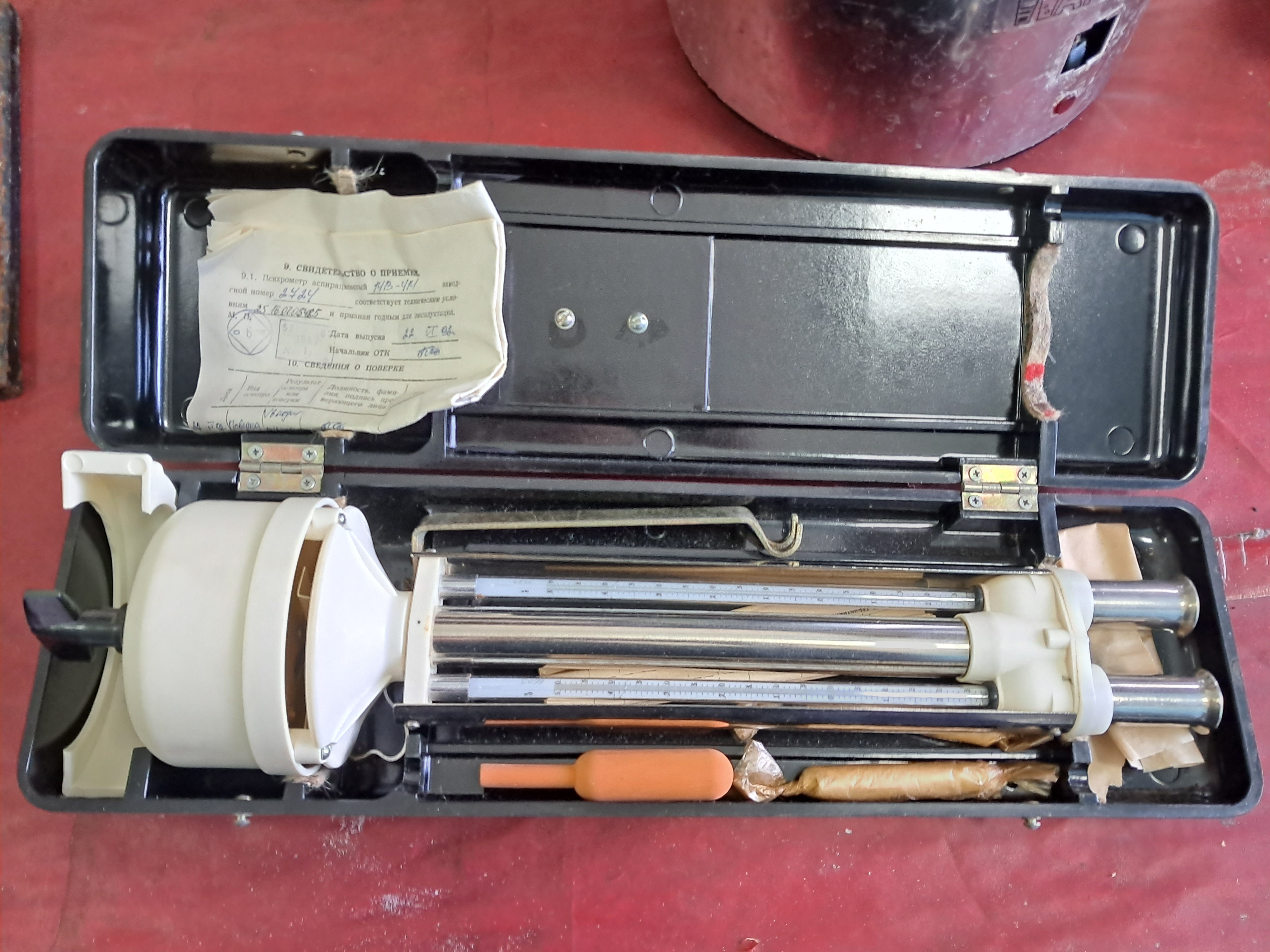
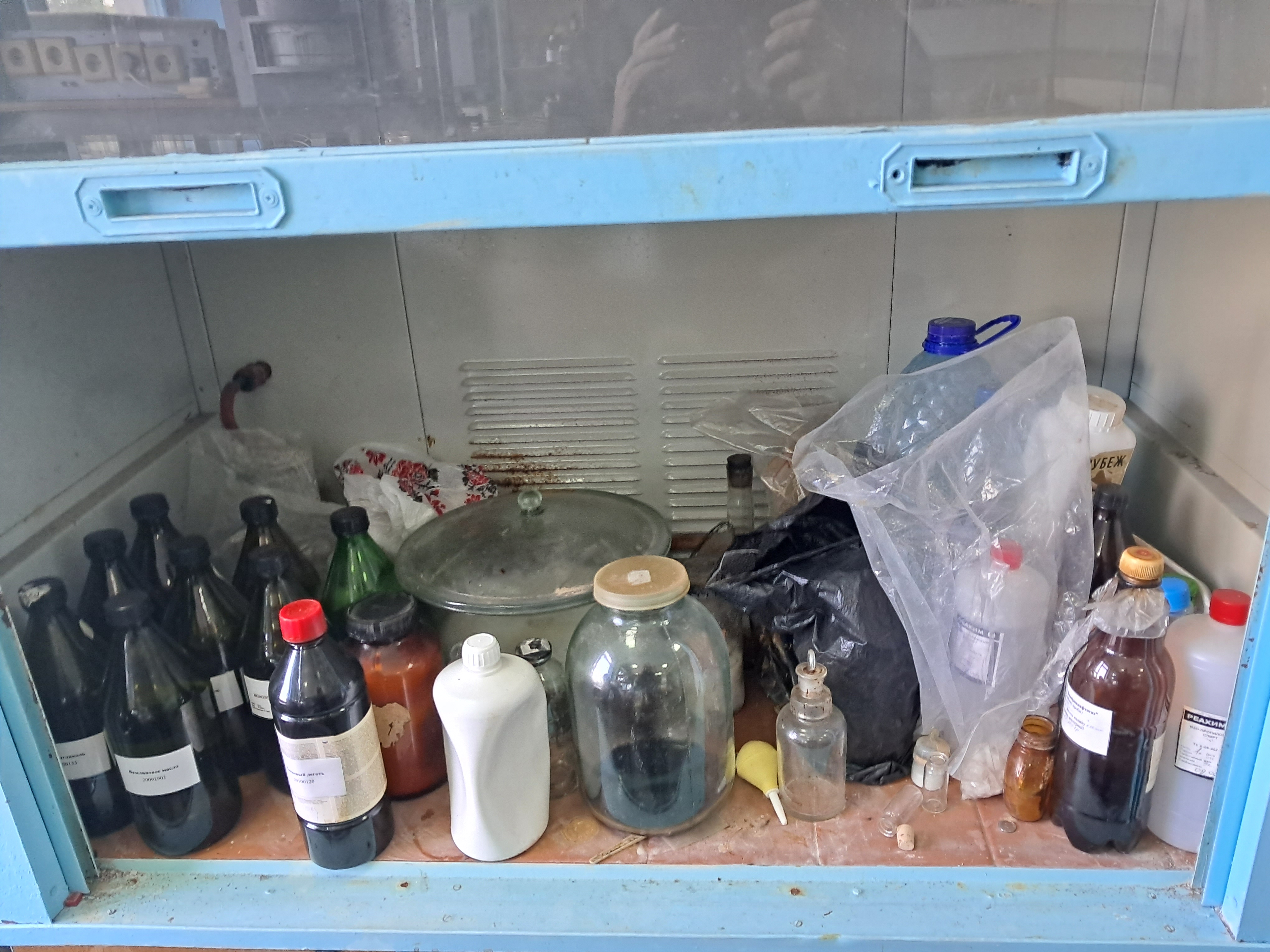
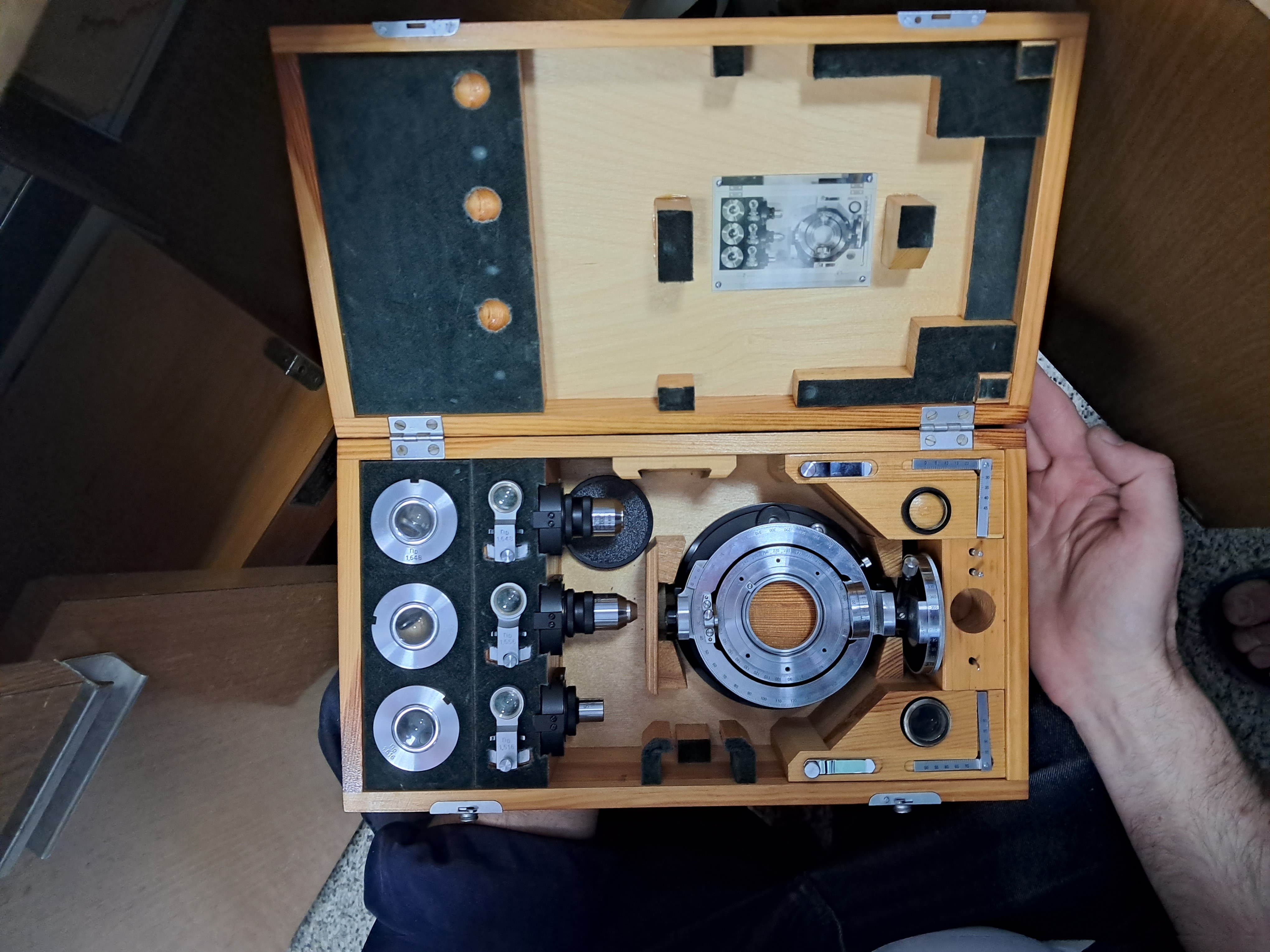
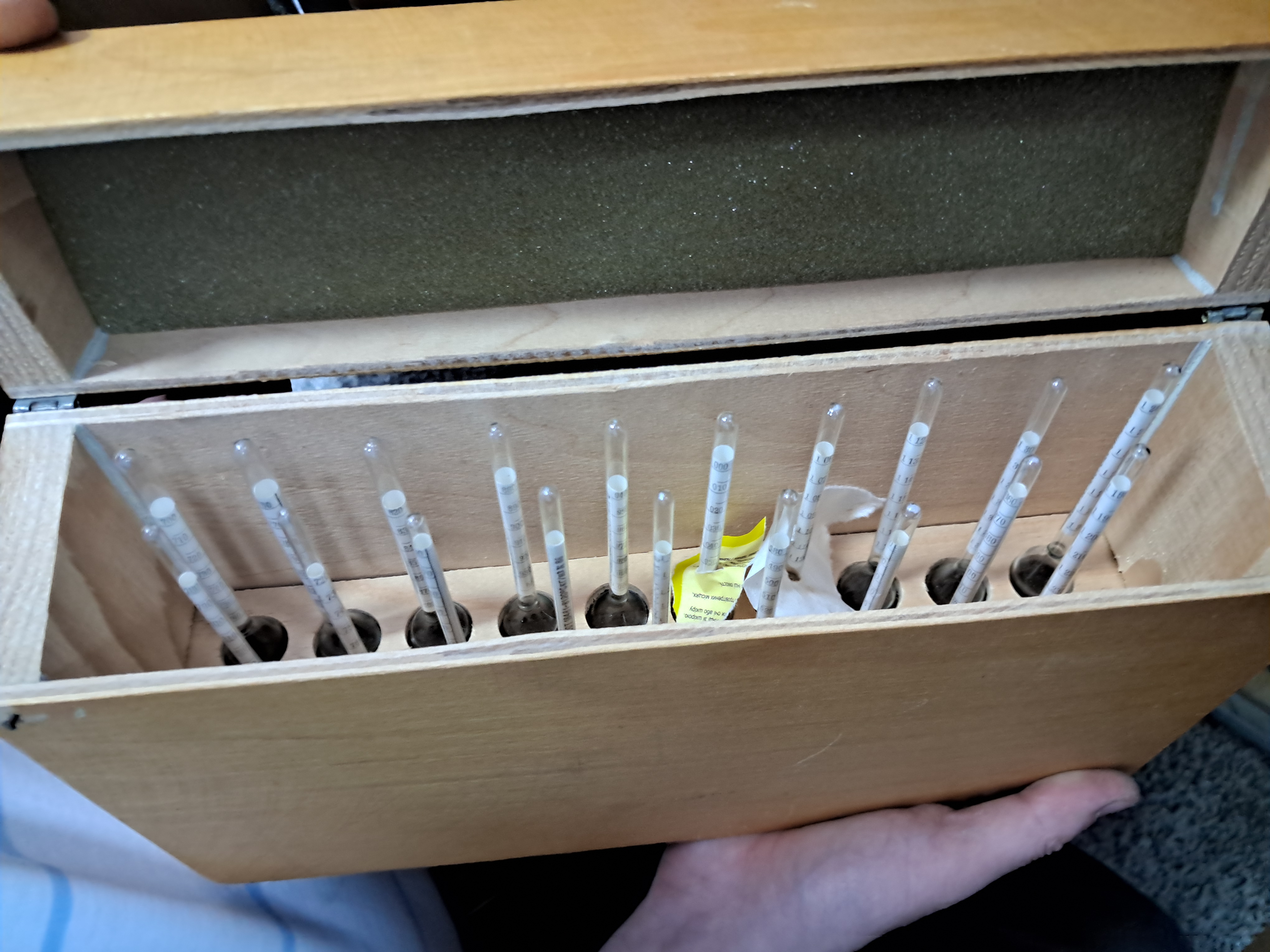
Messy, old chemistry laboratory |
|
|
|
|
|
|
|
|
|
|
|
|
|
|
|
|
|
|
Having noticed a mistake in the text, allocate it and press Ctrl-Enter
A desiccator was necessary for our gravimetric analysis. The bottom of the desiccator should contain a desiccant (dehydrating agent), such as anhydrous calcium chloride, concentrated sulfuric acid, phosphorus(V) oxide, or anhydrous magnesium perchlorate.
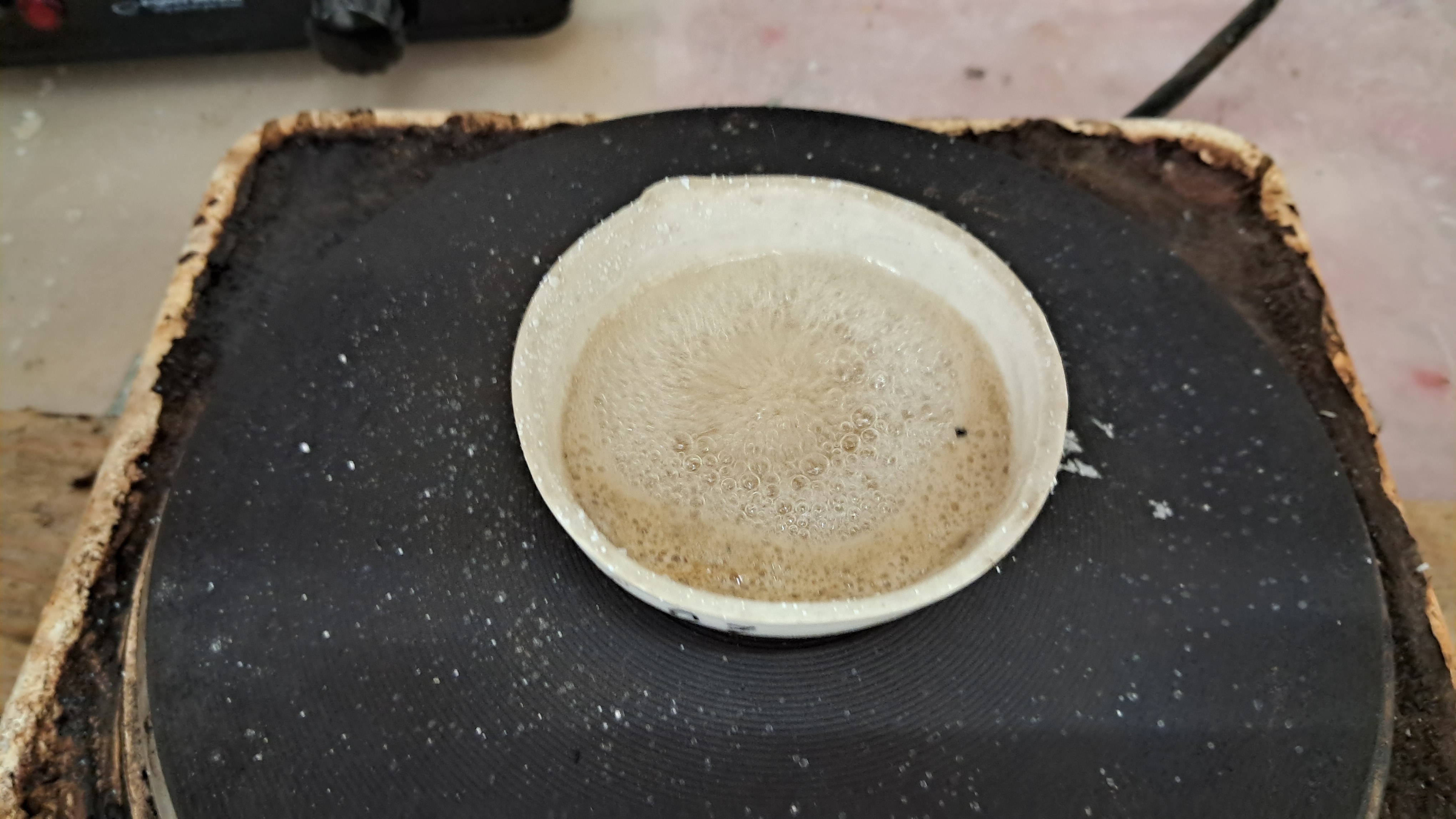
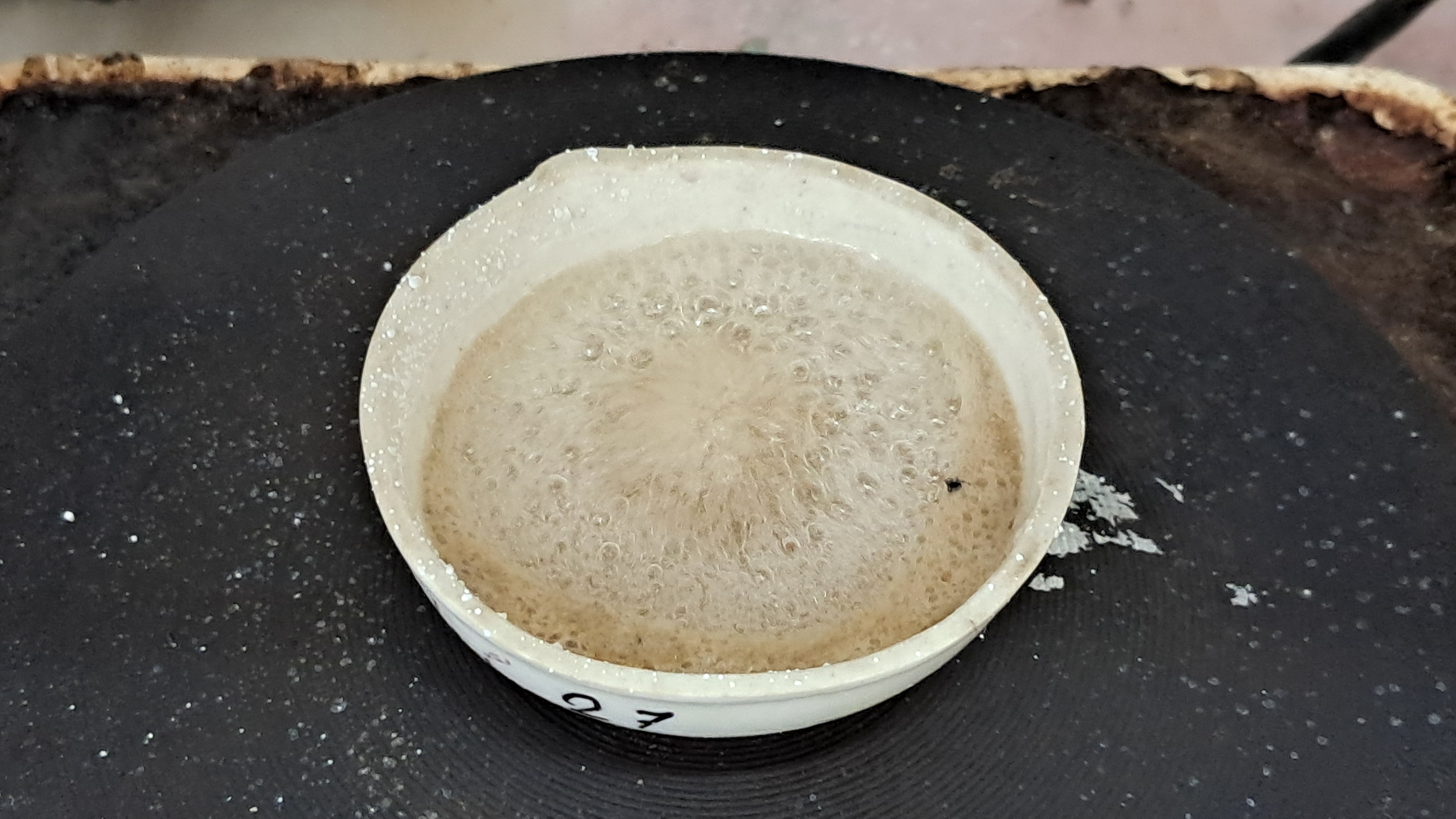
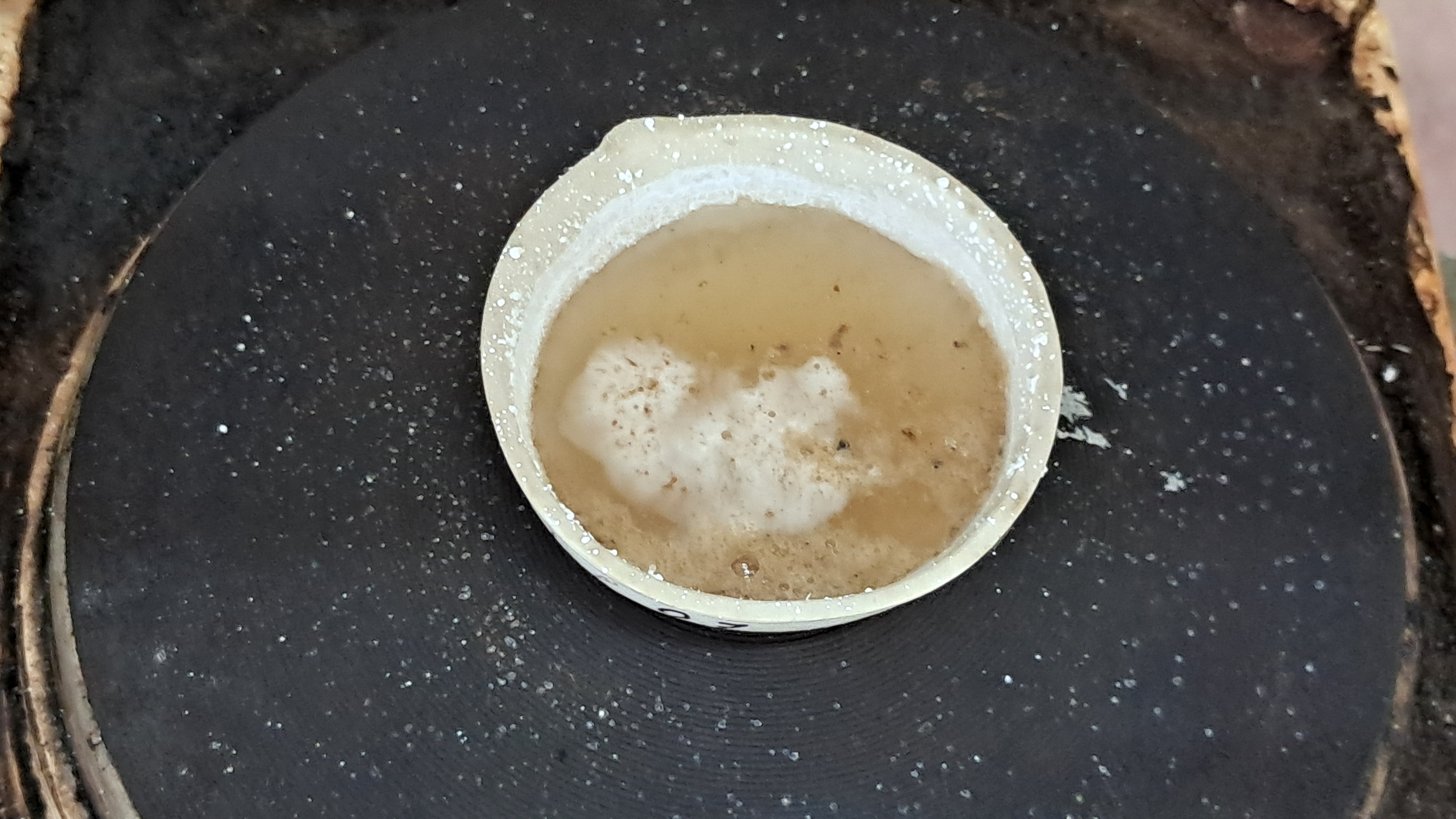
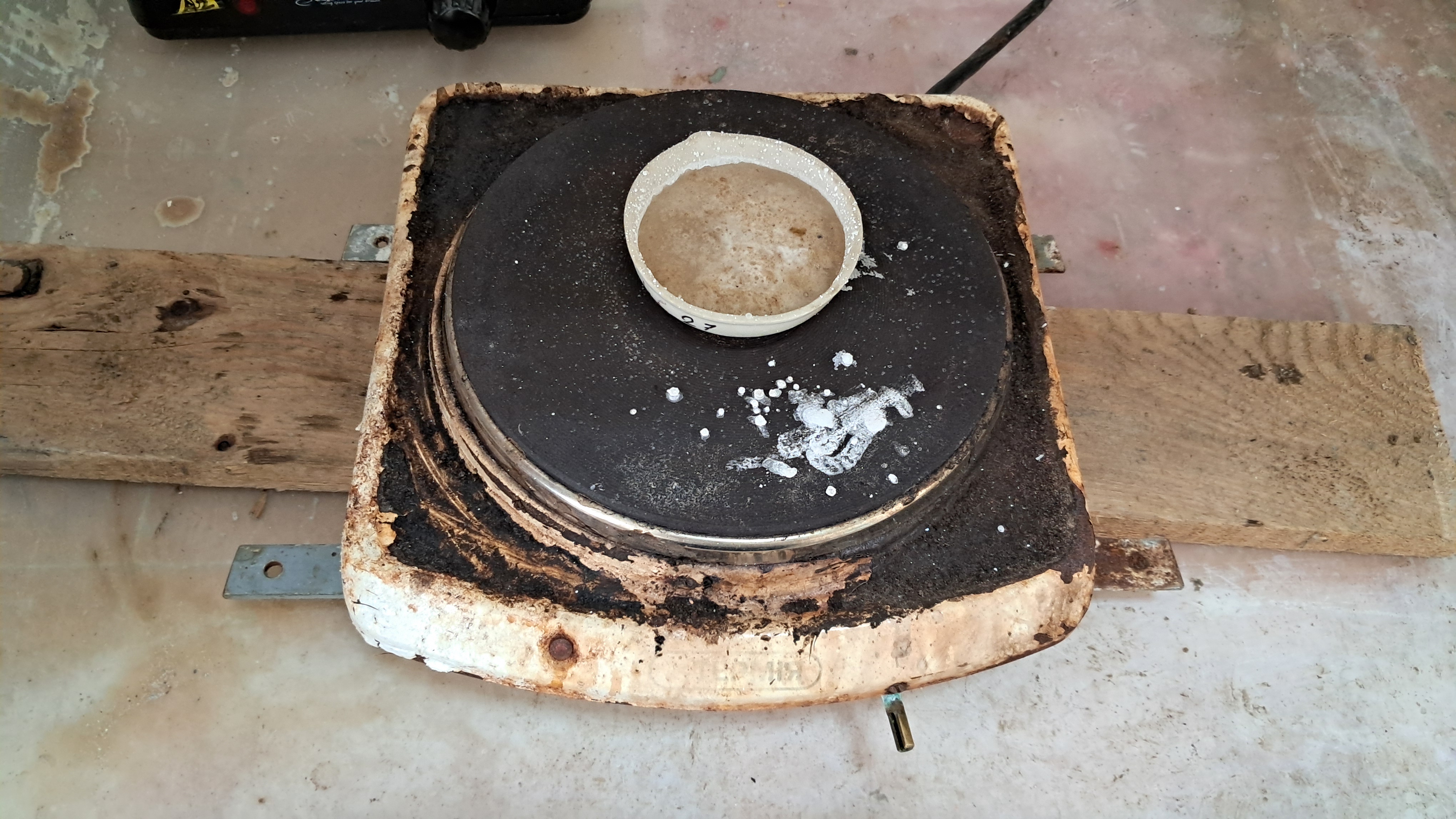
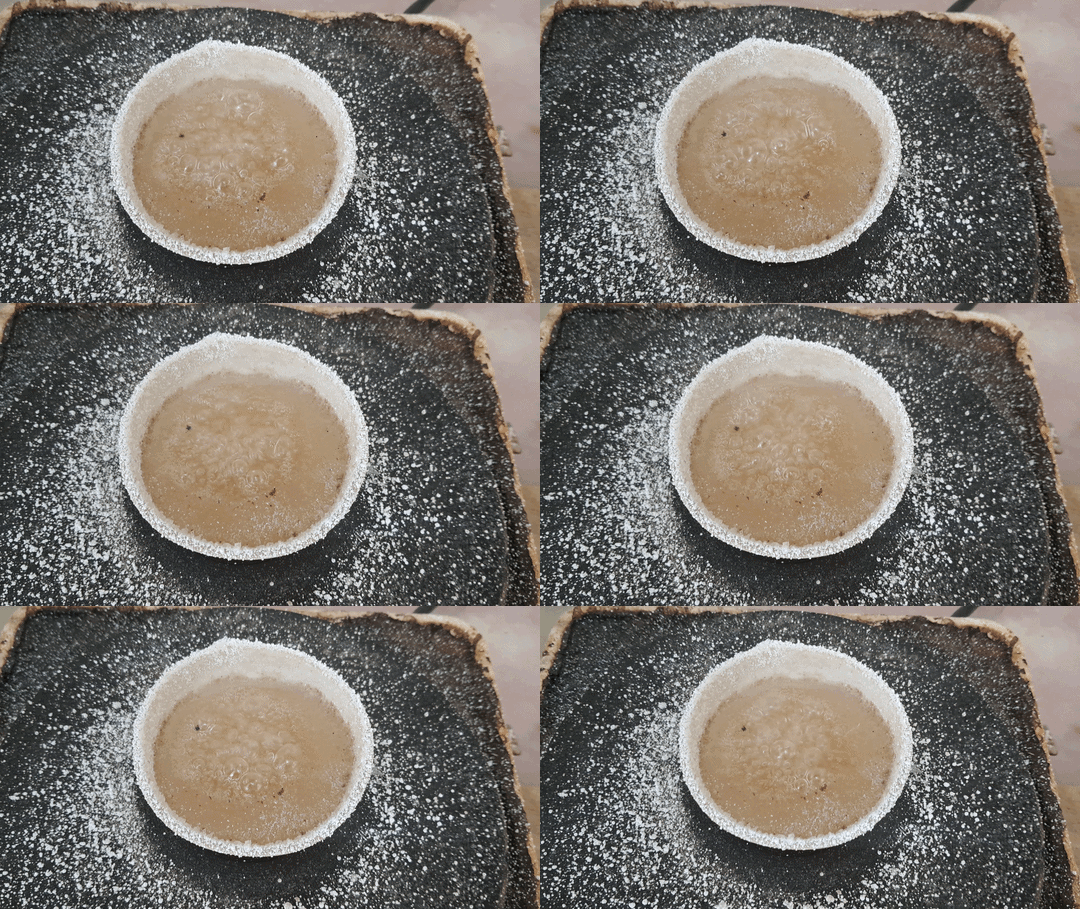
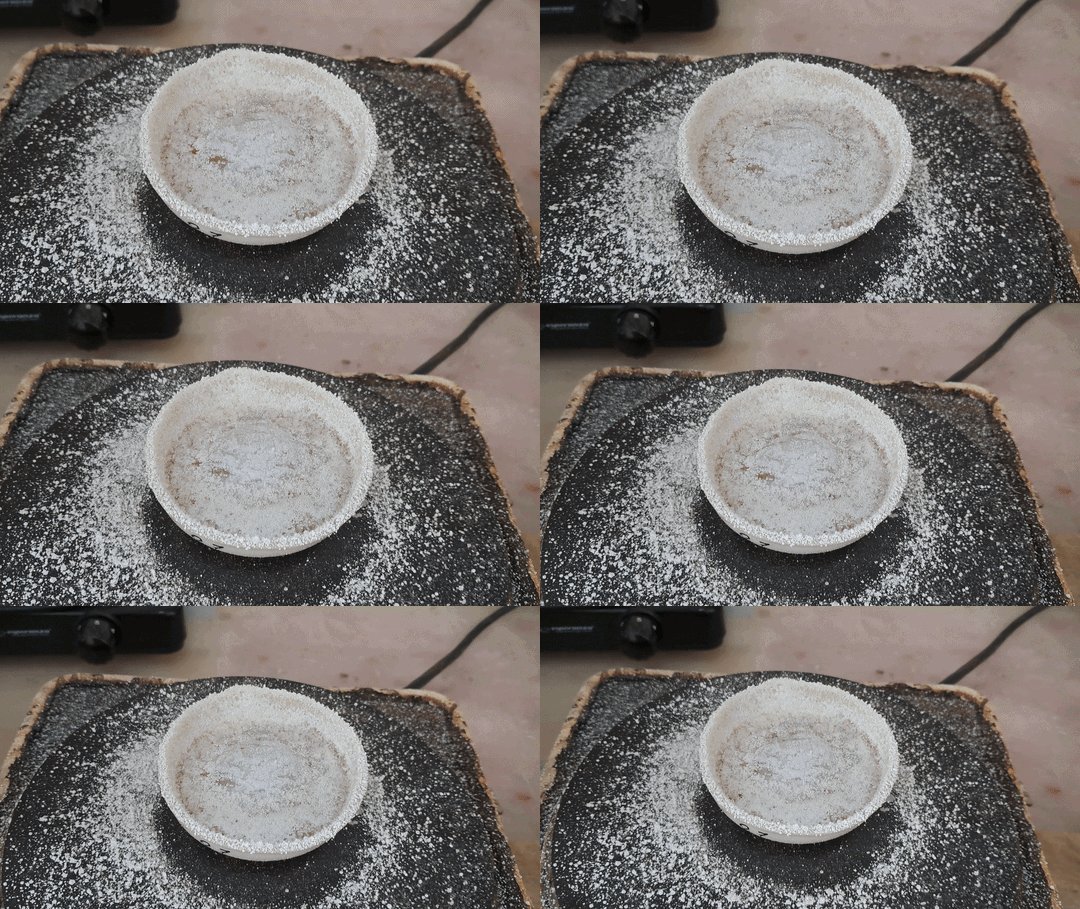
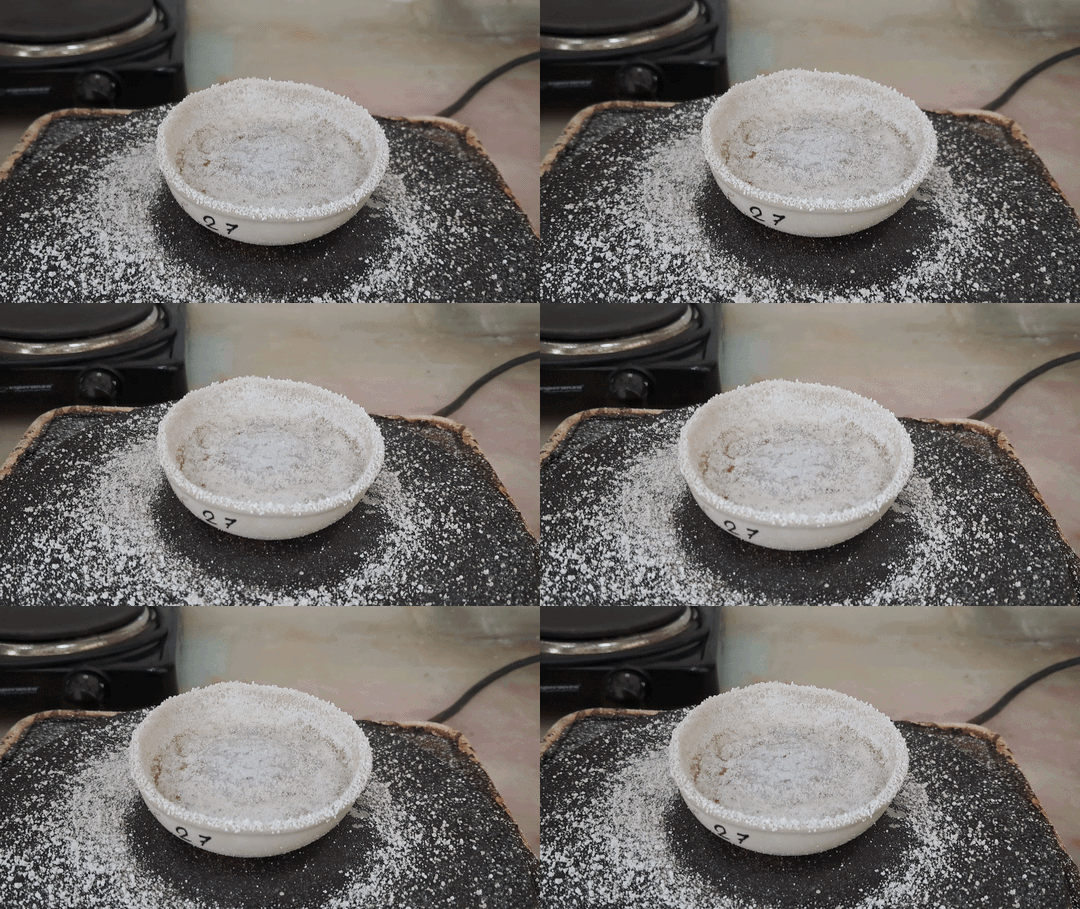
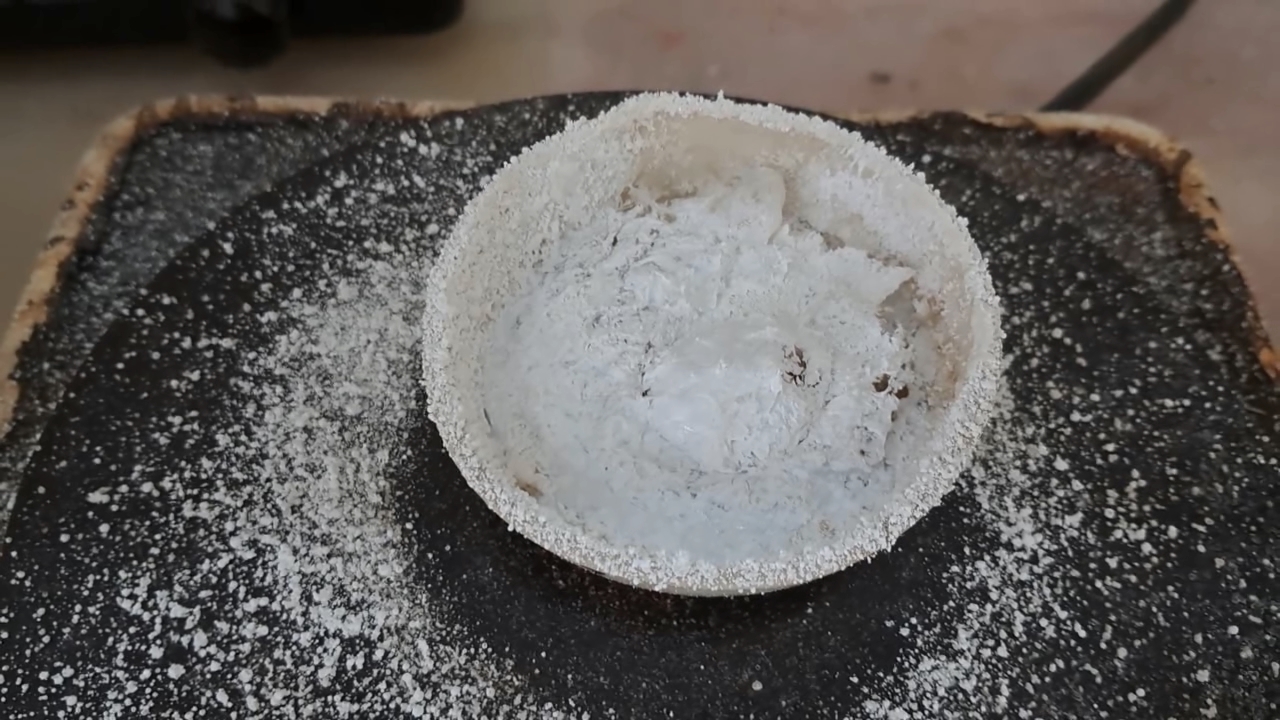
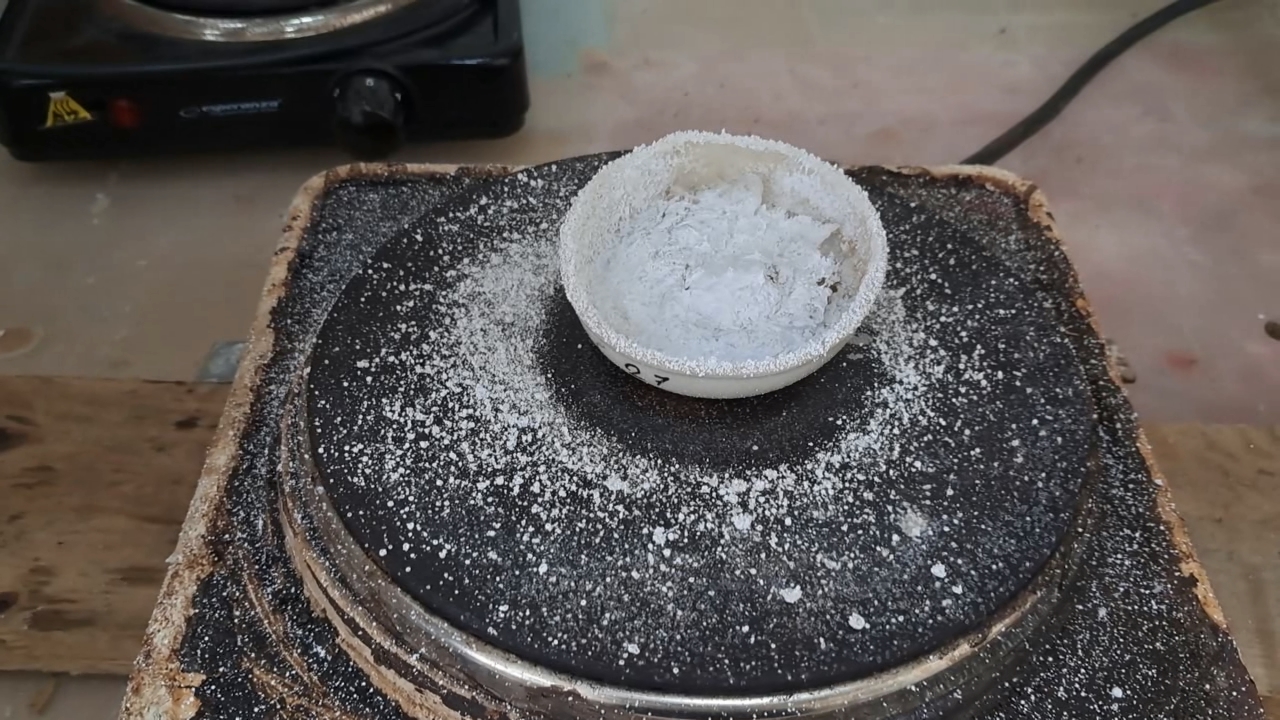
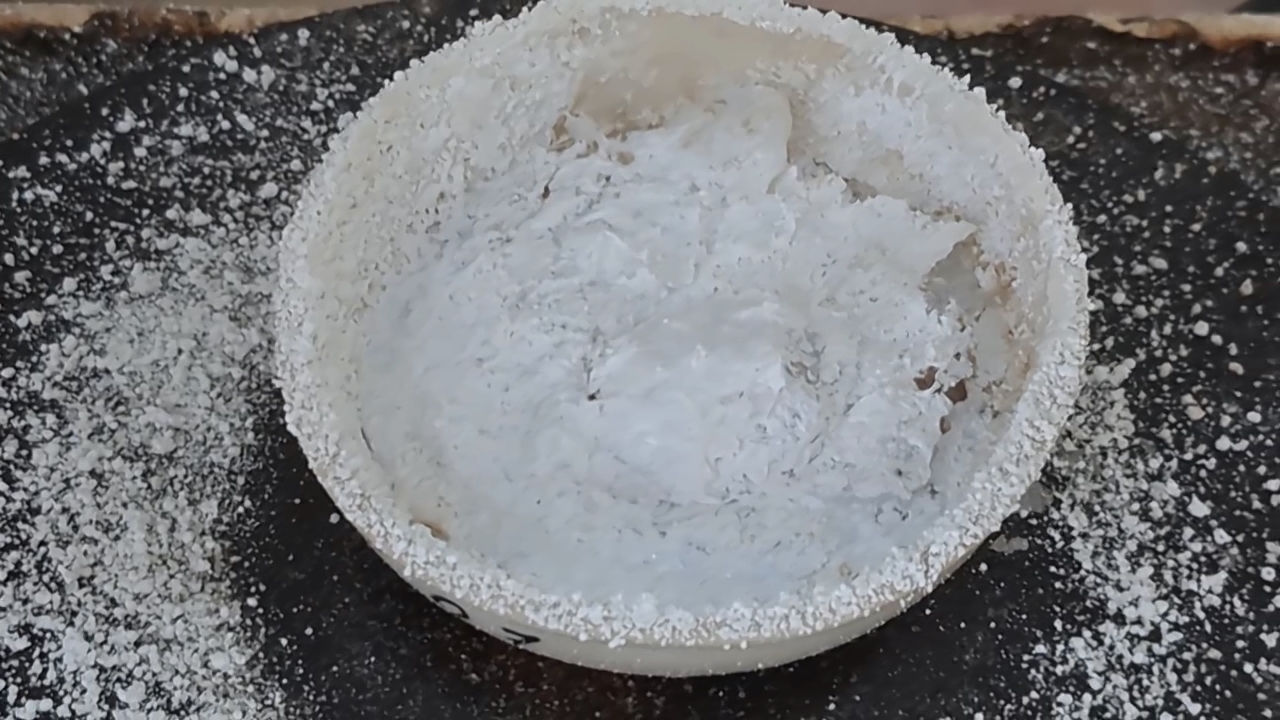
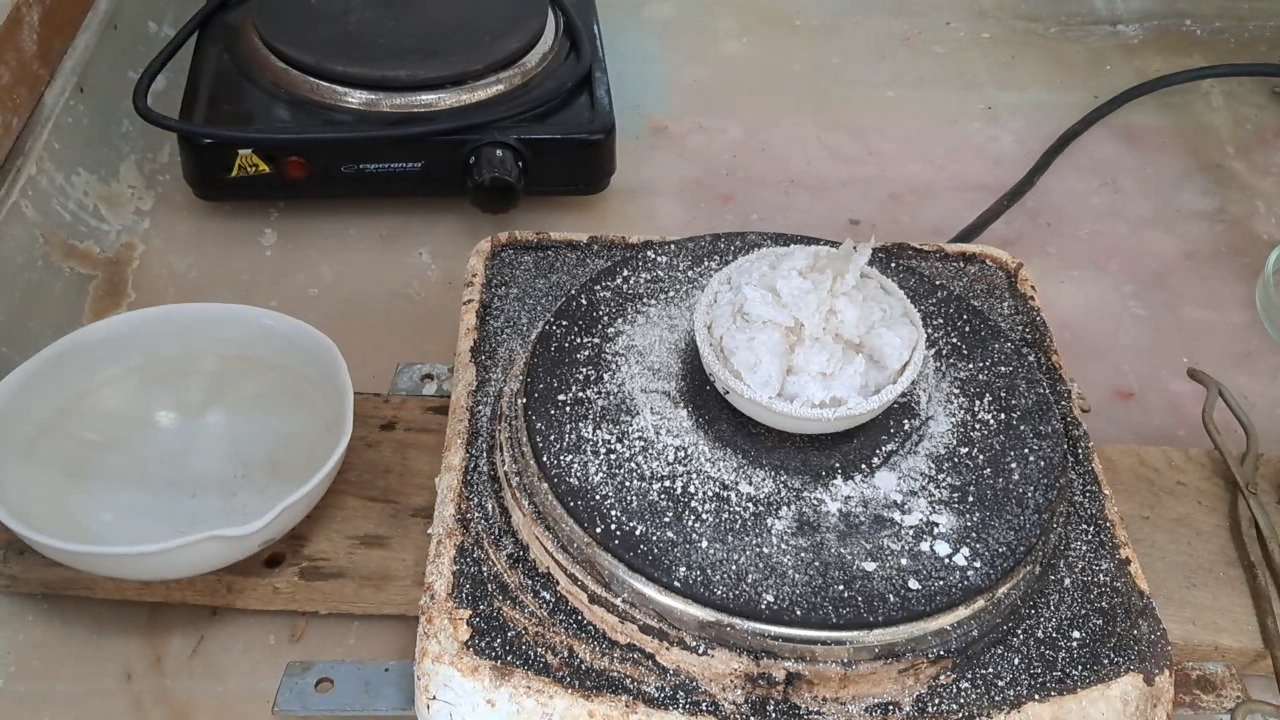
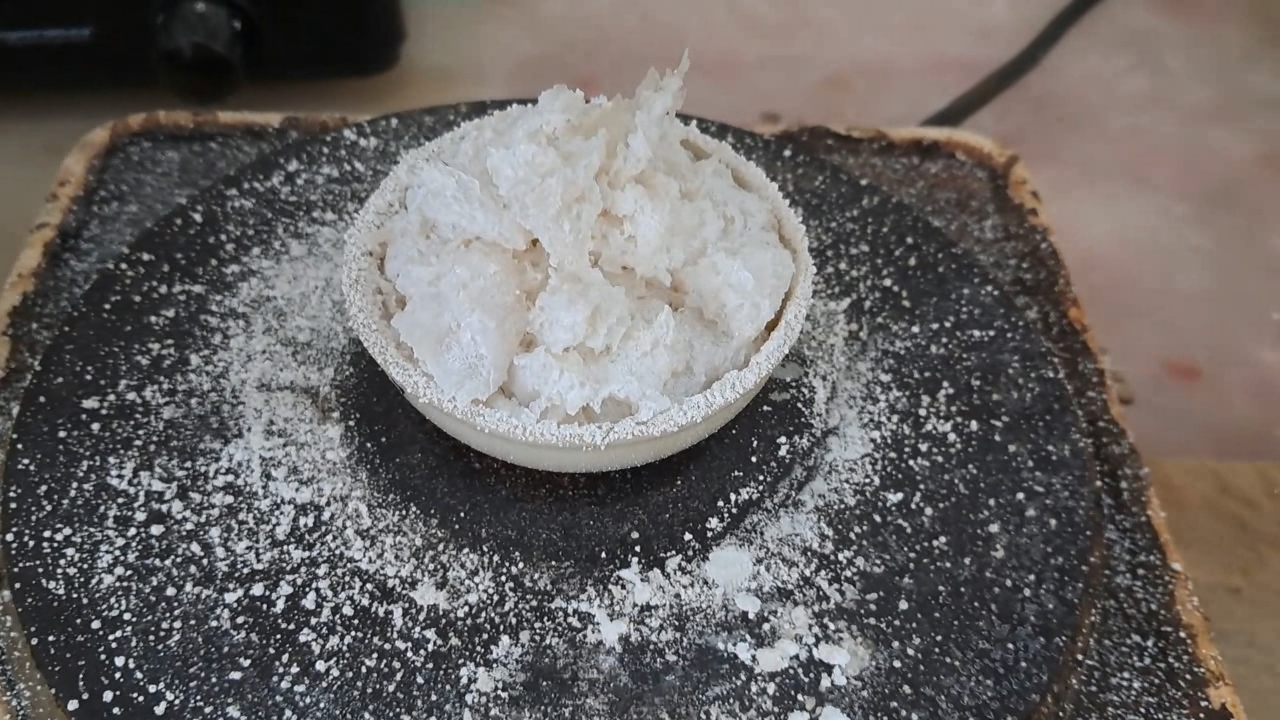
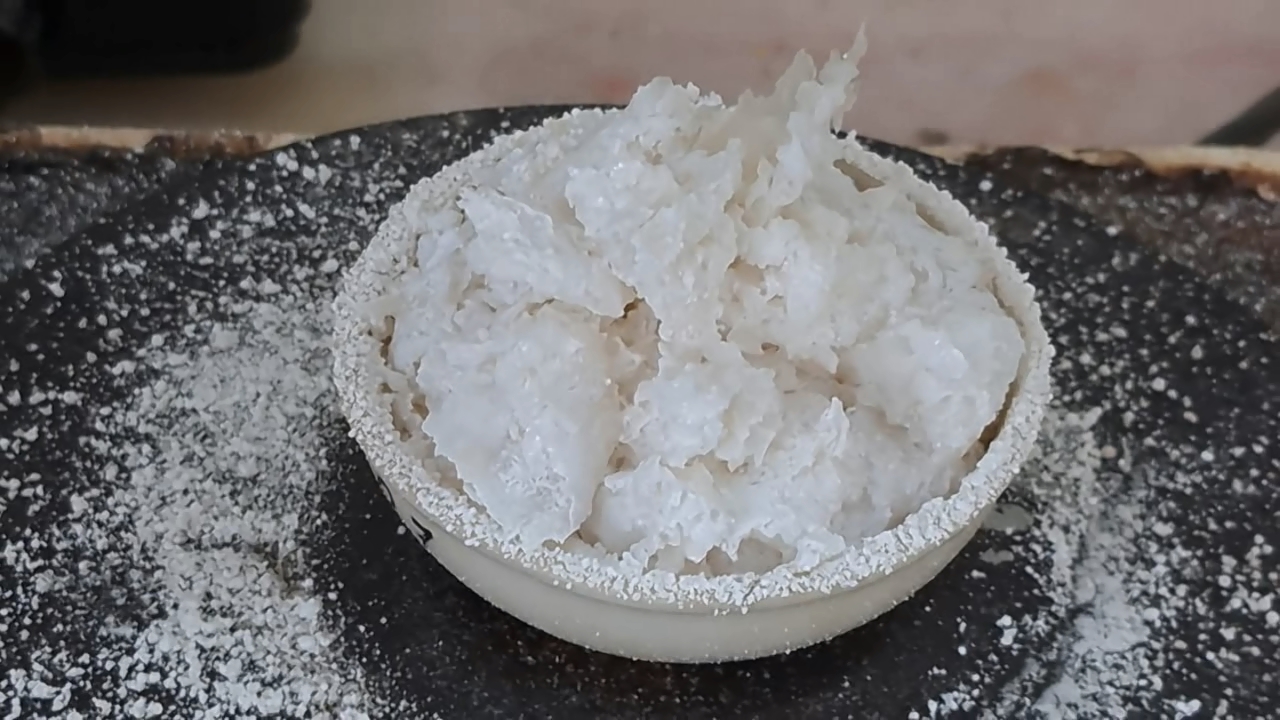
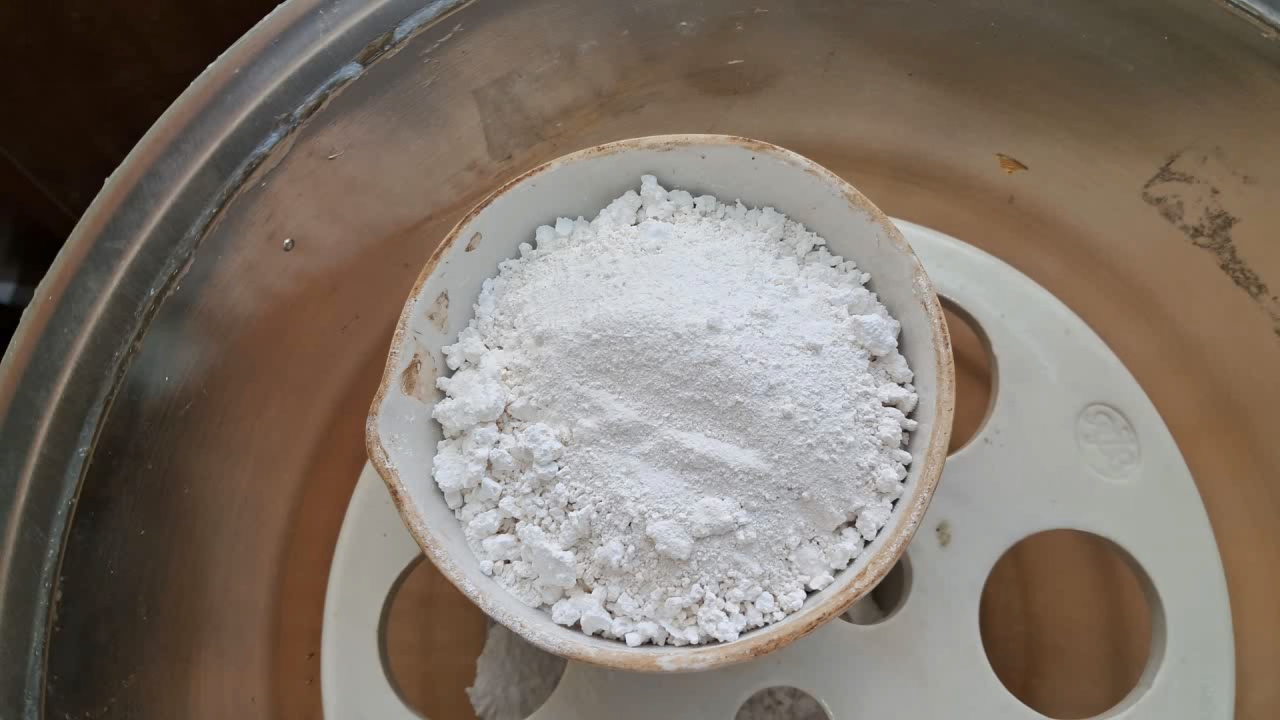
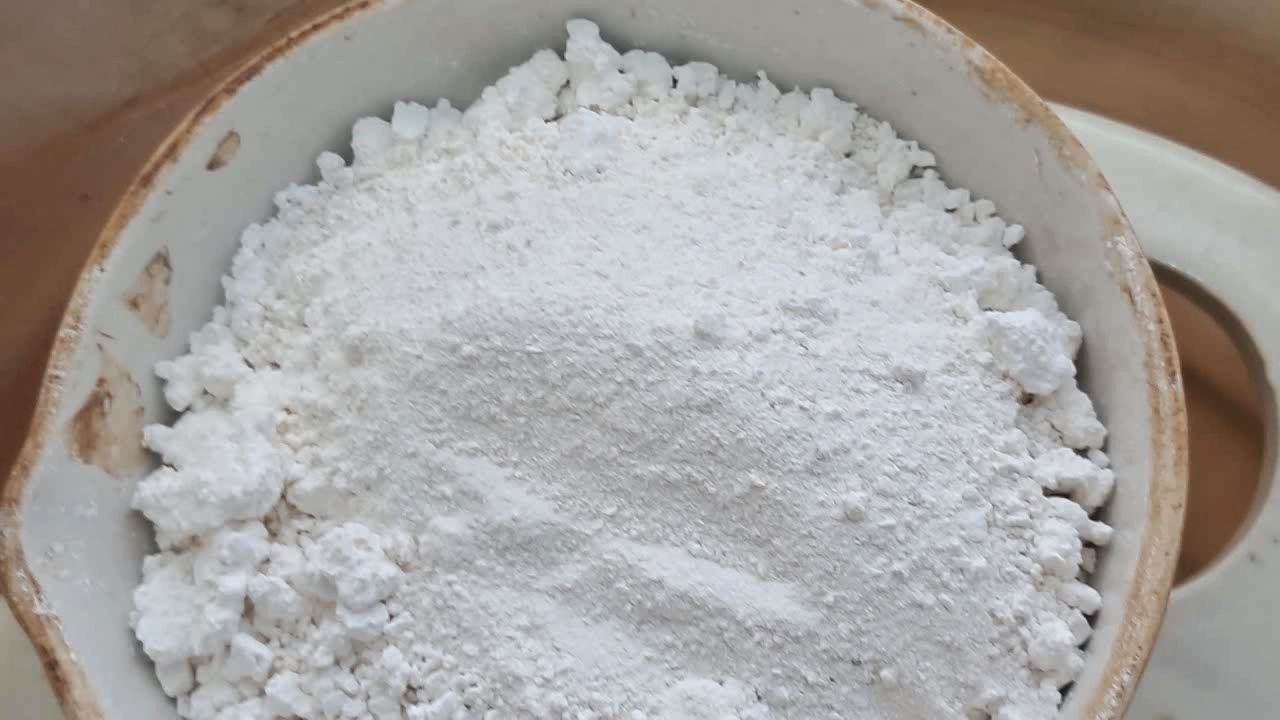
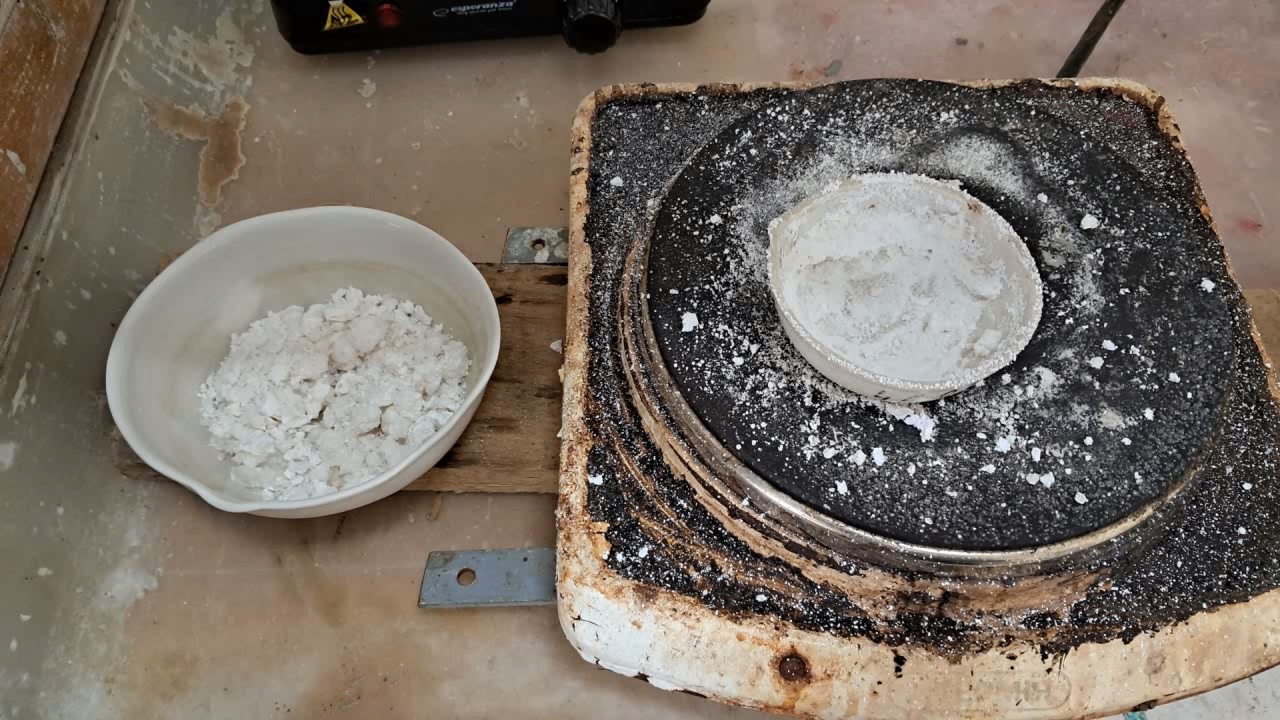
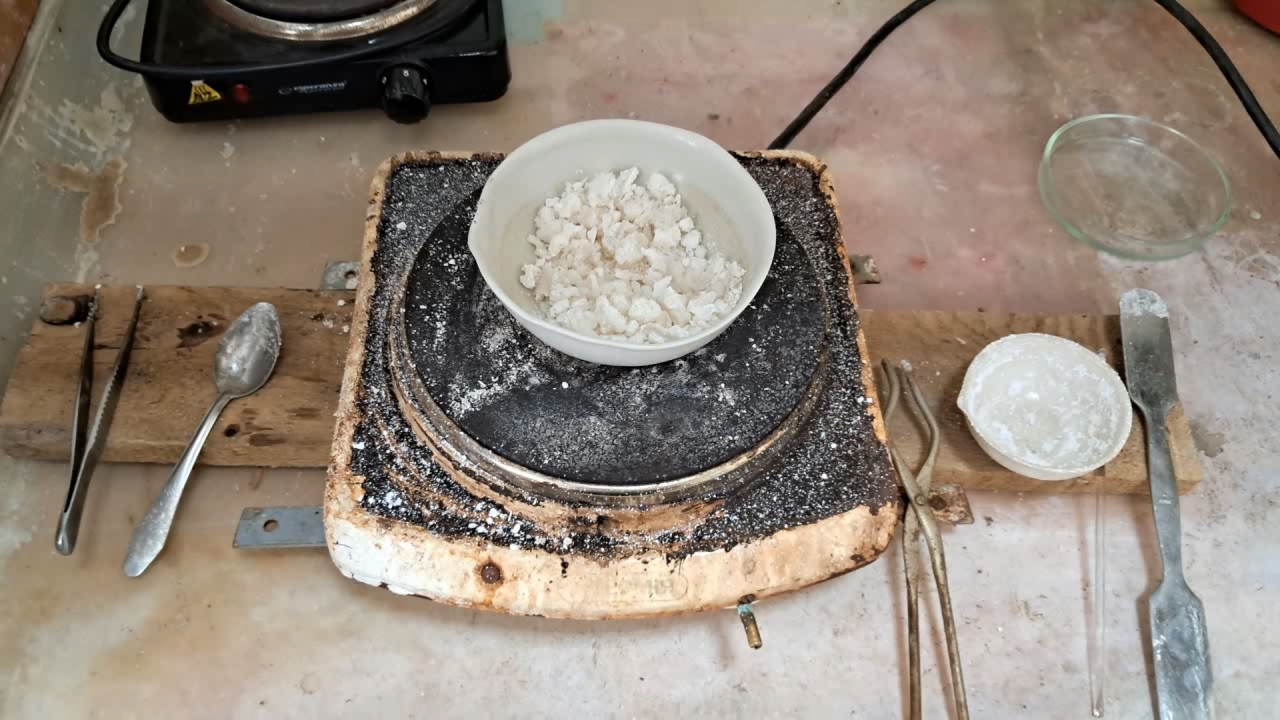
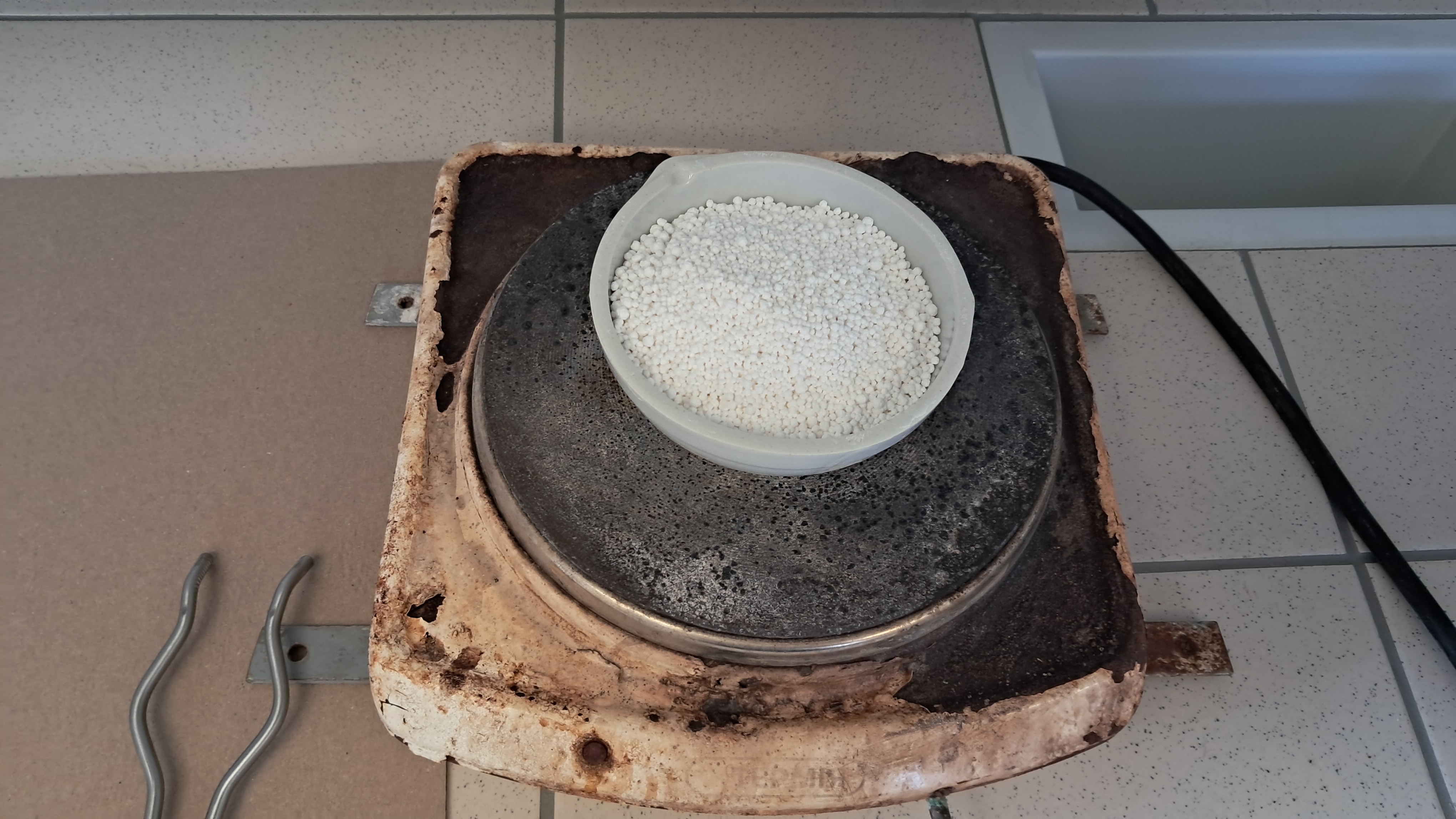
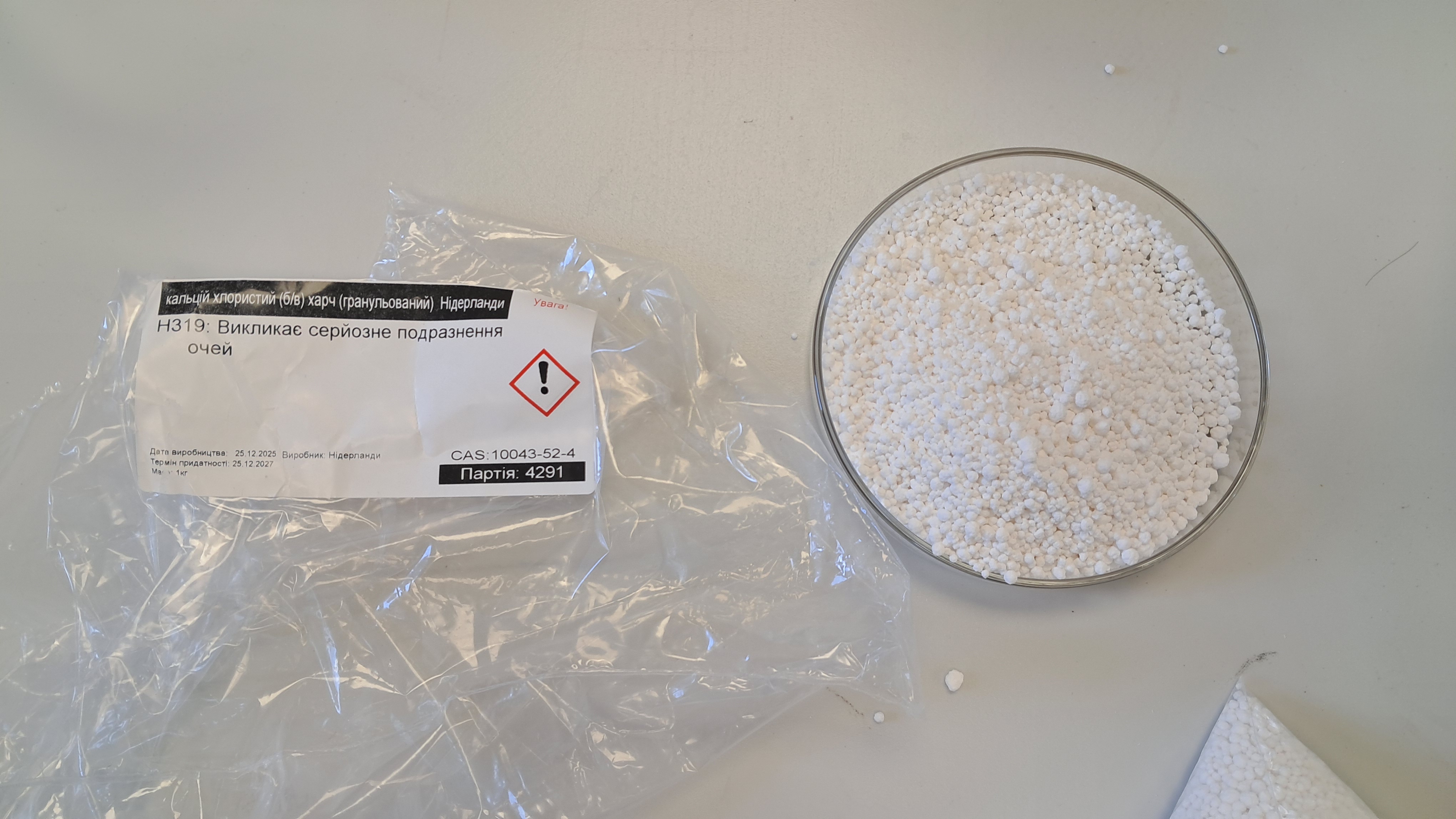
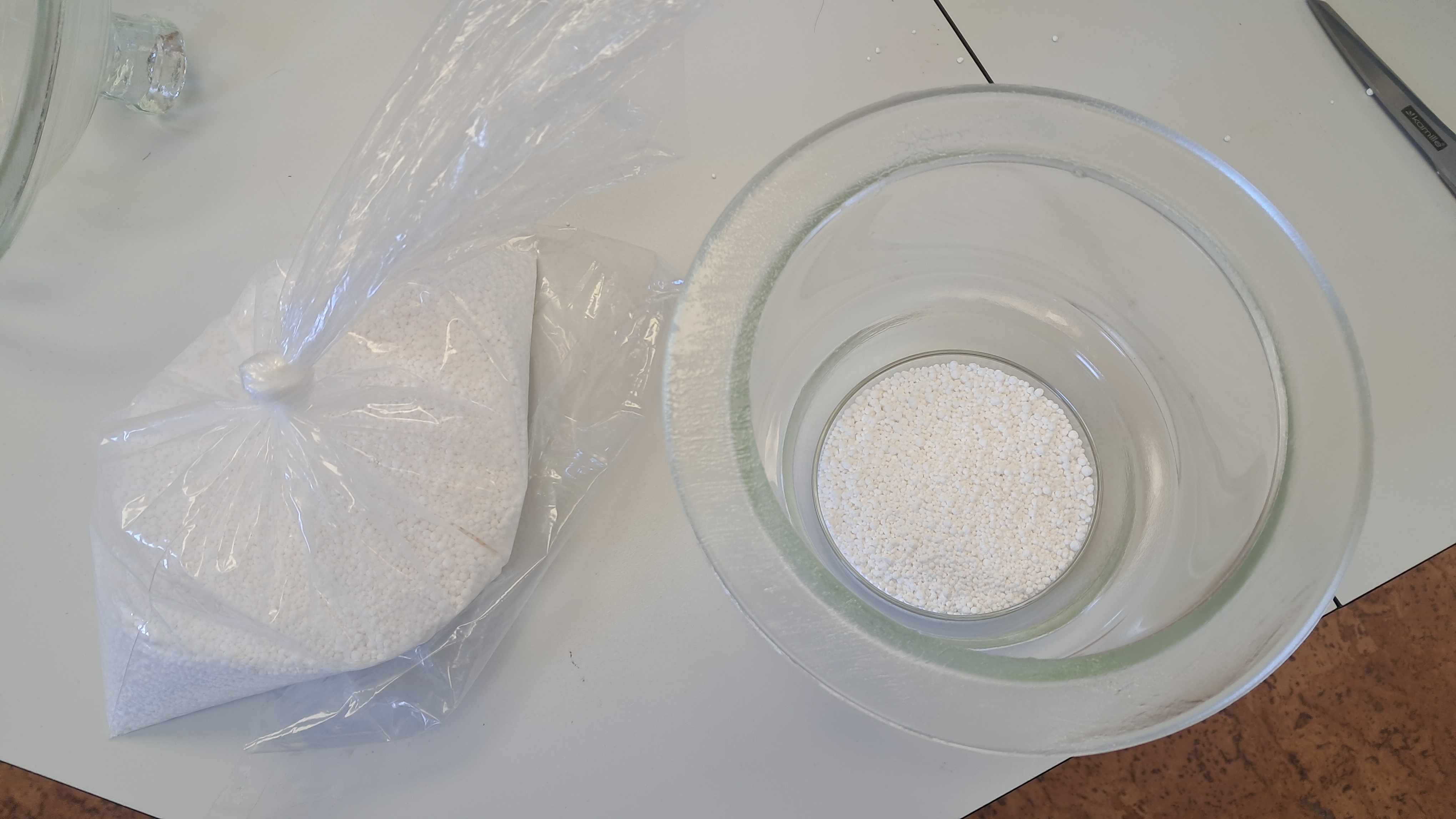
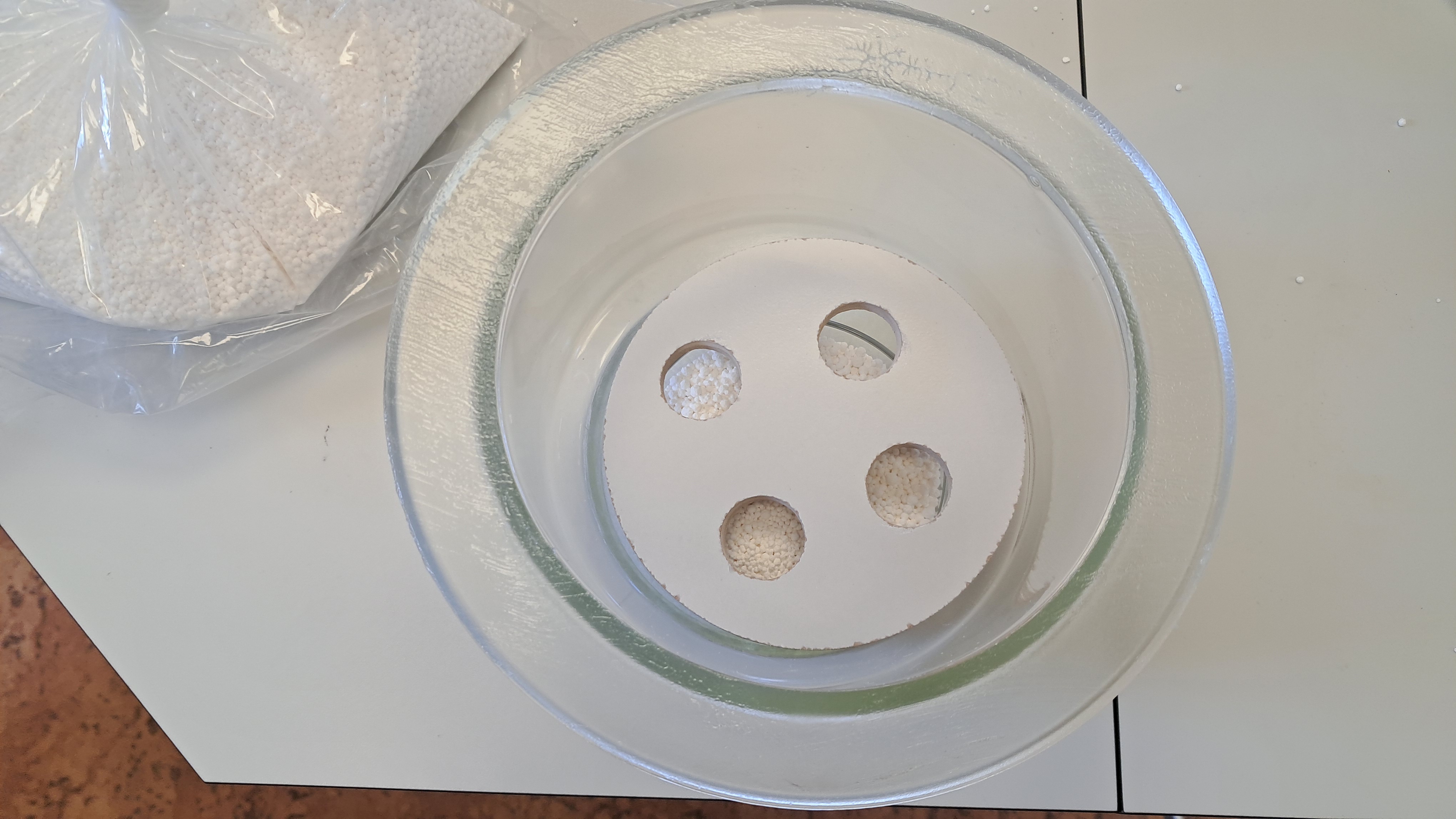
Our laboratory had several desiccators, but only one of them contained a desiccant - calcium chloride. The remaining desiccators weren't used for their intended purpose; they essentially served as storage containers for small laboratory items. We inherited all of these desiccators from our predecessors. For a long time, we didn't need desiccators for our work, so I didn't pay much attention to them. I only occasionally dusted them. Now we needed a desiccator for gravimetric analysis. I opened the desiccator containing the desiccant; at the bottom was a Petri dish containing calcium chloride. I inspected the desiccant and noticed that the calcium chloride had lost its free-flowing nature and had clumped together. This meant that the anhydrous calcium chloride had absorbed a lot of water. Therefore, the calcium chloride needed to be dehydrated or replaced with a new batch of anhydrous calcium chloride. I had a bag of anhydrous calcium chloride - a colleague had brought it to me. However, I hadn't forgotten that the last time, his "anhydrous calcium chloride" turned out to be a crystalline hydrate [1]. Back then, the package had been labeled "Calcium chloride for drying" in Spanish. When heated, this salt melted, turning into a calcium chloride solution, so it wasn't anhydrous calcium chloride. At best, the bag contained the hydrate CaCl2·0.5H2O, which is also used as a drying agent. Although this time the label clearly stated "Anhydrous calcium chloride" (in my native Ukrainian, no less), I didn't risk using the new desiccant. Cases in which the label doesn't match the contents are not uncommon in our country. Instead, I decided to dehydrate the old calcium chloride that was in the desiccator. I transferred some of the calcium chloride from the Petri dish to an evaporating dish, placed it on a hot plate, and turned on the heat. Over time, the salt dissolved in its own water of crystallization, turning into a brownish liquid. The color indicated that impurities (possibly even uranium ore particles) had gotten into the calcium chloride during the work of our predecessors, but I didn't attach any significance to that fact at the time. Brownish calcium chloride absorbs moisture just as well as white calcium chloride. The liquid boiled, began foaming vigorously, and splashed onto the hot plate. I reduced the heat, but it was too late: the hot plate and fume hood were splattered with calcium chloride solution, which quickly hardened. I removed the evaporating dish from the hot plate and poured the solution into a larger evaporating dish. The liquid no longer splashed out of it; the main thing was to avoid overheating. As the water evaporated, I added more calcium chloride to the dish and stirred the mixture with a spatula. An air raid siren suddenly sounded, but I ignored it and continued working. Many chemists here do the same. Alarms occur several times a day, and if we ran for cover every time, it would completely paralyze the work of our laboratory. Later, I learned that the ballistic missile strike had destroyed a large book market on the opposite side of town. Many of my fondest memories were connected with this market. It's a shame it was gone. But at the time, I didn't know where the missiles had landed. I heard distant explosions as I continued evaporating the solution. Finally, the brownish liquid evaporated. I obtained a solid, almost white, lumpy calcium chloride, which I placed in a drying cabinet at 270°C to remove any remaining moisture. I then cooled the calcium chloride and placed it in the bottom of the desiccator. A few months later, in a different laboratory, I used the bag of anhydrous calcium chloride I mentioned above. To test its quality, I poured the salt into an evaporating dish, placed it on a hot plate, and turned the heat up to maximum. The salt remained solid. This meant that it was indeed anhydrous calcium chloride - the salt was suitable for use, so I placed it in a desiccator. __________________________________________________ 1 Tritium, Calcium Chloride, and Wasp / Calcium Chloride Control Sample - Part 3 [link]. |
|
Обезвоживание хлорида кальция - Часть 2
Для проведения нашего гравиметрического анализа был необходим эксикатор. Причем, в нижней части эксикатора должен располагаться осушитель (дегидратирующий агент), например, безводный хлорид кальция, концентрированная серная кислота, оксид фосфора (V) или безводный перхлорат магния.
В нашей лаборатории было сразу несколько эксикаторов, но дегидратирующий агент - хлорид кальция - оказался только в одном из них. Остальные эксикаторы не использовались по прямому назначению - они фактически служили контейнерами для хранения мелких лабораторных вещей. В таком виде все эти эксикаторы достались нам от предшественниц. Длительное время эксикаторы для наших работ не требовались, поэтому я не обращал на них особого внимания. Разве что время от времени вытирал с эксикаторов пыль. Теперь эксикаторы понадобились для проведения гравиметрического анализа. Открыл эксикатор с обезвоживающим агентом, на его дне находилась чашка Петри с хлоридом кальция. Оценил внешний вид осушителя - оказалось, что хлорид кальция потерял сыпучесть и слипся. Это означало, что безводный хлорид кальция поглотил много воды. Следовательно, хлорид кальция необходимо было обезводить или заменить новой порцией безводного хлорида кальция. Пакет с безводным хлоридом кальция у меня был - его принес коллега, однако, я не забыл, что в прошлый раз его "безводный хлорид кальция" оказался кристаллогидратом [1]. Тогда на упаковке было написано "Хлорид кальция для осушки" на испанском языке. При нагревании эта соль расплавилась, превратившись в раствор хлорида кальция, следовательно, это был не безводный хлорид кальция. В лучшем случае, в пакете находился гидрат CaCl2·0.5H2O, который тоже используется для осушки. Хотя в этот раз на этикетке было четко написано "Хлорид кальция безводный" (причем на родном украинском языке), я не рискнул использовать новый осушитель. Случаи, когда этикетка не соответствует содержимому, в нашей стране не редкость. Вместо этого я решил обезводить старый хлорид кальция, который был в эксикаторе. Перенес часть хлорида кальция из чашки Петри в выпарную чашку, поставил ее на электрическую плитку, включил нагрев. Со временем соль растворилась в собственной кристаллогидратной воде, превратившись в коричневатую жидкость. Цвет свидетельствовал, что в процессе работы наших предшественниц в хлорид кальция попали примеси (возможно, даже это были частицы урановой руды), но тогда я не придал данному факту значения. Коричневатый хлорид кальция поглощает влагу не хуже белого. Жидкость закипела, стала интенсивно пениться и разбрызгиваться на плитку. Уменьшил нагрев, но было уже поздно: плитка и вытяжной шкаф оказались забрызганы раствором хлорида кальция, который быстро затвердел. Снял выпарную чашку с плиты и перелил раствор в большую выпарную чашку - из нее жидкость уже не разбрызгивалась, главное было не допускать слишком сильного нагрева. По мере испарения воды, добавлял в чашку новые порции хлорида кальция, перемешивал массу шпателем. Неожиданно раздалась сирена воздушной тревоги, но я ее проигнорировал и продолжил работу. У нас так поступают многие химики. Тревоги случаются по несколько раз на день, и если каждый раз бежать в укрытие, то это полностью парализует работу лаборатории. Позже узнал, что удар баллистических ракет уничтожил большой книжный рынок в противоположном конце города. Много моих приятных воспоминаний было связаны именно с этим рынком. Жаль, что его больше нет. Но тогда я не зная, куда прилетели ракеты. Слышал отдаленные взрывы, продолжая выпаривать раствор. Наконец, коричневатая жидкость испарилась. Я получил твердый, почти белый хлорид кальция в виде комков, который поместил в сушильный шкаф при 270°С - для окончательного удаления влаги. Далее охладил хлорид кальция и поместил его в нижнюю часть эксикатора. А несколькими месяцами позже, уже в другой лаборатории, воспользовался пакетом безводного хлорида кальция, который я упомянул выше. Чтобы проверить его качество, насыпал соль в выпарную чашку, поставил ее на электрическую плиту и включил максимальный нагрев. Соль так и осталась твердой. Значит, это действительно был безводный хлорид кальция - соль оказалась пригодна для работы, я поместил ее в эксикатор. |
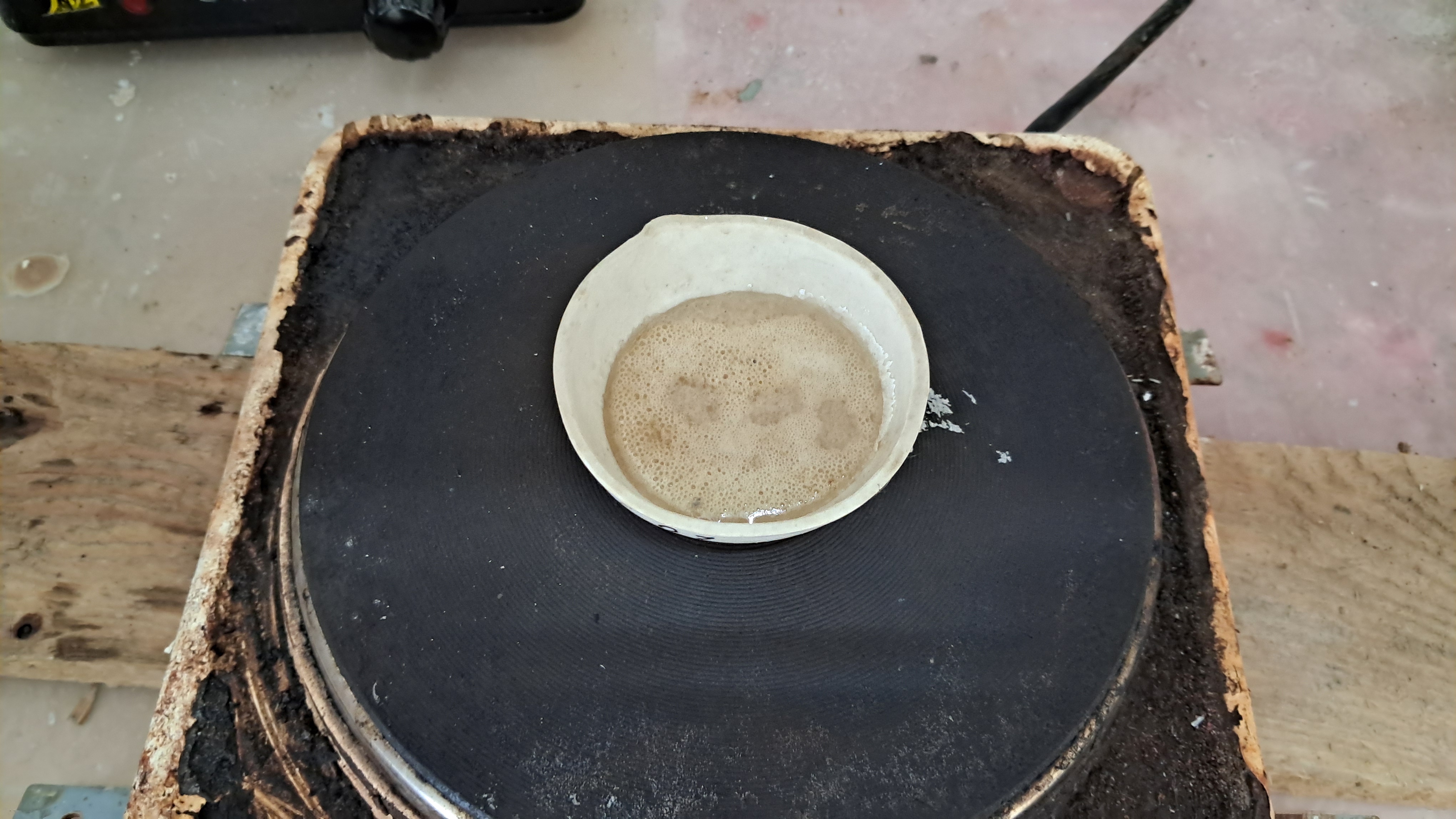
Calcium Chloride Dehydration |
|
|
|
|
|
|
|
|
|
|
|
|
|
|
|
|
|
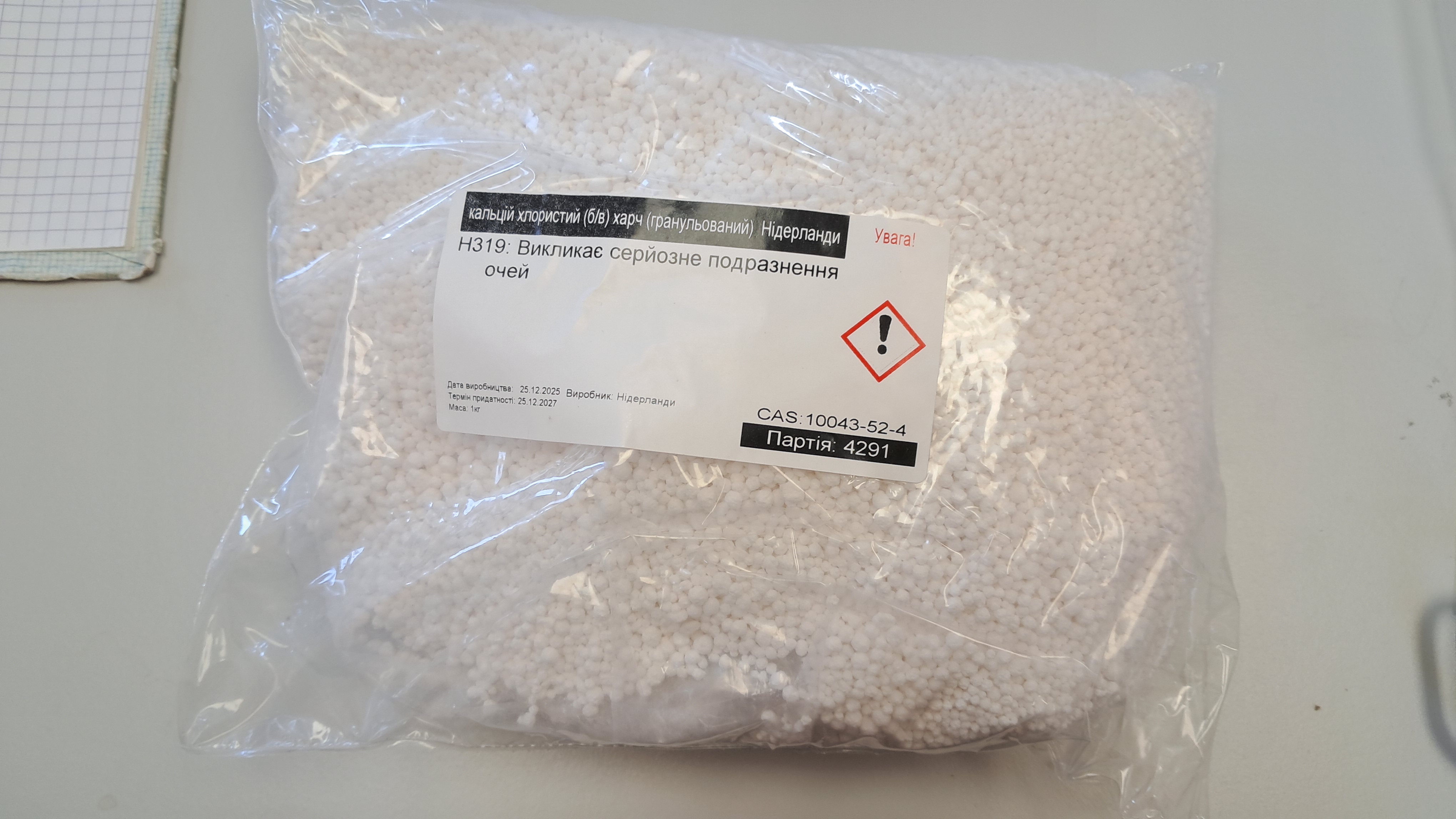
Anhydrous calcium chloride |
|
|
|
|
