Content Chemistry experiments - video Physics experiments - video Home Page - Chemistry and Chemists

Chemistry and Chemists № 2 2026

Journal of Chemists-Enthusiasts
Donate to the journal Chemistry and ChemistsDonate to the journal Chemistry and Chemists


Determining Moisture Content in Hexamine - pt.3, 4


Chemist


Having noticed a mistake in the text, allocate it and press Ctrl-Enter


Not much time has passed since the events described below - just over a month - but it feels as though I analyzed the hexamine many years ago. So many other events - both pleasant and unpleasant - have occurred during that month that new impressions and experiences have almost completely erased my memories of analyzing the urotropine. To refresh my memory, I had to reread my laboratory journal and look through my photo archive.

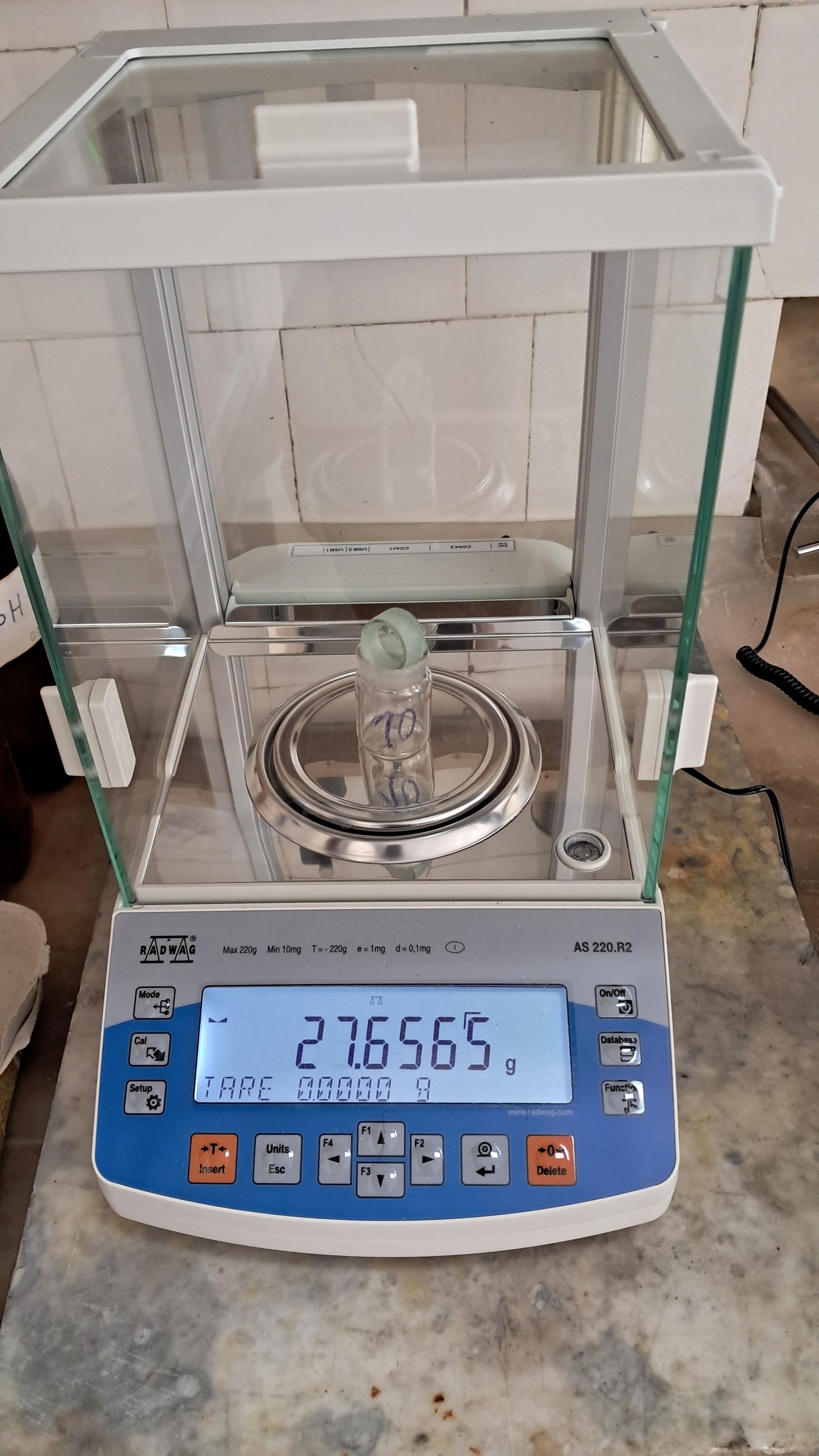
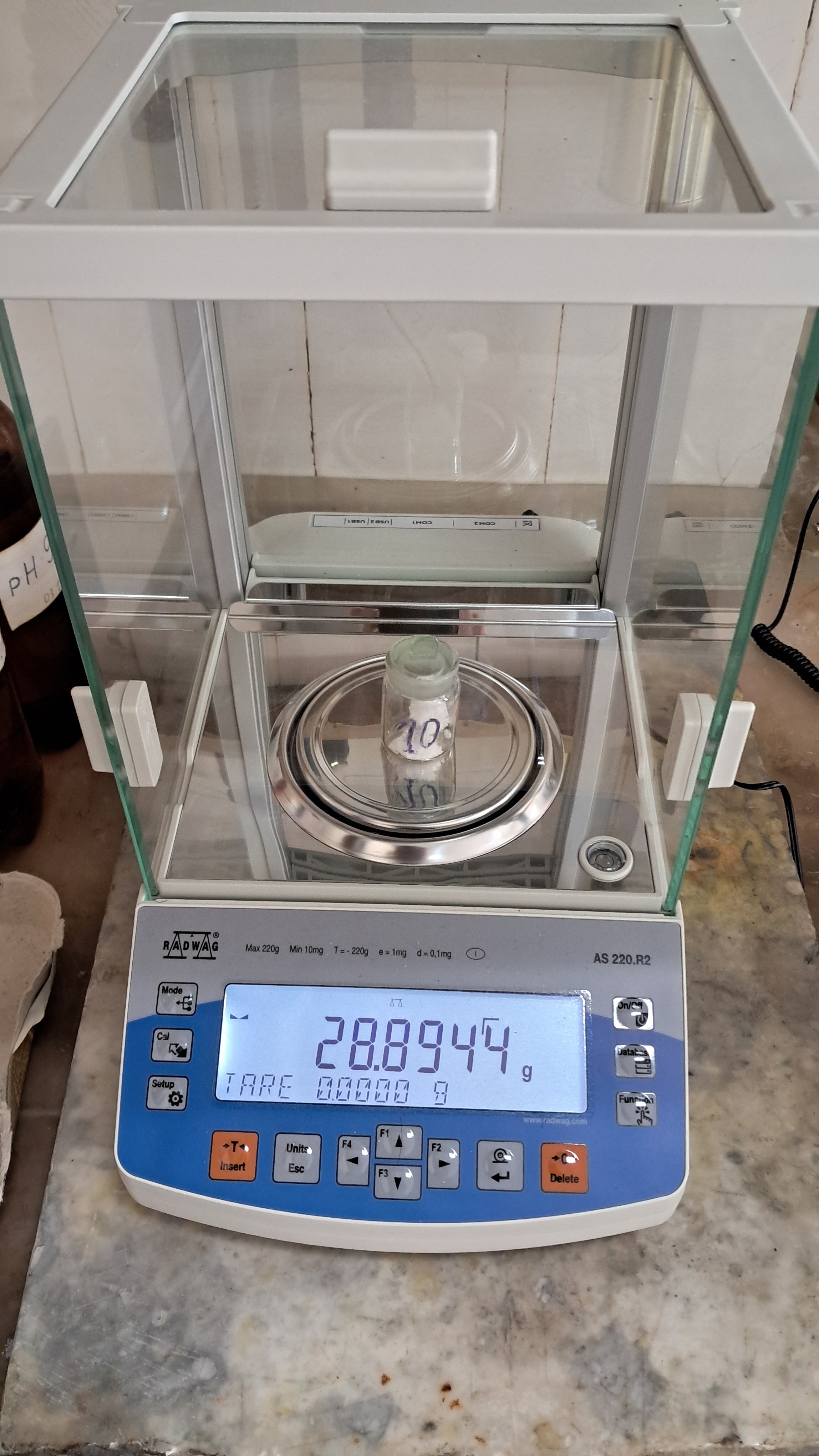
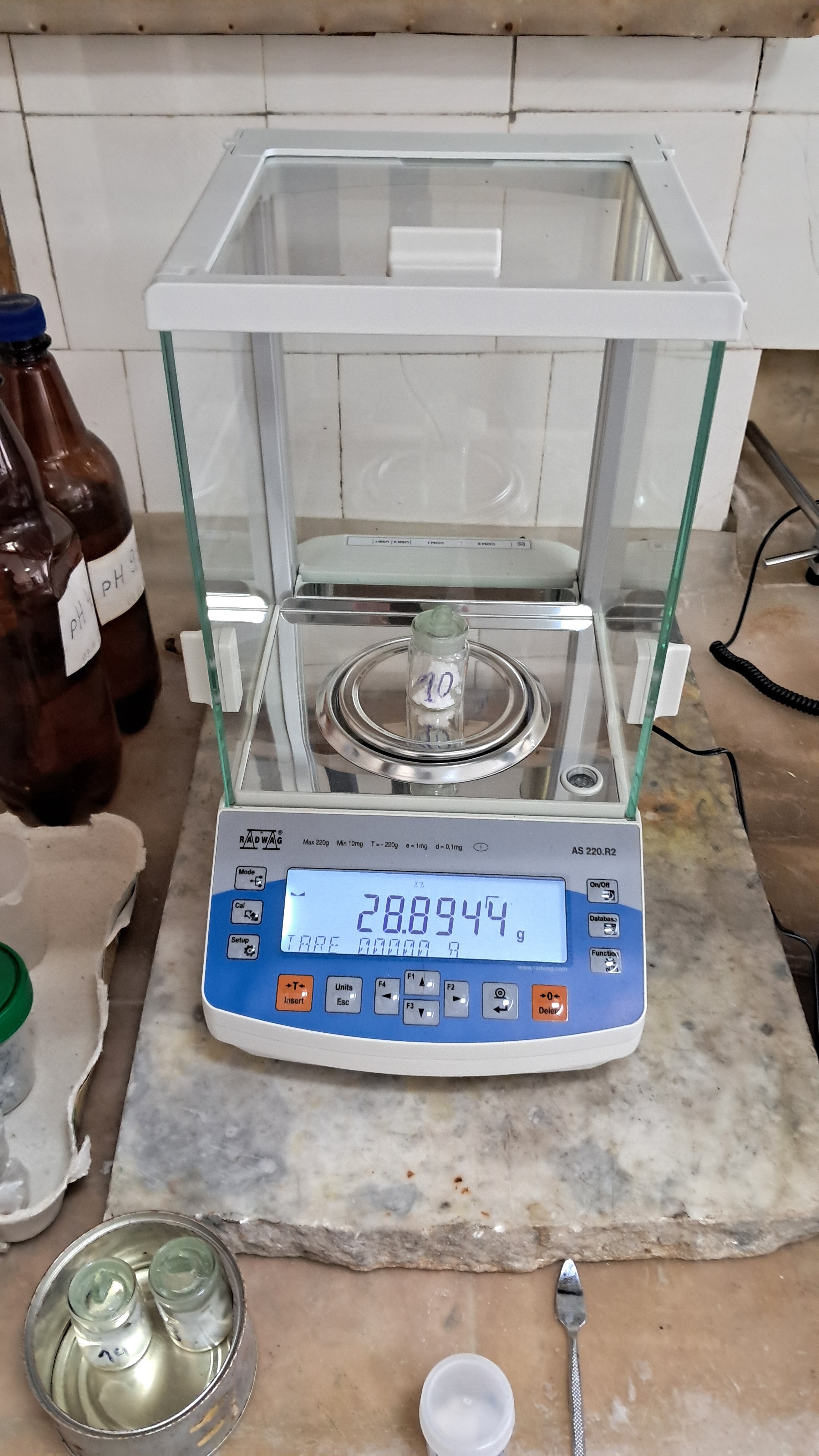
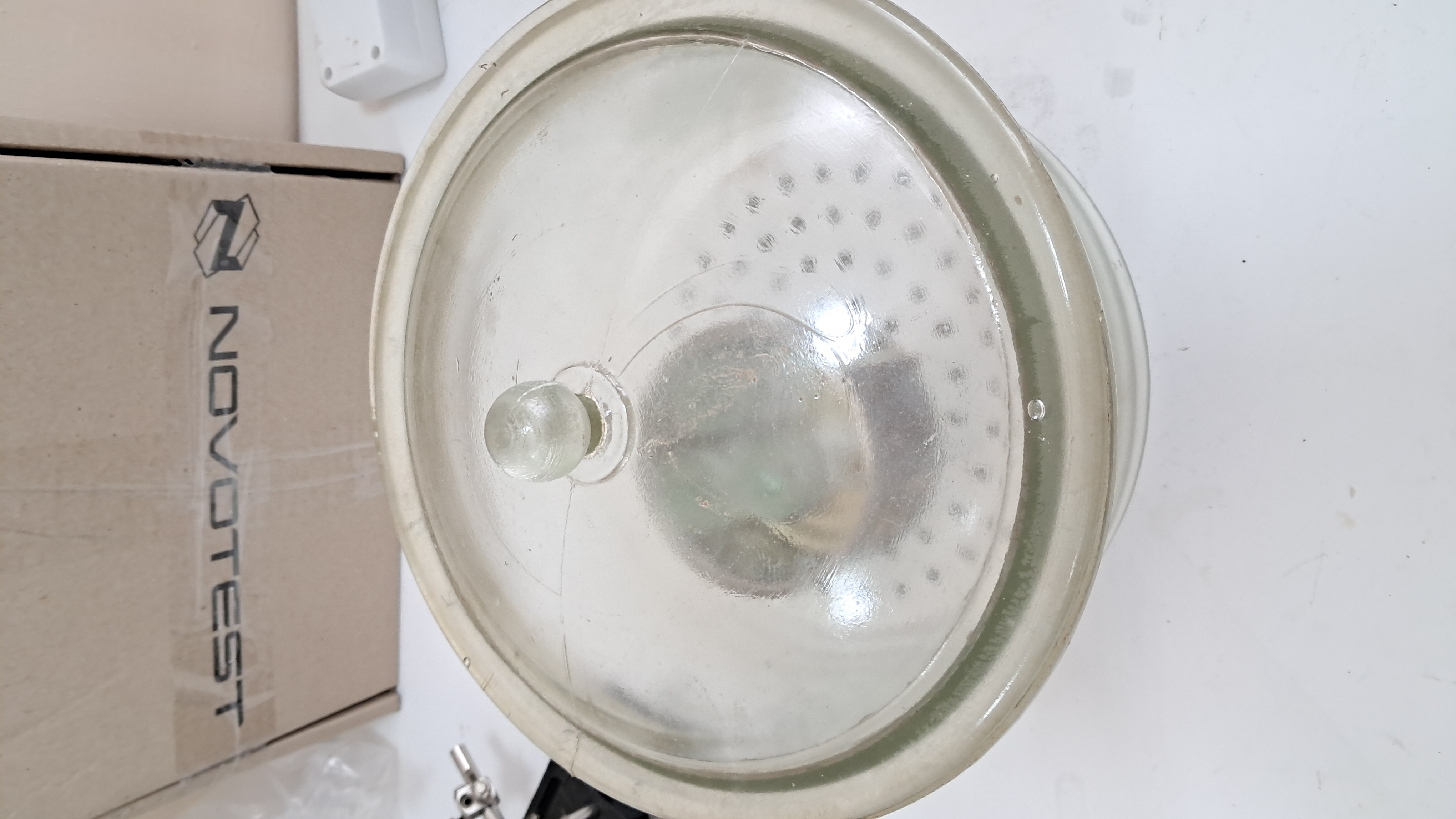
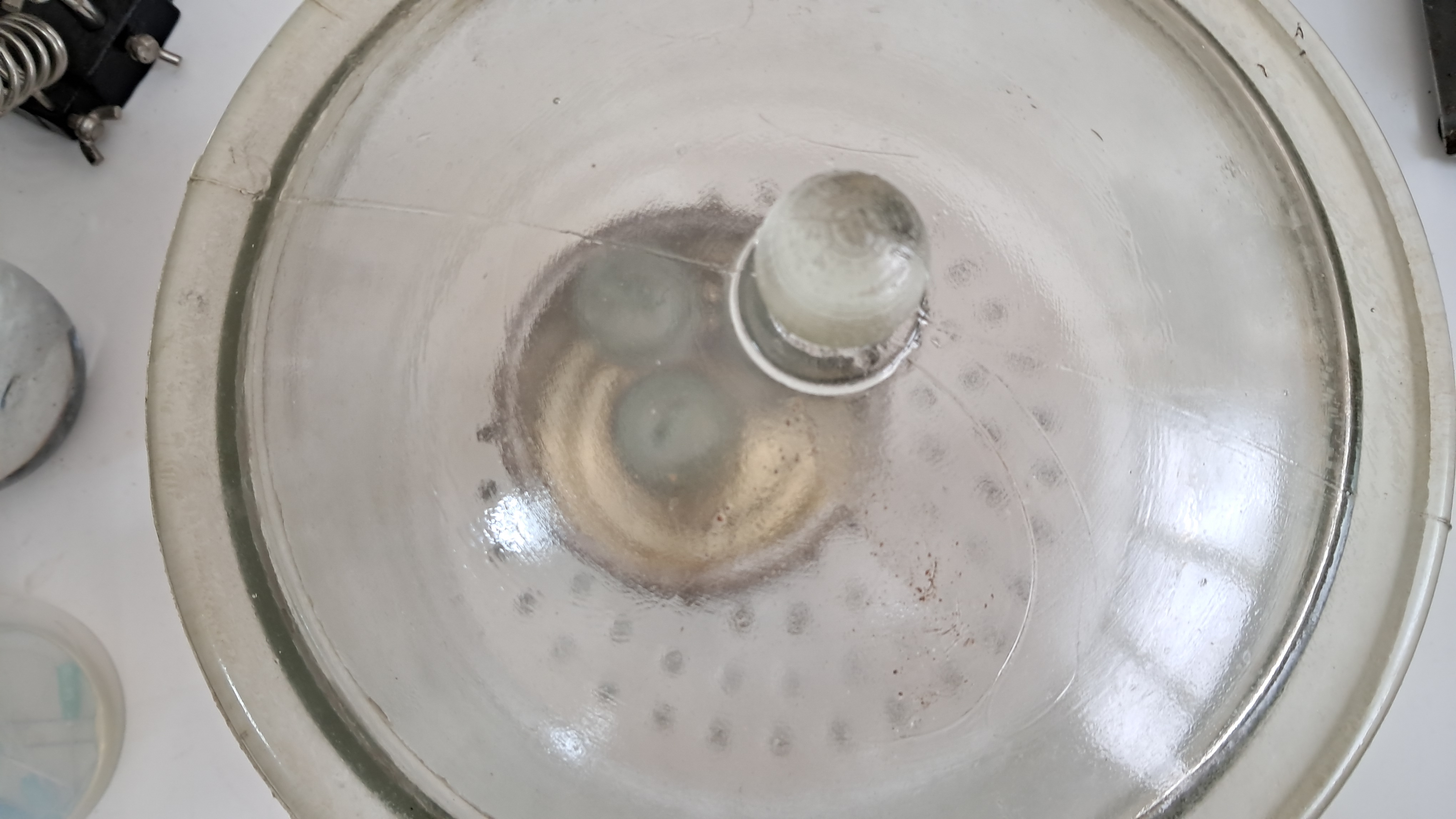
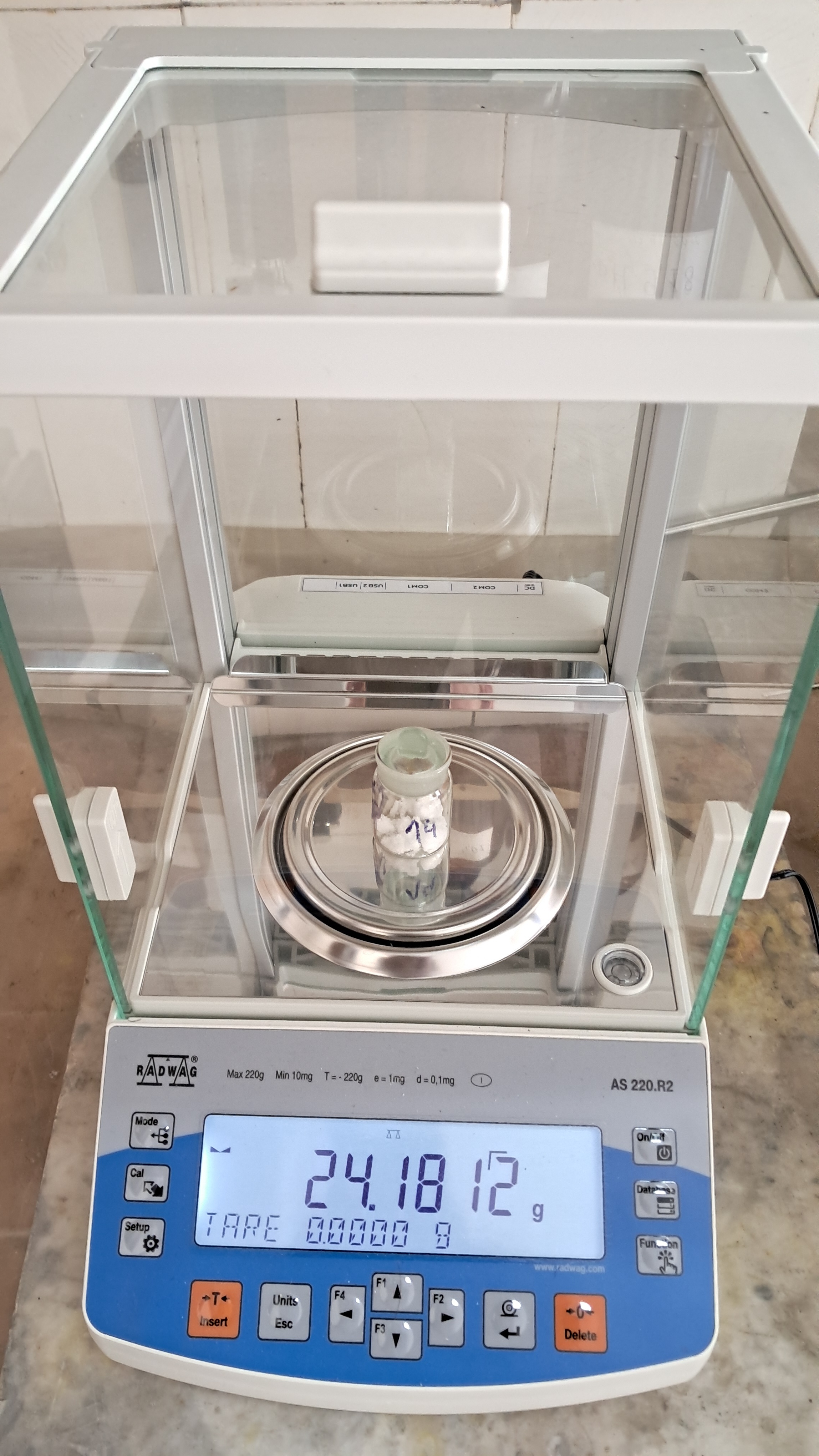
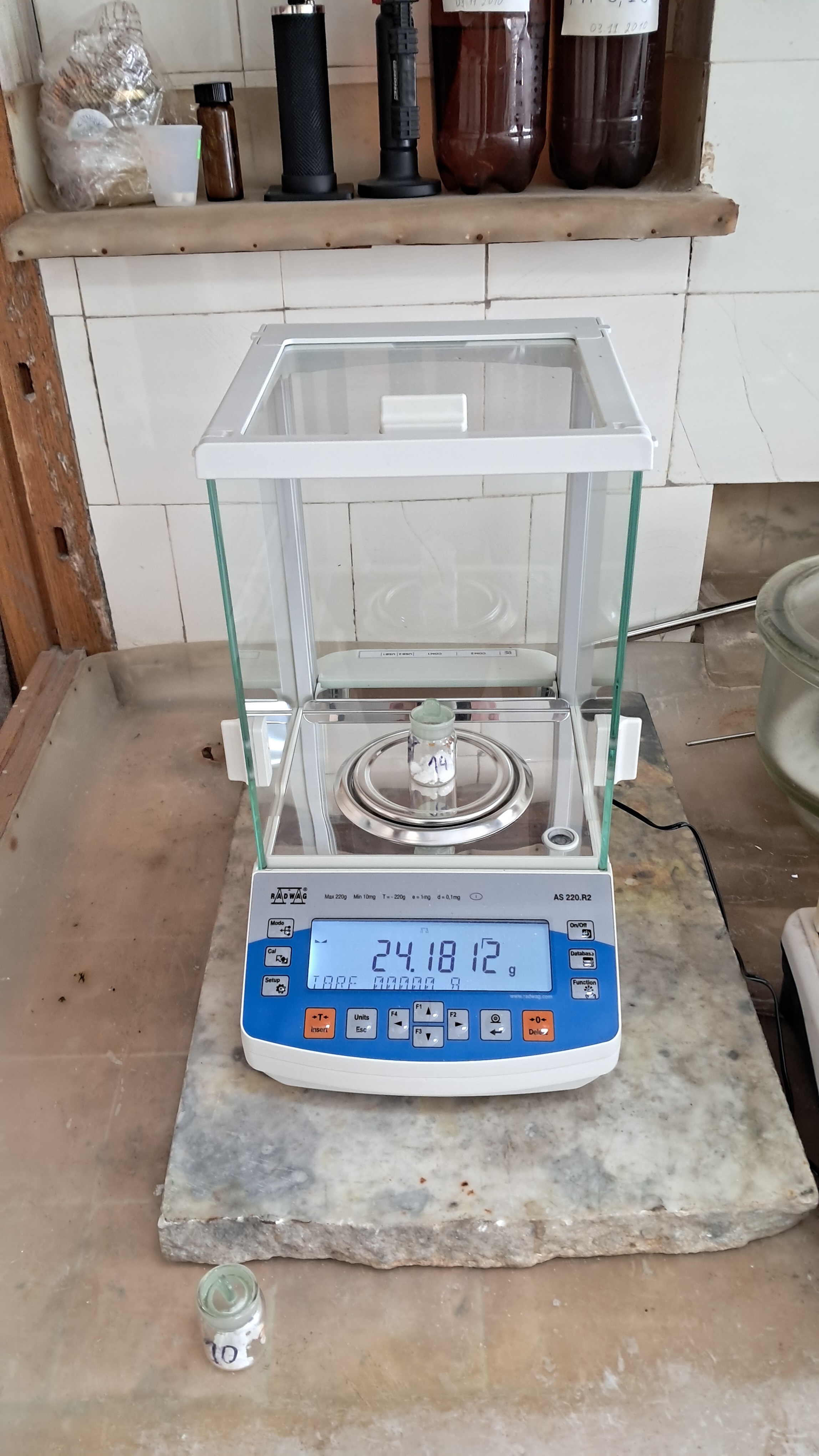
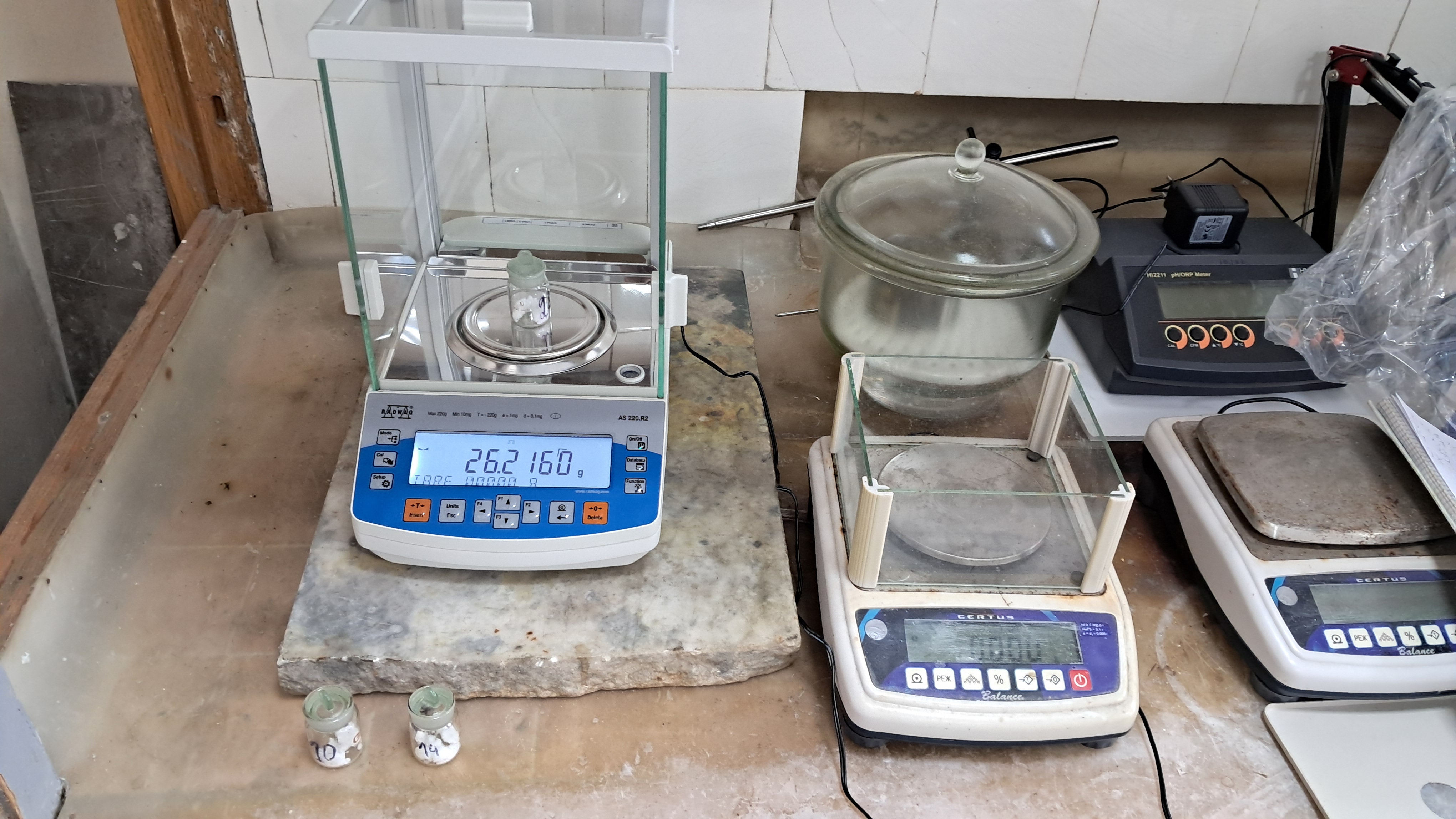
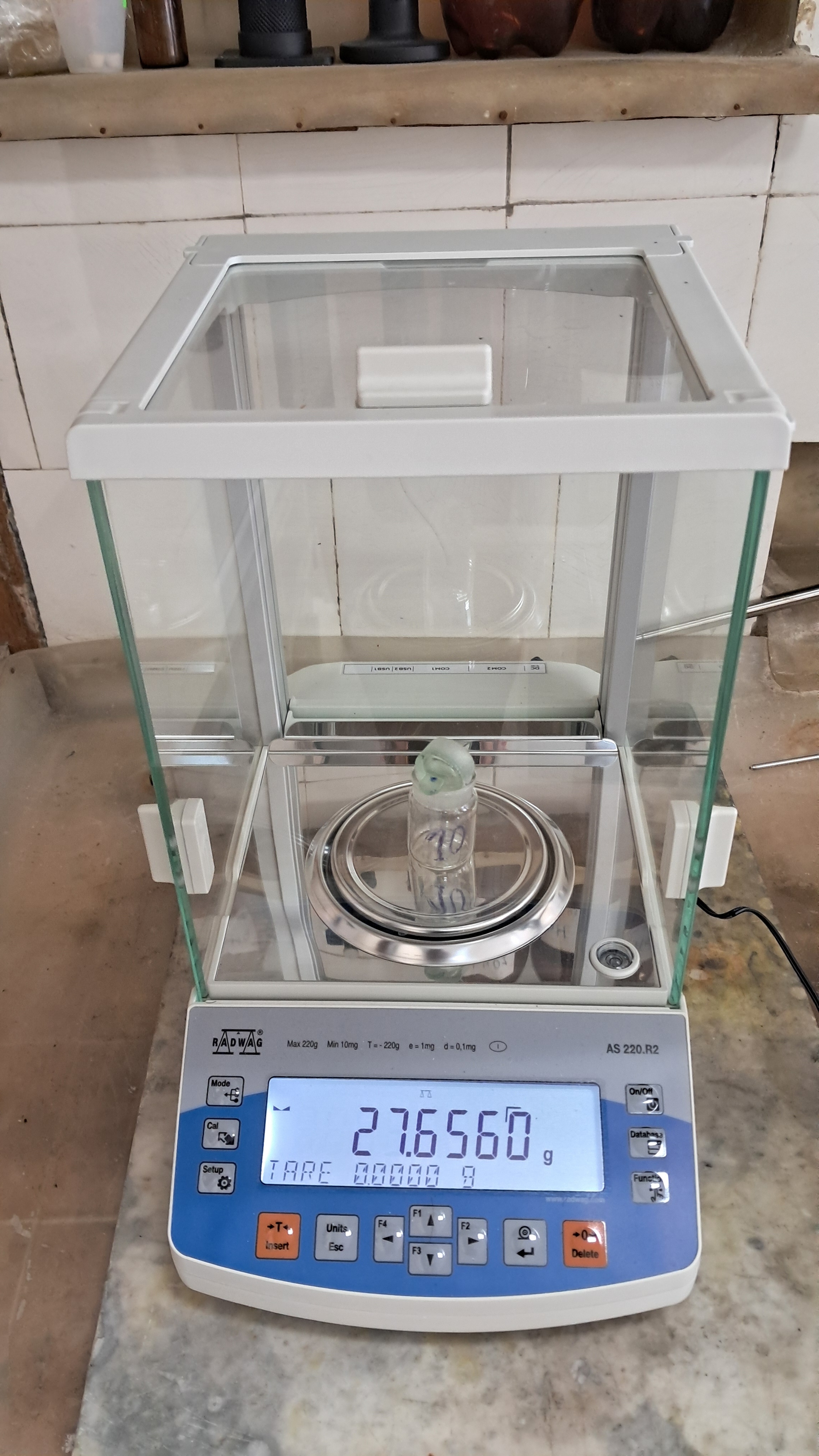
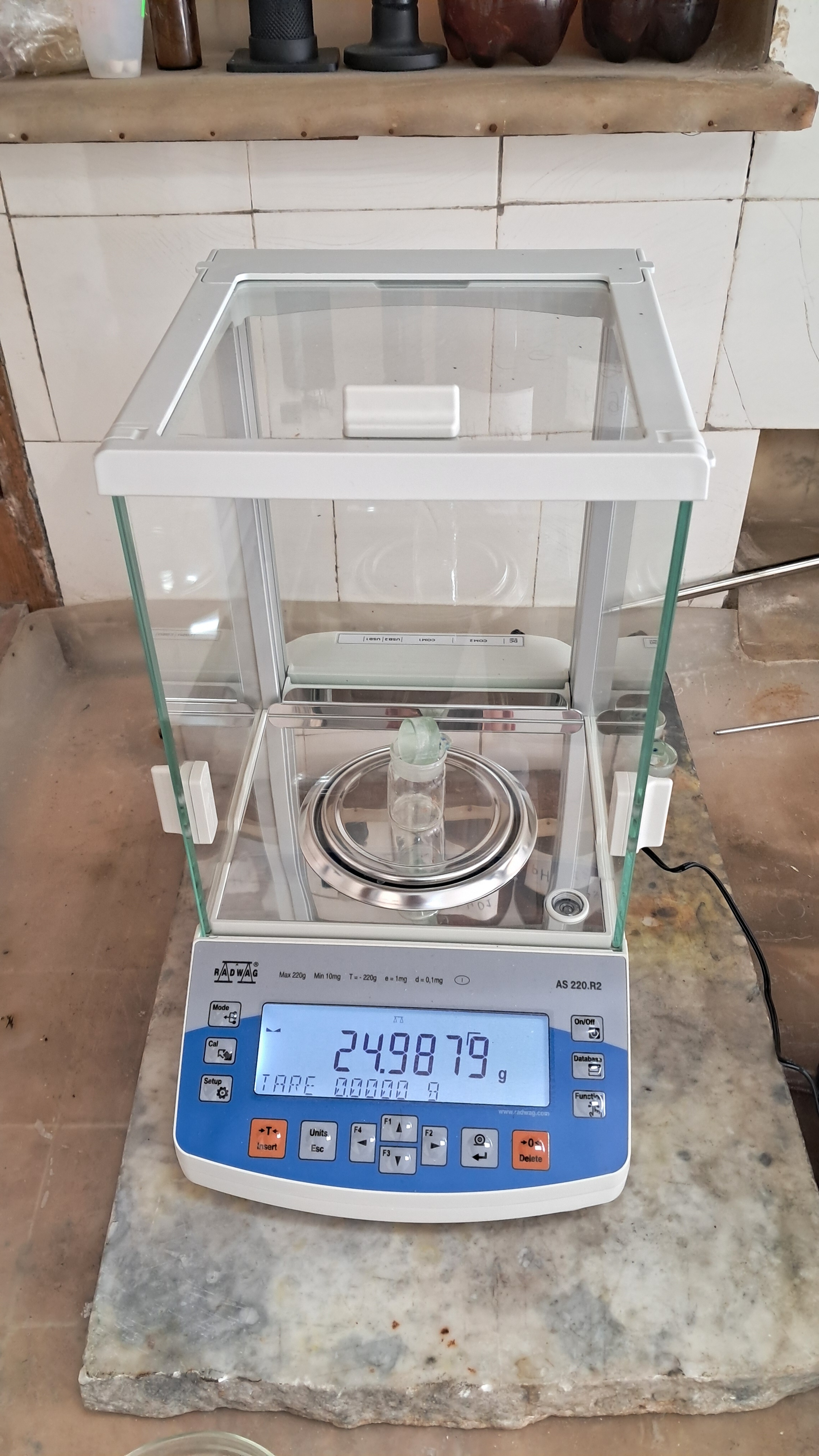
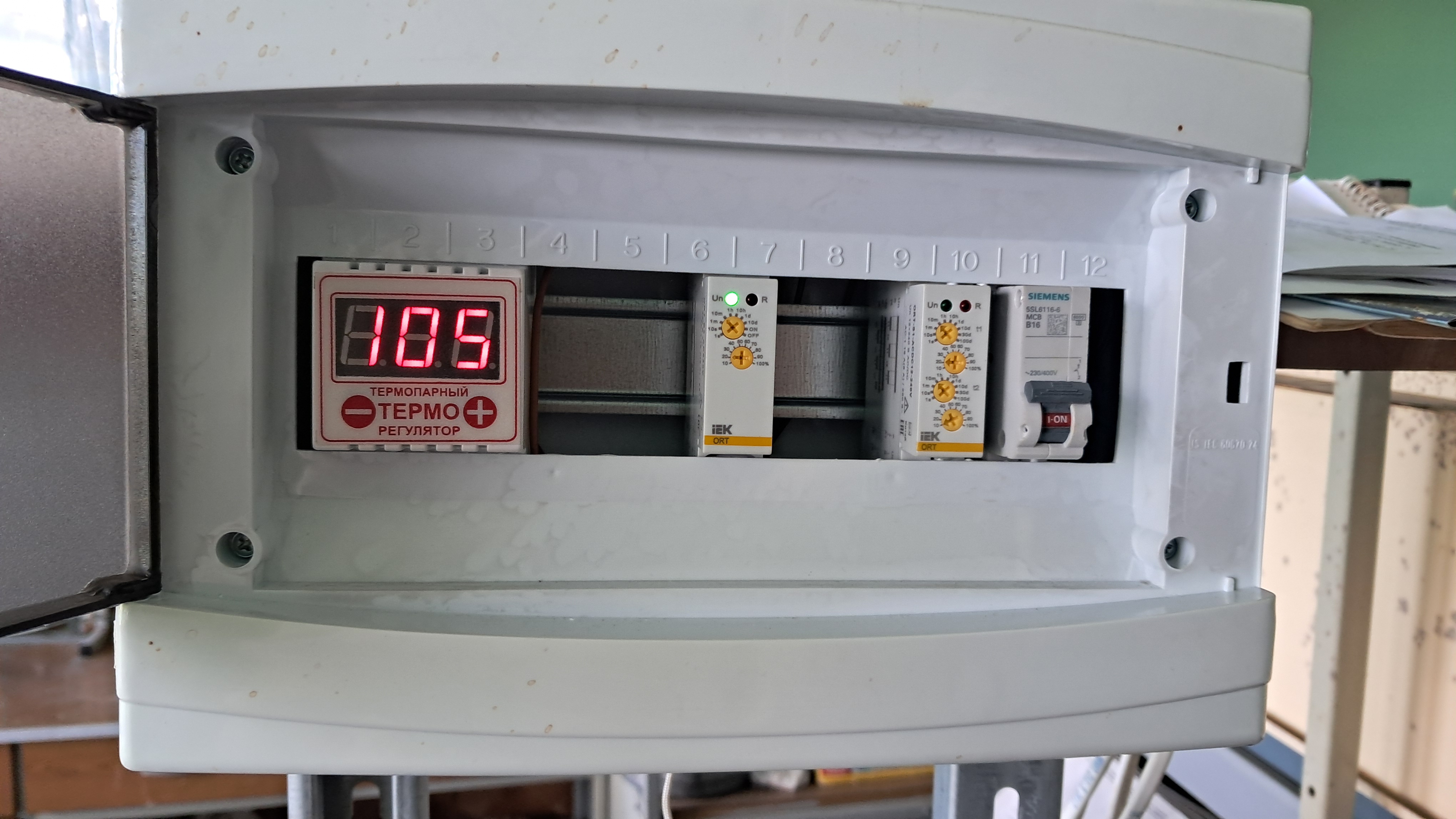
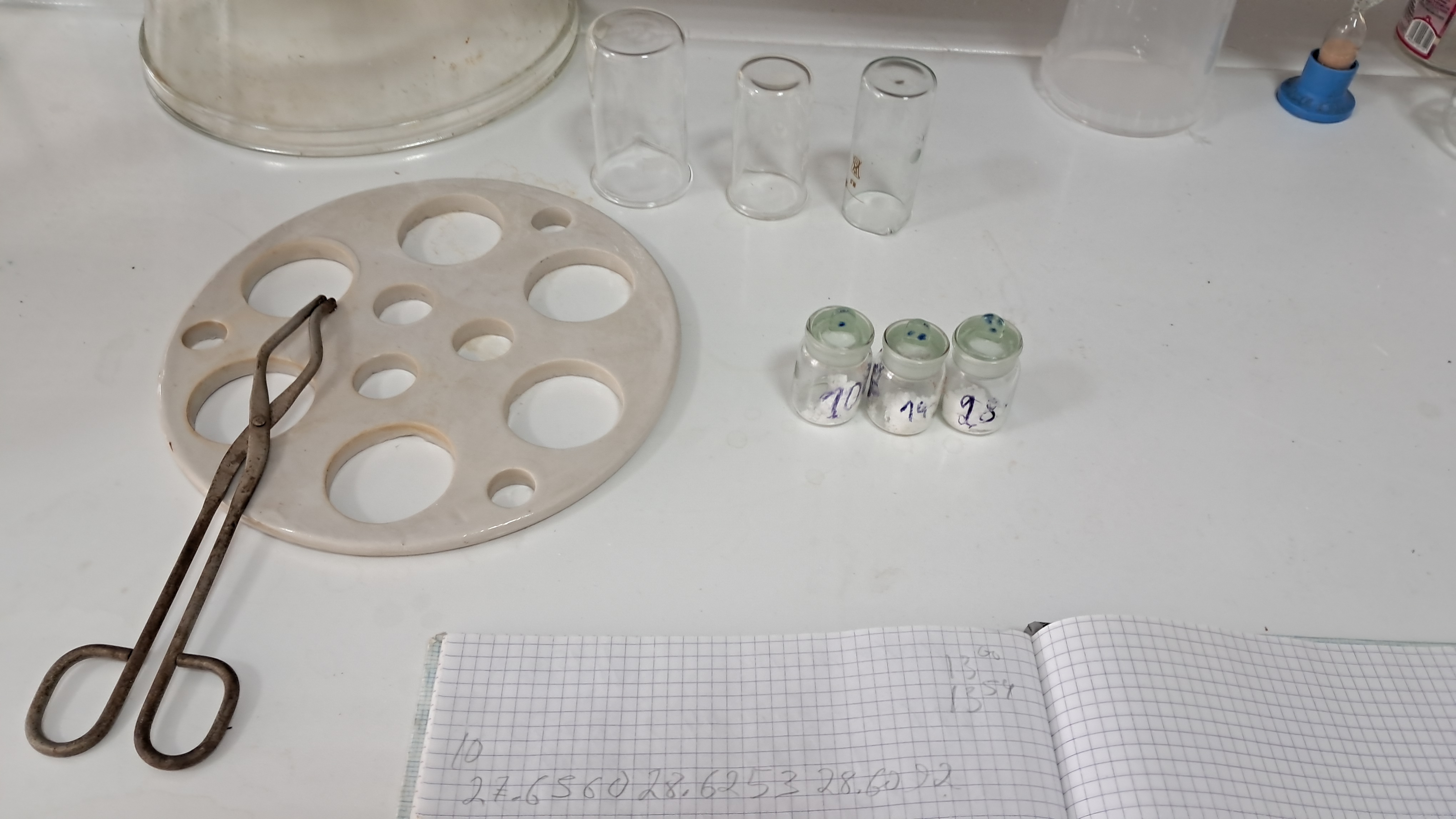
So, everything was more or less ready for the analysis. The desiccator contained a desiccant - freshly calcined calcium chloride. An analytical balance stood under the fume hood. Next to it was a technical balance. I prepared glass weighing bottles with caps and heated them in a drying cabinet at 100°C for one hour, then placed the bottles in the desiccator.

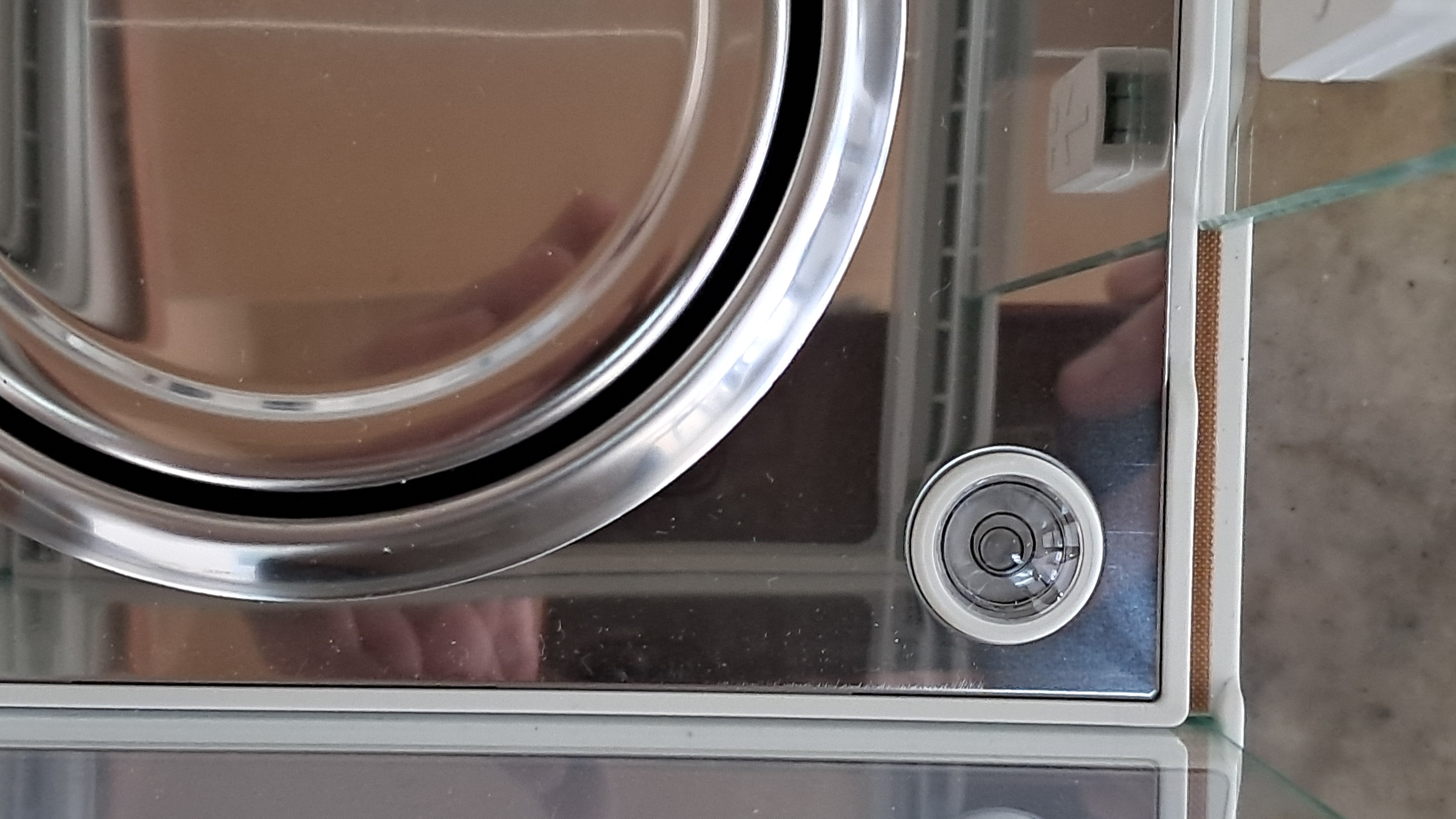
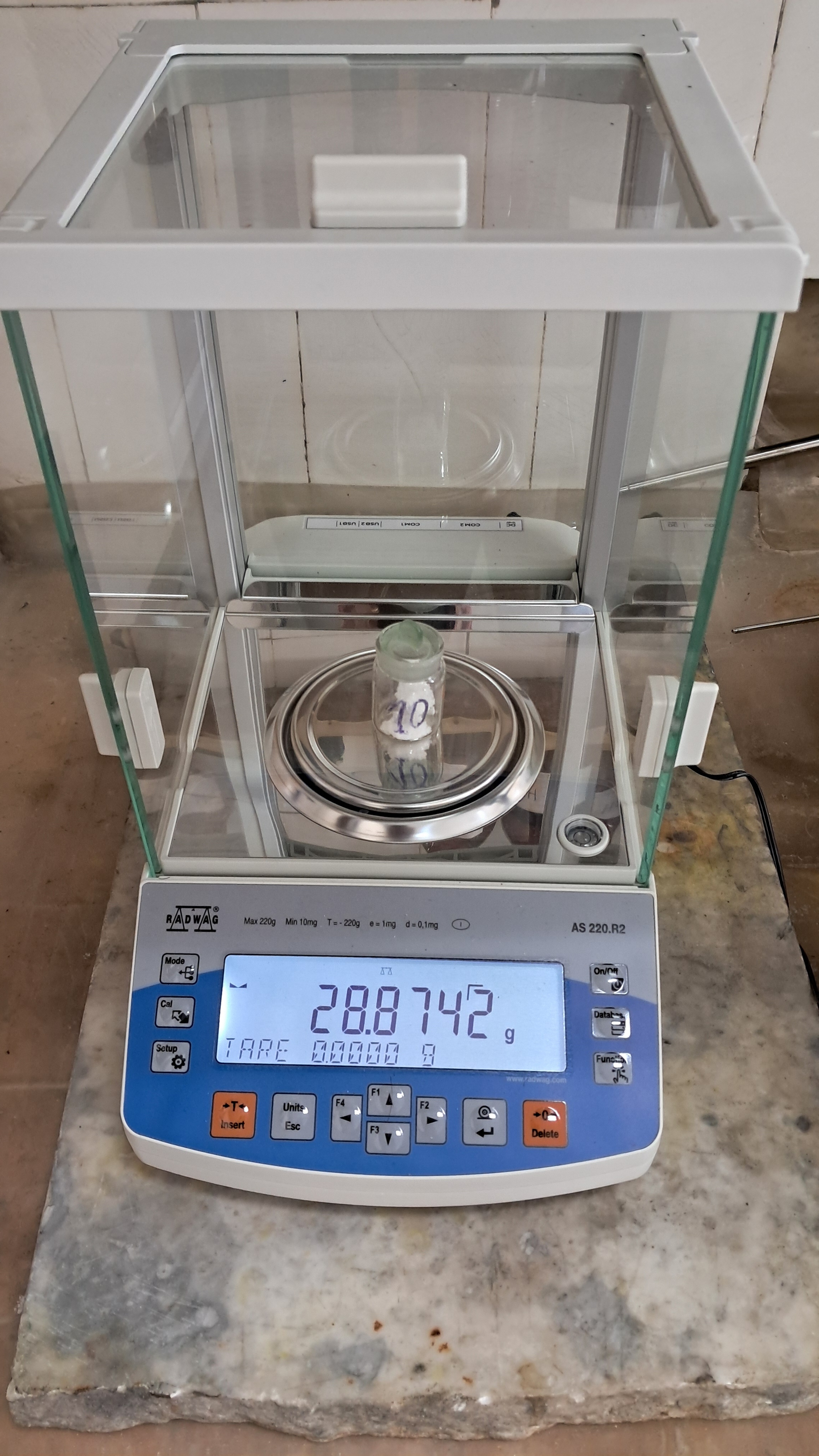
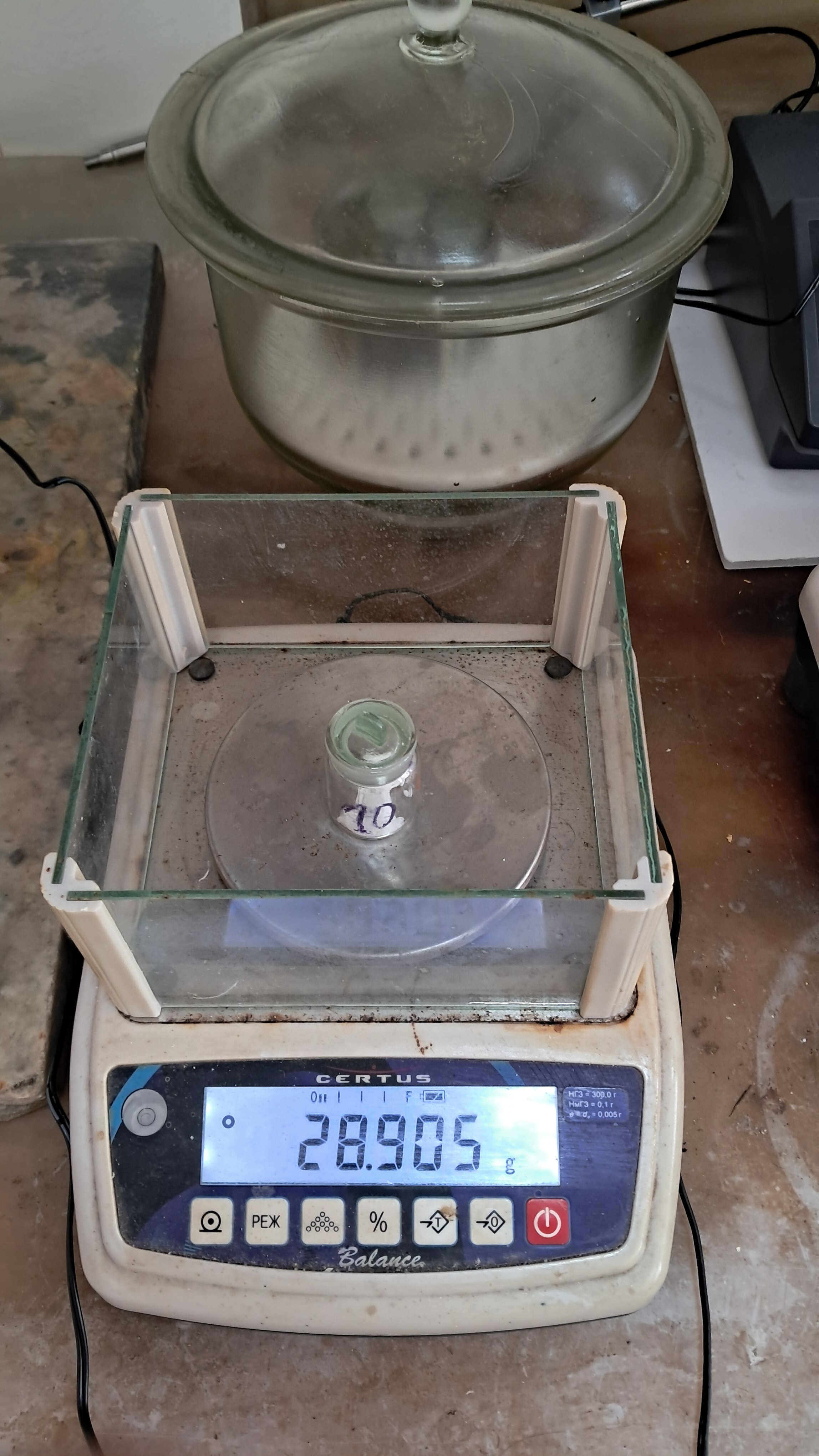
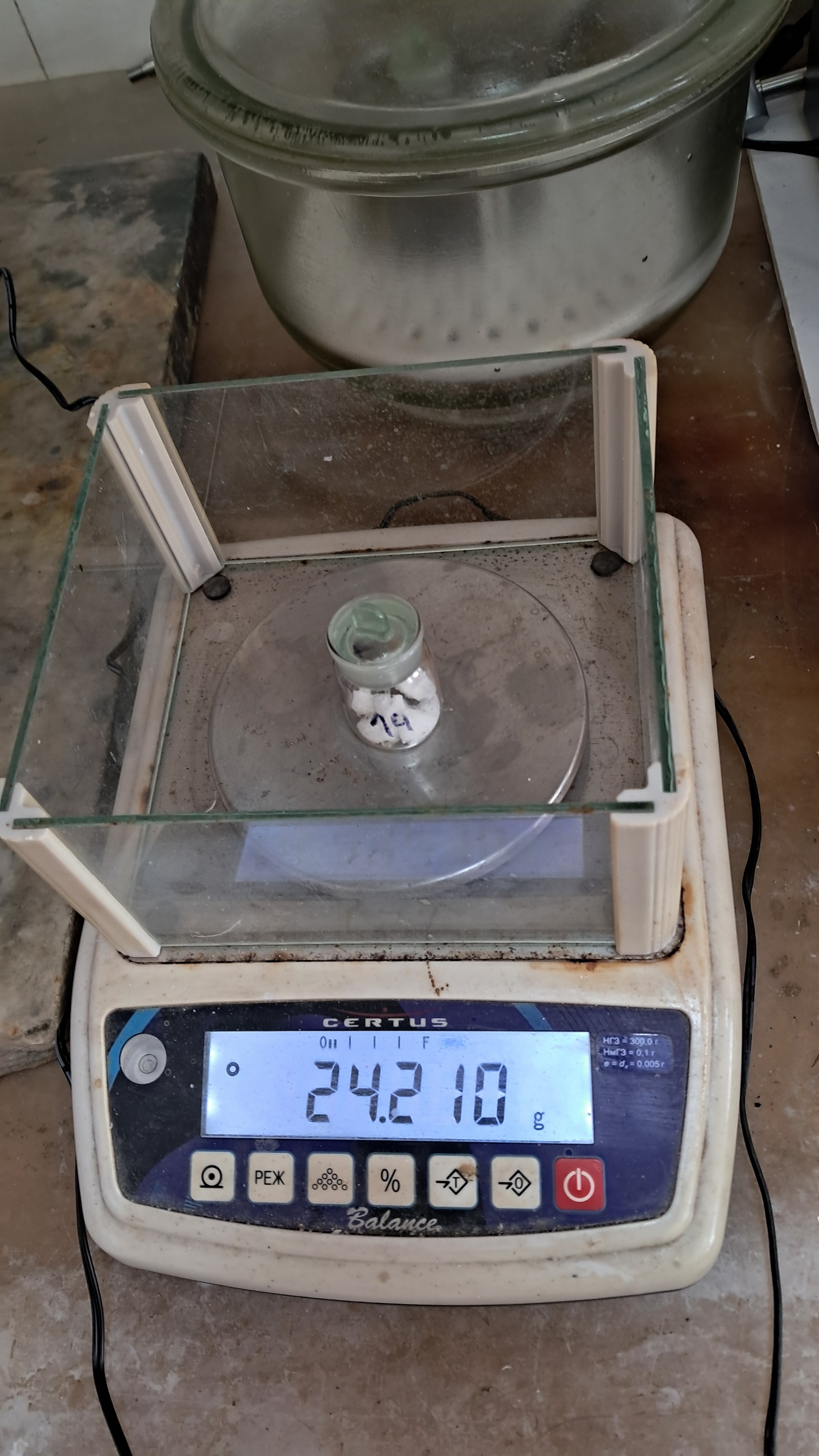
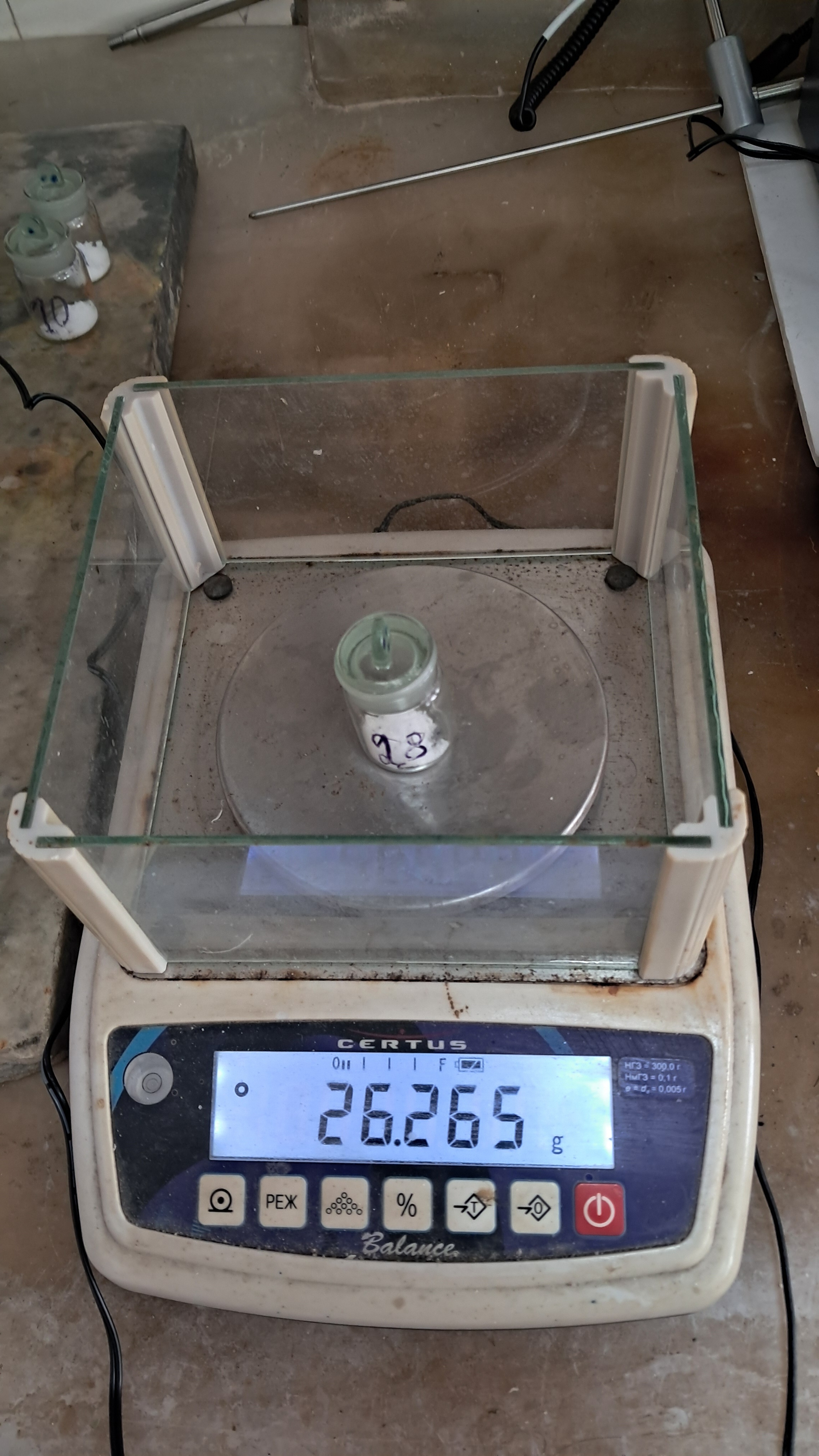
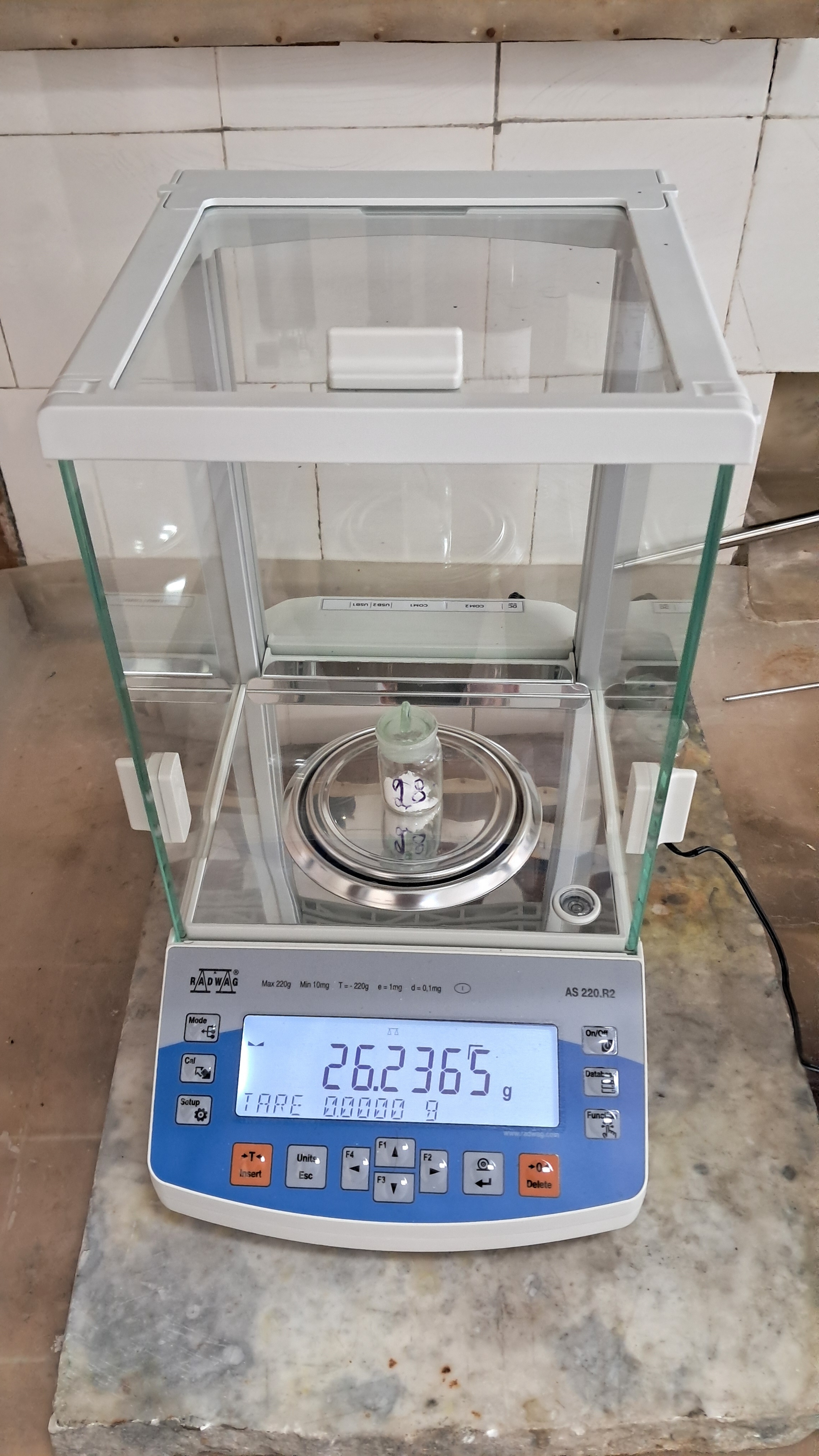
I managed to adjust the technical balance, but I was still unable to adjust the analytical balance by centering the air bubble. I asked a colleague for help - this time, he actually adjusted the balance. The last time, he had promised to help but was too lazy to fulfill his promise, so I had had to weigh the weighing bottles on a technical balance instead of the analytical one. The technical balance turned out to be accurate enough. This time, I decided to weigh the same weighing bottles on both the technical and analytical balances. If the analytical balance gave inaccurate readings, I'd have to settle for the less accurate measurements obtained with the technical balance.

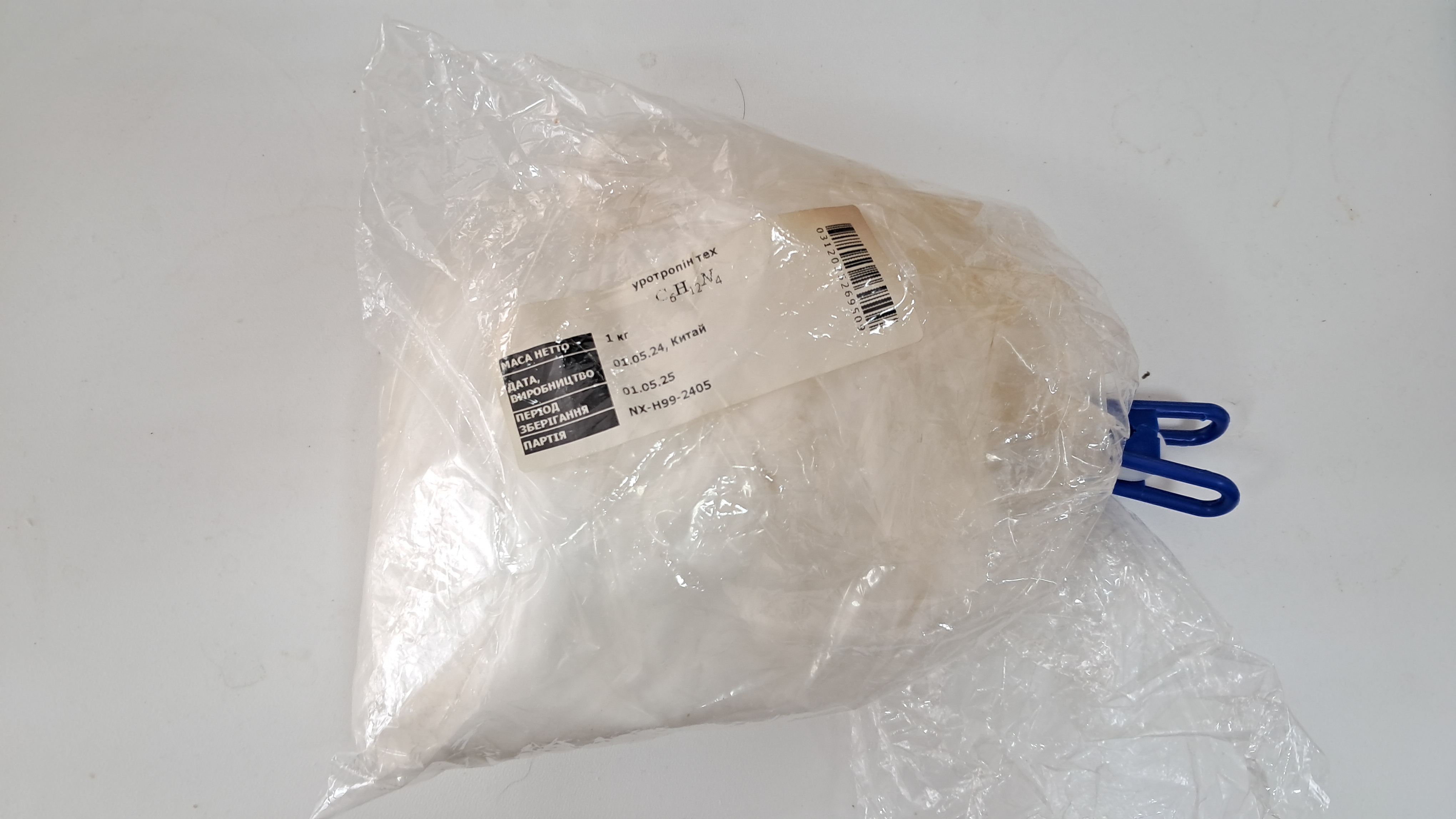
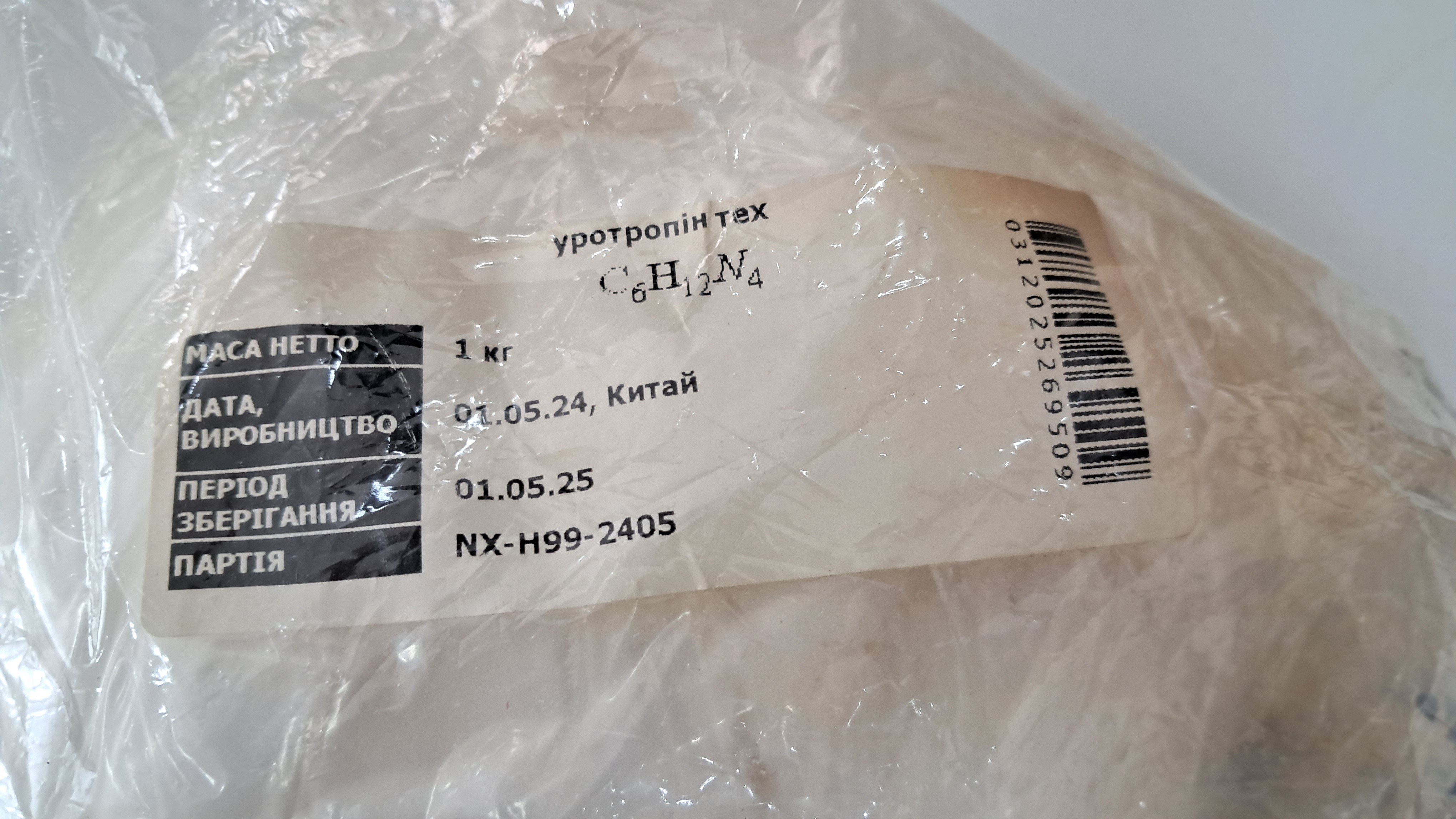
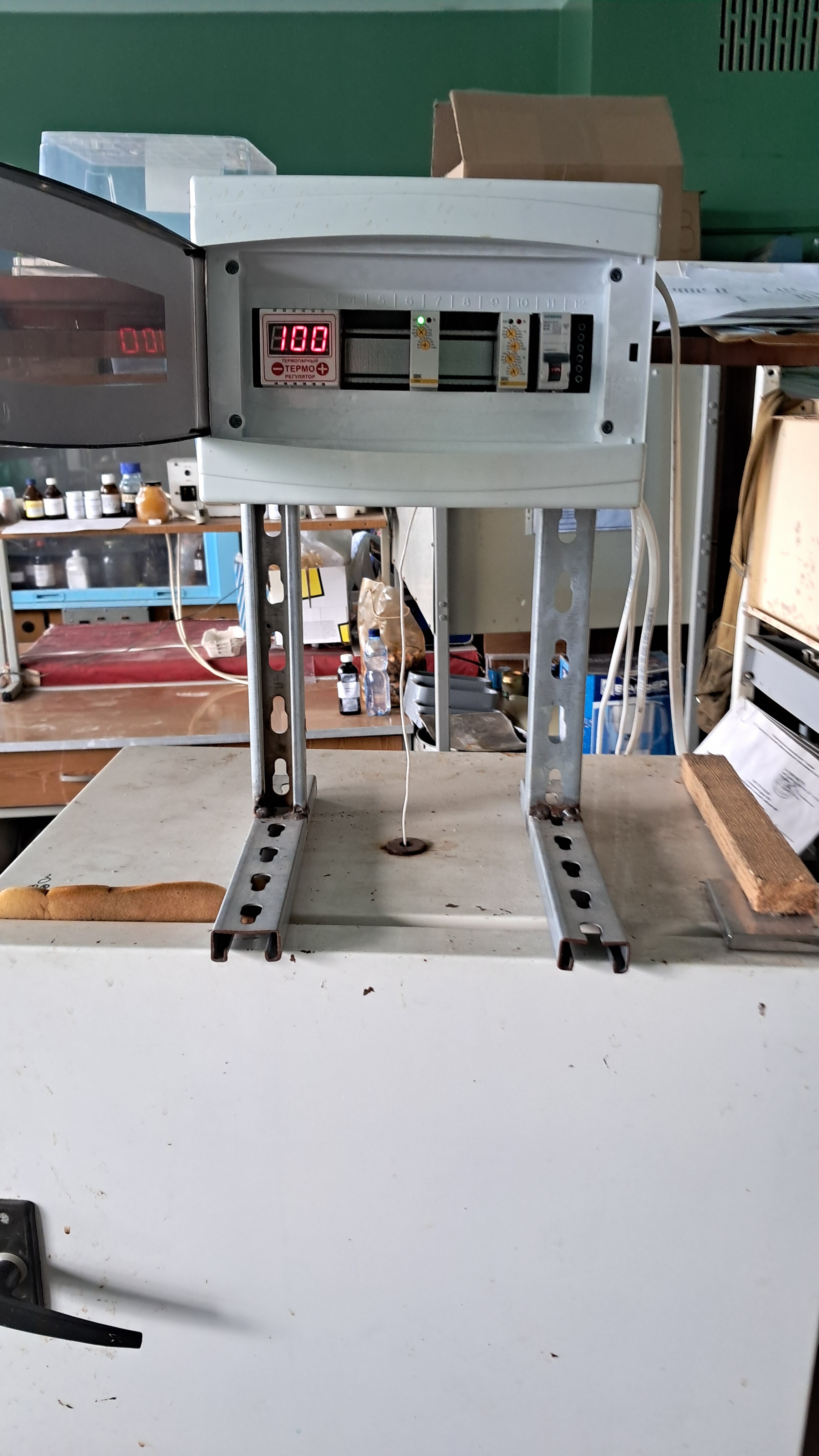
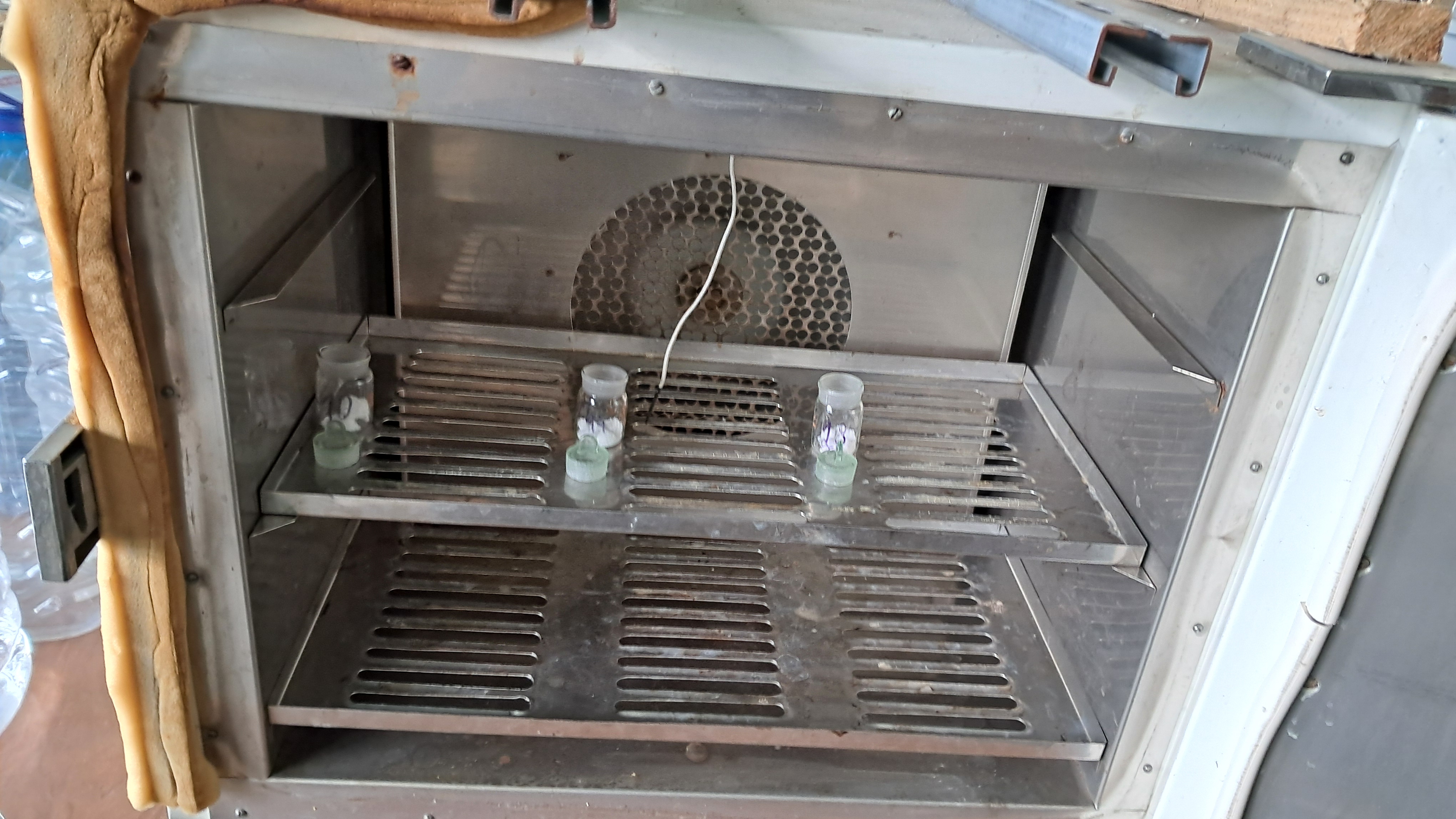
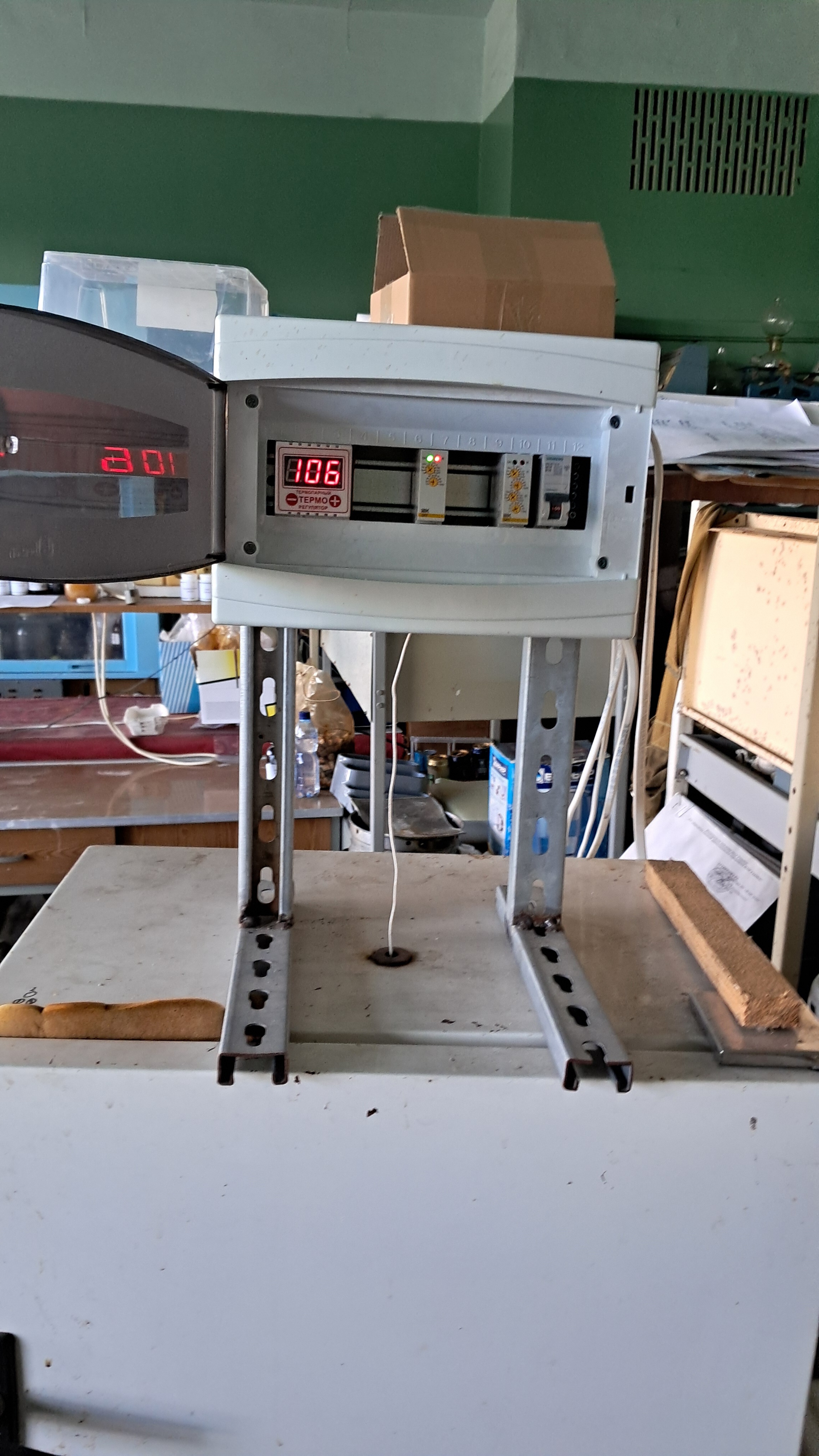
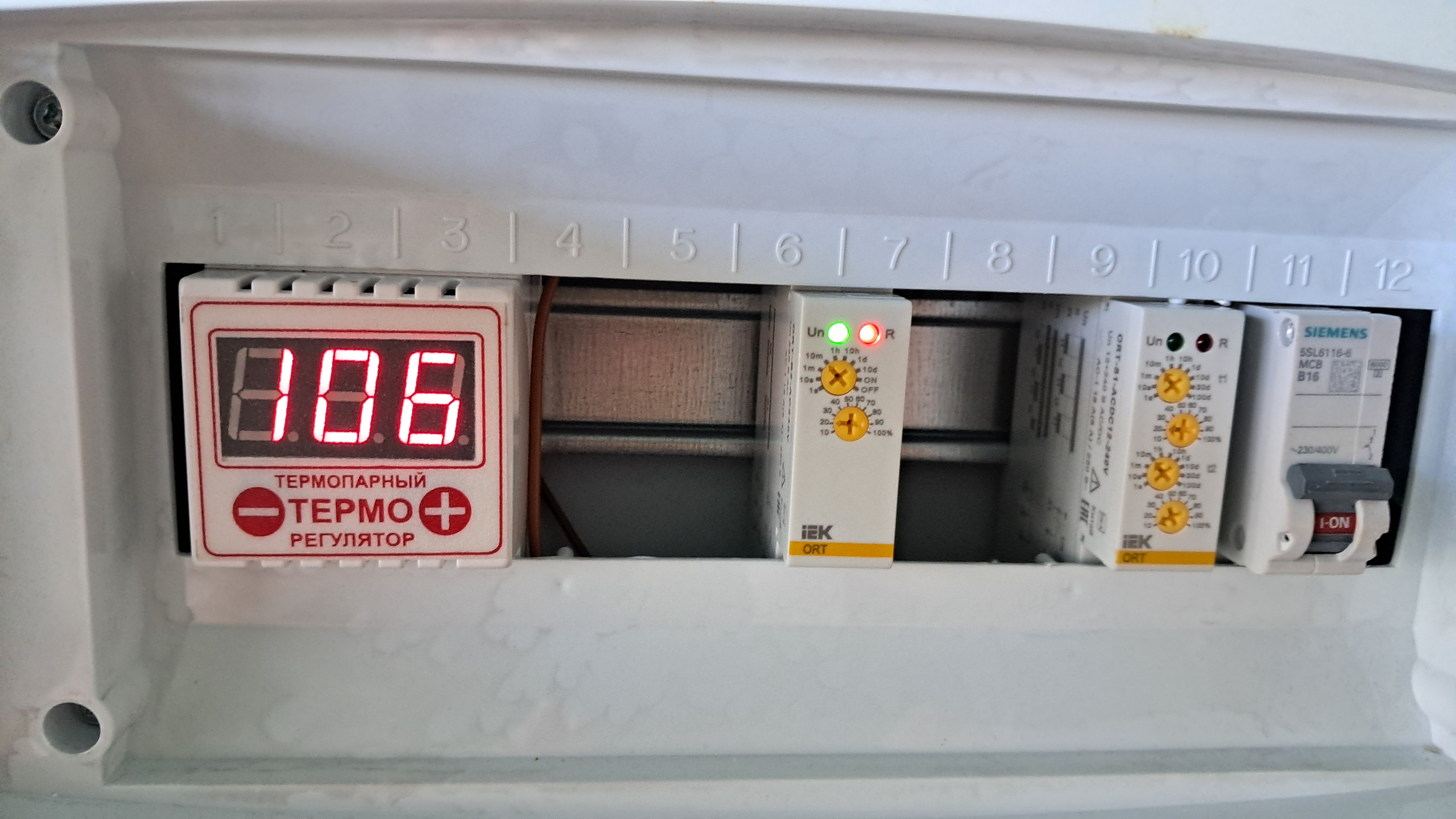
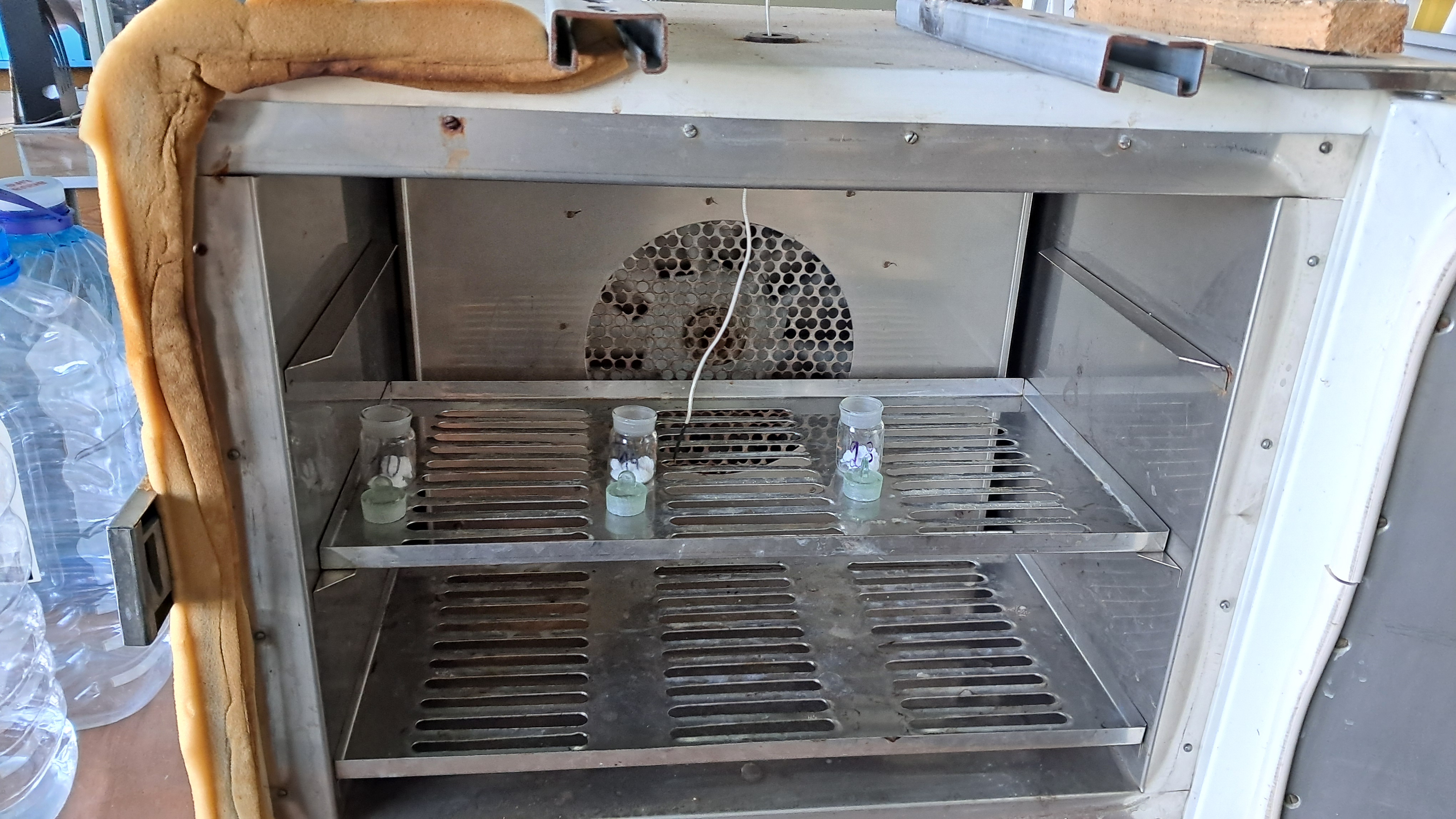
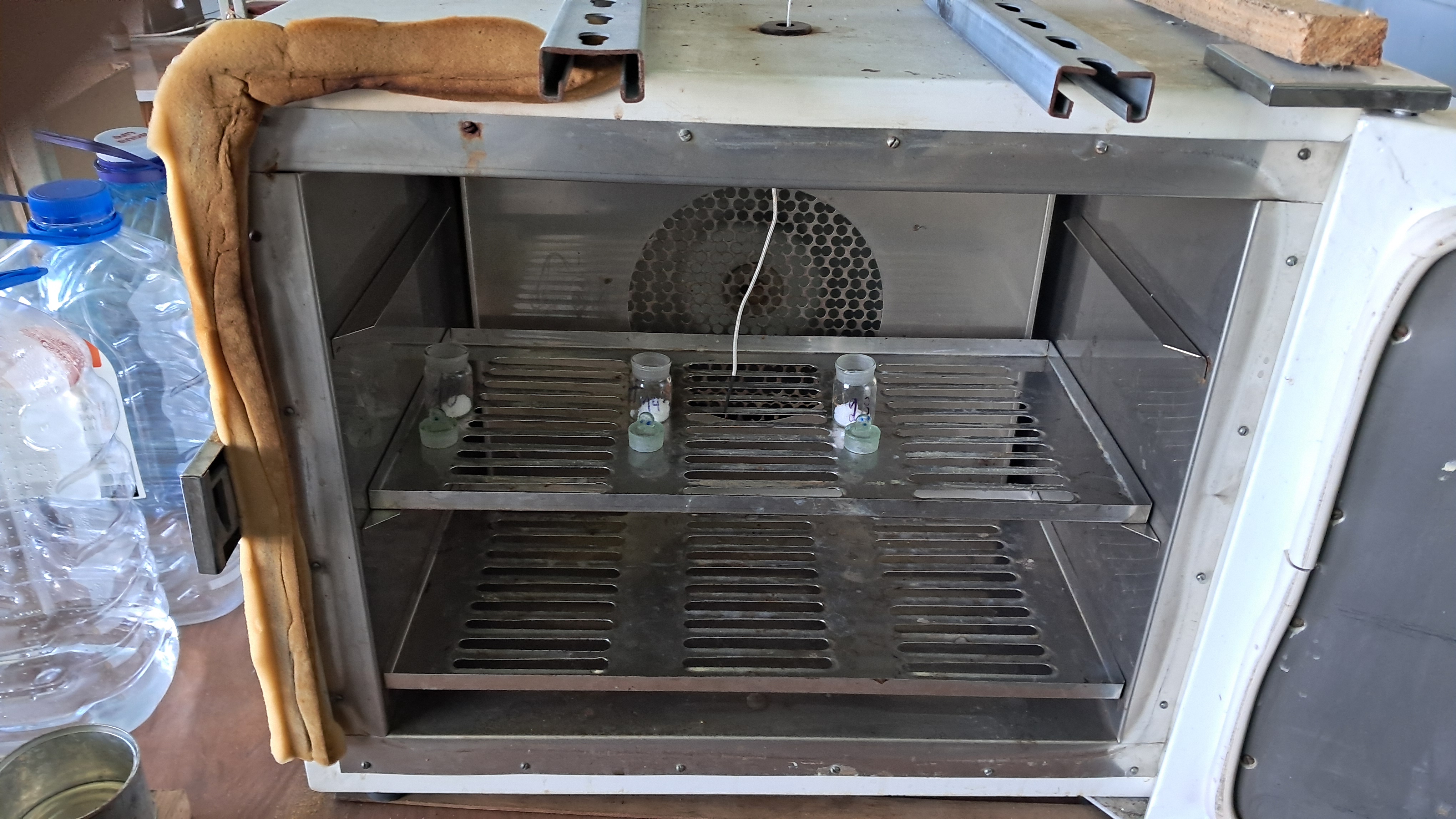
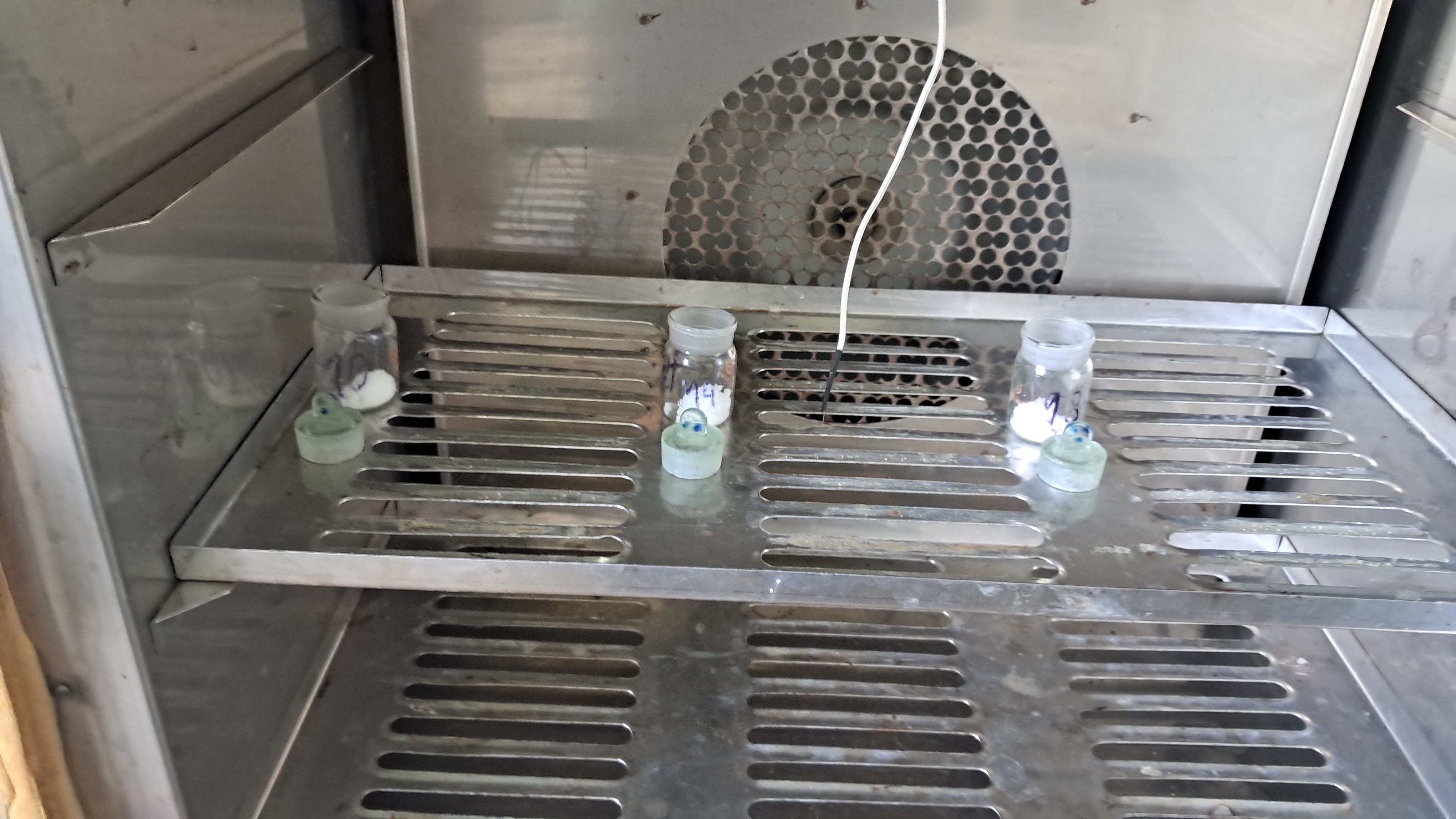
Before opening the 25 kg bag of hexamine, I decided to use hexamine from a 1 kg bag that I already had in my laboratory. I weighed three weighing bottles with their lids, placed approximately 1 g of hexamine in each, and weighed them again. Then I took the weighing bottles to another room at the opposite end of the hallway. There was a drying cabinet there, which my laboratory did not have. I placed the weighing bottles containing the urotropine samples in the drying cabinet, which had been heated to 100°C.

Carrying samples from one laboratory to another was inconvenient. Furthermore, there was a risk of dropping the bottles during transport, which would require starting the analysis from scratch. While it is possible to do this carefully once or twice, if you carry samples from one end of the hallway to the other every day, sooner or later, they are bound to fall on the floor.

I would have happily moved the drying cabinet to my laboratory, where I kept the balances, desiccator, and other equipment. However, the institute's caretaker had blocked off the hallway with a wall and a narrow door to conserve heat. This made transporting large equipment between rooms impossible. To move the drying cabinet, I would have had to dismantle the wall and door and then reinstall them. It turned out to be easier to buy a new drying cabinet and bring it to my laboratory. We did eventually buy a new drying cabinet, but that's another story.

As my colleague, a senior researcher, put it, "The Academy of Sciences is a humiliation for scientists." In other words, the environment here is not conducive to productive work: neither the laboratory equipment, nor the salaries, nor the administration's attitude toward employees encourages it. Scientific work is carried out on sheer enthusiasm.

Let's return to hexamine. An hour later, I opened the door of the drying cabinet. The first thing I noticed was the smell of hexamine. It wasn't strong, but it was quite noticeable. This meant that hexamine was sublimating at the same time as the water was evaporating. Although the sublimation temperature of hexamine (>260°C) was much higher than the temperature in the drying cabinet (100°C), hexamine can evaporate at a much lower temperature.

The situation is analogous to that of water: its boiling point at atmospheric pressure is 100°C, yet water evaporates at room temperature and even at freezing temperatures, albeit much more slowly. The question was: could the evaporation of hexamine be ignored under the conditions of our analysis?

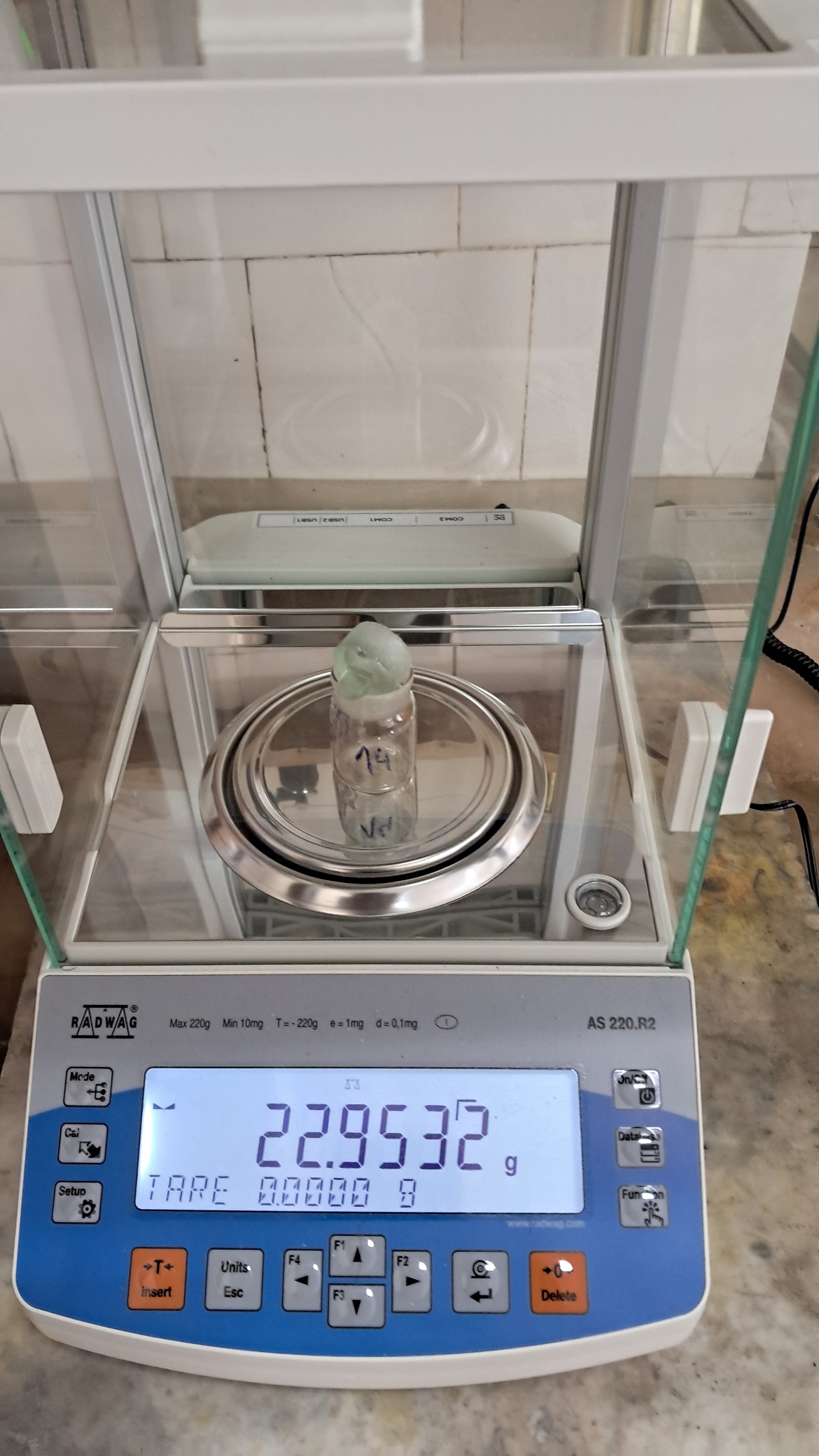
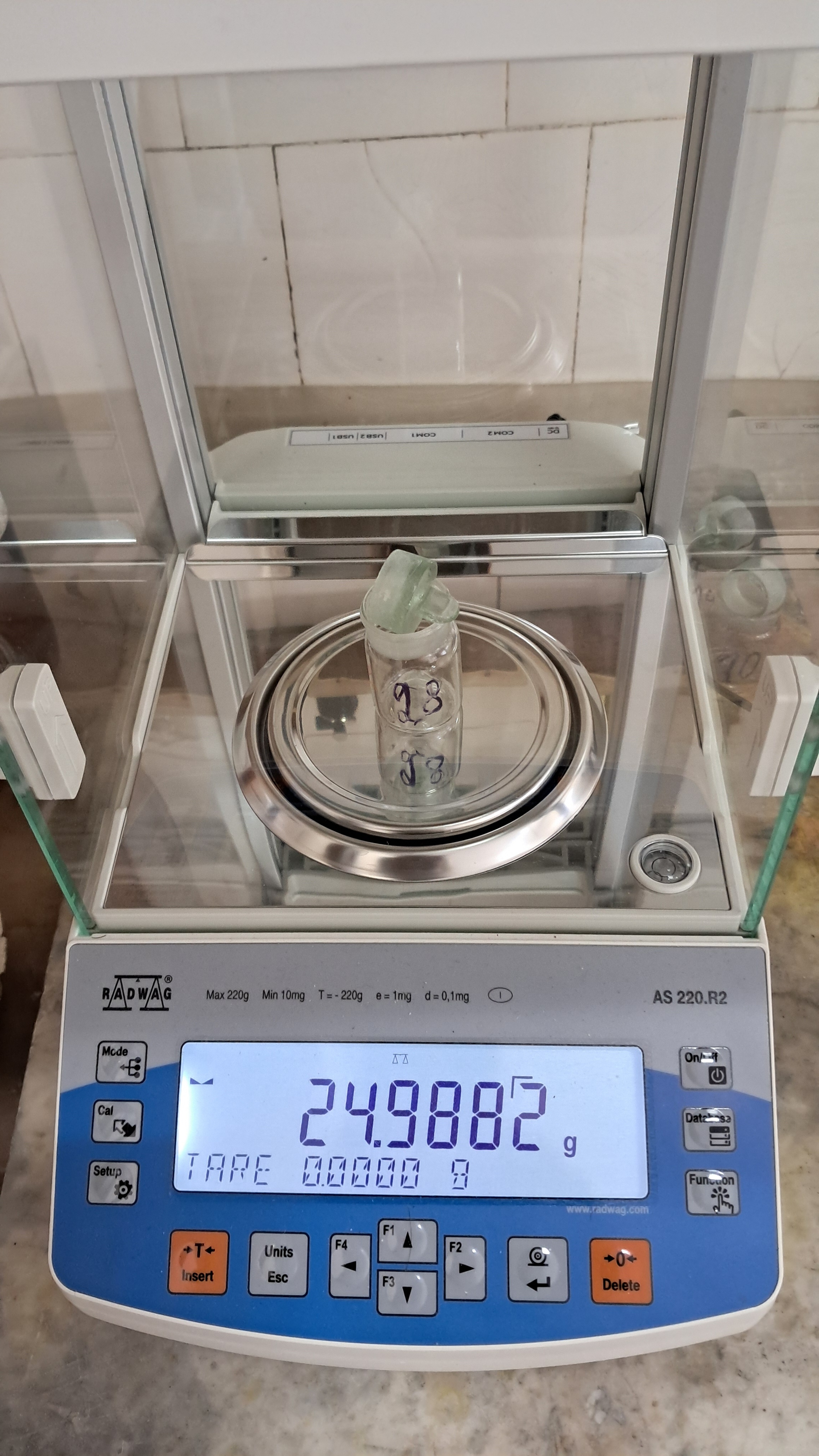
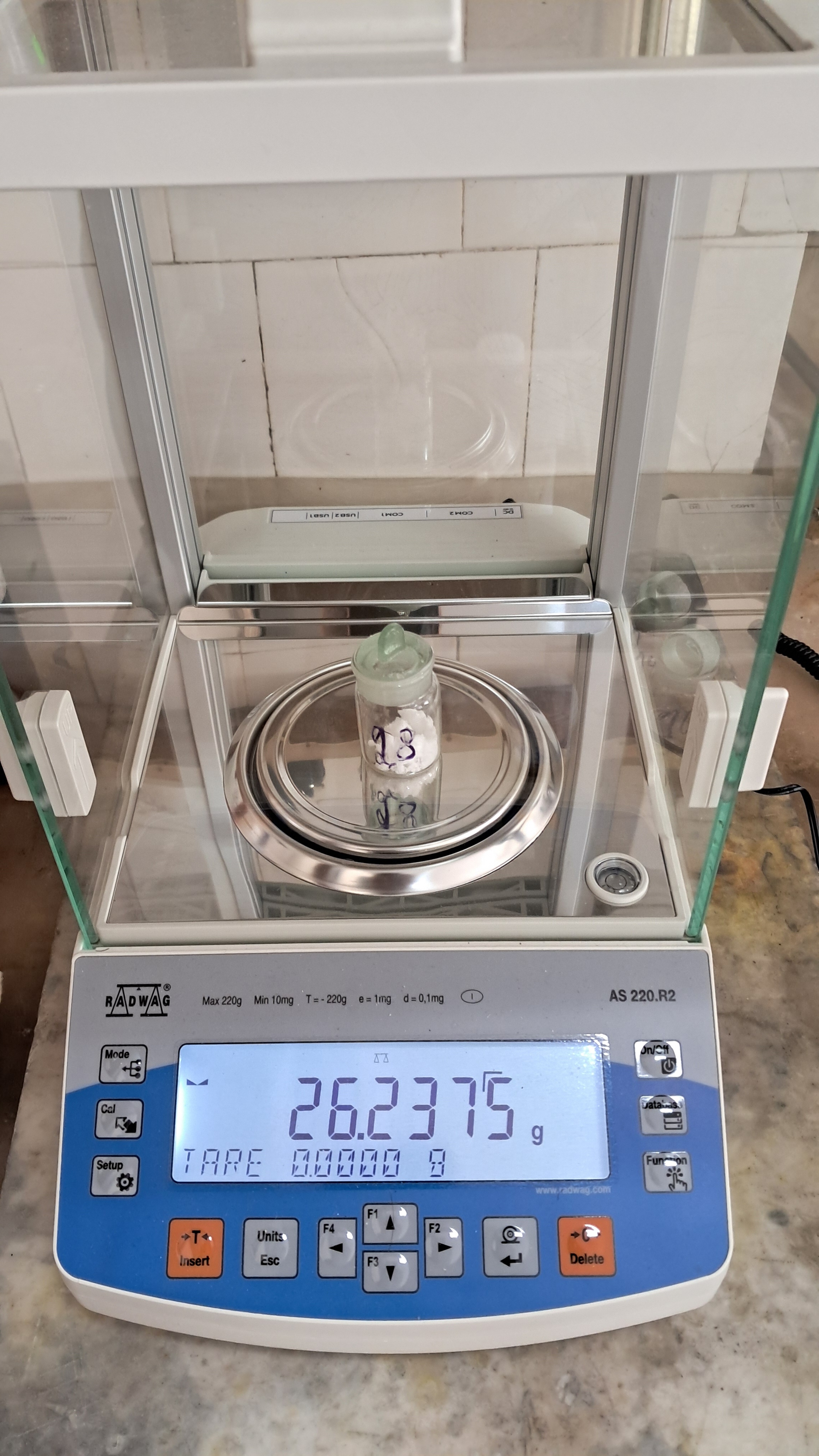
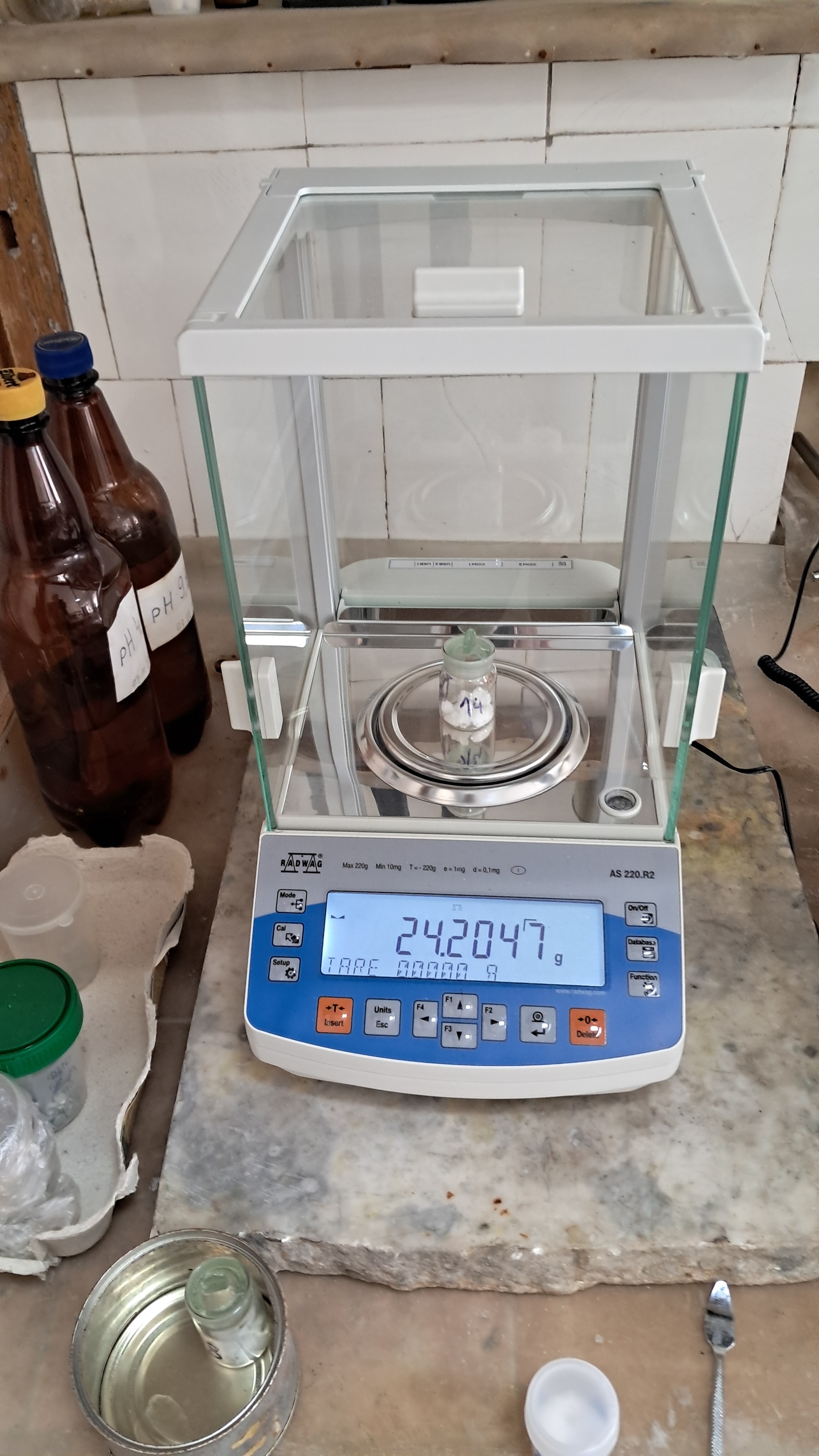
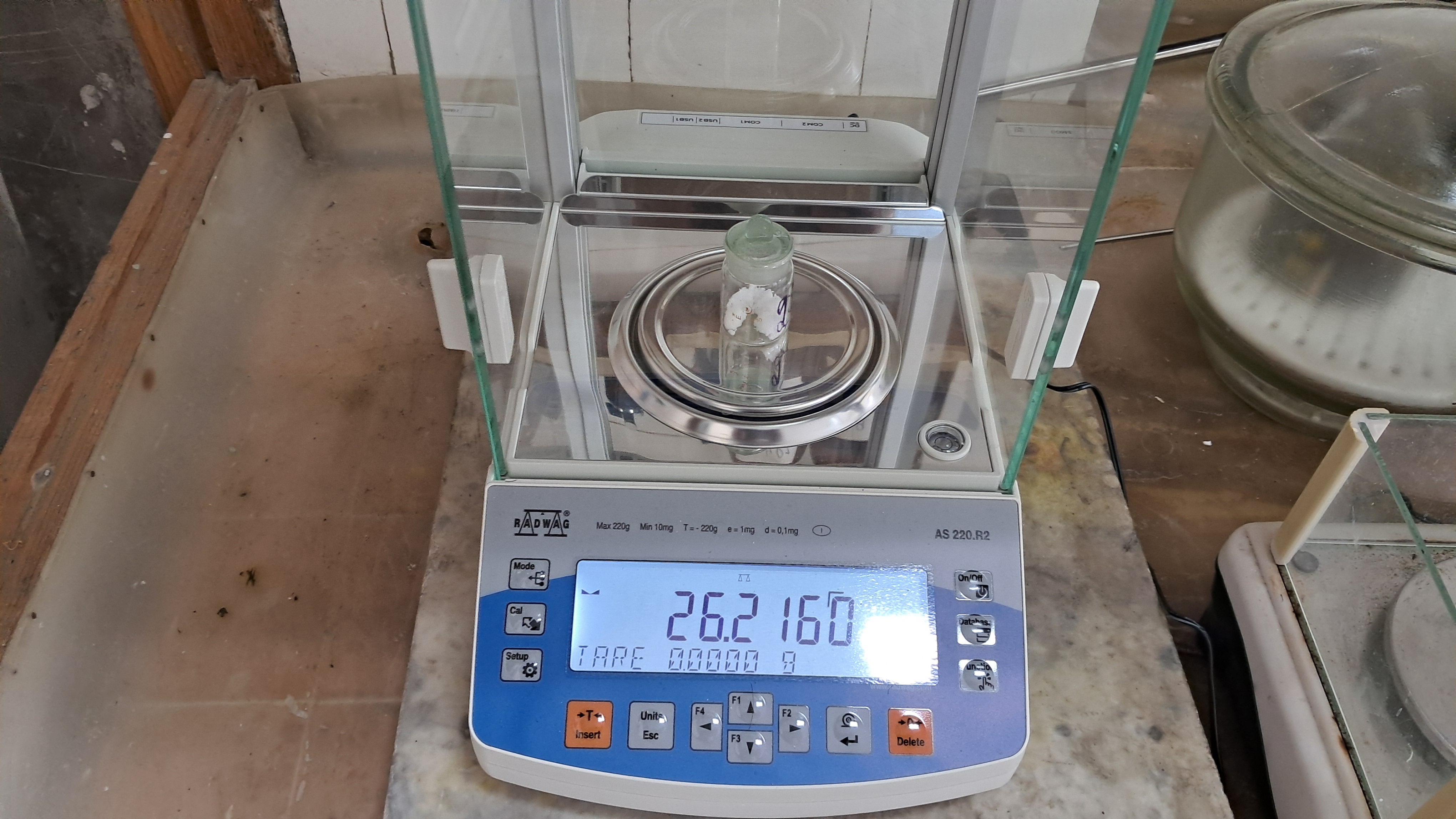
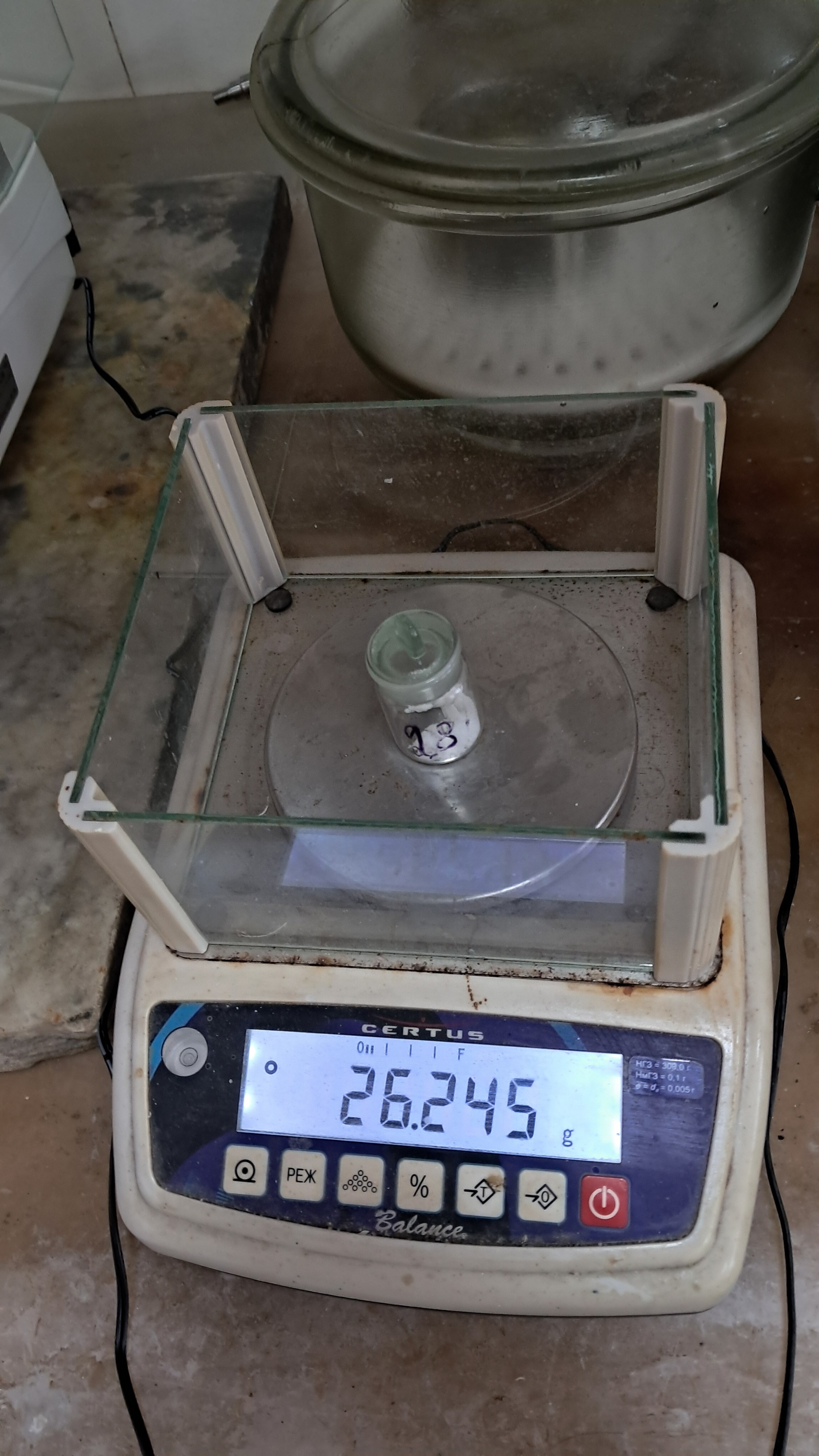
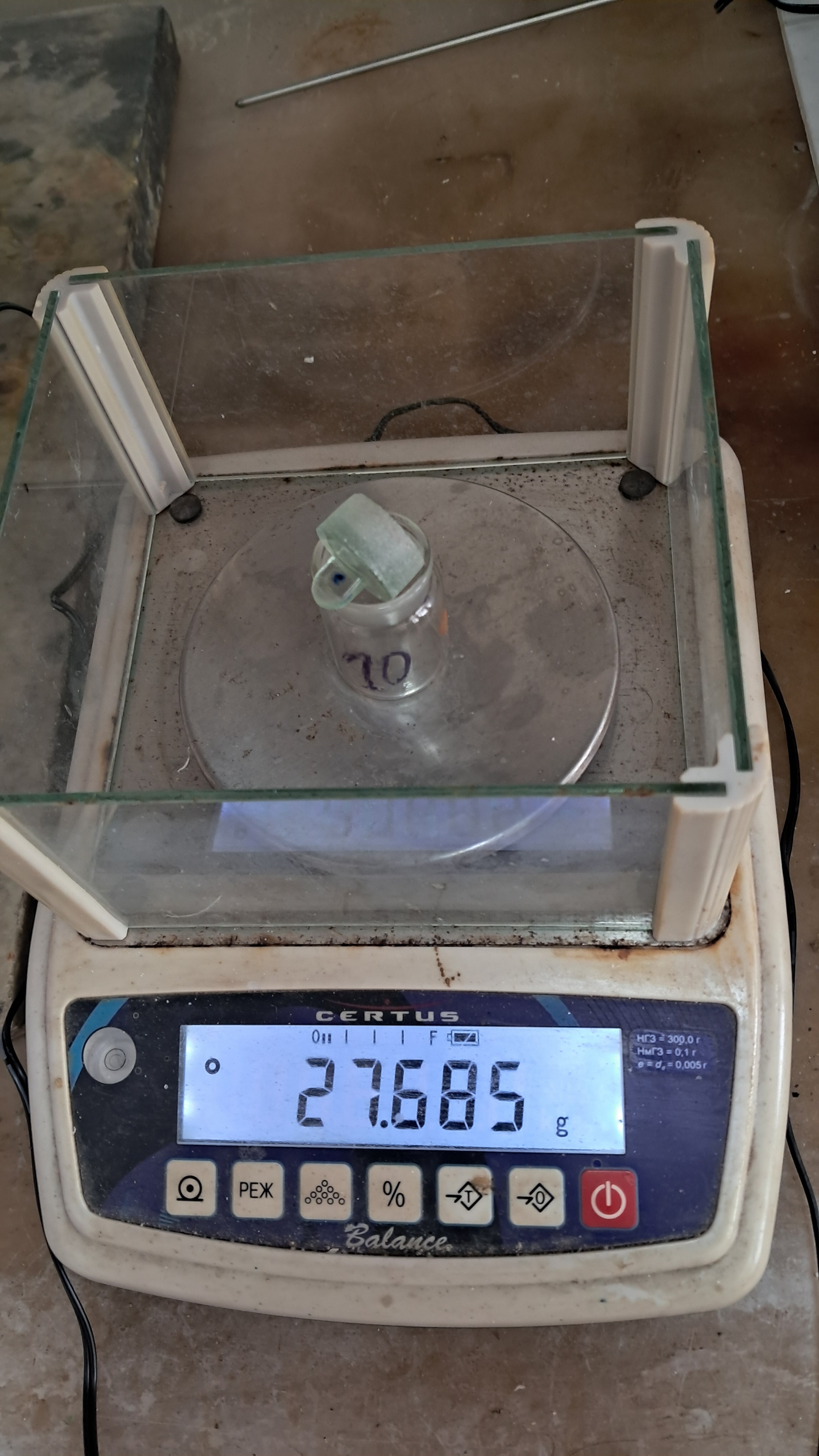
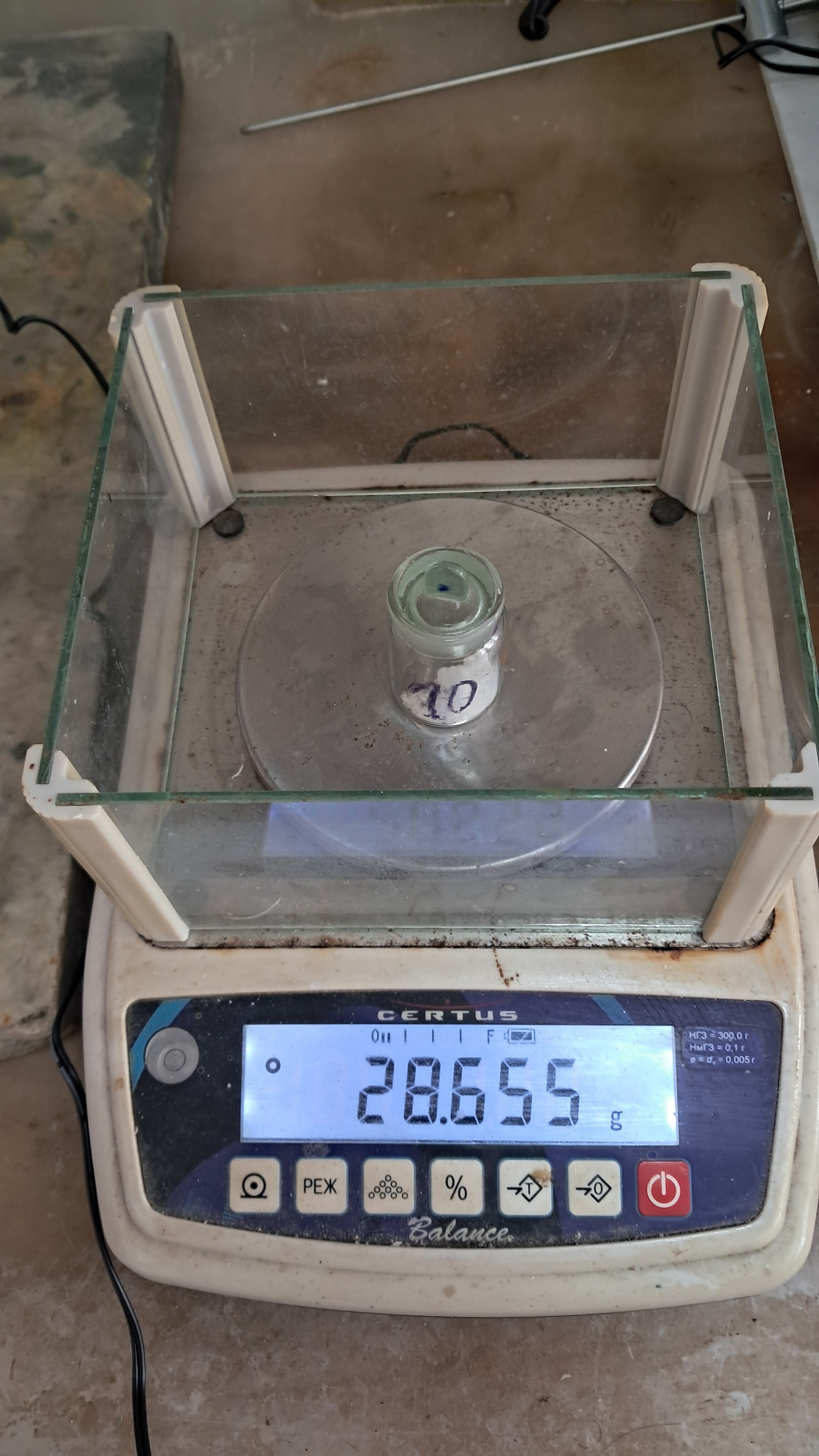
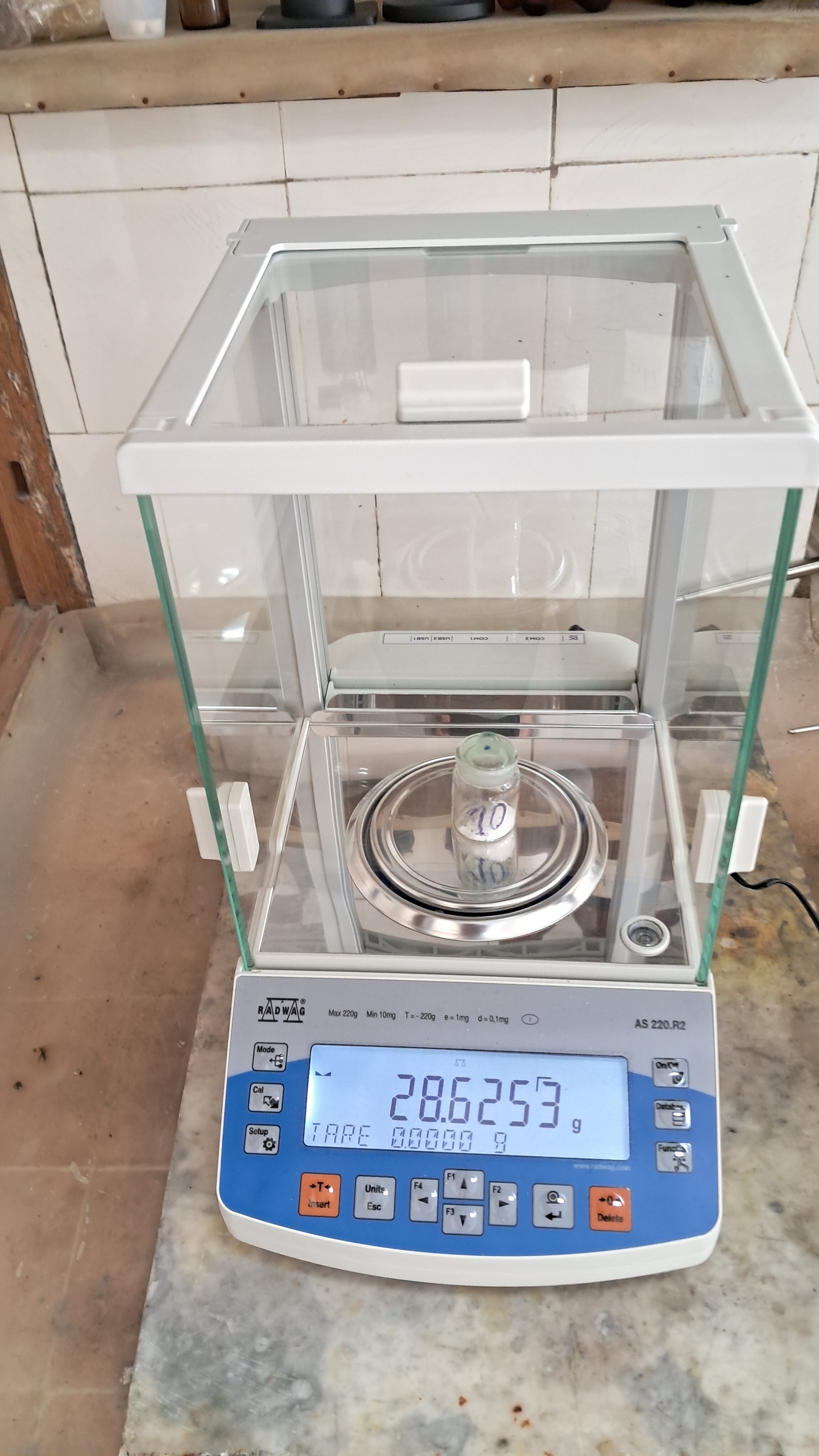
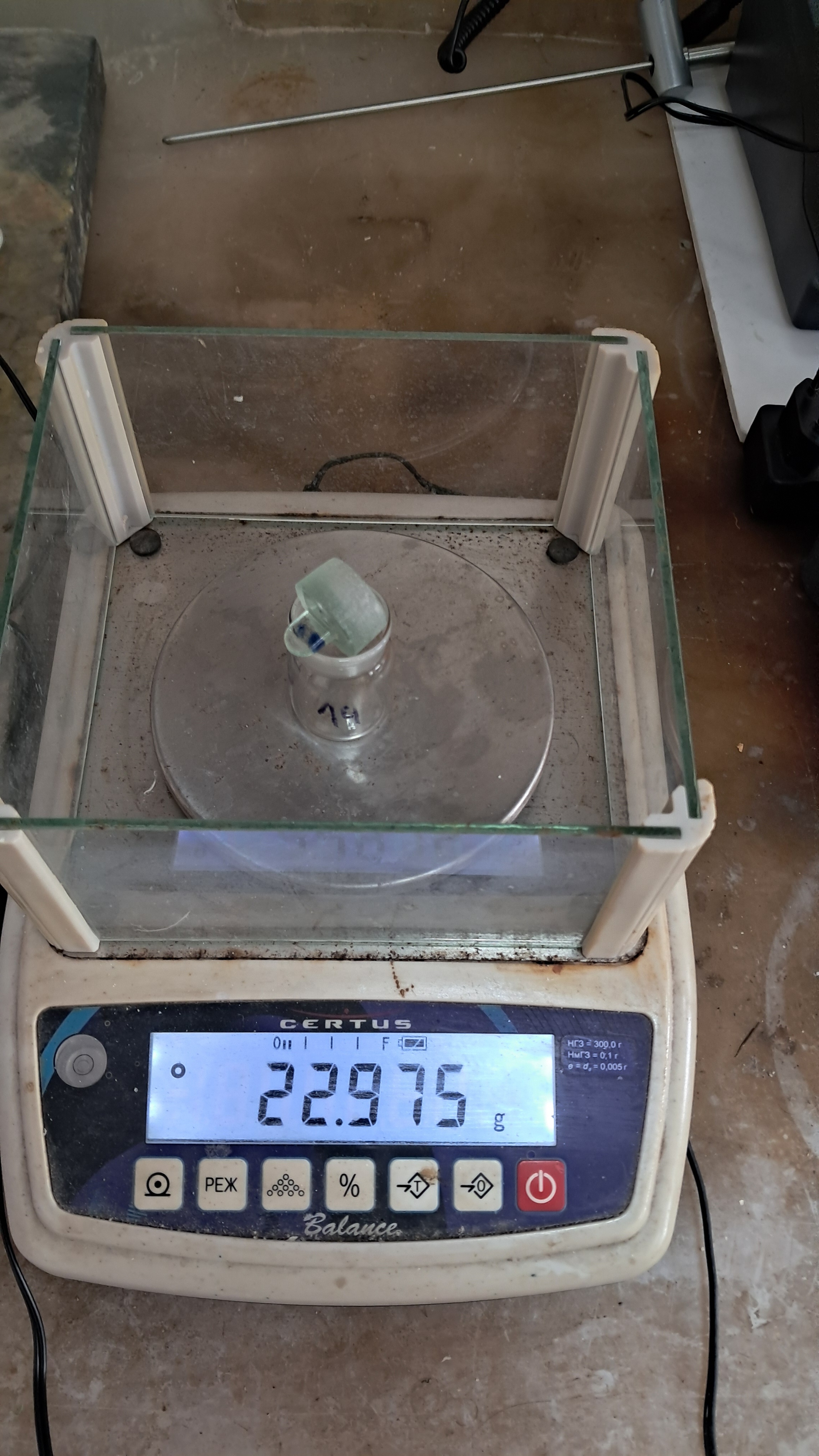
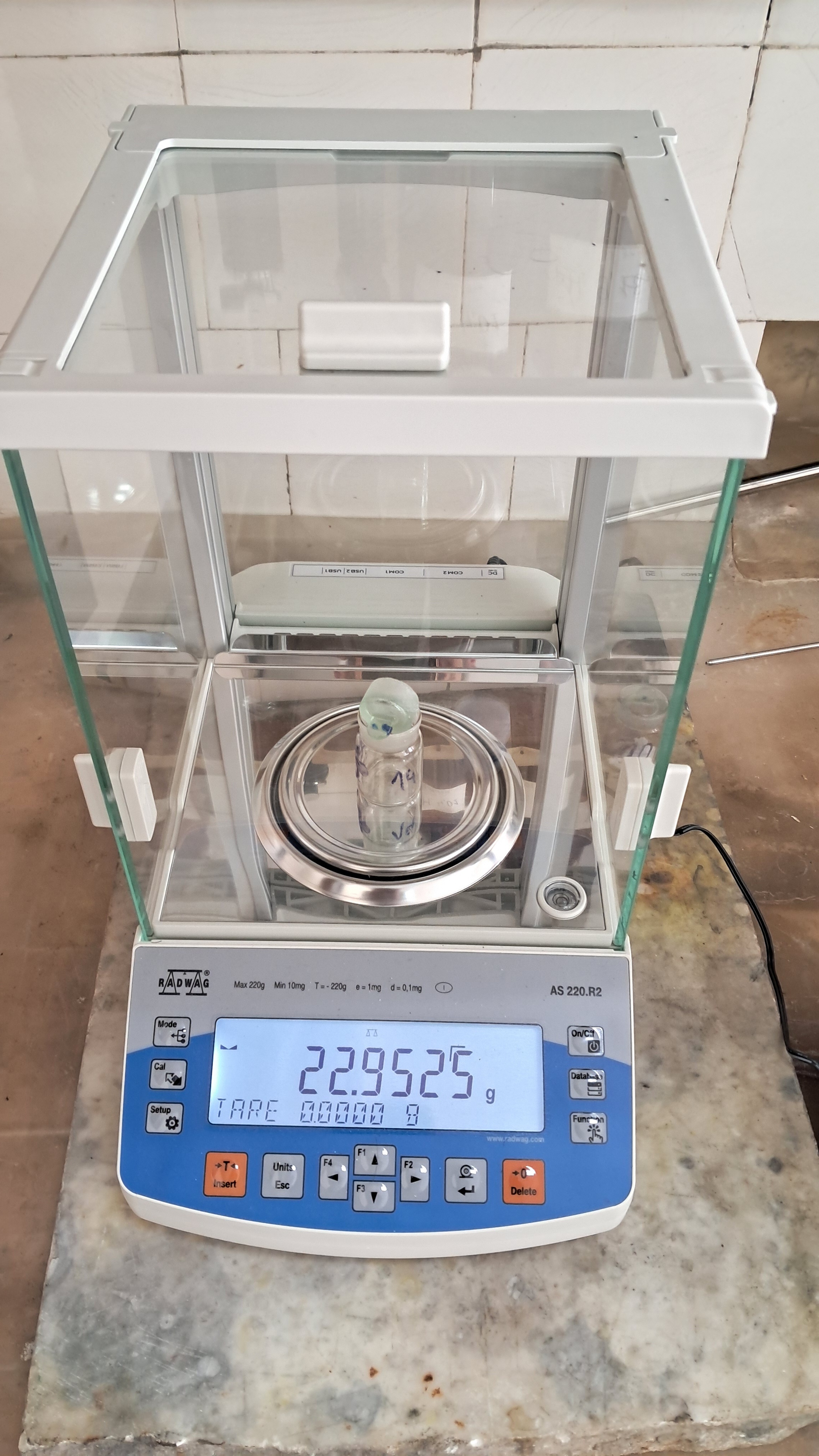
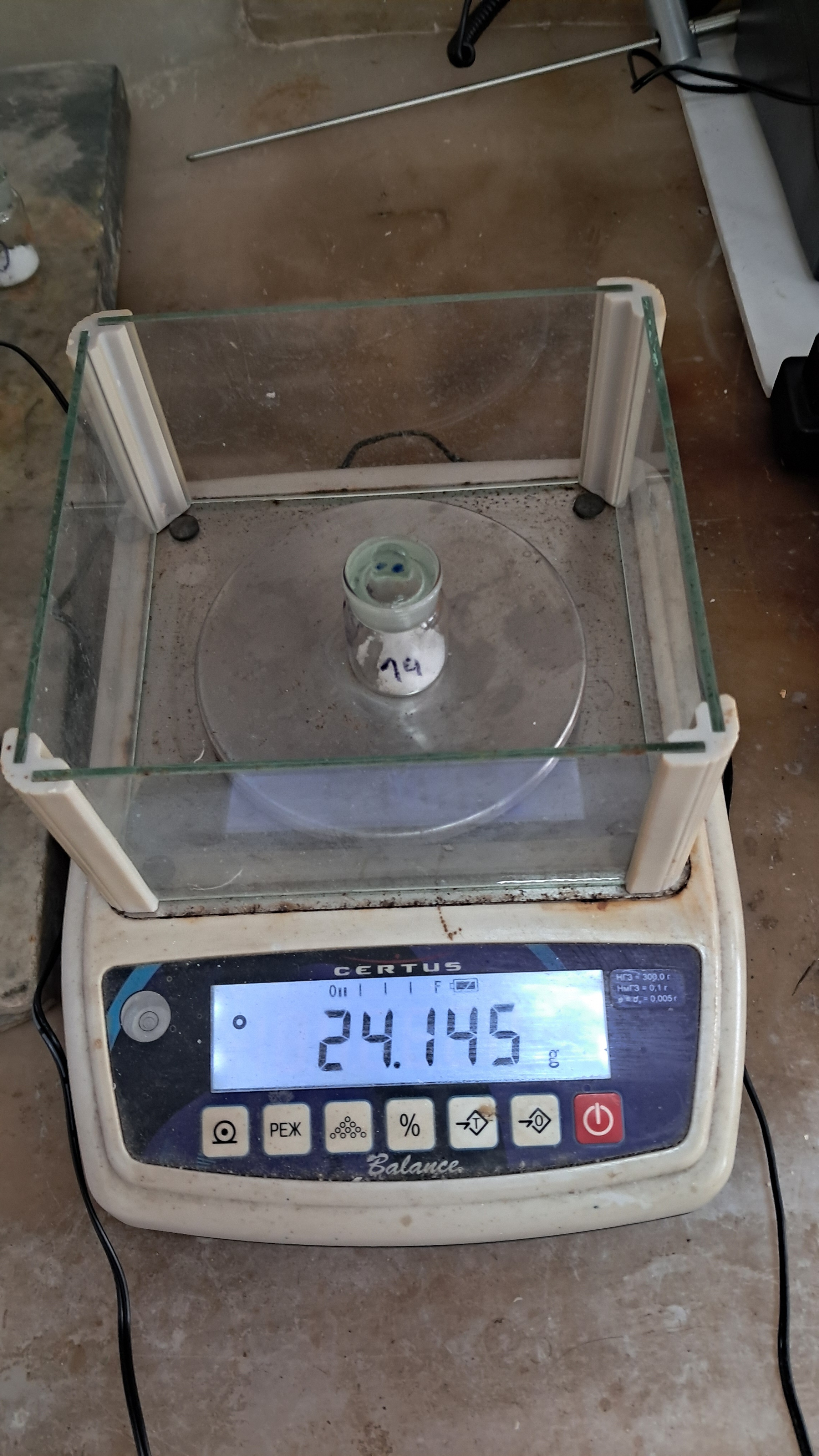
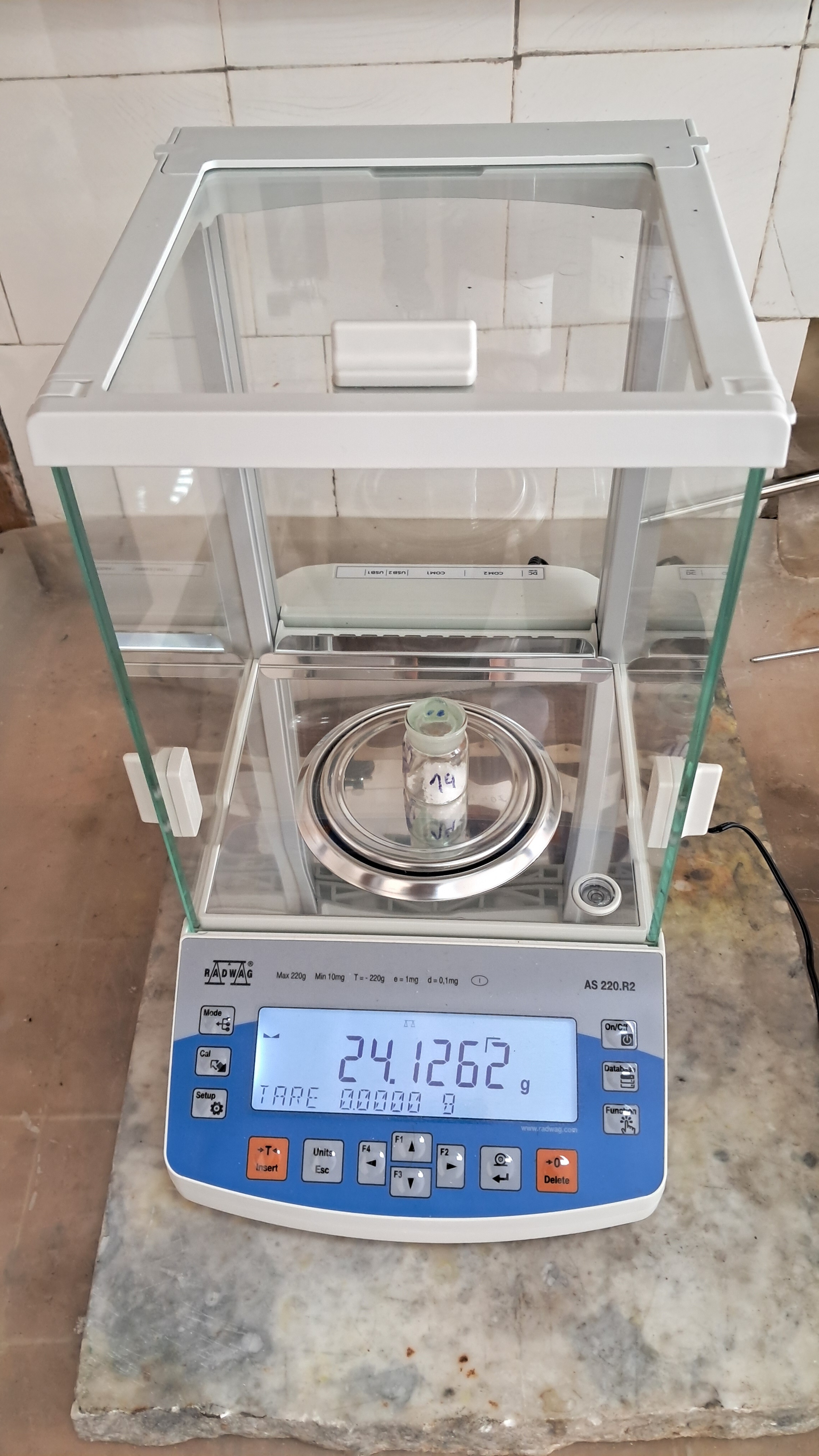
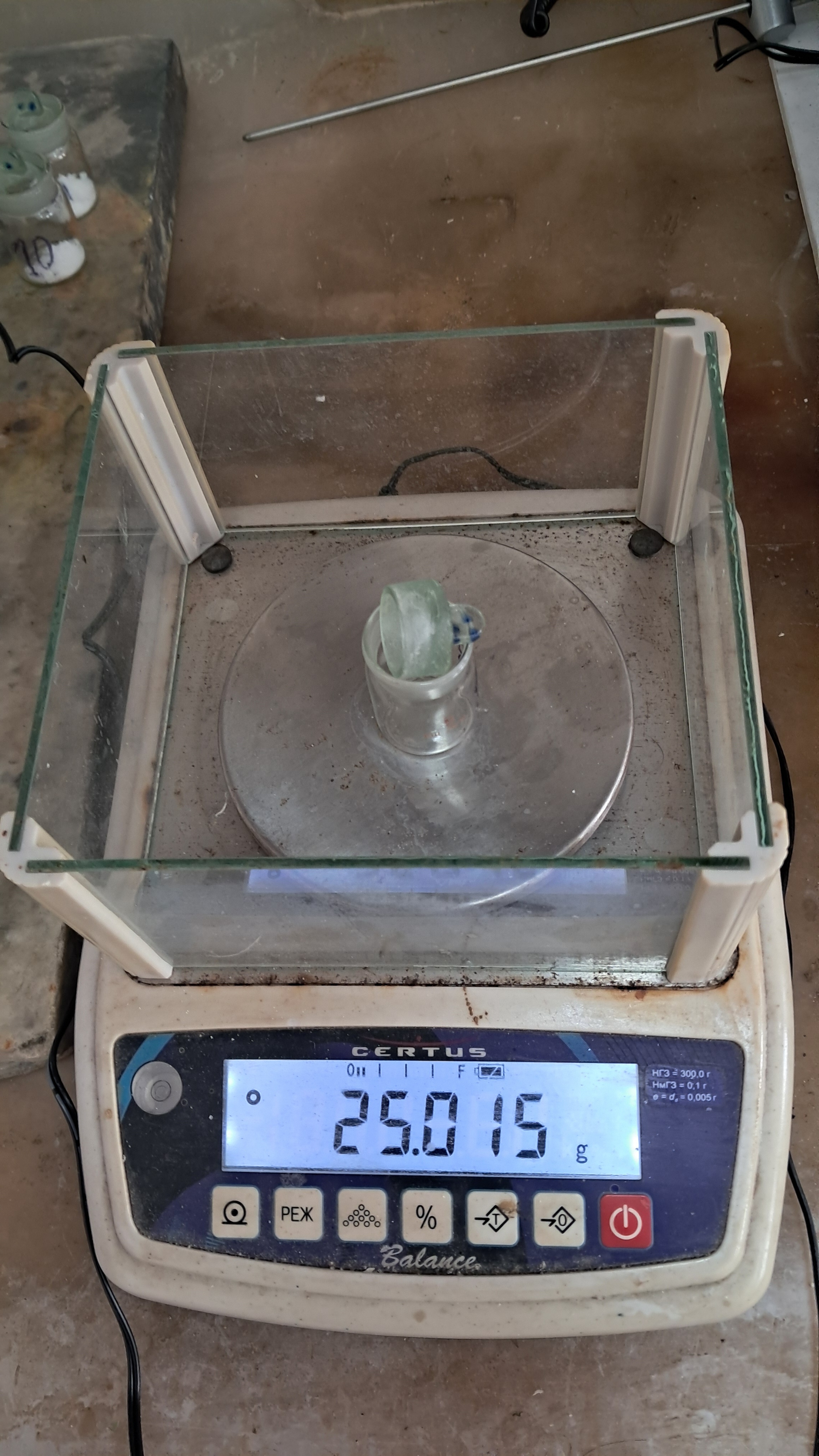
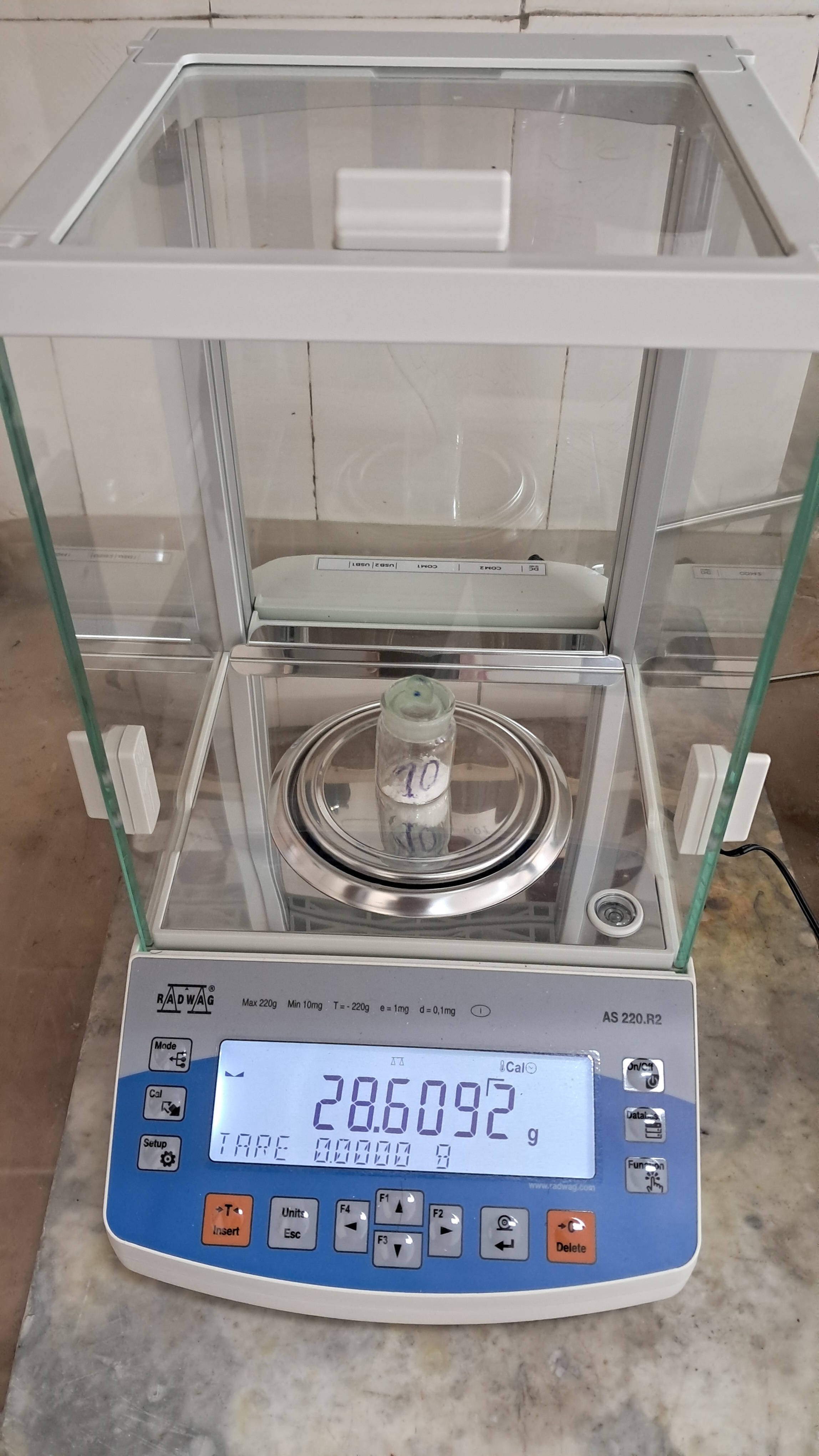
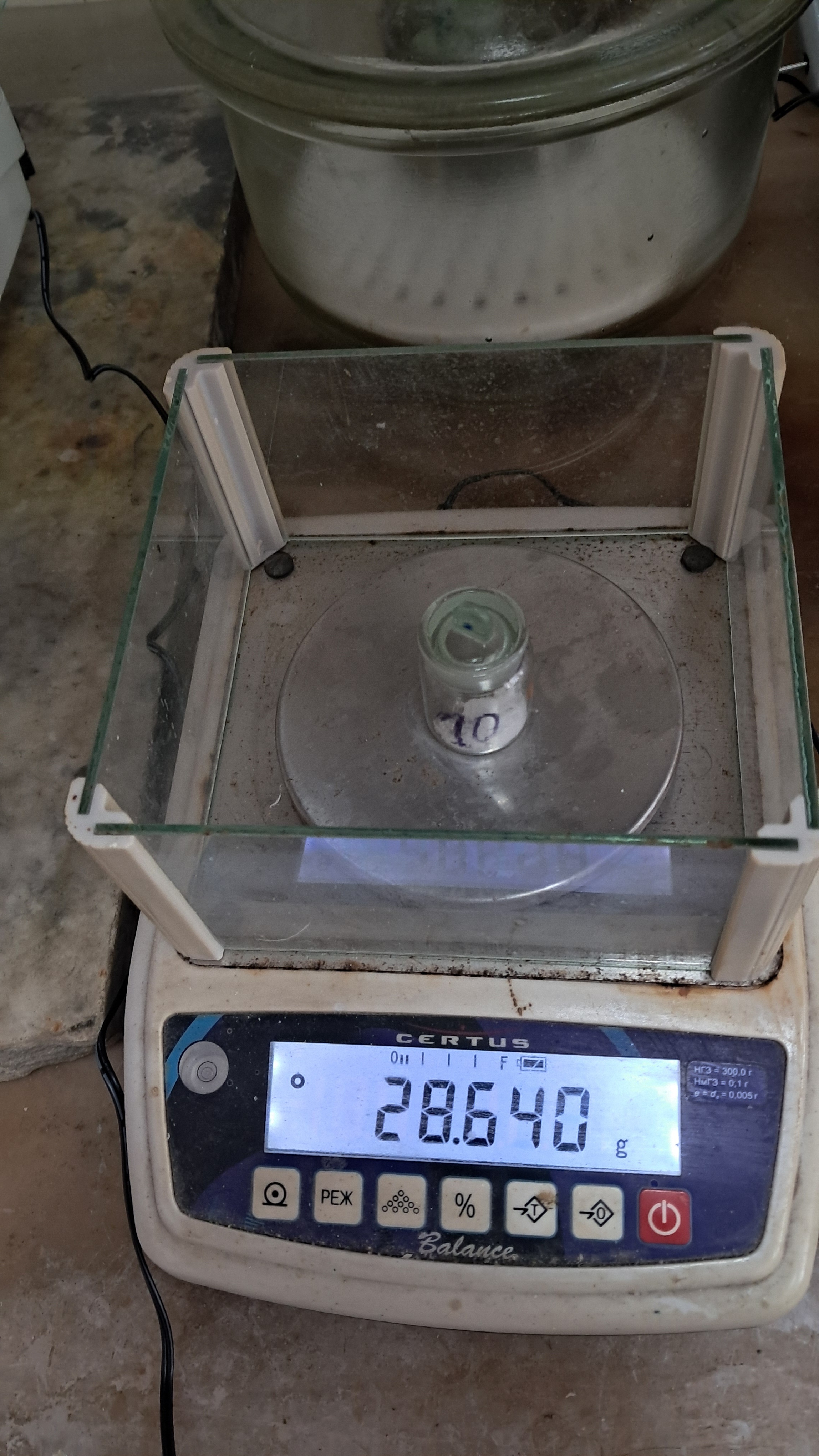
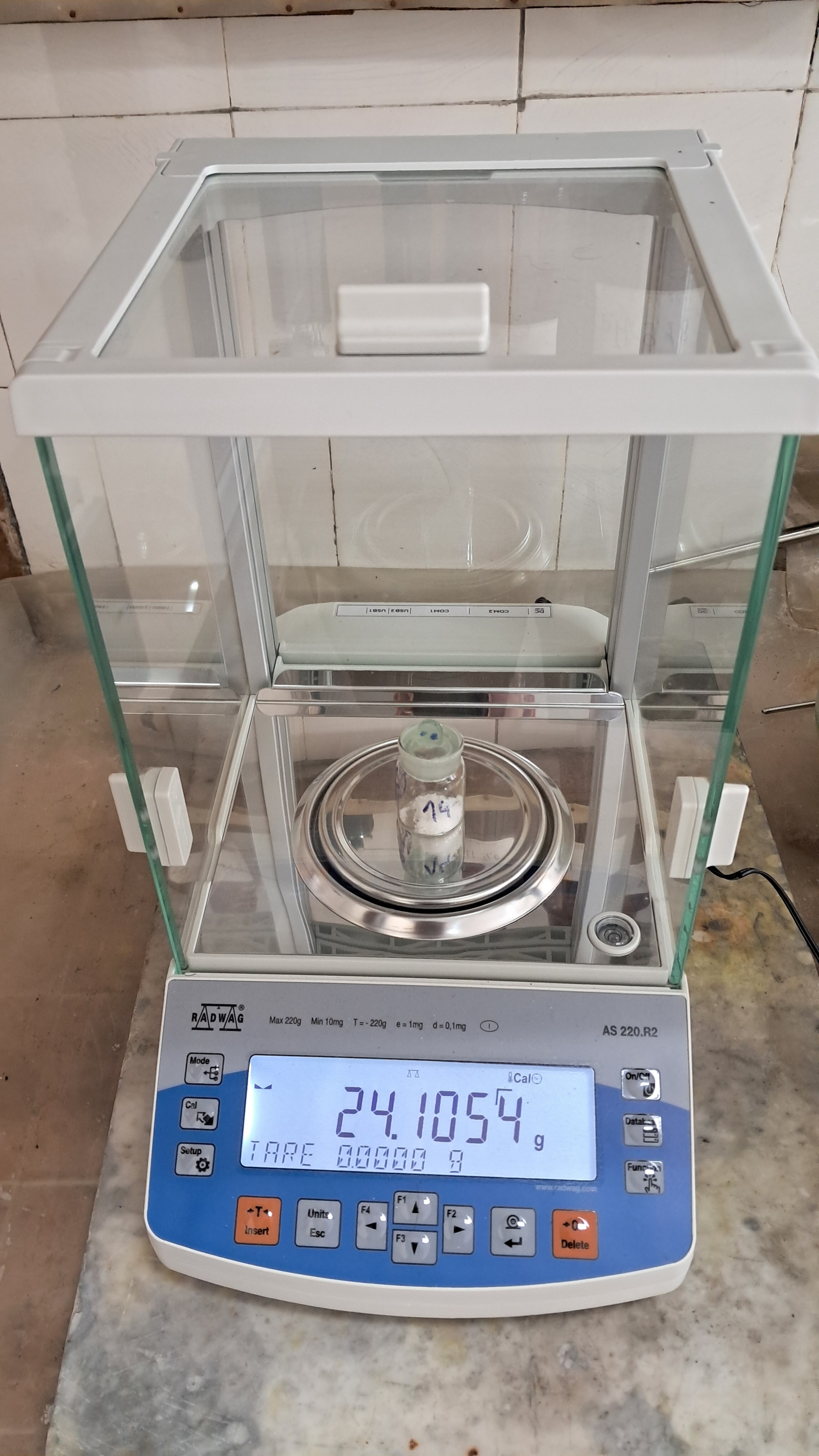
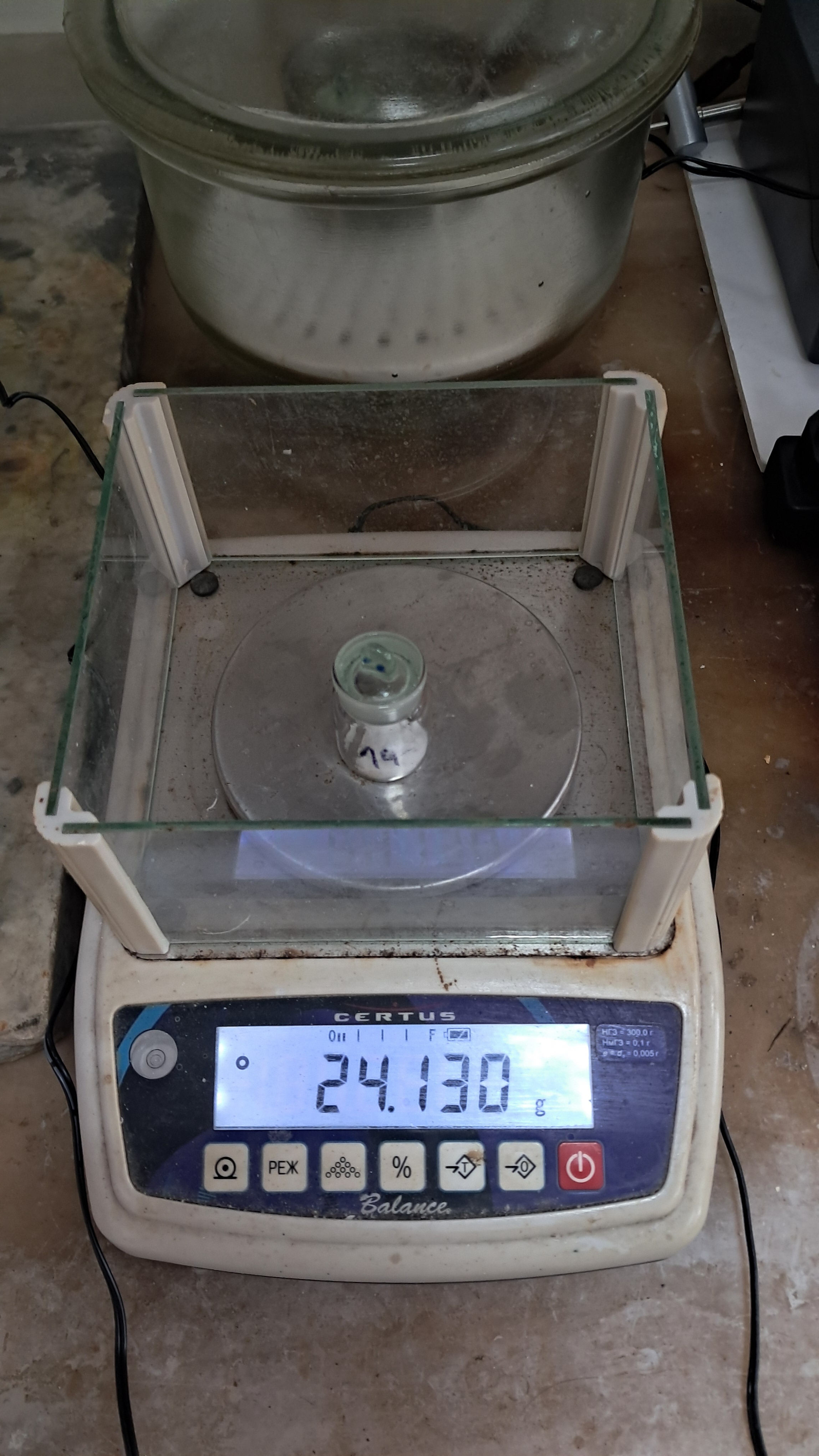
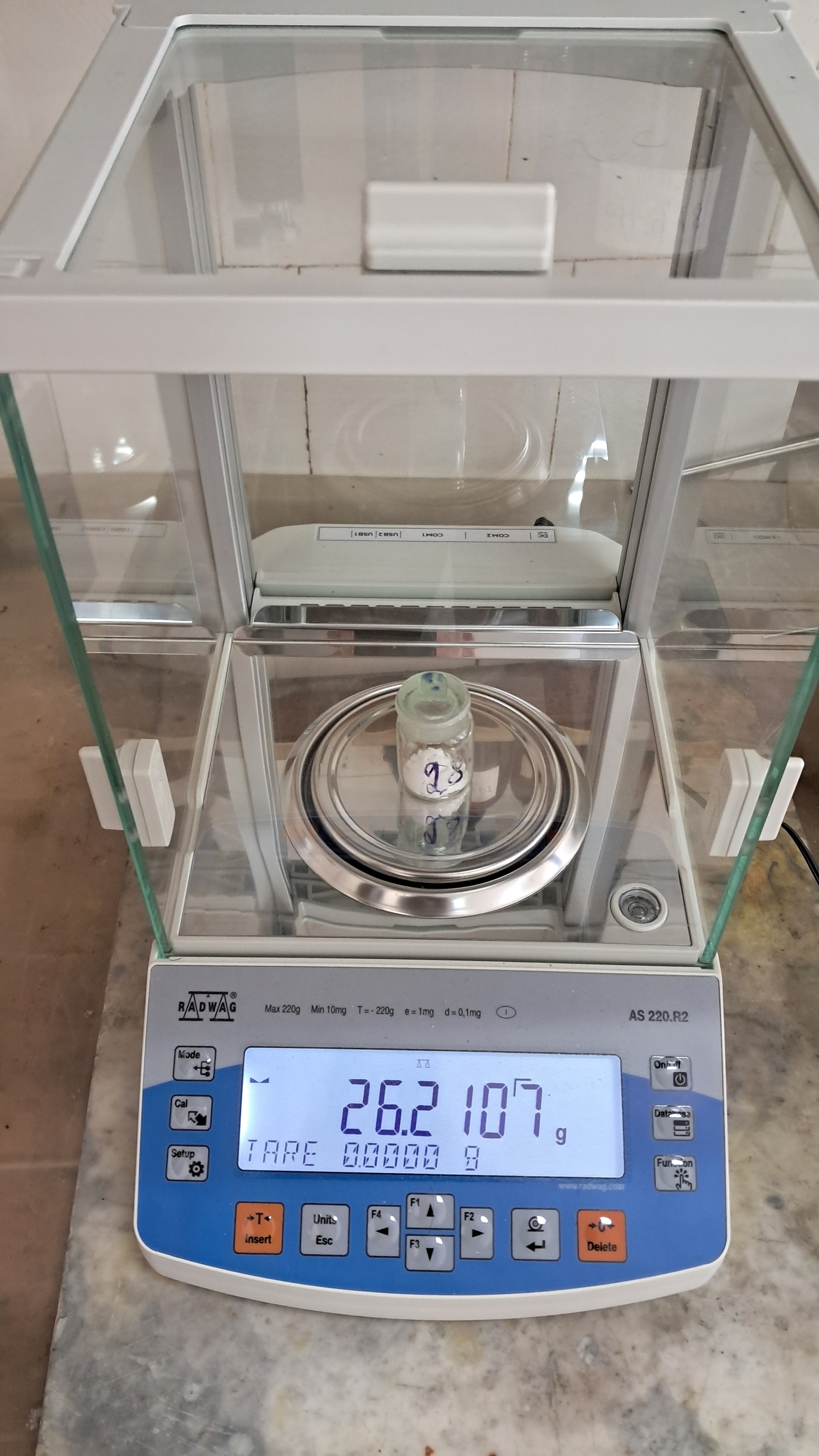
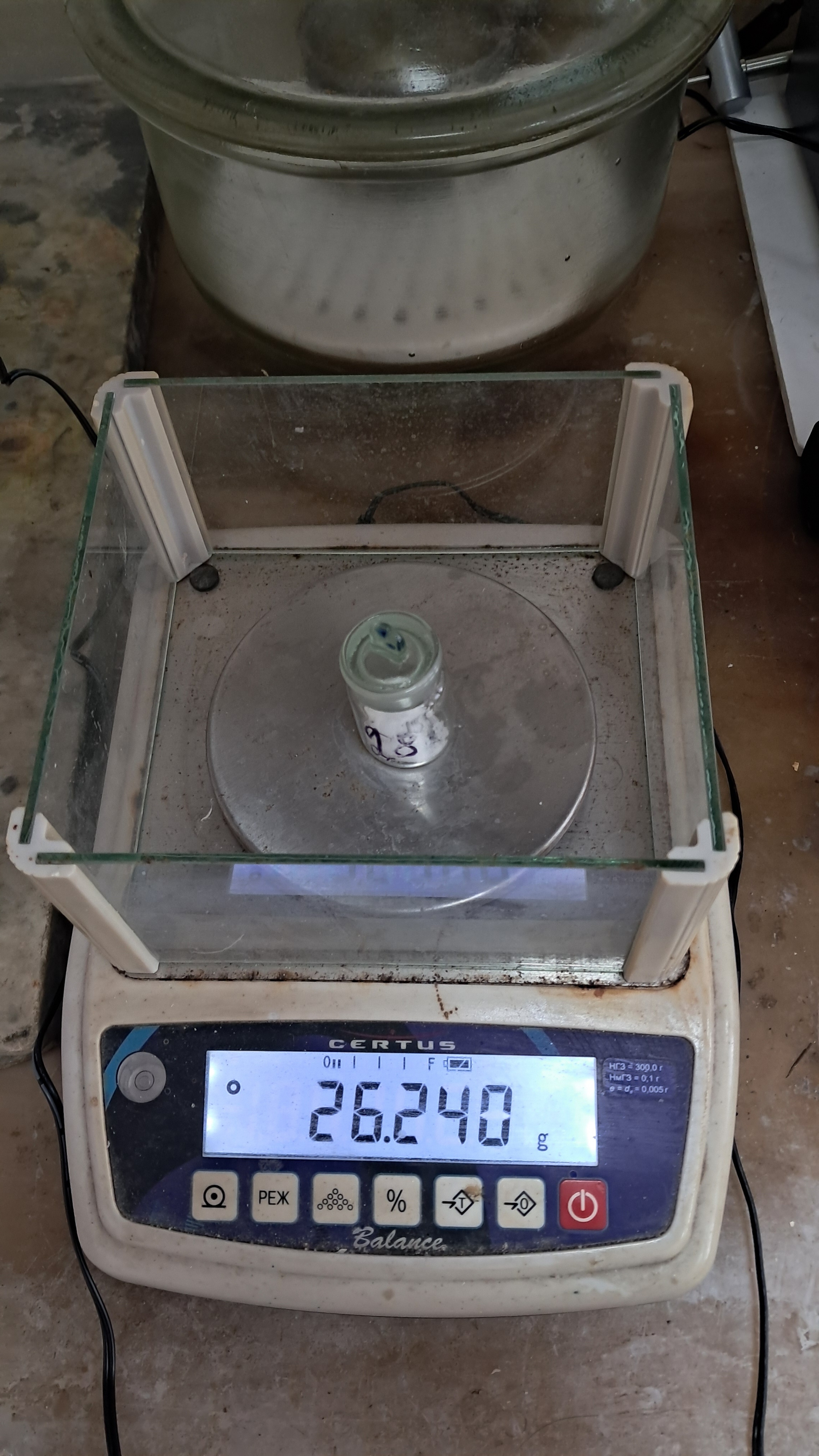
I took the weighing bottles out, carried them back to my laboratory, and placed them in the desiccator. After an hour, the bottles had cooled, and I weighed them - first on the analytical balance and then on the technical balance. I calculated the mass loss.

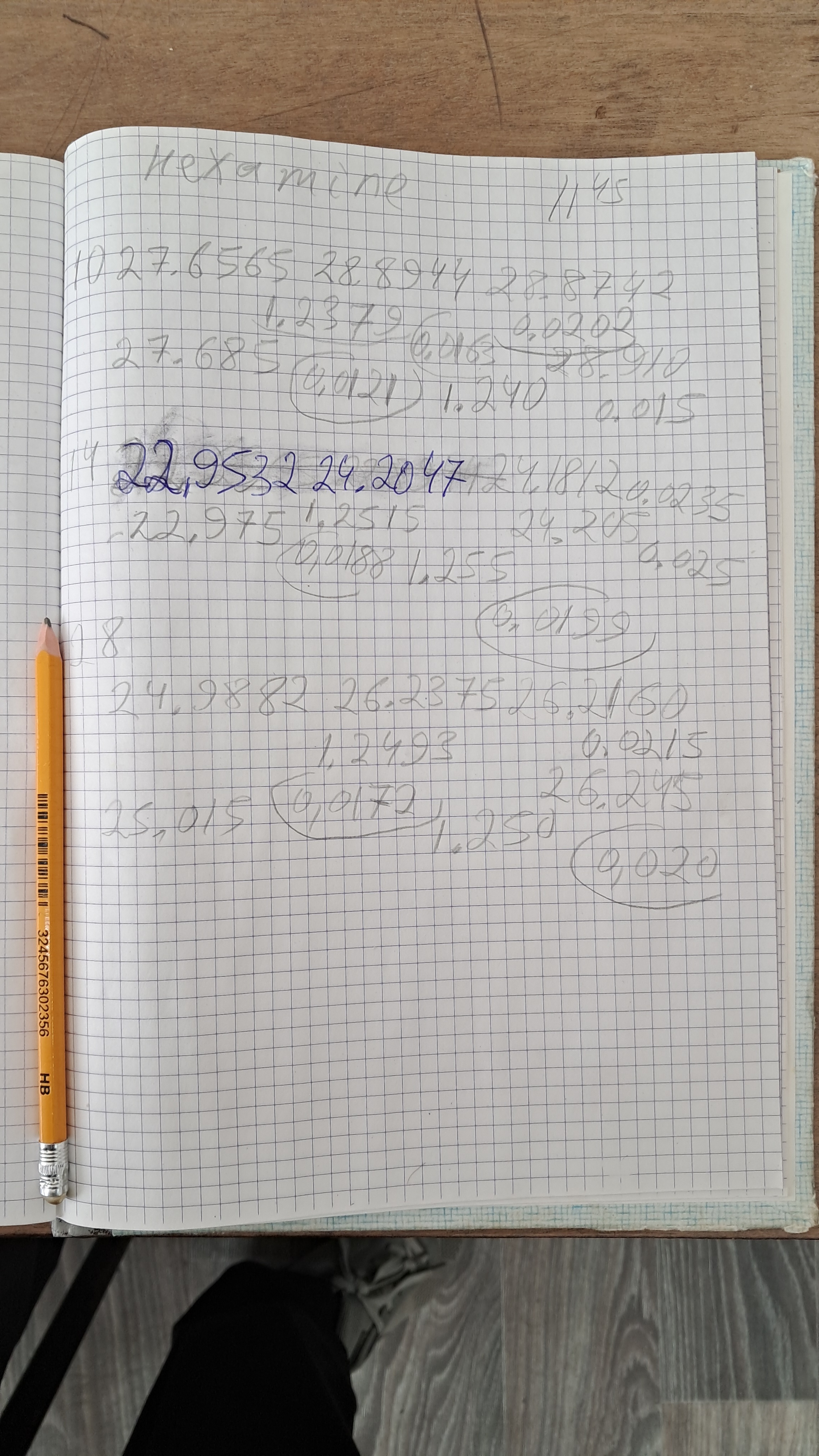
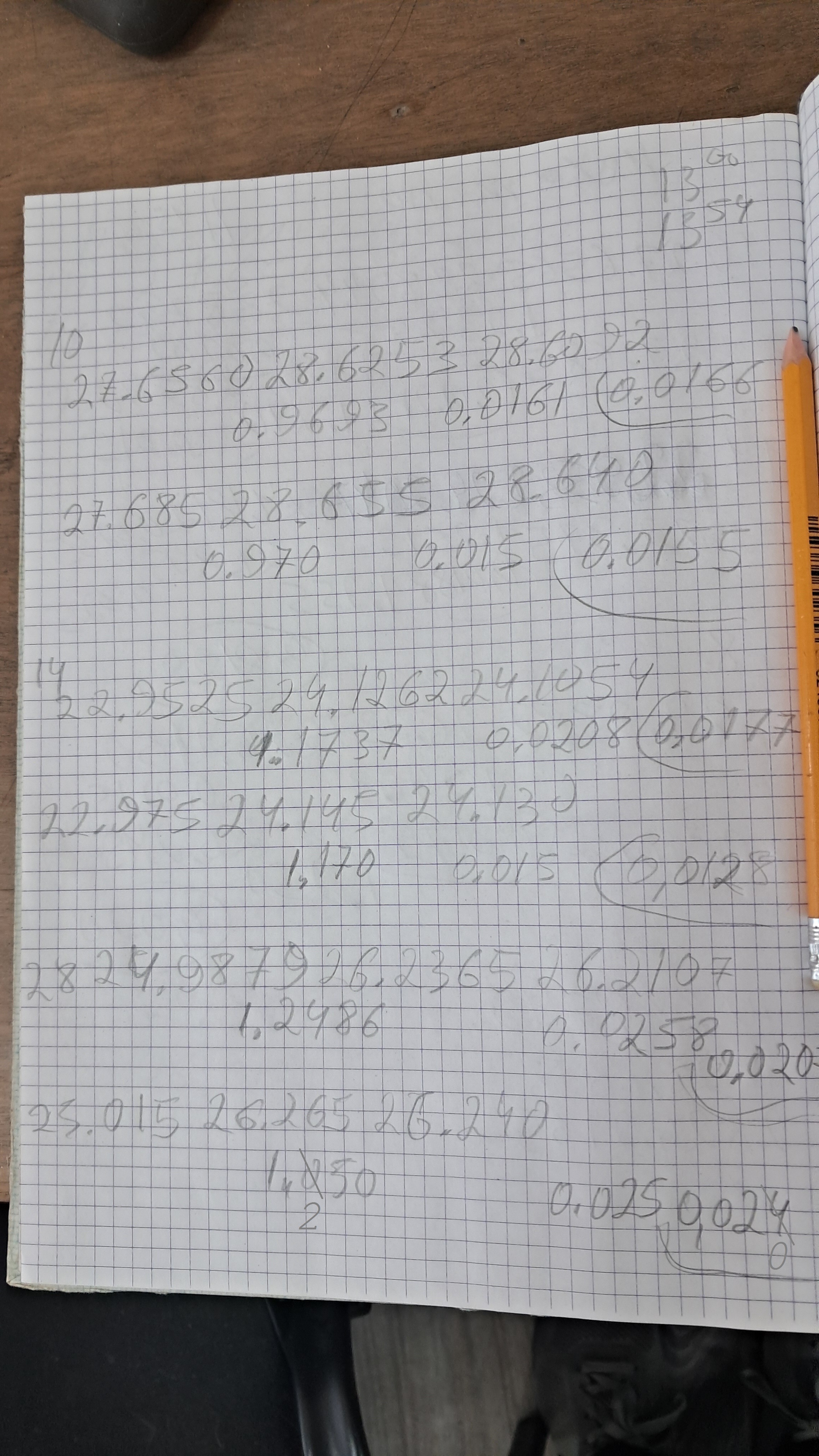
Weighing on the analytical balance yielded mass loss values of 1.6, 1.9, and 1.7%, while weighing on the technical balance yielded values of 1.2, 2.0, and 2.0%, respectively, for the same weighing bottles. Of course, the results were rather inconsistent, but let's not rush to conclusions.

Thus, the mass loss when the urotropine samples were heated for one hour at 100°C was approximately 2%. By this time, the water in the samples should have completely evaporated. I looked up the standards for the water content of hexamine; for one grade of hexamine, the maximum permissible water content is exactly 2%.

The result of the analysis was plausible - but was it correct?


Гравиметрический анализ - первая попытка (Часть 3)
Со времени описанных ниже событий прошло не так много времени, чуть больше месяца, но впечатление такое, что анализ уротропина я делал много лет назад. За этот месяц произошло так много других событий - приятных и не очень - что новые впечатления и переживания напрочь вытеснили из моей памяти то, как я делал анализ уротропина. Чтобы вспомнить, пришлось заново перечитать свой лабораторный журнал и просмотреть архив фотографий.

Итак, для проведения анализа все было более-менее готово. В эксикаторе находился осушитель - недавно прокаленный хлорид кальция. Под вытяжкой стояли аналитические весы. Рядом были технические весы. Я подготовил стеклянные бюксы с крышечками и нагрел их в сушильном шкафу при 100°С на протяжении 1 часа, после чего поместил бюксы в эксикатор.

Мне удалось юстировать технические весы, но я так и не смог юстировать аналитические весы по положению пузырька воздуха. Попросил коллегу помочь - в этот раз он таки юстировал весы. В прошлый раз коллега обещал помочь, но выполнить свое обещание поленился - в результате мне пришлось взвешивать бюксы на технических весах вместо аналитических. Точности технических весов хватило. В этот раз я решил параллельно взвешивать одни и те же бюксы и на технических, и на аналитических весах. Если аналитические весы будут давать неадекватные показания, придется удовлетвориться менее точным взвешиванием на технических весах.

Перед тем, как вскрывать 25 кг мешок с уротропином, я решил использовать уротропин из 1 кг пакета, который был у меня в лаборатории. Взвесил 3 бюкса с крышками, в каждый из них поместил примерно по 1 г уротропина, повторно взвесил. Затем понес бюксы в другую комнату, расположенную в другом конце коридора. Там находился сушильный шкаф, которого не было в моей лаборатории. Поместил бюксы, содержащие навески уротропина, в сушильный шкаф, нагретый до 100°С.

Носить образцы из одной лаборатории в другую было неудобно. Кроме того, существовал риск уронить бюксы в процессе переноса, в результате анализ пришлось бы начинать с нуля. Один или два раза можно сделать все аккуратно, однако, если каждый день носить образцы из одного конца коридора в другой, они неминуемо когда-то упадут на пол.

Я бы с радостью перенес сушильный шкаф в свою лабораторию, где стояли весы, эксикатор и другое оборудование, однако завхоз института перегородил коридор стеной с узкой дверью - для экономии тепла. В результате транспортировка крупногабаритного оборудования между комнатами стала невозможна. Чтобы перенести шкаф, пришлось бы демонтировать стену и дверь, а потом установить их назад. Проще оказалось купить новый сушильный шкаф и принести его в мою лабораторию. Позже новый сушильный шкаф таки купили, но это уже другая история.

Как сказал мой коллега, старший научный сотрудник: "Академия наук - издевательство над учеными". Другими словами, обстановка здесь не благоприятствует плодотворной работе: ни оснащенность лабораторий, ни зарплата, ни отношение администрации к сотрудникам. Научная работа ведется на голом энтузиазме.

Вернемся к гексамину. Через час открыл дверцу сушильного шкафа. Первое, на что я обратил внимание, был запах уротропина. Не резкий, но вполне ощутимый. Это означало, что одновременно с испарением воды происходила сублимация уротропина. Хотя точка сублимации уротропина (260-280°C) была гораздо выше температуры сушильного шкафа (100°С), однако, уротропин может испаряться и при гораздо более низкой температуре.

Аналогия: точка кипения воды при атмосферном давлении равна 100°С, однако, вода испаряется и при комнатной температуре и даже на морозе, хотя и гораздо медленнее. Вопрос в том, можно ли пренебречь испарением гексамина в условиях анализа?

Вынул бюксы, понес их в свою комнату, поместил в эксикатор. Через час бюксы остыли, и я их взвесил: сначала на аналитических весах, потом на технических. Рассчитал потерю массы.

Взвешивание на аналитических весах дало следующие значения потери массы: 1.6, 1.9 и 1.7%, а взвешивание на технических весах дало результаты: 1.2, 2.0 и 2.0% (те же бюксы, соответственно). Конечно, результаты получились такие себе, но не будем спешить с выводами.

Таким образом, потеря массы при нагревании образцов уротропина на протяжении 1 часа при 100°С была около 2%. За это время вода из образцов должна была испариться полностью. Посмотрел нормы содержания воды в уротропине, для одной из марок уротропина максимальное допустимое содержание воды как раз составляет 2%.

Результат анализа был правдоподобным, но был ли он правильным?


Determining Moisture Content in Hexamine by Gravimetric Analysis - First Attempt

Determining Moisture Content in Hexamine by Gravimetric Analysis - First Attempt

Determining Moisture Content in Hexamine by Gravimetric Analysis - First Attempt

Determining Moisture Content in Hexamine by Gravimetric Analysis - First Attempt

Determining Moisture Content in Hexamine by Gravimetric Analysis - First Attempt

Determining Moisture Content in Hexamine by Gravimetric Analysis - First Attempt

Determining Moisture Content in Hexamine by Gravimetric Analysis - First Attempt

Determining Moisture Content in Hexamine by Gravimetric Analysis - First Attempt

Determining Moisture Content in Hexamine by Gravimetric Analysis - First Attempt

Determining Moisture Content in Hexamine by Gravimetric Analysis - First Attempt

Determining Moisture Content in Hexamine by Gravimetric Analysis - First Attempt
The balances in standby mode

Determining Moisture Content in Hexamine by Gravimetric Analysis - First Attempt

Determining Moisture Content in Hexamine by Gravimetric Analysis - First Attempt

Determining Moisture Content in Hexamine by Gravimetric Analysis - First Attempt

Determining Moisture Content in Hexamine by Gravimetric Analysis - First Attempt

Determining Moisture Content in Hexamine by Gravimetric Analysis - First Attempt

Determining Moisture Content in Hexamine by Gravimetric Analysis - First Attempt

Determining Moisture Content in Hexamine by Gravimetric Analysis - First Attempt

Determining Moisture Content in Hexamine by Gravimetric Analysis - First Attempt

Determining Moisture Content in Hexamine by Gravimetric Analysis - First Attempt

Determining Moisture Content in Hexamine by Gravimetric Analysis - First Attempt

Determining Moisture Content in Hexamine by Gravimetric Analysis - First Attempt

Determining Moisture Content in Hexamine by Gravimetric Analysis - First Attempt

Determining Moisture Content in Hexamine by Gravimetric Analysis - First Attempt

Determining Moisture Content in Hexamine by Gravimetric Analysis - First Attempt

Determining Moisture Content in Hexamine by Gravimetric Analysis - First Attempt

Determining Moisture Content in Hexamine by Gravimetric Analysis - First Attempt


Having noticed a mistake in the text, allocate it and press Ctrl-Enter


The results of the moisture content analysis of hexamine were plausible. However, judging by the presence of an odor, some hexamine had sublimated during heating. In other words, the mass loss during heating of the samples could have been due not only to the evaporation of water but also to partial sublimation of the hexamine.

To determine whether the method was applicable, it was necessary to reheat the samples that had already been heated at 100°C for one hour and determine the additional mass loss. All the water should have already evaporated, so any further mass loss would be due solely to the sublimation of hexamine. If the rate of mass loss during reheating was much lower than that during the initial heating, the method would be suitable for determining the moisture content of hexamine. If the rate of mass loss during reheating was comparable to that during the initial heating, the method would be useless, as hexamine would be sublimating too rapidly under the analytical conditions.

Unfortunately, I had already discarded the dehydrated hexamine samples and washed the weighing bottles after the previous analysis, so I had to start the analysis again. First, I heated the original hexamine samples at 100°C for one hour, then cooled the weighing bottles in a desiccator and weighed them, as in the previous experiment.

The results of three parallel analyses performed using an analytical balance were as follows: 1.7, 1.8, and 2.0%. Weighing the same weighing bottles on a technical balance yielded the following results: 1.6, 1.3, and 2.0%.

As you can see, the results are in good agreement with those of the previous analysis. However, I should repeat that neither the reproducibility of the results nor their plausibility (the correspondence of the results to the expected values) proves that the results are correct. Therefore, these same weighing bottles containing hexamine should be subjected to further, longer heating to determine the additional mass loss.


Гравиметрический анализ - продолжение (Часть 4)
Результаты анализа на содержание влаги в уротропине были правдоподобны. Однако, судя по наличию запаха, в ходе нагревания сублимировалось некоторое количество уротропина. Другими словами, потеря массы при нагревании образцов могла быть обусловлена не только испарением воды, но частичной сублимацией уротропина.

Чтобы установить, применим ли метод, было необходимо повторно нагреть образцы, которые были предварительно выдержаны при 100°С на протяжении 1 часа, чтобы определить дальнейшую потерю их массы. Вся вода уже испарилась, поэтому потеря массы будет продолжаться исключительно за счет сублимации уротропина. Если скорость потери массы при повторном нагреве будет намного ниже, чем скорость потери массы при первом нагреве - метод применим для определения влаги в уротропине. Если скорость потери массы при повторном нагреве будет сопоставима со скоростью потери массы при первом нагреве - метод бесполезен, поскольку гексамин сублимируется в условиях анализа слишком быстро.

К сожалению, я уже выбросил образцы обезвоженного уротропина и вымыл бюксы после прошлого анализа, поэтому анализ пришлось начинать заново. Сначала я нагрел исходный уротропин 1 час при 100°С, затем охладил бюксы в эксикаторе и взвесил - аналогично предыдущему эксперименту.

Результаты трех параллельных анализов, проведенных с использованием аналитических весов, были следующими: 1.7, 1.8 и 2.0%. Взвешивание этих же бюксов на технических весах дало результаты: 1.6, 1.3 и 2.0%.

Как видите, полученные результаты хорошо согласуются с предыдущим анализом. Однако, я повторюсь - ни воспроизводимость результатов, ни их правдоподобность (соответствие результатов прогнозируемым значениям) не доказывает достоверность данных результатов. Следовательно, эти же бюксы с уротропином следует подвергнуть дальнейшему - более продолжительному - нагреву, чтобы определить дальнейшую потерю массы.


Determining Moisture Content in Hexamine by Gravimetric Analysis - Continued

Determining Moisture Content in Hexamine by Gravimetric Analysis - Continued

Determining Moisture Content in Hexamine by Gravimetric Analysis - Continued

Determining Moisture Content in Hexamine by Gravimetric Analysis - Continued

Determining Moisture Content in Hexamine by Gravimetric Analysis - Continued

Determining Moisture Content in Hexamine by Gravimetric Analysis - Continued

Determining Moisture Content in Hexamine by Gravimetric Analysis - Continued

Determining Moisture Content in Hexamine by Gravimetric Analysis - Continued

Determining Moisture Content in Hexamine by Gravimetric Analysis - Continued

Determining Moisture Content in Hexamine by Gravimetric Analysis - Continued

Determining Moisture Content in Hexamine by Gravimetric Analysis - Continued

Determining Moisture Content in Hexamine by Gravimetric Analysis - Continued

Determining Moisture Content in Hexamine by Gravimetric Analysis - Continued

Determining Moisture Content in Hexamine by Gravimetric Analysis - Continued

Determining Moisture Content in Hexamine by Gravimetric Analysis - Continued

Determining Moisture Content in Hexamine by Gravimetric Analysis - Continued

Determining Moisture Content in Hexamine by Gravimetric Analysis - Continued

Determining Moisture Content in Hexamine by Gravimetric Analysis - Continued

Determining Moisture Content in Hexamine by Gravimetric Analysis - Continued

Determining Moisture Content in Hexamine by Gravimetric Analysis - Continued

Determining Moisture Content in Hexamine by Gravimetric Analysis - Continued

Determining Moisture Content in Hexamine by Gravimetric Analysis - Continued

Determining Moisture Content in Hexamine by Gravimetric Analysis - Continued


[ Qualitative and Quantitative Chemical Analysis ]

Gravimetric (weight) analysis - Discussion on the forum
Desiccators, Drying of Medium - Discussion on the forum
[Submit a Comment / Error Message - Отправить Комментарий / Сообщение об ошибке]