Content Chemistry experiments - video Physics experiments - video Home Page - Chemistry and Chemists

Chemistry and Chemists № 2 2026

Journal of Chemists-Enthusiasts
Donate to the journal Chemistry and ChemistsDonate to the journal Chemistry and Chemists


Determining Moisture Content in Hexamine - pt.5, 6


Chemist


Having noticed a mistake in the text, allocate it and press Ctrl-Enter


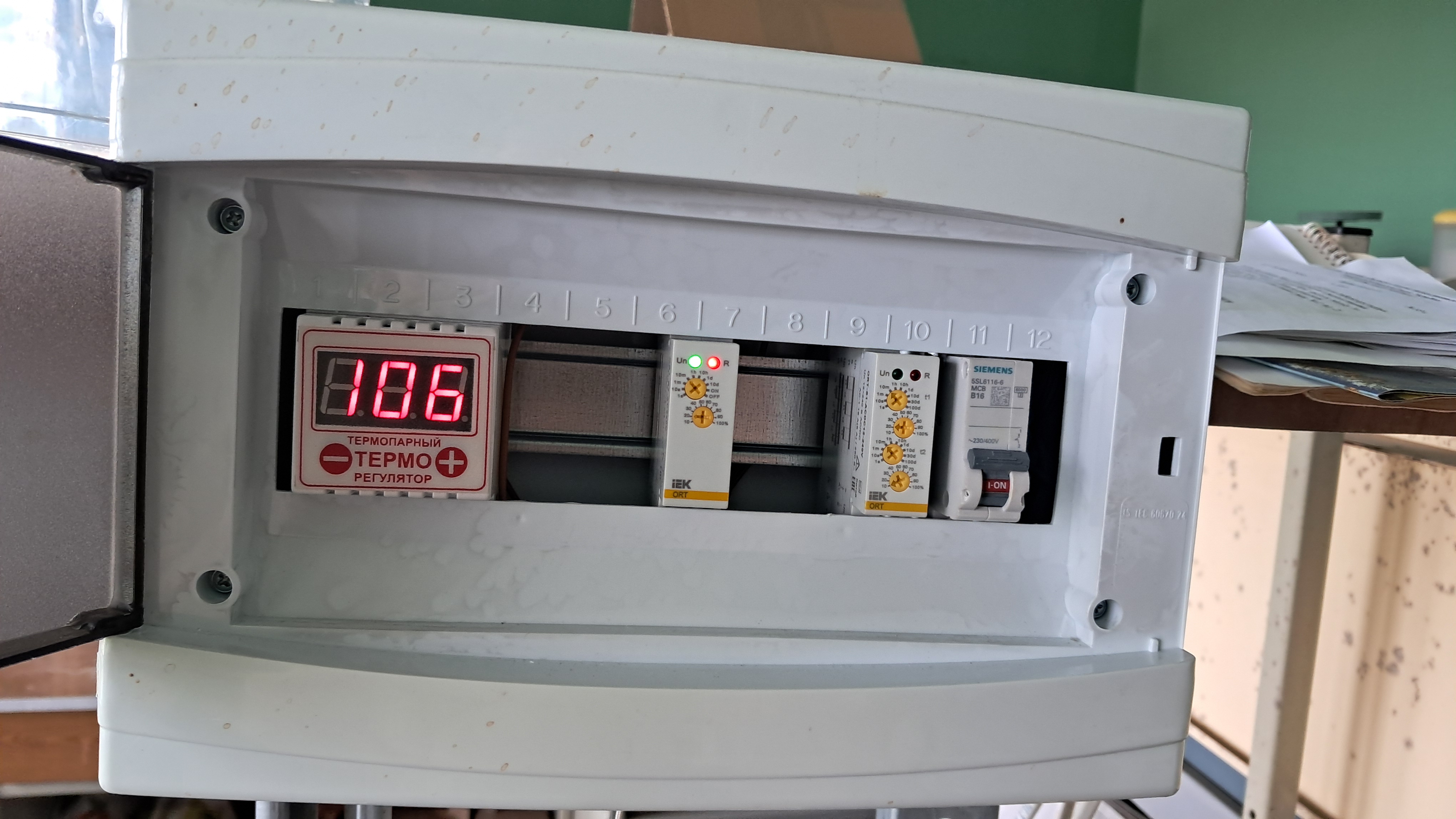
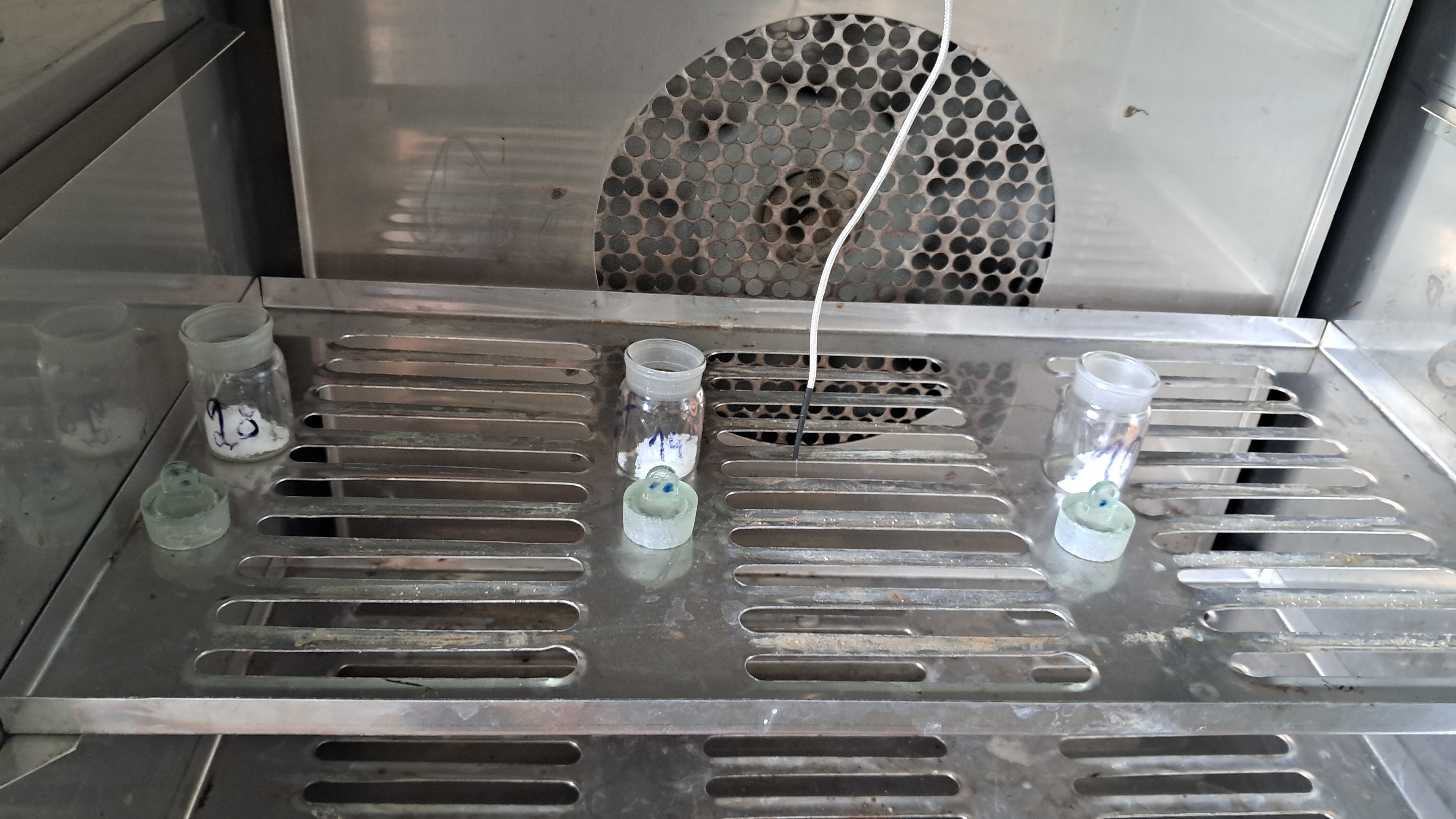
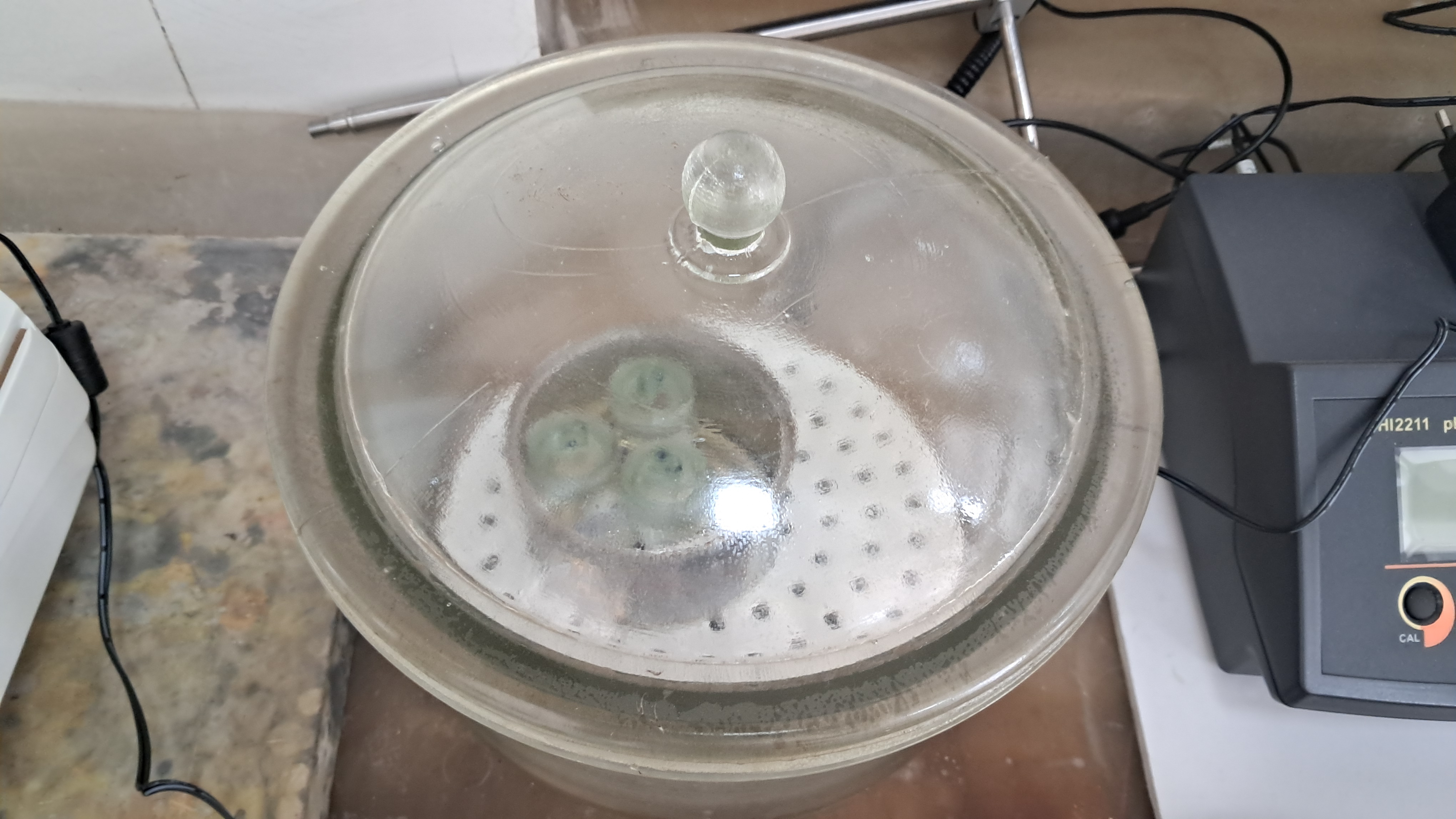
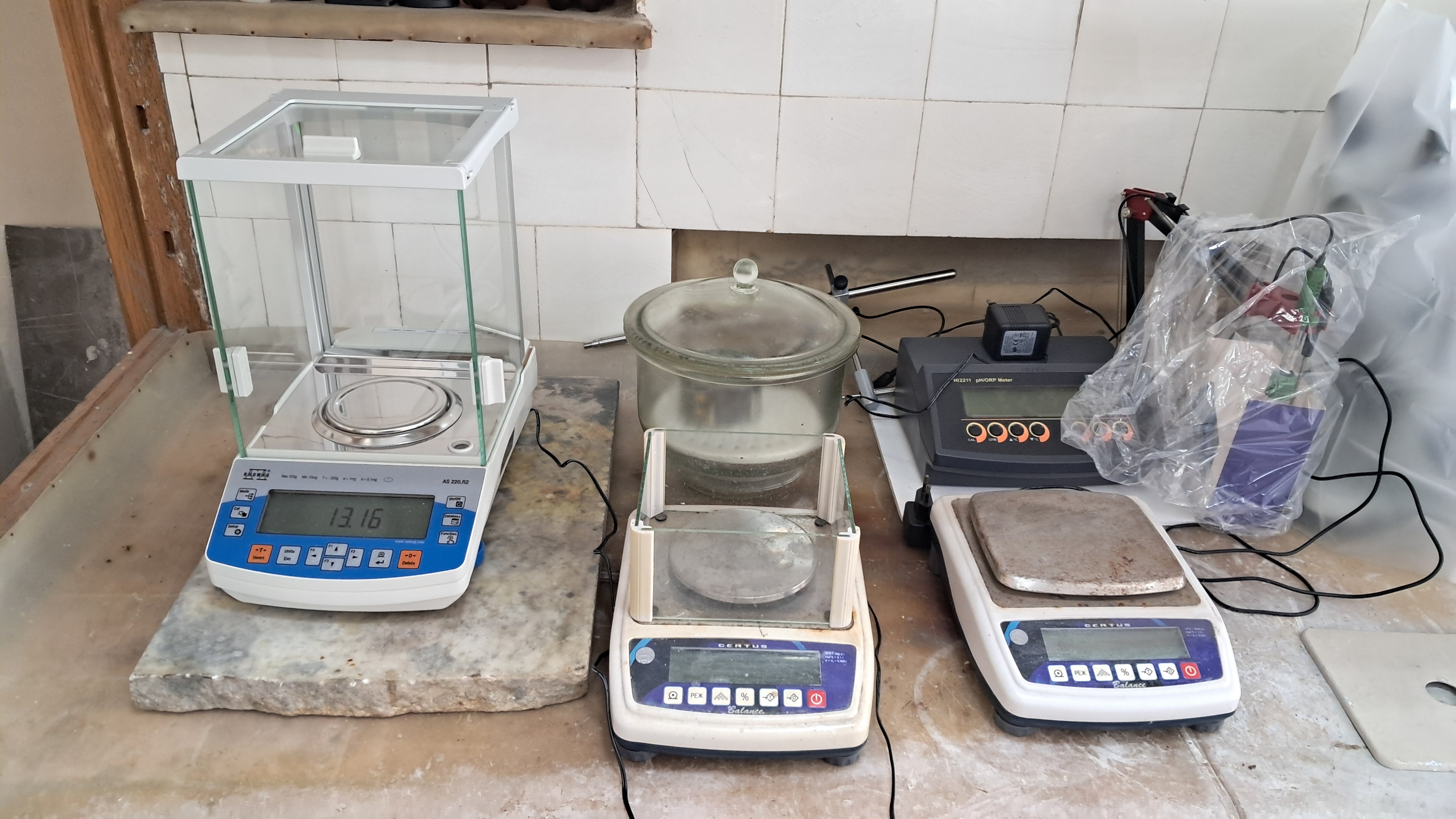
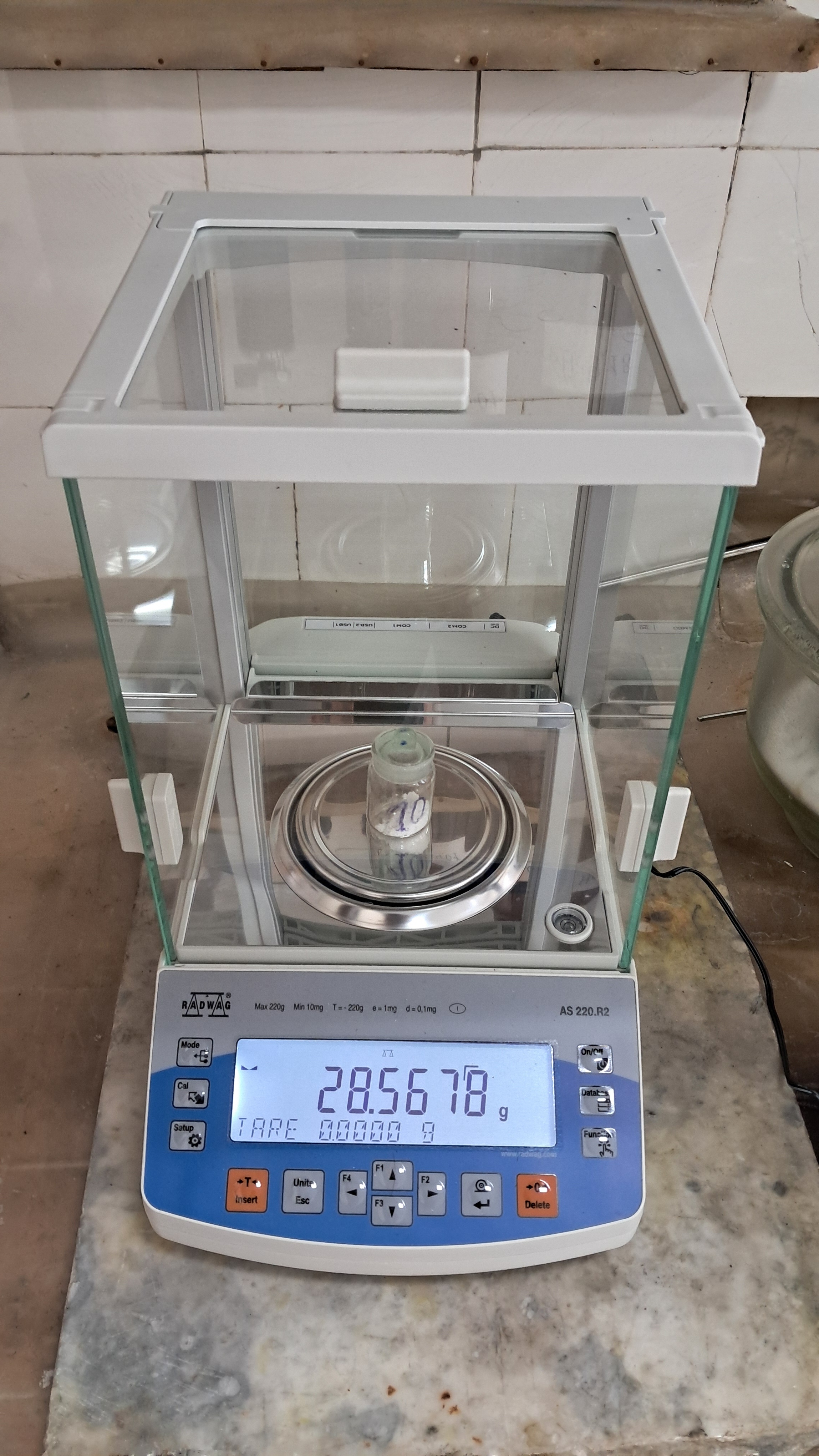
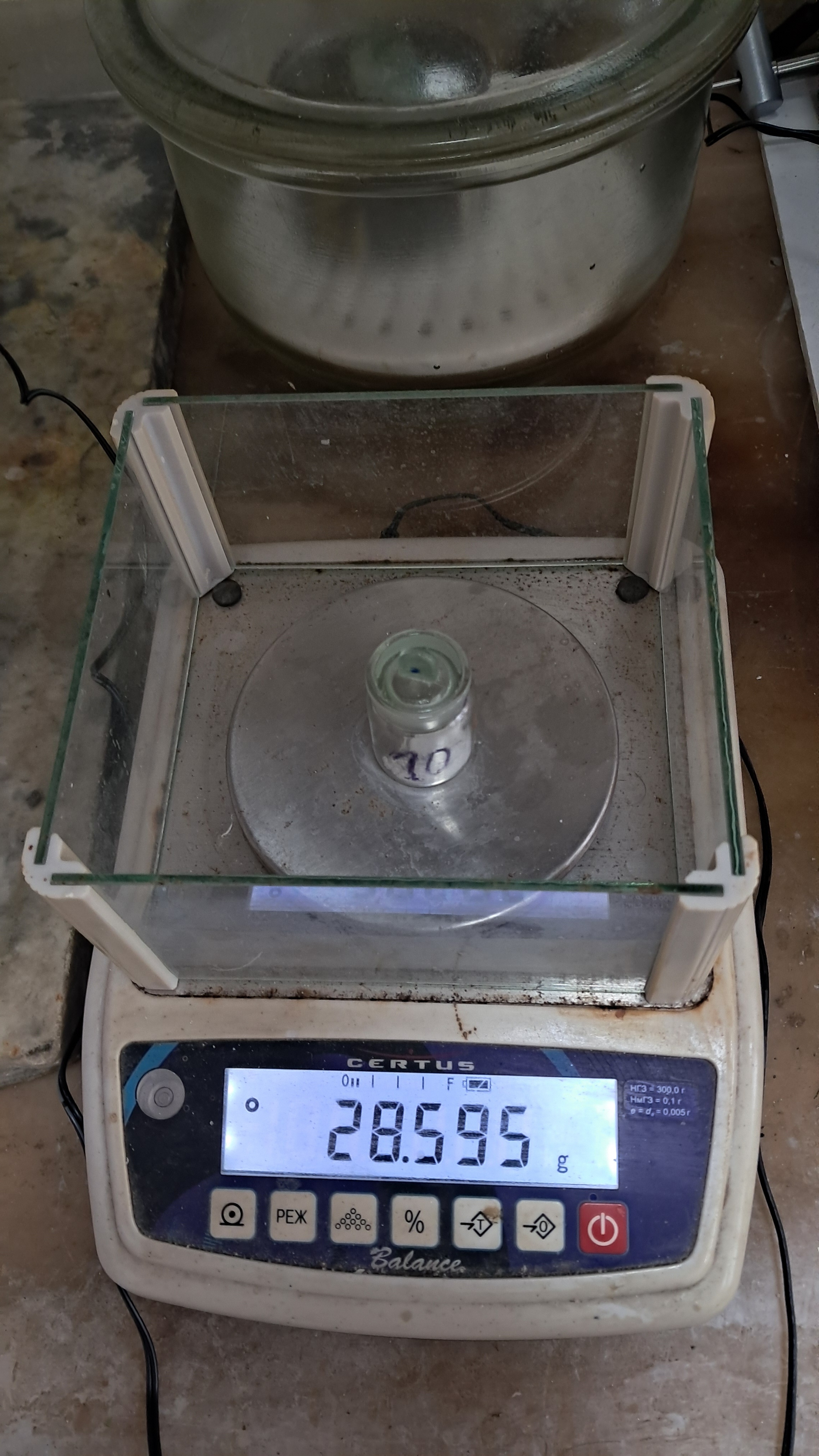
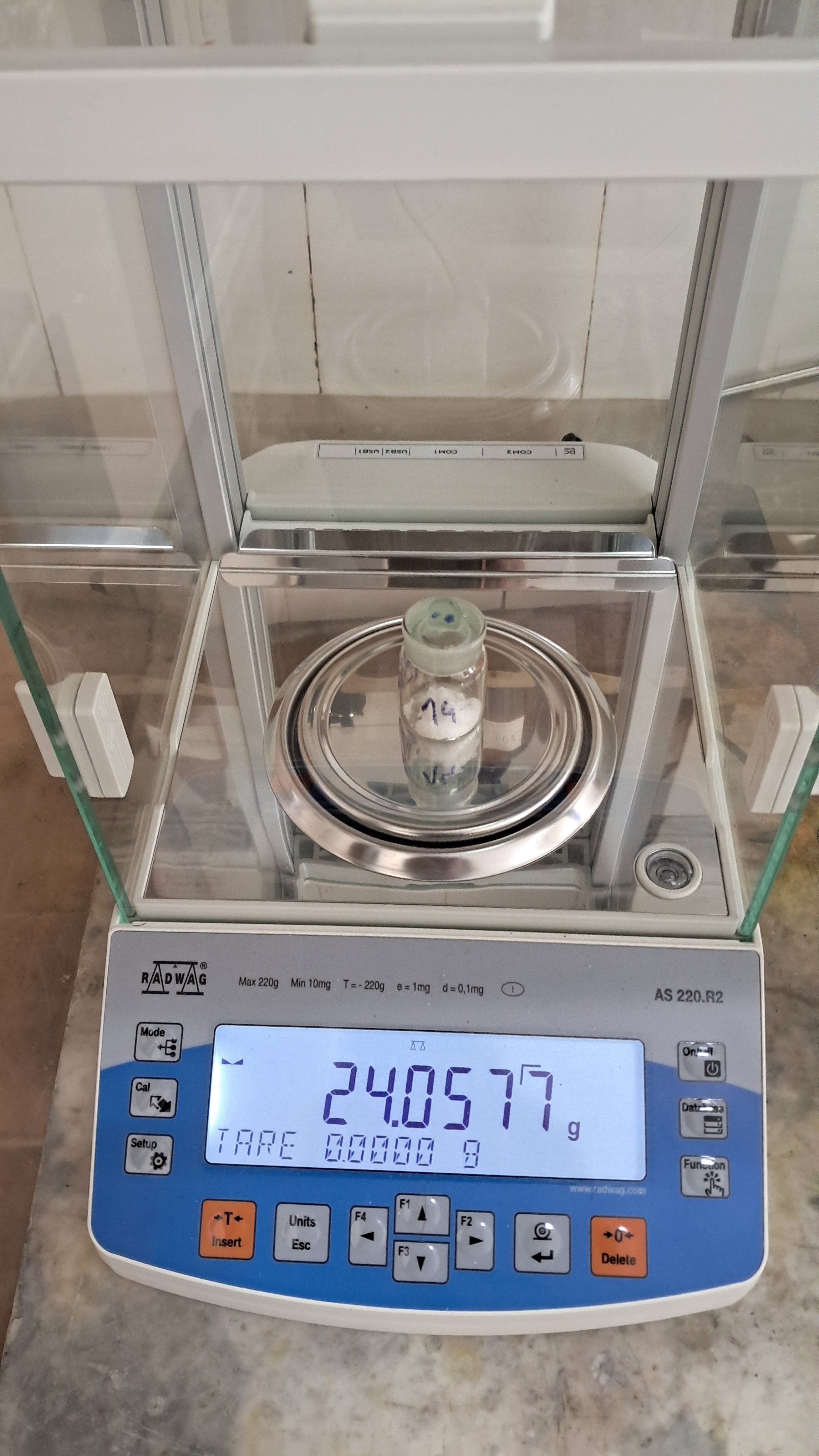
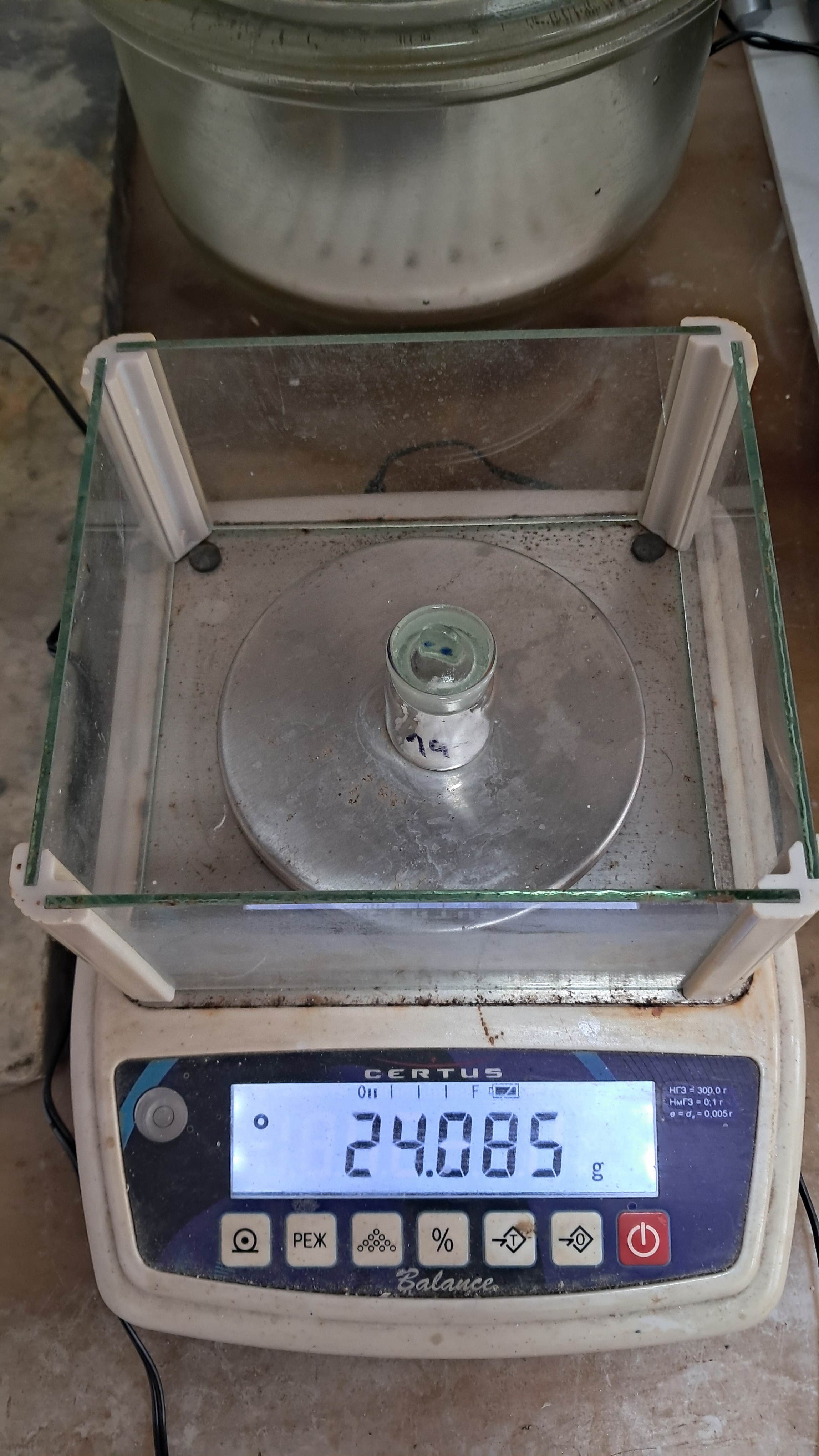
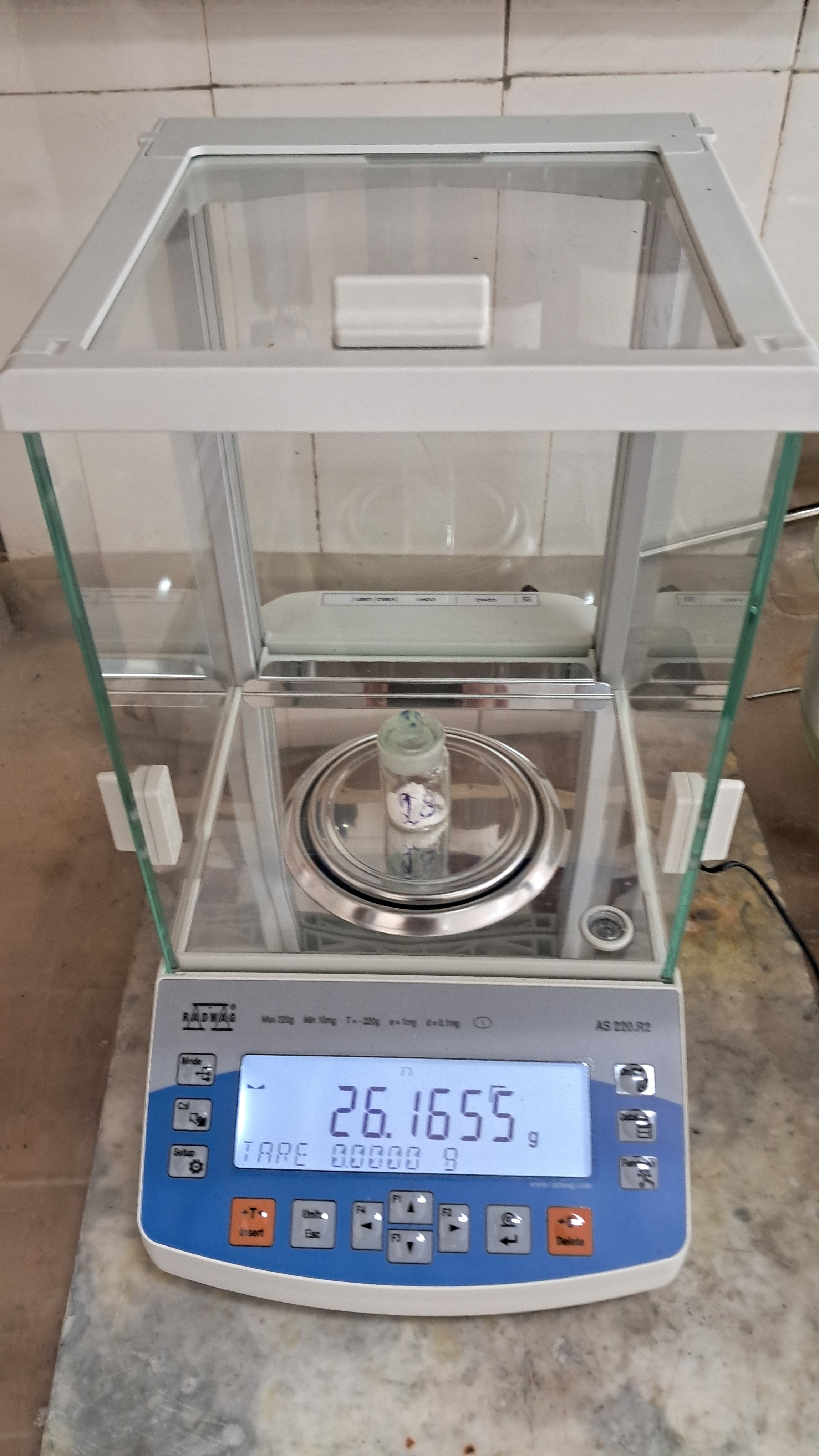
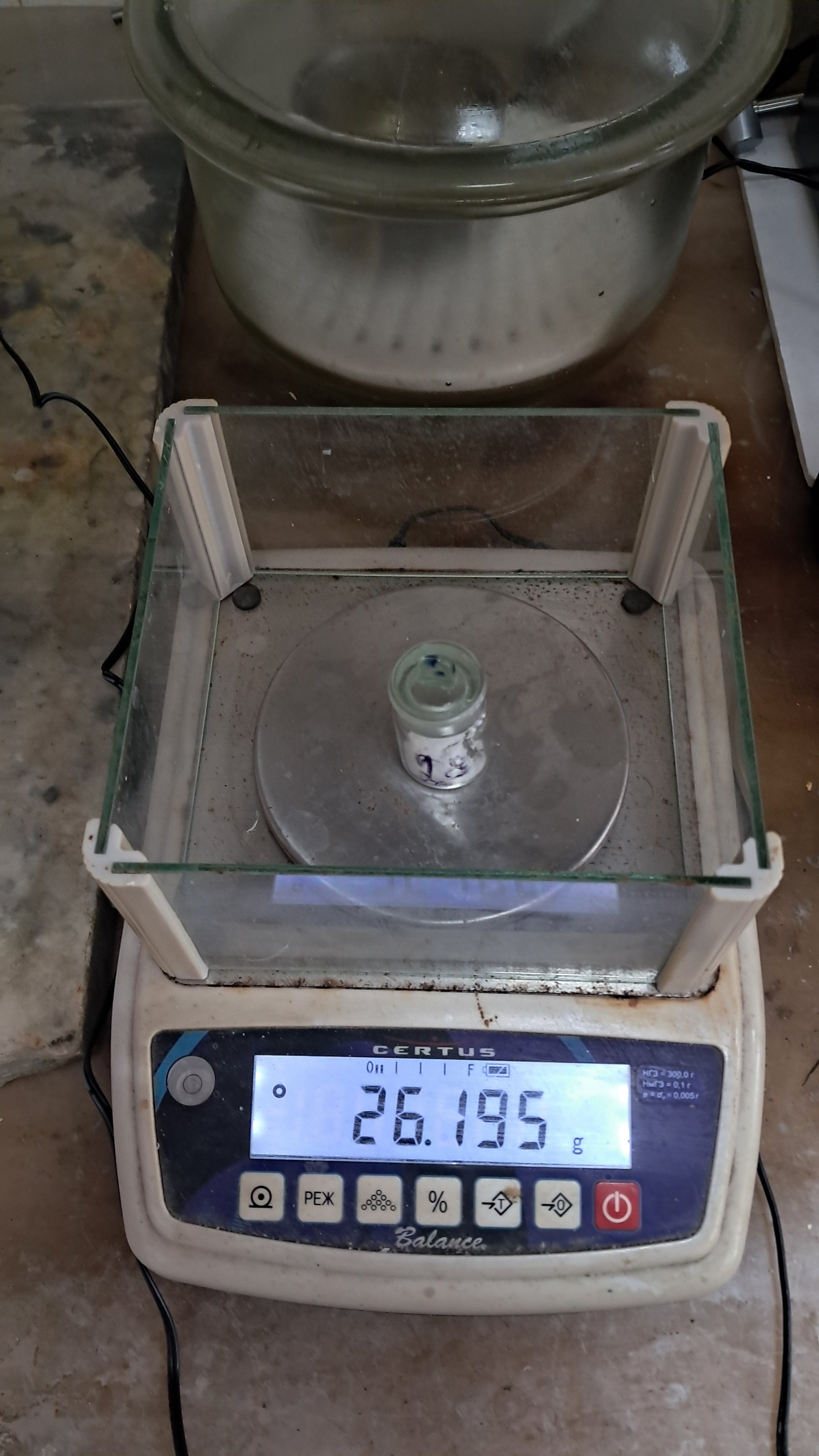
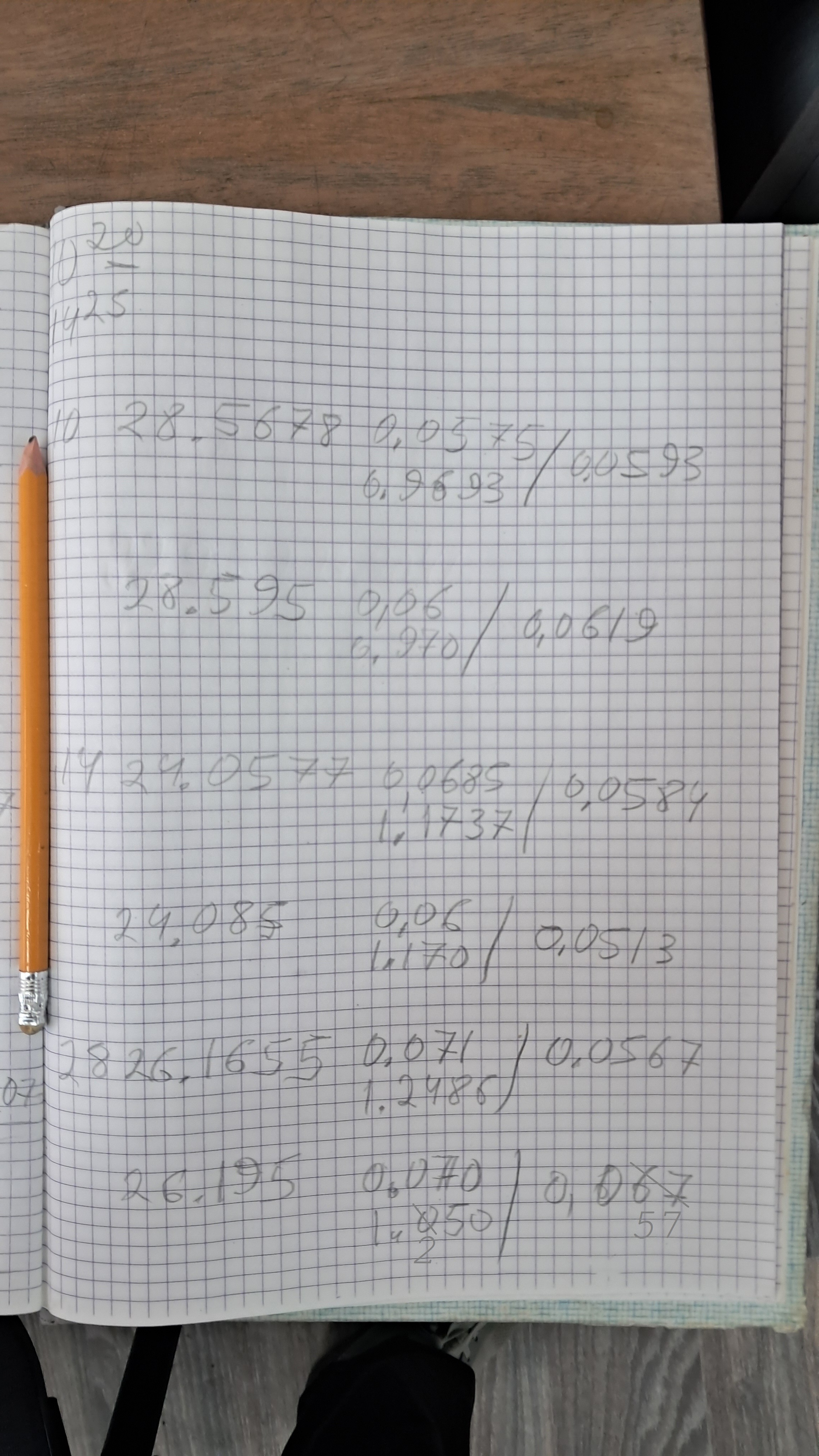
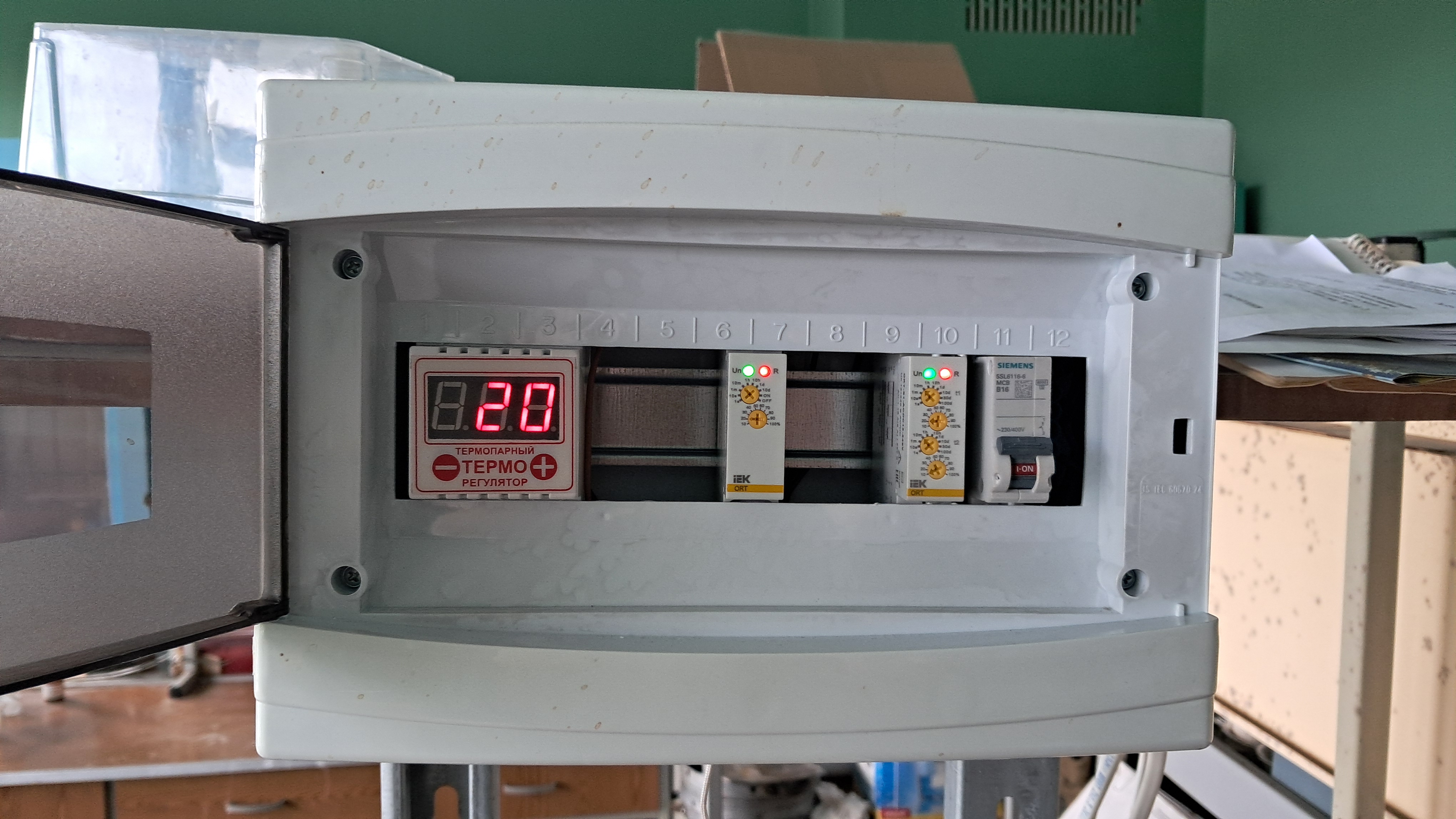
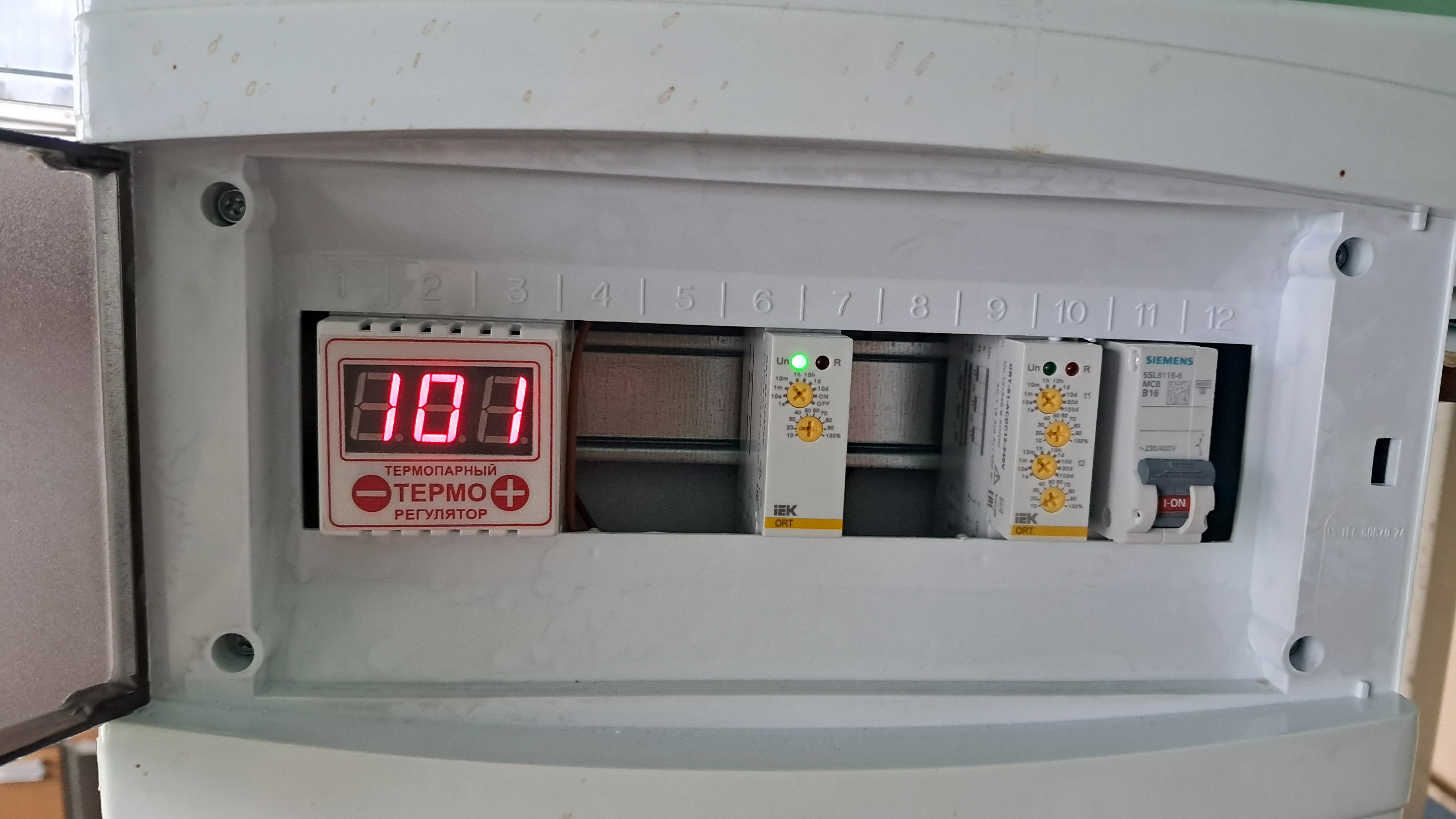
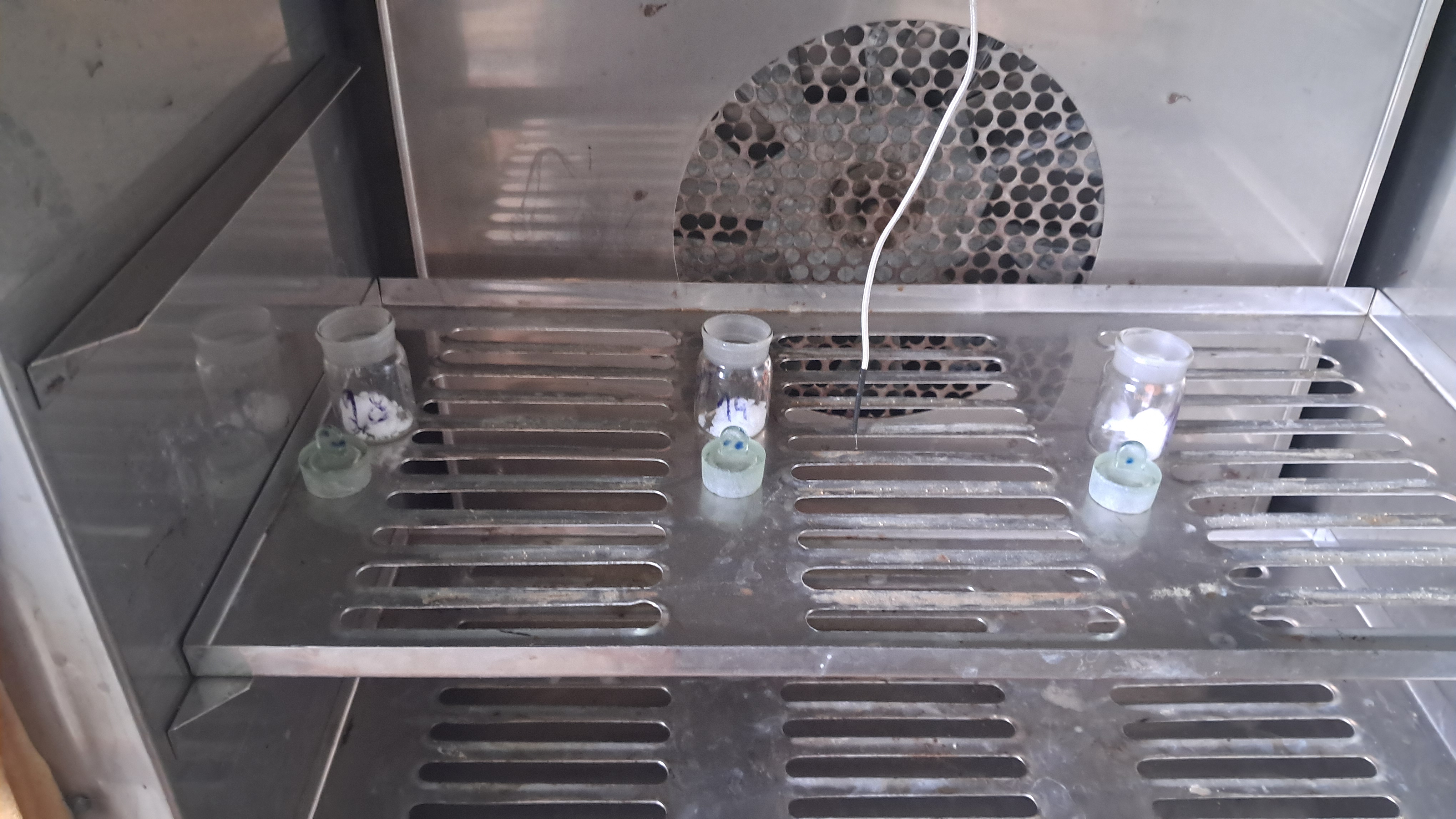
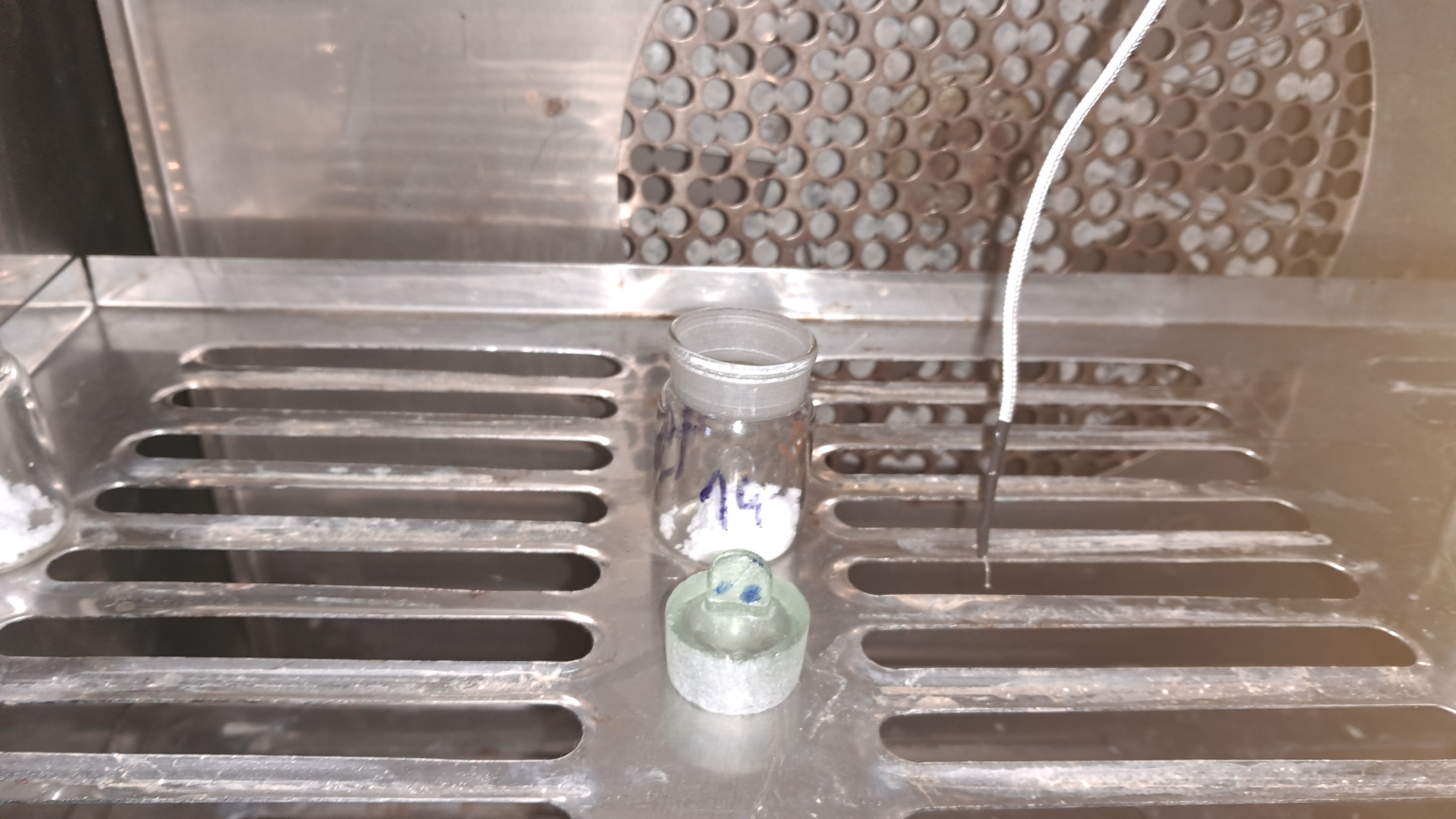
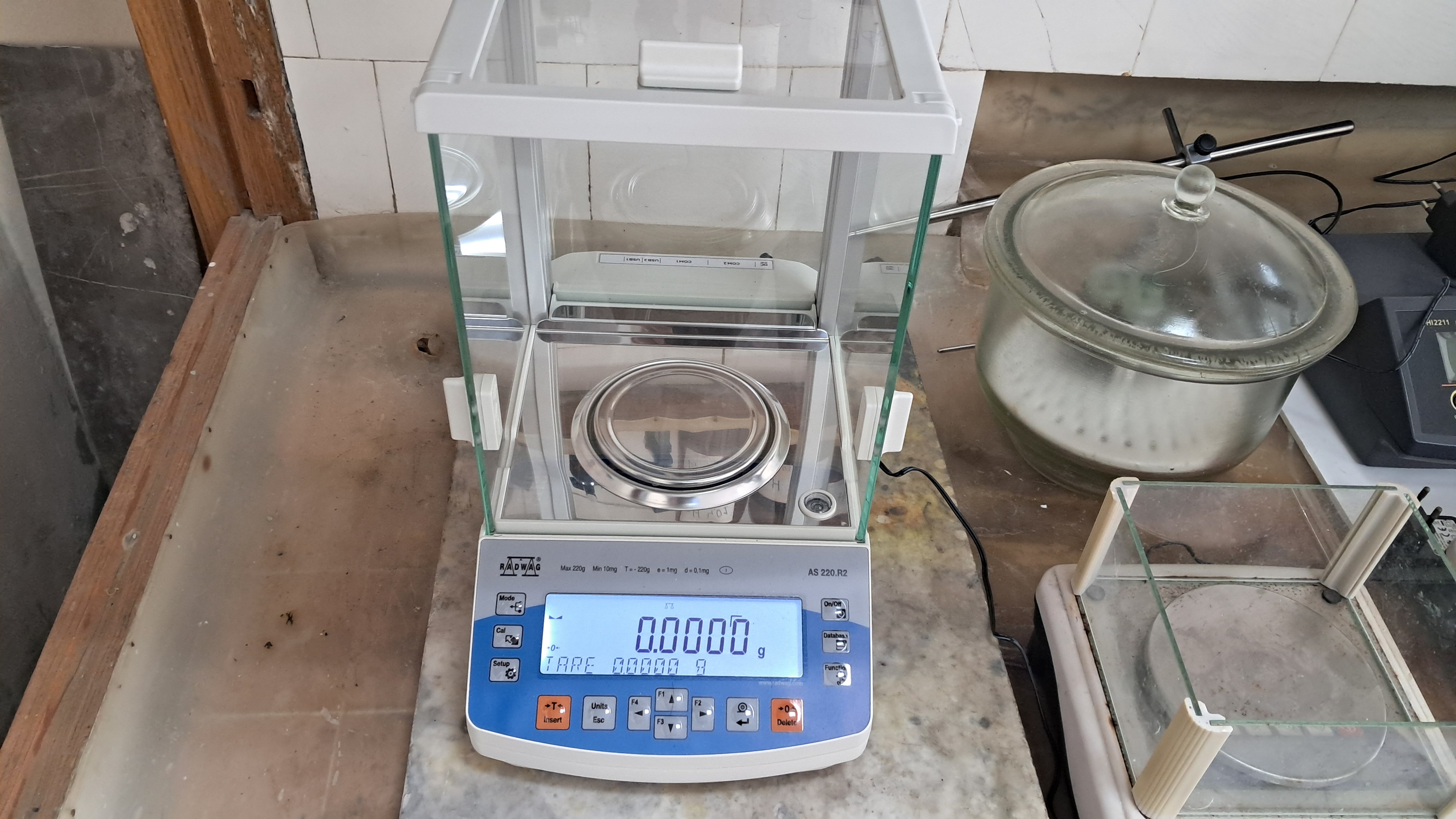
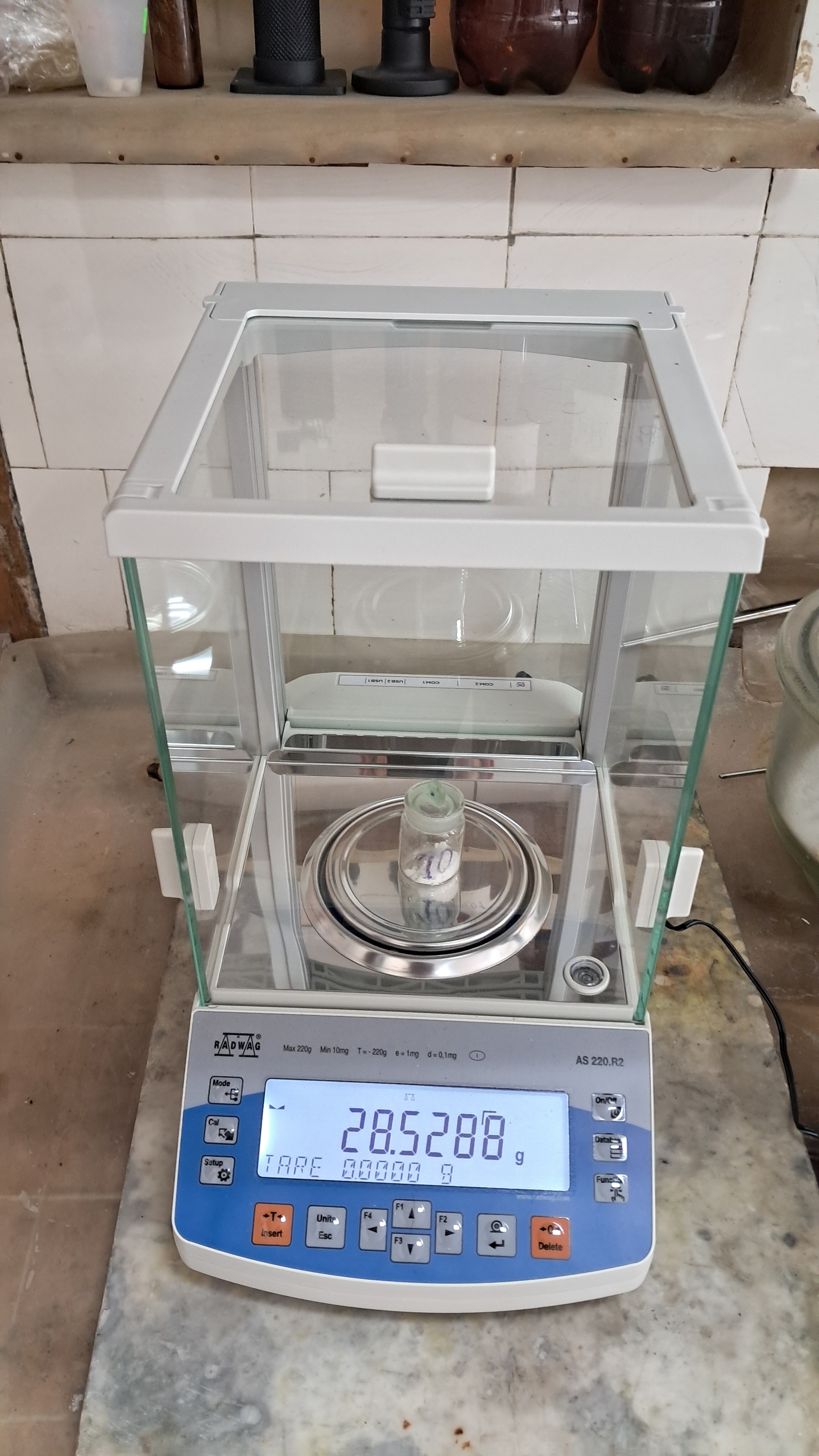
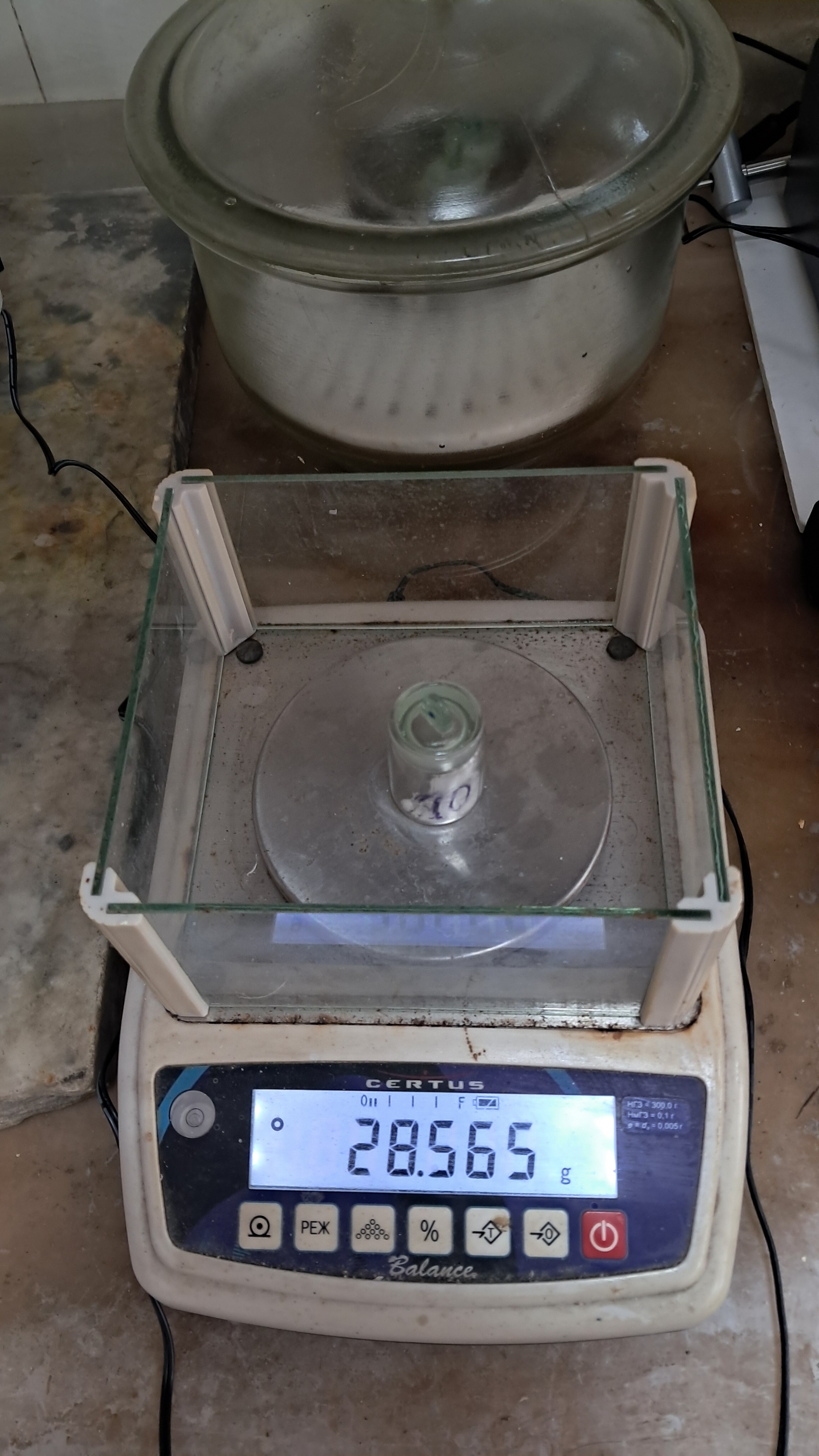
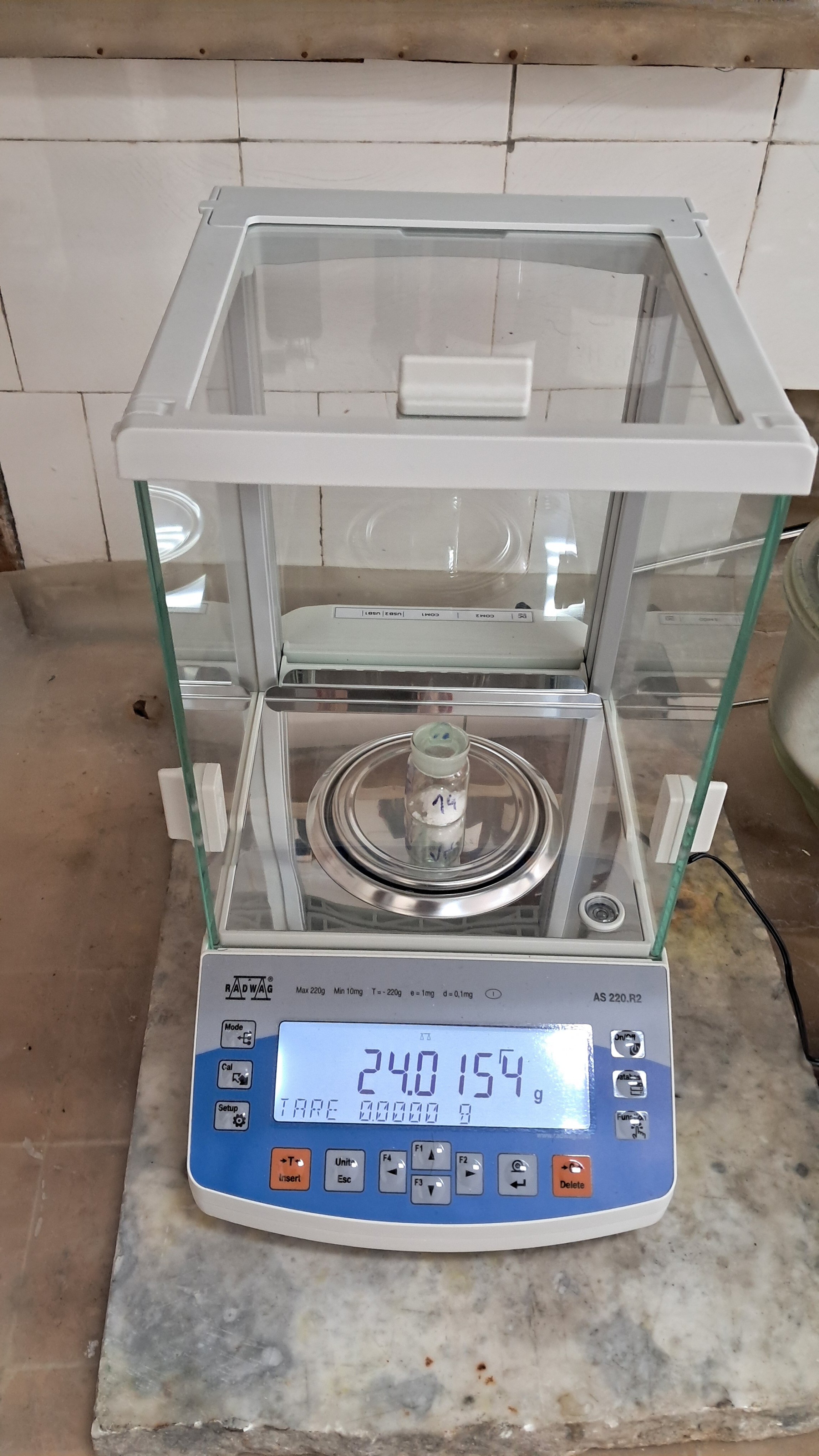
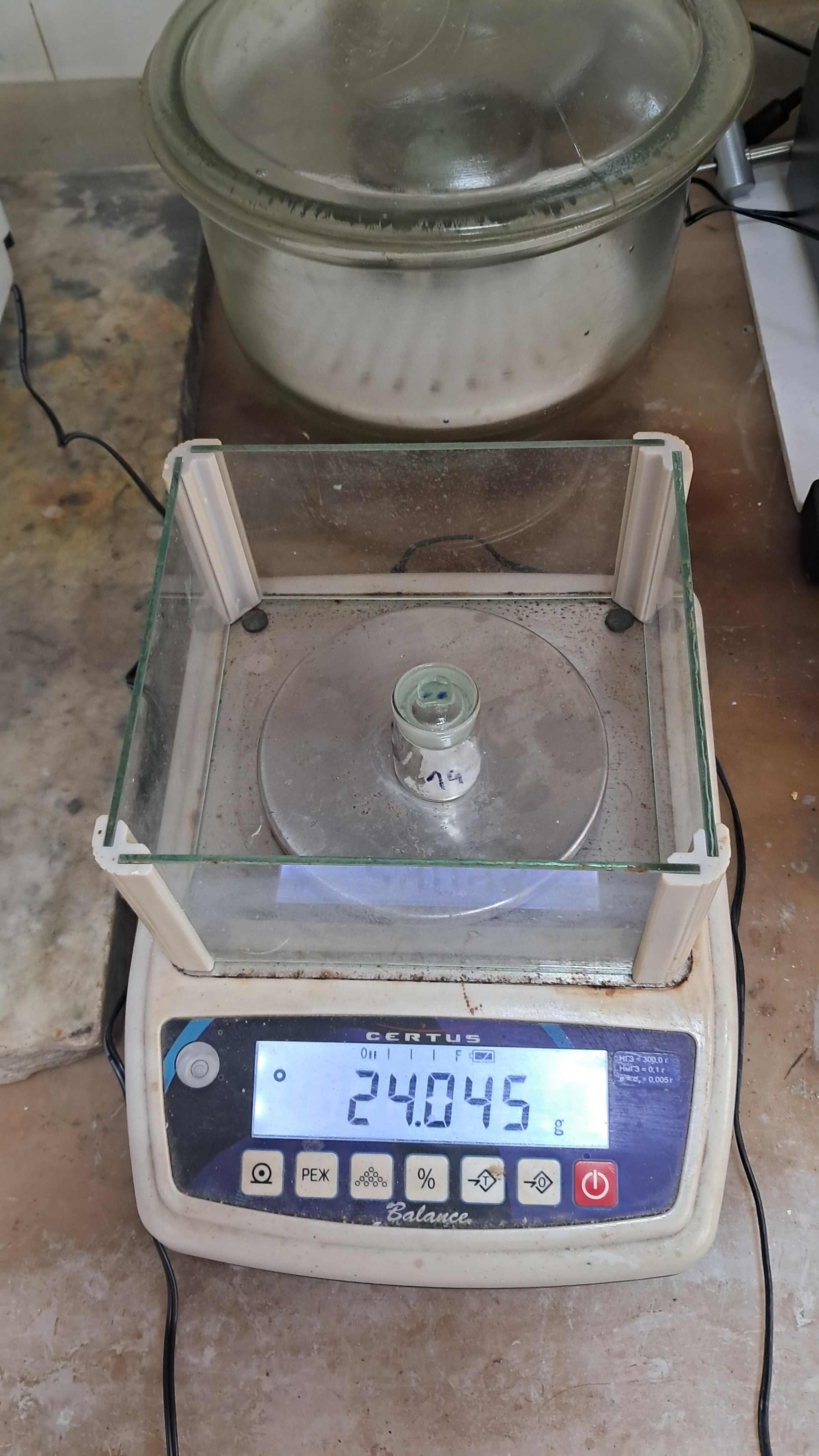
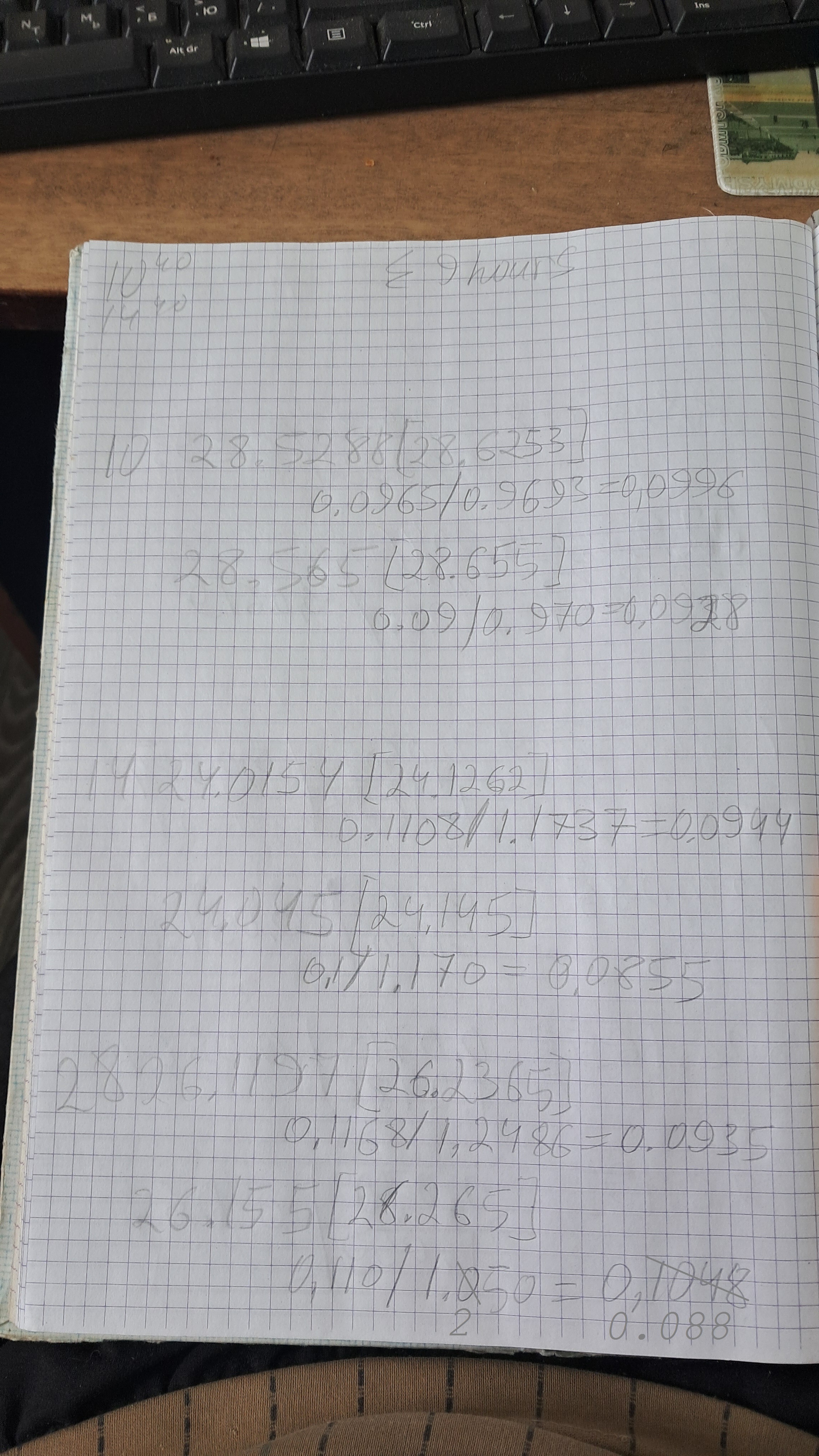
I placed the same weighing bottles containing hexamine in the drying cabinet at 100°C for 4 hours, then cooled them in a desiccator. Taking the previous heating into account, the total time the hexamine had been held at 100°C was 5 hours. I then weighed the weighing bottles and calculated the mass loss. The mass losses were 5.9, 5.8, and 5.7% on the analytical balance and 6.2, 5.1, and 5.7% on the technical balance.

Therefore, hexamine sublimates during the analysis, rendering the results unreliable.

This could have concluded the experiment, as the answer to my question was obvious: the drying method is unacceptable for determining the water content of hexamine. At least, this applies to the "classical" gravimetric determination of water. Perhaps drying in a desiccator over a dehydrating agent at room temperature would yield satisfactory results. Perhaps drying under vacuum would also be acceptable.

However, I remembered that the official documents I had consulted prescribed the Karl Fischer method. This method required the purchase of an expensive automatic titrator - I was certain that the institute director would never agree to such an expense.

I placed the weighing bottles in the drying cabinet for another 4 hours at 100°C to determine the further mass loss. I was well aware that the results would not change anything: the method was inapplicable because urotropine actively sublimates during drying in the cabinet. Moreover, no experimental results would convince the director to purchase such expensive equipment.

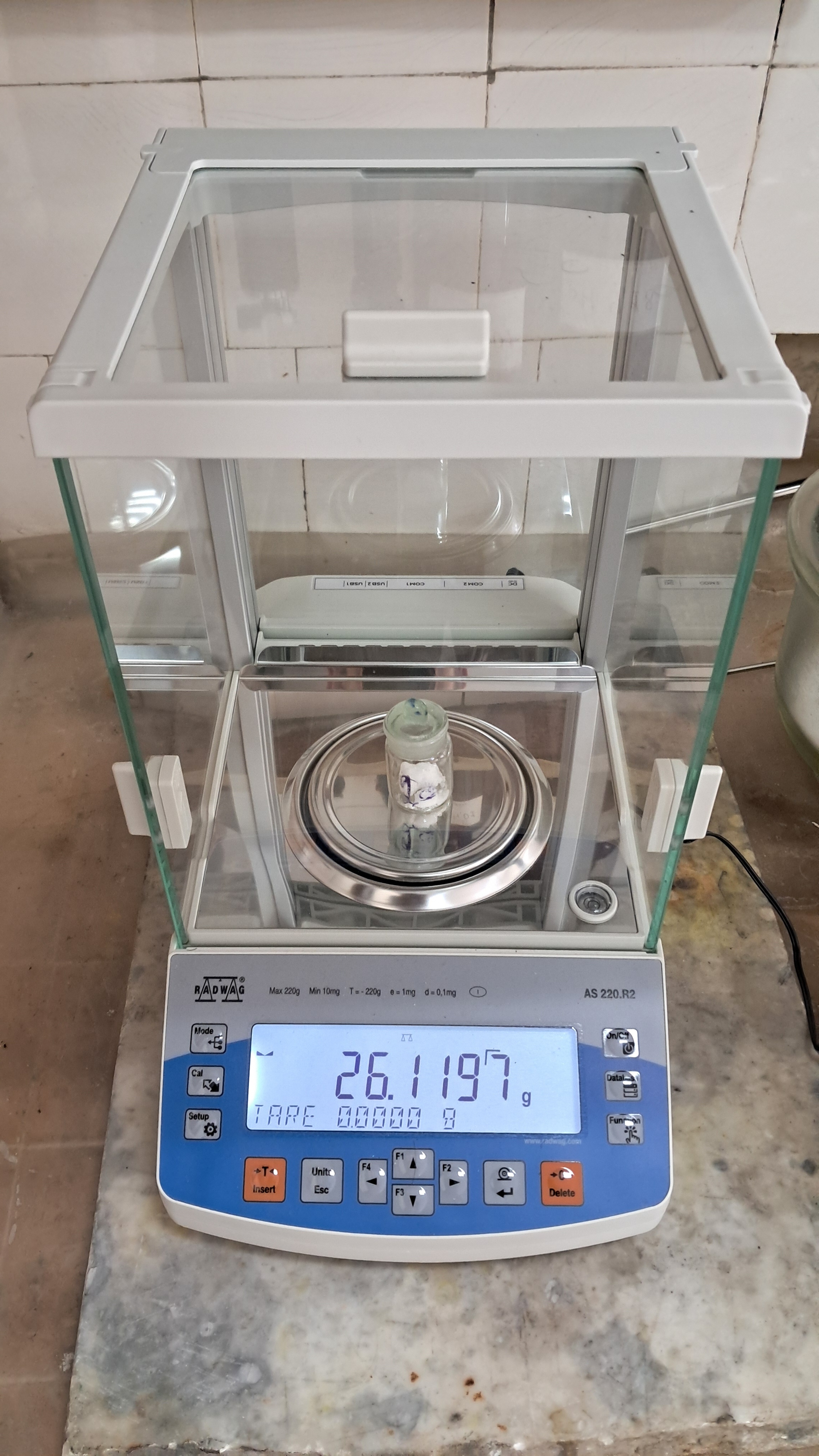
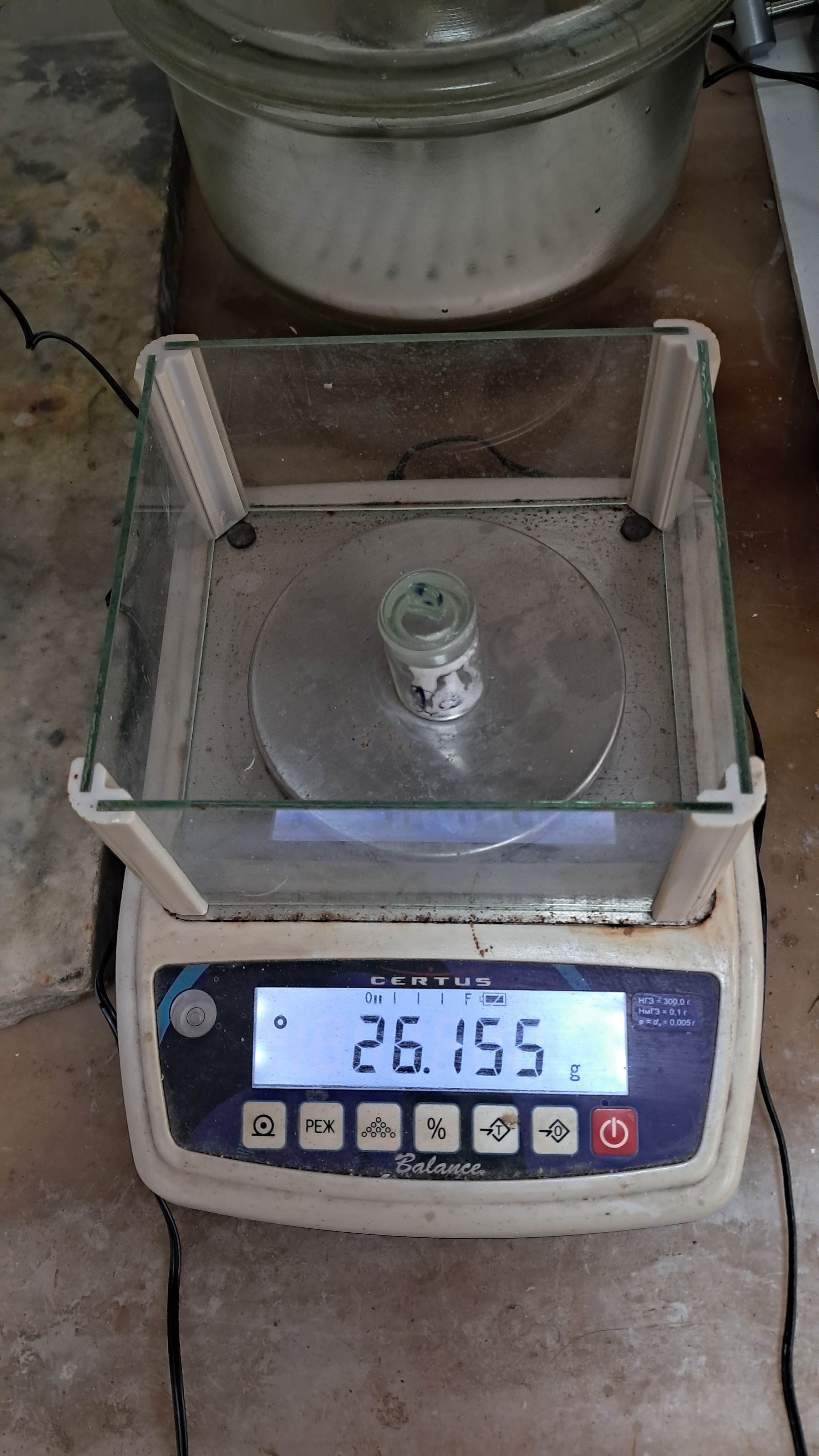
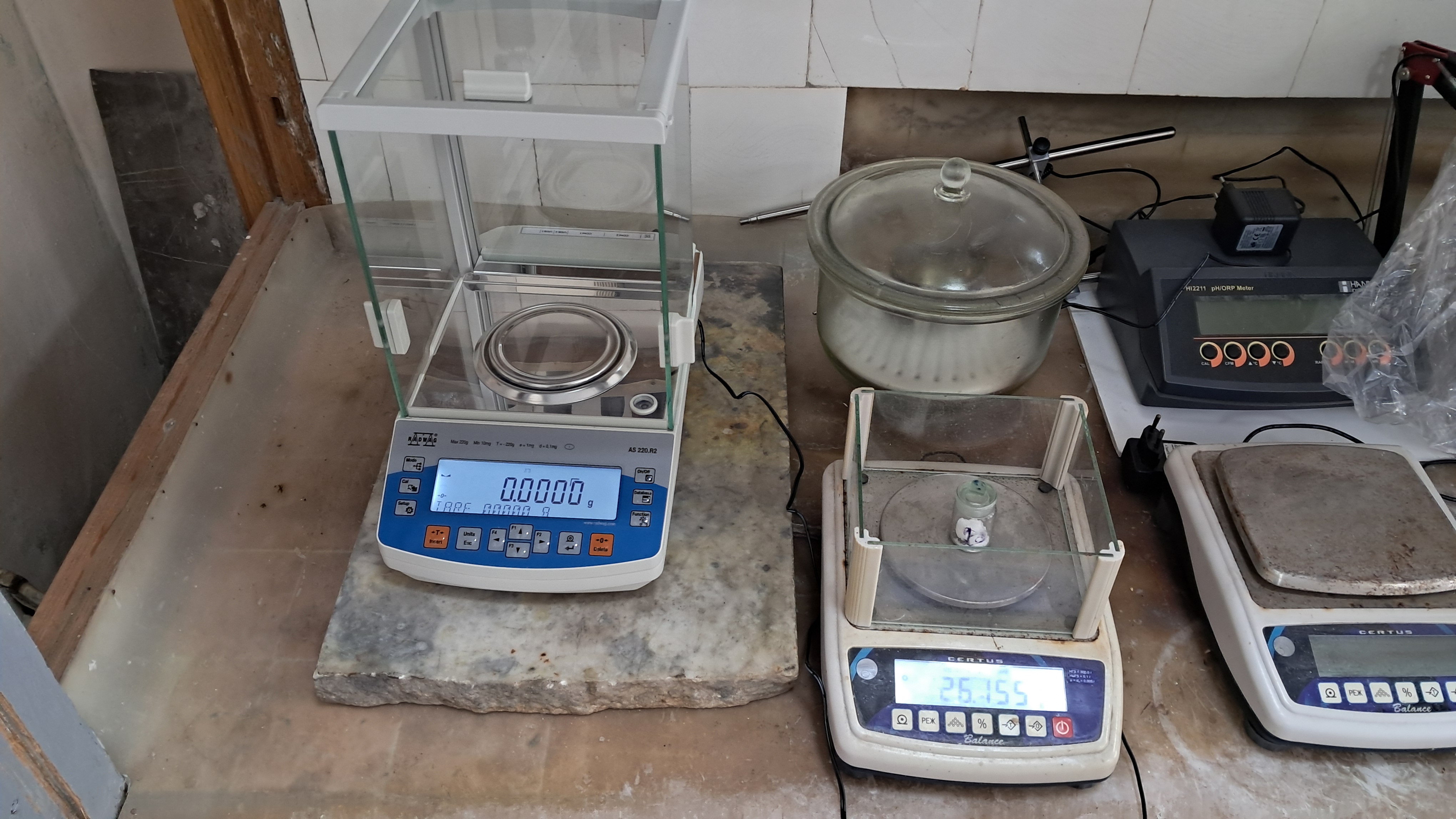
I removed the weighing bottles from the drying cabinet, placed them in the desiccator to cool, and weighed them after an hour. The total heating time at 100°C had reached 9 hours. The mass losses were 10.0, 9.4, and 9.4% on the analytical balance and 9.3, 8.5, and 8.8% on the technical balance.

Thus, during prolonged heating, the samples lost about a tenth of their mass. Perhaps drying at room temperature in a desiccator should be tried. It's time-consuming, but the method doesn't require expensive equipment.


Гравиметрический анализ - продолжение (Часть 5)
Поместил эти же бюксы с уротропином в сушильный шкаф на 4 часа при температуре 100°С, затем охладил их в эксикаторе. Учитывая предыдущий нагрев, суммарное время выдержки уротропина при 100°С составило 5 часов. Затем взвесил бюксы и вычислил потерю массы. Потеря массы была: 5.9, 5.8 и 5.7% (аналитические весы) и 6.2, 5.1 и 5.7% (технические весы)

Таким образом, уротропин сублимируется в ходе анализа, делая его результаты недостоверными.

На этом можно было завершить эксперимент, поскольку ответ на интересующий меня вопрос был очевиден: метод высушивания неприемлем для определения содержания воды в уротропине. По крайней мере, это относится к "классическому варианту" гравиметрического анализа воды. Возможно, высушивание в эксикаторе над обезвоживающим агентом при комнатной температуре даст удовлетворительные результаты. Возможно, высушивание в вакууме будет приемлемым.

Однако, я помнил, что имеющиеся у меня официальные документы предписывают использование именно метода Карла Фишера. Метод требовал покупку дорогого автоматического титратора - я был уверен, что директор института на такие расходы никогда не согласится.

Поместил бюксы в сушильный шкаф еще на 4 часа (температура 100°С), чтобы определить дельнейшую потерю массы. Я прекрасно понимал, что будущие результаты ничего не изменят: метод неприменим, поскольку уротропин активно сублимируется во время выдержки образцов в сушильном шкафу. Более того, никакие экспериментальные результаты не помогут убедить директора купить дорогой прибор.

Вынул бюксы из сушильного шкафа, поместил их охлаждаться в эксикатор, а через час взвесил. Суммарное время нагрева при 100°С достигло 9 часов. Потеря массы составила: 10.0, 9.4 и 9.4% (аналитические весы) и 9.3, 8.5 и 8.8% (технические весы).

Таким образом, в процессе продолжительного нагрева образцы потеряли десятую часть массы. Возможно, следует попробовать высушивание при комнатной температуре в эксикаторе? Это долго, но метод не требует дорогого оборудования.


Determining Moisture Content in Hexamine by Gravimetric Analysis - Continued

Determining Moisture Content in Hexamine by Gravimetric Analysis - Continued

Determining Moisture Content in Hexamine by Gravimetric Analysis - Continued

Determining Moisture Content in Hexamine by Gravimetric Analysis - Continued

Determining Moisture Content in Hexamine by Gravimetric Analysis - Continued

Determining Moisture Content in Hexamine by Gravimetric Analysis - Continued

Determining Moisture Content in Hexamine by Gravimetric Analysis - Continued

Determining Moisture Content in Hexamine by Gravimetric Analysis - Continued

Determining Moisture Content in Hexamine by Gravimetric Analysis - Continued

Determining Moisture Content in Hexamine by Gravimetric Analysis - Continued

Determining Moisture Content in Hexamine by Gravimetric Analysis - Continued

Determining Moisture Content in Hexamine by Gravimetric Analysis - Continued

Determining Moisture Content in Hexamine by Gravimetric Analysis - Continued

Determining Moisture Content in Hexamine by Gravimetric Analysis - Continued

Determining Moisture Content in Hexamine by Gravimetric Analysis - Continued

Determining Moisture Content in Hexamine by Gravimetric Analysis - Continued

Determining Moisture Content in Hexamine by Gravimetric Analysis - Continued

Determining Moisture Content in Hexamine by Gravimetric Analysis - Continued

Determining Moisture Content in Hexamine by Gravimetric Analysis - Continued

Determining Moisture Content in Hexamine by Gravimetric Analysis - Continued

Determining Moisture Content in Hexamine by Gravimetric Analysis - Continued

Determining Moisture Content in Hexamine by Gravimetric Analysis - Continued

Determining Moisture Content in Hexamine by Gravimetric Analysis - Continued

Determining Moisture Content in Hexamine by Gravimetric Analysis - Continued


Having noticed a mistake in the text, allocate it and press Ctrl-Enter


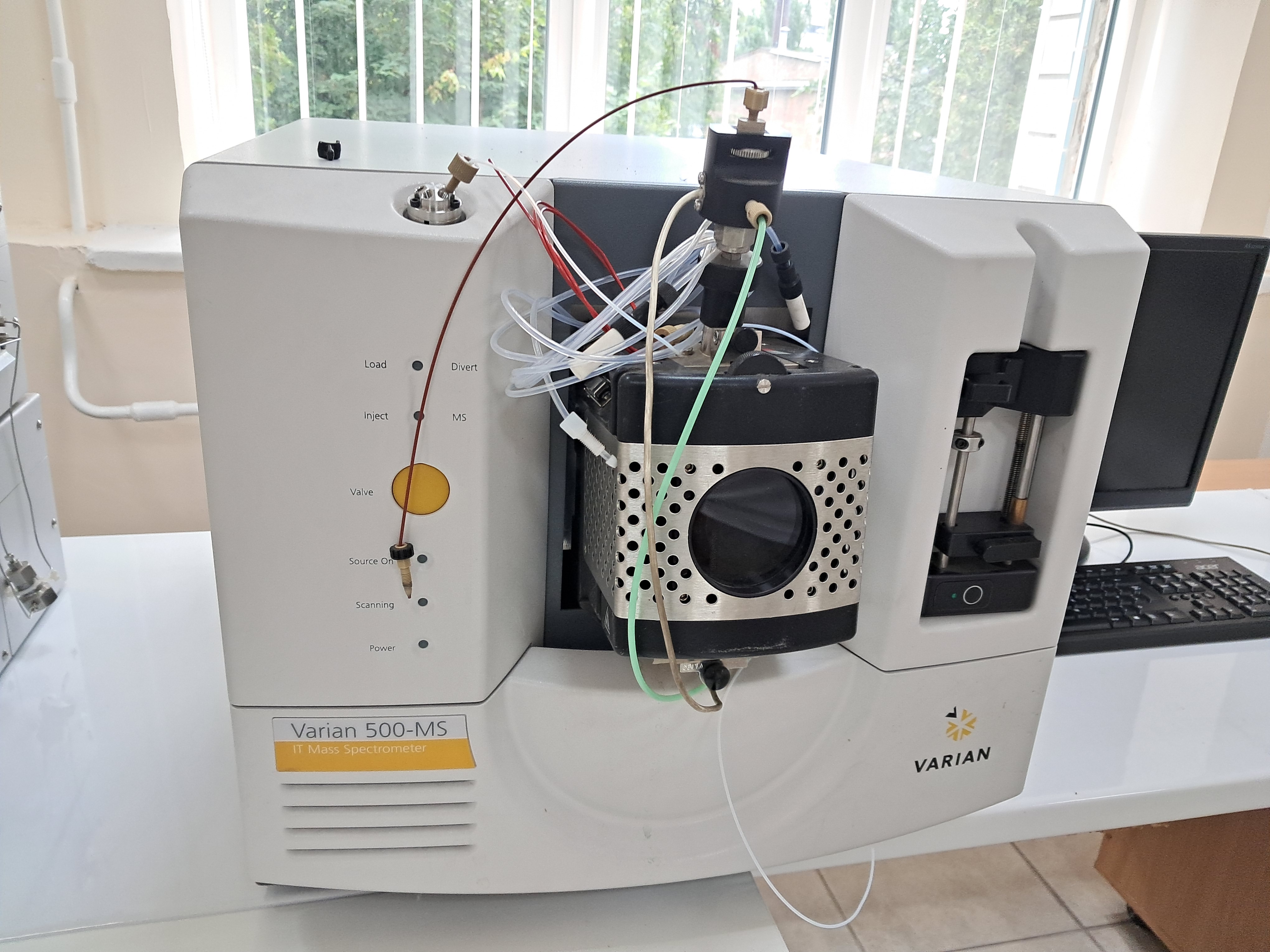
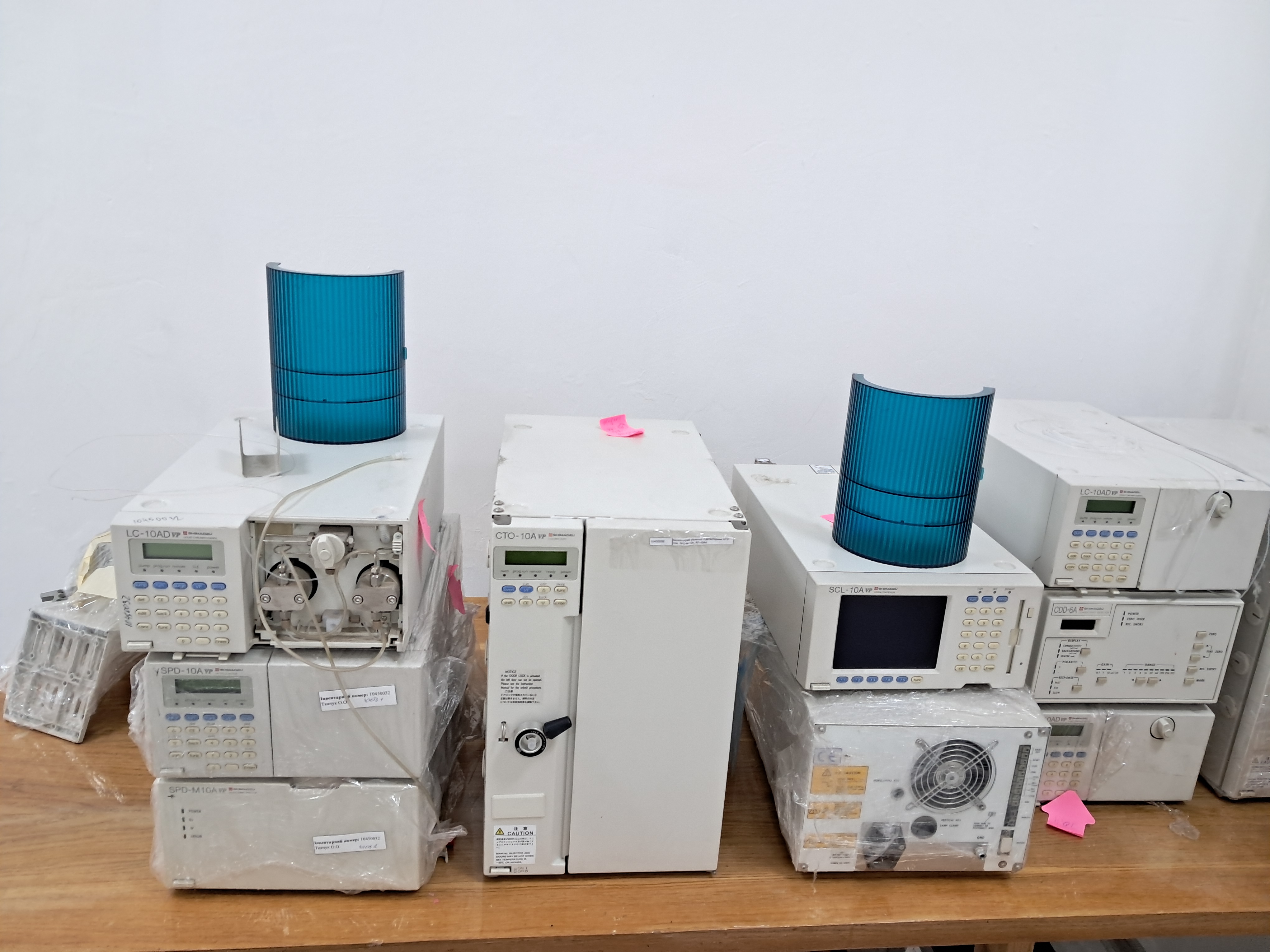
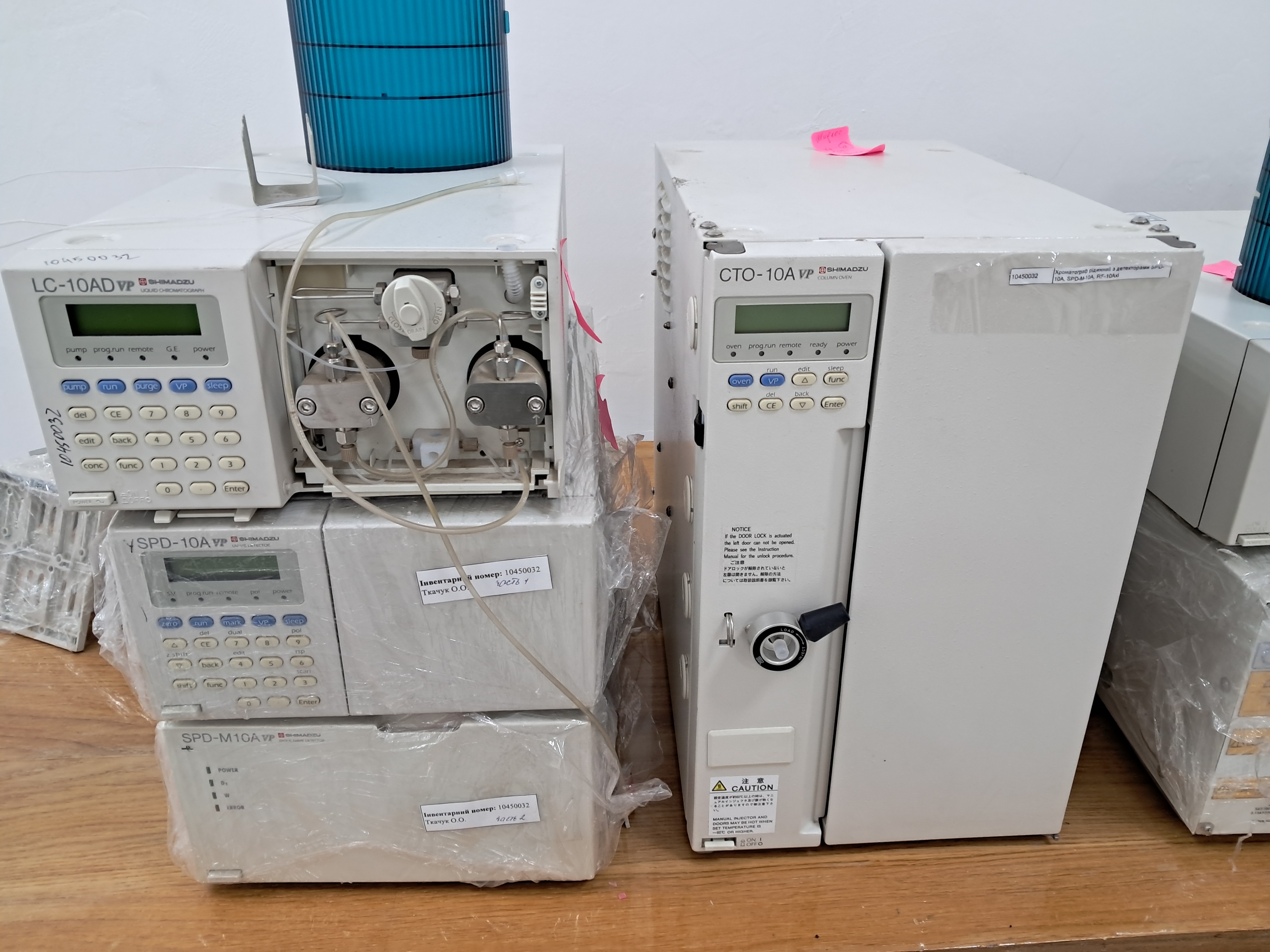
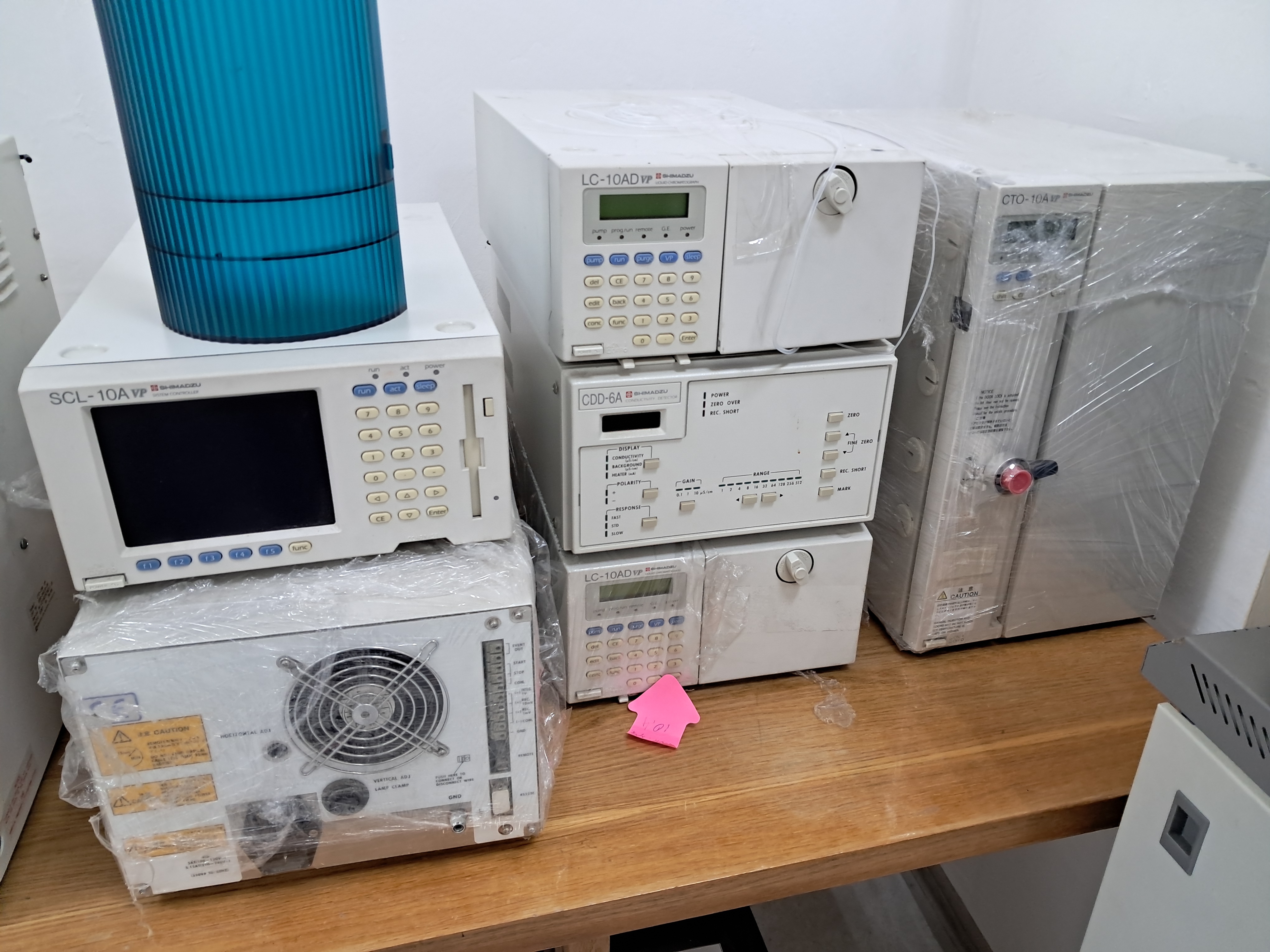
My thoughts on gravimetric analysis were interrupted by a call from the institute's director. He summoned my colleague and me to his office. It turned out that another institute was donating to our institute... no, not a Karl Fischer titrator, but two Shimadzu HPLC chromatographs! These are very expensive instruments that would be essential for our research.

Despite my joy, I immediately realized that the situation was too good to be true. And so it turned out. A liquid chromatograph requires specialized - and rather expensive - columns. HPLC-grade solvents are required as well, and they are also expensive. Additionally, specialized equipment, glassware, and reagents are necessary for sample preparation. The other institute donated only one chromatographic column along with the two chromatographs. They refused to hand over the equipment, glassware, and reagents necessary for sample preparation.

In turn, our director refused to purchase all of this, suggesting that our laboratory "use our existing resources" to get the chromatographs up and running. I realized that the two new chromatographs would share the same fate as other expensive equipment donated to our institute by various organizations in the past.

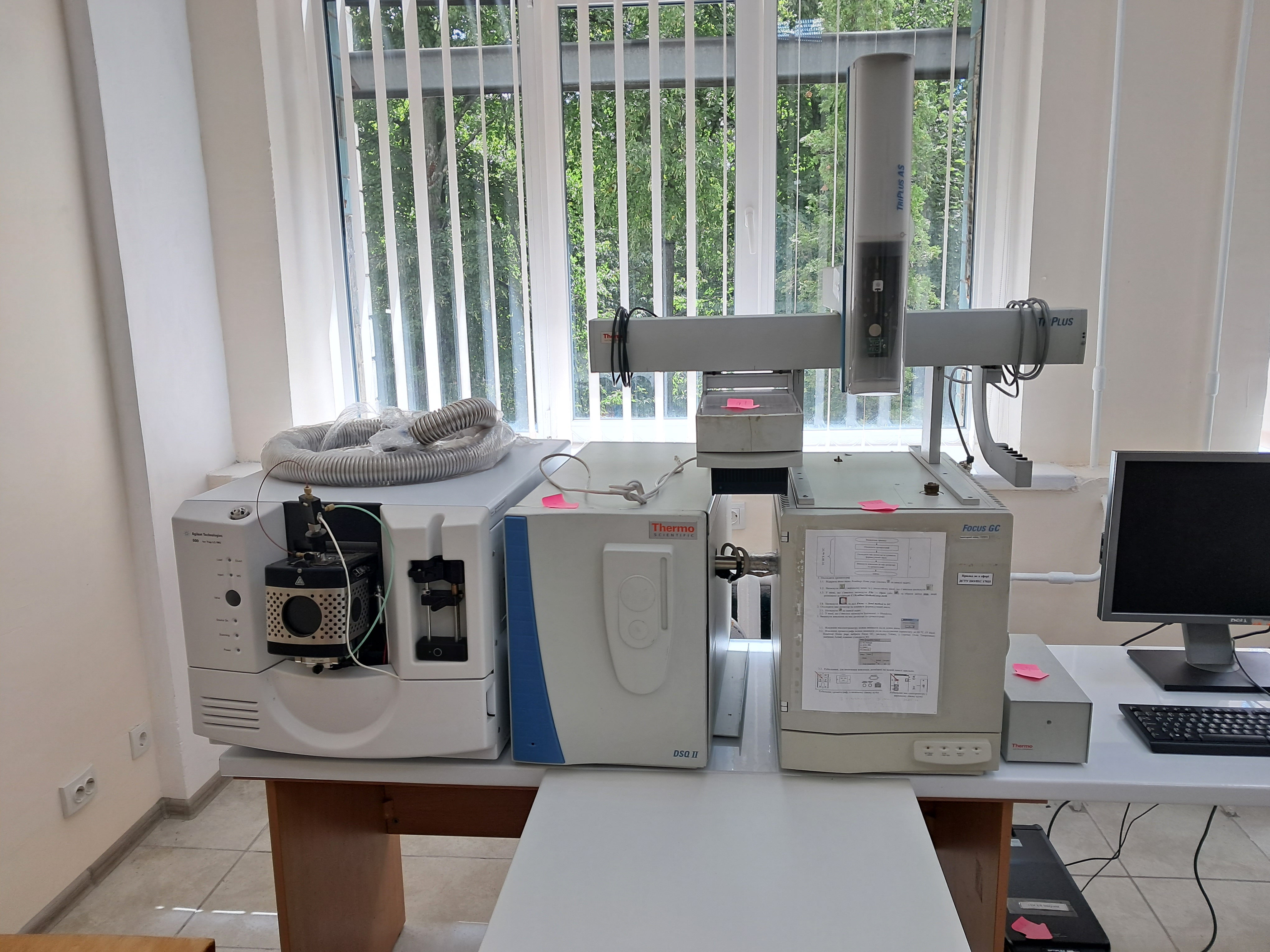
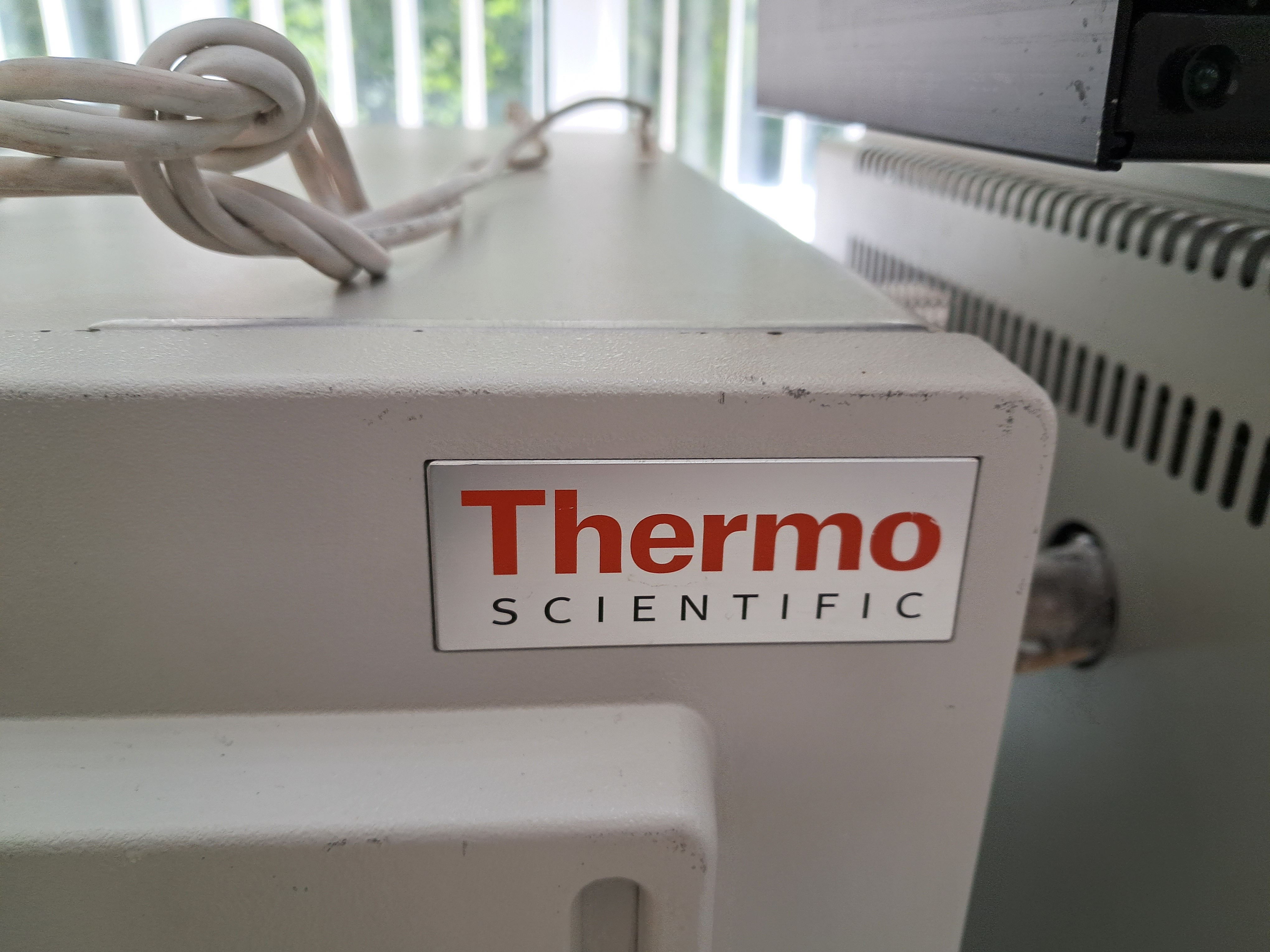
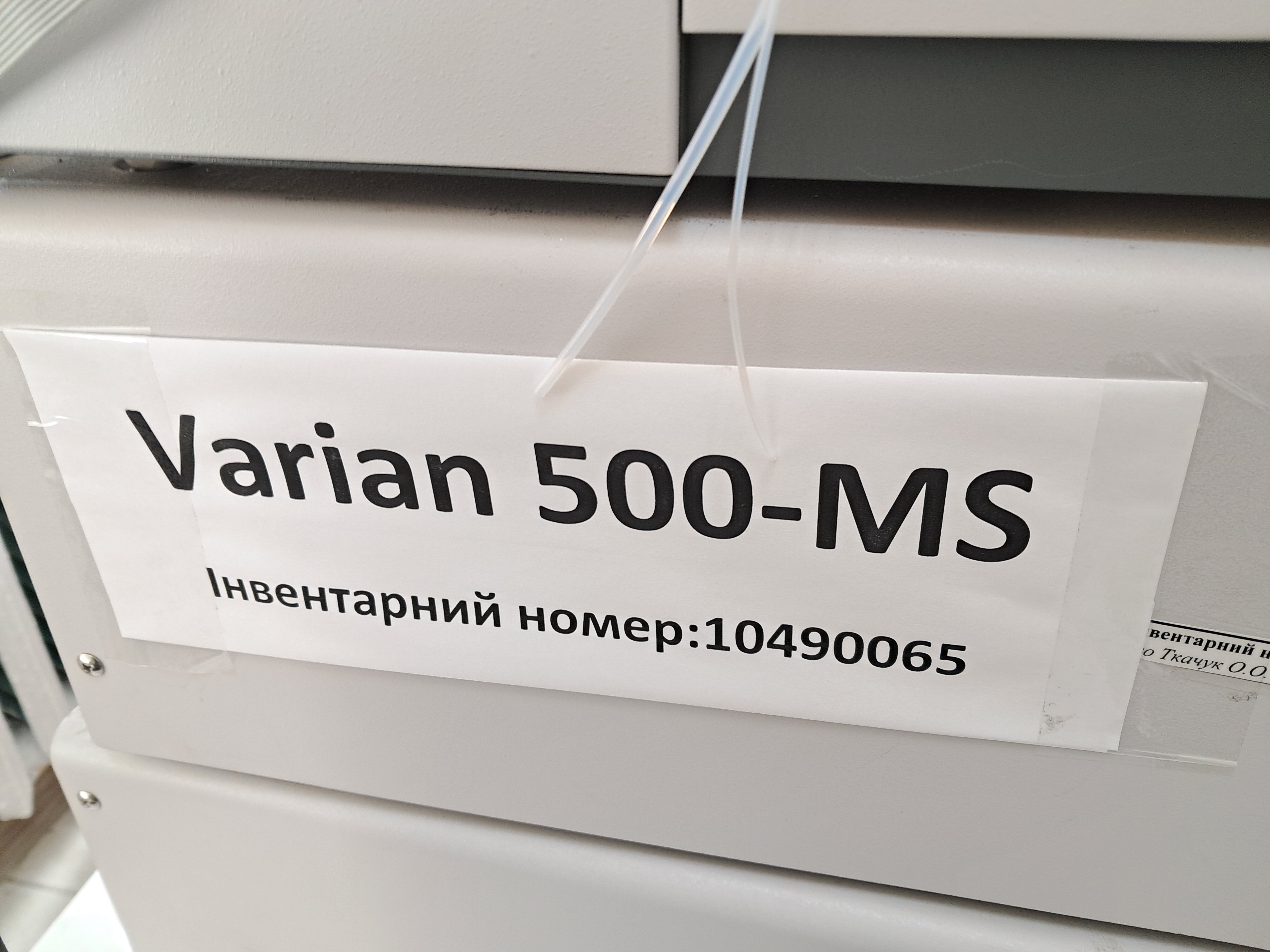
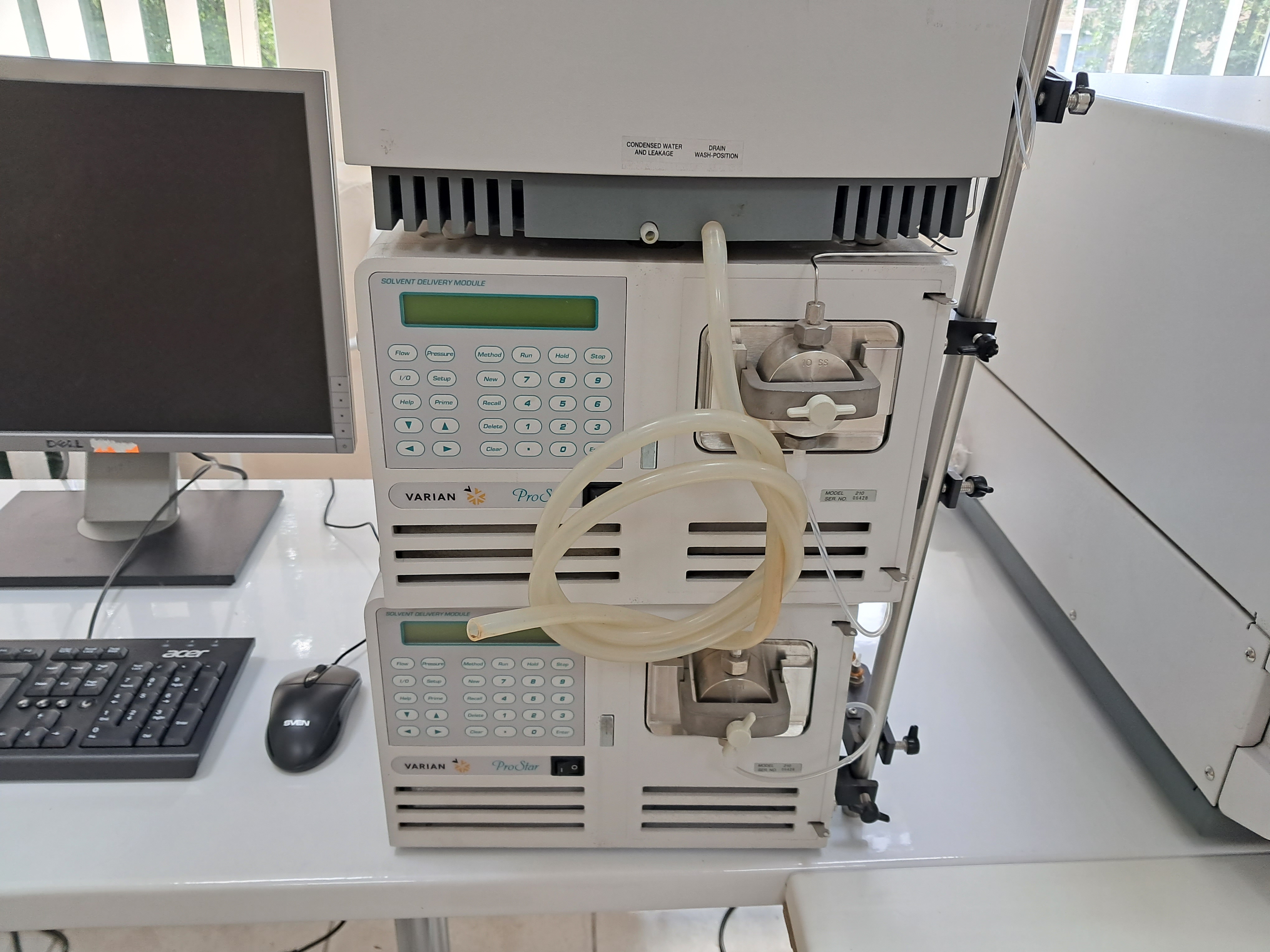
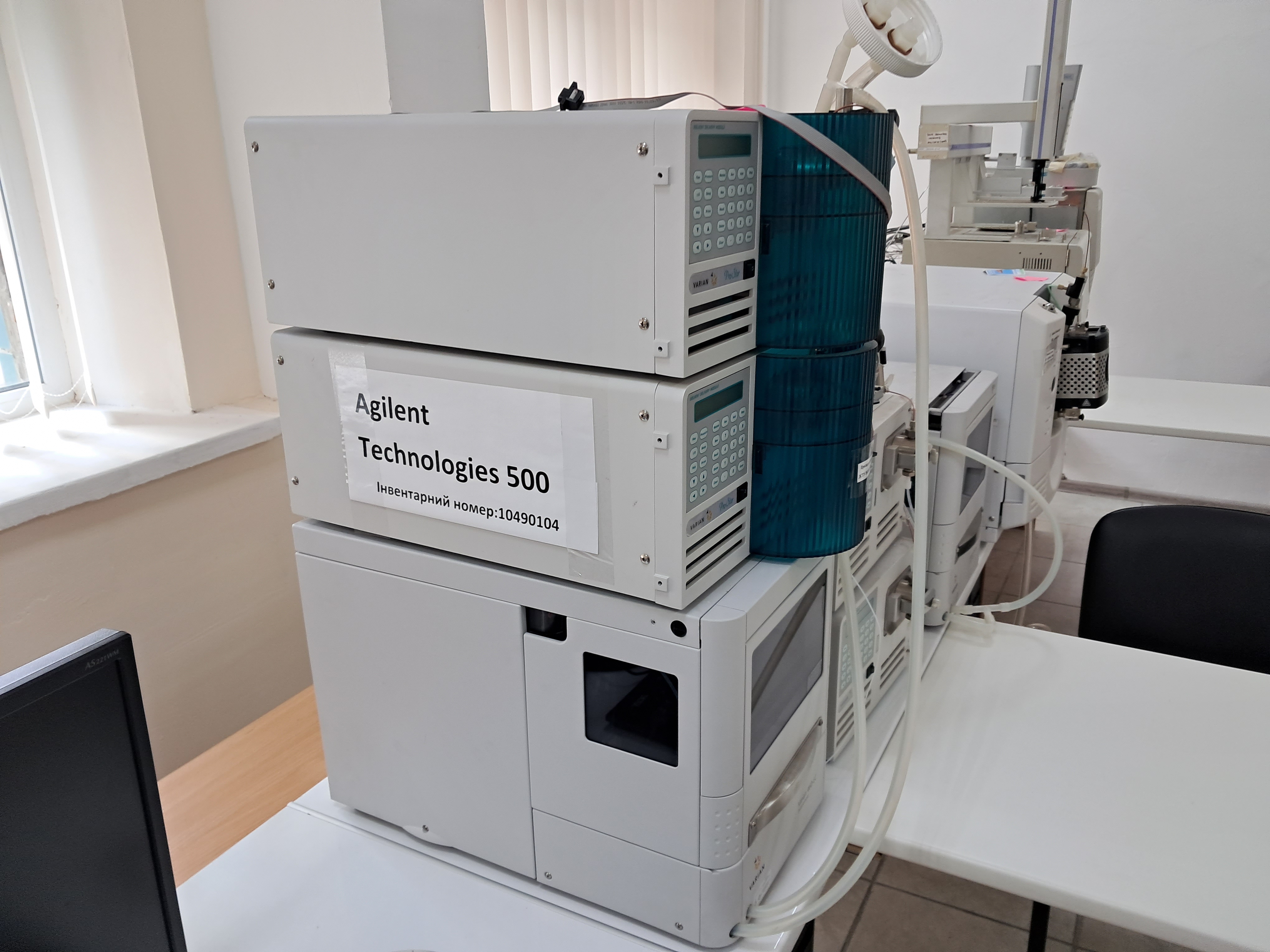
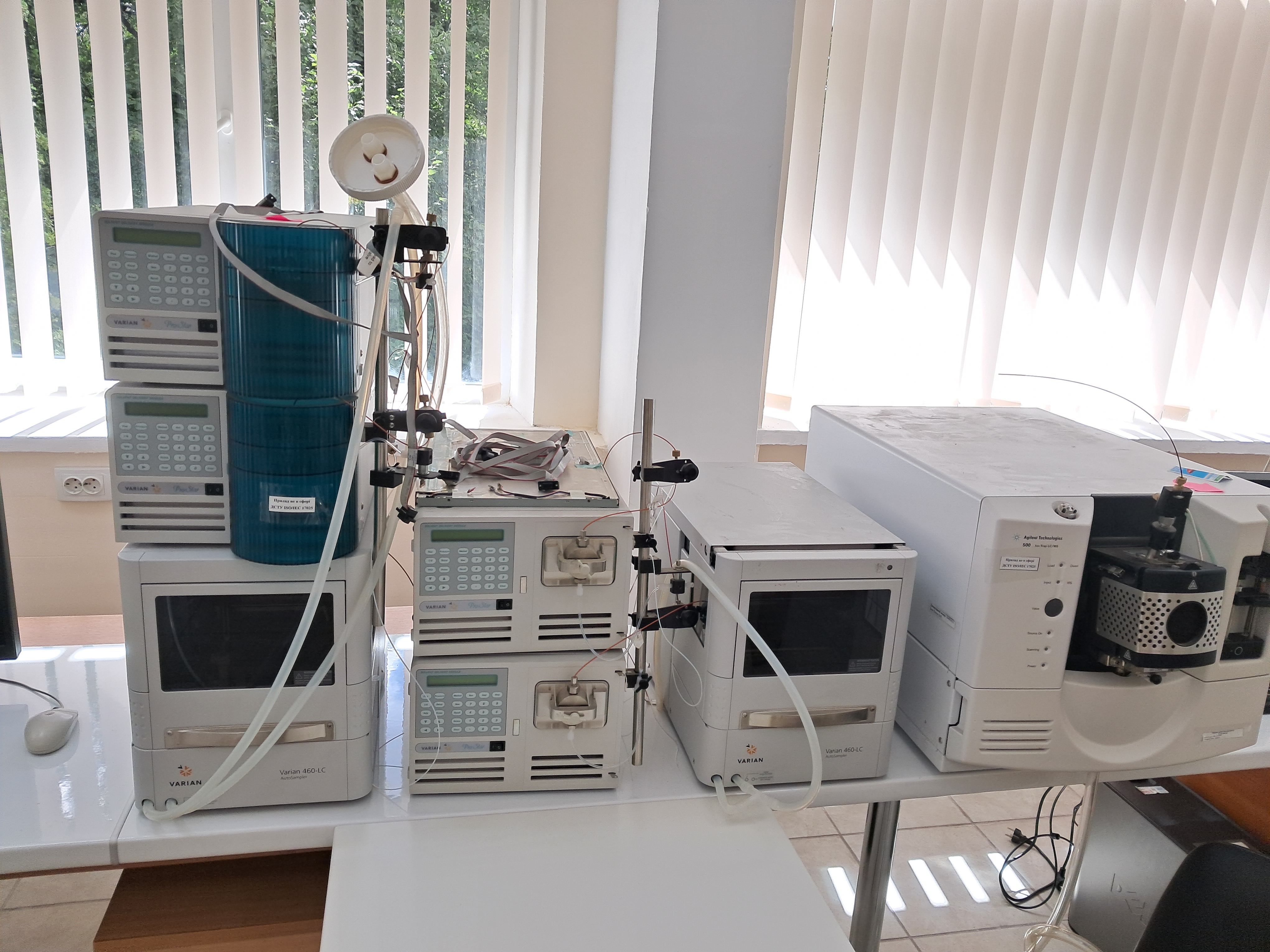
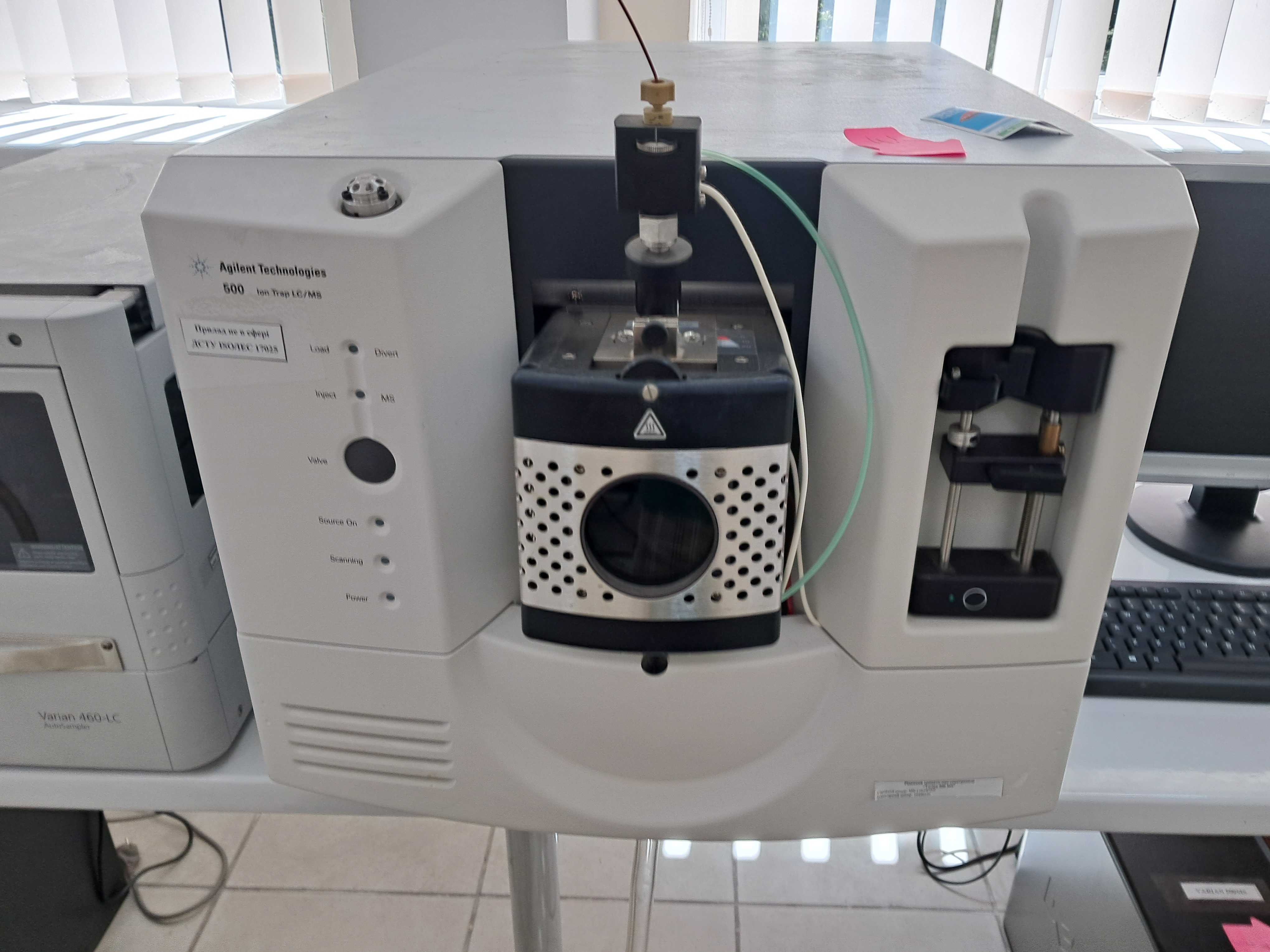
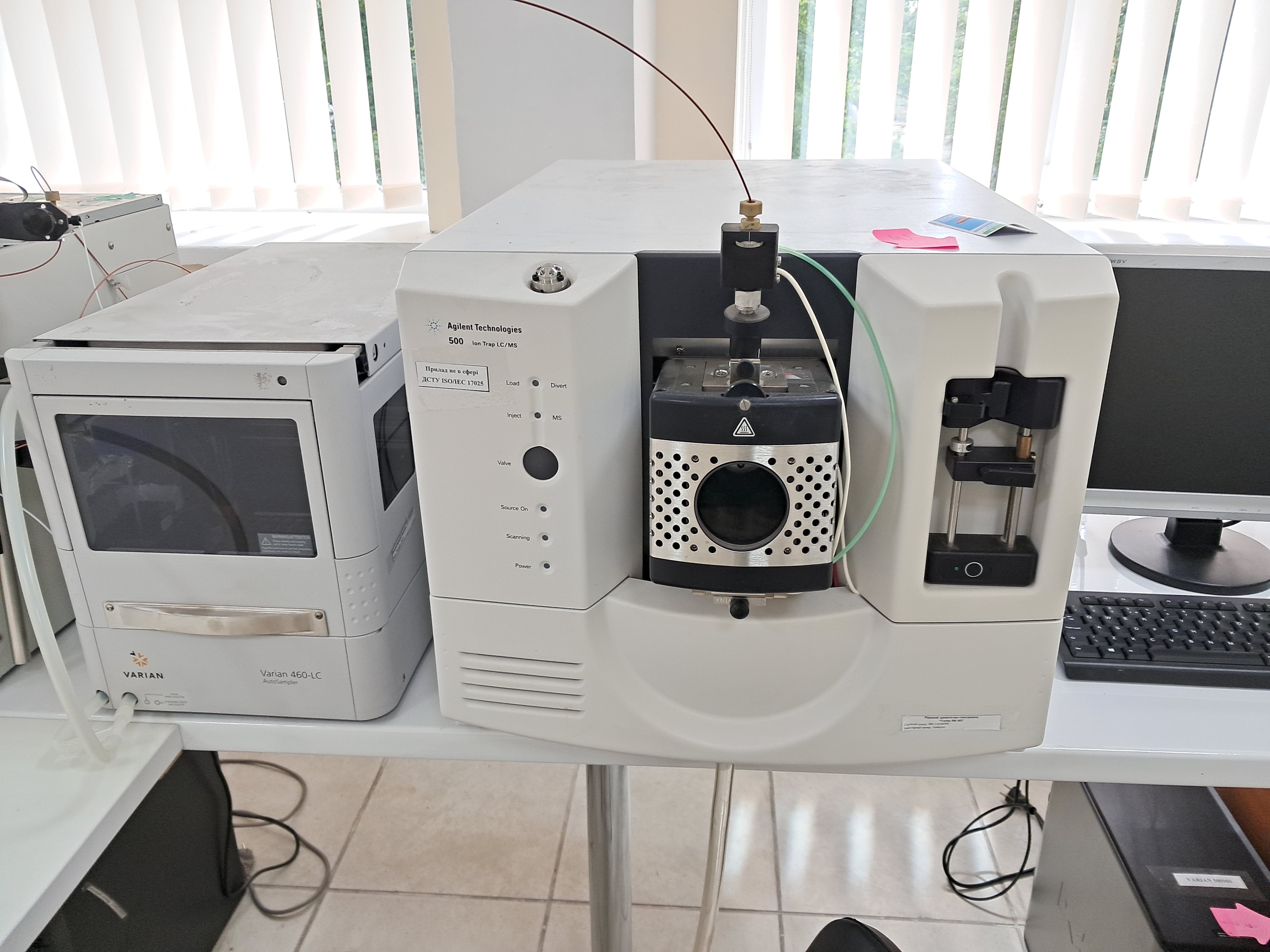
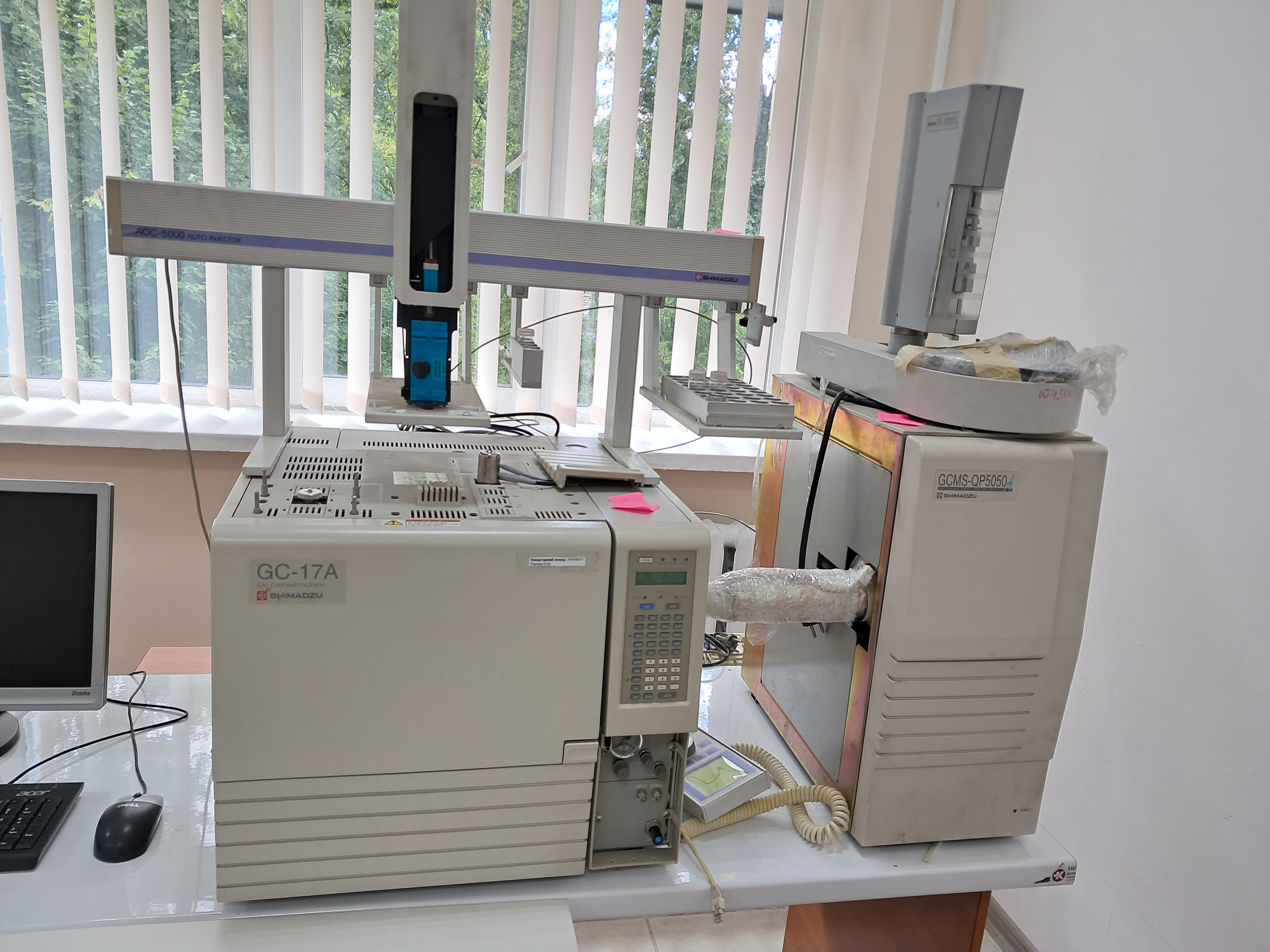
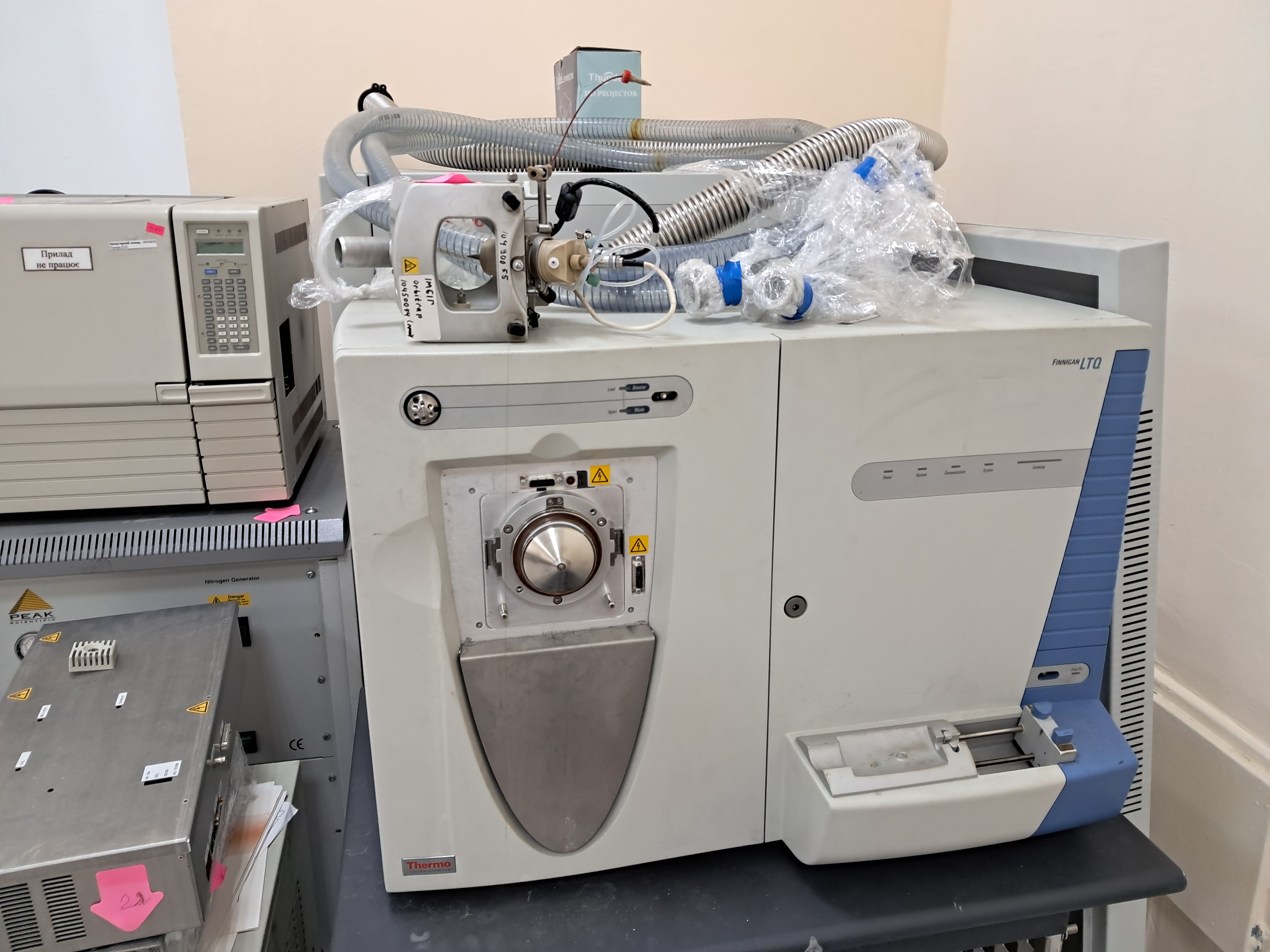
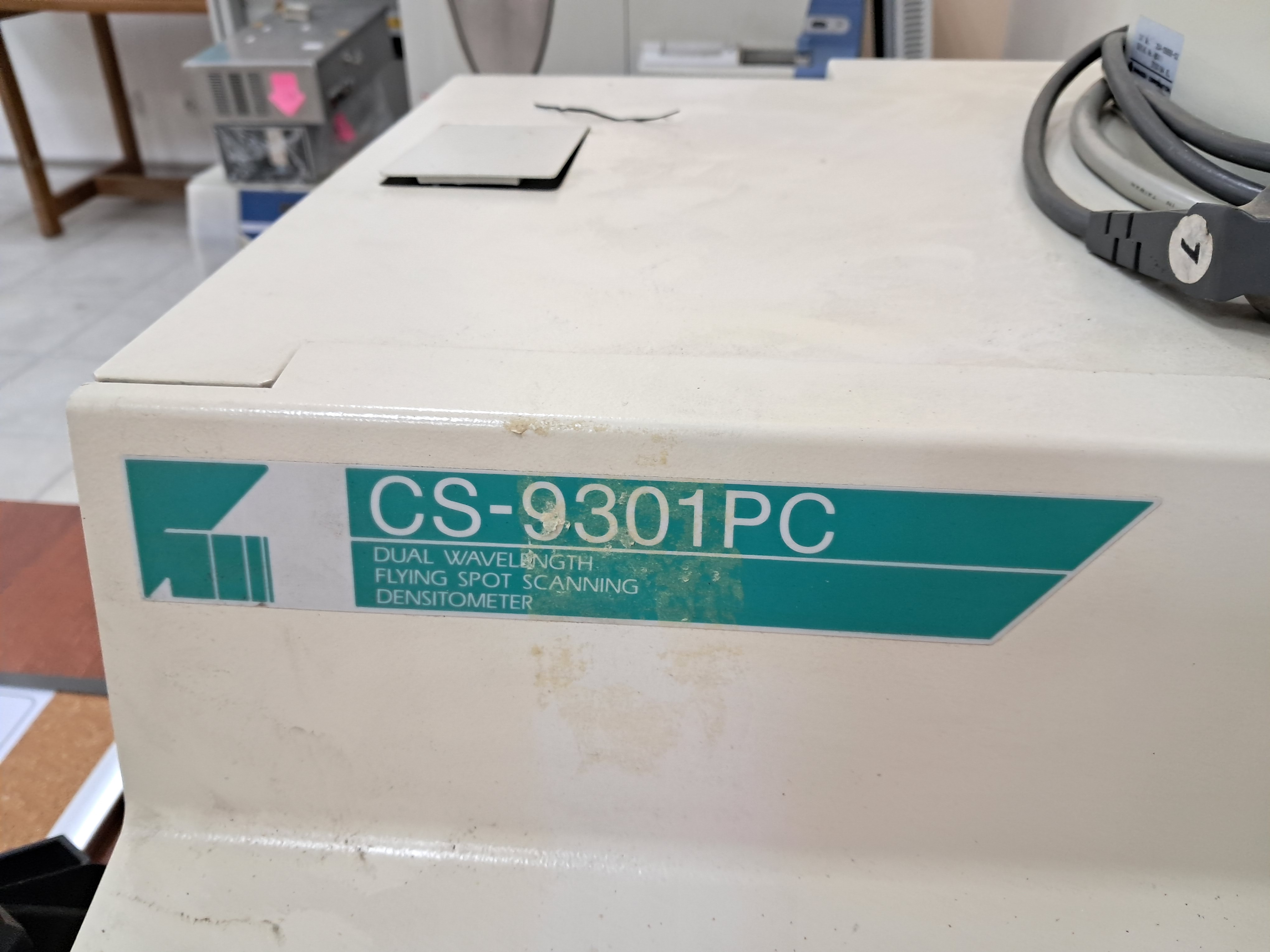
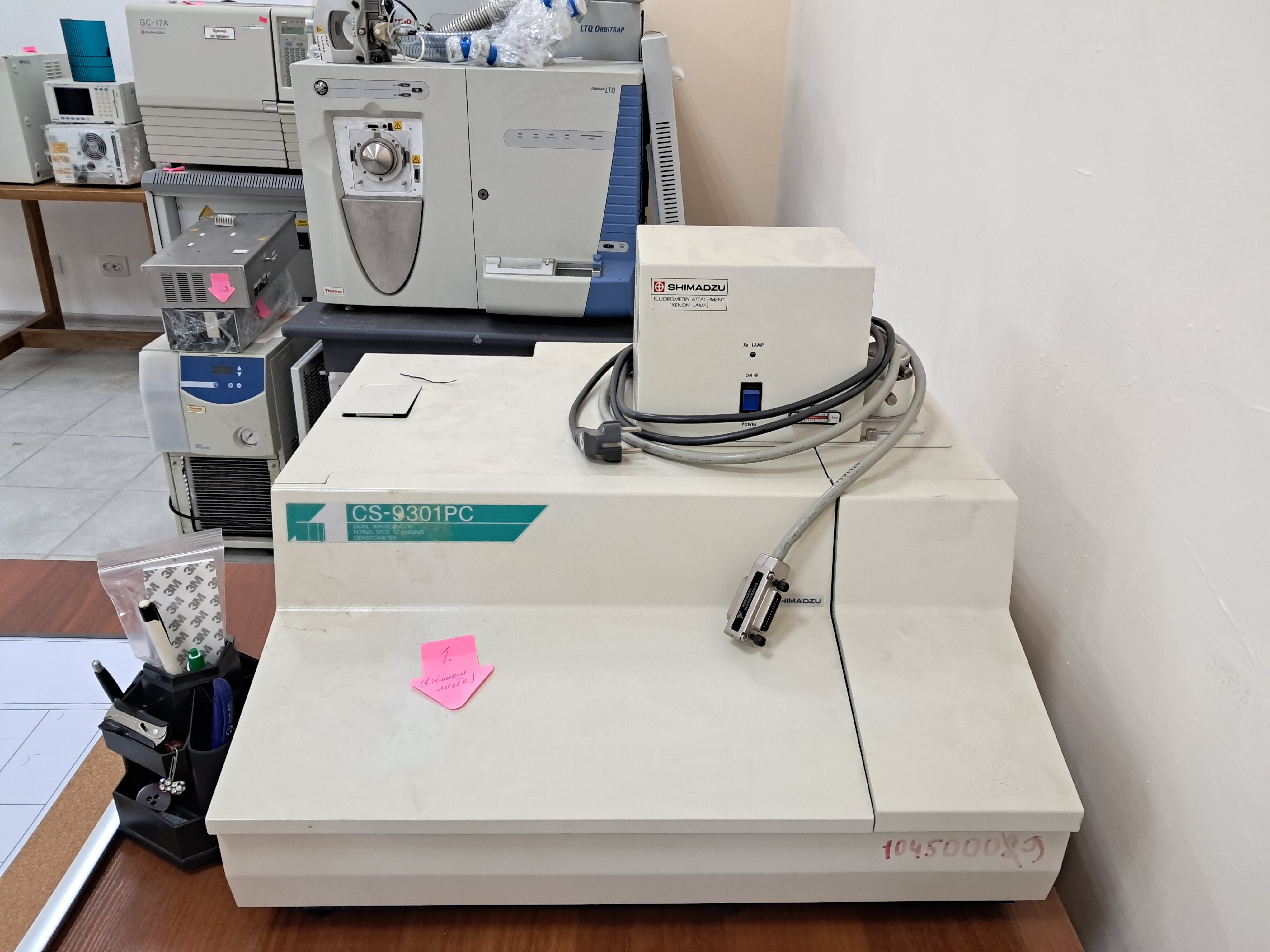
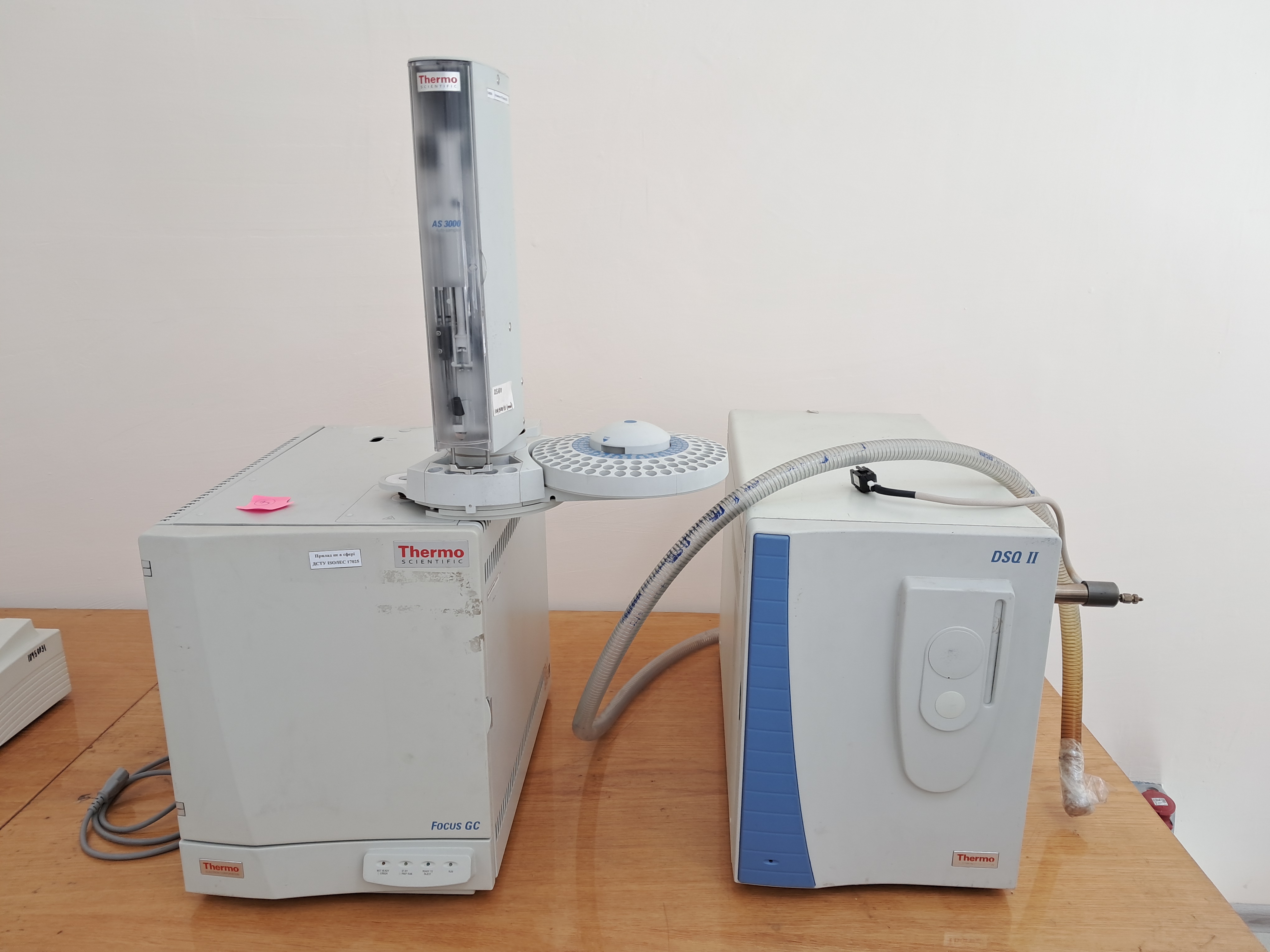
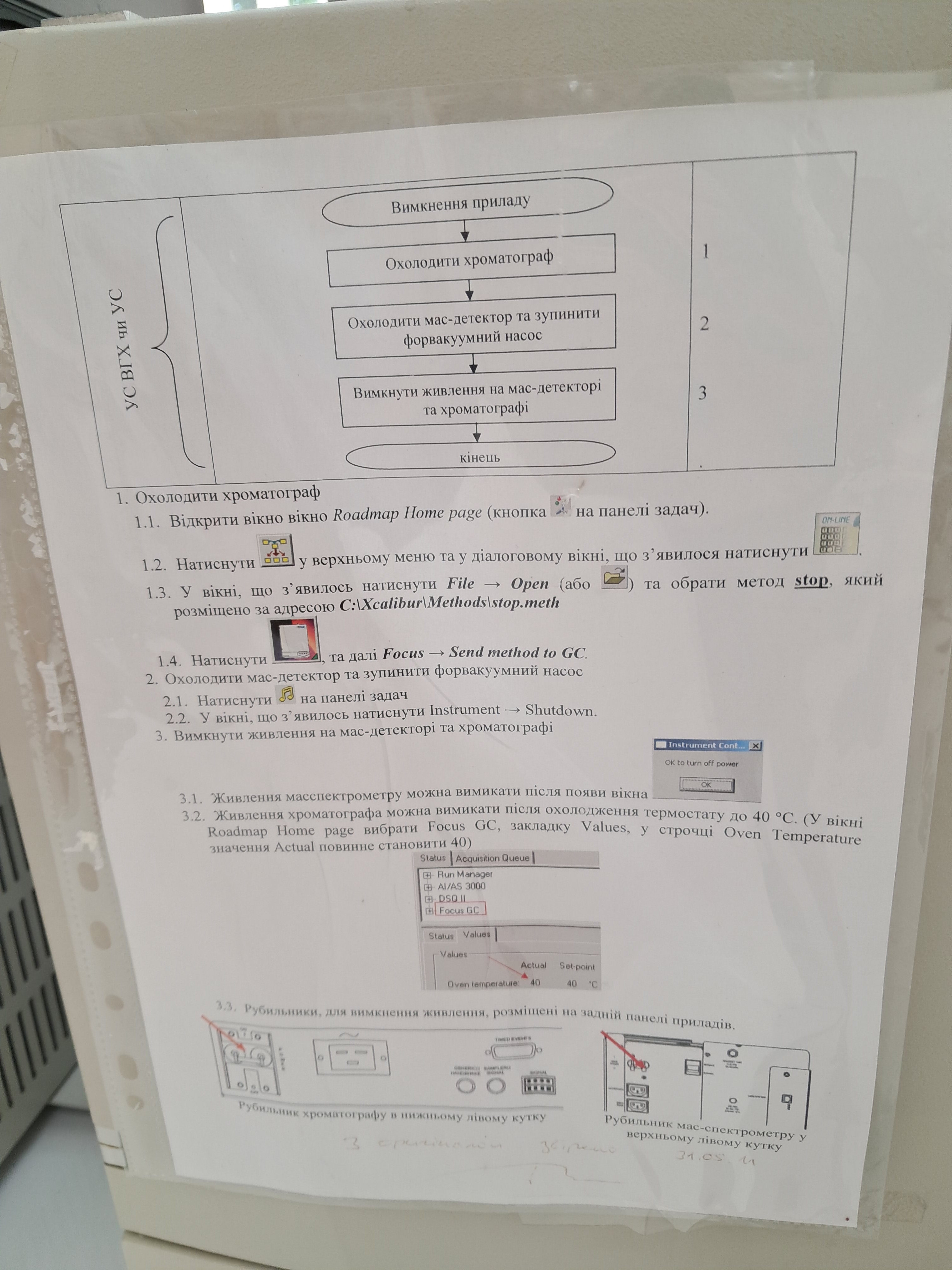
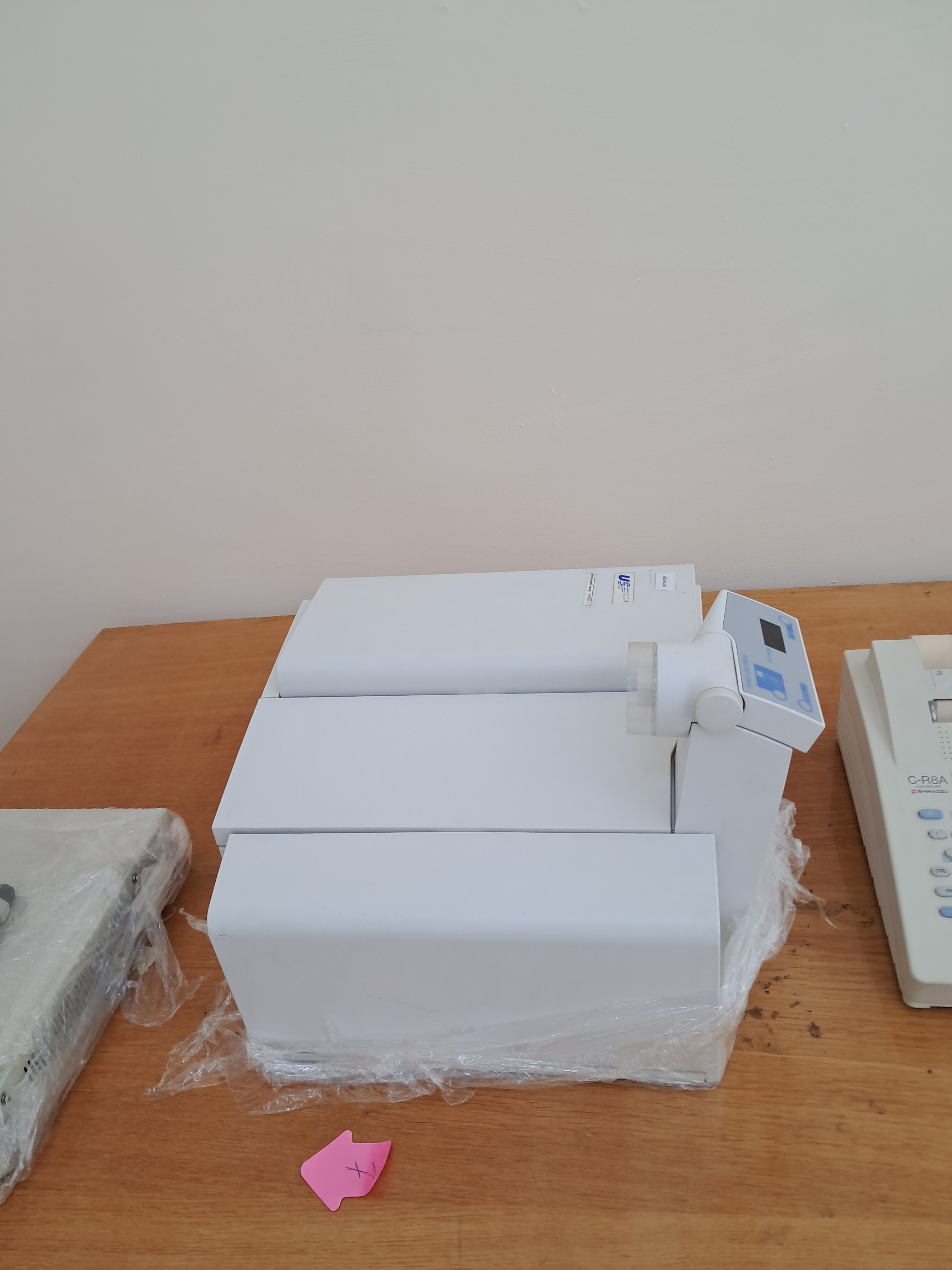
All this equipment - chromatographs, liquid chromatography-mass spectrometers (LC-MS), spectrophotometers, and much more - is stored in a special room that is almost always locked. Employees are only allowed into this room with the personal permission of the institute's caretaker. Theoretically, this is a shared-use laboratory for the institute's scientific staff. In reality, the room is more like a museum, and the scientific instruments serve as exhibits - they are shown to various commissions and delegations, but the institute's scientists are not allowed to work with this equipment.

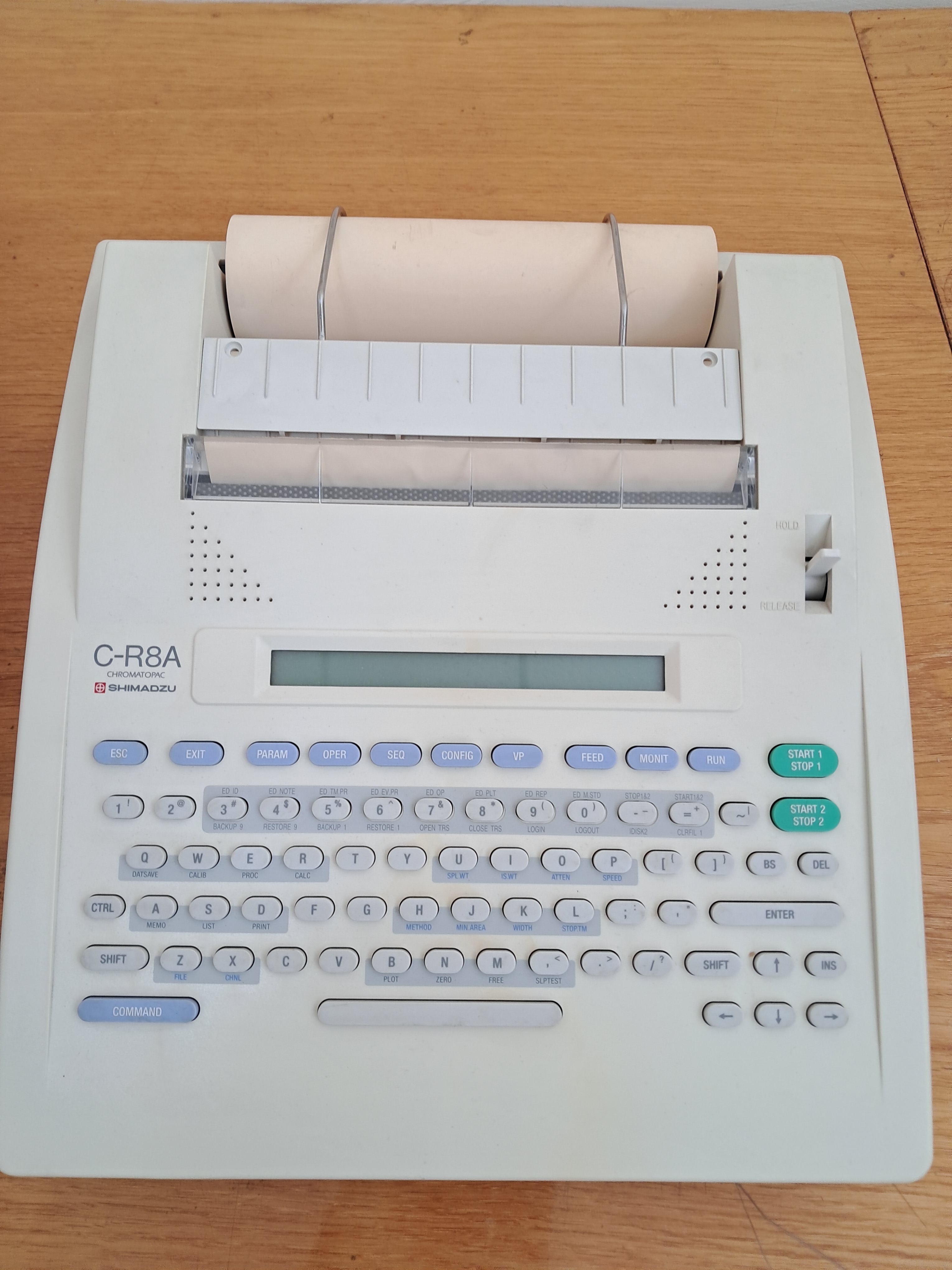
There is no running water, no sewer system, and no fume hood. There aren't even enough electrical outlets to plug the equipment into the power supply. There is no wired or wireless internet access. Many of the instruments in this room have never been turned on. Some of them are equipped with dot-matrix printers - they were installed in this room at a time when dot-matrix printers were widely used - and have remained idle ever since.

The reason for this disgraceful situation is simple: operating and maintaining these instruments costs money. It's easier to forego using the expensive equipment necessary for modern research and simply submit articles to low-ranking journals. The editors and reviewers of these journals rarely question the quality of the submitted articles. But publication in such journals allows you to report that your scientific work has been accomplished.

I'd like to hope for the best, but I'm sure that the two new Shimadzu chromatographs will suffer the same fate as the other instruments in this room.


"Кладбище" дорогого научного оборудования - Часть 6
Мои размышления о гравиметрическом анализе прервал звонок директора института. Он вызвал нас с коллегой в свой кабинет. Оказалось, что другой институт передает нашему институту... нет не титратор для анализа по методу Карла Фишера, но два HPLC хроматографа фирмы Shimadzu! Это очень дорогие приборы, которые были необходимы для наших исследований.

Несмотря на радость, я сразу понял, что ситуация была слишком хорошей, чтобы быть правдой. Так и оказалось. Для работы жидкостного хроматографа нужны специальные - достаточно дорогие - колонки. Еще необходимы растворители квалификации "HPLC" - тоже дорогие. Дополнительно необходимо специальное оборудование, химическая посуда и реактивы для процесса подготовки проб к анализу. Другой институт дарил нам вместе с двумя хроматографами всего одну хроматографическую колонку. Оборудование, посуду и реактивы, необходимые для пробоподготовки, они передать отказались.

В свою очередь, наш директор отказался все это покупать, предложив нашей лаборатории "использовать имеющиеся ресурсы", чтобы запустить хроматографы. Я понял, что два новых хроматографа ожидает судьба других дорогих приборов, которые передали нашему институту разные организации в прошлом.

Все это оборудование - хроматографы, жидкостные хромато-масс-спектрометры (LC-MS), спектрофотометры и многое другое - стоит в специальной комнате, которая почти всегда закрыта на замок. Сотрудников в эту комнату пускают только по личному разрешению завхоза института. Теоретически здесь расположена лаборатория общего пользования приборами для сотрудников института. В реальности, данная комната, словно музей, а научные приборы служат в ней экспонатами - их показывают разным комиссиям и делегациям, но сотрудникам института работать на данном оборудовании не разрешают. Здесь нет ни водопровода, ни канализации, ни вытяжного шкафа. Нету даже достаточного количества электрических розеток, чтобы включить приборы в сеть. Нет кабельного или беспроводного интернета. Многие из приборов, которые стоят в данной комнате, никто ни разу не включал. Некоторые приборы оснащены матричными принтерами - их поставили в эту комнату в то время, когда матричные принтеры широко использовались - с тех пор это оборудование стоит без дела.

Причина данной возмутительной ситуации проста: работа и обслуживание приборов стоит денег. Легче отказаться от использования дорогого оборудования, необходимого для выполнения современных исследований, и просто писать статьи в низкорейтинговые журналы. У редакторов и рецензентов этих журналов редко возникают вопросы к качеству подаваемых статей. Зато публикации в таких журналах позволяют отчитаться, что научная работа выполнена.

Хотелось бы надеяться на лучшее, но я уверен, что два новых хроматографа Shimadzu ожидает та же участь, что постигла другие приборы в этой комнате.


''Graveyard'' of Expensive Scientific Equipment
''Room-Graveyard'' of Expensive Scientific Equipment

''Graveyard'' of Expensive Scientific Equipment

''Graveyard'' of Expensive Scientific Equipment

''Graveyard'' of Expensive Scientific Equipment

''Graveyard'' of Expensive Scientific Equipment

''Graveyard'' of Expensive Scientific Equipment

''Graveyard'' of Expensive Scientific Equipment

''Graveyard'' of Expensive Scientific Equipment

''Graveyard'' of Expensive Scientific Equipment

''Graveyard'' of Expensive Scientific Equipment

''Graveyard'' of Expensive Scientific Equipment

''Graveyard'' of Expensive Scientific Equipment

''Graveyard'' of Expensive Scientific Equipment

''Graveyard'' of Expensive Scientific Equipment

''Graveyard'' of Expensive Scientific Equipment

''Graveyard'' of Expensive Scientific Equipment

''Graveyard'' of Expensive Scientific Equipment

''Graveyard'' of Expensive Scientific Equipment

''Graveyard'' of Expensive Scientific Equipment

''Graveyard'' of Expensive Scientific Equipment

''Graveyard'' of Expensive Scientific Equipment


[ Qualitative and Quantitative Chemical Analysis ] [ Chemical laboratory. Glassware. Reagents. Laboratory operations ]

Gravimetric (weight) analysis - Discussion on the forum
Desiccators, Drying of Medium - Discussion on the forum
Chemical photographs and laboratory videos - Discussion on the forum
[Submit a Comment / Error Message - Отправить Комментарий / Сообщение об ошибке]