Content Chemistry experiments - video Physics experiments - video Home Page - Chemistry and Chemists

Chemistry and Chemists № 2 2026

Journal of Chemists-Enthusiasts
Donate to the journal Chemistry and ChemistsDonate to the journal Chemistry and Chemists


Determining Moisture Content in Hexamine - pt.7, 8


Chemist


Having noticed a mistake in the text, allocate it and press Ctrl-Enter


I reported the results of the hexamine analysis to the director: the gravimetric method was inapplicable, and the alternative method was unavailable. Naturally, I was sure the matter was closed: we couldn't perform the analysis unless they bought us a Karl Fischer titrator. And the institute definitely wouldn't buy one.

However, a little later, the director called me and said that the customers had asked him to... repeat the analysis. Moreover, this time I was to use the urotropine from the sack the customers had brought. I told the director that I had neither the time nor the inclination to perform this meaningless task. The analysis wouldn't work with other urotropine either, since the substance sublimes when heated. I'm not sure whether the director understood me, since his specialty - nuclear physics - is quite far removed from analytical chemistry.

In any case, the director offered me one of his employees (he is also a physicist) to assist me, as well as his department's laboratory, which was much better equipped than my current one. I didn't argue and agreed.

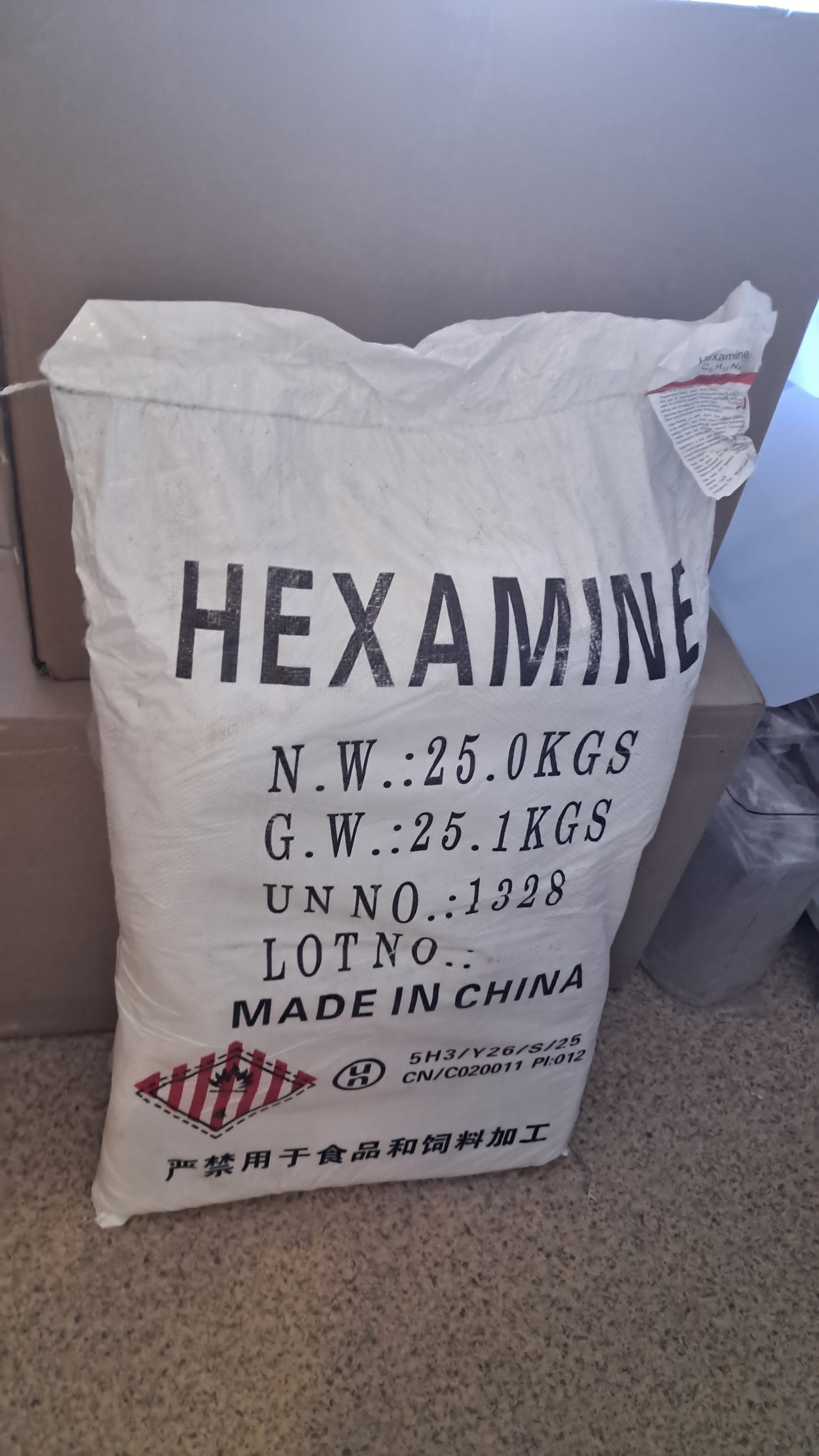
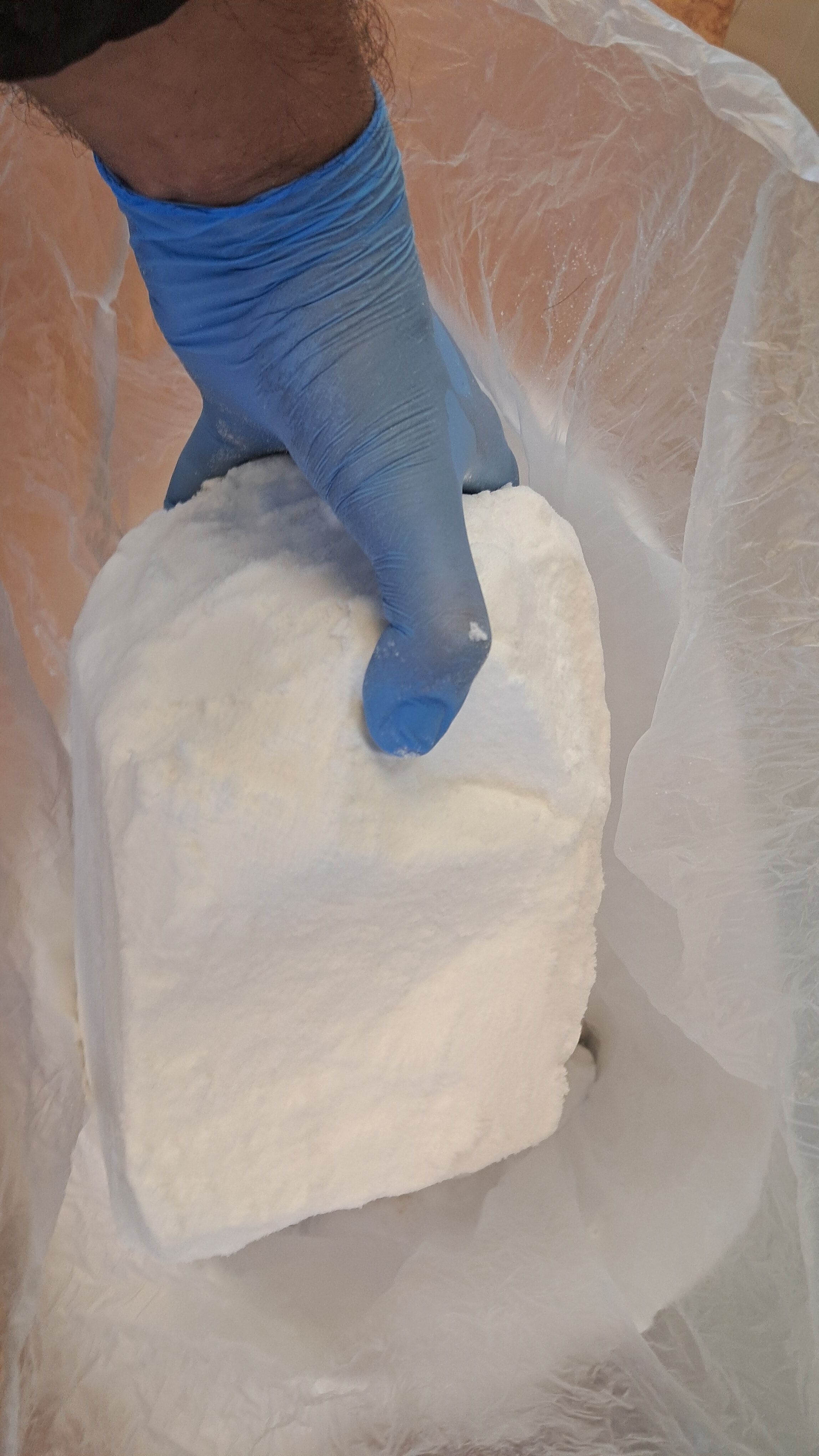
The hexamine in the sack turned out to be in lumps, some 30-40 centimeters in size. They had to be crushed by striking one lump against another.

Together with an employee of the director's department, we analyzed the moisture content of the hexamine gravimetrically, using a procedure similar to the one described in the previous parts of this article. Or rather, I only described the analysis - what he should do - and the physicist performed the actual analysis.

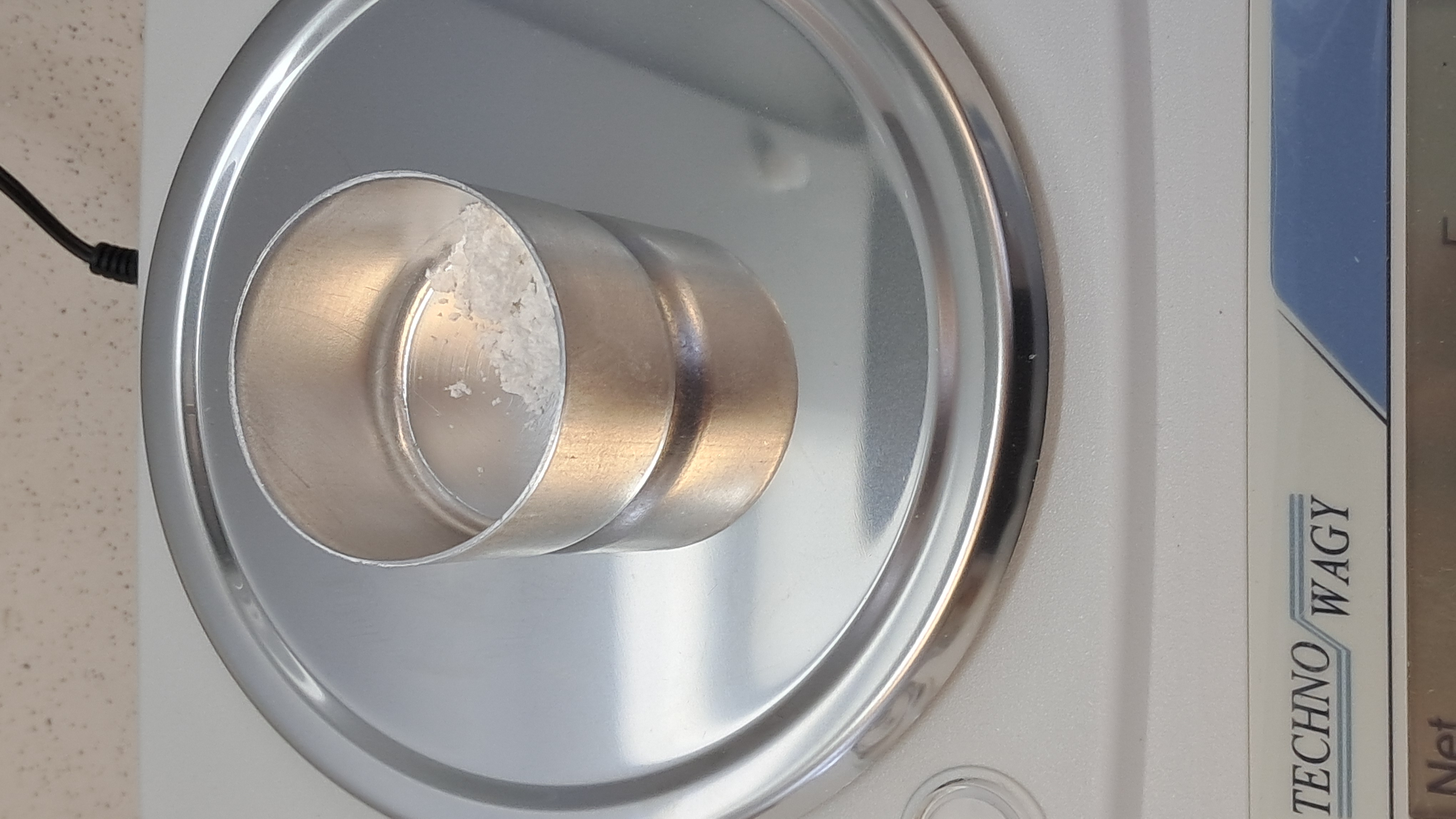
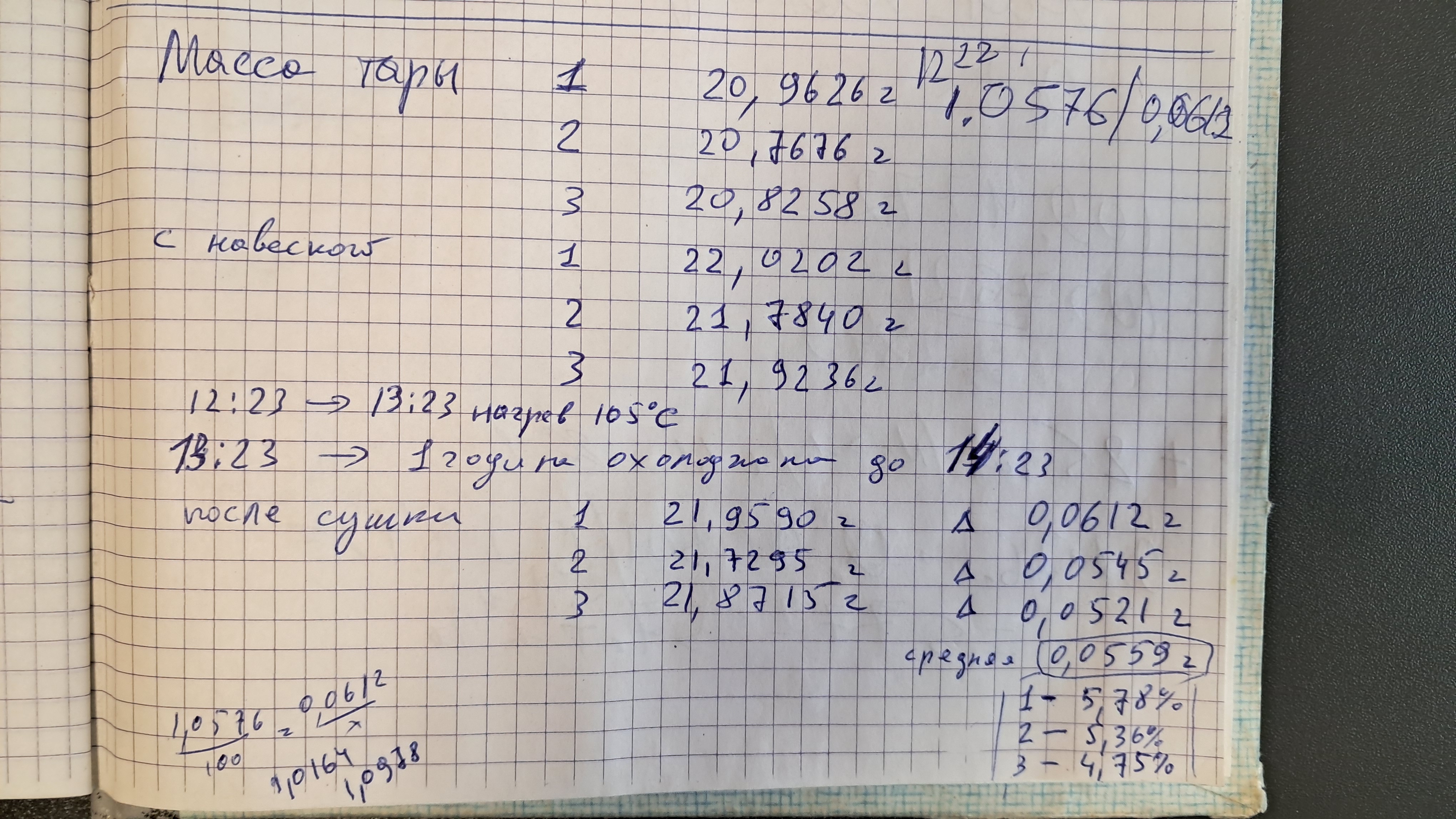
This time, he used wide aluminum weighing bottles, which had a significantly larger diameter than the glass weighing bottles in which I had dried the hexamine. The sample masses were approximately 1 gram, the temperature was 105°C, and the heating time was 1 hour.

After cooling and weighing the samples, the physicist calculated the mass loss in grams. I explained to him that the mass loss should be expressed as a percentage of the original sample mass.

The resulting mass loss was between 4.8% and 5.8%. In my case, the mass loss had been approximately 2% under the same conditions. At first, I double-checked the physicist's calculations for errors, but I already knew they were correct. The weighing bottles had a much larger diameter and therefore provided a larger surface area from which the hexamine could sublime, causing the substance to evaporate faster.

We analyzed another sample of hexamine that was already in the laboratory, and the result was similar.

After learning the result (4.8-5.8%), the customer said that this couldn't be true: "At this moisture content, hexamine becomes transparent." Apparently, he meant that the presence of liquid water in the hexamine becomes visually noticeable. I agreed. Unlike our director, the customer understood that the method was inapplicable.

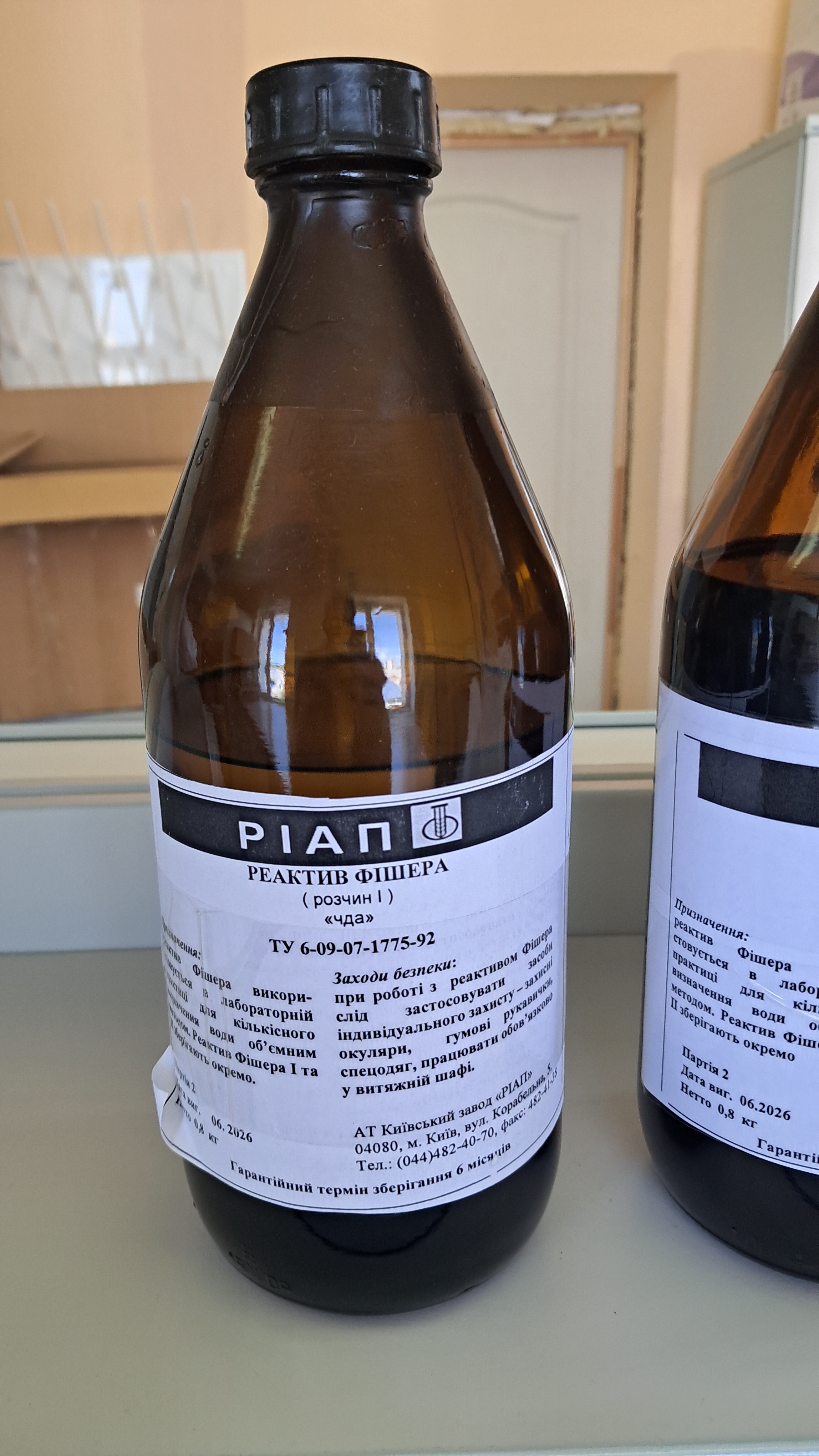
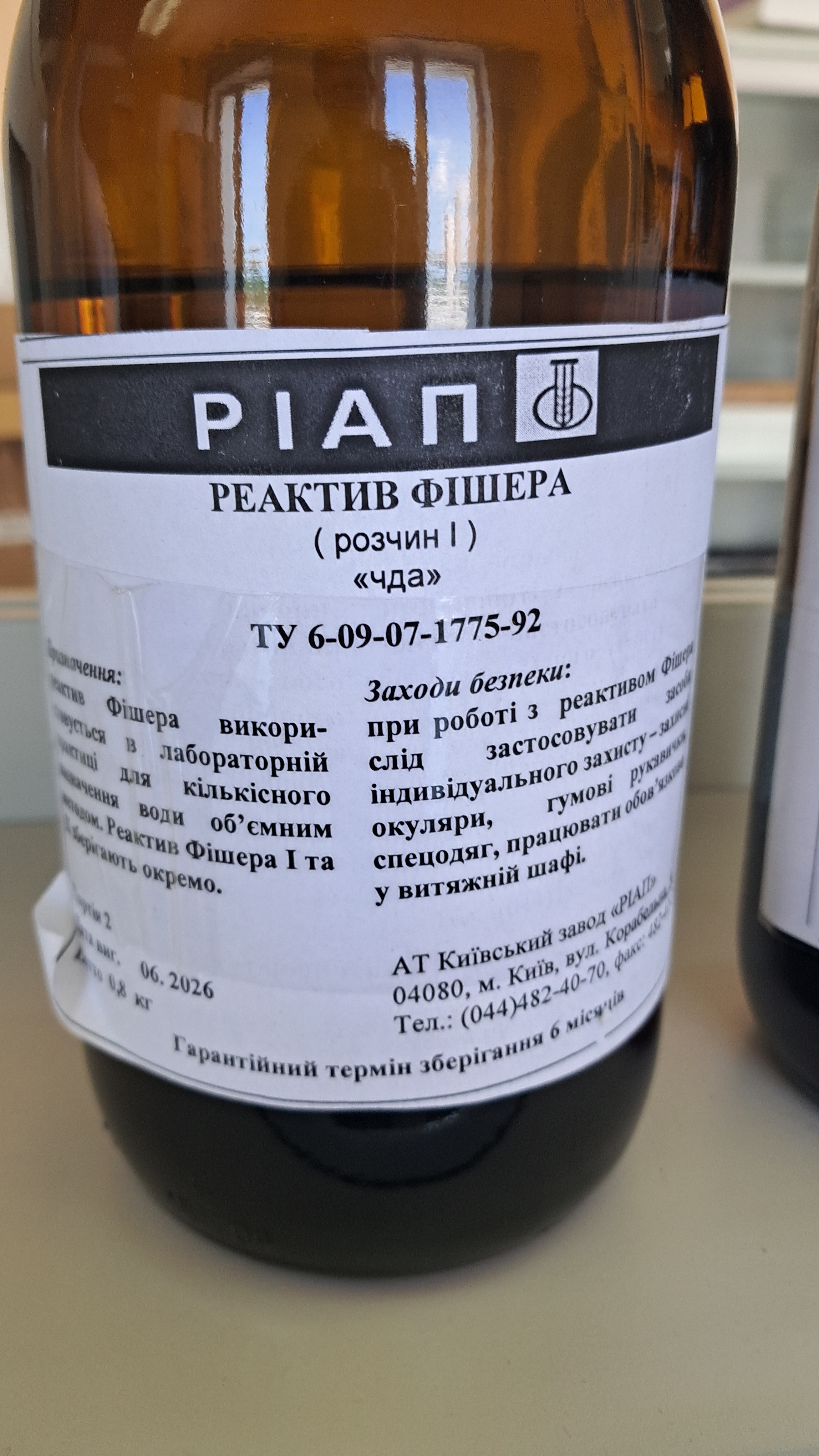
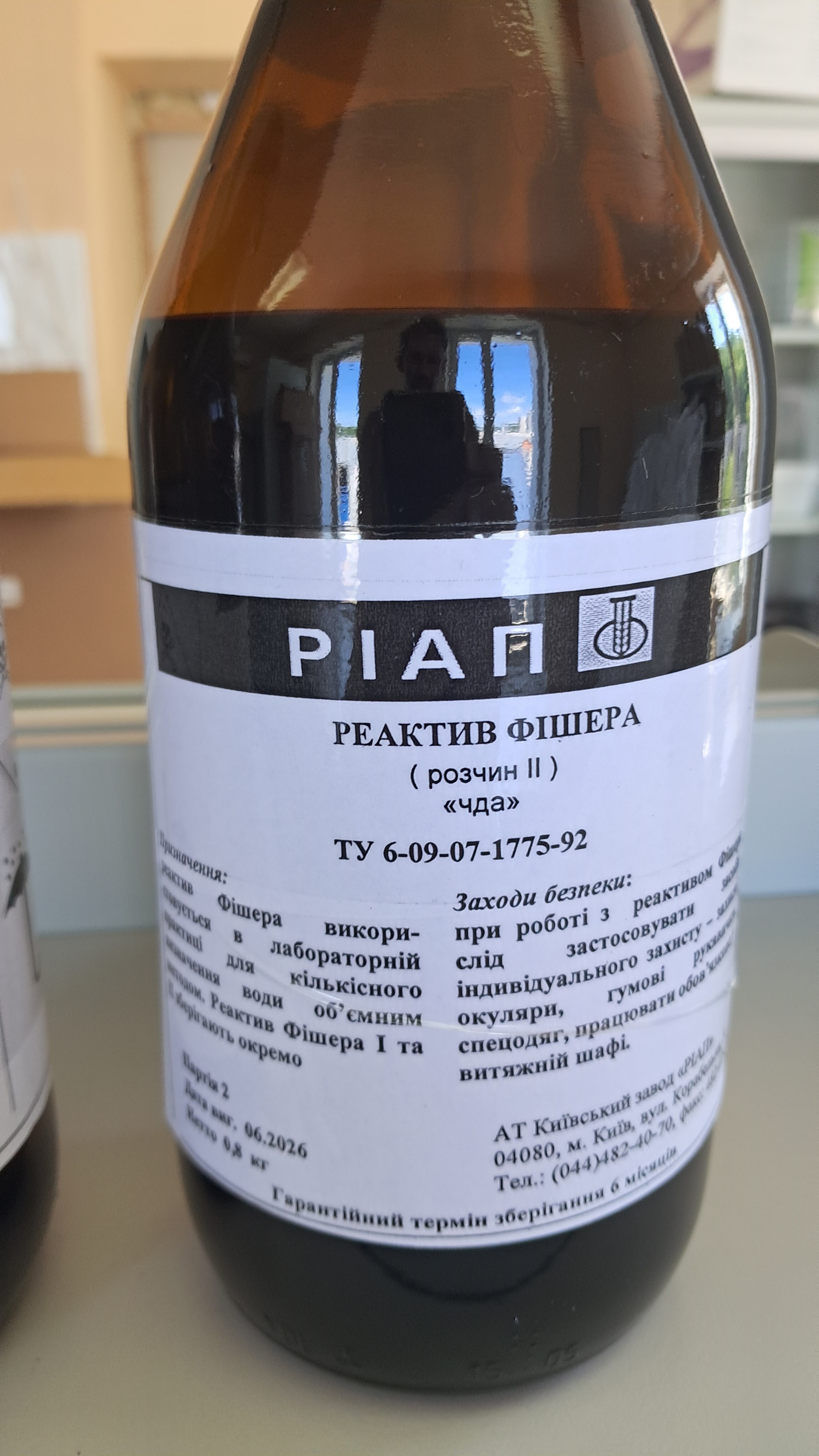
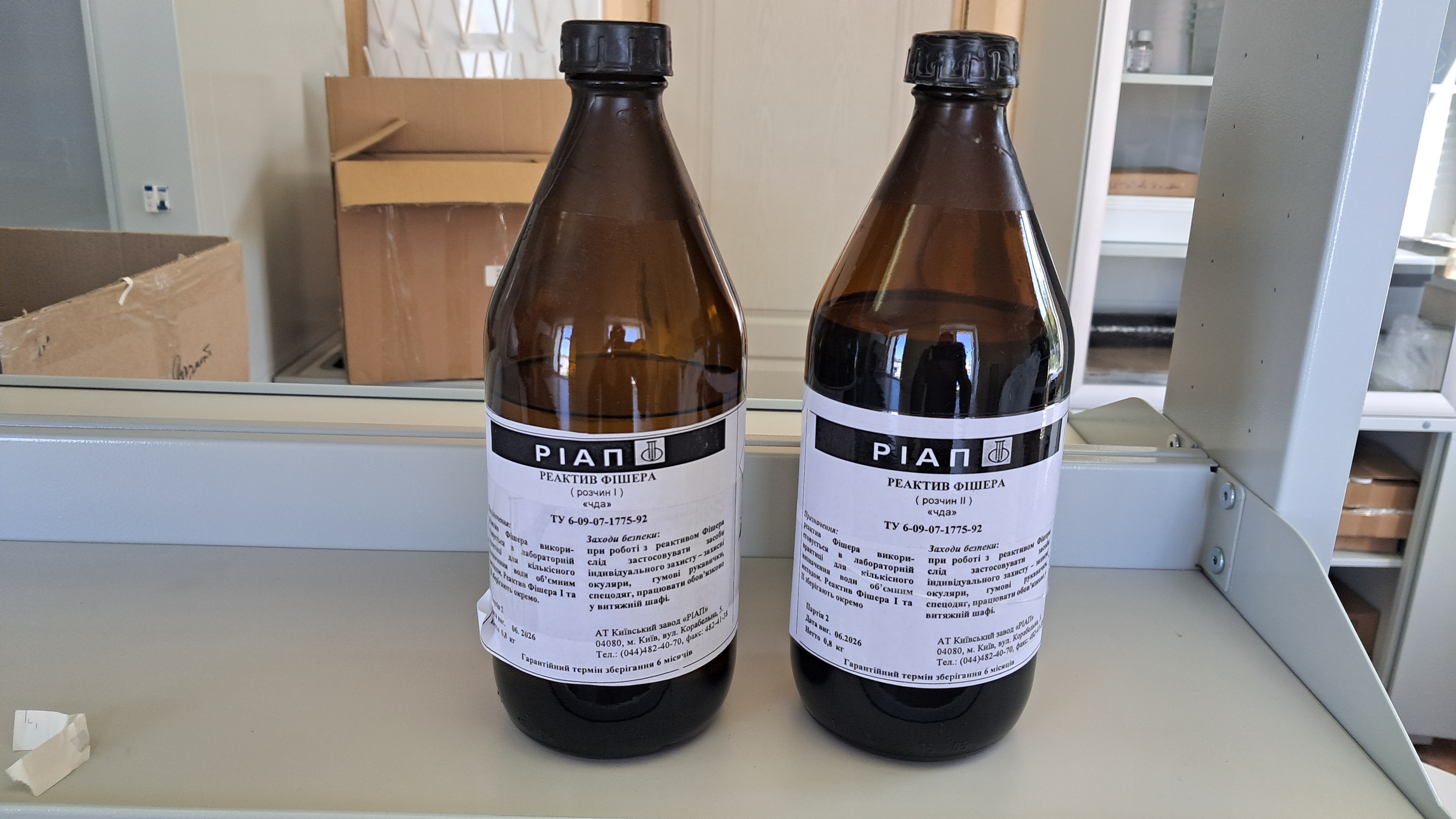
Furthermore, the customer brought me liter bottles of Karl Fischer solutions 1 and 2 and gave them to me. I explained that determining water by Karl Fischer titration is a much more complex analysis than, for example, titrating an acid with an alkali. A special titration apparatus would have to be assembled. Specifically, the Karl Fischer reagents would need to be protected from atmospheric moisture. This is why people now use specialized automatic Karl Fischer titrators instead of homemade titration systems. For example, Mettler Toledo produces such equipment.

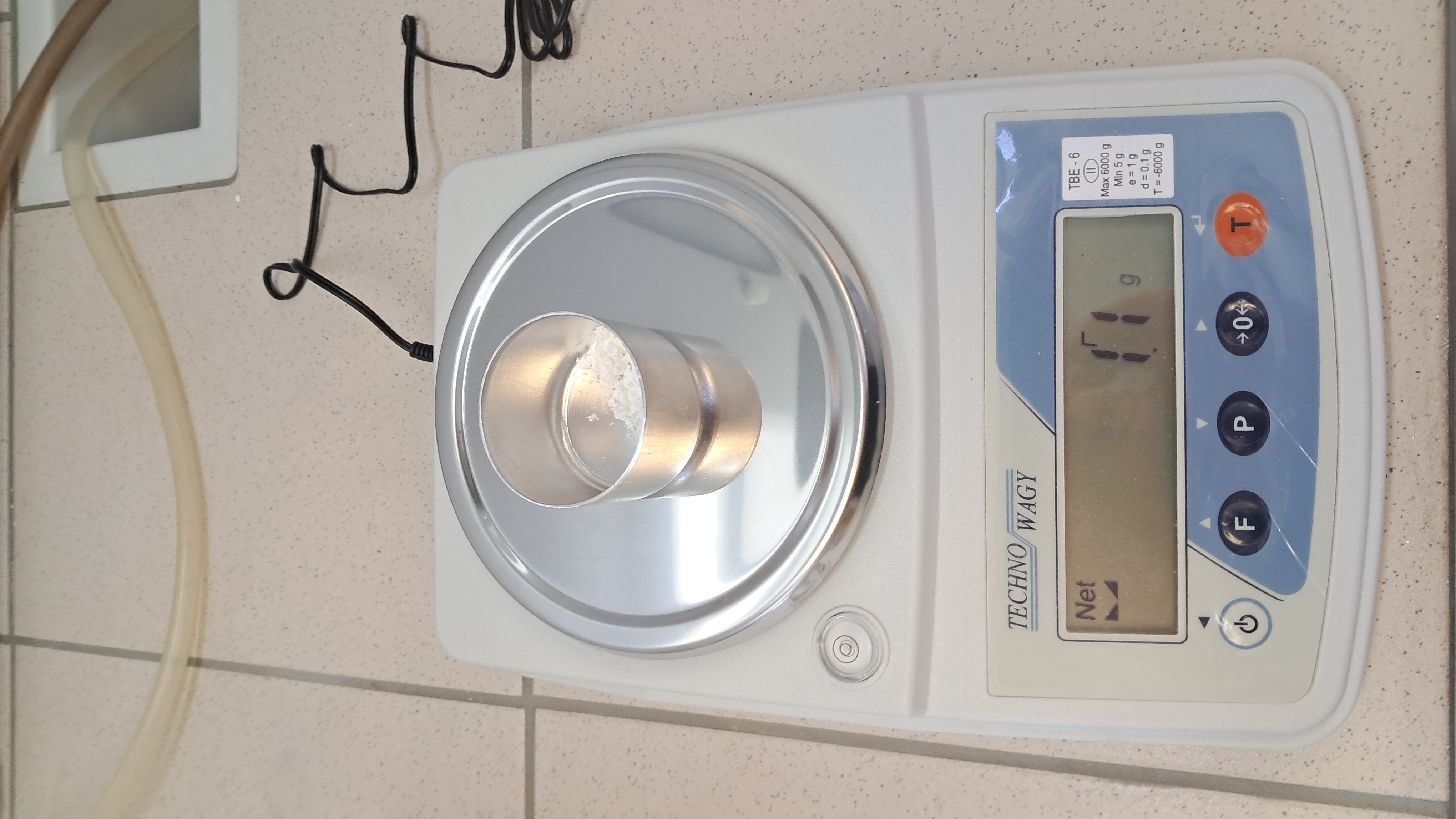
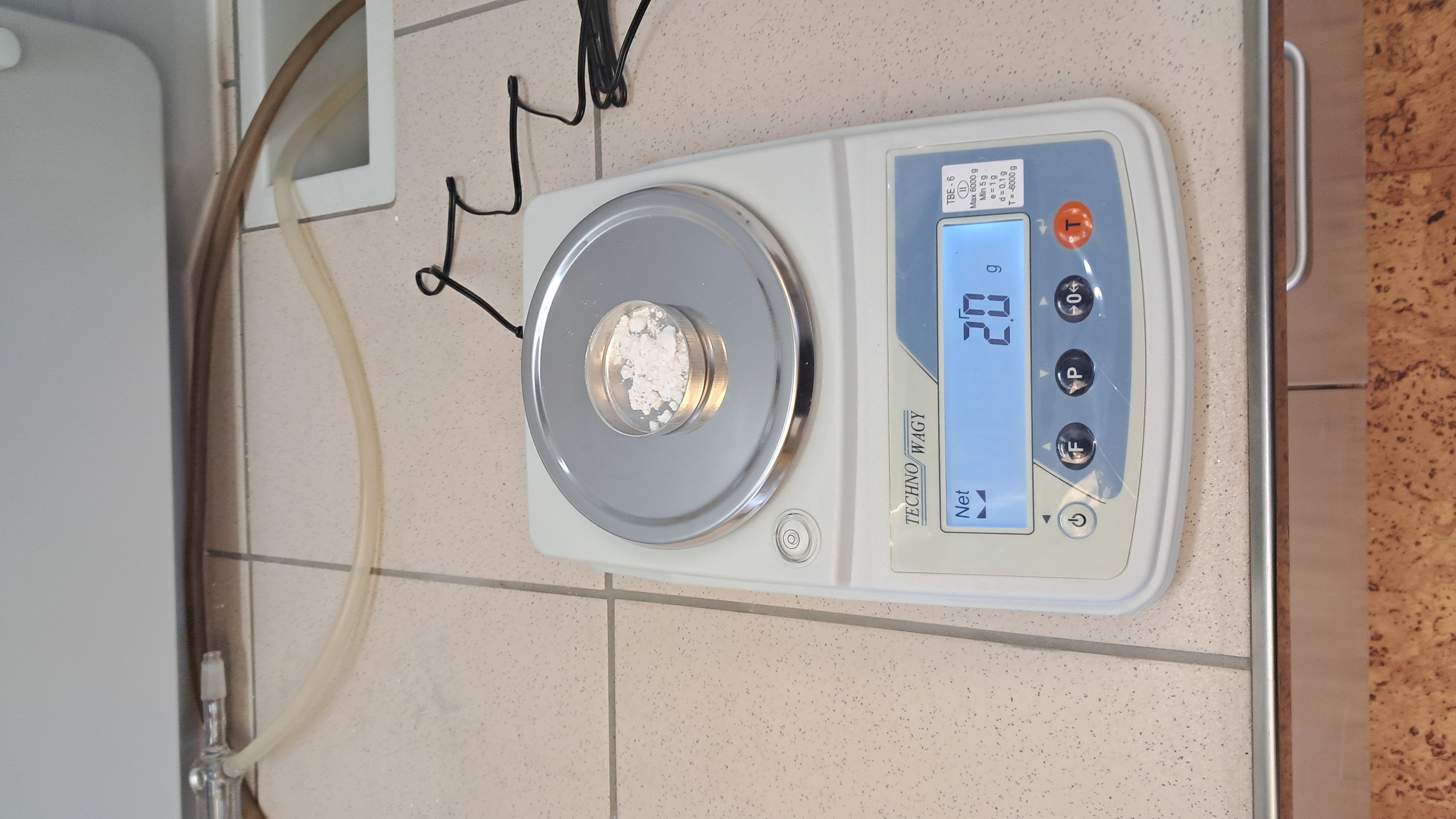
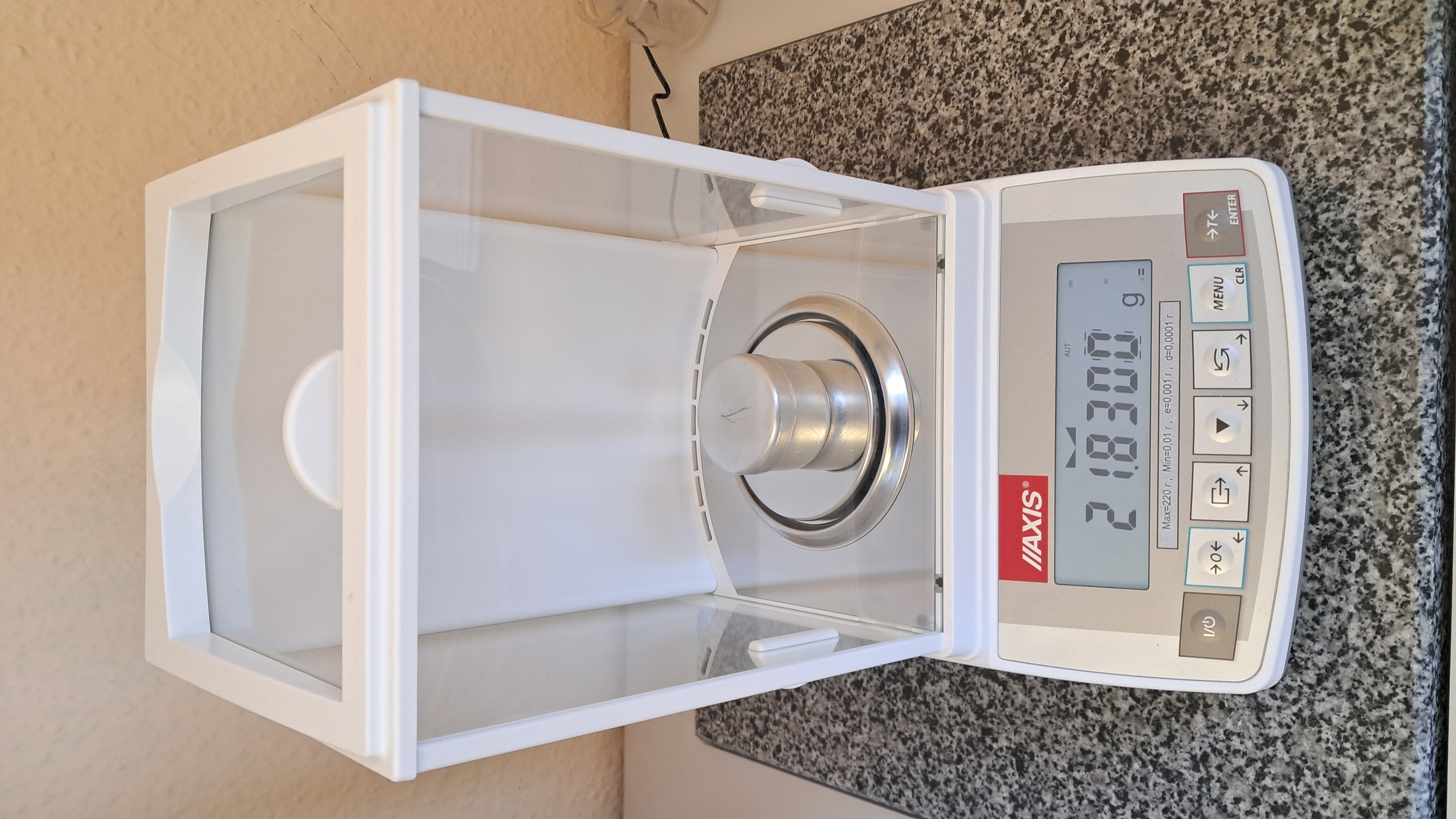
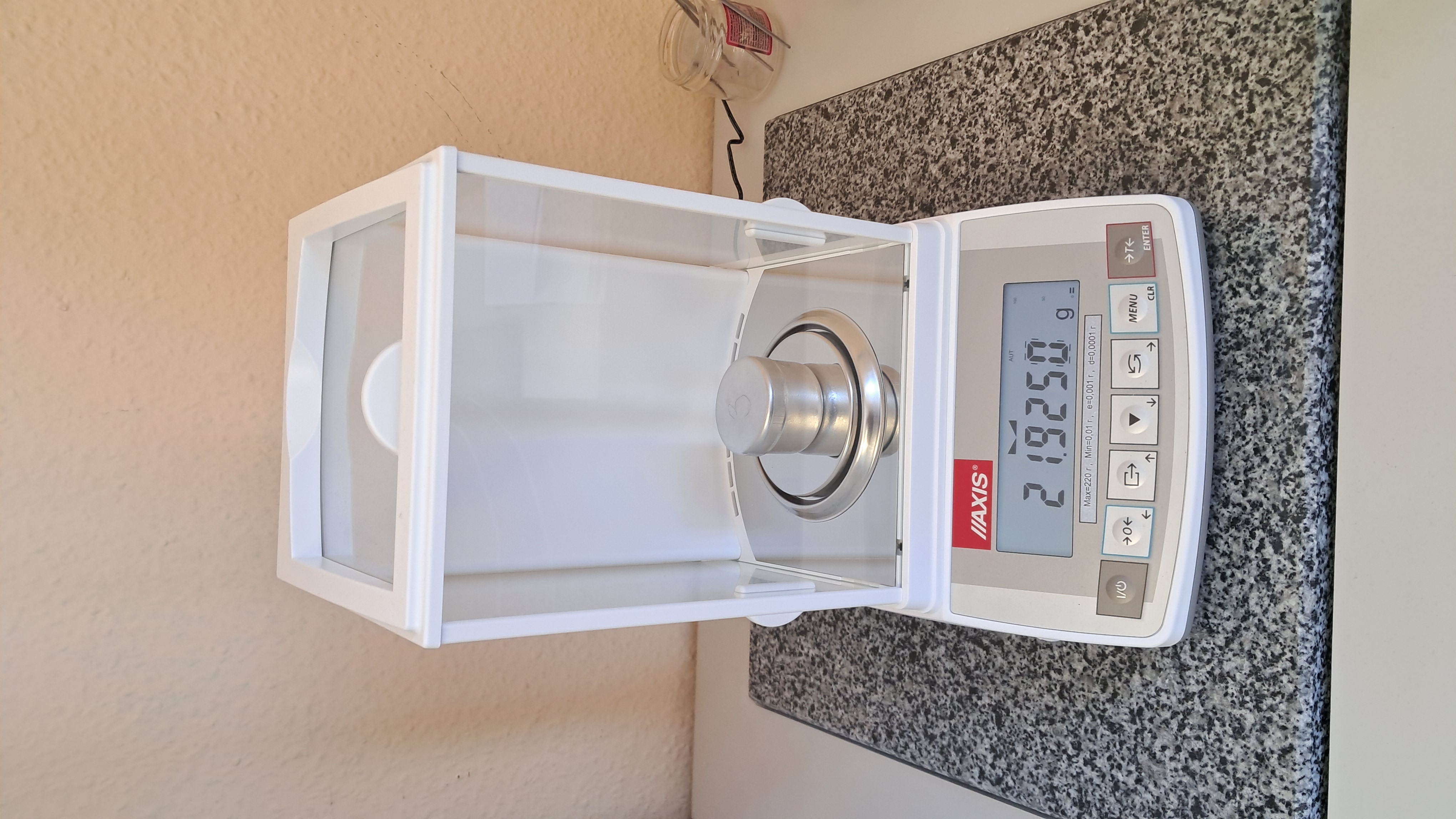
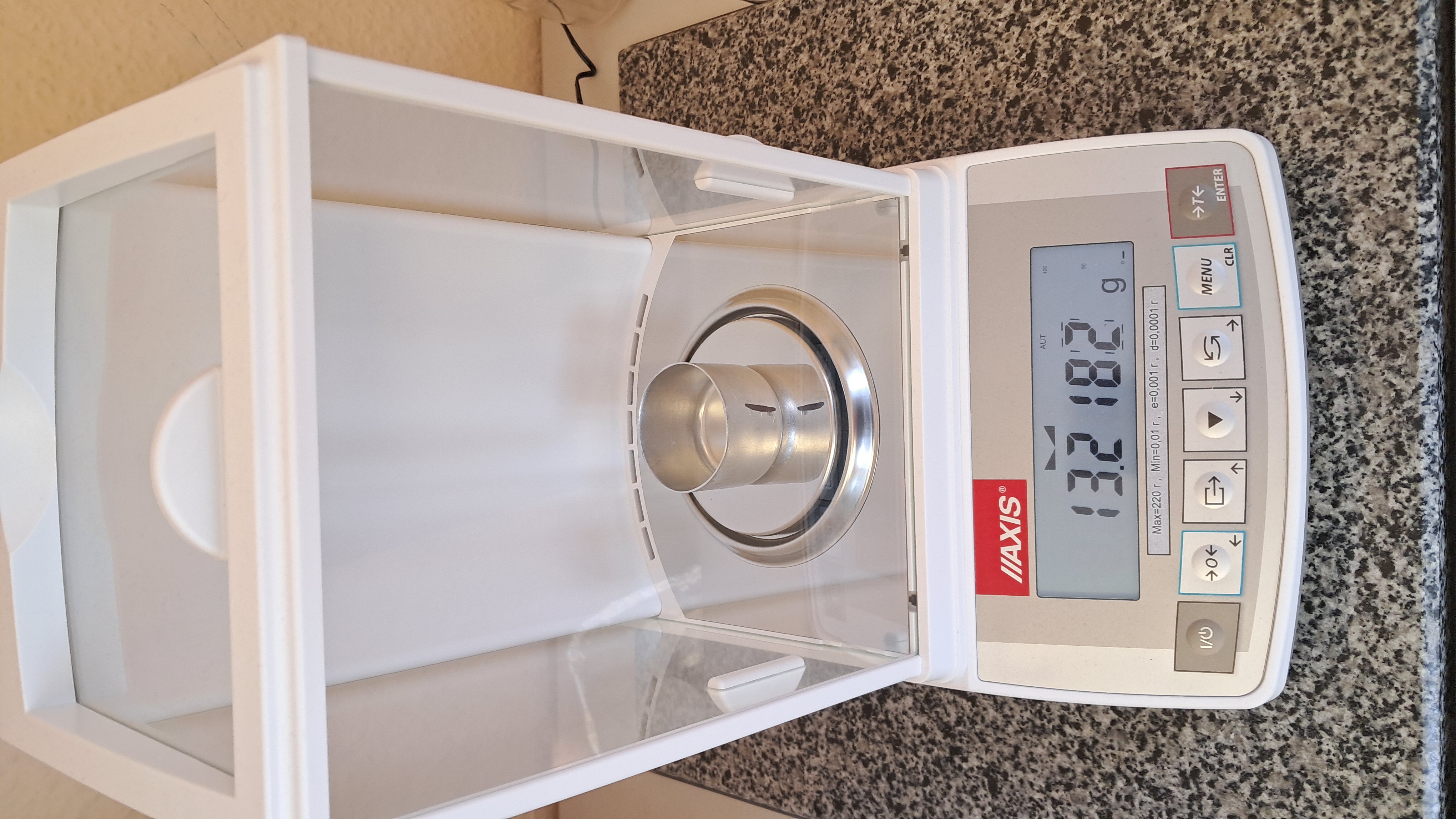
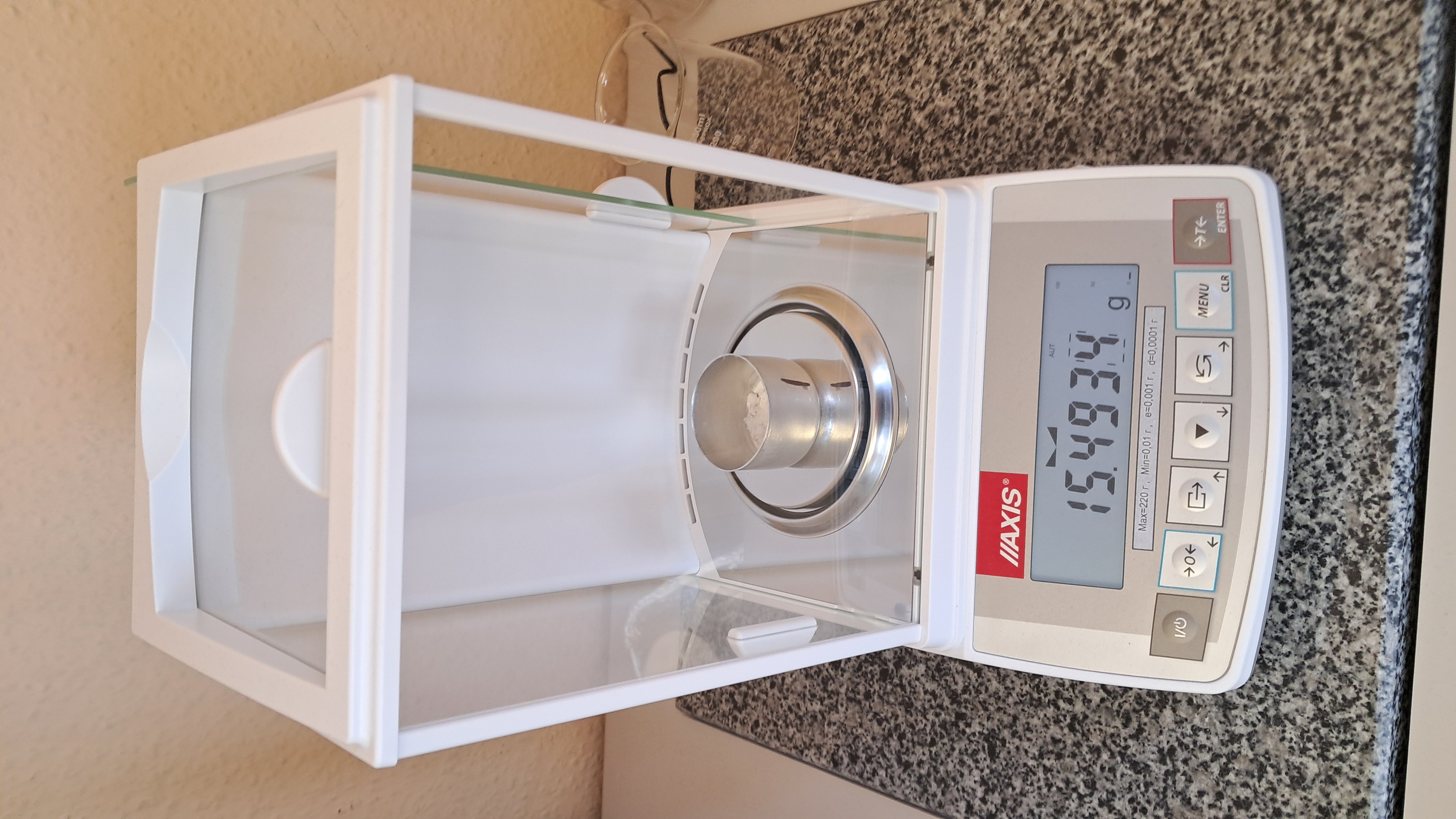
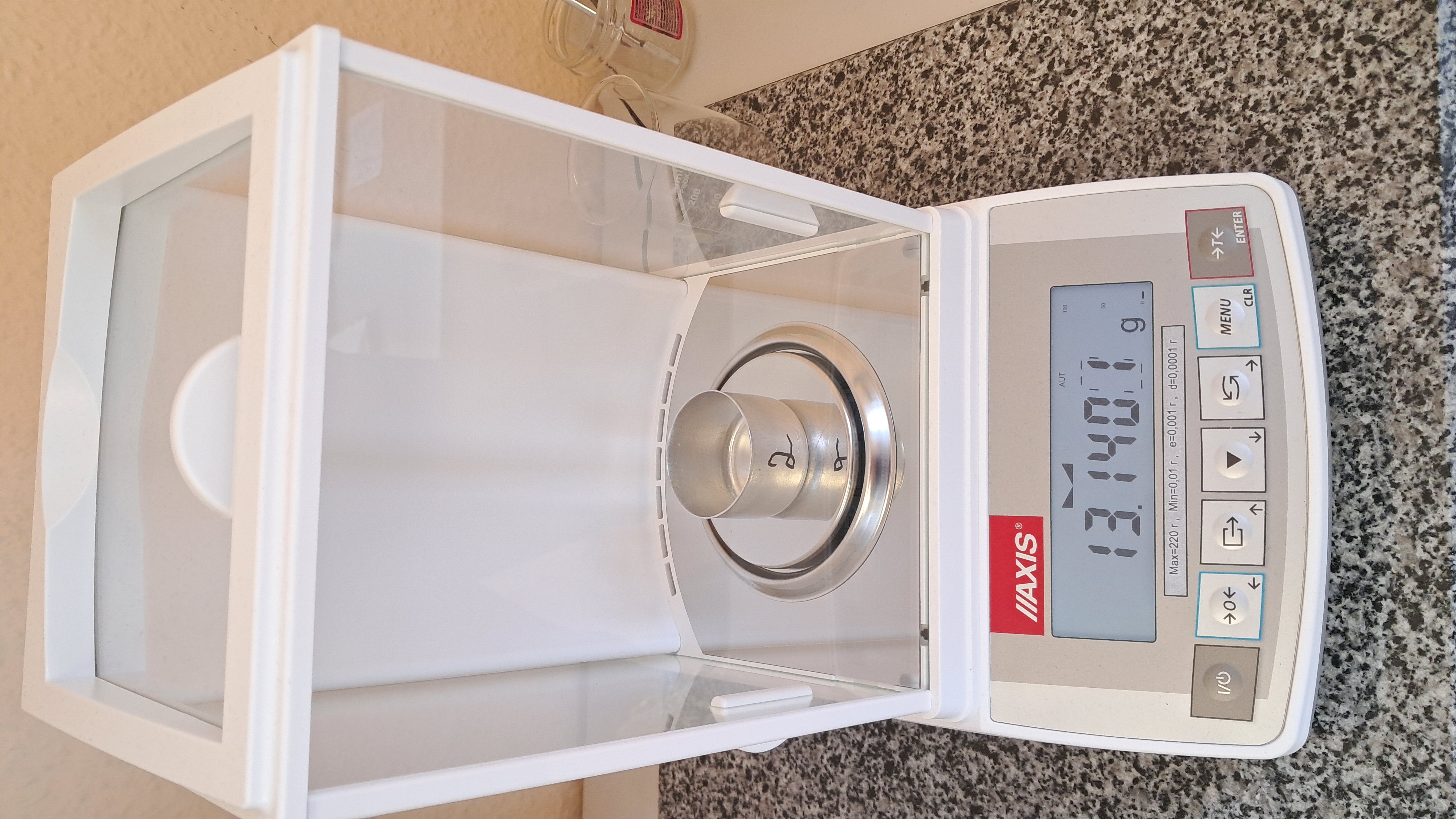
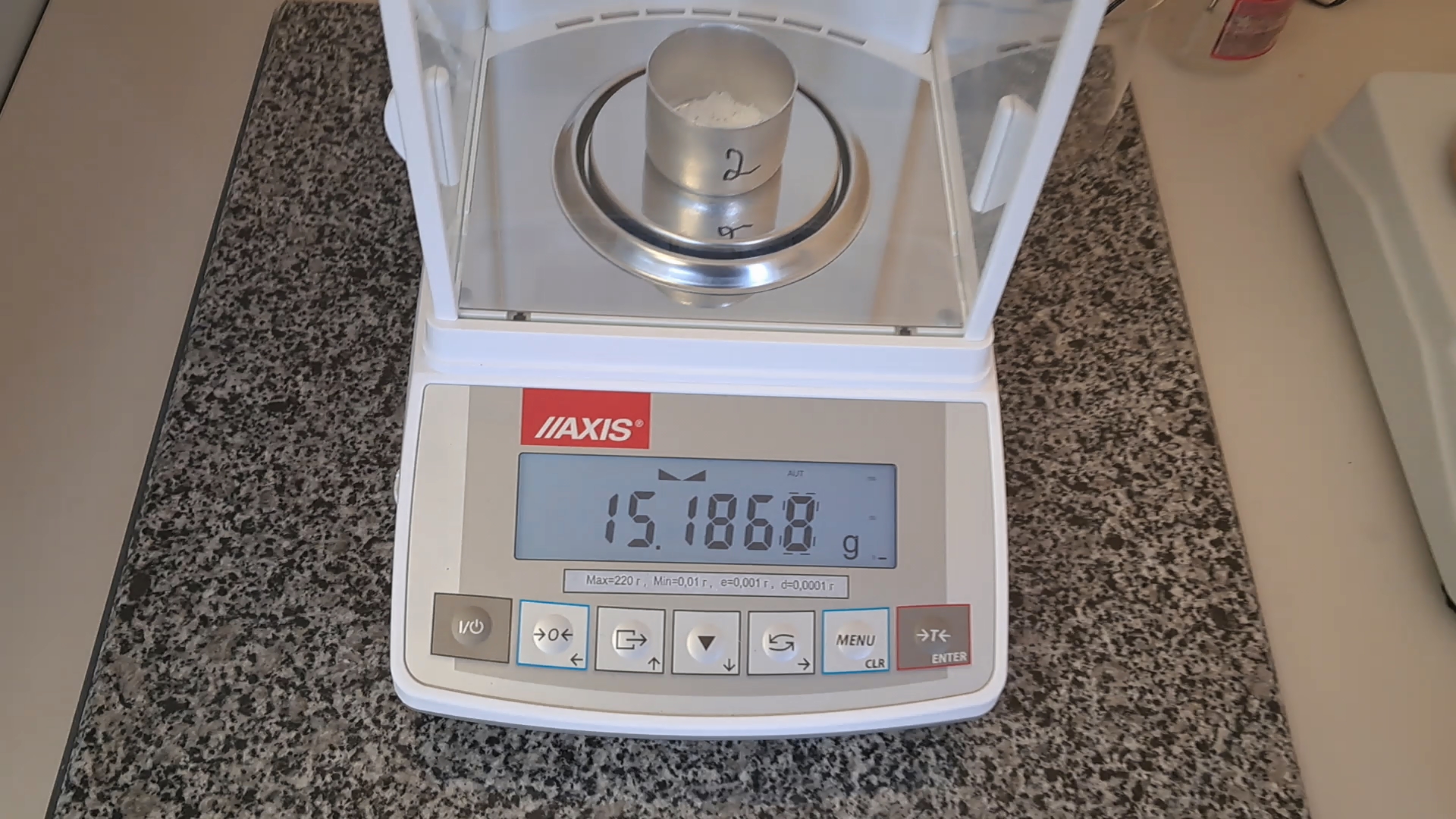
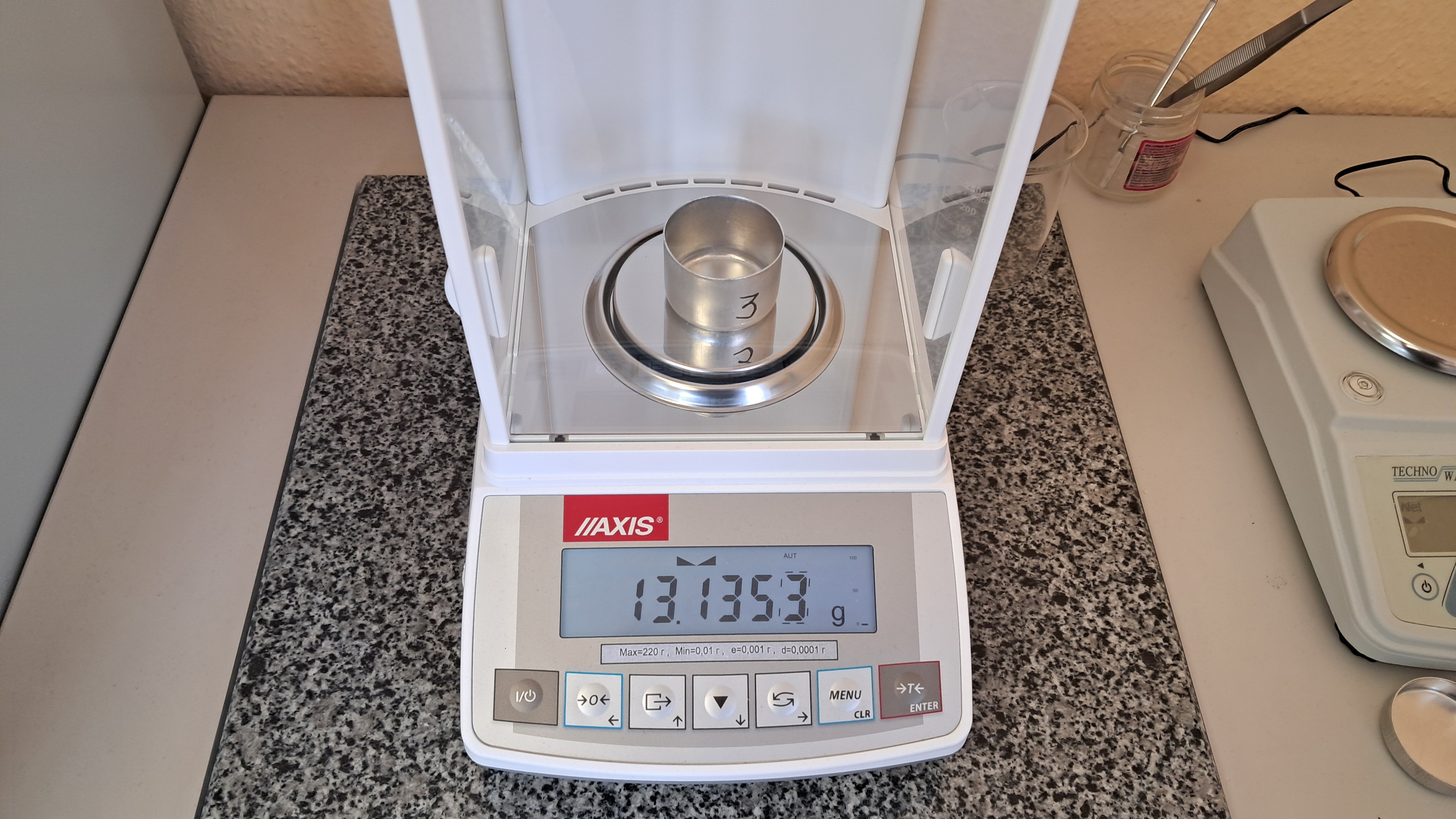
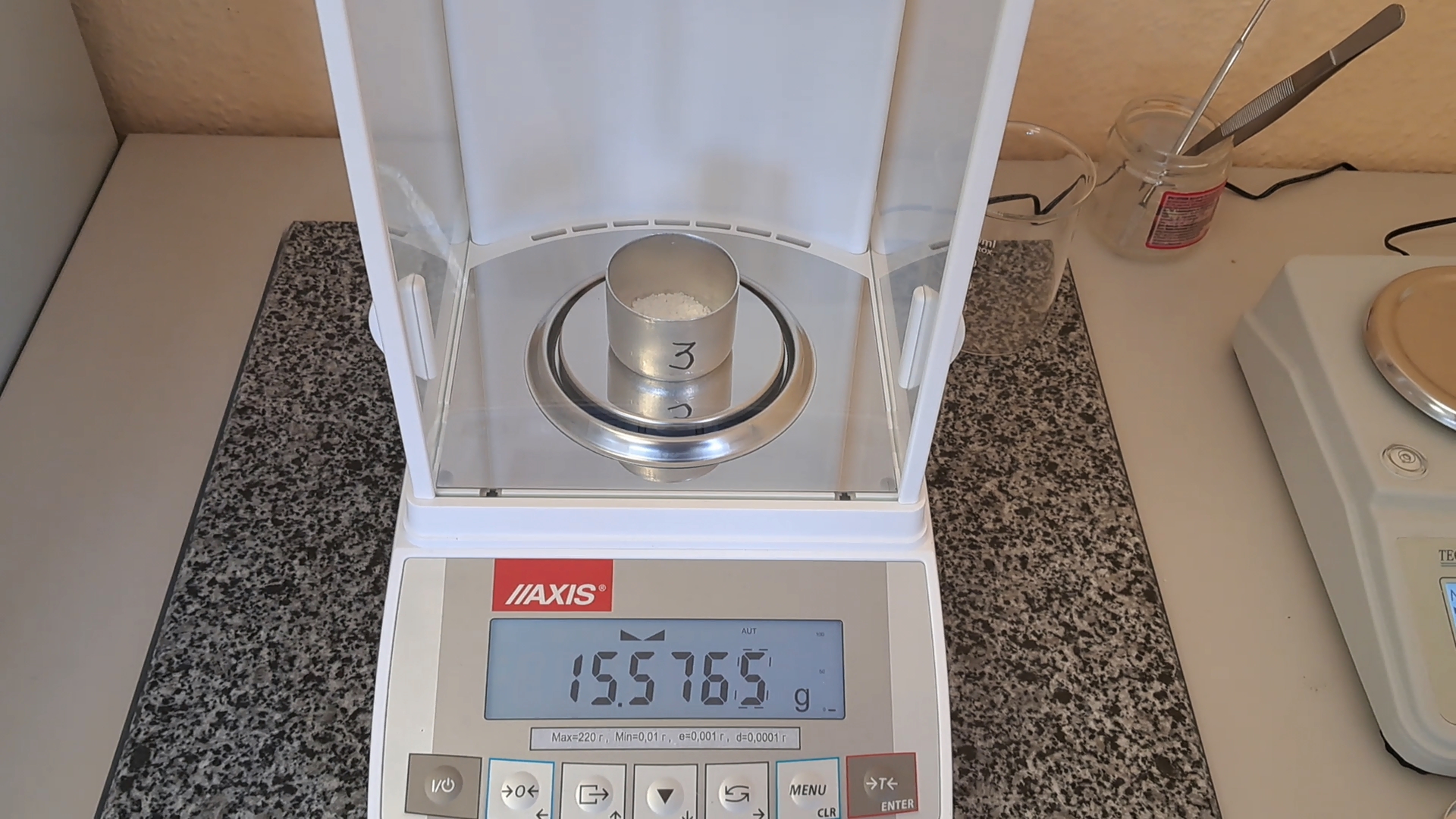
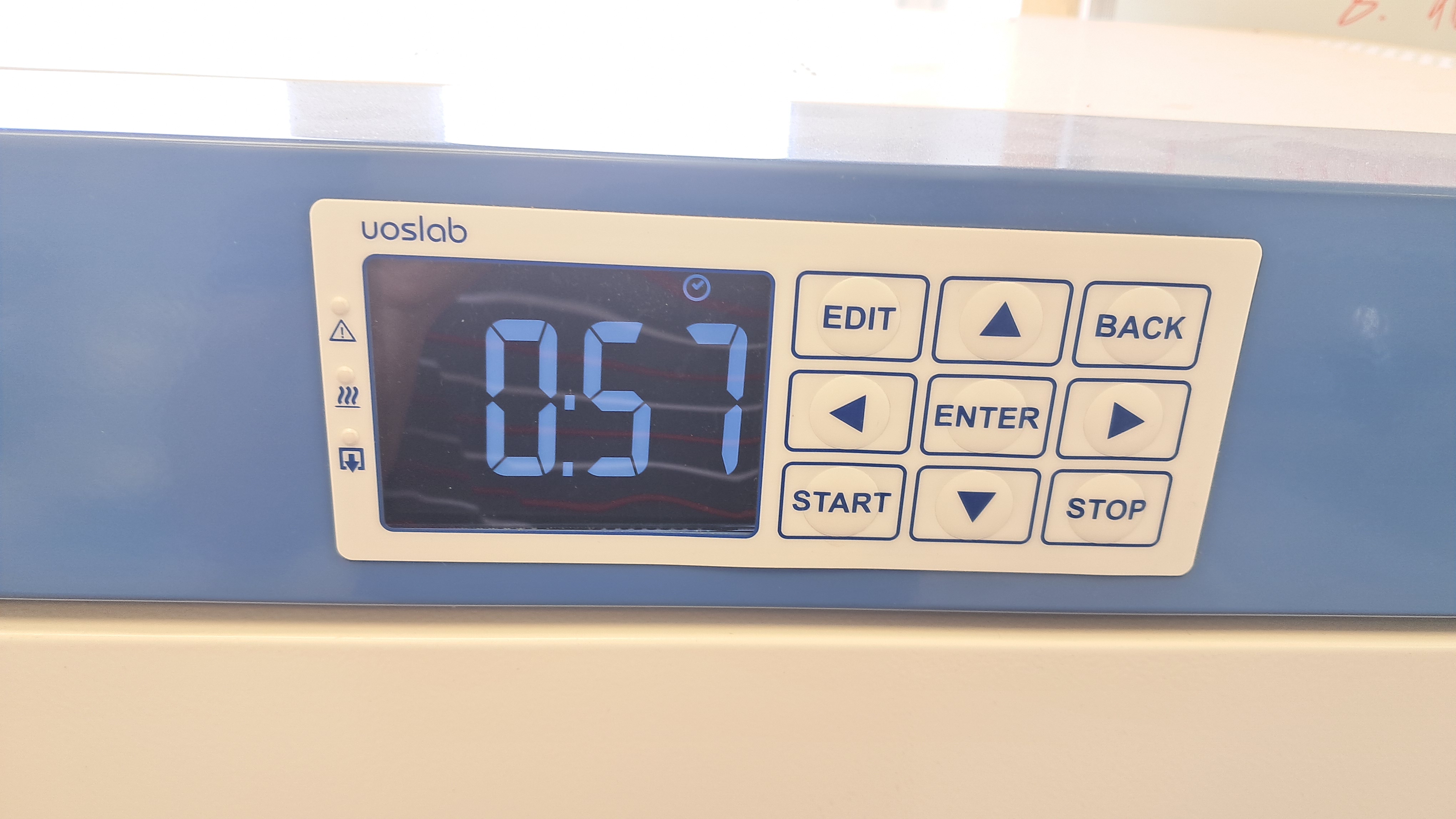
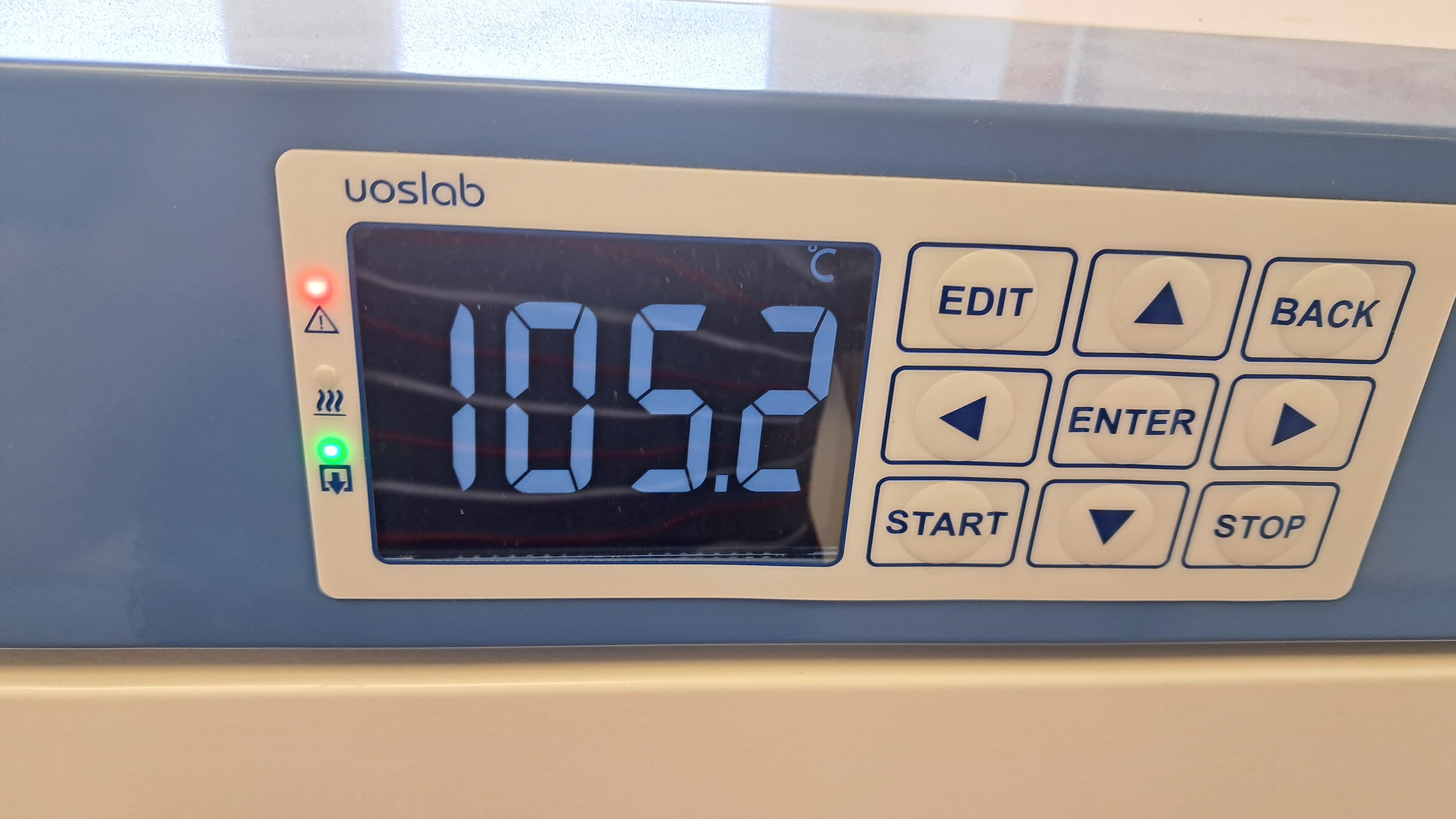
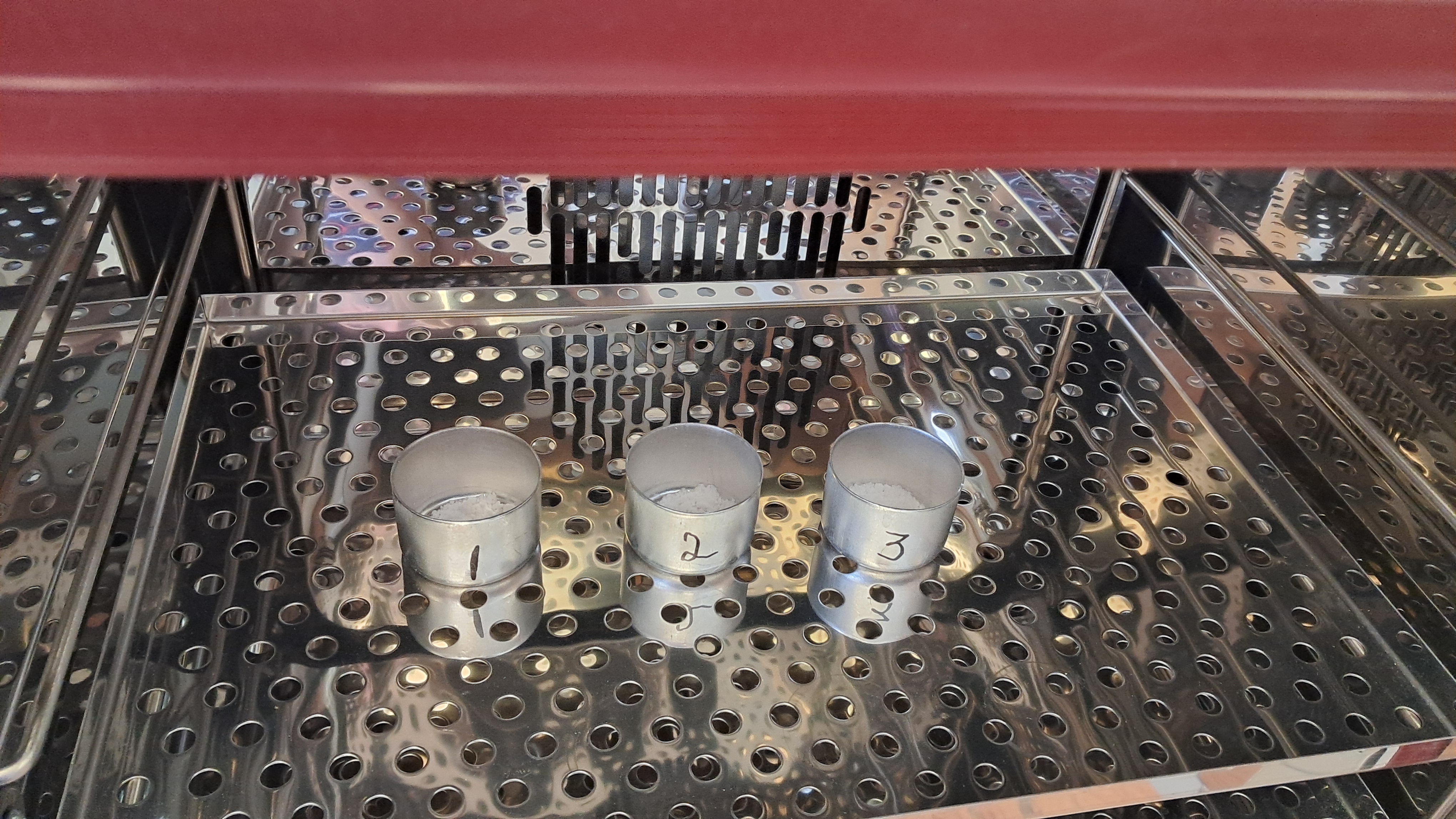
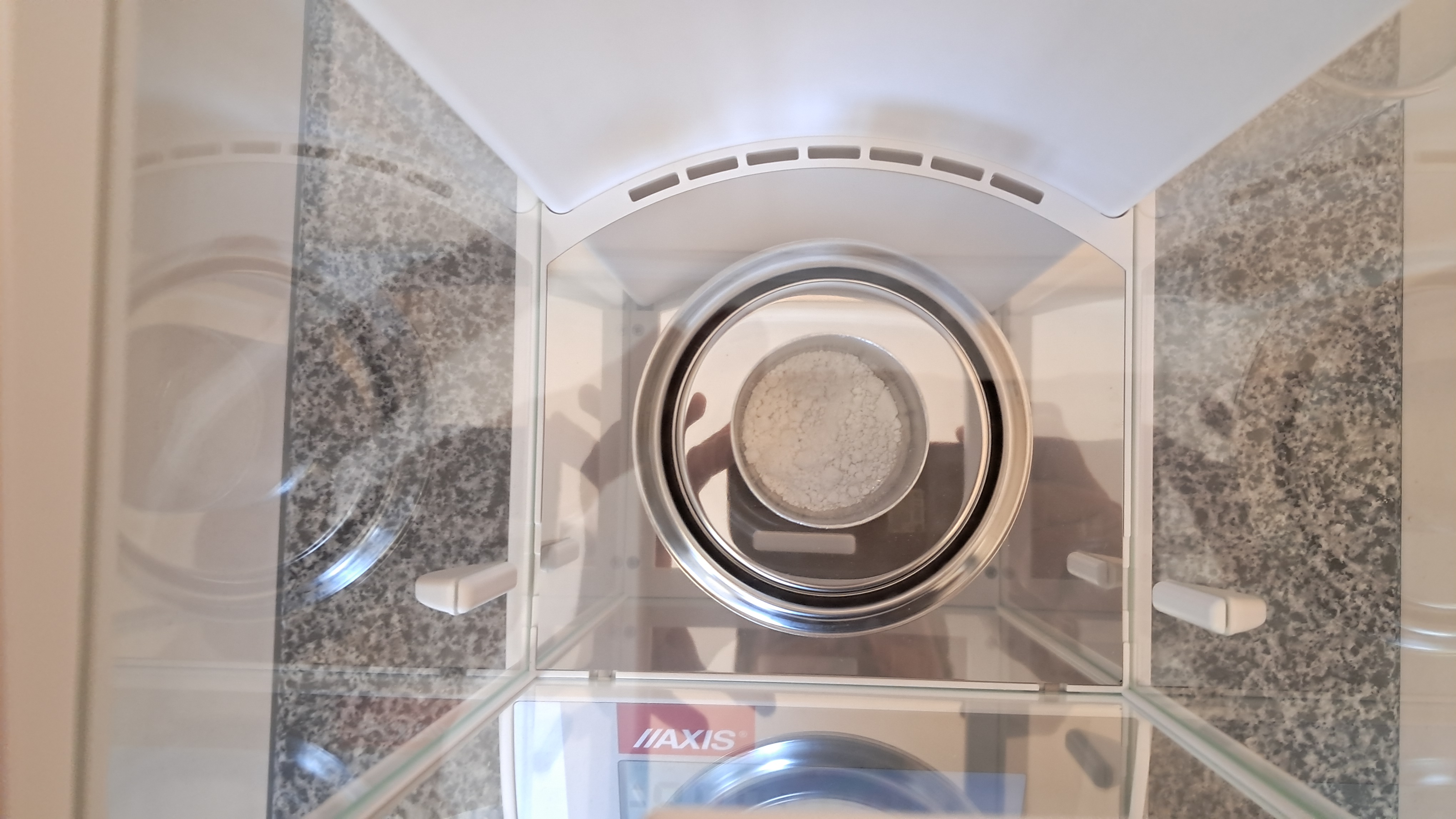
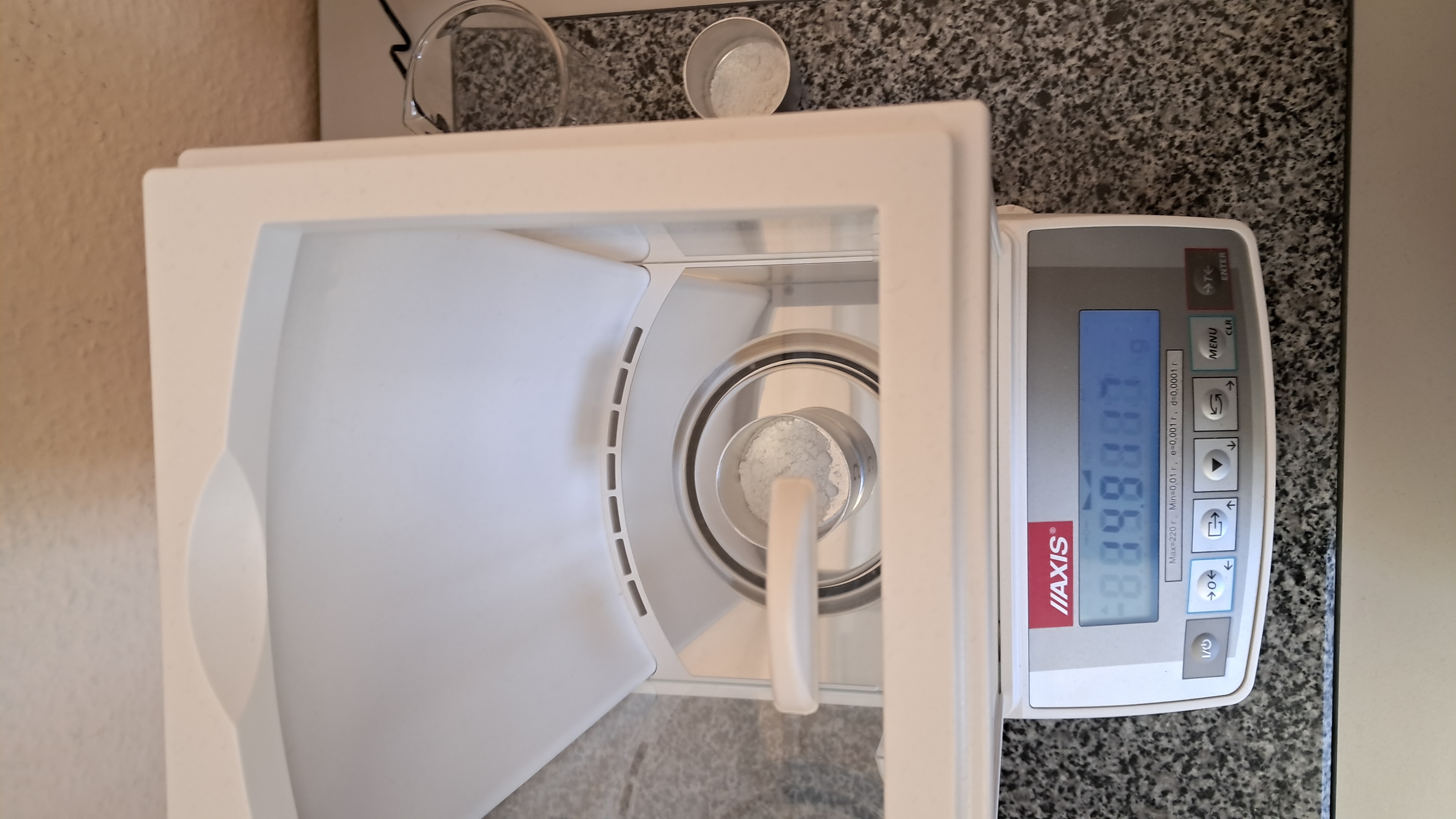
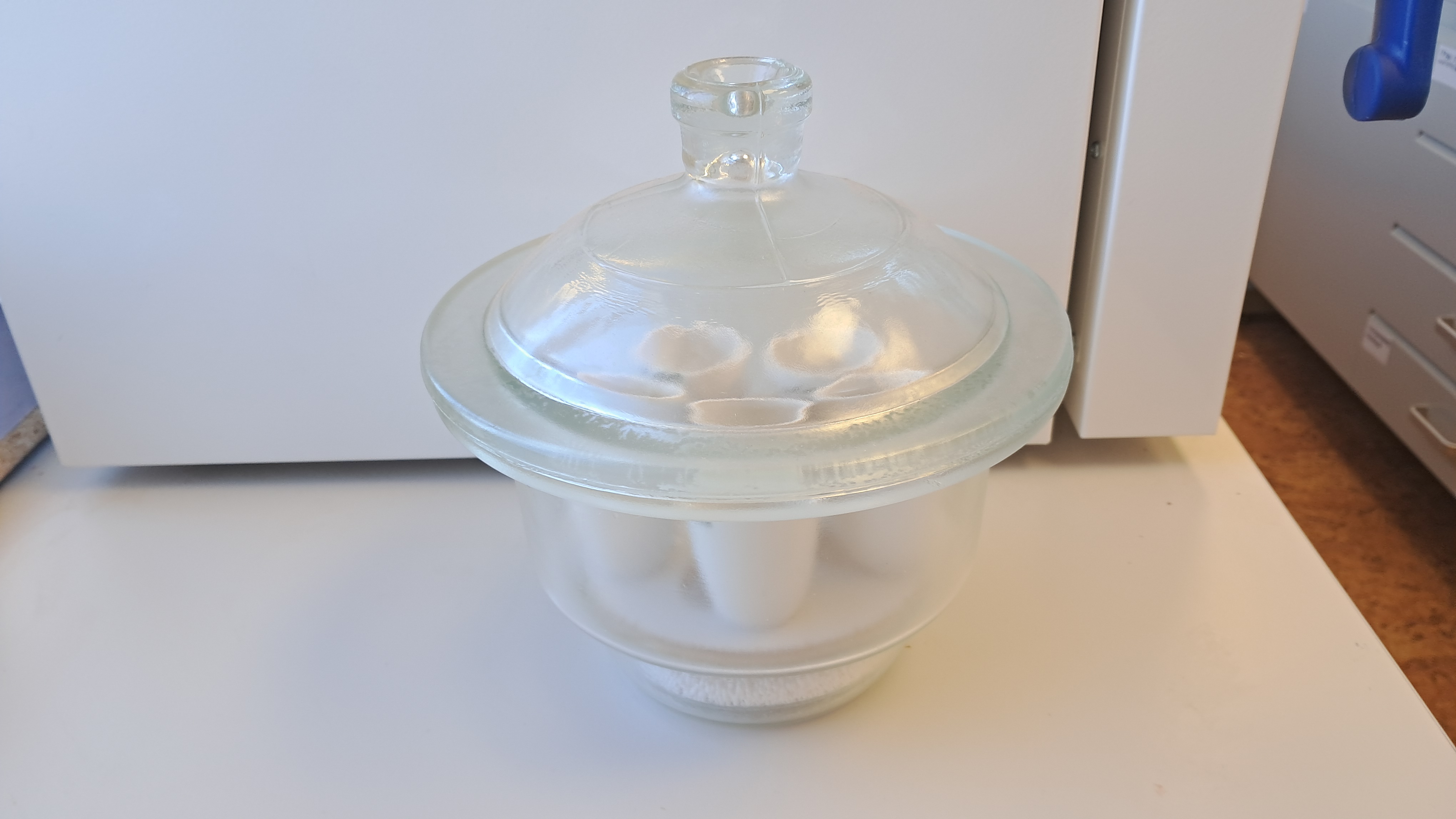
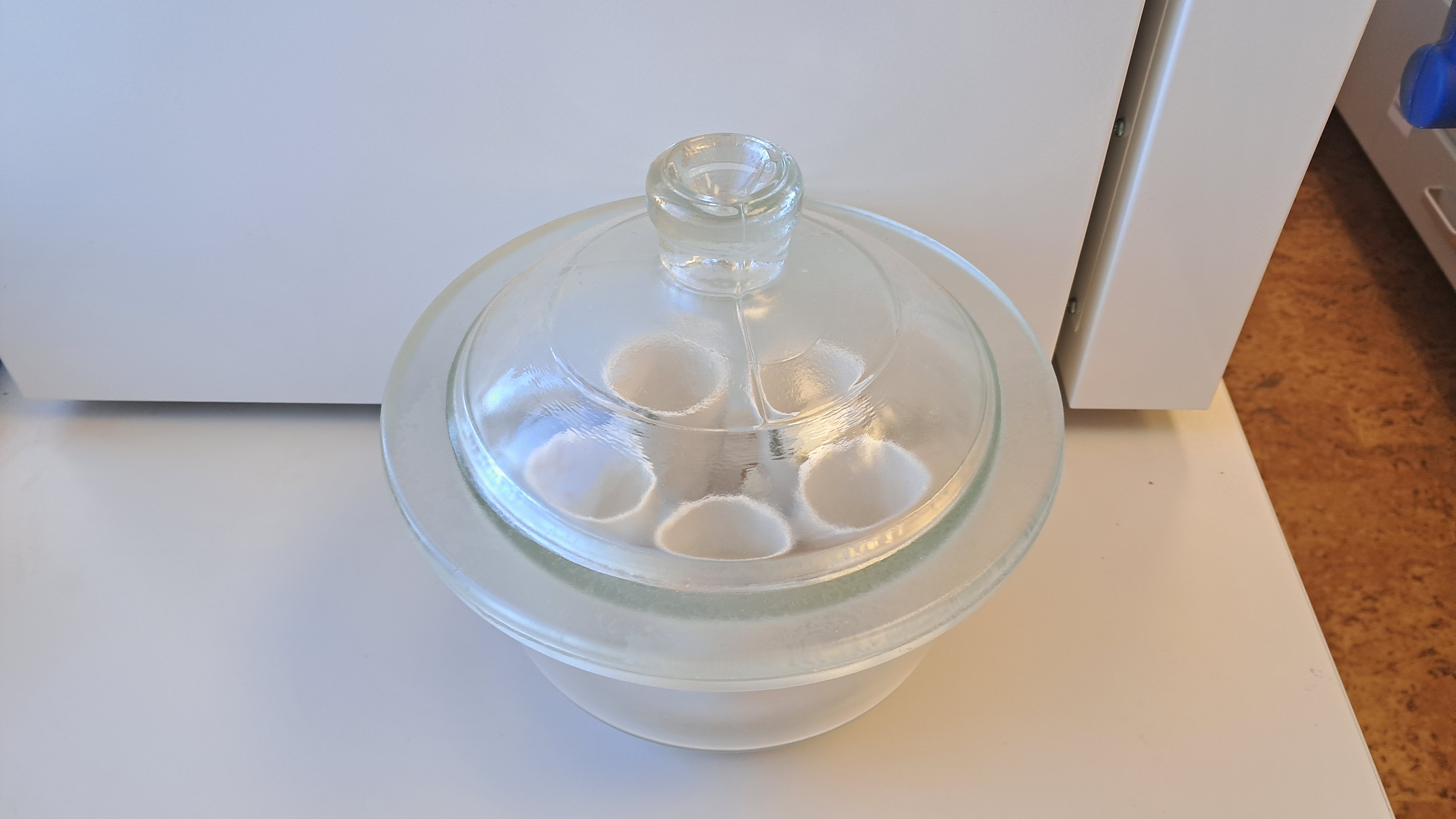
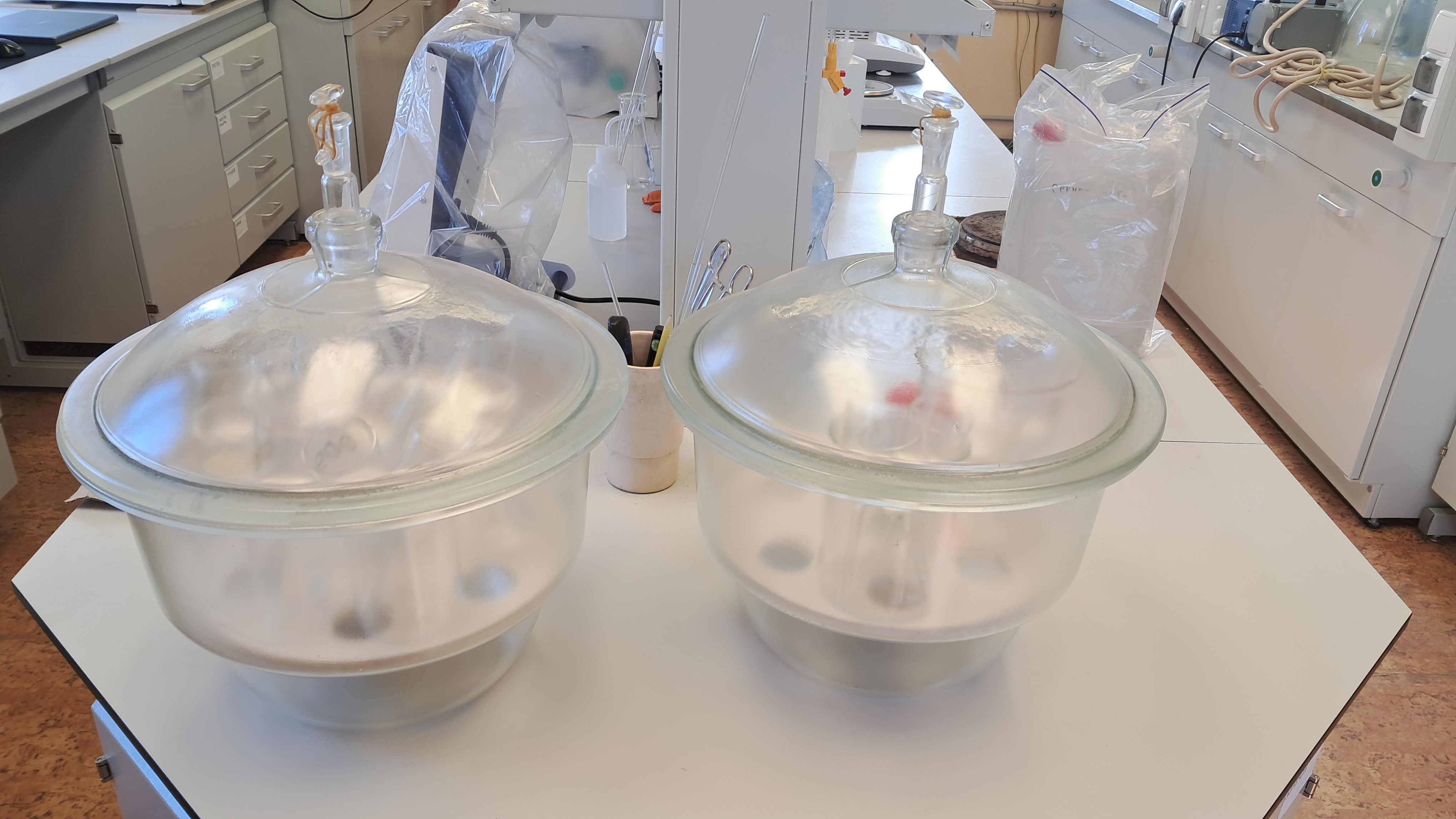
I didn't take photographs of the hexamine analysis described above - I had no desire to capture the same procedure. The photographs below are illustrative: they show the determination of moisture in a different substance which, unlike hexamine, is neither volatile nor hygroscopic. Working with such a substance is a pleasure!


Определение влаги гравиметрическим методом: необходимо повторить анализ уротропина - Часть 7
Сообщил результаты анализа гексамина директору: гравиметрический метод не применим, а альтернативный метод недоступен. Разумеется, я был уверен, что вопрос закрыт: анализ сделать мы не могли, если нам не купят титратор Карла Фишера. А титратор точно не купят. Однако, чуть позже мне позвонил директор и сказал, что заказчики попросили его… повторить анализ. Причем в этот раз я должен использовать уротропин из мешка, который привезли заказчики. Ответил директору, что у меня нет ни времени, ни желания заниматься ерундой. С другим уротропином анализ также не получится, поскольку вещество сублимируется при нагревании. Понял ли меня директор, я не уверен, поскольку его специальность - ядерная физика - область довольно далекая от аналитической химии.

В любом случае, директор предложил мне выделить своего сотрудника в помощь (он также физик), а также лабораторию его отдела, которая была оснащена гораздо лучше, чем моя нынешняя. Я не стал спорить - согласился.

Уротропин в мешке оказался в виде глыб, некоторые из них были размером в 30-40 сантиметров - их пришлось измельчать ударами одной глыбы о другую.

Вместе с сотрудником директорского отдела мы провели анализ воды в уротропине гравиметрическим методом - аналогично тому, как описано в предыдущих частях статьи. Вернее, я только говорил, что нужно делать, а сам анализ выполнял физик. В этот раз он использовал широкие алюминиевые бюксы, которые имели значительно больший диаметр, чем стеклянные бюксы, в которых я высушивал уротропин. Массы навесок были около 1 грамма, температура была 105°С, время нагревания составляло 1 час.

После охлаждения и взвешивания, физик посчитал потерю массы образцов в граммах. Я объяснил ему, что нужно рассчитать потерю массы в процентах по отношению к первоначальной массе образцов.

В результате потеря массы составила от 4.8 до 5.8%. В моем случае потеря массы была около 2% (за то же время). Сначала я перепроверил вычисления физика на предмет ошибок, но уже наперед знал, что все правильно. Бюксы имели гораздо больший диаметр и обеспечивали большую поверхность для сублимации гексамина, в результате вещество испарялось быстрее.

Провели анализ другого образца уротропина, который был в этой лаборатории, результат оказался аналогичным.

Узнав результат (4.8-5.8%), заказчик сказал, что этого не может быть: "При таком содержании влаги уротропин становится прозрачным". Видимо, он имел ввиду, что наличие жидкой воды в уротропине становится заметно визуально. Я согласился. В отличие от нашего директора, заказчик понял, что метод неприменим.

Более того, заказчик привез с собой и дал мне литровые бутылки с раствором Фишера 1 и 2. Я объяснил, что титрование воды реактивом Фишера - это значительно более сложный анализ, чем, например, титрование кислоты щелочью. Необходимо собрать специальную установку для титрования. В частности, растворы следует изолировать от влаги воздуха. Именно поэтому сейчас используют не самодельные установки для титрования, а специальные автоматические титраторы Карла Фишера. Например, такое оборудование выпускает фирма Mettler Toledo.

Описанный анализ уротропина я не фотографировал - не было никакого желания повторно снимать одно и то же. Приведенные ниже фотографии являются иллюстративными - на них показан анализ влаги в другом веществе, которое, в отличие от уротропина, не является летучим или гигроскопичным. Работать с таким веществом - одно удовольствие!


Hexamine
Hexamine

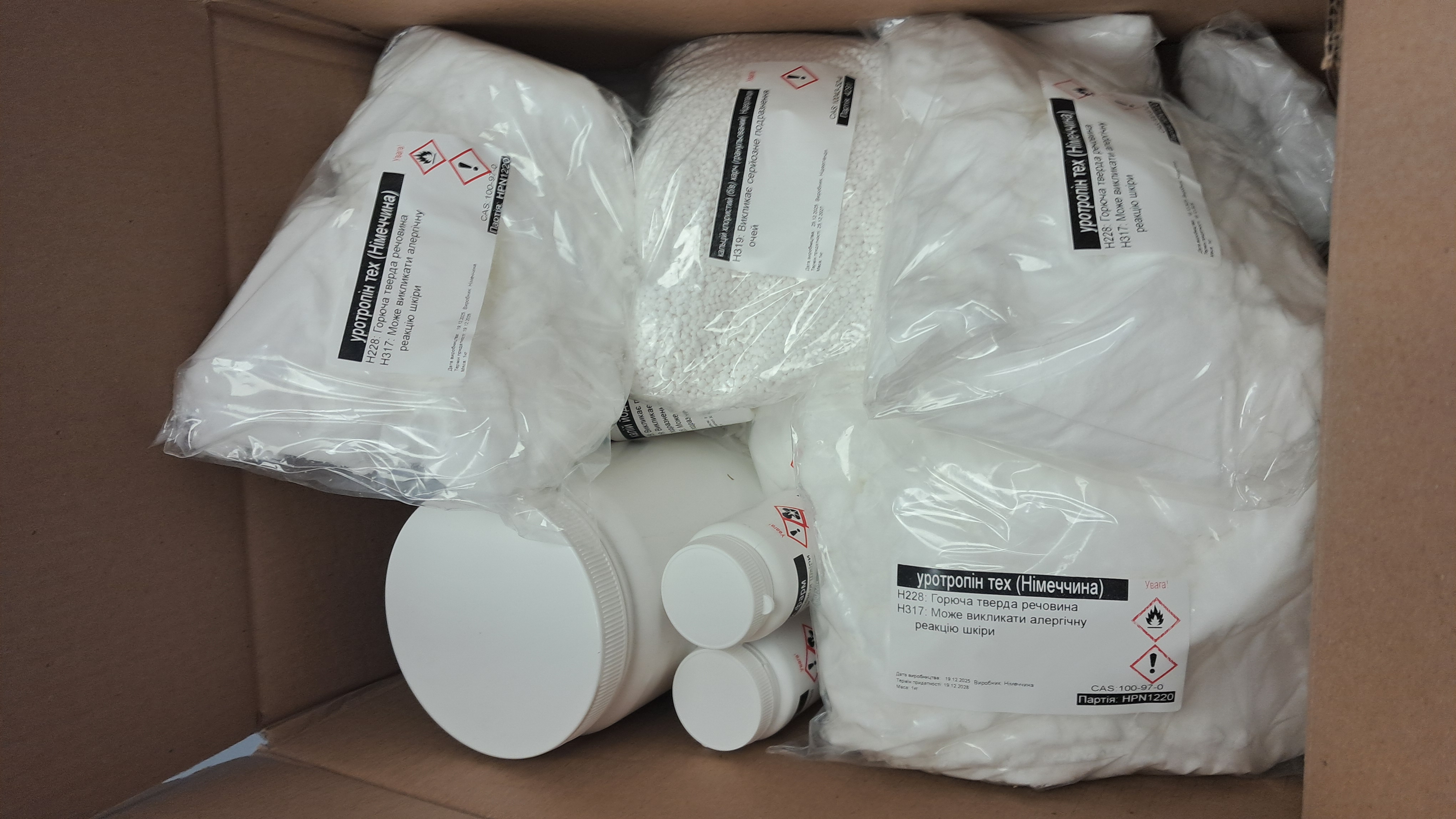
Hexamine
Hexamine

Hexamine
Also hexamine...

Moisture Determination by Gravimetric Method
Moisture Determination by Gravimetric Method (Not Hexamine)

Moisture Determination by Gravimetric Method

Moisture Determination by Gravimetric Method

Moisture Determination by Gravimetric Method

Moisture Determination by Gravimetric Method

Moisture Determination by Gravimetric Method

Moisture Determination by Gravimetric Method

Moisture Determination by Gravimetric Method

Moisture Determination by Gravimetric Method

Moisture Determination by Gravimetric Method

Moisture Determination by Gravimetric Method

Moisture Determination by Gravimetric Method

Moisture Determination by Gravimetric Method

Moisture Determination by Gravimetric Method

Moisture Determination by Gravimetric Method

Moisture Determination by Gravimetric Method

Moisture Determination by Gravimetric Method

Moisture Determination by Gravimetric Method

Moisture Determination by Gravimetric Method

Moisture Determination by Gravimetric Method

Karl Fischer Reagent

Karl Fischer Reagent

Karl Fischer Reagent

Karl Fischer Reagent


[ Qualitative and Quantitative Chemical Analysis ] [ Chemical laboratory. Glassware. Reagents. Laboratory operations ]

Gravimetric (weight) analysis - Discussion on the forum
Desiccators, Drying of Medium - Discussion on the forum
Chemical photographs and laboratory videos - Discussion on the forum
[Submit a Comment / Error Message - Отправить Комментарий / Сообщение об ошибке]