Chemistry and Chemists № 2 2026
Journal of Chemists-Enthusiasts
| Content | Chemistry experiments - video | Physics experiments - video | Home Page - Chemistry and Chemists |
|
Chemistry and Chemists № 2 2026 Journal of Chemists-Enthusiasts |
Determining Moisture Content in Hexamine - pt.9, 10 Chemist |
|
Having noticed a mistake in the text, allocate it and press Ctrl-Enter
'Bread Maker' (Gravimetric Moisture Analyzer) - Part 9
As I mentioned earlier, I was permitted to work in the director's laboratory, which was far better equipped than our own. Unlike many other research institute directors, ours was open to discussing scientific topics and would sometimes even heed the opinions and arguments of his staff. He urgently needed a method for determining the moisture content of urotropine without relying on expensive equipment. It took some time, but I eventually managed to explain to him that the standard drying method was unsuitable - at least in its classical form. However, the clients insisted on their requirements, and the director was reluctant to refuse them. They had even paid for an automatic Karl Fischer titrator(!), but delivery of this costly instrument would take months, whereas the results were needed immediately.
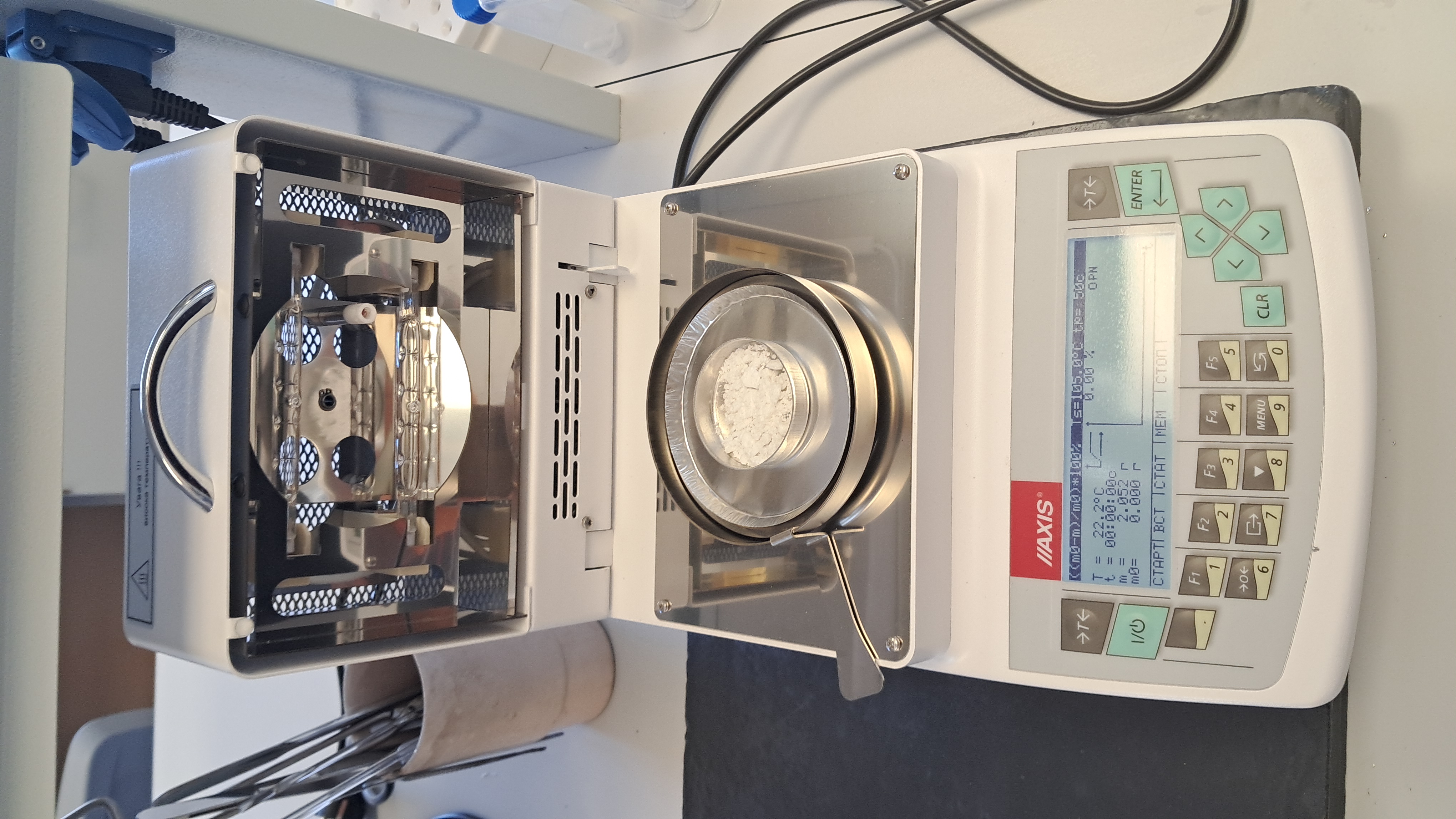
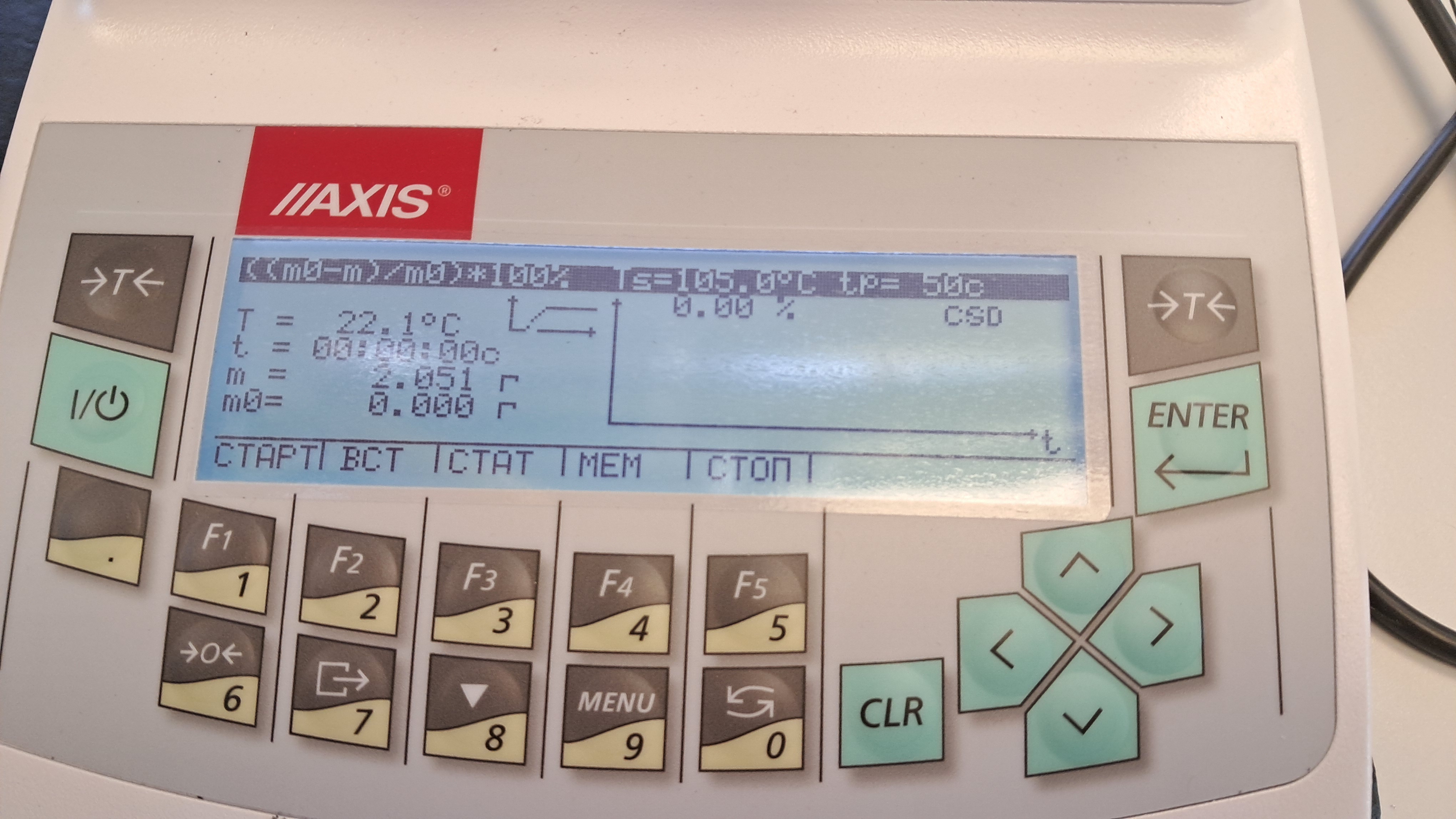
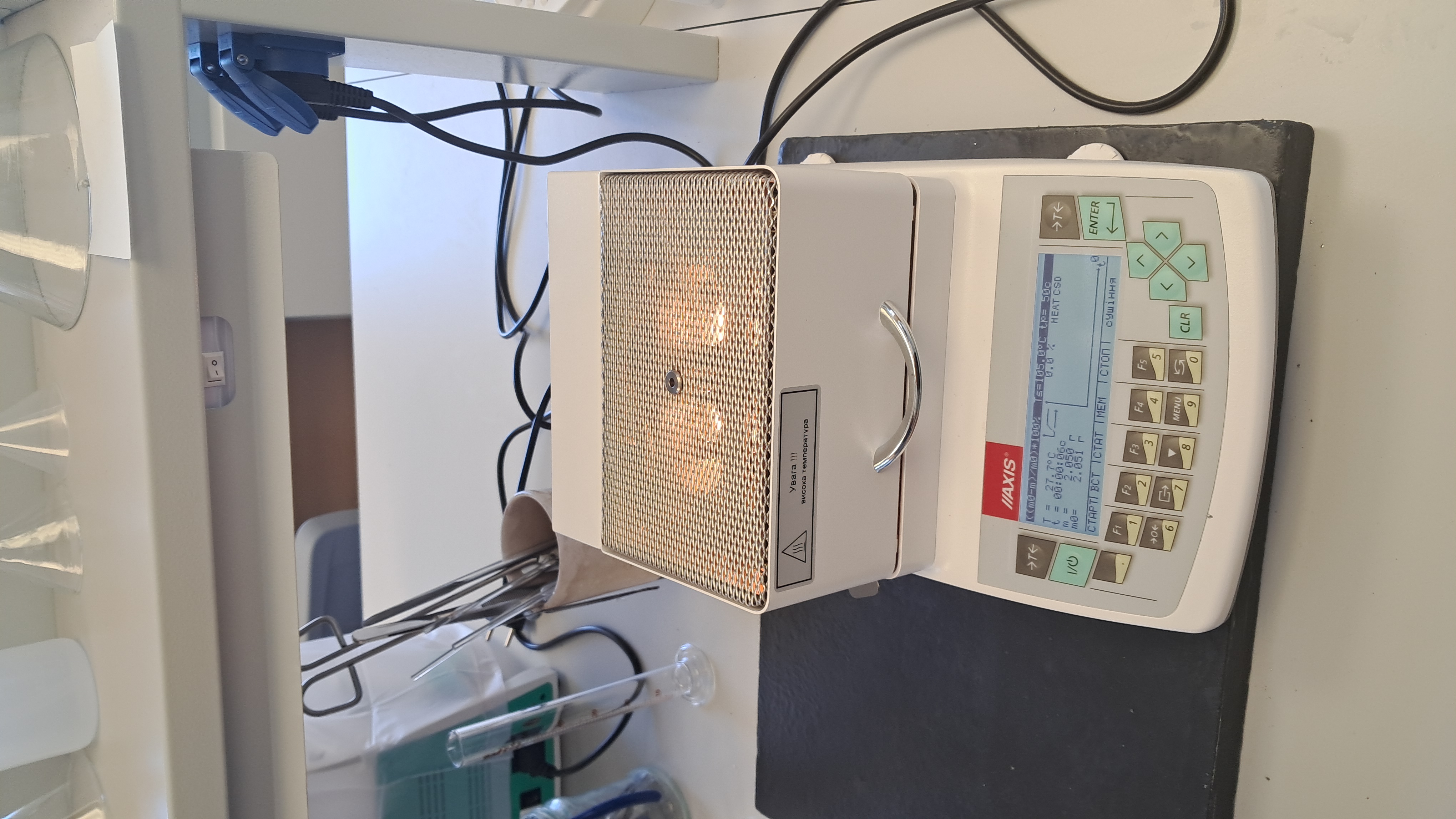
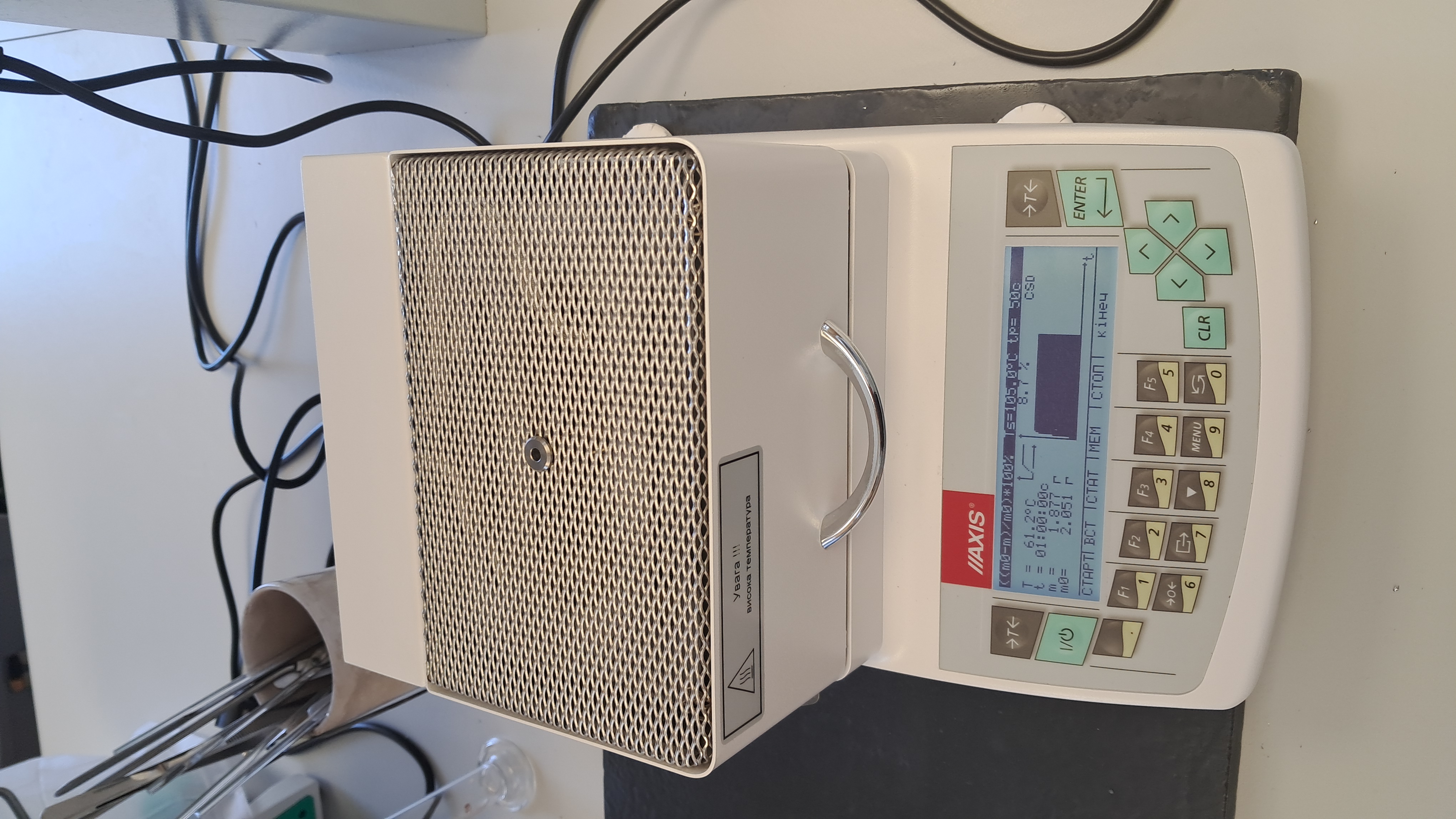
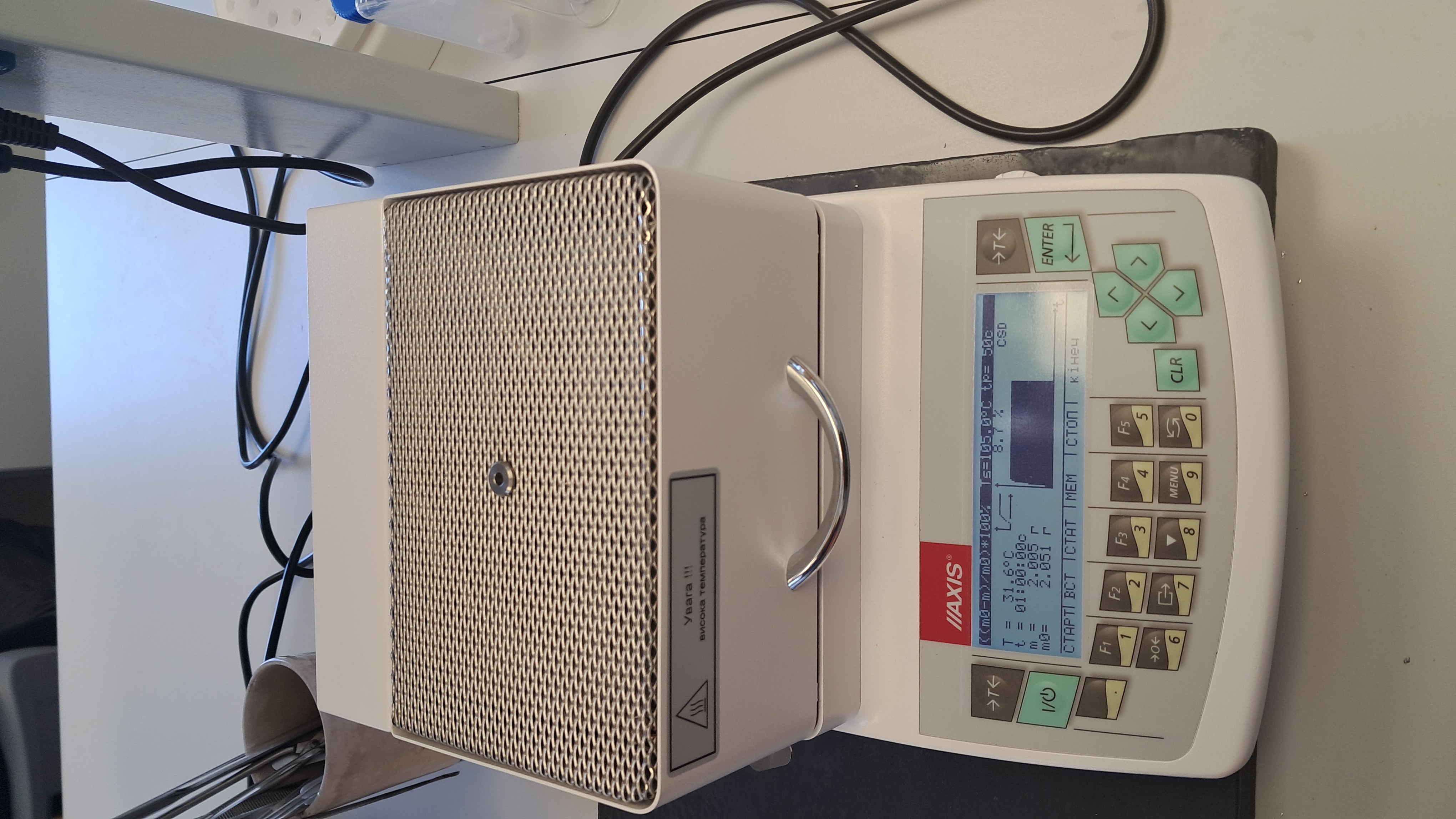
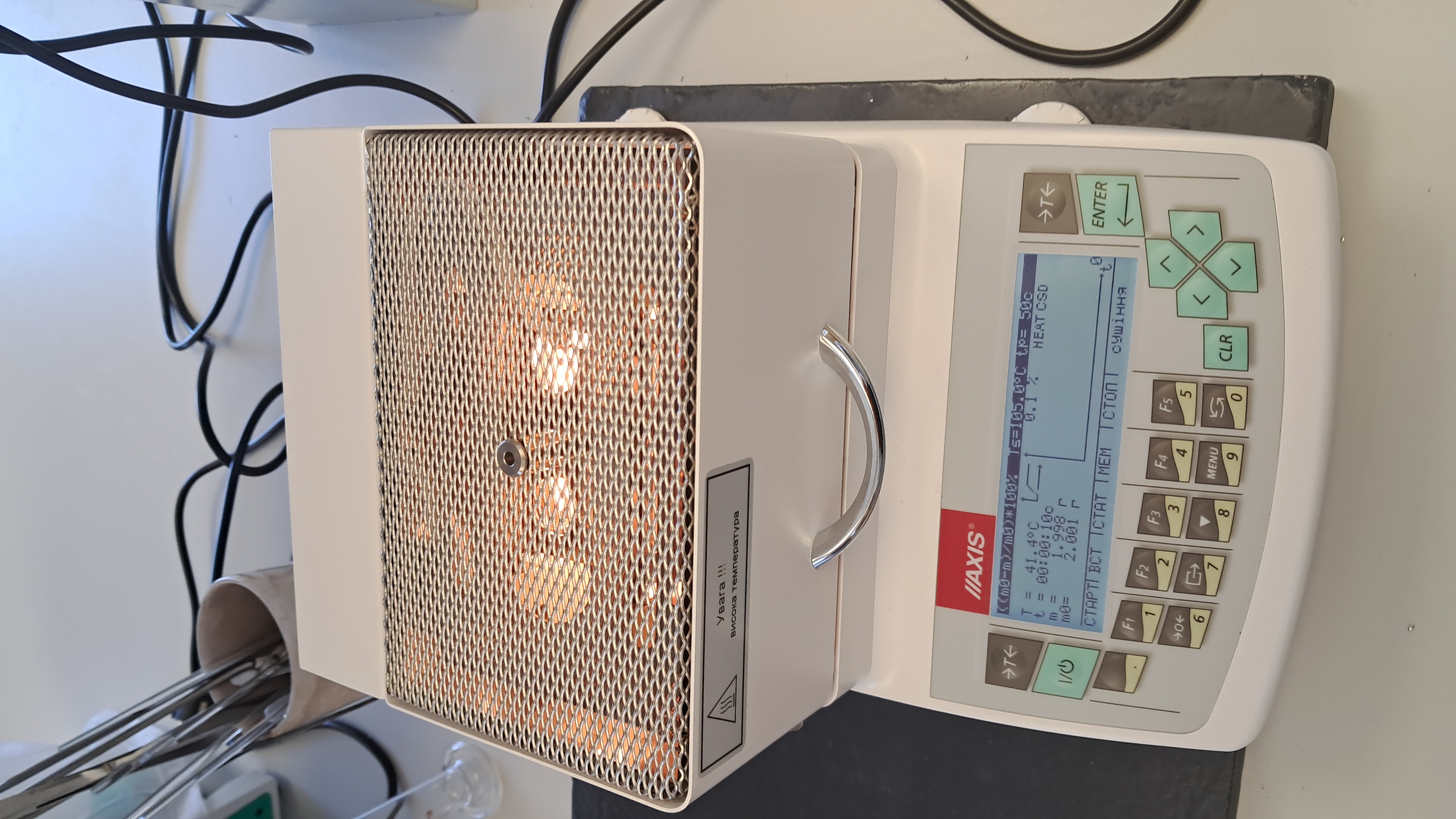
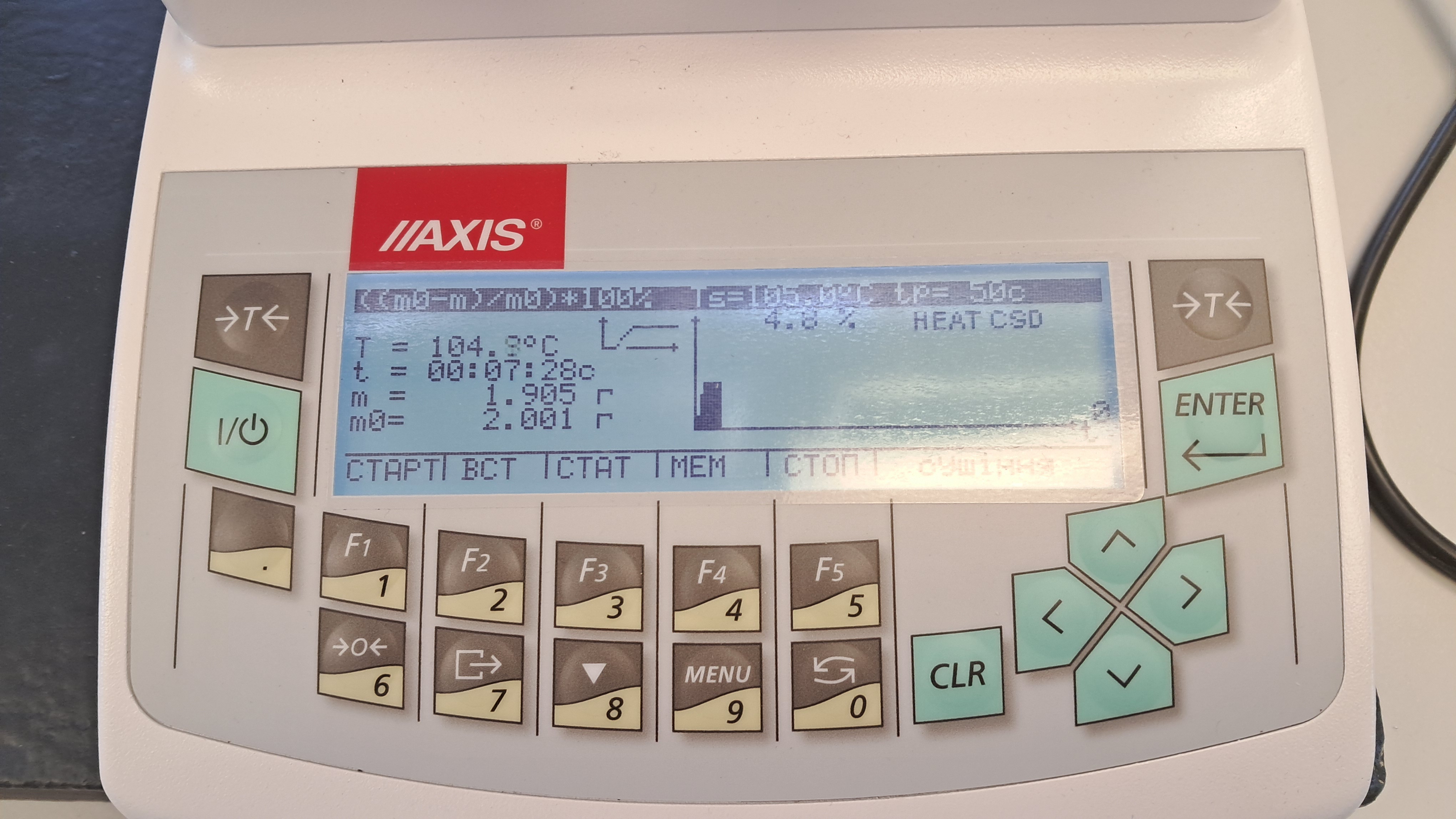
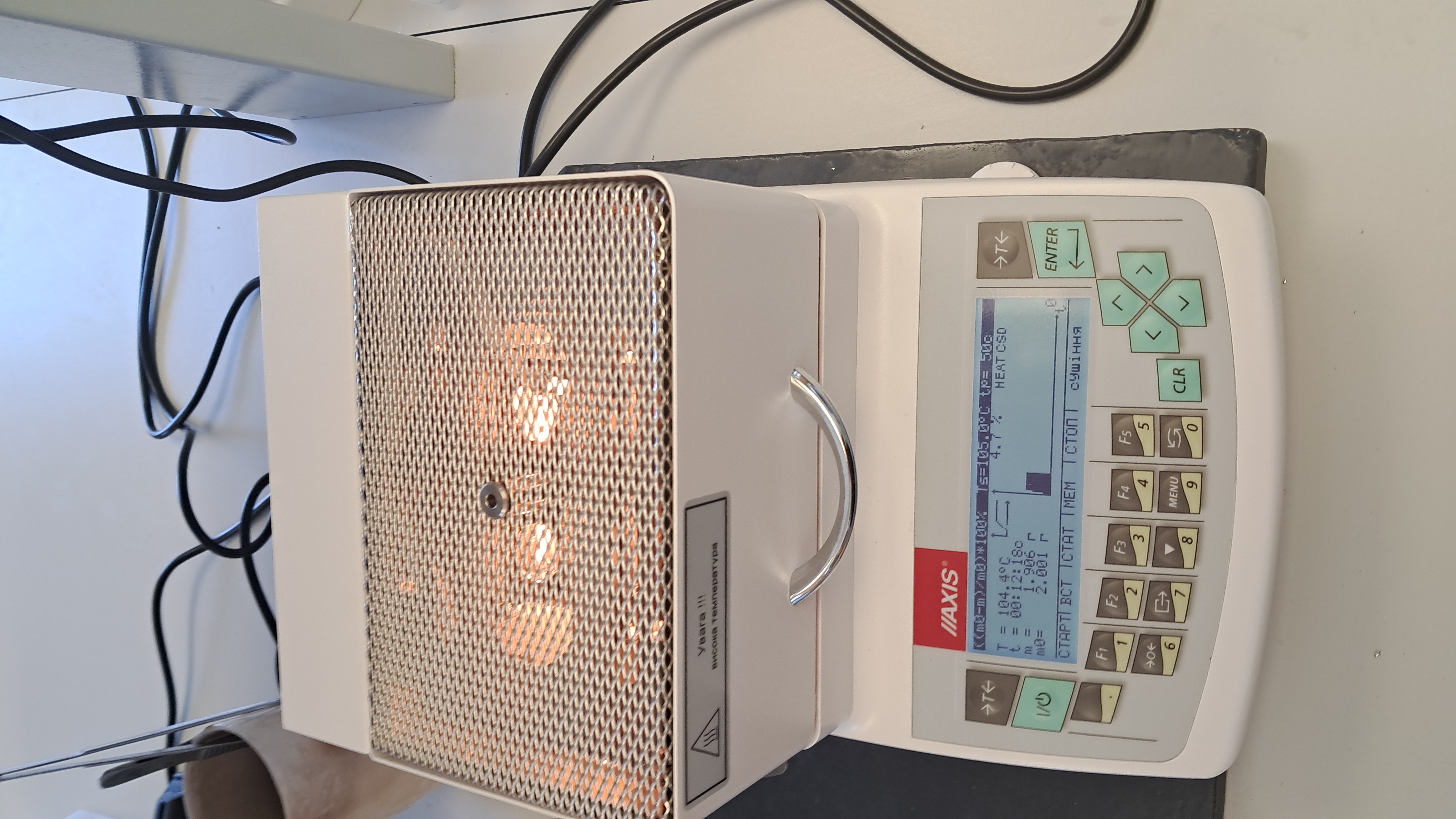
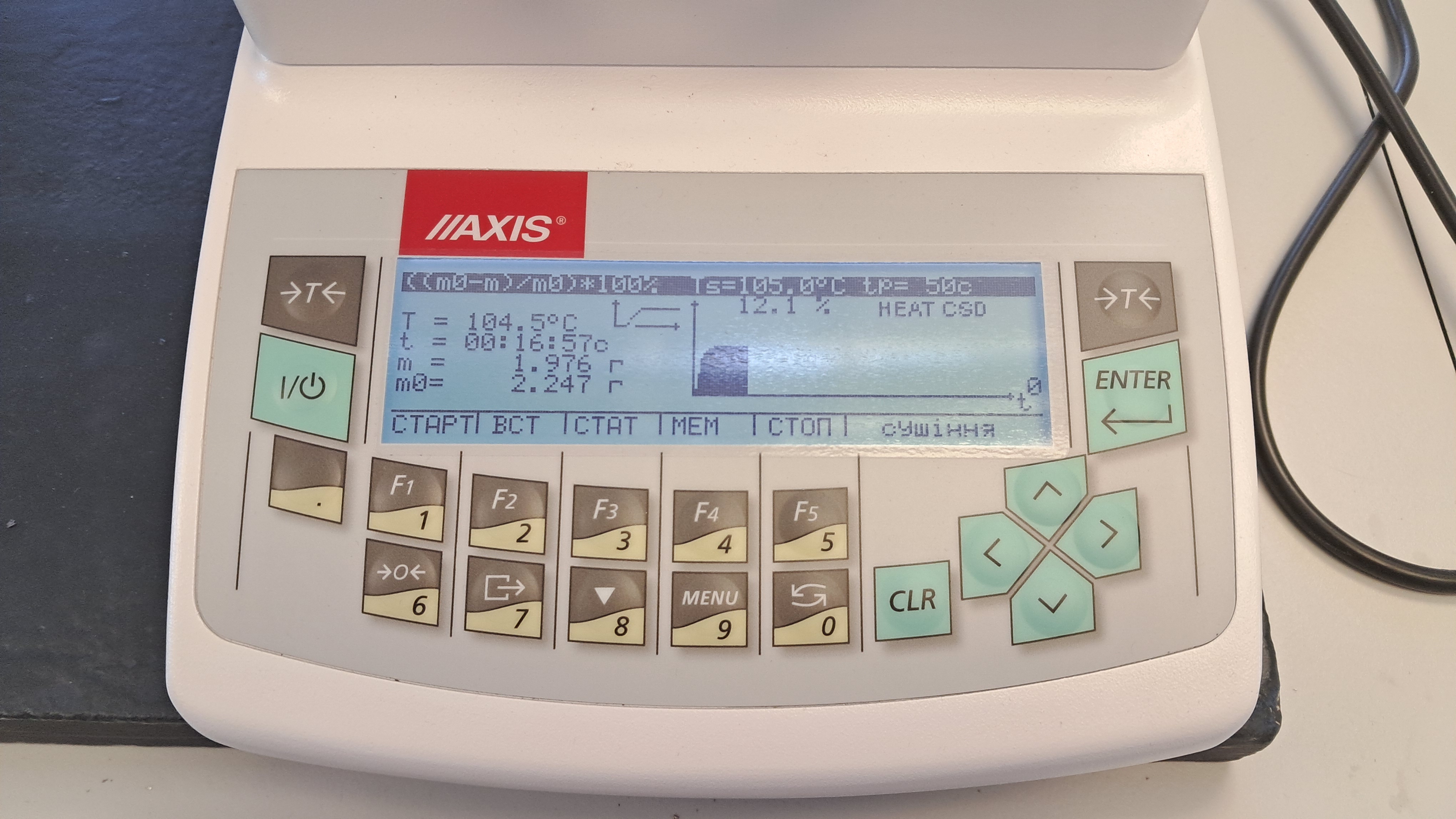
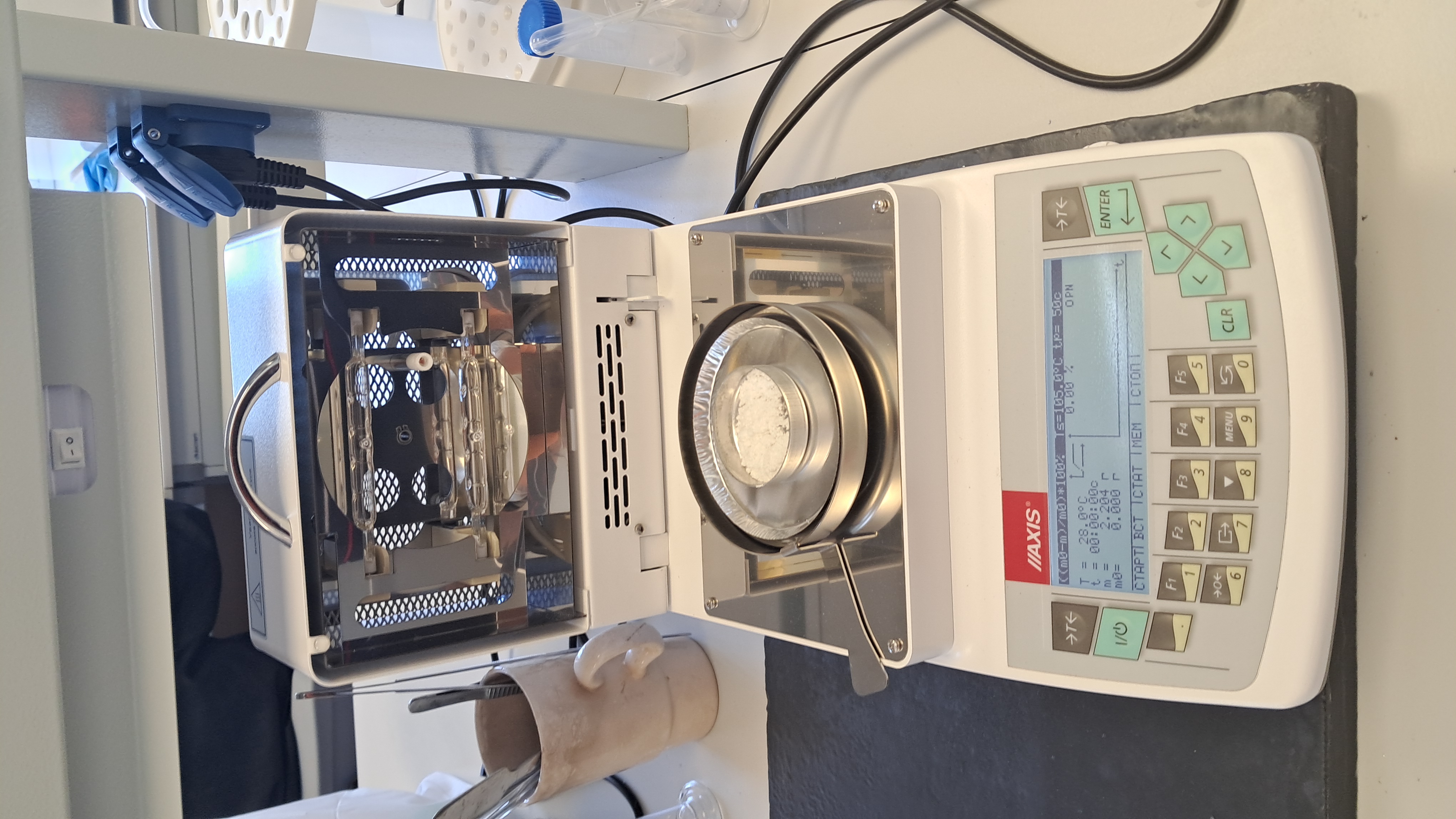
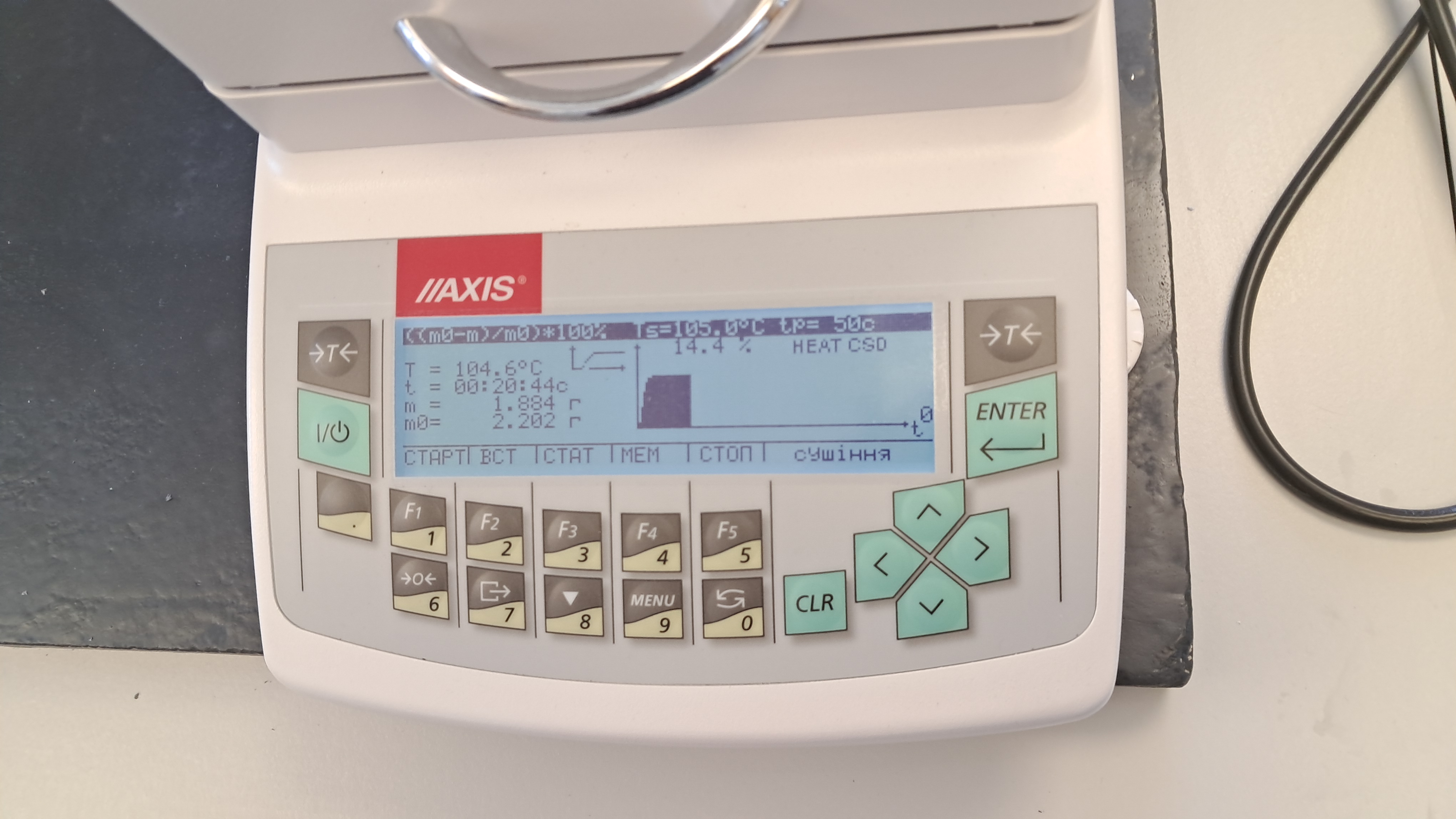
'Хлебопечка' (весовой анализатор влаги) - Часть 9 In addition to standard analytical and technical balances, desiccators, weighing bottles, and a drying oven, the laboratory possessed a moisture analyzer that operated on the drying principle. Essentially, this single device replaced all the aforementioned laboratory equipment. It significantly accelerated and simplified moisture analysis, although the moisture analyzer's accuracy was lower. The instrument consisted of an analytical balance topped by two halogen lamps designed to heat and dry the sample. Both the temperature and the heating duration could be easily adjusted. The device provided an immediate readout of the percentage of mass loss, along with a graph showing mass loss over time. The moisture analyzer had been purchased recently, and there wasn't a single chemist in the director's laboratory capable of setting it up. Consequently, the task of getting the instrument running fell to me and to a chemistry student who was working in the director's lab on a probationary basis. For lack of a better option, I suggested using a piece of Ukrainian rye bread as the test sample. The moisture content of bread can vary significantly, and for this particular sample, it was unknown beforehand. However, we first needed to verify that the moisture analyzer was actually working, so we placed the bread inside and set it to heat at 105°C for one hour. 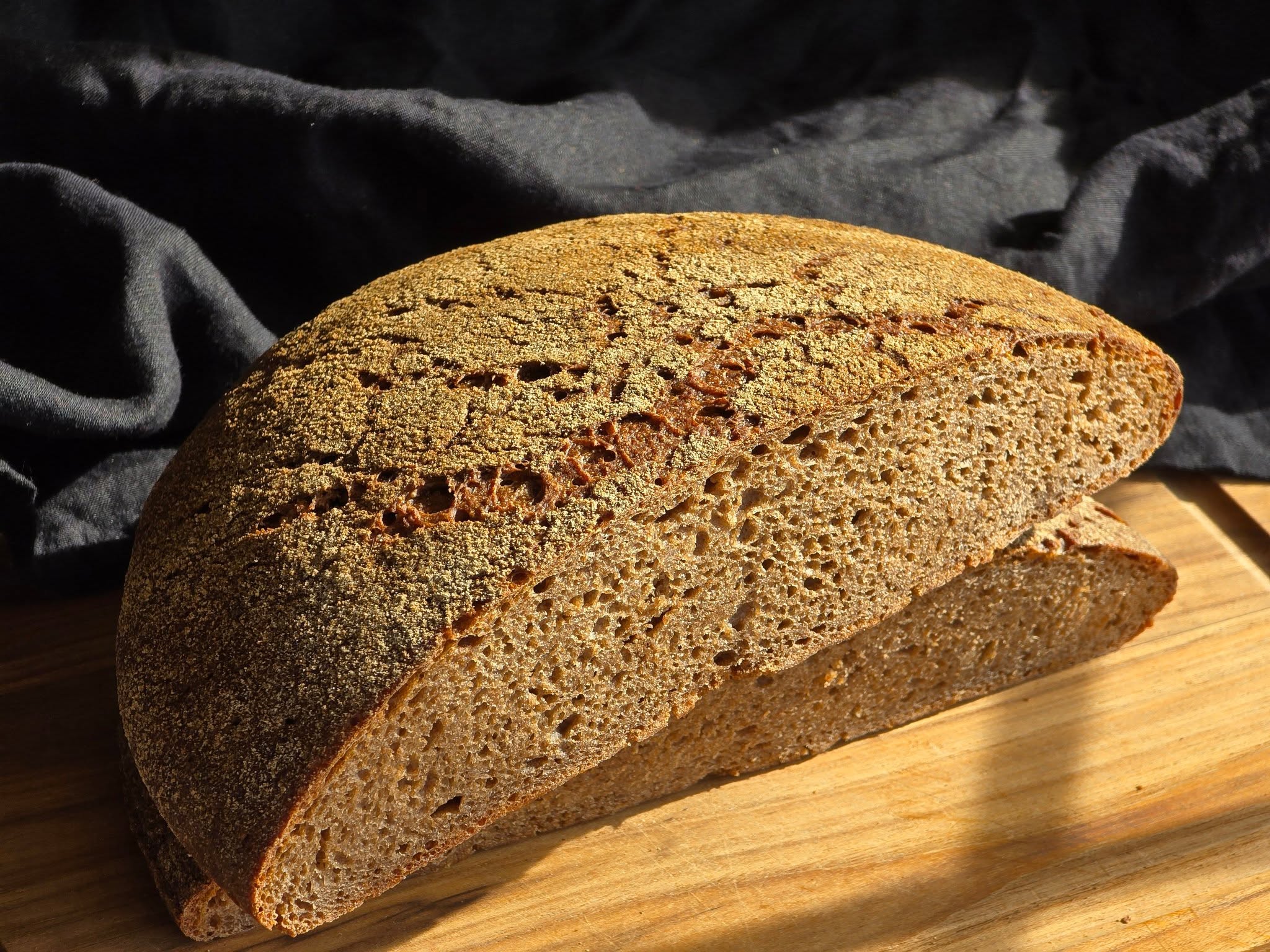
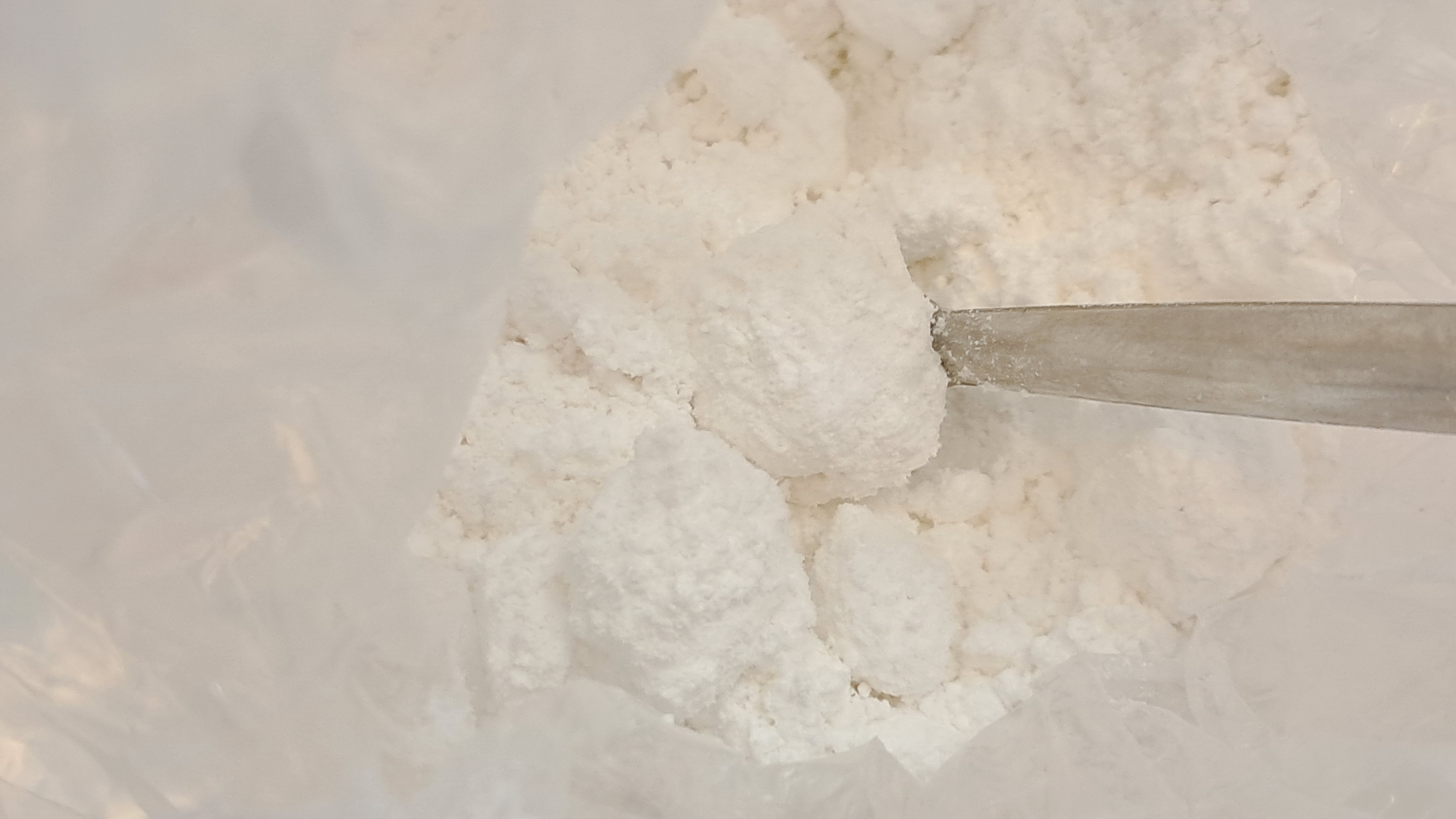
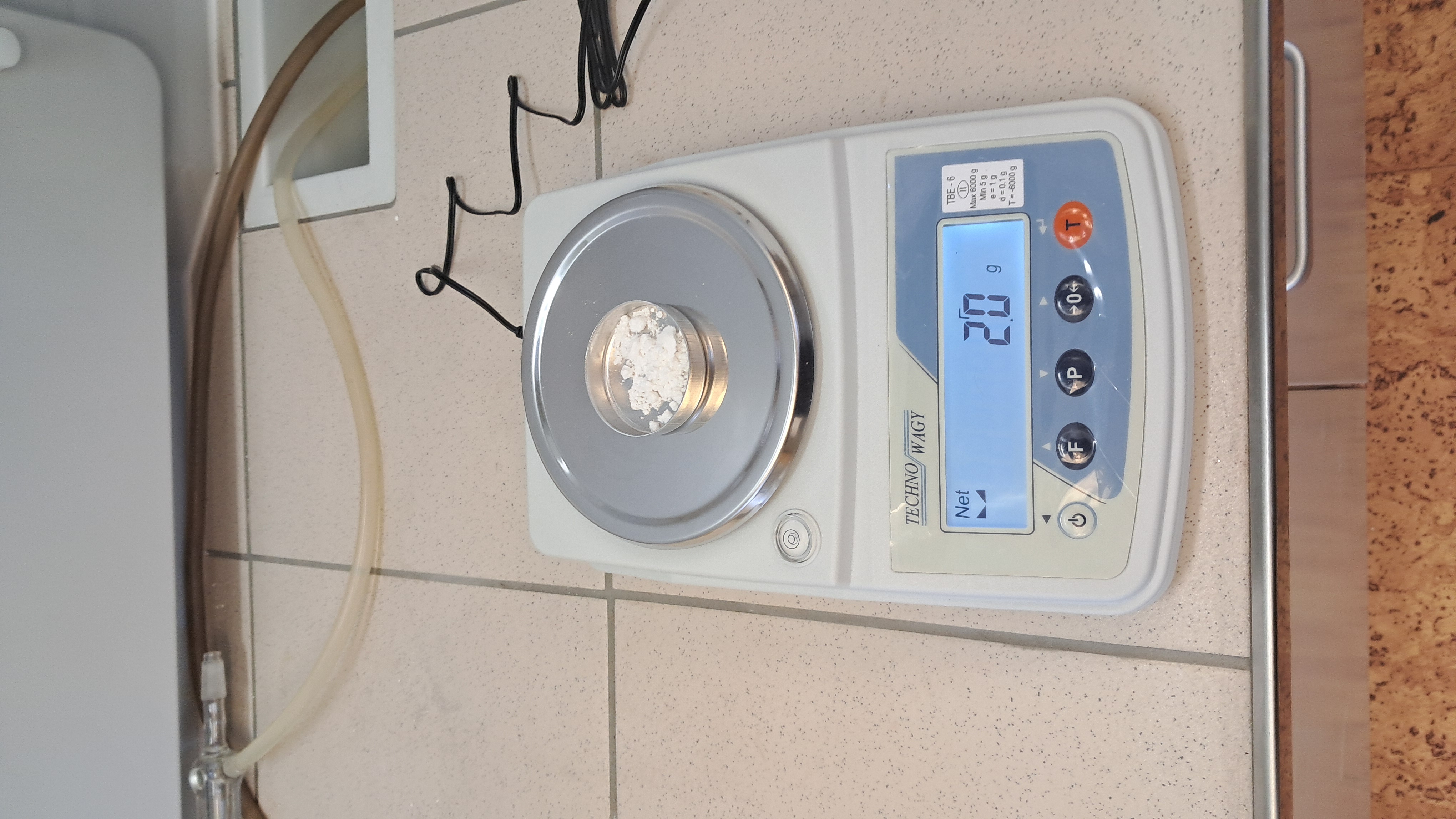
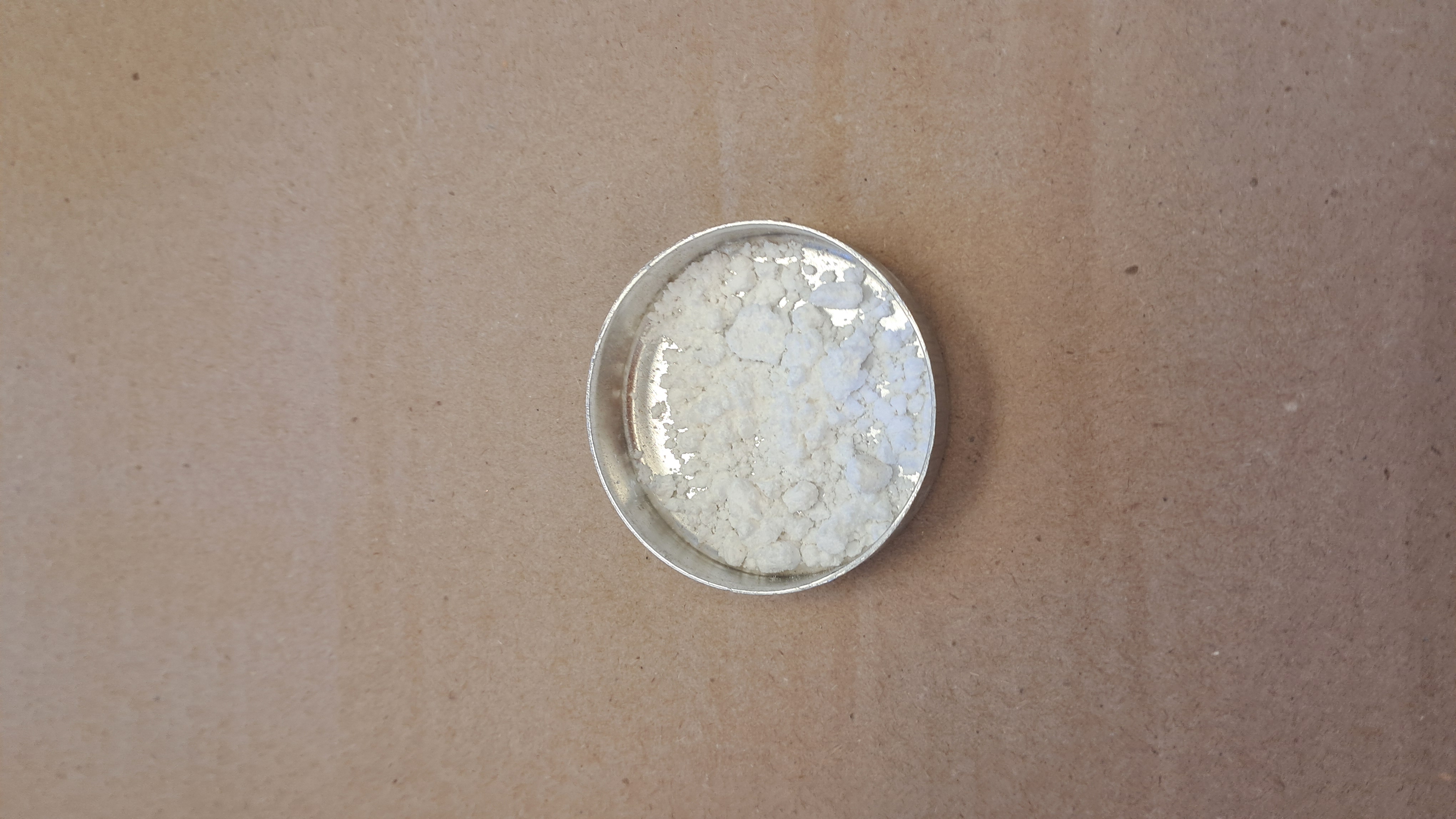
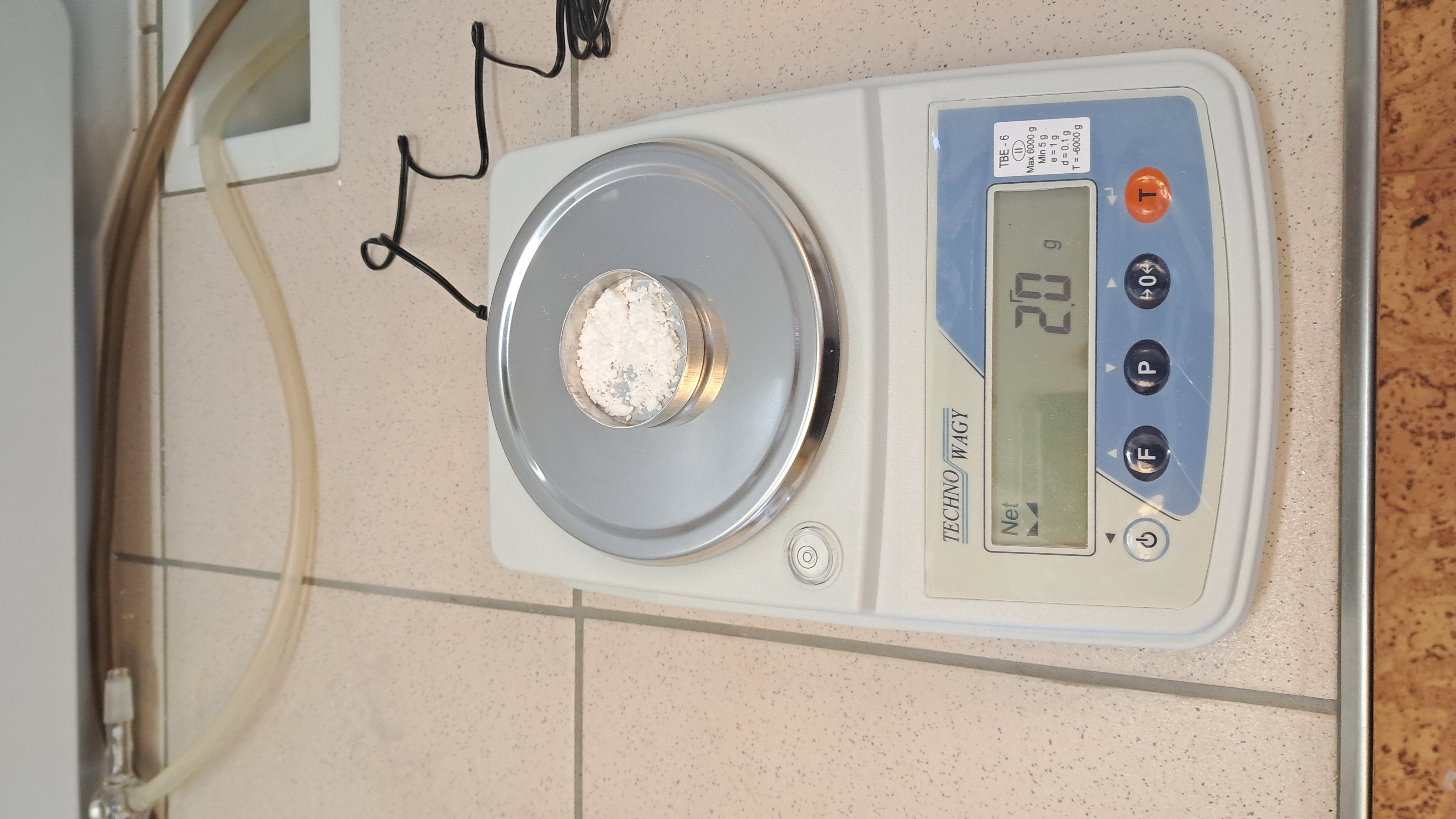
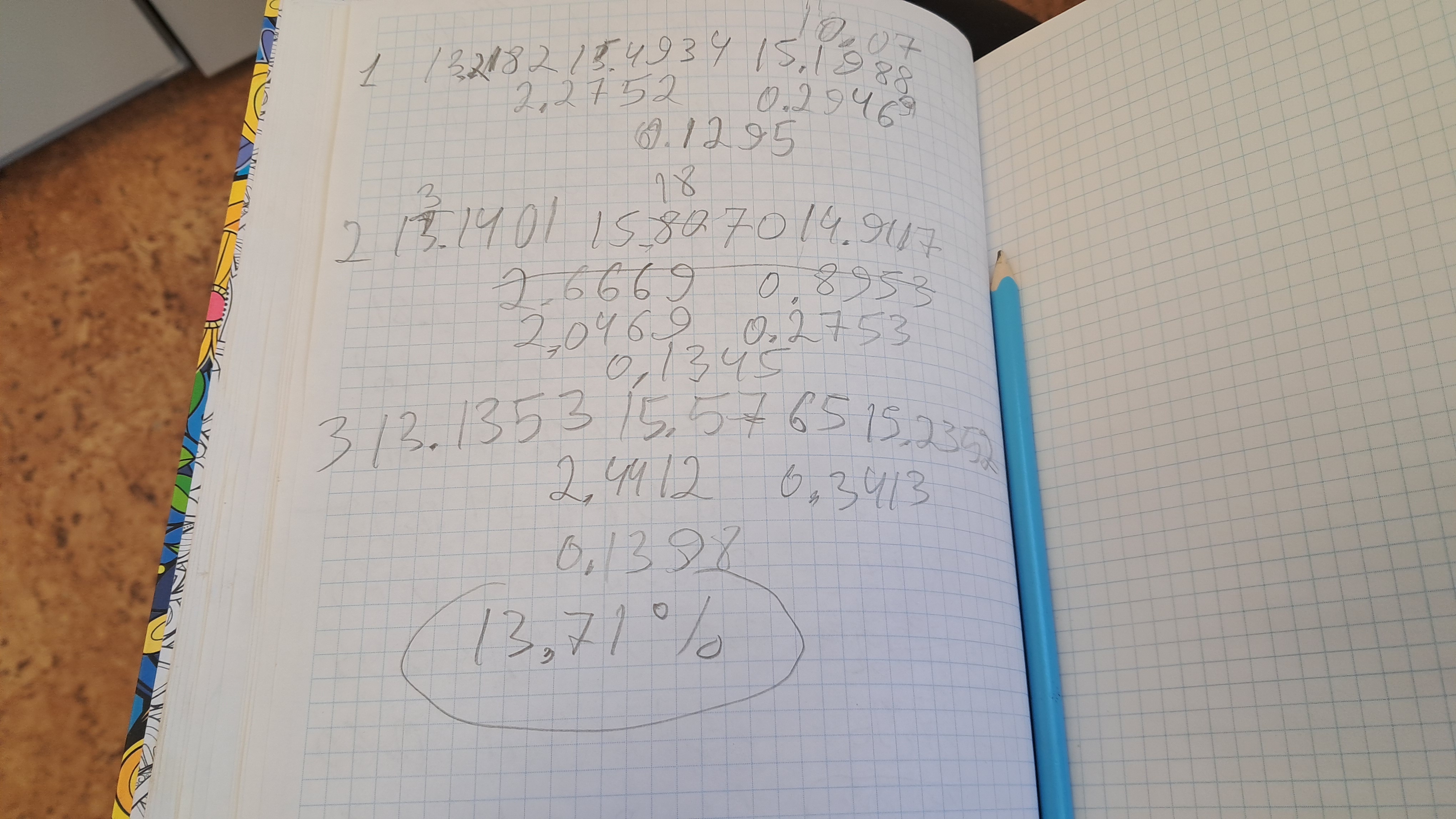
Ukrainian Rye Bread The results ranged from 31% to 39%. The bread was uneven in terms of moisture content - its outer layers had partially dried out. The student was unaware that the initial sample needed not only to be cut into small pieces but also thoroughly homogenized. I noticed this before the analysis began but chose not to intervene; the exact moisture content of the Ukrainian bread wasn't so important. The main thing was that the instrument was functioning and the readings were plausible. Since the smell of toasted bread wafted through the entire laboratory after the moisture determination, I nicknamed the analyzer the "bread maker." None of the other staff used this term, but whenever I said "bread maker," everyone knew exactly which instrument I was referring to. 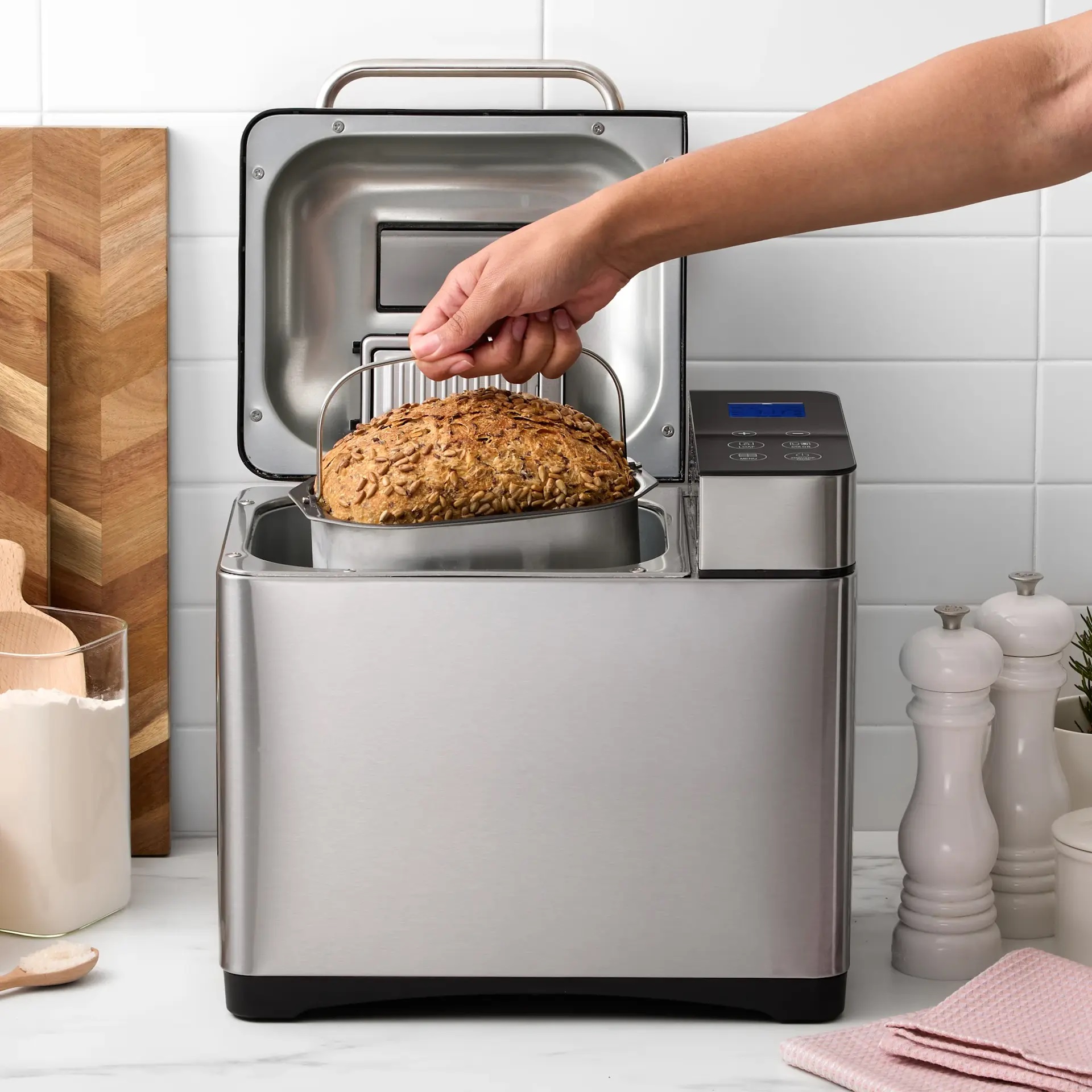 I flatly refused to heat hexamine in that moisture analyzer; the substance would sublime and then condense on the instrument's electronics, potentially ruining this wonderful piece of equipment. The director agreed with me and did not press the issue - especially since, in addition to hexamine, we needed to determine the moisture content of another material. This substance was stable at 105°C and non-hygroscopic; it did not evaporate even at much higher temperatures. However, it had its own unpleasant characteristics - more serious ones than those of hexamine. Furthermore, when I consulted the regulatory document, I found neither a specified limit for moisture and volatile matter content nor a reference to a recommended determination method. However, I decided that a "bread maker" would serve the purpose. The moisture analyzer did not let us down; with its help, we determined the moisture content of the samples quickly and easily. The first analysis showed a water content of 8.7%, the next 11.2%... The results ranged from 2.7% to 14.4%. Gravimetric analysis performed using the classical method - involving an analytical balance, a drying oven, and a desiccator-yielded a similarly wide spread of results. The reason turned out to be the heterogeneity of the sample submitted for analysis. Once I homogenized the sample, which weighed nearly 1 kg, the results of parallel analyses became much more consistent, with an average value of 13.7%. The clients claimed they had homogenized the sample before handing it over to us. They might have been telling the truth, or perhaps not. However, the sample container was not hermetically sealed. Furthermore, it later emerged that the sample tended to stratify over time, with water settling at the bottom. Consequently, the moisture content could be 3% at the top of the sample and 18% near the bottom of the container. A clear analogy is a bucket of dry river sand to which a little water has been added. The water gradually seeps downward; consequently, the sand at the top soon becomes dry again, while the sand near the bottom of the bucket becomes saturated with liquid water. A similar phenomenon can often be observed at the beach. Even with river sand, things are not quite so simple. |
'Bread Maker' (Gravimetric Moisture Analyzer) |
|
|
|
|
|
|
|
|
|
|
|
|
|
|
|
