Chemistry and Chemists № 2 2026
Journal of Chemists-Enthusiasts
| Content | Chemistry experiments - video | Physics experiments - video | Home Page - Chemistry and Chemists |
|
Chemistry and Chemists № 2 2026 Journal of Chemists-Enthusiasts |
Determining Moisture Content in Hexamine - pt.11, 12 Chemist |
|
Having noticed a mistake in the text, allocate it and press Ctrl-Enter
An Electrician Helped Us… Conduct Chemical Analysis - Part 11
The customer's chief process engineer visited my laboratory, accompanied by the institute's director. The gist of the conversation was this: if we couldn't determine the water content of the urotropine, so be it; however, we could at least dry it in an oven to reduce its moisture content. This time, I wasn't dealing with people who merely sold sacks of urotropine, but with people who were trying to build a plant where urotropine would be used.
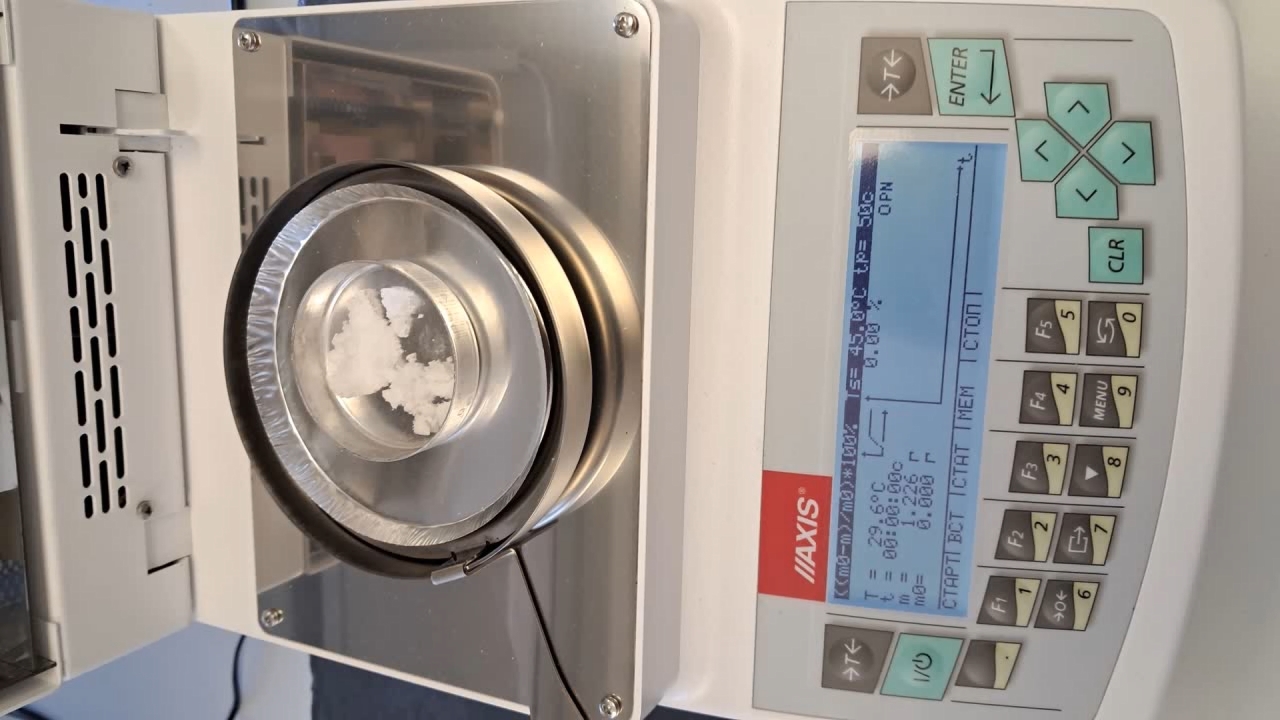
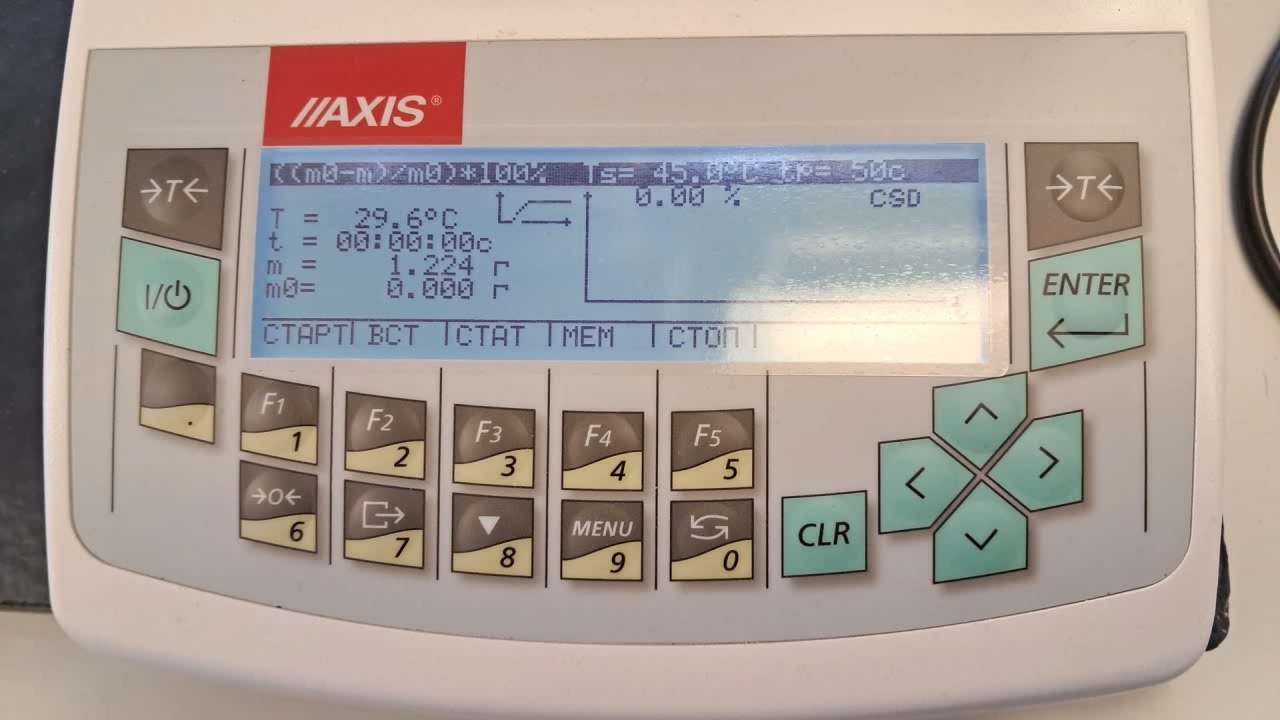
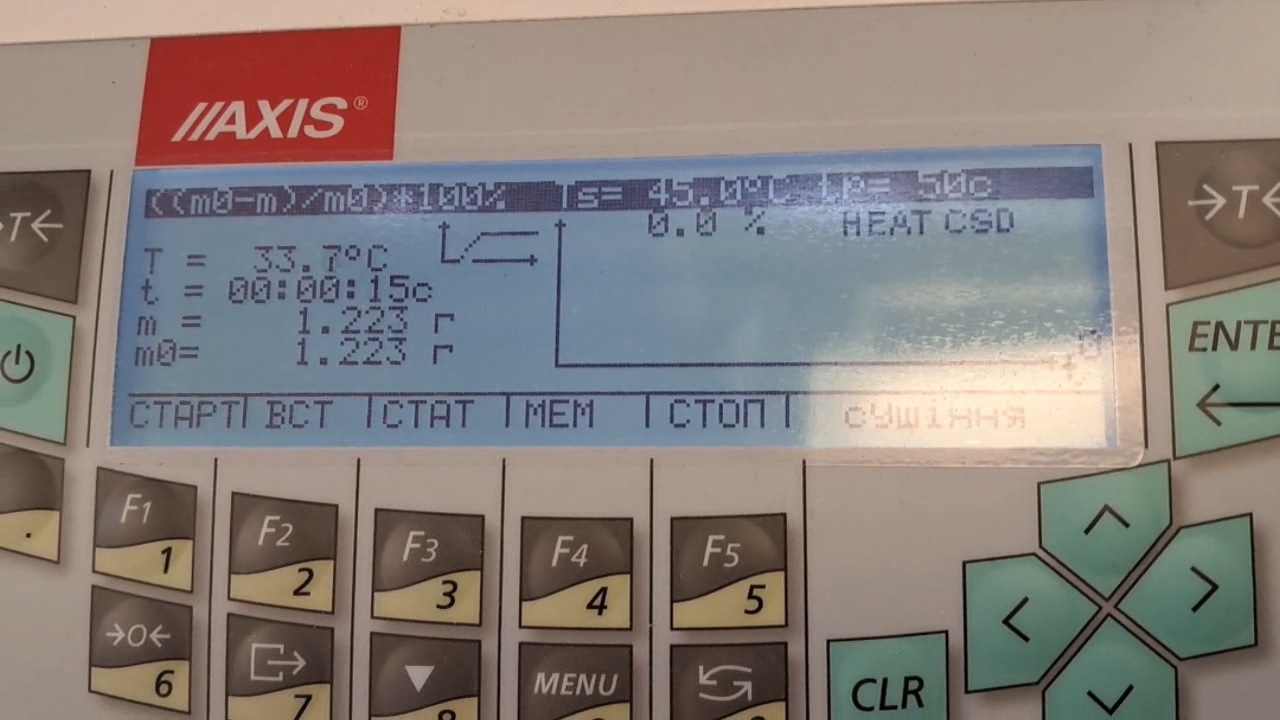
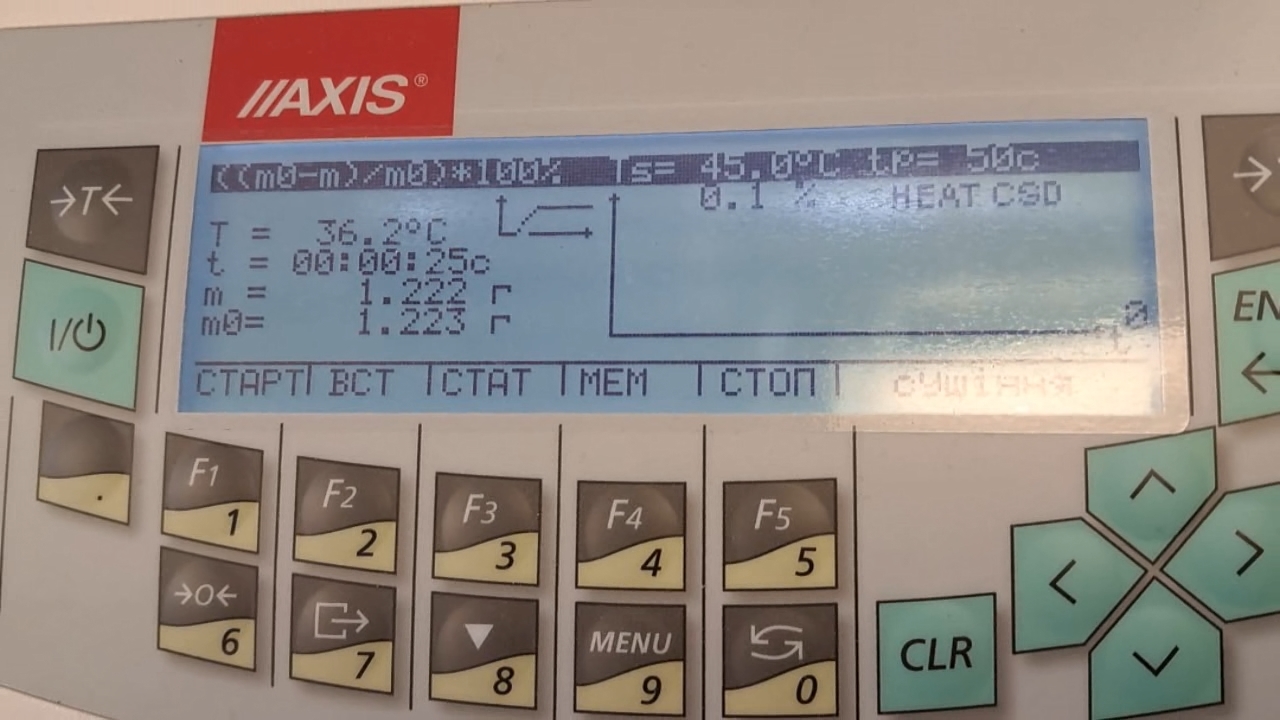
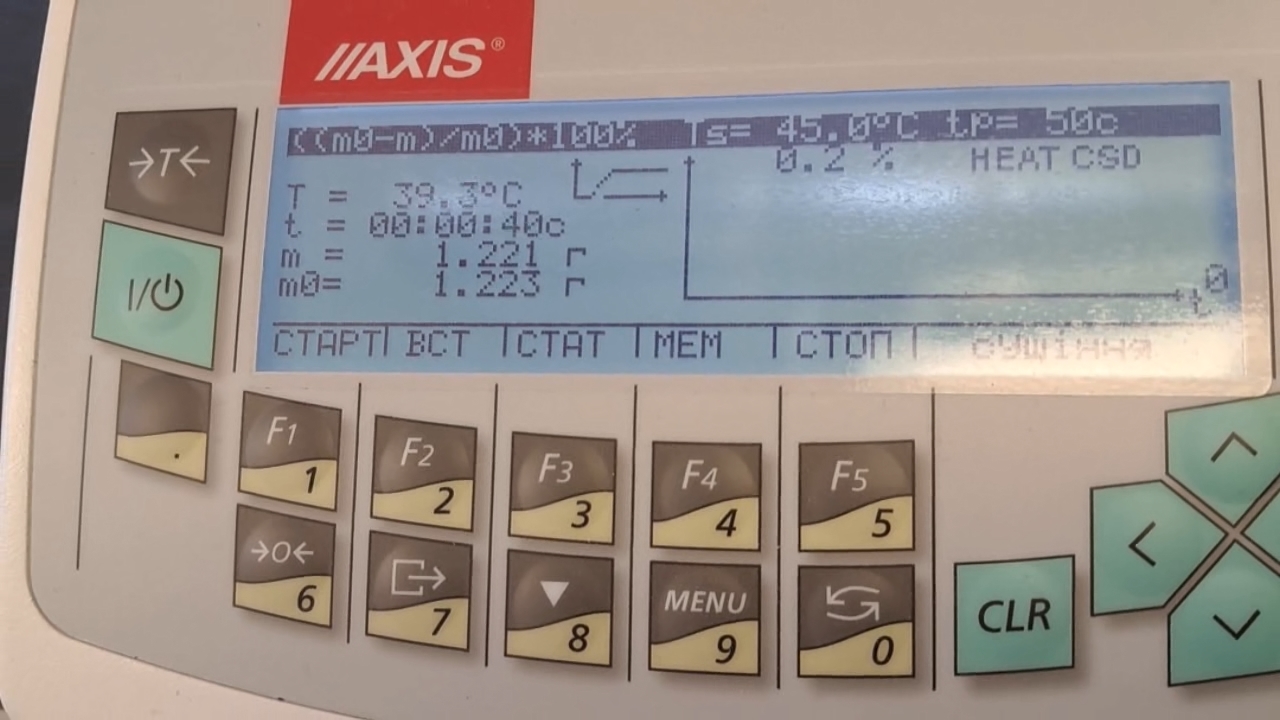
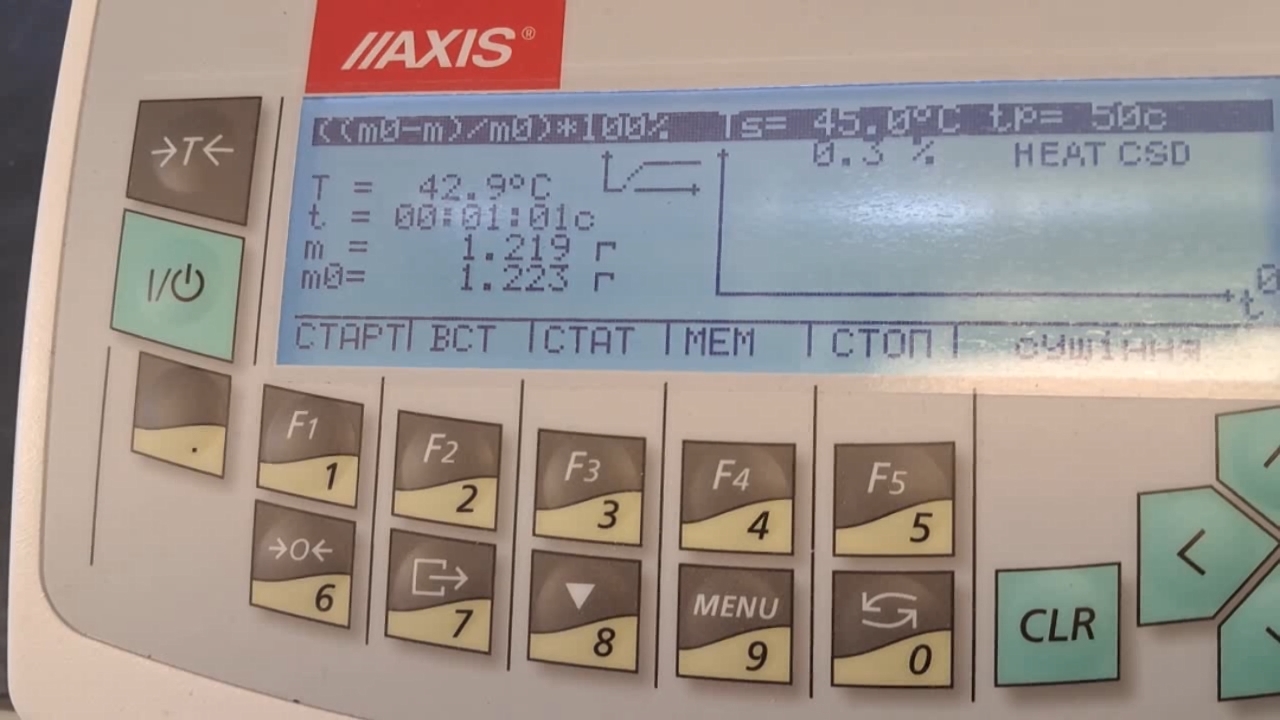
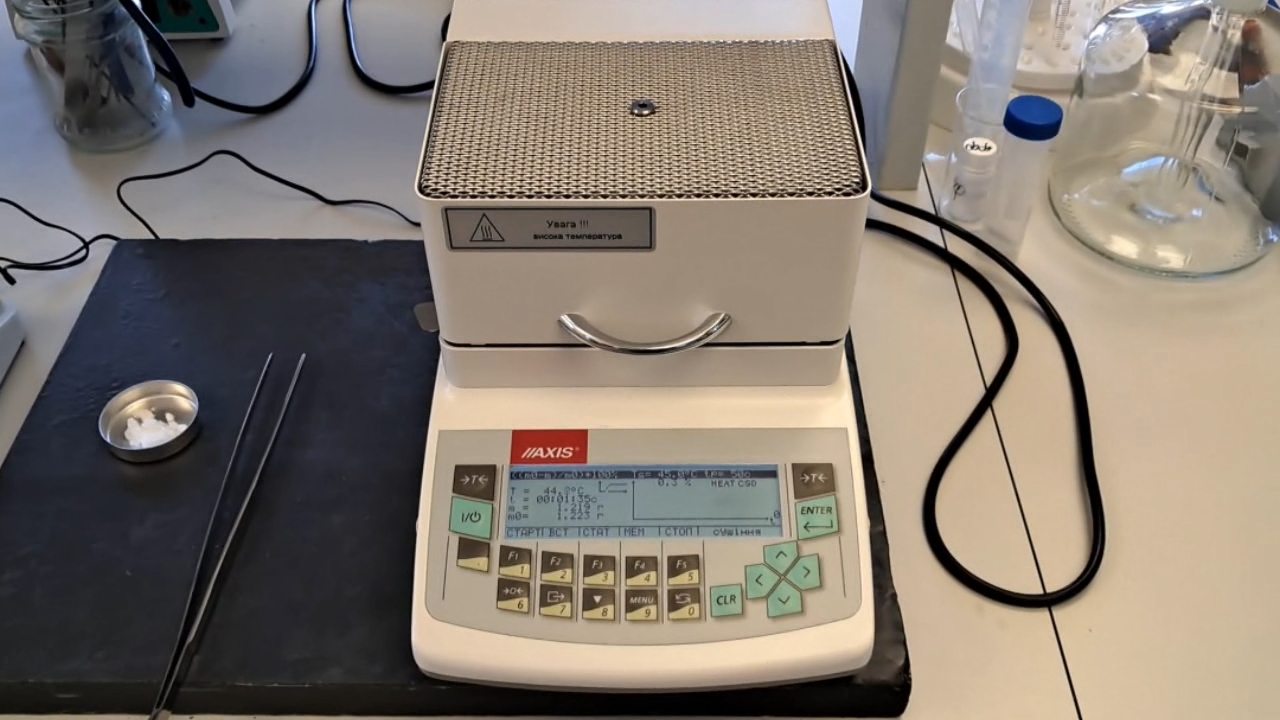
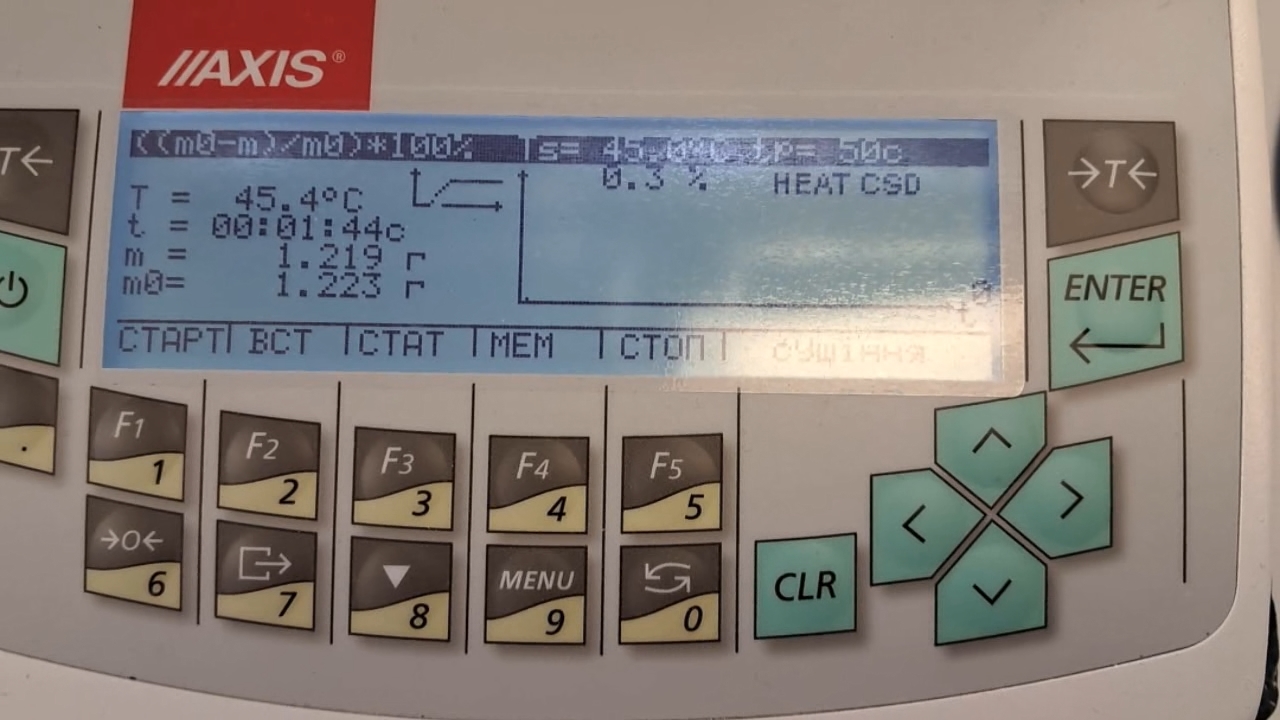
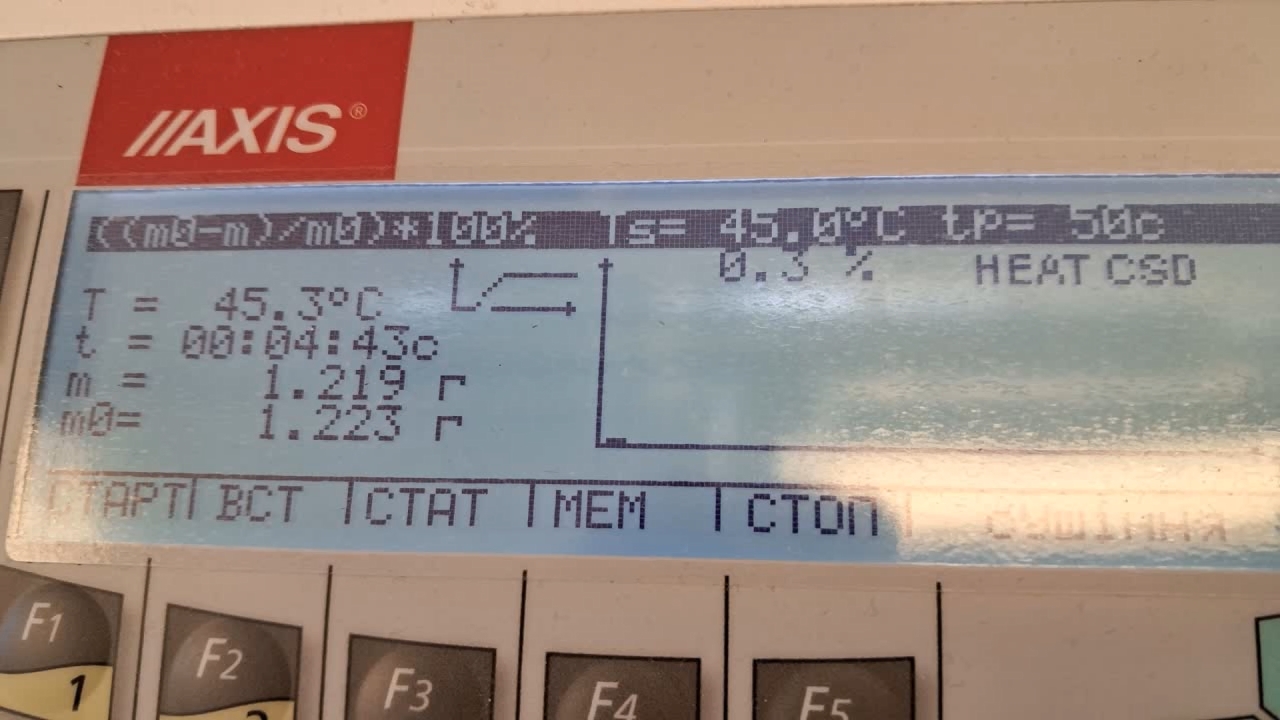
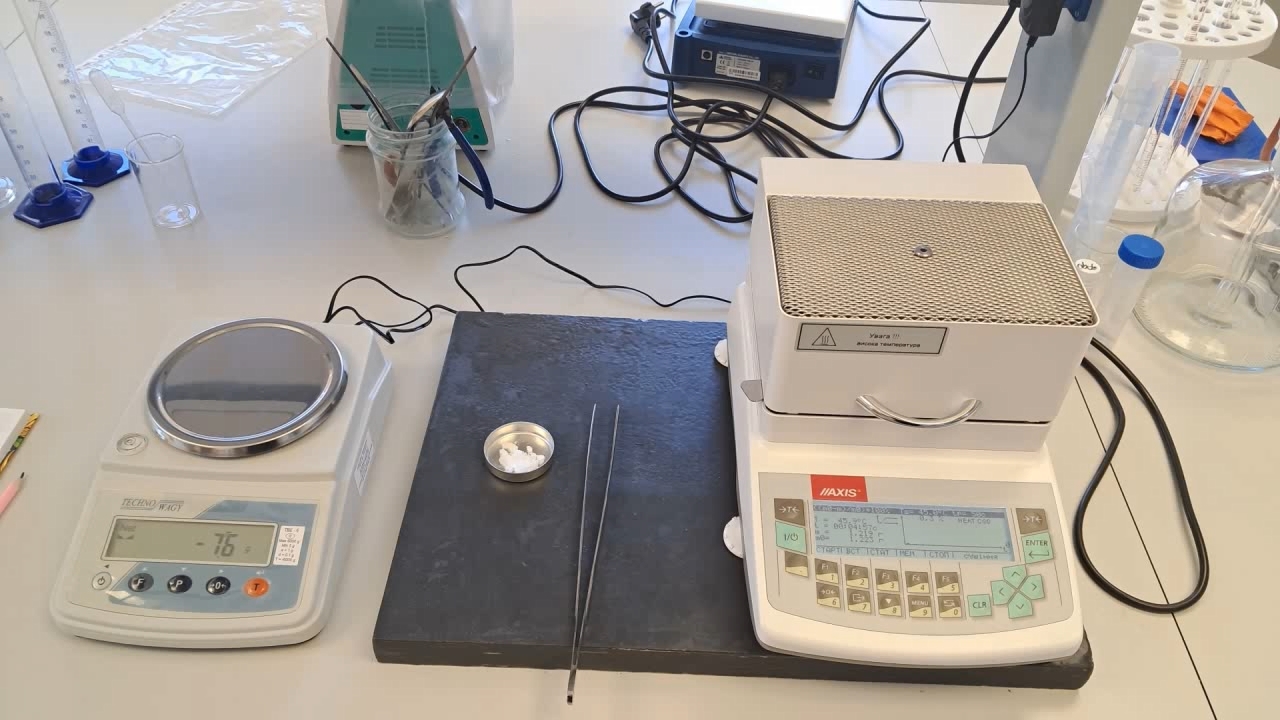
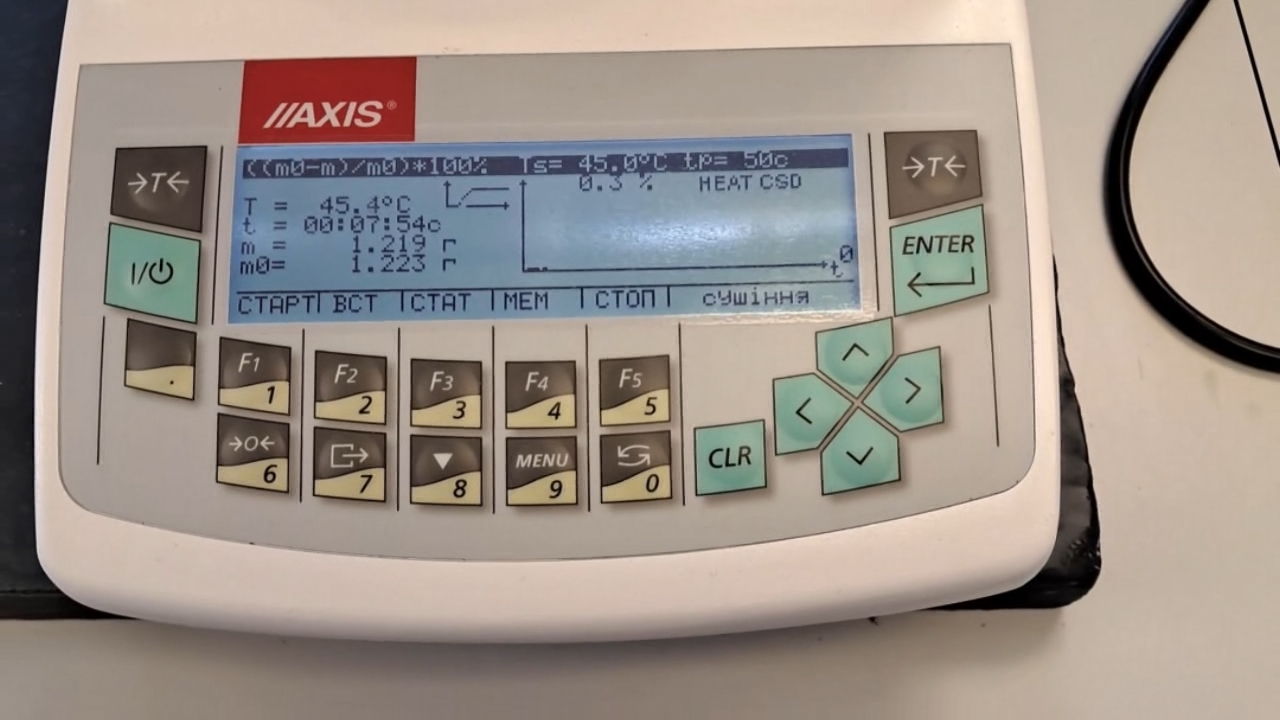
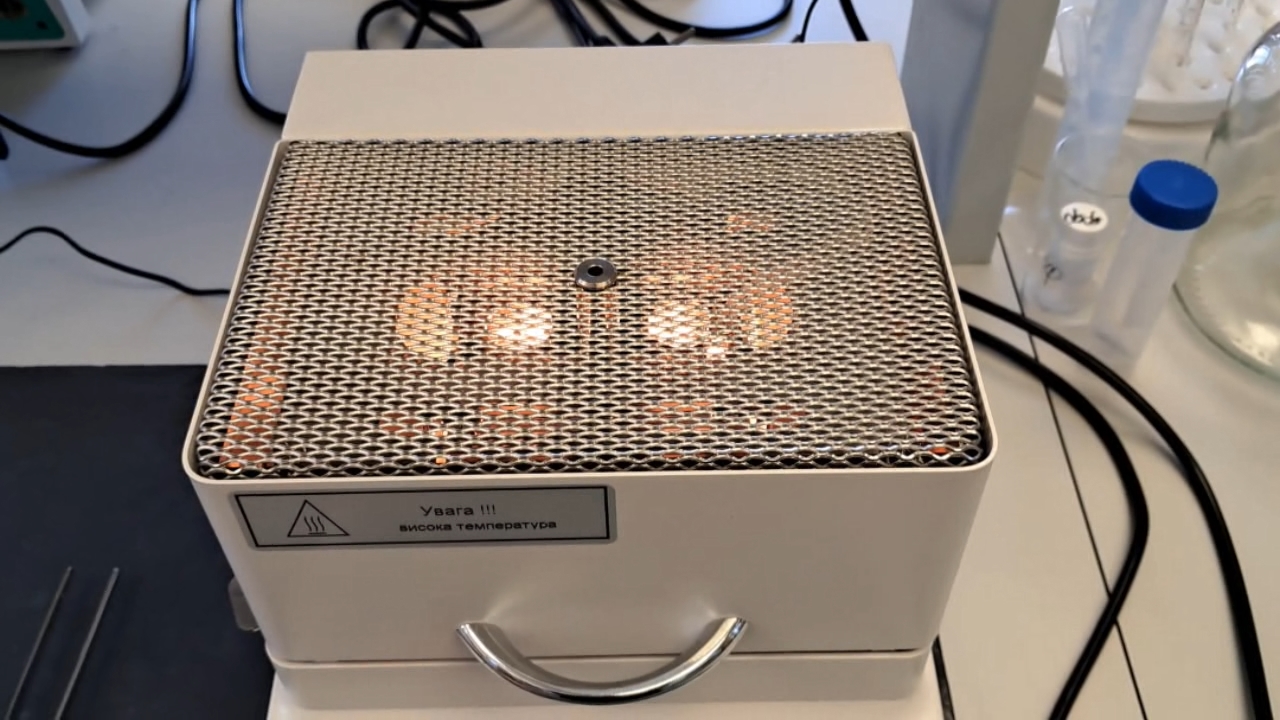
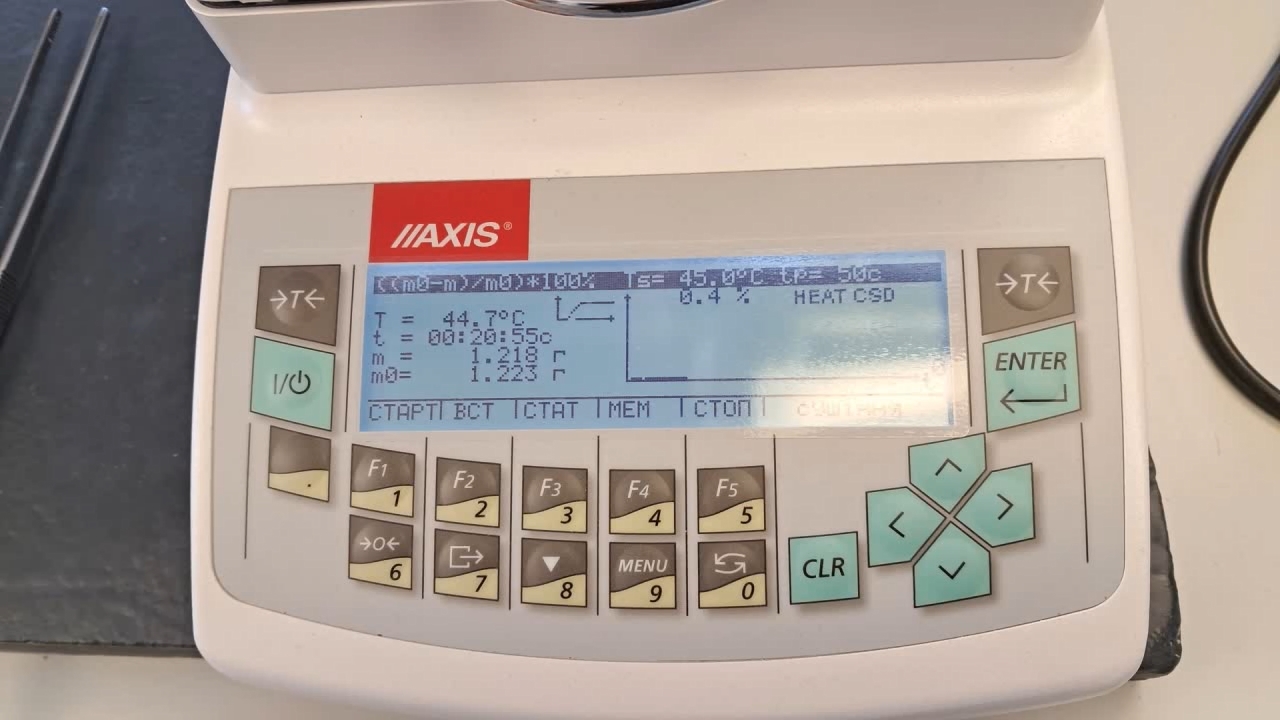
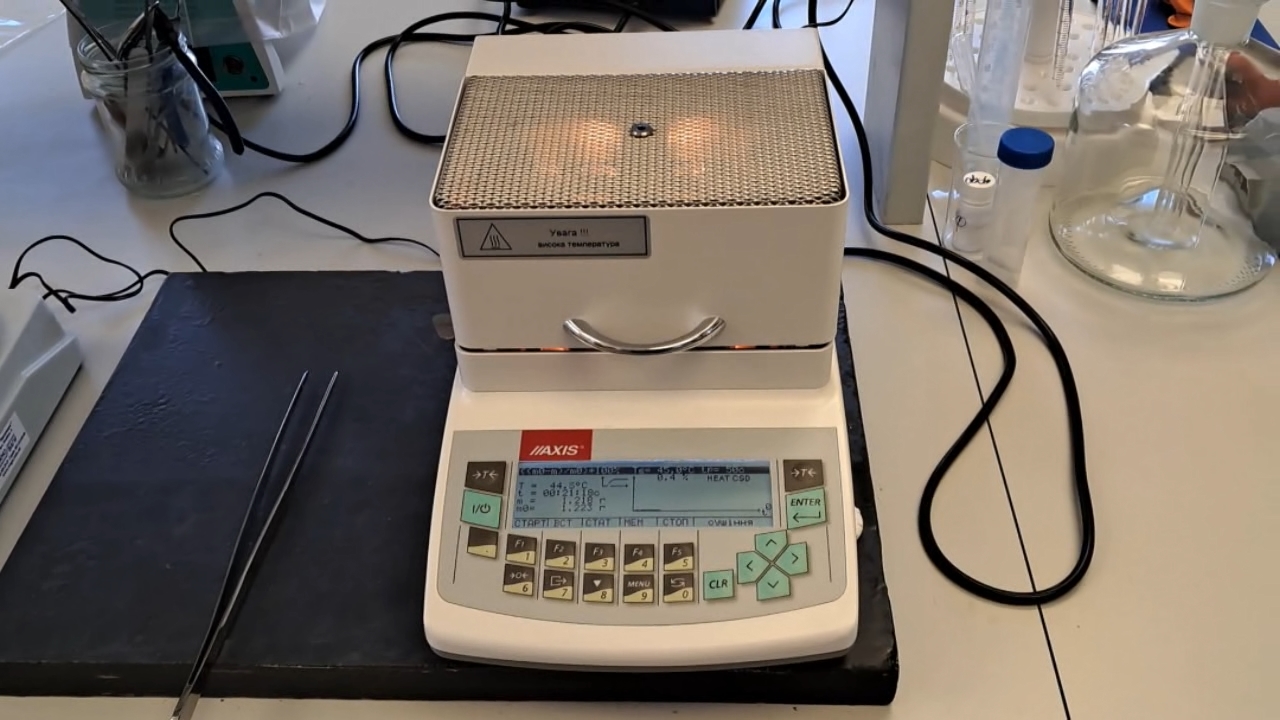
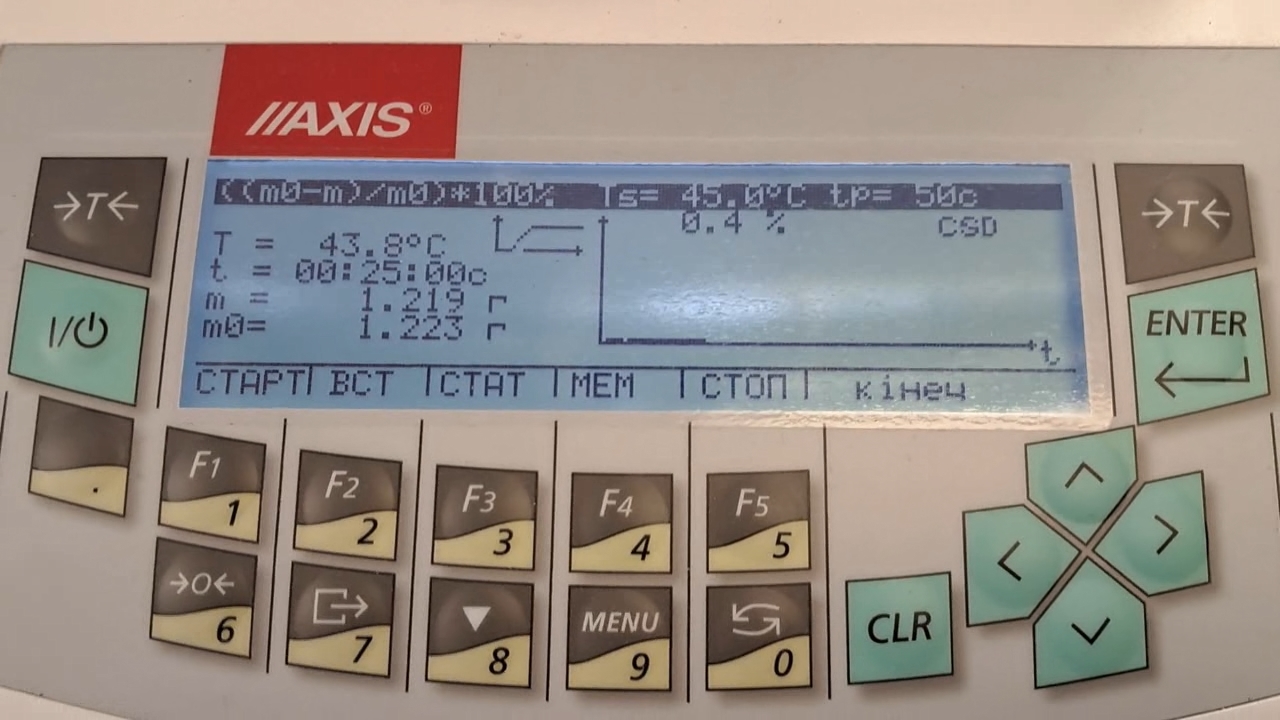
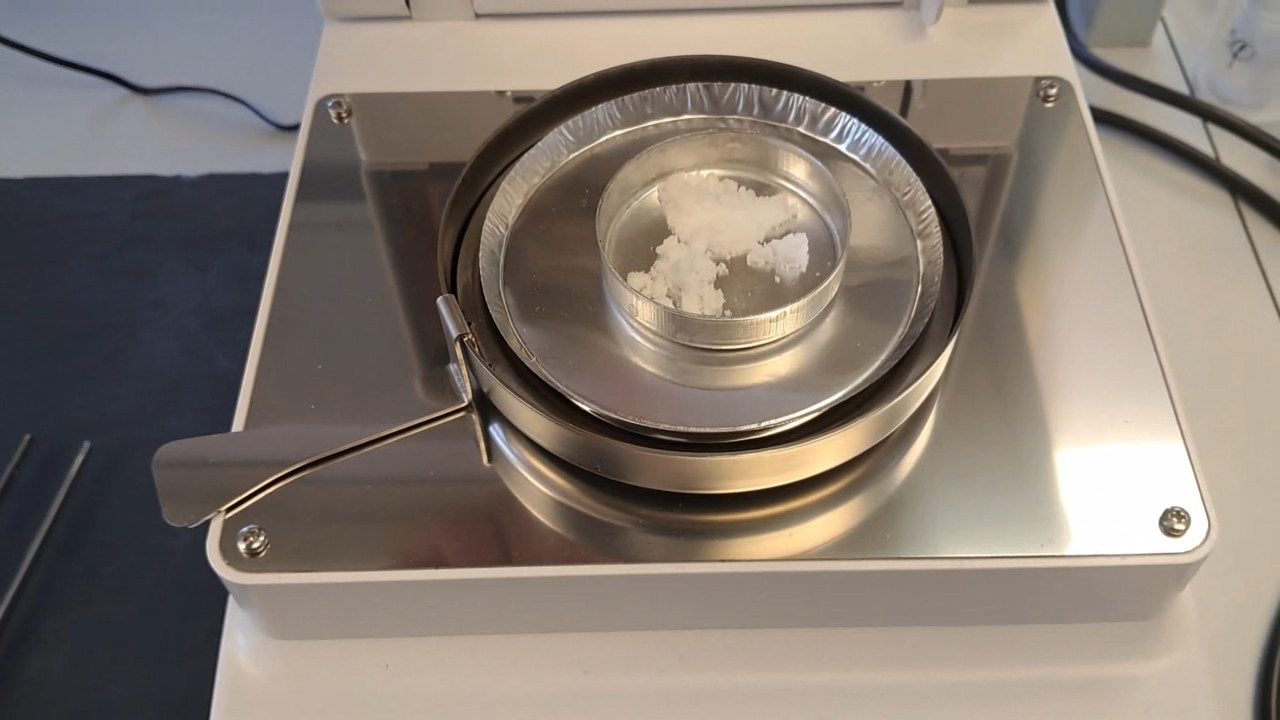
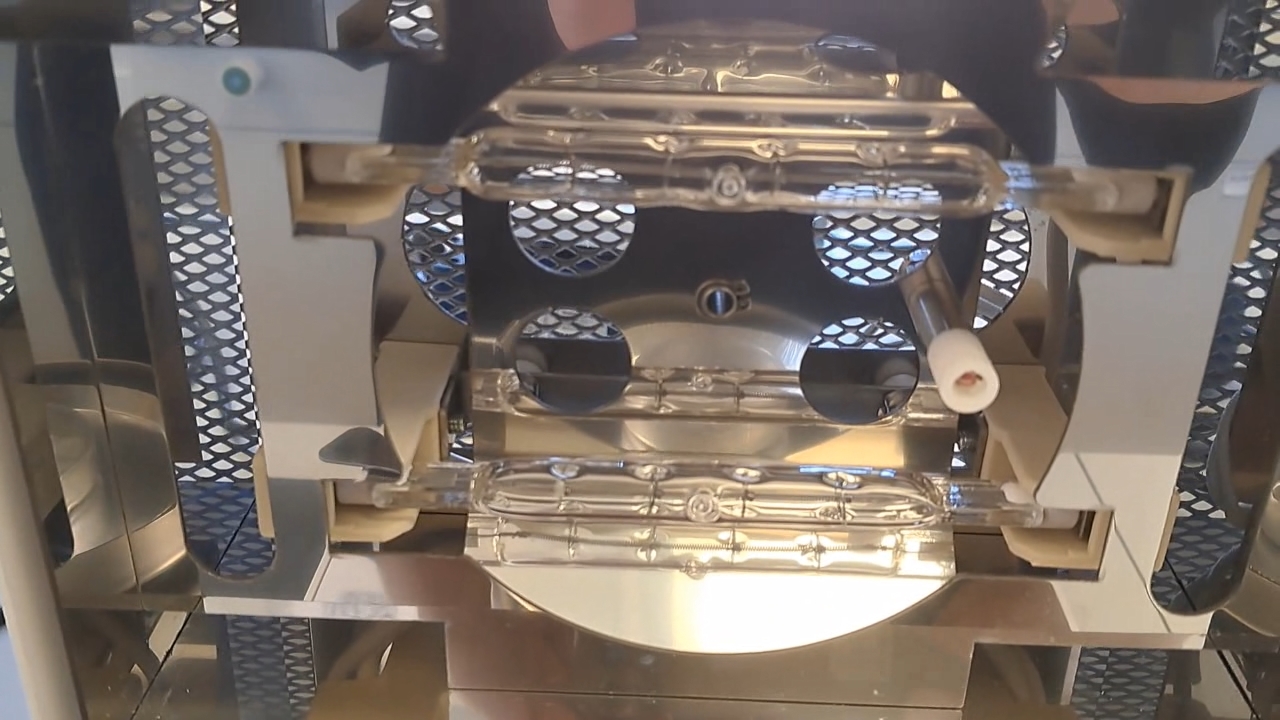
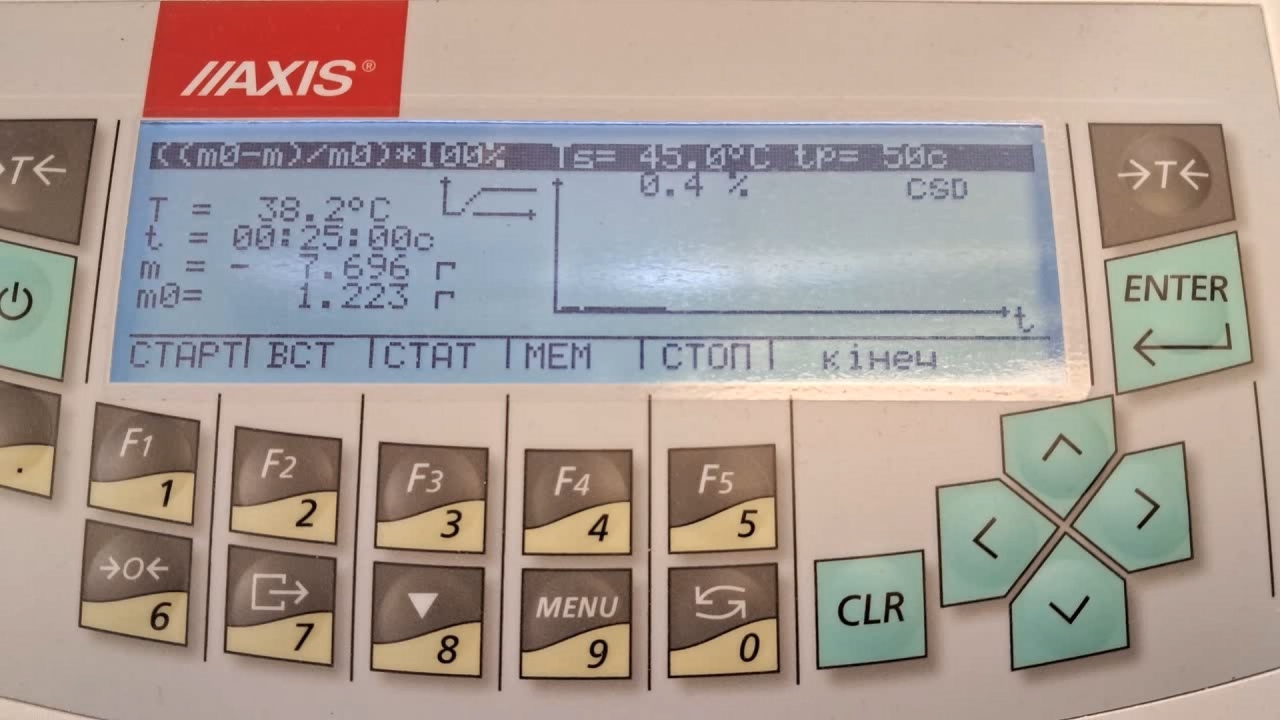
Химический анализ помог провести… электрик - Часть 11 To begin with, they needed only a few kilograms of the dried product. Dry hexamethylenetetramine was required to fine-tune the production process. Unlike determining its moisture content, drying the urotropine was a simple task. If some of the substance sublimed during the process, it wouldn't matter much. I asked what temperature the drying should be carried out at and how long it should take. The process engineer replied, "60°C for two hours," after which he and the director left. An electrician was working in the laboratory during the conversation, repairing electrical equipment, and he had overheard our exchange. Once the director and the engineer had left, the electrician told me that hexamine should be dried at 45-47°C - no higher - for two to three hours. He wasn't a chemist, a physicist, or a process engineer; he was an ordinary worker - an electrician. He didn't even have a university degree. To be precise, however, I knew that this electrician wasn't entirely ordinary: he had previously worked at a plant that used urotropine, as well as some of the other substances we handled in the laboratory. At the plant, he had worked in casting, so he had been a manual worker there - or perhaps an engineer. I know for a fact that he had never been officially employed by any laboratory. Despite this, the electrician was clearly familiar with chemical laboratory procedures. It is even quite possible that he had previously worked in a laboratory in an unofficial capacity. I asked our chemists to weigh out four kilograms of hexamine, break up any lumps, and spread the material across two trays to dry at 45°C for three hours. As you can see, I trusted the worker, who had direct experience with the substance and understood its properties, rather than the chief process engineer, who had never dealt with hexamine before. During our conversation, I happened to be determining the moisture content of a sample using the "bread maker" (the gravimetric moisture analyzer). I'll only say that the substance wasn't hexamethylenetetramine. The electrician became interested; it turned out that his previous workplace had a similar instrument, albeit a simpler one. When he learned that I dried such samples at 105°C for an hour, he looked at me as if I were a kamikaze pilot. Theoretically, these substances are stable at that temperature, but in practice, no one at that other laboratory dared to heat them above 50-60°C, and even then, for no more than 20 minutes. The sample masses used there were also much smaller than mine were. Smaller samples reduce analytical precision but increase safety. Given that this man had combat experience, had worked with expired munitions (melting out their contents because our army faced - and still faces - a shortage of explosives), and had sustained a severe injury, his assessment gave me serious cause for concern about the safety of my own procedures. Regarding the hexamethylenetetramine, he mentioned that its moisture content was determined using a gravimetric moisture analyzer, without fear of damaging the instrument, although the analysis parameters were rather unusual: "45°C for 3 minutes. If you heat it any longer, the 'scale goes haywire'." The instrument didn't have a scale like a ruler, a hydrometer, or an old-fashioned ammeter; it displayed numerical moisture readings directly. Nevertheless, I understood what the electrician meant. By "the scale goes haywire," he meant that the readings fluctuated erratically, often shifting in an undesirable direction. This was hardly surprising, as the moisture analyzer wasn't designed to measure such low moisture contents as fractions of a percent. The low analysis temperature and short heating time surprised me. I wasn't convinced that all the water would evaporate from the hexamine in just three minutes, especially at 45°C. Nevertheless, these conditions minimized urotropine sublimation, which was beneficial both for the accuracy of the results and for the proper functioning of the instrument itself. I asked the electrician whether he knew that urotropine could sublime and subsequently condense inside the instrument. It turned out that this happened regularly, so the laboratory staff frequently wiped down the instrument's internal components, including the halogen lamps, with alcohol. I wonder how they came up with this analytical method. I hadn't encountered it anywhere in the literature. The factory director also owned a pharmaceutical company. Hexamethylenetetramine is used in both human and veterinary medicine; perhaps the method had been developed at the pharmaceutical plant by comparing moisture analyzer readings with results obtained by Karl Fischer titration. Karl Fischer titrators are common instruments even in small pharmaceutical plants, despite their high cost. People spare no expense to protect their own health and lives - and those of their loved ones. Pharmaceutical manufacturers, in turn, can charge prices that allow them to purchase expensive equipment and reagents. I decided to test this procedure, although I set the analysis time to 25 minutes instead of three. My plan was to record the instrument's readings at the three-minute mark first and then observe how they changed as heating continued. |
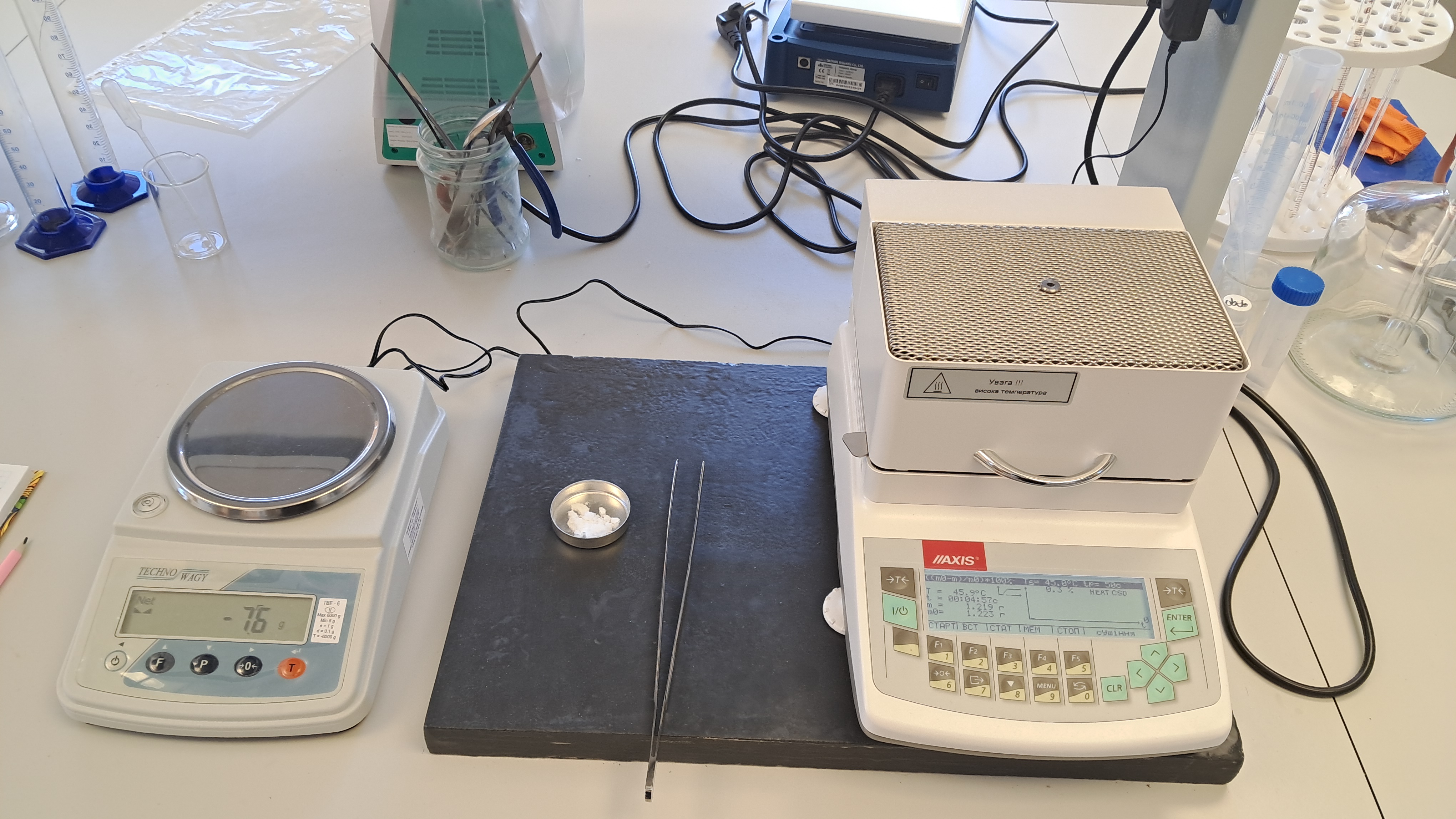
Gravimetric Moisture Analyzer |
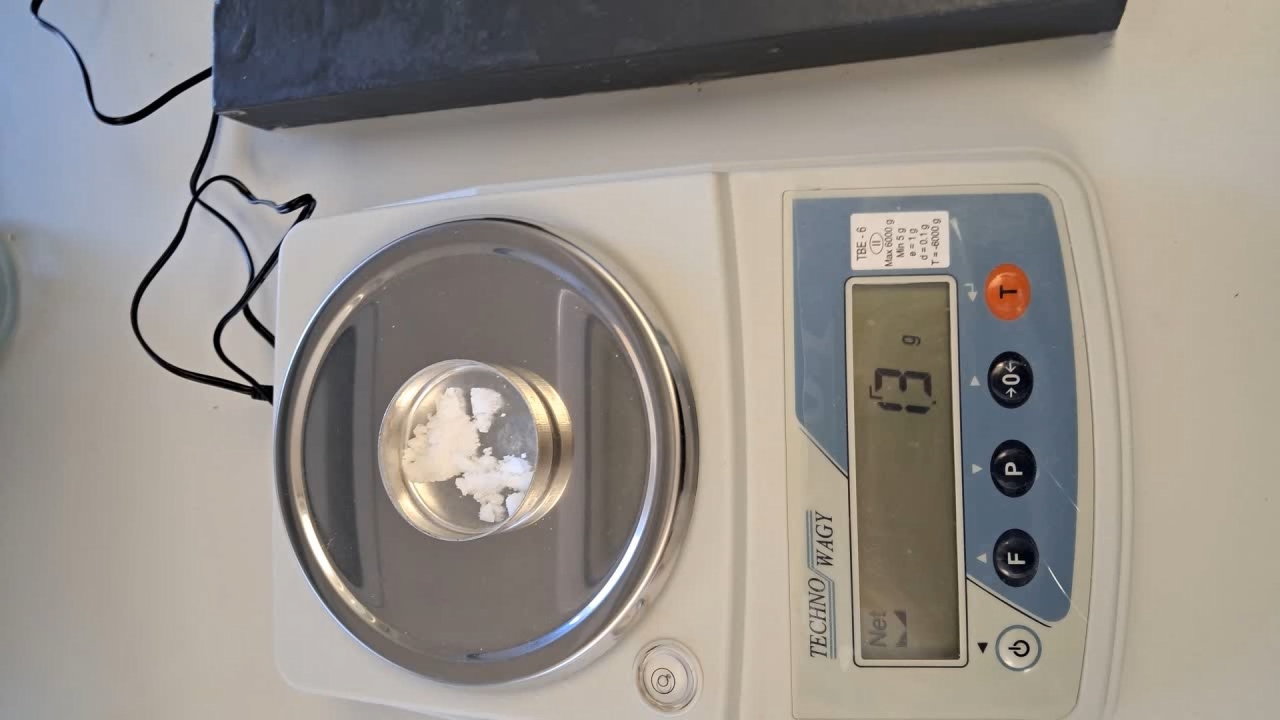
Determining Moisture Content in Hexamine |
|
|
|
|
|
|
|
|
|
|
|
|
|
|
|
|
|
|
