Chemistry and Chemists № 2 2026
Journal of Chemists-Enthusiasts
| Content | Chemistry experiments - video | Physics experiments - video | Home Page - Chemistry and Chemists |
|
Chemistry and Chemists № 2 2026 Journal of Chemists-Enthusiasts |
Determining Moisture Content in Hexamine - pt.13, 14 Chemist |
|
Having noticed a mistake in the text, allocate it and press Ctrl-Enter
An opportunity to verify the accuracy of the hexamethylenetetramine analysis results arose the very next day. Unfortunately, the verification was indirect: we had neither reference standards nor the means to use an alternative method. Still, even indirect verification is far better than none at all.
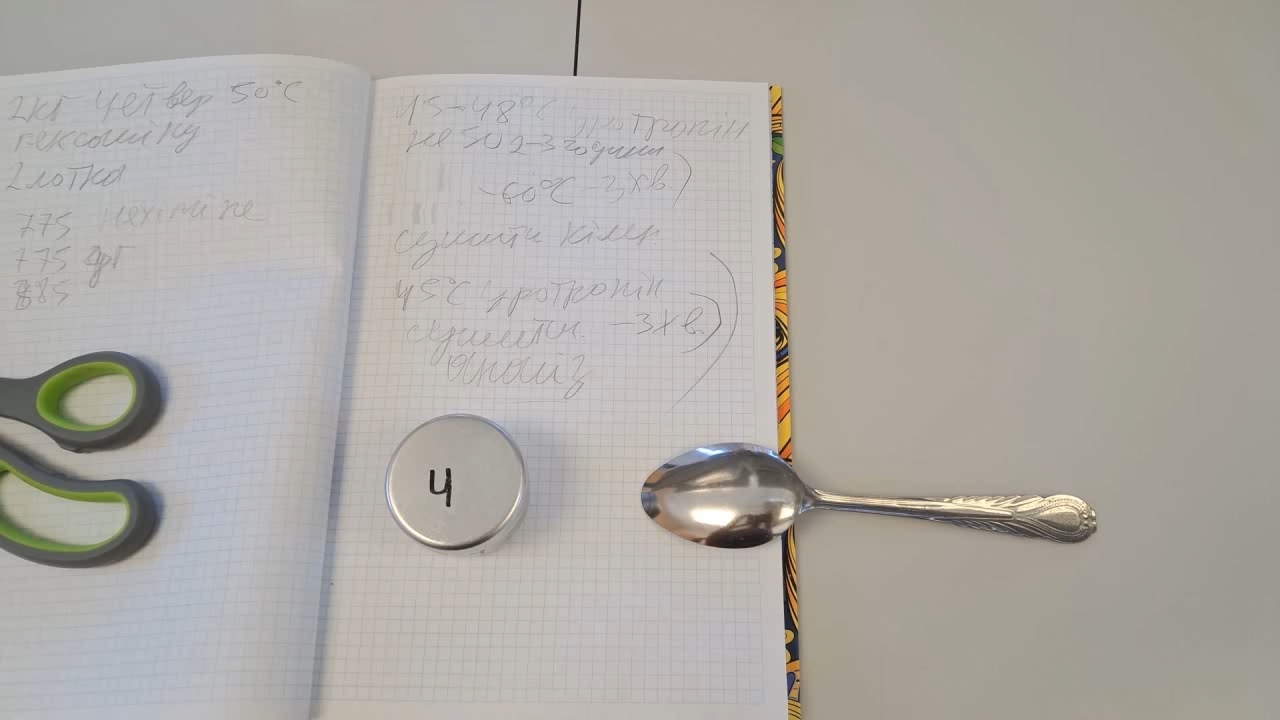
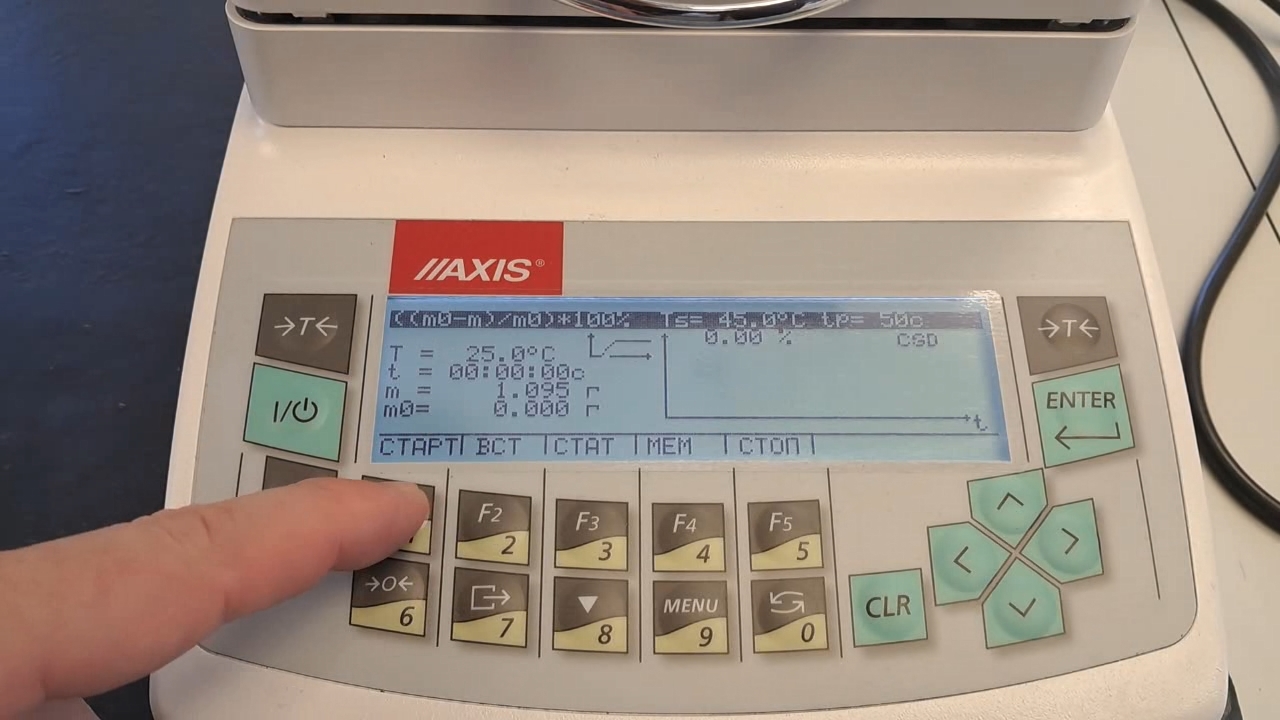
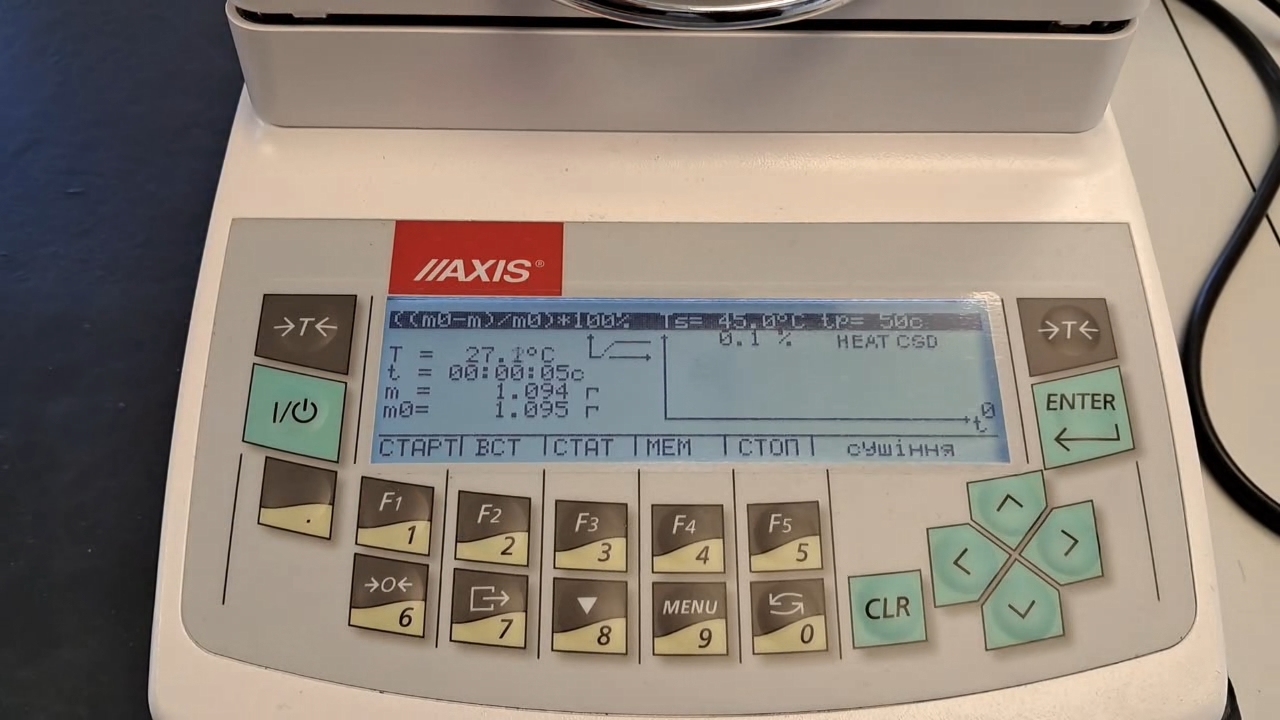
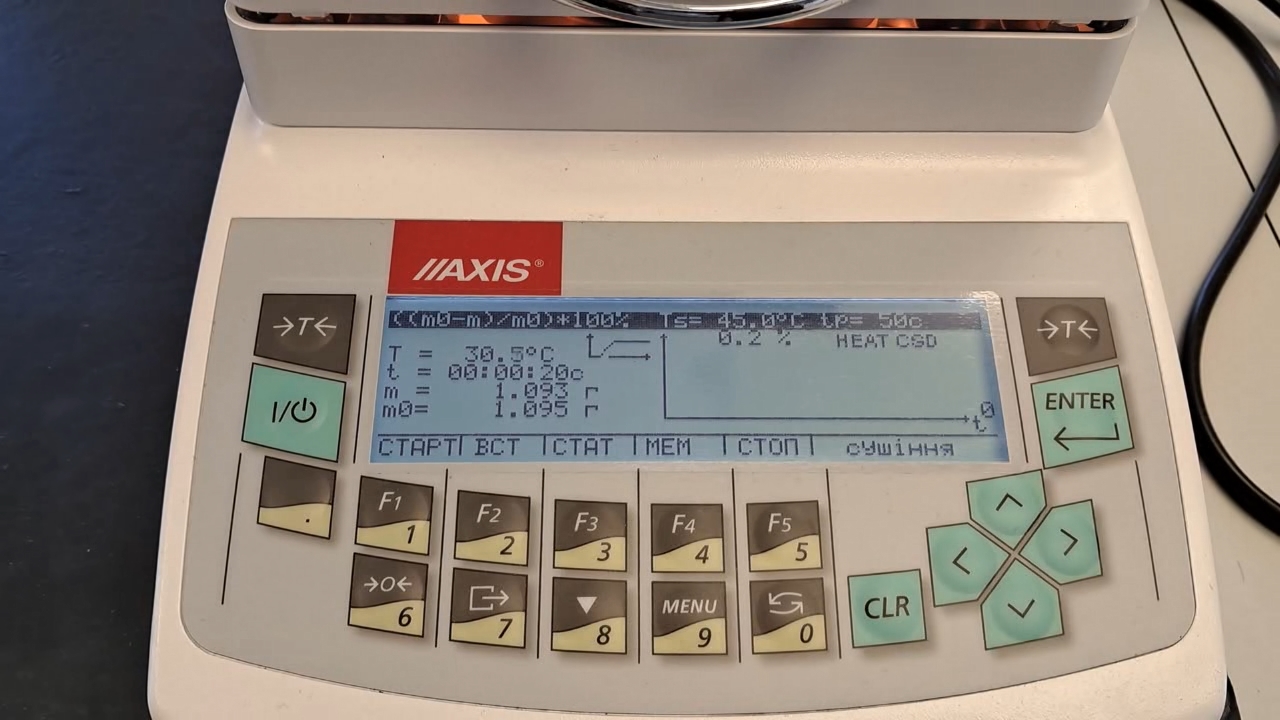
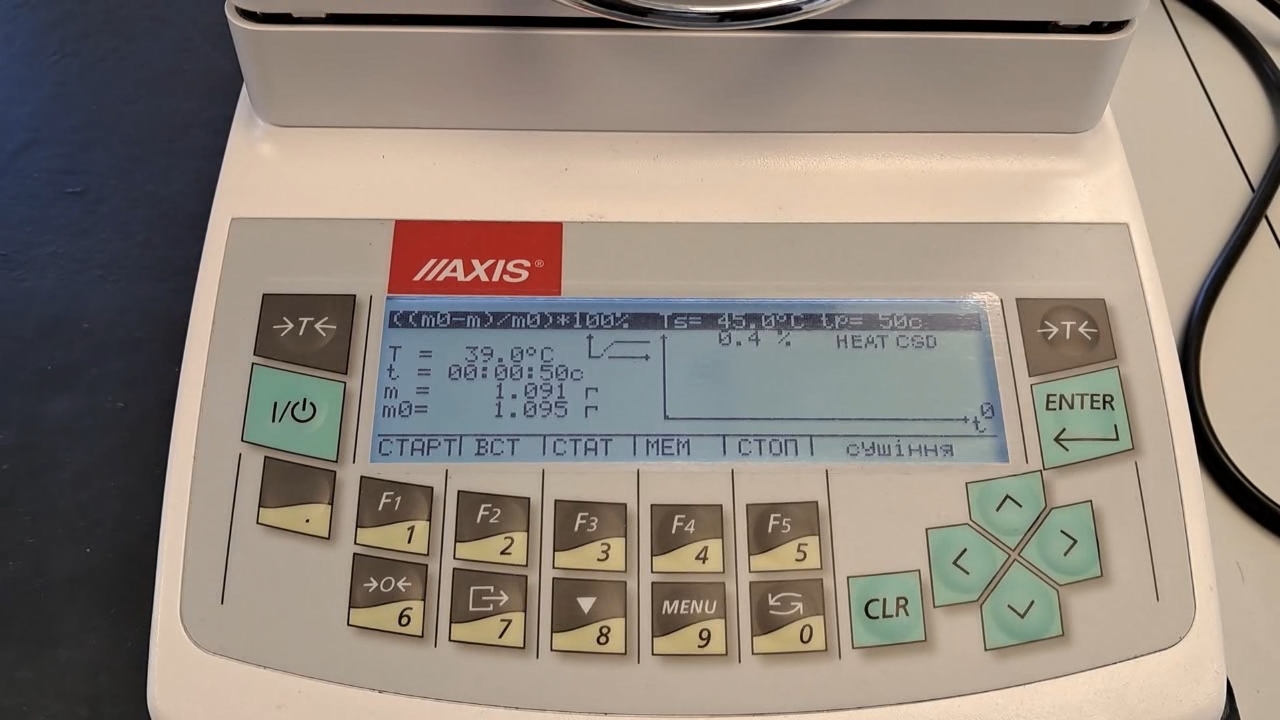
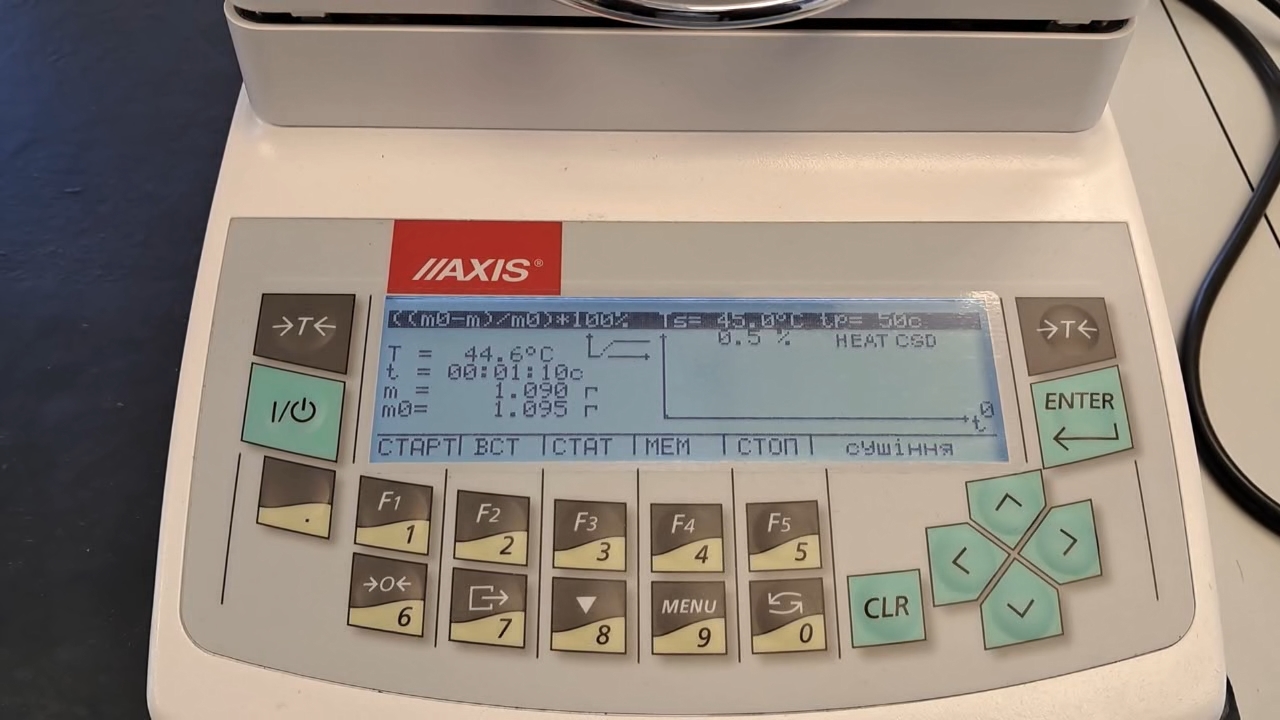
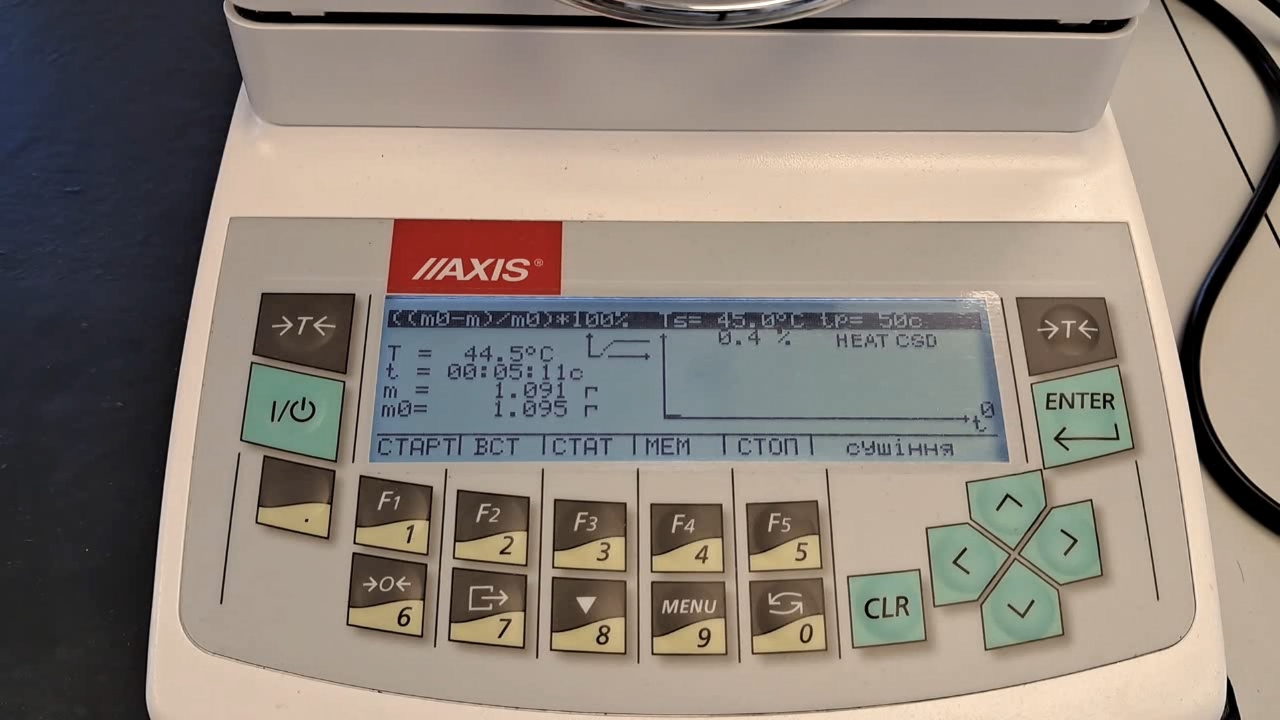
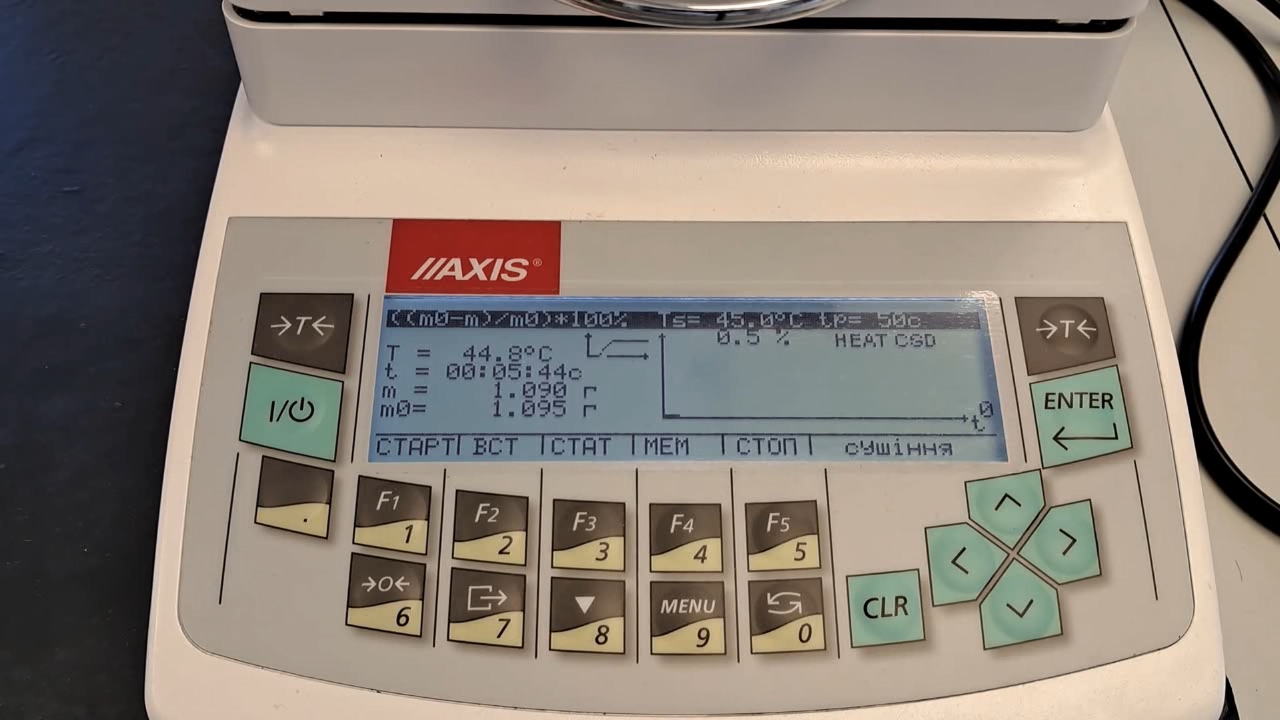
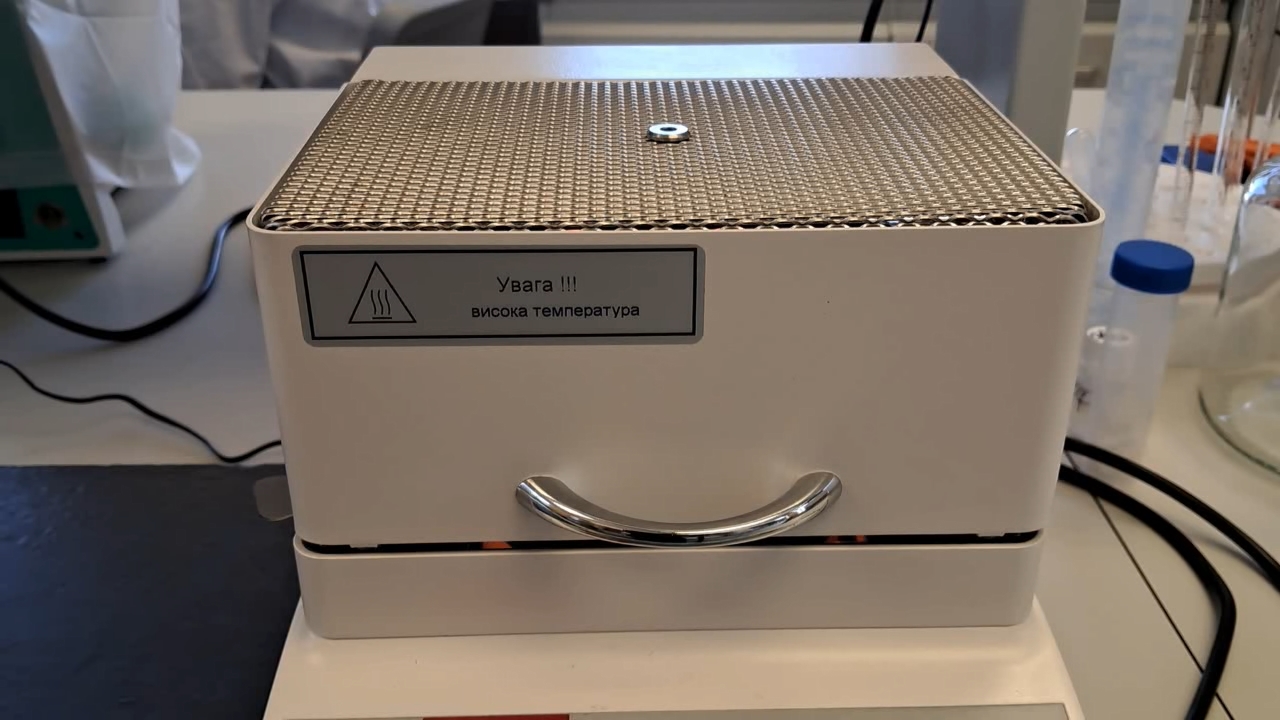
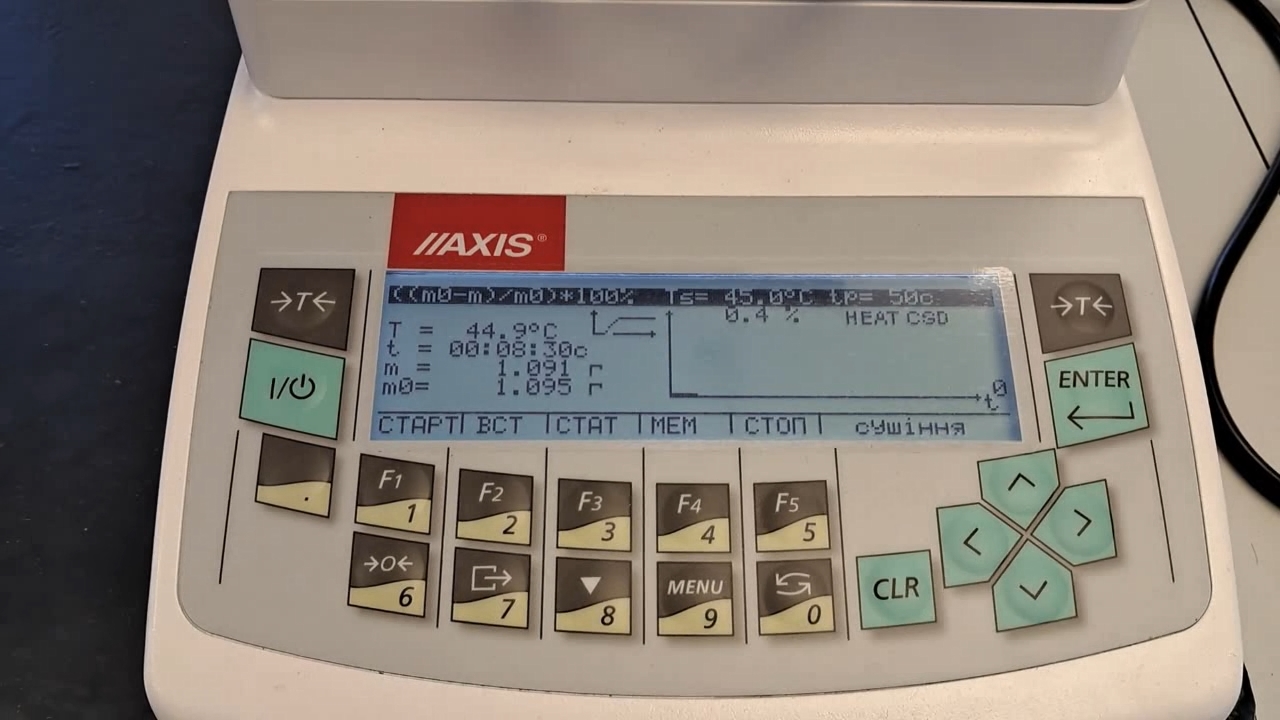
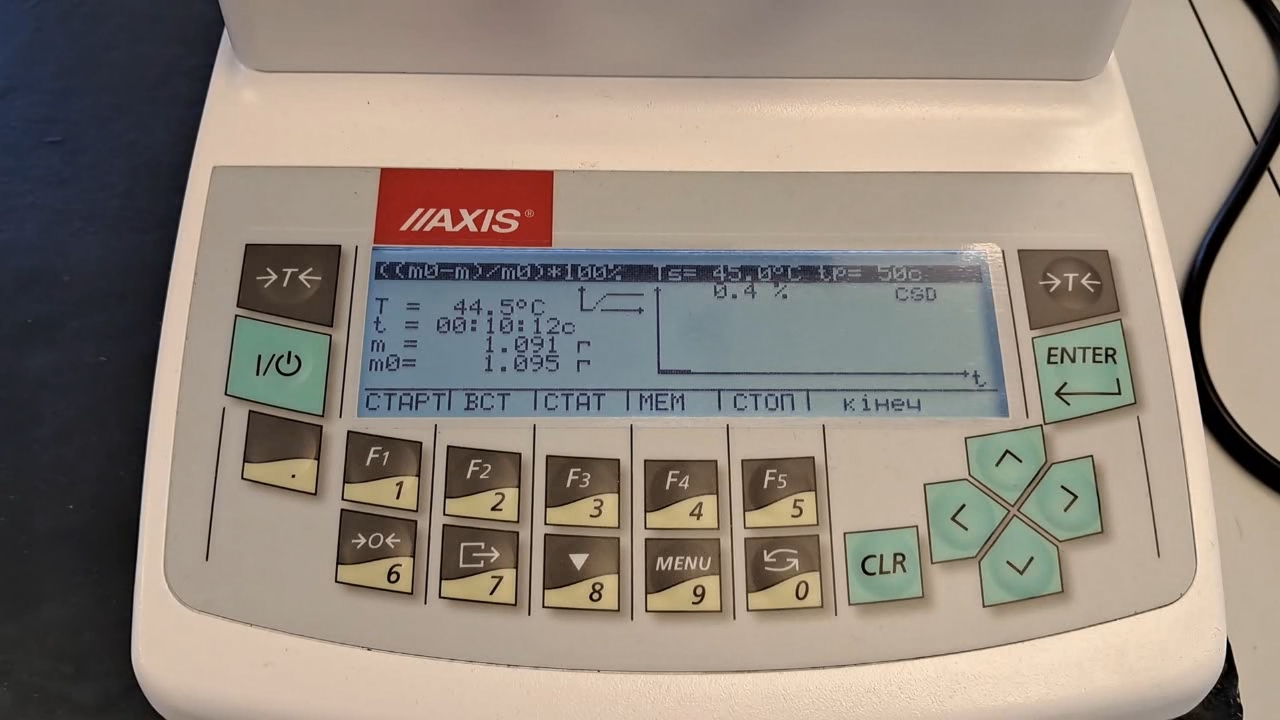
The day before, I had determined the water content of the original product - urotropine taken directly from the sack. Today, however, we had four kilograms of dried hexamethylenetetramine, so I decided to analyze that material as well. Since some of the water had evaporated during drying, the analysis should have yielded a lower value than that obtained for the original product. I weighed out 1.0 g of urotropine and set the temperature to 45°C. I programmed a heating duration of 25 minutes, although I intended to stop the process sooner. As soon as I switched on the heating, the instrument registered a moisture content of 0.2% within just 10 seconds; four seconds later, the reading dropped to zero. Naturally, these fluctuations in the instrument's readings did not please me, although they came as no surprise. A colleague had switched on the fume hood because he was working with benzene, a known carcinogen. Air currents in a laboratory can significantly affect balance readings. Analytical balances are typically enclosed in a glass housing - known as a draft shield - to protect them from such disturbances. The moisture analyzer, however, lacks this protection: its upper section is made of perforated steel, allowing water vapor and warm air to escape from the heating chamber. A short while later, someone knocked at the laboratory door, and my colleague opened it. Our mechanic had arrived with a crew of workers. He demanded that we immediately move all our instruments - two drying ovens, a large muffle furnace, and a chromatograph - away from the windows so that his workers could access them. They had been tasked with installing security grilles on our windows. This was their second attempt that day. The first time, the workers had simply walked in without a word and dumped a pile of dirty tools onto the laboratory floor. Then, invoking the mechanic's name, they had asked us to clear a path to the windows. I told them to gather their things and get out of our laboratory. I called the director, who assured me that the workers had no authorization to enter our lab and were supposed to install the grilles from the outside. Later, the director spoke to the mechanic, who claimed he hadn't sent the workers to break into the chemistry laboratory, insisting that the intrusion had been their own idea. Then, just as I was standing by the moisture analyzer, monitoring the readings, the mechanic himself showed up in the lab and demanded that we move our equipment away from the windows. Without taking my eyes off the instrument, I told him that neither he nor his crew would be allowed access to the lab - and that the matter was not up for discussion. A colleague, another chemist who wasn't busy with an analysis at the time, explained the situation to the mechanic in much less diplomatic terms. After a couple of minutes of arguing, the mechanic and his workers left. The moment the door closed, my patience vanished completely. I let loose a string of profanities - very harsh ones. What angered me most was that the mechanic had lied to the institute's director: the idea of wreaking havoc in the analytical laboratory had been his, not his workers'. Will we ever be allowed to work here in peace? While I was arguing with the mechanic, the readings on the moisture analyzer kept shifting. Forty seconds after heating began, the device showed a sample mass loss of 0.2%; three minutes later, the reading jumped to 0.5%, only to drop back to 0.2%. Throughout the run, the mass loss reading fluctuated between 0.1% and 0.5%, although it remained at 0.2% for most of the time. I stopped the heating after 10 minutes, when the reading was once again 0.2%. I was witnessing the very same erratic fluctuations in the moisture analyzer's readings that the electrician had warned me about. Several factors contributed to them: the fume hood being switched on and off, people walking past, laboratory doors opening and closing - not to mention the mechanic and an entire crowd of workers in the lab. Analytical balances are typically placed on a heavy stone slab supported by a rigid, sturdy structure; sometimes, such a slab is even built directly into the laboratory wall. This arrangement is essential for protecting the balance from vibrations. Since the moisture analyzer incorporated a similar analytical balance, we placed it on a marble slab. A colleague had brought this slab over from another institute, nearly injuring her back in the process, as it was quite heavy. However, the slab rested on an ordinary laboratory bench with a plastic top, which offered no protection against vibrations. We provided four kilograms of dried hexamine to calibrate a screw-type feeder, a device I nicknamed the "fish feeder" because it resembled equipment used to dispense animal feed. The process engineers didn't care for this comparison, although they kept their thoughts to themselves - especially after I'd kicked the mechanic out of the lab. While the feeder was running, the hexamine remained exposed to the air for an extended period. According to the analysis results, the moisture content was 0.4% in the undried urotropine and 0.2% in the dried material. After the feeder had been running, we performed another moisture analysis, which yielded a value of 0.4%. Throughout most of the heating cycle, the readings fluctuated between 0.4% and 0.5%. What conclusion can we draw? If we shield our moisture analyzer from vibrations, keep unauthorized personnel out of the lab, and spare the chemists a mountain of administrative headaches, the moisture content results for urotropine turn out to be quite plausible. Personally, though, I wouldn't rely on them. |
Determining Moisture Content in Hexamine |
|
|
|
|
|
|
|
|
|
|
